WO2024124172A1 - Compositions and methods for stimulating and/or enhancing exercise motivation and/or physical performance - Google Patents
Compositions and methods for stimulating and/or enhancing exercise motivation and/or physical performance Download PDFInfo
- Publication number
- WO2024124172A1 WO2024124172A1 PCT/US2023/083183 US2023083183W WO2024124172A1 WO 2024124172 A1 WO2024124172 A1 WO 2024124172A1 US 2023083183 W US2023083183 W US 2023083183W WO 2024124172 A1 WO2024124172 A1 WO 2024124172A1
- Authority
- WO
- WIPO (PCT)
- Prior art keywords
- dopamine
- group
- optionally substituted
- exercise
- mice
- Prior art date
- Legal status (The legal status is an assumption and is not a legal conclusion. Google has not performed a legal analysis and makes no representation as to the accuracy of the status listed.)
- Ceased
Links
Classifications
-
- A—HUMAN NECESSITIES
- A23—FOODS OR FOODSTUFFS; TREATMENT THEREOF, NOT COVERED BY OTHER CLASSES
- A23L—FOODS, FOODSTUFFS OR NON-ALCOHOLIC BEVERAGES, NOT OTHERWISE PROVIDED FOR; PREPARATION OR TREATMENT THEREOF
- A23L33/00—Modifying nutritive qualities of foods; Dietetic products; Preparation or treatment thereof
- A23L33/10—Modifying nutritive qualities of foods; Dietetic products; Preparation or treatment thereof using additives
- A23L33/115—Fatty acids or derivatives thereof; Fats or oils
- A23L33/12—Fatty acids or derivatives thereof
-
- A—HUMAN NECESSITIES
- A23—FOODS OR FOODSTUFFS; TREATMENT THEREOF, NOT COVERED BY OTHER CLASSES
- A23L—FOODS, FOODSTUFFS OR NON-ALCOHOLIC BEVERAGES, NOT OTHERWISE PROVIDED FOR; PREPARATION OR TREATMENT THEREOF
- A23L33/00—Modifying nutritive qualities of foods; Dietetic products; Preparation or treatment thereof
- A23L33/10—Modifying nutritive qualities of foods; Dietetic products; Preparation or treatment thereof using additives
- A23L33/135—Bacteria or derivatives thereof, e.g. probiotics
-
- A—HUMAN NECESSITIES
- A61—MEDICAL OR VETERINARY SCIENCE; HYGIENE
- A61K—PREPARATIONS FOR MEDICAL, DENTAL OR TOILETRY PURPOSES
- A61K31/00—Medicinal preparations containing organic active ingredients
- A61K31/045—Hydroxy compounds, e.g. alcohols; Salts thereof, e.g. alcoholates
- A61K31/05—Phenols
-
- A—HUMAN NECESSITIES
- A61—MEDICAL OR VETERINARY SCIENCE; HYGIENE
- A61K—PREPARATIONS FOR MEDICAL, DENTAL OR TOILETRY PURPOSES
- A61K31/00—Medicinal preparations containing organic active ingredients
- A61K31/16—Amides, e.g. hydroxamic acids
-
- A—HUMAN NECESSITIES
- A61—MEDICAL OR VETERINARY SCIENCE; HYGIENE
- A61K—PREPARATIONS FOR MEDICAL, DENTAL OR TOILETRY PURPOSES
- A61K31/00—Medicinal preparations containing organic active ingredients
- A61K31/16—Amides, e.g. hydroxamic acids
- A61K31/165—Amides, e.g. hydroxamic acids having aromatic rings, e.g. colchicine, atenolol, progabide
-
- A—HUMAN NECESSITIES
- A61—MEDICAL OR VETERINARY SCIENCE; HYGIENE
- A61K—PREPARATIONS FOR MEDICAL, DENTAL OR TOILETRY PURPOSES
- A61K31/00—Medicinal preparations containing organic active ingredients
- A61K31/185—Acids; Anhydrides, halides or salts thereof, e.g. sulfur acids, imidic, hydrazonic or hydroximic acids
-
- A—HUMAN NECESSITIES
- A61—MEDICAL OR VETERINARY SCIENCE; HYGIENE
- A61K—PREPARATIONS FOR MEDICAL, DENTAL OR TOILETRY PURPOSES
- A61K31/00—Medicinal preparations containing organic active ingredients
- A61K31/33—Heterocyclic compounds
- A61K31/395—Heterocyclic compounds having nitrogen as a ring hetero atom, e.g. guanethidine or rifamycins
- A61K31/40—Heterocyclic compounds having nitrogen as a ring hetero atom, e.g. guanethidine or rifamycins having five-membered rings with one nitrogen as the only ring hetero atom, e.g. sulpiride, succinimide, tolmetin, buflomedil
- A61K31/403—Heterocyclic compounds having nitrogen as a ring hetero atom, e.g. guanethidine or rifamycins having five-membered rings with one nitrogen as the only ring hetero atom, e.g. sulpiride, succinimide, tolmetin, buflomedil condensed with carbocyclic rings, e.g. carbazole
- A61K31/404—Indoles, e.g. pindolol
- A61K31/4045—Indole-alkylamines; Amides thereof, e.g. serotonin, melatonin
-
- A—HUMAN NECESSITIES
- A61—MEDICAL OR VETERINARY SCIENCE; HYGIENE
- A61K—PREPARATIONS FOR MEDICAL, DENTAL OR TOILETRY PURPOSES
- A61K35/00—Medicinal preparations containing materials or reaction products thereof with undetermined constitution
- A61K35/66—Microorganisms or materials therefrom
- A61K35/74—Bacteria
- A61K35/741—Probiotics
- A61K35/744—Lactic acid bacteria, e.g. enterococci, pediococci, lactococci, streptococci or leuconostocs
- A61K35/747—Lactobacilli, e.g. L. acidophilus or L. brevis
-
- A—HUMAN NECESSITIES
- A61—MEDICAL OR VETERINARY SCIENCE; HYGIENE
- A61K—PREPARATIONS FOR MEDICAL, DENTAL OR TOILETRY PURPOSES
- A61K35/00—Medicinal preparations containing materials or reaction products thereof with undetermined constitution
- A61K35/66—Microorganisms or materials therefrom
- A61K35/76—Viruses; Subviral particles; Bacteriophages
-
- C—CHEMISTRY; METALLURGY
- C07—ORGANIC CHEMISTRY
- C07K—PEPTIDES
- C07K14/00—Peptides having more than 20 amino acids; Gastrins; Somatostatins; Melanotropins; Derivatives thereof
- C07K14/195—Peptides having more than 20 amino acids; Gastrins; Somatostatins; Melanotropins; Derivatives thereof from bacteria
-
- C—CHEMISTRY; METALLURGY
- C07—ORGANIC CHEMISTRY
- C07K—PEPTIDES
- C07K14/00—Peptides having more than 20 amino acids; Gastrins; Somatostatins; Melanotropins; Derivatives thereof
- C07K14/435—Peptides having more than 20 amino acids; Gastrins; Somatostatins; Melanotropins; Derivatives thereof from animals; from humans
- C07K14/705—Receptors; Cell surface antigens; Cell surface determinants
- C07K14/70571—Receptors; Cell surface antigens; Cell surface determinants for neuromediators, e.g. serotonin receptor, dopamine receptor
-
- A—HUMAN NECESSITIES
- A23—FOODS OR FOODSTUFFS; TREATMENT THEREOF, NOT COVERED BY OTHER CLASSES
- A23K—FODDER
- A23K10/00—Animal feeding-stuffs
- A23K10/10—Animal feeding-stuffs obtained by microbiological or biochemical processes
- A23K10/16—Addition of microorganisms or extracts thereof, e.g. single-cell proteins, to feeding-stuff compositions
- A23K10/18—Addition of microorganisms or extracts thereof, e.g. single-cell proteins, to feeding-stuff compositions of live microorganisms
-
- A—HUMAN NECESSITIES
- A23—FOODS OR FOODSTUFFS; TREATMENT THEREOF, NOT COVERED BY OTHER CLASSES
- A23K—FODDER
- A23K20/00—Accessory food factors for animal feeding-stuffs
- A23K20/10—Organic substances
- A23K20/111—Aromatic compounds
-
- A—HUMAN NECESSITIES
- A23—FOODS OR FOODSTUFFS; TREATMENT THEREOF, NOT COVERED BY OTHER CLASSES
- A23K—FODDER
- A23K20/00—Accessory food factors for animal feeding-stuffs
- A23K20/10—Organic substances
- A23K20/116—Heterocyclic compounds
- A23K20/132—Heterocyclic compounds containing only one nitrogen as hetero atom
-
- A—HUMAN NECESSITIES
- A23—FOODS OR FOODSTUFFS; TREATMENT THEREOF, NOT COVERED BY OTHER CLASSES
- A23K—FODDER
- A23K20/00—Accessory food factors for animal feeding-stuffs
- A23K20/10—Organic substances
- A23K20/158—Fatty acids; Fats; Products containing oils or fats
Definitions
- BACKGROUND Exercise is possibly the single most important and accessible lifestyle component that protects from a large range of diseases, including cardiovascular, metabolic, inflammatory, neoplastic, and neurodegenerative diseases. Despite these beneficial effects of exercise, modern societies are characterized by an ever more sedentary lifestyle. It is estimated that the average daily physical activity is lower than ever before during human evolution, and there is a direct causal relationship between the decrease in physical activity and the surge in metabolic and neurological diseases worldwide.
- the present disclosure provides a method of stimulating and/or enhancing exercise motivation and/or physical performance in a subject, the method comprising administering to the subject at least one dietary supplement composition of the present disclosure.
- the present disclosure provides a method of stimulating and/or enhancing exercise motivation and/or physical performance in a subject, the method comprising administering to the subject at least one pharmaceutical composition of the present disclosure.
- the present disclosure provides a method of stimulating and/or enhancing exercise motivation and/or physical performance in a subject, the method comprising administering to the subject at least one engineered bacterial strain comprising the plasmid of the present disclosure.
- the present disclosure provides a method of stimulating and/or enhancing exercise motivation and/or physical performance in a subject, the method comprising administering to the subject at least one probiotic composition of the present disclosure.
- the present disclosure provides a method of stimulating and/or enhancing exercise motivation and/or physical performance in a subject, the method comprising administering to the subject at least one probiotic composition comprising at least one bacterial strain selected from the group consisting of Coprococcus bacterium and Eubacterium bacterium.
- the present disclosure provides a method of stimulating and/or enhancing exercise motivation and/or physical performance in a subject, the method comprising administering to the subject at least one Cannabinoid Receptor Type 1 (CB1) agonist.
- the CB1 agonist is a fatty acid amide.
- the fatty acid amid is a compound of Formula (I), or a salt, solvate, stereoisomer, or isotopologue thereof, wherein R 1 , R 2 , R 3 , R 4 , and R 5 are defined elsewhere herein.
- the present disclosure provides a plasmid comprising at least one gene which encodes a protein that promotes fatty acid amide (FAA) biosynthesis which when inserted into a bacterium stimulates and/or enhances exercise motivation and/or physical performance in a subject.
- the present disclosure provides an engineered bacterial strain comprising at least one plasmid of the present disclosure.
- the present disclosure provides an engineered bacterial strain comprising at least one plasmid comprising at least one gene which encodes a protein that promotes fatty acid amide (FAA) biosynthesis.
- the present disclosure provides a pharmaceutical composition
- a pharmaceutical composition comprising at least one fatty acid amide (FAA) selected from the group consisting of N-stearoyl serotonin, N-arachidonoyl dopamine, N-oleoyl dopamine, N-palmitoyl dopamine, N-stearoyl dopamine, N-stearoyl taurine, N-arachidonoyl ethanolamide, N-palmitoyl ethanolamide, and N- oleoyl ethanolamide, and at least one pharmaceutically acceptable carrier.
- FAA fatty acid amide
- the present disclosure provides a pharmaceutical composition
- a pharmaceutical composition comprising at least two fatty acid amide (FAAs) selected from the group consisting of N-stearoyl serotonin, N-arachidonoyl dopamine, N-oleoyl dopamine, N-palmitoyl dopamine, N-stearoyl dopamine, N-stearoyl taurine, N-arachidonoyl ethanolamide, N-palmitoyl ethanolamide, and N- oleoyl ethanolamide, and at least one pharmaceutically acceptable carrier.
- FAAs fatty acid amide
- the present disclosure provides a pharmaceutical composition
- a pharmaceutical composition comprising at least three fatty acid amide (FAAs) selected from the group consisting of N- stearoyl serotonin, N-arachidonoyl dopamine, N-oleoyl dopamine, N-palmitoyl dopamine, N- stearoyl dopamine, N-stearoyl taurine, N-arachidonoyl ethanolamide, N-palmitoyl ethanolamide, and N-oleoyl ethanolamide, and at least one pharmaceutically acceptable carrier.
- FAAs fatty acid amide
- the present disclosure provides a pharmaceutical composition
- a pharmaceutical composition comprising at least four fatty acid amide (FAAs) selected from the group consisting of N-stearoyl serotonin, N-arachidonoyl dopamine, N-oleoyl dopamine, N-palmitoyl dopamine, N-stearoyl dopamine, N-stearoyl taurine, N-arachidonoyl ethanolamide, N-palmitoyl ethanolamide, and N- oleoyl ethanolamide, and at least one pharmaceutically acceptable carrier.
- FAAs fatty acid amide
- the present disclosure provides a pharmaceutical composition
- a pharmaceutical composition comprising at least five fatty acid amide (FAAs) selected from the group consisting of N-stearoyl serotonin, N-arachidonoyl dopamine, N-oleoyl dopamine, N-palmitoyl dopamine, N-stearoyl dopamine, N-stearoyl taurine, N-arachidonoyl ethanolamide, N-palmitoyl ethanolamide, and N- oleoyl ethanolamide, and at least one pharmaceutically acceptable carrier.
- FAAs fatty acid amide
- FIGs.1A-1L The impact of the intestinal microbiome on exercise performance in genetically and metagenomically diverse mice.
- FIG.1A schematic of study cohort consisting of diversity-outbred mice derived from 8 founder strains. The cohort was profiled for genome, microbiome, metabolome, and energy metabolism and assessed for exercise performance.
- FIG.1D heritability (h 2 ) calculated for distance, time, and energy spent on treadmills.
- FIG.1E algorithm-predicted versus measured treadmill distance based on a model including all assessed non-genetic features.
- FIG.1F explained variability for “metagroups” of non-genetic variables used for prediction.
- FIG.1G algorithm-predicted versus measured treadmill distance based on a model including only features from 16S rDNA sequencing.
- FIG. 1H schematic of interventions to test for microbiome causality in DO mice.
- FIGs.1I-1K Wheel (FIGs.1I-1J) and treadmill (FIG.1K) running of DO mice treated with antibiotics (Abx).
- FIG. 1L Correlation of treadmill running by donors and recipients of microbiome transfers from DO mice to germ-free mice. Error bars indicate means ⁇ SEM. ** p ⁇ 0.01, *** p ⁇ 0.001.
- FIGs.2A-2N Exercise, genome, microbiome and metabolism in diversity-outbred mice.
- FIG.2A ranking of diversity outbred (DO) mice by time spent on treadmill until exhaustion.
- FIG.2B wheel turn recording of DO mice over two consecutive days.
- FIG.2C kinship matric of DO mice.
- FIG.2D GWAS for time spent on treadmill during endurance exercise of DO mice.
- FIG.2E classification of serum metabolomes of DO mice.
- FIG.2F taxonomies based on 16S rDNA sequencing of DO mice.
- FIG.2G-2N recording traces (FIG.2G, FIG.2I, FIG.2K, and FIG.2M) and quantification (FIG.2H, FIG.2J, FIG.2L, and FIG.2N) of horizontal movement (FIGs.2G-2H), respiratory exchange ratio (FIGs.2I-2J), energy expenditure (FIGs.2K-2L), and food intake (FIGs.2M-2N) of DO mice.
- FIGs.3A-3O Prediction of exercise performance in diversity-outbred mice.
- FIGs.3A- 3G algorithm-predicted versus measured treadmill time (FIG.3A, FIG.3C, FIG.3F), energy (FIG.3B, FIG.3D, FIG.3G), and distance (FIG.3E) based on a model including all assessed non-genetic features (FIGs.3A-3B), microbiota features (FIG.3C-3D), and serum metabolome (FIG.3E-3G).
- FIG.3H-3K correlation of food intake (FIG.3H), energy expenditure (FIG.3I), spontaneous locomotion (FIG.3J), and respiratory exchange ratio (FIG.3K) with treadmill distance.
- FIG.3L ranked plot of treadmill distance of DO mice, with and without antibiotic (Abx) treatment.
- FIGs.3M-3O Kaplan-Meier plots for distance (FIG.3M) and time (FIG.3N) to exhaustion, and time quantification (FIG.3O) for treadmill exercise of DO mice, with and without Abx treatment. Error bars indicate means ⁇ SEM. ** p ⁇ 0.01.
- FIGs.4A-4L Members of the microbiota contributing to exercise performance.
- FIG.4A Kaplan-Meier plot of distance on treadmill of broad-spectrum antibiotics (Abx)-treated mice and controls.
- FIG.4B averaged hourly distance of voluntary wheel activity of Abx mice and controls. Inset shows representative recording traces.
- FIG.4C Kaplan-Meier plot of distance on treadmill of germfree (GF) mice and controls.
- FIG.4D averaged hourly distance of voluntary wheel activity of GF mice and controls.
- Inset shows representative recording traces.
- FIGs.4E- 4F Kaplan-Meier plot (FIG.4E) and quantification (FIG.4F) of distance on treadmill of mice treated with the indicated antibiotics.
- FIGs.4G-4H averaged hourly distance (FIG.4G) and quantification (FIG.4H) of voluntary wheel activity of mice treated with the indicated antibiotics.
- Inset shows representative recording traces.
- FIG.4I Kaplan-Meier plot of distance on treadmill of GF mice colonized with microbiome samples from conventional (SPF), neomycin-treated (Neo) or ampicillin-treated (Amp) mice.
- FIG.4J SHAP-value ranking of all microbiota features contributing to prediction of exercise performance in DO mice.
- FIGs.4K-4L Kaplan-Meier plot (FIG.4K) and quantification (FIG.4L) of distance on treadmill of SPF mice, GF mice, and GF mice mono-colonized with the indicated bacterial species. Error bars indicate means ⁇ SEM. n.s. not significant, * p ⁇ 0.05, ** p ⁇ 0.01, **** p ⁇ 0.0001.
- FIGs.5A-5W The microbiome impact on exercise performance.
- FIGs.5A-5D quantifications (FIG.5A and FIGs.5C-5D) and Kaplan-Meier plot (FIG.5B) of treadmill distance (FIG.5A), time (FIGs.5B-5C) and energy (FIG.5D) of antibiotics (Abx)-treated female mice.
- FIG.5E wheel running quantification of Abx-treated mice.
- FIGs.5F-5I quantifications (FIG.5F and FIGs.5H-5I) and Kaplan-Meier plot (FIG.5G) of treadmill distance (FIG.5F), time (FIGs.5G-5H) and energy (FIG.5I) of germ-free (GF) mice.
- FIG.5J wheel running quantification of GF mice.
- FIGs.5K-5O Kaplan-Meier plots (FIG.5K and FIG.5M) and quantifications (FIG.5L and FIGs.5N-5O) of treadmill distance (FIGs.5K-5L), time (FIGs.5M- 5N) and energy (FIG.5O) of Abx-treated male mice.
- FIGs.5P-5S Kaplan-Meier plots (FIG.5P and FIG.5R) and quantifications (FIG.5Q and FIG.5S) of distance (FIGs.5P-5Q) and time (FIGs.5R-5S) on treadmill of Abx-treated mice or mice after Abx cessation (ex-Abx).
- FIGs.5T- 5Q Kaplan-Meier plots (FIG.5T and FIG.5V) and quantifications (FIG.5U and FIG.5W) of distance (FIGs.5T-5U) and time (FIG.5V and FIG.5W) on treadmill of GF mice and conventionalized (ex-GF) mice. Error bars indicate means ⁇ SEM.
- FIGs.6A-6W Taxonomic analysis of microbiome features associated with exercise performance.
- FIGs.6A-6B recording (FIG.6A) and quantification (FIG.6B) of free horizontal movement measured in metabolic cages for two consecutive days in Abx-treated mice and controls.
- FIGs.6C-6E open field locomotion (FIG.6C), distance quantification (FIG.6D) and velocity quantification (FIG.6E) of Abx-treated mice and controls.
- FIGs.6F-6I Kaplan-Meier plots (FIG.6F and FIG.6H) and quantifications (FIG.6G and FIG.6I) of distance (FIGs.6F-6G) and time (FIGs.6H-6I) on treadmill of mice treated with either absorbable (Abs) or non- absorbable (Non-abs) antibiotics, or a broad-spectrum mixture (Abx).
- FIGs.6J-6L body weight (FIG.6J), Kaplan-Meier plot (FIG.6K) and quantification (FIG.6L) of time on treadmill of mice treated with the indicated different antibiotics.
- FIGs.6M-6P quantifications (FIG.6M and FIGs.
- FIGs.6Q-6S phylum-level taxonomic microbiome composition (FIG.6Q) and relative abundance of Erysipelotrichaceae (FIGs.6R-6S) of neomycin- and ampicillin-treated mice (FIGs.6Q-6R) and GF mice receiving their microbiome samples (FIG.6S).
- FIGs.6T-6W bacterial load (FIG.6T), taxonomic composition (FIG.6U), treadmill distance, Kaplan-Meier plot (FIG.6V) and quantification (FIG. 6W) of SPF mice, GF mice, and GF mice mono-colonized with the indicated bacterial species. Error bars indicate means ⁇ SEM. *n.s. not significant, p ⁇ 0.05, ** p ⁇ 0.01, **** p ⁇ 0.0001.
- FIGs.7A-7S The impact of the microbiome on muscle physiology.
- FIGs.7A-7D weight of soleus (FIG.7A), gastrocnemius (FIG.7A), tibilias anterior (FIG.7C), and extensor digitorum longus (EDL) muscles in Abx-treated mice and controls.
- FIGs.7E-7F grip strength of Abx- treated mice and controls before (FIG.7E) and after (FIG.7F) exercise.
- FIGs.7G-7J maximum twitch (FIG.7G), and tetanic force (FIG.7H), specific twitch force (FIG.7I), and specific tetanic force (FIG.7J) of EDL muscle from Abx-treated mice and controls.
- FIGs.7K-7N decrease in power (FIG.7K) and specific muscle force (FIG.7L) over time, force recovery quantification (FIG.7M) and force recovery over time (FIG.7N) of EDL muscle from Abx-treated mice and controls.
- FIG.7O EDL muscle cross-sectional area in Abx-treated mice and controls.
- FIGs.7P- 7Q quantification of oxidative phosphorylation and fatty acid oxidation of isolated mitochondria (FIG.7P) and whole cell lysates (FIG.7Q) from EDL muscle obtained from either Abx-treated mice or controls.
- FIGs.7R-7S PCA plot (FIG.7R) and heatmap of selected genes (FIG.7S) from EDL transcriptomes obtained from Abx-treated mice and controls. NMJ, neuro-muscular junction. Error bars indicate means ⁇ SEM. ** p ⁇ 0.01.
- FIGs.8A-8D single-nucleus sequencing of the striatum.
- FIG.8A UMAP clustering of all cell types identified in the striatum as well as feature plots for each cluster-identifying marker.
- FIG.8B UMAP of neuronal subcluster showing expression of Drd1 and Drd2.
- FIGs.8C-8D UMAP plots (FIG.8C) and quantification (FIG.8D) of Fos expression in striatal neurons from control and Abx treated mice before and during exercise.
- FIGs.9A-9R The microbiome impacts exercise-induced dopamine responses in the striatum.
- FIG.9A UMAP plot of neurons from single-nucleus RNA-seq of the striata of control and Abx-treated mice before and during exercise.
- FIGs.9B-9C UMAP plots (FIG.9B) and quantification (FIG.9C) of Arc expression in striatal neurons from control and Abx-treated mice before and during exercise.
- FIG.9D dopamine levels in the brains of Abx-treated mice and controls, at steady-state, after exhaustion from endurance exercise, and after 60 minutes of timed exercise.
- FIGs.9E-9H schematic (FIG.9E), recording traces (FIG.9F), quantification (FIG. 9G), and mean signals (FIG.9H) of fibre photometry recording of a dopamine sensor injected into the nucleus accumbens. Mice were recorded at the end of the exercise protocol.
- FIGs.9I-9J correlation of striatal dopamine concentration and distance ran in voluntary exercise by DO mice (FIG.9I) and germ-free recipients of microbiota samples from DO mice (FIG.9J).
- FIGs.9K-9N averaged hourly distance (FIG.9K and FIG.9M) and quantification (FIG.9L and FIG.9N) of voluntary wheel activity of Abx-treated mice injected with sulpiride (FIG.9K and FIG.9L), or bromocriptine (FIGs.9M-9N).
- FIG.9O expression of Maoa in the striatum before and after exercise in control and Abx-treated mice.
- FIG.9P dopamine levels in the brain of Abx-treated and control mice, both steady state and post- exercise, injected i.p. with vehicle or the MAO inhibitor pargyline.
- FIGs.9Q-9R averaged hourly distance (FIG.9Q) and quantification (FIG.9R) of voluntary wheel activity of Abx- treated mice injected with the MAO inhibitor pargyline. Inset shows representative recording traces. Error bars indicate means ⁇ SEM. n.s. not significant, * p ⁇ 0.05, ** p ⁇ 0.01, *** p ⁇ 0.001, **** p ⁇ 0.0001.
- FIGs.10A-10M The role of microbiome-mediated dopamine responses in exercise performance.
- FIG.10A schematic depicting in vivo fibre photometry of dopamine sensor fluorescence in the nucleus accumbens of mice during treadmill running.
- FIGs.10B-10D fibre photometry recording of dopamine dynamics at the end of exercise in the ventral striatum (FIG. 10B), the dorsal striatum (FIG.10C), and the ventral striatum after different durations of exercise.
- FIGs.10E-10F glutamate (FIG.10E) and acetylcholine (FIG.10F) levels in the brain of Abx-treated mice and controls, at steady-state and after endurance exercise.
- FIG.10G post- exercise dopamine levels in brain tissue of GF mice, and GF mice colonized with stool from SPF, neomycin- or ampicillin-treated mice.
- FIG.10H-10K Kaplan-Meier plots (FIG.10H and FIG.10J) and quantifications (FIG.10I and FIG.10K) of distance (FIGs.10H-10I) and time (FIGs.10J-10K) on treadmill of Abx-treated Slc6a3 hM4Di mice, with or without CNO treatment.
- FIGs.10L-10M averaged hourly distance (FIG.10L) and quantification (FIG.10M) of voluntary wheel activity of Abx-treated Slc6a3 hM4Di mice, with or without CNO treatment. Inset shows representative recording traces. Error bars indicate means ⁇ SEM.
- FIGs.11A-11M Mechanisms of microbiome-mediated control of striatal dopamine responses.
- FIGs.11A-11E schematic (FIG.11A), recording traces (FIG.11B), quantification (FIG.11C), mean signals (FIG.11D), and maximum signals (FIG.11E) of fibre photometry recording from the VTA of Slc6a3-Cre mice injected with a GCamp6-expressing virus. Mice were recorded at the end of the exercise protocol.
- FIGs.11F-11I Kaplan-Meier plots (FIG.11F and FIG.11H) and quantifications (FIG.11G and FIG.11I) of distance (FIGs.11F-11G) and time (FIGs.11H-11I) on treadmill of Abx-treated mice, with or without leptin injection i.p. or into the VTA.
- FIGs.11J-11M Kaplan-Meier plots (FIG.11J and FIG.11L) and quantifications (FIG.11K and FIG.11M) of distance (FIGs.11J-11K) and time (FIGs.11L-11M) on treadmill of Abx-treated mice, with or without pargyline treatment. All results are representative of two independent experiments.
- FIGs.12A-12L Circulating versus neuronal factors as mediators of the microbiome impact on exercise.
- FIG.12A heatmap of differentially abundant serum metabolites between Abx-treated mice and controls.
- FIG.12B correlation of fold change of serum metabolite abundance between Abx-treated mice and controls with the correlation of the same metabolites with treadmill distance in the DO cohort.
- FIGs.12C-12H Kaplan-Meier plots (FIG.12C, FIG.
- FIG.12I-12J averaged hourly distance (FIG.12I) and quantification (FIG.12J) of voluntary wheel activity of Abx- treated mice, with or without capsaicin treatment. Inset shows representative recording traces.
- FIGs.12K-12L Kaplan-Meier plot (FIG.12K) and quantifications (FIG.12L) time on treadmill of Abx-treated mice, with or without capsaicin treatment. Error bars indicate means ⁇ SEM. * p ⁇ 0.05, ** p ⁇ 0.01, **** p ⁇ 0.0001.
- FIGs.13A-13P The microbiome influences exercise performance via afferent sensory neurons.
- FIGs.13A-13B averaged hourly distance (FIG.13A) and quantification (FIG.13B) of voluntary wheel activity of wild-type (WT) and Trpv1 DTA mice, with and without Abx treatment. Inset shows representative recording traces.
- FIGs.13C-13D Kaplan-Meier plot (FIG.13C) and quantification (FIG.13D) of distance on treadmill of controls, Abx-treated mice and Trpv1 DTA mice.
- FIGs.13E-13F Kaplan-Meier plot (FIG.13E) and quantification (FIG.13F) of treadmill distance of Abx-treated mice and controls, with or without capsaicin treatment.
- FIG.13G expression of Arc in the dorsal root ganglia of sedentary and post-exercise mice, with or without Abx treatment.
- FIG.13H expression of Maoa in the striatum of post-exercise Abx-treated and control mice, with or without capsaicin treatment.
- FIG.13I dopamine levels in the brain of control mice, Abx-treated mice, and Trypy1 DTA mice, with or without capsaicin treatment.
- FIGs. 13J-13L recording traces (FIG.13J), quantification (FIG.13K), and maximal signals (FIG.13L) of post-exercise Abx-treated mice and controls, with or without capsaicin treatment.
- FIGs.13M- 13N averaged hourly distance (FIG.13M) and quantification (FIG.13N) of voluntary wheel activity of Abx-treated mice and controls, with or without capsaicin and sulpiride treatment.
- FIGs.13O-13P averaged hourly distance (FIG.13O) and quantification (FIG.13P) of voluntary wheel activity of Abx-treated and Trpv1 DTA mice, with or without bromocriptine treatment. Insets show representative recording traces. Error bars indicate means ⁇ SEM. * p ⁇ 0.05, ** p ⁇ 0.01, *** p ⁇ 0.001, **** p ⁇ 0.0001.
- FIGs.14A-14I The impact of exercise and the microbiome on sensory neuron activity.
- FIG.14A representative RNAScope images of dorsal root and nodose ganglia before and after exercise, with and without Abx treatment.
- FIG.14B number of cFos + cells in dorsal root ganglia before and after exercise.
- FIG.14C proportion of cFos + cells in dorsal root ganglia from exercised mice that are TRPV1 + and TRPV1-.
- FIG.14D-14G number of TRPV1 + (FIG.14D and FIG.14F) and cFos + TRPV1 + (FIG.14E and FIG.14G) cells in the dorsal root ganglia (FIGs. 14D-14E) and nodose ganglia (FIGs.14F-14G) in exercised Abx-treated mice and controls.
- FIGs.14H-14I expression of Fos (FIG.14H) and Homer1 (FIG.14I) in the dorsal root ganglia of sedentary and post-exercise mice, with or without Abx treatment. Error bars indicate means ⁇ SEM. * p ⁇ 0.05, ** p ⁇ 0.01, *** p ⁇ 0.001, **** p ⁇ 0.0001.
- FIGs.15A-15N Contribution of spinal and vagal afferents to exercise performance.
- FIGs.15A-15D averaged hourly distance (FIG.15A and FIG.15C) and quantifications (FIG.
- FIG.15E-15J Kaplan-Meier plots (FIG.15E, FIG.15G, and FIG.15J) and quantifications (FIG.15F and FIGs.15H-15I) of distance (FIGs.15E-15F), time (FIGs.15G-15H), and energy (FIGs.15I-15J) spent on treadmills by mice with surgical resection of the CSMG.
- FIGs.15K- 15L expression of Maoa (FIG.15K) and dopamine levels in the striatum (FIG.15L) of mice with surgical resection of the CSMG after exercise.
- FIG.15M mean dopamine indicator signal in post-exercise Abx-treated mice, with or without capsaicin treatment.
- FIG.15N correlation of striatal dopamine levels with distance in running wheels of Trpv1 DTA mice, Abx-treated mice, and controls, with or without capsaicin treatment. Error bars indicate means ⁇ SEM. * p ⁇ 0.05, ** p ⁇ 0.01, *** p ⁇ 0.001.
- FIGs.16A-16O Intestinal endocannabinoids drive exercise performance.
- FIG.16A recording traces of calcium imaging of DRG neurons exposed to stool filtrates from Abx-treated mice and controls. Arrow indicates treatment time.
- FIGs.16B-16C quantification (FIG.16B) and correlation with treadmill distance (FIG.16C) of calcium imaging of DRG neurons exposed to stool filtrates from mice treated with different Abx. Arrow indicates treatment time.
- FIG.16D heatmap of metabolites detected in caecal contents from mice treated with different Abx.
- FIG. 16E quantifications of calcium imaging of DRG neurons exposed to individual metabolites.
- FIG.16F normalized abundance of oleoylethanolamide (OEA) in caecal contents from mice treated with different Abx.
- FIG.16G correlation between OEA abundance and wheel running in DO mice.
- FIGs.16H-16O averaged hourly distance (FIG.16H, FIG.16J, FIG.16L, and FIG. 16N) and quantification (FIG.16I, FIG.16K, FIG.16M, and FIG.16O) of voluntary wheel activity of Abx mice and controls, fed a fatty acid amide (FAA)-supplemented or control diet (FIG.16H, FIG.16I, FIG.16L, and FIG.16M), with or without treatment with the peripheral CB1 antagonist AM6545 (FIGs.16J-16O) and the dopamine receptor agonist bromocriptine (FIGs.16N-16O). Insets show representative recording traces. Error bars indicate means ⁇ SEM. n.s.
- FIGs.17A-17K DRG neuron stimulation by intestinal metabolites correlates with exercise performance.
- FIG.17A quantification of calcium imaging of DRG neurons exposed to stool filtrates from Abx-treated mice and controls.
- FIG.17B-17C recording traces (FIG.17B) and quantification (FIG.17C) of calcium imaging of DRG neurons exposed to stool filtrates from GF mice and controls. Arrow indicates treatment time.
- FIGs.17D-17G recording traces (FIG.17D), quantification (FIG.17E), correlation with wheel running (FIG.17F), and correlation with post-exercise dopamine levels in the striatum of calcium imaging of DRG neurons exposed to stool filtrates from DO mice. Arrow indicates treatment time.
- FIGs.17H-17I recording traces of calcium imaging of DRG neurons exposed to stool filtrates from mice treated with different Abx (FIG.17H) and to individual metabolites (FIG.17I). Arrow indicates treatment time.
- FIG.17J-17K recording traces (FIG.17J) and quantification (FIG.17K) of calcium imaging of DRG neurons exposed to oleoylethanolamide (OEA) or capsaicin.
- EOA oleoylethanolamide
- FIGs.18A-18Q Dietary supplementation of fatty acid amides enhances exercise performance.
- FIGs.18A-18F averaged recording traces (FIG.18A, FIG.18C, and FIG.18E) and quantifications (FIG.18B, FIG.18D, and FIG.18F) of calcium imaging of DRG neurons exposed to individual metabolites (FIGs.18A-18B), a fatty acid amide (FAA)-supplemented diet (FIGs.18C-18D), or stool extracts from mice fed a FAA-supplemented diet (FIGs.18E-18F).
- FIGs.18G-18L post-exercise expression of Arc and Fos in DRGs (FIGs.18G-18H), post- exercise expression of Maoa and dopamine levels in the striatum (FIGs.18I-18J), and Kaplan- Meier plot and quantification of distance on treadmill (FIGs.18K-18L) by Abx-treated mice and control, fed a FAA-supplemented or control diet.
- FIGs.18M-18O wheel running of Abx-treated DO mice, fed a FAA-supplemented or control diet.
- FIGs.18P-18Q schematic (FIGs.18P) and striatal dopamine levels (FIG.18Q) of Abx-treated mice receiving gastric infusion of FAA, with or without treadmill exercise. Error bars indicate means ⁇ SEM. ** p ⁇ 0.01, *** p ⁇ 0.001, **** p ⁇ 0.0001.
- FIGs.19A-19K Microbiome engineering to enhance fatty acid amide production and exercise performance.
- FIG.19A OEA levels in GF mice and GF mice mono-colonized with Coprococcus eutactus.
- FIG.19B schematic of generation of Escherichia coli expressing the ereA-T gene cluster from Eubacterium rectale.
- FIG.19C OEA levels in GF mice and GF mice mono-colonized with either E. coli ereA-T or the empty vector-containing strain E. coli WT .
- FIGs. 19D-19E averaged recording traces (FIG.19D) and quantification (FIG.19E) of calcium imaging of DRG neurons exposed to in stool extracts from GF mice and GF mice monocolonized with either E. coli ereA-T or E. coli WT .
- FIGs.19F-19G averaged hourly distance (FIG.19F) and quantification (FIG.19G) of voluntary wheel activity of GF mice and GF mice monocolonized with either E. coli ereA-T or E. coli WT .
- FIGs.19H-19K Kaplan-Meier plots (FIG.19H and FIG.19J) and quantifications (FIG.19I and FIG.19K) of distance (FIGs.19H-19I) and time (FIGs.19J-19K) on treadmills by GF mice and GF mice mono-colonized with either E. coli ereA-T or E. coli WT .
- Error bars indicate means ⁇ SEM. * p ⁇ 0.05, ** p ⁇ 0.01, **** p ⁇ 0.0001.
- FIGs.20A-20Q Stimulation of endocannabinoid receptors drives exercise performance.
- FIGs.20A-20B UMAP plot of all cell types identified in DRGs36 (FIG.20A) and expression of Trpv1 and Cnr1 (FIG.20B).
- FIGs.20C-20E expression of Arc (FIG.20C) and Fos (FIG.20D) in the dorsal root ganglia, and dopamine levels in the striatum (FIG.20E) of exercised Cnr1- deficient mice and controls.
- FIGs.20F-20G averaged hourly distance (FIG.20F) and quantification (FIG.20G) of voluntary wheel activity of Cnr1-deficient mice and controls. Inset shows representative recording traces.
- FIGs.20H-20I Kaplan-Meier plot (FIG.20H) and quantification (FIG.20I) of distance on treadmills by Cnr1-deficient mice and controls.
- FIGs. 20J-20M averaged hourly distance (FIG.20J and FIG.20L) and quantifications (FIG.20K and FIG.20M) of voluntary wheel activity of Abx-treated mice and controls, with or without treatment with the CB1 inhibitor O-2050 (FIGs.20J-20K) or the CB1 agonist CP55,940 (FIGs. 20L-20M).
- Insets show representative recording traces.
- FIGs.20N-20Q Kaplan-Meier plots (FIG.20N and FIG.20P) and quantifications (FIG.20O and FIG.20Q) of distance (FIGs.20N- 20O) and time (FIGs.20P-20Q) on treadmills by Abx-treated mice and controls, with or without treatment with the peripheral CB1 inhibitor AM6545. Error bars indicate means ⁇ SEM. * p ⁇ 0.05, ** p ⁇ 0.01, *** p ⁇ 0.001, **** p ⁇ 0.0001.
- FIGs.21A-21J Peripheral endocannabinoid signalling drives exercise physiology. FIGs.
- FIG.21A-21E Fos expression in DRGs (FIG.21A), Kaplan-Meier plots (FIG.21B and FIG.21D) and quantifications (FIG.21C and FIG.21E) of distance (FIGs.21B-21C) and time (FIGs.21D- 21E) on treadmills by GF mice and GF mice mono-colonized with E. coli ereA-T , with and without AM6545 treatment.
- FIGs.21F-21G expression of Maoa (FIG.21F) and dopamine levels in the striatum (FIG.21G) of AM6545-treated mice after treadmill exercise.
- FIG.21H schematic of pathway model linking the intestinal microbiome to exercise performance.
- values expressed in a range format should be interpreted in a flexible manner to include not only the numerical values explicitly recited as the limits of the range, but also to include all the individual numerical values or sub-ranges encompassed within that range as if each numerical value and sub-range is explicitly recited.
- a range of "about 0.1% to about 5%” or "about 0.1% to 5%” should be interpreted to include not just about 0.1% to about 5%, but also the individual values (e.g., 1%, 2%, 3%, and 4%) and the sub-ranges (e.g., 0.1% to 0.5%, 1.1% to 2.2%, 3.3% to 4.4%) within the indicated range.
- the present disclosure relates, in part, to the discovery of a gut-brain connection in mice that enhances exercise performance by augmenting dopamine signaling during physical activity.
- microbiome-dependent production of endocannabinoid metabolites in the gut stimulates the activity of TRPV1-expressing sensory neurons and thereby elevates dopamine levels in the ventral striatum during exercise. Stimulation of this pathway (i.e, interoceptive stimulation) improves running performance, while microbiome depletion, peripheral endocannabinoid receptor inhibition, ablation of spinal afferent neurons, or dopamine blockade abrogate exercise capacity.
- alkenyl refers to straight and branched chain and cyclic alkyl groups as defined herein, except that at least one double bond exists between two carbon atoms.
- alkenyl groups have from 2 to 40 carbon atoms, or 2 to about 20 carbon atoms, or 2 to 12 carbon atoms or, in some embodiments, from 2 to 8 carbon atoms.
- alkoxy refers to an oxygen atom connected to an alkyl group, including a cycloalkyl group, as are defined herein.
- linear alkoxy groups include but are not limited to methoxy, ethoxy, propoxy, butoxy, pentyloxy, hexyloxy, and the like.
- branched alkoxy include but are not limited to isopropoxy, sec-butoxy, tert-butoxy, isopentyloxy, isohexyloxy, and the like.
- cyclic alkoxy include but are not limited to cyclopropyloxy, cyclobutyloxy, cyclopentyloxy, cyclohexyloxy, and the like.
- An alkoxy group can include about 1 to about 12, about 1 to about 20, or about 1 to about 40 carbon atoms bonded to the oxygen atom, and can further include double or triple bonds, and can also include heteroatoms.
- an allyloxy group or a methoxyethoxy group is also an alkoxy group within the meaning herein, as is a methylenedioxy group in a context where two adjacent atoms of a structure are substituted therewith.
- alkyl refers to straight chain and branched alkyl groups and cycloalkyl groups having from 1 to 40 carbon atoms, 1 to about 20 carbon atoms, 1 to 12 carbons or, in some embodiments, from 1 to 8 carbon atoms.
- straight chain alkyl groups include those with from 1 to 8 carbon atoms such as methyl, ethyl, n-propyl, n-butyl, n-pentyl, n- hexyl, n-heptyl, and n-octyl groups.
- branched alkyl groups include, but are not limited to, isopropyl, iso-butyl, sec-butyl, t-butyl, neopentyl, isopentyl, and 2,2-dimethylpropyl groups.
- alkyl encompasses n-alkyl, isoalkyl, and anteisoalkyl groups as well as other branched chain forms of alkyl.
- Representative substituted alkyl groups can be substituted one or more times with any of the groups listed herein, for example, amino, hydroxy, cyano, carboxy, nitro, thio, alkoxy, and halogen groups.
- amine refers to primary, secondary, and tertiary amines having, e.g., the formula N(group)3 wherein each group can independently be H or non-H, such as alkyl, aryl, and the like.
- Amines include but are not limited to R-NH 2 , for example, alkylamines, arylamines, alkylarylamines; R 2 NH wherein each R is independently selected, such as dialkylamines, diarylamines, aralkylamines, heterocyclylamines and the like; and R3N wherein each R is independently selected, such as trialkylamines, dialkylarylamines, alkyldiarylamines, triarylamines, and the like.
- amine also includes ammonium ions as used herein.
- amino acid refers to an organic compound comprising both a carboxylic acid group and an amine group.
- amino acid includes both “natural” and “unnatural” or “non-natural” amino acids. Additionally, the term amino acid includes O- alkylated or N-alkylated amino acids, as well as amino acids having nitrogen or oxygen- containing side chains (e.g., Lys, Orn, or Ser) in which the nitrogen or oxygen atom has been acylated or alkylated. Amino acids may be pure L or D isomers or mixtures of L and D isomers, including racemic mixtures.
- amino group refers to a substituent of the form -NH 2 , -NHR, - NR 2 , -NR 3 + , wherein each R is independently selected, and protonated forms of each, except for -NR 3 + , which cannot be protonated. Accordingly, any compound substituted with an amino group can be viewed as an amine.
- An “amino group” within the meaning herein can be a primary, secondary, tertiary, or quaternary amino group.
- alkylamino includes a monoalkylamino, dialkylamino, and trialkylamino group.
- aryl refers to cyclic aromatic hydrocarbon groups that do not contain heteroatoms in the ring.
- aryl groups include, but are not limited to, phenyl, azulenyl, heptalenyl, biphenyl, indacenyl, fluorenyl, phenanthrenyl, triphenylenyl, pyrenyl, naphthacenyl, chrysenyl, biphenylenyl, anthracenyl, and naphthyl groups.
- aryl groups contain about 6 to about 14 carbons in the ring portions of the groups.
- Aryl groups can be unsubstituted or substituted, as defined herein.
- substituted aryl groups can be mono-substituted or substituted more than once, such as, but not limited to, a phenyl group substituted at any one or more of 2-, 3-, 4-, 5-, or 6-positions of the phenyl ring, or a naphthyl group substituted at any one or more of 2- to 8-positions thereof.
- cycloalkyl refers to cyclic alkyl groups such as, but not limited to, cyclopropyl, cyclobutyl, cyclopentyl, cyclohexyl, cycloheptyl, and cyclooctyl groups.
- the cycloalkyl group can have 3 to about 8-12 ring members, whereas in other embodiments the number of ring carbon atoms range from 3 to 4, 5, 6, or 7.
- Cycloalkyl groups further include polycyclic cycloalkyl groups such as, but not limited to, norbornyl, adamantyl, bornyl, camphenyl, isocamphenyl, and carenyl groups, and fused rings such as, but not limited to, decalinyl, and the like. Cycloalkyl groups also include rings that are substituted with straight or branched chain alkyl groups as defined herein.
- Representative substituted cycloalkyl groups can be mono-substituted or substituted more than once, such as, but not limited to, 2,2-, 2,3-, 2,4- 2,5- or 2,6-disubstituted cyclohexyl groups or mono-, di- or tri- substituted norbornyl or cycloheptyl groups, which can be substituted with, for example, amino, hydroxy, cyano, carboxy, nitro, thio, alkoxy, and halogen groups.
- cycloalkenyl alone or in combination denotes a cyclic alkenyl group.
- dietary supplement refers to a product intended to supplement or complement a subject's diet, the product comprising one or more substances with a nutritional and/or physiological effect on a subject.
- the dietary supplement can be a partial nutritional composition, which does not contain all the essential macro- and micronutrients and hence may not be used to replace one or more daily meals and/or may not be used as the sole source of nutrition of a subject.
- the dietary supplement may be a liquid, powder, gel, paste, solid, concentrate, suspension or ready-to-use formulation.
- the dietary supplement may further comprise one or more additional ingredients, including vitamins, minerals, herbs or other botanicals, amino acids, and substances such as enzymes, organ tissues, glandulars, and metabolites.
- edible base refers to any edible material, hard or soft, including vary degrees of hardness or softness.
- suitable bases and/or substrates include, but are not limited to, inulin, starch, modified starches, xanthan gum, carboxymethyl cellulose, methyl cellulose, hydroxypropylmethyl cellulose, konjac, chitosan, tragacanth, karaya, ghatti, larch, carageenan, alginate, chemically modified alginate, agar, guar, locust bean, psyllium, tara, gellan, curdlan, pullan, gum arabic, gelatin, pectin, and combinations thereof.
- the edible base is intended to include any edible food, such as fish, chicken, vegetables, legumes, fruits, meats, and the like.
- the terms "effective amount,” “pharmaceutically effective amount” and “therapeutically effective amount” refer to a nontoxic but sufficient amount of an agent to provide the desired biological result. That result may be reduction and/or alleviation of the signs, symptoms, or causes of a disease, or any other desired alteration of a biological system. An appropriate therapeutic amount in any individual case may be determined by one of ordinary skill in the art using routine experimentation.
- engineered bacteria or “engineered bacterium” as used herein refers to a modified bacterium or bacterial population that includes one or more gene sequences (e.g., nucleic acid sequences) or activities distinct from a nucleic acid sequence or activity present in the bacteria utilized as a starting point for modification and/or alteration (e.g., host bacteria and/or wild type counterpart).
- an engineered bacteria includes a heterologous polynucleotide.
- exercise refers, in it its broad sense, to putting oneself into action or to tiring effort for the sake of developing and maintaining physical fitness, including but not limited to aerobic exercise, anaerobic exercise, and non-traditional exercises, such as for example, dance, physical therapy.
- halo halogen
- halide halide group, as used herein, by themselves or as part of another substituent, mean, unless otherwise stated, a fluorine, chlorine, bromine, or iodine atom.
- heteroaryl refers to aromatic ring compounds containing 5 or more ring members, of which, one or more is a heteroatom such as, but not limited to, N, O, and S; for instance, heteroaryl rings can have 5 to about 8-12 ring members.
- a heteroaryl group is a variety of a heterocyclyl group that possesses an aromatic electronic structure.
- a heteroaryl group designated as a C 2 -heteroaryl can be a 5-ring with two carbon atoms and three heteroatoms, a 6-ring with two carbon atoms and four heteroatoms and so forth.
- a C4- heteroaryl can be a 5-ring with one heteroatom, a 6-ring with two heteroatoms, and so forth.
- Heteroaryl groups include, but are not limited to, groups such as pyrrolyl, pyrazolyl, triazolyl, tetrazolyl, oxazolyl, isoxazolyl, thiazolyl, pyridinyl, thiophenyl, benzothiophenyl, benzofuranyl, indolyl, azaindolyl, indazolyl, benzimidazolyl, azabenzimidazolyl, benzoxazolyl, benzothiazolyl, benzothiadiazolyl, imidazopyridinyl, isoxazolopyridinyl, thianaphthalenyl, purinyl, xanthinyl, adeninyl, guaninyl, quinolinyl, isoquinolinyl, tetrahydroquinolin
- Heteroaryl groups can be unsubstituted, or can be substituted with groups as is discussed herein. Representative substituted heteroaryl groups can be substituted one or more times with groups such as those listed herein. Additional examples of aryl and heteroaryl groups include but are not limited to phenyl, biphenyl, indenyl, naphthyl (1-naphthyl, 2-naphthyl), N-hydroxytetrazolyl, N-hydroxytriazolyl, N-hydroxyimidazolyl, anthracenyl (1-anthracenyl, 2-anthracenyl, 3-anthracenyl), thiophenyl (2-thienyl, 3-thienyl), furyl (2-furyl, 3-furyl) , indolyl, oxadiazolyl, isoxazolyl, quinazolinyl, fluorenyl, xanthenyl, isoindanyl, benzhydryl
- heterocycloalkyl refers to an aliphatic, partially unsaturated or fully saturated, 3- to 14-membered ring system, including single rings of 3 to 8 atoms and bi- and tricyclic ring systems where at least one of the carbon atoms of the ring is replaced with a heteroatom such as, but not limited to, nitrogen, oxygen, sulfur, or phosphorus.
- a heterocycloalkyl can include one to four heteroatoms independently selected from oxygen, nitrogen, and sulfur, wherein a nitrogen and sulfur heteroatom optionally can be oxidized and a nitrogen heteroatom can be optionally substituted.
- heterocycloalkyl groups include, but are not limited, to the following exemplary groups: pyrrolidinyl, pyrazolinyl, pyrazolidinyl, imidazolinyl, imidazolidinyl, piperidinyl, piperazinyl, oxazolidinyl, isoxazolidinyl, morpholinyl, thiazolidinyl, isothiazolidinyl, and tetrahydrofuryl.
- heterocycloalkyl group can also be a C 2 heterocycloalkyl, C 2 -C 3 heterocycloalkyl, C 2 -C 4 heterocycloalkyl, C 2 -C 5 heterocycloalkyl, C 2 -C 6 heterocycloalkyl, C 2 -C 7 heterocycloalkyl, C 2 -C 8 heterocycloalkyl, C 2 -C 9 heterocycloalkyl, C 2 -C 10 heterocycloalkyl, C 2 -C 11 heterocycloalkyl, and the like, up to and including a C 2 -C 14 heterocycloalkyl.
- a C 2 heterocycloalkyl comprises a group which has two carbon atoms and at least one heteroatom, including, but not limited to, aziridinyl, diazetidinyl, oxiranyl, thiiranyl, and the like.
- a C 5 heterocycloalkyl comprises a group which has five carbon atoms and at least one heteroatom, including, but not limited to, piperidinyl, tetrahydropyranyl, tetrahydrothiopyranyl, diazepanyl, and the like.
- heterocycloalkyl group may be bound either through a heteroatom in the ring, where chemically possible, or one of carbons comprising the heterocycloalkyl ring.
- the heterocycloalkyl group can be substituted or unsubstituted.
- hydrocarbon or “hydrocarbyl” as used herein refers to a molecule or functional group that includes carbon and hydrogen atoms.
- the term can also refer to a molecule or functional group that normally includes both carbon and hydrogen atoms but wherein all the hydrogen atoms are substituted with other functional groups.
- independently selected from refers to referenced groups being the same, different, or a mixture thereof, unless the context clearly indicates otherwise.
- X 1 , X 2 , and X 3 are independently selected from noble gases
- X 1 , X 2 , and X 3 are all the same, where X 1 , X 2 , and X 3 are all different, where X 1 and X 2 are the same but X 3 is different, and other analogous permutations.
- the term “metabolite” as used herein refers to a derivative of a compound that is formed when the compound is metabolized. Non-limiting examples include decarboxylation of serine to provide ethanolamine, and the biosynthesis of taurine from cysteine.
- the term “metabolized” as used herein refers to the sum of the processes by which a particular substance is converted by an organism, including but not limited to hydrolysis reactions and enzyme-catalyzed reactions.
- the enzyme produces a structurally modified compound.
- cytochrome P450 catalyzes various oxidation and reduction reactions which chemically modify substrates. More information on metabolism can be found in The Pharmacologic Basis of Therapeutics, 9th Edition, McGraw-Hill (1996).
- the term “motivation” as used herein refers to an internal drive to engage in reward seeking behavior (e.g., dopamine response to physical exercise and/or exertion).
- natural amino acid and equivalent expressions refer to L-amino acids commonly found in naturally occurring proteins.
- Examples of natural amino acids include, without limitation, alanine (Ala), cystein (Cys), aspartic acid (Asp), glutamic acid (Glu), phenylalanine (Phe), glycine (Gly), histidine (His), isoleucine (Ile), lysine (Lys), leucine (Leu), methionine (Met), asparagine (Asp), proline (Pro), glutamine (Gin), arginine (Arg), serine (Ser), threonine (Thr), valine (Val), tryptophan (Trp), tyrosine (Tyr), ⁇ -alanine ( ⁇ -ALA), and ⁇ - aminobutyric acid (GABA).
- patient refers to any animal, or cells thereof whether in vitro or in situ, amenable to the methods described herein.
- the patient, subject or individual is a human.
- pharmaceutically acceptable refers to a material, such as a carrier or diluent, which does not abrogate the biological activity or properties of the compound, and is relatively non-toxic, i.e., the material may be administered to an individual without causing undesirable biological effects or interacting in a deleterious manner with any of the components of the composition in which it is contained.
- pharmaceutically acceptable salt refers to a salt of the administered compounds prepared from pharmaceutically acceptable non-toxic acids or bases, including inorganic acids or bases, organic acids or bases, solvates, hydrates, or clathrates thereof.
- Suitable pharmaceutically acceptable acid addition salts may be prepared from an inorganic acid or from an organic acid.
- inorganic acids include hydrochloric, hydrobromic, hydriodic, nitric, carbonic, sulfuric (including sulfate and hydrogen sulfate), and phosphoric acids (including hydrogen phosphate and dihydrogen phosphate).
- organic acids may be selected from aliphatic, cycloaliphatic, aromatic, araliphatic, heterocyclic, carboxylic and sulfonic classes of organic acids, examples of which include formic, acetic, propionic, succinic, glycolic, gluconic, lactic, malic, tartaric, citric, ascorbic, glucuronic, maleic, malonic, saccharin, fumaric, pyruvic, aspartic, glutamic, benzoic, anthranilic, 4-hydroxybenzoic, phenylacetic, mandelic, embonic (pamoic), methanesulfonic, ethanesulfonic, benzenesulfonic, pantothenic, trifluoromethanesulfonic, 2-hydroxyethanesulfonic, p-toluenesulfonic, sulfanilic, cyclohexylaminosulfonic, stearic, alginic, ⁇
- Suitable pharmaceutically acceptable base addition salts of compounds described herein include, for example, ammonium salts, metallic salts including alkali metal, alkaline earth metal and transition metal salts such as, for example, calcium, magnesium, potassium, sodium and zinc salts.
- Pharmaceutically acceptable base addition salts also include organic salts made from basic amines such as, for example, N,N'-dibenzylethylene-diamine, chloroprocaine, choline, diethanolamine, ethylenediamine, meglumine (N-methylglucamine) and procaine. All of these salts may be prepared from the corresponding compound by reacting, for example, the appropriate acid or base with the compound.
- the term "pharmaceutically acceptable carrier” or “pharmaceutically acceptable excipient” means a pharmaceutically acceptable material, composition or carrier, such as a liquid or solid filler, stabilizer, dispersing agent, suspending agent, diluent, excipient, thickening agent, solvent or encapsulating material, involved in carrying or transporting a compound described herein within or to the patient such that it may perform its intended function. Typically, such compounds are carried or transported from one organ, or portion of the body, to another organ, or portion of the body. Each carrier must be “acceptable” in the sense of being compatible with the other ingredients of the formulation, including the compound(s) described herein, and not injurious to the patient.
- materials that may serve as pharmaceutically acceptable carriers include: sugars, such as lactose, glucose and sucrose; starches, such as corn starch and potato starch; cellulose, and its derivatives, such as sodium carboxymethyl cellulose, ethyl cellulose and cellulose acetate; powdered tragacanth; malt; gelatin; talc; excipients, such as cocoa butter and suppository waxes; oils, such as peanut oil, cottonseed oil, safflower oil, sesame oil, olive oil, corn oil and soybean oil; glycols, such as propylene glycol; polyols, such as glycerin, sorbitol, mannitol and polyethylene glycol; esters, such as ethyl oleate and ethyl laurate; agar; buffering agents, such as magnesium hydroxide and aluminum hydroxide; surface active agents; alginic acid; pyrogen-free water; isotonic saline
- pharmaceutically acceptable carrier also includes any and all coatings, antibacterial and antifungal agents, and absorption delaying agents, and the like that are compatible with the activity of the compound(s) described herein, and are physiologically acceptable to the patient. Supplementary active compounds may also be incorporated into the compositions.
- the "pharmaceutically acceptable carrier” may further include a pharmaceutically acceptable salt of the compound(s) described herein.
- Other additional ingredients that may be included in the pharmaceutical compositions used with the methods or compounds described herein are known in the art and described, for example in Remington's Pharmaceutical Sciences (Genaro, Ed., Mack Publishing Co., 1985, Easton, PA), which is incorporated herein by reference.
- physical performance refers to endurance (e.g., cardiovascular endurance), muscle mass, muscle function, muscle strength, and/or body composition of an individual.
- enhanced physical performance refers to a measurable improvement and/or enhancement in at least one of body composition, endurance, muscle mass, muscle function, and muscle strength of an individual.
- enhancement in physical performance may include improved cardiovascular endurance (e.g., capacity for aerobic exercise).
- an enhancement in physical performance may include an increased ratio of lean body mass (i.e., ratio of muscle mass to fat mass) in a subject.
- precursor or “biosynthetic precursor” as used herein refers to an agent or compound which, when provided to, brought into contact with, or included in the culture medium of a microorganism, serves to enhance or increase biosynthesis of the desired product.
- plasmid or “vector” as used herein refers to a genetic construct that is composed of genetic material (i.e., nucleic acids).
- a plasmid or a vector contains an origin of replication that is functional in bacterial host cells (e.g., Escherichia coli), and selectable markers for detecting bacterial host cells including the plasmid.
- Plasmids and vectors may include one or more genetic elements as described herein arranged such that an inserted coding sequence can be transcribed and translated in a suitable expression cells.
- the plasmid or vector may include one or more nucleic acid segments, genes, promoters, enhancers, activators, multiple cloning regions, or any combination thereof, including segments that are obtained from or derived from one or more natural and/or artificial sources.
- prebiotic refers to any non-digestible substance that stimulates the growth and/or activity of bacteria in the digestive system.
- probiotic refers to a microbial cell population or preparation, or a component of a cell population or preparation, which when administered to a subject in an effective amount promotes a health benefit (e.g., stimulation and/or motivation to exercise and/or enhanced exercise performance) in the subject.
- unnatural amino acid refers to any derivative of a natural amino acid including D forms, and ⁇ - and ⁇ -amino acid derivatives.
- unnatural amino acid and non-natural amino acid are used interchangeably herein and are meant to include the same moieties.
- amino acids e.g., hydroxyproline
- certain amino acids e.g., hydroxyproline
- Amino acids with many different protecting groups appropriate for immediate use in the solid phase synthesis of peptides are commercially available.
- non-natural amino acids and amino acid derivatives may be used according to the invention (common abbreviations in parentheses): 2-aminoadipic acid (Aad), 3-aminoadipic acid ( ⁇ -Aad), 2-aminobutyric acid (2- Abu), ⁇ , ⁇ -dehydro-2-aminobutyric acid (8-AU), 1-aminocyclopropane-1-carboxylic acid (ACPC), aminoisobutyric acid (Aib), 3-aminoisobutyric acid ( ⁇ -Aib), 2-amino-thiazoline-4- carboxylic acid, 5-aminovaleric acid (5-Ava), 6-aminohexanoic acid (6-Ahx), 2-aminoheptanoic acid (Ahe), 8-aminooctanoic acid (8-Aoc), 11-aminoundecanoic acid (11-Aun), 12- aminododecanoic acid
- substantially refers to a majority of, or mostly, as in at least about 50%, 60%, 70%, 80%, 90%, 95%, 96%, 97%, 98%, 99%, 99.5%, 99.9%, 99.99%, or at least about 99.999% or more, or 100%.
- substantially free of can mean having none or having a trivial amount of, such that the amount of material present does not affect the material properties of the composition including the material, such that the composition is about 0 wt% to about 5 wt% of the material, or about 0 wt% to about 1 wt%, or about 5 wt% or less, or less than, equal to, or greater than about 4.5 wt%, 4, 3.5, 3, 2.5, 2, 1.5, 1, 0.9, 0.8, 0.7, 0.6, 0.5, 0.4, 0.3, 0.2, 0.1, 0.01, or about 0.001 wt% or less.
- substantially free of can mean having a trivial amount of, such that a composition is about 0 wt% to about 5 wt% of the material, or about 0 wt% to about 1 wt%, or about 5 wt% or less, or less than, equal to, or greater than about 4.5 wt%, 4, 3.5, 3, 2.5, 2, 1.5, 1, 0.9, 0.8, 0.7, 0.6, 0.5, 0.4, 0.3, 0.2, 0.1, 0.01, or about 0.001 wt% or less, or about 0 wt%.
- substituted as used herein in conjunction with a molecule or an organic group as defined herein refers to the state in which one or more hydrogen atoms contained therein are replaced by one or more non-hydrogen atoms.
- functional group or “substituent” as used herein refers to a group that can be or is substituted onto a molecule or onto an organic group.
- substituents or functional groups include, but are not limited to, a halogen (e.g., F, Cl, Br, and I); an oxygen atom in groups such as hydroxy groups, alkoxy groups, aryloxy groups, aralkyloxy groups, oxo(carbonyl) groups, carboxyl groups including carboxylic acids, carboxylates, and carboxylate esters; a sulfur atom in groups such as thiol groups, alkyl and aryl sulfide groups, sulfoxide groups, sulfone groups, sulfonyl groups, and sulfonamide groups; a nitrogen atom in groups such as amines, hydroxyamines, nitriles, nitro groups, N- oxides, hydrazides, azides, and enamines; and other heteroatoms in various other groups.
- a halogen e.g., F, Cl, Br, and I
- an oxygen atom in groups such as hydroxy groups, alk
- Non- limiting examples of substituents that can be bonded to a substituted carbon (or other) atom include F, Cl, Br, I, OR, OC(O)N(R) 2 , CN, NO, NO 2 , ONO 2 , azido, CF 3 , OCF 3 , R, O (oxo), S (thiono), C(O), S(O), methylenedioxy, ethylenedioxy, N(R) 2 , SR, SOR, SO 2 R, SO 2 N(R) 2 , SO 3 R, C(O)R, C(O)C(O)R, C(O)CH 2 C(O)R, C(S)R, C(O)OR, OC(O)R, C(O)N(R) 2 , OC(O)N(R) 2 , C(S)N(R) 2 , (CH 2 ) 0-2 N(R)C(O)R, (CH 2 )N(R)N(R) 2
- the present disclosure provides a method of stimulating and/or enhancing exercise motivation and/or physical performance in a subject, the method comprising administering to the subject at least one dietary supplement composition of the present disclosure.
- the present disclosure provides a method of stimulating and/or enhancing exercise motivation and/or physical performance in a subject, the method comprising administering to the subject at least one pharmaceutical composition of the present disclosure.
- the present disclosure provides a method of stimulating and/or enhancing exercise motivation and/or physical performance in a subject, the method comprising administering to the subject at least one engineered bacterial strain comprising the plasmid of the present disclosure.
- the present disclosure provides a method of stimulating and/or enhancing exercise motivation and/or physical performance in a subject, the method comprising administering to the subject at least one probiotic composition of the present disclosure.
- the present disclosure provides a method of stimulating and/or enhancing exercise motivation and/or physical performance in a subject, the method comprising administering to the subject at least one probiotic composition comprising at least one bacterial strain selected from the group consisting of Coprococcus bacterium and Eubacterium bacterium.
- the present disclosure provides a method of stimulating and/or enhancing exercise motivation and/or physical performance in a subject, the method comprising administering to the subject at least one Cannabinoid Receptor Type 1 (CB1) agonist.
- CBD1 Cannabinoid Receptor Type 1
- the method comprises oral administration.
- the CB1 agonist is a fatty acid amide.
- the fatty acid amide comprises a fatty acyl moiety covalently bonded to a naturally occurring primary amine.
- the fatty acyl moiety is selected from the group consisting of a saturated fatty acyl moiety and an unsaturated fatty acyl moiety.
- the saturated fatty acyl moiety is selected from the group consisting of stearoyl, palmitoyl, capryloyl, caproyl, lauroyl, myristoyl, arachidoyl, behenoyl, lignoceroyl, and cerotoyl.
- the unsaturated fatty acyl moiety is selected from the group consisting of arachidonoyl, oleoyl, myristoleoyl, palmitoleoyl, sapienoyl, elaidoyl, vaccenoyl, linoleoyl, linoelaidoyl, ⁇ -linolenoyl, eicosapentaenoyl, erucoyl, and docosahexaenoyl.
- the naturally occurring amine is selected from the group consisting of a neurotransmitter and an amino acid, or a metabolite and/or biosynthetic precursor thereof.
- the neurotransmitter is selected from the group consisting of serotonin, dopamine, glutamate, ⁇ -aminobutyric acid, acetylcholine, norepinephrine, and epinephrine.
- naturally occurring amine is a metabolite and/or biosynthetic precursor of an amino acid.
- the metabolite and/or biosynthetic precursor of an amino acid is selected from the group consisting of ethanolamine and taurine.
- each occurrence of optionally substituted C 1 -C 6 alkyl, optionally substituted C 1 -C 25 alkyl, optionally substituted C 2 -C 6 alkenyl, optionally substituted C 2 -C 25 alkenyl, optionally substituted C 3 -C 8 cycloalkyl, optionally substituted C 2 -C 8 heterocycloalkyl, and optionally substituted C 2 -C 6 heteroalkyl, optionally substituted C 6 -C 10 aryl, and optionally substituted C 2 -C 10 heteroaryl is independently optionally substituted with at least one substituent selected from the group consisting of optionally substituted C 1 -C 6 alkyl, optionally substituted C 2 -C 6 alkenyl, optionally substituted C 3 -C 8 cycloalkyl, optionally substituted C 2 -C 8 heterocycloalkyl, optionally substituted C 2 -C 6 heteroalkyl, C 6 -C 10 aryl, halogen
- R 1 is selected from the group consisting of stearoyl, palmitoyl, capryloyl, caproyl, lauroyl, myristoyl, arachidoyl, behenoyl, lignoceroyl, cerotoyl, arachidonoyl, oleoyl, myristoleoyl, palmitoleoyl, sapienoyl, elaidoyl, vaccenoyl, linoleoyl, linoelaidoyl, ⁇ - linolenoyl, eicosapentaenoyl, erucoyl, and docosahexaenoyl.
- R 2 is H.
- R 3 is CH 2 OH.
- R 3 is .
- R 3 is In certain embodiments, R 4 is H.
- R 5 is H.
- fatty acid amide is at least one selected from the group consisting of N-stearoyl serotonin, N-arachidonoyl dopamine, N-oleoyl dopamine, N-palmitoyl dopamine, N-stearoyl dopamine, N-stearoyl taurine, N-arachidonoyl ethanolamide, N-palmitoyl ethanolamide, and N-oleoyl ethanolamide.
- the subject is administered at least three fatty acid amides selected from the group consisting of N-stearoyl serotonin, N-arachidonoyl dopamine, N-oleoyl dopamine, N-palmitoyl dopamine, N-stearoyl dopamine, N-stearoyl taurine, N-arachidonoyl ethanolamide, N-palmitoyl ethanolamide, and N-oleoyl ethanolamide.
- the subject is administered at least four fatty acid amides selected from the group consisting of N-stearoyl serotonin, N-arachidonoyl dopamine, N-oleoyl dopamine, N-palmitoyl dopamine, N-stearoyl dopamine, N-stearoyl taurine, N-arachidonoyl ethanolamide, N-palmitoyl ethanolamide, and N-oleoyl ethanolamide.
- fatty acid amides selected from the group consisting of N-stearoyl serotonin, N-arachidonoyl dopamine, N-oleoyl dopamine, N-palmitoyl dopamine, N-stearoyl dopamine, N-stearoyl taurine, N-arachidonoyl ethanolamide, N-palmitoyl ethanolamide, and N-oleoyl ethanolamide.
- the subject is administered at least five fatty acid amides selected from the group consisting of N-stearoyl serotonin, N-arachidonoyl dopamine, N-oleoyl dopamine, N-palmitoyl dopamine, N-stearoyl dopamine, N-stearoyl taurine, N-arachidonoyl ethanolamide, N-palmitoyl ethanolamide, and N-oleoyl ethanolamide.
- the subject is administered N-palmitoyl dopamine, N- arachidonoyl dopamine, N-oleoyl dopamine, N-oleoyl ethanolamide, and N-palmitoyl ethanolamide.
- the subject is administered at least one probiotic composition comprising at least one bacterial strain selected from the group consisting of Coprococcus bacterium and Eubacterium bacterium.
- the Coprococcus bacterium is Coprococcus eutactus.
- the Eubacterium is Eubacterium rectale.
- enhanced striatal dopamine levels are observed in the subject after physical exercise as compared to striatal dopamine levels in the same subject after physical exercise without administration of the CB1 agonist, optionally wherein the CB1 agonist is a fatty acid amide.
- enhanced striatal dopamine levels are observed in the subject after physical exercise as compared to striatal dopamine levels in the same subject after physical exercise without administration of the dietary supplement composition of the present disclosure. In certain embodiments, enhanced striatal dopamine levels are observed in the subject after physical exercise as compared to striatal dopamine levels in the same subject after physical exercise without administration of the pharmaceutical composition of the present disclosure. In certain embodiments, enhanced striatal dopamine levels are observed in the subject after physical exercise as compared to striatal dopamine levels in the same subject after physical exercise without administration of the engineered bacterial strain comprising the plasmid of the present disclosure.
- enhanced striatal dopamine levels are observed in the subject after physical exercise as compared to striatal dopamine levels in the same subject after physical exercise without administration of the probiotic composition of the present disclosure.
- enhanced striatal dopamine levels are observed in the subject after physical exercise as compared to striatal dopamine levels in the same subject after physical exercise without administration of the probiotic composition comprising at least one bacterial strain selected from the group consisting of Coprococcus bacterium and Eubacterium bacterium.
- the subject exercises more frequently after administration of the CB1 agonist than before administration of the CB1 agonist, optionally wherein the CB1 agonist is a fatty acid amide.
- the subject exercises more frequently after administration of the dietary supplement composition of the present disclosure than before administration of the dietary supplement composition of the present disclosure. In certain embodiments, the subject exercises more frequently after administration of the pharmaceutical composition of the present disclosure than before administration of the pharmaceutical composition of the present disclosure. In certain embodiments, the subject exercises more frequently after administration of the engineered bacterial strain than before administration of the engineered bacterial strain. In certain embodiments, the subject exercises more frequently after administration of the probiotic composition of the present disclosure than before administration of the probiotic composition of the present disclosure. In certain embodiments, the subject exercises more frequently after administration of the probiotic composition of the present disclosure than before administration of the probiotic composition comprising at least one bacterial strain selected from the group consisting of Coprococcus bacterium and Eubacterium bacterium.
- the subject exercises for a longer period of time after administration of the CB1 agonist than before administration of the CB1 agonist, optionally wherein the CB1 agonist is a fatty acid amide. In certain embodiments, the subject exercises for a longer period of time after administration of the dietary supplement composition of the present disclosure than before administration of the dietary supplement composition of the present disclosure. In certain embodiments, the subject exercises for a longer period of time after administration of the pharmaceutical composition of the present disclosure than before administration of the pharmaceutical composition of the present disclosure. In certain embodiments, the subject exercises for a longer period of time after administration of the engineered bacterial strain than before administration of the engineered bacterial strain.
- the subject exercises for a longer period of time after administration of the probiotic composition of the present disclosure than before administration of the probiotic composition of the present disclosure. In certain embodiments, the subject exercises for a longer period of time after administration of the probiotic composition of the present disclosure than before administration of the probiotic composition comprising at least one bacterial strain selected from the group consisting of Coprococcus bacterium and Eubacterium bacterium. In certain embodiments, the subject has increased cardiovascular endurance and/or physical performance after administration of the CB1 agonist as compared to before administration of the CB1 agonist, optionally wherein the CB1 agonist is a fatty acid amide.
- the subject has increased cardiovascular endurance and/or physical performance after administration of the dietary supplement composition of the present disclosure as compared to before administration of the dietary supplement composition of the present disclosure. In certain embodiments, the subject has increased cardiovascular endurance and/or physical performance after administration of the pharmaceutical composition of the present disclosure as compared to before administration of the pharmaceutical composition of the present disclosure. In certain embodiments, the subject has increased cardiovascular endurance and/or physical performance after administration of the engineered bacterial strain as compared to before administration of the engineered bacterial strain. In certain embodiments, the subject has increased cardiovascular endurance and/or physical performance after administration of the probiotic composition of the present disclosure as compared to before administration of the probiotic composition of the present disclosure.
- the subject has increased cardiovascular endurance and/or physical performance after administration of the probiotic composition of the present disclosure as compared to before administration of the probiotic composition comprising at least one bacterial strain selected from the group consisting of Coprococcus bacterium and Eubacterium bacterium.
- Plasmids In one aspect, the present disclosure provides a plasmid comprising at least one gene which encodes a protein that promotes fatty acid amide (FAA) biosynthesis which when inserted into a bacterium stimulates and/or enhances exercise motivation and/or physical performance in a subject.
- the protein is an enzyme.
- the enzyme is at least one selected from the group consisting of EreS (SEQ ID NO:22), EreT (SEQ ID NO:23), EreA (SEQ ID NO:24), and EreC (SEQ ID NO:25).
- the plasmid comprises at least one gene selected from the group consisting of ereS (SEQ ID NO:26), ereT (SEQ ID NO:27), ereA (SEQ ID NO:28), and ereC (SEQ ID NO:29).
- the plasmid comprises each of ereS (SEQ ID NO:26), ereT (SEQ ID NO:27), ereA (SEQ ID NO:28), and ereC (SEQ ID NO:29).
- the plasmid comprises a polynucleotide, wherein at least a portion of the polynucleotide shares at least 85% sequence homology with at least one polynucleotide sequence selected from the group consisting of SEQ ID NO:30 and SEQ ID NO:31.
- the plasmid comprises a polynucleotide, wherein at least a portion of the polynucleotide shares at least 90% sequence homology with at least one polynucleotide sequence selected from the group consisting of SEQ ID NO:30 and SEQ ID NO:31. In certain embodiments, the plasmid comprises a polynucleotide, wherein at least a portion of the polynucleotide shares at least 95% sequence homology with at least one polynucleotide sequence selected from the group consisting of SEQ ID NO:30 and SEQ ID NO:31.
- the plasmid comprises a polynucleotide, wherein at least a portion of the polynucleotide shares at least 96% sequence homology with at least one polynucleotide sequence selected from the group consisting of SEQ ID NO:30 and SEQ ID NO:31. In certain embodiments, the plasmid comprises a polynucleotide, wherein at least a portion of the polynucleotide shares at least 97% sequence homology with at least one polynucleotide sequence selected from the group consisting of SEQ ID NO:30 and SEQ ID NO:31.
- the plasmid comprises a polynucleotide, wherein at least a portion of the polynucleotide shares at least 98% sequence homology with at least one polynucleotide sequence selected from the group consisting of SEQ ID NO:30 and SEQ ID NO:31. In certain embodiments, the plasmid comprises a polynucleotide, wherein at least a portion of the polynucleotide shares at least 99% sequence homology with at least one polynucleotide sequence selected from the group consisting of SEQ ID NO:30 and SEQ ID NO:31.
- the plasmid comprises a polynucleotide, wherein at least a portion of the polynucleotide shares at least 100% sequence homology with at least one polynucleotide sequence selected from the group consisting of SEQ ID NO:30 and SEQ ID NO:31.
- the plasmid comprises a polynucleotide, wherein the polynucleotide comprises a concatenation of SEQ ID NO:30 and SEQ ID NO:31.
- Engineered Bacterial Strains In one aspect, the present disclosure provides an engineered bacterial strain comprising at least one plasmid of the present disclosure.
- the present disclosure provides an engineered bacterial strain comprising at least one plasmid comprising at least one gene which encodes a protein that promotes fatty acid amide (FAA) biosynthesis.
- the protein is an enzyme.
- the enzyme is at least one selected from the group consisting of EreS, EreT, EreA, and EreC.
- the plasmid comprises at least one gene selected from the group consisting of ereS, ereT, ereA, and ereC.
- the plasmid comprises each of ereS, ereT, ereA, and ereC.
- the bacterial strain is Escherichia coli.
- the E. coli strain is a BAP1 E. coli strain.
- Compositions Dietary Supplement Compositions In one aspect, the present disclosure provides a dietary supplement composition comprising at least one fatty acid amide (FAA) selected from the group consisting of N-stearoyl serotonin, N-arachidonoyl dopamine, N-oleoyl dopamine, N-palmitoyl dopamine, N-stearoyl dopamine, N-stearoyl taurine, N-arachidonoyl ethanolamide, N-palmitoyl ethanolamide, and N- oleoyl ethanolamide.
- FAA fatty acid amide
- the present disclosure provides a dietary supplement composition
- a dietary supplement composition comprising at least two fatty acid amides (FAAs) selected from the group consisting of N-stearoyl serotonin, N-arachidonoyl dopamine, N-oleoyl dopamine, N-palmitoyl dopamine, N-stearoyl dopamine, N-stearoyl taurine, N-arachidonoyl ethanolamide, N-palmitoyl ethanolamide, and N-oleoyl ethanolamide.
- FAAs fatty acid amides
- the present disclosure provides a dietary supplement composition
- a dietary supplement composition comprising at least three fatty acid amides (FAAs) selected from the group consisting of N-stearoyl serotonin, N-arachidonoyl dopamine, N-oleoyl dopamine, N-palmitoyl dopamine, N-stearoyl dopamine, N-stearoyl taurine, N-arachidonoyl ethanolamide, N-palmitoyl ethanolamide, and N-oleoyl ethanolamide.
- FAAs fatty acid amides
- the present disclosure provides a dietary supplement composition
- a dietary supplement composition comprising at least four fatty acid amides (FAAs) selected from the group consisting of N-stearoyl serotonin, N-arachidonoyl dopamine, N-oleoyl dopamine, N-palmitoyl dopamine, N-stearoyl dopamine, N-stearoyl taurine, N-arachidonoyl ethanolamide, N-palmitoyl ethanolamide, and N-oleoyl ethanolamide.
- FAAs fatty acid amides
- the present disclosure provides a dietary supplement composition
- a dietary supplement composition comprising at least five fatty acid amides (FAAs) selected from the group consisting of N-stearoyl serotonin, N-arachidonoyl dopamine, N-oleoyl dopamine, N-palmitoyl dopamine, N-stearoyl dopamine, N-stearoyl taurine, N-arachidonoyl ethanolamide, N-palmitoyl ethanolamide, and N-oleoyl ethanolamide.
- the dietary supplement composition further comprises at least one solid, liquid, or semi-solid edible base substance.
- the composition comprises N-palmitoyl dopamine, N- arachidonoyl dopamine, N-oleoyl dopamine, N-oleoyl ethanolamide, and palmitoyl ethanolamide.
- each FAA component may comprise about 1, 2, 3, 4, 5, 6, 7, 8, 9, 10, 11, 12, 13, 14, 15, 16, 17, 18, 19, 20, 21, 22, 23, 24, 25, 26, 27, 28, 29, 30, 31, 32, 33, 34, 35, 36, 37, 38, 39, 40, 41, 42, 43, 44, 45, 46, 47, 48, 49, 50, 51, 52, 53, 54, 55, 56, 57, 58, 59, 60, 61, 62, 63, 64, 65, 66, 67, 68, 69, 70, 71, 72, 73, 74, 75, 76, 77, 78, 79, 80, 81, 82, 83, 84, 85, 86, 87, 88, 89, 90, 91, 92,
- the composition has a ratio of FAAs of about 1:1:1:1:1 by weight.
- the composition is suitable for oral administration.
- the present disclosure provides a probiotic composition comprising the engineered bacterial strain of the present disclosure and at least one pharmaceutically acceptable carrier and/or at least one base substance.
- compositions in another aspect, provides a pharmaceutical composition comprising: (a) at least one fatty acid amide (FAA) selected from the group consisting of N- stearoyl serotonin, N-arachidonoyl dopamine, N-oleoyl dopamine, N-palmitoyl dopamine, N-stearoyl dopamine, N-stearoyl taurine, N-arachidonoyl ethanolamide, N-palmitoyl ethanolamide, and N-oleoyl ethanolamide; and (b) at least one pharmaceutically acceptable carrier.
- FAA fatty acid amide
- the present disclosure provides a pharmaceutical composition
- a pharmaceutical composition comprising: (a) at least two fatty acid amide (FAAs) selected from the group consisting of N- stearoyl serotonin, N-arachidonoyl dopamine, N-oleoyl dopamine, N-palmitoyl dopamine, N-stearoyl dopamine, N-stearoyl taurine, N-arachidonoyl ethanolamide, N-palmitoyl ethanolamide, and N-oleoyl ethanolamide; and (b) at least one pharmaceutically acceptable carrier.
- FAAs fatty acid amide
- the present disclosure provides a pharmaceutical composition
- a pharmaceutical composition comprising: (a) at least three fatty acid amide (FAAs) selected from the group consisting of N- stearoyl serotonin, N-arachidonoyl dopamine, N-oleoyl dopamine, N-palmitoyl dopamine, N-stearoyl dopamine, N-stearoyl taurine, N-arachidonoyl ethanolamide, N-palmitoyl ethanolamide, and N-oleoyl ethanolamide; and (b) at least one pharmaceutically acceptable carrier.
- FAAs fatty acid amide
- the present disclosure provides a pharmaceutical composition
- a pharmaceutical composition comprising: (a) at least four fatty acid amide (FAAs) selected from the group consisting of N- stearoyl serotonin, N-arachidonoyl dopamine, N-oleoyl dopamine, N-palmitoyl dopamine, N-stearoyl dopamine, N-stearoyl taurine, N-arachidonoyl ethanolamide, N-palmitoyl ethanolamide, and N-oleoyl ethanolamide; and (b) at least one pharmaceutically acceptable carrier.
- FAAs fatty acid amide
- the present disclosure provides a pharmaceutical composition
- a pharmaceutical composition comprising: (a) at least five fatty acid amide (FAAs) selected from the group consisting of N- stearoyl serotonin, N-arachidonoyl dopamine, N-oleoyl dopamine, N-palmitoyl dopamine, N-stearoyl dopamine, N-stearoyl taurine, N-arachidonoyl ethanolamide, N-palmitoyl ethanolamide, and N-oleoyl ethanolamide; and (b) at least one pharmaceutically acceptable carrier.
- FAAs fatty acid amide
- the composition comprises N-palmitoyl dopamine, N- arachidonoyl dopamine, N-oleoyl dopamine, N-oleoyl ethanolamide, and palmitoyl ethanolamide.
- each FAA component may comprise about 1, 2, 3, 4, 5, 6, 7, 8, 9, 10, 11, 12, 13, 14, 15, 16, 17, 18, 19, 20, 21, 22, 23, 24, 25, 26, 27, 28, 29, 30, 31, 32, 33, 34, 35, 36, 37, 38, 39, 40, 41, 42, 43, 44, 45, 46, 47, 48, 49, 50, 51, 52, 53, 54, 55, 56, 57, 58, 59, 60, 61, 62, 63, 64, 65, 66, 67, 68, 69, 70, 71, 72, 73, 74, 75, 76, 77, 78, 79, 80, 81, 82, 83, 84, 85, 86, 87, 88, 89, 90, 91, 92,
- the composition has a ratio of FAAs of about 1:1:1:1:1 by weight.
- the composition is suitable for oral administration.
- Dietary Supplement and/or Probiotic Formulations Described herein, in part, are formulations for the delivery of a probiotic and/or dietary supplement.
- the formulations described herein comprise edible compositions that deliver one or more active agents.
- the compositions described herein are configured to release one or more active ingredients into the GI system of an individual who ingests the composition, wherein the active ingredients are selected to exert either local (i.e. local to the GI tract) or systemic effects (e.g., interoceptive stimulation) or both on the individual.
- an individual may comprise a human or animal.
- compositions described herein include a base substance that carries or contains the active ingredients of the formulation.
- a base substance may comprise a solid, liquid, or semi- solid edible substance depending on the particular embodiment of the composition.
- some embodiments of the compositions as described herein comprise a confection such as, for example, a gummy containing one or more active ingredients.
- the gummy comprises a base substance that contains the active ingredients of the composition.
- a base substance as described herein is configured to provide a number of qualities to the composition including, for example, enhanced palatability of the active ingredients by providing, for example, a satisfying taste or texture to the composition.
- a base substance as described herein provides a delivery vehicle for an active ingredient by, for example, encapsulating a micro-organism in a protective environment (where the micro-organism comprises the active ingredient).
- a base substance as described herein in some embodiments, encapsulates a micro-organism in an oxygen free or essentially oxygen free environment.
- the composition of the base substance itself is configured to control the mechanism of release or timing of release of the active ingredient.
- a base substance that is resistant to digestion by stomach acid will release active ingredients further along the GI tract than a base substance that is digested by stomach acid. In this way, targeted delivery of specific probiotics to specific targets in the GI tract is achievable.
- probiotics for reducing or preventing H. pylori colonization of the stomach is best delivered via a base substance that is digested quickly in the upper GI tract, while, for example, probiotics for the treatment of Inflammatory Bowel Syndrome are best delivered to the colon via a base substance that takes a relatively longer time to digest.
- the mechanism of digestion of the base unit is further controlled in some embodiments by the addition of a coating of the entire composition.
- a base substance comprises a colloid or a hydrocolloid.
- a hydrocolloid is a gum.
- a hydrocolloid is a gelatin.
- a hydrocolloid is a starch. In some of these embodiments, a hydrocolloid is a pectin. In some of these embodiments, a hydrocolloid is a gel. In general, a hydrocolloid is formed by mixing a powdered or dehydrated base substance with water. In some embodiments, the mixture of water and powdered base substance is heated to form the hydrocolloid. In some embodiments, the mixture of water and powdered base substance is heated under pressure to form the hydrocolloid. In general, the concentration of the powdered substance relative to the water in the mixture will determine the consistency of the hydrocolloid.
- the base unit is a soft chew having, for example, a fondant-like texture and consistency.
- Exemplary components of a soft chew base unit include one or more of a sweetener in the form of, for example, a syrup, glycerin, and gelatin.
- a sweetener in the form of, for example, a syrup, glycerin, and gelatin.
- additives provide or enhance flavoring, texture, and/or coloring.
- Exemplary flavorants include salts, acids, and sweeteners.
- Acids such as, for example, citric acid, in addition to providing flavor, provide texture by promoting the gelling of hydrocolloids in embodiments that include hydrocolloids.
- citric acid is further combined with one or more of lactic acid, malic acid and ascorbic acid.
- the base substance in the composition comprises 5% by weight of an acid.
- the base substance in the composition comprises 4% by weight of an acid. In some embodiments, the base substance in the composition comprises 3% by weight of an acid. In some embodiments, the base substance in the composition comprises 2% by weight of an acid. In some embodiments, the base substance in the composition comprises 1% by weight of an acid. In some embodiments, the base substance in the composition comprises no acid.
- Sweeteners such as, for example, sucrose, fructose, glucose or other sugars, invert sugar, or syrup. In some embodiments, a sweetener comprises an artificial sweetener. In some embodiments, sweetener is incorporated into the base substance in the composition and/or sweetener is layered or coated onto one or more surfaces of the hydrocolloid.
- the base substance in the composition comprises about 85%-95% carbohydrates by weight. In some embodiments, the base substance in the composition comprises about 0, 5, 10, 15, 20, 25, 30, 35, 40, 45, 50, 55, 60, 65, 70, 75, 80, 85, 90, 95, or about 99% carbohydrates by weight.
- the composition includes one or more active ingredients. Exemplary active ingredients suitable for use in the compositions described herein include prebiotics, probiotics, vitamins, minerals, and other dietary supplement nutrients (e.g., oils, amino acids).
- Exemplary prebiotics suitable for use in the compositions described herein include fructooligosaccharide, galactooligosaccharide, lactulose, beta-glucan, inulin, pectin and digestion resistant starch.
- the compositions comprise one or more prebiotics.
- Exemplary probiotics suitable for use in the compositions described herein include strains from the following genera: Lactobacillus, Bifidobacterium, Saccharomyces, Enterococcus, Streptococcus, Pediococcus, Leuconostoc, Bacillus, Escherichia coli. Microorganisms from these genera in particular have been demonstrated to provide health benefits when ingested.
- Non-limiting examples of specific micro-organisms suitable for use in the compositions described herein include Lactobacillus acidophilus, L. casei, L. paracasei, L. rhamnosus, L. delbrueckii subsp. bulgaricus, L. brevis, L. johnsonii, L. plantarum, L. fermentum, Bifidobacterium infantis, B. adolescentis, B. animalis subsp animalis, B. animalis subsp lactis, B.
- compositions described herein comprise one or more types (e.g., one or more types (e.g., one or more types (e.g., one or more types (e.g., one or more types (e.g., one or more types (e.g., one or more types (e.g., one or more types (e.g., one or more types (e.g., one or more types (e.g., one or more types (e.g.
- compositions described herein include Vitamin A, Vitamin B1, Vitamin B2, Vitamin B3 (Niacin), Vitamin B5 (Pantothenic Acid), Vitamin B6 (Pyridoxine), Vitamin B7 (Biotin), Vitamin B9 (Folate), Vitamin B12, Vitamin C, Vitamin D, Vitamin E, Vitamin K, and Choline.
- the compositions comprise one or more vitamins.
- Exemplary minerals suitable for use with the compositions described herein include Potassium, Chloride, Sodium, Calcium, Phosphorus, Magnesium, Iron, Zinc, Manganese, Copper, Iodine, Chromium, Molybdenum, Selenium, and Cobalt.
- Exemplary dietary supplement nutrients include omega fatty acids, fish oil, amino acids, green tea extract and other botanical extracts.
- the compositions described herein comprise mixtures in some embodiments.
- a composition comprises a homogenous mixture of one or more active ingredients with a base substance, wherein in different embodiments, the base substance respectively comprises a solid, a liquid, or a semi-solid.
- a base substance comprising a gummy includes one or more active ingredients mixed within it (i.e. within the substance of the gummy itself).
- a composition comprises a homogenous mixture of two or more active ingredients with one another but neither of which forms a homogenous mixture with the base substance.
- a base substance entirely encapsulates a mixture of one or more active ingredients such as, for example, a gummy containing a liquid center which contains a homogenous mixture of two or more active ingredients.
- a composition as described herein is sealed or covered with a coating.
- the coating comprises a sugar-based coating.
- the coating comprises an edible wax.
- the regimen of administration may affect what constitutes an effective amount. Further, several divided dosages, as well as staggered dosages may be administered daily or sequentially. Further, the dosages of the therapeutic formulations may be proportionally increased or decreased as indicated by the exigencies of the therapeutic situation.
- Administration of the compositions described herein to a patient, preferably a mammal, more preferably a human, may be carried out using known procedures, at dosages and for periods of time effective to treat the achieved the therapeutic effect.
- An effective amount of the therapeutic compound necessary to achieve a therapeutic effect may vary according to factors such as the age, sex, and weight of the patient. Dosage regimens may be adjusted to provide the optimum therapeutic effect.
- an effective dose range for a therapeutic compound described herein is from about 1 and 5,000 mg/kg of body weight/per day.
- One of ordinary skill in the art would be able to study the relevant factors and make the determination regarding the effective amount of the therapeutic compound without undue experimentation.
- Actual dosage levels of the active ingredients in the pharmaceutical compositions described herein may be varied so as to obtain an amount of the active ingredient that is effective to achieve the desired therapeutic response for a particular patient, composition, and mode of administration, without being toxic to the patient.
- the selected dosage level depends upon a variety of factors including the activity of the particular compound employed, the time of administration, the rate of excretion of the compound, the duration of the treatment, other drugs, compounds or materials used in combination with the compound, the age, sex, weight, condition, general health and prior medical history of the patient being treated, and like factors well, known in the medical arts.
- a medical doctor e.g., physician or veterinarian, having ordinary skill in the art may readily determine and prescribe the effective amount of the pharmaceutical composition required.
- the physician or veterinarian could start doses of the compounds described herein employed in the pharmaceutical composition at levels lower than that required in order to achieve the desired therapeutic effect and gradually increase the dosage until the desired effect is achieved.
- Dosage unit form refers to physically discrete units suited as unitary dosages for the patients to be treated; each unit containing a predetermined quantity of therapeutic compound calculated to produce the desired therapeutic effect in association with the required pharmaceutical vehicle.
- the dosage unit forms of the compound(s) described herein are dictated by and directly dependent on (a) the unique characteristics of the therapeutic compound and the particular therapeutic effect to be achieved, and (b) the limitations inherent in the art of compounding/formulating such a therapeutic compound.
- the compositions described herein are formulated using one or more pharmaceutically acceptable excipients or carriers.
- the pharmaceutical compositions described herein comprise a therapeutically effective amount of a compound described herein and a pharmaceutically acceptable carrier.
- the carrier may be a solvent or dispersion medium containing, for example, water, ethanol, polyol (for example, glycerol, propylene glycol, and liquid polyethylene glycol, and the like), suitable mixtures thereof, and vegetable oils.
- the proper fluidity may be maintained, for example, by the use of a coating such as lecithin, by the maintenance of the required particle size in the case of dispersion and by the use of surfactants.
- compositions described herein are administered to the patient in dosages that range from one to five times per day or more.
- compositions described herein are administered to the patient in range of dosages that include, but are not limited to, once every day, every two, days, every three days to once a week, and once every two weeks. It is readily apparent to one skilled in the art that the frequency of administration of the various combination compositions described herein varies from individual to individual depending on many factors including, but not limited to, age, gender, overall health, and other factors. Thus, administration of the compounds and compositions described herein should not be construed to be limited to any particular dosage regime and the precise dosage and composition to be administered to any patient is determined by the attending physician taking all other factors about the patient into account.
- the compound(s) described herein for administration may be in the range of from about 1 ⁇ g to about 10,000 mg, about 20 ⁇ g to about 9,500 mg, about 40 ⁇ g to about 9,000 mg, about 75 ⁇ g to about 8,500 mg, about 150 ⁇ g to about 7,500 mg, about 200 ⁇ g to about 7,000 mg, about 350 ⁇ g to about 6,000 mg, about 500 ⁇ g to about 5,000 mg, about 750 ⁇ g to about 4,000 mg, about 1 mg to about 3,000 mg, about 10 mg to about 2,500 mg, about 20 mg to about 2,000 mg, about 25 mg to about 1,500 mg, about 30 mg to about 1,000 mg, about 40 mg to about 900 mg, about 50 mg to about 800 mg, about 60 mg to about 750 mg, about 70 mg to about 600 mg, about 80 mg to about 500 mg, and any and all whole or partial increments therebetween.
- the dose of a compound described herein is from about 1 mg and about 2,500 mg. In some embodiments, a dose of a compound described herein used in compositions described herein is less than about 10,000 mg, or less than about 8,000 mg, or less than about 6,000 mg, or less than about 5,000 mg, or less than about 3,000 mg, or less than about 2,000 mg, or less than about 1,000 mg, or less than about 500 mg, or less than about 200 mg, or less than about 50 mg.
- a dose of a second compound as described herein is less than about 1,000 mg, or less than about 800 mg, or less than about 600 mg, or less than about 500 mg, or less than about 400 mg, or less than about 300 mg, or less than about 200 mg, or less than about 100 mg, or less than about 50 mg, or less than about 40 mg, or less than about 30 mg, or less than about 25 mg, or less than about 20 mg, or less than about 15 mg, or less than about 10 mg, or less than about 5 mg, or less than about 2 mg, or less than about 1 mg, or less than about 0.5 mg, and any and all whole or partial increments thereof.
- a composition as described herein is a packaged pharmaceutical composition
- Formulations may be employed in admixtures with conventional excipients, i.e., pharmaceutically acceptable organic or inorganic carrier substances suitable for oral, parenteral, nasal, intravenous, subcutaneous, enteral, or any other suitable mode of administration, known to the art.
- the pharmaceutical preparations may be sterilized and if desired mixed with auxiliary agents, e.g., lubricants, preservatives, stabilizers, wetting agents, emulsifiers, salts for influencing osmotic pressure buffers, coloring, flavoring and/or aromatic substances and the like. They may also be combined where desired with other active agents, e.g., other analgesic agents.
- auxiliary agents e.g., lubricants, preservatives, stabilizers, wetting agents, emulsifiers, salts for influencing osmotic pressure buffers, coloring, flavoring and/or aromatic substances and the like.
- auxiliary agents e.g., lubricants, preservatives, stabilizers, wetting agents, emulsifiers, salts for influencing osmotic pressure buffers, coloring, flavoring and/or aromatic substances and the like.
- active agents e.g., other analgesic agents.
- compositions and dosage forms include, for example, tablets, capsules, caplets, pills, gel caps, troches, dispersions, suspensions, solutions, syrups, granules, beads, transdermal patches, gels, powders, pellets, magmas, lozenges, creams, pastes, plasters, lotions, discs, suppositories, liquid sprays for nasal or oral administration, dry powder or aerosolized formulations for inhalation, compositions and formulations for intravesical administration and the like. It should be understood that the formulations and compositions described herein are not limited to the particular formulations and compositions that are described herein.
- compositions intended for oral use may be prepared according to any method known in the art and such compositions may contain one or more agents selected from the group consisting of inert, non-toxic pharmaceutically excipients that are suitable for the manufacture of tablets.
- excipients include, for example an inert diluent such as lactose; granulating and disintegrating agents such as cornstarch; binding agents such as starch; and lubricating agents such as magnesium stearate.
- the tablets may be uncoated or they may be coated by known techniques for elegance or to delay the release of the active ingredients.
- Formulations for oral use may also be presented as hard gelatin capsules wherein the active ingredient is mixed with an inert diluent.
- the compound(s) described herein can be in the form of tablets or capsules prepared by conventional means with pharmaceutically acceptable excipients such as binding agents (e.g., polyvinylpyrrolidone, hydroxypropylcellulose or hydroxypropyl methylcellulose); fillers (e.g., cornstarch, lactose, microcrystalline cellulose or calcium phosphate); lubricants (e.g., magnesium stearate, talc, or silica); disintegrates (e.g., sodium starch glycollate); or wetting agents (e.g., sodium lauryl sulphate).
- binding agents e.g., polyvinylpyrrolidone, hydroxypropylcellulose or hydroxypropyl methylcellulose
- fillers e.g., cornstarch, lactose, microcrystalline cellulose or calcium phosphate
- the tablets may be coated using suitable methods and coating materials such as OPADRYTM film coating systems available from Colorcon, West Point, Pa. (e.g., OPADRYTM OY Type, OYC Type, Organic Enteric OY-P Type, Aqueous Enteric OY-A Type, OY-PM Type and OPADRYTM White, 32K18400).
- OPADRYTM film coating systems available from Colorcon, West Point, Pa. (e.g., OPADRYTM OY Type, OYC Type, Organic Enteric OY-P Type, Aqueous Enteric OY-A Type, OY-PM Type and OPADRYTM White, 32K18400).
- Liquid preparation for oral administration may be in the form of solutions, syrups or suspensions.
- the liquid preparations may be prepared by conventional means with pharmaceutically acceptable additives such as suspending agents (e.g., sorbitol syrup, methyl cellulose or hydrogenated edible fats); emulsifying agent (e.g., lecithin or acacia); non-aqueous vehicles (e.g., almond oil, oily esters or ethyl alcohol); and preservatives (e.g., methyl or propyl p-hydroxy benzoates or sorbic acid).
- suspending agents e.g., sorbitol syrup, methyl cellulose or hydrogenated edible fats
- emulsifying agent e.g., lecithin or acacia
- non-aqueous vehicles e.g., almond oil, oily esters or ethyl alcohol
- preservatives e.g., methyl or propyl p-hydroxy benzoates or sorbic acid
- a suitable dose of a compound described herein can be in the range of from about 0.01 mg to about 5,000 mg per day, such as from about 0.1 mg to about 1,000 mg, for example, from about 1 mg to about 500 mg, such as about 5 mg to about 250 mg per day.
- the dose may be administered in a single dosage or in multiple dosages, for example from 1 to 4 or more times per day. When multiple dosages are used, the amount of each dosage may be the same or different.
- a dose of 1 mg per day may be administered as two 0.5 mg doses, with about a 12-hour interval between doses. It is understood that the amount of compound dosed per day may be administered, in non- limiting examples, every day, every other day, every 2 days, every 3 days, every 4 days, or every 5 days.
- a 5 mg per day dose may be initiated on Monday with a first subsequent 5 mg per day dose administered on Wednesday, a second subsequent 5 mg per day dose administered on Friday, and so on.
- a maintenance dose is administered if necessary.
- the dosage or the frequency of administration, or both is reduced to a level at which the improvements are maintained.
- subjects require intermittent treatment on a long-term basis so as to maintain the intended therapeutic effect.
- the compounds described herein can be formulated in unit dosage form.
- unit dosage form refers to physically discrete units suitable as unitary dosage for patients undergoing treatment, with each unit containing a predetermined quantity of active material calculated to produce the desired therapeutic effect, optionally in association with a suitable pharmaceutical carrier.
- the unit dosage form may be for a single daily dose or one of multiple daily doses (e.g., about 1 to 4 or more times per day). When multiple daily doses are used, the unit dosage form may be the same or different for each dose. It is to be understood that wherever values and ranges are provided herein, all values and ranges encompassed by these values and ranges, are meant to be encompassed within the scope of the present disclosure.
- mice A specific comparison between male and female mice is provided herein.
- the following mouse strains were purchased from The Jackson Laboratory: C57L/6J (Stock. No.000664), B6.SJL-Slc6a3 tm1.1(cre)Bkmn /J (Stock No.006660), B6.129-Trpv1 tm1(cre)Bbm /J (Stock No.017769), B6.129P2-Gt(ROSA)26Sor tm1(DTA)Lky /J (Stock No.009669), B6.129- Gt(ROSA)26Sortm1(CAG-CHRM4*,-mCitrine)Ute/J (Stock No.026219), diversity outbred J:DO (Stock No: 009376).
- mice were kindly provided by the NIH. All purchased mice were kept in the local animal facility for three weeks upon delivery and prior to experimental procedures. For antibiotic treatment, mice were given a combination of neomycin (1 g/l), ampicillin (1 g/l), vancomycin (0.5 g/l), metronidazole (0.5 g/l), imipenem (0.5 g/l), and ciprofloxacin (0.2 g/l) in their drinking water for 3 weeks. Stool samples were collected fresh for each individual mouse into 2 ml Eppendorf tubes and immediately snap frozen in liquid nitrogen before storage at -80 °C until DNA extraction.
- mice were given a combination of metronidazole, ciprofloxacin, and ampicillin; for non-absorbable antibiotic treatment, mice were given a combination of neomycin, vancomycin, and imipenem.
- mice were treated with broad spectrum antibiotics for 2 weeks, and upon successful bacterial depletion mice were given back free access to drinking water for 4 weeks.
- Mice were tested for endurance exercise performance after full microbial re-colonization, which was verified by 16S qPCR.
- C57BL/6 mice were born and raised in isolators under sterile conditions. Sterility was ensured by periodic microbiological checks.
- the speed was 0 m/min and incline 0°.
- the treadmill started accelerating by 0.1 m/min to a final speed of 5 m/min, and the mice ran at this speed for 20 minutes with 0° incline.
- the treadmills then accelerated every 20 minutes by another 2.5 m/min, and every hour the inclination was increased 534 by 5°.
- the maximum possible speed was 25 m/min, and maximum inclination was 15°.
- Mice that failed to continue the protocol fell onto a metal grid at the end of treadmill belt and were encouraged to resume running with a mild electric shock. Every second spent on the metal grid was counted. A mouse was considered exhausted once it accumulated 50 visits (50 s) to the metal grid.
- mice were given 3 days of adjustment to the single-housed setup and wheel presence. Data were acquired every 15 seconds, 1 minute, or 15 minutes from each mouse by a Panlab recording system and software. In experiments where pharmacological modulators were administered, the baseline for each mouse was recorded for 3 consecutive days, and then based on the experiment, mice were i.p. injected daily between 5-7 pm with pharmacological modulators or vehicle, and data were acquired for another 7 days following specific treatments below.
- Catheter tubing (7-mm length, Braintree Scientific, MRE-033) with an epoxy ball (Devcon Clear Epoxy Adhesive, 92926, Lowers) was inserted through a puncture hole in the fundus of the stomach and secured with surgical mesh (5-mm diameter piece, Bard, 0112660). Surgical mesh secured the other end of the catheter at the intrascapular incision and a metal cap sealed the exposed tubing. Mice were fed moistened chow and daily body weight was monitored until pre-surgical weight was regained. The gastric catheter was periodically flushed with water to prevent blockage. Mice were given at least 2 weeks to recovery from surgery prior to starting experiments.
- Central and Gastric Infusions Catheters were connected to tubing and syringes regulated by an infusion pump (Harvard Apparatus, 703007). Gastric infusions were performed at a rate of 0.1 ml/min until a total volume of 0.2 ml was infused. Sterile water was used to flushed catheters before and after experiments to prevent clogging. Central infusions were microinjected with a Hamilton syringe attached to an internal cannula cut 4.7 mm below the pedestal (Plastics One) using the microliter syringe pump. Central infusions were performed at a rate of 0.0024 ml/min until a total volume of 100 nL was infused.
- Celiac-Superior Mesenteric Ganglionectomy To determine splanchnic contributions to gut-brain sensing, splanchnic afferents underwent a gangliectomy at the pre-vertebral celiac and superior mesenteric ganglia. Mice were anesthetized and treaded with analgesia, and an abdominal midline incision was made through skin and muscle. The celiac and superior mesenteric arteries were exposed by targeting the aorta at the arterial branching point medial to the left kidney. At the intersection of the three blood vessels, celiac and superior mesenteric ganglia and the surrounding tissue were gently teased away until the area between was cleared of nerve and lymphatic tissue.
- mice were anesthetized with isoflurane (3%, Clipper, 0010250) and placed into a stereotaxic frame (Stoelting, 51725D) with continuous isoflurane (1-2%).
- VTA ventral tegmental area
- 200 ⁇ L of AAV1-Syn- Flex-GCaMP6f-WPRE-SV40 was injected unilaterally at the following coordinates: bregma –3.2 mm, midline ⁇ 1.2 mm, and skull –4.4 mm at a 10° angle from vertical in the medial/lateral axis.
- NAc nucleus accumbens
- DS dorsal striatum
- a ferrule-capped optical fibre 400-mm core, NA 0.48, Doric, MF2.5, 400/430- 0.48) was implanted 0.2 mm above the injection site and secured to the skull with low auto- fluorescent cements: Metabond cement (Parkell, S380) and dental cement (Lang Dental Manufacturing, Ortho-jet BCA Liquid, B1306 and Jet Tooth Shade Powder, 143069).
- Metabond cement Parkell, S380
- dental cement Liquid, B1306 and Jet Tooth Shade Powder, 143069
- a unilateral 26-gauge guide cannula cut 3 mm below the pedestal (Plastics One) was implanted above the VTA at the following coordinates: bregma -3.2 mm, midline ⁇ 1.2 mm, and skull -2.6 mm at a 10° angle from vertical in the medial/lateral axis.
- the cannula was secured to the skull with bone screws and dental cement and capped to prevent clogging. Mice were given at least 2 weeks for recovery and viral expression before experiments were performed.
- the following rAAV vectors were used: AAV1-Syn-Flex-GCaMP6f-WPRE-SV40 (Addgene #100833, titer: 4.216e13 GC/ml) and AAV9-hSyn-GRAB_DA1h (Addgene #113050 2.4e13 GC/ml).
- Syn Synapsin promoter.
- hSyn human Synapsin 1 promoter.
- SV40 sequence motif promoting polyadenylation and termination. Flex, Cre-dependent flip-excision switch.
- WPRE woodchuck hepatitis virus response element.
- GCaMP genetically encoded calcium indicator resulting from a fusion of GFP, M13 and Calmodulin.
- GRAB G protein-coupled receptor activation-based dopamine sensor.
- DA1h dopamine 1 high affinity.
- GCaMP6 was imaged using dual-wavelength fibre photometry (FP) as previously described in the literature.
- GRAB DA1m was imaged using identical parameters except the 405-nm wavelength was not used. Briefly, for dual wavelength FP, two excitation wavelengths (470 nm and 405 nm) were modulated at 211 and 566 Hz to avoid contamination from overhead lights and crosstalk between excitation lights.
- Excitation illumination was generated though fibre-coupled LEDs (Thorlabs, M470F3 and M405F1) and modulated by a real-time amplifier (Tuc 615 ker-Davis Technologies, RZ5P or RZ10x). Excitation lights were filtered and combined by a fluorescence mini cube (Doric, FMC4_IE(400-410)_E(460- 490)_F(500-550)_S).
- the combined excitation light was delivered through a 400 ⁇ m core, 0.48 NA, low-fluorescence optical fibre (Doric, MFP_400/430/1100-0.48_1.5_FCM-MF) to an implanted fibre (Doric, MFC_400/430-0.66_6.5mm_MF2.5_FLT) secured using a clamp (Thorlabs, ADAF2).
- LED power was set between 20 and 40 ⁇ W emitted from the fibre tip to minimize bleaching.
- GCaMP6f emission fluorescence was collected through the mini cube and focused onto a femtowatt photoreceiver (Newport, Model 2151, gain set to DC LOW). Fluorescence was sampled at 1017 Hz and demodulated by the processor.
- LEDs were externally controlled by Synapse (Tucker-Davis Technology), and synchronized cameras (Ailipu Technology, ELP-USB100W05MT-DL36) were used to video-record mice during experiments. Photometry during exercise.
- a motorized treadmill (Exer-6; Columbus Instruments) was used for exercise experiments. All mice were habituated to the treadmill for 3 days prior to exercise.
- Habituation day 1 3 h rest on treadmill
- Habituation day 2 2 h rest on treadmill followed by 15 min at 6 m/min, 5 min at 8 m/min, and 5 min at 10 m/min
- Habituation day 3 1 h rest on treadmill followed by 15 min at 10 m/min, 5 min at 8 m/min, and 15 min at 10 m/min.
- mice were placed on the treadmill for a 1 h acclimation period prior to recordings. Following acclimation, recording began while mice were still stationary, and running began 5 min later. Mice ran for 10 min at 10 m/min. The treadmill was stopped, and recording continued for 15 min following the run. Recordings were aligned to the end of exercise to plot traces, calculate average ⁇ F/F, and calculate the maximum and mean ⁇ F/F after exercise. Mice underwent one or two baseline recordings separated by at least 24 h. They were then treated daily with 200 ⁇ L antibiotics via oral gavage for 7 days, followed by another photometry session on the treadmill. In a subset of mice, 200 ⁇ L of 2 ⁇ M capsaicin was then administered i.p. for 4 days.
- Mean ⁇ F/F was calculated by integrating ⁇ F/F over a 5 min period after the end of exercise in the ventral striatum or over a 2 min period after the end of exercise in the VTA and then dividing by the integration time. Maximum ⁇ F/F were calculated by taking the maximum ⁇ F/F value for each mouse over a 2 min period after the end of exercise. Dietary supplementation Fatty acid amides were supplemented into a normal chow diet (Teklad, NIH-07 Open formula mouse/rat diet (meal), Cat. No.7022M). The mix contained 50 mg of each of the following metabolites: Palmitoyl-dopamine (PALDA, Cayman Chemical Company, Cat. No.
- Hot plate test A hot plate was preheated to 56 °C for 15 minutes prior to the experiment. Mice were placed on the plate after completion of an exercise protocol. Latency was recorded as a time until a mouse starts licking its paws. Open field test Mice were handled one day prior to testing and acclimated to the room for 30 minutes before testing. Mice were placed into a 40 x 40 cm box and allowed to explore for 15 minutes. Movement was recorded during the last 5 minutes of the trial with an iPhone 11 and analysed using EthoVision software version 15 (Noldus).
- Metabolic cage measurement Food intake and other metabolic parameters were measured using CLAMS cages (Columbus Instrument), which consist of a combination of sensitive feeding sensors for automated measurement, a photobeam-based activity monitoring system that records ambulatory movements, including rearing and climbing, as well as sensors for the detection of oxygen and carbon dioxide consumption in each cage. All parameters were measured continuously and simultaneously. Mice were trained singly-housed in identical cages prior to data acquisition.
- Pharmacological modulators In experiments using pharmacological modulators of dopamine receptor activity, Bromocriptine (Sigma Aldrich, Cat. No.1076501-150MG) was administered daily for 5 days by i.p. injection at a concentration of 5 mg/kg body weight. Sulpiride (Sigma Aldrich, Cat. No.
- mice with a knock-in chemogenetic human muscarinic receptor 4 (hM4Di, Jackson laboratory, stock No: 026219) were injected daily i.p. with the DREADD agonist clozapine N-oxide hydrochloride (CNO, Cayman Chemical Company, Cat. No.25780-25) at a concentration of 1 mg/kg body weight.
- mice were daily injected i.p. at concentration 3 mg/kg body weight.
- the MAO inhibitor pargyline hydrochloride (Sigma Aldrich, Cat. No. P8013-1G) was injected i.p. every other day for 8 days at a concentration of 150 mg/kg body weight.
- capsaicin (Sigma Aldrich, Cat. No. M2028-250MG) was injected i.p.
- Leptin Novus Biological, Cat. No. NBP2-76247- 1 mg
- Systemic leptin injection was administered i.p. at concentration 1 mg/kg body weight prior to exercise.
- Dorsal root ganglion extraction, culture and calcium imaging Dorsal root ganglia were extracted and cultured as previously described in the literature.
- the lumbar DRGs from mouse were collected into Neurobasal-A medium (Thermofisher, Cat. No.10888022). DRGs were dissociated in 1 mg/ml collagenase 1A (Gibco, Cat.
- MT35-010-CV Neurobasal-A medium, B27 supplement (Gibco, Cat.No.17504044), 50 ng/ml nerve growth factor (NGF) (Gibco, Cat. No.54913-290-010), and penicillin/streptomycin (Thermofisher, Cat. No.15140122) and subsequently seeded onto poly-L-lysine (Sigma Aldrich, Cat. No. P4707- 50ML) coated (at least 2h at 37°C, 5% CO2) 96-well plates and cultured overnight at 37 °C in a 5% CO 2 incubator.
- GNF nerve growth factor
- penicillin/streptomycin Thermofisher, Cat. No.15140122
- the DRGs were washed with fresh serum-free culture media and loaded with 1 ⁇ M Fura-2-AM (Thermofisher, Cat. No. F-1221) for 1 h at 37 °C.
- the cells were then washed into modified extracellular Ringer’s solution containing 145 mM NaCl (Sigma Aldrich, Cat. No. S7653-250G), 4.7 mM KCl (Sigma Aldrich, Cat. No. P9333-500G), 3.4 mM CaCl 2 (Sigma Aldrich, Cat. No. C5670-100G), 1.2 mM KH 2 PO 4 (Sigma Aldrich, 705 Cat. No.
- DRG metabolite candidate screening Metabolites were prepared in concentrations of 500 ⁇ M - 5 mM, unless otherwise stated, in PBS or DMSO. The following metabolites were used for dorsal root ganglia stimulation: Sodium propionate, sodium acetate, sodium butyrate, ethanol (1%), indol-3-butyric acid (short chain fatty acids and conjugates).
- RNAscope® Probe-Mm-Trpv1-C2 (Cat No.313331-C2).
- RNAscope® Probe- Mm-Fos (Cat No.316921).
- Pre-treatment reagent (Cat. No.3223100) including Cat. No. 322381, and Cat. No.322000; Fluorescent detection reagents (Cat. No.323110), TSA Buffer (Cat. No.322809) and Wash buffer reagents (Cat. No.310091) were used.
- lumbar dorsal root ganglia and nodose ganglia were fixed in 4% PFA/PBS for 2 h and then switched to 20% sucrose/PBS solution overnight.
- Ganglia were mounted in OCT and sectioned at a thickness of 16 ⁇ m by cryostat. Slides were stored at -80 °C until further processing.
- Slides were processed based on manufacturer’s protocol (Fixed-frozen tissue sample preparation and pretreatment) with the following modifications.
- slides were washed with PBST for 5 minutes and then baked for 5 minutes at 37 °C. Tissues were then dehydrated, dried and treated with hydrogen peroxide. Next, Protease IV was used for 20 minutes at room temperature. Slides were then washed with preheated washing buffer for 10 minutes.
- Preheated probes Trpv1-C2 and cFos-C1 were prepared according to the manufacturer’s instructions.
- TSA- Plus Cyanine 5 was used for cFos
- TSA Plus Cyanine 3 was used for Trvp1-C2 probes at final dilution 1:1150.
- Muscle ex-vivo physiology Muscle physiological analysis was performed on isolated EDL muscles with an Aurora Mouse 1200A System and analysed by Dynamic Muscle Control v.5.415 software. To assess ex vivo muscle physiology, a previously published protocol was used.
- EDL muscles were dissected and placed into constantly oxygenated Ringer's extracellular solution containing 100 mM NaCl, 4.7 mM KCl, 3.4 mM CaCl 2 , 1.2 mM KH 2 PO 4 , 1.2 mM MgSO 4 , 25 mM HEPES, 5.5 mM glucose at 24 °C, pH was adjusted to 7.4-7.5.
- the twitch stimulation protocol applied a single stimulus lasting 0.2 ms. Muscle length was adjusted to obtain the maximal twitch response and this length was measured and recorded as optimal length (L0) and used as reference for upcoming power normalization.
- Maximal tetanic force generation was achieved by repeated stimuli at a frequency of 120 Hz for 500 ms. To ensure muscle recovery prior next stimulus a 5-minute break was allowed. For muscle fatigue induction the muscle was stimulated every second for duration of 8 min using 40-Hz pulses lasting 330 ms. Following the muscle fatigue protocol, a burst protocol of 50 maximal tetanic contractions (120 Hz for 500 ms) was applied. At this point muscle fatigue is complete, and almost no power can be generated. The recovery protocol started immediately after the last burst contraction. A maximal tetanic stimulation (120 Hz for 500 ms) was applied every 5 min for 30 min, and the force recovered was expressed as the percentage of the regained and starting power.
- Muscle cross-sectional area was calculated as a division of EDL muscle mass by the product of the muscle density coefficient (1.06 g/cm 3 ), muscle baseline L0, and the fibre length coefficient (0.45 specific for EDL). Specific force generated by muscle was determined by normalizing maximum tetanic force to CSA.
- Dopamine ELISA Striata were collected in 2 ml tubes and snap frozen in liquid nitrogen and stored in -80 °C. Brains were homogenized in PBS-/-, centrifuged at 5,000 x g for 10 minutes at +4 °C, and 50 ⁇ l of supernatant was used for quantification of dopamine in brain tissue following manufacturer instruction (BioVision, K4219-100).
- Amplex fluorometry assays One brain hemisphere was collected in 2 ml tubes and snap frozen in liquid nitrogen for storage at -80 °C. Brains were homogenized in PBS-/-, centrifuged at 5000 x g for 10 minutes at +4 °C, and 50 ⁇ l of supernatant was mixed with 50 ⁇ l of sample dilution buffer, and then the quantification of total acetylcholine and glutamic acid were performed according to manufacturer protocols (AmplexTM Acetylcholine/Acetlycholinesterase Assay Kit, Cat. No. A12217; and AmplexTM Red Glutamic Acid/Glutamate Oxidase Assay Kit, Cat. No. A12221).
- Bacterial gene cluster cloning The ere bacterial gene cluster from Eubacterium rectale containing the four biosynthetic genes ereS, ereT, ereA, ereC (lipid carrier, acyl carrier/thiolation, adenylation and condensation domain) was selected for the heterologous production of fatty acid amides (FAAs).
- enzymes encoded in the gene cluster were annotated as follows: (EreS): SCP-2 (sterol carrier protein-2), sterol transfer family protein, (EreT): ACP, acyl carrier protein, (EreA): Long-chain acyl-CoA synthethases (AMP-forming), and (EreC): Non-ribosomal peptide synthetase.
- the DNA sequences of the biosynthetic genes ereA and ereS from Eubacterium rectale were codon optimized, synthesized and cloned into pMK-RQ and pOA-RQ by GeneArt (ThermoFisher Scientific), yielding pMK-RQ-ereA and pOA-RQ-ereS.
- the ereA gene was PCR amplified with the primer pair: 5'-CCCATATGCTGTTTCATACCATTCCGGATATTC-3' (SEQ ID NO:1) and 5'-CCCTCGAGTTAGCTGCGTTTGATTTTACGG-3' (SEQ ID NO:2) (NdeI and XhoI restriction sites are underlined) using pMK-RQereA as a template.
- the PCR product fragment digested with NdeI and XhoI and ligated into NdeI and XhoI cloning sites of pCDF-tacI/tacI by T4 DNA ligation to generate pCDF-tacI/tacI-ereA.
- the ereC gene was PCR amplified with the primer pair: 5'-GGAATTCCATGAAGACGAGAAAGGGACAC-3' (SEQ ID NO:3) and 5'- CGAGCTCCTACACTAATTTAATGATTTCGCC-3' (SEQ ID NO:4) (EcoRI and SacI restriction sites are underlined) using genomic DNA of Eubacterium rectale as a template.
- the PCR product fragment digested with EcoRI and SacI and ligated into EcoRI and SacI cloning sites of pCDF-tacI/tacI-ereA by T4 DNA ligation to generate pCDF-tacI/tacI-ereAereC.
- the ereS gene was PCR amplified with the primer pair: 5'- GGAATTCCCATGACCTATGCCGATATGTTC-3' (SEQ ID NO:5) and 5'- CGAGCTCTTAGGCTTTTTTGCTATCGATGATCT G-3' (SEQ ID NO:6) (EcoRI and SacI restriction sites are underlined) using pOARQ-ereS as a template.
- the PCR product fragment digested with EcoRI and SacI and ligated into EcoRI and SacI cloning sites of pCOLA-tacI/tacI by T4 DNA ligation to generate pCOLA-tacI/tacI-ereS.
- the ereT gene was PCR amplified with the primer pair: 5'-CCCATATGTTTGATGAATTAGTGGAAATTATC-3' (SEQ ID NO:7) and 5'-CCCTCGAGTTATGCGTCTTTTAATGTCTCAAG-3' (SEQ ID NO:8) (NdeI and XhoI restriction sites are underlined) using genomic DNA of E. rectale as a template.
- the PCR product fragment digested with NdeI and XhoI and ligated into NdeI and XhoI cloning sites of pCOLA-tacI/tacI-ereS by T4 DNA ligation to generate pCOLA-tacI/tacI-ereS-ereT.
- E. coli BAP1 which harbours a promiscuous phosphopantetheinyl transferase required for carrier protein activation.
- Bacterial cultures and inoculations Coprococcus eutactus (Holdeman and Moore, Cat. No.27759), and Eubacterium rectale (Hauduroy et al., Cat. No.33656) were purchased from ATCC and grown according to ATCC protocols for 24 to 48 hours at 37 °C under anaerobic conditions. Ruminococcus gnavus and Blautia producta were grown in ATCC media (supplemented with hemin, L-cystein, vitamin K1) under anaerobic gas chamber at 37 °C for 24 to 48 hours.
- Escherichia coli WT and Escherichia coli EreA-T knock-in mutant were grown in LB-media (Thermofisher scientific, Cat. No. DF0446-17-3) under facultative anaerobic conditions at 37 °C overnight.
- Fatty acid amide production in E. coli EreA-T strain was induced by supplementation of 10 mM of IPTG (Isopropyl- ⁇ -D-thiogalactopyranoside) (Cat. No. I56000-5.0, Research products international) in the drinking water for 5 days.
- IPTG Isopropyl- ⁇ -D-thiogalactopyranoside
- Bacteria cultures were spun down for 3 minutes at 2000 x g. Media were decanted and pellets resuspended.250 ⁇ L per mouse were gavaged.
- DNA was amplified by using the KAPA Hifi HotStart ReadyMix (Roche, KK2602) and 16S specific primers spanning the variable region 1 and 2 (V1/V2) of the 16S rRNA gene were generated by using the following barcoded primers: Fwd i27- TATGGTAATTGTAGAGTTTGATCCTGGCTCAG (SEQ ID NO:9), Rev 338- XXXXXXXXXXTGCTGCCTCCCGTAGGAGT (SEQ ID NO:10), where each X represents a barcode base. After PCR amplification, the library was sequenced using 500 bp paired-end sequencing (Illumina MiSeq, Cat. No. MS-102-2003).
- the paired-end reads were processed using the QIIME 2 pipeline. Briefly, fastq files and a sample mapping file including the unique barcode sequence corresponding to each sample were used as inputs for analysis. Paired-end reads were split according to the unique barcodes, and then taxonomical classification was performed using the Greengenes database with 97% OTU identity. Rarefaction was used to equalize the number of reads per sample and to exclude samples with insufficient reads. Quantification of 16S amplicons by qPCR The 16S variable regions were targeted by combination of 4 unique forward primers and 1 common reverse primer.
- Fwd1 5‘-CNACGCGAAGAACCTTANC-3‘ (SEQ ID NO:11), Fwd2:5‘-ATACGCGARGAACCTTACC-3‘ (SEQ ID NO:12), Fwd3: 5‘- CTAACCGANGAACCTYACC-3‘ (SEQ ID NO:13), Fwd4: 5‘- CAACGCGMARAACCTTACC-3‘ (SEQ ID NO:14), 115-1046 Rev: 5‘- CGACRRCCATGCANCACCT-3‘ (SEQ ID NO:15).
- DNA was amplified using Luna Universal qPCR Master Mix (New England Biolabs, Cat. No.
- RNA and libraries were sequenced on an Illumina NextSeq 550 to produce 75–base pair single end reads with an average sequencing depth of 7 million reads per sample.
- Raw reads were mapped to the mouse reference transcriptome (Ensembl; Mus musculus version 67) using Kallisto version 0.46.0. Subsequent analysis was carried out using the statistical computing environment R version 3.6.1 in RStudio version 1.2.5019 and Bioconductor version 3.8.
- transcript quantification data were summarized to genes using the tximport package and normalized using the trimmed mean of M values (TMM) method in edgeR.
- TMM trimmed mean of M values
- Differentially expressed genes were identified with linear modelling using limma (FDR ⁇ 0.05; absolute logFC ⁇ 1) after correcting for multiple testing using Benjamini-Hochberg.
- Quantitative real-time PCR RNA was isolated using phenol-chloroform extractions, and cDNA was prepared by using 2000 ng/10 ⁇ l of RNA input using High-Capacity cDNA Reverse Transcription kit (Applied Biosystems, Cat. No.43-688-13).
- Quantitative real time PCR was performed by using Luna Universal qPCR Master Mix (New England Biolabs, Cat. No. M3003E).4 ⁇ l of cDNA were mixed with 5 ⁇ l Luna Master Mix, and 1 ⁇ l of primer mix was added. Amplification was set up by manufacturer protocol.
- Clarified supernatants were transferred to new 1.5 ml microfuge tubes and dried via speedvac. Dried samples were stored at -80 °C until analysis. For analysis, samples were resuspended in 10% acetonitrile containing 1 ⁇ M chlopropamide to a concentration of 0.25 mg/ ⁇ l, followed by vortexing and sonication until completely dissolved. Resuspended samples were centrifuged at 4 oC and >21,000 x g for >10 minutes to remove residual insoluble material.5 ⁇ L of clarified supernatant was then diluted to a final concentration of 12.5 ⁇ g/ ⁇ l (1:20) into 10% acetonitrile containing 1 ⁇ M chlopropamide.
- Samples were centrifuged at 4 oC and >21,000 x g for >10 minutes before transferring to MS vials for analysis. Additionally, a portion of each extract was also pooled to generate a quality control sample. Samples were randomized and 1 ⁇ L was injected for analysis using separate ddMS2 positive and negative ESI modes (Thermo Fisher Orbitrap Fusion Lumos) using both HILIC and RP chromatography methods. A minimum of three QC and blank injections were performed across each analysis to control for analytical drift, as well as background signal, respectively. Data were mined using MS-DIAL and export to Excel for further analysis.
- the extracts were dissolved in a ACN:MeOH (7:1)-mixture, centrifuged and the supernatant utilized for LC-MS measurements.
- a volume of 5 ⁇ L was injected into a Dionex Ultimate 3000 HPLC coupled to a Bruker ImpactTM II ESI-Q- OTOF instrument and set to positive ionization mode. Separation was performed on a C18 [Waters, ACQUITY UPLC BEH column, 50 mm x 2.1 mm x 1.7 ⁇ m] column with acetonitrile [0.1% formic acid] and H 2 O [0.1% formic acid] as solvent.
- the flow rate was 0.4 ml/min with the following gradient: 0-2 min 5 % ACN, 2-14 min 5-95 % ACN, 14-1595 % ACN, 15-16 min 5 % ACN.
- the mass range was measured from 100-1200 m/z.
- Data analysis was performed with the software DataAnalysis 4.3 [Bruker]. For relative quantification, the peak area of the OEA signals were compared.
- HPLC-MS/MS for endocannabinoid measurements in serum Endocannabinoids were extracted from plasma, based on a previously described protocol. Briefly, 50 ⁇ L of plasma was added to 0.5 ml of ice-cold methanol/Tris buffer [50 mmol/l, pH 8] containing internal standards.
- Mobile phase A consisted of water/B (95/5) with 0.1% formic acid and mobile phase B consisted of (95/5) acetonitrile and methanol with 0.1% formic acid.
- a linear gradient was run as follows: 0 min 30% B; 5 min 50% B; 15 min 100% B; 17 min 100% B; 17.5 min 30% B; 20.5 min 30% B at a flow rate of 0.25 ml/min with a total run time of 20.5 min.
- MS/MS analysis was performed using Waters Xevo TQ-S instrument equipped with electrospray ionization. Separation of the AEA and 2-AG was accomplished using a Waters 930 Acquity UPLC BEH column (2.1 x 150 mm) at 20 °C.
- Data obtained from genotype-sequencing of the DO cohort were analysed using the broman, qtl2, qtlcharts, ggplot2, mclust, DOQTL, kableExtra, knitr, fst, dplyr, cluster, tidyr, optparse, rhdf5 packages for R.
- the data were first prepared into array form using geneseek2qtl2.R, and geneseek2intensity.R and genoprobs were calculated using qtl2. Genoprobs array was then analysed as outlined in: https://kbroman.org/qtl2/assets/vignettes/do_diagnostics.html.
- Example 1 Identification of metagenomic contributions to exercise performance To identify new regulators of exercise performance, a cohort of diversity outbred (DO) mice whose genomes were derived from eight defined inter-crossed genetic backgrounds were used (FIG.1A). This cohort was deeply profiled by SNP genotyping, serum metabolomics, 16S rDNA sequencing of stool samples, and multi-parameter metabolic analysis (FIG.1A), resulting in over 10,500 collected data points per mouse and close to 2.1 million data points in total.
- mice underwent exercise profiling by either voluntary running in wheels or endurance running on treadmills (FIG.1A). All mice were untrained prior to exercise.
- the performance data revealed marked variability in both treadmill and wheel running, with over 10- fold differences between the best- and worst-performing animals (FIGs.1B-1C and FIGs.2A- 2B).
- the genetic contribution to this high variability was first assessed in exercise performance. To this end, the mice were genotyped, a genetic kinship matrix was constructed (FIG.2C), genome-wide association studies were performed for each treadmill parameter (FIG. 2D), and narrow-sense heritability was calculated.
- mice reconstituted with faecal microbiome samples from neomycin treated donors reached treadmill parameters of those reconstituted with samples from fully colonized conventional animals, while germ-free recipients of microbiome samples from ampicillin-treated donors (which showed diminished exercise performance) performed worse (FIG.4I and FIGs.6M-6P).
- FIG.4I and FIGs.6M-6P germ-free recipients of microbiome samples from ampicillin-treated donors
- FIG.6Q 16S rDNA sequencing of mice treated with neomycin and ampicillin
- Germ- free mice were colonized with a member of the Erysipelotrichaceae family contributing to the prediction of exercise performance (Eubacterium rectale), a member of the Lachnospiraceae family likewise involved in the prediction of exercise (Coprococcus eutactus), a member of the Lachnospiraceae family with no predictive value for exercise (Blautia producta) and a taxonomically distinct member of the microbiota with high predictive power (Ruminococcus gnavus).
- Eubacterium and Coprococcus enhanced exercise performance compared to germ-free mice, reaching levels that are comparable to conventionally colonized mice, while Blautia and Ruminococcus did not (FIGs.4K-4L and FIGs. 6V-6W). Together, these data demonstrate the causative role of the microbiome in regulating exercise performance and highlight certain members of the Erysipelotrichaceae and Lachnospiraceae families as possible taxonomic contributors.
- Example 2 Evaluation of microbiome impact on exercise-induced striatal dopamine signaling Next, the mechanisms by which the microbiome influences exercise performance were evaluated. Based on previous reports, it was hypothesized that an intact microbiome was required for optimal muscle function.
- FIG.9E and FIG.10A Real-time measurements of dopamine levels, using a fluorescent dopamine sensor (FIG.9E and FIG.10A), demonstrated a rapid and sustained upregulation of dopamine in the ventral and dorsal striatum following different durations of exercise (FIGs.10B-10D). Strikingly, this dopamine response was nearly eliminated in antibiotics-treated animals (FIGs.9G-9H), further emphasizing the importance of the microbiome for striatal dopamine responses to physical activity.
- mice receiving exercise-enhancing microbiome transplantations either from top performing DO mice or from conventionally colonized C57BL/6 mice, also exhibited elevations in dopamine levels, while germ-free controls or those mice receiving fecal grafts from low-performing DO mice or ampicillin-treated donors showed a reduced dopamine response (FIG.9J and FIG.10G).
- inhibition of dopamine signaling either by the pharmacological dopamine receptor antagonist sulpiride or by chemogenetic inhibition of dopaminergic neurons in the ventral tegmental area (VTA), phenocopied the effect of microbiome depletion (FIGs.9K-9L and FIGs.10H-10M).
- striatal expression of Maoa was suppressed in exercising mice, which did not occur in the absence of the gut microbiome (FIG.9O). It was thus hypothesized that sustained MAO levels are responsible for the blunted dopamine response to exercise in microbiome-depleted mice, and that blockade of MAO would normalize dopamine signaling. Indeed, pharmacological MAO inhibition with pargyline enhanced exercise induced dopamine levels and restored exercise performance in antibiotics-treated mice, on both running wheels and treadmills (FIGs.9P-9R and FIGs.11J- 11M).
- Example 3 Demonstration of exercise regulation by afferent sensory neurons Having established striatal dopamine as an important element in microbiome-mediated regulation of exercise performance, it was next asked how intestinal microbial colonization impacts midbrain dopamine levels.
- Trpv1 DTA mice were impaired in their exercise capabilities in a similar manner as microbiome-depleted mice on both running wheels and treadmills, and antibiotic treatment did not further modulate their exercise performance (FIGs. 13A-13D and FIGs.12C-12D).
- a similar impairment of exercise performance was observed after chemogenetic silencing of TRPV1-expressing neurons (FIGs.12E-12H).
- Activation of TRPV1 + afferent neurons with low doses of the TRPV1 agonist capsaicin restored wheel and treadmill running in antibiotics-treated mice (FIGs.13E-13F and FIGs.12I-12L).
- TRPV1 is broadly expressed by sensory neurons
- DRGs dorsal root ganglia
- NGs nodose ganglia
- Antibiotic treatment reduced exercise-induced neuronal activation in DRGs, but not NGs (FIG.13G and FIGs.14D-14I), suggesting that the spinal pathway was more sensitive to microbiome-derived signals.
- capsaicin treatment restored both Maoa transcripts and normal dopamine levels in microbiome-depleted mice, while Trpv1 DTA mice showed post-exercise dopamine levels that were as low as in mice lacking an intact microbiome (FIGs.13H-13I).
- Trpv1 DTA mice showed post-exercise dopamine levels that were as low as in mice lacking an intact microbiome (FIGs.13H-13I).
- CSMG removal elevated Maoa expression and suppressed dopamine levels (FIGs.15K-15L).
- Real-time recording of a dopamine sensor in the nucleus accumbens of the ventral striatum confirmed that post-exercise striatal dopamine levels were rescued by peripheral administration of capsaicin (FIGs.13J-13L and FIG.15M).
- striatal dopamine levels with exercise performance on the level of individual animals were first compared, and high degree of correlation was found (FIG.15N).
- an experiment was performed in which microbiome- depleted and control mice were co-treated with capsaicin and sulpiride, to inhibit dopamine signaling while stimulating afferent neurons.
- sulpiride treatment blocked the exercise-enhancing effect of capsaicin (FIGs.13M-13N), indicating that dopamine signaling was indeed required.
- Example 4 Demonstration of exercise regulation by intestinal metabolites Possible mechanisms by which the microbiome shapes the activity of gut-innervating afferent sensory nerves to influence exercise performance were next evaluated. To simulate sensing of luminal components by afferent neurons, isolated DRG neurons were exposed in vitro to stool extracts from antibiotics-treated mice, germ-free mice, and conventionally colonized controls and recorded their activity by calcium imaging.
- DRG neurons were stimulated with stool extracts from mice on different antibiotics and observed that the calcium signal strongly correlated with the animals’ exercise performance (FIGs.16B-16C and FIG.17H). Untargeted metabolomics were performed, and the results were correlated with exercise parameters (FIG.16D). Candidate molecules were screened for their ability to activate calcium signalling in DRG neurons (FIG. 16E and FIG.17I).
- FAAs fatty acid amides
- OEA N-oleoylethanolamide
- FIG.16E and FIGs.17J-17K fatty acid amides
- OEA levels were depleted by those antibiotics that impaired exercise performance and correlated with wheel running in DO mice (FIGs.16F-16G), suggesting that FAA metabolites like OEA may stimulate sensory neurons to promote physical activity.
- a dietary supplementation approach was pursued.
- FIGs.18A-18B Five FAAs with DRG- stimulatory activity (FIGs.18A-18B) and supplemented them to a rodent diet (FIGs.18C-18D). When fed to antibiotics treated mice, this FAA diet recovered the ability of stool extracts to induce neuronal calcium signalling (FIGs.18E-18F). Strikingly, it also restored DRG activity, striatal Maoa expression, dopamine levels, and exercise performance in the absence of the microbiome (FIGs.16H-16I and FIGs.18G-18L). It likewise enhanced running capacity in microbiome-ablated DO mice (FIGs.18M-18O).
- peripheral CB1 signaling from endocannabinoid effects on the brain
- the peripherally restricted CB1 inhibitor AM654546 was used, which phenocopied the effects of CB1 deficiency and resulted in a similar exercise impairment as microbiome ablation (FIGs.16J-16K and FIGs.20N- 20Q).
- intestinal interventions that enhance exercise such as dietary supplementation of FAAs and mono-colonization with FAA-producing E. coli, was abolished by co-treatment with AM6545, indicating that these interventions act through peripheral CB1 signaling (FIGs.16L-16M and FIGs.21A-21E).
- the impact of peripheral CB1 stimulation on exercise may be mediated by dopamine signaling in the striatum.
- AM6545 treatment elevated Maoa expression and blunted the exercise-induced surge of dopamine (FIGs.21F-21G).
- AM6545-treated mice regained full exercise capacity when receiving dopamine receptor stimulation with bromocriptine (FIGs.16N-16O), demonstrating that the impact of peripheral CB1 signaling on exercise was mediated by dopamine.
- the present disclosure demonstrates that the gut microbiome contributes to the generation of intestinal fatty acid amides, including endocannabinoids, and that such metabolites trigger CB1-expressing TRPV1 + sensory neurons, which send an exercise-induced afferent signal to the brain and promote the downregulation of MAO expression in the striatum.
- This downregulation of MAO contributes to higher levels of dopamine and enhanced exercise capability (FIG.21H).
- the afferent signal is inhibited, MAO levels are sustained, and thus the exercise induced surge in dopamine is blunted, with profound consequences for physical performance.
- interoceptomimetics i.e., molecules that stimulate afferent sensory pathways and thereby influence brain activity by peripheral intervention.
- the present disclosure addresses the need for interoceptomimetics that stimulate the motivation for exercise, and represents a powerful opportunity to counteract the detrimental health impact of a sedentary lifestyle.
- Embodiment 2 provides the composition of Embodiment 1, wherein the composition comprises N-palmitoyl dopamine, N-arachidonoyl dopamine, N-oleoyl dopamine, N-oleoyl ethanolamide, and palmitoyl ethanolamide.
- Embodiment 3 provides the composition of Embodiment 2, wherein the composition has a ratio of FAAs of about 1:1:1:1:1 by weight.
- Embodiment 4 provides the composition of any one of Embodiments 1-3, wherein the composition is suitable for oral administration.
- Embodiment 5 provides a pharmaceutical composition
- a pharmaceutical composition comprising: (a) at least two fatty acid amides (FAAs) selected from the group consisting of N- stearoyl serotonin, N-arachidonoyl dopamine, N-oleoyl dopamine, N-palmitoyl dopamine, N-stearoyl dopamine, N-stearoyl taurine, N-arachidonoyl ethanolamide, N-palmitoyl ethanolamide, and N-oleoyl ethanolamide; and (b) at least one pharmaceutically acceptable carrier.
- FAAs fatty acid amides
- Embodiment 6 provides the pharmaceutical composition of Embodiment 5, wherein the composition comprises N-palmitoyl dopamine, N-arachidonoyl dopamine, N-oleoyl dopamine, N-oleoyl ethanolamide, and palmitoyl ethanolamide.
- Embodiment 7 provides the pharmaceutical composition of Embodiment 6, wherein the composition has a ratio of FAAs of about 1:1:1:1:1 by weight.
- Embodiment 8 provides the pharmaceutical composition of any one of Embodiments 5-7, wherein the composition is suitable for oral administration.
- Embodiment 9 provides a plasmid comprising at least one gene which encodes a protein that promotes fatty acid amide (FAA) biosynthesis which when inserted into a bacterium stimulates and/or enhances exercise motivation and/or physical performance in a subject.
- Embodiment 10 provides the plasmid of Embodiment 9, wherein the protein is an enzyme.
- Embodiment 11 provides the plasmid of Embodiment 10, wherein the enzyme is at least one selected from the group consisting of EreS (SEQ ID NO:22), EreT (SEQ ID NO:23), EreA (SEQ ID NO:24), and EreC (SEQ ID NO:25).
- Embodiment 12 provides the plasmid of any one of Embodiments 9-11, wherein the plasmid comprises at least one gene selected from the group consisting of ereS (SEQ ID NO:26), ereT (SEQ ID NO:27), ereA (SEQ ID NO:28), and ereC (SEQ ID NO:29).
- Embodiment 13 provides the plasmid of any one of Embodiments 9-12, wherein the plasmid comprises each of ereS (SEQ ID NO:26), ereT (SEQ ID NO:27), ereA (SEQ ID NO:28), and ereC (SEQ ID NO:29).
- Embodiment 14 provides the plasmid of any one of Embodiments 9-13, wherein plasmid comprises a polynucleotide, wherein at least of portion of the polynucleotide shares at least 85%, 90%, 95%, 96%, 97%, 98%, 99%, or 100% sequence homology with at least one polynucleotide sequence selected from the group consisting of SEQ ID NO:30 and SEQ ID NO:31.
- Embodiment 15 provides a probiotic composition comprising an engineered bacterial strain comprising the plasmid of any one of Embodiments 9-14 and at least one pharmaceutically acceptable carrier and/or at least one base substance.
- Embodiment 16 provides a method of stimulating and/or enhancing exercise motivation and/or physical performance in a subject, the method comprising administering to the subject at least one selected from the group consisting of: (a) at least one Cannabinoid Receptor Type 1 (CB1) agonist; (b) at least one dietary supplement composition of any one of Embodiments 1-4; (c) at least one pharmaceutical composition of any one of Embodiments 5-8; (d) at least one bacterial strain comprising the plasmid of any one of Embodiments 9- 14; (e) at least one probiotic composition of Embodiment 15; (f) at least one probiotic composition comprising at least one bacterial strain selected from the group consisting of Coprococcus bacterium and Eubacterium bacterium.
- CB1 Cannabinoid Receptor Type 1
- Embodiment 17 provides the method of Embodiment 16, wherein the method comprises oral administration of (a), (b), (c), (d), (e), and/or (f).
- Embodiment 18 provides the method of Embodiment 16 or 17, wherein the CB1 agonist is a fatty acid amide.
- Embodiment 19 provides the method of Embodiment 18, wherein the fatty acid amide comprises a fatty acyl moiety covalently bonded to a naturally occurring primary amine.
- Embodiment 20 provides the method of Embodiment 19, wherein the fatty acyl moiety is selected from the group consisting of a saturated fatty acyl moiety and an unsaturated fatty acyl moiety.
- Embodiment 21 provides the method of Embodiment 20, wherein the saturated fatty acyl moiety is selected from the group consisting of stearoyl, palmitoyl, capryloyl, caproyl, lauroyl, myristoyl, arachidoyl, behenoyl, lignoceroyl, and cerotoyl.
- Embodiment 22 provides the method of Embodiment 20, wherein the unsaturated fatty acyl moiety is selected from the group consisting of arachidonoyl, oleoyl, myristoleoyl, palmitoleoyl, sapienoyl, elaidoyl, vaccenoyl, linoleoyl, linoelaidoyl, ⁇ -linolenoyl, eicosapentaenoyl, erucoyl, and docosahexaenoyl.
- the unsaturated fatty acyl moiety is selected from the group consisting of arachidonoyl, oleoyl, myristoleoyl, palmitoleoyl, sapienoyl, elaidoyl, vaccenoyl, linoleoyl, linoelaidoyl, ⁇ -linoleno
- Embodiment 23 provides the method of any one of Embodiments 19-22, wherein the naturally occurring amine is selected from the group consisting of a neurotransmitter and an amino acid, or a metabolite and/or biosynthetic precursor thereof.
- Embodiment 24 provides the method of Embodiment 23, wherein the neurotransmitter is selected from the group consisting of serotonin, dopamine, glutamate, ⁇ -aminobutyric acid, acetylcholine, norepinephrine, and epinephrine.
- Embodiment 25 provides the method of Embodiment 23, wherein naturally occurring amine is a metabolite and/or biosynthetic precursor of an amino acid.
- Embodiment 26 provides the method of Embodiment 25, wherein the metabolite and/or biosynthetic precursor of an amino acid is selected from the group consisting of ethanolamine and taurine.
- Embodiment 28 provides the method of Embodiment 27, wherein each occurrence of optionally substituted C 1 -C 6 alkyl, optionally substituted C 1 -C 25 alkyl, optionally substituted C 2 - C 6 alkenyl, optionally substituted C 2 -C 25 alkenyl, optionally substituted C 3 -C 8 cycloalkyl, optionally substituted C 2 -C 8 heterocycloalkyl, and optionally substituted C 2 -C 6 heteroalkyl, optionally substituted C 6 -C 10 aryl, and optionally substituted C 2 -C 10 heteroaryl is independently optionally substituted with at least one substituent selected from the group consisting of optionally substituted C 1 -C 6 alkyl, optionally substituted C 2 -C 6 alkenyl, optionally substituted C 3 -C 8 cycloalkyl, optionally substituted C 2 -C 8 heterocycloalkyl, optionally substituted C 2 -C 6 heteroalkyl, C
- Embodiment 29 provides the method of Embodiment 27 or 28, wherein R 1 is selected from the group consisting of stearoyl, palmitoyl, capryloyl, caproyl, lauroyl, myristoyl, arachidoyl, behenoyl, lignoceroyl, cerotoyl, arachidonoyl, oleoyl, myristoleoyl, palmitoleoyl, sapienoyl, elaidoyl, vaccenoyl, linoleoyl, linoelaidoyl, ⁇ -linolenoyl, eicosapentaenoyl, erucoyl, and docosahexaenoyl.
- R 1 is selected from the group consisting of stearoyl, palmitoyl, capryloyl, caproyl, lauroyl, myristoyl, arachidoyl,
- Embodiment 30 provides the method of any one of Embodiments 27-29, wherein R 2 is H.
- Embodiment 32 provides the method of any one of Embodiments 27-31, wherein R 4 is H.
- Embodiment 33 provides the method of any one of Embodiments 27-32, wherein R 5 is H.
- Embodiment 34 provides the method of any one of Embodiments 18-33, wherein the fatty acid amide is at least one selected from the group consisting of N-stearoyl serotonin, N- arachidonoyl dopamine, N-oleoyl dopamine, N-palmitoyl dopamine, N-stearoyl dopamine, N- stearoyl taurine, N-arachidonoyl ethanolamide, N-palmitoyl ethanolamide, and N-oleoyl ethanolamide.
- the fatty acid amide is at least one selected from the group consisting of N-stearoyl serotonin, N- arachidonoyl dopamine, N-oleoyl dopamine, N-palmitoyl dopamine, N-stearoyl dopamine, N- stearoyl taurine, N-arachidonoyl ethanolamide, N-palmitoyl ethanolamide, and N-oleoyl
- Embodiment 35 provides the method of any one of Embodiments 18-34, wherein the subject is administered at least two, at least three, at least four, or at least five fatty acid amides selected from the group consisting of N-stearoyl serotonin, N-arachidonoyl dopamine, N-oleoyl dopamine, N-palmitoyl dopamine, N-stearoyl dopamine, N-stearoyl taurine, N-arachidonoyl ethanolamide, N-palmitoyl ethanolamide, and N-oleoyl ethanolamide.
- fatty acid amides selected from the group consisting of N-stearoyl serotonin, N-arachidonoyl dopamine, N-oleoyl dopamine, N-palmitoyl dopamine, N-stearoyl dopamine, N-stearoyl taurine, N-arachidonoyl ethanolamide, N-palmitoyl ethanol
- Embodiment 36 provides the method of any one of Embodiments 16-35, wherein the subject is administered N-palmitoyl dopamine, N-arachidonoyl dopamine, N-oleoyl dopamine, N-oleoyl ethanolamide, and N-palmitoyl ethanolamide.
- Embodiment 37 provides the method of any one of Embodiments 16-36, wherein the subject is administered at least one probiotic composition comprising at least one bacterial strain selected from the group consisting of Coprococcus bacterium and Eubacterium bacterium.
- Embodiment 38 provides the method of Embodiment 37, wherein the Coprococcus bacterium is Coprococcus eutactus.
- Embodiment 39 provides the method of Embodiment 37 or 38, wherein the Eubacterium bacterium is Eubacterium rectale.
- Embodiment 40 provides the method of any one of Embodiments 16-39, wherein enhanced striatal dopamine levels are observed in the subject after physical exercise as compared to striatal dopamine levels in the same subject after physical exercise without administration of (a), (b), (c), (d), (e), and/or (f).
- Embodiment 41 provides the method of any one of Embodiments 16-40, wherein the subject exercises more frequently after administration of (a), (b), (c), (d), (e), and/or (f) than before administration of (a), (b), (c), (d), (e), and/or (f).
- Embodiment 42 provides the method of any one of Embodiments 16-41, wherein the subject exercises for a longer period of time after administration of (a), (b), (c), (d), (e), and/or (f) than before administration of (a), (b), (c), (d), (e), and/or (f).
- Embodiment 43 provides the method of any one of Embodiments 16-42, wherein the subject has increased cardiovascular endurance and/or physical performance after administration of (a), (b), (c), (d), (e), and/or (f) as compared to before administration of (a), (b), (c), (d), (e), and/or (f).
Landscapes
- Health & Medical Sciences (AREA)
- Life Sciences & Earth Sciences (AREA)
- Chemical & Material Sciences (AREA)
- General Health & Medical Sciences (AREA)
- Medicinal Chemistry (AREA)
- Animal Behavior & Ethology (AREA)
- Pharmacology & Pharmacy (AREA)
- Epidemiology (AREA)
- Public Health (AREA)
- Veterinary Medicine (AREA)
- Mycology (AREA)
- Microbiology (AREA)
- Molecular Biology (AREA)
- Organic Chemistry (AREA)
- Engineering & Computer Science (AREA)
- Biophysics (AREA)
- Nutrition Science (AREA)
- Genetics & Genomics (AREA)
- Proteomics, Peptides & Aminoacids (AREA)
- Gastroenterology & Hepatology (AREA)
- Biochemistry (AREA)
- Polymers & Plastics (AREA)
- Food Science & Technology (AREA)
- Virology (AREA)
- Immunology (AREA)
- Toxicology (AREA)
- Zoology (AREA)
- Cell Biology (AREA)
- Neurology (AREA)
- Biomedical Technology (AREA)
- Oil, Petroleum & Natural Gas (AREA)
- Acyclic And Carbocyclic Compounds In Medicinal Compositions (AREA)
Abstract
The present disclosure relates, in part, to compositions comprising Cannabinoid Receptor Type 1 (CB1) agonists, and methods of use thereof for stimulating and/or enhancing exercise motivation and/or physical performance in a subject. The present disclosure further relates to plasmids comprising at least one gene which encodes a protein that promotes fatty acid amide (FAA) biosynthesis, engineered bacterial strains comprising the same, probiotic formulations thereof, and methods of using the same for stimulating and/or enhancing exercise motivation and/or physical performance in a subject.
Description
TITLE OF THE INVENTION Compositions and Methods for Stimulating and/or Enhancing Exercise Motivation and/or Physical Performance STATEMENT REGARDING FEDERALLY SPONSORED RESEARCH OR DEVELOPMENT This invention was made with government support under AG067492, DK119130 and DK115578 awarded by the National Institutes of Health. The government has certain rights in the invention. CROSS-REFERENCE TO RELATED APPLICATIONS This application claims priority under 35 U.S.C. § 119(e) to U.S. Provisional Patent Application No.63/386,712, filed December 9, 2022, which is incorporated herein by reference in its entirety. SEQUENCE LISTING The XML filed named “046483-7406WO1 - Sequence Listing.xml” created on December 7, 2023, comprising 43.8 Kbytes, is hereby incorporated herein by reference in its entirety. BACKGROUND Exercise is possibly the single most important and accessible lifestyle component that protects from a large range of diseases, including cardiovascular, metabolic, inflammatory, neoplastic, and neurodegenerative diseases. Despite these beneficial effects of exercise, modern societies are characterized by an ever more sedentary lifestyle. It is estimated that the average daily physical activity is lower than ever before during human evolution, and there is a direct causal relationship between the decrease in physical activity and the surge in metabolic and neurological diseases worldwide. Thus, there is a need in the art for compositions and/or methods for stimulating and/or motivating exercise in a subject. The present disclosure addresses this need. BRIEF SUMMARY
In one aspect, the present disclosure provides a method of stimulating and/or enhancing exercise motivation and/or physical performance in a subject, the method comprising administering to the subject at least one dietary supplement composition of the present disclosure. In another aspect, the present disclosure provides a method of stimulating and/or enhancing exercise motivation and/or physical performance in a subject, the method comprising administering to the subject at least one pharmaceutical composition of the present disclosure. In another aspect, the present disclosure provides a method of stimulating and/or enhancing exercise motivation and/or physical performance in a subject, the method comprising administering to the subject at least one engineered bacterial strain comprising the plasmid of the present disclosure. In another aspect, the present disclosure provides a method of stimulating and/or enhancing exercise motivation and/or physical performance in a subject, the method comprising administering to the subject at least one probiotic composition of the present disclosure. In another aspect, the present disclosure provides a method of stimulating and/or enhancing exercise motivation and/or physical performance in a subject, the method comprising administering to the subject at least one probiotic composition comprising at least one bacterial strain selected from the group consisting of Coprococcus bacterium and Eubacterium bacterium. In another aspect, the present disclosure provides a method of stimulating and/or enhancing exercise motivation and/or physical performance in a subject, the method comprising administering to the subject at least one Cannabinoid Receptor Type 1 (CB1) agonist. In certain embodiments, the CB1 agonist is a fatty acid amide. In certain embodiments, the fatty acid amid is a compound of Formula (I), or a salt, solvate, stereoisomer, or isotopologue thereof, wherein R1, R2, R3, R4, and R5 are defined elsewhere herein.
 In one aspect, the present disclosure provides a plasmid comprising at least one gene which encodes a protein that promotes fatty acid amide (FAA) biosynthesis which when inserted into a bacterium stimulates and/or enhances exercise motivation and/or physical performance in a subject.
In one aspect, the present disclosure provides an engineered bacterial strain comprising at least one plasmid of the present disclosure. In another aspect, the present disclosure provides an engineered bacterial strain comprising at least one plasmid comprising at least one gene which encodes a protein that promotes fatty acid amide (FAA) biosynthesis. In another aspect, the present disclosure provides a pharmaceutical composition comprising at least one fatty acid amide (FAA) selected from the group consisting of N-stearoyl serotonin, N-arachidonoyl dopamine, N-oleoyl dopamine, N-palmitoyl dopamine, N-stearoyl dopamine, N-stearoyl taurine, N-arachidonoyl ethanolamide, N-palmitoyl ethanolamide, and N- oleoyl ethanolamide, and at least one pharmaceutically acceptable carrier. In certain embodiments, the present disclosure provides a pharmaceutical composition comprising at least two fatty acid amide (FAAs) selected from the group consisting of N-stearoyl serotonin, N-arachidonoyl dopamine, N-oleoyl dopamine, N-palmitoyl dopamine, N-stearoyl dopamine, N-stearoyl taurine, N-arachidonoyl ethanolamide, N-palmitoyl ethanolamide, and N- oleoyl ethanolamide, and at least one pharmaceutically acceptable carrier. In certain embodiments, the present disclosure provides a pharmaceutical composition comprising at least three fatty acid amide (FAAs) selected from the group consisting of N- stearoyl serotonin, N-arachidonoyl dopamine, N-oleoyl dopamine, N-palmitoyl dopamine, N- stearoyl dopamine, N-stearoyl taurine, N-arachidonoyl ethanolamide, N-palmitoyl ethanolamide, and N-oleoyl ethanolamide, and at least one pharmaceutically acceptable carrier. In certain embodiments, the present disclosure provides a pharmaceutical composition comprising at least four fatty acid amide (FAAs) selected from the group consisting of N-stearoyl serotonin, N-arachidonoyl dopamine, N-oleoyl dopamine, N-palmitoyl dopamine, N-stearoyl dopamine, N-stearoyl taurine, N-arachidonoyl ethanolamide, N-palmitoyl ethanolamide, and N- oleoyl ethanolamide, and at least one pharmaceutically acceptable carrier. In certain embodiments, the present disclosure provides a pharmaceutical composition comprising at least five fatty acid amide (FAAs) selected from the group consisting of N-stearoyl serotonin, N-arachidonoyl dopamine, N-oleoyl dopamine, N-palmitoyl dopamine, N-stearoyl dopamine, N-stearoyl taurine, N-arachidonoyl ethanolamide, N-palmitoyl ethanolamide, and N- oleoyl ethanolamide, and at least one pharmaceutically acceptable carrier.
BRIEF DESCRIPTION OF THE FIGURES The drawings illustrate generally, by way of example, but not by way of limitation, various embodiments of the present application. FIGs.1A-1L: The impact of the intestinal microbiome on exercise performance in genetically and metagenomically diverse mice. FIG.1A: schematic of study cohort consisting of diversity-outbred mice derived from 8 founder strains. The cohort was profiled for genome, microbiome, metabolome, and energy metabolism and assessed for exercise performance. FIGs. 1B-1C: diversity of performance parameters on treadmill (FIG.1B, n=106) and running wheels (FIG.1C, n=93). FIG.1D: heritability (h2) calculated for distance, time, and energy spent on treadmills. FIG.1E: algorithm-predicted versus measured treadmill distance based on a model including all assessed non-genetic features. FIG.1F: explained variability for “metagroups” of non-genetic variables used for prediction. FIG.1G: algorithm-predicted versus measured treadmill distance based on a model including only features from 16S rDNA sequencing. FIG. 1H: schematic of interventions to test for microbiome causality in DO mice. FIGs.1I-1K: Wheel (FIGs.1I-1J) and treadmill (FIG.1K) running of DO mice treated with antibiotics (Abx). FIG. 1L: Correlation of treadmill running by donors and recipients of microbiome transfers from DO mice to germ-free mice. Error bars indicate means ± SEM. ** p <0.01, *** p <0.001. FIGs.2A-2N: Exercise, genome, microbiome and metabolism in diversity-outbred mice. FIG.2A: ranking of diversity outbred (DO) mice by time spent on treadmill until exhaustion. FIG.2B: wheel turn recording of DO mice over two consecutive days. FIG.2C: kinship matric of DO mice. FIG.2D: GWAS for time spent on treadmill during endurance exercise of DO mice. FIG.2E: classification of serum metabolomes of DO mice. FIG.2F: taxonomies based on 16S rDNA sequencing of DO mice. FIG.2G-2N: recording traces (FIG.2G, FIG.2I, FIG.2K, and FIG.2M) and quantification (FIG.2H, FIG.2J, FIG.2L, and FIG.2N) of horizontal movement (FIGs.2G-2H), respiratory exchange ratio (FIGs.2I-2J), energy expenditure (FIGs.2K-2L), and food intake (FIGs.2M-2N) of DO mice. FIGs.3A-3O: Prediction of exercise performance in diversity-outbred mice. FIGs.3A- 3G: algorithm-predicted versus measured treadmill time (FIG.3A, FIG.3C, FIG.3F), energy (FIG.3B, FIG.3D, FIG.3G), and distance (FIG.3E) based on a model including all assessed non-genetic features (FIGs.3A-3B), microbiota features (FIG.3C-3D), and serum metabolome (FIG.3E-3G). FIG.3H-3K: correlation of food intake (FIG.3H), energy expenditure (FIG.3I),
spontaneous locomotion (FIG.3J), and respiratory exchange ratio (FIG.3K) with treadmill distance. FIG.3L: ranked plot of treadmill distance of DO mice, with and without antibiotic (Abx) treatment. FIGs.3M-3O: Kaplan-Meier plots for distance (FIG.3M) and time (FIG.3N) to exhaustion, and time quantification (FIG.3O) for treadmill exercise of DO mice, with and without Abx treatment. Error bars indicate means ± SEM. ** p<0.01. FIGs.4A-4L: Members of the microbiota contributing to exercise performance. FIG.4A: Kaplan-Meier plot of distance on treadmill of broad-spectrum antibiotics (Abx)-treated mice and controls. FIG.4B: averaged hourly distance of voluntary wheel activity of Abx mice and controls. Inset shows representative recording traces. FIG.4C: Kaplan-Meier plot of distance on treadmill of germfree (GF) mice and controls. FIG.4D: averaged hourly distance of voluntary wheel activity of GF mice and controls. Inset shows representative recording traces. FIGs.4E- 4F: Kaplan-Meier plot (FIG.4E) and quantification (FIG.4F) of distance on treadmill of mice treated with the indicated antibiotics. FIGs.4G-4H: averaged hourly distance (FIG.4G) and quantification (FIG.4H) of voluntary wheel activity of mice treated with the indicated antibiotics. Inset shows representative recording traces. FIG.4I: Kaplan-Meier plot of distance on treadmill of GF mice colonized with microbiome samples from conventional (SPF), neomycin-treated (Neo) or ampicillin-treated (Amp) mice. FIG.4J: SHAP-value ranking of all microbiota features contributing to prediction of exercise performance in DO mice. FIGs.4K-4L: Kaplan-Meier plot (FIG.4K) and quantification (FIG.4L) of distance on treadmill of SPF mice, GF mice, and GF mice mono-colonized with the indicated bacterial species. Error bars indicate means ± SEM. n.s. not significant, * p <0.05, ** p <0.01, **** p <0.0001. FIGs.5A-5W The microbiome impact on exercise performance. FIGs.5A-5D: quantifications (FIG.5A and FIGs.5C-5D) and Kaplan-Meier plot (FIG.5B) of treadmill distance (FIG.5A), time (FIGs.5B-5C) and energy (FIG.5D) of antibiotics (Abx)-treated female mice. FIG.5E: wheel running quantification of Abx-treated mice. FIGs.5F-5I: quantifications (FIG.5F and FIGs.5H-5I) and Kaplan-Meier plot (FIG.5G) of treadmill distance (FIG.5F), time (FIGs.5G-5H) and energy (FIG.5I) of germ-free (GF) mice. FIG.5J: wheel running quantification of GF mice. FIGs.5K-5O: Kaplan-Meier plots (FIG.5K and FIG.5M) and quantifications (FIG.5L and FIGs.5N-5O) of treadmill distance (FIGs.5K-5L), time (FIGs.5M- 5N) and energy (FIG.5O) of Abx-treated male mice. FIGs.5P-5S: Kaplan-Meier plots (FIG.5P and FIG.5R) and quantifications (FIG.5Q and FIG.5S) of distance (FIGs.5P-5Q) and time
(FIGs.5R-5S) on treadmill of Abx-treated mice or mice after Abx cessation (ex-Abx). FIGs.5T- 5Q: Kaplan-Meier plots (FIG.5T and FIG.5V) and quantifications (FIG.5U and FIG.5W) of distance (FIGs.5T-5U) and time (FIG.5V and FIG.5W) on treadmill of GF mice and conventionalized (ex-GF) mice. Error bars indicate means ± SEM. * p <0.05, ** p <0.01, *** p <0.001, **** p <0.0001. FIGs.6A-6W: Taxonomic analysis of microbiome features associated with exercise performance. FIGs.6A-6B: recording (FIG.6A) and quantification (FIG.6B) of free horizontal movement measured in metabolic cages for two consecutive days in Abx-treated mice and controls. FIGs.6C-6E: open field locomotion (FIG.6C), distance quantification (FIG.6D) and velocity quantification (FIG.6E) of Abx-treated mice and controls. FIGs.6F-6I: Kaplan-Meier plots (FIG.6F and FIG.6H) and quantifications (FIG.6G and FIG.6I) of distance (FIGs.6F-6G) and time (FIGs.6H-6I) on treadmill of mice treated with either absorbable (Abs) or non- absorbable (Non-abs) antibiotics, or a broad-spectrum mixture (Abx). FIGs.6J-6L: body weight (FIG.6J), Kaplan-Meier plot (FIG.6K) and quantification (FIG.6L) of time on treadmill of mice treated with the indicated different antibiotics. FIGs.6M-6P: quantifications (FIG.6M and FIGs. 6O-6P) and Kaplan-Meier plot (FIG.6N) of treadmill distance (FIG.6M), time (FIGs.6N-6O), and energy (FIG.6P) of GF mice colonized with microbiome samples from conventional (SPF), neomycin-treated (Neo) or ampicillin-treated (Amp) mice. FIGs.6Q-6S: phylum-level taxonomic microbiome composition (FIG.6Q) and relative abundance of Erysipelotrichaceae (FIGs.6R-6S) of neomycin- and ampicillin-treated mice (FIGs.6Q-6R) and GF mice receiving their microbiome samples (FIG.6S). FIGs.6T-6W: bacterial load (FIG.6T), taxonomic composition (FIG.6U), treadmill distance, Kaplan-Meier plot (FIG.6V) and quantification (FIG. 6W) of SPF mice, GF mice, and GF mice mono-colonized with the indicated bacterial species. Error bars indicate means ± SEM. *n.s. not significant, p <0.05, ** p <0.01, **** p <0.0001. FIGs.7A-7S: The impact of the microbiome on muscle physiology. FIGs.7A-7D: weight of soleus (FIG.7A), gastrocnemius (FIG.7A), tibilias anterior (FIG.7C), and extensor digitorum longus (EDL) muscles in Abx-treated mice and controls. FIGs.7E-7F: grip strength of Abx- treated mice and controls before (FIG.7E) and after (FIG.7F) exercise. FIGs.7G-7J: maximum twitch (FIG.7G), and tetanic force (FIG.7H), specific twitch force (FIG.7I), and specific tetanic force (FIG.7J) of EDL muscle from Abx-treated mice and controls. FIGs.7K-7N: decrease in power (FIG.7K) and specific muscle force (FIG.7L) over time, force recovery quantification
(FIG.7M) and force recovery over time (FIG.7N) of EDL muscle from Abx-treated mice and controls. FIG.7O: EDL muscle cross-sectional area in Abx-treated mice and controls. FIGs.7P- 7Q: quantification of oxidative phosphorylation and fatty acid oxidation of isolated mitochondria (FIG.7P) and whole cell lysates (FIG.7Q) from EDL muscle obtained from either Abx-treated mice or controls. FIGs.7R-7S: PCA plot (FIG.7R) and heatmap of selected genes (FIG.7S) from EDL transcriptomes obtained from Abx-treated mice and controls. NMJ, neuro-muscular junction. Error bars indicate means ± SEM. ** p <0.01. FIGs.8A-8D: single-nucleus sequencing of the striatum. FIG.8A: UMAP clustering of all cell types identified in the striatum as well as feature plots for each cluster-identifying marker. FIG.8B: UMAP of neuronal subcluster showing expression of Drd1 and Drd2. FIGs.8C-8D: UMAP plots (FIG.8C) and quantification (FIG.8D) of Fos expression in striatal neurons from control and Abx treated mice before and during exercise. FIGs.9A-9R: The microbiome impacts exercise-induced dopamine responses in the striatum. FIG.9A: UMAP plot of neurons from single-nucleus RNA-seq of the striata of control and Abx-treated mice before and during exercise. FIGs.9B-9C: UMAP plots (FIG.9B) and quantification (FIG.9C) of Arc expression in striatal neurons from control and Abx-treated mice before and during exercise. FIG.9D: dopamine levels in the brains of Abx-treated mice and controls, at steady-state, after exhaustion from endurance exercise, and after 60 minutes of timed exercise. FIGs.9E-9H: schematic (FIG.9E), recording traces (FIG.9F), quantification (FIG. 9G), and mean signals (FIG.9H) of fibre photometry recording of a dopamine sensor injected into the nucleus accumbens. Mice were recorded at the end of the exercise protocol. FIGs.9I-9J: correlation of striatal dopamine concentration and distance ran in voluntary exercise by DO mice (FIG.9I) and germ-free recipients of microbiota samples from DO mice (FIG.9J). FIGs.9K-9N: averaged hourly distance (FIG.9K and FIG.9M) and quantification (FIG.9L and FIG.9N) of voluntary wheel activity of Abx-treated mice injected with sulpiride (FIG.9K and FIG.9L), or bromocriptine (FIGs.9M-9N). Insets show representative recording traces. FIG.9O: expression of Maoa in the striatum before and after exercise in control and Abx-treated mice. FIG.9P: dopamine levels in the brain of Abx-treated and control mice, both steady state and post- exercise, injected i.p. with vehicle or the MAO inhibitor pargyline. FIGs.9Q-9R: averaged hourly distance (FIG.9Q) and quantification (FIG.9R) of voluntary wheel activity of Abx- treated mice injected with the MAO inhibitor pargyline. Inset shows representative recording
traces. Error bars indicate means ± SEM. n.s. not significant, * p <0.05, ** p <0.01, *** p <0.001, **** p <0.0001. FIGs.10A-10M: The role of microbiome-mediated dopamine responses in exercise performance. FIG.10A: schematic depicting in vivo fibre photometry of dopamine sensor fluorescence in the nucleus accumbens of mice during treadmill running. FIGs.10B-10D: fibre photometry recording of dopamine dynamics at the end of exercise in the ventral striatum (FIG. 10B), the dorsal striatum (FIG.10C), and the ventral striatum after different durations of exercise. FIGs.10E-10F: glutamate (FIG.10E) and acetylcholine (FIG.10F) levels in the brain of Abx-treated mice and controls, at steady-state and after endurance exercise. FIG.10G: post- exercise dopamine levels in brain tissue of GF mice, and GF mice colonized with stool from SPF, neomycin- or ampicillin-treated mice. FIG.10H-10K: Kaplan-Meier plots (FIG.10H and FIG.10J) and quantifications (FIG.10I and FIG.10K) of distance (FIGs.10H-10I) and time (FIGs.10J-10K) on treadmill of Abx-treated Slc6a3hM4Di mice, with or without CNO treatment. FIGs.10L-10M: averaged hourly distance (FIG.10L) and quantification (FIG.10M) of voluntary wheel activity of Abx-treated Slc6a3hM4Di mice, with or without CNO treatment. Inset shows representative recording traces. Error bars indicate means ± SEM. * p <0.05, ** p <0.01, *** p <0.001, **** p<0.0001. FIGs.11A-11M: Mechanisms of microbiome-mediated control of striatal dopamine responses. FIGs.11A-11E: schematic (FIG.11A), recording traces (FIG.11B), quantification (FIG.11C), mean signals (FIG.11D), and maximum signals (FIG.11E) of fibre photometry recording from the VTA of Slc6a3-Cre mice injected with a GCamp6-expressing virus. Mice were recorded at the end of the exercise protocol. FIGs.11F-11I: Kaplan-Meier plots (FIG.11F and FIG.11H) and quantifications (FIG.11G and FIG.11I) of distance (FIGs.11F-11G) and time (FIGs.11H-11I) on treadmill of Abx-treated mice, with or without leptin injection i.p. or into the VTA. FIGs.11J-11M: Kaplan-Meier plots (FIG.11J and FIG.11L) and quantifications (FIG.11K and FIG.11M) of distance (FIGs.11J-11K) and time (FIGs.11L-11M) on treadmill of Abx-treated mice, with or without pargyline treatment. All results are representative of two independent experiments. Error bars indicate means ± SEM. ** p <0.01, *** p <0.001, **** p<0.0001. FIGs.12A-12L: Circulating versus neuronal factors as mediators of the microbiome impact on exercise. FIG.12A: heatmap of differentially abundant serum metabolites between
Abx-treated mice and controls. FIG.12B: correlation of fold change of serum metabolite abundance between Abx-treated mice and controls with the correlation of the same metabolites with treadmill distance in the DO cohort. FIGs.12C-12H: Kaplan-Meier plots (FIG.12C, FIG. 12E, FIG.12F, and FIG.12G) and quantifications (FIG.12D, FIG.12F, and FIG.12H) of distance (FIGs.12E-12F) and time (FIGs.12C-12D and FIGs.12G-12H) on treadmill of Trpv1DTA mice (FIGs.12C-12D) and CNO-injected of Trpv1hM4Di mice. FIGs.12I-12J: averaged hourly distance (FIG.12I) and quantification (FIG.12J) of voluntary wheel activity of Abx- treated mice, with or without capsaicin treatment. Inset shows representative recording traces. FIGs.12K-12L: Kaplan-Meier plot (FIG.12K) and quantifications (FIG.12L) time on treadmill of Abx-treated mice, with or without capsaicin treatment. Error bars indicate means ± SEM. * p <0.05, ** p <0.01, **** p <0.0001. FIGs.13A-13P: The microbiome influences exercise performance via afferent sensory neurons. FIGs.13A-13B: averaged hourly distance (FIG.13A) and quantification (FIG.13B) of voluntary wheel activity of wild-type (WT) and Trpv1DTA mice, with and without Abx treatment. Inset shows representative recording traces. FIGs.13C-13D: Kaplan-Meier plot (FIG.13C) and quantification (FIG.13D) of distance on treadmill of controls, Abx-treated mice and Trpv1DTA mice. FIGs.13E-13F: Kaplan-Meier plot (FIG.13E) and quantification (FIG.13F) of treadmill distance of Abx-treated mice and controls, with or without capsaicin treatment. FIG.13G: expression of Arc in the dorsal root ganglia of sedentary and post-exercise mice, with or without Abx treatment. FIG.13H: expression of Maoa in the striatum of post-exercise Abx-treated and control mice, with or without capsaicin treatment. FIG.13I: dopamine levels in the brain of control mice, Abx-treated mice, and Trypy1DTA mice, with or without capsaicin treatment. FIGs. 13J-13L: recording traces (FIG.13J), quantification (FIG.13K), and maximal signals (FIG.13L) of post-exercise Abx-treated mice and controls, with or without capsaicin treatment. FIGs.13M- 13N: averaged hourly distance (FIG.13M) and quantification (FIG.13N) of voluntary wheel activity of Abx-treated mice and controls, with or without capsaicin and sulpiride treatment. FIGs.13O-13P: averaged hourly distance (FIG.13O) and quantification (FIG.13P) of voluntary wheel activity of Abx-treated and Trpv1DTA mice, with or without bromocriptine treatment. Insets show representative recording traces. Error bars indicate means ± SEM. * p <0.05, ** p <0.01, *** p <0.001, **** p <0.0001.
FIGs.14A-14I: The impact of exercise and the microbiome on sensory neuron activity. FIG.14A: representative RNAScope images of dorsal root and nodose ganglia before and after exercise, with and without Abx treatment. FIG.14B: number of cFos+ cells in dorsal root ganglia before and after exercise. FIG.14C: proportion of cFos+ cells in dorsal root ganglia from exercised mice that are TRPV1+ and TRPV1-. FIG.14D-14G: number of TRPV1+ (FIG.14D and FIG.14F) and cFos+ TRPV1+ (FIG.14E and FIG.14G) cells in the dorsal root ganglia (FIGs. 14D-14E) and nodose ganglia (FIGs.14F-14G) in exercised Abx-treated mice and controls. FIGs.14H-14I: expression of Fos (FIG.14H) and Homer1 (FIG.14I) in the dorsal root ganglia of sedentary and post-exercise mice, with or without Abx treatment. Error bars indicate means ± SEM. * p <0.05, ** p <0.01, *** p <0.001, **** p<0.0001. FIGs.15A-15N: Contribution of spinal and vagal afferents to exercise performance. FIGs.15A-15D: averaged hourly distance (FIG.15A and FIG.15C) and quantifications (FIG. 15B and FIG.15D) of voluntary wheel activity of mice receiving CCK-SAP injection into the nodose ganglia (FIGs.15A-15B) and mice with surgical resection of the celiac/superior mesenteric ganglion (CSMG) (FIGs.15C-15D). Insets show representative recording traces. FIGs.15E-15J: Kaplan-Meier plots (FIG.15E, FIG.15G, and FIG.15J) and quantifications (FIG.15F and FIGs.15H-15I) of distance (FIGs.15E-15F), time (FIGs.15G-15H), and energy (FIGs.15I-15J) spent on treadmills by mice with surgical resection of the CSMG. FIGs.15K- 15L: expression of Maoa (FIG.15K) and dopamine levels in the striatum (FIG.15L) of mice with surgical resection of the CSMG after exercise. FIG.15M: mean dopamine indicator signal in post-exercise Abx-treated mice, with or without capsaicin treatment. FIG.15N: correlation of striatal dopamine levels with distance in running wheels of Trpv1DTA mice, Abx-treated mice, and controls, with or without capsaicin treatment. Error bars indicate means ± SEM. * p <0.05, ** p <0.01, *** p<0.001. FIGs.16A-16O: Intestinal endocannabinoids drive exercise performance. FIG.16A: recording traces of calcium imaging of DRG neurons exposed to stool filtrates from Abx-treated mice and controls. Arrow indicates treatment time. FIGs.16B-16C: quantification (FIG.16B) and correlation with treadmill distance (FIG.16C) of calcium imaging of DRG neurons exposed to stool filtrates from mice treated with different Abx. Arrow indicates treatment time. FIG.16D: heatmap of metabolites detected in caecal contents from mice treated with different Abx. FIG. 16E: quantifications of calcium imaging of DRG neurons exposed to individual metabolites.
FIG.16F: normalized abundance of oleoylethanolamide (OEA) in caecal contents from mice treated with different Abx. FIG.16G: correlation between OEA abundance and wheel running in DO mice. FIGs.16H-16O: averaged hourly distance (FIG.16H, FIG.16J, FIG.16L, and FIG. 16N) and quantification (FIG.16I, FIG.16K, FIG.16M, and FIG.16O) of voluntary wheel activity of Abx mice and controls, fed a fatty acid amide (FAA)-supplemented or control diet (FIG.16H, FIG.16I, FIG.16L, and FIG.16M), with or without treatment with the peripheral CB1 antagonist AM6545 (FIGs.16J-16O) and the dopamine receptor agonist bromocriptine (FIGs.16N-16O). Insets show representative recording traces. Error bars indicate means ± SEM. n.s. not significant, * p <0.05, ** p <0.01, *** p <0.001, **** p <0.0001. FIGs.17A-17K: DRG neuron stimulation by intestinal metabolites correlates with exercise performance. FIG.17A: quantification of calcium imaging of DRG neurons exposed to stool filtrates from Abx-treated mice and controls. FIG.17B-17C: recording traces (FIG.17B) and quantification (FIG.17C) of calcium imaging of DRG neurons exposed to stool filtrates from GF mice and controls. Arrow indicates treatment time. FIGs.17D-17G: recording traces (FIG.17D), quantification (FIG.17E), correlation with wheel running (FIG.17F), and correlation with post-exercise dopamine levels in the striatum of calcium imaging of DRG neurons exposed to stool filtrates from DO mice. Arrow indicates treatment time. FIGs.17H-17I: recording traces of calcium imaging of DRG neurons exposed to stool filtrates from mice treated with different Abx (FIG.17H) and to individual metabolites (FIG.17I). Arrow indicates treatment time. FIG.17J-17K: recording traces (FIG.17J) and quantification (FIG.17K) of calcium imaging of DRG neurons exposed to oleoylethanolamide (OEA) or capsaicin. Error bars indicate means ± SEM. *** p <0.001, **** p <0.0001. FIGs.18A-18Q: Dietary supplementation of fatty acid amides enhances exercise performance. FIGs.18A-18F: averaged recording traces (FIG.18A, FIG.18C, and FIG.18E) and quantifications (FIG.18B, FIG.18D, and FIG.18F) of calcium imaging of DRG neurons exposed to individual metabolites (FIGs.18A-18B), a fatty acid amide (FAA)-supplemented diet (FIGs.18C-18D), or stool extracts from mice fed a FAA-supplemented diet (FIGs.18E-18F). FIGs.18G-18L: post-exercise expression of Arc and Fos in DRGs (FIGs.18G-18H), post- exercise expression of Maoa and dopamine levels in the striatum (FIGs.18I-18J), and Kaplan- Meier plot and quantification of distance on treadmill (FIGs.18K-18L) by Abx-treated mice and control, fed a FAA-supplemented or control diet. FIGs.18M-18O: wheel running of Abx-treated
DO mice, fed a FAA-supplemented or control diet. FIGs.18P-18Q: schematic (FIGs.18P) and striatal dopamine levels (FIG.18Q) of Abx-treated mice receiving gastric infusion of FAA, with or without treadmill exercise. Error bars indicate means ± SEM. ** p <0.01, *** p <0.001, **** p <0.0001. FIGs.19A-19K: Microbiome engineering to enhance fatty acid amide production and exercise performance. FIG.19A: OEA levels in GF mice and GF mice mono-colonized with Coprococcus eutactus. FIG.19B: schematic of generation of Escherichia coli expressing the ereA-T gene cluster from Eubacterium rectale. FIG.19C: OEA levels in GF mice and GF mice mono-colonized with either E. coliereA-T or the empty vector-containing strain E. coliWT. FIGs. 19D-19E: averaged recording traces (FIG.19D) and quantification (FIG.19E) of calcium imaging of DRG neurons exposed to in stool extracts from GF mice and GF mice monocolonized with either E. coliereA-T or E. coliWT. FIGs.19F-19G: averaged hourly distance (FIG.19F) and quantification (FIG.19G) of voluntary wheel activity of GF mice and GF mice monocolonized with either E. coliereA-T or E. coliWT. Inset shows representative recording traces. FIGs.19H-19K: Kaplan-Meier plots (FIG.19H and FIG.19J) and quantifications (FIG.19I and FIG.19K) of distance (FIGs.19H-19I) and time (FIGs.19J-19K) on treadmills by GF mice and GF mice mono-colonized with either E. coliereA-T or E. coliWT. Error bars indicate means ± SEM. * p <0.05, ** p <0.01, **** p <0.0001. FIGs.20A-20Q: Stimulation of endocannabinoid receptors drives exercise performance. FIGs.20A-20B: UMAP plot of all cell types identified in DRGs36 (FIG.20A) and expression of Trpv1 and Cnr1 (FIG.20B). FIGs.20C-20E: expression of Arc (FIG.20C) and Fos (FIG.20D) in the dorsal root ganglia, and dopamine levels in the striatum (FIG.20E) of exercised Cnr1- deficient mice and controls. FIGs.20F-20G: averaged hourly distance (FIG.20F) and quantification (FIG.20G) of voluntary wheel activity of Cnr1-deficient mice and controls. Inset shows representative recording traces. FIGs.20H-20I: Kaplan-Meier plot (FIG.20H) and quantification (FIG.20I) of distance on treadmills by Cnr1-deficient mice and controls. FIGs. 20J-20M: averaged hourly distance (FIG.20J and FIG.20L) and quantifications (FIG.20K and FIG.20M) of voluntary wheel activity of Abx-treated mice and controls, with or without treatment with the CB1 inhibitor O-2050 (FIGs.20J-20K) or the CB1 agonist CP55,940 (FIGs. 20L-20M). Insets show representative recording traces. FIGs.20N-20Q: Kaplan-Meier plots (FIG.20N and FIG.20P) and quantifications (FIG.20O and FIG.20Q) of distance (FIGs.20N-
20O) and time (FIGs.20P-20Q) on treadmills by Abx-treated mice and controls, with or without treatment with the peripheral CB1 inhibitor AM6545. Error bars indicate means ± SEM. * p <0.05, ** p <0.01, *** p<0.001, **** p<0.0001. FIGs.21A-21J: Peripheral endocannabinoid signalling drives exercise physiology. FIGs. 21A-21E: Fos expression in DRGs (FIG.21A), Kaplan-Meier plots (FIG.21B and FIG.21D) and quantifications (FIG.21C and FIG.21E) of distance (FIGs.21B-21C) and time (FIGs.21D- 21E) on treadmills by GF mice and GF mice mono-colonized with E. coliereA-T, with and without AM6545 treatment. FIGs.21F-21G: expression of Maoa (FIG.21F) and dopamine levels in the striatum (FIG.21G) of AM6545-treated mice after treadmill exercise. FIG.21H: schematic of pathway model linking the intestinal microbiome to exercise performance. FIGs.21I-21J: latency to paw withdrawal on a hot plate by Abx-treated mice and controls before and after exercise (FIG.21I) and after exercise, with and without AM6545 treatment (FIG.21J). Error bars indicate means ± SEM. * p <0.05, **** p<0.0001. DETAILED DESCRIPTION OF THE INVENTION Reference will now be made in detail to certain embodiments of the disclosed subject matter, examples of which are illustrated in part in the accompanying drawings. While the disclosed subject matter will be described in conjunction with the enumerated claims, it will be understood that the exemplified subject matter is not intended to limit the claims to the disclosed subject matter. Throughout this document, values expressed in a range format should be interpreted in a flexible manner to include not only the numerical values explicitly recited as the limits of the range, but also to include all the individual numerical values or sub-ranges encompassed within that range as if each numerical value and sub-range is explicitly recited. For example, a range of "about 0.1% to about 5%" or "about 0.1% to 5%" should be interpreted to include not just about 0.1% to about 5%, but also the individual values (e.g., 1%, 2%, 3%, and 4%) and the sub-ranges (e.g., 0.1% to 0.5%, 1.1% to 2.2%, 3.3% to 4.4%) within the indicated range. The statement "about X to Y" has the same meaning as "about X to about Y," unless indicated otherwise. Likewise, the statement "about X, Y, or about Z" has the same meaning as "about X, about Y, or about Z," unless indicated otherwise.
In this document, the terms "a," "an," or "the" are used to include one or more than one unless the context clearly dictates otherwise. The term "or" is used to refer to a nonexclusive "or" unless otherwise indicated. The statement "at least one of A and B" or "at least one of A or B" has the same meaning as "A, B, or A and B." In addition, it is to be understood that the phraseology or terminology employed herein, and not otherwise defined, is for the purpose of description only and not of limitation. Any use of section headings is intended to aid reading of the document and is not to be interpreted as limiting; information that is relevant to a section heading may occur within or outside of that particular section. All publications, patents, and patent documents referred to in this document are incorporated by reference herein in their entirety, as though individually incorporated by reference. In the methods described herein, the acts can be carried out in any order, except when a temporal or operational sequence is explicitly recited. Furthermore, specified acts can be carried out concurrently unless explicit claim language recites that they be carried out separately. For example, a claimed act of doing X and a claimed act of doing Y can be conducted simultaneously within a single operation, and the resulting process will fall within the literal scope of the claimed process. Description Exercise exerts a wide range of beneficial effects for healthy physiology, and the sedentary lifestyle of modern societies is associated with several major diseases. However, the mechanisms regulating an individual’s motivation to engage in physical activity remain incompletely understood. An important factor stimulating the engagement in both competitive and recreational exercise is the motivating pleasure derived from prolonged physical activity, which is triggered by exercise-induced neurochemical changes in the brain. The present disclosure relates, in part, to the discovery of a gut-brain connection in mice that enhances exercise performance by augmenting dopamine signaling during physical activity. As described herein, it has been found that microbiome-dependent production of endocannabinoid metabolites in the gut stimulates the activity of TRPV1-expressing sensory neurons and thereby elevates dopamine levels in the ventral striatum during exercise. Stimulation of this pathway (i.e, interoceptive stimulation) improves running performance, while microbiome
depletion, peripheral endocannabinoid receptor inhibition, ablation of spinal afferent neurons, or dopamine blockade abrogate exercise capacity. These findings indicate that the rewarding properties of exercise are influenced by gut derived interoceptive circuits and provide a microbiome-dependent explanation for inter- individual variability in exercise performance. The data provided herein provide support for the use of interoceptomimetic molecules that stimulate the transmission of gut-derived signals to the brain to enhance the motivation for exercise. Definitions The term "about" as used herein can allow for a degree of variability in a value or range, for example, within 10%, within 5%, or within 1% of a stated value or of a stated limit of a range, and includes the exact stated value or range. The term "alkenyl" as used herein refers to straight and branched chain and cyclic alkyl groups as defined herein, except that at least one double bond exists between two carbon atoms. Thus, alkenyl groups have from 2 to 40 carbon atoms, or 2 to about 20 carbon atoms, or 2 to 12 carbon atoms or, in some embodiments, from 2 to 8 carbon atoms. Examples include, but are not limited to vinyl, -CH=C=CCH2, -CH=CH(CH3), -CH=C(CH3)2, -C(CH3)=CH2, - C(CH3)=CH(CH3), -C(CH2CH3)=CH2, cyclohexenyl, cyclopentenyl, cyclohexadienyl, butadienyl, pentadienyl, and hexadienyl among others. The term "alkoxy" as used herein refers to an oxygen atom connected to an alkyl group, including a cycloalkyl group, as are defined herein. Examples of linear alkoxy groups include but are not limited to methoxy, ethoxy, propoxy, butoxy, pentyloxy, hexyloxy, and the like. Examples of branched alkoxy include but are not limited to isopropoxy, sec-butoxy, tert-butoxy, isopentyloxy, isohexyloxy, and the like. Examples of cyclic alkoxy include but are not limited to cyclopropyloxy, cyclobutyloxy, cyclopentyloxy, cyclohexyloxy, and the like. An alkoxy group can include about 1 to about 12, about 1 to about 20, or about 1 to about 40 carbon atoms bonded to the oxygen atom, and can further include double or triple bonds, and can also include heteroatoms. For example, an allyloxy group or a methoxyethoxy group is also an alkoxy group within the meaning herein, as is a methylenedioxy group in a context where two adjacent atoms of a structure are substituted therewith. The term "alkyl" as used herein refers to straight chain and branched alkyl groups and
cycloalkyl groups having from 1 to 40 carbon atoms, 1 to about 20 carbon atoms, 1 to 12 carbons or, in some embodiments, from 1 to 8 carbon atoms. Examples of straight chain alkyl groups include those with from 1 to 8 carbon atoms such as methyl, ethyl, n-propyl, n-butyl, n-pentyl, n- hexyl, n-heptyl, and n-octyl groups. Examples of branched alkyl groups include, but are not limited to, isopropyl, iso-butyl, sec-butyl, t-butyl, neopentyl, isopentyl, and 2,2-dimethylpropyl groups. As used herein, the term "alkyl" encompasses n-alkyl, isoalkyl, and anteisoalkyl groups as well as other branched chain forms of alkyl. Representative substituted alkyl groups can be substituted one or more times with any of the groups listed herein, for example, amino, hydroxy, cyano, carboxy, nitro, thio, alkoxy, and halogen groups. The term "amine" as used herein refers to primary, secondary, and tertiary amines having, e.g., the formula N(group)3 wherein each group can independently be H or non-H, such as alkyl, aryl, and the like. Amines include but are not limited to R-NH2, for example, alkylamines, arylamines, alkylarylamines; R2NH wherein each R is independently selected, such as dialkylamines, diarylamines, aralkylamines, heterocyclylamines and the like; and R3N wherein each R is independently selected, such as trialkylamines, dialkylarylamines, alkyldiarylamines, triarylamines, and the like. The term "amine" also includes ammonium ions as used herein. The term “amino acid” as used herein refers to an organic compound comprising both a carboxylic acid group and an amine group. The term “amino acid” includes both “natural” and “unnatural” or “non-natural” amino acids. Additionally, the term amino acid includes O- alkylated or N-alkylated amino acids, as well as amino acids having nitrogen or oxygen- containing side chains (e.g., Lys, Orn, or Ser) in which the nitrogen or oxygen atom has been acylated or alkylated. Amino acids may be pure L or D isomers or mixtures of L and D isomers, including racemic mixtures. The term "amino group" as used herein refers to a substituent of the form -NH2, -NHR, - NR2, -NR3 +, wherein each R is independently selected, and protonated forms of each, except for -NR3 +, which cannot be protonated. Accordingly, any compound substituted with an amino group can be viewed as an amine. An "amino group" within the meaning herein can be a primary, secondary, tertiary, or quaternary amino group. An "alkylamino" group includes a monoalkylamino, dialkylamino, and trialkylamino group. The term "aryl" as used herein refers to cyclic aromatic hydrocarbon groups that do not contain heteroatoms in the ring. Thus aryl groups include, but are not limited to, phenyl,
azulenyl, heptalenyl, biphenyl, indacenyl, fluorenyl, phenanthrenyl, triphenylenyl, pyrenyl, naphthacenyl, chrysenyl, biphenylenyl, anthracenyl, and naphthyl groups. In some embodiments, aryl groups contain about 6 to about 14 carbons in the ring portions of the groups. Aryl groups can be unsubstituted or substituted, as defined herein. Representative substituted aryl groups can be mono-substituted or substituted more than once, such as, but not limited to, a phenyl group substituted at any one or more of 2-, 3-, 4-, 5-, or 6-positions of the phenyl ring, or a naphthyl group substituted at any one or more of 2- to 8-positions thereof. The term "cycloalkyl" as used herein refers to cyclic alkyl groups such as, but not limited to, cyclopropyl, cyclobutyl, cyclopentyl, cyclohexyl, cycloheptyl, and cyclooctyl groups. In some embodiments, the cycloalkyl group can have 3 to about 8-12 ring members, whereas in other embodiments the number of ring carbon atoms range from 3 to 4, 5, 6, or 7. Cycloalkyl groups further include polycyclic cycloalkyl groups such as, but not limited to, norbornyl, adamantyl, bornyl, camphenyl, isocamphenyl, and carenyl groups, and fused rings such as, but not limited to, decalinyl, and the like. Cycloalkyl groups also include rings that are substituted with straight or branched chain alkyl groups as defined herein. Representative substituted cycloalkyl groups can be mono-substituted or substituted more than once, such as, but not limited to, 2,2-, 2,3-, 2,4- 2,5- or 2,6-disubstituted cyclohexyl groups or mono-, di- or tri- substituted norbornyl or cycloheptyl groups, which can be substituted with, for example, amino, hydroxy, cyano, carboxy, nitro, thio, alkoxy, and halogen groups. The term "cycloalkenyl" alone or in combination denotes a cyclic alkenyl group. The term “dietary supplement” as used herein refers to a product intended to supplement or complement a subject's diet, the product comprising one or more substances with a nutritional and/or physiological effect on a subject. The dietary supplement can be a partial nutritional composition, which does not contain all the essential macro- and micronutrients and hence may not be used to replace one or more daily meals and/or may not be used as the sole source of nutrition of a subject. The dietary supplement may be a liquid, powder, gel, paste, solid, concentrate, suspension or ready-to-use formulation. The dietary supplement may further comprise one or more additional ingredients, including vitamins, minerals, herbs or other botanicals, amino acids, and substances such as enzymes, organ tissues, glandulars, and metabolites. The term “edible base” as used herein refers to any edible material, hard or soft,
including vary degrees of hardness or softness. Examples of suitable bases and/or substrates include, but are not limited to, inulin, starch, modified starches, xanthan gum, carboxymethyl cellulose, methyl cellulose, hydroxypropylmethyl cellulose, konjac, chitosan, tragacanth, karaya, ghatti, larch, carageenan, alginate, chemically modified alginate, agar, guar, locust bean, psyllium, tara, gellan, curdlan, pullan, gum arabic, gelatin, pectin, and combinations thereof. In certain embodiments, the edible base is intended to include any edible food, such as fish, chicken, vegetables, legumes, fruits, meats, and the like. As used herein, the terms "effective amount," "pharmaceutically effective amount" and "therapeutically effective amount" refer to a nontoxic but sufficient amount of an agent to provide the desired biological result. That result may be reduction and/or alleviation of the signs, symptoms, or causes of a disease, or any other desired alteration of a biological system. An appropriate therapeutic amount in any individual case may be determined by one of ordinary skill in the art using routine experimentation. The term “engineered bacteria” or “engineered bacterium” as used herein refers to a modified bacterium or bacterial population that includes one or more gene sequences (e.g., nucleic acid sequences) or activities distinct from a nucleic acid sequence or activity present in the bacteria utilized as a starting point for modification and/or alteration (e.g., host bacteria and/or wild type counterpart). In certain embodiments, an engineered bacteria includes a heterologous polynucleotide. The term “exercise” as used herein refers, in it its broad sense, to putting oneself into action or to tiring effort for the sake of developing and maintaining physical fitness, including but not limited to aerobic exercise, anaerobic exercise, and non-traditional exercises, such as for example, dance, physical therapy. The terms "halo," "halogen," or "halide" group, as used herein, by themselves or as part of another substituent, mean, unless otherwise stated, a fluorine, chlorine, bromine, or iodine atom. The term "heteroaryl" as used herein refers to aromatic ring compounds containing 5 or more ring members, of which, one or more is a heteroatom such as, but not limited to, N, O, and S; for instance, heteroaryl rings can have 5 to about 8-12 ring members. A heteroaryl group is a variety of a heterocyclyl group that possesses an aromatic electronic structure. A heteroaryl group designated as a C2-heteroaryl can be a 5-ring with two carbon atoms and three
heteroatoms, a 6-ring with two carbon atoms and four heteroatoms and so forth. Likewise a C4- heteroaryl can be a 5-ring with one heteroatom, a 6-ring with two heteroatoms, and so forth. The number of carbon atoms plus the number of heteroatoms sums up to equal the total number of ring atoms. Heteroaryl groups include, but are not limited to, groups such as pyrrolyl, pyrazolyl, triazolyl, tetrazolyl, oxazolyl, isoxazolyl, thiazolyl, pyridinyl, thiophenyl, benzothiophenyl, benzofuranyl, indolyl, azaindolyl, indazolyl, benzimidazolyl, azabenzimidazolyl, benzoxazolyl, benzothiazolyl, benzothiadiazolyl, imidazopyridinyl, isoxazolopyridinyl, thianaphthalenyl, purinyl, xanthinyl, adeninyl, guaninyl, quinolinyl, isoquinolinyl, tetrahydroquinolinyl, quinoxalinyl, and quinazolinyl groups. Heteroaryl groups can be unsubstituted, or can be substituted with groups as is discussed herein. Representative substituted heteroaryl groups can be substituted one or more times with groups such as those listed herein. Additional examples of aryl and heteroaryl groups include but are not limited to phenyl, biphenyl, indenyl, naphthyl (1-naphthyl, 2-naphthyl), N-hydroxytetrazolyl, N-hydroxytriazolyl, N-hydroxyimidazolyl, anthracenyl (1-anthracenyl, 2-anthracenyl, 3-anthracenyl), thiophenyl (2-thienyl, 3-thienyl), furyl (2-furyl, 3-furyl) , indolyl, oxadiazolyl, isoxazolyl, quinazolinyl, fluorenyl, xanthenyl, isoindanyl, benzhydryl, acridinyl, thiazolyl, pyrrolyl (2-pyrrolyl), pyrazolyl (3-pyrazolyl), imidazolyl (1-imidazolyl, 2-imidazolyl, 4-imidazolyl, 5-imidazolyl), triazolyl (1,2,3-triazol-1-yl, 1,2,3-triazol-2-yl 1,2,3-triazol-4-yl, 1,2,4-triazol-3-yl), oxazolyl (2-oxazolyl, 4-oxazolyl, 5-oxazolyl), thiazolyl (2-thiazolyl, 4-thiazolyl, 5-thiazolyl), pyridyl (2-pyridyl, 3-pyridyl, 4-pyridyl), pyrimidinyl (2-pyrimidinyl, 4-pyrimidinyl, 5-pyrimidinyl, 6-pyrimidinyl), pyrazinyl, pyridazinyl (3- pyridazinyl, 4-pyridazinyl, 5-pyridazinyl), quinolyl (2-quinolyl, 3-quinolyl, 4-quinolyl, 5-quinolyl, 6-quinolyl, 7-quinolyl, 8-quinolyl), isoquinolyl (1-isoquinolyl, 3-isoquinolyl, 4-isoquinolyl, 5-isoquinolyl, 6-isoquinolyl, 7-isoquinolyl, 8-isoquinolyl), benzo[b]furanyl (2-benzo[b]furanyl, 3-benzo[b]furanyl, 4-benzo[b]furanyl, 5-benzo[b]furanyl, 6-benzo[b]furanyl, 7-benzo[b]furanyl), 2,3-dihydro-benzo[b]furanyl (2-(2,3-dihydro- benzo[b]furanyl), 3-(2,3-dihydro-benzo[b]furanyl), 4-(2,3-dihydro-benzo[b]furanyl), 5-(2,3-dihydro-benzo[b]furanyl), 6-(2,3-dihydro-benzo[b]furanyl), 7-(2,3-dihydro- benzo[b]furanyl), benzo[b]thiophenyl (2-benzo[b]thiophenyl, 3-benzo[b]thiophenyl, 4-benzo[b]thiophenyl, 5-benzo[b]thiophenyl, 6-benzo[b]thiophenyl, 7-benzo[b]thiophenyl), 2,3-dihydro-benzo[b]thiophenyl, (2-(2,3-dihydro-benzo[b]thiophenyl), 3-(2,3-dihydro- benzo[b]thiophenyl), 4-(2,3-dihydro-benzo[b]thiophenyl), 5-(2,3-dihydro-benzo[b]thiophenyl),
6-(2,3-dihydro-benzo[b]thiophenyl), 7-(2,3-dihydro-benzo[b]thiophenyl), indolyl (1-indolyl, 2-indolyl, 3-indolyl, 4-indolyl, 5-indolyl, 6-indolyl, 7-indolyl), indazole (1-indazolyl, 3-indazolyl, 4-indazolyl, 5-indazolyl, 6-indazolyl, 7-indazolyl), benzimidazolyl (1-benzimidazolyl, 2-benzimidazolyl, 4-benzimidazolyl, 5-benzimidazolyl, 6-benzimidazolyl, 7-benzimidazolyl, 8-benzimidazolyl), benzoxazolyl (1-benzoxazolyl, 2-benzoxazolyl), benzothiazolyl (1-benzothiazolyl, 2-benzothiazolyl, 4-benzothiazolyl, 5-benzothiazolyl, 6-benzothiazolyl, 7-benzothiazolyl), carbazolyl (1-carbazolyl, 2-carbazolyl, 3-carbazolyl, 4-carbazolyl), 5H-dibenz[b,f]azepine (5H-dibenz[b,f]azepin-1-yl, 5H-dibenz[b,f]azepine-2-yl, 5H-dibenz[b,f]azepine-3-yl, 5H-dibenz[b,f]azepine-4-yl, 5H-dibenz[b,f]azepine-5-yl), 10,11-dihydro-5H-dibenz[b,f]azepine (10,11-dihydro-5H-dibenz[b,f]azepine-1-yl, 10,11-dihydro-5H-dibenz[b,f]azepine-2-yl, 10,11-dihydro-5H-dibenz[b,f]azepine-3-yl, 10,11-dihydro-5H-dibenz[b,f]azepine-4-yl, 10,11-dihydro-5H-dibenz[b,f]azepine-5-yl), and the like. The term "heterocycloalkyl" as used herein refers to an aliphatic, partially unsaturated or fully saturated, 3- to 14-membered ring system, including single rings of 3 to 8 atoms and bi- and tricyclic ring systems where at least one of the carbon atoms of the ring is replaced with a heteroatom such as, but not limited to, nitrogen, oxygen, sulfur, or phosphorus. A heterocycloalkyl can include one to four heteroatoms independently selected from oxygen, nitrogen, and sulfur, wherein a nitrogen and sulfur heteroatom optionally can be oxidized and a nitrogen heteroatom can be optionally substituted. Representative heterocycloalkyl groups include, but are not limited, to the following exemplary groups: pyrrolidinyl, pyrazolinyl, pyrazolidinyl, imidazolinyl, imidazolidinyl, piperidinyl, piperazinyl, oxazolidinyl, isoxazolidinyl, morpholinyl, thiazolidinyl, isothiazolidinyl, and tetrahydrofuryl. The term heterocycloalkyl group can also be a C2 heterocycloalkyl, C2-C3 heterocycloalkyl, C2-C4 heterocycloalkyl, C2-C5 heterocycloalkyl, C2-C6 heterocycloalkyl, C2-C7 heterocycloalkyl, C2-C8 heterocycloalkyl, C2-C9 heterocycloalkyl, C2-C10 heterocycloalkyl, C2-C11 heterocycloalkyl, and the like, up to and including a C2-C14 heterocycloalkyl. For example, a C2 heterocycloalkyl comprises a group which has two carbon atoms and at least one heteroatom, including, but not limited to, aziridinyl, diazetidinyl, oxiranyl, thiiranyl, and the like. Alternatively, for example, a C5 heterocycloalkyl comprises a group which has five carbon atoms and at least one heteroatom, including, but not limited to, piperidinyl, tetrahydropyranyl, tetrahydrothiopyranyl, diazepanyl,
and the like. It is understood that a heterocycloalkyl group may be bound either through a heteroatom in the ring, where chemically possible, or one of carbons comprising the heterocycloalkyl ring. The heterocycloalkyl group can be substituted or unsubstituted. The term "hydrocarbon" or "hydrocarbyl" as used herein refers to a molecule or functional group that includes carbon and hydrogen atoms. The term can also refer to a molecule or functional group that normally includes both carbon and hydrogen atoms but wherein all the hydrogen atoms are substituted with other functional groups. The term "independently selected from" as used herein refers to referenced groups being the same, different, or a mixture thereof, unless the context clearly indicates otherwise. Thus, under this definition, the phrase "X1, X2, and X3 are independently selected from noble gases" would include the scenario where, for example, X1, X2, and X3 are all the same, where X1, X2, and X3 are all different, where X1 and X2 are the same but X3 is different, and other analogous permutations. The term “metabolite” as used herein refers to a derivative of a compound that is formed when the compound is metabolized. Non-limiting examples include decarboxylation of serine to provide ethanolamine, and the biosynthesis of taurine from cysteine. The term “metabolized” as used herein refers to the sum of the processes by which a particular substance is converted by an organism, including but not limited to hydrolysis reactions and enzyme-catalyzed reactions. In some embodiments, the enzyme produces a structurally modified compound. For example, cytochrome P450 catalyzes various oxidation and reduction reactions which chemically modify substrates. More information on metabolism can be found in The Pharmacologic Basis of Therapeutics, 9th Edition, McGraw-Hill (1996). The term “motivation” as used herein refers to an internal drive to engage in reward seeking behavior (e.g., dopamine response to physical exercise and/or exertion). The term “natural amino acid” and equivalent expressions refer to L-amino acids commonly found in naturally occurring proteins. Examples of natural amino acids include, without limitation, alanine (Ala), cystein (Cys), aspartic acid (Asp), glutamic acid (Glu), phenylalanine (Phe), glycine (Gly), histidine (His), isoleucine (Ile), lysine (Lys), leucine (Leu), methionine (Met), asparagine (Asp), proline (Pro), glutamine (Gin), arginine (Arg), serine (Ser), threonine (Thr), valine (Val), tryptophan (Trp), tyrosine (Tyr), β-alanine (β-ALA), and γ- aminobutyric acid (GABA).
The terms "patient," "subject," or "individual" are used interchangeably herein, and refer to any animal, or cells thereof whether in vitro or in situ, amenable to the methods described herein. In a non-limiting embodiment, the patient, subject or individual is a human. As used herein, the term "pharmaceutically acceptable" refers to a material, such as a carrier or diluent, which does not abrogate the biological activity or properties of the compound, and is relatively non-toxic, i.e., the material may be administered to an individual without causing undesirable biological effects or interacting in a deleterious manner with any of the components of the composition in which it is contained. As used herein, the language "pharmaceutically acceptable salt" refers to a salt of the administered compounds prepared from pharmaceutically acceptable non-toxic acids or bases, including inorganic acids or bases, organic acids or bases, solvates, hydrates, or clathrates thereof. Suitable pharmaceutically acceptable acid addition salts may be prepared from an inorganic acid or from an organic acid. Examples of inorganic acids include hydrochloric, hydrobromic, hydriodic, nitric, carbonic, sulfuric (including sulfate and hydrogen sulfate), and phosphoric acids (including hydrogen phosphate and dihydrogen phosphate). Appropriate organic acids may be selected from aliphatic, cycloaliphatic, aromatic, araliphatic, heterocyclic, carboxylic and sulfonic classes of organic acids, examples of which include formic, acetic, propionic, succinic, glycolic, gluconic, lactic, malic, tartaric, citric, ascorbic, glucuronic, maleic, malonic, saccharin, fumaric, pyruvic, aspartic, glutamic, benzoic, anthranilic, 4-hydroxybenzoic, phenylacetic, mandelic, embonic (pamoic), methanesulfonic, ethanesulfonic, benzenesulfonic, pantothenic, trifluoromethanesulfonic, 2-hydroxyethanesulfonic, p-toluenesulfonic, sulfanilic, cyclohexylaminosulfonic, stearic, alginic, β-hydroxybutyric, salicylic, galactaric and galacturonic acid. Suitable pharmaceutically acceptable base addition salts of compounds described herein include, for example, ammonium salts, metallic salts including alkali metal, alkaline earth metal and transition metal salts such as, for example, calcium, magnesium, potassium, sodium and zinc salts. Pharmaceutically acceptable base addition salts also include organic salts made from basic amines such as, for example, N,N'-dibenzylethylene-diamine, chloroprocaine, choline, diethanolamine, ethylenediamine, meglumine (N-methylglucamine) and procaine. All of these salts may be prepared from the corresponding compound by reacting, for example, the
appropriate acid or base with the compound. As used herein, the term "pharmaceutically acceptable carrier" or "pharmaceutically acceptable excipient" means a pharmaceutically acceptable material, composition or carrier, such as a liquid or solid filler, stabilizer, dispersing agent, suspending agent, diluent, excipient, thickening agent, solvent or encapsulating material, involved in carrying or transporting a compound described herein within or to the patient such that it may perform its intended function. Typically, such compounds are carried or transported from one organ, or portion of the body, to another organ, or portion of the body. Each carrier must be "acceptable" in the sense of being compatible with the other ingredients of the formulation, including the compound(s) described herein, and not injurious to the patient. Some examples of materials that may serve as pharmaceutically acceptable carriers include: sugars, such as lactose, glucose and sucrose; starches, such as corn starch and potato starch; cellulose, and its derivatives, such as sodium carboxymethyl cellulose, ethyl cellulose and cellulose acetate; powdered tragacanth; malt; gelatin; talc; excipients, such as cocoa butter and suppository waxes; oils, such as peanut oil, cottonseed oil, safflower oil, sesame oil, olive oil, corn oil and soybean oil; glycols, such as propylene glycol; polyols, such as glycerin, sorbitol, mannitol and polyethylene glycol; esters, such as ethyl oleate and ethyl laurate; agar; buffering agents, such as magnesium hydroxide and aluminum hydroxide; surface active agents; alginic acid; pyrogen-free water; isotonic saline; Ringer's solution; ethyl alcohol; phosphate buffer solutions; and other non-toxic compatible substances employed in pharmaceutical formulations. As used herein, "pharmaceutically acceptable carrier" also includes any and all coatings, antibacterial and antifungal agents, and absorption delaying agents, and the like that are compatible with the activity of the compound(s) described herein, and are physiologically acceptable to the patient. Supplementary active compounds may also be incorporated into the compositions. The "pharmaceutically acceptable carrier" may further include a pharmaceutically acceptable salt of the compound(s) described herein. Other additional ingredients that may be included in the pharmaceutical compositions used with the methods or compounds described herein are known in the art and described, for example in Remington's Pharmaceutical Sciences (Genaro, Ed., Mack Publishing Co., 1985, Easton, PA), which is incorporated herein by reference. The term “physical performance” as used herein refers to endurance (e.g., cardiovascular endurance), muscle mass, muscle function, muscle strength, and/or body composition of an
individual. The term “enhanced physical performance” as used herein, refers to a measurable improvement and/or enhancement in at least one of body composition, endurance, muscle mass, muscle function, and muscle strength of an individual. In a non-limiting embodiment, enhancement in physical performance may include improved cardiovascular endurance (e.g., capacity for aerobic exercise). In further non-limiting embodiments, with respect to body composition, an enhancement in physical performance may include an increased ratio of lean body mass (i.e., ratio of muscle mass to fat mass) in a subject. The term “precursor” or “biosynthetic precursor” as used herein refers to an agent or compound which, when provided to, brought into contact with, or included in the culture medium of a microorganism, serves to enhance or increase biosynthesis of the desired product. The term “plasmid” or “vector” as used herein refers to a genetic construct that is composed of genetic material (i.e., nucleic acids). Typically, a plasmid or a vector contains an origin of replication that is functional in bacterial host cells (e.g., Escherichia coli), and selectable markers for detecting bacterial host cells including the plasmid. Plasmids and vectors may include one or more genetic elements as described herein arranged such that an inserted coding sequence can be transcribed and translated in a suitable expression cells. In addition, the plasmid or vector may include one or more nucleic acid segments, genes, promoters, enhancers, activators, multiple cloning regions, or any combination thereof, including segments that are obtained from or derived from one or more natural and/or artificial sources. The term “prebiotic” as used herein refers to any non-digestible substance that stimulates the growth and/or activity of bacteria in the digestive system. The term “probiotic” as used herein refers to a microbial cell population or preparation, or a component of a cell population or preparation, which when administered to a subject in an effective amount promotes a health benefit (e.g., stimulation and/or motivation to exercise and/or enhanced exercise performance) in the subject. The term “unnatural amino acid” refers to any derivative of a natural amino acid including D forms, and α- and β-amino acid derivatives. The terms “unnatural amino acid” and “non-natural amino acid” are used interchangeably herein and are meant to include the same moieties. It is noted that certain amino acids, e.g., hydroxyproline, that are classified as a non- natural amino acid herein, may be found in nature within a certain organism or a particular protein. Amino acids with many different protecting groups appropriate for immediate use in the
solid phase synthesis of peptides are commercially available. In addition to the twenty most common naturally occurring amino acids, the following examples of non-natural amino acids and amino acid derivatives may be used according to the invention (common abbreviations in parentheses): 2-aminoadipic acid (Aad), 3-aminoadipic acid (β-Aad), 2-aminobutyric acid (2- Abu), α,β-dehydro-2-aminobutyric acid (8-AU), 1-aminocyclopropane-1-carboxylic acid (ACPC), aminoisobutyric acid (Aib), 3-aminoisobutyric acid (β-Aib), 2-amino-thiazoline-4- carboxylic acid, 5-aminovaleric acid (5-Ava), 6-aminohexanoic acid (6-Ahx), 2-aminoheptanoic acid (Ahe), 8-aminooctanoic acid (8-Aoc), 11-aminoundecanoic acid (11-Aun), 12- aminododecanoic acid (12-Ado), 2-aminobenzoic acid (2-Abz), 3-aminobenzoic acid (3-Abz), 4- aminobenzoic acid (4-Abz), 4-amino-3-hydroxy-6-methylheptanoic acid (Statine, Sta), aminooxyacetic acid (Aoa), 2-aminotetraline-2-carboxylic acid (ATC), 4-amino-5-cyclohexyl-3- hydroxypentanoic acid (ACHPA), para-aminophenylalanine (4-NH2-Phe), 2-aminopimelic acid (Apm), biphenylalanine (Bip), para-bromophenylalanine (4-Br-Phe), ortho-chlorophenylalanine (2-Cl-Phe), meta-chlorophenylalanine (3-Cl-Phe), para-chlorophenylalanine (4-Cl-Phe), meta- chlorotyrosine (3-Cl-Tyr), para-benzoylphenylalanine (Bpa), tert-butylglycine (TLG), cyclohexylalanine (Cha), cyclohexylglycine (Chg), desmosine (Des), 2,2-diaminopimelic acid (Dpm), 2,3-diaminopropionic acid (Dpr), 2,4-diaminobutyric acid (Dbu), 3,4- dichlorophenylalanine (3,4-C12-Phe), 3,4-diflurorphenylalanine (3,4-F2-Phe), 3,5-diiodotyrosine (3,5-I2-Tyr), N-ethylglycine (EtGly), N-ethylasparagine (EtAsn), ortho-fluorophenylalanine (2- F-Phe), meta-fluorophenylalanine (3-F-Phe), para-fluorophenylalanine (4-F-Phe), meta- fluorotyrosine (3-F-Tyr), homoserine (Hse), homophenylalanine (Hfe), homotyrosine (Htyr), hydroxylysine (Hyl), allo-hydroxylysine (aHyl), 5-hydroxytryptophan (5-OH-Trp), 3- or 4- hydroxyproline (3- or 4-Hyp), para-iodophenylalanine (4-I-Phe), 3-iodotyrosine (3-I-Tyr), indoline-2-carboxylic acid (Idc), isodesmosine (Ide), allo-isoleucine (a-Ile), isonipecotic acid (Inp), N-methylisoleucine (Melle), N-methyllysine (MeLys), meta-methyltyrosine (3-Me-Tyr), N-methylvaline (MeVal), 1-naphthylalanine (1-NaI), 2-naphthylalanine (2-NaI), para- nitrophenylalanine (4-NO2-Phe), 3-nitrotyrosine (3-NO2-Tyr), norleucine (Nle), norvaline (Nva), ornithine (Orn), ortho-phosphotyrosine (H2PO3-Tyr), octahydroindole-2-carboxylic acid (Oic), penicillamine (Pen), pentafluorophenylalanine (F5-Phe), phenylglycine (Phg), pipecolic acid (Pip), propargylglycine (Pra), pyroglutamic acid (PGLU), sarcosine (Sar),
tetrahydroisoquinoline-3-carboxylic acid (Tic), thienylalanine, and thiazolidine-4-carboxylic acid (thioproline, Th). The term "substantially" as used herein refers to a majority of, or mostly, as in at least about 50%, 60%, 70%, 80%, 90%, 95%, 96%, 97%, 98%, 99%, 99.5%, 99.9%, 99.99%, or at least about 99.999% or more, or 100%. The term "substantially free of" as used herein can mean having none or having a trivial amount of, such that the amount of material present does not affect the material properties of the composition including the material, such that the composition is about 0 wt% to about 5 wt% of the material, or about 0 wt% to about 1 wt%, or about 5 wt% or less, or less than, equal to, or greater than about 4.5 wt%, 4, 3.5, 3, 2.5, 2, 1.5, 1, 0.9, 0.8, 0.7, 0.6, 0.5, 0.4, 0.3, 0.2, 0.1, 0.01, or about 0.001 wt% or less. The term "substantially free of" can mean having a trivial amount of, such that a composition is about 0 wt% to about 5 wt% of the material, or about 0 wt% to about 1 wt%, or about 5 wt% or less, or less than, equal to, or greater than about 4.5 wt%, 4, 3.5, 3, 2.5, 2, 1.5, 1, 0.9, 0.8, 0.7, 0.6, 0.5, 0.4, 0.3, 0.2, 0.1, 0.01, or about 0.001 wt% or less, or about 0 wt%. The term "substituted" as used herein in conjunction with a molecule or an organic group as defined herein refers to the state in which one or more hydrogen atoms contained therein are replaced by one or more non-hydrogen atoms. The term "functional group" or "substituent" as used herein refers to a group that can be or is substituted onto a molecule or onto an organic group. Examples of substituents or functional groups include, but are not limited to, a halogen (e.g., F, Cl, Br, and I); an oxygen atom in groups such as hydroxy groups, alkoxy groups, aryloxy groups, aralkyloxy groups, oxo(carbonyl) groups, carboxyl groups including carboxylic acids, carboxylates, and carboxylate esters; a sulfur atom in groups such as thiol groups, alkyl and aryl sulfide groups, sulfoxide groups, sulfone groups, sulfonyl groups, and sulfonamide groups; a nitrogen atom in groups such as amines, hydroxyamines, nitriles, nitro groups, N- oxides, hydrazides, azides, and enamines; and other heteroatoms in various other groups. Non- limiting examples of substituents that can be bonded to a substituted carbon (or other) atom include F, Cl, Br, I, OR, OC(O)N(R)2, CN, NO, NO2, ONO2, azido, CF3, OCF3, R, O (oxo), S (thiono), C(O), S(O), methylenedioxy, ethylenedioxy, N(R)2, SR, SOR, SO2R, SO2N(R)2, SO3R, C(O)R, C(O)C(O)R, C(O)CH2C(O)R, C(S)R, C(O)OR, OC(O)R, C(O)N(R)2, OC(O)N(R)2, C(S)N(R)2, (CH2)0-2N(R)C(O)R, (CH2)0-2N(R)N(R)2, N(R)N(R)C(O)R, N(R)N(R)C(O)OR, N(R)N(R)CON(R)2, N(R)SO2R, N(R)SO2N(R)2, N(R)C(O)OR, N(R)C(O)R, N(R)C(S)R,
N(R)C(O)N(R)2, N(R)C(S)N(R)2, N(COR)COR, N(OR)R, C(=NH)N(R)2, C(O)N(OR)R, and C(=NOR)R, wherein R can be hydrogen or a carbon-based moiety; for example, R can be hydrogen, (C1-C100) hydrocarbyl, alkyl, acyl, cycloalkyl, aryl, aralkyl, heterocyclyl, heteroaryl, or heteroarylalkyl; or wherein two R groups bonded to a nitrogen atom or to adjacent nitrogen atoms can together with the nitrogen atom or atoms form a heterocyclyl. Methods In one aspect, the present disclosure provides a method of stimulating and/or enhancing exercise motivation and/or physical performance in a subject, the method comprising administering to the subject at least one dietary supplement composition of the present disclosure. In another aspect, the present disclosure provides a method of stimulating and/or enhancing exercise motivation and/or physical performance in a subject, the method comprising administering to the subject at least one pharmaceutical composition of the present disclosure. In another aspect, the present disclosure provides a method of stimulating and/or enhancing exercise motivation and/or physical performance in a subject, the method comprising administering to the subject at least one engineered bacterial strain comprising the plasmid of the present disclosure. In another aspect, the present disclosure provides a method of stimulating and/or enhancing exercise motivation and/or physical performance in a subject, the method comprising administering to the subject at least one probiotic composition of the present disclosure. In another aspect, the present disclosure provides a method of stimulating and/or enhancing exercise motivation and/or physical performance in a subject, the method comprising administering to the subject at least one probiotic composition comprising at least one bacterial strain selected from the group consisting of Coprococcus bacterium and Eubacterium bacterium. In another aspect, the present disclosure provides a method of stimulating and/or enhancing exercise motivation and/or physical performance in a subject, the method comprising administering to the subject at least one Cannabinoid Receptor Type 1 (CB1) agonist. In certain embodiments, the method comprises oral administration.
In certain embodiments, the CB1 agonist is a fatty acid amide. In certain embodiments, the fatty acid amide comprises a fatty acyl moiety covalently bonded to a naturally occurring primary amine. In certain embodiments, the fatty acyl moiety is selected from the group consisting of a saturated fatty acyl moiety and an unsaturated fatty acyl moiety. In certain embodiments, the saturated fatty acyl moiety is selected from the group consisting of stearoyl, palmitoyl, capryloyl, caproyl, lauroyl, myristoyl, arachidoyl, behenoyl, lignoceroyl, and cerotoyl. In certain embodiments, the unsaturated fatty acyl moiety is selected from the group consisting of arachidonoyl, oleoyl, myristoleoyl, palmitoleoyl, sapienoyl, elaidoyl, vaccenoyl, linoleoyl, linoelaidoyl, α-linolenoyl, eicosapentaenoyl, erucoyl, and docosahexaenoyl. In certain embodiments, the naturally occurring amine is selected from the group consisting of a neurotransmitter and an amino acid, or a metabolite and/or biosynthetic precursor thereof. In certain embodiments, the neurotransmitter is selected from the group consisting of serotonin, dopamine, glutamate, γ-aminobutyric acid, acetylcholine, norepinephrine, and epinephrine. In certain embodiments, naturally occurring amine is a metabolite and/or biosynthetic precursor of an amino acid. In certain embodiments, the metabolite and/or biosynthetic precursor of an amino acid is selected from the group consisting of ethanolamine and taurine. In certain embodiments, the fatty acid amid is a compound of Formula (I), or a salt, solvate, stereoisomer, or isotopologue thereof: (I), wherein: R1 is selected from the group consisting of C(=O)(optionally substituted C1-C25 alkyl) and C(=O)(optionally substituted C2-C25 alkenyl); R2 is selected from the group consisting of H and optionally substituted C1-C6 alkyl; R3 is C1-C6 alkyl substituted with at least one substituent selected from the group consisting of optionally substituted C6-C10 aryl, optionally substituted C2-C10 heteroaryl, halogen, ORA, N(RA)(RB), C(=O)ORA, C(=O)N(RA)(RB), S(=O)2ORA, P(=O)(ORA)(ORB),
N(RA)C(=NRB)N(RC)(RD), OC(=O)RA, N(RA)C(=O)RB, N(RA)C(=O)ORB, OS(=O)2RA, N(RA)S(=O)2RA, and OP(=O)(ORA)(ORB); R4 and R5 are each independently from the group consisting of H, optionally substituted C1-C6 alkyl; RA, RB, RC, and RD, if present, are each independently selected from the group consisting of H, optionally substituted C1-C6 alkyl, optionally substituted C2-C6 heteroalkyl, optionally substituted C3-C8 cycloalkyl, optionally substituted C2-C8 heterocycloalkyl, optionally substituted C2-C6 alkenyl, optionally substituted C6-C10 aryl, and optionally substituted C2-C10 heteroaryl. In certain embodiments, each occurrence of optionally substituted C1-C6 alkyl, optionally substituted C1-C25 alkyl, optionally substituted C2-C6 alkenyl, optionally substituted C2-C25 alkenyl, optionally substituted C3-C8 cycloalkyl, optionally substituted C2-C8 heterocycloalkyl, and optionally substituted C2-C6 heteroalkyl, optionally substituted C6-C10 aryl, and optionally substituted C2-C10 heteroaryl is independently optionally substituted with at least one substituent selected from the group consisting of optionally substituted C1-C6 alkyl, optionally substituted C2-C6 alkenyl, optionally substituted C3-C8 cycloalkyl, optionally substituted C2-C8 heterocycloalkyl, optionally substituted C2-C6 heteroalkyl, C6-C10 aryl, halogen, NO2, CN, ORa, N(Ra)(Rb), C(=O)ORa, C(=O)N(Ra)(Rb), S(=O)2ORa, P(=O)(ORa)(ORb), OC(=O)Ra, N(Ra)C(=O)Ra, OS(=O)2Ra, N(Ra)S(=O)2Ra, OP(=O)(ORa)(ORb), wherein Ra and Rb are each independently selected from the group consisting of H, C1-C6 alkyl, C2-C6 heteroalkyl, C3-C8 cycloalkyl, C2-C8 heterocycloalkyl, C2-C6 alkenyl, C6-C10 aryl, and C2-C10 heteroaryl. In certain embodiments, R1 is selected from the group consisting of stearoyl, palmitoyl, capryloyl, caproyl, lauroyl, myristoyl, arachidoyl, behenoyl, lignoceroyl, cerotoyl, arachidonoyl, oleoyl, myristoleoyl, palmitoleoyl, sapienoyl, elaidoyl, vaccenoyl, linoleoyl, linoelaidoyl, α- linolenoyl, eicosapentaenoyl, erucoyl, and docosahexaenoyl. In certain embodiments, R2 is H. In certain embodiments, R3 is CH2OH. In certain embodiments, R3 is CH2S(=O)2OH. In certain embodiments, R3 is . In certain embodiments, R3 is

 In certain embodiments, R4 is H. In certain embodiments, R5 is H. In certain embodiments, fatty acid amide is at least one selected from the group consisting of N-stearoyl serotonin, N-arachidonoyl dopamine, N-oleoyl dopamine, N-palmitoyl dopamine, N-stearoyl dopamine, N-stearoyl taurine, N-arachidonoyl ethanolamide, N-palmitoyl ethanolamide, and N-oleoyl ethanolamide. In certain embodiments, the subject is administered at least two fatty acid amides selected from the group consisting of N-stearoyl serotonin, N-arachidonoyl dopamine, N-oleoyl dopamine, N-palmitoyl dopamine, N-stearoyl dopamine, N-stearoyl taurine, N-arachidonoyl ethanolamide, N-palmitoyl ethanolamide, and N-oleoyl ethanolamide. In certain embodiments, the subject is administered at least three fatty acid amides selected from the group consisting of N-stearoyl serotonin, N-arachidonoyl dopamine, N-oleoyl dopamine, N-palmitoyl dopamine, N-stearoyl dopamine, N-stearoyl taurine, N-arachidonoyl ethanolamide, N-palmitoyl ethanolamide, and N-oleoyl ethanolamide. In certain embodiments, the subject is administered at least four fatty acid amides selected from the group consisting of N-stearoyl serotonin, N-arachidonoyl dopamine, N-oleoyl dopamine, N-palmitoyl dopamine, N-stearoyl dopamine, N-stearoyl taurine, N-arachidonoyl ethanolamide, N-palmitoyl ethanolamide, and N-oleoyl ethanolamide. In certain embodiments, the subject is administered at least five fatty acid amides selected from the group consisting of N-stearoyl serotonin, N-arachidonoyl dopamine, N-oleoyl dopamine, N-palmitoyl dopamine, N-stearoyl dopamine, N-stearoyl taurine, N-arachidonoyl ethanolamide, N-palmitoyl ethanolamide, and N-oleoyl ethanolamide. In certain embodiments, the subject is administered N-palmitoyl dopamine, N- arachidonoyl dopamine, N-oleoyl dopamine, N-oleoyl ethanolamide, and N-palmitoyl ethanolamide. In certain embodiments, the subject is administered at least one probiotic composition comprising at least one bacterial strain selected from the group consisting of Coprococcus bacterium and Eubacterium bacterium. In certain embodiments, the Coprococcus bacterium is Coprococcus eutactus. In certain embodiments, the Eubacterium is Eubacterium rectale. In certain embodiments, enhanced striatal dopamine levels are observed in the subject after physical exercise as compared to striatal dopamine levels in the same subject after physical
exercise without administration of the CB1 agonist, optionally wherein the CB1 agonist is a fatty acid amide. In certain embodiments, enhanced striatal dopamine levels are observed in the subject after physical exercise as compared to striatal dopamine levels in the same subject after physical exercise without administration of the dietary supplement composition of the present disclosure. In certain embodiments, enhanced striatal dopamine levels are observed in the subject after physical exercise as compared to striatal dopamine levels in the same subject after physical exercise without administration of the pharmaceutical composition of the present disclosure. In certain embodiments, enhanced striatal dopamine levels are observed in the subject after physical exercise as compared to striatal dopamine levels in the same subject after physical exercise without administration of the engineered bacterial strain comprising the plasmid of the present disclosure. In certain embodiments, enhanced striatal dopamine levels are observed in the subject after physical exercise as compared to striatal dopamine levels in the same subject after physical exercise without administration of the probiotic composition of the present disclosure. In certain embodiments, enhanced striatal dopamine levels are observed in the subject after physical exercise as compared to striatal dopamine levels in the same subject after physical exercise without administration of the probiotic composition comprising at least one bacterial strain selected from the group consisting of Coprococcus bacterium and Eubacterium bacterium. In certain embodiments, the subject exercises more frequently after administration of the CB1 agonist than before administration of the CB1 agonist, optionally wherein the CB1 agonist is a fatty acid amide. In certain embodiments, the subject exercises more frequently after administration of the dietary supplement composition of the present disclosure than before administration of the dietary supplement composition of the present disclosure. In certain embodiments, the subject exercises more frequently after administration of the pharmaceutical composition of the present disclosure than before administration of the pharmaceutical composition of the present disclosure. In certain embodiments, the subject exercises more frequently after administration of the engineered bacterial strain than before administration of the engineered bacterial strain.
In certain embodiments, the subject exercises more frequently after administration of the probiotic composition of the present disclosure than before administration of the probiotic composition of the present disclosure. In certain embodiments, the subject exercises more frequently after administration of the probiotic composition of the present disclosure than before administration of the probiotic composition comprising at least one bacterial strain selected from the group consisting of Coprococcus bacterium and Eubacterium bacterium. In certain embodiments, the subject exercises for a longer period of time after administration of the CB1 agonist than before administration of the CB1 agonist, optionally wherein the CB1 agonist is a fatty acid amide. In certain embodiments, the subject exercises for a longer period of time after administration of the dietary supplement composition of the present disclosure than before administration of the dietary supplement composition of the present disclosure. In certain embodiments, the subject exercises for a longer period of time after administration of the pharmaceutical composition of the present disclosure than before administration of the pharmaceutical composition of the present disclosure. In certain embodiments, the subject exercises for a longer period of time after administration of the engineered bacterial strain than before administration of the engineered bacterial strain. In certain embodiments, the subject exercises for a longer period of time after administration of the probiotic composition of the present disclosure than before administration of the probiotic composition of the present disclosure. In certain embodiments, the subject exercises for a longer period of time after administration of the probiotic composition of the present disclosure than before administration of the probiotic composition comprising at least one bacterial strain selected from the group consisting of Coprococcus bacterium and Eubacterium bacterium. In certain embodiments, the subject has increased cardiovascular endurance and/or physical performance after administration of the CB1 agonist as compared to before administration of the CB1 agonist, optionally wherein the CB1 agonist is a fatty acid amide. In certain embodiments, the subject has increased cardiovascular endurance and/or physical performance after administration of the dietary supplement composition of the present
disclosure as compared to before administration of the dietary supplement composition of the present disclosure. In certain embodiments, the subject has increased cardiovascular endurance and/or physical performance after administration of the pharmaceutical composition of the present disclosure as compared to before administration of the pharmaceutical composition of the present disclosure. In certain embodiments, the subject has increased cardiovascular endurance and/or physical performance after administration of the engineered bacterial strain as compared to before administration of the engineered bacterial strain. In certain embodiments, the subject has increased cardiovascular endurance and/or physical performance after administration of the probiotic composition of the present disclosure as compared to before administration of the probiotic composition of the present disclosure. In certain embodiments, the subject has increased cardiovascular endurance and/or physical performance after administration of the probiotic composition of the present disclosure as compared to before administration of the probiotic composition comprising at least one bacterial strain selected from the group consisting of Coprococcus bacterium and Eubacterium bacterium. Plasmids In one aspect, the present disclosure provides a plasmid comprising at least one gene which encodes a protein that promotes fatty acid amide (FAA) biosynthesis which when inserted into a bacterium stimulates and/or enhances exercise motivation and/or physical performance in a subject. In certain embodiments, the protein is an enzyme. In certain embodiments, the enzyme is at least one selected from the group consisting of EreS (SEQ ID NO:22), EreT (SEQ ID NO:23), EreA (SEQ ID NO:24), and EreC (SEQ ID NO:25). In certain embodiments, the plasmid comprises at least one gene selected from the group consisting of ereS (SEQ ID NO:26), ereT (SEQ ID NO:27), ereA (SEQ ID NO:28), and ereC (SEQ ID NO:29). In certain embodiments, the plasmid comprises each of ereS (SEQ ID NO:26), ereT (SEQ ID NO:27), ereA (SEQ ID NO:28), and ereC (SEQ ID NO:29).
In certain embodiments, the plasmid comprises a polynucleotide, wherein at least a portion of the polynucleotide shares at least 85% sequence homology with at least one polynucleotide sequence selected from the group consisting of SEQ ID NO:30 and SEQ ID NO:31. In certain embodiments, the plasmid comprises a polynucleotide, wherein at least a portion of the polynucleotide shares at least 90% sequence homology with at least one polynucleotide sequence selected from the group consisting of SEQ ID NO:30 and SEQ ID NO:31. In certain embodiments, the plasmid comprises a polynucleotide, wherein at least a portion of the polynucleotide shares at least 95% sequence homology with at least one polynucleotide sequence selected from the group consisting of SEQ ID NO:30 and SEQ ID NO:31. In certain embodiments, the plasmid comprises a polynucleotide, wherein at least a portion of the polynucleotide shares at least 96% sequence homology with at least one polynucleotide sequence selected from the group consisting of SEQ ID NO:30 and SEQ ID NO:31. In certain embodiments, the plasmid comprises a polynucleotide, wherein at least a portion of the polynucleotide shares at least 97% sequence homology with at least one polynucleotide sequence selected from the group consisting of SEQ ID NO:30 and SEQ ID NO:31. In certain embodiments, the plasmid comprises a polynucleotide, wherein at least a portion of the polynucleotide shares at least 98% sequence homology with at least one polynucleotide sequence selected from the group consisting of SEQ ID NO:30 and SEQ ID NO:31. In certain embodiments, the plasmid comprises a polynucleotide, wherein at least a portion of the polynucleotide shares at least 99% sequence homology with at least one polynucleotide sequence selected from the group consisting of SEQ ID NO:30 and SEQ ID NO:31. In certain embodiments, the plasmid comprises a polynucleotide, wherein at least a portion of the polynucleotide shares at least 100% sequence homology with at least one polynucleotide sequence selected from the group consisting of SEQ ID NO:30 and SEQ ID NO:31. In certain embodiments, the plasmid comprises a polynucleotide, wherein the polynucleotide comprises a concatenation of SEQ ID NO:30 and SEQ ID NO:31. Engineered Bacterial Strains In one aspect, the present disclosure provides an engineered bacterial strain comprising at least one plasmid of the present disclosure.
In another aspect, the present disclosure provides an engineered bacterial strain comprising at least one plasmid comprising at least one gene which encodes a protein that promotes fatty acid amide (FAA) biosynthesis. In certain embodiments, the protein is an enzyme. In certain embodiments, the enzyme is at least one selected from the group consisting of EreS, EreT, EreA, and EreC. In certain embodiments, the plasmid comprises at least one gene selected from the group consisting of ereS, ereT, ereA, and ereC. In certain embodiments, the plasmid comprises each of ereS, ereT, ereA, and ereC. In certain embodiments, the bacterial strain is Escherichia coli. In certain embodiments, the E. coli strain is a BAP1 E. coli strain. Compositions Dietary Supplement Compositions In one aspect, the present disclosure provides a dietary supplement composition comprising at least one fatty acid amide (FAA) selected from the group consisting of N-stearoyl serotonin, N-arachidonoyl dopamine, N-oleoyl dopamine, N-palmitoyl dopamine, N-stearoyl dopamine, N-stearoyl taurine, N-arachidonoyl ethanolamide, N-palmitoyl ethanolamide, and N- oleoyl ethanolamide. In certain embodiments, the present disclosure provides a dietary supplement composition comprising at least two fatty acid amides (FAAs) selected from the group consisting of N-stearoyl serotonin, N-arachidonoyl dopamine, N-oleoyl dopamine, N-palmitoyl dopamine, N-stearoyl dopamine, N-stearoyl taurine, N-arachidonoyl ethanolamide, N-palmitoyl ethanolamide, and N-oleoyl ethanolamide. In certain embodiments, the present disclosure provides a dietary supplement composition comprising at least three fatty acid amides (FAAs) selected from the group consisting of N-stearoyl serotonin, N-arachidonoyl dopamine, N-oleoyl dopamine, N-palmitoyl dopamine, N-stearoyl dopamine, N-stearoyl taurine, N-arachidonoyl ethanolamide, N-palmitoyl ethanolamide, and N-oleoyl ethanolamide. In certain embodiments, the present disclosure provides a dietary supplement composition comprising at least four fatty acid amides (FAAs) selected from the group consisting of N-stearoyl serotonin, N-arachidonoyl dopamine, N-oleoyl dopamine, N-palmitoyl
dopamine, N-stearoyl dopamine, N-stearoyl taurine, N-arachidonoyl ethanolamide, N-palmitoyl ethanolamide, and N-oleoyl ethanolamide. In certain embodiments, the present disclosure provides a dietary supplement composition comprising at least five fatty acid amides (FAAs) selected from the group consisting of N-stearoyl serotonin, N-arachidonoyl dopamine, N-oleoyl dopamine, N-palmitoyl dopamine, N-stearoyl dopamine, N-stearoyl taurine, N-arachidonoyl ethanolamide, N-palmitoyl ethanolamide, and N-oleoyl ethanolamide. In certain embodiments, the dietary supplement composition further comprises at least one solid, liquid, or semi-solid edible base substance. In certain embodiments, the composition comprises N-palmitoyl dopamine, N- arachidonoyl dopamine, N-oleoyl dopamine, N-oleoyl ethanolamide, and palmitoyl ethanolamide. In certain embodiments, each FAA component may comprise about 1, 2, 3, 4, 5, 6, 7, 8, 9, 10, 11, 12, 13, 14, 15, 16, 17, 18, 19, 20, 21, 22, 23, 24, 25, 26, 27, 28, 29, 30, 31, 32, 33, 34, 35, 36, 37, 38, 39, 40, 41, 42, 43, 44, 45, 46, 47, 48, 49, 50, 51, 52, 53, 54, 55, 56, 57, 58, 59, 60, 61, 62, 63, 64, 65, 66, 67, 68, 69, 70, 71, 72, 73, 74, 75, 76, 77, 78, 79, 80, 81, 82, 83, 84, 85, 86, 87, 88, 89, 90, 91, 92, 93, 94, 95, 96, 97, 98, or about 99% or more of the composition by weight. In certain embodiments, the composition has a ratio of FAAs of about 1:1:1:1:1 by weight. In certain embodiments, the composition is suitable for oral administration. In another aspect, the present disclosure provides a probiotic composition comprising the engineered bacterial strain of the present disclosure and at least one pharmaceutically acceptable carrier and/or at least one base substance. Pharmaceutical Compositions In another aspect, the present disclosure provides a pharmaceutical composition comprising: (a) at least one fatty acid amide (FAA) selected from the group consisting of N- stearoyl serotonin, N-arachidonoyl dopamine, N-oleoyl dopamine, N-palmitoyl dopamine, N-stearoyl dopamine, N-stearoyl taurine, N-arachidonoyl ethanolamide, N-palmitoyl ethanolamide, and N-oleoyl ethanolamide; and
(b) at least one pharmaceutically acceptable carrier. In certain embodiments, the present disclosure provides a pharmaceutical composition comprising: (a) at least two fatty acid amide (FAAs) selected from the group consisting of N- stearoyl serotonin, N-arachidonoyl dopamine, N-oleoyl dopamine, N-palmitoyl dopamine, N-stearoyl dopamine, N-stearoyl taurine, N-arachidonoyl ethanolamide, N-palmitoyl ethanolamide, and N-oleoyl ethanolamide; and (b) at least one pharmaceutically acceptable carrier. In certain embodiments, the present disclosure provides a pharmaceutical composition comprising: (a) at least three fatty acid amide (FAAs) selected from the group consisting of N- stearoyl serotonin, N-arachidonoyl dopamine, N-oleoyl dopamine, N-palmitoyl dopamine, N-stearoyl dopamine, N-stearoyl taurine, N-arachidonoyl ethanolamide, N-palmitoyl ethanolamide, and N-oleoyl ethanolamide; and (b) at least one pharmaceutically acceptable carrier. In certain embodiments, the present disclosure provides a pharmaceutical composition comprising: (a) at least four fatty acid amide (FAAs) selected from the group consisting of N- stearoyl serotonin, N-arachidonoyl dopamine, N-oleoyl dopamine, N-palmitoyl dopamine, N-stearoyl dopamine, N-stearoyl taurine, N-arachidonoyl ethanolamide, N-palmitoyl ethanolamide, and N-oleoyl ethanolamide; and (b) at least one pharmaceutically acceptable carrier. In certain embodiments, the present disclosure provides a pharmaceutical composition comprising: (a) at least five fatty acid amide (FAAs) selected from the group consisting of N- stearoyl serotonin, N-arachidonoyl dopamine, N-oleoyl dopamine, N-palmitoyl dopamine, N-stearoyl dopamine, N-stearoyl taurine, N-arachidonoyl ethanolamide, N-palmitoyl ethanolamide, and N-oleoyl ethanolamide; and (b) at least one pharmaceutically acceptable carrier.
In certain embodiments, the composition comprises N-palmitoyl dopamine, N- arachidonoyl dopamine, N-oleoyl dopamine, N-oleoyl ethanolamide, and palmitoyl ethanolamide. In certain embodiments, each FAA component may comprise about 1, 2, 3, 4, 5, 6, 7, 8, 9, 10, 11, 12, 13, 14, 15, 16, 17, 18, 19, 20, 21, 22, 23, 24, 25, 26, 27, 28, 29, 30, 31, 32, 33, 34, 35, 36, 37, 38, 39, 40, 41, 42, 43, 44, 45, 46, 47, 48, 49, 50, 51, 52, 53, 54, 55, 56, 57, 58, 59, 60, 61, 62, 63, 64, 65, 66, 67, 68, 69, 70, 71, 72, 73, 74, 75, 76, 77, 78, 79, 80, 81, 82, 83, 84, 85, 86, 87, 88, 89, 90, 91, 92, 93, 94, 95, 96, 97, 98, or about 99% or more of the composition by weight. In certain embodiments, the composition has a ratio of FAAs of about 1:1:1:1:1 by weight. In certain embodiments, the composition is suitable for oral administration. Dietary Supplement and/or Probiotic Formulations Described herein, in part, are formulations for the delivery of a probiotic and/or dietary supplement. In certain embodiments, the formulations described herein comprise edible compositions that deliver one or more active agents. The compositions described herein are configured to release one or more active ingredients into the GI system of an individual who ingests the composition, wherein the active ingredients are selected to exert either local (i.e. local to the GI tract) or systemic effects (e.g., interoceptive stimulation) or both on the individual. As used herein an individual may comprise a human or animal. The compositions described herein include a base substance that carries or contains the active ingredients of the formulation. A base substance may comprise a solid, liquid, or semi- solid edible substance depending on the particular embodiment of the composition. For example, some embodiments of the compositions as described herein comprise a confection such as, for example, a gummy containing one or more active ingredients. In such embodiments, the gummy comprises a base substance that contains the active ingredients of the composition. In general, a base substance as described herein is configured to provide a number of qualities to the composition including, for example, enhanced palatability of the active ingredients by providing, for example, a satisfying taste or texture to the composition. Additionally, in some embodiments, a base substance as described herein provides a delivery vehicle for an active ingredient by, for example, encapsulating a micro-organism in a protective
environment (where the micro-organism comprises the active ingredient). For example, a base substance as described herein, in some embodiments, encapsulates a micro-organism in an oxygen free or essentially oxygen free environment. In some embodiments, the composition of the base substance itself is configured to control the mechanism of release or timing of release of the active ingredient. For example, a base substance that is resistant to digestion by stomach acid will release active ingredients further along the GI tract than a base substance that is digested by stomach acid. In this way, targeted delivery of specific probiotics to specific targets in the GI tract is achievable. For example, probiotics for reducing or preventing H. pylori colonization of the stomach is best delivered via a base substance that is digested quickly in the upper GI tract, while, for example, probiotics for the treatment of Inflammatory Bowel Syndrome are best delivered to the colon via a base substance that takes a relatively longer time to digest. The mechanism of digestion of the base unit is further controlled in some embodiments by the addition of a coating of the entire composition. In some of the embodiments of the probiotic compositions described herein, a base substance comprises a colloid or a hydrocolloid. In some of these embodiments, a hydrocolloid is a gum. In some of these embodiments, a hydrocolloid is a gelatin. In some of these embodiments a hydrocolloid is a starch. In some of these embodiments, a hydrocolloid is a pectin. In some of these embodiments, a hydrocolloid is a gel. In general, a hydrocolloid is formed by mixing a powdered or dehydrated base substance with water. In some embodiments, the mixture of water and powdered base substance is heated to form the hydrocolloid. In some embodiments, the mixture of water and powdered base substance is heated under pressure to form the hydrocolloid. In general, the concentration of the powdered substance relative to the water in the mixture will determine the consistency of the hydrocolloid. As such, in some embodiments, to obtain a more solid consistency, water is intentionally evaporated from the hydrocolloid, thus increasing the relative concentration of the powdered base substance. Similarly, water may be added to a hydrocolloid to decrease the relative concentration of the powdered base substance and thus cause the hydrocolloid to become relatively more liquid or semi-solid. In some embodiments wherein the compositions as described herein comprise a hydrocolloid as the base substances, the base substance is poured into a mold and formed into a gummy.
In some embodiments of the compositions described herein, the base unit is a soft chew having, for example, a fondant-like texture and consistency. Exemplary components of a soft chew base unit include one or more of a sweetener in the form of, for example, a syrup, glycerin, and gelatin. In some embodiments of the compositions described herein, additives provide or enhance flavoring, texture, and/or coloring. Exemplary flavorants include salts, acids, and sweeteners. Acids such as, for example, citric acid, in addition to providing flavor, provide texture by promoting the gelling of hydrocolloids in embodiments that include hydrocolloids. In some embodiments, citric acid is further combined with one or more of lactic acid, malic acid and ascorbic acid. In some embodiments, the base substance in the composition comprises 5% by weight of an acid. In some embodiments, the base substance in the composition comprises 4% by weight of an acid. In some embodiments, the base substance in the composition comprises 3% by weight of an acid. In some embodiments, the base substance in the composition comprises 2% by weight of an acid. In some embodiments, the base substance in the composition comprises 1% by weight of an acid. In some embodiments, the base substance in the composition comprises no acid. Sweeteners such as, for example, sucrose, fructose, glucose or other sugars, invert sugar, or syrup. In some embodiments, a sweetener comprises an artificial sweetener. In some embodiments, sweetener is incorporated into the base substance in the composition and/or sweetener is layered or coated onto one or more surfaces of the hydrocolloid. In some embodiments, the base substance in the composition comprises about 85%-95% carbohydrates by weight. In some embodiments, the base substance in the composition comprises about 0, 5, 10, 15, 20, 25, 30, 35, 40, 45, 50, 55, 60, 65, 70, 75, 80, 85, 90, 95, or about 99% carbohydrates by weight. In a preferred embodiment of the compositions described herein, the composition includes one or more active ingredients. Exemplary active ingredients suitable for use in the compositions described herein include prebiotics, probiotics, vitamins, minerals, and other dietary supplement nutrients (e.g., oils, amino acids). Exemplary prebiotics suitable for use in the compositions described herein include fructooligosaccharide, galactooligosaccharide, lactulose, beta-glucan, inulin, pectin and digestion
resistant starch. In some embodiments of the compositions described herein, the compositions comprise one or more prebiotics. Exemplary probiotics suitable for use in the compositions described herein include strains from the following genera: Lactobacillus, Bifidobacterium, Saccharomyces, Enterococcus, Streptococcus, Pediococcus, Leuconostoc, Bacillus, Escherichia coli. Microorganisms from these genera in particular have been demonstrated to provide health benefits when ingested. See, for example, S. Fijan. Microorganisms with Claimed Probiotic Properties: An Overview of Recent Literature. Int J Environ Res Public Health.2014 May; 11(5): 4745-4767. Non-limiting examples of specific micro-organisms suitable for use in the compositions described herein include Lactobacillus acidophilus, L. casei, L. paracasei, L. rhamnosus, L. delbrueckii subsp. bulgaricus, L. brevis, L. johnsonii, L. plantarum, L. fermentum, Bifidobacterium infantis, B. adolescentis, B. animalis subsp animalis, B. animalis subsp lactis, B. bifidum, B. longum, B. breve, B. infantis, Saccharomyces bayanus, S. cervisiae, S. boulardii. Lactococcus lactis subsp. Lactis, Streptococcus pyogenes, Streptococcus pneumoniae, S. thermophiles, vancomycin- resistant Enterococcus faecium, B. subtilis, B. coagulans, B. subtilis, B. cereus, B. indicus, B. licheniformis, and Escherichia coli. In some embodiments of the compositions described herein, the compositions comprise one or more types (e.g. one or more species or one or more genera) of probiotics. Exemplary vitamins suitable for use with the compositions described herein include Vitamin A, Vitamin B1, Vitamin B2, Vitamin B3 (Niacin), Vitamin B5 (Pantothenic Acid), Vitamin B6 (Pyridoxine), Vitamin B7 (Biotin), Vitamin B9 (Folate), Vitamin B12, Vitamin C, Vitamin D, Vitamin E, Vitamin K, and Choline. In some embodiments of the compositions described herein, the compositions comprise one or more vitamins. Exemplary minerals suitable for use with the compositions described herein include Potassium, Chloride, Sodium, Calcium, Phosphorus, Magnesium, Iron, Zinc, Manganese, Copper, Iodine, Chromium, Molybdenum, Selenium, and Cobalt. Exemplary dietary supplement nutrients include omega fatty acids, fish oil, amino acids, green tea extract and other botanical extracts. The compositions described herein comprise mixtures in some embodiments. In some embodiments, a composition comprises a homogenous mixture of one or more active ingredients with a base substance, wherein in different embodiments, the base substance respectively
comprises a solid, a liquid, or a semi-solid. For example, in some embodiments, a base substance comprising a gummy includes one or more active ingredients mixed within it (i.e. within the substance of the gummy itself). In some embodiments, a composition comprises a homogenous mixture of two or more active ingredients with one another but neither of which forms a homogenous mixture with the base substance. For example, in some embodiments, a base substance entirely encapsulates a mixture of one or more active ingredients such as, for example, a gummy containing a liquid center which contains a homogenous mixture of two or more active ingredients. In some embodiments, a composition as described herein is sealed or covered with a coating. In some embodiments, the coating comprises a sugar-based coating. In some embodiments, the coating comprises an edible wax. Administration/Dosage/Formulations The regimen of administration may affect what constitutes an effective amount. Further, several divided dosages, as well as staggered dosages may be administered daily or sequentially. Further, the dosages of the therapeutic formulations may be proportionally increased or decreased as indicated by the exigencies of the therapeutic situation. Administration of the compositions described herein to a patient, preferably a mammal, more preferably a human, may be carried out using known procedures, at dosages and for periods of time effective to treat the achieved the therapeutic effect. An effective amount of the therapeutic compound necessary to achieve a therapeutic effect may vary according to factors such as the age, sex, and weight of the patient. Dosage regimens may be adjusted to provide the optimum therapeutic effect. For example, several divided doses may be administered daily or the dose may be proportionally reduced as indicated by the exigencies of the therapeutic situation. A non-limiting example of an effective dose range for a therapeutic compound described herein is from about 1 and 5,000 mg/kg of body weight/per day. One of ordinary skill in the art would be able to study the relevant factors and make the determination regarding the effective amount of the therapeutic compound without undue experimentation. Actual dosage levels of the active ingredients in the pharmaceutical compositions described herein may be varied so as to obtain an amount of the active ingredient that is effective to achieve the desired therapeutic response for a particular patient, composition, and mode of
administration, without being toxic to the patient. In particular, the selected dosage level depends upon a variety of factors including the activity of the particular compound employed, the time of administration, the rate of excretion of the compound, the duration of the treatment, other drugs, compounds or materials used in combination with the compound, the age, sex, weight, condition, general health and prior medical history of the patient being treated, and like factors well, known in the medical arts. A medical doctor, e.g., physician or veterinarian, having ordinary skill in the art may readily determine and prescribe the effective amount of the pharmaceutical composition required. For example, the physician or veterinarian could start doses of the compounds described herein employed in the pharmaceutical composition at levels lower than that required in order to achieve the desired therapeutic effect and gradually increase the dosage until the desired effect is achieved. In particular embodiments, it is especially advantageous to formulate the compound in dosage unit form for ease of administration and uniformity of dosage. Dosage unit form as used herein refers to physically discrete units suited as unitary dosages for the patients to be treated; each unit containing a predetermined quantity of therapeutic compound calculated to produce the desired therapeutic effect in association with the required pharmaceutical vehicle. The dosage unit forms of the compound(s) described herein are dictated by and directly dependent on (a) the unique characteristics of the therapeutic compound and the particular therapeutic effect to be achieved, and (b) the limitations inherent in the art of compounding/formulating such a therapeutic compound. In certain embodiments, the compositions described herein are formulated using one or more pharmaceutically acceptable excipients or carriers. In certain embodiments, the pharmaceutical compositions described herein comprise a therapeutically effective amount of a compound described herein and a pharmaceutically acceptable carrier. The carrier may be a solvent or dispersion medium containing, for example, water, ethanol, polyol (for example, glycerol, propylene glycol, and liquid polyethylene glycol, and the like), suitable mixtures thereof, and vegetable oils. The proper fluidity may be maintained, for example, by the use of a coating such as lecithin, by the maintenance of the required particle size in the case of dispersion and by the use of surfactants. Prevention of the action of microorganisms may be achieved by various antibacterial and antifungal agents, for example,
parabens, chlorobutanol, phenol, ascorbic acid, thimerosal, and the like. In many cases, it is preferable to include isotonic agents, for example, sugars, sodium chloride, or polyalcohols such as mannitol and sorbitol, in the composition. Prolonged absorption of the injectable compositions may be brought about by including in the composition an agent which delays absorption, for example, aluminum monostearate or gelatin. In certain embodiments, the compositions described herein are administered to the patient in dosages that range from one to five times per day or more. In other embodiments, the compositions described herein are administered to the patient in range of dosages that include, but are not limited to, once every day, every two, days, every three days to once a week, and once every two weeks. It is readily apparent to one skilled in the art that the frequency of administration of the various combination compositions described herein varies from individual to individual depending on many factors including, but not limited to, age, gender, overall health, and other factors. Thus, administration of the compounds and compositions described herein should not be construed to be limited to any particular dosage regime and the precise dosage and composition to be administered to any patient is determined by the attending physician taking all other factors about the patient into account. The compound(s) described herein for administration may be in the range of from about 1 µg to about 10,000 mg, about 20 µg to about 9,500 mg, about 40 µg to about 9,000 mg, about 75 µg to about 8,500 mg, about 150 µg to about 7,500 mg, about 200 µg to about 7,000 mg, about 350 µg to about 6,000 mg, about 500 µg to about 5,000 mg, about 750 µg to about 4,000 mg, about 1 mg to about 3,000 mg, about 10 mg to about 2,500 mg, about 20 mg to about 2,000 mg, about 25 mg to about 1,500 mg, about 30 mg to about 1,000 mg, about 40 mg to about 900 mg, about 50 mg to about 800 mg, about 60 mg to about 750 mg, about 70 mg to about 600 mg, about 80 mg to about 500 mg, and any and all whole or partial increments therebetween. In some embodiments, the dose of a compound described herein is from about 1 mg and about 2,500 mg. In some embodiments, a dose of a compound described herein used in compositions described herein is less than about 10,000 mg, or less than about 8,000 mg, or less than about 6,000 mg, or less than about 5,000 mg, or less than about 3,000 mg, or less than about 2,000 mg, or less than about 1,000 mg, or less than about 500 mg, or less than about 200 mg, or less than about 50 mg. Similarly, in some embodiments, a dose of a second compound as described herein is less than about 1,000 mg, or less than about 800 mg, or less than about 600
mg, or less than about 500 mg, or less than about 400 mg, or less than about 300 mg, or less than about 200 mg, or less than about 100 mg, or less than about 50 mg, or less than about 40 mg, or less than about 30 mg, or less than about 25 mg, or less than about 20 mg, or less than about 15 mg, or less than about 10 mg, or less than about 5 mg, or less than about 2 mg, or less than about 1 mg, or less than about 0.5 mg, and any and all whole or partial increments thereof. In certain embodiments, a composition as described herein is a packaged pharmaceutical composition comprising a container holding a therapeutically effective amount of a compound described herein, alone or in combination with a second pharmaceutical agent; and instructions for using the compound. Formulations may be employed in admixtures with conventional excipients, i.e., pharmaceutically acceptable organic or inorganic carrier substances suitable for oral, parenteral, nasal, intravenous, subcutaneous, enteral, or any other suitable mode of administration, known to the art. The pharmaceutical preparations may be sterilized and if desired mixed with auxiliary agents, e.g., lubricants, preservatives, stabilizers, wetting agents, emulsifiers, salts for influencing osmotic pressure buffers, coloring, flavoring and/or aromatic substances and the like. They may also be combined where desired with other active agents, e.g., other analgesic agents. Suitable compositions and dosage forms include, for example, tablets, capsules, caplets, pills, gel caps, troches, dispersions, suspensions, solutions, syrups, granules, beads, transdermal patches, gels, powders, pellets, magmas, lozenges, creams, pastes, plasters, lotions, discs, suppositories, liquid sprays for nasal or oral administration, dry powder or aerosolized formulations for inhalation, compositions and formulations for intravesical administration and the like. It should be understood that the formulations and compositions described herein are not limited to the particular formulations and compositions that are described herein. Oral Administration For oral application, particularly suitable are tablets, dragees, liquids, drops, suppositories, or capsules, caplets and gelcaps. The compositions intended for oral use may be prepared according to any method known in the art and such compositions may contain one or more agents selected from the group consisting of inert, non-toxic pharmaceutically excipients that are suitable for the manufacture of tablets. Such excipients include, for example an inert diluent such as lactose; granulating and disintegrating agents such as cornstarch; binding agents
such as starch; and lubricating agents such as magnesium stearate. The tablets may be uncoated or they may be coated by known techniques for elegance or to delay the release of the active ingredients. Formulations for oral use may also be presented as hard gelatin capsules wherein the active ingredient is mixed with an inert diluent. For oral administration, the compound(s) described herein can be in the form of tablets or capsules prepared by conventional means with pharmaceutically acceptable excipients such as binding agents (e.g., polyvinylpyrrolidone, hydroxypropylcellulose or hydroxypropyl methylcellulose); fillers (e.g., cornstarch, lactose, microcrystalline cellulose or calcium phosphate); lubricants (e.g., magnesium stearate, talc, or silica); disintegrates (e.g., sodium starch glycollate); or wetting agents (e.g., sodium lauryl sulphate). If desired, the tablets may be coated using suitable methods and coating materials such as OPADRY™ film coating systems available from Colorcon, West Point, Pa. (e.g., OPADRY™ OY Type, OYC Type, Organic Enteric OY-P Type, Aqueous Enteric OY-A Type, OY-PM Type and OPADRY™ White, 32K18400). Liquid preparation for oral administration may be in the form of solutions, syrups or suspensions. The liquid preparations may be prepared by conventional means with pharmaceutically acceptable additives such as suspending agents (e.g., sorbitol syrup, methyl cellulose or hydrogenated edible fats); emulsifying agent (e.g., lecithin or acacia); non-aqueous vehicles (e.g., almond oil, oily esters or ethyl alcohol); and preservatives (e.g., methyl or propyl p-hydroxy benzoates or sorbic acid). Dosing The therapeutically effective amount or dose of a compound described herein depends on the age, sex and weight of the subject and/or the current medical condition(s) of the subject. The skilled artisan is able to determine appropriate dosages depending on these and other factors. A suitable dose of a compound described herein can be in the range of from about 0.01 mg to about 5,000 mg per day, such as from about 0.1 mg to about 1,000 mg, for example, from about 1 mg to about 500 mg, such as about 5 mg to about 250 mg per day. The dose may be administered in a single dosage or in multiple dosages, for example from 1 to 4 or more times per day. When multiple dosages are used, the amount of each dosage may be the same or different. For example, a dose of 1 mg per day may be administered as two 0.5 mg doses, with about a 12-hour interval between doses.
It is understood that the amount of compound dosed per day may be administered, in non- limiting examples, every day, every other day, every 2 days, every 3 days, every 4 days, or every 5 days. For example, with every other day administration, a 5 mg per day dose may be initiated on Monday with a first subsequent 5 mg per day dose administered on Wednesday, a second subsequent 5 mg per day dose administered on Friday, and so on. Once the desired benefits have been achieved, a maintenance dose is administered if necessary. Subsequently, the dosage or the frequency of administration, or both, is reduced to a level at which the improvements are maintained. In certain embodiments, subjects require intermittent treatment on a long-term basis so as to maintain the intended therapeutic effect. The compounds described herein can be formulated in unit dosage form. The term "unit dosage form" refers to physically discrete units suitable as unitary dosage for patients undergoing treatment, with each unit containing a predetermined quantity of active material calculated to produce the desired therapeutic effect, optionally in association with a suitable pharmaceutical carrier. The unit dosage form may be for a single daily dose or one of multiple daily doses (e.g., about 1 to 4 or more times per day). When multiple daily doses are used, the unit dosage form may be the same or different for each dose. It is to be understood that wherever values and ranges are provided herein, all values and ranges encompassed by these values and ranges, are meant to be encompassed within the scope of the present disclosure. Moreover, all values that fall within these ranges, as well as the upper or lower limits of a range of values, are also contemplated by the present application. EXAMPLES Various embodiments of the present application can be better understood by reference to the following Examples which are offered by way of illustration. The scope of the present application is not limited to the Examples given herein. Materials and Methods No statistical methods were used to predetermine sample size. The experiments were not randomized, and investigators were not blinded to allocation during experiments and outcome assessment.
Mice Animals were obtained from The Jackson Laboratory. Mice were kept under strict light- dark cycles, with lights being turned on at 7 am and turned off at 7 pm. Both male and female mice were included in the Diversity-Outbred cohort. Both male and female mice were used. A specific comparison between male and female mice is provided herein. The following mouse strains were purchased from The Jackson Laboratory: C57L/6J (Stock. No.000664), B6.SJL-Slc6a3tm1.1(cre)Bkmn/J (Stock No.006660), B6.129-Trpv1tm1(cre)Bbm/J (Stock No.017769), B6.129P2-Gt(ROSA)26Sortm1(DTA)Lky/J (Stock No.009669), B6.129- Gt(ROSA)26Sortm1(CAG-CHRM4*,-mCitrine)Ute/J (Stock No.026219), diversity outbred J:DO (Stock No: 009376). Cnr1-deficient mice were kindly provided by the NIH. All purchased mice were kept in the local animal facility for three weeks upon delivery and prior to experimental procedures. For antibiotic treatment, mice were given a combination of neomycin (1 g/l), ampicillin (1 g/l), vancomycin (0.5 g/l), metronidazole (0.5 g/l), imipenem (0.5 g/l), and ciprofloxacin (0.2 g/l) in their drinking water for 3 weeks. Stool samples were collected fresh for each individual mouse into 2 ml Eppendorf tubes and immediately snap frozen in liquid nitrogen before storage at -80 °C until DNA extraction. For antibiotic treatment with only absorbable antibiotics, mice were given a combination of metronidazole, ciprofloxacin, and ampicillin; for non-absorbable antibiotic treatment, mice were given a combination of neomycin, vancomycin, and imipenem. In the antibiotic cessation experiment mice were treated with broad spectrum antibiotics for 2 weeks, and upon successful bacterial depletion mice were given back free access to drinking water for 4 weeks. Mice were tested for endurance exercise performance after full microbial re-colonization, which was verified by 16S qPCR. For germ-free experiments, C57BL/6 mice were born and raised in isolators under sterile conditions. Sterility was ensured by periodic microbiological checks. For microbiota transplantation experiments, 3-5 stool pellets from each donor group were collected, transferred to an anaerobic chamber, homogenized in 1.5 ml of PBS-/- and filtered through 70 μm filters. 250 μL of filtrates were gavaged into germ-free recipient mice that were housed in sterile isocages upon colonization. Exercise tests were performed two weeks after microbial colonization. Endurance exercise
To assess the maximal performance of each mouse, a forced endurance exercise experiment was performed using treadmills with increasing speed and inclination (Exer-6; Columbus Instruments). The experiments were conducted under constant supervision. The protocol was started with an adjustment period, where each mouse was placed into a treadmill lane (lanes 1 to 6) for 10 minutes. At this stage, the speed was 0 m/min and incline 0°. After 10 minutes, the treadmill started accelerating by 0.1 m/min to a final speed of 5 m/min, and the mice ran at this speed for 20 minutes with 0° incline. The treadmills then accelerated every 20 minutes by another 2.5 m/min, and every hour the inclination was increased 534 by 5°. The maximum possible speed was 25 m/min, and maximum inclination was 15°. Mice that failed to continue the protocol fell onto a metal grid at the end of treadmill belt and were encouraged to resume running with a mild electric shock. Every second spent on the metal grid was counted. A mouse was considered exhausted once it accumulated 50 visits (50 s) to the metal grid. The distance and time to exhaustion were recorded. Voluntary wheel exercise Voluntary exercise was performed in single housed cages with free access to a running wheel (Coulbourn Instruments, Cat. No. ACT-551-FIL-MS-SS). Prior to experiment and data acquisition, mice were given 3 days of adjustment to the single-housed setup and wheel presence. Data were acquired every 15 seconds, 1 minute, or 15 minutes from each mouse by a Panlab recording system and software. In experiments where pharmacological modulators were administered, the baseline for each mouse was recorded for 3 consecutive days, and then based on the experiment, mice were i.p. injected daily between 5-7 pm with pharmacological modulators or vehicle, and data were acquired for another 7 days following specific treatments below. For exercise under gnotobiotic conditions, exercise equipment was introduced into germ- free isolators. Gastric Catheter Implantation Mice were treated with subcutaneous analgesics meloxicam (5 mg/kg), bupivacaine (2 mg/kg), and buprenorphine (1 mg/kg). Mice were anesthetized in an incubation chamber with isoflurane (3%), transferred to a sterile drape, and received continuous isoflurane (1-2%) administered through a nose cone. An intrascapular incision and an abdominal incision were
made, and the catheter was directed subdermal to the abdomen. A midline abdominal incision through the muscle was made and the stomach was isolated. Catheter tubing (7-mm length, Braintree Scientific, MRE-033) with an epoxy ball (Devcon Clear Epoxy Adhesive, 92926, Lowers) was inserted through a puncture hole in the fundus of the stomach and secured with surgical mesh (5-mm diameter piece, Bard, 0112660). Surgical mesh secured the other end of the catheter at the intrascapular incision and a metal cap sealed the exposed tubing. Mice were fed moistened chow and daily body weight was monitored until pre-surgical weight was regained. The gastric catheter was periodically flushed with water to prevent blockage. Mice were given at least 2 weeks to recovery from surgery prior to starting experiments. Central and Gastric Infusions Catheters were connected to tubing and syringes regulated by an infusion pump (Harvard Apparatus, 703007). Gastric infusions were performed at a rate of 0.1 ml/min until a total volume of 0.2 ml was infused. Sterile water was used to flushed catheters before and after experiments to prevent clogging. Central infusions were microinjected with a Hamilton syringe attached to an internal cannula cut 4.7 mm below the pedestal (Plastics One) using the microliter syringe pump. Central infusions were performed at a rate of 0.0024 ml/min until a total volume of 100 nL was infused. Celiac-Superior Mesenteric Ganglionectomy To determine splanchnic contributions to gut-brain sensing, splanchnic afferents underwent a gangliectomy at the pre-vertebral celiac and superior mesenteric ganglia. Mice were anesthetized and treaded with analgesia, and an abdominal midline incision was made through skin and muscle. The celiac and superior mesenteric arteries were exposed by targeting the aorta at the arterial branching point medial to the left kidney. At the intersection of the three blood vessels, celiac and superior mesenteric ganglia and the surrounding tissue were gently teased away until the area between was cleared of nerve and lymphatic tissue. In sham animals, the area was exposed, and a small tear was made in the lymphatic tissue, but the ganglia were left intact. Mice were given at least 1 week to recover and regain pre-surgical weight. CCK-SAP treatment
Mice were anesthetized with isoflurane (2-5%). After hair removal and disinfection, an incision was made in the neck area, and the sternohyoid and sternomastoid muscle connective tissue blunt dissected and moved aside to expose the carotid artery. The vagus nerve was gently separated from the after and followed to reach the nodose ganglion as it enters the foramen. The glass micropipette was advanced into the ganglion, and CCK-SAP (Cat. No. IT-31, Advanced Targeting Systems, CA) blank-SAP (Cat. No. IT-21) were injected (125 ng in 0.5 μl per ganglion). The procedure was repeated on the other side, and the incision closed using a nylon suture. Mice will be monitored until fully awake when they will be placed back in-home cage. Analgesics (5 mg/kg Loxicom, SC) was administered once a day for the next two days. Stereotaxic Surgery, Viral Injections and Fibre Optic Implantations Viral injections were performed as previously described. Briefly, mice were pre-treated with subcutaneous injections of Meloxicam (5 mg/kg, Norbrook Laboratories, 29-040-11) and bupivacaine (2 mg/kg, Moore Medical, 52683). Mice were anesthetized with isoflurane (3%, Clipper, 0010250) and placed into a stereotaxic frame (Stoelting, 51725D) with continuous isoflurane (1-2%). For ventral tegmental area (VTA) fiber photometry, 200 μL of AAV1-Syn- Flex-GCaMP6f-WPRE-SV40 was injected unilaterally at the following coordinates: bregma –3.2 mm, midline ± 1.2 mm, and skull –4.4 mm at a 10° angle from vertical in the medial/lateral axis. For nucleus accumbens (NAc) and dorsal striatum (DS) fibre photometry, 200 μL of AAV9- hSyn-GRAB_DA1h was injected unilaterally at the following coordinates: NAc: bregma +1.0 mm, midline ± 1.2 mm, and skull –4.1-4.0 mm; DS: bregma +1.0 mm, midline ± 1.3 mm, and skull –2.7 mm. A ferrule-capped optical fibre (400-mm core, NA 0.48, Doric, MF2.5, 400/430- 0.48) was implanted 0.2 mm above the injection site and secured to the skull with low auto- fluorescent cements: Metabond cement (Parkell, S380) and dental cement (Lang Dental Manufacturing, Ortho-jet BCA Liquid, B1306 and Jet Tooth Shade Powder, 143069). For central infusions, a unilateral 26-gauge guide cannula cut 3 mm below the pedestal (Plastics One) was implanted above the VTA at the following coordinates: bregma -3.2 mm, midline ± 1.2 mm, and skull -2.6 mm at a 10° angle from vertical in the medial/lateral axis. The cannula was secured to the skull with bone screws and dental cement and capped to prevent clogging. Mice were given at least 2 weeks for recovery and viral expression before experiments were performed.
The following rAAV vectors were used: AAV1-Syn-Flex-GCaMP6f-WPRE-SV40 (Addgene #100833, titer: 4.216e13 GC/ml) and AAV9-hSyn-GRAB_DA1h (Addgene #113050 2.4e13 GC/ml). Syn, Synapsin promoter. hSyn, human Synapsin 1 promoter. SV40, sequence motif promoting polyadenylation and termination. Flex, Cre-dependent flip-excision switch. WPRE, woodchuck hepatitis virus response element. GCaMP, genetically encoded calcium indicator resulting from a fusion of GFP, M13 and Calmodulin. GRAB, G protein-coupled receptor activation-based dopamine sensor. DA1h, dopamine 1 high affinity. Fibre photometry. GCaMP6 was imaged using dual-wavelength fibre photometry (FP) as previously described in the literature. GRAB DA1m was imaged using identical parameters except the 405-nm wavelength was not used. Briefly, for dual wavelength FP, two excitation wavelengths (470 nm and 405 nm) were modulated at 211 and 566 Hz to avoid contamination from overhead lights and crosstalk between excitation lights. Excitation illumination was generated though fibre-coupled LEDs (Thorlabs, M470F3 and M405F1) and modulated by a real-time amplifier (Tuc 615 ker-Davis Technologies, RZ5P or RZ10x). Excitation lights were filtered and combined by a fluorescence mini cube (Doric, FMC4_IE(400-410)_E(460- 490)_F(500-550)_S). The combined excitation light was delivered through a 400 μm core, 0.48 NA, low-fluorescence optical fibre (Doric, MFP_400/430/1100-0.48_1.5_FCM-MF) to an implanted fibre (Doric, MFC_400/430-0.66_6.5mm_MF2.5_FLT) secured using a clamp (Thorlabs, ADAF2). LED power was set between 20 and 40 μW emitted from the fibre tip to minimize bleaching. GCaMP6f emission fluorescence was collected through the mini cube and focused onto a femtowatt photoreceiver (Newport, Model 2151, gain set to DC LOW). Fluorescence was sampled at 1017 Hz and demodulated by the processor. LEDs were externally controlled by Synapse (Tucker-Davis Technology), and synchronized cameras (Ailipu Technology, ELP-USB100W05MT-DL36) were used to video-record mice during experiments. Photometry during exercise. A motorized treadmill (Exer-6; Columbus Instruments) was used for exercise experiments. All mice were habituated to the treadmill for 3 days prior to exercise. Habituation day 1: 3 h rest on treadmill; Habituation day 2: 2 h rest on treadmill followed by 15 min at 6 m/min, 5 min at 8 m/min, and 5 min at 10 m/min; Habituation day 3: 1 h rest on treadmill followed by 15 min at 10 m/min, 5 min at 8 m/min, and 15 min at 10 m/min. Mice were placed on the treadmill for a 1 h acclimation period prior to recordings. Following acclimation, recording began while mice were still stationary, and running began 5 min later.
Mice ran for 10 min at 10 m/min. The treadmill was stopped, and recording continued for 15 min following the run. Recordings were aligned to the end of exercise to plot traces, calculate average ΔF/F, and calculate the maximum and mean ΔF/F after exercise. Mice underwent one or two baseline recordings separated by at least 24 h. They were then treated daily with 200 μL antibiotics via oral gavage for 7 days, followed by another photometry session on the treadmill. In a subset of mice, 200 μL of 2 μM capsaicin was then administered i.p. for 4 days. During these 4 days, antibiotics were given in the drinking water. A third photometry session was performed immediately following last capsaicin injection on the fourth day. Fibre Photometry Analysis. Data were exported to MATLAB (MathWorks) from Synapse using a script provided by Tucker-Davis Technology. Custom MATLAB scripts were used to independently normalize the demodulated 470-nm and 405-nm signals. ΔF/F was calculated (F-Fbaseline)/Fbaseline, with Fbaseline being the median of the 300 s before the stimulus. Data were down-sampled to 1 Hz. Subsequent plotting and analysis were performed in MATLAB and Prism 8 (GraphPad). Mean ΔF/F was calculated by integrating ΔF/F over a 5 min period after the end of exercise in the ventral striatum or over a 2 min period after the end of exercise in the VTA and then dividing by the integration time. Maximum ΔF/F were calculated by taking the maximum ΔF/F value for each mouse over a 2 min period after the end of exercise. Dietary supplementation Fatty acid amides were supplemented into a normal chow diet (Teklad, NIH-07 Open formula mouse/rat diet (meal), Cat. No.7022M). The mix contained 50 mg of each of the following metabolites: Palmitoyl-dopamine (PALDA, Cayman Chemical Company, Cat. No. 10007697), N-Arachidonoyl dopamine (NADA, Cayman Chemical Company, Cat. No.90057), N-Oleyol dopamine (NODA, Cayman Chemical Company, Cat. No.10115), N-oleoyl ethanolamide (OEA, Cayman Chemical Company, Cat. No.90265), and Palmitoyl ethanolamide (PEA, Cayman Chemical Company, Cat. No.90350). The mix was added into 250 g diet powder and supplemented with 250 ml of sterile water. A homogenous dietary mixture was distributed to singly housed mice and fed for the duration of 5 days. Control diet mice were fed the same diet (7022M) without metabolites being supplemented. Hot plate test
A hot plate was preheated to 56 °C for 15 minutes prior to the experiment. Mice were placed on the plate after completion of an exercise protocol. Latency was recorded as a time until a mouse starts licking its paws. Open field test Mice were handled one day prior to testing and acclimated to the room for 30 minutes before testing. Mice were placed into a 40 x 40 cm box and allowed to explore for 15 minutes. Movement was recorded during the last 5 minutes of the trial with an iPhone 11 and analysed using EthoVision software version 15 (Noldus). Metabolic cage measurement Food intake and other metabolic parameters were measured using CLAMS cages (Columbus Instrument), which consist of a combination of sensitive feeding sensors for automated measurement, a photobeam-based activity monitoring system that records ambulatory movements, including rearing and climbing, as well as sensors for the detection of oxygen and carbon dioxide consumption in each cage. All parameters were measured continuously and simultaneously. Mice were trained singly-housed in identical cages prior to data acquisition. Pharmacological modulators In experiments using pharmacological modulators of dopamine receptor activity, Bromocriptine (Sigma Aldrich, Cat. No.1076501-150MG) was administered daily for 5 days by i.p. injection at a concentration of 5 mg/kg body weight. Sulpiride (Sigma Aldrich, Cat. No. S8010-25G) was administered daily by i.p. injection at a concentration of 15 mg/kg body weight for 1 week. Experiments involving mice with a knock-in chemogenetic human muscarinic receptor 4 (hM4Di, Jackson laboratory, stock No: 026219) were injected daily i.p. with the DREADD agonist clozapine N-oxide hydrochloride (CNO, Cayman Chemical Company, Cat. No.25780-25) at a concentration of 1 mg/kg body weight. In experiments targeting CB1, mice were injected daily i.p. with CB1 agonist CP55940 (Sigma Aldrich, Cat. No. C1112-10MG) at a concentration of 1 mg/kg for 1 week, or CB1 antagonist, O-2050 (Neta Scientific, Cat. No. C760X52) at concentration of 10 mg/kg body weight. In experiments where the peripheral CB1
antagonist AM6545 was used, mice were daily injected i.p. at concentration 3 mg/kg body weight. The MAO inhibitor pargyline hydrochloride (Sigma Aldrich, Cat. No. P8013-1G) was injected i.p. every other day for 8 days at a concentration of 150 mg/kg body weight. For specific TRPV1 stimulation, capsaicin (Sigma Aldrich, Cat. No. M2028-250MG) was injected i.p. daily with 200 μl of 2 μM concentration for 1 week. Leptin (Novus Biological, Cat. No. NBP2-76247- 1 mg) was centrally injected into the VTA 5 minutes prior exercise at total quantity of 200 ng. Systemic leptin injection was administered i.p. at concentration 1 mg/kg body weight prior to exercise. Dorsal root ganglion extraction, culture and calcium imaging Dorsal root ganglia were extracted and cultured as previously described in the literature. The lumbar DRGs from mouse were collected into Neurobasal-A medium (Thermofisher, Cat. No.10888022). DRGs were dissociated in 1 mg/ml collagenase 1A (Gibco, Cat. No.17100017) for 1 h at 37 °C in serum-free media containing Advanced DMEM (Corning, Cat. No. MT10013CV), pyruvate solution (Corning, Cat. No. MT25000CI), and HEPES (Thermofisher, Cat. No.15-630-080) buffered saline (Gibco, Cat. No.69410010049). DRGs were washed and triturated with glass Pasteur pipettes 60 times and centrifuged 500 x g at 4 °C for 5 minutes. The cell pellet was resuspended into culture media (10% FBS (Corning, Cat. No. MT35-010-CV), Neurobasal-A medium, B27 supplement (Gibco, Cat.No.17504044), 50 ng/ml nerve growth factor (NGF) (Gibco, Cat. No.54913-290-010), and penicillin/streptomycin (Thermofisher, Cat. No.15140122) and subsequently seeded onto poly-L-lysine (Sigma Aldrich, Cat. No. P4707- 50ML) coated (at least 2h at 37°C, 5% CO2) 96-well plates and cultured overnight at 37 °C in a 5% CO2 incubator. For calcium imaging, the DRGs were washed with fresh serum-free culture media and loaded with 1 μM Fura-2-AM (Thermofisher, Cat. No. F-1221) for 1 h at 37 °C. The cells were then washed into modified extracellular Ringer’s solution containing 145 mM NaCl (Sigma Aldrich, Cat. No. S7653-250G), 4.7 mM KCl (Sigma Aldrich, Cat. No. P9333-500G), 3.4 mM CaCl2 (Sigma Aldrich, Cat. No. C5670-100G), 1.2 mM KH2PO4 (Sigma Aldrich, 705 Cat. No. P5655-100G), 1.2 mM MgSO4 (Sigma Aldrich, Cat. No. M2643-500G), 1 mM MgCl2 (Sigma Aldrich, Cat. No. M4880-100G), 10 mM glucose (Sigma Aldrich, Cat. No.
G7021-100G), and 10 mM HEPES. Baseline was measured prior to addition of 50 μl of either 2 μM Capsaicin, 50 mM N-oleoyl ethanolamine (OEA), or filtered stool extracts in HBSS-/- (Thermofisher, Cat. No.14175079), which were directly applied onto neurons. Imaging was conducted immediately in a plate reader at room temperature with wavelengths set to 340, 380, and 510 nm. DRG metabolite candidate screening Metabolites were prepared in concentrations of 500 μM - 5 mM, unless otherwise stated, in PBS or DMSO. The following metabolites were used for dorsal root ganglia stimulation: Sodium propionate, sodium acetate, sodium butyrate, ethanol (1%), indol-3-butyric acid (short chain fatty acids and conjugates). L-isoleucine, glycine, L-methionine, L-leucine, L-ornithine, L- alanine, L-valine, L-lysine, L-aspartate, L-glutamine, creatine, trimethyl amine, dimethyl amine, choline, acetylcholine (amino acids, amines, peptides). Oleic acid, palmitic acid, linoleic acid, quinolinic acid, arachidonic acid (fatty acids). Dipalmitin, dihexanoin, 1,2-dipalmitoyl-sn- glycerol-3-phosphoethanolamine, 1,2-dipalmitoyl-sn-glycerol, 1-oleoyl-3-arachidonyl-glycerol, 1,2-dipalmitoyl-sn-glycerol-3-phosphatidylcholine, 6-glycero-phospho-N-oleoyl-ethanolamine, 2-arachidonoyl glycerol, 1-palmitoyl-3-linolenoyl-glycerol, 1,2-dipalmitoyl-sn-glycerol-3- phosphate (mono-/diacyl-glycerol conjugates). N-stearoyl serotonin, N-arachidonoyl dopamine, N-oleoyl dopamine, N-palmitoyl-dopamine, N-stearoyl-taurine, N-arachidonoyl ethanolamide, N-palmitoyl ethanolamide, N-oleoyl ethanolamide (fatty acid amide conjugates). Capsaicin (2 μM) was used as positive control, DMSO (5%) and PBST (pH 7.2) were used as respective negative controls. RNAScope and confocal microscopy Probes: RNAscope® Probe-Mm-Trpv1-C2 (Cat No.313331-C2). RNAscope® Probe- Mm-Fos (Cat No.316921). Pre-treatment reagent (Cat. No.3223100) including Cat. No. 322381, and Cat. No.322000; Fluorescent detection reagents (Cat. No.323110), TSA Buffer (Cat. No.322809) and Wash buffer reagents (Cat. No.310091) were used. First, lumbar dorsal root ganglia and nodose ganglia were fixed in 4% PFA/PBS for 2 h and then switched to 20% sucrose/PBS solution overnight. Ganglia were mounted in OCT and sectioned at a thickness of 16 μm by cryostat. Slides were stored at -80 °C until further
processing. Slides were processed based on manufacturer’s protocol (Fixed-frozen tissue sample preparation and pretreatment) with the following modifications. In brief, slides were washed with PBST for 5 minutes and then baked for 5 minutes at 37 °C. Tissues were then dehydrated, dried and treated with hydrogen peroxide. Next, Protease IV was used for 20 minutes at room temperature. Slides were then washed with preheated washing buffer for 10 minutes. Preheated probes Trpv1-C2 and cFos-C1 were prepared according to the manufacturer’s instructions. TSA- Plus Cyanine 5 was used for cFos and TSA Plus Cyanine 3 was used for Trvp1-C2 probes at final dilution 1:1150. Finally, probes were hybridized, and signal developed based on the manufacturer’s instructions. Slides were then imaged on a Zeiss lsm710 confocal microscope at 10x and 20x magnification. Muscle ex-vivo physiology Muscle physiological analysis was performed on isolated EDL muscles with an Aurora Mouse 1200A System and analysed by Dynamic Muscle Control v.5.415 software. To assess ex vivo muscle physiology, a previously published protocol was used. In brief, EDL muscles were dissected and placed into constantly oxygenated Ringer's extracellular solution containing 100 mM NaCl, 4.7 mM KCl, 3.4 mM CaCl2, 1.2 mM KH2PO4, 1.2 mM MgSO4, 25 mM HEPES, 5.5 mM glucose at 24 °C, pH was adjusted to 7.4-7.5. The twitch stimulation protocol applied a single stimulus lasting 0.2 ms. Muscle length was adjusted to obtain the maximal twitch response and this length was measured and recorded as optimal length (L0) and used as reference for upcoming power normalization. Maximal tetanic force generation was achieved by repeated stimuli at a frequency of 120 Hz for 500 ms. To ensure muscle recovery prior next stimulus a 5-minute break was allowed. For muscle fatigue induction the muscle was stimulated every second for duration of 8 min using 40-Hz pulses lasting 330 ms. Following the muscle fatigue protocol, a burst protocol of 50 maximal tetanic contractions (120 Hz for 500 ms) was applied. At this point muscle fatigue is complete, and almost no power can be generated. The recovery protocol started immediately after the last burst contraction. A maximal tetanic stimulation (120 Hz for 500 ms) was applied every 5 min for 30 min, and the force recovered was expressed as the percentage of the regained and starting power. Muscle cross-sectional area (CSA) was calculated as a division of EDL muscle mass by the product of the muscle density
coefficient (1.06 g/cm3), muscle baseline L0, and the fibre length coefficient (0.45 specific for EDL). Specific force generated by muscle was determined by normalizing maximum tetanic force to CSA. Dopamine ELISA Striata were collected in 2 ml tubes and snap frozen in liquid nitrogen and stored in -80 °C. Brains were homogenized in PBS-/-, centrifuged at 5,000 x g for 10 minutes at +4 °C, and 50 μl of supernatant was used for quantification of dopamine in brain tissue following manufacturer instruction (BioVision, K4219-100). Amplex fluorometry assays One brain hemisphere was collected in 2 ml tubes and snap frozen in liquid nitrogen for storage at -80 °C. Brains were homogenized in PBS-/-, centrifuged at 5000 x g for 10 minutes at +4 °C, and 50 μl of supernatant was mixed with 50 μl of sample dilution buffer, and then the quantification of total acetylcholine and glutamic acid were performed according to manufacturer protocols (Amplex™ Acetylcholine/Acetlycholinesterase Assay Kit, Cat. No. A12217; and Amplex™ Red Glutamic Acid/Glutamate Oxidase Assay Kit, Cat. No. A12221). Bacterial gene cluster cloning The ere bacterial gene cluster from Eubacterium rectale containing the four biosynthetic genes ereS, ereT, ereA, ereC (lipid carrier, acyl carrier/thiolation, adenylation and condensation domain) was selected for the heterologous production of fatty acid amides (FAAs). The enzymes encoded in the gene cluster were annotated as follows: (EreS): SCP-2 (sterol carrier protein-2), sterol transfer family protein, (EreT): ACP, acyl carrier protein, (EreA): Long-chain acyl-CoA synthethases (AMP-forming), and (EreC): Non-ribosomal peptide synthetase. The DNA sequences of the biosynthetic genes ereA and ereS from Eubacterium rectale were codon optimized, synthesized and cloned into pMK-RQ and pOA-RQ by GeneArt (ThermoFisher Scientific), yielding pMK-RQ-ereA and pOA-RQ-ereS. The ereA gene was PCR amplified with the primer pair: 5'-CCCATATGCTGTTTCATACCATTCCGGATATTC-3' (SEQ ID NO:1) and 5'-CCCTCGAGTTAGCTGCGTTTGATTTTACGG-3' (SEQ ID NO:2) (NdeI and XhoI restriction sites are underlined) using pMK-RQereA as a template. The PCR product fragment
digested with NdeI and XhoI and ligated into NdeI and XhoI cloning sites of pCDF-tacI/tacI by T4 DNA ligation to generate pCDF-tacI/tacI-ereA. The ereC gene was PCR amplified with the primer pair: 5'-GGAATTCCATGAAGACGAGAAAGGGACAC-3' (SEQ ID NO:3) and 5'- CGAGCTCCTACACTAATTTAATGATTTCGCC-3' (SEQ ID NO:4) (EcoRI and SacI restriction sites are underlined) using genomic DNA of Eubacterium rectale as a template. The PCR product fragment digested with EcoRI and SacI and ligated into EcoRI and SacI cloning sites of pCDF-tacI/tacI-ereA by T4 DNA ligation to generate pCDF-tacI/tacI-ereAereC. The ereS gene was PCR amplified with the primer pair: 5'- GGAATTCCCATGACCTATGCCGATATGTTC-3' (SEQ ID NO:5) and 5'- CGAGCTCTTAGGCTTTTTTGCTATCGATGATCT G-3' (SEQ ID NO:6) (EcoRI and SacI restriction sites are underlined) using pOARQ-ereS as a template. The PCR product fragment digested with EcoRI and SacI and ligated into EcoRI and SacI cloning sites of pCOLA-tacI/tacI by T4 DNA ligation to generate pCOLA-tacI/tacI-ereS. The ereT gene was PCR amplified with the primer pair: 5'-CCCATATGTTTGATGAATTAGTGGAAATTATC-3' (SEQ ID NO:7) and 5'-CCCTCGAGTTATGCGTCTTTTAATGTCTCAAG-3' (SEQ ID NO:8) (NdeI and XhoI restriction sites are underlined) using genomic DNA of E. rectale as a template. The PCR product fragment digested with NdeI and XhoI and ligated into NdeI and XhoI cloning sites of pCOLA-tacI/tacI-ereS by T4 DNA ligation to generate pCOLA-tacI/tacI-ereS-ereT. The resulting constructs were introduced into E. coli BAP1 which harbours a promiscuous phosphopantetheinyl transferase required for carrier protein activation. Bacterial cultures and inoculations Coprococcus eutactus (Holdeman and Moore, Cat. No.27759), and Eubacterium rectale (Hauduroy et al., Cat. No.33656) were purchased from ATCC and grown according to ATCC protocols for 24 to 48 hours at 37 °C under anaerobic conditions. Ruminococcus gnavus and Blautia producta were grown in ATCC media (supplemented with hemin, L-cystein, vitamin K1) under anaerobic gas chamber at 37 °C for 24 to 48 hours. Escherichia coli WT and Escherichia coli EreA-T knock-in mutant were grown in LB-media (Thermofisher scientific, Cat. No. DF0446-17-3) under facultative anaerobic conditions at 37 °C overnight. Fatty acid amide production in E. coli EreA-T strain was induced by supplementation of 10 mM of IPTG (Isopropyl-β-D-thiogalactopyranoside) (Cat. No. I56000-5.0, Research products international) in
the drinking water for 5 days. Bacteria cultures were spun down for 3 minutes at 2000 x g. Media were decanted and pellets resuspended.250 μL per mouse were gavaged. After 5 days the colonization was confirmed by 16S RT-qPCR and 16S sequencing. DNA stool extraction, 16S rRNA library preparation and microbiota analysis Stool collected into 2 ml tubes was snap frozen and stored in -80 °C until DNA extraction using the DNeasy PowerSoil Kit (Qiagen, Cat. No.12888-100) according to the manufacturer’s instruction. DNA was amplified by using the KAPA Hifi HotStart ReadyMix (Roche, KK2602) and 16S specific primers spanning the variable region 1 and 2 (V1/V2) of the 16S rRNA gene were generated by using the following barcoded primers: Fwd i27- TATGGTAATTGTAGAGTTTGATCCTGGCTCAG (SEQ ID NO:9), Rev 338- XXXXXXXXXXXXTGCTGCCTCCCGTAGGAGT (SEQ ID NO:10), where each X represents a barcode base. After PCR amplification, the library was sequenced using 500 bp paired-end sequencing (Illumina MiSeq, Cat. No. MS-102-2003). The paired-end reads were processed using the QIIME 2 pipeline. Briefly, fastq files and a sample mapping file including the unique barcode sequence corresponding to each sample were used as inputs for analysis. Paired-end reads were split according to the unique barcodes, and then taxonomical classification was performed using the Greengenes database with 97% OTU identity. Rarefaction was used to equalize the number of reads per sample and to exclude samples with insufficient reads. Quantification of 16S amplicons by qPCR The 16S variable regions were targeted by combination of 4 unique forward primers and 1 common reverse primer. Fwd1: 5‘-CNACGCGAAGAACCTTANC-3‘ (SEQ ID NO:11), Fwd2:5‘-ATACGCGARGAACCTTACC-3‘ (SEQ ID NO:12), Fwd3: 5‘- CTAACCGANGAACCTYACC-3‘ (SEQ ID NO:13), Fwd4: 5‘- CAACGCGMARAACCTTACC-3‘ (SEQ ID NO:14), 115-1046 Rev: 5‘- CGACRRCCATGCANCACCT-3‘ (SEQ ID NO:15). DNA was amplified using Luna Universal qPCR Master Mix (New England Biolabs, Cat. No. M3003E) using following protocol: 12.5 μl of mix was combined with 0.5 μl each forward and 2 μl of reverse primer, 4.5 μl of undiluted DNA was added. E. coli K12 WT strain was used as an internal standard for absolute bacterial quantification.
Single nucleus RNA-sequencing For single nucleus RNAseq (SNuc-Seq), striatum was dissected from antibiotics-treated and SPF mice both at steady state and after exercise. Nuclei isolation was performed as previously described. Sorted nuclei were then immediately encapsulated into droplets, libraries prepared using the 10X Genomics platform and single end sequencing was performed on NextSeq 550 instrument using 75-cycle kit. BCL files were demultiplexed, aligned to mouse mm10 genome, filtered, and UMI counted using CellRanger software (10X Genomics), and downstream analysis performed with Seurat v4. Data was filtered to remove cells with high mitochondrial reads (>5%), low gene detection (<200), and high gene detection (>4,000). In total, 44,100 nuclei passed these filtration parameters. Normalization was performed with SCTransform (Hafemeister and Satija, 2019) and integrated. Subsequently, cells were clustered using Louvain clustering (resolution = 0.5), and UMAP was used for visualization. Clusters were annotated as has previously been described for the striatum. Expression levels for each cluster and condition were visualized using the VlnPlot(), DotPlot(), and FeaturePlot() function in Seurat package. Single-cell datasets of mouse DRG was obtained from GEO (Accession number: GSE139088)36. Data was analysed with Seurat v. Normalization was performed with SCTransform56, clustered, and UMAP was used for visualization. Clusters were annotated and reproduced as described36. Expression levels for each cluster was visualized using the VlnPlot(), DotPlot(), and FeaturePlot() function in Seurat. Transcriptional profiling by bulk RNA-seq Libraries were prepared using the illumina TruSeq stranded mRNA kit (Cat. no. 20020595) with IDT for illumina TruSeq Unique dual indexes (Cat. no.20022371) according to the manufacturer’s instructions. Quality and quantity control of RNA and libraries were performed using Agilent 4200 TapeStation and Qubit 4, respectively. Libraries were sequenced on an Illumina NextSeq 550 to produce 75–base pair single end reads with an average sequencing depth of 7 million reads per sample. Raw reads were mapped to the mouse reference transcriptome (Ensembl; Mus musculus version 67) using Kallisto version 0.46.0. Subsequent analysis was carried out using the statistical computing environment R version 3.6.1 in RStudio version 1.2.5019 and Bioconductor version 3.8. Briefly, transcript quantification data were
summarized to genes using the tximport package and normalized using the trimmed mean of M values (TMM) method in edgeR. Genes with <1 CPM in n+1 of the samples, where n is the size of the smallest group of replicates, were filtered out. Differentially expressed genes were identified with linear modelling using limma (FDR ≤ 0.05; absolute logFC ≥ 1) after correcting for multiple testing using Benjamini-Hochberg. Quantitative real-time PCR RNA was isolated using phenol-chloroform extractions, and cDNA was prepared by using 2000 ng/10 μl of RNA input using High-Capacity cDNA Reverse Transcription kit (Applied Biosystems, Cat. No.43-688-13). Quantitative real time PCR was performed by using Luna Universal qPCR Master Mix (New England Biolabs, Cat. No. M3003E).4 μl of cDNA were mixed with 5 μl Luna Master Mix, and 1 μl of primer mix was added. Amplification was set up by manufacturer protocol. Sequences for primers used to assess gene expression: Fos Fwd (5’-CAGCCTTTCCTACTACCATTCC-3’) (SEQ ID NO:16), Rev (5’- ACAGATCTGCGCAAAAGTCC-3’) (SEQ ID NO:17), Arc Fwd (5’- ACAGAGGATGAGACTGAGGCAC-3’) (SEQ ID NO:18), Rev (5’ - TATTCAGGCTGGGTCCTGTCAC-3’) (SEQ ID NO:19), and as a housekeeping gene Gapdh was used with sequence: Gapdh Fwd (5’-GGGTGTGAACCACGAGAAATATG-3’) (SEQ ID NO:20), Rev (5’-TGTGAGGGAGATGCTCAGTGTTG-3’) (SEQ ID NO:21). To further verify gene expression, quantitative real time PCR using TaqMan Fast Advanced Master Mix was performed, (Applied Biosystems, Cat. No.44-445-57), with Taq man probes for Maoa (Thermofisher, Cat. No. Mm00558004_m1), Fos (Thermofisher, Mm00487425_m1), Arc (Thermofisher, Mm01204954_g1), Homer1 (Thermofisher, Cat. No. Mm00516275_m1) and Gapdh (Thermofisher, Cat. No. Mm99999915_g1) as housekeeping gene. For assessing relative gene expression by calculating: 2(Ct Gapdh - Ct gene). In both protocols Applied Biosystems (Quantstudio 6) thermal cycler was used, and cycling condition was set following the manufacturer’s instruction. Untargeted metabolomics 1 ml of ice-cold 80% cold methanol containing 0.1% formic acid was added to 2 ml screw-top vials containing 25 or 50 mg of caecal contents and a mixture of 0.1 mm and 1 mm
zirconium oxide beads (tubes lacking caecal contents were used to generate method blanks). Samples were homogenized twice for 30 seconds in a Precellys 24 homogenizer at 9,000 rpm, allowing samples to cool on ice between cycles. Samples were centrifuged at 4 °C and >21,000 x g for >10 minutes to clarify supernatants. Clarified supernatants were transferred to new 1.5 ml microfuge tubes and dried via speedvac. Dried samples were stored at -80 °C until analysis. For analysis, samples were resuspended in 10% acetonitrile containing 1 μM chlopropamide to a concentration of 0.25 mg/μl, followed by vortexing and sonication until completely dissolved. Resuspended samples were centrifuged at 4 ºC and >21,000 x g for >10 minutes to remove residual insoluble material.5 μL of clarified supernatant was then diluted to a final concentration of 12.5 μg/μl (1:20) into 10% acetonitrile containing 1 μM chlopropamide. Samples were centrifuged at 4 ºC and >21,000 x g for >10 minutes before transferring to MS vials for analysis. Additionally, a portion of each extract was also pooled to generate a quality control sample. Samples were randomized and 1 μL was injected for analysis using separate ddMS2 positive and negative ESI modes (Thermo Fisher Orbitrap Fusion Lumos) using both HILIC and RP chromatography methods. A minimum of three QC and blank injections were performed across each analysis to control for analytical drift, as well as background signal, respectively. Data were mined using MS-DIAL and export to Excel for further analysis. Relative quantification of OEA in caecal content Metal beads (0.5 cm) were added into 15 ml tubes with a caecum content. Tubes were vortexed for 5 minutes until the contents were fully homogeneous. Next, we added 1 ml UPW and samples were vortexed for 2 minutes, then 1 ml of chloroform added and the solution vortexed for another 2 minutes. After separation, the chloroform layer was collected and samples evaporated. Dry samples were stored in -20 °C until HPLC-MS analysis. High Resolution High Performance Liquid Chromatography Mass Spectrometry (HPLC- MS) was used to identify and relatively quantify N-Oleoylethanolamide (OEA). For the identification pure OEA was used as reference. The extracts were dissolved in a ACN:MeOH (7:1)-mixture, centrifuged and the supernatant utilized for LC-MS measurements. A volume of 5 μL was injected into a Dionex Ultimate 3000 HPLC coupled to a Bruker ImpactTM II ESI-Q- OTOF instrument and set to positive ionization mode. Separation was performed on a C18 [Waters, ACQUITY UPLC BEH column, 50 mm x 2.1 mm x 1.7 μm] column with acetonitrile
[0.1% formic acid] and H2O [0.1% formic acid] as solvent. The flow rate was 0.4 ml/min with the following gradient: 0-2 min 5 % ACN, 2-14 min 5-95 % ACN, 14-1595 % ACN, 15-16 min 5 % ACN. The mass range was measured from 100-1200 m/z. Data analysis was performed with the software DataAnalysis 4.3 [Bruker]. For relative quantification, the peak area of the OEA signals were compared. HPLC-MS/MS for endocannabinoid measurements in serum Endocannabinoids were extracted from plasma, based on a previously described protocol. Briefly, 50 μL of plasma was added to 0.5 ml of ice-cold methanol/Tris buffer [50 mmol/l, pH 8] containing internal standards. To each mixture, 0.5 ml of Tris buffer [50 mmol/l, pH 8] and 1.5 ml of (2:1) methanol–chloroform mixture was added. The mixture was centrifuged for 2 minutes at 500 g, and the chloroform phase was transferred to a glass tube. The extraction was repeated twice. The combined extract was dried under nitrogen stream and the dried residue was reconstituted in chloroform. Further, 2 ml of acetone was added to all samples and the solution was centrifuged at 16,000 x g for 5 minutes. The clear supernatant was collected, dried and reconstituted in methanol. Endocannabinoids were analysed by LC-MS/MS. Mobile phase A consisted of water/B (95/5) with 0.1% formic acid and mobile phase B consisted of (95/5) acetonitrile and methanol with 0.1% formic acid. A linear gradient was run as follows: 0 min 30% B; 5 min 50% B; 15 min 100% B; 17 min 100% B; 17.5 min 30% B; 20.5 min 30% B at a flow rate of 0.25 ml/min with a total run time of 20.5 min. MS/MS analysis was performed using Waters Xevo TQ-S instrument equipped with electrospray ionization. Separation of the AEA and 2-AG was accomplished using a Waters 930 Acquity UPLC BEH column (2.1 x 150 mm) at 20 °C. Positive electrospray ionization data were acquired using multiple reactions monitoring (MRM). The mass transitions, collision energy, cone used were: AEA (348.2/287.3, 14, 30), AEA d4 (352.1/287.3, 14, 30), 2-AG:(379.4/287.2, 14, 30); 2-AG d5: (384.4/287.4, 14, 30). Shapley computational models Shapley values were calculated for the variables collected from DO cohort to determine additive feature contribution to the variation in treadmill endurance performance using Shapr package for R. Each feature contribution to phenotype variability was assessed separately, as well as in combination in groups with respect to the variable origin (metabolomics, 16S, etc.).
Genetic analysis DO mice specimens were collected, DNA was extracted, and Illumina genotyping libraries sequenced by Neogen Corporation. Data obtained from genotype-sequencing of the DO cohort were analysed using the broman, qtl2, qtlcharts, ggplot2, mclust, DOQTL, kableExtra, knitr, fst, dplyr, cluster, tidyr, optparse, rhdf5 packages for R. In brief, the data were first prepared into array form using geneseek2qtl2.R, and geneseek2intensity.R and genoprobs were calculated using qtl2. Genoprobs array was then analysed as outlined in: https://kbroman.org/qtl2/assets/vignettes/do_diagnostics.html. Covariates such as sex, DO generation were used in qtl2 analysis. All duplicate pairs were removed. Next, genotyping error LOD scores were calculated, and apparent genotyping error. There were no samples detected with genotype error >1%. The marker missing data and marker genotype frequencies were assessed. Markers with higher rates of missing genotypes (miss >10% of markers) showing higher error rates were removed from following analysis. These markers were mostly monomorphic, low frequency markers. Markers with error rate >5% and samples lacking >5% of genotypes were also removed. Next, the founder proportions were plotted for all markers over all chromosomes. Kinship was assessed using calc_kinship(), genome was scanned by using scan1perm() and LOD peaks found using find_peaks(). QTL effect was estimated by using scan1coef(), scan1blup(), plot_coefCC(), and GWAS estimation for each phenotype found end plotted by using scan1snps().Heritability was estimated by est_herit() function of qtl2 package from kinship matrix. Statistical analysis Data are expressed as mean ± SEM. Bonferroni-adjusted p-values <0.05 were considered significant. The Benjamini-Hochberg procedure was used to control the false discovery rate, with a cut-off of q <0.05. Results from animal experiments are representative of at least two independent repetitions. Two-group comparisons were done using Mann-Whitney U-test. Comparisons between multiple groups were done using ANOVA with post-hoc test. Survival curve comparisons for p-values assessment were analysed using Log-rank Mantel-Cox test. P- values for linear regressions were calculated using Pearson’s correlation.
Example 1: Identification of metagenomic contributions to exercise performance To identify new regulators of exercise performance, a cohort of diversity outbred (DO) mice whose genomes were derived from eight defined inter-crossed genetic backgrounds were used (FIG.1A). This cohort was deeply profiled by SNP genotyping, serum metabolomics, 16S rDNA sequencing of stool samples, and multi-parameter metabolic analysis (FIG.1A), resulting in over 10,500 collected data points per mouse and close to 2.1 million data points in total. Subsequently, the mice underwent exercise profiling by either voluntary running in wheels or endurance running on treadmills (FIG.1A). All mice were untrained prior to exercise. The performance data revealed marked variability in both treadmill and wheel running, with over 10- fold differences between the best- and worst-performing animals (FIGs.1B-1C and FIGs.2A- 2B). The genetic contribution to this high variability was first assessed in exercise performance. To this end, the mice were genotyped, a genetic kinship matrix was constructed (FIG.2C), genome-wide association studies were performed for each treadmill parameter (FIG. 2D), and narrow-sense heritability was calculated. For each endpoint, heritability was rather low (below 0.2, FIG.1D), consistent with previous studies and suggesting that the genetic contribution to inter-individual variability in exercise capacity was minor. Next, non-genetic parameters were assessed for their relative contribution to exercise performance. Serum metabolomes, intestinal microbiome composition, and metabolic parameters varied widely across the animal cohort (FIGs.2E-2N). A machine-learning approach was then used to unbiasedly identify variables with strong predictive contribution to exercise performance, again using treadmill parameters as the endpoint. A gradient boosting decision trees algorithm was trained and feature contributions were analyzed in the resulting model using SHAP (SHapley Additive exPlanation), a game theoretic approach which interprets the output of machine learning models by estimating the contribution (Shapley value) of each feature. The overall model achieved high accuracy of prediction for all treadmill parameters (FIG.1E and FIGs.3A-3B), suggesting a strong cumulative effect of all assessed variables on exercise performance. To identify features driving these predictions, all variables were categorized into “metagroups” and their relative contribution was determined (FIG.1F). Notably, prediction based solely on 16S rDNA sequencing results achieved accuracies that were almost as high as those achieved with the serum metabolome or all measured parameters combined, despite
entailing a much smaller number of variables within the microbiome metagroup (FIG.1G and FIGs.3C-3G), while major metabolic and behavioral features did not predict endurance capacity (FIG.1F and FIGs.3H-3K). Recent reports have highlighted a potential role for the intestinal microbiome in influencing exercise performance, but its overall significance and underlying mechanisms remain unclear. To determine how much of the inter-individual variability in exercise performance of DO mice was driven by the microbiome, loss-of-function (microbiome depletion) and gain-of- function (microbiome transplantation) experiments were performed (FIG.1H). Microbiota ablation with broad-spectrum antibiotics diminished exercise performance on both running wheels (FIGs.1I-1J and FIG.3L) and treadmills (FIG.1K and FIGs.3M-3O). Transfer of microbiome samples from DO mice to germ-free mice led to a strong correlation between running wheel performances of donors and recipients (FIG.1L). These results suggest a strong functional contribution of the microbiome to exercise capacity in DO mice. To identify taxonomic elements of the microbiome that drive its contribution to physical performance, isogenic mice on the C57BL/6J background were used, which allowed variation of only microbiome parameters, while keeping all genetic and other environmental factors constant. First, the causality for the microbiome in multiple orthogonal approaches was tested. As with DO mice, microbiome ablation in C57BL/6 mice by broad-spectrum antibiotics reduced both treadmill and running wheel performance by about 50% (FIGs.4A-4B and FIGs.5A-5E). To ascertain that these observations were not due to potentially toxic side effects of oral antibiotics, exercise tests under sterile conditions with germ-free mice were performed, which showed a similarly reduced performance (FIGs.4C-4D and FIGs.5F-5J). The microbiome dependency of optimal exercise performance was observed in both male and female mice (FIGs.5A-5E, FIG. 5K, and FIG.5O). Importantly, cessation of antibiotic treatment as well as conventionalization of germ-free mice fully restored the performance (FIGs.5P-5W), indicating that the impact of microbiome ablation on exercise is acute and reversible. This detrimental effect of microbiome depletion was specific to exercise, and did not affect movement in general, since neither home cage nor open field locomotion was impaired in antibiotics-treated mice (FIGs.6A-6E). To narrow down possible members of the microbiome involved in the phenotype, the spectrum of antibiotic combinations that were administered was reduced. Treatment with either only absorbable or only non-absorbable antibiotics similarly reduced treadmill running (FIGs.
6F-6I), further excluding possible systemic side effects. When each antibiotic was individually applied, which did not affect body weight (FIG.6J), it was noted that neomycin-treated mice were not impaired in their exercise capabilities, while other antibiotics reduced performance in both the treadmill and wheel settings (FIGs.4E-4H and FIGs.6K-6L). Consistently, germ-free mice reconstituted with faecal microbiome samples from neomycin treated donors (which showed normal running ability) reached treadmill parameters of those reconstituted with samples from fully colonized conventional animals, while germ-free recipients of microbiome samples from ampicillin-treated donors (which showed diminished exercise performance) performed worse (FIG.4I and FIGs.6M-6P). These results suggest that certain taxonomic elements of the microbiome are both necessary and sufficient to regulate exercise performance. To identify such taxonomic elements, 16S rDNA sequencing of mice treated with neomycin and ampicillin (FIG.6Q) were performed, and a comparative analysis of the results alongside those obtained from the DO cohort was performed. All variables from the microbiome “metagroup” (FIG.1F) were first ranked by their mean absolute SHAP values, which nominated several members of the Erysipelotrichaceae and Lachnospiraceae families as possible drivers of exercise performance (FIG.4J). This was in line with Erysipelotrichaceae being resistant to neomycin but sensitive to ampicillin and thus positively correlated with running activity after microbiome transfer to germ-free mice (FIGs.6R-6S). The causality of individual species was subsequently tested by performing mono-colonization experiments in gnotobiotic mice. Germ- free mice were colonized with a member of the Erysipelotrichaceae family contributing to the prediction of exercise performance (Eubacterium rectale), a member of the Lachnospiraceae family likewise involved in the prediction of exercise (Coprococcus eutactus), a member of the Lachnospiraceae family with no predictive value for exercise (Blautia producta) and a taxonomically distinct member of the microbiota with high predictive power (Ruminococcus gnavus). We verified successful mono-colonization by 16S qPCR and sequencing (FIGs.6T-6U) and then exercised the recipient mice on treadmills. Eubacterium and Coprococcus enhanced exercise performance compared to germ-free mice, reaching levels that are comparable to conventionally colonized mice, while Blautia and Ruminococcus did not (FIGs.4K-4L and FIGs. 6V-6W). Together, these data demonstrate the causative role of the microbiome in regulating exercise performance and highlight certain members of the Erysipelotrichaceae and Lachnospiraceae families as possible taxonomic contributors.
Example 2: Evaluation of microbiome impact on exercise-induced striatal dopamine signaling Next, the mechanisms by which the microbiome influences exercise performance were evaluated. Based on previous reports, it was hypothesized that an intact microbiome was required for optimal muscle function. Indeed, a reduction in the mass of the soleus, gastrocnemius and tibialis anterior muscles in antibiotics-treated mice was observed (FIGs.7A- 7C). In contrast, the extensor digitorum longus was not affected by microbiome depletion (FIG. 7D). Grip strength was unaffected by exercise and the microbiome (FIGs.7E-7F). Furthermore, no difference was observed in twitch or tetanic muscle forces in ex vivo tests, nor in muscle recovery after stimulation (FIGs.7G-7N), indicating that overall muscle function was intact despite microbiome ablation. Likewise, muscle fibre size was normal, and neither isolated mitochondria nor whole cell lysates from the muscles of antibiotics-treated mice showed any defects in oxygen consumption (FIGs.7O-7Q). In addition, the extensor digitorum longus transcriptome was comparable between antibiotics-treated mice and controls, and no differences were observed in the expression of genes implicated in mitochondrial metabolism, energy homeostasis, sensory motor function, or neuro-muscular junction (FIGs.7R-7S). These results suggest that the pronounced effect of the gut microbiome on voluntary and endurance exercise may not be mediated by changes in muscle physiology. A major contributor to exercise performance apart from musculoskeletal function is the motivational state. A brain region critically involved in motivated behaviour as well as the initiation of physical activity is the striatum. To explore the impact of the microbiome on the striatal response to exercise, single-nucleus RNA-sequencing of the striatum of antibiotics- treated mice and controls was performed before and after treadmill exercise. A total of 44,100 cells were sequenced and cell types were identified based on canonical markers (FIG.8A). Next, the neuronal population was examined and the major groups of medium spiny neurons expressing the dopamine receptors D1 and D2 were identified (FIG.9A and FIG.8B). It was noted that the expression of immediate-early genes, such as Arc and Fos, was strongly elevated by exercise; however, this elevation was dampened in the absence of the microbiome (FIGs.9B- 9C and FIGs.8C-8D). These data suggest that intestinal microbial colonization is important for exercise-triggered activation of the striatum.
Given that striatal medium spiny neurons are controlled by dopamine, which is a critical regulator of the drive for physical activity, striatal dopamine levels in microbiome-depleted mice were next measured. Expectedly, striatal dopamine levels were increased after exercise. Remarkably, this elevation was blunted in microbiome depleted mice (FIG.9D), indicating that intestinal microbial colonization is required for efficient post-exercise dopamine release. This was not due to the reduced exercise capacity of microbiome-deficient mice, since the dopamine response to exercise was likewise decreased when the exercise protocol was timed and terminated before the first animal became exhausted (FIG.9D). Real-time measurements of dopamine levels, using a fluorescent dopamine sensor (FIG.9E and FIG.10A), demonstrated a rapid and sustained upregulation of dopamine in the ventral and dorsal striatum following different durations of exercise (FIGs.10B-10D). Strikingly, this dopamine response was nearly eliminated in antibiotics-treated animals (FIGs.9G-9H), further emphasizing the importance of the microbiome for striatal dopamine responses to physical activity. It is important to note that this impaired striatal dopamine response was only observed in the exercised state, whereas basal levels of dopamine were unaffected by the microbiome (FIG.9D), consistent with intact basal locomotion in antibiotics-treated mice (FIGs.6A-6E). Other major striatal neurotransmitters, such as glutamate and acetylcholine, were neither affected by exercise nor the microbiome (FIGs.10E-10F). Several experiments were subsequently performed to evaluate whether the exercise- triggered dopamine response was mechanistically involved in the performance-stimulating effect of the microbiome. First evidence came from the finding that post-exercise striatal dopamine levels correlated with wheel running in DO mice (FIG.9J). Second, germ-free mice receiving exercise-enhancing microbiome transplantations, either from top performing DO mice or from conventionally colonized C57BL/6 mice, also exhibited elevations in dopamine levels, while germ-free controls or those mice receiving fecal grafts from low-performing DO mice or ampicillin-treated donors showed a reduced dopamine response (FIG.9J and FIG.10G). Third, inhibition of dopamine signaling, either by the pharmacological dopamine receptor antagonist sulpiride or by chemogenetic inhibition of dopaminergic neurons in the ventral tegmental area (VTA), phenocopied the effect of microbiome depletion (FIGs.9K-9L and FIGs.10H-10M). Furthermore, activation of dopamine signalling by the pharmacological dopamine receptor agonist bromocriptine restored the exercise performance of antibiotics-treated mice (FIGs.9M-
9N). These experiments suggest that striatal dopamine signalling is an important mediator of the microbiome impact on exercise activity. Based on these findings, the mechanisms whereby microbiome ablation impaired exercise-induced dopamine levels in the striatum were explored. An involvement of dopaminergic cells in the VTA was hypothesized, since these neurons are primarily responsible for the release of dopamine in the striatum. Accordingly, neural activity dynamics were monitored using calcium imaging of VTA dopaminergic neurons during exercise, and the influence of antibiotic treatment on VTA neuron activity was evaluated (FIG.11A). However, no differences in calcium flux were observed (FIGs.11B-11E), making it unlikely that the impact of the microbiome on dopamine levels and physical performance was mediated by differences in VTA neuron activity. Consistently, administration of leptin, which has been shown to inhibit the rewarding effects of exercise via the VTA, had an additive effect with microbiome ablation with respect to exercise suppression (FIGs.11F-11I), further arguing that the microbiome did not directly affect the VTA. Next, the possibility that dopamine levels might be post-synaptically influenced by differential turnover in the striatum was considered. Dopamine degradation is primarily regulated by the enzyme monoamine oxidase (MAO). Remarkably, striatal expression of Maoa was suppressed in exercising mice, which did not occur in the absence of the gut microbiome (FIG.9O). It was thus hypothesized that sustained MAO levels are responsible for the blunted dopamine response to exercise in microbiome-depleted mice, and that blockade of MAO would normalize dopamine signaling. Indeed, pharmacological MAO inhibition with pargyline enhanced exercise induced dopamine levels and restored exercise performance in antibiotics-treated mice, on both running wheels and treadmills (FIGs.9P-9R and FIGs.11J- 11M). These results suggest that intestinal microbial colonization enhances exercise-induced dopamine signaling in the striatum by limiting MAO-driven dopamine turnover, rather than by increasing dopaminergic input from the VTA. Altogether, the experiments described herein indicate that the impact of the microbiome on exercise performance is mediated by the modulation of exercise induced dopamine levels in the brain. Example 3: Demonstration of exercise regulation by afferent sensory neurons Having established striatal dopamine as an important element in microbiome-mediated regulation of exercise performance, it was next asked how intestinal microbial colonization
impacts midbrain dopamine levels. Signal transduction from the intestinal lumen to the brain can generally occur by two possible pathways: either through circulating factors, such as microbial metabolites, or through afferent neuronal circuits. Humoral factors were first evaluated, given that markedly altered serum metabolite profiles in antibiotics treated mice were observed (FIG. 12A). However, the correlations between microbiome-dependent and exercise-associated metabolites in the DO cohort were weak, and comparative analysis did not yield any strong candidate humoral mediator (FIG.12B). Gut-innervating afferent sensory neurons were subsequently evaluated. Denervated Trpv1DTA mice were used, which lack a large fraction of spinal and vagal afferent neurons that express the vanilloid receptor TRPV1. Notably, Trpv1DTA mice were impaired in their exercise capabilities in a similar manner as microbiome-depleted mice on both running wheels and treadmills, and antibiotic treatment did not further modulate their exercise performance (FIGs. 13A-13D and FIGs.12C-12D). A similar impairment of exercise performance was observed after chemogenetic silencing of TRPV1-expressing neurons (FIGs.12E-12H). Activation of TRPV1+ afferent neurons with low doses of the TRPV1 agonist capsaicin restored wheel and treadmill running in antibiotics-treated mice (FIGs.13E-13F and FIGs.12I-12L). Given that TRPV1 is broadly expressed by sensory neurons, it was subsequently sought to determine whether spinal or vagal afferents were the primary mediator of the microbiome impact on exercise. To this end, dorsal root ganglia (DRGs) and nodose ganglia (NGs) from exercising mice were examined. It was noted that treadmill running induced neuronal activity, as indicated by cFos, in TRPV1+ neurons (FIGs.14A-14C). Antibiotic treatment reduced exercise-induced neuronal activation in DRGs, but not NGs (FIG.13G and FIGs.14D-14I), suggesting that the spinal pathway was more sensitive to microbiome-derived signals. Consistently, ablation of gut- innervating vagal afferents by NG injection of the cholecystokinin-conjugated neurotoxin saporin (CCKSAP) did not affect running capacity (FIGs.15A-15B), whereas severing of gut- innervating spinal afferent fibers by surgical removal of the celiac/superior mesenteric ganglion (CSMG) reduced exercise performance similar to microbiome ablation (FIGs.15C-15J). To explore whether stimulation of sensory neurons affected the MAO-dopamine pathway, Maoa transcripts and post-exercise dopamine levels in the striatum were measured. It was found that capsaicin treatment restored both Maoa transcripts and normal dopamine levels in microbiome-depleted mice, while Trpv1DTA mice showed post-exercise dopamine levels that
were as low as in mice lacking an intact microbiome (FIGs.13H-13I). Similarly, CSMG removal elevated Maoa expression and suppressed dopamine levels (FIGs.15K-15L). Real-time recording of a dopamine sensor in the nucleus accumbens of the ventral striatum confirmed that post-exercise striatal dopamine levels were rescued by peripheral administration of capsaicin (FIGs.13J-13L and FIG.15M). To determine whether the exercise-stimulating effect of capsaicin functionally depended on dopamine signaling, striatal dopamine levels with exercise performance on the level of individual animals were first compared, and high degree of correlation was found (FIG.15N). Next, an experiment was performed in which microbiome- depleted and control mice were co-treated with capsaicin and sulpiride, to inhibit dopamine signaling while stimulating afferent neurons. Importantly, sulpiride treatment blocked the exercise-enhancing effect of capsaicin (FIGs.13M-13N), indicating that dopamine signaling was indeed required. Furthermore, dopamine receptor stimulation with bromocriptine bypassed the requirement for the microbiome and afferent sensory neurons and fully restored wheel running in Trpv1DTA and in antibiotics treated mice. Collectively, these findings demonstrate that the impact of the microbiome on dopamine levels in the striatum and exercise performance requires TRPV1+ afferent neurons. Example 4: Demonstration of exercise regulation by intestinal metabolites Possible mechanisms by which the microbiome shapes the activity of gut-innervating afferent sensory nerves to influence exercise performance were next evaluated. To simulate sensing of luminal components by afferent neurons, isolated DRG neurons were exposed in vitro to stool extracts from antibiotics-treated mice, germ-free mice, and conventionally colonized controls and recorded their activity by calcium imaging. The stimulatory potential was reduced in extracts from microbiome-deficient mice (FIG.16A and FIG.17A), suggesting that a luminal component may be sensed by DRG neurons. Similarly, luminal content from germ-free mice showed reduced DRG neuron stimulation compared to colonized controls, which was reversible upon conventionalization of germ-free mice (FIGs.17B-17C). To explore whether DRG neuron stimulation by microbiome products was associated with striatal dopamine levels and exercise performance, stool extracts from the DO cohort were used and tested for DRG neuron- stimulatory capacity. A wide range in calcium signal was observed, which correlated with both activity-induced dopamine release in the striatum and exercise performance (FIGs.17D-17G).
Next, the identification of specific components of the intestinal lumen that may constitute microbiome-dependent DRG neuron stimuli was sought. To this end, a strategy of differential antibiotic treatment was applied again. DRG neurons were stimulated with stool extracts from mice on different antibiotics and observed that the calcium signal strongly correlated with the animals’ exercise performance (FIGs.16B-16C and FIG.17H). Untargeted metabolomics were performed, and the results were correlated with exercise parameters (FIG.16D). Candidate molecules were screened for their ability to activate calcium signalling in DRG neurons (FIG. 16E and FIG.17I). Interestingly, among the most potent metabolites were numerous fatty acid amides (FAAs), such as N-oleoylethanolamide (OEA), whose DRG-stimulatory activity was comparable to that of capsaicin (FIG.16E and FIGs.17J-17K). OEA levels were depleted by those antibiotics that impaired exercise performance and correlated with wheel running in DO mice (FIGs.16F-16G), suggesting that FAA metabolites like OEA may stimulate sensory neurons to promote physical activity. To determine whether FAAs are sufficient to restore exercise capacity in the absence of the microbiome, a dietary supplementation approach was pursued. Five FAAs with DRG- stimulatory activity (FIGs.18A-18B) and supplemented them to a rodent diet (FIGs.18C-18D). When fed to antibiotics treated mice, this FAA diet recovered the ability of stool extracts to induce neuronal calcium signalling (FIGs.18E-18F). Strikingly, it also restored DRG activity, striatal Maoa expression, dopamine levels, and exercise performance in the absence of the microbiome (FIGs.16H-16I and FIGs.18G-18L). It likewise enhanced running capacity in microbiome-ablated DO mice (FIGs.18M-18O). Given that OEA has been shown to stimulate dopamine release in the context of dietary reward, it was next questioned whether gastric infusion of FAAs was sufficient to recapitulate the effects of exercise on dopamine levels in the striatum. In sedentary mice, a dopamine response to FAA infusion was not observed. However, upon treadmill exercise, intestinal FAAs potentiated the dopamine release induced by physical activity (FIGs.18P-18Q). These results suggest that intestinal FAAs enhance the motivation and/or reward for exercise. Next, it was explored whether FAA production by the microbiome can account for its performance-stimulating effect. Elevated OEA levels in germ-free mice mono-colonized with exercise-enhancing bacteria suggested that microbiota production of FAAs could stimulate running performance (FIG.19A). Interestingly, certain commensal microorganisms, including
Eubacterium from the Erysipelotrichaceae family and Coprococcus from the Lachnospiraceae family, have recently been found to contain a biosynthetic gene cluster responsible for FAA biosynthesis. To test whether the presence of this gene cluster in the microbiome was sufficient to enhance exercise, an Escherichia coli strain was generated containing the essential genes of the cluster and colonized germ-free mice with E. coli strains that either harboured the FAA biosynthetic gene cluster or the empty vector (FIG.19B). It was first verified that the gene cluster endowed E. coli with the ability to produce FAAs like OEA in vivo and to stimulate calcium signaling in DRG neurons (FIGs.19C-19E). The mono-colonized mice were next exercised to determine the impact of the engineered strain on physical activity. Remarkably, while the empty vector control strain did not improve the performance of germ-free mice, the FAA-producing strain enhanced running on both wheels and treadmills (FIGs.19F-19K). These findings highlight that a microbial gene cluster enabling the production of a metabolite family can influence host exercise capacity. The mechanisms by which intestinal FAA may stimulate sensory neurons and their impact on exercise motivation were next explored. Several FAA metabolites serve as agonists of the endocannabinoid receptor CB1, which is expressed by TRPV1+ DRG neurons (FIGs.20A- 20B). These observations thus raised the possibility that stimulation of CB1 by FAAs may drive sensory neuron activity, striatal dopamine release, and exercise performance. Consistent with this hypothesis, CB1-deficient mice showed diminished DRG neuron activity in response to exercise, reduced striatal dopamine, and impaired exercise capacity (FIGs.20C-20I), in line with previous findings. Similarly, the CB1 receptor antagonist O-2050 inhibited wheel running, while the CB1 receptor agonist C55,940 enhanced performance (FIGs.20J-20M). To disentangle the impact of peripheral CB1 signaling from endocannabinoid effects on the brain, the peripherally restricted CB1 inhibitor AM654546 was used, which phenocopied the effects of CB1 deficiency and resulted in a similar exercise impairment as microbiome ablation (FIGs.16J-16K and FIGs.20N- 20Q). Importantly, the impact of intestinal interventions that enhance exercise, such as dietary supplementation of FAAs and mono-colonization with FAA-producing E. coli, was abolished by co-treatment with AM6545, indicating that these interventions act through peripheral CB1 signaling (FIGs.16L-16M and FIGs.21A-21E). Without wishing to be bound by theory, the impact of peripheral CB1 stimulation on exercise may be mediated by dopamine signaling in the striatum. Indeed, AM6545 treatment elevated Maoa expression and blunted the exercise-induced
surge of dopamine (FIGs.21F-21G). Furthermore, AM6545-treated mice regained full exercise capacity when receiving dopamine receptor stimulation with bromocriptine (FIGs.16N-16O), demonstrating that the impact of peripheral CB1 signaling on exercise was mediated by dopamine. Thus, the present disclosure demonstrates that the gut microbiome contributes to the generation of intestinal fatty acid amides, including endocannabinoids, and that such metabolites trigger CB1-expressing TRPV1+ sensory neurons, which send an exercise-induced afferent signal to the brain and promote the downregulation of MAO expression in the striatum. This downregulation of MAO contributes to higher levels of dopamine and enhanced exercise capability (FIG.21H). In the absence of the microbiome, the afferent signal is inhibited, MAO levels are sustained, and thus the exercise induced surge in dopamine is blunted, with profound consequences for physical performance. These findings have several important implications. First, they suggest that the neurochemical effects underlying the “runner’s high” (i.e., the phenomenon of pleasure, reward, anxiolysis and analgesia that is driven by endocannabinoid release after prolonged physical activity) might be influenced by the gastrointestinal tract. Consistently, it was found that the analgesic effects of exercise are likewise dependent on intestinal microbial colonization and on peripheral CB1 signaling (FIGs.21I-21J), indicating that the pathway discovered and described herein may regulate additional aspects of exercise physiology. Previous studies have identified an exercise-enhancing impact of the microbiome via lactate clearance and short-chain fatty acid production, indicating that several parallel pathways mediate the microbiome impact on physical performance. Evolutionarily, the regulation of exercise-induced reward and motivation circuits by gut metabolites may serve to couple nutrient availability and the state of intestinal microbial colonization to the readiness and capacity to engage in prolonged physical activity. Second, these results expand the scope of knowledge about neuronal pathways communicating between the gut and the striatum, by demonstrating that this communication is enhanced by exercise, that the impact of exercise on the striatum is shaped by intestinal metabolites, and that exercise-induced activity of spinal sensory neurons is critically involved in the regulation of striatal dopamine signaling through the downstream regulation of MAO. Further, the present disclosure demonstrates that mesolimbic dopamine-dependent reward and motivation circuits can be modulated via an interoceptive pathway that originates in the
gastrointestinal tract. This discovery may suggest that other behaviours that are dependent on striatal dopamine signaling could likewise be modifiable through lifestyle interventions, diet, or metabolite supplementation. It thus paves the way for the more general concept of “interoceptomimetics” (i.e., molecules that stimulate afferent sensory pathways and thereby influence brain activity by peripheral intervention). The present disclosure addresses the need for interoceptomimetics that stimulate the motivation for exercise, and represents a powerful opportunity to counteract the detrimental health impact of a sedentary lifestyle. Sequence Listing SEQ ID NO:1 ereA primer CCCATATGCTGTTTCATACCATTCCGGATATTC SEQ ID NO:2 ereA primer CCCTCGAGTTAGCTGCGTTTGATTTTACGG SEQ ID NO:3 ereC primer GGAATTCCATGAAGACGAGAAAGGGACAC SEQ ID NO:4 ereC primer CGAGCTCCTACACTAATTTAATGATTTCGCC SEQ ID NO:5 ereS primer GGAATTCCCATGACCTATGCCGATATGTTC SEQ ID NO:6 ereS primer CGAGCTCTTAGGCTTTTTTGCTATCGATGATCTG SEQ ID NO:7 ereT primer CCCATATGTTTGATGAATTAGTGGAAATTATC SEQ ID NO:8 ereT primer
CCCTCGAGTTATGCGTCTTTTAATGTCTCAAG SEQ ID NO:9 TATGGTAATTGTAGAGTTTGATCCTGGCTCAG SEQ ID NO:10 XXXXXXXXXXXXTGCTGCCTCCCGTAGGAGT, wherein each X represents a barcode base SEQ ID NO:11 CNACGCGAAGAACCTTANC SEQ ID NO:12 ATACGCGARGAACCTTACC SEQ ID NO:13 CTAACCGANGAACCTYACC SEQ ID NO:14 CAACGCGMARAACCTTACC SEQ ID NO:15 CGACRRCCATGCANCACCT SEQ ID NO:16 CAGCCTTTCCTACTACCATTCC SEQ ID NO:17 ACAGATCTGCGCAAAAGTCC SEQ ID NO:18 ACAGAGGATGAGACTGAGGCAC
SEQ ID NO:19 TATTCAGGCTGGGTCCTGTCAC SEQ ID NO:20 GGGTGTGAACCACGAGAAATATG SEQ ID NO:21 TGTGAGGGAGATGCTCAGTGTTG SEQ ID NO:22 (EreS) MTYADMFSKVKGLFMESDVSDISEHLAFQFNITGEAEGIFYAEVKDGVLAVEPYEYFDRDAIFI CSAETLFKLAEGRIDPILAFTTGKLKVEGNIDKALRLKQIIDSKKA SEQ ID NO:23 (EreT) MFDELVEIICNYVDVQPADVHEESRFMEDLGFTSFDFMSMLGEIEDTFDVEIEQTKAAEIRTVQ EAVDYLETLKDA SEQ ID NO:24 (EreA) MLFHTIPDILSYANEAYGADDAIRWKKSKNEIESRTYSELKNDTDSFANAIEKLGKKGQHIAVI GPSSYEWIVSYLAITESGSVAVPIDASLPAADICELLDRASVRMLIFDEARSDVAEAAAKSCHD INVYVSMNSTEHCPQVLSFKGLIDDNRGSYEPAVAEDALCTIMFTSGTTGKSKGVMLTQNNLAE NATCLDMKIGPHTVILSVLPIHHAYCLSMDILKGISLGSVICINDSIMRMAKNIQLFTPDMILM VPLMIETFARKLEEVRAAGLPAEPVRKKMFGERLHTICSGGAYLNPDYVDLFAEFGITILQGYG MTECSPVISTNLSWDIRKNSVGKLMPNCEAKTVDGELFVRGTSVMQGYYKMPKETEETLSDGWL HTGDLGYVDEDGYIYLTGRRKNLIITKNGENVSPEELENALSVNHLIKEIIVRESEGVIEAEIF PDREYAQNTGIADIRSALQALIDEYNVNAPAYKRIYSIKVRESEFEKTASRKIKRS SEQ ID NO:25 (EreC) MMKTRKGHNVYPITVAQKFHLYYAKYCPNMAVLNIGTSLTIGTELDWNVLRDSINYAYARNEAM RIRFTRDKDGECYQYIADVDEDFKERTVDFKDFTDVTMEEAENEMQGWTQVPFEFEDSPMTKIV MIKMPDGFNGVYFLGHHMVVDAQSLIAFLKDIIEIYCNAMYEGVPFPKDMCSYIEQLKKDLAYE
AGSKAQLRDREFFEKLIRQSEPIYNGIDGTAKLDAARELMHDNKLRSAFNASDDVTSALDIFHL EAEPTKRLMDFCEKYHISLACLLLMGIRTFFQKENGFDDVSVNNAIARRATLKEKKSGGTRIHS FPFRTCFSKDVRFIDAVYTIRDKQNELFRHANYNPTEYFALRSKTYPQPKAGLTYEPMSLTYQP MTLKEKGLNDLGDIKYKTKWYPNGMTTQAMYLTVMHRPEDNGLDFSFEHQVKAVSRKQLEYMYY YLCKIMFKGAENPELTIGEIIKLV SEQ ID NO:26 (EreS) ATGACCTATGCCGATATGTTCAGCAAAGTGAAAGGTCTGTTTATGGAAAGTGATGTGAGCGATA TTAGCGAACATCTGGCATTTCAGTTTAACATTACCGGTGAAGCCGAAGGTATCTTTTATGCCGA AGTTAAAGATGGTGTTCTGGCAGTTGAACCGTATGAATATTTTGATCGTGATGCCATCTTTATC TGTAGCGCAGAAACCCTGTTTAAACTGGCAGAAGGTCGTATTGATCCGATTCTGGCCTTTACCA CCGGCAAACTGAAAGTTGAAGGCAATATTGATAAAGCCCTGCGTCTGAAGCAGATCATCGATAG CAAAAAAGCCTAA SEQ ID NO:27 (EreT) ATGTTCGATGAACTGGTGGAAATCATCTGCAATTATGTTGATGTTCAGCCTGCCGATGTTCATG AAGAAAGCCGTTTTATGGAAGATCTGGGTTTTACCAGCTTTGACTTTATGAGCATGCTGGGCGA AATTGAAGATACCTTTGATGTGGAAATCGAACAGACCAAAGCAGCAGAAATTCGTACCGTTCAA GAAGCAGTTGATTATCTGGAAACCCTGAAAGATGCCTAA SEQ ID NO:28 (EreA) ATGCTGTTTCATACCATTCCGGATATTCTGAGCTATGCCAATGAAGCCTATGGTGCAGATGATG CAATTCGTTGGAAAAAAAGCAAAAACGAAATTGAGAGCCGCACCTATAGCGAACTGAAAAATGA TACCGATAGCTTTGCCAACGCCATTGAAAAACTGGGTAAAAAAGGTCAGCATATCGCAGTTATT GGTCCGAGCAGCTATGAATGGATTGTTAGCTATCTGGCAATTACCGAAAGCGGTAGCGTTGCAG TTCCGATTGATGCAAGCCTGCCTGCAGCAGATATTTGTGAACTGCTGGATCGTGCAAGCGTTCG TATGCTGATTTTTGATGAAGCACGTAGTGATGTTGCAGAAGCAGCAGCAAAAAGCTGCCATGAT ATTAATGTTTACGTGAGCATGAACAGCACCGAACATTGTCCGCAGGTTCTGAGCTTTAAAGGTC TGATTGATGATAATCGCGGTAGCTATGAACCGGCAGTTGCCGAAGATGCACTGTGTACCATTAT GTTTACCAGCGGCACCACCGGTAAAAGCAAAGGTGTGATGCTGACCCAGAATAATCTGGCAGAA AATGCAACCTGTCTGGACATGAAAATTGGTCCGCATACCGTGATTCTGAGCGTTCTGCCGATTC ATCATGCATATTGTCTGAGCATGGATATCCTGAAAGGTATTAGCCTGGGTAGCGTGATTTGTAT
TAACGATAGCATTATGCGCATGGCCAAAAACATTCAGCTGTTTACACCGGATATGATTCTGATG GTTCCGCTGATGATTGAAACCTTTGCACGTAAACTGGAAGAAGTTCGCGCAGCAGGTCTGCCTG CCGAACCGGTGCGCAAAAAAATGTTTGGTGAACGTCTGCATACCATTTGTAGCGGTGGTGCATA TCTGAACCCGGATTATGTTGACCTGTTTGCCGAATTTGGTATTACCATTCTGCAAGGTTATGGT ATGACCGAATGTAGTCCGGTTATTAGCACCAATCTGAGCTGGGATATTCGTAAAAATAGCGTGG GTAAACTGATGCCGAATTGTGAAGCCAAAACCGTTGATGGTGAACTGTTTGTTCGTGGCACCAG CGTTATGCAGGGTTATTACAAAATGCCGAAAGAAACCGAAGAAACCCTGAGTGATGGTTGGCTG CATACCGGTGATCTGGGTTATGTTGATGAAGATGGTTATATCTATCTGACCGGTCGTCGCAAAA ATCTGATTATTACCAAAAATGGCGAAAACGTGAGTCCGGAAGAACTGGAAAATGCACTGAGCGT TAATCACCTGATCAAAGAAATTATTGTGCGCGAAAGCGAAGGTGTTATTGAAGCAGAAATTTTT CCGGATCGTGAATATGCACAGAATACCGGCATTGCAGATATTCGTTCAGCACTGCAGGCACTGA TCGATGAATATAATGTTAATGCCCCTGCCTACAAACGCATCTATAGCATTAAAGTTCGTGAAAG CGAATTCGAAAAAACCGCAAGCCGTAAAATCAAACGCAGCTAA SEQ ID NO:29 (EreC) ATGATGAAGACGAGAAAGGGACACAACGTATATCCGATTACGGTTGCACAAAAATTTCATTTGT ACTATGCAAAGTACTGTCCGAATATGGCAGTACTCAATATAGGTACAAGCCTGACAATCGGCAC GGAGCTTGACTGGAACGTGCTAAGGGATTCAATCAACTACGCGTATGCCAGAAACGAGGCCATG CGTATCCGCTTTACAAGGGATAAGGATGGAGAGTGCTATCAGTATATTGCGGATGTGGATGAGG ATTTTAAAGAGAGAACTGTCGATTTCAAGGATTTTACGGATGTAACCATGGAGGAGGCAGAGAA TGAGATGCAAGGCTGGACACAGGTGCCGTTTGAGTTTGAGGACTCTCCTATGACCAAAATCGTG ATGATAAAGATGCCGGATGGATTCAATGGAGTGTACTTCTTAGGTCATCACATGGTGGTTGATG CGCAGTCACTTATTGCATTTTTAAAGGATATTATTGAGATATACTGTAATGCCATGTATGAGGG AGTACCTTTTCCAAAGGATATGTGCTCATATATCGAGCAGCTTAAAAAGGATCTGGCATATGAA GCCGGAAGTAAGGCACAGCTTAGGGACAGAGAGTTCTTTGAGAAGCTTATCAGACAGTCGGAGC CAATCTACAACGGAATCGACGGCACAGCAAAGCTTGATGCGGCAAGAGAACTGATGCATGATAA CAAGCTAAGGAGTGCATTCAATGCATCGGATGATGTCACCTCAGCGCTTGATATCTTTCATCTG GAGGCTGAGCCGACAAAGCGTCTTATGGATTTTTGCGAGAAATATCATATTTCGCTTGCTTGTC TGCTTCTCATGGGAATCAGGACGTTTTTCCAGAAGGAAAACGGCTTCGATGATGTCTCCGTAAA CAATGCCATCGCCAGACGTGCGACACTTAAGGAGAAGAAGTCAGGCGGCACACGTATTCATTCG TTTCCGTTTAGGACGTGCTTTTCAAAGGATGTACGCTTTATCGATGCTGTGTATACCATTAGGG ATAAGCAAAACGAGCTGTTCCGCCATGCAAACTACAACCCGACAGAGTACTTTGCACTGCGCTC
AAAGACCTATCCGCAGCCAAAGGCGGGGCTTACATATGAGCCGATGTCGCTTACATATCAGCCT ATGACCTTAAAGGAAAAGGGCTTAAACGACCTGGGAGATATAAAATACAAGACTAAGTGGTACC CGAACGGCATGACTACACAGGCTATGTATCTAACGGTAATGCACCGCCCGGAGGACAACGGACT GGATTTCAGCTTCGAGCATCAGGTCAAGGCAGTCTCAAGAAAGCAGCTTGAGTATATGTACTAT TACCTGTGCAAAATCATGTTCAAGGGAGCAGAAAACCCTGAGCTTACAATAGGCGAAATCATTA AATTAGTGTAG SEQ ID NO:30 (>pCOLA_tacl/l-ereS(opt.)-ereT) GGGGAATTGTGAGCGGATAACAATTCCCCTGTAGAAATAATTTTGTTTAACTTTAATAAGGAGA TATACCATGAGCTGTTGACAATTAATCATCGGCTCGTATAATGTGTGGAATTGTGAGCGGATAA CAATTTCACACAGGAGGGAATTGAATTCCCATGACCTATGCCGATATGTTCAGCAAAGTGAAAG GTCTGTTTATGGAAAGTGATGTGAGCGATATTAGCGAACATCTGGCATTTCAGTTTAACATTAC CGGTGAAGCCGAAGGTATCTTTTATGCCGAAGTTAAAGATGGTGTTCTGGCAGTTGAACCGTAT GAATATTTTGATCGTGATGCCATCTTTATCTGTAGCGCAGAAACCCTGTTTAAACTGGCAGAAG GTCGTATTGATCCGATTCTGGCCTTTACCACCGGCAAACTGAAAGTTGAAGGCAATATTGATAA AGCCCTGCGTCTGAAGCAGATCATCGATAGCAAAAAAGCCTAAGAGCTCGGCGCGCCTGCAGGA GCTGTTGACAATTAATCATCGGCTCGTATAATGTGTGGAATTGTGAGCGGATAACAATTTCACA CAGGAGGCTAGCATATGTTCGATGAACTGGTGGAAATCATCTGCAATTATGTTGATGTTCAGCC TGCCGATGTTCATGAAGAAAGCCGTTTTATGGAAGATCTGGGTTTTACCAGCTTTGACTTTATG AGCATGCTGGGCGAAATTGAAGATACCTTTGATGTGGAAATCGAACAGACCAAAGCAGCAGAAA TTCGTACCGTTCAAGAAGCAGTTGATTATCTGGAAACCCTGAAAGATGCCTAACTCGAGTCTGG TAAAGAAACCGCTGCTGCGAAATTTGAACGCCAGCACATGGACTCGTCTACTAGCGCAGCTTAA TTAACCTAGGCTGCTGCCACCGCTGAGCAATAACTAGCATAACCCCTTGGGGCCTCTAAACGGG TCTTGAGGGGTTTTTTGCTGAAACCTCAGGCATTTGAGAAGCACACGGTCACACTGCTTCCGGT AGTCAATAAACCGGTAAACCAGCAATAGACATAAGCGGCTATTTAACGACCCTGCCCTGAACCG ACGACAAGCTGACGACCGGGTCTCCGCAAGTGGCACTTTTCGGGGAAATGTGCGCGGAACCCCT ATTTGTTTATTTTTCTAAATACATTCAAATATGTATCCGCTCATGAATTAATTCTTAGAAAAAC TCATCGAGCATCAAATGAAACTGCAATTTATTCATATCAGGATTATCAATACCATATTTTTGAA AAAGCCGTTTCTGTAATGAAGGAGAAAACTCACCGAGGCAGTTCCATAGGATGGCAAGATCCTG GTATCGGTCTGCGATTCCGACTCGTCCAACATCAATACAACCTATTAATTTCCCCTCGTCAAAA ATAAGGTTATCAAGTGAGAAATCACCATGAGTGACGACTGAATCCGGTGAGAATGGCAAAAGTT TATGCATTTCTTTCCAGACTTGTTCAACAGGCCAGCCATTACGCTCGTCATCAAAATCACTCGC
ATCAACCAAACCGTTATTCATTCGTGATTGCGCCTGAGCGAGACGAAATACGCGGTCGCTGTTA AAAGGACAATTACAAACAGGAATCGAATGCAACCGGCGCAGGAACACTGCCAGCGCATCAACAA TATTTTCACCTGAATCAGGATATTCTTCTAATACCTGGAATGCTGTTTTCCCGGGGATCGCAGT GGTGAGTAACCATGCATCATCAGGAGTACGGATAAAATGCTTGATGGTCGGAAGAGGCATAAAT TCCGTCAGCCAGTTTAGTCTGACCATCTCATCTGTAACATCATTGGCAACGCTACCTTTGCCAT GTTTCAGAAACAACTCTGGCGCATCGGGCTTCCCATACAATCGATAGATTGTCGCACCTGATTG CCCGACATTATCGCGAGCCCATTTATACCCATATAAATCAGCATCCATGTTGGAATTTAATCGC GGCCTAGAGCAAGACGTTTCCCGTTGAATATGGCTCATACTCTTCCTTTTTCAATATTATTGAA GCATTTATCAGGGTTATTGTCTCATGAGCGGATACATATTTGAATGTATTTAGAAAAATAAACA AATAGGCATGCTAGACGCAGAAACGTCCTAGAAGATGCCAGGAGGATACTTAGCAGAGAGACAA TAAGGCCGGAGCGAAGCCGTTTTTCCATAGGCTCCGCCCCCCTGACGAACATCACGAAATCTGA CGCTCAAATCAGTGGTGGCGAAACCCGACAGGACTATAAAGATACCAGGCGTTTCCCCCTGATG GCTCCCTCTTGCGCTCTCCTGTTCCCGTCCTGCGGCGTCCGTGTTGTGGTGGAGGCTTTACCCA AATCACCACGTCCCGTTCCGTGTAGACAGTTCGCTCCAAGCTGGGCTGTGTGCAAGAACCCCCC GTTCAGCCCGACTGCTGCGCCTTATCCGGTAACTATCATCTTGAGTCCAACCCGGAAAGACACG ACAAAACGCCACTGGCAGCAGCCATTGGTAACTGAGAATTAGTGGATTTAGATATCGAGAGTCT TGAAGTGGTGGCCTAACAGAGGCTACACTGAAAGGACAGTATTTGGTATCTGCGCTCCACTAAA GCCAGTTACCAGGTTAAGCAGTTCCCCAACTGACTTAACCTTCGATCAAACCGCCTCCCCAGGC GGTTTTTTCGTTTACAGAGCAGGAGATTACGACGATCGTAAAAGGATCTCAAGAAGATCCTTTA CGGATTCCCGACACCATCACTCTAGATTTCAGTGCAATTTATCTCTTCAAATGTAGCACCTGAA GTCAGCCCCATACGATATAAGTTGTAATTCTCATGTTAGTCATGCCCCGCGCCCACCGGAAGGA GCTGACTGGGTTGAAGGCTCTCAAGGGCATCGGTCGAGATCCCGGTGCCTAATGAGTGAGCTAA CTTACATTAATTGCGTTGCGCTCACTGCCCGCTTTCCAGTCGGGAAACCTGTCGTGCCAGCTGC ATTAATGAATCGGCCAACGCGCGGGGAGAGGCGGTTTGCGTATTGGGCGCCAGGGTGGTTTTTC TTTTCACCAGTGAGACGGGCAACAGCTGATTGCCCTTCACCGCCTGGCCCTGAGAGAGTTGCAG CAAGCGGTCCACGCTGGTTTGCCCCAGCAGGCGAAAATCCTGTTTGATGGTGGTTAACGGCGGG ATATAACATGAGCTGTCTTCGGTATCGTCGTATCCCACTACCGAGATGTCCGCACCAACGCGCA GCCCGGACTCGGTAATGGCGCGCATTGCGCCCAGCGCCATCTGATCGTTGGCAACCAGCATCGC AGTGGGAACGATGCCCTCATTCAGCATTTGCATGGTTTGTTGAAAACCGGACATGGCACTCCAG TCGCCTTCCCGTTCCGCTATCGGCTGAATTTGATTGCGAGTGAGATATTTATGCCAGCCAGCCA GACGCAGACGCGCCGAGACAGAACTTAATGGGCCCGCTAACAGCGCGATTTGCTGGTGACCCAA TGCGACCAGATGCTCCACGCCCAGTCGCGTACCGTCTTCATGGGAGAAAATAATACTGTTGATG
GGTGTCTGGTCAGAGACATCAAGAAATAACGCCGGAACATTAGTGCAGGCAGCTTCCACAGCAA TGGCATCCTGGTCATCCAGCGGATAGTTAATGATCAGCCCACTGACGCGTTGCGCGAGAAGATT GTGCACCGCCGCTTTACAGGCTTCGACGCCGCTTCGTTCTACCATCGACACCACCACGCTGGCA CCCAGTTGATCGGCGCGAGATTTAATCGCCGCGACAATTTGCGACGGCGCGTGCAGGGCCAGAC TGGAGGTGGCAACGCCAATCAGCAACGACTGTTTGCCCGCCAGTTGTTGTGCCACGCGGTTGGG AATGTAATTCAGCTCCGCCATCGCCGCTTCCACTTTTTCCCGCGTTTTCGCAGAAACGTGGCTG GCCTGGTTCACCACGCGGGAAACGGTCTGATAAGAGACACCGGCATACTCTGCGACATCGTATA ACGTTACTGGTTTCACATTCACCACCCTGAATTGACTCTCTTCCGGGCGCTATCATGCCATACC GCGAAAGGTTTTGCGCCATTCGATGGTGTCCGGGATCTCGACGCTCTCCCTTATGCGACTCCTG CATTAGGAAATTAATACGACTCACTATA SEQ ID NO:31 (>pCDF_tacl/l_ereC_ereA(opt.)) GGGGAATTGTGAGCGGATAACAATTCCCCTGTAGAAATAATTTTGTTTAACTTTAATAAGGAGA TATACCATGAGCTGTTGACAATTAATCATCGGCTCGTATAATGTGTGGAATTGTGAGCGGATAA CAATTTCACACAGGAGGGAATTCATGATGAAGACGAGAAAGGGACACAACGTATATCCGATTAC GGTTGCACAAAAATTTCATTTGTACTATGCAAAGTACTGTCCGAATATGGCAGTACTCAATATA GGTACAAGCCTGACAATCGGCACGGAGCTTGACTGGAACGTGCTAAGGGATTCAATCAACTACG CGTATGCCAGAAACGAGGCCATGCGTATCCGCTTTACAAGGGATAAGGATGGAGAGTGCTATCA GTATATTGCGGATGTGGATGAGGATTTTAAAGAGAGAACTGTCGATTTCAAGGATTTTACGGAT GTAACCATGGAGGAGGCAGAGAATGAGATGCAAGGCTGGACACAGGTGCCGTTTGAGTTTGAGG ACTCTCCTATGACCAAAATCGTGATGATAAAGATGCCGGATGGATTCAATGGAGTGTACTTCTT AGGTCATCACATGGTGGTTGATGCGCAGTCACTTATTGCATTTTTAAAGGATATTATTGAGATA TACTGTAATGCCATGTATGAGGGAGTACCTTTTCCAAAGGATATGTGCTCATATATCGAGCAGC TTAAAAAGGATCTGGCATATGAAGCCGGAAGTAAGGCACAGCTTAGGGACAGAGAGTTCTTTGA GAAGCTTATCAGACAGTCGGAGCCAATCTACAACGGAATCGACGGCACAGCAAAGCTTGATGCG GCAAGAGAACTGATGCATGATAACAAGCTAAGGAGTGCATTCAATGCATCGGATGATGTCACCT CAGCGCTTGATATCTTTCATCTGGAGGCTGAGCCGACAAAGCGTCTTATGGATTTTTGCGAGAA ATATCATATTTCGCTTGCTTGTCTGCTTCTCATGGGAATCAGGACGTTTTTCCAGAAGGAAAAC GGCTTCGATGATGTCTCCGTAAACAATGCCATCGCCAGACGTGCGACACTTAAGGAGAAGAAGT CAGGCGGCACACGTATTCATTCGTTTCCGTTTAGGACGTGCTTTTCAAAGGATGTACGCTTTAT CGATGCTGTGTATACCATTAGGGATAAGCAAAACGAGCTGTTCCGCCATGCAAACTACAACCCG ACAGAGTACTTTGCACTGCGCTCAAAGACCTATCCGCAGCCAAAGGCGGGGCTTACATATGAGC
CGATGTCGCTTACATATCAGCCTATGACCTTAAAGGAAAAGGGCTTAAACGACCTGGGAGATAT AAAATACAAGACTAAGTGGTACCCGAACGGCATGACTACACAGGCTATGTATCTAACGGTAATG CACCGCCCGGAGGACAACGGACTGGATTTCAGCTTCGAGCATCAGGTCAAGGCAGTCTCAAGAA AGCAGCTTGAGTATATGTACTATTACCTGTGCAAAATCATGTTCAAGGGAGCAGAAAACCCTGA GCTTACAATAGGCGAAATCATTAAATTAGTGTAGGAGCTCGGCGCGCCTGCAGGAGCTGTTGAC AATTAATCATCGGCTCGTATAATGTGTGGAATTGTGAGCGGATAACAATTTCACACAGGAGGCT AGCATATGCTGTTTCATACCATTCCGGATATTCTGAGCTATGCCAATGAAGCCTATGGTGCAGA TGATGCAATTCGTTGGAAAAAAAGCAAAAACGAAATTGAGAGCCGCACCTATAGCGAACTGAAA AATGATACCGATAGCTTTGCCAACGCCATTGAAAAACTGGGTAAAAAAGGTCAGCATATCGCAG TTATTGGTCCGAGCAGCTATGAATGGATTGTTAGCTATCTGGCAATTACCGAAAGCGGTAGCGT TGCAGTTCCGATTGATGCAAGCCTGCCTGCAGCAGATATTTGTGAACTGCTGGATCGTGCAAGC GTTCGTATGCTGATTTTTGATGAAGCACGTAGTGATGTTGCAGAAGCAGCAGCAAAAAGCTGCC ATGATATTAATGTTTACGTGAGCATGAACAGCACCGAACATTGTCCGCAGGTTCTGAGCTTTAA AGGTCTGATTGATGATAATCGCGGTAGCTATGAACCGGCAGTTGCCGAAGATGCACTGTGTACC ATTATGTTTACCAGCGGCACCACCGGTAAAAGCAAAGGTGTGATGCTGACCCAGAATAATCTGG CAGAAAATGCAACCTGTCTGGACATGAAAATTGGTCCGCATACCGTGATTCTGAGCGTTCTGCC GATTCATCATGCATATTGTCTGAGCATGGATATCCTGAAAGGTATTAGCCTGGGTAGCGTGATT TGTATTAACGATAGCATTATGCGCATGGCCAAAAACATTCAGCTGTTTACACCGGATATGATTC TGATGGTTCCGCTGATGATTGAAACCTTTGCACGTAAACTGGAAGAAGTTCGCGCAGCAGGTCT GCCTGCCGAACCGGTGCGCAAAAAAATGTTTGGTGAACGTCTGCATACCATTTGTAGCGGTGGT GCATATCTGAACCCGGATTATGTTGACCTGTTTGCCGAATTTGGTATTACCATTCTGCAAGGTT ATGGTATGACCGAATGTAGTCCGGTTATTAGCACCAATCTGAGCTGGGATATTCGTAAAAATAG CGTGGGTAAACTGATGCCGAATTGTGAAGCCAAAACCGTTGATGGTGAACTGTTTGTTCGTGGC ACCAGCGTTATGCAGGGTTATTACAAAATGCCGAAAGAAACCGAAGAAACCCTGAGTGATGGTT GGCTGCATACCGGTGATCTGGGTTATGTTGATGAAGATGGTTATATCTATCTGACCGGTCGTCG CAAAAATCTGATTATTACCAAAAATGGCGAAAACGTGAGTCCGGAAGAACTGGAAAATGCACTG AGCGTTAATCACCTGATCAAAGAAATTATTGTGCGCGAAAGCGAAGGTGTTATTGAAGCAGAAA TTTTTCCGGATCGTGAATATGCACAGAATACCGGCATTGCAGATATTCGTTCAGCACTGCAGGC ACTGATCGATGAATATAATGTTAATGCCCCTGCCTACAAACGCATCTATAGCATTAAAGTTCGT GAAAGCGAATTCGAAAAAACCGCAAGCCGTAAAATCAAACGCAGCTAACTCGAGTCTGGTAAAG AAACCGCTGCTGCGAAATTTGAACGCCAGCACATGGACTCGTCTACTAGCGCAGCTTAATTAAC CTAGGCTGCTGCCACCGCTGAGCAATAACTAGCATAACCCCTTGGGGCCTCTAAACGGGTCTTG
AGGGGTTTTTTGCTGAAACCTCAGGCATTTGAGAAGCACACGGTCACACTGCTTCCGGTAGTCA ATAAACCGGTAAACCAGCAATAGACATAAGCGGCTATTTAACGACCCTGCCCTGAACCGACGAC CGGGTCATCGTGGCCGGATCTTGCGGCCCCTCGGCTTGAACGAATTGTTAGACATTATTTGCCG ACTACCTTGGTGATCTCGCCTTTCACGTAGTGGACAAATTCTTCCAACTGATCTGCGCGCGAGG CCAAGCGATCTTCTTCTTGTCCAAGATAAGCCTGTCTAGCTTCAAGTATGACGGGCTGATACTG GGCCGGCAGGCGCTCCATTGCCCAGTCGGCAGCGACATCCTTCGGCGCGATTTTGCCGGTTACT GCGCTGTACCAAATGCGGGACAACGTAAGCACTACATTTCGCTCATCGCCAGCCCAGTCGGGCG GCGAGTTCCATAGCGTTAAGGTTTCATTTAGCGCCTCAAATAGATCCTGTTCAGGAACCGGATC AAAGAGTTCCTCCGCCGCTGGACCTACCAAGGCAACGCTATGTTCTCTTGCTTTTGTCAGCAAG ATAGCCAGATCAATGTCGATCGTGGCTGGCTCGAAGATACCTGCAAGAATGTCATTGCGCTGCC ATTCTCCAAATTGCAGTTCGCGCTTAGCTGGATAACGCCACGGAATGATGTCGTCGTGCACAAC AATGGTGACTTCTACAGCGCGGAGAATCTCGCTCTCTCCAGGGGAAGCCGAAGTTTCCAAAAGG TCGTTGATCAAAGCTCGCCGCGTTGTTTCATCAAGCCTTACGGTCACCGTAACCAGCAAATCAA TATCACTGTGTGGCTTCAGGCCGCCATCCACTGCGGAGCCGTACAAATGTACGGCCAGCAACGT CGGTTCGAGATGGCGCTCGATGACGCCAACTACCTCTGATAGTTGAGTCGATACTTCGGCGATC ACCGCTTCCCTCATACTCTTCCTTTTTCAATATTATTGAAGCATTTATCAGGGTTATTGTCTCA TGAGCGGATACATATTTGAATGTATTTAGAAAAATAAACAAATATAGCTCACTCGGTCGCTACG CTCCGGGCGTGAGACTGCGGCGGGCGCTGCGGACACATACAAAGTTACCCACAGATTCCGTGGA TAAGCAGGGGACTAACATGTGAGGCAAAACAGCAGGGCCGCGCCGGTGGCGTTTTTCCATAGGC TCCGCCCTCCTGCCAGAGTTCACATAAACAGACGCTTTTCCGGTGCATCTGTGGGAGCCGTGAG GCTCAACCATGAATCTGACAGTACGGGCGAAACCCGACAGGACTTAAAGATCCCCACCGTTTCC GGCGGGTCGCTCCCTCTTGCGCTCTCCTGTTCCGACCCTGCCGTTTACCGGATACCTGTTCCGC CTTTCTCCCTTACGGGAAGTGTGGCGCTTTCTCATAGCTCACACACTGGTATCTCGGCTCGGTG TAGGTCGTTCGCTCCAAGCTGGGCTGTAAGCAAGAACTCCCCGTTCAGCCCGACTGCTGCGCCT TATCCGGTAACTGTTCACTTGAGTCCAACCCGGAAAAGCACGGTAAAACGCCACTGGCAGCAGC CATTGGTAACTGGGAGTTCGCAGAGGATTTGTTTAGCTAAACACGCGGTTGCTCTTGAAGTGTG CGCCAAAGTCCGGCTACACTGGAAGGACAGATTTGGTTGCTGTGCTCTGCGAAAGCCAGTTACC ACGGTTAAGCAGTTCCCCAACTGACTTAACCTTCGATCAAACCACCTCCCCAGGTGGTTTTTTC GTTTACAGGGCAAAAGATTACGCGCAGAAAAAAAGGATCTCAAGAAGATCCTTTGATCTTTTCT ACTGAACCGCTCTAGATTTCAGTGCAATTTATCTCTTCAAATGTAGCACCTGAAGTCAGCCCCA TACGATATAAGTTGTAATTCTCATGTTAGTCATGCCCCGCGCCCACCGGAAGGAGCTGACTGGG TTGAAGGCTCTCAAGGGCATCGGTCGAGATCCCGGTGCCTAATGAGTGAGCTAACTTACATTAA
TTGCGTTGCGCTCACTGCCCGCTTTCCAGTCGGGAAACCTGTCGTGCCAGCTGCATTAATGAAT CGGCCAACGCGCGGGGAGAGGCGGTTTGCGTATTGGGCGCCAGGGTGGTTTTTCTTTTCACCAG TGAGACGGGCAACAGCTGATTGCCCTTCACCGCCTGGCCCTGAGAGAGTTGCAGCAAGCGGTCC ACGCTGGTTTGCCCCAGCAGGCGAAAATCCTGTTTGATGGTGGTTAACGGCGGGATATAACATG AGCTGTCTTCGGTATCGTCGTATCCCACTACCGAGATGTCCGCACCAACGCGCAGCCCGGACTC GGTAATGGCGCGCATTGCGCCCAGCGCCATCTGATCGTTGGCAACCAGCATCGCAGTGGGAACG ATGCCCTCATTCAGCATTTGCATGGTTTGTTGAAAACCGGACATGGCACTCCAGTCGCCTTCCC GTTCCGCTATCGGCTGAATTTGATTGCGAGTGAGATATTTATGCCAGCCAGCCAGACGCAGACG CGCCGAGACAGAACTTAATGGGCCCGCTAACAGCGCGATTTGCTGGTGACCCAATGCGACCAGA TGCTCCACGCCCAGTCGCGTACCGTCTTCATGGGAGAAAATAATACTGTTGATGGGTGTCTGGT CAGAGACATCAAGAAATAACGCCGGAACATTAGTGCAGGCAGCTTCCACAGCAATGGCATCCTG GTCATCCAGCGGATAGTTAATGATCAGCCCACTGACGCGTTGCGCGAGAAGATTGTGCACCGCC GCTTTACAGGCTTCGACGCCGCTTCGTTCTACCATCGACACCACCACGCTGGCACCCAGTTGAT CGGCGCGAGATTTAATCGCCGCGACAATTTGCGACGGCGCGTGCAGGGCCAGACTGGAGGTGGC AACGCCAATCAGCAACGACTGTTTGCCCGCCAGTTGTTGTGCCACGCGGTTGGGAATGTAATTC AGCTCCGCCATCGCCGCTTCCACTTTTTCCCGCGTTTTCGCAGAAACGTGGCTGGCCTGGTTCA CCACGCGGGAAACGGTCTGATAAGAGACACCGGCATACTCTGCGACATCGTATAACGTTACTGG TTTCACATTCACCACCCTGAATTGACTCTCTTCCGGGCGCTATCATGCCATACCGCGAAAGGTT TTGCGCCATTCGATGGTGTCCGGGATCTCGACGCTCTCCCTTATGCGACTCCTGCATTAGGAAA TTAATACGACTCACTATA Enumerated Embodiments The following exemplary embodiments are provided, the numbering of which is not to be construed as designating levels of importance: Embodiment 1 provides a dietary supplement composition comprising: (a) at least two fatty acid amides (FAAs) selected from the group consisting of N- stearoyl serotonin, N-arachidonoyl dopamine, N-oleoyl dopamine, N-palmitoyl dopamine, N- stearoyl dopamine, N-stearoyl taurine, N-arachidonoyl ethanolamide, N-palmitoyl ethanolamide, and N-oleoyl ethanolamide; and (b) at least one solid, liquid, or semi-solid edible base substance.
Embodiment 2 provides the composition of Embodiment 1, wherein the composition comprises N-palmitoyl dopamine, N-arachidonoyl dopamine, N-oleoyl dopamine, N-oleoyl ethanolamide, and palmitoyl ethanolamide. Embodiment 3 provides the composition of Embodiment 2, wherein the composition has a ratio of FAAs of about 1:1:1:1:1 by weight. Embodiment 4 provides the composition of any one of Embodiments 1-3, wherein the composition is suitable for oral administration. Embodiment 5 provides a pharmaceutical composition comprising: (a) at least two fatty acid amides (FAAs) selected from the group consisting of N- stearoyl serotonin, N-arachidonoyl dopamine, N-oleoyl dopamine, N-palmitoyl dopamine, N-stearoyl dopamine, N-stearoyl taurine, N-arachidonoyl ethanolamide, N-palmitoyl ethanolamide, and N-oleoyl ethanolamide; and (b) at least one pharmaceutically acceptable carrier. Embodiment 6 provides the pharmaceutical composition of Embodiment 5, wherein the composition comprises N-palmitoyl dopamine, N-arachidonoyl dopamine, N-oleoyl dopamine, N-oleoyl ethanolamide, and palmitoyl ethanolamide. Embodiment 7 provides the pharmaceutical composition of Embodiment 6, wherein the composition has a ratio of FAAs of about 1:1:1:1:1 by weight. Embodiment 8 provides the pharmaceutical composition of any one of Embodiments 5-7, wherein the composition is suitable for oral administration. Embodiment 9 provides a plasmid comprising at least one gene which encodes a protein that promotes fatty acid amide (FAA) biosynthesis which when inserted into a bacterium stimulates and/or enhances exercise motivation and/or physical performance in a subject. Embodiment 10 provides the plasmid of Embodiment 9, wherein the protein is an enzyme. Embodiment 11 provides the plasmid of Embodiment 10, wherein the enzyme is at least one selected from the group consisting of EreS (SEQ ID NO:22), EreT (SEQ ID NO:23), EreA (SEQ ID NO:24), and EreC (SEQ ID NO:25). Embodiment 12 provides the plasmid of any one of Embodiments 9-11, wherein the plasmid comprises at least one gene selected from the group consisting of ereS (SEQ ID NO:26), ereT (SEQ ID NO:27), ereA (SEQ ID NO:28), and ereC (SEQ ID NO:29).
Embodiment 13 provides the plasmid of any one of Embodiments 9-12, wherein the plasmid comprises each of ereS (SEQ ID NO:26), ereT (SEQ ID NO:27), ereA (SEQ ID NO:28), and ereC (SEQ ID NO:29). Embodiment 14 provides the plasmid of any one of Embodiments 9-13, wherein plasmid comprises a polynucleotide, wherein at least of portion of the polynucleotide shares at least 85%, 90%, 95%, 96%, 97%, 98%, 99%, or 100% sequence homology with at least one polynucleotide sequence selected from the group consisting of SEQ ID NO:30 and SEQ ID NO:31. Embodiment 15 provides a probiotic composition comprising an engineered bacterial strain comprising the plasmid of any one of Embodiments 9-14 and at least one pharmaceutically acceptable carrier and/or at least one base substance. Embodiment 16 provides a method of stimulating and/or enhancing exercise motivation and/or physical performance in a subject, the method comprising administering to the subject at least one selected from the group consisting of: (a) at least one Cannabinoid Receptor Type 1 (CB1) agonist; (b) at least one dietary supplement composition of any one of Embodiments 1-4; (c) at least one pharmaceutical composition of any one of Embodiments 5-8; (d) at least one bacterial strain comprising the plasmid of any one of Embodiments 9- 14; (e) at least one probiotic composition of Embodiment 15; (f) at least one probiotic composition comprising at least one bacterial strain selected from the group consisting of Coprococcus bacterium and Eubacterium bacterium. Embodiment 17 provides the method of Embodiment 16, wherein the method comprises oral administration of (a), (b), (c), (d), (e), and/or (f). Embodiment 18 provides the method of Embodiment 16 or 17, wherein the CB1 agonist is a fatty acid amide. Embodiment 19 provides the method of Embodiment 18, wherein the fatty acid amide comprises a fatty acyl moiety covalently bonded to a naturally occurring primary amine. Embodiment 20 provides the method of Embodiment 19, wherein the fatty acyl moiety is selected from the group consisting of a saturated fatty acyl moiety and an unsaturated fatty acyl moiety.
Embodiment 21 provides the method of Embodiment 20, wherein the saturated fatty acyl moiety is selected from the group consisting of stearoyl, palmitoyl, capryloyl, caproyl, lauroyl, myristoyl, arachidoyl, behenoyl, lignoceroyl, and cerotoyl. Embodiment 22 provides the method of Embodiment 20, wherein the unsaturated fatty acyl moiety is selected from the group consisting of arachidonoyl, oleoyl, myristoleoyl, palmitoleoyl, sapienoyl, elaidoyl, vaccenoyl, linoleoyl, linoelaidoyl, α-linolenoyl, eicosapentaenoyl, erucoyl, and docosahexaenoyl. Embodiment 23 provides the method of any one of Embodiments 19-22, wherein the naturally occurring amine is selected from the group consisting of a neurotransmitter and an amino acid, or a metabolite and/or biosynthetic precursor thereof. Embodiment 24 provides the method of Embodiment 23, wherein the neurotransmitter is selected from the group consisting of serotonin, dopamine, glutamate, γ-aminobutyric acid, acetylcholine, norepinephrine, and epinephrine. Embodiment 25 provides the method of Embodiment 23, wherein naturally occurring amine is a metabolite and/or biosynthetic precursor of an amino acid. Embodiment 26 provides the method of Embodiment 25, wherein the metabolite and/or biosynthetic precursor of an amino acid is selected from the group consisting of ethanolamine and taurine. Embodiment 27 provides the method of Embodiment 18, wherein the fatty acid amid is a compound of Formula (I), or a salt, solvate, stereoisomer, or isotopologue thereof: (I), wherein: R1 is selected from the group consisting of C(=O)(optionally substituted C1-C25 alkyl) and C(=O)(optionally substituted C2-C25 alkenyl); R2 is selected from the group consisting of H and optionally substituted C1-C6 alkyl; R3 is C1-C6 alkyl substituted with at least one substituent selected from the group consisting of optionally substituted C6-C10 aryl, optionally substituted C2-C10 heteroaryl, halogen, ORA, N(RA)(RB), C(=O)ORA, C(=O)N(RA)(RB), S(=O)2ORA, P(=O)(ORA)(ORB),
N(RA)C(=NRB)N(RC)(RD), OC(=O)RA, N(RA)C(=O)RB, N(RA)C(=O)ORB, OS(=O)2RA, N(RA)S(=O)2RA, and OP(=O)(ORA)(ORB); R4 and R5 are each independently from the group consisting of H, optionally substituted C1-C6 alkyl; RA, RB, RC, and RD, if present, are each independently selected from the group consisting of H, optionally substituted C1-C6 alkyl, optionally substituted C2-C6 heteroalkyl, optionally substituted C3-C8 cycloalkyl, optionally substituted C2-C8 heterocycloalkyl, optionally substituted C2-C6 alkenyl, optionally substituted C6-C10 aryl, and optionally substituted C2-C10 heteroaryl. Embodiment 28 provides the method of Embodiment 27, wherein each occurrence of optionally substituted C1-C6 alkyl, optionally substituted C1-C25 alkyl, optionally substituted C2- C6 alkenyl, optionally substituted C2-C25 alkenyl, optionally substituted C3-C8 cycloalkyl, optionally substituted C2-C8 heterocycloalkyl, and optionally substituted C2-C6 heteroalkyl, optionally substituted C6-C10 aryl, and optionally substituted C2-C10 heteroaryl is independently optionally substituted with at least one substituent selected from the group consisting of optionally substituted C1-C6 alkyl, optionally substituted C2-C6 alkenyl, optionally substituted C3-C8 cycloalkyl, optionally substituted C2-C8 heterocycloalkyl, optionally substituted C2-C6 heteroalkyl, C6-C10 aryl, halogen, NO2, CN, ORa, N(Ra)(Rb), C(=O)ORa, C(=O)N(Ra)(Rb), S(=O)2ORa, P(=O)(ORa)(ORb), OC(=O)Ra, N(Ra)C(=O)Ra, OS(=O)2Ra, N(Ra)S(=O)2Ra, OP(=O)(ORa)(ORb), wherein Ra and Rb are each independently selected from the group consisting of H, C1-C6 alkyl, C2-C6 heteroalkyl, C3-C8 cycloalkyl, C2-C8 heterocycloalkyl, C2-C6 alkenyl, C6-C10 aryl, and C2-C10 heteroaryl. Embodiment 29 provides the method of Embodiment 27 or 28, wherein R1 is selected from the group consisting of stearoyl, palmitoyl, capryloyl, caproyl, lauroyl, myristoyl, arachidoyl, behenoyl, lignoceroyl, cerotoyl, arachidonoyl, oleoyl, myristoleoyl, palmitoleoyl, sapienoyl, elaidoyl, vaccenoyl, linoleoyl, linoelaidoyl, α-linolenoyl, eicosapentaenoyl, erucoyl, and docosahexaenoyl. Embodiment 30 provides the method of any one of Embodiments 27-29, wherein R2 is H.
Embodiment 31 provides the method of any one of Embodiments 27-30, wherein R3 is selected from the group consisting of CH2OH, CH2S(=O)2OH,
 , and . Embodiment 32 provides the method of any one of Embodiments 27-31, wherein R4 is H. Embodiment 33 provides the method of any one of Embodiments 27-32, wherein R5 is H. Embodiment 34 provides the method of any one of Embodiments 18-33, wherein the fatty acid amide is at least one selected from the group consisting of N-stearoyl serotonin, N- arachidonoyl dopamine, N-oleoyl dopamine, N-palmitoyl dopamine, N-stearoyl dopamine, N- stearoyl taurine, N-arachidonoyl ethanolamide, N-palmitoyl ethanolamide, and N-oleoyl ethanolamide. Embodiment 35 provides the method of any one of Embodiments 18-34, wherein the subject is administered at least two, at least three, at least four, or at least five fatty acid amides selected from the group consisting of N-stearoyl serotonin, N-arachidonoyl dopamine, N-oleoyl dopamine, N-palmitoyl dopamine, N-stearoyl dopamine, N-stearoyl taurine, N-arachidonoyl ethanolamide, N-palmitoyl ethanolamide, and N-oleoyl ethanolamide. Embodiment 36 provides the method of any one of Embodiments 16-35, wherein the subject is administered N-palmitoyl dopamine, N-arachidonoyl dopamine, N-oleoyl dopamine, N-oleoyl ethanolamide, and N-palmitoyl ethanolamide. Embodiment 37 provides the method of any one of Embodiments 16-36, wherein the subject is administered at least one probiotic composition comprising at least one bacterial strain selected from the group consisting of Coprococcus bacterium and Eubacterium bacterium. Embodiment 38 provides the method of Embodiment 37, wherein the Coprococcus bacterium is Coprococcus eutactus. Embodiment 39 provides the method of Embodiment 37 or 38, wherein the Eubacterium bacterium is Eubacterium rectale. Embodiment 40 provides the method of any one of Embodiments 16-39, wherein enhanced striatal dopamine levels are observed in the subject after physical exercise as compared
to striatal dopamine levels in the same subject after physical exercise without administration of (a), (b), (c), (d), (e), and/or (f). Embodiment 41 provides the method of any one of Embodiments 16-40, wherein the subject exercises more frequently after administration of (a), (b), (c), (d), (e), and/or (f) than before administration of (a), (b), (c), (d), (e), and/or (f). Embodiment 42 provides the method of any one of Embodiments 16-41, wherein the subject exercises for a longer period of time after administration of (a), (b), (c), (d), (e), and/or (f) than before administration of (a), (b), (c), (d), (e), and/or (f). Embodiment 43 provides the method of any one of Embodiments 16-42, wherein the subject has increased cardiovascular endurance and/or physical performance after administration of (a), (b), (c), (d), (e), and/or (f) as compared to before administration of (a), (b), (c), (d), (e), and/or (f). The terms and expressions employed herein are used as terms of description and not of limitation, and there is no intention in the use of such terms and expressions of excluding any equivalents of the features shown and described or portions thereof, but it is recognized that various modifications are possible within the scope of the embodiments of the present application. Thus, it should be understood that although the present application describes specific embodiments and optional features, modification and variation of the compositions, methods, and concepts herein disclosed may be resorted to by those of ordinary skill in the art, and that such modifications and variations are considered to be within the scope of embodiments of the present application.
Claims
CLAIMS What is claimed is: 1. A dietary supplement composition comprising: (a) at least two fatty acid amides (FAAs) selected from the group consisting of N- stearoyl serotonin, N-arachidonoyl dopamine, N-oleoyl dopamine, N-palmitoyl dopamine, N- stearoyl dopamine, N-stearoyl taurine, N-arachidonoyl ethanolamide, N-palmitoyl ethanolamide, and N-oleoyl ethanolamide; and (b) at least one solid, liquid, or semi-solid edible base substance.
2. The composition of claim 1, wherein the composition comprises N-palmitoyl dopamine, N-arachidonoyl dopamine, N-oleoyl dopamine, N-oleoyl ethanolamide, and palmitoyl ethanolamide.
3. The composition of claim 2, wherein the composition has a ratio of FAAs of about 1:1:1:1:1 by weight.
4. The composition of any one of claims 1-3, wherein the composition is suitable for oral administration.
5. A pharmaceutical composition comprising: (a) at least two fatty acid amides (FAAs) selected from the group consisting of N- stearoyl serotonin, N-arachidonoyl dopamine, N-oleoyl dopamine, N-palmitoyl dopamine, N-stearoyl dopamine, N-stearoyl taurine, N-arachidonoyl ethanolamide, N-palmitoyl ethanolamide, and N-oleoyl ethanolamide; and (b) at least one pharmaceutically acceptable carrier.
6. The pharmaceutical composition of claim 5, wherein the composition comprises N- palmitoyl dopamine, N-arachidonoyl dopamine, N-oleoyl dopamine, N-oleoyl ethanolamide, and palmitoyl ethanolamide.
7. The pharmaceutical composition of claim 6, wherein the composition has a ratio of FAAs of about 1:1:1:1:1 by weight.
8. The pharmaceutical composition of any one of claims 5-7, wherein the composition is suitable for oral administration.
9. A plasmid comprising at least one gene which encodes a protein that promotes fatty acid amide (FAA) biosynthesis which when inserted into a bacterium stimulates and/or enhances exercise motivation and/or physical performance in a subject.
10. The plasmid of claim 9, wherein the protein is an enzyme.
11. The plasmid of claim 10, wherein the enzyme is at least one selected from the group consisting of EreS (SEQ ID NO:22), EreT (SEQ ID NO:23), EreA (SEQ ID NO:24), and EreC (SEQ ID NO:25).
12. The plasmid of any one of claims 9-11, wherein the plasmid comprises at least one gene selected from the group consisting of ereS (SEQ ID NO:26), ereT (SEQ ID NO:27), ereA (SEQ ID NO:28), and ereC (SEQ ID NO:29).
13. The plasmid of any one of claims 9-12, wherein the plasmid comprises each of ereS (SEQ ID NO:26), ereT (SEQ ID NO:27), ereA (SEQ ID NO:28), and ereC (SEQ ID NO:29).
14. The plasmid of any one of claims 9-13, wherein plasmid comprises a polynucleotide, wherein at least of portion of the polynucleotide shares at least 85%, 90%, 95%, 96%, 97%, 98%, 99%, or 100% sequence homology with at least one polynucleotide sequence selected from the group consisting of SEQ ID NO:30 and SEQ ID NO:31.
15. A probiotic composition comprising an engineered bacterial strain comprising the plasmid of any one of claims 9-14 and at least one pharmaceutically acceptable carrier and/or at least one base substance.
16. A method of stimulating and/or enhancing exercise motivation and/or physical performance in a subject, the method comprising administering to the subject at least one selected from the group consisting of: (a) at least one Cannabinoid Receptor Type 1 (CB1) agonist; (b) at least one dietary supplement composition of any one of claims 1-4; (c) at least one pharmaceutical composition of any one of claims 5-8; (d) at least one bacterial strain comprising the plasmid of any one of claims 9-14; (e) at least one probiotic composition of claim 15; and (f) at least one probiotic composition comprising at least one bacterial strain selected from the group consisting of Coprococcus bacterium and Eubacterium bacterium.
17. The method of claim 16, wherein the method comprises oral administration of (a), (b), (c), (d), (e), and/or (f).
18. The method of claim 16 or 17, wherein the CB1 agonist is a fatty acid amide.
19. The method of claim 18, wherein the fatty acid amide comprises a fatty acyl moiety covalently bonded to a naturally occurring primary amine.
20. The method of claim 19, wherein the fatty acyl moiety is selected from the group consisting of a saturated fatty acyl moiety and an unsaturated fatty acyl moiety.
21. The method of claim 20, wherein the saturated fatty acyl moiety is selected from the group consisting of stearoyl, palmitoyl, capryloyl, caproyl, lauroyl, myristoyl, arachidoyl, behenoyl, lignoceroyl, and cerotoyl.
22. The method of claim 20, wherein the unsaturated fatty acyl moiety is selected from the group consisting of arachidonoyl, oleoyl, myristoleoyl, palmitoleoyl, sapienoyl, elaidoyl, vaccenoyl, linoleoyl, linoelaidoyl, α-linolenoyl, eicosapentaenoyl, erucoyl, and docosahexaenoyl.
23. The method of any one of claims 19-22, wherein the naturally occurring amine is selected from the group consisting of a neurotransmitter and an amino acid, or a metabolite and/or biosynthetic precursor thereof.
24. The method of claim 23, wherein the neurotransmitter is selected from the group consisting of serotonin, dopamine, glutamate, γ-aminobutyric acid, acetylcholine, norepinephrine, and epinephrine.
25. The method of claim 23, wherein naturally occurring amine is a metabolite and/or biosynthetic precursor of an amino acid.
26. The method of claim 25, wherein the metabolite and/or biosynthetic precursor of an amino acid is selected from the group consisting of ethanolamine and taurine.
27. The method of claim 18, wherein the fatty acid amid is a compound of Formula (I), or a salt, solvate, stereoisomer, or isotopologue thereof:
 wherein: R1 is selected from the group consisting of C(=O)(optionally substituted C1-C25 alkyl) and C(=O)(optionally substituted C2-C25 alkenyl); R2 is selected from the group consisting of H and optionally substituted C1-C6 alkyl; R3 is C1-C6 alkyl substituted with at least one substituent selected from the group consisting of optionally substituted C6-C10 aryl, optionally substituted C2-C10 heteroaryl, halogen, ORA, N(RA)(RB), C(=O)ORA, C(=O)N(RA)(RB), S(=O)2ORA, P(=O)(ORA)(ORB), N(RA)C(=NRB)N(RC)(RD), OC(=O)RA, N(RA)C(=O)RB, N(RA)C(=O)ORB, OS(=O)2RA, N(RA)S(=O)2RA, and OP(=O)(ORA)(ORB); R4 and R5 are each independently from the group consisting of H, optionally substituted C1-C6 alkyl;
RA, RB, RC, and RD, if present, are each independently selected from the group consisting of H, optionally substituted C1-C6 alkyl, optionally substituted C2-C6 heteroalkyl, optionally substituted C3-C8 cycloalkyl, optionally substituted C2-C8 heterocycloalkyl, optionally substituted C2-C6 alkenyl, optionally substituted C6-C10 aryl, and optionally substituted C2-C10 heteroaryl.
28. The method of claim 27, wherein each occurrence of optionally substituted C1-C6 alkyl, optionally substituted C1-C25 alkyl, optionally substituted C2-C6 alkenyl, optionally substituted C2-C25 alkenyl, optionally substituted C3-C8 cycloalkyl, optionally substituted C2-C8 heterocycloalkyl, and optionally substituted C2-C6 heteroalkyl, optionally substituted C6-C10 aryl, and optionally substituted C2-C10 heteroaryl is independently optionally substituted with at least one substituent selected from the group consisting of optionally substituted C1-C6 alkyl, optionally substituted C2-C6 alkenyl, optionally substituted C3-C8 cycloalkyl, optionally substituted C2-C8 heterocycloalkyl, optionally substituted C2-C6 heteroalkyl, C6-C10 aryl, halogen, NO2, CN, ORa, N(Ra)(Rb), C(=O)ORa, C(=O)N(Ra)(Rb), S(=O)2ORa, P(=O)(ORa)(ORb), OC(=O)Ra, N(Ra)C(=O)Ra, OS(=O)2Ra, N(Ra)S(=O)2Ra, OP(=O)(ORa)(ORb), wherein Ra and Rb are each independently selected from the group consisting of H, C1-C6 alkyl, C2-C6 heteroalkyl, C3-C8 cycloalkyl, C2-C8 heterocycloalkyl, C2-C6 alkenyl, C6-C10 aryl, and C2- C10 heteroaryl.
29. The method of claim 27 or 28, wherein R1 is selected from the group consisting of stearoyl, palmitoyl, capryloyl, caproyl, lauroyl, myristoyl, arachidoyl, behenoyl, lignoceroyl, cerotoyl, arachidonoyl, oleoyl, myristoleoyl, palmitoleoyl, sapienoyl, elaidoyl, vaccenoyl, linoleoyl, linoelaidoyl, α-linolenoyl, eicosapentaenoyl, erucoyl, and docosahexaenoyl.
30. The method of any one of claims 27-29, wherein R2 is H.
31. The method of any one of claims 27-30, wherein R3 is selected from the group consisting of CH2OH, CH2S(=O)2OH, and
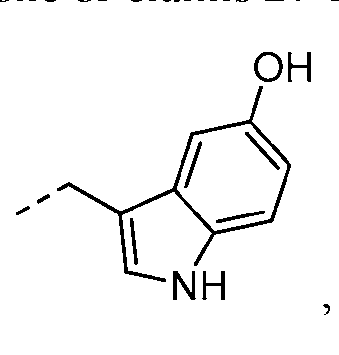

32. The method of any one of claims 27-31, wherein R4 is H.
33. The method of any one of claims 27-32, wherein R5 is H.
34. The method of any one of claims 18-33, wherein the fatty acid amide is at least one selected from the group consisting of N-stearoyl serotonin, N-arachidonoyl dopamine, N-oleoyl dopamine, N-palmitoyl dopamine, N-stearoyl dopamine, N-stearoyl taurine, N-arachidonoyl ethanolamide, N-palmitoyl ethanolamide, and N-oleoyl ethanolamide.
35. The method of any one of claims 18-34, wherein the subject is administered at least two, at least three, at least four, or at least five fatty acid amides selected from the group consisting of N-stearoyl serotonin, N-arachidonoyl dopamine, N-oleoyl dopamine, N-palmitoyl dopamine, N- stearoyl dopamine, N-stearoyl taurine, N-arachidonoyl ethanolamide, N-palmitoyl ethanolamide, and N-oleoyl ethanolamide.
36. The method of any one of claims 16-35, wherein the subject is administered N-palmitoyl dopamine, N-arachidonoyl dopamine, N-oleoyl dopamine, N-oleoyl ethanolamide, and N- palmitoyl ethanolamide.
37. The method of any one of claims 16-36, wherein the subject is administered at least one probiotic composition comprising at least one bacterial strain selected from the group consisting of Coprococcus bacterium and Eubacterium bacterium.
38. The method of claim 37, wherein the Coprococcus bacterium is Coprococcus eutactus.
39. The method of claim 37 or 38, wherein the Eubacterium bacterium is Eubacterium rectale.
40. The method of any one of claims 16-39, wherein enhanced striatal dopamine levels are observed in the subject after physical exercise as compared to striatal dopamine levels in the same subject after physical exercise without administration of (a), (b), (c), (d), (e), and/or (f).
41. The method of any one of claims 16-40, wherein the subject exercises more frequently after administration of (a), (b), (c), (d), (e), and/or (f) than before administration of (a), (b), (c), (d), (e), and/or (f).
42. The method of any one of claims 16-41, wherein the subject exercises for a longer period of time after administration of (a), (b), (c), (d), (e), and/or (f) than before administration of (a), (b), (c), (d), (e), and/or (f).
43. The method of any one of claims 16-42, wherein the subject has increased cardiovascular endurance and/or physical performance after administration of (a), (b), (c), (d), (e), and/or (f) as compared to before administration of (a), (b), (c), (d), (e), and/or (f).
Applications Claiming Priority (2)
| Application Number | Priority Date | Filing Date | Title |
|---|---|---|---|
| US202263386712P | 2022-12-09 | 2022-12-09 | |
| US63/386,712 | 2022-12-09 |
Publications (1)
| Publication Number | Publication Date |
|---|---|
| WO2024124172A1 true WO2024124172A1 (en) | 2024-06-13 |
Family
ID=91380261
Family Applications (1)
| Application Number | Title | Priority Date | Filing Date |
|---|---|---|---|
| PCT/US2023/083183 Ceased WO2024124172A1 (en) | 2022-12-09 | 2023-12-08 | Compositions and methods for stimulating and/or enhancing exercise motivation and/or physical performance |
Country Status (1)
| Country | Link |
|---|---|
| WO (1) | WO2024124172A1 (en) |
Cited By (2)
| Publication number | Priority date | Publication date | Assignee | Title |
|---|---|---|---|---|
| WO2026044923A1 (en) * | 2024-08-26 | 2026-03-05 | 上海市闵行区中心医院 | Use of intestinal bacteria that co-produce d-lactate and metabolite thereof d-lactate in predicting exercise capacity |
| WO2026057648A1 (en) * | 2024-09-11 | 2026-03-19 | Stichting Vu | Food composition comprising fatty acid amide (faa)-producing bacteria |
Citations (6)
| Publication number | Priority date | Publication date | Assignee | Title |
|---|---|---|---|---|
| US20030018081A1 (en) * | 2001-03-27 | 2003-01-23 | Regents Of The University Of California | Methods, compounds, and compositions for reducing body fat and modulating fatty acid metabolism |
| WO2007047575A2 (en) * | 2005-10-14 | 2007-04-26 | The Board Of Trustees Of The University Of Illinois | Pharmacological treatments for sleep-related breathing disorders |
| WO2008075978A2 (en) * | 2006-12-20 | 2008-06-26 | Seperex Nutritionals Limited | An extract |
| US20100130603A1 (en) * | 2007-03-09 | 2010-05-27 | Kyoto University | Medicament for prophylactic and therapeutic treatment of dermatosis resulting from excessively advanced keratinization |
| US20110046225A1 (en) * | 2008-04-28 | 2011-02-24 | Vermont Italia Srl | Pharmaceutical formulation containing palmitoyl ethanolamide and stearoyl ethanolamide |
| US8323680B1 (en) * | 1999-10-07 | 2012-12-04 | Nestec S.A. | Nutritional composition |
-
2023
- 2023-12-08 WO PCT/US2023/083183 patent/WO2024124172A1/en not_active Ceased
Patent Citations (6)
| Publication number | Priority date | Publication date | Assignee | Title |
|---|---|---|---|---|
| US8323680B1 (en) * | 1999-10-07 | 2012-12-04 | Nestec S.A. | Nutritional composition |
| US20030018081A1 (en) * | 2001-03-27 | 2003-01-23 | Regents Of The University Of California | Methods, compounds, and compositions for reducing body fat and modulating fatty acid metabolism |
| WO2007047575A2 (en) * | 2005-10-14 | 2007-04-26 | The Board Of Trustees Of The University Of Illinois | Pharmacological treatments for sleep-related breathing disorders |
| WO2008075978A2 (en) * | 2006-12-20 | 2008-06-26 | Seperex Nutritionals Limited | An extract |
| US20100130603A1 (en) * | 2007-03-09 | 2010-05-27 | Kyoto University | Medicament for prophylactic and therapeutic treatment of dermatosis resulting from excessively advanced keratinization |
| US20110046225A1 (en) * | 2008-04-28 | 2011-02-24 | Vermont Italia Srl | Pharmaceutical formulation containing palmitoyl ethanolamide and stearoyl ethanolamide |
Non-Patent Citations (1)
| Title |
|---|
| VAN KOOTEN MARIA ET AL: "Fatty acid amide supplementation decreases impulsivity in young adult heavy drinkers", PHYSIOLOGY AND BEHAVIOR, ELSEVIER SCIENCE LTD., OXFORD, GB, vol. 155, 1 March 2016 (2016-03-01), GB , pages 131 - 140, XP093214928, ISSN: 0031-9384, DOI: 10.1016/j.physbeh.2015.11.032 * |
Cited By (3)
| Publication number | Priority date | Publication date | Assignee | Title |
|---|---|---|---|---|
| WO2026044923A1 (en) * | 2024-08-26 | 2026-03-05 | 上海市闵行区中心医院 | Use of intestinal bacteria that co-produce d-lactate and metabolite thereof d-lactate in predicting exercise capacity |
| WO2026057648A1 (en) * | 2024-09-11 | 2026-03-19 | Stichting Vu | Food composition comprising fatty acid amide (faa)-producing bacteria |
| NL2038616B1 (en) * | 2024-09-11 | 2026-03-27 | Stichting Vu | Food composition comprising FAA-producing bacteria |
Similar Documents
| Publication | Publication Date | Title |
|---|---|---|
| US12257235B2 (en) | Methods and materials for using ruminococcus gnavus or clostridium sporogenes to treat gastrointestinal disorders | |
| Dohnalová et al. | A microbiome-dependent gut–brain pathway regulates motivation for exercise | |
| Coumoul et al. | The aryl hydrocarbon receptor: structure, signaling, physiology and pathology | |
| JP6843768B2 (en) | Bacteria engineered to reduce hyperphenylalanineemia | |
| Bräuner-Osborne et al. | Ligands for glutamate receptors: design and therapeutic prospects | |
| JP2023022318A (en) | Compositions containing the peptide WKDEAGKPLVK | |
| US20240424035A1 (en) | Bacteria producing gamma-aminobutyric acid (gaba) and uses of the bacteria | |
| KR102060207B1 (en) | Blockade of inflammatory proteases with theta-defensins | |
| TW200902719A (en) | Stable recombinant adenosine deaminase | |
| BR112019015788A2 (en) | INNOVATIVE NICOTINE DEGRADATION ENZYME VARIANTS | |
| CN115038460A (en) | Methods of inducing intermittent fasting and modulating autophagy | |
| Ying et al. | Neurological emergency treatment strategy: A neuron-targeted regulation system for reactive oxygen species metabolism through ferroptosis modulation | |
| Luo et al. | Optimizing Nav1. 7‐Targeted Analgesics: Revealing Off‐Target Effects of Spider Venom‐Derived Peptide Toxins and Engineering Strategies for Improvement | |
| CN119730868A (en) | Peptides and methods for treating pain | |
| US20230392126A1 (en) | Tissue organoids | |
| ES3007439T3 (en) | Engineered lipase variants | |
| US20150290298A1 (en) | Combination treatment for amyotrophic lateral sclerosis (als) | |
| CN106148254B (en) | A transformant for weight loss and fat reduction, its construction method and application | |
| US11472840B2 (en) | Acetylcholine receptor-binding peptide | |
| Kim et al. | Novel signal peptides and episomal plasmid system for enhanced protein secretion in engineered Bacteroides species | |
| US20060179492A1 (en) | Method of inhibiting neural transmission mediated by serotonin-2a and enhancing sensorimotor gating | |
| Islam | Kinetic Effects of Mutations in IDE’s Exosite on the Degradation of Insulin and Glucagon | |
| JPH08269091A (en) | Novel peptide and therapeutic agent for osteopathy containing the same | |
| Geng | Bile salt hydrolase: From basic science to translational innovation | |
| TW200411056A (en) | Method for clone, expression, purification, analysis and application of Cu/Zn superoxide dismutase |
Legal Events
| Date | Code | Title | Description |
|---|---|---|---|
| 121 | Ep: the epo has been informed by wipo that ep was designated in this application |
Ref document number: 23901677 Country of ref document: EP Kind code of ref document: A1 |
|
| NENP | Non-entry into the national phase |
Ref country code: DE |
|
| 122 | Ep: pct application non-entry in european phase |
Ref document number: 23901677 Country of ref document: EP Kind code of ref document: A1 |