WO2024103188A1 - Lin28 inhibitors and uses thereof - Google Patents
Lin28 inhibitors and uses thereof Download PDFInfo
- Publication number
- WO2024103188A1 WO2024103188A1 PCT/CA2023/051552 CA2023051552W WO2024103188A1 WO 2024103188 A1 WO2024103188 A1 WO 2024103188A1 CA 2023051552 W CA2023051552 W CA 2023051552W WO 2024103188 A1 WO2024103188 A1 WO 2024103188A1
- Authority
- WO
- WIPO (PCT)
- Prior art keywords
- cancer
- lin28
- prostate
- compound
- compounds
- Prior art date
- Legal status (The legal status is an assumption and is not a legal conclusion. Google has not performed a legal analysis and makes no representation as to the accuracy of the status listed.)
- Ceased
Links
Classifications
-
- A—HUMAN NECESSITIES
- A61—MEDICAL OR VETERINARY SCIENCE; HYGIENE
- A61P—SPECIFIC THERAPEUTIC ACTIVITY OF CHEMICAL COMPOUNDS OR MEDICINAL PREPARATIONS
- A61P35/00—Antineoplastic agents
-
- A—HUMAN NECESSITIES
- A61—MEDICAL OR VETERINARY SCIENCE; HYGIENE
- A61K—PREPARATIONS FOR MEDICAL, DENTAL OR TOILETRY PURPOSES
- A61K31/00—Medicinal preparations containing organic active ingredients
- A61K31/33—Heterocyclic compounds
- A61K31/395—Heterocyclic compounds having nitrogen as a ring hetero atom, e.g. guanethidine or rifamycins
- A61K31/41—Heterocyclic compounds having nitrogen as a ring hetero atom, e.g. guanethidine or rifamycins having five-membered rings with two or more ring hetero atoms, at least one of which being nitrogen, e.g. tetrazole
- A61K31/42—Oxazoles
- A61K31/423—Oxazoles condensed with carbocyclic rings
-
- A—HUMAN NECESSITIES
- A61—MEDICAL OR VETERINARY SCIENCE; HYGIENE
- A61K—PREPARATIONS FOR MEDICAL, DENTAL OR TOILETRY PURPOSES
- A61K31/00—Medicinal preparations containing organic active ingredients
- A61K31/33—Heterocyclic compounds
- A61K31/395—Heterocyclic compounds having nitrogen as a ring hetero atom, e.g. guanethidine or rifamycins
- A61K31/435—Heterocyclic compounds having nitrogen as a ring hetero atom, e.g. guanethidine or rifamycins having six-membered rings with one nitrogen as the only ring hetero atom
- A61K31/4353—Heterocyclic compounds having nitrogen as a ring hetero atom, e.g. guanethidine or rifamycins having six-membered rings with one nitrogen as the only ring hetero atom ortho- or peri-condensed with heterocyclic ring systems
- A61K31/4375—Heterocyclic compounds having nitrogen as a ring hetero atom, e.g. guanethidine or rifamycins having six-membered rings with one nitrogen as the only ring hetero atom ortho- or peri-condensed with heterocyclic ring systems the heterocyclic ring system containing a six-membered ring having nitrogen as a ring heteroatom, e.g. quinolizines, naphthyridines, berberine, vincamine
-
- A—HUMAN NECESSITIES
- A61—MEDICAL OR VETERINARY SCIENCE; HYGIENE
- A61K—PREPARATIONS FOR MEDICAL, DENTAL OR TOILETRY PURPOSES
- A61K31/00—Medicinal preparations containing organic active ingredients
- A61K31/33—Heterocyclic compounds
- A61K31/395—Heterocyclic compounds having nitrogen as a ring hetero atom, e.g. guanethidine or rifamycins
- A61K31/495—Heterocyclic compounds having nitrogen as a ring hetero atom, e.g. guanethidine or rifamycins having six-membered rings with two or more nitrogen atoms as the only ring heteroatoms, e.g. piperazine or tetrazines
- A61K31/505—Pyrimidines; Hydrogenated pyrimidines, e.g. trimethoprim
-
- A—HUMAN NECESSITIES
- A61—MEDICAL OR VETERINARY SCIENCE; HYGIENE
- A61K—PREPARATIONS FOR MEDICAL, DENTAL OR TOILETRY PURPOSES
- A61K31/00—Medicinal preparations containing organic active ingredients
- A61K31/33—Heterocyclic compounds
- A61K31/395—Heterocyclic compounds having nitrogen as a ring hetero atom, e.g. guanethidine or rifamycins
- A61K31/495—Heterocyclic compounds having nitrogen as a ring hetero atom, e.g. guanethidine or rifamycins having six-membered rings with two or more nitrogen atoms as the only ring heteroatoms, e.g. piperazine or tetrazines
- A61K31/505—Pyrimidines; Hydrogenated pyrimidines, e.g. trimethoprim
- A61K31/517—Pyrimidines; Hydrogenated pyrimidines, e.g. trimethoprim ortho- or peri-condensed with carbocyclic ring systems, e.g. quinazoline, perimidine
-
- A—HUMAN NECESSITIES
- A61—MEDICAL OR VETERINARY SCIENCE; HYGIENE
- A61K—PREPARATIONS FOR MEDICAL, DENTAL OR TOILETRY PURPOSES
- A61K31/00—Medicinal preparations containing organic active ingredients
- A61K31/33—Heterocyclic compounds
- A61K31/395—Heterocyclic compounds having nitrogen as a ring hetero atom, e.g. guanethidine or rifamycins
- A61K31/495—Heterocyclic compounds having nitrogen as a ring hetero atom, e.g. guanethidine or rifamycins having six-membered rings with two or more nitrogen atoms as the only ring heteroatoms, e.g. piperazine or tetrazines
- A61K31/505—Pyrimidines; Hydrogenated pyrimidines, e.g. trimethoprim
- A61K31/519—Pyrimidines; Hydrogenated pyrimidines, e.g. trimethoprim ortho- or peri-condensed with heterocyclic rings
Definitions
- the present invention relates to small molecule inhibitors of Lin28 and in particular of both isoforms Lin28A and Lin28B. In particular, to the uses of such inhibitors for treatment of conditions mediated by Lin28 including cancers, metastatic cancer, or cancer progression.
- a stemness driver gene or a pluripotency factor regulates cancer cell stem-like phenotypes to promote cancer development and therapy-resistant tumor progression. Blocking the driver genes that control cancer stemness may lead to effective tumor suppression.
- Lin28, 0ct4, SOX2, and Nanog are the four core stem cell genes that can transform terminally differentiated fibroblasts into inducible pluripotent stem cells [1], Lin28 is the only RNA-binding protein among these genes and had also been reported to regulate SOX2 and 0ct4 expression in cancer cells [2,3], During development, the expression of Lin28 appears as early as the two-cell stage [4] and it functions as the gatekeeper to control the transition between pluripotency and committed cell lineages [5], Lin28 had been confirmed to be overexpressed in 15% of 527 primary human tumors and cancer cells from the lung, brain, ovary, breast, prostate, kidney, and other organs [6], Numerous studies had also shown that elevated Lin28 expression is associated with high tumor metastasis and poor patient survival [6-10], and blocking Lin28 by either small molecule inhibitors or RNA silencing in various cancer lines and xenograft models suppresses cancer stemness phenotype and inhibits tumor progression [3, 11-13, 52], Studies from
- Lin28A and Lin28B Lin28 genes that are not usually co-expressed in the same cell lineage [14], Both isoforms shared high homology in their two RNA binding domains, the cold shock domain (CSD) and zinc knuckle domain (ZKD).
- CSD cold shock domain
- ZKD zinc knuckle domain
- Lin28 can bind the GGAG motif of the stem-loops of mRNAs (e.g., 0ct4) when folded into specific secondary structures [17,18], and further recruit RNA helicase A (RHA) to facilitate mRNA translation [19-21],
- RHA RNA helicase A
- Lin28 inhibitors that block Lin28 RNA binding activity and suppress cancer cell stemness phenotype. These inhibitors were discovered by a computer-aided drug design (CADD) pipeline based on machine learning, facilitated molecule docking, and pharmacophore modeling. They target an interaction site between the Lin28 ZKD and the Let-7 GGAG motif and prevent Lin28 from inhibiting Let-7 synthesis. These Lin28 inhibitors may be developed into clinically useful drugs for cancer treatment.
- CCAD computer-aided drug design
- This invention is based in part on the fortuitous discovery that compounds described herein as Formulas I-III modulate Lin28 activity. Specifically, compounds identified herein, show inhibition of Lin28 ZKD and the Let-7 GGAG motif to prevent Lin28 from inhibiting Let-7 synthesis. In a first aspect there are provided compounds that inhibit Lin 28 activity, wherein the compounds are those described herein as Formulas I-III. Furthermore, the com- pounds may block the interaction of Lin28 with its target RNA. Alternatively, the com- pounds may be selected from one or more of the compounds listed in TABLE 4, and de- rivatives therof. The Lin28 may be one or both of the Lin28A isoform or the Lin28B isoform.
- the target RNAs is preferably the Let-7 tumour supressor gene and genes may include, but are not limited to SOX2 and 0ct4 oncogenes.
- the target RNA is also preferably PD-L1, which is known to promote immune evasion by cancer cells.
- the Lin28 inhibitor may target any part of the Lin28/Let-7 /PD-L1 pathway.
- Lin28 activity of Lin28A and/or Lin28B isoform
- cancer cells and more specifically pros- tate cancer cells or ovarian cancer cells.
- Lin28 mediated conditions may be mediated by Lin28A and/or Lin28B isoforms and may be selected from one or more of cancer, cancer stemness , Lin28 positive cancer, a PD-L1 positive cancer, treatment-resistant cancer, tumour metastasis or tumour progression. Cancers may be solid cancers or hematological cancers.
- solid cancer may include but are not limited to cancer of the lung, brain, ovary, breast, cervix, endometrium, prostate, liver, colon, esophageal, pancreas, testis, bladder, kidney, and skin.
- methods of inhibiting Lin28 including administering a compound having the structure of Formula I: wherein, Q 1 is selected from N, and CH; Q 2 may be selected from S, and CH; M may be C or may be absent; where M is C, J may be selected from H, CH 2 CH 3 , and CH 2 CH 2 CH 3 ; where M is C, a is a double bond, and where M is absent a is a single bond joining Q 1 and Q 2 ; L
- J may be selected from H, and CH 2 CH 3 .
- L When M is absent, L may be When M is C, L may be selected from and
- D 1 may be selected from and D 2 may be selected from
- a 1 may be selected from: H and Cl.
- a 2 may be selected from H, and CH 2 CH 3 .
- the compound may be selected from one or more of the
- the compound may be for the treatment of cancer.
- the compound may be used in combination with an immunotherapy in a PD-L1 upregulated cancer.
- the inhibiting of Lin28 may be for the treatment of cancer.
- the cancer may be selected from one or more of the following: cervical cancer; small-cell lung cancer; testicular cancer; carcinoma; neuroblastoma; osteosarcoma; glioblastoma; melanoma; lymphoma; leukemia; esophageal cancer; stomach cancer; colon cancer; breast cancer; ovarian cancer; endometrial cancer; chondrosarcomas; central nervous system cancer; kidney cancer; liver cancer; and prostate cancer.
- compositions including compound of Formulas I, II, or III as described herein and a pharmaceutically acceptable carrier, for the treatment of one or more of the following: cervical cancer; small-cell lung cancer; testicular cancer; carcinoma; neuroblastoma; osteosarcoma; glioblastoma; melanoma; lymphoma; leukemia; esophageal cancer; stomach cancer; colon cancer; breast cancer; ovarian cancer; endometrial cancer; chondrosarcomas; central nervous system cancer; kidney cancer; liver cancer; and prostate cancer.
- the prostate cancer may be selected from: Neuroendocrine Prostate Cancer (NEPC); Prostate Adenocarcinoma; castration resistant prostate cancer (CRPC); androgen receptor pathway inhibitor (ARPI) resistant prostate cancer; enzalutamide (ENZ)- resistant (ENZ R ); and Abiraterone (Abi) -resistant ABI R ).
- NEPC Neuroendocrine Prostate Cancer
- CRPC castration resistant prostate cancer
- ARPI androgen receptor pathway inhibitor
- ENZ enzalutamide
- ENZ R enzalutamide- resistant
- Abi Abiraterone
- a compound of Formulas I, II, or III as described herein, for the treatment of one or more of the following: cervical cancer; small-cell lung cancer; testicular cancer; carcinoma; neuroblastoma; osteosarcoma; glioblastoma; melanoma; lymphoma; leukemia; esophageal cancer; stomach cancer; colon cancer; breast cancer; ovarian cancer; endometrial cancer; chondrosarcomas; central nervous system cancer; kidney cancer; liver cancer; and prostate cancer.
- a compound of Formulas I, II, or III as described herein in the manufacture of a medicament for treating one or more of the following: cervical cancer; small-cell lung cancer; testicular cancer; carcinoma; neuroblastoma; osteosarcoma; glioblastoma; melanoma; lymphoma; leukemia; esophageal cancer; stomach cancer; colon cancer; breast cancer; ovarian cancer; endometrial cancer; chondrosarcomas; central nervous system cancer; kidney cancer; liver cancer; and prostate cancer.
- the prostate cancer may be selected from: Neuroendocrine Prostate Cancer (NEPC); Prostate Adenocarcinoma; castration resistant prostate cancer (CRPC); androgen receptor pathway inhibitor (ARPI) resistant prostate cancer; enzalutamide (ENZ)- resistant (ENZ R ); and Abiraterone (Abi) -resistant ABI R ).
- NEPC Neuroendocrine Prostate Cancer
- CRPC castration resistant prostate cancer
- ARPI androgen receptor pathway inhibitor
- ENZ enzalutamide
- ENZ R enzalutamide- resistant
- Abi Abiraterone
- a commercial package including (a) a compound of any one of Formulas I, II, or III, and a pharmaceutically acceptable carrier; and (b) instructions for the use thereof for treating one or more of the following: cervical cancer; small-cell lung cancer; testicular cancer; carcinoma; neuroblastoma; osteosarcoma; glioblastoma; melanoma; lymphoma; leukemia; esophageal cancer; stomach cancer; colon cancer; breast cancer; ovarian cancer; endometrial cancer; chondrosarcomas; central nervous system cancer; kidney cancer; liver cancer; and prostate cancer.
- a commercial package including (a) a pharmaceutical composition including a compound of any one of Formulas I-III and a pharmaceutically acceptable carrier; and (b) instructions for the use thereof for treating prostate cancer.
- the prostate cancer may be selected from: Neuroendocrine Prostate Cancer (NEPC); Prostate Adenocarcinoma; castration resistant prostate cancer (CRPC); androgen receptor pathway inhibitor (ARPI) resistant prostate cancer; enzalutamide (ENZ) -resistant (ENZ R ); and Abiraterone (Abi) -resistant ABI R ).
- FIGURE 1 shows (A) The CSD (29-102) and ZKD (127-173) domains interact with pre- Let-7 (ribbon) in a bi-partite manner (PDB: 5UDZ). The GGAG motif and the surface of the proposed binding pocket (see core of ZKD) are marked. (B) A DeepDocking workflow is shown, where first, for each molecule in the database molecular descriptors are calculated and these descriptors are then used to cluster all molecules. Second, molecules are sampled from clusters and docked into the target protein. Third, the derived docking scores and corresponding molecular descriptors are used to build machine-learning models that predict docking scores of undocked compounds.
- C The CADD pipeline is employed to predict 163 potential Lin28 ZKD inhibitors for biological testing.
- D Interaction between Lin28B ZKD and the two nucleotides (first guanine and the adeno-sine of the GGAG motif) from Let-7 and the residues that form hydrogen bonds (dotted lines) are used as pharmacophore features and labeled by red boxes.
- FIGURE 2 shows the establishment of the fluorescence polarization (FP) assay and initial compound screening.
- A Graphical representation of the FP assay principle, where the labeled probe floats freely in the solution, it rotates more rapidly producing a low FP signal and when the labeled probe binds to proteins, it rotates slower and produces a high FP signal.
- C FP assays were used to screen 163 compounds at the concentration of 20 ⁇ M using InM of FAM labeled Let-7 probe with 10 ⁇ M Lin28B ZKD protein.
- FIGURE 3 shows Lin28 inhibitors block the interaction between Lin28B ZKD and Let-7.
- A EMSA used 10nM of IR800DyeCWN labeled let-7 probe (lane 1), 0.5 ⁇ M Lin28B ZKD protein with 10nM of labeled Let-7 probe (lane 2), or Lin28B ZKD, labeled Let-7 probe and 10Ox non-labelled competitor probe (lane 3).
- EMSA used Lin28B ZKD, labeled Let- 7 probe, and 100-1200 ⁇ M of indicated compounds (lanes 4-10).
- B FP assays were performed by using 10 ⁇ M of Lin28B ZKD and InM of FAM -labeled Let-7 probe and InM-1000 ⁇ M of compounds.
- C Bio-layer interferometry (BLI) assays were performed using 0-25 ⁇ M ofLn115 with Avi -tagged Lin28B ZKD protein.
- D Chemical structures of the three tested compounds are shown.
- FIGURE 4 shows Lin28 inhibitors restore let-7d expression and suppress SOX2 and HMGA2 genes.
- DUNE (top) and DUNE(KO) (bottom) cells were treated with 20 ⁇ M of the indicated compounds for 48 hours.
- Real-time qPCR measured RNA levels of Let-7d, SOX2, and HMGA2.
- Three biological replicates were performed and all results are presented as mean +/- SD.
- FIGURE 5 shows Lin28 inhibitors block the Lin28A isoform.
- EMSA used 10nM of IR800DyeCWN labeled let-7 probe (lane 1), 0.5 ⁇ M Lin28A ZKD protein with 10nM of labeled Let-7 probe (lane 2), or Lin28A ZKD, labeled Let-7 probe and 10Ox non-labelled competitor probe (lane 3).
- EMSA used Lin28A ZKD, labeled Let-7 probe, and 100- 1200 ⁇ M of indicated compounds (lanes 4-10).
- B FP assays were performed by using 10 ⁇ M of Lin28A ZKD, InM of FAM labeled Let-7 probe, and InM-1000 ⁇ M of compounds.
- FIGURE 6 shows Lin28 inhibitors block the expression of NE and CSC biomarkers.
- DUNE cells were treated with 20 ⁇ M of the indicated compound for 48 hours.
- FIGURE 7 shows Lin28 inhibitors block CSC phenotypes of cancer cells.
- A FACS analysis using CD44 and CD133 antibodies detected CSC cell populations from DUNE cells treated with 20 ⁇ M of Ln7, Ln15, and Ln115 for 48 hours.
- FIGURE 8 shows FP assays were performed on Lin28B ZKD protein and FAM -labeled Let-7 probe incubated with 0, 0.1, 0.2, 0.5, 1.0, 2.0, 5.0, 10.0, 20.0, 50.0, 100.0, 200.0, and 500 ⁇ M of compounds Ln162, Ln135, Ln121, Ln115, Ln27, Ln15, Ln7, Ln193, Ln189, Ln184, and Ln188.
- FIGURE 9 shows the cytotoxicity as eveluated using a lactate dehydrogenase (LDH) colorimetric assay percent relative to a positve control (100%) for compounds Ln7, Ln15, Ln27, Ln115, Ln188, Ln189, and Ln193 at concentrations of 0, 0.5, 1.0, 5.0, 10.0, 20.0, and 50.0 ⁇ M.
- LDH lactate dehydrogenase
- COOH and NR2 may include the corre- sponding ions, for example carboxylate ions and ammonium ions, respectively. Alter- natively, where the ions are shown, a person of skill in the art will appreciate that the counter ion may also be present.
- the point of covalent attachment of the moi- ety to the compounds as described herein may be, for example, and without limitation, cleaved under specified conditions.
- Specified conditions may include, for example, and without limitation, in vivo enzymatic or non-enzymatic means.
- Cleavage of the moiety may occur, for example, and without limitation, spontaneously, or it may be cat- alyzed, induced by another agent, or a change in a physical parameter or environmental parameter, for example, an enzyme, light, acid, temperature or pH.
- the moiety may be, for example, and without limitation, a protecting group that acts to mask a functional group, a group that acts as a substrate for one or more active or passive transport mech- anisms, or a group that acts to impart or enhance a property of the compound, for exam- ple, solubility, bioavailability or localization.
- compounds of Formulas I-III may be used for systemic treatment of at least one indication selected from the group consisting of: cervical cancer; small-cell lung cancer; testicular cancer; carcinoma; neuroblastoma; os- teosarcoma; glioblastoma; melanoma; lymphoma; leukemia; esophageal cancer; stom- ach cancer; colon cancer; breast cancer; ovarian cancer; endometrial cancer; chondro- sarcomas; central nervous system cancer; liver cancer; and prostate cancer.
- the compounds of Formulas II, and III may be used for systemic treatment of at least one indication selected from the group consisting of:prostate cancer; breast can- cer; colon cancer; cervical cancer; small-cell lung carcinoma; neuroblastomas; osteosar- coma; glioblastoma; melanoma; and myeloid leukaemia.
- com- pounds of Formulas II and III may be used in the preparation of a medicament or a com- position for systemic treatment of an indication described herein.
- methods of systemically treating any of the indications described herein are also provided.
- Compounds as described herein may be in the free form or in the form of a salt thereof.
- compounds as described herein may be in the form of a pharma- ceutically acceptable salt, which are known in the art (Berge S. M. et al., J. Pharm. Sci. (1977) 66(1): 1-19).
- Pharmaceutically acceptable salt as used herein includes, for ex- ample, salts that have the desired pharmacological activity of the parent compound (salts which retain the biological effectiveness and/or properties of the parent com- pound and which are not biologically and/or otherwise undesirable).
- Compounds as described herein having one or more functional groups capable of forming a salt may be, for example, formed as a pharmaceutically acceptable salt.
- Compounds containing one or more basic functional groups may be capable of forming a pharmaceutically ac- ceptable salt with, for example, a pharmaceutically acceptable organic or inorganic acid.
- Pharmaceutically acceptable salts may be derived from, for example, and without limita- tion, acetic acid, adipic acid, alginic acid, aspartic acid, ascorbic acid, benzoic acid, ben- zenesulfonic acid, butyric acid, cinnamic acid, citric acid, camphoric acid, camphorsul- fonic acid, cyclopentanepropionic acid, diethylacetic acid, digluconic acid, dodecyl- sulfonic acid, ethanesulfonic acid, formic acid, fumaric acid, glucoheptanoic acid, glu- conic acid, glycerophosphoric acid, glycolic acid, hemisulfonic acid, heptanoic acid, hexa- noic
- Compounds containing one or more acidic func- tional groups may be capable of forming pharmaceutically acceptable salts with a phar- maceutically acceptable base, for example, and without limitation, inorganic bases based on alkaline metals or alkaline earth metals or organic bases such as primary amine compounds, secondary amine compounds, tertiary amine compounds, quater- nary amine compounds, substituted amines, naturally occurring substituted amines, cy-hack amines or basic ion-exchange resins.
- a phar- maceutically acceptable base for example, and without limitation, inorganic bases based on alkaline metals or alkaline earth metals or organic bases such as primary amine compounds, secondary amine compounds, tertiary amine compounds, quater- nary amine compounds, substituted amines, naturally occurring substituted amines, cy-hack amines or basic ion-exchange resins.
- Pharmaceutically acceptable salts may be derived from, for example, and without limitation, a hydroxide, carbonate, or bicar- bonate of a pharmaceutically acceptable metal cation such as ammonium, sodium, po- tassium, lithium, calcium, magnesium, iron, zinc, copper, manganese or aluminum, am- monia, benzathine, meglumine, methylamine, dimethylamine, trimethylamine, ethyla- mine, diethylamine, triethylamine, isopropylamine, tripropylamine, tributylamine, etha- nolamine, diethanolamine, 2 -dimethylaminoethanol, 2 -diethylaminoethanol, dicyclo- hexylamine, lysine, arginine, histidine, caffeine, hydrabamine, choline, betaine, ethylene- diamine, glucosamine, glucamine, methylglucamine, theobromine, purines, piperazine
- compounds as described herein may contain both acidic and basic groups and may be in the form of inner salts or zwit- terions, for example, and without limitation, betaines.
- Salts as described herein may be prepared by conventional processes known to a person skilled in the art, for exam- ple, and without limitation, by reacting the free form with an organic acid or inorganic acid or base, or by anion exchange or cation exchange from other salts. Those skilled in the art will appreciate that preparation of salts may occur in situ during isolation and purification of the compounds or preparation of salts may occur by separately reacting an isolated and purified compound.
- compounds and all different forms thereof may be in the solvent addition form, for example, solvates.
- Solvates contain either stoichiometric or non-stoichiometric amounts of a solvent in physical association the compound or salt thereof.
- the sol- vent may be, for example, and without limitation, a pharmaceutically acceptable solvent.
- hydrates are formed when the solvent is water or alcoholates are formed when the solvent is an alcohol.
- compounds and all different forms thereof may include crystalline and amorphous forms, for example, polymorphs, pseudopolymorphs, conformational polymorphs, amorphous forms, or a combination thereof.
- Polymorphs include different crystal packing arrangements of the same elemental composition of a compound. Poly- morphs usually have different X-ray diffraction patterns, infrared spectra, melting points, density, hardness, crystal shape, optical and electrical properties, stability and/or solubility. Those skilled in the art will appreciate that various factors included- ing recrystallization solvent, rate of crystallization and storage temperature may cause a single crystal form to dominate.
- compounds and all different forms thereof include isomers such as geometrical isomers, optical isomers based on asymmetric carbon, stereoisomers, tautomers, individual en- antiomers, individual diastereomers, racemates, diastereomeric mixtures and combina- tions thereof, and are not limited by the description of the formulas illustrated for the sake of convenience.
- pharmaceutical compositions as described herein may comprise a salt of such a compound, preferably a pharmaceutically or physiologically acceptable salt.
- compositions will typically comprise one or more carriers, excipi- ents or diluents acceptable for the mode of administration of the preparation, be it by injection, inhalation, topical administration, lavage, or other modes suitable for the se- lected treatment.
- Suitable carriers, excipients or diluents are those known in the art for use in such modes of administration.
- Suitable pharmaceutical compositions may be formulated by means known in the art and their mode of administration and dose determined by the skilled practitioner.
- a compound may be dissolved in sterile water or saline or a pharmaceutically acceptable vehicle used for administration of non-water soluble com- pounds such as those used for vitamin K.
- the compound may be administered in a tablet, capsule or dissolved in liquid form.
- the tablet or cap- sule may be enteric coated, or in a formulation for sustained release.
- Many suitable formulations are known, including, polymeric or protein microparticles encapsulating a compound to be released, ointments, pastes, gels, hydrogels, or solutions which can be used topically or locally to administer a compound.
- a sustained release patch or im- plant may be employed to provide release over a prolonged period of time.
- Many techniques known to one of skill in the art are described in Remington: the Science & Practice of Pharmacy by Alfonso Gennaro, 20th ed., Lippencott Williams & Wilkins, (2000).
- Formulations for parenteral administration may, for example, contain excipi- ents, polyalkylene glycols such as polyethylene glycol, oils of vegetable origin, or hydro- genated naphthalenes.
- Biocompatible, biodegradable lactide polymer, lactide/gly- colide copolymer, or polyoxyethylene polyoxypropylene copolymers may be used to control the release of the compounds.
- parenteral delivery systems for modulatory compounds include ethylene vinyl acetate copolymer particles, osmotic pumps, implantable infusion systems, and liposomes.
- Formulations for inha- lation may contain excipients, for example, lactose, or may be aqueous solutions con- taining, for example, polyoxyethylene 9 lauryl ether, glycocholate and deoxycholate, or may be oily solutions for administration in the form of nasal drops, or as a gel.
- Compounds or pharmaceutical compositions as described herein or for use as described herein may be administered by means of a medical device or appliance such as an im- plant, graft, prosthesis, stent, etc.
- implants may be devised which are intended to contain and release such compounds or compositions. An example would be an im- plant made of a polymeric material adapted to release the compound over a period of time.
- an “effective amount” of a pharmaceutical composition as described herein includes a therapeutically effective amount or a prophylactically effective amount.
- a “therapeu- tically effective amount” refers to an amount effective, at dosages and for periods of time necessary, to achieve the desired therapeutic result, such as reduced tumor size, increased life span or increased life expectancy.
- a therapeutically effective amount of a compound may vary according to factors such as the disease state, age, sex, and weight of the subject, and the ability of the compound to elicit a desired response in the subject. Dosage regimens may be adjusted to provide the optimum therapeutic re- sponse.
- a therapeutically effective amount is also one in which any toxic or detri- mental effects of the compound are outweighed by the therapeutically beneficial effects.
- prophylactically effective amount refers to an amount effective, at dosages and for periods of time necessary, to achieve the desired prophylactic result, such as smaller tu- mors, increased life span, increased life expectancy or prevention of the progression of prostate cancer to an androgen independent form.
- a prophylactic dose is used in subjects prior to or at an earlier stage of disease, so that a prophylactically effec- tive amount may be less than a therapeutically effective amount.
- dosage values may vary with the severity of the condition to be al- leviated.
- specific dosage regimens may be adjusted over time according to the individual need and the professional judgment of the person ad- ministering or supervising the administration of the compositions.
- Dosage ranges set forth herein are exemplary only and do not limit the dosage ranges that may be selected by medical practitioners.
- the amount of active compound(s) in the composition may vary according to factors such as the disease state, age, sex, and weight of the subject. Dosage regimens may be adjusted to provide the optimum therapeutic response.
- a single bolus may be administered, several divided doses may be adminis- tered over time or the dose may be proportionally reduced or increased as indicated by the exigencies of the therapeutic situation. It may be advantageous to formulate par- enteral compositions in dosage unit form for ease of administration and uniformity of dosage.
- compounds and all different forms thereof as described herein may be used, for example, and without limitation, in combination with other treatment methods for at least one indication selected from the group consisting of: cervical can- cer; small-cell lung cancer; testicular cancer; carcinoma; neuroblastoma; osteosarcoma; glioblastoma; melanoma; lymphoma; leukemia; esophageal cancer; stomach cancer; co- lon cancer; breast cancer; ovarian cancer; endometrial cancer; chondrosarcomas; cen- tral nervous system cancer; liver cancer; and prostate cancer.
- the com- pounds described herein may be useful for the treatment of one or more of the follow- ing: cervical cancer, small-cell lung cancer, testicular cancer, lymphoma, leukemia, esophageal cancer, stomach cancer, colon cancer, breast cancer, ovarian cancer, endo- metrial cancer, chondrosarcomas, central nervous system cancer, liver cancer and pros- tate cancer.
- high levels of Lin28A or 28B are found in many human can- cers such as glioblastoma, ovarian, gastric, prostate, and breast cancer.
- compounds and all their different forms as described herein may be used as neo-adju- vant (prior), adjunctive (during), and/or adjuvant (after) therapy with surgery, radia- tion (brachytherapy or external beam), or other therapies (for example, HIFU).
- brachytherapy or external beam or other therapies
- HIFU radia- tion
- the compounds described herein may be administered with or combined with known chemotherapeutic treatments.
- a compound of any one of Formulas I-III may be administered in combination with taxols and Topoisomerase poi- sons, as well as in combination with androgen receptor (AR) therapies (for example, ADT, ARPIs, etc.) for prostate cancer (PCa).
- AR androgen receptor
- the compounds of Formulas I-III may also be used to enhance anti-tumor immune ther- apies in PD-L1 upregulated cancers [12, 52],
- the Lin28 inhibitory activity associated with these compounds may also be of use in treating cancers that utilize the Lin28/let- 7/PD-L1 pathway to avoid immune surveillance mechanisms or an immunotherapy.
- PD-L1 is known to be an immune-checkpoint protein often overexpressed in cancer cells, which can assist the cancer to avoid immune surveillance.
- monoclonal antibodies directed against PD-L1 have been used to supplement cancer immunothera- pies, for example, the Lin28 inhibitor, C1632, was used to suppress PD-L1 [12, 52],
- the compounds of Formulas I -III may be used to enhance immuno-oncology approaches (for example, in CAR T cell therapy or other anti-PDLl therapy).
- Toxicity of the compounds as described herein can be determined using standard techniques, for example, by testing in cell cultures or experimental animals and determining the therapeutic index, i.e., the ratio between the LD50 (the dose lethal to 50% of the population) and the LD 100 (the dose lethal to 100% of the population). In some circumstances however, such as in severe disease conditions, it may be appro- priate to administer substantial excesses of the compositions. Some compounds as described herein may be toxic at some concentrations. Titration studies may be used to determine toxic and non-toxic concentrations. Toxicity may be evaluated by exam- ining a particular compound’s or composition’s specificity across cell lines. Animal studies may be used to provide an indication if the compound has any effects on other tissues.
- a "subject” may be a human, non-human primate, rat, mouse, cow, horse, pig, sheep, goat, dog, cat, etc.
- the subject may be suspected of having or at risk for having a cancer, such as cervical cancer; small-cell lung cancer; testicular cancer; carcinoma; neuroblas- toma; osteosarcoma; glioblastoma; melanoma; lymphoma; leukemia; esophageal can- cer; stomach cancer; colon cancer; breast cancer; ovarian cancer; endometrial cancer; chondrosarcomas; central nervous system cancer; liver cancer; and prostate cancer.
- a cancer such as cervical cancer; small-cell lung cancer; testicular cancer; carcinoma; neuroblas- toma; osteosarcoma; glioblastoma; melanoma; lymphoma; leukemia; esophageal can- cer; stomach cancer; colon cancer; breast cancer; ovarian cancer; endometrial
- Diagnostic methods for various cancers such as cervical cancer, small-cell lung cancer, testicular cancer, lymphoma, leukemia, esophageal cancer, stomach cancer, colon can- cer, breast cancer, ovarian cancer, endometrial cancer, chondrosarcomas, central nerv- ous system cancer, liver cancer and prostate cancer, are known to those of ordinary skill in the art. All compounds specifically described herein are commercially available. Various al- ternative embodiments and examples are described herein. These embodiments and examples are illustrative and should not be construed as limiting the scope of the inven- tion.
- Binding site identification was performed in MOETM [24] software (Chemical Computing GroupTM, Montreal, Canada) using the SiteFinderTM tool.
- the protein structures used for docking and molecular dynamics were prepared using Protein Preparation WizardTM from SchrodingerTM [25], The preparation included hydrogen bond assignments (us- ing PROPKATM with pH of 7.0), minimization with OPLS3eTM force field (with heavy at- oms constrained to 0.30A RMSD), and addition of the missing side chains.
- Ligand preparation was performed using OmegaTM [26] toolkit (OpenEye ScientificTM, Santa Fe, CA, USA) and included canonization of SMILES, ligand tautomerization, and conformer generation.
- DeepDockingTM was performed with default parameters as described in Gentile et al. [27], Redocking with GlideSPTM [25] was performed with default parameters. Dock- ing grids were calculated with the grid generation software from SchrodingerTM.
- FREDTM docking was performed with default parameters. Distances between docking poses were generated using MOETM [24] software. ADMETTM (absorption, distribution, metabolism, excretion, and toxicity) properties were calculated using SwissADMETM software [28],
- ZINCTM compounds were purchased from EnamineTM (Kyiv, Ukraine), Life Chemicals Ltd.TM (Kyiv, Ukraine) , or Princeton Biomolecular ResearchTM (Princeton, NJ, USA) with >90% purity. Upon receiving the compounds, the molecular masses were validated by LC/MS/MS.
- Lin28B ZKD (aal10-174), Lin28B CSD+ZKD (aa7-204), and Lin28A ZKD (aal21-187) were expressed in Escherichia coli BL21 cells and purified by immobilized metal ion affinity chromatography (IMAC) with nickel nitrilotriacetic acid (NiNTA) resin and size exclusion chromatography (s75 10/300 GL) as we have pre- viously reported [29,30].
- IMAC immobilized metal ion affinity chromatography
- NiNTA nickel nitrilotriacetic acid
- the fluorescein amidites (FAM) tagged Let-7 probe with the sequence of UUAGGGCAC- GAGAUUUUGCCCACAAGGAGUU was purchased from Integrated DNA TechnologiesTM (IDTTM). The probe at the concentrations ranging from InM to 50 ⁇ M was incubated with Lin28B(ZKD) or Lin28(CSD+ZKD) in a final volume of 30pl at room temperature for 20 minutes. To read the fluorescence, TECAN 500TM machine was used.
- Fluores- cence polarization was calculated using the following equation: where P is the fluorescence polarization reading, F parallel is the fluorescence intensity acquired from the parallel excitation plane, and F perpendicular is the fluorescence in- tensity acquired from the perpendicular direction of the excitation plane.
- the total fluorescence intensity is estimated using the following equation:
- RNA probe was purchased from IDTTM (Coralville, IA, USA). Lin28B or Lin28A proteins was incubated with 300 nM of probe in a standard 20pl EMSA reaction in a reaction buffer containing 20 mM HEPES-NaOH, pH 7.4, 2mM DTT, 3 mM MgC12, 0.05% NP-40, protease inhibitors, and 0.1 pg poly[d!:dC], After in- cubation for 30 min at 37°C, reactions were loaded onto 4% non-denatured polyacryla- mide gel in 0.5X TBE buffer. The RNA oligo bands were visualized by using the Li-Cor Odyssey 9120TM Infrared Imaging System.
- Lin28B ZKD was thus expressed with His-tag and a biotinylated AviTagTM sequence (GLNDIFEAQKIEWHE) at its N-terminus in Escherichia coii BL21 cells.
- Purified Lin28B ZKD was bound to the super-streptavidin sensors for lh at room temperature.
- DUNE cell line and DUNEcells with Lin28B knockout by CRISPR were reported in our previous studies [3,34], IGR0V1 cells were obtained from Sigma Al- drichTM (St. Louis, MO, USA). DUNE and DUNE(KO) cells were cultured in Dulbecco’s Modified Eagle Medium with high Glucose/L-glutamine (DMEM; HycloneTM, Logan, UT, USA) and 10% of fetal bovine serum (FBS; GibicoTM, Waltham, MA, USA). IGROV1 cells were cultured in Roswell Park Memorial Institute 1640TM (RPMI-1640TM; HycloneTM) me- dium with 10% FBS. All the cell lines were incubated in 5% CO2 at 37°C and were tested for mycoplasma contamination monthly and cell line authentication was tested by short tandem repeat profiling by ATCC.
- spheroid generation 1000 cells/well of DuNE cells were seeded 96-well ULA round-bottomed plates, and 3D multicellular spheroids were spontaneously generated after 24 hours culture (Corning B.V. Life SciencesTM, Amsterdam, The Netherlands) using a multichannel pipette. Plates were incubated for 6 days at 37°C, 5% C02, and 95% humidity. Fully automated image analysis of tumor spheroids was carried out with the IncucyteTM S3 Live-Cell Analysis System. The size and shape of multicellular sphe- roids were analyzed by using the IncucyteTM Spheroid Analysis Software Module.
- Example 1 Identification of a Ligand Pocket for Inhibitors to Block Lin28B and RNA
- Example 2 Virtual Screening to Identify Potential Inhibitors of Lin28B ZKD
- PDB Protein Data BankTM
- 5UDZ Protein Data Bank
- the published structure of Lin28 was considered a model suitable for both forms.
- the whole ZINC20TM data- base [41] was sampled to perform docking, and then the obtained docking scores were used to train models and predict the undocked compounds. In this way, we elimi- nated predicted poor binders, and the top 18 million compounds scored with DeepDockingTM were re-docked with GlideTM to retain 1 million compounds (FIGURE 1C). These compounds were then re-docked with FREDTM software (OEDockingTM by OpenEyeTM) [42] and the spatial difference between the docking poses produced by the two software was computed. We removed compounds that had significantly different docking poses (RMSD >2 ⁇ ) retaining ⁇ 275,000 compounds that were then passed through ADMET filtering to eliminate potentially toxic compounds.
- RMSD significantly different docking poses
- Example 3 Biochemical assays to screen and characterize CADD predicted compounds To test the predicted compounds by CADD, we established an FP assay using both Lin28B ZKD and Lin28B CSD+ZKD to be incubated with a FAM -labeled Let-7 oligo con- taining the GGAG motif.
- Ln7, Ln15 and Ln115 are Lin28 ZKD binders and inhibitors that they prevent ZKD from in- teracting with Let-7 RNA.
- the chemical structures of these compounds were shown in FIGURE 3D.
- Lin28B is highly expressed in the neuroendocrine prostate cancer cell line, DUNE and that the major target of Lin28B in DUNE cells is Let-7d microRNA [3].
- HMGA2 which in turn stimulated SOX2 [3]
- Lin28A and Lin28B have a minimal amino acid difference around the docking pocket of our inhibitors, we speculate that our identified Lin28 inhibitors will block both Lin28 isoforms thereby having much broader applications to treat various types of tumors driven by Lin28 signaling.
- Lin28A ZKD we have repeated FP assays using Lin28A ZKD and observed that Ln7, Ln15, and Ln115 induced a dose-dependent suppression of FP sig- nals with IC 50 at 27.4, 9.1, and 12.2 ⁇ M, respectively (FIGURE 5A). In contrast, mild inhibitions of Li71 and compound 1632 were observed.
- Lin28B drives cancer stemness phenotypes and promotes cancer cell lineage switch to a neuroendocrine lineage.
- Lin28B gene disrup- tion inhibited cancer cell stemness and suppressed NEPC tumor progression.
- DUNE cell model Four techniques were used to assess the capability of our Lin28 inhibitors to suppress the CSC phenotype.
- Ln7, Ln15, and Ln115 blocked the expres- sion of several neuroendocrine markers including ASCL1, CHGB, SCGN, SYP, and STT4 (FIGURE 6B).
- Ln15 and Ln115 suppressed not only the mRNA expression, but also protein expression of SYP (data not shown).
- Lin28 ZKD Lin28 ZKD
- Let-7 microRNA degradation we present a series of small molecule inhibitors that target Lin28 ZKD to disrupt its RNA binding activity resulting in the prevention of Let-7 microRNA degradation. These molecules block the CSC gene network and strongly suppress the clonogenic and self-renewal abilities of Lin28 positive cancer cells.
- the expression of Lin28 targeted SOX2 and HMGA2 oncogenes were also suppressed by these inhibitors supporting that these compounds can block the pluripotency of tumor cells and suppress treatment-re- sistant tumor progression [44-46] .
- These results highlight the feasibility of Lin28 tar- get therapy to abolish the CSC phenotype and suppress cancer recurrence, metastasis, and treatment resistance [47] . Since a rapidly growing body of research highlights the importance of Lin28 in various types of cancer [48], we propose that our lead inhibitors could be used as a starting point for the development of Lin28 target therapies.
- RNA-binding proteins are notoriously difficult to target with small molecules due to the lack of defined binding sites and generally disordered struc- tures [49] .
- the conceived limitations were tackled with the use of computer-aided drug discovery technologies.
- Our computational analysis of the Lin28 surface allows the identifica- tion of druggable docking sites for small molecule binding.
- the applica- tion of the novel machine learning-based tool DeepDockingTM enabled us to screen an ul- tra-large library of compounds. The coverage of such a broad chemical space ensured that the library of experimentally tested compounds is as focused as possible and pro- vided a high chance of finding an effective inhibitor. Indeed, the hit rate of the initial
- FP assay was relatively as high as 9%, compared to high-throughput (HT) screenings of non focused libraries such as HT FP screens on Lin28 protein yielded 0.01% (14/16,000) [22], 0.05% (53/101,017) [23] and 2.3% (64/2,768) [50] hit rates.
- HT high-throughput
- our inhibitors show superior activity compared to hits from the abovemen- tioned screens (1632 and Li71, respectively). They showed minimal cytotoxicity to cells by measuring lactate dehydrogenase (LDH) re-lease from cancer cells to culture media (FIGURE 9), and had no/low impacts to the ex-pression of Let-7, SOX2 and HMGA2 in DUNE(KO) cells (FIGURE 4).
- LDH lactate dehydrogenase
- the LIN28B/let-7 axis is a novel therapeutic pathway in multiple myeloma. Leukemia 2017, 31, 853-860, doi:10.1038/leu.2016.296.
- RNA-binding protein L1TD1 interacts with LIN28 via RNA and is required for human embryonic stem cell self-renewal and cancer cell proliferation.
- UGT2B17 Expedites Progression of Castration-Resistant Prostate Cancers by Promoting Ligand-Independent AR Signaling. Cancer Res 2016, 76, 6701-6711, doi:10.1158/0008- 5472. CAN-16-1518.
Landscapes
- Health & Medical Sciences (AREA)
- Animal Behavior & Ethology (AREA)
- Public Health (AREA)
- Pharmacology & Pharmacy (AREA)
- Veterinary Medicine (AREA)
- Life Sciences & Earth Sciences (AREA)
- Chemical & Material Sciences (AREA)
- General Health & Medical Sciences (AREA)
- Medicinal Chemistry (AREA)
- Epidemiology (AREA)
- Chemical Kinetics & Catalysis (AREA)
- General Chemical & Material Sciences (AREA)
- Nuclear Medicine, Radiotherapy & Molecular Imaging (AREA)
- Organic Chemistry (AREA)
- Pharmaceuticals Containing Other Organic And Inorganic Compounds (AREA)
Abstract
This invention provides compound having the structure of Formula I: (I) and uses of such compounds for modulating Lin28 activity, which may target an interaction site between the Lin28 ZKD and the Let‐7 GGAG motif and prevent Lin28 from inhibiting Let‐7 synthesis. These Lin28 inhibitors are clinically useful drugs for cancer treatment, including prostate cancer as well as methods of treatment involving such compounds are also provide. Furthermore, the compounds described herein may be used for the treatment of Lin28 expressing cancers. The cancer may be selected from prostate, lung, brain, ovary, breast, cervix, endometrium, liver, colon, esophageal, pancreas, testis, bladder, kidney, and skin.
Description
LIN28 INHIBITORS AND USES THEREOF
GOVERNMENT SUPPORT CLAUSE
This invention was made with government support under W81XWH-20-1-0581 awarded by the Medical Research and Development Command. The government has certain rights in the invention.
CROSS REFERENCE TO RELATED APPLICATIONS
This application claims the benefit of U.S. Provisional Patent Application Serial No. 63/426,141 filed 17 November 2022 titled "Lin28 Inhibitors and Uses Thereof’.
TECHNICAL FIELD
The present invention relates to small molecule inhibitors of Lin28 and in particular of both isoforms Lin28A and Lin28B. In particular, to the uses of such inhibitors for treatment of conditions mediated by Lin28 including cancers, metastatic cancer, or cancer progression.
BACKGROUND
Cancer cells gaining stem cell gene signatures have been deemed as the root of tumors. A stemness driver gene or a pluripotency factor regulates cancer cell stem-like phenotypes to promote cancer development and therapy-resistant tumor progression. Blocking the driver genes that control cancer stemness may lead to effective tumor suppression.
Lin28, 0ct4, SOX2, and Nanog are the four core stem cell genes that can transform terminally differentiated fibroblasts into inducible pluripotent stem cells [1], Lin28 is the only RNA-binding protein among these genes and had also been reported to regulate SOX2 and 0ct4 expression in cancer cells [2,3], During development, the expression of Lin28 appears as early as the two-cell stage [4] and it functions as the gatekeeper to control the transition between pluripotency and committed cell lineages [5], Lin28 had been confirmed to be overexpressed in 15% of 527 primary human tumors and cancer
cells from the lung, brain, ovary, breast, prostate, kidney, and other organs [6], Numerous studies had also shown that elevated Lin28 expression is associated with high tumor metastasis and poor patient survival [6-10], and blocking Lin28 by either small molecule inhibitors or RNA silencing in various cancer lines and xenograft models suppresses cancer stemness phenotype and inhibits tumor progression [3, 11-13, 52], Studies from our lab showed that the Lin28 regulates the cancer stem cell (CSC) gene network and promotes therapy-resistant neuroendocrine prostate cancer progression [3], Lin28B knockout by CRISPR not only suppressed the CSC phenotypes of the NEPC cells, but also prevented Neuroendocrine Prostate Cancer (NEPC) xenograft formation and tumor growth [3], These findings rationalized that pharmacologically blocking Lin28 functions can be effective to control therapy-resistant tumors.
Human cells have two Lin28 genes (Lin28A and Lin28B) that are not usually co-expressed in the same cell lineage [14], Both isoforms shared high homology in their two RNA binding domains, the cold shock domain (CSD) and zinc knuckle domain (ZKD). The best-characterized function of Lin28 is to inhibit Let-7 miRNA biogenesis to exert its oncogenic activity. Crystallographic and biochemical studies demonstrated that the CSD and ZKD recognize the GNGAY (N = any base and Y = pyrimidine) and GGAG RNA motifs, respectively, in the terminal loop of Let-7 miRNA precursors [15], In the cytoplasm, both Lin28 isoforms prevent endoribonuclease Dicer from accessing the GGAG motif, thereby inhibiting pre-Let-7 processing into mature Let-7 miRNA [16], The Lin28B isoform can also be localized in the nucleus to block pri-Let-7 from being processed to pre-Let-7 by the Drosha (Class 2 ribonuclease III enzyme) and Dicer through similar mechanisms. Additionally, Lin28 can bind the GGAG motif of the stem-loops of mRNAs (e.g., 0ct4) when folded into specific secondary structures [17,18], and further recruit RNA helicase A (RHA) to facilitate mRNA translation [19-21], These studies demonstrate that Lin28 exerts its functions through its RNA binding to regulate let-7 biosynthesis and mRNA translation.
Despite a consensus that RNA-binding proteins are not druggable, extensive efforts have been made to target Lin28 CSD or ZKD with small molecules (e.g., 1632, Li71, and KCB3602), using high-throughput screening techniques such as fluorescence polarization (FP) and fluorescence resonance energy transfer (FRET). Using FRET assays, compound 1632 was discovered to be capable of restoring Let-7 expression and suppressing cancer cell stemness [22], The action of 1632 was shown to block the interactions between Lin28A and Let-7, however, the exact target site of 1632 within Lin28 has not yet been defined. The compound Li71 was discovered as a CSD binder and Lin28 inhibitor through FP assays [23], Li71 presents high solubility and low cellular toxicity at high μM concentrations, but relatively low potency to inhibit Lin28 and suppress cancer stemness . These findings together indicated that Lin28 is a validated drug target and that blocking Lin28-RNA interactions will abolish the cancer cell stemness phenotype to achieve tumor cell suppression. However, further exploration of more candidate compounds and defining their mechanism of action (MOA) will improve the potency of Lin28 inhibition.
SUMMARY
We describe Lin28 inhibitors that block Lin28 RNA binding activity and suppress cancer cell stemness phenotype. These inhibitors were discovered by a computer-aided drug design (CADD) pipeline based on machine learning, facilitated molecule docking, and pharmacophore modeling. They target an interaction site between the Lin28 ZKD and the Let-7 GGAG motif and prevent Lin28 from inhibiting Let-7 synthesis. These Lin28 inhibitors may be developed into clinically useful drugs for cancer treatment.
This invention is based in part on the fortuitous discovery that compounds described herein as Formulas I-III modulate Lin28 activity. Specifically, compounds identified herein, show inhibition of Lin28 ZKD and the Let-7 GGAG motif to prevent Lin28 from inhibiting Let-7 synthesis.
In a first aspect there are provided compounds that inhibit Lin 28 activity, wherein the compounds are those described herein as Formulas I-III. Furthermore, the com- pounds may block the interaction of Lin28 with its target RNA. Alternatively, the com- pounds may be selected from one or more of the compounds listed in TABLE 4, and de- rivatives therof. The Lin28 may be one or both of the Lin28A isoform or the Lin28B isoform. Compounds preferably block the interaction of Lin28 with its target RNAs. The target RNAs is preferably the Let-7 tumour supressor gene and genes may include, but are not limited to SOX2 and 0ct4 oncogenes. The target RNA is also preferably PD-L1, which is known to promote immune evasion by cancer cells. Alternatively, the Lin28 inhibitor may target any part of the Lin28/Let-7 /PD-L1 pathway.
In accordance with a further aspect, there are provided compounds that inhibit Lin28 activity (of Lin28A and/or Lin28B isoform) in cancer cells and more specifically pros- tate cancer cells or ovarian cancer cells.
In accordance with a further aspect, there are provided compounds that suppress can- cer cell stemness phenotype.
In accordance with a further aspect, there are provided methods of treating subjects having morbidities or at risk of mortality from Lin28 mediated conditions using the compounds or pharmaceutical compositions comprising those compounds as described herein by Formulas I-III or in TABLE 4. Lin28 mediated conditions may be mediated by Lin28A and/or Lin28B isoforms and may be selected from one or more of cancer, cancer stemness , Lin28 positive cancer, a PD-L1 positive cancer, treatment-resistant cancer, tumour metastasis or tumour progression. Cancers may be solid cancers or hematological cancers. Furthermore, solid cancer may include but are not limited to cancer of the lung, brain, ovary, breast, cervix, endometrium, prostate, liver, colon, esophageal, pancreas, testis, bladder, kidney, and skin.
In accordance with a further aspect, there are provided methods of inhibiting Lin28, the method including administering a compound having the structure of Formula I: wherein, Q1 is selected from N, and CH; Q2 may be selected from S, and CH; M may be C or may be absent; where M is C, J may be selected from H, CH2CH3, and CH2 CH2CH3; where M is C, a is a double bond, and where M is absent a is a single bond joining Q1 and Q2; L
J may be selected from H, and CH2CH3. When M is absent, L may be
 When M is C, L may be selected from and

In accordance with a further aspect, there are provided a compound having the structure of Formula II or III:
 wherein, A1 may be selected from: H, Cl; and CH3; D1 may be selected from

 may be selected from N and CH; and D2 may be selected from

D1 may be selected from and D2 may be selected from
A1 may be selected from: H and Cl. A2 may be selected from H, and CH2CH3. The compound may be selected from one or more of the
The compound may be for the treatment of cancer. The compound may be used in combination with an immunotherapy in a PD-L1 upregulated cancer. The inhibiting of
Lin28 may be for the treatment of cancer. The cancer may be selected from one or more of the following: cervical cancer; small-cell lung cancer; testicular cancer; carcinoma; neuroblastoma; osteosarcoma; glioblastoma; melanoma; lymphoma; leukemia; esophageal cancer; stomach cancer; colon cancer; breast cancer; ovarian cancer; endometrial cancer; chondrosarcomas; central nervous system cancer; kidney cancer; liver cancer; and prostate cancer.
In accordance with a further aspect, there are provided pharmaceutical compositions including compound of Formulas I, II, or III as described herein and a pharmaceutically acceptable carrier, for the treatment of one or more of the following: cervical cancer; small-cell lung cancer; testicular cancer; carcinoma; neuroblastoma; osteosarcoma; glioblastoma; melanoma; lymphoma; leukemia; esophageal cancer; stomach cancer; colon cancer; breast cancer; ovarian cancer; endometrial cancer; chondrosarcomas; central nervous system cancer; kidney cancer; liver cancer; and prostate cancer.
The prostate cancer may be selected from: Neuroendocrine Prostate Cancer (NEPC); Prostate Adenocarcinoma; castration resistant prostate cancer (CRPC); androgen receptor pathway inhibitor (ARPI) resistant prostate cancer; enzalutamide (ENZ)- resistant (ENZR); and Abiraterone (Abi) -resistant ABIR ).
In accordance with a further aspect, there are provided uses of a compound of Formulas I, II, or III as described herein, for the treatment of one or more of the following: cervical cancer; small-cell lung cancer; testicular cancer; carcinoma; neuroblastoma; osteosarcoma; glioblastoma; melanoma; lymphoma; leukemia; esophageal cancer; stomach cancer; colon cancer; breast cancer; ovarian cancer; endometrial cancer; chondrosarcomas; central nervous system cancer; kidney cancer; liver cancer; and prostate cancer.
In accordance with a further aspect, there are provided uses of a compound of Formulas I, II, or III as described herein, in the manufacture of a medicament for treating one or more of the following: cervical cancer; small-cell lung cancer; testicular cancer; carcinoma; neuroblastoma; osteosarcoma; glioblastoma; melanoma; lymphoma;
leukemia; esophageal cancer; stomach cancer; colon cancer; breast cancer; ovarian cancer; endometrial cancer; chondrosarcomas; central nervous system cancer; kidney cancer; liver cancer; and prostate cancer.
The prostate cancer may be selected from: Neuroendocrine Prostate Cancer (NEPC); Prostate Adenocarcinoma; castration resistant prostate cancer (CRPC); androgen receptor pathway inhibitor (ARPI) resistant prostate cancer; enzalutamide (ENZ)- resistant (ENZR); and Abiraterone (Abi) -resistant ABIR ).
In accordance with a further aspect, there is provided a commercial package including (a) a compound of any one of Formulas I, II, or III, and a pharmaceutically acceptable carrier; and (b) instructions for the use thereof for treating one or more of the following: cervical cancer; small-cell lung cancer; testicular cancer; carcinoma; neuroblastoma; osteosarcoma; glioblastoma; melanoma; lymphoma; leukemia; esophageal cancer; stomach cancer; colon cancer; breast cancer; ovarian cancer; endometrial cancer; chondrosarcomas; central nervous system cancer; kidney cancer; liver cancer; and prostate cancer.
In accordance with a further aspect, there is provided a commercial package including (a) a pharmaceutical composition including a compound of any one of Formulas I-III and a pharmaceutically acceptable carrier; and (b) instructions for the use thereof for treating prostate cancer. The prostate cancer may be selected from: Neuroendocrine Prostate Cancer (NEPC); Prostate Adenocarcinoma; castration resistant prostate cancer (CRPC); androgen receptor pathway inhibitor (ARPI) resistant prostate cancer; enzalutamide (ENZ) -resistant (ENZR); and Abiraterone (Abi) -resistant ABIR ).
BRIEF DESCRIPTION OF THE DRAWINGS
FIGURE 1 shows (A) The CSD (29-102) and ZKD (127-173) domains interact with pre- Let-7 (ribbon) in a bi-partite manner (PDB: 5UDZ). The GGAG motif and the surface of the proposed binding pocket (see core of ZKD) are marked. (B) A DeepDocking workflow is shown, where first, for each molecule in the database molecular descriptors
are calculated and these descriptors are then used to cluster all molecules. Second, molecules are sampled from clusters and docked into the target protein. Third, the derived docking scores and corresponding molecular descriptors are used to build machine-learning models that predict docking scores of undocked compounds. With each iteration, docking scores are predicted for a batch of molecules and the poorly scored molecules are removed. The number of iterations is user-defined for 5 rounds. The output is a list of molecules with predicted plausible docking scores. (C) The CADD pipeline is employed to predict 163 potential Lin28 ZKD inhibitors for biological testing. (D) Interaction between Lin28B ZKD and the two nucleotides (first guanine and the adeno-sine of the GGAG motif) from Let-7 and the residues that form hydrogen bonds (dotted lines) are used as pharmacophore features and labeled by red boxes.
FIGURE 2 shows the establishment of the fluorescence polarization (FP) assay and initial compound screening. (A) Graphical representation of the FP assay principle, where the labeled probe floats freely in the solution, it rotates more rapidly producing a low FP signal and when the labeled probe binds to proteins, it rotates slower and produces a high FP signal. (B) In FP assays, probe titration was performed by using 10μM protein with InM-10OμM FAM labeled Let-7 probe (n=9 replicates). Protein titration was performed by using InM of FAM labeled Let-7 probe with lnM-50μM Lin28B ZKD protein (n=9 replicates), and competition titration using lnM-50μM non- labeled Let-7 probe with 10μM of Lin28B ZKD protein with InM FAM labeled Let-7 probe (9 replicates). (C) FP assays were used to screen 163 compounds at the concentration of 20μM using InM of FAM labeled Let-7 probe with 10μM Lin28B ZKD protein.
FIGURE 3 shows Lin28 inhibitors block the interaction between Lin28B ZKD and Let-7. (A) EMSA used 10nM of IR800DyeCWN labeled let-7 probe (lane 1), 0.5 μM Lin28B ZKD protein with 10nM of labeled Let-7 probe (lane 2), or Lin28B ZKD, labeled Let-7 probe and 10Ox non-labelled competitor probe (lane 3). EMSA used Lin28B ZKD, labeled Let-
7 probe, and 100-1200μM of indicated compounds (lanes 4-10). (B) FP assays were performed by using 10μM of Lin28B ZKD and InM of FAM -labeled Let-7 probe and InM-1000μM of compounds. (C) Bio-layer interferometry (BLI) assays were performed using 0-25 μM ofLn115 with Avi -tagged Lin28B ZKD protein. (D) Chemical structures of the three tested compounds are shown.
FIGURE 4 shows Lin28 inhibitors restore let-7d expression and suppress SOX2 and HMGA2 genes. DUNE (top) and DUNE(KO) (bottom) cells were treated with 20μM of the indicated compounds for 48 hours. Real-time qPCR measured RNA levels of Let-7d, SOX2, and HMGA2. Three biological replicates were performed and all results are presented as mean +/- SD. P-value <= 0.05 - (*); <= 0.01 - (**); <= 0.001 - (***).
FIGURE 5 shows Lin28 inhibitors block the Lin28A isoform. (A) EMSA used 10nM of IR800DyeCWN labeled let-7 probe (lane 1), 0.5 μM Lin28A ZKD protein with 10nM of labeled Let-7 probe (lane 2), or Lin28A ZKD, labeled Let-7 probe and 10Ox non-labelled competitor probe (lane 3). EMSA used Lin28A ZKD, labeled Let-7 probe, and 100- 1200μM of indicated compounds (lanes 4-10). (B) FP assays were performed by using 10μM of Lin28A ZKD, InM of FAM labeled Let-7 probe, and InM-1000μM of compounds. (C) Lin28A positive IGROV1 cells were treated with 20μM of the indicated compound for 48 hours. Real-time qPCR measured RNA levels of Let-7d, SOX2, and HMGA2. Three biological replicates were performed and all results are presented as mean +/- SD. P-value <= 0.05 - (*); <= 0.01 - (**); <= 0.001 - (***).
FIGURE 6 shows Lin28 inhibitors block the expression of NE and CSC biomarkers. DUNE cells were treated with 20μM of the indicated compound for 48 hours. Real- time qPCR measured RNA levels of neuroendocrine (A) and CSC (B) biomarkers. Three biological replicates were performed and all results are presented as mean + /- SD. P-value <= 0.05 - (*); <= 0.01 - (**); <= 0.001 - (***).
FIGURE 7 shows Lin28 inhibitors block CSC phenotypes of cancer cells. (A) FACS analysis using CD44 and CD133 antibodies detected CSC cell populations from DUNE cells treated with 20 μM of Ln7, Ln15, and Ln115 for 48 hours. (B) DUNE, DUNE(KO), and IGR0V1 cell proliferation were measured in the presence of 20μM of Ln7, Ln15, and Ln115. (C) Colony formation assays (colonies > 100 pm were counted) measured the suppressive effects of Ln7, Ln15, and Ln115 atthe concentration of 20μM.
FIGURE 8 shows FP assays were performed on Lin28B ZKD protein and FAM -labeled Let-7 probe incubated with 0, 0.1, 0.2, 0.5, 1.0, 2.0, 5.0, 10.0, 20.0, 50.0, 100.0, 200.0, and 500μM of compounds Ln162, Ln135, Ln121, Ln115, Ln27, Ln15, Ln7, Ln193, Ln189, Ln184, and Ln188.
FIGURE 9 shows the cytotoxicity as eveluated using a lactate dehydrogenase (LDH) colorimetric assay percent relative to a positve control (100%) for compounds Ln7, Ln15, Ln27, Ln115, Ln188, Ln189, and Ln193 at concentrations of 0, 0.5, 1.0, 5.0, 10.0, 20.0, and 50.0 μM.
DETAILED DESCRIPTION
The following detailed description will be better understood when read in conjunction with the appended figures. For the purpose of illustrating the invention, the figures demonstrate embodiments of the present invention. However, the invention is not limited to the precise arrangements, examples, and instrumentalities shown.
It will be understood by a person of skill that COOH and NR2 may include the corre- sponding ions, for example carboxylate ions and ammonium ions, respectively. Alter- natively, where the ions are shown, a person of skill in the art will appreciate that the counter ion may also be present.
Those skilled in the art will appreciate that the point of covalent attachment of the moi- ety to the compounds as described herein may be, for example, and without limitation, cleaved under specified conditions. Specified conditions may include, for example, and without limitation, in vivo enzymatic or non-enzymatic means. Cleavage of the
moiety may occur, for example, and without limitation, spontaneously, or it may be cat- alyzed, induced by another agent, or a change in a physical parameter or environmental parameter, for example, an enzyme, light, acid, temperature or pH. The moiety may be, for example, and without limitation, a protecting group that acts to mask a functional group, a group that acts as a substrate for one or more active or passive transport mech- anisms, or a group that acts to impart or enhance a property of the compound, for exam- ple, solubility, bioavailability or localization.
In some embodiments, compounds of Formulas I-III, as described herein, may be used for systemic treatment of at least one indication selected from the group consisting of: cervical cancer; small-cell lung cancer; testicular cancer; carcinoma; neuroblastoma; os- teosarcoma; glioblastoma; melanoma; lymphoma; leukemia; esophageal cancer; stom- ach cancer; colon cancer; breast cancer; ovarian cancer; endometrial cancer; chondro- sarcomas; central nervous system cancer; liver cancer; and prostate cancer. Alterna- tively, the compounds of Formulas II, and III may be used for systemic treatment of at least one indication selected from the group consisting of:prostate cancer; breast can- cer; colon cancer; cervical cancer; small-cell lung carcinoma; neuroblastomas; osteosar- coma; glioblastoma; melanoma; and myeloid leukaemia. In some embodiments com- pounds of Formulas II and III may be used in the preparation of a medicament or a com- position for systemic treatment of an indication described herein. In some embodi- ments, methods of systemically treating any of the indications described herein are also provided.
Compounds as described herein may be in the free form or in the form of a salt thereof. In some embodiment, compounds as described herein may be in the form of a pharma- ceutically acceptable salt, which are known in the art (Berge S. M. et al., J. Pharm. Sci. (1977) 66(1): 1-19). Pharmaceutically acceptable salt as used herein includes, for ex- ample, salts that have the desired pharmacological activity of the parent compound (salts which retain the biological effectiveness and/or properties of the parent com- pound and which are not biologically and/or otherwise undesirable). Compounds as described herein having one or more functional groups capable of forming a salt may be, for example, formed as a pharmaceutically acceptable salt. Compounds containing one or more basic functional groups may be capable of forming a pharmaceutically ac- ceptable salt with, for example, a pharmaceutically acceptable organic or inorganic acid.
Pharmaceutically acceptable salts may be derived from, for example, and without limita- tion, acetic acid, adipic acid, alginic acid, aspartic acid, ascorbic acid, benzoic acid, ben- zenesulfonic acid, butyric acid, cinnamic acid, citric acid, camphoric acid, camphorsul- fonic acid, cyclopentanepropionic acid, diethylacetic acid, digluconic acid, dodecyl- sulfonic acid, ethanesulfonic acid, formic acid, fumaric acid, glucoheptanoic acid, glu- conic acid, glycerophosphoric acid, glycolic acid, hemisulfonic acid, heptanoic acid, hexa- noic acid, hydrochloric acid, hydrobromic acid, hydriodic acid, 2 -hydroxyethanesulfonic acid, isonicotinic acid, lactic acid, malic acid, maleic acid, malonic acid, mandelic acid, methanesulfonic acid, 2-napthalenesulfonic acid, naphthalenedisulphonic acid, p-tol- uenesulfonic acid, nicotinic acid, nitric acid, oxalic acid, pamoic acid, pectinic acid, 3- phenylpropionic acid, phosphoric acid, picric acid, pimelic acid, pivalic acid, propionic acid, pyruvic acid, salicylic acid, succinic acid, sulfuric acid, sulfamic acid, tartaric acid, thiocyanic acid or undecanoic acid. Compounds containing one or more acidic func- tional groups may be capable of forming pharmaceutically acceptable salts with a phar- maceutically acceptable base, for example, and without limitation, inorganic bases based on alkaline metals or alkaline earth metals or organic bases such as primary amine compounds, secondary amine compounds, tertiary amine compounds, quater- nary amine compounds, substituted amines, naturally occurring substituted amines, cy- clic amines or basic ion-exchange resins. Pharmaceutically acceptable salts may be derived from, for example, and without limitation, a hydroxide, carbonate, or bicar- bonate of a pharmaceutically acceptable metal cation such as ammonium, sodium, po- tassium, lithium, calcium, magnesium, iron, zinc, copper, manganese or aluminum, am- monia, benzathine, meglumine, methylamine, dimethylamine, trimethylamine, ethyla- mine, diethylamine, triethylamine, isopropylamine, tripropylamine, tributylamine, etha- nolamine, diethanolamine, 2 -dimethylaminoethanol, 2 -diethylaminoethanol, dicyclo- hexylamine, lysine, arginine, histidine, caffeine, hydrabamine, choline, betaine, ethylene- diamine, glucosamine, glucamine, methylglucamine, theobromine, purines, piperazine, piperidine, procaine, N-ethylpiperidine, theobromine, tetramethylammonium com- pounds, tetraethylammonium compounds, pyridine, N,N-dimethylaniline, N-methylpi- peridine, morpholine, N-methylmor pholine, N-ethylmor pholine, dicyclohexylamine, dibenzylamine, N,N-dibenzylphenethylamine, 1 -ephenamine, N,N'-dibenzylethylenedia- mine or polyamine resins. In some embodiments, compounds as described herein
may contain both acidic and basic groups and may be in the form of inner salts or zwit- terions, for example, and without limitation, betaines. Salts as described herein may be prepared by conventional processes known to a person skilled in the art, for exam- ple, and without limitation, by reacting the free form with an organic acid or inorganic acid or base, or by anion exchange or cation exchange from other salts. Those skilled in the art will appreciate that preparation of salts may occur in situ during isolation and purification of the compounds or preparation of salts may occur by separately reacting an isolated and purified compound.
In some embodiments, compounds and all different forms thereof (e.g. free forms, salts, polymorphs, isomeric forms) as described herein may be in the solvent addition form, for example, solvates. Solvates contain either stoichiometric or non-stoichiometric amounts of a solvent in physical association the compound or salt thereof. The sol- vent may be, for example, and without limitation, a pharmaceutically acceptable solvent. For example, hydrates are formed when the solvent is water or alcoholates are formed when the solvent is an alcohol.
In some embodiments, compounds and all different forms thereof (e.g. free forms, salts, solvates, isomeric forms) as described herein may include crystalline and amorphous forms, for example, polymorphs, pseudopolymorphs, conformational polymorphs, amorphous forms, or a combination thereof. Polymorphs include different crystal packing arrangements of the same elemental composition of a compound. Poly- morphs usually have different X-ray diffraction patterns, infrared spectra, melting points, density, hardness, crystal shape, optical and electrical properties, stability and/or solubility. Those skilled in the art will appreciate that various factors includ- ing recrystallization solvent, rate of crystallization and storage temperature may cause a single crystal form to dominate.
In some embodiments, compounds and all different forms thereof (e.g. free forms, salts, solvates, polymorphs) as described herein include isomers such as geometrical isomers, optical isomers based on asymmetric carbon, stereoisomers, tautomers, individual en- antiomers, individual diastereomers, racemates, diastereomeric mixtures and combina- tions thereof, and are not limited by the description of the formulas illustrated for the sake of convenience.
In some embodiments, pharmaceutical compositions as described herein may comprise a salt of such a compound, preferably a pharmaceutically or physiologically acceptable salt. Pharmaceutical preparations will typically comprise one or more carriers, excipi- ents or diluents acceptable for the mode of administration of the preparation, be it by injection, inhalation, topical administration, lavage, or other modes suitable for the se- lected treatment. Suitable carriers, excipients or diluents (used interchangeably herein) are those known in the art for use in such modes of administration.
Suitable pharmaceutical compositions may be formulated by means known in the art and their mode of administration and dose determined by the skilled practitioner. For parenteral administration, a compound may be dissolved in sterile water or saline or a pharmaceutically acceptable vehicle used for administration of non-water soluble com- pounds such as those used for vitamin K. For enteral administration, the compound may be administered in a tablet, capsule or dissolved in liquid form. The tablet or cap- sule may be enteric coated, or in a formulation for sustained release. Many suitable formulations are known, including, polymeric or protein microparticles encapsulating a compound to be released, ointments, pastes, gels, hydrogels, or solutions which can be used topically or locally to administer a compound. A sustained release patch or im- plant may be employed to provide release over a prolonged period of time. Many techniques known to one of skill in the art are described in Remington: the Science & Practice of Pharmacy by Alfonso Gennaro, 20th ed., Lippencott Williams & Wilkins, (2000). Formulations for parenteral administration may, for example, contain excipi- ents, polyalkylene glycols such as polyethylene glycol, oils of vegetable origin, or hydro- genated naphthalenes. Biocompatible, biodegradable lactide polymer, lactide/gly- colide copolymer, or polyoxyethylene polyoxypropylene copolymers may be used to control the release of the compounds. Other potentially useful parenteral delivery systems for modulatory compounds include ethylene vinyl acetate copolymer particles, osmotic pumps, implantable infusion systems, and liposomes. Formulations for inha- lation may contain excipients, for example, lactose, or may be aqueous solutions con- taining, for example, polyoxyethylene 9 lauryl ether, glycocholate and deoxycholate, or may be oily solutions for administration in the form of nasal drops, or as a gel.
Compounds or pharmaceutical compositions as described herein or for use as described herein may be administered by means of a medical device or appliance such as an im- plant, graft, prosthesis, stent, etc. Also, implants may be devised which are intended to contain and release such compounds or compositions. An example would be an im- plant made of a polymeric material adapted to release the compound over a period of time.
An "effective amount” of a pharmaceutical composition as described herein includes a therapeutically effective amount or a prophylactically effective amount. A "therapeu- tically effective amount” refers to an amount effective, at dosages and for periods of time necessary, to achieve the desired therapeutic result, such as reduced tumor size, increased life span or increased life expectancy. A therapeutically effective amount of a compound may vary according to factors such as the disease state, age, sex, and weight of the subject, and the ability of the compound to elicit a desired response in the subject. Dosage regimens may be adjusted to provide the optimum therapeutic re- sponse. A therapeutically effective amount is also one in which any toxic or detri- mental effects of the compound are outweighed by the therapeutically beneficial effects. A "prophylactically effective amount” refers to an amount effective, at dosages and for periods of time necessary, to achieve the desired prophylactic result, such as smaller tu- mors, increased life span, increased life expectancy or prevention of the progression of prostate cancer to an androgen independent form. Typically, a prophylactic dose is used in subjects prior to or at an earlier stage of disease, so that a prophylactically effec- tive amount may be less than a therapeutically effective amount.
It is to be noted that dosage values may vary with the severity of the condition to be al- leviated. For any particular subject, specific dosage regimens may be adjusted over time according to the individual need and the professional judgment of the person ad- ministering or supervising the administration of the compositions. Dosage ranges set forth herein are exemplary only and do not limit the dosage ranges that may be selected by medical practitioners. The amount of active compound(s) in the composition may vary according to factors such as the disease state, age, sex, and weight of the subject. Dosage regimens may be adjusted to provide the optimum therapeutic response. For
example, a single bolus may be administered, several divided doses may be adminis- tered over time or the dose may be proportionally reduced or increased as indicated by the exigencies of the therapeutic situation. It may be advantageous to formulate par- enteral compositions in dosage unit form for ease of administration and uniformity of dosage.
In some embodiments, compounds and all different forms thereof as described herein may be used, for example, and without limitation, in combination with other treatment methods for at least one indication selected from the group consisting of: cervical can- cer; small-cell lung cancer; testicular cancer; carcinoma; neuroblastoma; osteosarcoma; glioblastoma; melanoma; lymphoma; leukemia; esophageal cancer; stomach cancer; co- lon cancer; breast cancer; ovarian cancer; endometrial cancer; chondrosarcomas; cen- tral nervous system cancer; liver cancer; and prostate cancer. Alternatively, the com- pounds described herein may be useful for the treatment of one or more of the follow- ing: cervical cancer, small-cell lung cancer, testicular cancer, lymphoma, leukemia, esophageal cancer, stomach cancer, colon cancer, breast cancer, ovarian cancer, endo- metrial cancer, chondrosarcomas, central nervous system cancer, liver cancer and pros- tate cancer. In particular, high levels of Lin28A or 28B are found in many human can- cers such as glioblastoma, ovarian, gastric, prostate, and breast cancer. For example, compounds and all their different forms as described herein may be used as neo-adju- vant (prior), adjunctive (during), and/or adjuvant (after) therapy with surgery, radia- tion (brachytherapy or external beam), or other therapies (for example, HIFU). Fur- thermore, the compounds described herein may be administered with or combined with known chemotherapeutic treatments. For example, a compound of any one of Formulas I-III may be administered in combination with taxols and Topoisomerase poi- sons, as well as in combination with androgen receptor (AR) therapies (for example, ADT, ARPIs, etc.) for prostate cancer (PCa).
The compounds of Formulas I-III, may also be used to enhance anti-tumor immune ther- apies in PD-L1 upregulated cancers [12, 52], The Lin28 inhibitory activity associated with these compounds, may also be of use in treating cancers that utilize the Lin28/let- 7/PD-L1 pathway to avoid immune surveillance mechanisms or an immunotherapy. PD-L1 is known to be an immune-checkpoint protein often overexpressed in cancer cells,
which can assist the cancer to avoid immune surveillance. Furthermore, monoclonal antibodies directed against PD-L1 have been used to supplement cancer immunothera- pies, for example, the Lin28 inhibitor, C1632, was used to suppress PD-L1 [12, 52], The compounds of Formulas I -III, may be used to enhance immuno-oncology approaches (for example, in CAR T cell therapy or other anti-PDLl therapy).
In general, compounds as described herein should be used without causing substantial toxicity. Toxicity of the compounds as described herein can be determined using standard techniques, for example, by testing in cell cultures or experimental animals and determining the therapeutic index, i.e., the ratio between the LD50 (the dose lethal to 50% of the population) and the LD 100 (the dose lethal to 100% of the population). In some circumstances however, such as in severe disease conditions, it may be appro- priate to administer substantial excesses of the compositions. Some compounds as described herein may be toxic at some concentrations. Titration studies may be used to determine toxic and non-toxic concentrations. Toxicity may be evaluated by exam- ining a particular compound’s or composition’s specificity across cell lines. Animal studies may be used to provide an indication if the compound has any effects on other tissues.
Compounds as described herein may be administered to a subject. As used herein, a "subject” may be a human, non-human primate, rat, mouse, cow, horse, pig, sheep, goat, dog, cat, etc. The subject may be suspected of having or at risk for having a cancer, such as cervical cancer; small-cell lung cancer; testicular cancer; carcinoma; neuroblas- toma; osteosarcoma; glioblastoma; melanoma; lymphoma; leukemia; esophageal can- cer; stomach cancer; colon cancer; breast cancer; ovarian cancer; endometrial cancer; chondrosarcomas; central nervous system cancer; liver cancer; and prostate cancer. Diagnostic methods for various cancers, such as cervical cancer, small-cell lung cancer, testicular cancer, lymphoma, leukemia, esophageal cancer, stomach cancer, colon can- cer, breast cancer, ovarian cancer, endometrial cancer, chondrosarcomas, central nerv- ous system cancer, liver cancer and prostate cancer, are known to those of ordinary skill in the art.
All compounds specifically described herein are commercially available. Various al- ternative embodiments and examples are described herein. These embodiments and examples are illustrative and should not be construed as limiting the scope of the inven- tion.
MATERIALSAND METHODS
CADD Methods
Binding site identification was performed in MOE™ [24] software (Chemical Computing Group™, Montreal, Canada) using the SiteFinder™ tool. The protein structures used for docking and molecular dynamics were prepared using Protein Preparation Wizard™ from Schrodinger™ [25], The preparation included hydrogen bond assignments (us- ing PROPKA™ with pH of 7.0), minimization with OPLS3e™ force field (with heavy at- oms constrained to 0.30A RMSD), and addition of the missing side chains. Ligand preparation was performed using Omega™ [26] toolkit (OpenEye Scientific™, Santa Fe, CA, USA) and included canonization of SMILES, ligand tautomerization, and conformer generation.
DeepDocking™ was performed with default parameters as described in Gentile et al. [27], Redocking with GlideSP™ [25] was performed with default parameters. Dock- ing grids were calculated with the grid generation software from Schrodinger™.
FRED™ docking was performed with default parameters. Distances between docking poses were generated using MOE™ [24] software. ADMET™ (absorption, distribution, metabolism, excretion, and toxicity) properties were calculated using SwissADME™ software [28],
Chemicals and Protein Purifications
ZINC™ compounds were purchased from Enamine™ (Kyiv, Ukraine), Life Chemicals Ltd.™ (Kyiv, Ukraine) , or Princeton Biomolecular Research™ (Princeton, NJ, USA) with >90% purity. Upon receiving the compounds, the molecular masses were validated by
LC/MS/MS. His-tagged human Lin28B ZKD (aal10-174), Lin28B CSD+ZKD (aa7-204), and Lin28A ZKD (aal21-187) were expressed in Escherichia coli BL21 cells and purified by immobilized metal ion affinity chromatography (IMAC) with nickel nitrilotriacetic acid (NiNTA) resin and size exclusion chromatography (s75 10/300 GL) as we have pre- viously reported [29,30].
Fluorescence Polarization Assay
The fluorescein amidites (FAM) tagged Let-7 probe with the sequence of UUAGGGCAC- GAGAUUUUGCCCACAAGGAGUU was purchased from Integrated DNA Technologies™ (IDT™). The probe at the concentrations ranging from InM to 50μM was incubated with Lin28B(ZKD) or Lin28(CSD+ZKD) in a final volume of 30pl at room temperature for 20 minutes. To read the fluorescence, TECAN 500™ machine was used. Fluores- cence polarization was calculated using the following equation:
 where P is the fluorescence polarization reading, F parallel is the fluorescence intensity acquired from the parallel excitation plane, and F perpendicular is the fluorescence in- tensity acquired from the perpendicular direction of the excitation plane. The total fluorescence intensity is estimated using the following equation:

All the raw FP signal data from the TECAN 500™ FP results were analyzed using Prism 8.0™ (GraphPad™, San Diego, CA, USA); normalized curves were plotted and IC50 values were estimated. All FP data was repeated three to five times.
Electrophoresis Mobility Shift Assay (EMSA)
EMSA followed the standard protocols we published with minor modifications [31-33], IRDye800CWN™ labeled Let-7 RNA probe was purchased from IDT™ (Coralville, IA,
USA). Lin28B or Lin28A proteins was incubated with 300 nM of probe in a standard 20pl EMSA reaction in a reaction buffer containing 20 mM HEPES-NaOH, pH 7.4, 2mM DTT, 3 mM MgC12, 0.05% NP-40, protease inhibitors, and 0.1 pg poly[d!:dC], After in- cubation for 30 min at 37°C, reactions were loaded onto 4% non-denatured polyacryla- mide gel in 0.5X TBE buffer. The RNA oligo bands were visualized by using the Li-Cor Odyssey 9120™ Infrared Imaging System.
Bio-Layer Interferometry (BLI) Assays
BLI assays were performed as we previously reported [29,30] to quantify the direct and reversible interactions between small molecules and Lin28B ZKD by using OctetRED™ (ForteBio™, Bohemia, NY). Lin28B was thus expressed with His-tag and a biotinylated AviTag™ sequence (GLNDIFEAQKIEWHE) at its N-terminus in Escherichia coii BL21 cells. Purified Lin28B ZKD (50pg/mL) was bound to the super-streptavidin sensors for lh at room temperature. Sensors were next blocked with biocytin, washed, and then dipped into wells containing increasing concentrations of the tested inhibitors in assay buffer [20mM N-2 -hydroxy ethylpiperazine-NO -2 -ethanesulfonic acid (HEPES), 150 mM NaCl, 500μM tris(2-carboxyethyl) phosphine (TCEP), and 1% dimethylsulfox- ide (DMSO)]. Association for 200 seconds and dissociation in assay buffer for 100 sec- onds were recorded for each well Data analysis was done using the OctetRED™ soft- ware (ForteBio™, Bohemia, NY, USA).
Cell Line and Cell Maintenance and other Routine Techniques
The DUNE cell line and DUNEcells with Lin28B knockout by CRISPR (DUNE(KO)) were reported in our previous studies [3,34], IGR0V1 cells were obtained from Sigma Al- drich™ (St. Louis, MO, USA). DUNE and DUNE(KO) cells were cultured in Dulbecco’s Modified Eagle Medium with high Glucose/L-glutamine (DMEM; Hyclone™, Logan, UT, USA) and 10% of fetal bovine serum (FBS; Gibico™, Waltham, MA, USA). IGROV1 cells were cultured in Roswell Park Memorial Institute 1640™ (RPMI-1640™; Hyclone™) me- dium with 10% FBS. All the cell lines were incubated in 5% CO2 at 37°C and were
tested for mycoplasma contamination monthly and cell line authentication was tested by short tandem repeat profiling by ATCC.
There are several standard molecular techniques, including real-time qPCR, flow cytom- etry, cell proliferation, colony formation, and immunoblotting assays that have been re- ported previously by our lab [3,29,30,35-37], Primers and antibodies used in these techniques are reported in the Supplementary Materials (TABLES 1 and 2).
TABLE 1: Real time-qPCR Primer Sequences
 TABLE 2: Primary Antibodies List

FC = Flow Cytometry IF = Immunofluorescence WB = Western Blot
3D spheroid
For a spheroid generation, 1000 cells/well of DuNE cells were seeded 96-well ULA round-bottomed plates, and 3D multicellular spheroids were spontaneously generated after 24 hours culture (Corning B.V. Life Sciences™, Amsterdam, The Netherlands) using a multichannel pipette. Plates were incubated for 6 days at 37°C, 5% C02, and 95% humidity. Fully automated image analysis of tumor spheroids was carried out with the Incucyte™ S3 Live-Cell Analysis System. The size and shape of multicellular sphe- roids were analyzed by using the Incucyte™ Spheroid Analysis Software Module. On day 3, 100 pL of the old media was exchanged by 100 pL of the fresh media with the cor- respondent concentration of was added into each well. During media changes, the pi- pet tip was held at about a 45° angle away from the center of the well to protect sphe- roids from disruption.
EXAMPLES
Example 1: Identification of a Ligand Pocket for Inhibitors to Block Lin28B and RNA
Interactions
To identify a potential druggable site on the surface of Lin28, we examined both CSD and ZKD (FIGURE 1 A). These domains recognize Let-7 in a bi-partite mode, where CSD binds the GNGAY motif and ZKD binds the GGAG motif of Let-7 [38], First, we computationally searched for plausible drug-binding sites on the surface of both ZKD and CSD (PDB: 5UDZ) [39], A cavity where GGAG-motif binds to the ZKD domain was scored at the top of potential druggable sites. We visually examined the cavity and found its width and depth were sufficient to accommodate a wide range of small mole- cules and provide the potential for strong ligand anchoring. We chose this ZKD GGAG- binding site as the target expecting that small molecules docked into this pocket would displace the GGAG motif and block pre-Let-7 binding (FIGURE 1 A). Second, we exam- ined the literature and found that the GGAG motif is critical for pre-Let-7 processing as shown in deletion and substitution experiments [40], Although both the CSD and ZKD are essential for pre-Let-7 degradation [15,40], the ZKD is the domain that directly re- cruits terminal uridylyltransferases (TUTases), TUT4, and TUT7, to oligouridylate the Let-7 RNA for degradation [39], Additionally, ZKD recognition of the GGAG motif is re- quired for TUTase recruitment, which is followed by the Dicer complex-mediated Let-7 degradation [16], These studies indicated that disruption of Lin28 binding to GGAG would effectively block Lin28 activity in suppressing Let-7 biosynthesis. To summa- rize, both our computational observations and previous studies support that the identi- fied docking pocket at the interface between Lin28 ZKD and the Let-7 GGAG motif is an ideal drug-binding site.
Example 2: Virtual Screening to Identify Potential Inhibitors of Lin28B ZKD A CADD campaign was initiated against the identified docking pocket on the surface of Lin28 ZKD. The crystal structure of Lin28 was downloaded from the Protein Data Bank™ (PDB: 5UDZ) [39], Around the selected binding pocket there was no amino acid sequence difference between Lin28A and Lin28B forms, therefore, the published structure of Lin28 was considered a model suitable for both forms. We performed an
initial virtual screening of 1 billion compounds from the Enamine™ library using the in- house developed DeepDoocking™ tool [27] coupled with Glide docking software [25], Briefly, DeepDocking™ leverages the speed of machine-learning docking score predic- tion to screen large libraries of compounds (FIGURE 1B). The whole ZINC20™ data- base [41] was sampled to perform docking, and then the obtained docking scores were used to train models and predict the undocked compounds. In this way, we elimi- nated predicted poor binders, and the top 18 million compounds scored with DeepDocking™ were re-docked with Glide™ to retain 1 million compounds (FIGURE 1C). These compounds were then re-docked with FRED™ software (OEDocking™ by OpenEye™) [42] and the spatial difference between the docking poses produced by the two software was computed. We removed compounds that had significantly different docking poses (RMSD >2Å) retaining ~275,000 compounds that were then passed through ADMET filtering to eliminate potentially toxic compounds. Additionally, we screened the remaining library for molecules that would mimic the Lin28-GGAG interac- tions. We speculated that an active compound should form similar contacts with Lin28 residues as the native ligand, i.e. GGAG motif. To identify which residues con- tribute the most to the Lin28-GGAG binding, we ran a molecular dynamics simulation of the protein-RNA complex for 30ns. We observed that residues Lys159, Lys160, His162, and Val171 form the most stable bonds with the ribonucleotides (FIGURE 1D). Therefore, these residues were then selected as pharmacophore features, which were used to filter the remaining 275,000 compounds yielding around 150,000. Additional scoring with MOE SVL scripts (e.g. number of hydrogen bonds, number of rings, logP) was performed to guide the expert selection of 163 compounds to be purchased for ex- perimental validation.
Example 3: Biochemical assays to screen and characterize CADD predicted compounds
To test the predicted compounds by CADD, we established an FP assay using both Lin28B ZKD and Lin28B CSD+ZKD to be incubated with a FAM -labeled Let-7 oligo con- taining the GGAG motif. To validate that the signals obtained from FP assays reflect the interaction between Lin28 and Let-7, we have tested: 1) lnM-50μM FAM labeled Let-7 probes with 10μM Lin28 proteins and observed a dose-dependent reduction of FP signal; 2) InM FAM labeled Let-7 probes with lnM-50μM Lin28 pro-teins and observed a dose-dependent increase of FP signal; 3) lnM-50μM doses of non-labeled Let-7 oligo to be incubated with InM FAM probe and 10μM Lin28 proteins, and observed a dose de- pendent reduction of FP signal (FIGURE 2A-B). These results indicated that our es- tablished FP assays can be used to quantify the Lin28-Let-7 interactions and the effect of inhibitors on such interactions.
We then screened all 163 molecules predicted by the CADD pipeline by using the FP as- says with 10μM of Lin28B ZKD protein and InM of FAM labeled Let-7 probe. Com- pounds Li71 and 1632 were also included and served as positive controls. We used 60% inhibition of FP signals by 20μM ofthe tested compounds as the cut-off and found 15 active compounds achieving a hit rate of 9% (15/163) (FIGURE 2C left). To con- firm that all these compounds specifically target the ZKD, we have also repeated the FP as-says using Lin28 CSD+ZKD, since CSD also has RNA binding capability. We found that no compounds achieved greater than 60% inhibition (FIGURE 2C right). Inter- estingly, the CSD inhibitor, Li71, showed ~30% inhibition of FP signals, while com- pounds Ln7, Ln15, and Ln115 resulted in about ~50, 50, and 20% inhibition in FP sig- nals. These data suggested that the identified 15 ZKD inhibitors can be sufficient to block the interaction between ZKD and Let-7. Their inhibitory effects were relatively specific to ZKD, but not CSD, consistent with our rational drug by using CADD.
To further prove that our identified compounds disrupt the interaction between Lin28B
ZKD and Let-7, we performed electrophoresis mobility shift assays (EMSA) using con-
centrations ranging from 0 to 1200μM of the studied molecules (FIGURE 3A). We ob- served robust inhibition by Li71 and not by 1632 of the complex between ZKD and Let- 7M. While Ln7 only inhibited ZKD-Let-7 interaction at the concentration > 1000μM, Ln15 effectively disrupted the ZKD-Let-7 complex at 400μM, and Ln115 showed the strongest efficacy that blocked ZKD-Let-7 interaction at 800μM. Despite detecting a dose-dependent inhibition of ZKD-Let-7 interaction by the remaining 12 molecules by FP assays (FIGURE 8), we were not able to show this disruption by EMSA, most likely due to the lower sensitivity of EMSA. Therefore, further charaterizations focused on compounds of Ln7, Ln15, and Ln115 in the following assays.
We have titrated all these three compounds in FP assays to compare their potency in disrupting ZKD and Let-7 interactions. Compounds Ln7, Ln15, and Ln115 exhibited IC50s at about 45μM, 9μM, and 21μM respectively (FIGURE 3B), while the positive con- trol Li71 had an IC50 of 55μM, while compound 1632 can only achieve a maximum of 50% of inhibition. In summary, using two independent techniques we confirmed three lead compounds as Lin28B inhibitors.
FP and EMSA showed that three lead compounds disrupt Lin28-let7 interactions. To validate that these molecules indeed directly bind to the ZKD domain of Lin28 in a re- versible and dose-dependent manner, we used the biolayer interferometry (BLI) assay. Biotinylated Avi-tagged Lin28 ZKD was immobilized onto streptavidin biosensors. The sensor plates were then dipped in successive wells containing increasing concen- trations of Ln7, Ln 15, or Ln115. BLI curves showed that Ln115 binds to ZKD in with an estimated KD of 60 + 4μM (FIGURE 3C), affirming a non-covalent binding of Ln115 that is consistent with our in silica simulation studies (FIGURE 1D). Despite several optimization trials, Ln15 showed non-specific binding to the sensors even in the ab- sence of Lin28 ZKD protein, and could not generate reliable BLI signals. Additionally, Ln7 did not show any binding to Lin28 ZKD in the experimental conditions of the BLI as- say (up to 100 μM), which suggests a weak binding affinity similar to what we have
found in EMSA (FIGURE 3A). Nevertheless, even though the sensitivity of these three techniques (FP, EMSA, and BLI) are different our results together support that Ln7, Ln15 and Ln115 are Lin28 ZKD binders and inhibitors that they prevent ZKD from in- teracting with Let-7 RNA. The chemical structures of these compounds were shown in FIGURE 3D.
Example 4: Lin28 inhibitors block Lin28 functions in cancer cells
Furthermore, we tested the lead compounds for their ability to block Lin28 activities in cells and restore Let-7 miRNA expression (FIGURE 4). Previously, we have reported that Lin28B is highly expressed in the neuroendocrine prostate cancer cell line, DUNE and that the major target of Lin28B in DUNE cells is Let-7d microRNA [3], We have also reported that Lin28B upregulated the expression of the transcription factor HMGA2, which in turn stimulated SOX2 [3], When DUNE cells were treated with 20μM of Ln7, Ln15, and Ln115 as well as control Lin28 inhibitors, Li71 and compound 1632, we observed that all three lead compounds and Li71 induced the expression of Let-7d levels by ~6-8 fold. However, at the concentration of 20μM compound 1632 did not show any im-pacts on Let-7d expression. Consistently, HMGA2 and SOX2 mRNA levels were strongly inhibited by Ln7, Ln15, Ln115, and Li71 but not by compound 1632. SOX2 and HMGA2 protein levels were also reduced by our Lin28 inhibitors (data not shown). These results in-dicated that our identified Lin28 inhibitors can block Lin28 activities resulting in the upregulation of Let-7 expression and downregula- tion of CSC oncogenes such as SOX2 in cancer cells.
To further proved that the suppressive effects of the Lin28 inhibitors were through blocking the Lin28B protein, we have repeated our real-time RT-PCR studies using the DUNE(KO) cells where the Lin28B gene was destroyed by the CRISPR technique. We showed that our identified Lin28 inhibitors have either marginal or no impacts on Let- 7d, HMGA2, and SOX2 expressions, highlighting the on-target effects of these inhib-itors in cancer cells.
Example 5:Lin28 inhibitors block both Lin28A and Lin28B isoforms
Since Lin28A and Lin28B have a minimal amino acid difference around the docking pocket of our inhibitors, we speculate that our identified Lin28 inhibitors will block both Lin28 isoforms thereby having much broader applications to treat various types of tumors driven by Lin28 signaling. We have repeated FP assays using Lin28A ZKD and observed that Ln7, Ln15, and Ln115 induced a dose-dependent suppression of FP sig- nals with IC50 at 27.4, 9.1, and 12.2 μM, respectively (FIGURE 5A). In contrast, mild inhibitions of Li71 and compound 1632 were observed. We have also performed EMSA assays and found that Li71, Ln 15, and Ln115 at concentrations of ~100-400μM inhibited the formation of the Lin28A ZKD-Let-7 complex, while compounds 1632 and Ln7 did not even at a concentration as high as 1200μM (FIGURE 5B). To confirm that our Lin28 inhibitors can block Lin28A activity in cancer cells, we have used the IGR0V1 cell model that expresses Lin28A but not Lin28B protein [46] . We observed that all three lead compounds as well as Li71 and compound 1632 upregulated Let-7 microRNA levels (FIGURE 5C). Ln15 even induced a 10-fold upregulation of Let-7. In addition, all compounds suppressed the expression of SOX2 and HMGA2 mRNA levels. Collec- tively, our data indicate that the newly discovered Lin28 inhibitors can block the activ- ity of both Lin28 isoforms.
Example 6: Lin28 inhibitors suppress cancer cell stemness
The key roles of Lin28 in regulating cancer cell stemness and promoting therapy re- sistant tumor progression had been demonstrated in many types of tumors [3,11-13], We have shown that Lin28B drives cancer stemness phenotypes and promotes cancer cell lineage switch to a neuroendocrine lineage. We showed that Lin28B gene disrup- tion inhibited cancer cell stemness and suppressed NEPC tumor progression. There- fore, we set out to test whether our identified compounds inhibit cancer cell stemness using our DUNE cell model. Four techniques were used to assess the capability of our Lin28 inhibitors to suppress the CSC phenotype. First, we measured the expression of
a panel of CSC markers including IGF2BP1, CDH2, FOXD3, HEY1, ALDH1A2, CDK6, FOXC1, SIX2, and ID4 in DUNE cells by real-time qPCR. We confirmed the reductions of these CSC markers by Ln7, Ln15, and Ln115 (FIGURE 6A). Notably, Ln115 remark- ably suppressed the expression of CDH2 and FOXD3 by up to 90%. In contrast, Li71 and 1632 showed variable mild inhibitory effects or no inhibition to several CSC mark- ers. Furthermore, we also demonstrated that Ln7, Ln15, and Ln115 blocked the expres- sion of several neuroendocrine markers including ASCL1, CHGB, SCGN, SYP, and STT4 (FIGURE 6B). Ln15 and Ln115 suppressed not only the mRNA expression, but also protein expression of SYP (data not shown).
Second, we performed FACS to measure CSC biomarkers of CD 133 and CD44 using DUNE cells treated with Lin28 inhibitors. We observed significant reductions of CD44 and CD 133 positive cell populations in the presence of Ln7, Ln15, and Ln115. These changes were consistent with that from DUNE cells with Lin28B gene knockout (FIG- URE 7A and TABLE 3). Third, we measured cell proliferation of DUNE (Lin28B posi- tive) and IGR0V1 (Lin28A positive) cells. All three lead compounds resulted in up to 80% inhibition of cell growth. In contrast, no impacts were observed in DUNE (KO) cells, further validating that the inhibitory effects of our lead compounds act through targeting Lin28 proteins (FIGURE 7B). Fourth, we performed colony formation as- says to evaluate the suppressive activities of Lin28 inhibitors to self-renewal and tu- morigenesis capability of DUNE cells. We found that not only Ln7, Ln15, and Ln115, but also Li71 and compound 1632 strongly suppressed the formation of cancer cell col- onies (FIGURE 7C). Ln15 showed ~90% suppressive effects. However, no inhibi- tory effects were observed using Lin28B knockout DUNE cells. Together, these stud- ies confirmed that Ln7, Ln15, and Ln115 block cancer cell stemness by targeting Lin28 proteins.
TABLE 3: CD133 and CD44 positive cell populations in the FACS studies in FIGURE 7 were listed.

We present a series of small molecule inhibitors that target Lin28 ZKD to disrupt its RNA binding activity resulting in the prevention of Let-7 microRNA degradation. These molecules block the CSC gene network and strongly suppress the clonogenic and self-renewal abilities of Lin28 positive cancer cells. The expression of Lin28 targeted SOX2 and HMGA2 oncogenes were also suppressed by these inhibitors supporting that these compounds can block the pluripotency of tumor cells and suppress treatment-re- sistant tumor progression [44-46] . These results highlight the feasibility of Lin28 tar- get therapy to abolish the CSC phenotype and suppress cancer recurrence, metastasis, and treatment resistance [47] . Since a rapidly growing body of research highlights the importance of Lin28 in various types of cancer [48], we propose that our lead inhibitors could be used as a starting point for the development of Lin28 target therapies.
There was a notion that RNA-binding proteins are notoriously difficult to target with small molecules due to the lack of defined binding sites and generally disordered struc- tures [49] . We dispute this conception and show that targeting an RNA-binding pro- tein is feasible and highly translatable to modulate cellular phenotypes. Importantly, the conceived limitations were tackled with the use of computer-aided drug discovery
technologies. Our computational analysis of the Lin28 surface allows the identifica- tion of druggable docking sites for small molecule binding. Additionally, the applica- tion of the novel machine learning-based tool DeepDocking™ enabled us to screen an ul- tra-large library of compounds. The coverage of such a broad chemical space ensured that the library of experimentally tested compounds is as focused as possible and pro- vided a high chance of finding an effective inhibitor. Indeed, the hit rate of the initial
FP assay was relatively as high as 9%, compared to high-throughput (HT) screenings of non focused libraries such as HT FP screens on Lin28 protein yielded 0.01% (14/16,000) [22], 0.05% (53/101,017) [23] and 2.3% (64/2,768) [50] hit rates. Most importantly, our inhibitors show superior activity compared to hits from the abovemen- tioned screens (1632 and Li71, respectively). They showed minimal cytotoxicity to cells by measuring lactate dehydrogenase (LDH) re-lease from cancer cells to culture media (FIGURE 9), and had no/low impacts to the ex-pression of Let-7, SOX2 and HMGA2 in DUNE(KO) cells (FIGURE 4). The cell proliferation and colony formation of DUNE(KO) were also not affected by these Lin28 inhibitors (FIGURE 7). These results highlight low off-target effect of these inhibitors to Iow-Lin28 and Lin28 -negative cells. Thus, this study further supports our previous conclusion that structure-based drug dis- covery enables the targeting of proteins conventionally considered to be undruggable [51].
TABLE 4: Compounds with Ln28 Inhibitory Activity


TABLE 5: FORMULA I STRUCTURES TESTED WITH LIN28 INHIBITORY ACTIVITY


Although various embodiments of the invention are disclosed herein, many adaptations and modifications may be made within the scope of the invention in accordance with the common general knowledge of those skilled in this art. Such modifications include the substitution of known equivalents for any aspect of the invention in order to achieve the same result in substantially the same way. Numeric ranges are inclusive of the numbers defining the range. The word "comprising” is used herein as an open-ended term, substantially equivalent to the phrase "including, but not limited to”, and the word "comprises” has a corresponding meaning. As used herein, the singular forms "a”, "an” and "the” include plural referents unless the context clearly dictates otherwise. Thus, for example, reference to "a thing” includes more than one such thing. Citation of ref- erences herein is not an admission that such references are prior art to an embodiment of the present invention. The invention includes all embodiments and variations sub- stantially as hereinbefore described and with reference to the examples and drawings.
References
1. Yu, J.; Vodyanik, M.A.; Smuga-Otto, K.; Antosiewicz-Bourget, J.; Frane, J.L.; Tian, S.; Nie, J.; Jonsdottir, G.A.; Ruotti, V.; Stewart, R.; et al. Induced pluripotent stem cell lines derived from human somatic cells. Science 2007, 318, 1917-1920, doi:10.1126/sci- ence.1151526.
2. Chien, C.S.; Wang, M.L.; Chu, P.Y.; Chang, Y.L.; Liu, W.H.; Yu, C.C.; Lan, Y.T.; Huang, P.I.; Lee, Y.Y.; Chen, Y.W.; et al. Lin28B/Let-7 Regulates Expression of 0ct4 and Sox2 and Reprograms Oral Squamous Cell Carcinoma Cells to a Stem-like State. Cancer Res 2015, 75, 2553-2565, doi:10.1158/0008-5472.CAN-14-2215.
3. Lovnicki, J.; Gan, Y.; Feng, T.; Li, Y.; Xie, N.; Ho, C.H.; Lee, A.R.; Chen, X.; Nappi, L.; Han, B.; et al. LIN28B promotes the development of neuroendocrine prostate cancer. J Clin Invest 2020, 130, 5338-5348, doi:10.1172/JCI135373.
4. Vogt, E.J.; Meglicki, M.; Hartung, K.I.; Borsuk, E.; Behr, R. Importance of the pluripo- tency factor LIN28 in the mammalian nucleolus during early embryonic development. Development 2012, 139, 4514-4523, doi:10.1242/dev.083279.
5. Tsialikas, J.; Romer-Seibert, J. LIN28: roles and regulation in development and be- yond. Development 2015, 142, 2397-2404, doi:10.1242/dev.117580.
6. Viswanathan, S.R.; Powers, J.T.; Einhorn, W.; Hoshida, Y.; Ng, T.L.; Toffanin, S.; O'Sullivan, M.; Lu, J.; Phillips, L.A.; Lockhart, V.L.; et al. Lin28 promotes transformation and is associated with advanced human malignancies. Nat Genet 2009, 41, 843-848, doi:10.1038/ng.392.
7. Saiki, Y.; Ishimaru, S.; Mimori, K.; Takatsuno, Y.; Nagahara, M.; Ishii, H.; Yamada, K.; Mori, M. Comprehensive analysis of the clinical significance of inducing pluripotent stemness -related gene expression in colorectal cancer cells. Ann Surg Oncol 2009, 16, 2638-2644, doi:10.1245/s10434-009-0567-5.
8. Picard, D.; Miller, S.; Hawkins, C.E.; Bouffet, E.; Rogers, H.A.; Chan, T.S.; Kim, S.K.; Ra, Y.S.; Fangusaro, J.; Korshunov, A.; et al. Markers of survival and metastatic potential in
childhood CNS primitive neuro-ectodermal brain tumours: an integrative genomic anal- ysis. Lancet Oncol 2012, 13, 838-848, doi:10.1016/S1470-2045(12)70257-7.
9. Hamano, R.; Miyata, H.; Yamasaki, M.; Sugimura, K.; Tanaka, K.; Kurokawa, Y.; Nakajima, K.; Takiguchi, S.; Fujiwara, Y.; Mori, M.; et al. High expression ofLin28 is asso- ciated with tumour aggressiveness and poor prognosis of patients in oesophagus can- cer. Br J Cancer 2012, 106, 1415-1423, doi:10.1038/bjc.2012.90.
10. Hsu, K.F.; Shen, M.R.; Huang, Y.F.; Cheng, Y.M.; Lin, S.H.; Chow, N.H.; Cheng, S.W.; Chou, C.Y.; Ho, C.L. Overexpression of the RNA-binding proteins Lin28B and IGF2BP3 (IMP3) is associated with chemoresistance and poor disease outcome in ovarian cancer. Br J Cancer 2015, 113, 414-424, doi:10.1038/bjc.2015.254.
11. Manier, S.; Powers, J.T.; Sacco, A.; Glavey, S.V.; Huynh, D.; Reagan, M.R.; Salem, K.Z.; Moschetta, M.; Shi, J.; Mishima, Y.; et al. The LIN28B/let-7 axis is a novel therapeutic pathway in multiple myeloma. Leukemia 2017, 31, 853-860, doi:10.1038/leu.2016.296.
12. Chen, Y.; Xie, C.; Zheng, X.; Nie, X.; Wang, Z.; Liu, H.; Zhao, Y. LIN28/let-7/PD-Ll Pathway as a Target for Cancer Immunotherapy. Cancer Immunol Res 2019, 7, 487-497, doi:10.1158/2326-6066. CIR-18-0331.
13. Chen, C.; Bai, L.; Cao, F.; Wang, S.; He, H.; Song, M.; Chen, H.; Liu, Y.; Guo, J.; Si, Q.; et al. Targeting LIN28B reprograms tumor glucose metabolism and acidic microenviron- ment to suppress cancer stemness and metastasis. Oncogene 2019, 38, 4527-4539, doi:10.1038/s41388-019-0735-4.
14. Piskounova, E.; Polytarchou, C.; Thornton, J.E.; LaPierre, R.J.; Pothoulakis, C.; Hagan, J.P.; Iliopoulos, D.; Gregory, R.I. Lin28A and Lin28B inhibit let-7 microRNA biogenesis by distinct mechanisms. Cell 2011, 147, 1066-1079, doi:10.1016/j.cell.2011.10.039.
15. Nam, Y.; Chen, C.; Gregory, R.I.; Chou, J.J.; Sliz, P. Molecular basis for interaction of let-7 microRNAs with Lin28. Cell 2011, 147, 1080-1091, doi:10.1016/j.cell.2011.10.020.
16. Heo, L; Joo, C.; Kim, Y.K.; Ha, M.; Yoon, M.J.; Cho, J.; Yeom, K.H.; Han, J.; Kim, V.N. TUT4 in concert with Lin28 suppresses microRNA biogenesis through pre-microRNA uridylation. Cell 2009, 138, 696-708, doi:10.1016/j.cell.2009.08.002.
17. Huang, Y. A mirror of two faces: Lin28 as a master regulator of both miRNA and mRNA. Wiley Interdiscip Rev RNA 2012, 3, 483-494, doi:10.1002/wrna,1112.
18. Wilbert, M.L.; Huelga, S.C.; Kapeli, K.; Stark, T.J.; Liang, T.Y.; Chen, S.X.; Yan, B.Y.; Na- thanson, J.L.; Hutt, K.R.; Lovci, M.T.; et al. LIN28 binds messenger RNAs at GGAGA motifs and regulates splicing factor abundance. Mol Cell 2012, 48, 195-206, doi:10.1016/j.mol- cel.2012.08.004.
19. Qiu, C.; Ma, Y.; Wang, J.; Peng, S.; Huang, Y. Lin28-mediated post-transcriptional regulation of 0ct4 expression in human embryonic stem cells. Nucleic Acids Res 2010, 38, 1240-1248, doi:10.1093/nar/gkpl071.
20. Jin, J.; Jing, W.; Lei, X.X.; Feng, C.; Peng, S.; Boris-Lawrie, K.; Huang, Y. Evidence that Lin28 stimulates translation by recruiting RNA helicase A to polysomes. Nucleic Acids Res 2011, 39, 3724-3734, doi:10.1093/nar/gkql350.
21. Narva, E.; Rahkonen, N.; Emani, M.R.; Lund, R.; Pursiheimo, J.P.; Nasti, J.; Autio, R.; Rasool, 0.; Denessiouk, K.; Lahdesmaki, H.; et al. RNA-binding protein L1TD1 interacts with LIN28 via RNA and is required for human embryonic stem cell self-renewal and cancer cell proliferation. Stem Cells 2012, 30, 452-460, doi:10.1002/stem,1013.
22. Roos, M.; Pradere, U.; Ngondo, R.P.; Behera, A.; Allegrini, S.; Civenni, G.; Zagalak, J.A.; Marchand, J. R.; Menzi, M.; Towbin, H.; et al. A Small-Molecule Inhibitor of Lin28. ACS Chem Biol 2016, 11, 2773-2781, doi:10.1021/acschembio.6b00232.
23. Wang, L.; Rowe, R.G.; Jaimes, A.; Yu, C.; Nam, Y.; Pearson, D.S.; Zhang, J.; Xie, X.; Mar- ion, W.; Heffron, G.J.; et al. Small-Molecule Inhibitors Disrupt let-7 Oligouridylation and Release the Selective Blockade of let-7 Processing by LIN28. Cell Rep 2018, 23, 3091- 3101, doi:10.1016/j.celrep.2018.04.116.
24. Molecular Operating Environment (MOE), Chemical Computing Group (ULC): 2019.
25. Schrodinger Release 2020-4: Glide, Schrodinger, LLC, New York, NY, 2020.
26. Hawkins, P.C.; Skillman, A.G.; Warren, G.L.; Ellingson, B.A.; Stahl, M.T. Conformer generation with OMEGA: algorithm and validation using high quality structures from
the Protein Databank and Cambridge Structural Database. Journal of chemical infor- mation and modeling 2010, 50, 572-584.
27. Gentile, F.; Agrawal, V.; Hsing, M.; Ton, A.-T.; Ban, F.; Norinder, U.; Gleave, M.E.; Cherkasov, A. Deep docking: a deep learning platform for augmentation of structure based drug discovery. ACS central science 2020, 6, 939-949.
28. Daina, A.; Michielin, 0.; Zoete, V. SwissADME: a free web tool to evaluate pharmaco- kinetics, drug-likeness and medicinal chemistry friendliness of small molecules. Scien- tific reports 2017, 7, 42717.
29. Matias-Barrios, V.M.; Radaeva, M.; Song, Y.; Alperstein, Z.; Lee, A.R.; Schmitt, V.; Lee, J.; Ban, F.; Xie, N.; Qi, J.; et al. Discovery of New Catalytic Topoisomerase II Inhibitors for Anticancer Therapeutics. Front Oncol 2020, 10, 633142, doi:10.3389/fonc.2020.633142.
30. Matias-Barrios, V.M.; Radaeva, M.; Ho, C.H.; Lee, J.; Adomat, H.; Lallous, N.; Cher- kasov, A.; Dong, X. Optimization of New Catalytic Topoisomerase II Inhibitors as an Anti- Cancer Therapy. Cancers (Basel) 2021, 13, doi: 10.3390/cancersl3153675.
31. Xie, N.; Cheng, H.; Lin, D.; Liu, L.; Yang, 0.; Jia, L.; Fazli, L.; Gleave, M.E.; Wang, Y.; Rennie, P.; et al. The expression of glucocorticoid receptor is negatively regulated by ac- tive androgen receptor signaling in prostate tumors. Int J Cancer 2015, 136, E27-38, doi:10.1002/ijc.29147.
32. Bau, J.T.; Kang, Z.; Austin, C.A.; Kurz, E.U. Salicylate, a catalytic inhibitor of topoiso- merase II, inhibits DNA cleavage and is selective for the alpha isoform. Mol Pharmacol 2014, 85, 198-207, doi:10.1124/mol.H3.088963.
33. Park, S.W.; Parrott, A.M.; Fritz, D.T.; Park, Y.; Mathews, M.B.; Lee, C.G. Regulation of the catalytic function of topoisomerase II alpha through association with RNA. Nucleic Acids Res 2008, 36, 6080-6090, doi:10.1093/nar/gkn614.
34. Lee, A.R.; Gan, Y.; Tang, Y.; Dong, X. A novel mechanism of SRRM4 in promoting neuroendocrine prostate cancer development via a pluripotency gene network. EBio- Medicine 2018, 35, 167-177, doi:10.1016/j.ebiom.2018.08.011.
35. Li, Y.; Xie, N.; Chen, R.; Lee, A.R.; Lovnicki, J.; Morrison, E.A.; Fazli, L.; Zhang, Q.; Musselman, C.A.; Wang, Y.; et al. RNA Splicing of the BHC80 Gene Contributes to Neuro- endocrine Prostate Cancer Progression. Eur Urol 2019, 76, 157-166, doi:10.1016/j.eu- ruro.2019.03.011.
36. Li, FL; Xie, N.; Chen, R.; Verreault, M.; Fazli, L.; Gleave, M.E.; Barbier, 0.; Dong, X.
UGT2B17 Expedites Progression of Castration-Resistant Prostate Cancers by Promoting Ligand-Independent AR Signaling. Cancer Res 2016, 76, 6701-6711, doi:10.1158/0008- 5472. CAN-16-1518.
37. Li, Y.; Donmez, N.; Sahinalp, C.; Xie, N.; Wang, Y.; Xue, FL; Mo, F.; Beltran, FL; Gleave, M.; Wang, Y.; et al. SRRM4 Drives Neuroendocrine Transdifferentiation of Prostate Ade- nocarcinoma Under Androgen Receptor Pathway Inhibition. Eur Urol 2017, 71, 68-78, doi:10.1016/j.eururo.2016.04.028.
38. Mayr, F.; Schutz, A.; Doge, N.; Heinemann, U. The Lin28 cold-shock domain remod- els pre-let-7 microRNA. Nucleic acids research 2012, 40, 7492-7506.
39. Wang, L; Nam, Y.; Lee, A.K.; Yu, C.; Roth, K.; Chen, C.; Ransey, E.M.; Sliz, P. LIN28 zinc knuckle domain is required and sufficient to induce let-7 oligouridylation. Cell re- ports 2017, 18, 2664-2675.
40. Ustianenko, D.; Chiu, H.-S.; Treiber, T.; Weyn-Vanhentenryck, S.M.; Treiber, N.; Meister, G.; Sumazin, P.; Zhang, C. LIN28 selectively modulates a subclass of let-7 mi- croRNAs. Molecular cell 2018, 71, 271-283. e275.
41. Irwin, J.J.; Tang, K.G.; Young, J.; Dandarchuluun, C.; Wong, B.R.; Khurelbaatar, M.; Moroz, Y.S.; Mayfield, J.; Sayle, R.A. ZINC20 — a free ultralarge-scale chemical database for ligand discovery. Journal of chemical information and modeling 2020, 60, 6065- 6073.
42. McGann, M. OEDOCKING 3.0. 1. OpenEye Scientific Software, Santa Fe, NM.
43. Enriquez, V.A.; Cleys, E.R.; Da Silveira, J.C.; Spillman, M.A.; Winger, Q.A.; Bouma, G.J. High LIN28A Expressing Ovarian Cancer Cells Secrete Exosomes That Induce Invasion
and Migration in HEK293 Cells. Biomed Res Int 2015, 2015, 701390, doi:10.1155/2015/701390.
44. Kong, D.; Heath, E.; Chen, W.; Cher, M.L.; Powell, I.; Heilbrun, L.; Li, Y.; Ali, S.; Sethi, S.; Hassan, 0. Loss of let-7 up-regulates EZH2 in prostate cancer consistent with the ac- quisition of cancer stem cell signatures that are attenuated by BR-DIM. PloS one 2012, 7, e33729.
45. Lee, Y.S.; Dutta, A. The tumor suppressor microRNA let-7 represses the HMGA2 on- cogene. Genes & development 2007, 21, 1025-1030.
46. Cimadamore, F.; Amador-Arjona, A.; Chen, C.; Huang, C.-T.; Terskikh, A.V. SOX2- LIN28/let-7 pathway regulates proliferation and neurogenesis in neural precursors. Proceedings ofthe National Academy of Sciences 2013, 110, E3017-E3026.
47. Bahmad, H.F.; Cheaito, K.; Chalhoub, R.M.; Hadadeh, 0.; Monzer, A.; Bailout, F.; El- Hajj, A.; Mukherji, D.; Liu, Y.-N.; Daoud, G. Sphere-formation assay: three-dimensional in vitro culturing of prostate cancer stem/progenitor sphere-forming cells. Frontiers in oncology 2018, 8, 347.
48. Zhou, J.; Ng, S.-B .; Chng, W.-J. LIN28/LIN28B: an emerging oncogenic driver in can- cer stem cells. International Journal of Biochemistry & Cell Biology 2013, 45, 973-978.
49. Julio, A.R.; Backus, K.M. New approaches to target RNA binding proteins. Current opinion in chemical biology 2021, 62, 13-23.
50. Lightfoot, H.L.; Miska, E.A.; Balasubramanian, S. Identification of small molecule in- hibitors of the Lin28-mediated blockage of pre-let-7g processing. Organic & biomolecu- lar chemistry 2016, 14, 10208-10216.
51. Radaeva, M.; Ton, A.-T.; Hsing, M.; Ban, F.; Cherkasov, A. Drugging the 'undrugga- ble’. Therapeutic targeting of protein-DNA interactions with the use of computer-aided drug discovery methods. Drug Discovery Today 2021, 26, 2660-2679.
52. Patra, T., Cunningham, D. M., Meyer, K., et al. Targeting Lin28 axis enhances glypican-3-CAR T cell efficacy against hepatic tumor initiating cell population. Molecular Therapy 2023 31(3):715-728.
Claims
CLAIMS:
1. A method of inhibiting Lin28, the method comprising administering a compound having the structure of Formula I:
 wherein,
Q1 is selected from N, and CH;
Q2 is selected from S, and CH;
M is C or is absent; where M is C, J is selected from H, CH2CH3, and CH2 CH2CH3; where M is C, a is a double bond, and where M is absent a is a single bond joining
Q1 and Q2;
 The method claim 1, wherein M is C, L is selected from

 The method claim 1, or 3, wherein J is CH2CH3, L is

The method claim 1, or 3, wherein J is H, L is

The method claim 1, 3, or 5, wherein J is H, L is The method claim 1, wherein the compound has the structure of Formula II or III:
 wherein,
A1 is selected from: H, Cl; and CH3;
D1 is selected from

A2 is selected from H, CH2CH3, and CH2 CH2CH3;
E is selected from N and CH; and and


8. The method claim 7, wherein D1 is selected from


9. The method of any one of claims 1-7, wherein the compound is selected from one or more of the following:
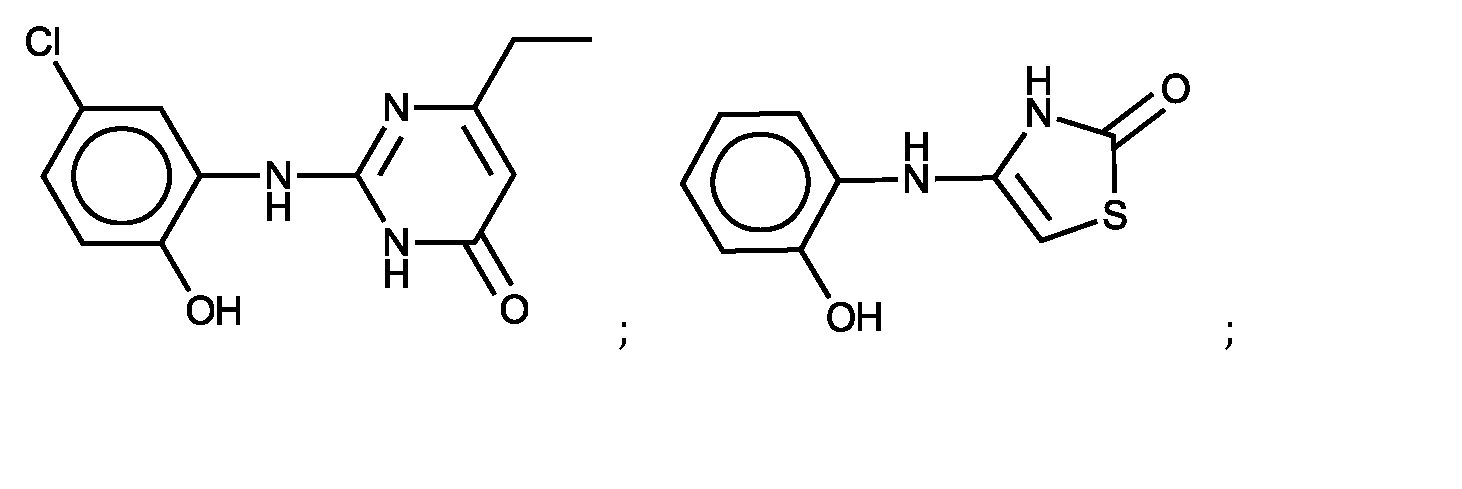

10. The method of any one of claims 1-9, wherein the compound is selected from one or

11. The method of any one of claims 1-10, wherein the compound is for the treatment of cancer.
12. The method of any one of claims 1-11, wherein the inhibiting of Lin28 is for the treatment of cancer.
13. The method of claims 12, wherein the cancer is selected from one or more of the following: cervical cancer; small-cell lung cancer; testicular cancer; carcinoma; neuroblastoma; osteosarcoma; glioblastoma; melanoma; lymphoma; leukemia; esophageal cancer; stomach cancer; colon cancer; breast cancer; ovarian cancer;
endometrial cancer; chondrosarcomas; central nervous system cancer; kidney cancer; liver cancer; and prostate cancer.
14. A pharmaceutical composition comprising compound of Formulas I, II, or III and a pharmaceutically acceptable carrier, for the treatment of one or more of the following: cervical cancer; small-cell lung cancer; testicular cancer; carcinoma; neuroblastoma; osteosarcoma; glioblastoma; melanoma; lymphoma; leukemia; esophageal cancer; stomach cancer; colon cancer; breast cancer; ovarian cancer; endometrial cancer; chondrosarcomas; central nervous system cancer; kidney cancer; liver cancer; and prostate cancer.
15. The pharmaceutical composition of claim 14, wherein the prostate cancer is selected from: Neuroendocrine Prostate Cancer (NEPC); Prostate Adenocarcinoma; castration resistant prostate cancer (CRPC); androgen receptor pathway inhibitor (ARPI) resistant prostate cancer; enzalutamide (ENZ) -resistant (ENZR); and Abiraterone (Abi] -resistant ABIR ).
16. Use of a compound of Formulas I, II, or III, for the treatment of one or more of the following: cervical cancer; small-cell lung cancer; testicular cancer; carcinoma; neuroblastoma; osteosarcoma; glioblastoma; melanoma; lymphoma; leukemia; esophageal cancer; stomach cancer; colon cancer; breast cancer; ovarian cancer; endometrial cancer; chondrosarcomas; central nervous system cancer; kidney cancer; liver cancer; and prostate cancer.
17. Use of a compound of Formulas I, II, or III, in the manufacture of a medicament for treating one or more of the following: cervical cancer; small-cell lung cancer; testicular cancer; carcinoma; neuroblastoma; osteosarcoma; glioblastoma; melanoma; lymphoma; leukemia; esophageal cancer; stomach cancer; colon cancer; breast cancer; ovarian cancer; endometrial cancer; chondrosarcomas; central nervous system cancer; kidney cancer; liver cancer; and prostate cancer.
18. The use of claim 16 or 17, wherein the prostate cancer is selected from: Neuroendocrine Prostate Cancer (NEPC); Prostate Adenocarcinoma; castration resistant
prostate cancer (CRPC); androgen receptor pathway inhibitor (ARPI) resistant prostate cancer; enzalutamide (ENZ)-resistant (ENZR); and Abiraterone (Abi] -resistant ABIR ).
19. A commercial package comprising (a) a compound of any one of Formulas I, II, or III, and a pharmaceutically acceptable carrier; and (b) instructions for the use thereof for treating one or more of the following: cervical cancer; small-cell lung cancer; testicular cancer; carcinoma; neuroblastoma; osteosarcoma; glioblastoma; melanoma; lymphoma; leukemia; esophageal cancer; stomach cancer; colon cancer; breast cancer; ovarian cancer; endometrial cancer; chondrosarcomas; central nervous system cancer; kidney cancer; liver cancer; and prostate cancer.
20. A commercial package comprising (a) a pharmaceutical composition comprising a compound of any one of Formulas I -I II and a pharmaceutically acceptable carrier; and (b) instructions for the use thereof for treating prostate cancer.
21. The commercial package of claim 19 or 20, wherein the prostate cancer is selected from: Neuroendocrine Prostate Cancer (NEPC); Prostate Adenocarcinoma; castration resistant prostate cancer (CRPC); androgen receptor pathway inhibitor (ARPI) resistant prostate cancer; enzalutamide (ENZ) -resistant (ENZR); and Abiraterone (Abi] -resistant ABIR ).
Applications Claiming Priority (2)
| Application Number | Priority Date | Filing Date | Title |
|---|---|---|---|
| US202263426141P | 2022-11-17 | 2022-11-17 | |
| US63/426,141 | 2022-11-17 |
Publications (1)
| Publication Number | Publication Date |
|---|---|
| WO2024103188A1 true WO2024103188A1 (en) | 2024-05-23 |
Family
ID=91083573
Family Applications (1)
| Application Number | Title | Priority Date | Filing Date |
|---|---|---|---|
| PCT/CA2023/051552 Ceased WO2024103188A1 (en) | 2022-11-17 | 2023-11-17 | Lin28 inhibitors and uses thereof |
Country Status (1)
| Country | Link |
|---|---|
| WO (1) | WO2024103188A1 (en) |
Citations (1)
| Publication number | Priority date | Publication date | Assignee | Title |
|---|---|---|---|---|
| WO2020015393A1 (en) * | 2018-07-19 | 2020-01-23 | 中山大学 | Application of lin28/let-7 signal pathway inhibitor in preparation of drug for regulating pd-l1 expression |
-
2023
- 2023-11-17 WO PCT/CA2023/051552 patent/WO2024103188A1/en not_active Ceased
Patent Citations (1)
| Publication number | Priority date | Publication date | Assignee | Title |
|---|---|---|---|---|
| WO2020015393A1 (en) * | 2018-07-19 | 2020-01-23 | 中山大学 | Application of lin28/let-7 signal pathway inhibitor in preparation of drug for regulating pd-l1 expression |
Non-Patent Citations (4)
| Title |
|---|
| GUDZERA ET AL.: "Identification of Mycobacterium tuberculosis leucyl-tRNA synthetase (LeuRS) inhibitors among the derivatives of 5-phenylamino-2H-[1,2,4]triazin-3-one", JOURNAL OF ENZYME INHIBITION AND MEDICINAL CHEMISTRY, vol. 31, 2016, pages 201 - 207, XP055906316, DOI: 10.1080/14756366.2016.1190712 * |
| LIGHTFOOT HELEN L, MISKA ERIC A.; BALASUBRAMANIAN SHANKAR: "Identification of small molecule inhibitors of the Lin28-mediated blockage of pre-let-7g processing", ORGANIC & BIOMOLECULAR CHEMISTRY, ROYAL SOCIETY OF CHEMISTRY, vol. 14, no. 43, 1 January 2016 (2016-01-01), pages 10208 - 10216, XP093175528, ISSN: 1477-0520, DOI: 10.1039/C6OB01945E * |
| RADAEVA MARIIA, HO CHIA-HAO; XIE NING; ZHANG SIJIE; LEE JOSEPH; LIU LIANGLIANG; LALLOUS NADA; CHERKASOV ARTEM; DONG XUESEN: "Discovery of Novel Lin28 Inhibitors to Suppress Cancer Cell Stemness", CANCERS, MDPI AG, CH, vol. 14, no. 22, 19 November 2022 (2022-11-19), CH , pages 5687, XP093175522, ISSN: 2072-6694, DOI: 10.3390/cancers14225687 * |
| ROOS ET AL.: "A Small-Molecule Inhibitor ofLin28", ACS CHEM. BIOL., vol. 11, 22 August 2016 (2016-08-22), pages 2773 - 2781, XP055678243, DOI: 10.1021/acschembio.6b00232 * |
Similar Documents
| Publication | Publication Date | Title |
|---|---|---|
| Alimova et al. | Targeting the enhancer of zeste homologue 2 in medulloblastoma | |
| D'Souza et al. | Oxidative stress and cancer development: are noncoding RNAs the missing links? | |
| JP2022508155A (en) | How to treat cancer | |
| CN115867314A (en) | ways to treat cancer | |
| Peng et al. | miR-25 promotes glioblastoma cell proliferation and invasion by directly targeting NEFL | |
| AU2015342774A1 (en) | EZH2 inhibitors and uses thereof | |
| JP2024529976A (en) | How to Treat Cancer | |
| JP7442439B2 (en) | KDM4 inhibitor | |
| US12017975B2 (en) | Myc-Max inhibitor compound therapeutics for cancer treatment, methods and uses associated therewith | |
| JP2015529665A (en) | Aminoheteroaryl compounds as MTH1 inhibitors | |
| Zhang et al. | RNA modification systems as therapeutic targets | |
| Yang et al. | Increased activity of CHK enhances the radioresistance of MCF-7 breast cancer stem cells | |
| Freitag et al. | Combined inhibition of EZH2 and CDK4/6 perturbs endoplasmic reticulum-mitochondrial homeostasis and increases antitumor activity against glioblastoma | |
| Yang et al. | Discovery of a highly potent lysine methyltransferases G9a/NSD2 dual inhibitor to treat solid tumors | |
| Guo et al. | DNA 6mA demethylase ALKBH1 regulates DDX18 expression to promote proliferation of human head and neck squamous cell carcinoma | |
| US12377092B2 (en) | Polycomb inhibitors and uses thereof | |
| Qin et al. | PCK1 inhibits cGAS-STING activation by consumption of GTP to promote tumor immune evasion | |
| Le et al. | Design, synthesis, and biological evaluation of potent EZH2/LSD1 Dual Inhibitors for Prostate Cancer | |
| Bharambe et al. | Restoration of miR-193a expression is tumor-suppressive in MYC amplified Group 3 medulloblastoma | |
| Yang et al. | GNE‐317 Reverses MSN‐Mediated Proneural‐to‐Mesenchymal transition and suppresses chemoradiotherapy resistance in glioblastoma via PI3K/mTOR | |
| CA2923765C (en) | Stem cell modulation ii | |
| Wang et al. | LN-439A, a novel BAP1 inhibitor, suppresses the growth of basal-like breast cancer by degrading KLF5 | |
| Pinelli et al. | Overexpression of microRNA‑486 affects the proliferation and chemosensitivity of mesothelioma cell lines by targeting PIM1 | |
| Liang et al. | ZL-n-91, a specific Phosphodiesterase-4 inhibitor, suppresses the growth of triple-negative breast cancer | |
| Hu et al. | DNA methylation-regulated HK1 overexpression contributes to irradiation-resistance by promoting glycolysis in non-small cell lung cancer |
Legal Events
| Date | Code | Title | Description |
|---|---|---|---|
| 121 | Ep: the epo has been informed by wipo that ep was designated in this application |
Ref document number: 23889954 Country of ref document: EP Kind code of ref document: A1 |
|
| NENP | Non-entry into the national phase |
Ref country code: DE |
|
| 122 | Ep: pct application non-entry in european phase |
Ref document number: 23889954 Country of ref document: EP Kind code of ref document: A1 |