WO2024034232A1 - 情報処理装置、情報処理方法及びプログラム - Google Patents
情報処理装置、情報処理方法及びプログラム Download PDFInfo
- Publication number
- WO2024034232A1 WO2024034232A1 PCT/JP2023/019895 JP2023019895W WO2024034232A1 WO 2024034232 A1 WO2024034232 A1 WO 2024034232A1 JP 2023019895 W JP2023019895 W JP 2023019895W WO 2024034232 A1 WO2024034232 A1 WO 2024034232A1
- Authority
- WO
- WIPO (PCT)
- Prior art keywords
- item
- text data
- information processing
- processing device
- item value
- Prior art date
- Legal status (The legal status is an assumption and is not a legal conclusion. Google has not performed a legal analysis and makes no representation as to the accuracy of the status listed.)
- Ceased
Links
Images





Classifications
-
- G—PHYSICS
- G06—COMPUTING OR CALCULATING; COUNTING
- G06F—ELECTRIC DIGITAL DATA PROCESSING
- G06F16/00—Information retrieval; Database structures therefor; File system structures therefor
- G06F16/30—Information retrieval; Database structures therefor; File system structures therefor of unstructured textual data
- G06F16/33—Querying
-
- G—PHYSICS
- G06—COMPUTING OR CALCULATING; COUNTING
- G06F—ELECTRIC DIGITAL DATA PROCESSING
- G06F40/00—Handling natural language data
- G06F40/20—Natural language analysis
- G06F40/279—Recognition of textual entities
- G06F40/289—Phrasal analysis, e.g. finite state techniques or chunking
- G06F40/295—Named entity recognition
Definitions
- the present disclosure relates to an information processing device, an information processing method, and a program.
- One objective of the present disclosure is to provide a technique for extracting desired information from text data.
- One aspect of the present disclosure includes an input unit that receives text data, and a trained machine learning model that is trained using training data in which item values in the text data are labeled with items corresponding to the item values.
- the present invention relates to an information processing apparatus having an extraction unit that extracts an item value corresponding to a predetermined item from the received text data, and an output unit that associates and outputs the item and the item value.
- desired information can be extracted from text data.
- FIG. 1 is a schematic diagram showing an information processing device according to an embodiment of the present disclosure.
- FIG. 2 is a schematic diagram illustrating a machine learning model training process according to an embodiment of the present disclosure.
- FIG. 3 is a block diagram showing a hardware configuration of an information processing device according to an embodiment of the present disclosure.
- FIG. 4 is a block diagram showing the functional configuration of an information processing device according to an embodiment of the present disclosure.
- 5A and 5B are diagrams illustrating item value extraction processing according to an embodiment of the present disclosure.
- 6A and 6B are diagrams illustrating item value extraction processing according to an embodiment of the present disclosure.
- 7A and 7B are diagrams illustrating item value extraction processing according to an embodiment of the present disclosure.
- FIGS. 11A and 11B are diagrams illustrating display processing according to an embodiment of the present disclosure.
- FIG. 12 is a flowchart showing item extraction processing according to an embodiment of the present disclosure.
- an information processing device that uses a machine learning model to extract item values corresponding to predetermined items from incomplete text data including abbreviations, abbreviated sentences, etc. is disclosed.
- An information processing device uses a machine learning model to extract item values corresponding to predetermined items from text data including incomplete notations such as abbreviations and shortened sentences, and extracts item values corresponding to each item. Output in association with the extracted item value.
- a named entity recognition model may be used as a machine learning model, and the named entity recognition model may be configured based on BERT (Bidirectional Encoder Representations from Transformers).
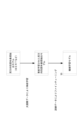
- FIG. 1 is a schematic diagram showing an information processing system 10 according to an embodiment of the present disclosure.
- the information processing system 10 includes a terminal 30 and an information processing device 100.
- the terminal 30 can access the information processing device 100 via a communication network (not shown).
- the terminal 30 transmits the acquired text data to the information processing device 100.
- the text data input by the user is ⁇ BP 195/68 P 84 KT Take a bath at 36.7 degrees Celsius.Many rashes are seen over a wide area on the back, report to Tanaka NS and apply Antebate.2 days a day. There are instructions for applying the product twice.''
- the user may input text data into the terminal 30 using any suitable input method.
- text data may be input by operating a keyboard.
- the user may generate image data by capturing an image of a memo written at the site, and input text data by performing character recognition on the image data.
- the user may generate voice data by reading out the contents of the text data, and input the text data by performing voice recognition on the voice data.
- the information processing device 100 uses the trained machine learning model 50 to extract one or more predetermined items and the item value of each item from the text data acquired from the terminal 30, and extracts each item and item value. It is associated and returned to the terminal 30 as correspondence information.
- the correspondence information for the text data described above may indicate "systolic blood pressure: 195,” “diastolic blood pressure: 68,” “pulse rate: 84,” and “body temperature: 36.7.”
- the machine learning model extracts "systolic blood pressure: 195" and “diastolic blood pressure: 68" from the data part "BP 195/68" of the text data, and extracts "pulse rate: 84" from the data part "P 84".
- the machine learning model 50 can identify the item value corresponding to the data item even if the data item to be extracted is written in incomplete notation such as such abbreviations and abbreviations. are trained to infer associations between
- the terminal 30 may display the acquired correspondence information on the screen, and after obtaining confirmation from the user, register it in a database (not shown).
- the information processing device 100 holds the trained machine learning model 50, but the information processing device 100 is not limited to this.
- the trained machine learning model 50 may be stored in an external device, cloud, etc. that is communicatively accessible from the information processing device 100.
- Machine learning model A machine learning model according to the following embodiments is trained to extract item values corresponding to predetermined items described by named entities from text data.
- the machine learning model according to this embodiment is capable of identifying a predetermined item from text data in an incomplete format in which the predetermined item is written in an abbreviation or the text content is not in a complete format but is shortened. Output in association with the item value.
- FIG. 2 is a schematic diagram illustrating a training process for the machine learning model 50 according to an embodiment of the present disclosure.
- the machine learning model 50 may be constructed based on any suitable (interactive) named entity extraction model available on the Internet, such as BERT. Any obtained named entity extraction model may be pre-trained using large-scale Japanese data such as Japanese Wikipedia and trained to adapt to Japanese.
- the named entity extraction model pre-trained in this way may then be fine-tuned to adapt to the field of application of the text data to be processed. For example, when the information processing device 100 is applied to medical text, the named entity extraction model may be fine-tuned using medical data as training data. Furthermore, when the information processing device 100 is applied to nursing care sentences, the named entity extraction model may be fine-tuned using nursing care data as training data.
- blood pressure may be abbreviated as “BP”
- BP XX/YY may be replaced by "systolic blood pressure: XX”
- YY diastolic blood pressure
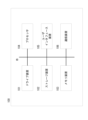
- the information processing device 100 may be realized by a computing device such as a server, a personal computer (PC), a smartphone, or a tablet, and may have a hardware configuration as shown in FIG. 3, for example. That is, each of the information processing devices 100 includes a drive device 101, a storage device 102, a memory device 103, a processor 104, a user interface (UI) device 105, and a communication device 106 that are interconnected via a bus B.
- a computing device such as a server, a personal computer (PC), a smartphone, or a tablet
- each of the information processing devices 100 includes a drive device 101, a storage device 102, a memory device 103, a processor 104, a user interface (UI) device 105, and a communication device 106 that are interconnected via a bus B.
- UI user interface
- Programs or instructions for realizing various functions and processes to be described later in the information processing device 100 may be stored in a removable storage medium such as a CD-ROM (Compact Disk-Read Only Memory) or a flash memory.
- a program or instruction is installed from the storage medium into the storage device 102 or the memory device 103 via the drive device 101.
- the program or instructions do not necessarily need to be installed from a storage medium, and may be downloaded from any external device via a network or the like.
- the storage device 102 is realized by a hard disk drive or the like, and stores installed programs or instructions as well as files, data, etc. used to execute the programs or instructions.
- the memory device 103 is realized by random access memory, static memory, etc., and when a program or instruction is started, reads the program or instruction, data, etc. from the storage device 102 and stores it.
- the storage device 102, the memory device 103, and the removable storage medium may be collectively referred to as a non-transitory storage medium.
- the processor 104 may be realized by one or more CPUs (Central Processing Units), GPUs (Graphics Processing Units), processing circuits, etc. that may be configured from one or more processor cores, and the memory device 1 on 03 Various functions and processes of the information processing apparatus 100, which will be described later, are executed in accordance with stored programs, instructions, and data such as parameters necessary to execute the programs or instructions.
- CPUs Central Processing Units
- GPUs Graphics Processing Units
- processing circuits etc.
- the user interface (UI) device 105 may include input devices such as a keyboard, mouse, camera, and microphone, output devices such as a display, speaker, headset, and printer, and input/output devices such as a touch panel. It realizes an interface with the processing device 100. For example, a user operates a GUI (Graphical User Interface) displayed on a display or a touch panel using a keyboard, a mouse, etc., to operate the information processing apparatus 100.
- GUI Graphic User Interface
- the communication device 106 is realized by various communication circuits that perform wired and/or wireless communication processing with communication networks such as external devices, the Internet, LAN (Local Area Network), and cellular networks.
- communication networks such as external devices, the Internet, LAN (Local Area Network), and cellular networks.
- the hardware configuration described above is merely an example, and the information processing device 100 according to the present disclosure may be realized by any other suitable hardware configuration.
- the information processing device 100 uses the trained machine learning model 50 to calculate predetermined items and corresponding item values from incomplete text data including incomplete notations such as abbreviations and abbreviations. Extract.
- FIG. 4 is a block diagram showing the functional configuration of the information processing device 100 according to an embodiment of the present disclosure.
- the information processing device 100 includes an input section 110, an extraction section 120, and an output section 130.
- the extraction section 120 may include a determination section 121.
- one or more functional units of the input unit 110, the extraction unit 120, the determination unit 121, and the output unit 130 may be realized by one or more processors 104 executing one or more programs or instructions. .
- the input unit 110 receives text data. Specifically, the input unit 110 receives text data to be processed from the user via the terminal 30.
- the text data may include, in addition to or instead of a complete text (e.g., "The systolic blood pressure is 195 and the diastolic blood pressure is 68.") It may be written as a sentence in an incomplete format (for example, "BP 195/68") that includes a complete notation.
- the input unit 110 passes the received sentence data to the extraction unit 120.
- Abbreviations and shortened forms are only examples of incomplete notation, and incomplete notation according to this disclosure may include any other notation other than complete notation.
- the extraction unit 120 uses the trained machine learning model 50 to extract item values corresponding to predetermined items from the text data. Specifically, when text data is acquired from the input unit 110, the extraction unit 120 inputs the acquired text data to the trained machine learning model 50 and extracts item values corresponding to predetermined items in the text data.
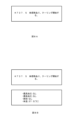
- the trained machine learning model 50 is trained using training data in which item values in text data are labeled with items corresponding to the item values. For example, as shown in FIG. 5A, when the input unit 110 receives text data such as "I have had chills since this morning, 120/80 P80 KT 38.0", the extraction unit 120 uses the received text data as a trained Inputted into the machine learning model 50, as shown in FIG. 5B, predetermined items “systolic blood pressure”, “diastolic blood pressure”, “pulse”, and “body temperature” and corresponding item values "120” and “80” are input. “, “80” and “38.0” are extracted.
- the trained machine learning model 50 may extract “120/80” as “systolic blood pressure: 120 and diastolic blood pressure: 80". Similarly, the trained machine learning model 50 can extract “P80” and “KT38.0” as “Pulse: 80” and “Body temperature: 38.0° C.”, respectively.
- the text data does not include the complete format of "systolic blood pressure is 120 and diastolic blood pressure is 80", but is instead written in the abbreviated form "120/80".
- the complete format of ⁇ Pulse is 80'' and ⁇ Body temperature is 38.0°C'' is not included in the text data, and the abbreviations ⁇ P80'' and ⁇ KT38.0'' are used instead.
- the machine learning model 50 is fine-tuned using training data in incomplete formats such as contractions and abbreviations, and calculates item values corresponding to predetermined items from incomplete format text data. can be extracted.
- the output unit 130 outputs items and item values in association with each other. Specifically, when the extraction unit 120 extracts item values corresponding to predetermined items from text data, the output unit 130 outputs correspondence information indicating a pair between each extracted item and the corresponding item value. do.
- the extraction unit 120 extracts "systolic blood pressure: 110" and "diastolic blood pressure: 70'', ⁇ Pulse: 65'', and ⁇ Body Temperature: 36.5''.
- the output unit 130 outputs "systolic blood pressure: 110 [mmHg]”, “diastolic blood pressure: 70 [mmHg]”, “pulse rate: 65 [bpm]", and "body temperature: 36. 5 [° C.]” and the corresponding item value may be output.
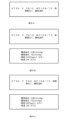
- the extraction unit 120 may extract ⁇ systolic blood pressure: 118'' from the sentence data ⁇ KT35.3 P68 Bp118/83 well awake, but lack energy and eyes are cloudy''. Assume that "diastolic blood pressure: 83", “pulse rate: 68", and “body temperature: 35.3” are extracted. At this time, as shown in FIG. 7B, the output unit 130 outputs "systolic blood pressure: 118 [mmHg]", “diastolic blood pressure: 83 [mmHg]”, “pulse rate: 68 [bpm]", and "body temperature: 35. 3[° C.]” and the corresponding item value may be output.
- the text data shown in FIGS. 6A and 6B include four data items, "systolic blood pressure,” “diastolic blood pressure,” “pulse,” and “body temperature,” in that order, but the text data shown in FIGS. 7A and 7B include
- the text data includes four data items: “systolic blood pressure,” “diastolic blood pressure,” “pulse,” and “body temperature,” in the order of “body temperature,” “pulse,” “systolic blood pressure,” and “diastolic blood pressure.” ing.
- the trained machine learning model 50 can appropriately extract each item and the corresponding item value, and the output unit 130 can output a pair of each extracted item and item value. Correspondence information can be output according to the following.
- the correspondence information output by the output unit 130 is not limited to the illustrated format, and may have any other format indicating the association between an item and an item value.
- the correspondence information is displayed and confirmed by the user and then registered in the database, but it may be created in a format that is easy for the user to confirm. Further, the output unit 130 may display the correspondence information acquired over time in chronological order.
- the extraction unit 120 extracts "systolic blood pressure: none", “diastolic blood pressure: none", “ “Pulse: None” and “Body temperature: 37.5" may be extracted. That is, in the trained machine learning model 50, only the pair of "body temperature” and the corresponding item value "37.5" among the predetermined items is included in the text data, and the items “systolic blood pressure” and " It may be determined that "diastolic blood pressure” and "pulse” and their corresponding item values are not included.
- the output unit 130 outputs predetermined items such as "systolic blood pressure: none", “diastolic blood pressure: none”, “pulse: none", and "body temperature: 37.5 [°C]", as shown in FIG. 8B.
- predetermined items such as "systolic blood pressure: none", “diastolic blood pressure: none”, “pulse: none", and "body temperature: 37.5 [°C]", as shown in FIG. 8B.
- Correspondence information consisting of the item value and the item value may be output.
- the extraction unit 120 may include a determination unit 121 that determines the appropriateness of an item value corresponding to a predetermined item in the text data. As an example, as shown in FIG. 9A, the extraction unit 120 extracts "systolic blood pressure: 108", “diastolic blood pressure: 73", “ “Pulse: 612” and “Body temperature: 36.3” may be extracted.
- the determining unit 121 stores in advance range information indicating the possible range of the item value for each item, and determines that there is a detection error if the extracted item value is outside the possible range of the range information. Good too. For an item determined to be a detection error, the output unit 130 may add a message indicating that the item value is an error.
- the determining unit 121 determines that the item value "612" of the item “pulse” is outside the range based on range information held in advance, and the output unit 130 determines that the item value "612" is outside the range.
- Correspondence information consisting of the item value and the item value may be output.
- the output unit 130 may prompt the user to correct the item value. Specifically, if the item value of a predetermined item detected by the extraction unit 120 is outside the range information, the determination unit 121 determines that there is a possibility that there was a transcription error in the text data, and outputs the The unit 130 may present inappropriate item values to the user via the terminal 30 and prompt the user to input correct item values. Specifically, the output unit 130 may send a message, screen, etc. to the terminal 30 for the user to correct inappropriate item values. Alternatively, the output unit 130 may highlight inappropriate item values (for example, color them, change the font, etc.) to make them easier for the user to recognize.
- inappropriate item values for example, color them, change the font, etc.
- the prompting for input according to the present disclosure is not limited to these, and may be realized in any form for making the user recognize and correct inappropriate item values.
- the user may correct inappropriate item values in the correspondence information, as shown in FIG. 9C, or may re-enter the corrected text data into the terminal 30.
- the extraction unit 120 may include a determination unit 121 that determines whether the text data has an item value corresponding to a predetermined item. As an example, as shown in FIG. 10A, the extraction unit 120 extracts "systolic blood pressure: 110" and “diastolic blood pressure :70,” “Pulse: None,” and “Body temperature: 36.2.” That is, the determination unit 121 determines whether the text data includes pairs of "systolic blood pressure,” “diastolic blood pressure,” and “body temperature” among the predetermined items and the corresponding item values "110,” “70,” and “37.5.” It may be determined that the item value corresponding to the item "pulse" is not included.
- the output unit 130 outputs "systolic blood pressure: 110 [mmHg]”, “diastolic blood pressure: 70 [mmHg]”, “pulse: none”, and "body temperature: 36.2 [°C]” as shown in FIG. 10B. ]” and the corresponding item value may be output.
- the output unit 130 may prompt the user to input the item value. Specifically, when the extraction unit 120 cannot detect corresponding item values for one or more predetermined items in the text data, the determination unit 121 determines that there is a possibility that there was a transcription omission in the text data. However, the output unit 130 may present the undetected items to the user via the terminal 30 and prompt the user to input the corresponding item value. Specifically, the output unit 130 may transmit a message, a screen, etc. to the terminal 30 for causing the user to modify undetected item values.
- the output unit 130 may highlight the undetected items (for example, color them, change the font, etc.) to make them easier for the user to recognize.
- prompting for input according to the present disclosure is not limited to these, and may be realized in any form for making the user recognize and correct undetected items.
- the user may add an item value to the undetected item "pulse" in the correspondence information, as shown in FIG. 10C, or re-enter the text data added to the terminal 30. You may.
- the item value "61" is input to the item "pulse".
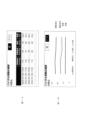
- the output unit 130 may display the correspondence information in chronological order. Specifically, the output unit 130 may display item values of data items in the correspondence information acquired over time in chronological order. For example, as shown in FIG. 11A, the output unit 130 displays the item values of the items “systolic blood pressure,” “diastolic blood pressure,” “pulse,” and “body temperature” at each point in time in a table format on the terminal 30. May be displayed. In addition, as shown in FIG. 11B, the output unit 130 displays the item values of the items “systolic blood pressure”, “diastolic blood pressure", “pulse”, and “body temperature” at each point in time in a graph format on the terminal 30. May be displayed.
- a machine learning model is used to extract predetermined items and item values from incomplete text data that includes incomplete notations such as abbreviations and abbreviations.
- the pair can be registered in the database.
- the machine learning model according to this embodiment can be obtained by pre-learning and fine-tuning a public entity extraction model such as BERT available on the Internet.
- item value extraction process is executed by the information processing device 100 described above, and more specifically, one or more processors 104 of the information processing device 100 execute one or more programs stored in one or more memory devices 103. Alternatively, it may be realized by executing instructions.
- the information processing device 100 may utilize a machine learning model 50 trained to extract pairs of predetermined items and their item values from text data.
- the machine learning model 50 is configured to process text data in an incomplete format that includes incomplete notations such as abbreviations and/or contractions used in the application field, and predetermined items in the text data in the incomplete format. It may be trained using the corresponding item values as training data.
- the text data may be a medical text
- the machine learning model 50 may extract numerical values corresponding to predetermined medical items from the medical text.
- the text data may be a nursing care record text
- the machine learning model 50 may extract numerical values corresponding to predetermined care items from the care record text.
- FIG. 12 is a flowchart showing item value extraction processing according to an embodiment of the present disclosure.
- the information processing device 100 receives text data.
- the information processing apparatus 100 receives text data to be processed from the user via the terminal 30.
- the text data according to this embodiment is written as an incomplete text that includes incomplete notations such as abbreviations and abbreviations in addition to or instead of a complete text. Good too.
- step S102 the information processing device 100 uses the trained machine learning model 50 to extract item values corresponding to predetermined items from the text data. Specifically, the information processing device 100 inputs the acquired text data to the trained machine learning model 50 and extracts item values corresponding to predetermined data items in the text data.
- step S103 the information processing device 100 may output each item and item value in association with each other. Specifically, when the item value corresponding to a predetermined item is extracted from the text data, the information processing apparatus 100 may output correspondence information indicating a pair of each item and the corresponding item value.
- a machine learning model is used to extract item values corresponding to predetermined items from incomplete format text data that includes incomplete notations such as abbreviations and abbreviations. Pairs with values can be registered in the database. Furthermore, the machine learning model according to this embodiment can be obtained relatively easily by pre-learning and fine-tuning a publicly available named entity extraction model such as BERT available on the Internet.
- an input section that accepts text data
- Item values corresponding to predetermined items are extracted from the text data using a trained machine learning model trained using training data labeled with items corresponding to the item values in the text data.
- an extractor to an output unit that associates and outputs the item and the item value;
- An information processing device having: (Additional note 2) The information processing device according to supplementary note 1, wherein the text data includes incomplete notation. (Additional note 3) The information processing device according to appendix 2, wherein the incomplete notation includes an abbreviation or an abbreviation.
- the text data is a nursing care record text
- the information processing device according to any one of Supplementary Notes 1 to 9, wherein the machine learning model extracts numerical values corresponding to predetermined care items from the care record text.
- (Appendix 11) Accepting text data, Item values corresponding to predetermined items are extracted from the text data using a trained machine learning model trained using training data labeled with items corresponding to the item values in the text data. to do and outputting the item and the item value in association with each other;
- An information processing method executed by a computer comprising: (Appendix 12) Accepting text data, Item values corresponding to predetermined items are extracted from the text data using a trained machine learning model trained using training data labeled with items corresponding to the item values in the text data. to do and outputting the item and the item value in association with each other;
Landscapes
- Engineering & Computer Science (AREA)
- Theoretical Computer Science (AREA)
- General Physics & Mathematics (AREA)
- Computational Linguistics (AREA)
- Physics & Mathematics (AREA)
- General Engineering & Computer Science (AREA)
- Databases & Information Systems (AREA)
- Data Mining & Analysis (AREA)
- Health & Medical Sciences (AREA)
- Artificial Intelligence (AREA)
- Audiology, Speech & Language Pathology (AREA)
- General Health & Medical Sciences (AREA)
- Measuring Pulse, Heart Rate, Blood Pressure Or Blood Flow (AREA)
Abstract
文章データから所望の情報を抽出するための技術が開示される。本開示の一態様は、文章データを受け付ける入力部と、文章データの中の項目値に対して、項目値に対応する項目をラベル付けした訓練データを用いて訓練された訓練済み機械学習モデルによって、所定の項目に対応する項目値を前記受け付けた文章データから抽出する抽出部と、前記項目と前記項目値とを関連付けて出力する出力部と、を有する、情報処理装置に関する。
Description
本開示は、情報処理装置、情報処理方法及びプログラムに関する。
情報技術の進展によって、様々なデータが、紙媒体の代わりにデジタル情報として記憶及び処理される機会が増大している。しかしながら、ユーザが常時パーソナルコンピュータなどにアクセス可能であるとは限らない。例えば、医療現場、製造現場などでは、測定結果、検査結果などのデータは、医療スタッフ、作業員などによって手元のメモに一旦書き留められ、書き留められたメモに基づいて以降にコンピュータ端末に入力されうる。例えば、医療スタッフ、作業員などは、作業終了後などにコンピュータ端末を操作し、手元のメモに記録された内容をデータベースに転記している。
このようにして医療スタッフ、作業員などによってメモに書き留められた内容は、典型的には、短時間で書き留められる必要がある。このため、完全な文章形式というより、略語、短縮文などの不完全な文章形式で記載されるケースが多い。例えば、「最高血圧は120であり、最低血圧は80である。」という内容が、「BP 120/80」などのような略語と短縮文とを含む不完全な文章として記載されうる。入力される文章がこのような不完全な形式によって記載されている場合であっても、項目「最高血圧」及び「最低血圧」がそれぞれ“120”及び“80”の項目値を有することが検出され、「最高血圧:120」及び「最低血圧:80」がデータベースに登録される必要がある。
本開示の1つの課題は、文章データから所望の情報を抽出するための技術を提供することである。
本開示の一態様は、文章データを受け付ける入力部と、文章データの中の項目値に対して、項目値に対応する項目をラベル付けした訓練データを用いて訓練された訓練済み機械学習モデルによって、所定の項目に対応する項目値を前記受け付けた文章データから抽出する抽出部と、前記項目と前記項目値とを関連付けて出力する出力部と、を有する、情報処理装置に関する。
本開示によると、文章データから所望の情報を抽出することができる。
以下、図面を参照して本開示の実施の形態を説明する。
以下の実施例では、機械学習モデルを利用して、略語、短縮文などを含む不完全な文章データから所定の項目に対応する項目値を抽出する情報処理装置が開示される。
[概略]
後述される実施例による情報処理装置は、機械学習モデルを利用して、略語、短縮文などの不完全な表記を含む文章データから、所定の項目に対応する項目値を抽出し、各項目と抽出した項目値とを関連付けて出力する。例えば、機械学習モデルとして、固有表現抽出(Named Entity Recognition)モデルが利用されてもよく、固有表現抽出モデルは、BERT(Bidirectional Encoder Representations from Transformers)に基づいて構成されてもよい。
後述される実施例による情報処理装置は、機械学習モデルを利用して、略語、短縮文などの不完全な表記を含む文章データから、所定の項目に対応する項目値を抽出し、各項目と抽出した項目値とを関連付けて出力する。例えば、機械学習モデルとして、固有表現抽出(Named Entity Recognition)モデルが利用されてもよく、固有表現抽出モデルは、BERT(Bidirectional Encoder Representations from Transformers)に基づいて構成されてもよい。
[情報処理システム]
まず、図1を参照して、本開示の一実施例による情報処理システム10を説明する。図1は、本開示の一実施例による情報処理システム10を示す概略図である。図1に示されるように、情報処理システム10は、端末30及び情報処理装置100を有する。端末30は、通信ネットワーク(図示せず)を介し情報処理装置100にアクセス可能である。
まず、図1を参照して、本開示の一実施例による情報処理システム10を説明する。図1は、本開示の一実施例による情報処理システム10を示す概略図である。図1に示されるように、情報処理システム10は、端末30及び情報処理装置100を有する。端末30は、通信ネットワーク(図示せず)を介し情報処理装置100にアクセス可能である。
本実施例による情報処理システム10では、ユーザが端末30に文章データを入力すると、端末30は、取得した文章データを情報処理装置100に送信する。例えば、ユーザによって入力される文章データは、「BP 195/68 P 84 KT 36.7℃にて入浴される。背中に発疹広範囲に多数見られ、田中NSに報告しアンテベート塗布する。一日2回の塗布指示あり。」などであってもよい。ここで、ユーザは、何れか適切な入力方法によって文章データを端末30に入力してもよい。例えば、キーボードを操作することによって文章データを入力してもよい。あるいは、ユーザは、現場で書き留めたメモを撮像することによって画像データを生成し、画像データに対して文字認識を実行することによって文章データを入力してもよい。あるいは、ユーザは、文章データの内容を読み上げることによって音声データを生成し、音声データに対して音声認識を実行することによって文章データを入力してもよい。
情報処理装置100は、訓練済み機械学習モデル50を利用して、端末30から取得した文章データから1つ以上の所定の項目と各項目の項目値とを抽出し、各項目と項目値とを関連付けて対応情報として端末30に返す。例えば、上述した文章データに対する対応情報は、「最高血圧:195」、「最低血圧:68」、「脈拍:84」及び「体温:36.7」を示すものであってもよい。すなわち、当該機械学習モデルは、文章データのデータ部分「BP 195/68」から「最高血圧:195」及び「最低血圧:68」を抽出し、データ部分「P 84」から「脈拍:84」を抽出し、データ部分「KT 36.7℃」から「体温:36.7」を抽出する。換言すると、本開示による機械学習モデル50は、このような略語及び短縮形などの不完全な表記によって抽出対象のデータ項目が記載されている場合であっても、データ項目と対応する項目値との間の関連付けを推定するよう訓練されている。
情報処理装置100から対応情報を取得すると、端末30は、取得した対応情報を画面上に表示し、ユーザによる確認を得た後、データベース(図示せず)に登録してもよい。なお、図示された実施例では、情報処理装置100は、訓練済み機械学習モデル50を保持しているが、これに限定されることはない。例えば、訓練済み機械学習モデル50は、情報処理装置100から通信アクセス可能な外部装置、クラウドなどに格納されてもよい。
[機械学習モデル]
以下の実施例による機械学習モデルは、文章データから固有表現により記載された所定の項目に対応する項目値を抽出するよう訓練されている。特に、本実施例による機械学習モデルは、所定の項目が略語によって記載されたり、あるいは、文章内容が完全な形式でなく短縮されている不完全な形式の文章データから、所定の項目と対応する項目値とを関連付けて出力する。
以下の実施例による機械学習モデルは、文章データから固有表現により記載された所定の項目に対応する項目値を抽出するよう訓練されている。特に、本実施例による機械学習モデルは、所定の項目が略語によって記載されたり、あるいは、文章内容が完全な形式でなく短縮されている不完全な形式の文章データから、所定の項目と対応する項目値とを関連付けて出力する。
図2は、本開示の一実施例による機械学習モデル50の訓練処理を示す概略図である。図2に示されるように、例えば、機械学習モデル50は、BERTなど、インターネット上などで入手可能な何れか適切な(双方向性の)固有表現抽出モデルに基づいて構築されてもよい。入手された何れかの固有表現抽出モデルは、日本語Wikipediaなどの大規模な日本語データによって事前学習され、日本語に適応するよう訓練されてもよい。
このように事前学習された固有表現抽出モデルは、次に、処理対象の文章データの適用分野に適応するようファインチューニングされてもよい。例えば、情報処理装置100が、医用文章に対して適用される場合、固有表現抽出モデルは、医用データを訓練データとして使用してファインチューニングされてもよい。また、情報処理装置100が、介護文章に対して適用される場合、固有表現抽出モデルは、介護用データを訓練データとして使用してファインチューニングされてもよい。
例えば、医用データ及び/又は介護用データとして、「血圧」が「BP」として略語表記されることがあること、短縮形「BP XX/YY」が「最高血圧:XX」及び「最低血圧:YY」であることなどが訓練データとして提供され、固有表現抽出モデルを訓練するのに使用されてもよい。これにより、訓練済み機械学習モデル50は、各適用分野における略語及び短縮形を適切に認識することが可能になる。
ここで、情報処理装置100は、サーバ、パーソナルコンピュータ(PC)、スマートフォン、タブレット等の計算装置によって実現されてもよく、例えば、図3に示されるようなハードウェア構成を有してもよい。すなわち、情報処理装置100のそれぞれは、バスBを介し相互接続されるドライブ装置101、ストレージ装置102、メモリ装置103、プロセッサ104、ユーザインタフェース(UI)装置105及び通信装置106を有する。
情報処理装置100における後述される各種機能及び処理を実現するプログラム又は指示は、CD-ROM(Compact Disk-Read Only Memory)、フラッシュメモリ等の着脱可能な記憶媒体に格納されてもよい。当該記憶媒体がドライブ装置101にセットされると、プログラム又は指示が記憶媒体からドライブ装置101を介しストレージ装置102又はメモリ装置103にインストールされる。ただし、プログラム又は指示は、必ずしも記憶媒体からインストールされる必要はなく、ネットワークなどを介し何れかの外部装置からダウンロードされてもよい。
ストレージ装置102は、ハードディスクドライブなどによって実現され、インストールされたプログラム又は指示と共に、プログラム又は指示の実行に用いられるファイル、データ等を格納する。
メモリ装置103は、ランダムアクセスメモリ、スタティックメモリ等によって実現され、プログラム又は指示が起動されると、ストレージ装置102からプログラム又は指示、データ等を読み出して格納する。ストレージ装置102、メモリ装置103及び着脱可能な記憶媒体は、非一時的な記憶媒体(non-transitory storage medium)として総称されてもよい。
プロセッサ104は、1つ以上のプロセッサコアから構成されうる1つ以上のCPU(Central Processing Unit)、GPU(Graphics Processing Unit)、処理回路(processing circuitry)等によって実現されてもよく、メモリ装置103に格納されたプログラム、指示、当該プログラム若しくは指示を実行するのに必要なパラメータなどのデータ等に従って、後述される情報処理装置100の各種機能及び処理を実行する。
ユーザインタフェース(UI)装置105は、キーボード、マウス、カメラ、マイクロフォン等の入力装置、ディスプレイ、スピーカ、ヘッドセット、プリンタ等の出力装置、タッチパネル等の入出力装置から構成されてもよく、ユーザと情報処理装置100との間のインタフェースを実現する。例えば、ユーザは、ディスプレイ又はタッチパネルに表示されたGUI(Graphical User Interface)をキーボード、マウス等を操作し、情報処理装置100を操作する。
通信装置106は、外部装置、インターネット、LAN(Local Area Network)、セルラーネットワーク等の通信ネットワークとの有線及び/又は無線通信処理を実行する各種通信回路により実現される。
しかしながら、上述したハードウェア構成は単なる一例であり、本開示による情報処理装置100は、他の何れか適切なハードウェア構成により実現されてもよい。
[情報処理装置]
次に、図4から図11を参照して、本開示の一実施例による情報処理装置100を説明する。本実施例による情報処理装置100は、訓練済み機械学習モデル50を利用して、略語、短縮形などの不完全な表記を含む不完全な文章データから、所定の項目と対応する項目値とを抽出する。
次に、図4から図11を参照して、本開示の一実施例による情報処理装置100を説明する。本実施例による情報処理装置100は、訓練済み機械学習モデル50を利用して、略語、短縮形などの不完全な表記を含む不完全な文章データから、所定の項目と対応する項目値とを抽出する。
図4は、本開示の一実施例による情報処理装置100の機能構成を示すブロック図である。図4に示されるように、情報処理装置100は、入力部110、抽出部120及び出力部130を有する。また、抽出部120は、判定部121を有してもよい。例えば、入力部110、抽出部120、判定部121及び出力部130の1つ以上の機能部は、1つ以上のプロセッサ104が1つ以上のプログラム又は指示を実行することによって実現されてもよい。
入力部110は、文章データを受け付ける。具体的には、入力部110は、端末30を介しユーザから処理対象の文章データを受け付ける。例えば、本実施例による文章データは、完全な形式の文章(例えば、「最高血圧は195であり、最低血圧は68である。」に加えて又は代わりに、略語、短縮形の表記などの不完全な表記を含む不完全な形式(例えば、「BP 195/68」)の文章として記載されたものであってもよい。入力部110は、受け付けた文章データを抽出部120にわたす。なお、略語及び短縮形は、不完全な表記の一例に過ぎず、本開示による不完全な表記は、完全な表記以外の他の任意の表記を含んでもよい。
抽出部120は、訓練済み機械学習モデル50によって、文章データから所定の項目に対応する項目値を抽出する。具体的には、入力部110から文章データを取得すると、抽出部120は、取得した文章データを訓練済み機械学習モデル50に入力し、文章データにおける所定の項目に対応する項目値を抽出する。ここで、訓練済み機械学習モデル50は、文章データの中の項目値に対して、項目値に対応する項目をラベル付けした訓練データを用いて訓練されている。例えば、入力部110が、図5Aに示されるように、「今朝から悪寒あり、120/80 P80 KT38.0」の文章データを受け付けた場合、抽出部120は、受け付けた当該文章データを訓練済み機械学習モデル50に入力し、図5Bに示されるように、所定の項目「最高血圧」、「最低血圧」、「脈拍」及び「体温」と、それぞれに対応する項目値「120」、「80」、「80」及び「38.0」とを抽出する。
医用データ又は介護用データを使用して訓練された場合、訓練済み機械学習モデル50は、「120/80」を「最高血圧:120及び最低血圧:80」として抽出しうる。同様に、訓練済み機械学習モデル50は、「P80」及び「KT38.0」をそれぞれ「脈拍:80」及び「体温:38.0℃」として抽出しうる。すなわち、「最高血圧が120であり、最低血圧が80である」という完全な形式の表記は、文章データになく、「120/80」という短縮形の表記とされている。また、「脈拍が80である」及び「体温が38.0℃である」という完全な形式の表記も、文章データになく、「P80」及び「KT38.0」という略語の表記とされている。機械学習モデル50は、このような短縮形、略語などの不完全な形式の表記の訓練データを使用してファインチューニングされており、不完全な形式の文章データから所定の項目に対応する項目値を抽出することができる。
出力部130は、項目と項目値とを関連付けて出力する。具体的には、抽出部120によって文章データから所定の項目に対応する項目値が抽出されると、出力部130は、抽出された各項目と対応する項目値とのペアを示す対応情報を出力する。
一例として、抽出部120が、図6Aに示されるように、文章データ「入浴前準備、BP=110/70 P=65,体温36.5」から、「最高血圧:110」、「最低血圧:70」、「脈拍:65」及び「体温:36.5」を抽出したとする。このとき、出力部130は、図6Bに示されるように、「最高血圧:110[mmHg]」、「最低血圧:70[mmHg]」、「脈拍:65[bpm]」及び「体温:36.5[℃]」の所定の項目とその項目値とのペアから構成される対応情報を出力してもよい。
また、一例として、抽出部120が、図7Aに示されるように、文章データ「KT35.3 P68 Bp118/83 しっかり覚醒されているが、活気なく目もうつろ」から、「最高血圧:118」、「最低血圧:83」、「脈拍:68」及び「体温:35.3」を抽出したとする。このとき、出力部130は、図7Bに示されるように、「最高血圧:118[mmHg]」、「最低血圧:83[mmHg]」、「脈拍:68[bpm]」及び「体温:35.3[℃]」の所定の項目とその項目値とのペアから構成される対応情報を出力してもよい。図6A及び6Bに示される文章データでは、「最高血圧」、「最低血圧」、「脈拍」及び「体温」の4つのデータ項目が当該順序で含まれているが、図7A及び7Bに示される文章データでは、「最高血圧」、「最低血圧」、「脈拍」及び「体温」の4つのデータ項目が、「体温」、「脈拍」、「最高血圧」及び「最低血圧」の順序で含まれている。この場合であっても、訓練済み機械学習モデル50は、各項目と対応する項目値とを適切に抽出することが可能であり、出力部130は、抽出された各項目と項目値とのペアに従って対応情報を出力することができる。
なお、出力部130が出力する対応情報は、図示された形式に限定されず、項目と項目値との関連付けを示す他の何れかの形式を有してもよい。例えば、対応情報は、ユーザに表示及び確認された後、データベースに登録されるが、ユーザが確認しやすいような形式で作成されてもよい。また、出力部130は、経時的に取得された対応情報を時系列表示してもよい。
また、一例として、抽出部120は、図8Aに示されるように、文章データ「KT37.5 体感熱あり、クーリング開始する。」から、「最高血圧:なし」、「最低血圧:なし」、「脈拍:なし」及び「体温:37.5」を抽出してもよい。すなわち、訓練済み機械学習モデル50は、所定の項目のうち「体温」とこれに対応する項目値「37.5」とのペアのみが文章データに含まれており、項目「最高血圧」、「最低血圧」及び「脈拍」とこれらに対応する項目値とは含まれていないと判定してもよい。このとき、出力部130は、図8Bに示されるように、「最高血圧:なし」、「最低血圧:なし」、「脈拍:なし」及び「体温:37.5[℃]」の所定の項目とその項目値とから構成される対応情報を出力してもよい。
一実施例では、抽出部120は、文章データにおける所定の項目に対応する項目値の適否を判定する判定部121を有してもよい。一例として、抽出部120は、図9Aに示されるように、文章データ「KT36.3 P612 BP108/73 体感熱なく、顔色良好」から、「最高血圧:108」、「最低血圧:73」、「脈拍:612」及び「体温:36.3」を抽出してもよい。判定部121は、各項目に対して項目値のとりうる範囲を示す範囲情報を予め保持し、抽出した項目値が当該範囲情報のとりうる範囲外にある場合、検出エラーであると判定してもよい。検出エラーであると判定された項目について、出力部130は、項目値がエラーである旨を示すメッセージを付記してもよい。例えば、図9Aに示された例において、判定部121は、予め保持する範囲情報に基づいて項目「脈拍」の項目値「612」が範囲外にあると判定し、出力部130は、図9Bに示されるように、「最高血圧:108[mmHg]」、「最低血圧:73[mmHg]」、「脈拍:612[bpm] エラー」及び「体温:36.3[℃]」の所定の項目とその項目値とから構成される対応情報を出力してもよい。
また、文章データにおいて所定の項目に対応する項目値が適切でないと判定されると、出力部130は、当該項目値を修正するよう促してもよい。具体的には、抽出部120によって検出された所定の項目の項目値が範囲情報の範囲外にある場合、判定部121は、文章データに転記ミスがあった可能性があると判断し、出力部130は、端末30を介しユーザに不適切な項目値を提示し、正しい項目値を入力するよう促してもよい。具体的には、出力部130は、不適切な項目値をユーザに修正させるためのメッセージ、画面等を端末30に送信してもよい。あるいは、出力部130は、不適切な項目値を強調表示(例えば、色付け、フォント変更等)し、ユーザが認識しやすいようにしてもよい。なお、本開示による入力の促しは、これらに限定されず、不適切な項目値をユーザに認識及び修正させるための何れの形態により実現されてもよい。この場合、ユーザは、図9Cに示されるように、対応情報における不適切な項目値を修正するようにしてもよいし、あるいは、端末30に修正された文章データを再入力してもよい。
また、一実施例では、抽出部120は、所定の項目に対応する項目値が文章データにあるか否かを判定する判定部121を有してもよい。一例として、抽出部120は、図10Aに示されるように、文章データ「KT36.2 P61 BP110/70 体感熱なし。様子見る。倦怠感なし。」から、「最高血圧:110」、「最低血圧:70」、「脈拍:なし」及び「体温:36.2」を抽出してもよい。すなわち、判定部121は、所定の項目のうち「最高血圧」、最低血圧」及び「体温」と対応する項目値「110」、「70」及び「37.5」とのペアが文章データに含まれており、項目「脈拍」と対応する項目値とは含まれていないと判定してもよい。このとき、出力部130は、図10Bに示されるように、「最高血圧:110[mmHg]」、「最低血圧:70[mmHg]」、「脈拍:なし」及び「体温:36.2[℃]」の所定の項目とその項目値とから構成される対応情報を出力してもよい。
また、所定の項目に対応する項目値が文章データにないと判定されると、出力部130は、当該項目値を入力するよう促してもよい。具体的には、抽出部120が所定の項目の1つ以上について対応する項目値が文章データにおいて検出できなかった場合、判定部121は、文章データに転記漏れがあった可能性があると判断し、出力部130は、端末30を介しユーザに未検出の項目を提示し、対応する項目値を入力するよう促してもよい。具体的には、出力部130は、未検出の項目値をユーザに修正させるためのメッセージ、画面等を端末30に送信してもよい。あるいは、出力部130は、未検出の項目を強調表示(例えば、色付け、フォント変更等)し、ユーザが認識しやすいようにしてもよい。なお、本開示による入力の促しは、これらに限定されず、未検出の項目をユーザに認識及び修正させるための何れの形態により実現されてもよい。この場合、ユーザは、図10Cに示されるように、対応情報における未検出の項目「脈拍」に項目値を追記するようにしてもよいし、あるいは、端末30に追記された文章データを再入力してもよい。ここでは、項目「脈拍」に項目値「61」が入力されている。
また、一実施例では、出力部130は、対応情報を時系列表示してもよい。具体的には、出力部130は、経時的に取得した対応情報におけるデータ項目の項目値を時系列表示してもよい。例えば、出力部130は、図11Aに示されるように、項目「最高血圧」、「最低血圧」、「脈拍」及び「体温」の各時点での項目値を端末30上にテーブル形式で時系列表示してもよい。また、出力部130は、図11Bに示されるように、項目「最高血圧」、「最低血圧」、「脈拍」及び「体温」の各時点での項目値を端末30上にグラフ形式で時系列表示してもよい。
本実施例によると、機械学習モデルを利用して、略語、短縮形などの不完全な表記を含む不完全な形式の文章データから、所定の項目と項目値とを抽出し、項目と項目値とのペアをデータベースに登録することができる。また、本実施例による機械学習モデルは、インターネット上で入手可能な公開されたBERTなどの固有表現抽出モデルを事前学習及びファインチューニングすることによって、取得できる。
[項目値抽出処理]
次に、図12を参照して、本開示の一実施例による項目値抽出処理を説明する。当該項目値抽出処理は、上述した情報処理装置100によって実行され、より詳細には、情報処理装置100の1つ以上のプロセッサ104が1つ以上のメモリ装置103に格納された1つ以上のプログラム又は指示を実行することによって実現されてもよい。
次に、図12を参照して、本開示の一実施例による項目値抽出処理を説明する。当該項目値抽出処理は、上述した情報処理装置100によって実行され、より詳細には、情報処理装置100の1つ以上のプロセッサ104が1つ以上のメモリ装置103に格納された1つ以上のプログラム又は指示を実行することによって実現されてもよい。
本実施例による情報処理装置100は、文章データから所定の項目とその項目値とのペアを抽出するよう訓練された機械学習モデル50を利用してもよい。また、機械学習モデル50は、適用分野において使用される略語及び/又は短縮形などの不完全な表記を含む不完全な形式の文章データと、当該不完全な形式の文章データにおける所定の項目に対応する項目値を訓練データとして使用して訓練されてもよい。ここで、文章データは、医用文章であってもよく、機械学習モデル50は、医用文章から所定の医用項目に対応する数値を抽出してもよい。また、文章データは、介護記録文章であってもよく、機械学習モデル50は、介護記録文章から所定の介護項目に対応する数値を抽出してもよい。
図12は、本開示の一実施例による項目値抽出処理を示すフローチャートである。図12に示されるように、ステップS101において、情報処理装置100は、文章データを受け付ける。具体的には、情報処理装置100は、端末30を介しユーザから処理対象の文章データを受け付ける。例えば、本実施例による文章データは、完全な形式の文章に加えて又は代わりに、略語、短縮形の表記などの不完全な表記を含む不完全な形式の文章として記載されたものであってもよい。
ステップS102において、情報処理装置100は、訓練済み機械学習モデル50によって、文章データから所定の項目に対応する項目値を抽出する。具体的には、情報処理装置100は、取得した文章データを訓練済み機械学習モデル50に入力し、文章データにおける所定のデータ項目に対応する項目値を抽出する。
ステップS103において、情報処理装置100は、各項目と項目値とを関連付けて出力してもよい。具体的には、情報処理装置100は、文章データから所定の項目に対応する項目値が抽出されると、各項目と対応する項目値とのペアを示す対応情報を出力してもよい。
本実施例によると、機械学習モデルを利用して、略語、短縮形などの不完全な表記を含む不完全な形式の文章データから、所定の項目に対応する項目値を抽出し、項目と項目値とのペアをデータベースに登録することができる。また、本実施例による機械学習モデルは、インターネット上で入手可能な公開されたBERTなどの固有表現抽出モデルを事前学習及びファインチューニングすることによって、比較的に容易に取得できる。
なお、以上の説明に関して更に以下の付記を開示する。
(付記1)
文章データを受け付ける入力部と、
文章データの中の項目値に対して、項目値に対応する項目をラベル付けした訓練データを用いて訓練された訓練済み機械学習モデルによって、所定の項目に対応する項目値を前記文章データから抽出する抽出部と、
前記項目と前記項目値とを関連付けて出力する出力部と、
を有する、情報処理装置。
(付記2)
前記文章データは、不完全な表記を含む、付記1に記載の情報処理装置。
(付記3)
前記不完全な表記は、略語又は短縮形を含む、付記2に記載の情報処理装置。
(付記4)
前記機械学習モデルは、双方向性の固有表現抽出モデルに基づいて訓練されている、付記1から3の何れか1つに記載の情報処理装置。
(付記5)
前記抽出部は、前記所定の項目に対応する項目値が前記文章データにあるか否かを判定する判定部を備える、付記1から4の何れか1つに記載の情報処理装置。
(付記6)
前記所定の項目に対応する項目値が前記文章データにないと判定されると、前記出力部は、前記項目値を入力するよう促す、付記5に記載の情報処理装置。
(付記7)
前記抽出部は、前記文章データにおける前記所定の項目に対応する項目値の適否を判定する判定部を備える、付記1から6の何れか1つに記載の情報処理装置。
(付記8)
前記文章データにおいて前記所定の項目に対応する項目値が適切でないと判定されると、前記出力部は、前記項目値を修正するよう促す、付記7に記載の情報処理装置。
(付記9)
前記文章データは、医用文章であり、
前記機械学習モデルは、前記医用文章から所定の医用項目に対応する数値を抽出する、付記1から8の何れか1つに記載の情報処理装置。
(付記10)
前記文章データは、介護記録文章であり、
前記機械学習モデルは、前記介護記録文章から所定の介護項目に対応する数値を抽出する、付記1から9の何れか1つに記載の情報処理装置。
(付記11)
文章データを受け付けることと、
文章データの中の項目値に対して、項目値に対応する項目をラベル付けした訓練データを用いて訓練された訓練済み機械学習モデルによって、所定の項目に対応する項目値を前記文章データから抽出することと、
前記項目と前記項目値とを関連付けて出力することと、
を有する、コンピュータが実行する情報処理方法。
(付記12)
文章データを受け付けることと、
文章データの中の項目値に対して、項目値に対応する項目をラベル付けした訓練データを用いて訓練された訓練済み機械学習モデルによって、所定の項目に対応する項目値を前記文章データから抽出することと、
前記項目と前記項目値とを関連付けて出力することと、
をコンピュータに実行させるプログラム。
(付記1)
文章データを受け付ける入力部と、
文章データの中の項目値に対して、項目値に対応する項目をラベル付けした訓練データを用いて訓練された訓練済み機械学習モデルによって、所定の項目に対応する項目値を前記文章データから抽出する抽出部と、
前記項目と前記項目値とを関連付けて出力する出力部と、
を有する、情報処理装置。
(付記2)
前記文章データは、不完全な表記を含む、付記1に記載の情報処理装置。
(付記3)
前記不完全な表記は、略語又は短縮形を含む、付記2に記載の情報処理装置。
(付記4)
前記機械学習モデルは、双方向性の固有表現抽出モデルに基づいて訓練されている、付記1から3の何れか1つに記載の情報処理装置。
(付記5)
前記抽出部は、前記所定の項目に対応する項目値が前記文章データにあるか否かを判定する判定部を備える、付記1から4の何れか1つに記載の情報処理装置。
(付記6)
前記所定の項目に対応する項目値が前記文章データにないと判定されると、前記出力部は、前記項目値を入力するよう促す、付記5に記載の情報処理装置。
(付記7)
前記抽出部は、前記文章データにおける前記所定の項目に対応する項目値の適否を判定する判定部を備える、付記1から6の何れか1つに記載の情報処理装置。
(付記8)
前記文章データにおいて前記所定の項目に対応する項目値が適切でないと判定されると、前記出力部は、前記項目値を修正するよう促す、付記7に記載の情報処理装置。
(付記9)
前記文章データは、医用文章であり、
前記機械学習モデルは、前記医用文章から所定の医用項目に対応する数値を抽出する、付記1から8の何れか1つに記載の情報処理装置。
(付記10)
前記文章データは、介護記録文章であり、
前記機械学習モデルは、前記介護記録文章から所定の介護項目に対応する数値を抽出する、付記1から9の何れか1つに記載の情報処理装置。
(付記11)
文章データを受け付けることと、
文章データの中の項目値に対して、項目値に対応する項目をラベル付けした訓練データを用いて訓練された訓練済み機械学習モデルによって、所定の項目に対応する項目値を前記文章データから抽出することと、
前記項目と前記項目値とを関連付けて出力することと、
を有する、コンピュータが実行する情報処理方法。
(付記12)
文章データを受け付けることと、
文章データの中の項目値に対して、項目値に対応する項目をラベル付けした訓練データを用いて訓練された訓練済み機械学習モデルによって、所定の項目に対応する項目値を前記文章データから抽出することと、
前記項目と前記項目値とを関連付けて出力することと、
をコンピュータに実行させるプログラム。
以上、本開示の実施例について詳述したが、本開示は上述した特定の実施形態に限定されるものではなく、特許請求の範囲に記載された本開示の要旨の範囲内において、種々の変形・変更が可能である。
2022年8月9日出願の特願2022-127014号の日本出願に含まれる明細書、図面および要約書の開示内容は、すべて本願に援用される。
10 情報処理システム
30 端末
50 機械学習モデル
100 情報処理装置
110 入力部
120 抽出部
121 判定部
130 出力部
30 端末
50 機械学習モデル
100 情報処理装置
110 入力部
120 抽出部
121 判定部
130 出力部
Claims (12)
- 文章データを受け付ける入力部と、
文章データの中の項目値に対して、項目値に対応する項目をラベル付けした訓練データを用いて訓練された訓練済み機械学習モデルによって、所定の項目に対応する項目値を前記受け付けた文章データから抽出する抽出部と、
前記項目と前記項目値とを関連付けて出力する出力部と、
を有する、情報処理装置。 - 前記文章データは、不完全な表記を含む、請求項1に記載の情報処理装置。
- 前記不完全な表記は、略語又は短縮形を含む、請求項2に記載の情報処理装置。
- 前記訓練済み機械学習モデルは、双方向性の固有表現抽出モデルに基づいて訓練されている、請求項1に記載の情報処理装置。
- 前記抽出部は、前記所定の項目に対応する項目値が前記文章データにあるか否かを判定する判定部を備える、請求項1に記載の情報処理装置。
- 前記所定の項目に対応する項目値が前記文章データにないと判定されると、前記出力部は、前記項目値を入力するよう促す、請求項5に記載の情報処理装置。
- 前記抽出部は、前記文章データにおける前記所定の項目に対応する項目値の適否を判定する判定部を備える、請求項1に記載の情報処理装置。
- 前記文章データにおいて前記所定の項目に対応する項目値が適切でないと判定されると、前記出力部は、前記項目値を修正するよう促す、請求項7に記載の情報処理装置。
- 前記文章データは、医用文章であり、
前記機械学習モデルは、前記医用文章から所定の医用項目に対応する数値を抽出する、請求項1に記載の情報処理装置。 - 前記文章データは、介護記録文章であり、
前記機械学習モデルは、前記介護記録文章から所定の介護項目に対応する数値を抽出する、請求項1に記載の情報処理装置。 - 文章データを受け付けることと、
文章データの中の項目値に対して、項目値に対応する項目をラベル付けした訓練データを用いて訓練された訓練済み機械学習モデルによって、所定の項目に対応する項目値を前記受け付けた文章データから抽出することと、
前記項目と前記項目値とを関連付けて出力することと、
を有する、コンピュータが実行する情報処理方法。 - 文章データを受け付けることと、
文章データの中の項目値に対して、項目値に対応する項目をラベル付けした訓練データを用いて訓練された訓練済み機械学習モデルによって、所定の項目に対応する項目値を前記受け付けた文章データから抽出することと、
前記項目と前記項目値とを関連付けて出力することと、
をコンピュータに実行させるプログラム。
Priority Applications (1)
| Application Number | Priority Date | Filing Date | Title |
|---|---|---|---|
| JP2024540281A JPWO2024034232A1 (ja) | 2022-08-09 | 2023-05-29 |
Applications Claiming Priority (2)
| Application Number | Priority Date | Filing Date | Title |
|---|---|---|---|
| JP2022-127014 | 2022-08-09 | ||
| JP2022127014 | 2022-08-09 |
Publications (1)
| Publication Number | Publication Date |
|---|---|
| WO2024034232A1 true WO2024034232A1 (ja) | 2024-02-15 |
Family
ID=89851311
Family Applications (1)
| Application Number | Title | Priority Date | Filing Date |
|---|---|---|---|
| PCT/JP2023/019895 Ceased WO2024034232A1 (ja) | 2022-08-09 | 2023-05-29 | 情報処理装置、情報処理方法及びプログラム |
Country Status (2)
| Country | Link |
|---|---|
| JP (1) | JPWO2024034232A1 (ja) |
| WO (1) | WO2024034232A1 (ja) |
Citations (3)
| Publication number | Priority date | Publication date | Assignee | Title |
|---|---|---|---|---|
| JP2008257569A (ja) * | 2007-04-06 | 2008-10-23 | Konica Minolta Medical & Graphic Inc | 情報処理システム |
| JP2016212533A (ja) * | 2015-04-30 | 2016-12-15 | 国立大学法人鳥取大学 | 文書解析装置、プログラム |
| JP2017091463A (ja) * | 2015-11-17 | 2017-05-25 | 株式会社東芝 | 校正装置、方法およびプログラム |
-
2023
- 2023-05-29 JP JP2024540281A patent/JPWO2024034232A1/ja active Pending
- 2023-05-29 WO PCT/JP2023/019895 patent/WO2024034232A1/ja not_active Ceased
Patent Citations (3)
| Publication number | Priority date | Publication date | Assignee | Title |
|---|---|---|---|---|
| JP2008257569A (ja) * | 2007-04-06 | 2008-10-23 | Konica Minolta Medical & Graphic Inc | 情報処理システム |
| JP2016212533A (ja) * | 2015-04-30 | 2016-12-15 | 国立大学法人鳥取大学 | 文書解析装置、プログラム |
| JP2017091463A (ja) * | 2015-11-17 | 2017-05-25 | 株式会社東芝 | 校正装置、方法およびプログラム |
Also Published As
| Publication number | Publication date |
|---|---|
| JPWO2024034232A1 (ja) | 2024-02-15 |
Similar Documents
| Publication | Publication Date | Title |
|---|---|---|
| US12176080B2 (en) | System and method for review of automated clinical documentation from recorded audio | |
| WO2018222228A1 (en) | Automated population of electronic records | |
| JP7385320B1 (ja) | プログラム、情報処理装置、方法及びシステム | |
| Tran et al. | Automatic speech recognition performance for digital scribes: a performance comparison between general-purpose and specialized models tuned for patient-clinician conversations | |
| CN113851106B (zh) | 音频播放方法、装置、电子设备和可读存储介质 | |
| JP2023048799A (ja) | オンライン診療を含む診療システム | |
| CN119213487A (zh) | 安全转录生成的系统和方法 | |
| US12541639B1 (en) | Systems and methods for automatically populating information in a graphical user interface using natural language processing | |
| JP6824547B1 (ja) | アクティブラーニングシステム及びアクティブラーニングプログラム | |
| KR20160142949A (ko) | 컨택 센터를 위한 감성 분석 장치 및 그 방법 | |
| WO2024034232A1 (ja) | 情報処理装置、情報処理方法及びプログラム | |
| WO2019225028A1 (ja) | 翻訳装置、システム、方法及びプログラム並びに学習方法 | |
| US12014826B2 (en) | Knowledge generation system, method, and program | |
| JP2016212135A (ja) | 音声入力装置、音声入力方法、およびプログラム | |
| JP7642146B1 (ja) | 情報処理装置、情報処理方法、及び情報処理プログラム | |
| Pagar | CureCall: AI-Powered Healthcare Chatbot | |
| JP6820632B1 (ja) | 情報処理装置、及びプログラム | |
| JP2021125164A (ja) | 情報処理装置、チャットボットアシストプログラム及びチャットボットアシスト方法 | |
| US20250191580A1 (en) | Hearing assistance apparatus, hearing assistance method, and computer readable recording medium | |
| JP3251190U (ja) | 医療支援装置 | |
| JP2024118317A (ja) | 情報処理装置、情報処理方法及び情報処理プログラム | |
| JP2025151053A (ja) | 医療支援システム、医療支援プログラム及び医療支援方法 | |
| JP2023163701A (ja) | 処理装置、処理方法及び処理プログラム | |
| JP2025135904A (ja) | 情報処理装置、情報処理方法、及び情報処理システム | |
| JP2025149426A (ja) | 文字起こし支援プログラム、会議システム、文字起こし支援装置、文字起こし支援方法、記録媒体 |
Legal Events
| Date | Code | Title | Description |
|---|---|---|---|
| 121 | Ep: the epo has been informed by wipo that ep was designated in this application |
Ref document number: 23852216 Country of ref document: EP Kind code of ref document: A1 |
|
| WWE | Wipo information: entry into national phase |
Ref document number: 2024540281 Country of ref document: JP |
|
| NENP | Non-entry into the national phase |
Ref country code: DE |
|
| 122 | Ep: pct application non-entry in european phase |
Ref document number: 23852216 Country of ref document: EP Kind code of ref document: A1 |