WO2024005157A1 - 脂肪細胞活性化剤 - Google Patents
脂肪細胞活性化剤 Download PDFInfo
- Publication number
- WO2024005157A1 WO2024005157A1 PCT/JP2023/024246 JP2023024246W WO2024005157A1 WO 2024005157 A1 WO2024005157 A1 WO 2024005157A1 JP 2023024246 W JP2023024246 W JP 2023024246W WO 2024005157 A1 WO2024005157 A1 WO 2024005157A1
- Authority
- WO
- WIPO (PCT)
- Prior art keywords
- serpina1
- obesity
- adipocytes
- expression
- brown
- Prior art date
- Legal status (The legal status is an assumption and is not a legal conclusion. Google has not performed a legal analysis and makes no representation as to the accuracy of the status listed.)
- Ceased
Links
Images












Classifications
-
- A—HUMAN NECESSITIES
- A61—MEDICAL OR VETERINARY SCIENCE; HYGIENE
- A61K—PREPARATIONS FOR MEDICAL, DENTAL OR TOILETRY PURPOSES
- A61K38/00—Medicinal preparations containing peptides
- A61K38/16—Peptides having more than 20 amino acids; Gastrins; Somatostatins; Melanotropins; Derivatives thereof
- A61K38/55—Protease inhibitors
-
- A—HUMAN NECESSITIES
- A61—MEDICAL OR VETERINARY SCIENCE; HYGIENE
- A61K—PREPARATIONS FOR MEDICAL, DENTAL OR TOILETRY PURPOSES
- A61K45/00—Medicinal preparations containing active ingredients not provided for in groups A61K31/00 - A61K41/00
-
- A—HUMAN NECESSITIES
- A61—MEDICAL OR VETERINARY SCIENCE; HYGIENE
- A61K—PREPARATIONS FOR MEDICAL, DENTAL OR TOILETRY PURPOSES
- A61K48/00—Medicinal preparations containing genetic material which is inserted into cells of the living body to treat genetic diseases; Gene therapy
-
- A—HUMAN NECESSITIES
- A61—MEDICAL OR VETERINARY SCIENCE; HYGIENE
- A61P—SPECIFIC THERAPEUTIC ACTIVITY OF CHEMICAL COMPOUNDS OR MEDICINAL PREPARATIONS
- A61P1/00—Drugs for disorders of the alimentary tract or the digestive system
- A61P1/16—Drugs for disorders of the alimentary tract or the digestive system for liver or gallbladder disorders, e.g. hepatoprotective agents, cholagogues, litholytics
-
- A—HUMAN NECESSITIES
- A61—MEDICAL OR VETERINARY SCIENCE; HYGIENE
- A61P—SPECIFIC THERAPEUTIC ACTIVITY OF CHEMICAL COMPOUNDS OR MEDICINAL PREPARATIONS
- A61P13/00—Drugs for disorders of the urinary system
- A61P13/12—Drugs for disorders of the urinary system of the kidneys
-
- A—HUMAN NECESSITIES
- A61—MEDICAL OR VETERINARY SCIENCE; HYGIENE
- A61P—SPECIFIC THERAPEUTIC ACTIVITY OF CHEMICAL COMPOUNDS OR MEDICINAL PREPARATIONS
- A61P19/00—Drugs for skeletal disorders
- A61P19/06—Antigout agents, e.g. antihyperuricemic or uricosuric agents
-
- A—HUMAN NECESSITIES
- A61—MEDICAL OR VETERINARY SCIENCE; HYGIENE
- A61P—SPECIFIC THERAPEUTIC ACTIVITY OF CHEMICAL COMPOUNDS OR MEDICINAL PREPARATIONS
- A61P3/00—Drugs for disorders of the metabolism
- A61P3/04—Anorexiants; Antiobesity agents
-
- A—HUMAN NECESSITIES
- A61—MEDICAL OR VETERINARY SCIENCE; HYGIENE
- A61P—SPECIFIC THERAPEUTIC ACTIVITY OF CHEMICAL COMPOUNDS OR MEDICINAL PREPARATIONS
- A61P3/00—Drugs for disorders of the metabolism
- A61P3/06—Antihyperlipidemics
-
- A—HUMAN NECESSITIES
- A61—MEDICAL OR VETERINARY SCIENCE; HYGIENE
- A61P—SPECIFIC THERAPEUTIC ACTIVITY OF CHEMICAL COMPOUNDS OR MEDICINAL PREPARATIONS
- A61P3/00—Drugs for disorders of the metabolism
- A61P3/08—Drugs for disorders of the metabolism for glucose homeostasis
- A61P3/10—Drugs for disorders of the metabolism for glucose homeostasis for hyperglycaemia, e.g. antidiabetics
-
- A—HUMAN NECESSITIES
- A61—MEDICAL OR VETERINARY SCIENCE; HYGIENE
- A61P—SPECIFIC THERAPEUTIC ACTIVITY OF CHEMICAL COMPOUNDS OR MEDICINAL PREPARATIONS
- A61P43/00—Drugs for specific purposes, not provided for in groups A61P1/00-A61P41/00
-
- A—HUMAN NECESSITIES
- A61—MEDICAL OR VETERINARY SCIENCE; HYGIENE
- A61P—SPECIFIC THERAPEUTIC ACTIVITY OF CHEMICAL COMPOUNDS OR MEDICINAL PREPARATIONS
- A61P9/00—Drugs for disorders of the cardiovascular system
-
- A—HUMAN NECESSITIES
- A61—MEDICAL OR VETERINARY SCIENCE; HYGIENE
- A61P—SPECIFIC THERAPEUTIC ACTIVITY OF CHEMICAL COMPOUNDS OR MEDICINAL PREPARATIONS
- A61P9/00—Drugs for disorders of the cardiovascular system
- A61P9/12—Antihypertensives
-
- G—PHYSICS
- G01—MEASURING; TESTING
- G01N—INVESTIGATING OR ANALYSING MATERIALS BY DETERMINING THEIR CHEMICAL OR PHYSICAL PROPERTIES
- G01N33/00—Investigating or analysing materials by specific methods not covered by groups G01N1/00 - G01N31/00
- G01N33/15—Medicinal preparations ; Physical properties thereof, e.g. dissolubility
Definitions
- the present invention relates to an adipocyte activator and its uses.
- Obesity and its accompanying metabolic syndrome and type 2 diabetes have become major problems in modern society. These are said to be major obstacles to extending healthy life expectancy, as they increase the risk of cardiovascular disease, kidney disease, and malignant tumors.
- Mammalian adipose tissue is broadly classified into two types, white adipose tissue and brown adipose tissue, depending on its function and histological characteristics.
- white adipocytes present in white adipose tissue
- brown adipocytes present in brown adipose tissue
- beige adipocytes that are scatteredly induced within white adipose tissue. classified as adipocytes.
- These three types of adipocytes are the same in that they contain neutral fat within their cells, but their localized sites and functions are significantly different.
- White fat cells exist in various areas such as the subcutaneous tissue, visceral tissue, and intraperitoneal cavity, and store excess energy in the body as fat, and release it into the blood as free fatty acids when nutrition is needed, such as during times of starvation.
- brown fat cells exist abundantly between the shoulder blades and play a role in burning fat and producing heat, but as they grow, they decrease, and in adults, brown fat cells are present in abundance between the shoulder blades and play a role in burning fat and producing heat. It is present in the suprafossa, around the spine, and around the heart. Brown fat cells are abundant in newborns and hibernating animals and are thought to be important for maintaining body temperature.
- Brown adipocytes are characterized by having multilocular lipid droplets and abundant mitochondria, and UCP1 (uncoupling protein 1) present in the mitochondria plays a role in dissipating energy as heat.
- Beige adipocytes are UCP1-positive adipocytes that exist scattered within white adipose tissue, especially subcutaneous adipose tissue.
- Brown adipocytes and beige adipocytes have similar morphological characteristics of being multivesicular and containing many mitochondria, and both have the function of thermogenic adipocytes, but their origins and localization are different.
- Brown adipocytes are derived from muscle progenitor cells that express Myogenic factor 5 (Myf5), which is common to skeletal muscle, whereas beige adipocytes, like white adipocytes, are derived from Myf5-negative preadipocytes.
- Myf5 Myogenic factor 5
- beige adipocytes are formed from preadipocytes, through transdifferentiation from mature white adipocytes, or both. In this way, beige adipocytes are said to have characteristics similar to white adipocytes and brown adipocytes.
- Non-Patent Document 1 Non-Patent Document 2
- Non-Patent Document 3 Patent Document 1
- ⁇ 1-antitrypsin belongs to the Serpin superfamily, and its function as a protease inhibitor has been revealed from the protein structure. In humans, it is encoded by the SERPINA1 gene.
- SERPINA1 The previously known function of ⁇ 1-antitrypsin as an inhibitor of enzyme activity in the blood is thought to protect surrounding tissues from neutrophil elastase.
- neutrophil elastase degrades elastin excessively, resulting in lung It is thought that this decrease in elasticity may cause respiratory complications of chronic obstructive pulmonary disease (COPD) in adults.
- COPD chronic obstructive pulmonary disease
- An object of the present invention is to provide a new adipocyte activator and its uses.
- the present inventor established IR/IGF1R-inducible double knockout mice that can induce organ-specific insulin receptor/IGF-1 receptor (IR/IGF1R) deficiency after growing into adults, and rapidly developed adipose tissue. It was found that the disappearance of . In these mice, we confirmed that insulin resistance in adipose tissue is the primary cause of metabolic syndrome, and also demonstrated that brown adipose tissue can recover its function even in such a severe disease state. I found out. Therefore, we extracted 1,469 types of serum proteins from serum proteomics analysis using IR/IGF1R-inducible double knockout mice and conducted intensive research on factors that induce the proliferation and activation of brown fat cells.
- IR/IGF1R organ-specific insulin receptor/IGF-1 receptor
- SerpinA1 a physiologically active factor derived from SerpinA1
- SerpinA1 is a molecule related to the activation of adipocytes (brown adipocytes and/or beige adipocytes).
- SerpinA1 is also known as ⁇ 1-antitrypsin. Therefore, in this specification, SerpinA1 and ⁇ 1-antitrypsin are used to mean the same thing, and mean terms that can be replaced with each other.
- the present invention includes the following.
- the adipocyte is a brown preadipocyte, and the adipocyte activator according to [1] or [2] above has an effect of promoting proliferation of the brown preadipocyte.
- the fat cells are beige fat cells, and the fat cells according to [1] or [2] above have an effect of promoting beigeization of white fat cells (transdifferentiation of white fat cells into beige fat cells).
- Activator [5] The adipocyte activator according to [1] above, wherein the SerpinA1 is SerpinA1 ( ⁇ 1-antitrypsin) purified from mammalian plasma (preferably human plasma).
- the SerpinA1 expression promoter is a substance that promotes the expression of the SerpinA1 gene (for example, a substance that promotes transcription initiation of the SerpinA1 gene, a substance that inhibits degradation of SerpinA1 gene mRNA, transcription from the mRNA to SerpinA1 protein)
- the adipocyte activating agent according to [1] above which is a SerpinA1 nucleic acid construct.
- the SerpinA1 agonist binds to EphB2 receptor (Ephrin type-B receptor 2) and has the activity of (1) enhancing expression and/or phosphorylation of EphB2 receptor, or (2) brown fat
- EphB2 receptor Ephrin type-B receptor 2
- the adipocyte activator according to [7] above which is a substance having any of the following activities: promoting the expression of UCP1 (uncoupling protein 1) in cells.
- UCP1 uncoupling protein 1
- a pharmaceutical composition for preventing and/or treating obesity and/or obesity-related diseases comprising the adipocyte activator according to any one of [1] to [10] above.
- the obesity-related diseases include diabetes, non-alcoholic liver disease, hypertension, dyslipidemia, heart disease (myocardial infarction, angina pectoris, etc.), cerebrovascular disease, fatty liver, obesity-related kidney disease, and high uric acid.
- the pharmaceutical composition according to the above [11] which is a disease selected from the group consisting of bloodemia.
- a pharmaceutical composition for preventing and/or treating obesity and/or obesity-related diseases comprising a SerpinA1 expression promoter, wherein the SerpinA1 expression promoter is a substance that promotes SerpinA1 gene expression.
- the SerpinA1 expression promoter is a substance that promotes SerpinA1 gene expression.
- a substance that promotes transcription initiation of the SerpinA1 gene a substance that inhibits degradation of mRNA of the SerpinA1 gene, a substance that promotes transcription from the mRNA to SerpinA1 protein
- a pharmaceutical composition that is a SerpinA1 nucleic acid construct is carried in a nucleic acid vector and/or included in a lipid nanoparticle.
- the obesity-related diseases include diabetes, non-alcoholic liver disease, hypertension, dyslipidemia, heart disease (myocardial infarction, angina pectoris, etc.), cerebrovascular disease, fatty liver, obesity-related kidney disease, and hyperuricemia.
- the indicator has the ability to promote the expression of SerpinA1 gene (for example, the ability to promote the production of SerpinA1 gene mRNA, the ability to promote the transcription initiation of SerpinA1 gene, the ability to inhibit the degradation of SerpinA1 gene mRNA, the method according to [16] above.
- the SerpinA1 agonist action binds to the EphB2 receptor and (1) has the activity of enhancing the expression and/or phosphorylation of the EphB2 receptor, or (2) inhibits UCP1 (depletion) in brown adipocytes.
- the candidate substance is selected from the group consisting of a low molecular weight substance, a high molecular weight substance, a nucleic acid molecule, a protein, and a peptide.
- the drug to be screened is a drug for improving obesity by enhancing lipolysis, improving insulin resistance, or acquiring obesity resistance by turning into beige adipocytes. Any one of the methods described.
- the method according to any one of [16] to [21] above, wherein the drug to be screened is a drug for preventing or treating obesity and/or obesity-related diseases.
- the obesity-related diseases include diabetes, non-alcoholic liver disease, hypertension, dyslipidemia, heart disease (myocardial infarction, angina pectoris, etc.), cerebrovascular disease, fatty liver, obesity-related kidney disease, and hyperuricemia.
- the disease is a disease selected from the group consisting of:
- a method for treating or preventing obesity or obesity-related diseases which comprises administering to a subject in need thereof a therapeutically effective amount of a substance selected from the group consisting of SerpinA1, a SerpinA1 agonist, and a SerpinA1 expression promoter.
- a method comprising administering.
- the SerpinA1 is SerpinA1 ( ⁇ 1-antitrypsin) purified from mammalian plasma (preferably human plasma).
- the SerpinA1 agonist binds to EphB2 receptor (Ephrin type-B receptor 2) and has the activity of (1) enhancing the expression and/or phosphorylation of EphB2 receptor, or (2) brown fat.
- the SerpinA1 expression promoter may be a substance that promotes SerpinA1 gene expression (for example, a substance that promotes transcription initiation of the SerpinA1 gene, a substance that inhibits degradation of SerpinA1 gene mRNA, transcription from the mRNA to SerpinA1 protein)
- the obesity-related diseases include diabetes, non-alcoholic liver disease, hypertension, dyslipidemia, heart disease (myocardial infarction, angina pectoris, etc.), cerebrovascular disease, fatty liver, obesity-related kidney disease, and hyperuricemia.
- the present invention it is possible to activate brown adipocytes and beige adipocytes and obtain effects such as improving obesity by increasing intracellular fat decomposition or acquiring obesity resistance by turning into beige adipocytes. Furthermore, according to the present invention, it is possible to provide new drugs for obesity-related diseases.
- Figure 1 shows the amino acid sequence of SerpinA1.
- Figure 2 shows the base sequence of SerpinA1.
- the left panel (A) in FIG. 3 shows the results of cold stimulation after tamoxifen induction, and the right panel (B) in FIG. 3 shows the results of cold stimulation after a long period of time. This is the result of imaging the neck of a mouse using a thermography camera.
- Control is the result of cold stimulation using a control mouse
- Ai-DKO is a mouse in which IR and IGF1R deficiency has been induced by administration of tamoxifen (IGF1R ⁇ / ⁇ IR ⁇ / ⁇ ). Darker (red) areas indicate higher temperatures.
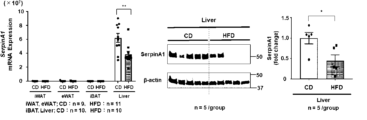
- the results of analysis of the expression of SerpinA1 in the liver due to cold stimulation in mice are shown.
- the left panel shows SerpinA1 mRNA expression.
- the upper right figure shows the results of confirming SerpinA1 protein expression by Western blot analysis.
- the lower right figure is a graph of the Western blot analysis results.
- Inguinal white adipose tissue; iWAT, epididymal white adipose tissue; eWAT, cervical brown adipose tissue; iBAT liver: Liver.
- Data represent mean ⁇ SEM, black circles indicate individual subjects (mice) (unless otherwise stated, the same applies in the following figures).
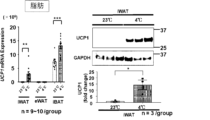
- the results of analysis of UCP1 expression in fat induced by cold stimulation in mice are shown.
- the left panel shows UCP1 mRNA expression.
- the upper right figure shows the results of confirming UCP1 protein expression by Western blot analysis.
- the lower right figure is a graph of the Western blot analysis results.
- CD is a normal diet group
- HFD is a high-fat diet group.
- the left panel shows SerpinA1 mRNA expression.
- the center figure shows the results of Western blot analysis confirming protein expression of SerpinA1 in the liver.
- the figure on the right is a graph of the Western blot analysis results.
- iWAT, eWAT, iBAT and Liver are the same as above. These are the results of confirming the proliferation effect of SerpinA1 protein on brown preadipocytes.
- A shows the results of measuring the ratio of EdU to DAPI.
- B shows the measurement results of UCP1 mRNA expression and protein expression.
- C is the measurement result of oxygen consumption rate.
- B shows the measurement results of UCP1 mRNA expression and protein expression.
- C is the measurement result of oxygen consumption rate.
- mice liver-specific SerpinA1 overexpressing Tg mice
- the left figure shows the measurement results of random blood sugar and fasting blood sugar.
- the upper right figure shows the results of the insulin tolerance test (ITT), and the lower right figure shows the results of the glucose tolerance test (GTT).
- ITT insulin tolerance test
- GTT glucose tolerance test
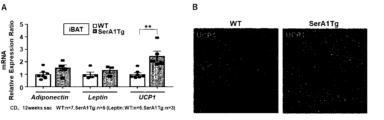
- A shows the results of qPCR
- B shows the results of immunostaining.
- A is the result of qPCR analysis of mRNA expression in subcutaneous white tissues of wild-type mice and SerA1Tg mice.
- B is the result of measuring the amount of subcutaneous fat per body weight.
- the left panel C shows the results of HE staining the tissue.
- the right panel C shows the results of measuring the diameter of a lipid droplet from an HE-stained image. These are the results of high-fat diet feeding to wild-type mice and SerA1Tg mice.
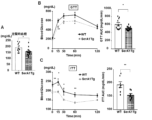
- A is the measurement result of fasting blood sugar
- B is the result of glucose tolerance test (GTT)
- C is the result of insulin tolerance test (ITT).
- A shows an outline of the SerpinA1 gene KOed using CRISPR-Cas9 technology.
- B and C are the results of glucose tolerance test (GTT) and insulin tolerance test (ITT) in wild-type mice and SerA1KO mice, respectively. These are the results of comparing wild-type mice and SerA1KO mice.
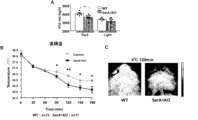
- A is the measurement result of oxygen intake.
- B and C are the results of measuring rectal temperature after cold stimulation and imaging the neck with a thermography camera, respectively. These are the results of Western blot analysis after inducing differentiation of brown adipocyte precursor cells into brown adipocytes, adding SerpinA1 at various concentrations.
- the left figure shows the expression of EphB2 receptor, and the right figure shows the expression of tyrosine-phosphorylated EphB2 receptor.
- FIG. 2 is a diagram showing the correlation between serum SerpinA1 concentration and HbA1c or BMI in metabolic patients with type 2 diabetes and obesity. This figure shows the results of feeding high-fat diet to SerA1KO mice. The upper figure shows the weight change, and the lower figure shows the weight of subcutaneous fat (iWAT) and visceral fat (eWAT). WT is the result of control wild type mice.
- iWAT subcutaneous fat
- eWAT visceral fat
- SerpinA1 is a protein that belongs to the Serpin superfamily and is a protease inhibitor. Serpins are classified into AI (9 types), which have multiple members, and 37 types have been identified in humans so far, and each molecule has different structures and expressions, as well as different targets and functions. SerpinA1 is a 52 kDa protein, also called ⁇ 1-antitrypsin (A1AT).
- A1AT ⁇ 1-antitrypsin
- SerpinA1 gene nucleotide sequence has been registered in GenBank provided by the National Center for Biotechnology Information (NCBI) with the accession number (NM_00112770.1) (if multiple revisions are registered, the latest (understood as referring to revision).
- the amino acid sequence of SerpinA1 is shown in SEQ ID NO: 1 (natural A1AT of 418 amino acids, transcript variants 1 to 11 have been reported), and its base sequence is shown in SEQ ID NO: 2.
- SerpinA1 exists in the blood and is said to protect surrounding tissues from the protein-cleaving enzyme elastase. Neutrophils secrete elastase to degrade connective tissue during inflammation. On the other hand, blood cells migrate to the area surrounding the inflammation, protecting it from foreign substances and repairing degraded tissue. SerpinA1 protects adjacent areas and primarily prevents this neutrophil elastase from spreading throughout the body. Furthermore, SerpinA1 has been reported to have multiple paralogs encoding A1AT in mice, and due to the complexity of this gene structure, detailed analysis using knockout mice has not progressed to date.
- activation of adipocytes means activating one or more of adipocytes such as brown adipocyte precursor cells, brown adipocytes, or beige adipocytes, and is limited thereto. However, it means an action that produces one or more of the following effects.
- adipocytes such as brown adipocyte precursor cells, brown adipocytes, or beige adipocytes
- UCP1 expression here means UCP1 gene expression and/or UCP1 protein expression
- Effect of promoting proliferation of brown adipose progenitor cells Effect of promoting transdifferentiation from white adipocytes to beige adipocytes.
- the activator of the present invention activates brown fat cells and beige fat cells, burns intracellular fat, and functions to prevent hypothermia and obesity.
- activation of brown adipocytes and “activators of brown adipocytes” are used to include the activation of brown adipocyte precursor cells, which are precursor cells of brown adipocytes;
- brown adipocytes is used to include both brown adipocytes and brown preadipocytes, unless the context clearly indicates that only one or the other is meant. be understood.
- adipocyte activator is used interchangeably with the term “brown adipocyte and/or beige adipocyte activator.” In this case as well, brown adipocytes are understood to include brown adipocytes and brown preadipocytes.
- SerpinA1 contained in the adipocyte activator of the present invention is not particularly limited as long as it has the amino acid sequence of SerpinA1 and has any one of the effects described in (1) to (5) above, such as , SerpinA1 isolated from a living body, or recombinant SerpinA1 produced using genetic engineering technology.
- Examples of SerpinA1 isolated from a living body include, but are not limited to, SerpinA1 isolated from pooled mammalian (preferably human) plasma. Methods for isolating SerpinA1 from plasma are known, and SerpinA1 used in the present invention can be produced by appropriately referring to the known methods. For example, it can be carried out with reference to the method described in WO2004/060528 (this description is incorporated herein by reference).
- Plasma-derived A1AT is commercially available and is also used as a drug for ⁇ 1-antitrypsin deficiency, and can also be used in the present invention.
- Recombinant SerpinA1 can be produced using known genetic engineering methods, for example, with reference to the methods described in WO2010/127939 and WO2020/092448 (these descriptions are , incorporated herein by reference).
- having the amino acid sequence of SerpinA1 means having substantially the amino acid sequence of SerpinA1, and is not limited to this, but 90% or more, 91% or more of the amino acid sequence of SerpinA1 shown in SEQ ID NO: 1. , 92% or more, 93% or more, 94% or more, 95% or more, 96% or more, 97% or more, or 98% or more, and of the amino acid sequence of SerpinA1 shown in SEQ ID NO: 1. Also includes amino acid sequences with partial substitutions, deletions, and additions (for example, one or more, but not limited to, specifically one, two, three, four, or five amino acids). , and an adipocyte activator containing a mutation in the amino acids surrounding the serine residues of the active center loop involved in suppressing the serine protease enzyme activity of SerpinA1.
- the adipocyte activator of the present invention has an effect of promoting the expression of UCP1 (uncoupling protein 1) in brown adipocytes and beige adipocytes.
- UCP1 uncoupling protein 1
- brown adipocytes and beige adipocytes can be activated.
- expression of UCP1 is used to include both UCP1 gene expression (that is, mRNA expression) and protein expression.
- the adipocyte activator of the present invention has an effect of promoting proliferation of brown preadipocytes.
- brown adipocytes can be activated, and thermogenic action in brown adipose tissue can be enhanced.
- the adipocyte activating agent of the present invention has the effect of promoting beigeization of white adipocytes, in other words, the transdifferentiation of white adipocytes into beige adipocytes.
- Beige adipocytes can be activated by promoting differentiation into beige adipocytes, and thermogenic action in white adipose tissue including beige adipocytes can be enhanced.
- the adipocyte activating agent of the present invention has an action of enhancing thermogenic action in adipose tissue. Enhancement of thermogenic action in adipose tissue can be achieved by promoting one or more of the above-mentioned actions, but in addition, UCP1-independent thermogenic mechanisms can be achieved by activating brown fat cells and beige cells. It can also be done by enhancement. Examples of such a thermogenic mechanism include Ca 2+ cycling.
- the adipocyte activating agent of the present invention is an adipocyte activating agent containing an expression promoter of SerpinA1.
- a SerpinA1 expression promoter means a substance that promotes the expression of SerpinA1 in cells.
- a substance that promotes transcription initiation of SerpinA1 in cells a substance that inhibits degradation of SerpinA1 gene mRNA, a substance that promotes transcription from SerpinA1 mRNA to SerpinA1 protein, or a substance that promotes transcription of SerpinA1 in cells. Examples include substances that promote expression.
- Examples of the substance that promotes the expression of SerpinA1 in the cells include a nucleic acid construct containing the SerpinA1 gene. By introducing the nucleic acid construct into cells and expressing it within the cells, the expression of SerpinA1 within the cells can be enhanced.
- the nucleic acid construct is preferably carried in a nucleic acid vector or encapsulated in a lipid nanoparticle.
- a nucleic acid construct carried by a nucleic acid vector (preferably a viral vector) may be included in the lipid nanoparticle.
- viral vectors examples include adeno-associated virus (AAV) vectors, adenovirus vectors, retrovirus vectors, and lentivirus vectors.
- AAV vectors include AAV1, AAV2, AAV3, AAV3B, AAV4, AAV5, AAV6, AAV6.2, AAV7, AAVrh. 64R1, AAVhu. 37, AAVrh. 8, AAVrh. Mention may be made of vectors consisting of 32.33, AAV8, AAV9, AAV-DJ, AAV2/8, AAVrhlO, AAVLK03, AV10, AAV11, AAV12, rh10, and hybrids thereof.
- any lipid nanoparticles that can encapsulate nucleic acids and can be used for introducing nucleic acids into cells can be used in the present invention without any limitations.
- Such lipid nanoparticles are known and many reports have been made, and can be used in the present invention.
- nucleic acid construct may have additional sequences, such as an origin of replication, a promoter, and a gene encoding antibiotic resistance.
- Nucleic acid constructs can be either as naked nucleic acids, loaded onto non-viral vector delivery systems such as non-viral vectors, plasmid vectors, or complexed with delivery vehicles such as liposomes, lipid nanoparticles (LNPs) or poloxamers. or in a viral vector (e.g., adenovirus, AAV, herpesvirus, retrovirus, lentivirus), or even in a vector as described above and complexed with the delivery vehicle as described above.
- a viral vector e.g., adenovirus, AAV, herpesvirus, retrovirus, lentivirus
- a nucleic acid construct containing the SerpinA1 gene can be produced using known genetic engineering techniques.
- the production of a nucleic acid construct containing the SerpinA1 gene can be performed, for example, with reference to the methods described in WO2013/106589, WO2016/110565, WO2017/093804, WO2020/082047, and WO2020/092448 ( (These descriptions are incorporated herein by reference).
- the expression mode of the SerpinA1 gene within the cell is not particularly limited, and for example, the SerpinA1 gene may be expressed within the cell using an expression vector, or the SerpinA1 gene may be expressed by targeted insertion into a safe harbor locus.
- Methods for introduction into cells and expression are known and can be carried out using these methods.
- a method for inserting and expressing the SerpinA1 gene at the human safe harbor locus using a guide RNA is described in WO2017/093804 and WO2020/082047 (these descriptions are incorporated herein by reference). part of the book).
- the present invention is a pharmaceutical composition for treating obesity and/or obesity-related diseases, which comprises a SerpinA1 expression promoter.
- a SerpinA1 expression promoter As the SerpinA1 expression promoter, the SerpinA1 expression promoter described in the adipocyte activator can also be used in the pharmaceutical composition.
- the adipocyte activating agent of the present invention is an adipocyte activating agent containing a SerpinA1 agonist.
- SerpinA1 binds to EphB2 receptors. This indicates that SerpinA1 regulates EphB2 receptor as a target. Therefore, as used herein, an agonist of SerpinA1 is defined as one that binds to the EphB2 receptor and (1) has the activity of enhancing expression and/or phosphorylation of the EphB2 receptor, or (2) agonist of UCP1 ( A substance having any of the following activities: promoting the expression of uncoupling protein 1).
- EphB2 receptor (Ephrin type-B receptor 2) is a single-transmembrane receptor tyrosine kinase encoded by the EPHB2 gene, and is known to bind to a ligand called ephrin B. Eph receptors are classified into two subclasses, EphA and EphB, based on differences in their amino acid sequences and affinity with ligands, and six types of EphB subclasses have been identified in vertebrates (EphB1-6).
- an agonist of SerpinA1 means a substance that binds to EphB2 receptor and activates the same intracellular signal transduction system as SerpinA1.
- it refers to a substance that binds to the EphB2 receptor and has any one or more of the following activities (1) to (3): (1) has the activity of enhancing the expression of the EphB2 receptor;
- enhancing the expression of EphB2 receptor means enhancing the expression of EphB2 receptor mRNA, suppressing the degradation of EphB2 receptor mRNA, enhancing the expression of EphB2 receptor protein, and suppressing the degradation of EphB2 receptor protein.
- the agonist has an activity of enhancing EphB2 expression compared to the case where no agonist is used.
- It has the activity of enhancing the phosphorylation of EphB2 receptor.
- It has the activity of promoting the expression of UCP1 (uncoupling protein 1) in brown fat cells.
- Measurement of the agonist activity of SerpinA1 is not limited to this, but includes, for example, measuring the expression levels of EphB2 receptor mRNA and protein using brown adipocytes expressing EphB2 receptor using known techniques; This can be carried out by measuring the amount of phosphorylation (preferably tyrosine phosphorylation) or by measuring the expression of UCP1 in brown cells.
- phosphorylation preferably tyrosine phosphorylation
- the substance that is an agonist of SerpinA1 is not particularly limited, and may be any of a low molecular weight substance, a high molecular weight substance, a nucleic acid molecule, a protein, or a peptide.
- Another embodiment of the present invention is a pharmaceutical composition containing the adipocyte activating agent of the present invention.
- the adipocyte activator or pharmaceutical composition of the present invention can be used to prevent or treat obesity or obesity-related diseases.
- a state in which there is too much adipose tissue in the body is referred to as "obesity”.
- the term "obesity” refers to a state of excessive body fat, and refers to a case where the body mass index (BMI) is 30 or more, according to the World Health Organization (WHO).
- BMI body mass index
- WHO World Health Organization
- obesity-related disease encompasses disorders associated with, caused by, or resulting from obesity. Examples of obesity-related diseases include overeating and bulimia, diabetes, hypertension, elevated plasma insulin levels and insulin resistance, dyslipidemia, hyperlipidemia, breast, prostate, endometrial and colon cancers, heart disease, and heart disease.
- vascular disorders include vascular disorders, abnormal heart rhythms and arrhythmias, myocardial infarction, congestive heart failure, coronary heart disease, angina, cerebral infarction, cerebral thrombosis and transient ischemic attacks, and osteoarthritis.
- pathological conditions that exhibit decreased metabolic activity or decreased resting energy expenditure as a percentage of total lean mass.
- obesity-related diseases include metabolic syndrome, also known as syndrome Secondary consequences of obesity include sclerosis, hypercholesterolemia, hyperuricemia, and left ventricular hypertrophy.
- Obesity-related diseases also include obesity-related liver abnormalities such as non-alcoholic fatty liver disease (NAFLD), which is responsible for the increased cirrhosis associated with obesity and metabolic syndrome.
- NAFLD non-alcoholic fatty liver disease
- NAFLD can exist as simple steatosis or progress to inflammation and steatohepatitis (NASH).
- “Dyslipidemia” is a major risk factor for coronary heart disease (CHD) and is often associated with obesity. Therefore, when using the adipocyte activator and pharmaceutical composition of the present invention, not only obesity but also the aforementioned obesity-related diseases can be prevented or treated at the same time. It also includes objects that there is a desire to reduce.
- dosage forms for the pharmaceutical composition of the present invention include injections, oral preparations (tablets, granules, powders, capsules), ointments, creams, patches, suppositories, and the like. Among these, injections and oral preparations are preferred.
- the pharmaceutical composition of the present invention can be mixed with a pharmaceutically acceptable carrier used to form a pharmaceutical composition.
- a pharmaceutically acceptable carrier used to form a pharmaceutical composition.
- the carrier include solubilizing agents, excipients, binders, lubricants, disintegrants, coloring agents, flavoring agents, preservatives, and surfactants.
- excipients, binders, lubricants, disintegrants, coloring agents, flavoring agents, etc. are used, and the preparation can be carried out by conventional methods.
- water, a solubilizing agent, etc. are used.
- the injection is preferably an intravenous injection, a subcutaneous injection, or an intramuscular injection, and examples include freeze-dried preparations and powder fillers.
- terapéuticaally effective amount herein is meant an amount of SerpinA1 or its agonist that results in the activation of brown adipocytes and/or beige adipocytes, which provides the desired benefit/risk ratio. It means an amount that is effective to produce a therapeutic effect, such as weight loss.
- a therapeutically effective amount can vary depending on the route of administration used, as is known to those skilled in the art. Furthermore, the therapeutically effective amount can be appropriately determined depending on the subject to be treated, the severity of the symptoms, the route of administration, the frequency of administration, the judgment of the prescribing physician, and other relevant factors. Generally, a therapeutically effective amount will be about 0.01 to about 1000 mg/kg body weight, preferably about 0.05 to about 500 mg/kg body weight, more preferably about 0.1 to about 100 mg/kg body weight.
- the adipocyte activator or pharmaceutical composition of the present invention is an agent other than SerpinA1 or an agonist thereof or a SerpinA1 expression promoter (hereinafter collectively referred to as SerpinA1 drug in this paragraph) for treating obesity and/or obesity-related diseases.
- SerpinA1 drug in this paragraph
- administering in combination means (i) administering the SerpinA1 drug and the non-SerpinA1 drug in the same pharmaceutical composition, or (ii) administering the SerpinA1 drug and the non-SerpinA1 drug as separate formulations.
- the SerpinA1 drug and the drug other than SerpinA1 may be prepared as separate preparations and administered at separate timings. The usage, dosage, administration timing, administration interval, etc. of the SerpinA1 drug and other drugs to be administered can be determined as appropriate based on the common technical knowledge known to those skilled in the art, depending on the above-mentioned factors.
- the adipocyte activator or pharmaceutical composition of the present invention induces differentiation of beige adipocytes in white adipose tissue, and/or activates beige adipocytes and brown adipocytes, and consumes whole body energy, especially through thermogenesis.
- By promoting metabolism by promoting obesity can be prevented and/or suppressed (treated). Therefore, in addition to treating and/or preventing obesity, it may also be effective in treating and/or preventing diseases caused by obesity. It can also prevent the body from getting cold by activating brown fat cells and/or beige fat cells and increasing cold-induced heat production.
- the adipocyte activating agents or pharmaceutical compositions of the invention can be used in combination with one or more of the following therapeutic agents in treating obesity or obesity-related disorders: .
- Such drugs include, but are not limited to, phenylpropanolamine, phentermine, diethylpropion, mazindol, fenfluramine, dexfenfluramine, phentiramine, beta3 adrenoceptor agonist drugs; sibutramine, gastrointestinal lipase inhibitors (eg, orlistat), and leptin.
- Other drugs used in treating obesity or obesity-related diseases include neuropeptide Y, enterostatin, cholecytokinin, bombesin, amylin, histamine H3 receptors, dopamine, D2 receptor modulators, melanocytes.
- the stimulating hormones include galanin and gamma-aminobutyric acid (GABA).
- treatment refers to the use of the pharmaceutical composition of the present invention (a pharmaceutical composition containing an adipocyte activator and a pharmaceutical composition containing a SerpinA1 expression promoter) for reducing or maintaining the body weight of an obese subject.
- a pharmaceutical composition containing an adipocyte activator and a pharmaceutical composition containing a SerpinA1 expression promoter for reducing or maintaining the body weight of an obese subject.
- An example of one treatment result is a decrease in the obese subject's weight compared to the subject's weight prior to administration.
- Another example of a therapeutic outcome may be the prevention of regaining weight that has already been lost as a result of diet, exercise or drug therapy.
- Another example of a therapeutic outcome may be a reduction in the occurrence and/or severity of obesity-related diseases.
- prevention refers to the administration of the pharmaceutical composition of the present invention to reduce or maintain body weight in a subject at risk of obesity.
- An example of one preventive outcome is a reduction in the weight of a subject at risk of obesity compared to the subject's weight before administration.
- Another example of a preventive outcome may be the prevention of regaining weight that has already been lost as a result of diet, exercise or drug therapy.
- Another example of a preventive outcome may be prevention of the development of obesity when therapeutic administration occurs prior to the onset of obesity development in a subject at risk of obesity.
- Another example of a preventive outcome may be a reduction in the occurrence and/or severity of obesity-related disorders when therapeutic administration occurs prior to the onset of obesity development in a subject at risk of obesity.
- Treatment is initiated in a subject who is already obese, such treatment may prevent the onset, progression, or severity of obesity-related diseases.
- the subject to whom the pharmaceutical composition of the present invention is administered is any subject for whom diagnosis, prognosis, or treatment is desired, particularly mammals.
- Mammalian subjects include, but are not limited to, humans, non-human primates, domestic animals, farm animals, companion animals, rodents, etc., which are recipients of certain treatments; Preferably it is a human.
- the pharmaceutical composition of the present invention can be used to treat obesity caused by a relatively lower numerical or mass ratio of beige adipocytes or brown adipocytes to white adipocytes than in a healthy state, as well as beige adipocytes or brown adipocytes. Due to low expression of the cell-specific gene UCP1, the numerical or mass ratio of beige or brown adipocytes to white adipocytes is relatively lower than in a healthy state. It can be effective against obesity.
- Obesity caused by a relatively lower numerical or mass ratio of beige adipocytes or brown adipocytes to white adipocytes than in a healthy state can be investigated using methods known in the art.
- obesity can be investigated by quantifying the activity of brown fat cells using a test called FDG-PET that quantifies glucose uptake after applying a cold stimulus.
- Cold stimulation can be performed under the usual conditions used in the art.
- the activity of brown adipocytes is quantified by determining that, among the areas that are consistent with adipose tissue in CT values, the areas in which glucose uptake above a threshold value is observed in FDG-PET are determined to be brown adipocytes, and the remaining areas are determined to be white adipocytes. be able to.
- the above quantitative result in an obese patient is lower than the above quantitative result for one healthy person or the average value of the above quantitative results for multiple healthy individuals, the It can be determined that the patient has obesity caused by a numerical ratio or a mass ratio that is relatively lower than a healthy state. Furthermore, the above-mentioned quantification can be used to confirm that the prevention or treatment of obesity according to the present invention has been achieved by promoting the differentiation of preadipocytes into beige adipocytes.
- the present invention is also a method for confirming or evaluating the state of obesity or an obesity-related disease using SerpinA1 in blood or serum as an indicator.
- Obesity and obesity-related diseases are as described above.
- a method for screening drugs for obesity or obesity-related diseases is provided.
- the ability to promote the action of SerpinA1 is used as an indicator of the ability of a candidate drug, and candidate drugs having this ability are identified as agents for treating obesity-related diseases.
- promoting the action of SerpinA1 includes, but is not limited to, the ability to promote SerpinA1 gene expression, binding activity to EphB2 receptor, which is a receptor for SerpinA1, or agonist activity of SerpinA1. can.
- Examples of the ability to promote SerpinA1 gene expression include the ability to promote SerpinA1 gene transcription initiation, the ability to inhibit the degradation of SerpinA1 gene mRNA, or the ability to promote transcription from SerpinA1 mRNA to SerpinA1 protein. I can do things.
- the agonist activity of SerpinA1 binds to the EphB2 receptor and can include any of the activities described above.
- the screening method of the present invention can be appropriately implemented by those skilled in the art by referring to known techniques in the technical field, depending on the index used for drug selection. For example, by preparing hepatocytes expressing SerpinA1 or cells transformed by gene transfer so that the SerpinA1 gene is expressed, an expression test is performed in the presence and absence of a candidate substance, and the amount of SerpinA1 mRNA is determined. Alternatively, the ability of the candidate substance to promote (enhance) SerpinA1 gene expression can be measured by comparing the protein amounts. The amount of SerpinA1 mRNA can be measured by PCR using primers specific to the SerpinA1 gene according to a conventional method.
- the amount of SerpinA1 protein can be measured according to a conventional method using an assay system using an antibody that specifically reacts with SerpinA1. Furthermore, a solid-phase binding elastase binding assay (see, for example, WO2012/159700) can also be used to measure the activity of SerpinA1.
- a DNA fragment containing the transcription regulatory region of the SerpinA1 gene and a DNA fragment containing a reporter gene are operable.
- candidate substances that promote transcription of the SerpinA1 gene can be screened.
- the nucleotide sequence of the transcriptional regulatory region of the SerpinA1 gene is available from the NCBI Gene Bank.
- the reporter gene may be one for which a method for detecting the expression product of the gene is known, such as a photoprotein gene such as a luciferase gene, an enzyme gene such as a ⁇ -galactosidase gene, or a chloramphenicol acetyltransferase gene.
- Genes, fluorescent protein genes such as the green fluorescent protein (GFP) gene, etc. can be used.
- GFP green fluorescent protein
- an in vitro transcription activity evaluation system into which the nucleic acid molecule has been introduced or cells transformed with the nucleic acid molecule (mammalian cells, insect cells, yeast, Escherichia coli, etc.) can be used.
- detection of reporter gene expression, and general techniques for screening candidate substances techniques well known to those skilled in the art can be used.
- agonists of serepin A1 can also be screened as candidate substances using an evaluation system using the EphB2 receptor.
- the expression levels of EphB2 receptor mRNA and protein can be measured using known techniques or the genetic engineering technique described above for SerpinA1, and the phosphorylation of the EphB2 receptor ( Preferably, this can be carried out by measuring the amount of tyrosine phosphorylation) or by measuring the expression of UCP1 in brown cells.
- various types of substances can be used as drug candidates, such as low-molecular substances, high-molecular substances, nucleic acid molecules, proteins, and peptides (including cyclic peptides).
- the present invention provides a method for treating or preventing obesity or obesity-related diseases, wherein a subject in need thereof is given a therapeutically effective amount of SerpinA1, a SerpinA1 agonist, or a SerpinA1 expression promoter.
- the method includes administering a substance selected from the group consisting of:
- obesity-related diseases include the diseases described regarding the adipocyte activating agent of the present invention and the pharmaceutical composition containing the activating agent, which also apply to the treatment or prevention method of the present invention.
- the contents described regarding the adipocyte activating agent of the present invention and the pharmaceutical composition containing the activating agent also apply to the treatment or prevention method of the present invention. Applicable.
- IR/IGF1R-inducible double knockout mice In which organ-specific insulin receptor/IGF-1 receptor (IR/IGF1R) deficiency can be induced with tamoxifen, IR/IGF1R- Inducible double knockout mice were generated (see Sakaguchi et al., Cell Metabolism 25, 448-462, 2017, which is incorporated herein by reference). By crossing mice with floxed insulin and/or IGF1 receptor alleles (foxedIR/IGF1R) and mice carrying a tamoxifen-inducible Cre ER T2 transgene under the control of the adiponectin promoter (AdipoqCreER T2 ).
- AdipoqCreER T2 adiponectin promoter
- mice carrying the floxed allele but not the Cre transgene served as controls.
- Control mice were also given tamoxifen, which under the conditions used showed no adverse effects.
- mice carrying foxedIR/IGF1R and AdipoqCreER T2 transgenes (Ai-DKO mice) were treated with tamoxifen, rapid loss of adipose tissue was observed.
- glucose intolerance and insulin resistance were induced, and at the same time, brown fat weight was decreased, and cold tolerance was significantly decreased by cold stimulation.
- FIG. 3A shows the results of cold stimulation (2 hours of exposure to an 8°C environment) 9 days after tamoxifen induction. Thereafter, after a long period of time (90 days), cold stimulation was applied again, and the results are shown in FIG. 3B. It was suggested that brown adipocytes disappear due to tamoxifen induction, but that brown adipocytes regenerate after a long period of time. Recalling the existence of physiologically active factors involved in the regeneration of brown adipose tissue, the factors were identified as follows.
- Example 2 Identification of brown fat cell regeneration factor Serum was collected from control mice and Ai-DKO mice during the acute phase (adipose tissue loss phase) and brown adipose tissue regeneration phase, analyzed by mass spectrometry, and proteomics. From the analysis, we searched for physiologically active substances whose expression significantly increases in serum during brown adipose tissue regeneration. 1469 types of serum proteins were extracted. We narrowed down the factors that induce mouse brown fat cell proliferation and activation, and identified SerpinA1 (Serpin Family A Member 1) ( ⁇ 1-antitrypsin) as a physiologically active factor derived from the liver. As a result of measuring the mRNA expression of SerpinA1 in various organs of mice, it was found that SerpinA1 is a liver-derived factor that is selectively expressed in the liver, and mRNA expression in other organs is minimal.
- SerpinA1 Serpin Family A Member 1
- Example 4 Expression of SerpinA1 in a pathological model
- SerpinA1 expression in each tissue was analyzed using C57BL/6 mice after being fed a high-fat diet for 4 months from the age of 5 weeks. did.
- the results of analyzing SerpinA1 mRNA expression by qPCR are shown in FIG. There were no significant differences in subcutaneous fat, visceral fat, and brown fat between the normal diet group and the high-fat diet group, but in the liver, SerpinA1 expression was significantly decreased in the high-fat diet group. I understand.
- the results of Western blot analysis confirmed that protein expression was also significantly reduced in the high-fat diet loaded group.
- Example 4 Effect of SerpinA1 on brown adipocytes Brown adipose progenitor cells were loaded with SerpinA1 recombinant protein (purchased from Bio Vision (product number 7294-1000)) at various concentrations (50, 100 ⁇ g/mL) for 18 hours. , and staining with EdU for 2 hours to measure the ratio of EdU to DAPI. The results are shown in Figure 7A. SerpinA1 was confirmed to have an effect of inducing proliferation of brown preadipocytes.
- SerpinA1 recombinant protein was loaded for 12 hours (200 ⁇ g/mL) or 24 hours (300 ⁇ g/mL) into mature brown adipocytes in which brown preadipocytes were induced to differentiate, and UCP1 mRNA and protein expression was confirmed. However, there was a significant increase.
- the results are shown in Figure 7B.
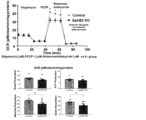
- mature brown adipocytes were loaded with SerpinA1 for 16 hours (300 ⁇ g/mL), and in the respiratory chain complex (electron transfer assay), an inhibitor (oligo) of the electron transport chain and oxidative phosphorylation coupling (coupling assay) was used.
- Oxygen consumption rate (OCR) was measured while adding mycin, FCCR, rotenone, and antimycin A), and the effect on mitochondrial activity was investigated. It turned out to be effective.
- the results are shown in Figure 7C.
- Example 5 Effect of SerpinA1 on white adipocytes
- White preadipocytes were loaded with SerpinA1 recombinant protein at various concentrations (100, 200 ⁇ g/mL) for 18 hours, and stained with EdU for 2 hours to determine the ratio of EdU to DAPI. It was measured. The results are shown in Figure 8A.
- SerpinA1 was confirmed to have an effect of inducing proliferation of white preadipocytes.
- SerpinA1 recombinant protein was loaded for 16 hours (200,500 ⁇ g/mL) or 36 hours (500 ⁇ g/mL) into mature white adipocytes that had been induced to differentiate from white preadipocytes, and UCP1 mRNA and protein expression was inhibited.
- Example 6 Examination of SerpinA1 overexpression transgenic mice This is a vector in which a liver-specific albumin promoter is integrated after adding the 3xFlag gene to human SerpinA1 using p3X Flag-CMV-14 Expression Vector (Sigma).
- a liver-specific SerpinA1 overexpressing Tg mouse (SerA1Tg mouse) was created using a transgene created by inserting it into pLive vector (Minus Bio).
- pLive vector Minus Bio
- the SerpinA1Tg mouse was dissected and the tissue was analyzed. There was no significant difference in liver tissue amount per body weight between WT and Tg mice. However, regarding the subcutaneous fat of SerpinA1Tg mice, the amount of tissue per body weight was significantly reduced compared to WT. Furthermore, when subcutaneous adipose tissue was stained with HE and observed, it was confirmed that fat droplets were smaller in Tg mice than in WT mice. Furthermore, regarding intraperitoneal fat, although no significant difference in weight was observed, HE staining showed a tendency for the fat droplets in Tg mice to be smaller compared to WT mice.
- FIG. A is the fasting blood sugar level
- B is the result of the glucose tolerance test (GTT)
- C is the result of the insulin tolerance test (ITT).
- GTT glucose tolerance test
- ITT insulin tolerance test
- Example 7 Identification of SerpinA1 receptor SerpinA1 with a FLAG tag (3xFLAG) was introduced into brown preadipocytes using an adenovirus vector.
- an adenovirus vector carrying only FLAG (3xFLAG) was introduced into cells.
- Brown preadipocytes overexpressing FLAG-tagged SerpinA1 were prepared, treated with DTSSP, a chemical cross-linker, and FLAG-specific immunoprecipitation was performed, followed by proteomic analysis by mass spectrometry.
- EphB2 receptor was identified as a candidate molecule for SerpinA1 complex formation.
- Western blot analysis of the immunoprecipitated sample confirmed that SerpinA1 and EphB2 receptor were co-precipitated. From this, the EphB2 receptor was identified as a molecule that forms a complex with SerpinA1 and functions as a receptor.
- EphB2 receptor which is a single-transmembrane receptor tyrosine kinase, transmits a signal into cells by binding to a ligand, ephrin.
- a ligand ephrin
- tyrosine located near the transmembrane region is phosphorylated upon binding of a ligand. Therefore, the influence of SeprinA1 on the expression and phosphorylation of EphB2 was confirmed in vitro and in vivo as follows.
- Example 9 Study on EphB2 receptor KO mice
- the EphB2 receptor was knocked out using CRISPR-Cas9 technology ( EphB2 receptor KO) brown adipose progenitor cell line was established.
- the expression of EphB2 receptor protein in the established cells was measured by Western blot analysis, and it was confirmed that the EphB2 receptor gene was knocked out.
- Mitochondrial activity was analyzed using the EphB2 receptor KO brown adipose progenitor cell line using OCR as an indicator. As shown in FIG.
- Example 11 Analysis of Serum SerpinA1 Concentration in Patients with Type 2 Diabetes and Obesity
- serum SerpinA1 was analyzed in metabolic syndrome patients with type 2 diabetes and obesity who were visiting the outpatient clinic. The concentration was verified. The results are shown in FIG. SerpinA1 values in serum were low in patients with poor diabetes (high HbA1c values), and an inverse correlation between HbA1c values and SerpinA1 was confirmed.
- the body mass index (BMI) and serum SerpinA1 concentration of diabetic patients were analyzed. As a result, it was confirmed that BMI and SerpinA1 concentration showed an inverse correlation.
- Example 12 Analysis by loading SerA1KO mice with a high-fat diet SerpinA1 knockout (SerA1KO) mice were fed a high-fat diet for 3 months from the age of 5 weeks, and analyzed as a pathological model of obesity and diabetes. The results are shown in FIG. 22. A significant weight increase was observed in SerA1KO mice compared to WT. Furthermore, in SerA1KO mice fed a high-fat diet, an increase in the weight of white fat such as subcutaneous fat (iWAT) and visceral fat (eWAT) was also observed.
- iWAT subcutaneous fat
- eWAT visceral fat
- the present invention provides a new adipocyte activator.
- the adipocyte activating agent of the present invention is useful as a pharmaceutical composition for preventing and/or treating obesity-related diseases.
Landscapes
- Health & Medical Sciences (AREA)
- Life Sciences & Earth Sciences (AREA)
- Chemical & Material Sciences (AREA)
- Pharmacology & Pharmacy (AREA)
- Engineering & Computer Science (AREA)
- Medicinal Chemistry (AREA)
- General Health & Medical Sciences (AREA)
- Animal Behavior & Ethology (AREA)
- Public Health (AREA)
- Veterinary Medicine (AREA)
- Bioinformatics & Cheminformatics (AREA)
- Nuclear Medicine, Radiotherapy & Molecular Imaging (AREA)
- General Chemical & Material Sciences (AREA)
- Chemical Kinetics & Catalysis (AREA)
- Organic Chemistry (AREA)
- Diabetes (AREA)
- Hematology (AREA)
- Obesity (AREA)
- Epidemiology (AREA)
- Immunology (AREA)
- Heart & Thoracic Surgery (AREA)
- Cardiology (AREA)
- Gastroenterology & Hepatology (AREA)
- Molecular Biology (AREA)
- Proteomics, Peptides & Aminoacids (AREA)
- Physical Education & Sports Medicine (AREA)
- Emergency Medicine (AREA)
- Endocrinology (AREA)
- Genetics & Genomics (AREA)
- Child & Adolescent Psychology (AREA)
- Urology & Nephrology (AREA)
- Pain & Pain Management (AREA)
- Rheumatology (AREA)
- Biotechnology (AREA)
- Biophysics (AREA)
- Food Science & Technology (AREA)
- Physics & Mathematics (AREA)
- Analytical Chemistry (AREA)
- Biochemistry (AREA)
- General Physics & Mathematics (AREA)
Priority Applications (1)
| Application Number | Priority Date | Filing Date | Title |
|---|---|---|---|
| JP2024530978A JPWO2024005157A1 (https=) | 2022-06-30 | 2023-06-29 |
Applications Claiming Priority (2)
| Application Number | Priority Date | Filing Date | Title |
|---|---|---|---|
| JP2022105460 | 2022-06-30 | ||
| JP2022-105460 | 2022-06-30 |
Publications (1)
| Publication Number | Publication Date |
|---|---|
| WO2024005157A1 true WO2024005157A1 (ja) | 2024-01-04 |
Family
ID=89382506
Family Applications (1)
| Application Number | Title | Priority Date | Filing Date |
|---|---|---|---|
| PCT/JP2023/024246 Ceased WO2024005157A1 (ja) | 2022-06-30 | 2023-06-29 | 脂肪細胞活性化剤 |
Country Status (2)
| Country | Link |
|---|---|
| JP (1) | JPWO2024005157A1 (https=) |
| WO (1) | WO2024005157A1 (https=) |
Citations (1)
| Publication number | Priority date | Publication date | Assignee | Title |
|---|---|---|---|---|
| JP2018502579A (ja) * | 2015-01-08 | 2018-02-01 | アプセト ゲーエムベーハー アンド ツェーオー.カーゲー | α1−アンチトリプシン(AAT)を発現する遺伝子改変された間葉系幹細胞 |
-
2023
- 2023-06-29 JP JP2024530978A patent/JPWO2024005157A1/ja active Pending
- 2023-06-29 WO PCT/JP2023/024246 patent/WO2024005157A1/ja not_active Ceased
Patent Citations (1)
| Publication number | Priority date | Publication date | Assignee | Title |
|---|---|---|---|---|
| JP2018502579A (ja) * | 2015-01-08 | 2018-02-01 | アプセト ゲーエムベーハー アンド ツェーオー.カーゲー | α1−アンチトリプシン(AAT)を発現する遺伝子改変された間葉系幹細胞 |
Non-Patent Citations (2)
| Title |
|---|
| MA HONGXIA, LU YUANQING, LOWE KEITH, VAN DER MEIJDEN-ERKELENS LONNEKE, WASSERFALL CLIVE, ATKINSON MARK A., SONG SIHONG: "Regulated hAAT Expression from a Novel rAAV Vector and Its Application in the Prevention of Type 1 Diabetes", JOURNAL OF CLINICAL MEDICINE, MULTIDISCIPLINARY DIGITAL PUBLISHING INSTITUTE (MDPI), CH, vol. 8, no. 9, 28 August 2019 (2019-08-28), CH , pages 1321, XP093121895, ISSN: 2077-0383, DOI: 10.3390/jcm8091321 * |
| WEIR GORDON C, EHLERS MARIO R, HARRIS KRISTINA M, KANAPARTHI SAI, LONG ALICE, PHIPPARD DEBORAH, WEINER LIA J, JEPSON BRETT, MCNAMA: "Alpha-1 antitrypsin treatment of new-onset type 1 diabetes: An open-label, phase I clinical trial (RETAIN) to assess safety and pharmacokinetics", PEDIATRIC DIABETES, MUNKSGAARD, COPENHAGEN, DK, vol. 19, no. 5, 1 August 2018 (2018-08-01), DK , pages 945 - 954, XP093121894, ISSN: 1399-543X, DOI: 10.1111/pedi.12660 * |
Also Published As
| Publication number | Publication date |
|---|---|
| JPWO2024005157A1 (https=) | 2024-01-04 |
Similar Documents
| Publication | Publication Date | Title |
|---|---|---|
| Jimenez et al. | FGF21 gene therapy as treatment for obesity and insulin resistance | |
| Tomita et al. | Hepatic AdipoR2 signaling plays a protective role against progression of nonalcoholic steatohepatitis in mice | |
| Lambert et al. | HIF-1 inhibition decreases systemic vascular remodelling diseases by promoting apoptosis through a hexokinase 2-dependent mechanism | |
| KR102398039B1 (ko) | 선택적 유전자 치료 발현 시스템 | |
| Haupenthal et al. | Reduced efficacy of the Plk1 inhibitor BI 2536 on the progression of hepatocellular carcinoma due to low intratumoral drug levels | |
| JP2015503924A (ja) | 遺伝子導入のための方法及び組成物 | |
| Liu et al. | Progranulin promotes functional recovery and neurogenesis in the subventricular zone of adult mice after cerebral ischemia | |
| US20240075110A1 (en) | Pharmaceutical composition for treating non-alcoholic fatty liver, non-alcoholic steatohepatitis, or hepatic fibrosis using ssu72 protein or a polynucleotide encoding the same | |
| AU2018301504B2 (en) | Method for managing pain | |
| EP3914720B9 (en) | Vgll4 with ucp-1 cis-regulatory element and method of use thereof | |
| Park et al. | Therapeutic potential of AAV-FL-Klotho in obesity: impact on weight loss and lipid metabolism in mice | |
| Numaga‐Tomita et al. | Inhibition of transient receptor potential cation channel 6 promotes capillary arterialization during post‐ischaemic blood flow recovery | |
| Xiao et al. | A novel function of B‐cell translocation gene 1 (BTG1) in the regulation of hepatic insulin sensitivity in mice via c‐Jun | |
| WO2024005157A1 (ja) | 脂肪細胞活性化剤 | |
| JP7566266B2 (ja) | Ssu72タンパク質またはSsu72タンパク質をコーディングするヌクレオチドを含む肝癌の予防または治療用薬学的組成物 | |
| EP4630038A1 (en) | Variants of sirtuin 6 for the treatment of non-alcoholic fatty liver disease | |
| US8404435B2 (en) | Enigma-Mdm2 interaction and uses thereof | |
| WO2007139120A1 (ja) | アミロイドβクリアランス促進剤 | |
| CN118141925A (zh) | p55γ基因和/或蛋白作为靶点在维持心脏铁稳态及治疗相关病症中的应用 | |
| JP5290208B2 (ja) | トランス−スプライシングリボザイムを保有するアデノウイルスを用いた、分子イメージングによる疾病の診断方法 | |
| Kubo et al. | Protective effects of Mkl1/2 against lipodystrophy and muscle atrophy via PI3K/AKT-independent FoxO repression | |
| CN112107684B (zh) | 治疗arid2或hspa1a介导的疾病的方法和组合物 | |
| WO2008066744A9 (en) | Methods and compositions for treating and preventing spinal cord injury and other neuronal disease or injury | |
| WO2024232379A1 (ja) | 筋萎縮の治療薬、及びスクリーニング方法 | |
| JPWO2017195901A1 (ja) | 肝分泌型代謝制御因子阻害作用による肥満関連疾患治療剤 |
Legal Events
| Date | Code | Title | Description |
|---|---|---|---|
| 121 | Ep: the epo has been informed by wipo that ep was designated in this application |
Ref document number: 23831596 Country of ref document: EP Kind code of ref document: A1 |
|
| DPE1 | Request for preliminary examination filed after expiration of 19th month from priority date (pct application filed from 20040101) | ||
| WWE | Wipo information: entry into national phase |
Ref document number: 2024530978 Country of ref document: JP |
|
| NENP | Non-entry into the national phase |
Ref country code: DE |
|
| 122 | Ep: pct application non-entry in european phase |
Ref document number: 23831596 Country of ref document: EP Kind code of ref document: A1 |