WO2023238525A1 - 試作条件提案システム、試作条件提案方法 - Google Patents
試作条件提案システム、試作条件提案方法 Download PDFInfo
- Publication number
- WO2023238525A1 WO2023238525A1 PCT/JP2023/016025 JP2023016025W WO2023238525A1 WO 2023238525 A1 WO2023238525 A1 WO 2023238525A1 JP 2023016025 W JP2023016025 W JP 2023016025W WO 2023238525 A1 WO2023238525 A1 WO 2023238525A1
- Authority
- WO
- WIPO (PCT)
- Prior art keywords
- evaluation data
- characteristic evaluation
- prototype
- regression model
- condition proposal
- Prior art date
- Legal status (The legal status is an assumption and is not a legal conclusion. Google has not performed a legal analysis and makes no representation as to the accuracy of the status listed.)
- Ceased
Links
Images

Classifications
-
- G—PHYSICS
- G06—COMPUTING OR CALCULATING; COUNTING
- G06F—ELECTRIC DIGITAL DATA PROCESSING
- G06F30/00—Computer-aided design [CAD]
- G06F30/20—Design optimisation, verification or simulation
- G06F30/27—Design optimisation, verification or simulation using machine learning, e.g. artificial intelligence, neural networks, support vector machines [SVM] or training a model
-
- G—PHYSICS
- G06—COMPUTING OR CALCULATING; COUNTING
- G06F—ELECTRIC DIGITAL DATA PROCESSING
- G06F30/00—Computer-aided design [CAD]
- G06F30/10—Geometric CAD
- G06F30/17—Mechanical parametric or variational design
-
- G—PHYSICS
- G16—INFORMATION AND COMMUNICATION TECHNOLOGY [ICT] SPECIALLY ADAPTED FOR SPECIFIC APPLICATION FIELDS
- G16C—COMPUTATIONAL CHEMISTRY; CHEMOINFORMATICS; COMPUTATIONAL MATERIALS SCIENCE
- G16C60/00—Computational materials science, i.e. ICT specially adapted for investigating the physical or chemical properties of materials or phenomena associated with their design, synthesis, processing, characterisation or utilisation
-
- Y—GENERAL TAGGING OF NEW TECHNOLOGICAL DEVELOPMENTS; GENERAL TAGGING OF CROSS-SECTIONAL TECHNOLOGIES SPANNING OVER SEVERAL SECTIONS OF THE IPC; TECHNICAL SUBJECTS COVERED BY FORMER USPC CROSS-REFERENCE ART COLLECTIONS [XRACs] AND DIGESTS
- Y02—TECHNOLOGIES OR APPLICATIONS FOR MITIGATION OR ADAPTATION AGAINST CLIMATE CHANGE
- Y02P—CLIMATE CHANGE MITIGATION TECHNOLOGIES IN THE PRODUCTION OR PROCESSING OF GOODS
- Y02P90/00—Enabling technologies with a potential contribution to greenhouse gas [GHG] emissions mitigation
- Y02P90/30—Computing systems specially adapted for manufacturing
Definitions
- the present invention relates to a system and method for proposing material prototype conditions to material developers.
- Patent Document 1 describes a method for estimating production conditions for a substance having optimal physical properties and structure from a data set that includes production conditions for each of a plurality of substances used as samples and substance information representing the physical properties and structure of each substance. system is disclosed.
- characteristic evaluation data data representing the results of these evaluation tests
- the computer executes a process of estimating the manufacturing conditions under which the material has good properties.
- characteristic evaluation data is in the state of so-called raw data immediately after the results of the evaluation test are recorded, there are many cases in which the distribution of the data is uneven and the scale of the feature amount is irregular.
- explanatory variables included in the characteristic evaluation data of the state of raw data and purpose It is necessary to carry out a process (hereinafter referred to as “preprocessing") to adjust the variables appropriately.
- an object of the present invention is to provide a technology that can automatically perform preprocessing of property evaluation data when prototyping conditions for a material are proposed based on the property evaluation data. .
- the prototyping condition proposal system proposes prototyping conditions for materials to material developers, and includes a characteristic evaluation data preprocessing section, a feature value selection processing section, a regression model creation processing section, and a prototyping condition proposal system. and a processing section.
- the characteristic evaluation data preprocessing section performs preprocessing on the characteristic evaluation data representing the evaluation results of the characteristics of the material.
- the feature selection processing unit executes feature selection processing on the preprocessed characteristic evaluation data.
- the regression model creation processing unit executes regression model creation processing on the preprocessed characteristic evaluation data based on the results of the feature value selection processing.
- the prototype condition proposal processing section executes a prototype condition proposal process on the preprocessed characteristic evaluation data based on the regression model created by the regression model creation processing section.
- the prototyping condition proposal method is a method for proposing material prototyping conditions to material developers, and includes preprocessing of property evaluation data representing evaluation results of material properties, and preprocessing of property evaluation data.
- a regression model creation process is performed on the characteristic evaluation data that has been preprocessed based on the results of the feature selection process, and a regression model creation process is performed on the characteristic evaluation data that has been preprocessed.
- the computer executes the prototyping condition proposal process based on the regression model created in .
- preprocessing of the property evaluation data can be automatically performed.
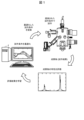
- FIG. 1 is a schematic diagram showing an overview of a prototype condition proposal system according to an embodiment of the present invention.
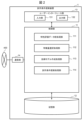
- FIG. 1 is a diagram showing functional blocks of a prototype condition proposal system according to an embodiment of the present invention.
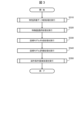
- 1 is a flowchart showing the overall process flow of the prototype condition proposal system according to an embodiment of the present invention.
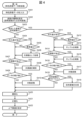
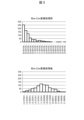
- 5 is a flowchart showing details of characteristic evaluation data preprocessing. The figure which shows the outline of Box-Cox conversion processing.
- a diagram showing an overview of standardization processing. 5 is a flowchart showing details of feature amount selection processing.
- Flowchart showing details of regression model creation processing. 5 is a flowchart showing details of prototyping condition proposal processing.
- FIG. 1 is a schematic diagram showing an overview of a prototype condition proposal system according to an embodiment of the present invention.
- the prototyping condition proposal system 1 shown in Figure 1 optimizes various prototyping conditions that should be considered when prototyping a material, such as material composition and firing conditions, and provides the results to the material developer who is the user of this system. This is what we propose. Optimization of the prototype conditions is performed using various machine learning algorithms based on property evaluation data representing the evaluation results of the properties of the material.
- the prediction model includes, for example, Gaussian Process Regression (GPR), linear regression (Linear Regression), regression tree (including cases using ensemble methods), and neural network regression (Neural Network Regression).
- GPR Gaussian Process Regression
- Linear Regression Linear Regression
- regression tree including cases using ensemble methods
- neural network regression Neural Network Regression
- Various regression models are used, such as Support Vector Regression (SVR), Logistic Regression, and LASSO regression (Least Absolute Shrinkage and Selection Operator Regression).
- the prototyping condition proposing system 1 when the user of the prototyping condition proposing system 1 makes a prototype of a material under the prototyping conditions proposed by the prototyping condition proposing system 1 and evaluates the characteristics of the resulting material. New data representing the evaluation value of the characteristics of the deliverable is generated. When the prototype condition proposal system 1 is made to learn this data as new characteristic evaluation data, the prototype condition proposal system 1 proposes more optimized prototype conditions to the user. The prototype condition proposal system 1 of this embodiment can propose prototype conditions with more favorable predicted values of characteristics each time the user repeats this cycle. Note that the prototyping condition proposal system may include a function of prototyping a material and a function of evaluating characteristics of a material to be prototyped, or may be configured integrally with these functions.
- the prototype condition proposal system 1 of this embodiment is realized by one general-purpose computer device, as shown in FIG.
- the prototype condition proposal system 1 includes one or more processor devices, one or more storage devices, one or more input/output devices, and wired or wireless communication lines (all not shown) that connect them. ) is realized by a single general-purpose computer device.
- This computer device is installed, for example, as a terminal inside a laboratory, and can be connected to various other terminals installed inside and outside the laboratory, as well as various terminals such as laptops, tablets, and smartphones owned by each user (hereinafter referred to as , referred to as a "user terminal"), and other devices such as a server device via a communication network such as the Internet 400 or a dedicated line.
- a communication network such as the Internet 400 or a dedicated line.
- the computer device and the Internet 400 are connected by wire through a well-known communication device (not shown), but they may be connected wirelessly.
- FIG. 2 is a diagram showing functional blocks of a prototype condition proposal system according to an embodiment of the present invention. Note that each block described below indicates a functional unit block rather than a hardware unit configuration.
- the prototype condition proposal system 1 of this embodiment includes a control section 11, a storage section 12, a user interface section 13, and a communication section 14.
- the control unit 11 executes various data processes based on user operation input detected by the user interface unit 13, data acquired by the communication unit 14, and programs and data stored in the storage unit 12.
- the control unit 11 also functions as an interface for the user interface unit 13, communication unit 14, and storage unit 12.
- the control unit 11 includes functional blocks of a characteristic evaluation data preprocessing unit 111, a feature quantity selection processing unit 112, a regression model creation processing unit 113, and a prototype condition proposal processing unit 114.
- the control unit 11 is configured using, for example, a processor device (hereinafter also simply referred to as a "processor") such as a CPU (Central Processing Unit) and various co-processors, and by executing a predetermined program, These functional blocks can be realized.
- a processor device hereinafter also simply referred to as a "processor”
- CPU Central Processing Unit
- various co-processors such as a CPU (Central Processing Unit) and various co-processors
- the control unit 11 may be configured using a logic circuit such as an FPGA (Field Programmable Gate Array) instead of the processor.
- the control unit 11 may be configured by a combination of a processor and a logic circuit.
- the program executed by the control unit 11 may be installed from a program source.
- the program source may be, for example, a program distribution computer or a computer-readable recording medium.
- the programs executed by the control unit 11 may include a device driver, an operating system, various application programs located in an upper layer thereof, and a library that provides common functions to these programs.
- two or more programs may be realized as one program, or one program may be realized as two or more programs.
- the characteristic evaluation data preprocessing unit 111 performs preprocessing on the characteristic evaluation data in the so-called raw data state immediately after recording. This process performed by the characteristic evaluation data preprocessing section 111 is referred to as characteristic evaluation data preprocessing.
- the feature amount selection processing unit 112 executes a process of selecting feature amounts related to explanatory variables for the preprocessed characteristic evaluation data. This process executed by the feature quantity selection processing unit 112 is referred to as feature quantity selection processing.
- the regression model creation processing unit 113 executes a process of creating a regression model for the preprocessed characteristic evaluation data based on the results of the feature amount selection process. This process executed by the regression model creation processing unit 113 is referred to as regression model creation processing.
- the prototyping condition proposal processing unit 114 executes a process of proposing material prototyping conditions to the user based on the regression model created by the regression model creation processing unit 113 for the preprocessed characteristic evaluation data. This process executed by the prototype condition proposal processing unit 114 is referred to as a prototype condition proposal process.
- the storage unit 12 is configured using a storage device such as a RAM or a flash memory, and stores programs that supply various processing instructions to the control unit 11 and data representing various information used in processing executed by the control unit 11.
- characteristic evaluation data preprocessed by the characteristic evaluation data preprocessing unit 111 (hereinafter referred to as “preprocessed data”), data representing a regression model created by the regression model creation processing unit 113, etc. is stored in the storage unit 12.
- the control unit 11 reads and writes this information into the storage unit 12, thereby controlling each of the characteristic evaluation data preprocessing unit 111, feature value selection processing unit 112, regression model creation processing unit 113, and prototype condition proposal processing unit 114. Functional blocks can be realized.
- the user interface unit 13 accepts input operations from the user and is also responsible for processing related to the user interface, such as image display and audio output.
- the user interface section 13 has functional blocks of an input section 131 and an output section 132.
- the input unit 131 detects various operations from the user.
- the input unit 131 is configured using, for example, a keyboard, a pointing device, a touch panel, or the like.
- the output unit 132 performs screen display, audio output, etc. to the user.
- the output unit 132 is configured using, for example, a liquid crystal display or a touch screen.
- the communication unit 14 is in charge of communication processing performed via the Internet 400 with user terminals owned by each user and other devices such as server devices.
- the communication unit 14 is configured using, for example, a NIC (Network Interface Card) or an HBA (Host Bus Adapter).
- each function of the prototype condition proposal system 1 is integrally realized by one computer device.
- each of these functions may be realized by a plurality of mutually connected computer devices or server devices.
- the prototype condition proposal system 1 may include a general-purpose computer device such as a laptop PC and a web browser installed therein, or may include a web server and various mobile devices. good.
- each function is an example, and multiple functions may be combined into one function, or one function may be divided into multiple functions.
- FIG. 3 is a flowchart showing the overall process flow of the prototype condition proposal system according to an embodiment of the present invention. Note that in the following explanation, processes may be explained using each of the above-mentioned functions or programs as subjects, but processes explained using functions or programs as subjects may also be processes performed by a processor or a device having the processor. .
- step S310 the control unit 11 causes the characteristic evaluation data preprocessing unit 111 to perform characteristic evaluation data preprocessing.
- the characteristic evaluation data is pre-processed and becomes pre-processed data, making it possible to normally execute each subsequent process. Note that details of the characteristic evaluation data preprocessing performed in step S310 will be explained later with reference to the flowchart of FIG. 4.
- the control unit 11 proceeds to step S320.
- step S320 the control unit 11 causes the feature selection processing unit 112 to execute a feature selection process.
- the feature amounts for the explanatory variables included in the preprocessed data are preferably selected for executing each subsequent process. Note that details of the feature quantity selection process performed in step S320 will be explained later with reference to the flowchart of FIG.
- the control unit 11 proceeds to step S330.
- step S330 the control unit 11 causes the regression model creation processing unit 113 to execute regression model creation processing. As a result, a regression model is created for the preprocessed data for which the feature amount has been selected. Note that details of the regression model creation process performed in step S330 will be explained later with reference to the flowchart of FIG. 8. When the regression model creation process is completed, the control unit 11 proceeds to step S340.
- step S340 the control unit 11 executes regression model evaluation processing.
- the generalization performance which is an index representing the prediction accuracy of the regression model
- This evaluation is performed, for example, by performing cross validation with other regression models.
- the evaluation results are visualized using graphs such as scatter diagrams and box plots. Thereby, the user can receive suggestions for prototyping conditions based on a regression model with good generalization performance.
- the control unit 11 proceeds to step S350.
- step S350 the control unit 11 causes the prototype condition proposal processing unit 114 to execute a prototype condition proposal process.
- the user of the prototyping condition proposing system 1 can appropriately modify the prototyping conditions for the material proposed by the prototyping condition proposing system 1 to make them even more preferable.
- the control unit 11 calculates predicted values of the characteristics of the material when the prototype is produced under the prototype conditions modified by the user by applying the predicted values to the selected regression model, and presents the predicted values to the user. That is, the user can interactively modify the prototype conditions while checking the predicted values.
- the prototyping condition proposal system 1 is a system that can incorporate the knowledge of the user, who is the developer of the material, into the prototyping conditions of the material proposed to the user. Note that details of the trial production condition proposal process performed in step S350 will be explained later with reference to the flowchart of FIG.
- the control unit 11 temporarily ends the process shown in the flowchart of FIG. 3 .
- the prototyping condition proposal system 1 of this embodiment executes each process of steps S310 to S350 in FIG. 3 to propose good prototyping conditions to the user. That is, in the prototype condition proposal system 1 of this embodiment, necessary preprocessing is automatically performed on the characteristic evaluation data in the state of raw data in step S310. Therefore, each process of steps S320 to S350 can be executed without manually performing complicated preprocessing on the characteristic evaluation data. Further, in the prototype condition proposal system 1 of this embodiment, the user can select a regression model with good generalization performance. Therefore, the prototype condition proposal system 1 can propose prototype conditions with good predicted characteristic values to the user.
- the user of the prototyping condition proposal system 1 makes a prototype of a material under the prototyping conditions proposed by the prototyping condition proposal system 1, evaluates the characteristics of the product, and reports the evaluation results. After having the prototype condition proposal system 1 learn the data representing the new characteristic evaluation data, it is possible to cause the prototype condition proposal system 1 to execute the processes of steps S310 to S350 in FIG. 3 again.
- the prototyping condition proposal system 1 can propose more optimized prototyping conditions to the user. That is, the prototyping condition proposing system 1 of this embodiment can propose prototyping conditions with better predicted values of characteristics each time the processes of steps S310 to S350 in FIG. 3 are repeated for the same prototyping target.
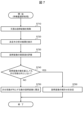
- FIG. 4 is a flowchart showing details of the characteristic evaluation data preprocessing.
- step S401 the control unit 11 causes the characteristic evaluation data preprocessing unit 111 to receive input of characteristic evaluation data from the user via the input unit 131 or the communication unit 14.
- the characteristic evaluation data input to the prototype condition proposal system 1 may be, for example, categorical data, continuous data, or discrete data. Further, the specific data format of the characteristic evaluation data input to the prototype condition proposal system 1 can be determined as appropriate.
- step S402 the control unit 11 causes the characteristic evaluation data preprocessing unit 111 to set the type of variable for the characteristic evaluation data input from the user in step S401.
- An explanatory variable is a variable that is the basis for calculating a predicted value of a characteristic.
- the composition of materials, firing conditions, etc. that constitute the trial production conditions correspond to explanatory variables.
- the objective variable is a variable representing a characteristic value of a material to be prototyped, which is a target of prediction.
- an explanatory variable may be set by default, and a setting operation may be accepted from a user who wishes to change it to a target variable.
- step S403 the control unit 11 uses the characteristic evaluation data preprocessing unit 111 to determine whether the variable set in step S402 is a target variable. If it is not the objective variable (step S403: N), it is determined that the variable set in step S402 is an explanatory variable and the process proceeds to step S404; if it is determined that it is the objective variable (step S403: Y), the process proceeds to step S404. Proceed to S411.
- step S404 the control unit 11 uses the characteristic evaluation data preprocessing unit 111 to determine whether or not there is an outlier in the characteristic evaluation data for which the explanatory variables have been set in step S402.
- This process of determining the presence or absence of an outlier is performed, for example, by representing the characteristic evaluation data in a histogram and determining the presence or absence of a value outside the range of the average value ⁇ 2 ⁇ . If it is determined that there is an outlier (step S404: Y), the process advances to step S405 to determine whether this outlier is an abnormal value, and if it is determined that there is no outlier (step S404: N). ), the process directly proceeds to step S407.
- step S405 the control unit 11 determines that the outlier is an abnormal value for the characteristic evaluation data for which the explanatory variable was determined to have an outlier in step S404 by the characteristic evaluation data preprocessing unit 111. Determine whether or not.
- the process of determining whether or not the value is an abnormal value is performed, for example, by determining whether there is a data input error or whether there is a failure in the evaluation test machine when generating the characteristic evaluation data. If it is determined that the value is an abnormal value (step S405: Y), the process proceeds to step S406 to set the abnormal value as a missing value, and if it is determined that it is not an abnormal value (step S405: N), the process directly proceeds to step S407. move on.
- step S406 the control unit 11 causes the characteristic evaluation data preprocessing unit 111 to make the abnormal value a missing value for the characteristic evaluation data for which the outlier was determined to be an abnormal value in step S405.
- step S406 the control unit 11 proceeds to step S407.
- step S407 the control unit 11 uses the characteristic evaluation data preprocessing unit 111 to determine whether or not there is a missing value in the characteristic evaluation data. If it is determined that there is a missing value (step S407: Y), the process proceeds to step S408 to complement the missing value, and if it is determined that there is no missing value (step S407: N), the process directly proceeds to step S409. .
- step S408 the control unit 11 causes the characteristic evaluation data preprocessing unit 111 to complement the missing value of the characteristic evaluation data determined to have a missing value in step S407.
- the missing value complementing process is performed by using, for example, the average value, median value, minimum value, maximum value, etc. of the characteristic evaluation data excluding outlier values as values for complementing the missing values.
- missing values may be supplemented by linear interpolation.
- the explanatory variable is not a continuous value but a categorical value, missing values may be filled in with any character string. Note that, for example, when the missing value is supplemented in step S408, the characteristic evaluation data preprocessing unit 111 may display the supplemented value in red in order to make it easier to identify the supplemented value.
- the characteristic evaluation data preprocessing unit 111 may delete the level itself without supplementing the missing value in step S408, for example. Furthermore, in the prototype condition proposal system 1 of the present embodiment, the characteristic evaluation data preprocessing unit 111 controls the explanatory variable You can also delete it yourself. When the process in step S408 is completed, the control unit 11 proceeds to step S409.
- step S409 the control unit 11 causes the characteristic evaluation data preprocessing unit 111 to express the characteristic evaluation data in a histogram, and determines the tail of the characteristic evaluation data (the distribution range of characteristic values of all samples of the characteristic evaluation data in the histogram). It is determined whether one of the hems is longer than a reference value.
- step S409: Y If it is determined that only one of the tails of the characteristic evaluation data expressed in the histogram is longer than the reference value (step S409: Y), the dispersion of the characteristic evaluation data is large, so the process proceeds to step S410, and the characteristic evaluation data expressed in the histogram is If it is determined that the tail of the characteristic evaluation data is shorter than the reference value (step S409: N), the process directly proceeds to step S420 because the variation in the characteristic evaluation data is small enough to perform each subsequent process. In addition, even if it is determined that both tails of the characteristic evaluation data expressed in the histogram are longer than the reference value (step S409: N), if the distribution shape is close to left-right symmetry, processing such as logarithmic transformation is not necessary, so it is left as is. The process advances to step S420. Note that the characteristic evaluation data preprocessing unit 111 may execute the process of step S409 in which it is determined whether logarithmic transformation is performed in step S410 using, for example, skewness
- step S410 the control unit 11 controls each of the characteristic evaluation data whose tail is determined to be longer than the reference value when expressed in a histogram by the characteristic evaluation data preprocessing unit 111 in step S409.
- This logarithmic conversion process is performed, for example, by a method such as the Box-Cox conversion process outlined in FIG. Thereby, the distribution of the characteristic evaluation data approaches a normal distribution, so that regression accuracy in machine learning can be improved.
- the characteristic evaluation data preprocessing unit 111 automatically selects explanatory variables to be subjected to logarithmic transformation processing.
- the prototype condition proposal system may be configured to allow the user to manually select explanatory variables to be subjected to logarithmic transformation processing.
- the characteristic evaluation data preprocessing unit 111 performs logarithmic transformation processing on the characteristic evaluation data in step S410, and then represents the characteristic evaluation data before and after the logarithmic transformation processing in a histogram, and The degree of variation may be visualized.
- the control unit 11 proceeds to step S420.
- step S411 the control unit 11 uses the characteristic evaluation data preprocessing unit 111 to determine whether or not there is an outlier in the characteristic evaluation data for which the target variable was set in step S402.
- the process of determining the presence or absence of an outlier is performed, for example, by representing the characteristic evaluation data in a histogram, similarly to step S404. If it is determined that there is an outlier (step S411: Y), the process advances to step S412 to determine whether this outlier is an abnormal value, and if it is determined that there is no outlier (step S411: N). ), the process directly advances to step S414.
- step S412 the control unit 11 determines that the outlier is an abnormal value with respect to the characteristic evaluation data for which the objective variable is set, which was determined by the characteristic evaluation data preprocessing unit 111 to have an outlier in step S411. Determine whether or not.
- a specific example of an abnormal value is one of the explanatory variables when the explanatory variables completely overlap and there are levels with different characteristics. If it is determined that the sample is an abnormal value (step S412: Y), the process advances to step S413 to delete the sample related to the abnormal value. When all explanatory variables are duplicated and a level with different characteristics is treated as an abnormal value, unlike when one explanatory variable is an abnormal value due to an input error, etc., the level itself must be deleted. This is because it is necessary. On the other hand, if it is determined that the value is not an abnormal value (step S412: N), the process directly advances to step S414.
- step S413 the control unit 11 causes the characteristic evaluation data preprocessing unit 111 to delete samples related to the abnormal value of the characteristic evaluation data for which the outlier was determined to be an abnormal value in step S412. Note that when all of the explanatory variables described above overlap and there are levels with different characteristics, it may be desirable to leave both explanatory variables because the overlap is meaningful. In such a case, in the prototype condition proposal system 1 of this embodiment, the processing in steps S412 to S413 can be omitted. When the process in step S413 is completed, the control unit 11 proceeds to step S414.
- step S414 the control unit 11 uses the characteristic evaluation data preprocessing unit 111 to determine whether or not there is a missing value in the characteristic evaluation data. This is because the characteristic evaluation data may include missing values in advance. If it is determined that there is a missing value (step S414: Y), the process advances to step S415 to delete the sample related to the missing value, and if it is determined that there is no missing value (step S414: N), the process continues to step S415. Proceed to S416.
- step S415 the control unit 11 causes the characteristic evaluation data preprocessing unit 111 to delete samples related to the missing value of the characteristic evaluation data determined to have a missing value in step S414.
- step S416 the control unit 11 proceeds to step S416.
- step S416 the control unit 11 causes the characteristic evaluation data preprocessing unit 111 to represent the characteristic evaluation data in a histogram, and determines whether one of the tails of the characteristic evaluation data is longer than the reference value. Determine. If it is determined that only one of the tails of the characteristic evaluation data expressed in the histogram is longer than the reference value (step S416: Y), the process proceeds to step S417 because the variation in the characteristic evaluation data is large, and the characteristic evaluation data expressed in the histogram is If it is determined that the tail of the characteristic evaluation data is shorter than the reference value (step S416: N), the process directly proceeds to step S418 because the variation in the characteristic evaluation data is sufficiently small to perform each subsequent process.
- step S416 N
- step S418 the characteristic evaluation data preprocessing unit 111 may execute the process of step S416 in which it is determined whether logarithmic transformation is performed in step S417, using, for example, skewness as an index.
- step S417 the control unit 11 uses the above-mentioned Box-Cox Logarithmic transformation is performed using a method such as conversion processing. Thereby, the distribution of the characteristic evaluation data approaches a normal distribution, so that regression accuracy in machine learning can be improved.
- step S418 the control unit 11 proceeds to step S418.
- step S4108 the control unit 11 uses the characteristic evaluation data preprocessing unit 111 to determine whether the number of objective variables set in the characteristic evaluation data is two or more. If it is determined that the number of set objective variables is two or more (step S418: Y), the process advances to step S419 in order to combine all the set objective variables into one. On the other hand, if it is determined that the number of set target variables is not two or more (step S418: N), that is, the number of set target variables is one. In this case, there is no need to perform target variable synthesis processing, so the process directly advances to step S420.
- the characteristic evaluation data preprocessing unit 111 also executes each process of steps S420 to S422 for so-called multi-purpose characteristic evaluation data in which two or more objective variables are set. can do. Therefore, when performing the following processes on various multi-purpose characteristic evaluation data, the characteristic evaluation data preprocessing unit 111 can omit the determination process in step S418.
- step S419 the control unit 11 uses the characteristic evaluation data preprocessing unit 111 to combine all objective variables set in the characteristic evaluation data into one.
- This objective variable synthesis process is performed, for example, by weighted averaging of all objective variables set in the characteristic evaluation data.
- the number of objective variables set in the characteristic evaluation data becomes one, and the subsequent optimization process for the prototype conditions can be executed as so-called single-objective optimization.
- the optimization process is performed by Bayesian optimization, the optimization process can be executed even if a plurality of objective variables are set. Therefore, in such a case, for the characteristic evaluation data determined in step S418 as having two or more set objective variables, the objective variable synthesis process is not performed in step S419.
- the subsequent optimization process may be performed as multi-objective optimization while the number of variables is two or more.
- step S420 the control unit 11 causes the characteristic evaluation data preprocessing unit 111 to perform standardization processing on the characteristic evaluation data as necessary.
- This standardization process converts the scale of the characteristic evaluation data so that the average is 0 and the standard deviation (variance) is 1, as shown in an overview in FIG.
- the control unit 11 proceeds to step S421.
- the standardization processing in S420 may be omitted and the process may directly proceed to step S421.
- step S421 the control unit 11 causes the characteristic evaluation data preprocessing unit 111 to perform normalization processing on the characteristic evaluation data as necessary. This normalization process is performed for the purpose of making it easier to compare explanatory variables with different scales. In addition, when the standardization process is performed on the characteristic evaluation data in step S420, each subsequent process may be performed without performing the normalization process in S421. When the process in step S421 is completed, the control unit 11 proceeds to step S422.
- step S422 the control unit 11 uses the characteristic evaluation data preprocessing unit 111 to set upper and lower limits for the characteristic evaluation data.
- the characteristic evaluation data preprocessing unit 111 automatically extracts and sets upper and lower limit values from existing data. Further, the user of the prototype condition proposal system 1 can manually modify the upper and lower limit values automatically set by the characteristic evaluation data preprocessing unit 111 as necessary.
- the control unit 11 stores the preprocessed data, which is the characteristic evaluation data that has been preprocessed in steps S401 to S422 in FIG. The characteristic evaluation data preprocessing shown in is completed.
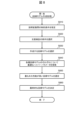
- FIG. 7 is a flowchart showing details of the feature quantity selection process.
- step S710 the control unit 11 uses the feature amount selection processing unit 112 to acquire the preprocessed data from the storage unit 12, and determines whether the preprocessed data includes redundant explanatory variables. do. This determination is made based on whether a combination of explanatory variables with a correlation coefficient of a predetermined number or more, for example, 0.8 or more can be extracted. If it is determined that the preprocessed data includes redundant explanatory variables, the control unit 11 deletes one of the redundant explanatory variables and proceeds to step S720. In the prototype condition proposal system 1 of this embodiment, combinations of explanatory variables with a correlation coefficient of 0.8 or more are made visible to the user through the output unit 132, and the user selects explanatory variables to be deleted through the input unit 131. You can choose. On the other hand, if it is determined that the preprocessed data does not include redundant explanatory variables, the control unit 11 directly proceeds to step S720.
- step S720 the control unit 11 causes the feature amount selection processing unit 112 to perform a decision tree analysis on the preprocessed data that has undergone the processing in step S710, and outputs the analysis results to the user through the output unit 132. It is also possible to perform visualization processing. This allows the user to verify the validity of the results of the determination process in step S710 and the process of deleting one of the redundant explanatory variables based on the visualized decision tree.
- the control unit 11 proceeds to step S730.
- step S730 the control unit 11 uses the feature amount selection processing unit 112 to evaluate the importance of each of the plurality of explanatory variables included in the preprocessed data with respect to the characteristic evaluation data, and based on the evaluation result,
- a process is performed to automatically select feature quantities to be used as explanatory variables of the regression model.
- the prototyping condition proposal system 1 of this embodiment performs this process of evaluating the importance of explanatory variables and selecting feature quantities using a method called RFE (Recursive Feature Elimination) that uses a random forest regression tree as an algorithm. .
- RFE Recursive Feature Elimination
- This method removes explanatory variables included in the preprocessed data one by one in order of importance, and immediately before the prediction accuracy of characteristic values obtained from the remaining explanatory variables falls below a threshold.
- the explanatory variables included in the preprocessed data are evaluated as important variables.
- This method has the advantage of being able to select robust features and create a model that is less prone to overfitting by using a random forest regression tree in the algorithm that calculates importance by combining multiple decision trees. Therefore, the prototype condition proposal system 1 of the present embodiment is suitable for cases where characteristic evaluation data has a large number of explanatory variables relative to the number of samples, and there is a risk of overfitting if a characteristic prediction model is constructed using all explanatory variables.
- step S730 the control unit 11 proceeds to step S740.
- step S740 the control unit 11 causes the feature quantity selection processing unit 112 to reduce the number of explanatory variables for the preprocessed data for which the importance of the explanatory variables has been evaluated and the feature quantities have been selected in step S730. Also, it is determined whether the generalization performance is improved. If it is determined that the generalization performance does not improve even if the number of explanatory variables is reduced (step S740: Y), the process proceeds to step S760 to determine a combination of explanatory variables, and if the number of explanatory variables is reduced, the generalization performance is not improved (step S740: Y). If it is determined that the generalization performance improves (step S740: N), the process proceeds to step S750 to limit the number of explanatory variables to a number that improves the generalization performance.
- step S750 the control unit 11 improves the generalization performance of the preprocessed data for which the feature amount selection processing unit 112 determines that the generalization performance will improve if the number of explanatory variables is reduced.
- the process of narrowing down the explanatory variables to the number of explanatory variables is performed. In the prototyping condition proposal system 1 of this embodiment, this process is performed by the feature value selection processing unit 112 automatically selecting explanatory variables that influence the improvement of generalization performance among the explanatory variables included in the preprocessed data. This is done by selecting .
- the control unit 11 ends the feature quantity selection process shown in the flowchart of FIG.
- step S760 the control unit 11 reduces the number of explanatory variables for the preprocessed data for which the feature amount selection processing unit 112 determines that generalization performance will not improve even if the number of explanatory variables is reduced in step S740. Perform the processing to determine.
- the user can determine the number of explanatory variables.
- the feature amount selection processing unit 112 determines the number of explanatory variables for which input from the user is received via the input unit 131 or the communication unit 14.
- the control unit 11 ends the feature amount selection process shown in the flowchart of FIG.
- FIG. 8 is a flowchart showing details of the regression model creation process.
- step S810 the control unit 11 sets constraints between explanatory variables for the preprocessed data that has been subjected to the feature quantity selection process by the regression model creation processing unit 113.
- the regression model creation processing unit 113 sets constraints between explanatory variables specified by the user via the input unit 131 or the communication unit 14. This can prevent prototyping conditions that are inconsistent and unrealistic from being proposed.
- the control unit 11 proceeds to step S820.
- step S820 the control unit 11 causes the regression model creation processing unit 113 to select execution conditions for cross-validation for evaluating the regression model to be created.
- the user can also select conditions for cross-validation. That is, the regression model creation processing unit 113 can receive cross-validation implementation conditions from the user via the input unit 131 or the communication unit 14.
- the control unit 11 proceeds to step S830.
- step S830 the control unit 11 causes the regression model creation processing unit 113 to select regression model candidates to be used as predictive models in searching for trial production conditions.
- the regression model creation processing section 113 selects, as a candidate, the regression model for which selection processing has been received from the user via the input section 131 or the communication section 14.
- the user can perform Gaussian process regression, the above-mentioned linear regression, regression trees (including cases using ensemble methods), neural network regression, support vector regression, logistic regression, LASSO regression, etc.
- a plurality of regression models can be selected as candidates from various regression models.
- step S840 the control unit 11 uses the regression model creation processing unit 113 to search for and set optimal hyperparameters for each of the various regression models selected as candidates in step S830.
- the regression model creation processing unit 113 automatically searches for all parameters for each regression model, and when they are set as hyperparameters at the time of creation of the regression model, the regression model is generalized. Automatically set the one that gives the best performance.
- the control unit 11 proceeds to step S850.
- step S850 the control unit 11 causes the regression model creation processing unit 113 to select a regression model with the highest generalization performance from among the various regression models each having the optimal hyperparameter set.
- step S850 the control unit 11 proceeds to step S860.
- step S860 the control unit 11 causes the regression model creation processing unit 113 to perform processing to determine the final regression model.
- the control unit 11 ends the regression model creation process shown in the flowchart of FIG.
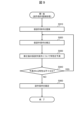
- FIG. 9 is a flowchart showing details of the prototype condition proposal process.
- step S910 the control unit 11 causes the prototype condition proposal processing unit 114 to perform a search process for prototype conditions based on the regression model created in step S850 of FIG.
- the prototype condition proposal processing unit 114 executes this processing by optimization processing.
- the prototyping condition proposal system 1 of this embodiment uses mathematical optimization (MO), Bayesian optimization (BO), genetic algorithm (GA), and Newton's method (NM). ) and simplex method (SM). As a result, each explanatory variable for which the predicted value of the characteristic that is the objective variable is the best is proposed to the user as a provisional prototype condition representing the result of the search process.
- the prototype condition proposal processing unit 114 performs a sensitivity analysis on the temporary prototype condition, evaluates the importance of each explanatory variable that makes up the temporary prototype condition, and presents the evaluation results together.
- the prototype condition proposing system 1 of this embodiment if the regression model used is Gaussian process regression, it is also possible to select the prototype condition that maximizes the acquisition function.
- step S920 the control unit 11 causes the prototype condition proposal processing unit 114 to accept from the user a modification to the provisional prototype conditions proposed to the user in step S910.
- the prototype condition proposal processing unit 114 receives an input operation related to modifying the value of each explanatory variable constituting the temporary prototype condition from the user via the input unit 131 or the communication unit 14, the prototype condition proposal processing unit 114 proposes a temporary prototype according to the content of the modification. Modify the condition.
- the control unit 11 proceeds to step S930.
- step S930 the control unit 11 causes the prototyping condition proposal processing unit 114 to use the regression model to obtain predicted values of material properties when prototyping is made under the corrected provisional prototyping conditions, and presents the calculation results to the user. do.
- the prototype condition proposal processing unit 114 similarly to step S910, also performs a sensitivity analysis on the revised temporary prototype conditions, and determines the importance of the explanatory variables that make up the revised temporary prototype conditions. and present the evaluation results. Note that this evaluation result is updated every time the user modifies the provisional prototype conditions, so that the latest evaluation result is always presented to the user.
- the control unit 11 proceeds to step S940.
- step S940 the control unit 11 causes the prototype condition proposal processing unit 114 to determine whether or not the predicted values of the properties obtained in step S930 are insufficient as the characteristic values of the material to be prototyped, regarding the corrected temporary prototype conditions. judge. For example, if the regression model to be used is Gaussian process regression, this determination is made by calculating an acquisition function that represents the expected value for improving the material properties when prototyped under the prototype conditions for each prototype condition. This is performed by determining the modified provisional prototype conditions and determining whether the difference between the value of the acquisition function and the maximum value of the acquisition function is within a predetermined range.
- the regression model to be used is Gaussian process regression
- step S940: Y If it is determined that the predicted characteristic values are insufficient (step S940: Y), the process returns to step S920 and receives instructions for modifying the prototype conditions from the user again, and it is determined that the predicted characteristic values are not insufficient.
- step S940: N the predicted values of the material properties when prototyping is made under the modified provisional prototyping conditions are sufficient, so the process proceeds to step S950. That is, this process in step S940 is repeated until it is determined that the predicted values of the material properties related to the temporary prototype conditions are not insufficient.
- step S950 the control unit 11 causes the prototype condition proposal processing unit 114 to finalize the provisional prototype conditions for which it was determined that the predicted characteristic values are not insufficient in step S940, and is proposed to the user as confirmed.
- the control unit 11 ends the prototype condition proposal process shown in the flowchart of FIG.
- the prototyping condition proposal system 1 of this embodiment allows the user to make a prototype of a material based on the prototyping conditions proposed in step S950 of FIG.
- the control unit 11 of the prototype condition proposal system 1 determines whether or not the newly input characteristic evaluation data includes a missing value. If it is determined that a missing value is included (Y), it is necessary to process this missing value appropriately. Therefore, if this missing value is related to the explanatory variable, the process is started from step S404 in FIG. 4, and if this missing value is related to the objective variable, the process is started from step S411 in FIG.
- the control unit 11 determines whether or not it is necessary to update the regression model. If it is determined that it is necessary to update the regression model, the control unit 11 starts processing from step S420 in FIG. Execute selection processing. On the other hand, if it is determined that the regression model does not need to be updated, the control unit 11 omits the feature value selection process, the regression model creation process, and the regression model evaluation process, and uses the previously created regression model to perform the steps shown in FIG.
- step S910 a prototyping condition proposal process is performed on the newly input characteristic evaluation data. Note that even if the newly input characteristic evaluation data includes a missing value, if the regression model does not need to be updated, the control unit 11 similarly performs the feature value selection process and the regression model creation process. and omit regression model evaluation processing.
- the prototyping condition proposal system 1 is a system that proposes prototyping conditions for materials to material developers, and includes a characteristic evaluation data preprocessing section 111, a feature quantity selection processing section 112, and a regression model creation processing section 113. , and a prototype condition proposal processing section 114.
- the characteristic evaluation data preprocessing unit 111 performs preprocessing on the characteristic evaluation data representing the evaluation results of the characteristics of the material (step S310).
- the feature selection processing unit 112 executes feature selection processing on the preprocessed characteristic evaluation data (step S320).
- the regression model creation processing unit 113 executes regression model creation processing on the preprocessed characteristic evaluation data based on the results of the feature value selection processing (step S330).
- the prototyping condition proposal processing unit 114 executes prototyping condition proposing processing on the preprocessed characteristic evaluation data based on the regression model created by the regression model creation processing unit 113 (step S350). In this way, the necessary preprocessing is automatically performed on the characteristic evaluation data in the raw data state, so there is no need to manually perform complicated preprocessing on the characteristic evaluation data, and each subsequent step is performed automatically. processing can be executed. Furthermore, by using a regression model with good generalization performance, it is possible to propose prototype conditions with good predicted characteristic values to the material developer who is the user.
- the prototyping condition proposal system 1 of the present embodiment based on the characteristic evaluation data of the so-called raw data state, good prototyping conditions are determined from a very wide range of prototyping conditions due to the large number of types of features to be considered. can be derived and proposed to material developers.
- the preprocessing performed by the characteristic evaluation data preprocessing unit 111 includes a missing value complementing process (step S408), an outlier and abnormal value process (steps S404 to S406 and steps S411 to S413), and a standardization process ( Step S420) and normalization processing (Step S421). By doing this, the necessary preprocessing is automatically performed on the characteristic evaluation data in the raw data state, resulting in preprocessed data, which allows subsequent processing to be executed successfully. .
- step S410 executed by the characteristic evaluation data preprocessing unit 111 is a Box-Cox transformation process (FIG. 5).
- the feature quantity selection processing unit 112 evaluates the importance of the plurality of explanatory variables included in the characteristic evaluation data preprocessed by the characteristic evaluation data preprocessing unit 111 using an arbitrary machine learning algorithm, Based on the evaluation results, a process (step S730) of selecting an explanatory variable for a regression model from a plurality of explanatory variables is executed.
- a process step S730 of selecting an explanatory variable for a regression model from a plurality of explanatory variables is executed.
- the above machine learning algorithm is a random forest that calculates importance by combining multiple decision trees. By doing this, it is possible to select robust feature quantities and create a regression model that is unlikely to be overfitted.
- the regression model creation processing unit 113 executes a process of selecting a regression model with the best generalization performance based on the cross-validation results (step S850). By doing this, it is possible to select an appropriate regression model depending on the content of the characteristic evaluation data.
- the regression model creation processing unit 113 sets optimal hyperparameters for each regression model to be created (step S840). Since this is done, hyperparameters optimal for the regression model are automatically set for each regression model.
- the prototyping condition proposal processing unit 114 executes a process of accepting a correction operation from the material developer for the prototyping conditions of the material proposed to the material developer (step S920).
- the material developer who is the user of the prototyping condition proposal system 1 can modify the prototyping conditions interactively while checking the predicted values of the material properties when prototyping is made under the pre-modified prototyping conditions. By doing so, you can incorporate your own knowledge into the revised prototype conditions.
- the prototyping condition proposal process includes an optimization process. By doing this, it is possible to suggest to the user the prototype conditions that give the best predicted values of the characteristics.
- Prototype condition proposal system 11 Control unit 12: Storage unit 13: User interface unit 14: Communication unit 111: Characteristic evaluation data preprocessing unit 112: Feature selection processing unit 113: Regression model creation processing unit 114: Prototype condition proposal Processing unit 131: Input unit 132: Output unit 400: Internet
Landscapes
- Engineering & Computer Science (AREA)
- Physics & Mathematics (AREA)
- Theoretical Computer Science (AREA)
- Geometry (AREA)
- Evolutionary Computation (AREA)
- General Physics & Mathematics (AREA)
- General Engineering & Computer Science (AREA)
- Computer Hardware Design (AREA)
- Software Systems (AREA)
- Computational Mathematics (AREA)
- Computer Vision & Pattern Recognition (AREA)
- Artificial Intelligence (AREA)
- Pure & Applied Mathematics (AREA)
- Mathematical Optimization (AREA)
- Mathematical Analysis (AREA)
- Medical Informatics (AREA)
- Computing Systems (AREA)
- Life Sciences & Earth Sciences (AREA)
- Bioinformatics & Cheminformatics (AREA)
- Bioinformatics & Computational Biology (AREA)
- Management, Administration, Business Operations System, And Electronic Commerce (AREA)
- General Factory Administration (AREA)
Abstract
Description
本発明による試作条件提案方法は、材料開発者に材料の試作条件を提案する方法であって、材料の特性の評価結果を表す特性評価データに対する前処理と、前処理が施された特性評価データについて行う特徴量選択処理と、特徴量選択処理の結果を基に、前処理が施された特性評価データについて行う回帰モデル作成処理と、前処理が施された特性評価データについて、回帰モデル作成処理で作成した回帰モデルに基づいて行う試作条件提案処理とをコンピュータに実行させる。
11:制御部
12:記憶部
13:ユーザーインターフェース部
14:通信部
111:特性評価データ前処理部
112:特徴量選択処理部
113:回帰モデル作成処理部
114:試作条件提案処理部
131:入力部
132:出力部
400:インターネット
Claims (10)
- 材料開発者に材料の試作条件を提案する試作条件提案システムであって、
前記材料の特性の評価結果を表す特性評価データに対して前処理を施す特性評価データ前処理部と、
前記前処理が施された特性評価データについて特徴量選択処理を実行する特徴量選択処理部と、
前記特徴量選択処理の結果を基に、前記前処理が施された特性評価データについて回帰モデル作成処理を実行する回帰モデル作成処理部と、
前記前処理が施された特性評価データについて、前記回帰モデル作成処理部が作成した回帰モデルに基づいて試作条件提案処理を実行する試作条件提案処理部と
を備える試作条件提案システム。 - 請求項1に記載の試作条件提案システムにおいて、
前記特性評価データ前処理部が実行する前記前処理は、欠損値の補完処理、外れ値および異常値の処理、標準化処理ならびに正規化処理の少なくともいずれか一つを含む試作条件提案システム。 - 請求項2に記載の試作条件提案システムにおいて、
前記特性評価データ前処理部が実行する対数変換処理は、Box‐Cox変換処理である試作条件提案システム。 - 請求項1に記載の試作条件提案システムにおいて、
前記特徴量選択処理部は、前記特性評価データ前処理部が前処理を施した特性評価データに含まれる複数の説明変数の重要度を、任意の機械学習アルゴリズムを用いて評価し、評価結果を基に前記複数の説明変数から前記回帰モデルの説明変数を選択する処理を実行する試作条件提案システム。 - 請求項4に記載の試作条件提案システムにおいて、
前記機械学習アルゴリズムは、ランダムフォレストである試作条件提案システム。 - 請求項1に記載の試作条件提案システムにおいて、
前記回帰モデル作成処理部は、交差検証の結果に基づいて、汎化性能が最良の回帰モデルを選択する処理を実行する試作条件提案システム。 - 請求項1に記載の試作条件提案システムにおいて、
前記回帰モデル作成処理部は、作成する回帰モデルの各々に最適なハイパーパラメータを設定する試作条件提案システム。 - 請求項1に記載の試作条件提案システムにおいて、
前記試作条件提案処理部は、前記材料開発者に提案した前記材料の前記試作条件に対する当該材料開発者の修正操作を受け付ける処理を実行する試作条件提案システム。 - 請求項1に記載の試作条件提案システムにおいて、
前記試作条件提案処理は、最適化処理を含む試作条件提案システム。 - 材料開発者に材料の試作条件を提案する試作条件提案方法であって、
前記材料の特性の評価結果を表す特性評価データに対する前処理と、
前記前処理が施された特性評価データについて行う特徴量選択処理と、
前記特徴量選択処理の結果を基に、前記前処理が施された特性評価データについて行う回帰モデル作成処理と、
前記前処理が施された特性評価データについて、前記回帰モデル作成処理で作成した回帰モデルに基づいて行う試作条件提案処理と
をコンピュータに実行させる、試作条件提案方法。
Priority Applications (4)
| Application Number | Priority Date | Filing Date | Title |
|---|---|---|---|
| CN202380012293.2A CN117597741A (zh) | 2022-06-10 | 2023-04-21 | 试制条件提出系统、试制条件提出方法 |
| DE112023000100.6T DE112023000100T5 (de) | 2022-06-10 | 2023-04-21 | System zum vorschlagen von probeherstellungsbedingungen und verfahren zum vorschlagen von probeherstellungsbedingungen |
| JP2023565339A JP7895364B2 (ja) | 2022-06-10 | 2023-04-21 | 試作条件提案システム、試作条件提案方法 |
| US18/539,491 US20240111931A1 (en) | 2022-06-10 | 2023-12-14 | Trial manufacturing condition proposing system and trial manufacturing condition proposing method |
Applications Claiming Priority (2)
| Application Number | Priority Date | Filing Date | Title |
|---|---|---|---|
| JP2022-094726 | 2022-06-10 | ||
| JP2022094726 | 2022-06-10 |
Related Child Applications (1)
| Application Number | Title | Priority Date | Filing Date |
|---|---|---|---|
| US18/539,491 Continuation US20240111931A1 (en) | 2022-06-10 | 2023-12-14 | Trial manufacturing condition proposing system and trial manufacturing condition proposing method |
Publications (1)
| Publication Number | Publication Date |
|---|---|
| WO2023238525A1 true WO2023238525A1 (ja) | 2023-12-14 |
Family
ID=89118038
Family Applications (1)
| Application Number | Title | Priority Date | Filing Date |
|---|---|---|---|
| PCT/JP2023/016025 Ceased WO2023238525A1 (ja) | 2022-06-10 | 2023-04-21 | 試作条件提案システム、試作条件提案方法 |
Country Status (5)
| Country | Link |
|---|---|
| US (1) | US20240111931A1 (ja) |
| JP (1) | JP7895364B2 (ja) |
| CN (1) | CN117597741A (ja) |
| DE (1) | DE112023000100T5 (ja) |
| WO (1) | WO2023238525A1 (ja) |
Families Citing this family (4)
| Publication number | Priority date | Publication date | Assignee | Title |
|---|---|---|---|---|
| US12587274B2 (en) | 2023-03-28 | 2026-03-24 | Quantum Generative Materials Llc | Satellite optimization management system based on natural language input and artificial intelligence |
| US12603701B2 (en) | 2023-12-27 | 2026-04-14 | Quantum Generative Materials Llc | Distributed satellite constellation management and control system |
| US12627372B2 (en) | 2023-12-27 | 2026-05-12 | Quantum Generative Materials Llc | Advanced mission control predictive systems for low earth orbit semi-autonomous satellites |
| US12368503B2 (en) | 2023-12-27 | 2025-07-22 | Quantum Generative Materials Llc | Intent-based satellite transmit management based on preexisting historical location and machine learning |
Citations (3)
| Publication number | Priority date | Publication date | Assignee | Title |
|---|---|---|---|---|
| WO2018168580A1 (ja) * | 2017-03-13 | 2018-09-20 | 日本電気株式会社 | 関係性探索システム、情報処理装置、方法およびプログラム |
| WO2021015134A1 (ja) * | 2019-07-23 | 2021-01-28 | 昭和電工株式会社 | 材料設計システム、材料設計方法、及び材料設計プログラム |
| JP2022081474A (ja) * | 2019-01-17 | 2022-05-31 | Jfeスチール株式会社 | 金属材料の製造仕様決定方法、製造方法、および製造仕様決定装置 |
Family Cites Families (2)
| Publication number | Priority date | Publication date | Assignee | Title |
|---|---|---|---|---|
| JP7246956B2 (ja) * | 2019-02-13 | 2023-03-28 | 株式会社キーエンス | データ分析装置及びデータ分析方法 |
| WO2021044913A1 (ja) | 2019-09-05 | 2021-03-11 | 国立大学法人東京工業大学 | 作製評価システム、作製評価方法及びプログラム |
-
2023
- 2023-04-21 DE DE112023000100.6T patent/DE112023000100T5/de active Pending
- 2023-04-21 CN CN202380012293.2A patent/CN117597741A/zh active Pending
- 2023-04-21 WO PCT/JP2023/016025 patent/WO2023238525A1/ja not_active Ceased
- 2023-04-21 JP JP2023565339A patent/JP7895364B2/ja active Active
- 2023-12-14 US US18/539,491 patent/US20240111931A1/en active Pending
Patent Citations (3)
| Publication number | Priority date | Publication date | Assignee | Title |
|---|---|---|---|---|
| WO2018168580A1 (ja) * | 2017-03-13 | 2018-09-20 | 日本電気株式会社 | 関係性探索システム、情報処理装置、方法およびプログラム |
| JP2022081474A (ja) * | 2019-01-17 | 2022-05-31 | Jfeスチール株式会社 | 金属材料の製造仕様決定方法、製造方法、および製造仕様決定装置 |
| WO2021015134A1 (ja) * | 2019-07-23 | 2021-01-28 | 昭和電工株式会社 | 材料設計システム、材料設計方法、及び材料設計プログラム |
Also Published As
| Publication number | Publication date |
|---|---|
| DE112023000100T5 (de) | 2024-05-02 |
| US20240111931A1 (en) | 2024-04-04 |
| JP7895364B2 (ja) | 2026-07-27 |
| JPWO2023238525A1 (ja) | 2023-12-14 |
| CN117597741A (zh) | 2024-02-23 |
Similar Documents
| Publication | Publication Date | Title |
|---|---|---|
| US20240111931A1 (en) | Trial manufacturing condition proposing system and trial manufacturing condition proposing method | |
| Asi et al. | Predicting Marshall stability and flow parameters in asphalt pavements using explainable machine-learning models | |
| JP6130977B1 (ja) | 情報処理装置、情報処理方法、情報処理システム及びプログラム | |
| KR20210157303A (ko) | 이종 언어로 구현된 워크플로우 기반의 자동 예측 모델링 방법 및 그를 위한 장치 | |
| US8935136B2 (en) | Multi-component model engineering | |
| CN111160459A (zh) | 超参数的优化装置和方法 | |
| CN120432158A (zh) | 一种晚期胃癌的预后预测方法及系统 | |
| CN121391894B (zh) | 一种基于双重校正的半监督医学图像分割方法 | |
| US12518519B2 (en) | Predictor creation device and predictor creation method | |
| CN119673335A (zh) | 一种基于响应面法的复合材料淀粉含量反演模型构建方法 | |
| CN118696321A (zh) | 已学习模型验证系统 | |
| de Paula et al. | A gpu-based implementation of the firefly algorithm for variable selection in multivariate calibration problems | |
| CN121999949A (zh) | 一种基于多模型的临床结局机器学习预测方法、装置及存储介质 | |
| CN116483817A (zh) | 一种数据填补模型选择、健康评测方法及装置 | |
| US12236585B2 (en) | Method for measuring lesion of medical image | |
| CN120629905A (zh) | 一种基于人工智能的芯片数据检测方法及系统 | |
| CN120257794A (zh) | 一种基于灰狼算法优化卷积神经网络预测钛合金寿命的方法 | |
| JP7732579B2 (ja) | モデル処理装置、モデル処理方法、及び、プログラム | |
| Butt et al. | Towards reliable explainable ai: A novel stability metric for trustworthy | |
| Aziz et al. | An Interpretable Machine Learning Approach for Predicting the End-Bearing Capacity of Rock-Socketed Piles | |
| US20250181672A1 (en) | Trial production condition proposal system and trial production condition proposal method | |
| US20250181987A1 (en) | Trial production condition proposal system and trial production condition proposal method | |
| KR20240154077A (ko) | 재료 특성값 예측 방법, 학습 완료 모델 생성 방법, 프로그램 및 장치 | |
| Mody et al. | Enhancing Real Estate Market Insights through Machine Learning: Predicting Property Prices with Advanced Data Analytics | |
| CN120495300B (zh) | 齿科疾病的多模态诊断方法及电子设备 |
Legal Events
| Date | Code | Title | Description |
|---|---|---|---|
| ENP | Entry into the national phase |
Ref document number: 2023565339 Country of ref document: JP Kind code of ref document: A |
|
| WWE | Wipo information: entry into national phase |
Ref document number: 112023000100 Country of ref document: DE |
|
| WWE | Wipo information: entry into national phase |
Ref document number: 202380012293.2 Country of ref document: CN |
|
| 121 | Ep: the epo has been informed by wipo that ep was designated in this application |
Ref document number: 23819512 Country of ref document: EP Kind code of ref document: A1 |
|
| 122 | Ep: pct application non-entry in european phase |
Ref document number: 23819512 Country of ref document: EP Kind code of ref document: A1 |