WO2023219255A1 - 극한내성 글리세로젤, 그 제조방법 및 이를 포함하는 응용제품 - Google Patents
극한내성 글리세로젤, 그 제조방법 및 이를 포함하는 응용제품 Download PDFInfo
- Publication number
- WO2023219255A1 WO2023219255A1 PCT/KR2023/003744 KR2023003744W WO2023219255A1 WO 2023219255 A1 WO2023219255 A1 WO 2023219255A1 KR 2023003744 W KR2023003744 W KR 2023003744W WO 2023219255 A1 WO2023219255 A1 WO 2023219255A1
- Authority
- WO
- WIPO (PCT)
- Prior art keywords
- glycerogel
- hydrogel
- glycerol
- precursor
- pva
- Prior art date
- Legal status (The legal status is an assumption and is not a legal conclusion. Google has not performed a legal analysis and makes no representation as to the accuracy of the status listed.)
- Ceased
Links
Images









Classifications
-
- C—CHEMISTRY; METALLURGY
- C08—ORGANIC MACROMOLECULAR COMPOUNDS; THEIR PREPARATION OR CHEMICAL WORKING-UP; COMPOSITIONS BASED THEREON
- C08J—WORKING-UP; GENERAL PROCESSES OF COMPOUNDING; AFTER-TREATMENT NOT COVERED BY SUBCLASSES C08B, C08C, C08F, C08G or C08H
- C08J3/00—Processes of treating or compounding macromolecular substances
- C08J3/02—Making solutions, dispersions, lattices or gels by other methods than by solution, emulsion or suspension polymerisation techniques
- C08J3/03—Making solutions, dispersions, lattices or gels by other methods than by solution, emulsion or suspension polymerisation techniques in aqueous media
- C08J3/075—Macromolecular gels
-
- C—CHEMISTRY; METALLURGY
- C08—ORGANIC MACROMOLECULAR COMPOUNDS; THEIR PREPARATION OR CHEMICAL WORKING-UP; COMPOSITIONS BASED THEREON
- C08J—WORKING-UP; GENERAL PROCESSES OF COMPOUNDING; AFTER-TREATMENT NOT COVERED BY SUBCLASSES C08B, C08C, C08F, C08G or C08H
- C08J3/00—Processes of treating or compounding macromolecular substances
- C08J3/02—Making solutions, dispersions, lattices or gels by other methods than by solution, emulsion or suspension polymerisation techniques
- C08J3/09—Making solutions, dispersions, lattices or gels by other methods than by solution, emulsion or suspension polymerisation techniques in organic liquids
- C08J3/091—Making solutions, dispersions, lattices or gels by other methods than by solution, emulsion or suspension polymerisation techniques in organic liquids characterised by the chemical constitution of the organic liquid
- C08J3/095—Oxygen containing compounds
-
- H—ELECTRICITY
- H01—ELECTRIC ELEMENTS
- H01B—CABLES; CONDUCTORS; INSULATORS; SELECTION OF MATERIALS FOR THEIR CONDUCTIVE, INSULATING OR DIELECTRIC PROPERTIES
- H01B5/00—Non-insulated conductors or conductive bodies characterised by their form
- H01B5/14—Non-insulated conductors or conductive bodies characterised by their form comprising conductive layers or films on insulating-supports
-
- C—CHEMISTRY; METALLURGY
- C08—ORGANIC MACROMOLECULAR COMPOUNDS; THEIR PREPARATION OR CHEMICAL WORKING-UP; COMPOSITIONS BASED THEREON
- C08J—WORKING-UP; GENERAL PROCESSES OF COMPOUNDING; AFTER-TREATMENT NOT COVERED BY SUBCLASSES C08B, C08C, C08F, C08G or C08H
- C08J2301/00—Characterised by the use of cellulose, modified cellulose or cellulose derivatives
- C08J2301/02—Cellulose; Modified cellulose
-
- C—CHEMISTRY; METALLURGY
- C08—ORGANIC MACROMOLECULAR COMPOUNDS; THEIR PREPARATION OR CHEMICAL WORKING-UP; COMPOSITIONS BASED THEREON
- C08J—WORKING-UP; GENERAL PROCESSES OF COMPOUNDING; AFTER-TREATMENT NOT COVERED BY SUBCLASSES C08B, C08C, C08F, C08G or C08H
- C08J2329/00—Characterised by the use of homopolymers or copolymers of compounds having one or more unsaturated aliphatic radicals, each having only one carbon-to-carbon double bond, and at least one being terminated by an alcohol, ether, aldehydo, ketonic, acetal, or ketal radical; Hydrolysed polymers of esters of unsaturated alcohols with saturated carboxylic acids; Derivatives of such polymer
- C08J2329/02—Homopolymers or copolymers of unsaturated alcohols
- C08J2329/04—Polyvinyl alcohol; Partially hydrolysed homopolymers or copolymers of esters of unsaturated alcohols with saturated carboxylic acids
-
- C—CHEMISTRY; METALLURGY
- C08—ORGANIC MACROMOLECULAR COMPOUNDS; THEIR PREPARATION OR CHEMICAL WORKING-UP; COMPOSITIONS BASED THEREON
- C08J—WORKING-UP; GENERAL PROCESSES OF COMPOUNDING; AFTER-TREATMENT NOT COVERED BY SUBCLASSES C08B, C08C, C08F, C08G or C08H
- C08J2333/00—Characterised by the use of homopolymers or copolymers of compounds having one or more unsaturated aliphatic radicals, each having only one carbon-to-carbon double bond, and only one being terminated by only one carboxyl radical, or of salts, anhydrides, esters, amides, imides, or nitriles thereof; Derivatives of such polymers
- C08J2333/24—Homopolymers or copolymers of amides or imides
- C08J2333/26—Homopolymers or copolymers of acrylamide or methacrylamide
Definitions
- the present invention relates to glycerogel and a method for producing the same, and more specifically, to an extremely resistant glycerogel that exhibits excellent long-term stability at -50 - 80 ° C without sacrificing the structural and functional properties of the hydrogel, a method for producing the same, and It relates to application products that include this.
- gels a class of semi-solid materials formed by cross-linked 3D polymer networks swollen in specific solvents. They exhibit a variety of functions that no other solid or liquid substance can exhibit alone. Due to their highly solvated polymer network, gels exhibit inherently tissue-like structures, biocompatibility, cell compatibility, and numerous biological functions. At the same time, their solid- and liquid-like properties allow them to be tailored to achieve specific electrical, thermal, actuation, shape transformation, and stimulus response properties.
- Hydrogels are formed by a network of hydrophilic polymers swollen in water and are widely used due to their biocompatibility and vast scope for biomedical applications.
- mechanically strong hydrogels such as double-network, ionic/covalent, nanocomposite, polyvalent, dynamically cross-linked, and hydrophobic/hydrophilic.
- their short lifespan in air limits their applications, especially in harsh environmental conditions.
- Recently, several methods have been developed to improve the air stability of hydrogels.
- double hydrophobic coated hydrogels have long-term air stability.
- Various glycol/aqueous organic hydrogels with excellent floating ability at subzero temperatures have been reported.
- a photosensitive gel based on metal coordination was developed in a glycerol/water mixture. These gels work at sub-zero temperatures.
- Gels prepared from ethylene glycol/water mixture had good anion conductivity.
- none of the previously mentioned gel materials can be used in extreme temperatures (cold and hot). Therefore, it is difficult to establish a broad concept for the development of gel materials with various cross-linking/reinforcement mechanisms and gel functions that are durable at both cryogenic and high temperatures.
- the present inventors completed the present invention by developing a technology that can produce a wide range of extremely resistant glycerogels (GG) from pre-designed hydrogels.
- GG extremely resistant glycerogels
- the purpose of the present invention is to provide a new class of ultra-resistant glycerogels with a wide range of customized properties and functions prepared from pre-designed hydrogels without sacrificing the structural and functional properties of the original hydrogels, and a method for their preparation.
- Another object of the present invention is to adjust the elasticity, electrical conductivity, and ionic conductivity of extreme-resistant glycerogel as needed and to develop next-generation extreme energy storage devices, sensors or actuators, soft robots, etc. using the adjusted glycerogel as a soft material. It provides various application products including:
- the object of the present invention is not limited to the object mentioned above, and even if not explicitly mentioned, the object of the invention that can be recognized by a person of ordinary skill in the art from the description of the detailed description of the invention described later may also naturally be included. .
- the present invention is a glycerogel in which the water molecules of the hydrogel are replaced with glycerol, and the weight change is ⁇ 10 wt for 7 days under temperature conditions ranging from -50°C to 80°C.
- the glycerogel is selected from the group consisting of stretchability, stiffness, strength, modulus, and work of extension. One or more mechanical properties are changed.
- the hydrogel is a polyacrylamide (PAAm) hydrogel
- the glycerogel is PAAm glycerogel (GG)
- the PAAm GG has an elasticity of 1200% or more, a modulus of 0.09 ⁇ 0.003 MPa, and a modulus of 0.22 It has a strength of ⁇ 0.02 MPa.
- the hydrogel is a polyvinyl alcohol (PVA) hydrogel
- the glycerogel is a PVA glycerogel
- the PVA GG has a stiffness of 8.9 ⁇ 0.2 MPa, a strength of 8.5 ⁇ 0.01 MPa, and a strength of 49.9 ⁇ 49.9 ⁇ 0.2 MPa. It has a strain energy (work of extension) of 0.4 MJ m -3 .
- the hydrogel is a poly(acrylamide-co-acrylic acid)/iron(III)(P(AAm-co-AAc)/Fe 3+ ) hydrogel
- the glycerogel is P(AAm- co- AAc)/Fe 3+ glycerogel
- the P(AAm-co-AAc)/Fe 3+ GG has a rigidity of 1.6 ⁇ 0.1 MPa, a strength of 7.1 ⁇ 0.3 MPa, and a strength of 23.5 ⁇ 4.6 MJ m -3 . It has strain energy (work of extension).
- the hydrogel is a cellulose hydrogel
- the glycerogel is a cellulose glycerogel
- the cellulose GG has a stiffness of 9.4 ⁇ 0.9 MPa, a strength of 2.9 ⁇ 0.1 MPa, and an elasticity of less than 100%.
- the fracture toughness of the glycerogel in the solid state ranges from 1581 J m -2 to 19,627 J m -2 .
- the ionic conductivity of the glycerogel in the liquid state is proportional to temperature.
- the ionic conductivity of the glycerogel is 0.003 ⁇ 0.0003 S m -1 at -20°C, 0.021 ⁇ 0.006 S m -1 at 25°C, and 0.11 ⁇ 0.03 S m -1 at 80°C.
- the glycerogel has self-welding ability and a bonding strength of 0.77 MPa or more.
- the present invention includes the steps of preparing a hydrogel; Preparing a glycerogel precursor through solvent exchange in which water molecules in the hydrogel are replaced with glycerol; and an annealing step of heat-treating the glycerogel precursor and then cooling it to room temperature.
- the solvent exchange is a rapid substitution reaction performed by immersing the hydrogel in a single concentration glycerol solution for several hours at 50°C to 100°C depending on the characteristics of the hydrogel, and the glycerol concentration is 0% to 100% at room temperature. It is performed by one of the slow substitution reactions carried out by sequentially immersing the reaction in a number of gradually increasing glycerol solutions for tens of hours.
- a rapid substitution reaction is performed when the hydrogel is a water-swelling hydrogel, and the water-swelling hydrogel is a polyacrylamide hydrogel.
- the glycerogel in the step of preparing the glycerogel precursor, when the solvent exchange is performed through the rapid substitution reaction to produce the glycerogel precursor, the glycerogel is prepared at room temperature to ensure complete exchange of glycerol and water. It further includes a stabilization step of immersing the precursor in a glycerol solution for several tens of hours.
- the heat treatment in the annealing step is performed dry or wet at 100°C to 200°C for several hours.
- the step of preparing the glycerogel precursor involves heating the PAAm hydrogel at 50°C to 70°C for 90 to 180 minutes at 100 °C.
- Preparing a PAAm glycerogel precursor by immersing it in % glycerol solution;
- the step of preparing the glycerogel precursor is performed by preparing the PVA hydrogel at room temperature with a glycerol concentration of 25% ⁇ 1 and 50%, respectively.
- PVA polyvinyl alcohol
- annealing step is carried out by placing the PVA glycerogel precursor in a sealed reactor and heat-treating it in a dry manner at 110°C to 130°C for 5 to 7 hours, followed by gradual cooling to 24 to 26°C.
- the glycerogel precursor is to place the P(AAm-co-AAc)/Fe 3+ hydrogel in a glycerol solution with a glycerol concentration of 0% ⁇ 1 and 25% ⁇ 1, respectively, at room temperature for 11 to 13 hours and at a glycerol concentration of 50% ⁇ 1.
- annealing step is performed by immersing the P(AAm-co-AAc)/Fe 3+ glycerogel precursor. This is carried out by placing it in a glycerol bath and wet heat treatment at 110°C to 130°C for 90 to 150 minutes, followed by gradual cooling to 24 to 26°C.
- the step of preparing the glycerogel precursor is performed by preparing the P(AAm-co-AAc)/Fe 3+ hydrogel at room temperature so that the glycerol concentration is 0. It includes the step of sequentially immersing in glycerol solutions with % ⁇ 1 and 25% ⁇ 1 glycerol concentrations for 11 to 13 hours, and in glycerol solutions with glycerol concentrations of 50% ⁇ 1 and 100% ⁇ 1 for 23 to 25 hours.
- the annealing step is performed by placing the cellulose glycerogel precursor in a sealed reactor, dry-treating it at 110°C to 130°C for 300 to 400 minutes, and then slowly cooling to 24°C to 26°C.
- the present invention relates to any of the above-mentioned ultra-resistant glycerogels or the ultra-resistant glycerogel prepared by any of the above-described production methods; And it provides an electrically conductive glycerogel comprising a metal pattern formed on the surface of the glycerogel.
- the electrically conductive glycerogel stretches and recovers at -50 to 80°C with the gel intact.
- the present invention provides an application product containing any of the above-described extreme-resistant glycerogels or any of the above-described extreme-resistant glycerogels prepared by any of the above-mentioned production methods.
- the application is a flexible energy storage device, sensor, actuator or robot.
- the capacitance is 2.2-6 mF cm -2 at -20 to 80°C.
- a new type of ultra-resistant glycerogel with a wide range of customized properties and functions prepared from a pre-designed hydrogel without sacrificing the structural and functional properties of the original hydrogel and a method for preparing the same can be provided.
- the elasticity, electrical conductivity, and ionic conductivity of the extreme resistant glycerogel are adjusted as needed, and the adjusted glycerogel is applied as a soft material to create a next-generation extreme energy storage device, sensor or actuator, soft robot, etc.
- We can provide various application products including:
- the present invention utilizes currently available hydrogels with a wide range of functions and properties to meet the extreme resistance required in rigorous next-generation applications, thereby providing a variety of extreme resistance, flexibility, and stability for bio, electrical/electronic, and soft robotic applications.
- Elastic devices can be manufactured.
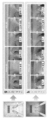
- Figure 1 schematically illustrates a strategy that mimics the survival behavior of bear beetles to design the ultra-resistant glycerogel (GG) of the present invention.
- a shows that the bear beetle can transform into a “tun state” under extreme conditions by preserving its integrated structure that can withstand a variety of harsh environmental challenges
- b shows an extremely multifunctional animal inspired by the tun formation of the bear beetle.
- GG shows that various polymers were designed by integrating them with a green solvent (glycerol), c shows that the water initially incorporated into the predesigned functional hydrogel was sequentially replaced with glycerol to minimize damage to the integrated structure of the gel.
- glycerol green solvent
- Figure 2 shows the tensile stress strain curves of PAAm gel prepared using various polyol solvents and propylene glycol gel showing a stable three-dimensional shape ((a-d) glycerol, ethylene glycol, propylene glycol, and tripropylene glycol as solvents, respectively.
- Figure 3 shows tensile stress-strain curves of (a) PVA, (b) PAAm, and (c) P(AAm-co-AAc)/Fe 3+ hydrogels and their corresponding GGs. These were fabricated by directly equilibrating the hydrogel in 100% glycerol.
- Figure 4 illustrates the various monomers/polymers and crosslinkers used in the GG design of the present invention.
- this versatility of the present invention facilitates the design of various multifunctional GGs.
- Figures 5a to 5f show characterizing the extreme resistance ability of GG according to various embodiments of the present invention.
- Figure 5a shows the results of observing the effects of low (-50°C), ambient (25°C), and high (80°C) temperatures on the developed GG
- Figure 5b shows 7-day incubation at -50, 25°C, and 80°C.
- c to f shown in Figures 5d and 5e are representative tensile stress-strain curves (original samples) of PAAm, PVA, P(AAm-co-AAc)/Fe 3+ and cellulose GG, respectively.
- Figure 6 is a graph showing the change in weight fraction of GG according to various embodiments of the present invention while exposed to air at -50, 25, and 80°C for 7 days, where a to d are PAAm, P(AAm-co, respectively) -AAc)/Fe 3+ , PVA and cellulose GG.
- Figure 7 is a comparative graph of PAAm GG samples according to various embodiments of the present invention before and after exposure to air at -50, 25, and 80 ° C. for 7 days, where a is Young's modulus, b is tensile strength, and c is strain energy ( It means work of extension.
- Figure 8 is a comparative graph of PVA GG samples according to various embodiments of the present invention before and after exposure to air at -50, 25, and 80 ° C. for 7 days, where a is Young's modulus, b is tensile strength, and c is strain energy. it means.
- Figure 9 is a comparative graph of P(AAm- co -AAc)/Fe 3+ GG samples according to various embodiments of the present invention before and after exposure to air at -50, 25, and 80°C for 7 days, where a is the Young's modulus. , b means tensile strength, and c means strain energy.
- Figure 10 is a comparative graph of cellulose GG samples according to various embodiments of the present invention before and after exposure to air at -50, 25, and 80°C for 7 days, where a is Young's modulus, b is tensile strength, and c is strain energy. it means.
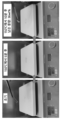
- Figure 11 is a photograph showing that when the PAAm hydrogel was exposed to air on top of a hot plate set at 150°C for 10 min, the weight decreased by 64% and the gel completely lost its elasticity due to the almost complete loss of networked water.
- Figure 12 is a photograph demonstrating the extreme heat resistance of PAAm GG according to various embodiments of the present invention.
- the samples were exposed to air on a hotplate set at 150°C for 10 minutes, only 1.5% of their weight was lost and the samples showed remarkable elasticity without breaking.
- Figures 13a to 13f show the results of evaluating the fracture toughness, hysteresis, elasticity, and plasticity of GG according to various embodiments of the present invention. Shown in Figure 13a, a shows a demonstration of tensile testing of notched samples for fracture energy measurements, and b shows the force versus displacement curves of notched and unnotched samples of PVA GG (cracks occur in the notched samples).
- the critical displacement (Lc) that begins to propagate through was identified as an open circle, and the fracture energy was determined by dividing the work done to stretch the unnotched sample to Lc (filled area) by the cross-sectional area of the sample.
- c shown in Figure 13b shows the determined fracture energy of different GG
- d to g shown in Figures 13d and 13e are PAAm GG, PVA GG, and P(AAm-co-AAc)/Fe 3 , respectively.
- h shown in Figure 13f is the repeated tensile load-load curve for PVA GG where the strain is periodically enhanced up to 100% until the breaking point. It represents.
- Figure 14 is a graph comparing the fracture energy of PAAm hydrogel and PAAm GG.
- Figure 15 shows the results of testing the repeated tensile load-load curves of soft PVA GG made from a PVA precursor solution at different intervals, where a is 5 wt% and b is a 3 wt% precursor solution.
- Figure 16 shows the cyclic tensile load-load curve of PVA GG tested continuously for 50 cycles, with the initial and 50th cycles indicated. The gel was fully recovered 20 minutes after completing 50 consecutive cycles.
- a shows the cyclic tensile load-load curve of P(AAm-co-AAc)/Fe 3+ GG tested at different intervals
- b shows P(AAm-co-AAc) tested continuously for 50 cycles.
- )/Fe 3+ GG cyclic tensile load-load curve is shown. The initial and 50th cycles were indicated, and the gel fully recovered almost 20 minutes after completion of 50 consecutive cycles.
- Figure 18 is a repeated tensile load-load curve in which 100% strain is periodically increased up to the breaking point in soft PVA GG made from a PVA precursor solution, where a is 5 wt% and b uses a 3 wt% precursor solution.
- Figure 19 is the ratio of cumulative strain to applied strain plotted against applied strain for PVA GG fabricated with various concentrations of precursor solutions, with data derived from Figures 13f and 18.
- Figures 20a and 20b show GG-based self-adhesion, where a is a demonstration of the self-adhesion process of cellulose GG and b shows a lap shear test to determine the shear adhesion and strength of the bonded cellulose GG.
- Figure 21 shows the results of a lap shear test to determine the shear adhesion and strength of bonded PVA GG made with a 5 wt% PVA precursor solution.
- Figure 22 shows the design specifications of a fractal type mask.
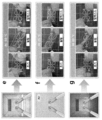
- Figure 23a-c is an illustration and photo of silver patterned PVA GG fabricated by a mask-controlled ion sputtering process
- d shows LED switching by patterned PVA GG connected to a 9V battery through a 200 ohm resistor
- Figure 23b shows LED switching by patterned PVA GG connected to a 9V battery through a 200 ohm resistor.
- e to g are results demonstrating the elasticity of patterned PVA GG at -50, 25, and 80°C, respectively.
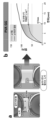
- Figure 24a shows the fabrication and characterization of a flexible PVA GG electrolyte-based supercapacitor
- Figure 24b shows the ionic conductivity of the PVA GG electrolyte at various temperatures.
- Figure 25 is a graph of the results of measuring the cyclic voltammogram of the flexible PVA GG electrolyte-based supercapacitor, where a shows the cyclic voltammogram (CV) of the PVA GG electrolyte-based supercapacitor device recorded at 25°C and various scan rates. and b shows the comparison between the calculated areal capacitance of the device at different scan rates.
- CV cyclic voltammogram
- Figure 26 is a graph measuring the charge and discharge results of the flexible PVA GG electrolyte-based supercapacitor.
- a shows the charge and discharge curve of the PVA GG electrolyte-based supercapacitor device at 25°C with various currents applied
- b shows the charge and discharge curve of the PVA GG electrolyte-based supercapacitor device at different currents. It shows a comparison between the calculated area capacitance of .
- Figure 27a shows the CV profile recorded at a scan rate of 1 mV s -1
- Figure 27b shows the calculated area capacitance of the supercapacitor device measured at different temperatures.
- Figure 28 is a graph comparing the area capacitance of the supercapacitor of the present invention with various recently reported high-performance supercapacitors made of various electrode/electrolyte materials.
- first, second, etc. may be used to describe various components, but the components should not be limited by the terms. The above terms are used only for the purpose of distinguishing one component from another. For example, a first component may be referred to as a second component, and similarly, the second component may also be referred to as a first component without departing from the scope of the present invention.
- temporal relationship for example, if a temporal relationship is described as ‘after’, ‘after’, ‘after’, ‘before’, etc., ‘immediately’ or ‘directly’ Even non-consecutive cases are included unless ' is used.
- the technical features of the present invention are a new type of ultra-resistant glycerogel with a wide range of customized properties and functions manufactured from a pre-designed hydrogel without sacrificing the structural and functional properties of the original hydrogel, a manufacturing method thereof, and application products containing the same. It is in At this time, a wide range of customized properties and functions include elasticity, plasticity, hysteresis, self-healing, thermal shock absorption ability (150°C) and long-term stability over a very wide temperature range (-50°C to 80°C), as well as a wide range of stiffness, strength, and Includes elasticity and toughness.
- none of the previously known glycerogels could be used at both extreme temperatures (cold and hot).
- the extremely resistant glycerogel of the present invention maintains uniform polymer distribution inside the hydrogel and is a glycerogel in which the water molecules of the hydrogel are replaced with glycerol, and can be maintained for 7 days under temperature conditions ranging from -50°C to 80°C. It shows the characteristic that the weight change is maintained within ⁇ 10 wt% during the period.
- the extreme-resistant glycerogel of the present invention is a new type of gel material designed using glycerol, a low-molecular-weight polyol that is inspired by the tun formation of Tardigrades and can maintain its polymer structure, function, and properties even under extreme conditions. Because it is.
- glycerol a low-molecular-weight polyol that is inspired by the tun formation of Tardigrades and can maintain its polymer structure, function, and properties even under extreme conditions. Because it is.
- bear beetles are the most resilient life forms on Earth and can survive in extreme conditions such as extremely low and high temperature pressure, dry weather, and intense radiation. Under harsh environmental conditions, bear bugs undergo a structural transition into a form known as the "tun state" by slowly squeezing out most of the unbound free water while simultaneously producing cytoprotective molecules such as sugars (including trehalose and glycerol) and proteins.
- glycerol is a bio-derived green solvent that is rich in hydroxyl groups and forms a facile H-bond network within itself and with various hydrophilic polymers. Glycerol exhibits excellent supercooling down to the glass transition temperature (-83°C), very low vapor pressure (1 mmHg at 125°C) and very high boiling temperature (290°C). Pure glycerol was adopted as an ultra-protective molecule for the hydrogel network in the present invention because it functions similarly to sugars and proteins in protecting the tun state.
- the extreme resistance glycerogel of the present invention is composed of the stretchability, stiffness, strength, modulus, and work of extension of the glycerogel depending on the type of hydrogel.
- One or more mechanical properties selected from the group may be varied.
- the hydrogel is a polyacrylamide (PAAm) hydrogel
- the glycerogel is PAAm glycerogel (GG)
- the PAAm GG has an elasticity of 1200% or more, a modulus of 0.09 ⁇ 0.003 MPa, and a modulus of 0.22 ⁇ 0.02. It has a strength of MPa.
- the hydrogel is a polyvinyl alcohol (PVA) hydrogel
- the glycerogel is a PVA glycerogel
- the PVA GG has a stiffness of 8.9 ⁇ 0.2 MPa, a strength of 8.5 ⁇ 0.01 MPa, and 49.9 ⁇ 0.4 MJ. It has a strain energy (work of extension) of m -3 .
- the hydrogel is poly(acrylamide-co-acrylic acid)/iron(III)(P(AAm-co-AAc)/Fe 3+ ) hydrogel.
- the glycerogel is P(AAm-co- AAc)/Fe 3+ glycerogel, and the P(AAm-co-AAc)/Fe 3+ GG has a stiffness of 1.6 ⁇ 0.1 MPa, a strength of 7.1 ⁇ 0.3 MPa, and a strain energy of 23.5 ⁇ 4.6 MJ m -3 . (work of extension).
- the hydrogel is a cellulose hydrogel
- the glycerogel is a cellulose glycerogel
- the cellulose GG has a stiffness of 9.4 ⁇ 0.9 MPa, a strength of 2.9 ⁇ 0.1 MPa, and an elasticity of less than 100%.
- the glycerogel of the present invention may have a fracture toughness of 1581 J m -2 to 19,627 J m -2 in the solid state, and ionic conductivity in the liquid state is proportional to temperature.
- the ionic conductivity of glycerogel may be 0.003 ⁇ 0.0003 S m -1 at -20°C, 0.021 ⁇ 0.006 S m -1 at 25°C, and 0.11 ⁇ 0.03 S m -1 at 80°C.
- the glycerogel of the present invention has self-welding ability, and the bonding strength may be 0.77 MPa or more.
- the glycerogel of the present invention which has the above-described properties, builds an extremely protected network through intra- and intermolecular H-bonding with various hydrophilic polymers through a wide temperature-tolerant glycerol and creates a microenvironment suitable for various cross-linking structures and reinforcement mechanisms. This can open the way to various functionalization. Additionally, soft polymers (PAAm), which lack energy dissipation mechanisms and have a loose covalent cross-linked structure, offer very high elasticity and fast self-recovery.
- PAAm soft polymers
- the very high toughness, elasticity and strength of PVA GG are achieved due to efficient energy dissipation promoted by the high density of sacrificial H-bonds in the soft PVA polymer, where the plastic deformation in PVA GG is irreversibly large. Hysteresis occurred.
- the efficient and reversible energy dissipation of dual cross-linked (covalent and ionic coordination) GG produced a balance of softness, strength and toughness with low hysteresis and excellent self-healing properties.
- H-bond-based GG prepared from hard natural polymers such as cellulose had lower elasticity than soft PVA GG, but showed superior stiffness, strength, and toughness due to efficient energy dissipation.
- GG Rigid natural polymers can be used to fabricate GGs with various biomimetic superstructures.
- GG according to the present invention showed excellent stability at -50 to 80°C regardless of polymer and cross-linked structure. Long-term stability over such a wide temperature range has not been achieved for soft materials to date. Additionally, the high thermal shock absorption capacity at 150°C confirms the extreme durability of the protection network even under harsh conditions. Furthermore, the physically cross-linked GG exhibited excellent self-adhesion capabilities conferred by ion-induced structural reorganization, which provides significant advantages for designing a variety of extreme tolerance devices with complex 3D structures.
- GG with various extraordinary functions can be developed by rationally integrating various functional materials without being limited to the above-described configuration.
- the method for producing ultra-resistant glycerogel of the present invention includes preparing a hydrogel; Preparing a glycerogel precursor through solvent exchange in which water molecules in the hydrogel are replaced with glycerol; And it may include an annealing step of heat-treating the glycerogel precursor and then cooling it to room temperature.
- the present invention utilizes the high water-glycerol affinity due to H-bond formation, as shown in Figure 1c, to produce an extremely resistant glycerogel, a process that is very similar to the structural transition of a bear bug by water in the gel network. It was replaced with glycerol without disturbing the polymer structure and function of the original hydrogel.
- the water contained in the pre-designed functional hydrogel prepared in the hydrogel preparation step is sequentially replaced with glycerol in the glycerogel precursor manufacturing step to minimize damage to the integrated structure of the gel.
- the as-prepared GG precursor was annealed to release unwanted residual stress and obtain final GG with a preserved polymer structure similar to the tun formation of the bear bug.
- Figure 1c also shows, in contrast, that direct solvent exchange resulted in a phase-separated rigid structure inside the gel network.
- the stepwise slow exchange of the original solvent can prevent the structural collapse of water-stable hydrogels, as shown in Figure 1 c, and thus prevent or greatly reduce gel shrinkage.
- water-swelling hydrogels e.g., polyacrylamide (PAAm) hydrogels
- rapid solvent exchange instead of slow exchange
- PAAm polyacrylamide
- the ultra-resistant glycerogel production method of the present invention is a simple method that enables the production of a wide range of ultra-resistant glycerogels (GG) from pre-designed hydrogels without sacrificing the structural and functional properties of the original hydrogel, as described later. It involves a two-step process, that is, manufacturing a glycerogel precursor and an annealing step.
- the step of preparing the glycerogel precursor is a step in which solvent exchange is performed in which water molecules in the prepared hydrogel are replaced with glycerol.
- Solvent exchange is performed in a single concentration glycerol solution at 50°C to 100°C depending on the characteristics of the hydrogel. It can be carried out by either a fast substitution reaction, which is carried out by immersion for several hours, or a slow substitution reaction, which is carried out by sequentially immersing for several tens of hours in a plurality of glycerol solutions in which the glycerol concentration is gradually increased from 0% to 100% at room temperature. You can.
- the annealing step is a step performed to relieve unwanted residual stress on the gel network and uniformly distribute the polymer and cross-linked structure by heat treating the glycerogel precursor.
- the heat treatment for this can be done in a dry or wet manner at 100°C to 200°C. This is done for a period of time, and if the heat treatment temperature is less than 100°C, the desired degree of residual stress relief may not be obtained, and if it exceeds 200°C, there is a problem that thermal damage to the material itself may occur.
- whether the annealing step is performed dry or wet may be determined depending on the type of hydrogel.
- a rapid substitution reaction is performed if the hydrogel is a water-swelling hydrogel.
- the water-swelling hydrogel is not limited as long as it is a polymer with very high hydrophilicity and absorbency, but in an embodiment of the present invention, the water-swelling hydrogel is poly. Acrylamide hydrogel was used.
- the step of preparing the glycerogel precursor is to place the glycerogel precursor in a glycerol solution at room temperature for several tens of hours to ensure complete exchange of glycerol and water. It may be performed by further including a stabilization step of immersion.
- the step of preparing the glycerogel precursor involves soaking the PAAm hydrogel in 100% glycerol solution at 50°C to 70°C for 90 to 180 minutes. Preparing a PAAm glycerogel precursor by immersing in; And a stabilization step of immersing the PAAm glycerogel precursor in a 100% glycerol solution at room temperature for 24 to 48 hours, and the annealing step is performed by placing the PAAm glycerogel precursor in a sealed reactor and heating at 100°C. It can be performed by dry heat treatment at ⁇ 1 for 2 to 4 hours and then slowly cooling to 24 to 26°C.
- PAAm polyacrylamide
- the step of preparing the glycerogel precursor is performed by preparing the PVA hydrogel at room temperature with a glycerol concentration of 25% ⁇ 1 and 50% ⁇ 1, respectively. It is performed by sequentially immersing the PVA in a phosphorus glycerol solution for 11 to 13 hours and in a glycerol solution with a glycerol concentration of 75% ⁇ 1 and 100% ⁇ 1 for 23 to 25 hours. This can be performed by placing the glycerogel precursor in a sealed reactor and heat-treating it dry at 110°C to 130°C for 5 to 7 hours, followed by gradual cooling to 24 to 26°C.
- PVA polyvinyl alcohol
- the glycerogel precursor is to place the P(AAm-co-AAc)/Fe 3+ hydrogel in a glycerol solution with a glycerol concentration of 0% ⁇ 1 and 25% ⁇ 1, respectively, at room temperature for 11 to 13 hours and at a glycerol concentration of 50% ⁇ 1.
- the annealing step is performed by immersing the P(AAm-co-AAc)/Fe 3+ glycerogel precursor. It can be performed by putting it in a glycerol bath and heat treating it in a wet manner at 110°C to 130°C for 90 to 150 minutes, then slowly cooling to 24 to 26°C.
- the step of preparing the glycerogel precursor is performed by preparing the P(AAm-co-AAc)/Fe 3+ hydrogel at room temperature, respectively, so that the glycerol concentration is 0. It includes the step of sequentially immersing in glycerol solutions with % ⁇ 1 and 25% ⁇ 1 glycerol concentrations for 11 to 13 hours, and in glycerol solutions with glycerol concentrations of 50% ⁇ 1 and 100% ⁇ 1 for 23 to 25 hours.
- the annealing step may be performed by placing the cellulose glycerogel precursor in a sealed reactor, dry-treating it at 110°C to 130°C for 300 to 400 minutes, and then gradually cooling to 24°C to 26°C.
- the electrically conductive glycerogel of the present invention is an ultra-resistant glycerogel having the above-described composition; And it may include a metal pattern formed on the surface of the glycerogel.
- the electrically conductive glycerogel has the property of stretching and recovering without damaging the gel at -50 to 80°C.
- stretchable electrically conductive GG was produced by ion sputtering a fractal-shaped silver pattern on the surface of the GG. In general, high-speed ion sputtering generates a lot of heat around the sputtering area, making metal deposition on soft materials difficult.
- the structural and thermal stability of GG and the atomic-scale polymer-silver-particle adhesion showed the elasticity of hybrid GG at -50 ⁇ 80°C without interfacial damage.
- the application product of the present invention includes an ultra-resistant glycerogel having the above-described configuration, and may be any of a flexible energy storage device, sensor, actuator or robot.
- the ultra-resistant glycerogel of the present invention can be applied to various industrial fields due to its excellent elasticity, electrical conductivity, and ionic conductivity. In particular, it can contribute to the development of soft materials for next-generation extreme energy storage devices, sensors, actuators, or robots. .
- the capacitance is 2.2-6mF cm -2 at -20 to 80°C, and as can be seen in the experimental examples described later, it operates similarly to several recently reported high-performance supercapacitors.
- the supercapacitor according to the present invention has excellent capacitance, can operate in a wide temperature range, and has flexibility, making its usability very high.
- Polyacrylamide glycerogel (PAAm GG) was prepared as follows.
- PAAm hydrogel was prepared through free radical polymerization as follows. Precursor solution containing 3M acrylamide (AAm) monomer, 0.05 mol% (based on monomer concentration) N,N'-methylenebisacrylamide (MBAA) crosslinker, and 0.1 mol% (based on monomer concentration) using deionized water. APS initiator was prepared. The solution was poured into a rectangular mold prepared by sandwiching a 3 mm thick silicone rubber gasket between two flat plastic plates. Afterwards, the mold was incubated at 60°C for 8 hours to perform polymerization to prepare the PAAm hydrogel.
- AAm 3M acrylamide
- MBAA N,N'-methylenebisacrylamide
- the prepared PAAm hydrogel was removed from the mold and immersed in pre-incubated glycerol at 60°C for 2 h to quickly exchange water with glycerol. Afterwards, the obtained gel was immersed in glycerol at 25°C for 3 days to ensure complete exchange of glycerol and water to prepare a glycerogel (GG) precursor.
- GG glycerogel
- the prepared GG precursor was dry annealed in a sealed glass vial at 100 °C for 3 h and then slowly cooled to 25 °C to obtain the desired PAAm GG (thickness ⁇ 2.6 mm), which was used for further characterization.
- Poly(vinyl alcohol) glycerogel (PVA GG) was prepared as follows.
- PVA hydrogel was prepared by freeze-thawing as follows with some modifications.
- the PVA solution was prepared by dissolving PVA powder in a DMSO/water (75:25, w/w) mixture at 140°C overnight with continuous stirring. DMSO/water mixtures are known to produce fine crystals of PVA chains at sub-zero temperatures.
- pristine PVA GG was fabricated using a 10 wt.% PVA precursor solution. The solution was inserted into a 3 mm thick rectangular plastic mold (prepared by sandwiching a silicone rubber gasket between two plastic plates). Afterwards, the mold containing the polymer solution was incubated at -50°C for 1 day and then thawed at 25°C for 12 hours. The formed gel was removed from the mold and soaked in water for 3 days. Water-equilibrated PVA hydrogel was obtained by repeatedly replacing the water.
- the obtained PVA hydrogel was sequentially immersed in glycerol aqueous solutions with 25%, 50%, 75%, and 100% glycerol content for 12 hours, 12 hours, 24 hours, and 24 hours, respectively, to obtain PVA GG precursor.
- the prepared GG precursor was annealed in a sealed glass vial at 120 °C for 6 h and then slowly cooled to 25 °C to obtain the desired PVA GG (thickness ⁇ 1.8 mm), which was used for further characterization.
- Poly(acrylamide-co-acrylic acid)/iron(III) glycerogel (P(AAm-co-AAc)/Fe 3+ GG) was prepared as follows.
- P(AAm-co-AAc) hydrogel was prepared by free radical copolymerization of AAm and AAc as follows. Precursor solutions containing 3 M AAm and 0.6 M AAc were prepared in water in the presence of 0.1 mol% MBAA and 0.1 mol% APS (relative to the total amount of monomers) as crosslinker and initiator, respectively. The solution was inserted into a 2 mm thick plastic mold (prepared by sandwiching a silicone rubber gasket between two plastic plates) and polymerized at 60°C for 8 hours.
- the prepared (P(AAm-co-AAc) hydrogel was removed from the mold, soaked in 0.075 M FeCl3 water bath for 1 day for ion binding, and then washed with pure solution to remove unwanted ions from the gel. Equilibrated in water for 1 day. The desired P(AAm-co-AAc)/Fe 3+ hydrogel was obtained.
- a glycerogel precursor was obtained by sequentially performing a solvent exchange process (0% ⁇ 25% ⁇ 50% ⁇ 100%) on the obtained P(AAm-co-AAc)/Fe 3+ hydrogel.
- P(AAm-co-AAc)/Fe 3+ GG precursor was obtained by sequentially immersing in glycerol aqueous solutions with 0%, 25%, 50%, and 100% glycerol contents for 12 hours, 12 hours, 24 hours, and 24 hours, respectively. .
- the prepared GG precursor was wet annealed in a glycerol bath at 120°C for 2 hours and then slowly cooled to 25°C.
- Cellulose glycerogel (cellulose GG) was prepared as follows.
- Cellulose hydrogel was prepared using cellulose paper as follows. A small piece of cellulose filter paper was washed sequentially using water ( ⁇ 6 hours), ethanol ( ⁇ 6 hours), and DMAc ( ⁇ 12 hours) and then vacuum dried at 60°C. A 1.5% (w/w) cellulose solution was prepared by dissolving cellulose paper in DMAc/LiCl (92:8, w/w) solvent. The cellulose solution was cast into a 3 mm deep flat glass mold and exposed to ambient conditions (temperature: ⁇ 25°C, humidity: 30–60%) for ⁇ 3 days to induce gelation of cellulose through H-bond formation. The prepared organogel was sequentially equilibrated in ethanol (1d) and water (1d) to obtain a cellulose hydrogel.
- a glycerogel precursor was obtained through a sequential solvent exchange process (0% ⁇ 25% ⁇ 50% ⁇ 100%) for the obtained cellulose hydrogel.
- Cellulose GG precursors were obtained by sequentially immersing in glycerol aqueous solutions with 0%, 25%, 50%, and 100% glycerol content for 12 hours, 12 hours, 24 hours, and 24 hours, respectively.
- the prepared GG precursor was dry annealed in a sealed glass vial at 120 °C for 6 h and finally slowly cooled to 25 °C to obtain cellulose GG (thickness ⁇ 2 mm), which was used for further characterization.
- acrylamide (AAm), acrylic acid (AAc), N,N'-methylenebisacrylamide (MBAA), dimethyl sulfoxide (DMSO), propylene glycol, iron chloride ( III) (FeCl3) was purchased from Daejeong Chemical Co., Ltd., and glycerol, ethylene glycol, N,N'-dimethylacetamide (DMAc), ethanol, and lithium chloride (LiCl) were purchased from Samcheon Pure Pharmaceutical (Korea).
- Cellulose-based filter paper (ADVANTEC) was purchased from Toyo Roshi Kaisha Ltd. (Japan).
- Poly(vinyl alcohol) PVA, Mw: 89,000-98,000
- ammonium persulfate APS
- lithium perchlorate LiClO4
- Tripropylene glycol TriPG
- TriPG Acros Organics
- Carbon nanotube films CNTs (thickness: 10–20 ⁇ m) were purchased from Chengdu Organic Chemicals Co., Ltd., Chinese Academy of Sciences (China). All chemicals were used directly without further purification. Ultrapure deionized water was used in the experiments as needed.
- Patterned glycerogel was prepared as follows.
- a pre-designed fractal-shaped silver pattern was created on the PVA GG surface obtained in Example 2 using a mask-induced ion sputtering method as follows.
- Soft PVA GG sheets (40 mm ⁇ 30 mm ⁇ 1.7 mm) made from a 4 wt% precursor solution were used.
- Sputtering was performed using a commercial ion sputtering machine (Magnetron sputtering system, ALPHAPLUS, Korea). The sample was covered with a pre-designed mask and fixed on a sample holder, which was then placed on the anode.
- Silver sputtering was performed in a vacuum (10 -6 Torr pressure) with an argon flow (flow rate 20 cm3 min -1 ) for 4 minutes by applying a direct current of 2A. Afterwards, the sample was extracted from the chamber, and the mask was removed to obtain the desired silver pattern of GG.
- the glycerogel-based electrolyte and supercapacitor were based on PVA-GG, and the electrolyte was manufactured using LiClO 4 as a salt ion source as follows.
- Soft PVA gels were fabricated from a 5 wt% precursor solution of DMSO/water (75:25, w/w) using a 0.5 mm thick plastic mold.
- the gels were sequentially equilibrated in 25% (12 h) and 50% (12 h) glycerol (w/w). The gel was then equilibrated in a solution containing 20% LiClO 4 in 75% aqueous glycerol (w/w) for 1 day. Finally, the gel was equilibrated in 20% LiClO 4 solution in pure glycerol (w/w) for 1 day to obtain as-prepared PVA GG electrolyte (thickness: ⁇ 0.2 mm).
- the gel electrolyte sheet was cut into squares measuring 20 mm ⁇ 20 mm and sandwiched between two parallel CNT films (20 mm ⁇ 20 mm) serving as anode and cathode.
- a prototype supercapacitor consisting of sandwiched CNT electrodes and PVA GG-LiClO 4 electrolyte was annealed in a closed glass vial at 90 °C for 3 h and slowly cooled to 25 °C to produce the desired PVA GG electrolyte-based flexible supercapacitor (CNT/PVA GG -LiClO 4 ) was obtained.
- U(Lc) is the work done (area under the force-displacement curve) to deform the unnotched sample up to the Lc of the notched sample
- w and t are the width and thickness of the unnotched sample, respectively.
- Self-adhesive cellulose and PVA GG were fabricated and the adhesive strength was evaluated through a lap shear test.
- a CNT/PVA GG-LiClO 4 supercapacitor (length ⁇ width ⁇ thickness: 20 mm ⁇ 20 mm ⁇ 0.2 mm) was sandwiched between two parallel copper plates connected to a potentiostat-galvanostat via wires. Electrochemical impedance spectroscopy (EIS), cyclic voltammetry (CV) and GCD tests of the samples were performed in a two-electrode configuration. The sample-electrode setup was pre-equilibrated for 30 minutes at each measurement temperature, and then electrochemical measurements were performed by maintaining the setup at each temperature.
- EIS Electrochemical impedance spectroscopy
- CV cyclic voltammetry
- GCD tests of the samples were performed in a two-electrode configuration.
- the sample-electrode setup was pre-equilibrated for 30 minutes at each measurement temperature, and then electrochemical measurements were performed by maintaining the setup at each temperature.
- EIS was performed in the frequency range of 10 6 -0.1 Hz at an amplitude of 10 mV.
- the highest frequency value in the Nyquist plot was taken as the bulk resistance (R) of the sample.
- Ionic conductivity ( ⁇ ) was calculated using the following equation:
- l is the thickness of the gel electrolyte and A is the cross-sectional area of the electrode.
- ⁇ I(V)dV is the area inside the CV loop
- v is the scan speed
- A is the surface area of one electrode
- ⁇ V is the potential range.
- I is the applied current
- ⁇ t is the discharge time
- A is the surface area of the electrode
- ⁇ V is the potential range.
- PAAm GG, PVA GG, P(AAm-co-AAc)/Fe 3+ GG, and cellulose GG prepared in Examples 1 to 4 were tested for extreme resistance as described above, and the results are shown in Figures 4 to 4. It is shown in Figure 12.
- PAAm GG using covalent cross-linker
- PVA GG by H bond
- poly(acrylamide-co-acrylic acid)/iron(III) P(AAm-co-AAc)/Fe 3+ ) GG
- double crosslinker covalent and Fe 3+ -coordination P(AAm-co-AAc)/Fe 3+ -coordination)
- cellulose GG by H-linked pure biopolymer structure
- GG of the present invention showed excellent long-term stability ( ⁇ 7 days) at -50 - 80 °C.
- the weight change of all gels was maintained within ⁇ 10 wt.%. Small increases or decreases in weight were caused by absorption of atmospheric moisture or loss of glycerol from the gel network, respectively.
- loosely cross-linked soft PAAm GG stretches >1200% and exhibits low modulus (0.09 ⁇ 0.003 MPa) and strength (0.22 ⁇ 0.02 MPa).
- PVA's strong H-bonds, semi-crystalline nature and excellent energy dissipation ability result in PVA having high stiffness (8.9 ⁇ 0.2 MPa) and strength (8.5 ⁇ 0.01 MPa) and extremely high strain energy (49.9 ⁇ 0.4 MJ m -3 ).
- GG was created.
- Double cross-linked P(AAm-co-AAc)/Fe 3+ GG has excellent stiffness (1.6 ⁇ 0.1 MPa), strength (7.1 ⁇ 0.3 MPa) and tensile strength (23.5 ⁇ 4.6 MJ) due to its excellent energy dissipation ability due to strong ionic coordination structure. m -3 ) showed a good balance.
- Physically crosslinked cellulose GG exhibited high stiffness (9.4 ⁇ 0.9 MPa) and strength (2.9 ⁇ 0.1 MPa) and low elasticity ( ⁇ 100%) due to the highly solvated stretching structure of the rigid linear polymer with long persistence length. .
- the mechanical properties of each GG developed here can be further tuned by changing the monomer, polymer, and crosslinker composition.
- the fracture energy varies greatly depending on the polymer and crosslinker type. All developed GGs showed excellent fracture toughness. PAAm and PVA GG showed minimum (1581 J m -2 ) and maximum (19,627 J m -2 ) fracture energies, respectively (see c in Figure 13b). As shown in Figure 14, the GG of the present invention had much higher fracture toughness than the corresponding hydrogel. The increase in the intermolecular and intramolecular H-bonding network caused by the three hydroxyl arms of glycerol over that by the single hydroxyl arm of water is inferred to be a major contributor to the higher fracture resistance of GG than its hydrogel counterpart.
- PAAm GG, PVA GG, P(AAm-co-AAc)/Fe 3+ GG, and cellulose GG prepared in Examples 1 to 4 were evaluated for hysteresis, elasticity, plasticity, and self-healing, and the results were evaluated. It is shown in Figures 13a to 13f and Figures 15 to 19.
- the elasticity, plasticity, energy dissipation and self-healing properties of the GG of the present invention can be modified using various cross-linking agents and polymers.
- the covalently cross-linked soft PAAm GG exhibited high nonlinear elasticity with marginal hysteresis despite ⁇ 500% loading–unloading, similar to the PAAm hydrogel behavior.
- the hysteresis and strength of PAAm GG recovered within 5 min of load-removal test.
- PVA GG showed significant hysteresis with large plastic strain ( ⁇ 250%) at 500% loading–unloading.
- Hysteresis demonstrated excellent energy dissipation ability derived from sacrificial bonds (H-bonds) with ⁇ 94% of the total work performed during 500% stretch.
- H-bonds sacrificial bonds
- Most of the hysteresis and deformation remained unrecovered 12 h after the load-load test, indicating plastic deformation of PVA GG, which is atypical of normal hydrogels.
- softer PVA GG tensile strength ⁇ 1 MPa
- PVA GG exhibits limiting hysteresis in the low strain region and exhibits excellent self-healing properties. After 50 loading-unloading cycles at 10% tension, the hysteresis and strength ( ⁇ 0.65 MPa) of the gel were fully recovered within 20 min.
- the double cross-linked P(AAm-co-AAc)/Fe 3+ GG exhibits significant hysteresis at 150% strain, indicating energy dissipation through sacrificial bonding (ion coordination).
- PVA GG energy dissipation through sacrificial bonding (ion coordination).
- most of the hysteresis and intensity of P(AAm-co-AAc)/Fe 3+ GG recovered within 30 min, suggesting almost reversibility of sacrificial bonding.
- the gel showed good recovery with limiting hysteresis up to 50% strain and the recovery time for strength and hysteresis decreased to 5 min.
- the excellent self-healing properties of the gel as shown in Figure 17b, were further demonstrated by loading the sample at ⁇ 50% tension and then unloading for 50 cycles. Most of the strength and hysteresis of the gel were recovered within 20 minutes.
- cellulose GG showed lower elasticity ( ⁇ 150%) than other GGs due to the large glycerol content and the rigid nature of cellulose polymer.
- cellulose GG exhibits significant hysteresis at 20% strain, suggesting efficient energy dissipation by H-bonds in the cellulose network.
- Most hysteresis and intensity were recovered within 30 min, indicating the reversibility of sacrificial bonding.
- GG As shown, the diverse application possibilities of GG are further expanded due to its excellent self-adhesive capabilities.
- a self-adhesion method was developed to efficiently bond cellulose-based hydrogels through ion-induced polymer reorganization applied to the GG system. Adhesion efficiency was quantitatively determined by performing lap shear tests on coaxially bonded GG (see Figures 20A and 20B). Bonded cellulose GG exhibited an adhesive strength of 0.77 MPa, which is much higher than that of adhesive hydrogels and similar to cartilage-bone or hydrogel-bone bonding. Additionally, the bonded sample was stretched by more than 100%, showing excellent adhesive toughness. As shown in Figure 21, soft PVA GG (made from 5 wt% PVA precursor) bonded similarly to cellulose GG showed excellent adhesive strength (0.21 MPa).
- electrically conductive GG was prepared by coating silver on GG through high-speed ion sputtering. Using a pre-designed mask (see Figure 22), a thin layer of simple fractal-designed silver patterned loops was perfectly created on soft PVA GG (see Figure 23a-c). Facile LED illumination using patterned GG suggests that the silver patterns are sufficiently well connected at the microscopic level to complete the circuit (see d in Figure 23a).
- the stability and elasticity of the patterned GG were demonstrated at -50, 25, and 80 °C (see e-g in Figure 23b), with the gel stretching and recovering almost intact, showing very elastic polymer-metal interactions at the gel surface. It shows the formation of a stable pattern.
- the PVA GG electrolyte-based flexible supercapacitor (CNT/PVA GG-LiClO 4 ) prepared in Example 6 showed high flexibility under bending and torsion without interfacial defects. That is, because of its hydrophilicity and polarity, glycerol easily dissolves numerous common inorganic salts, so it is widely used in preparing battery and supercapacitor electrolytes as described above. LiClO 4 , which is soluble in high concentrations of glycerol, is used to form ion-conducting GG (LiClO 4 ions).
- Loaded PVA GG electrolyte was prepared by simple diffusion-induced ion loading, sandwiching the prepared PVA GG electrolyte sheet ( ⁇ 0.2 mm thick) between two carbon nanotube (CNT)-based flexible electrode films to produce a prototype supercapacitor. It can be seen that the subsequent annealing step after fabrication induced strong electrode-gel-surface self-adhesion, giving excellent mechanical stability to the device.
- the PVA GG electrolyte showed an ionic conductivity of 0.021 ⁇ 0.006 Sm -1 at 25°C.
- the conductivity decreased and increased with decreasing and increasing temperature, respectively, which was attributed to the change in solvent viscosity with temperature.
- GG achieved an extremely high conductivity of 0.11 ⁇ 0.03 S m -1 at 80°C and maintained an excellent conductivity of 0.003 ⁇ 0.0003 S m -1 at -20°C, which is similar to gel electrolytes used in energy storage devices.
- the supercapacitor exhibits a quasi-rectangular closed loop in the cyclic voltammogram (CV), suggesting perfect electric double layer capacitor (EDLC) operation. Even at higher scan rates, the device exhibited a similar CV pattern within the 0-1 V voltage window (see Figure 25).
- the constant current charge/discharge (GCD) curve also showed a symmetrical triangle shape at various current rates, confirming perfect EDLC operation (see Figure 26).
- the area capacitance was calculated to be 5.29 ⁇ 0.24 mF cm -2 at 1 mV s -1 (CV curve) and 7.46 ⁇ 0.63 mF cm -2 at 0.1 mA (GCD curve).
- the areal capacitance obtained from the CV and GCD curves changed little with changes in scan rate and current density. Additionally, the device showed excellent performance at -20 to 80°C (see Figures 27a and 27b). The CV curve followed a closed quasi-rectangular loop. The areal capacitance of the device was 5.97 ⁇ 0.49 and 2.21 ⁇ 0.36 mF cm -2 at 80 and -20 °C, respectively. The change in area capacitance with temperature is very similar to the change in ionic conductivity of the GG electrolyte at each temperature.
- the performance of the GG-based electrolyte and flexible supercapacitor of the present invention was compared with several recently reported high-performance supercapacitors, and the supercapacitor prepared in Example 6 showed excellent performance at -20 to 80°C. It shows capacitance (2.2-6mF cm -2 ), showing that it operates similarly to several recently reported high-performance supercapacitors.
Landscapes
- Chemical & Material Sciences (AREA)
- Dispersion Chemistry (AREA)
- Health & Medical Sciences (AREA)
- Chemical Kinetics & Catalysis (AREA)
- Medicinal Chemistry (AREA)
- Polymers & Plastics (AREA)
- Organic Chemistry (AREA)
- General Chemical & Material Sciences (AREA)
- Compositions Of Macromolecular Compounds (AREA)
Abstract
본 발명은 글리세로젤 및 그 제조방법에 관한 것으로, 보다 구체적으로는 하이드로젤의 구조적 및 기능적 특성을 희생하지 않고 -50 - 80 ℃에서 우수한장기안정성을 나타내는 극한내성 글리세로젤, 그 제조방법 및 이를 포함하는 응용제품에 관한 것이다.
Description
본 발명은 글리세로젤 및 그 제조방법에 관한 것으로, 보다 구체적으로는 하이드로젤의 구조적 및 기능적 특성을 희생하지 않고 -50 - 80 ℃에서 우수한장기안정성을 나타내는 극한내성 글리세로젤, 그 제조방법 및 이를 포함하는 응용제품에 관한 것이다.
최근 특정 용매에 스웰링 된 가교 3D 폴리머 네트워크에 의해 형성된 반고체 물질의 한 종류인 젤은 생물 의학, 유연한 전자 장치, 에너지 저장 장치, 센서/액추에이터 및 소프트 로봇 공학에서의 응용으로 인해 상당한 주목을 받았다. 그들은 다른 고체 또는 액체 물질이 단독으로 나타낼 수 없는 다양한 기능을 나타낸다. 고도로 용매화된 폴리머 네트워크로 인해 젤은 본질적으로 조직과 같은 구조, 생체 적합성, 세포 친화성 및 수많은 생물학적 기능을 나타낸다. 동시에 고체 및 액체와 같은 특성으로 인해 특정 전기, 열, 작동, 모양 변형 및 자극 반응 특성을 달성하도록 맞춤화할 수 있다.
하이드로젤은 물에 팽윤된 친수성 폴리머 네트워크에 의해 형성되며 생체 적합성과 생물 의학 응용 분야에 대한 광대한 범위로 인해 널리 사용된다. 기존 하이드로젤의 기계적 약점을 극복하기 위해 이중 네트워크, 이온/공유, 나노복합체, 다양성액, 동적으로 가교결합된 및 소수성/친수성과 같은 여러 기계적으로 강력한 하이드로젤이 개발되었다. 그러나 공기 중에서 수명이 짧기 때문에 특히 열악한 환경 조건에서 응용 분야가 제한된다. 최근에는 하이드로젤의 공기 안정성을 향상시키기 위한 몇 가지 방법이 개발되었다.
예를 들어, 이중 소수성 코팅 하이드로젤은 장기간 공기 안정성을 가지고 있다. 영하의 온도에서 우수한 부동 능력을 갖는 다양한 글리콜/수성 유기 하이드로젤이 보고되었다. 금속 배위 결합을 기반으로 하는 감광성 젤은 글리세롤/물 혼합물에서 개발되었다. 이러한 젤은 영하의 온도에서 작동한다. 에틸렌글리콜/물 혼합물로 제조된 젤은 양호한 음이온 전도도를 가졌다. 그러나 앞서 언급한 젤 재료 중 어느 것도 극한 온도(차가운 것과 뜨거운 것) 모두에서 사용할 수 없다. 따라서 다양한 가교/강화 메커니즘 및 젤 기능이 극저온 및 고온 모두에서 내구성이 있는 젤 물질 개발의 광범위한 개념을 확립하는 것은 어려운 일이다.
본 발명자들은 다수의 연구결과를 바탕으로 미리 설계된 하이드로젤로부터 광범위한 종류의 극한 내성 글리세로젤(GG)을 제조할 수 있는 기술을 개발함으로써 본 발명을 완성하였다.
따라서, 본 발명의 목적은 원래 하이드로젤의 구조적 및 기능적 특성을 희생하지 않고 미리 설계된 하이드로젤로부터 제조된 광범위한 맞춤형 특성과 기능을 갖춘 새로운 종류의 극한 내성 글리세로젤 및 그 제조방법을 제공하는 것이다.
본 발명의 다른 목적은 극한 내성 글리세로젤의 신축성, 전기 전도성 및 이온 전도성 등을 필요에 따라 조절하고 조절된 글리세로젤이 연질 재료로 적용된 차세대 극한 에너지 저장 장치, 센서 또는 액추에이터, 소프트 로봇 등을 포함하는 각종 응용제품을 제공하는 것이다.
본 발명의 목적은 이상에서 언급한 목적으로 제한되지 않으며, 명시적으로 언급되지 않았더라도 후술되는 발명의 상세한 설명의 기재로부터 통상의 지식을 가진 자가 인식할 수 있는 발명의 목적 역시 당연히 포함될 수 있을 것이다.
상술된 본 발명의 목적을 달성하기 위해, 먼저 본 발명은 하이드로젤의 물분자를 글리세롤로 치환한 글리세로젤로서, -50℃ 내지 80℃ 범위의 온도조건에서 7일 동안 중량변화가 ±10 wt % 이내로 유지되는 특성을 나타내는 극한내성 글리세로젤을 제공한다.
바람직한 실시예에 있어서, 상기 하이드로젤의 종류에 따라 상기 글리세로젤의 신축성(stretchability), 강성(stiffness), 강도(strength), 모듈러스(modulus), 변형에너지(work of extension)로 구성된 그룹에서 선택되는 하나 이상의 기계적 특성이 변화된다.
바람직한 실시예에 있어서, 상기 하이드로젤이 폴리아크릴아미드(PAAm) 하이드로젤이면 상기 글리세로젤은 PAAm 글리세로젤(GG)이고, 상기 PAAm GG는 1200%이상의 신축성, 0.09±0.003 MPa의 모듈러스 및 0.22±0.02 MPa의 강도를 갖는다.
바람직한 실시예에 있어서, 상기 하이드로젤이 폴리비닐알코올(PVA) 하이드로젤이면 상기 글리세로젤은 PVA 글리세로젤이고, 상기 PVA GG는 8.9±0.2 MPa의 강성, 8.5±0.01 MPa의 강도 및 49.9±0.4 MJ m-3의 변형에너지 (work of extension)를 갖는다.
바람직한 실시예에 있어서, 상기 하이드로젤이 폴리(아크릴아미드-코-아크릴산)/철(III)(P(AAm-co-AAc)/Fe3+)하이드로젤이면 상기 글리세로젤은 P(AAm-co- AAc)/Fe3+ 글리세로젤이고, 상기 P(AAm-co-AAc)/Fe3+GG는 1.6±0.1 MPa의 강성, 7.1±0.3 MPa의 강도 및 23.5±4.6 MJ m-3의 변형에너지(work of extension)를 갖는다.
바람직한 실시예에 있어서, 상기 하이드로젤이 셀룰로오스 하이드로젤이면 상기 글리세로젤은 셀룰로오스 글리세로젤이고, 상기 셀룰로오스 GG는 9.4±0.9 MPa의 강성, 2.9±0.1 MPa의 강도 및 100% 이내의 신축성을 갖는다.
바람직한 실시예에 있어서, 상기 글리세로젤은 고체상태의 파괴인성이 1581 J m-2 내지 19,627 J m-2 의 범위이다.
바람직한 실시예에 있어서, 상기 글리세로젤은 액체상태의 이온 전도도가 온도에 비례한다.
바람직한 실시예에 있어서, 상기 글리세로젤의 이온전도도는 -20℃에서 0.003±0.0003 S m-1, 25℃에서 0.021±0.006 Sm-1, 80 ℃에서 0.11±0.03 S m-1이다.
바람직한 실시예에 있어서, 상기 글리세로젤은 자기 접착 (self-welding)능을 갖고, 접합강도는 0.77 MPa 이상이다.
또한, 본 발명은 하이드로젤을 준비하는 단계; 상기 하이드로젤의 물분자가 글리세롤로 치환되는 용매교환을 통해 글리세로젤전구체를 제조하는 단계; 및 상기 글리세로젤전구체를 열처리한 후 상온으로 냉각시키는 어닐링 단계;를 포함하는 극한내성 글리세로젤 제조방법을 제공한다.
바람직한 실시예에 있어서, 상기 용매교환은 상기 하이드로젤의 특성에 따라 50℃ 내지 100℃에서 단일농도 글리세롤용액에 수 시간 동안 침지시켜 수행되는 빠른 치환반응 및 상온에서 글리세롤의 농도가 0%에서 100%까지 점진적으로 높아지는 다수의 글리세롤용액에 순차적으로 수십 시간 동안 침지시켜 수행되는 느린 치환반응 중 어느 하나에 의해 수행된다.
바람직한 실시예에 있어서, 상기 하이드로젤이 물 팽윤 하이드로젤이면 빠른 치환반응이 수행되는데, 상기 물 팽윤 하이드로젤은 폴리아크릴아마이드하이드로젤이다.
바람직한 실시예에 있어서, 상기 글리세로젤전구체를 제조하는 단계는 상기 빠른 치환반응으로 상기 용매교환이 수행되어 글리세로젤전구체가 제조되면, 글리세롤과 물의 완전한 교환을 보장하기 위해 상온에서 상기 글리세로젤전구체를 글리세롤 용액에 수십 시간 동안 침지시키는 안정화단계를 더 포함한다.
바람직한 실시예에 있어서, 상기 어닐링 단계에서 상기 열처리는 100℃ 내지 200℃에서 건식 또는 습식으로 수 시간 동안 수행된다.
바람직한 실시예에 있어서, 상기 제조된 하이드로젤이 폴리아크릴아미드(PAAm) 하이드로젤이면, 상기 글리세로젤전구체를 제조하는 단계는 상기 PAAm 하이드로젤을 50℃ 내지 70℃에서 90분 내지 180분 동안 100% 글리세롤용액에 침지시켜 PAAm 글리세로젤전구체를 준비하는 단계; 및 상기 PAAm 글리세로젤전구체를 상온에서 24시간 내지 48시간 동안 100% 글리세롤용액에 침지시키는 안정화단계;를 포함하여 수행되고, 상기 어닐링 단계는 상기 PAAm 글리세로젤전구체를 밀폐된 반응기에 넣고 100℃±1에서 건식으로 2시간 내지 4시간 동안 열처리한 후, 24 내지 26℃까지 서서히 냉각하여 수행된다.
바람직한 실시예에 있어서, 상기 제조된 하이드로젤이 폴리비닐알코올(PVA) 하이드로젤이면, 상기 글리세로젤전구체를 제조하는 단계는 상기 PVA 하이드로젤을 상온에서 각각 글리세롤 농도가 25%±1 및 50%±1인 글리세롤용액에는 11시간 내지 13시간 동안, 글리세롤 농도가 75%±1 및 100%±1인 글리세롤용액에는 23시간 내지 25시간 동안 순차적으로 침지시키는 단계를 포함하여 수행되고, 상기 어닐링단계는 상기 PVA 글리세로젤 전구체를 밀폐된 반응기에 넣고 110℃ 내지 130℃에서 건식으로 5시간 내지 7시간 동안 열처리한 후, 24 내지 26℃까지 서서히 냉각하여 수행된다.
바람직한 실시예에 있어서, 상기 제조된 하이드로젤이 폴리(아크릴아미드-코-아크릴산)/철(III)(P(AAm-co-AAc)/Fe3+) 하이드로젤이면, 상기 글리세로젤전구체를 제조하는 단계는 상기 P(AAm-co-AAc)/Fe3+ 하이드로젤을 상온에서 각각 글리세롤 농도가 0%±1 및 25%±1인 글리세롤용액에는 11시간 내지 13시간 동안, 글리세롤 농도가 50%±1 및 100%±1인 글리세롤용액에는 23시간 내지 25시간 동안 순차적으로 침지시키는 단계를 포함하여 수행되고, 상기 어닐링단계는 상기 P(AAm-co-AAc)/Fe3+ 글리세로젤 전구체를 글리세롤 배스에 넣고 110℃ 내지 130℃에서 습식으로 90분 내지 150분 동안 열처리한 후, 24 내지 26℃까지 서서히 냉각하여 수행된다.
바람직한 실시예에 있어서, 상기 제조된 하이드로젤이 셀룰로오스 하이드로젤이면, 상기 글리세로젤전구체를 제조하는 단계는 상기 P(AAm-co-AAc)/Fe3+ 하이드로젤을 상온에서 각각 글리세롤 농도가 0%±1 및 25%±1인 글리세롤용액에는 11시간 내지 13시간 동안, 글리세롤 농도가 50%±1 및 100%±1인 글리세롤용액에는 23시간 내지 25시간 동안 순차적으로 침지시키는 단계를 포함하여 수행되고, 상기 어닐링단계는 상기 셀룰로오스 글리세로젤 전구체를 밀폐된 반응기에 넣고 110℃ 내지 130℃에서 건식으로 300분 내지 400분 동안 열처리한 후, 24 내지 26℃까지 서서히 냉각하여 수행된다.
또한, 본 발명은 상술된 어느 하나의 극한내성 글리세로젤 또는 상술된 어느 하나의 제조방법으로 제조된 극한내성 글리세로젤; 및 상기 글리세로젤의 표면에 형성된 금속 패턴;을 포함하는 전기전도성 글리세로젤을 제공한다.
바람직한 실시예에 있어서, 상기 전기전도성 글리세로젤은 -50 내지 80℃에서 젤이 손상되지 않은 상태로 늘어나고 회복된다.
또한, 본 발명은 상술된 어느 하나의 극한내성 글리세로젤 또는 상술된 어느 하나의 제조방법으로 제조된 극한내성 글리세로젤을 포함하는 응용제품을 제공한다.
바람직한 실시예에 있어서, 상기 응용제품은 유연성 있는 에너지 저장장치, 센서, 액추에이터 또는 로봇이다.
바람직한 실시예에 있어서, 상기 에너지 저장장치가 슈퍼 커패시터이면, 커패시턴스가 -20 ~ 80℃에서 2.2-6mF cm-2이다.
상술된 본 발명에 의하면, 원래 하이드로젤의 구조적 및 기능적 특성을 희생하지 않고 미리 설계된 하이드로젤로부터 제조된 광범위한 맞춤형 특성과 기능을 갖춘 새로운 종류의 극한 내성 글리세로젤 및 그 제조방법을 제공할 수 있다.
또한, 본 발명에 의하면 극한 내성 글리세로젤의 신축성, 전기 전도성 및 이온 전도성 등을 필요에 따라 조절하고 조절된 글리세로젤이 연질 재료로 적용된 차세대 극한 에너지 저장 장치, 센서 또는 액추에이터, 소프트 로봇 등을 포함하는 각종 응용제품을 제공할 수 있다.
따라서, 본 발명은 광범위한 기능과 특성을 가진 현재 사용 가능한 하이드로젤을 활용하여 엄격한 차세대 응용제품에서 요구되는 극한내성을 충족할 수 있으므로 바이오, 전기/전자 및 소프트 로봇 애플리케이션을 위한 다양한 극한 내성, 유연성 및 신축성 장치를 제작 할 수 있다.
본 발명의 이러한 기술적 효과들은 이상에서 언급한 범위만으로 제한되지 않으며, 명시적으로 언급되지 않았더라도 후술되는 발명의 실시를 위한 구체적 내용의 기재로부터 통상의 지식을 가진 자가 인식할 수 있는 발명의 효과 역시 당연히 포함된다.
도 1은 본 발명의 극한 내성 글리세로젤(GG)를 설계하기 위한 곰벌레의 생존 거동을 모방한 전략을 개략적으로 도시한 것이다. 여기서, a는 곰벌레는 다양한 가혹한 환경 문제를 견딜 수 있는 통합 구조를 보존하여 극한 조건에서 "tun state"로 변형할 수 있음을 보여주고, b는 곰벌레의 tun 형성에서 영감을 받은 극한의 다기능 GG는 다양한 폴리머를 녹색 용매(글리세롤)와 통합하여 설계되었음을 보여주고, c는 초기에 미리 설계된 기능성 하이드로젤에 포함된 물은 젤의 통합 구조에 대한 손상을 최소화하기 위해 순차적으로 글리세롤로 교체된 후, 준비된 그대로의 GG를 건식 어닐링하여 원하지 않는 잔류 응력을 해제하고 곰벌레의 tun 형성과 유사한 보존된 중합체 구조를 갖는 최종 GG를 얻었지만 대조적으로, 직접적인 용매 교환은 젤 네트워크 내부에 상 분리된 단단한 구조를 초래했음을 보여준다.
도 2는 다양한 폴리올 용매를 사용하여 준비된 PAAm 젤 및 안정적인 3차원 형상을 나타낸 프로필렌글리콜 젤의 인장응력 변형률 곡선을 도시한 것이다((a-d) 글리세롤, 에틸렌 글리콜, 프로필렌 글리콜 및 트리프로필렌 글리콜을 각각 용매로 사용하여 준비된 PAAm(3-0.05) 젤. 프로필렌글리콜로 형성된 젤만이 안정적인 3차원 형상을 나타내었다. (e) 프로필렌 글리콜 젤의 인장 응력-변형률 곡선).
도 3은 (a) PVA, (b) PAAm 및 (c) P(AAm-co-AAc)/Fe3+ 하이드로젤 및 해당 GG의 인장 응력-변형률 곡선이다. 이들은 100% 글리세롤에서 하이드로젤을 직접 평형화하여 제작되었다.
도 4는 본 발명의 GG 설계에 사용되는 다양한 단량체/중합체 및 가교제를 도시한 것이다. 여기서, 본 발명의 이러한 다양성은 다양한 다기능 GG의 설계를 용이하게 한다.
도 5a 내지 도 5f는 본 발명의 다양한 실시예에 따른 GG의 극한내성 능력을 특성화하여 도시한 것이다. 도 5a는 개발된 GG에 대한 저온(-50℃), 주변(25℃) 및 고온(80℃) 온도의 영향을 관찰한 결과이고, 도 5b는 -50, 25℃ 및 80℃에서 7일 인큐베이션한 후 GG의 중량 분율이며, 도 5d 및 도 5e에 도시된 c 내지 f는 각각 PAAm, PVA, P(AAm-co-AAc)/Fe3+ 및 셀룰로오스 GG의 대표적인 인장 응력-변형률 곡선(최초 샘플에 대해 인장 시험을 수행하고 결과를 -50, 25 및 80 ℃에서 7일 동안 인큐베이션 한 샘플의 결과와 비교했다)이고, 도 5f에 도시된 g 및 h는 각각 -50 ℃ 및 80 ℃에서 7일 동안 인큐베이션 한 후 PAAm 및 PVA GG의 신축성 입증 결과를 나타낸 것이다.
도 6은 -50, 25 및 80℃에서 공기에 7일 동안 노출되는 동안 본 발명의 다양한 실시예에 따른 GG의 중량분율 변화를 도시한 그래프로서, a 내지 d는 각각 PAAm, P(AAm-co-AAc)/Fe3+, PVA 및 셀룰로오스 GG를 나타낸다.
도 7은 본 발명의 다양한 실시예에 따른 PAAm GG 샘플을 -50, 25 및 80℃에서 7일 동안 공기에 노출시키기 전과 후의 비교 그래프로서, a는 영률, b는 인장 강도, c는 변형에너지(work of extension)를 의미한다.
도 8은 본 발명의 다양한 실시예에 따른 PVA GG 샘플을 -50, 25 및 80℃에서 7일 동안 공기에 노출시키기 전과 후의 비교 그래프로서, a는 영률, b는 인장 강도, c는 변형에너지를 의미한다.
도 9는 본 발명의 다양한 실시예에 따른 P(AAm-co-AAc)/Fe3+ GG 샘플을 -50, 25 및 80℃에서 7일 동안 공기에 노출시키기 전과 후의 비교 그래프로서, a는 영률, b는 인장 강도, c는 변형에너지를 의미한다.
도 10은 본 발명의 다양한 실시예에 따른 셀룰로오스 GG 샘플을 -50, 25 및 80℃에서 7일 동안 공기에 노출시키기 전과 후의 비교 그래프로서, a는 영률, b는 인장 강도, c는 변형에너지를 의미한다.
도 11은 PAAm 하이드로젤을 10분 동안 150℃로 설정된 핫 플레이트 상단의 공기에 노출시키면 무게가 64% 감소하고 젤은 네트워크로 연결된 물의 거의 완전한 손실로 인해 신축성을 완전히 상실했음을 보여주는 사진이다.
도 12는 본 발명의 다양한 실시예에 따른 PAAm GG의 극도의 내열성 시연 사진이다. 여기서 샘플을 150 ℃로 설정된 열판 위의 공기에 10분 동안 노출시킨 후 무게의 1.5%만 손실되었으며 샘플은 파손 없이 놀라운 신축성을 나타냈다.
도 13a 내지 도 13f는 본 발명의 다양한 실시예에 따른 GG의 파괴 인성, 히스테리시스, 탄성 및 가소성을 평가한 결과를 나타낸 것이다. 도 13a에 도시된 a는 파괴 에너지 측정을 위한 노치 샘플의 인장 시험 시연을 나타낸 것이고, b는 PVA GG의 노치가 있는 샘플과 노치가 없는 샘플의 힘 대 변위 곡선을 나타낸 것이며(균열이 노치 샘플을 통해 전파되기 시작한 임계 변위(Lc)(비디오 분석에 의해 감지됨)는 열린 원으로 식별되었고, 파단 에너지는 노치가 없는 샘플을 Lc까지 늘리기 위해 수행한 작업(채워진 영역)을 샘플의 단면적으로 나누어 결정했다), 도 13b에 도시된 c는 다른 GG의 결정된 파괴 에너지를 나타낸 것이고, 도 13d 및 도 13e에 도시된 d 내지 g는 각각 PAAm GG, PVA GG, P(AAm-co-AAc)/Fe3+ GG 및 셀룰로오스 GG의 대기시간이 다른 반복된 인장 하중-하중 곡선을 나타낸 것이며, 도 13f에 도시된 h는 파단점까지 100%까지 변형률이 주기적으로 향상되는 PVA GG의 반복된 인장 하중-하중 곡선을 나타낸 것이다.
도 14는 PAAm 하이드로젤과 PAAm GG의 파괴 에너지 비교 그래프이다.
도 15는 PVA 전구체 용액으로 제작된 연질 PVA GG의 반복 인장 하중-하중 곡선을 서로 다른 간격으로 테스트한 결과로서, a는 5wt% 이고, b 3wt% 전구체용액을 사용한 것이다.
도 16은 PVA GG의 반복 인장 하중-하중 곡선은 50주기 동안 연속적으로 테스트된 결과로서, 초기 및 50번째 주기가 표시되었다. 50회 연속 사이클 완료 후 20분 후에 젤이 완전히 회복되었다.
도 17에서 a는 P(AAm-co-AAc)/Fe3+ GG의 다른 간격으로 테스트 된 반복 인장 하중-하중 곡선을 나타낸 것이고, b는 50주기 동안 연속적으로 테스트된 P(AAm-co-AAc)/Fe3+ GG의 반복 인장 하중-하중 곡선을 나타낸 것이다. 초기 및 50번째 주기가 표시되었고, 젤은 50회 연속 사이클 완료 후 거의 20분 후에 완전히 회복되었다.
도 18은 PVA 전구체 용액으로 제작된 연질 PVA GG에서 파단점까지 100% 변형률이 주기적으로 증가하는 반복된 인장 하중-하중 곡선으로서, a는 5wt% 이고, b 3wt% 전구체용액을 사용한 것이다.
도 19는 다양한 농도의 전구체 용액으로 제작된 PVA GG에 대해 적용된 변형률에 대해 플롯된 적용된 변형률에 대한 누적 변형률의 비율로서, 데이터는 도 13f 및 도 18에서 파생되었다.
도 20a 및 도 20b는 GG 기반 자체 접착을 보여주는 것으로 a는 셀룰로오스 GG의 자가 접착 공정 시연이고, b는 접착된 셀룰로오스 GG의 전단 접착력 및 강도를 결정하기 위한 랩 전단 시험을 보여준다.
도 21은 5wt% PVA 전구체용액으로 제작된 접착된 PVA GG의 전단 접착력 및 강도를 결정하기 위한 랩 전단 테스트 결과이다.
도 22는 프랙탈형 마스크의 디자인 사양을 나타낸 것이다.
도 23a에서 c는 마스크 제어 이온 스퍼터링 공정으로 제작된 은 패턴 PVA GG의 일러스트레이션 및 사진이고, d는 200오옴 저항을 통해 9V 배터리에 연결된 패턴화된 PVA GG에 의한 LED 스위칭을 나타낸 것이고, 도 23b에서 e 내지 g는 각각 -50, 25 및 80℃에서 패턴화된 PVA GG의 신축성을 입증한 결과이다.
도 24a는 유연한 PVA GG 전해질 기반 슈퍼커패시터의 제조 및 특성화를 나타낸 것이고, 도 24b는 다양한 온도에서 PVA GG 전해질의 이온 전도도를 나타낸 것이다.
도 25는 유연한 PVA GG 전해질 기반 슈퍼커패시터의 순환 전압전류도를 측정한 결과 그래프로서, a는 25℃ 및 다양한 스캔 속도에서 기록된 PVA GG 전해질 기반 슈퍼커패시터 장치의 순환 전압전류도(CV)를 나타낸 것이고, b는 다른 스캔 속도에서 장치의 계산된 면적 커패시턴스 간의 비교를 나타낸 것이다.
도 26은 유연한 PVA GG 전해질 기반 슈퍼커패시터의 충방전 결과를 측정한 그래프로서, a는 다양한 전류를 적용한 25℃에서 PVA GG 전해질 기반 슈퍼커패시터 장치의 충방전 곡선을 나타낸 것이고, b는 다른 전류에서 장치의 계산된 면적 커패시턴스 간의 비교를 나타낸 것이다.
도 27a는 1 mV s-1의 스캔 속도에서 기록된 CV 프로파일을 나타낸 것이고, 도 27b는 다른 온도에서 측정된 슈퍼커패시터 장치의 계산된 면적 커패시턴스를 나타낸 것이다.
도 28은 다양한 전극/전해질 재료로 제작된 최근 보고된 다양한 고성능 슈퍼커패시터와 본 발명의 슈퍼커패시터의 면적 커패시턴스를 비교한 그래프이다.
본 발명에서 사용하는 용어는 단지 특정한 실시예들을 설명하기 위해 사용된 것으로, 본 발명을 한정하려는 의도가 아니다. 단수의 표현은 문맥상 명백하게 다르게 뜻하지 않는 한, 복수의 표현을 포함한다. 본 출원에서, "포함하다" 또는 "가지다" 등의 용어는 발명의 설명에 기재된 특징, 숫자, 단계, 동작, 구성 요소, 부분품 또는 이들을 조합한 것이 존재함을 지정하려는 것이지, 하나 또는 그 이상의 다른 특징들이나 숫자, 단계, 동작, 구성 요소, 부분품 또는 이들을 조합한 것들의 존재 또는 부가 가능성을 미리 배제하지 않는 것으로 이해되어야 한다.
제1, 제2 등의 용어는 다양한 구성 요소들을 설명하는데 사용될 수 있지만, 상기 구성 요소들은 상기 용어들에 의해 한정되어서는 안된다. 상기 용어들은 하나의 구성 요소를 다른 구성 요소로부터 구별하는 목적으로만 사용된다. 예를 들어, 본 발명의 권리 범위를 벗어나지 않으면서 제1 구성 요소는 제2 구성 요소로 명명될 수 있고, 유사하게 제2 구성 요소도 제1 구성 요소로 명명될 수 있다.
다르게 정의되지 않는 한, 기술적이거나 과학적인 용어를 포함해서 여기서 사용되는 모든 용어들은 본 발명이 속하는 기술 분야에서 통상의 지식을 가진 자에 의해 일반적으로 이해되는 것과 동일한 의미를 갖는다. 일반적으로 사용되는 사전에 정의되어 있는 것과 같은 용어들은 관련 기술의 문맥상 가지는 의미와 일치하는 의미를 갖는 것으로 해석되어야 하며, 본 발명에서 명백하게 정의하지 않는 한, 이상적이거나 과도하게 형식적인 의미로 해석되지 않는다.
구성 요소를 해석함에 있어서, 별도의 명시적 기재가 없더라도 오차 범위를 포함하는 것으로 해석한다. 특히, 정도의 용어 "약", "실질적으로" 등이 사용되는 경우 언급된 의미에 고유한 제조 및 물질 허용오차가 제시될 때 그 수치에서 또는 그 수치에 근접한 의미로 사용되는 것으로 해석될 수 있다.
시간 관계에 대한 설명일 경우, 예를 들어, '~후에', '~에 이어서', '~다음에', '~전에' 등으로 시간 적 선후관계가 설명되는 경우, '바로' 또는 '직접'이 사용되지 않는 이상 연속적이지 않은 경우도 포함한다.
이하, 첨부한 도면 및 바람직한 실시예들을 참조하여 본 발명의 기술적 구성을 상세하게 설명한다.
그러나, 본 발명은 여기서 설명되는 실시예에 한정되지 않고 다른 형태로 구체화 될 수도 있다. 명세서 전체에 걸쳐 본 발명을 설명하기 위해 사용되는 동일한 참조번호는 동일한 구성요소를 나타낸다.
본 발명의 기술적 특징은 원래 하이드로젤의 구조적 및 기능적 특성을 희생하지 않고 미리 설계된 하이드로젤로부터 제조된 광범위한 맞춤형 특성과 기능을 갖춘 새로운 종류의 극한 내성 글리세로젤, 그 제조방법 및 이를 포함하는 응용제품에 있다. 이 때, 광범위한 맞춤형 특성과 기능은 탄성, 가소성, 히스테리시스, 자기 회복성, 열 충격 흡수 능력(150℃) 및 매우 넓은 온도범위(-50℃ ~ 80℃)에서 장기안정성뿐만 아니라 광범위한 강성, 강도, 신축성 및 인성을 포함한다. 하지만, 종래 알려진 글리세로젤은 어느 것도 극한 온도(차가운 것과 뜨거운 것) 모두에서 사용할 수 없었다.
따라서, 본 발명의 극한내성 글리세로젤은 하이드로젤 내부의 균일한 폴리머 분포를 유지하며 하이드로젤의 물분자가 글리세롤로 치환된 글리세로젤로서, -50℃ 내지 80℃ 범위의 온도조건에서 7일 동안 중량변화가 ±10 wt % 이내로 유지되는 특성을 나타낸다.
즉, 본 발명의 극한내성 글리세로젤은 곰벌레(Tardigrades)의 tun 형성에서 영감을 받아 극한 조건에서도 고분자 구조, 기능 및 특성을 유지할 수 있는 저분자량 폴리올인 글리세롤을 사용하여 설계된 새로운 종류의 젤 재료이기 때문이다. 곰벌레는 도 1의 a에 도시된 바와 같이 지구상에서 가장 생명력이 질긴 생명체이며 극저온 및 고온 압력, 건조한 날씨 및 강렬한 방사선과 같은 극한 조건에서 생존 할 수 있다. 열악한 환경 조건에서 곰벌레는 대부분의 비결합 자유수를 천천히 짜내면서 동시에 당(트레할로스 및 글리세롤 포함) 및 단백질과 같은 세포 보호 분자를 생성함으로써 "tun state"로 알려진 형태로 구조적 전환을 겪는다. 이 분자는 가혹한 조건에 노출될 때 돌이킬 수 없는 손상을 방지하기 위해 그들 자신과 생체 분자 및 세포 사이에 분자 내 및 분자 간 결합 네트워크를 구성한다. 또한, 도 1의 b에 도시된 바와 같이 글리세롤은 하이드록실기가 풍부하고 자체 내부 및 다양한 친수성 고분자와 손쉬운 H-결합 네트워크를 형성하는 생체 유래 녹색 용매이다. 글리세롤은 유리 전이 온도(-83℃)까지 우수한 과냉각, 매우 낮은 증기압(125℃에서 1mmHg) 및 매우 높은 끓는 온도(290℃)를 나타낸다. 순수한 글리세롤은 tun 상태를 보호하는 데 설탕 및 단백질과 유사한 기능을 하기 때문에 본 발명에서 하이드로젤 네트워크에 대한 극도의 보호 분자로 채택되었다.
따라서, 본 발명의 극한내성 글리세로젤은 하이드로젤의 종류에 따라 글리세로젤의 신축성(stretchability), 강성(stiffness), 강도(strength), 모듈러스(modulus), 변형에너지(work of extension)로 구성된 그룹에서 선택되는 하나 이상의 기계적 특성이 다양하게 변화될 수 있다.
일 구현예로서, 하이드로젤이 폴리아크릴아미드(PAAm) 하이드로젤이면 상기 글리세로젤은 PAAm 글리세로젤(GG)이고, 상기 PAAm GG는 1200%이상의 신축성, 0.09±0.003 MPa의 모듈러스 및 0.22±0.02 MPa의 강도를 갖는다.
다른 구현예로서, 하이드로젤이 폴리비닐알코올(PVA) 하이드로젤이면 상기 글리세로젤은 PVA 글리세로젤이고, 상기 PVA GG는 8.9±0.2 MPa의 강성, 8.5±0.01 MPa의 강도 및 49.9±0.4 MJ m-3의 변형에너지(work of extension)를 갖는다.
또 다른 구현예로서, 하이드로젤이 폴리(아크릴아미드-코-아크릴산) /철(III)(P(AAm-co-AAc)/Fe3+) 하이드로젤 상기 글리세로젤은 P(AAm-co-AAc)/Fe3+ 글리세로젤이고, 상기 P(AAm-co-AAc)/Fe3+GG는 1.6±0.1 MPa의 강성, 7.1±0.3 MPa의 강도 및 23.5±4.6 MJ m-3의 변형에너지(work of extension)를 갖는다.
또 다른 구현예로서, 하이드로젤이 셀룰로오스 하이드로젤이면 상기 글리세로젤은 셀룰로오스 글리세로젤이고, 상기 셀룰로오스 GG는 9.4±0.9 MPa의 강성, 2.9±0.1 MPa의 강도 및 100% 이내의 신축성을 갖는다.
본 발명의 글리세로젤은 고체상태의 파괴인성이 1581 J m-2 내지 19,627 J m-2 일 수 있으며, 액체상태의 이온 전도도가 온도에 비례한다. 일 규현예로서, 글리세로젤의 이온전도도는 -20℃에서 0.003±0.0003 S m-1, 25℃에서 0.021±0.006 Sm-1, 80 ℃에서 0.11±0.03 S m-1일 수 있다.
또한, 본 발명의 글리세로젤은 자기 접합(self-welding)능을 갖고, 접합강도는 0.77 MPa 이상일 수 있다.
상술된 특성을 갖는 본 발명의 글리세로젤은 광범위한 온도 허용 글리세롤을 통해 다양한 친수성 폴리머와 분자 내 및 분자간 H-결합을 통해 극도의 보호된 네트워크를 구축하고 다양한 가교 구조 및 강화 메커니즘에 적합한 미세 환경을 생성하여 다양한 기능화의 길을 열어줄 수 있다. 또한 에너지 소산 메커니즘이 결여되어 느슨한 공유 가교 구조를 가진 연질 폴리머(PAAm)는 매우 높은 신축성과 빠른 자가 회복을 제공한다.
후술하는 실험예에서 알 수 있듯이 PVA GG의 매우 높은 인성, 신축성 및 강도는 연질 PVA 폴리머의 고밀도 희생 H-결합에 의해 촉진되는 효율적인 에너지 소산으로 인해 달성되는데, PVA GG에서 소성 변형은 돌이킬 수 없는 큰 히스테리시스를 일으켰다. 이중 가교(공유 및 이온 배위) GG의 효율적이고 가역적인 에너지 소산은 낮은 히스테리시스와 우수한 자가 회복성을 갖는 부드러움, 강도 및 인성의 균형을 생성했다. 셀룰로오스와 같은 경질 천연 고분자로 제조된 H-본드 기반 GG는 연질 PVA GG보다 신축성이 낮았지만 효율적인 에너지 소산으로 인해 우수한 강성, 강도 및 인성을 보였다. 경질 천연 폴리머는 다양한 생체 모방 상부 구조를 가진 GG를 제조하는 데 사용할 수 있다. 본 발명에 따른 GG는 고분자 및 가교 구조에 관계없이 -50~80℃에서 우수한 안정성을 보여주었다. 이러한 넓은 온도 범위에 대한 장기 안정성은 현재까지 연질 재료에 대해 달성되지 않았다. 또한 150℃에서 높은 열 충격 흡수 능력은 열악한 조건에서도 극도의 보호 네트워크의 내구성을 확인할 수 있다. 더 나아가, 물리적으로 가교된 GG는 복잡한 3D 구조를 가진 다양한 극한 내성 장치를 설계하는 데 상당한 이점을 제공하는 이온 유도 구조 재구성에 의해 부여된 우수한 자체 접착 기능을 나타내었다.
따라서, 본 발명에 따르면 상술된 구성에 한정되지 않고 다양한 기능성 소재를 합리적으로 통합하여 다양한 비범한 기능을 가진 GG를 개발할 수 있다.
다음으로, 본 발명의 극한내성 글리세로젤 제조방법은 하이드로젤을 준비하는 단계; 상기 하이드로젤의 물분자가 글리세롤로 치환되는 용매교환을 통해 글리세로젤전구체를 제조하는 단계; 및 상기 글리세로젤전구체를 열처리한 후 상온으로 냉각시키는 어닐링 단계;를 포함할 수 있다.
도 2에 도시된 바와 같이, 대부분의 폴리올 용매가 높은 점도와 중합유도 상 분리가 중합도를 감소시켜 3D 젤 구조 형성을 방해하기 때문에 구조적 무결성이 우수한 젤을 제조하는데 적합하지 않다는 것을 확인했다. 대조적으로, 다양한 기능을 가진 수많은 하이드로젤이 보고되었는데, 본 발명의 하이드로젤을 준비하는 단계에서는 미리 설계된 다양한 기능성 하이드로젤을 기본 재료로 사용했다.
본 발명은 극한내성 글리세로젤을 제조하기 위해 도 1의 c에 도시된 바와 같이, H-결합 형성으로 인한 높은 물-글리세롤 친화력을 이용함으로써 젤 네트워크의 물이 곰벌레의 구조적 전이와 매우 유사한 과정을 통해 원래 하이드로젤의 중합체 구조 및 기능을 방해하지 않고 글리세롤로 대체시켰다. 즉, 하이드로젤을 준비하는 단계에서 준비된 미리 설계된 기능성 하이드로젤에 포함된 물은 젤의 통합 구조에 대한 손상을 최소화하기 위해 글리세로젤전구체를 제조하는 단계에서 순차적으로 글리세롤로 교체시켜 글리세로젤전구체를 제조한 후, 준비된 그대로의 GG전구체를 어닐링하여 원하지 않는 잔류 응력을 해제하고 곰벌레의 tun 형성과 유사한 보존된 중합체 구조를 갖는 최종 GG를 얻었을 있기 때문이다. 반면 도 1의 c는 또한 이와 대조적으로, 직접적인 용매 교환은 젤 네트워크 내부에 상 분리된 단단한 구조를 초래했음을 보여준다.
보다 구체적으로 살펴보면, 대부분의 하이드로젤의 경우 원래 용매를 점성 유기 용매로 직접 교환하면 점성 용매의 높은 삼투압 또는 중합체-용매 친화도의 변경으로 인해 젤이 급격히 팽창하기 때문에 원하지 않는 상 분리 및 중합체 응집이 발생한다. 도 1의 c에 도시된 바와 같이 일반적인 물 평형 폴리(비닐알코올)(PVA) 하이드로젤을 글리세롤에 담그면 젤이 대부분의 물을 배출하고 38%의 중량 분율(W)로 수축한다. 따라서 도 3에 도시된 바와 같이 직접적인 용매 교환은 단단하고 부서지기 쉬운 플라스틱 유형의 젤을 생성한다. 원래 용매의 단계적 느린 교환은 도 1의 c에 도시된 바와 같이 물에 안정한 하이드로젤의 구조적 붕괴를 방지할 수 있으며, 따라서 젤 수축을 방지하거나 크게 줄일 수 있다. 물 팽윤 하이드로젤(예: 폴리아크릴아미드(PAAm) 하이드로젤)의 경우 고온에서 빠른 용매 교환(느린 교환 대신)을 통해 팽윤으로 인한 구조 붕괴를 방지할 수 있다. 용매 교환이 완료되면 젤 네트워크의 원하지 않는 잔류 응력은 젤의 열 어닐링에 의해 해제될 수 있다.
따라서, 본 발명의 극한내성 글리세로젤 제조방법은 후술하는 바와 같이 원래 하이드로젤의 구조적 및 기능적 특성을 희생하지 않고 미리 설계된 하이드로젤에서 광범위한 극한 내성 글리세로젤(GG)의 제조를 가능하게 하는 간단한 2단계 프로세스 즉 글리세로젤전구체를 제조하는 단계 및 어닐링단계를 포함하는 것이다.
여기서, 글리세로젤전구체를 제조하는 단계는 준비된 하이드로젤의 물분자가 글리세롤로 치환되는 용매교환이 수행되는 단계로서, 용매교환은 하이드로젤의 특성에 따라 50℃ 내지 100℃에서 단일농도 글리세롤용액에 수 시간 동안 침지시켜 수행되는 빠른 치환반응 및 상온에서 글리세롤의 농도가 0%에서 100%까지 점진적으로 높아지는 다수의 글리세롤용액에 순차적으로 수십 시간 동안 침지시켜 수행되는 느린 치환반응 중 어느 하나에 의해 수행될 수 있다.
어닐링 단계는 글리세로젤 전구체를 열처리하여 젤 네트워크 상의 원하지 않는 잔류 응력을 완화하고 중합체와 가교 구조를 균일하게 분포시키기 위해 수행되는 단계로서, 이를 위한 열처리는 100℃ 내지 200℃에서 건식 또는 습식으로 수 시간 동안 수행되는데, 열처리 온도가 100℃미만이면 원하는 정도의 잔류응력완화를 얻지 못할 수 있고, 200℃를 초과하면 재료 자체의 열적 손상이 발생할 수 있는 문제가 있기 때문이다. 여기서, 어닐링 단계가 건식 또는 습식으로 수행될지 여부는 하이드로젤의 종류에 따라 결정될 수 있을 것이다.
일 구현예로서, 하이드로젤이 물 팽윤 하이드로젤이면 빠른 치환반응이 수행되는데, 물 팽윤 하이드로젤은 친수성 및 흡수성이 매우 높은 폴리머이기만 하면 제한되지 않지만, 본 발명의 실시예에서는 물 팽윤 하이드로젤로서 폴리아크릴아마이드하이드로젤이 사용되었다.
특히, 빠른 치환반응으로 용매교환이 수행되어 글리세로젤전구체가 제조되면,글리세로젤전구체를 제조하는 단계는 글리세롤과 물의 완전한 교환을 보장하기 위해 상온에서 상기 글리세로젤전구체를 글리세롤 용액에 수십 시간 동안 침지시키는 안정화단계를 더 포함하여 수행될 수 있다.
다른 구현예로서, 제조된 하이드로젤이 폴리아크릴아미드(PAAm) 하이드로젤이면, 글리세로젤전구체를 제조하는 단계는 상기 PAAm 하이드로젤을 50℃ 내지 70℃에서 90분 내지 180분 동안 100% 글리세롤용액에 침지시켜 PAAm 글리세로젤전구체를 준비하는 단계; 및 상기 PAAm 글리세로젤전구체를 상온에서 24시간 내지 48시간 동안 100% 글리세롤용액에 침지시키는 안정화단계;를 포함하여 수행되고, 상기 어닐링 단계는 상기 PAAm 글리세로젤전구체를 밀폐된 반응기에 넣고 100℃±1에서 건식으로 2시간 내지 4시간 동안 열처리한 후, 24 내지 26℃까지 서서히 냉각하여 수행될 수 있다.
또 다른 구현예로서 제조된 하이드로젤이 폴리비닐알코올(PVA) 하이드로젤이면, 상기 글리세로젤전구체를 제조하는 단계는 상기 PVA 하이드로젤을 상온에서 각각 글리세롤 농도가 25%±1 및 50%±1인 글리세롤용액에는 11시간 내지 13시간 동안, 글리세롤 농도가 75%±1 및 100%±1인 글리세롤용액에는 23시간 내지 25시간 동안 순차적으로 침지시키는 단계를 포함하여 수행되고, 상기 어닐링단계는 상기 PVA 글리세로젤 전구체를 밀폐된 반응기에 넣고 110℃ 내지 130℃에서 건식으로 5시간 내지 7시간 동안 열처리한 후, 24 내지 26℃까지 서서히 냉각하여 수행될 수 있다.
또 다른 구현예로서, 상기 제조된 하이드로젤이 폴리(아크릴아미드-코-아크릴산)/철(III)(P(AAm-co-AAc)/Fe3+) 하이드로젤이면, 상기 글리세로젤전구체를 제조하는 단계는 상기 P(AAm-co-AAc)/Fe3+ 하이드로젤을 상온에서 각각 글리세롤 농도가 0%±1 및 25%±1인 글리세롤용액에는 11시간 내지 13시간 동안, 글리세롤 농도가 50%±1 및 100%±1인 글리세롤용액에는 23시간 내지 25시간 동안 순차적으로 침지시키는 단계를 포함하여 수행되고, 상기 어닐링단계는 상기 P(AAm-co-AAc)/Fe3+ 글리세로젤 전구체를 글리세롤 배스에 넣고 110℃ 내지 130℃에서 습식으로 90분 내지 150분 동안 열처리한 후, 24 내지 26℃까지 서서히 냉각하여 수행될 수 있다.
또 다른 구현예로서, 상기 제조된 하이드로젤이 셀룰로오스 하이드로젤이면, 상기 글리세로젤전구체를 제조하는 단계는 상기 P(AAm-co-AAc)/Fe3+ 하이드로젤을 상온에서 각각 글리세롤 농도가 0%±1 및 25%±1인 글리세롤용액에는 11시간 내지 13시간 동안, 글리세롤 농도가 50%±1 및 100%±1인 글리세롤용액에는 23시간 내지 25시간 동안 순차적으로 침지시키는 단계를 포함하여 수행되고, 상기 어닐링단계는 상기 셀룰로오스 글리세로젤 전구체를 밀폐된 반응기에 넣고 110℃ 내지 130℃에서 건식으로 300분 내지 400분 동안 열처리한 후, 24 내지 26℃까지 서서히 냉각하여 수행될 수 있다.
다음으로, 본 발명의 전기전도성 글리세로젤은 상술된 구성의 극한내성 글리세로젤; 및 상기 글리세로젤의 표면에 형성된 금속 패턴;을 포함할 수 있다. 이 때, 전기전도성 글리세로젤은 -50 내지 80℃에서 젤이 손상되지 않은 상태로 늘어나고 회복되는 특성을 갖는다. 일 구현예로서, GG 표면에 프랙탈 모양의 은 패턴을 이온 스퍼터링하여 신축성 있는 전기전도성 GG를 제작했다. 일반적으로 고속 이온 스퍼터링은 스퍼터링 영역 주변에서 많은 열을 발생하기 때문에 부드러운 재료에 금속 증착이 어렵다. GG의 구조적 및 열적 안정성과 원자 규모의 고분자-은-입자 접착은 계면 손상 없이 -50~80℃에서 하이브리드 GG의 신축성을 나타냈다.
다음으로, 본 발명의 응용제품은 상술된 구성을 갖는 극한내성 글리세로젤을 포함하는데, 유연성 있는 에너지 저장장치, 센서, 엑추에이터 또는 로봇 중 어느 하나 일 수 있다. 상술된 바와 같이 본 발명의 극한내성 글리세로젤은 우수한 신축성, 전기 전도성 및 이온 전도성으로 인해 다양한 산업분야에 적용될 수 있는데 특히 차세대 극한 에너지 저장장치, 센서, 엑추에이터 또는 로봇에 대한 소프트와에 기여할 수 있다.
일 구현예로서, 에너지 저장장치가 슈퍼 커패시터이면, 커패시턴스가 -20 ~ 80℃에서 2.2-6mF cm-2로서 후술하는 실험예에서 알 수 있듯이 최근에 보고된 여러 고성능 슈퍼커패시터와 유사하게 동작하므로, 본 발명에 따른 슈퍼커패시터는 우수한 커패시턴스를 확보한 동시에 광범위한 온도범위에서 작동할 수 있으며 유연성까지 겸비하여 그 활용성이 매우 높다 .
실시예 1
다음과 같은 방법으로 폴리아크릴아미드 글리세로젤(PAAm GG)을 제조하였다.
1. 하이드로젤을 준비하는 단계
PAAm 하이드로젤은 다음과 같이 자유 라디칼 중합을 통해 제조되었다. 3M의 아크릴아미드(AAm) 단량체, 0.05mol%(단량체 농도 기준)의 N,N'-메틸렌비스아크릴아미드(MBAA) 가교제 및 0.1mol%(단량체 농도 기준)를 포함하는 전구체 용액 탈이온수를 사용하여 APS 개시제를 제조했다. 용액을 두 개의 평평한 플라스틱 판 사이에 3mm 두께의 실리콘 고무 개스킷을 끼워서 준비한 직사각형 몰드에 부었다. 그 후, 60℃에서 8시간 동안 몰드를 인큐베이션하여 중합을 수행하여 PAAm 하이드로젤을 준비하였다.
2. 글리세로젤 전구체를 제조하는 단계
준비된 PAAm 하이드로젤을 몰드에서 제거하고 60℃에서 2시간 동안 미리 인큐베이션 된 글리세롤에 담가 물을 글리세롤과 빠르게 교환했다. 그 후 얻어진 젤을 글리세롤과 물의 완전한 교환을 보장하기 위해 25℃에서 3일 동안 글리세롤에 침지시켜 글리세로젤(GG) 전구체를 제조하였다.
3. 어닐링 단계
준비된 GG 전구체를 밀폐된 유리 바이알에서 100℃에서 3시간 동안 건식 어닐링한 다음 25℃로 천천히 냉각하여 원하는 PAAm GG(두께 ≒ 2.6mm)를 얻었으며, 이를 추가 특성화에 사용했다.
실시예 2
다음과 같은 방법으로 폴리(비닐 알코올) 글리세로젤(PVA GG)을 제조하였다.
1. 하이드로젤을 준비하는 단계
PVA 하이드로젤은 약간의 수정을 가하여 동결 해동하여 다음과 같이 준비했다. PVA 용액은 DMSO/물(75:25, w/w) 혼합물에 PVA 분말을 140℃에서 밤새 계속 교반하면서 용해하여 제조했다. DMSO/물 혼합물은 영하의 온도50에서 PVA 사슬의 미세한 결정을 생성하는 것으로 알려져 있다. 달리 명시되지 않는 한, 10wt.% PVA 전구체 용액을 사용하여 원래의 PVA GG를 제작했다. 용액을 3mm 두께의 직사각형 플라스틱 몰드(두 개의 플라스틱 판 사이에 실리콘 고무 개스킷을 끼워서 준비함)에 삽입했다. 그 후, 고분자 용액이 담긴 몰드를 -50℃에서 1일 동안 인큐베이션한 후, 25℃에서 12시간 동안 해동시켰다. 형성된 젤을 몰드에서 제거하고 3일 동안 물에 침지시켰다. 물을 반복적으로 교체하여 물-평형화된 PVA 하이드로젤을 얻었다.
2. 글리세로젤 전구체를 제조하는 단계
얻어진 PVA 하이드로젤을 25%, 50%, 75% 및 100% 글리세롤 함량의 글리세롤 수용액에 각각 12시간, 12시간, 24시간 및 24시간 동안 순차적으로 침지하여 PVA GG 전구체를 얻었다.
3. 어닐링 단계
준비된 GG 전구체를 밀폐된 유리 바이알에서 120℃에서 6시간 동안 어닐링한 후 25℃로 천천히 냉각하여 원하는 PVA GG(두께 ≒ 1.8mm)를 얻었으며, 이를 추가 특성화에 사용했다.
실시예 3
다음과 같은 방법으로 폴리(아크릴아미드-코-아크릴산)/철(III) 글리세로젤(P(AAm-co-AAc) /Fe3+GG)을 제조하였다.
1. 하이드로젤을 준비하는 단계
P(AAm-co-AAc) 하이드로젤은 AAm과 AAc의 자유 라디칼 공중합에 의해 다음과 같이 제조되었다. 가교제 및 개시제로서 각각 0.1 mol% MBAA 및 0.1 mol% APS(단량체의 총량에 대해) 존재하에서 3 M AAm 및 0.6 M AAc를 함유하는 전구체 용액을 물에서 제조하였다. 용액을 2mm 두께의 플라스틱 몰드(두 개의 플라스틱 판 사이에 실리콘 고무 개스킷을 끼워서 준비)에 삽입하고 60℃에서 8시간 동안 중합했다. 준비된 (P(AAm-co-AAc) 하이드로젤을 몰드에서 제거하고 이온 결합을 위해 0.075 M FeCl3 수조에 1일 동안 담근 후 순수 용액으로 세척하여 젤에서 불필요한 이온을 제거했다. 1일 동안 물에서 평형화된 원하는 P(AAm-co-AAc)/Fe3+ 하이드로젤을 얻었다.
2. 글리세로젤 전구체를 제조하는 단계
얻어진 P(AAm-co-AAc)/Fe3+ 하이드로젤에 대해 순차적으로 용매 교환 공정(0%→25%→50%→100%)을 수행시킴으로써 글리세로젤 전구체를 얻었다. 0%, 25%, 50% 및 100% 글리세롤 함량의 글리세롤 수용액에 각각 12시간, 12시간, 24시간 및 24시간 동안 순차적으로 침지하여 P(AAm-co-AAc)/Fe3+ GG 전구체를 얻었다.
3. 어닐링 단계
준비된 GG 전구체를 120℃의 글리세롤 배스에서 2시간 동안 습식 어닐링한 후 25℃로 천천히 냉각했다. 추가 특성화에 사용된 원하는 P(AAm-co-AAc)/Fe3+ GG(두께 ≒ 1.6mm)를 얻기 위해 120℃에서 6시간 동안 건식 어닐링하고 25℃로 천천히 냉각했다.
실시예 4
다음과 같은 방법으로 셀룰로오스 글리세로젤(셀룰로오스 GG)를 제조하였다.
1. 하이드로젤을 준비하는 단계
셀룰로오스 종이를 사용하여 셀룰로오스 하이드로젤을 다음과 같이 제조했다. 작은 조각의 셀룰로오스 여과지를 물(~6시간), 에탄올(~6시간) 및 DMAc(~12시간)를 사용하여 순차적으로 세척한 후 60℃에서 진공 건조했다. DMAc/LiCl(92:8, w/w) 용매에 셀룰로오스 종이를 용해하여 1.5%(w/w) 셀룰로오스 용액을 제조했다. 셀룰로오스 용액을 3mm 깊이의 평평한 유리 몰드에 주조하고 ~3일 동안 주변 조건(온도: ~25℃, 습도: 30-60%)에 노출시켜 H-결합 형성을 통해 셀룰로오스의 젤화를 유도했다. 제조된 오르가노젤을 에탄올(1d) 및 물(1d)에서 순차적으로 평형화하여 셀룰로오스 하이드로젤을 얻었다.
2. 글리세로젤 전구체를 제조하는 단계
얻어진 셀룰로오스 하이드로젤에 대한 순차적 용매 교환 공정(0%→25%→50%→100%)을 통해 글리세로젤 전구체를 얻었다. 0%, 25%, 50% 및 100% 글리세롤 함량의 글리세롤 수용액에 각각 12시간, 12시간, 24시간 및 24시간 동안 순차적으로 침지하여 셀룰로오스 GG 전구체를 얻었다.
3. 어닐링 단계
준비된 GG 전구체를 밀폐된 유리 바이알에서 120℃로 6시간 동안 건식 어닐링하고 최종적으로 25℃로 천천히 냉각하여 추가 특성화에 사용된 셀룰로오스 GG(두께 ≒ 2mm)를 얻었다.
상술된 실시예1 내지 실시예4에서 사용된 재료 중 아크릴아미드(AAm), 아크릴산(AAc), N,N'-메틸렌비스아크릴아미드(MBAA), 디메틸설폭사이드(DMSO), 프로필렌글리콜, 염화철(III)(FeCl3)은 대정화학㈜에서 구입하였고, 글리세롤, 에틸렌글리콜, N,N'-디메틸아세트아미드(DMAc), 에탄올, 염화리튬(LiCl)은 삼천순약(대한민국)에서 구입하였다. 셀룰로오스 기반 여과지(ADVANTEC)는 Toyo Roshi Kaisha Ltd.(일본)에서 구입했다. 폴리(비닐 알코올)(PVA, Mw: 89,000-98,000), 과황산암모늄(APS) 및 과염소산리튬(LiClO4)은 Sigma Aldrich에서 구입했다. 트리프로필렌 글리콜(TriPG)은 Acros Organics(Belgium)에서 구입했다. 탄소 나노튜브 필름(CNT)(두께: 10-20 ㎛)은 중국 과학원(중국)의 Chengdu Organic Chemicals Co., Ltd.에서 구입했다. 모든 화학 물질은 추가 정제 없이 직접 사용되었다. 초순수 탈이온수는 필요에 따라 실험에 사용되었다.
실시예 5
패턴화된 글리세로젤을 다음과 같이 제조하였다.
마스크 유도 이온 스퍼터링 방법을 사용하여 실시예 2에서 얻어진 PVA GG 표면에 미리 설계된 프랙탈 모양의 은 패턴을 다음과 같이 만들었다. 4중량% 전구체 용액으로 제작된 연질 PVA GG 시트(40mm × 30mm × 1.7mm)를 사용하였다. 스퍼터링은 상용 이온 스퍼터링 기계(Magnetron sputtering system, ALPHAPLUS, Korea)를 사용하였다. 샘플을 미리 설계된 마스크로 덮고 샘플 홀더에 고정한 다음, 이를 애노드에 배치했다. 은 스퍼터링은 2A의 직류를 인가하여 4분간 아르곤 흐름(유량 20cm3 min-1)과 함께 진공(10-6 Torr 압력)에서 수행하였다. 그 후, 샘플을 챔버에서 추출하고, 마스크를 제거하여 원하는 은색 패턴의 GG를 얻었다.
실시예 6
글리세로젤 기반 전해질 및 슈퍼커패시터는 PVA-GG 기반으로 전해질은 LiClO4를 염 이온 소스로 사용하여 다음과 같이 제작되었다.
1. 하이드로젤을 준비하는 단계
0.5mm 두께의 플라스틱 몰드를 사용하여 DMSO/물(75:25, w/w)의 5중량% 전구체 용액으로 연질 PVA 젤을 제작했다.
2. 글리세로젤 전구체를 준비하는 단계
동결(-50℃, 1일) 및 해동(25℃, 12시간) 후, 젤은 25%(12시간) 및 50%(12시간) 글리세롤(w/w)에서 순차적으로 평형화되었다. 이어서, 젤을 75% 수성 글리세롤(w/w)에 20% LiClO4를 함유한 용액에서 1일 동안 평형화시켰다. 마지막으로, 젤은 1일 동안 순수한 글리세롤(w/w)에 용해된 20% LiClO4 용액에서 평형화되어 준비된 그대로의 PVA GG 전해질(두께: ~0.2mm)을 얻었다.
3. 프로토타입 슈퍼커패시터를 제조하는 단계
젤 전해질 시트를 20mm × 20mm 크기의 정사각형으로 자르고 양극과 음극 역할을 하는 두 개의 평행한 CNT 필름(20mm × 20mm) 사이에 끼웠다.
4. 어닐링 단계
샌드위치된 CNT 전극과 PVA GG-LiClO4 전해질로 구성된 프로토타입 슈퍼커패시터를 폐쇄된 유리 바이알에서 90℃에서 3시간 동안 어닐링하고 25℃로 천천히 냉각하여 원하는 PVA GG 전해질 기반 유연한 슈퍼커패시터(CNT/PVA GG-LiClO4)를 얻었다.
실험방법
1. 기계적 특성화
모든 기계적 시험은 10kgf 로드셀이 장착된 TEST ONE TO-100-1C 만능시험기(대한민국)를 사용하여 주변 조건(습도: 30-60%, 온도: ~25℃)에서 수행되었다.
(1) 인장 파괴 및 하중-하중 시험을 위해 젤 시트(두께: 1.6-2.6mm)를 직사각형 모양(길이: ~30mm, 너비: ~3mm)으로 절단했다. 클램프 사이의 거리를 ~10mm로 유지하면서 샘플을 길이 방향을 따라 클램핑했다. 테스트는 상단 클램프를 이동하여 수행되었다. 변형은 인장시험의 경우 500%/min(0.083 s-1), 반복하중-제하시험의 경우 100%/min(0.017 s-1)로 수행되었다. 기계적 특성에 대한 온도의 영향을 평가하기 위해 샘플을 초기에 각각의 온도에서 7일 동안 챔버에서 인큐베이션했다. 그 후, 각 챔버에서 샘플을 추출하고 즉시 인장 시험기에 장착하여 시험하였다. 기계적 물성을 평가하기 위해 각 조건에서 젤 유형별로 세 가지 테스트를 수행했다. 데이터는 절대 편차가 있는 평균값으로 표시된다.
(2) GG의 파괴 인성은 인장 파괴 시험을 사용하여 평가되었다. 힘-변위 곡선은 각 유형의 GG에 대해 노치 및 노치가 없는 샘플을 사용하여 수행된 인장 시험에서 얻은 데이터에서 구성되었다. 직사각형 샘플 시트를 너비(w) 20mm 및 길이 30mm로 미리 절단했다. 노치된 샘플에서 날카로운 칼날을 사용하여 샘플 가장자리에서 샘플의 중심을 향한 폭 방향을 따라 8mm(전체 폭의 40%)의 초기 노치를 만들었다. Notched 및 Unnotched 시편을 초기 길이 10mm(Clamp 사이의 거리)를 유지하면서 인장시험기에 장착하고, 500%/min의 변형률로 인장시험을 수행하였다. 노치 샘플의 균열이 전파되기 시작한 임계 변위점(Lc)은 미리 녹화된 영상을 분석하여 결정하였다. 파괴 에너지(Γ)는 다음 방정식을 사용하여 계산되었다.

여기서 U(Lc)는 노치가 없는 샘플을 노치가 있는 샘플의 Lc까지 변형하기 위해 수행된 작업(힘-변위 곡선 아래 영역)이고 w 및 t는 각각 노치가 없는 샘플의 너비와 두께이다.
(3) 자체 접착 및 랩 전단 테스트
자체 접착된 셀룰로오스와 PVA GG를 제작하고 랩 전단 시험을 통해 접착 강도를 평가하였다. 자체 접착된 셀룰로오스 GG를 준비하기 위해 셀룰로오스 GG(두께: ~2mm)의 두 직사각형 시트를 먼저 ~1일 동안 DMAc에서 평형화했다. 젤의 의도된 결합 부분을 셀룰로오스/LiCl/DMAc 용액(원래 셀룰로오스 젤 제조를 위한 전구체로 사용됨)에 5분 동안 담그고 후속적으로 부드러운 프레싱으로 ~5mm의 세로 겹침으로 결합했다. 그 후 계면 경화를 위해 ~1일 동안 주변 조건에 노출된다. 그 후, 접착된 젤을 각각 ~12시간 동안 에탄올과 물에 순차적으로 담그었다. 마지막으로 순차적인 용매 교환 과정(0%→25%→50%→100% glycerol)을 통해 접착된 젤의 물을 글리세롤로 대체하여 자체 접착된 셀룰로오스 GG를 얻었다. 자체 접착된 PVA GG를 제조하기 위해 ~1.8mm 두께의 PVA GG(5중량% PVA 전구체 용액으로 제작)의 두 직사각형 시트의 의도된 결합 부분을 LiClO4/글리세롤 용액(20:80, w/w) 140℃에서 15분 동안 그 후, 시트는 부드러운 프레싱에 의해 ~5mm의 세로 겹침으로 결합되었고 계면 경화를 위해 80℃에서 1시간 동안, 주위 온도에서 ~12시간 동안 순차적으로 노출되었다. 마지막으로, 접착된 PVA GG를 순수 글리세롤에서 평형화하여 젤에서 유리 염 이온을 제거했다. 자가접 셀룰로오스와 PVA GG의 접합강도를 랩 전단시험을 통해 평가하기 위하여 초기길이의 500%(클램프간 거리)/min(500%/min)로 인장시험을 하였으며, 초기길이는 다음과 같다. ~10mm 젤의 접착강도는 계면파괴에 필요한 최대 힘을 전단면적(겹침길이×폭: 5mm×5mm)으로 나누어 결정하였다.
2. 전기화학적 측정
실시예에서 제작된 PVA GG 전해질과 슈퍼커패시터의 모든 전기화학적 측정은 Metrohm Multi Autolab/M204 멀티채널 potentio-galvanostat(네덜란드)를 사용하여 수행되었다.
CNT/PVA GG-LiClO4 슈퍼커패시터(길이 × 너비 × 두께: 20mm × 20mm × 0.2mm)는 전선을 통해 전위차-갈바노스타트에 연결된 두 개의 평행한 구리판 사이에 끼워졌다. 샘플의 전기화학적 임피던스 분광법(EIS), 순환 전압전류법(CV) 및 GCD 테스트를 2전극 구성에서 수행했다. 샘플-전극 설정은 각각의 측정 온도에서 30분 동안 미리 평형을 유지한 후, 설정을 각각의 온도에서 유지하여 전기화학적 측정을 수행했다.
(1) EIS는 10mV의 진폭에서 106-0.1Hz의 주파수 범위에서 수행되었다. 나이퀴스트 플롯에서 가장 높은 주파수 값은 샘플의 벌크 저항(R)으로 간주되었다. 이온 전도도(σ)는 다음 방정식을 사용하여 계산되었다.

여기서 l은 젤 전해질의 두께이고 A는 전극의 단면적이다.
(2) CV는 1~50mV s-1의 스캔 속도에서 0~1V에서 수행되었다. CV 곡선에서 슈퍼커패시터 C의 면적 커패시턴스(mF cm-2)는 다음 방정식을 사용하여 계산되었다.

여기서 ∫I(V)dV는 CV 루프 내부의 면적, v 는 스캔속도, A는 한 전극의 표면적, △V 는 전위 범위이다.
(3) GCD는 0.1mA에서 2mA까지 다양한 전류를 인가하여 0V에서 1V로 수행되었다. 슈퍼커패시터 C의 면적 커패시턴스(mF cm-2)는 다음 방정식을 사용하여 GCD 곡선에서 계산되었다.

여기서 I 는 인가된 전류, △t는 방전 시간, A는 전극의 표면적, △V는 전위 범위이다.
실험예 1
실시예1 내지 실시예4에서 제조된 PAAm GG, PVA GG, P(AAm-co-AAc)/Fe3+ GG 및 셀룰로오스 GG를 대상으로 극한내성을 상술된 바와 같이 시험하고 그 결과를 도 4 내지 도 12에 나타내었다.
4개의 기본 GG 즉 PAAm GG, PVA GG, P(AAm-co-AAc)/Fe3+ GG 및 셀룰로오스 GG는 도 4에 도시된 바와 같이 서로 다른 폴리머 및 가교 전략을 사용하여 제작되었다. PAAm GG(공유 가교제 사용); PVA GG(H 결합에 의해); 폴리(아크릴아미드-코-아크릴산)/철(III)(P(AAm-co-AAc)/Fe3+) GG(이중 가교결합제 공유 및 Fe3+-배위 사용)); 및 셀룰로오스 GG(H-결합 순수 바이오폴리머 구조에 의해).
도 5a 및 도 5b와 도 6에 도시된 바와 같이, 본 발명의 GG는 -50 - 80 ℃에서 우수한 장기 안정성(~7일)을 나타냈다. -50, 25 및 80 ℃에서 1주일 동안 공기에 노출되면 모든 젤의 중량 변화가 ±10 wt.% 이내로 유지되었다. 무게의 작은 증가 또는 감소는 각각 대기 중 수분의 흡수 또는 젤 네트워크에서 글리세롤의 손실로 인해 발생했다.
도 4에 도시된 다양한 중합체 및 가교제의 특성과 구조는 도 5d 및 도 5e에 도시된 바와 같이 광범위한 조정 가능한 기계적 성능을 가진 다양한 GG의 체계적인 제작을 촉진했다.
예를 들어, 느슨하게 가교 결합된 연질 PAAm GG는 >1200% 늘어나며 낮은 모듈러스(0.09±0.003 MPa)와 강도(0.22±0.02 MPa)를 나타낸다. PVA의 강한 H-결합, 반결정질 특성 및 탁월한 에너지 소산 능력은 높은 강성(8.9±0.2 MPa) 및 강도(8.5±0.01 MPa) 및 극도로 높은 변형에너지(49.9±0.4 MJ m-3)을 갖는 PVA GG를 생성했다. 이중 가교된 P(AAm-co-AAc)/Fe3+ GG는 강력한 이온 배위 구조로 인한 우수한 에너지 소산 능력 때문에 강성(1.6±0.1 MPa), 강도(7.1±0.3 MPa) 및 인장력(23.5±4.6 MJ m-3)의 좋은 균형을 나타냈다. 물리적으로 가교된 셀룰로오스 GG는 긴 지속 길이를 갖는 강성 선형 중합체의 고도로 용매화된 신장 구조로 인해 높은 강성(9.4±0.9 MPa) 및 강도(2.9±0.1 MPa) 및 낮은 신축성(~100%)을 나타냈다. 단량체, 중합체 및 가교제 조성을 변경함으로써 여기에서 개발된 각 GG의 기계적 특성을 추가로 조정할 수 있다.
가장 중요한 것은 도 5d 및 도 5e 및 도 6 내지 도 10에 도시된 바와 같이, 모든 GG의 기계적 특성이 극저온(-50℃), 실내(25℃) 및 극도로 높은(80℃) 온도에서 7일 동안 공기에 노출된 후에도 거의 변하지 않았다는 것이다. 이러한 글리세로젤의 극한 내성은 도 5f에 도시된 바와 같이 -50 및 80℃에서 확장 및 이완하고, 도 11 및 도 12에 도시된 바와 같이 하이드로젤 및 GG에 10분 동안 150℃의 열 충격을 적용하여 입증되었다. GG는 무게와 신축성에 큰 변화 없이 살아남았지만 해당 하이드로젤은 완전히 말라버렸다. 극한 내성 GG를 설계하기 위한 로드맵은 도 4에 나와 있다. 하이드로젤 제조에 적합한 다양한 기능성 고분자 및 가교제에 적용할 수 있어야 한다.
실험예 2
실시예1 내지 실시예4에서 제조된 PAAm GG, PVA GG, P(AAm-co-AAc)/Fe3+ GG 및 셀룰로오스 GG를 대상으로 파괴 인성이 노치 및 노치가 없는 샘플을 사용하여 상술돈 파괴 시험에 의해 평가되었으며 그 결과를 도 13a 내지 도 13f 및 도 14에 나타내었다.
파괴 에너지는 폴리머 및 가교제 유형에 따라 크게 다르다. 개발된 모든 GG는 우수한 파괴인성을 나타냈다. PAAm 및 PVA GG는 각각 최소(1581 J m-2) 및 최대(19,627 J m-2) 파괴 에너지를 나타냈다(도 13b의 c 참조). 도 14에 도시된 바와 같이 본 발명의 GG는 해당 하이드로젤 보다 파괴 인성이 훨씬 더 높았다. 물의 단일 하이드록실 암에 의한 것보다 글리세롤의 3개의 하이드록실 암에 의해 야기된 분자간 및 분자내 H-결합 네트워크의 증가는 하이드로젤 대응물보다 GG의 더 높은 파괴 저항에 대한 주요 기여자로 추론된다. 그 후, P(AAm-co-AAc)/Fe3+ 및 PVA GG의 약한 가교점과 강한 가교점의 적절한 균형을 가진 동적 비공유 결합(H-결합, 이온-배위)은 지금까지 보고된 천연 고무, 대부분의 생물학적 조직 및 질긴 연질 재료를 능가하는 극한의 인성을 부여했다.
실험예 3
실시예1 내지 실시예4에서 제조된 PAAm GG, PVA GG, P(AAm-co-AAc)/Fe3+ GG 및 셀룰로오스 GG를 대상으로 히스테리시스, 탄성, 가소성 및 자가 회복성이 평가되었고 그 결과를 도 13a 내지 도 13f, 도 15 내지 19에 나타내었다.
본 발명의 GG에서 탄성, 가소성, 에너지 소산 및 자가 회복성은 다양한 가교제 및 중합체를 사용하여 수정할 수 있다. 도 13d의 d에 도시된 바와 같이, 공유 가교 결합된 연질 PAAm GG는 PAAm 하이드로젤 거동과 유사한 ~500% 로딩-언로딩에도 불구하고 한계 히스테리시스가 있는 높은 비선형 탄성을 나타냈다. PAAm GG의 히스테리시스와 강도는 하중-제거 테스트 5분 이내에 회복되었다. 이러한 결과는 GG 시스템의 PAAm 사슬이 하이드로젤 시스템과 유사한 역학 및 구조를 가지고 있음을 시사한다.
도 13d의 e에 도시된 바와 같이, PAAm GG와 달리 PVA GG는 500% 로딩-언로딩에서 큰 소성 변형(~250%)으로 상당한 히스테리시스를 나타냈다. 히스테리시스는 500% 스트레치 동안 수행된 총 작업의 ~94%로 희생 결합(H-결합)에서 파생된 우수한 에너지 소산 능력을 입증했다. 히스테리시스와 변형의 대부분은 하중-하중 시험 후 12시간 동안 회복되지 않은 채로 남아 있었는데, 이는 일반 하이드로젤의 비정형인 PVA GG의 소성 변형을 나타낸다. 도 15에 도시된 바와 같이 극도로 낮은 폴리머 농도(5 및 3wt.%)로 제조된 더 부드러운 PVA GG(인장 강도 < 1 MPa)는 유사한 소성 거동을 나타냈다. 도 16에 나타난 바와 같이, PVA GG는 낮은 변형률 영역에서 한계 히스테리시스를 나타내서 우수한 자가 회복성을 나타낸다. 10% 장력에서 50번의 로딩-언로딩 사이클 후에 젤의 히스테리시스와 강도(~0.65MPa)가 20분 이내에 완전히 회복되었다.
도 13e의 f에 도시된 바와 같이, 이중 가교 P(AAm-co-AAc)/Fe3+ GG는 150% 변형률에서 상당한 히스테리시스를 나타내어 희생 결합(이온 조정)을 통한 에너지 소산을 나타낸다. PVA GG와 달리 P(AAm-co-AAc)/Fe3+ GG의 대부분의 히스테리시스 및 강도는 30분 이내에 회복되어 희생 결합의 거의 가역성을 시사한다. 도 17의 a에 도시된 바와 같이 젤은 최대 50% 변형률의 한계 히스테리시스로 양호한 회복성을 보였고 강도 및 히스테리시스에 대한 회복 시간은 5분으로 감소했다. 도 17의 b에 도시된 바와 같이 젤의 우수한 자가 회복성은 샘플을 ~50% 장력으로 로드한 다음 50사이클 동안 언로드함으로써 추가로 입증되었다. 젤의 대부분의 강도와 히스테리시스는 20분 이내에 회복되었다.
도 13e의 g에 도시된 바와 같이 셀룰로오스 GG는 글리세롤 함량이 크고 셀룰로오스 폴리머의 단단한 특성 때문에 다른 GG보다 낮은 신축성(<150%)을 나타냈다. 그러나 셀룰로오스 GG는 20% 변형률에서 상당한 히스테리시스를 나타내어 셀룰로오스 네트워크에서 H-결합에 의한 효율적인 에너지 소산을 시사한다. 대부분의 히스테리시스와 강도는 30분 이내에 회복되어 희생 결합의 가역성을 나타낸다. 이러한 결과는 조정 가능한 탄성, 가소성, 히스테리시스, 자가 회복성 및 피로 저항을 갖는 다양한 GG가 고분자 및 가교 구조를 제어하여 설계될 수 있음을 강력하게 시사한다.
도 13f의 h에 도시된 바와 같이, PVA GG의 우수한 가소성은 증가하는 반복적 변형률을 적용하여 깊이 있게 연구되었다. 주기 동안 젤은 축적된 변형률과 함께 소성 거동을 나타냈다. 도 18에 도시된 바와 같이 더 부드러운 PVA GG는 유사한 거동을 나타냈다. 누적 변형률과 적용된 변형률 사이의 비율은 적용된 변형률의 크기에 따라 크게 증가했다(도 19 참조5). 고분자 밀도 PVA GG는 높은 누적 변형률 비율을 나타낸다. 이러한 결과는 PVA GG가 조정 가능한 소성 거동으로 변조될 수 있음을 시사한다. 이러한 특성은 일반적인 점탄성 연질 재료로는 달성하기 어렵다. 따라서 복잡한 3D 구성 또는 패턴화된 구조를 가진 연성 장치는 소성 변형된 굽힘/뒤틀림/롤링/패터닝에 의해 제조될 수 있다.
실험예 4
실시예4에서 제조된 셀룰로오스 GG를 대상으로 자기 접착 능력이 평가되었고 그 결과를 도 20a, 도 20b 및 도 21에 나타내었다.
도시된 바와 같이 GG의 다양한 적용 가능성은 우수한 자체 접착 기능으로 인해 더욱 확장되었다. GG 시스템에 적용된 이온 유도 폴리머 재구성을 통해 셀룰로오스 기반 하이드로젤을 효율적으로 결합하기 위한 자체 접착 방법이 개발되었다. 접착 효율은 동축으로 접합된 GG에 대해 랩 전단 시험을 수행하여 정량적으로 결정되었다(도 20a 및 도 20b 참조). 접착된 셀룰로오스 GG는 0.77 MPa의 접착 강도를 나타내어 접착성 하이드로젤보다 훨씬 높으며 연골-뼈 또는 하이드로젤-뼈 결합과 유사하다. 또한 접착된 샘플은 100% 이상 늘어나 우수한 접착 인성을 보여준다. 도 21에 도시된 바와 같이 셀룰로오스 GG와 유사하게 접착된 연질 PVA GG(5중량% PVA 전구체로 제작)는 우수한 접착 강도(0.21MPa)를 나타냈다.
실험예 5
실시예5에서 제조된 패턴화된 글리세로젤을 대상으로 다양한 맞춤형 기능화 GG가 다양한 차세대 전기/전자 응용 분야에 대한 잠재력을 입증했다. 즉, 전기 전도성 GG는 고속 이온 스퍼터링을 통해 GG에 은을 코팅하여 준비되었다. 미리 설계된 마스크(도 22참조)를 사용하여 부드러운 PVA GG에 간단한 프랙탈 디자인 은색 패턴 루프의 얇은 층이 완벽하게 생성되었다(도 23a의 c 참조). 패터닝된 GG를 사용한 손쉬운 LED 조명은 은색 패턴이 미시적 수준에서 충분히 잘 연결되어 회로를 완성했음을 시사한다(도 23a의 d 참조). 패턴이 있는 GG의 안정성과 신축성은 -50, 25 및 80℃에서 입증되었으며(도 23b의 e-g 참조), 젤은 거의 손상되지 않은 상태로 늘어나고 회복되어 젤 표면에서 탄력 있는 폴리머-금속 상호작용으로 매우 안정적인 패턴의 형성을 보여준다.
실험예 6
실시예 6에서 제조된 PVA GG 전해질 기반 유연한 슈퍼커패시터(CNT/PVA GG-LiClO4)를 대상으로 물리적 특성 및 전기화학저 특성을 테스트하고 그 결과를 도 24a 내지 도 28에 나타냈다.
도 24a에 도시된 바와 같이, 실시예 6에서 제조된 PVA GG 전해질 기반 유연한 슈퍼커패시터(CNT/PVA GG-LiClO4)는 계면 결함 없이 굽힘 및 비틀림 하에서 높은 유연성을 나타냈다. 즉 친수성과 극성 때문에 글리세롤은 수많은 일반적인 무기염을 쉽게 용해시키므로, 상술된 바와 같이 배터리 및 슈퍼커패시터 전해질을 준비하는 데 널리 사용되며 높은 농도의 글리세롤에 용해되는 LiClO4 이용하여 이온 전도성 GG(LiClO4 이온 부하 PVA GG 전해질)는 간단한 확산 유도 이온 부하에 의해 준비되었고, 두 개의 탄소 나노튜브(CNT) 기반의 유연한 전극 필름 사이에 준비된 PVA GG 전해질 시트(~0.2mm 두께)를 샌드위치하여 프로토타입 슈퍼커패시터를 제작한 다음 이루어진 후속 어닐링 단계는 강력한 전극-젤-표면 자가 부착을 유도하여 장치에 우수한 기계적 안정성을 부여했음을 알 수 있다.
또한, 도 24b에 도시된 바와 같이 PVA GG 전해질은 25℃에서 0.021±0.006 Sm-1의 이온 전도도를 나타냈다. 전도도는 온도가 감소하고 증가함에 따라 각각 감소하고 증가했으며, 이는 온도에 따른 용매 점도의 변화에 기인한다. GG는 80℃에서 0.11±0.03 S m-1의 극도로 높은 전도도를 얻었고 -20 ℃에서 0.003±0.0003 S m-1의 우수한 전도도를 유지했는데 이는 에너지 저장 장치에 사용되는 젤 전해질과 유사하다.
슈퍼커패시터는 순환 전압전류도(CV)에서 준 직사각형 폐쇄 루프를 나타내어 완벽한 전기 이중층 커패시터(EDLC) 동작을 제안한다. 더 높은 스캔 속도에서도 장치는 0-1V 전압 창 내에서 유사한 CV 패턴을 나타냈다(도 25 참조). 정전류 충전/방전(GCD) 곡선도 다양한 전류 속도에서 대칭 삼각형 모양을 나타내어 완벽한 EDLC 동작을 확인했다(도 26 참조). 면적 커패시턴스는 1mV s-1에서 5.29±0.24mF cm-2(CV 곡선) 및 0.1mA에서 7.46±0.63mF cm-2(GCD 곡선)로 계산되었다. CV 및 GCD 곡선에서 얻은 면적 커패시턴스는 스캔 속도와 전류 밀도 변화에 따라 거의 변하지 않았다. 또한 장치는 -20 ~ 80℃에서 우수한 성능을 나타냈다(도 27a 및 도 27b 참조). CV 곡선은 닫힌 준 직사각형 루프를 따랐다. 장치의 면적 커패시턴스는 80 및 -20 ℃에서 각각 5.97±0.49 및 2.21±0.36 mF cm-2였다. 온도에 따른 면적 커패시턴스의 변화는 각 온도에서 GG 전해질의 이온 전도도 변화와 매우 유사하다.
도 28에 도시된 바와 같이, 본 발명의 GG 기반 전해질과 플렉서블 슈퍼커패시터의 성능을 최근에 보고된 여러 고성능 슈퍼커패시터와 비교한 결과, 실시예 6에서 제조된 슈퍼커패시터는 -20 ~ 80℃에서 우수한 커패시턴스(2.2-6mF cm-2)를 보여 최근에 보고된 여러 고성능 슈퍼커패시터와 유사하게 동작하는 것을 알 수 있다. 이러한 결과는 글리세롤의 우수한 이온 용매화 및 극한 저항성이 본 발명의 GG 기반 전해질에서 우수한 이온 전도 경로를 유도하는 것을 보여준다.
본 발명은 이상에서 살펴 본 바와 같이 바람직한 실시 예를 들어 도시하고 설명하였으나, 상기한 실시 예에 한정되지 아니하며 본 발명의 정신을 벗어나지 않는 범위 내에서 당해 발명이 속하는 기술 분야에서 통상의 지식을 가진 자에 의해 다양한 변경과 수정이 가능할 것이다.
Claims (24)
- 하이드로젤의 물분자를 글리세롤로 치환한 글리세로젤로서, -50℃ 내지 80℃ 범위의 온도조건에서 7일 동안 중량변화가 ±10 wt % 이내로 유지되는 특성을 나타내는 극한내성 글리세로젤.
- 제 1 항에 있어서,상기 하이드로젤의 종류에 따라 상기 글리세로젤의 신축성(stretchability), 강성(stiffness), 강도(strength), 모듈러스(modulus), 변형에너지(work of extension)로 구성된 그룹에서 선택되는 하나 이상의 기계적 특성이 변화되는 것을 특징으로 하는 극한내성 글리세로젤.
- 제 2 항에 있어서,상기 하이드로젤이 폴리아크릴아미드(PAAm) 하이드로젤이면 상기 글리세로젤은 PAAm 글리세로젤(GG)이고, 상기 PAAm GG는 1200%이상의 신축성, 0.09±0.003 MPa의 모듈러스 및 0.22±0.02 MPa의 강도를 갖는 것을 특징으로 하는 극한내성 글리세로젤.
- 제 2 항에 있어서,상기 하이드로젤이 폴리비닐알코올(PVA) 하이드로젤이면 상기 글리세로젤은 PVA 글리세로젤이고, 상기 PVA GG는 8.9±0.2 MPa의 강성, 8.5±0.01 MPa의 강도 및 49.9±0.4 MJ m-3의 변형에너지 (work of extension)를 갖는 것을 특징으로 하는 극한내성 글리세로젤.
- 제 2 항에 있어서,상기 하이드로젤이 폴리(아크릴아미드-코-아크릴산)/철(III)(P(AAm-co- AAc)/Fe3+) 하이드로젤이면 상기 글리세로젤은 P(AAm-co-AAc)/Fe3+ 글리세로젤이고, 상기 P(AAm-co-AAc)/Fe3+GG는 1.6±0.1 MPa의 강성, 7.1±0.3 MPa의 강도 및 23.5±4.6 MJ m-3의 변형에너지(work of extension)를 갖는 것을 특징으로 하는 극한내성 글리세로젤.
- 제 2 항에 있어서,상기 하이드로젤이 셀룰로오스 하이드로젤이면 상기 글리세로젤은 셀룰로오스 글리세로젤이고, 상기 셀룰로오스 GG는 9.4±0.9 MPa의 강성, 2.9±0.1 MPa의 강도 및 100% 이내의 신축성을 갖는 것을 특징으로 하는 극한내성 글리세로젤.
- 제 1 항에 있어서,상기 글리세로젤은 고체상태의 파괴인성이 1581 J m-2 내지 19,627 J m-2 의 범위인 것을 특징으로 하는 극한내성 글리세로젤.
- 제 1 항에 있어서,상기 글리세로젤은 액체상태의 이온 전도도가 온도에 비례하는 것을 특징으로 하는 극한내성 글리세로젤.
- 제 8 항에 있어서,상기 글리세로젤의 이온전도도는 -20℃에서 0.003±0.0003 S m-1, 25℃에서 0.021±0.006 Sm-1, 80 ℃에서 0.11±0.03 S m-1인 것을 특징으로 하는 극한내성 글리세로젤.
- 제 1 항에 있어서,상기 글리세로젤은 자기 접착 (self-welding)능을 갖고, 접합강도는 0.77 MPa 이상인 것을 특징으로 하는 극한내성 글리세로젤.
- 하이드로젤을 준비하는 단계;상기 하이드로젤의 물분자가 글리세롤로 치환되는 용매교환을 통해 글리세로젤전구체를 제조하는 단계; 및상기 글리세로젤전구체를 열처리한 후 상온으로 냉각시키는 어닐링 단계;를 포함하는 극한내성 글리세로젤 제조방법.
- 제 11 항에 있어서,상기 용매교환은 상기 하이드로젤의 특성에 따라 50℃ 내지 100℃에서 단일농도 글리세롤용액에 수 시간 동안 침지시켜 수행되는 빠른 치환반응 및 상온에서 글리세롤의 농도가 0%에서 100%까지 점진적으로 높아지는 다수의 글리세롤용액에 순차적으로 수십 시간 동안 침지시켜 수행되는 느린 치환반응 중 어느 하나에 의해 수행되는 것을 특징으로 하는 극한내성 글리세로젤 제조방법.
- 제 12 항에 있어서,상기 하이드로젤이 물 팽윤 하이드로젤이면 빠른 치환반응이 수행되는데, 상기 물 팽윤 하이드로젤은 폴리아크릴아마이드하이드로젤인 것을 특징으로 하는 극한내성 글리세로젤 제조방법.
- 제 12 항에 있어서,상기 글리세로젤전구체를 제조하는 단계는 상기 빠른 치환반응으로 상기 용매교환이 수행되어 글리세로젤전구체가 제조되면, 글리세롤과 물의 완전한 교환을 보장하기 위해 상온에서 상기 글리세로젤전구체를 글리세롤 용액에 수십 시간 동안 침지시키는 안정화단계를 더 포함하는 것을 특징으로 하는 극한내성 글리세로젤 제조방법.
- 제 11 항에 있어서,상기 어닐링 단계에서 상기 열처리는 100℃ 내지 200℃에서 건식 또는 습식으로 수 시간 동안 수행되는 것을 특징으로 하는 극한내성 글리세로젤 제조방법.
- 제 11 항에 있어서, 상기 제조된 하이드로젤이 폴리아크릴아미드(PAAm) 하이드로젤이면,상기 글리세로젤전구체를 제조하는 단계는 상기 PAAm 하이드로젤을 50℃ 내지 70℃에서 90분 내지 180분 동안 100% 글리세롤용액에 침지시켜 PAAm 글리세로젤전구체를 준비하는 단계; 및 상기 PAAm 글리세로젤전구체를 상온에서 24시간 내지 48시간 동안 100% 글리세롤용액에 침지시키는 안정화단계;를 포함하여 수행되고,상기 어닐링 단계는 상기 PAAm 글리세로젤전구체를 밀폐된 반응기에 넣고 100℃±1에서 건식으로 2시간 내지 4시간 동안 열처리한 후, 24 내지 26℃까지 서서히 냉각하여 수행되는 것을 특징으로 하는 극한내성 글리세로젤 제조방법.
- 제 11 항에 있어서, 상기 제조된 하이드로젤이 폴리비닐알코올(PVA) 하이드로젤이면,상기 글리세로젤전구체를 제조하는 단계는 상기 PVA 하이드로젤을 상온에서 각각 글리세롤 농도가 25%±1 및 50%±1인 글리세롤용액에는 11시간 내지 13시간 동안, 글리세롤 농도가 75%±1 및 100%±1인 글리세롤용액에는 23시간 내지 25시간 동안 순차적으로 침지시키는 단계를 포함하여 수행되고,상기 어닐링단계는 상기 PVA 글리세로젤 전구체를 밀폐된 반응기에 넣고 110℃ 내지 130℃에서 건식으로 5시간 내지 7시간 동안 열처리한 후, 24 내지 26℃까지 서서히 냉각하여 수행되는 것을 특징으로 하는 극한내성 글리세로젤 제조방법.
- 제 11 항에 있어서, 상기 제조된 하이드로젤이 폴리(아크릴아미드-코-아크릴산)/철(III)(P(AAm-co-AAc)/Fe3+) 하이드로젤이면,상기 글리세로젤전구체를 제조하는 단계는 상기 P(AAm-co-AAc)/Fe3+ 하이드로젤을 상온에서 각각 글리세롤 농도가 0%±1 및 25%±1인 글리세롤용액에는 11시간 내지 13시간 동안, 글리세롤 농도가 50%±1 및 100%±1인 글리세롤용액에는 23시간 내지 25시간 동안 순차적으로 침지시키는 단계를 포함하여 수행되고,상기 어닐링단계는 상기 P(AAm-co-AAc)/Fe3+ 글리세로젤 전구체를 글리세롤 배스에 넣고 110℃ 내지 130℃에서 습식으로 90분 내지 150분 동안 열처리한 후, 24 내지 26℃까지 서서히 냉각하여 수행되는 것을 특징으로 하는 극한내성 글리세로젤 제조방법.
- 제 11 항에 있어서, 상기 제조된 하이드로젤이 셀룰로오스 하이드로젤이면,상기 글리세로젤전구체를 제조하는 단계는 상기 P(AAm-co-AAc)/Fe3+ 하이드로젤을 상온에서 각각 글리세롤 농도가 0%±1 및 25%±1인 글리세롤용액에는 11시간 내지 13시간 동안, 글리세롤 농도가 50%±1 및 100%±1인 글리세롤용액에는 23시간 내지 25시간 동안 순차적으로 침지시키는 단계를 포함하여 수행되고,상기 어닐링단계는 상기 셀룰로오스 글리세로젤 전구체를 밀폐된 반응기에 넣고 110℃ 내지 130℃에서 건식으로 300분 내지 400분 동안 열처리한 후, 24 내지 26℃까지 서서히 냉각하여 수행되는 것을 특징으로 하는 극한내성 글리세로젤 제조방법.
- 제 1 항 내지 제 10 항 중 어느 한 항의 극한내성 글리세로젤 또는 제 11항 내지 제 19 항 중 어느 한 항의 제조방법으로 제조된 극한내성 글리세로젤; 및상기 글리세로젤의 표면에 형성된 금속 패턴;을 포함하는 전기전도성 글리세로젤.
- 제 20 항에 있어서,-50 내지 80℃에서 젤이 손상되지 않은 상태로 늘어나고 회복되는 것을 특징으로 전기전도성 글리세로젤.
- 제 1 항 내지 제 10 항 중 어느 한 항의 극한내성 글리세로젤 또는 제 11항 내지 제 19 항 중 어느 한 항의 제조방법으로 제조된 극한내성 글리세로젤을 포함하는 응용제품.
- 제 22 항에 있어서,상기 응용제품은 유연성 있는 에너지 저장장치, 센서, 액추에이터 또는 로봇인 것을 특징으로 하는 응용제품.
- 제 23 항에 있어서,상기 에너지 저장장치가 슈퍼 커패시터이면, 커패시턴스가 -20 ~ 80℃에서 2.2-6mF cm-2인 것을 특징으로 하는 응용제품.
Applications Claiming Priority (2)
| Application Number | Priority Date | Filing Date | Title |
|---|---|---|---|
| KR10-2022-0058024 | 2022-05-11 | ||
| KR1020220058024A KR102829408B1 (ko) | 2022-05-11 | 2022-05-11 | 극한내성 글리세로젤, 그 제조방법 및 이를 포함하는 응용제품 |
Publications (1)
| Publication Number | Publication Date |
|---|---|
| WO2023219255A1 true WO2023219255A1 (ko) | 2023-11-16 |
Family
ID=88730493
Family Applications (1)
| Application Number | Title | Priority Date | Filing Date |
|---|---|---|---|
| PCT/KR2023/003744 Ceased WO2023219255A1 (ko) | 2022-05-11 | 2023-03-21 | 극한내성 글리세로젤, 그 제조방법 및 이를 포함하는 응용제품 |
Country Status (2)
| Country | Link |
|---|---|
| KR (2) | KR102829408B1 (ko) |
| WO (1) | WO2023219255A1 (ko) |
Citations (4)
| Publication number | Priority date | Publication date | Assignee | Title |
|---|---|---|---|---|
| JP2013517366A (ja) * | 2010-01-20 | 2013-05-16 | ザ・ユニヴァーシティ・オブ・レディング | 改善されたヒドロゲルの合成 |
| CN112521555A (zh) * | 2020-12-31 | 2021-03-19 | 南京林业大学 | 一种用于电致变色器件的抗冻耐热型水凝胶电解质 |
| CN112795029A (zh) * | 2021-04-07 | 2021-05-14 | 同济大学 | 双网络柔性导电粘附抗冻水凝胶的制备方法和应用 |
| CN113818095A (zh) * | 2021-08-27 | 2021-12-21 | 东华大学 | 一种基于霍夫迈斯特效应的可大规模制备可降解明胶水凝胶纤维的湿法纺丝方法 |
Family Cites Families (1)
| Publication number | Priority date | Publication date | Assignee | Title |
|---|---|---|---|---|
| KR102166153B1 (ko) | 2020-01-20 | 2020-10-15 | 박형준 | 조직수복용 폴리아크릴아마이드 하이드로겔의 제조방법 |
-
2022
- 2022-05-11 KR KR1020220058024A patent/KR102829408B1/ko active Active
-
2023
- 2023-03-21 WO PCT/KR2023/003744 patent/WO2023219255A1/ko not_active Ceased
-
2024
- 2024-06-13 KR KR1020240077038A patent/KR102718759B1/ko active Active
Patent Citations (4)
| Publication number | Priority date | Publication date | Assignee | Title |
|---|---|---|---|---|
| JP2013517366A (ja) * | 2010-01-20 | 2013-05-16 | ザ・ユニヴァーシティ・オブ・レディング | 改善されたヒドロゲルの合成 |
| CN112521555A (zh) * | 2020-12-31 | 2021-03-19 | 南京林业大学 | 一种用于电致变色器件的抗冻耐热型水凝胶电解质 |
| CN112795029A (zh) * | 2021-04-07 | 2021-05-14 | 同济大学 | 双网络柔性导电粘附抗冻水凝胶的制备方法和应用 |
| CN113818095A (zh) * | 2021-08-27 | 2021-12-21 | 东华大学 | 一种基于霍夫迈斯特效应的可大规模制备可降解明胶水凝胶纤维的湿法纺丝方法 |
Non-Patent Citations (1)
| Title |
|---|
| CHEN GUOQI; HU OUDONG; LU JING; GU JIANFENG; CHEN KAI; HUANG JIANREN; HOU LINXI; JIANG XIANCAI: "Highly flexible and adhesive poly(vinyl alcohol)/poly(acrylic amide-co-2-acrylamido-2-methylpropane sulfonic acid)/glycerin hydrogel electrolyte for stretchable and resumable supercapacitor", CHEMICAL ENGENEERING JOURNAL, ELSEVIER, AMSTERDAM, NL, vol. 425, 8 August 2021 (2021-08-08), AMSTERDAM, NL , pages 131505, XP086805925, ISSN: 1385-8947, DOI: 10.1016/j.cej.2021.131505 * |
Also Published As
| Publication number | Publication date |
|---|---|
| KR102718759B1 (ko) | 2024-10-17 |
| KR102829408B1 (ko) | 2025-07-03 |
| KR20240102926A (ko) | 2024-07-03 |
| KR20230159666A (ko) | 2023-11-21 |
Similar Documents
| Publication | Publication Date | Title |
|---|---|---|
| CN113549175B (zh) | 一种多功能导电离子液体凝胶及其制备方法与应用 | |
| WO2021080159A1 (ko) | 유기 이온 전도성 폴리머 겔 탄성체 및 이의 제조방법 | |
| Wang et al. | Tough ionogels: synthesis, toughening mechanisms, and mechanical properties─ a perspective | |
| CN111995771B (zh) | 相变离子凝胶及其制备方法和离子器件 | |
| Rana et al. | Extreme properties of double networked ionogel electrolytes for flexible and durable energy storage devices | |
| CN109764980B (zh) | 双重可逆键室温自愈合硅橡胶压力传感器的制备方法 | |
| Kim et al. | Photo-induced healing of stretchable transparent electrodes based on thermoplastic polyurethane with embedded metallic nanowires | |
| WO2024228429A1 (ko) | 글리세로겔 신축성 전극, 글리세로겔 신축성 전해질, 이들을 포함하는 글리세로겔 신축성 수퍼캐시터 및 그 제조방법 | |
| Wang et al. | Self-healing dynamically cross linked versatile polymer electrolyte: A novel approach towards high performance, flexible electrochromic devices | |
| Zhu et al. | DLP printing of tough organogels for customized wearable sensors | |
| WO2023004930A1 (zh) | 一种两性离子防冻有机水凝胶及其制备方法、应用 | |
| CN111040197A (zh) | 一种高强度多功能化离子导电水凝胶及其制备方法和应用 | |
| WO2012134254A2 (ko) | 고분자 전해질 및 이의 제조 방법 | |
| Zhou et al. | High-strength, stretchable, and self-recoverable copolymer-supported deep eutectic solvent gels based on dense and dynamic hydrogen bonding for high-voltage and safe flexible supercapacitors | |
| CN114671977B (zh) | 一种两性离子聚合物水凝胶及其制备方法和应用 | |
| Mredha et al. | Tardigrade-inspired extremotolerant glycerogels | |
| WO2016089123A1 (ko) | 고분자, 이의 제조방법 및 이를 포함하는 전해질막 | |
| KR20230000087A (ko) | 고민감도 신축성 인장 센서 및 이의 제조방법 | |
| WO2023219255A1 (ko) | 극한내성 글리세로젤, 그 제조방법 및 이를 포함하는 응용제품 | |
| WO2012134095A2 (ko) | 술폰산기가 도입된 디페닐플루오렌기를 포함하는 수소이온 전도성 공중합체, 그의 제조방법, 그로부터 제조된 고분자 전해질 막, 이를 이용한 막-전극 접합체 및 이를 채용한 고분자 전해질 막 연료전지 | |
| CN116496443A (zh) | 一种全固态离子导电弹性体及其制备方法 | |
| CN113292672A (zh) | 一种调控离子液体凝胶热响应温度的方法和热响应离子液体凝胶及其应用 | |
| Kwon et al. | Synergistic dual-cross-linking gelation: exploring the impact of metal–ligand complexation on ionogel performance | |
| WO2024122739A1 (ko) | 분리막용 공중합체 조성물 및 이를 포함하는 이차전지 | |
| Wang et al. | P (AMPS‐co‐PEGMA)‐doped and PVDF‐HFP‐enhanced stretchable polymer electrolytes: application as flexible electrochromic devices |
Legal Events
| Date | Code | Title | Description |
|---|---|---|---|
| 121 | Ep: the epo has been informed by wipo that ep was designated in this application |
Ref document number: 23803683 Country of ref document: EP Kind code of ref document: A1 |
|
| NENP | Non-entry into the national phase |
Ref country code: DE |
|
| 122 | Ep: pct application non-entry in european phase |
Ref document number: 23803683 Country of ref document: EP Kind code of ref document: A1 |