WO2023199843A1 - Jasmonoyl-coenzyme a (ja-coa) thioesterases and uses thereof - Google Patents
Jasmonoyl-coenzyme a (ja-coa) thioesterases and uses thereof Download PDFInfo
- Publication number
- WO2023199843A1 WO2023199843A1 PCT/JP2023/014276 JP2023014276W WO2023199843A1 WO 2023199843 A1 WO2023199843 A1 WO 2023199843A1 JP 2023014276 W JP2023014276 W JP 2023014276W WO 2023199843 A1 WO2023199843 A1 WO 2023199843A1
- Authority
- WO
- WIPO (PCT)
- Prior art keywords
- sequence
- cell
- coa
- polypeptide
- nucleic acid
- Prior art date
- Legal status (The legal status is an assumption and is not a legal conclusion. Google has not performed a legal analysis and makes no representation as to the accuracy of the status listed.)
- Ceased
Links
Images

Classifications
-
- C—CHEMISTRY; METALLURGY
- C12—BIOCHEMISTRY; BEER; SPIRITS; WINE; VINEGAR; MICROBIOLOGY; ENZYMOLOGY; MUTATION OR GENETIC ENGINEERING
- C12P—FERMENTATION OR ENZYME-USING PROCESSES TO SYNTHESISE A DESIRED CHEMICAL COMPOUND OR COMPOSITION OR TO SEPARATE OPTICAL ISOMERS FROM A RACEMIC MIXTURE
- C12P7/00—Preparation of oxygen-containing organic compounds
- C12P7/40—Preparation of oxygen-containing organic compounds containing a carboxyl group including Peroxycarboxylic acids
-
- C—CHEMISTRY; METALLURGY
- C12—BIOCHEMISTRY; BEER; SPIRITS; WINE; VINEGAR; MICROBIOLOGY; ENZYMOLOGY; MUTATION OR GENETIC ENGINEERING
- C12N—MICROORGANISMS OR ENZYMES; COMPOSITIONS THEREOF; PROPAGATING, PRESERVING, OR MAINTAINING MICROORGANISMS; MUTATION OR GENETIC ENGINEERING; CULTURE MEDIA
- C12N9/00—Enzymes; Proenzymes; Compositions thereof; Processes for preparing, activating, inhibiting, separating or purifying enzymes
- C12N9/14—Hydrolases (3)
- C12N9/16—Hydrolases (3) acting on ester bonds (3.1)
-
- C—CHEMISTRY; METALLURGY
- C12—BIOCHEMISTRY; BEER; SPIRITS; WINE; VINEGAR; MICROBIOLOGY; ENZYMOLOGY; MUTATION OR GENETIC ENGINEERING
- C12Y—ENZYMES
- C12Y301/00—Hydrolases acting on ester bonds (3.1)
- C12Y301/02—Thioester hydrolases (3.1.2)
- C12Y301/02002—Palmitoyl-CoA hydrolase (3.1.2.2)
-
- C—CHEMISTRY; METALLURGY
- C07—ORGANIC CHEMISTRY
- C07K—PEPTIDES
- C07K2319/00—Fusion polypeptide
- C07K2319/20—Fusion polypeptide containing a tag with affinity for a non-protein ligand
- C07K2319/21—Fusion polypeptide containing a tag with affinity for a non-protein ligand containing a His-tag
-
- C—CHEMISTRY; METALLURGY
- C12—BIOCHEMISTRY; BEER; SPIRITS; WINE; VINEGAR; MICROBIOLOGY; ENZYMOLOGY; MUTATION OR GENETIC ENGINEERING
- C12N—MICROORGANISMS OR ENZYMES; COMPOSITIONS THEREOF; PROPAGATING, PRESERVING, OR MAINTAINING MICROORGANISMS; MUTATION OR GENETIC ENGINEERING; CULTURE MEDIA
- C12N15/00—Mutation or genetic engineering; DNA or RNA concerning genetic engineering, vectors, e.g. plasmids, or their isolation, preparation or purification; Use of hosts therefor
- C12N15/09—Recombinant DNA-technology
- C12N15/63—Introduction of foreign genetic material using vectors; Vectors; Use of hosts therefor; Regulation of expression
- C12N15/70—Vectors or expression systems specially adapted for E. coli
Definitions
- the field of the invention relates to cells, enzymes, and processes useful in the production of jasmonic acid molecules.
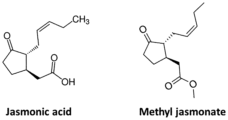
- Jasmonic acid (“JA” ) is an organic compound with a chemical formula of C 6 H 6 O 2 . It and its derivatives are usually known as “jasmonates” and find a great number of applications in the agricultural, flavors and fragrances, and biopharmaceutical arts. Traditionally, filamentous fungi have been the only commercially viable source of biosynthetic jasmonates. However, the yields tend to be highly correlated with fungal morphology which raises a substantial challenge for the production of jasmonic acid in conventional fermenter apparatuses.
- NPL4 Farmer EE, Ryan CA. (1990) Interplant communication: airborne methyl jasmonate induces synthesis of proteinase inhibitors in plant leaves. Proc Natl Acad Sci U S A. 87:7713-7716.
- NPL5 Farmer EE, Johnson RR, Ryan CA. (1992) Regulation of expression of proteinase inhibitor genes by methyl jasmonate and jasmonic Acid. Plant Physiol. 98:995-1002.
- NPL6 Farmer EE, Ryan CA. (1992) Octadecanoid Precursors of Jasmonic Acid Activate the Synthesis of Wound-Inducible Proteinase Inhibitors. Plant Cell. 4: 129-134.
- AtACH2 homologs identified in Lasiodiplodia iranensis that demonstrate jasmonic acid-CoA (JA-CoA) thioesterase activity are provided herein.
- Some aspects of the present disclosure provide methods of hydrolyzing jasmonic acid-CoA (JA-CoA), the method comprising incubating a reaction mixture comprising the JA-CoA and a polypeptide comprising an amino acid sequence that is at least 70% (e.g., at least 70%, at least 75%, at least 80%, at least 85%, at least 90%, at least 95%, at least 98%, or at least 99%) identical to any one of SEQ ID NOs: 1-3.
- the polypeptide comprises the amino acid of any one of SEQ ID NO: 1-3.
- the reaction mixture is in vitro. In some embodiments, the reaction mixture is in a cell. In some embodiments, the cell comprises a nucleic acid encoding the polypeptide. In some embodiments, the cell is a bacterium, a yeast, a filamentous fungus, a cyanobacterial alga, or a plant cell. In some embodiments, the cells is an E. Coli cell.
- nucleic acid molecules comprising a nucleotide sequence at least 70% identical (e.g., at least 70%, at least 75%, at least 80%, at least 85%, at least 90%, at least 95%, at least 98%, or at least 99%) to any one of SEQ ID NOs: 4-6.
- the nucleic acid molecule comprises the nucleotide sequence of any one of SEQ ID NOs: 4-6.
- FIG. 1 Structure of jasmonic acid and methyl jasmonate.
- FIG. 2. SDS-PAGE analysis of Ni-NTA resin purified proteins. 1: Negative control; 2: AtACH2, 48 kD; 3: LI-g5513, 40 kD; M, NEB blue prestained protein standard.
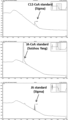
- FIG. 3. HPLC analysis of C12-CoA (dodecanoyl-coa), JA-CoA and JA standards.
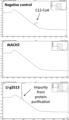
- FIG. 4. HPLC analysis of enzymatic reaction products from C12-CoA substrate. The enzymatic product, C12 (lauric acid) is not visible under UV detector.
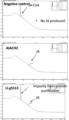
- FIG. 5. HPLC analysis of enzymatic reaction products from JA-CoA substrate.
- Cellular system is any cells that provide for the expression of ectopic proteins. It includes bacteria, yeast, filamentous fungi, plant cells and animal cells. It includes both prokaryotic and eukaryotic cells. It also includes the in vitro expression of proteins based on cellular components, such as ribosomes.
- Coding sequence is to be given its ordinary and customary meaning to a person of ordinary skill in the art, and is used without limitation to refer to a DNA sequence that encodes for a specific amino acid sequence.
- Growing includes providing an appropriate medium that would allow cells to multiply and divide. It also includes providing resources so that cells or cellular components can translate and make recombinant proteins.
- Protein Production can occur after gene expression. It consists of the stages after DNA has been transcribed to messenger RNA (mRNA). The mRNA is then translated into polypeptide chains, which are ultimately folded into proteins. DNA may be present in the cells through transfection - a process of deliberately introducing nucleic acids into cells.
- the term is often used for non-viral methods in eukaryotic cells. It may also refer to other methods and cell types, although other terms are preferred: "transformation” is more often used to describe non-viral DNA transfer in bacteria, non-animal eukaryotic cells, including plant cells. In animal cells, transfection is the preferred term as transformation is also used to refer to progression to a cancerous state (carcinogenesis) in these cells. Transduction is often used to describe virus-mediated DNA transfer. Transformation, transduction, and viral infection are included under the definition of transfection for this application.
- a “filamentous fungus” or “mold” is a eukaryotic microorganism classified as a member of the fungus kingdom. Filamentous fungi typically grow in the form of multicellular filaments called hyphae. In contrast, fungi that can adopt a single-celled growth habit are called “yeasts”. Yeasts are unicellular organisms which evolved from multicellular ancestors. Yeast species useful for the current disclosure include but are not limited to those that have the ability to develop multicellular characteristics by forming strings of connected budding cells known as pseudohyphae or false hyphae.
- nucleotide bases that are capable to hybridizing to one another.
- adenosine is complementary to thymine
- cytosine is complementary to guanine.
- the subject technology also includes isolated nucleic acid fragments that are complementary to the complete sequences as reported in the accompanying Sequence Listing as well as those substantially similar nucleic acid sequences.
- nucleic acid and “nucleotide” are to be given their respective ordinary and customary meanings to a person of ordinary skill in the art, and are used without limitation to refer to deoxyribonucleotides or ribonucleotides and polymers thereof in either single- or double-stranded form. Unless specifically limited, the term encompasses nucleic acids containing known analogues of natural nucleotides that have similar binding properties as the reference nucleic acid and are metabolized in a manner similar to naturally-occurring nucleotides.
- nucleotide sequence refers to a heteropolymer of nucleotides or the sequence of these nucleotides from the 5′ to 3′ end of a nucleic acid molecule and includes DNA or RNA molecules, including cDNA, a DNA fragment or portion, genomic DNA, synthetic, e.g. chemically synthesized, DNA, plasmid DNA, mRNA, and anti-sense RNA, any of which can be single stranded or double stranded.
- nucleic acid sequence “nucleic acid,” “nucleic acid molecule,” “oligonucleotide” and “polynucleotide” are also used interchangeably herein to refer to a heteropolymer of nucleotides.
- Nucleic acid molecules and/or nucleotide sequences provided herein are presented herein in the 5′ to 3′ direction, from left to right and are represented using the standard code for representing the nucleotide characters as set forth in the U.S. sequence rules, 37 CFR ⁇ 1.821-1.825 and the World Intellectual Property Organization (WIPO) Standard ST.25. Unless otherwise indicated, a particular nucleic acid sequence also implicitly encompasses conservatively modified or degenerate variants thereof (e.g., degenerate codon substitutions) and complementary sequences, as well as the sequence explicitly indicated.
- WIPO World Intellectual Property Organization
- the term “gene” refers to a nucleic acid molecule capable of being used to produce mRNA, antisense RNA, miRNA, anti-microRNA antisense oligodeoxyribonucleotide (AMO), and the like. Genes may or may not be capable of being used to produce a functional protein or gene product. Genes can include both coding and non-coding regions, e.g. introns, regulatory elements, promoters, enhancers, termination sequences and/or 5′ and 3′ untranslated regions.
- a gene may be “isolated” by which is meant a nucleic acid that is substantially or essentially free from components normally found in association with the nucleic acid in its natural state. Such components include other cellular material, culture medium from recombinant production, and/or various chemicals used in chemically synthesizing the nucleic acid.
- a “codon optimized” version of a gene refers to an exogenous gene introduced into a cell and where the codons of the gene have been optimized with regard to the particular cell. Typically, not all tRNAs are expressed equally or at the same level across species. Codon optimization of a gene sequence thereby involves changing codons to match the most prevalent tRNAs, i.e. to change a codon recognized by a low prevalent tRNA with a synonymous codon recognized by a tRNA that is comparatively more prevalent in the given fungal cell. This way the mRNA from the codon optimized gene will be more efficiently translated.
- the codon and the synonymous codon preferably encode the same amino acid.
- Genetical modification or “genetically modified” as used herein involves such genetic modifications to the genome of the fungal cell, such as yeast, and/or introduction of exogenous nucleotide sequences, such as in the form of one or more plasmids, into the fungal cell, such as yeast.
- isolated is to be given its ordinary and customary meaning to a person of ordinary skill in the art, and when used in the context of an isolated nucleic acid or an isolated polypeptide, is used without limitation to refer to a nucleic acid or polypeptide that, by the hand of man, exists apart from its native environment and is therefore not a product of nature.
- An isolated nucleic acid or polypeptide can exist in a purified form or can exist in a non-native environment such as, for example, in a transgenic host cell.
- incubating and “incubation” as used herein means a process of mixing two or more chemical or biological entities (such as a chemical compound and an enzyme) and allowing them to interact under conditions favorable for producing a composition that includes a jasmonate compound.
- degenerate variant refers to a nucleic acid sequence having a residue sequence that differs from a reference nucleic acid sequence by one or more degenerate codon substitutions.
- Degenerate codon substitutions can be achieved by generating sequences in which the third position of one or more selected (or all) codons is substituted with mixed base and/or deoxy inosine residues.
- a nucleic acid sequence and all of its degenerate variants will express the same amino acid or polypeptide.
- polypeptide refers to peptides, polypeptides, and proteins, unless otherwise noted.
- polypeptide protein
- polypeptide peptide
- exemplary polypeptides include polynucleotide products, naturally occurring proteins, homologs, orthologs, paralogs, fragments and other equivalents, variants, and analogs of the foregoing.
- polypeptide fragment and “fragment,” when used in reference to a reference polypeptide, are to be given their ordinary and customary meanings to a person of ordinary skill in the art, and are used without limitation to refer to a polypeptide in which amino acid residues are deleted as compared to the reference polypeptide itself, but where the remaining amino acid sequence is usually identical to the corresponding positions in the reference polypeptide. Such deletions can occur at the amino-terminus or carboxy-terminus of the reference polypeptide, or alternatively both.
- polypeptide or protein refers to a peptide fragment that is a portion of the full-length polypeptide or protein, and has substantially the same biological activity, or carries out substantially the same function as the full-length polypeptide or protein (e.g., carrying out the same enzymatic reaction).
- variant polypeptide refers to an amino acid sequence that is different from the reference polypeptide by one or more amino acids, e.g., by one or more amino acid substitutions, deletions, and/or additions.
- a variant is a "functional variant” which retains some or all of the ability of the reference polypeptide.
- the term "functional variant” further includes conservatively substituted variants.
- the term “conservatively substituted variant” refers to a peptide having an amino acid sequence that differs from a reference peptide by one or more conservative amino acid substitutions, and maintains some or all of the activity of the reference peptide.
- a “conservative amino acid substitution” is a substitution of an amino acid residue with a functionally similar residue.
- conservative substitutions include the substitution of one non-polar (hydrophobic) residue such as isoleucine, valine, leucine or methionine for another; the substitution of one charged or polar (hydrophilic) residue for another such as between arginine and lysine, between glutamine and asparagine, between threonine and serine; the substitution of one basic residue such as lysine or arginine for another; or the substitution of one acidic residue, such as aspartic acid or glutamic acid for another; or the substitution of one aromatic residue, such as phenylalanine, tyrosine, or tryptophan for another.
- one non-polar (hydrophobic) residue such as isoleucine, valine, leucine or methionine for another
- substitution of one charged or polar (hydrophilic) residue for another such as between arginine and lysine, between glutamine and asparagine, between threonine and serine
- substitution of one basic residue such as
- substitutions are expected to have little or no effect on the apparent molecular weight or isoelectric point of the protein or polypeptide.
- the phrase "conservatively substituted variant” also includes peptides wherein a residue is replaced with a chemically-derivatized residue, provided that the resulting peptide maintains some or all of the activity of the reference peptide as described herein.
- variant in connection with the polypeptides of the subject technology, further includes a functionally active polypeptide having an amino acid sequence at least 75%, at least 76%, at least 77%, at least 78%, at least 79%, at least 80%, at least 81%, at least 82%, at least 83%, at least 84%, at least 85%, at least 86%, at least 87%, at least 88%, at least 89%, at least 90%, at least 91%, at least 92%, at least 93%, at least 94%, at least 95%, at least 96%, at least 97%, at least 98%, at least 99%, or even 100% identical to the amino acid sequence of a reference polypeptide.
- homologous in all its grammatical forms and spelling variations refers to the relationship between polynucleotides or polypeptides that possess a "common evolutionary origin,” including polynucleotides or polypeptides from super families and homologous polynucleotides or proteins from different species (Reeck et al., Cell 50:667, 1987). Such polynucleotides or polypeptides have sequence homology, as reflected by their sequence similarity, whether in terms of percent identity or the presence of specific amino acids or motifs at conserved positions.
- two homologous polypeptides may have amino acid sequences that are at least 75%, at least 76%, at least 77%, at least 78%, at least 79%, at least 80%, at least 81%, at least 82%, at least 83%, at least 84%, at least 85%, at least 86%, at least 87%, at least 88%, at least 89%, at least 90%, at least 91%, at least 92%, at least 93%, at least 94%, at least 95%, at least 96%, at least 97%, at least 98%, at least 99%, or even 100% identical.
- Suitable regulatory sequences is to be given its ordinary and customary meaning to a person of ordinary skill in the art, and is used without limitation to refer to nucleotide sequences located upstream (5' non-coding sequences), within, or downstream (3' non-coding sequences) of a coding sequence, and which influence the transcription, RNA processing or stability, or translation of the associated coding sequence. Regulatory sequences may include promoters, translation leader sequences, introns, and polyadenylation recognition sequences.
- Promoter is to be given its ordinary and customary meaning to a person of ordinary skill in the art, and is used without limitation to refer to a DNA sequence capable of controlling the expression of a coding sequence or functional RNA.
- a coding sequence is located 3' to a promoter sequence.
- Promoters may be derived in their entirety from a native gene, or be composed of different elements derived from different promoters found in nature, or even comprise synthetic DNA segments. It is understood by those skilled in the art that different promoters may direct the expression of a gene in different tissues or cell types, or at different stages of development, or in response to different environmental conditions. Promoters, which cause a gene to be expressed in most cell types at most times, are commonly referred to as “constitutive promoters”. It is further recognized that since in most cases the exact boundaries of regulatory sequences have not been completely defined, DNA fragments of different lengths may have identical promoter activity.
- operably linked refers to the association of nucleic acid sequences on a single nucleic acid fragment so that the function of one is affected by the other.
- a promoter is operably linked with a coding sequence when it can affect the expression of that coding sequence (i.e., that the coding sequence is under the transcriptional control of the promoter).
- Coding sequences can be operably linked to regulatory sequences in sense or antisense orientation.
- expression is to be given its ordinary and customary meaning to a person of ordinary skill in the art, and is used without limitation to refer to the transcription and stable accumulation of sense (mRNA) or antisense RNA derived from the nucleic acid fragment of the subject technology.
- overexpress refers to higher levels of activity of a gene, e.g. transcription of the gene; higher levels of translation of mRNA into protein; and/or higher levels of production of a gene product, e.g. polypeptide, than would be in the cell in its native or control, e.g. not transformed with the particular heterologous or recombinant polypeptides being overexpressed, state.
- a typical example of an overexpressed gene is a gene under transcription control of another promoter as compared to the native promoter of the gene.
- other changes in the control elements of a gene such as enhancers, could be used to overexpress the particular gene.
- modifications that affect, i.e. increase, the translation of the mRNA transcribed from the gene could, alternatively or in addition, be used to achieve an overexpressed gene as used herein.
- These terms can also refer to an increase in the number of copies of a gene and/or an increase in the amount of mRNA and/or gene product in the cell. Overexpression can result in levels that are 25%, 50%, 100%, 200%, 500%, 1000%, 2000% or higher in the cell, as compared to control levels.
- Transformation is to be given its ordinary and customary meaning to a person of reasonable skill in the craft, and is used without limitation to refer to the transfer of a polynucleotide into a target cell.
- the transferred polynucleotide can be incorporated into the genome or chromosomal DNA of a target cell, resulting in genetically stable inheritance, or it can replicate independent of the host chromosomal.
- Host organisms containing the transformed nucleic acid fragments are referred to as "transgenic” or “transformed”.
- transformed when used herein in connection with host cells, are to be given their respective ordinary and customary meanings to a person of ordinary skill in the art, and are used without limitation to refer to a cell of a host organism, such as a plant or microbial cell, into which a heterologous nucleic acid molecule has been introduced.
- the nucleic acid molecule can be stably integrated into the genome of the host cell, or the nucleic acid molecule can be present as an extrachromosomal molecule. Such an extrachromosomal molecule can be auto-replicating.
- Transformed cells, tissues, or subjects are understood to encompass not only the end product of a transformation process, but also transgenic progeny thereof.
- heterologous when used herein in connection with polynucleotides, are to be given their ordinary and customary meanings to a person of ordinary skill in the art, and are used without limitation to refer to a polynucleotide (e.g., a DNA sequence or a gene) that originates from a source foreign to the particular host cell or, if from the same source, is modified from its original form.
- a heterologous gene in a host cell includes a gene that is endogenous to the particular host cell but has been modified through, for example, the use of site-directed mutagenesis or other recombinant techniques.
- the terms also include non-naturally occurring multiple copies of a naturally occurring DNA sequence.
- the terms refer to a DNA segment that is foreign or heterologous to the cell, or homologous to the cell but in a position or form within the host cell in which the element is not ordinarily found.
- recombinant when used herein in connection with a polypeptide or amino acid sequence, means a polypeptide or amino acid sequence that originates from a source foreign to the particular host cell or, if from the same source, is modified from its original form.
- recombinant DNA segments can be expressed in a host cell to produce a recombinant polypeptide.
- an “endogenous”, “native” or “wild type” nucleic acid, nucleotide sequence, polypeptide or amino acid sequence refers to a naturally occurring or endogenous nucleic acid, nucleotide sequence, polypeptide or amino acid sequence.
- a “wild type mRNA” is an mRNA that is naturally occurring in or endogenous to the organism.
- a “homologous” nucleic acid sequence is a nucleotide sequence naturally associated with a host cell into which it is introduced.
- Plasmid DNA
- vector vector
- cassette are to be given their respective ordinary and customary meanings to a person of ordinary skill in the art, and are used without limitation to refer to an extra chromosomal element often carrying genes which are not part of the central metabolism of the cell, and usually in the form of circular double-stranded DNA molecules.
- Such elements may be autonomously replicating sequences, genome integrating sequences, phage or nucleotide sequences, linear or circular, of a single- or double-stranded DNA or RNA, derived from any source, in which a number of nucleotide sequences have been joined or recombined into a unique construction which is capable of introducing a promoter fragment and DNA sequence for a selected gene product along with appropriate 3' untranslated sequence into a cell.
- Transformation cassette refers to a specific vector containing a foreign gene and having elements in addition to the foreign gene that facilitate transformation of a particular host cell.
- “Expression cassette” refers to a specific vector containing a foreign gene and having elements in addition to the foreign gene that allow for enhanced expression of that gene in a foreign host.
- the term “increased copy number” means at least one extra copy of at least the polypeptide coding sequence of a given gene is present in a recombinant cell as compared to the number of copies of the same gene in a parental cell, e.g., a wild-type cell, from which the recombinant cell is derived.
- the recombinant cell may contain 1, 2, 3, 4, 5, 10, or more extra copies of at least the polypeptide coding sequence of a given gene relative to the number of copies of that same gene in the parental cell.
- the extra copies of a given gene may be integrated into the genome of the recombinant cell or may be present on one or more autonomously replicating vectors or plasmids present in the recombinant cell.
- sequence identity refers to the extent to which two optimally aligned polynucleotide or peptide sequences are invariant throughout a window of alignment of components, e.g., nucleotides or amino acids.
- An "identity fraction" for aligned segments of a test sequence and a reference sequence is the number of identical components which are shared by the two aligned sequences divided by the total number of components in reference sequence segment, i.e., the entire reference sequence or a smaller defined part of the reference sequence.
- percent sequence identity refers to the percentage of identical nucleotides in a linear polynucleotide sequence of a reference (“query”) polynucleotide molecule (or its complementary strand) as compared to a test ("subject”) polynucleotide molecule (or its complementary strand) when the two sequences are optimally aligned (with appropriate nucleotide insertions, deletions, or gaps totaling less than 20 percent of the reference sequence over the window of comparison).
- Optimal alignment of sequences for aligning a comparison window are well known to those skilled in the art and may be conducted by tools such as the local homology algorithm of Smith and Waterman, the homology alignment algorithm of Needleman and Wunsch, the search for similarity method of Pearson and Lipman, and preferably by computerized implementations of these algorithms such as GAP, BESTFIT, FASTA, and TFASTA available as part of the GCG(registered trademark) Wisconsin Package(registered trademark) (Accelrys Inc., Burlington, MA).
- tools such as the local homology algorithm of Smith and Waterman, the homology alignment algorithm of Needleman and Wunsch, the search for similarity method of Pearson and Lipman, and preferably by computerized implementations of these algorithms such as GAP, BESTFIT, FASTA, and TFASTA available as part of the GCG(registered trademark) Wisconsin Package(registered trademark) (Accelrys Inc., Burlington, MA).
- identity fraction for aligned segments of a test sequence and a reference sequence is the number of identical components which are shared by the two aligned sequences divided by the total number of components in the reference sequence segment, i.e., the entire reference sequence or a smaller defined part of the reference sequence. Percent sequence identity is represented as the identity fraction multiplied by 100.
- the comparison of one or more polynucleotide sequences may be to a full-length polynucleotide sequence or a portion thereof, or to a longer polynucleotide sequence.
- percent identity may also be determined using BLASTX version 2.0 for translated nucleotide sequences and BLASTN version 2.0 for polynucleotide sequences.
- the percent of sequence identity is preferably determined using the "Best Fit” or "Gap” program of the Sequence Analysis Software Package(trademark) (Version 10; Genetics Computer Group, Inc., Madison, WI). "Gap” utilizes the algorithm of Needleman and Wunsch (Needleman and Wunsch, Journal of Molecular Biology 48:443-453, 1970) to find the alignment of two sequences that maximizes the number of matches and minimizes the number of gaps.
- “BestFit” performs an optimal alignment of the best segment of similarity between two sequences and inserts gaps to maximize the number of matches using the local homology algorithm of Smith and Waterman (Smith and Waterman, Advances in Applied Mathematics, 2:482-489, 1981, Smith et al., Nucleic Acids Research 11:2205-2220, 1983). The percent identity is most preferably determined using the "Best Fit” program.
- BLAST Basic Local Alignment Search Tool
- the term "substantial percent sequence identity” refers to a percent sequence identity of at least about 70% sequence identity, at least about 80% sequence identity, at least about 85% identity, at least about 90% sequence identity, or even greater sequence identity, such as about 98% or about 99% sequence identity.
- one embodiment of the invention is a polynucleotide molecule that has at least about 70% sequence identity, at least about 80% sequence identity, at least about 85% identity, at least about 90% sequence identity, or even greater sequence identity, such as about 98% or about 99% sequence identity with a polynucleotide sequence described herein.
- Polynucleotide molecules encoding proteins that have the activity of the gs5119 sequence of the current disclosure are capable of directing the production of a variety of jasmonic compounds and have a substantial percent sequence identity to the polynucleotide sequences provided herein and are encompassed within the scope of this disclosure.
- the term “identity” is the fraction of amino acids that are the same between a pair of sequences after an alignment of the sequences (which can be done using only sequence information or structural information or some other information, but usually it is based on sequence information alone), and the term “similarity” refers to the score assigned based on an alignment using some similarity matrix.
- the similarity index can be any one of the following BLOSUM62, PAM250, or GONNET, or any matrix used by one skilled in the art for the sequence alignment of proteins.
- Identity is the degree of correspondence between two sub-sequences (no gaps between the sequences). An identity of 25% or higher implies similarity of function, while 18- 25% implies similarity of structure or function. Keep in mind that two completely unrelated or random sequences (that are greater than 100 residues) can have higher than 20% identity. Similarity is the degree of resemblance between two sequences when they are compared. This is dependent on their identity.
- Jasmonic acid was first identified as a natural product in 1971 from a filamentous fungus, Lasiodiplodia theobromae (Aldridge et al., 1971).
- JA and its methyl ester, methyl jasmonate collectively called as jasmonates were identified as a new class of plant hormones that mediate plant defense against insect herbivores (Farmer and Ryan, 1990, 1992; Farmer et al., 1992; Howe et al., 1996) and microbial pathogens (Vijayan et al., 1998) as well as the massive production of secondary metabolites (Gundlach et al., 1992).
- Methyl jasmonate which gives an odor pronounced of the floral heart of jasmine has a floral taste with jasmine notes and is used for its floral notes for peach, apricot, grape and other flavors.
- Flavor and Extract Manufacturers Association has approved its use in food with the number of 3410.
- methyl jasmonate has been discovered to induce cytochrome C release in the mitochondria of cancer cells, leading to cell death, but not to harm normal cells (Rotem et al., 2005). Thus, it has a great potential to be developed into a novel class of anticancer drugs. Due to the importance of jasmonates in agriculture, flavor and fragrance industry, and potentially medicine, large quantities are needed for their various applications.
- jasmonates can be synthesized by organic chemistry, consumer demand for 'natural' flavors has generated a strong need for bio-based processes. More importantly, chemically synthesized jasmonates are a mixture of biologically active and inactive isomers whereas bio-based jasmonates are dominated by biologically active isomers.
- JA and MeJA exist only in trace amounts in higher plants e. g. less than 10 ⁇ g in one kg of induced fresh tomato leaves (Chen et al., 2006).
- JA pathway has been well studied in plants and almost all of its biosynthetic genes have been identified (Li et al., 2005), the last step catalyzed by JA-CoA thioesterase has not been characterized and the corresponding gene has not been identified.
- JA-CoA thioesterase controls the release of JA from JA-CoA, the product of the final round of ⁇ -oxidation.
- the identification of a bona fide JA-CoA thioesterase may help us to prevent the pre-matured release of other acy-CoA intermediates such as OPC-6:0-CoA or OPC-4:0-CoA in heterologous systems.
- Acyl-CoA thioesterases (EC 3.1.2.2) catalyze the hydrolysis of fatty acyl-CoAs to free fatty acids and CoASH.
- Arabidopsis ACH2 is the first acyl-CoA thioesterase to be cloned from plants (Tilton et al., 2004).
- the physiological function of ACH2 is largely unknown although it has been suggested that ACH2 activity is not linked to fatty acid oxidation as has been suggested for its eukaryotic homologs, but rather has a unique role in the plant cell (Tilton et al., 2004).
- the synthesized genes were cloned into pET-28a vector via NdeI and XhoI sites.
- the resulting plasmids were used to transform Lucigen HI-Control BL21(DE3) cells (Middleton, WI) for protein expression.
- an overnight culture was used to inoculate liquid LB medium (2%) containing 50 mg/L of kanamycin.
- the culture was first grown at 37°C to an OD600 of 0.6 and cooled down to 16°C. Then 1 mM of IPTG was added to induce protein expression. After 16 hours of incubation at 16°C, the culture was harvested and cell pellets were kept at -80 o C until use.
- JA-CoA was synthesized using known methods. Acyl-CoA thioesterase activity assay was performed in 100 mM Tris-HCl, pH8.3 with 100 mg/L acyl-CoA and 20 ⁇ l of protein elution added. The reaction was performed at room temperature for 30 min. Enzyme reaction was stopped by adding acetic acid. After centrifugation at 14,000 rpmX10 min, the supernatant was analyzed by HPLC (FIG. 3).
- the HPLC was performed on Thermo Scientific Dionex Ultimate 3000 using an Acclaim(trademark) 120, C18 column (3 ⁇ m 120A, 3X150 mm).
- the mobile phases are : A, 0.1% TFA (trifluoroacetic acid) and B, acetonitrile with the gradient: 0-5 min, 20% B; 5-8 min, 20-80% B; 8-15 min, 80% B; 15-16 min, 80-20% B; 16-18 min, 20% B.
- the detector wavelength for JA is 200 nm.
- the results show that ACH2 and LI-g5513 show C12-CoA thioesterase activities (FIG. 4) and JA-CoA thioesterase activities (FIG. 5). As shown in FIG.
- AtACH2 and LI-g5513 can hydrolyze JA-CoA completely into JA whereas in the negative control, no JA-CoA was hydrolyzed and no JA was produced.
Landscapes
- Chemical & Material Sciences (AREA)
- Organic Chemistry (AREA)
- Life Sciences & Earth Sciences (AREA)
- Engineering & Computer Science (AREA)
- Health & Medical Sciences (AREA)
- Zoology (AREA)
- Wood Science & Technology (AREA)
- Genetics & Genomics (AREA)
- Bioinformatics & Cheminformatics (AREA)
- Biochemistry (AREA)
- General Engineering & Computer Science (AREA)
- General Health & Medical Sciences (AREA)
- Microbiology (AREA)
- Biotechnology (AREA)
- General Chemical & Material Sciences (AREA)
- Chemical Kinetics & Catalysis (AREA)
- Medicinal Chemistry (AREA)
- Molecular Biology (AREA)
- Biomedical Technology (AREA)
- Micro-Organisms Or Cultivation Processes Thereof (AREA)
Abstract
Provided herein are jasmonic acid-CoA (JA-CoA) thioesterase and uses thereof.
Description
The field of the invention relates to cells, enzymes, and processes useful in the production of jasmonic acid molecules.
Jasmonic acid (“JA” ) is an organic compound with a chemical formula of C6H6O2. It and its derivatives are usually known as “jasmonates” and find a great number of applications in the agricultural, flavors and fragrances, and biopharmaceutical arts. Traditionally, filamentous fungi have been the only commercially viable source of biosynthetic jasmonates. However, the yields tend to be highly correlated with fungal morphology which raises a substantial challenge for the production of jasmonic acid in conventional fermenter apparatuses.
[NPL1] Aldridge DC, Galt S, Giles D, and Turner WB. (1971) Metabolites of Lasiodiplodia theobromae. Journal of the Chemical Society C:1623-1627.
[NPL2] Chen H, McCaig BC, Melotto M, He SY, Howe GA. (2004) Regulation of plant arginase by wounding, jasmonate, and the phytotoxin coronatine. J Biol Chem. 279:45998-456007.
[NPL3] Chen H, Jones AD, Howe GA. (2006) Constitutive activation of the jasmonate signaling pathway enhances the production of secondary metabolites in tomato. FEBS Lett. 580: 2540-2546.
[NPL4] Farmer EE, Ryan CA. (1990) Interplant communication: airborne methyl jasmonate induces synthesis of proteinase inhibitors in plant leaves. Proc Natl Acad Sci U S A. 87:7713-7716.
[NPL5] Farmer EE, Johnson RR, Ryan CA. (1992) Regulation of expression of proteinase inhibitor genes by methyl jasmonate and jasmonic Acid. Plant Physiol. 98:995-1002.
[NPL6] Farmer EE, Ryan CA. (1992) Octadecanoid Precursors of Jasmonic Acid Activate the Synthesis of Wound-Inducible Proteinase Inhibitors. Plant Cell. 4: 129-134.
[NPL7] Gundlach H, Muller MJ, Kutchan TM, Zenk MH. (1992) Jasmonic acid is a signal transducer in elicitor-induced plant cell cultures. Proc Natl Acad Sci U S A. 89:2389-2393.
[NPL8] Howe GA, Lightner J, Browse J, Ryan CA. (1996) An octadecanoid pathway mutant (JL5) of tomato is compromised in signaling for defense against insect attack. Plant Cell. 8:2067-2077.
[NPL9] Li C, Schilmiller AL, Liu G, Lee GI, Jayanty S, Sageman C, Vrebalov J, Giovannoni JJ, Yagi K, Kobayashi Y, Howe GA. (2005) Role of beta-oxidation in jasmonate biosynthesis and systemic wound signaling in tomato. Plant Cell. 17:971-986.
[NPL10] Rotem R, Heyfets A, Fingrut O, Blickstein D, Shaklai M, Flescher E. (2005) Jasmonates: novel anticancer agents acting directly and selectively on human cancer cell mitochondria. Cancer Res. 65: 1984-1993.
[NPL11] Tilton GB, Shockey JM, Browse J. (2004) Biochemical and molecular characterization of ACH2, an acyl-CoA thioesterase from Arabidopsis thaliana. J Biol Chem. 279:7487-7494
[NPL12] Vijayan P, Shockey J, Levesque CA, Cook RJ, Browse J. (1998) A role for jasmonate in pathogen defense of Arabidopsis. Proc Natl Acad Sci USA. 95: 7209-7214.
[NPL13] Dong et al. (2018). Production of jasmonic acid by a strain of Lasiodiplodia iranensis. Food and Fermentation Industries. 44:22-29 (in Chinese).
[NPL14] Zheng et al. (2019) A strain of Lasiodiplodia iranensis and its use for the production of jasmonic acid. China patent CN107227264B (in Chinese).
[NPL15] Sun et al. (2020) Study on the synthesis pathway of jasmonic acid produced by Lasiodiplodia iranensis. Master’s Thesis, Jiangnan University.
Provided herein are AtACH2 homologs identified in Lasiodiplodia iranensis that demonstrate jasmonic acid-CoA (JA-CoA) thioesterase activity.
Some aspects of the present disclosure provide methods of hydrolyzing jasmonic acid-CoA (JA-CoA), the method comprising incubating a reaction mixture comprising the JA-CoA and a polypeptide comprising an amino acid sequence that is at least 70% (e.g., at least 70%, at least 75%, at least 80%, at least 85%, at least 90%, at least 95%, at least 98%, or at least 99%) identical to any one of SEQ ID NOs: 1-3. In some embodiments, the polypeptide comprises the amino acid of any one of SEQ ID NO: 1-3.
In some embodiments, hydrolyzing JA-CoA produces jasmonic acid. In some embodiments, the reaction mixture is in vitro. In some embodiments, the reaction mixture is in a cell. In some embodiments, the cell comprises a nucleic acid encoding the polypeptide. In some embodiments, the cell is a bacterium, a yeast, a filamentous fungus, a cyanobacterial alga, or a plant cell. In some embodiments, the cells is an E. Coli cell.
Other aspect of the present disclosure provide nucleic acid molecules comprising a nucleotide sequence at least 70% identical (e.g., at least 70%, at least 75%, at least 80%, at least 85%, at least 90%, at least 95%, at least 98%, or at least 99%) to any one of SEQ ID NOs: 4-6. In some embodiments, the nucleic acid molecule comprises the nucleotide sequence of any one of SEQ ID NOs: 4-6.
Further provided herein are recombinant cells comprising the nucleic acid molecules described herein.
Definitions:
As used herein, the singular forms "a, an" and "the" include plural references unless the content clearly dictates otherwise.
To the extent that the term "include," "have," or the like is used in the description or the claims, such term is intended to be inclusive in a manner similar to the term "comprise" as "comprise" is interpreted when employed as a transitional word in a claim.
The word "exemplary" is used herein to mean "serving as an example, instance, or illustration”. Any embodiment described herein as "exemplary" is not necessarily to be construed as preferred or advantageous over other embodiments.
“Cellular system” is any cells that provide for the expression of ectopic proteins. It includes bacteria, yeast, filamentous fungi, plant cells and animal cells. It includes both prokaryotic and eukaryotic cells. It also includes the in vitro expression of proteins based on cellular components, such as ribosomes.
“Coding sequence” is to be given its ordinary and customary meaning to a person of ordinary skill in the art, and is used without limitation to refer to a DNA sequence that encodes for a specific amino acid sequence.
“Growing the Cellular System”. Growing includes providing an appropriate medium that would allow cells to multiply and divide. It also includes providing resources so that cells or cellular components can translate and make recombinant proteins.
“Protein Expression”. Protein production can occur after gene expression. It consists of the stages after DNA has been transcribed to messenger RNA (mRNA). The mRNA is then translated into polypeptide chains, which are ultimately folded into proteins. DNA may be present in the cells through transfection - a process of deliberately introducing nucleic acids into cells. The term is often used for non-viral methods in eukaryotic cells. It may also refer to other methods and cell types, although other terms are preferred: "transformation" is more often used to describe non-viral DNA transfer in bacteria, non-animal eukaryotic cells, including plant cells. In animal cells, transfection is the preferred term as transformation is also used to refer to progression to a cancerous state (carcinogenesis) in these cells. Transduction is often used to describe virus-mediated DNA transfer. Transformation, transduction, and viral infection are included under the definition of transfection for this application.
According to the current disclosure, a “filamentous fungus” or “mold” is a eukaryotic microorganism classified as a member of the fungus kingdom. Filamentous fungi typically grow in the form of multicellular filaments called hyphae. In contrast, fungi that can adopt a single-celled growth habit are called “yeasts”. Yeasts are unicellular organisms which evolved from multicellular ancestors. Yeast species useful for the current disclosure include but are not limited to those that have the ability to develop multicellular characteristics by forming strings of connected budding cells known as pseudohyphae or false hyphae.
The term "complementary" is to be given its ordinary and customary meaning to a person of ordinary skill in the art, and is used without limitation to describe the relationship between nucleotide bases that are capable to hybridizing to one another. For example, with respect to DNA, adenosine is complementary to thymine and cytosine is complementary to guanine. Accordingly, the subject technology also includes isolated nucleic acid fragments that are complementary to the complete sequences as reported in the accompanying Sequence Listing as well as those substantially similar nucleic acid sequences.
The terms "nucleic acid" and "nucleotide" are to be given their respective ordinary and customary meanings to a person of ordinary skill in the art, and are used without limitation to refer to deoxyribonucleotides or ribonucleotides and polymers thereof in either single- or double-stranded form. Unless specifically limited, the term encompasses nucleic acids containing known analogues of natural nucleotides that have similar binding properties as the reference nucleic acid and are metabolized in a manner similar to naturally-occurring nucleotides.
As used herein, the term “nucleotide sequence” refers to a heteropolymer of nucleotides or the sequence of these nucleotides from the 5′ to 3′ end of a nucleic acid molecule and includes DNA or RNA molecules, including cDNA, a DNA fragment or portion, genomic DNA, synthetic, e.g. chemically synthesized, DNA, plasmid DNA, mRNA, and anti-sense RNA, any of which can be single stranded or double stranded. The terms “nucleotide sequence” “nucleic acid,” “nucleic acid molecule,” “oligonucleotide” and “polynucleotide” are also used interchangeably herein to refer to a heteropolymer of nucleotides. Nucleic acid molecules and/or nucleotide sequences provided herein are presented herein in the 5′ to 3′ direction, from left to right and are represented using the standard code for representing the nucleotide characters as set forth in the U.S. sequence rules, 37 CFR §§ 1.821-1.825 and the World Intellectual Property Organization (WIPO) Standard ST.25. Unless otherwise indicated, a particular nucleic acid sequence also implicitly encompasses conservatively modified or degenerate variants thereof (e.g., degenerate codon substitutions) and complementary sequences, as well as the sequence explicitly indicated.
As used herein, the term “gene” refers to a nucleic acid molecule capable of being used to produce mRNA, antisense RNA, miRNA, anti-microRNA antisense oligodeoxyribonucleotide (AMO), and the like. Genes may or may not be capable of being used to produce a functional protein or gene product. Genes can include both coding and non-coding regions, e.g. introns, regulatory elements, promoters, enhancers, termination sequences and/or 5′ and 3′ untranslated regions. A gene may be “isolated” by which is meant a nucleic acid that is substantially or essentially free from components normally found in association with the nucleic acid in its natural state. Such components include other cellular material, culture medium from recombinant production, and/or various chemicals used in chemically synthesizing the nucleic acid.
A “codon optimized” version of a gene refers to an exogenous gene introduced into a cell and where the codons of the gene have been optimized with regard to the particular cell. Typically, not all tRNAs are expressed equally or at the same level across species. Codon optimization of a gene sequence thereby involves changing codons to match the most prevalent tRNAs, i.e. to change a codon recognized by a low prevalent tRNA with a synonymous codon recognized by a tRNA that is comparatively more prevalent in the given fungal cell. This way the mRNA from the codon optimized gene will be more efficiently translated. The codon and the synonymous codon preferably encode the same amino acid.
“Genetical modification” or “genetically modified” as used herein involves such genetic modifications to the genome of the fungal cell, such as yeast, and/or introduction of exogenous nucleotide sequences, such as in the form of one or more plasmids, into the fungal cell, such as yeast.
The term "isolated" is to be given its ordinary and customary meaning to a person of ordinary skill in the art, and when used in the context of an isolated nucleic acid or an isolated polypeptide, is used without limitation to refer to a nucleic acid or polypeptide that, by the hand of man, exists apart from its native environment and is therefore not a product of nature. An isolated nucleic acid or polypeptide can exist in a purified form or can exist in a non-native environment such as, for example, in a transgenic host cell.
The terms "incubating" and "incubation" as used herein means a process of mixing two or more chemical or biological entities (such as a chemical compound and an enzyme) and allowing them to interact under conditions favorable for producing a composition that includes a jasmonate compound.
The term "degenerate variant" refers to a nucleic acid sequence having a residue sequence that differs from a reference nucleic acid sequence by one or more degenerate codon substitutions. Degenerate codon substitutions can be achieved by generating sequences in which the third position of one or more selected (or all) codons is substituted with mixed base and/or deoxy inosine residues. A nucleic acid sequence and all of its degenerate variants will express the same amino acid or polypeptide.
The terms "polypeptide," "protein," and "peptide" are to be given their respective ordinary and customary meanings to a person of ordinary skill in the art; the three terms are sometimes used interchangeably, and are used without limitation to refer to a polymer of amino acids, or amino acid analogs, regardless of its size or function. Although "protein" is often used in reference to relatively large polypeptides, and "peptide" is often used in reference to small polypeptides, usage of these terms in the art overlaps and varies. The term "polypeptide" as used herein refers to peptides, polypeptides, and proteins, unless otherwise noted. The terms "protein," "polypeptide," and "peptide" are used interchangeably herein when referring to a polynucleotide product. Thus, exemplary polypeptides include polynucleotide products, naturally occurring proteins, homologs, orthologs, paralogs, fragments and other equivalents, variants, and analogs of the foregoing.
The terms "polypeptide fragment" and "fragment," when used in reference to a reference polypeptide, are to be given their ordinary and customary meanings to a person of ordinary skill in the art, and are used without limitation to refer to a polypeptide in which amino acid residues are deleted as compared to the reference polypeptide itself, but where the remaining amino acid sequence is usually identical to the corresponding positions in the reference polypeptide. Such deletions can occur at the amino-terminus or carboxy-terminus of the reference polypeptide, or alternatively both.
The term "functional fragment" of a polypeptide or protein refers to a peptide fragment that is a portion of the full-length polypeptide or protein, and has substantially the same biological activity, or carries out substantially the same function as the full-length polypeptide or protein (e.g., carrying out the same enzymatic reaction).
The terms "variant polypeptide," "modified amino acid sequence" or "modified polypeptide," which are used interchangeably, refer to an amino acid sequence that is different from the reference polypeptide by one or more amino acids, e.g., by one or more amino acid substitutions, deletions, and/or additions. In an aspect, a variant is a "functional variant" which retains some or all of the ability of the reference polypeptide.
The term "functional variant" further includes conservatively substituted variants. The term "conservatively substituted variant" refers to a peptide having an amino acid sequence that differs from a reference peptide by one or more conservative amino acid substitutions, and maintains some or all of the activity of the reference peptide. A "conservative amino acid substitution" is a substitution of an amino acid residue with a functionally similar residue. Examples of conservative substitutions include the substitution of one non-polar (hydrophobic) residue such as isoleucine, valine, leucine or methionine for another; the substitution of one charged or polar (hydrophilic) residue for another such as between arginine and lysine, between glutamine and asparagine, between threonine and serine; the substitution of one basic residue such as lysine or arginine for another; or the substitution of one acidic residue, such as aspartic acid or glutamic acid for another; or the substitution of one aromatic residue, such as phenylalanine, tyrosine, or tryptophan for another. Such substitutions are expected to have little or no effect on the apparent molecular weight or isoelectric point of the protein or polypeptide. The phrase "conservatively substituted variant" also includes peptides wherein a residue is replaced with a chemically-derivatized residue, provided that the resulting peptide maintains some or all of the activity of the reference peptide as described herein.
The term "variant," in connection with the polypeptides of the subject technology, further includes a functionally active polypeptide having an amino acid sequence at least 75%, at least 76%, at least 77%, at least 78%, at least 79%, at least 80%, at least 81%, at least 82%, at least 83%, at least 84%, at least 85%, at least 86%, at least 87%, at least 88%, at least 89%, at least 90%, at least 91%, at least 92%, at least 93%, at least 94%, at least 95%, at least 96%, at least 97%, at least 98%, at least 99%, or even 100% identical to the amino acid sequence of a reference polypeptide.
The term "homologous" in all its grammatical forms and spelling variations refers to the relationship between polynucleotides or polypeptides that possess a "common evolutionary origin," including polynucleotides or polypeptides from super families and homologous polynucleotides or proteins from different species (Reeck et al., Cell 50:667, 1987). Such polynucleotides or polypeptides have sequence homology, as reflected by their sequence similarity, whether in terms of percent identity or the presence of specific amino acids or motifs at conserved positions. For example, two homologous polypeptides may have amino acid sequences that are at least 75%, at least 76%, at least 77%, at least 78%, at least 79%, at least 80%, at least 81%, at least 82%, at least 83%, at least 84%, at least 85%, at least 86%, at least 87%, at least 88%, at least 89%, at least 90%, at least 91%, at least 92%, at least 93%, at least 94%, at least 95%, at least 96%, at least 97%, at least 98%, at least 99%, or even 100% identical.
"Suitable regulatory sequences" is to be given its ordinary and customary meaning to a person of ordinary skill in the art, and is used without limitation to refer to nucleotide sequences located upstream (5' non-coding sequences), within, or downstream (3' non-coding sequences) of a coding sequence, and which influence the transcription, RNA processing or stability, or translation of the associated coding sequence. Regulatory sequences may include promoters, translation leader sequences, introns, and polyadenylation recognition sequences.
"Promoter" is to be given its ordinary and customary meaning to a person of ordinary skill in the art, and is used without limitation to refer to a DNA sequence capable of controlling the expression of a coding sequence or functional RNA. Typically, a coding sequence is located 3' to a promoter sequence. Promoters may be derived in their entirety from a native gene, or be composed of different elements derived from different promoters found in nature, or even comprise synthetic DNA segments. It is understood by those skilled in the art that different promoters may direct the expression of a gene in different tissues or cell types, or at different stages of development, or in response to different environmental conditions. Promoters, which cause a gene to be expressed in most cell types at most times, are commonly referred to as "constitutive promoters”. It is further recognized that since in most cases the exact boundaries of regulatory sequences have not been completely defined, DNA fragments of different lengths may have identical promoter activity.
The term "operably linked" refers to the association of nucleic acid sequences on a single nucleic acid fragment so that the function of one is affected by the other. For example, a promoter is operably linked with a coding sequence when it can affect the expression of that coding sequence (i.e., that the coding sequence is under the transcriptional control of the promoter). Coding sequences can be operably linked to regulatory sequences in sense or antisense orientation.
The term "expression" as used herein, is to be given its ordinary and customary meaning to a person of ordinary skill in the art, and is used without limitation to refer to the transcription and stable accumulation of sense (mRNA) or antisense RNA derived from the nucleic acid fragment of the subject technology.
The term “overexpress,” “overexpresses” or “overexpression” as used herein refers to higher levels of activity of a gene, e.g. transcription of the gene; higher levels of translation of mRNA into protein; and/or higher levels of production of a gene product, e.g. polypeptide, than would be in the cell in its native or control, e.g. not transformed with the particular heterologous or recombinant polypeptides being overexpressed, state. A typical example of an overexpressed gene is a gene under transcription control of another promoter as compared to the native promoter of the gene. Also, or alternatively, other changes in the control elements of a gene, such as enhancers, could be used to overexpress the particular gene. Furthermore, modifications that affect, i.e. increase, the translation of the mRNA transcribed from the gene could, alternatively or in addition, be used to achieve an overexpressed gene as used herein. These terms can also refer to an increase in the number of copies of a gene and/or an increase in the amount of mRNA and/or gene product in the cell. Overexpression can result in levels that are 25%, 50%, 100%, 200%, 500%, 1000%, 2000% or higher in the cell, as compared to control levels.
"Transformation" is to be given its ordinary and customary meaning to a person of reasonable skill in the craft, and is used without limitation to refer to the transfer of a polynucleotide into a target cell. The transferred polynucleotide can be incorporated into the genome or chromosomal DNA of a target cell, resulting in genetically stable inheritance, or it can replicate independent of the host chromosomal. Host organisms containing the transformed nucleic acid fragments are referred to as "transgenic" or “transformed”.
The terms "transformed," "transgenic," and "recombinant," when used herein in connection with host cells, are to be given their respective ordinary and customary meanings to a person of ordinary skill in the art, and are used without limitation to refer to a cell of a host organism, such as a plant or microbial cell, into which a heterologous nucleic acid molecule has been introduced. The nucleic acid molecule can be stably integrated into the genome of the host cell, or the nucleic acid molecule can be present as an extrachromosomal molecule. Such an extrachromosomal molecule can be auto-replicating. Transformed cells, tissues, or subjects are understood to encompass not only the end product of a transformation process, but also transgenic progeny thereof.
The terms "recombinant," "heterologous," and "exogenous," when used herein in connection with polynucleotides, are to be given their ordinary and customary meanings to a person of ordinary skill in the art, and are used without limitation to refer to a polynucleotide (e.g., a DNA sequence or a gene) that originates from a source foreign to the particular host cell or, if from the same source, is modified from its original form. Thus, a heterologous gene in a host cell includes a gene that is endogenous to the particular host cell but has been modified through, for example, the use of site-directed mutagenesis or other recombinant techniques. The terms also include non-naturally occurring multiple copies of a naturally occurring DNA sequence. Thus, the terms refer to a DNA segment that is foreign or heterologous to the cell, or homologous to the cell but in a position or form within the host cell in which the element is not ordinarily found.
Similarly, the terms "recombinant," "heterologous," and "exogenous," when used herein in connection with a polypeptide or amino acid sequence, means a polypeptide or amino acid sequence that originates from a source foreign to the particular host cell or, if from the same source, is modified from its original form. Thus, recombinant DNA segments can be expressed in a host cell to produce a recombinant polypeptide.
An “endogenous”, “native” or “wild type” nucleic acid, nucleotide sequence, polypeptide or amino acid sequence refers to a naturally occurring or endogenous nucleic acid, nucleotide sequence, polypeptide or amino acid sequence. Thus, for example, a “wild type mRNA” is an mRNA that is naturally occurring in or endogenous to the organism. A “homologous” nucleic acid sequence is a nucleotide sequence naturally associated with a host cell into which it is introduced.
The terms "plasmid," "vector," and "cassette" are to be given their respective ordinary and customary meanings to a person of ordinary skill in the art, and are used without limitation to refer to an extra chromosomal element often carrying genes which are not part of the central metabolism of the cell, and usually in the form of circular double-stranded DNA molecules. Such elements may be autonomously replicating sequences, genome integrating sequences, phage or nucleotide sequences, linear or circular, of a single- or double-stranded DNA or RNA, derived from any source, in which a number of nucleotide sequences have been joined or recombined into a unique construction which is capable of introducing a promoter fragment and DNA sequence for a selected gene product along with appropriate 3' untranslated sequence into a cell. "Transformation cassette" refers to a specific vector containing a foreign gene and having elements in addition to the foreign gene that facilitate transformation of a particular host cell. "Expression cassette" refers to a specific vector containing a foreign gene and having elements in addition to the foreign gene that allow for enhanced expression of that gene in a foreign host.
As used herein, the term “increased copy number” means at least one extra copy of at least the polypeptide coding sequence of a given gene is present in a recombinant cell as compared to the number of copies of the same gene in a parental cell, e.g., a wild-type cell, from which the recombinant cell is derived. For example, the recombinant cell may contain 1, 2, 3, 4, 5, 10, or more extra copies of at least the polypeptide coding sequence of a given gene relative to the number of copies of that same gene in the parental cell. The extra copies of a given gene may be integrated into the genome of the recombinant cell or may be present on one or more autonomously replicating vectors or plasmids present in the recombinant cell.
As used herein, the term "sequence identity" refers to the extent to which two optimally aligned polynucleotide or peptide sequences are invariant throughout a window of alignment of components, e.g., nucleotides or amino acids. An "identity fraction" for aligned segments of a test sequence and a reference sequence is the number of identical components which are shared by the two aligned sequences divided by the total number of components in reference sequence segment, i.e., the entire reference sequence or a smaller defined part of the reference sequence.
As used herein, the term "percent sequence identity" or "percent identity" refers to the percentage of identical nucleotides in a linear polynucleotide sequence of a reference ("query") polynucleotide molecule (or its complementary strand) as compared to a test ("subject") polynucleotide molecule (or its complementary strand) when the two sequences are optimally aligned (with appropriate nucleotide insertions, deletions, or gaps totaling less than 20 percent of the reference sequence over the window of comparison). Optimal alignment of sequences for aligning a comparison window are well known to those skilled in the art and may be conducted by tools such as the local homology algorithm of Smith and Waterman, the homology alignment algorithm of Needleman and Wunsch, the search for similarity method of Pearson and Lipman, and preferably by computerized implementations of these algorithms such as GAP, BESTFIT, FASTA, and TFASTA available as part of the GCG(registered trademark) Wisconsin Package(registered trademark) (Accelrys Inc., Burlington, MA). An "identity fraction" for aligned segments of a test sequence and a reference sequence is the number of identical components which are shared by the two aligned sequences divided by the total number of components in the reference sequence segment, i.e., the entire reference sequence or a smaller defined part of the reference sequence. Percent sequence identity is represented as the identity fraction multiplied by 100. The comparison of one or more polynucleotide sequences may be to a full-length polynucleotide sequence or a portion thereof, or to a longer polynucleotide sequence. For purposes of this disclosure "percent identity" may also be determined using BLASTX version 2.0 for translated nucleotide sequences and BLASTN version 2.0 for polynucleotide sequences.
The percent of sequence identity is preferably determined using the "Best Fit" or "Gap" program of the Sequence Analysis Software Package(trademark) (Version 10; Genetics Computer Group, Inc., Madison, WI). "Gap" utilizes the algorithm of Needleman and Wunsch (Needleman and Wunsch, Journal of Molecular Biology 48:443-453, 1970) to find the alignment of two sequences that maximizes the number of matches and minimizes the number of gaps. "BestFit" performs an optimal alignment of the best segment of similarity between two sequences and inserts gaps to maximize the number of matches using the local homology algorithm of Smith and Waterman (Smith and Waterman, Advances in Applied Mathematics, 2:482-489, 1981, Smith et al., Nucleic Acids Research 11:2205-2220, 1983). The percent identity is most preferably determined using the "Best Fit" program.
Useful methods for determining sequence identity are also disclosed in the Basic Local Alignment Search Tool (BLAST) programs which are publicly available from National Center Biotechnology Information (NCBI) at the National Library of Medicine, National Institute of Health, Bethesda, Md. 20894; see BLAST Manual, Altschul et al., NCBI, NLM, NIH; Altschul et al., J. Mol. Biol. 215:403-410 (1990); version 2.0 or higher of BLAST programs allows the introduction of gaps (deletions and insertions) into alignments; for peptide sequence BLASTX can be used to determine sequence identity; and, for polynucleotide sequence BLASTN can be used to determine sequence identity.
As used herein, the term "substantial percent sequence identity" refers to a percent sequence identity of at least about 70% sequence identity, at least about 80% sequence identity, at least about 85% identity, at least about 90% sequence identity, or even greater sequence identity, such as about 98% or about 99% sequence identity. Thus, one embodiment of the invention is a polynucleotide molecule that has at least about 70% sequence identity, at least about 80% sequence identity, at least about 85% identity, at least about 90% sequence identity, or even greater sequence identity, such as about 98% or about 99% sequence identity with a polynucleotide sequence described herein. Polynucleotide molecules encoding proteins that have the activity of the gs5119 sequence of the current disclosure are capable of directing the production of a variety of jasmonic compounds and have a substantial percent sequence identity to the polynucleotide sequences provided herein and are encompassed within the scope of this disclosure.
As used herein, the term “identity” is the fraction of amino acids that are the same between a pair of sequences after an alignment of the sequences (which can be done using only sequence information or structural information or some other information, but usually it is based on sequence information alone), and the term “similarity” refers to the score assigned based on an alignment using some similarity matrix. The similarity index can be any one of the following BLOSUM62, PAM250, or GONNET, or any matrix used by one skilled in the art for the sequence alignment of proteins.
Identity is the degree of correspondence between two sub-sequences (no gaps between the sequences). An identity of 25% or higher implies similarity of function, while 18- 25% implies similarity of structure or function. Keep in mind that two completely unrelated or random sequences (that are greater than 100 residues) can have higher than 20% identity. Similarity is the degree of resemblance between two sequences when they are compared. This is dependent on their identity.
As is evident from the present description, certain aspects of the present disclosure are not limited by the particular details of the examples illustrated herein, and it is therefore contemplated that other modifications and applications, or equivalents thereof, will occur to those skilled in the art. It is accordingly intended that the claims shall cover all such modifications and applications that do not depart from the spirit and scope of the present disclosure.
Moreover, unless defined otherwise, all technical and scientific terms used herein have the same meaning as commonly understood by one of ordinary skill in the art to which the disclosure belongs. Although any methods and materials similar to or equivalent to or those described herein can be used in the practice or testing of the present disclosure, the preferred methods and materials are described above.
EXAMPLES
Jasmonic acid (JA) was first identified as a natural product in 1971 from a filamentous fungus, Lasiodiplodia theobromae (Aldridge et al., 1971). In 1990s, JA and its methyl ester, methyl jasmonate (MeJA), collectively called as jasmonates were identified as a new class of plant hormones that mediate plant defense against insect herbivores (Farmer and Ryan, 1990, 1992; Farmer et al., 1992; Howe et al., 1996) and microbial pathogens (Vijayan et al., 1998) as well as the massive production of secondary metabolites (Gundlach et al., 1992).
Methyl jasmonate which gives an odor reminiscent of the floral heart of jasmine has a floral taste with jasmine notes and is used for its floral notes for peach, apricot, grape and other flavors. Flavor and Extract Manufacturers Association (FEMA) has approved its use in food with the number of 3410. In addition, methyl jasmonate has been discovered to induce cytochrome C release in the mitochondria of cancer cells, leading to cell death, but not to harm normal cells (Rotem et al., 2005). Thus, it has a great potential to be developed into a novel class of anticancer drugs.
Due to the importance of jasmonates in agriculture, flavor and fragrance industry, and potentially medicine, large quantities are needed for their various applications. Although jasmonates can be synthesized by organic chemistry, consumer demand for 'natural' flavors has generated a strong need for bio-based processes. More importantly, chemically synthesized jasmonates are a mixture of biologically active and inactive isomers whereas bio-based jasmonates are dominated by biologically active isomers. Unfortunately, similar to other plant hormones, JA and MeJA exist only in trace amounts in higher plants e. g. less than 10 μg in one kg of induced fresh tomato leaves (Chen et al., 2006).
We are interested in developing biotechnological processes in heterologous systems for the production of various natural products using modern synthetic biology tools. A prerequisite for our work is the cloning and characterization of the corresponding genes in the native production hosts.
Although JA pathway has been well studied in plants and almost all of its biosynthetic genes have been identified (Li et al., 2005), the last step catalyzed by JA-CoA thioesterase has not been characterized and the corresponding gene has not been identified.
JA-CoA thioesterase controls the release of JA from JA-CoA, the product of the final round of β-oxidation. The identification of a bona fide JA-CoA thioesterase may help us to prevent the pre-matured release of other acy-CoA intermediates such as OPC-6:0-CoA or OPC-4:0-CoA in heterologous systems.
Acyl-CoA thioesterases (EC 3.1.2.2) catalyze the hydrolysis of fatty acyl-CoAs to free fatty acids and CoASH. Arabidopsis ACH2 is the first acyl-CoA thioesterase to be cloned from plants (Tilton et al., 2004). However, the physiological function of ACH2 is largely unknown although it has been suggested that ACH2 activity is not linked to fatty acid oxidation as has been suggested for its eukaryotic homologs, but rather has a unique role in the plant cell (Tilton et al., 2004).
In this invention, we reported that Arabidopsis ACH2 and its fungal homologue have JA-CoA thioesterase activities.
Materials and methods
The genome sequence and RNAseq libraries of Lasiodiplodia iranensis was obtained from Professor Pu Zheng, Jiangnan University, Wuxi, China. The detailed description of the fungal strain and its sequencing procedures could be found in Dong et al., Zheng et al., and Sun et al. in the “References” section below.
ACH2 homolgues in a filamentous fungus, Lasiodiplodia iranensis was synthesized. The synthesized genes were cloned into pET-28a vector via NdeI and XhoI sites. The resulting plasmids were used to transform Lucigen HI-Control BL21(DE3) cells (Middleton, WI) for protein expression.
In a typical experiment, an overnight culture was used to inoculate liquid LB medium (2%) containing 50 mg/L of kanamycin. The culture was first grown at 37°C to an OD600 of 0.6 and cooled down to 16°C. Then 1 mM of IPTG was added to induce protein expression. After 16 hours of incubation at 16°C, the culture was harvested and cell pellets were kept at -80oC until use.
His-tagged proteins were isolated using Ni-NTA resin as previously described (Chen et al., 2004) and visualized by SDS-PAGE analysis (FIG. 2).
JA-CoA was synthesized using known methods. Acyl-CoA thioesterase activity assay was performed in 100 mM Tris-HCl, pH8.3 with 100 mg/L acyl-CoA and 20 μl of protein elution added. The reaction was performed at room temperature for 30 min. Enzyme reaction was stopped by adding acetic acid. After centrifugation at 14,000 rpmX10 min, the supernatant was analyzed by HPLC (FIG. 3). The HPLC was performed on Thermo Scientific Dionex Ultimate 3000 using an Acclaim(trademark) 120, C18 column (3 μm 120A, 3X150 mm). The mobile phases are : A, 0.1% TFA (trifluoroacetic acid) and B, acetonitrile with the gradient: 0-5 min, 20% B; 5-8 min, 20-80% B; 8-15 min, 80% B; 15-16 min, 80-20% B; 16-18 min, 20% B. The detector wavelength for JA is 200 nm.
The results show that ACH2 and LI-g5513 show C12-CoA thioesterase activities (FIG. 4) and JA-CoA thioesterase activities (FIG. 5). As shown in FIG. 5, both AtACH2 and LI-g5513 can hydrolyze JA-CoA completely into JA whereas in the negative control, no JA-CoA was hydrolyzed and no JA was produced.
The results confirmed that AtACH2 has C12-CoA thioesterase activity reported by Tilton et al. (2004). AtACH2 and LI-g5513 were identified as novel JA-CoA thioesterases.

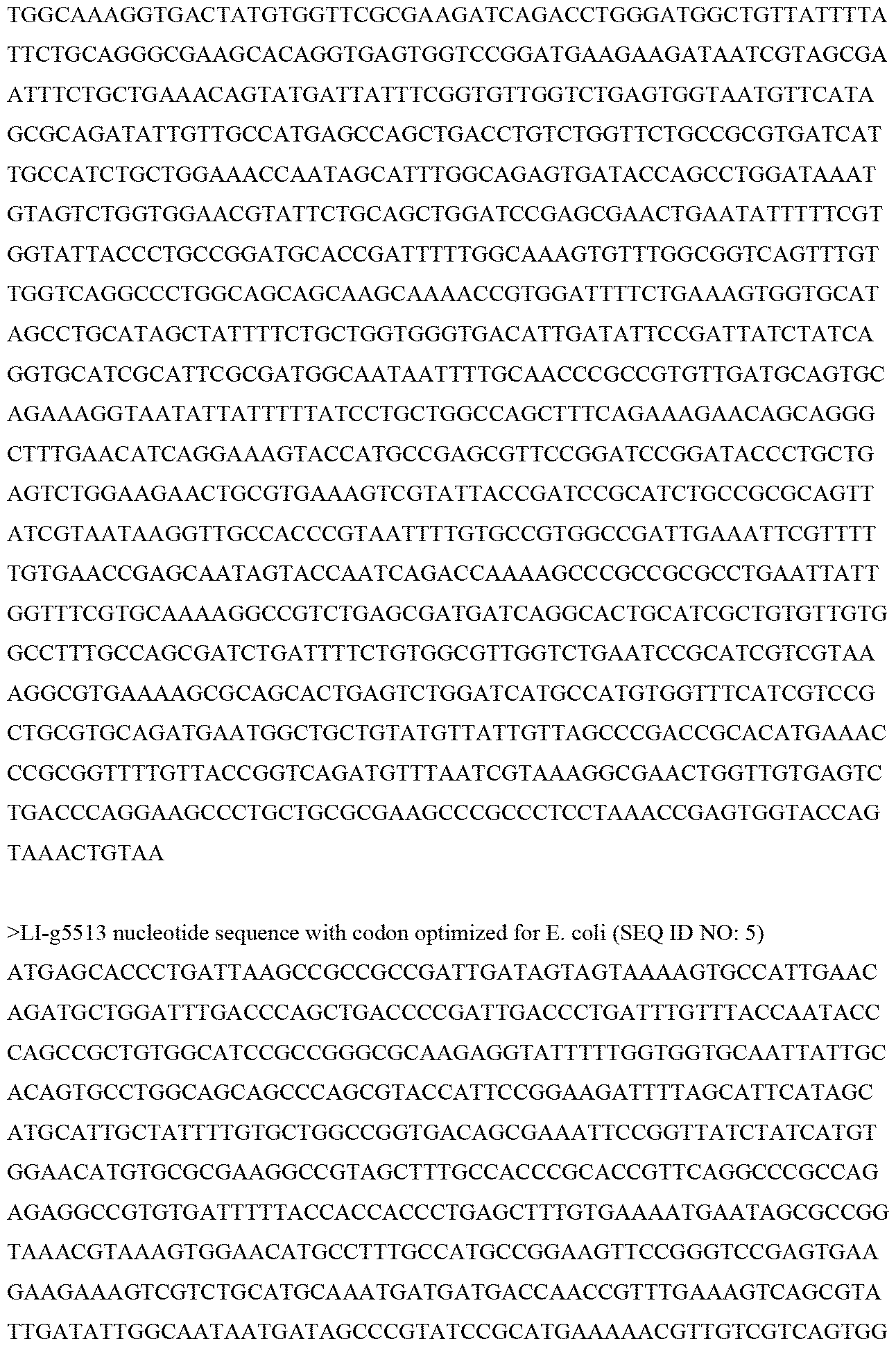
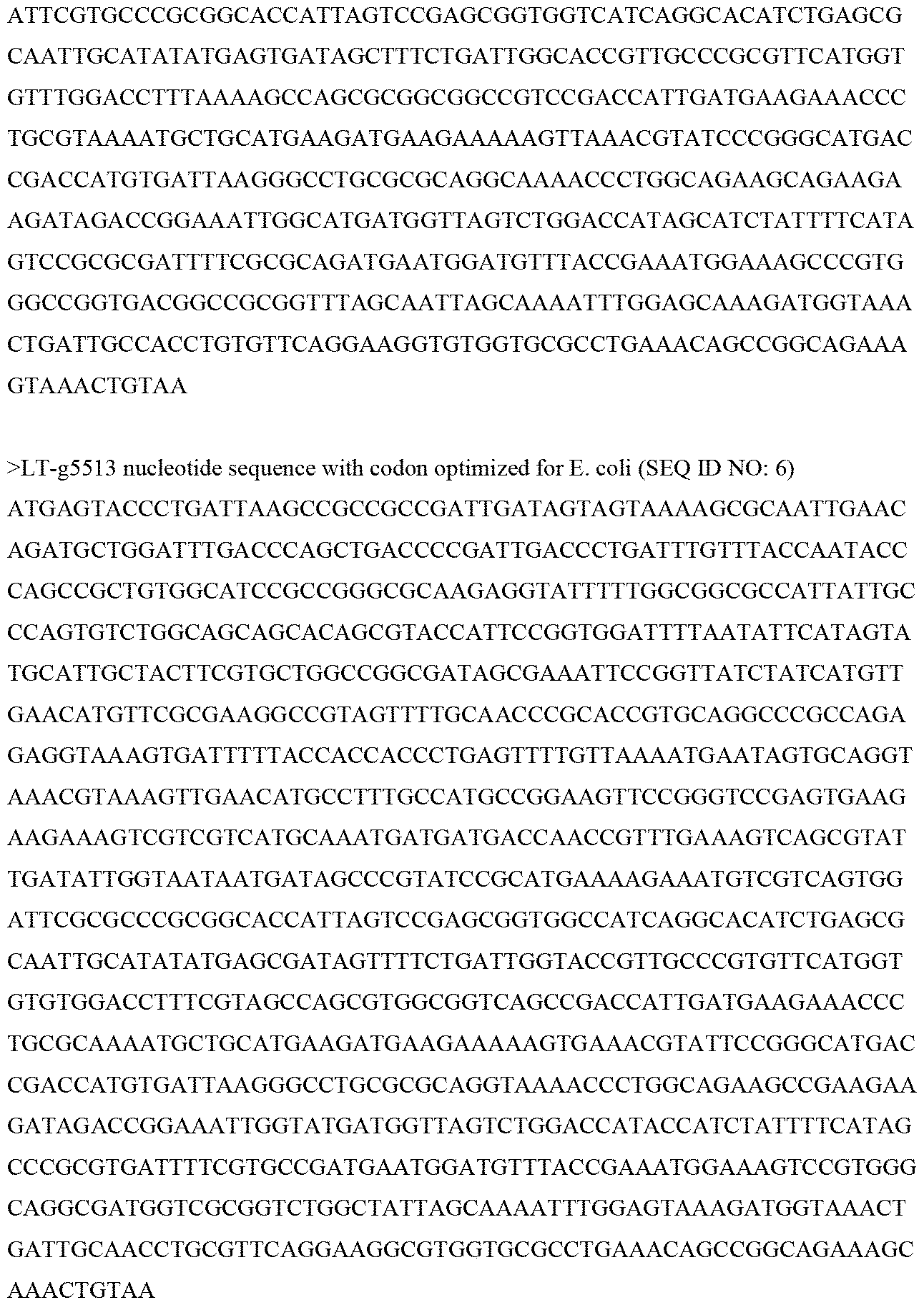
Jasmonic acid (JA) was first identified as a natural product in 1971 from a filamentous fungus, Lasiodiplodia theobromae (Aldridge et al., 1971). In 1990s, JA and its methyl ester, methyl jasmonate (MeJA), collectively called as jasmonates were identified as a new class of plant hormones that mediate plant defense against insect herbivores (Farmer and Ryan, 1990, 1992; Farmer et al., 1992; Howe et al., 1996) and microbial pathogens (Vijayan et al., 1998) as well as the massive production of secondary metabolites (Gundlach et al., 1992).
Methyl jasmonate which gives an odor reminiscent of the floral heart of jasmine has a floral taste with jasmine notes and is used for its floral notes for peach, apricot, grape and other flavors. Flavor and Extract Manufacturers Association (FEMA) has approved its use in food with the number of 3410. In addition, methyl jasmonate has been discovered to induce cytochrome C release in the mitochondria of cancer cells, leading to cell death, but not to harm normal cells (Rotem et al., 2005). Thus, it has a great potential to be developed into a novel class of anticancer drugs.
Due to the importance of jasmonates in agriculture, flavor and fragrance industry, and potentially medicine, large quantities are needed for their various applications. Although jasmonates can be synthesized by organic chemistry, consumer demand for 'natural' flavors has generated a strong need for bio-based processes. More importantly, chemically synthesized jasmonates are a mixture of biologically active and inactive isomers whereas bio-based jasmonates are dominated by biologically active isomers. Unfortunately, similar to other plant hormones, JA and MeJA exist only in trace amounts in higher plants e. g. less than 10 μg in one kg of induced fresh tomato leaves (Chen et al., 2006).
We are interested in developing biotechnological processes in heterologous systems for the production of various natural products using modern synthetic biology tools. A prerequisite for our work is the cloning and characterization of the corresponding genes in the native production hosts.
Although JA pathway has been well studied in plants and almost all of its biosynthetic genes have been identified (Li et al., 2005), the last step catalyzed by JA-CoA thioesterase has not been characterized and the corresponding gene has not been identified.
JA-CoA thioesterase controls the release of JA from JA-CoA, the product of the final round of β-oxidation. The identification of a bona fide JA-CoA thioesterase may help us to prevent the pre-matured release of other acy-CoA intermediates such as OPC-6:0-CoA or OPC-4:0-CoA in heterologous systems.
Acyl-CoA thioesterases (EC 3.1.2.2) catalyze the hydrolysis of fatty acyl-CoAs to free fatty acids and CoASH. Arabidopsis ACH2 is the first acyl-CoA thioesterase to be cloned from plants (Tilton et al., 2004). However, the physiological function of ACH2 is largely unknown although it has been suggested that ACH2 activity is not linked to fatty acid oxidation as has been suggested for its eukaryotic homologs, but rather has a unique role in the plant cell (Tilton et al., 2004).
In this invention, we reported that Arabidopsis ACH2 and its fungal homologue have JA-CoA thioesterase activities.
Materials and methods
The genome sequence and RNAseq libraries of Lasiodiplodia iranensis was obtained from Professor Pu Zheng, Jiangnan University, Wuxi, China. The detailed description of the fungal strain and its sequencing procedures could be found in Dong et al., Zheng et al., and Sun et al. in the “References” section below.
ACH2 homolgues in a filamentous fungus, Lasiodiplodia iranensis was synthesized. The synthesized genes were cloned into pET-28a vector via NdeI and XhoI sites. The resulting plasmids were used to transform Lucigen HI-Control BL21(DE3) cells (Middleton, WI) for protein expression.
In a typical experiment, an overnight culture was used to inoculate liquid LB medium (2%) containing 50 mg/L of kanamycin. The culture was first grown at 37°C to an OD600 of 0.6 and cooled down to 16°C. Then 1 mM of IPTG was added to induce protein expression. After 16 hours of incubation at 16°C, the culture was harvested and cell pellets were kept at -80oC until use.
His-tagged proteins were isolated using Ni-NTA resin as previously described (Chen et al., 2004) and visualized by SDS-PAGE analysis (FIG. 2).
JA-CoA was synthesized using known methods. Acyl-CoA thioesterase activity assay was performed in 100 mM Tris-HCl, pH8.3 with 100 mg/L acyl-CoA and 20 μl of protein elution added. The reaction was performed at room temperature for 30 min. Enzyme reaction was stopped by adding acetic acid. After centrifugation at 14,000 rpmX10 min, the supernatant was analyzed by HPLC (FIG. 3). The HPLC was performed on Thermo Scientific Dionex Ultimate 3000 using an Acclaim(trademark) 120, C18 column (3 μm 120A, 3X150 mm). The mobile phases are : A, 0.1% TFA (trifluoroacetic acid) and B, acetonitrile with the gradient: 0-5 min, 20% B; 5-8 min, 20-80% B; 8-15 min, 80% B; 15-16 min, 80-20% B; 16-18 min, 20% B. The detector wavelength for JA is 200 nm.
The results show that ACH2 and LI-g5513 show C12-CoA thioesterase activities (FIG. 4) and JA-CoA thioesterase activities (FIG. 5). As shown in FIG. 5, both AtACH2 and LI-g5513 can hydrolyze JA-CoA completely into JA whereas in the negative control, no JA-CoA was hydrolyzed and no JA was produced.
The results confirmed that AtACH2 has C12-CoA thioesterase activity reported by Tilton et al. (2004). AtACH2 and LI-g5513 were identified as novel JA-CoA thioesterases.
Claims (11)
- A method of hydrolyzing jasmonic acid-CoA (JA-CoA), the method comprising incubating a reaction mixture comprising the JA-CoA and a polypeptide comprising an amino acid sequence that is at least 80% identical to any one of SEQ ID NOs: 1-3.
- The method of claim 1, wherein the polypeptide comprises the amino acid of any one of any one of SEQ ID NOs: 1-3.
- The method of claim 1 or claim 2, wherein hydrolyzing JA-CoA produces jasmonic acid.
- The method of any one of claims 1-3, wherein the reaction mixture is in vitro.
- The method of any one of claims 1-3, wherein the reaction mixture is in a cell.
- The method of claim 5, wherein the cell comprises a nucleic acid encoding the polypeptide.
- The method of claim 6, wherein the cell is a bacterium, a yeast, a filamentous fungus, a cyanobacterial alga, or a plant cell.
- The method of claim 7, wherein the cells is an E. Coli cell.
- A nucleic acid molecule comprising a nucleotide sequence at least 70% identical to any one of SEQ ID NOs: 4-6.
- The nucleic acid molecule of claim 9, comprising the nucleotide sequence of any one of SEQ ID NOs: 4-6.
- A recombinant cell comprising the nucleic acid molecule of claim 9 or claim 10.
Applications Claiming Priority (2)
| Application Number | Priority Date | Filing Date | Title |
|---|---|---|---|
| US202263331302P | 2022-04-15 | 2022-04-15 | |
| US63/331,302 | 2022-04-15 |
Publications (1)
| Publication Number | Publication Date |
|---|---|
| WO2023199843A1 true WO2023199843A1 (en) | 2023-10-19 |
Family
ID=88329704
Family Applications (1)
| Application Number | Title | Priority Date | Filing Date |
|---|---|---|---|
| PCT/JP2023/014276 Ceased WO2023199843A1 (en) | 2022-04-15 | 2023-04-06 | Jasmonoyl-coenzyme a (ja-coa) thioesterases and uses thereof |
Country Status (1)
| Country | Link |
|---|---|
| WO (1) | WO2023199843A1 (en) |
Citations (1)
| Publication number | Priority date | Publication date | Assignee | Title |
|---|---|---|---|---|
| WO2002008433A2 (en) * | 2000-07-21 | 2002-01-31 | Washington State University Research Foundation | Acyl coenzyme a thioesterases |
-
2023
- 2023-04-06 WO PCT/JP2023/014276 patent/WO2023199843A1/en not_active Ceased
Patent Citations (1)
| Publication number | Priority date | Publication date | Assignee | Title |
|---|---|---|---|---|
| WO2002008433A2 (en) * | 2000-07-21 | 2002-01-31 | Washington State University Research Foundation | Acyl coenzyme a thioesterases |
Non-Patent Citations (1)
| Title |
|---|
| DATABASE UniProtKB 29 September 2021 (2021-09-29), ANONYMOUS : "SubName: Full=Acyl-coenzyme A thioesterase 8 {ECO:0000313|EMBL:KAB2578721.1}", XP093099951, Database accession no. A0A5N5DN21 * |
Similar Documents
| Publication | Publication Date | Title |
|---|---|---|
| US10351880B2 (en) | Drimenol synthases I | |
| WO2020077367A1 (en) | Biosynthesis of homoeriodictyol | |
| US20220112526A1 (en) | Biosynthesis of vanillin from isoeugenol | |
| US6074830A (en) | 3,4-dihydroxy-2-butanone 4-phosphate synthase | |
| US20220112525A1 (en) | Biosynthesis of vanillin from isoeugenol | |
| WO2023199842A1 (en) | Metabolically engineered cells for jasmonic acid biosynthesis | |
| EP3140410B1 (en) | Drimenol synthases and method of producing drimenol | |
| US10550409B2 (en) | Drimenol synthases III | |
| WO2023204053A1 (en) | Genes and host modifications for the production of jasmonic acid | |
| WO2023204055A1 (en) | Genes and host modifications for the production of jasmonic acid | |
| WO2023204106A1 (en) | Yeast strain for the production of jasmonic acid | |
| WO2023204107A1 (en) | Yeast strain for the production of jasmonic acid | |
| US20240060097A1 (en) | Bioconversion of ferulic acid to vanillin | |
| WO2024059813A2 (en) | Biosynthesis of salidroside | |
| US20240052380A1 (en) | Biosynthesis of vanillin from isoeugenol | |
| US6790619B2 (en) | Plant phosphomevalonate kinases | |
| HK40058263A (en) | Biosynthesis of vanillin from isoeugenol | |
| CN121227784A (en) | ZmPLS1, a gene controlling leaf senescence in maize, and its application | |
| HK40061253A (en) | Biosynthesis of vanillin from isoeugenol | |
| EP1112352A2 (en) | Methyltransferases, nucleic acid molecules encoding methyltransferases, their recombinant expression and uses thereof |
Legal Events
| Date | Code | Title | Description |
|---|---|---|---|
| 121 | Ep: the epo has been informed by wipo that ep was designated in this application |
Ref document number: 23788262 Country of ref document: EP Kind code of ref document: A1 |
|
| NENP | Non-entry into the national phase |
Ref country code: DE |
|
| 122 | Ep: pct application non-entry in european phase |
Ref document number: 23788262 Country of ref document: EP Kind code of ref document: A1 |