WO2023198347A1 - A construct, vector, and system and uses thereof - Google Patents
A construct, vector, and system and uses thereof Download PDFInfo
- Publication number
- WO2023198347A1 WO2023198347A1 PCT/EP2023/054670 EP2023054670W WO2023198347A1 WO 2023198347 A1 WO2023198347 A1 WO 2023198347A1 EP 2023054670 W EP2023054670 W EP 2023054670W WO 2023198347 A1 WO2023198347 A1 WO 2023198347A1
- Authority
- WO
- WIPO (PCT)
- Prior art keywords
- sequence
- splice
- site
- construct
- splicing
- Prior art date
- Legal status (The legal status is an assumption and is not a legal conclusion. Google has not performed a legal analysis and makes no representation as to the accuracy of the status listed.)
- Ceased
Links
Classifications
-
- C—CHEMISTRY; METALLURGY
- C12—BIOCHEMISTRY; BEER; SPIRITS; WINE; VINEGAR; MICROBIOLOGY; ENZYMOLOGY; MUTATION OR GENETIC ENGINEERING
- C12N—MICROORGANISMS OR ENZYMES; COMPOSITIONS THEREOF; PROPAGATING, PRESERVING, OR MAINTAINING MICROORGANISMS; MUTATION OR GENETIC ENGINEERING; CULTURE MEDIA
- C12N15/00—Mutation or genetic engineering; DNA or RNA concerning genetic engineering, vectors, e.g. plasmids, or their isolation, preparation or purification; Use of hosts therefor
- C12N15/09—Recombinant DNA-technology
- C12N15/63—Introduction of foreign genetic material using vectors; Vectors; Use of hosts therefor; Regulation of expression
-
- A—HUMAN NECESSITIES
- A61—MEDICAL OR VETERINARY SCIENCE; HYGIENE
- A61K—PREPARATIONS FOR MEDICAL, DENTAL OR TOILETRY PURPOSES
- A61K48/00—Medicinal preparations containing genetic material which is inserted into cells of the living body to treat genetic diseases; Gene therapy
- A61K48/005—Medicinal preparations containing genetic material which is inserted into cells of the living body to treat genetic diseases; Gene therapy characterised by an aspect of the 'active' part of the composition delivered, i.e. the nucleic acid delivered
- A61K48/0066—Manipulation of the nucleic acid to modify its expression pattern, e.g. enhance its duration of expression, achieved by the presence of particular introns in the delivered nucleic acid
-
- A—HUMAN NECESSITIES
- A61—MEDICAL OR VETERINARY SCIENCE; HYGIENE
- A61K—PREPARATIONS FOR MEDICAL, DENTAL OR TOILETRY PURPOSES
- A61K31/00—Medicinal preparations containing organic active ingredients
- A61K31/70—Carbohydrates; Sugars; Derivatives thereof
- A61K31/7088—Compounds having three or more nucleosides or nucleotides
-
- C—CHEMISTRY; METALLURGY
- C12—BIOCHEMISTRY; BEER; SPIRITS; WINE; VINEGAR; MICROBIOLOGY; ENZYMOLOGY; MUTATION OR GENETIC ENGINEERING
- C12N—MICROORGANISMS OR ENZYMES; COMPOSITIONS THEREOF; PROPAGATING, PRESERVING, OR MAINTAINING MICROORGANISMS; MUTATION OR GENETIC ENGINEERING; CULTURE MEDIA
- C12N15/00—Mutation or genetic engineering; DNA or RNA concerning genetic engineering, vectors, e.g. plasmids, or their isolation, preparation or purification; Use of hosts therefor
- C12N15/09—Recombinant DNA-technology
- C12N15/63—Introduction of foreign genetic material using vectors; Vectors; Use of hosts therefor; Regulation of expression
- C12N15/79—Vectors or expression systems specially adapted for eukaryotic hosts
- C12N15/85—Vectors or expression systems specially adapted for eukaryotic hosts for animal cells
- C12N15/86—Viral vectors
-
- C—CHEMISTRY; METALLURGY
- C12—BIOCHEMISTRY; BEER; SPIRITS; WINE; VINEGAR; MICROBIOLOGY; ENZYMOLOGY; MUTATION OR GENETIC ENGINEERING
- C12N—MICROORGANISMS OR ENZYMES; COMPOSITIONS THEREOF; PROPAGATING, PRESERVING, OR MAINTAINING MICROORGANISMS; MUTATION OR GENETIC ENGINEERING; CULTURE MEDIA
- C12N2310/00—Structure or type of the nucleic acid
- C12N2310/10—Type of nucleic acid
- C12N2310/20—Type of nucleic acid involving clustered regularly interspaced short palindromic repeats [CRISPR]
-
- C—CHEMISTRY; METALLURGY
- C12—BIOCHEMISTRY; BEER; SPIRITS; WINE; VINEGAR; MICROBIOLOGY; ENZYMOLOGY; MUTATION OR GENETIC ENGINEERING
- C12N—MICROORGANISMS OR ENZYMES; COMPOSITIONS THEREOF; PROPAGATING, PRESERVING, OR MAINTAINING MICROORGANISMS; MUTATION OR GENETIC ENGINEERING; CULTURE MEDIA
- C12N2320/00—Applications; Uses
- C12N2320/30—Special therapeutic applications
- C12N2320/33—Alteration of splicing
-
- C—CHEMISTRY; METALLURGY
- C12—BIOCHEMISTRY; BEER; SPIRITS; WINE; VINEGAR; MICROBIOLOGY; ENZYMOLOGY; MUTATION OR GENETIC ENGINEERING
- C12N—MICROORGANISMS OR ENZYMES; COMPOSITIONS THEREOF; PROPAGATING, PRESERVING, OR MAINTAINING MICROORGANISMS; MUTATION OR GENETIC ENGINEERING; CULTURE MEDIA
- C12N2830/00—Vector systems having a special element relevant for transcription
- C12N2830/42—Vector systems having a special element relevant for transcription being an intron or intervening sequence for splicing and/or stability of RNA
Definitions
- Neurodegenerative diseases are often deadly and, with few exceptions, have no effective longterm treatments. There is thus an urgent need for new therapies and treatments for neurodegenerative diseases; however, progress has been slow due to a lack of understanding of the complex molecular mechanisms that underpin these diseases.
- RNA-binding proteins include the heterogenous nuclear ribonucleoproteins (hnRNPs).
- hnRNPs are typically located in the nucleus and take part in many stages of RNA metabolism but have a role in regulation of alternative splicing leading to either exon skipping or intron retention.
- TDP-43 TAR DNA-binding protein
- ALS amyotrophic lateral sclerosis
- IBM inclusion body myopathy
- TDP-43 pathology has also been observed in Alzheimer’s disease (AD), and other neurodegenerative diseases (including cases of Parkinson’s disease (PD) and Perry syndrome), suggesting its role in neurodegeneration extends beyond ALS/FTD.
- TDP-43 has many roles in the regulation of RNA, ranging from RNA transcription to RNA decay. Perhaps its best characterised function is as a regulator of splicing, typically as a splicing repressor. When localised near splicing sites, TDP-43 binding is shown to repress and silence splicing. It was first shown to regulate splicing of the CFTR transcript in 2001 ; numerous subsequent studies have demonstrated that TDP- 43 regulates a plethora of transcripts, including its own. In neurodegenerative diseases with TDP-43 pathology, cytoplasmic aggregation and nuclear depletion of the TDP-43 are typically both observed.
- a construct comprising a start codon, a regulatory domain comprising: a first splice acceptor site and a first splice donor site, a binding domain for a splicing factor of the heterogenous nuclear ribonucleoprotein (hnRNP) family, located within 150 nucleotides of the first splice donor site and/or first splice acceptor site, and/or located between the first splice donor site and first splice acceptor site; and a transgene sequence, wherein the construct is configured such that
- a construct comprising a start codon, a regulatory domain comprising: a first splice acceptor site and a first splice donor site, which define a cryptic exon sequence, an intronic region defined by a second splice acceptor site and a second splice donor site, wherein said cryptic exon sequence is located within the intronic region a binding domain for a splicing factor of the heterogenous nuclear ribonucleoprotein (hnRNP) family, located within 150 nucleotides of the first splice donor site and/or first splice acceptor site; and a transgene sequence, configured such that
- the transgene sequence is completely downstream of the regulatory domain.
- At least part of the transgene sequence is encoded by the cryptic exon sequence.
- a construct comprising a start codon, a regulatory domain comprising a first splice donor site and a first acceptor donor site, which define a single regulatory intron, a binding domain for a splicing factor of the heterogenous nuclear ribonucleoprotein (hnRNP) family, located within 150 nucleotides of the first splice donor site and/or first splice acceptor site and/or located between the first splice donor site and first splice acceptor site; and a transgene sequence, configured such that
- a vector comprising the construct of the above aspects.
- a pharmaceutical composition comprising the construct of the above aspects, or the vector of the above aspect.
- a system comprising any construct described herein and a cell, or a system comprising any vector described herein and a cell wherein
- the system upon depletion of the splicing factor of the hnRNP family from the cell nucleus (i.e., in a diseased cell), the system produces a functional protein from the transgene sequence, and
- any construct, vector or pharmaceutical composition described herein for use in therapy is provided.
- any construct, vector or pharmaceutical composition described herein for use in the treatment of a disease associated with depletion of the splicing factor of the hnRNP family, wherein the treatment comprises contacting a cell with the construct, vector, or pharmaceutical composition such that
- the disease is a neurodegenerative disease or a muscle disease.
- the neurodegenerative disease is amyotrophic lateral sclerosis (ALS) or frontotemporal dementia (FTD).
- ALS amyotrophic lateral sclerosis
- FTD frontotemporal dementia
- the splicing factor of the hnRNP family is TDP-43.
- a ninth aspect of the present invention is provided the use of any construct described herein, the use of any vector described herein, or the use of any pharmaceutical composition described herein, in a method of selectively producing functional protein in a diseased cell that has nuclear depletion of the splicing factor of the hnRNP family.
- a construct comprising a start codon, a regulatory domain comprising: a first splice acceptor site and a first splice donor site, a binding domain for a splicing factor of the heterogenous nuclear ribonucleoprotein (hnRNP) family, located within 150 nucleotides of the first splice donor site or first splice acceptor site and/or located between the first splice donor site and first splice acceptor site; and a transgene sequence, wherein the construct is configured such that
- the in vitro system must comprise components which enable transcription, splicing and translation. In some embodiments, these components are provided by a cell.
- a construct comprising a start codon, a regulatory domain comprising: a first splice acceptor site and a first splice donor site, a binding domain for a splicing factor of the heterogenous nuclear ribonucleoprotein (hnRNP) family, located within 150 nucleotides of the first splice donor site and/or first splice acceptor site, and/or located between the first splice donor site and first splice acceptor site; and a transgene sequence encoding a functional protein, wherein the construct is configured such that
- a construct comprising a start codon, a regulatory domain comprising: a first splice acceptor site and a first splice donor site, which define a cryptic exon sequence, an intronic region defined by a second splice acceptor site and a second splice donor site, wherein said cryptic exon sequence is located within the intronic region a binding domain for a splicing factor of the heterogenous nuclear ribonucleoprotein (hnRNP) family, located within 150 nucleotides of the first splice donor site and/or first splice acceptor site; and a transgene sequence encoding a functional protein, configured such that
- a construct comprising a start codon, a regulatory domain comprising a first splice donor site and a first acceptor donor site, which define a single regulatory intron, a binding domain for a splicing factor of the heterogenous nuclear ribonucleoprotein (hnRNP) family, located within 150 nucleotides of the first splice donor site and/or first splice acceptor site and/or located between the first splice donor site and first splice acceptor site; and a transgene sequence encoding a functional protein, configured such that
- the system upon depletion of the splicing factor of the hnRNP family from the cell nucleus (i.e., in a diseased cell), the system produces a functional protein from the mRNA product of the construct, and
- a construct comprising a transgene sequence and a regulatory domain, the regulatory domain comprising (from upstream to downstream) an exon immediately upstream of the splice donor site a splice donor site (i.e., a second splice donor site), a first part of an intronic region, a splice acceptor site (i.e., a first splice acceptor site), a cryptic exon sequence (i.e., which is embedded within the intronic region between the first splice acceptor site and the first splice donor site), a splice donor site (i.e., a first splice donor site), a second part of an intronic region, and a splice acceptor site (i.e., the second splice acceptor site), and an exon immediately downstream of the splice acceptor site wherein the regulatory domain comprises a binding site for a splice donor site (i.e., a second splice donor site
- the splicing factor is preferably TDP-43.
- the transgene sequence is completely downstream of the regulatory domain.
- the transgene sequence is at least partly encoded by the cryptic exon sequence, and optionally encoded by the exon immediately upstream of the splice donor site and/or the exon immediately downstream of the splice acceptor site.
- a construct comprising (from upstream to downstream) an exonic sequence (i.e. , immediately upstream of the splice donor site) a splice donor site (i.e., a second splice donor site), a first part of an intronic region (i.e., or a first intron) a splice acceptor site (i.e., a first splice acceptor site), a cryptic exon sequence (i.e., embedded within the intronic region between the first splice acceptor site and the first splice donor site), a splice donor site (i.e., a first splice donor site), a second part of an intronic region, a splice acceptor site (i.e., a second splice acceptor site), and an exonic sequence immediately downstream of the splice acceptor site, an optional protein cleavage or self-
- the first splice acceptor site and first splice donor site are repressed by the splicing factor of the hnRNP family.
- the splicing factor is preferably TDP-43.
- the start codon may be present in the exonic sequence upstream of the cryptic exon, and the cryptic exon of a length not divisible by three such that it introduces a frame-shift, with the construct configured such that only when the cryptic exon is included is the start codon in frame with the downstream transgene sequence.
- the start codon i.e., necessary for transgene expression
- a construct comprising a transgene sequence (i.e., a transgene sequence encoding a functional protein) and a regulatory domain, the construct comprising (from upstream to downstream) an exonic sequence (i.e., immediately upstream of the splice donor site, and optionally encoding for part of the transgene sequence) a splice donor site (i.e., a second splice donor site), a first part of an intronic region (i.e., a first intron), a splice acceptor site (i.e., a first splice acceptor site), a cryptic exon sequence encoding for at least a part of a transgene (i.e., embedded within the intronic region between the first splice acceptor site and the first splice donor site) a splice donor site (i.e., a first splice donor site
- the first splice acceptor site and first splice donor site are repressed by the splicing factor of the hnRNP family.
- the splicing factor is preferably TDP-43.
- transgene sequence i.e., a transgene sequence encoding a functional protein
- regulatory domain comprising (from upstream to downstream)
- exonic sequence i.e., immediately upstream of the splice donor site
- a splice donor site (i.e., the first splice donor site),
- a splice acceptor site i.e., the first splice acceptor site
- an exonic sequence i.e., immediately downstream of the splice acceptor site
- the regulatory domain comprises a binding domain for a splicing factor of the hnRNP family which is within the exonic sequence upstream of the splice donor site, the single regulatory intron and/or the exonic sequence downstream of the splice acceptor site, and
- the splicing factor is preferably TDP-43.
- the transgene sequence is completely downstream of the regulatory domain.
- the transgene sequence is encoded by the exonic sequence immediately upstream of the splice donor site and the exon immediately downstream of the splice acceptor site.
- the first splice acceptor site and first splice donor site are repressed by the splicing factor of the hnRNP family.
- the construct further comprises an alternative splice donor site and/or alternative splice acceptor site which is not repressed by the hnRNP splicing factor.
- the alternative splice acceptor site may be within the single regulatory intron or downstream of the first splice acceptor site.
- the alternative splice donor site may be within the single regulatory intron or upstream of the first splice donor site.
- aspects of the present invention provides a mechanism for expressing transgenic proteins selectively in diseased cells associated with depletion of a hnRNP splicing factor.
- This has immense therapeutic benefit, as therapeutic proteins such as chaperones, nuclear import receptors, or gene editing enzymes such as Cas9 nuclease, can be expressed specifically in cells with depletion of a hnRNP splicing factor (e.g., diseased cells depleted with TDP-43), with improved safety and efficacy, while leading to minimal, reduced or no expression in healthy cells.
- the construct and system can be used to express a diagnostic protein, such as a secreted luciferase, which can be used to aid detection of patients with cells with depleted hnRNP splicing factors, e.g., cells with TDP-43 pathology.
- a diagnostic protein such as a secreted luciferase
- the present construct and system of the present invention also has utility to enable preemptive treatment, whereby the treatment is administered to at-risk patients before pathology is even detectable.
- the construct and system will only be activated once pathology (e.g., significant TDP-43 pathology in neurons) occurs, and automatically deactivates once that pathology resolves in the cell.
- the present invention therefore provides improved tools to specifically target diseased cells associated with hnRNP depletion, which can be used as a therapy for neurodegenerative disease.
- the constructs, vectors and pharmaceutical compositions described herein are designed to only express protein in diseased cells, selective administration of the construct to a specific cell type is not required. This means that more general and less invasive administration methods could be used.
- the binding domain can be for TDP-43, and the splicing factor of the hnRNP family is TDP-43. This is useful for the study, detection, and treatment of cells with TDP-43 pathology, which is implicated in many neurodegenerative disorders and muscle diseases.
- the transgene sequence refers to the entirety of the sequence between the start and stop codons.
- the CDS by consequence of the regulatory nucleotide sequences used, may (in addition to encoding a functional protein) encode amino acid sequences with no clear protein function, that may be separated from the functional protein by a cleavage site.
- the transgene sequence is defined herein as the region of the CDS which encodes the functional protein (i.e. , the protein which one desires to express in diseased cells).
- the start codon may be present in or upstream of the cryptic exon, and in these cases the CDS would include at least a portion of the cryptic exon; however, the transgene region of the CDS (i.e., the region of the CDS encoding the functional protein) may be entirely downstream of the cryptic exon.
- the transgene sequence may encode for a therapeutic protein.
- the construct can therefore be used to encode for a protein that is deficient or abnormal in a diseased cell.
- the transgene sequence may encode for a regulatory protein.
- a regulatory protein is a protein that alters the expression of additional transgenes or endogenous genes. The construct can therefore be used to regulate expression of additional genes.
- the transgene sequence may encode for a diagnostic protein.
- the construct can be used to further understand, probe, and diagnose cells with depletion of a hnRNP splicing factor.
- depletion of a member of the hnRNP family of splicing factors activates expression of the transgene (i.e., results in expression of the protein product encoded by the transgene).
- the term “depletion” may, in some embodiments, refer to either the general depletion of the splicing factor from the cell (i.e., a “knockdown”, for example via expression of an shRNA targeting the mRNA of the splicing factor), and/or in some embodiments a nuclear depletion of the splicing factor (i.e., as occurs when TDP-43 aggregates in the cytoplasm). Both result in a loss of splicing regulation conferred by the splicing factor because splicing occurs primarily in the nucleus, and as such both would activate functional protein expression from the constructs described herein.
- the sequence defined by the first splice acceptor site and the first splice donor site may be a frame-shift inducing sequence.
- splicing occurs (i.e., diseased cells) or is repressed (i.e., in healthy cells)
- the construct may further comprise a premature termination codon (PTC) downstream of the regulatory domain, wherein the construct is configured such that wherein (i) in cells with nuclear depletion of the hnRNP splicing factor, the PTC is out of frame with the start codon in the mRNA product of the construct and (ii) in cells without nuclear depletion of the hnRNP splicing factor, the PTC is in frame with the start codon in the mRNA product of the construct.
- PTC premature termination codon
- the construct may further comprise a further intronic sequence (i.e., within an exonic sequence context), wherein the PTC is at least 40 nucleotides upstream of the further intronic sequence.
- EJC exon junction complex
- the sequence between the first acceptor splice site and the first donor splice site is a cryptic exon sequence
- the regulatory domain further comprises an intronic region (i.e., defined by a second splice donor site and second splice acceptor site), wherein the cryptic exon sequence is located within said intronic region.
- the regulatory domain is therefore regulated by cryptic splicing, and the construct is configured such that the cryptic exon sequence is incorporated into the mRNA product of the construct in diseased cells (i.e., with nuclear depletion of hnRNP splicing factor), but is absent in the mRNA product of the construct in healthy cells (i.e., without nuclear depletion of hnRNP splicing factor).
- the cryptic exon sequence may be a frame-shift inducing cryptic exon sequence, and can thereby regulate expression of the transgene as described above. Additionally, or alternatively, the cryptic exon sequence may encode for part of the transgene.
- the intronic region is derived from the human AARS1 intronic region between exon 4 and exon 5. In some embodiments and examples herein, the intronic region is a synthetic sequence which is not derived from a naturally occurring intronic sequence.
- Constructs comprising a cryptic exon sequence described herein may have a design according to “Design 1” or “Design 2” described herein, as demonstrated by Figure 1 or Figure 2 respectively.
- Design 1 constructs the transgene sequence is completely downstream of the regulatory domain.
- One of the benefits of this design is that it can be very easily modified to control the expression of various different proteins by including a different complete transgene or protein-coding sequence downstream of the regulatory sequence.
- Such embodiments may further comprise a protein cleavage site or self-cleaving site between the regulatory domain and the transgene sequence. The presence of this site has the advantage of ensuring that the transgene can be expressed without an extra N-terminal sequence, which in some cases may improve the functionality of the transgene’s protein product.
- the cryptic exon sequence encodes for at least a part of the transgene sequence. This may be an N-terminal part, internal part, or C-terminus part of the transgene sequence.
- Design 2 constructs also have many advantages. As compared with Design 1 constructs, the construct sequence can be smaller. Additionally, and unlike Design 1 where, in diseased cells, an unwanted peptide is produced from the upstream regulatory region, which may either be an N-terminal sequence attached to the transgene protein product, or a short released peptide, for Design 2 constructs no unwanted peptides are produced. Finally, there is reduced potential for “leaky expression”, for example via leaky scanning, of the full-length protein in healthy cells (i.e. , in cells in which the cryptic exon is not expressed) because, unlike Design 1 constructs, the full transgene sequence is only present in the mature mRNA when the cryptic exon is included.
- the first splice donor site is upstream of the first acceptor site, and the first splice donor site and first splice acceptor site define a single regulatory intron.
- Constructs comprising a single regulatory intron sequence described herein may be as according to “Design 3”, as demonstrated by Figure 3. The construct is configured such that in a cell that is depleted of splicing factor, the single regulatory intron is spliced, whereas in a cell that is not depleted of splicing factor, the single regulatory intron is either (i) not spliced or (ii) incorrectly spliced.
- the transgene sequence is completely downstream of the regulatory domain and/or single regulatory intron.
- the transgene sequence may be encoded by exonic sequences which are upstream and downstream of the single regulatory intron.
- multiple regulatory domains may be contained within the same construct.
- a transgene sequence may be split across multiple cryptic exons (i.e. , may contain multiple regulatory domains in the style of “Design 2”), or may feature multiple regulatory introns (i.e., may contain multiple regulatory domains in the style of “Design 3”).
- regulatory domains in the style of Design 1 , 2, and/or 3 may be present in the same vector. The use of multiple regulatory domains may reduce the risk of leaky expression and improve safety.
- Figure 1 shows an example construct of the invention according to Design 1.
- This construct is designed such that repression of the first splice acceptor site (2) and first splice donor site (3), caused by binding of the splicing factor of the hnRNP family to the binding domain (4), leads to repression of splicing of the first splice acceptor site and/or first splice donor site.
- This is such that the cryptic exon is not included in the mRNA product in healthy cells.
- splicing is not repressed, such that the cryptic exon is included in the mRNA product of the construct diseased cells.
- Inclusion or absence of the cryptic exon sequence can regulate expression of the transgene sequence (5).
- the example construct shown in Figure 1 comprises a start codon (1), and a cryptic exon sequence (CE) defined by a first splice acceptor site (2) and a first splice donor (3) site.
- the construct comprises a binding domain for a hnRNP splicing factor (4) which regulates splicing of the first acceptor site (2) and/or the first splice donor site (3).
- the cryptic exon sequence (CE) is embedded within an intronic region (6), defined by a splice donor site (7) and splice acceptor site (8).
- a first part of the intronic region is upstream of the cryptic exon sequence, and a second part of the intronic region is downstream of the cryptic exon sequence.
- Exonic sequences (12) additionally flank the intronic region.
- a transgene sequence (5) is completely downstream of the regulatory domain and cryptic exon sequence (CE).
- the transgene sequence comprises a stop codon (10) at the end of the sequence.
- An optional cleavage site (9) may be between the cryptic exon sequence and the transgene sequence (5).
- the transgene sequence (5) further comprises a premature termination codon (PTC) at least part way through the sequence.
- PTC premature termination codon
- downstream of the transgene sequence is a further intronic sequence (11), within an exonic context.
- the cryptic exon sequence is a frame-shifting cryptic exon sequence.
- splicing of the cryptic exon is repressed by binding of the splicing factor to the binding domain.
- the complete intronic region (6) is spliced (i.e. , between 7 and 8), including the cryptic exon sequence (CE), such that no cryptic exon is included in the mRNA product of the construct.
- CE cryptic exon sequence
- PTC premature termination codon
- an exon junction complex (EJC) is deposited on the mRNA product of the construct, which triggers nonsense mediated decay of the mRNA.
- EJC exon junction complex
- the first part of the intronic region is spliced (i.e., between 7 and 2) and the second part of the intronic region is spliced (i.e., between 3 and 8), such that the cryptic exon sequence (i.e., between 2 and 3) is included in the mRNA (i.e., mature mRNA) of the product.
- this introduces a frame-shift such that the PTC is no longer in frame with the start codon and the transgene can be fully translated such that functional protein can be produced.
- the cleavage site (9) releases the transgene protein separately from the peptide produced from exonic sequences (12) that flank the intronic region (6) . Since no PTC is encountered in diseased cells, the ribosome removes any exon junction complex (EJC) meaning that NMD does not occur.
- EJC exon junction complex
- the cryptic exon itself may contain the start codon.
- Figure 2 shows an example construct of the invention according to Design 2.
- a cryptic exon is included in the mRNA product in diseased cells, but repression of the first splice acceptor site (2) and first splice donor site (3), caused by binding of the splicing factor of the hnRNP family to the binding domain (4), means that the cryptic exon is not included in the mRNA product in healthy cells.
- the (CE) sequence itself encodes for part of the transgene sequence (5).
- the construct comprises a start codon (1) and a cryptic exon sequence (CE) defined by a first splice acceptor site (2) and a first splice donor site (3) .
- the construct also comprises a binding domain for a hnRNP splicing factor (4) which regulates splicing of the first splice acceptor site (2) and/or the first splice donor site (3).
- the cryptic exon sequence (CE) is also embedded within an intronic region (6), defined by a splice donor site (7) and splice acceptor site (8).
- a first part of the transgene sequence is encoded by an exonic sequence upstream intronic region
- a second part of the transgene is the cryptic exon sequence
- a third part of the transgene is encoded by an exonic sequence downstream of the cryptic exon sequence.
- the part of the transgene downstream of the cryptic exon sequence optionally also comprises a premature termination codon (PTC) at least part way through the sequence
- the CE is a frame-shifting CE sequence.
- a further intronic sequence (11) in an exonic context is optionally downstream of the transgene sequence downstream of the transgene sequence.
- an exon junction complex (EJC) triggers nonsense mediated decay of the mRNA product of healthy cells, but a ribosome removes the EJC in diseased cells such that no nonsense-mediated decay occurs.
- the cryptic exon may instead encode for the N- or C- terminal region of the protein product.
- the PTC need not be present in the transgene downstream of the regulatory domain (not shown). This is because the absence of a cryptic exon in the mRNA product of the construct can lead to production of a non-functional protein product.
- Figure 3 shows an example construct of the invention according to Design 3.
- this construct is designed such that repression of the first splice donor site (3) and first splice acceptor site (2), caused by binding of the splicing factor of the hnRNP family to the binding domain (4), leads to repression of splicing of the single regulatory intron, such that the single regulatory intron is either not spliced or incorrectly spliced.
- splicing is not repressed, such that no part of the single regulatory intron is included in the mRNA product of the construct.
- the construct comprises a start codon (1) and a single regulatory intron sequence (intron) defined by a first splice donor site (3) and a first splice acceptor site (2).
- the construct comprises a binding domain for a hnRNP splicing factor (4) which regulates splicing of the first splice donor site (3) and/or the first splice acceptor site (2).
- the transgene sequence is encoded by exonic sequences both upstream and downstream of the single regulatory intron in two parts (5), although in alternative embodiments (not shown), the transgene (5) instead be completely downstream of the single regulatory intron.
- the construct may further comprise an alternative splice acceptor site and/or an alternative splice donor site (not shown).
- the alternative splice acceptor site and/or alternative splice donor site may otherwise be referred to as a “decoy” splice site herein.
- the alternative splice site is configured such that it is spliced preferentially in cells that are not depleted of a splicing factor of the hnRNP family, (e.g., TDP-43), and wherein the first donor and/or acceptor splice site is spliced (i.e. , the decoy splice site is not used) in cells that are depleted of the splicing factor of the hnRNP family (e.g., TDP-43).
- the alternative splice site is a donor splice site located upstream of the first donor splice site. In some embodiments, the alternative splice site is a donor or acceptor splice site located between the first donor and first acceptor splice sites. In some embodiments, the alternative splice site is an acceptor splice site located downstream of the first acceptor splice site.
- the construct may further comprise one or more premature termination codons (PTC) and the construct may optionally further comprise a further intronic sequence (11) downstream of the transgene (5). This promotes deposition of an EJC and NMD for the mRNA product in healthy cells.
- PTC premature termination codons
- the intron In healthy cells, the intron is either retained fully (see e.g., E) or partially (see, e.g., B or D), due to the repression of both splice sites (e.g., E), or incorrectly spliced, due to the repression of one splice site (see, e.g., A and C).
- E splice sites
- B or D partially spliced
- PTC premature termination codon
- the construct is configured such that a PTC is in frame with the start codon when at least part of the intron is included in the mRNA product of the construct, but the PTC is not in frame with the start codon when the intron is absent in the mRNA product of the construct. This further leads to the formation of a truncated or non-functional protein for healthy cells, but a functional protein in diseased cells.
- a PTC may instead be present in the intron, in frame with the start codon, such that full or partial intron retention results in this PTC being in frame with the start codon in the mRNA product of the construct (see .e.g., D and E).
- the combination of a PTC and a deposited EJC leads to NMD, preventing expression of truncated, non-functional protein, which could otherwise be toxic for the cell.
- mRNA product i.e., mature mRNA product
- intron retention or incorrect splicing can produce a non-functional protein product (for example due to internal truncation due to incorrect splicing, or due to inclusion of disruptive amino acid sequence that impairs folding).
- Figure 4A shows mCherry fluorescence signal from four cryptic exon-containing vectors.
- AARS1 -based Reporter corresponds to Example 1A which is a Design 1 construct, and features a frame-shifting upstream AARS1 -derived cryptic exon/intron regulatory sequence, and a downstream mCherry sequence.
- Synthetic-1/2/3 feature computer-generated cryptic- exon sequences, corresponding to Examples 2A-2C which are Design 2 constructs, that encode an internal part of the mCherry sequence, flanked by computer-generated intronic sequences. Numbers show the ratio of signal in cells with TDP-43 knockdown versus control cells.
- Figure 4B shows mScarlet fluorescence signal from cells transfected with an mScarlet- encoding plasmid containing a “poison exon” flanked by LoxP sites, co-transfected with a plasmid encoding Cre recombinase where part of the Cre recombinase sequence is encoded by a synthetic cryptic exon, flanked by AARS1-derived intronic sequences (i.e., the construct described in Example 3, another Design 2 construct). Numbers show the ratio of signal in cells with TDP-43 knockdown versus control cells. Y-axis values refer to “Scale Values” from Flow- Jo.
- Figure 5 shows the signal from secreted luciferase with construct Example 1 B, an example Design 1 construct, “-ve Control” refers to cells transfected with a vector encoding mCherry.
- Figure 6 shows TDP-43-dependent genome editing.
- Figure 6A shows western blot showing expression of FLAG-tagged Cas9, TDP-43 and alpha-tubulin in cells transfected with a Cas9 expression vector containing a cryptic exon (left), corresponding to Example 4 which is an Example Design 2 construct, or a constitutive Cas9 expression vector (right) with or without TDP-43 knockdown.
- Figure 7 shows repression of cryptic exons and autoregulation.
- A RT-PCR analysis of cells transfected with an //VSR cryptic exon minigene, and optionally co-transfected with plasmid expressing cryptic TDP-43-RAVER1 fusion protein (i.e., according to Example 1C or a mutant 1 C, which is an example Design 1 construct).
- the “mutant” protein is RNA-binding deficient.
- Doxycycline induces TDP-43 knockdown.
- B Is as described for part A, except that the RT- PCR target is the AARS1 -derived frame-shifting cryptic exon, thus demonstrating autoregulation for this construct.
- FIG 8 shows results using a Cas9/AARS1 mCherry reporter corresponding to Example 1 D, which is an Example Design 1 construct: mCherry fluorescence, is assessed by fluorescence microscopy, from cells transfected with a construct containing a downstream mCherry transgene, regulated by an upstream frame-shifting cryptic exon; the cryptic exon is a novel sequence encoding part of S. pyogenes Cas9, flanked by intronic regions derived from AARS1 . Left: cells without TDP-43 depletion; right: cells with TDP-43 depletion.
- Figure 9 shows the results of mCherry fluorescence assessed via fluorescence microscopy for SK-N-DZ cells transfected with the AARS1-mCherry-FLAG intron retention construct, which is a Design 3 construct corresponding to Example 5, with doxycycline inducible TDP-43 knockdown.
- FIG 10 shows STMN2 cryptic exon levels versus TDP-43 protein levels.
- the percentage inclusion (PSI) of the STMN2 cryptic exon is demonstrated against the level of remaining TDP-43, as assessed by western blot (% TDP-43 protein remaining is shown on the x-axis). Since these cells exhibit correctly localized TDP-43, the total level of TDP-43 protein is equivalent to the total level of nuclear TDP-43. This indicates that presence of STMN2 cryptic inclusion is indicative of nuclear TDP-43 depletion. This further demonstrates that a relative mild depletion of TDP-43 (eg., 23% depletion resulting in 77% remaining) can result in greatly increased levels of cryptic splicing.
- PSI percentage inclusion
- Figure 11 shows the distribution of Splice Al scores (logarithmically scaled) as determined by the SpliceAl algorithm in human transcripts for 500 genes, none of which were in the original training set for the Splice Al algorithm.
- the dashed line corresponds to a cut-off of 0.01 , which corresponds to a ⁇ 99.8 th percentile rank of splicing sites.
- Figure 12 shows the fluorescence microscopy images of SK-N-DZ cells transfected with either a Design 1 -style mCherry construct reporter (Example 1 A), or various synthetic Design 2-style mScarlet construct reporters (Example 2D-2J). Doxycycline induces TDP-43 knockdown. The images shown have been inverted for clarity.
- Figure 13 shows A) fluorescence microscopy images, B) fluorescence microscopy quantification and C) nanopore sequencing of SK-N-DZ cells that were transfected with a constitutively expressing mCherry vector or Example 1A, both with or without TDP-43 knockdown. Numbers above bar graphs show the Iog2-fold-increase with TDP-43 depletion.
- Figure 14 shows A) fluorescence microscopy quantification and B) nanopore sequencing of SK-N-DZ cells that were transfected with various Design 2 constructs (i.e. , Examples 2D-2J) encoding mScarlet, both with or without TDP-43 knockdown. Numbers above bar graphs show the Iog2-fold-increase with TDP-43 depletion.
- Figure 15 shows A) fluorescence microscopy quantification and B) nanopore sequencing of SK-N-DZ cells that were transfected with various Design 3 constructs (i.e., Examples 6A-6D) with or without TDP-43 knockdown. Numbers above bar graphs show the Iog2-fold-increase with TDP-43 depletion.
- Figure 16 shows example nanopore traces derived from SK-N-DZ cells transfected with a Design 2 construct (i.e., Example 2E) and various Design 3 constructs, each of which encode mScarlet (i.e., Examples 6A, 6B and 6D).
- the star symbol highlights the usage of the cryptic splice site(s).
- the expected splicing pattern is shown above; for Design 3 constructs, the “decoy” splice site is also shown.
- Figure 17 shows RT-PCR analysis of SK-N-DZ cells, with or without TDP-43 knockdown, transfected with F2L mutants of Design 2 constructs (i.e., Examples 7A and 7B).
- Figure 18 shows RT-PCT analysis of SK-N-DZ cells, with or without TDP-43 knockdown, transfected with Design 2 constructs (i.e., Examples 7A and 7B) with functional TDP-43 sequences (i.e., without the F2L mutation).
- Figure 19 shows A) RT-PCR of the cryptic exon region for endogenously expressed LINC13A transcript for SK-N-DZ cells expressing Design 2 constructs (i.e., Examples 7A and 7B), and B) quantification of the above RT-PCRs against LINC13A, and equivalent RT-PCRs (not shown) performed against the ELAVL3 cryptic exon, with or without knockdown of endogenous TDP-43.
- the bar on the left shows the quantification for untreated cells
- the bar on the right shows the quantification for dox-treated (i.e. shTDP- 43) cells.
- Figure 20 shows A) diagrams of the Example 8 vector (bottom) and control (top), B) RT-PCR analysis of splicing of the vectors in part A with and without TDP-43 knockdown for SK-N-DZ cells, with or without TDP-43 knockdown and C) analysis of the genome editing at the expected locus via Nanopore amplicon sequencing for these cells.
- Figure 21 shows A) Luciferase activity from media of SK-N-DZ cells transfected with the Example 9 construct, with or without TDP-43 knockdown and B) Nanopore traces from these cells.
- Figure 22 shows A) a schematic of the Example 10 triple cryptic exon Cre-recombinase vector. Exons 2, 4 and 6 are “cryptic”, and B) Quantification of Nanopore reads for the number of cryptic exons included in each transcript for SK-N-DZ cells without (NT) or with doxycycline- induced knockdown of TDP-43. Error bars show standard error across three replicates.
- Figure 23 shows Nanopore traces derived from i3 iPSCs expressing the Example 10 triple cryptic exon Cre-recombinase vector, treated with or without a halo-tag based “protac” sequence that depletes endogenous halo-tagged TDP-43. The expected positions of the three cryptic exons are shown with the striped boxes.
- the complementary sequence is of each SEQ ID is also disclosed. Also disclosed herein is a construct with a complementary sequence to that described herein which may be used to encode for the constructs described herein.
- treatment and “treating” herein refer to an approach for obtaining beneficial or desired results in a subject and includes both a prophylactic benefit and a therapeutic benefit.
- “Therapeutic benefit” refers to eradication, amelioration or slowing the progression of the underlying disorder being treated. Also, a therapeutic benefit is achieved with the eradication or amelioration of one or more of the physiological symptoms associated with the underlying disorder such that an improvement is observed in the subject, notwithstanding that the patient may still be afflicted with the underlying disorder.
- prophylactic benefit refers to delaying or eliminating the appearance of a disease or condition, delaying, or eliminating the onset of symptoms of a disease or condition, slowing, halting, or reversing the progression of a disease or condition, or any combination thereof.
- the prophylactic benefit or effect may involve the prevention of the condition or disease.
- the construct, vector or pharmaceutical composition may be administered to a subject at risk of developing a particular disease, or to a subject reporting one or more of the physiological symptoms of a disease, even though a diagnosis of this disease may not have been made.
- subject refers to any suitable subject, including any animal, such as a mammal. In preferred embodiments described herein, the subject is a human.
- RNA sequencing refers to a next-generation sequencing technology which reveals the presence and quantity of RNA in a sample which can be used to analyse the cellular transcriptome.
- a “construct” described herein has its normal meaning in the art and refers to a synthetic nucleic acid sequence which contains genetic material encoding for a gene of interest.
- a construct is intended not to be a complete naturally occurring nucleic acid sequence, i.e. , as found in the genome of an organism (although the construct itself may comprise component parts that are derived from naturally occurring sequences).
- the construct may have a maximum length, i.e., the construct may comprise less than 50,000 nucleotides, or less than 40,000 nucleotides, or less than 30,000 nucleotides, or less than 20,000 nucleotides, or in some examples, less than 10,000 nucleotides or less than 5000 nucleotides, or less than 2500 nucleotides.
- a “vector” has its normal meaning in the art and refers to a synthetic piece of nucleic acid which comprises a construct (i.e., as defined above), and which has the function of delivering the construct to a cell.
- Nucleotides described herein describe the constituent parts of a nucleic acid sequence. Nucleotides comprise a nucleobase (e.g., A, G, T and C in DNA, or A, G, II and C in RNA, however other nucleobases may be used), linked to a sugar (e.g., deoxyribose in DNA, and ribose in RNA, however, other sugars may be used). In DNA and RNA, the sugars are linked by a phosphodiester backbone to form a nucleic acid sequence, however other backbones may be used.
- a nucleobase e.g., A, G, T and C in DNA, or A, G, II and C in RNA, however other nucleobases may be used
- a sugar e.g., deoxyribose in DNA, and ribose in RNA, however, other sugars may be used.
- the sugars are linked by a phosphodiester backbone to form
- Nuclear depletion of the splicing factor may be defined as a cell with at least 20% loss of splicing factor, or at least 25% loss, or preferably at least 50% loss of splicing factor in the nucleus of a cell (or as an average (mean) of a population of cells) as compared to a healthy cell of the same type (or as an average (mean) of a population of healthy cells). Depletion of the splicing factor can be determined by standard methods, such as western blotting.
- nuclear depletion of the splicing factor can be replaced with or is interchangeable with the term “absence of binding of splicing factor to the splicing factor binding domain”, and the term “without nuclear depletion of splicing factor” can be replaced with or is interchangeable with the term “presence of binding of splicing factor to the splicing factor binding domain”.
- nuclear depletion may be determined by determining the presence of a STMN2 cryptic splicing event (i.e., the presence of a STMN2 cryptic exon) in a cell transcript, which may be determined by RNA-sequencing.
- TDP-43 refers to depletion of “normal” or wild-type TDP-43, and may not include pathological or mutated TDP-43.
- Pathological TDP-43 may be a hyper-phosphorylated, ubiquinated or cleaved form of TDP-43, a TDP-43 form with decreased solubility, or a misfolded form of TDP-43, a mutant form of TDP- 43, or a TDP-43 with altered cellular location.
- a cell with nuclear depletion of the splicing factor of the hnRNP family may be referred to as a “diseased cell” herein.
- a cell without nuclear depletion of the splicing factor of the hnRNP family may be referred to as “healthy cell” herein.
- splicing factor described herein is intended to refer to a splicing factor or splicing repressor protein of the hnRNP family.
- hnRNP as defined herein refers to a heterogenous nuclear ribonucleoprotein, which includes TDP-43 as a family member.
- the term hnRNP splicing factor may be used interchangeably with the term hnRNP splicing repressor protein.
- splicing factor of the hnRNP family may also be used interchangeably with the term hnRNP splicing factor.
- TDP-43 refers to TAR DNA Binding protein 43 (Transactive response DNA binding protein 43 kDa), which in humans is a protein encoded by the TARDBP gene. TDP-43 has been shown to bind both DNA and RNA and have multiple functions in transcriptional repression, pre-mRNA splicing and translational regulation, among other functions.
- Splicing as defined herein refers to the process wherein pre-mRNAs are transformed into mature mRNAs, wherein introns are removed and exons are joined together.
- a cryptic exon as defined herein refers to a splicing variant that is incorporated into a mature mRNA (i.e., upon depletion of relevant splicing factor), introducing frameshifts or stop codons, among other changes in the resulting mRNA.
- the cryptic exon is a nucleotide sequence that is preferentially spliced upon depletion of the relevant splicing factor.
- a cryptic exon may otherwise be referred to as “CE”, “cryptic”, “cryptic exon sequence” or “cryptic event” herein or elsewhere in the art.
- a single regulatory intron defined herein refers to a splicing variant that is incorporated, at least in part, into a mature mRNA, (i.e., due to alternative splicing of the intron), to introduce frameshifts or stop codons, among other changes in the resulting mRNA.
- the single regulatory intron is a nucleotide sequence that is spliced differently in cells with depletion of a relevant splicing factor; where alternative splicing of this intron may introduce frameshifts or stop codons, among other changes in the resulting mRNA.
- Sequence complementarity disclosed herein refers to Watson-Crick base pairing in nucleic acids, e.g., wherein A binds with T (or II or modified variants thereof), and wherein C binds with G (or modified variants thereof).
- genomic or chromosomal position described herein refers to the position on the human genome and associated transcriptome (hg38).
- binding domain for the splicing factor described herein refers to the sequence which encodes for the binding domain in the mRNA.
- TG or UG rich motifs for example, in the context of a TDP-43 binding domain, the TG rich motif is present in the DNA construct, while the UG-rich motif is present in the RNA.
- Splice score as described herein refers to the splice score as determined by the Splice Al algorithm.
- the splice score as determined by the Splice Al algorithm is determined by calculating the probability of splicing of a given position, given a specific sequence context.
- the sequences flanking the splice site may comprise the entire construct, (i.e.. , from start to finish, or in a vector context from the end of the promoter to the start of the polyadenylation signal); this is because sequences in the flanking regions (e.g., up to 10,000 nucleotides apart) can impact the splicing prediction at a given position.
- the Splice Al algorithm can be found at the following link htps://github.com/lllumina/SpliceAI, and can be used according to the instructions as described in Jaganathan et al., 2019, Cell, 176, 535-548, “Predicting Splicing from Primary Sequence with Deep Learning”, the contents of which is incorporated herein by reference.
- the version of the Splice Al algorithm and pretrained network weights used may be version 1.3.1.
- a score of 0.01 is in the 99.8 th percentile of scores generated by the Splice Al algorithm (see Figure 11), and corresponds to a very high probability of splicing (i.e., as compared with random positions in the genome); as described in the Jaganathan et al reference and as shown in Figure 11 , a large fraction of bona fide naturally occurring splice sites obtain scores of far below 1.
- splice sites which are alternatively spliced in different tissues (for example, constitutively spliced in a neuronal cell, but not a hepatocyte), typically obtain lower SpliceAl scores, despite acting as strong splice sites in specific cell types.
- a splice site is the boundary between an intron sequence and exon sequence.
- the nucleotide sequence is cut at said splice sites, i.e., the nucleotide sequence is cut at the boundary between an intron sequence and exon sequence.
- a splice acceptor site is a splicing site that occurs between and intron and exon, i.e., splice site immediately upstream of an exonic sequence wherein the intron is upstream of the exonic sequence.
- a splice acceptor site is characterised by any splice site that comprises the dinucleotides “AG” upstream of the splice site (i.e., at the end of the intron sequence which is upstream of the exon).
- a splice donor site Is a splicing site that occurs between an exon and an intron, i.e., an exonic sequence wherein the exon is upstream of the intron.
- a splice donor site is characterised by any splice site that comprises the dinucleotides “GT” downstream of the splice site (i.e., at the start of the intron sequence which is downstream of the exon).
- a splicing factor is a protein involved in splicing, i.e., the removal of introns from mRNA so that exons are bound together.
- any embodiment described herein may be combined with any other embodiment described herein.
- embodiments described for the hnRNP binding domain, or more specifically TDP-43 binding domain can be readily combined with other embodiments described herein and is not limited to construct design (e.g., Design 1 , 2, or 3), cryptic exon sequence (if present), single regulatory intron (if present), first splice acceptor site, first splice donor site, PTC, further intronic sequence, intronic region (if present), etc.
- construct design e.g., Design 1 , 2, or 3
- cryptic exon sequence if present
- single regulatory intron if present
- first splice acceptor site e.g., first splice acceptor site
- first splice donor site e.g., PTC
- further intronic sequence e.g., intronic region
- a functional protein is either produced or not produced from the transgene sequence, this refers to whether a functional protein is produced or not from the mRNA product of the construct.
- the construct as described herein is a synthetic nucleotide sequence.
- the construct preferably comprises a DNA nucleotide sequence.
- the construct may comprise double-stranded DNA or single-stranded DNA.
- the construct comprises linear DNA or circular DNA.
- the nucleotides may comprise or are formed from non-modified nucleobases (e.g., C, T, A or G in DNA), but may also comprise modified nucleobases (e.g., but not limited to, 5-methylcytosine, 6-methyladenosine, deoxyuridine), provided the Watson- Crick base pairing, transcription and splicing, is not compromised.
- any other suitable nucleotide sequence may be used, i.e., comprising nucleotides with a different sugar, or a different backbone, provided the Watson-Crick base pairing, transcription, and splicing is not compromised Regulatory Domain
- the regulatory domain comprises a first splice acceptor site and the first splice donor site.
- the construct comprises a polypyrimidine tract upstream of the first splice acceptor site (i.e. , within the intronic region upstream of the splice acceptor site, e.g., upstream of HAG/N).
- the polypyrimidine tract is upstream of the first splice acceptor site, more preferably up to 40 nucleotides upstream of the first splice acceptor site, or up to 20 nucleotides upstream of the first splice acceptor site.
- a polypyrimidine tract defined herein may be described as region that is pyrimidine rich, defined as a 20 nucleotide region comprising at least 70% pyrimidines or defined a 30 nucleotide region comprising at least 80% pyrimidines.
- the regulatory domain further comprises a branch site comprising an adenosine upstream of the first splice acceptor site and the polypyrimidine tract (i.e., within the intronic region upstream of the splice acceptor site).
- the branch site may comprise the sequence PTNAP, wherein N is any nucleotide, P is a pyrimidine (i.e., C or T), and wherein the underlined A is the branchpoint for example (e.g., CTGAC) .
- the branch site may be located up to 45 nucleotides upstream of the first splice acceptor, preferably up to 35 nucleotides upstream of the first splice acceptor and preferably between 20 and 35 nucleotides upstream of the first splice acceptor.
- the sequence surrounding the first splice donor site is N/GT wherein I represents the splice site, and wherein N is C, T, A or G.
- the sequence surrounding the first donor splice site is CAG/GT wherein I represents the splice site.
- the first splice acceptor site and/or the first splice donor site have a splice score of 0.01 or above as determined by the Splice Al algorithm. In some embodiments, the first splice acceptor site and/or the first splice donor site have a splice score of 0.05 or above as determined by the Splice Al algorithm, or at least 0.1 or above, or at least 0.2 or above, or at least 0.3 or above, or at least 0.4 or above, or at least 0.5 or above, or at least 0.6 or above, or at least 0.7 or above, or at least 0.8 or above, or at least or equal to 0.9 or above as determined by the Splice Al algorithm.
- the first splice acceptor site and first splice donor site define a sequence.
- the sequence is a frame-shift inducing sequence, that is, a sequence comprising a number of nucleotides that is not divisible by 3. Splicing therefore leads to introduction of a frame-shift inducing sequence in the mRNA product of the construct, as compared to when no splicing occurs.
- the construct further comprises a premature termination codon (PTC) downstream of the regulatory region, configured such that (i) in a cell that has nuclear depletion of the splicing factor, the PTC is out of frame with the start codon in the mRNA product of the construct, and (ii) in a cell without nuclear depletion of the splicing factor, the PTC is in frame with the start codon of the mRNA product of the construct.
- PTC premature termination codon
- the construct comprises a further intronic sequence at least 40 nucleotides downstream of the PTC.
- the further intronic sequence is within an exonic context.
- the presence of a further intronic sequence downstream of the PTC promotes deposition of an exon junction complex (EJC) on the resultant mRNA when splicing of the first splice acceptor and/or first splice donor is repressed (i.e., since the PTC is in frame with the start codon), which promotes nonsense mediated decay.
- EJC exon junction complex
- the PTC codon is not in frame with the start codon in the mRNA product of the construct, and the ribosome therefore removes the EJC, such that no nonsense-mediated decay occurs.
- the presence of the further intronic sequence enhances the safety and selectivity of the construct.
- the first splice acceptor site is upstream of the first splice donor site and the first splice acceptor site and the first splice donor site define a cryptic exon sequence.
- the cryptic exon sequence is a frame-shift inducing cryptic exon sequence, which therefore alters expression of the transgene as described above.
- the cryptic exon sequence encodes for at least a part of the transgene. Repression of splicing therefore can lead to a non-functional protein being produced in a cell without nuclear depletion of the splicing factor.
- the start codon is present in the cryptic exon sequence.
- the first splice donor site is upstream of the first splice acceptor site and the first splice donor site and the first acceptor donor site define a single regulatory intron. Repression of splicing therefore can lead to inclusion of at least part of an intron in the mRNA construct of a cell without nuclear depletion of the splicing factor, which can cause a frame-shift, which would block transgene expression as described above. Alternatively, or additionally, full, or partial intron retention could introduce a PTC into the sequence if the PTC were present within the intron itself.
- the construct comprises one single regulatory domain, however, the construct may comprise two or more, or three or more, or four or more regulatory domains as described herein. The presence of multiple regulatory domains may increase the selectivity of expression in diseased cells and/or minimise leaky expression in healthy cells.
- the construct may comprise one, or at least two, or at least three, or at least four, or at least five, or at least six, or at least seven, or at least eight, or at least nine, or at least 10 cryptic exons and/or regulatory introns.
- the regulatory domain comprises a binding domain for a splicing factor of the hnRNP family.
- the splicing factor of the hnRNP family may otherwise be referred to or restricted to a splicing repressor protein of the hnRNP family.
- Such proteins typically have a structure comprising at least one (e.g., two)RNA-recognition motif flanked by an N-terminus and C-terminal regions.
- the proteins typically comprise a nuclear-localisation sequence (NLS) which enables localisation in the nucleus.
- the splicing factor of the hnRNP family may have a molecular weight between 30 kDa and 120 kDa, more preferably between 30 kDa and 50 kDa.
- the splicing factor is an endogenous splicing factor, i.e., originating from within the cell.
- the splicing factor is any member of the hnRNP family which is associated with depletion in a disease, for example, a neurogenerative disease or a muscle disease.
- the binding domain is within 150 nucleotides of the first splice acceptor site and/or first splice donor site.
- the binding domain is within 100 nucleotides of the first splice acceptor site and/or first splice donor site, or within 50 nucleotides of the first splice acceptor site or first splice donor site, or within 25 nucleotides of the first splice acceptor site or first splice donor site, or within 10 nucleotides of the first splice acceptor site or first splice donor site.
- Binding of the splicing factor of the hnRNP family to the binding domain leads to repression of the first splice acceptor site and/or first splice donor site and therefore regulates splicing (e.g., of the sequence between the first splice acceptor site and first splice donor site). Additionally, or alternatively, the binding domain may be between the first splice donor site and first splice acceptor site (e.g., within the single regulatory intron sequence in a Design 3 construct or within the cryptic exon sequence in a Design 1 or 2 construct).
- the binding domain comprises at least 6 nucleotides, more preferably at least 10 nucleotides. In some embodiments, the binding domain is from 6 to 700 nucleotides, or from 6 to 150 nucleotides, or from 10 nucleotides to 150 nucleotides, or from 15 to 50 nucleotides, or from 6 to 45 nucleotides, or from 10 to 45 nucleotides, or 10 to 20 nucleotides, and in some examples from 20 nucleotides to 45 nucleotides.
- the binding domain is upstream of the first splice acceptor site and/or the first splice donor site. In some embodiments, the binding domain is downstream of the first splice donor site and/or the first splice acceptor site. In some embodiments, the binding domain is between the first splice acceptor site and first splice donor site (i.e. , within the sequence defined by the first splice acceptor site and first splice donor site, in some embodiments, the cryptic exon sequence, or in other embodiments, the single regulatory intron).
- the binding domain may be upstream of the cryptic exon (i.e., in the first part of the intronic region), downstream of the cryptic exon (i.e., in the second part of the intronic region), or within the cryptic exon sequence.
- the binding domain may be upstream or downstream of the single regulatory intron (i.e., in exonic regions flanking the single regulatory intron), or the binding domain may be within the single regulatory intron.
- the construct comprises two binding domains for a splicing factor of the hnRNP family (e.g., one upstream of the first splice acceptor site and one downstream of the first splice donor site).
- the binding domain in the construct may encode for any known binding site for the splicing factor in the RNA.
- the sequence characteristics which promote binding of TDP- 43 are described in Lukavsky et al., 2013 (NSMB, 20, pages 1443-1449) which is incorporated herein by reference.
- the known binding site for the splicing factor may have been identified by transcriptome mapping of the splicing factor, for example, as determined by immunoprecipitation, wherein the transcriptome mapping may have been performed on the human genome.
- the binding domain is a TDP-43 binding domain and the splicing factor of the hnRNP family is TDP-43.
- the TDP-43 binding domain comprises a region of at least 6 nucleotides, or preferably at least 10 nucleotides, or at least 20 nucleotides, with a statistically significant enrichment of TG dinucleotides and/or TGNNTG hexanucleotides, wherein N is A, T, C or G.
- the TDP-43 binding domain comprises a region of from 6 nucleotides to 150 nucleotides, with a statistically significant enrichment of TG dinucleotides and/or TGNNTG hexanucleotides, wherein N is A, T, C or G, wherein statistically significant enrichment is defined as a probability of less than 0.2% that a random sequence of nucleotides of equal length would feature an equal number of TG dinucleotides and/or TGNNTG hexanucleotides.
- the statistically significant enrichment is defined as a probability of less than or equal to 0.15% that a random sequence of nucleotides of equal length would feature an equal number of TG dinucleotides and/or TGNNTG hexanucleotides, or less than or equal to 0.1%, or less than or equal to 0.05%, or less than or equal to 0.01%, or less than or equal to 0.003%, or equal or less than 0.001%, or equal or less than 0.0003%, or equal or less than 0.0001%.
- These definitions cover both short sequences which are highly enriched for UG, and longer sequences which are broadly enriched for UG, both of which have been shown to be preferentially bound by TDP-43.
- the statistically significant enrichment is defined as a probability of less than or equal to 1 x 10' 5 , or of less than or equal to 1 x 10' 6 , or of less than or equal to 1 x 10' 7 , or of less than or equal to 1 x 10 8 , or of less than or equal to 1 x 10' 9 , or less than or equal to 1 x 10 -10 .
- Example TDP-43 binding domains include the TDP-43 binding region within LINC13A which represses LINC13A cryptic exon inclusion (SEQ ID NO: 1). score of ⁇ 0.01% that a random sequence of nucleotides of equal length would feature an equal number of TG dinucleotides.
- TDP-43 binding domains include TGTGTG which has a probability score of 0.02% and TGNNTGTG which has a probability score of 0.15%.
- An example TDP-43 binding domain described herein is: SEQ ID NO: 2:
- the TDP-43 binding domain comprises a sequence that is enriched with TG dinucleotides.
- an enrichment of TG dinucleotides is defined as a sequence comprising at least 6 nucleotides with 100% TG dinucleotides (i.e. , TGTGTG), or one or more region with at least 6 nucleotides with 100% TG dinucleotides.
- an enrichment of TG dinucleotides is defined as a sequence comprising at least 8 nucleotides (or one or more region with at least 8 nucleotides) with at least 80% TG dinucleotides (e.g., TGAATGTG), or at least 85%, or at least 90%, or at least 95%, or 100% TG dinucleotides (i.e., TGTGTGTG).
- an enrichment of TG dinucleotides is defined as a sequence which comprises at least 10 nucleotides (or one or more region with at least 10 nucleotides) with at least 60% TG dinucleotides (e.g., TGAATGAATG (SEQ ID NO: 3)), or at least 65%, or at least 70%, or at least 75%, or at least 80%, or at least 85%, or at least 90%, or at least 95%, or at least 100% TG dinucleotides.
- TGAATGAATG SEQ ID NO: 3
- an enrichment of TG dinucleotides is defined as a sequence that comprises at least 15 nucleotides (or one or more region with at least 15 nucleotides) with at least 53% TG dinucleotides (e.g., TGAATGAAATGATG (SEQ ID NO: 4)), or at least 60%, or at least 65%, or at least 70%, or at least 75%, or at least 80%, or at least 85%, or at least 90%, or at least 95%, or 100% TG dinucleotides).
- TGAATGAAATGATG SEQ ID NO: 4
- the TDP-43 binding domain comprises a sequence that comprises at least one TGTGTG, or TGTGTGTGTG, or TGTGTGTGTG (SEQ ID NO: 5), or TGTGTGTGTGTG (SEQ ID NO: 6), or TGTGTGTGTGTGTG (SEQ ID NO: 7), or TGTGTGTGTGTGTGTG (SEQ ID NO: 8), or TGTGTGTGTGTGTGTGTGTG (SEQ ID NO: 9) or any combination thereof.
- the TDP-43 binding domain comprises a sequence that has at least 80% sequence identity to SEQ ID NO: 2 or at least 85%, or at least 90% sequence identity, or at least 95% sequence identity, or 100% sequence identity to SEQ ID NO: 2- TGTGTGTGTGTGTGTGTGAATGTGTGTGTGTGTGTGTGTGTGTGTGTGTGTGTGTGTGTG.
- the TDP-43 binding domain has a sequence that has at least 80% sequence identity, or at least 85%, or at least 90%, or at least 95%, or at least 100% sequence identity with SEQ ID NO: 1-9, or SEQ ID NO: 115.
- TDP-43 is capable of binding a large variety of different sequences that are UG/TG-rich
- the binding domain does not have to bind a pure UG/TG- repeat. This is in part due to the protein’s lack of contact with some RNA residues within its binding footprint, and in part due to multivalent protein-protein interactions which enhance binding to large regions of UG-rich RNA. This means that in some embodiments, the TDP-43 binding domain may not require any pure UG-repeats.
- Example sequences include
- the construct is configured such that when placed in a cell with nuclear depletion of the the splicing factor, (e.g., in the absence of binding of the splicing factor to the binding domain) splicing of the first splice acceptor site or first donor site is not repressed, and when placed in a cell without nuclear depletion of the splicing factor (e.g., in the presence of binding of the splicing factor to the binding domain), splicing of the first splice acceptor site or first donor site is repressed. This alters the sequences that are incorporated into the mRNA product of the construct, and thereby regulates whether functional protein is produced from the mRNA product of the construct.
- the first splice acceptor site is upstream of the first splice donor site, and the first splice acceptor site and the first splice donor site define a cryptic exon sequence (e.g., Design 1 or 2 constructs described herein).
- the cryptic exon sequence is a frame-shift inducing cryptic exon sequence, i.e., an exon comprising a length of nucleotides that is not divisible by 3 (e.g., Design 1 or 2 constructs described herein). Additionally, or alternatively, the cryptic exon sequence may comprise the start codon.
- the cryptic exon sequence may encode for at least part of the transgene sequence (e.g., Design 2 construct described herein).
- the first splice donor site is upstream of the first splice acceptor site.
- the sequence between the first splice donor site and the first splice acceptor site is a single regulatory intron (e.g., Design 3 construct described herein).
- production of a functional protein from the transgene can be regulated (i.e. , switched off or on) by the inclusion or exclusion of at least part of the intron in the mRNA product of the construct.
- the construct comprises a start codon, or a plurality or array of start codons (i.e., in frame with each other).
- the start codon may be upstream of the regulatory domain.
- the start codon may be present within the regulatory domain (e.g., in embodiments comprising a cryptic exon, the start codon may be present within the cryptic exon).
- the start codon is provided in the form of a Kozak sequence or Kozak-like sequence.
- the start codon comprises ATG.
- the construct comprises a sequence encoding a start codon that has at least 80% sequence identity, or at least 85% sequence identity, or at least 90% sequence identity, or at least 95% sequence identity, or at least 100% sequence identity with SEQ ID NO: 28.
- mRNAs Approximately half of human mRNAs feature an upstream start codon in the 5’ untranslated region, which does not initiate translation of the mRNA’s canonical coding sequence . Many such start codons initiate translation of upstream open reading fames. Despite the presence of upstream start codons, these mRNAs still result in the expression of the canonical protein from the downstream, canonical start codon, via a variety of proposed mechanisms including leaky scanning and re- initiation. As such, the start codon described in the embodiment above does not necessarily need to be the most-5’ start codon in the mRNA product.
- the construct comprises a transgene sequence (e.g., a sequence that encodes for a protein). This may be formed of one or more exonic sequences (or parts) that together form a complete transgene sequence. In some embodiments, at least a part of the transgene sequence is downstream of the regulatory domain. In some embodiments, the complete transgene sequence may be uninterrupted. In some embodiments, the complete transgene sequence is downstream of the regulatory domain. In some embodiments, the transgene sequence may be interrupted (i.e., splice into parts).
- the transgene sequence may be split into two or more parts, or three or more parts, or four or more parts, or five or more parts, or six or more parts, or seven or more parts, or eight or more parts, or nine or more parts, or ten or more parts.
- at least part of the transgene sequence is upstream of the regulatory domain and downstream of the regulatory domain.
- the cryptic exon may form part of the transgene sequence.
- at least part of the transgene sequence may be upstream of the regulatory domain
- at least part of the transgene sequence is encoded by the cryptic exon sequence and at least part of the transgene sequence may be downstream of the regulatory domain.
- the complete transgene is for (i.e., encodes for) a diagnostic protein.
- the diagnostic protein may be any suitable diagnostic protein known in the art.
- the construct can be used as a biomarker in this instance (e.g., to monitor depletion of the hnRNP splicing factor).
- the diagnostic protein is a fluorescent protein, a luminescent protein, or a protein with a detectable antibody-binding tag (e.g., a protein with a peptide or polypeptide tag).
- the fluorescent protein may be any suitable fluorescent protein known in the art.
- the fluorescent protein is a monomeric red fluorescent protein (mRFP), for example, mCherry or mScarlet.
- the fluorescent protein is a green fluorescent protein (GFP) or an enhanced derivative (eGFP).
- the green fluorescent protein is mNeonGreen or mGreenLantern.
- the fluorescent protein is a blue fluorescent protein.
- the fluorescent protein is an orange fluorescent protein.
- the fluorescent protein is a yellow fluorescent protein.
- the luminescent protein may be any suitable luminescent protein known in the art.
- the luminescent protein is a luciferase protein (e.g., firefly luciferase or Renilla luciferase).
- the luciferase protein is Gaussia Luciferase (gLuc), i.e., Gaussia princeps Luciferase.
- the protein with a detectable antibody-binding tag may have any suitable tag.
- the tag is a peptide tag.
- the peptide tag is a FLAG-tag (e.g., comprising DYKDDDDK (SEQ ID NO: 10) or DDDDK (SEQ ID NO: 11)), His-tag (HHHHHH, (SEQ ID NO: 12)), HA-tag (YPYDVPDYA, (SEQ ID NO: 13)), Myc-tag (EQKLISEEDL, (SEQ ID NO: 14)), V5 tag (GKPIPNPLLGLDST, (SEQ ID NO: 15)), S tag (KETAAAKFERQHMDS, (SEQ ID NO: 16)), E tag (GAPVPYPDPLEPR, (SEQ ID NO: 17)), T7 tag (MASMTGQQMG, (SEQ ID NO: 18)), VSV-G tag (YTDIEMNRLGK, (SEQ ID NO: 19)), Glu-Glu tag (
- the tag is a polypeptide tag.
- the polypeptide tag is a Glutathione- S-transferase (GST) tag, a Maltose Binding Protein (MBP) tag or a Thioredoxin (Trx) tag ).
- the transgene is for (i.e., encodes for) a therapeutic protein (i.e. , a protein that has a therapeutic effect on the cell).
- the therapeutic protein may be a protein that is deficient or abnormal in a diseased cell.
- the therapeutic protein may be any suitable therapeutic protein known in the art.
- the therapeutic protein is a neuroprotective protein.
- the therapeutic protein may be a nuclease, a chaperone, a proteasomal protein, a recombinase protein, a splicing regulator, or a transcription factor or any combination thereof.
- the therapeutic protein is a regulatory protein.
- the regulatory protein may be selected from a recombinase protein, a splicing regulator, a transcription factor, or any combination thereof.
- the nuclease may be any suitable nuclease known in the art.
- the nuclease is a Cas nuclease, for example a Cas9 or Cas13 nuclease, or a catalytically inactive derivative of a Cas nuclease, or a modified variant of a Cas-family nuclease with enhanced specificity or activity, or a nicking Cas9 nuclease.
- the Cas-family nuclease, or variant thereof is fused to a second protein (for example a nicking Cas9 nuclease fused to a reverse transcriptase to enable “prime editing”).
- the chaperone protein may be any suitable chaperone protein known in the art.
- the chaperone protein is a foldase protein.
- the chaperone protein is a heat-shock protein.
- the heat shock protein is selected from, but not limited to, HSPB1 , HSP104, HSP40, or HSP70.
- the chaperone is a cyclophilin, e.g., cyclophilin A.
- the chaperone is any protein from the DnaJ family.
- the recombinase protein may be any suitable recombinase protein used in the art.
- the recombinase protein is Cre recombinase.
- the recombinase protein is Flp recombinase.
- the recombinase protein is Vika recombinase.
- the recombinase protein is Dre recombinase.
- the proteasomal protein may be any suitable proteasomal protein known in the art.
- the transcription factor may be any suitable transcription factor known in the art.
- the transcription factor may be, or may derive from (e.g., as a truncation or a fusion protein), a human or mammalian transcription factor.
- the transcription factor could be a synthetic engineered transcription factor, for example with a DNA binding domain based on a transcription activator- 1 ike effector (TALE), or a zinc finger domain, or a modified Cas-family enzyme (e.g., the CRISPRa system).
- TALE transcription activator- 1 ike effector
- the transcription factor could be an activator or a repressor of transcription.
- the transcription factor may feature a characterised transcriptional regulatory domain, for example a VP16 domain, or a KRAB domain
- the splicing regulator may be any suitable splicing regulator known in the art.
- the splicing regulator is or comprises a splicing inhibitor.
- the splicing regulator is hnRNPAI or RAVER1.
- the splicing regulator further comprises a binding domain of the hnRNP family (i.e. , fused to a splicing regulator), (e.g., an RNA binding domain of the hnRNP family), for example, a TDP-43 binding domain fused to a splicing regulator, such as TDP-43 binding domain fused to RAVER1 (e.g., a TDP- 43 RNA binding domain fused to RAVER1).
- the transgene is configured such that it can autoregulate and/or suppress cryptic splicing (i.e., upon depletion of the endogenous hnRNP splicing factor, such as TDP-43).
- the construct may comprise a single transgene. In other embodiments, the construct may comprise at least two transgenes.
- the at least two transgenes may comprise a first transgene which encodes for a first therapeutic protein and a second transgene that encodes for a diagnostic protein, or a first transgene which encodes for a first therapeutic protein and a second transgene that encodes for a second therapeutic protein.
- the two transgenes may be separated by a protein cleavage site or self cleavage site, for example, comprising any sequence of a protein-cleavage site or self-cleavage site described elsewhere herein. In some examples described herein, two transgenes are separated by a T2A cleavage site .
- the transgene sequence may comprise a stop codon at the end of the transgene sequence, (i.e., unless linked to a further downstream transgene) .
- the stop codon is no more than 55 nucleotides, preferably no more than 50 nucleotides, or no more than 40 nucleotides upstream of the further intronic sequence, or the stop codon is downstream of the further intron sequence.
- the transgene is a known sequence encoding for a protein, i.e. , a naturally occurring sequence.
- the known sequence is modified by replacing naturally occurring codons with synonymous codons.
- the sequence defined by the first acceptor splice site and the first donor splice site is a frame-shift inducing sequence.
- the construct may further comprise a premature termination codon (PTC).
- the premature termination codon may be selected from TAG, TAA or TGA.
- the PTC may be downstream of the regulatory domain but upstream of at least part of the transgene sequence. In some embodiments, the PTC may be positioned within at least part of the transgene which is located downstream of the regulatory domain.
- the PTC may not be present in at least part of the transgene, for example, the PTC may be present within a separate sequence comprising a PTC. In some embodiments, i.e., in embodiment comprising a single regulatory intron, the PTC may be present within the single regulatory intron.
- the PTC is positioned and configured such it is in frame with the start codon in the mRNA product of the construct when splicing is repressed (i.e., in a healthy cell), but out of frame in the mRNA product of the construct when splicing is not repressed (i.e., in a diseased cell).
- a PTC in frame with the start codon leads to production of a truncated protein. This leads to a functional protein being produced upon nuclear depletion of the splicing factor, but no functional protein being produced without nuclear depletion of the splicing factor. This selectively leads to formation of a truncated protein in cells without nuclear depletion.
- intronic sequence e.g., constitutively spliced intron sequence
- the construct may further comprise a further intronic sequence downstream of the regulatory domain.
- the further intronic sequence is within or surrounded by exonic context (e.g., flanked by exonic sequences).
- the further intronic sequence comprises a constitutively spliced intron sequence.
- the further intronic sequence is at least 40 nucleotides downstream of the PTC, but in preferred embodiments, the PTC is at least 50 nucleotides upstream of the further intronic sequence, or at least 55 nucleotides, upstream of the further intronic sequence. In some embodiments, the PTC is between 40 to 55 nucleotides upstream of the further intronic sequence, or 50 to 55 nucleotides upstream of the further intronic sequence.
- the further intronic sequence is downstream of the complete transgene sequence. In alternative embodiments, the further intronic sequence is downstream of the regulatory domain but upstream of at least part of the transgene sequence.
- EJC exon junction complex
- the further intronic sequence and surrounding exonic context is derived from human RPS24, however, any suitable intron and exon sequence may be used.
- the further intronic sequence comprises any naturally occurring intron and exon sequence (e.g., any intron and exon from the human genome).
- the further intronic sequence and exon are formed of or from a synthetic sequence.
- the sequences may be designed using the Splice Al algorithm, i.e., wherein the splicing sites defining the further intronic sequence have a splice score of at least 0.01 , or at least 0.05, preferably at least 0.1, or at least 0.5, or more preferably at least 0.9.
- the synthetic sequences may be designed using “algorithm 1” described herein.
- the construct further comprises a protease-cleavage site or self-cleavage site.
- the protease-cleavage site or self-cleavage site may be downstream of the regulatory domain but upstream of at least part of the transgene sequence.
- the protease cleavage site or self-cleavage site may be between transgene sequences.
- the protease cleavage site or self-cleavage site may be selected from P2A, T2A, F2A, E2A, furin, PCSK1 , PCSK6, PCSK7, cathepsin B, granzyme B, factor XA, enterokinase, genenase, sortase, precission protease, thrombin, TEV protease or elastase 1.
- the cleavage site is P2A or T2A.
- protease cleavage site enables cleavage of the protein encoded by the transgene from any peptides encoded by the regulatory domain, or cleavage of a protein encoded by a first transgene with a protein encoded by a second transgene, if required. Regulation of the construct
- the construct and regulatory domain are configured such that (i) if placed in a cell with nuclear depletion of the splicing factor of the hnRNP family, (e.g., in the absence of binding of the splicing factor to the binding domain) splicing of the first splice acceptor site and first donor site is not repressed, such that functional protein is produced from the transgene sequence.
- functional protein is produced from the mRNA product of the construct (i.e., the functional protein encoded by the complete, uninterrupted transgene sequence).
- a functional protein may be defined herein as a protein produced when the complete, uninterrupted transgene sequence is present in the mRNA product, and in frame with the start codon, and with no in-frame stop codon between the start codon and the transgene sequence.
- a functional protein may additionally or alternatively be defined herein as a polypeptide chain of at least 30, preferably 50, further preferably 100 amino acids, which can perform a therapeutic, diagnostic, or regulatory role within the cell, either alone or acting in tandem with one or more additional proteins (for example as a heterodimer).
- a functional protein could be a full length GFP protein capable of intrinsic fluorescence, or one component of a split-GFP system capable of fluorescence upon binding to the second component of the split-GFP system, or a mutated or truncated GFP fragment with no fluorescence that could be detected via an assay such as western blotting.
- the construct and regulatory domain are also configured such that (ii) if placed in a cell without nuclear depletion of the splicing factor of the hnRNP family (e.g., in the presence of binding of the splicing factor to the binding domain), splicing of the first splice acceptor site and/or first donor site is repressed, such that no functional protein is produced from the complete transgene sequence. In some embodiments, this may arise because at least part of the transgene sequence is not in frame with the start codon (e.g., wherein the sequence defined by the first splice acceptor site and first splice donor site is a frame-shift inducing sequence).
- this may arise because at least part of the transgene sequence is absent in the mRNA product of the construct (i.e., the transgene sequence is not fully transcribed, e.g., in embodiments where the cryptic exon sequence encodes for part of the transgene, and the cryptic exon sequence is absent in the mRNA product of the construct in healthy cells).
- this may arise because a sequence is introduced in the mRNA product of the construct which interrupts the transgene sequence (e.g., in embodiments where the first splice donor site and first splice acceptor site define a single regulatory intron, and wherein without depletion of the splicing factor, at least part of the intron is incorporated into the mRNA product of the construct in healthy cells, or alternatively part of the transgene sequence is not included in the mRNA product of the construct in healthy cells).
- this interruption may involve introduction of a PTC, and/or introduction of a disruptive amino acid sequence that inhibits protein function.
- the cell may be any suitable cell.
- the cell is a mammalian cell, more preferably a human cell.
- the cell has nuclear depletion of the hnRNP splicing factor (e.g., depletion of TDP-43).
- the cell is a brain cell.
- the cell is a neuron or neuronal cell.
- the cell is a microglial cell or astrocyte cell.
- the cell is a muscle cell.
- the regulatory sequence is regulated by cryptic splicing.
- the regulatory sequence comprises a cryptic exon sequence between the first splice acceptor site and the first splice donor site and the cryptic exon is embedded within the intronic region. This embodiment is described in more detail below, and is demonstrated by the embodiments shown in Figures 1 and 2.
- the construct is configured such that
- the regulatory sequence is regulated by splicing of a single regulatory intron.
- an intronic sequence is between the first splice donor site and first splice acceptor site.
- the construct is configured such that
- All such embodiments importantly comprise a binding domain for a splicing factor of the hnRNP family, a first splice acceptor site, a first splice donor site, and a transgene sequence (i.e. , a transgene sequence encoding a functional protein).
- the construct is configured such that binding of the splicing factor to the binding domain regulates splicing of the first splice acceptor site or the first splice donor site. Splicing is not repressed in cells depleted of splicing factor, but repressed in cells without depletion of the splicing factor. This in turn regulates whether the transgene is fully expressed and encoded to produce a functional protein.
- a construct comprising a start codon, a regulatory domain comprising: a first splice acceptor site and a first splice donor site, which define a cryptic exon sequence, an intronic region defined by a second splice donor site and a second splice acceptor site, wherein the cryptic exon sequence is located within the intronic region, and a binding domain for a splicing factor of the heterogenous nuclear ribonucleoprotein (hnRNP) family, located within 150 nucleotides of the first splice donor site or first splice acceptor site; and a transgene sequence, configured such that
- the binding domain for a splicing factor of the heterogenous nuclear ribonucleoprotein (hnRNP) family, the premature termination codon, the first splice acceptor site, the first splice donor site and the transgene sequence are as otherwise described herein.
- the regulatory domain comprises a cryptic exon
- the first splice acceptor site and the first splice donor site may be termed “cryptic splice sites”.
- the intronic region is defined by a second splice donor site and a second splice acceptor site.
- the intronic region comprises (from upstream to downstream) a first part of the intronic region, a cryptic exon sequence, and a second part of the intronic region.
- the intronic region comprises the binding domain for the splicing factor of the hnRNP family, which is located at most 150 nucleotides upstream or downstream from the first splice acceptor and/or first splice donor site (as described above).
- the binding domain may be within the first part of the intronic region, in the cryptic exon sequence, or the second part of the intronic region.
- the first part of the intronic region may be described as a “first intron”, and the second part of the intronic region may be described as a “second intron”.
- the first part of the intronic region and/or second part of the intronic region each comprises at least 50 nucleotides, preferably at least 70 nucleotides, or at least 100 nucleotides, or at least 150 nucleotides.
- the first part of the intronic region and/or second part of the intronic region comprises from 70 nucleotides to 5000 nucleotides, or from 70 to 1000 nucleotides, or from 70 to 500 nucleotides, and in some examples, from 125 nucleotides to 250 nucleotides.
- the second splice donor site and/or the second splice acceptor site have a splice score of 0.01 (the 99.8th percentile of SpliceAl scores, see Figure 11) or above as determined by the Splice Al algorithm.
- the second splice donor site and/or the second splice acceptor site have a splice score of 0.05 or above as determined by the Splice Al algorithm, or at least 0.1 or above, or at least 0.2 or above, or at least 0.3 or above, or at least 0.4 or above, or at least 0.5 or above, or at least 0.6 or above, or at least 0.7 or above, or at least 0.8 or above, or at least or equal to 0.9 or above as determined by Splice Al algorithm, more preferably at least 0.95, or at least 0.96, or at least 0.97, or at least 0.98, or at least 0.99 or above as determined by the Splice Al algorithm.
- the intronic region may derive from a naturally occurring intronic region comprising a cryptic exon (e.g., from the human genome), wherein the cryptic exon is regulated by a splicing factor of the hnRNP family (e.g., TDP-43).
- the intronic region may be at least 80% identical to at least a part of a naturally occurring intronic region comprising a cryptic exon (e.g., from the human genome), or at least 85% identical, or at least 90% identical, or at least 95% identical, or at least 100% identical to at least a part of a naturally occurring intronic region comprising a cryptic exon (e.g., from the human genome).
- the intronic region may have been modified by truncation (i.e., parts of the intronic regions upstream and downstream of the cryptic exon may comprise less nucleotides than as found in the human genome).
- the intronic region may have been modified by insertion, deletion, or substitution of one or more nucleotides, for example, two nucleotides, three nucleotides, four nucleotides, five nucleotides, or six or more nucleotides.
- the intronic region may have been modified by (i) mutating a nucleotide in the intronic region to remove one or more premature termination codon(s), and/or (ii) inserting or deleting one or two nucleotides in the cryptic exon sequence to introduce a frame-shift.
- the intronic region derives from at least part of AACSP1 , AARS1 , ABCB1 , ABCD1 , AC002310.11 , AC002310.7, AC002456.2, AC008543.1 , AC008676.3, AC009133.12, AC010531.1 , AC015712.1 , AC015712.6, AC022387.2, AC022966.1 , AC025165.6, AC064807.1 , AC092073.1 , AC138932.1 , AC245041.2, ACSF2, ACTL6B, ACTR1A, ADARB1 , ADARB2, ADCY1 , ADCY7, ADCY8, ADGRB1 , ADGRL1 , ADSSL1 , AGK, AGRN, AHNAK, AKT3, AL023775.2, AL031282.2, AL035461.3, AL121845.3, AL157392.3, AL157392.5, AL354696.2, AL360181.3, AL64556
- At least part of the intronic region is derived from AARS1, i.e., the intronic region between exon 4 and exon 5 of AARS1.
- the first part and second part of the intronic region is derived from AARS1, . i.e., the intronic region between exon 4 and exon 5 in the human genome.
- the first part of the intronic region deriving from AARS1 may correspond to at least part of the intronic region between exon 4 and exon 5 of AARS1 in the human genome which is upstream of the AARS1 cryptic exon.
- the second part of the intronic region deriving from AARS1 may correspond to at least part of the intronic region between exon 4 and exon 5 of AARS1 in the human genome that is downstream of the AARS1 cryptic exon.
- the first part of the intronic region may comprise a sequence which is at least 80% identical to one of SEQ ID NO: 30, SEQ ID NO: 70, SEQ ID NO: 76, SEQ ID NO: 82, SEQ ID NO: 119, SEQ ID NO: 125, SEQ ID NO: 131 , SEQ ID NO: 137, SEQ ID NO: 143, SEQ ID NO: 149 or SEQ ID NO: 155, or at least 85%, or at least 90%, or at least 95%, or at least 100% identical to one of SEQ ID NO: 30, SEQ ID NO: 70, SEQ ID NO: 76, SEQ ID NO: 82, SEQ ID NO: 119, SEQ ID NO: 125, SEQ ID NO: 131 , SEQ ID NO: 137, SEQ ID NO: 143, SEQ ID NO: 149 or SEQ ID NO: 155 or SEQ ID NO 179, or SEQ ID NO 185 or SEQ ID NO 191 , or SEQ ID NO 197
- the second part of the intronic region may comprise a sequence which is at least 80% identical to one of SEQ ID NO: 32 or SEQ ID NO: 72, or SEQ ID NO: 78, or SEQ ID NO: 84, or SEQ ID NO: 121, or SEQ ID NO: 127, or SEQ ID NO: 133, or SEQ ID NO 139, or SEQ ID NO: 145, or SEQ ID NO: 151 or SEQ ID NO: 157, or at least 85%, or at least 90%, or at least 100% identical to SEQ ID NO: 32 SEQ ID NO: 72, or SEQ ID NO: 78, or SEQ ID NO: 84, or SEQ ID NO: 121 , or SEQ ID NO: 127, or SEQ ID NO: 133, or SEQ ID NO 139, or SEQ ID NO: 145, or SEQ ID NO: 151 or SEQ ID NO: 157, or SEQ ID NO: 181 , or SEQ ID NO: 187, or SEQ ID NO:
- the first part of the intronic sequence is at least 80%, or at least 85 %, or at least 90%, or at least 95%, or identical SEQ ID NO 30 and the second part of the intronic sequence is at least 80%, or at least 85 %, or at least 90%, or at least 95%, or identical 32 are derived from AARS1 intronic region between exon 4 and exon 5 in the human genome.
- the first part and second part of the intronic region are synthetic.
- the intronic region is designed such that the intronic region begins with GT(AAG) and ends with (C)AG.
- the first part and second part of the intronic region may be selected such that the first acceptor splice site and/or first donor splice site have a splice score of at least 0.01 , or at least 0.05, or at least 0.1 , or at least 0.3, or between 0.01 and 0.8 (as determined by the Splice Al algorithm), and/or wherein the second acceptor splice site and/or second splice donor site have a splice score of at least 0.01 , but preferably at least 0.5, or at least 0.9, or at least 0.95 as determined by the Splice Al algorithm.
- the intronic region i.e. , the first part of the intronic region, the cryptic exon sequence, or the second part of the intronic region
- the intronic region is designed to comprise a binding domain for the splicing factor of the hnRNP family (e.g., TDP-43).
- the binding domain is for TDP-43 and the intronic sequence comprises a sequence which is at least 80% identical, or at least 85% identical, or at least 90% identical or at least 95% identical or at least 100% identical with SEQ ID NO: 2 or SEQ ID NO: 115, or comprises a TDP-43 binding domain as otherwise described herein.
- the intronic region is designed such that the intronic region (e.g., first part of the intronic region) comprises a polypyrimidine tract.
- a polypyrimidine tract defined herein may be described as a 20 nucleotide region that is pyrimidine rich, defined as a 20 nucleotide region with at least 70% pyrimidines, or a 30 nucleotide region with at least 80% pyrimidines.
- the intronic region is defined by a second splice donor site and a second splice acceptor site.
- the second splice donor site and the second splice donor site are typically at least 150 nucleotides apart, more preferably at least 200 nucleotides apart.
- the construct comprises a polypyrimidine tract upstream of the second splice acceptor site (i.e.
- the polypyrimidine tract is upstream of the second splice acceptor site, more preferably up to 40 nucleotides upstream of the second splice acceptor site, or up to 20 nucleotides upstream of the first splice acceptor site.
- a polypyrimidine tract defined herein may be described as a region that is pyrimidine rich, defined as a 20 nucleotide region with at least 70% pyrimidines and a 30 nucleotide region with at least 80% pyrimidines.
- sequence surrounding the second donor splice is CAG/GT wherein I represents the splice site.
- the intronic region comprises one or more branch sites comprising an adenosine upstream of the first and/or second splice acceptor site and the polypyrimidine tract (i.e., within the intronic region upstream of the second splice acceptor site).
- the branch site(s) may comprise the sequence PTNAP, wherein N is any nucleotide, P is a pyrimidine (i.e., C or T), and wherein the underlined A is the branchpoint for example (e.g., CTGAC).
- the branch site(s) may be located up to 45 nucleotides upstream of the first and/or second splice acceptor, preferably up to 35 nucleotides upstream of the first and/or second splice acceptor and preferably between 20 and 35 nucleotides upstream of the first and/or second splice acceptor
- the cryptic exon sequence is defined (i.e. , between) the first splice acceptor site and the first splice donor site.
- the first splice donor site and/or the first splice acceptor site have a splice score of 0.01 (the 99.8 th percentile of SpliceAl scores) or above as determined by the Splice Al algorithm, or in some embodiments, 0.05 or above, or in some embodiments, 0.1 or above.
- the first splice donor site and/or the first splice acceptor site, defining the cryptic exon have a splice score of 0.01 to 0.7, or from 0.05 to 0.7, or from 0.1 to 0.7.
- the splice score(s) for the first splice acceptor site and first splice donor site may be lower than the splice score(s) for the second splice acceptor site and second splice donor site.
- the intronic region i.e., defined by the second splice donor site and second splice acceptor site
- the first splice acceptor site and the first splice donor site have the highest splice Al score in the intronic region (i.e., defined by the second splice donor site and second splice acceptor site, but not including the second splice donor site and second splice acceptor site).
- the first splice acceptor site and the first splice donor site have the highest splice Al score in the cryptic exon sequence.
- the first splice acceptor site and the first splice donor site have the highest Splice Al score within 100 nucleotides, or within 50 nucleotides, or within 25 nucleotides of the first acceptor and first splice donor sites.
- the cryptic exon sequence comprises from about 10 nucleotides to about 2000 nucleotides, preferably 30 to 500 nucleotides, or in some examples, from 44 nucleotides to about 200 nucleotides.
- the cryptic exon sequence is a frame-shift inducing cryptic exon sequence, i.e., the exon sequence comprises a number of nucleotides that is not divisible by 3.
- the construct is configured such that (i.e., for the mRNA product of the construct):
- the construct may further comprise a premature termination codon downstream of the regulatory domain and cryptic exon sequence. If placed in a cell with nuclear depletion of the splicing factor, the cryptic exon sequence is included in the mRNA of the construct such that the start codon is out of frame with the premature termination codon. If placed in a cell without nuclear depletion of the splicing factor, the cryptic exon sequence is not included in the mRNA of the construct such that the start codon is in frame with the premature termination codon. In such embodiments, the construct may further comprise a further intronic sequence downstream of the regulatory domain and transgene sequence as described elsewhere herein.
- the cryptic exon sequence is not a frame-shift inducing cryptic exon sequence, i.e., the nucleotide sequence comprises a number of nucleotides that is divisible by 3. Such embodiments may be used, for example, wherein the cryptic exon comprises the start codon. Such embodiments may be used if the cryptic exon encodes for at least part of the transgene. In such constructs, the construct or transgene sequence may not comprise a PTC (i.e., that is relevant for the regulation of protein expression).
- the cryptic exon sequence is a known cryptic exon that is regulated by a splicing factor of the hnRNP family, such as TDP-43.
- the cryptic exon sequence derives from the cryptic exon sequences in human genes at least part of AACSP1 , AARS1 , ABCB1 , ABCD1 , AC002310.11 , AC002310.7, AC002456.2, AC008543.1 , AC008676.3, AC009133.12, AC010531.1 , AC015712.1 , AC015712.6, AC022387.2, AC022966.1 , AC025165.6, AC064807.1, AC092073.1 , AC138932.1 , AC245041.2, ACSF2, ACTL6B, ACTR1A, ADARB1 , ADARB2, ADCY1 , ADCY7, ADCY8, ADGRB1 , ADGRL1 , ADSSL1 ,
- the known cryptic exon may have been mutated by insertion or deletion of nucleotides (e.g., addition or deletion of any number of nucleotides that is not divisible by three, e.g., preferably addition or deletion of one or two nucleotides) such that the cryptic exon is a frame-shift inducing cryptic exon.
- the cryptic exon is derived from the human AARS1 cryptic exon sequence but which comprises an additional nucleotide, e.g., an additional adenosine nucleotide, increasing its length from 87 to 88 nucleotides.
- the cryptic exon sequence has a sequence that has at least 80% sequence identity, or at least 85%, or at least 90%, or at least 95%, or at least 100% sequence identity with SEQ ID NO: 31. This sequence derives from the cryptic exon sequence in the human AARS1 gene, between exons 4 and 5, but with insertion of an additional nucleotide. In the example described herein, the additional nucleotide is an adenosine.
- the cryptic exon sequence is a synthetic exon sequence. The cryptic exon sequence may be designed using Splice Al algorithm (i.e.
- the splice site(s) flanking the cryptic exon sequence have a probability score of at least 0.01 , or at least 0.05, or at least 0.1 as determined by the Splice Al algorithm), as described above and/or using “algorithm 1” as described herein.
- the cryptic exon splice sites are expected to be weaker than constitutively spliced splice sites, and thus may be selected to have lower SpliceAl scores.
- the synthetic cryptic exon sequence encodes for a part of the transgene, and the part of the transgene is modified to comprise synonymous codons.
- the cryptic exon sequence has at least 80% sequence identity, or at least 85%, or at least 90%, or at least 95%, or at least 100% sequence identity with SEQ ID NO: 31, SEQ ID NO: 49, SEQ ID NO: 51-64, SEQ ID NO: 71 , SEQ ID NO: 77, SEQ ID NO: 83, SEQ ID NO: 88, SEQ ID NO: 92, SEQ ID NO: 120, SEQ ID NO: 126, SEQ ID NO: 132, SEQ ID NO: 138, SEQ ID NO: 14q
- the regulatory domain may comprise the following features from upstream to downstream: a splice donor site (i.e., the second splice donor site), a first part of the intronic region a splice acceptor site (i.e., the first splice acceptor site), a cryptic exon sequence, a splice donor site (i.e., the first splice donor site), a second part of the intronic region and a splice acceptor site (i.e., the second splice acceptor site), and
- the binding domain for the splicing factor (i.e., of the hnRNP family) may be within the first part of the intronic region, the cryptic exon sequence, or the second part of the intronic region.
- the construct may further comprise an exon sequence or exonic region immediately upstream of the second splice donor site and/or an exon sequence or exonic region immediately downstream of the second splice acceptor site.
- the exon immediately upstream of the first splice acceptor site and/or the exon immediately downstream of the first splice donor site may encode for at least part of the transgene sequence.
- the exon immediately upstream of the first splice acceptor site and/or the exon immediately downstream of the first splice donor site may encode for a peptide sequence which does not encode for part of the transgene sequence.
- regulatory domain may comprise the following features from upstream to downstream:
- An exonic sequence immediately upstream of the splice donor site a splice donor site (i.e., the second splice donor site), a first part of the intronic region a splice acceptor site (i.e., the first splice acceptor site), a cryptic exon sequence embedded within the intronic region, a splice donor site (i.e., the first splice donor site), a second part of the intronic region and a splice acceptor site (i.e., the second splice acceptor site), and an exonic sequence immediately downstream of the splice acceptor site.
- the binding domain for the splicing factor may be within the first part of the intronic region, cryptic exon sequence, or the second part of intronic region.
- the exonic sequence immediately upstream of the splice donor site and the exonic sequence immediately downstream of the splice acceptor site may encode for part of the transgene sequence.
- the exonic sequences immediately upstream of the splice donor site and the exonic sequence immediately downstream of the splice acceptor site may encode for a peptide, different to the protein produced by the transgene.
- the one or more exons that encode for the transgene are all downstream of the cryptic exon sequence and/or regulatory domain.
- Such constructs are described herein as “Design 1” constructs which are shown schematically in Figure 1.
- An example construct may comprise a regulatory domain and a transgene sequence (i.e. , a transgene sequence encoding a functional protein), wherein the regulatory domain comprises, from upstream to downstream: an exonic sequence immediately upstream of the splice donor site a splice donor site (i.e., the second splice donor site), a first part of the intronic region, a splice acceptor site (i.e., the first splice acceptor site), a cryptic exon sequence embedded within the intronic region, a splice donor site (i.e., the first splice donor site), a second part of the intronic region, and a splice acceptor site (i.e., the second splice acceptor site), and an exonic sequence immediately downstream of the splice acceptor site
- the regulatory domain comprises, from upstream to downstream: an exonic sequence immediately upstream of the splice donor site a splice donor site (i.e.
- the binding domain for the splicing factor of the hnRNP family may be within the first part of the intronic region, cryptic exon sequence, or the second part of the intronic region.
- the transgene can be encoded by at least part of the exonic sequence downstream of the second splice acceptor site (i.e., downstream of the regulatory domain). In some embodiments, the transgene may be downstream of the regulatory domain. In some embodiments, the transgene may be encoded by the cryptic exon sequence. In such embodiments, the transgene may be encoded by the cryptic exon sequence and the exonic sequence immediately upstream of the splice donor site and/or the exonic sequence immediately downstream of the splice acceptor site.
- the construct of Design 1 may further comprise one or more optional features.
- PTC premature termination codon
- the construct comprises the following features from upstream to downstream. an optional sequence comprising a start codon, an exonic sequence immediately upstream of the splice donor site a splice donor site (i.e. , the second splice donor site), a first part of the intronic region a splice acceptor site (i.e., the first splice acceptor site), a cryptic exon sequence (i.e., embedded within the intronic region between the first splice acceptor site and the first splice donor site), a splice donor site (i.e., the first splice donor site), a second part of the intronic region, a splice acceptor site (i.e., the second splice acceptor site), and an exonic sequence immediately downstream of the splice acceptor site, an optional protein cleavage or self-cleavage site, a transgene sequence (i.e., a complete transgene sequence), optionally comprising
- the binding domain for the splicing factor of the hnRNP family may be within the first part of the intronic region, cryptic exon sequence, or the second part of the intronic region.
- the start codon is upstream of the regulatory domain. In other embodiments, the start codon is within the regulatory domain (e.g., in the exonic sequence immediately upstream of the second splice donor site), and in some embodiments, the start codon is within the cryptic exon sequence.
- the exon immediately upstream of the splice donor site, first part of the intronic region, cryptic exon sequence, second part of the intronic region, and the exon immediately downstream of the splice donor site all derive from the human AARS1 gene or a modified variant thereof.
- the exon immediately upstream of the splice donor site, first part of the intronic region, cryptic exon sequence, second part of the intronic region, and the exon immediately downstream of the splice donor site are alternatively synthetic sequences.
- the further intronic sequence and surrounding exonic context derives from RPS24.
- the self-cleavage site is P2A.
- the transgene encodes for a diagnostic protein (e.g., mCherry, or Gaussia Luciferase).
- the transgene encodes for a therapeutic protein (e.g., a splicing regulator, such as TDP-43 binding domain fused to RAVER 1 , more particularly the TDP-43 RNA binding domain fused to RAVER 1).
- a splicing regulator such as TDP-43 binding domain fused to RAVER 1 , more particularly the TDP-43 RNA binding domain fused to RAVER 1).
- the binding domain for the hnRNP family is TDP-43
- the splicing factor is TDP-43.
- the binding domain is a functional binding domain or a mutant binding domain.
- the construct has a sequence that has at least 80% or at least 85%, or at least 90%, or at least 95%, or at least 100% sequence identity with SEQ ID NO: 25 or SEQ ID NO: 47.
- the first part of the intronic region has a sequence that has at least 80% sequence identity, or at least 85%, or at least 90%, or at least 95%, or at least 100% sequence identity with SEQ ID NO: 30 or SEQ ID NO: 70, or SEQ ID NO: 76, or SEQ ID NO:82,or SEQ ID NO: 119, or SEQ ID NO: 125, or SEQ ID NO: 131 , or SEQ ID NO: 137, or SEQ ID NO: 143, or SEQ ID NO 149, or SEQ ID NO: 155, or SEQ ID NO 179, or SEQ ID NO 185 or SEQ ID NO 191 , or SEQ ID NO 197.
- the second part of the intronic region has a sequence that has at least 80% sequence identity, or at least 85%, or at least 90%, or at least 95%, or at least 100% sequence identity with SEQ ID NO: 32 or SEQ ID NO: 72, or SEQ ID NO: 78, or SEQ ID NO: 84, or SEQ ID NO: 121, or SEQ ID NO: 127, or SEQ ID NO: 133, or SEQ ID NO: 139, or SEQ ID NO: 145, or SEQ ID NO: 151 , or SEQ ID NO: 157 or SEQ ID NO: 181 , or SEQ ID NO: 187, or SEQ ID NO: 193, or SEQ ID NO: 199.
- the TDP-43 binding domain has a sequence that has at least 80% sequence identity, or at least 85%, or at least 90%, or at least 95%, or at least 100% sequence identity with SEQ ID NO: 1-9, or SEQ ID NO: 115, SEQ ID NO: 159 or SEQ ID NO: 160.
- the further intronic sequence has a sequence that has at least 80% sequence identity, or at least 85%, or at least 90%, or at least 95%, or at least 100% sequence identity with SEQ ID NO: 36.
- the cryptic exon sequence has a sequence that has at least 80% sequence identity, or at least 85%, or at least 90%, or at least 95%, or at least 100% sequence identity with SEQ I D NO: 31 , SEQ I D NO: 49 or SEQ I D NO: 51-64, or SEQ I D NO: 71 , or SEQ ID NO: 77, or SEQ ID NO: 83, or SEQ ID NO: 120, or SEQ ID NO: 126, or SEQ ID NO: 132, or SEQ ID NO: 138, or SEQ ID NO: 144, or SEQ ID NO: 150 or SEQ ID NO:156
- the self-cleavage site has a sequence that has at least 80% sequence identity, or at least 85%, or at least 90%, or at least 95%, or at least 100% sequence identity with SEQ ID NO: 34.
- the exonic sequence immediately upstream of the first splice acceptor site has at least 80% sequence identity, or at least 85%, or at least 90%, or at least 95%, or at least 100% sequence identity with SEQ ID NO: 29 or SEQ ID NO: 48.
- the exonic sequence immediately downstream of the first splice donor site has at least 80% sequence identity, or at least 85%, or at least 90%, or at least 95%, or at least 100% sequence identity with SEQ ID NO: 33, or SEQ ID NO: 50.
- the cryptic exon sequence may encode for at least part of the transgene.
- the cryptic exon sequence may encode for an internal part of a protein, the N- terminal part of the protein, or a C-terminal part of the protein.
- Such constructs are described herein as “Design 2” constructs and are shown schematically in Figure 2.
- the construct may comprise further exonic sequences that encode for another part of the transgene protein.
- the construct may comprise another part of the transgene sequence downstream of the cryptic exon and/or upstream of the cryptic exon.
- the transgene sequence is formed from at least three parts that together form a complete transgene sequence.
- the transgene sequence may be split into two or more parts, or three or more parts, or four or more parts, or five or more parts, or six or more parts, or seven or more parts, or eight or more parts, or nine or more parts, or ten or more parts.
- the transgene may be split into parts such that the first donor acceptor site, first splice acceptor site, second splice acceptor site and second splice donor site have a splicing score of at least 0.01 as determined by the Splice Al algorithm, or according to other splicing scores determined by the Splice Al algorithm as described herein.
- the transgene sequence may be modified to include synonymous codon sequences.
- the regulatory domain may comprise the following features from upstream to downstream: A splice donor site (i.e., the second splice donor site), a first part of the intronic region a splice acceptor site (i.e., the first splice acceptor site), a cryptic exon sequence which encodes for at least part of the transgene, a splice donor site (i.e., the first splice donor site), a second part of the intronic region and a splice acceptor site (i.e., the second splice acceptor site).
- the binding domain for the splicing factor (i.e., of the hnRNP family) may be within the first part of the intronic region, cryptic exon sequence, or the second part of the intronic region.
- An example construct may comprise a transgene and a regulatory domain, the regulatory domain comprising the following features, from upstream to downstream. an exon immediately upstream of the splice donor site (i.e., optionally encoding for part of the transgene) a splice donor site (i.e., the second splice donor site), a first part of the intronic region a splice acceptor site (i.e., the first splice acceptor site), a cryptic exon sequence embedded within the intronic region, encoding for at least a part of the transgene, and optionally the first or the second part of the transgene, a splice donor site (i.e., the first splice donor site), a second part of the intronic region, a splice acceptor site (i.e., the second splice acceptor site), and an exon immediately downstream of the splice acceptor site, optionally encoding for a part of the transgene
- the binding domain for the splicing factor of the hnRNP family may be within the first part of the intronic region, cryptic exon sequence, or the second part of the intronic region.
- the construct of Design 2 may also further comprise one or more optional features.
- PTC premature termination codon
- An example construct may therefore have the following features, from upstream to downstream.
- An optional start codon sequence an exon immediately upstream of the splice donor site (i.e. , optionally encoding for part of the transgene, (e.g., a first part of the transgene) a splice donor site (i.e., the second splice donor site), a first part of the intronic region (i.e., or first intron), a splice acceptor site (i.e., the first splice acceptor site), a cryptic exon sequence embedded within the intronic region, encoding for at least a part of the transgene, (e.g., a second part of the transgene), a splice donor site (i.e., the first splice donor site), a second part of the intronic region (i.e., a second intron) and a splice acceptor site (i.e., the second splice acceptor site), and an exon immediately downstream of the splice acceptor
- the binding domain for the splicing factor of the hnRNP family may be within the first part of the intronic region, cryptic exon sequence, or the second part of the intronic region.
- the start codon is upstream of the regulatory domain. In other embodiments, the start codon is within the regulatory domain, and in some embodiments, the start codon is within the cryptic exon sequence.
- the exon immediately upstream of the splice donor site, first part of the intronic region, and the second part of the intronic region derive from the human AARS1 gene or a modified variant thereof.
- the exons that encode for the transgene together encode for a diagnostic protein (e.g., mCherry), or a therapeutic protein (e.g., a nuclease, such as Cas 9), or a recombinase protein (e.g., Cre recombinase).
- the optional intron sequence and optional exon sequence downstream of the one or more exons that together encode for the transgene derive from RPS24.
- the binding domain is for TDP-43
- the splicing factor i.e., of the hnRNP family
- the construct has a sequence has a sequence that has at least 80% or at least 85%, or at least 90%, or at least 95%, or at least 100% sequence identity with SEQ ID NO: 68, SEQ ID NO: 74, SEQ ID NO: 80, SEQ ID NO: 86, SEQ ID NO: 90, SEQ ID NO: 117, SEQ ID NO: 123, SEQ ID NO: 129, SEQ ID NO: 135, SEQ ID NO: 141 , SEQ ID NO: 147, SEQ ID NO: 153.
- the first part of the intronic region has a sequence that has at least 80% sequence identity, or at least 85%, or at least 90%, or at least 95%, or at least 100% sequence identity with SEQ ID NO: 30 or SEQ ID NO: 70, or SEQ ID NO: 76, or SEQ ID NO:82, or SEQ ID NO: 119, or SEQ ID NO: 125, or SEQ ID NO: 131, or SEQ ID NO: 137, or SEQ ID NO: 143, or SEQ ID NO 149, or SEQ ID NO: 155, or SEQ ID NO 179, or SEQ ID NO 185 or SEQ ID NO 191 , or SEQ ID NO 197.
- the second part of the intronic region has a sequence that has at least 80% sequence identity, or at least 85%, or at least 90%, or at least 95%, or at least 100% sequence identity with SEQ ID NO: 32 or SEQ ID NO: 72, or SEQ ID NO: 78, or SEQ ID NO: 84 or SEQ ID NO: 121 , or SEQ ID NO: 127, or SEQ ID NO: 133, or SEQ ID NO: 139, or SEQ ID NO: 145, or SEQ ID NO: 151 , or SEQ ID NO: 157 or SEQ ID NO: 181 , or SEQ ID NO: 187, or SEQ ID NO: 193, or SEQ ID NO: 199.
- the TDP-43 binding domain has a sequence that has at least 80% sequence identity, or at least 85%, or at least 90%, or at least 95%, or at least 100% sequence identity with SEQ ID NO: 1-9, or SEQ ID NO: 115, or SEQ ID NO: 159 or SEQ ID NO: 160.
- the further intronic sequence has a sequence that has at least 80% sequence identity, or at least 85%, or at least 90%, or at least 95%, or at least 100% sequence identity with SEQ ID NO: 36.
- the cryptic exon is placed within a prime editing vector.
- the prime editing vector uses a H840A mutant S. pyogenes Cas9.
- the first part of the intron has a sequence that has at least 80% sequence identity, or at least 85%, or at least 90%, or at least 95%, or at least 100% sequence identity with SEQ ID NO: 191.
- a construct comprising a start codon, a regulatory domain comprising: a first splice donor site and a first acceptor donor site, which define a single regulatory intron, a binding domain for a splicing factor of the heterogenous nuclear ribonucleoprotein (hnRNP) family, located within 150 nucleotides of the first splice donor site or first splice acceptor site and/or located between the first splice donor site and first splice acceptor site; and a transgene sequence (i.e. , a transgene sequence encoding a functional protein), configured such that
- the single regulatory intron is not or incorrectly spliced such that no functional protein is produced from the transgene sequence (i.e., a functional product is produced in the mRNA product of the construct where the functional protein is encoded by the complete, uninterrupted transgene sequence).
- Design 3 constructs are described herein as “Design 3” constructs and are shown schematically in Figure 3.
- Design 3 constructs are configured such that only in cells with nuclear depletion of the hnRNP splicing factor is the intron spliced correctly. This has the effect that no part of the intron sequence is present in the mRNA product of the construct in cells with depletion of the hnRNP splicing factor. In contrast, in cells without nuclear depletion of the hnRNP splicing factor, the intron is not or incorrectly spliced.
- inclusion of all or part of the intron in the mature mRNA, and/or exclusion of part of the transgene sequence in the mature mRNA induces a frame-shift, and the transgene comprises a premature termination codon which is only in frame with the start codon in the mRNA product of the construct when at least part of the single regulatory intron is incorporated into the mRNA product of the construct and/or a part of the transgene sequence is not included in the mature mRNA.
- the part of the single regulatory intron incorporated into the mRNA product comprises a premature stop codon in frame with the start codon in the mRNA product of the construct (see, e.g., Figure 3, D and E).
- the part of the single regulatory intron incorporated into the mRNA product comprises a disruptive amino acid sequence.
- the transgene sequence is downstream of the single regulatory intron. In some embodiments, the complete transgene sequence is downstream of the regulatory domain. In some embodiments, part of the transgene sequence is upstream of the single regulatory intron, and part of the transgene sequence is downstream of the single regulatory intron. Other embodiments of the transgene sequence are as described herein.
- the transgene may be split into parts such that the first donor acceptor site and first splice acceptor site have a splicing score of at least 0.01 as determined by the Splice Al algorithm, or according to other splicing scores determined by the Splice Al algorithm as described herein. In some embodiments, the transgene sequence may be modified to include synonymous codon sequences.
- the binding domain for the splicing factor of the hnRNP family is within the single regulatory intron. In some embodiments, the binding domain for the splicing factor of the hnRNP family is upstream of the single regulatory intron (i.e., in the exonic sequence upstream of the first splice donor site). In some embodiments, the binding domain for the splicing factor of the hnRNP family is downstream of the single regulatory intron (i.e., in the exonic sequence downstream of the first splice acceptor site). In some examples, the binding domain is a TDP-43 binding domain and the hnRNP splicing factor is TDP-43. Other aspects of the hnRNP binding domain and/or TDP-43 binding domain are as elsewhere described herein. Other aspects of the first splice donor site, first splice acceptor site and transgene are as described herein.
- the first splice acceptor site and/or the first splice donor site have a splice score of 0.01 or above as determined by the Splice Al algorithm. In some embodiments, the first splice acceptor site and/or the first splice donor site have a splice score of 0.05 or above as determined by the Splice Al algorithm, or at least 0.1 or above, or at least 0.2 or above, or at least 0.3 or above, or at least 0.4 or above, or at least 0.5 or above, or at least 0.6 or above, or at least 0.7 or above, or at least 0.8 or above, or at least or equal to 0.9 or above as determined by Splice Al algorithm.
- the single regulatory intron sequence has a sequence that has at least 80% sequence identity, or at least 85%, or at least 90%, or at least 95%, or at least 100% sequence identity with SEQ ID NO: 97, or SEQ ID NO: 163, or SEQ ID NO: 168, or SEQ ID NO: 171, or SEQ ID NO: 175.
- the exonic sequence upstream of the first splice donor site has a sequence that has at least 80% sequence identity, or at least 85%, or at least 90%, or at least 95%, or at least 100% sequence identity with SEQ ID NO: 29.
- the exonic sequence downstream of the first splice acceptor site has a sequence that has at least 80% sequence identity, or at least 85%, or at least 90%, or at least 95%, or at least 100% sequence identity with SEQ ID NO: 33.
- the TDP-43 binding domain has a sequence that has at least 80% sequence identity, or at least 85%, or at least 90%, or at least 95%, or at least 100% sequence identity with SEQ ID NO: 1-9, or SEQ ID NO: 115, or SEQ ID NO: 159 or SEQ ID NO: 160.
- the further intronic sequence has a sequence that has at least 80% sequence identity, or at least 85%, or at least 90%, or at least 95%, or at least 100% sequence identity with SEQ ID NO: 36.
- no splicing occurs in cells with no nuclear depletion of the hnRNP splicing factor, leading to intron retention in the mRNA product of the construct.
- the construct is configured such that the entire single regulatory intron is incorporated in the mRNA product of the construct in cells without depletion of the hnRNP splicing factor (i.e., wherein splicing of the first splice donor site and/or first splice acceptor site is repressed), but is not incorporated in the mRNA product of the construct in cells with depletion of the hnRNP splicing factor (i.e., wherein splicing of the first splice donor site and/or first splice acceptor site is not repressed).
- the regulatory domain comprises:
- a splice donor site (i.e., the first splice donor site),
- a splice acceptor site i.e., the first splice acceptor site.
- the construct comprises a transgene sequence (i.e. , a transgene sequence encoding a functional protein) and a regulatory domain, the regulatory domain comprising (from upstream to downstream):
- a splice donor site (i.e., the first splice donor site),
- a splice acceptor site i.e., the first splice donor site
- An exonic sequence i.e., immediately downstream of the splice acceptor site.
- the transgene sequence may be completely downstream of the regulatory domain.
- the transgene sequence may be encoded by the exonic sequence
- the construct further comprises a further intronic sequence downstream of the exonic sequence.
- the binding domain for the hnRNP splicing factor may be within the single regulatory intron, upstream of the single regulatory intron in the exonic sequence immediately upstream of the splice donor site or downstream of the single regulatory intron immediately downstream of the splice acceptor site.
- the construct comprises (from upstream to downstream):
- An exonic sequence i.e., optionally coding for at least part of the transgene
- a splice donor site (i.e., the first splice donor site),
- a splice acceptor site i.e., the first splice donor site
- the construct further comprises a further intronic sequence downstream of the exonic sequence.
- the binding domain for the hnRNP splicing factor may be within the single regulatory intron, upstream of the single regulatory intron in the exonic sequence immediately upstream of the splice donor site, or downstream of the single regulatory intron immediately downstream of the splice acceptor site.
- the construct comprises (from upstream to downstream):
- An exonic sequence i.e., coding for a first part of the transgene
- a splice donor site (i.e., the first splice donor site),
- a single regulatory intron i.e. , the first splice donor site
- a splice acceptor site i.e. , the first splice donor site
- An exonic sequence i.e., coding for a second part of the transgene.
- the construct further comprises a further intronic sequence downstream of the exonic sequence.
- the binding domain for the hnRNP splicing factor may be within the single regulatory intron, upstream of the single regulatory intron in the exonic sequence immediately upstream of the splice donor site, or downstream of the single regulatory intron immediately downstream of the splice acceptor site.
- the construct comprises (from upstream to downstream): An optional coding sequence comprising a start codon, An exonic sequence (i.e., coding for at least part of the transgene), A splice donor site (i.e., the first splice donor site), A single regulatory intron, A splice acceptor site (i.e., the first splice acceptor site) and An exonic sequence (i.e., coding for at least part of the transgene).
- An optional coding sequence comprising a start codon
- An exonic sequence i.e., coding for at least part of the transgene
- a splice donor site i.e., the first splice donor site
- a single regulatory intron i.e., the first splice acceptor site
- An exonic sequence i.e., coding for at least part of the transgene
- the construct and regulatory domain may comprise an alternative splice donor site and/or alternative splice acceptor site.
- the alternative splice donor site may be upstream of the first splice donor site or may be within the single regulatory intron sequence (i.e., between the first splice donor site and the first splice acceptor site).
- the alternative splice acceptor site may be downstream of the first acceptor site or may be within the single regulatory intron sequence (i.e., between the first splice donor site and the first splice acceptor site).
- An alternative splice acceptor site and/or alternative splice donor site may be any splice donor site that has a median splice SpliceAl score of at least 0.01 (99.8 th percentile SpliceAl score), or at least 0.05, or at least 0.1 , or at least 0.5, or least 0.9 as determined by the Splice Al algorithm as described elsewhere herein.
- the alternative splicing acceptor site and/or alternative splice donor site is not repressed by the hnRNP splicing factor (e.g., TDP-43).
- the alternative splice acceptor site and/or alternative splice donor site is further away from the binding domain than the first splice acceptor site and the first splice donor site.
- the alternative splice acceptor site and/or alternative splice donor site may be at least 20 nucleotides away from the binding domain, or at least 50 nucleotides away, or at least 100 nucleotides away from the binding domain, or at least 150 nucleotides away from the binding domain, or at least 200 nucleotides away from the binding domain.
- the construct is configured such that in cells without nuclear depletion of the hnRNP splicing factor (i.e., wherein splicing of the first splice donor site or first splice acceptor site is repressed), at least a part of the single regulatory intron is incorporated in the mRNA product, but in cells with nuclear depletion of the hnRNP splicing factor (i.e., wherein splicing of the first splice donor site or first splice acceptor site is not repressed), no part of the single regulatory intron is incorporated in the mRNA product of the construct.
- the construct is configured such that in cells without nuclear depletion of the hnRNP splicing factor (i.e., wherein splicing of the first splice donor site or first splice acceptor site is repressed), at least part of the transgene sequence is not included in the mRNA product, but in cells with nuclear depletion of the hnRNP splicing factor (i.e., wherein splicing of the first splice donor site or first splice acceptor site is not repressed), all of the transgene sequence is present in the mRNA product of the construct.
- the intron is fully spliced and removed to provide a complete and uninterrupted transgene sequence, in frame with the start codon and with no premature stop codons in frame with the start codon in the mRNA product of the construct such that a functional protein is produced.
- the regulatory domain comprises:
- a splice donor site (i.e., the first splice donor site),
- a single regulatory intron i.e., defined by the first splice donor site and the first splice acceptor site
- a splice acceptor site i.e., the first splice acceptor site
- An alternative splice donor and/or an alternative splice acceptor site which may be located within the single regulatory intron, upstream of the splice donor site or downstream of the splice acceptor site.
- the construct comprises (from upstream to downstream):
- a splice donor site (i.e., the first splice donor site),
- a single regulatory intron (i.e., defined by the first splice donor site and the first splice acceptor site),
- a splice acceptor site i.e., the first splice acceptor site
- An exonic sequence immediateately downstream of the splice acceptor site.
- the binding domain for the hnRNP splicing factor may be within the single regulatory intron, or upstream or downstream of the single regulatory intron (i.e., in the exonic sequences flanking the single regulatory intron).
- the transgene may be completely downstream of the regulatory domain, or may be encoded by the exonic sequences upstream and downstream of the single regulatory intron.
- the alternative splice acceptor site may be within the single regulatory intron or downstream of the first splice acceptor site.
- the alternative splice donor site may be within the single regulatory intron or upstream of the first splice donor site.
- the construct further comprises a further intronic sequence downstream of the exonic sequence.
- the construct comprises (from upstream to downstream): An optional coding sequence comprising a start codon, An exonic sequence,
- a splice donor site (i.e., the first splice donor site),
- a single regulatory intron (i.e., defined the first splice donor site and the first splice acceptor site),
- a splice acceptor site i.e., the first splice acceptor site
- An exonic sequence An optional protein cleavage or self-cleaving site,
- a complete transgene sequence i.e., the first splice acceptor site
- the binding domain for the hnRNP splicing factor which may be within the single regulatory intron, or upstream or downstream of the single regulatory intron (i.e., in the exonic sequences flanking the single regulatory intron.
- the alternative splice acceptor site may be within the single regulatory intron or downstream of the first splice acceptor site.
- the alternative splice donor site may be within the single regulatory intron or upstream of the first splice donor site.
- the construct further comprises a further intronic sequence downstream of the exonic sequence
- the construct comprises (from upstream to downstream): An optional coding sequence comprising a start codon, An exonic sequence (i.e., coding for a first part of the transgene), A splice donor site (i.e., the first splice donor site),
- a single regulatory intron (i.e., defined the first splice donor site and the first splice acceptor site),
- a splice acceptor site i.e., the first splice acceptor site
- An exonic sequence coding for a second part of the transgene.
- the binding domain for the hnRNP splicing factor may be within the single regulatory intron, or upstream or downstream of the single regulatory intron (i.e., in the exonic sequences flanking the single regulatory intron).
- the alternative splice acceptor site may be within the single regulatory intron or downstream of the first splice acceptor site.
- the alternative splice donor site may be within the single regulatory intron or upstream of the first splice donor site.
- the construct further comprises a further intronic sequence downstream of the exonic sequence.
- the single regulatory intron, or at least part of the single regulatory intron may comprise a premature termination codon (PTC) that is in frame with the start codon.
- PTC premature termination codon
- At least part of the transgene sequence downstream of the single regulatory intron comprises a PTC that is out of frame with the start codon when the intron is correctly spliced, but in frame with the start codon when the intron is not spliced or incorrectly spliced.
- the length of the single regulatory intron is not divisible by 3, i.e., such that incorporation of the single regulatory intron into the mRNA product of the construct introduces a frame-shift.
- the construct may comprise a PTC downstream of the regulatory domain configured such that the PTC is out of frame with the start codon when no part of the single regulatory intron is incorporated into the mRNA product of the construct (i.e., when the intron is “correctly” spliced), but wherein the PTC is in frame with the start codon when the single regulatory intron is incorporated into the mRNA product of the construct (i.e., when the intron is not spliced).
- the single regulatory intron comprises a disruptive amino acid sequence.
- the construct further comprises a further intronic sequence which is at least 40 nucleotides downstream of the PTC. This leads to deposition of an EJC complex and promotes NMD of the mRNA when the PTC is in frame with the start codon.
- the construct may further comprise a protease cleavage site or selfcleaving site.
- the vector is a DNA vector.
- the vector is a circular vector, for example, in the form of a plasmid.
- the vector is a single-stranded or double stranded vector, for example, doublestranded
- the vector is a viral vector.
- the viral vector is a retrovirus, lentivirus, adenovirus (AV), or adeno-associated virus (AAV), chimeric AAV vector, or a herpes simplex viral vector.
- the viral vectors may be derived from any suitable serotype or subgroup.
- the viral vector may be a human viral vector or a non-human viral vector.
- the AAV vector is a recombinant AAV vector.
- the viral vector comprises the construct described herein and one or more regions comprising inverted terminal repeat (ITR) sequences flanking the construct.
- the sequence is operably linked to a promoter.
- Any suitable promoter may be used.
- the promoter is a cytomegalovirus (CMV) promoter, a CMV enhancer, the CAG promoter, the SV40 promoter, the JeT promoter, the PGK promoter, and the chicken beta-actin promoter (CBA) promoter, eEF1A promoter, synapsin promoter, ChAT promoter, TRE promoter, calcium/calmodulin-dependent protein kinase II promoter, tubulin alpha I promoter, neuron-specific enolase promoter, or platelet-derived growth factor beta chain promoter, or fusions of the above.
- CMV cytomegalovirus
- CMV cytomegalovirus
- CMV CMV enhancer
- CAG promoter the CAG promoter
- the promoter is a tissue-specific (e.g., CNS-specific) promoter.
- the neuron specific promoter is derived from neuron-specific enolase (NSE) (see, e.g., EMBL HSEN02, X51956); an aromatic amino acid decarboxylase (MDC) promoter; a neurofilament promoter (see, e.g., GenBank HLIMNFL, L04147); a synapsin promoter (see, e.g., GenBank HUMSYNIB, M55301); athy-1 promoter; a serotonin receptor promoter (see, e.g., GenBank S62283); a tyrosine hydroxylase promoter (TH); an L7 promoter; a DNMT promoter; an enkephalin promoter; a myelin basic protein (MBP) promoter; a Ca2+-calmodulin- dependent protein kinase
- NSE neuron-
- the vector comprises a polyadenylation site downstream of the construct.
- the vector may comprise a post-transcriptional regulatory element (PRE) downstream of the construct.
- PRE post-transcriptional regulatory element
- composition comprising the construct or vector disclosed herein and a pharmaceutically acceptable excipient.
- a system comprising a cell and any construct, vector or pharmaceutical composition described herein, wherein the system is configured such that
- the system is such that cells only selectively express a functional protein upon depletion of the splicing factor from the nucleus (e.g., in a diseased cell), while functional protein is not produced without depletion of the splicing factor from the nucleus (e.g., in a healthy cell).
- the cell may be any suitable cell.
- the cell is a mammalian cell, more preferably a human cell.
- the cell has nuclear depletion of the hnRNP splicing factor (e.g., depletion of TDP-43).
- the cell is a brain cell.
- the cell is a neuron or neuronal cell.
- the cell is a microglial cell or astrocyte cell.
- the cell is a muscle cell.
- the disease is a neurodegenerative disease.
- the disease is a muscular disease or myopathy, e.g., a neuromuscular disease.
- the disease is a neurodegenerative disease.
- the disease is a muscular disease, e.g., a neuromuscular disease.
- the disease e.g., neurodegenerative disease
- ALS amyotrophic lateral sclerosis
- FTD frontotemporal dementia
- Parkinson’s disease Alzheimer’s disease
- inclusion body myopathy or Perry syndrome.
- the construct described herein, the vector described herein, or the pharmaceutical composition described herein, for use in the treatment of a neuromuscular disease is associated with depletion of the splicing factor of the hnRNP family.
- the splicing factor of the hnRNP family is TDP-43.
- construct, vector or pharmaceutical composition described herein may be administered using any suitable method.
- the treatment of the disease comprises contacting a cell with the construct, vector, or pharmaceutical composition disclosed herein.
- the treatment is such that
- a cell without nuclear depletion of the splicing factor i.e., when the cell nucleus is depleted of the splicing factor
- the cell produces does not produce a functional protein.
- a method of treatment for a disease associated with depletion of the hnRNP splicing factor e.g., a neurodegenerative or muscular disease, for example, associated with depletion of TDP-43
- the method of treatment comprising contacting the cell with the construct, vector, or pharmaceutical composition disclosed herein.
- the disease is associated with depletion of TDP-43.
- the method of treatment is such that
- the construct described herein, vector described herein, or pharmaceutical composition described herein for use in the manufacture of a medicament.
- the medicament may be used for the treatment of a disease associated with depletion of a hnRNP splicing factor (e.g., a neurodegenerative disease or neuromuscular disease, e.g., associated with depletion of TDP-43), and wherein the treatment comprises contacting the cell with the construct, vector, or pharmaceutical composition disclosed herein.
- the disease is associated with depletion of TDP-43.
- the method of treatment is such that
- the splicing factor of the hnRNP family is TDP-43.
- the cells may be in vivo or in vitro.
- a construct comprising a start codon, a regulatory domain comprising: a first splice acceptor site and a first splice donor site, a binding domain for a splicing factor of the heterogenous nuclear ribonucleoprotein (hnRNP) family, located within 150 nucleotides of the first splice donor site or first splice acceptor site and/or located between the first splice donor site and first splice acceptor site; and a transgene sequence (i.e. , a transgene sequence encoding a functional protein), wherein the construct is configured such that
- the in vitro system must comprise components which enable transcription, splicing and translation.
- the components are provided by a cell.
- the construct in an in vitro system for selectively producing functional protein in the absence of a splicing factor of the hnRNP family.
- the splicing factor of the hnRNP family is TDP-43
- An example construct of the present invention has a structure according to “Design 1” as shown in Figure 1.
- Constructs of Design 1 comprise a regulatory domain comprising an intronic sequence comprising a TDP-43 binding domain, and a cryptic exon sequence embedded within the intronic region.
- the cryptic exon sequence is defined by a first splice acceptor site and a first splice donor site (i.e. , “cryptic splice sites”), and the intronic region is defined by a second splice donor site and second splice acceptor.
- the construct further comprises a transgene sequence downstream of the regulatory domain which encodes for a protein (e.g., a functional or diagnostic protein).
- binding of TDP-43 to the binding domain represses splicing of the cryptic splice acceptor and/or cryptic splice donor site. Due to the role that exon definition plays in determining splicing, repression of one cryptic splice site can also repress the other. This has the result that in healthy cells (i.e., not depleted of splicing factor), the cryptic exon sequence is not present in the mRNA product of the construct. In contrast, in diseased cells (i.e., depleted of splicing factor), the cryptic exon sequence is present in the mRNA product of the construct. This can be used to control the expression of downstream transgene.
- the regulatory domain is based on a modified portion of the AARS1 sequence between exon 4 and exon 5, and the transgene is a sequence that encodes for mCherry (a red fluorescent protein).
- the first example construct (SEQ ID NO: 25) comprises the following features, listed from 5’
- a regulatory domain comprising: o A 3’ exonic sequence (here, based on exon 4 of AARS1) o A cryptic exon sequence embedded within an intronic region.
- the cryptic exon sequence is defined by a splice acceptor site and splice donor site, where at least one of these splice sites is repressed by TDP-43 binding.
- the intronic region itself is defined by a second splice donor site and second splice acceptor site.
- the intronic region comprises a first intronic part upstream of the cryptic exon sequence and a second intronic part downstream of the cryptic exon sequence, and comprises a TDP-43 binding domain.
- the full intronic sequence when the cryptic exon is not included, contains, from 5’ to 3’, the first intronic part, the cryptic exon, and the second intronic part.
- a 5’ exonic sequence here, based on exon 5 of AARS1 , with a single point mutation
- a further intron sequence comprising a downstream intron in an exonic context (here, based on human RPS24)
- the regulatory domain was based on a modified AARS1 gene.
- large sections of intronic region were removed (reduced from 6.5 kb to 0.6 kb) such that the intronic regions only comprise the cryptic exon, regions flanking the cryptic exon sequence and cryptic splice sites (i.e. , which form the first splice acceptor and first splice donor sites in the construct) and constitutive splice sites (i.e., which form the second splice acceptor and second splice donor sites).
- the TG-repeat region i.e., the TDP-43 binding sequence
- the 5’ exonic sequence based on exon 5 of AARS1 was mutated to avoid a premature stop codon.
- the cryptic exon sequence was also modified as compared with what occurs naturally to include an additional adenosine within the sequence. This gave the cryptic exon (CE) a total length of 88 nucleotides (rather than 87 nucleotides), which is not divisible by 3.
- the cryptic exon can perform a frame-shifting function when included in the mRNA product of the construct.
- inclusion of the cryptic exon sequence means that the premature stop codon, downstream of the cryptic exon, is no longer in frame with the start codon; this leads to the production of a functional protein.
- the cryptic exon sequence is not included, and the premature termination codon is encountered because it is in frame with the start codon. This leads to the formation of a truncated and non-functional protein, with no amino acid similarity to mCherry due to the frame shift.
- the cryptic splice acceptor site i.e., the first acceptor splice site
- the cryptic splice donor site i.e., the first splice donor site
- Sequences used in the example construct are tabulated below:
- the above example construct was incorporated into a plasmid.
- the plasmid further comprises an enhancer sequence and a promoter sequence upstream of the construct (here, a CMV enhancer and CMV promoter respectively) and polyadenylation site downstream of the construct (here an SV40 late polyA site).
- This example plasmid also contained sequence elements for propagation in bacteria, namely an origin of replication (in this case ColE1 origin) and an antibiotic selection gene (in this case AmpR for ampicillin resistance). These features would not be relevant for use in mammalian cells and therefore can be omitted.
- a construct was prepared exactly as described for Example 1A, apart from the transgene sequence instead encoded for Gaussia princeps luciferase (Glue), which was codon- optimized for mammalian cells and with two methionines changed to leucines, the sequence of which is described below.
- Glue Gaussia princeps luciferase
- a construct was prepared as described for Example 1 A, but wherein the transgene encoded for a TDP-43 based fusion protein, that is, TDP-43/Raver 1.
- TDP-43/Raver 1 the transgene encoded for a TDP-43 based fusion protein
- Example 1A construct could also be modified by using different sequences for both the cryptic exon and flanking exonic context.
- the cryptic exon sequence and flanking exonic sequences instead encoded a fragment of Streptococcus pyogenes Cas9 enzyme.
- the construct was otherwise as described in Example 1A, and comprised a transgene sequence for mCherry.
- Example 1 E cryptic exon splicing was possible with various synthetic cryptic exon sequences with a wide range of different SpliceAl predicted splice scores.
- Examples 1A-1 D all had a construct according to “Design 1” as shown in Figure 1.
- Example 1 E featured the same AARS1-based intronic sequences as examples 1A-1 D, but did not feature a downstream transgene, and instead featured a 12 nt barcode sequence.
- a construct of Design 1 has many advantages. The main benefit of this design is that it can be very easily modified to control the expression of various different proteins by simply including a different complete transgene or protein-coding sequence downstream of the regulatory sequence. This is demonstrated by looking to Examples 1A-1C above. As demonstrated in Example 1 D-1 E, a range of different cryptic exon sequences and intronic sequence contexts can be used.
- the above “Design 1” example construct comprises a P2A cleavage site downstream of the cryptic exon
- this feature is not essential because some transgenes may function correctly with an additional N-terminal sequence encoded by the upstream regulatory domain.
- Presence of a cleavage site e.g., such as P2A
- P2A cleavage site can be replaced with a range of alternative protein cleavage or self-cleaving sites, as described above, which would confer the same benefits.
- each Design 1 construct described above contains intronic regions based on AARS1 , we show below (for example in Examples 2A-2C) that different intronic sequences, based on no pre-existing sequence, can successfully be designed that harbour cryptic exons.
- the synthetic intronic/cryptic exon sequences in Examples 2A-2C could directly be used as the regulatory domain of a Design 1 construct, as the cryptic exons cause frame shifts.
- the intronic sequences of a Design 1 construct are not limited to AARS1- derived sequences, but could be any suitable intronic sequence, which may or may not be based on a naturally occurring cryptic exon/intronic context.
- the protein-coding sequence itself comprises a premature termination codon (PTC) in-frame with the start codon when the cryptic exon sequence is not included in the mRNA product, but out of frame with the start codon when the cryptic exon sequence is included in the mRNA product.
- PTC sequence is any sequence selected from TGA, TAA and TAG, in frame with, and downstream of, the start codon.
- the construct need not contain a premature termination codon if the cryptic exon itself comprises the start codon. This would mean that only in diseased cells (i.e.
- the translated protein could be an out-of- frame peptide, or an N-terminally truncated version of the protein encoded by the transgene, depending on the position of the start codon in mRNA products without the cryptic exon.
- the above example constructs comprise a further intronic sequence downstream of the cryptic exon (in this example, derived from RPS24). While not essential, the presence of a downstream intron is preferred, since it promotes deposition of an exon junction complex (EJC) on the resultant mRNA.
- EJC exon junction complex
- the PTC codon e.g., the PTC or a stop codon within a transgene sequence
- the ribosome therefore removes the EJC, such that no nonsense-mediated decay occurs.
- a further intronic sequence within an exonic context is downstream of the transgene, however, the further intronic sequence could instead be present within the transgene itself.
- intron immediate flanking sequence is derived from the human RPS24 gene (which was selected since it is highly expressed, constitutively spliced, and short in length), it is envisaged that numerous alternative suitable introns and flanking sequences could be used, as there exist hundreds of short, constitutively spliced mammalian introns that could be readily selected by the skilled person and used in the same way.
- a frame-shift inducing cryptic exon e.g., a sequence with a number of nucleotides that is not divisible by 3
- regulation can still be achieved without requiring a frame-shift if the cryptic exon were to itself contain the start codon that is required for transgene expression.
- the TDP-43 binding domain comprises a TG/LIG repeat (with a small “AA” interruption).
- TDP-43 is capable of binding to other TG/UG-rich sequences which are not pure repeats.
- Structural biology studies have demonstrated that many bases within the TDP-43 binding footprint can be degenerate, and have shown that TDP-43 can bind “UG-rich” sequences such as SEQ ID NO: 65 GUGUGAAUGAAU with similar affinity to pure UG-repeats.
- TDP-43 regulated cryptic exons that feature TDP-43--binding domains that are UG-rich, but do not contain extended UG repeats.
- TDP-43 regulated cryptic exon in UNC13A (see SEQ ID NO: 66): although a significant enrichment of UG is observed in the region near the cryptic exon which TDP-43 binds (as shown via iCLIP studies), there are no UG-repeats of 3 (UGUGUG) or longer within 400 nt of the cryptic exon, and no TG-repeats of 4 (UGUGUGUG) or longer anywhere within the annotated intron that harbors this cryptic exon.
- a TDP-43 binding domain may therefore include any TG/UG-rich region.
- TDP-43 binding domains While the constructs described herein comprise TDP-43 binding domains and are regulated by TDP-43, the binding domain can be switched for any other hnRNP splicing factor. Binding domains for other hnRNP splicing factors are known in the art.
- Constructs of Design 2 comprise a regulatory domain comprising an intronic sequence comprising a TDP-43 binding domain, and a cryptic exon sequence embedded within the intronic region (defined by a splice acceptor site and splice donor site), but where the cryptic exon sequence itself encodes for part of a transgene which encodes for a protein (e.g., a functional or diagnostic protein).
- Example 2 The construct contains (from 5’ 3’):
- a first exon, encoding for a first part of the transgene (here, mCherry),
- a regulatory domain comprising: o A cryptic exon sequence embedded within an intronic region, wherein the cryptic exon sequence encodes for a second part of the transgene (here, mCherry).
- the cryptic exon sequence is defined by a splice acceptor site and splice donor site, where one of these splice sites is repressed by TDP-43 binding.
- the intronic region itself is defined by a second splice donor and acceptor site and is split into two parts, a first part upstream of the cryptic exon sequence and a second part downstream of the cryptic exon sequence.
- the intronic region comprises a TDP-43 binding domain A third exon, encoding for a third part of the transgene (here, mCherry).
- a further intronic sequence comprising an intron in an exonic context (here, derived from RPS24).
- Example 2A-C constructs the exonic sequences all together encoded for mCherry.
- the cryptic exon sequence encoded for the internal part of mCherry, and the N- and C- terminal sequences of mCherry were encoded by the upstream exon (i.e. , first exon) and downstream exon (i.e., third exon) respectively.
- the cryptic exon sequence encoded for part of the transgene Different to the Design 1 constructs, the cryptic exon sequence encoded for part of the transgene. Different to the Design 1 constructs, the cryptic exons and, in some examples, surrounding intronic regions forming the regulatory domain, were also completely synthetic. These were designed using computational splicing prediction programs (i.e., Splice Al, see https://github.com/lllumina/SpliceAI).
- the resultant intronic sequences were entirely synthetic and were not derived from any existing intronic sequence.
- To generate the cryptic exon sequence a section of the mCherry transgene sequence was selected and reverse translated. The introns and cryptic exon were then joined together and combined with the upstream and downstream mCherry coding sequences, to form an initial sequence.
- SpliceAl was used to predict and modify the splicing characteristics of the initial sequence.
- the sequence was randomly mutated; but wherein for the coding regions, only synonymous mutations (i.e. , mutations that did not change the encoded amino acid sequence) were allowed. After each round of mutations, SpliceAl was used to predict the splicing behaviour.
- the splicing predictions were compared to the presumed ideal scenario (where the intronic upstream and downstream splice sites (i.e., the second splice donor site and second splice acceptor site) have high scores of ⁇ 1 .00 (e.g., > 0.95), and the splice sites defining the cryptic exon had slightly lower splicing scores (e.g., 0.8), and where there were no other predicted splice sites with scores of >0.01). If the predicted splicing of the mutated sequence was closer to the ideal scenario than the previous best sequence, then the new mutated sequence was used as the template for subsequent rounds of mutation; if it was no better, or worse, than the previous best sequence, the mutated sequence was discarded. As such, the algorithm can be viewed as a Darwinian, directed evolution approach to generating optimised sequences.
- Example 2A and 2B featured a TDP-43 binding domain (i.e., a TG rich region) upstream of the cryptic exon.
- Example 2C the TDP-43 binding domain (i.e., a TG rich region) was downstream of the cryptic exon.
- the Splice Al scores for the cryptic splice sites were as follows:
- Example 2B The sequence comprising the start codon and further intronic sequence (e.g., based on RPS24) was as the same as described in Example 1A.
- the following examples are all Design 2 style constructs which express mScarlet (i.e., part of the mScarlet coding sequence is within the cryptic exon). Importantly, they have different TDP-43 binding domains, with shorter TG repeats than shown in other Examples (e.g., Example 1A) comprising intronic regions based on AARS1.
- the construct further comprised a C-terminal FLAG tag, with sequence
- Each 2D-2J example construct further features the constitutive downstream intron, with an identical sequence to that described for the Example 1A construct.
- This example construct contains short TG repeats on each side of the cryptic exon
- this construct also contains short TG repeats on each side of the cryptic.
- Example 2F This Example construct had a downstream TDP-43 binding domain.
- This Example also has a downstream TDP-43 binding domain.
- Example 2H This Example has short TG repeats on both sides of the cryptic exon.
- This Example construct did not have any expended TG repeats, but instead was TG- enriched, with TGs spaced throughout the introns.
- Example 2 J Similar to Example 21, this Example construct did not have any expended TG repeats, but instead was TG-enriched, with TGs spaced throughout the introns, but had comparatively weaker cryptic splice sites.
- Example 3 The next example construct was also of “Design 2” but differed in that the transgene encoded for Cre recombinase with an SV40 nuclear localization signal fused to mNeonGreen (a fluorescent protein) separated by a T2A self-cleaving sequence. Different from Example 2, the intronic region (both first part and second part), TDP-43 binding domain and the further intronic sequence had the same sequences as described for Example 1A.
- the construct contains (from 5’ 3’):
- a first exon encoding for a first part of the transgene (here, Cre recombinase with a nuclear localisation signal derived from SV40 virus) which included a start codon
- a regulatory domain comprising: o A cryptic exon sequence embedded within an intronic region, wherein the cryptic exon sequence encodes for a second part of the transgene (here, Cre recombinase).
- the cryptic exon sequence is defined by a splice acceptor site and splice donor site, where one of these splice sites is repressed by TDP-43 binding.
- the intronic region itself is defined by a second splice donor and acceptor site and is split into two parts, a first part upstream of the cryptic exon sequence and a second part downstream of the cryptic exon sequence.
- the intronic region comprises a TDP-43 binding domain and is based on AARS1.
- a third exon encoding for a third part of the transgene (here, Cre recombinase), a sequence comprising a T2A cleavage site, a sequence encoding for a second transgene (mNeonGreen)
- a downstream intron and exon sequence (here, derived from RPS24).
- the Cre recombinase transgene was split into three portions. The first exon was upstream of the regulatory domain, the second exon was the cryptic exon sequence, and the third exon was downstream of the regulatory domain.
- the transgene was split into three exons that could be effectively spliced as predicted using the Splice Al algorithm.
- good splice site contexts were identified in the Cre recombinase coding sequence by searching for tandem consensus exonic splice site motifs ([C/A/G]AG-G).
- sequence between the tandem splice motifs, which would become the cryptic exon was randomly mutated (using synonymous mutations only), and sequences with SpliceAl scores of ⁇ 0.3 were selected.
- Example 4 was similar to Example 3, apart from the exons encoded for a Cas9 protein, with a nucleoplasmin nuclear localization signal, a tri-FLAG tag, and an N-terminal T2A-mCherry with a C terminal FLAG.
- the transgene was split into three exons that could be effectively spliced as predicted using the Splice Al algorithm. Again, good splice site contexts were identified in the Cas9 coding sequence by searching for tandem consensus exonic splice site motifs ([C/A/G]AG-G). Next, the sequence between the tandem splice motifs, which would become the cryptic exon, was randomly mutated (using synonymous mutations only).
- the cryptic splice acceptor site i.e., the first acceptor splice site
- the cryptic splice donor site i.e., the first splice donor site
- the above construct was incorporated into a plasmid.
- the plasmid further comprises an enhancer sequence and a promoter sequence upstream of the construct (here, a CMV enhancer and CMV promoter respectively) and a polyadenylation site downstream of the construct.
- expression of the construct of Design 2 can be switched “on” or “off” depending on the presence of a splicing repressor that is either depleted or not depleted in neurodegenerative disease, e.g., TDP-43.
- TDP-43 a splicing repressor that is either depleted or not depleted in neurodegenerative disease
- splicing of the cryptic exon is repressed such that it is not present in the resultant transcribed mRNA.
- the ribosome encounters a premature termination codon within the leading to a non-functional truncated protein.
- the cryptic exon is instead retained in the resultant transcribed mRNA.
- the cryptic exon is frame-shift inducing (i.e. , it has a sequence length that is not divisible by 3), the premature termination codon is no longer in frame with the start codon, allowing translation of the full-length translational protein.
- a frame shift may not be necessary if the cryptic exon encodes an essential part of the transgene such that without it the protein product is non-functional (e.g., a catalytic domain), or if the cryptic exon contains the start codon for the transgene.
- a construct of Design 2 has many advantages. As compared with Design 1 the construct sequence is smaller.
- Design 2 unlike Design 1 where, in diseased cells, an unwanted peptide is produced from the upstream regulatory region, which may either be an N-terminal sequence attached to the transgene protein product, or a short released peptide, in Design 2 no unwanted peptides are produced. Further, there is reduced potential for leaky expression of the full-length protein if the cryptic exon is expressed. Design 2 constructs are guaranteed to have zero leaky expression in the absence of the cryptic exon because the full, uninterrupted transgene sequence will not be present. In contrast, in Design 1 the full, uninterrupted transgene sequence is present in both healthy and diseased cells, leading to the possibility of leaky expression in healthy cells due to, for example, leaky ribosome scanning or alternative transcription initiation.
- the example Design 2 construct can comprise an intron (here together with a downstream exon sequence, derived from the RSP24 gene) downstream of the regulatory domain, this is a non-essential feature of the construct but is preferred because, similar to the Design 1 constructs, it can trigger nonsense mediated decay (NMD) of transcripts that do not include the cryptic exon sequence (i.e. , those produced in healthy cells). This therefore further improves the safety of the constructs.
- NMD nonsense mediated decay
- the cryptic exon may encode for an N-terminal, internal part or the C-terminal part of the protein.
- TDP-43 binding domains can be used.
- Example 5 An exemplary construct was designed according to “Design 3”. The example construct comprises (from upstream to downstream)
- a sequence comprising a start codon A regulatory domain comprising a 3’ exonic sequence (here, based on exon 4 of AARS1) a splice donor site a single regulatory intronic region (here based on an intronic region between exon 4 and 5 of AARS1 , comprising a TDP-43 binding domain)
- a splice acceptor site A sequence comprising a start codon
- a regulatory domain comprising a 3’ exonic sequence here, based on exon 4 of AARS1
- a splice donor site a single regulatory intronic region (here based on an intronic region between exon 4 and 5 of AARS1 , comprising a TDP-43 binding domain)
- a 5’ exonic sequence (here, based on exon 5 of AARS1)
- a transgene for FLAG-mCherry A further intron sequence comprising an intron in an exonic context (here, based on RPS24).
- the transgene sequence may be upstream and downstream of the single regulatory intron (i.e. , as shown in Figure 3, and in Examples 6A-D).
- the binding domain may instead be upstream or downstream of the single regulatory intron.
- Design 1 it is also envisaged that other TDP-43 binding domains can be used.
- the P2A cleavage site, premature termination codon and further intronic sequence are only optional features and could be emitted.
- the present inventors generated a range of TDP-43-dependent expression vectors based on existing and novel cryptic exons, which express fluorescent proteins in response to TDP-43- knockdown.
- This vector was transfected into SK-N-DZ cells with doxycycline-dependent TDP-43 knockdown, and the fluorescence was analysed by flow cytometry (see Methods).
- Design 1 and 2 featured a TDP-43 binding domain, comprising a TG-rich region upstream of the cryptic exon, whereas Design 3 featured a TDP-43 binding domain TG-rich region downstream of the cryptic exon. All three vectors exhibited increased mCherry expression upon TDP-43 knockdown, ranging from a 2.2x increase for Design 3, to a 16.1x increase for Design 2 ( Figure 4, Part A).
- a construct comprising a single regulatory intron (i.e. , according to Example 5) to provide proof of concept for a construct of “Design 3”.
- the regulatory domain comprises a single regulatory intron, and transgenic expression was determined by whether intronic splicing was repressed.
- Cells without TDP-43 knockdown exhibited minimal mCherry expression indicative of intron retention in the mRNA product, while cells with Dox-inducible TDP-43 knockdown, showed a marked increase in signal, indicating that the intron was effectively spliced (see Figure 9).
- Gaussia princeps luciferase is a secreted luciferase, and is therefore suitable for use in biomarker studies, including minimally invasive biomarker studies in vivo.
- GLuc Gaussia princeps luciferase
- TDP-43 nuclear loss of function is to express a splicing repressor that binds to the same target sequences as TDP-43. While this could be achieved via the transgenic expression of TDP-43; this could exacerbate cytoplasmic aggregation and toxicity.
- a different approach is therefore to express the RNA-binding domain of TDP-43 fused to a different splicing repressor; this avoids the risks associated with expressing the C- terminal domain of TDP-43, which is heavily implicated in cytoplasmic aggregation and toxicity.
- overexpression of TDP-43 can be toxic in vivo, it is expected that similar toxicity could result from expression of a TDP-43-based fusion protein, even if the toxic C-terminal domain is replaced with a safer alternative.
- constructs according to the present invention presents a possible solution to this issue, because expression of the transgenic protein relies on TDP-43 loss of nuclear function.
- our expression system can autoregulate if the therapeutic transgene were a TDP-43-based splicing repressor fusion protein. This is because expression of the transgene would in turn inhibit further expression of the transgene by repressing inclusion of the cryptic exon necessary for protein expression.
- Example 1C we fused the AARS1 -based frameshifting system used for the Example 1A mCherry reporter, and replaced the mCherry with a TDP-43/Raver1 fusion (see Example 1C).
- This protein has previously shown to partially rescue TDP-43 loss of function.
- SK-N-DZ cells with a doxycycline-inducible shRNA targeting TDP-43, were grown in 24 well dishes in DMEM/F12 media supplemented with Glutamax and 10% FBS. TDP-43 knockdown was achieved via treatment with 1 pg/ml doxycycline treatment for five days. Transfections were performed on Day 3 of treatment, using Lipofectamine 3000 (Thermo Scientific), using 500 ng of DNA total per well. Equivalent transfections for untreated and doxycycline treated cells were performed using the same transfection master mixes to limit variation in transfection between conditions. For smaller samples (i.e. , cells grown in a 96-well), DNA amounts and Lipofectamine amounts were scaled according to vessel surface area.
- Mammalian expression vectors for fluorescent proteins were co-transfected with a mammalian 100 ng of HaloTag expression vector (Promega) into SK-N-DZ cells. 48 hours after transfection, and following overnight incubation with a HaloTag-compatible far-red JaneliaFluor 646 dye (Promega), cells were washed in PBS, then analysed with BD LSRFortessaTM X-20 Cell Analyzer. Transfected cells were selected for analysis by gating for cells with high JaneliaFluor 646 signal; untransfected cells which were incubated with the JaneliaFluor 646 dye in parallel were used as a negative control for gating.
- DAPI 4',6-diamidino-2- phenylindol staining was used to filter dead cells.
- mCherry signal was quantified for transfected cells, and background subtraction was performed by analysing the level of mCherry signal from equivalent untransfected cells of similar size (as assessed by forward and side scatter height, width and area values).
- Random hexamer reverse transcription was performed with Superscript IV (Thermo Scientific), then PCR was performed using primers SEQ ID NO: 107 5’-CGATCCTACCATCCACTCG-3’ and SEQ ID NO: 108 5’-TTAATGATGGCCATGTTGTC-3’ for AARS1, or SEQ ID NO: 109 5’- CTTCTTGGTGCCAGCTTATCAGAACTACTCCTTCTATGCCTTGG-3’ and SEQ ID NO: 110 5’-GGCCTGCGGATCCAGTTTACGCCTCTTTGTAGAACAGCATG-3’ for INSR.
- SH-SY5Y cells were grown in DMEM/F12 containing Glutamax supplemented with 10% FBS.
- cells were treated with concentrations of 12.5 ng/mL, 18.75 ng/mL, 21 ng/mL, 25 ng/mL, and 75 ng/mL Doxycyline Hyclate (Sigma D9891). After 10 days, cells were harvested for RNA sequencing. To isolate RNA, the QIAGEN RNeasy mini kit was used, following manufacturer’s instructions including the optional DNAse step. Sequencing libraries were prepared with polyA enrichment using a TruSeq Stranded mRNA Prep Kit (Illumina) and sequenced (2x150 bp) on an Illumina HiSeq 2500 machine.
- Samples were quality trimmed using Fastp with the parameter “qualified_quality_phred: 10”, and aligned to the GRCh38 genome build using STAR (v2.7.0f) with gene models from GENCODE v31.
- STAR aligned BAMs were used as input to MAJIQ (v2.1) for splicing analysis using the GRCh38 reference genome.
- the results of the PSI module were then parsed using custom R scripts to obtain a PSI and probability of change for each junction.
- Cryptic splicing was defined as junctions with PSI ⁇ 5% in control samples, PSI > 10% in the 25 ng/mL condition, provided the junction was unannotated in GENCODE v31.”
- TDP-43 protein levels were assessed as indicated in Brown, AL., Wilkins, O.G., Keuss, M.J. et al. TDP-43 loss and ALS-risk SNPs drive mis-splicing and depletion of UNC13A. Nature 603, 131 -137 (2022), the contents of which are incorporated herein by reference.
- oligos containing degenerate bases in the wobble position (i.e., third position) of relevant codons were ordered; these were then introduced in plasmids featuring 12 nt barcodes (produced via whole plasmid PCR with partially degenerate primers) via Gibson assembly.
- RNA extraction was performed with Superscript IV (Thermo Scientific) using a specific reverse transcription primer against the construct RNA, followed by PCR to amplify the relevant cDNA and add Illumina-compatible overhangs.
- PCR PCR-based reverse transcription primer against the construct RNA
- Algorithm 1 for designing a synthetic cryptic exon (i.e., as used in Example 2C) f rom keras .
- models import load model f rom pkg res ources import resource filename f rom spliceai .
- Example 1A is a Design 1 construct that fuses an upstream cryptic exon based on AARS1 to a downstream mCherry sequence (see above for further details of design and sequence).
- FIG. 13A shows the fluorescence microscopy images.
- Figure 13B shows the quantification of the images shown in Figure 13A, where the numbers correspond to the Iog2-fold-change in fluorescence signal upon in cells with TDP-43 knockdown.
- Figure 13C shows the nanopore analysis of the splicing of the cells in Figure 13A.
- a “Productive Transcript” is defined as one that enables expression of the transgene, in this case mCherry. For Example 1A (“Cryptic mCherry”) this means transcripts that have the upstream cryptic exon included.
- Figure 14B shows nanopore analysis of the splicing of the cells in Figure 14A.
- a “Productive Transcript” is defined as one that enables expression of the transgene mScarlet (i.e., with the cryptic exon included and spliced as expected)
- the single intron designs were very successful when they comprised a “decoy” or alternative splice site, in addition to the first or cryptic splice site.
- the alternative or decoy splice site is the splice site that is used preferentially in normal cells (i.e., cells with TDP-43), whereas upon TDP-43 depletion, the first or cryptic splice site (i.e., flanked by TG- rich sequences) competes with the decoy or alternative splice site (i.e., not flanked by TG- rich sequences).
- Such designs can be generated computationally using a very similar approach to that described above.
- This Design 3 construct features a single intron with a cryptic acceptor splice site. It has a TG-rich region at the 3’ end of this intron (i.e., flanking the acceptor splice site) and a decoy splice site further downstream. When spliced productively it encodes mScarlet.
- the SpliceAl predicted splice strength of the cryptic acceptor splice site to be 25%.
- This Design 3 construct features a single intron with a cryptic acceptor splice site. It has a TG-rich region at the 3’ end of this intron (i.e., flanking the acceptor splice site). There is a decoy splice site further downstream and when spliced productively it encodes mScarlet.
- the SpliceAl predicted splice strength of the cryptic acceptor splice site is 75%.
- This further Design 3 construct features a single intron with a cryptic acceptor splice site. It has a TG-rich region spread throughout the intron, with no long pure TG repeats. There is a decoy splice site further downstream and when spliced productively it encodes mScarlet.
- the SpliceAl predicted splice strength of the cryptic acceptor splice site is 75%.
- This further Design 3 construct features a single intron with a cryptic donor splice site. It has a TG-rich region spread throughout the 5’ end of the intron. There is a decoy splice site upstream of the cryptic donor splice site and when spliced productively it encodes mScarlet.
- the SpliceAl predicted splice strength of the cryptic acceptor splice site is 20%.
- FIG. 15A shows the fluorescence intensity in normal SK-N-DZ cells or those with TDP-43 knockdown where the numbers refer to the Iog2-fold change in fluorescence upon TPD-43 knockdown (performed in triplicate)
- Figure 15B shows nanopore analysis of the splicing from the cells. Error bars show standard deviation across three experimental replicates.
- Nanopore sequencing provides an excellent demonstration that splicing has occurred as expected. This is because it can provide the sequence of an entire mRNA transcript in a single read from a single molecule. Quantifications from nanopore sequencing are demonstrated in Figures 13C, 14B and 15B for Design 1 , 2 and 3 constructs respectively, and Figure 16 additionally shows four example nanopore traces for mScarlet for Examples 2E, 6A, 6B and 6D.
- the cryptic donor is only used at a detectable level upon TDP-43 knockdown.
- the top part shows the predicted splicing pattern as designed.
- the alternative exon crated by the decoy splice site is shown in the second row and the cryptic exons or cryptic splice sites are highlighted (i.e. , those that are expected to be used upon TDP-43 knockdown).
- usage of the cryptic exon or cryptic splice site is required for expression of mScarlet.
- the usage of the cryptic splice site(s) is highlighted with a STAR symbol.
- the constitutively spliced intron from RPS24 is visibly spliced correctly at the 3’ end of the transcript.
- these vectors express TDP-43/Raver1 fusion, they are able to rescue cryptic splicing events (i.e. compensate for the loss of endogenous TDP-43). This includes themselves, in other words, they are able to autoregulate, (i.e. they block their own cryptic splicing).
- a vector expressing a mutant protein is used such that the transgenic protein does not interfere with the splicing regulation.
- the mutant we use has two phenylalanine to leucine mutations (F2L) in the TDP-43 RNA binding domain, which prevents the vector-expressed protein from repressing splicing and causing underestimation of cryptic exon inclusion. This was achieved with two T to C point mutations, which are highlighted in the sequences below.
- the non-mutant protein is used so that splicing can be rescued.
- our experiments below analyse both the F2L mutant and wild-type versions of each example, to analyse cryptic splicing of the vector, or to analyse autoregulation and splicing rescue, respectively.
- Example 7A has slightly weaker cryptic exon expression meaning there is a lower risk of leaky expression.
- Example 7B has stronger expression, designed such that there is better rescue of splicing as it should have higher maximal protein expression levels.
- FIG 17 shows that in cells without TDP-43 depletion, the cryptic exon is almost undetectable in Example 7A and only weakly expressed in Example 7B. However, upon TDP-43 depletion, the cryptic exon is expressed strongly for both examples (with stronger overall expression for Example 7B). It should be noted that the shRNA against TDP-43 (shTDP) only targets endogenous TDP-43.
- TDP- 43/Raver1 constructs suppress their own cryptic splicing, resulting in minimal cryptic exon inclusion even upon depletion of endogenous TDP-43. As such, these vectors are said to “autoregulate”.
- Example constructs 7A or 7B or a constitutive expression vector for TDP- 43/Raver1 fusion protein (+ve control) or mScarlet (-ve control).
- FIG. 19A shows the RT-PCR of the endogenously expressed LINC13A transcript for cells expressing the indicated constructs.
- Figure 19B shows the quantification of the above RT-PCRs against LINC13A, and equivalent RT-PCRs (not shown) performed against the ELAVL3 cryptic exon, with or without knockdown of endogenous TDP-43.
- a further Design 2 construct expressing Cas9 was designed with some improvements. This particular construct contained a different cryptic exon that demonstrated higher expression upon TDP-43 depletion, enabling more efficient genome editing. Further this sequence was placed within a “prime editing” vector. This enabled us to more clearly demonstrate its activity. (Note that Prime Editing uses a H840A mutant Cas9.)
- the intron used in this case is a modified version of the truncated AARS1 cryptic exoncontaining intron. This features higher downstream TG density to improve binding of TDP-43.
- the sequence of this construct is detailed below.
- the UNC13A cryptic exon donor splice site was targeted and nanopore sequencing was used to measure editing efficiency of this locus.
- PE-Max Prime Editing
- FIG. 21 shows A) Luciferase activity from media of SK-N-DZ cells with or without TDP-43 knockdown. Error bars show standard deviation of three technical replicates and B) Nanopore traces from these cells
- Example 10 Combining multiple cryptic exons in a single vector
- Example 10 the coding sequence for Cre recombinase is split across seven exons, three of which are flanked by TG-rich sequences, giving four constitutive exons and three cryptic exons.
- FIG. 22 shows A) a schematic of the triple cryptic exon Cre-recombinase vector. Exons 2, 4 and 6 are “cryptic”, and B) Quantification of Nanopore reads for the number of cryptic exons included in each transcript for SK-N-DZ cells without (NT) or with doxycycline-induced knockdown of TDP-43. Error bars show standard error across three replicates.
- Transfections of the relevant plasmids and preparation of SK-N-DZ cells was as described above but in 96 well dishes. Red fluorescence was imaged using an Incucyte S3 machine. Fluorescence intensity was integrated using CellProfiler.
- NEB One-Taq polymerase
- Qiagen Qiaxcel automated capillary electrophoresis machine
- piggybac expression vectors for the relevant sequences were generated via Gibson assembly, then stable SK-N-DZ polyclonal lines were generated by co-transfection of these plasmids with a piggybac transposase expression vector followed by 4 weeks of blasticidin selection (10 pg/ml), then followed by doxycycline treatment for five days.
- RT-PCRs were performed as described above, but using PCR primers against human UNC13A and ELAVL3 sequences.
- Example 8 Prime editing materials and methods
- Prime editing vectors were cloned as above.
- SK-N-DZ cells were co-transfected with the relevant prime editing vector plus a prime editing guide RNA expressing plasmid (spacer sequence: SEQ ID NO: 202 “TAAAAGCATGGATGGAGAGA”, extension sequence: SEQ ID NO: 203 “ATGgACTCACgCATCTCTCCATCCATGC”) and a plasmid expressing mScarlet and the blasticidin resistance gene.
- Transfected cells were selected with 10 pg/ml blasticidin for 5 days, with or without 1 ug/ml doxycycline to induce TDP-43 depletion.
- RT-PCRs were performed as described above but with primers targeting the prime editing vector. Genome editing was assessed using genomic DNA PCR using primers targeting the LINC13A cryptic exon locus, followed by Nanopore sequencing (as described above).
- SK-N-DZ cells were used with or without TDP-43 knockdown and transfected with the relevant plasmid.
- Nanopore sequencing was performed as described above, with three technical replicates. i3 iPSCs with halo-tagged TDP-43 were electroporated using a P3 Primary Cell 4D- Nucleofector. Halo-tag-compatible protac molecule (HaloPROTAC3, Promega) was added 24 hours after electroporation at a final concentration of 300 nM. After three days of treatment, RNA was extracted and targeted Nanopore sequencing was performed as described above.
Landscapes
- Health & Medical Sciences (AREA)
- Life Sciences & Earth Sciences (AREA)
- Genetics & Genomics (AREA)
- Engineering & Computer Science (AREA)
- Chemical & Material Sciences (AREA)
- Biotechnology (AREA)
- Organic Chemistry (AREA)
- Biomedical Technology (AREA)
- Zoology (AREA)
- General Engineering & Computer Science (AREA)
- Wood Science & Technology (AREA)
- Bioinformatics & Cheminformatics (AREA)
- General Health & Medical Sciences (AREA)
- Molecular Biology (AREA)
- Biochemistry (AREA)
- Microbiology (AREA)
- Plant Pathology (AREA)
- Biophysics (AREA)
- Physics & Mathematics (AREA)
- Public Health (AREA)
- Pharmacology & Pharmacy (AREA)
- Epidemiology (AREA)
- Animal Behavior & Ethology (AREA)
- Medicinal Chemistry (AREA)
- Veterinary Medicine (AREA)
- Virology (AREA)
- Micro-Organisms Or Cultivation Processes Thereof (AREA)
- Medicines That Contain Protein Lipid Enzymes And Other Medicines (AREA)
- Peptides Or Proteins (AREA)
- Preparation Of Compounds By Using Micro-Organisms (AREA)
- Pharmaceuticals Containing Other Organic And Inorganic Compounds (AREA)
- Medicines Containing Material From Animals Or Micro-Organisms (AREA)
Abstract
Description


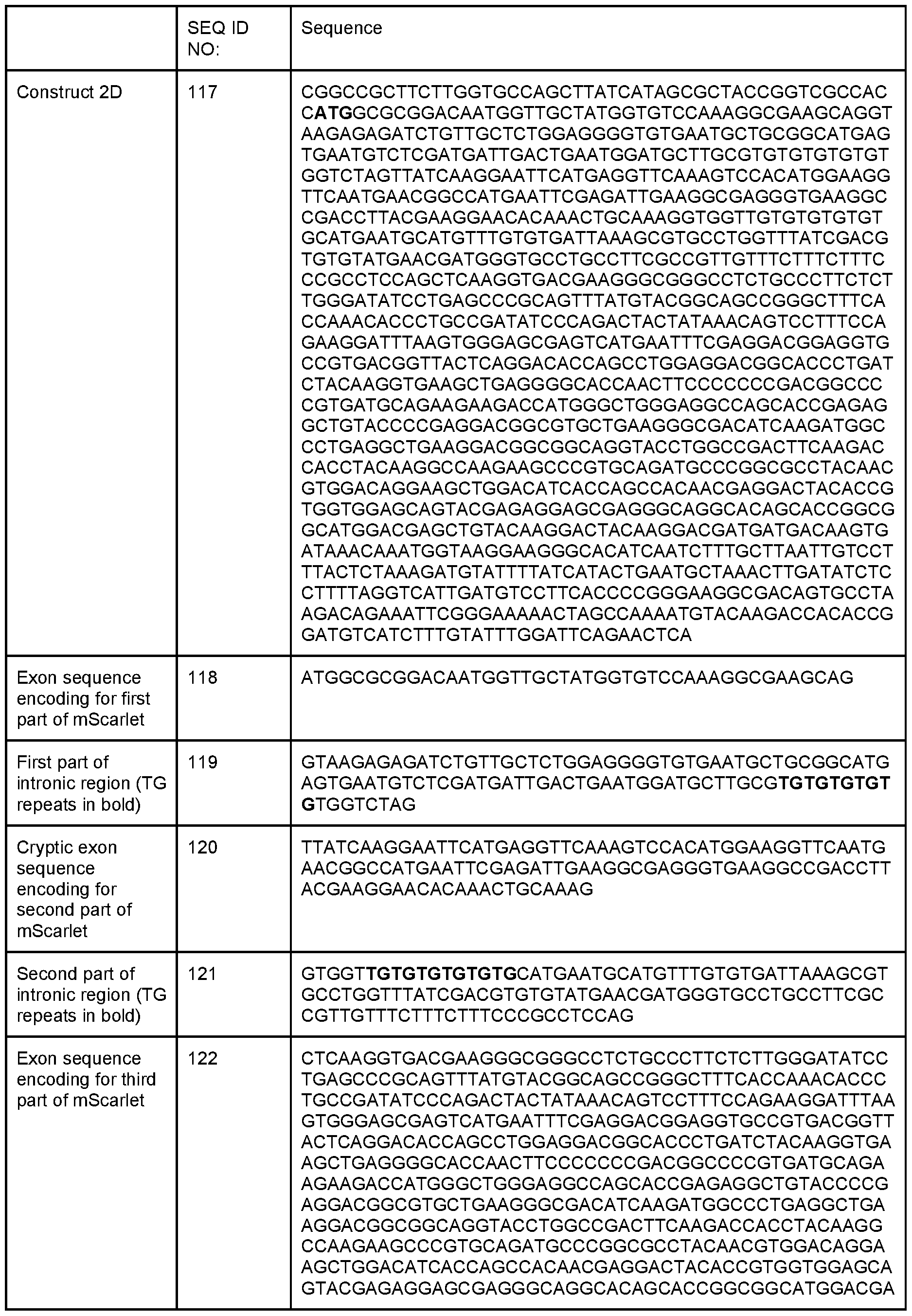

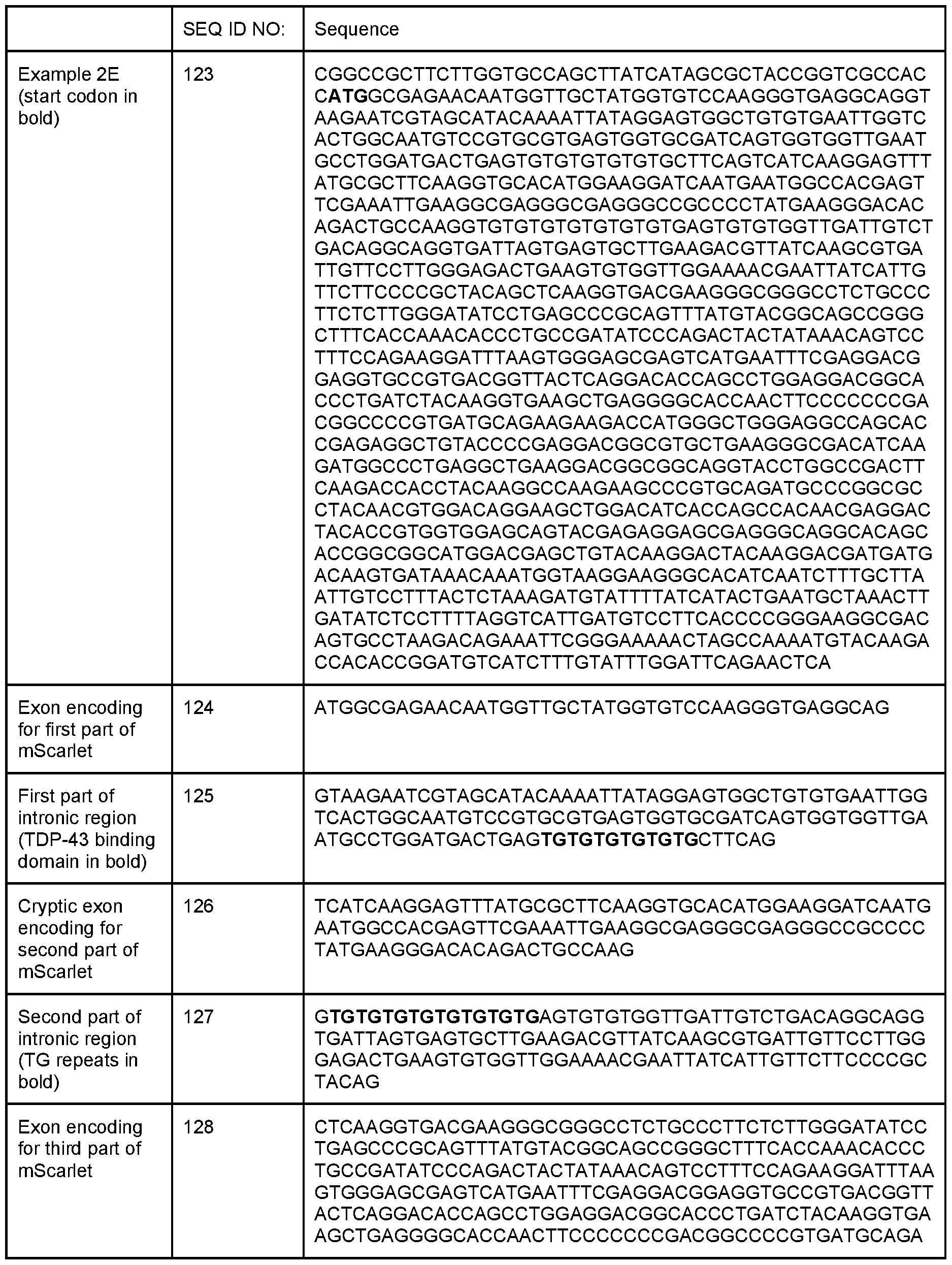


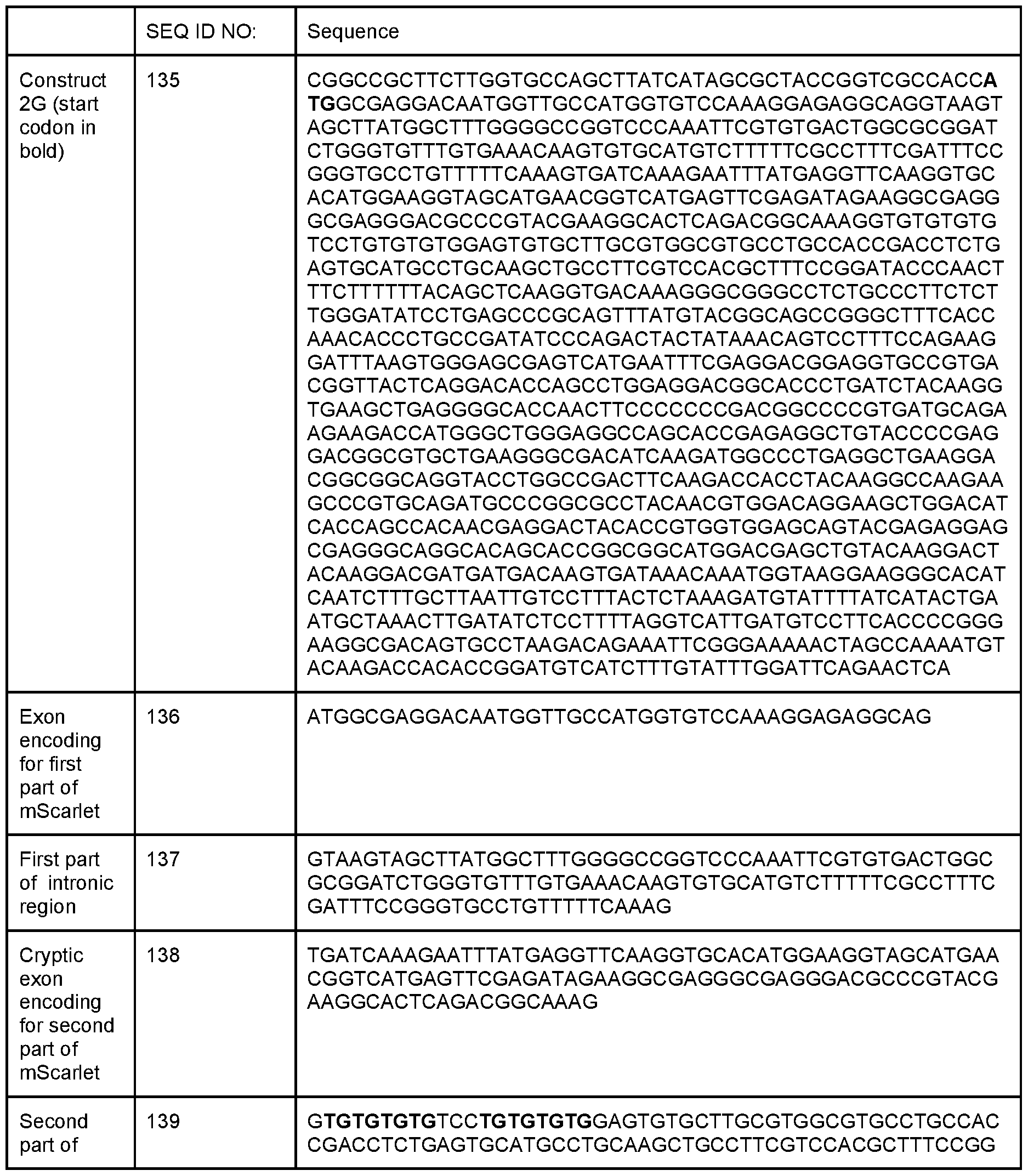


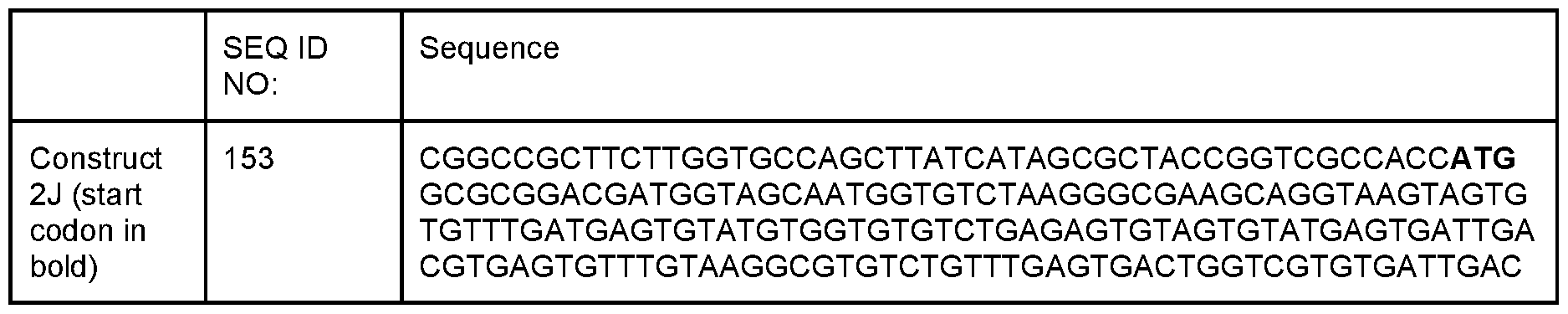


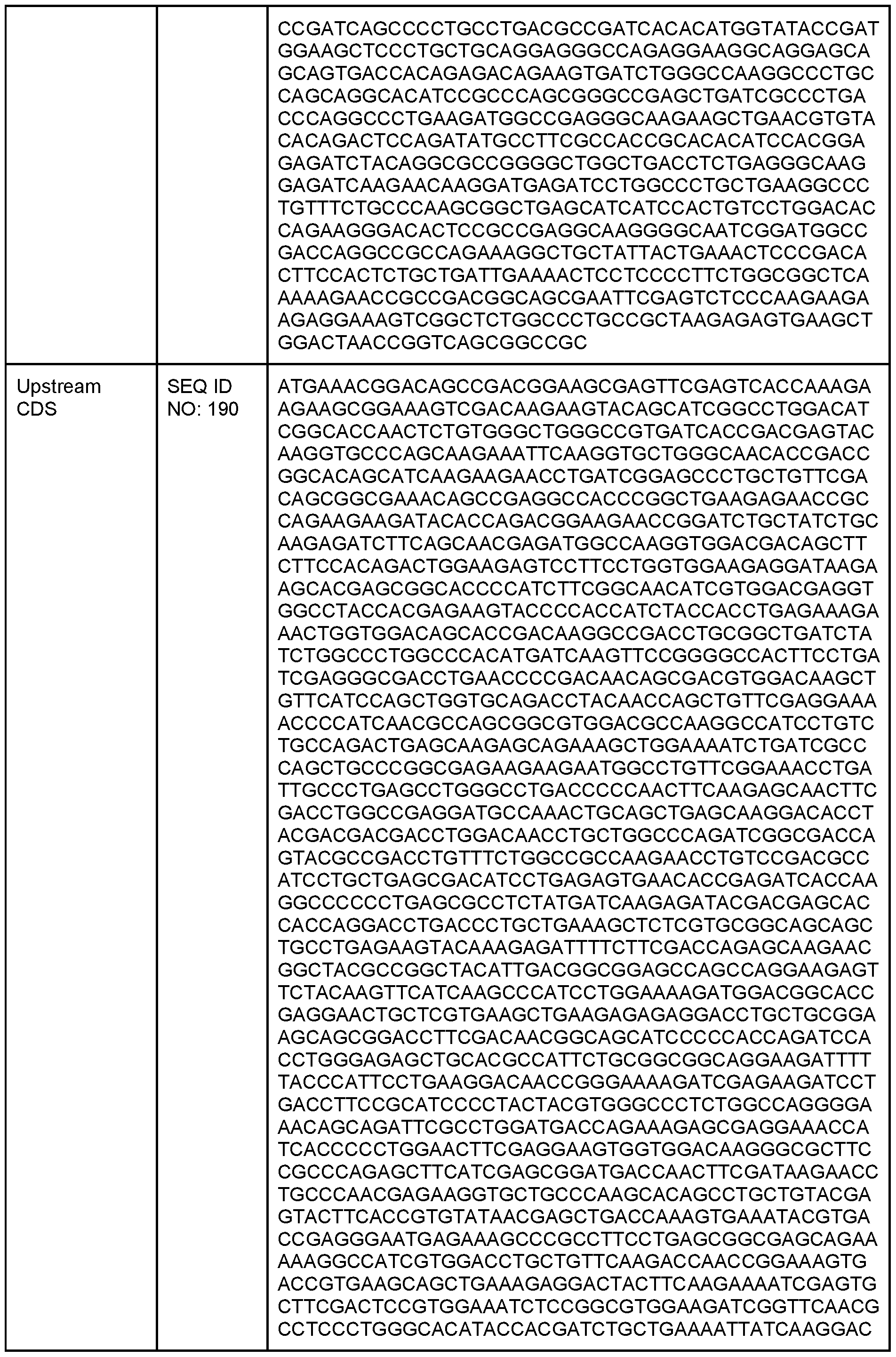


Claims
Priority Applications (5)
| Application Number | Priority Date | Filing Date | Title |
|---|---|---|---|
| EP23708187.2A EP4508212A1 (en) | 2022-04-11 | 2023-02-24 | A construct, vector, and system and uses thereof |
| US18/855,688 US20250249129A1 (en) | 2022-04-11 | 2023-02-24 | A construct, vector, and system and uses thereof |
| AU2023251665A AU2023251665A1 (en) | 2022-04-11 | 2023-02-24 | A construct, vector, and system and uses thereof |
| JP2024560286A JP2025513046A (en) | 2022-04-11 | 2023-02-24 | Constructs, Vectors, and Systems and Their Uses |
| CA3248445A CA3248445A1 (en) | 2022-04-11 | 2023-02-24 | A construct, vector, and system and uses thereof |
Applications Claiming Priority (2)
| Application Number | Priority Date | Filing Date | Title |
|---|---|---|---|
| GB2205282.3 | 2022-04-11 | ||
| GB2205282.3A GB2617565A (en) | 2022-04-11 | 2022-04-11 | A construct, vector and system and uses thereof |
Publications (1)
| Publication Number | Publication Date |
|---|---|
| WO2023198347A1 true WO2023198347A1 (en) | 2023-10-19 |
Family
ID=81653344
Family Applications (1)
| Application Number | Title | Priority Date | Filing Date |
|---|---|---|---|
| PCT/EP2023/054670 Ceased WO2023198347A1 (en) | 2022-04-11 | 2023-02-24 | A construct, vector, and system and uses thereof |
Country Status (7)
| Country | Link |
|---|---|
| US (1) | US20250249129A1 (en) |
| EP (1) | EP4508212A1 (en) |
| JP (1) | JP2025513046A (en) |
| AU (1) | AU2023251665A1 (en) |
| CA (1) | CA3248445A1 (en) |
| GB (1) | GB2617565A (en) |
| WO (1) | WO2023198347A1 (en) |
Cited By (2)
| Publication number | Priority date | Publication date | Assignee | Title |
|---|---|---|---|---|
| WO2025007194A1 (en) * | 2023-07-05 | 2025-01-09 | Macquarie University | Modulation of gene expression |
| WO2025262636A1 (en) * | 2024-06-21 | 2025-12-26 | University Of Pittsburgh - Of The Commonwealth System Of Higher Education | Rna biosensor and gene therapy controller using disease-specific cryptic exon retention |
Family Cites Families (2)
| Publication number | Priority date | Publication date | Assignee | Title |
|---|---|---|---|---|
| CN114174514A (en) * | 2019-07-25 | 2022-03-11 | 诺华股份有限公司 | Adjustable expression system |
| EP4127172A4 (en) * | 2020-03-25 | 2025-06-04 | President and Fellows of Harvard College | Methods and compositions for restoring stmn2 levels |
-
2022
- 2022-04-11 GB GB2205282.3A patent/GB2617565A/en not_active Withdrawn
-
2023
- 2023-02-24 EP EP23708187.2A patent/EP4508212A1/en active Pending
- 2023-02-24 JP JP2024560286A patent/JP2025513046A/en active Pending
- 2023-02-24 AU AU2023251665A patent/AU2023251665A1/en active Pending
- 2023-02-24 WO PCT/EP2023/054670 patent/WO2023198347A1/en not_active Ceased
- 2023-02-24 US US18/855,688 patent/US20250249129A1/en active Pending
- 2023-02-24 CA CA3248445A patent/CA3248445A1/en active Pending
Non-Patent Citations (8)
| Title |
|---|
| BROWN ANNA-LEIGH ET AL: "TDP-43 loss and ALS-risk SNPs drive mis-splicing and depletion of UNC13A", NATURE, NATURE PUBLISHING GROUP UK, LONDON, vol. 603, no. 7899, 23 February 2022 (2022-02-23), pages 131 - 137, XP037707129, ISSN: 0028-0836, [retrieved on 20220223], DOI: 10.1038/S41586-022-04436-3 * |
| BROWN, AL.WILKINS, O.G.KEUSS, M.J. ET AL.: "TDP-43 loss and ALS-risk SNPs drive mis-splicing and depletion of UNC13A", NATURE, vol. 603, 2022, pages 131 - 137, XP037707129, DOI: 10.1038/s41586-022-04436-3 |
| JAGANATHAN ET AL.: "Predicting Splicing from Primary Sequence with Deep Learning", CELL, vol. 176, 2019, pages 535 - 548 |
| KOIKE YUKA ET AL: "TDP-43 and other hnRNPs regulate cryptic exon inclusion of a key ALS/FTD risk gene, UNC13A", PLOS BIOLOGY, vol. 21, no. 3, 17 March 2023 (2023-03-17), pages e3002028, XP093046270, Retrieved from the Internet <URL:https://www.ncbi.nlm.nih.gov/pmc/articles/PMC10057836/pdf/pbio.3002028.pdf> DOI: 10.1371/journal.pbio.3002028 * |
| LING ET AL., SCIENCE, vol. 349, no. 6248, 2015, pages 650 - 5 |
| LUKAVSKY ET AL., NSMB, vol. 20, 2013, pages 1443 - 1449 |
| SEDDIGHI SAHBA ET AL: "Mis-spliced transcripts generate de novo proteins in TDP-43-related ALS/FTD", BIORXIV, 23 January 2023 (2023-01-23), XP093046254, Retrieved from the Internet <URL:https://www.ncbi.nlm.nih.gov/pmc/articles/PMC9900763/pdf/nihpp-2023.01.23.525149v1.pdf> [retrieved on 20230511], DOI: 10.1101/2023.01.23.525149 * |
| SUSNJAR URSA ET AL: "Cell environment shapes TDP-43 function with implications in neuronal and muscle disease", COMMUNICATIONS BIOLOGY, vol. 5, no. 1, 5 April 2022 (2022-04-05), pages 1 - 17, XP093046229, Retrieved from the Internet <URL:https://www.ncbi.nlm.nih.gov/pmc/articles/PMC8983780/pdf/42003_2022_Article_3253.pdf> DOI: 10.1038/s42003-022-03253-8 * |
Cited By (2)
| Publication number | Priority date | Publication date | Assignee | Title |
|---|---|---|---|---|
| WO2025007194A1 (en) * | 2023-07-05 | 2025-01-09 | Macquarie University | Modulation of gene expression |
| WO2025262636A1 (en) * | 2024-06-21 | 2025-12-26 | University Of Pittsburgh - Of The Commonwealth System Of Higher Education | Rna biosensor and gene therapy controller using disease-specific cryptic exon retention |
Also Published As
| Publication number | Publication date |
|---|---|
| GB2617565A (en) | 2023-10-18 |
| AU2023251665A1 (en) | 2024-11-21 |
| EP4508212A1 (en) | 2025-02-19 |
| JP2025513046A (en) | 2025-04-22 |
| CA3248445A1 (en) | 2023-10-19 |
| GB202205282D0 (en) | 2022-05-25 |
| US20250249129A1 (en) | 2025-08-07 |
Similar Documents
| Publication | Publication Date | Title |
|---|---|---|
| US12599678B2 (en) | Methods and compositions for genomic integration | |
| JP7083364B2 (en) | Optimized CRISPR-Cas dual nickase system, method and composition for sequence manipulation | |
| AU2016337408B2 (en) | Inducible modification of a cell genome | |
| JP7596259B2 (en) | Methods for editing single nucleotide polymorphisms using a programmable base editor system | |
| US10507232B2 (en) | Materials and methods for the treatment of latent viral infection | |
| CA2915842C (en) | Delivery and use of the crispr-cas systems, vectors and compositions for hepatic targeting and therapy | |
| KR20230019843A (en) | Methods and compositions for simultaneous editing of both strands of a target double-stranded nucleotide sequence | |
| KR20210143230A (en) | Methods and compositions for editing nucleotide sequences | |
| CN112153990A (en) | Gene editing for autosomal dominant diseases | |
| KR20190134673A (en) | Exon skipping induction method by genome editing | |
| JP2022545461A (en) | Compositions and methods for identifying regulators of cell type fate specification | |
| JP2023522788A (en) | CRISPR/CAS9 therapy to correct Duchenne muscular dystrophy by targeted genomic integration | |
| JP2016521555A5 (en) | ||
| EP4508212A1 (en) | A construct, vector, and system and uses thereof | |
| CN115190912A (en) | RNA-guided nucleases, active fragments and variants thereof, and methods of use | |
| KR20220024527A (en) | Systems and methods for double recombinase-mediated cassette exchange (dRMCE) in vivo and their disease models | |
| JP2025175283A (en) | HTRA1 Modulation for the Treatment of AMD | |
| Aronoff et al. | Controlled and localized genetic manipulation in the brain | |
| WO2024163805A1 (en) | Methods and compositions for genomic integration | |
| HK40093831A (en) | Rho-r135w-adrp gene editing drug based on gene editing | |
| WO2026025441A1 (en) | Gene-editing drug vector for autosomal dominant retinitis pigmentosa |
Legal Events
| Date | Code | Title | Description |
|---|---|---|---|
| 121 | Ep: the epo has been informed by wipo that ep was designated in this application |
Ref document number: 23708187 Country of ref document: EP Kind code of ref document: A1 |
|
| WWE | Wipo information: entry into national phase |
Ref document number: 2024560286 Country of ref document: JP Ref document number: 18855688 Country of ref document: US |
|
| WWE | Wipo information: entry into national phase |
Ref document number: AU2023251665 Country of ref document: AU |
|
| WWE | Wipo information: entry into national phase |
Ref document number: 2023708187 Country of ref document: EP |
|
| NENP | Non-entry into the national phase |
Ref country code: DE |
|
| ENP | Entry into the national phase |
Ref document number: 2023708187 Country of ref document: EP Effective date: 20241111 |
|
| ENP | Entry into the national phase |
Ref document number: 2023251665 Country of ref document: AU Date of ref document: 20230224 Kind code of ref document: A |
|
| WWP | Wipo information: published in national office |
Ref document number: 18855688 Country of ref document: US |