WO2023100772A1 - 認証装置、プログラム、及び認証方法 - Google Patents
認証装置、プログラム、及び認証方法 Download PDFInfo
- Publication number
- WO2023100772A1 WO2023100772A1 PCT/JP2022/043622 JP2022043622W WO2023100772A1 WO 2023100772 A1 WO2023100772 A1 WO 2023100772A1 JP 2022043622 W JP2022043622 W JP 2022043622W WO 2023100772 A1 WO2023100772 A1 WO 2023100772A1
- Authority
- WO
- WIPO (PCT)
- Prior art keywords
- person
- authentication
- moving image
- registration
- unit
- Prior art date
- Legal status (The legal status is an assumption and is not a legal conclusion. Google has not performed a legal analysis and makes no representation as to the accuracy of the status listed.)
- Ceased
Links
Images




Classifications
-
- G—PHYSICS
- G06—COMPUTING OR CALCULATING; COUNTING
- G06F—ELECTRIC DIGITAL DATA PROCESSING
- G06F21/00—Security arrangements for protecting computers, components thereof, programs or data against unauthorised activity
- G06F21/30—Authentication, i.e. establishing the identity or authorisation of security principals
- G06F21/31—User authentication
- G06F21/32—User authentication using biometric data, e.g. fingerprints, iris scans or voiceprints
-
- A—HUMAN NECESSITIES
- A61—MEDICAL OR VETERINARY SCIENCE; HYGIENE
- A61B—DIAGNOSIS; SURGERY; IDENTIFICATION
- A61B5/00—Measuring for diagnostic purposes; Identification of persons
- A61B5/117—Identification of persons
-
- A—HUMAN NECESSITIES
- A61—MEDICAL OR VETERINARY SCIENCE; HYGIENE
- A61B—DIAGNOSIS; SURGERY; IDENTIFICATION
- A61B5/00—Measuring for diagnostic purposes; Identification of persons
- A61B5/117—Identification of persons
- A61B5/1171—Identification of persons based on the shapes or appearances of their bodies or parts thereof
-
- G—PHYSICS
- G06—COMPUTING OR CALCULATING; COUNTING
- G06T—IMAGE DATA PROCESSING OR GENERATION, IN GENERAL
- G06T7/00—Image analysis
-
- G—PHYSICS
- G06—COMPUTING OR CALCULATING; COUNTING
- G06T—IMAGE DATA PROCESSING OR GENERATION, IN GENERAL
- G06T7/00—Image analysis
- G06T7/20—Analysis of motion
-
- G—PHYSICS
- G06—COMPUTING OR CALCULATING; COUNTING
- G06V—IMAGE OR VIDEO RECOGNITION OR UNDERSTANDING
- G06V40/00—Recognition of biometric, human-related or animal-related patterns in image or video data
- G06V40/10—Human or animal bodies, e.g. vehicle occupants or pedestrians; Body parts, e.g. hands
- G06V40/16—Human faces, e.g. facial parts, sketches or expressions
Definitions
- the present invention relates to an authentication device, program, and authentication method.
- Japanese Patent Laid-Open No. 2003-100001 describes a technique of acquiring a face image of a user and authenticating the user using information about feature points included in the face image.
- Patent Literature [Patent Document 1] JP-A-2021-170205
- an authentication device may include an authentication moving image acquisition unit that acquires an authentication moving image of a person for authentication.
- the authentication device may include an authentication unit that authenticates a person based on the movement of facial muscles of the person specified by analyzing the authentication moving image.
- the authentication unit may use machine learning to authenticate the person.
- the authentication unit may authenticate the person using a neural network that receives a moving image including a person as an object and outputs a feature amount vector.
- the authenticator may use deep learning to authenticate the person.
- the authenticator may authenticate the person using a deep neural network.
- the authentication unit may authenticate the person using a deep neural network that handles time series.
- the authentication unit may authenticate the person using a recurrent neural network.
- the authentication unit may authenticate the person using a long short-term memory (LSTM).
- LSTM long short-term memory
- the authentication device includes: a registration moving image acquisition unit that acquires a registration moving image of a person for registration; a registration estimating unit for estimating facial motoneurons of a person, and registration for storing registration data including the motoneurons estimated by the registration estimating unit and person identification information capable of identifying the persons for a plurality of persons. and a data storage unit, wherein the authentication unit identifies the person by analyzing the authentication moving image acquired by the authentication moving image acquiring unit, based on the movement of the facial muscles of the person.
- the person may be authenticated by estimating facial motoneurons and comparing the estimated motoneurons with motoneurons of a plurality of enrollment data stored in the enrollment data storage unit.
- the authentication device inputs a plurality of parameters to a simulator that generates facial expression data representing facial expression movements of a person by simulating the movements of the muscles of the person's face according to the input of parameters related to motor neurons,
- a facial expression data acquisition unit that acquires the facial expression data corresponding to each of the plurality of parameters;
- a training that stores training data including the facial expression data acquired by the facial expression data acquisition unit and parameters corresponding to the facial expression data;
- a data storage unit and the registration estimation unit may estimate motor neurons of the face of the person based on the plurality of training data stored in the training data storage unit.
- the estimation unit for registration identifies, among the plurality of training data, the parameters of the training data corresponding to the movement of the facial muscles of the person identified by analyzing the moving image for registration as the facial expression data.
- the motoneurons of the face of the person may be estimated by:
- the authentication unit may estimate motor neurons of the person's face based on the plurality of training data stored in the training data storage unit.
- the authentication unit identifies, from among the plurality of training data, parameters of training data whose expression data corresponds to movements of facial muscles of the person identified by analyzing the authentication moving image, thereby identifying the face of the person. of motor neurons may be estimated.
- the authentication unit may determine that the authentication is successful when registration data including motor neurons whose degree of matching with the estimated motor neurons is higher than a predetermined threshold exists, and determines that the authentication is unsuccessful when it does not exist. .
- the authentication unit may output the person identification information of the registered data including the motor neuron corresponding to the estimated motor neuron when the authentication succeeds.
- the registration data storage unit may store the plurality of registration data by grouping them according to features of parts of a person's face, and the authentication unit stores the authentication moving image acquired by the authentication moving image acquiring unit. to identify a group corresponding to the features of the identified facial parts of the person, and motor neurons of a plurality of registered data belonging to the identified group, stored in the registered data storage unit, and the authentication The person may be authenticated by comparing the person's facial motoneurons estimated based on the movement of the person's facial muscles identified by analyzing the video for use.
- the registration data storage unit may store the plurality of registration data by grouping them according to facial fat characteristics of the person, and the authentication unit stores the authentication moving image acquired by the authentication moving image acquiring unit.
- the registration data storage unit may store the plurality of registration data by grouping according to the gender of the person, and the authentication unit analyzes and identifies the authentication moving image acquired by the authentication moving image acquisition unit. identify a group corresponding to the sex of the person, and analyze motor neurons of a plurality of registered data corresponding to the identified group stored in the registered data storage unit and the authentication video.
- the person may be authenticated by comparing the person's facial motoneurons estimated based on the movement of the person's facial muscles.
- the registration data storage unit may be grouped according to the age of the person and store the plurality of registration data, and the authentication unit may analyze and identify the authentication moving image acquired by the authentication moving image acquisition unit. identify a group corresponding to the age of the person, and analyze motor neurons of a plurality of registration data corresponding to the identified group stored in the registration data storage unit and the authentication video.
- the person may be authenticated by comparing the person's facial motoneurons estimated based on the movement of the person's facial muscles.
- the authentication device may further include an instruction information output unit for outputting instruction information instructing the person to perform a predetermined action
- the registration moving image acquisition unit may be configured such that the instruction information output unit After outputting the instruction information, the moving image for registration in which the face of the person is captured may be acquired, and the moving image acquisition unit for authentication may capture the image of the person after the instruction information output unit outputs the instruction information. You may acquire the said authentication moving image which imaged the face.
- the authentication moving image acquiring unit may acquire the authentication moving image of the person walking, and the authenticating unit is configured to analyze the movement of muscles of the body of the person identified by analyzing the authentication moving image. and movement of the facial muscles of the person.
- the estimation unit for registration may estimate motor neurons of the body of the person based on the movement of muscles of the body of the person identified by analyzing the animation for registration, and the registration data storage unit may The authentication unit may store the registration data including motor neurons of the person's face and body motor neurons of the person estimated by the estimation unit for registration, and person identification information capable of identifying the person.
- the person acquires motor neurons of the person's face based on the movements of the facial muscles of the person and the movements of the body muscles of the person specified by analyzing the authentication moving image acquired by the authentication moving image acquiring unit. and estimating body motoneurons, and combining the estimated facial motoneurons and body motoneurons with the facial motoneurons and body motoneurons of a plurality of registration data stored in the registration data storage unit
- the person may be authenticated by the comparison.
- the authentication unit identifies a plurality of registered data corresponding to the estimated body motor neurons of the person from the plurality of registered data stored in the registered data storage unit, and identifies the estimated facial motor neurons of the person. and facial motoneurons of the plurality of identified enrollment data, the person may be authenticated.
- the authentication device includes a registration moving image acquisition unit that acquires a registration moving image of the person captured for registration, and generates movement data representing movement of facial muscles of the person by analyzing the registration moving image. and a registration data storage unit for storing registration data including the motion data generated by the motion data generation unit and person identification information for identifying the persons for a plurality of persons.
- the authentication unit may store motion data representing movements of facial muscles of the person generated by analyzing the authentication moving image acquired by the authentication moving image acquisition unit and stored in the registered data storage unit.
- the person may be authenticated by comparing the motion data of a plurality of enrollment data stored in the person.
- the authentication device may further include an instruction information output unit for outputting instruction information instructing the person to perform a predetermined action
- the registration moving image acquisition unit may be configured such that the instruction information output unit After outputting the instruction information, the moving image for registration in which the person is imaged may be acquired, and the moving image acquisition unit for authentication captures the image of the person after the instruction information output unit outputs the instruction information.
- You may acquire the above authentication video.
- the motion data generation unit may generate the motion data representing the motion of facial muscles of the person based on a plurality of training data stored in the training data storage unit.
- the movement data generation unit identifies, from among the plurality of training data, parameters of training data whose facial expression data corresponds to movement of the facial muscles of the person identified by analyzing the moving image for registration.
- the motion data may be generated indicative of the motion of the facial muscles of the person.
- an authentication device may include, for authentication, an authentication moving image acquisition section that acquires an authentication moving image of a person walking.
- the authentication device may include an authentication unit that authenticates a person based on the movement of the body muscles of the person specified by analyzing the authentication moving image.
- the authentication device includes, for registration, a registration moving image acquisition unit that acquires a registration moving image of a person walking, and based on movement of muscles of the body of the person identified by analyzing the registration moving image.
- a registration estimating unit for estimating the motor neurons of the body of the person; and registration data including the motor neurons estimated by the registration estimating unit for a plurality of persons and person identification information capable of identifying the persons.
- the authentication unit may further include a registered data storage unit that stores the motion of the muscles of the body of the person specified by analyzing the authentication moving image acquired by the authentication moving image acquisition unit. , estimating motor neurons of the person's body, and authenticating the person by comparing the estimated motor neurons with the motor neurons of a plurality of registration data stored in the registration data storage unit. .
- a program for causing a computer to function as a higher-level device authentication device.
- a computer-implemented authentication method may include an authentication moving image acquisition step of acquiring an authentication moving image in which a person is imaged for authentication.
- the authentication method may comprise an authentication step of authenticating the person based on facial muscle movements of the person identified by analyzing the authentication animation.
- a computer-implemented authentication method may comprise an authentication video acquisition step of acquiring an authentication video of a person walking for authentication.
- the authentication method may comprise an authentication step of authenticating the person based on the movements of the muscles of the person's body identified by analyzing the authentication animation.
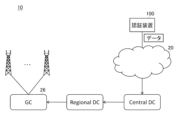
- An example system 10 is shown schematically.
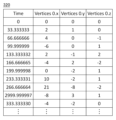
- An example of the feature quantity 310 is shown schematically.
- An example of the feature quantity 320 is shown schematically.
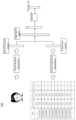
- An example authentication network 330 is shown schematically.
- An example of the functional configuration of the authentication device 100 is shown schematically.
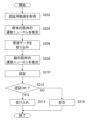
- An example of the flow of processing by the authentication device 100 is schematically shown.
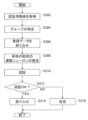
- An example of the flow of processing by the authentication device 100 is schematically shown.
- An example of the flow of processing by the authentication device 100 is schematically shown.
- An example system 10 is shown schematically.
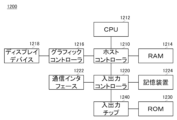
- An example of a hardware configuration of a computer 1200 functioning as the authentication device 100 is shown schematically.
- the authentication device 100 performs authentication using, for example, feature amounts obtained by tracking movements of facial muscles during face authentication.
- Motor neurons are needed to move muscles. Motor neurons are the most abundant at birth, and are optimized to decrease in number as muscles are learned to move.
- the way muscles move differs from person to person due to genetic information and environmental optimization at birth. Like twins, they share the same genes and have similar facial features, but their muscles move differently.
- the authentication device 100 according to the present embodiment can also extract feature amounts based on the way a person walks when approaching the camera, and further improve accuracy. Like facial expressions, the way people walk also has different characteristics because the number of motor neurons and the number of Connectones differ from person to person.
- FIG. 1 schematically shows an example of system 10.
- the system 10 has an authentication device 100 and a camera 200 .
- the authentication device 100 and the camera 200 may communicate via the network 20.
- Network 20 may include the Internet.
- the network 20 may include a LAN (Local Area Network).
- the network 20 may include a mobile communication network.
- the mobile communication network conforms to any of the 3G (3rd Generation) communication method, LTE (Long Term Evolution) communication method, 5G (5th Generation) communication method, and 6G (6th Generation) communication method and later communication methods. good too.
- the authentication device 100 may be connected to the network 20 by wire.
- the authentication device 100 may be wirelessly connected to the network 20 .
- Authentication device 100 may be connected to network 20 via a wireless base station.
- the authentication device 100 may be connected to the network 20 via a Wi-Fi (registered trademark) access point.
- the camera 200 may be connected to the network 20 by wire. Camera 200 may be wirelessly connected to network 20 . Camera 200 may be connected to network 20 via a wireless base station. Camera 200 may be connected to network 20 via a Wi-Fi access point.
- the authentication device 100 and the camera 200 may be directly connected. Also, the authentication device 100 may incorporate the camera 200 .
- the authentication device 100 receives the captured image captured by the camera 200 from the camera 200 .
- the authentication device 100 may receive from the camera 200 a captured image of the person 30 captured by the camera 200 .
- the authentication device 100 may receive from the camera 200 a moving image of the person 30 captured by the camera 200 .
- the camera 200 is installed at any place where authentication of the person 30 is required.
- the authentication device 100 incorporates the camera 200
- the authentication device 100 may be set in any place where the person 30 needs to be authenticated.
- the camera 200 may have a depth sensor.
- Authentication device 100 may receive a captured image including depth information detected by a depth sensor of camera 200 from camera 200 .
- the authentication device 100 may receive, from the camera 200, a moving image for registration in which the camera 200 captures an image of the person 30 for registration.
- Taking an image for registration may mean taking an image of the person 30 with the camera 200 after notifying the person 30 that the image will be taken for the registration.
- Taking an image for registration may mean taking an image of the person 30 with the camera 200 while the camera 200 is set to the registration mode.
- Taking an image for registration may mean taking an image of the person 30 with the camera 200 while the authentication device 100 is set to the registration mode.
- the authentication device 100 may authenticate the person 30 based on the facial muscle movements of the person 30 .
- the authentication device 100 stores registration data including movement feature amounts of the facial muscles of the person 30 acquired by analyzing the moving image for registration of the person 30 and person identification information by which the person 30 can be identified.
- the authentication device 100 stores registration data for multiple persons 30 .
- the authentication device 100 may receive, from the camera 200, an authentication moving image in which the camera 200 captures an image of the person 30 for authentication.
- Taking an image for authentication means taking an image of the person 30 with the camera 200 in a scene where the person 30 is to be authenticated.
- Taking an image for authentication may mean taking an image of the person 30 with the camera 200 after notifying the person 30 that the image will be taken for authentication.
- Taking an image for authentication may mean taking an image of the person 30 with the camera 200 while the camera 200 is set to the authentication mode.
- Taking an image for authentication may mean taking an image of the person 30 with the camera 200 while the authentication device 100 is set to the authentication mode.
- the authentication device 100 may authenticate the person 30 by comparing the feature amount of facial muscle movement of the person 30 identified by analyzing the authentication moving image with the feature amounts of a plurality of registered data.
- the authentication device 100 may authenticate the person 30 based on the movement of the muscles of the person 30 walking.
- the authentication device 100 stores registration data including movement feature amounts of the body muscles of the person 30 acquired by analyzing the moving image for registration of the person 30 and person identification information by which the person 30 can be identified.
- the authentication device 100 stores registration data for multiple persons 30 .
- the authentication device 100 may authenticate the person 30 by comparing the feature amount of the movement of the body muscles of the person 30 identified by analyzing the authentication moving image and the feature amounts of a plurality of registered data.
- FIG. 2 schematically shows an example of the feature quantity 310.
- the authentication device 100 analyzes the moving image of the person 30 and acquires the feature quantity 310 .
- the authentication device 100 acquires feature points of the face of the person 30 using 2D video or depth information in the moving image.
- the authentication device 100 generates, for example, a 3D mesh of the person's 30 face.
- the authentication device 100 may hold the vertex coordinates (3D or 2D) of the 3D mesh, and track the vertex coordinates that move by changing the facial expression as the feature quantity of the movement of the facial muscles of the person 30 .
- the coordinates may be either the Euler coordinate system or the Quaternion coordinate system, but the Local coordinate system is used.
- the vertex coordinates may hold the Local coordinate system, or as exemplified by the feature quantity 320 in FIG. may
- the authentication device 100 similarly acquires feature points on the body of the person 30 using 2D images or depth information in the moving image.
- the authentication device 100 generates a 3D mesh of the body of the person 30, for example. Then, the authentication device 100 holds the vertex coordinates (3D or 2D) of the 3D mesh, and tracks the vertex coordinates that move when the person 30 changes his or her body by walking, etc. It can be used as a quantity.
- FIG. 4 schematically shows an example of the authentication network 330.
- the authentication network 330 may be an example of a neural network that inputs a moving image including a person as an object and outputs a feature amount vector.
- an authentication network 330 is illustrated for performing authentication using facial features of the person 30 and facial muscle movements.
- the authentication device 100 extracts facial features of the person 30 by analyzing the authentication moving image and generates a facial feature vector.
- the authentication device 100 analyzes the authentication moving image to extract the facial trajectory of the person 30, that is, the movement of the facial muscles of the person 30, and generates a facial trajectory vector.
- Authentication apparatus 100 then aggregates the facial feature vector and the facial trajectory vector and outputs the result. If the authentication is successful, the authentication device 100 outputs the person identification information of the person 30 .
- FIG. 5 schematically shows an example of the functional configuration of the authentication device 100.
- FIG. Authentication device 100 includes training data storage unit 102, facial expression data acquisition unit 104, body data acquisition unit 106, registration video acquisition units 110 and 120, registration data storage unit 128, authentication video acquisition unit 130, authentication unit 132, and An instruction information output unit 140 is provided. It should be noted that it is not essential for the authentication device 100 to have all of these.
- the training data storage unit 102 stores training data for facial movements.
- the facial movement may be facial expression movement.
- Training data may include videos of faces in motion.
- the training data may include feature amounts of facial muscle movements during facial movements in a moving image.
- the training data storage unit 102 stores a plurality of training data.
- the training data storage unit 102 stores a large amount of training data.
- the training data storage unit 102 may store training data received from the outside or registered from the outside.
- the facial expression data acquisition unit 104 acquires facial expression data that indicates the movement of the person's 30 facial expression.
- the facial expression data acquisition unit 104 inputs a plurality of parameters to a simulator that generates facial expression data representing facial expression movements of a person by simulating movements of facial muscles of the person in accordance with input of parameters related to motor neurons. facial expression data corresponding to each of a plurality of parameters may be obtained. Motor neurons are sometimes called motor neurons.
- the training data storage unit 102 stores training data including facial expression data acquired by the facial expression data acquiring unit 104 and parameters corresponding to the facial expression data.
- Muscles are connected to motor neurons, and when motor neurons fire, a signal is sent, and contraction causes the muscles to move.
- the simulator for example, connects motor neurons to facial muscles, and uses the Hodgkin-Huxley model (A.L. Hodgkin, A. A quantitative description of membrane current and its application to conduction and excitation in nerve, from the physiological laboratory. University of Cambridge, pp. 500-544, 1952.).
- a Hill type model is used as a muscle contraction model. This makes it possible to simulate detailed muscle movements, and based on the movements of each muscle, virtually extract feature points and use them as training data.
- the facial expression data acquisition unit 104 uses signal strength, the number of motor neurons, the firing rate and synchronization of each neuron, the connectone of the motor neurons, the Min and Max of the Hill type model as parameters, and generates training data with a wide variety of variations. be able to.
- the simulator may automatically generate the shape of the face using Photoreal and morphing technology. As a result, variations are generated even by combinations of facial movements and facial shapes, so that sufficient data for training can be automatically generated.
- the authentication device 100 may use any existing simulator as long as it can generate facial expression data. Data extracted from 3D sensors and moving images are noisy. In addition, it takes a lot of effort to acquire a large amount of training data from individuals or many people.
- the facial expression data acquisition unit 104 can acquire a large amount of facial expression data with rich variations by using a simulator.
- a facial expression data acquisition unit 104 inputs a plurality of parameters to a simulator that generates facial expression data representing facial expression movements of a person by simulating movements of facial muscles of the person in accordance with input of parameters other than motor neurons. By doing so, facial expression data corresponding to each of a plurality of parameters may be acquired.
- the body data acquisition unit 106 acquires motion data indicating the body motion of the person 30 .
- the physical data acquisition unit 106 inputs a plurality of parameters to a simulator that generates physical data representing the movement of the human body by simulating the movement of the muscles of the human body according to the input of parameters related to motor neurons. may obtain physical data corresponding to each of a plurality of parameters.
- the exercise data storage unit 102 stores exercise data including physical data acquired by the physical data acquisition unit 106 and parameters corresponding to the physical data.
- the simulator connects motor neurons to the muscles of the body, and uses the Hodgkin-Huxley model to calculate signal firing.
- a Hill type model is used as a muscle contraction model.
- the physical data acquisition unit 106 uses the signal strength, the number of motor neurons, the firing rate and synchronization of each neuron, the connectone of the motor neurons, the Min and Max of the Hill type model as parameters, and generates training data with a wide variety of variations. be able to.
- the simulator may automatically generate the shape of the body using Photoreal or morphing technology. As a result, variations are generated even by combinations of facial movements and facial shapes, so that sufficient data for training can be automatically generated.
- Authentication device 100 may use any existing simulator as long as it can generate motion data.
- the registration moving image acquisition unit 110 acquires a registration moving image of the person 30 for registration.
- the registration moving image acquisition section 110 may receive the registration moving image captured by the camera 200 from the camera 200 .
- the registration moving image acquisition unit 110 may receive from the camera 200 a registration moving image of the person 30 performing a predetermined action.
- Examples of the predetermined motion include a motion of changing from expressionless to a smiling face, a motion of uttering predetermined words such as "a, i, u, eh, oh", etc., but not limited to these, It can be any action.
- the registration processing unit 120 executes registration processing using the registration moving image acquired by the registration moving image acquiring unit 110 .
- the registration processing unit 120 has a feature data generation unit 122 , a registration estimation unit 124 , and a motion data generation unit 126 .
- the feature data generation unit 122 generates feature data indicating facial features of the person 30 by analyzing the registration moving image.
- the feature data may include facial shape features of person 30 .
- the feature data may include eye shape features of the person 30 .
- the feature data may include nose shape features of the person 30 .
- the feature data may include mouth shape features of the person 30 .
- the feature data may include relationships between facial parts of the person 30 . Examples of the relationship between parts include the distance between the eyes, the positional relationship between the eyes and the nose, the positional relationship between the eyes and the mouth, the positional relationship between the nose and the mouth, and the positions of the eyes, nose, and mouth on the face.
- the feature data may include facial fat features of person 30 . Examples of fat features include fat location and fat thickness.
- the feature data may include facial wrinkle features of person 30 .
- the feature data generation unit 122 may generate feature data indicating the sex of the person 30 by analyzing the registration moving image.
- the feature data generation unit 122 may generate feature data indicating the age of the person 30 by analyzing the registration moving image.
- the estimation unit for registration 124 estimates the motor neurons of the face of the person 30 based on the facial muscle movements of the person 30 identified by analyzing the moving image for registration.
- the registration estimator 124 may estimate motor neurons of the face of the person 30 based on a plurality of pieces of training data stored in the training data storage 102 .
- the registration estimating unit 124 identifies, from among a plurality of pieces of training data, parameters of training data whose facial expression data corresponds to movements of the facial muscles of the person 30 identified by analyzing the moving image for registration. , may estimate the motor neurons of the person's 30 face.
- the motion data generation unit 126 generates motion data indicating the movement of facial muscles of the person 30 by analyzing the registration moving image.
- the motion data generation unit 126 may generate motion data representing the motion of facial muscles of the person 30 based on a plurality of pieces of training data stored in the training data storage unit 102 .
- the motion data generating unit 126 identifies, from among a plurality of pieces of training data, parameters of training data whose expression data corresponds to movement of the facial muscles of the person 30 identified by analyzing the moving image for registration.
- Motion data may be generated indicating the motion of the 30 facial muscles.
- the registration data storage unit 128 stores registration data including the facial motor neurons of the person 30 estimated by the registration estimation unit 124 and the person identification information of the person 30 .
- the registration data storage unit 128 stores registration data including motor neurons of the face of the person 30 estimated by the registration estimation unit 124, feature data generated by the feature data generation unit 122, and person identification information of the person 30. You can remember.
- the registration data storage unit 128 may store registration data including motion data generated by the motion data generation unit 126 and person identification information of the person 30 .
- the registered data storage unit 128 stores registered data for a plurality of persons 30 .
- the authentication moving image acquisition unit 130 acquires an authentication moving image of the person 30 for authentication.
- the authentication moving image acquisition unit 130 may receive the authentication moving image captured by the camera 200 from the camera 200 .
- the authentication moving image acquisition unit 130 may receive from the camera 200 an authentication moving image of the person 30 performing a predetermined action.
- the operation may be the same as the operation when the moving image acquisition unit 110 for registration captures an image of the person 30 performing a predetermined action.
- the authentication unit 132 authenticates the person 30 based on the movement of the facial muscles of the person 30 specified by analyzing the authentication moving image acquired by the authentication moving image acquisition unit 130 .
- the authenticator 132 may authenticate the person 30 using machine learning.
- the authentication unit 132 may authenticate the person 30 using a neural network that receives a moving image including a person as an object and outputs a feature amount vector.
- the authenticator 132 may use deep learning.
- the authentication unit 132 may use a deep neural network.
- the authentication unit 132 may use a deep neural network that handles time series.
- the authentication unit 132 uses, for example, a recurrent neural network.
- the authentication unit 132 uses LSTM, for example.
- the authentication unit 132 estimates motor neurons of the face of the person 30 based on the movement of facial muscles of the person 30 identified by analyzing the authentication video acquired by the authentication video acquisition unit 130, The person 30 is authenticated by comparing the estimated motoneurons with motoneurons of a plurality of registered data stored in the registered data storage unit 128 .
- the authentication unit 132 may estimate motor neurons of the person's 30 face based on a plurality of pieces of training data stored in the training data storage unit 102 . For example, the authentication unit 132 identifies, from among a plurality of pieces of training data, a parameter of training data whose expression data corresponds to movement of the facial muscles of the person 30 identified by analyzing the authentication moving image. 30 facial motor neurons may be estimated.
- the authentication unit 132 determines that the authentication succeeds when registered data including a motor neuron whose degree of matching with the estimated motor neuron is higher than a predetermined threshold value exists, and determines that the authentication fails when it does not exist. .
- the authentication unit 132 may output the person identification information of the registered data including the motor neuron corresponding to the estimated motor neuron when the authentication is successful.
- the registration data storage unit 128 may store a plurality of registration data by grouping the features of the facial parts of the person 30 .
- the authentication unit 132 identifies a group corresponding to the features of the identified facial parts of the person 30 by analyzing the authentication moving image, and stores a plurality of registration data belonging to the identified group stored in the registration data storage unit 128. and the facial motor neurons of the person 30 identified by analyzing the authentication moving image and estimated based on the movement of the facial muscles of the person 30 to authenticate the person 30. good. For example, when the person 30 to be authenticated has a round face, the authentication unit 132 performs authentication by narrowing down a plurality of registration data belonging to a group of round faces.
- the authentication unit 132 performs authentication by narrowing down a plurality of registration data belonging to a group having a relatively large nose. For example, when the person 30 to be authenticated has relatively narrow eyes, the authentication unit 132 performs authentication by narrowing down a plurality of registration data belonging to a group of relatively narrow eyes. This can contribute to reducing the processing load of the authentication device 100 and improving authentication accuracy.
- the registered data storage unit 128 may store a plurality of pieces of registered data by grouping them according to facial fat characteristics of the person 30 .
- the authentication unit 132 identifies a group corresponding to the facial fat feature of the identified person 30 by analyzing the authentication moving image, and stores a plurality of registration data belonging to the identified group stored in the registration data storage unit 128. and the facial motor neurons of the person 30 identified by analyzing the authentication moving image and estimated based on the movement of the facial muscles of the person 30 to authenticate the person 30. good. This can contribute to reducing the processing load of the authentication device 100 and improving authentication accuracy.
- the registered data storage unit 128 may store a plurality of pieces of registered data grouped by the sex of the person 30 .
- the authentication unit 132 identifies a group corresponding to the gender of the identified person 30 by analyzing the authentication moving image, and identifies a plurality of motor neurons of the registered data belonging to the identified group stored in the registered data storage unit 128.
- the person 30 may be authenticated by comparing the motor neurons of the person's 30 face, which are estimated based on the movement of the facial muscles of the person 30 identified by analyzing the authentication moving image. This can contribute to reducing the processing load of the authentication device 100 and improving authentication accuracy.
- the registered data storage unit 128 may store a plurality of pieces of registered data grouped by the age of the person 30 .
- the authentication unit 132 identifies a group corresponding to the age of the identified person 30 by analyzing the authentication moving image, and registers motor neurons of a plurality of registration data belonging to the identified group stored in the registration data storage unit 128.
- the person 30 may be authenticated by comparing the motor neurons of the person's 30 face, which are estimated based on the movement of the facial muscles of the person 30 identified by analyzing the authentication moving image. This can contribute to reducing the processing load of the authentication device 100 and improving authentication accuracy.
- the authentication unit 132 acquires the data representing the movement of the facial muscles of the person 30 generated by analyzing the authentication moving image acquired by the authentication moving image acquisition unit 130 and the plurality of registrations stored in the registration data storage unit 128 .
- Person 30 may be authenticated by comparing the data with motion data.
- the instruction information output unit 140 outputs instruction information instructing the person 30 to perform a predetermined action.
- the registration moving image acquisition section 110 may acquire the registration moving image of the person 30 after the instruction information output section 140 outputs the instruction information.
- the authentication moving image acquisition unit 130 may acquire the authentication moving image of the person 30 .
- the instruction information output unit 140 displays and outputs the instruction information through a display arranged near the camera 200, or outputs the instruction information through a speaker arranged near the camera 200. is output as voice.
- the instruction information output unit 140 outputs the instruction information similar to that at the time of registration using a display arranged near the camera 200, or outputs the instruction information arranged near the camera 200. Instruction information similar to that at the time of registration is output by voice from a speaker attached to the user. As a result, the person 30 can be urged to perform the same actions during authentication as during registration, which can contribute to improving the accuracy of authentication.
- the registration moving image acquisition unit 110 may acquire a registration moving image of the person 30 walking.
- the registration moving image acquisition unit 110 receives from the camera 200 a registration moving image in which the camera 200 captures the person 30 approaching the camera 200 at the time of registration.
- the feature data generation unit 122 may generate feature data indicating the features of the body shape of the person 30 by analyzing the registration moving image.
- the feature data may include arm shape features of the person 30 .
- the feature data may include leg shape features of the person 30 .
- Feature data may include relationships between body parts of person 30 .
- the registration estimation unit 124 may estimate the motor neurons of the person 30 based on the movement of the body muscles of the person 30 identified by analyzing the registration moving image.
- the registration estimation unit 124 may estimate motor neurons of the body of the person 30 based on a plurality of pieces of training data stored in the training data storage unit 102 .
- the registration estimating unit 124 identifies the parameters of the training data corresponding to the movements of the muscles of the body of the person 30 whose body data is identified by analyzing the moving image for registration, among the plurality of training data. , may estimate the motor neurons of the person's 30 body.
- the motion data generation unit 126 generates motion data indicating the motion of the muscles of the body of the person 30 by analyzing the moving image for registration.
- the motion data generation unit 126 may generate motion data representing movements of muscles of the body of the person 30 based on a plurality of pieces of training data stored in the training data storage unit 102 .
- the motion data generation unit 126 identifies, from among a plurality of pieces of training data, parameters of training data whose body data corresponds to movement of muscles of the body of the person 30 identified by analyzing the moving image for registration.
- Motion data may be generated indicative of motion of 30 body muscles.
- the registration data storage unit 128 may store registration data including the motor neurons of the face of the person 30 and the motor neurons of the body of the person 30 estimated by the estimation unit 124 for registration, and the person identification information of the person 30 .
- the authentication moving image acquisition unit 130 may acquire an authentication moving image of the person 30 walking.
- the authentication moving image acquisition unit 130 receives from the camera 200 an authentication moving image in which the camera 200 captures the person 30 approaching the camera 200 during authentication.
- the authentication unit 132 may authenticate the person 30 based on the movements of the muscles of the body of the person 30 and the movements of the facial muscles of the person 30 specified by analyzing the authentication moving image. For example, the authenticating unit 132 detects facial motor neurons and body movements of the person 30 based on the movement of the facial muscles of the person 30 and the movement of the body muscles of the person 30 specified by analyzing the authentication moving image. person 30 by estimating neurons and comparing the estimated facial motor neurons and body motor neurons with facial motor neurons and body motor neurons of a plurality of registration data stored in a registration data storage unit; to authenticate.
- the authentication unit 132 identifies a plurality of registration data corresponding to the motor neurons of the body of the estimated person 30 from a plurality of registration data stored in the registration data storage unit 128, and identifies the face of the estimated person 30.
- the person 30 is authenticated by comparing the motor neurons to the facial motor neurons of the identified plurality of enrollment data.
- it is possible to narrow down registered data to be authenticated by movement of facial muscles based on the analysis result of the authentication moving image taken when the person 30 approaches the camera 200, and the authentication apparatus It can contribute to reduction of the processing load of 100 and improvement of authentication accuracy.
- the authentication device 100 may authenticate the person 30 by not using the facial muscle movements of the person 30 but by the physical muscle movements of the person 30 .
- the authentication moving image acquisition unit 130 acquires an authentication moving image of the person 30 walking for authentication
- the authentication unit 132 acquires the body of the person 30 specified by analyzing the authentication moving image.
- a person 30 is authenticated based on muscle movements.
- the authentication unit 132 estimates the motor neurons of the body of the person 30 based on the movement of the muscles of the body of the person 30 identified by analyzing the authentication moving image acquired by the authentication moving image acquisition unit 130, and estimates the estimated motion.
- Person 30 may be authenticated by comparing the neurons with the motor neurons of a plurality of enrollment data stored in enrollment data storage 128 .
- the authentication unit 132 may estimate motor neurons in the body of the person 30 based on a plurality of pieces of training data stored in the training data storage unit 102. For example, the authentication unit 132 identifies, from among a plurality of pieces of training data, parameters of training data corresponding to movements of muscles of the body of the person 30 whose body data is identified by analyzing the authentication moving image. 30 body motor neurons may be estimated.
- the registered data storage unit 128 may store a plurality of pieces of registered data grouped according to the features of the body parts of the person 30 .
- the authentication unit 132 identifies a group corresponding to the characteristics of the identified body parts of the person 30 by analyzing the authentication moving image, and stores a plurality of registration data belonging to the identified group stored in the registration data storage unit 128. and the motor neurons of the body of the person 30 identified by analyzing the authentication moving image, and the motor neurons of the body of the person 30 estimated based on the movement of the muscles of the body of the person 30, thereby authenticating the person 30. good.
- the authentication unit 132 identifies a group corresponding to the gender of the identified person 30 by analyzing the authentication moving image, and identifies a plurality of motor neurons of the registered data belonging to the identified group stored in the registered data storage unit 128.
- the person 30 may be authenticated by comparing the motor neurons of the person 30, which are estimated based on the muscle movements of the person 30 specified by analyzing the authentication moving image.
- the authentication unit 132 identifies a group corresponding to the age of the identified person 30 by analyzing the authentication moving image, and registers motor neurons of a plurality of registration data belonging to the identified group stored in the registration data storage unit 128.
- the person 30 may be authenticated by comparing the motor neurons of the person 30, which are estimated based on the muscle movements of the person 30 specified by analyzing the authentication moving image.
- FIG. 6 schematically shows an example of the flow of processing by the authentication device 100.
- FIG. Here, an example of the flow of processing in which the person 30 is authenticated based on the movement of the facial muscles of the person 30 and whether or not to accept the person 30 is determined.
- step (the step may be abbreviated as S) 102 the authentication moving image acquisition unit 130 acquires the authentication moving image of the person 30 for authentication.
- the authentication unit 132 analyzes the authentication moving image, extracts features of the person 30 , and identifies groups that match the features of the person 30 .
- the authentication unit 132 narrows down a plurality of registration data belonging to the group identified in S104 from among the plurality of registration data stored in the registration data storage unit 128.
- the authentication unit 132 detects motor neurons of the face of the person 30 based on the movement of facial muscles of the person 30 identified by analyzing the authentication moving image acquired by the authentication moving image acquiring unit 130 in S102. presume.
- the authentication unit 132 authenticates the person 30 by comparing the motor neurons estimated in S108 with the motor neurons of the plurality of registration data narrowed down in S106.
- the authentication unit 132 If the authentication is successful (YES in S112), proceed to S114, otherwise proceed to S116. In S ⁇ b>114 , the authentication unit 132 outputs an authentication result that accepts the person 30 . In S ⁇ b>116 , the authentication unit 132 outputs an authentication result that rejects acceptance of the person 30 . Then, the process ends. Although the case where the registration data is narrowed down in S104 and S106 has been described here, the registration data may not be narrowed down.
- FIG. 7 schematically shows an example of the flow of processing by the authentication device 100.
- FIG. Here, an example of the flow of processing for authenticating the person 30 and determining whether or not to accept the person 30 based on the movement of the facial muscles and body muscles of the person 30 is shown.
- the authentication moving image acquisition unit 130 acquires an authentication moving image of the person 30 for authentication.
- the authentication unit 132 estimates motor neurons of the body of the person 30 based on the movement of the body muscles of the person 30 specified by analyzing the authentication moving image.
- the authentication unit 132 identifies a plurality of pieces of registration data corresponding to the motor neurons of the body of the person 30 estimated in S204 from the pieces of registration data stored in the registration data storage unit 128, thereby confirming the registration data. Narrow down.
- the authentication unit 132 detects motor neurons of the face of the person 30 based on the movement of facial muscles of the person 30 identified by analyzing the authentication moving image acquired by the authentication moving image acquiring unit 130 in S202. presume.
- the authentication unit 132 authenticates the person 30 by comparing the motor neurons estimated in S208 with the motor neurons of the plurality of registration data narrowed down in S206.
- the authentication unit 132 If the authentication is successful (YES in S212), proceed to S214, otherwise proceed to S216. In S ⁇ b>214 , the authentication unit 132 outputs an authentication result that accepts the person 30 . In S ⁇ b>216 , the authentication unit 132 outputs an authentication result that rejects acceptance of the person 30 . Then, the process ends.
- FIG. 8 schematically shows an example of the flow of processing by the authentication device 100.
- FIG. Here, an example of the flow of processing for authenticating the person 30 and determining whether or not to accept the person 30 based on the movement of the muscles of the body of the person 30 is shown.
- the authentication moving image acquisition unit 130 acquires an authentication moving image of the person 30 for authentication.
- the authentication unit 132 analyzes the authentication moving image, extracts features of the person 30 , and identifies groups that match the features of the person 30 .
- the authentication unit 132 narrows down a plurality of registration data belonging to the group identified in S304 from among the plurality of registration data stored in the registration data storage unit 128.
- the authentication unit 132 detects motor neurons of the body of the person 30 based on the movement of the body muscles of the person 30 identified by analyzing the authentication moving image acquired by the authentication moving image acquisition unit 130 in S102. presume.
- the authentication unit 132 authenticates the person 30 by comparing the motor neurons estimated in S308 with the motor neurons of the plurality of registration data narrowed down in S306.
- the authentication unit 132 If the authentication is successful (YES in S312), proceed to S314, otherwise proceed to S316. In S ⁇ b>314 , the authentication unit 132 outputs an authentication result that accepts the person 30 . In S ⁇ b>316 , the authentication unit 132 outputs an authentication result that rejects acceptance of the person 30 . Then, the process ends. Although the case where the registration data is narrowed down in S304 and S306 has been described here, the registration data may not be narrowed down.
- FIG. 9 schematically shows an example of the system 10.
- the system 10 shown in FIG. 9 implements distributed authentication processing in a mobile communication network.
- the authentication device 100 may be distributed and deployed in MEC (Multi Access Edge Computing).
- the authentication device 100 placed in the MEC may perform authentication on moving images captured by the cameras 200 within the area corresponding to the MEC.
- MEC Multi Access Edge Computing
- the system 10 may comprise an authentication device 100 arranged in each of a plurality of MECs and an authentication device 100 connected to the network 20.
- the authentication device 100 arranged in the MEC may be called a distributed authentication device, and the authentication device 100 connected to the network 20 may be called a management authentication device.
- the management authentication device manages data used for authentication, such as registration data, and appropriately provides data to distributed authentication devices.
- the distributed authentication device performs authentication using the data acquired from the management authentication device.
- the management authentication device may use the information of the GC 26 that detected the radio wave.
- data is cached in the closest location (GC 26) to the DC that caught radio waves in the mobile communication network. That is, at the time of use (at the time of authentication), data is temporarily cached at the nearest location (GC 26).
- the management authentication device When a radio wave is caught in the mobile communication network, the management authentication device extracts data corresponding to the owner of the user terminal that has emitted the radio wave from the registration data storage unit 128, and sends the data to the DC that has caught the radio wave. It may be transmitted to a nearby GC 26. Cached data may be cleared after a predetermined period of time if it is not used.
- the location information managed in the mobile communication network is used, so the area to which data should be transmitted can be specified without using GPS or the like.
- the management authentication device may transmit data to which searchable encryption has been applied to GC26.
- a searchable cipher is a cipher that allows data to be searched while still encrypted. If the distributed authentication device decrypts the data each time it is retrieved, it can be said that the risk of leakage is high. If the decrypted data exists in the distributed authentication device, even temporarily, it will be known what is being searched for when it is leaked. In particular, when an image obtained by capturing the person 30 is used, the possibility of leakage of the image of the person 30 cannot be denied. Due to such anxiety, if the registration is not carried out smoothly, there is a risk that the operation of the authentication system will be hindered.
- the management authentication device transmits the data to which the searchable encryption is applied to the GC 26, so that the authentication process can be executed without decryption, and even if it is leaked, what will be searched? Therefore, it is possible to reduce the risk of leakage.
- the management authentication device does not have to have an authentication function. That is, the management authentication device does not need to have the authentication moving image acquisition section 130 and the authentication section 132 .
- a distributed authentication device does not have to have a registration function. That is, the distributed authentication device does not need to have the training data storage unit 102 , the facial expression data acquisition unit 104 , the physical data acquisition unit 106 , the registration video acquisition unit 110 , and the registration processing unit 120 .
- FIG. 10 schematically shows an example of the hardware configuration of a computer 1200 that functions as the authentication device 100.
- FIG. Programs installed on the computer 1200 cause the computer 1200 to function as one or more "parts" of the apparatus of the present embodiments, or cause the computer 1200 to operate or perform operations associated with the apparatus of the present invention. Multiple “units” can be executed and/or the computer 1200 can be caused to execute the process or steps of the process according to the present invention.
- Such programs may be executed by CPU 1212 to cause computer 1200 to perform certain operations associated with some or all of the blocks in the flowcharts and block diagrams described herein.
- a computer 1200 includes a CPU 1212 , a RAM 1214 and a graphics controller 1216 , which are interconnected by a host controller 1210 .
- Computer 1200 also includes input/output units such as communication interface 1222 , storage device 1224 , DVD drive, and IC card drive, which are connected to host controller 1210 via input/output controller 1220 .
- the DVD drive may be a DVD-ROM drive, a DVD-RAM drive, and the like.
- Storage devices 1224 may be hard disk drives, solid state drives, and the like.
- Computer 1200 also includes legacy input/output units, such as ROM 1230 and keyboard, which are connected to input/output controller 1220 via input/output chip 1240 .
- the CPU 1212 operates according to programs stored in the ROM 1230 and RAM 1214, thereby controlling each unit.
- Graphics controller 1216 retrieves image data generated by CPU 1212 into a frame buffer or the like provided in RAM 1214 or itself, and causes the image data to be displayed on display device 1218 .
- a communication interface 1222 communicates with other electronic devices via a network.
- Storage device 1224 stores programs and data used by CPU 1212 within computer 1200 .
- the DVD drive reads programs or data from a DVD-ROM or the like and provides them to the storage device 1224 .
- the IC card drive reads programs and data from IC cards and/or writes programs and data to IC cards.
- ROM 1230 stores therein programs such as boot programs that are executed by computer 1200 upon activation and/or programs that depend on the hardware of computer 1200 .
- Input/output chip 1240 may also connect various input/output units to input/output controller 1220 via USB ports, parallel ports, serial ports, keyboard ports, mouse ports, and the like.
- the program is provided by a computer-readable storage medium such as a DVD-ROM or an IC card.
- the program is read from a computer-readable storage medium, installed in storage device 1224 , RAM 1214 , or ROM 1230 , which are also examples of computer-readable storage media, and executed by CPU 1212 .
- the information processing described within these programs is read by computer 1200 to provide coordination between the programs and the various types of hardware resources described above.
- An apparatus or method may be configured by implementing information operations or processing according to the use of computer 1200 .
- the CPU 1212 executes a communication program loaded into the RAM 1214 and sends communication processing to the communication interface 1222 based on the processing described in the communication program. you can command.
- the communication interface 1222 reads transmission data stored in a transmission buffer area provided in a recording medium such as a RAM 1214, a storage device 1224, a DVD-ROM, or an IC card under the control of the CPU 1212, and transmits the read transmission data. Data is transmitted to the network, or received data received from the network is written in a receive buffer area or the like provided on the recording medium.
- the CPU 1212 causes the RAM 1214 to read all or necessary portions of files or databases stored in an external recording medium such as a storage device 1224, a DVD drive (DVD-ROM), an IC card, etc. Various types of processing may be performed on the data. CPU 1212 may then write back the processed data to an external recording medium.
- an external recording medium such as a storage device 1224, a DVD drive (DVD-ROM), an IC card, etc.
- Various types of processing may be performed on the data.
- CPU 1212 may then write back the processed data to an external recording medium.
- CPU 1212 performs various types of operations on data read from RAM 1214, information processing, conditional decision making, conditional branching, unconditional branching, and information retrieval, which are described throughout this disclosure and are specified by instruction sequences of programs. Various types of processing may be performed, including /replace, etc., and the results written back to RAM 1214 . In addition, the CPU 1212 may search for information in a file in a recording medium, a database, or the like.
- the CPU 1212 selects the first attribute from among the plurality of entries. searches for an entry that matches the specified condition of the attribute value of the attribute, reads the attribute value of the second attribute stored in the entry, and thereby determines the first attribute that satisfies the predetermined condition. An attribute value of the associated second attribute may be obtained.
- the programs or software modules described above may be stored in a computer-readable storage medium on or near computer 1200 .
- a recording medium such as a hard disk or RAM provided in a server system connected to a dedicated communication network or the Internet can be used as a computer-readable storage medium, whereby the program can be transferred to the computer 1200 via the network. offer.
- the blocks in the flowcharts and block diagrams in this embodiment may represent steps in the process in which the operations are performed or "parts" of the device responsible for performing the operations. Certain steps and “sections” may be provided with dedicated circuitry, programmable circuitry provided with computer readable instructions stored on a computer readable storage medium, and/or computer readable instructions provided with computer readable instructions stored on a computer readable storage medium. It may be implemented by a processor. Dedicated circuitry may include digital and/or analog hardware circuitry, and may include integrated circuits (ICs) and/or discrete circuitry.
- ICs integrated circuits
- Programmable circuits such as Field Programmable Gate Arrays (FPGAs), Programmable Logic Arrays (PLAs), etc., perform AND, OR, EXCLUSIVE OR, NOT AND, NOT OR, and other logical operations. , flip-flops, registers, and memory elements.
- FPGAs Field Programmable Gate Arrays
- PLAs Programmable Logic Arrays
- a computer-readable storage medium may comprise any tangible device capable of storing instructions to be executed by a suitable device, such that a computer-readable storage medium having instructions stored thereon may be illustrated in flowchart or block diagram form. It will comprise an article of manufacture containing instructions that can be executed to create means for performing specified operations. Examples of computer-readable storage media may include electronic storage media, magnetic storage media, optical storage media, electromagnetic storage media, semiconductor storage media, and the like.
- Computer readable storage media include floppy disks, diskettes, hard disks, random access memory (RAM), read only memory (ROM), erasable programmable read only memory (EPROM or flash memory) , electrically erasable programmable read only memory (EEPROM), static random access memory (SRAM), compact disc read only memory (CD-ROM), digital versatile disc (DVD), Blu-ray disc, memory stick , integrated circuit cards, and the like.
- RAM random access memory
- ROM read only memory
- EPROM or flash memory erasable programmable read only memory
- EEPROM electrically erasable programmable read only memory
- SRAM static random access memory
- CD-ROM compact disc read only memory
- DVD digital versatile disc
- Blu-ray disc memory stick , integrated circuit cards, and the like.
- the computer readable instructions may be assembler instructions, Instruction Set Architecture (ISA) instructions, machine instructions, machine dependent instructions, microcode, firmware instructions, state configuration data, or instructions such as Smalltalk, JAVA, C++, etc. any source or object code written in any combination of one or more programming languages, including object-oriented programming languages, and conventional procedural programming languages such as the "C" programming language or similar programming languages; may include
- Computer readable instructions are used to produce means for a processor of a general purpose computer, special purpose computer, or other programmable data processing apparatus, or programmable circuits to perform the operations specified in the flowchart or block diagrams.
- a general purpose computer, special purpose computer, or other programmable data processor locally or over a wide area network (WAN) such as the Internet, etc., to execute such computer readable instructions. It may be provided in the processor of the device or in a programmable circuit. Examples of processors include computer processors, processing units, microprocessors, digital signal processors, controllers, microcontrollers, and the like.
- 10 system 20 network, 26 GC, 30 person, 100 authentication device, 102 training data storage unit, 104 expression data acquisition unit, 106 physical data acquisition unit, 110 registration video acquisition unit, 120 registration processing unit, 122 feature data generation 124 registration estimation unit 126 motion data generation unit 128 registration data storage unit 130 authentication video acquisition unit 132 authentication unit 140 instruction information output unit 200 camera 310 feature amount 320 feature amount 330 authentication Network, 1200 computer, 1210 host controller, 1212 CPU, 1214 RAM, 1216 graphic controller, 1218 display device, 1220 input/output controller, 1222 communication interface, 1224 storage device, 1230 ROM, 1240 input/output chip
Landscapes
- Engineering & Computer Science (AREA)
- Theoretical Computer Science (AREA)
- Physics & Mathematics (AREA)
- Health & Medical Sciences (AREA)
- Life Sciences & Earth Sciences (AREA)
- General Physics & Mathematics (AREA)
- Computer Security & Cryptography (AREA)
- General Health & Medical Sciences (AREA)
- General Engineering & Computer Science (AREA)
- Software Systems (AREA)
- Computer Hardware Design (AREA)
- Multimedia (AREA)
- Veterinary Medicine (AREA)
- Biomedical Technology (AREA)
- Heart & Thoracic Surgery (AREA)
- Medical Informatics (AREA)
- Molecular Biology (AREA)
- Surgery (AREA)
- Animal Behavior & Ethology (AREA)
- Public Health (AREA)
- Pathology (AREA)
- Biophysics (AREA)
- Computer Vision & Pattern Recognition (AREA)
- Human Computer Interaction (AREA)
- Oral & Maxillofacial Surgery (AREA)
- Measurement Of The Respiration, Hearing Ability, Form, And Blood Characteristics Of Living Organisms (AREA)
- Collating Specific Patterns (AREA)
- Image Analysis (AREA)
Abstract
認証用に人物を撮像した認証用動画を取得する認証用動画取得部と、認証用動画を解析することによって特定した人物の顔の筋肉の動きに基づいて、人物を認証する認証部とを備える認証装置を提供する。認証部は、被写体として人物を含む動画を入力とし、特徴量ベクトルを出力するニューラルネットワークを用いて、人物を認証してよい。認証部は、認証用動画を解析することによって特定した人物の顔の筋肉の動きに基づいて、当該人物の顔の運動ニューロンを推定し、推定した運動ニューロンによって、人物を認証してよい。認証用に、歩いている人物を撮像した認証用動画を取得する認証用動画取得部と、認証用動画を解析することによって特定した人物の身体の筋肉の動きに基づいて、人物を認証する認証部とを備える認証装置を提供する。
Description
本発明は、認証装置、プログラム、及び認証方法に関する。
特許文献1には、ユーザの顔画像を取得し、顔画像に含まれる特徴点に関する情報を用いてユーザを認証する技術が記載されている。
[先行技術文献]
[特許文献]
[特許文献1]特開2021-170205号公報
[先行技術文献]
[特許文献]
[特許文献1]特開2021-170205号公報
本発明の一実施態様によれば、認証装置が提供される。認証装置は、認証用に人物を撮像した認証用動画を取得する認証用動画取得部を備えてよい。認証装置は、認証用動画を解析することによって特定した前記人物の顔の筋肉の動きに基づいて、人物を認証する認証部を備えてよい。
上記認証部は、機械学習を用いて、上記人物を認証してよい。上記認証部は、被写体として人物を含む動画を入力とし、特徴量ベクトルを出力するニューラルネットワークを用いて、上記人物を認証してよい。上記認証部は、深層学習を用いて、上記人物を認証してよい。上記認証部は、ディープニューラルネットワークを用いて、上記人物を認証してよい。上記認証部は、時系列を扱うディープニューラルネットワークを用いて、上記人物を認証してよい。上記認証部は、リカレントニューラルネットワークを用いて、上記人物を認証してよい。上記認証部は、長短期記憶(LSTM:Long Short-Term Memory)を用いて、上記人物を認証してよい。上記認証装置は、登録用に人物を撮像した登録用動画を取得する登録用動画取得部と、上記登録用動画を解析することによって特定した上記人物の顔の筋肉の動きに基づいて、当該人物の顔の運動ニューロンを推定する登録用推定部と、複数の人物について、上記登録用推定部によって推定された上記運動ニューロンと上記人物を識別可能な人物識別情報とを含む登録データを記憶する登録データ記憶部とをさらに備えてよく、上記認証部は、上記認証用動画取得部が取得した上記認証用動画を解析することによって特定した上記人物の顔の筋肉の動きに基づいて、当該人物の顔の運動ニューロンを推定し、推定した上記運動ニューロンと、上記登録データ記憶部に記憶されている複数の登録データの運動ニューロンとを比較することによって、上記人物を認証してよい。上記認証装置は、運動ニューロンに関するパラメータの入力に従って人物の顔の筋肉の動きをシミュレートすることによって人物の表情の動きを示す表情データを生成するシミュレータに対して複数のパラメータを入力することによって、上記複数のパラメータのそれぞれに対応する上記表情データを取得する表情データ取得部と、上記表情データ取得部が取得した上記表情データと、当該表情データに対応するパラメータとを含む訓練データを記憶する訓練データ記憶部とをさらに備えてよく、上記登録用推定部は、上記訓練データ記憶部に記憶されている複数の上記訓練データに基づいて、上記人物の上記顔の運動ニューロンを推定してよい。上記登録用推定部は、上記複数の訓練データのうち、上記表情データが、上記登録用動画を解析することによって特定した上記人物の顔の筋肉の動きに対応する訓練データの上記パラメータを特定することによって、上記人物の上記顔の運動ニューロンを推定してよい。上記認証部は、上記訓練データ記憶部に記憶されている複数の上記訓練データに基づいて、上記人物の顔の運動ニューロンを推定してよい。上記認証部、上記複数の訓練データのうち、表情データが、認証用動画を解析することによって特定した人物の顔の筋肉の動きに対応する訓練データのパラメータを特定することによって、上記人物の顔の運動ニューロンを推定してよい。上記認証部は、推定した運動ニューロンとの一致度が予め定められた閾値より高い運動ニューロンを含む登録データが存在する場合に、認証成功と判定し、存在しない場合、認証失敗と判定してよい。上記認証部は、認証成功した場合、推定した運動ニューロンに対応する運動ニューロンを含む登録データの人物識別情報を出力してよい。
上記登録データ記憶部は、人物の顔のパーツの特徴毎にグループ分けして、上記複数の登録データを記憶してよく、上記認証部は、上記認証用動画取得部が取得した上記認証用動画を解析して特定した上記人物の顔のパーツの特徴に対応するグループを特定し、上記登録データ記憶部に記憶されている、特定した上記グループに属する複数の登録データの運動ニューロンと、上記認証用動画を解析することによって特定した上記人物の顔の筋肉の動きに基づいて推定した当該人物の顔の運動ニューロンとを比較することによって、上記人物を認証してよい。上記登録データ記憶部は、人物の顔の脂肪の特徴毎にグループ分けして、上記複数の登録データを記憶してよく、上記認証部は、上記認証用動画取得部が取得した上記認証用動画を解析して特定した上記人物の顔の脂肪の付き方の特徴に対応するグループを特定し、上記登録データ記憶部に記憶されている、特定した上記グループに対応する複数の登録データの運動ニューロンと、上記認証用動画を解析することによって特定した上記人物の顔の筋肉の動きに基づいて推定した当該人物の顔の運動ニューロンとを比較することによって、上記人物を認証してよい。上記登録データ記憶部は、人物の性別によってグループ分けして、上記複数の登録データを記憶してよく、上記認証部は、上記認証用動画取得部が取得した上記認証用動画を解析して特定した上記人物の性別に対応するグループを特定し、上記登録データ記憶部に記憶されている、特定した上記グループに対応する複数の登録データの運動ニューロンと、上記認証用動画を解析することによって特定した上記人物の顔の筋肉の動きに基づいて推定した当該人物の顔の運動ニューロンとを比較することによって、上記人物を認証してよい。上記登録データ記憶部は、人物の年齢によってグループ分けして、上記複数の登録データを記憶してよく、上記認証部は、上記認証用動画取得部が取得した上記認証用動画を解析して特定した上記人物の年齢に対応するグループを特定し、上記登録データ記憶部に記憶されている、特定した上記グループに対応する複数の登録データの運動ニューロンと、上記認証用動画を解析することによって特定した上記人物の顔の筋肉の動きに基づいて推定した当該人物の顔の運動ニューロンとを比較することによって、上記人物を認証してよい。上記認証装置は、上記人物に対して予め定められた動作を行うことを指示する指示情報を出力する指示情報出力部をさらに備えてよく、上記登録用動画取得部は、上記指示情報出力部が上記指示情報を出力した後に、上記人物の顔を撮像した上記登録用動画を取得してよく、上記認証用動画取得部は、上記指示情報出力部が上記指示情報を出力した後に、上記人物の顔を撮像した上記認証用動画を取得してよい。
上記認証用動画取得部は、歩いている上記人物を撮像した上記認証用動画を取得してよく、上記認証部は、上記認証用動画を解析することによって特定した上記人物の身体の筋肉の動きと、上記人物の顔の筋肉の動きとに基づいて、上記人物を認証してよい。上記登録用推定部は、上記登録用動画を解析することによって特定した上記人物の身体の筋肉の動きに基づいて、当該人物の身体の運動ニューロンを推定してよく、上記登録データ記憶部は、上記登録用推定部によって推定された上記人物の顔の運動ニューロン及び上記人物の身体の運動ニューロンと、上記人物を識別可能な人物識別情報とを含む上記登録データを記憶してよく、上記認証部は、上記認証用動画取得部が取得した上記認証用動画を解析することによって特定した上記人物の顔の筋肉の動き及び上記人物の身体の筋肉の動きに基づいて、当該人物の顔の運動ニューロン及び身体の運動ニューロンを推定し、推定した上記顔の運動ニューロン及び上記身体の運動ニューロンと、上記登録データ記憶部に記憶されている複数の登録データの顔の運動ニューロン及び身体の運動ニューロンとを比較することによって、上記人物を認証してよい。上記認証部は、上記登録データ記憶部に記憶されている複数の登録データから、推定した上記人物の身体の運動ニューロンに対応する複数の登録データを特定し、推定した上記人物の顔の運動ニューロンと、特定した上記複数の登録データの顔の運動ニューロンとを比較することによって、上記人物を認証してよい。
上記認証装置は、登録用に上記人物を撮像した登録用動画を取得する登録用動画取得部と、上記登録用動画を解析することによって、上記人物の顔の筋肉の動きを示す動きデータを生成する動きデータ生成部と、複数の人物について、上記動きデータ生成部によって生成された上記動きデータと上記人物を識別可能な人物識別情報とを含む登録データを記憶する登録データ記憶部とをさらに備えてよく、上記認証部は、上記認証用動画取得部が取得した上記認証用動画を解析することによって生成した上記人物の顔の筋肉の動きを示す動きデータと、上記登録データ記憶部に記憶されている複数の登録データの動きデータとを比較することによって、上記人物を認証してよい。上記認証装置は、上記人物に対して予め定められた動作を行うことを指示する指示情報を出力する指示情報出力部をさらに備えてよく、上記登録用動画取得部は、上記指示情報出力部が上記指示情報を出力した後に、上記人物を撮像した上記登録用動画を取得してよく、上記認証用動画取得部は、上記指示情報出力部が上記指示情報を出力した後に、上記人物を撮像した上記認証用動画を取得してよい。上記動きデータ生成部は、上記訓練データ記憶部に記憶されているう複数の訓練データに基づいて、上記人物の顔の筋肉の動きを示す上記動きデータを生成してよい。上記動きデータ生成部は、上記複数の訓練データのうち、表情データが、登録用動画を解析することによって特定した人物の顔の筋肉の動きに対応する訓練データのパラメータを特定することによって、上記人物の顔の筋肉の動きを示す上記動きデータを生成してよい。
本発明の一実施態様によれば、認証装置が提供される。認証装置は、認証用に、歩いている人物を撮像した認証用動画を取得する認証用動画取得部を備えてよい。認証装置は、認証用動画を解析することによって特定した人物の身体の筋肉の動きに基づいて、人物を認証する認証部を備えてよい。
上記認証装置は、登録用に、歩いている人物を撮像した登録用動画を取得する登録用動画取得部と、上記登録用動画を解析することによって特定した上記人物の身体の筋肉の動きに基づいて、当該人物の身体の運動ニューロンを推定する登録用推定部と、複数の人物について、上記登録用推定部によって推定された上記運動ニューロンと上記人物を識別可能な人物識別情報とを含む登録データを記憶する登録データ記憶部とをさらに備えてよく、上記認証部は、上記認証用動画取得部が取得した上記認証用動画を解析することによって特定した上記人物の身体の筋肉の動きに基づいて、当該人物の身体の運動ニューロンを推定し、推定した上記運動ニューロンと、上記登録データ記憶部に記憶されている複数の登録データの運動ニューロンとを比較することによって、上記人物を認証してよい。
本発明の一実施態様によれば、コンピュータを、上位機認証装置として機能させるためのプログラムが提供される。
本発明の一実施態様によれば、コンピュータによって実行される認証方法が提供される。
認証方法は、認証用に人物を撮像した認証用動画を取得する認証用動画取得段階を備えてよい。認証方法は、認証用動画を解析することによって特定した人物の顔の筋肉の動きに基づいて、人物を認証する認証段階を備えてよい。
認証方法は、認証用に人物を撮像した認証用動画を取得する認証用動画取得段階を備えてよい。認証方法は、認証用動画を解析することによって特定した人物の顔の筋肉の動きに基づいて、人物を認証する認証段階を備えてよい。
本発明の一実施態様によれば、コンピュータによって実行される認証方法が提供される。認証方法は、認証用に、歩いている人物を撮像した認証用動画を取得する認証用動画取得段階を備えてよい。認証方法は、認証用動画を解析することによって特定した人物の身体の筋肉の動きに基づいて、人物を認証する認証段階を備えてよい。
なお、上記の発明の概要は、本発明の必要な特徴の全てを列挙したものではない。また、これらの特徴群のサブコンビネーションもまた、発明となりうる。
顔認証や生体認証によって、個人を特定することはセキュリティ上重要である。しかしながら、2D、3Dの形の特徴量をとる方法では、3Dプリンタと写真によるフェイク画像等に完全に対応することは難しい。また、生体認証であれば、特別なデバイスが必要であったり、そもそも測定に時間がかかったり、化粧を落とす(顔の静脈)、指紋(取れない人がいる、フェイク可能)等、問題の完全な解決には至っていない。本実施形態に係る認証装置100は、例えば、顔認証の際に、顔の筋肉の動きをトラッキングした特徴量を用いて、認証する。筋肉を動かすためには、運動ニューロンが必要である。運動ニューロンは、生まれた時が最も数が多く、筋肉の動かし方を覚えるにつれて、数を減らして最適化されていく。このことにより、筋肉の動かし方は、生まれた時の遺伝子情報及び環境による最適化のため、個々人で異なる。双子のように、遺伝子が共通していて、顔の特徴が近似していても、筋肉の動かし方は異なる。また、本実施形態に係る認証装置100は、人物がカメラに近づく際の歩き方を元に、特徴量を抽出し、さらに精度をあげることも可能である。歩き方も、表情と同様に、個々人で運動ニューロンの数やConnectoneが異なるため、特徴が出る。
以下、発明の実施の形態を通じて本発明を説明するが、以下の実施形態は請求の範囲にかかる発明を限定するものではない。また、実施形態の中で説明されている特徴の組み合わせの全てが発明の解決手段に必須であるとは限らない。
図1は、システム10の一例を概略的に示す。システム10は、認証装置100及びカメラ200を備える。
認証装置100とカメラ200は、ネットワーク20を介して通信してよい。ネットワーク20は、インターネットを含んでよい。ネットワーク20は、LAN(Local Area Network)を含んでよい。
ネットワーク20は、移動体通信ネットワークを含んでよい。移動体通信ネットワークは、3G(3rd Generation)通信方式、LTE(Long Term Evolution)通信方式、5G(5th Generation)通信方式、及び6G(6th Generation)通信方式以降の通信方式のいずれに準拠していてもよい。
認証装置100は、ネットワーク20に有線接続されてよい。認証装置100は、ネットワーク20に無線接続されてよい。認証装置100は、無線基地局を介してネットワーク20に接続されてよい。認証装置100は、Wi-Fi(登録商標)アクセスポイントを介してネットワーク20に接続されてよい。
カメラ200は、ネットワーク20に有線接続されてよい。カメラ200は、ネットワーク20に無線接続されてよい。カメラ200は、無線基地局を介してネットワーク20に接続されてよい。カメラ200は、Wi-Fiアクセスポイントを介してネットワーク20に接続されてよい。
なお、認証装置100とカメラ200とは直接接続されてもよい。また、認証装置100が、カメラ200を内蔵してもよい。
認証装置100は、カメラ200によって撮像された撮像画像を、カメラ200から受信する。認証装置100は、カメラ200が人物30を撮像した撮像画像を、カメラ200から受信してよい。認証装置100は、カメラ200が人物30を撮像した動画をカメラ200から受信してよい。
カメラ200は、人物30の認証を要する任意の場所に設置される。認証装置100がカメラ200を内蔵する場合、認証装置100が、人物30の認証を要する任意の場所に設定されてよい。
カメラ200は、深度センサを有してもよい。認証装置100は、カメラ200の深度センサによって検出された深度情報を含む撮像画像を、カメラ200から受信してもよい。
認証装置100は、カメラ200が、登録用に人物30を撮像した登録用動画を、カメラ200から受信してよい。登録用に撮像するとは、登録用に撮像することを人物30に通知してカメラ200によって人物30を撮像することであってよい。登録用に撮像するとは、カメラ200を登録モードに設定した状態でカメラ200によって人物30を撮像することであってよい。登録用に撮像するとは、認証装置100を登録モードに設定した状態でカメラ200によって人物30を撮像することであってよい。
認証装置100は、人物30の顔の筋肉の動きに基づいて、人物30を認証してよい。例えば、認証装置100は、人物30の登録用動画を解析して取得した人物30の顔の筋肉の動き特徴量と、人物30を識別可能な人物識別情報とを含む登録データを記憶する。認証装置100は、複数の人物30について、登録データを記憶する。
認証装置100は、カメラ200が、認証用に人物30を撮像した認証用動画をカメラ200から受信してよい。認証用に撮像するとは、人物30を認証する場面において、カメラ200によって人物30を撮像することであってよ。認証用に撮像するとは、認証用に撮像することを人物30に通知してカメラ200によって人物30を撮像することであってよい。認証用に撮像するとは、カメラ200を認証モードに設定した状態でカメラ200によって人物30を撮像することであってよい。認証用に撮像するとは、認証装置100を認証モードに設定した状態でカメラ200によって人物30を撮像することであってよい。
認証装置100は、認証用動画を解析することによって特定した人物30の顔の筋肉の動きの特徴量と、複数の登録データの特徴量とを比較することによって、人物30を認証してよい。
認証装置100は、歩いている人物30の身体の筋肉の動きに基づいて、人物30を認証してもよい。例えば、認証装置100は、人物30の登録用動画を解析して取得した人物30の身体の筋肉の動き特徴量と、人物30を識別可能な人物識別情報とを含む登録データを記憶する。認証装置100は、複数の人物30について、登録データを記憶する。認証装置100は、認証用動画を解析することによって特定した人物30の身体の筋肉の動きの特徴量と、複数の登録データの特徴量とを比較することによって、人物30を認証してよい。
図2は、特徴量310の一例を概略的に示す。認証装置100は、人物30の動画を解析して、特徴量310を取得する。認証装置100は、動画における2D映像又は深度情報を用いて、人物30の顔の特徴点を取得する。認証装置100は、例えば、人物30の顔の3Dメッシュを生成する。
認証装置100は、3Dメッシュの頂点座標(3D又は2D)を保持し、表情を変化させることで動く頂点座標のトラッキングを、人物30の顔の筋肉の動きの特徴量としてよい。座標は、オイラー座標系でも、クォーターニオン座標系でもよいが、Local座標系とする。図2の特徴量310に例示するように、頂点座標は、Local座標系を保持してもよいし、図3の特徴量320に例示するように、時刻t=0の差分値のみを保持してもよい。
認証装置100は、同様にして、動画における2D映像又は深度情報を用いて、人物30の身体の特徴点を取得する。認証装置100は、例えば、人物30の身体の3Dメッシュを生成する。そして、認証装置100は、3Dメッシュの頂点座標(3D又は2D)を保持し、歩いたりすることによって、身体を変化させることで動く頂点座標のトラッキングを、人物30の身体の筋肉の動きの特徴量としてよい。
図4は、認証ネットワーク330の一例を概略的に示す。認証ネットワーク330は、被写体として人物を含む動画を入力とし、特徴量ベクトルを出力するニューラルネットワークの一例であってよい。ここでは、人物30の顔の特徴と、顔の筋肉の動きとを用いた認証を行う場合の認証ネットワーク330を例示する。
認証装置100は、認証用動画を解析することによって、人物30の顔の特徴を抽出して、顔特徴ベクトルを生成する。認証装置100は、認証用動画を解析することによって、人物30の顔の軌跡、すなわち、人物30の顔の筋肉の動きを抽出し、顔軌跡ベクトルを生成する。そして、認証装置100は、顔特徴ベクトル及び顔軌跡ベクトルを集約して、結果を出力する。認証に成功した場合、認証装置100は、人物30の人物識別情報を出力する。
図5は、認証装置100の機能構成の一例を概略的に示す。認証装置100は、訓練データ記憶部102、表情データ取得部104、身体データ取得部106、登録用動画取得部110、120、登録データ記憶部128、認証用動画取得部130、認証部132、及び指示情報出力部140を備える。なお、認証装置100がこれらの全てを備えることは必須とは限らない。
訓練データ記憶部102は、顔の動きの訓練データを記憶する。顔の動きとは、表情の動きであってよい。訓練データは、動いている顔の動画を含んでよい。訓練データは、動画における顔の動きをしているときの、顔の筋肉の動きの特徴量を含んでよい。訓練データ記憶部102は、複数の訓練データを記憶する。訓練データ記憶部102は、大量の訓練データを記憶する。訓練データ記憶部102は、外部から受信したり、外部から登録されたりした訓練データを記憶してよい。
表情データ取得部104は、人物30の表情の動きを示す表情データを取得する。表情データ取得部104は、運動ニューロンに関するパラメータの入力に従って人物の顔の筋肉の動きをシミュレートすることによって人物の表情の動きを示す表情データを生成するシミュレータに対して複数のパラメータを入力することによって、複数のパラメータのそれぞれに対応する表情データを取得してよい。運動ニューロンは、モーターニューロンと呼ばれる場合もある。訓練データ記憶部102は、表情データ取得部104が取得した表情データと、当該表情データに対応するパラメータとを含む訓練データを記憶する。
筋肉には、運動ニューロンが接続されており、運動ニューロンの発火によって信号が送られ、収縮することで筋肉が動く。当該シミュレータは、例えば、顔の筋肉に運動ニューロンを接続し、信号の発火の計算には、Hodgkin-Huxleyモデル(A.L. Hodgkin, A. A quantitative description of membrane current and its application to conduction and excitation in nerve, from the physiological laboratory. University of Cambridge, pp. 500-544, 1952.)を用いる。また、筋肉の収縮モデルには、ヒルタイプモデルを用いる。これにより、細やかな筋肉の動きのシミュレーションが可能となり、それぞれの筋肉の動きを元に、仮想的に特徴点を抽出し、訓練データとすることができる。表情データ取得部104は、信号の強さ、運動ニューロンの数、各ニューロンのFiring Rate、synchronization、運動ニューロンのConnectone、ヒルタイプモデルのMin、Max等をパラメータとし、バリエーション豊かな訓練データを生成することができる。
当該シミュレータは、Photo realやモーフィングの技術を用いて、顔の形も自動生成してよい。これにより、顔の動きと、顔の形との組み合わせでもバリエーションが生成されることになるので、訓練に十分なデータを自動生成することができる。
認証装置100は、表情データを生成することが可能であれば、既存の任意のシミュレータを用いてもよい。3Dセンサや動画から抽出したデータはNoisyである。また、大量の訓練データを、個々人や多くの人から取得するのは、多大な労力を必要とする。それに対して、表情データ取得部104は、シミュレータを用いることによって、バリエーション豊かな表情データを大量に取得することができる。
表情データ取得部104は、運動ニューロン以外のパラメータの入力に従って人物の顔の筋肉の動きをシミュレートすることによって人物の表情の動きを示す表情データを生成するシミュレータに対して複数のパラメータを入力することによって、複数のパラメータのそれぞれに対応する表情データを取得してもよい。
身体データ取得部106は、人物30の身体の動きを示す動きデータを取得する。身体データ取得部106は、運動ニューロンに関するパラメータの入力に従って人物の身体の筋肉の動きをシミュレートすることによって人物の身体の動きを示す身体データを生成するシミュレータに対して複数のパラメータを入力することによって、複数のパラメータのそれぞれに対応する身体データを取得してよい。訓練データ記憶部102は、身体データ取得部106が取得した身体データと、当該身体データに対応するパラメータとを含む訓練データを記憶する。
当該シミュレータは、例えば、身体の筋肉に運動ニューロンを接続し、信号の発火の計算には、Hodgkin-Huxleyモデルを用いる。また、筋肉の収縮モデルには、ヒルタイプモデルを用いる。身体データ取得部106は、信号の強さ、運動ニューロンの数、各ニューロンのFiring Rate、synchronization、運動ニューロンのConnectone、ヒルタイプモデルのMin、Max等をパラメータとし、バリエーション豊かな訓練データを生成することができる。当該シミュレータは、Photo realやモーフィングの技術を用いて、身体の形も自動生成してよい。これにより、顔の動きと、顔の形との組み合わせでもバリエーションが生成されることになるので、訓練に十分なデータを自動生成することができる。認証装置100は、動きデータを生成することが可能であれば、既存の任意のシミュレータを用いてもよい。
登録用動画取得部110は、登録用に人物30を撮像した登録用動画を取得する。登録用動画取得部110は、カメラ200によって撮像された登録用動画を、カメラ200から受信してよい。登録用動画取得部110は、予め定められた動作を行っている人物30を撮像した登録用動画を、カメラ200から受信してもよい。予め定められた動作の例として、無表情から笑顔に変化する動作、「あ、い、う、え、お」等の予め定められた言葉を発する動作等が挙げられるが、これらに限らず、任意の動作であってよい。
登録処理部120は、登録用動画取得部110が取得した登録用動画を用いて、登録処理を実行する。登録処理部120は、特徴データ生成部122、登録用推定部124、及び動きデータ生成部126を有する。
特徴データ生成部122は、登録用動画を解析することによって、人物30の顔の特徴を示す特徴データを生成する。特徴データは、人物30の顔の形の特徴を含んでよい。特徴データは、人物30の目の形の特徴を含んでよい。特徴データは、人物30の鼻の形の特徴を含んでよい。特徴データは、人物30の口の形の特徴を含んでよい。特徴データは、人物30の顔のパーツ同士の関係を含んでよい。パーツ同士の関係の例として、両目の間隔、目と鼻の位置関係、目と口の位置関係、鼻と口の位置関係、及び、顔における目、鼻、口の位置等が挙げられる。特徴データは、人物30の顔の脂肪の特徴を含んでよい。脂肪の特徴の例として、脂肪の位置及び脂肪の厚み等が挙げられる。特徴データは、人物30の顔のしわの特徴を含んでよい。
特徴データ生成部122は、登録用動画を解析することによって、人物30の性別を示す特徴データを生成してもよい。特徴データ生成部122は、登録用動画を解析することによって、人物30の年齢を示す特徴データを生成してもよい。
登録用推定部124は、登録用動画を解析することによって特定した人物30の顔の筋肉の動きに基づいて、人物30の顔の運動ニューロンを推定する。登録用推定部124は、訓練データ記憶部102に記憶されている複数の訓練データに基づいて、人物30の顔の運動ニューロンを推定してよい。例えば、登録用推定部124は、複数の訓練データのうち、表情データが、登録用動画を解析することによって特定した人物30の顔の筋肉の動きに対応する訓練データのパラメータを特定することによって、人物30の顔の運動ニューロンを推定してよい。
動きデータ生成部126は、登録用動画を解析することによって、人物30の顔の筋肉の動きを示す動きデータを生成する。動きデータ生成部126は、訓練データ記憶部102に記憶されている複数の訓練データに基づいて、人物30の顔の筋肉の動きを示す動きデータを生成してよい。動きデータ生成部126は、複数の訓練データのうち、表情データが、登録用動画を解析することによって特定した人物30の顔の筋肉の動きに対応する訓練データのパラメータを特定することによって、人物30の顔の筋肉の動きを示す動きデータを生成してよい。
登録データ記憶部128は、登録用推定部124によって推定された人物30の顔の運動ニューロンと、人物30の人物識別情報とを含む登録データを記憶する。登録データ記憶部128は、登録用推定部124によって推定された人物30の顔の運動ニューロンと、特徴データ生成部122によって生成された特徴データと、人物30の人物識別情報とを含む登録データを記憶してもよい。登録データ記憶部128は、動きデータ生成部126によって生成された動きデータと、人物30の人物識別情報とを含む登録データを記憶してもよい。登録データ記憶部128は、複数の人物30について、登録データを記憶する。
認証用動画取得部130は、認証用に人物30を撮像した認証用動画を取得する。認証用動画取得部130は、カメラ200によって撮像された認証用動画を、カメラ200から受信してよい。認証用動画取得部130は、予め定められた動作を行っている人物30を撮像した認証用動画を、カメラ200から受信してもよい。当該動作は、登録用動画取得部110が予め定められた動作を行っている人物30を撮像した場合における動作と同一であってよい。
認証部132は、認証用動画取得部130が取得した認証用動画を解析することによって特定した人物30の顔の筋肉の動きに基づいて、人物30を認証する。認証部132は、機械学習を用いて、人物30を認証してよい。認証部132は、被写体として人物を含む動画を入力とし、特徴量ベクトルを出力するニューラルネットワークを用いて、人物30を認証してよい。認証部132は、深層学習を用いてよい。認証部132は、ディープニューラルネットワークを用いてよい。認証部132は、時系列を扱うディープニューラルネットワークを用いてよい。認証部132は、例えば、リカレントニューラルネットワークを用いる。認証部132は、例えば、LSTMを用いる。例えば、認証部132は、認証用動画取得部130が取得した認証用動画を解析することによって特定した人物30の顔の筋肉の動きに基づいて、当該人物30の顔の運動ニューロンを推定し、推定した運動ニューロンと、登録データ記憶部128に記憶されている複数の登録データの運動ニューロンとを比較することによって、人物30を認証する。
認証部132は、訓練データ記憶部102に記憶されている複数の訓練データに基づいて、人物30の顔の運動ニューロンを推定してよい。例えば、認証部132は、複数の訓練データのうち、表情データが、認証用動画を解析することによって特定した人物30の顔の筋肉の動きに対応する訓練データのパラメータを特定することによって、人物30の顔の運動ニューロンを推定してよい。
認証部132は、例えば、推定した運動ニューロンとの一致度が予め定められた閾値より高い運動ニューロンを含む登録データが存在する場合に、認証成功と判定し、存在しない場合、認証失敗と判定する。認証部132は、認証成功した場合、推定した運動ニューロンに対応する運動ニューロンを含む登録データの人物識別情報を出力してよい。
登録データ記憶部128は、人物30の顔のパーツの特徴毎にグループ分けして、複数の登録データを記憶してもよい。認証部132は、認証用動画を解析して特定した人物30の顔のパーツの特徴に対応するグループを特定し、登録データ記憶部128に記憶されている、特定したグループに属する複数の登録データの運動ニューロンと、認証用動画を解析することによって特定した人物30の顔の筋肉の動きに基づいて推定した当該人物30の顔の運動ニューロンとを比較することによって、人物30を認証してもよい。認証部132は、例えば、認証の対象となる人物30が丸顔である場合、丸顔のグループに属する複数の登録データに絞り込んで、認証を行う。認証部132は、例えば、認証の対象となる人物30の鼻が比較的大きめである場合、鼻が比較的大きめのグループに属する複数の登録データに絞り込んで、認証を行う。認証部132は、例えば、認証の対象となる人物30の目が比較的細めである場合、目が比較的細めのグループに属する複数の登録データに絞り込んで、認証を行う。これにより、認証装置100の処理負荷の低減や、認証精度の向上に貢献し得る。
登録データ記憶部128は、人物30の顔の脂肪の特徴毎にグループ分けして、複数の登録データを記憶してもよい。認証部132は、認証用動画を解析して特定した人物30の顔の脂肪の特徴に対応するグループを特定し、登録データ記憶部128に記憶されている、特定したグループに属する複数の登録データの運動ニューロンと、認証用動画を解析することによって特定した人物30の顔の筋肉の動きに基づいて推定した当該人物30の顔の運動ニューロンとを比較することによって、人物30を認証してもよい。これにより、認証装置100の処理負荷の低減や、認証精度の向上に貢献し得る。
登録データ記憶部128は、人物30の性別によってグループ分けして、複数の登録データを記憶してもよい。認証部132は、認証用動画を解析して特定した人物30の性別に対応するグループを特定し、登録データ記憶部128に記憶されている、特定したグループに属する複数の登録データの運動ニューロンと、認証用動画を解析することによって特定した人物30の顔の筋肉の動きに基づいて推定した当該人物30の顔の運動ニューロンとを比較することによって、人物30を認証してもよい。これにより、認証装置100の処理負荷の低減や、認証精度の向上に貢献し得る。
登録データ記憶部128は、人物30の年齢によってグループ分けして、複数の登録データを記憶してもよい。認証部132は、認証用動画を解析して特定した人物30の年齢に対応するグループを特定し、登録データ記憶部128に記憶されている、特定したグループに属する複数の登録データの運動ニューロンと、認証用動画を解析することによって特定した人物30の顔の筋肉の動きに基づいて推定した当該人物30の顔の運動ニューロンとを比較することによって、人物30を認証してもよい。これにより、認証装置100の処理負荷の低減や、認証精度の向上に貢献し得る。
認証部132は、認証用動画取得部130が取得した認証用動画を解析することによって生成した人物30の顔の筋肉の動きを示すデータと、登録データ記憶部128に記憶されている複数の登録データの動きデータとを比較することによって、人物30を認証してもよい。
指示情報出力部140は、人物30に対して予め定められた動作を行うことを指示する指示情報を出力する。登録用動画取得部110は、指示情報出力部140が指示情報を出力した後に、人物30を撮像した登録用動画を取得してよい。認証用動画取得部130は、指示情報出力部140が指示情報を出力した後に、人物30を撮像した認証用動画を取得してよい。
指示情報出力部140は、例えば、人物30の登録を行う場合に、カメラ200の近傍に配置されているディスプレイによって指示情報を表示出力したり、カメラ200の近傍に配置されているスピーカによって指示情報を音声出力したりする。指示情報出力部140は、例えば、人物30の認証を行う場合に、カメラ200の近傍に配置されているディスプレイによって、登録時と同様の指示情報を表示出力したり、カメラ200の近傍に配置されているスピーカによって、登録時と同様の指示情報を音声出力したりする。これにより、人物30に、認証時に、登録時と同じ動作をすることを促すことができ、認証精度の向上に貢献し得る。
登録用動画取得部110は、歩いている人物30を撮像した登録用動画を取得してもよい。例えば、登録用動画取得部110は、カメラ200が、登録の際にカメラ200に向かって近づいてくる人物30を撮像した登録用動画を、カメラ200から受信する。
特徴データ生成部122は、登録用動画を解析することによって、人物30の体型の特徴を示す特徴データを生成してもよい。特徴データは、人物30の腕の形の特徴を含んでよい。特徴データは、人物30の脚の形の特徴を含んでよい。特徴データは、人物30の身体のパーツ同士の関係を含んでよい。
登録用推定部124は、登録用動画を解析することによって特定した人物30の身体の筋肉の動きに基づいて、人物30の身体の運動ニューロンを推定してよい。登録用推定部124は、訓練データ記憶部102に記憶されている複数の訓練データに基づいて、人物30の身体の運動ニューロンを推定してよい。例えば、登録用推定部124は、複数の訓練データのうち、身体データが、登録用動画を解析することによって特定した人物30の身体の筋肉の動きに対応する訓練データのパラメータを特定することによって、人物30の身体の運動ニューロンを推定してよい。
動きデータ生成部126は、登録用動画を解析することによって、人物30の身体の筋肉の動きを示す動きデータを生成する。動きデータ生成部126は、訓練データ記憶部102に記憶されている複数の訓練データに基づいて、人物30の身体の筋肉の動きを示す動きデータを生成してよい。動きデータ生成部126は、複数の訓練データのうち、身体データが、登録用動画を解析することによって特定した人物30の身体の筋肉の動きに対応する訓練データのパラメータを特定することによって、人物30の身体の筋肉の動きを示す動きデータを生成してよい。
登録データ記憶部128は、登録用推定部124によって推定された人物30の顔の運動ニューロン及び人物30の身体の運動ニューロンと、人物30の人物識別情報を含む登録データを記憶してもよい。
認証用動画取得部130は、歩いている人物30を撮像した認証用動画を取得してもよい。例えば、認証用動画取得部130は、カメラ200が、認証の際にカメラ200に向かって近づいてくる人物30を撮像した認証用動画を、カメラ200から受信する。
認証部132は、認証用動画を解析することによって特定した人物30の身体の筋肉の動きと、人物30の顔の筋肉の動きとに基づいて、人物30を認証してもよい。例えば、認証部132は、認証用動画を解析することによって特定した人物30の顔の筋肉の動き及び人物30の身体の筋肉の動きに基づいて、当該人物30の顔の運動ニューロン及び身体の運動ニューロンを推定し、推定した顔の運動ニューロン及び身体の運動ニューロンと、登録データ記憶部に記憶されている複数の登録データの顔の運動ニューロン及び身体の運動ニューロンとを比較することによって、人物30を認証する。認証部132は、例えば、登録データ記憶部128に記憶されている複数の登録データから、推定した人物30の身体の運動ニューロンに対応する複数の登録データを特定し、推定した人物30の顔の運動ニューロンと、特定した複数の登録データの顔の運動ニューロンとを比較することによって、人物30を認証する。これにより、例えば、人物30がカメラ200に向かって近づいてくるときに撮像した認証用動画の解析結果によって、顔の筋肉の動きによる認証を行う対象となる登録データを絞り込むことができ、認証装置100の処理負荷の低減や、認証精度の向上に貢献し得る。
認証装置100は、人物30の顔の筋肉の動きは用いず、人物30の身体の筋肉の動きによって、人物30を認証してもよい。この場合、認証用動画取得部130は、認証用に、歩いている人物30を撮像した認証用動画を取得し、認証部132は、認証用動画を解析することによって特定した人物30の身体の筋肉の動きに基づいて、人物30を認証する。
認証部132は、認証用動画取得部130が取得した認証用動画を解析することによって特定した人物30の身体の筋肉の動きに基づいて、人物30の身体の運動ニューロンを推定し、推定した運動ニューロンと、登録データ記憶部128に記憶されている複数の登録データの運動ニューロンとを比較することによって、人物30を認証してよい。
認証部132は、訓練データ記憶部102に記憶されている複数の訓練データに基づいて、人物30の身体の運動ニューロンを推定してよい。例えば、認証部132は、複数の訓練データのうち、身体データが、認証用動画を解析することによって特定した人物30の身体の筋肉の動きに対応する訓練データのパラメータを特定することによって、人物30の身体の運動ニューロンを推定してよい。
登録データ記憶部128は、人物30の身体のパーツの特徴毎にグループ分けして、複数の登録データを記憶してもよい。認証部132は、認証用動画を解析して特定した人物30の身体のパーツの特徴に対応するグループを特定し、登録データ記憶部128に記憶されている、特定したグループに属する複数の登録データの運動ニューロンと、認証用動画を解析することによって特定した人物30の身体の筋肉の動きに基づいて推定した当該人物30の身体の運動ニューロンとを比較することによって、人物30を認証してもよい。
認証部132は、認証用動画を解析して特定した人物30の性別に対応するグループを特定し、登録データ記憶部128に記憶されている、特定したグループに属する複数の登録データの運動ニューロンと、認証用動画を解析することによって特定した人物30の身体の筋肉の動きに基づいて推定した当該人物30の身体の運動ニューロンとを比較することによって、人物30を認証してもよい。認証部132は、認証用動画を解析して特定した人物30の年齢に対応するグループを特定し、登録データ記憶部128に記憶されている、特定したグループに属する複数の登録データの運動ニューロンと、認証用動画を解析することによって特定した人物30の身体の筋肉の動きに基づいて推定した当該人物30の身体の運動ニューロンとを比較することによって、人物30を認証してもよい。
図6は、認証装置100による処理の流れの一例を概略的に示す。ここでは、人物30の顔の筋肉の動きに基づいて、人物30の認証を行い、人物30を受け入れるか否かを判定する場合の処理の流れの一例を示す。
ステップ(ステップをSと省略して記載する場合がある。)102では、認証用動画取得部130が、認証用に人物30を撮像した認証用動画を取得する。S104では、認証部132が、認証用動画を解析して、人物30の特徴を抽出し、人物30の特徴に適合するグループを特定する。S106では、認証部132が、登録データ記憶部128に記憶されている複数の登録データのうち、S104において特定したグループに属する複数の登録データを絞り込む。
S108では、認証部132が、S102において認証用動画取得部130が取得した認証用動画を解析することによって特定した人物30の顔の筋肉の動きに基づいて、当該人物30の顔の運動ニューロンを推定する。S110では、認証部132が、S108において推定した運動ニューロンと、S106において絞り込んだ複数の登録データの運動ニューロンとを比較することによって、人物30を認証する。
認証に成功した場合(S112でYES)、S114に進み、認証に成功しなかった場合、S116に進む。S114では、認証部132が、人物30の受け入れを可とする認証結果を出力する。S116では、認証部132が、人物30の受け入れを拒否する認証結果を出力する。そして、処理を終了する。なお、ここでは、S104及びS106において、登録データを絞り込む場合について説明したが、登録データの絞り込みは行わなくてもよい。
図7は、認証装置100による処理の流れの一例を概略的に示す。ここでは、人物30の顔の筋肉の動き及び身体の筋肉の動きに基づいて、人物30の認証を行い、人物30を受け入れるか否かを判定する場合の処理の流れの一例を示す。
S202では、認証用動画取得部130が、認証用に人物30を撮像した認証用動画を取得する。S204では、認証部132が、認証用動画を解析することによって特定した人物30の身体の筋肉の動きに基づいて、人物30の身体の運動ニューロンを推定する。S206では、認証部132が、登録データ記憶部128に記憶されている複数の登録データから、S204において推定した人物30の身体の運動ニューロンに対応する複数の登録データを特定することによって、登録データを絞り込む。
S208では、認証部132が、S202において認証用動画取得部130が取得した認証用動画を解析することによって特定した人物30の顔の筋肉の動きに基づいて、当該人物30の顔の運動ニューロンを推定する。S210では、認証部132が、S208において推定した運動ニューロンと、S206において絞り込んだ複数の登録データの運動ニューロンとを比較することによって、人物30を認証する。
認証に成功した場合(S212でYES)、S214に進み、認証に成功しなかった場合、S216に進む。S214では、認証部132が、人物30の受け入れを可とする認証結果を出力する。S216では、認証部132が、人物30の受け入れを拒否する認証結果を出力する。そして、処理を終了する。
図8は、認証装置100による処理の流れの一例を概略的に示す。ここでは、人物30の身体の筋肉の動きに基づいて、人物30の認証を行い、人物30を受け入れるか否かを判定する場合の処理の流れの一例を示す。
S302では、認証用動画取得部130が、認証用に人物30を撮像した認証用動画を取得する。S304では、認証部132が、認証用動画を解析して、人物30の特徴を抽出し、人物30の特徴に適合するグループを特定する。S306では、認証部132が、登録データ記憶部128に記憶されている複数の登録データのうち、S304において特定したグループに属する複数の登録データを絞り込む。
S308では、認証部132が、S102において認証用動画取得部130が取得した認証用動画を解析することによって特定した人物30の身体の筋肉の動きに基づいて、当該人物30の身体の運動ニューロンを推定する。S310では、認証部132が、S308において推定した運動ニューロンと、S306において絞り込んだ複数の登録データの運動ニューロンとを比較することによって、人物30を認証する。
認証に成功した場合(S312でYES)、S314に進み、認証に成功しなかった場合、S316に進む。S314では、認証部132が、人物30の受け入れを可とする認証結果を出力する。S316では、認証部132が、人物30の受け入れを拒否する認証結果を出力する。そして、処理を終了する。なお、ここでは、S304及びS306において、登録データを絞り込む場合について説明したが、登録データの絞り込みは行わなくてもよい。
図9は、システム10の一例を概略的に示す。図9に示すシステム10においては、移動体通信ネットワークにおける分散認証処理が実現される。認証装置100は、MEC(Multi access Edge Computing)に分散して展開されてよい。MECに配置された認証装置100は、MECに対応するエリア内のカメラ200によって撮像された動画に対する認証を実行してよい。
システム10は、複数のMECのそれぞれに配置された認証装置100と、ネットワーク20に接続された認証装置100とを備えてよい。図9に示す例において、MECに配置された認証装置100を分散認証装置と呼び、ネットワーク20に接続された認証装置100を管理認証装置と呼ぶ場合がある。
管理認証装置は、登録データ等の認証に用いるデータを管理し、適宜、分散認証装置に対してデータを提供する。分散認証装置は、管理認証装置から取得したデータを用いて、認証を実行する。
管理認証装置は、電波を検知したGC26の情報を利用してよい。システム10において、移動体通信ネットワークにおいて、電波をキャッチしたDCの一番近い場所(GC26)に、データをキャッシュする。すなわち、利用時(認証時)に、一番近い場所(GC26)にデータを一時キャッシュする。
管理認証装置は、移動体通信ネットワークにおいて電波がキャッチされた場合に、当該電波を発したユーザ端末の所有者に対応するデータを登録データ記憶部128から抽出して、電波をキャッチしたDCに最も近いGC26に対して送信してよい。キャッシュしたデータは、利用されない場合、予め定められた時間が経過した後に、クリアされてよい。
システム10によれば、移動体通信ネットワークにおいて管理されている位置情報を利用するので、GPS等を用いることなく、データを送信すべきエリアを特定することができる。
管理認証装置は、検索可能暗号を適用したデータを、GC26に対して送信してよい。検索可能暗号は、暗号化したままでデータを検索可能な暗号である。分散認証装置において、データを検索する度にデータを復号化する場合、漏洩時のリスクが高いといえる。分散認証装置に、一時的であっても、復号化されたデータが存在すると、漏洩したときに、何を検索しているかが分かってしまう。特に、人物30を撮像した画像を用いるような場合、人物30の画像が漏洩する可能性も否定できない。このような不安から、登録が円滑に行われないと、認証システムの運用に支障をきたすおそれがある。それに対して、管理認証装置が、検索可能暗号を適用したデータをGC26に送信することによって、復号化しなくても認証処理は実行可能にしつつ、仮に漏洩した場合であっても、何を検索しているかわからない状態にでき、漏洩時のリスクを低減することができる。
管理認証装置は、認証機能を有さなくてもよい。すなわち、管理認証装置は、認証用動画取得部130及び認証部132を有さなくてもよい。
分散認証装置は、登録機能を有さなくてもよい。すなわち、分散認証装置は、訓練データ記憶部102、表情データ取得部104、身体データ取得部106、登録用動画取得部110、及び登録処理部120を有さなくてもよい。
図10は、認証装置100として機能するコンピュータ1200のハードウェア構成の一例を概略的に示す。コンピュータ1200にインストールされたプログラムは、コンピュータ1200を、本実施形態に係る装置の1又は複数の「部」として機能させ、又はコンピュータ1200に、本実施形態に係る装置に関連付けられるオペレーション又は当該1又は複数の「部」を実行させることができ、及び/又はコンピュータ1200に、本実施形態に係るプロセス又は当該プロセスの段階を実行させることができる。そのようなプログラムは、コンピュータ1200に、本明細書に記載のフローチャート及びブロック図のブロックのうちのいくつか又はすべてに関連付けられた特定のオペレーションを実行させるべく、CPU1212によって実行されてよい。
本実施形態によるコンピュータ1200は、CPU1212、RAM1214、及びグラフィックコントローラ1216を含み、それらはホストコントローラ1210によって相互に接続されている。コンピュータ1200はまた、通信インタフェース1222、記憶装置1224、DVDドライブ、及びICカードドライブのような入出力ユニットを含み、それらは入出力コントローラ1220を介してホストコントローラ1210に接続されている。DVDドライブは、DVD-ROMドライブ及びDVD-RAMドライブ等であってよい。記憶装置1224は、ハードディスクドライブ及びソリッドステートドライブ等であってよい。コンピュータ1200はまた、ROM1230及びキーボードのようなレガシの入出力ユニットを含み、それらは入出力チップ1240を介して入出力コントローラ1220に接続されている。
CPU1212は、ROM1230及びRAM1214内に格納されたプログラムに従い動作し、それにより各ユニットを制御する。グラフィックコントローラ1216は、RAM1214内に提供されるフレームバッファ等又はそれ自体の中に、CPU1212によって生成されるイメージデータを取得し、イメージデータがディスプレイデバイス1218上に表示されるようにする。
通信インタフェース1222は、ネットワークを介して他の電子デバイスと通信する。記憶装置1224は、コンピュータ1200内のCPU1212によって使用されるプログラム及びデータを格納する。DVDドライブは、プログラム又はデータをDVD-ROM等から読み取り、記憶装置1224に提供する。ICカードドライブは、プログラム及びデータをICカードから読み取り、及び/又はプログラム及びデータをICカードに書き込む。
ROM1230はその中に、アクティブ化時にコンピュータ1200によって実行されるブートプログラム等、及び/又はコンピュータ1200のハードウェアに依存するプログラムを格納する。入出力チップ1240はまた、様々な入出力ユニットをUSBポート、パラレルポート、シリアルポート、キーボードポート、マウスポート等を介して、入出力コントローラ1220に接続してよい。
プログラムは、DVD-ROM又はICカードのようなコンピュータ可読記憶媒体によって提供される。プログラムは、コンピュータ可読記憶媒体から読み取られ、コンピュータ可読記憶媒体の例でもある記憶装置1224、RAM1214、又はROM1230にインストールされ、CPU1212によって実行される。これらのプログラム内に記述される情報処理は、コンピュータ1200に読み取られ、プログラムと、上記様々なタイプのハードウェアリソースとの間の連携をもたらす。装置又は方法が、コンピュータ1200の使用に従い情報のオペレーション又は処理を実現することによって構成されてよい。
例えば、通信がコンピュータ1200及び外部デバイス間で実行される場合、CPU1212は、RAM1214にロードされた通信プログラムを実行し、通信プログラムに記述された処理に基づいて、通信インタフェース1222に対し、通信処理を命令してよい。通信インタフェース1222は、CPU1212の制御の下、RAM1214、記憶装置1224、DVD-ROM、又はICカードのような記録媒体内に提供される送信バッファ領域に格納された送信データを読み取り、読み取られた送信データをネットワークに送信し、又はネットワークから受信した受信データを記録媒体上に提供される受信バッファ領域等に書き込む。
また、CPU1212は、記憶装置1224、DVDドライブ(DVD-ROM)、ICカード等のような外部記録媒体に格納されたファイル又はデータベースの全部又は必要な部分がRAM1214に読み取られるようにし、RAM1214上のデータに対し様々なタイプの処理を実行してよい。CPU1212は次に、処理されたデータを外部記録媒体にライトバックしてよい。
様々なタイプのプログラム、データ、テーブル、及びデータベースのような様々なタイプの情報が記録媒体に格納され、情報処理を受けてよい。CPU1212は、RAM1214から読み取られたデータに対し、本開示の随所に記載され、プログラムの命令シーケンスによって指定される様々なタイプのオペレーション、情報処理、条件判断、条件分岐、無条件分岐、情報の検索/置換等を含む、様々なタイプの処理を実行してよく、結果をRAM1214に対しライトバックする。また、CPU1212は、記録媒体内のファイル、データベース等における情報を検索してよい。例えば、各々が第2の属性の属性値に関連付けられた第1の属性の属性値を有する複数のエントリが記録媒体内に格納される場合、CPU1212は、当該複数のエントリの中から、第1の属性の属性値が指定されている条件に一致するエントリを検索し、当該エントリ内に格納された第2の属性の属性値を読み取り、それにより予め定められた条件を満たす第1の属性に関連付けられた第2の属性の属性値を取得してよい。
上で説明したプログラム又はソフトウエアモジュールは、コンピュータ1200上又はコンピュータ1200近傍のコンピュータ可読記憶媒体に格納されてよい。また、専用通信ネットワーク又はインターネットに接続されたサーバシステム内に提供されるハードディスク又はRAMのような記録媒体が、コンピュータ可読記憶媒体として使用可能であり、それによりプログラムを、ネットワークを介してコンピュータ1200に提供する。
本実施形態におけるフローチャート及びブロック図におけるブロックは、オペレーションが実行されるプロセスの段階又はオペレーションを実行する役割を持つ装置の「部」を表わしてよい。特定の段階及び「部」が、専用回路、コンピュータ可読記憶媒体上に格納されるコンピュータ可読命令と共に供給されるプログラマブル回路、及び/又はコンピュータ可読記憶媒体上に格納されるコンピュータ可読命令と共に供給されるプロセッサによって実装されてよい。専用回路は、デジタル及び/又はアナログハードウェア回路を含んでよく、集積回路(IC)及び/又はディスクリート回路を含んでよい。プログラマブル回路は、例えば、フィールドプログラマブルゲートアレイ(FPGA)、及びプログラマブルロジックアレイ(PLA)等のような、論理積、論理和、排他的論理和、否定論理積、否定論理和、及び他の論理演算、フリップフロップ、レジスタ、並びにメモリエレメントを含む、再構成可能なハードウェア回路を含んでよい。
コンピュータ可読記憶媒体は、適切なデバイスによって実行される命令を格納可能な任意の有形なデバイスを含んでよく、その結果、そこに格納される命令を有するコンピュータ可読記憶媒体は、フローチャート又はブロック図で指定されたオペレーションを実行するための手段を作成すべく実行され得る命令を含む、製品を備えることになる。コンピュータ可読記憶媒体の例としては、電子記憶媒体、磁気記憶媒体、光記憶媒体、電磁記憶媒体、半導体記憶媒体等が含まれてよい。コンピュータ可読記憶媒体のより具体的な例としては、フロッピー(登録商標)ディスク、ディスケット、ハードディスク、ランダムアクセスメモリ(RAM)、リードオンリメモリ(ROM)、消去可能プログラマブルリードオンリメモリ(EPROM又はフラッシュメモリ)、電気的消去可能プログラマブルリードオンリメモリ(EEPROM)、静的ランダムアクセスメモリ(SRAM)、コンパクトディスクリードオンリメモリ(CD-ROM)、デジタル多用途ディスク(DVD)、ブルーレイ(登録商標)ディスク、メモリスティック、集積回路カード等が含まれてよい。
コンピュータ可読命令は、アセンブラ命令、命令セットアーキテクチャ(ISA)命令、マシン命令、マシン依存命令、マイクロコード、ファームウェア命令、状態設定データ、又はSmalltalk(登録商標)、JAVA(登録商標)、C++等のようなオブジェクト指向プログラミング言語、及び「C」プログラミング言語又は同様のプログラミング言語のような従来の手続型プログラミング言語を含む、1又は複数のプログラミング言語の任意の組み合わせで記述されたソースコード又はオブジェクトコードのいずれかを含んでよい。
コンピュータ可読命令は、汎用コンピュータ、特殊目的のコンピュータ、若しくは他のプログラム可能なデータ処理装置のプロセッサ、又はプログラマブル回路が、フローチャート又はブロック図で指定されたオペレーションを実行するための手段を生成するために当該コンピュータ可読命令を実行すべく、ローカルに又はローカルエリアネットワーク(LAN)、インターネット等のようなワイドエリアネットワーク(WAN)を介して、汎用コンピュータ、特殊目的のコンピュータ、若しくは他のプログラム可能なデータ処理装置のプロセッサ、又はプログラマブル回路に提供されてよい。プロセッサの例としては、コンピュータプロセッサ、処理ユニット、マイクロプロセッサ、デジタル信号プロセッサ、コントローラ、マイクロコントローラ等を含む。
以上、本発明を実施の形態を用いて説明したが、本発明の技術的範囲は上記実施の形態に記載の範囲には限定されない。上記実施の形態に、多様な変更又は改良を加えることが可能であることが当業者に明らかである。その様な変更又は改良を加えた形態も本発明の技術的範囲に含まれ得ることが、請求の範囲の記載から明らかである。
請求の範囲、明細書、及び図面中において示した装置、システム、プログラム、及び方法における動作、手順、ステップ、及び段階などの各処理の実行順序は、特段「より前に」、「先立って」などと明示しておらず、また、前の処理の出力を後の処理で用いるのでない限り、任意の順序で実現しうることに留意すべきである。請求の範囲、明細書、及び図面中の動作フローに関して、便宜上「まず、」、「次に、」などを用いて説明したとしても、この順で実施することが必須であることを意味するものではない。
10 システム、20 ネットワーク、26 GC、30 人物、100 認証装置、102 訓練データ記憶部、104 表情データ取得部、106 身体データ取得部、110 登録用動画取得部、120 登録処理部、122 特徴データ生成部、124 登録用推定部、126 動きデータ生成部、128 登録データ記憶部、130 認証用動画取得部、132 認証部、140 指示情報出力部、200 カメラ、310 特徴量、320 特徴量、330 認証ネットワーク、1200 コンピュータ、1210 ホストコントローラ、1212 CPU、1214 RAM、1216 グラフィックコントローラ、1218 ディスプレイデバイス、1220 入出力コントローラ、1222 通信インタフェース、1224 記憶装置、1230 ROM、1240 入出力チップ
Claims (21)
- 認証用に人物を撮像した認証用動画を取得する認証用動画取得部と、
前記認証用動画を解析することによって特定した前記人物の顔の筋肉の動きに基づいて、前記人物を認証する認証部と
を備える認証装置。 - 前記認証部は、被写体として人物を含む動画を入力とし、特徴量ベクトルを出力するニューラルネットワークを用いて、前記人物を認証する、請求項1に記載の認証装置。
- 登録用に人物を撮像した登録用動画を取得する登録用動画取得部と、
前記登録用動画を解析することによって特定した前記人物の顔の筋肉の動きに基づいて、当該人物の顔の運動ニューロンを推定する登録用推定部と、
複数の人物について、前記登録用推定部によって推定された前記運動ニューロンと前記人物を識別可能な人物識別情報とを含む登録データを記憶する登録データ記憶部と
をさらに備え、
前記認証部は、前記認証用動画取得部が取得した前記認証用動画を解析することによって特定した前記人物の顔の筋肉の動きに基づいて、当該人物の顔の運動ニューロンを推定し、推定した前記運動ニューロンと、前記登録データ記憶部に記憶されている複数の登録データの運動ニューロンとを比較することによって、前記人物を認証する、請求項1又は2に記載の認証装置。 - 運動ニューロンに関するパラメータの入力に従って人物の顔の筋肉の動きをシミュレートすることによって人物の表情の動きを示す表情データを生成するシミュレータに対して複数のパラメータを入力することによって、前記複数のパラメータのそれぞれに対応する前記表情データを取得する表情データ取得部と、
前記表情データ取得部が取得した前記表情データと、当該表情データに対応するパラメータとを含む訓練データを記憶する訓練データ記憶部と
をさらに備え、
前記登録用推定部は、前記訓練データ記憶部に記憶されている複数の前記訓練データに基づいて、前記人物の前記顔の運動ニューロンを推定する、請求項3に記載の認証装置。 - 前記登録用推定部は、前記複数の訓練データのうち、前記表情データが、前記登録用動画を解析することによって特定した前記人物の顔の筋肉の動きに対応する訓練データの前記パラメータを特定することによって、前記人物の前記顔の運動ニューロンを推定する、請求項4に記載の認証装置。
- 前記認証部は、前記訓練データ記憶部に記憶されている複数の前記訓練データに基づいて、前記人物の顔の運動ニューロンを推定する、請求項4又は5に記載の認証装置。
- 前記登録データ記憶部は、人物の顔のパーツの特徴毎にグループ分けして、前記複数の登録データを記憶し、
前記認証部は、前記認証用動画取得部が取得した前記認証用動画を解析して特定した前記人物の顔のパーツの特徴に対応するグループを特定し、前記登録データ記憶部に記憶されている、特定した前記グループに属する複数の登録データの運動ニューロンと、前記認証用動画を解析することによって特定した前記人物の顔の筋肉の動きに基づいて推定した当該人物の顔の運動ニューロンとを比較することによって、前記人物を認証する、請求項3から6のいずれか一項に記載の認証装置。 - 前記登録データ記憶部は、人物の顔の脂肪の特徴毎にグループ分けして、前記複数の登録データを記憶し、
前記認証部は、前記認証用動画取得部が取得した前記認証用動画を解析して特定した前記人物の顔の脂肪の付き方の特徴に対応するグループを特定し、前記登録データ記憶部に記憶されている、特定した前記グループに対応する複数の登録データの運動ニューロンと、前記認証用動画を解析することによって特定した前記人物の顔の筋肉の動きに基づいて推定した当該人物の顔の運動ニューロンとを比較することによって、前記人物を認証する、請求項3から7のいずれか一項に記載の認証装置。 - 前記登録データ記憶部は、人物の性別によってグループ分けして、前記複数の登録データを記憶し、
前記認証部は、前記認証用動画取得部が取得した前記認証用動画を解析して特定した前記人物の性別に対応するグループを特定し、前記登録データ記憶部に記憶されている、特定した前記グループに対応する複数の登録データの運動ニューロンと、前記認証用動画を解析することによって特定した前記人物の顔の筋肉の動きに基づいて推定した当該人物の顔の運動ニューロンとを比較することによって、前記人物を認証する、請求項3から8のいずれか一項に記載の認証装置。 - 前記登録データ記憶部は、人物の年齢によってグループ分けして、前記複数の登録データを記憶し、
前記認証部は、前記認証用動画取得部が取得した前記認証用動画を解析して特定した前記人物の年齢に対応するグループを特定し、前記登録データ記憶部に記憶されている、特定した前記グループに対応する複数の登録データの運動ニューロンと、前記認証用動画を解析することによって特定した前記人物の顔の筋肉の動きに基づいて推定した当該人物の顔の運動ニューロンとを比較することによって、前記人物を認証する、請求項3から9のいずれか一項に記載の認証装置。 - 前記人物に対して予め定められた動作を行うことを指示する指示情報を出力する指示情報出力部
をさらに備え、
前記登録用動画取得部は、前記指示情報出力部が前記指示情報を出力した後に、前記人物の顔を撮像した前記登録用動画を取得し、
前記認証用動画取得部は、前記指示情報出力部が前記指示情報を出力した後に、前記人物の顔を撮像した前記認証用動画を取得する、請求項3から10のいずれか一項に記載の認証装置。 - 前記認証用動画取得部は、歩いている前記人物を撮像した前記認証用動画を取得し、
前記認証部は、前記認証用動画を解析することによって特定した前記人物の身体の筋肉の動きと、前記人物の顔の筋肉の動きとに基づいて、前記人物を認証する、請求項3から11のいずれか一項に記載の認証装置。 - 前記登録用推定部は、前記登録用動画を解析することによって特定した前記人物の身体の筋肉の動きに基づいて、当該人物の身体の運動ニューロンを推定し、
前記登録データ記憶部は、前記登録用推定部によって推定された前記人物の顔の運動ニューロン及び前記人物の身体の運動ニューロンと、前記人物を識別可能な人物識別情報とを含む前記登録データを記憶し、
前記認証部は、前記認証用動画取得部が取得した前記認証用動画を解析することによって特定した前記人物の顔の筋肉の動き及び前記人物の身体の筋肉の動きに基づいて、当該人物の顔の運動ニューロン及び身体の運動ニューロンを推定し、推定した前記顔の運動ニューロン及び前記身体の運動ニューロンと、前記登録データ記憶部に記憶されている複数の登録データの顔の運動ニューロン及び身体の運動ニューロンとを比較することによって、前記人物を認証する、請求項12に記載の認証装置。 - 前記認証部は、前記登録データ記憶部に記憶されている複数の登録データから、推定した前記人物の身体の運動ニューロンに対応する複数の登録データを特定し、推定した前記人物の顔の運動ニューロンと、特定した前記複数の登録データの顔の運動ニューロンとを比較することによって、前記人物を認証する、請求項13に記載の認証装置。
- 登録用に前記人物を撮像した登録用動画を取得する登録用動画取得部と、
前記登録用動画を解析することによって、前記人物の顔の筋肉の動きを示す動きデータを生成する動きデータ生成部と、
複数の人物について、前記動きデータ生成部によって生成された前記動きデータと前記人物を識別可能な人物識別情報とを含む登録データを記憶する登録データ記憶部と
をさらに備え、
前記認証部は、前記認証用動画取得部が取得した前記認証用動画を解析することによって生成した前記人物の顔の筋肉の動きを示す動きデータと、前記登録データ記憶部に記憶されている複数の登録データの動きデータとを比較することによって、前記人物を認証する、請求項1に記載の認証装置。 - 前記人物に対して予め定められた動作を行うことを指示する指示情報を出力する指示情報出力部
をさらに備え、
前記登録用動画取得部は、前記指示情報出力部が前記指示情報を出力した後に、前記人物を撮像した前記登録用動画を取得し、
前記認証用動画取得部は、前記指示情報出力部が前記指示情報を出力した後に、前記人物を撮像した前記認証用動画を取得する、請求項15に記載の認証装置。 - 認証用に、歩いている人物を撮像した認証用動画を取得する認証用動画取得部と、
前記認証用動画を解析することによって特定した前記人物の身体の筋肉の動きに基づいて、前記人物を認証する認証部と
を備える認証装置。 - 登録用に、歩いている人物を撮像した登録用動画を取得する登録用動画取得部と、
前記登録用動画を解析することによって特定した前記人物の身体の筋肉の動きに基づいて、当該人物の身体の運動ニューロンを推定する登録用推定部と、
複数の人物について、前記登録用推定部によって推定された前記運動ニューロンと前記人物を識別可能な人物識別情報とを含む登録データを記憶する登録データ記憶部と
をさらに備え、
前記認証部は、前記認証用動画取得部が取得した前記認証用動画を解析することによって特定した前記人物の身体の筋肉の動きに基づいて、当該人物の身体の運動ニューロンを推定し、推定した前記運動ニューロンと、前記登録データ記憶部に記憶されている複数の登録データの運動ニューロンとを比較することによって、前記人物を認証する、請求項17に記載の認証装置。 - コンピュータを、請求項1から18のいずれか一項に記載の認証装置として機能させるためのプログラム。
- コンピュータによって実行される認証方法であって、
認証用に人物を撮像した認証用動画を取得する認証用動画取得段階と、
認証用動画を解析することによって特定した人物の顔の筋肉の動きに基づいて、前記人物を認証する認証段階と
を備える認証方法。 - コンピュータによって実行される認証方法であって、
認証用に、歩いている人物を撮像した認証用動画を取得する認証用動画取得段階と、
前記認証用動画を解析することによって特定した前記人物の身体の筋肉の動きに基づいて、前記人物を認証する認証段階と
を備える認証方法。
Priority Applications (1)
| Application Number | Priority Date | Filing Date | Title |
|---|---|---|---|
| US18/662,878 US12475205B2 (en) | 2021-12-01 | 2024-05-13 | Authentication device, authentication method, and computer-readable storage medium |
Applications Claiming Priority (2)
| Application Number | Priority Date | Filing Date | Title |
|---|---|---|---|
| JP2021195774A JP7675002B2 (ja) | 2021-12-01 | 2021-12-01 | 認証装置、プログラム、及び認証方法 |
| JP2021-195774 | 2021-12-01 |
Related Child Applications (1)
| Application Number | Title | Priority Date | Filing Date |
|---|---|---|---|
| US18/662,878 Continuation US12475205B2 (en) | 2021-12-01 | 2024-05-13 | Authentication device, authentication method, and computer-readable storage medium |
Publications (1)
| Publication Number | Publication Date |
|---|---|
| WO2023100772A1 true WO2023100772A1 (ja) | 2023-06-08 |
Family
ID=86612102
Family Applications (1)
| Application Number | Title | Priority Date | Filing Date |
|---|---|---|---|
| PCT/JP2022/043622 Ceased WO2023100772A1 (ja) | 2021-12-01 | 2022-11-25 | 認証装置、プログラム、及び認証方法 |
Country Status (3)
| Country | Link |
|---|---|
| US (1) | US12475205B2 (ja) |
| JP (1) | JP7675002B2 (ja) |
| WO (1) | WO2023100772A1 (ja) |
Families Citing this family (3)
| Publication number | Priority date | Publication date | Assignee | Title |
|---|---|---|---|---|
| JP7633222B2 (ja) * | 2022-11-02 | 2025-02-19 | ソフトバンク株式会社 | 認証装置、プログラム、及び認証方法 |
| JP7688746B1 (ja) * | 2024-03-14 | 2025-06-04 | ソフトバンク株式会社 | システム、プログラム、及び認証方法 |
| WO2025243847A1 (ja) * | 2024-05-23 | 2025-11-27 | ソニーグループ株式会社 | 情報処理システム、情報処理方法、及び、プログラム |
Citations (2)
| Publication number | Priority date | Publication date | Assignee | Title |
|---|---|---|---|---|
| JP2017058808A (ja) * | 2015-09-15 | 2017-03-23 | 株式会社リコー | 情報処理装置、情報処理システム、認証方法、及びプログラム |
| JP2021508870A (ja) * | 2017-12-21 | 2021-03-11 | サムスン エレクトロニクス カンパニー リミテッド | 生体認証によるユーザー認証のためのシステム及び方法 |
Family Cites Families (3)
| Publication number | Priority date | Publication date | Assignee | Title |
|---|---|---|---|---|
| US10503886B2 (en) * | 2016-09-27 | 2019-12-10 | Hong Kong Baptist University | Biometric authentication based on gait pattern or writing motion with an inertial measurement unit |
| EP3651038A1 (en) * | 2018-11-12 | 2020-05-13 | Mastercard International Incorporated | Brain activity-based authentication |
| JP7073440B2 (ja) | 2020-04-15 | 2022-05-23 | ソフトバンク株式会社 | 認証システム、通信端末、認証用端末、通信端末の制御方法、認証用端末の制御方法、および、プログラム。 |
-
2021
- 2021-12-01 JP JP2021195774A patent/JP7675002B2/ja active Active
-
2022
- 2022-11-25 WO PCT/JP2022/043622 patent/WO2023100772A1/ja not_active Ceased
-
2024
- 2024-05-13 US US18/662,878 patent/US12475205B2/en active Active
Patent Citations (2)
| Publication number | Priority date | Publication date | Assignee | Title |
|---|---|---|---|---|
| JP2017058808A (ja) * | 2015-09-15 | 2017-03-23 | 株式会社リコー | 情報処理装置、情報処理システム、認証方法、及びプログラム |
| JP2021508870A (ja) * | 2017-12-21 | 2021-03-11 | サムスン エレクトロニクス カンパニー リミテッド | 生体認証によるユーザー認証のためのシステム及び方法 |
Also Published As
| Publication number | Publication date |
|---|---|
| US12475205B2 (en) | 2025-11-18 |
| US20240296213A1 (en) | 2024-09-05 |
| JP7675002B2 (ja) | 2025-05-12 |
| JP2023081778A (ja) | 2023-06-13 |
Similar Documents
| Publication | Publication Date | Title |
|---|---|---|
| CN108629168B (zh) | 脸部验证方法、设备以及计算设备 | |
| US11275819B2 (en) | Generative adversarial network training and feature extraction for biometric authentication | |
| WO2023100772A1 (ja) | 認証装置、プログラム、及び認証方法 | |
| CN106897658B (zh) | 人脸活体的鉴别方法和装置 | |
| CN106557723B (zh) | 一种带交互式活体检测的人脸身份认证系统及其方法 | |
| JP6248178B2 (ja) | 顔認証システム | |
| US8593452B2 (en) | Face feature vector construction | |
| CN106778450B (zh) | 一种面部识别方法和装置 | |
| WO2021068487A1 (zh) | 人脸识别模型构建方法、装置、计算机设备和存储介质 | |
| CN109766785B (zh) | 一种人脸的活体检测方法及装置 | |
| US20230306792A1 (en) | Spoof Detection Based on Challenge Response Analysis | |
| US11126827B2 (en) | Method and system for image identification | |
| CN107590473B (zh) | 一种人脸活体检测方法、介质和相关装置 | |
| WO2021051602A1 (zh) | 基于唇语密码的人脸识别方法、系统、装置及存储介质 | |
| CN112241667A (zh) | 图像检测方法、装置、设备及存储介质 | |
| CN113190819A (zh) | 基于活体融合特征的认证方法、装置及计算机设备 | |
| CN108875335B (zh) | 人脸解锁与录入表情和表情动作的方法、以及认证设备和非易失性存储介质 | |
| CN118762397A (zh) | 一种基于行人时序轮廓重建修复的步态识别方法及系统 | |
| JP7314959B2 (ja) | 人物認証装置、制御方法、及びプログラム | |
| Santos et al. | Manifold learning for user profiling and identity verification using motion sensors | |
| KR20230072851A (ko) | 표정 분류를 위한 랜드마크 기반의 앙상블 네트워크 생성 방법 및 생성된 앙상블 네트워크를 이용한 표정 분류 방법. | |
| KR102575321B1 (ko) | 특정 인물에 특화된 딥러닝 기반 감정 인식 방법 및 장치 | |
| JP2018200592A (ja) | 顔認証装置、顔認証方法、及びプログラム | |
| KR102443330B1 (ko) | 치아 기반 개인 식별 장치 및 방법 | |
| Sharma et al. | SecureGait: A 3D-CNN Framework for Enhanced Biometric Authentication via Gait Recognition |
Legal Events
| Date | Code | Title | Description |
|---|---|---|---|
| 121 | Ep: the epo has been informed by wipo that ep was designated in this application |
Ref document number: 22901205 Country of ref document: EP Kind code of ref document: A1 |
|
| NENP | Non-entry into the national phase |
Ref country code: DE |
|
| 122 | Ep: pct application non-entry in european phase |
Ref document number: 22901205 Country of ref document: EP Kind code of ref document: A1 |