WO2023068212A1 - 神経変性及び筋萎縮モデル動物 - Google Patents
神経変性及び筋萎縮モデル動物 Download PDFInfo
- Publication number
- WO2023068212A1 WO2023068212A1 PCT/JP2022/038495 JP2022038495W WO2023068212A1 WO 2023068212 A1 WO2023068212 A1 WO 2023068212A1 JP 2022038495 W JP2022038495 W JP 2022038495W WO 2023068212 A1 WO2023068212 A1 WO 2023068212A1
- Authority
- WO
- WIPO (PCT)
- Prior art keywords
- animal
- gene
- cells
- pnpla6
- pnpla7
- Prior art date
- Legal status (The legal status is an assumption and is not a legal conclusion. Google has not performed a legal analysis and makes no representation as to the accuracy of the status listed.)
- Ceased
Links
Images








Classifications
-
- A—HUMAN NECESSITIES
- A01—AGRICULTURE; FORESTRY; ANIMAL HUSBANDRY; HUNTING; TRAPPING; FISHING
- A01K—ANIMAL HUSBANDRY; AVICULTURE; APICULTURE; PISCICULTURE; FISHING; REARING OR BREEDING ANIMALS, NOT OTHERWISE PROVIDED FOR; NEW BREEDS OF ANIMALS
- A01K67/00—Rearing or breeding animals, not otherwise provided for; New or modified breeds of animals
- A01K67/027—New or modified breeds of vertebrates
- A01K67/0275—Genetically modified vertebrates, e.g. transgenic
- A01K67/0276—Knock-out vertebrates
-
- C—CHEMISTRY; METALLURGY
- C07—ORGANIC CHEMISTRY
- C07K—PEPTIDES
- C07K14/00—Peptides having more than 20 amino acids; Gastrins; Somatostatins; Melanotropins; Derivatives thereof
- C07K14/435—Peptides having more than 20 amino acids; Gastrins; Somatostatins; Melanotropins; Derivatives thereof from animals; from humans
- C07K14/46—Peptides having more than 20 amino acids; Gastrins; Somatostatins; Melanotropins; Derivatives thereof from animals; from humans from vertebrates
- C07K14/47—Peptides having more than 20 amino acids; Gastrins; Somatostatins; Melanotropins; Derivatives thereof from animals; from humans from vertebrates from mammals
-
- C—CHEMISTRY; METALLURGY
- C12—BIOCHEMISTRY; BEER; SPIRITS; WINE; VINEGAR; MICROBIOLOGY; ENZYMOLOGY; MUTATION OR GENETIC ENGINEERING
- C12N—MICROORGANISMS OR ENZYMES; COMPOSITIONS THEREOF; PROPAGATING, PRESERVING, OR MAINTAINING MICROORGANISMS; MUTATION OR GENETIC ENGINEERING; CULTURE MEDIA
- C12N15/00—Mutation or genetic engineering; DNA or RNA concerning genetic engineering, vectors, e.g. plasmids, or their isolation, preparation or purification; Use of hosts therefor
- C12N15/09—Recombinant DNA-technology
- C12N15/63—Introduction of foreign genetic material using vectors; Vectors; Use of hosts therefor; Regulation of expression
- C12N15/79—Vectors or expression systems specially adapted for eukaryotic hosts
- C12N15/85—Vectors or expression systems specially adapted for eukaryotic hosts for animal cells
- C12N15/8509—Vectors or expression systems specially adapted for eukaryotic hosts for animal cells for producing genetically modified animals, e.g. transgenic
-
- C—CHEMISTRY; METALLURGY
- C12—BIOCHEMISTRY; BEER; SPIRITS; WINE; VINEGAR; MICROBIOLOGY; ENZYMOLOGY; MUTATION OR GENETIC ENGINEERING
- C12N—MICROORGANISMS OR ENZYMES; COMPOSITIONS THEREOF; PROPAGATING, PRESERVING, OR MAINTAINING MICROORGANISMS; MUTATION OR GENETIC ENGINEERING; CULTURE MEDIA
- C12N5/00—Undifferentiated human, animal or plant cells, e.g. cell lines; Tissues; Cultivation or maintenance thereof; Culture media therefor
- C12N5/06—Animal cells or tissues; Human cells or tissues
- C12N5/0602—Vertebrate cells
- C12N5/0618—Cells of the nervous system
- C12N5/0619—Neurons
-
- C—CHEMISTRY; METALLURGY
- C12—BIOCHEMISTRY; BEER; SPIRITS; WINE; VINEGAR; MICROBIOLOGY; ENZYMOLOGY; MUTATION OR GENETIC ENGINEERING
- C12N—MICROORGANISMS OR ENZYMES; COMPOSITIONS THEREOF; PROPAGATING, PRESERVING, OR MAINTAINING MICROORGANISMS; MUTATION OR GENETIC ENGINEERING; CULTURE MEDIA
- C12N5/00—Undifferentiated human, animal or plant cells, e.g. cell lines; Tissues; Cultivation or maintenance thereof; Culture media therefor
- C12N5/06—Animal cells or tissues; Human cells or tissues
- C12N5/0602—Vertebrate cells
- C12N5/0618—Cells of the nervous system
- C12N5/0622—Glial cells, e.g. astrocytes, oligodendrocytes; Schwann cells
-
- C—CHEMISTRY; METALLURGY
- C12—BIOCHEMISTRY; BEER; SPIRITS; WINE; VINEGAR; MICROBIOLOGY; ENZYMOLOGY; MUTATION OR GENETIC ENGINEERING
- C12N—MICROORGANISMS OR ENZYMES; COMPOSITIONS THEREOF; PROPAGATING, PRESERVING, OR MAINTAINING MICROORGANISMS; MUTATION OR GENETIC ENGINEERING; CULTURE MEDIA
- C12N5/00—Undifferentiated human, animal or plant cells, e.g. cell lines; Tissues; Cultivation or maintenance thereof; Culture media therefor
- C12N5/10—Cells modified by introduction of foreign genetic material
-
- G—PHYSICS
- G01—MEASURING; TESTING
- G01N—INVESTIGATING OR ANALYSING MATERIALS BY DETERMINING THEIR CHEMICAL OR PHYSICAL PROPERTIES
- G01N33/00—Investigating or analysing materials by specific methods not covered by groups G01N1/00 - G01N31/00
- G01N33/48—Biological material, e.g. blood, urine; Haemocytometers
- G01N33/50—Chemical analysis of biological material, e.g. blood, urine; Testing involving biospecific ligand binding methods; Immunological testing
- G01N33/5005—Chemical analysis of biological material, e.g. blood, urine; Testing involving biospecific ligand binding methods; Immunological testing involving human or animal cells
- G01N33/5008—Chemical analysis of biological material, e.g. blood, urine; Testing involving biospecific ligand binding methods; Immunological testing involving human or animal cells for testing or evaluating the effect of chemical or biological compounds, e.g. drugs, cosmetics
- G01N33/502—Chemical analysis of biological material, e.g. blood, urine; Testing involving biospecific ligand binding methods; Immunological testing involving human or animal cells for testing or evaluating the effect of chemical or biological compounds, e.g. drugs, cosmetics for testing non-proliferative effects
-
- G—PHYSICS
- G01—MEASURING; TESTING
- G01N—INVESTIGATING OR ANALYSING MATERIALS BY DETERMINING THEIR CHEMICAL OR PHYSICAL PROPERTIES
- G01N33/00—Investigating or analysing materials by specific methods not covered by groups G01N1/00 - G01N31/00
- G01N33/48—Biological material, e.g. blood, urine; Haemocytometers
- G01N33/50—Chemical analysis of biological material, e.g. blood, urine; Testing involving biospecific ligand binding methods; Immunological testing
- G01N33/5005—Chemical analysis of biological material, e.g. blood, urine; Testing involving biospecific ligand binding methods; Immunological testing involving human or animal cells
- G01N33/5008—Chemical analysis of biological material, e.g. blood, urine; Testing involving biospecific ligand binding methods; Immunological testing involving human or animal cells for testing or evaluating the effect of chemical or biological compounds, e.g. drugs, cosmetics
- G01N33/5044—Chemical analysis of biological material, e.g. blood, urine; Testing involving biospecific ligand binding methods; Immunological testing involving human or animal cells for testing or evaluating the effect of chemical or biological compounds, e.g. drugs, cosmetics involving specific cell types
- G01N33/5058—Neurological cells
-
- A—HUMAN NECESSITIES
- A01—AGRICULTURE; FORESTRY; ANIMAL HUSBANDRY; HUNTING; TRAPPING; FISHING
- A01K—ANIMAL HUSBANDRY; AVICULTURE; APICULTURE; PISCICULTURE; FISHING; REARING OR BREEDING ANIMALS, NOT OTHERWISE PROVIDED FOR; NEW BREEDS OF ANIMALS
- A01K2217/00—Genetically modified animals
- A01K2217/07—Animals genetically altered by homologous recombination
- A01K2217/075—Animals genetically altered by homologous recombination inducing loss of function, i.e. knock out
-
- A—HUMAN NECESSITIES
- A01—AGRICULTURE; FORESTRY; ANIMAL HUSBANDRY; HUNTING; TRAPPING; FISHING
- A01K—ANIMAL HUSBANDRY; AVICULTURE; APICULTURE; PISCICULTURE; FISHING; REARING OR BREEDING ANIMALS, NOT OTHERWISE PROVIDED FOR; NEW BREEDS OF ANIMALS
- A01K2217/00—Genetically modified animals
- A01K2217/15—Animals comprising multiple alterations of the genome, by transgenesis or homologous recombination, e.g. obtained by cross-breeding
-
- A—HUMAN NECESSITIES
- A01—AGRICULTURE; FORESTRY; ANIMAL HUSBANDRY; HUNTING; TRAPPING; FISHING
- A01K—ANIMAL HUSBANDRY; AVICULTURE; APICULTURE; PISCICULTURE; FISHING; REARING OR BREEDING ANIMALS, NOT OTHERWISE PROVIDED FOR; NEW BREEDS OF ANIMALS
- A01K2217/00—Genetically modified animals
- A01K2217/20—Animal model comprising regulated expression system
- A01K2217/206—Animal model comprising tissue-specific expression system, e.g. tissue specific expression of transgene, of Cre recombinase
-
- A—HUMAN NECESSITIES
- A01—AGRICULTURE; FORESTRY; ANIMAL HUSBANDRY; HUNTING; TRAPPING; FISHING
- A01K—ANIMAL HUSBANDRY; AVICULTURE; APICULTURE; PISCICULTURE; FISHING; REARING OR BREEDING ANIMALS, NOT OTHERWISE PROVIDED FOR; NEW BREEDS OF ANIMALS
- A01K2227/00—Animals characterised by species
- A01K2227/10—Mammal
- A01K2227/105—Murine
-
- A—HUMAN NECESSITIES
- A01—AGRICULTURE; FORESTRY; ANIMAL HUSBANDRY; HUNTING; TRAPPING; FISHING
- A01K—ANIMAL HUSBANDRY; AVICULTURE; APICULTURE; PISCICULTURE; FISHING; REARING OR BREEDING ANIMALS, NOT OTHERWISE PROVIDED FOR; NEW BREEDS OF ANIMALS
- A01K2267/00—Animals characterised by purpose
- A01K2267/03—Animal model, e.g. for test or diseases
- A01K2267/0306—Animal model for genetic diseases
- A01K2267/0318—Animal model for neurodegenerative disease, e.g. non- Alzheimer's
-
- C—CHEMISTRY; METALLURGY
- C12—BIOCHEMISTRY; BEER; SPIRITS; WINE; VINEGAR; MICROBIOLOGY; ENZYMOLOGY; MUTATION OR GENETIC ENGINEERING
- C12N—MICROORGANISMS OR ENZYMES; COMPOSITIONS THEREOF; PROPAGATING, PRESERVING, OR MAINTAINING MICROORGANISMS; MUTATION OR GENETIC ENGINEERING; CULTURE MEDIA
- C12N2510/00—Genetically modified cells
-
- C—CHEMISTRY; METALLURGY
- C12—BIOCHEMISTRY; BEER; SPIRITS; WINE; VINEGAR; MICROBIOLOGY; ENZYMOLOGY; MUTATION OR GENETIC ENGINEERING
- C12N—MICROORGANISMS OR ENZYMES; COMPOSITIONS THEREOF; PROPAGATING, PRESERVING, OR MAINTAINING MICROORGANISMS; MUTATION OR GENETIC ENGINEERING; CULTURE MEDIA
- C12N2800/00—Nucleic acids vectors
- C12N2800/30—Vector systems comprising sequences for excision in presence of a recombinase, e.g. loxP or FRT
-
- G—PHYSICS
- G01—MEASURING; TESTING
- G01N—INVESTIGATING OR ANALYSING MATERIALS BY DETERMINING THEIR CHEMICAL OR PHYSICAL PROPERTIES
- G01N2800/00—Detection or diagnosis of diseases
- G01N2800/28—Neurological disorders
Definitions
- the present invention relates to a neurodegeneration model animal with muscle atrophy in which both the PNPLA6 gene and the PNPLA7 gene are defective, and a screening method for drugs, etc. for neurodegenerative diseases using the animal.
- the PNPLA (patatin-like phospholipase domain containing) family is a series of lipid-metabolizing enzymes that share a patatin domain as a catalytic region (Fig. 1), and there are nine molecular species in humans. These enzymes use neutral lipids and phospholipids as substrates, and many congenital metabolic diseases are known to be caused by mutations and single nucleotide polymorphisms in genes encoding these enzymes.
- PNPLA1 causes congenital ichthyosis due to abnormal acylceramide synthesis
- PNPLA2/ATGL asdipose triglyceride lipase
- PNPLA3 causes fatty liver (Non-Patent Document 1).
- PNPLA6 to 9 are a group of enzymes having phospholipase A2 activity and lysophospholipase activity using phospholipids as substrates (Fig. 1).
- PNPLA6 is expressed in many tissues including the nervous system and kidney, and is localized to the endoplasmic reticulum membrane via the N-terminal transmembrane domain. It has been identified as a target gene for delayed neuropathy induced by organophosphorus pesticides, and is often called neuropathy target esterase (NTE). Mutations in the human PNPLA6 gene cause genetic disorders that present a broad clinical spectrum, including cerebellar ataxia, spasticity, neuropathy, hypogonadism, retinitis pigmentosa, and chorioretinal atrophy.
- Non-Patent Documents 2 and 3 Mitochondrial myopathy with lactic acidosis (MMLA) is known as a human disease associated with PNPLA8/iPLA 2 ⁇ mutation.
- Neurodegenerative diseases caused by PNPLA9/PLA2G6/iPLA 2 ⁇ mutations are also called PLA2G6-associated neurodegeneration (PLAN), infantile neuroaxonal dystrophy (INAD), neurodegeneration with brain iron accumulation (NBIA : neurodegeneration with brain iron accumulation) type 2, Parkinsonism-dystonia syndrome PARK14, etc. (Non-Patent Document 4).
- PLAN PLA2G6-associated neurodegeneration
- INAD infantile neuroaxonal dystrophy
- NBIA neurodegeneration with brain iron accumulation
- Parkinsonism-dystonia syndrome PARK14 etc.
- PNPLA6 and PNPLA7 have primary structures with high amino acid sequence homology (Fig. 1) and exhibit lysophospholipase activity in vitro (Non-Patent Document 5).
- Fig. 1 high amino acid sequence homology
- Fig. 2 exhibit lysophospholipase activity in vitro
- Non-Patent Document 6 systemic deletion of the PNPLA6 gene results in fetal lethality due to placental abnormalities, but heterozygous mice are regarded as hyperactivity disorder models with increased spontaneous locomotion.
- Non-Patent Documents 7, 8 the molecular mechanism leading to such neurodegeneration has not yet been fully elucidated.
- Non-Patent Document 9 Although there is a report that a single nucleotide polymorphism correlates with one of the endophenotypes of psychiatric disorders (Non-Patent Document 9), mutations in the PNPLA7 gene are associated with human congenital metabolic diseases and neurodegeneration. sex is not well understood.
- Murakami M Taketomi Y, Miki Y, Sato H, Hirabayashi T, Yamamoto K. Recent progress in phosphoripase A (2) research: from cells to animals to humans. Prog Lipid Res 50: 152-192, 2011 Synofzik M, et al. PNPLA6 mutations cause Boucher-Neuhauser and Gordon Holmes syndromes as part of a broad neurodegenerative spectrum. Brain 137:69-77, 2014 Kmoch S, Majewski J et al. Mutations in PNPLA6 are linked to photoreceptor degeneration and various forms of childhood blindness. Nat Commun 6, 5614, 2015 Gregory A, Kurian MA, Maher ER, Hogarth P, Hayflick SJ.
- PLA2G6-associated neurodegeneration GeneReviews® [Internet], 2017 Kienesberger PC, Lass A, Preiss-Landl K, Wolinski H, Kohlwein SD, Zimmermann R, Zechner R. Identification of an insulin-regulated lysopholipase with homology to neuropathy target esterase. J. Biol. Chem. 283:5908-5917, 2008 Winrow CJ et al. Loss of neuropathy target esterase in mice links organophosphate exposure to hyperactivity. Nat Genet 33:477-85, 2003 Akassoglou K, Malester B, Xu J, Tessarollo L, Rosenbruth J, Chao MV. Brain-specific deletion of neuropathy target esterase/swiss cheese results in neurodegeneration.
- the present inventors have found that, in order to analyze the function of lysophospholipase, which has a similar structure to PNPLA6 and PNPLA7 in the central nervous system, the PNPLA6 gene and PNPLA7 gene were used in the nervous system. Phenotypic analysis of mice with specific co-deficiency showed neurodegeneration accompanied by severe muscle atrophy and short lifespan. The present invention is based on the above findings.
- the present invention is as follows.
- [1] A neurodegenerative disease model animal accompanied by muscle atrophy, comprising a non-human animal lacking both the PNPLA6 gene and the PNPLA7 gene.
- [2] The animal of [1], wherein the PNPLA6 gene and PNPLA7 gene are specifically deficient in nerve cells and/or glial cells.
- [3] The animal of [1], wherein the muscle atrophy is neurogenic muscle atrophy.
- Neurodegenerative disease symptoms include shortened lifespan, weight loss, decreased exercise capacity, abnormal gait, resting tremor, spasticity, dysreflexia of the lower extremities, muscle atrophy, curvature of the spine, dropout of motor neurons, neuromuscular junction At least one selected from the group consisting of degeneration of cervical tissue, activation of astrocytes, activation of microglia, accumulation of p62-positive aggregates, accumulation of phosphorylated TDP-43 aggregates, and reduction of myelin myelin sheath sphingolipid groups.
- the animal according to [3], which is accompanied by [5] The animal of [2], wherein the neurons are cholinergic neurons.
- the neurodegenerative disease symptom is from the group consisting of shortened lifespan, weight loss, decreased exercise capacity, gait abnormality, lower extremity reflex abnormality, muscle atrophy, curvature of the spine, activation of astrocytes, and activation of microglia
- the animal of [5] with at least one selected.
- the animal of [2], wherein the glial cells are astroglial cells.
- Neurodegenerative disease symptoms such as shortened lifespan, weight loss, decreased exercise capacity, abnormal gait, resting tremor, spasticity, dysreflexia of the lower extremities, muscular atrophy, curvature of the spine, dropout of motor neurons, neuromuscular junction at least one selected from the group consisting of degeneration of cells, activation of astrocytes, activation of microglia, accumulation of p62-positive aggregates, and accumulation of phosphorylated TDP-43 aggregates
- Animals described in . The animal of [1], wherein the non-human animal is mouse, rat, rabbit, dog, cat, pig, marmoset or monkey.
- Model cells or organoids of neurodegenerative diseases accompanied by muscle atrophy containing animal cells deficient in both the PNPLA6 gene and the PNPLA7 gene.
- the model cell or organoid of [10] wherein the PNPLA6 gene and the PNPLA7 gene are specifically deficient in nerve cells and/or glial cells.
- the model cell or organoid of [11], wherein the glial cell is an astroglial cell.
- the animal according to any one of [1] to [9], or a biological sample collected from the animal, or the model cell or organoid according to any one of [10] to [13] is brought into contact with a test substance, and when an improvement effect on neurodegeneration is obtained in the non-human animal, biological sample, or model cell after contact with the test substance, the test substance is selected as a drug for neurodegenerative diseases.
- a screening method for a drug against neurodegenerative diseases comprising the step of [15] The animal according to any one of [1] to [9], or a biological sample collected from the animal, or the model cell or organoid according to any one of [10] to [13] is brought into contact with a test substance, and when an improvement effect on muscle atrophy is obtained in the non-human animal, biological sample, model cell or organoid after contact with the test substance, the test substance has muscle atrophy.
- a method of screening a drug for a disease with muscle atrophy comprising the step of selecting a drug for the disease. [16] The method of [15], wherein the muscle atrophy is neurogenic muscle atrophy.
- a disease with neurogenic muscular atrophy is amyotrophic lateral sclerosis, primary lateral sclerosis, frontotemporal lobar degeneration, spinal muscular atrophy, spinal progressive muscular atrophy, bulbar
- the method of [16] which is at least one selected from the group consisting of spinal muscular atrophy, spastic paraplegia, and multifocal motor neuropathy.
- the present invention provides a model animal that develops neurodegeneration accompanied by severe muscle atrophy.
- This model animal is expected to be a novel and useful tool of a different type than before in elucidating the pathogenesis of neurodegeneration and neurogenic muscular atrophy and evaluating the efficacy of therapeutic agents.
- FIG. 2 shows the relationship between the PNPLA family and human neurodegenerative diseases.
- FIG. 2 shows growth failure and survival curves with central nervous system-specific PNPLA6 and PNPLA7 deficiency.
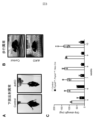
- FIG. 1 shows various phenotypes in PNPLA6- and PNPLA7-deficient mice.
- FIG. 4 shows reduced coordination in PNPLA6- and PNPLA7-deficient mice.
- FIG. 4 shows muscle atrophy and denervation at the neuromuscular junction in PNPLA6 and PNPLA7 deficient mice.
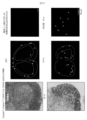
- FIG. 1 shows neurodegeneration with p62-positive aggregates in brain white matter and spinal cord of PNPLA6- and PNPLA7-deficient mice.
- FIG. 10 is a diagram showing the degeneration and loss of motor neurons in the anterior horn of the spinal cord in Klüber-Barrera (KB) staining.
- Motor neurons which are characterized by having large cell bodies, are reduced in dcKO (right panel).
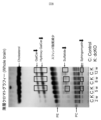
- FIG. 2 shows the reduction of major lipids in the myelin myelin sheath in the brains of PNPLA6- and PNPLA7-deficient mice (time course).
- GalCer galactosylceramide
- HydroxyGalCer hydroxylated galactosylceramide
- Sultatide sulfatide
- FIG. 4 shows that the brains of mice deficient in PNPLA6 or PNPLA7 alone do not result in reduction of major lipids of myelin myelin. The reduction in major myelin myelin sphingolipids that occurs in dcKO mice is not seen in mice with a single deletion of PNPLA6 (6-scKO) or single deletion of PNPLA7 (7-scKO).
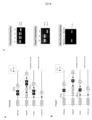
- FIG. 2 shows the phenotype of ChAT dcKO mice. GFAP dcKO mouse phenotype.
- FIG. 10 shows a phenotype comparison between PNPLA6- and PNPLA7-deficient mice and conventional representative ALS model mice (SOD G93A Tg mice).
- FIG. 1 shows targeting vectors for generating PNPLA6- and PNPLA7-deficient mice, and genotyping PCR results.
- FIG. 10 compares the phenotypes of dcKO, ChAT dcKO, and GFAP dcKO mouse strains.
- the present invention relates to neurodegenerative disease model animals accompanied by muscle atrophy, which are non-human animals lacking both the PNPLA6 gene and the PNPLA7 gene.
- the present invention relates to model cells of neurodegenerative diseases accompanied by muscle atrophy, including animal cells in which both the PNPLA6 gene and the PNPLA7 gene are deficient.
- mice that lack two types of lysophospholipases (PNPLA6 and PNPLA7) that degrade lysophospholipids in the central nervous system simultaneously develop neurodegeneration with p62-positive aggregates in the brain and spinal cord, and neuromuscular junctions. He died prematurely after denervation, severe muscle atrophy, and loss of muscle strength and motor function. Cholinergic nerve-specific or astroglia-specific deletion of both enzymes also progressed neurodegeneration and muscle atrophy, although the onset times were different. These model animals are expected to serve as novel and useful tools for elucidating the pathogenesis of neurodegeneration and neurogenic muscular atrophy and evaluating the efficacy of therapeutic agents.
- PNPLA6 and PNPLA7 lysophospholipases
- PNPLA6 means a protein (enzyme)
- Pnpla6 means a gene.
- PNPLA6 gene the gene encoding PNPLA6 is called "PNPLA6 gene”.
- Pnpla6 and PNPLA6 gene are synonymous. The same applies to “PNPLA7” and "Pnpla7”.
- genetically modified animals are prepared by inserting loxP sequences at both ends of specific regions of the PNPLA6 gene and PNPLA7 gene to be deleted by gene targeting method or genome editing, and further under the control of tissue-specific promoters or cell type-specific promoters Cross with transgenic animals expressing Cre recombinase.
- the gene is deleted only at the site where the tissue-specific or cell type-specific promoter works.
- FRT-LacZ-loxP-Neo-FRT-loxP sequence upstream of exon 7 of the PNPLA6 gene, and a structure in which the loxP sequence is inserted downstream of exon 8 A targeting vector (Fig. 14A) is introduced into ES cells, and homologous recombination ES cells are selected.
- Chimeric mice and F1 mice were generated, crossed with Flippase-overexpressing mice to generate Pnpla6 flox/+ mice (Pnpla6 f/+ mice), and further crossed between Pnpla6 f/+ mice to generate Pnpla6f/f mice. obtain.
- Pnpla7 f/+ mice a targeting vector for deleting exon 26 by the Cre-loxP system was created (Fig. 14B), introduced into ES cells to create chimeric mice, and germ line transmission was confirmed. Mice are crossed with Flippase-overexpressing mice to establish Pnpla7 flox/+ mice (Pnpla7 f/+ mice). Pnpla7 f/f mice are obtained by mating Pnpla7 f/+ mice. Pnpla6f/f and Pnpla7f/f can also be produced by genome editing technology using complexes containing CRISPR/Cas9, Cas9 Nikase, ZFN (zinc finger nuclease), TALEN and other nucleases.
- a double conditional knockout mouse is established by mating with a transgenic mouse expressing Cre recombinase in a nervous system cell-specific manner under the control of a given promoter.
- one aspect of the present invention relates to neurodegenerative disease model cells accompanied by muscle atrophy (hereinafter simply referred to as "model cells"), including animal cells in which both the PNPLA6 gene and the PNPLA7 gene are knocked out.
- the phenotype of animals in which the PNPLA6 gene and the PNPLA7 gene have been specifically deficient in nerve cells and/or glial cells is muscle atrophy, and the main phenotype is neurogenic muscle atrophy.
- phenotypes related to neurodegenerative disease symptoms include shortened lifespan, weight loss, decreased exercise capacity, abnormal gait, resting tremor, spasticity, abnormal lower extremity reflexes, muscle atrophy, and spinal degeneration.
- the PNPLA6 gene and PNPLA7 gene can be specifically deleted in cholinergic neurons as neurons.
- Phenotypes associated with neurodegenerative disease in this case include shortened lifespan, weight loss, decreased exercise capacity, abnormal gait, resting tremor, spasticity, dysreflexia, muscle atrophy, curvature of the spine, loss of motor neurons, It is associated with a phenotype of neuromuscular junction degeneration, aberrant astrocyte activation, microglial activation, or a combination thereof.
- the PNPLA6 gene and the PNPLA7 gene can be deleted specifically in astroglial cells as glial cells.
- Phenotypes associated with neurodegenerative disease in this case include shortened lifespan, weight loss, decreased exercise capacity, abnormal gait, resting tremor, spasticity, dysreflexia, muscle atrophy, curvature of the spine, loss of motor neurons, It is associated with neuromuscular junction degeneration, aberrant astrocyte activation, microglial activation, accumulation of p62-positive aggregates, accumulation of phosphorylated TDP-43 aggregates, or a combination thereof.
- RNA interference Genome editing and RNA interference are both well-known techniques in the art, and can be appropriately selected and implemented by those skilled in the art. These techniques can be performed using the following kits or according to known literature.
- Genome editing Jinek M, Chylinski K, Fonfara I, Hauer M, Doudna JA, Charpentier E: A programmable dual-RNA-guided DNA endonuclease in adaptive bacterial immunity. Science 337:816-821, 2012.
- Patent for use of CRISPR/Cas9 technology JP6692856: Methods and compositions for RNA-dependent target DNA modification and RNA-dependent transcriptional regulation
- RNA interference Dharmacon RNAi research reagent (Horizon Discovery), Silencer Select siRNA (Thermo Fisher Scientific), etc.
- Animal cells of interest include nerve cells, glial cells, iPS cells that can be differentiated into various cells, and stem cells.
- iPS cells when used as the target animal cells, the source of acquisition is not particularly limited, and they can be purchased.
- four genes (Oct3/4, Sox2, Klf4, c-Myc) called so-called Yamanaka factors are introduced into, for example, fibroblasts using an appropriate vector (for example, a retroviral vector) and cultured for several weeks. can obtain reprogrammed cells (pluripotent stem cells).
- predetermined cells can be obtained by culturing in the presence of growth factors and various differentiation factors. For example, when differentiating into motor neurons, the serum-free aggregation suspension culture method (Egawa N, Kitaoka S, Tsukita K, et al. Drug screening for ALS using patient-specific induced pluripotent stem cells. Sci Transl 4: 1450ra124 ), etc., or by culturing in a culture chamber of a microdevice to differentiate into fasciculated nerve fibers and connecting with cultured muscle cells to form a neuromuscular tissue model.
- the serum-free aggregation suspension culture method Egawa N, Kitaoka S, Tsukita K, et al. Drug screening for ALS using patient-specific induced pluripotent stem cells. Sci Transl 4: 1450ra124
- culturing in a culture chamber of a microdevice to differentiate into fasciculated nerve fibers and connecting with cultured muscle cells to form a neuromuscular tissue model.
- Cells thus obtained can be used as model cells for neurodegenerative diseases associated with muscle atrophy.
- the cells include both cells derived from the biological sample and cells obtained by double-knocking out the PNPLA6 gene and the PNPLA7 gene from the animal cells of interest.
- cells derived from biological samples collected from non-human animals can also be understood as “model cells” in a broad sense.
- both cell aggregates and organoids derived from the above cells can be used as neurodegenerative disease model organoids.
- An “organoid” is an organ (cell assembly) that is three-dimensionally produced in vitro such as in a test tube. Organoids can be formed by three-dimensional culturing of tissue cells, ES cells or iPS cells, and self-organization utilizing the self-renewal ability and differentiation ability of these cells.
- the model cells or model organoids of the present invention are cells or organoids in which the PNPLA6 gene and PNPLA7 gene have been specifically deleted in neurons and/or glial cells.
- nerve cells constituting model cells or model organoids for example, cholinergic nerve cell-specific PNPLA6 gene and PNPLA7 gene-deficient cells, or astroglial cell-specific PNPLA6 gene and PNPLA7 as glial cells Cells in which a gene has been deleted, etc., can be mentioned.
- the screening method of the present invention comprises contacting a non-human animal deficient in the PNPLA6 gene and the PNPLA7 gene with a test substance, and improving neurodegeneration and improving muscle atrophy in the non-human animal after contact with the test substance.
- a step of selecting the test substance as a medicament for neurodegenerative diseases or a medicament for diseases with muscle atrophy is included.
- the screening method of the present invention comprises contacting a biomaterial collected from a non-human animal deficient in the PNPLA6 gene and the PNPLA7 gene, or the model cell with a test substance, followed by improving effect on neurodegeneration, It includes a step of detecting the effect of improving muscle atrophy or both effects, and selecting a drug for neurodegenerative diseases or a drug for diseases with muscle atrophy using the obtained results as indicators.
- test substance that is a drug candidate
- examples include cell extracts, plant extracts, etc. These compounds may be novel compounds or known compounds.
- These test substances may form salts, and as the salts of the test substances, salts with physiologically acceptable acids (for example, inorganic acids) or bases (for example, organic acids) are used. , physiologically acceptable acid addition salts are preferred.
- Such salts include, for example, salts with inorganic acids (e.g., hydrochloric acid, phosphoric acid, hydrobromic acid, sulfuric acid, etc.), or organic acids (e.g., acetic acid, formic acid, propionic acid, fumaric acid, maleic acid, succinic acid, tartaric acid, citric acid, malic acid, oxalic acid, benzoic acid, methanesulfonic acid, benzenesulfonic acid, etc.).
- inorganic acids e.g., hydrochloric acid, phosphoric acid, hydrobromic acid, sulfuric acid, etc.
- organic acids e.g., acetic acid, formic acid, propionic acid, fumaric acid, maleic acid, succinic acid, tartaric acid, citric acid, malic acid, oxalic acid, benzoic acid, methanesulfonic acid, benzenesulfonic acid, etc.
- test substance may be tested as a single substance independently or as a mixture (including libraries, etc.).
- Libraries containing a plurality of test substances include synthetic compound libraries (such as combinatorial libraries) and peptide libraries (such as combinatorial libraries).
- Contacting means a mode of administering the test substance to a non-human animal, a mode of adding the test substance to the biomaterial or the model cells, a mode of culturing in the presence of the test substance, and the like.
- Examples of methods of contacting non-human animals with the test substance include administration.
- the administration method is not particularly limited, and for example, oral administration, parenteral administration (injection, application, etc.) can be used, and can be appropriately selected according to the type of animal, the properties of the test substance, and the like.
- the dosage of the test substance can be appropriately selected according to the administration method, properties of the test substance, and the like.
- there are modes such as inoculation of the test substance into these animals by injection or the like, application of the test substance to the skin, and the like.
- Examples of adding a test substance to biomaterials, model cells, or organoids include adding the test substance to cell cultures, and adding the test substance to body fluids, blood, lymph fluid, and the like.
- “Culture” means any cell, culture medium, or cell extract.
- “Culturing in the presence of a test substance” means culturing under conditions in which the cells and the test substance are in contact, and the contact of the test substance with the above-mentioned cells is, for example, a cell culture medium or various buffers (eg, HEPES buffer, phosphate buffer, phosphate buffered saline, etc.), and the cells are incubated for a certain period of time after adding the test substance.
- the concentration of the test substance added to the culture varies depending on its characteristics (compound type, solubility, toxicity, etc.), but is appropriately selected, for example, in the range of 1 nM to 1,000 ⁇ M.
- Examples of incubation time include 24 hours to 1 week.
- the non-human animal (test animal) to which the test substance is administered and the control animal are not particularly limited, but usually non-human animals of the same species are used.
- animals of the same litter are preferably used as test animals and control animals, and animals of the same sex and age are more preferably used.
- non-human animals include rodents such as mice, rats and guinea pigs, as well as rabbits, birds, goats, cows, horses, dogs, cats, pigs, marmosets and monkeys.
- a test substance is brought into contact with a non-human animal to regenerate, regrow, repair, enhance, or recover degenerated nerves or atrophied muscles, or to prevent nerve degeneration or muscle atrophy (collectively, these (also called “improvement”).
- “Regeneration” means to regenerate the functions of nerves that have lost their functions
- “Repair” means to correct and restore partially lost nerve functions or muscle functions
- “Enhancement” means to restore already possessed functions.
- prevention means to prevent the deterioration of the survival or function of already existing nerves or the deterioration of the function of muscles.
- Items for evaluating whether the test substance showed improvement effects such as regeneration and repair of degenerated nerves, recovery from muscle atrophy, and enhancement of muscle strength include, for example, expression levels and activities of PNPLA6 and/or PNPLA7. decrease in degenerated neurons in the brain nervous system, suppression of decrease in motor neurons in the anterior horn of the spinal cord, decreased activation of astrocytes and microglia, decreased expression of muscle atrophy marker genes, increased muscle mass ( regrowth of atrophied skeletal muscle), proliferation of muscle satellite cells and differentiation into myoblasts, extension of survival period, and the like.
- evaluations can be performed using techniques such as animal appearance observation, histopathological analysis, genetic engineering analysis, biochemical analysis, and motor coordination analysis. Then, regarding the function promoting effect in neurodegenerative diseases or the function promoting effect in diseases with muscle atrophy, the expression level and activity of PNPLA6 and / or PNPLA7 are increased, muscle strength is increased, muscle mass is increased, movement disorders are reduced, muscle When at least one of the following effects is observed: improvement of electrophysiological findings by electrogram, restructuring of the neuromuscular junction, paralysis of the hind limbs and limbs, and improvement of respiratory muscle paralysis, regeneration, restoration, and enhancement of nerve function.
- the test substance is selected as a drug (nerve function promoting agent) for neurodegenerative diseases.
- a drug muscle atrophy improving agent
- muscle atrophy includes both being caused by muscle atrophy and being accompanied by muscle atrophy.
- the PNPLA6 gene and PNPLA7 gene-deficient non-human animal or model cell used in the present invention may be an animal or model cell in which the PNPLA6 gene and PNPLA7 gene are homozygously knocked out or a heterozygous knockout animal or model cell. Since sex homozygous knockout animals die early after birth as described above, it is preferable to use neurospecific homozygous knockout animals or heterozygous knockout animals.
- non-human animals or models that have the PNPLA6 gene and the PNPLA7 gene but do not function due to mutation or have reduced function Cells can also be used.
- a mutation includes a sequence that does not correctly encode a protein having PNPLA6 activity and a protein having PNPLA7 activity due to changes such as deletion, substitution, insertion, etc. in a part of the full-length sequences of the PNPLA6 gene and PNPLA7 gene.
- Genes, ie, PNPLA6 gene and PNPLA7 gene means genes that do not have their original function.
- Biomaterials collected from non-human animals include, for example, non-human animal-derived cells (nerve cells, glial cells, skeletal muscle cells, etc.), body fluids, blood, lymph, cerebrospinal fluid, and the like.
- neurodegenerative diseases include, but are not limited to, hereditary spastic paraplegia, spinocerebellar degeneration, Parkinson's disease, Parkinson's syndrome (multiple system atrophy, progressive supranuclear palsy, etc.), Alzheimer's disease, Includes dementia with Lewy bodies and corticobasal degeneration.
- ALS amyotrophic sclerosis
- FTLD frontotemporal lobar degeneration
- SMA spinal muscular atrophy
- SPMA spinal progressive muscular atrophy
- SBMA spinobulbar muscular atrophy
- multifocal motor neuropathy and the like.
- Example 1 Method Generation of neuro-specific Pnpla6 and Pnpla7-deficient mice
- Pnpla6-deficient mice are targeted vectors having a structure in which the FRT-LacZ-loxP-Neo-FRT-loxP sequence is inserted upstream of exon 7 of the PNPLA6 gene, and the loxP sequence is inserted downstream of exon 8.
- PG00244_Z_7_C03 was purchased from the European Conditional Mouse Mutagenesis Program (EUCOMM), introduced into the RENKA strain of C57BL/6N-derived ES cells, and homologous recombination ES cells were selected (Fig. 14A).
- Chimeric mice and F1 mice were prepared, crossed with Flippase overexpressing mice to prepare Pnpla6 flox/+ (hereinafter referred to as Pnpla6f/+) mice, and further crossed to obtain Pnpla6f/f mice.
- Pnpla6f/+ Pnpla6 flox/+ mice
- a targeting vector for deleting exon 26 containing the amino acid sequence predicted to be the center of enzyme activity was created by the Cre-loxP system (Fig. 14B) and introduced into ES cell TT2 to generate a chimeric mouse. created.
- Pnpla7 flox/+ mice were established by mating F1 mice in which germline transmission was confirmed with mice overexpressing Flippase, and back-crossed over 10 generations to the genetic background of C57BL/6N.
- Pnpla7 f/f mice were obtained by mating Pnpla7 f/+ mice.
- Table 1 shows the nucleotide sequences of the primers used for genotyping PCR of the genetically modified mouse.
- mRNA expression level analysis was performed by real-time PCR using the TaqMan probe method. Primers and Universal Probe Library (UPL) were designed by ProbeFinder (gene name, forward primer, reverse primer, and UPL number are listed in this order). Hprt1 was used as an endogenous control gene for the gene expression level, and Tbp was used as an endogenous control gene only for the detection of muscle atrophy markers.
- Hprt1 tgatagatccattcctatgactgtaga (SEQ ID NO: 7), aagacattctttccagttaaagttgag (SEQ ID NO: 8), #22 Pnpla6: tgccagcatctatgtggttc (SEQ ID NO: 9), cacacactccttcccatcag (SEQ ID NO: 10), #66 Pnpla7: ggaggggggtggagctaga (SEQ ID NO: 11), cgccacactctgctagtgc (SEQ ID NO: 12), #105 Tbp: ggagctgtgatgtgaagt (SEQ ID NO: 13), ccaggaaataattctggctcat (SEQ ID NO: 14), #97 Fbxo32: agtgaggaccggctactgtg (SEQ ID NO: 15), gatcaaaacg
- Immunohistochemistry Mouse tissues were fixed overnight in 4% paraformaldehyde, embedded in paraffin, sliced at 5-10 ⁇ m thickness, and subjected to histochemical and immunoantibody staining. When immunostaining paraffin sections, antigen retrieval treatment with 10 mM citrate buffer (pH 6.0) was performed using an autoclave at 105° C. for 20 minutes. Only 40 ⁇ m thick cryosections were used for neuromuscular junction staining. Histochemical staining was Kluver-Barrera staining.
- Antibodies and dilution conditions used in immunoantibody staining are as follows.
- Anti-p62 antibody (Guinea pig anti-p62 C-terminal pAb, MBL PM066) 1:1,000 dilution Anti-p62 antibody (Mouse anti-SQSTM1/p62 antibody, abcam, ab56416) 1:1,000 dilution Tetramethylrhodamine ⁇ - Aldrich, T0195) 1.5 ⁇ g/ml
- Anti-Neurofilament M antibody DSHB, AB_2314897
- Anti-Synaptic vesicle2 antibody (DSHB, AB_2315387) 1:100 dilution Anti-GFAP antibody (Proteintech, 60190-1-IG) 1:1,000 dilution Anti-Mac2 antibody (Ratanti -mouse/human Mac2 antibody, Biolegend, 125410) 1:500 dilution Anti-NeuN antibody (Novus biologicals, NBP1-92693) 1:
- the secondary antibody is F(ab′)2-Goat anti-Mouse IgG (H+L) Cross-Adsorbed Secondary Antibody, Alexa Fluor 488 (ThermoFisher Scientific, A-11017) for staining of GFAP in FIG. 5D and FIG.
- Alexa Fluor registered trademark
- 546F ab' 2 fragment of goat anti-mouse IgG (H + L) (ThermoFisher Scientific, A-11018) for p62 staining in Figures 6A, B, and D, and p62 staining in Figure 6C
- Goat anti-Guinea Pig IgG H+L
- Highly Cross-Adsorbed Secondary Antibody Alexa Fluor 633 (ThermoFisher Scientific, A-21105) was used at a 1:1,000 dilution, respectively.
- VECTASHIELD registered trademark
- Antifade Mounting Medium With DAPI Vector #H-1200 was used as the mounting medium.
- a bead crusher Teletec ⁇ T-01
- mice Neuro-specific Pnpla6 and Pnpla7 deficient mice (dcKO mice) exhibit poor growth and short lifespan.
- a targeting vector having a structure in which a loxP-Neo-FRT-loxP sequence and a loxP sequence were inserted downstream was introduced into ES cells, homologous recombination cells were selected, chimeric mice and F1 mice were produced, and Flippase overexpressing mice and Breeding produced flox/+ (f/+) mice.
- Fig. 3A lower limb reflex abnormalities, gait abnormalities, decreased muscle strength and coordination dcKO mice exhibit lower limb reflex abnormalities called hindlimb clasping (Fig. 3A), and gait abnormalities, resting tremors, bradykinesia, etc., occur with weight loss.
- Fig. 3B although there are some differences among individuals, there are gradual symptoms such as slow walking with lack of agility, unilateral or bilateral mild hind limb incomplete paralysis, and difficulty moving due to severe bilateral hind limb paralysis. Symptoms got worse.
- grip strength decreased from before 5 weeks of age (Fig. 3C), and coordinated movement was observed by placing the mouse on the rotating rod of the rotarod, gradually increasing the speed, and measuring the time until the mouse fell.
- ⁇ -bungarotoxin is a red fluorescence-labeled acetylcholine receptor on the skeletal muscle side.
- Staining with a Synaptic vesicle2 antibody revealed that the neuromuscular junction of dcKO mice had a marked decrease in nerve terminal projections by 10 weeks of age, indicating denervation. (Fig. 5D).
- dcKO mice a series of sphingolipid groups that make up the myelin sheath, that is, galactosylceramide (GalCer), its hydroxylated form (Hydroxy GalCer), sulfatide, and sphingomyelin, were found to be reduced by about half. (Fig. 8).
- ChAT choline acetyltransferase
- GFAP glial fibrillary acidic protein
- ChAT promoter acts on cholinergic neurons to cause gene expression.
- ChAT-Cre was introduced into Pnpla6 f/f ;Pnpla7 f/f mice
- cholinergic neuron-specific Cre recombinase was expressed under the control of the ChAT promoter and flanked by loxP sequences in those cells. Recombination of the sequences yields ChAT dcKO lacking PNPLA6 and PNPLA7 in a cholinergic neuron-specific manner.
- the GFAP promoter acts on astrocytes to induce gene expression.
- GFAP-Cre was introduced into Pnpla6 f /f ; Recombination yields GFAP dcKO mice deficient in PNPLA6 and PNPLA7 in an astrocyte-specific manner.
- ChAT dcKO mice show curvature of the spine, followed by abnormal leg reflexes. From around 3 to 4 months of age, weight gain slows compared to control mice, and gait abnormalities and muscle atrophy progress. (Fig. 10). Unlike Pnpla6 f/f ; Pnpla7 f/f ; Nes-Cre mice, ChAT dcKO mice showed no p62-positive aggregates and both males and females were fertile.
- ALS amyotrophic sclerosis
- FTLD frontotemporal lobar degeneration
- SMA spinal muscular atrophy
- ALS has the highest frequency, and it is estimated that there are approximately 10,000 patients in Japan and close to 300,000 patients worldwide. Since the disorder extends to voluntary muscles throughout the body, the onset of ALS places a heavy burden not only on the patient but also on the family. In addition, since half of the patients die due to respiratory muscle paralysis only a few years after the onset, it is an intractable disease, so a new treatment method should be established. is urgent.
- SOD1 superoxide dismutase 1
- FUS binding protein FUS
- TDP-43 TAR DNA-binding protein-43
- these model animals in which human-derived mutations are directly introduced into rodents for example, transgenics in which the most frequently used human mutant SOD1 gene with the G93A point mutation is overexpressed at a high copy number (20 to 30 copies) Symptoms such as muscle atrophy are not so severe in mice, and application to elucidation of pathological conditions and examination of therapeutic agents is limited.
- the dcKO mouse which is specifically deficient in the nervous system of the two lysophospholipases PNPLA6 and PNPLA7 established by the present inventor, not only progresses rapidly in neurodegeneration and has a short lifespan, but also suffers from severe neurodegeneration leading to difficulty in walking. It is a striking feature that it exhibits primary muscle atrophy (Fig. 13).
- ChAT dcKO mice that lack both the Pnpla6 and Pnpla7 genes in a cholinergic neuron-specific manner have a late onset and are characterized by being able to breed as deficient mice.
- GFAP dcKO mice are characterized by accumulation of abnormally phosphorylated TDP-43 and p62-positive aggregates in the spinal cord, and only some individuals develop neurodegeneration and muscle atrophy (Fig. 15). It may be used as a neurodegenerative disease model.
- the gene-deficient mouse group targeting lysophospholipase produced in this study can be used as a novel disease model animal. is considered to be highly useful.
- SEQ ID NOS: 1 to 18 synthetic DNA primers
Landscapes
- Health & Medical Sciences (AREA)
- Life Sciences & Earth Sciences (AREA)
- Engineering & Computer Science (AREA)
- Biomedical Technology (AREA)
- Chemical & Material Sciences (AREA)
- Genetics & Genomics (AREA)
- Organic Chemistry (AREA)
- Biotechnology (AREA)
- Zoology (AREA)
- Bioinformatics & Cheminformatics (AREA)
- General Health & Medical Sciences (AREA)
- Wood Science & Technology (AREA)
- Biochemistry (AREA)
- Molecular Biology (AREA)
- Microbiology (AREA)
- General Engineering & Computer Science (AREA)
- Immunology (AREA)
- Cell Biology (AREA)
- Veterinary Medicine (AREA)
- Toxicology (AREA)
- Environmental Sciences (AREA)
- Hematology (AREA)
- Urology & Nephrology (AREA)
- Biophysics (AREA)
- Medicinal Chemistry (AREA)
- Physics & Mathematics (AREA)
- Neurology (AREA)
- Neurosurgery (AREA)
- Pathology (AREA)
- General Physics & Mathematics (AREA)
- Analytical Chemistry (AREA)
- Food Science & Technology (AREA)
- Plant Pathology (AREA)
- Gastroenterology & Hepatology (AREA)
- Proteomics, Peptides & Aminoacids (AREA)
- Animal Behavior & Ethology (AREA)
- Animal Husbandry (AREA)
- Biodiversity & Conservation Biology (AREA)
- Tropical Medicine & Parasitology (AREA)
- Micro-Organisms Or Cultivation Processes Thereof (AREA)
Priority Applications (3)
| Application Number | Priority Date | Filing Date | Title |
|---|---|---|---|
| JP2023554664A JPWO2023068212A1 (https=) | 2021-10-22 | 2022-10-11 | |
| EP22883516.1A EP4421164A4 (en) | 2021-10-22 | 2022-10-11 | ANIMAL MODEL NEURODEGENERATIVE AND AMYOTROPHIC |
| US18/702,667 US20240407344A1 (en) | 2021-10-22 | 2022-10-11 | Neurodegenerative and amyotrophic model animal |
Applications Claiming Priority (2)
| Application Number | Priority Date | Filing Date | Title |
|---|---|---|---|
| JP2021173338 | 2021-10-22 | ||
| JP2021-173338 | 2021-10-22 |
Publications (1)
| Publication Number | Publication Date |
|---|---|
| WO2023068212A1 true WO2023068212A1 (ja) | 2023-04-27 |
Family
ID=86059199
Family Applications (1)
| Application Number | Title | Priority Date | Filing Date |
|---|---|---|---|
| PCT/JP2022/038495 Ceased WO2023068212A1 (ja) | 2021-10-22 | 2022-10-11 | 神経変性及び筋萎縮モデル動物 |
Country Status (4)
| Country | Link |
|---|---|
| US (1) | US20240407344A1 (https=) |
| EP (1) | EP4421164A4 (https=) |
| JP (1) | JPWO2023068212A1 (https=) |
| WO (1) | WO2023068212A1 (https=) |
Citations (1)
| Publication number | Priority date | Publication date | Assignee | Title |
|---|---|---|---|---|
| JP6692856B2 (ja) | 2012-05-25 | 2020-05-13 | ザ リージェンツ オブ ザ ユニバーシティ オブ カリフォルニア | Rna依存性標的dna修飾およびrna依存性転写調節のための方法および組成物 |
-
2022
- 2022-10-11 JP JP2023554664A patent/JPWO2023068212A1/ja active Pending
- 2022-10-11 EP EP22883516.1A patent/EP4421164A4/en active Pending
- 2022-10-11 US US18/702,667 patent/US20240407344A1/en active Pending
- 2022-10-11 WO PCT/JP2022/038495 patent/WO2023068212A1/ja not_active Ceased
Patent Citations (1)
| Publication number | Priority date | Publication date | Assignee | Title |
|---|---|---|---|---|
| JP6692856B2 (ja) | 2012-05-25 | 2020-05-13 | ザ リージェンツ オブ ザ ユニバーシティ オブ カリフォルニア | Rna依存性標的dna修飾およびrna依存性転写調節のための方法および組成物 |
Non-Patent Citations (18)
| Title |
|---|
| AKASSOGLOU KMALESTER BXU JTESSAROLLO LROSENBLUTH JCHAO MV: "Brain-specific deletion of neuropathy target esterase/swisscheese results in neurodegeneration", PROC NATL ACAD SCI USA, vol. 101, 2004, pages 5075 - 5080 |
| EGAWA NKITAOKA STSUKITA K ET AL.: "Drug screening for ALS using patient-specific induced pluripotent stem cells", SCI TRANSL MED, vol. 4, 2012, pages 145 - 104, XP055259170, DOI: 10.1126/scitranslmed.3004052 |
| GREGORY AKURIAN MAMAHER ERHOGARTH PHAYFLICK SJ, PLA2G6-ASSOCIATED NEURODEGENERATION. GENEREVIEWS (REGISTERED TRADEMARK, 2017 |
| JINEK MCHYLINSKI KFONFARA IHAUER MDOUDNA JACHARPENTIER E: "A programmable dual-RNA-guided DNA endonuclease in adaptive bacterial immunity", SCIENCE, vol. 337, 2012, pages 816 - 821, XP055229606, DOI: 10.1126/science.1225829 |
| KIENESBERGER PCLASS APREISS-LANDL KWOLINSKI HKOHLWEIN SDZIMMERMANN RZECHNER R: "Identification of an insulin-regulated lysophospholipase with homology to neuropathy target esterase", J. BIOL. CHEM., vol. 283, 2008, pages 5908 - 5917 |
| KIENESBERGER PETRA C, ET AL: "Mammalian patatin domain containing proteins: a family with diverse lipolytic activities involved in multiple biological functions", JOURNAL OF LIPID RESEARCH, AMERICAN SOCIETY FOR BIOCHEMISTRY AND MOLECULAR BIOLOGY, INC., US, vol. 50, no. Suppl. S, 1 April 2009 (2009-04-01), US , pages S63 - S68, XP002569930, ISSN: 0022-2275, DOI: 10.1194/JLR.R800082-JLR200 * |
| KMOCH SMAJEWSKI J ET AL.: "Mutations in PNPLA6 are linked to photoreceptor degeneration and various forms of childhood blindness", NAT COMMUN, vol. 6, 2015, pages 5614 |
| MELENTEV PAVEL A., AGRANOVICH OLGA E., SARANTSEVA SVETLANA V.: "Human diseases associated with NTE gene", ECOLOGICAL GENETICS, vol. 18, no. 2, 1 January 2020 (2020-01-01), pages 229 - 242, XP093058995, ISSN: 1811-0932, DOI: 10.17816/ecogen16327 * |
| MURAKAMI MTAKETOMI YMIKI YSATO HHIRABAYASHI TYAMAMOTO K: "Recent progress in phospholipase A research: from cells to animals to humans", PROG LIPID RES, vol. 50, 2011, pages 152 - 192, XP028166399, DOI: 10.1016/j.plipres.2010.12.001 |
| READ DAVID J., LI YONG, CHAO MOSES V., CAVANAGH JOHN B., GLYNN PAUL: "Neuropathy Target Esterase Is Required for Adult Vertebrate Axon Maintenance", THE JOURNAL OF NEUROSCIENCE, SOCIETY FOR NEUROSCIENCE, US, vol. 29, no. 37, 16 September 2009 (2009-09-16), US , pages 11594 - 11600, XP093058994, ISSN: 0270-6474, DOI: 10.1523/JNEUROSCI.3007-09.2009 * |
| READ DJLI YCHAO MVCAVANAGH JBGLYNN P: "Neuropathy target esterase is required for adult vertebrate axon maintenance", JNEUROSCI, vol. 29, 2009, pages 11594 - 11600, XP093058994, DOI: 10.1523/JNEUROSCI.3007-09.2009 |
| RICKMAN OJBAPLE ELCROSBY AH: "Lipid metabolic pathways converge in motor neuron degenerative diseases", BRAIN, vol. 43, 2020, pages 1073 - 1087 |
| RUDNICK NDGRIFFEY CJGUARNIERI PVALERIA GERBINO VWANG XPIERSAINT JATAPIA JCRICH MMMANIATIS T: "Distinct roles for motor neuron autophagy early and late in the SOD1G93A mouse model of ALS", PROC NATL ACAD SCI USA, vol. 114, 2017, pages E58294 - 8303 |
| See also references of EP4421164A4 |
| SYNOFZIK M ET AL.: "PNPLA6 mutations cause Boucher-Neuhauser and Gordon Holmes syndromes as part of a broad neurodegenerative spectrum", BRAIN, vol. 137, 2014, pages 69 - 77 |
| TAKANASHI JUNICHI: "Using ultra-high magnetic field MR devices in understanding the pathology of glutaminic acid excitotoxicity.", FY2017 RESEARCH STATUS REPORT. 16K10329, HTTPS://KAKEN.NII.AC.JP/REPORT/KAKENHI-PROJECT-16K10329/16K103292017HOKOKU/, 17 December 2018 (2018-12-17), XP093058999, Retrieved from the Internet <URL:https://kaken.nii.ac.jp/report/KAKENHI-PROJECT-16K10329/16K103292017hokoku/> [retrieved on 20230629] * |
| VRIEZE SIMALONE SMPANKRATZ N ET AL.: "Genetic associations of nonsynonymous exonic variants with psychophysiological endophenotypes", PSYCHOPHYSIOLOGY, vol. 51, 2014, pages 1300 - 1308 |
| WINROW CJ ET AL.: "Loss of neuropathy target esterase in mice links organophosphate exposure to hyperactivity", NAT GENET, vol. 33, 2003, pages 477 - 85 |
Also Published As
| Publication number | Publication date |
|---|---|
| JPWO2023068212A1 (https=) | 2023-04-27 |
| EP4421164A4 (en) | 2025-11-12 |
| US20240407344A1 (en) | 2024-12-12 |
| EP4421164A1 (en) | 2024-08-28 |
Similar Documents
| Publication | Publication Date | Title |
|---|---|---|
| Cannon et al. | Expression of human E46K-mutated α-synuclein in BAC-transgenic rats replicates early-stage Parkinson's disease features and enhances vulnerability to mitochondrial impairment | |
| Hirano et al. | Spinocerebellar ataxia with axonal neuropathy: consequence of a Tdp1 recessive neomorphic mutation? | |
| Gendron et al. | Rodent models of TDP-43 proteinopathy: investigating the mechanisms of TDP-43-mediated neurodegeneration | |
| US20110023145A1 (en) | Genomic editing of genes involved in autism spectrum disorders | |
| Huntington's Disease Sheep Collaborative Research Group et al. | Further molecular characterisation of the OVT73 transgenic sheep model of Huntington's disease identifies cortical aggregates | |
| CN111936628B (zh) | 阿尔茨海默病动物模型及其应用 | |
| JPH06507782A (ja) | アルツハイマー病のアミロイド形成開症状を示すヒト以外の組換え哺乳動物 | |
| Pelletier et al. | An early onset progressive motor neuron disorder in Scyl1-deficient mice is associated with mislocalization of TDP-43 | |
| JP2002507898A (ja) | アポリポ蛋白質eトランスジェニック動物および解析方法 | |
| Li et al. | A recessive Trim2 mutation causes an axonal neuropathy in mice | |
| JP7442874B2 (ja) | アルツハイマー病における標的としてのtpkの使用 | |
| JP2013503645A (ja) | 神経細胞の誘導除去のための方法およびシステム | |
| TW200529742A (en) | Method for making a non-human mammal | |
| JP4613824B2 (ja) | トランスジェニック非ヒト哺乳動物 | |
| Emmert et al. | Characterization of a novel rat model of X-linked hydrocephalus by CRISPR-mediated mutation in L1cam | |
| WO2023068212A1 (ja) | 神経変性及び筋萎縮モデル動物 | |
| Kondo et al. | A Transgenic pig model with human mutant SOD1 exhibits the early pathology of amyotrophic lateral sclerosis | |
| Shim et al. | Tau overexpression in transgenic mice induces glycogen synthase kinase 3β and β-catenin phosphorylation | |
| JP7810988B2 (ja) | 遺伝子改変型ゼブラフィッシュ | |
| CN115125273B (zh) | 一种乳头型颅咽管瘤动物模型的构建方法及应用 | |
| KR100699453B1 (ko) | 신경퇴행성 질환용 모델로서의 형질전환 동물 | |
| JP6914564B2 (ja) | 老化及び/又は神経変性モデル動物 | |
| KR102659588B1 (ko) | Gng8 유전자를 결손시킨 뇌신경발달장애 동물 모델 | |
| Niewiadomska-Cimicka et al. | SCA7 mice recapitulate CNS, PNS and retina pathologies and show a transcriptional signature of Purkinje cell dysfunction prevailing in SCA1 and SCA2 mice | |
| JPWO2018012497A1 (ja) | 疾患モデル動物および疾患治療剤 |
Legal Events
| Date | Code | Title | Description |
|---|---|---|---|
| 121 | Ep: the epo has been informed by wipo that ep was designated in this application |
Ref document number: 22883516 Country of ref document: EP Kind code of ref document: A1 |
|
| WWE | Wipo information: entry into national phase |
Ref document number: 2023554664 Country of ref document: JP |
|
| WWE | Wipo information: entry into national phase |
Ref document number: 18702667 Country of ref document: US |
|
| WWE | Wipo information: entry into national phase |
Ref document number: 2022883516 Country of ref document: EP |
|
| NENP | Non-entry into the national phase |
Ref country code: DE |
|
| ENP | Entry into the national phase |
Ref document number: 2022883516 Country of ref document: EP Effective date: 20240522 |