WO2022271676A1 - Indole-substituted quinolines and their combination with plk1 inhibitors for the treatment of cancer - Google Patents
Indole-substituted quinolines and their combination with plk1 inhibitors for the treatment of cancer Download PDFInfo
- Publication number
- WO2022271676A1 WO2022271676A1 PCT/US2022/034309 US2022034309W WO2022271676A1 WO 2022271676 A1 WO2022271676 A1 WO 2022271676A1 US 2022034309 W US2022034309 W US 2022034309W WO 2022271676 A1 WO2022271676 A1 WO 2022271676A1
- Authority
- WO
- WIPO (PCT)
- Prior art keywords
- cancer
- isq
- myc
- plkl
- compound
- Prior art date
- Legal status (The legal status is an assumption and is not a legal conclusion. Google has not performed a legal analysis and makes no representation as to the accuracy of the status listed.)
- Ceased
Links
Classifications
-
- C—CHEMISTRY; METALLURGY
- C07—ORGANIC CHEMISTRY
- C07D—HETEROCYCLIC COMPOUNDS
- C07D401/00—Heterocyclic compounds containing two or more hetero rings, having nitrogen atoms as the only ring hetero atoms, at least one ring being a six-membered ring with only one nitrogen atom
- C07D401/14—Heterocyclic compounds containing two or more hetero rings, having nitrogen atoms as the only ring hetero atoms, at least one ring being a six-membered ring with only one nitrogen atom containing three or more hetero rings
-
- A—HUMAN NECESSITIES
- A61—MEDICAL OR VETERINARY SCIENCE; HYGIENE
- A61K—PREPARATIONS FOR MEDICAL, DENTAL OR TOILETRY PURPOSES
- A61K31/00—Medicinal preparations containing organic active ingredients
- A61K31/33—Heterocyclic compounds
- A61K31/395—Heterocyclic compounds having nitrogen as a ring hetero atom, e.g. guanethidine or rifamycins
- A61K31/435—Heterocyclic compounds having nitrogen as a ring hetero atom, e.g. guanethidine or rifamycins having six-membered rings with one nitrogen as the only ring hetero atom
- A61K31/47—Quinolines; Isoquinolines
- A61K31/4709—Non-condensed quinolines and containing further heterocyclic rings
-
- A—HUMAN NECESSITIES
- A61—MEDICAL OR VETERINARY SCIENCE; HYGIENE
- A61K—PREPARATIONS FOR MEDICAL, DENTAL OR TOILETRY PURPOSES
- A61K31/00—Medicinal preparations containing organic active ingredients
- A61K31/33—Heterocyclic compounds
- A61K31/395—Heterocyclic compounds having nitrogen as a ring hetero atom, e.g. guanethidine or rifamycins
- A61K31/495—Heterocyclic compounds having nitrogen as a ring hetero atom, e.g. guanethidine or rifamycins having six-membered rings with two or more nitrogen atoms as the only ring heteroatoms, e.g. piperazine or tetrazines
- A61K31/496—Non-condensed piperazines containing further heterocyclic rings, e.g. rifampin, thiothixene or sparfloxacin
-
- A—HUMAN NECESSITIES
- A61—MEDICAL OR VETERINARY SCIENCE; HYGIENE
- A61K—PREPARATIONS FOR MEDICAL, DENTAL OR TOILETRY PURPOSES
- A61K45/00—Medicinal preparations containing active ingredients not provided for in groups A61K31/00 - A61K41/00
- A61K45/06—Mixtures of active ingredients without chemical characterisation, e.g. antiphlogistics and cardiaca
-
- A—HUMAN NECESSITIES
- A61—MEDICAL OR VETERINARY SCIENCE; HYGIENE
- A61P—SPECIFIC THERAPEUTIC ACTIVITY OF CHEMICAL COMPOUNDS OR MEDICINAL PREPARATIONS
- A61P35/00—Antineoplastic agents
-
- C—CHEMISTRY; METALLURGY
- C07—ORGANIC CHEMISTRY
- C07D—HETEROCYCLIC COMPOUNDS
- C07D401/00—Heterocyclic compounds containing two or more hetero rings, having nitrogen atoms as the only ring hetero atoms, at least one ring being a six-membered ring with only one nitrogen atom
- C07D401/02—Heterocyclic compounds containing two or more hetero rings, having nitrogen atoms as the only ring hetero atoms, at least one ring being a six-membered ring with only one nitrogen atom containing two hetero rings
- C07D401/04—Heterocyclic compounds containing two or more hetero rings, having nitrogen atoms as the only ring hetero atoms, at least one ring being a six-membered ring with only one nitrogen atom containing two hetero rings directly linked by a ring-member-to-ring-member bond
Definitions
- the present invention relates to compounds for the treatment of cancer.
- the presently-disclosed subject matter relates to indole-substituted quinolones and their combination with Plkl inhibitors and methods of use thereof for the treatment of cancer.
- Metabolic reprograming in tumors generates anabolic intermediates for the biosynthesis of lipids, carbohydrates, and nucleic acids that are necessary to promote tumor growth, and this reprogramming includes the well-known Warburg effect in which cancer cells up-regulate glycolysis.
- This glycolytic up-regulation is not, however, a consequence of the down-regulation of oxidative phosphorylation in cancer cells (1) that maintain their capacity to produce ATP through mitochondrial, oxidative phosphorylation (2-4).
- emerging evidence suggests that activation of oncogenes and inactivation of tumor suppressors promote mitochondrial biogenesis that drives tumorigenesis and maintains viable populations of cancer stem cells (5).
- Cancer cell lines with mtDNA-encoded mutations in complex I subunits were up to twenty-fold more sensitive to complex I inhibitors, such as metformin and phenformin, than the sensitivity of non-mutated complex I in normal cell lines (12).
- MYC proteins c-Myc, n-Myc, 1-Myc
- MYC proteins c-Myc, n-Myc, 1-Myc
- up-regulated MYC proteins, including c-Myc drive tumorigenesis by promoting gene transcription, cellular metabolism, and cell proliferation (16- 18).
- More than 90% of colorectal cancers are driven by an aberrant Wnt- -catenin signaling pathway that upregulates Wnt-target genes including MYC (19).
- Phosphorylation of serine-62 in c-Myc by ERK or CDK kinases enhanced c-Myc stability, but the phosphorylation of c-Myc threonine-58 by GSK3 triggered serine-62 dephosphorylation by protein phosphatase 2A (PP2A), ubiquitination by the SCF-Fbw7 E3 ligase, and proteasomal destruction (13,27).
- Polo kinase-1 also effected the phosphorylation of c-Myc at serine-62 that in turn enhanced c-Myc stability in colorectal and breast cancers (28).
- Plkl inhibitors including BI2536 and volasertib, that is now in clinical trials (29), suppressed this undesired, growth-promoting c-Myc stabilization.
- novel indole-substituted quinolines are disclosed having use in treating various cancers, including c-MYC-driven cancers.
- the novel indole-substituted quinolines are administered in combination with polo kinase- 1 inhibitors for treatment of cancer.
- an indole-substituted quinoline comprising a compound having a structure according to Formula I: wherein R includes N(R' )2 or a substituted or unsubstituted six membered heterocycle including at least one nitrogen and wherein R 1 includes an alkyl.
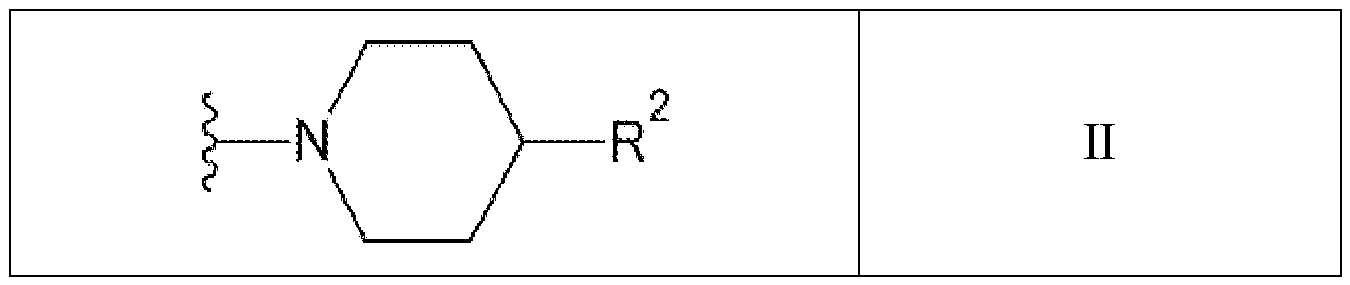
- the compounds may in embodiments include a substituted piperidine including a structure according to Formula II: wherein R 2 includes branched or unbranched alkyl, hydroxyalkyl, alkoxyalkyl, cyano, aryl, arylalkyl, heteroaryl, or a combination thereof.
- the compounds may include a substituted piperidine including a structure according to Formula III: wherein R 3 includes a branched or unbranched alkyl.
- the compounds include the structures set forth herein in Tables 1-2.
- the present disclosure describes a method of treating cancer, the method comprising administering the above-described compound to a subject in need thereof.
- the method may further include administering a polo-like kinase-1 (Plkl) inhibitor with the compound according to claim 1.
- the Plkl and the compound are administered in synergistically effective amounts.
- One or more of the compounds set forth in Tables 1-2 may be selected.
- the Plkl is selected from the group consisting of BI2536, BI6727 (volasertib), GSK461364, NMS-1286937 (onvansertib), and combinations.
- the cancer may be a c-MYC-driven cancer selected from one or more of breast cancer, lymphoma, melanoma, lung cancer, colorectal cancer, neural cancer, ovarian cancer, prostate cancer, and combinations.
- a combination therapeutic comprising an indole- substituted quinolone (ISQ) as described above.
- the ISQ may be combined with a Plkl as described, in embodiments in synergistically effective amounts.
- the combination therapeutic may be formulated for treating cancers including c-MYC-driven cancers as described.
- FIGS. 1A-E show graphs and images illustrating identification of indole-substituted quinolines as Wnt inhibitors and AMPK activators.
- A Structure of ISQ- 1 (indole-substituted quinoline- 1).
- B ISQ-1 inhibited proliferation of colon cancer cell line LS174T, prostate cancer cell line PC-3, sarcoma cell line SK-LMS-1 and liver cancer cell line HepG2 at nanomolar concentrations. Cells were treated with ISQ-1 at indicated concentrations for 5 days and counted.
- C and D ISQ-1 inhibited TOPFlash Wnt reporter and Wnt signaling target genes c-Myc and axin2.
- FIGS. 2A-B show images illustrating structure and activity relationship (SAR) studies.
- A Structure of ISQ analogs.
- B Effects of selected analogs on LS174T colon cancer cell proliferation. Cells were treated with ISQs at indicated concentrations for 5 days and counted. Data were shown as mean ⁇ SEM.
- FIGS. 3A-D show graphs illustrating that ISQ-1 inhibited mitochondrial ETC (electron transport chain) complex I in LS174T cells.
- A Seahorse assay - A classic uncoupler FCCP was replaced with ISQ-1 or DMSO. ISQ-1, unlike FCCP, failed to increase OCR and was not an uncoupler.
- B Seahorse assay.
- ETC complex V (ATPase) inhibitor oligomycin was replaced with ISQ-1 or DMSO. OCR could not be rescued by the addition of FCCP in ISQ-1 treatment compared with oligomycin treatment, indicating that ISQ-1 did not inhibit ETC complex V.
- C Seahorse assay. ETC complex complexes I/III inhibitors rotenone/antimycin were replaced with ISQ-1 or DMSO. ISQ-1 showed similar inhibitory effects on OCR compared with rotenone/antimycin, suggesting that ISQ-1 inhibited ETC complex I or III.
- D Mitochondrial ETC complex activity measurements using PMP- permeabilized cells. PMP selectively disrupted cell membrane but left mitochondrial membrane intact. ISQ-1 inhibited OCR to a similar extent with rotenone, a complex I inhibitor. This inhibition was bypassed by adding the complex II substrate succinate, showing that ISQ-1 inhibited ETC complex I.
- FIGS. 4A-D show graphs and images illustrating evaluation of a more potent ISQ analog ISQ-7.
- A Seahorse assay - ETC complex complexes I/III inhibitors rotenone/antimycin were replaced with ISQ-7 or DMSO.
- ISQ-7 showed similar inhibitory effects on OCR compared with rotenone/antimycin, suggesting that ISQ-1 inhibited ETC complex I or III.
- B Mitochondrial ETC complex activity measurements using PMP-permeabilized cells. PMP selectively disrupted cell membrane but left mitochondrial membrane intact. Similar to rotenone, ISQ-7 decreased OCR and this OCR inhibition was bypassed after addition of the complex II substrate succinate, suggesting that ISQ-7 inhibited ETC complex I.
- FIGS. 5A-D show images illustrating combinational effects of ISQs and Plkl inhibitors on c-Myc expression after 24 hours treatment.
- A Effects of ISQ-1 and ISQ-7 on cell signaling pathways in LS174T colon cells with and without a cell cycle regulator Plkl. A key cell cycle regulator Plkl was induced upon drug treatment.
- B Combination of ISQ-1 or ISQ-7 with Plkl inhibitor BI2536 resulted in enhanced depletion of c-Myc in LS174T cells.
- C Combination of ISQ-1 or ISQ-7 with Plkl inhibitor GSK461364 resulted in enhanced depletion of c-Myc in LS174T cells.
- D Combination of ISQ-1 with Plkl inhibitor BI2536 resulted in enhanced depletion of c-Myc in prostate cancer PC3 cells.
- FIGS. 6A-B show graphs and images illustrating synergistic effects of ISQ-1 and BI2536 on colon cancer cell proliferation.
- A ISQ-1 and BI2536 collectively inhibited cell cycle progression of LS174T colon cancer cells after 24 hours treatment.
- B ISQ-1 and BI2536 synergistically inhibited the proliferation of LS174T cells. Synergy scores were determined using SynergyFinder with Bliss as a reference model.
- FIGS. 7A-C show images and graphs illustrating ISQ-1 inhibited mouse colon cancer organoids from Apc £,+ /Kras LSL G12D /Villin-Cre mouse model.
- A Colony formation of colon cancer organoids from single cells after DMSO or ISQ-1 treatment at day 7. Scale bar, 50 pm.
- B ISQ-1 inhibited organoid colony formation. Total number of organoids formed from single cells in the presence of DMSO or ISQ-1 at day 7 was quantified.
- C ISQ-1 inhibited organoid growth after 3-day treatment. ISQ-1 or DMSO were added after organoids were formed from single cells. Organoid viability was measured using CellTiter-Glo® 3D Cell Viability Assay (Promega).
- FIGS. 8A-E show graphs and images illustrating that ISQ-1 and the Plkl inhibitor BI2536 synergistically inhibited colon cancer cell xenografts in vivo.
- a and B ISQ-1 (20 mg/kg/day) and BI2536 (30 mg/kg twice a week) synergistically induced regression of LS174T colon cancer cell xenografts in nude mice. ***P ⁇ 0.001, analysis of variance (ANOVA) followed by Tukey’s HSD test.
- C Mouse weight measurements following various treatments.
- D H&E staining of tumors (a: control; b: ISQ-1; c: BI2536; d: ISQ-1 + BI2536).
- FIG. 9 shows graphs illustrating seahorse assay in Beas-2B cells.
- a classic uncoupler FCCP was replaced with ISQ-1 (top), ISQ-7 (bottom), or DMSO.
- ISQ-1 and ISQ-7 failed to increase OCR as FCCP did, indicating that ISQ-1 and ISQ-7 were no uncouplers.
- FIG. 10 shows graphs illustrating seahorse assay in Beas-2B cells.
- ETC complex V (ATPase) inhibitor oligomycin was replaced with ISQ-1 (top), ISQ-7 (bottom), or DMSO.
- OCR could not be rescued by the addition of FCCP in ISQ-1 and ISQ-7 treatment compared with oligomycin treatment respectively, showing that ISQ-1 and ISQ-7 did not inhibit ETC complex V.
- FIG. 11 shows graphs illustrating seahorse assay in Beas-2B cells. ETC complex complexes I/III inhibitors rotenone/antimycin were replaced with ISQ-1 (top), ISQ-7 (bottom), or DMSO. ISQ-1 and ISQ-7 showed similar inhibitory effects on OCR compared with rotenone/antimycin, suggesting that ISQ-1 and ISQ-7 inhibited ETC complex I or III.
- FIG. 12 shows an image illustrating the effects of ISQ-1 on AMPK signaling in Beas-2B cells.
- ISQ-1 was less effective in activating AMPK signaling in Beas-2B cells compared with it activity in CRC cells (FIG. IE).
- FIG. 13 shows an image illustrating the effects of ISQ on protein levels of c-Myc in CRC cells.
- ISQ-1 treatment reduced c-Myc in LS174T cells and this reduction was blocked by proteasome inhibitor MG132 and enhanced by protein translation inhibitor cycloheximide (CHX).
- LS174T cells were treated by ISQ-1 at indicated concentrations for 24 hours followed by MG132 treatment (10 mM, 6 hours) or CHX (50 pg/mL, 2 hours).
- the term “about,” when referring to a value or to an amount of mass, weight, time, volume, concentration or percentage is meant to encompass variations of in some embodiments ⁇ 20%, in some embodiments ⁇ 10%, in some embodiments ⁇ 5%, in some embodiments ⁇ 1%, in some embodiments ⁇ 0.5%, and in some embodiments ⁇ 0.1% from the specified amount, as such variations are appropriate to perform the disclosed method.
- ranges can be expressed as from “about” one particular value, and/or to “about” another particular value. It is also understood that there are a number of values disclosed herein, and that each value is also herein disclosed as “about” that particular value in addition to the value itself. For example, if the value “10” is disclosed, then “about 10” is also disclosed. It is also understood that each unit between two particular units are also disclosed. For example, if 10 and 15 are disclosed, then 11, 12, 13, and 14 are also disclosed.
- administering refers to any method of providing a pharmaceutical preparation to a subject. Such methods are well known to those skilled in the art and include, but are not limited to, oral administration, transdermal administration, administration by inhalation, nasal administration, topical administration, intravaginal administration, ophthalmic administration, intraaural administration, intracerebral administration, rectal administration, sublingual administration, buccal administration, and parenteral administration, including injectable such as intravenous administration, intra-arterial administration, intramuscular administration, and subcutaneous administration. Administration can be continuous or intermittent. In various aspects, a preparation can be administered therapeutically; that is, administered to treat an existing disease or condition.
- a preparation can be administered prophylactically; that is, administered for prevention of a disease or condition.
- the terms “effective amount” and “amount effective” refer to an amount that is sufficient to achieve the desired result or to have an effect on an undesired condition.
- a “therapeutically effective amount” refers to an amount that is sufficient to achieve the desired therapeutic result or to have an effect on undesired symptoms, but is generally insufficient to cause adverse side effects.
- the specific therapeutically effective dose level for any particular patient will depend upon a variety of factors including the disorder being treated and the severity of the disorder; the specific composition employed; the age, body weight, general health, sex and diet of the patient; the time of administration; the route of administration; the rate of excretion of the specific compound employed; the duration of the treatment; drugs used in combination or coincidental with the specific compound employed and like factors well known in the medical arts. For example, it is well within the skill of the art to start doses of a compound at levels lower than those required to achieve the desired therapeutic effect and to gradually increase the dosage until the desired effect is achieved. If desired, the effective daily dose can be divided into multiple doses for purposes of administration.
- compositions can contain such amounts or submultiples thereof to make up the daily dose.
- the dosage can be adjusted by the individual physician in the event of any contraindications. Dosage can vary, and can be administered in one or more dose administrations daily, for one or several days. Guidance can be found in the literature for appropriate dosages for given classes of pharmaceutical products.
- a preparation can be administered in a "prophylactically effective amount"; that is, an amount effective for prevention of a disease or condition.
- the term “derivative” refers to a compound having a structure derived from the structure of a parent compound (e.g., a compound disclosed herein) and whose structure is sufficiently similar to those disclosed herein and based upon that similarity, would be expected by one skilled in the art to exhibit the same or similar activities and utilities as the claimed compounds, or to induce, as a precursor, the same or similar activities and utilities as the claimed compounds.
- the term “substituted” is contemplated to include all permissible substituents of organic compounds.
- the permissible substituents include acyclic and cyclic, branched and unbranched, carbocyclic and heterocyclic, and aromatic and nonaromatic substituents of organic compounds.
- Illustrative substituents include, for example, those described below.
- the permissible substituents can be one or more and the same or different for appropriate organic compounds.
- the heteroatoms, such as nitrogen can have hydrogen substituents and/or any permissible substituents of organic compounds described herein which satisfy the valences of the heteroatoms.
- substitution or “substituted with” include the implicit proviso that such substitution is in accordance with permitted valence of the substituted atom and the substituent, and that the substitution results in a stable compound, e.g., a compound that does not spontaneously undergo transformation such as by rearrangement, cyclization, elimination, etc. It is also contemplated that, in certain aspects, unless expressly indicated to the contrary, individual substituents can be further optionally substituted (i.e., further substituted or unsubstituted).
- Alkoxy also includes polymers of alkoxy groups as just described; that is, an alkoxy can be a polyether such as — OR 1 — OR 2 or — OR 1 — (OR 2 ) a — OR 3 , where “a” is an integer of from 1 to 200 and R 1 , R 2 , and R 3 are alkyl and/or cycloalkyl groups.
- alkyl as used herein is a branched or unbranched saturated hydrocarbon group, such as methyl, ethyl, propyl, isopropyl, butyl, isobutyl, .v-butyl. i-butyl, pentyl, isopentyl, s-pentyl, neopentyl, hexyl, heptyl, octyl, nonyl, decyl, dodecyl, tetradecyl, hexadecyl, eicosyl, tetracosyl, and the like.
- the alkyl group is acyclic.
- the alkyl group can be branched or unbranched. Unless explicitly stated otherwise, the alkyl group can also be substituted or unsubstituted.
- the alkyl group can be substituted with one or more groups including, but not limited to, alkyl, cycloalkyl, alkoxy, amino, ether, halide, hydroxy, nitro, silyl, sulfo-oxo, or thiol, as described herein.
- a “lower alkyl” group is an alkyl group containing from one to six (e.g. , from one to four) carbon atoms.
- alkyl is generally used to refer to both unsubstituted alkyl groups and substituted alkyl groups; however, substituted alkyl groups are also specifically referred to herein by identifying the specific substituent(s) on the alkyl group.
- alkoxyalkyl specifically refers to an alkyl group that is substituted with one or more alkoxy groups (e.g., - CH2OCH3), as described below.
- arylalkyl specifically refers to an alkyl group that is substituted with one or more aryl groups (e.g., -CH2C6H5), as described below.
- aromatic group refers to a ring structure having cyclic clouds of delocalized p electrons above and below the plane of the molecule, where the p clouds contain (4n+2) p electrons.
- aromaticity is found in Morrison and Boyd, Organic Chemistry, (5th Ed., 1987), Chapter 13, entitled “Aromaticity,” pages 477-497, incorporated herein by reference.
- aromatic group is inclusive of both aryl and heteroaryl groups.
- aryl as used herein is a group that contains any carbon-based aromatic group including, but not limited to, benzene, naphthalene, phenyl, biphenyl, anthracene, and the like.
- the aryl group can be substituted or unsubstituted.
- the aryl group can be substituted with one or more groups including, but not limited to, alkyl, cycloalkyl, alkoxy, alkenyl, cycloalkenyl, alkynyl, cycloalkynyl, aryl, heteroaryl, aldehyde, amino, carboxylic acid, ester, ether, halide, hydroxy, ketone, azide, nitro, silyl, sulfo-oxo, or thiol as described herein.
- groups including, but not limited to, alkyl, cycloalkyl, alkoxy, alkenyl, cycloalkenyl, alkynyl, cycloalkynyl, aryl, heteroaryl, aldehyde, amino, carboxylic acid, ester, ether, halide, hydroxy, ketone, azide, nitro, silyl, sulfo-oxo, or thiol as described herein.
- biasing is a specific type of aryl group and is included in the definition of “aryl.”
- Biaryl refers to two aryl groups that are bound together via a fused ring structure, as in naphthalene, or are attached via one or more carbon-carbon bonds, as in biphenyl.
- heterocycle or “heterocyclyl,” as used herein can be used interchangeably and refer to single and multi-cyclic aromatic or non-aromatic ring systems in which at least one of the ring members is other than carbon.
- Heterocycle includes pyridine, pyrimidine, furan, thiophene, pyrrole, isoxazole, isothiazole, pyrazole, oxazole, thiazole, imidazole, oxazole, including, 1,2,3-oxadiazole, 1,2,5-oxadiazole and 1,3,4-oxadiazole, thiadiazole, including, 1,2,3-thiadiazole, 1,2,5-thiadiazole, and 1,3,4-thiadiazole, triazole, including, 1,2, 3 -triazole, 1,3,4- triazole, tetrazole, including 1,2,3,4-tetrazole and 1,2,4,5-tetrazole, pyridine, pyridazine, pyrimidine, pyra
- hydroxyl as used herein is represented by the formula — OH.
- the compound is a small-molecule compound.
- the compound includes an indole- substituted quinoline (ISQ).
- ISQ includes any compound having a structure according to Formula I, or analogs, derivatives, or salts thereof: Where R is NiR'f or a substituted or unsubstituted heterocycle including at least one nitrogen, and R 1 is an alkyl.
- R includes N(CH3)2, unsubstituted piperidine, unsubstituted piperazine, substituted piperidine, or substituted piperazine.
- the substituted piperidine includes a structure according to Formula II, or analogs, derivatives, or salts thereof:
- R 2 is branched or unbranched alkyl, hydroxyalkyl, alkoxyalkyl, cyano, aryl, arylalkyl, heteroaryl, or a combination thereof.
- the substituted piperazine includes a structure according to Formula III, or analogs or derivatives thereof:
- R 3 is branched or unbranched alkyl.
- the compound according to Formula I includes one or more of the compounds shown in Table 1, or analogs or derivatives thereof.
- one or more of the compounds disclosed herein inhibit Wnt signaling and/or activate adenosine monophosphate kinase (AMPK), a cellular, energy-homeostasis, master regulator. Additionally or alternatively, in some embodiments, one or more of the compounds disclosed herein inhibit complex I (i.e., NADH ubiquinone oxidoreductase) in the mitochondrial, electron transport chain (ETC). Accordingly, in some embodiments, the compounds disclosed herein act as potent inhibitors of several cancer cell lines such as, but not limited to, colorectal cancer.
- AMPK adenosine monophosphate kinase
- ETC electron transport chain
- the one or more compounds disclosed herein when combined with a polo-like kinase- 1 (Plkl) inhibitor, the one or more compounds disclosed herein provide synergistic depletion of oncogenic c-Myc protein level and induce strong tumor remission.
- Plkl inhibitors include, but are not limited to, BI2536 and BI6727.
- the method includes administering one or more of the compounds according to Formula I to a subject in need thereof.
- the method includes administering one or more of the compounds in Table 1 to a subject in need thereof.
- the method includes administering a polo-like kinase-1 (Plkl) inhibitor and one or more of the compounds concurrently according to Formula I to a subject in need thereof.
- Plkl polo-like kinase-1
- the method disclosed herein is suitable for treatment of any c-Myc driven cancer such as, but not limited to, colon cancer, liver cancer, and prostate cancer.
- the presently-disclosed subject matter is further illustrated by the following specific but non-limiting examples.
- the following examples may include compilations of data that are representative of data gathered at various times during the course of development and experimentation related to the presently-disclosed subject matter.
- EXAMPLE 1 Developing effective treatments for colorectal cancers through combinations of small- molecule approaches and immunotherapies present intriguing possibilities for managing these otherwise intractable cancers.
- indole-substituted quinolines such as /V 7 ,/V 7 -dimethyl-3-(l -methyl- li/-indol-3-yl)quinoline-2, 7- diamine (ISQ-1) were identified as potent in vitro inhibitors of several cancer cell lines.
- ISQ-1 inhibited Wnt signaling, a main driver in the pathway governing colorectal cancer development, and ISQ-1 also activated adenosine monophosphate kinase (AMPK), a cellular energy- homeostasis master regulator.
- AMPK adenosine monophosphate kinase
- Deregulated Wnt signaling is the main driver of colorectal cancer initiation and progression.
- arylquins aryl-substituted quinolines bearing C-3 V-methyl indole groups were identified, such as A 7 , /V 7 -dimethyl-3-(l -methyl- li/-indol-3-yl)quinoline-2, 7-diamine (ISQ-1) (FIG.
- ISQ-1 that inhibited in vitro cell growth of colon cancer LS174T, prostate cancer PC-3, sarcoma SK-LMS-1, and liver cancer HepG2 cell lines at nanomolar concentrations (FIG. IB). It was found that ISQ-1 also inhibited Wnt signaling target genes including c-Myc and axin2 and activated AMPK in a dose-dependent manner (FIGS. 1C- IE). The synthesis and structural characterization of ISQs are described in Materials and Methods section.
- ISQ-1 A simple A- dimethylamino group at C-7 (i.e., ISQ-1) were more active than those bearing A-piperidinyl (i.e., ISQ- 2), /V-alkylpiperazinyl (i.e., ISQ-3, 4 and 5), or /V-phenylpiperazinyl groups (i.e., ISQ-6).
- ISQs bearing additional oxygen or nitrogen atoms in N-alkylpiperazinyl groups as in the N- cyano, /V-hydroxymethyl, or /V-methoxy methyl pi perazinyl analogs (ISQ-7, 8 and 9, respectively), or an additional nitrogen atom in the N- arylpiperazinyl group, as in /V-(4-pyridyl)piperazinyl analog (ISQ-10), possessed inhibitory activity comparable to the W-di methyl amino group in ISQ-1 at 500 nM.
- FCCP Known uncoupler /V-(4-(trifluoromethoxy)phenyl)carbonohydrazonoyl dicyanide
- V WV-tetramethyl-p-phenylenediamine (FIG. 3D), essentially by-passing the blockade at complex III and delivering electrons directly to cytochrome c oxidase (complex IV).
- TMPD cytochrome c oxidase
- the Seahorse assay data using ETC complex-specific inhibitors and PMP-permeabilized cells demonstrated that ISQ-1 inhibited complex I, disrupted mitochondrial function, activated AMPK, and inhibited Wnt signaling. Similar results were obtained for ISQ-7, a more potent analog of ISQ-1 (FIGS. 2A-B). Seahorse assays showed that ISQ-7 inhibited complex I or III (FIGS.
- ISQ-7 inhibited complex I
- FIG. 4B In a fashion similar to ISQ-1, ISQ-7 strongly inhibited Wnt target genes, Axin-2 and c-Myc (FIG. 4C) and activated AMPK (FIG. 4D) in a dose-dependent manner.
- synergy scores were calculated using SynergyFinder web application (Version 2.0) at default parameters with Bliss as the reference model. It was found that the average synergy score was > 10 and at certain concentrations (ISQ-1 100-300 nM and BI2536 1.5-4.5 nM) the corresponding synergy score was > 15 (FIG. 6B), indicating that ISQ-1 indeed synergized with BI2536.
- ISQ-1 was less potent than ISQ-7 in vitro, its solubility was better than that of ISQ-7.
- ISQ-1 was evaluated using a more pathologically relevant, 3D-tumor organoid model established from Apc i/+ /Kras LSL ⁇ G12D fVil-CrQ compound mutant mouse.
- ISQ-1 inhibited tumor organoid formation from single cells (FIGS. 7A-B) and inhibited organoid growth in a dose-dependent manner (FIG. 7C), a finding that prompted the present inventors to explore the in vivo therapeutic efficiencies of ISQ-1 and its combination with a Plk-1 inhibitor.
- a colon cancer xenograft model established from LS174T cells in nude mice was used to assess the in vivo tumor inhibitory potential of the ISQ-1 and Plkl inhibitor BI2536.
- the combination therapy of ISQ-1 and BI2536 resulted in significant tumor remission (FIGS. 8A-B ) relative to either compound used alone. No gross toxicities were observed on the basis of mouse weight measurements (FIG. 8C). Tumor sections were analyzed with H&E and Ki-67 staining (FIGS. 8D-E).
- the tumors displayed poorly differentiated carcinomas with pleomorphism and brisk mitotic activity.
- the tumors treated with a combination of ISQ-1 and BI2536 were more pleomorphic (i.e., large nuclei, prominent nucleoli, considerable variation in nuclear size, etc.) than that those treated with individual compounds (FIG. 8E).
- the combination treatment with ISQ-1 and BI2536 was more effective in inhibiting tumor proliferation (FIG. 8E) than either agent alone.
- ISQs Wnt signaling inhibitors featuring an indole- substituted, quinoline scaffold called ISQs.
- a representative compound, namely ISQ-1 (FIG. 2A) possessed nanomolar potencies towards inhibiting Wnt signaling and cell proliferation in multiple tumor cell lines.
- a series of Agilent Seahorse assays and mitochondrial ETC complex activity measurements using PMP-permeabilized cells revealed that ISQ-1 and ISQ-7 were not mitochondrial proton uncouplers but rather mitochondrial ETC complex I inhibitors.
- ISQs inhibited mitochondrial complex I, disrupted mitochondrial respiration function, reduced energy supply for signaling transduction, and thus inhibited aberrantly active Wnt- -catenin signaling that contributed to cell proliferation in more than 90% of colorectal cancers.
- mtDNA mitochondrial DNA
- ISQ-1 also inhibited mitochondrial oxidative phosphorylation in normal epithelial cells (Beas-2B) (FIGS. 9-11), it was less active in activating AMPK signaling in normal cells (FIG. 12) than it was in cancer cells (FIG. 2E), an observation that confirmed selectivity of ISQs for cancer cells over normal cells.
- a growing body of evidence connects mitochondrial oxidative phosphorylation with drug resistance in multiple cancer types.
- a subset of diffuse, large B cell lymphoma cells escaped from inhibition of B cell receptor (BCR) survival signals and persisted because of enhanced mitochondrial function.
- Increased mitochondrial metabolism through Pgcla/c-Myc-mediated transcriptional regulation pathways also played a role in exacerbated growth and chemotherapy resistance in melanoma and in triple-negative breast cancer.
- Mutations in the subunit gene, Smarca4 of the SWI/SNF chromatin remodeling complex led to dependence of Smarca4-deficient lung tumors on elevated oxidative phosphorylation.
- kinase inhibitors such as the EGFR inhibitor, gefitinib, and the BRAF V600E inhibitor, vemurafenib, induced enhanced mitochondrial metabolism and drug resistance.
- These drug-resistance cases highlight the potential use of ISQs for targeting oxidative phosphorylation as a therapeutic opportunity in multiple well-defined refractory cancers and provides an approach for overcoming certain types of drug resistance.
- MFC a master regulator of cell cycle and proliferative glycolysis
- Wnt signaling target gene a well-established Wnt signaling target gene
- MYC proteins present formidable challenges for pharmacological targeting.
- This Example shows that ISQs decrease c-Myc protein levels in colon cancer cell line LS174T.
- This c-Myc reduction was accompanied by unexpected increase of Plkl (FIG. 5A), another positive cell cycle regulator.
- Plkl indirectly increased n-Myc by phosphorylating SCF-Fbw7 E3 ubiquitin ligase and inducing its proteasomal degradation that counteracted SCF-Fbw7-mediated degradation of n-Myc.
- BI2536 Although BI2536 proved to be safe in phase I clinical trials, it displayed only limited antitumor activity in Phase II clinical trials. ISQ-1 significantly enhanced the efficacies of BI2536 both in vitro (FIGS. 6A-B) and in vivo (FIGS. 8A-E) and suggested that ISQs and Plkl inhibitors could provide effective combinational therapies.
- the present inventors focused on c-Myc regulation by ISQs and Plkl inhibitors. However, these inhibitors may have synergistic effects on other cancer targets as well.
- ISQs may also enhance the efficacy of the other therapeutic agents.
- MYC has been shown to regulate immune checkpoint molecule PD-L1 and cooperates with Ras to induce an immune suppressive tumor microenvironment to drive tumorigenesis.
- MYG361 a small molecule MYC inhibitor, called MYG361, induced immunogenic cell death (ICD), modulated antitumor tumor immune microenvironment, and synergized with immune checkpoint blockade therapy.
- ICD induced immunogenic cell death
- ISQs indole-substituted quinolines
- Nuclear magnetic resonance spectra were determined in dimethyl sulfoxide-d 6 (DMSO-d 6 ) using Varian instruments ('H. 400; 13 C, lOOMz).
- High resolution electrospray ionization (ESI) mass spectra were recorded using a LTQ-Orbitrap Velos mass spectrometer (Thermo Fisher Scientific, Waltham, MA, USA). The FT resolution was set at 100,000 (at 400 m/z). Samples were introduced through direct infusion using a syringe pump with a flow rate of 5 pL/min. Melting points were determined in open capillarity tubes with a Buchi B-535 apparatus and are uncorrected. Purity was established by combustion analyses performed by Atlantic Microlabs, Inc. (Norcross, GA).
- Antibodies Axin2 (#2151, Cell signaling technology), c-Myc (#1472-1, Epitomics), b-actin (#A1978, Sigma), pACC (#11818, Cell signaling technology), Total ACC (#3676, Cell signaling technology), pAMPK (#2535, Cell signaling technology), Total AMPK (#2532, Cell signaling technology), GAPDH (#GTX627408, GeneTex), Plkl (#sc-17783, Santa Cruz), cyclinDl (#2978, Cell signaling technology), cyclinBl (#4135, Cell signaling technology), p-Akt (#9272, Cell signaling technology), Total-Akt (#1081-1, Epitomics), p-P70S6K (#9234, Cell signaling technology), Total- P70S6K (#2708, Cell signaling technology), p-4E-BPl (#2855, Cell signaling technology), Total-4E- BP1 (#GTX109162, GeneTex
- LS174T cell line (LS174T-TR4) is a gift from Professor Hans Clevers and Marc van de Wetering. LS174T-TR4 cells were selected with resistance to blasticidin (57). PC3 and Beas-2B cells are obtained from Professor Vivek Rangnekar and have been authenticated for previous publications (58). SK-LMS-1 and HepG2 cells were purchased from American Type Culture Collection (ATCC) in 2019. Mycoplasma testing were performed using a sensitive PCR-based mycoplasma detection kit covering more than 200 species/strains of my coplasmas (Biovision, K1476- 100), and no mycoplasma contamination was found in the cell lines used in this work. All cells were cultured in the media recommended by ATCC at 37 °C with 5% C0 2 atmosphere in a water jacketed incubator (NuAire, Madison, MN).
- Cell proliferation inhibition assays were done following a previous report (32). Cancer cells were seeded into 24-well plates at a density of 20,000 cells per well in 1 mL of culture medium and were cultured overnight at 37 °C. Compounds and the vehicle control (DMSO) were added to the cells. After 5 days, the medium was removed, and 100 pL of trypsin was added. The cells were re suspended in phosphate-buffered saline (PBS) and were counted by Vi-CELL XR 2.03 (Beckman Coulter, Inc. USA). The ratio R of the number of viable cells in the compound treatment group to the number of viable cells in DMSO treatment group was taken as relative growth, and the percentage growth inhibition was calculated as (1-R) * 100.
- PBS phosphate-buffered saline
- Wnt reporter assay was described previously (25). We subcloned Super 8xTOPFlash (provided by Professor Randall Moon, University of Washington) into the pGL4.83 [hRlucP/Puro] Vector and transfected it into HEK293T cells. A stable HEK293T cell line containing the TOPFlash reporter was established using puromycin selection (25). To assess if compounds of interest blocked the downstream signaling transduction pathway of b-catenin, the stable reporter cells were seeded to a 12- well plate and treated with 25 mM LiCl to stabilize b-catenin for 16 hours to activate Wnt signaling and then candidate compounds at predetermined concentrations for another 24 hours. The cells were lysed and centrifuged to obtain supernatants which were analyzed by FB 12 Single Tube Luminometer by Titertek-Berthold (Berthold Detection Systems GmbH, Elsasserstr, Germany).
- oligomycin was replaced with an equal volume of DMSO, or compounds in DMSO solution.
- rotenone and antimycin A were replaced with an equal volume of DMSO, or compounds in DMSO solution.
- Mitochondrial ETC complex activity measurements were taken using the Agilent Seahorse Assay with XF PMP (Agilent, Santa Clara, CA) following manufacturer’s instructions. Adherent monolayer cells were gently washed with mitochondrial assay solution (MAS) (220 mM mannitol, 70 mM sucrose, 10 mM KH 2 P0 , 5 mM MgCh, 2 mM HEPES, 1 mM EGTA, and 0.2%
- MAS mitochondrial assay solution
- the cells were further washed with PBS and 2 pL of 50 mg/ml RNase (final 0.2 mg/ml) and 2.5 pL of 4 mg/mL PI (final 20 pg/mL) were added. The mixture was incubated at dark for 45 min and filtered through 35 pm nylon mesh for analysis by the Flow Cytometry and Cell Sorting Shared Resource Facility of the University of Kentucky Markey Cancer Center.
- the colon cancer organoids were isolated from Apc £,+ /Kras LSL G12D /Villin-Cre mouse model (38). Using 48-well drug screening to assess how compounds affected organoid colony formation, the Matrigel containing organoids was digested by 300 pL dispase. The gel was removed by 1,000 x 5 min spinning. The organoids were digested into single cells by 1 mL Trypsin and washed with 10 mL of ADF12. For each well, 80 pL of Matrigel was added to the bottom and 1000 cells in 60 pL Matrigel were added to the top.
- the cells were cultured in 250 pL of 3D complete medium (Advanced DMEM/F12 supplemented with 1 x N-2, 1 x B-27, 1 mM N-acetylcysteine and 1% penicillin/streptomycin). The cells were treated with DMSO or testing compounds and total number of organoids with diameter greater than 50 pm were analyzed and manually counted using microscope.
- 3D complete medium Advanced DMEM/F12 supplemented with 1 x N-2, 1 x B-27, 1 mM N-acetylcysteine and 1% penicillin/streptomycin.
- ISQ-1 was formulated in a mixture of Tween-80 (5%), DMSO (10%), PEG400 (25%) and PBS (60%) and was intraperitoneally administered to the ISQ-1 group at a daily dose of 20 mg/kg mouse body weight.
- the first day of treatment was set as day 0.
- BI2536 dissolved in 0.1 N HC1 and then diluted 5-fold using 0.9% NaCl was given via gavage to the BI2536 group.
- Mice in combination therapy group were treated with both ISQ-1 and BI2536 following aforementioned dosing schedules. At day 11 treatment was ceased and mice were sacrificed. Tumors and mouse weights were measured, and tumor volumes were calculated as Length x width 2 /2.
Landscapes
- Chemical & Material Sciences (AREA)
- Health & Medical Sciences (AREA)
- Organic Chemistry (AREA)
- Life Sciences & Earth Sciences (AREA)
- Pharmacology & Pharmacy (AREA)
- Medicinal Chemistry (AREA)
- Animal Behavior & Ethology (AREA)
- General Health & Medical Sciences (AREA)
- Public Health (AREA)
- Veterinary Medicine (AREA)
- Epidemiology (AREA)
- Chemical Kinetics & Catalysis (AREA)
- General Chemical & Material Sciences (AREA)
- Nuclear Medicine, Radiotherapy & Molecular Imaging (AREA)
- Pharmaceuticals Containing Other Organic And Inorganic Compounds (AREA)
Abstract
Description


Claims




Priority Applications (2)
| Application Number | Priority Date | Filing Date | Title |
|---|---|---|---|
| CN202280044462.6A CN117597125A (en) | 2021-06-22 | 2022-06-21 | Indole-substituted quinolines and their combination with PLK1 inhibitors for the treatment of cancer |
| US18/567,275 US20240300921A1 (en) | 2021-06-22 | 2022-06-21 | Indole-substituted quinolines and their combination with Plk1 inhibitors for the treatment of cancer |
Applications Claiming Priority (2)
| Application Number | Priority Date | Filing Date | Title |
|---|---|---|---|
| US202163213584P | 2021-06-22 | 2021-06-22 | |
| US63/213,584 | 2021-06-22 |
Publications (1)
| Publication Number | Publication Date |
|---|---|
| WO2022271676A1 true WO2022271676A1 (en) | 2022-12-29 |
Family
ID=84544949
Family Applications (1)
| Application Number | Title | Priority Date | Filing Date |
|---|---|---|---|
| PCT/US2022/034309 Ceased WO2022271676A1 (en) | 2021-06-22 | 2022-06-21 | Indole-substituted quinolines and their combination with plk1 inhibitors for the treatment of cancer |
Country Status (3)
| Country | Link |
|---|---|
| US (1) | US20240300921A1 (en) |
| CN (1) | CN117597125A (en) |
| WO (1) | WO2022271676A1 (en) |
Citations (1)
| Publication number | Priority date | Publication date | Assignee | Title |
|---|---|---|---|---|
| US20160280652A1 (en) * | 2013-11-22 | 2016-09-29 | University Of Kentucky Research Foundation | Arylquinoline and analog compounds and use thereof to treat cancer |
-
2022
- 2022-06-21 US US18/567,275 patent/US20240300921A1/en active Pending
- 2022-06-21 WO PCT/US2022/034309 patent/WO2022271676A1/en not_active Ceased
- 2022-06-21 CN CN202280044462.6A patent/CN117597125A/en active Pending
Patent Citations (1)
| Publication number | Priority date | Publication date | Assignee | Title |
|---|---|---|---|---|
| US20160280652A1 (en) * | 2013-11-22 | 2016-09-29 | University Of Kentucky Research Foundation | Arylquinoline and analog compounds and use thereof to treat cancer |
Non-Patent Citations (3)
| Title |
|---|
| DATABASE PUBCHEM SUBSTANCE 12 June 2019 (2019-06-12), ANONYMOUS : "SID 394725341", XP093020989, retrieved from PUBCHEM Database accession no. 394725341 * |
| DATABASE PUBCHEM SUBSTANCE 22 February 2021 (2021-02-22), ANONYMOUS : "SID 440644970", XP093020993, retrieved from PUBCHEM Database accession no. 440644970 * |
| HOEMANN ET AL.: "Potent In Vitro Methicillin-Resistant Staphylococcus aureus Activity of 2-(1 H- Indol-3-yl)quinoline Derivatives", BIOORGANIC & MEDICINAL CHEMISTRY LETTERS, vol. 10, 2000, pages 2675 - 2678, XP004219787, DOI: 10.1016/S0960-894X(00)00542-4 * |
Also Published As
| Publication number | Publication date |
|---|---|
| US20240300921A1 (en) | 2024-09-12 |
| CN117597125A (en) | 2024-02-23 |
Similar Documents
| Publication | Publication Date | Title |
|---|---|---|
| US12310968B2 (en) | Chiral diaryl macrocycles and uses thereof | |
| EP2809324B1 (en) | Cdk8/cdk19 selective inhibitors and their use in anti-metastatic and chemopreventive methods for cancer | |
| Liu et al. | 6-Bromoindirubin-3′-oxime inhibits JAK/STAT3 signaling and induces apoptosis of human melanoma cells | |
| JP6509386B2 (en) | Compounds for treating mTOR pathway related diseases | |
| AU2016304856B2 (en) | Mechanism of resistance to BET bromodomain inhibitors | |
| EA022095B1 (en) | IMIDAZO[4,5-c]QUINOLINES AS DNA-PK INHIBITORS | |
| CA3172987A1 (en) | Small molecule inhibitors of oncogenic chd1l with preclinical activity against colorectal cancer | |
| JP6147246B2 (en) | Combinations of AKT and MEK inhibitor compounds and methods of use | |
| US20170182055A1 (en) | Materials and method for inhibiting replication protein a and uses thereof | |
| Xie et al. | Potent Synergistic Effect on C-Myc–Driven Colorectal Cancers Using a Novel Indole-Substituted Quinoline with a Plk1 Inhibitor | |
| US20230158034A1 (en) | Co-treatment with cdk4/6 and cdk2 inhibitors to suppress tumor adaptation to cdk2 inhibitors | |
| US20230000876A1 (en) | Treating cancers with a cyclin-dependent kinase inhibitor | |
| US20240300921A1 (en) | Indole-substituted quinolines and their combination with Plk1 inhibitors for the treatment of cancer | |
| RU2839932C1 (en) | Novel small molecules for targeted splitting of non-susceptible kras in cancer therapy | |
| WO2017069913A1 (en) | Chalcone compounds | |
| CN121013721A (en) | Combination therapy including KRAS inhibitors and SPH2 inhibitors |
Legal Events
| Date | Code | Title | Description |
|---|---|---|---|
| 121 | Ep: the epo has been informed by wipo that ep was designated in this application |
Ref document number: 22829139 Country of ref document: EP Kind code of ref document: A1 |
|
| WWE | Wipo information: entry into national phase |
Ref document number: 18567275 Country of ref document: US |
|
| WWE | Wipo information: entry into national phase |
Ref document number: 202280044462.6 Country of ref document: CN |
|
| NENP | Non-entry into the national phase |
Ref country code: DE |
|
| 122 | Ep: pct application non-entry in european phase |
Ref document number: 22829139 Country of ref document: EP Kind code of ref document: A1 |