WO2022130352A1 - Novel compounds suitable for the treatment of dyslipidemia - Google Patents
Novel compounds suitable for the treatment of dyslipidemia Download PDFInfo
- Publication number
- WO2022130352A1 WO2022130352A1 PCT/IB2021/061988 IB2021061988W WO2022130352A1 WO 2022130352 A1 WO2022130352 A1 WO 2022130352A1 IB 2021061988 W IB2021061988 W IB 2021061988W WO 2022130352 A1 WO2022130352 A1 WO 2022130352A1
- Authority
- WO
- WIPO (PCT)
- Prior art keywords
- trifluoromethyl
- phenyl
- methanone
- piperidin
- hydroxyoxetan
- Prior art date
- Legal status (The legal status is an assumption and is not a legal conclusion. Google has not performed a legal analysis and makes no representation as to the accuracy of the status listed.)
- Ceased
Links
Classifications
-
- A—HUMAN NECESSITIES
- A61—MEDICAL OR VETERINARY SCIENCE; HYGIENE
- A61P—SPECIFIC THERAPEUTIC ACTIVITY OF CHEMICAL COMPOUNDS OR MEDICINAL PREPARATIONS
- A61P3/00—Drugs for disorders of the metabolism
- A61P3/04—Anorexiants; Antiobesity agents
-
- A—HUMAN NECESSITIES
- A61—MEDICAL OR VETERINARY SCIENCE; HYGIENE
- A61K—PREPARATIONS FOR MEDICAL, DENTAL OR TOILETRY PURPOSES
- A61K31/00—Medicinal preparations containing organic active ingredients
- A61K31/33—Heterocyclic compounds
- A61K31/395—Heterocyclic compounds having nitrogen as a ring hetero atom, e.g. guanethidine or rifamycins
- A61K31/40—Heterocyclic compounds having nitrogen as a ring hetero atom, e.g. guanethidine or rifamycins having five-membered rings with one nitrogen as the only ring hetero atom, e.g. sulpiride, succinimide, tolmetin, buflomedil
- A61K31/403—Heterocyclic compounds having nitrogen as a ring hetero atom, e.g. guanethidine or rifamycins having five-membered rings with one nitrogen as the only ring hetero atom, e.g. sulpiride, succinimide, tolmetin, buflomedil condensed with carbocyclic rings, e.g. carbazole
-
- A—HUMAN NECESSITIES
- A61—MEDICAL OR VETERINARY SCIENCE; HYGIENE
- A61K—PREPARATIONS FOR MEDICAL, DENTAL OR TOILETRY PURPOSES
- A61K31/00—Medicinal preparations containing organic active ingredients
- A61K31/33—Heterocyclic compounds
- A61K31/395—Heterocyclic compounds having nitrogen as a ring hetero atom, e.g. guanethidine or rifamycins
- A61K31/435—Heterocyclic compounds having nitrogen as a ring hetero atom, e.g. guanethidine or rifamycins having six-membered rings with one nitrogen as the only ring hetero atom
- A61K31/44—Non condensed pyridines; Hydrogenated derivatives thereof
- A61K31/445—Non condensed piperidines, e.g. piperocaine
- A61K31/4523—Non condensed piperidines, e.g. piperocaine containing further heterocyclic ring systems
-
- A—HUMAN NECESSITIES
- A61—MEDICAL OR VETERINARY SCIENCE; HYGIENE
- A61K—PREPARATIONS FOR MEDICAL, DENTAL OR TOILETRY PURPOSES
- A61K31/00—Medicinal preparations containing organic active ingredients
- A61K31/33—Heterocyclic compounds
- A61K31/395—Heterocyclic compounds having nitrogen as a ring hetero atom, e.g. guanethidine or rifamycins
- A61K31/435—Heterocyclic compounds having nitrogen as a ring hetero atom, e.g. guanethidine or rifamycins having six-membered rings with one nitrogen as the only ring hetero atom
- A61K31/44—Non condensed pyridines; Hydrogenated derivatives thereof
- A61K31/445—Non condensed piperidines, e.g. piperocaine
- A61K31/4523—Non condensed piperidines, e.g. piperocaine containing further heterocyclic ring systems
- A61K31/4535—Non condensed piperidines, e.g. piperocaine containing further heterocyclic ring systems containing a heterocyclic ring having sulfur as a ring hetero atom, e.g. pizotifen
-
- A—HUMAN NECESSITIES
- A61—MEDICAL OR VETERINARY SCIENCE; HYGIENE
- A61K—PREPARATIONS FOR MEDICAL, DENTAL OR TOILETRY PURPOSES
- A61K31/00—Medicinal preparations containing organic active ingredients
- A61K31/33—Heterocyclic compounds
- A61K31/395—Heterocyclic compounds having nitrogen as a ring hetero atom, e.g. guanethidine or rifamycins
- A61K31/495—Heterocyclic compounds having nitrogen as a ring hetero atom, e.g. guanethidine or rifamycins having six-membered rings with two or more nitrogen atoms as the only ring heteroatoms, e.g. piperazine or tetrazines
- A61K31/496—Non-condensed piperazines containing further heterocyclic rings, e.g. rifampin, thiothixene or sparfloxacin
-
- A—HUMAN NECESSITIES
- A61—MEDICAL OR VETERINARY SCIENCE; HYGIENE
- A61K—PREPARATIONS FOR MEDICAL, DENTAL OR TOILETRY PURPOSES
- A61K38/00—Medicinal preparations containing peptides
- A61K38/16—Peptides having more than 20 amino acids; Gastrins; Somatostatins; Melanotropins; Derivatives thereof
- A61K38/17—Peptides having more than 20 amino acids; Gastrins; Somatostatins; Melanotropins; Derivatives thereof from animals; from humans
- A61K38/22—Hormones
- A61K38/28—Insulins
-
- A—HUMAN NECESSITIES
- A61—MEDICAL OR VETERINARY SCIENCE; HYGIENE
- A61K—PREPARATIONS FOR MEDICAL, DENTAL OR TOILETRY PURPOSES
- A61K45/00—Medicinal preparations containing active ingredients not provided for in groups A61K31/00 - A61K41/00
- A61K45/06—Mixtures of active ingredients without chemical characterisation, e.g. antiphlogistics and cardiaca
-
- A—HUMAN NECESSITIES
- A61—MEDICAL OR VETERINARY SCIENCE; HYGIENE
- A61P—SPECIFIC THERAPEUTIC ACTIVITY OF CHEMICAL COMPOUNDS OR MEDICINAL PREPARATIONS
- A61P3/00—Drugs for disorders of the metabolism
- A61P3/06—Antihyperlipidemics
-
- C—CHEMISTRY; METALLURGY
- C07—ORGANIC CHEMISTRY
- C07D—HETEROCYCLIC COMPOUNDS
- C07D211/00—Heterocyclic compounds containing hydrogenated pyridine rings, not condensed with other rings
- C07D211/04—Heterocyclic compounds containing hydrogenated pyridine rings, not condensed with other rings with only hydrogen or carbon atoms directly attached to the ring nitrogen atom
- C07D211/06—Heterocyclic compounds containing hydrogenated pyridine rings, not condensed with other rings with only hydrogen or carbon atoms directly attached to the ring nitrogen atom having no double bonds between ring members or between ring members and non-ring members
- C07D211/36—Heterocyclic compounds containing hydrogenated pyridine rings, not condensed with other rings with only hydrogen or carbon atoms directly attached to the ring nitrogen atom having no double bonds between ring members or between ring members and non-ring members with hetero atoms or with carbon atoms having three bonds to hetero atoms with at the most one bond to halogen, e.g. ester or nitrile radicals, directly attached to ring carbon atoms
- C07D211/40—Oxygen atoms
- C07D211/44—Oxygen atoms attached in position 4
- C07D211/46—Oxygen atoms attached in position 4 having a hydrogen atom as the second substituent in position 4
-
- C—CHEMISTRY; METALLURGY
- C07—ORGANIC CHEMISTRY
- C07D—HETEROCYCLIC COMPOUNDS
- C07D305/00—Heterocyclic compounds containing four-membered rings having one oxygen atom as the only ring hetero atoms
- C07D305/02—Heterocyclic compounds containing four-membered rings having one oxygen atom as the only ring hetero atoms not condensed with other rings
- C07D305/04—Heterocyclic compounds containing four-membered rings having one oxygen atom as the only ring hetero atoms not condensed with other rings having no double bonds between ring members or between ring members and non-ring members
- C07D305/08—Heterocyclic compounds containing four-membered rings having one oxygen atom as the only ring hetero atoms not condensed with other rings having no double bonds between ring members or between ring members and non-ring members with hetero atoms or with carbon atoms having three bonds to hetero atoms with at the most one bond to halogen, e.g. ester or nitrile radicals, directly attached to ring atoms
-
- C—CHEMISTRY; METALLURGY
- C07—ORGANIC CHEMISTRY
- C07D—HETEROCYCLIC COMPOUNDS
- C07D401/00—Heterocyclic compounds containing two or more hetero rings, having nitrogen atoms as the only ring hetero atoms, at least one ring being a six-membered ring with only one nitrogen atom
- C07D401/02—Heterocyclic compounds containing two or more hetero rings, having nitrogen atoms as the only ring hetero atoms, at least one ring being a six-membered ring with only one nitrogen atom containing two hetero rings
- C07D401/10—Heterocyclic compounds containing two or more hetero rings, having nitrogen atoms as the only ring hetero atoms, at least one ring being a six-membered ring with only one nitrogen atom containing two hetero rings linked by a carbon chain containing aromatic rings
-
- C—CHEMISTRY; METALLURGY
- C07—ORGANIC CHEMISTRY
- C07D—HETEROCYCLIC COMPOUNDS
- C07D405/00—Heterocyclic compounds containing both one or more hetero rings having oxygen atoms as the only ring hetero atoms, and one or more rings having nitrogen as the only ring hetero atom
- C07D405/02—Heterocyclic compounds containing both one or more hetero rings having oxygen atoms as the only ring hetero atoms, and one or more rings having nitrogen as the only ring hetero atom containing two hetero rings
- C07D405/10—Heterocyclic compounds containing both one or more hetero rings having oxygen atoms as the only ring hetero atoms, and one or more rings having nitrogen as the only ring hetero atom containing two hetero rings linked by a carbon chain containing aromatic rings
-
- C—CHEMISTRY; METALLURGY
- C07—ORGANIC CHEMISTRY
- C07D—HETEROCYCLIC COMPOUNDS
- C07D405/00—Heterocyclic compounds containing both one or more hetero rings having oxygen atoms as the only ring hetero atoms, and one or more rings having nitrogen as the only ring hetero atom
- C07D405/02—Heterocyclic compounds containing both one or more hetero rings having oxygen atoms as the only ring hetero atoms, and one or more rings having nitrogen as the only ring hetero atom containing two hetero rings
- C07D405/12—Heterocyclic compounds containing both one or more hetero rings having oxygen atoms as the only ring hetero atoms, and one or more rings having nitrogen as the only ring hetero atom containing two hetero rings linked by a chain containing hetero atoms as chain links
-
- C—CHEMISTRY; METALLURGY
- C07—ORGANIC CHEMISTRY
- C07D—HETEROCYCLIC COMPOUNDS
- C07D405/00—Heterocyclic compounds containing both one or more hetero rings having oxygen atoms as the only ring hetero atoms, and one or more rings having nitrogen as the only ring hetero atom
- C07D405/14—Heterocyclic compounds containing both one or more hetero rings having oxygen atoms as the only ring hetero atoms, and one or more rings having nitrogen as the only ring hetero atom containing three or more hetero rings
-
- C—CHEMISTRY; METALLURGY
- C07—ORGANIC CHEMISTRY
- C07D—HETEROCYCLIC COMPOUNDS
- C07D409/00—Heterocyclic compounds containing two or more hetero rings, at least one ring having sulfur atoms as the only ring hetero atoms
- C07D409/02—Heterocyclic compounds containing two or more hetero rings, at least one ring having sulfur atoms as the only ring hetero atoms containing two hetero rings
- C07D409/10—Heterocyclic compounds containing two or more hetero rings, at least one ring having sulfur atoms as the only ring hetero atoms containing two hetero rings linked by a carbon chain containing aromatic rings
-
- C—CHEMISTRY; METALLURGY
- C07—ORGANIC CHEMISTRY
- C07D—HETEROCYCLIC COMPOUNDS
- C07D409/00—Heterocyclic compounds containing two or more hetero rings, at least one ring having sulfur atoms as the only ring hetero atoms
- C07D409/14—Heterocyclic compounds containing two or more hetero rings, at least one ring having sulfur atoms as the only ring hetero atoms containing three or more hetero rings
-
- C—CHEMISTRY; METALLURGY
- C07—ORGANIC CHEMISTRY
- C07D—HETEROCYCLIC COMPOUNDS
- C07D417/00—Heterocyclic compounds containing two or more hetero rings, at least one ring having nitrogen and sulfur atoms as the only ring hetero atoms, not provided for by group C07D415/00
- C07D417/14—Heterocyclic compounds containing two or more hetero rings, at least one ring having nitrogen and sulfur atoms as the only ring hetero atoms, not provided for by group C07D415/00 containing three or more hetero rings
-
- C—CHEMISTRY; METALLURGY
- C07—ORGANIC CHEMISTRY
- C07D—HETEROCYCLIC COMPOUNDS
- C07D451/00—Heterocyclic compounds containing 8-azabicyclo [3.2.1] octane, 9-azabicyclo [3.3.1] nonane, or 3-oxa-9-azatricyclo [3.3.1.0<2,4>] nonane ring systems, e.g. tropane or granatane alkaloids, scopolamine; Cyclic acetals thereof
- C07D451/02—Heterocyclic compounds containing 8-azabicyclo [3.2.1] octane, 9-azabicyclo [3.3.1] nonane, or 3-oxa-9-azatricyclo [3.3.1.0<2,4>] nonane ring systems, e.g. tropane or granatane alkaloids, scopolamine; Cyclic acetals thereof containing not further condensed 8-azabicyclo [3.2.1] octane or 3-oxa-9-azatricyclo [3.3.1.0<2,4>] nonane ring systems, e.g. tropane; Cyclic acetals thereof
- C07D451/04—Heterocyclic compounds containing 8-azabicyclo [3.2.1] octane, 9-azabicyclo [3.3.1] nonane, or 3-oxa-9-azatricyclo [3.3.1.0<2,4>] nonane ring systems, e.g. tropane or granatane alkaloids, scopolamine; Cyclic acetals thereof containing not further condensed 8-azabicyclo [3.2.1] octane or 3-oxa-9-azatricyclo [3.3.1.0<2,4>] nonane ring systems, e.g. tropane; Cyclic acetals thereof with hetero atoms directly attached in position 3 of the 8-azabicyclo [3.2.1] octane or in position 7 of the 3-oxa-9-azatricyclo [3.3.1.0<2,4>] nonane ring system
- C07D451/06—Oxygen atoms
-
- C—CHEMISTRY; METALLURGY
- C07—ORGANIC CHEMISTRY
- C07D—HETEROCYCLIC COMPOUNDS
- C07D487/00—Heterocyclic compounds containing nitrogen atoms as the only ring hetero atoms in the condensed system, not provided for by groups C07D451/00 - C07D477/00
- C07D487/02—Heterocyclic compounds containing nitrogen atoms as the only ring hetero atoms in the condensed system, not provided for by groups C07D451/00 - C07D477/00 in which the condensed system contains two hetero rings
- C07D487/04—Ortho-condensed systems
Definitions
- the present invention relates to compounds of the general formula (I), their tautomeric forms, their stereoisomers, their pharmaceutically acceptable salts, pharmaceutical compositions containing them, methods for their preparation, use of these compounds in medicine and the intermediates involved in their preparation.
- the present invention is directed towards compounds which can be used to treat diseases such as hyperlipidemia and also have a beneficial effect on cholesterol.
- the compounds of the general formula (I) lower blood glucose, lower or modulate triglyceride levels and/or cholesterol levels and/or low-density lipoproteins (LDL) and raises the high-density lipoproteins (HDL) plasma levels and hence are useful in combating different medical conditions, where such lowering of LDL (and/or raising of HDL) is beneficial.
- LDL low-density lipoproteins
- HDL high-density lipoproteins
- the compounds of general formula (I) are useful to prevent or reduce the risk of developing atherosclerosis, which leads to diseases and conditions such as artereosclerotic cardiovascular diseases, stroke, coronary heart diseases, cerebrovascular diseases, peripheral vessel diseases and related disorders. These compounds of general formula (I) are useful for the treatment and/or prophylaxis of metabolic disorders loosely defined as Syndrome X.
- the characteristic features of Syndrome X include initial insulin resistance followed by hyperinsulinemia, dyslipidemia and impaired glucose tolerance.
- the glucose intolerance can lead to non- insulin dependent diabetes mellitus (NIDDM, Type 2 diabetes), which is characterized by hyperglycemia, which if not controlled may lead to diabetic complications or metabolic disorders caused by insulin resistance.
- NIDDM non- insulin dependent diabetes mellitus
- Diabetes is no longer considered to be associated only with glucose metabolism, but it affects anatomical and physiological parameters, the intensity of which vary depending upon stages/duration and severity of the diabetic state.
- the compounds of this invention are also useful in prevention, halting or slowing progression or reducing the risk of the above mentioned disorders along with the resulting secondary diseases such as cardiovascular diseases, like arteriosclerosis, atherosclerosis; diabetic retinopathy, diabetic neuropathy and renal disease including diabetic nephropathy, glomerulonephritis, glomerular sclerosis, nephrotic syndrome, hypertensive nephrosclerosis and end stage renal diseases, like microalbuminuria and albuminuria, which may be result of hyperglycemia or hyperinsulinemia.
- the compounds of the present invention can be useful as aldose reductase inhibitors; for improving cognitive functions in dementia, and in the treatment and/or prophylaxis of disorders such as psoriasis, polycystic ovarian syndrome (PCOS), cancer, osteoporosis, leptin resistance, inflammation and inflammatory bowel diseases, wound healing, xanthoma, pancreatitis, myotonic dystrophy, endothelial cell dysfunction and hyperlipidemia.
- disorders such as psoriasis, polycystic ovarian syndrome (PCOS), cancer, osteoporosis, leptin resistance, inflammation and inflammatory bowel diseases, wound healing, xanthoma, pancreatitis, myotonic dystrophy, endothelial cell dysfunction and hyperlipidemia.
- BACKGROUND OF THE INVENTION Higher LDL cholesterol levels in the plasma increase cardiovascular risk and reduction in the levels of LDL would decrease CVD risk by a comparable percentage (PNAS, 2009, 106,
- LDL receptors in the liver and LDL receptors are cell surface glycoproteins that bind to apoliporpotein B100 (apoB100) on LDL particles with high affinity and mediate their endocytic uptake (Journal of Biological Chemistry, 2009, 284, 10561-10570).
- apoB100 apoliporpotein B100
- Defect in hepatic cholesterol clearance and elevated levels of plasma LDL cholesterol that result from the mutations cause familial hypercholesterolemia.
- Such mutations are identified in the human LDL receptor and later in apolipoprotein-B (Nature Structural and Molecular Biology, 2007, 14, 413-419).
- the gene asesubtilisin/ gene
- ADH autosomal dominant hypercholesterolemia
- Loss-of-function mutations lead to elevated receptor abundance, enhancing clearance of LDL cholesterol from the circulation and reducing cardiovascular risk (Nature Structural and Molecular Biology, 2007, 14, 413-419). Detailed molecular mechanisms explaining the association of LDLR and the particular subtype gene and LDLR degradation is not very clear (Drug News Perspectives, 2008, 21, 323-330). Because of inhibition of LDLR recycling, number of LDL receptors on the cell surface are decreased and this increases plasma LDL levels (PNAS, 2009, 106, 9546- 9547).
- PCSK9 protein fold change has been found -2.12 and -4.82 at 10 ⁇ M and 30 ⁇ M respectively.
- Further pharmacokinetic study of same compound (3mg/Kg oral dose) has been carried out in Rat and Dog where AUC(0-t) has been found 4834 ⁇ 1855 and 1117.41 ⁇ 458.60 ng.h/mL respectively.
- the main objective of the present invention is to provide novel substituted heterocyclic derivatives represented by the general formula (I), their tautomeric forms, their stereoisomers, their pharmaceutically acceptable salts, and pharmaceutical compositions containing them or their mixtures thereof.
- a pharmaceutical compositions in combination with additional therapeutic agents is provided.
- a method of treatment of diseases such as dyslipidemia, hyperlipidemia etc. by providing therapeutically effective amount of the compounds of formula (I) or their pharmaceutically acceptable salts or their suitable pharmaceutical compositions.
- the present invention relates to compounds of the general formula (I), their tautomeric forms, their stereoisomers, their pharmaceutically acceptable salts, and pharmaceutical compositions containing them wherein ‘A’ represents an optionally substituted single or fused group selected from aryl or heteroaryl groups; ‘Y’ represents either a bond, or may be selected from (C 1 -C 3 )alkyl, -S(O) o -, -C(O)-, -C(O)N(R 5 )-, N(R 5 )C(O)-, -N(R 5 )-, -N(R 5 )S(O) 2 N(R 5 )-, -N(R 5 )C(O)N(R 5 )-, -S(O) 2 N(R 5 ), -N(R 5 )S(O) 2 -; ‘Z’ represents –O-, -S(O) o -
- ‘X’ at each occurrence independently represents either C or N;
- R 1 at each occurrence independently represents halo, cyano, hydroxy or substituted or unsubstituted groups selected from alkyl, haloalkyl, perhaloalkyl, alkoxy, haloalkoxy, perhaloalkoxy, cycloalkyl, alkoxy, cycloalkoxy, aryl, aryloxy, aralkyl, aralkoxy, heterocylyl, heterocyclylalkyl, heterocycloxy, heterocyclylalkoxy, heterocyclylalkoxyacyl, carboxylic acid and its derivatives such as esters and amides, carbonylamino, hydroxyalkyl, alkoxyalkyl, aryloxyalkyl, aralkoxyalkyl, alkylthio, thioalkyl, alkylsulfonyl, haloalkylsulfonyl, perhaloalkyls
- R 2 represents hydrogen, or substituted or unsubstituted groups selected from alkyl, haloalkyl, perhaloalkyl, cycloalkyl, aryl, aralkyl, heterocylyl, heterocyclylalkyl, heterocyclylalkoxyacyl, Acyl, carbonylamino, hydroxyalkyl, alkoxyalkyl, aryloxyalkyl, aralkoxyalkyl, alkylsulfonyl.
- R 3 and R 4 at each occurrence independently represents hydrogen, halo, cyano, hydroxy or substituted or unsubstituted groups selected from alkyl, haloalkyl, perhaloalkyl, alkoxy, haloalkoxy, perhaloalkoxy, cycloalkyl, alkoxy, cycloalkoxy, aryl, aryloxy, aralkyl, aralkoxy, heterocylyl, heterocyclylalkyl, heterocycloxy, heterocyclylalkoxy, heterocyclylalkoxyacyl, carboxylic acid and its derivatives such as esters and amides, carbonylamino, hydroxyalkyl, alkoxyalkyl, aryloxyalkyl, aralkoxyalkyl, alkylthio, thioalkyl, alkylsulfonyl, hydroxyl, sulfonic acid and its derivatives.
- R 5 at each occurrence independently represents H, (C 1 -C 6 )alkyl or (C 3 -C 6 )cycloalkyl;
- the substituents at each occurrence may be independently selected from hydroxyl, oxo, halo, thiol, nitro, amino, cyano, formyl, or substituted or unsubstituted groups selected from amidino, alkyl, haloalkyl, perhaloalkyl, alkoxy, haloalkoxy, perhaloalkoxy, alkenyl, alkynyl, cycloalkyl, cycloalkenyl, bicycloalkyl, bicycloalkenyl, alkoxy, alkenoxy, cycloalkoxy, aryl, aryloxy, aralkyl, aralkoxy, heterocylyl, heterocyclylalkyl, heterocycloxy, heterocyclylalkoxy, heterocyclylalkoxy, heterocyclylalk
- the substituents at each occurrence may be independently selected from hydroxyl, oxo, halo, thiol, nitro, amino, cyano, formyl, or substituted or unsubstituted groups selected from amidino, alkyl, haloalkyl, perhaloalkyl, alkoxy, haloalkoxy, perhaloalkoxy, alkenyl, alkynyl, cycloalkyl, cycloalkenyl, bicycloalkyl, bicycloalkenyl, alkoxy, alkenoxy, cycloalkoxy, aryl, aryloxy, aralkyl, aralkoxy, heterocylyl, heterocyclylalkyl, heterocycloxy, heterocyclylalkoxy, heterocyclylalkoxyacyl, acyl, acyloxy, acylamino, monosubstituted or disubstituted amino
- the substituents on any of A, Cy, R 1 , R 3 or R 4 may be selected from one or more groups described above.
- A is selected from optionally substituted phenyl, pyridine, thiophene, pyrimidine, benzo[d]thiazole and quinolone groups.
- A is optionally substituted phenyl and benzo[d]thiazole group.
- ‘Y’ is selected from –C(O)-, - S(O) o -, -(C 1 -C 3 )alkyl-, -C(O)N(R 5 )-, -N(R 5 )-, -C(O)CH(R 5 ) 2 - .
- Y is -C(O)- and -C(O)N(R 5 ) 2 -;
- R 5 is as defined earlier
- ‘Z’ is selected from –O-, -S(O) o , -C(O)-, -N(R 5 )-, -(C(R 5 ) 2 ) p -, -O(C(R 5 ) 2 ) p -, -O(C(R 5 ) 2 ) p O-, S(O) o (C(R 5 ) 2 ) p -, - S(O) o (C(R 5 ) 2 ) p S(O) o -; -N(R 5 )(C(R 5 ) 2 ) p -, -NHC(O)-, -NHC(O)NH-, or ; R 5 is as defined earlier; In a more preferred embodiment ‘Z’ is selected from –O-,
- ‘Q’ represents oxygen atom and integers of m and n are independently 1 to form an oxetane ring.
- the groups, radicals and substituents used anywhere in the specification are described in the following paragraphs.
- the groups, radicals described above may be selected from: - the “alkyl” group used either alone or in combination with other radicals, denotes a linear or branched radical containing one to six carbons, selected from methyl, ethyl, n-propyl, iso-propyl, n-butyl, sec-butyl, tert-butyl, amyl, t-amyl, n-pentyl, n-hexyl, and the like; - the “alkenyl” group used either alone or in combination with other radicals, is selected from a radical containing from two to six carbons, more preferably groups selected from vinyl, allyl, 2-butenyl, 3-butenyl, 2-
- the non-aromatic radicals may be saturated, partially saturated or unsaturated mono, bi, tri or spirocyclic radicals, containing one or more heteroatoms selected from nitrogen, sulfur and oxygen, more preferably selected from aziridinyl, azetidinyl, pyrrolidinyl, imidazolidinyl, piperidinyl, piperazinyl, 2-oxopiperidinyl, 4- oxopiperidinyl, 2-oxopiperazinyl, 3-oxopiperazinyl, morpholinyl, thiomorpholinyl, 2- oxomorpholinyl, azepinyl, diazepinyl, oxapinyl, thiazepinyl, oxazolidinyl, thiazolidinyl, dihydrothiophene, dihydropyran, dihydrofuran, dihydrothiazole, benzopyranyl, benzopyranonyl, benzodihydro
- N-alkylaminocabonyl and “N,N-dialkylaminocarbonyl” denotes aminocarbonyl radicals, as defined above, which have been substituted with one alkyl radical and with two alkyl radicals, respectively. Preferred are “lower alkylaminocarbonyl” having lower alkyl radicals as described above attached to aminocarbonyl radical.
- N-arylaminocarbonyl and “N-alkyl-N-arylaminocarbonyl” denote amiocarbonyl radicals substituted, respectively, with one aryl radical, or one alkyl, and one aryl radical.
- aminocarbonylalkyl includes alkyl radicals substituted with aminocarbonyl radicals; - the “hydroxyalkyl” group used either alone or in combination with other radicals, is selected from an alkyl group, as defined above, substituted with one or more hydroxy radicals, more preferably the groups are selected from hydroxymethyl, hydroxyethyl, hydroxypropyl, hydroxybutyl, hydroxypentyl, hydroxyhexyl and the like; - the “aminoalkyl” group used alone or in combination with other radicals, denotes an amino (-NH 2 ) moiety attached to an alkyl radical, as defined above, which may be substituted, such as mono- and di-substituted aminoalkyl.
- alkylamino used herein, alone or in combination with other radicals, denotes an alkyl radical, as defined above, attached to an amino group, which may be substituted, such as mono- and di- substituted alkylamino; - the “alkoxyalkyl” group used alone or in combination with other radicals, denotes an alkoxy group, as defined above, attached to an alkyl group as defined above, more preferably the groups may be selected from methoxymethyl, ethoxymethyl, methoxyethyl, ethoxyethyl and the like; - the “alkylthio” group used either alone or in combination with other radicals, denotes a straight or branched or cyclic monovalent substituent comprising an alkyl group as defined above, linked through a divalent sulfur atom having a free valence bond from the sulfur atom, more preferably the groups may be selected from methylthio, ethylthio, propylthio, - the “thio,
- the “alkoxycarbonylamino” group used alone or in combination with other radicals is selected from a suitable alkoxycarbonyl group, as defined above, attached to an amino group, more preferably methoxycarbonylamino, ethoxycarbonylamino, and the like;
- the “arylthio” group used either alone or in combination with other radicals denotes a an aryl group as defined above, linked through a divalent sulfur atom having a free valence bond from the sulfur atom, more preferably the groups may be selected from phenylthio, naphthylthio, tetrahydronaphthylthio, indanethio, biphenylthio, and the like;
- the “heterocyclylthio” group used either alone or in combination with other radicals denotes an heterocyclyl group as defined above
- the groups may be selected from “alkylsulfonyl” wherein suitable alkyl radicals, selected from those defined above, is attached to a sulfonyl radical, such as methylsulfonyl, ethylsulfonyl, propylsulfonyl and the like, “arylsulfonyl” wherein an aryl radical, as defined above, is attached to a sulfonyl radical, such as phenylsulfonyl and the like.
- sulfonyl wherein an aryl radical, as defined above, is attached to a sulfonyl radical, such as phenylsulfonyl and the like.
- Such administration encompasses co-administration of these therapeutic agents in a substantially simultaneous manner, such as in a single capsule having a fixed ratio of active ingredients or in multiple, separate capsules for each active ingredient.
- administration also encompasses use of each type of therapeutic agent in a sequential manner.
- the treatment regimen will provide beneficial effects of the drug combination in treating the conditions or disorders described herein.
- the phrase "therapeutically effective" is intended to qualify the amount of active ingredients used in the treatment of a disease or disorder. This amount will achieve the goal of reducing or eliminating the said disease or disorder.
- terapéuticaally acceptable refers to those compounds (or salts, prodrugs, tautomers, zwitterionic forms, etc.) which are suitable for use in contact with the tissues of patients without undue toxicity, irritation, and allergic response, are commensurate with a reasonable benefit/risk ratio, and are effective for their intended use.
- treatment of a patient is intended to include prophylaxis.
- patient means all mammals including humans. Examples of patients include humans, cows, dogs, cats, goats, sheep, pigs, and rabbits. Preferably, the patient is a human. Suitable groups and substituents on the groups may be selected from those described anywhere in the specification.
- Particularly useful compounds of formula (I) may be selected from- (4-(3-hydroxyoxetan-3-yl)phenyl)(4-(4-(trifluoromethyl)phenoxy)piperidin-1- yl)methanone; (4-(3-methoxyoxetan-3-yl)phenyl)(4-(4-(trifluoromethyl)phenoxy)piperidin-1- yl)methanone; 3-(4-((4-(4-(trifluoromethyl)phenoxy)piperidin-1-yl)methyl)phenyl)oxetan-3-ol; (4-(3-hydroxyoxetan-3-yl)phenyl)(4-(4- ((trifluoromethyl)sulfonyl)phenoxy)piperidin-1-yl)methanone; 4-((1-(4-(3-hydroxyoxetan-3-yl)benzoyl)piperidin-4-yl)oxy)benzo
- novel compounds of this invention may be prepared using the reactions and techniques as shown in scheme below and described in this section.
- the reactions are performed in solvents appropriate to the reagents and materials employed and are suitable for the transformations being affected. It is understood by those skilled in the art that the nature and order of the synthetic steps presented may be varied for the purpose of optimizing the formation of the compounds of the present invention. It will also be well appreciated that one or more of the reactants may be protected and deprotected for facile synthesis by techniques known to persons skilled in the art. It will also be appreciated that one or more of the compounds of the present invention may exist in stereoisomeric and/or diastereomeric forms.
- Method A Reacting the compounds of general formula II and III wherein all the symbols are defined as earlier using suitable metal alkyls such as n-butyllithium, s-butyllithium and the like to prepare corresponding compounds of general formula IV.
- the reaction may be carried out in presence of suitable solvent(s) such as tetrahydrofuran, diethylether and the like or suitable mixtures thereof.
- the reaction may be carried out at a temperature in the range of -78 °C to 28 °C and the reaction time may range from 1 to 48 hours; ii.
- the reaction may be carried in presence of suitable organic bases such as N-ethylmorpholine, triethylamine, diisopropylethylamine, pyridine and the like.
- the reaction may be carried out in presence of suitable solvent(s) such as N,N-dimethylformamide, N,N- dimethylacetamide, dichloromethane and the like or suitable mixtures thereof.
- the reaction may be carried out at a temperature in the range 0 °C to reflux temperature of the solvent(s) used and the reaction time may range from 1 to 48 hours.
- Method B i Reacting compounds of general formula II with compounds of general formula V wherein all the symbols are as defined earlier using suitable reaction conditions as provided in step ii of method A to obtain compounds of general formula VI. ii.
- step ii reacting compounds of general formula VI with compounds of formula III wherein wherein all the symbols are as defined earlier, using suitable metal alkyls such as n-butyllithium, s-butyllithium and the like.
- the reaction may be carried out in presence of suitable solvent(s) such as tetrahydrofuran, diethylether and the like or suitable mixtures thereof.
- suitable solvent(s) such as tetrahydrofuran, diethylether and the like or suitable mixtures thereof.
- the reaction may be carried out at a temperature in the range of -78 °C to 28 °C and the reaction time may range from 1 to 48 hours to obtain compounds of general formula (Ia) wherein all the symbols are as defined earlier.
- the compounds of general formula (Ib) and (Ic) wherein ‘Y’ represents –C(O)NH- and all other symbols are as defined earlier may be prepared by reactions outlined in Scheme 2 below which comprises: Scheme:2 i.
- the compounds of formula (Ib) wherein all the symbols are as defined earlier may be prepared by reacting aryl amines of general formula VII wherein all the symbols are as defined earlier and corresponding cyclic amines of general formula V wherein all the symbols are as defined earlier under suitable conditions in presence of reagents(s) such as phosgene, triphosgene, Carbonyldiimidazole and the like.
- the reaction may be carried in presence of organic base(s) such as trimethylamine, diisopropylamine, pyridine and the like using suitable solvent(s) such as N,N-dimethyl formamide, tetrahydrofuran, dichloromethane, acetonitrile and the like or mixtures thereof.
- organic base(s) such as trimethylamine, diisopropylamine, pyridine and the like
- suitable solvent(s) such as N,N-dimethyl formamide, tetrahydrofuran, dichloromethane, acetonitrile and the like or mixtures thereof.
- the reaction may be carried out at a temperature in the range 0 °C to reflux temperature of the solvent(s) used and the reaction time may range from 1 to 48 hours; ii.
- the compounds of formula (Ic) wherein all the symbols are as defined earlier may be prepared by coupling reaction of acids of general formula VIII wherein all the symbols are as defined earlier and amines of general formula VII wherein all the symbols are as defined earlier under suitable conditions in presence of reagents(s) such as N-(3- dimethylaminopropyl)-N’-ethylcarbodimide hydrochloride (EDC) & 1- Hydroxybenzotriazole (HOBT), 1-[Bis(dimethylamino)methylene]-1H-1,2,3- triazolo[4,5-b]pyridinium 3-oxid hexafluorophosphate (HATU), N,N,N′,N′- Tetramethyl-O-(1H-benzotriazol-1-yl)uronium hexafluorophosphate (HBTU) and the like.
- reagents(s) such as N-(3- dimethylaminopropyl)-N’-ethylcarbod
- the reaction may be carried in presence of suitable organic bases such as triethyl amine, diisopropylethyl amine, pyridine and the like.
- the reaction may be carried out in presence of suitable solvent(s) such as N,N-dimethylformamide, N,N- dimethylacetamide, dichloromethane and the like or suitable mixtures thereof.
- the reaction may be carried out at a temperature in the range 0 °C to reflux temperature of the solvent(s) used and the reaction time may range from 1 to 48 hours.
- the compounds of general formula (Id) wherein ‘Y’ represents –CH 2 - and all other symbols are as defined earlier, may be prepared by reactions outlined in Scheme 3 below which comprises: Scheme:3
- the reaction may be carried out at a temperature in the range of 0 °C to reflux temperature of the solvent(s) used and the reaction time may range from 1 to 48 hours; ii. Reacting Compounds of general formula X wherein all the symbols are as defined earlier and cyclic ketones of general formula III, using suitable metal alkyls such as n-butyllithium, s-butyllithium and the like to prepare corresponding compounds of general formula (Id) wherein the symbols are as defined earlier.
- the reaction may be carried out in presence of suitable solvent(s) such as tetrahydrofuran, diethylether and the like or suitable mixtures thereof.
- the reaction may be carried out at a temperature in the range of -78 °C to 28 °C and the reaction time may range from 1 to 48 hours;
- the compounds of general formula (Ie) wherein ‘Y’ represents –NH- and all other symbols are as defined earlier, may be prepared by reactions outlined in Scheme 4 below which comprises: Scheme: 4 i. Reacting the compounds of general formula VII wherein all the symbols are as defined earlier and the cyclic ketones of general formula XI wherein all the symbols are as defined earlier, using suitable methods available in the literature for the reductive amination to prepare compounds of general formula (Ie) wherein the symbols are as defined earlier.
- the reaction may be carried out using reducing agents such as sodium tricatoxyborohydride, sodium cynoborohydride, sodium brohydride and the like.
- reducing agents such as sodium tricatoxyborohydride, sodium cynoborohydride, sodium brohydride and the like.
- the reaction may be carried out in presence of solvent(s) such as dichloromethane, 1,2-dicloroethane, toluene, methanol, ethanol, isopropanol, n-butanol and the like or suitable mixtures thereof.
- reaction may be carried out at a temperature in the range of 0 °C to reflux temperature of the solvent(s) used and the reaction time may range from 1 to 48 hours;
- the compounds of general formula (If) wherein ‘Y’ represents –SO2- and all other symbols are as defined earlier, may be prepared by reactions outlined in Scheme 5 below which comprises: Scheme:5 i.
- the reaction may be carried out neat or in presence of suitable aprotic solvent(s) such as N,N-dimethyl formamide, tetrahydrofuran, dichloromethane and the like or suitable mixtures thereof.
- suitable aprotic solvent(s) such as N,N-dimethyl formamide, tetrahydrofuran, dichloromethane and the like or suitable mixtures thereof.
- the reaction may be carried out at a temperature in the range of 0 °C to reflux temperature of the solvent(s) used and the reaction time may range from 1 to 48 hours; ii.
- the reaction may be carried out in presence of suitable solvent(s) such as tetrahydrofuran, diethylether and the like or suitable mixtures thereof.
- the reaction may be carried out at a temperature in the range of -78 °C to 28 °C and the reaction time may range from 1 to 48 hours;
- suitable solvent(s) such as tetrahydrofuran, diethylether and the like or suitable mixtures thereof.
- the reaction may be carried out at a temperature in the range of -78 °C to 28 °C and the reaction time may range from 1 to 48 hours;
- the compounds of general formula (Ig) wherein all the symbols are as defined earlier, may be prepared by reactions outlined in Scheme 6 below which comprises: Scheme:6 i.
- the reaction may be carried out at a temperature in the range of 0 °C to reflux temperature of the solvent(s) used and the reaction time may range from 1 to 48 hours;
- the compounds of general formula (Ih), (Ii), (Ij) & (Ik) wherein ‘Q’ represents –NH and NR6 and all other symbols are as defined earlier, may be prepared by reactions outlined in Scheme 7 below which comprises: Scheme:7 i.
- the reaction may be carried out at a temperature in the range of 0 °C to reflux temperature of the solvent(s) used and the reaction time may range from 1 to 48 hours; iii. Reacting the compounds of general formula (Ih) and (Ij) wherein all the symbols are as defined earlier and the compounds of general formula XVII wherein ‘L 4 ’ represents suitable leaving group such as and all other symbols are as defined earlier, using suitable inorganic base(s) such as K 2 CO 3 , Cs 2 CO 3 , NaOH, KOH, NaH, KH and the like or organic base(s) such as pyridine, triethyl amine, diisopropyl ethylamine and the like to prepare compounds of general formula (Ii) and (Ik) respectively, wherein the symbols are as defined earlier.
- suitable inorganic base(s) such as K 2 CO 3 , Cs 2 CO 3 , NaOH, KOH, NaH, KH and the like
- organic base(s) such as pyridine
- the reaction may be carried out neat or in presence of suitable aprotic solvent(s) such as N,N- dimethyl formamide, tetrahydrofuran, dichloromethane, dimethyl sulfoxide, toluene and the like or suitable mixtures thereof.
- suitable aprotic solvent(s) such as N,N- dimethyl formamide, tetrahydrofuran, dichloromethane, dimethyl sulfoxide, toluene and the like or suitable mixtures thereof.
- the reaction may be carried out at a temperature in the range of 0 °C to reflux temperature of the solvent(s) used and the reaction time may range from 1 to 48 hours;
- the compounds of general formula (Il) wherein ‘Q’ represents –S(O) o - wherein ‘o’ represents integers 1 & 2 and all other symbols are as defined earlier, may be prepared by reactions outlined in Scheme 8 below which comprises: Scheme:8 i.
- the compounds of general formula (Il) wherein all the symbols are as defined earlier may be prepared by the oxidation of the compounds of general formula (Ia) wherein ‘Q’ represents ‘S’ and all other symbols are as defined earlier using suitable oxidizing agents such as H 2 O 2 , m-chloroperbenzoic acid, sodium periodate, potassium peroxymonosulfate and the like.
- suitable oxidizing agents such as H 2 O 2 , m-chloroperbenzoic acid, sodium periodate, potassium peroxymonosulfate and the like.
- suitable solvent(s) such as chloroform, dichloromethane, acetone, water, tetrahydrofuran, methanol, ethanol and the like or suitable mixtures thereof.
- the reaction may be carried out at a temperature in the range of -40 °C to reflux temperature of the solvent(s) used and the reaction time may range from 1 to 48 hours;
- the compounds of general formula (Im) wherein ‘Z’ represents –S(O) o - wherein ‘o’ represents integers 1 & 2 and all other symbols are as defined earlier, may be prepared by reactions outlined in Scheme 9 below which comprises: Scheme: 9
- the compounds of general formula (Im) wherein all the symbols are as defined earlier may be prepared by the oxidation of the compounds of general formula (Ia) wherein ‘Z’ represents ‘S’ and all other symbols are as defined earlier using suitable oxidizing agents such as H 2 O 2 , m-chloroperbenzoic acid, sodium periodate, potassium peroxymonosulfate and the like.
- the reaction may be carried in presence of suitable solvent(s) such as chloroform, dichloromethane, acetone, water, tetrahydrofuran, methanol, ethanol and the like or suitable mixtures thereof.
- suitable solvent(s) such as chloroform, dichloromethane, acetone, water, tetrahydrofuran, methanol, ethanol and the like or suitable mixtures thereof.
- the reaction may be carried out at a temperature in the range of -40 °C to reflux temperature of the solvent(s) used and the reaction time may range from 1 to 48 hours.
- the compounds of general formula (I) wherein ‘Q’ represents ‘O’, ‘m’ and ‘n’ represents integer 1 and all other symbols are as defined earlier may also be prepared by reactions outlined in Scheme 10 below which comprises: Scheme:10 i.
- Reacting the compounds of general formula XVIII wherein all the symbols are as defined earlier and magnesium metal using suitable methods available in the literature for the preparation of Grignard reagents to prepare compounds of general formula XIX wherein all the symbols are as defined earlier.
- the reaction may be carried out in presence of suitable solvent(s) such as tetrahydrofuran, diethylether and the like or suitable mixtures thereof.
- the reaction may be carried out at a temperature in the range of -78 °C to 28 °C and the reaction time may range from 1 to 48 hours; ii.
- reaction may be carried out in presence of suitable solvent(s) such as tetrahydrofuran, diethylether and the like or suitable mixtures thereof.
- suitable solvent(s) such as tetrahydrofuran, diethylether and the like or suitable mixtures thereof.
- the reaction may be carried out at a temperature in the range of -78 °C to 28 °C and the reaction time may range from 1 to 48 hours; iii.
- the compounds of formula (I) wherein all the symbols are as defined earlier may be prepared from compounds of general formula XXI wherein all the symbols are as defined earlier using the procedure given in literature (Angewandte Chemie, International Edition (2007), 46(15), 2616-2618; US6255540 and Journal of Medicinal Chemistry (1992), 35(14), 2600-2609) with appropriate modifications in the reaction conditions.
- an intermediate of compound of formula XXI is Wherein symbols are as defined earlier.
- compound of formula XXI is (4-(4-(trifluoromethyl)phenoxy)piperidin-1-yl)(4-(1,2,3-trihydroxypropan-2- yl)phenyl)methanone.
- the said compound is an intermediate for the process for the preparion of compounds of formula (I).
- the invention is explained in greater detail by the examples given below, which are provided by way of illustration only and therefore should not be construed to limit the scope of the invention.
- 1 H NMR spectral data given in the examples (vide infra) are recorded using a 400 MHz spectrometer (Bruker AVANCE-400) and reported in ⁇ scale.
- ESI-MS data is recorded using mass spectrometer (waters Xevo G2 QToF).
- Step 1 Preparation of tert-butyl 4-(4-(trifluoromethyl)phenoxy)piperidine-1-carboxylate To a stirred solution of tert-butyl 4-hydroxypiperidine-1-carboxylate (92 g, 457 mmol) in dimethylacetamide (750 ml), potassium tert-butoxide (103 g, 914 mmol) was added and stirred at 30 °C for 30 minute.
- Step 2 Preparation of tert-butyl 4-(2-chloro-5-(trifluoromethyl)phenoxy)piperidine-1- carboxylate
- 2-chloro-5-(trifluoromethyl)phenol (0.500 g, 2.544 mmol)
- tert-butyl 4-((methylsulfonyl)oxy)piperidine-1-carboxylate 0.782 g, 2.798 mmol
- cesium carbonate 1.658 g, 5.088 mmol
- reaction mixture was poured into water (20 ml) and extracted with ethyl acetate (3 x 15 ml). The combined organic layer was washed with 1M NaOH (1 x 10 ml), water (25 ml) & brine (25 ml), dried over sodium sulfate and evaporated on rotavapor under vacuum to yield tert-butyl 4-(2-chloro-5-(trifluoromethyl)phenoxy)piperidine-1-carboxylate (0.7 g, 72% yield) as yellow liquid.
- Step 3 Preparation of 4-(2-chloro-5-(trifluoromethyl)phenoxy)piperidine To a stirred solution of tert-butyl 4-(2-chloro-5-(trifluoromethyl)phenoxy)piperidine- 1-carboxylate (700 mg, 1.843 mmol) in dichloromethane (50 ml), trifluoroacetic acid (1.420 ml, 18.43 mmol) was added and the reaction mixture was stirred at 30 o C for 24 hours. The reaction mixture was poured into saturated sodium bicarbonate solution (20 ml) and extracted with dichloromethane (2 x 20 ml).
- Step 1 Preparation of tert-butyl 4-((4-(trifluoromethyl)phenyl)amino)piperidine-1- carboxylate.
- 4-(trifluoromethyl) aniline 3.90ml, 31.0 mmol
- tert-butyl 4-oxopiperidine-1-carboxylate 12.37 g, 62.1 mmol
- acetic acid 50 ml
- sodium sulfate 44.1g, 310mmol
- Step 2 Preparation of N-methyl-N-(4-(trifluoromethyl)phenyl)piperidin-4-amine hydrochloride
- the title product 400 mg 98% yield
- the reaction mixture was poured into water (15 ml) and extracted with ethyl acetate (2 x 15 ml). The combined organic layer was washed with water (2 x 30 ml) & brine (30 ml), dried over sodium sulphate and evaporated on rotavapor under vacuum.
- the crude product was purified by column chromatography using 100-200 mesh silica gel column and 15% ethyl acetate in n-hexane as eluent to yield pure tert-butyl 4-((4- (trifluoromethyl)phenyl)thio)piperidine-1-carboxylate (315 mg, 0.872 mmol, 31.1% yield) as off-white solid.
- Step 1 Preparation of tert-butyl 4-((6-(trifluoromethyl)pyridin-3-yl)amino)piperidine-1- carboxylate.
- 6-(trifluoromethyl)pyridin-3-amine (0.500 g, 3.08 mmol)
- tert-butyl 4-oxopiperidine-1-carboxylate (0.737 g, 3.70 mmol)
- 1,2-dichloroethane (20 ml) acetic acid (0.177 ml, 3.08 mmol) was added and stirring was continued at ambient temperature for 3.0 hours.
- Step 2 Preperation of N-(piperidin-4-yl)-5-(trifluoromethyl)pyridin-2-amine dihydrochloride
- the title product (737 mg, 100% yield) was prepared from tert-butyl 4-((5- (trifluoromethyl)pyridin-2-yl)amino)piperidine-1-carboxylate (800 mg, 2.316 mmol) according to the procedure described in step-2 of Intermediate-1 as white solid.
- the crude product was purified by column chromatography using 230-400 mesh silica gel and 5% ethyl acetate in n-hexane as eluent to yield tert-butyl 4-((5-(trifluoromethyl)pyridin-2-yl)thio)piperidine-1-carboxylate (550 mg, 54.4% yield) as a thick liquid.
- Step 2 Preparation of 2-(piperidin-4-ylthio)-5-(trifluoromethyl)pyridine dihydrochloride
- the title product (458 mg, 99% yield) was prepared from of tert-butyl 4-((5- (trifluoromethyl)pyridin-2-yl)thio)piperidine-1-carboxylate (500 mg, 1.380 mmol) according to the procedure given in step-2 of Intermediate-1 as white solid.
- Intermediate-10 5-(methylthio)-2-(piperidin-4-yloxy)pyrimidine dihydrochloride
- Step 1 Preparation of tert-butyl 4-((5-(methylthio)pyrimidin-2-yl)oxy)piperidine-1- carboxylate.
- reaction mixture was poured into water (25 ml), separated solid was collected by filtration, washed with water and dried over P 2 O 5 under vacuum to yield tert-butyl 4-((5-(methylthio)pyrimidin-2-yl)oxy)piperidine-1- carboxylate (144 mg, 35.5% yield) as white solid.
- Step 2 Preparation of 5-(methylthio)-2-(piperidin-4-yloxy)pyrimidine dihydrochloride
- the title product (132 mg, 100% yield) was prepared from of tert-butyl 4-((5- (methylthio)pyrimidin-2-yl)oxy)piperidine-1-carboxylate (144 mg, 0.442 mmol) according to the procedure given in step-2 of Intermediate-1 as a white solid.
- Intermediate-11 5-(methylthio)-N-(piperidin-4-yl)pyrimidin-2-amine dihydrochloride
- Step 1 Preparation of tert-butyl 4-((5-(methylthio)pyrimidin-2-yl)amino)piperidine-1- carboxylate.
- Step 1 Preparation of tert-butyl 4-(quinolin-4-yloxy)piperidine-1-carboxylate.
- tert-butyl 4-hydroxypiperidine-1-carboxylate 0.93 g, 3.44 mmol
- quinolin-4-ol 0.5 g, 3.44 mmol
- triphenyl phosphine 2.2g, 8.61mmol
- reaction mixture was poured into ice cold water (50 ml) and extracted with ethyl acetate (3 x 75 ml). The combined organic extract was washed with water (2 x 50 ml) & brine (75 ml), dried over sodium sulfate and concentrated on rotavapor under vacuum to yield tert-butyl 4-(quinolin-4-yloxy)piperidine-1-carboxylate (400 mg, 35% yield) as a thick liquid.
- Step 3 tert-butyl 4-((6-(trifluoromethyl)benzo[d]thiazol-2-yl)oxy)piperidine-1- carboxylate.
- 2-chloro-6-(trifluoromethyl)benzo[d]thiazole 600 mg, 2.52 mmol
- tert-butyl 4-hydroxypiperidine-1-carboxylate 457 mg, 2.272 mmol
- potassium tert-butoxide 567 mg, 5.05 mmol
- the reaction mixture was cooled to ambient temperature, poured into water (50 ml) and extracted with ethyl acetate (2 x 25 ml). The organic layer was washed with water (2 x 50 ml) & brine (25 ml), dried over sodium sulphate and evaporated on rotavapor under vacuum.
- the crude product was purified by column chromatography using 100-200 mesh silica gel column and 10% ethyl acetate in n-hexane as an eluent to yield pure tert-butyl 4-((6-(trifluoromethyl)benzo[d]thiazol-2- yl)oxy)piperidine-1-carboxylate (600 mg, 59% yield) as a thick liquid.
- Step 1 Preparation of tert-butyl 4-(4-(2H-tetrazol-5-yl)phenoxy)piperidine-1- carboxylate
- tert-butyl 4-(4-cyanophenoxy)piperidine-1-carboxylate 750 mg, 2.480 mmol
- sodium azide 806 mg, 12.40 mmol
- ammonium chloride 663 mg, 12.40 mmol
- reaction mixture was cooled, poured into water (25 ml) and neutralized using aqueous hydrochloric acid. Separated solid was collected by filtration, washed with water and dried over P 2 O 5 under vacuum to yield tert-butyl 4-(4-(2H-tetrazol-5-yl)phenoxy)piperidine-1- carboxylate (0.650 g, 76% yield) as a white solid.
- Step 2 Preparation of 4-(4-(2H-tetrazol-5-yl)phenoxy)piperidine hydrochloride
- the title product (255 mg, 99% yield) was prepared from of tert-butyl 4-(4-(2H- tetrazol-5-yl)phenoxy)piperidine-1-carboxylate (300 mg, 0.869 mmol) according to the procedure described in step-2 of Intermediate-1 as white solid.
- Step 1 Preparation of tert-butyl 4-(4-(trifluoromethyl)benzoyl)piperazine-1-carboxylate To a stirred solution of tert-butyl piperazine-4-carboxylate (0.98 g, 5.26 mmol), 4- (trifluoromethyl)benzoic acid (1.0 g, 5.26 mmol) and HBTU (2.99 g, 7.89 mmol) in N,N- dimethylformamide (5.0 ml), diisopropylethylamine (2.76 ml, 15.78 mmol) was added and stirred at 30 o C for 16 hours.
- Step 2 Preparation of piperazin-1-yl(4-(trifluoromethyl)phenyl)methanone hydrochloride
- the title product (617 mg, 100% yield) was prepared from tert-butyl 4-(4- (trifluoromethyl)benzoyl)piperazine-1-carboxylate (750 mg, 2.093 mmol) according to the procedure described in step-2 of Intermediate-1 as white solid.
- Step 1 Preparation of tert-butyl 4-(4-(trifluoromethyl)benzoyl)piperidine-1-carboxylate To a stirred solution of 1-bromo-4-(trifluoromethyl)benzene (0.467 ml, 3.33 mmol) in dry tetrahydrofuran (50 ml), n-butyllithium (1.600 ml, 4.00 mmol) was added dropwise over a period of 15 minutes at -78°C and stirring was continued for 30 minutes at -78°C.
- the crude product was purified by column chromatography using 230-400 mesh silica gel column and 20% ethyl acetate as eluent in n-hexane to yield tert-butyl 4-(4-(trifluoromethyl)benzoyl)piperidine-1-carboxylate (245 mg, 20.57% yield) as a thick liquid.
- the reaction mixture was poured into water (20 ml) and extracted with ethyl acetate (3 x 20 ml). The combined organic layer was washed with water (25 ml) & brine (15 ml), dried over sodium sulfate and evaporated under vacuum.
- the crude product was purified by column chromatography using 230-400 mesh silica gel column and 10% ethyl acetate in n-hexane as eluent to yield pure tert-butyl 4-((4-(trifluoromethyl)phenoxy)methyl)piperidine-1-carboxylate (400 mg, 62.6% yield) as a white solid.
- Step 2 Preparation of 4-((4-(trifluoromethyl)phenoxy)methyl)piperidine.
- the title product (215 mg, 72.8% yield) was prepared from tert-butyl 4-((4- (trifluoromethyl)phenoxy)methyl)piperidine-1-carboxylate (400 mg, 1.113 mmol) according to the procedure described in step-2 of Intermediate-2 as a yellow liquid.
- Step 1 Preparation of tert-butyl 4-(2-ethoxy-2-oxoethoxy)piperidine-1-carboxylate.
- tert-butyl 4-hydroxypiperidine-1-carboxylate 2 g, 9.94 mmol
- Tetrahydrofuran 20 ml
- 50% sodium hydride 0.596 g, 24.84 mmol
- ethyl bromoacetate 213 ml, 19.87 mmol
- Reaction mixture was poured in water (10 ml) and extracted with ethyl acetate (2 x 40 ml). The combined organic layer was washed with water (2 x 30 ml) & brine (30 ml), dried over sodium sulfate and evaporated on rotavapor under vacuum.
- the crude product was purified by column chromatography using 100-200 mesh silica gel column and 5% ethyl acetate in n-hexane as eluent to yield tert-butyl 4-(2-ethoxy-2-oxoethoxy)piperidine-1- carboxylate. (1.5 g, 52.5% Yield) as a thick liquid.
- Step 3 Preparation of tert-butyl 4-(2-(4-(trifluoromethyl)phenoxy)ethoxy)piperidine-1- carboxylate.
- tert-butyl 4-(2-hydroxyethoxy) piperidine-1-carboxylate (1.45 g, 6.09 mmol) in dimethylacetamide (10 ml)
- potassium tert-butoxide (1.36 g, 12.19 mmol) was added and stirred at 30 °C for 30 minutes.
- 1-fluoro-4-(trifluoromethyl) benzene 1.0g, 6.09 mmol
- reaction mixture was stirred at 60 °C for 24 hours.
- Reaction mixture was cooled to ambient temperature, poured into water (50 ml) and extracted with ethyl acetate (2 x 100 ml). The combined organic layer was washed with water (2 x 50 ml) & brine (350 ml), dried over sodium sulfate and evaporated on rotavapor under vacuum.
- the crude product was purified by column chromatography using 100-200 mesh silica gel column and 5-20% ethyl acetate in n-hexane as eluent to yield tert-butyl 4-(2-(4- (trifluoromethyl)phenoxy)ethoxy)piperidine-1-carboxylate. (1.0 g, 42.0% Yield) as a thick liquid.
- Step 1 Preparation of tert-butyl 4-(3-ethoxy-3-oxopropoxy)piperidine-1-carboxylate.
- ethyl acrylate (2.98 g, 29.84 mmol) was added at 0-5 oC under nitrogen atmosphere.
- potassium hydroxide (0.056g, 0.994 mmol) was added and stirring was continued for 24 hours at ambient temperature.
- Reaction mixture was poured into water (10 ml) and extracted with ethyl acetate (2 x 40 ml). The combined organic layer was washed with water (2 x 30 ml) & brine (30 ml), dried over sodium sulfate and evaporated on rotavapor under vacuum.
- the crude product was purified by column chromatography using 100-200 mesh silica gel column and 5% ethyl acetate in n-hexane as eluent to yield tert-butyl 4-(2-ethoxy-2-oxoethoxy)piperidine-1-carboxylate. (1.0 g, 33.4% Yield) as a thick liquid.
- the crude product was purified by column chromatography using 100-200 mesh silica gel column and 5% ethyl acetate in n-hexane as eluent to yield tert-butyl 4-(2-hydroxyethoxy)piperidine-1-carboxylate. (0.7g, 71% Yield) as a thick liquid.
- Step 1 Preparation of tert-butyl 4-(2-ethoxy-2-oxoethylidene)piperidine-1-carboxylate To a stirred solution of propyl 2-(diethoxyphosphoryl) acetate (6.28 ml, 31.4 mmol) in tetrahydrofuran (50 ml), 50% sodium hydride (1.642 g, 37.64 mmol) was added at 0-5 oC under nitrogen atmosphere atmosphere and stirred for 30 minutes.
- the crude product was purified by column chromatography using 100-200 mesh silica gel column and 5-20% ethyl acetate in n-hexane as eluent to yield tert-butyl 4- (2-ethoxy-2-oxoethylidene)piperidine-1-carboxylate (6.0 g, 89% Yield) as a thick liquid.
- Step 5 Preparation of 4-(2-(4-(trifluoromethyl)phenoxy)ethyl)piperidine hydrochloride.
- the title product 500 mg 100% yield
- Step 1 Preparation of 2-(2-(piperidin-4-yl)ethoxy)-5-(trifluoromethyl)pyridine hydrochloride.
- the title product (500 mg, 100% yield) was prepared from tert-butyl 4-(2- hydroxyethyl)piperidine-1-carboxylate (1.54 g, 6.64 mmol) and 2-bromo-5- (trifluoromethyl)pyridine (1.1g, 6.70 mmol) according to the procedures described in Intermediate-22 as a white solid.
- Step 1 Preparation of tert-butyl 4-(2-(4-(trifluoromethyl)phenoxy)ethyl)piperazine-1- carboxylate.
- 1-fluoro-4-(trifluoromethyl)benzene 500 mg, 3.05 mmol
- tert-butyl 4-(2-hydroxyethyl)piperazine-1-carboxylate 702 mg, 3.05 mmol
- potassium tert-butoxide (684 mg, 6.09 mmol
- the reaction mixture was poured into water (20 ml) and extracted with ethyl acetate (2 x 20 ml). The combined organic layer was washed with water (2 x 15 ml) & brine (15 ml), dried over sodium sulfate and evaporated on rotavapor under vacuum.
- the crude product was purified by column chromatography using 230-400 mesh silica gel column and 20% ethyl acetate in n- hexane as eluent to yield pure tert-butyl 4-(2-(4- (trifluoromethyl)phenoxy)ethyl)piperazine-1-carboxylate (700 mg, 61.4% yield) as a thick liquid.
- Step 2 Preparation of 1-(2-(4-(trifluoromethyl)phenoxy)ethyl)piperazine dihydrochloride
- the title product (617 mg 95% yield) was prepared from tert-butyl 4-(2-(4- (trifluoromethyl)phenoxy)ethyl)piperazine-1-carboxylate (700 mg, 1.870 mmol) according to the procedure described in step-2 of Intermediate-1 as a white solid.
- Intermediate-25 1-(4-(trifluoromethyl)benzyl)pyrrolidin-3-amine dihydrochloride
- Step 1 tert-butyl (1-(4-(trifluoromethyl)benzyl)pyrrolidin-3-yl)carbamate.
- Step 2 1-(4-(trifluoromethyl)benzyl)pyrrolidin-3-amine dihydrochloride.
- the title product (0.140 g, 86% yield) was prepared from tert-butyl (1-(4- (trifluoromethyl)benzyl)pyrrolidin-3-yl)carbamate (0.165 g, 0.479 mmol) according to the procedure described in step-2 of Intermediate-1 as an off white solid.
- Step 1 tert-butyl (1-(2-(trifluoromethyl)benzyl)pyrrolidin-3-yl)carbamate.
- tert-butyl pyrrolidin-3-ylcarbamate 0.5 g, 2.68 mmol
- 2-(trifluoromethyl)benzaldehyde 0.514 g, 2.95 mmol
- Step 1 Diethyl (4-(trifluoromethyl)benzyl)phosphonate.
- a mixture of 1-(bromomethyl)-4-(trifluoromethyl)benzene (2.0 gm, 8.37 mmol) and triethyl phosphate (2.195 ml, 12.55 mmol) was heated for 16 hours at 150 °C.
- the reaction mixture was cooled to ambient temperature, diluted with ethyl acetate (30 ml), washed with water (3 x 25 ml) & brine (25 ml), dried over sodium sulphate and concentrated on rotavapor under vacuum.
- Step 2 tert-butyl 4-(4-(trifluoromethyl)benzylidene)piperidine-1-carboxylate.
- sodium hydride 50%, 292 mg, 6.04 mmol
- tetrahydrofuran 3 ml
- diethyl (4-(trifluoromethyl)benzyl)phosphonate 1.2 gm, 4.05 mmol
- the crude product was purified by column chromatography using 230-400 mesh silica gel column and 5% ethyl acetate in n-hexane as an eluent to yield pure tert- butyl 4-(4-(trifluoromethyl)benzylidene)piperidine-1-carboxylate (1.12 g, 81% yield) as thick liquid.
- the crude product was purified by column chromatography using 230-400 mesh silica gel column and 5% ethyl acetate in n-hexane as an eluent to yield pure tert-butyl 4-(4-(trifluoromethyl)benzyl)piperidine-1-carboxylate (1.0 gm, 99% yield) as a thick liquid.
- the reaction mixture was poured into water (20 ml) and extracted with dichloromethane (3 x 20 ml). The combined organic layer was washed with water (2 x 20 ml) & brine (20 ml), dried over sodium sulfate and evaporated on rotavapor under vacuum.
- the solid product was triturated with diisopropyl ether (20 ml), filtered through a Buchner Funnel, rinsed with diisopropyl ether (5.0 ml) and dried to yield tert-butyl 4-((4-(trifluoromethyl)phenyl)sulfonamido)piperidine-1- carboxylate (500 mg, 82% yield) as a white solid.
- Step 2 Preparation of N-(piperidin-4-yl)-4-(trifluoromethyl)benzenesulfonamide hydrochloride
- the title product (384 mg, 91% yield) was prepared from tert-butyl 4-((4- (trifluoromethyl)phenyl)sulfonamido)piperidine-1-carboxylate (500 mg, 1.224 mmol) according to the procedure described in step-2 of Intermediate-1 as white solid.
- Step 2 1-((4-(trifluoromethyl)phenyl)sulfonyl)piperazine hydrochloride.
- the title product (750 mg, 100% yield) was prepared from tert-butyl 4-((4- (trifluoromethyl)phenyl)sulfonyl)piperazine-1-carboxylate (0.85 gm, 2.155 mmol) according to the procedure described in step-2 of Intermediate-1 as a white solid.
- Step 1 Preparation of 1-(tert-butyl) 4-ethyl 4-(4-(trifluoromethyl)benzyl)piperidine-1,4- dicarboxylate.
- n-butyl lithium 5.60 ml, 13.99 mmol was added below 0 °C and stirred for 30 minutes at 0 °C.
- Step 1 Ethyl 1-(4-(trifluoromethyl)benzyl)piperidine-4-carboxylate.
- 1-(bromomethyl)-4-(trifluoromethyl)benzene 2.0 gm, 8.37 mmol
- ethyl piperidine-4-carboxylate 1.315 gm, 8.37 mmol
- diisopropyl ethyl amine 1.754 ml, 1.298 mmol
- Step 2 Preparation of 4-bromo-2-(4-(tert-butoxycarbonyl)piperazin-1-yl)benzoic acid.
- tert-butyl 4-(5-bromo-2-formylphenyl)piperazine-1- carboxylate (2.0 g, 5.42 mmol) and sulphamic acid (4.31 g, 44.4 mmol) in water (10 ml) sodium chlorite (1.34 g, 11.92mmol) was added and stirring was continued at ambient temperature for 20 hours.
- the reaction mixture was poured into ice cold water (50 ml) and extracted with ethyl acetate (3 x 75 ml).
- Step 3 Preparation of 2-(4-(tert-butoxycarbonyl)piperazin-1-yl)-4-(3-hydroxyoxetan-3- yl)benzoic acid: To a stirred solution of 4-bromo-2-(4-(isopropoxycarbonyl)piperazin-1-yl)benzoic acid (700mg, 1.817 mmol) in tetrahydrofuran (15 ml), n-butyllithium (25% in hexane) (1.2 ml, 4.54 mmol) was added dropwise under nitrogen atmosphere at -78 o C over a period of 10 minutes.
- the reaction mixture was poured into saturated ammonium chloride solution (100 mL), acidified with dilute hydrochloric acid and extracted with ethyl acetate (3 x 500 ml). The combined organic layer was washed with brine (500 ml), dried over sodium sulfate and evaporated on rotavapor under vacuum. The crude product was purified by triturating with diethyl ether to yield 4-(3-hydroxyoxetan-3-yl)benzoic acid (13.8 g, 35% Yield) as an off white solid.
- Step 3 4-(3-methoxyoxetan-3-yl) benzoic acid.
- the title product (1.5g 71.6% yield) was prepared from benzyl 4-(3-methoxyoxetan- 3-yl)benzoate (3.0g, 75% yield) as thick liquid according to the procedure described in step-2 of intermediate-22 as a yellow solid.
- the reaction mixture was poured into ice cold saturated aqueous ammonium chloride solution (100 ml) and extracted with ethyl acetate (3 x 50 ml). The combined organic layer was washed with water (2 x 100 ml) & brine (100 ml), dried over sodium sulfate and evaporated under vacuum.
- the crude product was purified by column chromatography using 100-200 mesh silica gel column and 2-3% methanol in chloroform as an eluent to yield (4-(4- (trifluoromethyl)phenoxy)piperidin-1-yl)(4-(1,2,3-trihydroxypropan-2- yl)phenyl)methanone (515 mg, 22% yield) as a white solid.
- Example- 1 (4-(3-hydroxyoxetan-3-yl)phenyl)(4-(4- (trifluoromethyl)phenoxy)piperidin-1-yl)methanone
- 4-(4-(trifluoromethyl)phenoxy)piperidine hydrochloride 114 mg, 0.408 mmol
- 4-(3-hydroxyoxetan-3-yl)benzoic acid 79 mg, 0.408 mmol
- HBTU 232 mg, 0.612 mmol
- N,N-dimethylformamide 3.0 ml
- diisopropylethylamine 0.214 ml, 1.223 mmol
- the reaction mixture was poured into water (50 ml) and extracted with ethyl acetate (3 x 25 ml). The combined organic layer was washed with water (2 x 25 ml) & brine (25 ml), dried over sodium sulfate and evaporated under vacuum.
- the crude product was purified by column chromatography using 100-200 mesh silica gel column and 50% ethyl acetate in n-hexane as an eluent to yield (4-(3-hydroxyoxetan-3-yl)phenyl)(4-(4- (trifluoromethyl)phenoxy)piperidin-1-yl)methanone (100 mg, 55% yield) as a white solid.
- Example- 2 (4-(3-methoxyoxetan-3-yl)phenyl)(4-(4- (trifluoromethyl)phenoxy)piperidin-1-yl)methanone
- sodium hydride 17.08 mg, 0.356 mmol
- a solution of (4-(3-hydroxyoxetan-3-yl)phenyl)(4-(4- (trifluoromethyl)phenoxy)piperidin-1-yl)methanone 100 mg, 0.237 mmol
- iodomethane 0.018 ml, 0.285 mmol
- reaction mixture was poured into ice cold water (25 ml) and extracted with ethyl acetate (3 x 25 ml). The combined organic extract was washed with water (2 x 20 ml) & brine (25 ml), dried over sodium sulfate and evaporated under reduced pressure to yield (4-(3-methoxyoxetan-3-yl)phenyl)(4-(4- (trifluoromethyl)phenoxy)piperidin-1-yl)methanone (60 mg, 56.9% yield) as pale yellow solid.
- Example- 3 3-(4-((4-(4-(trifluoromethyl)phenoxy)piperidin-1- yl)methyl)phenyl) o xetan-3-ol
- Step 1 1-(4-bromobenzyl)-4-(4-(trifluoromethyl)phenoxy)piperidine
- 1-bromo-4-(bromomethyl)benzene 0.359 g, 1.436 mmol
- 4-(4-(trifluoromethyl)phenoxy)piperidine hydrochloride 0.337 g, 1.197 mmol
- dimethyformamide (4 ml) dimethyformamide
- cesium carbonate 1.170 g, 3.59 mmol
- the reaction mixture was poured into ice cold water (20 ml) and extracted with ethyl acetate (3 x 20 ml). The combined organic extract was washed with water (2 x 30 ml) & brine (30 ml), dried over sodium sulfate and evaporated under reduced pressure.
- the crude product was purified by column chromatography using 100-200 mesh silica gel column and 6% ethyl acetate in n-hexane as an eluent to yield 1-(4-bromobenzyl)-4-(4- (trifluoromethyl)phenoxy)piperidine (0.394 g, 79%) as a thick liquid.
- Step 2 3-(4-((4-(4-(trifluoromethyl)phenoxy)piperidin-1-yl)methyl)phenyl)oxetan-3-ol.
- 1-(4-bromobenzyl)-4-(4-(trifluoromethyl)phenoxy)piperidine 0.390 g, 0.941 mmol
- n-buthyllithium 2.5M in hexane
- stirring was continued for 30 minute at -78 o C.
- Crude product was purified by column chromatography using 100-200 mesh silica gel column and 50% ethyl acetate in n-hexane as an eluent to get pure product (0.1 g, 24.18%) as colorless oil.
- Example- 4 (4-(3-hydroxyoxetan-3-yl)phenyl)(4-(4- ((trifluoromethyl)sulfonyl)phenoxy)piperidin-1-yl)methanone
- 4-(3-hydroxyoxetan-3-yl)phenyl)(4-(4- ((trifluoromethyl)thio)phenoxy)piperidin-1-yl)methanone 500 mg, 1.103 mmol
- dichloromethane 50 ml
- meta-chloroperoxybenzoic acid 951 mg, 5.51 mmol
- the reaction mixture was poured into saturated sodium bicarbonate solution (50 ml) and extracted with dichloromethane (3 x 25 ml). The combined organic layer was washed with water (2 x 20 ml) & brine (20 ml), dried over sodium sulfate and evaporated under vacuum.
- the crude product was purified by column chromatography using 230-400 silica gel column and 2-4% methanol in chloroform as an eluent to yield (4-(3-hydroxyoxetan-3-yl)phenyl)(4-(4- ((trifluoromethyl)sulfonyl)phenoxy)piperidin-1-yl)methanone (150 mg, 28.0% yield) as a white solid.
- Example- 5 4-((1-(4-(3-hydroxyoxetan-3-yl)benzoyl)piperidin-4-yl)oxy)benzoic acid
- Step 1 Preparation of ethyl 4-((1-(4-(3-hydroxyoxetan-3-yl)benzoyl)piperidin-4- yl)oxy)benzoate
- 4-(3-hydroxyoxetan-3-yl)benzoic acid 257 mg, 1.324 mmol
- ethyl 4-(piperidin-4-yloxy)benzoate 300 mg, 1.203 mmol
- HBTU 685 mg, 1.805 mmol
- N,N-dimethylformamide 5.0 ml
- N,N-diisopropylethylamine 0.631 ml, 3.61 mmol
- Reaction mixture was poured into ice cold water (50 ml) and extracted with ethyl acetate (3 x 20 ml). The combined organic layer was washed with water (3 x 30 ml) & brine (30 ml), dried over sodium sulfate and concentrated under reduced pressure.
- Step 2 Preparation of 4-((1-(4-(3-hydroxyoxetan-3-yl)benzoyl)piperidin-4- yl)oxy)benzoic acid
- ethyl 4-((1-(4-(3-hydroxyoxetan-3-yl)benzoyl)piperidin-4- yl)oxy)benzoate 330 mg, 0.776 mmol
- methanol 15 ml
- tetrahydrofuran 30.0 ml
- another solution of lithium hydroxide hydrate (65.1 mg, 1.551 mmol) in water (15.0 ml) was added at 30 °C and stirring was continued for 24 hours.
- Example- 6 N-cyclopropyl-4-((1-(4-(3-hydroxyoxetan-3-yl)benzoyl)piperidin-4- yl)oxy)benzamide
- 4-((1-(4-(3-hydroxyoxetan-3-yl)benzoyl)piperidin-4- yl)oxy)benzoic acid 60 mg, 0.151 mmol
- cyclopropylamine 0.013 ml, 0.181 mmol
- HBTU 86 mg, 0.226 mmol
- N-N-dimethylformaamide 5.0 ml
- N,N- diisopropylethylamine 0.079 ml, 0.453 mmol
- Example- 7 (4-(3-methoxypyrrolidin-3-yl)phenyl)(4-(4- (trifluoromethyl)phenoxy)piperidin-1-yl)methanone
- tert-butyl 3-methoxy-3-(4-(4-(4- (trifluoromethyl)phenoxy)piperidine-1-carbonyl)phenyl)pyrrolidine-1-carboxylate 0.3 g, 0.547 mmol
- 1, 2 dichloromethane (4 ml) trifluoroacetic acid (0.421 ml, 5.47 mmol) was added at 0-5 oC and stirring was continued for further 2 hours at ambient temperature.
- Example- 8 (4-(3-hydroxypyrrolidin-3-yl)phenyl)(4-(4- (trifluoromethyl)phenoxy)piperidin-1-yl)methanone
- the title product (0.490 g, 93% yield) was prepared from tert-butyl 3-hydroxy-3-(4- (4-(4-(trifluoromethyl)phenoxy)piperidine-1-carbonyl)phenyl)pyrrolidine-1-carboxylate (0.6 g, 1.122 mmol) according to the procedure described in Example-7 as light brown solid.
- Example- 9 (4-(3-hydroxy-1,1-dioxidothietan-3-yl)phenyl)(4-((5- (trifluoromethyl)pyridin-2-yl)oxy)piperidin-1-yl)methanone
- 4-(3-hydroxythietan-3-yl)phenyl)(4-((5- (trifluoromethyl)pyridin-2-yl)oxy)piperidin-1-yl)methanone (0.150 g, 0.342 mmol) in a mixture of acetone (4 ml) and water (1 ml), oxone (0.631 g, 1.026 mmol) was added at 0- 5 oC and stirring was continued for 6 hours at ambient temperature.
- Reaction mixture was concentrated on rotavapor under vacuum. Residue was transferred to a Buckner funnel, washed with water (20 ml) and dried over phosphorous pentaoxide to yield (4-(3-hydroxy- 1,1-dioxidothietan-3-yl)phenyl)(4-((5-(trifluoromethyl)pyridin-2-yl)oxy)piperidin-1- yl)methanone (0.134 g, 81% yield) as an off white solid.
- Example- 10 (4-(3-hydroxy-1,1-dioxidothietan-3-yl)phenyl)(4-(4- (trifluoromethyl)benzyl)piperidin-1-yl)methanone
- the title product (70 mg, 65% yield) was prepared from (4-(3-hydroxythietan-3- yl)phenyl)(4-(4-(trifluoromethyl)benzyl)piperidin-1-yl)methanone (0.1 gm, 0.230 mmol) according to the procedure described in Example-9 as a white solid.
- Example- 11 3-(4-((1-((4-(trifluoromethyl)phenyl)sulfonyl)piperidin-4- yl)amino)phenyl) o xetan-3-ol
- Step 1 Preparation of 1-((4-(trifluoromethyl)phenyl)sulfonyl)piperidin-4-one
- 4-(Trifluoromethyl)benzenesulfonyl chloride 0.02 g, 3.69 mmol
- triethylamine 1.542 ml, 11.06 mmol
- Step 2 Preparation of 3-(4-((1-((4-(trifluoromethyl)phenyl)sulfonyl)piperidin-4- yl)amino)phenyl)oxetan-3-ol
- 3-(4-aminophenyl)oxetan-3-ol 50 mg, 0.303 mmol
- 1- ((4-(trifluoromethyl)phenyl)sulfonyl)piperidin-4-one 93 mg, 0.303 mmol
- 2- dichloroethane (10 ml) sodium triacetoxyborohydride (96 mg, 0.454 mmol) was added at 30 °C and stirring was continued for 20 hours.
- the reaction mixture was poured into water (50 ml) and extracted with dichloromethane (2 x 20 ml). The combined organic layer was washed with water (2 x 15 ml) & brine (15 ml), dried over sodium sulfate and evaporated under vacuum.
- the crude product was purified by column chromatography using 230-400 mesh silica gel column and 50% ethyl acetate in n-hexane as an eluent to yield 3-(4-((1- ((4-(trifluoromethyl)phenyl)sulfonyl)piperidin-4-yl)amino)phenyl)oxetan-3-ol (6.0 mg, 3.97% yield) as a white solid.
- Example- 12 3-(4-((4-(4-(trifluoromethyl)phenoxy)piperidin-1- yl)sulfonyl)phenyl) o xetan-3-ol
- Step 1 Preparation of 1-((4-bromophenyl)sulfonyl)-4-(4- (trifluoromethyl)phenoxy)piperidine.
- Step 2 Preparation of 3-(4-((4-(4-(trifluoromethyl)phenoxy)piperidin-1- yl)sulfonyl)phenyl)oxetan-3-ol
- 1-((4-bromophenyl)sulfonyl)-4-(4- (trifluoromethyl)phenoxy)piperidine (0.700 g, 1.508 mmol) in tetrahydrofuran (10 ml)
- n- butyllithium 0.784 ml, 1.960 mmol
- the crude product was purified by column chromatography using 230-400 mesh silica gel column and 30% ethyl acetate in n-hexane as an eluent to yield 3-(4-((4-(4-(trifluoromethyl)phenoxy)piperidin-1-yl)sulfonyl)phenyl)oxetan-3-ol (40 mg, 5.45% yield) as a white solid.
- Example- 13 (4-(3-hydroxyoxetan-3-yl)phenyl)(4-((5-(trifluoromethyl)pyridin-2- yl)sulfonyl)piperidin-1-yl)methanone O
- (4-(3-hydroxyoxetan-3-yl)phenyl)(4-((5- (trifluoromethyl)pyridin-2-yl)thio)piperidin-1-yl)methanone 200 mg, 0.456 mmol
- dichloromethane (10 ml) meta-chloroperoxybenzoic acid (315 mg, 0.912 mmol) was added at 30 °C and stirring was continued for 5.0 hours.
- reaction mixture was poured into saturated sodium bicarbonate solution (15 ml) and extracted with dichloromethane (3 x 15 ml). The combined organic layer was washed with water (3 x 10 ml) & brine (20 ml), dried over sodium sulfate and evaporated under vacuum.
- the crude product was purified by column chromatography using 230-400 mesh silica gel column and 6% methanol in ethyl acetate as an eluent to yield (4-(3-hydroxyoxetan-3-yl)phenyl)(4-((5- (trifluoromethyl)pyridin-2-yl)sulfonyl)piperidin-1-yl)methanone (90 mg, 40.7% yield) as a white solid.
- Example- 14 (4-(3-hydroxyoxetan-3-yl)phenyl)(4-((5-(trifluoromethyl)pyridin-2- yl)sulfinyl)piperidin-1-yl)methanone
- the title product (24 mg, 4.21 % yield) was isolated as a polar byproduct during the purification of Example-13 as white solid.
- Example- 15 (3-(3-hydroxyoxetan-3-yl)phenyl)(4-((4- (trifluoromethyl)phenyl)sulfonyl)piperidin-1-yl)methanone
- another solution of oxone (281 mg, 0.457 mmol) in water (1 ml) was added under nitrogen atmosphere at ambient temperature and stirring was continued for 12 hours.
- Example- 16 1-(4-(3-hydroxyoxetan-3-yl)benzoyl)-4-(4- (trifluoromethyl)benzyl)piperidine-4-carboxylic acid
- Step 1 Preparation of ethyl 1-(4-(3-hydroxyoxetan-3-yl)benzoyl)-4-(4- (trifluoromethyl)benzyl)piperidine-4-carboxylate
- 4-(3-hydroxyoxetan-3-yl)benzoic acid 254 mg, 1.308 mmol
- HBTU 6-76 mg, 1.784 mmol
- N,N-dimethylformamide 5.0 ml
- N,N- diisopropylethylamine 0.23 ml, 3.57 mmol
- reaction mixture was concentrated under reduced pressure.
- the residue was dissolved in water (15 ml), acidified with aqueous hydrochloric acid and extracted with ethyl acetate (2 x 20 ml).
- the combined organic layer was washed with water (2 x 20 ml) & brine (10 ml), dried over sodium sulfate and evaporated under vacuum.
- the crude product was purified by column chromatography using 230-400 mesh silica gel column and 4% methanol in chloroform as an eluent to yield pure 1-(4-(3-hydroxyoxetan-3-yl)benzoyl)-4-(4-(trifluoromethyl)benzyl)piperidine-4- carboxylic acid (40 mg, 15.22% yield) as a white solid.
- Example- 17 N-(3-(3-hydroxyoxetan-3-yl)-5-morpholinophenyl)-4-(4- (trifluoromethyl)phenoxy) piperidine-1-carboxamide
- Step 1 Preparation of 4-(3-bromo-5-nitrophenyl)morpholine
- morpholine (2.97 ml, 34.1 mmol)
- potassium carbonate (6.28 g, 45.5 mmol) were added under nitrogen atmosphere at 27 °C. Then the reaction mixture was stirred at 120 °C for 18 hours under nitrogen atmosphere.
- Step 2 Preparation of 3-bromo-5-morpholinoaniline
- 4-(3-bromo-5-nitrophenyl)morpholine 6.0 g, 20.90 mmol
- tin(II) chloride dihydrate 18.86 g, 84 mmol
- the reaction mixture was refluxed for 1 hour.
- the reaction mixture was cooled to room temperature and solvent was evaporated on rotavapor under vacuum.
- the residue was dissolved in ethyl acetate (100 ml) and the solution was basified by dropwise addition of saturated aqueous ammonia solution.
- the solid separated was filtered and washed with ethyl acetate (50 ml).
- Step 3 Preparation of N,N-dibenzyl-3-bromo-5-morpholinoaniline To a solution of 3-bromo-5-morpholinoaniline (5.3 g, 20.61 mmol) in acetonitrile (100 ml), potassium carbonate (8.55 g, 61.8 mmol) was added followed by the addition of benzyl bromide (5.39 ml, 45.3 mmol) under nitrogen atmosphere at 28 o C and refluxed for 18 hrs.
- Step 4 Preparation of 3-(3-(dibenzylamino)-5-morpholinophenyl)oxetan-3-ol
- N,N-dibenzyl-3-bromo-5-morpholinoaniline (0.75 g, 1.71 mmol) in THF (10 ml)
- n-butyllithium 2.5M in hexane
- the reaction mixture was stirred at the same temperature for 30 minutes.
- the crude product was purified by column chromatography using 230-400 mesh silica gel column and 20-50% ethyl acetate in n-hexane as an eluent to obtain 3-(3- (dibenzylamino)-5-morpholinophenyl)oxetan-3-ol (500 mg, 68% Yield) as thick liquid.
- Step 5 Preparation of 3-(3-amino-5-morpholinophenyl)oxetan-3-ol
- a solution of 3-(3- (dibenzylamino)-5-morpholinophenyl)oxetan-3-ol (0.33 g, 0.76 mmol) in methanol (10 ml) was added and the reaction mixture was stirred under hydrogen at a pressure of 50 psi for 18 hrs.
- the reaction mixture was filtered through celite and washed with methanol (10 ml).
- Step 6 N-(3-(3-hydroxyoxetan-3-yl)-5-morpholinophenyl)-4-(4- (trifluoromethyl)phenoxy) piperidine-1-carboxamide
- 4-(4-(trifluoromethyl)phenoxy)piperidine hydrochloride 90 mg, 0.367 mmol
- acetonitrile 3 ml
- N,N-diisopropylethyl amine (0.192 ml, 1.101 mmol) was added under nitrogen atmosphere at ambient temperature and followed by the dropwise addition of another solution of 3-(3-amino-5-morpholinophenyl)oxetan-3-ol (101 mg, 0.404 mmol), triphosgene (35.9 mg, 0.330 mmol) in tetrahydrofuran (3 ml) at 0 °C over the period of 10 minutes.
- reaction mixture was stirred for 12 hours at ambient temperature, poured into water (25 ml) and extracted with ethyl acetate (2 x 25 ml). The combined organic layers was washed with water (2 x 25 ml) & brine (20 ml), dried over sodium sulphate and evaporated in rotavapor under vacuum.
- the crude product was purified by column chromatography using 100-200 mesh silica gel column and 50% ethyl acetate in n-hexane as an eluent to yield N-(3-(3-hydroxyoxetan-3-yl)-5- morpholinophenyl)-4-(4-(trifluoromethyl)phenoxy) piperidine-1-carboxamide (17 mg, 9% yield) as white solid.
- Example-18 (4-(3-hydroxyoxetan-3-yl)phenyl)(4-((4- (trifluoromethyl)phenyl)amino)piperidin-1-yl)methanone
- Example-19 (4-(3-methoxyoxetan-3-yl)phenyl)(4-((4- (trifluoromethyl)phenyl)amino)piperidin-1-yl)methanone
- Example-21 (3-(3-hydroxyoxetan-3-yl)phenyl)(3-(4- (trifluoromethyl)phenoxy)piperidin-1-yl)methanone 1 H NMR (DMSO-d 6 ) ⁇ : 1.24-1.30 (m, 1H), 1.78-1.94 (m, 3H), 2.67-2.68 (m, 2H), 3.33- 3.37 (m, 1H), 3.54-3.60 (m, 2H), 4.75-4.78 (m, 1H), 4.80-4.85 (m, 2H), 6.45 (s, 1H), 7.01- 7.03 (m, 1H), 7.23-7.28 (m, 1H), 7.33-7.36 (m, 1H), 7.52-7.55 (m, 1H), 7.56-7.59 (m, 1H), 7.60-7.68 (m, 2H), 7.67-7.70 (m, 1H), 7.95-8.05 (m, 1H); ESI-MS: m/z 422.14 (M+
- Example-22 (4-(3-hydroxyoxetan-3-yl)phenyl)(3-(4- (trifluoromethyl)phenoxy)piperidin-1-yl)methanone 1 H NMR (DMSO-d 6 ) ⁇ : 1.24-1.30 (m, 1H), 1.78-1.94 (m, 3H), 3.33-3.37 (m, 1H), 3.54- 3.60 (m, 2H), 4.01-4.05 (m, 1H), 4.80-4.85 (m, 5H), 6.45 (s, 1H), 7.01-7.03 (m, 1H), 7.23- 7.28 (m, 3H), 7.33-7.36 (m, 3H), 7.67-7.70 (m, 1H); ESI-MS: m/z 422.14 (M+H) + , 100%.
- Example-24 (4-(3-hydroxyoxetan-3-yl)phenyl)(3-(4- (trifluoromethyl)phenoxy)pyrrolidin-1-yl)methanone
- Example-25 (3-(3-methoxyoxetan-3-yl)phenyl)(3-(4- (trifluoromethyl)phenoxy)piperidin-1-yl)methanone 1H NMR (CDCl 3 ) ⁇ : 1.27-1.30 (m, 1H), 1.89-2.03 (m, 3H), 2.80-2.95 (m, 2H), 3.15-3.18 (m, 1H), 3.35 (s, 3H), 4.12-4.15 (m, 1H), 4.30-4.32 (m, 1H), 4.74-4.76 (m, 2H), 4.83-4.92 (m, 2H), 6.80-6.85 (m, 1H), 7.08-7.10 (m, 1H), 7.24-7.28 (m, 2H), 7.50-7.54 (m, 2H), 7.57- 7.76 (m, 2H); ESI-MS: m/z 436.16 (M+H) + , 100%.
- Example-26 (4-([1,1'-biphenyl]-4-yloxy)piperidin-1-yl)(4-(3-hydroxyoxetan-3- yl)phenyl)methanone
- Example-27 (4-(3-hydroxyoxetan-3-yl)phenyl)(4-((2'-(trifluoromethyl)-[1,1'- biphenyl]-4-yl)oxy)piperidin-1-yl)methanone
- Example-28 (4-(3-hydroxyoxetan-3-yl)phenyl)(4-((3'-(trifluoromethyl)-[1,1'- biphenyl]-4-yl)oxy)piperidin-1-yl)methanone
- Example-29 (4-(3-hydroxyoxetan-3-yl)phenyl)(4-((4'-(trifluoromethyl)-[1,1'- biphenyl]-4-yl)oxy)piperidin-1-yl)methanone
- Example-31 (4-(2-chloro-5-(trifluoromethyl)phenoxy)piperidin-1-yl)(4-(3- hydroxyoxetan-3-yl)phenyl)methanone
- Example-32 (4-(4-(1H-imidazol-1-yl)phenoxy)piperidin-1-yl)(4-(3-hydroxyoxetan- 3-yl)phenyl)methanone
- 1 H NMR (DMSO-d 6 ) ⁇ : 1.65-1.86 (m, 2H), 1.88-2.20 (m, 2H), 3.32-3.80 (m, 3H), 3.94- 4.17 (m, 1H), 4.94-5.03 (m, 5H), 6.44 (s, 1H), 6.09-7.14 (m, 3H), 7.32-7.99 (m, 7H), 8.32- 8.35 (m, 1H);
- ESI-MS m/z, 420.24 (M+H) + , 100%.
- Example-34 4-((1-(4-(3-hydroxyoxetan-3-yl)benzoyl)piperidin-4- yl)oxy)benzonitrile O 1 H NMR (DMSO-d6) ⁇ : 1.65 (m, 2H), 2.01 (m, 2H), 3.34-3.81 (m, 3H), 4.01 (m, 1H), 4.70- 5.04 (m, 5H), 6.45 (s, 1H), 7.18 (m, 2H), 7.46 (m, 2H), 7.67-7.95 (m, 4H); ESI-MS: m/z, 379.15 (M+H) + , 100%.
- Example-35 (4-(3-hydroxyoxetan-3-yl)phenyl)(4-(4-(2-phenylpropan-2- yl)phenoxy)piperidin-1-yl)methanone
- Example-36 (4-(3-hydroxyoxetan-3-yl)phenyl)(4-(4-phenoxyphenoxy)piperidin-1- yl)methanone 1 H NMR (DMSO-d 6 ) ⁇ : 1.60 (m, 2H), 1.98-2.14 (m, 2H), 3.38-3.80 (m, 3H), 3.99 (m, 1H), 4.61-5.09 (m, 5H), 6.45 (s, 1H), 6.60-7.35 (m, 7H), 7.46-7.89 (m, 4H), 7.95-8.09 (m, 2H); ESI-MS: m/z, 446.26 (M+H) + , 100%.
- Example-37 (4-(3-chloro-4-(trifluoromethyl)phenoxy)piperidin-1-yl)(4-(3- hydroxyoxetan-3-yl)phenyl)methanone
- Example-39 (4-(3-hydroxyoxetan-3-yl)phenyl)(4-(3- (trifluoromethyl)phenoxy)piperidin-1-yl)methanone
- Example-41 (4-(4-(2H-tetrazol-5-yl)phenoxy)piperidin-1-yl)(4-(3-hydroxyoxetan-3- yl)phenyl)methanone
- Example-43 (4-(3-hydroxyoxetan-3-yl)phenyl)(4-(2-(4- (trifluoromethyl)phenoxy)ethyl)piperazin-1-yl)methanone
- Example-46 (4-(3-(methoxy-d3)oxetan-3-yl)phenyl)(4-(4- (trifluoromethyl)phenoxy)piperidin-1-yl)methanone
- Example-47 (4-(3-((tetrahydro-2H-pyran-4-yl)methoxy)oxetan-3-yl)phenyl)(4-(4- (trifluoromethyl)phenoxy)piperidin-1-yl)methanone
- Example-48 (4-(3-hydroxyoxetan-3-yl)phenyl)(4-((5-(methylthio)pyrimidin-2- yl)oxy)piperidin-1-yl)methanone
- Example-52 (4-(3-hydroxyoxetan-3-yl)phenyl)(2-(4-(trifluoromethyl)phenoxy)-7- azaspiro[3.5]nonan-7-yl)methanone
- Example-53 (4-(3-hydroxyoxetan-3-yl)phenyl)(6-(4-(trifluoromethyl)phenoxy)-2- azaspiro[3.3]heptan-2-yl)methanone
- 1 H NMR (DMSO-d 6 ) ⁇ : 2.25-2.43 (m, 2H), 2.78-2.83 (m, 2H), 4.06 (s, 1H), 4.15 (s, 1H), 4.32 (s, 1H), 4.41 (s, 1H), 4.67-4.79 (m, 5H), 6.49 (s, -OH), 7.02 (d, J 8.0 Hz, 2H), 7.63- 7.68 (m, 6H); ESI-MS: m/z, 434.15 (M+H) + , 100%.
- Example-54 (4-(3-methoxyoxetan-3-yl)phenyl)(6-(4-(trifluoromethyl)phenoxy)-2- azaspiro[3.3]heptan-2-yl)methanone
- Example-55 (4-(4-hydroxypiperidin-4-yl)phenyl)(5-(4- (trifluoromethyl)phenoxy)hexahydrocyclopenta[c]pyrrol-2(1H)-yl)methanone hydrochloride
- Example-56 (4-(4-methoxypiperidin-4-yl)phenyl)(5-(4- (trifluoromethyl)phenoxy)hexahydrocyclopenta[c]pyrrol-2(1H)-yl)methanone hydrochloride
- Example-57 tert-butyl 4-hydroxy-4-(4-(5-(4- (trifluoromethyl)phenoxy) o ctahydrocyclopenta[c]pyrrole-2- carbonyl)phenyl)piperidine-1-carboxylate
- Example-60 (4-(3-methoxyoxetan
- Example-61 (4-(3-hydroxyoxetan-3-yl)phenyl)(4-((5-(methylthio)pyrimidin-2- yl)amino)piperidin-1-yl)methanone
- Example-63 (4-(3-hydroxyoxetan-3-yl)phenyl)(4-((5-(trifluoromethyl)thiophen-3- yl)oxy)piperidin-1-yl)methanone
- Example-65 (4-(3-hydroxyoxetan-3-yl)phenyl)(4-((6-(trifluoromethyl)pyridin-3- yl)amino)piperidin-1-yl)methanone
- Example-67 (4-(3-hydroxyoxetan-3-yl)-3,5-dimethoxyphenyl)(4-(4- (trifluoromethyl)phenoxy)piperidin-1-yl)methanone
- Example-68 (4-(3-hydroxyoxetan-3-yl)phenyl)(4-((5-(trifluoromethyl)pyridin-2- yl)amino)piperidin-1-yl)methanone
- Example-70 (4-(3-hydroxyoxetan-3-yl)phenyl)(4-((3- (trifluoromethyl)phenyl)amino)piperidin-1-yl)methanone
- Example-73 (4-(3-hydroxyoxetan-3-yl)
- Example-74 (4-(3-hydroxyoxetan-3-yl)phenyl)(4-((4-(trifluoromethyl)pyrimidin-2- yl)oxy)piperidin-1-yl)methanone
- Example-75 (4-(3-hydroxyoxetan-3-yl)phenyl)(4-((4-(trifluoromethyl)pyrimidin-2- yl)amino)piperidin-1-yl)methanone
- Example-77 (4-(3-hydroxyoxetan-3-yl)phenyl)(4-(4- (trifluoromethyl)phenoxy)azepan-1-yl)methanone 1 H NMR (DMSO-d 6 ) ⁇ : 1.63-2.16 (m, 6H), 3.33-3.57 (m, 2H), 3.64-3.79 (m, 2H), 4.69- 4.89 (m, 5H), 6.43 (s, -OH), 7.09-7.15 (m, 2H), 7.45 (s, 2H), 7.64 (s, 4H); ESI-MS: m/z, 436.22 (M+H) + , 100%.
- Example-78 (4-(3-hydroxyoxetan-3-yl)-2-methoxyphenyl)(4-(4- (trifluoromethyl)phenoxy)piperidin-1-yl)methanone
- Example-83 (5-(3-hydroxyoxetan-3-yl)pyridin-3-yl)(5-(4- (trifluoromethyl)phenoxy)hexahydrocyclopenta[c]pyrrol-2(1H)-yl)methanone
- Example-87 (4-(3-hydroxyoxetan-3-yl)phenyl)(3-(4-(trifluoromethyl)phenoxy)-8- azabicyclo[3.2.1]octan-8-yl)methanone
- Example-90 (4-(3-hydroxyoxetan-3-yl)phenyl)(5-(4- (trifluoromethyl)benzyl)hexahydropyrrolo[3,4-c]pyrrol-2(1H)-yl)methanone
- Example-95 (4-(3-hydroxyoxetan-3-yl)phenyl)(4-(methyl(4- (trifluoromethyl)benzyl)amino)piperidin-1-yl)methanone
- Example-103 (4-(3-methoxyoxetan-3-yl)-3-methylphenyl)(4-(4- (trifluoromethyl)phenoxy)piperidin-1-yl)methanone
- Example-106 (4-(3-methoxyoxetan-3-yl)-2-methylphenyl)(4-(4- (trifluoromethyl)phenoxy)piperidin-1-yl)methanone
- Example-107 (4-(3-hydroxyoxetan-3-yl)phenyl)(4-((5-(trifluoromethyl)pyridin-2- yl)oxy)piperidin-1-yl)methanone
- Example-108 (4-(3-methoxyoxetan-3-yl)phenyl)(4-((5-(trifluoromethyl)pyridin-2- yl)oxy)piperidin-1-yl)methanone
- Example-109 (4-(3-hydroxyoxetan-3-yl)-3-methoxyphenyl)(4-(4- (trifluoromethyl)phenoxy)piperidin-1-yl)methanone
- Example-112 (4-(3-methoxyoxetan-3-yl)-2,6-dimethylphenyl)(4-(4- (trifluoromethyl)phenoxy)piperidin-1-yl)methanone
- Example-113 tert-butyl 4-hydroxy-4-(4-(4-(4-(trifluoromethyl)phenoxy)piperidine- 1-carbonyl)phenyl)piperidine-1-carboxylate
- Example-114 (4-(4-hydroxypiperidin-4-yl) phenyl)(4-(4-(trifluoromethyl) phenoxy) piperidin-1-yl) methanone hydrochloride
- Example-115 3-(4-(4-(4-(4-(trifluoromethyl)phenoxy)piperidine-1- carbonyl)phenyl) o xetan-3-yl acetate
- Example-116 (4-(3-hydroxyoxetan-3-yl)phenyl)(4-((6-(trifluoromethyl)pyridin-3- yl)oxy)piperidin-1-yl)methanone.
- Example-117 (3-(3-hydroxyoxetan-3-yl)phenyl)(4-((6-(trifluoromethyl)pyridin-3- yl)oxy)piperidin-1-yl)methanone.
- Example-120 (4-(3-hydroxyoxetan-3-yl)phenyl)(5-(4- (trifluoromethyl)phenoxy)hexahydrocyclopenta[c]pyrrol-2(1H)-yl)methanone
- Example-121 (3-(3-hydroxyoxetan-3-yl)phenyl)(5-(4- (trifluoromethyl)phenoxy)hexahydrocyclopenta[c]pyrrol-2(1H)-yl)methanone
- Example-122 (4-(3-hydroxyoxetan-3-yl)phenyl)(4-(4- (trifluoromethyl)benzylidene)piperidin-1-yl)methanone 1 H NMR (DMSO-d 6 ) ⁇ : 2.01 (m, 2H), 2.23 (m, 2H), 3.43 (m, 2H), 3.83 (m, 2H), 4.69 (s, 2H), 4.78 (s, 2H), 6.46 (s, 1H), 6.49 (s, 1H), 7.43-7.48 (m, 4H), 7.665-7.69 (m, 4H); ESI- MS: m/z 418.21 (M+H) + , 100%.
- Example-130 (4-(3-hydroxyoxetan-3-yl)phenyl)(5-(4- (trifluoromethyl)benzyl)hexahydrocyclopenta[c]pyrrol-2(1H)-yl)methanone
- Example-131 (4-(3-hydroxyoxetan-3-yl)phenyl)(4-((6- (trifluoromethyl)benzo[d]thiazol-2-yl)oxy)piperidin-1-yl)methanone
- Example-132 (4-(3-methoxyoxetan-3-yl)phenyl)(4-((6- (trifluoromethyl)benzo[d]thiazol-2-yl)oxy)piperidin-1-yl)methanone
- Example-133 (4-(3-hydroxyoxetan-3-yl)phenyl)(4-((6- (trifluoromethyl)benzo[d]thiazol-2-yl)amino)piperidin-1-yl)methanone
- Example-139 (4-(3-hydroxy-1,1-dioxidothietan-3-yl)phenyl)(4-(4-(trifluoromethyl) phenoxy) piperidin-1-yl) methanone
- Example-141 (4-(3-hydroxythietan-3-yl)phenyl)(4-((5-(trifluoromethyl)pyridin-2- yl)oxy)piperidin-1-yl)methanone
- ESI-MS 4-(3-hydroxythietan-3-yl)phenyl)(4-((5-(trifluoromethyl)pyridin-2- yl)oxy)piperidin-1-yl)methanone
- Example-143 (4-(4-hydroxytetrahydro-2H-thiopyran-4-yl)phenyl)(4-(4- (trifluoromethyl)phenoxy)piperidin-1-yl)methanone
- Example-144 (4-(4-hydroxy-1,1-dioxidotetrahydro-2H-thiopyran-4-yl)phenyl)(4- (4-(trifluoromethyl)phenoxy)piperidin-1-yl)methanone
- Example-149 (4-(3-methoxyoxetan-3-yl)phenyl)(4-(2-(4- (trifluoromethyl)phenoxy)ethyl)piperidin-1-yl)methanone
- Example-150 (4-(3-hydroxyoxetan-3-yl)phenyl)(4-(2-(4- (trifluoromethyl)phenoxy)ethyl)piperidin-1-yl)methanone
- Example-151 (4-(3-hydroxyoxetan-3-yl)phenyl)(4-(2-((5-(trifluoromethyl)pyridin- 2-yl)oxy)ethyl)piperidin-1-yl)methanone
- Example-152 (4-(3-methoxyoxetan-3-yl)phenyl)(4-(2-((5-(trifluoromethyl)pyridin-2- yl)oxy)ethyl)piperidin-1-yl)methanone
- Example-157 4-(2-chloro-4-(trifluoromethyl)phenoxy)-N-(4-(3-hydroxyoxetan-3- yl)phenyl)piperidine-1-carboxamide
- 1 H NMR (DMSO-d 6 ) ⁇ : 1.53-1.84 (m, 2H), 1.96-2.27 (m, 2H), 3.33-3.62 (m, 2H), 3.73- 3.91 (m, 2H), 4.55-4.67 (m, 2H), 4.73-4.95 (m, 2H), 5.03 (m, 1H), 6.15-6.21 (m, 1H), 7.34 (d, J 6.8 Hz, 1H), 7.47 (m, 4H), 7.61-7.92 (m, 2H), 8.60-8.71 (m, 1H); ESI-MS: m/z, 471.12 (M+H) + , 100%.
- Example-159 N-(4-(3-hydroxyoxetan-3-yl)phenyl)-4-((6- (trifluoromethyl)benzo[d]thiazol-2-yl)amino)piperidine-1-carboxamide
- Example-160 N-(4-(3-methoxyoxetan-3-yl)phenyl)-4-((6- (trifluoromethyl)benzo[d]thiazol-2-yl)amino)piperidine-1-carboxamide
- Example-168 tert-butyl 4-(3-(3-hydroxyoxetan-3-yl)-5-(4-(4- (trifluoromethyl)phenoxy)piperidin-1-yl)phenyl)piperazine-1-carboxylate
- Example-169 (4-(3-hydroxyoxetan-3-yl)-2-(piperazin-1-yl)phenyl)(4-(4- (trifluoromethyl)phenoxy)piperidin-1-yl)methanone
- Example-170 (4-(3-hydroxyoxetan-3-yl)-2-(piperazin-1-yl)phenyl)(5-(4- (trifluoromethyl)phenoxy)hexahydrocyclopenta[c]pyrrol-2(1H)-yl)methanone
- Example-178 (4-(3-hydroxythietan-3-yl)phenyl)(4-(3- (trifluoromethyl)phenoxy)piperidin-1-yl)methanone
- BODIPY-LDL uptake assay in HepG2 cells.
- An established assay for PCSK9 inhibition features uptake of fluorescently labeled LDL nanoparticles (BODIPY-LDL) by hepatocytes and uptake of the BODIPY-containing particles is maximized in the absence of PCSK9.
- BODIPY-LDL fluorescently labeled LDL nanoparticles
- HepG2 cells were seeded at a density of 6x10⁴ cells/well in a 96-well plate. After 24 h, the test compounds at various concentrations were pre-incubated with 5 ⁇ g/ml PCSK9 in 0.2% DMSO for 60 min prior to the addition on to the cells.
- PCSK9 protein was measured using the ELISA kit (R & D System kit DY3888). The procedure was used as per the directions given in the kit. The cells in the wells were washed and lysed with 0.1% Triton® X-100 and total protein was estimated using Bradford method. PCSK9 protein levels were normalized with the total protein concentration from respective wells. The modulation in PCSK9 protein with NCE treatment was represented as the ratio compared to the control DMSO. Table 4 In certain instances, it may be appropriate to administer at least one of the compounds described herein or a pharmaceutically acceptable salt, ester, or prodrug thereof in combination with another therapeutic agent.
- a combination therapy may be used depending on the need of the patient.
- one of the side effects experienced by a patient upon receiving one of the compounds herein is hypertension
- the benefit experienced by a patient may be increased by administering one of the compounds described herein with another therapeutic agent (which also includes a therapeutic regimen) that also has therapeutic benefit.
- another therapeutic agent which also includes a therapeutic regimen
- combination therapy may be envisaged for all such situations.
- the overall benefit experienced by the patient may simply be additive of the two therapeutic agents or the patient may experience a synergistic benefit.
- the pharmaceutical composition is prepared by employing conventional techniques.
- the composition is in unit dosage form containing an effective amount of the active component, i.e. the compounds of formula (I) according to this invention.
- a pharmaceutical composition comprising compound of formula (I) and pharmaceutically acceptable excipients.
- Pharmaceutically acceptable excipients include those which are commonly used for formulation of such compounds as is known in the art and may be selected from diluents, bulking agents, binders, disintegrants and other necessary excipicients.
- the quantity of active component, that is, the compounds of formula (I) according to this invention, in the pharmaceutical composition and unit dosage form thereof may be varied or adjusted widely depending upon the particular application method, the potency of the particular compound and the desired concentration.
- the quantity of active component will range between 0.5% to 90% by weight of the composition.
- Specific, non- limiting examples of possible combination therapies include use of certain compounds disclosed herein with agents found in the following pharmacotherapeutic classifications as indicated below. These lists should not be construed to be closed, but should instead serve as illustrative examples common to the relevant therapeutic area at present.
- combination regimens may include a variety of routes of administration and should include oral, intravenous, intraocular, subcutaneous, dermal, and inhaled topical.
- compounds disclosed herein may be administered with an agent selected from the group comprising: insulin, insulin derivatives and mimetics, insulin secretagogues, insulin sensitizers, biguanide agents, alpha-glucosidase inhibitors, insulinotropic sulfonylurea receptor ligands, meglitinides, GLP-1 (glucagon like peptide-1), GLP-1 analogs, DPPIV (dipeptidyl peptidase IV) inhibitors, GPR-119 inhibitors, sodium-dependent glucose co-transporter (SGLT2) inhibitors, PPAR modulators, non-glitazone type PPAR.delta.
- an agent selected from the group comprising: insulin, insulin derivatives and mimetics, insulin secretagogues, insulin sensitizers, biguanide agents, alpha-glucosidase inhibitors, insulinotropic sulfonylurea receptor ligands, meglitinides, GLP-1 (glucagon like peptide-1), GLP-1 analogs
- compounds disclosed herein may be administered with an agent selected from the group comprising: insulin, metformin, Glipizide, glyburide, Amaryl, gliclazide, meglitinides, nateglinide, repaglinide, amylin mimetics (for example, pramlintide), acarbose, miglitol, voglibose, Exendin-4, , vildagliptin, Liraglutide, naliglutide, saxagliptin, pioglitazone, rosiglitazone, HMG-CoA reductase inhibitors (for example, rosuvastatin, atrovastatin, simvastatin, lovastatin, pravastat
Landscapes
- Chemical & Material Sciences (AREA)
- Organic Chemistry (AREA)
- Health & Medical Sciences (AREA)
- Life Sciences & Earth Sciences (AREA)
- Medicinal Chemistry (AREA)
- Pharmacology & Pharmacy (AREA)
- Animal Behavior & Ethology (AREA)
- General Health & Medical Sciences (AREA)
- Public Health (AREA)
- Veterinary Medicine (AREA)
- Epidemiology (AREA)
- Diabetes (AREA)
- Engineering & Computer Science (AREA)
- Bioinformatics & Cheminformatics (AREA)
- Obesity (AREA)
- Hematology (AREA)
- Nuclear Medicine, Radiotherapy & Molecular Imaging (AREA)
- General Chemical & Material Sciences (AREA)
- Chemical Kinetics & Catalysis (AREA)
- Proteomics, Peptides & Aminoacids (AREA)
- Child & Adolescent Psychology (AREA)
- Endocrinology (AREA)
- Gastroenterology & Hepatology (AREA)
- Immunology (AREA)
- Zoology (AREA)
- Pharmaceuticals Containing Other Organic And Inorganic Compounds (AREA)
- Acyclic And Carbocyclic Compounds In Medicinal Compositions (AREA)
- Plural Heterocyclic Compounds (AREA)
Abstract
Present invention relates to compounds of general formula (I), their tautomeric forms, stereoisomers, pharmaceutically acceptable salts and pharmaceutical composition containing them. Invention also relates to process for the preparation of compounds of general formula (I) and intermediates thereof. Compounds of present invention can be useful in treating diseases such as hyperlipidemia and other disorders related to hyperlipidemia. Compounds of present invention also have a beneficial effect on lowering cholesterol.
Description
NOVEL COMPOUNDS SUITABLE FOR THE TREATMENT OF DYSLIPIDEMIA FIELD OF INVENTION The present invention relates to compounds of the general formula (I), their tautomeric forms, their stereoisomers, their pharmaceutically acceptable salts, pharmaceutical compositions containing them, methods for their preparation, use of these compounds in medicine and the intermediates involved in their preparation. The present invention is directed towards compounds which can be used to treat diseases such as hyperlipidemia and also have a beneficial effect on cholesterol.
 The compounds of the general formula (I) lower blood glucose, lower or modulate triglyceride levels and/or cholesterol levels and/or low-density lipoproteins (LDL) and raises the high-density lipoproteins (HDL) plasma levels and hence are useful in combating different medical conditions, where such lowering of LDL (and/or raising of HDL) is beneficial. Thus, it can be used in the treatment and/or prophylaxis of obesity, hyperlipidemia, hypercholesteremia, hypertension, atherosclerotic disease events, vascular restenosis, diabetes and many other related conditions. The compounds of general formula (I) are useful to prevent or reduce the risk of developing atherosclerosis, which leads to diseases and conditions such as artereosclerotic cardiovascular diseases, stroke, coronary heart diseases, cerebrovascular diseases, peripheral vessel diseases and related disorders. These compounds of general formula (I) are useful for the treatment and/or prophylaxis of metabolic disorders loosely defined as Syndrome X. The characteristic features of Syndrome X include initial insulin resistance followed by hyperinsulinemia, dyslipidemia and impaired glucose tolerance. The glucose intolerance can lead to non- insulin dependent diabetes mellitus (NIDDM, Type 2 diabetes), which is characterized by hyperglycemia, which if not controlled may lead to diabetic complications or metabolic disorders caused by insulin resistance. Diabetes is no longer considered to be associated
only with glucose metabolism, but it affects anatomical and physiological parameters, the intensity of which vary depending upon stages/duration and severity of the diabetic state. The compounds of this invention are also useful in prevention, halting or slowing progression or reducing the risk of the above mentioned disorders along with the resulting secondary diseases such as cardiovascular diseases, like arteriosclerosis, atherosclerosis; diabetic retinopathy, diabetic neuropathy and renal disease including diabetic nephropathy, glomerulonephritis, glomerular sclerosis, nephrotic syndrome, hypertensive nephrosclerosis and end stage renal diseases, like microalbuminuria and albuminuria, which may be result of hyperglycemia or hyperinsulinemia. The compounds of the present invention can be useful as aldose reductase inhibitors; for improving cognitive functions in dementia, and in the treatment and/or prophylaxis of disorders such as psoriasis, polycystic ovarian syndrome (PCOS), cancer, osteoporosis, leptin resistance, inflammation and inflammatory bowel diseases, wound healing, xanthoma, pancreatitis, myotonic dystrophy, endothelial cell dysfunction and hyperlipidemia. BACKGROUND OF THE INVENTION Higher LDL cholesterol levels in the plasma increase cardiovascular risk and reduction in the levels of LDL would decrease CVD risk by a comparable percentage (PNAS, 2009, 106, 9546-9547). Clearance of LDL cholesterol from plasma is through the action of LDL receptors in the liver and LDL receptors are cell surface glycoproteins that bind to apoliporpotein B100 (apoB100) on LDL particles with high affinity and mediate their endocytic uptake (Journal of Biological Chemistry, 2009, 284, 10561-10570). Defect in hepatic cholesterol clearance and elevated levels of plasma LDL cholesterol that result from the mutations cause familial hypercholesterolemia. Such mutations are identified in the human LDL receptor and later in apolipoprotein-B (Nature Structural and Molecular Biology, 2007, 14, 413-419). Recently, mutations within certain subtypes of the pro- protein convertasesubtilisin/ gene such as the subtype nine (hereinafter “the gene”) were found to represent a third class of mutations associated with autosomal dominant hypercholesterolemia (ADH). The discovery, etiology and functions of this subtype gene is discussed in details in Nature Genetics, 2003, 34, 154-156, Trends in Biochemical Sciences, 2008, 33, 426-434 etc.. Several missense mutations (S127R, D129G, F216L, D374H, D374Y) are associated with hypercholesterolemia and premature atherosclerosis
(J Lipid Res. 2008, 49, 1333-1343). Loss-of-function mutations (R46L, L253F, A433T) lead to elevated receptor abundance, enhancing clearance of LDL cholesterol from the circulation and reducing cardiovascular risk (Nature Structural and Molecular Biology, 2007, 14, 413-419). Detailed molecular mechanisms explaining the association of LDLR and the particular subtype gene and LDLR degradation is not very clear (Drug News Perspectives, 2008, 21, 323-330). Because of inhibition of LDLR recycling, number of LDL receptors on the cell surface are decreased and this increases plasma LDL levels (PNAS, 2009, 106, 9546- 9547). Various approaches for inhibiting this particular subtype gene are reported, including gene silencing by siRNA or antisense oligonucleotides, mAb disrupting protein-protein interactions or by peptides; all the above-mentioned strategies have shown lowering of LDL cholesterol which may be effective therapy for treating hypercholesterolemia (Biochemical Journal, 2009, 419, 577-584; PNAS, 2008, 105, 11915-11920; Journal of Lipid Research, 2007, 48, 763-767; PNAS, 2009, 106, 9820-9825). However, very little success has been reported in trying to inhibit this subtype gene by using small molecules. Such small molecule inhibitors have their obvious clinical and therapeutic benefits over the other known approaches as discussed above. We herein disclose novel small molecules which have shown to inhibit this particular gene in in-vitro studies and therefore provide an alternate beneficial approach for treating patients in need of such therapy. We have disclosed earlier compounds which inhibits this particular gene in patent applications no. WO2015107541, WO2014192023, WO2012090220, WO2014002105 and WO2021130723. Inhibitors of this gene have been disclosed by few companies in application no WO2014150395, WO2014150326, WO2016021706, WO2016055901, WO2017222953, WO2017034990, WO2017034997, WO2017034994, WO2018165718, WO2018053517, WO2018057409. As compounds of present invention are related to PCSK9 protein, we have carried out PCSK9 protein and gene expression of Example 1 of WO2021130723. We have found that PCSK9 protein fold change has been found -2.12 and -4.82 at 10μM and 30μM respectively.
Further pharmacokinetic study of same compound (3mg/Kg oral dose) has been carried out in Rat and Dog where AUC(0-t) has been found 4834±1855 and 1117.41±458.60 ng.h/mL respectively. PREFERRED EMBODIMENTS OF THE INVENTION The main objective of the present invention is to provide novel substituted heterocyclic derivatives represented by the general formula (I), their tautomeric forms, their stereoisomers, their pharmaceutically acceptable salts, and pharmaceutical compositions containing them or their mixtures thereof. In an embodiment of the present invention is provided a process for the preparation of novel substituted heterocyclic derivatives represented by the general formula (I), their intermediates, their tautomeric forms, their stereoisomers, their pharmaceutically acceptable salts. In a further embodiment of the present invention is provided pharmaceutical compositions containing compounds of the general formula (I), their tautomeric forms, their stereoisomers, their pharmaceutically acceptable salts, or their mixtures in combination with suitable carriers, solvents, diluents and other media normally employed in preparing such compositions. In an embodiment of the present invention is provided a pharmaceutical compositions in combination with additional therapeutic agents. In a further embodiment of the present invention is provided a method of treatment of diseases such as dyslipidemia, hyperlipidemia etc. by providing therapeutically effective amount of the compounds of formula (I) or their pharmaceutically acceptable salts or their suitable pharmaceutical compositions. The above and other embodiments are described in details hereinafter. DETAILED DESCRIPTION OF THE INVENTION Accordingly, the present invention relates to compounds of the general formula (I),
The compounds of the general formula (I) lower blood glucose, lower or modulate triglyceride levels and/or cholesterol levels and/or low-density lipoproteins (LDL) and raises the high-density lipoproteins (HDL) plasma levels and hence are useful in combating different medical conditions, where such lowering of LDL (and/or raising of HDL) is beneficial. Thus, it can be used in the treatment and/or prophylaxis of obesity, hyperlipidemia, hypercholesteremia, hypertension, atherosclerotic disease events, vascular restenosis, diabetes and many other related conditions. The compounds of general formula (I) are useful to prevent or reduce the risk of developing atherosclerosis, which leads to diseases and conditions such as artereosclerotic cardiovascular diseases, stroke, coronary heart diseases, cerebrovascular diseases, peripheral vessel diseases and related disorders. These compounds of general formula (I) are useful for the treatment and/or prophylaxis of metabolic disorders loosely defined as Syndrome X. The characteristic features of Syndrome X include initial insulin resistance followed by hyperinsulinemia, dyslipidemia and impaired glucose tolerance. The glucose intolerance can lead to non- insulin dependent diabetes mellitus (NIDDM, Type 2 diabetes), which is characterized by hyperglycemia, which if not controlled may lead to diabetic complications or metabolic disorders caused by insulin resistance. Diabetes is no longer considered to be associated
only with glucose metabolism, but it affects anatomical and physiological parameters, the intensity of which vary depending upon stages/duration and severity of the diabetic state. The compounds of this invention are also useful in prevention, halting or slowing progression or reducing the risk of the above mentioned disorders along with the resulting secondary diseases such as cardiovascular diseases, like arteriosclerosis, atherosclerosis; diabetic retinopathy, diabetic neuropathy and renal disease including diabetic nephropathy, glomerulonephritis, glomerular sclerosis, nephrotic syndrome, hypertensive nephrosclerosis and end stage renal diseases, like microalbuminuria and albuminuria, which may be result of hyperglycemia or hyperinsulinemia. The compounds of the present invention can be useful as aldose reductase inhibitors; for improving cognitive functions in dementia, and in the treatment and/or prophylaxis of disorders such as psoriasis, polycystic ovarian syndrome (PCOS), cancer, osteoporosis, leptin resistance, inflammation and inflammatory bowel diseases, wound healing, xanthoma, pancreatitis, myotonic dystrophy, endothelial cell dysfunction and hyperlipidemia. BACKGROUND OF THE INVENTION Higher LDL cholesterol levels in the plasma increase cardiovascular risk and reduction in the levels of LDL would decrease CVD risk by a comparable percentage (PNAS, 2009, 106, 9546-9547). Clearance of LDL cholesterol from plasma is through the action of LDL receptors in the liver and LDL receptors are cell surface glycoproteins that bind to apoliporpotein B100 (apoB100) on LDL particles with high affinity and mediate their endocytic uptake (Journal of Biological Chemistry, 2009, 284, 10561-10570). Defect in hepatic cholesterol clearance and elevated levels of plasma LDL cholesterol that result from the mutations cause familial hypercholesterolemia. Such mutations are identified in the human LDL receptor and later in apolipoprotein-B (Nature Structural and Molecular Biology, 2007, 14, 413-419). Recently, mutations within certain subtypes of the pro- protein convertasesubtilisin/ gene such as the subtype nine (hereinafter “the gene”) were found to represent a third class of mutations associated with autosomal dominant hypercholesterolemia (ADH). The discovery, etiology and functions of this subtype gene is discussed in details in Nature Genetics, 2003, 34, 154-156, Trends in Biochemical Sciences, 2008, 33, 426-434 etc.. Several missense mutations (S127R, D129G, F216L, D374H, D374Y) are associated with hypercholesterolemia and premature atherosclerosis
(J Lipid Res. 2008, 49, 1333-1343). Loss-of-function mutations (R46L, L253F, A433T) lead to elevated receptor abundance, enhancing clearance of LDL cholesterol from the circulation and reducing cardiovascular risk (Nature Structural and Molecular Biology, 2007, 14, 413-419). Detailed molecular mechanisms explaining the association of LDLR and the particular subtype gene and LDLR degradation is not very clear (Drug News Perspectives, 2008, 21, 323-330). Because of inhibition of LDLR recycling, number of LDL receptors on the cell surface are decreased and this increases plasma LDL levels (PNAS, 2009, 106, 9546- 9547). Various approaches for inhibiting this particular subtype gene are reported, including gene silencing by siRNA or antisense oligonucleotides, mAb disrupting protein-protein interactions or by peptides; all the above-mentioned strategies have shown lowering of LDL cholesterol which may be effective therapy for treating hypercholesterolemia (Biochemical Journal, 2009, 419, 577-584; PNAS, 2008, 105, 11915-11920; Journal of Lipid Research, 2007, 48, 763-767; PNAS, 2009, 106, 9820-9825). However, very little success has been reported in trying to inhibit this subtype gene by using small molecules. Such small molecule inhibitors have their obvious clinical and therapeutic benefits over the other known approaches as discussed above. We herein disclose novel small molecules which have shown to inhibit this particular gene in in-vitro studies and therefore provide an alternate beneficial approach for treating patients in need of such therapy. We have disclosed earlier compounds which inhibits this particular gene in patent applications no. WO2015107541, WO2014192023, WO2012090220, WO2014002105 and WO2021130723. Inhibitors of this gene have been disclosed by few companies in application no WO2014150395, WO2014150326, WO2016021706, WO2016055901, WO2017222953, WO2017034990, WO2017034997, WO2017034994, WO2018165718, WO2018053517, WO2018057409. As compounds of present invention are related to PCSK9 protein, we have carried out PCSK9 protein and gene expression of Example 1 of WO2021130723. We have found that PCSK9 protein fold change has been found -2.12 and -4.82 at 10μM and 30μM respectively.
Further pharmacokinetic study of same compound (3mg/Kg oral dose) has been carried out in Rat and Dog where AUC(0-t) has been found 4834±1855 and 1117.41±458.60 ng.h/mL respectively. PREFERRED EMBODIMENTS OF THE INVENTION The main objective of the present invention is to provide novel substituted heterocyclic derivatives represented by the general formula (I), their tautomeric forms, their stereoisomers, their pharmaceutically acceptable salts, and pharmaceutical compositions containing them or their mixtures thereof. In an embodiment of the present invention is provided a process for the preparation of novel substituted heterocyclic derivatives represented by the general formula (I), their intermediates, their tautomeric forms, their stereoisomers, their pharmaceutically acceptable salts. In a further embodiment of the present invention is provided pharmaceutical compositions containing compounds of the general formula (I), their tautomeric forms, their stereoisomers, their pharmaceutically acceptable salts, or their mixtures in combination with suitable carriers, solvents, diluents and other media normally employed in preparing such compositions. In an embodiment of the present invention is provided a pharmaceutical compositions in combination with additional therapeutic agents. In a further embodiment of the present invention is provided a method of treatment of diseases such as dyslipidemia, hyperlipidemia etc. by providing therapeutically effective amount of the compounds of formula (I) or their pharmaceutically acceptable salts or their suitable pharmaceutical compositions. The above and other embodiments are described in details hereinafter. DETAILED DESCRIPTION OF THE INVENTION Accordingly, the present invention relates to compounds of the general formula (I),
 their tautomeric forms, their stereoisomers, their pharmaceutically acceptable salts, and pharmaceutical compositions containing them wherein ‘A’ represents an optionally substituted single or fused group selected from aryl or heteroaryl groups; ‘Y’ represents either a bond, or may be selected from (C1-C3)alkyl, -S(O)o-, -C(O)-, -C(O)N(R5)-, N(R5)C(O)-, -N(R5)-, -N(R5)S(O)2N(R5)-, -N(R5)C(O)N(R5)-, -S(O)2N(R5), -N(R5)S(O)2-; ‘Z’ represents –O-, -S(O)o-, -C(O)-, -N(R5)-, -(C(R5)2)p-, -O(C(R5)2)p-, -(C(R5)2)pO-, -O(C(R5)2)pO-, -S(O)o(C(R5)2)p-, -(C(R5)2)pS(O)o-, -S(O)o(C(R5)2)pS(O)o-; - N(R5)(C(R5)2)p-, -(C(R5)2)pN(R5)-, -N(R5)(C(R5)2)pN(R5)-, -NHC(O)-, -C(O)NH-, - NHC(O)NH-, -NHS(O)2NH-, -NHS(O)2-, -S(O)2NH- or ; ‘Q’ represents O, C(R5)2, NR6 or S(O)o; wherein R6 represents H, (C1-C6)alkyl, (C3- C6)cycloalkyl, -C(O)OR5, -C(O)R5,-C(O)NH2; ‘o’ represents integers from 0-2; ‘m, n and p’ independently represent an integers from 0-4; ‘Cy’ represents saturated or partially unsaturated or unsaturated, monocyclic, bicyclic or spirocyclic groups containing 0-4 heteroatoms selected from O, N or S. ‘X’ at each occurrence independently represents either C or N; R1 at each occurrence independently represents halo, cyano, hydroxy or substituted or unsubstituted groups selected from alkyl, haloalkyl, perhaloalkyl, alkoxy, haloalkoxy, perhaloalkoxy, cycloalkyl, alkoxy, cycloalkoxy, aryl, aryloxy, aralkyl, aralkoxy, heterocylyl, heterocyclylalkyl, heterocycloxy, heterocyclylalkoxy, heterocyclylalkoxyacyl, carboxylic acid and its derivatives such as esters and amides, carbonylamino, hydroxyalkyl, alkoxyalkyl, aryloxyalkyl, aralkoxyalkyl, alkylthio, thioalkyl, alkylsulfonyl, haloalkylsulfonyl, perhaloalkylsulfonyl, hydroxyl, sulfonic acid and its derivatives. R2 represents hydrogen, or substituted or unsubstituted groups selected from alkyl, haloalkyl, perhaloalkyl, cycloalkyl, aryl, aralkyl, heterocylyl, heterocyclylalkyl,
heterocyclylalkoxyacyl, Acyl, carbonylamino, hydroxyalkyl, alkoxyalkyl, aryloxyalkyl, aralkoxyalkyl, alkylsulfonyl. Each of R3 and R4 at each occurrence independently represents hydrogen, halo, cyano, hydroxy or substituted or unsubstituted groups selected from alkyl, haloalkyl, perhaloalkyl, alkoxy, haloalkoxy, perhaloalkoxy, cycloalkyl, alkoxy, cycloalkoxy, aryl, aryloxy, aralkyl, aralkoxy, heterocylyl, heterocyclylalkyl, heterocycloxy, heterocyclylalkoxy, heterocyclylalkoxyacyl, carboxylic acid and its derivatives such as esters and amides, carbonylamino, hydroxyalkyl, alkoxyalkyl, aryloxyalkyl, aralkoxyalkyl, alkylthio, thioalkyl, alkylsulfonyl, hydroxyl, sulfonic acid and its derivatives. R5 at each occurrence independently represents H, (C1-C6)alkyl or (C3-C6)cycloalkyl; When either of Cy or A are substituted with one or more groups, the substituents at each occurrence may be independently selected from hydroxyl, oxo, halo, thiol, nitro, amino, cyano, formyl, or substituted or unsubstituted groups selected from amidino, alkyl, haloalkyl, perhaloalkyl, alkoxy, haloalkoxy, perhaloalkoxy, alkenyl, alkynyl, cycloalkyl, cycloalkenyl, bicycloalkyl, bicycloalkenyl, alkoxy, alkenoxy, cycloalkoxy, aryl, aryloxy, aralkyl, aralkoxy, heterocylyl, heterocyclylalkyl, heterocycloxy, heterocyclylalkoxy, heterocyclylalkoxyacyl, acyl, acyloxy, acylamino, monosubstituted or disubstituted amino, arylamino, aralkylamino, carboxylic acid and its derivatives such as esters and amides, carbonylamino, hydroxyalkyl, aminoalkyl, alkoxyalkyl, aryloxyalkyl, aralkoxyalkyl, alkylthio, thioalkyl, cycloalkylthio, arylthio, heterocyclylthio, alkylsulfinyl, cycloalkylsulfinyl, arylsulfinyl, heterocyclylsulfinyl, alkylsulfonyl, cycloalkylsulfonyl, arylsulfonyl, heterocyclylsulfonyl, alkylsulfonylamino, cycloalkylsulfonylamino, arylsulfonylamino, heterocyclylsulfonylamino, alkylsulfonyloxy, cycloalkylsulfonyloxy, arylsulfonyloxy, heterocyclylsulfonyloxy, alkoxycarbonylamino, aryloxycarbonylamino, aralkyloxycarbonylamino, aminocarbonylamino, alkylaminocarbonylamino, alkoxyamino, hydroxyl amino, sulfinyl derivatives, sulfonyl derivatives, sulfonic acid and its derivatives. When one or more of R1, R3 or R4 are substituted, the substituents at each occurrence may be independently selected from hydroxyl, oxo, halo, thiol, nitro, amino, cyano, formyl, or substituted or unsubstituted groups selected from amidino, alkyl, haloalkyl, perhaloalkyl, alkoxy, haloalkoxy, perhaloalkoxy, alkenyl, alkynyl, cycloalkyl, cycloalkenyl, bicycloalkyl, bicycloalkenyl, alkoxy, alkenoxy, cycloalkoxy, aryl, aryloxy, aralkyl, aralkoxy, heterocylyl, heterocyclylalkyl, heterocycloxy, heterocyclylalkoxy,
heterocyclylalkoxyacyl, acyl, acyloxy, acylamino, monosubstituted or disubstituted amino, arylamino, aralkylamino, carboxylic acid and its derivatives such as esters and amides, carbonylamino, hydroxyalkyl, aminoalkyl, alkoxyalkyl, aryloxyalkyl, aralkoxyalkyl, alkylthio, thioalkyl, cycloalkylthio, arylthio, heterocyclylthio, alkylsulfinyl, cycloalkylsulfinyl, arylsulfinyl, heterocyclylsulfinyl, alkylsulfonyl, cycloalkylsulfonyl, arylsulfonyl, heterocyclylsulfonyl, alkylsulfonylamino, cycloalkylsulfonylamino, arylsulfonylamino, heterocyclylsulfonylamino, alkylsulfonyloxy, cycloalkylsulfonyloxy, arylsulfonyloxy, heterocyclylsulfonyloxy, alkoxycarbonylamino, aryloxycarbonylamino, aralkyloxycarbonylamino, aminocarbonylamino, alkylaminocarbonylamino, alkoxyamino, hydroxyl amino, sulfinyl derivatives, sulfonyl derivatives, sulfonic acid and its derivatives. When the substituents on any of A, Cy, R1, R3 or R4 are further substituted, the substituents may be selected from one or more groups described above. In one of the preferred embodiment A is selected from optionally substituted phenyl, pyridine, thiophene, pyrimidine, benzo[d]thiazole and quinolone groups. In a more preferred embodiment A is optionally substituted phenyl and benzo[d]thiazole group. In another preferred embodiment of present invention ‘Y’ is selected from –C(O)-, - S(O)o-, -(C1-C3)alkyl-, -C(O)N(R5)-, -N(R5)-, -C(O)CH(R5)2-. In more preferred embodiment Y is -C(O)- and -C(O)N(R5)2-; R5 is as defined earlier In another preferred embodiment of present invention ‘Z’ is selected from –O-, -S(O)o, -C(O)-, -N(R5)-, -(C(R5)2)p-, -O(C(R5)2)p-, -O(C(R5)2)pO-, S(O)o(C(R5)2)p-, - S(O)o(C(R5)2)pS(O)o-; -N(R5)(C(R5)2)p-, -NHC(O)-, -NHC(O)NH-, or
their tautomeric forms, their stereoisomers, their pharmaceutically acceptable salts, and pharmaceutical compositions containing them wherein ‘A’ represents an optionally substituted single or fused group selected from aryl or heteroaryl groups; ‘Y’ represents either a bond, or may be selected from (C1-C3)alkyl, -S(O)o-, -C(O)-, -C(O)N(R5)-, N(R5)C(O)-, -N(R5)-, -N(R5)S(O)2N(R5)-, -N(R5)C(O)N(R5)-, -S(O)2N(R5), -N(R5)S(O)2-; ‘Z’ represents –O-, -S(O)o-, -C(O)-, -N(R5)-, -(C(R5)2)p-, -O(C(R5)2)p-, -(C(R5)2)pO-, -O(C(R5)2)pO-, -S(O)o(C(R5)2)p-, -(C(R5)2)pS(O)o-, -S(O)o(C(R5)2)pS(O)o-; - N(R5)(C(R5)2)p-, -(C(R5)2)pN(R5)-, -N(R5)(C(R5)2)pN(R5)-, -NHC(O)-, -C(O)NH-, - NHC(O)NH-, -NHS(O)2NH-, -NHS(O)2-, -S(O)2NH- or ; ‘Q’ represents O, C(R5)2, NR6 or S(O)o; wherein R6 represents H, (C1-C6)alkyl, (C3- C6)cycloalkyl, -C(O)OR5, -C(O)R5,-C(O)NH2; ‘o’ represents integers from 0-2; ‘m, n and p’ independently represent an integers from 0-4; ‘Cy’ represents saturated or partially unsaturated or unsaturated, monocyclic, bicyclic or spirocyclic groups containing 0-4 heteroatoms selected from O, N or S. ‘X’ at each occurrence independently represents either C or N; R1 at each occurrence independently represents halo, cyano, hydroxy or substituted or unsubstituted groups selected from alkyl, haloalkyl, perhaloalkyl, alkoxy, haloalkoxy, perhaloalkoxy, cycloalkyl, alkoxy, cycloalkoxy, aryl, aryloxy, aralkyl, aralkoxy, heterocylyl, heterocyclylalkyl, heterocycloxy, heterocyclylalkoxy, heterocyclylalkoxyacyl, carboxylic acid and its derivatives such as esters and amides, carbonylamino, hydroxyalkyl, alkoxyalkyl, aryloxyalkyl, aralkoxyalkyl, alkylthio, thioalkyl, alkylsulfonyl, haloalkylsulfonyl, perhaloalkylsulfonyl, hydroxyl, sulfonic acid and its derivatives. R2 represents hydrogen, or substituted or unsubstituted groups selected from alkyl, haloalkyl, perhaloalkyl, cycloalkyl, aryl, aralkyl, heterocylyl, heterocyclylalkyl,
heterocyclylalkoxyacyl, Acyl, carbonylamino, hydroxyalkyl, alkoxyalkyl, aryloxyalkyl, aralkoxyalkyl, alkylsulfonyl. Each of R3 and R4 at each occurrence independently represents hydrogen, halo, cyano, hydroxy or substituted or unsubstituted groups selected from alkyl, haloalkyl, perhaloalkyl, alkoxy, haloalkoxy, perhaloalkoxy, cycloalkyl, alkoxy, cycloalkoxy, aryl, aryloxy, aralkyl, aralkoxy, heterocylyl, heterocyclylalkyl, heterocycloxy, heterocyclylalkoxy, heterocyclylalkoxyacyl, carboxylic acid and its derivatives such as esters and amides, carbonylamino, hydroxyalkyl, alkoxyalkyl, aryloxyalkyl, aralkoxyalkyl, alkylthio, thioalkyl, alkylsulfonyl, hydroxyl, sulfonic acid and its derivatives. R5 at each occurrence independently represents H, (C1-C6)alkyl or (C3-C6)cycloalkyl; When either of Cy or A are substituted with one or more groups, the substituents at each occurrence may be independently selected from hydroxyl, oxo, halo, thiol, nitro, amino, cyano, formyl, or substituted or unsubstituted groups selected from amidino, alkyl, haloalkyl, perhaloalkyl, alkoxy, haloalkoxy, perhaloalkoxy, alkenyl, alkynyl, cycloalkyl, cycloalkenyl, bicycloalkyl, bicycloalkenyl, alkoxy, alkenoxy, cycloalkoxy, aryl, aryloxy, aralkyl, aralkoxy, heterocylyl, heterocyclylalkyl, heterocycloxy, heterocyclylalkoxy, heterocyclylalkoxyacyl, acyl, acyloxy, acylamino, monosubstituted or disubstituted amino, arylamino, aralkylamino, carboxylic acid and its derivatives such as esters and amides, carbonylamino, hydroxyalkyl, aminoalkyl, alkoxyalkyl, aryloxyalkyl, aralkoxyalkyl, alkylthio, thioalkyl, cycloalkylthio, arylthio, heterocyclylthio, alkylsulfinyl, cycloalkylsulfinyl, arylsulfinyl, heterocyclylsulfinyl, alkylsulfonyl, cycloalkylsulfonyl, arylsulfonyl, heterocyclylsulfonyl, alkylsulfonylamino, cycloalkylsulfonylamino, arylsulfonylamino, heterocyclylsulfonylamino, alkylsulfonyloxy, cycloalkylsulfonyloxy, arylsulfonyloxy, heterocyclylsulfonyloxy, alkoxycarbonylamino, aryloxycarbonylamino, aralkyloxycarbonylamino, aminocarbonylamino, alkylaminocarbonylamino, alkoxyamino, hydroxyl amino, sulfinyl derivatives, sulfonyl derivatives, sulfonic acid and its derivatives. When one or more of R1, R3 or R4 are substituted, the substituents at each occurrence may be independently selected from hydroxyl, oxo, halo, thiol, nitro, amino, cyano, formyl, or substituted or unsubstituted groups selected from amidino, alkyl, haloalkyl, perhaloalkyl, alkoxy, haloalkoxy, perhaloalkoxy, alkenyl, alkynyl, cycloalkyl, cycloalkenyl, bicycloalkyl, bicycloalkenyl, alkoxy, alkenoxy, cycloalkoxy, aryl, aryloxy, aralkyl, aralkoxy, heterocylyl, heterocyclylalkyl, heterocycloxy, heterocyclylalkoxy,
heterocyclylalkoxyacyl, acyl, acyloxy, acylamino, monosubstituted or disubstituted amino, arylamino, aralkylamino, carboxylic acid and its derivatives such as esters and amides, carbonylamino, hydroxyalkyl, aminoalkyl, alkoxyalkyl, aryloxyalkyl, aralkoxyalkyl, alkylthio, thioalkyl, cycloalkylthio, arylthio, heterocyclylthio, alkylsulfinyl, cycloalkylsulfinyl, arylsulfinyl, heterocyclylsulfinyl, alkylsulfonyl, cycloalkylsulfonyl, arylsulfonyl, heterocyclylsulfonyl, alkylsulfonylamino, cycloalkylsulfonylamino, arylsulfonylamino, heterocyclylsulfonylamino, alkylsulfonyloxy, cycloalkylsulfonyloxy, arylsulfonyloxy, heterocyclylsulfonyloxy, alkoxycarbonylamino, aryloxycarbonylamino, aralkyloxycarbonylamino, aminocarbonylamino, alkylaminocarbonylamino, alkoxyamino, hydroxyl amino, sulfinyl derivatives, sulfonyl derivatives, sulfonic acid and its derivatives. When the substituents on any of A, Cy, R1, R3 or R4 are further substituted, the substituents may be selected from one or more groups described above. In one of the preferred embodiment A is selected from optionally substituted phenyl, pyridine, thiophene, pyrimidine, benzo[d]thiazole and quinolone groups. In a more preferred embodiment A is optionally substituted phenyl and benzo[d]thiazole group. In another preferred embodiment of present invention ‘Y’ is selected from –C(O)-, - S(O)o-, -(C1-C3)alkyl-, -C(O)N(R5)-, -N(R5)-, -C(O)CH(R5)2-. In more preferred embodiment Y is -C(O)- and -C(O)N(R5)2-; R5 is as defined earlier In another preferred embodiment of present invention ‘Z’ is selected from –O-, -S(O)o, -C(O)-, -N(R5)-, -(C(R5)2)p-, -O(C(R5)2)p-, -O(C(R5)2)pO-, S(O)o(C(R5)2)p-, - S(O)o(C(R5)2)pS(O)o-; -N(R5)(C(R5)2)p-, -NHC(O)-, -NHC(O)NH-, or
 ; R5 is as defined earlier; In a more preferred embodiment ‘Z’ is selected from –O-, -S(O)o-, -N(R5)-, - (C(R5)2)p-, -O(C(R5)2)p-, or
 In another preferred embodiment of present invention ‘X’ independently represent a carbon atom. In yet another preferred embodiment ‘Q’ represents oxygen atom and integers of m and n are independently 1 to form an oxetane ring.The various groups, radicals and substituents used anywhere in the specification are described in the following paragraphs. In a further preferred embodiment the groups, radicals described above may be selected from:
- the “alkyl” group used either alone or in combination with other radicals, denotes a linear or branched radical containing one to six carbons, selected from methyl, ethyl, n-propyl, iso-propyl, n-butyl, sec-butyl, tert-butyl, amyl, t-amyl, n-pentyl, n-hexyl, and the like; - the “alkenyl” group used either alone or in combination with other radicals, is selected from a radical containing from two to six carbons, more preferably groups selected from vinyl, allyl, 2-butenyl, 3-butenyl, 2-pentenyl, 3-pentenyl, 4-pentenyl, 2-hexenyl, 3-hexenyl, 4-hexenyl and the like; the “alkenyl” group includes dienes and trienes of straight and branched chains; - the “cycloalkyl”, or “alicyclic” group used either alone or in combination with other radicals, is selected from a cyclic radical containing three to eight carbons, more preferably cyclopropyl, cyclobutyl, cyclopentyl, cyclohexyl, cycloheptyl and the like; - the “cycloalkenyl” group used either alone or in combination with other radicals, are preferably selected from cyclopropenyl, 1-cyclobutenyl, 2-cylobutenyl, 1- cyclopentenyl, 2-cyclopentenyl, 3-cyclopentenyl, 1-cyclohexenyl, 2-cyclohexenyl, 3- cyclohexenyl and the like; The terms “bicycloalkenyl” means more than one cycloalkenyl groups fused together; - the “alkoxy” group used either alone or in combination with other radicals, is selected from groups containing an alkyl radical, as defined above, attached directly to an oxygen atom, more preferably groups selected from methoxy, ethoxy, n-propoxy, iso- propoxy, n-butoxy, t-butoxy, iso-butoxy, pentyloxy, hexyloxy, and the like; - the “cycloalkoxy” group used either alone or in combination with other radicals, is selected from a cyclic radical containing three to seven carbons, more preferably cyclopropyloxy, cyclobutylxoy, cyclopentyloxy, cyclohexyloxy and the like; The terms “bicycloalkyloxy” means more than one cycloalkyl groups fused together; - the “alkenoxy” group used either alone or in combination with other radicals, is selected from groups containing an alkenyl radical, as defined above, attached to an oxygen atom, more preferably selected from vinyloxy, allyloxy, butenoxy, pentenoxy, hexenoxy, and the like; - the “haloalkyl” group is selected from an alkyl radical, as defined above, suitably substituted with one or more halogens; such as perhaloalkyl, more preferably, perfluoro(C1-C6)alkyl such as fluoromethyl, difluoromethyl, trifluoromethyl,
fluoroethyl, difluoroethyl, trifluoroethyl, mono or polyhalo substituted methyl, ethyl, propyl, butyl, pentyl or hexyl groups; - the “haloalkoxy” group is selected from suitable haloalkyl, as defined above, directly attached to an oxygen atom, more preferably groups selected from fluoromethoxy, chloromethoxy, fluoroethoxy, chloroethoxy and the like; - the “aryl” or “aromatic” group used either alone or in combination with other radicals, is selected from a suitable aromatic system containing one, two or three rings wherein such rings may be attached together in a pendant manner or may be fused, more preferably the groups are selected from phenyl, naphthyl, tetrahydronaphthyl, indane, biphenyl, and the like; - the “aryloxy” group used either alone or in combination with other radicals, is selected from groups containing an aryl radical, as defined above, attached directly to an oxygen atom, more preferably groups selected from phenoxy, naphthyloxy, tetrahydronaphthyloxy, biphenyloxy, and the like; the “heterocyclyl” or “heterocyclic” group used either alone or in combination with other radicals, is selected from suitable aromatic or non-aromatic radicals containing one or more hetero atoms selected from O, N or S. The non-aromatic radicals may be saturated, partially saturated or unsaturated mono, bi, tri or spirocyclic radicals, containing one or more heteroatoms selected from nitrogen, sulfur and oxygen, more preferably selected from aziridinyl, azetidinyl, pyrrolidinyl, imidazolidinyl, piperidinyl, piperazinyl, 2-oxopiperidinyl, 4- oxopiperidinyl, 2-oxopiperazinyl, 3-oxopiperazinyl, morpholinyl, thiomorpholinyl, 2- oxomorpholinyl, azepinyl, diazepinyl, oxapinyl, thiazepinyl, oxazolidinyl, thiazolidinyl, dihydrothiophene, dihydropyran, dihydrofuran, dihydrothiazole, benzopyranyl, benzopyranonyl, benzodihydrofuranyl, benzodihydrothienyl, pyrazolopyrimidonyl, azaquinazolinoyl, thienopyrimidonyl, quinazolonyl, pyrimidonyl, benzoxazinyl, benzoxazinonyl, benzothiazinyl, benzothiazinonyl, thieno piperidinyl, hexahydro-1H-furo[3,4-c]pyrrolyl, azaspiro[3.5]nonanyl, azaspiro[3.3]heptanyl, hexahydrocyclopenta[c]pyrrolyl, tetrahydrocyclopenta[c]pyrrolyl, azepanyl, azabicyclo[3.2.1]octanyl, hexahydropyrrolo[3,4-c]pyrrolyl, tetrahydropyrrolo[3,4-c]pyrrolyl, dihydropyrrolo[3,4-c]pyrrolyl, dihydropyrrolo[3,4-c]pyrazolyl, dihydroquinolinyl, tetrahydroquinolinyl, dihydroisoquinolinyl, tetrahydroisoquinolinyl, dihydropyrrolo[3,4-c]pyrazolyl and the like; the aromatic radicals, may be selected
from suitable single or fused mono, bi or tricyclic aromatic heterocyclic radicals containing one or more hetero atoms selected from O, N or S, more preferably the groups are selected from pyridyl, thienyl, furyl, pyrrolyl, oxazolyl, thiazolyl, isothiazolyl, imidazolyl, isoxazolyl, oxadiazolyl, thiadiazolyl, triazolyl, tetrazolyl, benzofuranyl, benzothienyl, indolinyl, indolyl, azaindolyl, azaindolinyl, pyrazolopyrimidinyl, azaquinazolinyl, pyridofuranyl, pyridothienyl, thienopyrimidyl, quinolinyl, pyrimidinyl, pyrazolyl, quinazolinyl, pyrazinyl, pyridazinyl, triazinyl, benzimidazolyl, benzotriazolyl, phthalazynil, naphthylidinyl, purinyl, carbazolyl, phenothiazinyl, phenoxazinyl, benzoxazolyl, benzothiazolyl and the like; - the groups “heterocycloxy”, “heterocylylalkoxy” are selected from suitable heterocyclyl, heterocylylalkyl groups respectively, as defined above, attached to an oxygen atom; - the “acyl” group used either alone or in combination with other radicals, is selected from a radical containing one to eight carbons, more preferably selected from formyl, acetyl, propanoyl, butanoyl, iso-butanoyl, pentanoyl, hexanoyl, heptanoyl, benzoyl and the like, which may be substituted; - the “acyloxy” group used either alone or in combination with other radicals, is selected from a suitable acyl group, as defined above, directly attached to an oxygen atom, more preferably such groups are selected from acetyloxy, propionyloxy, butanoyloxy, iso- butanoyloxy, benzoyloxy and the like; - the “acylamino” group used either alone or in combination with other radicals, is selected from a suitable acyl group as defined earlier, attached to an amino radical, more preferably such groups are selected from CH3CONH, C2H5CONH, C3H7CONH, C4H9CONH, C6H5CONH and the like, which may be substituted; - the “mono-substituted amino” group used either alone or in combination with other radicals, represents an amino group substituted with one group selected from (C1- C6)alkyl, substituted alkyl, aryl, substituted aryl or arylalkyl groups as defined earlier, more preferably such groups are selected from methylamine, ethylamine, n- propylamine, n-butylamine, n-pentylamine and the like; - the ‘disubstituted amino” group used either alone or in combination with other radicals, represents an amino group, substituted with two radicals that may be same or different selected from (C1-C6)alkyl, substituted alkyl, aryl, substituted aryl, or arylalkyl groups,
as defined above, more preferably the groups are selected from dimethylamino, methylethylamino, diethylamino, phenylmethyl amino and the like; - the “arylamino” used either alone or in combination with other radicals, represents an aryl group, as defined above, linked through amino having a free valence bond from the nitrogen atom, more preferably the groups are selected from phenylamino, naphthylamino, N-methyl anilino and the like; - the “oxo” or “carbonyl” group used either alone (-C=O-) or in combination with other radicals such as alkyl described above, for e.g. “alkylcarbonyl”, denotes a carbonyl radical (–C=O-) substituted with an alkyl radical described above such as acyl or alkanoyl; - the “carboxylic acid” group, used alone or in combination with other radicals, denotes a –COOH group, and includes derivatives of carboxylic acid such as esters and amides; - the “ester” group used alone or in combination with other radicals, denotes –COO- group, and includes carboxylic acid derivatives, more preferably the ester moieties are selected from alkoxycarbonyl, such as methoxycarbonyl, ethoxycarbonyl, and the like, which may optionally be substituted; aryloxycarbonyl group such as phenoxycarbonyl, napthyloxycarbonyl, and the like, which may optionally be substituted; aralkoxycarbonyl group such as benzyloxycarbonyl, phenethyloxycarbonyl, napthylmethoxycarbonyl, and the like, which may optionally be substituted; heteroaryloxycarbonyl, heteroaralkoxycarbonyl, wherein the heteroaryl group, is as defined above, which may optionally be substituted; heterocyclyloxycarbonyl, where the heterocyclic group, as defined earlier, which may optionally be substituted; - the “amide” group used alone or in combination with other radicals, represents an aminocarbonyl radical (H2N-C=O), wherein the amino group is mono- or di-substituted or unsubstituted, more preferably the groups are selected from methyl amide, dimethyl amide, ethyl amide, diethyl amide, and the like; - the “aminocarbonyl” group used either alone or in combination with other radicals, may be selected from ‘aminocarbonyl’, ‘aminocarbonylalkyl”, “n- alkylaminocarbonyl”, “N-arylaminocarbonyl”, “N,N-dialkylaminocarbonyl”, “N- alkyl-N-arylaminocarbonyl”, “N-alkyl-N-hydroxyaminocarbonyl”, and “N-alkyl-N- hydroxyaminocarbonylalkyl”, each of them being optionally substituted. The terms “N-alkylaminocabonyl” and “N,N-dialkylaminocarbonyl” denotes aminocarbonyl radicals, as defined above, which have been substituted with one alkyl radical and with
two alkyl radicals, respectively. Preferred are “lower alkylaminocarbonyl” having lower alkyl radicals as described above attached to aminocarbonyl radical. The terms “N-arylaminocarbonyl” and “N-alkyl-N-arylaminocarbonyl” denote amiocarbonyl radicals substituted, respectively, with one aryl radical, or one alkyl, and one aryl radical. The term “aminocarbonylalkyl” includes alkyl radicals substituted with aminocarbonyl radicals; - the “hydroxyalkyl” group used either alone or in combination with other radicals, is selected from an alkyl group, as defined above, substituted with one or more hydroxy radicals, more preferably the groups are selected from hydroxymethyl, hydroxyethyl, hydroxypropyl, hydroxybutyl, hydroxypentyl, hydroxyhexyl and the like; - the “aminoalkyl” group used alone or in combination with other radicals, denotes an amino (-NH2) moiety attached to an alkyl radical, as defined above, which may be substituted, such as mono- and di-substituted aminoalkyl. The term “alkylamino” used herein, alone or in combination with other radicals, denotes an alkyl radical, as defined above, attached to an amino group, which may be substituted, such as mono- and di- substituted alkylamino; - the “alkoxyalkyl” group used alone or in combination with other radicals, denotes an alkoxy group, as defined above, attached to an alkyl group as defined above, more preferably the groups may be selected from methoxymethyl, ethoxymethyl, methoxyethyl, ethoxyethyl and the like; - the “alkylthio” group used either alone or in combination with other radicals, denotes a straight or branched or cyclic monovalent substituent comprising an alkyl group as defined above, linked through a divalent sulfur atom having a free valence bond from the sulfur atom, more preferably the groups may be selected from methylthio, ethylthio, propylthio, - the “thioalkyl” group used either alone or in combination with other radicals, denotes an alkyl group, as defined above, attached to a group of formula –SR’, where R’ represents hydrogen, alkyl or aryl group, e.g. thiomethyl, methylthiomethyl, phenylthiomethyl and the like, which may be optionally substituted. - the “alkoxycarbonylamino” group used alone or in combination with other radicals, is selected from a suitable alkoxycarbonyl group, as defined above, attached to an amino group, more preferably methoxycarbonylamino, ethoxycarbonylamino, and the like;
- the “arylthio” group used either alone or in combination with other radicals, denotes a an aryl group as defined above, linked through a divalent sulfur atom having a free valence bond from the sulfur atom, more preferably the groups may be selected from phenylthio, naphthylthio, tetrahydronaphthylthio, indanethio, biphenylthio, and the like; - the “heterocyclylthio” group used either alone or in combination with other radicals, denotes an heterocyclyl group as defined above, linked through a divalent sulfur atom having a free valence bond from the sulfur atom, more preferably the groups may be selected from aziridinylthio, azetidinylthio, pyrrolidinylthio, imidazolidinylthio, piperidinylthio, piperazinylthio, 2-oxopiperidinylthio, 4-oxopiperidinylthio, 2- oxopiperazinylthio, 3-oxopiperazinylthio, morpholinylthio, thiomorpholinylthio, 2- oxomorpholinylthio, azepinylthio, diazepinylthio, oxapinylthio, thiazepinylthio, oxazolidinylthio, thiazolidinylthio, dihydrothiophenethio, dihydropyranthio, dihydrofuranthio, dihydrothiazolethio, benzopyranylthio, benzopyranonylthio, benzodihydrofuranylthio, benzodihydrothienylthio, pyrazolopyrimidonylthio, azaquinazolinoylthio, thienopyrimidonylthio, quinazolonylthio, pyrimidonylthio, benzoxazinylthio, benzoxazinonylthio, benzothiazinylthio, benzothiazinonylthio, thieno piperidinylthio, pyridylthio, thienylthio, furylthio, pyrrolylthio, oxazolylthio, thiazolylthio, isothiazolylthio, imidazolylthio, isoxazolylthio, oxadiazolylthio, thiadiazolylthio, triazolylthio, tetrazolylthio, benzofuranylthio, benzothienylthio, indolinylthio, indolylthio, azaindolylthio, azaindolinylthio, pyrazolopyrimidinylthio, azaquinazolinylthio, pyridofuranylthio, pyridothienylthio, thienopyrimidylthio, quinolinylthio, pyrimidinylthio, pyrazolylthio, quinazolinylthio, pyridazinylthio, triazinylthio, benzimidazolylthio, benzotriazolylthio, phthalazynilthio, naphthylidinylthio, purinylthio, carbazolylthio, phenothiazinylthio, phenoxazinylthio, benzoxazolylthio, benzothiazolylthio and the like; - the “alkoxycarbonylamino” group used alone or in combination with other radicals, is selected from a suitable alkoxycarbonyl group, as defined above, attached to an amino group, more preferably methoxycarbonylamino, ethoxycarbonylamino, and the like; - the “aminocarbonylamino”, “alkylaminocarbonylamino”, “dialkylaminocarbonylamino” groups used alone or in combination with other radicals, is a carbonylamino (-CONH2) group, attached to amino(NH2), alkylamino group or dialkylamino group respectively, where alkyl group is as defined above;
- the “amidino” group used either alone or in combination with other radicals, represents a –C(=NH)-NH2 radical; the “alkylamidino” group represents an alkyl radical, as described above, attached to an amidino group; - the “alkoxyamino” group used either alone or in combination with other radicals, represents a suitable alkoxy group as defined above, attached to an amino group; - the “hydroxyamino” group used either alone or in combination with other radicals, represents a –NHOH moiety, and may be optionally substituted with suitable groups selected from those described above; - the “sulfenyl” group or “sulfenyl derivatives” used alone or in combination with other radicals, represents a bivalent group, –SO- or RxSO, where Rx is an optionally substituted alkyl, aryl, heteroaryl, heterocyclyl, group selected from those described above; - the “sulfonyl” group or “sulfones derivatives” used either alone or in combination with other radicals, with other terms such as alkylsulfonyl, represents a divalent radical – SO2-, or RxSO2-, where Rx is as defined above. More preferably, the groups may be selected from “alkylsulfonyl” wherein suitable alkyl radicals, selected from those defined above, is attached to a sulfonyl radical, such as methylsulfonyl, ethylsulfonyl, propylsulfonyl and the like, “arylsulfonyl” wherein an aryl radical, as defined above, is attached to a sulfonyl radical, such as phenylsulfonyl and the like. - The term "combination therapy" means the administration of two or more therapeutic agents to treat a therapeutic condition or disorder described in the present disclosure. Such administration encompasses co-administration of these therapeutic agents in a substantially simultaneous manner, such as in a single capsule having a fixed ratio of active ingredients or in multiple, separate capsules for each active ingredient. In addition, such administration also encompasses use of each type of therapeutic agent in a sequential manner. In either case, the treatment regimen will provide beneficial effects of the drug combination in treating the conditions or disorders described herein. - The phrase "therapeutically effective" is intended to qualify the amount of active ingredients used in the treatment of a disease or disorder. This amount will achieve the goal of reducing or eliminating the said disease or disorder. - The term "therapeutically acceptable" refers to those compounds (or salts, prodrugs, tautomers, zwitterionic forms, etc.) which are suitable for use in contact with the tissues
of patients without undue toxicity, irritation, and allergic response, are commensurate with a reasonable benefit/risk ratio, and are effective for their intended use. - As used herein, reference to "treatment" of a patient is intended to include prophylaxis. The term "patient" means all mammals including humans. Examples of patients include humans, cows, dogs, cats, goats, sheep, pigs, and rabbits. Preferably, the patient is a human. Suitable groups and substituents on the groups may be selected from those described anywhere in the specification. Particularly useful compounds of formula (I) may be selected from- (4-(3-hydroxyoxetan-3-yl)phenyl)(4-(4-(trifluoromethyl)phenoxy)piperidin-1- yl)methanone; (4-(3-methoxyoxetan-3-yl)phenyl)(4-(4-(trifluoromethyl)phenoxy)piperidin-1- yl)methanone; 3-(4-((4-(4-(trifluoromethyl)phenoxy)piperidin-1-yl)methyl)phenyl)oxetan-3-ol; (4-(3-hydroxyoxetan-3-yl)phenyl)(4-(4- ((trifluoromethyl)sulfonyl)phenoxy)piperidin-1-yl)methanone; 4-((1-(4-(3-hydroxyoxetan-3-yl)benzoyl)piperidin-4-yl)oxy)benzoic acid; N-cyclopropyl-4-((1-(4-(3-hydroxyoxetan-3-yl)benzoyl)piperidin-4- yl)oxy)benzamide; (4-(3-methoxypyrrolidin-3-yl)phenyl)(4-(4-(trifluoromethyl)phenoxy)piperidin-1- yl)methanone; (4-(3-hydroxypyrrolidin-3-yl)phenyl)(4-(4-(trifluoromethyl)phenoxy)piperidin-1- yl)methanone; (4-(3-hydroxy-1,1-dioxidothietan-3-yl)phenyl)(4-((5-(trifluoromethyl)pyridin-2- yl)oxy)piperidin-1-yl)methanone; (4-(3-hydroxy-1,1-dioxidothietan-3-yl)phenyl)(4-(4- (trifluoromethyl)benzyl)piperidin-1-yl)methanone; 3-(4-((1-((4-(trifluoromethyl)phenyl)sulfonyl)piperidin-4-yl)amino)phenyl)oxetan-3- ol; 3-(4-((4-(4-(trifluoromethyl)phenoxy)piperidin-1-yl)sulfonyl)phenyl)oxetan-3-ol; (4-(3-hydroxyoxetan-3-yl)phenyl)(4-((5-(trifluoromethyl)pyridin-2- yl)sulfonyl)piperidin-1-yl)methanone;
(4-(3-hydroxyoxetan-3-yl)phenyl)(4-((5-(trifluoromethyl)pyridin-2- yl)sulfinyl)piperidin-1-yl)methanone; (3-(3-hydroxyoxetan-3-yl)phenyl)(4-((4-(trifluoromethyl)phenyl)sulfonyl)piperidin- 1-yl)methanone; 1-(4-(3-hydroxyoxetan-3-yl)benzoyl)-4-(4-(trifluoromethyl)benzyl)piperidine-4- carboxylic acid; N-(3-(3-hydroxyoxetan-3-yl)-5-morpholinophenyl)-4-(4-(trifluoromethyl)phenoxy) piperidine-1-carboxamide; (4-(3-hydroxyoxetan-3-yl)phenyl)(4-((4-(trifluoromethyl)phenyl)amino)piperidin-1- yl)methanone; (4-(3-methoxyoxetan-3-yl)phenyl)(4-((4-(trifluoromethyl)phenyl)amino)piperidin-1- yl)methanone; (4-(3-hydroxyoxetan-3-yl)phenyl)(4-(methyl(4- (trifluoromethyl)phenyl)amino)piperidin-1-yl)methanone; (3-(3-hydroxyoxetan-3-yl)phenyl)(3-(4-(trifluoromethyl)phenoxy)piperidin-1- yl)methanone; (4-(3-hydroxyoxetan-3-yl)phenyl)(3-(4-(trifluoromethyl)phenoxy)piperidin-1- yl)methanone; (4-(3-methoxyoxetan-3-yl)phenyl)(3-(4-(trifluoromethyl)phenoxy)pyrrolidin-1- yl)methanone; (4-(3-hydroxyoxetan-3-yl)phenyl)(3-(4-(trifluoromethyl)phenoxy)pyrrolidin-1- yl)methanone; (3-(3-methoxyoxetan-3-yl)phenyl)(3-(4-(trifluoromethyl)phenoxy)piperidin-1- yl)methanone; (4-([1,1'-biphenyl]-4-yloxy)piperidin-1-yl)(4-(3-hydroxyoxetan-3- yl)phenyl)methanone; (4-(3-hydroxyoxetan-3-yl)phenyl)(4-((2'-(trifluoromethyl)-[1,1'-biphenyl]-4- yl)oxy)piperidin-1-yl)methanone; (4-(3-hydroxyoxetan-3-yl)phenyl)(4-((3'-(trifluoromethyl)-[1,1'-biphenyl]-4- yl)oxy)piperidin-1-yl)methanone; (4-(3-hydroxyoxetan-3-yl)phenyl)(4-((4'-(trifluoromethyl)-[1,1'-biphenyl]-4- yl)oxy)piperidin-1-yl)methanone; (4-(3-hydroxyoxetan-3-yl)phenyl)(4-(4-isopropylphenoxy)piperidin-1-yl)methanone;
(4-(2-chloro-5-(trifluoromethyl)phenoxy)piperidin-1-yl)(4-(3-hydroxyoxetan-3- yl)phenyl)methanone; (4-(4-(1H-imidazol-1-yl)phenoxy)piperidin-1-yl)(4-(3-hydroxyoxetan-3- yl)phenyl)methanone; (4-((1-(4-(3-hydroxyoxetan-3-yl)benzoyl)piperidin-4- yl)oxy)phenyl)(morpholino)methanone; 4-((1-(4-(3-hydroxyoxetan-3-yl)benzoyl)piperidin-4-yl)oxy)benzonitrile; (4-(3-hydroxyoxetan-3-yl)phenyl)(4-(4-(2-phenylpropan-2-yl)phenoxy)piperidin-1- yl)methanone; (4-(3-hydroxyoxetan-3-yl)phenyl)(4-(4-phenoxyphenoxy)piperidin-1-yl)methanone; (4-(3-chloro-4-(trifluoromethyl)phenoxy)piperidin-1-yl)(4-(3-hydroxyoxetan-3- yl)phenyl)methanone; (4-(3-hydroxyoxetan-3-yl)phenyl)(4-(2-(trifluoromethyl)phenoxy)piperidin-1- yl)methanone; (4-(3-hydroxyoxetan-3-yl)phenyl)(4-(3-(trifluoromethyl)phenoxy)piperidin-1- yl)methanone; (4-(3-hydroxyoxetan-3-yl)phenyl)(4-(4-methoxyphenoxy)piperidin-1-yl)methanone; (4-(4-(2H-tetrazol-5-yl)phenoxy)piperidin-1-yl)(4-(3-hydroxyoxetan-3- yl)phenyl)methanone; (4-(3-hydroxyoxetan-3-yl)phenyl)(4-((4-(trifluoromethyl)phenoxy)methyl)piperidin- 1-yl)methanone; (4-(3-hydroxyoxetan-3-yl)phenyl)(4-(2-(4-(trifluoromethyl)phenoxy)ethyl)piperazin- 1-yl)methanone; (4-(3-hydroxyoxetan-3-yl)phenyl)(4-(4-((trifluoromethyl)thio)phenoxy)piperidin-1- yl)methanone; (4-(3-methoxyoxetan-3-yl)phenyl)(4-(4-((trifluoromethyl)thio)phenoxy)piperidin-1- yl)methanone; (4-(3-(methoxy-d3)oxetan-3-yl)phenyl)(4-(4-(trifluoromethyl)phenoxy)piperidin-1- yl)methanone; (4-(3-((tetrahydro-2H-pyran-4-yl)methoxy)oxetan-3-yl)phenyl)(4-(4- (trifluoromethyl)phenoxy)piperidin-1-yl)methanone; (4-(3-hydroxyoxetan-3-yl)phenyl)(4-((5-(methylthio)pyrimidin-2-yl)oxy)piperidin-1- yl)methanone;
(4-(3-isobutoxyoxetan-3-yl)phenyl)(4-(4-(trifluoromethyl)phenoxy)piperidin-1- yl)methanone; (4-(4-(3-hydroxyoxetan-3-yl)benzoyl)piperazin-1-yl)(4- (trifluoromethyl)phenyl)methanone; (1-(4-(3-hydroxyoxetan-3-yl)benzoyl)piperidin-4-yl)(4- (trifluoromethyl)phenyl)methanone; (4-(3-hydroxyoxetan-3-yl)phenyl)(2-(4-(trifluoromethyl)phenoxy)-7- azaspiro[3.5]nonan-7-yl)methanone; (4-(3-hydroxyoxetan-3-yl)phenyl)(6-(4-(trifluoromethyl)phenoxy)-2- azaspiro[3.3]heptan-2-yl)methanone; (4-(3-methoxyoxetan-3-yl)phenyl)(6-(4-(trifluoromethyl)phenoxy)-2- azaspiro[3.3]heptan-2-yl)methanone; (4-(4-hydroxypiperidin-4-yl)phenyl)(5-(4- (trifluoromethyl)phenoxy)hexahydrocyclopenta[c]pyrrol-2(1H)-yl)methanone hydrochloride; (4-(4-methoxypiperidin-4-yl)phenyl)(5-(4- (trifluoromethyl)phenoxy)hexahydrocyclopenta[c]pyrrol-2(1H)-yl)methanone hydrochloride; tert-butyl 4-hydroxy-4-(4-(5-(4- (trifluoromethyl)phenoxy)octahydrocyclopenta[c]pyrrole-2- carbonyl)phenyl)piperidine-1-carboxylate; (4-(4-(3-methoxyoxetan-3-yl)benzoyl)piperazin-1-yl)(4- (trifluoromethyl)phenyl)methanone; (4-(3-methoxyoxetan-3-yl)phenyl)(2-(4-(trifluoromethyl)phenoxy)-7- azaspiro[3.5]nonan-7-yl)methanone; (4-(3-methoxyoxetan-3-yl)phenyl)(4-((5-(trifluoromethyl)thiophen-3- yl)oxy)piperidin-1-yl)methanone; (4-(3-hydroxyoxetan-3-yl)phenyl)(4-((5-(methylthio)pyrimidin-2-yl)amino)piperidin- 1-yl)methanone; N-(1-(4-(3-hydroxyoxetan-3-yl)benzoyl)piperidin-4-yl)-4- (trifluoromethyl)benzenesulfonamide; (4-(3-hydroxyoxetan-3-yl)phenyl)(4-((5-(trifluoromethyl)thiophen-3- yl)oxy)piperidin-1-yl)methanone;
(3-(3-hydroxyoxetan-3-yl)phenyl)(4-(3-(trifluoromethyl)phenoxy)piperidin-1- yl)methanone; (4-(3-hydroxyoxetan-3-yl)phenyl)(4-((6-(trifluoromethyl)pyridin-3- yl)amino)piperidin-1-yl)methanone; (4-(4-hydroxytetrahydro-2H-pyran-4-yl)phenyl)(4-(4- (trifluoromethyl)phenoxy)piperidin-1-yl)methanone; (4-(3-hydroxyoxetan-3-yl)-3,5-dimethoxyphenyl)(4-(4- (trifluoromethyl)phenoxy)piperidin-1-yl)methanone; (4-(3-hydroxyoxetan-3-yl)phenyl)(4-((5-(trifluoromethyl)pyridin-2- yl)amino)piperidin-1-yl)methanone; (3-(3-hydroxyoxetan-3-yl)phenyl)(4-((4-(trifluoromethyl)phenyl)amino)piperidin-1- yl)methanone; (4-(3-hydroxyoxetan-3-yl)phenyl)(4-((3-(trifluoromethyl)phenyl)amino)piperidin-1- yl)methanone; (3-(3-hydroxyoxetan-3-yl)phenyl)(4-((3-(trifluoromethyl)phenyl)amino)piperidin-1- yl)methanone; (2-fluoro-4-(3-hydroxyoxetan-3-yl)phenyl)(4-(4-(trifluoromethyl)phenoxy)piperidin- 1-yl)methanone; (4-(3-hydroxyoxetan-3-yl)phenyl)(4-((4-(trifluoromethyl)pyrimidin-2- yl)oxy)piperidin-1-yl)methanone; (4-(3-hydroxyoxetan-3-yl)phenyl)(4-((4-(trifluoromethyl)pyrimidin-2- yl)amino)piperidin-1-yl)methanone; (4-(4-(difluoromethyl)phenoxy)piperidin-1-yl)(4-(3-hydroxyoxetan-3- yl)phenyl)methanone; (4-(3-hydroxyoxetan-3-yl)phenyl)(4-(4-(trifluoromethyl)phenoxy)azepan-1- yl)methanone; (4-(3-hydroxyoxetan-3-yl)-2-methoxyphenyl)(4-(4- (trifluoromethyl)phenoxy)piperidin-1-yl)methanone; (4-(3-hydroxyoxetan-3-yl)phenyl)(4-(4-thiomorpholinophenoxy)piperidin-1- yl)methanone; (4-(3-hydroxytetrahydrofuran-3-yl)phenyl)(4-(4-(trifluoromethyl)phenoxy)piperidin- 1-yl)methanone;
(4-(3-hydroxyoxetan-3-yl)phenyl)(4-((5-(trifluoromethyl)pyrimidin-2- yl)amino)piperidin-1-yl)methanone; (5-(3-hydroxyoxetan-3-yl)pyridin-3-yl)(4-(4-(trifluoromethyl)phenoxy)piperidin-1- yl)methanone; (5-(3-hydroxyoxetan-3-yl)pyridin-3-yl)(5-(4- (trifluoromethyl)phenoxy)hexahydrocyclopenta[c]pyrrol-2(1H)-yl)methanone; (4-(3-hydroxyoxetan-3-yl)phenyl)(3-(4-(trifluoromethyl)phenoxy)azetidin-1- yl)methanone; (4-(3-methoxyoxetan-3-yl)phenyl)(3-(4-(trifluoromethyl)phenoxy)azetidin-1- yl)methanone; (3-(3-hydroxyoxetan-3-yl)phenyl)(4-(4-(trifluoromethyl)phenoxy)piperidin-1- yl)methanone; (4-(3-hydroxyoxetan-3-yl)phenyl)(3-(4-(trifluoromethyl)phenoxy)-8- azabicyclo[3.2.1]octan-8-yl)methanone; (3-(3-hydroxyoxetan-3-yl)phenyl)(3-(4-(trifluoromethyl)phenoxy)-8- azabicyclo[3.2.1]octan-8-yl)methanone; (4-(3-hydroxyoxetan-3-yl)phenyl)(5-(4- (trifluoromethyl)benzyl)hexahydropyrrolo[3,4-c]pyrrol-2(1H)-yl)methanone; 4-(3-hydroxyoxetan-3-yl)-N-(1-(4-(trifluoromethyl)benzyl)pyrrolidin-3- yl)benzamide; 4-(3-hydroxyoxetan-3-yl)-N-(1-(3-(trifluoromethyl)benzyl)pyrrolidin-3- yl)benzamide; 4-(3-hydroxyoxetan-3-yl)-N-(1-(2-(trifluoromethyl)benzyl)pyrrolidin-3- yl)benzamide; (4-(3-hydroxyoxetan-3-yl)phenyl)(4-((4-(trifluoromethyl)benzyl)amino)piperidin-1- yl)methanone; (4-(3-hydroxyoxetan-3-yl)phenyl)(4-(methyl(4- (trifluoromethyl)benzyl)amino)piperidin-1-yl)methanone; 2-(4-(3-hydroxyoxetan-3-yl)phenyl)-2-methyl-1-(4-(4- (trifluoromethyl)phenoxy)piperidin-1-yl)propan-1-one; 2-(4-(3-methoxyoxetan-3-yl)phenyl)-2-methyl-1-(4-(4- (trifluoromethyl)phenoxy)piperidin-1-yl)propan-1-one;
(3-fluoro-4-(3-hydroxyoxetan-3-yl)phenyl)(4-(4-(trifluoromethyl)phenoxy)piperidin- 1-yl)methanone; (4-(3-hydroxyoxetan-3-yl)-3-methylphenyl)(4-(4- (trifluoromethyl)phenoxy)piperidin-1-yl)methanone; (3-(3-methoxyoxetan-3-yl)phenyl)(4-(4-(trifluoromethyl)phenoxy)piperidin-1- yl)methanone; (3-fluoro-4-(3-methoxyoxetan-3-yl)phenyl)(4-(4-(trifluoromethyl)phenoxy)piperidin- 1-yl)methanone; (4-(3-methoxyoxetan-3-yl)-3-methylphenyl)(4-(4- (trifluoromethyl)phenoxy)piperidin-1-yl)methanone; tert-butyl 3-hydroxy-3-(4-(4-(4-(trifluoromethyl)phenoxy)piperidine-1- carbonyl)phenyl)pyrrolidine-1-carboxylate; (4-(3-hydroxyoxetan-3-yl)-2-methylphenyl)(4-(4- (trifluoromethyl)phenoxy)piperidin-1-yl)methanone; (4-(3-methoxyoxetan-3-yl)-2-methylphenyl)(4-(4- (trifluoromethyl)phenoxy)piperidin-1-yl)methanone; (4-(3-hydroxyoxetan-3-yl)phenyl)(4-((5-(trifluoromethyl)pyridin-2-yl)oxy)piperidin- 1-yl)methanone; (4-(3-methoxyoxetan-3-yl)phenyl)(4-((5-(trifluoromethyl)pyridin-2-yl)oxy)piperidin- 1-yl)methanone; (4-(3-hydroxyoxetan-3-yl)-3-methoxyphenyl)(4-(4- (trifluoromethyl)phenoxy)piperidin-1-yl)methanone; (4-(3-hydroxyoxetan-3-yl)-2,6-dimethylphenyl)(4-(4- (trifluoromethyl)phenoxy)piperidin-1-yl)methanone; (3-methoxy-4-(3-methoxyoxetan-3-yl)phenyl)(4-(4- (trifluoromethyl)phenoxy)piperidin-1-yl)methanone; (4-(3-methoxyoxetan-3-yl)-2,6-dimethylphenyl)(4-(4- (trifluoromethyl)phenoxy)piperidin-1-yl)methanone; tert-butyl 4-hydroxy-4-(4-(4-(4-(trifluoromethyl)phenoxy)piperidine-1- carbonyl)phenyl)piperidine-1-carboxylate; (4-(4-hydroxypiperidin-4-yl) phenyl)(4-(4-(trifluoromethyl) phenoxy) piperidin-1-yl) methanone hydrochloride;
3-(4-(4-(4-(trifluoromethyl)phenoxy)piperidine-1-carbonyl)phenyl)oxetan-3-yl acetate; (4-(3-hydroxyoxetan-3-yl)phenyl)(4-((6-(trifluoromethyl)pyridin-3-yl)oxy)piperidin- 1-yl)methanone; (3-(3-hydroxyoxetan-3-yl)phenyl)(4-((6-(trifluoromethyl)pyridin-3-yl)oxy)piperidin- 1-yl)methanone; (4-(3-hydroxyoxetan-3-yl)phenyl)(4-((4-(trifluoromethyl)phenyl)thio)piperidin-1- yl)methanon; (3-(3-hydroxyoxetan-3-yl)phenyl)(4-((4-(trifluoromethyl)phenyl)thio)piperidin-1- yl)methanone; (4-(3-hydroxyoxetan-3-yl)phenyl)(5-(4- (trifluoromethyl)phenoxy)hexahydrocyclopenta[c]pyrrol-2(1H)-yl)methanone; (3-(3-hydroxyoxetan-3-yl)phenyl)(5-(4- (trifluoromethyl)phenoxy)hexahydrocyclopenta[c]pyrrol-2(1H)-yl)methanone; (4-(3-hydroxyoxetan-3-yl)phenyl)(4-(4-(trifluoromethyl)benzylidene)piperidin-1- yl)methanone; (4-(3-hydroxyoxetan-3-yl)phenyl)(4-(4-(trifluoromethyl)benzyl)piperidin-1- yl)methanone; (3-(3-hydroxyoxetan-3-yl)phenyl)(4-(4-(trifluoromethyl)benzyl)piperidin-1- yl)methanone; (4-(3-methoxyoxetan-3-yl)phenyl)(4-(4-(trifluoromethyl)benzyl)piperidin-1- yl)methanone; (4-(3-hydroxyoxetan-3-yl)phenyl)(4-((4-(trifluoromethyl)phenyl)sulfonyl)piperazin- 1-yl)methanone; (3-(3-methoxyoxetan-3-yl)phenyl)(4-(4-(trifluoromethyl)benzyl)piperidin-1- yl)methanone; (4-(3-methoxyoxetan-3-yl)phenyl)(4-((4-(trifluoromethyl)phenyl)sulfonyl)piperazin- 1-yl)methanone; (4-(3-hydroxyoxetan-3-yl)phenyl)(4-(4-(trifluoromethyl)benzyl)piperazin-1- yl)methanone; (4-(3-hydroxyoxetan-3-yl)phenyl)(5-(4- (trifluoromethyl)benzyl)hexahydrocyclopenta[c]pyrrol-2(1H)-yl)methanone;
(4-(3-hydroxyoxetan-3-yl)phenyl)(4-((6-(trifluoromethyl)benzo[d]thiazol-2- yl)oxy)piperidin-1-yl)methanone; (4-(3-methoxyoxetan-3-yl)phenyl)(4-((6-(trifluoromethyl)benzo[d]thiazol-2- yl)oxy)piperidin-1-yl)methanone; (4-(3-hydroxyoxetan-3-yl)phenyl)(4-((6-(trifluoromethyl)benzo[d]thiazol-2- yl)amino)piperidin-1-yl)methanone; (4-(3-methoxyoxetan-3-yl)phenyl)(4-(4-(trifluoromethoxy)phenoxy)piperidin-1- yl)methanone; (4-(3-hydroxyoxetan-3-yl)phenyl)(4-(4-(trifluoromethoxy)phenoxy)piperidin-1- yl)methanone; (4-(3-hydroxythietan-3-yl)phenyl)(4-(4-(trifluoromethyl)phenoxy)piperidin-1- yl)methanone; (4-(3-hydroxy-1,1-dioxidothietan-3-yl)phenyl)(4-(4-(trifluoromethyl) phenoxy) piperidin-1-yl) methanone; (4-(3-hydroxythietan-3-yl)phenyl)(4-(4-(trifluoromethyl)benzyl)piperidin-1- yl)methanone; (4-(3-hydroxythietan-3-yl)phenyl)(4-((5-(trifluoromethyl)pyridin-2-yl)oxy)piperidin- 1-yl)methanone; (4-(3-hydroxytetrahydrothiophen-3-yl)phenyl)(4-(4- (trifluoromethyl)phenoxy)piperidin-1-yl)methanone; (4-(4-hydroxytetrahydro-2H-thiopyran-4-yl)phenyl)(4-(4- (trifluoromethyl)phenoxy)piperidin-1-yl)methanone; (4-(4-hydroxy-1,1-dioxidotetrahydro-2H-thiopyran-4-yl)phenyl)(4-(4- (trifluoromethyl)phenoxy)piperidin-1-yl)methanone; (4-(3-methoxyoxetan-3-yl)phenyl)(4-(3-(4- (trifluoromethyl)phenoxy)propoxy)piperidin-1-yl)methanone; (4-(3-hydroxyoxetan-3-yl)phenyl)(4-(3-(4- (trifluoromethyl)phenoxy)propoxy)piperidin-1-yl)methanone; (4-(3-hydroxyoxetan-3-yl)phenyl)(4-(2-(4- (trifluoromethyl)phenoxy)ethoxy)piperidin-1-yl)methanone; (4-(3-methoxyoxetan-3-yl)phenyl)(4-(2-(4- (trifluoromethyl)phenoxy)ethoxy)piperidin-1-yl)methanone;
(4-(3-methoxyoxetan-3-yl)phenyl)(4-(2-(4-(trifluoromethyl)phenoxy)ethyl)piperidin- 1-yl)methanone; (4-(3-hydroxyoxetan-3-yl)phenyl)(4-(2-(4-(trifluoromethyl)phenoxy)ethyl)piperidin- 1-yl)methanone; (4-(3-hydroxyoxetan-3-yl)phenyl)(4-(2-((5-(trifluoromethyl)pyridin-2- yl)oxy)ethyl)piperidin-1-yl)methanone; (4-(3-methoxyoxetan-3-yl)phenyl)(4-(2-((5-(trifluoromethyl)pyridin-2- yl)oxy)ethyl)piperidin-1-yl)methanone; N-(4-(3-hydroxyoxetan-3-yl)phenyl)-4-((6-(trifluoromethyl)pyridin-3- yl)oxy)piperidine-1-carboxamide; N-(3-(3-hydroxyoxetan-3-yl)phenyl)-4-(4-(trifluoromethyl)phenoxy)piperidine-1- carboxamide; N-(4-(3-hydroxyoxetan-3-yl)phenyl)-3-(4-(trifluoromethyl)phenoxy)-8- azabicyclo[3.2.1]octane-8-carboxamide; N-(4-(3-hydroxyoxetan-3-yl)phenyl)-4-(4-(trifluoromethyl)phenoxy)piperidine-1- carboxamide; 4-(2-chloro-4-(trifluoromethyl)phenoxy)-N-(4-(3-hydroxyoxetan-3- yl)phenyl)piperidine-1-carboxamide; N-(4-(3-hydroxyoxetan-3-yl)phenyl)-5-(4- (trifluoromethyl)phenoxy)hexahydrocyclopenta[c]pyrrole-2(1H)-carboxamide; N-(4-(3-hydroxyoxetan-3-yl)phenyl)-4-((6-(trifluoromethyl)benzo[d]thiazol-2- yl)amino)piperidine-1-carboxamide; N-(4-(3-methoxyoxetan-3-yl)phenyl)-4-((6-(trifluoromethyl)benzo[d]thiazol-2- yl)amino)piperidine-1-carboxamide; 1-(4-(3-hydroxyoxetan-3-yl)benzoyl)-N-(4-(trifluoromethyl)phenyl)piperidine-4- carboxamide; N-(4-(3-hydroxyoxetan-3-yl)phenyl)-1-(4-(trifluoromethyl)benzyl)piperidine-4- carboxamide; 4-(3-hydroxyoxetan-3-yl)-N-(6-(3-(trifluoromethyl)phenoxy)pyridin-3-yl)benzamide; N-(4-(3-methoxyoxetan-3-yl)phenyl)-6-(3-(trifluoromethyl)phenoxy)nicotinamide; 3-(4-(4-(4-(trifluoromethyl)phenoxy)piperidin-1-yl)phenyl)oxetan-3-ol; 3-(3-morpholino-5-(4-(4-(trifluoromethyl)phenoxy)piperidin-1-yl)phenyl)oxetan-3- ol;
(4-(3-hydroxyoxetan-3-yl)-2-morpholinophenyl)(4-(4- (trifluoromethyl)phenoxy)piperidin-1-yl)methanone; tert-butyl 4-(3-(3-hydroxyoxetan-3-yl)-5-(4-(4-(trifluoromethyl)phenoxy)piperidin-1- yl)phenyl)piperazine-1-carboxylate; (4-(3-hydroxyoxetan-3-yl)-2-(piperazin-1-yl)phenyl)(4-(4- (trifluoromethyl)phenoxy)piperidin-1-yl)methanone; (4-(3-hydroxyoxetan-3-yl)-2-(piperazin-1-yl)phenyl)(5-(4- (trifluoromethyl)phenoxy)hexahydrocyclopenta[c]pyrrol-2(1H)-yl)methanone; (4-(1-hydroxycyclobutyl)phenyl)(4-(4-(trifluoromethyl)phenoxy)piperidin-1- yl)methanone; (4-(3-hydroxyoxetan-3-yl)phenyl)(4-((5-(trifluoromethyl)pyrimidin-2- yl)oxy)piperidin-1-yl)methanone; (4-(3-hydroxyoxetan-3-yl)phenyl)(4-(methyl(5-(trifluoromethyl)pyrimidin-2- yl)amino)piperidin-1-yl)methanone; (4-(3-hydroxyoxetan-3-yl)phenyl)(4-(2-((5-(trifluoromethyl)pyrimidin-2- yl)amino)ethyl)piperidin-1-yl)methanone; (4-(3-hydroxyoxetan-3-yl)phenyl)(4-(2-((5-(trifluoromethyl)pyrimidin-2- yl)amino)ethoxy)piperidin-1-yl)methanone; (4-(3-hydroxyoxetan-3-yl)phenyl)(4-(2-((5-(trifluoromethyl)pyrimidin-2- yl)amino)ethyl)piperazin-1-yl)methanone; (4-(3-hydroxyoxetan-3-yl)phenyl)(4-((4-methoxy-5-(trifluoromethyl)pyrimidin-2- yl)amino)piperidin-1-yl)methanone; (4-(3-hydroxyoxetan-3-yl)phenyl)(4-((4-methoxy-5-(trifluoromethyl)pyrimidin-2- yl)oxy)piperidin-1-yl)methanone; (4-((4-chloro-5-(trifluoromethyl)pyrimidin-2-yl)oxy)piperidin-1-yl)(4-(3- hydroxyoxetan-3-yl)phenyl)methanone; (4-((4-chloro-5-(trifluoromethyl)pyrimidin-2-yl)amino)piperidin-1-yl)(4-(3- hydroxyoxetan-3-yl)phenyl)methanone; 2-((1-(4-(3-hydroxyoxetan-3-yl)benzoyl)piperidin-4-yl)amino)-5- (trifluoromethyl)pyrimidine-4-carbonitrile; 2-((1-(4-(3-hydroxyoxetan-3-yl)benzoyl)piperidin-4-yl)oxy)-5- (trifluoromethyl)pyrimidine-4-carbonitrile;
(4-(3-hydroxyoxetan-3-yl)phenyl)(4-((5-(trifluoromethyl)pyrazin-2-yl)oxy)piperidin- 1-yl)methanone; (4-(3-hydroxyoxetan-3-yl)phenyl)(4-((5-(trifluoromethyl)pyrazin-2- yl)amino)piperidin-1-yl)methanone; (4-(3-hydroxyoxetan-3-yl)phenyl)(4-((6-(trifluoromethyl)pyridazin-3- yl)amino)piperidin-1-yl)methanone; (4-(3-hydroxyoxetan-3-yl)phenyl)(4-((6-(trifluoromethyl)pyridazin-3- yl)oxy)piperidin-1-yl)methanone; (4-(3-hydroxyoxetan-3-yl)phenyl)(4-((6-(4-(trifluoromethyl)phenyl)pyridazin-3- yl)oxy)piperidin-1-yl)methanone; (4-(3-hydroxyoxetan-3-yl)phenyl)(4-((6-(4-(trifluoromethyl)phenyl)pyridazin-3- yl)amino)piperidin-1-yl)methanone; (4-(3-hydroxyoxetan-3-yl)phenyl)(4-((5-(4-(trifluoromethyl)phenyl)pyrimidin-2- yl)oxy)piperidin-1-yl)methanone; (4-(3-hydroxyoxetan-3-yl)phenyl)(4-((5-(4-(trifluoromethyl)phenyl)pyridin-2- yl)oxy)piperidin-1-yl)methanone; (4-(3-hydroxyoxetan-3-yl)phenyl)(4-((8-(trifluoromethyl)quinolin-4- yl)oxy)piperidin-1-yl)methanone; (4-(3-hydroxyoxetan-3-yl)phenyl)(4-((7-(trifluoromethyl)quinolin-4- yl)oxy)piperidin-1-yl)methanone; (4-(3-hydroxyoxetan-3-yl)phenyl)(4-((3-(trifluoromethyl)quinolin-7- yl)oxy)piperidin-1-yl)methanone; (4-(3-hydroxyoxetan-3-yl)phenyl)(4-((4-(trifluoromethyl)naphthalen-1- yl)oxy)piperidin-1-yl)methanone; (4-(3-hydroxyoxetan-3-yl)phenyl)(4-((4-(trifluoromethyl)-5,6,7,8- tetrahydronaphthalen-1-yl)oxy)piperidin-1-yl)methanone; (4-(3-hydroxyoxetan-3-yl)phenyl)(4-((6-(trifluoromethyl)naphthalen-2- yl)oxy)piperidin-1-yl)methanone; (4-(3-hydroxyoxetan-3-yl)phenyl)(4-((5-(4-(trifluoromethyl)phenyl)pyrimidin-2- yl)amino)piperidin-1-yl)methanone; (4-(3-hydroxyoxetan-3-yl)phenyl)(4-((4-(4- (trifluoromethyl)phenoxy)phenyl)amino)piperidin-1-yl)methanone;
(4-(3-hydroxyoxetan-3-yl)phenyl)(3-methyl-4-(4- (trifluoromethyl)phenoxy)piperidin-1-yl)methanone; (4-(3-hydroxyoxetan-3-yl)phenyl)(2-methyl-4-(4- (trifluoromethyl)phenoxy)piperidin-1-yl)methanone; (3-fluoro-4-(4-;(trifluoromethyl)phenoxy)piperidin-1-yl)(4-(3-hydroxyoxetan-3- yl)phenyl)methanone;1-(4-(3-hydroxyoxetan-3-yl)benzoyl)-4-(4- (trifluoromethyl)phenoxy)piperidine-3-carboxylic acid; (4-(3-hydroxyoxetan-3-yl)phenyl)(3-methoxy-4-(4- (trifluoromethyl)phenoxy)piperidin-1-yl)methanone; 1-(4-(3-hydroxyoxetan-3-yl)benzoyl)-4-(4-(trifluoromethyl)phenoxy)piperidine-3- carbonitrile; (3,3-difluoro-4-(4-(trifluoromethyl)phenoxy)piperidin-1-yl)(4-(3-hydroxyoxetan-3- yl)phenyl)methanone; (3-chloro-4-(4-(trifluoromethyl)phenoxy)piperidin-1-yl)(4-(3-hydroxyoxetan-3- yl)phenyl)methanone; (4-(3-hydroxyazetidin-3-yl)phenyl)(4-(4-(trifluoromethyl)phenoxy)piperidin-1- yl)methanone; (4-(3-hydroxyoxetan-3-yl)phenyl)(4-(4-morpholinophenoxy)piperidin-1- yl)methanone; (4-(4-((2S,6R)-2,6-dimethylmorpholino)phenoxy)piperidin-1-yl)(4-(3- hydroxyoxetan-3-yl)phenyl)methanone; (4-(3-hydroxyoxetan-3-yl)phenyl)(4-(4-(tetrahydro-1H-furo[3,4-c]pyrrol-5(3H)- yl)phenoxy)piperidin-1-yl)methanone; N-(4-(3-hydroxyoxetan-3-yl)phenyl)-1-((4- (trifluoromethyl)phenyl)sulfonyl)piperidine-4-sulfonamide; N-(4-(3-hydroxyoxetan-3-yl)phenyl)-1-(4-(trifluoromethyl)benzoyl)piperidine-4- sulfonamide; 4-(3-hydroxyoxetan-3-yl)-N-(1-(4-(trifluoromethyl)benzoyl)piperidin-4- yl)benzenesulfonamide; 4-(3-hydroxyoxetan-3-yl)-N-(1-((4-(trifluoromethyl)phenyl)sulfonyl)piperidin-4- yl)benzenesulfonamide; (4-((4-(3-hydroxyoxetan-3-yl)phenyl)amino)piperidin-1-yl)(4- (trifluoromethyl)phenyl)methanone;
(2,6-difluoro-4-(3-hydroxyoxetan-3-yl)phenyl)(4-(4- (trifluoromethyl)phenoxy)piperidin-1-yl)methanone; (4-(3-hydroxyoxetan-3-yl)-3,5-dimethylphenyl)(4-(4- (trifluoromethyl)phenoxy)piperidin-1-yl)methanone; (4-(3-methoxy-1,1-dioxidothietan-3-yl)phenyl)(4-(4- (trifluoromethyl)phenoxy)piperidin-1-yl)methanone; (4-(3-hydroxy-1,1-dioxidothietan-3-yl)phenyl)(4-(3- (trifluoromethyl)phenoxy)piperidin-1-yl)methanone; (4-(3-hydroxy-1,1-dioxidothietan-3-yl)phenyl)(4-((6-(trifluoromethyl)pyridin-3- yl)oxy)piperidin-1-yl)methanone; (4-(3-hydroxy-1,1-dioxidothietan-3-yl)phenyl)(4-((5-(trifluoromethyl)pyrimidin-2- yl)oxy)piperidin-1-yl)methanone; (4-(3-hydroxy-1,1-dioxidothietan-3-yl)phenyl)(4-(4- (trifluoromethyl)benzyl)piperazin-1-yl)methanone; (4-(3-hydroxy-1,1-dioxidothietan-3-yl)phenyl)(4-(3- (trifluoromethyl)benzyl)piperidin-1-yl)methanone; (4-(3-hydroxyoxetan-3-yl)phenyl)(4-(3-(trifluoromethyl)benzyl)piperidin-1- yl)methanone; (3-(3-hydroxyoxetan-3-yl)phenyl)(4-(3-(trifluoromethyl)benzyl)piperidin-1- yl)methanone; (3-(3-hydroxyoxetan-3-yl)phenyl)(4-(3-(trifluoromethyl)benzyl)piperazin-1- yl)methanone; (4-(3-hydroxyoxetan-3-yl)phenyl)(4-(3-(trifluoromethyl)benzyl)piperazin-1- yl)methanone; (3-(3-hydroxyoxetan-3-yl)phenyl)(4-((6-(trifluoromethyl)pyridin-3- yl)methyl)piperidin-1-yl)methanone; (4-(3-hydroxyoxetan-3-yl)phenyl)(4-((6-(trifluoromethyl)pyridin-3- yl)methyl)piperidin-1-yl)methanone; (4-(3-hydroxyoxetan-3-yl)phenyl)(4-((6-(trifluoromethyl)pyridin-3- yl)methyl)piperazin-1-yl)methanone; (4-(3-hydroxyoxetan-3-yl)phenyl)(6-(4-(trifluoromethyl)phenoxy)-3,4- dihydroquinolin-1(2H)-yl)methanone;
(4-(3-hydroxyoxetan-3-yl)phenyl)(2-((4-(trifluoromethyl)phenyl)sulfonyl)-2,6- dihydropyrrolo[3,4-c]pyrazol-5(4H)-yl)methanone; (4-(3-hydroxyoxetan-3-yl)phenyl)(2-(4-(trifluoromethyl)phenoxy)-6,7- dihydrothieno[3,2-c]pyridin-5(4H)-yl)methanone; (4-(3-hydroxyoxetan-3-yl)phenyl)(5-(4-(trifluoromethyl)phenoxy)indolin-1- yl)methanone; (4-(3-hydroxyoxetan-3-yl)phenyl)(5-(4-(trifluoromethyl)phenoxy)-1H-indol-1- yl)methanone; (4-(3-hydroxyoxetan-3-yl)phenyl)(6-(4-(trifluoromethyl)phenoxy)-3,4- dihydroisoquinolin-2(1H)-yl)methanone; N-(4-(3-hydroxyoxetan-3-yl)phenyl)-2-(4-(trifluoromethyl)phenoxy)pyrimidine-5- carboxamide; (4-(3-hydroxyoxetan-3-yl)phenyl)(4-((6-(trifluoromethyl)benzo[d]thiazol-2- yl)methyl)piperidin-1-yl)methanone; (3-(3-hydroxyoxetan-3-yl)phenyl)(4-((6-(trifluoromethyl)benzo[d]thiazol-2- yl)methyl)piperidin-1-yl)methanone; N-(4-(3-hydroxyoxetan-3-yl)phenyl)-4-((6-(trifluoromethyl)benzo[d]thiazol-2- yl)methyl)piperidine-1-carboxamide; (4-(3-hydroxyoxetan-3-yl)phenyl)(4-((6-(trifluoromethyl)benzo[d]thiazol-2- yl)methyl)piperazin-1-yl)methanone; N-(4-(3-hydroxyoxetan-3-yl)phenyl)-4-((6-(trifluoromethyl)benzo[d]thiazol-2- yl)methyl)piperazine-1-carboxamide; (4-(3-hydroxyoxetan-3-yl)phenyl)(4-((6-(trifluoromethyl)benzo[d]oxazol-2- yl)oxy)piperidin-1-yl)methanone; N-(4-(3-hydroxyoxetan-3-yl)phenyl)-4-((6-(trifluoromethyl)benzo[d]oxazol-2- yl)oxy)piperidine-1-carboxamide; (4-(3-hydroxyoxetan-3-yl)phenyl)(4-((6-(trifluoromethyl)-1H-benzo[d]imidazol-2- yl)oxy)piperidin-1-yl)methanone; (4-(3-hydroxyoxetan-3-yl)phenyl)(4-((6-(trifluoromethyl)-1H-benzo[d]imidazol-2- yl)amino)piperidin1-yl)methanone; (4-(3-hydroxyoxetan-3-yl)phenyl)(4-((6-(trifluoromethyl)benzofuran-2- yl)oxy)piperidin-1-yl)methanone;
(4-(3-hydroxyoxetan-3-yl)phenyl)(4-((6-(trifluoromethyl)benzofuran-2- yl)amino)piperidin-1-yl)methanone; (4-(3-hydroxyoxetan-3-yl)phenyl)(4-((6-(trifluoromethyl)benzo[b]thiophen-2- yl)oxy)piperidin-1-yl)methanone; (4-fluoro-4-(4-(trifluoromethyl)phenoxy)piperidin-1-yl)(4-(3-hydroxyoxetan-3- yl)phenyl)methanone; (4-(3-hydroxyoxetan-3-yl)phenyl)(4-methyl-4-(4- (trifluoromethyl)phenoxy)piperidin-1-yl)methanone; (4-(3-hydroxyoxetan-3-yl)phenyl)(4-methyl-4-((6-(trifluoromethyl)benzo[d]thiazol- 2-yl)oxy)piperidin-1-yl)methanone; (4-(3-hydroxyoxetan-3-yl)phenyl)(4-(4-(trifluoromethyl)phenoxy)-4-(4- (trifluoromethyl)phenyl)piperidin-1-yl)methanone; (4-(3-hydroxyoxetan-3-yl)phenyl)(4-((6-(trifluoromethyl)-1H-benzo[d]imidazol-2- yl)amino)piperidin-1-yl)methanone (4-(3-hydroxyoxetan-3-yl)phenyl)(4-((6-(trifluoromethyl)benzo[d]thiazol-2-yl)oxy)- 4-(4-(trifluoromethyl)phenyl)piperidin-1-yl)methanone; N-(4-(3-hydroxyoxetan-3-yl)phenyl)-4-(4-(trifluoromethyl)phenoxy)piperidine-1- sulfonamide; 1-(1-(4-(3-hydroxyoxetan-3-yl)benzoyl)piperidin-4-yl)-3-(4- (trifluoromethyl)phenyl)urea; 1-(1-(4-(3-hydroxyoxetan-3-yl)benzoyl)piperidin-4-yl)-3-(4- (trifluoromethyl)phenyl)sulfonylurea; 1-(4-(3-hydroxyoxetan-3-yl)phenyl)-3-(1-(4-(trifluoromethyl)benzyl)piperidin-4- yl)urea; 1-(4-(3-hydroxyoxetan-3-yl)phenyl)-3-(1-(4-(trifluoromethyl)benzyl)piperidin-4- yl)sulfonylurea; 4-(4-(3-hydroxyoxetan-3-yl)benzoyl)-N-(4-(trifluoromethyl)phenyl)piperazine-1- carboxamide; (4-(3-hydroxyoxetan-3-yl)phenyl)(4-(3-(2-methoxyethoxy)-4- (trifluoromethyl)phenoxy)piperidin-1-yl)methanone; (4-(3-hydroxyoxetan-3-yl)-3-(2-methoxyethoxy)phenyl)(4-(4- (trifluoromethyl)phenoxy)piperidin-1-yl)methanone;
(4-(3-(2-(methylsulfonyl)ethoxy)oxetan-3-yl)phenyl)(4-(4- (trifluoromethyl)phenoxy)piperidin-1-yl)methanone; (4-(difluoro(4-(trifluoromethyl)phenyl)methyl)piperidin-1-yl)(4-(3-hydroxyoxetan-3- yl)phenyl)methanone; (4-(3,3-difluoro-1-hydroxycyclobutyl)phenyl)(4-(4- (trifluoromethyl)phenoxy)piperidin-1-yl)methanone; 3-(3-(morpholinosulfonyl)-5-(4-(4-(trifluoromethyl)phenoxy)piperidin-1- yl)phenyl)oxetan-3-ol; (4-(3-hydroxyoxetan-3-yl)phenyl)(5-((4-(trifluoromethyl)phenyl)sulfonyl)-3,5- dihydropyrrolo[3,4-c]pyrrol-2(1H)-yl)methanone; (4-(3-hydroxyoxetan-3-yl)phenyl)(5-((4- (trifluoromethyl)phenyl)sulfonyl)hexahydropyrrolo[3,4-c]pyrrol-2(1H)- yl)methanone; (4-(3-hydroxyoxetan-3-yl)phenyl)(5-((4-(trifluoromethyl)phenyl)sulfonyl)-3,4,5,6- tetrahydropyrrolo[3,4-c]pyrrol-2(1H)-yl)methanone; (4-(3-hydroxyoxetan-3-yl)phenyl)(5-(4-(trifluoromethyl)phenoxy)-3,4,5,6- tetrahydrocyclopenta[c]pyrrol-2(1H)-yl)methanone; (4-(3-hydroxyoxetan-3-yl)phenyl)(4-(pyrimidin-2-ylamino)piperidin-1- yl)methanone; N-(1-benzylpyrrolidin-3-yl)-4-(3-hydroxyoxetan-3-yl)benzamide; (4-(3-hydroxyoxetan-3-yl)phenyl)(4-(pyridin-4-yloxy)piperidin-1-yl)methanone; (4-(3-hydroxyoxetan-3-yl)phenyl)(4-(quinolin-4-yloxy)piperidin-1-yl)methanone; (4-(3-methoxyoxetan-3-yl)phenyl)(4-(quinolin-4-yloxy)piperidin-1-yl)methanone; (4-(4-(trifluoromethyl)phenoxy)piperidin-1-yl)(4-(1,2,3-trihydroxypropan-2- yl)phenyl)methanone; tert-butyl 3-hydroxy-3-(4-(4-(4-(trifluoromethyl)phenoxy)piperidine-1- carbonyl)phenyl)azetidine-1-carboxylate; tert-butyl 3-methoxy-3-(4-(4-(4-(trifluoromethyl)phenoxy)piperidine-1- carbonyl)phenyl)azetidine-1-carboxylate; (4-(3-methoxyazetidin-3-yl)phenyl)(4-(4-(trifluoromethyl)phenoxy)piperidin-1- yl)methanone hydrochloride; (4-(3-hydroxythietan-3-yl)phenyl)(4-(3-(trifluoromethyl)phenoxy)piperidin-1- yl)methanone;
(3-(3-hydroxyoxetan-3-yl)phenyl)(4-(4-(trifluoromethyl)benzyl)piperazin-1- yl)methanone; N-(4-(3-methoxyoxetan-3-yl)phenyl)-4-(3-(trifluoromethyl)benzyl)piperidine-1- carboxamide; (4-(3-methoxyoxetan-3-yl)phenyl)(4-(3-(trifluoromethyl)benzyl)piperazin-1- yl)methanone; 4-(3-hydroxyoxetan-3-yl)-N-((1r,4r)-4-(4- (trifluoromethyl)phenoxy)cyclohexyl)benzamide and (4-(4-hydroxypiperidin-4-yl)phenyl)(4-((4-(trifluoromethyl)phenyl)amino)piperidin- 1-yl)methanone hydrochloride. The novel compounds of this invention may be prepared using the reactions and techniques as shown in scheme below and described in this section. The reactions are performed in solvents appropriate to the reagents and materials employed and are suitable for the transformations being affected. It is understood by those skilled in the art that the nature and order of the synthetic steps presented may be varied for the purpose of optimizing the formation of the compounds of the present invention. It will also be well appreciated that one or more of the reactants may be protected and deprotected for facile synthesis by techniques known to persons skilled in the art. It will also be appreciated that one or more of the compounds of the present invention may exist in stereoisomeric and/or diastereomeric forms. Such stereoisomers and/or diastereoisomers as well as their optical antipodes are to be construed to be within the scope of the present invention. It will also be well appreciated that one or more of these compounds may be converted to their salts and other derivatives based on the specific groups present on the compounds, which can be well comprehended by persons skilled in the art. Such salts and/or other derivatives, as the case may be should also be construed to be within the scope of the present invention. The compounds of general formula (Ia) wherein ‘Y’ represents C=O and all other symbols are as defined earlier, may be prepared by reactions outlined in Scheme 1 below which comprises: Scheme:1
In another preferred embodiment of present invention ‘X’ independently represent a carbon atom. In yet another preferred embodiment ‘Q’ represents oxygen atom and integers of m and n are independently 1 to form an oxetane ring.The various groups, radicals and substituents used anywhere in the specification are described in the following paragraphs. In a further preferred embodiment the groups, radicals described above may be selected from:
- the “alkyl” group used either alone or in combination with other radicals, denotes a linear or branched radical containing one to six carbons, selected from methyl, ethyl, n-propyl, iso-propyl, n-butyl, sec-butyl, tert-butyl, amyl, t-amyl, n-pentyl, n-hexyl, and the like; - the “alkenyl” group used either alone or in combination with other radicals, is selected from a radical containing from two to six carbons, more preferably groups selected from vinyl, allyl, 2-butenyl, 3-butenyl, 2-pentenyl, 3-pentenyl, 4-pentenyl, 2-hexenyl, 3-hexenyl, 4-hexenyl and the like; the “alkenyl” group includes dienes and trienes of straight and branched chains; - the “cycloalkyl”, or “alicyclic” group used either alone or in combination with other radicals, is selected from a cyclic radical containing three to eight carbons, more preferably cyclopropyl, cyclobutyl, cyclopentyl, cyclohexyl, cycloheptyl and the like; - the “cycloalkenyl” group used either alone or in combination with other radicals, are preferably selected from cyclopropenyl, 1-cyclobutenyl, 2-cylobutenyl, 1- cyclopentenyl, 2-cyclopentenyl, 3-cyclopentenyl, 1-cyclohexenyl, 2-cyclohexenyl, 3- cyclohexenyl and the like; The terms “bicycloalkenyl” means more than one cycloalkenyl groups fused together; - the “alkoxy” group used either alone or in combination with other radicals, is selected from groups containing an alkyl radical, as defined above, attached directly to an oxygen atom, more preferably groups selected from methoxy, ethoxy, n-propoxy, iso- propoxy, n-butoxy, t-butoxy, iso-butoxy, pentyloxy, hexyloxy, and the like; - the “cycloalkoxy” group used either alone or in combination with other radicals, is selected from a cyclic radical containing three to seven carbons, more preferably cyclopropyloxy, cyclobutylxoy, cyclopentyloxy, cyclohexyloxy and the like; The terms “bicycloalkyloxy” means more than one cycloalkyl groups fused together; - the “alkenoxy” group used either alone or in combination with other radicals, is selected from groups containing an alkenyl radical, as defined above, attached to an oxygen atom, more preferably selected from vinyloxy, allyloxy, butenoxy, pentenoxy, hexenoxy, and the like; - the “haloalkyl” group is selected from an alkyl radical, as defined above, suitably substituted with one or more halogens; such as perhaloalkyl, more preferably, perfluoro(C1-C6)alkyl such as fluoromethyl, difluoromethyl, trifluoromethyl,
fluoroethyl, difluoroethyl, trifluoroethyl, mono or polyhalo substituted methyl, ethyl, propyl, butyl, pentyl or hexyl groups; - the “haloalkoxy” group is selected from suitable haloalkyl, as defined above, directly attached to an oxygen atom, more preferably groups selected from fluoromethoxy, chloromethoxy, fluoroethoxy, chloroethoxy and the like; - the “aryl” or “aromatic” group used either alone or in combination with other radicals, is selected from a suitable aromatic system containing one, two or three rings wherein such rings may be attached together in a pendant manner or may be fused, more preferably the groups are selected from phenyl, naphthyl, tetrahydronaphthyl, indane, biphenyl, and the like; - the “aryloxy” group used either alone or in combination with other radicals, is selected from groups containing an aryl radical, as defined above, attached directly to an oxygen atom, more preferably groups selected from phenoxy, naphthyloxy, tetrahydronaphthyloxy, biphenyloxy, and the like; the “heterocyclyl” or “heterocyclic” group used either alone or in combination with other radicals, is selected from suitable aromatic or non-aromatic radicals containing one or more hetero atoms selected from O, N or S. The non-aromatic radicals may be saturated, partially saturated or unsaturated mono, bi, tri or spirocyclic radicals, containing one or more heteroatoms selected from nitrogen, sulfur and oxygen, more preferably selected from aziridinyl, azetidinyl, pyrrolidinyl, imidazolidinyl, piperidinyl, piperazinyl, 2-oxopiperidinyl, 4- oxopiperidinyl, 2-oxopiperazinyl, 3-oxopiperazinyl, morpholinyl, thiomorpholinyl, 2- oxomorpholinyl, azepinyl, diazepinyl, oxapinyl, thiazepinyl, oxazolidinyl, thiazolidinyl, dihydrothiophene, dihydropyran, dihydrofuran, dihydrothiazole, benzopyranyl, benzopyranonyl, benzodihydrofuranyl, benzodihydrothienyl, pyrazolopyrimidonyl, azaquinazolinoyl, thienopyrimidonyl, quinazolonyl, pyrimidonyl, benzoxazinyl, benzoxazinonyl, benzothiazinyl, benzothiazinonyl, thieno piperidinyl, hexahydro-1H-furo[3,4-c]pyrrolyl, azaspiro[3.5]nonanyl, azaspiro[3.3]heptanyl, hexahydrocyclopenta[c]pyrrolyl, tetrahydrocyclopenta[c]pyrrolyl, azepanyl, azabicyclo[3.2.1]octanyl, hexahydropyrrolo[3,4-c]pyrrolyl, tetrahydropyrrolo[3,4-c]pyrrolyl, dihydropyrrolo[3,4-c]pyrrolyl, dihydropyrrolo[3,4-c]pyrazolyl, dihydroquinolinyl, tetrahydroquinolinyl, dihydroisoquinolinyl, tetrahydroisoquinolinyl, dihydropyrrolo[3,4-c]pyrazolyl and the like; the aromatic radicals, may be selected
from suitable single or fused mono, bi or tricyclic aromatic heterocyclic radicals containing one or more hetero atoms selected from O, N or S, more preferably the groups are selected from pyridyl, thienyl, furyl, pyrrolyl, oxazolyl, thiazolyl, isothiazolyl, imidazolyl, isoxazolyl, oxadiazolyl, thiadiazolyl, triazolyl, tetrazolyl, benzofuranyl, benzothienyl, indolinyl, indolyl, azaindolyl, azaindolinyl, pyrazolopyrimidinyl, azaquinazolinyl, pyridofuranyl, pyridothienyl, thienopyrimidyl, quinolinyl, pyrimidinyl, pyrazolyl, quinazolinyl, pyrazinyl, pyridazinyl, triazinyl, benzimidazolyl, benzotriazolyl, phthalazynil, naphthylidinyl, purinyl, carbazolyl, phenothiazinyl, phenoxazinyl, benzoxazolyl, benzothiazolyl and the like; - the groups “heterocycloxy”, “heterocylylalkoxy” are selected from suitable heterocyclyl, heterocylylalkyl groups respectively, as defined above, attached to an oxygen atom; - the “acyl” group used either alone or in combination with other radicals, is selected from a radical containing one to eight carbons, more preferably selected from formyl, acetyl, propanoyl, butanoyl, iso-butanoyl, pentanoyl, hexanoyl, heptanoyl, benzoyl and the like, which may be substituted; - the “acyloxy” group used either alone or in combination with other radicals, is selected from a suitable acyl group, as defined above, directly attached to an oxygen atom, more preferably such groups are selected from acetyloxy, propionyloxy, butanoyloxy, iso- butanoyloxy, benzoyloxy and the like; - the “acylamino” group used either alone or in combination with other radicals, is selected from a suitable acyl group as defined earlier, attached to an amino radical, more preferably such groups are selected from CH3CONH, C2H5CONH, C3H7CONH, C4H9CONH, C6H5CONH and the like, which may be substituted; - the “mono-substituted amino” group used either alone or in combination with other radicals, represents an amino group substituted with one group selected from (C1- C6)alkyl, substituted alkyl, aryl, substituted aryl or arylalkyl groups as defined earlier, more preferably such groups are selected from methylamine, ethylamine, n- propylamine, n-butylamine, n-pentylamine and the like; - the ‘disubstituted amino” group used either alone or in combination with other radicals, represents an amino group, substituted with two radicals that may be same or different selected from (C1-C6)alkyl, substituted alkyl, aryl, substituted aryl, or arylalkyl groups,
as defined above, more preferably the groups are selected from dimethylamino, methylethylamino, diethylamino, phenylmethyl amino and the like; - the “arylamino” used either alone or in combination with other radicals, represents an aryl group, as defined above, linked through amino having a free valence bond from the nitrogen atom, more preferably the groups are selected from phenylamino, naphthylamino, N-methyl anilino and the like; - the “oxo” or “carbonyl” group used either alone (-C=O-) or in combination with other radicals such as alkyl described above, for e.g. “alkylcarbonyl”, denotes a carbonyl radical (–C=O-) substituted with an alkyl radical described above such as acyl or alkanoyl; - the “carboxylic acid” group, used alone or in combination with other radicals, denotes a –COOH group, and includes derivatives of carboxylic acid such as esters and amides; - the “ester” group used alone or in combination with other radicals, denotes –COO- group, and includes carboxylic acid derivatives, more preferably the ester moieties are selected from alkoxycarbonyl, such as methoxycarbonyl, ethoxycarbonyl, and the like, which may optionally be substituted; aryloxycarbonyl group such as phenoxycarbonyl, napthyloxycarbonyl, and the like, which may optionally be substituted; aralkoxycarbonyl group such as benzyloxycarbonyl, phenethyloxycarbonyl, napthylmethoxycarbonyl, and the like, which may optionally be substituted; heteroaryloxycarbonyl, heteroaralkoxycarbonyl, wherein the heteroaryl group, is as defined above, which may optionally be substituted; heterocyclyloxycarbonyl, where the heterocyclic group, as defined earlier, which may optionally be substituted; - the “amide” group used alone or in combination with other radicals, represents an aminocarbonyl radical (H2N-C=O), wherein the amino group is mono- or di-substituted or unsubstituted, more preferably the groups are selected from methyl amide, dimethyl amide, ethyl amide, diethyl amide, and the like; - the “aminocarbonyl” group used either alone or in combination with other radicals, may be selected from ‘aminocarbonyl’, ‘aminocarbonylalkyl”, “n- alkylaminocarbonyl”, “N-arylaminocarbonyl”, “N,N-dialkylaminocarbonyl”, “N- alkyl-N-arylaminocarbonyl”, “N-alkyl-N-hydroxyaminocarbonyl”, and “N-alkyl-N- hydroxyaminocarbonylalkyl”, each of them being optionally substituted. The terms “N-alkylaminocabonyl” and “N,N-dialkylaminocarbonyl” denotes aminocarbonyl radicals, as defined above, which have been substituted with one alkyl radical and with
two alkyl radicals, respectively. Preferred are “lower alkylaminocarbonyl” having lower alkyl radicals as described above attached to aminocarbonyl radical. The terms “N-arylaminocarbonyl” and “N-alkyl-N-arylaminocarbonyl” denote amiocarbonyl radicals substituted, respectively, with one aryl radical, or one alkyl, and one aryl radical. The term “aminocarbonylalkyl” includes alkyl radicals substituted with aminocarbonyl radicals; - the “hydroxyalkyl” group used either alone or in combination with other radicals, is selected from an alkyl group, as defined above, substituted with one or more hydroxy radicals, more preferably the groups are selected from hydroxymethyl, hydroxyethyl, hydroxypropyl, hydroxybutyl, hydroxypentyl, hydroxyhexyl and the like; - the “aminoalkyl” group used alone or in combination with other radicals, denotes an amino (-NH2) moiety attached to an alkyl radical, as defined above, which may be substituted, such as mono- and di-substituted aminoalkyl. The term “alkylamino” used herein, alone or in combination with other radicals, denotes an alkyl radical, as defined above, attached to an amino group, which may be substituted, such as mono- and di- substituted alkylamino; - the “alkoxyalkyl” group used alone or in combination with other radicals, denotes an alkoxy group, as defined above, attached to an alkyl group as defined above, more preferably the groups may be selected from methoxymethyl, ethoxymethyl, methoxyethyl, ethoxyethyl and the like; - the “alkylthio” group used either alone or in combination with other radicals, denotes a straight or branched or cyclic monovalent substituent comprising an alkyl group as defined above, linked through a divalent sulfur atom having a free valence bond from the sulfur atom, more preferably the groups may be selected from methylthio, ethylthio, propylthio, - the “thioalkyl” group used either alone or in combination with other radicals, denotes an alkyl group, as defined above, attached to a group of formula –SR’, where R’ represents hydrogen, alkyl or aryl group, e.g. thiomethyl, methylthiomethyl, phenylthiomethyl and the like, which may be optionally substituted. - the “alkoxycarbonylamino” group used alone or in combination with other radicals, is selected from a suitable alkoxycarbonyl group, as defined above, attached to an amino group, more preferably methoxycarbonylamino, ethoxycarbonylamino, and the like;
- the “arylthio” group used either alone or in combination with other radicals, denotes a an aryl group as defined above, linked through a divalent sulfur atom having a free valence bond from the sulfur atom, more preferably the groups may be selected from phenylthio, naphthylthio, tetrahydronaphthylthio, indanethio, biphenylthio, and the like; - the “heterocyclylthio” group used either alone or in combination with other radicals, denotes an heterocyclyl group as defined above, linked through a divalent sulfur atom having a free valence bond from the sulfur atom, more preferably the groups may be selected from aziridinylthio, azetidinylthio, pyrrolidinylthio, imidazolidinylthio, piperidinylthio, piperazinylthio, 2-oxopiperidinylthio, 4-oxopiperidinylthio, 2- oxopiperazinylthio, 3-oxopiperazinylthio, morpholinylthio, thiomorpholinylthio, 2- oxomorpholinylthio, azepinylthio, diazepinylthio, oxapinylthio, thiazepinylthio, oxazolidinylthio, thiazolidinylthio, dihydrothiophenethio, dihydropyranthio, dihydrofuranthio, dihydrothiazolethio, benzopyranylthio, benzopyranonylthio, benzodihydrofuranylthio, benzodihydrothienylthio, pyrazolopyrimidonylthio, azaquinazolinoylthio, thienopyrimidonylthio, quinazolonylthio, pyrimidonylthio, benzoxazinylthio, benzoxazinonylthio, benzothiazinylthio, benzothiazinonylthio, thieno piperidinylthio, pyridylthio, thienylthio, furylthio, pyrrolylthio, oxazolylthio, thiazolylthio, isothiazolylthio, imidazolylthio, isoxazolylthio, oxadiazolylthio, thiadiazolylthio, triazolylthio, tetrazolylthio, benzofuranylthio, benzothienylthio, indolinylthio, indolylthio, azaindolylthio, azaindolinylthio, pyrazolopyrimidinylthio, azaquinazolinylthio, pyridofuranylthio, pyridothienylthio, thienopyrimidylthio, quinolinylthio, pyrimidinylthio, pyrazolylthio, quinazolinylthio, pyridazinylthio, triazinylthio, benzimidazolylthio, benzotriazolylthio, phthalazynilthio, naphthylidinylthio, purinylthio, carbazolylthio, phenothiazinylthio, phenoxazinylthio, benzoxazolylthio, benzothiazolylthio and the like; - the “alkoxycarbonylamino” group used alone or in combination with other radicals, is selected from a suitable alkoxycarbonyl group, as defined above, attached to an amino group, more preferably methoxycarbonylamino, ethoxycarbonylamino, and the like; - the “aminocarbonylamino”, “alkylaminocarbonylamino”, “dialkylaminocarbonylamino” groups used alone or in combination with other radicals, is a carbonylamino (-CONH2) group, attached to amino(NH2), alkylamino group or dialkylamino group respectively, where alkyl group is as defined above;
- the “amidino” group used either alone or in combination with other radicals, represents a –C(=NH)-NH2 radical; the “alkylamidino” group represents an alkyl radical, as described above, attached to an amidino group; - the “alkoxyamino” group used either alone or in combination with other radicals, represents a suitable alkoxy group as defined above, attached to an amino group; - the “hydroxyamino” group used either alone or in combination with other radicals, represents a –NHOH moiety, and may be optionally substituted with suitable groups selected from those described above; - the “sulfenyl” group or “sulfenyl derivatives” used alone or in combination with other radicals, represents a bivalent group, –SO- or RxSO, where Rx is an optionally substituted alkyl, aryl, heteroaryl, heterocyclyl, group selected from those described above; - the “sulfonyl” group or “sulfones derivatives” used either alone or in combination with other radicals, with other terms such as alkylsulfonyl, represents a divalent radical – SO2-, or RxSO2-, where Rx is as defined above. More preferably, the groups may be selected from “alkylsulfonyl” wherein suitable alkyl radicals, selected from those defined above, is attached to a sulfonyl radical, such as methylsulfonyl, ethylsulfonyl, propylsulfonyl and the like, “arylsulfonyl” wherein an aryl radical, as defined above, is attached to a sulfonyl radical, such as phenylsulfonyl and the like. - The term "combination therapy" means the administration of two or more therapeutic agents to treat a therapeutic condition or disorder described in the present disclosure. Such administration encompasses co-administration of these therapeutic agents in a substantially simultaneous manner, such as in a single capsule having a fixed ratio of active ingredients or in multiple, separate capsules for each active ingredient. In addition, such administration also encompasses use of each type of therapeutic agent in a sequential manner. In either case, the treatment regimen will provide beneficial effects of the drug combination in treating the conditions or disorders described herein. - The phrase "therapeutically effective" is intended to qualify the amount of active ingredients used in the treatment of a disease or disorder. This amount will achieve the goal of reducing or eliminating the said disease or disorder. - The term "therapeutically acceptable" refers to those compounds (or salts, prodrugs, tautomers, zwitterionic forms, etc.) which are suitable for use in contact with the tissues
of patients without undue toxicity, irritation, and allergic response, are commensurate with a reasonable benefit/risk ratio, and are effective for their intended use. - As used herein, reference to "treatment" of a patient is intended to include prophylaxis. The term "patient" means all mammals including humans. Examples of patients include humans, cows, dogs, cats, goats, sheep, pigs, and rabbits. Preferably, the patient is a human. Suitable groups and substituents on the groups may be selected from those described anywhere in the specification. Particularly useful compounds of formula (I) may be selected from- (4-(3-hydroxyoxetan-3-yl)phenyl)(4-(4-(trifluoromethyl)phenoxy)piperidin-1- yl)methanone; (4-(3-methoxyoxetan-3-yl)phenyl)(4-(4-(trifluoromethyl)phenoxy)piperidin-1- yl)methanone; 3-(4-((4-(4-(trifluoromethyl)phenoxy)piperidin-1-yl)methyl)phenyl)oxetan-3-ol; (4-(3-hydroxyoxetan-3-yl)phenyl)(4-(4- ((trifluoromethyl)sulfonyl)phenoxy)piperidin-1-yl)methanone; 4-((1-(4-(3-hydroxyoxetan-3-yl)benzoyl)piperidin-4-yl)oxy)benzoic acid; N-cyclopropyl-4-((1-(4-(3-hydroxyoxetan-3-yl)benzoyl)piperidin-4- yl)oxy)benzamide; (4-(3-methoxypyrrolidin-3-yl)phenyl)(4-(4-(trifluoromethyl)phenoxy)piperidin-1- yl)methanone; (4-(3-hydroxypyrrolidin-3-yl)phenyl)(4-(4-(trifluoromethyl)phenoxy)piperidin-1- yl)methanone; (4-(3-hydroxy-1,1-dioxidothietan-3-yl)phenyl)(4-((5-(trifluoromethyl)pyridin-2- yl)oxy)piperidin-1-yl)methanone; (4-(3-hydroxy-1,1-dioxidothietan-3-yl)phenyl)(4-(4- (trifluoromethyl)benzyl)piperidin-1-yl)methanone; 3-(4-((1-((4-(trifluoromethyl)phenyl)sulfonyl)piperidin-4-yl)amino)phenyl)oxetan-3- ol; 3-(4-((4-(4-(trifluoromethyl)phenoxy)piperidin-1-yl)sulfonyl)phenyl)oxetan-3-ol; (4-(3-hydroxyoxetan-3-yl)phenyl)(4-((5-(trifluoromethyl)pyridin-2- yl)sulfonyl)piperidin-1-yl)methanone;
(4-(3-hydroxyoxetan-3-yl)phenyl)(4-((5-(trifluoromethyl)pyridin-2- yl)sulfinyl)piperidin-1-yl)methanone; (3-(3-hydroxyoxetan-3-yl)phenyl)(4-((4-(trifluoromethyl)phenyl)sulfonyl)piperidin- 1-yl)methanone; 1-(4-(3-hydroxyoxetan-3-yl)benzoyl)-4-(4-(trifluoromethyl)benzyl)piperidine-4- carboxylic acid; N-(3-(3-hydroxyoxetan-3-yl)-5-morpholinophenyl)-4-(4-(trifluoromethyl)phenoxy) piperidine-1-carboxamide; (4-(3-hydroxyoxetan-3-yl)phenyl)(4-((4-(trifluoromethyl)phenyl)amino)piperidin-1- yl)methanone; (4-(3-methoxyoxetan-3-yl)phenyl)(4-((4-(trifluoromethyl)phenyl)amino)piperidin-1- yl)methanone; (4-(3-hydroxyoxetan-3-yl)phenyl)(4-(methyl(4- (trifluoromethyl)phenyl)amino)piperidin-1-yl)methanone; (3-(3-hydroxyoxetan-3-yl)phenyl)(3-(4-(trifluoromethyl)phenoxy)piperidin-1- yl)methanone; (4-(3-hydroxyoxetan-3-yl)phenyl)(3-(4-(trifluoromethyl)phenoxy)piperidin-1- yl)methanone; (4-(3-methoxyoxetan-3-yl)phenyl)(3-(4-(trifluoromethyl)phenoxy)pyrrolidin-1- yl)methanone; (4-(3-hydroxyoxetan-3-yl)phenyl)(3-(4-(trifluoromethyl)phenoxy)pyrrolidin-1- yl)methanone; (3-(3-methoxyoxetan-3-yl)phenyl)(3-(4-(trifluoromethyl)phenoxy)piperidin-1- yl)methanone; (4-([1,1'-biphenyl]-4-yloxy)piperidin-1-yl)(4-(3-hydroxyoxetan-3- yl)phenyl)methanone; (4-(3-hydroxyoxetan-3-yl)phenyl)(4-((2'-(trifluoromethyl)-[1,1'-biphenyl]-4- yl)oxy)piperidin-1-yl)methanone; (4-(3-hydroxyoxetan-3-yl)phenyl)(4-((3'-(trifluoromethyl)-[1,1'-biphenyl]-4- yl)oxy)piperidin-1-yl)methanone; (4-(3-hydroxyoxetan-3-yl)phenyl)(4-((4'-(trifluoromethyl)-[1,1'-biphenyl]-4- yl)oxy)piperidin-1-yl)methanone; (4-(3-hydroxyoxetan-3-yl)phenyl)(4-(4-isopropylphenoxy)piperidin-1-yl)methanone;
(4-(2-chloro-5-(trifluoromethyl)phenoxy)piperidin-1-yl)(4-(3-hydroxyoxetan-3- yl)phenyl)methanone; (4-(4-(1H-imidazol-1-yl)phenoxy)piperidin-1-yl)(4-(3-hydroxyoxetan-3- yl)phenyl)methanone; (4-((1-(4-(3-hydroxyoxetan-3-yl)benzoyl)piperidin-4- yl)oxy)phenyl)(morpholino)methanone; 4-((1-(4-(3-hydroxyoxetan-3-yl)benzoyl)piperidin-4-yl)oxy)benzonitrile; (4-(3-hydroxyoxetan-3-yl)phenyl)(4-(4-(2-phenylpropan-2-yl)phenoxy)piperidin-1- yl)methanone; (4-(3-hydroxyoxetan-3-yl)phenyl)(4-(4-phenoxyphenoxy)piperidin-1-yl)methanone; (4-(3-chloro-4-(trifluoromethyl)phenoxy)piperidin-1-yl)(4-(3-hydroxyoxetan-3- yl)phenyl)methanone; (4-(3-hydroxyoxetan-3-yl)phenyl)(4-(2-(trifluoromethyl)phenoxy)piperidin-1- yl)methanone; (4-(3-hydroxyoxetan-3-yl)phenyl)(4-(3-(trifluoromethyl)phenoxy)piperidin-1- yl)methanone; (4-(3-hydroxyoxetan-3-yl)phenyl)(4-(4-methoxyphenoxy)piperidin-1-yl)methanone; (4-(4-(2H-tetrazol-5-yl)phenoxy)piperidin-1-yl)(4-(3-hydroxyoxetan-3- yl)phenyl)methanone; (4-(3-hydroxyoxetan-3-yl)phenyl)(4-((4-(trifluoromethyl)phenoxy)methyl)piperidin- 1-yl)methanone; (4-(3-hydroxyoxetan-3-yl)phenyl)(4-(2-(4-(trifluoromethyl)phenoxy)ethyl)piperazin- 1-yl)methanone; (4-(3-hydroxyoxetan-3-yl)phenyl)(4-(4-((trifluoromethyl)thio)phenoxy)piperidin-1- yl)methanone; (4-(3-methoxyoxetan-3-yl)phenyl)(4-(4-((trifluoromethyl)thio)phenoxy)piperidin-1- yl)methanone; (4-(3-(methoxy-d3)oxetan-3-yl)phenyl)(4-(4-(trifluoromethyl)phenoxy)piperidin-1- yl)methanone; (4-(3-((tetrahydro-2H-pyran-4-yl)methoxy)oxetan-3-yl)phenyl)(4-(4- (trifluoromethyl)phenoxy)piperidin-1-yl)methanone; (4-(3-hydroxyoxetan-3-yl)phenyl)(4-((5-(methylthio)pyrimidin-2-yl)oxy)piperidin-1- yl)methanone;
(4-(3-isobutoxyoxetan-3-yl)phenyl)(4-(4-(trifluoromethyl)phenoxy)piperidin-1- yl)methanone; (4-(4-(3-hydroxyoxetan-3-yl)benzoyl)piperazin-1-yl)(4- (trifluoromethyl)phenyl)methanone; (1-(4-(3-hydroxyoxetan-3-yl)benzoyl)piperidin-4-yl)(4- (trifluoromethyl)phenyl)methanone; (4-(3-hydroxyoxetan-3-yl)phenyl)(2-(4-(trifluoromethyl)phenoxy)-7- azaspiro[3.5]nonan-7-yl)methanone; (4-(3-hydroxyoxetan-3-yl)phenyl)(6-(4-(trifluoromethyl)phenoxy)-2- azaspiro[3.3]heptan-2-yl)methanone; (4-(3-methoxyoxetan-3-yl)phenyl)(6-(4-(trifluoromethyl)phenoxy)-2- azaspiro[3.3]heptan-2-yl)methanone; (4-(4-hydroxypiperidin-4-yl)phenyl)(5-(4- (trifluoromethyl)phenoxy)hexahydrocyclopenta[c]pyrrol-2(1H)-yl)methanone hydrochloride; (4-(4-methoxypiperidin-4-yl)phenyl)(5-(4- (trifluoromethyl)phenoxy)hexahydrocyclopenta[c]pyrrol-2(1H)-yl)methanone hydrochloride; tert-butyl 4-hydroxy-4-(4-(5-(4- (trifluoromethyl)phenoxy)octahydrocyclopenta[c]pyrrole-2- carbonyl)phenyl)piperidine-1-carboxylate; (4-(4-(3-methoxyoxetan-3-yl)benzoyl)piperazin-1-yl)(4- (trifluoromethyl)phenyl)methanone; (4-(3-methoxyoxetan-3-yl)phenyl)(2-(4-(trifluoromethyl)phenoxy)-7- azaspiro[3.5]nonan-7-yl)methanone; (4-(3-methoxyoxetan-3-yl)phenyl)(4-((5-(trifluoromethyl)thiophen-3- yl)oxy)piperidin-1-yl)methanone; (4-(3-hydroxyoxetan-3-yl)phenyl)(4-((5-(methylthio)pyrimidin-2-yl)amino)piperidin- 1-yl)methanone; N-(1-(4-(3-hydroxyoxetan-3-yl)benzoyl)piperidin-4-yl)-4- (trifluoromethyl)benzenesulfonamide; (4-(3-hydroxyoxetan-3-yl)phenyl)(4-((5-(trifluoromethyl)thiophen-3- yl)oxy)piperidin-1-yl)methanone;
(3-(3-hydroxyoxetan-3-yl)phenyl)(4-(3-(trifluoromethyl)phenoxy)piperidin-1- yl)methanone; (4-(3-hydroxyoxetan-3-yl)phenyl)(4-((6-(trifluoromethyl)pyridin-3- yl)amino)piperidin-1-yl)methanone; (4-(4-hydroxytetrahydro-2H-pyran-4-yl)phenyl)(4-(4- (trifluoromethyl)phenoxy)piperidin-1-yl)methanone; (4-(3-hydroxyoxetan-3-yl)-3,5-dimethoxyphenyl)(4-(4- (trifluoromethyl)phenoxy)piperidin-1-yl)methanone; (4-(3-hydroxyoxetan-3-yl)phenyl)(4-((5-(trifluoromethyl)pyridin-2- yl)amino)piperidin-1-yl)methanone; (3-(3-hydroxyoxetan-3-yl)phenyl)(4-((4-(trifluoromethyl)phenyl)amino)piperidin-1- yl)methanone; (4-(3-hydroxyoxetan-3-yl)phenyl)(4-((3-(trifluoromethyl)phenyl)amino)piperidin-1- yl)methanone; (3-(3-hydroxyoxetan-3-yl)phenyl)(4-((3-(trifluoromethyl)phenyl)amino)piperidin-1- yl)methanone; (2-fluoro-4-(3-hydroxyoxetan-3-yl)phenyl)(4-(4-(trifluoromethyl)phenoxy)piperidin- 1-yl)methanone; (4-(3-hydroxyoxetan-3-yl)phenyl)(4-((4-(trifluoromethyl)pyrimidin-2- yl)oxy)piperidin-1-yl)methanone; (4-(3-hydroxyoxetan-3-yl)phenyl)(4-((4-(trifluoromethyl)pyrimidin-2- yl)amino)piperidin-1-yl)methanone; (4-(4-(difluoromethyl)phenoxy)piperidin-1-yl)(4-(3-hydroxyoxetan-3- yl)phenyl)methanone; (4-(3-hydroxyoxetan-3-yl)phenyl)(4-(4-(trifluoromethyl)phenoxy)azepan-1- yl)methanone; (4-(3-hydroxyoxetan-3-yl)-2-methoxyphenyl)(4-(4- (trifluoromethyl)phenoxy)piperidin-1-yl)methanone; (4-(3-hydroxyoxetan-3-yl)phenyl)(4-(4-thiomorpholinophenoxy)piperidin-1- yl)methanone; (4-(3-hydroxytetrahydrofuran-3-yl)phenyl)(4-(4-(trifluoromethyl)phenoxy)piperidin- 1-yl)methanone;
(4-(3-hydroxyoxetan-3-yl)phenyl)(4-((5-(trifluoromethyl)pyrimidin-2- yl)amino)piperidin-1-yl)methanone; (5-(3-hydroxyoxetan-3-yl)pyridin-3-yl)(4-(4-(trifluoromethyl)phenoxy)piperidin-1- yl)methanone; (5-(3-hydroxyoxetan-3-yl)pyridin-3-yl)(5-(4- (trifluoromethyl)phenoxy)hexahydrocyclopenta[c]pyrrol-2(1H)-yl)methanone; (4-(3-hydroxyoxetan-3-yl)phenyl)(3-(4-(trifluoromethyl)phenoxy)azetidin-1- yl)methanone; (4-(3-methoxyoxetan-3-yl)phenyl)(3-(4-(trifluoromethyl)phenoxy)azetidin-1- yl)methanone; (3-(3-hydroxyoxetan-3-yl)phenyl)(4-(4-(trifluoromethyl)phenoxy)piperidin-1- yl)methanone; (4-(3-hydroxyoxetan-3-yl)phenyl)(3-(4-(trifluoromethyl)phenoxy)-8- azabicyclo[3.2.1]octan-8-yl)methanone; (3-(3-hydroxyoxetan-3-yl)phenyl)(3-(4-(trifluoromethyl)phenoxy)-8- azabicyclo[3.2.1]octan-8-yl)methanone; (4-(3-hydroxyoxetan-3-yl)phenyl)(5-(4- (trifluoromethyl)benzyl)hexahydropyrrolo[3,4-c]pyrrol-2(1H)-yl)methanone; 4-(3-hydroxyoxetan-3-yl)-N-(1-(4-(trifluoromethyl)benzyl)pyrrolidin-3- yl)benzamide; 4-(3-hydroxyoxetan-3-yl)-N-(1-(3-(trifluoromethyl)benzyl)pyrrolidin-3- yl)benzamide; 4-(3-hydroxyoxetan-3-yl)-N-(1-(2-(trifluoromethyl)benzyl)pyrrolidin-3- yl)benzamide; (4-(3-hydroxyoxetan-3-yl)phenyl)(4-((4-(trifluoromethyl)benzyl)amino)piperidin-1- yl)methanone; (4-(3-hydroxyoxetan-3-yl)phenyl)(4-(methyl(4- (trifluoromethyl)benzyl)amino)piperidin-1-yl)methanone; 2-(4-(3-hydroxyoxetan-3-yl)phenyl)-2-methyl-1-(4-(4- (trifluoromethyl)phenoxy)piperidin-1-yl)propan-1-one; 2-(4-(3-methoxyoxetan-3-yl)phenyl)-2-methyl-1-(4-(4- (trifluoromethyl)phenoxy)piperidin-1-yl)propan-1-one;
(3-fluoro-4-(3-hydroxyoxetan-3-yl)phenyl)(4-(4-(trifluoromethyl)phenoxy)piperidin- 1-yl)methanone; (4-(3-hydroxyoxetan-3-yl)-3-methylphenyl)(4-(4- (trifluoromethyl)phenoxy)piperidin-1-yl)methanone; (3-(3-methoxyoxetan-3-yl)phenyl)(4-(4-(trifluoromethyl)phenoxy)piperidin-1- yl)methanone; (3-fluoro-4-(3-methoxyoxetan-3-yl)phenyl)(4-(4-(trifluoromethyl)phenoxy)piperidin- 1-yl)methanone; (4-(3-methoxyoxetan-3-yl)-3-methylphenyl)(4-(4- (trifluoromethyl)phenoxy)piperidin-1-yl)methanone; tert-butyl 3-hydroxy-3-(4-(4-(4-(trifluoromethyl)phenoxy)piperidine-1- carbonyl)phenyl)pyrrolidine-1-carboxylate; (4-(3-hydroxyoxetan-3-yl)-2-methylphenyl)(4-(4- (trifluoromethyl)phenoxy)piperidin-1-yl)methanone; (4-(3-methoxyoxetan-3-yl)-2-methylphenyl)(4-(4- (trifluoromethyl)phenoxy)piperidin-1-yl)methanone; (4-(3-hydroxyoxetan-3-yl)phenyl)(4-((5-(trifluoromethyl)pyridin-2-yl)oxy)piperidin- 1-yl)methanone; (4-(3-methoxyoxetan-3-yl)phenyl)(4-((5-(trifluoromethyl)pyridin-2-yl)oxy)piperidin- 1-yl)methanone; (4-(3-hydroxyoxetan-3-yl)-3-methoxyphenyl)(4-(4- (trifluoromethyl)phenoxy)piperidin-1-yl)methanone; (4-(3-hydroxyoxetan-3-yl)-2,6-dimethylphenyl)(4-(4- (trifluoromethyl)phenoxy)piperidin-1-yl)methanone; (3-methoxy-4-(3-methoxyoxetan-3-yl)phenyl)(4-(4- (trifluoromethyl)phenoxy)piperidin-1-yl)methanone; (4-(3-methoxyoxetan-3-yl)-2,6-dimethylphenyl)(4-(4- (trifluoromethyl)phenoxy)piperidin-1-yl)methanone; tert-butyl 4-hydroxy-4-(4-(4-(4-(trifluoromethyl)phenoxy)piperidine-1- carbonyl)phenyl)piperidine-1-carboxylate; (4-(4-hydroxypiperidin-4-yl) phenyl)(4-(4-(trifluoromethyl) phenoxy) piperidin-1-yl) methanone hydrochloride;
3-(4-(4-(4-(trifluoromethyl)phenoxy)piperidine-1-carbonyl)phenyl)oxetan-3-yl acetate; (4-(3-hydroxyoxetan-3-yl)phenyl)(4-((6-(trifluoromethyl)pyridin-3-yl)oxy)piperidin- 1-yl)methanone; (3-(3-hydroxyoxetan-3-yl)phenyl)(4-((6-(trifluoromethyl)pyridin-3-yl)oxy)piperidin- 1-yl)methanone; (4-(3-hydroxyoxetan-3-yl)phenyl)(4-((4-(trifluoromethyl)phenyl)thio)piperidin-1- yl)methanon; (3-(3-hydroxyoxetan-3-yl)phenyl)(4-((4-(trifluoromethyl)phenyl)thio)piperidin-1- yl)methanone; (4-(3-hydroxyoxetan-3-yl)phenyl)(5-(4- (trifluoromethyl)phenoxy)hexahydrocyclopenta[c]pyrrol-2(1H)-yl)methanone; (3-(3-hydroxyoxetan-3-yl)phenyl)(5-(4- (trifluoromethyl)phenoxy)hexahydrocyclopenta[c]pyrrol-2(1H)-yl)methanone; (4-(3-hydroxyoxetan-3-yl)phenyl)(4-(4-(trifluoromethyl)benzylidene)piperidin-1- yl)methanone; (4-(3-hydroxyoxetan-3-yl)phenyl)(4-(4-(trifluoromethyl)benzyl)piperidin-1- yl)methanone; (3-(3-hydroxyoxetan-3-yl)phenyl)(4-(4-(trifluoromethyl)benzyl)piperidin-1- yl)methanone; (4-(3-methoxyoxetan-3-yl)phenyl)(4-(4-(trifluoromethyl)benzyl)piperidin-1- yl)methanone; (4-(3-hydroxyoxetan-3-yl)phenyl)(4-((4-(trifluoromethyl)phenyl)sulfonyl)piperazin- 1-yl)methanone; (3-(3-methoxyoxetan-3-yl)phenyl)(4-(4-(trifluoromethyl)benzyl)piperidin-1- yl)methanone; (4-(3-methoxyoxetan-3-yl)phenyl)(4-((4-(trifluoromethyl)phenyl)sulfonyl)piperazin- 1-yl)methanone; (4-(3-hydroxyoxetan-3-yl)phenyl)(4-(4-(trifluoromethyl)benzyl)piperazin-1- yl)methanone; (4-(3-hydroxyoxetan-3-yl)phenyl)(5-(4- (trifluoromethyl)benzyl)hexahydrocyclopenta[c]pyrrol-2(1H)-yl)methanone;
(4-(3-hydroxyoxetan-3-yl)phenyl)(4-((6-(trifluoromethyl)benzo[d]thiazol-2- yl)oxy)piperidin-1-yl)methanone; (4-(3-methoxyoxetan-3-yl)phenyl)(4-((6-(trifluoromethyl)benzo[d]thiazol-2- yl)oxy)piperidin-1-yl)methanone; (4-(3-hydroxyoxetan-3-yl)phenyl)(4-((6-(trifluoromethyl)benzo[d]thiazol-2- yl)amino)piperidin-1-yl)methanone; (4-(3-methoxyoxetan-3-yl)phenyl)(4-(4-(trifluoromethoxy)phenoxy)piperidin-1- yl)methanone; (4-(3-hydroxyoxetan-3-yl)phenyl)(4-(4-(trifluoromethoxy)phenoxy)piperidin-1- yl)methanone; (4-(3-hydroxythietan-3-yl)phenyl)(4-(4-(trifluoromethyl)phenoxy)piperidin-1- yl)methanone; (4-(3-hydroxy-1,1-dioxidothietan-3-yl)phenyl)(4-(4-(trifluoromethyl) phenoxy) piperidin-1-yl) methanone; (4-(3-hydroxythietan-3-yl)phenyl)(4-(4-(trifluoromethyl)benzyl)piperidin-1- yl)methanone; (4-(3-hydroxythietan-3-yl)phenyl)(4-((5-(trifluoromethyl)pyridin-2-yl)oxy)piperidin- 1-yl)methanone; (4-(3-hydroxytetrahydrothiophen-3-yl)phenyl)(4-(4- (trifluoromethyl)phenoxy)piperidin-1-yl)methanone; (4-(4-hydroxytetrahydro-2H-thiopyran-4-yl)phenyl)(4-(4- (trifluoromethyl)phenoxy)piperidin-1-yl)methanone; (4-(4-hydroxy-1,1-dioxidotetrahydro-2H-thiopyran-4-yl)phenyl)(4-(4- (trifluoromethyl)phenoxy)piperidin-1-yl)methanone; (4-(3-methoxyoxetan-3-yl)phenyl)(4-(3-(4- (trifluoromethyl)phenoxy)propoxy)piperidin-1-yl)methanone; (4-(3-hydroxyoxetan-3-yl)phenyl)(4-(3-(4- (trifluoromethyl)phenoxy)propoxy)piperidin-1-yl)methanone; (4-(3-hydroxyoxetan-3-yl)phenyl)(4-(2-(4- (trifluoromethyl)phenoxy)ethoxy)piperidin-1-yl)methanone; (4-(3-methoxyoxetan-3-yl)phenyl)(4-(2-(4- (trifluoromethyl)phenoxy)ethoxy)piperidin-1-yl)methanone;
(4-(3-methoxyoxetan-3-yl)phenyl)(4-(2-(4-(trifluoromethyl)phenoxy)ethyl)piperidin- 1-yl)methanone; (4-(3-hydroxyoxetan-3-yl)phenyl)(4-(2-(4-(trifluoromethyl)phenoxy)ethyl)piperidin- 1-yl)methanone; (4-(3-hydroxyoxetan-3-yl)phenyl)(4-(2-((5-(trifluoromethyl)pyridin-2- yl)oxy)ethyl)piperidin-1-yl)methanone; (4-(3-methoxyoxetan-3-yl)phenyl)(4-(2-((5-(trifluoromethyl)pyridin-2- yl)oxy)ethyl)piperidin-1-yl)methanone; N-(4-(3-hydroxyoxetan-3-yl)phenyl)-4-((6-(trifluoromethyl)pyridin-3- yl)oxy)piperidine-1-carboxamide; N-(3-(3-hydroxyoxetan-3-yl)phenyl)-4-(4-(trifluoromethyl)phenoxy)piperidine-1- carboxamide; N-(4-(3-hydroxyoxetan-3-yl)phenyl)-3-(4-(trifluoromethyl)phenoxy)-8- azabicyclo[3.2.1]octane-8-carboxamide; N-(4-(3-hydroxyoxetan-3-yl)phenyl)-4-(4-(trifluoromethyl)phenoxy)piperidine-1- carboxamide; 4-(2-chloro-4-(trifluoromethyl)phenoxy)-N-(4-(3-hydroxyoxetan-3- yl)phenyl)piperidine-1-carboxamide; N-(4-(3-hydroxyoxetan-3-yl)phenyl)-5-(4- (trifluoromethyl)phenoxy)hexahydrocyclopenta[c]pyrrole-2(1H)-carboxamide; N-(4-(3-hydroxyoxetan-3-yl)phenyl)-4-((6-(trifluoromethyl)benzo[d]thiazol-2- yl)amino)piperidine-1-carboxamide; N-(4-(3-methoxyoxetan-3-yl)phenyl)-4-((6-(trifluoromethyl)benzo[d]thiazol-2- yl)amino)piperidine-1-carboxamide; 1-(4-(3-hydroxyoxetan-3-yl)benzoyl)-N-(4-(trifluoromethyl)phenyl)piperidine-4- carboxamide; N-(4-(3-hydroxyoxetan-3-yl)phenyl)-1-(4-(trifluoromethyl)benzyl)piperidine-4- carboxamide; 4-(3-hydroxyoxetan-3-yl)-N-(6-(3-(trifluoromethyl)phenoxy)pyridin-3-yl)benzamide; N-(4-(3-methoxyoxetan-3-yl)phenyl)-6-(3-(trifluoromethyl)phenoxy)nicotinamide; 3-(4-(4-(4-(trifluoromethyl)phenoxy)piperidin-1-yl)phenyl)oxetan-3-ol; 3-(3-morpholino-5-(4-(4-(trifluoromethyl)phenoxy)piperidin-1-yl)phenyl)oxetan-3- ol;
(4-(3-hydroxyoxetan-3-yl)-2-morpholinophenyl)(4-(4- (trifluoromethyl)phenoxy)piperidin-1-yl)methanone; tert-butyl 4-(3-(3-hydroxyoxetan-3-yl)-5-(4-(4-(trifluoromethyl)phenoxy)piperidin-1- yl)phenyl)piperazine-1-carboxylate; (4-(3-hydroxyoxetan-3-yl)-2-(piperazin-1-yl)phenyl)(4-(4- (trifluoromethyl)phenoxy)piperidin-1-yl)methanone; (4-(3-hydroxyoxetan-3-yl)-2-(piperazin-1-yl)phenyl)(5-(4- (trifluoromethyl)phenoxy)hexahydrocyclopenta[c]pyrrol-2(1H)-yl)methanone; (4-(1-hydroxycyclobutyl)phenyl)(4-(4-(trifluoromethyl)phenoxy)piperidin-1- yl)methanone; (4-(3-hydroxyoxetan-3-yl)phenyl)(4-((5-(trifluoromethyl)pyrimidin-2- yl)oxy)piperidin-1-yl)methanone; (4-(3-hydroxyoxetan-3-yl)phenyl)(4-(methyl(5-(trifluoromethyl)pyrimidin-2- yl)amino)piperidin-1-yl)methanone; (4-(3-hydroxyoxetan-3-yl)phenyl)(4-(2-((5-(trifluoromethyl)pyrimidin-2- yl)amino)ethyl)piperidin-1-yl)methanone; (4-(3-hydroxyoxetan-3-yl)phenyl)(4-(2-((5-(trifluoromethyl)pyrimidin-2- yl)amino)ethoxy)piperidin-1-yl)methanone; (4-(3-hydroxyoxetan-3-yl)phenyl)(4-(2-((5-(trifluoromethyl)pyrimidin-2- yl)amino)ethyl)piperazin-1-yl)methanone; (4-(3-hydroxyoxetan-3-yl)phenyl)(4-((4-methoxy-5-(trifluoromethyl)pyrimidin-2- yl)amino)piperidin-1-yl)methanone; (4-(3-hydroxyoxetan-3-yl)phenyl)(4-((4-methoxy-5-(trifluoromethyl)pyrimidin-2- yl)oxy)piperidin-1-yl)methanone; (4-((4-chloro-5-(trifluoromethyl)pyrimidin-2-yl)oxy)piperidin-1-yl)(4-(3- hydroxyoxetan-3-yl)phenyl)methanone; (4-((4-chloro-5-(trifluoromethyl)pyrimidin-2-yl)amino)piperidin-1-yl)(4-(3- hydroxyoxetan-3-yl)phenyl)methanone; 2-((1-(4-(3-hydroxyoxetan-3-yl)benzoyl)piperidin-4-yl)amino)-5- (trifluoromethyl)pyrimidine-4-carbonitrile; 2-((1-(4-(3-hydroxyoxetan-3-yl)benzoyl)piperidin-4-yl)oxy)-5- (trifluoromethyl)pyrimidine-4-carbonitrile;
(4-(3-hydroxyoxetan-3-yl)phenyl)(4-((5-(trifluoromethyl)pyrazin-2-yl)oxy)piperidin- 1-yl)methanone; (4-(3-hydroxyoxetan-3-yl)phenyl)(4-((5-(trifluoromethyl)pyrazin-2- yl)amino)piperidin-1-yl)methanone; (4-(3-hydroxyoxetan-3-yl)phenyl)(4-((6-(trifluoromethyl)pyridazin-3- yl)amino)piperidin-1-yl)methanone; (4-(3-hydroxyoxetan-3-yl)phenyl)(4-((6-(trifluoromethyl)pyridazin-3- yl)oxy)piperidin-1-yl)methanone; (4-(3-hydroxyoxetan-3-yl)phenyl)(4-((6-(4-(trifluoromethyl)phenyl)pyridazin-3- yl)oxy)piperidin-1-yl)methanone; (4-(3-hydroxyoxetan-3-yl)phenyl)(4-((6-(4-(trifluoromethyl)phenyl)pyridazin-3- yl)amino)piperidin-1-yl)methanone; (4-(3-hydroxyoxetan-3-yl)phenyl)(4-((5-(4-(trifluoromethyl)phenyl)pyrimidin-2- yl)oxy)piperidin-1-yl)methanone; (4-(3-hydroxyoxetan-3-yl)phenyl)(4-((5-(4-(trifluoromethyl)phenyl)pyridin-2- yl)oxy)piperidin-1-yl)methanone; (4-(3-hydroxyoxetan-3-yl)phenyl)(4-((8-(trifluoromethyl)quinolin-4- yl)oxy)piperidin-1-yl)methanone; (4-(3-hydroxyoxetan-3-yl)phenyl)(4-((7-(trifluoromethyl)quinolin-4- yl)oxy)piperidin-1-yl)methanone; (4-(3-hydroxyoxetan-3-yl)phenyl)(4-((3-(trifluoromethyl)quinolin-7- yl)oxy)piperidin-1-yl)methanone; (4-(3-hydroxyoxetan-3-yl)phenyl)(4-((4-(trifluoromethyl)naphthalen-1- yl)oxy)piperidin-1-yl)methanone; (4-(3-hydroxyoxetan-3-yl)phenyl)(4-((4-(trifluoromethyl)-5,6,7,8- tetrahydronaphthalen-1-yl)oxy)piperidin-1-yl)methanone; (4-(3-hydroxyoxetan-3-yl)phenyl)(4-((6-(trifluoromethyl)naphthalen-2- yl)oxy)piperidin-1-yl)methanone; (4-(3-hydroxyoxetan-3-yl)phenyl)(4-((5-(4-(trifluoromethyl)phenyl)pyrimidin-2- yl)amino)piperidin-1-yl)methanone; (4-(3-hydroxyoxetan-3-yl)phenyl)(4-((4-(4- (trifluoromethyl)phenoxy)phenyl)amino)piperidin-1-yl)methanone;
(4-(3-hydroxyoxetan-3-yl)phenyl)(3-methyl-4-(4- (trifluoromethyl)phenoxy)piperidin-1-yl)methanone; (4-(3-hydroxyoxetan-3-yl)phenyl)(2-methyl-4-(4- (trifluoromethyl)phenoxy)piperidin-1-yl)methanone; (3-fluoro-4-(4-;(trifluoromethyl)phenoxy)piperidin-1-yl)(4-(3-hydroxyoxetan-3- yl)phenyl)methanone;1-(4-(3-hydroxyoxetan-3-yl)benzoyl)-4-(4- (trifluoromethyl)phenoxy)piperidine-3-carboxylic acid; (4-(3-hydroxyoxetan-3-yl)phenyl)(3-methoxy-4-(4- (trifluoromethyl)phenoxy)piperidin-1-yl)methanone; 1-(4-(3-hydroxyoxetan-3-yl)benzoyl)-4-(4-(trifluoromethyl)phenoxy)piperidine-3- carbonitrile; (3,3-difluoro-4-(4-(trifluoromethyl)phenoxy)piperidin-1-yl)(4-(3-hydroxyoxetan-3- yl)phenyl)methanone; (3-chloro-4-(4-(trifluoromethyl)phenoxy)piperidin-1-yl)(4-(3-hydroxyoxetan-3- yl)phenyl)methanone; (4-(3-hydroxyazetidin-3-yl)phenyl)(4-(4-(trifluoromethyl)phenoxy)piperidin-1- yl)methanone; (4-(3-hydroxyoxetan-3-yl)phenyl)(4-(4-morpholinophenoxy)piperidin-1- yl)methanone; (4-(4-((2S,6R)-2,6-dimethylmorpholino)phenoxy)piperidin-1-yl)(4-(3- hydroxyoxetan-3-yl)phenyl)methanone; (4-(3-hydroxyoxetan-3-yl)phenyl)(4-(4-(tetrahydro-1H-furo[3,4-c]pyrrol-5(3H)- yl)phenoxy)piperidin-1-yl)methanone; N-(4-(3-hydroxyoxetan-3-yl)phenyl)-1-((4- (trifluoromethyl)phenyl)sulfonyl)piperidine-4-sulfonamide; N-(4-(3-hydroxyoxetan-3-yl)phenyl)-1-(4-(trifluoromethyl)benzoyl)piperidine-4- sulfonamide; 4-(3-hydroxyoxetan-3-yl)-N-(1-(4-(trifluoromethyl)benzoyl)piperidin-4- yl)benzenesulfonamide; 4-(3-hydroxyoxetan-3-yl)-N-(1-((4-(trifluoromethyl)phenyl)sulfonyl)piperidin-4- yl)benzenesulfonamide; (4-((4-(3-hydroxyoxetan-3-yl)phenyl)amino)piperidin-1-yl)(4- (trifluoromethyl)phenyl)methanone;
(2,6-difluoro-4-(3-hydroxyoxetan-3-yl)phenyl)(4-(4- (trifluoromethyl)phenoxy)piperidin-1-yl)methanone; (4-(3-hydroxyoxetan-3-yl)-3,5-dimethylphenyl)(4-(4- (trifluoromethyl)phenoxy)piperidin-1-yl)methanone; (4-(3-methoxy-1,1-dioxidothietan-3-yl)phenyl)(4-(4- (trifluoromethyl)phenoxy)piperidin-1-yl)methanone; (4-(3-hydroxy-1,1-dioxidothietan-3-yl)phenyl)(4-(3- (trifluoromethyl)phenoxy)piperidin-1-yl)methanone; (4-(3-hydroxy-1,1-dioxidothietan-3-yl)phenyl)(4-((6-(trifluoromethyl)pyridin-3- yl)oxy)piperidin-1-yl)methanone; (4-(3-hydroxy-1,1-dioxidothietan-3-yl)phenyl)(4-((5-(trifluoromethyl)pyrimidin-2- yl)oxy)piperidin-1-yl)methanone; (4-(3-hydroxy-1,1-dioxidothietan-3-yl)phenyl)(4-(4- (trifluoromethyl)benzyl)piperazin-1-yl)methanone; (4-(3-hydroxy-1,1-dioxidothietan-3-yl)phenyl)(4-(3- (trifluoromethyl)benzyl)piperidin-1-yl)methanone; (4-(3-hydroxyoxetan-3-yl)phenyl)(4-(3-(trifluoromethyl)benzyl)piperidin-1- yl)methanone; (3-(3-hydroxyoxetan-3-yl)phenyl)(4-(3-(trifluoromethyl)benzyl)piperidin-1- yl)methanone; (3-(3-hydroxyoxetan-3-yl)phenyl)(4-(3-(trifluoromethyl)benzyl)piperazin-1- yl)methanone; (4-(3-hydroxyoxetan-3-yl)phenyl)(4-(3-(trifluoromethyl)benzyl)piperazin-1- yl)methanone; (3-(3-hydroxyoxetan-3-yl)phenyl)(4-((6-(trifluoromethyl)pyridin-3- yl)methyl)piperidin-1-yl)methanone; (4-(3-hydroxyoxetan-3-yl)phenyl)(4-((6-(trifluoromethyl)pyridin-3- yl)methyl)piperidin-1-yl)methanone; (4-(3-hydroxyoxetan-3-yl)phenyl)(4-((6-(trifluoromethyl)pyridin-3- yl)methyl)piperazin-1-yl)methanone; (4-(3-hydroxyoxetan-3-yl)phenyl)(6-(4-(trifluoromethyl)phenoxy)-3,4- dihydroquinolin-1(2H)-yl)methanone;
(4-(3-hydroxyoxetan-3-yl)phenyl)(2-((4-(trifluoromethyl)phenyl)sulfonyl)-2,6- dihydropyrrolo[3,4-c]pyrazol-5(4H)-yl)methanone; (4-(3-hydroxyoxetan-3-yl)phenyl)(2-(4-(trifluoromethyl)phenoxy)-6,7- dihydrothieno[3,2-c]pyridin-5(4H)-yl)methanone; (4-(3-hydroxyoxetan-3-yl)phenyl)(5-(4-(trifluoromethyl)phenoxy)indolin-1- yl)methanone; (4-(3-hydroxyoxetan-3-yl)phenyl)(5-(4-(trifluoromethyl)phenoxy)-1H-indol-1- yl)methanone; (4-(3-hydroxyoxetan-3-yl)phenyl)(6-(4-(trifluoromethyl)phenoxy)-3,4- dihydroisoquinolin-2(1H)-yl)methanone; N-(4-(3-hydroxyoxetan-3-yl)phenyl)-2-(4-(trifluoromethyl)phenoxy)pyrimidine-5- carboxamide; (4-(3-hydroxyoxetan-3-yl)phenyl)(4-((6-(trifluoromethyl)benzo[d]thiazol-2- yl)methyl)piperidin-1-yl)methanone; (3-(3-hydroxyoxetan-3-yl)phenyl)(4-((6-(trifluoromethyl)benzo[d]thiazol-2- yl)methyl)piperidin-1-yl)methanone; N-(4-(3-hydroxyoxetan-3-yl)phenyl)-4-((6-(trifluoromethyl)benzo[d]thiazol-2- yl)methyl)piperidine-1-carboxamide; (4-(3-hydroxyoxetan-3-yl)phenyl)(4-((6-(trifluoromethyl)benzo[d]thiazol-2- yl)methyl)piperazin-1-yl)methanone; N-(4-(3-hydroxyoxetan-3-yl)phenyl)-4-((6-(trifluoromethyl)benzo[d]thiazol-2- yl)methyl)piperazine-1-carboxamide; (4-(3-hydroxyoxetan-3-yl)phenyl)(4-((6-(trifluoromethyl)benzo[d]oxazol-2- yl)oxy)piperidin-1-yl)methanone; N-(4-(3-hydroxyoxetan-3-yl)phenyl)-4-((6-(trifluoromethyl)benzo[d]oxazol-2- yl)oxy)piperidine-1-carboxamide; (4-(3-hydroxyoxetan-3-yl)phenyl)(4-((6-(trifluoromethyl)-1H-benzo[d]imidazol-2- yl)oxy)piperidin-1-yl)methanone; (4-(3-hydroxyoxetan-3-yl)phenyl)(4-((6-(trifluoromethyl)-1H-benzo[d]imidazol-2- yl)amino)piperidin1-yl)methanone; (4-(3-hydroxyoxetan-3-yl)phenyl)(4-((6-(trifluoromethyl)benzofuran-2- yl)oxy)piperidin-1-yl)methanone;
(4-(3-hydroxyoxetan-3-yl)phenyl)(4-((6-(trifluoromethyl)benzofuran-2- yl)amino)piperidin-1-yl)methanone; (4-(3-hydroxyoxetan-3-yl)phenyl)(4-((6-(trifluoromethyl)benzo[b]thiophen-2- yl)oxy)piperidin-1-yl)methanone; (4-fluoro-4-(4-(trifluoromethyl)phenoxy)piperidin-1-yl)(4-(3-hydroxyoxetan-3- yl)phenyl)methanone; (4-(3-hydroxyoxetan-3-yl)phenyl)(4-methyl-4-(4- (trifluoromethyl)phenoxy)piperidin-1-yl)methanone; (4-(3-hydroxyoxetan-3-yl)phenyl)(4-methyl-4-((6-(trifluoromethyl)benzo[d]thiazol- 2-yl)oxy)piperidin-1-yl)methanone; (4-(3-hydroxyoxetan-3-yl)phenyl)(4-(4-(trifluoromethyl)phenoxy)-4-(4- (trifluoromethyl)phenyl)piperidin-1-yl)methanone; (4-(3-hydroxyoxetan-3-yl)phenyl)(4-((6-(trifluoromethyl)-1H-benzo[d]imidazol-2- yl)amino)piperidin-1-yl)methanone (4-(3-hydroxyoxetan-3-yl)phenyl)(4-((6-(trifluoromethyl)benzo[d]thiazol-2-yl)oxy)- 4-(4-(trifluoromethyl)phenyl)piperidin-1-yl)methanone; N-(4-(3-hydroxyoxetan-3-yl)phenyl)-4-(4-(trifluoromethyl)phenoxy)piperidine-1- sulfonamide; 1-(1-(4-(3-hydroxyoxetan-3-yl)benzoyl)piperidin-4-yl)-3-(4- (trifluoromethyl)phenyl)urea; 1-(1-(4-(3-hydroxyoxetan-3-yl)benzoyl)piperidin-4-yl)-3-(4- (trifluoromethyl)phenyl)sulfonylurea; 1-(4-(3-hydroxyoxetan-3-yl)phenyl)-3-(1-(4-(trifluoromethyl)benzyl)piperidin-4- yl)urea; 1-(4-(3-hydroxyoxetan-3-yl)phenyl)-3-(1-(4-(trifluoromethyl)benzyl)piperidin-4- yl)sulfonylurea; 4-(4-(3-hydroxyoxetan-3-yl)benzoyl)-N-(4-(trifluoromethyl)phenyl)piperazine-1- carboxamide; (4-(3-hydroxyoxetan-3-yl)phenyl)(4-(3-(2-methoxyethoxy)-4- (trifluoromethyl)phenoxy)piperidin-1-yl)methanone; (4-(3-hydroxyoxetan-3-yl)-3-(2-methoxyethoxy)phenyl)(4-(4- (trifluoromethyl)phenoxy)piperidin-1-yl)methanone;
(4-(3-(2-(methylsulfonyl)ethoxy)oxetan-3-yl)phenyl)(4-(4- (trifluoromethyl)phenoxy)piperidin-1-yl)methanone; (4-(difluoro(4-(trifluoromethyl)phenyl)methyl)piperidin-1-yl)(4-(3-hydroxyoxetan-3- yl)phenyl)methanone; (4-(3,3-difluoro-1-hydroxycyclobutyl)phenyl)(4-(4- (trifluoromethyl)phenoxy)piperidin-1-yl)methanone; 3-(3-(morpholinosulfonyl)-5-(4-(4-(trifluoromethyl)phenoxy)piperidin-1- yl)phenyl)oxetan-3-ol; (4-(3-hydroxyoxetan-3-yl)phenyl)(5-((4-(trifluoromethyl)phenyl)sulfonyl)-3,5- dihydropyrrolo[3,4-c]pyrrol-2(1H)-yl)methanone; (4-(3-hydroxyoxetan-3-yl)phenyl)(5-((4- (trifluoromethyl)phenyl)sulfonyl)hexahydropyrrolo[3,4-c]pyrrol-2(1H)- yl)methanone; (4-(3-hydroxyoxetan-3-yl)phenyl)(5-((4-(trifluoromethyl)phenyl)sulfonyl)-3,4,5,6- tetrahydropyrrolo[3,4-c]pyrrol-2(1H)-yl)methanone; (4-(3-hydroxyoxetan-3-yl)phenyl)(5-(4-(trifluoromethyl)phenoxy)-3,4,5,6- tetrahydrocyclopenta[c]pyrrol-2(1H)-yl)methanone; (4-(3-hydroxyoxetan-3-yl)phenyl)(4-(pyrimidin-2-ylamino)piperidin-1- yl)methanone; N-(1-benzylpyrrolidin-3-yl)-4-(3-hydroxyoxetan-3-yl)benzamide; (4-(3-hydroxyoxetan-3-yl)phenyl)(4-(pyridin-4-yloxy)piperidin-1-yl)methanone; (4-(3-hydroxyoxetan-3-yl)phenyl)(4-(quinolin-4-yloxy)piperidin-1-yl)methanone; (4-(3-methoxyoxetan-3-yl)phenyl)(4-(quinolin-4-yloxy)piperidin-1-yl)methanone; (4-(4-(trifluoromethyl)phenoxy)piperidin-1-yl)(4-(1,2,3-trihydroxypropan-2- yl)phenyl)methanone; tert-butyl 3-hydroxy-3-(4-(4-(4-(trifluoromethyl)phenoxy)piperidine-1- carbonyl)phenyl)azetidine-1-carboxylate; tert-butyl 3-methoxy-3-(4-(4-(4-(trifluoromethyl)phenoxy)piperidine-1- carbonyl)phenyl)azetidine-1-carboxylate; (4-(3-methoxyazetidin-3-yl)phenyl)(4-(4-(trifluoromethyl)phenoxy)piperidin-1- yl)methanone hydrochloride; (4-(3-hydroxythietan-3-yl)phenyl)(4-(3-(trifluoromethyl)phenoxy)piperidin-1- yl)methanone;
(3-(3-hydroxyoxetan-3-yl)phenyl)(4-(4-(trifluoromethyl)benzyl)piperazin-1- yl)methanone; N-(4-(3-methoxyoxetan-3-yl)phenyl)-4-(3-(trifluoromethyl)benzyl)piperidine-1- carboxamide; (4-(3-methoxyoxetan-3-yl)phenyl)(4-(3-(trifluoromethyl)benzyl)piperazin-1- yl)methanone; 4-(3-hydroxyoxetan-3-yl)-N-((1r,4r)-4-(4- (trifluoromethyl)phenoxy)cyclohexyl)benzamide and (4-(4-hydroxypiperidin-4-yl)phenyl)(4-((4-(trifluoromethyl)phenyl)amino)piperidin- 1-yl)methanone hydrochloride. The novel compounds of this invention may be prepared using the reactions and techniques as shown in scheme below and described in this section. The reactions are performed in solvents appropriate to the reagents and materials employed and are suitable for the transformations being affected. It is understood by those skilled in the art that the nature and order of the synthetic steps presented may be varied for the purpose of optimizing the formation of the compounds of the present invention. It will also be well appreciated that one or more of the reactants may be protected and deprotected for facile synthesis by techniques known to persons skilled in the art. It will also be appreciated that one or more of the compounds of the present invention may exist in stereoisomeric and/or diastereomeric forms. Such stereoisomers and/or diastereoisomers as well as their optical antipodes are to be construed to be within the scope of the present invention. It will also be well appreciated that one or more of these compounds may be converted to their salts and other derivatives based on the specific groups present on the compounds, which can be well comprehended by persons skilled in the art. Such salts and/or other derivatives, as the case may be should also be construed to be within the scope of the present invention. The compounds of general formula (Ia) wherein ‘Y’ represents C=O and all other symbols are as defined earlier, may be prepared by reactions outlined in Scheme 1 below which comprises: Scheme:1


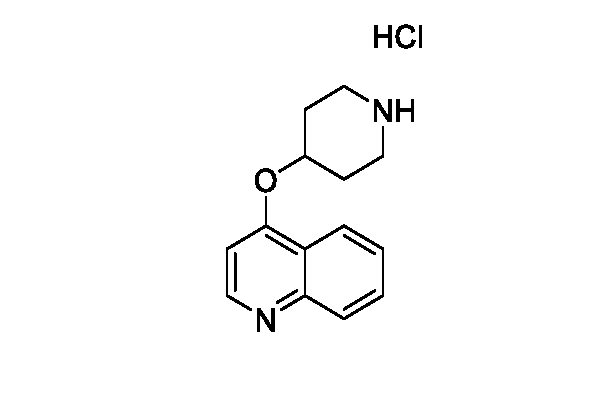


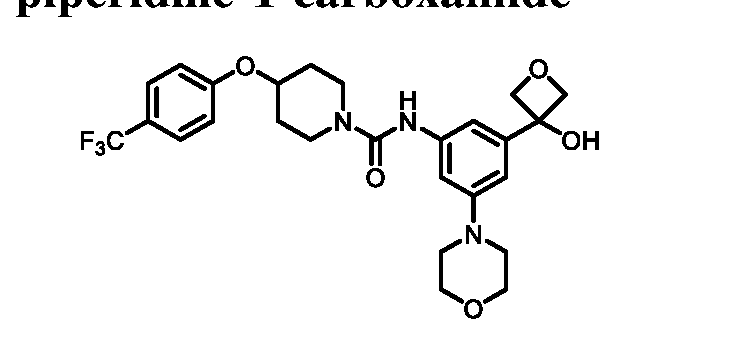


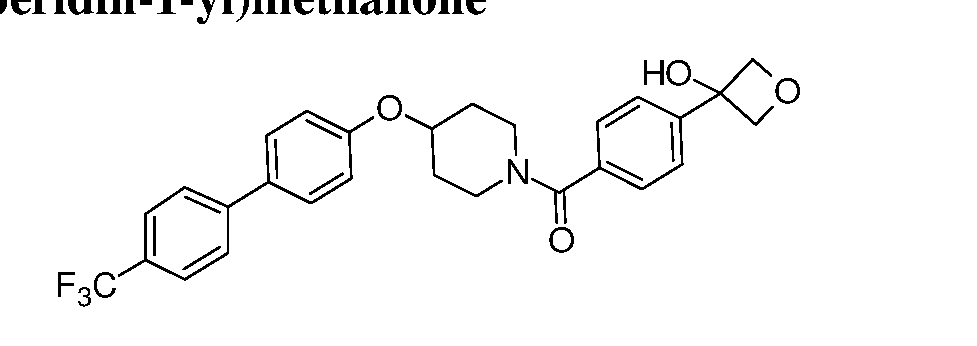


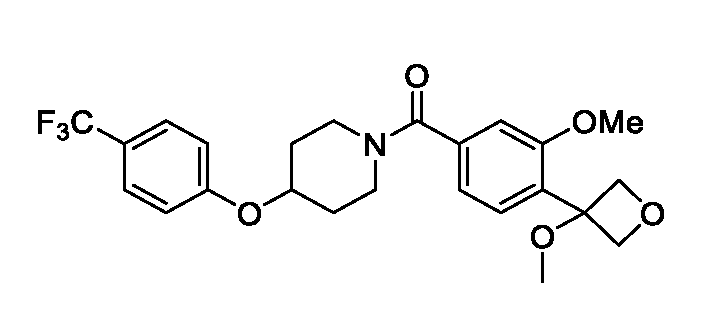


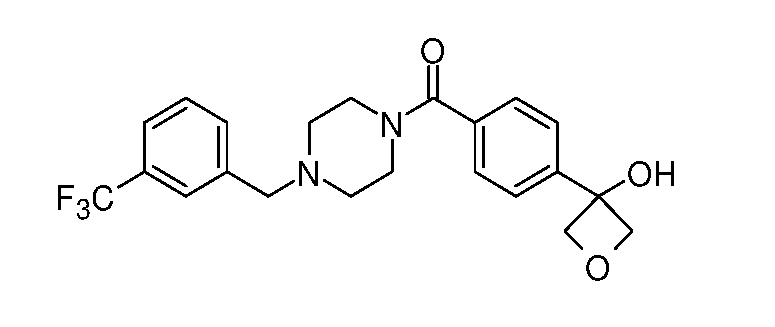

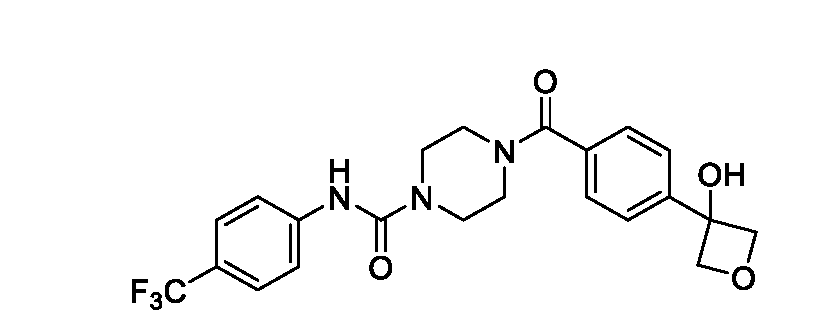


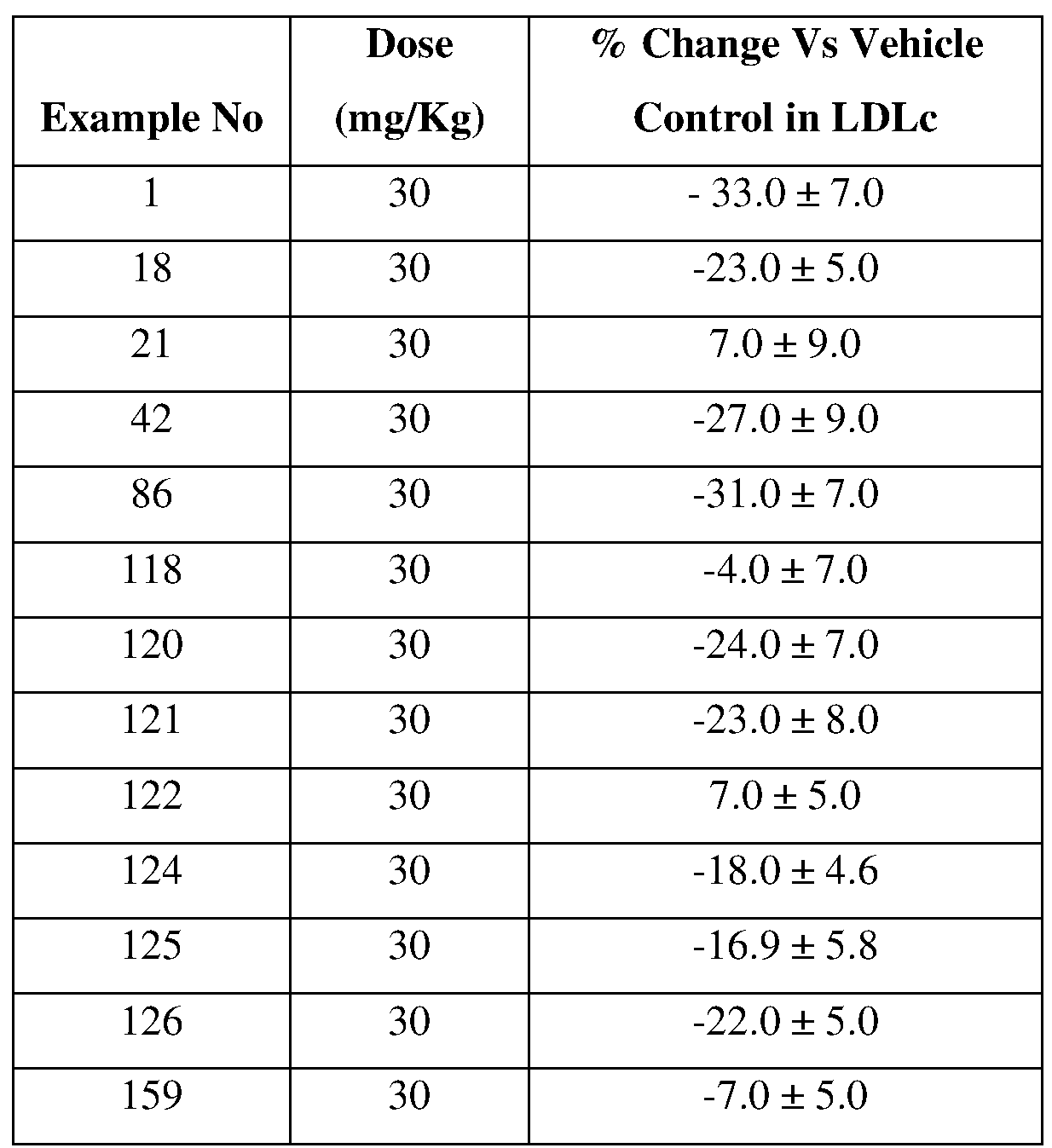


Claims
We claim: 1. Compounds of general formula (I)
 their tautomeric forms, their stereoisomers, their pharmaceutically acceptable salts, and pharmaceutical compositions containing them wherein ‘A’ is selected from an optionally substituted single or fused group selected from aryl or heteroaryl groups; ‘Y’ is either a bond, or selected from (C1-C3)alkyl, -S(O)o-, -C(O)-, -C(O)N(R5)-, N(R5)C(O)-, -N(R5)-, -N(R5)S(O)2N(R5)-, -N(R5)C(O)N(R5)-, -S(O)2N(R5)-, -N(R5)S(O)2- ; ‘Z’ is selected from –O-, -S(O)o-, -C(O)-, -N(R5)-, -(C(R5)2)p-, -O(C(R5)2)p-, - (C(R5)2)pO-,-O(C(R5)2)pO-, -S(O)o(C(R5)2)p-, -(C(R5)2)pS(O)o-, -S(O)o(C(R5)2)pS(O)o-; - N(R5)(C(R5)2)p-, -(C(R5)2)pN(R5)-, -N(R5)(C(R5)2)pN(R5)-, -NHC(O)-, -C(O)NH-, - NHC(O)NH-,-NHS(O)2NH-, -NHS(O)2-, -S(O)2NH- or
 ; ‘Q’ selected form O, C(R5)2, NR6 or S(O)o; wherein R6 is selected from H, (C1- C6)alkyl, (C3-C6)cycloalkyl, -C(O)OR5, -C(O)R5,-C(O)NH2; ‘o’ is an integer selected from 0-2; ‘m, n and p’ independently represent an integer selected from 0-4; ‘Cy’ is a saturated or partially unsaturated or unsaturated, monocyclic, bicyclic or spirocyclic groups containing 0-4 heteroatoms selected from O, N or S; ‘X’ at each occurrence independently selected from either Carbon atom or Nitrogen atom; R1 at each occurance is selected from halo, cyano, hydroxy or substituted or unsubstituted groups selected from alkyl, haloalkyl, perhaloalkyl, alkoxy, haloalkoxy, perhaloalkoxy, cycloalkyl, alkoxy, cycloalkoxy, aryl, aryloxy, aralkyl, aralkoxy, heterocylyl, heterocyclylalkyl, heterocycloxy, heterocyclylalkoxy, heterocyclylalkoxyacyl, carboxylic acid and its derivatives such as esters and amides, carbonylamino, hydroxyalkyl, alkoxyalkyl, aryloxyalkyl, aralkoxyalkyl, alkylthio,
thioalkyl, alkylsulfonyl, haloalkylsulfonyl, perhaloalkylsulfonyl, hydroxyl, sulfonic acid and its derivatives; R2 is selected from hydrogen, or substituted or unsubstituted groups selected from alkyl, haloalkyl, perhaloalkyl, cycloalkyl, aryl, aralkyl, heterocylyl, heterocyclylalkyl, heterocyclylalkoxyacyl, Acyl, carbonylamino, hydroxyalkyl, alkoxyalkyl, aryloxyalkyl, aralkoxyalkyl, alkylsulfonyl; Each of R3 and R4 at each occurance independently selected from hydrogen, halo, cyano, hydroxy or substituted or unsubstituted groups selected from alkyl, haloalkyl, perhaloalkyl, alkoxy, haloalkoxy, perhaloalkoxy, cycloalkyl, alkoxy, cycloalkoxy, aryl, aryloxy, aralkyl, aralkoxy, heterocylyl, heterocyclylalkyl, heterocycloxy, heterocyclylalkoxy, heterocyclylalkoxyacyl, carboxylic acid and its derivatives such as esters and amides, carbonylamino, hydroxyalkyl, alkoxyalkyl, aryloxyalkyl, aralkoxyalkyl, alkylthio, thioalkyl, alkylsulfonyl, hydroxyl, sulfonic acid and its derivatives; R5 at each occurrence independently selected from H, (C1-C6)alkyl or (C3- C6)cycloalkyl.
; ‘Q’ selected form O, C(R5)2, NR6 or S(O)o; wherein R6 is selected from H, (C1- C6)alkyl, (C3-C6)cycloalkyl, -C(O)OR5, -C(O)R5,-C(O)NH2; ‘o’ is an integer selected from 0-2; ‘m, n and p’ independently represent an integer selected from 0-4; ‘Cy’ is a saturated or partially unsaturated or unsaturated, monocyclic, bicyclic or spirocyclic groups containing 0-4 heteroatoms selected from O, N or S; ‘X’ at each occurrence independently selected from either Carbon atom or Nitrogen atom; R1 at each occurance is selected from halo, cyano, hydroxy or substituted or unsubstituted groups selected from alkyl, haloalkyl, perhaloalkyl, alkoxy, haloalkoxy, perhaloalkoxy, cycloalkyl, alkoxy, cycloalkoxy, aryl, aryloxy, aralkyl, aralkoxy, heterocylyl, heterocyclylalkyl, heterocycloxy, heterocyclylalkoxy, heterocyclylalkoxyacyl, carboxylic acid and its derivatives such as esters and amides, carbonylamino, hydroxyalkyl, alkoxyalkyl, aryloxyalkyl, aralkoxyalkyl, alkylthio,
thioalkyl, alkylsulfonyl, haloalkylsulfonyl, perhaloalkylsulfonyl, hydroxyl, sulfonic acid and its derivatives; R2 is selected from hydrogen, or substituted or unsubstituted groups selected from alkyl, haloalkyl, perhaloalkyl, cycloalkyl, aryl, aralkyl, heterocylyl, heterocyclylalkyl, heterocyclylalkoxyacyl, Acyl, carbonylamino, hydroxyalkyl, alkoxyalkyl, aryloxyalkyl, aralkoxyalkyl, alkylsulfonyl; Each of R3 and R4 at each occurance independently selected from hydrogen, halo, cyano, hydroxy or substituted or unsubstituted groups selected from alkyl, haloalkyl, perhaloalkyl, alkoxy, haloalkoxy, perhaloalkoxy, cycloalkyl, alkoxy, cycloalkoxy, aryl, aryloxy, aralkyl, aralkoxy, heterocylyl, heterocyclylalkyl, heterocycloxy, heterocyclylalkoxy, heterocyclylalkoxyacyl, carboxylic acid and its derivatives such as esters and amides, carbonylamino, hydroxyalkyl, alkoxyalkyl, aryloxyalkyl, aralkoxyalkyl, alkylthio, thioalkyl, alkylsulfonyl, hydroxyl, sulfonic acid and its derivatives; R5 at each occurrence independently selected from H, (C1-C6)alkyl or (C3- C6)cycloalkyl.
2. The compound as claimed in claim 1 wherein A is optionally substituted phenyl, pyridine, thiophene, pyrimidine, benzo[d]thiazole and quinolone groups, preferably optionally substituted phenyl and benzo[d]thiazole group.
3. The compound as claimed in claim 1 wherein ‘Y’ is selected from –C(O)-, -S(O)o- , -(C1-C3)alkyl-, -C(O)N(R5)-, -N(R5)-, -C(O)CH(R5)2-; preferably ‘Y’ is -C(O)- and -C(O)N(R5)2- wherein R5 is as defined in claim 1.
4. The compound as claimed in claim 1 wherein ‘Z’ is selected from –O-, -S(O)o-, - C(O)-, -N(R5)-, -(C(R5)2)p-, -O(C(R5)2)p-, -O(C(R5)2)pO-, S(O)o(C(R5)2)p-, - S(O)o(C(R5)2)pS(O)o-; -N(R5)(C(R5)2)p-, -NHC(O)-, -NHC(O)NH-, or
 , preferably selected from –O-, -S(O)o-, -N(R5)-, -(C(R5)2)p-, -O(C(R5)2)p-, or
 , wherein R5 is as defined in claim 1. 5. The compound as claimed in claim 1 wherein compound is selected from:
(4-(3-hydroxyoxetan-3-yl)phenyl)(4-(4-(trifluoromethyl)phenoxy)piperidin-1- yl)methanone; (4-(3-methoxyoxetan-3-yl)phenyl)(4-(4-(trifluoromethyl)phenoxy)piperidin-1- yl)methanone; 3-(4-((4-(4-(trifluoromethyl)phenoxy)piperidin-1-yl)methyl)phenyl)oxetan-3-ol; (4-(3-hydroxyoxetan-3-yl)phenyl)(4-(4- ((trifluoromethyl)sulfonyl)phenoxy)piperidin-1-yl)methanone; 4-((1-(4-(3-hydroxyoxetan-3-yl)benzoyl)piperidin-4-yl)oxy)benzoic acid; N-cyclopropyl-4-((1-(4-(3-hydroxyoxetan-3-yl)benzoyl)piperidin-4- yl)oxy)benzamide; (4-(3-methoxypyrrolidin-3-yl)phenyl)(4-(4-(trifluoromethyl)phenoxy)piperidin-1- yl)methanone; (4-(3-hydroxypyrrolidin-3-yl)phenyl)(4-(4-(trifluoromethyl)phenoxy)piperidin-1- yl)methanone; (4-(3-hydroxy-1,1-dioxidothietan-3-yl)phenyl)(4-((5-(trifluoromethyl)pyridin-2- yl)oxy)piperidin-1-yl)methanone; (4-(3-hydroxy-1,1-dioxidothietan-3-yl)phenyl)(4-(4- (trifluoromethyl)benzyl)piperidin-1-yl)methanone; 3-(4-((1-((4-(trifluoromethyl)phenyl)sulfonyl)piperidin-4- yl)amino)phenyl)oxetan-3-ol; 3-(4-((4-(4-(trifluoromethyl)phenoxy)piperidin-1-yl)sulfonyl)phenyl)oxetan-3-ol; (4-(3-hydroxyoxetan-3-yl)phenyl)(4-((5-(trifluoromethyl)pyridin-2- yl)sulfonyl)piperidin-1-yl)methanone; (4-(3-hydroxyoxetan-3-yl)phenyl)(4-((5-(trifluoromethyl)pyridin-2- yl)sulfinyl)piperidin-1-yl)methanone; (3-(3-hydroxyoxetan-3-yl)phenyl)(4-((4- (trifluoromethyl)phenyl)sulfonyl)piperidin-1-yl)methanone; 1-(4-(3-hydroxyoxetan-3-yl)benzoyl)-4-(4-(trifluoromethyl)benzyl)piperidine-4- carboxylic acid; N-(3-(3-hydroxyoxetan-3-yl)-5-morpholinophenyl)-4-(4- (trifluoromethyl)phenoxy) piperidine-1-carboxamide; (4-(3-hydroxyoxetan-3-yl)phenyl)(4-((4- (trifluoromethyl)phenyl)amino)piperidin-1-yl)methanone;
(4-(3-methoxyoxetan-3-yl)phenyl)(4-((4- (trifluoromethyl)phenyl)amino)piperidin-1-yl)methanone; (4-(3-hydroxyoxetan-3-yl)phenyl)(4-(methyl(4- (trifluoromethyl)phenyl)amino)piperidin-1-yl)methanone; (3-(3-hydroxyoxetan-3-yl)phenyl)(3-(4-(trifluoromethyl)phenoxy)piperidin-1- yl)methanone; (4-(3-hydroxyoxetan-3-yl)phenyl)(3-(4-(trifluoromethyl)phenoxy)piperidin-1- yl)methanone; (4-(3-methoxyoxetan-3-yl)phenyl)(3-(4-(trifluoromethyl)phenoxy)pyrrolidin-1- yl)methanone; (4-(3-hydroxyoxetan-3-yl)phenyl)(3-(4-(trifluoromethyl)phenoxy)pyrrolidin-1- yl)methanone; (3-(3-methoxyoxetan-3-yl)phenyl)(3-(4-(trifluoromethyl)phenoxy)piperidin-1- yl)methanone; (4-([1,1'-biphenyl]-4-yloxy)piperidin-1-yl)(4-(3-hydroxyoxetan-3- yl)phenyl)methanone; (4-(3-hydroxyoxetan-3-yl)phenyl)(4-((2'-(trifluoromethyl)-[1,1'-biphenyl]-4- yl)oxy)piperidin-1-yl)methanone; (4-(3-hydroxyoxetan-3-yl)phenyl)(4-((3'-(trifluoromethyl)-[1,1'-biphenyl]-4- yl)oxy)piperidin-1-yl)methanone; (4-(3-hydroxyoxetan-3-yl)phenyl)(4-((4'-(trifluoromethyl)-[1,1'-biphenyl]-4- yl)oxy)piperidin-1-yl)methanone; (4-(3-hydroxyoxetan-3-yl)phenyl)(4-(4-isopropylphenoxy)piperidin-1- yl)methanone; (4-(2-chloro-5-(trifluoromethyl)phenoxy)piperidin-1-yl)(4-(3-hydroxyoxetan-3- yl)phenyl)methanone; (4-(4-(1H-imidazol-1-yl)phenoxy)piperidin-1-yl)(4-(3-hydroxyoxetan-3- yl)phenyl)methanone; (4-((1-(4-(3-hydroxyoxetan-3-yl)benzoyl)piperidin-4- yl)oxy)phenyl)(morpholino)methanone; 4-((1-(4-(3-hydroxyoxetan-3-yl)benzoyl)piperidin-4-yl)oxy)benzonitrile; (4-(3-hydroxyoxetan-3-yl)phenyl)(4-(4-(2-phenylpropan-2-yl)phenoxy)piperidin- 1-yl)methanone;
(4-(3-hydroxyoxetan-3-yl)phenyl)(4-(4-phenoxyphenoxy)piperidin-1- yl)methanone; (4-(3-chloro-4-(trifluoromethyl)phenoxy)piperidin-1-yl)(4-(3-hydroxyoxetan-3- yl)phenyl)methanone; (4-(3-hydroxyoxetan-3-yl)phenyl)(4-(2-(trifluoromethyl)phenoxy)piperidin-1- yl)methanone; (4-(3-hydroxyoxetan-3-yl)phenyl)(4-(3-(trifluoromethyl)phenoxy)piperidin-1- yl)methanone; (4-(3-hydroxyoxetan-3-yl)phenyl)(4-(4-methoxyphenoxy)piperidin-1- yl)methanone; (4-(4-(2H-tetrazol-5-yl)phenoxy)piperidin-1-yl)(4-(3-hydroxyoxetan-3- yl)phenyl)methanone; (4-(3-hydroxyoxetan-3-yl)phenyl)(4-((4- (trifluoromethyl)phenoxy)methyl)piperidin-1-yl)methanone; (4-(3-hydroxyoxetan-3-yl)phenyl)(4-(2-(4- (trifluoromethyl)phenoxy)ethyl)piperazin-1-yl)methanone; (4-(3-hydroxyoxetan-3-yl)phenyl)(4-(4-((trifluoromethyl)thio)phenoxy)piperidin- 1-yl)methanone; (4-(3-methoxyoxetan-3-yl)phenyl)(4-(4-((trifluoromethyl)thio)phenoxy)piperidin- 1-yl)methanone; (4-(3-(methoxy-d3)oxetan-3-yl)phenyl)(4-(4-(trifluoromethyl)phenoxy)piperidin- 1-yl)methanone; (4-(3-((tetrahydro-2H-pyran-4-yl)methoxy)oxetan-3-yl)phenyl)(4-(4- (trifluoromethyl)phenoxy)piperidin-1-yl)methanone; (4-(3-hydroxyoxetan-3-yl)phenyl)(4-((5-(methylthio)pyrimidin-2- yl)oxy)piperidin-1-yl)methanone; (4-(3-isobutoxyoxetan-3-yl)phenyl)(4-(4-(trifluoromethyl)phenoxy)piperidin-1- yl)methanone; (4-(4-(3-hydroxyoxetan-3-yl)benzoyl)piperazin-1-yl)(4- (trifluoromethyl)phenyl)methanone; (1-(4-(3-hydroxyoxetan-3-yl)benzoyl)piperidin-4-yl)(4- (trifluoromethyl)phenyl)methanone;
(4-(3-hydroxyoxetan-3-yl)phenyl)(2-(4-(trifluoromethyl)phenoxy)-7- azaspiro[3.5]nonan-7-yl)methanone; (4-(3-hydroxyoxetan-3-yl)phenyl)(6-(4-(trifluoromethyl)phenoxy)-2- azaspiro[3.3]heptan-2-yl)methanone; (4-(3-methoxyoxetan-3-yl)phenyl)(6-(4-(trifluoromethyl)phenoxy)-2- azaspiro[3.3]heptan-2-yl)methanone; (4-(4-hydroxypiperidin-4-yl)phenyl)(5-(4- (trifluoromethyl)phenoxy)hexahydrocyclopenta[c]pyrrol-2(1H)-yl)methanone hydrochloride; (4-(4-methoxypiperidin-4-yl)phenyl)(5-(4- (trifluoromethyl)phenoxy)hexahydrocyclopenta[c]pyrrol-2(1H)-yl)methanone hydrochloride; tert-butyl 4-hydroxy-4-(4-(5-(4- (trifluoromethyl)phenoxy)octahydrocyclopenta[c]pyrrole-2- carbonyl)phenyl)piperidine-1-carboxylate; (4-(4-(3-methoxyoxetan-3-yl)benzoyl)piperazin-1-yl)(4- (trifluoromethyl)phenyl)methanone; (4-(3-methoxyoxetan-3-yl)phenyl)(2-(4-(trifluoromethyl)phenoxy)-7- azaspiro[3.5]nonan-7-yl)methanone; (4-(3-methoxyoxetan-3-yl)phenyl)(4-((5-(trifluoromethyl)thiophen-3- yl)oxy)piperidin-1-yl)methanone; (4-(3-hydroxyoxetan-3-yl)phenyl)(4-((5-(methylthio)pyrimidin-2- yl)amino)piperidin-1-yl)methanone; N-(1-(4-(3-hydroxyoxetan-3-yl)benzoyl)piperidin-4-yl)-4- (trifluoromethyl)benzenesulfonamide; (4-(3-hydroxyoxetan-3-yl)phenyl)(4-((5-(trifluoromethyl)thiophen-3- yl)oxy)piperidin-1-yl)methanone; (3-(3-hydroxyoxetan-3-yl)phenyl)(4-(3-(trifluoromethyl)phenoxy)piperidin-1- yl)methanone; (4-(3-hydroxyoxetan-3-yl)phenyl)(4-((6-(trifluoromethyl)pyridin-3- yl)amino)piperidin-1-yl)methanone; (4-(4-hydroxytetrahydro-2H-pyran-4-yl)phenyl)(4-(4- (trifluoromethyl)phenoxy)piperidin-1-yl)methanone;
(4-(3-hydroxyoxetan-3-yl)-3,
, wherein R5 is as defined in claim 1. 5. The compound as claimed in claim 1 wherein compound is selected from:
(4-(3-hydroxyoxetan-3-yl)phenyl)(4-(4-(trifluoromethyl)phenoxy)piperidin-1- yl)methanone; (4-(3-methoxyoxetan-3-yl)phenyl)(4-(4-(trifluoromethyl)phenoxy)piperidin-1- yl)methanone; 3-(4-((4-(4-(trifluoromethyl)phenoxy)piperidin-1-yl)methyl)phenyl)oxetan-3-ol; (4-(3-hydroxyoxetan-3-yl)phenyl)(4-(4- ((trifluoromethyl)sulfonyl)phenoxy)piperidin-1-yl)methanone; 4-((1-(4-(3-hydroxyoxetan-3-yl)benzoyl)piperidin-4-yl)oxy)benzoic acid; N-cyclopropyl-4-((1-(4-(3-hydroxyoxetan-3-yl)benzoyl)piperidin-4- yl)oxy)benzamide; (4-(3-methoxypyrrolidin-3-yl)phenyl)(4-(4-(trifluoromethyl)phenoxy)piperidin-1- yl)methanone; (4-(3-hydroxypyrrolidin-3-yl)phenyl)(4-(4-(trifluoromethyl)phenoxy)piperidin-1- yl)methanone; (4-(3-hydroxy-1,1-dioxidothietan-3-yl)phenyl)(4-((5-(trifluoromethyl)pyridin-2- yl)oxy)piperidin-1-yl)methanone; (4-(3-hydroxy-1,1-dioxidothietan-3-yl)phenyl)(4-(4- (trifluoromethyl)benzyl)piperidin-1-yl)methanone; 3-(4-((1-((4-(trifluoromethyl)phenyl)sulfonyl)piperidin-4- yl)amino)phenyl)oxetan-3-ol; 3-(4-((4-(4-(trifluoromethyl)phenoxy)piperidin-1-yl)sulfonyl)phenyl)oxetan-3-ol; (4-(3-hydroxyoxetan-3-yl)phenyl)(4-((5-(trifluoromethyl)pyridin-2- yl)sulfonyl)piperidin-1-yl)methanone; (4-(3-hydroxyoxetan-3-yl)phenyl)(4-((5-(trifluoromethyl)pyridin-2- yl)sulfinyl)piperidin-1-yl)methanone; (3-(3-hydroxyoxetan-3-yl)phenyl)(4-((4- (trifluoromethyl)phenyl)sulfonyl)piperidin-1-yl)methanone; 1-(4-(3-hydroxyoxetan-3-yl)benzoyl)-4-(4-(trifluoromethyl)benzyl)piperidine-4- carboxylic acid; N-(3-(3-hydroxyoxetan-3-yl)-5-morpholinophenyl)-4-(4- (trifluoromethyl)phenoxy) piperidine-1-carboxamide; (4-(3-hydroxyoxetan-3-yl)phenyl)(4-((4- (trifluoromethyl)phenyl)amino)piperidin-1-yl)methanone;
(4-(3-methoxyoxetan-3-yl)phenyl)(4-((4- (trifluoromethyl)phenyl)amino)piperidin-1-yl)methanone; (4-(3-hydroxyoxetan-3-yl)phenyl)(4-(methyl(4- (trifluoromethyl)phenyl)amino)piperidin-1-yl)methanone; (3-(3-hydroxyoxetan-3-yl)phenyl)(3-(4-(trifluoromethyl)phenoxy)piperidin-1- yl)methanone; (4-(3-hydroxyoxetan-3-yl)phenyl)(3-(4-(trifluoromethyl)phenoxy)piperidin-1- yl)methanone; (4-(3-methoxyoxetan-3-yl)phenyl)(3-(4-(trifluoromethyl)phenoxy)pyrrolidin-1- yl)methanone; (4-(3-hydroxyoxetan-3-yl)phenyl)(3-(4-(trifluoromethyl)phenoxy)pyrrolidin-1- yl)methanone; (3-(3-methoxyoxetan-3-yl)phenyl)(3-(4-(trifluoromethyl)phenoxy)piperidin-1- yl)methanone; (4-([1,1'-biphenyl]-4-yloxy)piperidin-1-yl)(4-(3-hydroxyoxetan-3- yl)phenyl)methanone; (4-(3-hydroxyoxetan-3-yl)phenyl)(4-((2'-(trifluoromethyl)-[1,1'-biphenyl]-4- yl)oxy)piperidin-1-yl)methanone; (4-(3-hydroxyoxetan-3-yl)phenyl)(4-((3'-(trifluoromethyl)-[1,1'-biphenyl]-4- yl)oxy)piperidin-1-yl)methanone; (4-(3-hydroxyoxetan-3-yl)phenyl)(4-((4'-(trifluoromethyl)-[1,1'-biphenyl]-4- yl)oxy)piperidin-1-yl)methanone; (4-(3-hydroxyoxetan-3-yl)phenyl)(4-(4-isopropylphenoxy)piperidin-1- yl)methanone; (4-(2-chloro-5-(trifluoromethyl)phenoxy)piperidin-1-yl)(4-(3-hydroxyoxetan-3- yl)phenyl)methanone; (4-(4-(1H-imidazol-1-yl)phenoxy)piperidin-1-yl)(4-(3-hydroxyoxetan-3- yl)phenyl)methanone; (4-((1-(4-(3-hydroxyoxetan-3-yl)benzoyl)piperidin-4- yl)oxy)phenyl)(morpholino)methanone; 4-((1-(4-(3-hydroxyoxetan-3-yl)benzoyl)piperidin-4-yl)oxy)benzonitrile; (4-(3-hydroxyoxetan-3-yl)phenyl)(4-(4-(2-phenylpropan-2-yl)phenoxy)piperidin- 1-yl)methanone;
(4-(3-hydroxyoxetan-3-yl)phenyl)(4-(4-phenoxyphenoxy)piperidin-1- yl)methanone; (4-(3-chloro-4-(trifluoromethyl)phenoxy)piperidin-1-yl)(4-(3-hydroxyoxetan-3- yl)phenyl)methanone; (4-(3-hydroxyoxetan-3-yl)phenyl)(4-(2-(trifluoromethyl)phenoxy)piperidin-1- yl)methanone; (4-(3-hydroxyoxetan-3-yl)phenyl)(4-(3-(trifluoromethyl)phenoxy)piperidin-1- yl)methanone; (4-(3-hydroxyoxetan-3-yl)phenyl)(4-(4-methoxyphenoxy)piperidin-1- yl)methanone; (4-(4-(2H-tetrazol-5-yl)phenoxy)piperidin-1-yl)(4-(3-hydroxyoxetan-3- yl)phenyl)methanone; (4-(3-hydroxyoxetan-3-yl)phenyl)(4-((4- (trifluoromethyl)phenoxy)methyl)piperidin-1-yl)methanone; (4-(3-hydroxyoxetan-3-yl)phenyl)(4-(2-(4- (trifluoromethyl)phenoxy)ethyl)piperazin-1-yl)methanone; (4-(3-hydroxyoxetan-3-yl)phenyl)(4-(4-((trifluoromethyl)thio)phenoxy)piperidin- 1-yl)methanone; (4-(3-methoxyoxetan-3-yl)phenyl)(4-(4-((trifluoromethyl)thio)phenoxy)piperidin- 1-yl)methanone; (4-(3-(methoxy-d3)oxetan-3-yl)phenyl)(4-(4-(trifluoromethyl)phenoxy)piperidin- 1-yl)methanone; (4-(3-((tetrahydro-2H-pyran-4-yl)methoxy)oxetan-3-yl)phenyl)(4-(4- (trifluoromethyl)phenoxy)piperidin-1-yl)methanone; (4-(3-hydroxyoxetan-3-yl)phenyl)(4-((5-(methylthio)pyrimidin-2- yl)oxy)piperidin-1-yl)methanone; (4-(3-isobutoxyoxetan-3-yl)phenyl)(4-(4-(trifluoromethyl)phenoxy)piperidin-1- yl)methanone; (4-(4-(3-hydroxyoxetan-3-yl)benzoyl)piperazin-1-yl)(4- (trifluoromethyl)phenyl)methanone; (1-(4-(3-hydroxyoxetan-3-yl)benzoyl)piperidin-4-yl)(4- (trifluoromethyl)phenyl)methanone;
(4-(3-hydroxyoxetan-3-yl)phenyl)(2-(4-(trifluoromethyl)phenoxy)-7- azaspiro[3.5]nonan-7-yl)methanone; (4-(3-hydroxyoxetan-3-yl)phenyl)(6-(4-(trifluoromethyl)phenoxy)-2- azaspiro[3.3]heptan-2-yl)methanone; (4-(3-methoxyoxetan-3-yl)phenyl)(6-(4-(trifluoromethyl)phenoxy)-2- azaspiro[3.3]heptan-2-yl)methanone; (4-(4-hydroxypiperidin-4-yl)phenyl)(5-(4- (trifluoromethyl)phenoxy)hexahydrocyclopenta[c]pyrrol-2(1H)-yl)methanone hydrochloride; (4-(4-methoxypiperidin-4-yl)phenyl)(5-(4- (trifluoromethyl)phenoxy)hexahydrocyclopenta[c]pyrrol-2(1H)-yl)methanone hydrochloride; tert-butyl 4-hydroxy-4-(4-(5-(4- (trifluoromethyl)phenoxy)octahydrocyclopenta[c]pyrrole-2- carbonyl)phenyl)piperidine-1-carboxylate; (4-(4-(3-methoxyoxetan-3-yl)benzoyl)piperazin-1-yl)(4- (trifluoromethyl)phenyl)methanone; (4-(3-methoxyoxetan-3-yl)phenyl)(2-(4-(trifluoromethyl)phenoxy)-7- azaspiro[3.5]nonan-7-yl)methanone; (4-(3-methoxyoxetan-3-yl)phenyl)(4-((5-(trifluoromethyl)thiophen-3- yl)oxy)piperidin-1-yl)methanone; (4-(3-hydroxyoxetan-3-yl)phenyl)(4-((5-(methylthio)pyrimidin-2- yl)amino)piperidin-1-yl)methanone; N-(1-(4-(3-hydroxyoxetan-3-yl)benzoyl)piperidin-4-yl)-4- (trifluoromethyl)benzenesulfonamide; (4-(3-hydroxyoxetan-3-yl)phenyl)(4-((5-(trifluoromethyl)thiophen-3- yl)oxy)piperidin-1-yl)methanone; (3-(3-hydroxyoxetan-3-yl)phenyl)(4-(3-(trifluoromethyl)phenoxy)piperidin-1- yl)methanone; (4-(3-hydroxyoxetan-3-yl)phenyl)(4-((6-(trifluoromethyl)pyridin-3- yl)amino)piperidin-1-yl)methanone; (4-(4-hydroxytetrahydro-2H-pyran-4-yl)phenyl)(4-(4- (trifluoromethyl)phenoxy)piperidin-1-yl)methanone;
(4-(3-hydroxyoxetan-3-yl)-3,
5-dimethoxyphenyl)(4-(4- (trifluoromethyl)phenoxy)piperidin-1-yl)methanone; (4-(3-hydroxyoxetan-3-yl)phenyl)(4-((5-(trifluoromethyl)pyridin-2- yl)amino)piperidin-1-yl)methanone; (3-(3-hydroxyoxetan-3-yl)phenyl)(4-((4- (trifluoromethyl)phenyl)amino)piperidin-1-yl)methanone; (4-(3-hydroxyoxetan-3-yl)phenyl)(4-((3- (trifluoromethyl)phenyl)amino)piperidin-1-yl)methanone; (3-(3-hydroxyoxetan-3-yl)phenyl)(4-((3- (trifluoromethyl)phenyl)amino)piperidin-1-yl)methanone; (2-fluoro-4-(3-hydroxyoxetan-3-yl)phenyl)(4-(4- (trifluoromethyl)phenoxy)piperidin-1-yl)methanone; (4-(3-hydroxyoxetan-3-yl)phenyl)(4-((4-(trifluoromethyl)pyrimidin-2- yl)oxy)piperidin-1-yl)methanone; (4-(3-hydroxyoxetan-3-yl)phenyl)(4-((4-(trifluoromethyl)pyrimidin-2- yl)amino)piperidin-1-yl)methanone; (4-(4-(difluoromethyl)phenoxy)piperidin-1-yl)(4-(3-hydroxyoxetan-3- yl)phenyl)methanone; (4-(3-hydroxyoxetan-3-yl)phenyl)(4-(4-(trifluoromethyl)phenoxy)azepan-1- yl)methanone; (4-(3-hydroxyoxetan-3-yl)-2-methoxyphenyl)(4-(4- (trifluoromethyl)phenoxy)piperidin-1-yl)methanone; (4-(3-hydroxyoxetan-3-yl)phenyl)(4-(4-thiomorpholinophenoxy)piperidin-1- yl)methanone; (4-(3-hydroxytetrahydrofuran-3-yl)phenyl)(4-(4- (trifluoromethyl)phenoxy)piperidin-1-yl)methanone; (4-(3-hydroxyoxetan-3-yl)phenyl)(4-((5-(trifluoromethyl)pyrimidin-2- yl)amino)piperidin-1-yl)methanone; (5-(3-hydroxyoxetan-3-yl)pyridin-3-yl)(4-(4-(trifluoromethyl)phenoxy)piperidin- 1-yl)methanone; (5-(3-hydroxyoxetan-3-yl)pyridin-3-yl)(5-(4- (trifluoromethyl)phenoxy)hexahydrocyclopenta[c]pyrrol-2(1H)-yl)methanone;
(4-(3-hydroxyoxetan-3-yl)phenyl)(3-(4-(trifluoromethyl)phenoxy)azetidin-1- yl)methanone; (4-(3-methoxyoxetan-3-yl)phenyl)(3-(4-(trifluoromethyl)phenoxy)azetidin-1- yl)methanone; (3-(3-hydroxyoxetan-3-yl)phenyl)(4-(4-(trifluoromethyl)phenoxy)piperidin-1- yl)methanone; (4-(3-hydroxyoxetan-3-yl)phenyl)(3-(4-(trifluoromethyl)phenoxy)-8- azabicyclo[3.2.1]octan-8-yl)methanone; (3-(3-hydroxyoxetan-3-yl)phenyl)(3-(4-(trifluoromethyl)phenoxy)-8- azabicyclo[3.2.1]octan-8-yl)methanone; (4-(3-hydroxyoxetan-3-yl)phenyl)(5-(4- (trifluoromethyl)benzyl)hexahydropyrrolo[3,4-c]pyrrol-2(1H)-yl)methanone; 4-(3-hydroxyoxetan-3-yl)-N-(1-(4-(trifluoromethyl)benzyl)pyrrolidin-3- yl)benzamide; 4-(3-hydroxyoxetan-3-yl)-N-(1-(3-(trifluoromethyl)benzyl)pyrrolidin-3- yl)benzamide; 4-(3-hydroxyoxetan-3-yl)-N-(1-(2-(trifluoromethyl)benzyl)pyrrolidin-3- yl)benzamide; (4-(3-hydroxyoxetan-3-yl)phenyl)(4-((4-(trifluoromethyl)benzyl)amino)piperidin- 1-yl)methanone; (4-(3-hydroxyoxetan-3-yl)phenyl)(4-(methyl(4- (trifluoromethyl)benzyl)amino)piperidin-1-yl)methanone; 2-(4-(3-hydroxyoxetan-3-yl)phenyl)-2-methyl-1-(4-(4- (trifluoromethyl)phenoxy)piperidin-1-yl)propan-1-one; 2-(4-(3-methoxyoxetan-3-yl)phenyl)-2-methyl-1-(4-(4- (trifluoromethyl)phenoxy)piperidin-1-yl)propan-1-one; (3-fluoro-4-(3-hydroxyoxetan-3-yl)phenyl)(4-(4- (trifluoromethyl)phenoxy)piperidin-1-yl)methanone; (4-(3-hydroxyoxetan-3-yl)-3-methylphenyl)(4-(4- (trifluoromethyl)phenoxy)piperidin-1-yl)methanone; (3-(3-methoxyoxetan-3-yl)phenyl)(4-(4-(trifluoromethyl)phenoxy)piperidin-1- yl)methanone;
(3-fluoro-4-(3-methoxyoxetan-3-yl)phenyl)(4-(4- (trifluoromethyl)phenoxy)piperidin-1-yl)methanone; (4-(3-methoxyoxetan-3-yl)-3-methylphenyl)(4-(4- (trifluoromethyl)phenoxy)piperidin-1-yl)methanone; tert-butyl 3-hydroxy-3-(4-(4-(4-(trifluoromethyl)phenoxy)piperidine-1- carbonyl)phenyl)pyrrolidine-1-carboxylate; (4-(3-hydroxyoxetan-3-yl)-2-methylphenyl)(4-(4- (trifluoromethyl)phenoxy)piperidin-1-yl)methanone; (4-(3-methoxyoxetan-3-yl)-2-methylphenyl)(4-(4- (trifluoromethyl)phenoxy)piperidin-1-yl)methanone; (4-(3-hydroxyoxetan-3-yl)phenyl)(4-((5-(trifluoromethyl)pyridin-2- yl)oxy)piperidin-1-yl)methanone; (4-(3-methoxyoxetan-3-yl)phenyl)(4-((5-(trifluoromethyl)pyridin-2- yl)oxy)piperidin-1-yl)methanone; (4-(3-hydroxyoxetan-3-yl)-3-methoxyphenyl)(4-(4- (trifluoromethyl)phenoxy)piperidin-1-yl)methanone; (4-(3-hydroxyoxetan-3-yl)-2,6-dimethylphenyl)(4-(4- (trifluoromethyl)phenoxy)piperidin-1-yl)methanone; (3-methoxy-4-(3-methoxyoxetan-3-yl)phenyl)(4-(4- (trifluoromethyl)phenoxy)piperidin-1-yl)methanone; (4-(3-methoxyoxetan-3-yl)-2,6-dimethylphenyl)(4-(4- (trifluoromethyl)phenoxy)piperidin-1-yl)methanone; tert-butyl 4-hydroxy-4-(4-(4-(4-(trifluoromethyl)phenoxy)piperidine-1- carbonyl)phenyl)piperidine-1-carboxylate; (4-(4-hydroxypiperidin-4-yl) phenyl)(4-(4-(trifluoromethyl) phenoxy) piperidin- 1-yl) methanone hydrochloride; 3-(4-(4-(4-(trifluoromethyl)phenoxy)piperidine-1-carbonyl)phenyl)oxetan-3-yl acetate; (4-(3-hydroxyoxetan-3-yl)phenyl)(4-((6-(trifluoromethyl)pyridin-3- yl)oxy)piperidin-1-yl)methanone; (3-(3-hydroxyoxetan-3-yl)phenyl)(4-((6-(trifluoromethyl)pyridin-3- yl)oxy)piperidin-1-yl)methanone;
(4-(3-hydroxyoxetan-3-yl)phenyl)(4-((4-(trifluoromethyl)phenyl)thio)piperidin-1- yl)methanon; (3-(3-hydroxyoxetan-3-yl)phenyl)(4-((4-(trifluoromethyl)phenyl)thio)piperidin-1- yl)methanone; (4-(3-hydroxyoxetan-3-yl)phenyl)(5-(4- (trifluoromethyl)phenoxy)hexahydrocyclopenta[c]pyrrol-2(1H)-yl)methanone; (3-(3-hydroxyoxetan-3-yl)phenyl)(5-(4- (trifluoromethyl)phenoxy)hexahydrocyclopenta[c]pyrrol-2(1H)-yl)methanone; (4-(3-hydroxyoxetan-3-yl)phenyl)(4-(4-(trifluoromethyl)benzylidene)piperidin-1- yl)methanone; (4-(3-hydroxyoxetan-3-yl)phenyl)(4-(4-(trifluoromethyl)benzyl)piperidin-1- yl)methanone; (3-(3-hydroxyoxetan-3-yl)phenyl)(4-(4-(trifluoromethyl)benzyl)piperidin-1- yl)methanone; (4-(3-methoxyoxetan-3-yl)phenyl)(4-(4-(trifluoromethyl)benzyl)piperidin-1- yl)methanone; (4-(3-hydroxyoxetan-3-yl)phenyl)(4-((4- (trifluoromethyl)phenyl)sulfonyl)piperazin-1-yl)methanone; (3-(3-methoxyoxetan-3-yl)phenyl)(4-(4-(trifluoromethyl)benzyl)piperidin-1- yl)methanone; (4-(3-methoxyoxetan-3-yl)phenyl)(4-((4- (trifluoromethyl)phenyl)sulfonyl)piperazin-1-yl)methanone; (4-(3-hydroxyoxetan-3-yl)phenyl)(4-(4-(trifluoromethyl)benzyl)piperazin-1- yl)methanone; (4-(3-hydroxyoxetan-3-yl)phenyl)(5-(4- (trifluoromethyl)benzyl)hexahydrocyclopenta[c]pyrrol-2(1H)-yl)methanone; (4-(3-hydroxyoxetan-3-yl)phenyl)(4-((6-(trifluoromethyl)benzo[d]thiazol-2- yl)oxy)piperidin-1-yl)methanone; (4-(3-methoxyoxetan-3-yl)phenyl)(4-((6-(trifluoromethyl)benzo[d]thiazol-2- yl)oxy)piperidin-1-yl)methanone; (4-(3-hydroxyoxetan-3-yl)phenyl)(4-((6-(trifluoromethyl)benzo[d]thiazol-2- yl)amino)piperidin-1-yl)methanone;
(4-(3-methoxyoxetan-3-yl)phenyl)(4-(4-(trifluoromethoxy)phenoxy)piperidin-1- yl)methanone; (4-(3-hydroxyoxetan-3-yl)phenyl)(4-(4-(trifluoromethoxy)phenoxy)piperidin-1- yl)methanone; (4-(3-hydroxythietan-3-yl)phenyl)(4-(4-(trifluoromethyl)phenoxy)piperidin-1- yl)methanone; (4-(3-hydroxy-1,1-dioxidothietan-3-yl)phenyl)(4-(4-(trifluoromethyl) phenoxy) piperidin-1-yl) methanone; (4-(3-hydroxythietan-3-yl)phenyl)(4-(4-(trifluoromethyl)benzyl)piperidin-1- yl)methanone; (4-(3-hydroxythietan-3-yl)phenyl)(4-((5-(trifluoromethyl)pyridin-2- yl)oxy)piperidin-1-yl)methanone; (4-(3-hydroxytetrahydrothiophen-3-yl)phenyl)(4-(4- (trifluoromethyl)phenoxy)piperidin-1-yl)methanone; (4-(4-hydroxytetrahydro-2H-thiopyran-4-yl)phenyl)(4-(4- (trifluoromethyl)phenoxy)piperidin-1-yl)methanone; (4-(4-hydroxy-1,1-dioxidotetrahydro-2H-thiopyran-4-yl)phenyl)(4-(4- (trifluoromethyl)phenoxy)piperidin-1-yl)methanone; (4-(3-methoxyoxetan-3-yl)phenyl)(4-(3-(4- (trifluoromethyl)phenoxy)propoxy)piperidin-1-yl)methanone; (4-(3-hydroxyoxetan-3-yl)phenyl)(4-(3-(4- (trifluoromethyl)phenoxy)propoxy)piperidin-1-yl)methanone; (4-(3-hydroxyoxetan-3-yl)phenyl)(4-(2-(4- (trifluoromethyl)phenoxy)ethoxy)piperidin-1-yl)methanone; (4-(3-methoxyoxetan-3-yl)phenyl)(4-(2-(4- (trifluoromethyl)phenoxy)ethoxy)piperidin-1-yl)methanone; (4-(3-methoxyoxetan-3-yl)phenyl)(4-(2-(4- (trifluoromethyl)phenoxy)ethyl)piperidin-1-yl)methanone; (4-(3-hydroxyoxetan-3-yl)phenyl)(4-(2-(4- (trifluoromethyl)phenoxy)ethyl)piperidin-1-yl)methanone; (4-(3-hydroxyoxetan-3-yl)phenyl)(4-(2-((5-(trifluoromethyl)pyridin-2- yl)oxy)ethyl)piperidin-1-yl)methanone;
(4-(3-methoxyoxetan-3-yl)phenyl)(4-(2-((5-(trifluoromethyl)pyridin-2- yl)oxy)ethyl)piperidin-1-yl)methanone; N-(4-(3-hydroxyoxetan-3-yl)phenyl)-4-((6-(trifluoromethyl)pyridin-3- yl)oxy)piperidine-1-carboxamide; N-(3-(3-hydroxyoxetan-3-yl)phenyl)-4-(4-(trifluoromethyl)phenoxy)piperidine-1- carboxamide; N-(4-(3-hydroxyoxetan-3-yl)phenyl)-3-(4-(trifluoromethyl)phenoxy)-8- azabicyclo[3.2.1]octane-8-carboxamide; N-(4-(3-hydroxyoxetan-3-yl)phenyl)-4-(4-(trifluoromethyl)phenoxy)piperidine-1- carboxamide; 4-(2-chloro-4-(trifluoromethyl)phenoxy)-N-(4-(3-hydroxyoxetan-3- yl)phenyl)piperidine-1-carboxamide; N-(4-(3-hydroxyoxetan-3-yl)phenyl)-5-(4- (trifluoromethyl)phenoxy)hexahydrocyclopenta[c]pyrrole-2(1H)-carboxamide; N-(4-(3-hydroxyoxetan-3-yl)phenyl)-4-((6-(trifluoromethyl)benzo[d]thiazol-2- yl)amino)piperidine-1-carboxamide; N-(4-(3-methoxyoxetan-3-yl)phenyl)-4-((6-(trifluoromethyl)benzo[d]thiazol-2- yl)amino)piperidine-1-carboxamide; 1-(4-(3-hydroxyoxetan-3-yl)benzoyl)-N-(4-(trifluoromethyl)phenyl)piperidine-4- carboxamide; N-(4-(3-hydroxyoxetan-3-yl)phenyl)-1-(4-(trifluoromethyl)benzyl)piperidine-4- carboxamide; 4-(3-hydroxyoxetan-3-yl)-N-(6-(3-(trifluoromethyl)phenoxy)pyridin-3- yl)benzamide; N-(4-(3-methoxyoxetan-3-yl)phenyl)-6-(3- (trifluoromethyl)phenoxy)nicotinamide; 3-(4-(4-(4-(trifluoromethyl)phenoxy)piperidin-1-yl)phenyl)oxetan-3-ol; 3-(3-morpholino-5-(4-(4-(trifluoromethyl)phenoxy)piperidin-1-yl)phenyl)oxetan- 3-ol; (4-(3-hydroxyoxetan-3-yl)-2-morpholinophenyl)(4-(4- (trifluoromethyl)phenoxy)piperidin-1-yl)methanone; tert-butyl 4-(3-(3-hydroxyoxetan-3-yl)-5-(4-(4- (trifluoromethyl)phenoxy)piperidin-1-yl)phenyl)piperazine-1-carboxylate;
(4-(3-hydroxyoxetan-3-yl)-2-(piperazin-1-yl)phenyl)(4-(4- (trifluoromethyl)phenoxy)piperidin-1-yl)methanone; (4-(3-hydroxyoxetan-3-yl)-2-(piperazin-1-yl)phenyl)(5-(4- (trifluoromethyl)phenoxy)hexahydrocyclopenta[c]pyrrol-2(1H)-yl)methanone; 1-(1-(4-(3-hydroxyoxetan-3-yl)benzoyl)piperidin-4-yl)-3-(4- (trifluoromethyl)phenyl)urea; 4-(4-(3-hydroxyoxetan-3-yl)benzoyl)-N-(4-(trifluoromethyl)phenyl)piperazine-1- carboxamide; tert-butyl 3-hydroxy-3-(4-(4-(4-(trifluoromethyl)phenoxy)piperidine-1- carbonyl)phenyl)azetidine-1-carboxylate; tert-butyl 3-methoxy-3-(4-(4-(4-(trifluoromethyl)phenoxy)piperidine-1- carbonyl)phenyl)azetidine-1-carboxylate; (4-(3-methoxyazetidin-3-yl)phenyl)(4-(4-(trifluoromethyl)phenoxy)piperidin-1- yl)methanone hydrochloride; (4-(3-hydroxythietan-3-yl)phenyl)(4-(3-(trifluoromethyl)phenoxy)piperidin-1- yl)methanone; (3-(3-hydroxyoxetan-3-yl)phenyl)(4-(4-(trifluoromethyl)benzyl)piperazin-1- yl)methanone; (4-(3-hydroxyoxetan-3-yl)phenyl)(4-(3-(trifluoromethyl)benzyl)piperidin-1- yl)methanone; (3-(3-hydroxyoxetan-3-yl)phenyl)(4-(3-(trifluoromethyl)benzyl)piperidin-1- yl)methanone; N-(4-(3-methoxyoxetan-3-yl)phenyl)-4-(3-(trifluoromethyl)benzyl)piperidine-1- carboxamide; (4-(3-methoxyoxetan-3-yl)phenyl)(4-(3-(trifluoromethyl)benzyl)piperazin-1- yl)methanone; 4-(3-hydroxyoxetan-3-yl)-N-((1r,4r)-4-(4- (trifluoromethyl)phenoxy)cyclohexyl)benzamide; (4-(4-hydroxypiperidin-4-yl)phenyl)(4-((4- (trifluoromethyl)phenyl)amino)piperidin-1-yl)methanone hydrochloride; (4-(1-hydroxycyclobutyl)phenyl)(4-(4-(trifluoromethyl)phenoxy)piperidin-1- yl)methanone;
(4-(3-hydroxyoxetan-3-yl)phenyl)(4-(3-(trifluoromethyl)benzyl)piperazin-1- yl)methanone.
6. A process for the preparation of compound of formula (I) as claimed in claim 1 comprising following steps:
 Wherein all symbols are as defined in claim 1;wherein reagents for step (i) is a suitable Grignard reagent and for step (ii) 2,2-dimethyl-1,3-dioxan-5-one; suitable solvents for step (i) and step (ii) are selected from as tetrahydrofuran, diethylether or suitable mixtures thereof; suitable temperature for range for reaction is selected from -78 °C to 28 °C.
7. An intermediate of formula XXI
 Wherein all symbols are as defined in claim 1.
8. The compound of formula XXI as claimed in claim 7 is (4-(4- (trifluoromethyl)phenoxy)piperidin-1-yl)(4-(1,2,3-trihydroxypropan-2- yl)phenyl)methanone.
9. A pharmaceutical composition comprising a therapeutically effective amount of compound of formula (I) as claimed in claim 1 and suitable pharmaceutically acceptable excipients.
10. A pharmaceutical composition comprising compounds of formula (I) as claimed in claim 9 in combination with one or more pharmaceutically active agents selected from group comprising insulin, insulin derivatives and mimetics, insulin secretagogues, insulin sensitizers, biguanide agents, alpha-glucosidase inhibitors, insulinotropic sulfonylurea receptor ligands, meglitinides, GLP-1 (glucagon like peptide-1), GLP- 1 analogs, dipeptidyl peptidase IV(DPP-IV) inhibitors, GPR- 1 19 activators, sodium-dependent glucose co-transporter (SGLT2) inhibitors, PPAR modulators, non-glitazone type PPAR.delta. agonist, HMG-CoA reductase inhibitors, cholesterol-lowering drugs, rennin inhibitors, anti-thrombotic and anti- platelet agents and anti-obesity agents or pharmaceutically acceptable salts thereof.
11. The use of compounds as claimed in claim 1 or pharmaceutical composition thereof for the treatment of hyperlipidemia, and other disorders related to hyperlipidemia.
12. Method of treating hyperlipidemia and disorders related to hyperlipidemia comprising the administering to a patient in need thereof therapeutically effective amount of a compound as claimed in claim 1 or pharmaceutical composition thereof.
Applications Claiming Priority (2)
| Application Number | Priority Date | Filing Date | Title |
|---|---|---|---|
| IN202021055358 | 2020-12-19 | ||
| IN202021055358 | 2020-12-19 |
Publications (1)
| Publication Number | Publication Date |
|---|---|
| WO2022130352A1 true WO2022130352A1 (en) | 2022-06-23 |
Family
ID=82058981
Family Applications (1)
| Application Number | Title | Priority Date | Filing Date |
|---|---|---|---|
| PCT/IB2021/061988 Ceased WO2022130352A1 (en) | 2020-12-19 | 2021-12-18 | Novel compounds suitable for the treatment of dyslipidemia |
Country Status (2)
| Country | Link |
|---|---|
| TW (1) | TW202241858A (en) |
| WO (1) | WO2022130352A1 (en) |
Families Citing this family (1)
| Publication number | Priority date | Publication date | Assignee | Title |
|---|---|---|---|---|
| CN116003448B (en) * | 2022-11-07 | 2024-06-11 | 淮阴工学院 | A BODIPY near-infrared fluorescent probe containing indoline polyene bonds for recognizing Aβ fibers and a preparation method thereof |
Citations (3)
| Publication number | Priority date | Publication date | Assignee | Title |
|---|---|---|---|---|
| WO2011029808A1 (en) * | 2009-09-11 | 2011-03-17 | F. Hoffmann-La Roche Ag | Hsl inhibitors useful in the treatment of diabetes |
| WO2011142359A1 (en) * | 2010-05-10 | 2011-11-17 | 日産化学工業株式会社 | Spiro compound and drug for activating adiponectin receptor |
| WO2014192023A1 (en) * | 2013-05-22 | 2014-12-04 | Cadila Healthcare Limited | Novel compounds suitable for the treatment of dyslipidemia |
-
2021
- 2021-12-18 WO PCT/IB2021/061988 patent/WO2022130352A1/en not_active Ceased
- 2021-12-20 TW TW110147734A patent/TW202241858A/en unknown
Patent Citations (3)
| Publication number | Priority date | Publication date | Assignee | Title |
|---|---|---|---|---|
| WO2011029808A1 (en) * | 2009-09-11 | 2011-03-17 | F. Hoffmann-La Roche Ag | Hsl inhibitors useful in the treatment of diabetes |
| WO2011142359A1 (en) * | 2010-05-10 | 2011-11-17 | 日産化学工業株式会社 | Spiro compound and drug for activating adiponectin receptor |
| WO2014192023A1 (en) * | 2013-05-22 | 2014-12-04 | Cadila Healthcare Limited | Novel compounds suitable for the treatment of dyslipidemia |
Non-Patent Citations (1)
| Title |
|---|
| DATABASE REGISTRY CAS; 14 August 2002 (2002-08-14), ANONYMOUS : "Benzoic acid, 3-[[3,4-dihydro-2-methyl-4-(phenylamino)-1(2H)- quinolinyl]carbonyl]- ", XP055951133, retrieved from STN Database accession no. RN 443910-67-6 * |
Also Published As
| Publication number | Publication date |
|---|---|
| TW202241858A (en) | 2022-11-01 |
Similar Documents
| Publication | Publication Date | Title |
|---|---|---|
| JP7028861B2 (en) | Indole compound with pyridyl substitution | |
| US8901307B2 (en) | Chemical compounds 251 | |
| JP2021098703A (en) | Polycyclic tlr7/8 antagonists and use thereof in the treatment of immune disorders | |
| US7622471B2 (en) | Pyrazole derivatives having a pyridazine and pyridine functionality | |
| JP2018507877A (en) | Pyrazolo [1,5-a] [1,3,5] triazine and pyrazolo [1,5-a] pyrimidine derivatives as CDK inhibitors | |
| KR20210040368A (en) | Inhibitors of cyclin dependent kinases | |
| JP2018158942A (en) | Aminotriazine derivatives useful as tank-binding kinase inhibitor compounds | |
| US20210292305A1 (en) | Cyclic Ureas | |
| TW200932743A (en) | Azole carboxamide compounds or salts thereof | |
| US9006228B2 (en) | Substituted cyclopropyl compounds, compositions containing such compounds, and methods of treatment | |
| CA2935071A1 (en) | Piperidine-dione derivatives | |
| AU2021242143B2 (en) | Aminopyrimidine derivatives and their use as Aryl hydrocarbon receptor modulators | |
| TW202346289A (en) | Compounds as glp-1r agonists | |
| JP2022505707A (en) | Substituted indole and indazole compounds | |
| JP2023159050A (en) | CCR4 antagonist | |
| US20240279215A1 (en) | Nampt modulators | |
| US20240246961A1 (en) | Autotaxin inhibitor compounds | |
| US20220363662A1 (en) | Compounds as lxr agonists | |
| US20070232601A1 (en) | Vla-4 Inhibitor | |
| US20230089247A1 (en) | Novel compounds suitable for the treatment of dyslipidemia | |
| WO2022130352A1 (en) | Novel compounds suitable for the treatment of dyslipidemia | |
| US20130184284A1 (en) | Diaminocyclohexane compounds and uses thereof | |
| US10662181B2 (en) | Heteroaromatic modulators of the retinoid-related orphan receptor gamma | |
| US20240059677A1 (en) | Substituted pyrimidine derivatives as nicotinic acetylcholinesterase receptor alpha 6 modulator | |
| CA3207069A1 (en) | Compounds and methods for modulating fxr |
Legal Events
| Date | Code | Title | Description |
|---|---|---|---|
| 121 | Ep: the epo has been informed by wipo that ep was designated in this application |
Ref document number: 21905977 Country of ref document: EP Kind code of ref document: A1 |
|
| NENP | Non-entry into the national phase |
Ref country code: DE |
|
| 122 | Ep: pct application non-entry in european phase |
Ref document number: 21905977 Country of ref document: EP Kind code of ref document: A1 |