WO2022085641A1 - アスファルト組成物の製造方法及びアスファルト混合物の製造方法 - Google Patents
アスファルト組成物の製造方法及びアスファルト混合物の製造方法 Download PDFInfo
- Publication number
- WO2022085641A1 WO2022085641A1 PCT/JP2021/038477 JP2021038477W WO2022085641A1 WO 2022085641 A1 WO2022085641 A1 WO 2022085641A1 JP 2021038477 W JP2021038477 W JP 2021038477W WO 2022085641 A1 WO2022085641 A1 WO 2022085641A1
- Authority
- WO
- WIPO (PCT)
- Prior art keywords
- asphalt
- lignin
- mixing step
- producing
- temperature
- Prior art date
- Legal status (The legal status is an assumption and is not a legal conclusion. Google has not performed a legal analysis and makes no representation as to the accuracy of the status listed.)
- Ceased
Links
Images
Classifications
-
- C—CHEMISTRY; METALLURGY
- C08—ORGANIC MACROMOLECULAR COMPOUNDS; THEIR PREPARATION OR CHEMICAL WORKING-UP; COMPOSITIONS BASED THEREON
- C08L—COMPOSITIONS OF MACROMOLECULAR COMPOUNDS
- C08L95/00—Compositions of bituminous materials, e.g. asphalt, tar, pitch
-
- C—CHEMISTRY; METALLURGY
- C08—ORGANIC MACROMOLECULAR COMPOUNDS; THEIR PREPARATION OR CHEMICAL WORKING-UP; COMPOSITIONS BASED THEREON
- C08L—COMPOSITIONS OF MACROMOLECULAR COMPOUNDS
- C08L97/00—Compositions of lignin-containing materials
-
- Y—GENERAL TAGGING OF NEW TECHNOLOGICAL DEVELOPMENTS; GENERAL TAGGING OF CROSS-SECTIONAL TECHNOLOGIES SPANNING OVER SEVERAL SECTIONS OF THE IPC; TECHNICAL SUBJECTS COVERED BY FORMER USPC CROSS-REFERENCE ART COLLECTIONS [XRACs] AND DIGESTS
- Y02—TECHNOLOGIES OR APPLICATIONS FOR MITIGATION OR ADAPTATION AGAINST CLIMATE CHANGE
- Y02W—CLIMATE CHANGE MITIGATION TECHNOLOGIES RELATED TO WASTEWATER TREATMENT OR WASTE MANAGEMENT
- Y02W30/00—Technologies for solid waste management
- Y02W30/50—Reuse, recycling or recovery technologies
- Y02W30/91—Use of waste materials as fillers for mortars or concrete
Definitions
- the present disclosure relates to a method for producing an asphalt composition and a method for producing an asphalt mixture.
- An object to be solved by the present disclosure is to provide a method for producing an asphalt composition and a method for producing an asphalt mixture capable of improving stability.
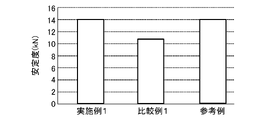
- FIG. 2 is a graph in which the results of the Marshall stability test of the reference example are further added.
- FIG. 2 is a graph in which the stability of a reference example is further added. It is a graph which shows the difference in the durability of the asphalt mixture with respect to the content ratio of kraft lignin.
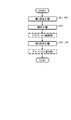
- FIG. 1 is a flowchart showing a method for producing an asphalt composition and a method for producing an asphalt mixture.
- the asphalt mixture can be prepared using an asphalt composition, which comprises lignin and asphalt.
- the method for producing an asphalt composition includes a first mixing step S1 and a holding step S2.
- the asphalt mixture contains lignin, asphalt and aggregate, and further contains a filler as appropriate.
- the method for producing an asphalt mixture includes a raw material mixing step S4 in which lignin, asphalt, aggregate and an appropriate filler are mixed at a temperature equal to or lower than a predetermined temperature, which is the glass transition temperature of lignin.
- the raw material mixing step S4 includes, for example, a second mixing step S3 in which the asphalt composition produced by the first mixing step S1 and the aggregate are mixed at least (further, a filler may be mixed as appropriate).
- the first mixing step S1 and the second mixing step S3 may be performed at the same time.
- lignin, asphalt, aggregate and an appropriate filler are simultaneously mixed in the same system. You may.
- the first mixing step S1 is a step of mixing lignin and asphalt.
- the lignin is mixed in a state of being preheated to a glass transition temperature (hereinafter, appropriately simply referred to as a predetermined temperature) or lower of itself (the lignin to be mixed).
- the asphalt is also mixed in a state of being preheated to the predetermined temperature or lower.
- the glass transition temperature of lignin is considered to differ depending on the type of wood from which lignin is extracted (for example, the difference between hardwood and conifer, and the same type of conifer such as pine and sugi).
- the glass transition temperature of lignin that can be used is not particularly limited, but is, for example, 100 ° C. or higher, preferably 110 ° C. or higher, more preferably 120 ° C. or higher, particularly preferably 140 ° C. or higher, and the upper limit is, for example, 200 ° C. or lower, preferably 200 ° C. or higher.
- the glass transition temperature of lignin can be measured by, for example, thermomechanical analysis (TMA).
- TMA thermomechanical analysis
- the thermomechanical analysis method detects a displacement or a change in pressure due to a temperature change, and can be executed by using a thermomechanical analyzer (for example, TMA8310L manufactured by Rigaku Corporation).
- the analysis can be performed using, for example, using the above-mentioned apparatus, using 3 to 5 mg of lignin powder, 150 mL / min of nitrogen gas, a load of 49 mN, an starting temperature of 50 ° C., an ending temperature of 250 ° C., and a heating rate of 2 ° C./min. ..
- the temperature at which the expansion coefficient suddenly changes during the temperature rise can be defined as the glass transition temperature.
- the mixing ratio of lignin and asphalt is not particularly limited. However, in the first mixing step S1, it is preferable to mix lignin and asphalt so that the total amount of lignin and asphalt is 100 parts by mass, which is more than 0 parts by mass and 50 parts by mass or less. By setting the mixing ratio within this range, the function of asphalt can be easily exerted. Above all, the upper limit of the mixing ratio of lignin is more preferably 30 parts by mass or less. By setting the mixing ratio to 30 parts by mass or less, the porosity and saturation of the asphalt mixture can be improved. Further, the upper limit of the mixing ratio of lignin is more preferably 10 parts by mass or less. By setting the mixing ratio to 10 parts by mass or less, lignin and asphalt can be sufficiently coated on the aggregate during the production of the asphalt mixture, which will be described in detail later. The lower limit is, for example, 5 parts by mass or more.
- the specific method of mixing lignin and asphalt is not particularly limited as long as the lignin having the above-mentioned predetermined temperature or less and the asphalt having the above-mentioned predetermined temperature or less can be mixed.
- asphalt can be added while stirring lignin with a mixing device (dry mixing), and lignin can be added while stirring asphalt with a mixing device (wet mixing).
- lignin and asphalt may be added to the mixing device at the same time. With sufficient stirring operation, asphalt and lignin circulate in the mixer.
- the first mixing step S1 it is preferable to mix the lignin having the predetermined temperature or less while stirring the asphalt having the predetermined temperature or less with the mixing device. By doing so, the aggregation of lignin can be suppressed, and the lignin can be evenly mixed in the entire asphalt.
- the mixing device is not particularly limited, and any mixing device can be used, for example, an asphalt mixer can be used.
- the temperature of asphalt is preferably 60 ° C or higher.
- the temperature of the asphalt is preferably 60 ° C or higher.
- solidification of the asphalt can be suppressed and lignin can be dispersed in the asphalt. Therefore, it is preferable that the asphalt is mixed with lignin in a state of being preheated to the above-mentioned predetermined temperature or lower and, for example, 60 ° C. or higher.
- the temperature of lignin is not particularly limited and may be equal to or lower than the temperature of the mixed asphalt or higher than the temperature of the mixed asphalt.
- the mixing device is also used in a state of being preheated to the above-mentioned predetermined temperature or lower and, for example, the temperature of the asphalt to be mixed or higher.
- the mixing device is also used in a state of being preheated to the above-mentioned predetermined temperature or lower and, for example, the temperature of the asphalt to be mixed or higher.
- the first mixing step S1 is preferably performed in an open system. Since both lignin and asphalt are mixed at the above-mentioned predetermined temperature or lower, the decomposition of lignin can be suppressed and the generation of hydrogen sulfide during mixing can be suppressed. Therefore, the first mixing step S1 can be performed in an open system, and a mixing device having a simple configuration can be used.
- the lignin preferably contains kraft lignin, and more preferably contains a dried product of kraft lignin. Since the dried product of kraft lignin is easily available, the asphalt composition and the asphalt mixture can be easily produced.
- lignin is preferably mixed in the form of powder. By mixing in the form of powder, lignin and asphalt can be easily blended.
- the lignin is not limited to dry lignin, and may be hydrous lignin (for example, wet lignin, slurry, etc.) which is a lignin containing water. By using the hydrous lignin, the lignin can be dried during the mixing inside the mixing device, and the drying time can be omitted, although the details will be described later.
- the asphalt preferably contains straight asphalt.
- straight asphalt it is possible to improve the durability against, for example, a traffic vehicle when paving with an asphalt mixture.
- the asphalt may be modified asphalt.
- the asphalt contains recycled asphalt aggregate.
- the regenerated asphalt aggregate is, for example, an asphalt that has been deformed such as cracks and rutting among paved asphalt, and can be produced by peeling and appropriately crushing such asphalt.
- any component other than lignin and asphalt may be used as long as the effects of the present disclosure are not significantly impaired.
- the holding step S2 is a step of holding the product at a predetermined temperature or lower for a predetermined time after the first mixing step S1.
- the asphalt composition can be cured to obtain an asphalt composition in which lignin and asphalt are sufficiently blended.
- the holding step S2 may be omitted.
- the holding step S2 is performed by keeping the temperature below the predetermined temperature, and if the temperature is below the predetermined temperature, it is not always necessary to keep the temperature at a constant temperature.
- the lower limit of the heat retention temperature is not particularly limited, but can be, for example, 60 ° C. or higher.
- the heat insulation can be performed by using any heat insulation device.
- the predetermined time for performing the holding step S2 is not particularly limited, but can be, for example, 30 minutes or more and 24 hours or less.
- the holding step S2 may be performed by standing still or while stirring. Above all, the time of the holding step S2 can be shortened by stirring. Stirring can be performed using any stirring device.
- An asphalt composition can be obtained by at least passing through the above first mixing step S1 (an example of a raw material mixing step S4), and further an asphalt mixture can be obtained by further performing a second mixing step S3 (an example of a raw material mixing step S4). ..
- the second mixing step S3 is a step of at least mixing the asphalt composition produced through at least the first mixing step S1 and the aggregate.
- the asphalt mixture can be produced by going through the second mixing step S3.
- the aggregate is, for example, sand, stone, gravel or the like having a diameter of 1 mm or more.
- the amount of the aggregate used is not particularly limited, and for example, the aggregate can be used at a ratio of 1000 parts by mass or more and 10,000 parts by mass or less with respect to 100 parts by mass of the asphalt composition (total mass of asphalt and lignin).
- the asphalt composition contains lignin as described above, and the lignin usually functions as a filler (or a binder (a binder such as a thermosetting resin)) in the asphalt mixture.
- the asphalt mixture contains at least asphalt, for example lignin as a filler, and aggregate.
- a generally used filler for example, an inorganic powder
- a general filler may be used separately.
- the filler is, for example, 50 parts by mass or less, preferably 10 parts by mass or more, and more preferably 30 parts by mass or more as the lower limit with respect to 100 parts by mass of the mixture of lignin and the filler. It is desirable to mix the filler so that it becomes.
- a mixture of asphalt and filler can fill the gaps between the aggregates or coat the aggregates. This can improve the density and stability.
- filler used is arbitrary, but for example, stone powder obtained by powdering limestone can be used, but the present invention is not limited to this.
- the specific conditions for mixing the asphalt composition and the aggregate are not particularly limited. However, in the second mixing step S3, it is preferable to mix the asphalt composition preheated to the predetermined temperature or lower with the aggregate preheated to the predetermined temperature or lower. By doing so, lignin and asphalt can be easily blended into the aggregate. When other components (separate fillers, etc.) are used, it is preferable to mix them in the same manner.
- lignin, asphalt, aggregate and appropriately the above filler are simultaneously mixed in the same system.
- the description regarding the lignin, asphalt, aggregate and the appropriate filler can be similarly applied to the description regarding the first mixing step S1 and the second mixing step S3.
- lignin and asphalt can be mixed so that the total amount of lignin and asphalt is 100 parts by mass, which is more than 0 parts by mass and 50 parts by mass or less.
- the hydrous lignin containing lignin and water and the aggregate having the predetermined temperature or higher are mixed by, for example, a mixing device so that the lignin is maintained below the predetermined temperature. Will be done.
- the water content in the hydrous lignin can be evaporated by the heat of the aggregate.
- the lignin can be dried in the mixing device, and the drying work before mixing can be reduced. It is preferable to determine the water content of lignin, the amount of other components used, the temperature, and the like so that the temperature of the mixing device (particularly lignin) is maintained below the glass transition temperature.
- the manufactured asphalt mixture is used, for example, as a water shield for pavement and roof waterproofing on roads, dams, airport runways, etc.
- the produced asphalt mixture easily adheres to the existing concrete, so that the workability is good.
- the ratio of the maximum load shown until the specimen breaks and the amount of deformation to the maximum load is 1.7 MPa / mm or more. This can improve the strength of the asphalt mixture.
- the Marshall stability test can be found in the literature: "Japan Road Association, B0001 Marshall Stability Test Method, Pavement Survey / Test Method Handbook [Volume 3] (June 2007, p.5-15)". It can be done according to the method described.
- the asphalt mixture of the present disclosure contains lignin derived from wood that has absorbed carbon dioxide in the atmosphere. Therefore, carbon derived from carbon dioxide in the atmosphere is fixed to, for example, pavement, and the amount of carbon dioxide in the atmosphere can be reduced. As a result, it is possible to achieve both reduction of the amount of carbon dioxide in the atmosphere and infrastructure development by paving, etc., and Goal 13 of the Sustainable Development Goals (SDGs) "[Climate change] climate change and its impact. Take emergency measures to mitigate the problem.
- SDGs Sustainable Development Goals
- the timber used is a combination of planting and felling cycles with Goal 15 “[Land Resources] Conservation and Restoration of Land Ecosystems, Promotion of Sustainable Use, Sustainable Forest Management, Countermeasures for Desertation and Land “Stop / recover deterioration and prevent biodiversity loss” and Goal 12 “[Sustainable consumption and production] Ensuring sustainable consumption production forms” can be implemented.
- Example 1 An asphalt composition and an asphalt mixture were prepared according to the flowchart shown in FIG. 1, and their performance was evaluated.
- Craft lignin powder was prepared by the following method. First, the kraft lignin dispersed as a polymer in the black liquor was extracted by filtration and sufficiently dried in a drying oven at 50 ° C. to obtain a dried kraft lignin having a water content of 0. The dried product was then sufficiently pulverized to obtain a powder that had passed through a 0.0075 mm mesh sieve. This powder is a dry powder of kraft lignin.
- the glass transition temperature was measured by the above thermomechanical analysis method. As a result, the glass transition temperature was 161 ° C.
- first mixing step S1 (FIG. 1)
- asphalt petroleum asphalt for pavement / straight asphalt pen60-80; straight asphalt
- 160 ° C. which is below the glass transition temperature (161 ° C.) of the mixed craft lignin
- the mixing device is set to be able to mix at 160 ° C., and is a device capable of mixing in an open system in which the inside and the outside of the mixing device communicate with each other.
- the above asphalt composition and asphalt mixture were prepared by installing a hydrogen sulfide concentration measuring device (XS-2200 manufactured by Shin-Cosmos Electric Co., Ltd.) near the mixing device and measuring the hydrogen sulfide concentration. As a result, hydrogen sulfide was below the detection limit during production, and no hydrogen sulfide was generated.
- a hydrogen sulfide concentration measuring device XS-2200 manufactured by Shin-Cosmos Electric Co., Ltd.
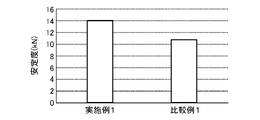
- FIG. 2 is a graph showing the results of the Marshall stability test of Example 1 and Comparative Example 1.
- the vertical axis shows the stability (kN) measured by the Marshall stability test. The higher the stability value, the more stable the asphalt mixture.
- the stability of the asphalt mixture of Example 1 was 13.9 kN, and the stability of the asphalt mixture of Comparative Example 1 was 10.8 kN. Therefore, it was found that the asphalt mixture of Example 1 produced at a temperature equal to or lower than the glass transition temperature of lignin was more stable than the asphalt mixture of Comparative Example 1 produced at a temperature exceeding the glass temperature of lignin.
- FIG. 3 is a graph in which the results of the Marshall stability test of the reference example are further added in FIG.
- an asphalt mixture was produced in the same manner as in Example 1 except that only asphalt was used without using lignin, and a martial stability test was conducted in the same manner as in Example 1.
- the stability of the asphalt mixture of the reference example was 13.85 kN.
- the asphalt mixture of Example 1 produced at a temperature equal to or lower than the glass transition temperature of lignin had the same stability as the asphalt mixture of the reference example in which only asphalt was used without using lignin.
- the reason for this is considered to be that lignin is uniformly dispersed in the asphalt mixture by stirring in the mixing device below the glass transition temperature of lignin, and the stability is improved (maintained at the same level as straight asphalt). ..
- the asphalt mixture of Comparative Example 1 produced at a temperature exceeding the glass transition temperature of lignin was about 20% less stable than the stability of the asphalt mixture of the reference example. It is considered that the reason for this is that the temperature of lignin charged into the mixing device rises above the glass transition temperature, causing a change in properties such as generation of hydrogen sulfide. As a result, in Comparative Example 1, the lignin has a different property from that of Example 1 in a state where the glass transition temperature is not reached, so that the stability is considered to be low (the effect of action as straight asphalt is low). ..
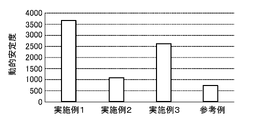
- FIG. 4 is a graph showing the difference in durability of the asphalt mixture with respect to the content ratio of kraft lignin.
- the vertical axis of FIG. 4 is the dynamic stability, and the larger the value, the higher the durability.
- the dynamic stability was 3653 in Example 1, 1115 in Example 2, 2640 in Example 3, and 760 in Reference Example.
- Table 1 shows the difference in behavior of each lignin having different relative molecular weights contained in the lignin polymer group (so-called normal lignin) when the glass transition temperature measured by thermomechanical analysis is, for example, 150 ° C. It is a table explaining.
- the glass transition temperature of lignin differs depending on the relative molecular weight, for example, the larger the relative molecular weight, the higher the temperature, and the smaller the relative molecular weight, the lower the temperature.
- the glass transition temperature measured by thermomechanical analysis is, so to speak, an average value containing lignin having different relative molecular weights.
- by measuring the glass transition temperature by a thermomechanical analysis method and mixing it at a temperature equal to or lower than the measured value of the glass transition temperature measured by a thermomechanical analysis method for any lignin having a relative molecular weight of small, medium or large. Can also suppress thermal deterioration.
- the solid lignin produced by cooling the melt can remain in the asphalt mixture, and the effect according to the present disclosure is exhibited.
- the porosity and saturation were calculated for the asphalt mixture of Examples 1 to 3.
- the porosity was calculated based on the following formula (1), and the saturation was calculated based on the following formula (2).
- Saturation is a percentage of the percentage of straight asphalt in the interstices of the aggregate. The results are shown in Table 1 below.
- Va / (V-Vag) x 100 Va / (Va + v) x 100 ... Equation (2) * S is the saturation (%), Va is the volume ratio (%) of the asphalt, Vag is the aggregate volume (cm 3 ) in the asphalt mixture, and V and v are V and V in the formula (1). It is synonymous with v.
- formulas (1) and (2) are based on the literature: "Japan Road Association, B0008 ⁇ L ⁇ Density measurement method of asphalt mixture, Pavement survey / test method manual [Volume 3], June 2007, p. It is the formula described in ".91-105".
- the porosity of the asphalt mixture is small in order to suppress the intrusion of rainwater.
- the hydraulic conductivity can be reduced.
- the saturation degree and the porosity are in an inverse proportional relationship. Therefore, the smaller the porosity, the higher the degree of saturation. Therefore, as shown in Examples 2 and 3 having a small porosity and a large degree of saturation, it was found that lignin should be more than 0 parts by mass and 30 parts by mass or less in a total of 100 parts by mass of lignin and the asphalt. rice field.
- an asphalt mixture suitable for, for example, a pavement can be obtained by reducing the porosity and increasing the degree of saturation. The following can be considered as the reason for this.
- the lignin polymer group includes lignin that exerts a modifying effect with a small relative molecular weight and lignin that is dispersed in asphalt as a solid other than that. Is done.
- the former lignin has a small relative molecular weight melted at the glass transition temperature in Table 3 below.
- the latter lignin has a large relative molecular weight in Table 3 below.
- Lignin functions as, for example, a filler in the asphalt mixture as described above, and the filler behaves as an aggregate in the calculation of density.
- the heat-deteriorated lignin does not recover its function as lignin even when cooled, and therefore does not act as a filler. Therefore, when the asphalt mixture is mixed at a temperature exceeding the glass transition temperature of lignin, the asphalt mixture contains lignin (heat-degraded) having a lower density than the aggregate, and the density decreases, so that the void ratio is calculated to be large. Become.
- the absolute amount of lignin having a small relative molecular weight can be reduced, and as a result, melting and heat can be reduced. It can reduce the amount of lignin that deteriorates, and even the lignin itself that is present in the asphalt mixture.
- the lignin existing between the aggregates at the time of compaction that is, the lignin acting as a filler can be reduced to bring the aggregates closer to each other, and the porosity can be reduced.
- the aggregate can be made dense, the density becomes high.
- an asphalt mixture having a high drainage function and a large number of voids may be produced.
- Such an asphalt mixture can be used, for example, for paving highways, national roads, and the like.
- Example 4 Asphalt compositions and asphalt mixtures containing fillers were made. Then, the prepared asphalt mixture is subjected to a martial stability test (measurement of stability [kN]) and a wheel tracking test (measurement of dynamic stability [-]) by the method described in the above ⁇ performance evaluation>. , Porosity and saturation were calculated.
- a water-containing substance (hydrous lignin) of craft lignin different from that of Example 1 was prepared.
- kraft lignin dispersed as a polymer in black liquor was extracted by filtration to obtain hydrous lignin (wet lignin).
- a part of the hydrous lignin was collected and dried, and the glass transition temperature of the lignin was measured by the above thermomechanical analysis method. As a result, the glass transition temperature was 168 ° C.
- the amount of each material used is 44 kg of asphalt, 50 kg of hydrous lignin (of which 40 kg as lignin), 25 kg of filler and 891 kg of aggregate. Therefore, in the raw material mixing step S4 (FIG. 1), the filler was mixed so that the filler was 38.5 parts by mass (50 parts by mass or less) with respect to 100 parts by mass of the mixture of lignin and the filler.
- the amount of lignin used is 47.6 parts by mass and the amount of aggregate used is 1060 parts by mass with respect to a total of 100 parts by mass of lignin and asphalt. Immediately after the mixing was completed, the mixture was removed from the mixing device to obtain an asphalt mixture.
- the above asphalt composition and asphalt mixture were prepared by installing a hydrogen sulfide concentration measuring device (XS-2200 manufactured by Shin-Cosmos Electric Co., Ltd.) near the mixing device and measuring the hydrogen sulfide concentration. As a result, hydrogen sulfide was below the detection limit during production, and no hydrogen sulfide was generated.
- a hydrogen sulfide concentration measuring device XS-2200 manufactured by Shin-Cosmos Electric Co., Ltd.
- the stability [kN], dynamic stability [-], porosity and saturation were calculated by the method described in the above ⁇ performance evaluation>.
- the stability was 13.0 kN
- the dynamic stability was 3150
- the porosity was 3.0%
- the saturation was 79.4%.
- Example 5 In the second mixing step S3 (FIG. 1), the filler was mixed so that the filler was 41.7 parts by mass (50 parts by mass or less) with respect to 100 parts by mass of the mixture of lignin and the filler. Similarly, an asphalt mixture was prepared. The prepared asphalt mixture had a stability of 14.3 kN, a dynamic stability of 7870, a porosity of 3.7%, and a saturation of 75.8%.
- Example 2 The asphalt of Comparative Example 2 was used in the same manner as in Example 4 except that the asphalt of Example 41 was used instead of the lignin (that is, the asphalt of the same amount as the amount of the lignin used was used without using the lignin). A mixture was made. The prepared asphalt mixture had a stability of 12.8 kN, a dynamic stability of 4200, a porosity of 3.0%, and a saturation of 80.0%.
- Example 5 was larger than Comparative Example 2, and the performance was improved. As described above, it was confirmed that lignin behaves as a filler bitumen in the asphalt mixture and can improve the performance.
Landscapes
- Chemical & Material Sciences (AREA)
- Chemical Kinetics & Catalysis (AREA)
- Materials Engineering (AREA)
- Health & Medical Sciences (AREA)
- Engineering & Computer Science (AREA)
- Medicinal Chemistry (AREA)
- Polymers & Plastics (AREA)
- Organic Chemistry (AREA)
- Civil Engineering (AREA)
- Structural Engineering (AREA)
- Compositions Of Macromolecular Compounds (AREA)
- Road Paving Structures (AREA)
- Working-Up Tar And Pitch (AREA)
Abstract
安定度を向上可能なアスファルト混合物の製造方法を提供する。この課題の解決のため、アスファルト混合物の製造方法は、リグニン及びアスファルトを含むアスファルト組成物を用いたアスファルト混合物の製造方法であって、リグニンのガラス転移温度である所定温度以下の前記リグニンと、前記所定温度以下のアスファルトとを混合する第1混合工程S1と、第1混合工程S1後、前記所定温度以下において所定時間保持する保持工程S2と、第1混合工程S1及び保持工程S2を経て得られたアスファルト組成物と、骨材と、を少なくとも混合する第2混合工程S3とを含む。
Description
本開示は、アスファルト組成物の製造方法及びアスファルト混合物の製造方法に関する。
木材から抽出されるリグニンの新たな利用方法が検討されている。特許文献1の段落0032には、アスファルトにリグニンを添加できることが記載されている。
本発明者が検討したところ、詳細は実施例を挙げて説明するが、単にリグニンをアスファルトに添加しただけでは、得られるアスファルト組成物及びアスファルト混合物の安定度が低下する可能性があることがわかった。
本開示が解決しようとする課題は、安定度を向上可能なアスファルト組成物の製造方法及びアスファルト混合物の製造方法の提供である。
本開示が解決しようとする課題は、安定度を向上可能なアスファルト組成物の製造方法及びアスファルト混合物の製造方法の提供である。
本開示によれば、安定度を向上可能なアスファルト組成物の製造方法及びアスファルト混合物の製造方法を提供できる。
以下、図面を参照しながら本開示を実施するための形態(実施形態と称する)を説明する。以下の一の実施形態の説明の中で、適宜、一の実施形態に適用可能な別の実施形態の説明も行う。本開示は以下の一の実施形態に限られず、異なる実施形態同士を組み合わせたり、本開示の効果を著しく損なわない範囲で任意に変形したりできる。また、同じ部材については同じ符号を付すものとし、重複する説明は省略する。更に、同じ機能を有するものは同じ名称を付すものとする。図示の内容は、あくまで模式的なものであり、図示の都合上、本開示の効果を著しく損なわない範囲で実際の構成から変更したり、図面間で一部の部材の図示を省略したり変形したりすることがある。
図1は、アスファルト組成物の製造方法及びアスファルト混合物の製造方法を示すフローチャートである。アスファルト混合物はアスファルト組成物を用いて製造でき、アスファルト組成物はリグニン及びアスファルトを含む。アスファルト組成物の製造方法は、第1混合工程S1及び保持工程S2を含む。
また、アスファルト混合物は、リグニン、アスファルト及び骨材を含み、更に適宜フィラーを含む。アスファルト混合物の製造方法は、リグニン、アスファルト、骨材及び適宜のフィラーを、リグニンのガラス転移温度である所定温度以下の状態で混合する原料混合工程S4を含む。原料混合工程S4は、例えば、第1混合工程S1により製造したアスファルト組成物と、骨材と、を少なくとも混合する(さらに適宜フィラーを混合してもよい)第2混合工程S3とを含む。ただし、第1混合工程S1及び第2混合工程S3は、同時に行ってもよく、具体的には、原料混合工程S4において、リグニン、アスファルト、骨材及び適宜のフィラーを同一系内で同時に混合してもよい。
第1混合工程S1は、リグニンとアスファルトとを混合する工程である。リグニンは、自身(混合されるリグニンそのもの)のガラス転移温度(以下、適宜単に所定温度という)以下に予熱された状態で混合される。アスファルトも、当該所定温度以下に予熱された状態で混合される。
リグニンのガラス転移温度は、リグニンを抽出する木材の種類(例えば広葉樹と針葉樹による違い、同じ針葉樹でもマツやスギなどの種類)により異なると考えられる。使用可能なリグニンのガラス転移温度は特に制限されないが、例えば100℃以上、好ましくは110℃以上、より好ましくは120℃以上、特に好ましくは140℃以上、また、上限として、例えば200℃以下、好ましくは190℃以下、より好ましくは180℃以下、特に好ましくは165℃以下である。
リグニンのガラス転移温度は、例えば、熱機械分析法(TMA)により測定できる。熱機械分析法は、温度変化による変位又は圧力の変化を検出するものであり、熱機械分析装置(例えばリガク社製TMA8310L)を用いて実行できる。分析は、例えば上記装置を使用し、リグニンの粉末を3~5mg、窒素ガスを150mL/分、荷重49mN、始温度50℃、終了温度250℃、昇温速度2℃/分にして、分析できる。昇温中、例えば膨張率が急激に変化した温度をガラス転移温度とすることができる。
リグニン及びアスファルトのそれぞれを上記所定温度以下の状態で混合することで、アスファルト組成物及びアスファルト混合物の安定度を向上できる。
リグニン及びアスファルトの混合割合は特に制限されない。ただし、第1混合工程S1では、リグニン及びアスファルトの合計100質量部において、リグニンが0質量部より多く50質量部以下になるように、リグニン及びアスファルトを混合することが好ましい。混合割合をこの範囲にすることで、アスファルトの機能を発揮し易くできる。
中でも、リグニンの混合割合の上限値は、30質量部以下であることがより好ましい。混合割合を30質量部以下にすることで、特にアスファルト混合物における空隙率及び飽和度を向上できる。
また、リグニンの混合割合の上限値は、10質量部以下であることがより更に好ましい。混合割合を10質量部以下にすることで、詳細は後記するが、アスファルト混合物の製造中、リグニン及びアスファルトを骨材に十分に被覆できる。
下限値は、例えば5質量部以上である。
中でも、リグニンの混合割合の上限値は、30質量部以下であることがより好ましい。混合割合を30質量部以下にすることで、特にアスファルト混合物における空隙率及び飽和度を向上できる。
また、リグニンの混合割合の上限値は、10質量部以下であることがより更に好ましい。混合割合を10質量部以下にすることで、詳細は後記するが、アスファルト混合物の製造中、リグニン及びアスファルトを骨材に十分に被覆できる。
下限値は、例えば5質量部以上である。
リグニン及びアスファルトの混合の具体的方法は、上記所定温度以下のリグニン及び上記所定温度以下のアスファルトを混合できれば、特に制限されない。例えば、リグニンを混合装置で攪拌しながらアスファルトを投入できるし(ドライミキシング)、アスファルトを混合装置で攪拌しながらリグニンを投入できる(ウェットミキシング)。また、リグニン及びアスファルトを同時に混合装置に投入してもよい。十分な攪拌操作により、混合装置内でアスファルト及びリグニンが循環する。
中でも、第1混合工程S1では、上記所定温度以下のアスファルトを混合装置で攪拌しながら、上記所定温度以下のリグニンを混合することが好ましい。このようにすることで、リグニンの凝集を抑制でき、リグニンをアスファルト全体に満遍なく混合できる。混合装置も特に制限されず、任意の混合装置を使用でき、例えばアスファルトミキサを使用できる。
アスファルトの温度は60℃以上であることが好ましい。アスファルトの温度を60℃以上にすることで、アスファルトの固化を抑制でき、リグニンをアスファルトに分散できる。従って、アスファルトは、上記所定温度以下、かつ、例えば60℃以上に予熱した状態で、リグニンと混合されることが好ましい。
リグニンの温度は、特に制限されず、混合されるアスファルトの温度以下でもよいし、混合されるアスファルトの温度以上でもよい。
混合装置も、上記所定温度以下、かつ、例えば混合されるアスファルトの温度以上に予熱した状態で使用することが好ましい。これにより、混合装置内部でリグニン及びアスファルトが所定温度を超えることを抑制できるとともに、温度低下によるアスファルトの固化を抑制できる。
第1混合工程S1は、開放系で行うことが好ましい。リグニン及びアスファルトは何れも上記所定温度以下で混合されるため、リグニンの分解を抑制でき、混合中の硫化水素の発生を抑制できる。このため、第1混合工程S1を開放系で行うことができ、簡便な構成を有する混合装置を使用できる。
リグニン及びアスファルトの具体的種類も特に制限されない。ただし、リグニンは、クラフトリグニンを含むことが好ましく、中でも、クラフトリグニンの乾燥物を含むことがより好ましい。クラフトリグニンの乾燥物は入手し易いため、アスファルト組成物及びアスファルト混合物を容易に製造できる。また、リグニンは、粉末の状態で混合されることが好ましい。粉末の状態で混合することで、リグニンとアスファルトとを馴染ませ易くできる。ただし、リグニンは、乾燥リグニンに限定されず、水分を含むリグニンである含水リグニン(例えばウェット状のリグニン、スラリー等。)でもよい。含水リグニンを使用することで、詳細は後記するが、混合装置の内部での混合中にリグニンを乾燥でき、乾燥時間を省略できる。
アスファルトは、ストレートアスファルトを含むことが好ましい。ストレートアスファルトを含むことで、アスファルト混合物を用いた舗装時に、例えば交通車両に対する耐久性を向上できる。ただし、アスファルトは改質アスファルトでもよい。
アスファルトは、アスファルト再生骨材を含むことも好ましい。アスファルト再生骨材は、例えば、舗装したアスファルトのうちひび割れ、わだち掘れ等の変形が生じたアスファルトであり、このようなアスファルトを剥離及び適宜粉砕することで、生成できる。アスファルト再生骨材を使用してアスファルト組成物及びアスファルト混合物を製造することで、アスファルトの使用量を削減できる。
なお、第1混合工程S1は、本開示の効果を著しく損なわない範囲で、リグニン及びアスファルト以外の任意の成分を使用してもよい。
保持工程S2は、第1混合工程S1後、上記所定温度以下において所定時間保持する工程である。保持工程S2を含むことで、アスファルト組成物を養生させて、リグニンとアスファルトとを十分に馴染ませたアスファルト組成物を得ることができる。ただし、保持工程S2は、省略してもよい。
保持工程S2は、上記所定温度以下で保温することで行われ、上記所定温度以下であれば必ずしも一定の温度で保温しなくてもよい。保温温度の下限値は特に制限されないが、例えば60℃以上にできる。保温は、任意の保温装置を用いて行うことができる。
保持工程S2を行う所定時間は特に制限されないが、例えば、30分以上24時間以下にできる。保持工程S2は、静置して行ってもよく、攪拌しながら行ってもよい。中でも、攪拌により保持工程S2の時間を短縮できる。攪拌は、任意の攪拌装置を用いて行うことができる。
以上の第1混合工程S1(原料混合工程S4の一例)を少なくとも経ることでアスファルト組成物が得られ、更に第2混合工程S3(原料混合工程S4の一例)を行うことでアスファルト混合物が得られる。
第2混合工程S3は、少なくとも第1混合工程S1を経て製造されたアスファルト組成物と、骨材と、を少なくとも混合する工程である。第2混合工程S3を経ることで、アスファルト混合物を製造できる。骨材は、例えば直径が1mm以上の砂、石、砂利等である。骨材の使用量は特に制限せず、アスファルト組成物100質量部(アスファルト及びリグニンの合計質量)に対し、例えば骨材を1000質量部以上10000質量部以下の割合で使用できる。
アスファルト組成物は上記のようにリグニンを含み、リグニンはアスファルト混合物において通常はフィラー(又はバインダ(熱硬化樹脂のような結合剤))として機能する。従って、アスファルト混合物は、アスファルトと、例えばフィラーとしてのリグニンと、骨材とを少なくとも含む。原料混合工程S4では、一般的に使用されるフィラー(例えば無機粉末)の使用を省略できるが、上記のように、一般的なフィラーを別途使用してもよい。原料混合工程S4で更にフィラーを混合する場合、リグニンとフィラーとの混合物100質量部に対し、フィラーが例えば50質量部以下、下限として、好ましくは10質量部以上、より好ましくは30質量部以上になるように、フィラーを混合することが望ましい。アスファルトとフィラーとの混合物(フィラービチューメン)により、骨材間の隙間が埋められたり、骨材をコーティングしたりできる。これにより、密度及び安定度を向上できる。
使用されるフィラーの具体的種類は任意であるが、例えば石灰岩を粉末にした石粉を使用できるが、これに限られない。
アスファルト組成物及び骨材の混合の具体的条件は特に制限されない。ただし、第2混合工程S3では、上記所定温度以下に予熱した状態のアスファルト組成物に、上記所定温度以下に予熱した状態の骨材を混合することが好ましい。このようにすることで、リグニン及びアスファルトを骨材に馴染ませ易くできる。他の成分(別途のフィラー等)を使用する場合も、同様にして混合することが好ましい。
別の実施形態では、上記のように第1混合工程S1及び第2混合工程S3を同時に行うことで、リグニン、アスファルト、骨材及び適宜上記フィラーが同一系内で同時に混合される。この場合、リグニン、アスファルト、骨材及び適宜フィラーに関する記述(使用量、混合温度等)は、第1混合工程S1及び第2混合工程S3に関する各記述を同様に適用できる。例えば、原料混合工程S4では、リグニン及びアスファルトの合計100質量部においてリグニンが0質量部より多く50質量部以下になるように、リグニン及びアスファルトを混合できる。
更に別の実施形態では、原料混合工程S4では、上記所定温度以下にリグニンが維持されるように、リグニンと水とを含む含水リグニンと、上記所定温度以上の骨材とが例えば混合装置で混合される。このようにすることで、骨材の熱により、含水リグニン中の水分を蒸発できる。これにより、混合装置内でリグニンを乾燥でき、混合前の乾燥作業を削減できる。なお、混合装置(特にリグニン)の温度がガラス転移温度以下に維持されるように、リグニンの含水量、その他成分の使用量、温度等を決定することが好ましい。
製造されたアスファルト混合物は、例えば道路等での舗装や屋根防水、ダム、空港滑走路等への遮水材として使用される。製造されたアスファルト混合物は既設のコンクリートと付着し易いため、施工性が良好である。また、製造されたアスファルト混合物では、マーシャル安定度試験において、供試体が破壊するまでに示す最大荷重とそれに対する変形量の比が1.7MPa/mm以上である。これにより、アスファルト混合物の強度を向上できる。なお、マーシャル安定度試験は、文献:「社団法人日本道路協会、B0001マーシャル安定度試験方法、舗装調査・試験法便覧〔第3分冊〕(平成19年度6月,p.5-15)」に記載の方法に沿って行うことができる。
また、本開示のアスファルト混合物は、大気中の二酸化炭素を吸収した木材由来のリグニンを含む。このため、大気中の二酸化炭素に由来する炭素が例えば舗装等に固定され、大気中の二酸化炭素量を削減できる。これにより、大気中の二酸化炭素量の削減と、舗装等によるインフラ整備等とを両立でき、持続可能な開発目標(SDGs(Sustainable Development Goals))の目標13「[気候変動]気候変動及びその影響を軽減するための緊急対策を講じる」を実行できる。使用する木材は植林と伐採サイクルを組み合わせることで目標15「[陸上資源]陸域生態系の保護、回復、持続可能な利用の推進、持続可能な森林の経営、砂漠化への対処ならびに土地の劣化の阻止・回復及び生物多様性の損失を阻止する」並びに目標12「[持続可能な消費と生産]持続可能な消費生産形態を確保する」を実行できる。
<実施例1>
図1に示したフローチャートに沿ってアスファルト組成物及びアスファルト混合物を作製し、性能を評価した。
図1に示したフローチャートに沿ってアスファルト組成物及びアスファルト混合物を作製し、性能を評価した。
以下の方法によりクラフトリグニンの粉末を作製した。まず、黒液中に高分子として分散しているクラフトリグニンをろ過により抽出し、50℃の乾燥炉で十分に乾燥させて含水比0のクラフトリグニンの乾燥物を得た。次いで、乾燥物を十分に粉砕し、目開き0.0075mm篩を通過した粉末を得た。この粉末は、クラフトリグニンの乾燥粉末である。
クラフトリグニンの乾燥粉末について、ガラス転移温度を上記の熱機械分析法により測定した。この結果、ガラス転移温度は161℃であった。
次に、以下の方法によりアスファルト及びリグニンを混合した(第1混合工程S1(図1))。混合したクラフトリグニンのガラス転移温度(161℃)以下である160℃に予熱したアスファルト(舗装用石油アスファルト/ストレートアスファルトpen60-80;ストレートアスファルト)の2000gを、攪拌翼を備える混合装置に投入し、混合装置内部で循環させながら混合した。混合装置は160℃で混合可能に設定され、混合装置内部と外部とが連通した開放系で混合可能な装置である。そして、アスファルトを攪拌しながら、常温(20℃)のクラフトリグニンの乾燥粉末2000g(リグニン及びアスファルトの合計100質量部においてリグニンが50質量部。リグニン:アスファルト=50:50)を1分あたり100gずつ投入し、全量投入後、160℃に保温しながら1時間循環させて混合した。
1時間経過後、混合を停止し、静置した状態で160℃で12時間養生した(保持工程S2)。12時間経過後、混合装置から取り出し、アスファルト組成物を得た。
混合装置から取り出したアスファルト組成物71.2gを160℃に予熱し、同じく160℃に予熱し60秒間混合した骨材1200gへ、1分以内に全量投入し、全量投入後、180秒間循環させながら混合した(第2混合工程S3)。混合は、アスファルト組成物の作製で使用した混合装置と同じく、160℃で混合可能に設定され、混合装置内部と外部とが連通した開放系で混合可能な装置を使用して行った。180秒間経過後、混合を停止し、混合装置から取り出すことでアスファルト混合物を得た。アスファルト混合物は、同じ操作を繰り返すことで合計3つ作製した(n=3)。他にも、アスファルト組成物含有割合が同じ(7.6質量%)になるように、アスファルト組成物712g及び骨材12000gを使用してスケールアップしたアスファルト混合物も作製した。
以上のアスファルト組成物及びアスファルト混合物の作製は、混合装置の付近に硫化水素濃度測定装置(新コスモス電気社製XS-2200)を設置し、硫化水素濃度を測定しながら行った。この結果、作製中、硫化水素は検出限界以下であり、硫化水素の発生は認められなかった。
<実施例2>
リグニンの使用量を7.12g、アスファルトの使用量64.08g(リグニン及びアスファルトの合計100質量部においてリグニンが10質量部。リグニン:アスファルト=10:90)にしたこと以外は実施例1と同様にしてアスファルト混合物を作製した。アスファルト混合物は、同じ操作を繰り返すことで合計3つ作製した(n=3)。アスファルト組成物及びアスファルト混合物の作製中、何れも、硫化水素は検出限界以下であり、硫化水素の発生は認められなかった。アスファルト組成物及び骨材の質量を合計1tへスケールアップした場合も同様であった。
リグニンの使用量を7.12g、アスファルトの使用量64.08g(リグニン及びアスファルトの合計100質量部においてリグニンが10質量部。リグニン:アスファルト=10:90)にしたこと以外は実施例1と同様にしてアスファルト混合物を作製した。アスファルト混合物は、同じ操作を繰り返すことで合計3つ作製した(n=3)。アスファルト組成物及びアスファルト混合物の作製中、何れも、硫化水素は検出限界以下であり、硫化水素の発生は認められなかった。アスファルト組成物及び骨材の質量を合計1tへスケールアップした場合も同様であった。
<実施例3>
リグニンの使用量を21.36g、アスファルトの使用量49.84g(リグニン及びアスファルトの合計100質量部においてリグニンが30質量部。リグニン:アスファルト=30:70)にしたこと以外は実施例1と同様にしてアスファルト混合物を作製した。アスファルト混合物は、同じ操作を繰り返すことで合計3つ作製した(n=3)。アスファルト組成物及びアスファルト混合物の作製中、何れも、硫化水素は検出限界以下であり、硫化水素の発生は認められなかった。アスファルト組成物及び骨材の合計を10kgにスケールアップした場合も同様であった。
リグニンの使用量を21.36g、アスファルトの使用量49.84g(リグニン及びアスファルトの合計100質量部においてリグニンが30質量部。リグニン:アスファルト=30:70)にしたこと以外は実施例1と同様にしてアスファルト混合物を作製した。アスファルト混合物は、同じ操作を繰り返すことで合計3つ作製した(n=3)。アスファルト組成物及びアスファルト混合物の作製中、何れも、硫化水素は検出限界以下であり、硫化水素の発生は認められなかった。アスファルト組成物及び骨材の合計を10kgにスケールアップした場合も同様であった。
<比較例1>
混合装置の設定温度及び予熱温度を160℃に代えて185℃にしたこと以外は実施例1と同様にして、アスファルト組成物及びアスファルト混合物を作製した。比較例1においても、硫化水素濃度を測定しながら作製を行った。この結果、作製中、硫化水素の発生が認められた。
混合装置の設定温度及び予熱温度を160℃に代えて185℃にしたこと以外は実施例1と同様にして、アスファルト組成物及びアスファルト混合物を作製した。比較例1においても、硫化水素濃度を測定しながら作製を行った。この結果、作製中、硫化水素の発生が認められた。
<性能評価>
実施例1及び比較例1のアスファルト混合物について、マーシャル安定度試験を行い、安定度に関する性能評価を行った。マーシャル安定度試験は、上記文献に記載の方法に沿って行った。結果を図2に示す。
実施例1及び比較例1のアスファルト混合物について、マーシャル安定度試験を行い、安定度に関する性能評価を行った。マーシャル安定度試験は、上記文献に記載の方法に沿って行った。結果を図2に示す。
図2は、実施例1及び比較例1のマーシャル安定度試験の結果を示すグラフである。縦軸は、マーシャル安定度試験により測定された安定度(kN)を示す。安定度の数値が大きいほど、アスファルト混合物が安定していることを示す。実施例1のアスファルト混合物の安定度は13.9kNであり、比較例1のアスファルト混合物の安定度は10.8kNであった。従って、リグニンのガラス転移温度以下で製造した実施例1のアスファルト混合物は、リグニンのガラス温度を超えた温度で製造した比較例1のアスファルト混合物よりも、安定度が高いことが分かった。
図3は、図2において更に参考例のマーシャル安定度試験の結果を追加したグラフである。参考例は、リグニンを使用せずアスファルトのみを使用したこと以外は実施例1と同様にしてアスファルト混合物を製造し、実施例1と同様にしてマーシャル安定度試験を行ったものである。参考例のアスファルト混合物の安定度は13.85kNであった。
リグニンのガラス転移温度以下で製造した実施例1のアスファルト混合物は、リグニンを使用せずアスファルトのみを使用した参考例のアスファルト混合物と同等の安定度を有していた。この理由は、リグニンのガラス転移温度以下で混合装置での攪拌により、リグニンが均一にアスファルト混合物内に分散し、安定度が高くなる(ストレートアスファルトと同程度に維持されている)ためと考えられる。
しかし、リグニンのガラス転移温度を超えた温度で製造した比較例1のアスファルト混合物は、参考例のアスファルト混合物の安定度よりも20%程度安定度が低かった。この理由は、混合装置に投入されたリグニンがガラス転移温度を超えて温度上昇し、硫化水素を発生させる等の性状変化が生じたためと考えられる。この結果、比較例1においては、ガラス転移温度に達しない状態の実施例1のリグニンとは異なる性状のリグニンになるため、安定度が低くなる(ストレートアスファルトとして作用の効果が低い)と考えられる。
別の性能として、実施例1~3及び参考例について、クラフトリグニンの含有割合に対するアスファルト混合物の耐久性を評価した。耐久性の指標として、動的安定度(DS)を評価した。動的安定度の評価は、「社団法人日本道路協会,B0003▲L▼ホイールトラッキング試験方法,舗装調査・試験法便覧〔第3分冊〕,平成19年度6月,p.39-56」に記載の方法に沿って行った。
図4は、クラフトリグニンの含有割合に対するアスファルト混合物の耐久性の違いを示すグラフである。図4の縦軸は動的安定度であり、数値が大きいほど、耐久性が高いことを表す。動的安定度は、実施例1では3653、実施例2では1115、実施例3では2640、参考例では760であった。
実施例1~3のアスファルト混合物は、いずれも、リグニンのガラス転移温度以下で製造したものである。従って、リグニンのガラス転移温度以下で製造すれば、リグニンを使用しない参考例のアスファルト混合物よりも高い耐久性が得られる。この理由は、上記図3での考察と同様に、混合装置での攪拌によりリグニンが均一にアスファルト混合物内に分散し、安定度が高くなる(ストレートアスファルトと同程度に維持されている)ためと考えられる。
また、実施例1~3のアスファルト混合物の中でも、リグニンの含有割合が大きい方が、動的安定度が高いことが示された。これは、リグニンの含有割合が大きいほど、リグニンを構成する高分子群のうち比較的低温で融解する相対分子量が小さいリグニン高分子群が多く含まれるためと考えられる。相対分子量が小さいリグニン高分子群は、溶融により熱硬化性樹脂として作用する。そして、溶融により生じた溶融蚋によってストレートアスファルトへの改質効果が生じ、アスファルト混合物の動的安定度が向上するものと考えられる。リグニンの分解による硫化水素発生を抑制するように混合時の温度を調整することで、この効果を発揮できる。
下記表1は、例えば熱機械分析法にて測定されたガラス転移温度が例えば150℃である場合に、リグニン高分子群(所謂通常のリグニン)に含まれる異なる相対分子量のリグニンごとの挙動の違いを説明する表である。

リグニンのガラス転移温度は、正確には相対分子量ごとに異なると想定され、例えば相対分子量が大きいほど高く、相対分子量が小さいほど低い傾向である。例えば熱機械分析法にて測定されるガラス転移温度は、異なる相対分子量のリグニンを含む、いわば平均値である。しかし、例えば熱機械分析法にてガラス転移温度を測定し、例えば熱機械分析法にて測定されるガラス転移温度の測定値以下で混合することで、相対分子量が小中大のいずれのリグニンにおいても熱劣化を抑制できる。これにより、溶融物の冷却により生じる固体のリグニンをアスファルト混合物に残存でき、本開示による効果が奏される。
更に別の性能として、実施例1~3のアスファルト混合物について、空隙率及び飽和度を算出した。空隙率は以下の式(1)に基づき、飽和度は以下の式(2)に基づき算出した。飽和度は、骨材の間隙中にストレートアスファルトが占める割合を百分率で表したものである。この結果を以下の表1に示す。
v=Vv/V×100=(1-ρm/D)×100 …式(1)
※vは空隙率(%)であり、ρmはアスファルト混合物の密度(g/cm3)であり、Vはアスファルト混合物の体積(cm3)であり、Vvはアスファルト混合物中の空隙体積(cm3)である。
※vは空隙率(%)であり、ρmはアスファルト混合物の密度(g/cm3)であり、Vはアスファルト混合物の体積(cm3)であり、Vvはアスファルト混合物中の空隙体積(cm3)である。
s=Va/(V-Vag)×100=Va/(Va+v)×100 …式(2)
※sは飽和度(%)であり、Vaはアスファルトの容積率(%)であり、Vagはアスファルト混合物中の骨材体積(cm3)であり、V及びvは式(1)のV及びvと同義である。
※sは飽和度(%)であり、Vaはアスファルトの容積率(%)であり、Vagはアスファルト混合物中の骨材体積(cm3)であり、V及びvは式(1)のV及びvと同義である。
なお、式(1)及び(2)は文献:「社団法人日本道路協会,B0008▲L▼アスファルト混合物の密度測定方法,舗装調査・試験法便覧〔第3分冊〕,平成19年度6月 ,p.91-105」に記載の式である。
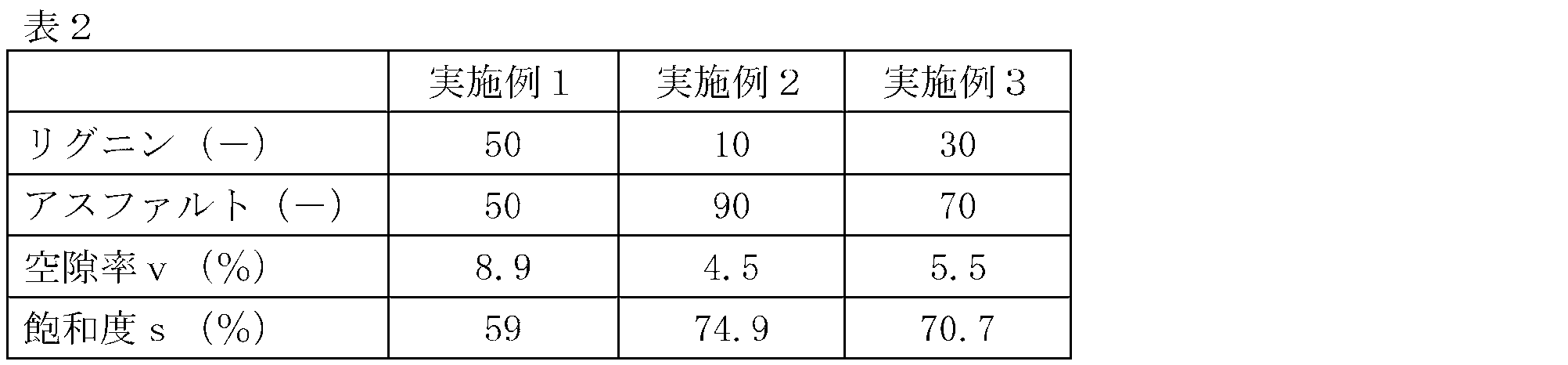
アスファルト混合物を舗装体に使用する場合、雨水の侵入抑制のため、アスファルト混合物の空隙率は小さいことが好ましい。空隙率を小さくすることで、透水係数を小さくできる。一方で、上記式(2)で示すように、飽和度と空隙率とは反比例の関係にある。従って、空隙率を小さくすると、飽和度は大きくなる。このため、空隙率が小さく、かつ、飽和度が大きい実施例2及び3に示すように、リグニン及び前記アスファルトの合計100質量部においてリグニンが0質量部より多く30質量部以下がよいことがわかった。この範囲にすることで、空隙率を小さく、かつ、飽和度を大きくして、例えば舗装体に好適なアスファルト混合物を得ることができる。この理由として以下のことが考えられる。
上記の表1を参照しても説明したが、リグニン高分子群には、相対分子量小の改質効果を発揮するリグニンと、それ以外の固体のままアスファルト中に分散しているリグニンとが含まれる。前者のリグニンは、下記表3においてガラス転移温度において融解している相対分子量が小さいものである。一方で、後者のリグニンは、下記表3において相対分子量が大きなものである。

リグニンは、上記のように、アスファルト混合物中で例えばフィラーとして機能し、密度の計算上フィラーは骨材として振舞う。しかし、熱劣化したリグニンは冷却してもリグニンとしての機能を回復しないため、フィラーとして作用しない。このため、リグニンのガラス転移温度を超えた温度での混合により、アスファルト混合物は、骨材よりも密度が小さなリグニン(熱劣化したもの)を含み、密度が低下するため、計算上空隙率が大きくなる。
そして、リグニンのガラス転移温度以下で混合し、かつ、リグニンの含有量を30質量部以下にすることで、相対分子量小のリグニンを絶対的な量を減らすことができ、この結果、融解及び熱劣化するリグニンを減らし、更には、アスファルト混合物中に存在するリグニン自体も減らすことができる。これにより、締め固め時、骨材間に存在するリグニン、即ち、フィラーとして作用するリグニンを少なくして骨材同士を近づけることができ、空隙率を小さくできる。また、骨材を密にできるため、密度は大きくなる。
なお、上記のように、空隙率を小さくすることが好ましいものの、空隙率を大きくすることもできる。例えば、雨天時の視認性の向上及び路面のすべり抵抗性を改善するため、高排水機能を有する空隙が多いアスファルト混合物を製造してもよい。このようなアスファルト混合物は、例えば、高速道路及び国道等への舗装用として利用できる。
<実施例4>
フィラーを含むアスファルト組成物及びアスファルト混合物を作製した。そして、作製したアスファルト混合物について、上記<性能評価>に記載の方法により、マーシャル安定度試験(安定度[kN]の測定)及びホイールトラッキング試験(動的安定度[-]の測定)を行うとともに、空隙率及び飽和度を算出した。
フィラーを含むアスファルト組成物及びアスファルト混合物を作製した。そして、作製したアスファルト混合物について、上記<性能評価>に記載の方法により、マーシャル安定度試験(安定度[kN]の測定)及びホイールトラッキング試験(動的安定度[-]の測定)を行うとともに、空隙率及び飽和度を算出した。
以下の方法により、実施例1とは異なるクラフトリグニンの含水物(含水リグニン)を作製した。まず、黒液中に高分子として分散しているクラフトリグニンをろ過により抽出し、含水リグニン(ウェット状のリグニン)を得た。含水リグニンの一部を採取して乾燥させ、リグニンのガラス転移温度を上記の熱機械分析法により測定した。この結果、ガラス転移温度は168℃であった。
次に、以下の方法によりアスファルト、含水リグニン、フィラー(石粉)及び骨材を同時に混合した(第1混合工程S1及び第2混合工程S3を同時に行う原料混合工程S4(図1))。混合は、リグニンのガラス転移温度を超える温度(200℃)に予熱した骨材及びフィラーを、予め含水リグニンを入れた混合装置(実施例1と同じ)に入れることで開始した。混合は100秒行った。なお、含水リグニンとの混合により骨材及びフィラーの温度は低下し、混合中、混合装置の内部がリグニンのガラス転移温度(168℃)以下に維持されたことを確認した。
各材料の使用量は、アスファルト44kg、含水リグニン50kg(このうち、リグニンとして40kg)、フィラー25kg及び骨材891kgである。従って、原料混合工程S4(図1)において、リグニンとフィラーとの混合物100質量部に対しフィラーが38.5質量部(50質量部以下)になるように、フィラーを混合した。また、リグニン及びアスファルトの合計100質量部に対し、リグニンの使用量は47.6質量部、骨材の使用量は1060質量部である。
混合終了後、直ちに混合装置から取り出し、アスファルト混合物を得た。
混合終了後、直ちに混合装置から取り出し、アスファルト混合物を得た。
以上のアスファルト組成物及びアスファルト混合物の作製は、混合装置の付近に硫化水素濃度測定装置(新コスモス電気社製XS-2200)を設置し、硫化水素濃度を測定しながら行った。この結果、作製中、硫化水素は検出限界以下であり、硫化水素の発生は認められなかった。
作製したアスファルト混合物について、上記<性能評価>に記載の方法により、安定度[kN]、動的安定度[-]、空隙率及び飽和度を算出した。この結果、安定度は13.0kN、動的安定度は3150、空隙率は3.0%、飽和度は79.4%であった。
<実施例5>
第2混合工程S3(図1)において、リグニンとフィラーとの混合物100質量部に対しフィラーが41.7質量部(50質量部以下)になるようにフィラーを混合したこと以外は実施例4と同様にして、アスファルト混合物を作製した。作製したアスファルト混合物の安定度は14.3kN、動的安定度は7870、空隙率は3.7%、飽和度は75.8%であった。
第2混合工程S3(図1)において、リグニンとフィラーとの混合物100質量部に対しフィラーが41.7質量部(50質量部以下)になるようにフィラーを混合したこと以外は実施例4と同様にして、アスファルト混合物を作製した。作製したアスファルト混合物の安定度は14.3kN、動的安定度は7870、空隙率は3.7%、飽和度は75.8%であった。
<比較例2>
リグニンに代えて実施例41のアスファルトを使用した(即ち、リグニンを使用せず、リグニンの使用量と等量のアスファルトを使用した)こと以外は実施例4と同様にして、比較例2のアスファルト混合物を作製した。作製したアスファルト混合物の安定度は12.8kN、動的安定度は4200、空隙率は3.0%、飽和度は80.0%であった。
リグニンに代えて実施例41のアスファルトを使用した(即ち、リグニンを使用せず、リグニンの使用量と等量のアスファルトを使用した)こと以外は実施例4と同様にして、比較例2のアスファルト混合物を作製した。作製したアスファルト混合物の安定度は12.8kN、動的安定度は4200、空隙率は3.0%、飽和度は80.0%であった。
実施例4及び5と比較例2との結果を比較すると、フィラーの一部をリグニンに置き換えてもアスファルト混合物の物性に大きな影響がないことわかった。中でも、動的安定度に関しては、実施例5は比較例2よりも大きくなり、性能が向上した。このように、リグニンは、アスファルト混合物でフィラービチューメンとして振舞い、性能が向上し得ることが確認できた。
S1 第1混合工程
S2 保持工程
S3 第2混合工程
S4 原料混合工程
S2 保持工程
S3 第2混合工程
S4 原料混合工程
Claims (15)
- リグニン及びアスファルトを含むアスファルト組成物の製造方法であって、
前記リグニンのガラス転移温度である所定温度以下の前記リグニンと、前記所定温度以下の前記アスファルトとを混合する第1混合工程を含む
ことを特徴とするアスファルト組成物の製造方法。 - 前記第1混合工程では、前記所定温度以下の前記アスファルトを攪拌しながら、前記所定温度以下の前記リグニンを混合する
ことを特徴とする請求項1に記載のアスファルト組成物の製造方法。 - 混合される前記アスファルトの温度は60℃以上である
ことを特徴とする請求項1又は2に記載のアスファルト組成物の製造方法。 - 前記第1混合工程では、前記リグニン及び前記アスファルトの合計100質量部において前記リグニンが0質量部より多く50質量部以下になるように、前記リグニン及び前記アスファルトを混合する
ことを特徴とする請求項1又は2に記載のアスファルト組成物の製造方法。 - 前記リグニンは、クラフトリグニンの乾燥物を含む
ことを特徴とする請求項1又は2に記載のアスファルト組成物の製造方法。 - 前記アスファルトは、ストレートアスファルトを含む
ことを特徴とする請求項1又は2に記載のアスファルト組成物の製造方法。 - 前記アスファルトは、アスファルト再生骨材を含む
ことを特徴とする請求項1又は2に記載のアスファルト組成物の製造方法。 - 前記第1混合工程は開放系で行う
ことを特徴とする請求項1又は2に記載のアスファルト組成物の製造方法。 - 前記第1混合工程後、前記所定温度以下において所定時間保持する保持工程を含む
ことを特徴とする請求項1又は2に記載のアスファルト組成物の製造方法。 - リグニン、アスファルト及び骨材を含むアスファルト混合物の製造方法であって、
前記リグニン、前記アスファルト及び前記骨材を、前記リグニンのガラス転移温度である所定温度以下の状態で混合する原料混合工程を含む
ことを特徴とするアスファルト混合物の製造方法。 - 前記原料混合工程は、
前記リグニンのガラス転移温度である所定温度以下の前記リグニンと、前記所定温度以下の前記アスファルトとを混合する第1混合工程と、
前記第1混合工程により製造したアスファルト組成物と、前記骨材と、を少なくとも混合する第2混合工程と、を含む
ことを特徴とする請求項10に記載のアスファルト混合物の製造方法。 - 前記第2混合工程では、前記所定温度以下の前記アスファルト組成物に、前記所定温度以下の前記骨材を混合する
ことを特徴とする請求項11に記載のアスファルト混合物の製造方法。 - 前記原料混合工程では、前記リグニン及び前記アスファルトの合計100質量部において前記リグニンが0質量部より多く50質量部以下になるように、前記リグニン及び前記アスファルトを混合する
ことを特徴とする請求項10に記載のアスファルト混合物の製造方法。 - 前記原料混合工程では、前記所定温度以下に前記リグニンが維持されるように、前記リグニンと水とを含む含水リグニンと、前記所定温度以上の骨材とを混合する
ことを特徴とする請求項10に記載のアスファルト混合物の製造方法。 - 前記原料混合工程では、更にフィラーを混合し、
前記リグニンと前記フィラーとの混合物100質量部に対し前記フィラーが50質量部以下になるように、前記フィラーを混合する
ことを特徴とする請求項10に記載のアスファルト混合物の製造方法。
Priority Applications (2)
| Application Number | Priority Date | Filing Date | Title |
|---|---|---|---|
| CN202180070505.3A CN116323805A (zh) | 2020-10-19 | 2021-10-18 | 沥青组合物的制造方法及沥青混合物的制造方法 |
| JP2022557532A JP7526806B2 (ja) | 2020-10-19 | 2021-10-18 | アスファルト組成物の製造方法及びアスファルト混合物の製造方法 |
Applications Claiming Priority (2)
| Application Number | Priority Date | Filing Date | Title |
|---|---|---|---|
| JP2020-175639 | 2020-10-19 | ||
| JP2020175639 | 2020-10-19 |
Publications (1)
| Publication Number | Publication Date |
|---|---|
| WO2022085641A1 true WO2022085641A1 (ja) | 2022-04-28 |
Family
ID=81290822
Family Applications (1)
| Application Number | Title | Priority Date | Filing Date |
|---|---|---|---|
| PCT/JP2021/038477 Ceased WO2022085641A1 (ja) | 2020-10-19 | 2021-10-18 | アスファルト組成物の製造方法及びアスファルト混合物の製造方法 |
Country Status (3)
| Country | Link |
|---|---|
| JP (1) | JP7526806B2 (ja) |
| CN (1) | CN116323805A (ja) |
| WO (1) | WO2022085641A1 (ja) |
Citations (3)
| Publication number | Priority date | Publication date | Assignee | Title |
|---|---|---|---|---|
| JP2002294077A (ja) * | 2001-01-24 | 2002-10-09 | Kao Corp | アスファルト乳剤組成物 |
| JP2004143243A (ja) * | 2002-10-23 | 2004-05-20 | Toa Doro Kogyo Co Ltd | アスファルト乳剤混合物 |
| CN112724692A (zh) * | 2020-12-17 | 2021-04-30 | 华运通达(广东)道路科技有限公司 | 一种利用木质素的改性沥青及其制备方法 |
Family Cites Families (4)
| Publication number | Priority date | Publication date | Assignee | Title |
|---|---|---|---|---|
| CN101580639B (zh) * | 2008-05-14 | 2011-04-06 | 中国石油化工股份有限公司抚顺石油化工研究院 | 一种木质素改性沥青组合物及其制备方法 |
| EP2918640A1 (en) | 2014-03-13 | 2015-09-16 | Nederlandse Organisatie voor toegepast- natuurwetenschappelijk onderzoek TNO | Bitumen composition |
| CN106431088A (zh) * | 2016-09-18 | 2017-02-22 | 东南大学 | 一种纤维冷补沥青混合料的制备方法 |
| JP7438032B2 (ja) | 2020-06-12 | 2024-02-26 | 出光興産株式会社 | アスファルト組成物の製造方法 |
-
2021
- 2021-10-18 CN CN202180070505.3A patent/CN116323805A/zh active Pending
- 2021-10-18 WO PCT/JP2021/038477 patent/WO2022085641A1/ja not_active Ceased
- 2021-10-18 JP JP2022557532A patent/JP7526806B2/ja active Active
Patent Citations (3)
| Publication number | Priority date | Publication date | Assignee | Title |
|---|---|---|---|---|
| JP2002294077A (ja) * | 2001-01-24 | 2002-10-09 | Kao Corp | アスファルト乳剤組成物 |
| JP2004143243A (ja) * | 2002-10-23 | 2004-05-20 | Toa Doro Kogyo Co Ltd | アスファルト乳剤混合物 |
| CN112724692A (zh) * | 2020-12-17 | 2021-04-30 | 华运通达(广东)道路科技有限公司 | 一种利用木质素的改性沥青及其制备方法 |
Also Published As
| Publication number | Publication date |
|---|---|
| JPWO2022085641A1 (ja) | 2022-04-28 |
| CN116323805A (zh) | 2023-06-23 |
| JP7526806B2 (ja) | 2024-08-01 |
Similar Documents
| Publication | Publication Date | Title |
|---|---|---|
| KR101014813B1 (ko) | 재생(순환) 가열 아스팔트조성물 | |
| CN112358223B (zh) | 温拌剂、再生剂及温拌再生沥青混合料的制备方法 | |
| AU2009232015B2 (en) | Process for manufacturing asphalt | |
| CN105408280A (zh) | 常温再生沥青组合物以及利用该组合物铺设道路的方法 | |
| US8530365B2 (en) | Composition for improving the stability and operational performance and reducing the environmental impact of asphalt mixes | |
| CN104725883A (zh) | 一种基于橡胶颗粒表面改性的高粘高弹沥青、sma沥青混合料及其制备方法 | |
| CN109265054A (zh) | 超薄磨耗层沥青混合料及其制备方法 | |
| CN113462176A (zh) | 一种温拌阻燃sma沥青混合料及其制备方法及用途及施工方法 | |
| CN102924936A (zh) | 一种沥青冷再生剂及其在冷再生沥青混凝土中的应用 | |
| JP5639037B2 (ja) | アスファルトの製造方法 | |
| WO2012160554A1 (en) | Modified hot-mix asphalt with anti-rutting properties and method of manufacturing the same | |
| US20140147205A1 (en) | Bituminous composition | |
| CN101439946B (zh) | 改性橡胶沥青混合料的制备方法 | |
| CN111847973A (zh) | 复配双改性沥青混合料添加剂 | |
| KR102123798B1 (ko) | 박층포장용 고등급 아스팔트 콘크리트 조성물 및 이의 시공방법 | |
| KR101675882B1 (ko) | 보수용 상온 아스콘 조성물 | |
| CN113698138B (zh) | 一种rap高掺量的再生混合料、其制备方法及应用 | |
| WO2022085641A1 (ja) | アスファルト組成物の製造方法及びアスファルト混合物の製造方法 | |
| CN116947378B (zh) | 一种水反应型沥青冷补料、制备方法及应用 | |
| Jain et al. | Influence of zycosil in cold mix design of SDBC | |
| KR102120811B1 (ko) | 중온화 아스팔트 조성물 및 이를 이용한 중온화 아스팔트 시공방법 | |
| KR102120816B1 (ko) | 투수성 고내구성 중온 개질 아스팔트 콘크리트 혼합물 및 이를 이용한 투수성 고내구성 중온 개질 아스팔트 콘크리트 시공방법 | |
| JP5389850B2 (ja) | 舗装体の施工方法 | |
| KR100432048B1 (ko) | 아스팔트 도로 포장용 개질 역청 혼합물 | |
| CN120923170B (zh) | 一种高耐候、高耐久沥青混凝土及其制备方法 |
Legal Events
| Date | Code | Title | Description |
|---|---|---|---|
| 121 | Ep: the epo has been informed by wipo that ep was designated in this application |
Ref document number: 21882782 Country of ref document: EP Kind code of ref document: A1 |
|
| ENP | Entry into the national phase |
Ref document number: 2022557532 Country of ref document: JP Kind code of ref document: A |
|
| NENP | Non-entry into the national phase |
Ref country code: DE |
|
| 122 | Ep: pct application non-entry in european phase |
Ref document number: 21882782 Country of ref document: EP Kind code of ref document: A1 |