WO2022075470A1 - ニコチンアミド内包ミセル、及びニコチンアミド内包ミセルを含む妊娠高血圧症候群治療用組成物 - Google Patents
ニコチンアミド内包ミセル、及びニコチンアミド内包ミセルを含む妊娠高血圧症候群治療用組成物 Download PDFInfo
- Publication number
- WO2022075470A1 WO2022075470A1 PCT/JP2021/037453 JP2021037453W WO2022075470A1 WO 2022075470 A1 WO2022075470 A1 WO 2022075470A1 JP 2021037453 W JP2021037453 W JP 2021037453W WO 2022075470 A1 WO2022075470 A1 WO 2022075470A1
- Authority
- WO
- WIPO (PCT)
- Prior art keywords
- nicotinamide
- micelle
- block copolymer
- polyether
- micelles
- Prior art date
- Legal status (The legal status is an assumption and is not a legal conclusion. Google has not performed a legal analysis and makes no representation as to the accuracy of the status listed.)
- Ceased
Links
Images




Classifications
-
- A—HUMAN NECESSITIES
- A61—MEDICAL OR VETERINARY SCIENCE; HYGIENE
- A61P—SPECIFIC THERAPEUTIC ACTIVITY OF CHEMICAL COMPOUNDS OR MEDICINAL PREPARATIONS
- A61P3/00—Drugs for disorders of the metabolism
- A61P3/02—Nutrients, e.g. vitamins, minerals
-
- A—HUMAN NECESSITIES
- A61—MEDICAL OR VETERINARY SCIENCE; HYGIENE
- A61K—PREPARATIONS FOR MEDICAL, DENTAL OR TOILETRY PURPOSES
- A61K31/00—Medicinal preparations containing organic active ingredients
- A61K31/33—Heterocyclic compounds
- A61K31/395—Heterocyclic compounds having nitrogen as a ring hetero atom, e.g. guanethidine or rifamycins
- A61K31/435—Heterocyclic compounds having nitrogen as a ring hetero atom, e.g. guanethidine or rifamycins having six-membered rings with one nitrogen as the only ring hetero atom
- A61K31/44—Non condensed pyridines; Hydrogenated derivatives thereof
- A61K31/455—Nicotinic acids, e.g. niacin; Derivatives thereof, e.g. esters, amides
-
- A—HUMAN NECESSITIES
- A61—MEDICAL OR VETERINARY SCIENCE; HYGIENE
- A61K—PREPARATIONS FOR MEDICAL, DENTAL OR TOILETRY PURPOSES
- A61K47/00—Medicinal preparations characterised by the non-active ingredients used, e.g. carriers or inert additives; Targeting or modifying agents chemically bound to the active ingredient
- A61K47/50—Medicinal preparations characterised by the non-active ingredients used, e.g. carriers or inert additives; Targeting or modifying agents chemically bound to the active ingredient the non-active ingredient being chemically bound to the active ingredient, e.g. polymer-drug conjugates
- A61K47/51—Medicinal preparations characterised by the non-active ingredients used, e.g. carriers or inert additives; Targeting or modifying agents chemically bound to the active ingredient the non-active ingredient being chemically bound to the active ingredient, e.g. polymer-drug conjugates the non-active ingredient being a modifying agent
- A61K47/56—Medicinal preparations characterised by the non-active ingredients used, e.g. carriers or inert additives; Targeting or modifying agents chemically bound to the active ingredient the non-active ingredient being chemically bound to the active ingredient, e.g. polymer-drug conjugates the non-active ingredient being a modifying agent the modifying agent being an organic macromolecular compound, e.g. an oligomeric, polymeric or dendrimeric molecule
- A61K47/59—Medicinal preparations characterised by the non-active ingredients used, e.g. carriers or inert additives; Targeting or modifying agents chemically bound to the active ingredient the non-active ingredient being chemically bound to the active ingredient, e.g. polymer-drug conjugates the non-active ingredient being a modifying agent the modifying agent being an organic macromolecular compound, e.g. an oligomeric, polymeric or dendrimeric molecule obtained otherwise than by reactions only involving carbon-to-carbon unsaturated bonds, e.g. polyureas or polyurethanes
-
- A—HUMAN NECESSITIES
- A61—MEDICAL OR VETERINARY SCIENCE; HYGIENE
- A61K—PREPARATIONS FOR MEDICAL, DENTAL OR TOILETRY PURPOSES
- A61K47/00—Medicinal preparations characterised by the non-active ingredients used, e.g. carriers or inert additives; Targeting or modifying agents chemically bound to the active ingredient
- A61K47/50—Medicinal preparations characterised by the non-active ingredients used, e.g. carriers or inert additives; Targeting or modifying agents chemically bound to the active ingredient the non-active ingredient being chemically bound to the active ingredient, e.g. polymer-drug conjugates
- A61K47/51—Medicinal preparations characterised by the non-active ingredients used, e.g. carriers or inert additives; Targeting or modifying agents chemically bound to the active ingredient the non-active ingredient being chemically bound to the active ingredient, e.g. polymer-drug conjugates the non-active ingredient being a modifying agent
- A61K47/62—Medicinal preparations characterised by the non-active ingredients used, e.g. carriers or inert additives; Targeting or modifying agents chemically bound to the active ingredient the non-active ingredient being chemically bound to the active ingredient, e.g. polymer-drug conjugates the non-active ingredient being a modifying agent the modifying agent being a protein, peptide or polyamino acid
- A61K47/64—Drug-peptide, drug-protein or drug-polyamino acid conjugates, i.e. the modifying agent being a peptide, protein or polyamino acid which is covalently bonded or complexed to a therapeutically active agent
- A61K47/645—Polycationic or polyanionic oligopeptides, polypeptides or polyamino acids, e.g. polylysine, polyarginine, polyglutamic acid or peptide TAT
-
- A—HUMAN NECESSITIES
- A61—MEDICAL OR VETERINARY SCIENCE; HYGIENE
- A61K—PREPARATIONS FOR MEDICAL, DENTAL OR TOILETRY PURPOSES
- A61K47/00—Medicinal preparations characterised by the non-active ingredients used, e.g. carriers or inert additives; Targeting or modifying agents chemically bound to the active ingredient
- A61K47/50—Medicinal preparations characterised by the non-active ingredients used, e.g. carriers or inert additives; Targeting or modifying agents chemically bound to the active ingredient the non-active ingredient being chemically bound to the active ingredient, e.g. polymer-drug conjugates
- A61K47/69—Medicinal preparations characterised by the non-active ingredients used, e.g. carriers or inert additives; Targeting or modifying agents chemically bound to the active ingredient the non-active ingredient being chemically bound to the active ingredient, e.g. polymer-drug conjugates the conjugate being characterised by physical or galenical forms, e.g. emulsion, particle, inclusion complex, stent or kit
- A61K47/6905—Medicinal preparations characterised by the non-active ingredients used, e.g. carriers or inert additives; Targeting or modifying agents chemically bound to the active ingredient the non-active ingredient being chemically bound to the active ingredient, e.g. polymer-drug conjugates the conjugate being characterised by physical or galenical forms, e.g. emulsion, particle, inclusion complex, stent or kit the form being a colloid or an emulsion
- A61K47/6907—Medicinal preparations characterised by the non-active ingredients used, e.g. carriers or inert additives; Targeting or modifying agents chemically bound to the active ingredient the non-active ingredient being chemically bound to the active ingredient, e.g. polymer-drug conjugates the conjugate being characterised by physical or galenical forms, e.g. emulsion, particle, inclusion complex, stent or kit the form being a colloid or an emulsion the form being a microemulsion, nanoemulsion or micelle
-
- A—HUMAN NECESSITIES
- A61—MEDICAL OR VETERINARY SCIENCE; HYGIENE
- A61K—PREPARATIONS FOR MEDICAL, DENTAL OR TOILETRY PURPOSES
- A61K9/00—Medicinal preparations characterised by special physical form
- A61K9/0012—Galenical forms characterised by the site of application
- A61K9/0019—Injectable compositions; Intramuscular, intravenous, arterial, subcutaneous administration; Compositions to be administered through the skin in an invasive manner
-
- A—HUMAN NECESSITIES
- A61—MEDICAL OR VETERINARY SCIENCE; HYGIENE
- A61K—PREPARATIONS FOR MEDICAL, DENTAL OR TOILETRY PURPOSES
- A61K9/00—Medicinal preparations characterised by special physical form
- A61K9/10—Dispersions; Emulsions
- A61K9/107—Emulsions ; Emulsion preconcentrates; Micelles
- A61K9/1075—Microemulsions or submicron emulsions; Preconcentrates or solids thereof; Micelles, e.g. made of phospholipids or block copolymers
-
- A—HUMAN NECESSITIES
- A61—MEDICAL OR VETERINARY SCIENCE; HYGIENE
- A61P—SPECIFIC THERAPEUTIC ACTIVITY OF CHEMICAL COMPOUNDS OR MEDICINAL PREPARATIONS
- A61P9/00—Drugs for disorders of the cardiovascular system
- A61P9/12—Antihypertensives
-
- C—CHEMISTRY; METALLURGY
- C08—ORGANIC MACROMOLECULAR COMPOUNDS; THEIR PREPARATION OR CHEMICAL WORKING-UP; COMPOSITIONS BASED THEREON
- C08G—MACROMOLECULAR COMPOUNDS OBTAINED OTHERWISE THAN BY REACTIONS ONLY INVOLVING UNSATURATED CARBON-TO-CARBON BONDS
- C08G69/00—Macromolecular compounds obtained by reactions forming a carboxylic amide link in the main chain of the macromolecule
- C08G69/40—Polyamides containing oxygen in the form of ether groups
-
- C—CHEMISTRY; METALLURGY
- C08—ORGANIC MACROMOLECULAR COMPOUNDS; THEIR PREPARATION OR CHEMICAL WORKING-UP; COMPOSITIONS BASED THEREON
- C08G—MACROMOLECULAR COMPOUNDS OBTAINED OTHERWISE THAN BY REACTIONS ONLY INVOLVING UNSATURATED CARBON-TO-CARBON BONDS
- C08G69/00—Macromolecular compounds obtained by reactions forming a carboxylic amide link in the main chain of the macromolecule
- C08G69/48—Polymers modified by chemical after-treatment
Definitions
- the present invention relates to a composition for treating preeclampsia with reduced placental passage.
- preeclampsia Hypertension that develops after 20 weeks of pregnancy is called preeclampsia. Normally, blood pressure gradually decreases after the establishment of pregnancy and gradually increases toward childbirth after the 20th week of pregnancy. If you have hypertension less than 20 weeks gestation, it is called a pregnancy with hypertension. Preeclampsia may also be associated with proteinuria and edema. Symptoms that accompany hypertension during pregnancy are collectively called preeclampsia. Preeclampsia is classified into preeclampsia, preeclampsia, and weighted preeclampsia. When preeclampsia becomes severe, eclampsia, cerebral hemorrhage, liver dysfunction, HELLP syndrome, renal dysfunction, neuropathy, and blood. It causes complications such as coagulation disorder, preeclampsia, and placental abruption.
- antihypertensive drugs will be administered.
- antihypertensive drugs cause fetal hypoxia and malnutrition, which may cause stunted growth. Therefore, administration of antihypertensive drugs must be carefully performed under the supervision of a doctor.
- many drugs are contraindicated for pregnant women, and even if they can be used, their effects may not be sufficient.
- the pregnancy may be interrupted by cesarean section or induction of labor.
- the symptoms of preeclampsia usually recover, but if it becomes severe, symptoms such as hypertension and proteinuria may continue after childbirth.
- Advances in intensive care for newborns have improved the survival rate of low-weight babies born early, but sequelae may develop after growth, and it is desired to establish a treatment method for preeclampsia.
- Nicotinamide is known to inhibit ADP-ribosylcyclase, which is a synthase of cyclic ADP-ribose, and suppress vasoconstriction caused by endoterin-1 (ET-1) and angiotensin II (AngII). It has also been reported that nicotinamide is not teratogenic or carcinogenic (Non-Patent Document 1: Diabetologia (2000) vol. 43 (11), 1337-45). Nicotinamide is also administered to pregnant women as a vitamin preparation, and its development as a therapeutic or preventive drug for preeclampsia is in progress (Patent Document 1: Japanese Patent Application Laid-Open No. 2015-30721).
- Nicotinamide has been reported to lower blood pressure in pregnant women in an amount that has been confirmed to be safe for teratogenicity and carcinogenicity to humans.
- the effect of passing through the placenta and acting on the fetus needs to be evaluated from various aspects such as neurotoxicity as well as teratogenicity and carcinogenicity. Therefore, it is desired to develop a drug that has reduced placental passage and is targeted to the site of action.
- the present invention relates to the following:
- a nicotinamide-encapsulating micelle formed from a polyether-polyamino acid block copolymer in which nicotinamide is bound to an amino acid side chain, and has a particle size of 25 to 100 nm when measured by a dynamic light scattering method. , Said micelle.
- the micelle according to item 1 wherein the polyether-polyamino acid block copolymer contains lysine as an amino acid block.
- the polyether-polyamino acid block copolymer is a polyethylene glycol-polyamino acid block copolymer.
- a composition comprising the micelle according to any one of items 1 to 6.
- composition according to item 7 which is a composition for treating or preventing hypertension in pregnant women.
- the composition according to item 8 wherein the hypertension in a pregnant woman is preeclampsia, miscarriage / premature birth due to preeclampsia, and / or intrauterine growth restriction.
- the composition according to any one of items 7 to 9 wherein the transferability to the fetus is reduced.
- the composition according to any one of items 7 to 10 which is a placenta targeting composition.
- a method for treating or preventing hypertension in a pregnant subject The micelle according to any one of items 1 to 6 is administered to the subject. The method.
- the nicotinamide-encapsulating micelle of the present invention has reduced placental passage and suppresses the transfer of nicotinamide to the fetus.
- nicotinamide is released under a low pH environment in the endoplasmic reticulum, and it becomes possible to act on cells undergoing endocytosis.
- micellarization increases the retention of nicotinamide in the blood, while increasing the accumulation in the placenta.
- nicotinamide micellarization enhances the blood pressure lowering effect in subjects with preeclampsia.
- FIG. 1A shows NMR data for polyethylene glycol-poly (lysine) -block copolymer (PEG-p (Lys)).
- FIG. 1B shows GPC data.
- FIG. 2 shows NMR data of polyethylene glycol-poly (lysine-carboxymethyl maleic anhydride) -block copolymer (PEG-p (Lys-CDM)).
- FIG. 3 shows NMR data of a nicotinamide-bound polyethylene glycol-polyamino acid block copolymer (PEG-p (Lys-CDM-NA)).
- FIG. 4 shows NMR data of nicotinamide-encapsulating micelles (PEG-p (Lys-CDM-NA) micelles).
- FIG. 1A shows NMR data for polyethylene glycol-poly (lysine) -block copolymer (PEG-p (Lys)).
- FIG. 1B shows GPC data.
- FIG. 2 shows N
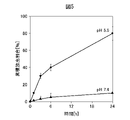
- FIG. 5 shows the amount of nicotinamide released in an external solution when nicotinamide-encapsulating micelles are dialyzed against an external solution under physiological conditions (pH 7.4) and intravesicle conditions (pH 5.5).
- FIG. 6 shows the results of investigating placental passage using a human placental perfusion model for each of nicotinamide and nicotinamide-encapsulating micelles.
- FIG. 7 shows the retention in blood of normal pregnant mice when nicotinamide and nicotinamide-encapsulating micelles are administered to the tail vein, respectively.
- FIG. 8 shows placental accumulation (1) and fetal accumulation (2) when nicotinamide and nicotinamide-encapsulating micelles are administered to normal pregnant mice by tail vein, respectively.
- FIG. 9 shows the results of examining the therapeutic effects of nicotinamide and nicotinamide-encapsulating micelles on preeclampsia in a mouse model of preeclampsia.
- FIG. 10 shows placental accumulation (1) when nicotinamide and nicotinamide-encapsulating micelles were administered to normal pregnant mice, respectively, and nicotinamide and nicotinamide-encapsulating micelles to hypertension model mice, respectively. It shows placental accumulation (2) when administered.
- FIG. 11 is a photograph showing the accumulation of high molecular weight micelles in the placenta and fetus.
- FIG. 12 is a graph showing placental permeability of a drug by a human placental perfusion model.
- FIG. 12A shows the results for oxaliplatin, 30 nm dahaplatin-encapsulated micelles, 70 nm dahaplatin-encapsulated micelles, and 8-armPEG.
- FIG. 12B shows the results for 10 nm, 20 nm and 30 nm PEG-coated gold nanoparticles.
- Nicotinamide is a compound of the IUPAC name: Pyridine-3-Carboxamide. Nicotinamide is also called niacinamide or nicotinic acid amide, and is a water-soluble vitamin contained in the B vitamins. Vitamin B3 nicotinic acid ( niacin) is converted to nicotinamide in the liver, and its function as a vitamin is almost the same as that of nicotinamide. Nicotinamide is known to strongly inhibit ADP ribosylcyclase, which is a synthase of cyclicADP ribose, and suppress vasoconstriction caused by ET-1 and AngII.
- Nicotinamide is used as a safe medicine or food (vitamin preparation) for pregnant women who are not teratogenic or carcinogenic at normal doses and who do not have sufficient oral intake of pellagra (nicotinic acid deficiency) or nicotinic acid. ing.
- Preeclampsia is a condition that causes edema and proteinuria, mainly hypertension. According to the Japanese Society of Obstetrics and Gynecology, "If hypertension is observed after 20 weeks of pregnancy and by 12 weeks after delivery, or protein in hypertension. Any case with urine, and these symptoms are not merely due to contingent complications of pregnancy. "
- a micelle refers to an aggregate in which a large number of molecules including a hydrophilic moiety and a hydrophobic moiety are associated by a hydrophobic interaction.
- a polymer containing a hydrophilic portion and a hydrophobic portion forms micelles in which the hydrophilic portion is on the outside and the hydrophobic portion is arranged on the inside.
- the polyether-polyamino acid block copolymer forms micelles as molecules containing hydrophilic and hydrophobic moieties.
- a block copolymer is a polymer in which a plurality of types of monomers are polymerized in order to form a plurality of regions.
- the number of regions is arbitrary, but in the present invention, it particularly refers to a copolymer of a diblock compound formed from a polyether region and a polyamino acid region.
- Polyether-polyamino acid block copolymers include hydrophilic moieties formed from polyethers and hydrophobic moieties of polyamino acids that are hydrophobic due to the nature of the side chains.
- a drug can be introduced into the side chain of the polyamino acid, and the side chain into which the drug is introduced becomes hydrophobic and forms the hydrophobic core of the micelle.
- polyether polyethylene glycol, polypropylene glycol, polybutylene glycol and the like are selected from the viewpoint of having sufficient hydrophilicity, and polyethylene glycol is most preferable.
- placenta The placenta is the organ that connects the mother and the fetus. Through the placenta, gas exchange such as oxygen and carbon dioxide, absorption of nutrients, and release of waste products are carried out. In addition, hormones such as progesterone and estrogen are secreted from the placenta and contribute to the continuation of pregnancy. Furthermore, blood pressure regulators such as vasodilators and their antagonists are also secreted from the placenta, and it is thought that these actions cause preeclampsia.
- the placenta is a maternally-derived dedidua (D) layer, a fetal labyrinth (L) layer, and a spongy trophoblast (S) layer between the D and L layers.
- D maternally-derived dedidua
- L fetal labyrinth
- S spongy trophoblast
- placental passage is varied. As an example, in the case of a micelle having a particle size of 30 nm, the transfer to the D layer and the S layer is observed, but the transfer to the fetus is suppressed. Further, if the micelle has a particle size of 70 nm, it migrates only to the D layer (FIG. 11). Some of the micelles that do not pass through the placenta accumulate in the placenta.
- the nicotinamide-encapsulating micelle according to the present invention cannot pass through the human placenta and migrate to the fetal side, while the non-micellar nicotinamide passes through the human placenta and migrates to the fetal side (FIG. 6). ).
- the micelles accumulated in the placenta are taken up by endocytosis and act on the cells that make up the placenta. Therefore, in another aspect of the invention, the composition comprising the micelles of the invention can be used as a pharmaceutical composition for placental targeting, reducing fetal phytotoxicity or reducing placental barrier crossing.
- the present invention relates to a nicotinamide-encapsulating micelle formed from a polyether-polyamino acid block copolymer to which nicotinamide is bound.
- the particle size of micelles is characterized by being 25 to 200 nm as measured by a dynamic light scattering method. From the viewpoint of placental passage, the particle size is usually more than 25 nm, preferably 30 nm or more, and more preferably 35 nm or more. From the viewpoint of avoiding the reticuloendotheliatic system of the liver, the particle size is usually 200 nm or less, preferably 100 nm or less, and more preferably 75 nm or less from the viewpoint of targeting the placenta.
- the polydispersity (PDI) of the particle size of the particles is preferably 0.2 or less, and even more preferably 0.15 or less. Comparing nicotinamide with nicotinamide-encapsulating micelles improves blood retention (FIG. 7). While nicotinamide is rapidly absorbed after administration, nicotinamide-encapsulating micelles have high blood retention and can exert a long-lasting medicinal effect.
- Nicotinamide acts on the vascular endothelium to lower blood pressure, and also acts on the placenta, which is considered to be one of the sites of action, and suppresses the production of sFlt1 from the placenta (Non-Patent Document 7: PNAS (2016), vol. 113, No.47 13450-13455).
- sFlt1 is a blood vessel growth factor inhibitory protein produced from the placenta and contributes to hypertension of pregnancy.
- the blood pressure lowering effect when nicotinamide-encapsulating micelles are administered to a preeclampsia model mouse is higher than the blood pressure lowering effect when nicotinamide is administered, and it accumulates and acts at a desired site of action of nicotinamide. It is inferred that there is (Fig. 9).
- Micelle formed from a polyether-polyamino acid block copolymer has pH-dependent drug release properties. Such drug release properties may vary depending on the number of units of the polyether in the block copolymer, the type and number of amino acids, and the type and amount of the drug contained.
- the nicotinamide-encapsulating micelle according to the present invention releases about 10% of nicotinamide in 24 hours at pH 7.4, which is a physiological pH such as in blood, whereas at pH 5.5, it releases about 70 in 24 hours. %% Releases nicotinamide. Micelle is taken up into cells by endocytosis in vivo and placed in the endoplasmic reticulum.
- the pH of the endoplasmic reticulum is lower than the physiological pH, and is usually about pH 5.5. Therefore, when the nicotinamide-encapsulating micelle of the present invention is taken up by cells and placed in the endoplasmic reticulum, it releases a drug and acts directly on the cells.
- the polyamino acid moiety can be arbitrarily selected from the viewpoint of the binding property with the contained nicotinamide.
- lysine can be used.
- one type of amino acid is preferably used, but a plurality of types of amino acids may be used.
- carboxymethyl maleic anhydride (IUPAC name: 2,5-dihydro-4-methyl-2,5-dioxo-3-furanpropanoic acid) is used as the carboxylic acid anhydride reactive group. Although expressed using, other carboxylic acid anhydride reactive groups may be used.
- the block copolymer forming the nicotinamide-encapsulating micelle of the present invention is, for example, the following formula (I) or (II): (During the ceremony, R 1 is the terminal group of the polyether and R 2 and R 3 are terminal groups of polyamino acids, respectively.
- the polymer of the formula (I) and the formula (II) has a relationship in which only the orientation of the polyamino acid is changed by changing the group connecting the hydrophilic polyether moiety and the hydrophobic polyamino acid moiety. It is in.
- These copolymers have the same properties as copolymers, and any copolymer can be used. When the copolymer of one orientation is mentioned as an example, the copolymer of the other orientation is also included.
- R 1 is the terminal group of the polyether, which may be any group commonly used in conventional copolymers, for example a hydrogen atom, a hydroxyl group or an unsubstituted or substituted linear or branched C 1-12 alkyl. Represents a group or C 1-12 alkoxy group.
- R 2 is a terminal group of a polyamino acid, which may be any group usually used in copolymers, and represents, for example, a hydrogen atom, a protecting group, a hydrophobic group or a polymerizable group.
- R 3 is the terminal group of the polyamino acid and may be any group commonly used in conventional copolymers, for example a hydroxyl group, an oxybenzyl group, a -NH- (CH 2 ) m -X group or an initiator residue.
- m is an integer of 1 to 5
- X is an amine compound residue containing one or more of primary, secondary, tertiary amines or quaternary ammonium salts, or It is a compound residue that is not an amine.
- the repeat number a of the polyether of the polyether-polyamino acid block copolymer is preferably 45 or more, more preferably 200 or more, and 2000 or less from the viewpoint of controlling the size of micelles, from the viewpoint of forming micelles. It is preferable, more preferably 500 or less.
- the number of CDM unbound lysine residues b is determined according to the reaction rate between CDM and the amino acid side chain.
- the number of CDM unbound lysine residues can be reduced by increasing the amount of CDM relative to the polymer.
- b is preferably 20 or less, more preferably 5 or less, from the viewpoint of increasing the number of nicotinamides.
- the number of nicotinamide-unbound CDM-bound lysine residues c represents the number of lysine residues bound to CDM to which nicotinamide is not bound.
- the number of nicotinamide-unbound CDM-bound lysine residues c is determined according to the reaction rate between CDM and nicotinamide in the final product, nicotinamide-bound polyether-polyamino acid block copolymer, and is loaded with nicotinamide. It is preferably 39 or less, usually 10 or less, and more preferably 5 or less.
- the number c of nicotinamide unbound CDM-bound lysine residues c is determined according to the reaction rate between the lysine residues and the anhydrous dicarboxylic acid reactive group. Will be done.
- the number of nicotinamide-unbound CDM-bound lysine residues c can be appropriately selected according to the number of molecules of nicotinamide loaded in the micelle, and the number of molecules of nicotinamide loaded can be increased or the hydrophobicity can be enhanced. From the viewpoint of enhancing micellar stability, it is preferably 10 or more, more preferably 20 or more, and even more preferably 30 or more.
- the number of nicotinamide-unbound CDM-bound lysine residues c is usually 60 or less, for example 40 or less, from the viewpoint of stabilizing micelles.
- the number d of nicotinamide-bound lysine residues can be appropriately selected according to the number of molecules of nicotinamide loaded in the micelle, and the number of molecules of nicotinamide loaded can be increased, or the hydrophobicity can be enhanced and the micelles are stable. From the viewpoint of enhancing the properties, it is preferably 10 or more, more preferably 20 or more, and even more preferably 30 or more.
- the maximum value of the number of nicotinamide-bound lysine residues d is equal to the number of nicotinamide-unbound CDM-bound lysine residues c in the polyether-polyamino acid block copolymer prior to the introduction of nicotinamide.
- the total number of polyamino acids can be arbitrarily determined depending on the number of polyethers and the properties of the block copolymer, and is, for example, 2 to 80, preferably 20 to 60, and more preferably 30 to 50.
- the nicotine amide-bound polyether-polyamino acid block copolymer, the total number of CDM unbound lysine residues b, nicotine amide unbound CDM-bound lysine residue c, and nicotine amide-bound lysine residue d is , Does not exceed the total number of polyamino acids.
- the total number of CDM unbound lysine residues b and the total number of nicotinamide unbound CDM-bound lysine residues c may exceed the total number of polyamino acids.
- Nicotinamide is attached via a reactive group attached to the polyamino acid side chain of a polyether-polyamino acid block copolymer.
- the reactive group may be further mediated by a linker.
- the reactive group can be arbitrarily selected in consideration of the binding property with the on-board drug nicotinamide.
- a dicarboxylic acid anhydride reactive group for example, carboxymethyl maleic anhydride (CDM), maleic anhydride, succinic anhydride and the like can be used.
- CDM carboxymethyl maleic anhydride
- the dicarboxylic acid anhydride bound to the lysine side chain reacts with the amine of nicotinamide.
- the following reaction produces a polyether-polyamino acid block copolymer bound to nicotinamide.
- Nicotinamide may be bound to all the side chains to which carboxymethyl maleic anhydride is bound, but nicotinamide maleic anhydride may be present to which nicotinamide is not bound, depending on the reaction rate.
- the introduction rate of nicotinamide mounted on the polyether-polyamino acid block copolymer used in the present invention is not particularly limited as long as nicotinamide-encapsulating micelles having a desired particle size can be prepared, but is 60 to 90% as an example. An average of 10 to 20 pieces are loaded per polymer. On the other hand, nicotinamide may be shed from the polymer during either the micelle preparation process or the analytical process. Therefore, the introduction rate of nicotinamide loaded in the polyether-polyamino acid block copolymer after micelle formation is lower than the introduction rate before micelle formation.
- Another aspect of the present invention also relates to a method for producing a nicotinamide-encapsulating micelle having a particle size of 25 to 100 nm. Specifically, the following: A step of reacting nicotinamide with a polyether-polyamino acid block copolymer containing a dicarboxylic acid anhydride-reactive group in the amino acid side chain; The process of purifying a polyether-polyamino acid block copolymer loaded with nicotinamide; The step of dissolving a polyether-polyamino acid block copolymer loaded with nicotinamide in a polar solvent; A step of performing dialysis using a dialysis membrane having a molecular weight cut off of 3500 to 16000.
- the dialysis membrane may be changed and dialysis may be performed multiple times.
- it also relates to a nicotinamide-encapsulating micelle having a particle size of 25-100 nm produced by this method.
- the method for producing a nicotine amide-encapsulating micelle having a particle size of 25 to 100 nm of the present invention may include, as a prior step, a step of preparing a polyether-polyamino acid block copolymer containing a dicarboxylic acid anhydride-reactive group in the amino acid side chain. .. Specifically, it comprises a step of mixing and reacting a polyether-polyamino acid block copolymer and an acyl chloride of a dicarboxylic acid anhydride.
- the reaction of nicotine amide with the dicarboxylic acid anhydride reactive group can be carried out in any solvent, for example, n-methyl-2-pyrrolidone, N, N-dimethylformamide, dimethyl sulfoxide, N, N-dimethylacetamide. Or in buffer solution.
- Purification of the polyether-polyamino acid block copolymer loaded with nicotine amide is carried out by adding it to an organic solvent such as diethyl ether or hexane to obtain a precipitate, and then recovering the polymer by a vacuum filtration method.
- organic solvent such as diethyl ether or hexane
- Polyether-polyamino acid block copolymers loaded with nicotine amide form micelles when dissolved in a polar solvent, such as a buffer solution.
- the polymer micelles thus formed are usually obtained as a set of micelles having a particle size of 20 nm to 100 nm. Among these, it is necessary to purify by removing unbound polymers and chemicals.
- Typical methods for purifying micelles include ultrafiltration and dialysis.
- a dialysis method for example, a dialysis membrane having a molecular weight cut-off of 3500 to 16000 is used, and dialysis is performed on PBS. By the dialysis method, polymers and drugs that do not form micelles and micelles of a desired size can be removed.
- micelles having the desired particle size can be obtained.
- a filter suitable for the particle size of the desired micelle a filter having a molecular weight cut-off of 1000 to 100,000 can be used.
- micelles having a lower dispersity can be obtained.
- the introduction rate of nicotinamide to the obtained polyether-polyamino acid block copolymer that forms micelles can be determined by freeze-drying the micelle solution and performing 1 H-NMR. Further, the quality of micelles can be determined by determining the particle size of micelles by dynamic light scattering method and determining the degree of dispersion by gel permeation chromatography.
- the micelle of the present invention preferably has a particle size of 30 to 50 nm and a dispersity of 0.10 to 0.30.
- Nicotinamide-encapsulating micelles formed from a polyether-polyamino acid block copolymer loaded with purified nicotinamide can be sterilized as is or, if necessary, further sterilized to provide any auxiliary suitable for the pharmaceutical product.
- An agent may be added to form a pharmaceutical preparation. Examples of such pharmaceutical preparations include injections and infusion preparations.
- the nicotinamide-encapsulating micelle solution may be freeze-dried to form a solid powder.
- the powder may be reconstituted with an administrable solution prior to administration and administered.
- As the administrable solution deionized water or a buffered aqueous solution adjusted to a constant pH can be used.
- the nicotinamide-encapsulating micelle of the present invention and the composition containing the micelle can be administered to a subject suffering from hypertension during pregnancy. More specifically, such subjects are those suffering from preeclampsia.
- micelles can be administered by any parenteral administration, eg, intravenously, subcutaneously, intramuscularly, but usually by intravenous or bolus injection.
- Example 1 Preparation of nicotinamide-encapsulating micelles (1) Preparation of polyethylene glycol-poly (lysine) -block copolymer (PEG-p (Lys)) (In the formula, a and b depend on the molecular weight of PEG used and the number of reactions of Lys (TFA) -NCA). PEG-p (Lys) was prepared as previously reported (Non-Patent Document 2: Macromol. Biosci. (2020) (20) 1900161).
- ⁇ -methoxy- ⁇ -amino-poly ethylene glycol
- N-trifluoroacetyl-L-lysine N-carboxyanhydride Lys (TFA) -NCA) (Chuo Kaseihin Co., Inc.) is subjected to a ring-opening polymerization reaction to form polyethylene glycol-poly (trifluoroacetyl-lysine) (PEG-p (Lys-TFA)). And the trifluoroacetyl group was removed by deprotection.
- thiourea 1.5 g, 20 mmol was dissolved in dehydrated DMF (20 ml) to obtain thiourea-containing DMF. Then, MeO-PEG-NH 2 (1 g, 0.083 mmol) and Lys (TFA) -NCA (1.005 g, 3.75 mmol) were dissolved in thiourea-containing DMF (10 ml), and then 35 under an argon atmosphere. The reaction was carried out by stirring at ° C. for 3 days. Precipitation in diethyl ether and drying under suction gave the polymer as a white powder.
- the degree of polymerization was determined on a 1 H-NMR spectrometer (DMSO-d 6 , 80 ° C.) and the molecular weight distribution was determined on the organic phase GPC (eluent: 10 mM LiCl-containing DMF; temperature 40 ° C.; flow velocity 0.8 ml / min. ; Detector: Refractive index). Further, the trifluoroacetyl protecting group was removed by treatment with a 1N NaOH methanol solution at 35 ° C. overnight, and dialysis was performed with a 6-8 kD MWCO dialysis membrane. After lyophilization, the final product was obtained as a white powder.
- the deprotected polymer was analyzed on a 1 H-NMR spectrometer ( DO2O , 25 ° C.).
- the composition of the PEG-p (Lys) block copolymer was determined using the proton peaks of -OCH 2 -CH 2- of PEG and -C 3 H 6 of lysine.
- the molecular weight distribution was analyzed by aqueous phase GPC (mobile phase: pH 3.3 acetate buffered saline (10 mM acetate and 500 mM NaCl); room temperature; flow velocity 0.75 ml / min; detector: UV, wavelength 220 nm). NMR data and GPC data are shown in FIG.
- the PEG-p (Lys) solution was then transferred to the CDM-Cl solution and the reaction was stirred at room temperature for 12 hours. After stirring, the product was obtained by diethyl ether precipitation and overnight suction drying. The product was analyzed by 1H NMR and confirmed to contain 20 CDM unbound lysines and 17 CDM bound lysines per polymer. The NMR data is shown in FIG.
- d depends on the number of reactions of nicotinamide) PEG-p (Lys-CDM) (amount: 10 mg) and nicotinamide (sold by Tokyo Chemical Industry Co., Ltd., 10 times the amount of CDM: 12 mg), n-methyl-2-pyrrolidone (NMP: 2 mL) ),
- the reaction was carried out at room temperature for 24 hours.
- the reaction solution was added to diethyl ether to form a precipitate.
- the polymer was recovered by vacuum filtration.
- the recovered polymer was analyzed by 1H NMR, and the introduction rate of nicotinamide was 73% with respect to the CDM of the polymer (15 per polymer).
- the NMR data is shown in FIG.
- Nicotinamide-encapsulating micelles (PEG-p (Lys-CDM-NA) micelles) were prepared by a dialysis method.
- a PEG-p (Lys-CDM-NA) polymer is dissolved in n-methylpyrrolidone (1 mg / mL) and dialyzed against PBS (pH 7.4) using a Pore 3 dialysis membrane (MWCO: 3500). Purified (24 hours, 6 times in total).
- the size and polydispersity (PDI) of the prepared micelles were measured by dynamic light scattering (DLS).
- the micelle size was 42 nm and the polydispersity was 0.19.
- the polymer was recovered by freeze-drying, and the introduction rate of nicotinamide was determined by 1H-NMR (65%; 13 per polymer). The NMR data is shown in FIG.
- Example 2 Characteristic analysis of nicotinamide-encapsulated micelle (1) pH-dependent drug release test Using a pore 3 dialysis membrane (MWCO: 3500), PBS (pH 7.4) and PBS (pH 6. Dialysis was performed for 5). External fluids were sampled 1 hour, 3 hours, 6 hours and 24 hours after the start of dialysis. The sampled external liquid was concentrated and then freeze-dried. The powder was dissolved and quantified by HPLC method (UV268 nm, mobile phase 20 mM phosphate buffer). The results are shown in FIG.
- Example 3 Evaluation of Accumulation in Placement and Fetus Using Polymeric Micelle of Different Sizes
- the accumulation of high molecular weight micelles and low molecular weight compounds in different sizes in the placenta and fetus was determined by using a pregnancy model mouse. It was evaluated by the fluorescence analysis, elemental analysis and mass spectrometry used.
- Non-Patent Document 4 K. Shintaku et. Al., Drug Metab. Dispos. 37 (2009) 962
- Non-Patent Document 5 J. R. Huston et. Al., Clin. Pharmacol. Ther . 90 (2011) 67.
- a needle (18 gauge) was introduced into the maternal side of the human placenta provided by the Department of Obstetrics and Gynecology at the University of Tokyo Hospital, and a needle (18 gauge) was introduced into the vein and artery on the fetal side, respectively.
- the Krebs-Ringer carbonate buffer prepared according to M. Nagai et. Al., Drug Metab. Dispos.
- the platinum content in the collected samples was measured by inductively coupled plasmon mass spectrometry.
- the fluorescence intensity was quantified by the HPLC method. The ratio of the permeation amount to the dose of each drug was calculated and shown in FIG. 12A. From the results shown in FIG. 12A, oxaliplatin permeated the placenta, but neither dahaplatin-encapsulating micelles (particle size 30 nm and 70 nm) permeated the placenta. It was suggested that it was suppressed.
- placental permeation was observed in 8-armPEG, although it was lower than that in oxaliplatin, suggesting that there is a threshold between 10 nm and 30 nm for the size of the drug.
- FIG. 12A it was shown that oxaliplatin accumulated in the placenta and micelles did not accumulate in the placenta, and thus the accumulation of micelles in the placenta was suppressed due to the difference in placental structure between mice and humans. As a result, it was confirmed that the accumulation and permeation into the placenta can be suppressed by increasing the size of the drug to 30 nm or more.
- Example 4 Evaluation of accumulation in placenta and fetus using nicotinamide-encapsulating micelle (1) Administration to pregnancy model mice The nicotinamide-encapsulating micelle produced in Example 1 was used in the same manner as in Example 3 (2). , Administer to pregnancy model mice and evaluate placental and fetal accumulation.
- Nicotinamide-encapsulating micelles (micellar size 42 nm, polydispersity 0.19, nicotinamide introduction rate: 65%, encapsulated in micelles) were included in mice on the 17th day after pregnancy. Nicotinamide (10 mg) was dissolved in PBS and administered to the tail vein. As a control, 10 mg of nicotinamide was dissolved in PBS in mice 17 days after pregnancy and administered to the tail vein. Blood was collected from the eyeballs at 1 hour, 3 hours, 6 hours, 24 hours, and 48 hours after administration.
- the pH of the collected blood sample is adjusted to release the nicotine amide in the micelle, and the amount of nicotine amide in the blood sample is adjusted by HPLC (equipment: JASCO Corporation EXTREMA, column: Tosoh Corporation TSKgel ODS-120H 1.9 ⁇ m). It was measured.
- the concentration of the diluted nicotinamide solution before administration was set to 100, and the change in the blood concentration of nicotinamide was shown (FIG. 7). Nicotinamide decreased to about 1/10 6 hours after administration, while nicotinamide-encapsulating micelle decreased to about 1/10 48 hours after administration, and the blood retention was high.
- Nicotinamide-encapsulating micelles (micelle size 42 nm, polydispersity 0.19, nicotinamide introduction rate: 65%, included in micelles) in hypertension model mice 17 days after pregnancy equipped with an osmotic pump under the skin of normal pregnant mice. Nicotinamide (10 mg) was dissolved in PBS and administered to the tail vein. In addition, 10 mg of nicotinamide was dissolved in PBS in the same hypertension model mouse and administered to the tail vein. Mice were sacrificed before administration, 1 hour, 3 hours, 6 hours, 24 hours, and 48 hours after administration, and the placenta was removed.
- FIG. 10 (1) shows the amount of nicotinamide accumulated in the placenta when the same experiment was performed in mice 17 days after normal pregnancy. In hypertension model mice, when nicotinamide-encapsulating micelles were administered, the accumulation of nicotinamide in the placenta was higher than that in normal mice.
- Example 2 Evaluation of passability to human placenta
- the nicotinamide-encapsulating micelle produced in Example 1 was subjected to placenta passability and accumulation in the placenta using a human placenta perfusion model in the same manner as in Example 3 (3). Evaluate sex.
- Non-Patent Document 4 K. Shintaku et. Al., Drug Metab. Dispos. 37 (2009) 962
- Non-Patent Document 5 J. R. Huston et. Al., Clin. Pharmacol. Ther . 90 (2011) 67.
- a needle (18 gauge) was introduced into the maternal side of the human placenta provided by the Department of Obstetrics and Gynecology at the University of Tokyo Hospital, and a needle (18 gauge) was introduced into the vein and artery on the fetal side, respectively.
- the Krebs-Ringer carbonate buffer prepared according to M. Nagai et. Al., Drug Metab. Dispos.
- Example 5 Evaluation of the therapeutic effect on hypertension using nicotine amide-encapsulating micelles An osmotic pump was mounted under the skin of a normal pregnant mouse (10th day of gestation) (Day 0), and then until the 17th day of gestation (Day 7). Angiotensin II (distributor: Sigma-Aldrich, 1.5 ⁇ g / kg mouse) was administered by the subcutaneous route to prepare a pregnancy-induced hypertension model mouse. From the 13th day (Day 3) to the 16th day (Day 6) of pregnancy, the drug was administered to the tail vein.
- Angiotensin II distributed: Sigma-Aldrich, 1.5 ⁇ g / kg mouse
- nicotinamide 10 mg / day
- nicotinamide-encapsulating micelle micelle size 42 nm, polydispersity 0.19, nicotinamide introduction rate: 65%, nicotinamide encapsulated in micelle 10 mg
- PBS drug-free PBS
- angiotensin II non-administered group was used as a control (control).
- the systolic blood pressure was measured in the mice on Days 0, 3, 5, and 7 (Fig. 9).
- angiotensin II increased blood pressure (Day 3), while decreased blood pressure in the nicotinamide and nicotinamide-encapsulating micelles (Day 5 and Day 7).
- the effect of lowering blood pressure was higher when nicotinamide-encapsulating micelles were administered than when nicotinamide was administered.
Landscapes
- Health & Medical Sciences (AREA)
- Chemical & Material Sciences (AREA)
- Life Sciences & Earth Sciences (AREA)
- Medicinal Chemistry (AREA)
- General Health & Medical Sciences (AREA)
- Veterinary Medicine (AREA)
- Public Health (AREA)
- Pharmacology & Pharmacy (AREA)
- Animal Behavior & Ethology (AREA)
- Epidemiology (AREA)
- Bioinformatics & Cheminformatics (AREA)
- Engineering & Computer Science (AREA)
- Organic Chemistry (AREA)
- Chemical Kinetics & Catalysis (AREA)
- General Chemical & Material Sciences (AREA)
- Molecular Biology (AREA)
- Polymers & Plastics (AREA)
- Dispersion Chemistry (AREA)
- Nuclear Medicine, Radiotherapy & Molecular Imaging (AREA)
- Biophysics (AREA)
- Cardiology (AREA)
- Heart & Thoracic Surgery (AREA)
- Proteomics, Peptides & Aminoacids (AREA)
- Dermatology (AREA)
- Nanotechnology (AREA)
- Nutrition Science (AREA)
- Diabetes (AREA)
- Hematology (AREA)
- Obesity (AREA)
- Medicinal Preparation (AREA)
- Pharmaceuticals Containing Other Organic And Inorganic Compounds (AREA)
Priority Applications (5)
| Application Number | Priority Date | Filing Date | Title |
|---|---|---|---|
| CN202180067172.9A CN116322648A (zh) | 2020-10-09 | 2021-10-08 | 包封烟酰胺的胶束、以及含有包封烟酰胺的胶束的妊娠高血压综合征治疗用组合物 |
| JP2022555603A JPWO2022075470A1 (https=) | 2020-10-09 | 2021-10-08 | |
| EP21877769.6A EP4226925A4 (en) | 2020-10-09 | 2021-10-08 | NICOTINAMIDE-ENCAPSULATING MICELLES, AND THERAPEUTIC COMPOSITION FOR GESTATIONAL HYPERTENSION SYNDROME CONTAINING NICOTINAMIDE-ENCAPSULATING MICELLES |
| US18/030,832 US20230301909A1 (en) | 2020-10-09 | 2021-10-08 | Nicotinamide-encapsulating micelles, and pregnancy-induced hypertension syndrome therapy composition containing nicotinamide-encapsulating micelles |
| KR1020237011919A KR20230084499A (ko) | 2020-10-09 | 2021-10-08 | 니코틴아미드 내포 미셀, 및 니코틴아미드 내포 미셀을 포함하는 임신 고혈압 증후군 치료용 조성물 |
Applications Claiming Priority (2)
| Application Number | Priority Date | Filing Date | Title |
|---|---|---|---|
| JP2020-171414 | 2020-10-09 | ||
| JP2020171414 | 2020-10-09 |
Publications (1)
| Publication Number | Publication Date |
|---|---|
| WO2022075470A1 true WO2022075470A1 (ja) | 2022-04-14 |
Family
ID=81126087
Family Applications (1)
| Application Number | Title | Priority Date | Filing Date |
|---|---|---|---|
| PCT/JP2021/037453 Ceased WO2022075470A1 (ja) | 2020-10-09 | 2021-10-08 | ニコチンアミド内包ミセル、及びニコチンアミド内包ミセルを含む妊娠高血圧症候群治療用組成物 |
Country Status (6)
| Country | Link |
|---|---|
| US (1) | US20230301909A1 (https=) |
| EP (1) | EP4226925A4 (https=) |
| JP (1) | JPWO2022075470A1 (https=) |
| KR (1) | KR20230084499A (https=) |
| CN (1) | CN116322648A (https=) |
| WO (1) | WO2022075470A1 (https=) |
Families Citing this family (1)
| Publication number | Priority date | Publication date | Assignee | Title |
|---|---|---|---|---|
| EP4485805A1 (en) | 2023-06-29 | 2025-01-01 | Iucf-Hyu (Industry-University Cooperation Foundation Hanyang University) | Analog-to-digital converter |
Citations (4)
| Publication number | Priority date | Publication date | Assignee | Title |
|---|---|---|---|---|
| WO2002030466A2 (en) * | 2000-10-11 | 2002-04-18 | Purdue Research Foundation | Pharmaceutical applications of hydrotropic agents, polymers thereof, and hydrogels thereof |
| WO2009065077A1 (en) * | 2007-11-16 | 2009-05-22 | Pharmain Corporation | Cationic-core carrier compositions for delivery of therapeutic agents, methods of making and using the same |
| JP2015030721A (ja) | 2013-08-07 | 2015-02-16 | 国立大学法人東北大学 | ニコチンアミドによる妊娠高血圧症候群、流産・早産、及び子宮内胎児発育遅延の改善 |
| WO2020261227A1 (en) * | 2019-06-26 | 2020-12-30 | Biorchestra Co., Ltd. | Micellar nanoparticles and uses thereof |
Family Cites Families (2)
| Publication number | Priority date | Publication date | Assignee | Title |
|---|---|---|---|---|
| CN105801847A (zh) * | 2016-03-16 | 2016-07-27 | 华东师范大学 | 一种用于抗肿瘤药物递送的助溶高分子载体及制备方法 |
| CN109568268A (zh) * | 2017-09-28 | 2019-04-05 | 中国科学院深圳先进技术研究院 | 胎盘靶向递送系统及其制备方法和应用 |
-
2021
- 2021-10-08 KR KR1020237011919A patent/KR20230084499A/ko not_active Withdrawn
- 2021-10-08 CN CN202180067172.9A patent/CN116322648A/zh active Pending
- 2021-10-08 WO PCT/JP2021/037453 patent/WO2022075470A1/ja not_active Ceased
- 2021-10-08 JP JP2022555603A patent/JPWO2022075470A1/ja not_active Withdrawn
- 2021-10-08 US US18/030,832 patent/US20230301909A1/en not_active Abandoned
- 2021-10-08 EP EP21877769.6A patent/EP4226925A4/en not_active Withdrawn
Patent Citations (4)
| Publication number | Priority date | Publication date | Assignee | Title |
|---|---|---|---|---|
| WO2002030466A2 (en) * | 2000-10-11 | 2002-04-18 | Purdue Research Foundation | Pharmaceutical applications of hydrotropic agents, polymers thereof, and hydrogels thereof |
| WO2009065077A1 (en) * | 2007-11-16 | 2009-05-22 | Pharmain Corporation | Cationic-core carrier compositions for delivery of therapeutic agents, methods of making and using the same |
| JP2015030721A (ja) | 2013-08-07 | 2015-02-16 | 国立大学法人東北大学 | ニコチンアミドによる妊娠高血圧症候群、流産・早産、及び子宮内胎児発育遅延の改善 |
| WO2020261227A1 (en) * | 2019-06-26 | 2020-12-30 | Biorchestra Co., Ltd. | Micellar nanoparticles and uses thereof |
Non-Patent Citations (10)
| Title |
|---|
| DIABETOLOGIA, vol. 43, no. 11, 2000, pages 1337 - 45 |
| F. LI, PNAS, vol. 113, no. 47, 2016, pages 13450 - 13455 |
| J. R. HUSTON, CLIN. PHARMACOL. THER., vol. 90, 2011, pages 67 |
| K. SHINTAKU, DRUG METAB. DISPOS., vol. 37, 2009, pages 962 |
| M. NAGAI, DRUG METAB. DISPOS., vol. 41, 2013, pages 2124 |
| MACROMOL. BIOSCI., no. 20, 2020, pages 1900161 |
| NPL 1: DIABETOLOGIA, vol. 43, no. 11, 2000, pages 1337 - 45 |
| NPL 3: H. CABRAL, NAT. NANOTECH., vol. 6, 2011, pages 815 - 823 |
| NPL 7:PNAS, vol. 113, no. 47, 2016, pages 13450 - 13455 |
| See also references of EP4226925A4 |
Also Published As
| Publication number | Publication date |
|---|---|
| CN116322648A (zh) | 2023-06-23 |
| US20230301909A1 (en) | 2023-09-28 |
| EP4226925A1 (en) | 2023-08-16 |
| JPWO2022075470A1 (https=) | 2022-04-14 |
| EP4226925A4 (en) | 2025-07-23 |
| KR20230084499A (ko) | 2023-06-13 |
Similar Documents
| Publication | Publication Date | Title |
|---|---|---|
| JP5737705B2 (ja) | 高分子化環状ニトロキシドラジカル化合物およびその使用 | |
| EP1971622B1 (en) | A biocompatible, non-biodegradable, non-toxic polymer useful for nanoparticle pharmaceutical compositions | |
| WO2016000653A1 (en) | Purified therapeutic nanoparticles and preparation methods thereof | |
| Wu et al. | pH/redox dual-responsive amphiphilic zwitterionic polymers with a precisely controlled structure as anti-cancer drug carriers | |
| EP2359860B1 (en) | Polymer micelle composition for treatment of resistant cancer cells | |
| Jazani et al. | Tumor-targeting intracellular drug delivery based on dual acid/reduction-degradable nanoassemblies with ketal interface and disulfide core locations | |
| JP5025062B2 (ja) | N,o−アミドマロネート白金錯体 | |
| Rezaei et al. | pH-triggered prodrug micelles for cisplatin delivery: preparation and in vitro/vivo evaluation | |
| WO2014056304A1 (zh) | 顺铂配合物及其制备方法 | |
| JP2010528105A (ja) | 癌の診断と治療を同時に遂行する抗癌剤 | |
| Zhang et al. | Poly (ethylene glycol) shell-sheddable TAT-modified core cross-linked nano-micelles: TAT-enhanced cellular uptake and lysosomal pH-triggered doxorubicin release | |
| CN105963706A (zh) | 一种超支化hpma共聚物-dox偶联物及其制备方法和应用 | |
| Nakka et al. | Dual drug-loaded tumor-targeted polymeric nanoparticles for enhancing therapeutic response in pancreatic ductal adenocarcinoma | |
| WO2022075470A1 (ja) | ニコチンアミド内包ミセル、及びニコチンアミド内包ミセルを含む妊娠高血圧症候群治療用組成物 | |
| CN102051016B (zh) | 可降解的双亲性三嵌段共聚物胶束及其制备方法和用途 | |
| Tamura et al. | Supramolecular flower micelle formation of polyrotaxane-containing triblock copolymers prepared from macro-chain transfer agents bearing molecular hooks | |
| Pan et al. | Dendron-polymer hybrid mediated anticancer drug delivery for suppression of mammary cancer | |
| Yang et al. | Biodegradable polymer–platinum drug conjugates to overcome platinum drug resistance | |
| Chen et al. | Propionate-functionalized chitosan hydrogel nanoparticles for effective oral delivery of insulin | |
| CN110393700A (zh) | F3多肽导向的pamam为核心的肿瘤药物纳米载体的制备与应用 | |
| CN114652747B (zh) | 一种双前药骨架聚合物PCPt、其纳米颗粒及其制备方法和应用 | |
| CN116650415A (zh) | 一种靶向双重抗凋亡蛋白聚合物胶束及其制备方法与应用 | |
| CN117003820A (zh) | 一种基于含巯基的两性离子多肽修饰的可降解两亲性分子、纳米胶束及其制备方法 | |
| JP6872216B2 (ja) | イミノ二酢酸を側鎖に有する親水性高分子及びその使用 | |
| CN118217237B (zh) | 一种粉蝶霉素类纳米靶向制剂及其制备方法和应用 |
Legal Events
| Date | Code | Title | Description |
|---|---|---|---|
| 121 | Ep: the epo has been informed by wipo that ep was designated in this application |
Ref document number: 21877769 Country of ref document: EP Kind code of ref document: A1 |
|
| ENP | Entry into the national phase |
Ref document number: 2022555603 Country of ref document: JP Kind code of ref document: A |
|
| NENP | Non-entry into the national phase |
Ref country code: DE |
|
| ENP | Entry into the national phase |
Ref document number: 2021877769 Country of ref document: EP Effective date: 20230509 |
|
| WWW | Wipo information: withdrawn in national office |
Ref document number: 1020237011919 Country of ref document: KR |
|
| WWW | Wipo information: withdrawn in national office |
Ref document number: 2021877769 Country of ref document: EP |