WO2021242849A1 - Antibacterial compounds, compositions thereof, and methods using same - Google Patents
Antibacterial compounds, compositions thereof, and methods using same Download PDFInfo
- Publication number
- WO2021242849A1 WO2021242849A1 PCT/US2021/034232 US2021034232W WO2021242849A1 WO 2021242849 A1 WO2021242849 A1 WO 2021242849A1 US 2021034232 W US2021034232 W US 2021034232W WO 2021242849 A1 WO2021242849 A1 WO 2021242849A1
- Authority
- WO
- WIPO (PCT)
- Prior art keywords
- alkyl
- heterocyclyl
- cycloalkyl
- aryl
- heteroaryl
- Prior art date
- Legal status (The legal status is an assumption and is not a legal conclusion. Google has not performed a legal analysis and makes no representation as to the accuracy of the status listed.)
- Ceased
Links
- 0 CC(C(C(C(C)C(C(C)C(C(C)[C@](/C=C/OC(C)(C1=O)Oc(c(C)c2O)c1c(C(C=C1N3)=O)c2C1=O)OC1OC(C)C2OCOC2C1)OC(C)=O)O)O)C=CC=C(C)C3=O)OC(C(C)(C)CC(N(*)*)=O)=O Chemical compound CC(C(C(C(C)C(C(C)C(C(C)[C@](/C=C/OC(C)(C1=O)Oc(c(C)c2O)c1c(C(C=C1N3)=O)c2C1=O)OC1OC(C)C2OCOC2C1)OC(C)=O)O)O)C=CC=C(C)C3=O)OC(C(C)(C)CC(N(*)*)=O)=O 0.000 description 11
- IOTNLSAKNNGZGC-UHFFFAOYSA-N C=CC(CCO1)C1=O Chemical compound C=CC(CCO1)C1=O IOTNLSAKNNGZGC-UHFFFAOYSA-N 0.000 description 1
- KRLRXJANBUGNSF-UHFFFAOYSA-N CC(C)c(cc1OC)ccc1OC Chemical compound CC(C)c(cc1OC)ccc1OC KRLRXJANBUGNSF-UHFFFAOYSA-N 0.000 description 1
- LMRKVKPRHROQRR-UHFFFAOYSA-N CCCCN1CCOCC1 Chemical compound CCCCN1CCOCC1 LMRKVKPRHROQRR-UHFFFAOYSA-N 0.000 description 1
- XRJYMHASJFSHRH-UHFFFAOYSA-N CCc(c(OC)c1)ccc1OC Chemical compound CCc(c(OC)c1)ccc1OC XRJYMHASJFSHRH-UHFFFAOYSA-N 0.000 description 1
- PTKSORMJFKONON-UHFFFAOYSA-N CN(C)Cc1c(cccc2)c2ccc1 Chemical compound CN(C)Cc1c(cccc2)c2ccc1 PTKSORMJFKONON-UHFFFAOYSA-N 0.000 description 1
- YVJXTNFYGMZWPR-PFCGLBSHSA-N C[C@H]([C@@H]1O)[C@H](O)O[C@@H](CO)[C@@H]1O Chemical compound C[C@H]([C@@H]1O)[C@H](O)O[C@@H](CO)[C@@H]1O YVJXTNFYGMZWPR-PFCGLBSHSA-N 0.000 description 1
Classifications
-
- C—CHEMISTRY; METALLURGY
- C07—ORGANIC CHEMISTRY
- C07D—HETEROCYCLIC COMPOUNDS
- C07D519/00—Heterocyclic compounds containing more than one system of two or more relevant hetero rings condensed among themselves or condensed with a common carbocyclic ring system not provided for in groups C07D453/00 or C07D455/00
-
- C—CHEMISTRY; METALLURGY
- C07—ORGANIC CHEMISTRY
- C07D—HETEROCYCLIC COMPOUNDS
- C07D493/00—Heterocyclic compounds containing oxygen atoms as the only ring hetero atoms in the condensed system
- C07D493/02—Heterocyclic compounds containing oxygen atoms as the only ring hetero atoms in the condensed system in which the condensed system contains two hetero rings
- C07D493/04—Ortho-condensed systems
-
- C—CHEMISTRY; METALLURGY
- C07—ORGANIC CHEMISTRY
- C07D—HETEROCYCLIC COMPOUNDS
- C07D498/00—Heterocyclic compounds containing in the condensed system at least one hetero ring having nitrogen and oxygen atoms as the only ring hetero atoms
- C07D498/02—Heterocyclic compounds containing in the condensed system at least one hetero ring having nitrogen and oxygen atoms as the only ring hetero atoms in which the condensed system contains two hetero rings
- C07D498/08—Bridged systems
-
- C—CHEMISTRY; METALLURGY
- C07—ORGANIC CHEMISTRY
- C07D—HETEROCYCLIC COMPOUNDS
- C07D498/00—Heterocyclic compounds containing in the condensed system at least one hetero ring having nitrogen and oxygen atoms as the only ring hetero atoms
- C07D498/12—Heterocyclic compounds containing in the condensed system at least one hetero ring having nitrogen and oxygen atoms as the only ring hetero atoms in which the condensed system contains three hetero rings
- C07D498/18—Bridged systems
Definitions
- rifamycin Semisynthetic derivatives of the bacterial natural product rifamycin (e.g., rifampicin (Rif)) have historically been used in the treatment of tuberculosis and other gram-positive bacterial infections. As with many antibiotics, the clinical utility of these therapeutics has declined due to the increased incidence of antibiotic resistant bacterial pathogens. Resistance to rifamycin family antibiotics commonly occurs in clinical isolates as a result of point mutations in the antibiotic’s target, DNA-dependent RNA polymerase (RNAP). These mutations are unlikely to be unique to clinical isolates as many, if not ail, clinically relevant antibiotic resistance mechanisms are present in natural environments where they would, have evolved in response to antibiotics produced by other bacteria.
- RNAP DNA-dependent RNA polymerase
- the present disclosure provides, inter alia, a compounds of Formula (I), (II), (III), or (IV):
- X 1 and X 2 are independently S, N, O, or C(R 4 )(R 5 );
- R 1 is H, C 1-10 alkyl C 2-10 alkenyl, or C 2-10 alkynyl;
- R2 is -OR 4 , aryl, heteroaryl, aralkyl, aralkenyl, aralkynyi, heteroarylalkyl, heteroaiy lalkenyl , heteroarylaikynyl, cycloalkyl, cycloalkenyl, cycloalkynyl, heterocyclyl, cycloalkylalkyl, heterocycloalkyl or C 1-10 alkyl, or
- R 1 and R 2 together form a 3- to i O-membered heterocyclyl optionally substituted with one or more R - : each occurrence of R3 is independently FI, oxo, halogen, -OR 4 , -N(R 4 )(R 5 ), -SR 4 , - C(O)R 4 , -C(O)OR 4 , -C(O)NR 4 R 5 , -P(O)(0R 4 ) 2 , -S(O) 2 R 4 , -S(O) 2 R 4 -NR 4 ' (O)R 5 - NR 4 C(O)OR 5 , -NC(O)NR 4 R 5 , C 1-6 alkyl, C 1-6 haioalkyl, aryl, heteroaryl, C 3-10 cycloalkyl, or heterocyclyl, wherein the alkyl, aryl, heteroaryl, heterocyclyl, or C 3-10 cycloalkyl
- the compounds of Formula (I), (II), (Ill), and (IV) are substantially pure. In some embodiments, the compounds of Formula (1), (II), (III), and (IV) are enantiomericaily pure.
- the compounds of Formula (I), (II), (III), and (TV) have a lower MIC ( ⁇ g/mL) against rifamycin-resistant bacteria than rifamyein,
- the disclosure provides for pharmaceutical compositions comprising a therapeutically effective amount of one or more compounds of Formula (I), (II), (III), and (IV) and a pharmaceutically acceptable excipient.
- the pharmaceutical composition further comprises a pharmaceutical carrier.
- the present disclosure provides for a method of preventing or reducing the growth or proliferation of a microorganism, wherein the method comprises contacting the microorganism with a composition comprising a compound of Formula (I),
- the microorganism is a bacterium.
- the bacterium is resistant to at least on antibiotic.
- the bacterium is resistant to rifamyein.
- the bacterium has at least one point mutation that confers antibiotic resistance.
- the bacterium has one or more of the following mutations of one or more amino acids: (1) serine to leucine; (2) histidine to tyrosine; (3) or asparagine to tyrosine.
- the method further comprises administering to the subject an additional therapeutic agent.
- the present disclosure provides for methods of treating or preventing abacterial infection in a subject, wherein the method comprises administering to the subject a composition comprising a compound of Formula (I), (IT), (III), and (IV).
- the bacterial infection is an infection of Staphylococcus aureus, Staphylococcus epidermidis, Listeria monocytogenes and M. tuberculosis.
- the bacterial infection is resistant to rifamycin.
- the bacterial infection is caused by a bacterium that has at least one point mutation that confers antibiotic resistance.
- the bacterium has one or more of the following mutations of one or more amino acids: (1) serine to leucine; (2) histidine to tyrosine; (3) or asparagine to tyrosine.
- the method further comprises administering to the subject an additional therapeutic agent.
- the present disclosure provides for compounds of Formula (I), (11), (III), and (IV) for use in treating a bacterial infection.
- the bacterial infection is an infection of Staphylococcus aureus, Staphylococcus epidermidis, Listeria monocytogenes and M. tuberculosis .
- the bacterial infection is resistant to rifamycin.
- the bacterial infection is caused by a bacterium that has at least one point mutation that confers antibiotic resistance.
- the bacterium has one or more of the following mutations of one or more amino acids: (1) serine to leucine; (2) histidine to tyrosine; (3) or asparagine to tyrosine.
- Figure 1 depicts representative semi-synthetic and natural (evolved) modifications of rifamycin (Rif).
- Figure I A depicts representative summary of modifications of Rif SV. The vast majority of synthetic modifications have been made at C3 and/or C4 of the ring system. Evolution of Rif SV has resulted in the addition of features, such as K-acid, which are found in other regions of the molecule that have been largely inaccessibly for synthesis. The K-acid provided a new ⁇ ' entry point for generating novel semi-synthetic amide derivatives by the scheme shown.
- Figure IB depicts representative position of the K-acid relative to the nascent RNA transcript in the KNAP active site.
- the nucleotides were modeled into the crystal structure of the Mycobacterium smegmatis RNAP crystal structure in complex with Kang A (PDB ID: 6CCE) by superimposition with the RN AP transcription initiation complex from Thermus thermophiius (PDB ID: 4Q4Z).
- Figure 2 depicts the synthesis and screening of Formula I-XXI analogs
- Figure 3 depicts representative synthesis and activity of Kang amides.
- a screen of more than one hundred Kang amides identified seventeen compounds with improved activity against wild-type (WT) S. aureus compared to Kang A.
- Figure 3 A depicts schematic representation of a reaction used for the synthesis of Kang amides and. summary of screening hits with improved activity' against WT S. aureus.
- Figure 3B depicts representative MIC values ( ⁇ g/mL) for Kang A and Rif against WT and Rif resistant (Rif R ) H481Y and S486L S. aureus strains.
- Figure 3C depicts representative structural modifications and MIC values ( ⁇ g/mL) of hits against WT and. Rif R S. aureus. A subset of these compounds, highlighted in red, was subjected to downstream analyses.
- Figure 4 depicts representative synthesis and activity of Kang C-3/C-4 benzoxazino Kang derivatives.
- Figure 4A depicts schematic representation of benzoxazino modification synthesis reaction.
- Figure 4B depicts representative structural modifications and MIC values ( ⁇ g/mL) of Kang benzoxazino derivatives against WT and Rif R S. aureus strains.
- the MIC values for the parent compound, Kang A were 0.016 ⁇ g/mL, > 64 ⁇ g/mL, and. 0.25 ⁇ g/mL against the WT, H481Y, and. S486L strains, respectively.
- Figure 5 depicts representative activity of a subset of the Kang amides.
- Figure 5A depicts representative activity' of a subset of the Kang amides against WT and S456L Rif R M. tuberculosis (Mtb). MICvo ( ⁇ g/mL) values are shown.
- Figure 5B depicts representative activity of a subset of the C-3/C-4 benzoxazino Kang derivatives against WT and. S456L Rif R M. tuberculosis (Mtb). MIC90 ( ⁇ g/mL) values are shown.
- Figure 5C depicts representative results demonstrating in vitro transcription assay showing the acti vity of the same subset of Kang amides against purified M smegmatis RNAP. Compounds were evaluated at the concentrations indicated for their ability to inhibit the production a radiolabeled transcript.
- Figure 5D depicts representative results demonstrating in vitro transcription assay showing the activity of the same subset of C-3/C-4 benzoxazino Kang derivatives against purified M. smegmatis RNAP.
- Figure 6 depicts representative in vivo activity ' of top leads from semi-synthesis in comparison to Kang A and. Rif.
- Figure 6A representative structural modifications of lead compounds: the J4 Kang amide and the KZ benzoxazino analog.
- Figure 6B depicts representative IP and PO bioavailability of J4 and KZ in comparison to Kang A. BLQ, below limit of quantification.
- Figure 6C depicts representative efficacy of Kang A, J4, KZ, and Rif in treating MRSA in a neutropenic murine acute peritonitis/septicemia model
- Figure 6D depicts representative efficacy of KZ and Rif in treating infection with a highly virulent S.
- infected mice received IP injections of drug (15 mg/m L) or vehicle (5% DMA. plus 30% Captisol) at 2, 4. and 8 h post infection.
- the y-axis indicates bacterial burdens in kidneys at 24 h post-infection.
- Limit of detection (LOD) for burden quantification was calculated as 100 CFU/g of kidney.
- the results shown represent the average bacterial burden from six mice. Error bars indicate standard deviation.
- Asterisks indicate treatments that resulted in a statistically significant reduction in burden (P ⁇ 0.05) relative to the vehicle treated group. Insets, percent survival of mice at 24 h is indicated for each treatment. *KZ caused a significant reduction in bacterial burden in both experiments, while R if only caused a significant reduction in burden in the experiment shown in panel shown in Figure 6C (P ⁇ 0.05).
- Figure 7 depicts representative collection of aliphatic amines used in the synthesis of Kang amides. Aliphatic amines were screened over two rounds of synthesis. The identity of each synthesized amide was verified by LC/MS. Expected and experimental masses are indicated. MIC values ( ⁇ g/mL) are shown for the amides generated from each amine against WT and Rif R (H481Y and S486L) S. aureus strains.
- Figure 7 A depicts representative results demonstrating that the first round, of synthesis broadly sampled this class of amines.
- Figure 7B depicts representative results demonstrating that the second round utilized amines structurally related to J5, which yielded the most potent amide in the initial round of screening.
- Figure 8 depicts representative collection of cyclic amines used in the synthesis of Kang amides. Cyclic amines were screened over two rounds of synthesis. The identity of each synthesized amide was verified by LC/MS. Expected, and. experimental masses are indicated, MIC values ( ⁇ g/mL) are shown for the amides generated from each amine against WT and Rif R (H481 Y and S486L) S. aureus strains.
- Figure 8A depicts representative results demonstrating that the first round of synthesis broadly sampled this class of amines.
- Figure 8B depicts representative results demonstrating that the second round utilized amines structurally related to N29, which yielded one of the most potent amides in the initial round of screening.
- Figure 9 depicts representative collection of aromatic amines used in the synthesis of Kang amides. Aromatic amines were screened over two rounds of synthesis. The identity of each synthesized amide was verified by LC/MS. Expected and experimental masses are indicated. MIC values ( ⁇ g/mL) are shown for the amides generated from each amine against WT and Rif ® (H481Y and S486L) S. aureus strains. Figure 9A depicts representative results demonstrating that the first round of synthesis broadly sampled this class of amines.
- Figure 10 depicts representative collection of carboxylic acid amines used in the synthesis of Kang amides. The identity of each synthesized amide was verified by LC/MS. Expected and experimental masses are indicated. MIC values ( ⁇ g/mL) are shown for the amides generated from each amine against WT and Rif ® (H481 Y and S486L) S. aureus strains.
- Figure 11 depicts representative collection of phosphate mimic amines used in the synthesis of Kang amides. The identity of each synthesized amide was verified by LC/MS. Expected and experimental masses are indicated. MIC values ( ⁇ g/mL) are shown for the amides generated from each amine against WT and Rif ® (H481Y and S486L) S. aureus strains.
- Figure 12 depicts representative collection of sugar amines used in the synthesis of Kang amides. The identity of each synthesized amide was verified by LC/MS. Expected and experimental masses are indicated. MIC values ( ⁇ g/mL) are shown for the amides generated from each amine against WT and Rif ® (H481 Y and S486L) S. aureus strains.
- Figure 13 depicts representative collection of Phe/Trp/Tyr/His analog amines used in the synthesis of Kang amides. The identity of each synthesized amide was verified by LC/MS. Expected and experimental masses are indicated. MIC values ( ⁇ g/mL) are shown for the amides generated from each amine against WT and Rif 1 (H481Y and S486L) S. aureus strains.
- Figure 14 depicts representative collection of amines used in the synthesis of C-3/C-4 Kang derivatives. The identity of each synthesized compound was verified by LC/MS. Expected and experimental masses are indicated. “The identity of KZ, a lead compound for in vivo studies, was further verified by HRMS using a SCIEX X500B Q-TOF system: calcd m/z for C64H83N4O20 (M + H + ) 1227.5595, found m/z 1227.5561. b LC/MS fragment of Z11 detected in positive ion mode (M + H + ). MIC values ( ⁇ g/mL) are shown against WT and Rif R (H481 Y and S486L) S. aureus strains.
- Figure 15 depicts representative pharmacokinetic properties of Kang A. J4, and KZ, NA represents not applicable; BLQ represents below limit of quantification.
- Figure 16 depicts representative comparison of bacterial burdens in mouse kidneys infected with MRSA strain COL following treatment with Kang A, J4, KZ or Rif, Efficacy of compounds was evaluated in a neutropenic murine acute peritonitis/septicemia model. Infected mice received IP injections of drug (15 mg/mL) or vehicle (5% DMA plus 30% Captisol) at 2, 4, and 8 h post infection. Bacterial burdens in kidneys were determined at 24 h post infection. Limit of detection for burden quantification was calculated as 100 CFU/g of kidney. Log change in burden was calculated relative to the vehicle treated group.
- Figure 17 depicts representative comparison of bacterial burdens in mouse kidneys infected with S. aureus ATCC 12600 carrying an S486L RNAP mutation following treatment with KZ or Rif. Efficacy of compounds w r as evaluated in a neutropenic murine acute peritonitis/septicemia model. Infected mice received IP injections of drug (15 mg/mL) or vehicle (5% DMA plus 30% Captisol) at 2, 4, and 8 h post infection. Bacterial burdens in kidneys were determined at 24 h post infection. Limit of detection for burden quantification was calculated as 100 CFU/g of kidney. Log change in burden was calculated relative to the vehicle treated group.
- the present disclosure provides novel compounds that are useful as antibacterial agents.
- the compounds are rifamycin congers.
- the compounds exhibit antibacterial activity against strains resistant to antibacterial compounds, such as rifamycin.
- the present disclosure provides novel compounds, compositions comprising at least one compound of the disclosure, methods of making the compounds of the disclosure, and methods of using the compounds of the disclosure.
- the disclosure provides methods of treating a bacterial infection in a subject comprising administering a composition comprising a compound of the disclosure.
- the present disclosure also provides methods of preventing or reducing the growth or proliferation of microorganisms by contacting the microorganism with a composition comprising a compound of the disclosure.
- Another aspect of the present disclosure provides a method of overcoming antibacterial resistance.
- the method comprises introducing a methylenedioxy group into an antibacterial compound.
- “about 40 [units]” may mean within ⁇ 25% of 40 (e.g., from 30 to 50), within ⁇ 20%, ⁇ 15%, ⁇ 10%, ⁇ 9%, ⁇ 8%, ⁇ 7%, ⁇ 6%, ⁇ 5%, ⁇ 4%, ⁇ 3%, ⁇ 2%, ⁇ 1 %, less than ⁇ 1%, or any other value or range of values therein or therebelow.
- the phrases “less than about [a value]” or “greater than about [a value]” should be understood in view of the definition of the term “about” provided herein.
- the terms “about” and “approximately” may be used interchangeably.
- Cyano refers to the -CN group.
- Niro refers to the -NO 2 group.
- alkyl or “alky! group” by itself or as part of another substituent means, unless otherwise stated, a straight or branched chain hydrocarbon having from I to 12 carbon atoms.
- the alkyl is a C 1 -C 12 alkyl, a C 1 -C 10 alkyl, a C 1 -C 8 alkyl, a C 1 -C 6 alkyl, a C 1 -C 4 alkyl, or a C 1 -C 3 alkyl.
- an alkyl comprising up to 12 carbon atoms is a C 1 -C 12 alkyl
- an alkyl comprising up to 10 carbon atoms is a C 1 -C 10 alkyl
- an alkyl comprising up to 6 carbon atoms is a C 1 -C 6 alkyl
- an alkyl comprising up to 5 carbon atoms is a C 1 -C 5 alkyl.
- a C 1 -C 5 alkyl includes C 5 alkyls, C 4 alkyls, C 3 alkyls, C 2 alkyls and C 1 alkyl (i.e., methyl).
- a C 1 -C 6 alkyl includes all moieties described above for C 1 -C 5 alkyls but also includes C 6 alkyls
- C 1 -C 10 alkyl includes all moieties described above for C 1 -C 5 alkyls and C 1 -C 6 alkyls, but also includes C 7 , C 8 , C 9 and Cm alkyls.
- a C 1 -C 12 alkyl includes all the foregoing moieties, but also includes C 11 and C 12 alkyls.
- Non-limiting examples include methyl, ethyl, n-propyl, isopropyl, n-butyl, isobutyl, sec-butyl, tert- butyl, n-pentyl, neopentyl, n-hexyl, n-heptyl, n-octyl, n-nonyl, n- decyl, n-undecyl, n-dodecyl, and cyclopropylmethyl.
- an alkyl group can be optionally substituted.
- alkylene or “alky!ene chain” refers to a fully saturated, straight or branched divalent hydrocarbon, and having from one to twelve carbon atoms, and which has two points of attachment to the rest of the molecule.
- the alkylene is a C 1 -C 12 alkylene, a C 1 -C 10 alkylene, a C 1 -C 8 alkylene, a C 1 -C 6 alkylene, a C 1 -C 4 alkylene, or a C 1 -C 3 alkylene.
- Non-limiting examples of C 1 -C 12 alkylene include methylene, ethylene, propylene, n-butylene, ethenylene, propenylene, n-butenylene, propynylene, n-butynylene, and the like.
- the points of attachment of the alkylene chain to the rest of the molecule can be through one carbon or any two carbons within the chain. Unless stated otherwise specifically in the specification, an alky!ene chain can be optionally substituted.
- alkenyl or “alkenyl group” refers to a straight or branched hydrocarbon chain having from two to twelve carbon atoms, and having one or more carbon-carbon double bonds. Each alkenyl group is attached to the rest of the molecule by a single bond. Alkenyl group comprising any number of carbon atoms from 2 to 12 are included.
- the alkenyl is a C 2 -C 12 alkenyl, a C 2 -C 10 alkenyl, a C 2 -C 8 alkenyl, a C 2 -C 6 alkenyl, a C 2 -C4 alkenyl, or a C 2 -C3 alkenyl
- An alkenyl group comprising up to 12 carbon atoms is a C 2 -C 12 alkenyl
- an alkenyl comprising up to 10 carbon atoms is a C 2 -C 10 alkenyl
- an alkenyl group comprising up to 6 carbon atoms is a C 2 -C 6 alkenyl
- an alkenyl comprising up to 5 carbon atoms is a C 2 --C 5 alkenyl.
- a C 2 -C 5 alkenyl includes C 5 alkenyls, C 4 alkenyls, C 3 alkenyls, and C 2 . alkenyls.
- a C2-C6 alkenyl includes all moieties described above for C 2 -C 5 alkenyls but also includes C 6 alkenyls.
- a C 2 -C 10 alkenyl includes all moieties described above for C 2 -C 5 alkenyls and C 2 -C 6 alkenyls, but also includes C 7 , C 8 , C 9 and C 10 alkenyls.
- a C 2 -C 12 alkenyl includes aIl the foregoing moieties, but also includes C; and C 12 alkenyls.
- Non-limiting examples of C 2 -C 12 alkenyl include ethenyl (vinyl), 1- propenyl, 2-propenyl (allyI), iso-propenyi, 2-methyI-l-propenyI, 1-butenyl, 2-butenyl, 3- butenyI, 1-pentenyi, 2-pentenyl, 3-pentenyl, 4-pentenyl, l-hexenyl, 2-hexenyl, 3-hexenyi, 4- hexenyl, 5-hexenyl, 1-heptenyi, 2-heptenyi, 3-heptenyl, 4-heptenyl, 5-heptenyl, 6-heptenyl, 1-octenyl, 2-octenyl, 3-octenyl, 4-oetenyl,
- Alkynyl or “alkynyl group” refers to a straight or branched hydrocarbon chain having from two to twelve carbon atoms, and having one or more carbon-carbon triple bonds. Each alkynyl group is attached to the rest of the molecule by a single bond.
- the alkynyl is a C 2 -C 12 alkynyl, a C 2 -C 10 alkynyl, a C 2 -C 8 alkynyl, a C 2 -C 6 alkynyl, a C 2 -C 4 alkynyl, or a C 2 -C 3 alkynyl.
- Alkynyl group comprising any number of carbon atoms from 2 to 12 are included.
- An alkynyl group comprising up to 12 carbon atoms is a C 2 -C 12 alkynyl
- an alkynyl comprising up to 10 carbon atoms is a C 2 -C 10 alkynyl
- an alkynyl group comprising up to 6 carbon atoms is a C 2 -C 6 alkynyl
- an alkynyl comprising up to 5 carbon atoms is a C 2 -C 5 alkynyl.
- a C 2 -C 5 alkynyl includes C 5 alkynyls, C 4 alkynyls, C 3 alkynyls, and C 2 alkynyls
- a C 2 -C 6 alkynyl includes all moieties described above for C 2 - C 5 alkynyls but also includes C 6 alkynyls.
- a C 2 -C 10 alkynyl includes all moieties described, above for C 2 -C 5 alkynyls and C 2 -C 6 alkynyls, but also includes C 7 , C 8 , C 9 and C 10 alkynyls.
- a C 2 -C 12 alkynyl includes all the foregoing moieties, but also includes C11 and C 12 alkynyls.
- Non-limiting examples of C 2 -C 12 alkenyl include ethyny!, propynyi, butyny!, pentynyl and the like. Unless stated otherwise specifically in the specification, an alkyl group can be optionally substituted.
- alkoxy employed alone or in combination with other terms means, unless otheiwise stated, refers to a group of the formula ⁇ QR a where R a is an alkyl, alkenyl or alknyl group having from 1 to 12 carbon atoms, as defined above, connected to the rest of the molecule via an oxygen atom, such as, for example, methoxy, ethoxy, 1 - propoxy, 2-propoxy (isopropoxy) and the higher homologs and isomers. Unless stated otherwise specifically in the specification, an alkoxy group can be optionally substituted.
- Haloalkyl refers to an alkyl radical, as defined above, that is substituted by one or more halo radicals, as defined above, e.g., trifiuoromethyl, difluoromethyh trichloromethyl, 2,2,2-trifluoroethyi, 1 ,2-difluoroethyi, 3-bromo-2-fiuoropropyl, 1,2-dibromoethyi, and the like. Unless stated otherwise specifically in the specification, a haloalkyl group can be optionally substituted.
- heteroalkyl by itself or in combination with another term means, unless otherwise stated, a stable straight or branched chain alkyl group consisting of from 1 to 12 carbon atoms and one or two heteroatoms selected from the group consisting of O, N, and S, and wherein the nitrogen and sulfur atoms may be optionally oxidized and the nitrogen heteroatom may be optionally quatemized.
- the heteroatom(s) may be placed at any position of the heteroalkyl group, including between the rest of the heteroalkyl group and the fragment to which it is attached, as w r ell as attached to the most distal carbon atom in the heteroalkyl group.
- Up to two heteroatoms may be consecutive, such as, for example, -CH 2 -NH-OCH 3 , or -CH 2 -CH 2 -S-S-CH 3 .
- an heteroalkyl group can be optionally substituted.
- Alkylamino refers to a group of the formula -NHR a . or -NRaRa where each R a is, independently, an alkyl, alkenyl or alkynyi group as defined above containing one to twelve carbon atoms. Unless stated otheiwise specifically in the specification, an alkylamino group can be optionally substituted.
- R a is an alkyl, alkenyl or alkynyi group as defined above.
- a non- limiting example of an alkyl carbonyl is the methyl carbonyl (“acetal”) moiety.
- Alkylcarbonyl groups can also be referred to as “C w -C z acyl” where w and z depicts the range of the number of carbon in Ra, as defined above.
- C 1 -C 10 acyl refers to alkylcarbonyl group as defined above, where R a is C 1 -C 10 alkyl, C 1 -C 10 alkenyl, or C 1 -C 10 alkynyi group as defined above. Unless stated otherwise specifically in the specification, an alkyl carbonyl group can be optionally substituted.
- halo or “halogen” alone or as part of another substituent means, unless otherwise stated, a fluorine, chlorine, bromine, or iodine group.
- Carbocyciyl “carbocyclic ring” or “carbocycle” refers to a rings structure, wherein the atoms which form the ring are each carbon. Carbocyclic rings can comprise from 3 to 20 carbon atoms in the ring. Carbocyclic rings include aryls and cycloalkyl, cycloalkenyl and cycloalkynyl as defined, herein. Unless stated otherwise specifically in the specification, a carbocyciyl group can be optionally substituted.
- cycloalkyl refers to a stable mono cyclic or polycyclic non-aromatic group, wherein each of the atoms forming the ring (i.e. skeletal atoms) is a carbon atom, which can include fused or bridged ring systems, having from three to twenty carbon atoms (e.g., having from three to ten carbon atoms) and which is attached to the rest of the molecule by a single bond,.
- the eycioalkyl group is saturated or partially unsaturated.
- the cycloalkyl group is fused, with an aromatic ring.
- Cycloalkyl groups include groups having from 3 to 20 carbon ring atoms.
- cycloalkyl groups include, but are not limited to, the following moieties: wherein any hydrogen atom in the above groups may be replaced by a bond to the molecule.
- Monocyclic eycioalkyls include, but are not limited to, cyclopropyl, cyclobutyl, cyclopentyl, cyclohexyl, cycloheptyl, and cyclooctyl.
- Dicydic or polycyclic cycloalkyls include, but are not limited to, tetrahydronaphthyl, indanyl, and tetrahydropentalenyl, adamantyl and norbornyi.
- eycioalkyl includes “unsaturated nonaromatic carbocyclyl,” “carbocyclyl,” “carbocyclic ring,'’ “carbocycle,” or “nonaromatic unsaturated carbocyclyl” groups, both of which refer to a nonaromatic carbocycle as defined herein, which contains at least one carbon double bond or one carbon triple bond.
- Cycloalkenyl refers to a stable non aromatic monocyclic or polycyclic hydrocarbon consisting solely of carbon and hydrogen atoms, having one or more carbon-carbon double bonds, which can include fused or bridged ring systems, having from three to twenty carbon atoms, preferably having from three to ten carbon atoms, and which is attached to the rest of the molecule by a single bond.
- Monocyclic cycioalkenyls include, for example, cyclopentenyl, cyclohexenyl, cycloheptenyl, eycloetenyi, and the like.
- Polycyclic cycioalkenyls include, for example, bicyclo[2.2.1 ]hepl-2-enyl and the like. Unless otherwise stated specifically in the specification, a cycloalkenyl group can be optionally substituted, [059] “Cycioalkynyl” refers to a stable non aromatic monocyclic or polycyclic hydrocarbon consisting solely of carbon and hydrogen atoms, having one or more carbon- carbon triple bonds, which can include fused or bridged ring systems, having from three to twenty carbon atoms, preferably having from three to ten carbon atoms, and which is attached to the rest of the molecule by a single bond.
- Monocyclic cycloalkynyls include, for example, cycloheptynyl, cyclooctynyl, and the like. Unless otherwise stated specifically in the specification, a cycioalkynyl group can be optionally substituted.
- Cycioalkylalkyl refers to a radical of the formula -Rb-Ra where Rb is an aikyiene, aikenylene, or alkynylene group as defined above and Rd is a cycloalkyl, cycloalkenyl, cycioalkynyl radical as defined above. Unless stated otherwise specifically in the specification, a cycioalkylalkyl group can be optionally substituted,
- heterocyclic ring refers to a 3- to 20- membered containing one to six heteroatoms each independently selected from the group consisting of O, S and N
- each heterocyciyl group has from 4- to 10- atoms in its ring system, and from one to three heteroatoms each independently selected from the group consisting of O, S and N.
- the heterocyciyl can be a monocyclic, bicyelie, tricyclic or tetracyclic ring system, which can include fused or bridged ring systems.
- the nitrogen, carbon, or sulfur heteroatoms may be optionally oxidized, and the nitrogen atom may be optionally quaternized.
- the heterocyclic system may be attached, unless otherwise stated, at any heteroatom or carbon atom that affords a stable structure.
- the heterocyclyi can be partially or fully saturated.
- a heterocycle may be polycyclic, wherein the polycyclic ring may be non-aromatic or contain both aromatic and non-aromatic rings. Unless stated otherwise specifically in the specification, a heterocyclyi group can be optionally substituted.
- heterocyelyls include, but are not limited to, aziridinyl, azetidinyl, beta lactamy!, dioxoianyl, oxazolidinyl, thieny [ 1,3]dithianyi, decahydroisoquinolyl, imidazolinyl, imidazolidinyl, isothiazolidinyl, isoxazolidinyi, morpholinyl, octahydroindolyl, octahydroisoindolyl, 2-oxopiperazinyl, 2-oxopiperidinyl, 2-oxopyrrolidinyl, oxazolidinyl, piperidinyl, piperazinyl, 4-piperidonyl, pyrrolidinyl, pyrrolmyl, pyrazolidinyl, quinuclidinyl, thiazolidinyl, tetrahydrof
- heterocyclyi groups are:
- Heterocycloalkyl refers to a radical of the formula -Rb-Ke where Kb is an alkylene, alkenylene, or alkynylene group as defined above and Re is a heterocyclyi radical as defined above. Unless stated otherwise specifically in the specification, a heterocycloalkyl alkyl group can be optionally substituted.
- Thioalkyl refers to a formula -SR» where R s is an alkyl, alkenyl, or alkynyi as defined above containing one to twelve carbon atoms. Unless stated otherwise specifically in the specification, a thioalkyl group can be optionally substituted.
- aromatic refers to a carbocyclyl or heterocyclyl with one or more polyunsaturated rings and having aromatic character, i.e. having (4n + 2) delocalized ⁇ (pi) electrons, where n is an integer.
- aryl employed alone or in combination with other terms, means, unless otherwise stated, a hydrocarbon ring system, comprising hydrogen, 6 to 18 carbon atoms and at least one aromatic ring.
- the aryl can be a monocyclic, bicyclic, tricyclic or tetracyclic ring system, which can include fused or bridged ring systems.
- aryls include, but are not limited to, a biphenyl, or may be fused, such as naphthalene.
- aryl groups include benzyl, indacenyl, pyrenyl, triphenyl, phenyl, anthraey!, and naphthyl. Unless stated otherwise specifically in the specification, the term “aryl” is meant to include aryl groups that are optionally substituted.
- heteroaryl refers to a 5 to 20 membered ring system comprising hydrogen atoms, one to fourteen carbon atoms, one to six heteroatoms selected from the group consisting of nitrogen, oxygen and sulfur, and at least one aromatic ring .
- the heteroaryl can be a monocyclic, bicyclic, tricyclic or tetracyclic ring system, which can include fused or bridged ring systems; and the nitrogen, carbon or sulfur atoms in the heteroaryl can be optionally oxidized; the nitrogen atom can be optionally quaternized.
- a polycyclic heteroaryl may include one or more rings that are partially saturated.
- heteroaryl groups include, but are not limited to, pyridyl, pyrazinyl, pyrimidinyl (particularly 2- and 4-pyrimidinyl), pyridazinyl, thienyl, furyl, pyrrolyl (particularly 2-pyrrolyl), imidazolyl, thiazo!yl, oxazolyl, pyrazolyl (particularly 3- and 5-pyrazolyl), isothiazolyl, 1,2,3-triazolyl, 1,2,4-triazolyl, 1,3,4-triazolyl, tetrazolyl, 1,2,3-thiadiazolyl, 1,2,3-oxadiazolyl, 1,3,4-thiadiazolyl, 1,3,4-oxadiazolyl,, indolyl (particularly 3-, 4-, 5-, 6- and 7-indolyl), ind
- Aralkyl or “arylalkyl” refers to a radical of the formula -Rb-Rc where Rb is an alkylene group as defined above and Rc is one or more aryl radicals as defined above, for example, benzyl, diphenylmethyl and the like. Unless stated otherwise specifically in the specification, an aralkyl group can be optionally substituted.
- Aralkenyl or “arylalkenyl” refers to a radical of the formula -Rb-Rc where Rb is an alkenylene o group as defined above and Rc is one or more aryl radicals as defined above. Unless stated otherwise specifically in the specification, an aralkenyl group can be optionally substituted.
- Aralkynyl or “arylalkynyl” refers to a radical of the formula -Rb-Rc where Rb is an alkynylene group as defined above and Rc is one or more aryl radicals as defined above. Unless stated otherwise specifically in the specification, an aralkynyl group can be optionally substituted.
- Heteroaiylalkyl refers to a radical of the formula -Rb-Rf where Rb is an alkylene chain as defined above and Rx is a heteroaryl radical as defined above. Unless stated otherwise specifically in the specification, a heteroarylalkyl group can be optionally substituted.
- Heteroaiylalkenyl refers to a radical of the formula -Rb-Rf where Rb is an alkenylene, chain as defined above and Rr is a heteroaryl radical as defined above. Unless stated otherwise specifically in the specification, a heteroarylalkenyl group can be optionally substituted.
- Heteroaiylalkynyl refers to a radical of the formula -Rb-Rf where Rb is an alkynylene chain as defined above and Rf is a heteroaryl radical as defined above. Unless stated otherwise specifically in the specification, a heteroarylalkynyl group can be optionally substituted.
- substituted means any of the above groups (i.e., alkyl, alkylene, alkenyl, alkynyl, alkoxy, aryl, carbocyclyl, cycloalkyl, cycloalkenyl, cycloalkynyl, heterocyclyl, and/or heteroaryl) wherein at least hydrogen atom is replaced by a bond to a non-hydrogen atom or group of atoms such as, but not limited to: a halogen atom such as F, Cl, Br, and 1; an oxygen atom in groups such as hydroxyl groups, alkoxy groups, and ester groups; a sulfur atom in groups such as thiol groups, thioalkyl groups, sulfone groups, sulfonyl groups, and sulfoxide groups; a nitrogen atom in groups such as amines, amides, alkylamines, dialkylamines, aryl
- substituted further refers to any level of substitution, namely mono-, di-, tri-, tetra-, or penta-substitution, where such substitution is permitted.
- the substituents are independently selected, and substitution may be at any chemically accessible position. In one embodiment, the substituents vary in number between one and four. In another embodiment, the substituents vary in number between one and three. In yet another embodiment, the substituents vary in number between one and two.
- “Substituted” also means any of the above groups in which one or more hydrogen atoms are replaced by a higher-order bond (e.g., a double- or triple-bond) to a heteroatom such as oxygen in oxo, carbonyl, carboxyl, and ester groups; and nitrogen in groups such as imines, oximes, hydrazones, and nitriles.
- a higher-order bond e.g., a double- or triple-bond
- nitrogen in groups such as imines, oximes, hydrazones, and nitriles.
- R g and Rh are the same or different and independently selected from any of the above groups, including but not limited to: hydrogen, alkyl, alkenyl, alkynyl, alkoxy, alkylamino, thioalkyl, aryl, aralkyl, cycloalkyl, cycloalkenyl, cycloalkynyl, cycloalkylalkyl, haloalkyl, haloalkenyl, haloalkynyl, heterocyclyl, N-heterocyclyl, heterocyclylalkyl, heteroaryl, JV-heteroaryl and/or heteroaiylalkyl.
- “Substituted” further means any of the above groups in which one or more hydrogen atoms are replaced by a bond to any of the above groups, including but not limited to amino, cyano, hydroxyl, imino, nitro, oxo, thioxo, halo, alkyl, alkenyl, alkynyl, alkoxy, alkylamino, thioalkyl, aryl, aralkyl, cycloalkyl, cycloalkenyl, cycloalkynyl, cycloalkylalkyl, haloalkyl, haloalkenyl, haloalkynyl, heterocyclyl, N- heterocyclyl, heterocyclylalkyl, heteroaiyl, //-heteroaryl and/or heteroarylalkyl group.
- each of the foregoing substituents can also be optionally substituted with one or more of the above substituents.
- the term “optionally substituted” means that the referenced group may be substituted or unsubstituted. In one embodiment, the referenced group is optionally substituted with zero substituents, i.e., the referenced group is unsubstituted. In another embodiment, the referenced group is optionally substituted with one or more additional group(s) individually and independently selected from groups described herein.
- antimicrobial refers to an ability to kill or inhibit the growth of microorganisms, including but not limited to bacteria, viruses, yeast, fungi, and protozoa, or to attenuate the severity of a microbial infection.
- the antimicrobial compounds or compositions of the present disclosure are compounds or compositions that may be used for cleaning or sterilization, or may be used in the treatment of disease and infection.
- the applications may include both in vitro and in vivo antimicrobial uses.
- Applying” an antimicrobial composition may include administrating a composition into a human or animal subject.
- contacting includes, but is not limited to, impregnating, compounding, mixing, integrating, coating, rubbing, painting, spraying, immersing, rolling, smearing and dipping.
- treatment is defined as one or more of relieving, alleviating, delaying, reducing, reversing, improving, or managing at least one symptom of a condition in a subject.
- the term “treating” may also mean one or more of arresting, delaying the onset (i.e., the period prior to clinical manifestation of the condition) or reducing the risk of developing or worsening a condition.
- treatment is defined as the application or administration of a therapeutic agent, i.e., a compound useful within the disclosure (alone or in combination with another pharmaceutical agent), to a patient, or application or administration of a therapeutic agent to an isolated tissue or cell line from a patient (e.g., for diagnosis or ex vivo applications), who has a condition contemplated herein, a symptom of a condition contemplated herein or the potential to develop a condition contemplated herein, with the purpose to cure, heal, alleviate, relieve, alter, remedy, ameliorate, improve or affect a condition contemplated herein, the symptoms of a condition contemplated herein or the potential to develop a condition contemplated herein.
- Such treatments may be specifically tailored or modified, based on knowledge obtained from the field of medicine or pharmacology.
- the condition is selected from the group consisting of a bacterial infection, fungal infection, mycobacterial infection, viral infection, and a combination thereof.
- prevent means no disorder or disease development if none had occurred, or no further disorder or disease development if there had already been development of the disorder or disease. Also considered is the ability of one to prevent some or all of the symptoms associated with the disorder or disease.
- the term “patient,” “individual” or “subject” refers to a human or a non-human mammal.
- Non-human mammals include, for example, livestock and pets, such as ovine, bovine, porcine, canine, feline and murine mammals.
- the patient, subject or individual is human.
- the term “pharmaceutical composition” refers to a mixture of at least one compound useful within the disclosure with a pharmaceutically acceptable carrier.
- the pharmaceutical composition facilitates administration of the compound to a patient or subject, or use of the compound within the methods of the disclosure.
- Multiple techniques of administering a compound exist in the art including, but not limited to, intravenous, oral, aerosol, parenteral, ophthalmic, pulmonary and topical administration.
- the terms “effective amount,” “pharmaceutically effective amount” and “therapeutically effective amount” refer to a non-toxic but sufficient amount of an agent and/or formulation according to the disclosure that when administered to a patient for treating a state, disorder or condition is sufficient to provide the desired biological and/or clinical result. That result may be reduction and/or alleviation of the signs, symptoms, or causes of a disease, or any other desired alteration of a biological system.
- An appropriate therapeutic amount in any individual case may be determined by one of ordinary skill in the art using routine experimentation.
- the "effective amount” will vary depending on the active ingredient, the state, disorder, or condition to be treated and its severity, and the age, weight, physical condition and responsiveness of the mammal to be treated.
- the term “potency” refers to the dose needed to produce half the maximal response (EDso).
- the term “efficacy” refers to the maximal effect (Emu) achieved within an assay.
- the term “pharmaceutically acceptable” refers to a material, such as a carrier or diluent, which does not abrogate the biological activity or properties of the compound, and is relatively non-toxic, i.e., the material may be administered to an individual without causing undesirable biological effects or interacting in a deleterious manner with any of the components of the composition in which it is contained.
- Suitable acid addition salts may be prepared from an inorganic acid or from an organic acid.
- inorganic acids include hydrochloric, hydrobromic, hydriodic, nitric, carbonic, sulfuric, phosphoric acids, perchloric and tetrafluoroboronic acids.
- Appropriate organic acids may be selected from aliphatic, cycloaliphatic, aromatic, araliphatic, heterocyclic, carboxylic and sulfonic classes of organic acids, examples of which include formic, acetic, propionic, succinic, glycolic, gluconic, lactic, malic, tartaric, citric, ascorbic, glucuronic, maleic, fumaric, pyruvic, aspartic, glutamic, benzoic, anthranilic, 4-hydroxybenzoic, phenylacetic, mandelic, embonic (pamoic), methanesulfonic, ethanesulfonic, benzenesulfonic, pantothenic, trifluoromethanesulfonic, 2- hydroxyethanesulfonic, p-toluenesulfonic, sulfanilic, cyclohexylaminosulfonic, stearic, alginic, ⁇ -hydroxybutyric
- Suitable base addition salts of compounds useful within the disclosure include, for example, metallic salts including alkali metal, alkaline earth metal and transition metal salts such as, for example, lithium, calcium, magnesium, potassium, ammonium, sodium and zinc salts.
- Acceptable base addition salts also include organic salts made from basic amines such as, for example, N,N’- dibenzylethylenediamine, chloroprocaine, choline, diethanolamine, ethylenediamine, meglumine (N-methyl-glucamine) and procaine. All of these salts may be prepared by conventional means from the corresponding free base compound by reacting, for example, the appropriate acid or base with the corresponding free base.
- the term “pharmaceutically acceptable carrier” means a pharmaceutically acceptable material, composition or carrier, such as a liquid or solid filler, stabilizer, dispersing agent, suspending agent, diluent, excipient, thickening agent, solvent or encapsulating material, involved in carrying or transporting a compound useful within the disclosure within or to the patient such that it may perform its intended function.
- a pharmaceutically acceptable material, composition or carrier such as a liquid or solid filler, stabilizer, dispersing agent, suspending agent, diluent, excipient, thickening agent, solvent or encapsulating material, involved in carrying or transporting a compound useful within the disclosure within or to the patient such that it may perform its intended function.
- Such constructs are carried or transported from one organ, or portion of the body, to another organ, or portion of the body.
- Each carrier must be “acceptable” in the sense of being compatible with the other ingredients of the formulation, including the compound useful within the disclosure, and not injurious to the patient.
- materials that may serve as pharmaceutically acceptable carriers include: sugars, such as lactose, glucose and sucrose; starches, such as com starch and potato starch; cellulose, and its derivatives, such as sodium carboxymethyl cellulose, ethyl cellulose and cellulose acetate; powdered tragacanth; malt; gelatin; talc; excipients, such as cocoa butter and suppository waxes; oils, such as peanut oil, cottonseed oil, safflower oil, sesame oil, olive oil, com oil and soybean oil; glycols, such as propylene glycol; polyols, such as glycerin, sorbitol, mannitol and polyethylene glycol; esters, such as ethyl oleate and ethyl laurate; agar; buffering agents, such as magnesium hydroxide and aluminum hydroxide; surface active agents; alginic acid; pyrogen-free water; isotonic s
- “pharmaceutically acceptable carrier” also includes any and all coatings, antibacterial and antifungal agents, and absorption delaying agents, and the like that are compatible with the activity of the compound useful within the disclosure, and are physiologically acceptable to the patient. Supplementary active compounds may also be incorporated into the compositions.
- the “pharmaceutically acceptable carrier” may further include a pharmaceutically acceptable salt of the compound useful within the disclosure.
- Other additional ingredients that may be included in the pharmaceutical compositions used in the practice of the disclosure are known in the art and described, for example in Remington's Pharmaceutical Sciences (Genaro, Ed., Mack Publishing Co., 1985, Easton, PA), which is incorporated herein by reference.
- MIC minimum inhibitory concentration
- organic solvent refers to solvents including, but not limited to, alcohols (eg., methanol and ethanol), ketones (eg., acetone and methylethylketone), ethers (eg., tetrahydrofuran), aldehydes (eg., formaldehyde), acetonitrile, carboxylic acids (e.g.
- esters e.g., ethyl acetate, propyl acetate, butyl acetate, amyl acetate, and combination thereof
- solvents formic acid and acetic acid
- methylene chloride chloroform
- alkyl carbonates e.g., hexane and heptane, and xylene
- esters e.g., ethyl acetate, propyl acetate, butyl acetate, amyl acetate, and combination thereof
- alkalinizing agent refers to an organic and inorganic base, including sodium hydroxide, potassium hydroxide, alkyl hydroxides, ammonia in water (27% ammonium hydroxide), diethylamine and triethylamine.
- high ionic strength salt refers to a salt exhibiting high ionic strength, such as sodium chloride, potassium chloride, or ammonium acetate. These salts may act both as an alkalinizing agent and as a penetrating agent to enhance the reactivity of the surface. Therefore, in one specific embodiment, high ionic strength salts may also be used in the step of forming the biofilm-penetrating composition.
- RNA polymerase point mutations may confer antibacterial resistance through one of one or more of the following amino acid mutations in bacteria: (1) serine to leucine; (2) histidine to tyrosine; (3) or asparagine to tyrosine.
- Other examples are known in the art, e.g., J Antibiot (Tokyo). 2014 Sep;67(9):625-30. doi: 10.1038/ja.2014.107.
- the antibacterial componds disclosed here are active against bacteria having one or more of these amino acid mutations.
- the disclosure also provides a composition comprising at least one compound of the disclosure and methods of treating or preventing a bacterial infection in a subject.
- the present disclosure provides, inter alia, a compounds of Formula
- X 1 and X 2 are independently S, N, O, or C(R 4 )(R 5 );
- R 1 is H, C 1-10 alkyl, C 2-10 alkenyl, or C 2-10 alkynyl;
- R 2 is -OR 4 , aryl, heteroaryl, aralkyl, aralkenyl, aralkynyl, heteroarylalkyl, heteroarylalkenyl, heteroarylalkynyl, cycloalkyl, cycloalkenyl, cycloalkynyl, heterocyclyl, cycloalkylalkyl, heterocycloalkyl or C 1-10 alkyl, or
- R 1 and R 2 together form a 3- to 10-membered heterocyclyl optionally substituted with one or more R 5 ; each occurrence of R 3 is independently H, oxo, halogen, -OR 4 , -N(R 4 )(R 5 ), -SR 4 , - C(O)R 4 , - C(O)R 4 , -C(O)NR 4 R 5 , -P(O)(OR 4 ) 2 , -S(O) 2 R 4 , -S(O)OR 4 , -NR 4 C(O)R 5 , - NR 4 C(O)OR 5 , -NC(O)NR 4 R 5 , C 1-6 alkyl, C 1-6 haloalkyl, aiyl, heteroaryl, C 3-10 cycloalkyl, or heterocyclyl, wherein the alkyl, aryl, heteroaryl, heterocyclyl, or C 3-10 cycloalkyl is optional
- R 6 is H, C 1-6 alkyl, C 2-6 alkenyl, or C 2-6 alkynyl; each occurrence of R 7 is independently oxo, -OH, -C(O)OH, — C(O)O(C 1-6 alkyl), aryl, heteroaryl, heterocyclyl, or C 3-10 cycloalkyl wherein the aryl, heteroaryl, heterocyclyl, or C 3-10 cycloalkyl is optionally substituted with halogen, oxo, -OH, or -NH 2 ; m is 0, 1, 2, 3, or 4; and n is 0, 1, 2, 3, or 4.
- the present disclosure provides, inter alia , a compound of Formula (I): or a pharmaceutically acceptable salt, solvate, or tautomer, thereof, wherein:
- R 1 is H, C 1-10 alkyl, C 2-10 alkenyl, or C 2-10 alkynyl;
- R 2 is -OR 4 , aryl, heteroaryl, aralkyl, aralkenyl, aralkynyl, heteroarylalkyl, heteroarylalkenyl, heteroarylalkynyl, cycloalkyl, cycloalkenyl, cycloalkynyl, heterocyclyl, cycloalkylalkyl, heterocycloalkyl or C 1-10 alkyl, or
- R 1 and R 2 together form a 3- to 10-membered heterocyclyl optionally substituted with one or more R 5 ; each occurrence of R 3 is independently H, oxo, halogen, -OR 4 , -N(R 4 )( R 5 ), -SR 4 , - C(O)R 4 , -C(O)OR 4 , -C(O)NR 4 R 5 , -P(O)(OR 4 ) 2 , -S(O) 2 R 4 , -S(O)OR 4, -NR 4 C(O)R 5 , - NR 4 C(O)O R 5 , -NC(O)NR 4 R 5 , C 1-6 alkyl, C 1-6 haloalkyl, aryl, heteroaryl, C 3-10 cycloalkyl, or heterocyclyl, wherein the alkyl, aryl, heteroaryl, heterocyclyl, or C 3-10 cycloalkyl is optionally substituted
- Rti is H, C 1-6 alkyl, C 2-6 alkenyl, or C 2-6 alkynyl; each occurrence of R 7 is independently oxo, -OH, -C(O)OH, — C(O)O(C 1-6 alkyl), aryl, heteroaryl, heterocyclyl, or C 3-10 cycloalkyl wherein the aryl, heteroaryl, heterocyclyl, or C 3-10 cycloalkyl is optionally substituted with halogen, oxo, -OH, or -NH 2 ; m is 0, 1, 2, 3, or 4; and n is 1, 2, 3, or 4.
- the present disclosure provides, inter alia, a compound of Formula (II): or a pharmaceutically acceptable salt, solvate, or tautomer, thereof, wherein:
- R 1 is H, C 1- 10 alkyl, C 2-10 alkenyl, or C 2-10 alkynyl;
- R 2 is -OR 4 , aryl, heteroaryl, aralkyl, aralkenyl, aralkynyl, heteroarylalkyl, heteroaiylalkenyl, heteroarylalkynyl, cycloalkyl, cycloalkenyl, cycloalkynyl, heterocyclyl, cycloalkylalkyl, heterocycloalkyl or C 1-10 alkyl, or
- R 1 and R 2 together form a 3- to 10-membered heterocyclyl optionally substituted with one or more R 5 ; each occurrence of R 3 is independently H, oxo, halogen, -OR 4 , -N(R 4 )(R 5 ), -SR 4 , - C(O)R 4 , -C(O)OR 4 , -C(O)NR 4 R 5 , -P(O)(0R 4 ) 2 , -S(O) 2 R 4 , -S(O)OR 4 , -NR 4 C(O)R 5 , - NR 4 C(O)OR 5 , -NC(O)NR 4 R 5 , C 1-6 alkyl, C 1-6 haloalkyl, aryl, heteroaryl, C 3-10 cycloalkyl, or heterocyclyl, wherein the alkyl, aryl, heteroaryl, heterocyclyl, or C 3-10 cycloalkyl is optionally
- R 4 is H or C 1-6 alkyl; each occurrence of R 5 is independently H, oxo, halogen, C 1-6 alkyl, C 2-6 alkenyl, C 2-6 alkynyl, C 1-6 alkoxy, C 1-6 haloalkyl, -OR 6 , -NH 2 , -NH(C 1-6 alkyl), -NH(C 1-6 alkyl) 2 , - C(O)OR 6 , -P(O)(0R 6 ) 2 , aryl, heteroaryl, heterocyclyl, or C 3-10 cycloalkyl, wherein the alkyl, alkenyl, alkynyl, alkoxy, haloalkyl, aryl, heteroaryl, heterocyclyl, or cycloalkyl is optionally substituted with one or more R 7 ;
- Re is H, C 1-6 alkyl, C 2-6 alkenyl, or C 2-6 alkynyl; each occurrence of R 7 is independently oxo, -OH, -C(O)OH, — C(O)O(C 1-6 alkyl), aryl, heteroaryl, heterocyclyl, or C 3-10 cycloalkyl wherein the aryl, heteroaryl, heterocyclyl, or C 3-10 cycloalkyl is optionally substituted with halogen, oxo, -OH, or -NH 2 ; m is 0, 1, 2, 3, or 4; and nis 1, 2, 3, or 4.
- the present disclosure provides, inter alia, a compound of Formula (III): or a pharmaceutically acceptable salt, solvate, or tautomer, thereof, wherein:
- R 1 is H, C 1-10 alkyl, C 2-10 alkenyl, or C 2-10 alkynyl;
- R 2 is -OR 4 , aryl, heteroaryl, aralkyl, aralkenyl, aralkynyl, heteroarylalkyl, heteroarylalkenyl, heteroarylalkynyl, cycloalkyl, cycloalkenyl, cycloalkynyl, heterocyclyl, cycloalky lalkyl, heterocycloalkyl or C 1-10 alkyl, or
- R 1 and R 2 together form a 3- to 10-membered heterocyclyl optionally substituted with one or more R 5 ; each occurrence ofR 3 is independently H, oxo, halogen, -OR 4 , -N(R 4 )(R 5 ), -SR 4 , - C(O)R 4 , -C(O)0R 4 , -C(O)NR 4 R 5 , -P(O)(OR 4 ) 2 , -S(O) 2 R 4 , -S(O)OR 4 , -NR 4 C(O)R 5 , - NR 4 C(O)OR 5 , -NC(O)NR*R5, C 1-6 alkyl, C 1-6 haloalkyl, aryl, heteroaryl, C 3-10 cycloalkyl, or heterocyclyl, wherein the alkyl, aryl, heteroaryl, heterocyclyl, or C 3-10 cycloalkyl is optionally substituted
- R 4 is H or C 1-6 alkyl; each occurrence of R 5 is independently H, oxo, halogen, C 1-6 alkyl, C 2-6 alkenyl, C 2-6 alkynyl, C 1-6 alkoxy, C 1-6 haloalkyl, -OR 6 , -NH 2 , -NH(C 1-6 alkyl), -NH(C 1-6 alkyl) 2 , - C(O)OR 6 , -P(O)(OR 6 ) 2 , aryl, heteroaryl, heterocyclyl, or C 3-10 cycloalkyl, wherein the alkyl, alkenyl, alkynyl, alkoxy, haloalkyl, aryl, heteroaryl, heterocyclyl, or cycloalkyl is optionally substituted with one or more R 7 ;
- Re is H, C 1-6 alkyl, C 2-6 alkenyl, or C 2-6 alkynyl; each occurrence of R 7 is independently oxo, -OH, -C(O)OH, — C(O)O(C 1-6 alkyl), aryl, heteroaryl, heterocyclyl, or C 3-10 cycloalkyl wherein the aryl, heteroaryl, heterocyclyl, or C 3-10 cycloalkyl is optionally substituted with halogen, oxo, -OH, or -NH 2 ; m is 0, 1, 2, 3, or 4; and n is 1, 2, 3, or 4.
- the present disclosure provides, inter alia, a compound of Formula (IV): or a pharmaceutically acceptable salt, solvate, or tautomer, thereof, wherein:
- R 1 is H, C 1-10 alkyl, C 2-10 alkenyl, or C 2-10 alkynyl;
- R 2 is -OR 4 , aryl, heteroaryl, aralkyl, aralkenyl, aralkynyl, heteroarylalkyl, heteroarylalkenyl, heteroarylalkynyl, cycloalkyl, cycloalkenyl, cycloalkynyl, heterocyclyl, cycloalkylalkyl, heterocycloalkyl or C 1-10 alkyl, or
- R 1 and R 2 together form a 3- to 10-membered heterocyclyl optionally substituted with one or more R 5 ; each occurrence of R 3 is independently H, oxo, halogen, -OR 4 , -N(R 4 )(R 5 ), -SR 4 , - C(O)R 4 , -C(O)OR 4 , -C(O)NR 4 R5, -P(O)(OR 4 ) 2 , -S(O) 2 R 4 , -S(O)OR 4, -NR 4 C(O)R 5 , - NR 4 C(O)OR 5 , -NC(O)NR 4 R 5 , C 1-6 alkyl, C 1-6 haloalkyl, aryl, heteroaryl, C 3-10 cycloalkyl, or heterocyclyl, wherein the alkyl, aryl, heteroaryl, heterocyclyl, or C 3-10 cycloalkyl is optionally substituted with one or
- Re is H, C 1-6 alkyl, C 2-6 alkenyl, or C 2-6 alkynyl; each occurrence of R 7 is independently oxo, -OH, -C(O)OH, — C(O)O(C 1-6 alkyl), aryl, heteroaryl, heterocyclyl, or C 3-10 cycloalkyl wherein the aryl, heteroaryl, heterocyclyl, or C 3-10 cycloalkyl is optionally substituted with halogen, oxo, -OH, or -NH 2 ; m is 0, 1, 2, 3, or 4; and n is O, 1, 2, 3, or 4.
- R 1 , R 2 R 3 , R 4 , R 5 , R 6 , and R 7 can each be, where applicable, selected from the groups described herein, and any group described herein for any of R 1 , R 2 R 5 , R 4 , R 5 R 6 , and R 7 can be combined, where applicable, with any group described herein for one or more of the remainder of R 1 , R 3 R 5 , R», R 5 ,Rt, andR 7 .
- R 1 is H, C 1-6 alkyl, C 2-6 alkenyl, or C 2-6 alkynyl.
- R 1 is H.
- R 1 is C 1-10 alkyl, C 2-10 alkenyl, or C 2-10 alkynyl.
- R 1 is C 1-6 alkyl, C 2-6 alkenyl, or C 2-6 alkynyl.
- R 1 is C 1-6 alkyl. In some embodiments R 1 is C 1 alkyl. In some embodiments R 1 is C 2 alkyl. In some embodiments R 1 is C 3 alkyl. In some embodiments R 1 is C4 alkyl. In some embodiments R 1 is C 5 alkyl. In some embodiments R 1 is C 6 alkyl. In some embodiments R 1 is methyl. In some embodiments R 1 is ethyl. In some embodiments R 1 is propyl. In some embodiments R 1 is butyl. In some embodiments R 1 is pentyl. In some embodiments R 1 is hexyl. In some embodiments R 1 is is isopropyl. In some embodiments R 1 is isobutyl.
- R 1 is isopentyl. In some embodiments R 1 is isohexyl. In some embodiments R 1 is secbutyl. In some embodiments R 1 is secpentyl. In some embodiments R 1 is sechexyl. In some embodiments R 1 is tertbutyl.
- R 1 is C 2-6 alkenyl. In some embodiments R 1 is C 2 alkenyl. In some embodiments R 1 is Cs alkenyl. In some embodiments R 1 is Gt alkenyl. In some embodiments R 1 is Cs alkenyl. In some embodiments R 1 is Ce alkenyl.
- R 1 is C 2-6 alkynyl. In some embodiments R 1 is C 2 alkynyl. In some embodiments R 1 is C 3 alkynyl. In some embodiments R 1 is C 4 alkynyl. In some embodiments R 1 is Cs alkynyl. In some embodiments R 1 is Ce alkynyl.
- R 2 is -OR 4 , aryl, heteroaryl, aralkyl, aralkenyl, aralkynyl, heteroarylalkyl, heteroarylalkenyl, heteroarylalkynyl, cycloalkyl, cycloalkenyl, cycloalkynyl, heterocyclyl, cycloalkylalkyl, heterocycloalkyl or C 1-10 alkyl.
- R 2 is -OR 4 , aryl, heteroaryl, aralkyl, heteroaralkyl, cycloalkyl, heterocyclyl, cycloalkylalkyl, heterocycloalkyl or C 1-10 alkyl.
- R 2 is -OR 4 .
- R 2 is aryl, heteroaryl, aralkyl, heteroaralkyl, cycloalkyl, heterocyclyl, cycloalkylalkyl, heterocycloalkyl or C 1-10 alkyl.
- R 2 is aryl or heteroaryl. In some embodiments, R 2 is aryl. In some embodiments, the aryl is a C 6-14 aryl. In some embodiments, R 2 is heteroaryl. In some embodiments, the heteroaryl is a 5 to 14 membered heteroaryl ring having 1, 2, 3, 4, or 5 heteroatoms selected from the group consisting of nitrogen, oxygen and sulfur.
- R 2 is aralkyl, heteroaralkyl, cycloalkyl, heterocyclyl, cycloalkylalkyl, or heterocycloalkyl.
- R 2 is aralkyl or heteroaralkyl. In some embodiments, R 2 is aralkyl. In some embodiments, the aralkyl is a C 1-6 alkylene-C 6-14 aryl. In some embodiments, R 2 is heteroaralkyl. In some embodiments, the heteroaralkyl is a C 1-6 alkylene-5 to 14 membered heteroaryl ring having 1, 2, 3, 4, or 5 heteroatoms selected from the group consisting of nitrogen, oxygen and sulfur.
- R 2 is cycloalkyl, heterocyclyl, cycloalkylalkyl, or heterocycloalkyl. [0118] In some embodiments, R 2 is aralkenyl, aralkynyl, heteroarylalkenyl, heteroaiylalkynyl, cycloalkenyl, or cycloalkynyl.
- R 2 is aralkenyl, aralkynyl, heteroarylalkenyl, or heteroarylalkynyl.
- R 2 is aralkenyl or heteroarylalkenyl. In some embodiments, R 2 is aralkenyl. In some embodiments, the aralkenyl is a C 2-6 alkenylene-C 6-14 aryl. In some embodiments, R 2 is heteroarylalkenyl. In some embodiments, the heteroarylalkenyl is a C 2-6 alkenylene-5 to 14 membered heteroaryl ring having 1, 2, 3, 4, or 5 heteroatoms selected from the group consisting of nitrogen, oxygen and sulfur.
- R 2 is aralkynyl or heteroarylalkynyl. In some embodiments, R 2 is aralkynyl. In some embodiments, the aralkynyl is a C 2-6 alkynylene-C 6-14 aryl. In some embodiments, R 2 is heteroarylalkynyl. In some embodiments, the heteroarylalkynyl is a C 2-6 alkynylene-5 to 14 membered heteroaryl ring having 1, 2, 3, 4, or 5 heteroatoms selected from the group consisting of nitrogen, oxygen and sulfur.
- R 2 is cycloalkenyl, or cycloalkynyl.
- R 2 is cycloalkenyl or cycloalkynyl. In some embodiments, R 2 is cycloalkenyl. In some embodiments, R 2 is cycloalkynyl.
- R 2 is cycloalkyl or heterocyclyl. In some embodiments, R 2 is cycloalkyl. In some embodiments, the cycloalkyl is a C 3-10 cycloalkyl. In some embodiments, R 2 is heterocyclyl. In some embodiments, the heterocyclyl is a 3-10 membered heterocyclyl having 1, 2, or 3 heteroatoms seleted from the group consisting of nitrogen, oxygen, and sulfur.
- R 2 is cycloalkylalkyl or heterocycloalkyl. In some embodiments, R 2 is cycloalkylalkyl. In some embodiments, the cycloalkylalkyl is a C 1-6 alkylene-C 3-10 cycloalkyl. In some embodiments, R 2 is heterocycloalkyl. In some embodiments, the heterocycloalkylalkyl is a C 1-6 alkylene-3- to -10 membered heterocyclyl having 1, 2, or 3 heteroatoms seleted from the group consisting of nitrogen, oxygen, and sulfur.
- R 2 is C 1-10 alkyl. In some embodiments, R 2 is C 1 alkyl. In some embodiments, R 2 is C 2 alkyl. In some embodiments, R 2 is C 3 alkyl. In some embodiments, R 2 is C 4 alkyl. In some embodiments, R 2 is Cs alkyl. In some embodiments, R 2 is C 6 alkyl. In some embodiments, R 2 is C 7 alkyl. In some embodiments, R 2 is Cs alkyl. In some embodiments, R 2 is C 9 alkyl. In some embodiments, R 2 is C 10 alkyl.
- R 1 and R 2 together form a 3- to 10-membered heterocyclyl. In some embodiments, R 1 and R 2 together form a 3-membered heterocyclyl. In some embodiments, R 1 and R 1 together form a 4-membered heterocyclyl. In some embodiments,
- R 1 and R 2 together form a 5-membered heterocyclyl. In some embodiments, R 1 and R 2 together form a 6-membered heterocyclyl. In some embodiments, R 1 and R 2 together form a
- R 1 and R 2 together form a 8-membered heterocyclyl. In some embodiments, R 1 and R 2 together form a 9-membered heterocyclyl. In some embodiments, R 1 and R 2 together form a 10-membered heterocyclyl.
- R 1 and R 2 together form a 3- to 10-membered unsubstituted heterocyclyl. In some embodiments, R 1 and R 2 together form a 3- to 9-membered unsubstituted heterocyclyl. In some embodiments, R 1 and R 2 together form a 4- to 9- membered unsubstituted heterocyclyl. In some embodiments, R 1 and R 2 together form a 4- to
- R 1 and R 2 together form a 4- to 7-membered unsubstituted heterocyclyl. In some embodiments, R 1 and R 2 together form a 4- to 6-membered unsubstituted heterocyclyl. In some embodiments, R 1 and R 2 together form a 5- to 6-membered unsubstituted heterocyclyl.
- R 1 and R 2 together form a 3- to 10-membered heterocyclyl optionally substituted with one or more R 5 . In some embodiments, R 1 and R 2 together form a 3-membered heterocyclyl optionally substituted with one or more R 5 . In some embodiments,
- R 1 and R 2 together form a 4-membered heterocyclyl optionally substituted with one or more R 5 .
- R 1 and R 2 together form a 5-membered heterocyclyl optionally substituted with one or more R 5 .
- R 1 and R 2 together form a 6- membered heterocyclyl optionally substituted with one or more R 5 .
- R 1 and R 2 together form a 7-membered heterocyclyl optionally substituted with one or more R 5 .
- R 1 and R 2 together form a 8-membered heterocyclyl optionally substituted with one or more R 5 .
- R 1 and R 2 together form a 9- membered heterocyclyl optionally substituted with one or more R 5 . In some embodiments, R 1 and R 2 together form a 10-membered heterocyclyl optionally substituted with one or more
- R 1 and R 2 together form a 3- to 10-membered heterocyclyl substituted with one or more R 5 . In some embodiments, R 1 and R 2 together form a 3- membered heterocyclyl substituted with one or more R 5 . In some embodiments, R 1 and R 2 together form a 4-membered heterocyclyl substituted with one or more R 5 . In some embodiments, R 1 and R 2 together form a 5-membered heterocyclyl substituted with one or more R 5 . In some embodiments, R 1 and R 2 together form a 6-membered heterocyclyl substituted with one or more R 5 .
- R 1 and R 2 together form a 7- membered heterocyclyl substituted with one or more R 5 . In some embodiments, R 1 and R 2 together form a 8-membered heterocyclyl substituted with one or more R 5 . In some embodiments, R 1 and R 2 together form a 9-membered heterocyclyl substituted with one or more R 5 . In some embodiments, R 1 and R 2 together form a 10-membered heterocyclyl substituted with one or more R 5 .
- R 1 and R 2 together form a 3- to 10-membered heterocyclyl substituted with one R 5 . In some embodiments, R 1 and R 2 together form a 3- to 10-membered heterocyclyl substituted with two Rs. In some embodiments, R 1 and R 2 together form a 3- to 10-membered heterocyclyl substituted with three Rs. In some embodiments, R 1 and R 2 together form a 3- to 10-membered heterocyclyl substituted with four R 5 .
- any of the groups R 2 disclosed herein are substituted with 1 ,
- each Rz is independently H, halogen, -OR*, - N(R 4 )(R 5 ), -SR*, -C(O)R 4 , -C(O)OR 4 , -C(O)NR 4 R 5 , -P(O)(OR 4 ) 2 , -S(O) 2 R 4 , -S(O)OR 4, - NR 4 C(O)R 5 , -NR 4 C(O)OR 5 , -NC(O)NR 4 R 5 , C 1-6 alkyl, C 1-6 haloalkyl, aryl, heteroaryl, C 3-10 cycloalkyl, or heterocyclyl.
- each Rz is independently H, halogen, oxo, -OR*, -N(R 4 )(R 5 ), - SR 4 , -C(O)R 4 , -C(O)OR 4 , -C(O)NR 4 R 5 , -P(O)(OR 4 ) 2 , -S(O) 2 R 4 , -S(O)OR 4, -NR 4 C(O)R 5 , - NRIC(O)OR 5 , -NC(O)NR 4 R 5 , C 1-6 alkyl, C 1-6 haloalkyl, aryl, heteroaryl, C 3-10 cycloalkyl, or heterocyclyl, wherein the aryl, heteroaryl, heterocyclyl, or C 3-10 cycloalkyl is optionally substituted with one or more R 5 .
- each Rz is independently H.
- each Rz is independently halogen, oxo, -OR 4 , -N(R 4 XR 5 ), - SR*, -C(O)R 4 , -C(O)OR*, -C(O)NR 4 R 5 , -P(O)(OR*) 2 , -S(O) 2 R 4 , -S(O) 2 OR 4 , -NR 4 C(O)R 5 , - NR 4 C(O)OR 5 , -NC(O)NR 4 R 5 , C 1-6 alkyl, C 1-6 haloalkyl, aryl, heteroaryl, C 3-10 cycloalkyl, or heterocyclyl.
- each Rz is independently halogen.
- each Rz is independently oxo.
- each Rz is independently -OR*, -N(R 4 )(R 5 ), or -SR 4 .
- each Rz is independently -OR*.
- each Rz is independently -N(R 4 )(R 5 ).
- each Rz is independently -SR*.
- each Rz is independently -C(O)R 4 , -C(O)OR 4 , -C(O)NR 4 R 5 , - P(O)(OR 4 ) 2 , -S(O) 2 Rt, -S(O) 2 OR 4 , -NR 4 C(O)R 5 , -NR 4 C(O)OR 5 , or -NC(O)NR 4 R 5 .
- each R 3 is independently -C(O)R 4 , -C(O)0R 4 , or - C(O)NR 4 R 5 .
- each R 3 is independently -C(O)R 4 .
- each R 3 is independently -C(O)0R 4 .
- each R 3 is independently -C(O)NR 4 R 5 .
- eachR 3 is independently -P(OXORI) 2 .
- each R 3 is independently -S(O) 2 R 4 or -S(O)OR 4.
- each R 3 is independently -S(O) 2 R 4 .
- each R 3 is independently -S(O)OR 4.
- each R 3 is independently -NR 4 C(O)R 5 , -NR 4 C(O)OR 1 , or - NC(O)NR 4 R 5 .
- each R 3 is independently -NR 4 C(O)R 5 .
- each R 3 is independently -NR 4 C(O)OR 5 .
- each R 3 is independently -NC(O)NR 4 R 5 .
- each R 3 is independently C 1-6 alkyl or C 1-6 haloalkyl.
- each R 3 is independently C 1-6 alkyl. In some embodiments, each R 3 is independently Ci alkyl. In some embodiments, each R 3 is independently C2 alkyl. In some embodiments, each R 3 is independently C3 alkyl. In some embodiments, each R 3 is independently C 4 alkyl. In some embodiments, each R 3 is independently Cs alkyl. In some embodiments, each R 3 is independently C 6 alkyl. In some embodiments, each R 3 is independently methyl. In some embodiments, each R 3 is independently ethyl. In some embodiments, each R 3 is independently propyl. In some embodiments, each R 3 is independently butyl. In some embodiments, each R 3 is independently pentyl.
- each R 3 is independently hexyl. In some embodiments, each R 3 is independently isopropyl. In some embodiments, each R 3 is independently isobutyl. In some embodiments, each R 3 is independently isopentyl. In some embodiments, each R 3 is independently isohexyl. In some embodiments, each R 3 is independently secbutyl. In some embodiments, each R 3 is independently secpentyl. In some embodiments, each R 3 is independently sechexyl. In some embodiments, each R 3 is independently tertbutyl.
- each R 3 is independently C 1-6 haloalkyl. In some embodiments, each R 3 is independently halomethyl. In some embodiments, each R 3 is independently haloethyl. In some embodiments, each R 3 is independently halopropyl. In some embodiments, each R 3 is independently halobutyl. In some embodiments, each R» is independently halopentyl. In some embodiments, each R 3 is independently halohexyl. [0158] In some embodiments, each R 3 is independently -CF 3 , -CHF 2 , or - CH 2 F. In some embodiments, each R 3 is independently -CF 3 . In some embodiments, each R 3 is independently -CHF 2 . In some embodiments, each R 3 is independently -CH 2 F.
- each Rj is independently aryl, heteroaryl, C 3-10 cycloalkyl, or heterocyclyl.
- each R 3 is independently aryl or heteroaryl.
- each R 3 is independently aryl.
- each R 3 is independently heteroaryl.
- each R 3 is independently C 3-10 cycloalkyl or heterocyclyl. [0164] In some embodiments, each R 3 is independently C 3-10 cycloalkyl.
- each R 3 is independently heterocyclyl.
- each R 3 is independently C 1-6 alkyl, aryl, heteroaryl, C 3-10 cycloalkyl, or heterocyclyl, wherein the alkyl, aryl, heteroaryl, heterocyclyl, or C 3-10 cycloalkyl is optionally substituted with one or more R 5 .
- each R 3 is independently C 1-6 alkyl optionally substituted with one or more R 5 .
- each Rj is independently aryl or heteroaryl, wherein the aryl or heteroaryl is optionally substituted with one or more R 5 .
- each R 3 is independently aryl optionally substituted with one or more R 5 .
- each R 3 is independently heteroaryl optionally substituted with one or more R 5 .
- each R 3 is independently C 3-10 cycloalkyl or heterocyclyl, wherein the C 3-10 cycloalkyl or heterocyclyl is optionally substituted with one or more R 5 .
- each Rj is independently C 3-10 cycloalkyl, optionally substituted with one or more R 5 .
- each R 3 is independently heterocyclyl, optionally substituted with one or more R 5 .
- two R 3 together with the atoms to which they are attached form an aryl, heteroaryl, heterocyclyl, or C 3-10 cycloalkyl, each of which is optionally substituted with one or more R 5 .
- two R 3 together with the atoms to which they are attached form an aryl or heteroaryl.
- two R 3 together with the atoms to which they are attached form an aryl.
- the aryl is a C 6-14 aryl (e.g., C 6 aryl).
- two R 3 together with the atoms to which they are attached form a heteroaryl.
- the heteroaryl is a 5 to 14 membered heteroaryl ring having 1, 2, 3, 4, or 5 heteroatoms selected from the group consisting of nitrogen, oxygen and sulfur (e.g., a 5 or 6 membered heteroaryle having 1 or 2 nitrogen atoms).
- two R 3 together with the atoms to which they are attached form a heterocyclyl or C 3-10 cycloalkyl.
- two R 3 together with the atoms to which they are attached form a heterocyclyl.
- the heterocyclyl is a 3-10 membered heterocyclyl having 1, 2, or 3 heteroatoms seleted from the group consisting of nitrogen, oxygen, and sulfur
- two R 3 together with the atoms to which they are attached form a C 3-10 cycloalkyl.
- two R 3 together with the atoms to which they are attached form an aryl, heteroaryl, heterocyclyl, or C 3-10 cycloalkyl wherein the aryl, heteroaryl, heterocyclyl, or C 3-10 cycloalkyl is optionally substituted with one or more R 5 .
- two R 3 together with the atoms to which they are attached form an aryl or heteroaryl, wherein the aryl or heteroaryl is optionally substituted with one or more R 5 .
- two R 3 together with the atoms to which they are attached form an aryl optionally substituted with one or more R 5 .
- two R 3 together with the atoms to which they are attached form a heteroaryl optionally substituted with one or more R 5 .
- two R 3 together with the atoms to which they are attached form a heterocyclyl or C 3-10 cycloalkyl, wherein the heterocyclyl or C 3-10 cycloalkyl is optionally substituted with one or more R 5 .
- two R 3 together with the atoms to which they are attached form a heterocyclyl optionally substituted with one or more R 5 .
- two R 3 together with the atoms to which they are attached form a C 3-10 cycloalkyl optionally substituted with one or more R 5 .
- two R 3 together with the atoms to which they are attached form an aryl, heteroaryl, heterocyclyl, or C 3-10 cycloalkyl wherein the aryl, heteroaryl, heterocyclyl, or C 3-10 cycloalkyl is substituted with one or more R 5 .
- two R 3 together with the atoms to which they are attached form an aryl or heteroaryl, wherein the aryl or heteroaryl is substituted with one or more R 5 .
- two R 5 together with the atoms to which they are attached form an aryl substituted with one or more R 5 .
- two R 3 together with the atoms to which they are attached form a heteroaryl substituted with one or more R 5 .
- two R 5 together with the atoms to which they are attached form a heterocyclyl or C 3-10 cycloalkyl, wherein the heterocyclyl or C 3-10 cycloalkyl is substituted with one or more R 5 .
- two R 5 together with the atoms to which they are attached form a heterocyclyl substituted with one or more R 5 .
- two R 5 together with the atoms to which they are attached form a C 3-10 cycloalkyl substituted with one or more R 5 .
- R « is H or C 1-6 alkyl.
- R 4 is H.
- R 4 is C 1-6 alkyl. In some embodiments, R 4 is Ci alkyl. In some embodiments, R 4 is C 2 alkyl. In some embodiments, R 4 is Cs alkyl. In some embodiments, R 4 is C4 alkyl. In some embodiments, R 4 is Cs alkyl. In some embodiments, R 4 is Ce alkyl. In some embodiments, R 4 is methyl. In some embodiments, R 4 is ethyl. In some embodiments, R 4 is propyl. In some embodiments, R 4 is butyl. In some embodiments, R 4 is pentyl. In some embodiments, R 4 is hexyl. In some embodiments, R 4 is isopropyl.
- R 4 is isobutyl. In some embodiments, R 1 is isopentyl. In some embodiments, R 4 is isohexyl. In some embodiments, R 4 is secbutyl. In some embodiments, R « is secpentyl. In some embodiments, Rt is sechexyl. In some embodiments, R 4 is tertbutyl.
- each R 5 is independently H, oxo, halogen, C 1-6 alkyl, C 2-6 alkenyl, C 2-6 alkynyl, C 1-6 alkoxy, C 1-6 haloalkyl, -OR0, -NH 2 , -NH(C 1-6 alkyl), -NH(C 1-6 alkyl) 2 , -C(O)OR 6 , -P(O)(OR 6 ) 2 , aryl, heteroaryl, heterocyclyl, or C 3-10 cycloalkyl.
- each R 5 is independently H.
- each R$ is independently oxo or halogen.
- each R 5 is independently oxo.
- each R 5 is independently halogen. In some embodiments, each R 5 is independently F, Cl, Br, or I. In some embodiments, each R$ is independently F or Cl. In some embodiments, each Rs is independently F. In some embodiments, each R 5 is independently Cl. [0204] In some embodiments, each R 5 is independently C 1-6 alkyl, C 2-6 alkenyl, C 2-6 alkynyl, C 1-6 alkoxy, or C 1-6 haloalkyl.
- each R 5 is independently C 1-6 alkyl, C 2-6 alkenyl or C 2-6 alkynyl.
- each R 5 is independently C 1-6 alkyl. In some embodiments, each R 5 is independently C 1 alkyl. In some embodiments, each R 5 is independently C 2 alkyl. In some embodiments, each R 5 is independently C 3 alkyl. In some embodiments, each R 5 is independently G 4 alkyl. In some embodiments, each R 5 is independently C 5 alkyl. In some embodiments, each R 5 is independently Ce alkyl. In some embodiments, each R 5 is independently methyl. In some embodiments, each R 5 is independently ethyl. In some embodiments, each R 5 is independently propyl. In some embodiments, each R 5 is independently butyl. In some embodiments, each R 5 is independently pentyl.
- each R 5 is independently hexyl. In some embodiments, each R 5 is independently isopropyl. In some embodiments, each R 5 is independently isobutyl. In some embodiments, each R 5 is independently isopentyl. In some embodiments, each R 5 is independently isohexyl. In some embodiments, each R 5 is independently secbutyl. In some embodiments, each R 5 is independently secpentyl. In some embodiments, each R 5 is independently sechexyl. In some embodiments, each R 5 is independently tertbutyl.
- each R 5 is independently C 2-6 alkenyl.
- each R 5 is independently C 2-6 alkynyl.
- each R 5 is independently C 1-6 alkoxy or C 1-6 haloalkyl.
- each R 5 is independently C 1-6 alkoxy. In some embodiments, each R 5 is independently methoxy. In some embodiments, each R 5 is independently ethoxy. In some embodiments, each R 5 is independently propoxy. In some embodiments, each R 5 is independently butoxy. In some embodiments, each R 5 is independently pentoxy. In some embodiments, each R 5 is independently hexoxy.
- each R 5 is independently C 1-6 haloalkyl. In some embodiments, each R 5 is independently halomethyl. In some embodiments, each R 5 is independently haloethyl. In some embodiments, each R 5 is independently halopropyl. In some embodiments, each R 5 is independently halobutyl. In some embodiments, each R 5 is independently halopentyl. In some embodiments, each R 5 is independently halohexyl.
- each R 5 is independently -CF 3 , -CHF2, or - CH2F. In some embodiments, each R 5 is independently -CF 3 . In some embodiments, each R 5 is independently -CHF 2 . In some embodiments, each R 5 is independently -CH 2 F. [0213] In some embodiments, each R 5 is independently -ORe, -NH 2 , -NH(C 1-6 alkyl), - NH(C 1-6 alkyl) 2 , -C(O)OR 6 , or - ⁇ (O)(OR 6 ) 2 .
- each R 5 is independently -OR 5 .
- each R 5 is independently -NH 2 , -NH(C 1-6 alkyl), or -NH(C 1-6 alkyl) 2 .
- each R 5 is independently -NH 2 .
- each R 5 is independently -NH(C 1-6 alkyl). In some embodiments, each R 5 is independently -NH(methyl). In some embodiments, each R 5 is independently -NH(ethyl). In some embodiments, each R 5 is independently -NH(propyl). In some embodiments, each R 5 is independently -NH(butyl). In some embodiments, each R 5 is independently -NH(pentyl). In some embodiments, each R 5 is independently -NH(hexyl). [0218] In some embodiments, each R 5 is independently -NH(C 1-6 alkyl) 2 .
- each R 5 is independently -C(O)OR6 or -P(O)(OR 6 ) 2 .
- each R 5 is independently -C(O)OR6.
- each R 5 is independently -P(O)(OR 6 ) 2 .
- each R 5 is independently aryl, heteroaryl, heterocyclyl, or C3- 10 cycloalkyl.
- each R 5 is independently aryl. In some embodiments, each R 5 is independently phenyl.
- each R 5 is independently heteroaryl.
- each R 5 is independently heterocyclyl.
- each R 5 is independently C 3-10 cycloalkyl.
- each R 5 is independently H, oxo, halogen, C 1-6 alkyl, C 2-6 alkenyl, C 2-6 alkynyl, C 1-6 alkoxy, C 1-6 haloalkyl, -ORe, -NH 2 , -NH(C 1-6 alkyl), -NH(C 1-6 alkyl) 2 , -C(O)OR 6 , -P(O)(OR 6 ) 2 , aryl, heteroaryl, heterocyclyl, or C 3-10 cycloalkyl, wherein the alkyl, alkenyl, alkynyl, alkoxy, haloalkyl, aryl, heteroaryl, heterocyclyl, or cycloalkyl is optionally substituted with one or more R 7 .
- each R 5 is independently C 1-6 alkyl, C 2-6 alkenyl, C 2-6 alkynyl, C 1-6 alkoxy, C 1-6 haloalkyl, aryl, heteroaryl, heterocyclyl, or C 3-10 cycloalkyl, wherein the alkyl, alkenyl, alkynyl, alkoxy, haloalkyl, aryl, heteroaryl, heterocyclyl, or cycloalkyl is optionally substituted with one or more R 7 .
- each R 5 is independently C 1-6 alkyl, C 2-6 alkenyl, C 2-6 alkynyl, C 1-6 alkoxy, or C 1-6 haloalkyl, wherein the alkyl, alkenyl, alkynyl, alkoxy, or haloalkyl is optionally substituted with one or more R 7 .
- each R 5 is independently C1 -6 alkyl, C2-6 alkenyl, or C2-6 alkynyl, wherein the alkyl, alkenyl, or alkynyl is optionally substituted with one or more R 7 .
- each R 5 is independently C 1-6 alkyl optionally substituted with one or more R 7 .
- each R 5 is independently C 2-6 alkenyl optionally substituted with one or more R 7 .
- each R 5 is independently C 2-6 alkynyl optionally substituted with one or more R 7 .
- each R 5 is independently C 1-6 alkyl substituted with one or more R 7 .
- each R 5 is independently C 2-6 alkenyl substituted with one or more R 7 .
- each R 5 is independently C 2-6 alkynyl substituted with one or more R 7 .
- each R 5 is independently C 1-6 alkyl substituted with one R 7 .
- each R 5 is independently C 2-6 alkenyl substituted with one R 7 .
- each R 5 is independently C 2-6 alkynyl substituted with one R 7 .
- each R 5 is independently C 1-6 alkyl substituted with two R 7 .
- each R 5 is independently C 2-6 alkenyl substituted with two R 7 .
- each R 5 is independently C 2-6 alkynyl substituted with two R 7 .
- each R 5 is independently C 1-6 alkoxy or C 1-6 haloalkyl, wherein the alkoxy or haloalkyl is optionally substituted with one or more R 7 .
- each R 5 is independently C 1-6 alkoxy optionally substituted with one or more R 7 .
- each R 5 is independently C 1-6 haloalkyl optionally substituted with one or more R 7 .
- each R 5 is independently C 1-6 alkoxy substituted with one or more R 7 .
- each R 5 is independently C 1-6 haloalkyl substituted with one or more R 7 .
- each R 5 is independently C 1-6 alkoxy substituted with one R 7 .
- each R 5 is independently C 1-6 haloalkyl substituted with one
- each R 5 is independently C 1-6 alkoxy substituted with two R 7 .
- each R 5 is independently C 1-6 haloalkyl substituted with two
- each R 5 is independently aryl, heteroaryl, heterocyclyl, or C 3- 10 cycloalkyl, wherein the aryl, heteroaiyl, heterocyclyl, or cycloalkyl is optionally substituted with one or more R 7 .
- each R 5 is independently aryl or heteroaryl, wherein the aryl or heteroaryl is optionally substituted with one or more R 7 .
- each R 5 is independently aryl optionally substituted with one or more R 7 .
- each R 5 is independently heteroaryl optionally substituted with one or more R 7 .
- each R 5 is independently heterocyclyl or C 3-10 cycloalkyl, wherein the heterocyclyl or cycloalkyl is optionally substituted with one or more R 7 .
- each R 5 is independently heterocyclyl optionally substituted with one or more R 7 .
- each R 5 is independently C 3-10 cycloalkyl optionally substituted with one or more R 7 .
- Re is H, C 1-6 alkyl, C 2-6 alkenyl, or C 2-6 alkynyl.
- Re is H.
- Re is C 1-6 alkyl, C 2-6 alkenyl, or C 2-6 alkynyl.
- Re is C 1-6 alkyl. In some embodiments, Re is Ci alkyl. In some embodiments, R 6 is C 2 alkyl. In some embodiments, R 6 is C 3 alkyl. In some embodiments, R 6 is C 4 alkyl. In some embodiments, R 6 is C 5 alkyl. In some embodiments, Re is C 6 alkyl. In some embodiments, Re is methyl. In some embodiments, Re is ethyl. In some embodiments, R 6 is propyl. In some embodiments, Re is butyl. In some embodiments, Re is pentyl. In some embodiments, R 6 is hexyl. In some embodiments, R 6 is is isopropyl.
- Re is isobutyl. In some embodiments, Re is isopentyl. In some embodiments, R 6 is isohexyl. In some embodiments, Re is secbutyl. In some embodiments, Re is secpentyl. In some embodiments, Re is sechexyl. In some embodiments, Re is tertbutyl.
- Re is C 2-6 alkenyl.
- Re is C 2-6 alkynyl.
- each R 7 is independently oxo, -OH, -C(O)OH, — C(O)O(C 1-6 alkyl), aryl, heteroaryl, heterocyclyl, or C 3-10 cycloalkyl.
- each R 7 is independently oxo. [0267] In some embodiments, each R 7 is independently -OH, -C(O)OH, or -C(O)O(C 1-6 alkyl).
- each R 7 is independently -OH.
- each R 7 is independently -C(O)OH or -C(O)O(C 1-6 alkyl) . [0270] In some embodiments, each R 7 is independently -C(O)OH.
- each R 7 is independently -C(O)O(C 1-6 alkyl).
- each R 7 is independently aryl, heteroaryl, heterocyclyl, or C 3 - lo cycloalkyl.
- each R 7 is independently aryl or heteroaryl.
- each R 7 is independently aryl.
- each R 7 is independently heteroaryl.
- each R 7 is independently heterocyclyl or C 3-10 cycloalkyl. [0277] In some embodiments, each R 7 is independently heterocyclyl.
- each R 7 is independently C 3-10 cycloalkyl.
- each R 7 is independently oxo, -OH, -C(O)OH, — C(O)O(C 1-6 alkyl), aryl, heteroaryl, heterocyclyl, or C 3-10 cycloalkyl wherein the aryl, heteroaryl, heterocyclyl, or C 3-10 cycloalkyl is optionally substituted with halogen, oxo, -OH, or -NHz.
- each R 7 is independently aryl, heteroaryl, heterocyclyl, or C 3 - lo cycloalkyl wherein the aryl, heteroaryl, heterocyclyl, or C 3-10 cycloalkyl is optionally substituted with halogen, oxo, -OH, or -NH 2 .
- each R 7 is independently aryl or heteroaryl optionally substituted with halogen, -OH, or -NH 2 .
- each R 7 is independently aryl or heteroaryl optionally substituted with halogen.
- each R 7 is independently aryl or heteroaryl optionally substituted with -OH.
- each R 7 is independently aryl or heteroaryl optionally substituted with -NHz.
- each R 7 is independently aryl or heteroaiyl substituted with halogen, -OH, or -NH 2 .
- each R 7 is independently aryl or heteroaryl substituted with halogen.
- each R 7 is independently aryl or heteroaiyl substituted with -
- each R 7 is independently aryl or heteroaryl substituted with - NH 2 .
- each R 7 is independently aryl optionally substituted with halogen, -OH, or -NH 2 .
- each R 7 is independently aryl optionally substituted with halogen.
- each R 7 is independently aryl optionally substituted with -
- each R 7 is independently aryl optionally substituted with - NH 2 .
- each R 7 is independently aryl substituted with halogen, -OH, or -NH 2 .
- each R 7 is independently aryl substituted with halogen.
- each R 7 is independently aryl substituted with -OH.
- each R 7 is independently aryl substituted with -NH 2 .
- each R 7 is independently heteroaryl optionally substituted with halogen, -OH, or -NH 2 .
- each R 7 is independently heteroaryl optionally substituted with halogen.
- each R 7 is independently heteroaryl optionally substituted with -OH.
- each R 7 is independently heteroaryl optionally substituted with -NH 2 .
- each R 7 is independently heteroaryl substituted with halogen, -OH, or -NH 2 .
- each R 7 is independently heteroaryl substituted with halogen. [0304] In some embodiments, each R 7 is independently heteroaryl substituted with -OH. [0305] In some embodiments, each R 7 is independently heteroaryl substituted with -NH 2 . [0306] In some embodiments, each R 7 is independently heterocyclyl or C 3-10 cycloalkyl wherein the heterocyclyl or C 3-10 cycloalkyl is optionally substituted with halogen, oxo, -OH, or -NH 2 .
- each R 7 is independently heterocyclyl or C 3-10 cycloalkyl wherein the heterocyclyl or C 3-10 cycloalkyl is substituted with halogen, oxo, -OH, or -NH 2 .
- each R 7 is independently heterocyclyl optionally substituted with halogen, oxo, -OH, or -NH 2 .
- each R 7 is independently heterocyclyl optionally substituted with halogen.
- each R 7 is independently heterocyclyl optionally substituted with oxo.
- each R 7 is independently heterocyclyl optionally substituted with -OH.
- each R 7 is independently heterocyclyl optionally substituted with -NH 2 .
- each R 7 is independently heterocyclyl substituted with halogen, oxo, -OH, or -NH 2 .
- each R 7 is independently heterocyclyl substituted with halogen.
- each R 7 is independently heterocyclyl substituted with oxo.
- each R 7 is independently heterocyclyl substituted with -OH.
- each R 7 is independently heterocyclyl substituted with -NH 2 .
- each R 7 is independently C 3-10 cycloalkyl optionally substituted with halogen, oxo, -OH, or -NH 2 .
- each R 7 is independently C 3-10 cycloalkyl optionally substituted with halogen.
- each R 7 is independently C 3-10 cycloalkyl optionally substituted with oxo.
- each R 7 is independently C 3-10 cycloalkyl optionally substituted with -OH.
- each R 7 is independently C 3-10 cycloalkyl optionally substituted with -NH 2 .
- each R 7 is independently C 3-10 cycloalkyl substituted with halogen, oxo, -OH, or -NH 2 .
- each R 7 is independently C 3-10 cycloalkyl substituted with halogen.
- each R 7 is independently C 3-10 cycloalkyl substituted with oxo.
- each R 7 is independently C 3-10 cycloalkyl substituted with - OH.
- each R 7 is independently C 3-10 cycloalkyl substituted with - NH 2 .
- m is 0, 1, 2, 3, or 4. In some embodiments, m is 1, 2, or 3. In some embodiments, m is 2, 3, or 4. In some embodiments, m is 1 or 2. In some embodiments, m is 1 or 3. In some embodiments, m is 1 or 4. In some embodiments, m is 2 or 3. In some embodiments, m is 2 or 4. In some embodiments, m is 0. In some embodiments, m is 1. In some embodiments, m is 2. In some embodiments, m is 3. In some embodiments, m is 4. [0329] In some embodiments, n is 0, 1, 2, 3, or 4. In some embodiments, n is 1, 2, or 3. In some embodiments, n is 2, 3, or 4.
- n is 1 or 2. In some embodiments, n is 1 or 3. In some embodiments, n is 1 or 4. In some embodiments, n is 2 or 3. In some embodiments, n is 2 or 4. In some embodiments, n is 0. In some embodiments, n is 1. In some embodiments, n is 2. In some embodiments, n is 3. In some embodiments, n is 4.
- the compound is of Formula (la), (lb), or (Ic): or a prodrug, solvate, or pharmaceutically acceptable salt thereof.
- the compound is of Formula (Ila), (nb), or (lie):
- the compound is of Formula (Ilia), (IHb), or (Hie):
- the compound is of Formula (IVa), (TVb), (IVc), (IVd), or
- R 1 , R 2 , R 3 , R 4 , R 6 , R 5 , and R 7 can each be, where applicable, selected from the groups described herein, and any group described herein for any of R 1 , R 2 , R 3 , R 4 , R 5 R 6 , and R 7 can be combined, where applicable, with any group described herein for one or more of the remainder of R 1 , R 2 , R 3 , R 4 , R 5 , R 6 , and R 7 .
- the compounds of Formula (I), (II), ( ⁇ ), and (IV) are potent antibiotics.
- the compounds of Formula (I), (II), (HI), and (IV) activity against rifamycin-resistant bacteria (e.g., as described herein).
- a bacteria is considered to be rifamycin-resistant if the prescribed dose of rifamycin (e.g., as indicated on the FDA approved label for the indication being treated) is no longer therapeutically effective.
- the compounds have an MIC ( ⁇ g/mL) that is at least about .01 fold lower than the MIC of rifamycin measured for the rifamycin-resistant bacteria, e.g., about 0.01 fold, about 0.05 fold, about 0.10 fold, about 0.25 fold, about 0.50 fold, about 0.75 fold, about 1.0 fold, about 1.25 fold, 1.5 fold, about 2 fold, about 2.5 fold, about 3 fold, about 3.5 fold, about 4 fold, about 4.5 fold, about 5 fold, about 5.5 fold, about 6 fold, about 6.5 fold, about 7 fold, about 7.5 fold, about 8 fold, about 8.5 fold, about 9 fold, about 9.5 fold, about 10 fold, about 11 fold, about 12 fold, about 13 fold, about 14 fold, about 15 fold, about 16 fold, about 17 fold, about 18 fold, about 19 fold, about 20 fold, about 25 fold, about 30 fold, about 35 fold, about 40 fold, about 45 fold, about 50 fold, about 55 fold, about 60 fold, about 65 fold, about 70 fold, about
- the compounds of formula (1) and (2) have an MIC value for any of the bacteria disclosed herein of less than about 1000 ⁇ g/mL, about 900 ⁇ g/mL, about 800 ⁇ g/mL, about 700 ⁇ g/mL, about 600 ⁇ g/mL, about 500 ⁇ g/mL, about 400 ⁇ g/mL, about 300 ⁇ g/mL, about 200 ⁇ g/mL, about 100 ⁇ g/mL, about 95 ⁇ g/mL, about 90 ⁇ g/mL, about 85 ⁇ g/mL, about 80 ⁇ g/mL, about 75 ⁇ g/mL, about 70 ⁇ g/mL, about 65 ⁇ g/mL, about 60 ⁇ g/mL, about 55 ⁇ g/mL, about 50 ⁇ g/mL, about 45 ⁇ g/mL, about 40 ⁇ g/mL, about 35 ⁇ g/mL, about 30 ⁇ g/mL, about 25 ⁇ g/mL, about 1000 ⁇ g
- the compounds of the disclosure when measured in vitro transcription assay inhibit RNA polymerase (RNAP) activity at a concentration that is at least about 0.01 fold lower than rifamycin, e.g., about 0.01 fold, about 0.05 fold, about 0.10 fold, about 0.25 fold, about 0.50 fold, about 0.75 fold, about 1.0 fold, about 1.25 fold, 1.5 fold, about 2 fold, about 2.5 fold, about 3 fold, about 3.5 fold, about 4 fold, about 4.5 fold, about 5 fold, about 5.5 fold, about 6 fold, about 6.5 fold, about 7 fold, about 7.5 fold, about 8 fold, about 8.5 fold, about 9 fold, about 9.5 fold, about 10 fold, about 11 fold, about 12 fold, about 13 fold, about 14 fold, about 15 fold, about 16 fold, about 17 fold, about 18 fold, about 19 fold, about 20 fold, about 25 fold, about 30 fold, about 35 fold, about 40 fold, about 45 fold, about 50 fold, about 55 fold
- the compounds of the disclosure inhibit RNAP activity as measured in an in vitro transcription assay (e.g., as described herein) a concentration of about 1000 ⁇ or less, e.g., about 1000 ⁇ , about 950 ⁇ , about 900 ⁇ , about 850 ⁇ , about 800 ⁇ , about 750 ⁇ , about 700 ⁇ , about 650 ⁇ , about 600 ⁇ , about 550 ⁇ , about 500 ⁇ , about 450 ⁇ , about 400 ⁇ , about 350 ⁇ , about 300 ⁇ , about 250 ⁇ , about 200 ⁇ , about 150 ⁇ , about 100 ⁇ , about 50 ⁇ , about 45 ⁇ , about 40 ⁇ , about 35 ⁇ , about 30 ⁇ , about 25 ⁇ , about 20 ⁇ , about 15 ⁇ , about 10 ⁇ , about 9 ⁇ , about 8 ⁇ , about 7 ⁇ , about 6 ⁇ , about 5 ⁇ , about 4 ⁇ , about 3 ⁇ , about 2 ⁇ , about 1 ⁇ , about 0.5 ⁇ ,
- the compounds of the disclosure may possess one or more stereocenters, and each stereocenter may exist independently in either the R or S configuration.
- compounds described herein are present in optically active or racemic forms. It is to be understood that the compounds described herein encompass racemic, optically-active, regioisomeric and stereoisomeric forms, or combinations thereof that possess the therapeutically useful properties described herein. Preparation of optically active forms is achieved in any suitable manner, including by way of non-limiting example, by resolution of the racemic form with recrystallization techniques, synthesis from optically-active starting materials, chiral synthesis, or chromatographic separation using a chiral stationary phase. In one embodiment, a mixture of one or more isomer is utilized as the therapeutic compound described herein.
- compounds described herein contain one or more chiral centers. These compounds are prepared by any means, including stereoselective synthesis, enantioselective synthesis and/or separation of a mixture of enantiomers and/ or diastereomers. Resolution of compounds and isomers thereof is achieved by any means including, by way of non-limiting example, chemical processes, enzymatic processes, fractional crystallization, distillation, and chromatography.
- the methods and formulations described herein include the use of N-oxides (if appropriate), crystalline forms (also known as polymorphs), solvates, amorphous phases, and/or pharmaceutically acceptable salts of compounds having the structure of any compound of the disclosure, as well as metabolites and active metabolites of these compounds having the same type of activity.
- Solvates include water, ether (e.g., tetrahydrofuran, methyl tert- butyl ether) or alcohol (e.g., ethanol) solvates, acetates and the like.
- the compounds described herein exist in solvated forms with pharmaceutically acceptable solvents such as water, and ethanol.
- the compounds described herein exist in unsolvated form.
- the compounds of the disclosure may exist as tautomers. All tautomers are included within the scope of the compounds presented herein.
- prodrugs are prepared as prodrugs.
- a “prodrug” refers to an agent that is converted into the parent drug in vivo.
- a prodrug upon in vivo administration, is chemically converted to the biologically, pharmaceutically or therapeutically active form of the compound.
- a prodrug is enzymatically metabolized by one or more steps or processes to the biologically, pharmaceutically or therapeutically active form of the compound.
- sites on, for example, the aromatic ring portion of compounds of the disclosure are susceptible to various metabolic reactions. Incorporation of appropriate substituents on the aromatic ring structures may reduce, minimize or eliminate this metabolic pathway. In one embodiment, the appropriate substituent to decrease or eliminate the susceptibility of the aromatic ring to metabolic reactions is, by way of example only, a deuterium, a halogen, or an alkyl group.
- Compounds described herein also include isotopically-labeled compounds wherein one or more atoms is replaced by an atom having the same atomic number, but an atomic mass or mass number different from the atomic mass or mass number usually found in nature.
- isotopes suitable for inclusion in the compounds described herein include and are not limited to 2 H, 3 H, n C, 13 C, 14 C, 36 C1, 18 F, 123 1, 125 1, 13 N, 15 N, 15 0, 17 0, 18 0, 32 P, and 35 S.
- isotopically-labeled compounds are useful in drug and/or substrate tissue distribution studies.
- substitution with heavier isotopes such as deuterium affords greater metabolic stability (for example, increased in vivo half-life or reduced dosage requirements).
- substitution with positron emitting isotopes is useful in Positron Emission Topography (PET) studies for examining substrate receptor occupancy.
- Isotopically-labeled compounds are prepared by any suitable method or by processes using an appropriate isotopically-labeled reagent in place of the non-labeled reagent otherwise employed.
- the compounds described herein are labeled by other means, including, but not limited to, the use of chromophores or fluorescent moieties, bioluminescent labels, or chemiluminescent labels.
- reactive functional groups such as hydroxyl, amino, imino, thio or carboxy groups
- Protecting groups are used to block some or all of the reactive moieties and prevent such groups from participating in chemical reactions until the protective group is removed.
- protective groups are removed by acid, base, reducing conditions (such as, for example, hydrogenolysis), and/or oxidative conditions.
- reducing conditions such as, for example, hydrogenolysis
- oxidative conditions such as, for example, hydrogenolysis
- Groups such as trityl, dimethoxytrityl, acetal and t-butyldimethylsilyl are acid labile and are used to protect carboxy and hydroxy reactive moieties in the presence of amino groups protected with Cbz groups, which are removable by hydrogenolysis, and Fmoc groups, which are base labile.
- Carboxylic acid and hydroxy reactive moieties are blocked with base labile groups such as, but not limited to, methyl, ethyl, and acetyl, in the presence of amines that are blocked with acid labile groups, such as t-butyl carbamate, or with carbamates that are both acid and base stable but hydrolytically removable.
- base labile groups such as, but not limited to, methyl, ethyl, and acetyl
- carboxylic acid and hydroxy reactive moieties are blocked with hydrolytically removable protective groups such as the benzyl group, while amine groups capable of hydrogen bonding with acids are blocked with base labile groups such as Fmoc.
- Carboxylic acid reactive moieties are protected by conversion to simple ester compounds as exemplified herein, which include conversion to alkyl esters, or are blocked with oxidatively- removable protective groups such as 2,4-dimethoxybenzyl, while co-existing amino groups are blocked with fluoride labile silyl carbamates.
- Allyl blocking groups are useful in the presence of acid- and base- protecting groups since the former are stable and are subsequently removed by metal or pi-acid catalysts.
- an allyl-blocked carboxylic acid is deprotected with a palladium-catalyzed reaction in the presence of acid labile t-butyl carbamate or base-labile acetate amine protecting groups.
- Yet another form of protecting group is a resin to which a compound or intermediate is attached. As long as the residue is attached to the resin, that functional group is blocked and does not react. Once released from the resin, the functional group is available to react.
- blocking/protecting groups may be selected from:
- the compounds of the disclosure are synthesized using a semi-synthetic approach. In one embodiment, the compounds of the disclosure are synthesized using a biosynthetic approach. For example, in one embodiment, the compound is cyclized through an amide synthase reaction.
- the disclosure also encompasses a pharmaceutical composition comprising a compound of the disclosure.
- the pharmaceutical composition is useful for inhibiting bacterial infections.
- the pharmaceutical composition is useful for overcoming antibacterial resistance.
- a pharmaceutical composition may consist of a compound of the disclosure in a form suitable for administration to a subject.
- the compound of the disclosure may be present in the pharmaceutical composition in the form of a physiologically acceptable salt, such as in combination with a physiologically acceptable cation, as is well known in the art.
- compositions and dosage forms include, for example, tablets, capsules, caplets, pills, gel caps, troches, dispersions, suspensions, solutions, syrups, granules, beads, transdermal patches, gels, powders, pellets, magmas, lozenges, creams, pastes, plasters, lotions, discs, suppositories, liquid sprays for nasal or oral administration, dry powder or aerosolized formulations for inhalation, compositions and formulations for intravesical administration and the like. It should be understood that the formulations and compositions that would be useful in the present disclosure are not limited to the particular formulations and compositions that are described herein.
- the pharmaceutical compositions useful for practicing the method of the disclosure may be administered to deliver a dose of between 1 ng/kg/day and 100 mgzkg/day (e.g., about 1 ng/kg/day, about 10 ng/kg/day, 100 ng/kg/day, about 500 ng/kg/day, about 1000 ng/kg/day, about 5000 ng/kg/day, about 10000 ng/kg/day, about 50000 ng/kg/day, about 1 mg/kg/day, about 10 mg/kg/day, about 100 mg/kg/day, inclusive of all value sand ranges therebetween).
- a dose of between 1 ng/kg/day and 100 mgzkg/day e.g., about 1 ng/kg/day, about 10 ng/kg/day, 100 ng/kg/day, about 500 ng/kg/day, about 1000 ng/kg/day, about 5000 ng/kg/day, about 10000 ng/kg/day, about 50000 ng/kg/day, about
- the pharmaceutical compositions useful for practicing the disclosure may be administered to deliver a dose of between 1 ng/kg/day and 500 mg/kg/day (e.g., about 1 ng/kg/day, about 10 ng/kg/day, 100 ng/kg/day, about 500 ng/kg/day, about 1000 ng/kg/day, about 5000 ng/kg/day, about 10000 ng/kg/day, about 50000 ng/kg/day, about 1 mg/kg/day, about 10 mg/kg/day, about 100 mg/kg/day, about 200 mg/kg/day, about 300 mg/kg/day, about 400 mg/kg/day, or about 500 mg/kg/day inclusive of all value sand ranges therebetween).
- 1 ng/kg/day and 500 mg/kg/day e.g., about 1 ng/kg/day, about 10 ng/kg/day, 100 ng/kg/day, about 500 ng/kg/day, about 1000 ng/kg/day, about 5000 ng/kg
- compositions of the disclosure will vary, depending upon the identity, size, and condition of the subject treated and further depending upon the route by which the composition is to be administered.
- the composition may comprise between 0.1% and 100% (w/w) active ingredient (e.g., about 0.1%, about 0.5%, about 1%, about 5%, about 10%, about 15%, about 20%, about 25%, about 30%, about 35%, about 40%, about 45%, about 50%, about 55%, about 60%, about 65%, about 70%, about 75%, about 80%, about 85%, about 90%, about 95%, about 96%, about 97%, about 98%, about 99%, or about 100%, inclusive of all values and subranges therebetween).
- compositions of the disclosure may be formulated for any suitable route of administration, such as for oral or parenteral, for example, transdermal, transmucosal (e.g., sublingual, lingual, (trans)buccal, (trans)urethral, vaginal (e.g., trans- and perivaginally), (intra)nasal and (trans)rectal), intravesical, intrapulmonary, intraduodenal, intragastrical, intrathecal, subcutaneous, intramuscular, intradermal, intra-arterial, intravenous, intrabronchial, inhalation, and topical administration.
- the route(s) of administration will be readily apparent to the skilled artisan and will depend upon any number of factors including the type and severity of the disease being treated, the type and age of the veterinary or human patient being treated, and the like.
- compositions described herein may be prepared by any method known or hereafter developed in the art of pharmacology.
- preparatory methods include bringing the active ingredient into association with a carrier or one or more other accessory ingredients, and then, if necessary or desirable, shaping or packaging the product into a desired single- or multi-dose unit.
- a “unit dose” is a discrete amount of the pharmaceutical composition comprising a predetermined amount of the active ingredient.
- the amount of the active ingredient is generally equal to the dosage of the active ingredient that would be administered to a subject or a convenient fraction of such a dosage such as, for example, one-half or one- third of such a dosage.
- the unit dosage form may be for a single daily dose or one of multiple daily doses (e.g., about 1 to 4 or more times per day). When multiple daily doses are used, the unit dosage form may be the same or different for each dose.
- compositions are principally directed to pharmaceutical compositions that are suitable for ethical administration to humans, it will be understood by the skilled artisan that such compositions are generally suitable for administration to animals of all sorts. Modification of pharmaceutical compositions suitable for administration to humans in order to render the compositions suitable for administration to various animals is well understood, and the ordinarily skilled veterinary pharmacologist can design and perform such modification with merely ordinary, if any, experimentation. Subjects to which administration of the pharmaceutical compositions of the disclosure is contemplated include, but are not limited to, humans and other primates, mammals including commercially relevant mammals such as cattle, pigs, horses, sheep, cats, and dogs.
- compositions of the disclosure are formulated using one or more pharmaceutically acceptable excipients or carriers.
- the pharmaceutical compositions of the disclosure comprise a therapeutically effective amount of a compound of the disclosure and a pharmaceutically acceptable carrier.
- Pharmaceutically acceptable carriers include, but are not limited to, glycerol, water, saline, ethanol and other pharmaceutically acceptable salt solutions such as phosphates and salts of organic acids. Examples of these and other pharmaceutically acceptable carriers are described in Remington’s Pharmaceutical Sciences (1991, Mack Publication Co., New Jersey).
- the carrier may be a solvent or dispersion medium containing, for example, water, ethanol, polyol (for example, glycerol, propylene glycol, and liquid polyethylene glycol, and the like), suitable mixtures thereof, and vegetable oils.
- the proper fluidity may be maintained, for example, by the use of a coating such as lecithin, by the maintenance of the required particle size in the case of dispersion and by the use of surfactants.
- Prevention or reduction of the action of microorganisms may be achieved by various antibacterial and antifungal agents, for example, parabens, chlorobulanol, phenol, ascorbic acid, thimerosal, and the like.
- isotonic agents for example, sugars, sodium chloride, or polyalcohols such as mannitol and sorbitol, in the composition.
- Prolonged absorption of the injectable compositions may be brought about by including in the composition an agent which delays absorption, for example, aluminum monostearate or gelatin.
- Formulations may be employed in admixtures with conventional excipients.
- the pharmaceutical preparations may be sterilized and if desired mixed with auxiliaiy agents, e.g., lubricants, preservatives, stabilizers, wetting agents, emulsifiers, salts for influencing osmotic pressure buffers, coloring, flavoring and/or aromatic substances and the like. They may also be combined where desired with other active agents, e.g., other analgesic agents.
- additional ingredients include, but are not limited to, one or more of the following: excipients; surface active agents; dispersing agents; inert diluents; granulating and disintegrating agents; binding agents; lubricating agents; sweetening agents; flavoring agents; coloring agents; preservatives; physiologically degradable compositions such as gelatin; aqueous vehicles and solvents; oily vehicles and solvents; suspending agents; dispersing or wetting agents; emulsifying agents, demulcents; buffers; salts; thickening agents; fillers; emulsifying agents; antioxidants; antibiotics; antifungal agents; antiseptics; antiviral agents; anticoagulants; stabilizing agents; and pharmaceutically acceptable polymeric or hydrophobic materials.
- compositions of the disclosure are known in the art and described, for example in Genaro, ed. (1985, Remington’s Pharmaceutical Sciences, Mack Publishing Co., Easton, PA), which is incorporated herein by reference.
- the composition of the disclosure may comprise a preservative from about 0.005% to 2.0% by total weight of the composition.
- the preservative is used to prevent spoilage in the case of exposure to contaminants in the environment.
- Examples of preservatives useful in accordance with the disclosure include but are not limited to those selected from the group consisting of benzyl alcohol, sorbic acid, parabens, imidurea and combinations thereof.
- a particularly preferred preservative is a combination of about 0.5% to 2.0% benzyl alcohol and 0.05% to 0.5% sorbic acid.
- the composition preferably includes an antioxidant and a chelating agent which inhibit the degradation of the compound.
- Preferred antioxidants for some compounds are BHT, BHA, alpha-tocopherol and ascorbic acid in the preferred range of about 0.01% to 0.3% and more preferably BHT in the range of 0.03% to 0.1% by weight by total weight of the composition.
- the chelating agent is present in an amount of from 0.01% to 0.5% by weight by total weight of the composition.
- Particularly preferred chelating agents include edetate salts (e.g. disodium edetate) and citric acid in the weight range of about 0.01% to 0.20% and more preferably in the range of 0.02% to 0.10% by weight by total weight of the composition.
- the chelating agent is useful for chelating metal ions in the composition which may be detrimental to the shelf life of the formulation. While BHT and disodium edetate are the particularly preferred antioxidant and chelating agent respectively for some compounds, other suitable and equivalent antioxidants and chelating agents may be substituted therefore as would be known to those skilled in the art.
- the pharmaceutical compositions of the present disclosure may be formulated as immediate release formulation, a delayed release formulation, or a sustained release formulation, and may comprise at least one pharmaceutically acceptable carrier, diluent, and/or excipient.
- Pharmaceutically acceptable carriers, diluents or excipients include without limitation any adjuvant, carrier, excipient, glidant, sweetening agent, diluent, preservative, dye/colorant, flavor enhancer, surfactant, wetting agent, dispersing agent, suspending agent, stabilizer, isotonic agent, solvent, or emulsifier.
- suitable pharmaceutically acceptable carriers include, but are not limited to, inert solid fillers or diluents and sterile aqueous or organic solutions.
- Pharmaceutically acceptable carriers are well known to those skilled in the art and include, but are not limited to, aqueous and non-aqueous solutions.
- Pharmaceutically acceptable carriers can be aqueous or non-aqueous solutions, suspensions and emulsions.
- non-aqueous solvents suitable for use in the present application include, but are not limited to, propylene glycol, polyethylene glycol, vegetable oils such as olive oil, and injectable organic esters such as ethyl oleate.
- Aqueous carriers suitable for use in the present application include, but are not limited to, water, ethanol, alcoholic/aqueous solutions, glycerol, emulsions or suspensions, including saline and buffered media.
- Liquid carriers suitable for use in the present application include, but are not limited to, water (partially containing additives, e.g. cellulose derivatives, preferably sodium carboxymethyl cellulose solution), alcohols (including monohydric alcohols and polyhydric alcohols, e.g. glycols) and their derivatives, and oils (e.g. fractionated coconut oil and arachis oil).
- additives e.g. cellulose derivatives, preferably sodium carboxymethyl cellulose solution
- alcohols including monohydric alcohols and polyhydric alcohols, e.g. glycols
- oils e.g. fractionated coconut oil and arachis oil
- Liquid carriers suitable for use in the present application can be used in preparing solutions, suspensions, emulsions, syrups, elixirs and pressurized compounds.
- the active ingredient can be dissolved or suspended in a pharmaceutically acceptable liquid carrier such as water, an organic solvent, a mixture of both or pharmaceutically acceptable oils or fats.
- the liquid carrier can contain other suitable pharmaceutical additives such as solubilizers, emulsifiers, buffers, preservatives, sweeteners, flavoring agents, suspending agents, thickening agents, colors, viscosity regulators, stabilizers or osmo-regulators.
- solubilizers such as solubilizers, emulsifiers, buffers, preservatives, sweeteners, flavoring agents, suspending agents, thickening agents, colors, viscosity regulators, stabilizers or osmo-regulators.
- Liquid suspensions may be prepared using conventional methods to achieve suspension of the active ingredient in an aqueous or oily vehicle.
- Aqueous vehicles include, for example, water, and isotonic saline.
- Oily vehicles include, for example, almond oil, oily esters, ethyl alcohol, vegetable oils such as arachis, olive, sesame, or coconut oil, fractionated vegetable oils, and mineral oils such as liquid paraffin.
- Liquid suspensions may further comprise one or more additional ingredients including, but not limited to, suspending agents, dispersing or wetting agents, emulsifying agents, demulcents, preservatives, buffers, salts, flavorings, coloring agents, and sweetening agents.
- Oily suspensions may further comprise a thickening agent.
- suspending agents include, but are not limited to, sorbitol syrup, hydrogenated edible fats, sodium alginate, polyvinylpyrrolidone, gum tragacanth, gum acacia, and cellulose derivatives such as sodium carboxymethylcellulose, methylcellulose, hydroxypropylmethylcellulose.
- Known dispersing or wetting agents include, but are not limited to, naturally-occurring phosphatides such as lecithin, condensation products of an alkylene oxide with a fatty acid, with a long chain aliphatic alcohol, with a partial ester derived from a fatty acid and a hexitol, or with a partial ester derived from a fatty acid and a hexitol anhydride (e.g., polyoxyethylene stearate, heptadecaethyleneoxycetanol, polyoxyethylene sorbitol monooleate, and polyoxyethylene sorbitan monooleate, respectively).
- Known emulsifying agents include, but are not limited to, lecithin, and acacia.
- Known preservatives include, but are not limited to, methyl, ethyl, or n-propyl para- hydroxybenzoates, ascorbic acid, and sorbic acid.
- Known sweetening agents include, for example, glycerol, propylene glycol, sorbitol, sucrose, and saccharin.
- Known thickening agents for oily suspensions include, for example, beeswax, hard paraffin, and cetyl alcohol.
- an “oily” liquid is one which comprises a carbon-containing liquid molecule and which exhibits a less polar character than water.
- Liquid solutions of the pharmaceutical composition of the disclosure may comprise each of the components described with regard to liquid suspensions, it being understood that suspending agents will not necessarily aid dissolution of the active ingredient in the solvent.
- Aqueous solvents include, for example, water, and isotonic saline.
- Oily solvents include, for example, almond oil, oily esters, ethyl alcohol, vegetable oils such as arachis, olive, sesame, or coconut oil, fractionated vegetable oils, and mineral oils such as liquid paraffin.
- compositions useful within the disclosure comprise at least one compound of Formula (1), (II), (III), and (IV).
- the compositions of the disclosure may be used in aqueous emulsions such as latexes, water-based paints and coatings, caulks and adhesives, tape joint compounds, mineral slurries, water-cooling systems, personal care products, soaps and detergents, disinfectants, cleaners, and sanitizers, pesticide products, oilfield water and water- based fluids used in oilfield applications including drilling muds, fracturing fluids, and hydrotest fluids, and the like.
- the composition is an antimicrobial composition.
- the composition is an antiseptic.
- Solid carriers suitable for use in the present application include, but are not limited to, inactive substances such as lactose, starch, glucose, methyl-cellulose, magnesium stearate, dicalcium phosphate, mannitol and the like.
- a solid carrier can further include one or more substances acting as flavoring agents, lubricants, solubilizers, suspending agents, fillers, glidanls, compression aids, binders or tablet-disintegrating agents; it can also be an encapsulating material.
- the carrier can be a finely divided solid which is in admixture with the finely divided active compound.
- the active compound is mixed with a carrier having the necessary compression properties in suitable proportions and compacted in the shape and size desired.
- the powders and tablets may contain up to 99% of the active compound.
- Suitable solid carriers include, for example, calcium phosphate, magnesium stearate, talc, sugars, lactose, dextrin, starch, gelatin, cellulose, polyvinylpyrrolidone, low melting waxes and ion exchange resins.
- a tablet may be made by compression or molding, optionally with one or more accessory ingredients.
- Compressed tablets may be prepared by compressing in a suitable machine the active ingredient in a free flowing form such as a powder or granules, optionally mixed with a binder (e.g., povidone, gelatin, hydroxypropylmethyl cellulose), lubricant, inert diluent, preservative, disintegrant (e.g., sodium starch glycolate, cross-linked povidone, cross-linked sodium carboxymethyl cellulose) surface active or dispersing agent.
- Molded tablets may be made by molding in a suitable machine a mixture of the powdered compound moistened with an inert liquid diluent.
- the tablets may optionally be coated or scored and may be formulated so as to provide delayed or controlled release of the active ingredient therein using, for example, hydroxypropyl methylcellulose in varying proportions to provide the desired release profile. Tablets may optionally be provided with an enteric coating, to provide release in parts of the gut other than the stomach.
- Carriers suitable for use in the present application can be mixed as needed with disintegrants, diluents, granulating agents, lubricants, binders and the like using conventional techniques known in the art.
- the carriers can also be sterilized using methods that do not deleteriously react with the compounds, as is generally known in the art.
- Diluents may be added to the formulations described herein. Diluents increase the bulk of a solid pharmaceutical composition and/or combination, and may make a pharmaceutical dosage form containing the composition and/or combination easier for the patient and care giver to handle.
- diluents for solid compositions include, for example, microcrystalline cellulose (e.g., AVICEL), microfine cellulose, lactose, starch, pregelatinized starch, calcium carbonate, calcium sulfate, sugar, dextrates, dextrin, dextrose, dibasic calcium phosphate dihydrate, tribasic calcium phosphate, kaolin, magnesium carbonate, magnesium oxide, maltodextrin, mannitol, polymethacrylates (e.g., EUDRAGIT(r)), potassium chloride, powdered cellulose, sodium chloride, sorbitol, and talc, and/or mixtures of any of the foregoing.
- microcrystalline cellulose e.g., AVICEL
- microfine cellulose e.g., lactose, starch, pregelatinized starch
- calcium carbonate e.g., calcium sulfate
- sugar dextrates
- dextrin dextrin
- microcrystalline cellulose include those sold under the Trademark Avicel (FMC Coip., Philadelphia, Pa.), for example, AvicelTM pHlOl, AvicelTM pH102 and AvicelTM pHl 12; lactose include lactose monohydrate, lactose anhydrous and Pharmatose DCL21; dibasic calcium phosphate includes Emcompress.
- Lubricants are used to facilitate tablet manufacture, promoting powder flow and preventing particle capping (i.e., particle breakage) when pressure is relieved.
- Useful lubricants are magnesium stearate, calcium stearate, stearic acid, glyceryl behenate, talc, colloidal silicon dioxide such as AerosilTM 200, mineral oil (in PEG), hydrogenated vegetable oil (e.g., comprised of hydrogenated and refined triglycerides of stearic and palmitic acids), combinations thereof.
- Binders are used to impart cohesive qualities to a tablet, and thus ensure that the tablet or tablet layer remains intact after compression.
- Suitable binder materials include, but are not limited to, starch (including com starch and pregelatinized starch), gelatin, sugars (including sucrose, glucose, dextrose and lactose), polyethylene glycol, polyvinyl alcohol, waxes, and natural and synthetic gums, e.g., acacia sodium alginate, polyvinylpyrrolidone, cellulosic polymers (including hydroxypropyl cellulose, hydroxypropyl methylcellulose, methyl cellulose, microcrystalline cellulose, ethyl cellulose, hydroxyethyl cellulose, and the like), and Veegum, and combinations thereof.
- examples of polyvinylpyrrolidone include povidone, copovidone and crospovidone.
- Fillers include, for example, materials such as silicon dioxide, titanium dioxide, alumina, talc, kaolin, powdered cellulose, microciystalline cellulose, urea, sodium chloride, as well as saccharides, or combinations thereof. Any suitable saccharide may be used in the composition of the present invention.
- saccharides Any suitable saccharide may be used in the composition of the present invention.
- the “saccharides” used in the invention include sugar alcohols, monosaccharides, disaccharides, and oligosaccharides.
- Exemplary sugar alcohols include, but not limited to, xylitol, mannitol, sorbitol, erythritol, lactitol, pentitol, and hexitol.
- Exemplary monosaccharides include, but are not limited to, glucose, fructose, aldose and ketose.
- Exemplary disaccharides include, but are not limited to, sucrose, isomalt, lactose, trehalose, and maltose.
- Exemplary oligosaccharides include, but are not limited to, fructo-oligosaccharides, inulin, galacto-ologosaccharides, and mannan- oligosaccharides.
- the saccharide is sorbitol, mannitol, or xylitol.
- the saccharide is sorbitol.
- the saccharide is sucrose.
- Disinlegrants are used to facilitate disintegration of the tablet, thereby increasing the erosion rate relative to the dissolution rate, and are generally starches, clays, celluloses, algins, gums, or crosslinked polymers (e.g., crosslinked polyvinyl pyrrolidone).
- suitable disintegrants include, for example, lightly crosslinked polyvinyl pyrrolidone, com starch, potato starch, maize starch and modified starches, croscarmellose sodium, crospovidone, sodium starch glycolate, and combinations and mixtures thereof.
- the pharmaceutical composition may be prepared in an oral formulation.
- the compounds can be formulated readily by combining the active compounds with pharmaceutically acceptable carriers known in the art.
- Such carriers enable the compounds disclosed herein to be formulated as tablets, pills, dragees, capsules, liquids, gels, syrups, slurries, suspensions and the like, for oral ingestion by a subject.
- Pharmaceutical compositions for oral use may be obtained as solid excipients, optionally grinding a resulting mixture, and processing the mixture of granules, after adding suitable adjuvants, if desired, to obtain tablets or dragee cores.
- Such oral pharmaceutical compositions may also be prepared by milling or melt extrusion.
- Suitable excipients may be any of those disclosed herein and, in particular, fillers such as sugars, including lactose, sucrose, mannitol, or sorbitol; cellulose formulation such as maize starch, wheat starch, rice starch, potato starch, gelatin, gum tragacanth, methyl cellulose, hydroxypropylmethyl-cellulose, sodium caiboxymethylcellulose, and/or polyvinylpyrrolidone (PVP) formulation.
- disintegrating agents may be employed, such as cross-linked polyvinylpyrrolidone, agar, or alginic acid or a salt thereof such as sodium alginate. Wetting agents, such as sodium dodecyl sulfate and the like, may be added.
- one or more of the compounds of Formula (I), (II), ( ⁇ ), and/or (IV) are combined with excipients to form a core comprising an active (an active core), thereby forming a solid dosage form.
- the active core may comprise an inert particle such as a sugar sphere with an appropriate mean particle size.
- the inactive core may be a sugar sphere, a cellulose sphere, a spheroidal silicon dioxide bead, a buffer crystal or an encapsulated buffer crystal, such as calcium carbonate, sodium bicarbonate, fumaric acid, tartaric acid, etc. Buffer crystals are useful to alter the microenvironment.
- drug- containing microgranules or pellets may be prepared by rotogranulalion, high-shear granulation and extrusion-spheronization or compression of the drug (as mini-tablets, e.g., having a diameter of about 2 mm or more), a polymeric binder and optionally fillers/diluents.
- dragee cores may be provided with suitable coatings.
- concentrated sugar solutions may be used, which may optionally contain gum arabic, talc, polyvinylpyrrolidone, caibopol gel, polyethylene glycol, and/or titanium dioxide, lacquer solutions, and suitable organic solvents or solvent mixtures.
- Dyestuffs or pigments may be added to the tablets or dragee coatings for identification or to characterize different combinations of active compounds doses.
- pharmaceutical compositions described herein comprise one or more delayed release components.
- delayed release is achieved by appropriately coating a drug-containing component with one or more suitable delayed-release polymers (also referred to as a controlled release polymer or rate-controlling polymer) or embedding the drug in a matrix comprising one or more suitable delayed-release polymers.
- suitable delayed-release polymers include pharmaceutically acceptable water-insoluble polymers (also referred to as hydrophobic polymers), pharmaceutically acceptable water- soluble polymers (also referred to as hydrophilic polymers), pharmaceutically acceptable gastrosoluble polymers, pharmaceutically acceptable enteric polymers, and combinations thereof.
- Non-limiting examples of pharmaceutically acceptable water-insoluble polymers include acrylic polymers, methacrylic acid polymers, acrylic copolymers, such as a methacrylic acid-ethyl acrylate copolymer available under the trade name of EUDRAGIT® (type L, RL, RS and NE30D), and their respective esters, zein, waxes, shellac and hydrogenated vegetable oil, cellulose derivatives, such as ethyl cellulose, cellulose acetate, cellulose acetate butyrate, and the like.
- EUDRAGIT® type L, RL, RS and NE30D
- Non-limiting examples of pharmaceutically acceptable water-soluble polymers include homopolymers and copolymers of N-vinyl lactams, including homopolymers and copolymers of N-vinyl pyrrolidone, e.g.
- polyvinylpyrrolidone (PVP), copolymers of N-vinyl pyrrolidone and vinyl acetate or vinyl propionate, cellulose esters and cellulose ethers, in particular methylcellulose and ethylcellulose, hydroxyalkylcelluloses, in particular hydroxypropylcellulose, hydroxyalkylalkylcelluloses, and hydroxypropylmethylcellulose, cellulose phlhalates, succinates, butyrates, or Irimellitates, in particular cellulose acetate phthalate, hydroxypropylmethylcellulose phthalate, hydroxypropylmethylcellulose succinate, and hydroxypropylmethylcellulose acetate succinate; high molecular polyalkylene oxides such as polyethylene oxide and polypropylene oxide and copolymers of ethylene oxide and propylene oxide, polyacrylates and polymethacrylates such as methacrylic acid/ethyl acrylate copolymers, methacrylic acid/methyl methacrylate copolymers, but
- Non-limiting examples of gastrosoluble polymers include maltrin, an aminoalkyl methacrylate copolymer available under the trade name of EUDRAGIT® (type El 00 or EPO), polyvinylacetal diethylaminoacetate e.g., AEA® available from Sankyo Company Limited, Tokyo (Japan), and the like.
- Non-limiting examples of such enteric polymers include carboxymethylethylcellulose, cellulose acetate phthalate (CAP), cellulose acetate succinate, methylcellulose phthalate, hydroxymethylethylcellulose phthalate, hydroxypropylmethylcellulose phthalate (HPMCP), hydroxypropylmethylcellulose acetate succinate (HPMCAS), polyvinyl alcohol phthalate, polyvinyl butyrate phthalate, polyvinyl acetal phthalate (PVAP)
- a copolymer of vinyl acetate/maleic anhydride a copolymer of vinylbutylether/maleic anhydride, a copolymer of styrene/maleic acid monoester, a copolymer of methyl acrylate/methacrylic acid, a copolymer of styrene/acrylic acid, a copolymer of methyl acrylate/methacrylic acid/octyl acrylate, a
- enteric polymers include synthetic resin bearing carboxyl groups.
- enteric polymer as used herein is defined to mean a polymeric substance that when used in an enteric coat formulation, is substantially insoluble and/or substantially stable under acidic conditions at a pH of less than about 5 and which are substantially soluble or can decompose under conditions exhibiting a pH of about 5 or more.
- Non-limiting examples of hydrophilic polymers include hydroxypropyl celluloses (HPC), hydroxypropyl methylcelluloses, methylcelluloses, polyethylene oxides, sodium carboxymelhyl celluloses, and the like, or combinations thereof.
- HPC hydroxypropyl celluloses
- methylcelluloses methylcelluloses
- polyethylene oxides sodium carboxymelhyl celluloses, and the like, or combinations thereof.
- the delayed release component is a matrix.
- matrix means a composition in which the drug is embedded or dispersed in water soluble, water insoluble, or hydrophilic polymers, or lipophilic maters, in order to achieve delayed release of the drug.
- the mechanisms of the drug release generally involve drug diffusion through a viscous gel layer or tortuous channels; and/or drug dissolution via gradual erosion or degradation of the polymer(s).
- the matrix comprises swellable/erodable polymers, for example hydrophilic polymers which in contact with the water form a gel of high viscosity.
- the matrix comprises water- insoluble polymers or lipophilic polymers.
- the matrix may be prepared using one or more hydrophilic polymers (e.g., hydroxypropyl cellulose, hydroxypropyl methylcellulose, polyethylene oxide), one or more lipophilic materials (e.g., camauba wax, hardened castor oil, hardened rape seed oil, polyglycerin fatty acid ester), and/or coating tablets or granules with one or more delayed release polymers (e.g., cellulose polymers such as ethylcellulose; acrylic acid copolymer such as aminoalkyl methacrylate copolymer RS [Eudragit RS (trade name, Degussa Co.)], ethyl acrylate-methyl methacrylate copolymer suspension [Eudragit NE (trade name, Degussa Co.)]).
- hydrophilic polymers e.g., hydroxypropyl cellulose, hydroxypropyl methylcellulose, polyethylene oxide
- lipophilic materials e.g., camauba wax,
- the hydrophilic matrix may further contain a pH-dependent polymer.
- pH-dependent refers to a polymer which releases the active at a certain pH.
- suitable pH-dependent polymers include hydroxypropyl methylcellulose phthalate, cellulose acetate phthalate, carboxymethyl ethyl cellulose, methyl methacrylate- methacrylic acid copolymer, methacrylic acid-ethyl acrylate copolymer, ethyl acrylate-methyl methacrylate-trimethylammoniumethyl methacrylate chloride copolymer, methyl methacrylate-ethyl acrylate copolymer, methacrylic acid-methyl acrylate-methyl methacrylate copolymer, hydroxypropyl cellulose acetate succinate, polyvinyl acetate phthalate and the like, and combinations thereof.
- the pharmaceutical composition is formulated as a sustained release formulations, e.g., by appropriately integrating additional polymers into the composition, or as coatings over the core (e.g., pellet or granule).
- the polymers useful for this purpose can be, but are not limited to, ethylcellulose; hydroxypropylmethylcellulose; hydroxypropylcellulose; hydroxyethylcellulose; carboxymethylcellulose; methylcellulose; nitrocellulose; Eudragit R; Eudragit RS; and Eudragit RL; Carbopol; polyethyleneoxide or polyethylene glycols with molecular weights in excess of 8,000 daltons.
- these polymers are present concentrations from about 4-20 w/w% (e.g., about 4, about 5, about 6, about 7, about 8, about 9, about 10, about 11, about 12 , about 13, about 14, about 15, about 16, about 17, about 18, about 19, or about 20% w/w%).
- the sustained release polymers may be combined with the delayed release components described above.
- the compositions useful within the disclosure may further comprise at least one additional antimicrobial agent.
- Non-limiting examples of the at least one additional antimicrobial agent are levofloxacin, doxycycline, neomycin, clindamycin, minocycline, gentamycin, rifampin, chlorhexidine, chloroxylenol, methylisothizolone, thymol, a-terpineol, cetylpyridinium chloride, hexachlorophene, triclosan, nitrofurantoin, erythromycin, nafcillin, cefazolin, imipenem, astreonam, gentamicin, sulfamethoxazole, vancomycin, ciprofloxacin, trimethoprim, rifampin, metronidazole, clindamycin, teicoplanin, mupirocin, azithromycin, clarithromycin, ofoxacin, lomefloxacin, norfloxacin, nalidixic acid,
- the compound of the disclosure and the at least one additional antimicrobial agent act synergistically in preventing, reducing or treating bacterial infections.
- a synergistic effect may be calculated, for example, using suitable methods such as, for example, the Sigmoid-Enux equation (Holford & Schemer, 19981, Clin. Pharmacokinet. 6: 429-453), the equation of Loewe additivity (Loewe & Muischnek, 1926, Arch. Exp. Pathol Pharmacol. 114: 313-326) and the median-effect equation (Chou & Talalay, 1984, Adv. Enzyme Regul. 22: 27-55).
- the pharmaceutical compositions may be prepared by any suitable method, such as mixing, dissolving, granulating, dragee-making, levigating, emulsifying, encapsulating, entrapping, or lyophilizing processes.
- Granulating techniques are well known in the pharmaceutical art for modifying starting powders or other particulate materials of an active ingredient.
- the powders are typically mixed with a binder material into larger permanent free-flowing agglomerates or granules referred to as a “granulation.”
- solvent-using “wet” granulation processes are generally characterized in that the powders are combined with a binder material and moistened with water or an organic solvent under conditions resulting in the formation of a wet granulated mass from which the solvent must then be evaporated.
- Melt granulation involves the use of materials that are solid or semi-solid at room temperature (i.e., having a relatively low softening or melting point range) to promote granulation of powdered or other materials, essentially in the absence of added water or other liquid solvents.
- the low melting solids when heated to a temperature in the melting point range, liquefy to act as a binder or granulating medium.
- the liquefied solid spreads itself over the surface of powdered materials with which it is contacted, and on cooling, forms a solid granulated mass in which the initial materials are bound together.
- the resulting melt granulation may then be provided to a tablet press or be encapsulated for preparing the oral dosage form.
- Melt granulation improves the dissolution rate and bioavailability of an active (i.e., drug) by forming a solid dispersion or solid solution.
- the disclosure provides a method of preventing or reducing the growth or proliferation of microorganisms.
- the method comprises, contacting the microorganism with a composition comprising a compound of the disclosure.
- the microorganism is a bacterium.
- the bacteria include at least eleven distinct groups as follows: (1) Gram-positive (gram+) bacteria, of which there are two major subdivisions: (1) high G+C group (Actinomycetes, Mycobacteria, Micrococcus, others) (2) low G+C group ( Bacillus , Clostridia, Lactobacillus, Staphylococci, Streptococci, Mycoplasmas ); (2) Proteobacteria, e.g., Puiple photosynthetic +non-photosynthetic Gram-negative bacteria (includes most "common' 1 Gram-negative bacteria); (3) Cyanobacteria, e.g., oxygenic phototrophs; (4) Spirochetes and related species; (5) Planctomyces; (6) Bacteroides, Flavobacteria; (7) Chlamydia; (8) Green sulfur bacteria; (9) Green non-sulfur bacteria (also anaer).
- the bacteria include cocci, nonenteric rods, enteric rods, nonsporulating rods, and sporulating rods.
- bacteria include, for example, Neisseria, Spirillum, Pasteurella, Brucella, Yersinia, Francisella, Haemophilus, Bordetella, Escherichia, Salmonella, Shigella, Klebsiella, Proteus, Vibrio, Pseudomonas, Bacteroides, Acetobacter, Aerobacter, Agrobacterium, Azotobacter, Spirilla, Serratia, Vibrio, Rhizobium, Chlamydia, Rickettsia, Treponema, Fusobacterium, Brachyspira, Legionella, Helicobacter, Actinomyces, Bacillus, Clostridium, Corynebacterium, Erysipelothrix, Lactobacillus,
- the genus of bacteria include Mycobacterium.
- the genera of bacteria include, for example, Neisseria, Haemophilus, Bacteroides, Chlamydia, Brachyspira pilosicoli, Legionella, and Helicobacter.
- the genera of bacteria include, for example, Clostridium, Listeria, Staphylococcus, and Firmicutes
- the bacterium is resistant to at least one antibiotic. In one embodiments, bacterium that has at least one point mutation that confers antibiotic resistance. In one embodiment, the bacterium has one or more of the following mutations of one or more amino acids: (1) serine to leucine; (2) histidine to tyrosine; (3) or asparagine to tyrosine. In one embodiment, the bacterium is resistant to rifamycin.
- the bacterium is Staphylococcus aureus, Staphylococcus epidermidis, Listeria monocytogenes Salmonella enterica, Pseudomonas aeruginosa, Proteus mirabills, Enterococcus faecium, Acinetobacter baumannii, and Mycobacterium tuberculosis.
- the S. aureus carries a mutation in its RNA polymerase (KNAP).
- the S. aureus RNAP mutation is S447L, H481Y, or D471Y.
- the disclosure provides a method of treating or preventing a bacterial infection in a subject.
- the method comprises, administering to the subject a composition comprising a compound of the disclosure.
- the subject has a bacterial infection.
- the bacterial infection is resistant to at least one antibiotic treatment.
- the bacterial infection is caused by a bacterium that has at least one point mutation that confers antibiotic resistance.
- the bacterium has one or more of the following mutations of one or more amino acids: (1) serine to leucine; (2) histidine to tyrosine; (3) or asparagine to tyrosine.
- the bacterial infection is resistant to rifamycin.
- rifamycin-resistance can be found in J Antibiot (Tokyo). 2014 Sep;67(9):625-30. doi: 10.1038/ja.2014.107. Epub 2014 Aug 13, which is herein incorporated by reference in its entirety.
- methods to identify rifamycin-resistant bacteria include Polymerase chain reaction (e.g., Lancet. 1993 Mar 13;341(8846):647-50, which is herein incorporated by reference in its entirety).
- the bacterial infection is an infection of Staphylococcus aureus, Staphylococcus epidermidis, Listeria monocytogenes and M. tuberculosis.
- the S. aureus carries a mutation in its RNA polymerase (RNAP).
- RNAP RNA polymerase
- the S. aureus RNAP mutation is S447L, H481Y, or D471Y.
- the disease or the condition is selected from the group consisting of tuberculosis, Mycobacterium avium complex, Myobacterium leprae, leprosy, and Legionnaires’ disease, methicillin-resistant Staphylococcus aureus (MRSA), Staphylococcus epidermidis, Neisseria meningitidis (meningococcal) infections, tick-bome pathogens, including Borrelia burgdorferi and Anaplasma phagocytophilum, infections by Listeria species, such as Neisseria gonorrhoeae, Haemophilus influenzae, Haemophilus influenzae type b, and Legionella pneumophila, primary amoebic meningoencephalitis caused by Naegleria fowleri, Afycobacterium kansasii, Pruritus biliary cholangitis, Chlamydophila pneumonia, irritable bowel syndrome (IBS), Travelers’
- MRSA methicillin
- the bacterium treated with compounds disclosed herein has one or more of the following mutations of one or more amino acids: (1) serine to leucine; (2) histidine to tyrosine; (3) asparagine to tyrosine; (4) aspartic acid to valine; (5) histidine to aspartic acid; (6) aspartic acid to glutamic acid; (7) histidine to asparagine; or (8) serine to tryptophan.
- mutations and mutated bacteria suitable for treatment with the present includes are disclosed in, e.g., “Resistance to rifampicin: a review” ( JAntibiot (2014), 67(9), 625-30), MUBII-TB-DB: a database of mutations associated with antibiotic resistance in Mycobacterium tuberculosis ⁇ BMC Bioinformatics (2014) 15, 107), and the Comprehensive Antibiotic Resistance Database, which are herein incorporated by reference in their entireties for all purposes.
- the point mutation is Ser531Leu. In one embodiment, the point mutation is His526Asn. In one embodiment, the point mutation is Asp516Val. In one embodiment, the point mutation is His526Tyr. In one embodiment, the point mutation is His526Asp. In one embodiment, the point mutation is Asp516Glu. In one embodiment, the point mutation is Ser531Trp.
- the method further comprises administering to the subject an additional therapeutic agent.
- the compound of the disclosure and the therapeutic agent are co-administered to the subject.
- the compound of the disclosure and the therapeutic agent are co-formulated and co-administered to the subject.
- the therapeutic agent is an antibacterial agent or an antiviral agent.
- the subject is a mammal. In another embodiment, the mammal is a human.
- the method includes antimicrobial susceptibility testing.
- the method is an agar diffusion method.
- the method is a tube dilution technique to determine the minimum inhibitory concentration (MIC).
- the method includes an antibiotic dilution assay in culture.
- the method includes an antibiotic dilution assay in tubes.
- the method includes the Kirby-Bauer method.
- the “minimum inhibitory concentration” or “MIC” refers to the lowest concentration of an antimicrobial agent that will inhibit the visible growth of a microorganism after overnight ⁇ in vitro ) incubation. Minimum inhibitory concentrations are important in diagnostic laboratories to confirm resistance of microorganisms to an antimicrobial agent and also to monitor the activity of new antimicrobial agents. The MIC is generally regarded as the most basic laboratory measurement of the activity of an antimicrobial agent against a bacterial organism.
- the one or more antibactieral agents described herein have a minimum inhibitory concentration (MIC) against the bacteria or bacterium that is reduced by at least about 5, 10, 15, 20, 25, 30, 35, 40, 45, 50, 55, 60, 65, 70, 75, 80, 85, 90, 95, 100, 150, 200, 250, 300, 350, 400, 450, 500, 600, 700, 800, 900, or 1000% or more (including all integers and ranges in between), relative to rifamycin.
- MIC inhibitory concentration
- the oligomer reduces the minimum inhibitory concentration (MIC) of an antimicrobial agent against the bacteria or bacterium by about or at least about 2, 3, 4, 5, 6, 7, 8, 9, 10, 15, 20, 25, 30, 35, 40, 45, 50, 55, 60, 65, 70, 75, 80, 85, 90, 95, 100, 200, 300, 400, 500, 1000-fold or more (including all integers and ranges in between), relative to the antimicrobial agent alone.
- the bacterium is Staphylococcus aureus, Staphylococcus epidermidis, Listeria monocytogenes or M. tuberculosis. In some embodiments, the bacterium is Mycobacterium tuberculosis.
- a bacterium is considered to be resistant to rifamycin if the MIC of rifamycin is greater than or equal to about 50 pm/mL, e.g., about 60 pm/mL, about 70 pm/mL, about 80 pm/mL, about 90 pm/mL, about 100 pm/mL, about 150 pm/mL, about 200 ⁇ /mL, about 250 ⁇ /mL, about 300 ⁇ /mL, about 350 ⁇ /mL, about 400 ⁇ /mL, about 450 ⁇ /mL, about 500 ⁇ /mL, or more.
- about 50 pm/mL e.g., about 60 pm/mL, about 70 pm/mL, about 80 pm/mL, about 90 pm/mL, about 100 pm/mL, about 150 pm/mL, about 200 ⁇ /mL, about 250 ⁇ /mL, about 300 ⁇ /mL, about 350 ⁇ /mL, about 400 ⁇ /mL, about 450 ⁇ /mL, about
- Culture methods may be used to isolate and identify particular types of bacteria, by employing techniques including, but not limited to, aerobic versus anaerobic culture, growth and morphology under various culture conditions.
- Exemplary biochemical tests include Gram stain (Gram, 1884; Gram positive bacteria stain dark blue, and Gram negative stain red), enzymatic analyses, and phage typing.
- the status of the bacterial infection is also monitored using diagnostic techniques typically used by those of skill in the art to monitor the particular type of bacterial infection under treatment.
- the therapeutic formulations may be administered to the patient either prior to or after the onset of pathogenic colonization, biofilm formation, and/or infection in a patient. Further, several divided dosages, as well as staggered dosages may be administered daily or sequentially, or the dose may be continuously infused, or may be a bolus injection. Further, the dosages of the therapeutic formulations may be proportionally increased or decreased as indicated by the exigencies of the therapeutic or prophylactic situation.
- compositions of the present disclosure may be carried out using known procedures, at dosages and for periods of time effective to prevent, reduce or disrupt pathogenic colonization, biofilm formation, and/or infection in the patient.
- An effective amount of the therapeutic compound necessary to achieve a therapeutic effect may vary according to factors such as the activity of the particular compound employed; the time of administration; the rate of excretion of the compound; the duration of the treatment; other drugs, compounds or materials used in combination with the compound; the state of the disease or disorder, age, sex, weight, condition, general health and prior medical history of the patient being treated, and like factors well-known in the medical arts.
- Dosage regimens may be adjusted to provide the optimum therapeutic response. For example, several divided doses may be administered daily or the dose may be proportionally reduced as indicated by the exigencies of the therapeutic situation.
- a non-limiting example of an effective dose range for a therapeutic compound of the disclosure is from about 0.01 and 50 mg/kg of body weight/per day.
- One of ordinary skill in the art would be able to study the relevant factors and make the determination regarding the effective amount of the therapeutic compound without undue experimentation.
- the compound can be administered to an animal as frequently as several times daily, or it may be administered less frequently, such as once a day, once a week, once every two weeks, once a month, or even less frequently, such as once every several months or even once a year or less. It is understood that the amount of compound dosed per day may be administered, in non-limiting examples, every day, every other day, every 2 days, every 3 days, every 4 days, or every 5 days. For example, with every other day administration, a 5 mg per day dose may be initiated on Monday with a first subsequent 5 mg per day dose administered on Wednesday, a second subsequent 5 mg per day dose administered on Friday, and so on.
- the frequency of the dose will be readily apparent to the skilled artisan and will depend upon any number of factors, such as, but not limited to, the type and severity of the disease being treated, the type and age of the animal, etc.
- a medical doctor e.g, physician or veterinarian, having ordinary skill in the art may readily determine and prescribe the effective amount of the pharmaceutical composition required.
- physician or veterinarian could start doses of the compounds of the disclosure employed in the pharmaceutical composition at levels lower than that required in order to achieve the desired therapeutic effect and gradually increase the dosage until the desired effect is achieved.
- Dosage unit form refers to physically discrete units suited as unitary dosages for the patients to be treated; each unit containing a predetermined quantity of therapeutic compound calculated to produce the desired therapeutic effect in association with the required pharmaceutical vehicle.
- the dosage unit forms of the disclosure are dictated by and directly dependent on (a) the unique characteristics of the therapeutic compound and the particular therapeutic effect to be achieved, and (b) the limitations inherent in the art of compounding/formulating such a therapeutic compound for the treatment of breathing control disorders in a patient.
- the therapeutically effective amount or dose of a compound of the present disclosure depends on the age, sex and weight of the patient, the current medical condition of the patient and the severity of the disease or infection in the patient being treated. The skilled artisan is able to determine appropriate doses depending on these and other factors.
- the dose may be administered in a single dosage or in multiple dosages, for example from 1 to 4 or more times per day. When multiple dosages are used, the amount of each dosage may be the same or different. For example, a dose of 1 mg per day may be administered as two 0.5 mg doses, with about a 12-hour interval between doses.
- Doses of the compound of the disclosure for administration may be in the range of from about 1 pg to about 10,000 mg, from about 20 pg to about 9,500 mg, from about 40 pg to about 9,000 mg, from about 75 pg to about 8,500 mg, from about 150 pg to about 7,500 mg, from about 200 pg to about 7,000 mg, from about 3050 pg to about 6,000 mg, from about 500 pg to about 5,000 mg, from about 750 pg to about 4,000 mg, from about 1 mg to about 3,000 mg, from about 10 mg to about 2,500 mg, from about 20 mg to about 2,000 mg, from about 25 mg to about 1 ,500 mg, from about 30 mg to about 1,000 mg, from about 40 mg to about 900 mg, from about 50 mg to about 800 mg, from about 60 mg to about 750 mg, from about 70 mg to about 600 mg, from about 80 mg to about 500 mg, and any and all whole or partial increments therebetween.
- the dose of a compound of the disclosure is from about 1 mg to about 2,500 mg. In some embodiments, a dose of a compound of the disclosure used in compositions described herein is less than about 10,000 mg, or less than about 8,000 mg, or less than about 6,000 mg, or less than about 5,000 mg, or less than about 3,000 mg, or less than about 2,000 mg, or less than about 1,000 mg, or less than about 500 mg, or less than about 200 mg, or less than about 50 mg.
- the dosage of a second compound as described elsewhere herein is less than about 1,000 mg, or less than about 800 mg, or less than about 600 mg, or less than about 500 mg, or less than about 400 mg, or less than about 300 mg, or less than about 200 mg, or less than about 100 mg, or less than about 50 mg, or less than about 40 mg, or less than about 30 mg, or less than about 25 mg, or less than about 20 mg, or less than about 15 mg, or less than about 10 mg, or less than about 5 mg, or less than about 2 mg, or less than about 1 mg, or less than about 0.5 mg, and any and all whole or partial increments thereof.
- the compounds for use in the method of the disclosure may be formulated in unit dosage form.
- unit dosage form refers to physically discrete units suitable as unitary dosage for patients undergoing treatment, with each unit containing a predetermined quantity of active material calculated to produce the desired therapeutic effect, optionally in association with a suitable pharmaceutical carrier.
- the unit dosage form may be for a single daily dose or one of multiple daily doses (e.g., about 1 to 4 or more times per day). When multiple daily doses are used, the unit dosage form may be the same or different for each dose.
- the compositions of the disclosure are administered to the patient from about one to about five times per day or more.
- the compositions of the disclosure are administered to the patient, 1-7 times per day, 1-7 times every two days, 1-7 times every 3 days, 1-7 times every week, 1-7 times every two weeks, and 1-7 times per month.
- the frequency of administration of the various combination compositions of the disclosure will vary from individual to individual depending on many factors including, but not limited to, age, the disease or disorder to be treated, the severity of the disease or disorder to be treated, gender, overall health, and other factors.
- the disclosure should not be construed to be limited to any particular dosing regime and the precise dosage and composition to be administered to any patient is determined by the medical professional taking all other factors about the patient into account.
- the administration of the inhibitor of the disclosure is optionally given continuously; alternatively, the dose of drug being administered is temporarily reduced or temporarily suspended for a certain length of time (i.e., a "drug holiday").
- the length of the drug holiday optionally varies between 2 days and 1 year, including by way of example only, 2 days, 3 days, 4 days, 5 days, 6 days, 7 days, 10 days, 12 days, 15 days, 20 days, 28 days, 35 days, 50 days, 70 days, 100 days, 120 days, 150 days, 180 days, 200 days, 250 days, 280 days, 300 days, 320 days, 350 days, or 365 days.
- the dose reduction during a drug holiday includes from 10%-100%, including, by way of example only, 10%, 15%, 20%, 25%, 30%, 35%,
- a maintenance dose is administered if necessary. Subsequently, the dosage or the frequency of administration, or both, may be reduced to a level at which the improved disease is retained. In some embodiments, a patient may require intermittent treatment on a long-term basis, or upon any recurrence of the disease or disorder.
- Toxicity and therapeutic efficacy of such therapeutic regimens are optionally determined in cell cultures or experimental animals, including, but not limited to, the determination of the LDso (the dose lethal to 50% of the population) and the EDso (the dose therapeutically effective in 50% of the population).
- the dose ratio between the toxic and therapeutic effects is the therapeutic index, which is expressed as the ratio between LDso and EDso.
- the data obtained from cell culture assays and animal studies are optionally used in formulating a range of dosage for use in human.
- the dosage of such compounds lies preferably within a range of circulating concentrations that include the EDso with minimal toxicity.
- the dosage optionally varies within this range depending upon the dosage form employed and the route of administration utilized.
- the present disclosure is directed to a packaged pharmaceutical composition
- a packaged pharmaceutical composition comprising a container holding a therapeutically effective amount of a compound of the disclosure, alone or in combination with a second pharmaceutical agent; and instructions for using the compound to treat or prevent a disease or infection in a patient.
- Non-limiting examples of medical devices include disposable or permanent catheters, (e g ⁇ , central venous catheters, dialysis catheters, longterm tunneled central venous catheters, short-term central venous catheters, arterial catheters, peripherally inserted central catheters, peripheral venous catheters, pulmonary artery Swan- Ganz catheters, urinary catheters, and peritoneal catheters, drainage catheters), long-term urinary devices, tissue bonding urinary devices, vascular grafts, vascular catheter ports, wound drain tubes, ventricular catheters, hydrocephalus shunts heart valves, heart assist devices ( e.g ., left ventricular assist devices), pacemaker capsules, incontinence devices, penile implants, small or temporary joint replacements, urinary dilator, cannulas, elastomers, hydrogels, surgical instruments, dental instruments, tubings (e.g., intravenous tubes, breathing
- Medical devices also include any device that may be inserted or implanted into a human being or other animal, or placed at the insertion or implantation site such as the skin near the insertion or implantation site, and that include at least one surface which is susceptible to colonization by microorganisms and/or biofilm-embedded microorganisms.
- any other surface that may be desired or necessary to prevent microorganisms and/or biofilm-embedded microorganisms from growing or proliferating on at least one surface of the medical device, or to remove or clean microorganisms and/or biofilm-embedded microorganisms from the at least one surface of the medical device, such as the surfaces of equipment in operating rooms, emergency rooms, hospital rooms, clinics, and bathrooms.
- the composition is integrated into an adhesive, such as tape, thereby providing an adhesive that may prevent or reduce growth or proliferation of microorganisms and/or biofilm embedded-microorganisms on at least one surface of the adhesive.
- Implantable medical devices include orthopedic implants that may be inspected for contamination or infection by microorganisms and/or biofilm-embedded microorganisms using endoscopy.
- Insertable medical devices include catheters and shunts that can be inspected without invasive techniques such as endoscopy.
- the medical devices may be formed of any suitable metallic materials or non-metallic materials known to persons skilled in the art. Examples of metallic materials include, but are not limited to, tivanium, titanium, and stainless steel, and derivatives or combinations thereof.
- non-metallic materials include, but are not limited to, thermoplastic or polymeric materials such as rubber, plastic, polyesters, polyethylene, polyurethane, silicone, Gortex® (polytetrafluoroethylene), Dacron® (polyethylene tetraphthalate), Teflon® (polytetrafluoroethylene), latex, elastomers and Dacron® sealed with gelatin, collagen or albumin, and derivatives or combinations thereof.
- the medical devices include at least one surface for applying the biofilm-penetrating composition. In one embodiment, the biofilm-penetrating composition is applied to the entire medical device.
- Kang A was isolated from fermentations of Amycolatopsis vancoresmycina (NRRL B-24208). 5 pL of a frozen glycerol spore stock of A. vancoresmycina was used to inoculate 50 mL of TSB media (Oxiod) in a 125 mL baffled flask. The culture was grown for 48 h with shaking at 30 °C and 200 rpm.
- 200 pL of the saturated culture was used to inoculate 72 x 50 mL R5A media (100 g L 1 sucrose, 0.25 g L 1 K 2 SO 4 , 10.12 g L 1 MgCh*6H20, 10 g L -1 glucose, 0.1 g L '1 casamino acids, 20.5 g L “1 MOPS, 5 g L “1 yeast extract, and 2 g L “1 NaOH) containing 1.5 g Diaion HP-20 resin (Sigma) and a 1” x 1” stainless steel metal mesh (for increased aeration) in 125 mL baffled flasks.
- the cultures were incubated at 30 °C with shaking at 200 rpm.
- HP-20 resin was removed from the cultures by filtration and washed with 2 x 500 mL water. Material bound to the resin was eluted using 2 x 500 mL methanol. The resulting crude extract was fractionated by flash chromatography (RediSep Rf, High Performance Gold 50 g HP Cl 8 resin) using a linear gradient of 30-100% acetonitrile: water with 0.1% acetic acid over 30 min. A small portion of each fraction was analyzed by LC-MS (Waters xxx).
- amines fell into seven general structural classes: carboxylic acids, sugars, simple aromatic structures, aromatic amino acid and histidine analogs, as well as larger sets of simple aliphatic amines, cyclic amines, and phosphate analogs.
- the latter group was intended to mimic interactions between the phosphate tail of a nucleotide and the RNAP active site.
- the product of each 0.4 mg scale amide coupling reaction was purified by HPLC and its identity was verified by LC/MS. The concentration of each new analog was determined based on UV absorbance (395 nm) and comparison to standard curve generated with known quantities of kanglemycin A. The vast majority of amide side chains added do not absorb at 395 nm.
- Kang amides For synthesis of Kang amides, a 0.2 M stock of Kang A was prepared in dimethylformamide (DMF). 0.4 M stocks (in DMF) were prepared for each of the following: l-[Bis(dimethylamino)methylene]- 1H- 1 ,2,3-triazolo[4,5-b]pyridinium 3-oxid hexafluorophosphate (HATU), triethylamine (TEA), and each amine to be coupled to the Kang A acid. As the amines containing carboxylic acid, phophonate and sulfonate moieties generally had poor solubility in DMF, solutions of these amines were instead prepared in water.
- DMF dimethylformamide
- Example 3 Minimum Inhibitory Concentration (MIC) and Minimal Bactericidal Concentration (MBC) Assays.
- the MIC was measured by the microdilution method of the Clinical and Laboratory Standards Institute (see, e.g., Standards NCfCL. Methods for Dilution-Antimicrobial Susceptibility Tests for Bacteria That Grow Aerobically; M7-A7; Broth Microdilution Method : CLSI, Wayne, PA, USA, 2006 which is incorporated by reference herein in its entirety). Specifically, overnight cultures in an appropriate broth (e.g., Luria Bertani, Mueller-Hinton ⁇ ) were diluted to 5 * 105 cfu/mL and used to fill wells of a 96-well plate.
- an appropriate broth e.g., Luria Bertani, Mueller-Hinton ⁇
- MIC Minimum inhibitory concentration assays were performed by incubating cells against a serial 1:3 dilution of compounds starting at 50 ⁇ g/mL. Briefly, a single colony of wild type S. aureus ATCC 12600 or S. aureus ATCC 12600 carrying either a D471 Y,
- H481Y or S486L mutation (Srivastava et al, 2012, Antimicrob. Agents, 56:6250-6255, which is incorporated by reference herein in its entirety) was used to inoculate 7 mL of Luria- Bertani (LB) broth and the culture was grown overnight to saturation. The following day, 10 pL of overnight culture were diluted into 50 mL of LB broth and 80 pL aliquots were distributed to each well of a 96-well plate. 250 pg of dried test compound was re-suspended in 50 pL of methanol and diluted to 250 ⁇ g/mL with LB.
- LB Luria- Bertani
- Example 5 Activity against rifamycin resistant M. tuberculosis strains [0467] In addition to the wild-type M. tuberculosis strain, the amides were tested against several rifampicin resistant strains containing point mutations in RNAP. The J4 and J5 amides had the strongest activity against S. aureus and the C5 amide showed the most potent activity against MTB.
- M. tuberculosis H37Rv was passaged in Middlebrook 7H9 media (BD Biosciences) supplemented with oleic acid-albumin-dextrose-catalase (OADC; BD Biosciences) and 0.02% tyloxapol (hereafter called 7H9 complete). Replicating conditions were prepared as previously described (Gold et al, 2015, Antimicrob. Agents Chemother., 59:6521-6538, which is incorporated by reference herein in its entirety). All compounds were reconstituted in dimethyl sulfoxide (DMSO) and serial dilutions were created in 96-well microplates. Midlog phase M.
- DMSO dimethyl sulfoxide
- tuberculosis was diluted to an OD 580 of 0.01 with 7H9 complete and 198 pL were distributed in 96-well microplates. 2 ⁇ L of the compound dilutions were added to the culture wells in triplicate rows, keeping the DMSO concentration at 1%. DMSO and rifampin controls were included in every experiment. Plates were incubated at 37 °C with room air oxygen and 5% CO 2 . IC90 values were determined using an M5 SpectraMax Microplate reader (Molecular Devices) at ODsso between day 10 and 14 after thorough mixing of the wells.
- Example 7 In vitro analysis of RNAP inhibition by Kang amides.
- Amides J4, J5, C5, Bl, E4, and F6 were analyzed in an in vitro assay.
- the M. smegmatis polymerase exhibits a very high level of sequence identity with M. tuberculosis RNAP, including the complete conservation of amino acids in the Kang A/rifampicin binding site. All of the amides tested against the M. smegmatis polymerase inhibited the enzyme to the same extent as Kang A, with transcriptional significantly reduced at a concentration of 0.1 uM and completely inhibited at 1 uM.
- MIC assays were performed by incubating cells against a serial 1 :3 dilution of compounds starting at 50 pg mL -1 . Briefly, a single colony of wild type Sau ATCC 12600 or Sau ATCC 12600 carrying either a D471Y, H481Y, or S486L mutation was used to inoculate 7 mL of Luria-Bertani (LB) broth and the culture was grown overnight to saturation. The following day, 10 pL of overnight culture were diluted into 50 mL of LB broth and 80 pL aliquots were distributed to each well of a 96-well plate.
- LB Luria-Bertani
- 250 pg of dried test compound was re-suspended in 50 pL of methanol and diluted to 250 pg mL -1 with LB.
- 250 pg mL "1 of antibiotic in the first well a 1 :3 serial dilution of the compounds was performed in LB across a separate plate. No compound was added to the final well in each row. 20 pL of diluted test compound were transferred, in triplicate, to the wells of the plate containing the assay strain. This yielded the final volume of 100 pL in assay wells, with the initial concentration of compound being 50 pg mL -1 .
- MIC90 The minimum concentrations of antibiotic that result in 90% inhibition of bacterial growth
- MIC50 50% inhibition
- Mtb Mycobacterium tuberculosis
- any MIC study known in the art can be used to show' the activity of the Kang amides described herein.
- the MIC studies show that the Kang amides described herein inhibit growth of Mtb.
- Kanglemycins A, VI and V2 are active as antibiotics against Gram-positive bacteria, including Staphylococcus aureus, Staphylococcus epidermidis, Listeria monocytogenes and M. tuberculosis (Table 5).
- kanglemycin VI and V2 both show improved activity against M. tuberculosis (H37Rv;IC 90 3.12 and 1.56 ⁇ , respectively) compared to kanglemycin A (12.5 ⁇ ). Therefore, the activity of the disclosed compounds against mutations in RNAP that confer resistance to rifampicin was determined. Substitutions at just three RNAP amino acid positions, S531, H526 and D516, account for the vast majority of mutations observed in rifampicin resistant M.
- tuberculosis clinical isolates (Ramaswamy et al., 1998, Tuber. Lung Dis., 79:3-29, which is incorporated by reference herein in its entirety).
- the antibacterial activity of the kanglemycins against rifampicin resistant RNAP mutants was assessed in vivo using a collection of S. aureus strains carrying various RNAP point mutations and in vitro using purified wild-type and mutant (S477L) Mycobacterium smegmatis RNAP (Srivastava et al., 2012, Antimicrob. Agents, 56:6250-6255; Hubin et al., 2017, Elife, 6:e22520, which are incorporated by reference herein in their entireties).
- RNA-dependent RNAP Recombinantly produced wild-type and S447L mutant DNA-dependent RNAP were purified from M smegmatis MGM6029 strain expressing a chromosomal copy of rpoC with a C-terminal ppx-Hisio-tag, and either wild-type rpoB gene or rpoB mutant allele (S447L).
- M. smegmatis cells were grown to late exponential phase and collected at the Bioexpression and Fermentation Facility at the University of Georgia.
- RNAP was precipitated from the cleared lysate by polyethyleneimine (PEI) precipitation (0.35%).
- the PEI pellet was washed three times with 10 mM Tris-HCl, pH 8, 0.5 M NaCl, 0.1 mM EDTA, 5 mM DTT, and 5% (v/v) glycerol, then eluted three times with the same buffer but with 1 M NaCl. Protein was precipitated overnight with 35% (w/v) ammonium sulfate and resuspended in 20 mM Tris-HCl, pH 8, 5% (v/v) glycerol, 1 M NaCl, and 1 mM ⁇ -mercaptoethanol.
- Protein was loaded on a Ni 2+ -affinity column (HiTrap 1MAC HP, GE Healthcare Life Sciences) and eluted in 20 mM Tris-HCl, pH 8, 5% (v/v) glycerol, 0.5 M NaCl, and 0.25 M imidazole. Protein was diluted in 10 mM Tris-HCl, pH 8, 5% (v/v) glycerol, 0.1 mM EDTA, and 5 mM DTT to a final salt concentration of 0.1 M NaCl, loaded on a Biorex (BioRad, Hercules, CA) ion exchange column, and eluted with a salt gradient (0.1 M-0.8 M).
- Biorex BioRad, Hercules, CA
- the RNAP core was incubated with 5.0 molar excess of ⁇ /RbpA 31 for 15 min at 4 °C and the resulting complex was purified by size exclusion chromatography (Superdex-200, GE Healthcare Life Sciences) in 20 mM Tris-HCl, pH 8, 5% (v/v) glycerol, and 0.5 M NaCl.
- the purified complex was dialyzed into 20 mM Tris-HCl, pH 8, 100 mM K- glutamate, 10 mM MgCk, and 1 mM DTT and stored at -80°C.
- the transcription assay was performed in 20 ⁇ L volumes. 50 nM of the wild-type or mutant RNAP holoenzyme in transcription buffer [10 mM Tris HC1, pH 7.9, 50 mM KC1, 10 mM, MgCk, 1 mM DTT, 5 pg mL -1 bovine serum albumin (BSA) and 0.1 mM EDTA] was mixed with Kang A, VI, or V2, or with Rif, at different concentrations of antibiotic. To allow binding of the antibiotics to the RNAP, the mixtures were incubated at 37 °C for 5 min.
- transcription buffer 10 mM Tris HC1, pH 7.9, 50 mM KC1, 10 mM, MgCk, 1 mM DTT, 5 pg mL -1 bovine serum albumin (BSA) and 0.1 mM EDTA
- RNAP open complex a nucleotide mixture consisting of 200 ⁇ ATP, 200 ⁇ CTP, 200 ⁇ GTP, 50 ⁇ unlabeled UTP and 1.25 ⁇ Ci (0.3 ⁇ ) ⁇ - ⁇ 32 - UTP.
- a nucleotide mixture consisting of 200 ⁇ ATP, 200 ⁇ CTP, 200 ⁇ GTP, 50 ⁇ unlabeled UTP and 1.25 ⁇ Ci (0.3 ⁇ ) ⁇ - ⁇ 32 - UTP.
- stop buffer 0.5X TBE, pH 8.3, 8 M urea, 30 mM EDTA, 0.05% bromophenol blue, and 0.05% xylene cyanol
- Rifamycin SV a natural product produced by Amycolatopsis medilerranei, was first used for treating tuberculosis more than half a century ago. Since that time, numerous semisynthetic derivatives of rifamycin SV have been generated in an effort to improve its pharmacological properties (Aristoff PA et al., 2010, Tuberculosis (Edinb), 90:94-118). The most important of these, rifampicin (Rif), is a cornerstone in modem treatments for tuberculosis. Rif contains a methylpiperazine group appended to the C-3 position of the rifamycin naphthoquinone.
- Rif R resistance to the antibiotic
- Rif R most commonly resulted from mutations in the bacterial RNA polymerase (RNAP), the target of the rifamycins, with substitutions at amino acids H451 and S456 accounting for the majority of mutations observed in clinical isolates of Rif R M. tuberculosis (Ramaswamy S et al., 1998, Tuber. Lung Dis., 79:3-29).
- RNAP bacterial RNA polymerase
- Rifapentine In addition to Rif, there are currently three other semi-synthetic rifamycin analogs in clinical use: rifapentine, rifabutin, and rifaximin (Aristoff PA et al., 2010, Tuberculosis (Edinb), 90:94-118).
- Rifapentine exhibited a longer half-life than rifampicin and can therefore be used on a more intermittent dosing schedule.
- Rifabutin showed reduced cytochrome P450 (CYP) induction, which was a significant problem when rifampicin was used in patients receiving other chemotherapeutics.
- CYP cytochrome P450
- Rifaximin the most recently approved analog, was poorly absorbed via the oral route but was useful for treating infections of the gastrointestinal tract.
- RNAP variants carrying some of the most prevalent Rif* mutations including the S456L mutation that represents the single most common Rif* mutation in M. tuberculosis clinical isolates.
- Structural and mechanistic analyses suggested that the K-sugar likely stabilizes binding of the Kangs to R NAPs carrying the S456L mutation, while the K- acid provides a new mechanism of inhibition by blocking an earlier stage of transcript elongation than Rif (Campbell EA et al., 2001, Cell, 104:901-912).
- Kangs were active against bacteria carrying the most common Rif* 1 mutation observed in M. tuberculosis clinical isolates, indicating that they have valuable applications in treating Ri ⁇ R infections (Campbell EA et al., 2001, Cell, 104:901-912), their efficacy in vivo had not been reported previously.
- the in vivo activity of Kang A the parent compound in the Kang family, was assessed in a murine model of bacterial sepsis. The initial evaluation of the compound revealed limited bioavailability and poor in vivo efficacy. With the aim of improving these properties, a series of Kang derivatives were generated using two different semi-synthesis strategies.
- Kangs are natural products produced by the soil bacterium, Amycoiatopsis vancoresmycina. Although several Kang congeners are produced by A. vancoresmycina , the major product is Kang A. Because of the comparative ease with which Kang A was assessed, Kang A was used as the starting material in the initial synthesis studies.
- the initial library of Kang A analogs was generated by coupling a structurally diverse collection of primary and secondary amines to the K-acid.
- the individual amines in this collection fell into seven general structural classes: aliphatic amines, aromatic amines, carboxylic acid amines, cyclic amines, sugars, cyclic amino acid analogs (tryptophan, tyrosine, phenylalanine, histidine) and phosphate mimics ( Figure 3A and Figure 7 through Figure 13).
- the phosphate mimics were included in an effort to mimic the tri-phosphate portion of a nucleotide bound in the RNAP active site.
- Kang amides More than 100 Kang amides were generated over the course of two rounds of synthesis ( Figure 7 through Figure 13). The antibacterial activity of each amide analog was evaluated against Rif sensitive S. aureus as well as S. aureus strains carrying either an H481Y or an S486L RNAP mutation (Srivastava A et al., 2012, Antimicrob. Agents Chemother., 56:6250-6255). These mutations corresponded to the two most common Rif 6 mutations found in M. tuberculosis clinical isolates (M tuberculosis RNAP H451Y and S456L).
- the K-acid formed a salt bridge with a nearby arginine (Peek J et al., 2018, Nat. Commun., 9:4147). It is possible that this interaction, which is disrupted by replacing the acid with an amide, makes an important contribution to the activity of the antibiotic against the S486L RNAP variant.
- the Kangs represented interesting scaffolds for the development of chemotherapeutics due to their activity against Rif R bacteria.
- the study described in this Example was aimed to improve the in vivo activity of Kang A by generating a series of semisynthetic derivatives.
- the distinctive structural features of the Kangs and in particular the K- acid moiety provided a facile entry point for generating amide derivatives. Modifications of this region of the antibiotic’s structure were not obvious or easily accessible to chemists using other rifamycins as starting materials. The study therefore suggests that the identification of natural product congeners of other established drugs is likely to present new avenues for semi-synthetic modification.
- the compoimds generated in this example provided new leads for the development of drugs for treating Rif R infections. Moreover, herein described results suggested that the Kangs and other natural product antibiotic congeners represent a valuable source of structural variations that can be paired with proven synthetic modifications to yield useful combinations of pharmacologically relevant properties.
- rifamycin derivatives such as Rif
- Rif semi-synthetic rifamycin derivatives
- modifications found in natural product rifamycin congeners occur at other positions in the structure.
- the Kangs are a family of rifamycin congeners with a unique collection of natural modifications including a dimethylsuccinic acid appended to their polykelide backbone.
- the semisynthetic analog 3 '-hydroxy-5 ’aminobenoxazino Kang A showed improved bioavailability and reduced bacterial burden while protecting mice during infection with either Rif sensitive MRSA or a highly virulent Rif ® strain in a neutropenic peritonitis/sepsis model.
- the compounds generated in this study may represent promising candidates for treating Rif R infections. As such these compounds can be used as antibiotic drugs tor the treatment of Gram-positive bacterial infections, including drug resistant infections.
- Kang A was isolated from fermentations of Amycolatopsis vancoresmycina (NRRL B-24208). 5 pL of a frozen glycerol spore stock of A. vancoresmycina was used to inoculate 50 mL of TSB media (Oxiod) in a 125 mL baffled flask. The culture was grown for 48 h with shaking at 30 °C and 200 rpm.
- 200 pL of the saturated culture was used to inoculate 72 x 50 mL R5A media (100 g/L sucrose, 0.25 g/L K2SO4, 10.12 g/L MgCk*6H20, 10 g/L glucose, 0.1 g/L casamino acids, 20.5 g/L MOPS, 5 g/L yeast extract, and 2 g/L NaOH) containing 1.5 g Diaion HP-20 resin (Sigma) and a 1” x 1” stainless steel metal mesh (for increased aeration) in 125 mL baffled flasks.
- the cultures were incubated at 30 °C with shaking at 200 rpm.
- HP-20 resin was removed from the cultures by filtration and washed with 2 x 500 mL water. Material bound to the resin was eluted using 2 x 500 mL methanol. The resulting crude extract was fractionated by flash chromatography (RediSep Rf, High Performance Gold 50 g HP Cl 8 resin) using a linear gradient of 30-100% acetonitrile: water with 0.1% acetic acid over 30 min. A small portion of each fraction was analyzed by LC-MS on a Waters Acquity H-Class UPLC.
- Kang amides For synthesis of Kang amides, a 0.2 M stock of Kang A was prepared in dimethylformamide (DMF). 0.4 M stocks (in DMF) were prepared for each of the following: l-[Bis(dimethylamino)methylene]- 1H- 1 ,2,3-triazolo[4,5-b]pyridinium 3-oxid hexafluorophosphate (HATU), triethylamine (TEA), and each amine to be coupled to the Kang A acid. As the amines containing carboxylic acid, phophonate and sulfonate moieties generally had poor solubility in DMF, solutions of these amines were instead prepared in water.
- DMF dimethylformamide
- each reagent (containing 0.4 mg Kang A) were transferred to a 1.5 mL Eppendorf tube in the order: Kang A, TEA, HATU, and amine. Reactions were allowed proceed overnight with gentle agitation on a vortexer. The following day, reactions were diluted with 100 pL of DMF and purified by HPLC with a 10 mm x 150 mm 08 column (Waters) and a linear gradient of 30-95% acetonitrile:water with 0.1% formic over 30 min at a flow rate of 3.5 mL/min. The identity of each purified Kang amide was verified by LC/MS and the purity was determined to be at minimum greater than 90% and typically greater than 95%.
- each purified analog was evaluated using UV absorbance (395 nm) by comparison to a standard curve generated with known quantities of Kang A.
- Amides generated from the aromatic amines N34 and N35 had altered UV absorbances at 395 nm compared to Kang A and were instead produced in larger scale ( ⁇ 1 mg) and quantified by mass. Amides selected for additional studies were resynthesized using multiple 0.4 mg reactions, purified as described above, and quantified by mass.
- MIC Minimum inhibitory concentration assays were performed against wild-type S. aureus ATCC 12600 or H481 Y or S486L Rif* strains (Srivastava A et al., 2012, Antimicrob. Agents Chemother., 56:6250-6255) using a 1:4 dilution of each compound.
- a single colony of S. aureus was used to inoculate 15 mL of Luria-Bertani (LB) broth and grown overnight. The next day, 10 uL of the saturated overnight culture was diluted with 50 mL fresh LB. 80 pL of the diluted cells were aliquoted into each well of a 96-well plate.
- Benzoxazino derivatives of Kang A were generated in a two-step reaction, as reported previously for the synthesis of benzoxazinorifamycins (Saito H et al., 1991, Antimicrob. Agents Chemother., 35:542-547; Yamane T et al., 1993, Chem. Pharm. Bull. (Tokyo), 41:148-155).
- 1 mg of Kang A was dissolved in 20 pL of 1:1 toluene:tetrahydrofuran (THE) and reacted with 2-aminoresoricinol hydrochloride (Sigma) in a 1 : 1 molar ratio to afford the hydroxylated benzoxazino intermediate.
- reaction was allowed to proceed for approximately 24 h.
- the second reaction was allowed to proceed with shaking for 24 h, at which point 500 pL of methanol was added to the reaction and insoluble materials were removed by centrifugation.
- the reaction products were purified by HPLC as described above for the Kang amides.
- a second round of purification for the benzoxazino derivatives utilized a gradient of 75-95% methanokwater with 0.1% formic over 30 min at a flowrate of 3.5 mL/min.
- each purified benzoxazino derivative was verified by LC/MS and purity was determined to be at least 95%.
- the compounds were screened for activity against S. aureus wild-type and H481Y and S486L Rif R strains of S. aureus using the same protocol used for screening the Kang amides.
- Compounds selected for additional studies were resynthesized using multiple 1 mg reactions and purified as described above.
- RNAP Recombinantly produced RNAP was purified from M. smegmatis strain MGM6029 as previously described (Peek J et al., 2018, Nat. Commun., 9:4147). Transcription assays were performed by mixing 50 nM RNAP holoenzyme in transcription buffer (10 mM Tris HC1, pH 7.9, 50 mM KC1, 10 mM, MgCk, 1 mM DTT, 5 ⁇ g/mL bovine serum albumin (BSA) and 0.1 mM EOT A) with different concentrations of antibiotic in a total reaction volume of 20 pL.
- transcription buffer 10 mM Tris HC1, pH 7.9, 50 mM KC1, 10 mM, MgCk, 1 mM DTT, 5 ⁇ g/mL bovine serum albumin (BSA) and 0.1 mM EOT A
- RNAP/antibiotic mixtures were first incubated at 37 °C for 5 min to permit binding of the antibiotics to the polymerase.
- 10 nM of AP3 promoter (Gonzalez-y-Merchand JA et al., 1996, Microbiology, 142:667-674) was added to each reaction and the tubes were incubated for 15 min at 37 °C.
- a nucleotide mixture 200 pM ATP, 200 pM CTP, 200 pM GTP, 50 pM unlabeled UTP and 1.25 pCi (0.3 pM) y-P32-UTP was added to each tube.
- Reactions were allowed to proceed for 15 min at 37 °C before being stopped by the addition of buffer containing 0.5X TBE, pH 8.3, 8 M urea, 30 mM EDTA, 0.05% bromophenol blue, and 0.05% xylene cyanol. Reactions were then heated at 95 °C for 10 min and loaded onto a polyacrylamide gel (23% Acrylamide/Bis acrylamide (19:1), 6 M urea, and IX TBE, pH 8.3). Gels were mn for 1.5 h at 1000 V, before being exposed on a phosphoroimaging plate (GE Healthcare) for 12 h. Gels were imaged using a Typhoon 9400 Variable Imager (Amersham Biosciences).
- M. tuberculosis H37Rv was purchased from the ATCC (Manassas, Viriginia). Bacteria were growth overnight in 7H9 broth (Becton, Dickinson and Company 271310), plus 0.2% glycerol, and 20% 5X albumin-dextrose complex (ADC). The 5X ADC solution was prepared using 25 g/L Bovine Serine Albumin, 10 g/L dextrose, and 4.2 g/L NaCl. For MIC assays, bacteria were grown for seven days at 37 °C. Compounds were suspended in DMSO.
- a series of twofold dilutions of the compounds were prepared in the bacterial media and added to a 96-well round bottom cell culture plate (Coming Incorporated, Costat 3799). Bacterial stocks were prepared by making a 1 : 100 dilution of the seven day old cultures and then were added to the wells of the 96-well plate. Plates were incubated for seven days at 37 °C at which point MIC values were determined by adding Alamar Blue to the 96-well plate and then reading the absorbance in each well at 570 nm. Assays were performed in duplicate or triplicate.
- Kang A, J4, and KZ were evaluated for their efficacy in treating MRSA in a neutropenic murine acute peritonitis/septicemia model.
- the drugs were prepared in the vehicle, consisting of 5% DMA and 30% Captisol in sterile water for injection.
- Female outbred Swiss Webster mice ( ⁇ 6 weeks old) were housed in individually ventilated cages and maintained in accordance with American Association for Accreditation of Laboratory Care criteria. The animal study was approved by Hackensack Meridian Health’s Institutional Animal Care and Use Committee.
- MRSA strain COL was acquired through the Kreiswirth Laboratory (Center for Discovery and Innovation, Nutley, New Jersey). S. aureus ATCC 12600 carrying an S486L RNAP mutation was used to test the in vivo efficacy of KZ against a Rif* strain. Bacterial strains were grown overnight in Mueller Hinton Broth at 37 °C with shaking. The cultures were centrifuged, the supernatant was removed and the bacteria were gently washed once in sterile saline.
- mice were rendered neutropenic by receiving 150 mg/kg cyclophosphamide on day -4 and 100 mg/kg cyclophosphamide on day -1 prior to infection. Mice were manually restrained and inoculated with approximately 2.0 x 10 4 CPU of MRSA strain COL or the S. aureus ATCC 12600 strain with the S486L RNAP mutation in a volume of 0.5 mL in 5% hog mucin and 0.9% NaCl via IP injection.
- mice were given IP injections of vehicle (5% DMA plus 30% Captisol), or 15 mg/kg of Rif, Kang A, J4, or KZ at 2, 4, and 8 h post infection. Six mice were used for each treatment. Mice were observed twice daily for mortality and morbidity and possible signs of acute toxicity. Abnormal clinical signs were recorded if observed.
- mice were humanely euthanized by COa narcosis. Kidneys were aseptically removed, homogenized and enumerated for bacterial burden by CPU counts by plating on MSA agar.
Landscapes
- Chemical & Material Sciences (AREA)
- Organic Chemistry (AREA)
- Pharmaceuticals Containing Other Organic And Inorganic Compounds (AREA)
Abstract
The present disclosure includes novel compounds useful as antimicrobial agents. The present disclosure further includes methods useful The present disclosure further includes compositions and methods for treating or preventing a bacterial infection. The present disclosure further includes compositions and methods useful for preventing or reducing the growth or proliferation of microorganisms.
Description
ANTIBACTERIAL COMPOUNDS, COMPOSITIONS THEREOF, AND
METHODS USING SAME
STATEMENT REGARDING FEDERALLY SPONSORED RESEARCH OR
DEVELOPMENT
[001] This invention was made with government support under NTH grant number 1U19AI 142731 awarded by the National Institutes of Health (NIH). The government has certain rights in the invention.
CROSS-REFERENCE TO RELATED APPLICATIONS
[002] This application claims priority to U.S, Provisional Application No. 63/031 ,061, filed May 28, 2020, the disclosure of which is hereby incorporated by reference in its entirety.
BACKGROUND
[003] Semisynthetic derivatives of the bacterial natural product rifamycin (e.g., rifampicin (Rif)) have historically been used in the treatment of tuberculosis and other gram-positive bacterial infections. As with many antibiotics, the clinical utility of these therapeutics has declined due to the increased incidence of antibiotic resistant bacterial pathogens. Resistance to rifamycin family antibiotics commonly occurs in clinical isolates as a result of point mutations in the antibiotic’s target, DNA-dependent RNA polymerase (RNAP). These mutations are unlikely to be unique to clinical isolates as many, if not ail, clinically relevant antibiotic resistance mechanisms are present in natural environments where they would, have evolved in response to antibiotics produced by other bacteria.
[004] There is a continuing need in the art for novel antimicrobial agents. The present disclosure addresses this unmet need in the art.
SUMMARY
[005] In some aspects, the present disclosure provides, inter alia, a compounds of Formula (I), (II), (III), or (IV):

X1 and X2 are independently S, N, O, or C(R4)(R5);
R1 is H, C1-10 alkyl C2-10 alkenyl, or C2-10 alkynyl;
R2 is -OR4, aryl, heteroaryl, aralkyl, aralkenyl, aralkynyi, heteroarylalkyl, heteroaiy lalkenyl , heteroarylaikynyl, cycloalkyl, cycloalkenyl, cycloalkynyl, heterocyclyl, cycloalkylalkyl, heterocycloalkyl or C1-10 alkyl, or
R1 and R2 together form a 3- to i O-membered heterocyclyl optionally substituted with one or more R - : each occurrence of R3 is independently FI, oxo, halogen, -OR4, -N(R4)(R5), -SR4, - C(O)R4, -C(O)OR4, -C(O)NR4R5, -P(O)(0R4)2, -S(O)2R4, -S(O)2R4 -NR4 '(O)R5 - NR4C(O)OR5, -NC(O)NR4R5, C1-6 alkyl, C1-6 haioalkyl, aryl, heteroaryl, C3-10 cycloalkyl, or heterocyclyl, wherein the alkyl, aryl, heteroaryl, heterocyclyl, or C3-10 cycloalkyl is optionally substituted with one or more R5; or two R3 together with the atoms to which they are attached form an aryl, heteroaryl, heterocyclyl, or C3-10 cycloalkyl wherein the aryl, heteroaryl, heterocyclyl, or C3-10 cycloalkyl is optionally substituted with one or more R5:
R4 is H or C1-6 alkyl; each occurrence of R5 is independently H, oxo, halogen, C1-6 alkyl, C2-6 alkenyl, C2-6 alkynyl, C;-6 alkoxy, C1-6 haloalkyl, ---ORe, -NH2, -NH(C1-6 alkyl), -NH(C1-6 alkyl)2, - C(O)OR5, -P(O )(O)R6)2, aryl, heteroaryl, heterocyclyl, or C3-10 cycloalkyl, wherein the alkyl, alkenyl, alkynyl, alkoxy, haloalkyl, aryl, heteroaryl, heterocyclyl, or cycloalkyl is optionally substituted with one or more R?; R5 is H, C1-6 alkyl, C2-6 alkenyl, or C2-6 alkynyl; each occurrence of R7 is independently oxo, -OH, -C(O)QH, C(O)O(C1-6 alkyl), aryl, heteroaryl, heterocyclyl, or C3-10 cycloalkyl wherein the aryl, heteroaryl, heterocyclyl, or C3-10 cycloalkyl is optionally substituted with halogen, oxo, -OH, or-NH2; m is 0, 1, 2, 3, or 4; and n is 0, 1, 2, 3, or 4.
[006] In some embodiments, the compounds of Formula (I), (II), (Ill), and (IV) are substantially pure. In some embodiments, the compounds of Formula (1), (II), (III), and (IV) are enantiomericaily pure.
[007] In some embodiments, the compounds of Formula (I), (II), (III), and (TV) have a lower MIC (μg/mL) against rifamycin-resistant bacteria than rifamyein,
[008] In some embodiments, the disclosure provides for pharmaceutical compositions comprising a therapeutically effective amount of one or more compounds of Formula (I), (II), (III), and (IV) and a pharmaceutically acceptable excipient. In some embodiments, the pharmaceutical composition further comprises a pharmaceutical carrier.
[009] In some embodiments, the present disclosure provides for a method of preventing or reducing the growth or proliferation of a microorganism, wherein the method comprises contacting the microorganism with a composition comprising a compound of Formula (I),
(11), (III), and (IV). In some embodiments, the microorganism is a bacterium. In some embodiments, the bacterium is resistant to at least on antibiotic. In some embodiments, the bacterium is resistant to rifamyein. In some embodiments, the bacterium has at least one point mutation that confers antibiotic resistance. In some embodiments, the bacterium has one or more of the following mutations of one or more amino acids: (1) serine to leucine; (2) histidine to tyrosine; (3) or asparagine to tyrosine. In some embodiments, the method further comprises administering to the subject an additional therapeutic agent.
[010] In some embodiments, the present disclosure provides for methods of treating or preventing abacterial infection in a subject, wherein the method comprises administering to the subject a composition comprising a compound of Formula (I), (IT), (III), and (IV). In
some embodiments, the bacterial infection is an infection of Staphylococcus aureus, Staphylococcus epidermidis, Listeria monocytogenes and M. tuberculosis. In some embodiments, the bacterial infection is resistant to rifamycin. In some embodiments, the bacterial infection is caused by a bacterium that has at least one point mutation that confers antibiotic resistance. In some embodiments, the bacterium has one or more of the following mutations of one or more amino acids: (1) serine to leucine; (2) histidine to tyrosine; (3) or asparagine to tyrosine. In some embodiments, the method further comprises administering to the subject an additional therapeutic agent.
[011] In some embodiments, the present disclosure provides for compounds of Formula (I), (11), (III), and (IV) for use in treating a bacterial infection. In some embodiments, the bacterial infection is an infection of Staphylococcus aureus, Staphylococcus epidermidis, Listeria monocytogenes and M. tuberculosis . In some embodiments, the bacterial infection is resistant to rifamycin. In some embodiments, the bacterial infection is caused by a bacterium that has at least one point mutation that confers antibiotic resistance. In some embodiments, the bacterium has one or more of the following mutations of one or more amino acids: (1) serine to leucine; (2) histidine to tyrosine; (3) or asparagine to tyrosine.
BRIEF DESCRIPTION OF THE DRAWINGS
[012] The following detailed description of preferred embodiments of the disclosure will be better understood -when read in conjunction with the appended drawings. For the purpose of illustrating the disclosure, there are shown in the drawings embodiments which are presently preferred. It should be understood, however, that the disclosure is not limited to the precise arrangements and instrumentalities of the embodiments shown in the drawings.
[013] Figure 1, comprising Figure 1.4 and Figure IB, depicts representative semi-synthetic and natural (evolved) modifications of rifamycin (Rif). Figure I A depicts representative summary of modifications of Rif SV. The vast majority of synthetic modifications have been made at C3 and/or C4 of the ring system. Evolution of Rif SV has resulted in the addition of features, such as K-acid, which are found in other regions of the molecule that have been largely inaccessibly for synthesis. The K-acid provided a new·' entry point for generating novel semi-synthetic amide derivatives by the scheme shown. Figure IB depicts representative position of the K-acid relative to the nascent RNA transcript in the KNAP active site. The nucleotides were modeled into the crystal structure of the Mycobacterium smegmatis RNAP crystal structure in complex with Kang A (PDB ID: 6CCE) by superimposition with the RN AP transcription initiation complex from Thermus thermophiius
(PDB ID: 4Q4Z).
[014] Figure 2 depicts the synthesis and screening of Formula I-XXI analogs,
[015] Figure 3, comprising Figure 3A through Figure 3C, depicts representative synthesis and activity of Kang amides. A screen of more than one hundred Kang amides identified seventeen compounds with improved activity against wild-type (WT) S. aureus compared to Kang A. Figure 3 A depicts schematic representation of a reaction used for the synthesis of Kang amides and. summary of screening hits with improved activity' against WT S. aureus. Figure 3B depicts representative MIC values (μg/mL) for Kang A and Rif against WT and Rif resistant (RifR) H481Y and S486L S. aureus strains. Figure 3C depicts representative structural modifications and MIC values (μg/mL) of hits against WT and. RifR S. aureus. A subset of these compounds, highlighted in red, was subjected to downstream analyses.
[016] Figure 4, comprising Figure 4A and Figure 4B, depicts representative synthesis and activity of Kang C-3/C-4 benzoxazino Kang derivatives. Figure 4A depicts schematic representation of benzoxazino modification synthesis reaction. Figure 4B depicts representative structural modifications and MIC values (μg/mL) of Kang benzoxazino derivatives against WT and RifR S. aureus strains. The MIC values for the parent compound, Kang A, were 0.016 μg/mL, > 64 μg/mL, and. 0.25 μg/mL against the WT, H481Y, and. S486L strains, respectively. A subset of these semi -synthetic derivatives, highlighted in red, was subjected to downstream analyses.
[017] Figure 5, comprising Figure 5A. through Figure 5D, depicts representative activity of a subset of the Kang amides. Figure 5A depicts representative activity' of a subset of the Kang amides against WT and S456L RifR M. tuberculosis (Mtb). MICvo (μg/mL) values are shown. Figure 5B depicts representative activity of a subset of the C-3/C-4 benzoxazino Kang derivatives against WT and. S456L RifR M. tuberculosis (Mtb). MIC90 (μg/mL) values are shown. Figure 5C depicts representative results demonstrating in vitro transcription assay showing the acti vity of the same subset of Kang amides against purified M smegmatis RNAP. Compounds were evaluated at the concentrations indicated for their ability to inhibit the production a radiolabeled transcript. Figure 5D depicts representative results demonstrating in vitro transcription assay showing the activity of the same subset of C-3/C-4 benzoxazino Kang derivatives against purified M. smegmatis RNAP.
[018] Figure 6, comprising Figure 6A through Figure 6D, depicts representative in vivo activity' of top leads from semi-synthesis in comparison to Kang A and. Rif. Figure 6A representative structural modifications of lead compounds: the J4 Kang amide and the KZ benzoxazino analog. Figure 6B depicts representative IP and PO bioavailability of J4 and KZ
in comparison to Kang A. BLQ, below limit of quantification. Figure 6C depicts representative efficacy of Kang A, J4, KZ, and Rif in treating MRSA in a neutropenic murine acute peritonitis/septicemia model Figure 6D depicts representative efficacy of KZ and Rif in treating infection with a highly virulent S. aureus strain with RifR S486L RNAP in the neutropenic murine acute peritonitis/septicemia model For panels shown in Figure 6C and Figure 6D, infected mice received IP injections of drug (15 mg/m L) or vehicle (5% DMA. plus 30% Captisol) at 2, 4. and 8 h post infection. The y-axis indicates bacterial burdens in kidneys at 24 h post-infection. Limit of detection (LOD) for burden quantification was calculated as 100 CFU/g of kidney. The results shown represent the average bacterial burden from six mice. Error bars indicate standard deviation. Asterisks indicate treatments that resulted in a statistically significant reduction in burden (P<0.05) relative to the vehicle treated group. Insets, percent survival of mice at 24 h is indicated for each treatment. *KZ caused a significant reduction in bacterial burden in both experiments, while R if only caused a significant reduction in burden in the experiment shown in panel shown in Figure 6C (P<0.05).
[019] Figure 7, comprising Figure 7 A and Figure 7B, depicts representative collection of aliphatic amines used in the synthesis of Kang amides. Aliphatic amines were screened over two rounds of synthesis. The identity of each synthesized amide was verified by LC/MS. Expected and experimental masses are indicated. MIC values (μg/mL) are shown for the amides generated from each amine against WT and RifR (H481Y and S486L) S. aureus strains. Figure 7 A depicts representative results demonstrating that the first round, of synthesis broadly sampled this class of amines. Figure 7B depicts representative results demonstrating that the second round utilized amines structurally related to J5, which yielded the most potent amide in the initial round of screening.
1020] Figure 8, comprising Figure 8A and Figure 8B, depicts representative collection of cyclic amines used in the synthesis of Kang amides. Cyclic amines were screened over two rounds of synthesis. The identity of each synthesized amide was verified by LC/MS. Expected, and. experimental masses are indicated, MIC values ( μg/mL) are shown for the amides generated from each amine against WT and RifR (H481 Y and S486L) S. aureus strains. Figure 8A depicts representative results demonstrating that the first round of synthesis broadly sampled this class of amines. Figure 8B depicts representative results demonstrating that the second round utilized amines structurally related to N29, which yielded one of the most potent amides in the initial round of screening.
[021] Figure 9, comprising Figure 9A and Figure 9B, depicts representative collection of
aromatic amines used in the synthesis of Kang amides. Aromatic amines were screened over two rounds of synthesis. The identity of each synthesized amide was verified by LC/MS. Expected and experimental masses are indicated. MIC values (μg/mL) are shown for the amides generated from each amine against WT and Rif® (H481Y and S486L) S. aureus strains. Figure 9A depicts representative results demonstrating that the first round of synthesis broadly sampled this class of amines. “The identity of J4, a lead compound for in vivo studies, was further verified by HRMS using a SCIEX X500B Q-TOF system: calcd m/z for C57H71N2018 (M + H*) 1071.4696, found m/z 1071.4654. Figure 9B depicts representative results demonstrating that the second round utilized amines structurally related to J4, which yielded the most potent amide in the initial round of screening.
[022] Figure 10 depicts representative collection of carboxylic acid amines used in the synthesis of Kang amides. The identity of each synthesized amide was verified by LC/MS. Expected and experimental masses are indicated. MIC values (μg/mL) are shown for the amides generated from each amine against WT and Rif® (H481 Y and S486L) S. aureus strains.
[023] Figure 11 depicts representative collection of phosphate mimic amines used in the synthesis of Kang amides. The identity of each synthesized amide was verified by LC/MS. Expected and experimental masses are indicated. MIC values (μg/mL) are shown for the amides generated from each amine against WT and Rif® (H481Y and S486L) S. aureus strains.
[024] Figure 12 depicts representative collection of sugar amines used in the synthesis of Kang amides. The identity of each synthesized amide was verified by LC/MS. Expected and experimental masses are indicated. MIC values (μg/mL) are shown for the amides generated from each amine against WT and Rif® (H481 Y and S486L) S. aureus strains.
[025] Figure 13 depicts representative collection of Phe/Trp/Tyr/His analog amines used in the synthesis of Kang amides. The identity of each synthesized amide was verified by LC/MS. Expected and experimental masses are indicated. MIC values (μg/mL) are shown for the amides generated from each amine against WT and Rif1 (H481Y and S486L) S. aureus strains.
[026] Figure 14 depicts representative collection of amines used in the synthesis of C-3/C-4 Kang derivatives. The identity of each synthesized compound was verified by LC/MS. Expected and experimental masses are indicated. “The identity of KZ, a lead compound for in vivo studies, was further verified by HRMS using a SCIEX X500B Q-TOF system: calcd m/z for C64H83N4O20 (M + H+) 1227.5595, found m/z 1227.5561. bLC/MS fragment of Z11
detected in positive ion mode (M + H+ ). MIC values (μg/mL) are shown against WT and RifR (H481 Y and S486L) S. aureus strains.
|027j Figure 15 depicts representative pharmacokinetic properties of Kang A. J4, and KZ, NA represents not applicable; BLQ represents below limit of quantification.
[028] Figure 16 depicts representative comparison of bacterial burdens in mouse kidneys infected with MRSA strain COL following treatment with Kang A, J4, KZ or Rif, Efficacy of compounds was evaluated in a neutropenic murine acute peritonitis/septicemia model. Infected mice received IP injections of drug (15 mg/mL) or vehicle (5% DMA plus 30% Captisol) at 2, 4, and 8 h post infection. Bacterial burdens in kidneys were determined at 24 h post infection. Limit of detection for burden quantification was calculated as 100 CFU/g of kidney. Log change in burden was calculated relative to the vehicle treated group.
[029] Figure 17 depicts representative comparison of bacterial burdens in mouse kidneys infected with S. aureus ATCC 12600 carrying an S486L RNAP mutation following treatment with KZ or Rif. Efficacy of compounds wras evaluated in a neutropenic murine acute peritonitis/septicemia model. Infected mice received IP injections of drug (15 mg/mL) or vehicle (5% DMA plus 30% Captisol) at 2, 4, and 8 h post infection. Bacterial burdens in kidneys were determined at 24 h post infection. Limit of detection for burden quantification was calculated as 100 CFU/g of kidney. Log change in burden was calculated relative to the vehicle treated group.
DETAILED DESCRIPTION
[030] The present disclosure provides novel compounds that are useful as antibacterial agents. In one embodiment, the compounds are rifamycin congers. In one embodiment, the compounds exhibit antibacterial activity against strains resistant to antibacterial compounds, such as rifamycin. Thus, the present disclosure provides novel compounds, compositions comprising at least one compound of the disclosure, methods of making the compounds of the disclosure, and methods of using the compounds of the disclosure.
[031] In one aspect, the disclosure provides methods of treating a bacterial infection in a subject comprising administering a composition comprising a compound of the disclosure. The present disclosure also provides methods of preventing or reducing the growth or proliferation of microorganisms by contacting the microorganism with a composition comprising a compound of the disclosure.
[032] Another aspect of the present disclosure provides a method of overcoming antibacterial resistance. For example, in one embodiment, the method comprises introducing
a methylenedioxy group into an antibacterial compound.
Definitions
[ 033] Unless defined otherwise, all technical and scientific terms used herein have the same meaning as commonly understood by one of ordinary skill in the art to which this disclosure belongs. Although any methods, materials and components similar or equivalent to those described herein can be used in the practice or testing of the present disclosure, the preferred methods and materials are described.
[034] As used herein, each of the following terms has the meaning associated with it in this section.
[035] The articles “a” and “an” are used herein to refer to one or to more than one (Le., to at least one) of the grammatical object of the article. By way of example, “an element” means one element or more than one element. As such, the terms “a” (or “an”), “one or more” and “at least one” are used interchangeably herein. In addition, reference to “a compound” by the indefinite article “a” or “an” does not exclude the possibility that more than one of the compounds is present, unless the context clearly requires that there is one and only one of the inhibitors.
[036] ‘About” and/or “approximately” as used herein when referring to a measurable value, for example numerical values and/or ranges, such as an amount, a temporal duration, and the like, is meant to encompass variations of ±20%, ±10%, ±5%, ±1%, or ±0.1% from the specified, value, as such variations are appropriate. For example, “about 40 [units]” may mean within ± 25% of 40 (e.g., from 30 to 50), within ± 20%, ± 15%, ± 10%, ± 9%, ± 8%, ± 7%, ± 6%, ± 5%, ± 4%, ± 3%, ± 2%, ± 1 %, less than ± 1%, or any other value or range of values therein or therebelow. Furthermore, the phrases “less than about [a value]” or “greater than about [a value]” should be understood in view of the definition of the term “about” provided herein. The terms “about” and “approximately” may be used interchangeably.
[037] Throughout the present specification, numerical ranges are provided for certain quantities. It is to be understood that these ranges comprise all subranges therein, and all values within a given range may be an endpoint for the range encompassed thereby. Thus, the range “from 50 to 80” includes ail possible ranges therein (e.g., 51-79, 52-78, 53-77, 54-76, 55-75, 60-70, etc.), as if each value and subrange were expressly disclosed. Accordingly, the description of a range should be considered to have specifically disclosed all the possible subranges as well as individual numerical values within that range. For example, description of a range such as from 1 to 6 should be considered to have specifically disclosed subranges
such as from 1 to 3, from 1 to 4, from 1 to 5, from 2 to 4, from 2 to 6, from 3 to 6 etc., as well as individual numbers within that range, for example, 1, 2, 2,7, 3, 4, 5, 5.3, 6 and any whole and partial increments therebetween. This definition applies regardless of the breadth of the range.
[038] ‘‘Amino’" refers to the -NH2 group.
[039] “Cyano” refers to the -CN group.
“Hydroxy” or “hydroxyl” refers to the - OH group.
[041] “Imino” refers to the =NH group.
[042] “Nitro” refers to the -NO2 group.
[043] “Oxo” refers to the =O group.
[044] “Thioxo” refers to the = S group.
[045] As used herein, the term “alkyl,” or “alky! group” by itself or as part of another substituent means, unless otherwise stated, a straight or branched chain hydrocarbon having from I to 12 carbon atoms. In some embodiments, the alkyl is a C1-C12 alkyl, a C1-C10 alkyl, a C1-C8 alkyl, a C1-C6 alkyl, a C1-C4 alkyl, or a C1-C3 alkyl. For example, an alkyl comprising up to 12 carbon atoms is a C1-C12 alkyl, an alkyl comprising up to 10 carbon atoms is a C1-C10 alkyl, an alkyl comprising up to 6 carbon atoms is a C1-C6 alkyl and an alkyl comprising up to 5 carbon atoms is a C1-C5 alkyl. A C1-C5 alkyl includes C5 alkyls, C4 alkyls, C3 alkyls, C2 alkyls and C1 alkyl (i.e., methyl). A C1-C6 alkyl includes all moieties described above for C1-C5 alkyls but also includes C6 alkyls, A. C1-C10 alkyl includes all moieties described above for C1-C5 alkyls and C1-C6 alkyls, but also includes C7, C8, C9 and Cm alkyls. Similarly, a C1-C12 alkyl includes all the foregoing moieties, but also includes C11 and C12 alkyls. Non-limiting examples include methyl, ethyl, n-propyl, isopropyl, n-butyl, isobutyl, sec-butyl, tert- butyl, n-pentyl, neopentyl, n-hexyl, n-heptyl, n-octyl, n-nonyl, n- decyl, n-undecyl, n-dodecyl, and cyclopropylmethyl. Unless stated otherwise specifically in the specification, an alkyl group can be optionally substituted.
“A!kylene” or “alky!ene chain” refers to a fully saturated, straight or branched divalent hydrocarbon, and having from one to twelve carbon atoms, and which has two points of attachment to the rest of the molecule. In some embodiments, the alkylene is a C1-C12 alkylene, a C1-C10 alkylene, a C1-C8 alkylene, a C1-C6 alkylene, a C1-C4 alkylene, or a C1-C3 alkylene. Non-limiting examples of C1-C12 alkylene include methylene, ethylene, propylene, n-butylene, ethenylene, propenylene, n-butenylene, propynylene, n-butynylene, and the like. The points of attachment of the alkylene chain to the rest of the molecule can be through one carbon or any two carbons within the chain. Unless stated otherwise specifically in the
specification, an alky!ene chain can be optionally substituted.
[047] “Alkenyl” or “alkenyl group” refers to a straight or branched hydrocarbon chain having from two to twelve carbon atoms, and having one or more carbon-carbon double bonds. Each alkenyl group is attached to the rest of the molecule by a single bond. Alkenyl group comprising any number of carbon atoms from 2 to 12 are included. In some embodiments, the alkenyl is a C2-C12 alkenyl, a C2-C10 alkenyl, a C2-C8 alkenyl, a C2-C6 alkenyl, a C2-C4 alkenyl, or a C2-C3 alkenyl An alkenyl group comprising up to 12 carbon atoms is a C2-C12 alkenyl, an alkenyl comprising up to 10 carbon atoms is a C2-C10 alkenyl, an alkenyl group comprising up to 6 carbon atoms is a C2-C6 alkenyl and an alkenyl comprising up to 5 carbon atoms is a C2--C5 alkenyl. A C2-C5 alkenyl includes C5 alkenyls, C4 alkenyls, C3 alkenyls, and C2. alkenyls. A C2-C6 alkenyl includes all moieties described above for C2-C5 alkenyls but also includes C6 alkenyls. A C2-C10 alkenyl includes all moieties described above for C2-C5 alkenyls and C2-C6 alkenyls, but also includes C7, C8, C9 and C10 alkenyls. Similarly, a C2-C12 alkenyl includes aIl the foregoing moieties, but also includes C;; and C12 alkenyls. Non-limiting examples of C2-C12 alkenyl include ethenyl (vinyl), 1- propenyl, 2-propenyl (allyI), iso-propenyi, 2-methyI-l-propenyI, 1-butenyl, 2-butenyl, 3- butenyI, 1-pentenyi, 2-pentenyl, 3-pentenyl, 4-pentenyl, l-hexenyl, 2-hexenyl, 3-hexenyi, 4- hexenyl, 5-hexenyl, 1-heptenyi, 2-heptenyi, 3-heptenyl, 4-heptenyl, 5-heptenyl, 6-heptenyl, 1-octenyl, 2-octenyl, 3-octenyl, 4-oetenyl, 5-octenyl, 6-octenyl, 7-octenyl, i-nonenyl, 2- nonenyl, 3-nonenyl, 4-nonenyl, 5-nonenyl, 6-nonenyl, 7-nonenyl, 8-nonenyl, 1-decenyl, 2- decenyl, 3-decenyl, 4-deeenyl, 5-decenyl, 6-decenyi, 7-decenyl, 8-decenyl, 9-decenyl, 1- undecenyl, 2-undecenyl, 3-undecenyl, 4-undecenyl, 5-undecenyl, 6-undecenyl, 7-undecenyl, 8-undecenyl, 9-undecenyl, ] 0-undecenyl, 1 -dodecenyl, 2-dodeeenyl, 3-dodecenyl, 4- dodecenyl, 5-dodecenyl, 6-dodecenyi, 7 -dodecenyl, 8-dodecenyl, 9-dodecenyl, 10-dodecenyi, and 11 -dodecenyl. Unless stated otherwise specifically in the specification, an alkyl group can be optionally substituted.
[048] “Alkynyl” or “alkynyl group” refers to a straight or branched hydrocarbon chain having from two to twelve carbon atoms, and having one or more carbon-carbon triple bonds. Each alkynyl group is attached to the rest of the molecule by a single bond. In some embodiments, the alkynyl is a C2-C12 alkynyl, a C2-C10 alkynyl, a C2-C8 alkynyl, a C2-C6 alkynyl, a C2-C4 alkynyl, or a C2-C3 alkynyl. Alkynyl group comprising any number of carbon atoms from 2 to 12 are included. An alkynyl group comprising up to 12 carbon atoms is a C2-C12 alkynyl, an alkynyl comprising up to 10 carbon atoms is a C2-C10 alkynyl, an alkynyl group comprising up to 6 carbon atoms is a C2-C6 alkynyl and an alkynyl comprising
up to 5 carbon atoms is a C2-C5 alkynyl. A C2-C5 alkynyl includes C5 alkynyls, C4 alkynyls, C3 alkynyls, and C2 alkynyls, A C2-C6 alkynyl includes all moieties described above for C2- C5 alkynyls but also includes C6 alkynyls. A C2-C10 alkynyl includes all moieties described, above for C2-C5 alkynyls and C2-C6 alkynyls, but also includes C7, C8, C9 and C10 alkynyls. Similarly, a C2-C12 alkynyl includes all the foregoing moieties, but also includes C11 and C12 alkynyls. Non-limiting examples of C2-C12 alkenyl include ethyny!, propynyi, butyny!, pentynyl and the like. Unless stated otherwise specifically in the specification, an alkyl group can be optionally substituted.
[049] As used herein, the term “alkoxy” employed alone or in combination with other terms means, unless otheiwise stated, refers to a group of the formula ~QRa where Ra is an alkyl, alkenyl or alknyl group having from 1 to 12 carbon atoms, as defined above, connected to the rest of the molecule via an oxygen atom, such as, for example, methoxy, ethoxy, 1 - propoxy, 2-propoxy (isopropoxy) and the higher homologs and isomers. Unless stated otherwise specifically in the specification, an alkoxy group can be optionally substituted. [050] “Haloalkyl” refers to an alkyl radical, as defined above, that is substituted by one or more halo radicals, as defined above, e.g., trifiuoromethyl, difluoromethyh trichloromethyl, 2,2,2-trifluoroethyi, 1 ,2-difluoroethyi, 3-bromo-2-fiuoropropyl, 1,2-dibromoethyi, and the like. Unless stated otherwise specifically in the specification, a haloalkyl group can be optionally substituted.
[051] As used herein, the term “heteroalkyl” by itself or in combination with another term means, unless otherwise stated, a stable straight or branched chain alkyl group consisting of from 1 to 12 carbon atoms and one or two heteroatoms selected from the group consisting of O, N, and S, and wherein the nitrogen and sulfur atoms may be optionally oxidized and the nitrogen heteroatom may be optionally quatemized. The heteroatom(s) may be placed at any position of the heteroalkyl group, including between the rest of the heteroalkyl group and the fragment to which it is attached, as wrell as attached to the most distal carbon atom in the heteroalkyl group. Examples include: -O-CH2-CH2-CH3, -CH2-CH2-CH2-OH, -CH2-CH2-NH-CH3, -CH2-S-CH2-CH3, and -CH2.CH2-S(=O)-CH3. Up to two heteroatoms may be consecutive, such as, for example, -CH2-NH-OCH3, or -CH2-CH2-S-S-CH3. Unless stated otherwise specifically in the specification, an heteroalkyl group can be optionally substituted.
[052] “Alkylamino” refers to a group of the formula -NHRa. or -NRaRa where each Ra is, independently, an alkyl, alkenyl or alkynyi group as defined above containing one to twelve carbon atoms. Unless stated otheiwise specifically in the specification, an alkylamino group
can be optionally substituted.
[053] “Alkylcarbonyl” refers to the ~C(=O)Ra moiety, wherein Ra is an alkyl, alkenyl or alkynyi group as defined above. A non- limiting example of an alkyl carbonyl is the methyl carbonyl (“acetal”) moiety. Alkylcarbonyl groups can also be referred to as “Cw-Cz acyl” where w and z depicts the range of the number of carbon in Ra, as defined above. For example, “C1-C10 acyl” refers to alkylcarbonyl group as defined above, where Ra is C1-C10 alkyl, C1-C10 alkenyl, or C1-C10 alkynyi group as defined above. Unless stated otherwise specifically in the specification, an alkyl carbonyl group can be optionally substituted.
[054] As used herein, the term “halo” or “halogen” alone or as part of another substituent means, unless otherwise stated, a fluorine, chlorine, bromine, or iodine group.
[055] “Carbocyciyl,” “carbocyclic ring” or “carbocycle” refers to a rings structure, wherein the atoms which form the ring are each carbon. Carbocyclic rings can comprise from 3 to 20 carbon atoms in the ring. Carbocyclic rings include aryls and cycloalkyl, cycloalkenyl and cycloalkynyl as defined, herein. Unless stated otherwise specifically in the specification, a carbocyciyl group can be optionally substituted.
[056] As used herein, the term “cycloalkyl” refers to a stable mono cyclic or polycyclic non-aromatic group, wherein each of the atoms forming the ring (i.e. skeletal atoms) is a carbon atom, which can include fused or bridged ring systems, having from three to twenty carbon atoms (e.g., having from three to ten carbon atoms) and which is attached to the rest of the molecule by a single bond,. In one embodiment, the eycioalkyl group is saturated or partially unsaturated. In another embodiment, the cycloalkyl group is fused, with an aromatic ring. Cycloalkyl groups include groups having from 3 to 20 carbon ring atoms. Illustrative examples of cycloalkyl groups include, but are not limited to, the following moieties:
 wherein any hydrogen atom in the above groups may be replaced by a bond to the molecule. [057] Monocyclic eycioalkyls include, but are not limited to, cyclopropyl, cyclobutyl, cyclopentyl, cyclohexyl, cycloheptyl, and cyclooctyl. Dicydic or polycyclic cycloalkyls
include, but are not limited to, tetrahydronaphthyl, indanyl, and tetrahydropentalenyl, adamantyl and norbornyi. The term eycioalkyl includes “unsaturated nonaromatic carbocyclyl,” “carbocyclyl,” “carbocyclic ring,'’ “carbocycle,” or “nonaromatic unsaturated carbocyclyl” groups, both of which refer to a nonaromatic carbocycle as defined herein, which contains at least one carbon double bond or one carbon triple bond.
wherein any hydrogen atom in the above groups may be replaced by a bond to the molecule. [057] Monocyclic eycioalkyls include, but are not limited to, cyclopropyl, cyclobutyl, cyclopentyl, cyclohexyl, cycloheptyl, and cyclooctyl. Dicydic or polycyclic cycloalkyls
include, but are not limited to, tetrahydronaphthyl, indanyl, and tetrahydropentalenyl, adamantyl and norbornyi. The term eycioalkyl includes “unsaturated nonaromatic carbocyclyl,” “carbocyclyl,” “carbocyclic ring,'’ “carbocycle,” or “nonaromatic unsaturated carbocyclyl” groups, both of which refer to a nonaromatic carbocycle as defined herein, which contains at least one carbon double bond or one carbon triple bond.
[058] “Cycloalkenyl” refers to a stable non aromatic monocyclic or polycyclic hydrocarbon consisting solely of carbon and hydrogen atoms, having one or more carbon-carbon double bonds, which can include fused or bridged ring systems, having from three to twenty carbon atoms, preferably having from three to ten carbon atoms, and which is attached to the rest of the molecule by a single bond.. Monocyclic cycioalkenyls include, for example, cyclopentenyl, cyclohexenyl, cycloheptenyl, eycloetenyi, and the like. Polycyclic cycioalkenyls include, for example, bicyclo[2.2.1 ]hepl-2-enyl and the like. Unless otherwise stated specifically in the specification, a cycloalkenyl group can be optionally substituted, [059] “Cycioalkynyl” refers to a stable non aromatic monocyclic or polycyclic hydrocarbon consisting solely of carbon and hydrogen atoms, having one or more carbon- carbon triple bonds, which can include fused or bridged ring systems, having from three to twenty carbon atoms, preferably having from three to ten carbon atoms, and which is attached to the rest of the molecule by a single bond. Monocyclic cycloalkynyls include, for example, cycloheptynyl, cyclooctynyl, and the like. Unless otherwise stated specifically in the specification, a cycioalkynyl group can be optionally substituted.
[060] “Cycioalkylalkyl” refers to a radical of the formula -Rb-Ra where Rb is an aikyiene, aikenylene, or alkynylene group as defined above and Rd is a cycloalkyl, cycloalkenyl, cycioalkynyl radical as defined above. Unless stated otherwise specifically in the specification, a cycioalkylalkyl group can be optionally substituted,
[061] The terms “heterocyclic ring”, “heterocycle” and “heterocyciyl” are used interchangeably herein to refer to a 3- to 20- membered containing one to six heteroatoms each independently selected from the group consisting of O, S and N, In one embodiment, each heterocyciyl group has from 4- to 10- atoms in its ring system, and from one to three heteroatoms each independently selected from the group consisting of O, S and N. Unless slated otherwise specifically in the specification, the heterocyciyl can be a monocyclic, bicyelie, tricyclic or tetracyclic ring system, which can include fused or bridged ring systems. In one embodiment, the nitrogen, carbon, or sulfur heteroatoms may be optionally oxidized, and the nitrogen atom may be optionally quaternized. The heterocyclic system may be attached, unless otherwise stated, at any heteroatom or carbon atom that affords a stable
structure. The heterocyclyi can be partially or fully saturated. A heterocycle may be polycyclic, wherein the polycyclic ring may be non-aromatic or contain both aromatic and non-aromatic rings. Unless stated otherwise specifically in the specification, a heterocyclyi group can be optionally substituted.
[062] Examples of such heterocyelyls include, but are not limited to, aziridinyl, azetidinyl, beta lactamy!, dioxoianyl, oxazolidinyl, thieny [ 1,3]dithianyi, decahydroisoquinolyl, imidazolinyl, imidazolidinyl, isothiazolidinyl, isoxazolidinyi, morpholinyl, octahydroindolyl, octahydroisoindolyl, 2-oxopiperazinyl, 2-oxopiperidinyl, 2-oxopyrrolidinyl, oxazolidinyl, piperidinyl, piperazinyl, 4-piperidonyl, pyrrolidinyl, pyrrolmyl, pyrazolidinyl, quinuclidinyl, thiazolidinyl, tetrahydrofuryl, trithianyl, tetrahydropyranyl, thiomorpholinyl, thiamorpholinyl, 1-oxo-thiomorpholinyl, 1,1-dioxo-thiomorpholinyl, oxiranyl, thiiranyl, oxetanyl, thietanyl, sulfolanyl, 2,3- dihydro fur any 1 , 2,5-dihydrofuranyl, thiophanyl, 1 ,2,3,6- tetrahydropyridinyl, 1,4-dihydropyridinyl, piperazinyl, thiomorpholinyl, pyranyl,
2 , 3 -dihydropyranyl, tetrahydropyranyl, 1,4-dioxanyl, 1,3-dioxanyl, homopiperazinyl, homopiperidinyl, 1,3-dioxepanyl, 4,7 -dihydro- 1 ,3-dioxepinyl, and hexamethyleneoxidyl. [063] Other non-limiting examples of heterocyclyi groups are:
, wherein
 any hydrogen atom in the above groups may be replaced by a bond to the molecule.
[064] “Heterocycloalkyl” refers to a radical of the formula -Rb-Ke where Kb is an alkylene, alkenylene, or alkynylene group as defined above and Re is a heterocyclyi radical as defined above. Unless stated otherwise specifically in the specification, a heterocycloalkyl alkyl group can be optionally substituted.
“Thioalkyl” refers to a formula -SR» where Rs is an alkyl, alkenyl, or alkynyi as defined above containing one to twelve carbon atoms. Unless stated otherwise specifically in the specification, a thioalkyl group can be optionally substituted.
1066] As used herein, the term “aromatic” refers to a carbocyclyl or heterocyclyl with one or more polyunsaturated rings and having aromatic character, i.e. having (4n + 2) delocalized π (pi) electrons, where n is an integer.
[067] As used herein, the term “aryl,” employed alone or in combination with other terms, means, unless otherwise stated, a hydrocarbon ring system, comprising hydrogen, 6 to 18 carbon atoms and at least one aromatic ring. For purposes of this disclosure, the aryl can be a monocyclic, bicyclic, tricyclic or tetracyclic ring system, which can include fused or bridged ring systems. For example, aryls include, but are not limited to, a biphenyl, or may be fused, such as naphthalene. Examples of aryl groups include benzyl, indacenyl, pyrenyl, triphenyl, phenyl, anthraey!, and naphthyl. Unless stated otherwise specifically in the specification, the term “aryl” is meant to include aryl groups that are optionally substituted.
As used herein, the term “heteroaryl” or “heteroaromatic” refers to a 5 to 20 membered ring system comprising hydrogen atoms, one to fourteen carbon atoms, one to six heteroatoms selected from the group consisting of nitrogen, oxygen and sulfur, and at least one aromatic ring . For purposes of this disclosure, the heteroaryl can be a monocyclic, bicyclic, tricyclic or tetracyclic ring system, which can include fused or bridged ring systems; and the nitrogen, carbon or sulfur atoms in the heteroaryl can be optionally oxidized; the nitrogen atom can be optionally quaternized. A polycyclic heteroaryl may include one or more rings that are partially saturated. Examples include the following moieties:
 wherein any hydrogen atom in the above groups may be replaced by a bond to the molecule. [069] Examples of heteroaryl groups include, but are not limited to, pyridyl, pyrazinyl, pyrimidinyl (particularly 2- and 4-pyrimidinyl), pyridazinyl, thienyl, furyl, pyrrolyl (particularly 2-pyrrolyl), imidazolyl, thiazo!yl, oxazolyl, pyrazolyl (particularly 3- and
5-pyrazolyl), isothiazolyl, 1,2,3-triazolyl, 1,2,4-triazolyl, 1,3,4-triazolyl, tetrazolyl, 1,2,3-thiadiazolyl, 1,2,3-oxadiazolyl, 1,3,4-thiadiazolyl, 1,3,4-oxadiazolyl,, indolyl (particularly 3-, 4-, 5-, 6- and 7-indolyl), indolinyl, quinolyl, tetrahydroquinolyl, isoquinolyl (particularly 1- and 5-isoquinolyl), 1,2,3,4-tetrahydroisoquinolyl, cinnolinyl, quinoxalinyl (particularly 2- and 5-quinoxalinyl), quinazolinyl, phthalazinyl, 1,8-naphthyridinyl, 1,4-benzodioxanyl, coumarin, dihydrocoumarin, 1 ,5-naphthyridinyl, benzofuryl (particularly 3-, 4-, 5-, 6- and 7-benzofuryl), 2,3-dihydrobenzofuryl, 1,2-benzisoxazolyl, benzothienyl (particularly 3-, 4-, 5-, 6-, and 7-benzothienyl), benzoxazolyl, benzothiazolyl (particularly 2-benzothiazolyl and 5-benzothiazolyl), purinyl, benzimidazolyl (particularly 2-benzimidazolyl), benzotriazolyl, thioxanthinyl, carbazolyl, carbolinyl, acridinyl, pyrrolizidinyl, and quinolizidinyl. Unless stated otherwise specifically in the specification, a heteroaryl group can be optionally substituted.
wherein any hydrogen atom in the above groups may be replaced by a bond to the molecule. [069] Examples of heteroaryl groups include, but are not limited to, pyridyl, pyrazinyl, pyrimidinyl (particularly 2- and 4-pyrimidinyl), pyridazinyl, thienyl, furyl, pyrrolyl (particularly 2-pyrrolyl), imidazolyl, thiazo!yl, oxazolyl, pyrazolyl (particularly 3- and
5-pyrazolyl), isothiazolyl, 1,2,3-triazolyl, 1,2,4-triazolyl, 1,3,4-triazolyl, tetrazolyl, 1,2,3-thiadiazolyl, 1,2,3-oxadiazolyl, 1,3,4-thiadiazolyl, 1,3,4-oxadiazolyl,, indolyl (particularly 3-, 4-, 5-, 6- and 7-indolyl), indolinyl, quinolyl, tetrahydroquinolyl, isoquinolyl (particularly 1- and 5-isoquinolyl), 1,2,3,4-tetrahydroisoquinolyl, cinnolinyl, quinoxalinyl (particularly 2- and 5-quinoxalinyl), quinazolinyl, phthalazinyl, 1,8-naphthyridinyl, 1,4-benzodioxanyl, coumarin, dihydrocoumarin, 1 ,5-naphthyridinyl, benzofuryl (particularly 3-, 4-, 5-, 6- and 7-benzofuryl), 2,3-dihydrobenzofuryl, 1,2-benzisoxazolyl, benzothienyl (particularly 3-, 4-, 5-, 6-, and 7-benzothienyl), benzoxazolyl, benzothiazolyl (particularly 2-benzothiazolyl and 5-benzothiazolyl), purinyl, benzimidazolyl (particularly 2-benzimidazolyl), benzotriazolyl, thioxanthinyl, carbazolyl, carbolinyl, acridinyl, pyrrolizidinyl, and quinolizidinyl. Unless stated otherwise specifically in the specification, a heteroaryl group can be optionally substituted.
[070] “Aralkyl” or “arylalkyl” refers to a radical of the formula -Rb-Rc where Rb is an alkylene group as defined above and Rc is one or more aryl radicals as defined above, for example, benzyl, diphenylmethyl and the like. Unless stated otherwise specifically in the specification, an aralkyl group can be optionally substituted.
[071] Aralkenyl” or “arylalkenyl” refers to a radical of the formula -Rb-Rc where Rb is an alkenylene o group as defined above and Rc is one or more aryl radicals as defined above. Unless stated otherwise specifically in the specification, an aralkenyl group can be optionally substituted.
[072] “Aralkynyl” or “arylalkynyl” refers to a radical of the formula -Rb-Rc where Rb is an alkynylene group as defined above and Rc is one or more aryl radicals as defined above. Unless stated otherwise specifically in the specification, an aralkynyl group can be optionally substituted.
[073] “Heteroaiylalkyl” refers to a radical of the formula -Rb-Rf where Rb is an alkylene chain as defined above and Rx is a heteroaryl radical as defined above. Unless stated otherwise specifically in the specification, a heteroarylalkyl group can be optionally substituted.
[074] “Heteroaiylalkenyl” refers to a radical of the formula -Rb-Rf where Rb is an alkenylene, chain as defined above and Rr is a heteroaryl radical as defined above. Unless stated otherwise specifically in the specification, a heteroarylalkenyl group can be optionally substituted.
[075] “Heteroaiylalkynyl” refers to a radical of the formula -Rb-Rf where Rb is an alkynylene chain as defined above and Rf is a heteroaryl radical as defined above. Unless
stated otherwise specifically in the specification, a heteroarylalkynyl group can be optionally substituted.
[076] As used herein, the term “substituted” means any of the above groups (i.e., alkyl, alkylene, alkenyl, alkynyl, alkoxy, aryl, carbocyclyl, cycloalkyl, cycloalkenyl, cycloalkynyl, heterocyclyl, and/or heteroaryl) wherein at least hydrogen atom is replaced by a bond to a non-hydrogen atom or group of atoms such as, but not limited to: a halogen atom such as F, Cl, Br, and 1; an oxygen atom in groups such as hydroxyl groups, alkoxy groups, and ester groups; a sulfur atom in groups such as thiol groups, thioalkyl groups, sulfone groups, sulfonyl groups, and sulfoxide groups; a nitrogen atom in groups such as amines, amides, alkylamines, dialkylamines, arylamines, alkylarylamines, diaiylamines, N-oxides, imides, and enamines; a silicon atom in groups such as trialkylsilyl groups, dialkylarylsilyl groups, alkyldiarylsilyl groups, and triarylsilyl groups; and other heteroatoms in various other groups. The term “substituted” further refers to any level of substitution, namely mono-, di-, tri-, tetra-, or penta-substitution, where such substitution is permitted. The substituents are independently selected, and substitution may be at any chemically accessible position. In one embodiment, the substituents vary in number between one and four. In another embodiment, the substituents vary in number between one and three. In yet another embodiment, the substituents vary in number between one and two. “Substituted” also means any of the above groups in which one or more hydrogen atoms are replaced by a higher-order bond (e.g., a double- or triple-bond) to a heteroatom such as oxygen in oxo, carbonyl, carboxyl, and ester groups; and nitrogen in groups such as imines, oximes, hydrazones, and nitriles. For example, “substituted” includes any of the above groups in which one or more hydrogen atoms are replaced with, for example, -NRgRh, -NRgC(=O)Rh, -NRgC(=O)NRgRh, -NRgC(=O)ORh, -NRgSO2Rh, -OC(=O) NRgRh, -ORg, -SRg, -SORg, -SO2Rg, -OSO2Rg, -SO2ORg, =NSO2Rg, and -SO2NRgRh. “Substituted” also means any of the above groups in which one or more hydrogen atoms are replaced with, for example, -C(=O)Rg, -C(=O)ORg, -C(=O)NRgRh, -CH2SO2Rg, -CH2SO2Rg Rh. In the foregoing, Rg and Rh are the same or different and independently selected from any of the above groups, including but not limited to: hydrogen, alkyl, alkenyl, alkynyl, alkoxy, alkylamino, thioalkyl, aryl, aralkyl, cycloalkyl, cycloalkenyl, cycloalkynyl, cycloalkylalkyl, haloalkyl, haloalkenyl, haloalkynyl, heterocyclyl, N-heterocyclyl, heterocyclylalkyl, heteroaryl, JV-heteroaryl and/or heteroaiylalkyl. “Substituted” further means any of the above groups in which one or more hydrogen atoms are replaced by a bond to any of the above
groups, including but not limited to amino, cyano, hydroxyl, imino, nitro, oxo, thioxo, halo, alkyl, alkenyl, alkynyl, alkoxy, alkylamino, thioalkyl, aryl, aralkyl, cycloalkyl, cycloalkenyl, cycloalkynyl, cycloalkylalkyl, haloalkyl, haloalkenyl, haloalkynyl, heterocyclyl, N- heterocyclyl, heterocyclylalkyl, heteroaiyl, //-heteroaryl and/or heteroarylalkyl group.
In addition, each of the foregoing substituents can also be optionally substituted with one or more of the above substituents.
[0771 As used herein, the term “optionally substituted” means that the referenced group may be substituted or unsubstituted. In one embodiment, the referenced group is optionally substituted with zero substituents, i.e., the referenced group is unsubstituted. In another embodiment, the referenced group is optionally substituted with one or more additional group(s) individually and independently selected from groups described herein.
[078] As used herein, the term “antimicrobial” refers to an ability to kill or inhibit the growth of microorganisms, including but not limited to bacteria, viruses, yeast, fungi, and protozoa, or to attenuate the severity of a microbial infection. The antimicrobial compounds or compositions of the present disclosure are compounds or compositions that may be used for cleaning or sterilization, or may be used in the treatment of disease and infection. The applications may include both in vitro and in vivo antimicrobial uses. “Applying” an antimicrobial composition may include administrating a composition into a human or animal subject.
[079] As used herein, the term “contacting” includes, but is not limited to, impregnating, compounding, mixing, integrating, coating, rubbing, painting, spraying, immersing, rolling, smearing and dipping.
[080] As used herein, the term “treatment” or “treating,” is defined as one or more of relieving, alleviating, delaying, reducing, reversing, improving, or managing at least one symptom of a condition in a subject. The term "treating" may also mean one or more of arresting, delaying the onset (i.e., the period prior to clinical manifestation of the condition) or reducing the risk of developing or worsening a condition. In one embodiment “treatment” or “treating,” is defined as the application or administration of a therapeutic agent, i.e., a compound useful within the disclosure (alone or in combination with another pharmaceutical agent), to a patient, or application or administration of a therapeutic agent to an isolated tissue or cell line from a patient (e.g., for diagnosis or ex vivo applications), who has a condition contemplated herein, a symptom of a condition contemplated herein or the potential to develop a condition contemplated herein, with the purpose to cure, heal, alleviate, relieve, alter, remedy, ameliorate, improve or affect a condition contemplated herein, the symptoms
of a condition contemplated herein or the potential to develop a condition contemplated herein. Such treatments may be specifically tailored or modified, based on knowledge obtained from the field of medicine or pharmacology. In one embodiment, the condition is selected from the group consisting of a bacterial infection, fungal infection, mycobacterial infection, viral infection, and a combination thereof.
[081] As used herein, the term “prevent” or “prevention” means no disorder or disease development if none had occurred, or no further disorder or disease development if there had already been development of the disorder or disease. Also considered is the ability of one to prevent some or all of the symptoms associated with the disorder or disease.
[082] As used herein, the term “patient,” “individual” or “subject” refers to a human or a non-human mammal. Non-human mammals include, for example, livestock and pets, such as ovine, bovine, porcine, canine, feline and murine mammals. Preferably, the patient, subject or individual is human.
[083] As used herein, the term “pharmaceutical composition” refers to a mixture of at least one compound useful within the disclosure with a pharmaceutically acceptable carrier. The pharmaceutical composition facilitates administration of the compound to a patient or subject, or use of the compound within the methods of the disclosure. Multiple techniques of administering a compound exist in the art including, but not limited to, intravenous, oral, aerosol, parenteral, ophthalmic, pulmonary and topical administration.
[084] As used herein, the terms “effective amount,” “pharmaceutically effective amount” and “therapeutically effective amount” refer to a non-toxic but sufficient amount of an agent and/or formulation according to the disclosure that when administered to a patient for treating a state, disorder or condition is sufficient to provide the desired biological and/or clinical result. That result may be reduction and/or alleviation of the signs, symptoms, or causes of a disease, or any other desired alteration of a biological system. An appropriate therapeutic amount in any individual case may be determined by one of ordinary skill in the art using routine experimentation. The "effective amount" will vary depending on the active ingredient, the state, disorder, or condition to be treated and its severity, and the age, weight, physical condition and responsiveness of the mammal to be treated.
[085] All weight percentages (i.e., "% by weight" and "wt. %" and “w/w”) referenced herein, unless otherwise indicated, are measured relative to the total weight of the pharmaceutical composition.
[086] As used herein, the term “potency” refers to the dose needed to produce half the maximal response (EDso).
[087] As used herein, the term “efficacy” refers to the maximal effect (Emu) achieved within an assay.
[088] As used herein, the term “pharmaceutically acceptable” refers to a material, such as a carrier or diluent, which does not abrogate the biological activity or properties of the compound, and is relatively non-toxic, i.e., the material may be administered to an individual without causing undesirable biological effects or interacting in a deleterious manner with any of the components of the composition in which it is contained.
[089] As used herein, the language “pharmaceutically acceptable salt” embraces addition salts of free acids or free bases. Suitable acid addition salts may be prepared from an inorganic acid or from an organic acid. Examples of inorganic acids include hydrochloric, hydrobromic, hydriodic, nitric, carbonic, sulfuric, phosphoric acids, perchloric and tetrafluoroboronic acids. Appropriate organic acids may be selected from aliphatic, cycloaliphatic, aromatic, araliphatic, heterocyclic, carboxylic and sulfonic classes of organic acids, examples of which include formic, acetic, propionic, succinic, glycolic, gluconic, lactic, malic, tartaric, citric, ascorbic, glucuronic, maleic, fumaric, pyruvic, aspartic, glutamic, benzoic, anthranilic, 4-hydroxybenzoic, phenylacetic, mandelic, embonic (pamoic), methanesulfonic, ethanesulfonic, benzenesulfonic, pantothenic, trifluoromethanesulfonic, 2- hydroxyethanesulfonic, p-toluenesulfonic, sulfanilic, cyclohexylaminosulfonic, stearic, alginic, β-hydroxybutyric, salicylic, galactaric and galacturonic acid. Suitable base addition salts of compounds useful within the disclosure include, for example, metallic salts including alkali metal, alkaline earth metal and transition metal salts such as, for example, lithium, calcium, magnesium, potassium, ammonium, sodium and zinc salts. Acceptable base addition salts also include organic salts made from basic amines such as, for example, N,N’- dibenzylethylenediamine, chloroprocaine, choline, diethanolamine, ethylenediamine, meglumine (N-methyl-glucamine) and procaine. All of these salts may be prepared by conventional means from the corresponding free base compound by reacting, for example, the appropriate acid or base with the corresponding free base.
[090] As used herein, the term “pharmaceutically acceptable carrier” means a pharmaceutically acceptable material, composition or carrier, such as a liquid or solid filler, stabilizer, dispersing agent, suspending agent, diluent, excipient, thickening agent, solvent or encapsulating material, involved in carrying or transporting a compound useful within the disclosure within or to the patient such that it may perform its intended function. Typically, such constructs are carried or transported from one organ, or portion of the body, to another
organ, or portion of the body. Each carrier must be “acceptable” in the sense of being compatible with the other ingredients of the formulation, including the compound useful within the disclosure, and not injurious to the patient. Some examples of materials that may serve as pharmaceutically acceptable carriers include: sugars, such as lactose, glucose and sucrose; starches, such as com starch and potato starch; cellulose, and its derivatives, such as sodium carboxymethyl cellulose, ethyl cellulose and cellulose acetate; powdered tragacanth; malt; gelatin; talc; excipients, such as cocoa butter and suppository waxes; oils, such as peanut oil, cottonseed oil, safflower oil, sesame oil, olive oil, com oil and soybean oil; glycols, such as propylene glycol; polyols, such as glycerin, sorbitol, mannitol and polyethylene glycol; esters, such as ethyl oleate and ethyl laurate; agar; buffering agents, such as magnesium hydroxide and aluminum hydroxide; surface active agents; alginic acid; pyrogen-free water; isotonic saline; Ringer’s solution; ethyl alcohol; phosphate buffer solutions; and other non-toxic compatible substances employed in pharmaceutical formulations. As used herein, “pharmaceutically acceptable carrier” also includes any and all coatings, antibacterial and antifungal agents, and absorption delaying agents, and the like that are compatible with the activity of the compound useful within the disclosure, and are physiologically acceptable to the patient. Supplementary active compounds may also be incorporated into the compositions. The “pharmaceutically acceptable carrier” may further include a pharmaceutically acceptable salt of the compound useful within the disclosure. Other additional ingredients that may be included in the pharmaceutical compositions used in the practice of the disclosure are known in the art and described, for example in Remington's Pharmaceutical Sciences (Genaro, Ed., Mack Publishing Co., 1985, Easton, PA), which is incorporated herein by reference.
[091] As used herein, the term “minimum inhibitory concentration (MIC)” refers to the lowest concentration of an antimicrobial agent that will inhibit the visible growth of a microorganism after overnight incubation. MIC values against bacteria may be determined by standard methods. See also P.A. Wayne, Methods for Dilution Antimicrobial Tests for Bacteria that Grow Aerobically; Approved Standard, Ninth Edition, 2012, CLS1 Document M07-A9, Vol. 32 No. 2, which is incorporated by reference herein in its entirety.
[092] As used herein, the term “organic solvent” refers to solvents including, but not limited to, alcohols (eg., methanol and ethanol), ketones (eg., acetone and methylethylketone), ethers (eg., tetrahydrofuran), aldehydes (eg., formaldehyde), acetonitrile, carboxylic acids (e.g. , formic acid and acetic acid), methylene chloride, chloroform, alkyl carbonates, and hydrocarbons (eg., hexane and heptane, and xylene), esters
(e.g., ethyl acetate, propyl acetate, butyl acetate, amyl acetate, and combination thereof) or similar solvents.
[093] As used herein, the term “alkalinizing agent” refers to an organic and inorganic base, including sodium hydroxide, potassium hydroxide, alkyl hydroxides, ammonia in water (27% ammonium hydroxide), diethylamine and triethylamine.
[094] As used herein, the term “high ionic strength salt” refers to a salt exhibiting high ionic strength, such as sodium chloride, potassium chloride, or ammonium acetate. These salts may act both as an alkalinizing agent and as a penetrating agent to enhance the reactivity of the surface. Therefore, in one specific embodiment, high ionic strength salts may also be used in the step of forming the biofilm-penetrating composition.
[095] The following description includes information that may be useful in understanding the present disclosure. It is not an admission that any of the information provided herein is prior art or relevant to the presently claimed inventions, or that any publication specifically or implicitly referenced is prior art.
Description
[096] The present disclosure provides for antibacterial compounds. In some embodiments, these compounds have potent activity against the most common RNA polymerase point mutations that are known to confer antibacterial resistance in clinical isolates of pathogenic bacteria ( Nature Communications (2018) 9, 4147, which is incorporated by reference herein in its entirety). For example, RNA polymerase point mutations may confer antibacterial resistance through one of one or more of the following amino acid mutations in bacteria: (1) serine to leucine; (2) histidine to tyrosine; (3) or asparagine to tyrosine. Other examples are known in the art, e.g., J Antibiot (Tokyo). 2014 Sep;67(9):625-30. doi: 10.1038/ja.2014.107. Epub 2014 Aug 13, which is incorporated by reference herein in its entirety. In some embodiments, the antibacterial componds disclosed here are active against bacteria having one or more of these amino acid mutations. In one embodiment, the disclosure also provides a composition comprising at least one compound of the disclosure and methods of treating or preventing a bacterial infection in a subject.
Compounds of the Present Disclosure
[097] In some aspects, the present disclosure provides, inter alia, a compounds of Formula
(I), (H), (ΠΙ), or (IV):

X1 and X2 are independently S, N, O, or C(R4)(R5);
R1 is H, C1-10 alkyl, C2-10 alkenyl, or C2-10 alkynyl;
R2 is -OR4, aryl, heteroaryl, aralkyl, aralkenyl, aralkynyl, heteroarylalkyl, heteroarylalkenyl, heteroarylalkynyl, cycloalkyl, cycloalkenyl, cycloalkynyl, heterocyclyl, cycloalkylalkyl, heterocycloalkyl or C1-10 alkyl, or
R1 and R2 together form a 3- to 10-membered heterocyclyl optionally substituted with one or more R5; each occurrence of R3 is independently H, oxo, halogen, -OR4, -N(R4)(R5), -SR4, - C(O)R4, - C(O)R4 , -C(O)NR4R5, -P(O)(OR4)2, -S(O)2R4, -S(O)OR 4, -NR4C(O)R5, - NR4C(O)OR5, -NC(O)NR4R5, C1-6 alkyl, C1-6 haloalkyl, aiyl, heteroaryl, C3-10 cycloalkyl, or heterocyclyl, wherein the alkyl, aryl, heteroaryl, heterocyclyl, or C3-10 cycloalkyl is optionally substituted with one or more R5; or two Ra together with the atoms to which they are attached form an aryl, heteroaryl, heterocyclyl, or C3-10 cycloalkyl wherein the aryl, heteroaryl, heterocyclyl, or C3-10 cycloalkyl is optionally substituted with one or more R5;
R4 is Η or C1-6 alkyl; each occurrence of R5 is independently H, oxo, halogen, C1-6 alkyl, C2-6 alkenyl, C2-6 alkynyl, C1-6 alkoxy, C1-6 haloalkyl, -OR6, -NH2, -NH( C1-6 alkyl), -NH(C1-6 alkyl)2, - C(O)ORe, -P(O)(0R6)2, aryl, heteroaryl, heterocyclyl, or C3-10 cycloalkyl, wherein the alkyl, alkenyl, alkynyl, alkoxy, haloalkyl, aryl, heteroaryl, heterocyclyl, or cycloalkyl is optionally substituted with one or more R7;
R6 is H, C1-6 alkyl, C2-6 alkenyl, or C2-6 alkynyl; each occurrence of R7 is independently oxo, -OH, -C(O)OH, — C(O)O(C1-6 alkyl), aryl, heteroaryl, heterocyclyl, or C3-10 cycloalkyl wherein the aryl, heteroaryl, heterocyclyl, or C3-10 cycloalkyl is optionally substituted with halogen, oxo, -OH, or -NH2; m is 0, 1, 2, 3, or 4; and n is 0, 1, 2, 3, or 4.
[098] In some embodiments, the present disclosure provides, inter alia , a compound of Formula (I):
 or a pharmaceutically acceptable salt, solvate, or tautomer, thereof, wherein:
R1 is H, C1-10 alkyl, C2-10 alkenyl, or C2-10 alkynyl;
R2 is -OR4, aryl, heteroaryl, aralkyl, aralkenyl, aralkynyl, heteroarylalkyl, heteroarylalkenyl, heteroarylalkynyl, cycloalkyl, cycloalkenyl, cycloalkynyl, heterocyclyl, cycloalkylalkyl, heterocycloalkyl or C1-10 alkyl, or
R1 and R2 together form a 3- to 10-membered heterocyclyl optionally substituted with one or more R5; each occurrence of R3 is independently H, oxo, halogen, -OR4, -N(R4)( R5), -SR4, - C(O)R4, -C(O)OR4, -C(O)NR4R5, -P(O)(OR4)2, -S(O)2R4, -S(O)OR 4, -NR4C(O)R5, - NR4C(O)O R5, -NC(O)NR4R5, C1-6 alkyl, C1-6 haloalkyl, aryl, heteroaryl, C3-10 cycloalkyl, or heterocyclyl, wherein the alkyl, aryl, heteroaryl, heterocyclyl, or C3-10 cycloalkyl is optionally substituted with one or more R5; or
two R3 together with the atoms to which they are attached form an aryl, heteroaryl, heterocyclyl, or C3-10 cycloalkyl wherein the aryl, heteroaryl, heterocyclyl, or C3-10 cycloalkyl is optionally substituted with one or more R5; R4 is H or C1-6 alkyl; each occurrence of R5 is independently H, oxo, halogen, C1-6 alkyl, C2-6 alkenyl, C2-6 alkynyl, C1-6 alkoxy, C1-6 haloalkyl, -OR6, -NH2, -NH(C1-6 alkyl), -NH(C1-6 alkyl)2, - C(O)OR6, -P(O)(OR6)2, aryl, heteroaryl, heterocyclyl, or C3-10 cycloalkyl, wherein the alkyl, alkenyl, alkynyl, alkoxy, haloalkyl, aryl, heteroaryl, heterocyclyl, or cycloalkyl is optionally substituted with one or more R7;
Rti is H, C1-6 alkyl, C2-6 alkenyl, or C2-6 alkynyl; each occurrence of R7 is independently oxo, -OH, -C(O)OH, — C(O)O(C1-6 alkyl), aryl, heteroaryl, heterocyclyl, or C3-10 cycloalkyl wherein the aryl, heteroaryl, heterocyclyl, or C3-10 cycloalkyl is optionally substituted with halogen, oxo, -OH, or -NH2; m is 0, 1, 2, 3, or 4; and n is 1, 2, 3, or 4.
[099] In some embodiments, the present disclosure provides, inter alia, a compound of Formula (II):
 or a pharmaceutically acceptable salt, solvate, or tautomer, thereof, wherein:
R1 is H, C1- 10 alkyl, C2-10 alkenyl, or C2-10 alkynyl;
R2 is -OR4, aryl, heteroaryl, aralkyl, aralkenyl, aralkynyl, heteroarylalkyl, heteroaiylalkenyl, heteroarylalkynyl, cycloalkyl, cycloalkenyl, cycloalkynyl, heterocyclyl, cycloalkylalkyl, heterocycloalkyl or C1-10 alkyl, or
R1 and R2 together form a 3- to 10-membered heterocyclyl optionally substituted with one or more R5; each occurrence of R3 is independently H, oxo, halogen, -OR4, -N(R4)(R5), -SR4, - C(O)R4, -C(O)OR4, -C(O)NR4R5, -P(O)(0R4)2, -S(O)2R4, -S(O)OR 4, -NR4C(O)R5, - NR4C(O)OR5, -NC(O)NR4R5, C1-6 alkyl, C1-6 haloalkyl, aryl, heteroaryl, C3-10 cycloalkyl, or
heterocyclyl, wherein the alkyl, aryl, heteroaryl, heterocyclyl, or C3-10 cycloalkyl is optionally substituted with one or more R5; or two R5 together with the atoms to which they are attached form an aryl, heteroaryl, heterocyclyl, or C3-10 cycloalkyl wherein the aryl, heteroaryl, heterocyclyl, or C3-10 cycloalkyl is optionally substituted with one or more R5;
R4 is H or C1-6 alkyl; each occurrence of R5 is independently H, oxo, halogen, C1-6 alkyl, C2-6 alkenyl, C2-6 alkynyl, C1-6 alkoxy, C1-6 haloalkyl, -OR6, -NH2, -NH(C1-6 alkyl), -NH(C1-6 alkyl)2, - C(O)OR6, -P(O)(0R6)2, aryl, heteroaryl, heterocyclyl, or C3-10 cycloalkyl, wherein the alkyl, alkenyl, alkynyl, alkoxy, haloalkyl, aryl, heteroaryl, heterocyclyl, or cycloalkyl is optionally substituted with one or more R7;
Re is H, C1-6 alkyl, C2-6 alkenyl, or C2-6 alkynyl; each occurrence of R7 is independently oxo, -OH, -C(O)OH, — C(O)O(C1-6 alkyl), aryl, heteroaryl, heterocyclyl, or C3-10 cycloalkyl wherein the aryl, heteroaryl, heterocyclyl, or C3-10 cycloalkyl is optionally substituted with halogen, oxo, -OH, or -NH2; m is 0, 1, 2, 3, or 4; and nis 1, 2, 3, or 4.
[0100] In some embodiments, the present disclosure provides, inter alia, a compound of Formula (III):
 or a pharmaceutically acceptable salt, solvate, or tautomer, thereof, wherein:
R1 is H, C1-10 alkyl, C2-10 alkenyl, or C2-10 alkynyl;
R2 is -OR4, aryl, heteroaryl, aralkyl, aralkenyl, aralkynyl, heteroarylalkyl, heteroarylalkenyl, heteroarylalkynyl, cycloalkyl, cycloalkenyl, cycloalkynyl, heterocyclyl, cycloalky lalkyl, heterocycloalkyl or C1-10 alkyl, or
R1 and R2 together form a 3- to 10-membered heterocyclyl optionally substituted with one or more R5;
each occurrence ofR3 is independently H, oxo, halogen, -OR4, -N(R4)(R5), -SR4, - C(O)R4, -C(O)0R4, -C(O)NR4R5, -P(O)(OR4)2, -S(O)2R4, -S(O)OR 4, -NR4C(O)R5, - NR4C(O)OR5, -NC(O)NR*R5, C1-6 alkyl, C1-6 haloalkyl, aryl, heteroaryl, C3-10 cycloalkyl, or heterocyclyl, wherein the alkyl, aryl, heteroaryl, heterocyclyl, or C3-10 cycloalkyl is optionally substituted with one or more R5; or two R5 together with the atoms to which they are attached form an aryl, heteroaryl, heterocyclyl, or C3-10 cycloalkyl wherein the aryl, heteroaryl, heterocyclyl, or C3-10 cycloalkyl is optionally substituted with one or more R5;
R4 is H or C1-6 alkyl; each occurrence of R5 is independently H, oxo, halogen, C1-6 alkyl, C2-6 alkenyl, C2-6 alkynyl, C1-6 alkoxy, C1-6 haloalkyl, -OR6, -NH2, -NH(C1-6 alkyl), -NH(C1-6 alkyl)2, - C(O)OR6, -P(O)(OR6)2, aryl, heteroaryl, heterocyclyl, or C3-10 cycloalkyl, wherein the alkyl, alkenyl, alkynyl, alkoxy, haloalkyl, aryl, heteroaryl, heterocyclyl, or cycloalkyl is optionally substituted with one or more R7;
Re is H, C1-6 alkyl, C2-6 alkenyl, or C2-6 alkynyl; each occurrence of R7 is independently oxo, -OH, -C(O)OH, — C(O)O(C1-6 alkyl), aryl, heteroaryl, heterocyclyl, or C3-10 cycloalkyl wherein the aryl, heteroaryl, heterocyclyl, or C3-10 cycloalkyl is optionally substituted with halogen, oxo, -OH, or -NH2; m is 0, 1, 2, 3, or 4; and n is 1, 2, 3, or 4.
[0101] In some embodiments, the present disclosure provides, inter alia, a compound of Formula (IV):
 or a pharmaceutically acceptable salt, solvate, or tautomer, thereof, wherein:
R1 is H, C1-10 alkyl, C2-10 alkenyl, or C2-10 alkynyl;
R2 is -OR4, aryl, heteroaryl, aralkyl, aralkenyl, aralkynyl, heteroarylalkyl, heteroarylalkenyl, heteroarylalkynyl, cycloalkyl, cycloalkenyl, cycloalkynyl, heterocyclyl,
cycloalkylalkyl, heterocycloalkyl or C1-10 alkyl, or
R1 and R2 together form a 3- to 10-membered heterocyclyl optionally substituted with one or more R5; each occurrence of R3 is independently H, oxo, halogen, -OR4, -N(R4)(R5), -SR4, - C(O)R4, -C(O)OR4, -C(O)NR4R5, -P(O)(OR4)2, -S(O)2R4, -S(O)OR 4, -NR4C(O)R5, - NR4C(O)OR5, -NC(O)NR4R5, C1-6 alkyl, C1-6 haloalkyl, aryl, heteroaryl, C3-10 cycloalkyl, or heterocyclyl, wherein the alkyl, aryl, heteroaryl, heterocyclyl, or C3-10 cycloalkyl is optionally substituted with one or more R5; or two Ra together with the atoms to which they are attached form an aryl, heteroaryl, heterocyclyl, or C3-10 cycloalkyl wherein the aryl, heteroaryl, heterocyclyl, or C3-10 cycloalkyl is optionally substituted with one or more R5; R4 is H or C1-6 alkyl; each occurrence of R5 is independently H, oxo, halogen, C1-6 alkyl, C2-6 alkenyl, C2-6 alkynyl, C1-6 alkoxy, C1-6 haloalkyl, -ORt, -NH2, -NH(C1-6 alkyl), -NH(C1-6 alkyl)2, - C(O)OR6, -P(O)(OR6)2, aryl, heteroaryl, heterocyclyl, or C3-10 cycloalkyl, wherein the alkyl, alkenyl, alkynyl, alkoxy, haloalkyl, aryl, heteroaryl, heterocyclyl, or cycloalkyl is optionally substituted with one or more R7;
Re is H, C1-6 alkyl, C2-6 alkenyl, or C2-6 alkynyl; each occurrence of R7 is independently oxo, -OH, -C(O)OH, — C(O)O(C1-6 alkyl), aryl, heteroaryl, heterocyclyl, or C3-10 cycloalkyl wherein the aryl, heteroaryl, heterocyclyl, or C3-10 cycloalkyl is optionally substituted with halogen, oxo, -OH, or -NH2; m is 0, 1, 2, 3, or 4; and n is O, 1, 2, 3, or 4.
[0102] It is understood that, for a compound of Formula (I), (Π), (ΠΙ), or (TV), R1, R2 R3, R4, R5, R6, and R7 can each be, where applicable, selected from the groups described herein, and any group described herein for any of R1, R2 R5, R4, R5 R6, and R7 can be combined, where applicable, with any group described herein for one or more of the remainder of R1, R3 R5, R», R5,Rt, andR7.
[0103] In some embodiments R1 is H, C1-6 alkyl, C2-6 alkenyl, or C2-6 alkynyl.
[0104] In some embodiments R1 is H.
[0105] In some embodiments R1 is C1-10 alkyl, C2-10 alkenyl, or C2-10 alkynyl.
[0106] In some embodiments R1 is C1-6 alkyl, C2-6 alkenyl, or C2-6 alkynyl.
[0107] In some embodiments R1 is C1-6 alkyl. In some embodiments R1 is C1 alkyl. In some embodiments R1 is C2 alkyl. In some embodiments R1 is C3 alkyl. In some embodiments R1
is C4 alkyl. In some embodiments R1 is C5 alkyl. In some embodiments R1 is C6 alkyl. In some embodiments R1 is methyl. In some embodiments R1 is ethyl. In some embodiments R1 is propyl. In some embodiments R1 is butyl. In some embodiments R1 is pentyl. In some embodiments R1 is hexyl. In some embodiments R1 is isopropyl. In some embodiments R1 is isobutyl. In some embodiments R1 is isopentyl. In some embodiments R1 is isohexyl. In some embodiments R1 is secbutyl. In some embodiments R1 is secpentyl. In some embodiments R1 is sechexyl. In some embodiments R1 is tertbutyl.
[0108] In some embodiments R1 is C2-6 alkenyl. In some embodiments R1 is C2 alkenyl. In some embodiments R1 is Cs alkenyl. In some embodiments R1 is Gt alkenyl. In some embodiments R1 is Cs alkenyl. In some embodiments R1 is Ce alkenyl.
[0109] In some embodiments R1 is C2-6 alkynyl. In some embodiments R1 is C2 alkynyl. In some embodiments R1 is C3 alkynyl. In some embodiments R1 is C4 alkynyl. In some embodiments R1 is Cs alkynyl. In some embodiments R1 is Ce alkynyl.
[0110] In some embodiments, R2 is -OR4, aryl, heteroaryl, aralkyl, aralkenyl, aralkynyl, heteroarylalkyl, heteroarylalkenyl, heteroarylalkynyl, cycloalkyl, cycloalkenyl, cycloalkynyl, heterocyclyl, cycloalkylalkyl, heterocycloalkyl or C1-10 alkyl.
[0111] In some embodiments, R2 is -OR4, aryl, heteroaryl, aralkyl, heteroaralkyl, cycloalkyl, heterocyclyl, cycloalkylalkyl, heterocycloalkyl or C1-10 alkyl.
[0112] In some embodiments, R2 is -OR4.
[0113] In some embodiments, R2 is aryl, heteroaryl, aralkyl, heteroaralkyl, cycloalkyl, heterocyclyl, cycloalkylalkyl, heterocycloalkyl or C1-10 alkyl.
[0114] In some embodiments, R2 is aryl or heteroaryl. In some embodiments, R2 is aryl. In some embodiments, the aryl is a C6-14 aryl. In some embodiments, R2 is heteroaryl. In some embodiments, the heteroaryl is a 5 to 14 membered heteroaryl ring having 1, 2, 3, 4, or 5 heteroatoms selected from the group consisting of nitrogen, oxygen and sulfur.
[0115] In some embodiments, R2 is aralkyl, heteroaralkyl, cycloalkyl, heterocyclyl, cycloalkylalkyl, or heterocycloalkyl.
[0116] In some embodiments, R2 is aralkyl or heteroaralkyl. In some embodiments, R2 is aralkyl. In some embodiments, the aralkyl is a C1-6 alkylene-C6-14 aryl. In some embodiments, R2 is heteroaralkyl. In some embodiments, the heteroaralkyl is a C1-6 alkylene-5 to 14 membered heteroaryl ring having 1, 2, 3, 4, or 5 heteroatoms selected from the group consisting of nitrogen, oxygen and sulfur.
[0117] In some embodiments, R2 is cycloalkyl, heterocyclyl, cycloalkylalkyl, or heterocycloalkyl.
[0118] In some embodiments, R2 is aralkenyl, aralkynyl, heteroarylalkenyl, heteroaiylalkynyl, cycloalkenyl, or cycloalkynyl.
[0119] In some embodiments, R2 is aralkenyl, aralkynyl, heteroarylalkenyl, or heteroarylalkynyl.
[0120] In some embodiments, R2 is aralkenyl or heteroarylalkenyl. In some embodiments, R2 is aralkenyl. In some embodiments, the aralkenyl is a C2-6 alkenylene-C6-14 aryl. In some embodiments, R2 is heteroarylalkenyl. In some embodiments, the heteroarylalkenyl is a C2-6 alkenylene-5 to 14 membered heteroaryl ring having 1, 2, 3, 4, or 5 heteroatoms selected from the group consisting of nitrogen, oxygen and sulfur.
[0121] In some embodiments, R2 is aralkynyl or heteroarylalkynyl. In some embodiments, R2 is aralkynyl. In some embodiments, the aralkynyl is a C2-6 alkynylene-C6-14 aryl. In some embodiments, R2 is heteroarylalkynyl. In some embodiments, the heteroarylalkynyl is a C2-6 alkynylene-5 to 14 membered heteroaryl ring having 1, 2, 3, 4, or 5 heteroatoms selected from the group consisting of nitrogen, oxygen and sulfur.
[0122] In some embodiments, R2 is cycloalkenyl, or cycloalkynyl.
[0123] In some embodiments, R2 is cycloalkenyl or cycloalkynyl. In some embodiments, R2 is cycloalkenyl. In some embodiments, R2 is cycloalkynyl.
[0124] In some embodiments, R2 is cycloalkyl or heterocyclyl. In some embodiments, R2 is cycloalkyl. In some embodiments, the cycloalkyl is a C3-10 cycloalkyl. In some embodiments, R2 is heterocyclyl. In some embodiments, the heterocyclyl is a 3-10 membered heterocyclyl having 1, 2, or 3 heteroatoms seleted from the group consisting of nitrogen, oxygen, and sulfur.
[0125] In some embodiments, R2 is cycloalkylalkyl or heterocycloalkyl. In some embodiments, R2 is cycloalkylalkyl. In some embodiments, the cycloalkylalkyl is a C1-6 alkylene-C3-10 cycloalkyl. In some embodiments, R2 is heterocycloalkyl. In some embodiments, the heterocycloalkylalkyl is a C1-6 alkylene-3- to -10 membered heterocyclyl having 1, 2, or 3 heteroatoms seleted from the group consisting of nitrogen, oxygen, and sulfur.
[0126] In some embodiments, R2 is C1-10 alkyl. In some embodiments, R2 is C1 alkyl. In some embodiments, R2 is C2 alkyl. In some embodiments, R2 is C3 alkyl. In some embodiments, R2 is C4 alkyl. In some embodiments, R2 is Cs alkyl. In some embodiments, R2 is C6 alkyl. In some embodiments, R2 is C7 alkyl. In some embodiments, R2 is Cs alkyl. In some embodiments, R2 is C9 alkyl. In some embodiments, R2 is C10 alkyl.
[0127] In some embodiments, R1 and R2 together form a 3- to 10-membered heterocyclyl. In
some embodiments, R1 and R2 together form a 3-membered heterocyclyl. In some embodiments, R1 and R1 together form a 4-membered heterocyclyl. In some embodiments,
R1 and R2 together form a 5-membered heterocyclyl. In some embodiments, R1 and R2 together form a 6-membered heterocyclyl. In some embodiments, R1 and R2 together form a
7-membered heterocyclyl. In some embodiments, R1 and R2 together form a 8-membered heterocyclyl. In some embodiments, R1 and R2 together form a 9-membered heterocyclyl. In some embodiments, R1 and R2 together form a 10-membered heterocyclyl.
[0128] In some embodiments, R1 and R2 together form a 3- to 10-membered unsubstituted heterocyclyl. In some embodiments, R1 and R2 together form a 3- to 9-membered unsubstituted heterocyclyl. In some embodiments, R1 and R2 together form a 4- to 9- membered unsubstituted heterocyclyl. In some embodiments, R1 and R2 together form a 4- to
8-membered unsubstituted heterocyclyl. In some embodiments, R1 and R2 together form a 4- to 7-membered unsubstituted heterocyclyl. In some embodiments, R1 and R2 together form a 4- to 6-membered unsubstituted heterocyclyl. In some embodiments, R1 and R2 together form a 5- to 6-membered unsubstituted heterocyclyl.
[0129] In some embodiments, R1 and R2 together form a 3- to 10-membered heterocyclyl optionally substituted with one or more R5. In some embodiments, R1 and R2 together form a 3-membered heterocyclyl optionally substituted with one or more R5. In some embodiments,
R1 and R2 together form a 4-membered heterocyclyl optionally substituted with one or more R5. In some embodiments, R1 and R2 together form a 5-membered heterocyclyl optionally substituted with one or more R5. In some embodiments, R1 and R2 together form a 6- membered heterocyclyl optionally substituted with one or more R5. In some embodiments, R1 and R2 together form a 7-membered heterocyclyl optionally substituted with one or more R5. In some embodiments, R1 and R2 together form a 8-membered heterocyclyl optionally substituted with one or more R5. In some embodiments, R1 and R2 together form a 9- membered heterocyclyl optionally substituted with one or more R5. In some embodiments, R1 and R2 together form a 10-membered heterocyclyl optionally substituted with one or more
R 5.
[0130] In some embodiments, R1 and R2 together form a 3- to 10-membered heterocyclyl substituted with one or more R5. In some embodiments, R1 and R2 together form a 3- membered heterocyclyl substituted with one or more R5. In some embodiments, R1 and R2 together form a 4-membered heterocyclyl substituted with one or more R5. In some embodiments, R1 and R2 together form a 5-membered heterocyclyl substituted with one or more R5. In some embodiments, R1 and R2 together form a 6-membered heterocyclyl
substituted with one or more R5. In some embodiments, R1 and R2 together form a 7- membered heterocyclyl substituted with one or more R5. In some embodiments, R1 and R2 together form a 8-membered heterocyclyl substituted with one or more R5. In some embodiments, R1 and R2 together form a 9-membered heterocyclyl substituted with one or more R5. In some embodiments, R1 and R2 together form a 10-membered heterocyclyl substituted with one or more R5.
[0131] In some embodiments, R1 and R2 together form a 3- to 10-membered heterocyclyl substituted with one R5. In some embodiments, R1 and R2 together form a 3- to 10-membered heterocyclyl substituted with two Rs. In some embodiments, R1 and R2 together form a 3- to 10-membered heterocyclyl substituted with three Rs. In some embodiments, R1 and R2 together form a 3- to 10-membered heterocyclyl substituted with four R5.
[0132] In some embodiments, any of the groups R2 disclosed herein are substituted with 1 ,
2, 3, 4, or 5 Rz. In some embodiments, each Rz is independently H, halogen, -OR*, - N(R4)(R5), -SR*, -C(O)R4, -C(O)OR4, -C(O)NR4R5, -P(O)(OR4)2, -S(O)2R4, -S(O)OR 4, - NR4C(O)R5, -NR4C(O)OR5, -NC(O)NR4R5, C1-6 alkyl, C1-6 haloalkyl, aryl, heteroaryl, C3-10 cycloalkyl, or heterocyclyl.
[0133] In some embodiments, each Rz is independently H, halogen, oxo, -OR*, -N(R4)(R5), - SR4, -C(O)R4, -C(O)OR4, -C(O)NR4R5, -P(O)(OR4)2, -S(O)2R4, -S(O)OR 4, -NR4C(O)R5, - NRIC(O)OR5, -NC(O)NR4R5, C1-6 alkyl, C1-6 haloalkyl, aryl, heteroaryl, C3-10 cycloalkyl, or heterocyclyl, wherein the aryl, heteroaryl, heterocyclyl, or C3-10 cycloalkyl is optionally substituted with one or more R5.
[0134] In some embodiments, each Rz is independently H.
[0135] In some embodiments, each Rz is independently halogen, oxo, -OR4, -N(R4XR5), - SR*, -C(O)R4, -C(O)OR*, -C(O)NR4R5, -P(O)(OR*)2, -S(O)2R4, -S(O)2OR4, -NR4C(O)R5, - NR4C(O)OR5, -NC(O)NR4R5, C1-6 alkyl, C1-6 haloalkyl, aryl, heteroaryl, C3-10 cycloalkyl, or heterocyclyl.
[0136] In some embodiments, each Rz is independently halogen.
[0137] In some embodiments, each Rz is independently oxo.
[0138] In some embodiments, each Rz is independently -OR*, -N(R4)(R5), or -SR4.
[0139] In some embodiments, each Rz is independently -OR*.
[0140] In some embodiments, each Rz is independently -N(R4)(R5).
[0141] In some embodiments, each Rz is independently -SR*.
[0142] In some embodiments, each Rz is independently -C(O)R4, -C(O)OR4, -C(O)NR4R5, - P(O)(OR4)2, -S(O)2Rt, -S(O)2OR4, -NR4C(O)R5, -NR4C(O)OR5, or -NC(O)NR4R5.
[0143] In some embodiments, each R3 is independently -C(O)R4, -C(O)0R4, or - C(O)NR4R5.
[0144] In some embodiments, each R3 is independently -C(O)R4.
[0145] In some embodiments, each R3 is independently -C(O)0R4.
[0146] In some embodiments, each R3 is independently -C(O)NR4R5.
[0147] In some embodiments, eachR3 is independently -P(OXORI)2.
[0148] In some embodiments, each R3 is independently -S(O)2R4 or -S(O)OR 4.
[0149] In some embodiments, each R3 is independently -S(O)2R4.
[0150] In some embodiments, each R3 is independently -S(O)OR 4.
[0151] In some embodiments, each R3 is independently -NR4C(O)R5, -NR4C(O)OR1, or - NC(O)NR4R5.
[0152] In some embodiments, each R3 is independently -NR4C(O)R5.
[0153] In some embodiments, each R3 is independently -NR4C(O)OR5.
[0154] In some embodiments, each R3 is independently -NC(O)NR4R5.
[0155] In some embodiments, each R3 is independently C1-6 alkyl or C1-6 haloalkyl.
[0156] In some embodiments, each R3 is independently C1-6 alkyl. In some embodiments, each R3 is independently Ci alkyl. In some embodiments, each R3 is independently C2 alkyl. In some embodiments, each R3 is independently C3 alkyl. In some embodiments, each R3 is independently C4 alkyl. In some embodiments, each R3 is independently Cs alkyl. In some embodiments, each R3 is independently C6 alkyl. In some embodiments, each R3 is independently methyl. In some embodiments, each R3 is independently ethyl. In some embodiments, each R3 is independently propyl. In some embodiments, each R3 is independently butyl. In some embodiments, each R3 is independently pentyl. In some embodiments, each R3 is independently hexyl. In some embodiments, each R3 is independently isopropyl. In some embodiments, each R3 is independently isobutyl. In some embodiments, each R3 is independently isopentyl. In some embodiments, each R3 is independently isohexyl. In some embodiments, each R3 is independently secbutyl. In some embodiments, each R3 is independently secpentyl. In some embodiments, each R3 is independently sechexyl. In some embodiments, each R3 is independently tertbutyl.
[0157] In some embodiments, each R3 is independently C1-6 haloalkyl. In some embodiments, each R3 is independently halomethyl. In some embodiments, each R3 is independently haloethyl. In some embodiments, each R3 is independently halopropyl. In some embodiments, each R3 is independently halobutyl. In some embodiments, each R» is independently halopentyl. In some embodiments, each R3 is independently halohexyl.
[0158] In some embodiments, each R3 is independently -CF3, -CHF2, or - CH2F. In some embodiments, each R3 is independently -CF3. In some embodiments, each R3 is independently -CHF2. In some embodiments, each R3 is independently -CH2F.
[0159] In some embodiments, each Rj is independently aryl, heteroaryl, C3-10 cycloalkyl, or heterocyclyl.
[0160] In some embodiments, each R3 is independently aryl or heteroaryl.
[0161] In some embodiments, each R3 is independently aryl.
[0162] In some embodiments, each R3 is independently heteroaryl.
[0163] In some embodiments, each R3 is independently C3-10 cycloalkyl or heterocyclyl. [0164] In some embodiments, each R3 is independently C3-10 cycloalkyl.
[0165] In some embodiments, each R3 is independently heterocyclyl.
[0166] In some embodiments, each R3 is independently C1-6 alkyl, aryl, heteroaryl, C3-10 cycloalkyl, or heterocyclyl, wherein the alkyl, aryl, heteroaryl, heterocyclyl, or C3-10 cycloalkyl is optionally substituted with one or more R5.
[0167] In some embodiments, each R3 is independently C1-6 alkyl optionally substituted with one or more R5.
[0168] In some embodiments, each Rj is independently aryl or heteroaryl, wherein the aryl or heteroaryl is optionally substituted with one or more R5.
[0169] In some embodiments, each R3 is independently aryl optionally substituted with one or more R5.
[0170] In some embodiments, each R3 is independently heteroaryl optionally substituted with one or more R5.
[0171] In some embodiments, each R3 is independently C3-10 cycloalkyl or heterocyclyl, wherein the C3-10 cycloalkyl or heterocyclyl is optionally substituted with one or more R5. [0172] In some embodiments, each Rj is independently C3-10 cycloalkyl, optionally substituted with one or more R5.
[0173] In some embodiments, each R3 is independently heterocyclyl, optionally substituted with one or more R5.
[0174] In some embodiments, two R3 together with the atoms to which they are attached form an aryl, heteroaryl, heterocyclyl, or C3-10 cycloalkyl, each of which is optionally substituted with one or more R5.
[0175] In some embodiments, two R3 together with the atoms to which they are attached form an aryl or heteroaryl.
[0176] In some embodiments, two R3 together with the atoms to which they are attached
form an aryl. In some embodiments, the aryl is a C6-14 aryl (e.g., C6 aryl).
[0177] In some embodiments, two R3 together with the atoms to which they are attached form a heteroaryl. In some embodiments, the heteroaryl is a 5 to 14 membered heteroaryl ring having 1, 2, 3, 4, or 5 heteroatoms selected from the group consisting of nitrogen, oxygen and sulfur (e.g., a 5 or 6 membered heteroaryle having 1 or 2 nitrogen atoms).
[0178] In some embodiments, two R3 together with the atoms to which they are attached form a heterocyclyl or C3-10 cycloalkyl.
[0179] In some embodiments, two R3 together with the atoms to which they are attached form a heterocyclyl. In some embodiments, the heterocyclyl is a 3-10 membered heterocyclyl having 1, 2, or 3 heteroatoms seleted from the group consisting of nitrogen, oxygen, and sulfur
[0180] In some embodiments, two R3 together with the atoms to which they are attached form a C3-10 cycloalkyl.
[0181] In some embodiments, two R3 together with the atoms to which they are attached form an aryl, heteroaryl, heterocyclyl, or C3-10 cycloalkyl wherein the aryl, heteroaryl, heterocyclyl, or C3-10 cycloalkyl is optionally substituted with one or more R5.
[0182] In some embodiments, two R3 together with the atoms to which they are attached form an aryl or heteroaryl, wherein the aryl or heteroaryl is optionally substituted with one or more R5.
[0183] In some embodiments, two R3 together with the atoms to which they are attached form an aryl optionally substituted with one or more R5.
[0184] In some embodiments, two R3 together with the atoms to which they are attached form a heteroaryl optionally substituted with one or more R5.
[0185] In some embodiments, two R3 together with the atoms to which they are attached form a heterocyclyl or C3-10 cycloalkyl, wherein the heterocyclyl or C3-10 cycloalkyl is optionally substituted with one or more R5.
[0186] In some embodiments, two R3 together with the atoms to which they are attached form a heterocyclyl optionally substituted with one or more R5.
[0187] In some embodiments, two R3 together with the atoms to which they are attached form a C3-10 cycloalkyl optionally substituted with one or more R5.
[0188] In some embodiments, two R3 together with the atoms to which they are attached form an aryl, heteroaryl, heterocyclyl, or C3-10 cycloalkyl wherein the aryl, heteroaryl, heterocyclyl, or C3-10 cycloalkyl is substituted with one or more R5.
[0189] In some embodiments, two R3 together with the atoms to which they are attached
form an aryl or heteroaryl, wherein the aryl or heteroaryl is substituted with one or more R5. [0190] In some embodiments, two R5 together with the atoms to which they are attached form an aryl substituted with one or more R5.
[0191] In some embodiments, two R3 together with the atoms to which they are attached form a heteroaryl substituted with one or more R5.
[0192] In some embodiments, two R5 together with the atoms to which they are attached form a heterocyclyl or C3-10 cycloalkyl, wherein the heterocyclyl or C3-10 cycloalkyl is substituted with one or more R5.
[0193] In some embodiments, two R5 together with the atoms to which they are attached form a heterocyclyl substituted with one or more R5.
[0194] In some embodiments, two R5 together with the atoms to which they are attached form a C3-10 cycloalkyl substituted with one or more R5.
[0195]
[0196] In some embodiments, R« is H or C1-6 alkyl.
[0197] In some embodiments, R4 is H.
[0198] In some embodiments, R4 is C1-6 alkyl. In some embodiments, R4 is Ci alkyl. In some embodiments, R4 is C2 alkyl. In some embodiments, R4 is Cs alkyl. In some embodiments, R4 is C4 alkyl. In some embodiments, R4 is Cs alkyl. In some embodiments, R4 is Ce alkyl. In some embodiments, R4 is methyl. In some embodiments, R4 is ethyl. In some embodiments, R4 is propyl. In some embodiments, R4 is butyl. In some embodiments, R4 is pentyl. In some embodiments, R4 is hexyl. In some embodiments, R4 is isopropyl. In some embodiments, R4 is isobutyl. In some embodiments, R1 is isopentyl. In some embodiments, R4 is isohexyl. In some embodiments, R4 is secbutyl. In some embodiments, R« is secpentyl. In some embodiments, Rt is sechexyl. In some embodiments, R4 is tertbutyl.
[0199] In some embodiments, each R5 is independently H, oxo, halogen, C1-6 alkyl, C2-6 alkenyl, C2-6 alkynyl, C1-6 alkoxy, C1-6 haloalkyl, -OR0, -NH2, -NH(C1-6 alkyl), -NH(C1-6 alkyl)2, -C(O)OR6, -P(O)(OR6)2, aryl, heteroaryl, heterocyclyl, or C3-10 cycloalkyl.
[0200] In some embodiments, each R5 is independently H.
[0201] In some embodiments, each R$ is independently oxo or halogen.
[0202] In some embodiments, each R5 is independently oxo.
[0203] In some embodiments, each R5 is independently halogen. In some embodiments, each R5 is independently F, Cl, Br, or I. In some embodiments, each R$ is independently F or Cl. In some embodiments, each Rs is independently F. In some embodiments, each R5 is independently Cl.
[0204] In some embodiments, each R5 is independently C1-6 alkyl, C2-6 alkenyl, C2-6 alkynyl, C1-6 alkoxy, or C1-6 haloalkyl.
[0205] In some embodiments, each R5 is independently C1-6 alkyl, C2-6 alkenyl or C2-6 alkynyl.
[0206] In some embodiments, each R5 is independently C1-6 alkyl. In some embodiments, each R5 is independently C1 alkyl. In some embodiments, each R5 is independently C2 alkyl. In some embodiments, each R5 is independently C3 alkyl. In some embodiments, each R5 is independently G4 alkyl. In some embodiments, each R5 is independently C5 alkyl. In some embodiments, each R5 is independently Ce alkyl. In some embodiments, each R5 is independently methyl. In some embodiments, each R5 is independently ethyl. In some embodiments, each R5 is independently propyl. In some embodiments, each R5 is independently butyl. In some embodiments, each R5 is independently pentyl. In some embodiments, each R5 is independently hexyl. In some embodiments, each R5 is independently isopropyl. In some embodiments, each R5 is independently isobutyl. In some embodiments, each R5 is independently isopentyl. In some embodiments, each R5 is independently isohexyl. In some embodiments, each R5 is independently secbutyl. In some embodiments, each R5 is independently secpentyl. In some embodiments, each R5 is independently sechexyl. In some embodiments, each R5 is independently tertbutyl.
[0207] In some embodiments, each R5 is independently C2-6 alkenyl.
[0208] In some embodiments, each R5 is independently C2-6 alkynyl.
[0209] In some embodiments, each R5 is independently C1-6 alkoxy or C1-6 haloalkyl.
[0210] In some embodiments, each R5 is independently C1-6 alkoxy. In some embodiments, each R5 is independently methoxy. In some embodiments, each R5 is independently ethoxy. In some embodiments, each R5 is independently propoxy. In some embodiments, each R5 is independently butoxy. In some embodiments, each R5 is independently pentoxy. In some embodiments, each R5 is independently hexoxy.
[0211] In some embodiments, each R5 is independently C1-6 haloalkyl. In some embodiments, each R5 is independently halomethyl. In some embodiments, each R5 is independently haloethyl. In some embodiments, each R5 is independently halopropyl. In some embodiments, each R5 is independently halobutyl. In some embodiments, each R5 is independently halopentyl. In some embodiments, each R5 is independently halohexyl.
[0212] In some embodiments, each R5 is independently -CF3, -CHF2, or - CH2F. In some embodiments, each R5 is independently -CF3. In some embodiments, each R5 is independently -CHF2. In some embodiments, each R5 is independently -CH2F.
[0213] In some embodiments, each R5 is independently -ORe, -NH2, -NH(C1-6 alkyl), - NH(C1-6 alkyl)2, -C(O)OR6, or -Ρ(O)(OR6)2.
[0214] In some embodiments, each R5 is independently -OR5.
[0215] In some embodiments, each R5 is independently -NH2, -NH(C1-6 alkyl), or -NH(C1-6 alkyl)2.
[0216] In some embodiments, each R5 is independently -NH2.
[0217] In some embodiments, each R5 is independently -NH(C1-6 alkyl). In some embodiments, each R5 is independently -NH(methyl). In some embodiments, each R5 is independently -NH(ethyl). In some embodiments, each R5 is independently -NH(propyl). In some embodiments, each R5 is independently -NH(butyl). In some embodiments, each R5 is independently -NH(pentyl). In some embodiments, each R5 is independently -NH(hexyl). [0218] In some embodiments, each R5 is independently -NH(C1-6 alkyl)2.
[0219] In some embodiments, each R5 is independently -C(O)OR6 or -P(O)(OR6)2.
[0220] In some embodiments, each R5 is independently -C(O)OR6.
[0221] In some embodiments, each R5 is independently -P(O)(OR6)2.
[0222] In some embodiments, each R5 is independently aryl, heteroaryl, heterocyclyl, or C3- 10 cycloalkyl.
[0223] In some embodiments, each R5 is independently aryl. In some embodiments, each R5 is independently phenyl.
[0224] In some embodiments, each R5 is independently heteroaryl.
[0225] In some embodiments, each R5 is independently heterocyclyl.
[0226] In some embodiments, each R5 is independently C3-10 cycloalkyl.
[0227] In some embodiments, each R5 is independently H, oxo, halogen, C1-6 alkyl, C2-6 alkenyl, C2-6 alkynyl, C1-6 alkoxy, C1-6 haloalkyl, -ORe, -NH2, -NH(C1-6 alkyl), -NH(C1-6 alkyl)2, -C(O)OR6, -P(O)(OR6)2, aryl, heteroaryl, heterocyclyl, or C3-10 cycloalkyl, wherein the alkyl, alkenyl, alkynyl, alkoxy, haloalkyl, aryl, heteroaryl, heterocyclyl, or cycloalkyl is optionally substituted with one or more R7.
[0228] In some embodiments, each R5 is independently C1-6 alkyl, C2-6 alkenyl, C2-6 alkynyl, C1-6 alkoxy, C1-6 haloalkyl, aryl, heteroaryl, heterocyclyl, or C3-10 cycloalkyl, wherein the alkyl, alkenyl, alkynyl, alkoxy, haloalkyl, aryl, heteroaryl, heterocyclyl, or cycloalkyl is optionally substituted with one or more R7.
[0229] In some embodiments, each R5 is independently C1-6 alkyl, C2-6 alkenyl, C2-6 alkynyl, C1-6 alkoxy, or C1-6 haloalkyl, wherein the alkyl, alkenyl, alkynyl, alkoxy, or haloalkyl is optionally substituted with one or more R7.
[0230] In some embodiments, each R5 is independently C1 -6 alkyl, C2-6 alkenyl, or C2-6 alkynyl, wherein the alkyl, alkenyl, or alkynyl is optionally substituted with one or more R7. [0231] In some embodiments, each R5 is independently C1-6 alkyl optionally substituted with one or more R7.
[0232] In some embodiments, each R5 is independently C2-6 alkenyl optionally substituted with one or more R7.
[0233] In some embodiments, each R5 is independently C2-6 alkynyl optionally substituted with one or more R7.
[0234] In some embodiments, each R5 is independently C1-6 alkyl substituted with one or more R7.
[0235] In some embodiments, each R5 is independently C2-6 alkenyl substituted with one or more R7.
[0236] In some embodiments, each R5 is independently C2-6 alkynyl substituted with one or more R7.
[0237] In some embodiments, each R5 is independently C1-6 alkyl substituted with one R7. [0238] In some embodiments, each R5 is independently C2-6 alkenyl substituted with one R7. [0239] In some embodiments, each R5 is independently C2-6 alkynyl substituted with one R7. [0240] In some embodiments, each R5 is independently C1-6 alkyl substituted with two R7. [0241] In some embodiments, each R5 is independently C2-6 alkenyl substituted with two R7. [0242] In some embodiments, each R5 is independently C2-6 alkynyl substituted with two R7. [0243] In some embodiments, each R5 is independently C1-6 alkoxy or C1-6 haloalkyl, wherein the alkoxy or haloalkyl is optionally substituted with one or more R7.
[0244] In some embodiments, each R5 is independently C1-6 alkoxy optionally substituted with one or more R7.
[0245] In some embodiments, each R5 is independently C1-6 haloalkyl optionally substituted with one or more R7.
[0246] In some embodiments, each R5 is independently C1-6 alkoxy substituted with one or more R7.
[0247] In some embodiments, each R5 is independently C1-6 haloalkyl substituted with one or more R7.
[0248] In some embodiments, each R5 is independently C1-6 alkoxy substituted with one R7. [0249] In some embodiments, each R5 is independently C1-6 haloalkyl substituted with one
R7.
[0250] In some embodiments, each R5 is independently C1-6 alkoxy substituted with two R7.
[0251] In some embodiments, each R5 is independently C1-6 haloalkyl substituted with two
R7.
[0252] In some embodiments, each R5 is independently aryl, heteroaryl, heterocyclyl, or C3- 10 cycloalkyl, wherein the aryl, heteroaiyl, heterocyclyl, or cycloalkyl is optionally substituted with one or more R7.
[0253] In some embodiments, each R5 is independently aryl or heteroaryl, wherein the aryl or heteroaryl is optionally substituted with one or more R7.
[0254] In some embodiments, each R5 is independently aryl optionally substituted with one or more R7.
[0255] In some embodiments, each R5 is independently heteroaryl optionally substituted with one or more R7.
[0256] In some embodiments, each R5 is independently heterocyclyl or C3-10 cycloalkyl, wherein the heterocyclyl or cycloalkyl is optionally substituted with one or more R7.
[0257] In some embodiments, each R5 is independently heterocyclyl optionally substituted with one or more R7.
[0258] In some embodiments, each R5 is independently C3-10 cycloalkyl optionally substituted with one or more R7.
[0259] In some embodiments, Re is H, C1-6 alkyl, C2-6 alkenyl, or C2-6 alkynyl.
[0260] In some embodiments, Re is H.
[0261] In some embodiments, Re is C1-6 alkyl, C2-6 alkenyl, or C2-6 alkynyl.
[0262] In some embodiments, Re is C1-6 alkyl. In some embodiments, Re is Ci alkyl. In some embodiments, R6 is C2 alkyl. In some embodiments, R6 is C3 alkyl. In some embodiments, R6 is C4 alkyl. In some embodiments, R6 is C5 alkyl. In some embodiments, Re is C6 alkyl. In some embodiments, Re is methyl. In some embodiments, Re is ethyl. In some embodiments, R6 is propyl. In some embodiments, Re is butyl. In some embodiments, Re is pentyl. In some embodiments, R6 is hexyl. In some embodiments, R6 is isopropyl. In some embodiments, Re is isobutyl. In some embodiments, Re is isopentyl. In some embodiments, R6 is isohexyl. In some embodiments, Re is secbutyl. In some embodiments, Re is secpentyl. In some embodiments, Re is sechexyl. In some embodiments, Re is tertbutyl.
[0263] In some embodiments, Re is C2-6 alkenyl.
[0264] In some embodiments, Re is C2-6 alkynyl.
[0265] In some embodiments, each R7 is independently oxo, -OH, -C(O)OH, — C(O)O(C1-6 alkyl), aryl, heteroaryl, heterocyclyl, or C3-10 cycloalkyl.
[0266] In some embodiments, each R7 is independently oxo.
[0267] In some embodiments, each R7 is independently -OH, -C(O)OH, or -C(O)O(C1-6 alkyl).
[0268] In some embodiments, each R7 is independently -OH.
[0269] In some embodiments, each R7 is independently -C(O)OH or -C(O)O(C1-6 alkyl) . [0270] In some embodiments, each R7 is independently -C(O)OH.
[0271] In some embodiments, each R7 is independently -C(O)O(C1-6 alkyl).
[0272] In some embodiments, each R7 is independently aryl, heteroaryl, heterocyclyl, or C3- lo cycloalkyl.
[0273] In some embodiments, each R7 is independently aryl or heteroaryl.
[0274] In some embodiments, each R7 is independently aryl.
[0275] In some embodiments, each R7 is independently heteroaryl.
[0276] In some embodiments, each R7 is independently heterocyclyl or C3-10 cycloalkyl. [0277] In some embodiments, each R7 is independently heterocyclyl.
[0278] In some embodiments, each R7 is independently C3-10 cycloalkyl.
[0279] In some embodiments, each R7 is independently oxo, -OH, -C(O)OH, — C(O)O(C1-6 alkyl), aryl, heteroaryl, heterocyclyl, or C3-10 cycloalkyl wherein the aryl, heteroaryl, heterocyclyl, or C3-10 cycloalkyl is optionally substituted with halogen, oxo, -OH, or -NHz. [0280] In some embodiments, each R7 is independently aryl, heteroaryl, heterocyclyl, or C3- lo cycloalkyl wherein the aryl, heteroaryl, heterocyclyl, or C3-10 cycloalkyl is optionally substituted with halogen, oxo, -OH, or -NH2.
[0281] In some embodiments, each R7 is independently aryl or heteroaryl optionally substituted with halogen, -OH, or -NH2.
[0282] In some embodiments, each R7 is independently aryl or heteroaryl optionally substituted with halogen.
[0283] In some embodiments, each R7 is independently aryl or heteroaryl optionally substituted with -OH.
[0284] In some embodiments, each R7 is independently aryl or heteroaryl optionally substituted with -NHz.
[0285] In some embodiments, each R7 is independently aryl or heteroaiyl substituted with halogen, -OH, or -NH2.
[0286] In some embodiments, each R7 is independently aryl or heteroaryl substituted with halogen.
[0287] In some embodiments, each R7 is independently aryl or heteroaiyl substituted with -
OH.
[0288] In some embodiments, each R7 is independently aryl or heteroaryl substituted with - NH2.
[0289]
[0290] In some embodiments, each R7 is independently aryl optionally substituted with halogen, -OH, or -NH2.
[0291] In some embodiments, each R7 is independently aryl optionally substituted with halogen.
[0292] In some embodiments, each R7 is independently aryl optionally substituted with -
OH.
[0293] In some embodiments, each R7 is independently aryl optionally substituted with - NH2.
[0294] In some embodiments, each R7 is independently aryl substituted with halogen, -OH, or -NH2.
[0295] In some embodiments, each R7 is independently aryl substituted with halogen.
[0296] In some embodiments, each R7 is independently aryl substituted with -OH.
[0297] In some embodiments, each R7 is independently aryl substituted with -NH2.
[0298] In some embodiments, each R7 is independently heteroaryl optionally substituted with halogen, -OH, or -NH2.
[0299] In some embodiments, each R7 is independently heteroaryl optionally substituted with halogen.
[0300] In some embodiments, each R7 is independently heteroaryl optionally substituted with -OH.
[0301] In some embodiments, each R7 is independently heteroaryl optionally substituted with -NH2.
[0302] In some embodiments, each R7 is independently heteroaryl substituted with halogen, -OH, or -NH2.
[0303] In some embodiments, each R7 is independently heteroaryl substituted with halogen. [0304] In some embodiments, each R7 is independently heteroaryl substituted with -OH. [0305] In some embodiments, each R7 is independently heteroaryl substituted with -NH2. [0306] In some embodiments, each R7 is independently heterocyclyl or C3-10 cycloalkyl wherein the heterocyclyl or C3-10 cycloalkyl is optionally substituted with halogen, oxo, -OH, or -NH2.
[0307] In some embodiments, each R7 is independently heterocyclyl or C3-10 cycloalkyl wherein the heterocyclyl or C3-10 cycloalkyl is substituted with halogen, oxo, -OH, or -NH2.
[0308] In some embodiments, each R7 is independently heterocyclyl optionally substituted with halogen, oxo, -OH, or -NH2.
[0309] In some embodiments, each R7 is independently heterocyclyl optionally substituted with halogen.
[0310] In some embodiments, each R7 is independently heterocyclyl optionally substituted with oxo.
[0311] In some embodiments, each R7 is independently heterocyclyl optionally substituted with -OH.
[0312] In some embodiments, each R7 is independently heterocyclyl optionally substituted with -NH2.
[0313] In some embodiments, each R7 is independently heterocyclyl substituted with halogen, oxo, -OH, or -NH2.
[0314] In some embodiments, each R7 is independently heterocyclyl substituted with halogen.
[0315] In some embodiments, each R7 is independently heterocyclyl substituted with oxo. [0316] In some embodiments, each R7 is independently heterocyclyl substituted with -OH. [0317] In some embodiments, each R7 is independently heterocyclyl substituted with -NH2. [0318] In some embodiments, each R7 is independently C3-10 cycloalkyl optionally substituted with halogen, oxo, -OH, or -NH2.
[0319] In some embodiments, each R7 is independently C3-10 cycloalkyl optionally substituted with halogen.
[0320] In some embodiments, each R7 is independently C3-10 cycloalkyl optionally substituted with oxo.
[0321] In some embodiments, each R7 is independently C3-10 cycloalkyl optionally substituted with -OH.
[0322] In some embodiments, each R7 is independently C3-10 cycloalkyl optionally substituted with -NH2.
[0323] In some embodiments, each R7 is independently C3-10 cycloalkyl substituted with halogen, oxo, -OH, or -NH2.
[0324] In some embodiments, each R7 is independently C3-10 cycloalkyl substituted with halogen.
[0325] In some embodiments, each R7 is independently C3-10 cycloalkyl substituted with oxo.
[0326] In some embodiments, each R7 is independently C3-10 cycloalkyl substituted with -
OH.
[0327] In some embodiments, each R7 is independently C3-10 cycloalkyl substituted with - NH2.
[0328] In some embodiments, m is 0, 1, 2, 3, or 4. In some embodiments, m is 1, 2, or 3. In some embodiments, m is 2, 3, or 4. In some embodiments, m is 1 or 2. In some embodiments, m is 1 or 3. In some embodiments, m is 1 or 4. In some embodiments, m is 2 or 3. In some embodiments, m is 2 or 4. In some embodiments, m is 0. In some embodiments, m is 1. In some embodiments, m is 2. In some embodiments, m is 3. In some embodiments, m is 4. [0329] In some embodiments, n is 0, 1, 2, 3, or 4. In some embodiments, n is 1, 2, or 3. In some embodiments, n is 2, 3, or 4. In some embodiments, n is 1 or 2. In some embodiments, n is 1 or 3. In some embodiments, n is 1 or 4. In some embodiments, n is 2 or 3. In some embodiments, n is 2 or 4. In some embodiments, n is 0. In some embodiments, n is 1. In some embodiments, n is 2. In some embodiments, n is 3. In some embodiments, n is 4.
[0330] In some embodiments,
 +
+


[0331] In some embodiments,


[0339] In some embodiments, the compound is of Formula (la), (lb), or (Ic):

 or a prodrug, solvate, or pharmaceutically acceptable salt thereof.
[0340] In some embodiments, the compound is of Formula (Ila), (nb), or (lie):

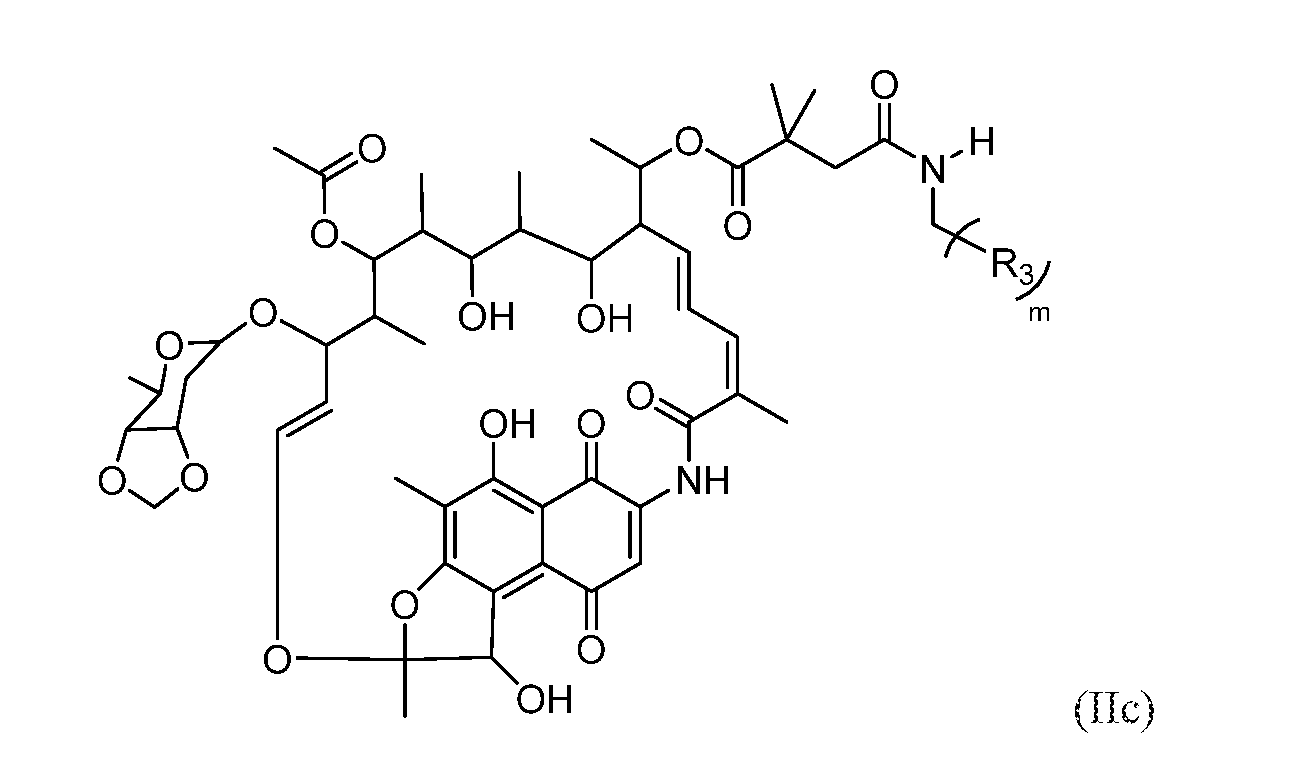
[0341] In some embodiments, the compound is of Formula (Ilia), (IHb), or (Hie):
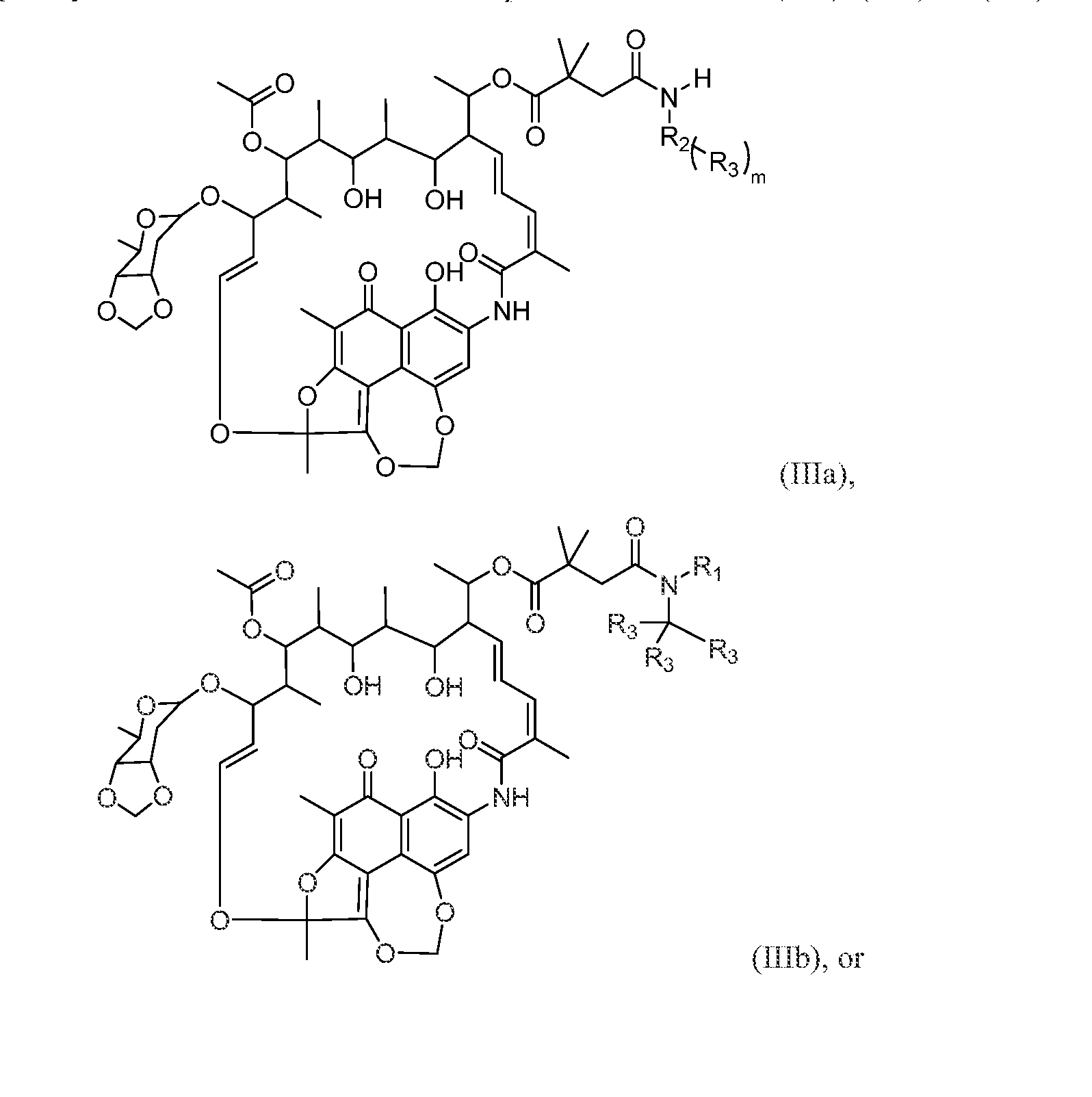

[0342] In some embodiments, the compound is of Formula (IVa), (TVb), (IVc), (IVd), or


[0343] It is understood that, for a compound of any one of the formulae described herein, R1, R2, R3, R4, R6, R5, and R7 can each be, where applicable, selected from the groups described herein, and any group described herein for any of R1, R2, R3, R4, R5 R6, and R7 can be combined, where applicable, with any group described herein for one or more of the remainder of R1, R2, R3, R4, R5, R6, and R7.
[0344] As discussed herein, the compounds of Formula (I), (II), (ΙΠ), and (IV) are potent antibiotics. In some embodiments, the compounds of Formula (I), (II), (HI), and (IV) activity against rifamycin-resistant bacteria (e.g., as described herein). In some embodiments, a bacteria is considered to be rifamycin-resistant if the prescribed dose of rifamycin (e.g., as indicated on the FDA approved label for the indication being treated) is no longer therapeutically effective. In some embodiments, the compounds have an MIC (μg/mL) that is at least about .01 fold lower than the MIC of rifamycin measured for the rifamycin-resistant bacteria, e.g., about 0.01 fold, about 0.05 fold, about 0.10 fold, about 0.25 fold, about 0.50 fold, about 0.75 fold, about 1.0 fold, about 1.25 fold, 1.5 fold, about 2 fold, about 2.5 fold, about 3 fold, about 3.5 fold, about 4 fold, about 4.5 fold, about 5 fold, about 5.5 fold, about 6 fold, about 6.5 fold, about 7 fold, about 7.5 fold, about 8 fold, about 8.5 fold, about 9 fold, about 9.5 fold, about 10 fold, about 11 fold, about 12 fold, about 13 fold, about 14 fold, about 15 fold, about 16 fold, about 17 fold, about 18 fold, about 19 fold, about 20 fold, about 25 fold, about 30 fold, about 35 fold, about 40 fold, about 45 fold, about 50 fold, about 55 fold, about 60 fold, about 65 fold, about 70 fold, about 75 fold, about 80 fold, about 85 fold, about 90 fold, about 95 fold, about 100 fold, about 150 fold, about 200 fold, about 250 fold, about 300 fold, about 350 fold, about 400 fold, about 450 fold, about 500 fold, about 550 fold, about 600 fold, about 650 fold, about 700 fold, about 750 fold, about 800 fold, about 850 fold, about 900 fold, about 950 fold, about 1000 fold or more, including all values and ranges inbetween. Methods of determining MIC are well known in the art.
[0345] In some embodiments, the compounds of formula (1) and (2) have an MIC value for any of the bacteria disclosed herein of less than about 1000 μg/mL, about 900 μg/mL, about 800 μg/mL, about 700 μg/mL, about 600 μg/mL, about 500 μg/mL, about 400 μg/mL, about 300 μg/mL, about 200 μg/mL, about 100 μg/mL, about 95 μg/mL, about 90 μg/mL, about 85 μg/mL, about 80 μg/mL, about 75 μg/mL, about 70 μg/mL, about 65 μg/mL, about 60 μg/mL, about 55 μg/mL, about 50 μg/mL, about 45 μg/mL, about 40 μg/mL, about 35 μg/mL, about 30 μg/mL, about 25 μg/mL, about 20 μg/mL, about 15 μg/mL, about 10 μg/mL, about 9 μg/mL, about 8 μg/mL, about 7 μg/mL, about 6 μg/mL, about 5 μg/mL, about 4 μg/mL, about 3 μg/mL, about 2 μg/mL, about 1 μg/mL, about 0.5 μg/mL, about 0.1 μg/mL, about 0.05 μg/mL, about 0.01 μg/mL, about 0.005 μg/mL, about 0.001 μg/mL, about 0.0005 μg/mL, about 0.0001 μg/mL, about 0.05 ng/mL, about 0.01 ng/mL, about 0.005 ng/mL, or about 0.001 ng/mL, or lower, including all values and ranges therebetween.
[0346] In some embodiments, the compounds of the disclosure when measured in vitro transcription assay (e.g., as described herein) inhibit RNA polymerase (RNAP) activity
at a concentration that is at least about 0.01 fold lower than rifamycin, e.g., about 0.01 fold, about 0.05 fold, about 0.10 fold, about 0.25 fold, about 0.50 fold, about 0.75 fold, about 1.0 fold, about 1.25 fold, 1.5 fold, about 2 fold, about 2.5 fold, about 3 fold, about 3.5 fold, about 4 fold, about 4.5 fold, about 5 fold, about 5.5 fold, about 6 fold, about 6.5 fold, about 7 fold, about 7.5 fold, about 8 fold, about 8.5 fold, about 9 fold, about 9.5 fold, about 10 fold, about 11 fold, about 12 fold, about 13 fold, about 14 fold, about 15 fold, about 16 fold, about 17 fold, about 18 fold, about 19 fold, about 20 fold, about 25 fold, about 30 fold, about 35 fold, about 40 fold, about 45 fold, about 50 fold, about 55 fold, about 60 fold, about 65 fold, about 70 fold, about 75 fold, about 80 fold, about 85 fold, about 90 fold, about 95 fold, about 100 fold, about 150 fold, about 200 fold, about 250 fold, about 300 fold, about 350 fold, about 400 fold, about 450 fold, about 500 fold, about 550 fold, about 600 fold, about 650 fold, about 700 fold, about 750 fold, about 800 fold, about 850 fold, about 900 fold, about 950 fold, about 1000 fold or more, including all values and ranges in between. In vitro transcription assays are well known in the art (See, e.g., J Vis Exp. 2016; (115): 54256; and Nature Communications. 2019; 9: 4147, each of which is herein incorporated by reference in its entirety for all purposes).
[0347] In some embodiments, the compounds of the disclosure inhibit RNAP activity as measured in an in vitro transcription assay (e.g., as described herein) a concentration of about 1000 μΜ or less, e.g., about 1000 μΜ, about 950 μΜ, about 900 μΜ, about 850 μΜ, about 800 μΜ, about 750 μΜ, about 700 μΜ, about 650 μΜ, about 600 μΜ, about 550 μΜ, about 500 μΜ, about 450 μΜ, about 400 μΜ, about 350 μΜ, about 300 μΜ, about 250 μΜ, about 200 μΜ, about 150 μΜ, about 100 μΜ, about 50 μΜ, about 45 μΜ, about 40 μΜ, about 35 μΜ, about 30 μΜ, about 25 μΜ, about 20 μΜ, about 15 μΜ, about 10 μΜ, about 9 μΜ, about 8 μΜ, about 7 μΜ, about 6 μΜ, about 5 μΜ, about 4 μΜ, about 3 μΜ, about 2 μΜ, about 1 μΜ, about 0.5 μΜ, about 0.1 μΜ, about 0.05 μΜ, about 0.01 μΜ, about 0.005 μΜ, about 0.001 μΜ, about 0.0005 μΜ, about 0.0001 μΜ, or lower, including all values and ranges therebetween.
Preparation of the Compounds of the Disclosure
[0348] The compounds of the disclosure may possess one or more stereocenters, and each stereocenter may exist independently in either the R or S configuration. In one embodiment, compounds described herein are present in optically active or racemic forms. It is to be understood that the compounds described herein encompass racemic, optically-active, regioisomeric and stereoisomeric forms, or combinations thereof that possess the
therapeutically useful properties described herein. Preparation of optically active forms is achieved in any suitable manner, including by way of non-limiting example, by resolution of the racemic form with recrystallization techniques, synthesis from optically-active starting materials, chiral synthesis, or chromatographic separation using a chiral stationary phase. In one embodiment, a mixture of one or more isomer is utilized as the therapeutic compound described herein. In another embodiment, compounds described herein contain one or more chiral centers. These compounds are prepared by any means, including stereoselective synthesis, enantioselective synthesis and/or separation of a mixture of enantiomers and/ or diastereomers. Resolution of compounds and isomers thereof is achieved by any means including, by way of non-limiting example, chemical processes, enzymatic processes, fractional crystallization, distillation, and chromatography.
[0349] The methods and formulations described herein include the use of N-oxides (if appropriate), crystalline forms (also known as polymorphs), solvates, amorphous phases, and/or pharmaceutically acceptable salts of compounds having the structure of any compound of the disclosure, as well as metabolites and active metabolites of these compounds having the same type of activity. Solvates include water, ether (e.g., tetrahydrofuran, methyl tert- butyl ether) or alcohol (e.g., ethanol) solvates, acetates and the like. In one embodiment, the compounds described herein exist in solvated forms with pharmaceutically acceptable solvents such as water, and ethanol. In another embodiment, the compounds described herein exist in unsolvated form.
[0350] In one embodiment, the compounds of the disclosure may exist as tautomers. All tautomers are included within the scope of the compounds presented herein.
[0351] In one embodiment, compounds described herein are prepared as prodrugs. A “prodrug” refers to an agent that is converted into the parent drug in vivo. In one embodiment, upon in vivo administration, a prodrug is chemically converted to the biologically, pharmaceutically or therapeutically active form of the compound. In another embodiment, a prodrug is enzymatically metabolized by one or more steps or processes to the biologically, pharmaceutically or therapeutically active form of the compound.
[0352] In one embodiment, sites on, for example, the aromatic ring portion of compounds of the disclosure are susceptible to various metabolic reactions. Incorporation of appropriate substituents on the aromatic ring structures may reduce, minimize or eliminate this metabolic pathway. In one embodiment, the appropriate substituent to decrease or eliminate the susceptibility of the aromatic ring to metabolic reactions is, by way of example only, a deuterium, a halogen, or an alkyl group.
[0353] Compounds described herein also include isotopically-labeled compounds wherein one or more atoms is replaced by an atom having the same atomic number, but an atomic mass or mass number different from the atomic mass or mass number usually found in nature. Examples of isotopes suitable for inclusion in the compounds described herein include and are not limited to 2H, 3H, nC, 13C, 14C, 36C1, 18F, 1231, 1251, 13N, 15N, 150, 170, 180, 32P, and35S. In one embodiment, isotopically-labeled compounds are useful in drug and/or substrate tissue distribution studies. In another embodiment, substitution with heavier isotopes such as deuterium affords greater metabolic stability (for example, increased in vivo half-life or reduced dosage requirements). In yet another embodiment, substitution with positron emitting isotopes, such as nC, ,8F, 150 and l3N, is useful in Positron Emission Topography (PET) studies for examining substrate receptor occupancy. Isotopically-labeled compounds are prepared by any suitable method or by processes using an appropriate isotopically-labeled reagent in place of the non-labeled reagent otherwise employed.
[0354] In one embodiment, the compounds described herein are labeled by other means, including, but not limited to, the use of chromophores or fluorescent moieties, bioluminescent labels, or chemiluminescent labels.
[0355] The compounds described herein, and other related compounds having different substituents are synthesized using techniques and materials described herein and as described, for example, in Fieser & Fieser's Reagents for Organic Synthesis, Volumes 1-17 (John Wiley and Sons, 1991); Rodd's Chemistry of Carbon Compounds, Volumes 1-5 and Supplementals (Elsevier Science Publishers, 1989); Organic Reactions, Volumes 1-40 (John Wiley and Sons, 1991), Larock's Comprehensive Organic Transformations (VCH Publishers Inc., 1989), March, Advanced Organic Chemistry 4th Ed., (Wiley 1992); Carey & Sundberg, Advanced Organic Chemistry 4th Ed., Vols. A and B (Plenum 2000, 2001), and Green & Wuts, Protective Groups in Organic Synthesis 3rd Ed., (Wiley 1999) (all of which are incorporated by reference in their entireties). General methods for the preparation of compound as described herein are modified by the use of appropriate reagents and conditions, for the introduction of the various moieties found in the formula as provided herein.
[0356] Compounds described herein are synthesized using any suitable procedures starling from compounds that are available from commercial sources, or are prepared using procedures described herein.
[0357] In one embodiment, reactive functional groups, such as hydroxyl, amino, imino, thio or carboxy groups, are protected in order to avoid their unwanted participation in reactions. Protecting groups are used to block some or all of the reactive moieties and prevent such
groups from participating in chemical reactions until the protective group is removed.
[0358] In one embodiment, protective groups are removed by acid, base, reducing conditions (such as, for example, hydrogenolysis), and/or oxidative conditions. Groups such as trityl, dimethoxytrityl, acetal and t-butyldimethylsilyl are acid labile and are used to protect carboxy and hydroxy reactive moieties in the presence of amino groups protected with Cbz groups, which are removable by hydrogenolysis, and Fmoc groups, which are base labile. Carboxylic acid and hydroxy reactive moieties are blocked with base labile groups such as, but not limited to, methyl, ethyl, and acetyl, in the presence of amines that are blocked with acid labile groups, such as t-butyl carbamate, or with carbamates that are both acid and base stable but hydrolytically removable.
[0359] In one embodiment, carboxylic acid and hydroxy reactive moieties are blocked with hydrolytically removable protective groups such as the benzyl group, while amine groups capable of hydrogen bonding with acids are blocked with base labile groups such as Fmoc. Carboxylic acid reactive moieties are protected by conversion to simple ester compounds as exemplified herein, which include conversion to alkyl esters, or are blocked with oxidatively- removable protective groups such as 2,4-dimethoxybenzyl, while co-existing amino groups are blocked with fluoride labile silyl carbamates.
[0360] Allyl blocking groups are useful in the presence of acid- and base- protecting groups since the former are stable and are subsequently removed by metal or pi-acid catalysts. For example, an allyl-blocked carboxylic acid is deprotected with a palladium-catalyzed reaction in the presence of acid labile t-butyl carbamate or base-labile acetate amine protecting groups. Yet another form of protecting group is a resin to which a compound or intermediate is attached. As long as the residue is attached to the resin, that functional group is blocked and does not react. Once released from the resin, the functional group is available to react. [0361] Typically blocking/protecting groups may be selected from:

[0362] Other protecting groups, plus a detailed description of techniques applicable to the creation of protecting groups and their removal are described in Greene & Wuts, Protective Groups in Organic Synthesis, 3rd Ed., John Wiley & Sons, New York, NY, 1999, and Kocienski, Protective Groups, Thieme Verlag, New York, NY, 1994, which are incorporated herein by reference for such disclosure.
[0363] In one embodiment, the compounds of the disclosure are synthesized using a semi-synthetic approach. In one embodiment, the compounds of the disclosure are synthesized using a biosynthetic approach. For example, in one embodiment, the compound is cyclized through an amide synthase reaction.
[0364] General routes for the preparation of a compound of the application are described in Scheme 1 herein.

Pharmaceutical Compositions and Formulations
[0365] The disclosure also encompasses a pharmaceutical composition comprising a
compound of the disclosure. In one embodiment, the pharmaceutical composition is useful for inhibiting bacterial infections. In one embodiment, the pharmaceutical composition is useful for overcoming antibacterial resistance. Such a pharmaceutical composition may consist of a compound of the disclosure in a form suitable for administration to a subject. The compound of the disclosure may be present in the pharmaceutical composition in the form of a physiologically acceptable salt, such as in combination with a physiologically acceptable cation, as is well known in the art.
[0366] Suitable compositions and dosage forms include, for example, tablets, capsules, caplets, pills, gel caps, troches, dispersions, suspensions, solutions, syrups, granules, beads, transdermal patches, gels, powders, pellets, magmas, lozenges, creams, pastes, plasters, lotions, discs, suppositories, liquid sprays for nasal or oral administration, dry powder or aerosolized formulations for inhalation, compositions and formulations for intravesical administration and the like. It should be understood that the formulations and compositions that would be useful in the present disclosure are not limited to the particular formulations and compositions that are described herein.
[0367] In an embodiment, the pharmaceutical compositions useful for practicing the method of the disclosure may be administered to deliver a dose of between 1 ng/kg/day and 100 mgzkg/day (e.g., about 1 ng/kg/day, about 10 ng/kg/day, 100 ng/kg/day, about 500 ng/kg/day, about 1000 ng/kg/day, about 5000 ng/kg/day, about 10000 ng/kg/day, about 50000 ng/kg/day, about 1 mg/kg/day, about 10 mg/kg/day, about 100 mg/kg/day, inclusive of all value sand ranges therebetween). In another embodiment, the pharmaceutical compositions useful for practicing the disclosure may be administered to deliver a dose of between 1 ng/kg/day and 500 mg/kg/day (e.g., about 1 ng/kg/day, about 10 ng/kg/day, 100 ng/kg/day, about 500 ng/kg/day, about 1000 ng/kg/day, about 5000 ng/kg/day, about 10000 ng/kg/day, about 50000 ng/kg/day, about 1 mg/kg/day, about 10 mg/kg/day, about 100 mg/kg/day, about 200 mg/kg/day, about 300 mg/kg/day, about 400 mg/kg/day, or about 500 mg/kg/day inclusive of all value sand ranges therebetween).
[0368] The relative amounts of the active ingredient, the pharmaceutically acceptable carrier, and any additional ingredients in a pharmaceutical composition of the disclosure will vary, depending upon the identity, size, and condition of the subject treated and further depending upon the route by which the composition is to be administered. By way of example, the composition may comprise between 0.1% and 100% (w/w) active ingredient (e.g., about 0.1%, about 0.5%, about 1%, about 5%, about 10%, about 15%, about 20%, about 25%, about 30%, about 35%, about 40%, about 45%, about 50%, about 55%, about
60%, about 65%, about 70%, about 75%, about 80%, about 85%, about 90%, about 95%, about 96%, about 97%, about 98%, about 99%, or about 100%, inclusive of all values and subranges therebetween).
[0369] Pharmaceutical compositions of the disclosure may be formulated for any suitable route of administration, such as for oral or parenteral, for example, transdermal, transmucosal (e.g., sublingual, lingual, (trans)buccal, (trans)urethral, vaginal (e.g., trans- and perivaginally), (intra)nasal and (trans)rectal), intravesical, intrapulmonary, intraduodenal, intragastrical, intrathecal, subcutaneous, intramuscular, intradermal, intra-arterial, intravenous, intrabronchial, inhalation, and topical administration. The route(s) of administration will be readily apparent to the skilled artisan and will depend upon any number of factors including the type and severity of the disease being treated, the type and age of the veterinary or human patient being treated, and the like.
[0370] The formulations of the pharmaceutical compositions described herein may be prepared by any method known or hereafter developed in the art of pharmacology. In general, such preparatory methods include bringing the active ingredient into association with a carrier or one or more other accessory ingredients, and then, if necessary or desirable, shaping or packaging the product into a desired single- or multi-dose unit.
[0371] As used herein, a “unit dose” is a discrete amount of the pharmaceutical composition comprising a predetermined amount of the active ingredient. The amount of the active ingredient is generally equal to the dosage of the active ingredient that would be administered to a subject or a convenient fraction of such a dosage such as, for example, one-half or one- third of such a dosage. The unit dosage form may be for a single daily dose or one of multiple daily doses (e.g., about 1 to 4 or more times per day). When multiple daily doses are used, the unit dosage form may be the same or different for each dose.
[0372] Although the descriptions of pharmaceutical compositions provided herein are principally directed to pharmaceutical compositions that are suitable for ethical administration to humans, it will be understood by the skilled artisan that such compositions are generally suitable for administration to animals of all sorts. Modification of pharmaceutical compositions suitable for administration to humans in order to render the compositions suitable for administration to various animals is well understood, and the ordinarily skilled veterinary pharmacologist can design and perform such modification with merely ordinary, if any, experimentation. Subjects to which administration of the pharmaceutical compositions of the disclosure is contemplated include, but are not limited to, humans and other primates, mammals including commercially relevant mammals such as
cattle, pigs, horses, sheep, cats, and dogs.
[0373] In one embodiment, the compositions of the disclosure are formulated using one or more pharmaceutically acceptable excipients or carriers. In one embodiment, the pharmaceutical compositions of the disclosure comprise a therapeutically effective amount of a compound of the disclosure and a pharmaceutically acceptable carrier. Pharmaceutically acceptable carriers, which are useful, include, but are not limited to, glycerol, water, saline, ethanol and other pharmaceutically acceptable salt solutions such as phosphates and salts of organic acids. Examples of these and other pharmaceutically acceptable carriers are described in Remington’s Pharmaceutical Sciences (1991, Mack Publication Co., New Jersey).
[0374] The carrier may be a solvent or dispersion medium containing, for example, water, ethanol, polyol (for example, glycerol, propylene glycol, and liquid polyethylene glycol, and the like), suitable mixtures thereof, and vegetable oils. The proper fluidity may be maintained, for example, by the use of a coating such as lecithin, by the maintenance of the required particle size in the case of dispersion and by the use of surfactants. Prevention or reduction of the action of microorganisms may be achieved by various antibacterial and antifungal agents, for example, parabens, chlorobulanol, phenol, ascorbic acid, thimerosal, and the like. In many cases, it will be preferable to include isotonic agents, for example, sugars, sodium chloride, or polyalcohols such as mannitol and sorbitol, in the composition. Prolonged absorption of the injectable compositions may be brought about by including in the composition an agent which delays absorption, for example, aluminum monostearate or gelatin.
[0375] Formulations may be employed in admixtures with conventional excipients. The pharmaceutical preparations may be sterilized and if desired mixed with auxiliaiy agents, e.g., lubricants, preservatives, stabilizers, wetting agents, emulsifiers, salts for influencing osmotic pressure buffers, coloring, flavoring and/or aromatic substances and the like. They may also be combined where desired with other active agents, e.g., other analgesic agents. [0376] As used herein, “additional ingredients” include, but are not limited to, one or more of the following: excipients; surface active agents; dispersing agents; inert diluents; granulating and disintegrating agents; binding agents; lubricating agents; sweetening agents; flavoring agents; coloring agents; preservatives; physiologically degradable compositions such as gelatin; aqueous vehicles and solvents; oily vehicles and solvents; suspending agents; dispersing or wetting agents; emulsifying agents, demulcents; buffers; salts; thickening agents; fillers; emulsifying agents; antioxidants; antibiotics; antifungal agents; antiseptics; antiviral agents; anticoagulants; stabilizing agents; and pharmaceutically acceptable
polymeric or hydrophobic materials. Other “additional ingredients” which may be included in the pharmaceutical compositions of the disclosure are known in the art and described, for example in Genaro, ed. (1985, Remington’s Pharmaceutical Sciences, Mack Publishing Co., Easton, PA), which is incorporated herein by reference.
[0377] The composition of the disclosure may comprise a preservative from about 0.005% to 2.0% by total weight of the composition. The preservative is used to prevent spoilage in the case of exposure to contaminants in the environment. Examples of preservatives useful in accordance with the disclosure include but are not limited to those selected from the group consisting of benzyl alcohol, sorbic acid, parabens, imidurea and combinations thereof. A particularly preferred preservative is a combination of about 0.5% to 2.0% benzyl alcohol and 0.05% to 0.5% sorbic acid.
[0378] The composition preferably includes an antioxidant and a chelating agent which inhibit the degradation of the compound. Preferred antioxidants for some compounds are BHT, BHA, alpha-tocopherol and ascorbic acid in the preferred range of about 0.01% to 0.3% and more preferably BHT in the range of 0.03% to 0.1% by weight by total weight of the composition. Preferably, the chelating agent is present in an amount of from 0.01% to 0.5% by weight by total weight of the composition. Particularly preferred chelating agents include edetate salts (e.g. disodium edetate) and citric acid in the weight range of about 0.01% to 0.20% and more preferably in the range of 0.02% to 0.10% by weight by total weight of the composition. The chelating agent is useful for chelating metal ions in the composition which may be detrimental to the shelf life of the formulation. While BHT and disodium edetate are the particularly preferred antioxidant and chelating agent respectively for some compounds, other suitable and equivalent antioxidants and chelating agents may be substituted therefore as would be known to those skilled in the art.
[0379] In some embodiments, the pharmaceutical compositions of the present disclosure (e.g., containing therapeutically effective amounts of one or more compounds of Formula (Γ), (II), (ΠΙ), and (IV), may be formulated as immediate release formulation, a delayed release formulation, or a sustained release formulation, and may comprise at least one pharmaceutically acceptable carrier, diluent, and/or excipient. Pharmaceutically acceptable carriers, diluents or excipients include without limitation any adjuvant, carrier, excipient, glidant, sweetening agent, diluent, preservative, dye/colorant, flavor enhancer, surfactant, wetting agent, dispersing agent, suspending agent, stabilizer, isotonic agent, solvent, or emulsifier.
[0380] In one embodiment, suitable pharmaceutically acceptable carriers include, but are not
limited to, inert solid fillers or diluents and sterile aqueous or organic solutions. Pharmaceutically acceptable carriers are well known to those skilled in the art and include, but are not limited to, aqueous and non-aqueous solutions. Pharmaceutically acceptable carriers can be aqueous or non-aqueous solutions, suspensions and emulsions. Examples of non-aqueous solvents suitable for use in the present application include, but are not limited to, propylene glycol, polyethylene glycol, vegetable oils such as olive oil, and injectable organic esters such as ethyl oleate. Aqueous carriers suitable for use in the present application include, but are not limited to, water, ethanol, alcoholic/aqueous solutions, glycerol, emulsions or suspensions, including saline and buffered media.
[0381] Liquid carriers suitable for use in the present application include, but are not limited to, water (partially containing additives, e.g. cellulose derivatives, preferably sodium carboxymethyl cellulose solution), alcohols (including monohydric alcohols and polyhydric alcohols, e.g. glycols) and their derivatives, and oils (e.g. fractionated coconut oil and arachis oil).
[0382] Liquid carriers suitable for use in the present application can be used in preparing solutions, suspensions, emulsions, syrups, elixirs and pressurized compounds. The active ingredient can be dissolved or suspended in a pharmaceutically acceptable liquid carrier such as water, an organic solvent, a mixture of both or pharmaceutically acceptable oils or fats.
The liquid carrier can contain other suitable pharmaceutical additives such as solubilizers, emulsifiers, buffers, preservatives, sweeteners, flavoring agents, suspending agents, thickening agents, colors, viscosity regulators, stabilizers or osmo-regulators.
[0383] Liquid suspensions may be prepared using conventional methods to achieve suspension of the active ingredient in an aqueous or oily vehicle. Aqueous vehicles include, for example, water, and isotonic saline. Oily vehicles include, for example, almond oil, oily esters, ethyl alcohol, vegetable oils such as arachis, olive, sesame, or coconut oil, fractionated vegetable oils, and mineral oils such as liquid paraffin. Liquid suspensions may further comprise one or more additional ingredients including, but not limited to, suspending agents, dispersing or wetting agents, emulsifying agents, demulcents, preservatives, buffers, salts, flavorings, coloring agents, and sweetening agents. Oily suspensions may further comprise a thickening agent. Known suspending agents include, but are not limited to, sorbitol syrup, hydrogenated edible fats, sodium alginate, polyvinylpyrrolidone, gum tragacanth, gum acacia, and cellulose derivatives such as sodium carboxymethylcellulose, methylcellulose, hydroxypropylmethylcellulose. Known dispersing or wetting agents include, but are not limited to, naturally-occurring phosphatides such as lecithin, condensation products of an
alkylene oxide with a fatty acid, with a long chain aliphatic alcohol, with a partial ester derived from a fatty acid and a hexitol, or with a partial ester derived from a fatty acid and a hexitol anhydride (e.g., polyoxyethylene stearate, heptadecaethyleneoxycetanol, polyoxyethylene sorbitol monooleate, and polyoxyethylene sorbitan monooleate, respectively). Known emulsifying agents include, but are not limited to, lecithin, and acacia. Known preservatives include, but are not limited to, methyl, ethyl, or n-propyl para- hydroxybenzoates, ascorbic acid, and sorbic acid. Known sweetening agents include, for example, glycerol, propylene glycol, sorbitol, sucrose, and saccharin. Known thickening agents for oily suspensions include, for example, beeswax, hard paraffin, and cetyl alcohol. [0384] Liquid solutions of the active ingredient in aqueous or oily solvents may be prepared in substantially the same manner as liquid suspensions, the primary difference being that the active ingredient is dissolved, rather than suspended in the solvent. As used herein, an “oily” liquid is one which comprises a carbon-containing liquid molecule and which exhibits a less polar character than water. Liquid solutions of the pharmaceutical composition of the disclosure may comprise each of the components described with regard to liquid suspensions, it being understood that suspending agents will not necessarily aid dissolution of the active ingredient in the solvent. Aqueous solvents include, for example, water, and isotonic saline. Oily solvents include, for example, almond oil, oily esters, ethyl alcohol, vegetable oils such as arachis, olive, sesame, or coconut oil, fractionated vegetable oils, and mineral oils such as liquid paraffin.
[0385] The compositions useful within the disclosure comprise at least one compound of Formula (1), (II), (III), and (IV). The compositions of the disclosure may be used in aqueous emulsions such as latexes, water-based paints and coatings, caulks and adhesives, tape joint compounds, mineral slurries, water-cooling systems, personal care products, soaps and detergents, disinfectants, cleaners, and sanitizers, pesticide products, oilfield water and water- based fluids used in oilfield applications including drilling muds, fracturing fluids, and hydrotest fluids, and the like. In one embodiment, the composition is an antimicrobial composition. In one embodiment, the composition is an antiseptic.
[0386] Solid carriers suitable for use in the present application include, but are not limited to, inactive substances such as lactose, starch, glucose, methyl-cellulose, magnesium stearate, dicalcium phosphate, mannitol and the like. A solid carrier can further include one or more substances acting as flavoring agents, lubricants, solubilizers, suspending agents, fillers, glidanls, compression aids, binders or tablet-disintegrating agents; it can also be an encapsulating material. In powders, the carrier can be a finely divided solid which is in
admixture with the finely divided active compound. In tablets, the active compound is mixed with a carrier having the necessary compression properties in suitable proportions and compacted in the shape and size desired. The powders and tablets may contain up to 99% of the active compound. Suitable solid carriers include, for example, calcium phosphate, magnesium stearate, talc, sugars, lactose, dextrin, starch, gelatin, cellulose, polyvinylpyrrolidone, low melting waxes and ion exchange resins. A tablet may be made by compression or molding, optionally with one or more accessory ingredients. Compressed tablets may be prepared by compressing in a suitable machine the active ingredient in a free flowing form such as a powder or granules, optionally mixed with a binder (e.g., povidone, gelatin, hydroxypropylmethyl cellulose), lubricant, inert diluent, preservative, disintegrant (e.g., sodium starch glycolate, cross-linked povidone, cross-linked sodium carboxymethyl cellulose) surface active or dispersing agent. Molded tablets may be made by molding in a suitable machine a mixture of the powdered compound moistened with an inert liquid diluent. The tablets may optionally be coated or scored and may be formulated so as to provide delayed or controlled release of the active ingredient therein using, for example, hydroxypropyl methylcellulose in varying proportions to provide the desired release profile. Tablets may optionally be provided with an enteric coating, to provide release in parts of the gut other than the stomach.
[0387] Carriers suitable for use in the present application can be mixed as needed with disintegrants, diluents, granulating agents, lubricants, binders and the like using conventional techniques known in the art. The carriers can also be sterilized using methods that do not deleteriously react with the compounds, as is generally known in the art.
[0388] Diluents may be added to the formulations described herein. Diluents increase the bulk of a solid pharmaceutical composition and/or combination, and may make a pharmaceutical dosage form containing the composition and/or combination easier for the patient and care giver to handle. In various embodiments, diluents for solid compositions include, for example, microcrystalline cellulose (e.g., AVICEL), microfine cellulose, lactose, starch, pregelatinized starch, calcium carbonate, calcium sulfate, sugar, dextrates, dextrin, dextrose, dibasic calcium phosphate dihydrate, tribasic calcium phosphate, kaolin, magnesium carbonate, magnesium oxide, maltodextrin, mannitol, polymethacrylates (e.g., EUDRAGIT(r)), potassium chloride, powdered cellulose, sodium chloride, sorbitol, and talc, and/or mixtures of any of the foregoing. Specific examples of: microcrystalline cellulose include those sold under the Trademark Avicel (FMC Coip., Philadelphia, Pa.), for example, Avicel™ pHlOl, Avicel™ pH102 and Avicel™ pHl 12; lactose include lactose monohydrate,
lactose anhydrous and Pharmatose DCL21; dibasic calcium phosphate includes Emcompress. [0389] Lubricants are used to facilitate tablet manufacture, promoting powder flow and preventing particle capping (i.e., particle breakage) when pressure is relieved. Useful lubricants are magnesium stearate, calcium stearate, stearic acid, glyceryl behenate, talc, colloidal silicon dioxide such as Aerosil™ 200, mineral oil (in PEG), hydrogenated vegetable oil (e.g., comprised of hydrogenated and refined triglycerides of stearic and palmitic acids), combinations thereof.
[0390] Binders are used to impart cohesive qualities to a tablet, and thus ensure that the tablet or tablet layer remains intact after compression. Suitable binder materials include, but are not limited to, starch (including com starch and pregelatinized starch), gelatin, sugars (including sucrose, glucose, dextrose and lactose), polyethylene glycol, polyvinyl alcohol, waxes, and natural and synthetic gums, e.g., acacia sodium alginate, polyvinylpyrrolidone, cellulosic polymers (including hydroxypropyl cellulose, hydroxypropyl methylcellulose, methyl cellulose, microcrystalline cellulose, ethyl cellulose, hydroxyethyl cellulose, and the like), and Veegum, and combinations thereof. Examples of polyvinylpyrrolidone include povidone, copovidone and crospovidone.
[0391] Fillers include, for example, materials such as silicon dioxide, titanium dioxide, alumina, talc, kaolin, powdered cellulose, microciystalline cellulose, urea, sodium chloride, as well as saccharides, or combinations thereof. Any suitable saccharide may be used in the composition of the present invention. As used herein, the “saccharides" used in the invention include sugar alcohols, monosaccharides, disaccharides, and oligosaccharides. Exemplary sugar alcohols include, but not limited to, xylitol, mannitol, sorbitol, erythritol, lactitol, pentitol, and hexitol. Exemplary monosaccharides include, but are not limited to, glucose, fructose, aldose and ketose. Exemplary disaccharides include, but are not limited to, sucrose, isomalt, lactose, trehalose, and maltose. Exemplary oligosaccharides include, but are not limited to, fructo-oligosaccharides, inulin, galacto-ologosaccharides, and mannan- oligosaccharides. In some embodiments, the saccharide is sorbitol, mannitol, or xylitol. In some embodiments, the saccharide is sorbitol. In some embodiments, the saccharide is sucrose.
[0392] Disinlegrants are used to facilitate disintegration of the tablet, thereby increasing the erosion rate relative to the dissolution rate, and are generally starches, clays, celluloses, algins, gums, or crosslinked polymers (e.g., crosslinked polyvinyl pyrrolidone). Other nonlimiting examples of suitable disintegrants include, for example, lightly crosslinked polyvinyl pyrrolidone, com starch, potato starch, maize starch and modified starches, croscarmellose
sodium, crospovidone, sodium starch glycolate, and combinations and mixtures thereof. [0393] In some embodiments of the present disclosure, the pharmaceutical composition may be prepared in an oral formulation. For oral administration, the compounds can be formulated readily by combining the active compounds with pharmaceutically acceptable carriers known in the art. Such carriers enable the compounds disclosed herein to be formulated as tablets, pills, dragees, capsules, liquids, gels, syrups, slurries, suspensions and the like, for oral ingestion by a subject. Pharmaceutical compositions for oral use may be obtained as solid excipients, optionally grinding a resulting mixture, and processing the mixture of granules, after adding suitable adjuvants, if desired, to obtain tablets or dragee cores. Such oral pharmaceutical compositions may also be prepared by milling or melt extrusion. Suitable excipients may be any of those disclosed herein and, in particular, fillers such as sugars, including lactose, sucrose, mannitol, or sorbitol; cellulose formulation such as maize starch, wheat starch, rice starch, potato starch, gelatin, gum tragacanth, methyl cellulose, hydroxypropylmethyl-cellulose, sodium caiboxymethylcellulose, and/or polyvinylpyrrolidone (PVP) formulation. Also, disintegrating agents may be employed, such as cross-linked polyvinylpyrrolidone, agar, or alginic acid or a salt thereof such as sodium alginate. Wetting agents, such as sodium dodecyl sulfate and the like, may be added.
[0394] In some embodiments, one or more of the compounds of Formula (I), (II), (ΙΠ), and/or (IV) are combined with excipients to form a core comprising an active (an active core), thereby forming a solid dosage form. In some embodiments, the active core may comprise an inert particle such as a sugar sphere with an appropriate mean particle size. In one embodiment, the inactive core may be a sugar sphere, a cellulose sphere, a spheroidal silicon dioxide bead, a buffer crystal or an encapsulated buffer crystal, such as calcium carbonate, sodium bicarbonate, fumaric acid, tartaric acid, etc. Buffer crystals are useful to alter the microenvironment. Alternatively, in accordance with other embodiments, drug- containing microgranules or pellets may be prepared by rotogranulalion, high-shear granulation and extrusion-spheronization or compression of the drug (as mini-tablets, e.g., having a diameter of about 2 mm or more), a polymeric binder and optionally fillers/diluents. [0395] In some embodiments, dragee cores may be provided with suitable coatings. For this puipose, concentrated sugar solutions may be used, which may optionally contain gum arabic, talc, polyvinylpyrrolidone, caibopol gel, polyethylene glycol, and/or titanium dioxide, lacquer solutions, and suitable organic solvents or solvent mixtures. Dyestuffs or pigments may be added to the tablets or dragee coatings for identification or to characterize different combinations of active compounds doses.
[0396] In some embodiments, pharmaceutical compositions described herein comprise one or more delayed release components. In some embodiments, delayed release is achieved by appropriately coating a drug-containing component with one or more suitable delayed-release polymers (also referred to as a controlled release polymer or rate-controlling polymer) or embedding the drug in a matrix comprising one or more suitable delayed-release polymers. Suitable delayed-release polymers include pharmaceutically acceptable water-insoluble polymers (also referred to as hydrophobic polymers), pharmaceutically acceptable water- soluble polymers (also referred to as hydrophilic polymers), pharmaceutically acceptable gastrosoluble polymers, pharmaceutically acceptable enteric polymers, and combinations thereof.
[0397] Non-limiting examples of pharmaceutically acceptable water-insoluble polymers include acrylic polymers, methacrylic acid polymers, acrylic copolymers, such as a methacrylic acid-ethyl acrylate copolymer available under the trade name of EUDRAGIT® (type L, RL, RS and NE30D), and their respective esters, zein, waxes, shellac and hydrogenated vegetable oil, cellulose derivatives, such as ethyl cellulose, cellulose acetate, cellulose acetate butyrate, and the like.
[0398] Non-limiting examples of pharmaceutically acceptable water-soluble polymers include homopolymers and copolymers of N-vinyl lactams, including homopolymers and copolymers of N-vinyl pyrrolidone, e.g. polyvinylpyrrolidone (PVP), copolymers of N-vinyl pyrrolidone and vinyl acetate or vinyl propionate, cellulose esters and cellulose ethers, in particular methylcellulose and ethylcellulose, hydroxyalkylcelluloses, in particular hydroxypropylcellulose, hydroxyalkylalkylcelluloses, and hydroxypropylmethylcellulose, cellulose phlhalates, succinates, butyrates, or Irimellitates, in particular cellulose acetate phthalate, hydroxypropylmethylcellulose phthalate, hydroxypropylmethylcellulose succinate, and hydroxypropylmethylcellulose acetate succinate; high molecular polyalkylene oxides such as polyethylene oxide and polypropylene oxide and copolymers of ethylene oxide and propylene oxide, polyacrylates and polymethacrylates such as methacrylic acid/ethyl acrylate copolymers, methacrylic acid/methyl methacrylate copolymers, butyl methacrylate/2- dimethylaminoethyl methacrylate copolymers, poly(hydroxyalkyl acrylates), poly(hydroxyalkyl methacrylates), polyacrylamides, vinyl acetate polymers such as copolymers of vinyl acetate and crotonic acid, partially hydrolyzed polyvinyl acetate (also referred to as partially saponified “polyvinyl alcohol”), polyvinyl alcohol, polyethylene glycol oligo- and polysaccharides such as carrageenans, galactomannans and xanlhan gum, or mixtures of one or more thereof.
[0399] Non-limiting examples of gastrosoluble polymers include maltrin, an aminoalkyl methacrylate copolymer available under the trade name of EUDRAGIT® (type El 00 or EPO), polyvinylacetal diethylaminoacetate e.g., AEA® available from Sankyo Company Limited, Tokyo (Japan), and the like.
[0400] Non-limiting examples of such enteric polymers include carboxymethylethylcellulose, cellulose acetate phthalate (CAP), cellulose acetate succinate, methylcellulose phthalate, hydroxymethylethylcellulose phthalate, hydroxypropylmethylcellulose phthalate (HPMCP), hydroxypropylmethylcellulose acetate succinate (HPMCAS), polyvinyl alcohol phthalate, polyvinyl butyrate phthalate, polyvinyl acetal phthalate (PVAP)„ a copolymer of vinyl acetate/maleic anhydride, a copolymer of vinylbutylether/maleic anhydride, a copolymer of styrene/maleic acid monoester, a copolymer of methyl acrylate/methacrylic acid, a copolymer of styrene/acrylic acid, a copolymer of methyl acrylate/methacrylic acid/octyl acrylate, a copolymer of methacrylic acid/methyl methacrylate, cellulose acetate hexahydrophthalate, hydroxypropyl methylcellulose hexahydrophthalate, hydroxypropyl methylcellulose phthalate, cellulose propionate phthalate, cellulose acetate maleate, cellulose acetate trimellitale, cellulose acetate butyrate, cellulose acetate propionate, methacrylic acid/methacrylate polymer (acid number 300 to 330 and also known as EUDRAGIT L), methacrylic acid-methyl methacrylate copolymer, ethyl methacrylate-methylmethacrylate-chlorotrimethylammonium ethyl methacrylate copolymer, and the like, and combinations comprising one or more of the foregoing enteric polymers. Other examples include natural resins, such as shellac, SANDARAC, copal collophorium, and combinations comprising one or more of the foregoing polymers. Yet other examples of enteric polymers include synthetic resin bearing carboxyl groups. The term “enteric polymer” as used herein is defined to mean a polymeric substance that when used in an enteric coat formulation, is substantially insoluble and/or substantially stable under acidic conditions at a pH of less than about 5 and which are substantially soluble or can decompose under conditions exhibiting a pH of about 5 or more. [0401] Non-limiting examples of hydrophilic polymers include hydroxypropyl celluloses (HPC), hydroxypropyl methylcelluloses, methylcelluloses, polyethylene oxides, sodium carboxymelhyl celluloses, and the like, or combinations thereof.
[0402] In certain embodiments, the delayed release component is a matrix. As used herein, the term “matrix” means a composition in which the drug is embedded or dispersed in water soluble, water insoluble, or hydrophilic polymers, or lipophilic maters, in order to achieve delayed release of the drug. The mechanisms of the drug release generally involve drug
diffusion through a viscous gel layer or tortuous channels; and/or drug dissolution via gradual erosion or degradation of the polymer(s). In some embodiments, the matrix comprises swellable/erodable polymers, for example hydrophilic polymers which in contact with the water form a gel of high viscosity. In other embodiments, the matrix comprises water- insoluble polymers or lipophilic polymers.
[0403] For example, the matrix may be prepared using one or more hydrophilic polymers (e.g., hydroxypropyl cellulose, hydroxypropyl methylcellulose, polyethylene oxide), one or more lipophilic materials (e.g., camauba wax, hardened castor oil, hardened rape seed oil, polyglycerin fatty acid ester), and/or coating tablets or granules with one or more delayed release polymers (e.g., cellulose polymers such as ethylcellulose; acrylic acid copolymer such as aminoalkyl methacrylate copolymer RS [Eudragit RS (trade name, Degussa Co.)], ethyl acrylate-methyl methacrylate copolymer suspension [Eudragit NE (trade name, Degussa Co.)]).
[0404] The hydrophilic matrix may further contain a pH-dependent polymer. The term “pH- dependent” refers to a polymer which releases the active at a certain pH. Non-limiting examples of suitable pH-dependent polymers include hydroxypropyl methylcellulose phthalate, cellulose acetate phthalate, carboxymethyl ethyl cellulose, methyl methacrylate- methacrylic acid copolymer, methacrylic acid-ethyl acrylate copolymer, ethyl acrylate-methyl methacrylate-trimethylammoniumethyl methacrylate chloride copolymer, methyl methacrylate-ethyl acrylate copolymer, methacrylic acid-methyl acrylate-methyl methacrylate copolymer, hydroxypropyl cellulose acetate succinate, polyvinyl acetate phthalate and the like, and combinations thereof.
[0405] In some embodiments, the pharmaceutical composition is formulated as a sustained release formulations, e.g., by appropriately integrating additional polymers into the composition, or as coatings over the core (e.g., pellet or granule). The polymers useful for this purpose can be, but are not limited to, ethylcellulose; hydroxypropylmethylcellulose; hydroxypropylcellulose; hydroxyethylcellulose; carboxymethylcellulose; methylcellulose; nitrocellulose; Eudragit R; Eudragit RS; and Eudragit RL; Carbopol; polyethyleneoxide or polyethylene glycols with molecular weights in excess of 8,000 daltons. In some embodiments, these polymers are present concentrations from about 4-20 w/w% (e.g., about 4, about 5, about 6, about 7, about 8, about 9, about 10, about 11, about 12 , about 13, about 14, about 15, about 16, about 17, about 18, about 19, or about 20% w/w%). The sustained release polymers may be combined with the delayed release components described above. [0406] The compositions useful within the disclosure may further comprise at least one
additional antimicrobial agent. Non-limiting examples of the at least one additional antimicrobial agent are levofloxacin, doxycycline, neomycin, clindamycin, minocycline, gentamycin, rifampin, chlorhexidine, chloroxylenol, methylisothizolone, thymol, a-terpineol, cetylpyridinium chloride, hexachlorophene, triclosan, nitrofurantoin, erythromycin, nafcillin, cefazolin, imipenem, astreonam, gentamicin, sulfamethoxazole, vancomycin, ciprofloxacin, trimethoprim, rifampin, metronidazole, clindamycin, teicoplanin, mupirocin, azithromycin, clarithromycin, ofoxacin, lomefloxacin, norfloxacin, nalidixic acid, sparfloxacin, pefloxacin, amifloxacin, gatifloxacin, moxifloxacin, gemifloxacin, enoxacin, fleroxacin, minocycline, linexolid, temafloxacin, tosufloxacin, clinafloxacin, sulbactam, clavulanic acid, amphotericin B, fluconazole, itraconazole, ketoconazole, nystatin, penicillins, cephalosporins, carbepenems, beta-lactams antibiotics, aminoglycosides, macrolides, lincosamides, glycopeptides, tetracylines, chloramphenicol, quinolones, fucidines, sulfonamides, trimethoprims, rifamycins, oxalines, streptogramins, lipopeptides, ketolides, polyenes, azoles, echinocandines, and any combination thereof.
[0407] In one embodiment, the compound of the disclosure and the at least one additional antimicrobial agent act synergistically in preventing, reducing or treating bacterial infections. A synergistic effect may be calculated, for example, using suitable methods such as, for example, the Sigmoid-Enux equation (Holford & Schemer, 19981, Clin. Pharmacokinet. 6: 429-453), the equation of Loewe additivity (Loewe & Muischnek, 1926, Arch. Exp. Pathol Pharmacol. 114: 313-326) and the median-effect equation (Chou & Talalay, 1984, Adv. Enzyme Regul. 22: 27-55). Each equation referred to above may be applied to experimental data to generate a corresponding graph to aid in assessing the effects of the drug combination. The corresponding graphs associated with the equations referred to above are the concentration-effect curve, isobologram curve and combination index curve, respectively. [0408] The pharmaceutical compositions may be prepared by any suitable method, such as mixing, dissolving, granulating, dragee-making, levigating, emulsifying, encapsulating, entrapping, or lyophilizing processes.
[0409] Granulating techniques are well known in the pharmaceutical art for modifying starting powders or other particulate materials of an active ingredient. The powders are typically mixed with a binder material into larger permanent free-flowing agglomerates or granules referred to as a “granulation.” For example, solvent-using “wet” granulation processes are generally characterized in that the powders are combined with a binder material and moistened with water or an organic solvent under conditions resulting in the formation of
a wet granulated mass from which the solvent must then be evaporated.
[0410] Melt granulation involves the use of materials that are solid or semi-solid at room temperature (i.e., having a relatively low softening or melting point range) to promote granulation of powdered or other materials, essentially in the absence of added water or other liquid solvents. The low melting solids, when heated to a temperature in the melting point range, liquefy to act as a binder or granulating medium. The liquefied solid spreads itself over the surface of powdered materials with which it is contacted, and on cooling, forms a solid granulated mass in which the initial materials are bound together. The resulting melt granulation may then be provided to a tablet press or be encapsulated for preparing the oral dosage form. Melt granulation improves the dissolution rate and bioavailability of an active (i.e., drug) by forming a solid dispersion or solid solution.
Methods of Use
[0411] In one aspect, the disclosure provides a method of preventing or reducing the growth or proliferation of microorganisms. In one embodiment, the method comprises, contacting the microorganism with a composition comprising a compound of the disclosure.
[0412] In one embodiment, the microorganism is a bacterium. In one embodiment the bacteria include at least eleven distinct groups as follows: (1) Gram-positive (gram+) bacteria, of which there are two major subdivisions: (1) high G+C group (Actinomycetes, Mycobacteria, Micrococcus, others) (2) low G+C group ( Bacillus , Clostridia, Lactobacillus, Staphylococci, Streptococci, Mycoplasmas ); (2) Proteobacteria, e.g., Puiple photosynthetic +non-photosynthetic Gram-negative bacteria (includes most "common'1 Gram-negative bacteria); (3) Cyanobacteria, e.g., oxygenic phototrophs; (4) Spirochetes and related species; (5) Planctomyces; (6) Bacteroides, Flavobacteria; (7) Chlamydia; (8) Green sulfur bacteria; (9) Green non-sulfur bacteria (also anaerobic phototrophs); (10) Radioresistant micrococci and relatives; (11) Thermotoga and Thermosipho thermophiles.
[0413] In one embodiment, the bacteria include cocci, nonenteric rods, enteric rods, nonsporulating rods, and sporulating rods. In one embodiment, bacteria include, for example, Neisseria, Spirillum, Pasteurella, Brucella, Yersinia, Francisella, Haemophilus, Bordetella, Escherichia, Salmonella, Shigella, Klebsiella, Proteus, Vibrio, Pseudomonas, Bacteroides, Acetobacter, Aerobacter, Agrobacterium, Azotobacter, Spirilla, Serratia, Vibrio, Rhizobium, Chlamydia, Rickettsia, Treponema, Fusobacterium, Brachyspira, Legionella, Helicobacter, Actinomyces, Bacillus, Clostridium, Corynebacterium, Erysipelothrix, Lactobacillus,
Listeria, Mycobacterium, Myxococcus, Nocardia, Staphylococcus, Streptococcus,
Streptomyces, Firmicutes, Borrelia, Campylobacter, Cryptosporidium, Entamoeba, Enterobacter, Gardnerella, Leishmania, Moraxella, , Mycoplasma, Providencia, Serpulina, Toxoplasmosis, Tubercle, Acinetobacter, Enterococcus.
[0414] In one embodiment, the genus of bacteria include Mycobacterium.
[0415] In one embodiment, the genera of bacteria include, for example, Neisseria, Haemophilus, Bacteroides, Chlamydia, Brachyspira pilosicoli, Legionella, and Helicobacter. [0416] In one embodiment, the genera of bacteria include, for example, Clostridium, Listeria, Staphylococcus, and Firmicutes
[0417] In one embodiment, the bacterium is resistant to at least one antibiotic. In one embodiments, bacterium that has at least one point mutation that confers antibiotic resistance. In one embodiment, the bacterium has one or more of the following mutations of one or more amino acids: (1) serine to leucine; (2) histidine to tyrosine; (3) or asparagine to tyrosine. In one embodiment, the bacterium is resistant to rifamycin. In one embodiment, the bacterium is Staphylococcus aureus, Staphylococcus epidermidis, Listeria monocytogenes Salmonella enterica, Pseudomonas aeruginosa, Proteus mirabills, Enterococcus faecium, Acinetobacter baumannii, and Mycobacterium tuberculosis. In one embodiment, the S. aureus carries a mutation in its RNA polymerase (KNAP). In one embodiment, the S. aureus RNAP mutation is S447L, H481Y, or D471Y.
[0418] In one aspect, the disclosure provides a method of treating or preventing a bacterial infection in a subject. In one embodiment, the method comprises, administering to the subject a composition comprising a compound of the disclosure.
[0419] In one embodiment, the subject has a bacterial infection.
[0420] In one embodiment, the bacterial infection is resistant to at least one antibiotic treatment. In one embodiments, the bacterial infection is caused by a bacterium that has at least one point mutation that confers antibiotic resistance. In one embodiment, the bacterium has one or more of the following mutations of one or more amino acids: (1) serine to leucine; (2) histidine to tyrosine; (3) or asparagine to tyrosine.
[0421] In one embodiment, the bacterial infection is resistant to rifamycin. Examples of rifamycin-resistance can be found in J Antibiot (Tokyo). 2014 Sep;67(9):625-30. doi: 10.1038/ja.2014.107. Epub 2014 Aug 13, which is herein incorporated by reference in its entirety. Examples of methods to identify rifamycin-resistant bacteria include Polymerase chain reaction (e.g., Lancet. 1993 Mar 13;341(8846):647-50, which is herein incorporated by reference in its entirety).
[0422] In one embodiment, the bacterial infection is an infection of Staphylococcus aureus,
Staphylococcus epidermidis, Listeria monocytogenes and M. tuberculosis. In one embodiment, the S. aureus carries a mutation in its RNA polymerase (RNAP). In one embodiment, the S. aureus RNAP mutation is S447L, H481Y, or D471Y.
[0423] In one embodiment, the disease or the condition is selected from the group consisting of tuberculosis, Mycobacterium avium complex, Myobacterium leprae, leprosy, and Legionnaires’ disease, methicillin-resistant Staphylococcus aureus (MRSA), Staphylococcus epidermidis, Neisseria meningitidis (meningococcal) infections, tick-bome pathogens, including Borrelia burgdorferi and Anaplasma phagocytophilum, infections by Listeria species, such as Neisseria gonorrhoeae, Haemophilus influenzae, Haemophilus influenzae type b, and Legionella pneumophila, primary amoebic meningoencephalitis caused by Naegleria fowleri, Afycobacterium kansasii, Pruritus biliary cholangitis, Chlamydophila pneumonia, irritable bowel syndrome (IBS), Travelers’ Diarrhea caused by E.coli, hepatic encephalopathy, infectious diarrhea, small intestinal bacterial overgrowth, diverticular disease, Chlamydia infection, Clostridium difficile associated diarrhea (CD AD), trachoma, buruli ulcer caused by Mycobacterium ulcerans, and gastric ulcer disease caused by Helicobacter pylori.
[0424] In one embodiment, the bacterium treated with compounds disclosed herein has one or more of the following mutations of one or more amino acids: (1) serine to leucine; (2) histidine to tyrosine; (3) asparagine to tyrosine; (4) aspartic acid to valine; (5) histidine to aspartic acid; (6) aspartic acid to glutamic acid; (7) histidine to asparagine; or (8) serine to tryptophan. Other mutations and mutated bacteria suitable for treatment with the present includes are disclosed in, e.g., “Resistance to rifampicin: a review” ( JAntibiot (2014), 67(9), 625-30), MUBII-TB-DB: a database of mutations associated with antibiotic resistance in Mycobacterium tuberculosis {BMC Bioinformatics (2014) 15, 107), and the Comprehensive Antibiotic Resistance Database, which are herein incorporated by reference in their entireties for all purposes.
[0425] In one embodiment, the point mutation is Ser531Leu. In one embodiment, the point mutation is His526Asn. In one embodiment, the point mutation is Asp516Val. In one embodiment, the point mutation is His526Tyr. In one embodiment, the point mutation is His526Asp. In one embodiment, the point mutation is Asp516Glu. In one embodiment, the point mutation is Ser531Trp.
[0426] In one embodiment, the method further comprises administering to the subject an additional therapeutic agent. In one embodiment, the compound of the disclosure and the therapeutic agent are co-administered to the subject. In one embodiment, the compound of
the disclosure and the therapeutic agent are co-formulated and co-administered to the subject. In one embodiment, the therapeutic agent is an antibacterial agent or an antiviral agent.
[0427] In one embodiment, the subject is a mammal. In another embodiment, the mammal is a human.
[0428] Methods of determining antibiotic resistance (e.g., resistance to rifamycin) are known in the art. For example, in Brock Biology of Microoganisms, 11th edition (Pearson, 2006) which is herein incorporated by reference in its entirety for all purposes. In one embodiment, the method includes antimicrobial susceptibility testing. In one embodiment, the method is an agar diffusion method. In one embodiment, the method is a tube dilution technique to determine the minimum inhibitory concentration (MIC). In one embodiment, the method includes an antibiotic dilution assay in culture. In one embodiment, the method includes an antibiotic dilution assay in tubes. In one embodiment, the method includes the Kirby-Bauer method.
[0429] The “minimum inhibitory concentration” or “MIC” refers to the lowest concentration of an antimicrobial agent that will inhibit the visible growth of a microorganism after overnight {in vitro ) incubation. Minimum inhibitory concentrations are important in diagnostic laboratories to confirm resistance of microorganisms to an antimicrobial agent and also to monitor the activity of new antimicrobial agents. The MIC is generally regarded as the most basic laboratory measurement of the activity of an antimicrobial agent against a bacterial organism. Thus, in certain embodiments, the one or more antibactieral agents described herein have a minimum inhibitory concentration (MIC) against the bacteria or bacterium that is reduced by at least about 5, 10, 15, 20, 25, 30, 35, 40, 45, 50, 55, 60, 65, 70, 75, 80, 85, 90, 95, 100, 150, 200, 250, 300, 350, 400, 450, 500, 600, 700, 800, 900, or 1000% or more (including all integers and ranges in between), relative to rifamycin. In certain embodiments, the oligomer reduces the minimum inhibitory concentration (MIC) of an antimicrobial agent against the bacteria or bacterium by about or at least about 2, 3, 4, 5, 6, 7, 8, 9, 10, 15, 20, 25, 30, 35, 40, 45, 50, 55, 60, 65, 70, 75, 80, 85, 90, 95, 100, 200, 300, 400, 500, 1000-fold or more (including all integers and ranges in between), relative to the antimicrobial agent alone. In some embodiments, the bacterium is Staphylococcus aureus, Staphylococcus epidermidis, Listeria monocytogenes or M. tuberculosis. In some embodiments, the bacterium is Mycobacterium tuberculosis.
[0430] In some embodiments, a bacterium is considered to be resistant to rifamycin if the MIC of rifamycin is greater than or equal to about 50 pm/mL, e.g., about 60 pm/mL, about 70 pm/mL, about 80 pm/mL, about 90 pm/mL, about 100 pm/mL, about 150 pm/mL, about
200 μηι/mL, about 250 μηι/mL, about 300 μηι/mL, about 350 μηι/mL, about 400 μηι/mL, about 450 μητ/mL, about 500 μπι/mL, or more.
[0431] Culture methods may be used to isolate and identify particular types of bacteria, by employing techniques including, but not limited to, aerobic versus anaerobic culture, growth and morphology under various culture conditions. Exemplary biochemical tests include Gram stain (Gram, 1884; Gram positive bacteria stain dark blue, and Gram negative stain red), enzymatic analyses, and phage typing.
[0432] It will be understood that the exact nature of such diagnostic, and quantitative tests as well as other physiological factors indicative of bacterial infection will vary dependent upon the bacterial target, the condition being treated and whether the treatment is prophylactic or therapeutic.
[0433] In cases where the subject has been diagnosed as having a particular type of bacterial infection, the status of the bacterial infection is also monitored using diagnostic techniques typically used by those of skill in the art to monitor the particular type of bacterial infection under treatment.
[0434] The therapeutic formulations may be administered to the patient either prior to or after the onset of pathogenic colonization, biofilm formation, and/or infection in a patient. Further, several divided dosages, as well as staggered dosages may be administered daily or sequentially, or the dose may be continuously infused, or may be a bolus injection. Further, the dosages of the therapeutic formulations may be proportionally increased or decreased as indicated by the exigencies of the therapeutic or prophylactic situation.
[0435] Administration of the compositions of the present disclosure to a patient, preferably a mammal, more preferably a human, may be carried out using known procedures, at dosages and for periods of time effective to prevent, reduce or disrupt pathogenic colonization, biofilm formation, and/or infection in the patient. An effective amount of the therapeutic compound necessary to achieve a therapeutic effect may vary according to factors such as the activity of the particular compound employed; the time of administration; the rate of excretion of the compound; the duration of the treatment; other drugs, compounds or materials used in combination with the compound; the state of the disease or disorder, age, sex, weight, condition, general health and prior medical history of the patient being treated, and like factors well-known in the medical arts. Dosage regimens may be adjusted to provide the optimum therapeutic response. For example, several divided doses may be administered daily or the dose may be proportionally reduced as indicated by the exigencies of the therapeutic situation. A non-limiting example of an effective dose range for a therapeutic
compound of the disclosure is from about 0.01 and 50 mg/kg of body weight/per day. One of ordinary skill in the art would be able to study the relevant factors and make the determination regarding the effective amount of the therapeutic compound without undue experimentation.
[0436] The compound can be administered to an animal as frequently as several times daily, or it may be administered less frequently, such as once a day, once a week, once every two weeks, once a month, or even less frequently, such as once every several months or even once a year or less. It is understood that the amount of compound dosed per day may be administered, in non-limiting examples, every day, every other day, every 2 days, every 3 days, every 4 days, or every 5 days. For example, with every other day administration, a 5 mg per day dose may be initiated on Monday with a first subsequent 5 mg per day dose administered on Wednesday, a second subsequent 5 mg per day dose administered on Friday, and so on. The frequency of the dose will be readily apparent to the skilled artisan and will depend upon any number of factors, such as, but not limited to, the type and severity of the disease being treated, the type and age of the animal, etc.
[0437] Actual dosage levels of the active ingredients in the pharmaceutical compositions of this disclosure may be varied so as to obtain an amount of the active ingredient that is effective to achieve the desired therapeutic response for a particular patient, composition, and mode of administration, without being toxic to the patient.
[0438] A medical doctor, e.g, physician or veterinarian, having ordinary skill in the art may readily determine and prescribe the effective amount of the pharmaceutical composition required. For example, the physician or veterinarian could start doses of the compounds of the disclosure employed in the pharmaceutical composition at levels lower than that required in order to achieve the desired therapeutic effect and gradually increase the dosage until the desired effect is achieved.
[0439] In particular embodiments, it is especially advantageous to formulate the compound in dosage unit form for ease of administration and uniformity of dosage. Dosage unit form as used herein refers to physically discrete units suited as unitary dosages for the patients to be treated; each unit containing a predetermined quantity of therapeutic compound calculated to produce the desired therapeutic effect in association with the required pharmaceutical vehicle. The dosage unit forms of the disclosure are dictated by and directly dependent on (a) the unique characteristics of the therapeutic compound and the particular therapeutic effect to be achieved, and (b) the limitations inherent in the art of compounding/formulating such a therapeutic compound for the treatment of breathing control disorders in a patient.
[0440] The therapeutically effective amount or dose of a compound of the present disclosure depends on the age, sex and weight of the patient, the current medical condition of the patient and the severity of the disease or infection in the patient being treated. The skilled artisan is able to determine appropriate doses depending on these and other factors.
[0441] The dose may be administered in a single dosage or in multiple dosages, for example from 1 to 4 or more times per day. When multiple dosages are used, the amount of each dosage may be the same or different. For example, a dose of 1 mg per day may be administered as two 0.5 mg doses, with about a 12-hour interval between doses.
[0442] Doses of the compound of the disclosure for administration may be in the range of from about 1 pg to about 10,000 mg, from about 20 pg to about 9,500 mg, from about 40 pg to about 9,000 mg, from about 75 pg to about 8,500 mg, from about 150 pg to about 7,500 mg, from about 200 pg to about 7,000 mg, from about 3050 pg to about 6,000 mg, from about 500 pg to about 5,000 mg, from about 750 pg to about 4,000 mg, from about 1 mg to about 3,000 mg, from about 10 mg to about 2,500 mg, from about 20 mg to about 2,000 mg, from about 25 mg to about 1 ,500 mg, from about 30 mg to about 1,000 mg, from about 40 mg to about 900 mg, from about 50 mg to about 800 mg, from about 60 mg to about 750 mg, from about 70 mg to about 600 mg, from about 80 mg to about 500 mg, and any and all whole or partial increments therebetween.
[0443] In some embodiments, the dose of a compound of the disclosure is from about 1 mg to about 2,500 mg. In some embodiments, a dose of a compound of the disclosure used in compositions described herein is less than about 10,000 mg, or less than about 8,000 mg, or less than about 6,000 mg, or less than about 5,000 mg, or less than about 3,000 mg, or less than about 2,000 mg, or less than about 1,000 mg, or less than about 500 mg, or less than about 200 mg, or less than about 50 mg. Similarly, in some embodiments, the dosage of a second compound as described elsewhere herein is less than about 1,000 mg, or less than about 800 mg, or less than about 600 mg, or less than about 500 mg, or less than about 400 mg, or less than about 300 mg, or less than about 200 mg, or less than about 100 mg, or less than about 50 mg, or less than about 40 mg, or less than about 30 mg, or less than about 25 mg, or less than about 20 mg, or less than about 15 mg, or less than about 10 mg, or less than about 5 mg, or less than about 2 mg, or less than about 1 mg, or less than about 0.5 mg, and any and all whole or partial increments thereof.
[0444] The compounds for use in the method of the disclosure may be formulated in unit dosage form. The term “unit dosage form” refers to physically discrete units suitable as
unitary dosage for patients undergoing treatment, with each unit containing a predetermined quantity of active material calculated to produce the desired therapeutic effect, optionally in association with a suitable pharmaceutical carrier. The unit dosage form may be for a single daily dose or one of multiple daily doses (e.g., about 1 to 4 or more times per day). When multiple daily doses are used, the unit dosage form may be the same or different for each dose.
[0445] In one embodiment, the compositions of the disclosure are administered to the patient from about one to about five times per day or more. In various embodiments, the compositions of the disclosure are administered to the patient, 1-7 times per day, 1-7 times every two days, 1-7 times every 3 days, 1-7 times every week, 1-7 times every two weeks, and 1-7 times per month. . It is readily apparent to one skilled in the art that the frequency of administration of the various combination compositions of the disclosure will vary from individual to individual depending on many factors including, but not limited to, age, the disease or disorder to be treated, the severity of the disease or disorder to be treated, gender, overall health, and other factors. Thus, the disclosure should not be construed to be limited to any particular dosing regime and the precise dosage and composition to be administered to any patient is determined by the medical professional taking all other factors about the patient into account.
[0446] In the case wherein the patient's status does improve, upon the doctor's discretion the administration of the inhibitor of the disclosure is optionally given continuously; alternatively, the dose of drug being administered is temporarily reduced or temporarily suspended for a certain length of time (i.e., a "drug holiday"). The length of the drug holiday optionally varies between 2 days and 1 year, including by way of example only, 2 days, 3 days, 4 days, 5 days, 6 days, 7 days, 10 days, 12 days, 15 days, 20 days, 28 days, 35 days, 50 days, 70 days, 100 days, 120 days, 150 days, 180 days, 200 days, 250 days, 280 days, 300 days, 320 days, 350 days, or 365 days. The dose reduction during a drug holiday includes from 10%-100%, including, by way of example only, 10%, 15%, 20%, 25%, 30%, 35%,
40%, 45%, 50%, 55%, 60%, 65%, 70%, 75%, 80%, 85%, 90%, 95%, or 100%.
[0447] Once improvement of the patient’s condition has occurred, a maintenance dose is administered if necessary. Subsequently, the dosage or the frequency of administration, or both, may be reduced to a level at which the improved disease is retained. In some embodiments, a patient may require intermittent treatment on a long-term basis, or upon any recurrence of the disease or disorder.
[0448] Toxicity and therapeutic efficacy of such therapeutic regimens are optionally
determined in cell cultures or experimental animals, including, but not limited to, the determination of the LDso (the dose lethal to 50% of the population) and the EDso (the dose therapeutically effective in 50% of the population). The dose ratio between the toxic and therapeutic effects is the therapeutic index, which is expressed as the ratio between LDso and EDso. The data obtained from cell culture assays and animal studies are optionally used in formulating a range of dosage for use in human. The dosage of such compounds lies preferably within a range of circulating concentrations that include the EDso with minimal toxicity. The dosage optionally varies within this range depending upon the dosage form employed and the route of administration utilized.
[0449] In one embodiment, the present disclosure is directed to a packaged pharmaceutical composition comprising a container holding a therapeutically effective amount of a compound of the disclosure, alone or in combination with a second pharmaceutical agent; and instructions for using the compound to treat or prevent a disease or infection in a patient.
Medical Devices
[0450] The disclosure contemplates applying to or coating medical devices with the compositions useful within the disclosure. Non-limiting examples of medical devices include disposable or permanent catheters, (e g·, central venous catheters, dialysis catheters, longterm tunneled central venous catheters, short-term central venous catheters, arterial catheters, peripherally inserted central catheters, peripheral venous catheters, pulmonary artery Swan- Ganz catheters, urinary catheters, and peritoneal catheters, drainage catheters), long-term urinary devices, tissue bonding urinary devices, vascular grafts, vascular catheter ports, wound drain tubes, ventricular catheters, hydrocephalus shunts heart valves, heart assist devices ( e.g ., left ventricular assist devices), pacemaker capsules, incontinence devices, penile implants, small or temporary joint replacements, urinary dilator, cannulas, elastomers, hydrogels, surgical instruments, dental instruments, tubings (e.g., intravenous tubes, breathing tubes, dental water lines, dental drain tubes, and feeding tubes), fabrics, paper, indicator strips (e.g., paper indicator strips or plastic indicator strips), adhesives (e.g, hydrogel adhesives, hot-melt adhesives, or solvent-based adhesives), bandages, orthopedic implants, and any other device used in the medical field.
[0451] Medical devices also include any device that may be inserted or implanted into a human being or other animal, or placed at the insertion or implantation site such as the skin near the insertion or implantation site, and that include at least one surface which is susceptible to colonization by microorganisms and/or biofilm-embedded microorganisms.
Also contemplated within the disclosure is any other surface that may be desired or necessary to prevent microorganisms and/or biofilm-embedded microorganisms from growing or proliferating on at least one surface of the medical device, or to remove or clean microorganisms and/or biofilm-embedded microorganisms from the at least one surface of the medical device, such as the surfaces of equipment in operating rooms, emergency rooms, hospital rooms, clinics, and bathrooms. In one specific embodiment, the composition is integrated into an adhesive, such as tape, thereby providing an adhesive that may prevent or reduce growth or proliferation of microorganisms and/or biofilm embedded-microorganisms on at least one surface of the adhesive.
[0452] Implantable medical devices include orthopedic implants that may be inspected for contamination or infection by microorganisms and/or biofilm-embedded microorganisms using endoscopy. Insertable medical devices include catheters and shunts that can be inspected without invasive techniques such as endoscopy. The medical devices may be formed of any suitable metallic materials or non-metallic materials known to persons skilled in the art. Examples of metallic materials include, but are not limited to, tivanium, titanium, and stainless steel, and derivatives or combinations thereof. Examples of non-metallic materials include, but are not limited to, thermoplastic or polymeric materials such as rubber, plastic, polyesters, polyethylene, polyurethane, silicone, Gortex® (polytetrafluoroethylene), Dacron® (polyethylene tetraphthalate), Teflon® (polytetrafluoroethylene), latex, elastomers and Dacron® sealed with gelatin, collagen or albumin, and derivatives or combinations thereof. The medical devices include at least one surface for applying the biofilm-penetrating composition. In one embodiment, the biofilm-penetrating composition is applied to the entire medical device.
[0453] Those skilled in the art will recognize, or be able to ascertain using no more than routine experimentation, numerous equivalents to the specific procedures, embodiments, claims, and examples described herein. Such equivalents were considered to be within the scope of this disclosure and covered by the claims appended hereto. For example, it should be understood, that modifications in reaction conditions, including but not limited to reaction times, reaction size/volume, and experimental reagents, such as solvents, catalysts, pressures, atmospheric conditions, e.g., nitrogen atmosphere, and reducing/oxidizing agents, with art- recognized alternatives and using no more than routine experimentation, are within the scope of the present application.
[0454] It is to be understood that wherever values and ranges are provided herein, all values and ranges encompassed by these values and ranges, are meant to be encompassed within the
scope of the present disclosure. Moreover, all values that fall within these ranges, as well as the upper or lower limits of a range of values, are also contemplated by the present application.
[0455] The following examples further illustrate aspects of the present disclosure. However, they are in no way a limitation of the teachings or disclosure of the present disclosure as set forth herein.
EXAMPLES
[0456] The disclosure is further described in detail by reference to the following experimental examples. These examples are provided for purposes of illustration only, and are not intended to be limiting unless otherwise specified. Thus, the disclosure should in no way be construed as being limited to the following examples, but rather, should be construed to encompass any and all variations which become evident as a result of the teaching provided herein.
[0457] Without further description, it is believed that one of ordinary skill in the art can, using the preceding description and the following illustrative examples, make and utilize the compositions of the present disclosure and practice the claimed methods. The following working examples therefore, specifically point out the preferred embodiments of the present disclosure, and are not to be construed as limiting in any way the remainder of the disclosure.
Example 1. Isolation of Kang A
[0458] Kang A was isolated from fermentations of Amycolatopsis vancoresmycina (NRRL B-24208). 5 pL of a frozen glycerol spore stock of A. vancoresmycina was used to inoculate 50 mL of TSB media (Oxiod) in a 125 mL baffled flask. The culture was grown for 48 h with shaking at 30 °C and 200 rpm. 200 pL of the saturated culture was used to inoculate 72 x 50 mL R5A media (100 g L 1 sucrose, 0.25 g L 1 K2SO4, 10.12 g L 1 MgCh*6H20, 10 g L -1 glucose, 0.1 g L'1 casamino acids, 20.5 g L"1 MOPS, 5 g L"1 yeast extract, and 2 g L"1 NaOH) containing 1.5 g Diaion HP-20 resin (Sigma) and a 1” x 1” stainless steel metal mesh (for increased aeration) in 125 mL baffled flasks. The cultures were incubated at 30 °C with shaking at 200 rpm. After 10 days, HP-20 resin was removed from the cultures by filtration and washed with 2 x 500 mL water. Material bound to the resin was eluted using 2 x 500 mL methanol. The resulting crude extract was fractionated by flash chromatography (RediSep Rf, High Performance Gold 50 g HP Cl 8 resin) using a linear gradient of 30-100% acetonitrile: water with 0.1% acetic acid over 30 min. A small portion of each fraction was
analyzed by LC-MS (Waters xxx). Fractions containing Kang A were further purified by HPLC on a 10 mm x 150 mm Cis column (Waters) using an isocratic method of 42% acetonitrile with 0.1% formic acid at a flow rate of 3.5 mL min-1. Purified Kang A was isolated with a yield of approximately 5 mg per liter of culture.
Example 2. Synthesis of amide analogs
[0459] The crystal structure of a mycobacterial RNAP in complex with kanglemycin A revealed that the acid moiety of kanglemycin A is positioned in a large opening in the active site adjacent to the nucleotide binding site. To explore the structure-activity-relationship (SAR), l-[bis(dimethylamino)methylene]-lH-l,2,3-triazolo[4,5-b]pyridinium 3-oxid hexafluorophosphate (HATU) was used to couple the kanglemycin A acid to a collection of structurally diverse of amines. These amines fell into seven general structural classes: carboxylic acids, sugars, simple aromatic structures, aromatic amino acid and histidine analogs, as well as larger sets of simple aliphatic amines, cyclic amines, and phosphate analogs. The latter group was intended to mimic interactions between the phosphate tail of a nucleotide and the RNAP active site. The product of each 0.4 mg scale amide coupling reaction was purified by HPLC and its identity was verified by LC/MS. The concentration of each new analog was determined based on UV absorbance (395 nm) and comparison to standard curve generated with known quantities of kanglemycin A. The vast majority of amide side chains added do not absorb at 395 nm. Exceptions were the aromatic amines N34 and N35, which were instead produced in larger scale reactions (1 mg) and quantified by mass. The antibacterial of activity of each amide analog was then evaluated against S. aureus strain ATCC 12600 using a broth microdilution assay. Antibacterial minimal inhibitory concentrations (MIC) ranged from >64 ugZmL to about 0.0000153 ug/mL.
[0460] For synthesis of Kang amides, a 0.2 M stock of Kang A was prepared in dimethylformamide (DMF). 0.4 M stocks (in DMF) were prepared for each of the following: l-[Bis(dimethylamino)methylene]- 1H- 1 ,2,3-triazolo[4,5-b]pyridinium 3-oxid hexafluorophosphate (HATU), triethylamine (TEA), and each amine to be coupled to the Kang A acid. As the amines containing carboxylic acid, phophonate and sulfonate moieties generally had poor solubility in DMF, solutions of these amines were instead prepared in water. 2 pL of each reagent were transferred to a 1.5 mL Eppendorf tube in the order: Kang A, TEA, HATU, and amine. Reactions were allowed proceed overnight with gentle agitation on a vortexer. The following day, reactions were diluted with 100 pL of DMF and purified by
HPLC with a 10 mm x 150 mm C18 column (Waters) and a linear gradient of 30-95% acetonitrile:water with 0.1 % formic over 30 min at a flow rate of 3.5 mL min- 1. The identity of each purified Kang amides was verified by mass analysis. Kang V2 amides were synthesized and purified in an identical manner at a 0.2 pg scale.
Example 3. Minimum Inhibitory Concentration (MIC) and Minimal Bactericidal Concentration (MBC) Assays.
[0461] The MIC was measured by the microdilution method of the Clinical and Laboratory Standards Institute (see, e.g., Standards NCfCL. Methods for Dilution-Antimicrobial Susceptibility Tests for Bacteria That Grow Aerobically; M7-A7; Broth Microdilution Method : CLSI, Wayne, PA, USA, 2006 which is incorporated by reference herein in its entirety). Specifically, overnight cultures in an appropriate broth (e.g., Luria Bertani, Mueller-Hinton Π) were diluted to 5 * 105 cfu/mL and used to fill wells of a 96-well plate. Rifamycin was added to the first well of each row, and a 2-fold dilution series was made by transferring 100 μΐ from one well to the next. The plates were incubated on a shaker (200 ηπη) at 35-37°C for 18-20 hours, and then the optical density was measured at 595 nm on a microplate reader. Samples of each well without visible growth were diluted and spread on LB agar petri dishes. The petri dishes were incubated overnight at 37°C, and the colonies were counted.
[0462] The MIC values of compounds of the present disclosure are shown in Table 1 and Table 2 below (“***” means <0.0625 μg/mL; means >0.0625 μg/mL and <1 pgZmL;
66*» means >1 pgZmL).
Table 1. The MIC values of compounds of the present disclosure.
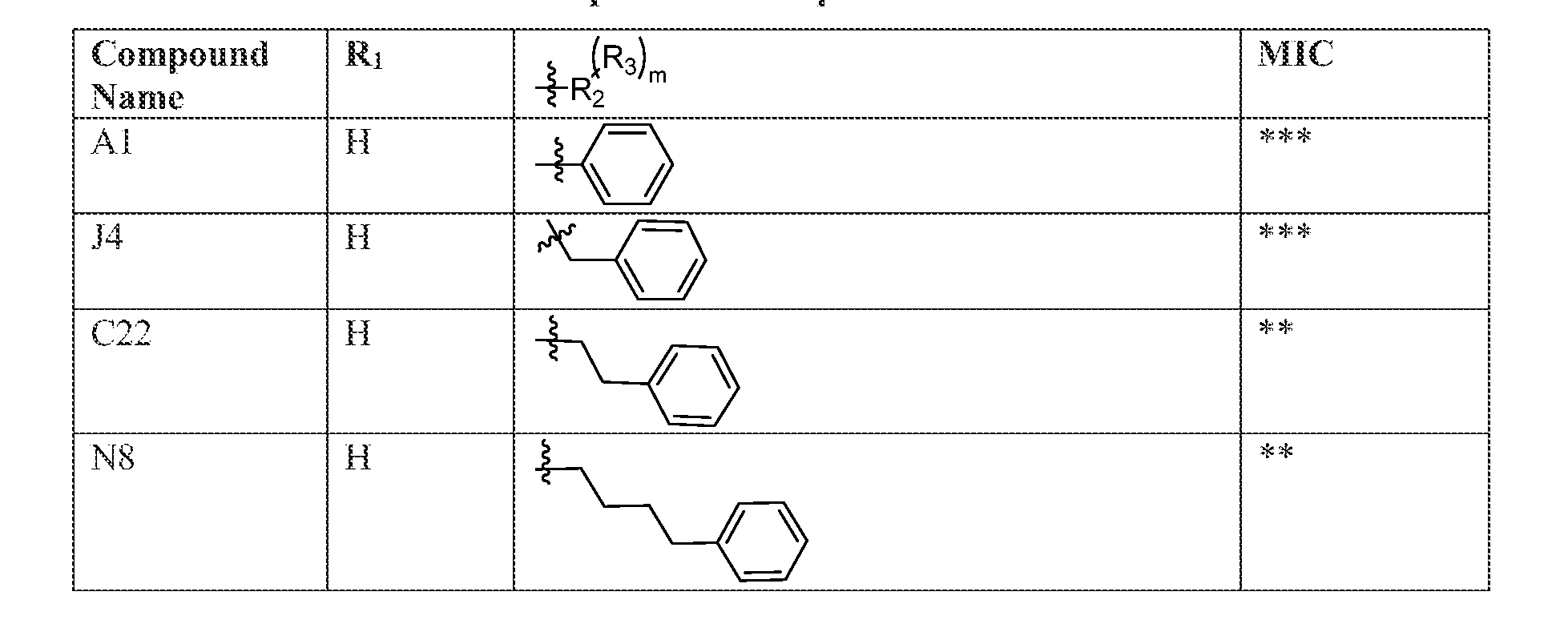


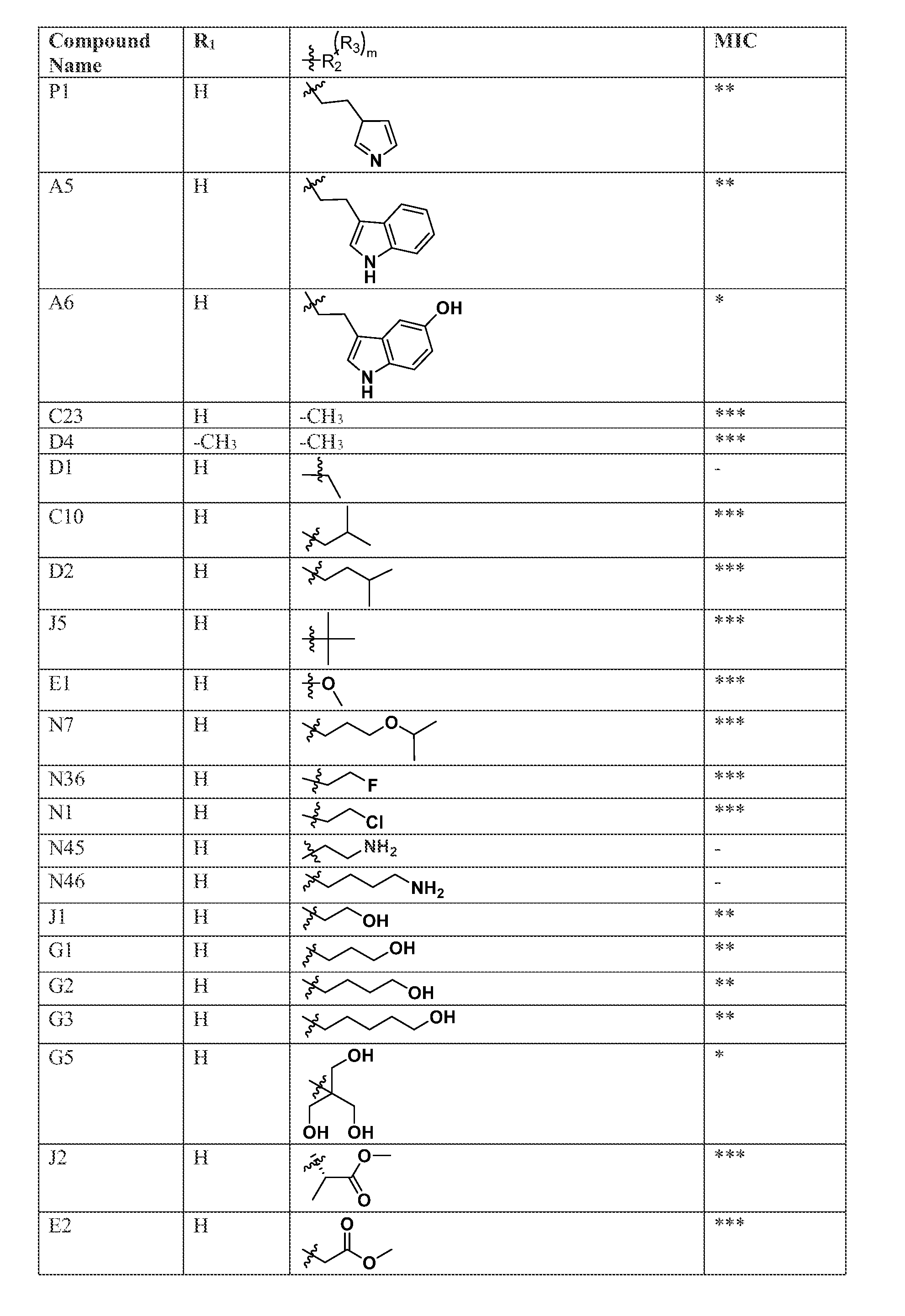


Table 2. The MIC values of compounds of the present disclosure.


[0463] Several of the modifications showed improved activity.
[0464] In a second round of synthesis, additional differentially modified benzylethylamines, as well as amines containing a tert-butyl substructure, and amines with a pyrrolidine core were synthesized. The benzylethylamines showed improved activity compared to Kang A. From the group of pyrrolidine-containing amides, a variant with a cyclopropyl moiety (C5) was identified which had improvement in activity. The combined results of the two rounds of screening demonstrate that the Kang A acid tolerates modification with a variety of substituents (in particular small hydrophobic and simple aromatic moieties) while still retaining antibiotic activity which in some cases exceeds that of the parent compound.
Example 4. Spectrum of activity
[0465] Representatives from Formula I (J4, J5, C5, Bl, E4, and F6) were selected for additional analyses. Their activity was tested against a collection of Gram-positive and Gramnegative bacteria. Several of the amides showed improved activity compared to Kang A against different S. aureus strains and S. epidermidis, as well as against the Gram-negative bacterium, Legionella pneumophila. The compounds were also tested against a panel of
mycobacteria. Although most several of the mycobacterial strains tested were resistant to both the Kang amides and Kang A, the Kang amides exhibited at least a two-fold improvement against M. tuberculosis H37rv. While the amides J4 and J5 were two of the most potent antibiotics against S. aureus , the amide C5 had the strongest activity against M. tuberculosis.
Antibiotic assays against Staphyloccocus aureus
[0466] Minimum inhibitory concentration (MIC) assays were performed by incubating cells against a serial 1:3 dilution of compounds starting at 50 μg/mL. Briefly, a single colony of wild type S. aureus ATCC 12600 or S. aureus ATCC 12600 carrying either a D471 Y,
H481Y, or S486L mutation (Srivastava et al, 2012, Antimicrob. Agents, 56:6250-6255, which is incorporated by reference herein in its entirety) was used to inoculate 7 mL of Luria- Bertani (LB) broth and the culture was grown overnight to saturation. The following day, 10 pL of overnight culture were diluted into 50 mL of LB broth and 80 pL aliquots were distributed to each well of a 96-well plate. 250 pg of dried test compound was re-suspended in 50 pL of methanol and diluted to 250 μg/mL with LB. Starting with 250 μg/mL of antibiotic in the first well, a 1:3 serial dilution of the was performed in LB across the plate. No compound was added to the final well in each row. 20 pL of diluted test compound were transferred, in triplicate, to the wells of a plate containing an assay strain. This yielded the final volume of 100 pL in assay wells, with the initial concentration of compound being 50 μg/mL. Plates were sealed with air permeable membranes (BreathEasy) and incubated at 30 °C, with shaking at 200 rpm for 24 h. The ODeoo of each plate was read at 24 h using an Epoch Microplate Spectrophotometer (BioTek Instrumetns) and MIC values were reported as the lowest concentration of the compound that inhibited the growth of the test strain.
Example 5. Activity against rifamycin resistant M. tuberculosis strains [0467] In addition to the wild-type M. tuberculosis strain, the amides were tested against several rifampicin resistant strains containing point mutations in RNAP. The J4 and J5 amides had the strongest activity against S. aureus and the C5 amide showed the most potent activity against MTB.
Antibiotic assays against Mycobacterium tuberculosis
[0468] M. tuberculosis H37Rv was passaged in Middlebrook 7H9 media (BD Biosciences) supplemented with oleic acid-albumin-dextrose-catalase (OADC; BD Biosciences) and
0.02% tyloxapol (hereafter called 7H9 complete). Replicating conditions were prepared as previously described (Gold et al, 2015, Antimicrob. Agents Chemother., 59:6521-6538, which is incorporated by reference herein in its entirety). All compounds were reconstituted in dimethyl sulfoxide (DMSO) and serial dilutions were created in 96-well microplates. Midlog phase M. tuberculosis was diluted to an OD580 of 0.01 with 7H9 complete and 198 pL were distributed in 96-well microplates. 2 μL of the compound dilutions were added to the culture wells in triplicate rows, keeping the DMSO concentration at 1%. DMSO and rifampin controls were included in every experiment. Plates were incubated at 37 °C with room air oxygen and 5% CO2. IC90 values were determined using an M5 SpectraMax Microplate reader (Molecular Devices) at ODsso between day 10 and 14 after thorough mixing of the wells.
Example 6. Parallel modifications of Kang V2
[0469] The J4 and J5 modifications exhibited activities against Staph and the C5 modification exhibited activity against MTB.
Example 7. In vitro analysis of RNAP inhibition by Kang amides.
[0470] Amides J4, J5, C5, Bl, E4, and F6 were analyzed in an in vitro assay. The M. smegmatis polymerase exhibits a very high level of sequence identity with M. tuberculosis RNAP, including the complete conservation of amino acids in the Kang A/rifampicin binding site. All of the amides tested against the M. smegmatis polymerase inhibited the enzyme to the same extent as Kang A, with transcriptional significantly reduced at a concentration of 0.1 uM and completely inhibited at 1 uM. These results confirm that the open pocket in the RNAP active site adjacent to the Kang A binding site is sufficiently large to accept modifications made to the Kang A acid moiety without significantly impairing targeting of the enzyme by the modified compounds. Based on the similar in vitro activity of each of the compounds compared to Kang A, the improved antibiotic activity of the amides may be due to enhanced passage of these compounds into the bacterial cells.
Example 8. In vivo analysis of the J4 Kang amide
[0471] To determine whether the improved potency of the Kang A amides observed in the MIC assays translates to improved in vivo activity, the activity of J4 is tested in a sepsis model in mice. For this assay, mice are infected with S. aureus. J4 (or Kang A or rifempicin) was administered by injection at a relevant concentration over a set number of hours and the
efficacy of the compound is determined by survival of the mice.
Example 9. Antibiotic assays against Sau
[0472] Minimum inhibitory concentration (MIC) assays were performed by incubating cells against a serial 1 :3 dilution of compounds starting at 50 pg mL-1. Briefly, a single colony of wild type Sau ATCC 12600 or Sau ATCC 12600 carrying either a D471Y, H481Y, or S486L mutation was used to inoculate 7 mL of Luria-Bertani (LB) broth and the culture was grown overnight to saturation. The following day, 10 pL of overnight culture were diluted into 50 mL of LB broth and 80 pL aliquots were distributed to each well of a 96-well plate. 250 pg of dried test compound was re-suspended in 50 pL of methanol and diluted to 250 pg mL-1 with LB. Starting with 250 pg mL"1 of antibiotic in the first well, a 1 :3 serial dilution of the compounds was performed in LB across a separate plate. No compound was added to the final well in each row. 20 pL of diluted test compound were transferred, in triplicate, to the wells of the plate containing the assay strain. This yielded the final volume of 100 pL in assay wells, with the initial concentration of compound being 50 pg mL-1. Plates were sealed with air permeable membrane (BreathEasy) and incubated at 30 °C with shaking at 200 rpm for 24 h. The OD600 of each plate was read at 24 h using an Epoch Microplate Spectrophotometer (BioTek Instruments) and MIC values were reported as the lowest concentration of the compound that inhibited the growth of the test strain.
Table 3. Formula I derivatives MIC
 Table 4. Formula III derivatives MIC

Example 10. Antibiotic assays against Mtb
[0473] The minimum concentrations of antibiotic that result in 90% inhibition of bacterial growth (MIC90) and 50% inhibition (MIC50) are identified for each compound against Mycobacterium tuberculosis (Mtb). In one embodiment, any MIC study known in the art can be used to show' the activity of the Kang amides described herein. The MIC studies show that the Kang amides described herein inhibit growth of Mtb.
Example 11. Antibacterial activity
[0474] Kanglemycins A, VI and V2 are active as antibiotics against Gram-positive bacteria, including Staphylococcus aureus, Staphylococcus epidermidis, Listeria monocytogenes and M. tuberculosis (Table 5). Interestingly, kanglemycin VI and V2 both show improved activity against M. tuberculosis (H37Rv;IC903.12 and 1.56 μΜ, respectively) compared to kanglemycin A (12.5 μΜ). Therefore, the activity of the disclosed compounds against mutations in RNAP that confer resistance to rifampicin was determined. Substitutions at just three RNAP amino acid positions, S531, H526 and D516, account for the vast majority of mutations observed in rifampicin resistant M. tuberculosis clinical isolates (Ramaswamy et al., 1998, Tuber. Lung Dis., 79:3-29, which is incorporated by reference herein in its entirety). The antibacterial activity of the kanglemycins against rifampicin resistant RNAP mutants was assessed in vivo using a collection of S. aureus strains carrying various RNAP point mutations and in vitro using purified wild-type and mutant (S477L) Mycobacterium
smegmatis RNAP (Srivastava et al., 2012, Antimicrob. Agents, 56:6250-6255; Hubin et al., 2017, Elife, 6:e22520, which are incorporated by reference herein in their entireties).
Example 12. In vitro transcription assay
[0475] Recombinantly produced wild-type and S447L mutant DNA-dependent RNAP were purified from M smegmatis MGM6029 strain expressing a chromosomal copy of rpoC with a C-terminal ppx-Hisio-tag, and either wild-type rpoB gene or rpoB mutant allele (S447L). M. smegmatis cells were grown to late exponential phase and collected at the Bioexpression and Fermentation Facility at the University of Georgia. Cells were lysed in a French press (Avestin) in 50 mM Tris-HCl, pH 8, 1 mM EDTA, 5% (v/v) glycerol, 5 mM DTT, 1 mM protease inhibitor cocktail, and 1 mM phenylmethylsulfonyl fluoride, and RNAP was precipitated from the cleared lysate by polyethyleneimine (PEI) precipitation (0.35%). The PEI pellet was washed three times with 10 mM Tris-HCl, pH 8, 0.5 M NaCl, 0.1 mM EDTA, 5 mM DTT, and 5% (v/v) glycerol, then eluted three times with the same buffer but with 1 M NaCl. Protein was precipitated overnight with 35% (w/v) ammonium sulfate and resuspended in 20 mM Tris-HCl, pH 8, 5% (v/v) glycerol, 1 M NaCl, and 1 mM β-mercaptoethanol. Protein was loaded on a Ni2+-affinity column (HiTrap 1MAC HP, GE Healthcare Life Sciences) and eluted in 20 mM Tris-HCl, pH 8, 5% (v/v) glycerol, 0.5 M NaCl, and 0.25 M imidazole. Protein was diluted in 10 mM Tris-HCl, pH 8, 5% (v/v) glycerol, 0.1 mM EDTA, and 5 mM DTT to a final salt concentration of 0.1 M NaCl, loaded on a Biorex (BioRad, Hercules, CA) ion exchange column, and eluted with a salt gradient (0.1 M-0.8 M). To generate the holoenzyme, the RNAP core was incubated with 5.0 molar excess of ^/RbpA31 for 15 min at 4 °C and the resulting complex was purified by size exclusion chromatography (Superdex-200, GE Healthcare Life Sciences) in 20 mM Tris-HCl, pH 8, 5% (v/v) glycerol, and 0.5 M NaCl. The purified complex was dialyzed into 20 mM Tris-HCl, pH 8, 100 mM K- glutamate, 10 mM MgCk, and 1 mM DTT and stored at -80°C.
[0476] The transcription assay was performed in 20 μL volumes. 50 nM of the wild-type or mutant RNAP holoenzyme in transcription buffer [10 mM Tris HC1, pH 7.9, 50 mM KC1, 10 mM, MgCk, 1 mM DTT, 5 pg mL-1 bovine serum albumin (BSA) and 0.1 mM EDTA] was mixed with Kang A, VI, or V2, or with Rif, at different concentrations of antibiotic. To allow binding of the antibiotics to the RNAP, the mixtures were incubated at 37 °C for 5 min. Following incubation, 10 nM of AP3 promoter68 was added to each tube and the samples were incubated for an additional 15 min at 37 °C to allow formation of the RNAP open complex. Transcription was initiated by the addition of a nucleotide mixture consisting of 200
μΜ ATP, 200 μΜ CTP, 200 μΜ GTP, 50 μΜ unlabeled UTP and 1.25 μCi (0.3 μΜ) γ-Ρ32- UTP. Each reaction was allowed to proceed for 15 min at 37 °C before the addition of 20 pL of stop buffer (0.5X TBE, pH 8.3, 8 M urea, 30 mM EDTA, 0.05% bromophenol blue, and 0.05% xylene cyanol). Reactions were then heated to 95 °C for 10 min and loaded onto a polyacrylamide gel [23% Aciylamide/Bis acrylamide (19:1), 6M urea, and IX TBE, pH 8.3]. Gels were run for 3 h at 500 V, then exposed on a phosphoroimaging plate (GE Healthcare) for 12 h before being imaged using a Typhoon 9400 Variable Imager (Amersham Biosciences).
Example 13. In vivo mouse studies
[0477] In vivo mouse studies were performed to assess «impound efficacy. In one embodiment, any antibacterial mouse study known in the art can be used to show the activity of the Kang amides described herein. The in vivo mouse studies show that the Kang amides described herein are efficacious.
Example 14. Semi-synthetic Kanglemycins (Rifamycin Analogs) with in vivo Activity against Rifampicin Resistant Pathogens
[0478] Rifamycin SV, a natural product produced by Amycolatopsis medilerranei, was first used for treating tuberculosis more than half a century ago. Since that time, numerous semisynthetic derivatives of rifamycin SV have been generated in an effort to improve its pharmacological properties (Aristoff PA et al., 2010, Tuberculosis (Edinb), 90:94-118). The most important of these, rifampicin (Rif), is a cornerstone in modem treatments for tuberculosis. Rif contains a methylpiperazine group appended to the C-3 position of the rifamycin naphthoquinone. This modification overcame the limited oral bioavailability of rifamycin SV and also improved the potency of the compound against Mycobacterium tuberculosis (Sensi P, 1983, Rev. Infect. Dis., 5:Suppl 3, S402-S406).
[0479] Although the development of Rif has led to dramatic improvements in the treatment of tuberculosis, resistance to the antibiotic (RifR) poses a significant challenge (Zumla A et al., 2015, Lancet. Glob. Health, 3:el0-el2). RifR most commonly resulted from mutations in the bacterial RNA polymerase (RNAP), the target of the rifamycins, with substitutions at amino acids H451 and S456 accounting for the majority of mutations observed in clinical isolates of RifR M. tuberculosis (Ramaswamy S et al., 1998, Tuber. Lung Dis., 79:3-29). [0480] In addition to Rif, there are currently three other semi-synthetic rifamycin analogs in clinical use: rifapentine, rifabutin, and rifaximin (Aristoff PA et al., 2010, Tuberculosis
(Edinb), 90:94-118). Rifapentine exhibited a longer half-life than rifampicin and can therefore be used on a more intermittent dosing schedule. Rifabutin showed reduced cytochrome P450 (CYP) induction, which was a significant problem when rifampicin was used in patients receiving other chemotherapeutics. Rifaximin, the most recently approved analog, was poorly absorbed via the oral route but was useful for treating infections of the gastrointestinal tract.
[0481] The large number of previously prepared semi-synthetic rifamycins provided a wealth of structure-activity relationship data. Invariant among both natural rifamycin congeners and semi-synthetic derivatives was a naphthalene core and a polyketide backbone. The vast majority of rifamycin derivatives that retained potent antibiotic activity, including all of those currently used in the clinic, were modified at either C-3 and/or C-4 of the naphthalene ring system (Figure 1 A) (Aristoff PA et al., 2010, Tuberculosis (Edinb), 90:94- 118). Crystal structures of clinically used rifamycin derivatives in complex with RNAP revealed that modifications of the naphthalene core were tolerated because they extended toward an open space in the polymerase active site that is adjacent to the nucleotide binding pocket (Campbell EA et ai., 2001 , Cell, 104:901-912; Artsimovitch I et al., 2005, Cell, 122:351-363).
[0482] Derivatives modified at either the C-11 or C-25 position have also been generated, although none of these are in clinical use (ArisioffPA et al., 2010, Tuberculosis (Edinb), 90:94-118). Modifications at most other chemically accessible positions in the rifamycin structure generally have detrimental effects on antibiotic activity. In particular, the free hydroxyl groups at C-l, C-8, C-21, and C-23 form critical hydrogen bonds with the polymerase and therefore cannot be easily modified without significantly affecting potency (Aristoff PA et al., 2010, Tuberculosis (Edinb), 90:94-118).
[0483] While the C-3 and C-4 positions represent the most common entry points for generating semi-synthetic rifamycin derivatives, modifications seen in natural rifamycin congeners are not limited to these sites. For instance, members of the kanglemycin (Kang) family of rifamycin congeners possess a deoxysugar at C-27 (K-sugar) and a dimethylsuccinie acid (K-acid) moiety stemming from an ethyl branch at C-20 (Figure 1) (Campbell EA et al., 2001, Cell, 104:901-912). Remarkably, these tailoring modifications conferred activity against RNAP variants carrying some of the most prevalent Rif* mutations, including the S456L mutation that represents the single most common Rif* mutation in M. tuberculosis clinical isolates. Structural and mechanistic analyses suggested that the K-sugar likely stabilizes binding of the Kangs to R NAPs carrying the S456L mutation, while the K-
acid provides a new mechanism of inhibition by blocking an earlier stage of transcript elongation than Rif (Campbell EA et al., 2001, Cell, 104:901-912).
[0484] Although the Kangs were active against bacteria carrying the most common Rif*1 mutation observed in M. tuberculosis clinical isolates, indicating that they have valuable applications in treating Ri†R infections (Campbell EA et al., 2001, Cell, 104:901-912), their efficacy in vivo had not been reported previously. In the present study, the in vivo activity of Kang A, the parent compound in the Kang family, was assessed in a murine model of bacterial sepsis. The initial evaluation of the compound revealed limited bioavailability and poor in vivo efficacy. With the aim of improving these properties, a series of Kang derivatives were generated using two different semi-synthesis strategies.
[0485] First, the use of the K-acid moiety as a new entry point for synthesis was explored. It was found that while modification of the K-acid in some cases lead to improved potency against wild-type bacteria, these modifications came at the expense of activity against Rif® strains. As an alternative strategy, the effect of combining proven modifications of the C-3/C- 4 region with the natural tailoring modifications found on the Kangs was evaluated. It was found that these modifications offered benefits in terms of potency against susceptible and resistant strains, and also provided significantly improved bioavailability and in vivo activity in a murine infection model.
In vivo Efficacy of Kang A
[0486] The Kangs are natural products produced by the soil bacterium, Amycoiatopsis vancoresmycina. Although several Kang congeners are produced by A. vancoresmycina , the major product is Kang A. Because of the comparative ease with which Kang A was assessed, Kang A was used as the starting material in the initial synthesis studies.
[0487] This study began by evaluating the in vivo bioavailability of Kang A, as this was a significant limitation of previously studied natural product rifemycins (Sensi P, 1983, Rev. Infect. Dis., 5:Suppl 3, S402-S406). It was found that the bioavailability of Kang A was below detectable levels following oral dosing, although the compound had some bioavailability (6.84%) when delivered by intraperitoneal (IP) injection. Using IP dosing, the antibacterial activity of Kang A was tested against methicillin-resistant S. aureus (MRSA) in a kidney infection model. Infected mice received IP injections of Kang A (15 mg/kg), or Rif (15 mg/kg) at 2, 4, and 8 h post infection. There was no overt morbidity or mortality observed for the different treatments at the endpoint of the study (24 h post infection). While Rif sterilized the kidneys of infected mice, treatment with Kang A resulted in a comparatively
modest 1.8 log reduction in bacterial burdens in kidneys.
Synthesis of K-acid Derivatives
[0488] In an effort to improve the efficacy of Kang A, a series of semi-synthetic Kang A analogs were generated. In the initial semi-synthesis studies, modifications of the K-acid, which along with the K-sugar, is one of the main structural features that differentiate the Kangs from other rifamycins, were explored. The K-acid was an appealing initial synthetic handle for a number of reasons. First, it has not been previously explored as a synthesis entry point. In fact, the general region of the ansa backbone, from which the K-acid extends, has been largely inaccessible for semi-synthetic studies using other rifamycin congeners (Aristoff PA et al., 2010, Tuberculosis (Edinb), 90:94-118). Second, within the RNAP active site, the K-acid extended toward a large open pocket adjacent to the nucleotide binding site (Figure IB) (Peek J et al., 2018, Nat. Commun., 9:4147). Although not bound by any particular theory, it was hypothesized that this opening could accommodate semi-synthetic modifications without impairing the antibiotic’s inhibition of the polymerase (by comparison, the K-sugar binds within a much tighter pocket). Third, while the K-sugar was likely to play a key role in allowing the Kangs to bind to Rif6 RNAP variants, the K-acid appeared to serve an ancillary mechanistic role in inhibiting both mutant and wild-type forms of the polymerase (Peek J et al., 2018, Nat. Commun., 9:4147), a function that was thought to be likely therapeutically dispensable. Finally, it was rationalized that the charged nature of the K-acid likely reduces entry of Kang A into cells thereby limiting its bioavailability.
[0489] The initial library of Kang A analogs was generated by coupling a structurally diverse collection of primary and secondary amines to the K-acid. The individual amines in this collection fell into seven general structural classes: aliphatic amines, aromatic amines, carboxylic acid amines, cyclic amines, sugars, cyclic amino acid analogs (tryptophan, tyrosine, phenylalanine, histidine) and phosphate mimics (Figure 3A and Figure 7 through Figure 13). The phosphate mimics were included in an effort to mimic the tri-phosphate portion of a nucleotide bound in the RNAP active site. Beyond the phosphate mimics, it was difficult to rationally design modifications based on the X-ray crystal structure of RNAP in complex with Kang A. The initial collection of amines was therefore intended to broadly sample a variety of distinct chemical classes. The product of each 0.4 mg scale amide coupling reaction was purified by HPLC and its identity was verified by LC/MS (Figure 7 through Figure 13). The concentration of each new analog was determined based on UV absorbance (395 nm) and comparison to a standard curve generated with known quantities of
Kang A.
Activity Screening of K-acid Derivatives
[0490] More than 100 Kang amides were generated over the course of two rounds of synthesis (Figure 7 through Figure 13). The antibacterial activity of each amide analog was evaluated against Rif sensitive S. aureus as well as S. aureus strains carrying either an H481Y or an S486L RNAP mutation (Srivastava A et al., 2012, Antimicrob. Agents Chemother., 56:6250-6255). These mutations corresponded to the two most common Rif6 mutations found in M. tuberculosis clinical isolates (M tuberculosis RNAP H451Y and S456L).
[0491] While Kang A showed strong activity against the S486L mutant, it was not active against the H451Y variant (Figure 3B). Rif was inactive against both mutants. The best amide analogs showed a time-dependent improvement in inhibition of S. aureus growth, with the highest levels of inhibition relative to Kang A occurring after 12 h and less dramatic differences in growth inhibition occurring at later timepoints. The reason for the time dependent inhibition of these analogs remains to be determined. As such, the MICs for all amides was monitored at a 12 h timepoint to ensure detection of analogs that had an effect on even the early growth of S. aureus.
[0492] Amides with increased potency against wild-type S. aureus fell into three structural classes: aromatic amides (3), aliphatic amides (5), and cyclic amides (4) (Figure 3 A). The most potent compounds from each of these structural classes were the amides synthesized from benzylethylamine (J4; MIC = 0.000061 μg/mL), and tert-butylamine (J5; MIC = 0.000061 μg/mL), as well as cyclopropanemethylamine (Bl; MIC = 0.00097 μg/mL) and 2- methylpyrrolidine (N29; MIC = 0.00097 pgZmL; Figure 3C). In general, modification of the K-acid resulted in at least a 16-fold reduction in activity against the S486L strain. Like Kang A, most were inactive against the H481Y strain, with the exception of the amide of F6, which weakly inhibited the growth of this strain (MIC = 64 μg/mL; Figure 3C).
[0493] in a second round of synthesis, the structural diversity were expanded around three of the most potent initial hits: amides J4, J5, and N29 (Figure 7 through Figure 9). In each case five to seven additional Kang A amides were synthesized from using primary and secondary amines related to those that yielded these three hits. Amides with improved potency included the methoxy-containing aromatic amides, FI, F2, and Cl 3, which showed modest 4-fold increases in activity relative to Kang A, and a fluorinated aromatic amine, N4, w'hich ranked among the most potent generated compounds against wild-type 5. aureus (MIC = 0.000061
μg/mL; Figure 3C). A pyrrolidine-containing amide with a cyclopropyl moiety (C5), which had an MIC of 0.00024 μg/mL against wild-type S. aureus , representing a 4-fold improvement in activity compared to the structurally related N29 amide from the first round of screening was also identified (Figure 3C). Interestingly, the structure of C5 combined the pyrrolidine substructure of N29 with a second highly active moiety, the cyclopropyl functionality from Bl . As it was observed in the first round of screening, the amides generated in the second round had reduced activity against the S486L mutant and were inactive against the H481Y mutant.
[0494] In total, seventeen amide modifications were identified that showed increased potency compared to Kang A against wild-type S. aureus (Figure 3C). The activity of these compounds indicated that the open pocket in the RNAP active site adjacent to the Kang binding site was sufficiently large to accommodate modifications made to the K-acid. However, the results also revealed that the K-acid plays an important role in allowing the Kangs to inhibit the S486L RNAP variant and that any improvement in activity of the amides against Rif susceptible bacteria was likely to come at the cost of reduced activity against Rif6 strains. The fact that the addition of even minimal amide side chains, such as the C23 methylamide and D4 dimethyiamide, resulted in reduced activity against the S486L mutant demonstrated that an intact carboxylic acid w'as likely to be evolutionarily optimized for strong inhibition of the RifR enzyme.
[0495] In the RNAP-Kang A crystal structure, the K-acid formed a salt bridge with a nearby arginine (Peek J et al., 2018, Nat. Commun., 9:4147). It is possible that this interaction, which is disrupted by replacing the acid with an amide, makes an important contribution to the activity of the antibiotic against the S486L RNAP variant.
Synthesis and Screening of C-3/C-4 Derivatives
[0496] Since an intact acid moiety appeared to be essential for potent activity of Kang A against bacteria carrying the S486L RNAP variant, other modification strategies were considered that do not detrimentally affect the activity against Rif*1 bacteria. The C-3 and C-4 positions of rifamycin have historically been the most fruitful sites for semi-synthetic modifications (Aristoff PA et al., 2010, Tuberculosis (Edinb), 90:94-118). In addition to offering potential increases in potency, some modifications in this region of the structure also conferred improved bioavailability (Aristoff PA et al., 2010, Tuberculosis (Edinb), 90:94- 118; Sensi P et al., 1983, Rev. Infect. Dis., 5:Suppl 3, S402-S406), which was observed as a key limitation of Kang A in the initial pharmacological profiling study. Of particular interest
were a series of benzoxazinorifamycin analogs, in which the C-3/C-4 region of the naphthoquinone was fused with a hydroxylated benzoxazino functionality (Saito H et al.,
1991, Antimicrob. Agents Chemother., 35:542-547; Yamane T et al., 1993, Chem. Phann. Bull. (Tokyo), 41:148-155). Although at present there are no benzoxazinorifamycins in clinical use, several were reported to have superior activity compared to Rif against wild-type bacteria and interestingly, some Rif® strains (Saito H et al., 1991, Antimicrob. Agents Chemother., 35:542-547; Moghazeh SL et al., 1996, Antimicrob. Agents Chemother., 40:2655-2657; Xia M et al., 2005, Antimicrob. Agents Chemother., 49:3974-3976; Murphy CK et al., 2006, Antimicrob. Agents Chemother., 50:827-834; Rothstein DM et al., 2008, J. Antibiot. (Tokyo), 61:489-495). Among previously synthesized benzoxazorifamycins, a 3’- hydroxy-5’-aminobenzoxazino derivative containing an isobutyl piperazine side chain known as rifalazil has been the most studied (Aristoff PA et al., 2010, Tuberculosis (Edinb), 90:94- 118).
[0497] Using a two-step reaction (Y amane T et al., 1993, Chem. Pharm. Bull. (Tokyo),
41 :148-155; Li J et al., 2017, Bioorg. Med. Chem. Lett., 17:5510-5513) that involved initially generating a 3-hydroxy-benzoxazino intermediate of Kang A followed by functionalization of this intermediate with a secondary amine, a series of bezoxazino derivatives of Kang A were generated (Figure 4A). Studies were primarily focused on piperazines and other cyclic amines, as similar modifications were found to confer potent antibiotic activity to other rifamycins (Figure 4B) (Saito H et al., 1991, Antimicrob. Agents Chemother., 35:542-547: Yamane T et al., 1993, Chem. Pharm. Bull. (Tokyo), 41:148-155) also tested an N5 benzylmethylamine-containing side chain (Z4), w'hich was meant to mimic the potent J4 benzylethylamide modification that was identified in the amide screening studies.
[0498] Fourteen benzoxazino derivatives were prepared at 1 mg scale and purified them by HPLC. The identity of the purified products was confirmed by LC/MS (Figure 14). All Kang benzoxazino derivatives, were assayed for antibacterial activity against wild-type S. aureus and the H481 Y and S486L mutant strains (Figure 4B). Several of the new compounds (C4z, Z6, KZ, Z8) showed 4-fold improvements in activity compared to Kang A against the wild- type bacteria. Interestingly, the KZ compound had the same N-isobutyl piperazine-containing side chain found in rifalazil, while Z6 differed from KZ by only one carbon in its side chain. Compounds with bulkier side chains, such as Z7, Z9, Z10, Z11, and N31z, did not show improved activity. Unlike the amide analogs, a number of benzoxazino derivatives, in particularly Z6, and KZ, retained good activity against the S486L mutant (MIC = 1 μg/mL). These derivatives also acquired modest activity against the H481 Y mutant, with MIC values
of 16 μg/mL (Figure 4B). The H481Y mutation normally resulted in a particularly high level of resistance to many Rif analogs. The compounds produced in this study are therefore likely to represent useful starting points for the generation of derivatives that are even more potent against this difficult to treat Rif* mutation.
Activity of Derivatives against Mycobacteria
[0499] Given the long history of the rifamycin family of antibiotics in the treatment of tuberculosis, he activity of the new semi-synthetic Kang analogs was examined against M. tuberculosis. The antibiotic activity of a subset of the most potent Kang amides (J4, J5, C5, Bl, F6, and E4) and C-3/C-4 benzoxazino analogs (C4, Z6, KZ, and Z8) were tested against wild-type and RifR strains of M. tuberculosis H37rv and in an in vitro assay against purified mycobacterial RNAP from M. smegmatis (Figure 5). The M. smegmatis enzyme exhibited a very high level of sequence identity with M. tuberculosis RNAP, including all amino acids that directly interacted with the Kang A/Rif.
[0500] It was found that all of the amides had similar activity to Kang A against the wild- type M. tuberculosis strain (Figure 5 A). With the exception of the Bl and C5 amides, the amides had reduced activity against a Rif* S531L strain, providing further evidence that modification of the K-acid comes at the expense of activity against this common Rif8 mutant. In vitro , the amides inhibited the purified RNAP with equal or slightly reduced potency compared to Kang A, with transcription reduced at a concentration of 0.1 μΜ of antibiotic and strongly inhibited at 1 μΜ (Figure 5C).
[0501] In vitro , the C-3/C-4 derivatives had slightly reduced activity against the purified mycobacterial polymerase compared to Kang A (Figure 5D). The fact that the amide and C- 3/C-4 analogs tested did not exhibit improved in vitro activity compared to Kang A suggested that the enhanced antibiotic activity of the compounds against S. aureus observed during screening is likely due to increased passage of the compounds into the bacterial cells.
In vivo Efficacy of Lead Structures
[0502] Lead compounds were selected from both the Kang amide and the C-3/C-4 benzoxazino derivative series for in vivo analysis (Figure 6A). From the K-acid derivatives, the J4 amide, which showed extremely potent activity against wild-type S. aureus and was easily produced in high yield from Kang A, was selected. From the C-3/C-4 derivatives, KZ, which exhibited strong activity against wild-type S. aureus and also had promising activity against 5. aureus strains carrying two common Rif* mutations, was selected. The
pharmacological tests showed that capping the K-acid with the J4 amide or adding the C-3/C- 4 benzoxazino modification of KZ led to significant improvements in bioavailability compared to Kang A (Figure 6B and Figure 15).
[0503] The in vivo efficacies of J4 and KZ were evaluated using the same murine neutropenic peritonitis/sepsis model described earlier for Kang A using MRSA. As with Kang A, there was no overt morbidity or mortality observed upon treatment with J4 or KZ using 15 mg/kg IP doses. J4 caused a modest reduction in bacterial burdens in the kidneys of infected mice, while KZ was successful in sterilizing the kidneys (Figure 6C and Figure 16). [0504] Given the good activity of the KZ compound against RifR S. aureus in the MIC assays, further studies focused on whether KZ shows in vivo efficacy in treating a Rif1 infection. The ability of KZ to reduce bacterial burden and protect mice upon infection with a highly virulent S. aureus strain carrying the RifR S486L RNAP variant was tested. While infection with the Rif sensitive MRSA strain tested previously was not lethal to the mice over the 24 h course of the previous experiment, infection with the Rif8 strain resulted in the death of half of the vehicle treated mice. The treatment with Rif failed to significantly reduce bacterial burdens in the kidneys of infected mice, leading to the survival of only 17% of infected mice (Figure 6D and Figure 17). In contrast, treatment with KZ caused a significant reduction in bacterial burdens and led to the survival of all mice tested over the course of the experiment. These results demonstrated that the KZ compound is a valuable lead for the design of drugs for treating Rif* infections.
[0505] The Kangs represented interesting scaffolds for the development of chemotherapeutics due to their activity against RifR bacteria. The study described in this Example was aimed to improve the in vivo activity of Kang A by generating a series of semisynthetic derivatives. The distinctive structural features of the Kangs and in particular the K- acid moiety provided a facile entry point for generating amide derivatives. Modifications of this region of the antibiotic’s structure were not obvious or easily accessible to chemists using other rifamycins as starting materials. The study therefore suggests that the identification of natural product congeners of other established drugs is likely to present new avenues for semi-synthetic modification.
[0506] The fact that several of the amides generated in this study were active against S. aureus and in vitro against purified RNAP confirmed that the open pocket in the RNAP active site adjacent to the Kang binding site was sufficiently large to accept modifications built onto the K-acid. However, the reduced activity of the amide derivatives against the 5. aureus S486L strain suggested that the K-acid plays a more important role in inhibiting this
RNAP mutant than originally thought; it is likely that both the K-acid and K-sugar have been evolutionarily optimized for activity against the RifR enzyme. Moreover, the J4 amide, which was among the most potent amides against wild- type S. aureus cells during screening, did not prove efficacious in the in vivo analysis of the compound.
[0507] To date, the vast majority of semi-synthetic rifamycin derivatives have been modified on the naphthalene ring system. All rifamycin analogs currently in clinical use have been modified at this part of their structures. The availability of this portion of the Kang A structure for synthetic derivatizalion allowed to test the effect of combining a proven C-3/C-4 modification, w'hich was known to yield improvements in activity against some RifR bacteria and which is likely to help increase the bioavailability of the compound with the natural tailoring modifications of Kang A, which conferred potent activity against the dominant S486L mutation. The result was a series of benzoxazino derivatives that showed broad spectrum activity against wild-type bacteria as well as both of the most common Rif* strains. [0508] While the activity of the derivatives against the H481 Y mutant was only moderate, these compounds inspire the design of additional Kang analogs with more potent activity against this highly resistant mutant. The KZ benzoxazino derivative had the additional benefit of conferring increased in vivo bioavailability, which likely contributed to the success of this compound in treating the S. aureus infected mice in the peritonitis/septicemia model. Importantly, it was found that the KZ compound was active in vivo against a highly virulent S. aureus strain carrying the Rif6 S486L RNAP mutation. The compoimds generated in this example provided new leads for the development of drugs for treating RifR infections. Moreover, herein described results suggested that the Kangs and other natural product antibiotic congeners represent a valuable source of structural variations that can be paired with proven synthetic modifications to yield useful combinations of pharmacologically relevant properties.
[0509] In summary, semi-synthetic rifamycin derivatives, such as Rif, are first line treatments for tuberculosis and other bacterial infections. Historically, synthetic modifications made to the C-3/C-4 region of the rifamycin naphthoquinone, like those seen in Rif, have yielded the biggest improvements in pharmacological properties. However, modifications found in natural product rifamycin congeners occur at other positions in the structure. The Kangs are a family of rifamycin congeners with a unique collection of natural modifications including a dimethylsuccinic acid appended to their polykelide backbone.
These modifications conferred activity against the single most common clinically relevant RifR mutation in the antibiotic’s target, the bacterial RNAP. This example showed the
evaluation of the in vivo efficacy of Kang A, the parent compound in the Kang family, in a murine model of bacterial sepsis. Several pharmacological properties of the compound were then improved by combining its natural tailoring modifications with semi-synthetic derivatizations at either its acid moiety or in the C-3/C-4 region. A collection of C-3/C-4 benzoxazino Kang derivatives exhibited improved activity against wild- type bacteria, and acquired activity against the second most common clinically relevant RifR mutation. The semisynthetic analog 3 '-hydroxy-5 ’aminobenoxazino Kang A (Kang KZ) showed improved bioavailability and reduced bacterial burden while protecting mice during infection with either Rif sensitive MRSA or a highly virulent Rif® strain in a neutropenic peritonitis/sepsis model. The compounds generated in this study may represent promising candidates for treating RifR infections. As such these compounds can be used as antibiotic drugs tor the treatment of Gram-positive bacterial infections, including drug resistant infections.
[0510] Materials and methods used in this experiment are now described.
Isolation of Kang A
[0511] Kang A was isolated from fermentations of Amycolatopsis vancoresmycina (NRRL B-24208). 5 pL of a frozen glycerol spore stock of A. vancoresmycina was used to inoculate 50 mL of TSB media (Oxiod) in a 125 mL baffled flask. The culture was grown for 48 h with shaking at 30 °C and 200 rpm. 200 pL of the saturated culture was used to inoculate 72 x 50 mL R5A media (100 g/L sucrose, 0.25 g/L K2SO4, 10.12 g/L MgCk*6H20, 10 g/L glucose, 0.1 g/L casamino acids, 20.5 g/L MOPS, 5 g/L yeast extract, and 2 g/L NaOH) containing 1.5 g Diaion HP-20 resin (Sigma) and a 1” x 1” stainless steel metal mesh (for increased aeration) in 125 mL baffled flasks. The cultures were incubated at 30 °C with shaking at 200 rpm. After 10 days, HP-20 resin was removed from the cultures by filtration and washed with 2 x 500 mL water. Material bound to the resin was eluted using 2 x 500 mL methanol. The resulting crude extract was fractionated by flash chromatography (RediSep Rf, High Performance Gold 50 g HP Cl 8 resin) using a linear gradient of 30-100% acetonitrile: water with 0.1% acetic acid over 30 min. A small portion of each fraction was analyzed by LC-MS on a Waters Acquity H-Class UPLC. Fractions containing Kang A were further purified by HPLC on a 10 mm x 150 mm C18 column (Waters) using an isocratic method of 42% acetonitrile with 0.1% formic acid at a flow rate of 2.5 mL/min. Purified Kang A was isolated with a yield of approximately 5 mg per liter of culture.
Synthesis of Kang Amides
[0512] For synthesis of Kang amides, a 0.2 M stock of Kang A was prepared in dimethylformamide (DMF). 0.4 M stocks (in DMF) were prepared for each of the following: l-[Bis(dimethylamino)methylene]- 1H- 1 ,2,3-triazolo[4,5-b]pyridinium 3-oxid hexafluorophosphate (HATU), triethylamine (TEA), and each amine to be coupled to the Kang A acid. As the amines containing carboxylic acid, phophonate and sulfonate moieties generally had poor solubility in DMF, solutions of these amines were instead prepared in water. 2 pL of each reagent (containing 0.4 mg Kang A) were transferred to a 1.5 mL Eppendorf tube in the order: Kang A, TEA, HATU, and amine. Reactions were allowed proceed overnight with gentle agitation on a vortexer. The following day, reactions were diluted with 100 pL of DMF and purified by HPLC with a 10 mm x 150 mm 08 column (Waters) and a linear gradient of 30-95% acetonitrile:water with 0.1% formic over 30 min at a flow rate of 3.5 mL/min. The identity of each purified Kang amide was verified by LC/MS and the purity was determined to be at minimum greater than 90% and typically greater than 95%. The concentration of each purified analog was evaluated using UV absorbance (395 nm) by comparison to a standard curve generated with known quantities of Kang A. Amides generated from the aromatic amines N34 and N35 had altered UV absorbances at 395 nm compared to Kang A and were instead produced in larger scale (~1 mg) and quantified by mass. Amides selected for additional studies were resynthesized using multiple 0.4 mg reactions, purified as described above, and quantified by mass.
Antibiotic Assays against S. aureus
[0513] Minimum inhibitory concentration (MIC) assays were performed against wild-type S. aureus ATCC 12600 or H481 Y or S486L Rif* strains (Srivastava A et al., 2012, Antimicrob. Agents Chemother., 56:6250-6255) using a 1:4 dilution of each compound. A single colony of S. aureus was used to inoculate 15 mL of Luria-Bertani (LB) broth and grown overnight. The next day, 10 uL of the saturated overnight culture was diluted with 50 mL fresh LB. 80 pL of the diluted cells were aliquoted into each well of a 96-well plate. Compounds were resuspended in DMSO and a serial 1 :4 dilution of each compound was prepared in a separate 96-well plate, so that upon transfer of 20 pL of each diluted compound to the plate containing the bacteria, the concentration of compound in the first well was 64 pgZmL. Each compound was tested in duplicate. Plates were sealed using a Breathe-Easy air permeable membrane and incubated at 30 °C with shaking at 200 rpm for 12 h. MIC values were reported as the lowest concentration of the compound that inhibited visible bacterial growth.
Synthesis of C-3/C-4 Derivatives
[0514] Benzoxazino derivatives of Kang A were generated in a two-step reaction, as reported previously for the synthesis of benzoxazinorifamycins (Saito H et al., 1991, Antimicrob. Agents Chemother., 35:542-547; Yamane T et al., 1993, Chem. Pharm. Bull. (Tokyo), 41:148-155). In the initial step, 1 mg of Kang A was dissolved in 20 pL of 1:1 toluene:tetrahydrofuran (THE) and reacted with 2-aminoresoricinol hydrochloride (Sigma) in a 1 : 1 molar ratio to afford the hydroxylated benzoxazino intermediate. The reaction was allowed to proceed for approximately 24 h. To the product of the first reaction was added 20 pL DMSO, 12 mg MnCh and two reaction equivalents of one of the secondary amines shown in Figure 4. The second reaction was allowed to proceed with shaking for 24 h, at which point 500 pL of methanol was added to the reaction and insoluble materials were removed by centrifugation. The reaction products were purified by HPLC as described above for the Kang amides. A second round of purification for the benzoxazino derivatives utilized a gradient of 75-95% methanokwater with 0.1% formic over 30 min at a flowrate of 3.5 mL/min. The identity of each purified benzoxazino derivative was verified by LC/MS and purity was determined to be at least 95%. The compounds were screened for activity against S. aureus wild-type and H481Y and S486L RifR strains of S. aureus using the same protocol used for screening the Kang amides. Compounds selected for additional studies were resynthesized using multiple 1 mg reactions and purified as described above.
In vitro Trascription Assays
[0515] Recombinantly produced RNAP was purified from M. smegmatis strain MGM6029 as previously described (Peek J et al., 2018, Nat. Commun., 9:4147). Transcription assays were performed by mixing 50 nM RNAP holoenzyme in transcription buffer (10 mM Tris HC1, pH 7.9, 50 mM KC1, 10 mM, MgCk, 1 mM DTT, 5 μg/mL bovine serum albumin (BSA) and 0.1 mM EOT A) with different concentrations of antibiotic in a total reaction volume of 20 pL. The RNAP/antibiotic mixtures were first incubated at 37 °C for 5 min to permit binding of the antibiotics to the polymerase. To form the RNAP open complex, 10 nM of AP3 promoter (Gonzalez-y-Merchand JA et al., 1996, Microbiology, 142:667-674) was added to each reaction and the tubes were incubated for 15 min at 37 °C. To initiate transcription, a nucleotide mixture (200 pM ATP, 200 pM CTP, 200 pM GTP, 50 pM unlabeled UTP and 1.25 pCi (0.3 pM) y-P32-UTP) was added to each tube. Reactions were allowed to proceed for 15 min at 37 °C before being stopped by the addition of buffer containing 0.5X TBE, pH 8.3, 8 M urea, 30 mM EDTA, 0.05% bromophenol blue, and
0.05% xylene cyanol. Reactions were then heated at 95 °C for 10 min and loaded onto a polyacrylamide gel (23% Acrylamide/Bis acrylamide (19:1), 6 M urea, and IX TBE, pH 8.3). Gels were mn for 1.5 h at 1000 V, before being exposed on a phosphoroimaging plate (GE Healthcare) for 12 h. Gels were imaged using a Typhoon 9400 Variable Imager (Amersham Biosciences).
Antibiotic Assays against M. tuberculosis
[0516] M. tuberculosis H37Rv was purchased from the ATCC (Manassas, Viriginia). Bacteria were growth overnight in 7H9 broth (Becton, Dickinson and Company 271310), plus 0.2% glycerol, and 20% 5X albumin-dextrose complex (ADC). The 5X ADC solution was prepared using 25 g/L Bovine Serine Albumin, 10 g/L dextrose, and 4.2 g/L NaCl. For MIC assays, bacteria were grown for seven days at 37 °C. Compounds were suspended in DMSO. A series of twofold dilutions of the compounds were prepared in the bacterial media and added to a 96-well round bottom cell culture plate (Coming Incorporated, Costat 3799). Bacterial stocks were prepared by making a 1 : 100 dilution of the seven day old cultures and then were added to the wells of the 96-well plate. Plates were incubated for seven days at 37 °C at which point MIC values were determined by adding Alamar Blue to the 96-well plate and then reading the absorbance in each well at 570 nm. Assays were performed in duplicate or triplicate.
In vivo Efficacy Studies
[0517] Initial testing of Kang A, J4, and KZ for bioavailability was performed using previously described methodologies (Kumar P et al., 2018, mBio, 9:e02101- e02117). Kang A, J4, KZ and Rif were evaluated for their efficacy in treating MRSA in a neutropenic murine acute peritonitis/septicemia model. The drugs were prepared in the vehicle, consisting of 5% DMA and 30% Captisol in sterile water for injection. Female outbred Swiss Webster mice (~6 weeks old) were housed in individually ventilated cages and maintained in accordance with American Association for Accreditation of Laboratory Care criteria. The animal study was approved by Hackensack Meridian Health’s Institutional Animal Care and Use Committee. MRSA strain COL was acquired through the Kreiswirth Laboratory (Center for Discovery and Innovation, Nutley, New Jersey). S. aureus ATCC 12600 carrying an S486L RNAP mutation was used to test the in vivo efficacy of KZ against a Rif* strain. Bacterial strains were grown overnight in Mueller Hinton Broth at 37 °C with shaking. The cultures were centrifuged, the supernatant was removed and the bacteria were gently washed once in
sterile saline.
[0518] The optical density at 600 nm was monitored in a spectrophotometer. The bacteria were resuspended in 5% mucin. The suspension provided a challenge inoculum of approximately 2.0 x 10⁴ CPU per mouse in a volume of 0.5 mL. Inoculum counts were verified by viable counts on LB plates spread with dilutions of the inoculum and incubated at 37 °C for 24 h. A murine neutropenic peritonitis/sepsis model was used to assess the efficacy of the treatment (Lee SH et al., 2016, Sci. Transl. Med., 8:329ra32). Mice were rendered neutropenic by receiving 150 mg/kg cyclophosphamide on day -4 and 100 mg/kg cyclophosphamide on day -1 prior to infection. Mice were manually restrained and inoculated with approximately 2.0 x 10⁴ CPU of MRSA strain COL or the S. aureus ATCC 12600 strain with the S486L RNAP mutation in a volume of 0.5 mL in 5% hog mucin and 0.9% NaCl via IP injection.
[0519] Treatment was initiated at 2 h post infection. Mice were given IP injections of vehicle (5% DMA plus 30% Captisol), or 15 mg/kg of Rif, Kang A, J4, or KZ at 2, 4, and 8 h post infection. Six mice were used for each treatment. Mice were observed twice daily for mortality and morbidity and possible signs of acute toxicity. Abnormal clinical signs were recorded if observed. At 24 h post infection, mice were humanely euthanized by COa narcosis. Kidneys were aseptically removed, homogenized and enumerated for bacterial burden by CPU counts by plating on MSA agar. All graphic data are expressed as columnar average data points by group and were statistically analyzed by analysis of variance (ANOVA) using computer Prism software (Prism 8; GraphPad Software, Inc., San Diego, CA). Burden difference between testing and control groups was assessed by post-hoc analysis, using Holm-Sidak’s multiple comparison test. A P value of <0.05 is considered statistically significant.
EQUIVALENTS
[0520] The details of one or more embodiments of the disclosure are set forth in the accompanying description above. Although any methods and materials similar or equivalent to those described herein can be used in the practice or testing of the present disclosure, the preferred methods and materials are now described. Other features, objects, and advantages of the disclosure will be apparent from the description and from the claims. In the specification and the appended claims, the singular forms include plural referents unless the context clearly dictates otherwise. Unless defined otherwise, all technical and scientific terms used herein have the same meaning as commonly understood by one of ordinary skill in the
art to which this disclosure belongs. All patents and publications cited in this specification are incorporated by reference.
[0521] The foregoing description has been presented only for the purposes of illustration and is not intended to limit the disclosure to the precise form disclosed, but by the claims appended hereto.
Claims
What is claimed is:
1. A compound of Formula (I), (Π), (HI), or (IV):


X1 and X2 are independently S, N, O, or C(R4XR5);
R1 is H, C1-10 alkyl, C2-10 alkenyl, or C2-10 alkynyl;
R2 is -OR4, aryl, heteroaryl, aralkyl, aralkenyl, aralkynyl, heteroarylalkyl, heteroarylalkenyl, heteroarylalkynyl, cycloalkyl, cycloalkenyl, cycloalkynyl, heterocyclyl, cycloalkylalkyl, heterocycloalkyl or C1-10 alkyl, or
R1 and R2 together form a 3- to 10-membered heterocyclyl optionally substituted with one or more R5; each occurrence of Ra is independently H, oxo, halogen, -OR4, -N(R4)(RO, - SRt, -C(O)R4, -C(O)OR4, -C(O)NR4R5, -P(OXOR4)2, -S(O)2R4, -S(O)OR 4, - NR4C(O)R5, -NR4C(OX)R5, -NC(O)NR4R5, C1-6 alkyl, Ci-6 haloalkyl, aryl, heteroaryl, C3-10 cycloalkyl, or heterocyclyl, wherein the alkyl, aryl, heteroaryl, heterocyclyl, or C3-10 cycloalkyl is optionally substituted with one or more R5; or two Ra together with the atoms to which they are attached form an aryl, heteroaryl, heterocyclyl, or C3-10 cycloalkyl wherein the aryl, heteroaryl, heterocyclyl, or C3-10 cycloalkyl is optionally substituted with one or more R5;
R4 is H or C1-6 alkyl; each occurrence of R5 is independently H, oxo, halogen, C1-6 alkyl, C2-6 alkenyl, C2-6 alkynyl, C1-6 alkoxy, C1-6 haloalkyl, -ORe, -NH2, -NH(C1-6 alkyl), - NH(C1-6 alkyl)2, -C(O)OR6, -P(OXOR6)2, aryl, heteroaryl, heterocyclyl, or C3-10 cycloalkyl, wherein the alkyl, alkenyl, alkynyl, alkoxy, haloalkyl, aryl, heteroaryl, heterocyclyl, or cycloalkyl is optionally substituted with one or more R7;
Re is H, Ci-6 alkyl, C2-6 alkenyl, or C2-6 alkynyl; each occurrence of R7 is independentiy oxo, -OH, -C(O)OH, -C(O)O(C1-6 alkyl), aryl, heteroaryl, heterocyclyl, or C3-10 cycloalkyl wherein the aryl, heteroaryl, heterocyclyl, or C3-10 cycloalkyl is optionally substituted with halogen, oxo, -OH, or - NH2; m is 0, 1, 2, 3, or 4; and n is O, 1, 2, 3, or 4.
2. A compound of Formula (I):
 or a pharmaceutically acceptable salt, solvate, or tautomer, thereof, wherein:
R1 is H, C1-10 alkyl, C2-10 alkenyl, or C2-10 alkynyl;
R2 is -OR*, aryl, heteroaryl, aralkyl, aralkenyl, aralkynyl, heteroarylalkyl, heteroarylalkenyl, heteroarylalkynyl, cycloalkyl, cycloalkenyl, cycloalkynyl, heterocyclyl, cycloalkylalkyl, heterocycloalkyl or C1-10 alkyl, or
R1 and R2 together form a 3- to 10-membered heterocyclyl optionally substituted with one or more R5; each occurrence of R3 is independently H, oxo, halogen, -OR4, -N(R4)(R5), - SR4, -C(O)R4, -C(OX)R4, -C(O)NR4R5, -P(0X0R4)2, -S(O)2R4, -S(O)OR 4, - NR4C(O)R5, -NR4C(O)OR5, -NC(O)NR4R5, C1-6 alkyl, C1-6 haloalkyl, aryl, heteroaryl, C3-10 cycloalkyl, or heterocyclyl, wherein the alkyl, aryl, heteroaryl, heterocyclyl, or C3-10 cycloalkyl is optionally substituted with one or more R5; or two R3 together with the atoms to which they are attached form an aryl, heteroaryl, heterocyclyl, or C3-10 cycloalkyl wherein the aryl, heteroaryl, heterocyclyl, or C3-10 cycloalkyl is optionally substituted with one or more R5; R4 is H or C1-6 alkyl; each occurrence of R5 is independently H, oxo, halogen, C1-6 alkyl, C2-6
alkenyl, C2-6 alkynyl, C1-6 alkoxy, C1-6 haloalkyl, -ORe, -NH2, -NH(C1-6 alkyl), - NH(C1-6 alkyl)2, -C(O)ORe, -Ρ(0Χ0Κβ)2, aryl, heteroaiyl, heterocyclyl, or C3-10 cycloalkyl, wherein the alkyl, alkenyl, alkynyl, alkoxy, haloalkyl, aiyl, heteroaryl, heterocyclyl, or cycloalkyl is optionally substituted with one or more R7;
Re is H, C1-6 alkyl, C2-6 alkenyl, or C2-6 alkynyl; each occurrence of R7 is independently oxo, -OH, -C(O)OH, -C(O)O(C1-6 alkyl), aryl, heteroaryl, heterocyclyl, or C3-10 cycloalkyl wherein the aryl, heteroaryl, heterocyclyl, or C3-10 cycloalkyl is optionally substituted with halogen, oxo, -OH, or - NH2; m is 1, 2, 3, or 4; and n is 1, 2, 3, or 4.
3. A compound of Formula (Π):
 or a pharmaceutically acceptable salt, solvate, or tautomer, thereof, wherein:
R1 is H, Ci- 10 alkyl, C2-10 alkenyl, or C2-10 alkynyl;
R2 is -OR*, aryl, heteroaryl, aralkyl, aralkenyl, aralkynyl, heteroarylalkyl, heteroaiylalkenyl, heteroarylalkynyl, cycloalkyl, cycloalkenyl, cycloalkynyl, heterocyclyl, cycloalkylalkyl, heterocycloalkyl or C1-10 alkyl, or
R1 and R2 together form a 3- to 10-membered heterocyclyl optionally substituted with one or more R5; each occurrence of R3 is independently H, oxo, halogen, -OR4, -N(R4)(R5), - SR4, -C(O)R», -C(0X)R4, -C(O)NR4R5, -P(OXOR4)2, -S(O)2R», -S(O)OR 4, - NR4C(O)R5, -NR4C(O)OR5, -NC(O)NR4R5, C1-6 alkyl, C1-6 haloalkyl, aryl, heteroaiyl, C3-10 cycloalkyl, or heterocyclyl, wherein the alkyl, aryl, heteroaiyl, heterocyclyl, or C3-10 cycloalkyl is optionally substituted with one or more R5; or two R5 together with the atoms to which they are attached form an aryl, heteroaryl, heterocyclyl, or C3-10 cycloalkyl wherein the aryl, heteroaiyl, heterocyclyl,
or C3-10 cycloalkyl is optionally substituted with one or more Rs; R4 is H or C1-6 alkyl; each occurrence of R5 is independently H, oxo, halogen, C1-6 alkyl, C2-6 alkenyl, C2-6 alkynyl, C1-6 alkoxy, C1-6 haloalkyl, -OR6, -NH2, -NH(C1-6 alkyl), - NH(C1-6 alkyl)2, -C(O)OR6, -P(O)(OR6)2, aryl, heteroaryl, heterocyclyl, or C3-10 cycloalkyl, wherein the alkyl, alkenyl, alkynyl, alkoxy, haloalkyl, aryl, heteroaryl, heterocyclyl, or cycloalkyl is optionally substituted with one or more R7;
Re is H, C1-6 alkyl, C2-6 alkenyl, or C2-6 alkynyl; each occurrence of R7 is independently oxo, -OH, -C(O)OH, — C(O)O(C1-6 alkyl), aryl, heteroaryl, heterocyclyl, or C3-10 cycloalkyl wherein the aryl, heteroaryl, heterocyclyl, or C3-10 cycloalkyl is optionally substituted with halogen, oxo, -OH, or - NHz; m is 1, 2, 3, or 4; and n is 1, 2, 3, or 4.
4. A compound of Formula (ΠΙ):
 or a pharmaceutically acceptable salt, solvate, or tautomer, thereof, wherein:
R1 is H, C1-10 alkyl, C2-10 alkenyl, or C2-10 alkynyl;
R2 is -OR4, aryl, heteroaryl, aralkyl, aralkenyl, aralkynyl, heteroarylalkyl, heteroarylalkenyl, heteroarylalkynyl, cycloalkyl, cycloalkenyl, cycloalkynyl, heterocyclyl, cycloalkylalkyl, heterocycloalkyl or C1-10 alkyl, or
R1 and R2 together form a 3- to 10-membered heterocyclyl optionally substituted with one or more R5; each occurrence of R3 is independently H, oxo, halogen, -OR4, -N(R4)(R5), - SR4, -C(O)R4, -C(O)0R4, -C(O)NR4R5, -P(OXOR4)2, -S(O)2R4, -S(O)OR 4, - NR4C(O)R5, -NR4C(O)OR5, -NC(O)NR4R5, C1-6 alkyl, C1-6 haloalkyl, aryl,
heteroaryl, C3-10 cycloalkyl, or heterocyclyl, wherein the alkyl, aryl, heteroaryl, heterocyclyl, or C3-10 cycloalkyl is optionally substituted with one or more R5; or two R5 together with the atoms to which they are attached form an aryl, heteroaryl, heterocyclyl, or C3-10 cycloalkyl wherein the aryl, heteroaryl, heterocyclyl, or C3-10 cycloalkyl is optionally substituted with one or more R5;
R* is H or C1-6 alkyl; each occurrence of R5 is independently H, oxo, halogen, C1-6 alkyl, C2-6 alkenyl, C2-6 alkynyl, C1-6 alkoxy, C1-6 haloalkyl, -OR6, -NH2, -NH(C1-6 alkyl), - NH(C1-6 alkyl)2, -C(O)OR6, -P(O)(OR6)2, aryl, heteroaryl, heterocyclyl, or C3-10 cycloalkyl, wherein the alkyl, alkenyl, alkynyl, alkoxy, haloalkyl, aryl, heteroaryl, heterocyclyl, or cycloalkyl is optionally substituted with one or more R7;
Re is H, C1-6 alkyl, C2-6 alkenyl, or C2-6 alkynyl; each occurrence of R7 is independently oxo, -OH, -C(O)OH, — C(O)O(C1-6 alkyl), aryl, heteroaryl, heterocyclyl, or C3-10 cycloalkyl wherein the aryl, heteroaryl, heterocyclyl, or C3-10 cycloalkyl is optionally substituted with halogen, oxo, -OH, or - NH2; mis 1, 2, 3, or 4; and nis O, 1, 2, 3, or 4.
5. A compound of Formula (IV):
 or a pharmaceutically acceptable salt, solvate, or tautomer, thereof, wherein: X1 and X2 are independently S, N, O, or C(R4XR5);
R1 is H, C1-10 alkyl, C2-10 alkenyl, or C2-10 alkynyl;
R2 is -OR4, aryl, heteroaryl, aralkyl, aralkenyl, aralkynyl, heteroarylalkyl, heteroarylalkenyl, heteroarylalkynyl, cycloalkyl, cycloalkenyl, cycloalkynyl, heterocyclyl, cycloalkylalkyl, heterocycloalkyl or C1-10 alkyl, or
R1 and R2 together form a 3- to 10-membered heterocyclyl optionally substituted with one or more R5; each occurrence of Rj is independently H, oxo, halogen, -OR4, -N(R4)(R5), - SR4, -C(O)R4, -C(O)0R4, -C(O)NR4R5, -Ρ(O)OR4)2, -S(O)2R4, -S(O)OR 4, - NR4C(O)R5, -NR4C(O)O )R5, -NC(O)NR4R5, CM alkyl, C1-6 haloalkyl, aryl, heteroaryl, C3-10 cycloalkyl, or heterocyclyl, wherein the alkyl, aryl, heteroaryl, heterocyclyl, or C3-10 cycloalkyl is optionally substituted with one or more R5; or two R5 together with the atoms to which they are attached form an aryl, heteroaryl, heterocyclyl, or C3-10 cycloalkyl wherein the aryl, heteroaryl, heterocyclyl, or C3-10 cycloalkyl is optionally substituted with one or more R5; R4 is H or C1-6 alkyl; each occurrence of R5 is independently H, oxo, halogen, C1-6 alkyl, C2-6 alkenyl, C2-6 alkynyl, C1-6 alkoxy, C1-6 haloalkyl, -ORe, -NH2, -NH(C1-6 alkyl), - NH(C1-6 alkyl)2, -C(O)ORft, -P(O)(ORe)2, aryl, heteroaryl, heterocyclyl, or C3-10 cycloalkyl, wherein the alkyl, alkenyl, alkynyl, alkoxy, haloalkyl, aryl, heteroaryl, heterocyclyl, or cycloalkyl is optionally substituted with one or more R7;
Re is H, C1-6 alkyl, C2-e alkenyl, or C2-e alkynyl; each occurrence of R7 is independently oxo, -OH, -C(O)OH, — C(O)O(C1-6 alkyl), aryl, heteroaryl, heterocyclyl, or C3-10 cycloalkyl wherein the aryl, heteroaryl, heterocyclyl, or C3-10 cycloalkyl is optionally substituted with halogen, oxo, -OH, or - NHa; m is 0, 1, 2, 3, or 4; and n is O, 1, 2, 3, or 4.
6. The compound of any one of the preceding claims, wherein R1 is H.
7. The compound of any one of the preceding claims, wherein R1 is C1-6 alkyl.
8. The compound of any one of the preceding claims, wherein Rj is -OR4.
9. The compound of any one of the preceding claims, wherein Rz is aryl, heteroaryl, aralkyl, aralkenyl, aralkynyl, heteroarylalkyl, heteroarylalkenyl, heteroarylalkynyl, cycloalkyl, cycloalkenyl, cycloalkynyl, heterocyclyl, cycloalkylalkyl, heterocycloalkyl or C1- 10 alkyl.
10. The compound of any one of the preceding claims, wherein Rz is aryl.
11. The compound of any one of the preceding claims, wherein Rz is aralkyl.
12. The compound of any one of the preceding claims, wherein R1 and Rz together form a 4- to 8-membered heterocyclyl.
13. The compound of any one of the preceding claims, wherein each R3 is independently H.
14. The compound of any one of the preceding claims, wherein each Rj is independently halogen, oxo, -OR4, -N(R4)(R5), -SR4, -C(O)R4, -C(O)OR4, - C(O)NR4R5, -P(O)(0RI)2, -S(O)2R4, -S(O)OR 4, -NR4C(O)R5, -NR4C(O)OR5, - NC(O)NR4R5, C1-6 alkyl, C1-6 haloalkyl, aryl, heteroaryl, C3-10 cycloalkyl, or heterocyclyl, wherein the aryl, heteroaryl, heterocyclyl, or C3-10 cycloalkyl is optionally substituted with one or more R5.
15. The compound of any one of the preceding claims, wherein two R3 together with the atoms to which they are attached form an aryl or heteroaryl.
16. The compound of any one of the preceding claims, wherein two R3 together with the atoms to which they are attached form a heterocyclyl or C3-10 cycloalkyl.
17. The compound of any one of the preceding claims, wherein two R3 together with the atoms to which they are attached form an aryl or heteroaryl, wherein the aryl or heteroaryl is optionally substituted with one or more R5.
18. The compound of any one of the preceding claims, wherein two R5 together with the atoms to which they are attached form a heterocyclyl or C3-10 cycloalkyl, wherein the heterocyclyl or C3-10 cycloalkyl is optionally substituted with one or more R5.
19. The compound of any one of the preceding claims, wherein R4 is H.
20. The compound of any one of the preceding claims, wherein R» is C1-6 alkyl.
21. The compound of any one of the preceding claims, wherein each R5 is independently H,
22. The compound of any one of the preceding claims, wherein each R5 is independently oxo or halogen.
23. The compound of any one of the preceding claims, wherein each R5 is independently C1-6 alkyl, C2-6 alkenyl, C2-6 alkynyl, C1-6 alkoxy, C1-6 haloalkyl, aryl, heteroaryl, heterocyclyl, or C3-10 cycloalkyl, wherein the alkyl, alkenyl, alkynyl, alkoxy, haloalkyl, aryl, heteroaryl, heterocyclyl, or cycloalkyl is optionally substituted with one or more R7.
24. The compound of any one of the preceding claims, wherein R5 is H.
25. The compound of any one of the preceding claims, wherein R5 is Ci-s alkyl, C2-6 alkenyl, or C2-6 alkynyl.
26. The compound of any one of the preceding claims, wherein each R7 is independently oxo.
27. The compound of any one of the preceding claims, wherein each R7 is independently -OH, -C(O)OH, or -C(O)O(C1-6 alkyl).
28. The compound of any one of the preceding claims, wherein each R7 is
independently aryl, heteroaryl, heterocyclyl, or C3-10 cycloalkyl.
29. The compound of any one of the preceding claims, wherein each R7 is independently aryl or heteroaryl optionally substituted with halogen, -OH, or -NH2.
30. The compound of any one of the preceding claims, wherein each R7 is independently heterocyclyl or C3-10 cycloalkyl wherein the heterocyclyl or C3-10 cycloalkyl is optionally substituted with halogen, oxo, -OH, or -NH2.
31. The compound of any one of the preceding claims, wherein m is 1, 2, or 3.
32. The compound of any one of the preceding claims, wherein n is 0, 1,
2, or 3.
33. The compound of any one of the preceding claims, wherein
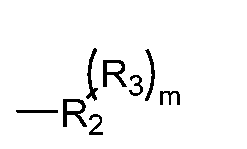


34. The compound of any one of the preceding claims, wherein


35. The compound of any one of the preceding claims, wherein


36. The compound of any one of the preceding claims, wherein


42. The compound of any one of the preceding claims, wherein the compound is of Formula (la), (lb), or (Ic):
 or a prodrug, solvate, or pharmaceutically acceptable salt thereof.
43. The compound of any one of the preceding claims, wherein the compound is of Formula (Ha), (lib), or (lie):
 or a prodrug, solvate, or pharmaceutically acceptable salt thereof.
44. The compound of any one of the preceding claims, wherein the compound is of Formula (HJa), (mb), or (me):
 or a prodrug, solvate, or pharmaceutically acceptable salt thereof.
45. The compound of any one of the preceding claims, wherein the compound is of Formula (IVa), (TVb), (IVc), (IVd), or (IVe):

 or a prodrug, solvate, or pharmaceutically acceptable salt thereof.
46. The compound of any one of claims 1-43, wherein the compound has a lower MIC (μg/mL) against rifamycin-resistant bacteria than rifamycin.
47. A pharmaceutical composition comprising a therapeutically effective amount compound of any one of claims 1-44 and a pharmaceutically acceptable excipient.
48. A method of preventing or reducing the growth or proliferation of a microorganism, wherein the method comprises contacting the microorganism with a composition comprising a compound of any one of claims 1-45.
49. The method of claim 46, wherein the microorganism is a bacterium.
50. The method of claim 47, wherein the bacterium is resistant to at least
on antibiotic.
51. The method of claim 48, wherein the bacterium is resistant to rifamycin.
52. The method of claim 49, wherein the bacterium has at least one point mutation that confers antibiotic resistance.
53. The method of any of claims 47-50, wherein the bacterium has one or more of the following mutations of one or more amino acids: (1) serine to leucine; (2) histidine to tyrosine; (3) or asparagine to tyrosine.
54. A method of treating or preventing a bacterial infection in a subject, wherein the method comprises administering to the subject a composition comprising a compound of any one of claims 1-45.
55. The method of claim 52, wherein the bacterial infection is an infection of Staphylococcus aureus, Staphylococcus epidermidis, Listeria monocytogenes. Salmonella enterica. Pseudomonas aeruginosa, Proteus mirabills, Enterococcus faecium, Acinetobacter baumannii, Myobacterium tuberculosis.
56. The method of claim 53, wherein the bacterial infection is resistant to rifamycin.
57. The method of claim 54, wherein the bacterial infection is caused by a bacterium that has at least one point mutation that confers antibiotic resistance.
58. The method of claim 55, wherein the bacterium has one or more of the following mutations of one or more amino acids: ( 1) serine to leucine; (2) histidine to tyrosine; (3) or asparagine to tyrosine.
59. The method of any one of claims 46-56, wherein the method further comprises administering to the subject an additional therapeutic agent.
60. A compound according to claims 1-45 for use in treating a bacterial infection.
61. The compound for use according to claim 58, wherein the bacterial infection is an infection of Staphylococcus aureus, Staphylococcus epidermiclis, Listeria monocytogenes, Salmonella enterica, Pseudomonas aeruginosa, Proteus mirabills, Enterococcus faecium, Acinetobacter baumannii, and Mycobacterium tuberculosis.
62. The compound for use according to claim 59, wherein the bacterial infection is resistant to rifamycin.
63. The compound for use according to claim 60, wherein the bacterial infection is caused by a bacterium that has at least one point mutation that confers antibiotic resistance.
64. The compound for use according to claim 61, wherein the bacterium has one or more of the following mutations of one or more amino acids: (1) serine to leucine; (2) histidine to tyrosine; (3) or asparagine to tyrosine.
Applications Claiming Priority (2)
| Application Number | Priority Date | Filing Date | Title |
|---|---|---|---|
| US202063031061P | 2020-05-28 | 2020-05-28 | |
| US63/031,061 | 2020-05-28 |
Publications (1)
| Publication Number | Publication Date |
|---|---|
| WO2021242849A1 true WO2021242849A1 (en) | 2021-12-02 |
Family
ID=78722709
Family Applications (1)
| Application Number | Title | Priority Date | Filing Date |
|---|---|---|---|
| PCT/US2021/034232 Ceased WO2021242849A1 (en) | 2020-05-28 | 2021-05-26 | Antibacterial compounds, compositions thereof, and methods using same |
Country Status (1)
| Country | Link |
|---|---|
| WO (1) | WO2021242849A1 (en) |
Cited By (1)
| Publication number | Priority date | Publication date | Assignee | Title |
|---|---|---|---|---|
| EP4003200A4 (en) * | 2019-07-23 | 2023-08-02 | The Rockefeller University | Antibacterial compounds, compositions thereof, and methods using same |
Citations (3)
| Publication number | Priority date | Publication date | Assignee | Title |
|---|---|---|---|---|
| US20140356376A1 (en) * | 2013-05-31 | 2014-12-04 | Genentech, Inc. | Anti-wall teichoic antibodies and conjugates |
| US20180021450A1 (en) * | 2014-12-03 | 2018-01-25 | Genentech, Inc. | Anti-staphylococcus aureus antibody rifamycin conjugates and uses thereof |
| WO2019147753A1 (en) * | 2018-01-24 | 2019-08-01 | The Rockefeller University | Antibacterial compounds, compositions thereof, and methods using same |
-
2021
- 2021-05-26 WO PCT/US2021/034232 patent/WO2021242849A1/en not_active Ceased
Patent Citations (3)
| Publication number | Priority date | Publication date | Assignee | Title |
|---|---|---|---|---|
| US20140356376A1 (en) * | 2013-05-31 | 2014-12-04 | Genentech, Inc. | Anti-wall teichoic antibodies and conjugates |
| US20180021450A1 (en) * | 2014-12-03 | 2018-01-25 | Genentech, Inc. | Anti-staphylococcus aureus antibody rifamycin conjugates and uses thereof |
| WO2019147753A1 (en) * | 2018-01-24 | 2019-08-01 | The Rockefeller University | Antibacterial compounds, compositions thereof, and methods using same |
Cited By (1)
| Publication number | Priority date | Publication date | Assignee | Title |
|---|---|---|---|---|
| EP4003200A4 (en) * | 2019-07-23 | 2023-08-02 | The Rockefeller University | Antibacterial compounds, compositions thereof, and methods using same |
Similar Documents
| Publication | Publication Date | Title |
|---|---|---|
| US11325920B2 (en) | Antibacterial compounds, compositions thereof, and methods using same | |
| JP6114275B2 (en) | Nitrogen-containing compounds and uses thereof | |
| EP1545453B1 (en) | Rifalazil for treating infections of clostridium difficile | |
| RU2625305C2 (en) | Solid forms of gyrase inhibitor (r)-1-ethyl-3-[6-fluoro-5-[2-(1-hydroxy-1-methyl-ethyl) pyrimidin-5-yl]-7-(tetrahydrofuran-2-yl)-1h-benzimidazol-2-yl] urea | |
| KR101555860B1 (en) | Rifamycin derivatives | |
| CN108368079A (en) | Treat the compound and method of bacterium infection | |
| US20090149453A1 (en) | Methods and compositions for treating bacterial infections and diseases associated therewith | |
| WO2014179784A2 (en) | Antimicrobial potentiators | |
| US6951840B2 (en) | Lipoglycopeptide antibiotics | |
| WO2021242849A1 (en) | Antibacterial compounds, compositions thereof, and methods using same | |
| JP6411482B2 (en) | Nitrogen-containing compounds and uses thereof | |
| US11339184B2 (en) | Antibacterial compounds, compositions thereof, and methods using same | |
| US12016874B2 (en) | Methods and compositions for treating carbapenem-resistant klebsiella pneumoniae infections | |
| US9464032B2 (en) | Use of polyaminoisoprenyl derivatives in antibiotic or antiseptic treatment | |
| US20230272010A1 (en) | Antibacterial synthetic-bioinformatic natural products and uses thereof | |
| EP2475252B1 (en) | Selective antibacterials for clostridium difficile infections | |
| JP2018154618A (en) | Antituberculosis agent | |
| KR101435638B1 (en) | A novel hispidin-type compound having enoyl-ACP reductase inhibition and antibacterial activity | |
| US20150157653A1 (en) | Prevention of Clostridium Difficile Infection in High Risk Patients | |
| US12285407B2 (en) | Bis-indolylmethane derivatives and uses thereof | |
| WO2024154719A1 (en) | Antibacterial composition, pharmaceutical agent, and antibacterial method | |
| Cai et al. | Bis-cyclic guanidines as antibacterial agents | |
| US20080139626A1 (en) | Novel Method | |
| JP2015105267A (en) | Combined anti-methicillin-resistant Staphylococcus aureus drug and β-lactam antibiotic antibacterial activity enhancer | |
| STEFAŃSKA et al. | PJM ONLINE |
Legal Events
| Date | Code | Title | Description |
|---|---|---|---|
| 121 | Ep: the epo has been informed by wipo that ep was designated in this application |
Ref document number: 21814575 Country of ref document: EP Kind code of ref document: A1 |
|
| NENP | Non-entry into the national phase |
Ref country code: DE |
|
| 122 | Ep: pct application non-entry in european phase |
Ref document number: 21814575 Country of ref document: EP Kind code of ref document: A1 |