WO2021229643A1 - 音声信号変換モデル学習装置、音声信号変換装置、音声信号変換モデル学習方法及びプログラム - Google Patents
音声信号変換モデル学習装置、音声信号変換装置、音声信号変換モデル学習方法及びプログラム Download PDFInfo
- Publication number
- WO2021229643A1 WO2021229643A1 PCT/JP2020/018828 JP2020018828W WO2021229643A1 WO 2021229643 A1 WO2021229643 A1 WO 2021229643A1 JP 2020018828 W JP2020018828 W JP 2020018828W WO 2021229643 A1 WO2021229643 A1 WO 2021229643A1
- Authority
- WO
- WIPO (PCT)
- Prior art keywords
- series
- target side
- target
- learning
- sequence
- Prior art date
- Legal status (The legal status is an assumption and is not a legal conclusion. Google has not performed a legal analysis and makes no representation as to the accuracy of the status listed.)
- Ceased
Links
Images




Classifications
-
- G—PHYSICS
- G10—MUSICAL INSTRUMENTS; ACOUSTICS
- G10L—SPEECH ANALYSIS TECHNIQUES OR SPEECH SYNTHESIS; SPEECH RECOGNITION; SPEECH OR VOICE PROCESSING TECHNIQUES; SPEECH OR AUDIO CODING OR DECODING
- G10L21/00—Speech or voice signal processing techniques to produce another audible or non-audible signal, e.g. visual or tactile, in order to modify its quality or its intelligibility
- G10L21/003—Changing voice quality, e.g. pitch or formants
- G10L21/007—Changing voice quality, e.g. pitch or formants characterised by the process used
-
- G—PHYSICS
- G10—MUSICAL INSTRUMENTS; ACOUSTICS
- G10L—SPEECH ANALYSIS TECHNIQUES OR SPEECH SYNTHESIS; SPEECH RECOGNITION; SPEECH OR VOICE PROCESSING TECHNIQUES; SPEECH OR AUDIO CODING OR DECODING
- G10L25/00—Speech or voice analysis techniques not restricted to a single one of groups G10L15/00 - G10L21/00
- G10L25/27—Speech or voice analysis techniques not restricted to a single one of groups G10L15/00 - G10L21/00 characterised by the analysis technique
- G10L25/30—Speech or voice analysis techniques not restricted to a single one of groups G10L15/00 - G10L21/00 characterised by the analysis technique using neural networks
Definitions
- the flowchart which shows an example of the flow of the process executed by the audio signal conversion model learning apparatus 1 in 1st Embodiment.
- the flowchart which shows an example of the flow of the process executed by the audio signal conversion apparatus 2 in 1st Embodiment.
- Explanatory drawing explaining the outline of the audio signal conversion system 100a of 2nd Embodiment.
- Explanatory drawing explaining the circulation attention loss term in 2nd Embodiment.
- the flowchart which shows an example of the flow of the process executed by the audio signal conversion system 100a in 2nd Embodiment.
- the flowchart which shows an example of the flow of the process executed by the audio signal conversion system 100b in 3rd Embodiment.
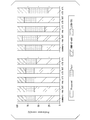
- the first figure which shows the result of the 1st experiment of the voice conversion using the voice signal conversion system 100a of the 2nd Embodiment which the 2nd loss function is an integrated loss function.
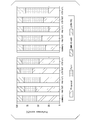
- the second figure which shows the result of the 1st experiment of the voice conversion using the voice signal conversion system 100a of the 2nd Embodiment which the 2nd loss function is an integrated loss function.
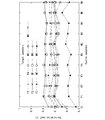
- the first figure which shows the result of the 2nd experiment of the voice conversion using the voice signal conversion system 100a of the 2nd Embodiment which the 2nd loss function is an integrated loss function.
- the second figure which shows the result of the 2nd experiment of the voice conversion using the voice signal conversion system 100a of the 2nd Embodiment which the 2nd loss function is an integrated loss function.
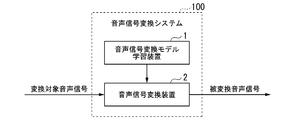
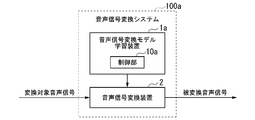
- FIG. 1 is an explanatory diagram illustrating an outline of the audio signal conversion system 100 of the first embodiment.
- the audio signal conversion system 100 converts an audio signal to be converted (hereinafter referred to as "conversion target audio signal").
- conversion target audio signal the converted audio signal to be converted
- the voice signal to be converted is a voice signal actually emitted by a person.
- the converted voice signal is a voice signal of a character used in video distribution.
- the conversion target feature quantity time series is acquired by executing the time series conversion processing for the conversion target audio signal.
- the time-series conversion process is a process of executing a process of acquiring a voice feature amount in a target period of a voice signal to be executed in the time-series conversion process for a plurality of target periods.
- the target period is a period that is the target of the process for acquiring the voice feature amount.
- Such a time series transform process is, for example, a short-time Fourier transform.
- the audio feature amount is a time series of a phase spectrum or a time series of an amplitude spectrum.
- the learning data includes the target speaker identification information St and the input speaker identification information S s .
- the target speaker identification information St is information indicating the speaker of the voice signal represented by the learning target voice feature amount series Y (hereinafter referred to as “target speaker”).
- Input speaker identification information S s is the speaker of the audio signal represented by the learning input speech feature amount sequence X (hereinafter, referred to as an "input talker".) Is information indicating a.
- speaker information when the target speaker identification information St and the input speaker identification information S s are not distinguished from each other, it is referred to as speaker information.
- the embedding target sequence Q is the use of the words of set theory the number sequence a relationship ordered set defined by the rate of time by the original between the original data points q i data points q j Is an ordered set that is the same as the target voice feature quantity series Y for learning.
- the first sequence length adjustment process is a process of converting the embedded input sequence K into the adjusted input sequence R whose sequence length is the same as the sequence length of the embedded target sequence Q.
- the adjusted input sequence R is a time series obtained by converting the sequence length of the embedded input sequence K to match the sequence length of the embedded target sequence Q. Therefore, the adjusted input series R is one of the voice feature amount time series.
- the element of the adjusted input series R is referred to as a data point r j .
- the adjusted input series R is represented by, for example, the following equation (5).
- the left side of the equation (6) represents the elements of i-row and j-column in the forward attention matrix AX ⁇ Y. It means that f FFNN in the equation (7) is a value acquired by learning using a feedforward neural network.
- the relationship between the elements of the forward attention matrix AX ⁇ Y and the data point r j is expressed by the following equation (8).
- sequence length adjusting unit 120 converts one of the pair of encoded audio feature time series so that the sequence length matches the sequence length of the other.
- the target side decoding unit 130 executes the first target side decoding process for the embedded target series Q.
- the first target side decoding process is a process of decoding the embedded target series Q.
- the embedded target sequence Q after decoding decoded by the first target side decoding process is referred to as the first target side estimation series Y ⁇ .
- U ⁇ represents a symbol in which a hat is located on the symbol U.
- Equation (10) represents a data point r j, a data point q j, the process for estimating the data points y ⁇ j based on the target speaker identification information S t.
- the specific processing of the equation (10) that is, the form of the function f TarDecAR on the right side of the equation (10)) is updated by the learning of the target side decoding unit 130.
- the target side decoding unit 130 is, for example, a neural network that expresses the first target side decoding process and the second target side decoding process.
- the target-side decoding unit 130 may be a recursive network such as a long-term storage network that expresses the first target-side decoding process.
- Input estimate sequence X ⁇ may be used the words of set theory ordered set order relationship between data points x ⁇ i is the original data points x ⁇ i is defined by the rate of time And the original number is an ordered set with the same embedded input sequence K.
- the input side decoding unit 140 updates the machine learning model expressing the input side decoding process by learning.
- the input-side decoding unit 140 may be anything as long as the machine learning model expressing the input-side decoding process can be updated by learning.
- the input side decoding unit 140 is, for example, a neural network that expresses an input side decoding process.
- the input side decoding unit 140 may be a recursive network such as, for example, an input side decoding processing long short-term storage network.
- the loss function in the first loss acquisition process (hereinafter referred to as "first loss function") includes a basic loss term and a context loss term.
- the basic loss term represents the difference between the first target-side estimated sequence Y ⁇ and the learning target voice feature sequence Y.
- the context loss term represents the loss of contextual information.
- the loss acquisition unit 150 outputs the acquired value (that is, loss) of the first loss function to the encoding unit 110, the sequence length adjustment unit 120, the target side decoding unit 130, and the input side decoding unit 140.
- the learning by the sequence length adjusting unit 120 is based on the condition that the loss acquired by the loss acquisition unit 150 is reduced based on the loss acquired by the loss acquisition unit 150, and the equations (6) and (7). It is a process of updating the forward attention matrix AX ⁇ Y so as to satisfy the condition that the condition is satisfied.
- the forward attention matrix AX ⁇ Y of the learning result by the sequence length adjusting unit 120 is recorded in the storage unit 13.
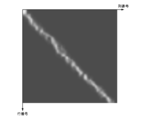
- FIG. 3 is an explanatory diagram illustrating the forward attention matrix AX ⁇ Y in the first embodiment.
- the horizontal axis of FIG. 3 represents the row number of the forward attention matrix AX ⁇ Y
- the vertical axis of FIG. 3 represents the column number of the forward attention matrix AX ⁇ Y.
- the value of row i and column j element in the forward note matrix A X ⁇ Y represents the expected value of the similarity degree between the data points k i and the data point q j.
- the values of each element of the forward attention matrix AX ⁇ Y satisfy the following first probability distribution condition and second probability distribution condition.
- the forward attention matrix AX ⁇ Y approaches the diagonal matrix as the audio signal conversion model is updated by learning.
- the interface unit 12 includes a communication interface for connecting the own device to an external device.
- the interface unit 12 communicates with an external device via wired or wireless.
- the external device may be a storage device such as a USB (Universal Serial Bus) memory.
- USB Universal Serial Bus
- the interface unit 12 acquires the learning data output by the external device by communicating with the external device.
- the interface unit 12 includes a communication interface for connecting the own device to the audio signal conversion device 2.
- the interface unit 12 communicates with the audio signal conversion device 2 via wire or wireless.
- the interface unit 12 outputs an audio signal conversion model to the audio signal conversion device 2 by communicating with the audio signal conversion device 2.
- the encoding unit 110 includes an input side encoding unit 111 and a target side encoding unit 112.
- the input side encoding unit 111 executes the input side encoding process.
- the target side decoding unit 130 includes a first target side decoding unit 131 and a second target side decoding unit 132.
- the first target side decoding unit 131 executes the first target side decoding process.
- the second target side decoding unit 132 executes the second target side decoding process.
- the management unit 102 controls the operation of the managed unit 101.
- the management unit 102 controls, for example, the execution of the unit learning process as the operation control of the managed unit 101.
- the management unit 102 controls, for example, the operations of the input unit 11, the interface unit 12, the storage unit 13, and the output unit 14.
- the management unit 102 reads various information from the storage unit 13 and outputs it to the managed unit 101.
- the management unit 102 acquires, for example, the information input to the input unit 11 and outputs the information to the managed unit 101.
- the management unit 102 acquires, for example, the information input to the input unit 11 and records it in the storage unit 13.
- the information input to the management unit 102, for example, the interface unit 12 is acquired and output to the managed unit 101.
- the information input to the management unit 102, for example, the interface unit 12, is acquired and recorded in the storage unit 13.
- the management unit 102 causes the output unit 14, for example, to output the information input to the input unit 11.
- the management unit 102 records, for example, the information used for executing the unit learning process and the information generated by executing the unit learning process in the storage unit 13.
- the interface unit 22 includes a communication interface for connecting the own device to an external device.
- the interface unit 22 communicates with an external device via wired or wireless.
- the external device is, for example, an output destination of the converted audio signal.
- the interface unit 22 outputs the converted audio signal to the external device by communicating with the external device.
- the external device for outputting the converted audio signal is, for example, an audio output device such as a speaker.
- the external device is, for example, an output source of the audio signal to be converted.
- the interface unit 22 acquires the conversion target audio signal from the external device by communicating with the external device.
- the output unit 24 outputs various information.
- the output unit 24 includes display devices such as a CRT display, a liquid crystal display, and an organic EL display.
- the output unit 24 may be configured as an interface for connecting these display devices to the own device.
- the output unit 24 outputs, for example, the information input to the input unit 21.
- the conversion unit 203 uses the audio signal conversion model to convert the conversion target feature amount time series acquired by the series encoding unit 202 into the converted feature amount time series.
- the converted feature amount time series is output to the series decoding unit 204.
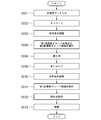
- FIG. 8 is a flowchart showing an example of the flow of processing executed by the audio signal conversion model learning device 1 in the first embodiment. More specifically, FIG. 8 is a flowchart showing an example of the flow of the unit learning process.
- the audio signal conversion model learning device 1 obtains an audio signal conversion model by repeatedly executing the unit learning process shown in FIG.
- Step S101 Learning data is input to the input unit 11 or the interface unit 12 (step S101).
- the encoding unit 110 executes the input side encoding process and the target side encoding process (step S102).
- step S102 executes the input side encoding process and the target side encoding process
- step S103 executes the first sequence length adjusting process
- step S104 executes the first target side decoding process and the second target side decoding process
- step S105 the input side decoding process
- FIG. 9 is a flowchart showing an example of the flow of processing executed by the audio signal conversion device 2 in the first embodiment.
- the conversion target acquisition unit 201 acquires the conversion target audio signal input to the input unit 21 or the interface unit 22 (step S201).
- the series encoding unit 202 executes a time series conversion process on the conversion target audio signal, and acquires the conversion target feature quantity time series (step S202).
- the conversion unit 203 uses the audio signal conversion model to convert the conversion target feature amount time series into the converted feature amount time series (step S203).
- the sequence decoding unit 204 converts the converted feature quantity time series acquired in step S203 into a converted audio signal by executing the signalization process (step S204).
- the audio signal output control unit 205 controls the operation of the interface unit 22 to cause the interface unit 22 to output the converted audio signal (step S205).
- the audio signal conversion system 100 of the first embodiment configured as described above has a process of matching the sequence length of the embedded input sequence K with the sequence length of the embedded target sequence Q. If the voice signal conversion system 100 does not match the sequence length of the embedded input sequence K with the sequence length of the embedded target sequence Q, learning is performed while the appearance timing of each voice feature amount of the embedded input sequence K is different from the embedded target sequence Q. Is done.
- the audio signal conversion system 100 having a process of matching the sequence length of the embedded input sequence K with the sequence length of the embedded target sequence Q can appropriately convert the audio signal including prosodic features, and is a conversion target.
- the audio signal can be closer to the target audio.
- the prosodic feature is information indicating the timing of utterance such as fundamental frequency pattern, speech speed, and utterance rhythm.
- the voice signal conversion system 100 uses the voice feature amount time series as it is for learning.
- the virtual scene is a scene in which the voice signal conversion system 100 learns using the character time series information after the voice feature amount time series is converted into the character time series information.
- the character time series information is information in which each sound of the voice signal represented by the voice feature amount time series is represented by characters expressing each sound.
- the character time series information is information indicating a list of characters of "ha”, for example, when the voice signal represented by the voice feature time series is a laughing voice.
- laughter is a complicated audio signal and cannot always be expressed as "hahaha”. For example, some people laugh with an intermediate voice between "ha” and "he”.
- the voice signal conversion system 100 converts the conversion target voice signal into a voice signal closer to the target voice than the voice signal conversion using the voice signal conversion model obtained by using the character time series information. Can be done.
- the voice signal conversion system 100 converts the input voice feature amount time series into a voice feature amount time series having a large difference from the target voice feature amount time series. It may be converted.
- the trained model obtained without using the speaker information is referred to as a speaker information non-use model.
- the voice signal conversion system 100 when the speaker information is used, even if learning is performed using the voice feature amount time series of a plurality of speakers, the voice signal conversion system 100 depends on the speaker in terms of the difference in the voice feature amount and the common points. It can be determined whether it is a thing or not. As a result, the audio signal conversion system 100 obtains a trained model in a state where the audio feature amount time series input for learning can be appropriately classified. When the trained model thus obtained is used, in the voice signal conversion system 100, the difference between the input voice feature amount time series and the target voice feature amount time series is a model in which speaker information is not used. It is possible to convert to a time series of voice features smaller than the case of using.
- the reason for holding is that even if the voice feature amount time series of voices emitted by different speakers is used, the input side encoding unit 111 holds the language information of the input voice feature amount series X for learning due to the existence of the input side decoding unit 140. Includes the reason for learning to do.
- the reason for holding is that the input side encoding unit 111 projects the learning input voice feature quantity series X onto the common space between the learning input voice feature quantity series X and the learning target voice feature quantity series Y due to the presence of the target side decoding unit 130. Includes the reason for learning to do.
- the audio signal conversion model learning device 1a is different from the audio signal conversion model learning device 1 in that the sequence length adjusting unit 120a is provided in place of the sequence length adjusting unit 120. Further, the audio signal conversion model learning device 1a is different from the audio signal conversion model learning device 1 in that the loss function acquired by the loss acquisition unit 150 is a second loss function instead of the first loss function.
- the second loss function is a loss function including a fundamental loss term and a circulating attention loss term.
- the cyclic attention loss term represents the difference between the matrix multiplication of the forward attention matrix A x ⁇ Y and the reverse attention matrix A Y ⁇ X and the identity matrix.
- the reverse attention matrix A Y ⁇ X is the attention matrix A used in the second sequence length adjustment process.
- the second sequence length adjustment process is a process of matching the sequence length of the embedded target sequence K x with the sequence length of the learning input voice feature quantity sequence X.
- the embedded target series K x is the result of converting the second target side estimation series Y ⁇ by the input side encoding process when the reverse input is performed.
- the reverse input means that the second target side estimation series Y ⁇ is input to the encoding unit 110 instead of the learning input voice feature quantity series X. Therefore, the embedded target sequence K x is one of the voice feature time series.
- G is a penalty matrix
- each element g i and j is defined by the following equation (18) using the hyperparameter ⁇ g.
- sequence length adjusting unit 120a uses only the forward attention matrix A x ⁇ Y so as to satisfy the condition of reducing the loss and the condition of satisfying the equations (6) and (7) based on the acquired loss. It differs from the sequence length adjustment unit 120 in that it also learns the reverse attention matrix A Y ⁇ X.
- the sequence length adjustment unit 120a updates the machine learning model expressing the first sequence length adjustment process and the second sequence length adjustment process by learning.
- the sequence length adjustment unit 120a may be anything as long as the machine learning model expressing the first sequence length adjustment process and the second sequence length adjustment process can be updated by learning.
- the sequence length adjustment unit 120a is, for example, a neural network that expresses a first sequence length adjustment process and a second sequence length adjustment process.
- the sequence length adjustment unit 120a may be a recursive network such as a long-term storage network that expresses the first sequence length adjustment process and the second sequence length adjustment process, for example.
- the audio signal conversion model learning device 1a is different from the audio signal conversion model learning device 1 in that the control unit 10a described later is provided in place of the control unit 10.
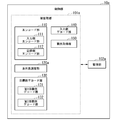
- FIG. 12 is a diagram showing an example of the functional configuration of the control unit 10a in the second embodiment.
- the control unit 10a is different from the control unit 10 in that the control unit 102a is provided in place of the management unit 102 and the control unit 101a is provided in place of the managed unit 101.
- the management unit 102a differs from the management unit 102 in that it controls the operation of the managed unit 101a instead of the managed unit 101.
- the management unit 102a controls the operation of the managed unit 101 by the first target side estimation series Y ⁇ and the second target side estimation based on the learning input voice feature amount series X and the learning target voice feature amount series Y. After acquiring the sequence Y ⁇ and the input estimation series X ⁇ , the managed unit 101 is made to execute the reverse input.
- the managed unit 101 is different from the managed unit 101 in that the series length adjusting unit 120a is provided in place of the series length adjusting unit 120.
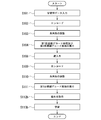
- FIG. 13 is a flowchart showing an example of the flow of processing executed by the audio signal conversion system 100a in the second embodiment.
- the same processing as in FIG. 8 will be designated by the same reference numerals and the description thereof will be omitted.
- step S108 the reverse input is executed (step S108). That is, the second target side estimation series Y ⁇ acquired in step S104 is input to the input side encoding unit 111.
- the loss acquisition unit 150 acquires the value of the second loss function as a loss based on the results of steps S104 and S111 (step S112).
- learning is executed by the encoding unit 110, the sequence length adjusting unit 120a, the target side decoding unit 130, and the input side decoding unit 140 so as to reduce the loss (step S113). ).
- the equation (16) or the equation (17) is the result of executing the input side encoding process, the process of adjusting the sequence length, and the second target side decoding process for the second target side estimated sequence Y ⁇ . It shows the difference between the sequence and the input voice feature amount sequence X for learning.
- the audio signal conversion system 100a of the second embodiment configured as described above has a process of matching the sequence length of the embedded input sequence K with the sequence length of the embedded target sequence Q, similarly to the audio signal conversion system 100. Therefore, similarly to the voice signal conversion system 100, the voice signal conversion system 100a can appropriately convert the voice signal including prosodic features, and can bring the voice signal to be converted closer to the target voice.
- the voice signal conversion system 100a uses the voice feature amount time series as it is for learning. Therefore, like the audio signal conversion system 100, the audio signal conversion system 100a produces an audio signal closer to the target audio than the audio signal conversion using the audio signal conversion model obtained by using the character time series information. The audio signal to be converted can be converted.
- the audio signal conversion system 100a uses speaker information at the time of decoding. Therefore, similarly to the voice signal conversion system 100, in the voice signal conversion system 100, the difference between the input voice feature amount time series and the target voice feature amount time series is larger than the case where the speaker information non-use model is used. Can also be converted into a small voice feature time series.
- the voice signal conversion system 100a learns so that the input voice feature amount series X, which is a time series of voice features, is close to the learning target voice feature series Y, which is a time series of voice features. At this time, the voice signal conversion system 100a makes the sequence length of the learning input voice feature quantity sequence X the same as the learning target voice feature quantity sequence Y, and then reduces the value of the second loss function including the circulation attention loss term. To learn like.
- FIG. 14 is an explanatory diagram illustrating the audio signal conversion system 100b of the third embodiment.
- the audio signal conversion system 100b is different from the audio signal conversion system 100a in that the audio signal conversion model learning device 1b is provided in place of the audio signal conversion model learning device 1a.
- those having the same functions as the functional unit included in the audio signal conversion system 100a are designated by the same reference numerals as those in FIG. 10 and the description thereof will be omitted.
- the audio signal conversion model learning device 1b is different from the audio signal conversion model learning device 1a in that the control unit 10b described later is provided in place of the control unit 10a.
- the control unit 10b is different from the control unit 10a in that the loss acquisition unit 150 uses the following third loss function instead of the first loss function.
- the third loss function includes a fundamental loss term and a attention-considered contrastive loss term.
- the attention-considered contrastive loss term represents the difference from 0 for the value of each element other than the maximum element among the elements of the attention matrix A.
- the maximum element is an element that gives the maximum value of each column of the attention matrix A. Therefore, there are J maximum elements in the attention matrix A of one I row and J column.
- the attention-considered contrastive loss term is expressed by, for example, the following equation (20). The left side of the equation (20) represents the attention-considered contrastive loss term.
- norm in equation (20) is L 1 norm, not necessarily L 1 norm, it may be a L P norm.
- the attention matrix A shows the expected value of the degree of similarity between the times of the two voice feature time series. Therefore, the maximum value in the j-th column indicates that the two voice feature time series are similar. This also means that the row giving the maximum value in the j-th column is the i-row, and the rows other than the i-row in the j-th column have low similarity. Therefore, it is desirable that the attention matrix A satisfies the following localization conditions.
- the localization condition is a condition that the values of the elements other than the maximum element of each column of the attention matrix A (hereinafter referred to as "non-maximum element”) are substantially the same as 0.
- the third loss function does not have a attention-based contrastive loss term, even if the learning input speech feature sequence X and the learning target speech feature sequence Y represent the same event, they are different expressions. Attention matrix A that does not satisfy the localization condition may be learned. This is called mislearning. Not satisfying the localization condition means that the non-maximum elements are not substantially the same as 0. This means that the learning input voice feature amount series X and the learning target voice feature amount series Y do not represent the same event.
- the audio signal conversion model learning device 1b can suppress the frequency of occurrence of erroneous learning.
- the audio signal conversion system 100b by a constraint the distance between the input sequence K x and embedding the embedding input sequence K Y extracted from clean speech with care consideration type contra stevensite loss term, desired Contextual information can be extracted.
- the attention-considered contrastive loss term has an effect of reducing the influence of noise from the data recorded in a noisy environment in learning.
- the audio signal conversion system 100b of the third embodiment configured as described above has a process of matching the sequence length of the embedded input sequence K with the sequence length of the embedded target sequence Q, similarly to the audio signal conversion system 100. Therefore, similarly to the voice signal conversion system 100, the voice signal conversion system 100b can appropriately convert the voice signal including prosodic features, and can bring the voice signal to be converted closer to the target voice.
- the voice signal conversion system 100b uses the voice feature amount time series as it is for learning. Therefore, like the audio signal conversion system 100, the audio signal conversion system 100b produces an audio signal closer to the target audio than the audio signal conversion using the audio signal conversion model obtained by using the character time series information. The audio signal to be converted can be converted.
- the audio signal conversion system 100b uses speaker information when decoding. Therefore, similarly to the voice signal conversion system 100, in the voice signal conversion system 100, the difference between the input voice feature amount time series and the target voice feature amount time series is larger than the case where the speaker information non-use model is used. Can also be converted into a small voice feature time series.
- the voice signal conversion system 100b learns so that the input voice feature amount series X, which is a time series of voice features, is close to the learning target voice feature series Y, which is a time series of voice features. At this time, the voice signal conversion system 100b makes the sequence length of the learning input voice feature quantity sequence X the same as the learning target voice feature quantity sequence Y, and then sets the value of the third loss function including the attention-considered contrastive loss term. Learn to make it smaller.
- the voice signal conversion system 100b can bring the voice signal to be converted closer to the target voice.
- the audio signal conversion system 100, the audio signal conversion system 100a, and the audio signal conversion system 100b do not necessarily need to use speaker information when learning to obtain an audio signal conversion model. Even if speaker information is not used, if multiple feature-to-data inputs used in learning are the same regardless of feature-to-data, the speaker information is not used. A similar audio signal conversion model can be obtained. Further, even if one of the plurality of feature-to-data used in the learning is an input speaker and a target speaker different from the other feature-to-data, the conversion accuracy is lower than that when the speaker information is not used, but the voice. It is possible to obtain an audio signal conversion model that brings the signal closer to the target audio signal.
- norm in equation (21) is L 1 norm, not necessarily L 1 norm, it may be a L P norm.
- the second loss function may further include a contextual loss term in addition to the fundamental loss term and the circular attention loss term.
- the second loss function may further include an attention-considered contrastive loss term in addition to the fundamental loss term and the cyclic attention loss term.
- the second loss function may further include a context loss term and a attention-considered contrastive loss term.
- the second loss function including the fundamental loss term, the cyclic attention loss term, the attention matrix loss term, the context loss term, and the attention-considered contrastive loss term is, for example, an integrated loss function represented by the following equation (22).
- the left side of equation (22) represents the integrated loss function.
- ⁇ ga in equation (22) represents the weight of the attention matrix loss term in the integrated loss function.
- ⁇ cp in Eq. (22) represents the weight of the contextual loss term in the integrated loss function.
- ⁇ cal in Eq. (22) represents the weight of the cyclic attention loss term in the integrated loss function.
- ⁇ cl in Eq. (22) represents the weight of the attention-considered contrastive loss term in the integrated loss function.
- the third loss function may include a contextual loss term in addition to the fundamental loss term and the attention-considering contrastive loss term.
- the third loss function may further include a cyclic attention loss term in addition to the fundamental loss term and the attention-considered contrastive loss term.
- the third loss function may further include a contextual loss term and a cyclic attention loss term in addition to the fundamental loss term and the attention-considered contrastive loss term. That is, the third loss function may be an integrated loss function.
- FIG. 16 is a first diagram showing the results of a first experiment of voice conversion using the voice signal conversion system 100a of the second embodiment in which the second loss function is an integrated loss function.
- the first experiment was performed using 1132 sentences in the English speech dataset of reference 2. Of the 1132 sentences, 1000 sentences (corresponding to about 1 hour) were used as learning data. Of the 1132 sentences, 132 were used to evaluate the trained model.
- the first experiment was a comparative experiment on the naturalness of speech and speaker similarity. In the first experiment, the input speaker was one male and one female, and the target speaker was one male and female.
- rms and clb are the names of input speakers. blend and slt are the names of the target speakers.
- the audio sampling rate was 16 kHz.
- FIG. 16 shows that the experimental results of the first experiment were obtained 80 times for each of the 12 trained models obtained as a result of applying the four learning data to the three learning methods for each of the 15 subjects. The result of having the person judge whether it is a voice or not is shown. The difference between the four types of learning data is the difference in the combination of the input speaker and the target speaker.
- One of the four types of learning data is learning data in which the input speaker is rms and the target speaker is bdl.
- the result of the subject's judgment on the trained model obtained by the input speaker being rms and the target speaker using the learning data of bdl is a graph of “rms-bld”.
- One of the four types of learning data is learning data in which the input speaker is rms and the target speaker is slt.
- the result of the subject's judgment on the trained model obtained by the input speaker being rms and the target speaker using the learning data of slt is a graph of “rms-slt”.
- One of the four types of learning data is learning data in which the input speaker is clb and the target speaker is bdl.
- the result of the subject's determination of the trained model obtained by using the learning data of bdl as the input speaker and the target speaker is a graph of “clb-bdl”.
- One of the four types of learning data is learning data in which the input speaker is clb and the target speaker is slt.
- the result of the subject's determination of the trained model obtained by the input speaker being cllb and the target speaker using slt learning data is a graph of “clb-slt”.
- “Proposed” represents voice conversion using the voice signal conversion model obtained by the voice signal conversion system 100a of the second embodiment.
- GMM-VC-wGV represents a voice conversion using the voice signal conversion model obtained by the technique described in Reference 3. The learning was performed using the open source toolkit described in reference 4.
- “LSTM-TTS” represents a voice conversion using a voice signal conversion model obtained by the techniques described in Non-Patent Documents 2 and 3. Since the learning can focus only on the text-to-speech module, assuming that the speech recognition module works perfectly, it was compared with the speech generated by the text-to-speech synthesis. Contextual information was extracted according to the open source toolkit described in reference 5.
- the audio features include a 60-dimensional merkepstrum extracted by the system described in Reference 6, a logarithm F 0, and an aperiodic component that is a noise component such as air tremor among the components contained in the voice signal. Used.
- F 0 is the fundamental frequency of the periodic signal component.
- LSTM long short-term memory model
- a linear projection a three-layer bidirectional LSTM with 256-dimensional cells and a linear projection were used.
- the vertical axis of FIG. 16 shows the ratio in which "Proposed” is determined to be close to the human voice, the ratio in which "GMM-VC-wGV” is determined to be close to the human voice, and the ratio in which "LSTM-TTS” is determined to be close to the human voice.
- the ratio determined to be close to the voice of No. 1 and the first non-determination ratio (“Fair” in FIG. 16) are shown.
- the first non-judgment ratio is the ratio at which it is determined that there is no superiority or inferiority between "Proposed", “GMM-VC-wGV", and "LSTM-TTS" in terms of the closeness of human voice.
- the experimental results in FIG. 17 are the results of having 15 subjects judge whether or not the result of voice conversion by each learning is close to the voice of the target speaker.
- the meaning of the horizontal axis in FIG. 17 is the same as the meaning of the horizontal axis in FIG.
- the vertical axis of FIG. 17 shows the ratio at which the result of voice conversion by “Proposed” is determined to be close to the voice of the target speaker, and the result of voice conversion by “GMM-VC-wGV” is close to the voice of the target speaker.
- the ratio determined to be the ratio determined that the result of voice conversion by "LSTM-TTS" is close to the voice of the target speaker, and the second non-judgment ratio (“Fair” in FIG. 17) are shown.
- the second non-judgment ratio is the ratio at which it is determined that there is no superiority or inferiority between "Proposed", "GMM-VC-wGV", and "LSTM-TTS” regarding the proximity of the target speaker to the voice. Is.
- FIGS. 16 and 17 show that "Proposed” has improved both naturalness (that is, a degree close to human voice) and speaker similarity than "GMM-VC-wGV". Speaker similarity is specifically close to the target speaker. This result shows that "Proposed”, which can simultaneously convert various features such as voice quality, intonation, and speaking speed, is effective in speech conversion.
- Non-Patent Document 1 (hereinafter referred to as "preceding experiment") and the results of the first experiment are compared, it can be seen that there is no difference between the two.
- the difference between the previous experiment and the first experiment is whether or not the circular attention loss term and the attention-considering contrast loss term are used, and the learning using the circulating attention loss term and the attention-considering contrast loss term is noise. Even if the data recorded in an environment with a lot of noise is used, the influence of noise is reduced.
- the second experiment shows the result of applying the voice signal conversion system 100a to a person who has had difficulty in speaking normally after removing the larynx including a living body due to self or illness.
- a person uses an external sound source called an electric artificial larynx to generate a voice (electric voice signal).
- the voice signal conversion system 100a predicts the voice of a healthy person from such an electric voice signal.
- the electric voice signal is a voice generated by using an external sound source called an electric artificial larynx.
- the electric voice signal is a voice in which the intonation component becomes a flat intonation (for example, fixed at 100 Hz) due to the electric artificial larynx that generates a sound source.
- the intonation component becomes a flat intonation (for example, fixed at 100 Hz) due to the electric artificial larynx that generates a sound source.
- the model was obtained by learning using speaker information.
- FIG. 18 is a first diagram showing the results of a second experiment of voice conversion using the voice signal conversion system 100a of the second embodiment in which the second loss function is an integrated loss function.
- the second experiment was performed using 503 sentences in the Japanese voice data set of Reference 7. Of the 503 sentences, 450 sentences were used as learning data. Of the 503 sentences, 53 were used to evaluate the trained model.
- the vertical axis of FIG. 18 shows the correlation coefficient between the fundamental frequency of the target voice and the fundamental frequency of the converted voice. The correlation coefficient indicates the accuracy of predicting the fundamental frequency by the audio signal converter 2.
- the horizontal axis in FIG. 18 indicates the target speaker.
- the audio signals to be converted in the second experiment are the audio signals of normal audio generated by 6 males (M1 to M6) and 4 females (F1 to F4) who are announcers or narrators, and 1 healthy male person. It was an electric voice signal (EL) that was simulated.
- the audio sampling rate was 16 kHz.
- FIG. 19 is a second diagram showing the results of a second experiment of voice conversion using the voice signal conversion system 100a of the second embodiment in which the second loss function is an integrated loss function.
- the vertical axis of FIG. 19 shows the correlation coefficient between the fundamental frequency of the target voice and the fundamental frequency of the converted voice.
- the horizontal axis of FIG. 19 indicates an input speaker.
- FIGS. 18 and 19 show that deterioration occurs when the input voice is not a normal voice but an electric voice.
- the normal voice containing the prosodic component for prediction is advantageous as compared with the case where the electric voice is input. It is highly possible that it is a feature quantity.
- the voice signal conversion device 2 makes a prediction using only the fundamental frequency of the input voice as a clue, the prediction accuracy should be the highest when the input speaker and the target speaker are the same speaker.
- the experimental results in FIGS. 18 and 19 show that this is not the case.
- This result shows that the phonological information of the input voice can be used as a clue to predict the fundamental frequency component to some extent. Therefore, in FIGS. 18 and 19, there is a high probability that the degree of deterioration when the electric voice signal is input is a constant amount regardless of the target speaker.
- the fact that the prediction accuracy when the electric voice signal is used as the input voice is equal to the prediction accuracy when the normal voice is used indicates that the phonological information can be accurately learned as an intermediate representation.
- FIGS. 18 and 19 show that there is a speaker (for example, M5) that does not depend on the speaker and is difficult to model as a target speaker.
- the audio signal conversion model learning devices 1, 1a, and 1b may be mounted by using a plurality of information processing devices that are communicably connected via a network. Each functional unit included in the audio signal conversion model learning devices 1, 1a and 1b may be distributed and mounted in a plurality of information processing devices.
- the audio signal conversion device 2 may be mounted by using a plurality of information processing devices connected so as to be communicable via a network. Each functional unit included in the audio signal conversion model learning device 1 may be distributed and mounted in a plurality of information processing devices.
- the audio signal conversion model learning device 1, 1a or 1b and the audio signal conversion device 2 do not necessarily have to be implemented as different devices.
- the audio signal conversion model learning device 1, 1a or 1b and the audio signal conversion device 2 may be implemented as one device having both functions, for example.
- the voice signal conversion model learning devices 1, 1a and 1b and the voice signal conversion device 2 are ASIC (Application Specific Integrated Circuit), PLD (Programmable Logic Device), FPGA (Field Programmable Gate Array). ) And other hardware may be used.
- the program may be recorded on a computer-readable recording medium.
- the computer-readable recording medium is, for example, a flexible disk, a magneto-optical disk, a portable medium such as a ROM or a CD-ROM, or a storage device such as a hard disk built in a computer system.
- the program may be transmitted over a telecommunication line.
- control unit 21 ... input unit , 22 ... Interface unit, 23 ... Storage unit, 24 ... Output unit, 201 ... Conversion target acquisition unit, 202 ... Series encoding unit, 203 ... Conversion unit, 204 ... Series decoding unit, 205 ... Audio signal output control unit
Landscapes
- Engineering & Computer Science (AREA)
- Quality & Reliability (AREA)
- Computational Linguistics (AREA)
- Signal Processing (AREA)
- Health & Medical Sciences (AREA)
- Audiology, Speech & Language Pathology (AREA)
- Human Computer Interaction (AREA)
- Physics & Mathematics (AREA)
- Acoustics & Sound (AREA)
- Multimedia (AREA)
- Artificial Intelligence (AREA)
- Evolutionary Computation (AREA)
- Compression, Expansion, Code Conversion, And Decoders (AREA)
Abstract
文脈損失項及び基本損失項を含む損失関数の値に基づき学習する音声信号変換モデル学習装置。文脈損失項は、説明変数として用いられる学習用入力音声特徴量系列が、エンコード処理を行うエンコード部と、一対の音声特徴量時系列の一方を系列長が他方の系列長に一致するように変換する系列長調整部と、系列長が調整された前記一方をデコードする第2目標側デコード部とによって変換された第2目標側推定系列と目的変数として用いられる学習用目標音声特徴量系列との間の違いと、第2目標側推定系列と学習用入力音声特徴量系列との間の違いとを表す。基本損失項は、学習用目標音声特徴量系列に対してエンコード処理及び第1目標側デコード処理を実行した結果と学習用目標音声特徴量系列との間の違いを表す。第1目標側デコード処理は前記他方の音声特徴量時系列をデコードする処理である。
Description
本発明は、音声信号変換モデル学習装置、音声信号変換装置、音声信号変換モデル学習方法及びプログラムに関する。
近年、アニメやオンラインでの動画配信等の普及により自身の声に代えてキャラクターの声でしゃべる音声変換の技術への需要が高まっている。また音声変換の技術は、話者性変換、発声支援、音声強調、訛り変換などへの応用も期待されている。このような音声変換の技術は、具体的には入力音声の言語情報(発話文)を保持したまま非言語・パラ言語(話者性や発話様式など)のみを変換する技術である。音声変換は、変換元の音声の音響特徴量から変換目標の音声の音響特徴量への写像関数を推定する回帰分析の問題として定式化される。従来の音声変換の技術の中では、混合ガウス分布モデル(Gaussian Mixture Model:GMM)を用いた手法が、その有効性と汎用性から広く用いられている。また、近年では、ニューラルネットワーク(Neural Network; NN)を用いた手法や非負値行列因子分解(Non-negative Matrix Factorization; NMF)などを用いた事例ベースの手法の検討も進められている。
Kou Tanaka, Hirokazu Kameoka, Takuhiro Kaneko, Nobukatsu Hojo," ATTS2S-VC: SEQUENCE-TO-SEQUENCE VOICE CONVERSION WITH ATTENTION AND CONTEXT PRESERVATION MECHANISMS" [online]、[令和2年4月24日検索]、インターネット〈URL:https://arxiv.org/pdf/1811.04076.pdf >
Hiroyuki Miyoshi, Yuki Saito, Shinnosuke Takamichi, and Hiroshi Saruwatari,"Voice conversion using sequence-to-sequence learning of context posterior probabilities,"2017 Annual Conference of the Inter-national Speech Communication Association (INTERSPEECH), pp.1268-1272, 2017.
Jing-Xuan Zhang, Zhen-Hua Ling, Li-Juan Liu, Yuan Jiang, and Li-Rong Dai, "Sequence-to-sequence acoustic modeling for voice conversion," IEEE/ACM Transactions on Audio, Speech, and Language Processing (TASLP), vol.27, no.3, pp.631-644, 2019.
しかしながら、このような従来の技術はいずれも声質の変換を目的としている。そのためこのような従来の技術は基本周波数パターン、話速、発話リズムなどの韻律的特徴(超分節的特徴)の変換を適切に実行できず、従来の技術により変換された音声と目標とする音声との違いは大きい場合があった。
上記事情に鑑み、本発明は、目標とする音声により近づけることができる技術を提供することを目的としている。
本発明の一態様は、音声信号から得られる情報のうち所定の条件を満たす情報である音声特徴量時系列を用いて音声信号を変換する機械学習のモデルを学習する音声信号変換モデル学習装置であって、音声特徴量時系列に対してエンコード処理を実行するエンコード部と、一対の音声特徴量時系列の一方を、系列の長さが他方の系列の長さに一致するように変換する系列長調整処理を実行する系列長調整部と、前記他方の音声特徴量時系列に対して第1目標側デコード処理を実行する第1目標側デコード部と、前記系列長調整部により系列の長さが調整された前記一方の音声特徴量時系列に対して第2目標側デコード処理を実行する第2目標側デコード部と、前記モデルを得る際の説明変数として用いられる学習用入力音声特徴量系列が前記エンコード部によってエンコードされた時系列に対して入力側デコード処理を実行する入力側デコード部と、文脈損失項及び基本損失項を含む損失関数の値を取得する損失取得部と、を備え、前記文脈損失項は、前記学習用入力音声特徴量系列に対して前記エンコード処理、前記系列長調整処理及び前記第2目標側デコード処理をこの順に実行した結果である第2目標側推定系列と前記モデルを得る際の目的変数として用いられる学習用目標音声特徴量系列との間の違いと、前記第2目標側推定系列と前記学習用入力音声特徴量系列との間の違いと、を表し、前記基本損失項は、前記学習用目標音声特徴量系列に対して前記エンコード処理及び前記第1目標側デコード処理をこの順に実行した結果である第1目標側推定系列と前記学習用目標音声特徴量系列との間の違いを表し、前記エンコード部、前記系列長調整部、前記第1目標側デコード部、前記第2目標側デコード部及び前記入力側デコード部は前記損失関数の値に基づいて学習する、音声信号変換モデル学習装置である。
本発明により、目標とする音声により近づけることが可能となる。
(第1実施形態)
図1及び図2を用いて、第1実施形態の音声信号変換システム100の概要を説明する。図1は、第1実施形態の音声信号変換システム100の概要を説明する説明図である。音声信号変換システム100は、変換対象の音声信号(以下「変換対象音声信号」という。)を変換する。以下、変換後の変換対象音声信号を被変換音声信号という。例えば変換対象音声信号は実際に人が発した音声の信号である。例えば被変換音声信号は、動画配信で用いるキャラクターの音声の信号である。
図1及び図2を用いて、第1実施形態の音声信号変換システム100の概要を説明する。図1は、第1実施形態の音声信号変換システム100の概要を説明する説明図である。音声信号変換システム100は、変換対象の音声信号(以下「変換対象音声信号」という。)を変換する。以下、変換後の変換対象音声信号を被変換音声信号という。例えば変換対象音声信号は実際に人が発した音声の信号である。例えば被変換音声信号は、動画配信で用いるキャラクターの音声の信号である。
音声信号変換システム100は、音声信号変換モデル学習装置1及び音声信号変換装置2を備える。音声信号変換モデル学習装置1は、変換対象特徴量時系列を被変換特徴量時系列に変換する学習済みのモデル(以下「音声信号変換モデル」という。)を機械学習によって得る。
変換対象特徴量時系列は、変換対象音声信号を表す音声特徴量の時系列である。以下、音声特徴量の時系列を音声特徴量時系列という。音声特徴量は、音声信号から得られる情報のうち所定の条件を満たす情報である。音声特徴量は、例えば音声信号の位相スペクトルであってもよいし、音声信号の振幅スペクトルであってもよいし、音声信号の波形であってもよい。
変換対象特徴量時系列は変換対象音声信号に対する時系列変換処理の実行によって取得される。時系列変換処理は、時系列変換処理の実行対象の音声信号の対象期間における音声特徴量、を取得する処理を、複数の対象期間に対して実行する処理である。対象期間は、音声特徴量を取得する処理の対象となる期間である。このような時系列変換処理は、例えば短時間フーリエ変換である。このような場合、音声特徴量は位相スペクトルの時系列又は振幅スペクトルの時系列である。
被変換特徴量時系列は、被変換音声信号を表す音声特徴量時系列である。被変換特徴量時系列は、変換対象音声信号に対する時系列変換処理の実行によって取得される。
以下説明の簡単のため、機械学習を行うことを学習という。なお、機械学習を行うとは、機械学習のモデル(以下「機械学習モデル」という。)におけるパラメータの値を好適に調整することを意味する。以下の説明において、Aであるように学習するとは、機械学習モデルにおけるパラメータの値がAを満たすように調整されることを意味する。Aは予め定められた条件を表す。
音声信号変換モデル学習装置1は、学習済みモデルを得るためのデータ(以下「学習用データ」という。)を用いて学習を行う。学習用データは、具体的には複数の特徴対データを含む。特徴対データは、学習用入力音声特徴量系列Xと学習用目標音声特徴量系列Yの対である。
学習用入力音声特徴量系列Xは、音声信号変換モデル学習装置1が学習済みモデルを得る際の説明変数として用いられる音声特徴量時系列である。学習用入力音声特徴量系列Xは、例えば以下の式(1)で表される。

式(1)におけるデータ点xiは、i番目の時刻における学習用入力音声特徴量系列Xの音声特徴量である(iは1以上I以下の整数。Iは1以上の整数)。すなわち集合論の言葉を用いれば、学習用入力音声特徴量系列Xは、データ点xiを元としデータ点xi間の順序関係が時刻の速さで定義された順序集合である。
学習用目標音声特徴量系列Yは、音声信号変換モデル学習装置1が学習済みモデルを得る際の目的変数として用いられる時系列である。学習用目標音声特徴量系列Yは、例えば以下の式(2)で表される。

式(2)におけるyjは、j番目の時刻における学習用目標音声特徴量系列Yの音声特徴量である(jは1以上J以下の整数。Jは1以上の整数)。すなわち集合論の言葉を用いれば、学習用目標音声特徴量系列Yは、データ点yjを元としデータ点yj間の順序関係が時刻の速さで定義された順序集合である。
学習用データは、目標話者識別情報St及び入力話者識別情報Ssを含む。目標話者識別情報Stは、学習用目標音声特徴量系列Yが表す音声信号の発話者(以下「目標話者」という。)を示す情報である。入力話者識別情報Ssは、学習用入力音声特徴量系列Xが表す音声信号の発話者(以下「入力話者」という。)を示す情報である。以下、目標話者識別情報Stと入力話者識別情報Ssとをそれぞれ区別しない場合、話者情報という。
図2は、第1実施形態における音声信号変換モデル学習装置1の概要を説明する説明図である。音声信号変換モデル学習装置1は、エンコード部110、系列長調整部120、目標側デコード部130、入力側デコード部140及び損失取得部150を備える。
エンコード部110、系列長調整部120、目標側デコード部130及び入力側デコード部140は学習する機能部である。音声信号変換モデル学習装置1においては、エンコード部110、系列長調整部120、目標側デコード部130、入力側デコード部140及び損失取得部150が協働して学習済みモデルを得るための学習を実行する。
エンコード部110は、特徴対データに対してエンコード処理を実行する。エンコード処理は学習用入力音声特徴量系列Xのデータ点xiごとに各データ点xiをエンコードする処理(以下「入力側エンコード処理」という。)を含む。入力側エンコード処理は、例えば次元を圧縮する処理である。次元の圧縮とは高い次元の情報を低い次元の情報に変換する処理である。次元の圧縮は、例えば3次元ベクトルで表現される情報を2次元ベクトルで表現される情報に変換する処理である。
以下、入力側エンコード処理による変換後の学習用入力音声特徴量系列Xを埋め込み入力系列Kという。埋め込み入力系列Kは、学習用入力音声特徴量系列Xの各音声特徴量がエンコードされた量の時系列である。そのため、埋め込み入力系列Kは音声特徴量時系列の1つである。以下、入力側エンコード処理によるエンコード後のデータ点xiをデータ点kiという。埋め込み入力系列Kは、例えば以下の式(3)で表される。

このように、埋め込み入力系列Kは、集合論の言葉を用いれば、データ点kiを元としデータ点ki間の順序関係が時刻の速さで定義された順序集合であって元の数が学習用入力音声特徴量系列Xに同一の順序集合である。
また、エンコード処理は学習用目標音声特徴量系列Yのデータ点yjごとに各データ点yjをエンコードする処理(以下「目標側エンコード処理」という。)を含む。目標側エンコード処理は、例えば次元を圧縮する処理を含む。以下、目標側エンコード処理による変換後の学習用目標音声特徴量系列Yを、埋め込み目標系列Qという。埋め込み目標系列Qは、学習用目標音声特徴量系列Yの各音声特徴量がエンコードされた量の時系列である。そのため、埋め込み目標系列Qは音声特徴量時系列の1つである。以下、目標側エンコード処理によるエンコード後のデータ点yjをデータ点qjという。埋め込み目標系列Qは、例えば以下の式(4)で表される。

このように、埋め込み目標系列Qは、集合論の言葉を用いれば、データ点qiを元としデータ点qj間の順序関係が時刻の速さで定義された順序集合であって元の数が学習用目標音声特徴量系列Yに同一の順序集合である。
エンコード部110は、エンコード処理を表現する機械学習モデルを学習によって更新する。エンコード部110は、学習によってエンコード処理を表現する機械学習モデルを更新可能であればどのようなものであってもよい。エンコード部110は、例えばエンコード処理を表現するニューラルネットワークである。エンコード部110は、例えばエンコード処理を表現する長短期記憶ネットワーク(Long Short-Term Memory:LSTM)等の再帰型ネットワーク(Convolutional Neural Network:CNN)であってもよい。
系列長調整部120は、第1系列長調整処理を実行する。第1系列長調整処理は、埋め込み入力系列Kの系列長を調整する処理である。具体的には、第1系列長調整処理は、埋め込み入力系列Kの系列の長さ(以下「系列長」という。)を埋め込み目標系列Qの系列長に一致させる処理である。系列長は系列が含む元の数である。
第1系列長調整処理は、より具体的には、系列長が埋め込み目標系列Qの系列長に同一の系列である被調整入力系列Rに埋め込み入力系列Kを変換する処理である。被調整入力系列Rは、埋め込み入力系列Kの系列長を埋め込み目標系列Qの系列長に一致させる変換を行った時系列である。そのため、被調整入力系列Rは音声特徴量時系列の1つである。以下、被調整入力系列Rの元をデータ点rjという。被調整入力系列Rは、例えば以下の式(5)で表される。

このように、被調整入力系列Rは、集合論の言葉を用いれば、データ点rjを元としデータ点rj間の順序関係が時刻の速さで定義された順序集合であって元の数が埋め込み目標系列Qに同一の順序集合である。
以下、一対の音声特徴量信号の一方の系列長を他方の系列長に一致させる変換を表す行列を注意行列Aという。特に、埋め込み入力系列Kから被調整入力系列Rへの変換を表す行列を順方向注意行列AX→Yという。順方向注意行列AX→Yは、列数が埋め込み入力系列Kに等しく行数が埋め込み目標系列Qに等しい行列であって、埋め込み入力系列Kから被調整入力系列Rへの変換を表す行列である。順方向注意行列AX→Yの要素は、例えば以下の式(6)及び(7)で表される。式(6)の左辺が順方向注意行列AX→Yの要素を表す。


式(6)の左辺は、順方向注意行列AX→Yにおけるi行j列の要素を表す。式(7)におけるfFFNNはフィード・フォワード・ニューラルネットワークを用いた学習によって取得された値であることを意味する。なお、順方向注意行列AX→Yの要素とデータ点rjとの関係は、以下の式(8)で表される。

このように、系列長調整部120は、一対のエンコードされた音声特徴量時系列の一方を系列長が他方の系列長に一致するように変換する。
系列長調整部120は、第1系列長調整処理を表現する機械学習モデルを学習によって更新する。系列長調整部120は、第1系列長調整処理を表現する機械学習モデルを学習によって更新可能であればどのようなものであってもよい。系列長調整部120は、例えば第1系列長調整処理を表現するニューラルネットワークである。系列長調整部120は、例えば第1系列長調整処理を表現する長短期記憶ネットワーク等の再帰型ネットワークであってもよい。
目標側デコード部130は、埋め込み目標系列Qに対して第1目標側デコード処理を実行する。第1目標側デコード処理は、埋め込み目標系列Qをデコードする処理である。以下、第1目標側デコード処理によってデコードされたデコード後の埋め込み目標系列Qを第1目標側推定系列Y{^}という。以下、U{^}は記号Uの上にハットが位置する記号を表す。
以下、第1目標側推定系列Y{^}の元をデータ点y{^}jという。第1目標側推定系列Y{^}は、例えば以下の式(9)で表される。

第1目標側推定系列Y{^}は、集合論の言葉を用いれば、データ点y{^}jを元としデータ点y{^}j間の順序関係が時刻の速さで定義された順序集合であって元の数が埋め込み目標系列Qに同一の順序集合である。
第1目標側デコード処理は、例えば以下の式(10)で表される処理によって第1目標側推定系列Y{^}を取得する処理である。

式(10)は、データ点rjと、データ点qjと、目標話者識別情報Stとに基づいてデータ点y{^}jを推定する処理を表す。式(10)の具体的な処理(すなわち式(10)の右辺の関数fTarDecARの形)は、目標側デコード部130の学習により更新される。
目標側デコード部130は、被調整入力系列Rに対して第2目標側デコード処理を実行する。第2目標側デコード処理は、被調整入力系列Rをデコードする処理である。以下、第2目標側デコード処理によってデコードされたデコード後の被調整入力系列Rを第2目標側推定系列Y{~}という。以下、U{~}は記号Uの上にチルダが位置する記号を表す。
以下、第2目標側推定系列Y{~}の元をデータ点y{~}jという。第2目標側推定系列Y{~}は、集合論の言葉を用いれば、データ点y{~}jを元としデータ点y{~}j間の順序関係が時刻の速さで定義された順序集合であって元の数が埋め込み目標系列Qに同一の順序集合である。
第2目標側デコード処理は、例えば以下の式(11)で表される処理によって第2目標側推定系列Y{~}を取得する処理である。

式(11)は、被調整入力系列Rと目標話者識別情報Stとに基づいて第2目標側推定系列Y{~}を取得する処理を表す。式(11)の具体的な処理(すなわち式(11)の右辺の関数fTarDecの形)は、目標側デコード部130の学習により更新される。
目標側デコード部130は、第1目標側デコード処理を表現する機械学習モデルと、第2目標側デコード処理を表現する機械学習モデルとを学習によって更新する。目標側デコード部130は、第1目標側デコード処理を表現する機械学習モデルと、第2目標側デコード処理を表現する機械学習モデルとを学習によって更新可能であればどのようなものであってもよい。
目標側デコード部130は、例えば第1目標側デコード処理及び第2目標側デコード処理を表現するニューラルネットワークである。目標側デコード部130は、例えば第1目標側デコード処理を表現する長短期記憶ネットワーク等の再帰型ネットワークであってもよい。
入力側デコード部140は、埋め込み入力系列Kに対して入力側デコード処理を実行する。入力側デコード処理は、埋め込み入力系列Kをデコードする処理である。以下、入力側デコード処理によってデコードされたデコード後の埋め込み入力系列Kを入力側推定系列X{~}という。
以下、入力側推定系列X{~}の元をデータ点x{~}iという。入力側推定系列X{~}は、集合論の言葉を用いれば、データ点x{~}iを元としデータ点x{~}i間の順序関係が時刻の速さで定義された順序集合であって元の数が埋め込み入力系列Kに同一の順序集合である。
入力側デコード処理は、例えば以下の式(12)で表される処理によって入力側推定系列X{~}を取得する処理である。

式(12)は、埋め込み入力系列Kと入力話者識別情報Ssとに基づいて入力側推定系列X{~}を取得する処理を表す。式(12)の具体的な処理(すなわち式(12)の右辺の関数fSrcDecの形)は、入力側デコード部140の学習により更新される。
入力側デコード部140は、入力側デコード処理を表現する機械学習モデルを学習によって更新する。入力側デコード部140は、入力側デコード処理を表現する機械学習モデルを学習によって更新可能であればどのようなものであってもよい。入力側デコード部140は、例えば入力側デコード処理を表現するニューラルネットワークである。入力側デコード部140は、例えば入力側デコード処理長短期記憶ネットワーク等の再帰型ネットワークであってもよい。
損失取得部150は、第1損失取得処理を実行する。第1損失取得処理は、第1目標側推定系列Y{^}、第2目標側推定系列Y{~}、入力側推定系列X{~}、学習用入力音声特徴量系列X及び学習用目標音声特徴量系列Yに基づき損失関数の値を取得する処理である。
第1損失取得処理における損失関数(以下「第1損失関数」という。)は、基本損失項と、文脈損失項とを含む。基本損失項は、第1目標側推定系列Y{^}と学習用目標音声特徴量系列Yとの間の違いを表す。文脈損失項は、文脈情報の損失を表す。
文脈情報とは音声信号が表す内容の履歴である。そのため文脈情報は、音声特徴量の時系列そのものである。文脈情報は、音声特徴量の時系列であればどのような情報であってもよい。そのため、入力音声特徴量系列X、学習用目標音声特徴量系列Y、埋め込み入力系列K及び被調整入力系列Rはそれぞれ文脈情報の一例である。
文脈損失項は、具体的には入力側推定系列X{~}と学習用入力音声特徴量系列Xとの間の違いと、第2目標側推定系列Y{~}と学習用目標音声特徴量系列Yとの間の違いとを表す項である。
第1損失関数は、例えば以下の式(13)で表される。式(13)の左辺は第1損失関数を表す。



式(13)の左辺は第1損失関数を表す。式(14)は基本損失項の一例である。式(15)の右辺第1項は、入力側推定系列X{~}と学習用入力音声特徴量系列Xとの間の違いを表す。式(15)の右辺第2項は、第2目標側推定系列Y{~}と学習用目標音声特徴量系列Yとの間の違いを表す。そのため、式(15)が文脈損失項の一例である。式(13)のλcpは第1損失関数における文脈損失項の重みを表す。
なお、式(14)においてノルムはL1ノルムであるが、必ずしもL1ノルムである必要はなく、LPノルムであってもよい(Pは、2以上の整数)。また、式(15)においてノルムはL1ノルムであるが、必ずしもL1ノルムである必要はなく、LPノルムであってもよい。
損失取得部150は取得した第1損失関数の値(すなわち損失)を、エンコード部110、系列長調整部120、目標側デコード部130及び入力側デコード部140に出力する。
エンコード部110、系列長調整部120、目標側デコード部130及び入力側デコード部140は損失取得部150が取得した損失に基づき損失を小さくするように学習する。単位学習処理が所定の終了条件が満たされるまで繰り返されることで得られる機械学習モデルが音声信号変換モデルである。単位学習処理は、取得した損失に基づき損失を小さくするようにエンコード部110、系列長調整部120、目標側デコード部130及び入力側デコード部140が学習する処理である。所定の終了条件は、例えば繰り返しの回数が所定の回数に達したという条件である。
なお、系列長調整部120による学習は、具体的には、損失取得部150が取得した損失に基づき、損失取得部150が取得する損失を小さくするという条件と式(6)及び式(7)を満たすという条件とを満たすように順方向注意行列AX→Yを更新する処理である。系列長調整部120による学習結果の順方向注意行列AX→Yは記憶部13に記録される。
音声信号変換装置2は、音声信号変換モデルを用いて変換対象音声信号を被変換音声信号に変換する。
<順方向注意行列AX→Yについて>
ここで順方向注意行列AX→Yについて説明する。
図3は、第1実施形態における順方向注意行列AX→Yを説明する説明図である。図3の横軸は順方向注意行列AX→Yの行番号を表し、図3の縦軸は順方向注意行列AX→Yの列番号を表す。順方向注意行列AX→Yにおけるi行j列の要素の値は、データ点kiとデータ点qjとの類似の度合の期待値を表す。順方向注意行列AX→Yの各要素の値は以下の第1確率分布条件と第2確率分布条件と満たす。第1確率分布条件は、説明変数を確率変数qjとし目的変数を順方向注意行列AX→Yのi行j列目の要素の値とする関数は確率変数をqjとする確率分布を表すという条件である。第2確率分布条件は、説明変数を確率変数kiとし目的変数を順方向注意行列AX→Yのi行j列目の要素の値とする関数は確率変数をkiとする確率分布を表すという条件である。このように、順方向注意行列AX→Yは2つの音声特徴量時系列の時刻間の類似の度合の期待値を示す情報である。
ここで順方向注意行列AX→Yについて説明する。
図3は、第1実施形態における順方向注意行列AX→Yを説明する説明図である。図3の横軸は順方向注意行列AX→Yの行番号を表し、図3の縦軸は順方向注意行列AX→Yの列番号を表す。順方向注意行列AX→Yにおけるi行j列の要素の値は、データ点kiとデータ点qjとの類似の度合の期待値を表す。順方向注意行列AX→Yの各要素の値は以下の第1確率分布条件と第2確率分布条件と満たす。第1確率分布条件は、説明変数を確率変数qjとし目的変数を順方向注意行列AX→Yのi行j列目の要素の値とする関数は確率変数をqjとする確率分布を表すという条件である。第2確率分布条件は、説明変数を確率変数kiとし目的変数を順方向注意行列AX→Yのi行j列目の要素の値とする関数は確率変数をkiとする確率分布を表すという条件である。このように、順方向注意行列AX→Yは2つの音声特徴量時系列の時刻間の類似の度合の期待値を示す情報である。
音声信号変換モデル学習装置1にとって、埋め込み入力系列Kと埋め込み目標系列Qとは類似の度合が高いほど望ましい。そのため図3に示すように、学習による音声信号変換モデルの更新とともに順方向注意行列AX→Yは対角行列に近づく。
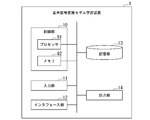
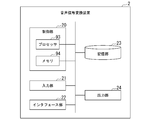
図4は、第1実施形態における音声信号変換モデル学習装置1のハードウェア構成の一例を示す図である。音声信号変換モデル学習装置1は、バスで接続されたCPU(Central Processing Unit)等のプロセッサ91とメモリ92とを備える制御部10を備え、プログラムを実行する。音声信号変換モデル学習装置1は、プログラムの実行によって制御部10、入力部11、インタフェース部12、記憶部13及び出力部14を備える装置として機能する。より具体的には、プロセッサ91が記憶部13に記憶されているプログラムを読み出し、読み出したプログラムをメモリ92に記憶させる。プロセッサ91が、メモリ92に記憶させたプログラムを実行することによって、音声信号変換モデル学習装置1は、制御部10、入力部11、インタフェース部12、記憶部13及び出力部14を備える装置として機能する。
制御部10は、音声信号変換モデル学習装置1が備える各種機能部の動作を制御する。制御部10は、例えば単位学習処理を実行する。
入力部11は、マウスやキーボード、タッチパネル等の入力装置を含んで構成される。入力部11は、これらの入力装置を自装置に接続するインタフェースとして構成されてもよい。入力部11は、自装置に対する各種情報の入力を受け付ける。入力部11は、例えば学習の開始を指示する入力を受け付ける。入力部11は、例えば学習用データの入力を受け付ける。
インタフェース部12は、自装置を外部装置に接続するための通信インタフェースを含んで構成される。インタフェース部12は、有線又は無線を介して外部装置と通信する。外部装置は、例えばUSB(Universal Serial Bus)メモリ等の記憶装置であってもよい。外部装置が例えば学習用データを出力する場合、インタフェース部12は外部装置との通信によって外部装置が出力する学習用データを取得する。
インタフェース部12は、自装置を音声信号変換装置2に接続するための通信インタフェースを含んで構成される。インタフェース部12は、有線又は無線を介して音声信号変換装置2と通信する。インタフェース部12は、音声信号変換装置2との通信により、音声信号変換装置2に音声信号変換モデルを出力する。
記憶部13は、磁気ハードディスク装置や半導体記憶装置などの非一時的コンピュータ読み出し可能な記憶媒体装置を用いて構成される。記憶部13は音声信号変換モデル学習装置1に関する各種情報を記憶する。記憶部13は、例えば予め順方向注意行列AX→Yの各要素の初期値を記憶する。記憶部13は、例えば音声信号変換モデルを記憶する。
出力部14は、各種情報を出力する。出力部14は、例えばCRT(Cathode Ray Tube)ディスプレイや液晶ディスプレイ、有機EL(Electro-Luminescence)ディスプレイ等の表示装置を含んで構成される。出力部14は、これらの表示装置を自装置に接続するインタフェースとして構成されてもよい。出力部14は、例えば入力部11に入力された情報を出力する。
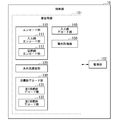
図5は、第1実施形態における制御部10の機能構成の一例を示す図である。制御部10は、被管理部101及び管理部102を備える。被管理部101は、エンコード部110、系列長調整部120、目標側デコード部130、入力側デコード部140及び損失取得部150を備える。
被管理部101は、単位学習処理を繰り返すことで音声信号変換モデルを得る。音声信号変換モデルは具体的には、エンコード部110、系列長調整部120及び目標側デコード部130による学習用入力音声特徴量系列Xを第2目標側推定系列Y{~}に変換する処理を表す学習済みのモデルである。
エンコード部110は、入力側エンコード部111及び目標側エンコード部112を備える。入力側エンコード部111は、入力側エンコード処理を実行する。
目標側デコード部130は、第1目標側デコード部131及び第2目標側デコード部132を備える。第1目標側デコード部131は、第1目標側デコード処理を実行する。第2目標側デコード部132は、第2目標側デコード処理を実行する。
管理部102は、被管理部101の動作を制御する。管理部102は、被管理部101の動作の制御として、例えば単位学習処理の実行を制御する。
管理部102は、例えば入力部11、インタフェース部12、記憶部13及び出力部14の動作を制御する。管理部102は、例えば記憶部13から各種情報を読み出し被管理部101に出力する。管理部102は、例えば入力部11に入力された情報を取得し被管理部101に出力する。管理部102は、例えば入力部11に入力された情報を取得し記憶部13に記録する。管理部102、例えばインタフェース部12に入力された情報を取得し被管理部101に出力する。管理部102、例えばインタフェース部12に入力された情報を取得し記憶部13に記録する。管理部102は、例えば入力部11に入力された情報を出力部14に出力させる。
管理部102は、例えば単位学習処理の実行に用いられる情報と単位学習処理の実行によって生じた情報とを記憶部13に記録する。
図6は、第1実施形態における音声信号変換装置2のハードウェア構成の一例を示す図である。音声信号変換装置2は、バスで接続されたCPU等のプロセッサ93とメモリ94とを備える制御部20を備え、プログラムを実行する。音声信号変換装置2は、プログラムの実行によって制御部20、入力部21、インタフェース部22、記憶部23及び出力部24を備える装置として機能する。より具体的には、プロセッサ93が記憶部23に記憶されているプログラムを読み出し、読み出したプログラムをメモリ94に記憶させる。プロセッサ93が、メモリ94に記憶させたプログラムを実行することによって、音声信号変換装置2は、制御部20、入力部21、インタフェース部22、記憶部23及び出力部24を備える装置として機能する。
制御部20は、音声信号変換装置2が備える各種機能部の動作を制御する。制御部20は、例えば音声信号変換モデル学習装置1が得た音声信号変換モデルを用いて変換対象音声信号を被変換音声信号に変換する。
入力部21は、マウスやキーボード、タッチパネル等の入力装置を含んで構成される。入力部21は、これらの入力装置を自装置に接続するインタフェースとして構成されてもよい。入力部21は、自装置に対する各種情報の入力を受け付ける。入力部21は、例えば変換対象音声信号を被変換音声信号に変換する処理の開始を指示する入力を受け付ける。入力部21は、例えば変換対象の変換対象音声信号の入力を受け付ける。
インタフェース部22は、自装置を外部装置に接続するための通信インタフェースを含んで構成される。インタフェース部22は、有線又は無線を介して外部装置と通信する。外部装置は、例えば被変換音声信号の出力先である。このような場合、インタフェース部22は、外部装置との通信によって外部装置に被変換音声信号を出力する。被変換音声信号の出力際の外部装置は、例えばスピーカー等の音声出力装置である。
外部装置は、例えば音声信号変換モデルを記憶したUSBメモリ等の記憶装置であってもよい。外部装置が例えば音声信号変換モデルを記憶しており音声信号変換モデルを出力する場合、インタフェース部22は外部装置との通信によって音声信号変換モデルを取得する。
外部装置は、例えば変換対象音声信号の出力元である。このような場合、インタフェース部22は、外部装置との通信によって外部装置から変換対象音声信号を取得する。
インタフェース部22は、自装置を音声信号変換モデル学習装置1に接続するための通信インタフェースを含んで構成される。インタフェース部22は、有線又は無線を介して音声信号変換モデル学習装置1と通信する。インタフェース部22は、音声信号変換モデル学習装置1との通信により、音声信号変換モデル学習装置1から音声信号変換モデルを取得する。
記憶部23は、磁気ハードディスク装置や半導体記憶装置などの非一時的コンピュータ読み出し可能な記憶媒体装置を用いて構成される。記憶部23は音声信号変換装置2に関する各種情報を記憶する。記憶部13は、例えばインタフェース部22を介して取得した音声信号変換モデルを記憶する。
出力部24は、各種情報を出力する。出力部24は、例えばCRTディスプレイや液晶ディスプレイ、有機ELディスプレイ等の表示装置を含んで構成される。出力部24は、これらの表示装置を自装置に接続するインタフェースとして構成されてもよい。出力部24は、例えば入力部21に入力された情報を出力する。
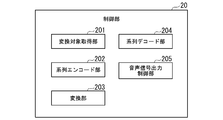
図7は、第1実施形態における制御部20の機能構成の一例を示す図である。制御部20は、変換対象取得部201、系列エンコード部202、変換部203、系列デコード部204及び音声信号出力制御部205を備える。
変換対象取得部201は、変換対象音声信号を取得する。変換対象取得部201は、例えば入力部21に入力された変換対象音声信号を取得する。変換対象取得部201は、例えばインタフェース部22に入力された変換対象音声信号を取得する。
系列エンコード部202は、変換対象取得部201が取得した変換対象音声信号に対して時系列変換処理を実行することで変換対象音声信号を変換対象特徴量時系列に変換する。変換対象特徴量時系列は変換部203に出力される。
変換部203は、音声信号変換モデルを用い、系列エンコード部202が取得した変換対象特徴量時系列を被変換特徴量時系列に変換する。被変換特徴量時系列は系列デコード部204に出力される。
系列デコード部204は、変換部203によって取得された被変換特徴量時系列に対して信号化処理を実行することで被変換特徴量時系列を被変換音声信号に変換する。信号化処理は、被変換特徴量時系列を被変換音声信号に変換可能な処理であればどのような処理であってもよい。信号化処理は、例えばボコーダである。ボコーダは、例えばParametric vocoderの方法であってもよいし、Phase vocoderの方法であってもよいし、Neural vocoderの方法であってもよい。Parametric vocoderは、例えばWORLD vocoderであってもよいし、STRAIGHT vocoderであってもよい。Phase vocoderは、例えばGiriffin-limである。Neural vocoderは、例えばWaveNetであってもよいし、WaveGlowであってもよい。被変換音声信号は音声信号出力制御部205に出力される。
音声信号出力制御部205は、インタフェース部22の動作を制御する。音声信号出力制御部205は、インタフェース部22の動作を制御することでインタフェース部22に被変換音声信号を出力させる。
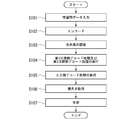
図8は、第1実施形態における音声信号変換モデル学習装置1が実行する処理の流れの一例を示すフローチャートである。より具体的には、図8は単位学習処理の流れの一例を示すフローチャートである。音声信号変換モデル学習装置1は、図8に示す単位学習処理を繰り返し実行することで音声信号変換モデルを得る。
入力部11又はインタフェース部12に学習用データが入力される(ステップS101)。次にエンコード部110が入力側エンコード処理及び目標側エンコード処理を実行する(ステップS102)。次に系列長調整部120が第1系列長調整処理を実行する(ステップS103)。次に目標側デコード部130が第1目標側デコード処理及び第2目標側デコード処理を実行する(ステップS104)。次に入力側デコード部140が入力側デコード処理を実行する(ステップS105)。
次に損失取得部150がステップS104及びステップS105の結果に基づき、第1損失関数の値を損失として取得する(ステップS106)。次に、ステップS106で取得された損失に基づき、損失を小さくするように、エンコード部110、系列長調整部120、目標側デコード部130及び入力側デコード部140による学習が実行される(ステップS107)。
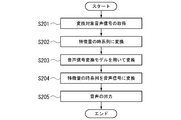
図9は、第1実施形態における音声信号変換装置2が実行する処理の流れの一例を示すフローチャートである。
変換対象取得部201が、入力部21又はインタフェース部22に入力された変換対象音声信号を取得する(ステップS201)。次に系列エンコード部202が変換対象音声信号に対して時系列変換処理を実行し、変換対象特徴量時系列を取得する(ステップS202)。次に変換部203が、音声信号変換モデルを用い、変換対象特徴量時系列を被変換特徴量時系列に変換する(ステップS203)。次に系列デコード部204が、信号化処理の実行により、ステップS203で取得された被変換特徴量時系列を被変換音声信号に変換する(ステップS204)。次に、音声信号出力制御部205が、インタフェース部22の動作を制御することでインタフェース部22に被変換音声信号を出力させる(ステップS205)。
変換対象取得部201が、入力部21又はインタフェース部22に入力された変換対象音声信号を取得する(ステップS201)。次に系列エンコード部202が変換対象音声信号に対して時系列変換処理を実行し、変換対象特徴量時系列を取得する(ステップS202)。次に変換部203が、音声信号変換モデルを用い、変換対象特徴量時系列を被変換特徴量時系列に変換する(ステップS203)。次に系列デコード部204が、信号化処理の実行により、ステップS203で取得された被変換特徴量時系列を被変換音声信号に変換する(ステップS204)。次に、音声信号出力制御部205が、インタフェース部22の動作を制御することでインタフェース部22に被変換音声信号を出力させる(ステップS205)。
このように構成された第1実施形態の音声信号変換システム100は、埋め込み入力系列Kの系列長を埋め込み目標系列Qの系列長に一致させる処理を有する。仮に、音声信号変換システム100が埋め込み入力系列Kの系列長を埋め込み目標系列Qの系列長に一致させない場合、埋め込み入力系列Kの各音声特徴量の出現のタイミングが埋め込み目標系列Qと異なるまま学習が行われる。
これは、埋め込み入力系列Kが表す音声信号の韻律的特徴を埋め込み目標系列Qの韻律的特徴と異なるまま学習が行われることを意味し、このようにして得られた音声信号変換モデルは韻律的特徴を適切に変換できない場合があることを意味する。そのため、埋め込み入力系列Kの系列長を埋め込み目標系列Qの系列長に一致させる処理を有する音声信号変換システム100は、韻律的特徴も含めて音声信号の変換を適切に行うことができ、変換対象音声信号を目標とする音声により近づけることができる。なお、韻律的特徴とは、基本周波数パターン、話速、発話リズム等の発話のタイミングを示す情報である。
また音声信号変換システム100は、音声特徴量の時系列である入力音声特徴量系列Xを目標とする音声特徴量の時系列である学習用目標音声特徴量系列Yに近づけるように学習する。この際、音声信号変換システム100は学習用入力音声特徴量系列Xの系列長を学習用目標音声特徴量系列Yに一致させた後、文脈損失項を含む第1損失関数の値を小さくするように学習する。文脈損失項は文脈情報の損失を表す項であるため、第1損失関数の値に基づいて学習する音声信号変換システム100は、学習用目標音声特徴量系列Yの韻律的特徴との違いを小さくすることができる。そのため音声信号変換システム100は、変換対象音声信号を目標とする音声により近づけることができる。
また音声信号変換システム100は、音声特徴量時系列を音声特徴量時系列のまま学習に用いる。ここで、以下の仮想場面における問題点を説明する。仮想場面は、音声特徴量時系列が文字時系列情報に変換された後、文字時系列情報を用いて音声信号変換システム100が学習する場面である。文字時系列情報は、音声特徴量時系列が表す音声信号の各音を、各音を表現する文字で表す情報である。文字時系列情報は、例えば音声特徴量時系列が表す音声信号が笑い声である場合に、「ははは」という「は」の文字の羅列を示す情報である。しかしながら、笑い声は複雑な音声信号であり必ずしも「ははは」と表現できない。例えば人によっては「は」と「へ」の中間的な音声で笑う人もいる。この例からわかるように、文字時系列情報を用いて学習を行う仮想場面では、適切な文字に変換できない音声信号を適切に学習することができない場合がある。適切な文字に変換できない音声信号の例は、笑い声の他には例えばフィラーがある。
一方、音声特徴量時系列のまま学習に用いる音声信号変換システム100であれば、文字時系列情報を用いず音声特徴量時系列のまま学習を行うため、適切な文字に変換できない音声信号であっても適切に学習することができる。そのため、音声信号変換システム100は、文字時系列情報を用いて得られた音声信号変換モデルを用いた音声信号の変換よりも、目標とする音声により近い音声信号に変換対象音声信号を変換することができる。
また音声信号変換システム100はデコードの際に話者情報を用いる。一般に、異なる話者の音声特徴量時系列は、たとえ内容が同一であったとしても異なる。一方、同一の話者の音声特徴量時系列は、たとえ内容が異なっていたとしても共通点を有する。そのため、話者情報を用いずに複数の話者の音声特徴量時系列を用いて学習を行った場合、音声信号変換システム100は音声特徴量の違いと共通点とが話者に依存するものか否かを判定できない。その結果、音声信号変換システム100は学習用に入力された音声特徴量時系列を適切に分類することができない状態で学習済みモデルを得てしまう場合がある。このようにして得られた学習済みモデルを用いる場合、音声信号変換システム100は入力された音声特徴量の時系列を、目標とする音声特徴量時系列との違いが大きい音声特徴量時系列に変換してしまう場合がある。以下、話者情報を用いないで得られた学習済みモデルを話者情報非使用モデルという。
一方、話者情報を用いる場合、複数の話者の音声特徴量時系列を用いて学習を行ったとしても、音声信号変換システム100は音声特徴量の違いと共通点とが話者に依存するものか否かを判定できる。その結果、音声信号変換システム100は学習用に入力された音声特徴量時系列を適切に分類することができる状態で学習済みモデルを得る。このようにして得られた学習済みモデルを用いる場合、音声信号変換システム100は、入力された音声特徴量の時系列を、目標とする音声特徴量時系列との違いが話者情報非使用モデルを用いる場合よりも小さい音声特徴量時系列に変換することができる。
また、話者情報を用いることで目標とする音声特徴量時系列との差がより小さい音声特徴量時系列に変換される理由の1つは以下の保持理由である。保持理由は、異なる話者が発した音声の音声特徴量時系列を用いても、入力側デコード部140の存在により、入力側エンコード部111が学習用入力音声特徴量系列Xの言語情報を保持するように学習するという理由を含む。保持理由は、目標側デコード部130の存在により入力側エンコード部111が学習用入力音声特徴量系列Xを学習用入力音声特徴量系列Xと学習用目標音声特徴量系列Yとの共通空間へ射影するように学習するという理由を含む。
(第2実施形態)
図10及び図11を用いて、第2実施形態の音声信号変換システム100aの概要を説明する。図10は、第2実施形態の音声信号変換システム100aの概要を説明する説明図である。図11は、後述する循環注意損失項を説明する説明図である。音声信号変換システム100aは、音声信号変換モデル学習装置1に代えて音声信号変換モデル学習装置1aを備える点で音声信号変換システム100と異なる。以下、音声信号変換システム100が備える機能部と同様の機能を有するものについては図1と同じ符号を付すことで説明を省略する。
図10及び図11を用いて、第2実施形態の音声信号変換システム100aの概要を説明する。図10は、第2実施形態の音声信号変換システム100aの概要を説明する説明図である。図11は、後述する循環注意損失項を説明する説明図である。音声信号変換システム100aは、音声信号変換モデル学習装置1に代えて音声信号変換モデル学習装置1aを備える点で音声信号変換システム100と異なる。以下、音声信号変換システム100が備える機能部と同様の機能を有するものについては図1と同じ符号を付すことで説明を省略する。
音声信号変換モデル学習装置1aは、系列長調整部120に代えて系列長調整部120aを備える点で音声信号変換モデル学習装置1と異なる。また、音声信号変換モデル学習装置1aは、損失取得部150が取得する損失関数が第1損失関数に代えて第2損失関数である点で音声信号変換モデル学習装置1と異なる。第2損失関数は、基本損失項と、循環注意損失項とを含む損失関数である。
循環注意損失項は、順方向注意行列Ax→Yと逆方向注意行列AY→Xとの行列の積と単位行列との違い、を表す。逆方向注意行列AY→Xは第2系列長調整処理において用いられる注意行列Aである。第2系列長調整処理は、埋め込み目標系列Kxの系列長を学習用入力音声特徴量系列Xの系列長に一致させる処理である。
埋め込み目標系列Kxは、逆入力が行われた場合に、第2目標側推定系列Y{~}を入力側エンコード処理によって変換した結果である。逆入力は、学習用入力音声特徴量系列Xに代えて第2目標側推定系列Y{~}がエンコード部110に入力されることを意味する。そのため、埋め込み目標系列Kxは音声特徴量時系列の1つである。
第2系列長調整処理も第1系列長調整処理と同様に、一対の音声特徴量信号の一方の系列長を他方の系列長に一致させる変換である。循環注意損失項は、例えば以下の式(16)で表される。式(16)の左辺は循環注意損失項を表す。

式(16)は近似的には例えば以下の式(17)で表される。

式(17)においてGはペナルティ行列であり、各要素gi、jはハイパーパラメータσgを用いて以下の式(18)で定義される。

式(16)又は式(17)の損失関数を最小することは、順方向注意行列Ax→Yと逆方向注意行列AY→Xとの行列の積と、単位行列と、の違いを最小にすることを意味する。なお、式(17)においてノルムはL1ノルムであるが、必ずしもL1ノルムである必要はなく、LPノルムであってもよい。
系列長調整部120aは、系列長調整部120aは、逆入力の場合には第2系列長調整処理も実行する点で系列長調整部120と異なるものの、第1系列長調整処理も第2系列長調整処理も、一対の音声特徴量時系列の一方を系列長が他方の系列長に一致するように変換する処理である。そのため系列長調整部120aは系列長調整部120同様、一対の音声特徴量時系列の一方を系列長が他方の系列長に一致するように変換する機能部の一例である。
また系列長調整部120aは、取得された損失に基づき、損失を小さくするという条件と式(6)及び式(7)を満たすという条件とを満たすように順方向注意行列Ax→Yだけでなく逆方向注意行列AY→Xも学習する点で系列長調整部120と異なる。
そのため系列長調整部120aは、第1系列長調整処理及び第2系列長調整処理を表現する機械学習モデルを学習によって更新する。系列長調整部120aは、第1系列長調整処理及び第2系列長調整処理を表現する機械学習モデルを学習によって更新可能であればどのようなものであってもよい。系列長調整部120aは、例えば第1系列長調整処理及び第2系列長調整処理を表現するニューラルネットワークである。系列長調整部120aは、例えば第1系列長調整処理及び第2系列長調整処理を表現する長短期記憶ネットワーク等の再帰型ネットワークであってもよい。
音声信号変換モデル学習装置1aは、制御部10に代えて後述する制御部10aを備える点で音声信号変換モデル学習装置1と異なる。
図12は、第2実施形態における制御部10aの機能構成の一例を示す図である。以下、制御部10と同様の機能を備えるものについては、図5と同じ符号を付すことで説明を省略する。制御部10aは、管理部102に代えて管理部102aを備える点と、被管理部101に代えて被管理部101aを備える点とで制御部10と異なる。管理部102aは、被管理部101に代えて被管理部101aの動作を制御する点で管理部102と異なる。管理部102aは、被管理部101の動作の制御として、学習用入力音声特徴量系列X及び学習用目標音声特徴量系列Yに基づく第1目標側推定系列Y{^}、第2目標側推定系列Y{~}及び入力推定系列X{~}の取得後に逆入力を被管理部101に実行させる。
被管理部101は、系列長調整部120に代えて系列長調整部120aを備える点で被管理部101と異なる。
図13は、第2実施形態における音声信号変換システム100aが実行する処理の流れの一例を示すフローチャートである。以下、説明の簡単のため図8と同様の処理については同じ符号を付すことで説明を省略する。
ステップS101~ステップS104の処理の実行の次に、逆入力が実行される(ステップS108)。すなわち入力側エンコード部111にステップS104で取得された第2目標側推定系列Y{~}が入力される。
ステップS108の次に、入力側エンコード部111が第2目標側推定系列Y{~}に対して入力側エンコード処理を実行する(ステップS109)。ステップS109の入力側エンコード処理によって第2目標側推定系列Y{~}が埋め込み目標系列Kxに変換される。
次に系列長調整部120aが埋め込み目標系列Kxに対して第2系列長調整処理を実行する(ステップS110)。次に第1目標側デコード部131が、第2系列長調整処理の実行結果の系列に対して、第2目標側デコード処理を実行する(ステップS111)。ステップS111によって取得される系列は、以下の式(19)で表される。

次に損失取得部150がステップS104及びステップS111の結果に基づき、第2損失関数の値を損失として取得する(ステップS112)。次に、ステップS112で取得された損失に基づき、損失を小さくするように、エンコード部110、系列長調整部120a、目標側デコード部130及び入力側デコード部140による学習が実行される(ステップS113)。
このように音声信号変換モデル学習装置1aは、第2目標側推定系列Y{~}に対して入力側エンコード処理と系列長を調整する処理と第2目標側デコード処理とを実行した結果の系列と、学習用入力音声特徴量系列と、の違いを用いて学習を行う。上述したように、第2目標側推定系列Y{~}に対して入力側エンコード処理と系列長を調整する処理と第2目標側デコード処理とを実行した結果の系列は式(19)で表される系列である。そして式(19)は式(16)の右辺第1項である。そのため、式(16)又は式(17)は、第2目標側推定系列Y{~}に対して入力側エンコード処理と系列長を調整する処理と第2目標側デコード処理とを実行した結果の系列と、学習用入力音声特徴量系列Xと、の違いを表す。
このように構成された第2実施形態の音声信号変換システム100aは、音声信号変換システム100と同様に、埋め込み入力系列Kの系列長を埋め込み目標系列Qの系列長に一致させる処理を有する。そのため音声信号変換システム100と同様に、音声信号変換システム100aは、韻律的特徴も含めて音声信号の変換を適切に行うことができ、変換対象音声信号を目標とする音声により近づけることができる。
また音声信号変換システム100aは、音声特徴量時系列を音声特徴量時系列のまま学習に用いる。そのため音声信号変換システム100と同様に、音声信号変換システム100aは、文字時系列情報を用いて得られた音声信号変換モデルを用いた音声信号の変換よりも、目標とする音声により近い音声信号に変換対象音声信号を変換することができる。
また音声信号変換システム100aはデコードの際に話者情報を用いる。そのため音声信号変換システム100と同様に、音声信号変換システム100は、入力された音声特徴量の時系列を、目標とする音声特徴量時系列との違いが話者情報非使用モデルを用いる場合よりも小さい音声特徴量時系列に変換することができる。
また音声信号変換システム100aは、音声特徴量の時系列である入力音声特徴量系列Xを目標とする音声特徴量の時系列である学習用目標音声特徴量系列Yに近づけるように学習する。この際、音声信号変換システム100aは学習用入力音声特徴量系列Xの系列長を学習用目標音声特徴量系列Yと同一にした後、循環注意損失項を含む第2損失関数の値を小さくするように学習する。
上述したように循環注意損失項は、第2目標側推定系列Y{~}に対して入力側エンコード処理と系列長を調整する処理と第2目標側デコード処理とを実行した結果の系列と、学習用入力音声特徴量系列と、の違いを示す。したがって音声信号変換モデル学習装置1aは入力音声特徴量系列Xをまず学習用目標音声特徴量系列Yに近づくように変換し次に入力音声特徴量系列Xに近づくように変換した結果の音声特徴量時系列を入力音声特徴量系列Xに近づけるように学習する。仮に入力音声特徴量系列Xが学習用目標音声特徴量系列Yに一致するように変換された場合、第1目標側推定系列Y{^}を入力音声特徴量系列Xに近づくように変換すれば入力音声特徴量系列Xに一致する音声特徴量時系列が得られる。そのため、循環注意損失項を含む第2損失関数の値を小さくするように学習する音声信号変換システム100aは変換対象音声信号を目標とする音声により近づけることができる。
また、このことは、循環注意損失項を用いれば、たとえ雑音が多い環境で録音されたデータを用いて学習を行う場合であっても、雑音の影響が軽減された学習が行われることを意味する。
(第3実施形態)
図14は、第3実施形態の音声信号変換システム100bを説明する説明図である。音声信号変換システム100bは、音声信号変換モデル学習装置1aに代えて音声信号変換モデル学習装置1bを備える点で音声信号変換システム100aと異なる。以下、音声信号変換システム100aが備える機能部と同様の機能を有するものについては図10と同じ符号を付すことで説明を省略する。
図14は、第3実施形態の音声信号変換システム100bを説明する説明図である。音声信号変換システム100bは、音声信号変換モデル学習装置1aに代えて音声信号変換モデル学習装置1bを備える点で音声信号変換システム100aと異なる。以下、音声信号変換システム100aが備える機能部と同様の機能を有するものについては図10と同じ符号を付すことで説明を省略する。
音声信号変換モデル学習装置1bは、制御部10aに代えて後述する制御部10bを備える点で音声信号変換モデル学習装置1aと異なる。制御部10bは、損失取得部150が第1損失関数に代えて以下の第3損失関数を用いる点で、制御部10aと異なる。第3損失関数は、基本損失項と、注意考慮型コントラスティブ損失項とを含む。
注意考慮型コントラスティブ損失項は、注意行列Aの要素のうち最大要素以外の各要素の値について0との違いを表す。最大要素とは、注意行列Aの各列の最大値を与える要素である。そのため、1つのI行J列の注意行列Aにおいて最大要素はJ個存在する。注意考慮型コントラスティブ損失項は、例えば以下の式(20)で表される。式(20)の左辺は、注意考慮型コントラスティブ損失項を表す。

式(20)において、ajは、順方向注意行列AX→Yのj番目の列を表す。すなわちajはa1、jからaI、jまでのI個の要素を有するベクトルである。εは、乱数ベクトルである。Cはマージンを表す定数である。埋め込み入力系列KYは、入力側エンコード処理による変換後の学習用目標音声特徴量系列Yである。
なお、式(20)においてノルムはL1ノルムであるが、必ずしもL1ノルムである必要はなく、LPノルムであってもよい。
<<注意考慮型コントラスティブ損失項の役割>>
注意考慮型コントラスティブ損失項の説明にあたり注意行列Aについてこれまでと異なる観点から説明する。注意行列Aは、上述したように、2つの音声特徴量時系列の時刻間の類似の度合の期待値を示す。そのため、j番目の列における最大値は2つの音声特徴量時系列が類似していることを示す。またこのことは、j番目の列における最大値を与える行をi行として、j番目の列におけるi行以外の行は類似度が低いことを意味する。そのため、注意行列Aは以下の局在条件を満たすことが望ましい。局在条件は、注意行列Aの各列の最大要素以外の要素(以下「非最大要素」という。)の値が0に略同一であるという条件である。次に注意考慮型コントラスティブ損失項が奏する効果について説明する。
注意考慮型コントラスティブ損失項の説明にあたり注意行列Aについてこれまでと異なる観点から説明する。注意行列Aは、上述したように、2つの音声特徴量時系列の時刻間の類似の度合の期待値を示す。そのため、j番目の列における最大値は2つの音声特徴量時系列が類似していることを示す。またこのことは、j番目の列における最大値を与える行をi行として、j番目の列におけるi行以外の行は類似度が低いことを意味する。そのため、注意行列Aは以下の局在条件を満たすことが望ましい。局在条件は、注意行列Aの各列の最大要素以外の要素(以下「非最大要素」という。)の値が0に略同一であるという条件である。次に注意考慮型コントラスティブ損失項が奏する効果について説明する。
第3損失関数に注意考慮型コントラスティブ損失項が無い場合、たとえ学習用入力音声特徴量系列Xと学習用目標音声特徴量系列Yとが同一の事象を表す互いに異なる表現であったとしても、局在条件を満たさない注意行列Aが学習されてしまう場合がある。これを誤学習という。局在条件を満たさないということは、非最大要素が0に略同一ではないことを意味する。このことは、学習用入力音声特徴量系列Xと学習用目標音声特徴量系列Yとが同一の事象を表していないことを意味する。
式(20)の損失を小さくするということは、非最大要素の値を0に近づけることを意味する。そのため、注意考慮型コントラスティブ損失項を用いることで、音声信号変換モデル学習装置1bは誤学習の発生の頻度を抑制することができる。
また、入力音声特徴量系列Xには例えば背景雑音が重畳するが、一方、目標音声特徴量系列Yは理想環境下でのクリーンな音声である。そこで、音声信号変換システム100bは、注意考慮型コントラスティブ損失項を用いてクリーンな音声より抽出された埋め込み入力系列KYと埋め込み入力系列Kxとの間の距離を制約とすることで、所望の文脈情報を抽出することができる。このように、注意考慮型コントラスティブ損失項は、学習において、雑音が多い環境で録音されたデータから雑音の影響を軽減する効果を有する。
図15は、第3実施形態における音声信号変換システム100bが実行する処理の流れの一例を示すフローチャートである。以下、説明の簡単のため図13と同様の処理については同じ符号を付すことで説明を省略する。ステップS101~ステップS111の処理の次に、損失取得部150がステップS104及びステップS111の結果に基づき、第3損失関数の値を損失として取得する(ステップS112b)。次に、ステップS112bで取得された損失に基づき、損失を小さくするように、エンコード部110、系列長調整部120a、目標側デコード部130及び入力側デコード部140による学習が実行される(ステップS113b)。
このように構成された第3実施形態の音声信号変換システム100bは、音声信号変換システム100と同様に、埋め込み入力系列Kの系列長を埋め込み目標系列Qの系列長に一致させる処理を有する。そのため音声信号変換システム100と同様に、音声信号変換システム100bは、韻律的特徴も含めて音声信号の変換を適切に行うことができ、変換対象音声信号を目標とする音声により近づけることができる。
また音声信号変換システム100bは、音声特徴量時系列を音声特徴量時系列のまま学習に用いる。そのため音声信号変換システム100と同様に、音声信号変換システム100bは、文字時系列情報を用いて得られた音声信号変換モデルを用いた音声信号の変換よりも、目標とする音声により近い音声信号に変換対象音声信号を変換することができる。
また音声信号変換システム100bはデコードの際に話者情報を用いる。そのため音声信号変換システム100と同様に、音声信号変換システム100は、入力された音声特徴量の時系列を、目標とする音声特徴量時系列との違いが話者情報非使用モデルを用いる場合よりも小さい音声特徴量時系列に変換することができる。
また音声信号変換システム100bは、音声特徴量の時系列である入力音声特徴量系列Xを目標とする音声特徴量の時系列である学習用目標音声特徴量系列Yに近づけるように学習する。この際、音声信号変換システム100bは学習用入力音声特徴量系列Xの系列長を学習用目標音声特徴量系列Yと同一にした後、注意考慮型コントラスティブ損失項を含む第3損失関数の値を小さくするように学習する。
上述したように、注意考慮型コントラスティブ損失項があることで音声信号変換システム100bが誤学習する頻度が抑制される。そのため、音声信号変換システム100bは、変換対象音声信号を目標とする音声により近づけることができる。
(第1変形例)
なお、音声信号変換システム100、音声信号変換システム100a及び音声信号変換システム100bは、音声信号変換モデルを得るための学習に際して必ずしも話者情報を用いる必要は無い。たとえ話者情報を用いなくとも、学習において用いる複数の特徴対データの入力話者と目標話者とが特徴対データに依らず同一である場合には、話者情報を用いても用いなくても同様の音声信号変換モデルが得られる。また、学習において用いる複数の特徴対データの1つが他の特徴対データと異なる入力話者及び目標話者の場合であっても、話者情報を用いない場合よりは変換の精度が下がるが音声信号を目標とする音声信号に近づける音声信号変換モデルを得ることはできる。
なお、音声信号変換システム100、音声信号変換システム100a及び音声信号変換システム100bは、音声信号変換モデルを得るための学習に際して必ずしも話者情報を用いる必要は無い。たとえ話者情報を用いなくとも、学習において用いる複数の特徴対データの入力話者と目標話者とが特徴対データに依らず同一である場合には、話者情報を用いても用いなくても同様の音声信号変換モデルが得られる。また、学習において用いる複数の特徴対データの1つが他の特徴対データと異なる入力話者及び目標話者の場合であっても、話者情報を用いない場合よりは変換の精度が下がるが音声信号を目標とする音声信号に近づける音声信号変換モデルを得ることはできる。
(第2変形例)
なお、第1損失関数、第2損失関数、第3損失関数は、注意行列損失項を含んでもよい。注意逆損失項は、順方向注意行列AX→Yと対角行列との違いを表す。注意行列損失項は、例えば以下の式(21)で表される。式(21)の左辺は、注意行列損失項を表す。
なお、第1損失関数、第2損失関数、第3損失関数は、注意行列損失項を含んでもよい。注意逆損失項は、順方向注意行列AX→Yと対角行列との違いを表す。注意行列損失項は、例えば以下の式(21)で表される。式(21)の左辺は、注意行列損失項を表す。

式(21)の損失を小さくする処理は、順方向注意行列AX→Yを対角行列に近づける処理に同値である。学習用入力音声特徴量系列Xと学習用目標音声特徴量系列Yとの類似の度合が高い場合、データ点xiとデータ点ywとは類似の度合が高い。Wは、iにI/Jを掛け算した値に最も近い整数である。
そのため、学習用入力音声特徴量系列Xと学習用目標音声特徴量系列Yとの類似の度合が高いことが予め知られている場合、順方向注意行列AX→Yは対角行列に近づくことが望ましい(参考文献1参照)。
参考文献1:Hideyuki Tachibana, Katsuya Uenoyama, and Shunsuke Aihara, “Efficiently trainable text-to-speech system based on deep convolutional networks with guided attention," 2018 IEEE International Conference on Acoustics, Speech and Signal Processing (ICASSP), pp.4784-4788, 2018.
なお、式(21)においてノルムはL1ノルムであるが、必ずしもL1ノルムである必要はなく、LPノルムであってもよい。
(第3変形例)
第2損失関数は、基本損失項と循環注意損失項とにくわえて、さらに文脈損失項を含んでもよい。第2損失関数は、基本損失項と循環注意損失項とにくわえて、さらに注意考慮型コントラスティブ損失項を含んでもよい。第2損失関数は、基本損失項と循環注意損失項とにくわえて、さらに文脈損失項及び注意考慮型コントラスティブ損失項を含んでもよい。基本損失項、循環注意損失項、注意行列損失項、文脈損失項及び注意考慮型コントラスティブ損失項を含む第2損失関数は、例えば以下の式(22)で表される統合損失関数である。式(22)の左辺が、統合損失関数を表す。
第2損失関数は、基本損失項と循環注意損失項とにくわえて、さらに文脈損失項を含んでもよい。第2損失関数は、基本損失項と循環注意損失項とにくわえて、さらに注意考慮型コントラスティブ損失項を含んでもよい。第2損失関数は、基本損失項と循環注意損失項とにくわえて、さらに文脈損失項及び注意考慮型コントラスティブ損失項を含んでもよい。基本損失項、循環注意損失項、注意行列損失項、文脈損失項及び注意考慮型コントラスティブ損失項を含む第2損失関数は、例えば以下の式(22)で表される統合損失関数である。式(22)の左辺が、統合損失関数を表す。

式(22)のλgaは、統合損失関数における注意行列損失項の重みを表す。式(22)のλcpは、統合損失関数における文脈損失項の重みを表す。式(22)のλcalは、統合損失関数における循環注意損失項の重みを表す。式(22)のλclは、統合損失関数における注意考慮型コントラスティブ損失項の重みを表す。
第3損失関数は、基本損失項と注意考慮型コントラスティブ損失項とにくわえて、さらに文脈損失項を含んでもよい。第3損失関数は、基本損失項と注意考慮型コントラスティブ損失項とにくわえて、さらに循環注意損失項を含んでもよい。第3損失関数は、基本損失項と注意考慮型コントラスティブ損失項とにくわえて、さらに文脈損失項及び循環注意損失項を含んでもよい。すなわち第3損失関数は、統合損失関数であってもよい。
(第1実験の結果)
以下、図16及び図17を用いて第2損失関数が統合損失関数である第2実施形態の音声信号変換システム100aを用いた音声変換の第1実験の結果を示す。
以下、図16及び図17を用いて第2損失関数が統合損失関数である第2実施形態の音声信号変換システム100aを用いた音声変換の第1実験の結果を示す。
図16は、第2損失関数が統合損失関数である第2実施形態の音声信号変換システム100aを用いた音声変換の第1実験の結果を示す第1の図である。第1実験は、参考文献2の英語音声データセットにおける1132文を用いて行われた。1132文のうち1000文(約1時間に相当)が学習用データとして用いられた。1132文のうち132文が学習済みモデルの評価のために用いられた。第1実験は、音声の自然性及び話者類似性に関する比較実験であった。第1実験において入力話者は男女1名であり、目標話者も男女1名であった。図16におけるrms及びclbは入力話者の名前である。bld及びsltは目標話者の名前である。音声のサンプリングレートは16kHzであった。
参考文献2:John Kominek and Alan W. Black, “The CMU Arctic speech databases,” 2004 ISCA Speech Synthesis Workshop (SSW), pp.223-224, 2004.
図16は第1実験の実験結果は、15名の被験者それぞれに、3つの学習方法に4通りの学習用データを適用した結果得られた合計12の学習済みモデルについて各80回ずつ、人の声か否かを判定してもらった結果を示す。4通りの学習用データの違いは、入力話者と目標話者との組合せの違いである。
4通りの学習用データの1つは、入力話者がrmsであり目標話者がbdlの学習用データである。図16において、入力話者がrmsであり目標話者がbdlの学習用データを用いて得られた学習済みモデルに対する被験者の判定の結果は、“rms-bld”のグラフである。
4通りの学習用データの1つは、入力話者がrmsであり目標話者がsltの学習用データである。図16において、入力話者がrmsであり目標話者がsltの学習用データを用いて得られた学習済みモデルに対する被験者の判定の結果は、“rms-slt”のグラフである。
4通りの学習用データの1つは、入力話者がclbであり目標話者がbdlの学習用データである。図16において、入力話者がclbであり目標話者がbdlの学習用データを用いて得られた学習済みモデルに対する被験者の判定の結果は、“clb-bdl”のグラフである。
4通りの学習用データの1つは、入力話者がclbであり目標話者がsltの学習用データである。図16において、入力話者がclbであり目標話者がsltの学習用データを用いて得られた学習済みモデルに対する被験者の判定の結果は、“clb-slt”のグラフである。
図16において“summary”のグラフは、4通りの学習用データそれぞれの結果を平均した結果を示す。図16において、横軸は、“summary”のグラフと、rms-bld”のグラフと、“rms-slt”のグラフと、“clb-bdl”のグラフと、“clb-slt”のグラフとの図16上の位置を示す。
図16において、“Proposed”は、第2実施形態の音声信号変換システム100aで得られた音声信号変換モデルを用いた音声変換を表す。図16において、“GMM-VC-wGV”は、参考文献3に記載の技術で得られた音声信号変換モデルを用いた音声変換を表す。学習は参考文献4に記載のオープンソースツールキットを用いて行われた。
参考文献3:Tomoki Toda, Alan W. Black, and Keiichi Tokuda, “Voice conversion based on maximum-likelihood estimation of spectral parameter trajectory,” IEEE Transactions on Audio, Speech and Language Processing (TASLP), vol.15, no.8, pp.2222-2235, 2007.
参考文献4:Kazuhiro Kobayashi and Tomoki Toda, “sprocket: Open-source voice conversion software,” Proc. Odyssey 2018 The Speaker and Language Recognition Workshop, pp.203-210, 2018.
図16において、“LSTM-TTS”は、非特許文献2及び3に記載の技術で得られた音声信号変換モデルを用いた音声変換を表す。学習は、音声認識モジュールが完璧に動作したと仮定した場合に、テキスト音声合成モジュールのみに着目できるため、テキスト音声合成により生成される音声との比較により行われた。コンテキスト情報は、参考文献5に記載のオープンソースツールキットに従って抽出された。音声特徴量は、参考文献6に記載のシステムにより抽出された60次元のメルケプストラムと、対数F0と、音声信号に含まれる成分のうち空気の震え等の雑音成分である非周期成分とが用いられた。F0は周期信号成分の基本周波数である。継続長モデルとして、256次元のセルを持つ3層の長・短期記憶モデル(Long Short-Term Memory: LSTM)及び線形射影が用いられた。音響特徴量モデルとして、256次元のセルを持つ3層の双方向LSTM及び線形射影が用いられた。
参考文献5:Zhizheng Wu, Oliver Watts, and Simon King, “Merlin: An open source neural network speech synthesis system,”2016 ISCA Speech Synthesis Workshop (SSW), pp.202-207, 2016.
参考文献6:Masanori. Morise, Fumiya. Yokomori, and Kenji. Ozawa, “WORLD: a vocoder-based high-quality speech synthesis system for real-time applications,” IEICE Transactions on Information and Systems,vol.99, no.7, pp.1877-1884, 2016.
図16の縦軸は、“Proposed”が人の声に近いと判定された割合と、“GMM-VC-wGV”が人の声に近いと判定された割合と、“LSTM-TTS”が人の声に近いと判定された割合と、第1非判定割合(図16における“Fair”)とを示す。第1非判定割合は、人の声の近さについて“Proposed”と、“GMM-VC-wGV”と、“LSTM-TTS”との間に優劣はつけられないと判定された割合である。
図17は、第2損失関数が統合損失関数である第2実施形態の音声信号変換システム100aを用いた音声変換の第1実験の結果を示す第2の図である。
図17の実験結果は、15名の被験者に各学習済みによる音声変換の結果は目標話者の音声に近いか否かを判定してもらった結果である。図17の横軸の意味は、図16の横軸の意味と同じである。図17の縦軸は、“Proposed”による音声変換の結果は目標話者の音声に近いと判定された割合と、“GMM-VC-wGV” による音声変換の結果は目標話者の音声に近いと判定された割合と、“LSTM-TTS” による音声変換の結果は目標話者の音声に近いと判定された割合と、第2非判定割合(図17における“Fair”)とを示す。第2非判定割合は、目標話者の音声への近さについて“Proposed”と、“GMM-VC-wGV”と、“LSTM-TTS”との間に優劣はつけられないと判定された割合である。
図16及び図17は、“GMM-VC-wGV”よりも“Proposed”の方が、自然性(すなわち人の声に近い度合)及び話者類似性の両方が向上していることを示す。話者類似性は、具体的には目標話者に近い度合である。この結果は、声質や抑揚、話速といった様々な特徴量を同時に変換できる“Proposed”が音声変換において有効であることを示す。
図16及び図17は、“Proposed”が“LSTM-TTS”と同程度の性能を達成していることを示す。この結果は、“Proposed”がテキストラベルを使わず音声データのみから文脈情報に相当する情報を抽出し、話者性を変更する支配的な要素を学習できたことを示す。
なお、第1実験では環境雑音が無い収録室で録音した実験データが用いられた。ここで非特許文献1に記載の実験(以下「先行実験」という。)の結果と第1実験の結果とを比較すると、両者には差が無いことがわかる。先行実験と第1実験との違いは循環注意損失項及び注意考慮型コントラスティブ損失項を用いるか否かの違いであり、循環注意損失項及び注意考慮型コントラスティブ損失項を用いた学習では雑音が多い環境で録音されたデータを用いても雑音の影響が軽減される。第1実験では、先行実験と異なり循環注意損失項及び注意考慮型コントラスティブ損失項を用いているものの、環境雑音が無い収録室で録音した実験データが用いられた。そのため、第1実験の結果と先行実験の結果には差が無い。
(第2実験の結果)
以下、図18及び図19を用いて第2損失関数が統合損失関数である第2実施形態の音声信号変換システム100aを用いた音声変換の第2実験の結果を示す。第2実験は、自己や病気により生体を含む喉頭摘出をし、通常発声が困難になった人に音声信号変換システム100aを適用した結果を示す。このような人は、電気式人工喉頭と呼ばれる外部音源を用いて音声(電気音声信号)を発生する。第2実験では、音声信号変換システム100aが、このような電気音声信号から健常者の音声を予測する。電気音声信号は、電気式人工喉頭と呼ばれる外部音源を用いて発生された音声である。
以下、図18及び図19を用いて第2損失関数が統合損失関数である第2実施形態の音声信号変換システム100aを用いた音声変換の第2実験の結果を示す。第2実験は、自己や病気により生体を含む喉頭摘出をし、通常発声が困難になった人に音声信号変換システム100aを適用した結果を示す。このような人は、電気式人工喉頭と呼ばれる外部音源を用いて音声(電気音声信号)を発生する。第2実験では、音声信号変換システム100aが、このような電気音声信号から健常者の音声を予測する。電気音声信号は、電気式人工喉頭と呼ばれる外部音源を用いて発生された音声である。
電気音声信号は、音源を生成する電気式人工喉頭に起因して、抑揚成分がフラットな抑揚(例えば、100Hz固定など)となってしまう音声である。従来の音声変換の技術では、抑揚成分が無い場合に予測は困難であったため、抑揚成分が欠落した音声から抑揚成分を含めて通常音声を予測できるか、という点が実験の肝の1つであった。なお、モデルは話者情報を用いた学習によって得られた。
図18は、第2損失関数が統合損失関数である第2実施形態の音声信号変換システム100aを用いた音声変換の第2実験の結果を示す第1の図である。
第2実験は、参考文献7の日本語音声データセットにおける503文を用いて行われた。503文のうち450文が学習用データとして用いられた。503文のうち53文が学習済みモデルの評価のために用いられた。図18の縦軸は、目標音声の基本周波数と変換音声の基本周波数との相関係数を示す。相関係数は、音声信号変換装置2による基本周波数の予測精度を示す。図18の横軸は目標話者を示す。
参考文献7:John Kominek and Alan W. Black, “The CMU Arctic speech databases,” 2004 ISCA Speech Synthesis Workshop (SSW), pp.223-224, 2004.
第2実験における変換対象音声信号は、アナウンサー又はナレータである男性6人(M1~M6)と女性4人(F1~F4)とにより発生された通常音声の音声信号と、男性健常者1名により模擬発声された電気音声信号(EL)とであった。音声のサンプリングレートは16kHzであった。
図19は、第2損失関数が統合損失関数である第2実施形態の音声信号変換システム100aを用いた音声変換の第2実験の結果を示す第2の図である。
図19の縦軸は、目標音声の基本周波数と変換音声の基本周波数との相関係数を示す。図19の横軸は入力話者を示す。
図18及び図19は、入力音声が通常音声ではなく電気音声の時に劣化が生じていることを示す。通常音声から通常音声への変換の場合には、入力特徴量に基本周波数の情報が入り込むため、電気音声を入力とした時と比べて予測のために韻律成分が含まれた通常音声は有利な特徴量である可能性が高い。
仮に、入力音声の基本周波数のみを手掛かりに音声信号変換装置2が予測を行なった場合、入力話者と目標話者が同じ話者である場合の予測精度が最も高くなるはずである。しかし、図18及び図19の実験結果はそうではないことを示す。この結果は、基本周波数成分を予測するのに、ある程度、入力音声の音韻情報を手掛かりに予測できていることを示す。それゆえに、図18及び図19では、電気音声信号を入力とした際の劣化度合いが、目標話者に依存せず一定量である確率が高い。逆に電気音声信号を入力音声とした際の予測精度が通常音声を入力とした際の予測精度と同等になることは、中間表現として音韻情報を正確に学習できていることを示す。また、図18及び図19は、話者には依存せず、目標話者としてモデル化が難しい話者(例えば、M5)が存在することを示す。
(第4変形例)
なお、音声信号変換装置2は、順方向注意行列AX→Yに代えて予め記憶部23に記録された対角行列を用いて音声の変換を行ってもよい。上述したように順方向注意行列AX→Yのi行j列の要素はデータ点kiとデータ点qjとの類似の度合の期待値を表す。そのため、順方向注意行列AX→Yを用いて音声の変換を行う場合、変換対象音声信号の全てが音声信号変換装置2に入力されてからでないと音声信号変換装置2は音声変換を実行することができない。一方、予め用意された対角行列を用いる場合、変換対象音声信号の一部が音声信号変換装置2に入力されていれば音声変換を実行することができる。そのため、予め用意された対角行列を用いる場合、音声信号変換装置2は、変換対象音声信号が全て入力されるまで待機する必要がなく、音声変換のリアルタイム性を向上させることができる。
なお、音声信号変換装置2は、順方向注意行列AX→Yに代えて予め記憶部23に記録された対角行列を用いて音声の変換を行ってもよい。上述したように順方向注意行列AX→Yのi行j列の要素はデータ点kiとデータ点qjとの類似の度合の期待値を表す。そのため、順方向注意行列AX→Yを用いて音声の変換を行う場合、変換対象音声信号の全てが音声信号変換装置2に入力されてからでないと音声信号変換装置2は音声変換を実行することができない。一方、予め用意された対角行列を用いる場合、変換対象音声信号の一部が音声信号変換装置2に入力されていれば音声変換を実行することができる。そのため、予め用意された対角行列を用いる場合、音声信号変換装置2は、変換対象音声信号が全て入力されるまで待機する必要がなく、音声変換のリアルタイム性を向上させることができる。
なお、注意行列Aの生成時に埋め込み目標系列Kxにおいて該当時間の直近のデータ点のみを用い、セグメント化するなどして未来のデータ点を用いないことでも、音声信号変換装置2による音声変換のリアルタイム性を向上させることができる。
(第5変形例)
なお、音声信号変換モデル学習装置1、1a及び1bは、ネットワークを介して通信可能に接続された複数台の情報処理装置を用いて実装されてもよい。音声信号変換モデル学習装置1、1a及び1bが備える各機能部は、複数の情報処理装置に分散して実装されてもよい。なお、音声信号変換装置2は、ネットワークを介して通信可能に接続された複数台の情報処理装置を用いて実装されてもよい。音声信号変換モデル学習装置1が備える各機能部は、複数の情報処理装置に分散して実装されてもよい。
なお、音声信号変換モデル学習装置1、1a及び1bは、ネットワークを介して通信可能に接続された複数台の情報処理装置を用いて実装されてもよい。音声信号変換モデル学習装置1、1a及び1bが備える各機能部は、複数の情報処理装置に分散して実装されてもよい。なお、音声信号変換装置2は、ネットワークを介して通信可能に接続された複数台の情報処理装置を用いて実装されてもよい。音声信号変換モデル学習装置1が備える各機能部は、複数の情報処理装置に分散して実装されてもよい。
なお、音声信号変換モデル学習装置1、1a又は1bと音声信号変換装置2とは、必ずしも異なる装置として実装される必要は無い。音声信号変換モデル学習装置1、1a又は1bと音声信号変換装置2とは、例えば両者の機能を併せ持つ1つの装置として実装されてもよい。
なお、音声信号変換モデル学習装置1、1a及び1bと音声信号変換装置2の各機能の全て又は一部は、ASIC(Application Specific Integrated Circuit)やPLD(Programmable Logic Device)やFPGA(Field Programmable Gate Array)等のハードウェアを用いて実現されてもよい。プログラムは、コンピュータ読み取り可能な記録媒体に記録されてもよい。コンピュータ読み取り可能な記録媒体とは、例えばフレキシブルディスク、光磁気ディスク、ROM、CD-ROM等の可搬媒体、コンピュータシステムに内蔵されるハードディスク等の記憶装置である。プログラムは、電気通信回線を介して送信されてもよい。
以上、この発明の実施形態について図面を参照して詳述してきたが、具体的な構成はこの実施形態に限られるものではなく、この発明の要旨を逸脱しない範囲の設計等も含まれる。
100、100a、100b…音声信号変換システム、 1、1a、1b…音声信号変換モデル学習装置、 2…音声信号変換装置、 10、10a、10b…制御部、 11…入力部、 12…インタフェース部、 13…記憶部、 14…出力部、 101、101a…被管理部、 102、102a…管理部、 110…エンコード部、 111…入力側エンコード部、 112…目標側エンコード部、 120、120a…系列長調整部、 130…目標側デコード部、 131…第1目標側デコード部、 132…第2目標側デコード部、 140…入力側デコード部、 150…損失取得部、 20…制御部、 21…入力部、 22…インタフェース部、 23…記憶部、 24…出力部、 201…変換対象取得部、 202…系列エンコード部、 203…変換部、 204…系列デコード部、 205…音声信号出力制御部
Claims (20)
- 音声信号から得られる情報のうち所定の条件を満たす情報である音声特徴量時系列を用いて音声信号を変換する機械学習のモデルを学習する音声信号変換モデル学習装置であって、
音声特徴量時系列に対してエンコード処理を実行するエンコード部と、
一対の音声特徴量時系列の一方を、系列の長さが他方の系列の長さに一致するように変換する系列長調整処理を実行する系列長調整部と、
前記他方の音声特徴量時系列に対して第1目標側デコード処理を実行する第1目標側デコード部と、
前記系列長調整部により系列の長さが調整された前記一方の音声特徴量時系列に対して第2目標側デコード処理を実行する第2目標側デコード部と、
前記モデルを得る際の説明変数として用いられる学習用入力音声特徴量系列が前記エンコード部によってエンコードされた時系列に対して入力側デコード処理を実行する入力側デコード部と、
文脈損失項及び基本損失項を含む損失関数の値を取得する損失取得部と、を備え、
前記文脈損失項は、前記学習用入力音声特徴量系列に対して前記エンコード処理、前記系列長調整処理及び前記第2目標側デコード処理をこの順に実行した結果である第2目標側推定系列と前記モデルを得る際の目的変数として用いられる学習用目標音声特徴量系列との間の違いと、前記第2目標側推定系列と前記学習用入力音声特徴量系列との間の違いと、を表し、
前記基本損失項は、前記学習用目標音声特徴量系列に対して前記エンコード処理及び前記第1目標側デコード処理をこの順に実行した結果である第1目標側推定系列と前記学習用目標音声特徴量系列との間の違いを表し、
前記エンコード部、前記系列長調整部、前記第1目標側デコード部、前記第2目標側デコード部及び前記入力側デコード部は前記損失関数の値に基づいて学習する、
音声信号変換モデル学習装置。 - 前記損失関数は、前記第2目標側推定系列に対して前記エンコード処理、前記系列長調整処理及び前記第1目標側デコード処理をこの順に実行した際の前記系列長調整処理における変換を表す注意行列と、前記学習用入力音声特徴量系列に対して前記エンコード処理、前記系列長調整処理及び前記第2目標側デコード処理をこの順に実行した際の前記系列長調整処理における変換を表す注意行列との行列の積と単位行列との違いを表す循環注意損失項、をさらに含む、
請求項1に記載の音声信号変換モデル学習装置。 - 前記損失関数は、前記注意行列の各列の最大値を与える要素を最大要素として、前記注意行列の要素のうち最大要素以外の各要素の値について0との違いを表す、注意考慮型コントラスティブ損失項をさらに含む、
請求項2に記載の音声信号変換モデル学習装置。 - 前記損失関数は、前記学習用入力音声特徴量系列に対して前記エンコード処理、前記系列長調整処理及び前記第2目標側デコード処理をこの順に実行した際の前記系列長調整処理における変換を表す注意行列と対角行列との違いを表す注意逆損失項をさらに含む、
請求項1から3のいずれか一項に記載の音声信号変換モデル学習装置。 - 音声信号から得られる情報のうち所定の条件を満たす情報である音声特徴量時系列を用いて音声信号を変換する機械学習のモデルを学習する音声信号変換モデル学習装置であって、
音声特徴量時系列に対してエンコード処理を実行するエンコード部と、
一対の音声特徴量時系列の一方を他方に一致させる系列長調整処理を実行する系列長調整部と、
前記他方の音声特徴量時系列に対して第1目標側デコード処理を実行する第1目標側デコード部と、
前記系列長調整部により系列の長さが調整された前記一方の音声特徴量時系列に対して第2目標側デコード処理を実行する第2目標側デコード部と、
循環注意損失項及び基本損失項を含む損失関数の値を取得する損失取得部と、を備え、
前記循環注意損失項は、前記モデルを得る際の説明変数として用いられる学習用入力音声特徴量系列に対して前記エンコード処理、前記系列長調整処理及び前記第2目標側デコード処理をこの順に実行した結果を第2目標側推定系列として、前記第2目標側推定系列に対して前記エンコード処理、前記系列長調整処理及び前記第1目標側デコード処理をこの順に実行した際の前記系列長調整処理における変換を表す注意行列と、前記学習用入力音声特徴量系列に対して前記エンコード処理、前記系列長調整処理及び前記第2目標側デコード処理をこの順に実行した際の前記系列長調整処理における変換を表す注意行列との行列の積と単位行列との違いを表し、
前記基本損失項は、前記モデルを得る際の目的変数として用いられる学習用目標音声特徴量系列に対して前記エンコード処理及び前記第1目標側デコード処理をこの順に実行した結果である第1目標側推定系列と前記学習用目標音声特徴量系列との間の違いを表し、
前記エンコード部、前記系列長調整部、前記第1目標側デコード部及び前記第2目標側デコード部は前記損失関数の値に基づいて学習する、
音声信号変換モデル学習装置。 - 前記損失関数は、前記第2目標側推定系列と前記学習用目標音声特徴量系列との間の違いと、前記第2目標側推定系列と前記学習用入力音声特徴量系列との間の違いとを表す文脈損失項、をさらに含む、
請求項5に記載の音声信号変換モデル学習装置。 - 前記損失関数は、前記注意行列の各列の最大値を与える要素を最大要素として、前記注意行列の要素のうち最大要素以外の各要素の値について0との違いを表す、注意考慮型コントラスティブ損失項をさらに含む、
請求項5又は6に記載の音声信号変換モデル学習装置。 - 前記損失関数は、前記学習用入力音声特徴量系列に対して前記エンコード処理、前記系列長調整処理及び前記第2目標側デコード処理をこの順に実行した際の前記系列長調整処理における変換を表す注意行列と対角行列との違いを表す注意逆損失項をさらに含む、
請求項5から7のいずれか一項に記載の音声信号変換モデル学習装置。 - 音声信号から得られる情報のうち所定の条件を満たす情報である音声特徴量時系列を用いて音声信号を変換する機械学習のモデルを学習する音声信号変換モデル学習装置であって、
音声特徴量時系列に対してエンコード処理を実行するエンコード部と、
一対の音声特徴量時系列の一方を他方に一致させる系列長調整処理を実行する系列長調整部と、
前記他方の音声特徴量時系列に対して第1目標側デコード処理を実行する第1目標側デコード部と、
前記系列長調整部により系列の長さが調整された前記一方の音声特徴量時系列に対して第2目標側デコード処理を実行する第2目標側デコード部と、
注意考慮型コントラスティブ損失項及び基本損失項を含む損失関数の値を取得する損失取得部と、を備え、
前記注意考慮型コントラスティブ損失項は、前記モデルを得る際の説明変数として用いられる学習用入力音声特徴量系列に対して前記エンコード処理、前記系列長調整処理及び前記第2目標側デコード処理をこの順に実行した結果を第2目標側推定系列として、前記第2目標側推定系列に対して前記エンコード処理、前記系列長調整処理及び前記第1目標側デコード処理をこの順に実行した際の前記系列長調整処理における変換を表す注意行列と、前記学習用入力音声特徴量系列に対して前記エンコード処理、前記系列長調整処理及び前記第2目標側デコード処理をこの順に実行した際の前記系列長調整処理における変換を表す注意行列との各注意行列の各列の最大値を与える要素を最大要素として、各前記注意行列の要素のうち最大要素以外の各要素の値について0との違いを表し、
前記基本損失項は、前記モデルを得る際の目的変数として用いられる学習用目標音声特徴量系列に対して前記エンコード処理及び前記第1目標側デコード処理をこの順に実行した結果である第1目標側推定系列と前記学習用目標音声特徴量系列との間の違いを表し、
前記エンコード部、前記系列長調整部、前記第1目標側デコード部及び前記第2目標側デコード部は前記損失関数の値に基づいて学習する、
音声信号変換モデル学習装置。 - 前記損失関数は、前記第2目標側推定系列と前記学習用目標音声特徴量系列との間の違いと、前記第2目標側推定系列と前記学習用入力音声特徴量系列との間の違いとを表す文脈損失項、をさらに含む、
請求項9に記載の音声信号変換モデル学習装置。 - 前記損失関数は、前記第2目標側推定系列に対して前記エンコード処理、前記系列長調整処理及び前記第1目標側デコード処理をこの順に実行した際の前記系列長調整処理における変換を表す注意行列と、前記学習用入力音声特徴量系列に対して前記エンコード処理、前記系列長調整処理及び前記第2目標側デコード処理をこの順に実行した際の前記系列長調整処理における変換を表す注意行列との行列の積と単位行列との違いを表す循環注意損失項、をさらに含む、
請求項9又は10に記載の音声信号変換モデル学習装置。 - 前記損失関数は、前記学習用入力音声特徴量系列に対して前記エンコード処理、前記系列長調整処理及び前記第2目標側デコード処理をこの順に実行した際の前記系列長調整処理における変換を表す注意行列と対角行列との違いを表す注意逆損失項をさらに含む、
請求項9から11のいずれか一項に記載の音声信号変換モデル学習装置。 - 音声信号から得られる情報のうち所定の条件を満たす情報である音声特徴量時系列を用いて音声信号を変換する機械学習のモデルを学習する音声信号変換モデル学習装置であって、音声特徴量時系列に対してエンコード処理を実行するエンコード部と、一対の音声特徴量時系列の一方を、系列の長さが他方の系列の長さに一致するように変換する系列長調整処理を実行する系列長調整部と、前記他方の音声特徴量時系列に対して第1目標側デコード処理を実行する第1目標側デコード部と、前記系列長調整部により系列の長さが調整された前記一方の音声特徴量時系列に対して第2目標側デコード処理を実行する第2目標側デコード部と、前記モデルを得る際の説明変数として用いられる学習用入力音声特徴量系列が前記エンコード部によってエンコードされた時系列に対して入力側デコード処理を実行する入力側デコード部と、文脈損失項及び基本損失項を含む損失関数の値を取得する損失取得部と、を備え、前記文脈損失項は、前記学習用入力音声特徴量系列に対して前記エンコード処理、前記系列長調整処理及び前記第2目標側デコード処理をこの順に実行した結果である第2目標側推定系列と前記モデルを得る際の目的変数として用いられる学習用目標音声特徴量系列との間の違いと、前記第2目標側推定系列と前記学習用入力音声特徴量系列との間の違いと、を表し、前記基本損失項は、前記学習用目標音声特徴量系列に対して前記エンコード処理及び前記第1目標側デコード処理をこの順に実行した結果である第1目標側推定系列と前記学習用目標音声特徴量系列との間の違いを表し、前記エンコード部、前記系列長調整部、前記第1目標側デコード部、前記第2目標側デコード部及び前記入力側デコード部は前記損失関数の値に基づいて学習する音声信号変換モデル学習装置、が得た学習済みモデルを用いて入力された音声信号を変換する変換部、
を備える音声信号変換装置。 - 音声信号から得られる情報のうち所定の条件を満たす情報である音声特徴量時系列を用いて音声信号を変換する機械学習のモデルを学習する音声信号変換モデル学習装置であって、音声特徴量時系列に対してエンコード処理を実行するエンコード部と、一対の音声特徴量時系列の一方を他方に一致させる系列長調整処理を実行する系列長調整部と、前記他方の音声特徴量時系列に対して第1目標側デコード処理を実行する第1目標側デコード部と、前記系列長調整部により系列の長さが調整された前記一方の音声特徴量時系列に対して第2目標側デコード処理を実行する第2目標側デコード部と、循環注意損失項及び基本損失項を含む損失関数の値を取得する損失取得部と、を備え、前記循環注意損失項は、前記モデルを得る際の説明変数として用いられる学習用入力音声特徴量系列に対して前記エンコード処理、前記系列長調整処理及び前記第2目標側デコード処理をこの順に実行した結果を第2目標側推定系列として、前記第2目標側推定系列に対して前記エンコード処理、前記系列長調整処理及び前記第1目標側デコード処理をこの順に実行した際の前記系列長調整処理における変換を表す注意行列と、前記学習用入力音声特徴量系列に対して前記エンコード処理、前記系列長調整処理及び前記第2目標側デコード処理をこの順に実行した際の前記系列長調整処理における変換を表す注意行列との行列の積と単位行列との違いを表し、前記基本損失項は、前記モデルを得る際の目的変数として用いられる学習用目標音声特徴量系列に対して前記エンコード処理及び前記第1目標側デコード処理をこの順に実行した結果である第1目標側推定系列と前記学習用目標音声特徴量系列との間の違いを表し、前記エンコード部、前記系列長調整部、前記第1目標側デコード部及び前記第2目標側デコード部は前記損失関数の値に基づいて学習する音声信号変換モデル学習装置、が得た学習済みモデルを用いて入力された音声信号を変換する変換部、
を備える音声信号変換装置。 - 音声信号から得られる情報のうち所定の条件を満たす情報である音声特徴量時系列を用いて音声信号を変換する機械学習のモデルを学習する音声信号変換モデル学習装置であって、音声特徴量時系列に対してエンコード処理を実行するエンコード部と、一対の音声特徴量時系列の一方を他方に一致させる系列長調整処理を実行する系列長調整部と、前記他方の音声特徴量時系列に対して第1目標側デコード処理を実行する第1目標側デコード部と、前記系列長調整部により系列の長さが調整された前記一方の音声特徴量時系列に対して第2目標側デコード処理を実行する第2目標側デコード部と、注意考慮型コントラスティブ損失項及び基本損失項を含む損失関数の値を取得する損失取得部と、を備え、前記注意考慮型コントラスティブ損失項は、前記モデルを得る際の説明変数として用いられる学習用入力音声特徴量系列に対して前記エンコード処理、前記系列長調整処理及び前記第2目標側デコード処理をこの順に実行した結果を第2目標側推定系列として、前記第2目標側推定系列に対して前記エンコード処理、前記系列長調整処理及び前記第1目標側デコード処理をこの順に実行した際の前記系列長調整処理における変換を表す注意行列と、前記学習用入力音声特徴量系列に対して前記エンコード処理、前記系列長調整処理及び前記第2目標側デコード処理をこの順に実行した際の前記系列長調整処理における変換を表す注意行列との各注意行列の各列の最大値を与える要素を最大要素として、各前記注意行列の要素のうち最大要素以外の各要素の値について0との違いを表し、前記基本損失項は、前記モデルを得る際の目的変数として用いられる学習用目標音声特徴量系列に対して前記エンコード処理及び前記第1目標側デコード処理をこの順に実行した結果である第1目標側推定系列と前記学習用目標音声特徴量系列との間の違いを表し、前記エンコード部、前記系列長調整部、前記第1目標側デコード部及び前記第2目標側デコード部は前記損失関数の値に基づいて学習する音声信号変換モデル学習装置、が得た学習済みモデルを用いて入力された音声信号を変換する変換部、
を備える音声信号変換装置。 - 音声信号から得られる情報のうち所定の条件を満たす情報である音声特徴量時系列を用いて音声信号を変換する機械学習のモデルを学習する音声信号変換モデル学習方法であって、
音声特徴量時系列に対してエンコード処理を実行するエンコードステップと、
一対の音声特徴量時系列の一方を、系列の長さが他方の系列の長さに一致するように変換する系列長調整処理を実行する系列長調整ステップと、
前記他方の音声特徴量時系列に対して第1目標側デコード処理を実行する第1目標側デコードステップと、
前記系列長調整ステップにより系列の長さが調整された前記一方の音声特徴量時系列に対して第2目標側デコード処理を実行する第2目標側デコードステップと、
前記モデルを得る際の説明変数として用いられる学習用入力音声特徴量系列が前記エンコードステップによってエンコードされた時系列に対して入力側デコード処理を実行する入力側デコードステップと、
文脈損失項及び基本損失項を含む損失関数の値を取得する損失取得ステップと、を有し、
前記文脈損失項は、前記学習用入力音声特徴量系列に対して前記エンコード処理、前記系列長調整処理及び前記第2目標側デコード処理をこの順に実行した結果である第2目標側推定系列と前記モデルを得る際の目的変数として用いられる学習用目標音声特徴量系列との間の違いと、前記第2目標側推定系列と前記学習用入力音声特徴量系列との間の違いと、を表し、
前記基本損失項は、前記学習用目標音声特徴量系列に対して前記エンコード処理及び前記第1目標側デコード処理をこの順に実行した結果である第1目標側推定系列と前記学習用目標音声特徴量系列との間の違いを表し、
前記エンコードステップ、前記系列長調整ステップ、前記第1目標側デコードステップ、前記第2目標側デコードステップ及び前記入力側デコードステップは前記損失関数の値に基づいて学習する、
音声信号変換モデル学習方法。 - 音声信号から得られる情報のうち所定の条件を満たす情報である音声特徴量時系列を用いて音声信号を変換する機械学習のモデルを学習する音声信号変換モデル学習方法であって、
音声特徴量時系列に対してエンコード処理を実行するエンコードステップと、
一対の音声特徴量時系列の一方を他方に一致させる系列長調整処理を実行する系列長調整ステップと、
前記他方の音声特徴量時系列に対して第1目標側デコード処理を実行する第1目標側デコードステップと、
前記系列長調整ステップにより系列の長さが調整された前記一方の音声特徴量時系列に対して第2目標側デコード処理を実行する第2目標側デコードステップと、
循環注意損失項及び基本損失項を含む損失関数の値を取得する損失取得ステップと、を有し、
前記循環注意損失項は、前記モデルを得る際の説明変数として用いられる学習用入力音声特徴量系列に対して前記エンコード処理、前記系列長調整処理及び前記第2目標側デコード処理をこの順に実行した結果を第2目標側推定系列として、前記第2目標側推定系列に対して前記エンコード処理、前記系列長調整処理及び前記第1目標側デコード処理をこの順に実行した際の前記系列長調整処理における変換を表す注意行列と、前記学習用入力音声特徴量系列に対して前記エンコード処理、前記系列長調整処理及び前記第2目標側デコード処理をこの順に実行した際の前記系列長調整処理における変換を表す注意行列との行列の積と単位行列との違いを表し、
前記基本損失項は、前記モデルを得る際の目的変数として用いられる学習用目標音声特徴量系列に対して前記エンコード処理及び前記第1目標側デコード処理をこの順に実行した結果である第1目標側推定系列と前記学習用目標音声特徴量系列との間の違いを表し、
前記エンコードステップ、前記系列長調整ステップ、前記第1目標側デコードステップ及び前記第2目標側デコードステップは前記損失関数の値に基づいて学習する、
音声信号変換モデル学習方法。 - 音声信号から得られる情報のうち所定の条件を満たす情報である音声特徴量時系列を用いて音声信号を変換する機械学習のモデルを学習する音声信号変換モデル学習方法であって、
音声特徴量時系列に対してエンコード処理を実行するエンコードステップと、
一対の音声特徴量時系列の一方を他方に一致させる系列長調整処理を実行する系列長調整ステップと、
前記他方の音声特徴量時系列に対して第1目標側デコード処理を実行する第1目標側デコードステップと、
前記系列長調整ステップにより系列の長さが調整された前記一方の音声特徴量時系列に対して第2目標側デコード処理を実行する第2目標側デコードステップと、
注意考慮型コントラスティブ損失項及び基本損失項を含む損失関数の値を取得する損失取得ステップと、を有し、
前記注意考慮型コントラスティブ損失項は、前記モデルを得る際の説明変数として用いられる学習用入力音声特徴量系列に対して前記エンコード処理、前記系列長調整処理及び前記第2目標側デコード処理をこの順に実行した結果を第2目標側推定系列として、前記第2目標側推定系列に対して前記エンコード処理、前記系列長調整処理及び前記第1目標側デコード処理をこの順に実行した際の前記系列長調整処理における変換を表す注意行列と、前記学習用入力音声特徴量系列に対して前記エンコード処理、前記系列長調整処理及び前記第2目標側デコード処理をこの順に実行した際の前記系列長調整処理における変換を表す注意行列との各注意行列の各列の最大値を与える要素を最大要素として、各前記注意行列の要素のうち最大要素以外の各要素の値について0との違いを表し、
前記基本損失項は、前記モデルを得る際の目的変数として用いられる学習用目標音声特徴量系列に対して前記エンコード処理及び前記第1目標側デコード処理をこの順に実行した結果である第1目標側推定系列と前記学習用目標音声特徴量系列との間の違いを表し、
前記エンコードステップ、前記系列長調整ステップ、前記第1目標側デコードステップ及び前記第2目標側デコードステップは前記損失関数の値に基づいて学習する、
音声信号変換モデル学習方法。 - 請求項1から12のいずれか一項に記載の音声信号変換モデル学習装置としてコンピュータを機能させるためのプログラム。
- 請求項13から15のいずれか一項に記載の音声信号変換装置としてコンピュータを機能させるためのプログラム。
Priority Applications (2)
| Application Number | Priority Date | Filing Date | Title |
|---|---|---|---|
| PCT/JP2020/018828 WO2021229643A1 (ja) | 2020-05-11 | 2020-05-11 | 音声信号変換モデル学習装置、音声信号変換装置、音声信号変換モデル学習方法及びプログラム |
| JP2022522103A JP7469698B2 (ja) | 2020-05-11 | 2020-05-11 | 音声信号変換モデル学習装置、音声信号変換装置、音声信号変換モデル学習方法及びプログラム |
Applications Claiming Priority (1)
| Application Number | Priority Date | Filing Date | Title |
|---|---|---|---|
| PCT/JP2020/018828 WO2021229643A1 (ja) | 2020-05-11 | 2020-05-11 | 音声信号変換モデル学習装置、音声信号変換装置、音声信号変換モデル学習方法及びプログラム |
Publications (1)
| Publication Number | Publication Date |
|---|---|
| WO2021229643A1 true WO2021229643A1 (ja) | 2021-11-18 |
Family
ID=78525434
Family Applications (1)
| Application Number | Title | Priority Date | Filing Date |
|---|---|---|---|
| PCT/JP2020/018828 Ceased WO2021229643A1 (ja) | 2020-05-11 | 2020-05-11 | 音声信号変換モデル学習装置、音声信号変換装置、音声信号変換モデル学習方法及びプログラム |
Country Status (2)
| Country | Link |
|---|---|
| JP (1) | JP7469698B2 (ja) |
| WO (1) | WO2021229643A1 (ja) |
Cited By (4)
| Publication number | Priority date | Publication date | Assignee | Title |
|---|---|---|---|---|
| CN115620748A (zh) * | 2022-12-06 | 2023-01-17 | 北京远鉴信息技术有限公司 | 一种语音合成与鉴伪评价的综合训练方法及装置 |
| CN116312461A (zh) * | 2023-03-21 | 2023-06-23 | 上海喜马拉雅科技有限公司 | 耳语语音合成方法、装置、设备及存储介质 |
| WO2023132018A1 (ja) * | 2022-01-05 | 2023-07-13 | 日本電信電話株式会社 | 学習装置、信号処理装置、学習方法及び学習プログラム |
| WO2025022668A1 (ja) * | 2023-07-27 | 2025-01-30 | 日本電信電話株式会社 | 学習装置、音声変換装置、学習方法、音声変換方法及びプログラム |
Citations (1)
| Publication number | Priority date | Publication date | Assignee | Title |
|---|---|---|---|---|
| JP2019144402A (ja) * | 2018-02-20 | 2019-08-29 | 日本電信電話株式会社 | 音声変換学習装置、音声変換装置、方法、及びプログラム |
-
2020
- 2020-05-11 JP JP2022522103A patent/JP7469698B2/ja active Active
- 2020-05-11 WO PCT/JP2020/018828 patent/WO2021229643A1/ja not_active Ceased
Patent Citations (1)
| Publication number | Priority date | Publication date | Assignee | Title |
|---|---|---|---|---|
| JP2019144402A (ja) * | 2018-02-20 | 2019-08-29 | 日本電信電話株式会社 | 音声変換学習装置、音声変換装置、方法、及びプログラム |
Non-Patent Citations (1)
| Title |
|---|
| TANAKA, KOU ET AL.: "ATTS2S-VC: SEQUENCE-TO-SEQUENCE VOICE CONVERSION WITH ATTENTION AND CONTEXT PRESERVATION MECHANISMS", PROC. ICASSP 2019, May 2019 (2019-05-01), pages 6805 - 6809, XP033565838, DOI: 10.1109/ICASSP.2019.8683282 * |
Cited By (6)
| Publication number | Priority date | Publication date | Assignee | Title |
|---|---|---|---|---|
| WO2023132018A1 (ja) * | 2022-01-05 | 2023-07-13 | 日本電信電話株式会社 | 学習装置、信号処理装置、学習方法及び学習プログラム |
| JPWO2023132018A1 (ja) * | 2022-01-05 | 2023-07-13 | ||
| JP7713147B2 (ja) | 2022-01-05 | 2025-07-25 | Ntt株式会社 | 学習装置、信号処理装置、学習方法及び学習プログラム |
| CN115620748A (zh) * | 2022-12-06 | 2023-01-17 | 北京远鉴信息技术有限公司 | 一种语音合成与鉴伪评价的综合训练方法及装置 |
| CN116312461A (zh) * | 2023-03-21 | 2023-06-23 | 上海喜马拉雅科技有限公司 | 耳语语音合成方法、装置、设备及存储介质 |
| WO2025022668A1 (ja) * | 2023-07-27 | 2025-01-30 | 日本電信電話株式会社 | 学習装置、音声変換装置、学習方法、音声変換方法及びプログラム |
Also Published As
| Publication number | Publication date |
|---|---|
| JP7469698B2 (ja) | 2024-04-17 |
| JPWO2021229643A1 (ja) | 2021-11-18 |
Similar Documents
| Publication | Publication Date | Title |
|---|---|---|
| US11837216B2 (en) | Speech recognition using unspoken text and speech synthesis | |
| CN110287283B (zh) | 意图模型训练方法、意图识别方法、装置、设备及介质 | |
| US11450332B2 (en) | Audio conversion learning device, audio conversion device, method, and program | |
| Jemine | Real-time voice cloning | |
| US11355097B2 (en) | Sample-efficient adaptive text-to-speech | |
| JP6973304B2 (ja) | 音声変換学習装置、音声変換装置、方法、及びプログラム | |
| CN114550703A (zh) | 语音识别系统的训练方法和装置、语音识别方法和装置 | |
| JP7469698B2 (ja) | 音声信号変換モデル学習装置、音声信号変換装置、音声信号変換モデル学習方法及びプログラム | |
| CN113903349B (zh) | 一种降噪模型的训练方法、降噪方法、装置和存储介质 | |
| US12400631B2 (en) | Method, electronic device, and computer program product for generating cross-modality encoder | |
| Shahin | Novel third-order hidden Markov models for speaker identification in shouted talking environments | |
| Choi et al. | SNAC: Speaker-normalized affine coupling layer in flow-based architecture for zero-shot multi-speaker text-to-speech | |
| CN119207364A (zh) | 一种智能语音呼叫系统中的实时语音合成与转换方法 | |
| Kameoka et al. | Voicegrad: Non-parallel any-to-many voice conversion with annealed langevin dynamics | |
| Kameoka et al. | Voicegrad: Non-parallel any-to-many voice conversion with annealed langevin dynamics | |
| Basher et al. | BnTTS: Few-shot speaker adaptation in low-resource setting | |
| CN120299446A (zh) | 客服数字人交互方法、系统、设备及存储介质 | |
| WO2022101967A1 (ja) | 音声信号変換モデル学習装置、音声信号変換装置、音声信号変換モデル学習方法及びプログラム | |
| CN117275458B (zh) | 智能客服的语音生成方法、装置、设备及存储介质 | |
| Ling et al. | Minimum Kullback–Leibler divergence parameter generation for HMM-based speech synthesis | |
| Ho et al. | Non-parallel voice conversion with controllable speaker individuality using variational autoencoder | |
| Takaki et al. | Contextual additive structure for HMM-based speech synthesis | |
| Avikal et al. | Estimation of age from speech using excitation source features | |
| CN113593524A (zh) | 口音识别声学模型训练、口音识别方法、装置和存储介质 | |
| CN119694349B (zh) | 一种基于音色与情感模拟的数据输出方法及系统 |
Legal Events
| Date | Code | Title | Description |
|---|---|---|---|
| 121 | Ep: the epo has been informed by wipo that ep was designated in this application |
Ref document number: 20935246 Country of ref document: EP Kind code of ref document: A1 |
|
| ENP | Entry into the national phase |
Ref document number: 2022522103 Country of ref document: JP Kind code of ref document: A |
|
| NENP | Non-entry into the national phase |
Ref country code: DE |
|
| 122 | Ep: pct application non-entry in european phase |
Ref document number: 20935246 Country of ref document: EP Kind code of ref document: A1 |