WO2021193147A1 - 撮影装置、撮影方法、およびプログラム - Google Patents
撮影装置、撮影方法、およびプログラム Download PDFInfo
- Publication number
- WO2021193147A1 WO2021193147A1 PCT/JP2021/010092 JP2021010092W WO2021193147A1 WO 2021193147 A1 WO2021193147 A1 WO 2021193147A1 JP 2021010092 W JP2021010092 W JP 2021010092W WO 2021193147 A1 WO2021193147 A1 WO 2021193147A1
- Authority
- WO
- WIPO (PCT)
- Prior art keywords
- subject
- image
- user
- unit
- cameraman
- Prior art date
- Legal status (The legal status is an assumption and is not a legal conclusion. Google has not performed a legal analysis and makes no representation as to the accuracy of the status listed.)
- Ceased
Links
Images







Classifications
-
- H—ELECTRICITY
- H04—ELECTRIC COMMUNICATION TECHNIQUE
- H04N—PICTORIAL COMMUNICATION, e.g. TELEVISION
- H04N23/00—Cameras or camera modules comprising electronic image sensors; Control thereof
- H04N23/60—Control of cameras or camera modules
- H04N23/64—Computer-aided capture of images, e.g. transfer from script file into camera, check of taken image quality, advice or proposal for image composition or decision on when to take image
-
- G—PHYSICS
- G03—PHOTOGRAPHY; CINEMATOGRAPHY; ANALOGOUS TECHNIQUES USING WAVES OTHER THAN OPTICAL WAVES; ELECTROGRAPHY; HOLOGRAPHY
- G03B—APPARATUS OR ARRANGEMENTS FOR TAKING PHOTOGRAPHS OR FOR PROJECTING OR VIEWING THEM; APPARATUS OR ARRANGEMENTS EMPLOYING ANALOGOUS TECHNIQUES USING WAVES OTHER THAN OPTICAL WAVES; ACCESSORIES THEREFOR
- G03B13/00—Viewfinders; Focusing aids for cameras; Means for focusing for cameras; Autofocus systems for cameras
- G03B13/32—Means for focusing
- G03B13/34—Power focusing
- G03B13/36—Autofocus systems
-
- G—PHYSICS
- G06—COMPUTING OR CALCULATING; COUNTING
- G06F—ELECTRIC DIGITAL DATA PROCESSING
- G06F3/00—Input arrangements for transferring data to be processed into a form capable of being handled by the computer; Output arrangements for transferring data from processing unit to output unit, e.g. interface arrangements
- G06F3/01—Input arrangements or combined input and output arrangements for interaction between user and computer
- G06F3/048—Interaction techniques based on graphical user interfaces [GUI]
- G06F3/0484—Interaction techniques based on graphical user interfaces [GUI] for the control of specific functions or operations, e.g. selecting or manipulating an object, an image or a displayed text element, setting a parameter value or selecting a range
-
- G—PHYSICS
- G06—COMPUTING OR CALCULATING; COUNTING
- G06F—ELECTRIC DIGITAL DATA PROCESSING
- G06F3/00—Input arrangements for transferring data to be processed into a form capable of being handled by the computer; Output arrangements for transferring data from processing unit to output unit, e.g. interface arrangements
- G06F3/01—Input arrangements or combined input and output arrangements for interaction between user and computer
- G06F3/048—Interaction techniques based on graphical user interfaces [GUI]
- G06F3/0484—Interaction techniques based on graphical user interfaces [GUI] for the control of specific functions or operations, e.g. selecting or manipulating an object, an image or a displayed text element, setting a parameter value or selecting a range
- G06F3/04842—Selection of displayed objects or displayed text elements
-
- G—PHYSICS
- G06—COMPUTING OR CALCULATING; COUNTING
- G06F—ELECTRIC DIGITAL DATA PROCESSING
- G06F3/00—Input arrangements for transferring data to be processed into a form capable of being handled by the computer; Output arrangements for transferring data from processing unit to output unit, e.g. interface arrangements
- G06F3/16—Sound input; Sound output
- G06F3/167—Audio in a user interface, e.g. using voice commands for navigating, audio feedback
-
- G—PHYSICS
- G10—MUSICAL INSTRUMENTS; ACOUSTICS
- G10L—SPEECH ANALYSIS TECHNIQUES OR SPEECH SYNTHESIS; SPEECH RECOGNITION; SPEECH OR VOICE PROCESSING TECHNIQUES; SPEECH OR AUDIO CODING OR DECODING
- G10L15/00—Speech recognition
- G10L15/08—Speech classification or search
- G10L15/18—Speech classification or search using natural language modelling
- G10L15/1815—Semantic context, e.g. disambiguation of the recognition hypotheses based on word meaning
-
- G—PHYSICS
- G10—MUSICAL INSTRUMENTS; ACOUSTICS
- G10L—SPEECH ANALYSIS TECHNIQUES OR SPEECH SYNTHESIS; SPEECH RECOGNITION; SPEECH OR VOICE PROCESSING TECHNIQUES; SPEECH OR AUDIO CODING OR DECODING
- G10L15/00—Speech recognition
- G10L15/22—Procedures used during a speech recognition process, e.g. man-machine dialogue
-
- H—ELECTRICITY
- H04—ELECTRIC COMMUNICATION TECHNIQUE
- H04N—PICTORIAL COMMUNICATION, e.g. TELEVISION
- H04N23/00—Cameras or camera modules comprising electronic image sensors; Control thereof
- H04N23/60—Control of cameras or camera modules
-
- H—ELECTRICITY
- H04—ELECTRIC COMMUNICATION TECHNIQUE
- H04N—PICTORIAL COMMUNICATION, e.g. TELEVISION
- H04N23/00—Cameras or camera modules comprising electronic image sensors; Control thereof
- H04N23/60—Control of cameras or camera modules
- H04N23/61—Control of cameras or camera modules based on recognised objects
- H04N23/611—Control of cameras or camera modules based on recognised objects where the recognised objects include parts of the human body
-
- H—ELECTRICITY
- H04—ELECTRIC COMMUNICATION TECHNIQUE
- H04N—PICTORIAL COMMUNICATION, e.g. TELEVISION
- H04N23/00—Cameras or camera modules comprising electronic image sensors; Control thereof
- H04N23/60—Control of cameras or camera modules
- H04N23/63—Control of cameras or camera modules by using electronic viewfinders
- H04N23/631—Graphical user interfaces [GUI] specially adapted for controlling image capture or setting capture parameters
- H04N23/632—Graphical user interfaces [GUI] specially adapted for controlling image capture or setting capture parameters for displaying or modifying preview images prior to image capturing, e.g. variety of image resolutions or capturing parameters
-
- H—ELECTRICITY
- H04—ELECTRIC COMMUNICATION TECHNIQUE
- H04N—PICTORIAL COMMUNICATION, e.g. TELEVISION
- H04N23/00—Cameras or camera modules comprising electronic image sensors; Control thereof
- H04N23/60—Control of cameras or camera modules
- H04N23/63—Control of cameras or camera modules by using electronic viewfinders
- H04N23/633—Control of cameras or camera modules by using electronic viewfinders for displaying additional information relating to control or operation of the camera
- H04N23/635—Region indicators; Field of view indicators
-
- H—ELECTRICITY
- H04—ELECTRIC COMMUNICATION TECHNIQUE
- H04N—PICTORIAL COMMUNICATION, e.g. TELEVISION
- H04N23/00—Cameras or camera modules comprising electronic image sensors; Control thereof
- H04N23/60—Control of cameras or camera modules
- H04N23/67—Focus control based on electronic image sensor signals
- H04N23/676—Bracketing for image capture at varying focusing conditions
-
- G—PHYSICS
- G10—MUSICAL INSTRUMENTS; ACOUSTICS
- G10L—SPEECH ANALYSIS TECHNIQUES OR SPEECH SYNTHESIS; SPEECH RECOGNITION; SPEECH OR VOICE PROCESSING TECHNIQUES; SPEECH OR AUDIO CODING OR DECODING
- G10L15/00—Speech recognition
- G10L15/22—Procedures used during a speech recognition process, e.g. man-machine dialogue
- G10L2015/223—Execution procedure of a spoken command
Definitions
- the present technology relates to a shooting device, a shooting method, and a program, and more particularly to a shooting device, a shooting method, and a program that allow a user to appropriately instruct a subject to be focused.
- the bracket function is used by many cameramen as a function when shooting with a camera.
- the bracket function is a function for continuous shooting while changing parameters such as exposure and white balance.
- continuous shooting is performed while the focusing position is fixed or the cameraman tracks the position specified first.
- the cameraman needs to operate the camera each time the focusing position is changed.
- a flexible UI User Interface
- settings such as exposure, white balance, and focus position in a complex and instant manner.
- Patent Document 1 describes an imaging device that learns image conditions preferred by a user based on a shooting history and performs autofocus control, exposure control, auto white balance processing, and the like according to the user's preference. ..
- a voice UI in the camera as a flexible UI.
- the subject to be focused can be instructed by voice, it is necessary to appropriately recognize the subject intended by the user based on the voice and focus on the subject.
- This technology was made in view of such a situation, and enables the user to appropriately instruct the subject to be focused.
- the photographing device on one aspect of the present technology displays information representing the recognition result of the subject appearing in the image obtained by photographing, and the user responds to the input of the voice instructing the focusing position by the user. It is provided with a signal processing unit that superimposes and displays information representing the in-focus position estimated as intended on the image.
- information indicating the recognition result of the subject appearing in the image obtained by shooting is displayed, and the user intends in response to the input of the voice indicating the focusing position by the user.
- Information representing the in-focus position estimated to be the image is superimposed and displayed on the image.
- FIG. 1 It is a figure which shows the flow of the process of subject recognition based on a learning result. It is a figure which shows another flow of the process of subject recognition based on a learning result. It is a block diagram which shows the structural example of the photographing apparatus. It is a figure which shows the example of the feature amount of the subject to be photographed. It is a flowchart explaining the shooting process. It is a flowchart explaining the automatic recognition process by a voice instruction performed in step S3 of FIG. It is a flowchart explaining the user intention reflection processing performed in step S24 of FIG. It is a block diagram which shows the configuration example of the hardware of a computer.
- FIG. 1 is a diagram showing a usage example of the photographing apparatus 1 according to an embodiment of the present technology.
- the photographing device 1 is a camera that can be operated by voice.
- the photographing device 1 is used as a camera, but it is also possible to use another device having a photographing function such as a smartphone, a tablet terminal, or a PC as the photographing device 1.
- the photographing device 1 is provided with a microphone for collecting the sound emitted by the cameraman (user).
- the cameraman can perform various operations such as setting shooting parameters by speaking to the shooting device 1 and inputting a voice command.
- the voice command is input, for example, when instructing the focusing position (focusing position).
- the lens of the photographing device 1 is aimed so that the persons H1 and H2 are within the vicinity of the center of the angle of view. Behind the people H1 and H2, other people and buildings are shown.
- the photographing device 1 performs voice recognition and semantic analysis, and the left and right of the persons H1 and H2 according to the utterance of the cameraman. Focus on each of the eyes and shoot continuously. That is, the photographing device 1 estimates that the cameraman intends the person H1 and H2 as the subject, and shoots the person H1 and H2 as the subject. In other words, shooting is not performed with a person behind the people H1 and H2 as the subject.
- the photographing device 1 needs to appropriately recognize the subject intended by the cameraman.
- the cameraman is notified of which subject is recognized by the photographing device 1 by using the display on the display unit.
- a display unit including a liquid crystal monitor, a viewfinder, and the like is provided on the back surface of the housing of the photographing device 1.
- the cameraman will instruct the focusing position using voice commands while checking the subject recognized by the photographing device 1 by looking at the display on the display unit.
- the cameraman is notified that the person H1 and the person H2 are recognized, and the cameraman sets the pupils of the person H1 and the person H2 to the focusing position in response to the notification. It is possible to give instructions by voice commands such as.
- the recognition result of an object such as a person is notified to the cameraman, and the image is taken in response to the cameraman instructing the focusing position in response to the notification.
- Shooting using the photographing device 1 proceeds while communicating between the photographing device 1 and the cameraman, such as the cameraman instructing the focusing position by voice in response to the notification by the photographing device 1.
- FIG. 2 is a diagram showing an example of a display method for notifying the result of subject recognition.
- a live view image that displays the image captured by the shooting device 1 in real time is displayed on the display unit.
- the notification of the result of subject recognition is performed by superimposing and displaying information indicating which subject the subject recognized by the photographing device 1 is on the live view image.
- the display method for notifying the result of subject recognition includes a method of displaying by surrounding with a frame, a method of displaying by coloring the outline, a method of displaying a mark, and a mask with different contrast. There is a method to display with.
- the flow of processing using the display of the result of such subject recognition will be described.
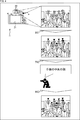
- FIG. 3 is a diagram showing a processing flow when displaying the result of subject recognition in a frame.
- a live view image showing a subject within the angle of view is displayed on the display unit including the liquid crystal monitor 21, the viewfinder 22, and the like.
- a live view image in which three people are shown side by side is displayed.
- the photographing device 1 recognizes each face of the three people by performing subject recognition on the captured image, and as shown at the tip of the downward triangle # 1, the frame F1 to surround each face. Display F3.
- the cameraman can see the frames F1 to F3 and confirm that the photographing device 1 recognizes the faces of the three persons.
- the photographing device 1 estimates the cameraman's intention and sets the right pupil of the person in the center of the live view image as the in-focus position.
- the photographing device 1 sets which subject as the focusing position by displaying the frame F11 surrounding the right pupil of the person in the center of the live view image. Notify the cameraman if you are there. For example, the frames F1 to F3 are displayed in a green frame, the frame F11 is displayed in a red frame, and the frame F11 is displayed in a color different from that of the frames F1 to F3.
- the cameraman can shoot an image in which the right pupil of the central person is in focus by pressing the shooting button in the lower state of FIG.
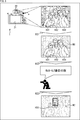
- FIG. 4 is a diagram showing a processing flow when displaying the result of subject recognition with a mark.
- FIG. 4 a live view image showing seven people is displayed. Three people are lined up in the foreground, and the other four are lined up in the back.
- the photographing device 1 recognizes the faces of each of the seven people by recognizing the subject of the captured image, and as shown at the tip of the downward triangle # 11, the mark of the inverted triangle (inverted triangle). Image) is displayed so as to point to each face of the seven people.
- the cameraman can see the mark and confirm that the photographing device 1 recognizes the faces of the seven people.
- the photographing device 1 sets the camera. Estimate the cameraman's intention and set the face of the person in the center in front of the live view image as the in-focus position.
- the photographing device 1 sets which subject as the in-focus position by displaying a frame surrounding the face of the person in the center in front of the live view image. Notify the cameraman. For example, the frame for notifying the focus position is displayed in a color different from the mark pointing to the face.
- the cameraman can shoot an image in which the face of the person in the center in the foreground is in focus by pressing the shooting button in the lower state of FIG.
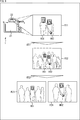
- FIG. 5 is a diagram showing a processing flow when displaying the result of subject recognition with a mask.
- FIG. 5 a live view image showing the persons H31 to H33 is displayed. Behind the people H31 to 33, other people and buildings are shown.
- the photographing device 1 recognizes each face of the person H31 to H33 by performing subject recognition on the captured image, and displays the mask image M1 as shown at the tip of the downward triangle # 21.
- the mask image M1 is an image (an image covered in a translucent state) that masks an area other than the area in which the persons H31 to H33 are captured. Since the face of another person is not recognized in the photographing device 1, the area in which the other person is captured is masked by the mask image M1.
- the cameraman can see the mask image M1 and confirm that the photographing device 1 recognizes the persons H31 to H33.
- the photographing device 1 is used by the cameraman.
- the intention is estimated, and the face of the person H32 is set as the focusing position.
- the photographing device 1 displays the frame surrounding the face of the person H32 and the mask image M2 to inform the cameraman which subject is set as the focusing position. Notice.
- the mask image M2 is an image that masks an area other than the area in which the person H32 is captured.
- the cameraman can shoot an image in which the face of the person H32 is in focus by pressing the shooting button in the lower state of FIG.
- the photographing device 1 As described above, in the photographing device 1, as the information indicating the recognition result of the subject reflected in the live view image, the frame surrounding the face of the person recognized by the photographing device 1, the mark indicating the face of the person, or the area of the person is used. An image that masks areas other than is displayed. Further, the focusing position intended by the cameraman is estimated according to the input of the voice indicating the focusing position, and the frame surrounding the estimated focusing position is displayed. The frame surrounding the in-focus position is displayed superimposed on the live view image together with the frame surrounding the person's face.
- the frame surrounding the focusing position is the information for displaying the recognition result reflecting the cameraman's intention.
- the cameraman can confirm whether or not his / her intention is properly transmitted to the photographing device 1.
- the frame surrounding the face of the subject is assumed to be a rectangular frame, but frames of other shapes such as a circular frame and a frame having a shape along the contour surrounding the area of the subject are displayed. You may do so.
- the mark pointing to the subject is assumed to be an inverted triangular mark, other images such as marks and icons having other shapes may be displayed.
- the photographing device 1 performs so-called bracket photography as a sequence operation in which each of the plurality of subjects instructed by the cameraman is focused in order and continuously photographed. conduct.
- FIG. 6 is a diagram showing a processing flow of sequence operation.
- frames F1 to F3 are displayed so as to surround the faces of three people arranged side by side, as in the case described with reference to FIG.
- the cameraman aims to bring the left pupil of each of the three people into the in-focus position by saying "shoot by changing the focus position to the left pupil of everyone".
- the photographing device 1 estimates the intention of the cameraman and sets the left pupil of each of the three persons in the live view image as the focusing position.
- the photographing device 1 sets which subject is the focusing position by displaying the frames F21 to F23 surrounding the left pupils of the three people in the live view image. Notify the cameraman if this is the case. For example, the frames F21 to F23 are displayed in a different color from the frames F1 to F3.
- the cameraman By pressing the shutter button in such a state, the cameraman continuously displays three images in focus on each of the pupils surrounded by the frames F21 to F23, as shown at the tip of the downward triangle # 33. You can shoot.
- the result of subject recognition is visualized and notified to the cameraman.
- the cameraman can appropriately indicate the subject intended as the in-focus position by using the voice while checking the visualized information.
- Communication is performed between the photographing device 1 and the cameraman, such that the photographing device 1 displays the recognition result of the subject, and the cameraman conveys his / her intention to the photographing device 1 while confirming the display.
- the photographing device 1 can prevent erroneous recognition of the instruction of the cameraman.
- the photographing device 1 learning of a subject to be photographed and a subject to be non-photographed is performed according to the result of subject recognition in the above basic operation and the focusing position instructed by the cameraman.
- the notification of the subject recognition result may be performed so that only the subject to be photographed is selectively recognized based on the learning result and the recognition result is displayed.
- FIG. 7 is a diagram showing a flow of subject recognition processing based on the learning result.
- the image P1 and the image P2 shown in the upper part of FIG. 7 are images taken at different timings.
- the person H51 shown in the image P1 and the person H51 shown in the image P2 are the same person.
- the shooting device 1 determines that the person H51 is the subject to be shot based on the images P1 and P2 obtained by the shooting, as shown at the tip of the downward triangle # 41. learn. After that, when the person H51 is included in the person to be photographed by the cameraman, the recognition result is notified by notifying that the face of the person H51 is recognized.
- the photographing device 1 when the subject to be captured in the live view image changes, the photographing device 1 notifies the recognition result by displaying the frame F51 surrounding the face of the person H51 based on the learning result. do.
- the images P11 and P12 shown in the upper part of FIG. 8 are images taken at different timings, and the person H51 is shown in each image.
- the cameraman can see the frame F51 and confirm that the photographing device 1 recognizes only the person H51 as the subject to be photographed.
- the photographing device 1 estimates the intention of the cameraman and sets the right pupil of the person H51 as the in-focus position.
- the photographing device 1 notifies the cameraman which subject is set as the focusing position by displaying the frame F52 surrounding the right pupil of the person H51. do.
- the frame F52 is displayed in a different color from the frame F51.
- the cameraman can shoot an image in which the right pupil of the person H51 is in focus by pressing the shooting button in the lower state of FIG.
- the cameraman specifies the focusing position by omitting the utterances that indicate a specific person such as "the person on the left end" when shooting the image P11 and “the person on the right side” when shooting the image P12, and shoots. It can be performed.
- the same subject as the subject photographed in the past by the cameraman is selectively recognized based on the learning result from the subjects captured in the live view image, and the face of the person to be the subject is recognized. A frame surrounding is displayed.
- the same subject as the subject photographed in the past is specified based on, for example, the characteristics of the subject.
- the focusing position intended by the cameraman is estimated as in the case of the above-mentioned basic operation, and the frame surrounding the estimated focusing position is formed. Is displayed. In the example of FIG. 8, a frame surrounding the pupil, which is a part of the person specified based on the learning result, is displayed.
- the shooting device 1 may perform appropriate shooting according to the cameraman's intention in response to the cameraman's instruction by voice. It will be possible.
- FIG. 9 is a diagram showing another flow of the subject recognition process based on the learning result.
- FIG. 9 shows a processing flow when the photographing device 1 recognizes a plurality of subjects.
- the image P21 shown in the upper part of FIG. 9 is an image in which only the person H61 and the person H62 are captured.
- the shooting device 1 learns that the persons H61 and H62 are the subjects to be shot based on the image P21 or the like obtained by the shooting. In addition, learning may be performed based on an image in which another person is captured together with the persons H61 and H62. After that, when the person H61 and H62 are included in the person to be photographed by the cameraman, the recognition result is notified by notifying that the face of the person H61 and H62 is recognized. ..
- the photographing device 1 recognizes by displaying a frame surrounding the faces of the people H61 and H62 based on the learning result. Notify the result.
- the images P22 shown in the center of FIG. 9 show the persons H61 and H62.
- the cameraman can confirm that the photographing device 1 recognizes the persons H61 and H62 as the subjects to be photographed.
- the cameraman can indicate the focusing position by speaking "eye autoforce with two faces” or the like.
- the cameraman can continuously shoot an image in which the face of the person H61 is in focus and an image in which the face of the person H62 is in focus.
- the photographing device 1 sets a frame surrounding the face of the person H61 or the person H62 based on the learning result. Notify the recognition result by displaying it.
- the images P23 and P24 shown in the lower part of FIG. 9 are images taken at different timings.
- the image P23 shows the person H61
- the image P24 shows the person H62.
- the cameraman can confirm that the photographing device 1 recognizes the person H61 or the person H62 as the subject to be photographed.
- the cameraman can shoot an image in which the face of the person H61 or the person H62 is in focus.
- FIG. 10 is a block diagram showing a configuration example of the photographing device 1.
- the photographing device 1 includes an operation input unit 31, a voice command processing unit 32, a user intention reflecting unit 33, a photographing unit 34, a signal processing unit 35, an image data storage unit 36, a display unit 37, and a recording unit. It is composed of a part 38.
- the operation input unit 31 is composed of buttons, a touch panel monitor, a controller, a remote controller, and the like.
- the operation input unit 31 detects the camera operation by the cameraman and outputs an operation instruction indicating the content of the detected camera operation.
- the operation instructions output from the operation input unit 31 are appropriately supplied to each configuration of the photographing device 1.
- the voice command processing unit 32 is composed of a voice command input unit 51, a voice signal processing unit 52, a voice command recognition unit 53, a voice command semantic analysis unit 54, and a command execution unit 55.
- the voice command input unit 51 is composed of a sound collecting device such as a microphone.
- the voice command input unit 51 collects the sound emitted by the cameraman and outputs the voice signal to the voice signal processing unit 52.
- the sound emitted by the cameraman may be collected by a microphone different from the microphone mounted on the photographing device 1. It is possible to collect the sound emitted by the cameraman by an external device connected to the photographing device 1, such as a pin microphone or a microphone provided in another device.
- the voice signal processing unit 52 performs signal processing such as noise reduction on the voice signal supplied from the voice command input unit 51, and outputs the voice signal after the signal processing to the voice command recognition unit 53.
- the voice command recognition unit 53 performs voice recognition on the voice signal supplied from the voice signal processing unit 52 and detects the voice command.
- the voice command recognition unit 53 outputs the detection result of the voice command to the voice command semantic analysis unit 54.
- the voice command meaning analysis unit 54 analyzes the meaning of the voice command detected by the voice command recognition unit 53, and determines whether or not the voice command input by the cameraman is a command indicating the focusing position.
- the voice command semantic analysis unit 54 When the voice command is a command indicating the focusing position, the voice command semantic analysis unit 54 outputs the meaning analysis result of the voice command to the user intention determination unit 61 of the user intention reflection unit 33. Further, the voice command meaning analysis unit 54 outputs the meaning analysis result of the voice command to the command execution unit 55.
- the command execution unit 55 reads the parameters for the subject recognition operation from the parameter value storage unit 63 of the user intention reflection unit 33.
- the command execution unit 55 executes processing according to the voice command input by the cameraman based on the semantic analysis result supplied from the voice command semantic analysis unit 54, using the parameters read from the parameter value storage unit 63. ..
- the command execution unit 55 causes the signal processing unit 35 to perform subject recognition using parameters for subject recognition operation. Further, the command execution unit 55 controls the signal processing unit 35 so as to superimpose it on the live view image and display information indicating the focusing position.
- command execution unit 55 controls the photographing unit 34 so as to focus on the position designated by the cameraman and perform shooting.
- the user intention reflection unit 33 is composed of a user intention determination unit 61, a user intention learning storage unit 62, and a parameter value storage unit 63.
- the user intention determination unit 61 estimates the focusing position intended by the cameraman based on the semantic analysis result supplied from the voice command semantic analysis unit 54.
- the user intention determination unit 61 sets parameters for subject recognition operation for recognizing a subject such as a face or pupil estimated as a focusing position, and stores the parameters in the parameter value storage unit 63.
- the feature amount of the subject estimated as the in-focus position is stored in the parameter value storage unit 63.
- the signal processing unit 35 appropriately supplies the result of subject recognition before inputting the voice command to the user intention determination unit 61.
- the user intention determination unit 61 extracts the feature amount of the subject targeted by the cameraman based on, for example, the result of subject recognition supplied from the signal processing unit 35.
- the user intention determination unit 61 stores the extracted feature amount of the subject in the user intention learning storage unit 62 together with the information indicating that the cameraman has photographed the subject, thereby taking a picture as described with reference to FIG. Learn the target subject.
- the feature amount stored in the user intention learning storage unit 62 is set in the signal processing unit 35 as a parameter for the subject recognition operation, and has been described with reference to FIGS. 8 and 9.
- the same subject as the subject taken by the cameraman in the past is recognized.
- the focusing position is recognized by setting a part of the face, eyes, etc. of the same subject as the subject photographed in the past by the cameraman as the focusing position.
- FIG. 11 is a diagram showing an example of the feature amount of the subject to be photographed.
- the feature amount of the object focused by the cameraman, the feature amount of the object appearing in the image taken by the cameraman, and the like are extracted as the feature amount of the subject to be photographed.
- the feature amount of these objects is represented by, for example, at least one of the shape, color, face, and the position of the subject (positions such as up, down, left, right, front and back) in the image.
- the user intention learning storage unit 62 of FIG. 10 is composed of an internal memory.
- the user intention learning storage unit 62 stores the feature amount of the subject to be photographed extracted by the user intention determination unit 61 and information indicating which subject was photographed by the cameraman.
- the user intention learning storage unit 62 functions as a learning unit for learning the characteristics of the subject photographed in the past by the cameraman.
- the parameter value storage unit 63 stores the parameters for the subject recognition operation set by the user intention determination unit 61.
- the photographing unit 34 is composed of an optical system, a driving unit, an image sensor, and the like.
- the photographing unit 34 controls the focusing position (focal length) according to the control by the command executing unit 55, and performs photography by converting the received light into an electric signal.
- the image captured by the photographing unit 34 is output to the signal processing unit 35.
- the signal processing unit 35 recognizes the subject of the image supplied from the photographing unit 34, and stores the information representing the result of the subject recognition in the image data storage unit 36 together with the image. A frame or the like surrounding the face is displayed based on the information stored in the image data storage unit 36, and the result of subject recognition is notified to the cameraman.
- the signal processing unit 35 performs signal processing such as subject recognition and display of the in-focus position according to the control by the command execution unit 55.
- signal processing such as subject recognition and display of the in-focus position according to the control by the command execution unit 55.
- the subject recognition when a voice command is input, the face and eyes that are in focus are recognized based on the feature amount set by the command execution unit 55 as a parameter for the subject recognition operation. It is said.
- the image data storage unit 36 is composed of DRAM (Dynamic Random Access Memory), SRAM (Static Random Access Memory), and the like.
- the image data storage unit 36 temporarily stores the image supplied from the signal processing unit 35 and the information representing the result of subject recognition.
- the image data storage unit 36 outputs an image and information representing the result of subject recognition to the display unit 37 or outputs an image to the recording unit 38 in response to an operation by the cameraman.
- the display unit 37 is composed of a liquid crystal monitor 21 and a viewfinder 22.
- the display unit 37 converts the image supplied from the image data storage unit 36 into an appropriate resolution, and superimposes and displays information representing the result of subject recognition on the image.
- the recording unit 38 is composed of an internal memory and a memory card mounted on the photographing device 1.
- the recording unit 38 records the image supplied from the image data storage unit 36.
- the recording unit 38 may be provided in an external device such as an external HDD (Hard Disk Drive) or a server device on the cloud.
- an external HDD Hard Disk Drive
- server device on the cloud.
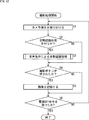
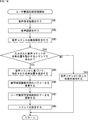
- the shooting process will be described with reference to the flowchart of FIG.
- the shooting process of FIG. 12 is started, for example, when a power ON command by the cameraman is input to the operation input unit 31.
- the capturing of the image is started by the photographing unit 34, and the live view image is displayed on the display unit 37.
- step S1 the operation input unit 31 receives the camera operation by the cameraman. For example, operations such as framing and camera settings are performed by the cameraman.
- step S2 the photographing device 1 determines whether or not to perform the automatic recognition process by voice instruction.
- the recognition result by the photographing device 1 is notified to the cameraman, and the cameraman indicates the focusing position in response to the notification to take a picture. Is a process that can be advanced.
- step S2 If it is determined in step S2 that the automatic recognition process by voice instruction is performed, the photographing device 1 performs the automatic recognition process by voice instruction in step S3.
- the shooting mode may be set by voice, or may be set by an operation using the operation input unit 31. Details of the automatic recognition process by voice instruction will be described later with reference to the flowchart of FIG.
- step S3 if it is determined in step S2 that the automatic recognition process by voice instruction is not performed, the process in step S3 is skipped.
- step S4 the operation input unit 31 determines whether or not the shooting button has been pressed.
- step S4 If it is determined in step S4 that the shooting button has been pressed, the recording unit 38 records an image in step S5.
- the image captured by the photographing unit 34 is supplied from the image data storage unit 36 to the recording unit 38 and recorded.
- step S4 determines that the shooting button is not pressed. If it is determined in step S4 that the shooting button is not pressed, the process of step S5 is skipped.
- step S6 the operation input unit 31 determines whether or not a power off command has been received by the cameraman.
- step S6 If it is determined in step S6 that the power OFF command has not been received, the process returns to step S1 and the subsequent processing is performed. If it is determined in step S6 that the power OFF command has been received, the process ends.
- step S21 the signal processing unit 35 performs subject recognition on the image captured by the photographing unit 34 by using the parameters for the subject recognition operation read from the parameter value storage unit 63.
- the signal processing unit 35 recognizes a person's face from the image by using a parameter for recognizing the person's face.
- step S22 the voice command input unit 51 determines whether or not the voice has been input by the cameraman.
- step S23 the signal processing unit 35 superimposes on the image acquired by the photographing unit 34 and displays the subject recognition result UI on the display unit 37. Let me. After that, the process returns to step S3 in FIG. 11 and the subsequent processing is performed. The cameraman looks at the UI display and inputs voice commands such as voice commands that indicate the focus position.
- step S24 the photographing device 1 performs the user intention reflection process in step S24.
- the focus position is estimated by the user intention reflection process, and the parameters for the subject recognition operation are set. The user intention reflection process will be described later with reference to the flowchart of FIG.
- step S25 the signal processing unit 35 performs subject recognition that reflects the intention of the cameraman according to the control by the command execution unit 55. Specifically, the signal processing unit 35 recognizes the subject estimated as the in-focus position by using the parameters set by the user intention reflection processing in step S24.
- step S26 the signal processing unit 35 superimposes on the image acquired by the photographing unit 34, and causes the display unit 37 to display the UI of the subject recognition result reflecting the intention of the cameraman. After that, the process returns to step S3 of FIG. 12, and the subsequent processing is performed.
- step S41 the audio signal processing unit 52 performs audio signal processing on the audio signal input by the cameraman.
- step S42 the voice command recognition unit 53 performs voice recognition on the voice signal processed by the voice signal and detects the voice command.
- step S43 the voice command semantic analysis unit 54 analyzes the meaning of the voice command based on the detection result of the voice command.
- step S44 the voice command semantic analysis unit 54 determines whether or not the voice command input by the cameraman is a command indicating the focusing position. For example, when a word indicating the focusing position is included in the voice command, it is determined that the voice command is a command indicating the focusing position.
- the word indicating the focusing position is preset in, for example, the voice command semantic analysis unit 54.
- the word indicating the focus position may be composed of one word, or may be composed of a sentence composed of a plurality of words.
- the voice command input by the cameraman is a command indicating the focusing position. It may be determined that.
- step S45 the user intention determination unit 61 estimates the focus position based on the voice command and sets the focus position as the subject.
- the feature amount for recognizing is read from the user intention learning storage unit 62.
- step S46 the user intention determination unit 61 changes the parameters for the subject recognition operation and stores them in the parameter value storage unit 63.
- the parameters for the subject recognition operation stored in the parameter value storage unit 63 are changed to the parameters for recognizing the subject designated as the in-focus position by the cameraman.
- the state of the signal processing unit 35 becomes a state of recognizing the subject designated as the focusing position by the cameraman.
- step S47 the user intention determination unit 61 extracts the feature amount of the subject to be photographed by the cameraman.
- the user intention determination unit 61 updates the data of the user intention learning storage unit 62 by storing the extracted feature amount.
- step S48 the command execution unit 55 reads out the parameters for the subject recognition operation from the parameter value storage unit 63, and sets the voice command in the signal processing unit 35 together with the parameters for the subject recognition operation. Further, the command execution unit 55 controls the photographing unit 34 so as to focus on the position instructed by the cameraman.
- step S24 in FIG. 13 the process returns to step S24 in FIG. 13 and the subsequent processing is performed.
- subject recognition that reflects the intention of the cameraman is performed using the parameters for the subject recognition operation set by the user intention determination unit 61.
- step S44 determines whether the voice command is a command that indicates the focusing position. If it is determined in step S44 that the voice command is not a command that indicates the focusing position, the command execution unit 55 executes processing according to the voice command in step S49. After that, the process returns to step S24 of FIG. 13 and the subsequent processing is performed.
- the photographing device 1 recognizes the subject to be photographed in the live view image, and the information representing the recognized subject to be photographed is superimposed and displayed on the live view image.
- the focusing position is estimated based on the voice command input by the cameraman, and the information representing the estimated focusing position is superimposed and displayed on the live view image.
- the cameraman can instruct the photographing device 1 of an appropriate focusing position by using voice while checking the information displayed on the display unit 37 of the photographing device 1.
- the recognition result of the photographing device 1 and the recognition result reflecting the user's intention are displayed at the same time, but after the voice command is input, only the recognition result reflecting the user's intention is displayed. You may do so.
- the above-mentioned series of processes can be executed by hardware or software.
- the programs constituting the software are installed from the program recording medium on a computer embedded in dedicated hardware, a general-purpose personal computer, or the like.
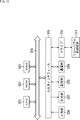
- FIG. 15 is a block diagram showing a configuration example of computer hardware that executes the above-mentioned series of processes programmatically.
- the CPU Central Processing Unit
- ROM Read Only Memory
- RAM Random Access Memory
- An input / output interface 305 is further connected to the bus 304.
- An input unit 306 including a keyboard, a mouse, and the like, and an output unit 307 including a display, a speaker, and the like are connected to the input / output interface 305.
- the input / output interface 305 is connected to a storage unit 308 made of a hard disk or a non-volatile memory, a communication unit 309 made of a network interface or the like, and a drive 310 for driving the removable media 311.
- the CPU 301 loads the program stored in the storage unit 308 into the RAM 303 via the input / output interface 305 and the bus 304 and executes the program, thereby executing the series of processes described above. Is done.
- the program executed by the CPU 301 is recorded on the removable media 311 or provided via a wired or wireless transmission medium such as a local area network, the Internet, or a digital broadcast, and is installed in the storage unit 308.
- the program executed by the computer may be a program that is processed in chronological order according to the order described in this specification, or may be a program that is processed in parallel or at a necessary timing such as when a call is made. It may be a program in which processing is performed.
- this technology can have a cloud computing configuration in which one function is shared by a plurality of devices via a network and processed jointly.
- each step described in the above flowchart can be executed by one device or shared by a plurality of devices.
- one step includes a plurality of processes
- the plurality of processes included in the one step can be executed by one device or shared by a plurality of devices.
- the present technology can also have the following configurations.
- An imaging device including a signal processing unit that superimposes and displays information indicating a focus position on the image.
- the imaging unit further includes a photographing unit that focuses on the focusing position and shoots in response to an instruction for photographing by the user while displaying information indicating the focusing position according to the above (1).
- Shooting equipment (3) The imaging device according to (2) above, wherein when a plurality of positions are instructed to be the focusing positions, the photographing unit focuses on each of the plurality of focusing positions and continuously shoots.
- the user intention determination unit (1) to (3) further includes a user intention determination unit that estimates a part of the same subject as the subject previously photographed by the user as the focusing position based on the voice input by the user.
- the photographing apparatus according to any one of. (5) Further provided with a learning unit for learning the characteristics of the subject photographed by the user.
- the imaging device according to (4) above, wherein the user intention determination unit identifies a subject previously photographed by the user from among the subjects reflected in the image based on the characteristics of the subject learned by the learning unit. .. (6)
- the imaging device (7) The imaging device according to (5) or (6), wherein the signal processing unit recognizes a subject to be captured in the image and recognizes the in-focus position based on the characteristics of the subject learned by the learning unit.
- the signal processing unit superimposes and displays the information representing the focusing position on the image together with the information representing the recognition result of the subject.
- the signal processing unit uses a frame surrounding the recognized subject, an image showing the outline of the subject, a mark pointing to the subject, or an image masking an area other than the area of the subject, and information representing the recognition result of the subject reflected in the image.
- the photographing apparatus according to any one of (1) to (8) above.
- the shooting device Display information that represents the recognition result of the subject in the image obtained by shooting, A photographing method in which information representing the in-focus position estimated to be intended by the user is superimposed and displayed on the image in response to input of a voice instructing the in-focus position by the user.
- (11) On the computer Display information that represents the recognition result of the subject in the image obtained by shooting, In order to execute a process of superimposing and displaying information representing the in-focus position estimated by the user as intended by the user in response to input of a voice instructing the in-focus position by the user. Program.
Landscapes
- Engineering & Computer Science (AREA)
- Multimedia (AREA)
- Signal Processing (AREA)
- Physics & Mathematics (AREA)
- Human Computer Interaction (AREA)
- Theoretical Computer Science (AREA)
- General Physics & Mathematics (AREA)
- General Engineering & Computer Science (AREA)
- Health & Medical Sciences (AREA)
- Audiology, Speech & Language Pathology (AREA)
- Acoustics & Sound (AREA)
- Computational Linguistics (AREA)
- Artificial Intelligence (AREA)
- General Health & Medical Sciences (AREA)
- Studio Devices (AREA)
Priority Applications (3)
| Application Number | Priority Date | Filing Date | Title |
|---|---|---|---|
| US17/906,309 US20230199299A1 (en) | 2020-03-27 | 2021-03-12 | Imaging device, imaging method and program |
| JP2022509928A JPWO2021193147A1 (https=) | 2020-03-27 | 2021-03-12 | |
| EP21775489.4A EP4102825A4 (en) | 2020-03-27 | 2021-03-12 | IMAGE CAPTURE DEVICE, IMAGE CAPTURE METHOD AND PROGRAM |
Applications Claiming Priority (2)
| Application Number | Priority Date | Filing Date | Title |
|---|---|---|---|
| JP2020-057270 | 2020-03-27 | ||
| JP2020057270 | 2020-03-27 |
Publications (1)
| Publication Number | Publication Date |
|---|---|
| WO2021193147A1 true WO2021193147A1 (ja) | 2021-09-30 |
Family
ID=77892028
Family Applications (1)
| Application Number | Title | Priority Date | Filing Date |
|---|---|---|---|
| PCT/JP2021/010092 Ceased WO2021193147A1 (ja) | 2020-03-27 | 2021-03-12 | 撮影装置、撮影方法、およびプログラム |
Country Status (4)
| Country | Link |
|---|---|
| US (1) | US20230199299A1 (https=) |
| EP (1) | EP4102825A4 (https=) |
| JP (1) | JPWO2021193147A1 (https=) |
| WO (1) | WO2021193147A1 (https=) |
Cited By (1)
| Publication number | Priority date | Publication date | Assignee | Title |
|---|---|---|---|---|
| JP7774246B1 (ja) * | 2024-07-12 | 2025-11-21 | 株式会社センシンロボティクス | 情報処理システム、情報処理方法及びプログラム |
Citations (5)
| Publication number | Priority date | Publication date | Assignee | Title |
|---|---|---|---|---|
| JP2010263639A (ja) * | 2007-04-23 | 2010-11-18 | Sharp Corp | 撮像装置、制御方法、制御プログラム、記録媒体および携帯端末 |
| US20110267531A1 (en) * | 2010-05-03 | 2011-11-03 | Canon Kabushiki Kaisha | Image capturing apparatus and method for selective real time focus/parameter adjustment |
| JP2016058888A (ja) * | 2014-09-09 | 2016-04-21 | カシオ計算機株式会社 | 検出装置、検出方法、及びプログラム |
| JP2017103567A (ja) * | 2015-11-30 | 2017-06-08 | キヤノン株式会社 | 撮像制御装置およびその制御方法 |
| JP2019118098A (ja) | 2017-12-26 | 2019-07-18 | キヤノン株式会社 | 撮像装置及びその制御方法、プログラム、記憶媒体 |
Family Cites Families (27)
| Publication number | Priority date | Publication date | Assignee | Title |
|---|---|---|---|---|
| EP0441380B1 (en) * | 1990-02-08 | 1996-09-11 | Canon Kabushiki Kaisha | Image pick-up device |
| JPH06313838A (ja) * | 1993-04-28 | 1994-11-08 | Nikon Corp | 音声入力カメラ |
| US9250703B2 (en) * | 2006-03-06 | 2016-02-02 | Sony Computer Entertainment Inc. | Interface with gaze detection and voice input |
| JP4702635B2 (ja) * | 2007-07-17 | 2011-06-15 | 富士フイルム株式会社 | オートホワイトバランス補正値算出装置、方法およびプログラムならびに撮像装置 |
| US10169646B2 (en) * | 2007-12-31 | 2019-01-01 | Applied Recognition Inc. | Face authentication to mitigate spoofing |
| US9197736B2 (en) * | 2009-12-31 | 2015-11-24 | Digimarc Corporation | Intuitive computing methods and systems |
| JP2010217915A (ja) * | 2010-05-17 | 2010-09-30 | Canon Inc | 撮像装置及びその制御方法 |
| US8659697B2 (en) * | 2010-11-11 | 2014-02-25 | DigitalOptics Corporation Europe Limited | Rapid auto-focus using classifier chains, MEMS and/or multiple object focusing |
| JP2014081420A (ja) * | 2012-10-15 | 2014-05-08 | Olympus Imaging Corp | 追尾装置及びその方法 |
| KR101990073B1 (ko) * | 2012-11-12 | 2019-06-17 | 삼성전자주식회사 | 전자장치에서 다초점 영상 촬영 및 저장 방법 및 장치 |
| US9906769B1 (en) * | 2014-07-31 | 2018-02-27 | Raytheon Company | Methods and apparatus for collaborative multi-view augmented reality video |
| US10725533B2 (en) * | 2014-09-26 | 2020-07-28 | Intel Corporation | Systems, apparatuses, and methods for gesture recognition and interaction |
| US10334158B2 (en) * | 2014-11-03 | 2019-06-25 | Robert John Gove | Autonomous media capturing |
| US10091409B2 (en) * | 2014-12-30 | 2018-10-02 | Nokia Technologies Oy | Improving focus in image and video capture using depth maps |
| US10178293B2 (en) * | 2016-06-22 | 2019-01-08 | International Business Machines Corporation | Controlling a camera using a voice command and image recognition |
| US10212338B2 (en) * | 2016-11-22 | 2019-02-19 | Google Llc | Camera operable using natural language commands |
| US20200037847A1 (en) * | 2017-03-24 | 2020-02-06 | Sony Corporation | Control apparatus for medical system, control method for medical system, and medical system |
| US9965865B1 (en) * | 2017-03-29 | 2018-05-08 | Amazon Technologies, Inc. | Image data segmentation using depth data |
| US10325409B2 (en) * | 2017-06-16 | 2019-06-18 | Microsoft Technology Licensing, Llc | Object holographic augmentation |
| US11703698B1 (en) * | 2018-08-30 | 2023-07-18 | Apple Inc. | Adjustable lens systems |
| US10504504B1 (en) * | 2018-12-07 | 2019-12-10 | Vocalid, Inc. | Image-based approaches to classifying audio data |
| US11463615B2 (en) * | 2019-03-13 | 2022-10-04 | Panasonic Intellectual Property Management Co., Ltd. | Imaging apparatus |
| US10659848B1 (en) * | 2019-03-21 | 2020-05-19 | International Business Machines Corporation | Display overlays for prioritization of video subjects |
| JP7301615B2 (ja) * | 2019-06-17 | 2023-07-03 | キヤノン株式会社 | 電子機器およびその制御方法 |
| JP7321786B2 (ja) * | 2019-06-17 | 2023-08-07 | キヤノン株式会社 | 電子機器およびその制御方法 |
| US11289078B2 (en) * | 2019-06-28 | 2022-03-29 | Intel Corporation | Voice controlled camera with AI scene detection for precise focusing |
| US11385526B2 (en) * | 2019-11-15 | 2022-07-12 | Samsung Electronics Co., Ltd. | Method of processing image based on artificial intelligence and image processing device performing the same |
-
2021
- 2021-03-12 JP JP2022509928A patent/JPWO2021193147A1/ja active Pending
- 2021-03-12 WO PCT/JP2021/010092 patent/WO2021193147A1/ja not_active Ceased
- 2021-03-12 EP EP21775489.4A patent/EP4102825A4/en not_active Withdrawn
- 2021-03-12 US US17/906,309 patent/US20230199299A1/en not_active Abandoned
Patent Citations (5)
| Publication number | Priority date | Publication date | Assignee | Title |
|---|---|---|---|---|
| JP2010263639A (ja) * | 2007-04-23 | 2010-11-18 | Sharp Corp | 撮像装置、制御方法、制御プログラム、記録媒体および携帯端末 |
| US20110267531A1 (en) * | 2010-05-03 | 2011-11-03 | Canon Kabushiki Kaisha | Image capturing apparatus and method for selective real time focus/parameter adjustment |
| JP2016058888A (ja) * | 2014-09-09 | 2016-04-21 | カシオ計算機株式会社 | 検出装置、検出方法、及びプログラム |
| JP2017103567A (ja) * | 2015-11-30 | 2017-06-08 | キヤノン株式会社 | 撮像制御装置およびその制御方法 |
| JP2019118098A (ja) | 2017-12-26 | 2019-07-18 | キヤノン株式会社 | 撮像装置及びその制御方法、プログラム、記憶媒体 |
Non-Patent Citations (1)
| Title |
|---|
| See also references of EP4102825A4 |
Cited By (1)
| Publication number | Priority date | Publication date | Assignee | Title |
|---|---|---|---|---|
| JP7774246B1 (ja) * | 2024-07-12 | 2025-11-21 | 株式会社センシンロボティクス | 情報処理システム、情報処理方法及びプログラム |
Also Published As
| Publication number | Publication date |
|---|---|
| JPWO2021193147A1 (https=) | 2021-09-30 |
| EP4102825A1 (en) | 2022-12-14 |
| US20230199299A1 (en) | 2023-06-22 |
| EP4102825A4 (en) | 2023-05-31 |
Similar Documents
| Publication | Publication Date | Title |
|---|---|---|
| JP4884417B2 (ja) | 携帯型電子装置及びその制御方法 | |
| JP4944055B2 (ja) | 撮像装置及び撮像制御方法 | |
| KR101679290B1 (ko) | 영상 처리 방법 및 장치 | |
| US20090091650A1 (en) | Digital camera capable of appropriately discriminating the face of a person | |
| JP5448900B2 (ja) | 撮像装置 | |
| KR20100027700A (ko) | 촬영 방법 및 장치 | |
| KR101710626B1 (ko) | 디지털 촬영 장치 및 이의 제어 방법 | |
| KR101686943B1 (ko) | 디지털 촬영 장치 및 이의 제어 방법 | |
| JP5042896B2 (ja) | 画像処理装置および画像処理プログラム | |
| CN109600555A (zh) | 一种对焦控制方法、系统及拍照设备 | |
| KR20120044030A (ko) | 디지털 촬영 장치 및 이의 제어 방법 | |
| JP2009171428A (ja) | デジタルカメラ装置および電子ズームの制御方法およびプログラム | |
| JP2025032263A (ja) | 撮像装置 | |
| JP2010244322A (ja) | コミュニケーションキャラクター装置、及びそのプログラム | |
| KR101817659B1 (ko) | 디지털 촬영 장치 및 이의 제어 방법 | |
| JP5239280B2 (ja) | 撮像装置、撮像制御プログラム及び撮像方法 | |
| JP2016127525A (ja) | 撮像装置およびその制御方法、並びにプログラム | |
| WO2021193147A1 (ja) | 撮影装置、撮影方法、およびプログラム | |
| JP4891674B2 (ja) | カメラ | |
| JP2017021254A (ja) | 映像処理装置、映像処理方法、及びプログラム | |
| JP2009260630A (ja) | 画像処理装置および画像処理プログラム | |
| CN117319594A (zh) | 会议人员追踪显示方法、装置、设备及可读存储介质 | |
| JP7614798B2 (ja) | 表示制御装置及びその制御方法 | |
| JP2005341016A (ja) | カメラ装置およびプログラム | |
| JP4355853B2 (ja) | 画像撮影装置およびプログラム |
Legal Events
| Date | Code | Title | Description |
|---|---|---|---|
| 121 | Ep: the epo has been informed by wipo that ep was designated in this application |
Ref document number: 21775489 Country of ref document: EP Kind code of ref document: A1 |
|
| ENP | Entry into the national phase |
Ref document number: 2022509928 Country of ref document: JP Kind code of ref document: A |
|
| ENP | Entry into the national phase |
Ref document number: 2021775489 Country of ref document: EP Effective date: 20220909 |
|
| NENP | Non-entry into the national phase |
Ref country code: DE |
|
| WWW | Wipo information: withdrawn in national office |
Ref document number: 2021775489 Country of ref document: EP |