WO2021145128A1 - 変異型klfタンパク質、及び誘導多能性幹細胞の製造方法 - Google Patents
変異型klfタンパク質、及び誘導多能性幹細胞の製造方法 Download PDFInfo
- Publication number
- WO2021145128A1 WO2021145128A1 PCT/JP2020/047050 JP2020047050W WO2021145128A1 WO 2021145128 A1 WO2021145128 A1 WO 2021145128A1 JP 2020047050 W JP2020047050 W JP 2020047050W WO 2021145128 A1 WO2021145128 A1 WO 2021145128A1
- Authority
- WO
- WIPO (PCT)
- Prior art keywords
- protein
- mutant
- nucleic acid
- cells
- amino acid
- Prior art date
- Legal status (The legal status is an assumption and is not a legal conclusion. Google has not performed a legal analysis and makes no representation as to the accuracy of the status listed.)
- Ceased
Links
Images
Classifications
-
- C—CHEMISTRY; METALLURGY
- C07—ORGANIC CHEMISTRY
- C07K—PEPTIDES
- C07K14/00—Peptides having more than 20 amino acids; Gastrins; Somatostatins; Melanotropins; Derivatives thereof
- C07K14/435—Peptides having more than 20 amino acids; Gastrins; Somatostatins; Melanotropins; Derivatives thereof from animals; from humans
- C07K14/46—Peptides having more than 20 amino acids; Gastrins; Somatostatins; Melanotropins; Derivatives thereof from animals; from humans from vertebrates
- C07K14/47—Peptides having more than 20 amino acids; Gastrins; Somatostatins; Melanotropins; Derivatives thereof from animals; from humans from vertebrates from mammals
- C07K14/4701—Peptides having more than 20 amino acids; Gastrins; Somatostatins; Melanotropins; Derivatives thereof from animals; from humans from vertebrates from mammals not used
- C07K14/4702—Regulators; Modulating activity
-
- A—HUMAN NECESSITIES
- A61—MEDICAL OR VETERINARY SCIENCE; HYGIENE
- A61K—PREPARATIONS FOR MEDICAL, DENTAL OR TOILETRY PURPOSES
- A61K31/00—Medicinal preparations containing organic active ingredients
- A61K31/70—Carbohydrates; Sugars; Derivatives thereof
- A61K31/7088—Compounds having three or more nucleosides or nucleotides
-
- A—HUMAN NECESSITIES
- A61—MEDICAL OR VETERINARY SCIENCE; HYGIENE
- A61K—PREPARATIONS FOR MEDICAL, DENTAL OR TOILETRY PURPOSES
- A61K35/00—Medicinal preparations containing materials or reaction products thereof with undetermined constitution
- A61K35/66—Microorganisms or materials therefrom
- A61K35/76—Viruses; Subviral particles; Bacteriophages
-
- A—HUMAN NECESSITIES
- A61—MEDICAL OR VETERINARY SCIENCE; HYGIENE
- A61K—PREPARATIONS FOR MEDICAL, DENTAL OR TOILETRY PURPOSES
- A61K38/00—Medicinal preparations containing peptides
- A61K38/16—Peptides having more than 20 amino acids; Gastrins; Somatostatins; Melanotropins; Derivatives thereof
- A61K38/17—Peptides having more than 20 amino acids; Gastrins; Somatostatins; Melanotropins; Derivatives thereof from animals; from humans
-
- A—HUMAN NECESSITIES
- A61—MEDICAL OR VETERINARY SCIENCE; HYGIENE
- A61P—SPECIFIC THERAPEUTIC ACTIVITY OF CHEMICAL COMPOUNDS OR MEDICINAL PREPARATIONS
- A61P35/00—Antineoplastic agents
-
- C—CHEMISTRY; METALLURGY
- C07—ORGANIC CHEMISTRY
- C07K—PEPTIDES
- C07K14/00—Peptides having more than 20 amino acids; Gastrins; Somatostatins; Melanotropins; Derivatives thereof
- C07K14/435—Peptides having more than 20 amino acids; Gastrins; Somatostatins; Melanotropins; Derivatives thereof from animals; from humans
- C07K14/46—Peptides having more than 20 amino acids; Gastrins; Somatostatins; Melanotropins; Derivatives thereof from animals; from humans from vertebrates
- C07K14/47—Peptides having more than 20 amino acids; Gastrins; Somatostatins; Melanotropins; Derivatives thereof from animals; from humans from vertebrates from mammals
- C07K14/4701—Peptides having more than 20 amino acids; Gastrins; Somatostatins; Melanotropins; Derivatives thereof from animals; from humans from vertebrates from mammals not used
- C07K14/4702—Regulators; Modulating activity
- C07K14/4705—Regulators; Modulating activity stimulating, promoting or activating activity
-
- C—CHEMISTRY; METALLURGY
- C12—BIOCHEMISTRY; BEER; SPIRITS; WINE; VINEGAR; MICROBIOLOGY; ENZYMOLOGY; MUTATION OR GENETIC ENGINEERING
- C12N—MICROORGANISMS OR ENZYMES; COMPOSITIONS THEREOF; PROPAGATING, PRESERVING, OR MAINTAINING MICROORGANISMS; MUTATION OR GENETIC ENGINEERING; CULTURE MEDIA
- C12N1/00—Microorganisms; Compositions thereof; Processes of propagating, maintaining or preserving microorganisms or compositions thereof; Processes of preparing or isolating a composition containing a microorganism; Culture media therefor
-
- C—CHEMISTRY; METALLURGY
- C12—BIOCHEMISTRY; BEER; SPIRITS; WINE; VINEGAR; MICROBIOLOGY; ENZYMOLOGY; MUTATION OR GENETIC ENGINEERING
- C12N—MICROORGANISMS OR ENZYMES; COMPOSITIONS THEREOF; PROPAGATING, PRESERVING, OR MAINTAINING MICROORGANISMS; MUTATION OR GENETIC ENGINEERING; CULTURE MEDIA
- C12N15/00—Mutation or genetic engineering; DNA or RNA concerning genetic engineering, vectors, e.g. plasmids, or their isolation, preparation or purification; Use of hosts therefor
- C12N15/09—Recombinant DNA-technology
- C12N15/63—Introduction of foreign genetic material using vectors; Vectors; Use of hosts therefor; Regulation of expression
-
- C—CHEMISTRY; METALLURGY
- C12—BIOCHEMISTRY; BEER; SPIRITS; WINE; VINEGAR; MICROBIOLOGY; ENZYMOLOGY; MUTATION OR GENETIC ENGINEERING
- C12N—MICROORGANISMS OR ENZYMES; COMPOSITIONS THEREOF; PROPAGATING, PRESERVING, OR MAINTAINING MICROORGANISMS; MUTATION OR GENETIC ENGINEERING; CULTURE MEDIA
- C12N15/00—Mutation or genetic engineering; DNA or RNA concerning genetic engineering, vectors, e.g. plasmids, or their isolation, preparation or purification; Use of hosts therefor
- C12N15/09—Recombinant DNA-technology
- C12N15/63—Introduction of foreign genetic material using vectors; Vectors; Use of hosts therefor; Regulation of expression
- C12N15/79—Vectors or expression systems specially adapted for eukaryotic hosts
- C12N15/85—Vectors or expression systems specially adapted for eukaryotic hosts for animal cells
-
- C—CHEMISTRY; METALLURGY
- C12—BIOCHEMISTRY; BEER; SPIRITS; WINE; VINEGAR; MICROBIOLOGY; ENZYMOLOGY; MUTATION OR GENETIC ENGINEERING
- C12N—MICROORGANISMS OR ENZYMES; COMPOSITIONS THEREOF; PROPAGATING, PRESERVING, OR MAINTAINING MICROORGANISMS; MUTATION OR GENETIC ENGINEERING; CULTURE MEDIA
- C12N5/00—Undifferentiated human, animal or plant cells, e.g. cell lines; Tissues; Cultivation or maintenance thereof; Culture media therefor
- C12N5/06—Animal cells or tissues; Human cells or tissues
- C12N5/0602—Vertebrate cells
- C12N5/0696—Artificially induced pluripotent stem cells, e.g. iPS
-
- A—HUMAN NECESSITIES
- A61—MEDICAL OR VETERINARY SCIENCE; HYGIENE
- A61K—PREPARATIONS FOR MEDICAL, DENTAL OR TOILETRY PURPOSES
- A61K38/00—Medicinal preparations containing peptides
-
- C—CHEMISTRY; METALLURGY
- C12—BIOCHEMISTRY; BEER; SPIRITS; WINE; VINEGAR; MICROBIOLOGY; ENZYMOLOGY; MUTATION OR GENETIC ENGINEERING
- C12N—MICROORGANISMS OR ENZYMES; COMPOSITIONS THEREOF; PROPAGATING, PRESERVING, OR MAINTAINING MICROORGANISMS; MUTATION OR GENETIC ENGINEERING; CULTURE MEDIA
- C12N2501/00—Active agents used in cell culture processes, e.g. differentation
- C12N2501/60—Transcription factors
- C12N2501/602—Sox-2
-
- C—CHEMISTRY; METALLURGY
- C12—BIOCHEMISTRY; BEER; SPIRITS; WINE; VINEGAR; MICROBIOLOGY; ENZYMOLOGY; MUTATION OR GENETIC ENGINEERING
- C12N—MICROORGANISMS OR ENZYMES; COMPOSITIONS THEREOF; PROPAGATING, PRESERVING, OR MAINTAINING MICROORGANISMS; MUTATION OR GENETIC ENGINEERING; CULTURE MEDIA
- C12N2501/00—Active agents used in cell culture processes, e.g. differentation
- C12N2501/60—Transcription factors
- C12N2501/603—Oct-3/4
-
- C—CHEMISTRY; METALLURGY
- C12—BIOCHEMISTRY; BEER; SPIRITS; WINE; VINEGAR; MICROBIOLOGY; ENZYMOLOGY; MUTATION OR GENETIC ENGINEERING
- C12N—MICROORGANISMS OR ENZYMES; COMPOSITIONS THEREOF; PROPAGATING, PRESERVING, OR MAINTAINING MICROORGANISMS; MUTATION OR GENETIC ENGINEERING; CULTURE MEDIA
- C12N2501/00—Active agents used in cell culture processes, e.g. differentation
- C12N2501/60—Transcription factors
- C12N2501/604—Klf-4
-
- C—CHEMISTRY; METALLURGY
- C12—BIOCHEMISTRY; BEER; SPIRITS; WINE; VINEGAR; MICROBIOLOGY; ENZYMOLOGY; MUTATION OR GENETIC ENGINEERING
- C12N—MICROORGANISMS OR ENZYMES; COMPOSITIONS THEREOF; PROPAGATING, PRESERVING, OR MAINTAINING MICROORGANISMS; MUTATION OR GENETIC ENGINEERING; CULTURE MEDIA
- C12N2501/00—Active agents used in cell culture processes, e.g. differentation
- C12N2501/60—Transcription factors
- C12N2501/606—Transcription factors c-Myc
-
- C—CHEMISTRY; METALLURGY
- C12—BIOCHEMISTRY; BEER; SPIRITS; WINE; VINEGAR; MICROBIOLOGY; ENZYMOLOGY; MUTATION OR GENETIC ENGINEERING
- C12N—MICROORGANISMS OR ENZYMES; COMPOSITIONS THEREOF; PROPAGATING, PRESERVING, OR MAINTAINING MICROORGANISMS; MUTATION OR GENETIC ENGINEERING; CULTURE MEDIA
- C12N2506/00—Differentiation of animal cells from one lineage to another; Differentiation of pluripotent cells
- C12N2506/13—Differentiation of animal cells from one lineage to another; Differentiation of pluripotent cells from connective tissue cells, from mesenchymal cells
- C12N2506/1307—Differentiation of animal cells from one lineage to another; Differentiation of pluripotent cells from connective tissue cells, from mesenchymal cells from adult fibroblasts
-
- C—CHEMISTRY; METALLURGY
- C12—BIOCHEMISTRY; BEER; SPIRITS; WINE; VINEGAR; MICROBIOLOGY; ENZYMOLOGY; MUTATION OR GENETIC ENGINEERING
- C12N—MICROORGANISMS OR ENZYMES; COMPOSITIONS THEREOF; PROPAGATING, PRESERVING, OR MAINTAINING MICROORGANISMS; MUTATION OR GENETIC ENGINEERING; CULTURE MEDIA
- C12N2510/00—Genetically modified cells
-
- C—CHEMISTRY; METALLURGY
- C12—BIOCHEMISTRY; BEER; SPIRITS; WINE; VINEGAR; MICROBIOLOGY; ENZYMOLOGY; MUTATION OR GENETIC ENGINEERING
- C12N—MICROORGANISMS OR ENZYMES; COMPOSITIONS THEREOF; PROPAGATING, PRESERVING, OR MAINTAINING MICROORGANISMS; MUTATION OR GENETIC ENGINEERING; CULTURE MEDIA
- C12N2740/00—Reverse transcribing RNA viruses
- C12N2740/00011—Details
- C12N2740/10011—Retroviridae
- C12N2740/10041—Use of virus, viral particle or viral elements as a vector
- C12N2740/10043—Use of virus, viral particle or viral elements as a vector viral genome or elements thereof as genetic vector
-
- C—CHEMISTRY; METALLURGY
- C12—BIOCHEMISTRY; BEER; SPIRITS; WINE; VINEGAR; MICROBIOLOGY; ENZYMOLOGY; MUTATION OR GENETIC ENGINEERING
- C12N—MICROORGANISMS OR ENZYMES; COMPOSITIONS THEREOF; PROPAGATING, PRESERVING, OR MAINTAINING MICROORGANISMS; MUTATION OR GENETIC ENGINEERING; CULTURE MEDIA
- C12N2740/00—Reverse transcribing RNA viruses
- C12N2740/00011—Details
- C12N2740/10011—Retroviridae
- C12N2740/16011—Human Immunodeficiency Virus, HIV
- C12N2740/16041—Use of virus, viral particle or viral elements as a vector
- C12N2740/16043—Use of virus, viral particle or viral elements as a vector viral genome or elements thereof as genetic vector
-
- C—CHEMISTRY; METALLURGY
- C12—BIOCHEMISTRY; BEER; SPIRITS; WINE; VINEGAR; MICROBIOLOGY; ENZYMOLOGY; MUTATION OR GENETIC ENGINEERING
- C12N—MICROORGANISMS OR ENZYMES; COMPOSITIONS THEREOF; PROPAGATING, PRESERVING, OR MAINTAINING MICROORGANISMS; MUTATION OR GENETIC ENGINEERING; CULTURE MEDIA
- C12N2760/00—MICROORGANISMS OR ENZYMES; COMPOSITIONS THEREOF; PROPAGATING, PRESERVING, OR MAINTAINING MICROORGANISMS; MUTATION OR GENETIC ENGINEERING; CULTURE MEDIA ssRNA viruses negative-sense
- C12N2760/00011—Details
- C12N2760/18011—Paramyxoviridae
- C12N2760/18411—Morbillivirus, e.g. Measles virus, canine distemper
- C12N2760/18422—New viral proteins or individual genes, new structural or functional aspects of known viral proteins or genes
Definitions
- the present invention relates to a mutant KLF protein, an induced pluripotent stem cell inducer, and a method for producing induced pluripotent stem cells.
- iPS cells induced pluripotent stem cells
- IPS cells are induced by introducing reprogramming factors such as OCT3 / 4, SOX2, KLF4, and C-MYC into somatic cells (Patent Documents 1 and 2; Non-Patent Documents 1 and 2). All of these reprogramming factors, as transcription factors, are thought to regulate the expression of genes involved in self-renewal and pluripotency, thereby inducing somatic cell reprogramming.
- reprogramming factors such as OCT3 / 4, SOX2, KLF4, and C-MYC
- Non-Patent Document 2 Non-Patent Document 2
- Such low iPS cell production efficiency is a major obstacle in clinical application.
- the iPS cell production efficiency remains low, it takes time to prepare a sufficient number of iPS cells for the production of tissue for transplantation, and the disease progresses during that time.
- the iPS cell production efficiency can be improved, a tissue for transplantation can be rapidly produced.
- the number of somatic cells required to prepare iPS cells is small, it is possible to reduce the number of somatic cells collected from the patient and reduce the burden on the patient's body.
- Non-Patent Document 3 In order to make up for the shortcomings of the technology for improving safety, improvement of iPS cell production efficiency has become an important issue.
- Non-Patent Document 4 a method of additionally using cytokines and chemical substances has also been developed.
- KLF4 is one of the reprogramming factors, based on the molecular structure of the reprogramming factor, and reprogramming efficiency.
- KLF proteins amino acid residues that are commonly conserved in the reprogramming factors KLF1, KLF2, KLF4, and KLF5 proteins (hereinafter often collectively referred to as "KLF proteins") and that can interact directly with DNA. 19 were identified.
- mutant KLF4 proteins in which the 19 amino acid residues were replaced with alanine was prepared, and mutants having an activity of reprogramming somatic cells with higher efficiency than wild-type KLF4 proteins were searched for.
- mutants having an activity of reprogramming somatic cells with higher efficiency than wild-type KLF4 proteins were searched for.
- the present invention is based on this finding and provides the following.
- the amino acid substitution is (A) Serine at position 349 and / or leucine at position 356 in the amino acid sequence shown in SEQ ID NO: 1. (B) Serine at position 342 and / or leucine at position 349 in the amino acid sequence shown in SEQ ID NO: 3. (C) Serine at position 500 and / or leucine at position 507 in the amino acid sequence shown in SEQ ID NO: 5, or (d) Serine at position 443 and / or leucine at position 450 in the amino acid sequence shown in SEQ ID NO: 7.
- substitution of (a) is S349A and / or L356A, L356N, L356D, L356C, L356E, L356G, L356K, L356M, L356S, or L356T
- substitution of (b) is S342A and / or.
- substitution of (c) above is S500A and / or L507A, L507N, L507D, L507C, L507E, L507G, L507K, L507M.
- L507S, or L507T or the substitution of (d) above is S443A and / or L450A, L450N, L450D, L450C, L450E, L450G, L450K, L450M, L450S, or L450T, according to (1).
- Mutant KLF protein or peptide fragment thereof (3) A nucleic acid encoding the mutant KLF protein or peptide fragment thereof according to (1) or (2).
- (4) A gene expression vector containing the nucleic acid according to (3) in an expressible state.
- Induced pluripotency containing any of the mutant KLF protein or peptide fragment thereof according to (1) or (2), the nucleic acid according to (3), or the gene expression vector according to (4).
- the iPS cell inducer inducer according to (5), further comprising the following (i) and / or (ii).
- (ii) SOX1 protein, SOX2 protein, SOX3 protein, SOX15 protein or SOX17 protein whichever The iPS cell inducer according to (6), which further comprises (7) the following (iii), whichever is the nucleic acid encoding the protein or a gene expression vector containing the nucleic acid in an expressible state.
- Programming agent. Use of the iPS cell inducer according to any one of (5) to (7) for producing iPS cells from somatic cells.
- a method for producing iPS cells A method for producing iPS cells.
- OCT3 / 4 protein nucleic acid encoding the same, or a gene expression vector containing the nucleic acid in an expressible state
- SOX1 protein, SOX2 protein, SOX3 protein, SOX15 protein or SOX17 protein A nucleic acid encoding any of them, or a gene expression vector containing the nucleic acid in an expressible state, and the somatic cells after the introduction step are expressed as a basic fibroblast growth factor, TGF- ⁇ 1 protein, BMP protein
- the production method comprising a culturing step of culturing in the presence of any one or more of Wnt3 protein, GSK3 ⁇ inhibitor, Wnt inhibitor, retinoic acid, ascorbic acid, and ROCK inhibitor.
- (11) A method for producing iPS cells.
- the production method comprising a culture step of culturing somatic cells after the introduction step.
- somatic cell reprogramming can be induced with higher efficiency than the KLF protein consisting of a natural amino acid sequence.
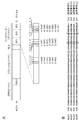
- FIG. 1 It is a figure which shows the structure of a KLF protein.
- A is a diagram showing the domain structure of the human wild-type KLF4 protein and the positions of 19 amino acid residues that can directly interact with DNA in the zinc finger domains 1 to 3 (ZF1, ZF2, and ZF3). ..
- PEST means a sequence rich in proline (P), glutamic acid (E), serine (S), and threonine (T), and "NLS” means a nuclear localization signal.
- B is a diagram showing the alignment of amino acid sequences in the C-terminal region of the wild-type KLF1 protein, KLF2 protein, KLF4 protein, and KLF5 protein.
- the positions of amino acid residues conserved between KLF proteins (KLF1 S349 and L356, KLF2 S342 and L349, KLF5 S443 and L450) corresponding to the wild-type KLF4 proteins S500 and L507 are shown in black.
- the amino acid substitution position of the mutant KLF protein of the present invention corresponds to the amino acid residue in this black frame. It is a figure which shows the result of the reprogramming induction using the mutant KLF4 protein in which each of the 19 amino acid residues capable of directly interacting with DNA was replaced with alanine.
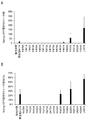
- Reprogramming was induced by introducing mutant KLF4 protein into Nanog-GFP mouse fetal fibroblasts with other reprogramming factors (OCT3 / 4, SOX2, and L-MYC) using a retroviral vector.
- A is a figure showing the number of Nanog-GFP positive colonies formed from 10,000 Nanog-GFP mouse fetal fibroblasts into which a reprogramming factor was introduced, on the 25th day after virus infection.
- (B) is a figure which shows the ratio of the number of Nanog-GFP positive colonies to the total number of colonies 25 days after virus infection.
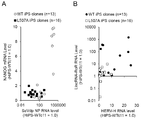
- the expression level shows a value normalized by setting the expression level in a standard human iPS cell line (HiPS-WTc11) to 1.0.
- the RNA expression level of HERV-H which is a differentiation resistance marker
- the RNA expression level of lincRNA-RoR are quantified by RT-qPCR.
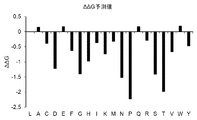
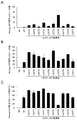
- the expression level shows a value normalized by setting the expression level in a standard human iPS cell line (HiPS-WTc11) to 1.0. It is a figure which shows the result of the reprogramming induction using the KLF4 mutant in which leucine at position 507 of the KLF4 protein was replaced with various amino acid residues.
- A The number of Nanog-GFP-positive iPS cell colonies 15 days after retrovirus infection is shown.
- B Shows the number of Nanog-GFP-positive iPS cell colonies 25 days after retrovirus infection.
- C The ratio of Nanog-GFP-positive iPS cell colonies to the total colonies on the 25th day after retrovirus infection is shown.
- the first aspect of the present invention is a mutant KLF protein or a peptide fragment thereof.
- the mutant KLF protein of the present invention or a peptide fragment thereof contains a specific amino acid substitution and can be introduced into a somatic cell together with other reprogramming factors to induce the reprogramming of the somatic cell with high efficiency.
- KLF protein is a zinc finger type transcription factor belonging to the Krueppel-like factor (KLF) family, and 17 types of KLF1 to KLF17 are known in humans.
- KLF protein shall mean any of the KLF1, KLF2, KLF4, and KLF5 proteins.
- the KLF1, KLF2, KLF4, or KLF5 proteins have the activity of inducing somatic cell reprogramming when introduced into somatic cells along with other reprogramming factors (eg, OCT3 / 4, SOX2, and C-MYC proteins).
- the KLF protein is preferably derived from mammals.
- human-derived KLF proteins include, for example, the human wild-type KLF1 protein consisting of the amino acid sequence shown in SEQ ID NO: 1, the human wild-type KLF2 protein consisting of the amino acid sequence shown in SEQ ID NO: 3, and the amino acid sequence shown in SEQ ID NO: 5.
- KLF means either a KLF protein, a gene or nucleic acid encoding a KLF protein, or a gene expression vector containing the nucleic acid.
- mutant KLF shall mean either a mutant KLF protein, a gene or nucleic acid encoding a mutant KLF protein, or a gene expression vector containing the nucleic acid. The same applies to “KLF4" and "mutant KLF4".
- iPSCs embryonic stem cells
- ESCs embryonic stem cells
- ES cells embryonic stem cells
- iPS cells have pluripotency similar to embryonic stem cells (ESCs; ES cells) obtained from somatic cells by induction treatment.
- ESCs embryonic stem cells
- iPS cells have pluripotency that allows them to differentiate into all types of cells in the body other than extraembryonic tissues, and proliferative capacity that allows them to proliferate almost indefinitely in culture.
- iPS cells can be obtained from different types of cells by different methods. For example, it is usually made by introducing four reprogramming factors into somatic cells: OCT3 / 4, SOX2, KLF4, and C-MYC protein.
- somatic cell refers to a cell other than a germ cell among the cells constituting an individual animal.
- somatic cells are not limited as long as they can acquire pluripotency by inducing reprogramming.
- the animal species from which the somatic cells are derived does not matter.
- the animal species from which somatic cells are derived is, for example, a mammalian species.
- any mammalian species such as mice, rats, rabbits, cows, cynomolgus monkeys, marmosets, and humans may be used, but is preferably human.
- the tissues and organs from which somatic cells are derived are not particularly limited, but those that are easy to collect and can induce reprogramming efficiently are preferable.
- it may be an organ such as skin or liver, blood, urine, cancer tissue, dental pulp cells or the like.
- the somatic cell may be a differentiated cell or an undifferentiated cell, and may be a cell line or a primary cultured cell isolated from a tissue. Differentiated cells are preferred.
- somatic cells in the present specification include human fibroblasts, human epithelial cells, human hepatocytes, human blood cells, mesenchymal cells, nerve cells, muscle cells and the like.
- somatic cells used for induction of reprogramming are particularly referred to as "somatic cells to be reprogrammed".
- reprogramming refers to an operation or process of changing from a somatic cell to another cell type. Generally, it means that differentiated cells are dedifferentiated and changed to the state of undifferentiated cells. As used herein, it refers to an operation or process of changing from a somatic cell to an iPS cell unless otherwise specified.
- induction of reprogramming means that cells are given an operation that can cause reprogramming and are actually reprogrammed.
- inducing reprogramming means giving the cell an operation that can cause reprogramming, regardless of whether or not it is actually reprogrammed.
- inducing reprogramming means introducing a reprogramming factor necessary for reprogramming into somatic cells and culturing the somatic cells after the introduction under predetermined conditions.
- pluripotency is synonymous with pluripotency and means the properties of cells that can differentiate into cells of multiple lineages by differentiation. In particular, it means a property that can be differentiated into all endoderm, mesoderm, and ectoderm, but the possibility of differentiation into extraembryonic tissue such as placenta does not matter.
- reprogramming factor refers to a factor that can cause somatic cell reprogramming by introducing it into somatic cells alone or in combination with other factors.
- the term "reprogramming factor” when used without specifying that it is a protein or a gene, the reprogramming factor is the corresponding protein, the nucleic acid encoding the protein, or the gene expression vector containing the nucleic acid. It shall mean one of.
- the reprogramming factor includes, for example, one of the four factors OCT3 / 4, SOX2, KLF4, and C-MYC (often referred to herein as the "four initialization factors"), and one of the four initialization factors. Related factors are exemplified.
- the "related factor" of the four reprogramming factors means a factor that can induce the reprogramming of the somatic cell by introducing it into the somatic cell instead of any of the four reprogramming factors.
- the animal species from which the reprogramming factor is derived does not matter.
- the animal species from which the reprogramming factor is derived is, for example, a mammalian species.
- it may be any mammalian species such as mice, rats, rabbits, cows, cynomolgus monkeys, marmosets and humans.
- it is human.
- reprogramming factors and their related factors are illustrated below, but the reprogramming factors and their related factors in the present specification are not limited to the following examples.
- OCT3 / 4 include human OCT3 / 4 protein consisting of the amino acid sequence shown in SEQ ID NO: 13.
- factors related to OCT3 / 4 include NR5A2 (LRH1) and TBX3.
- KLF4 examples include a human KLF4 protein consisting of the amino acid sequence shown in SEQ ID NO: 5.
- factors related to KLF4 include KLF1, KLF2, KLF5, and the mutant KLF of the present invention.
- a human KLF1 protein consisting of the amino acid sequence shown in SEQ ID NO: 1 a human KLF2 protein consisting of the amino acid sequence shown in SEQ ID NO: 3
- a human KLF5 protein consisting of the amino acid sequence shown in SEQ ID NO: 7, and the like can be mentioned.
- SOX2 examples include a human SOX2 protein having the amino acid sequence shown in SEQ ID NO: 15.
- factors related to SOX2 include SOX1, SOX3, SOX15, and SOX18.
- SOX1 protein consisting of the amino acid sequence shown in SEQ ID NO: 14
- a human SOX3 protein consisting of the amino acid sequence shown in SEQ ID NO: 16
- a human SOX15 protein consisting of the amino acid sequence shown in SEQ ID NO: 17, and an amino acid sequence shown in SEQ ID NO: 18.
- C-MYC examples include a human C-MYC protein consisting of the amino acid sequence shown in SEQ ID NO: 19.
- C-MYC a human C-MYC protein consisting of the amino acid sequence shown in SEQ ID NO: 19.
- T58A mutant of C-MYC, N-MYC, L-MYC and the like can be mentioned.
- a human L-MYC protein consisting of the amino acid sequence shown in SEQ ID NO: 21, and the like can be mentioned.
- reprogramming factors and related factors include LIN28A, LIN28B, LIN41, GLIS1, FOXH1, HMGA2, etc.
- reprogramming alternative factor is a factor other than the above-mentioned reprogramming factor, which can cause reprogramming when used in place of any of the above-mentioned reprogramming factors.
- reprogramming alternative factor is a factor other than the above-mentioned reprogramming factor, which can cause reprogramming when used in place of any of the above-mentioned reprogramming factors.
- bFGF basic fibroblast growth factor
- Wnt3 protein, GSK3 ⁇ inhibitor, Wnt inhibitor, retinoic acid, ascorbic acid, ROCK inhibitor and the like can be mentioned.
- a specific example of a basic fibroblast growth factor (bFGF) is a human bFGF protein consisting of the amino acid sequence shown in SEQ ID NO: 22, and a specific example of a TGF- ⁇ 1 protein is a human TGF- ⁇ 1 consisting of the amino acid sequence shown in SEQ ID NO: 23.
- Specific examples of the protein and BMP protein include the human BMP protein consisting of the amino acid sequence shown in SEQ ID NO: 24, specific examples of the Wnt3 protein include the human Wnt3 protein consisting of the amino acid sequence shown in SEQ ID NO: 25, and specific examples of the GSK3 ⁇ inhibitor.
- Wnt inhibitors such as CHIR99021 include IWR-1-endo, and examples of ROCK inhibitors include Y-27632.
- amino acid identity refers to alignment by inserting appropriate gaps in one or both of the amino acid sequences of the two polypeptides to be compared so that the number of matching amino acid residues is maximized, if necessary. The ratio (%) of the number of matching amino acid residues to the total number of amino acid residues when (aligned). Alignment of two amino acid sequences to calculate amino acid identity can be performed using known programs such as Blast, FASTA, and Clustal W.
- substitution means, unless otherwise specified, a preservation of similar properties such as charge, side chain, polarity, and aromaticity among the 20 amino acids that make up a natural protein. Substitution within the target amino acid group. For example, a group of uncharged polar amino acids (Gly, Asn, Gln, Ser, Thr, Cys, Tyr) having a low side chain, a group of branched amino acids (Leu, Val, Ile), and a group of neutral amino acids (Gly, Ile).
- the amino acid substitution of serine at position 500 or leucine at position 507 in the amino acid sequence of the human wild-type KLF4 protein that is, the amino acid sequence shown in SEQ ID NO: 5
- the amino acid substitution at the position corresponding to the protein is not limited to the substitution within a conservative amino acid group having similar properties such as charge, side chain, polarity, and aromaticity.
- composition The composition of the mutant KLF protein of the present invention or a peptide fragment thereof will be specifically described below.
- the mutant KLF protein of the present invention is a mutant KLF protein having an activity of inducing somatic cell reprogramming with higher efficiency than the wild-type KLF protein.
- the mutant KLF protein has the activity of inducing somatic cell reprogramming with higher efficiency than the wild-type KLF protein" is the same when the mutant KLF protein is introduced into somatic cells.
- the efficiency of inducing somatic cell reprogramming is significantly higher than that of the wild-type KLF protein introduced under the above conditions.
- it means that the efficiency of inducing somatic cell reprogramming is significantly higher when introduced into somatic cells under the same conditions together with OCT3 / 4, SOX2, and C-MYC.
- significant means statistically significant. Statistical significance means that there is a significant difference between the measurement results of a plurality of measurement targets when statistical analysis is performed. In the present invention, the significant difference between the measurement results derived from the mutant KLF protein and the wild-type KLF protein when statistically analyzed is applicable. For example, if the risk factor (significance level) of the obtained value is small, specifically, if it is less than 5% (p ⁇ 0.05), less than 1% (p ⁇ 0.01), or less than 0.1% (p ⁇ 0.01). p ⁇ 0.001) can be mentioned.
- the "p (value)" shown here indicates the probability that the assumption will be correct by chance in the distribution assumed by the statistic in the statistical test.
- test method for statistical processing a known test method capable of determining the presence or absence of significance may be appropriately used, and is not particularly limited. For example, Student's t-test method, covariate ANOVA, etc. can be used.
- the mutant KLF protein of the present invention has an amino acid substitution at a specific position in the amino acid sequence of the wild-type KLF protein.
- the mutant KLF protein of the present invention is either serine at position 349 and / or leucine at position 356 in the amino acid sequence of the human wild-type KLF1 protein (that is, the amino acid sequence shown in SEQ ID NO: 1). It may include amino acid substitutions.
- the mutant KLF protein of the present invention includes an amino acid substitution of either serine at position 342 and / or leucine at position 349 in the amino acid sequence of the human wild-type KLF2 protein (that is, the amino acid sequence shown in SEQ ID NO: 3). You may.
- mutant KLF protein of the present invention includes an amino acid substitution of either serine at position 500 and / or leucine at position 507 in the amino acid sequence of the human wild KLF4 protein (that is, the amino acid sequence shown in SEQ ID NO: 5). You may. Further, the mutant KLF protein of the present invention may include the amino acid substitution of serine at position 443 and / or leucine at position 450 in the amino acid sequence of the human wild KLF5 protein (that is, the amino acid sequence shown in SEQ ID NO: 7). good.
- the mutant KLF protein may be derived from a human wild-type KLF protein and may include the above-mentioned amino acid substitution in its sequence, or may be derived from a wild-type KLF protein of a non-human animal species.
- the sequence may include an amino acid substitution corresponding to the above amino acid substitution.
- amino acid substitution positions are collectively referred to as "amino acid substitution positions of the mutant KLF protein of the present invention”.
- amino acid residues after substitution in the above amino acid substitution are 20 kinds of amino acid residues, that is, alanine (Ala / A) residue, cysteine (Cis / C) residue, aspartic acid (Asp / D) residue, and glutamic acid.
- the amino acid of either serine at position 349 and / or leucine at position 356 in the amino acid sequence of the human wild-type KLF1 protein that is, the amino acid sequence shown in SEQ ID NO: 1.
- Substitutions are S349A and / or L356A, L356N, L356D, L356C, L356E, L356G, L356K, L356M, L356S, or L356T and in the amino acid sequence of the human wild-type KLF2 protein (ie, the amino acid sequence shown in SEQ ID NO: 3).
- the amino acid substitution of either serine at position 342 and / or leucine at position 349 is S342A and / or L349A, L349N, L349D, L349C, L349E, L349G, L349K, L349M, L349S, or L349T, and human wild KLF4.
- the amino acid substitution of either serine at position 500 and / or leucine at position 507 in the amino acid sequence of the protein is S500A and / or L507A, L507N, L507D, L507C, L507E, L507G.
- L507K, L507M, L507S, or L507T or the amino acid substitution of serine at position 443 and / or leucine at position 450 in the amino acid sequence of the human wild-type KLF5 protein (ie, the amino acid sequence shown in SEQ ID NO: 7) is S443A, And / or L450A, L450N, L450D, L450C, L450E, L450G, L450K, L450M, L450S, or L450T.
- mutant KLF protein of the invention either serine at position 349 and / or leucine at position 356 in the amino acid sequence of the human wild KLF1 protein (ie, the amino acid sequence set forth in SEQ ID NO: 1).
- the amino acid substitutions are S349A and / or L356A, L356C, L356G, L356K, or L356S, at position 342 of serine and / or position 349 in the amino acid sequence of the human wild-type KLF2 protein (ie, the amino acid sequence shown in SEQ ID NO: 3).
- Any amino acid substitution of leucine is S342A and / or L349A, L349C, L349G, L349K, or L349S, with serine at position 500 in the amino acid sequence of the human wild KLF4 protein (ie, the amino acid sequence set forth in SEQ ID NO: 5).
- the amino acid substitution of any of the leucine at position / or 507 is S500A and / or L507A, L507C, L507G, L507K, or L507S, or the amino acid sequence of the human wild-type KLF5 protein (ie, the amino acid sequence shown in SEQ ID NO: 7).
- the amino acid substitution of serine at position 443 and / or leucine at position 450 in is S443A and / or L450A, L450C, L450G, L450K, or L450S.
- the human mutant KLF4 (S500A) protein consisting of the amino acid sequence shown in SEQ ID NO: 28 or the human mutant KLF4 (L507A) protein consisting of the amino acid sequence shown in SEQ ID NO: 30 is exemplified.
- mutant KLF protein of the invention either serine at position 349 and / or leucine at position 356 in the amino acid sequence of the human wild KLF1 protein (ie, the amino acid sequence set forth in SEQ ID NO: 1).
- the amino acid substitution is L356A, L356G, or L356S, and the amino acid substitution of either serine at position 342 and / or leucine at position 349 in the amino acid sequence of the human wild-type KLF2 protein (that is, the amino acid sequence shown in SEQ ID NO: 3) is L349A, L349G, or L349S, the amino acid substitution of either serine at position 500 and / or leucine at position 507 in the amino acid sequence of the human wild-type KLF4 protein (ie, the amino acid sequence shown in SEQ ID NO: 5) is L507A, L507G.
- L507S or the amino acid substitution of serine at position 443 and / or leucine at position 450 in the amino acid sequence of the human wild-type KLF5 protein (ie, the amino acid sequence shown in SEQ ID NO: 7) is L450A, L450G, or L450S. ..
- a human mutant KLF4 (L507A) protein consisting of the amino acid sequence shown in SEQ ID NO: 30 is exemplified.
- the mutant KLF protein of the present invention may contain additions, deletions, or substitutions at positions other than the amino acid substitution positions of the mutant KLF protein of the present invention.
- Such mutant KLF proteins are preferably polypeptides that have the activity of inducing somatic cell reprogramming with higher efficiency than wild-type KLF proteins.
- the mutant KLF protein of the present invention has the amino acid sequence shown by SEQ ID NO: 1, SEQ ID NO: 3, SEQ ID NO: 5, or SEQ ID NO: 7 for the full-length sequence excluding the position of the amino acid substitution of the mutant KLF protein of the present invention.
- a wild-type KLF protein consisting of an amino acid sequence having amino acid identity of 80% or more, 85% or more, 90% or more, 95% or more, 96% or more, 97% or more, 98% or more, or 99% or more. It is a polypeptide having an activity of inducing the reprogramming of somatic cells with higher efficiency.
- the mutant KLF protein of the present invention has the amino acid sequence shown by SEQ ID NO: 1, SEQ ID NO: 3, SEQ ID NO: 5, or SEQ ID NO: 7 for the full-length sequence excluding the position of the amino acid substitution of the mutant KLF protein of the present invention. It may be a polypeptide in which one or more amino acids are deleted, substituted or added, and which has an activity of inducing somatic cell reprogramming with higher efficiency than the wild-type KLF protein.
- the "peptide fragment" of a mutant KLF protein includes an amino acid residue substituted at the position of the amino acid substitution of the mutant KLF protein of the present invention in the above-mentioned mutant KLF protein, and the peptide thereof.
- a polypeptide fragment containing a DNA binding site of a mutant KLF protein can be mentioned.
- the length of the amino acids of the polypeptide constituting the active fragment is not particularly limited.
- the KLF protein may be a contiguous region of at least 10, 15, 20, 25, 30, 50, 100, 150, 200, 250, 300, 350, 400, or 450 amino acids.
- the mutant KLF protein of the present invention or its peptide fragment has increased transcription factor activity as compared with the wild-type KLF protein.
- the mutant KLF protein of the present invention or a peptide fragment thereof is introduced into somatic cells, the expression level of the target gene is increased as compared with the case where the wild-type KLF protein is introduced.
- the efficiency of iPS cell production and the efficiency of cancer treatment are increased as compared with the wild-type KLF protein.
- somatic cell reprogramming can be induced with higher efficiency than the wild-type KLF protein.
- the mutant KLF protein of the present invention or a peptide fragment thereof expressed and / or purified by a known method using Escherichia coli or the like can be used with other reprogramming factors (eg, OCT3 / 4, SOX2, and C-MYC).
- OCT3 / 4, SOX2, and C-MYC When introduced directly into somatic cells, it is possible to induce somatic cell reprogramming with higher efficiency than when the wild-type KLF protein is introduced together with the other reprogramming factors.
- mutant KLF protein of the present invention or a peptide fragment thereof highly homogeneous iPS cells can be produced.
- iPS cells having low differentiation resistance for example, iPS cells having low expression levels of differentiation resistance markers such as HERV-H and / or lincRNA-RoR
- Nucleic acid encoding a mutant KLF protein or a peptide fragment thereof 2-1. Overview
- a second aspect of the present invention is nucleic acid.
- the nucleic acid of the present invention is a nucleic acid encoding the mutant KLF protein of the first aspect or a peptide fragment thereof, for example, DNA or mRNA.
- the nucleic acid of the present invention encodes the mutant KLF protein of the first aspect or a peptide fragment thereof.
- the wild-type KLF gene Nucleic acids containing or consisting of the same base sequence as the base sequence, and nucleic acids containing or consisting of a base sequence in which the base sequence is codon-optimized according to the frequency of codon usage in the body cell into which the nucleic acid is introduced. Can be mentioned.
- the nucleic acid of the present invention may be RNA such as DNA or mRNA.
- DNA corresponding to the nucleic acid of the present invention include a DNA consisting of the nucleotide sequence shown in SEQ ID NO: 29, which encodes a mutant KLF4 protein in which serine at position 500 is replaced with alanine in the amino acid sequence shown in SEQ ID NO: 5.
- DNA consisting of the nucleotide sequence shown in SEQ ID NO: 31 encoding a mutant KLF4 protein in which leucine at position 507 is replaced with alanine can be mentioned.
- the mRNA corresponding to the nucleic acid of the present invention is an mRNA containing the RNA base sequence corresponding to the above DNA as a coding region.
- the "RNA base sequence corresponding to the above DNA” as used herein means a base sequence in which thymine (T) is replaced with uracil (U) in the base sequence of the above DNA.
- the mRNA corresponding to the nucleic acid of the present invention has a cap structure at the 5'end, a poly A chain at the 3'end, a 5'untranslated region (5'UTR) upstream of the start codon, and / or It may include the 3'untranslated region (3'UTR) downstream of the stop codon.
- the 5'UTR and / or the 3'UTR and the like may contain a sequence for adjusting the amount of translation from mRNA.
- the 3'UTR may contain a sequence that increases the amount of translation from mRNA, such as the Woodchuck hepatitis virus post-transcriptional regulatory element (WPRE).
- WPRE Woodchuck hepatitis virus post-transcriptional regulatory element
- the DNA corresponding to the nucleic acid of the present invention can be used as a coding region (protein translation region) in the gene expression vector of the third aspect.
- the mRNA corresponding to the nucleic acid of the present invention can induce somatic cell reprogramming with high efficiency by directly introducing it into somatic cells together with mRNA encoding another reprogramming factor, for example.
- the genetic factor encoding the reprogramming factor is not maintained in the reprogrammed cells because the mRNA is rapidly degraded after the reprogramming factor is transiently translated and expressed. Therefore, it is possible to provide a highly safe reprogramming technique with a low risk of tumor formation.
- a third aspect of the present invention is a gene expression vector.
- the gene expression vector of the present invention contains a nucleic acid encoding the mutant KLF protein of the present invention or a peptide fragment thereof in an expressible state. According to the gene expression vector of the present invention, the mutant KLF protein of the present invention or a peptide fragment thereof can be expressed in somatic cells.
- the gene expression vector of the present invention contains a promoter and the nucleic acid according to the second aspect as essential components.
- the "gene expression vector” means a vector containing a gene or a gene fragment in an expressible state and including an expression unit capable of controlling the expression of the gene or the like.
- the term "expressible state” means that a gene to be expressed is placed in the downstream region of the promoter under the control of the promoter.
- the gene expression vector of the present invention is a vector containing the nucleic acid of the second aspect in an expressible state, and can express a mutant KLF protein or a peptide fragment thereof in somatic cells.
- the vector that can be used as the gene expression vector of the present invention is not particularly limited as long as it can express the mutant KLF protein of the present invention or a peptide fragment thereof in somatic cells.
- viral vectors, plasmid vectors, and artificial chromosome vectors are exemplified.
- the viral vector that can be used as the gene expression vector of the present invention is capable of infecting somatic cells to be reprogrammed and can express the mutant KLF protein of the present invention or a peptide fragment thereof in the somatic cells.
- examples thereof include adenovirus vectors, adeno-associated virus (AAV) vectors, retroviral vectors, lentiviral vectors, Sendai viral vectors and the like.
- AAV adeno-associated virus
- retroviral vectors retroviral vectors
- lentiviral vectors lentiviral vectors
- Sendai viral vectors Sendai viral vectors and the like.
- the type of viral vector there are differences in the size of DNA that can be loaded, the type of cells that can be infected, cytotoxicity, the presence or absence of integration into the host genome, the expression period, etc. It can be appropriately selected according to the type and the like.
- a replication-defective and persistent Sendaivirus vector (SeVdp vector) is highly safe because it does not cause integration into the host genome and has the property of staying persistently in the cytoplasm.
- Especially preferable Neishimura K., et al., J Biol Chem. 2011 Feb 11; 286 (6): 4760-71 .; Fusaki N., et al., Proc Jpn Acad Ser B Phys Biol Sci. 2009; 85 (8): 348-62.).
- the plasmid vector that can be used as the gene expression vector of the present invention is any one that can express the mutant KLF protein of the present invention or a peptide fragment thereof when introduced into the somatic cell to be reprogrammed.
- the plasmid vector may be a shuttle vector that can replicate between mammalian cells and bacteria such as Escherichia coli.
- Specific plasmid vectors include, for example, Escherichia coli-derived plasmids (pBR322, pUC18, pUC19, pUC118, pUC119, pBluescript, etc.), actinomycetes-derived plasmids (pIJ486, etc.), and Bacillus subtilis-derived plasmids (pUB110, pSH19, etc.). , Yeast-derived plasmids (YEp13, YEp24, Ycp50, etc.), as well as commercially available vectors can be used.
- CMV6-XL3 (OriGene), EGFP-C1, pGBT-9 (Clontech), pcDNA, pcDM8, pREP4 (Thermo Fisher Scientific) and the like.
- artificial chromosome vectors examples include human artificial chromosomes (HAC), yeast artificial chromosomes (YAC), and bacterial artificial chromosomes (BAC, PAC).
- the promoter included in the gene expression vector of the present invention is a promoter having an activity of inducing gene expression in a somatic cell to be reprogrammed.
- the somatic cell into which the gene expression vector of the present invention is introduced is a mammalian cell, particularly a human-derived cell, and therefore any promoter capable of expressing a downstream gene in the cell may be used.
- CMV promoter CMV-IE promoter
- SV40 early promoter SV40 early promoter
- RSV promoter HSV-TK promoter
- EF1 ⁇ promoter Ub promoter
- metallothioneine promoter SR ⁇ promoter
- CAG promoter and the like can be mentioned.
- inducible promoters such as a heat shock promoter that can be controlled by temperature and a tetracycline-responsive promoter that can be controlled by the presence or absence of tetracycline are also exemplified.
- the gene expression vector of the present invention may contain a control sequence other than the above promoter, a selectable marker gene, and / or a reporter gene as selective components.
- the control sequence other than the promoter that can be included in the gene expression vector of the present invention includes an expression control sequence, an intron sequence, a nuclease recognition sequence, an origin of replication sequence, and the like.
- the expression control sequence include expression control sequences such as enhancer, ribosome binding sequence, terminator, and poly A addition signal.
- the nuclease recognition sequence include restriction enzyme recognition sequences, loxP sequences recognized by Cre recombinant enzymes, sequences targeted by artificial nucleases such as ZFN and TALEN, and sequences targeted by the CRISPR / Cas9 system.
- the replication origin sequence the SV40 replication origin sequence is exemplified.
- a nuclease recognition sequence can be introduced before and after the coding region of the reprogramming factor. In that case, after somatic cell reprogramming is complete, a nuclease can be introduced to remove the coding region of the reprogramming factor.
- the selectable marker gene that can be included in the gene expression vector of the present invention is a selectable marker gene that can select a somatic cell into which the gene expression vector of the present invention has been introduced.
- Specific examples of the selection marker gene include drug resistance genes such as ampicillin resistance gene, canamycin resistance gene, tetracycline resistance gene, chloramphenicol resistance gene, neomycin resistance gene, puromycin resistance gene, and hygromycin resistance gene. Be done.
- the reporter gene that can be included in the gene expression vector of the present invention is a gene encoding a reporter that can identify a somatic cell into which the gene expression vector of the present invention has been introduced.
- Examples of the reporter gene include a gene encoding a fluorescent protein such as GFP and RFP, a luciferase gene, and the like.
- the mutant KLF protein of the present invention or a peptide fragment thereof can be expressed in somatic cells to be reprogrammed.
- it can be used with other reprogramming factors (eg, OCT3 / 4, SOX2, and C-MYC) to induce somatic cell reprogramming with high efficiency.
- a fourth aspect of the present invention is an induced pluripotent stem cell (iPS cell) inducer.
- the iPS cell inducer of the present invention has, as an essential component, either the mutant KLF protein of the present invention or a peptide fragment thereof, a nucleic acid encoding the mutant KLF protein or the peptide fragment thereof, or a gene expression vector containing the nucleic acid. And include other reprogramming factors as selective components.
- the iPS cell inducer of the present invention has, as an essential component, any of the mutant KLF protein of the first aspect or a peptide fragment thereof, the nucleic acid of the second aspect, or the gene expression vector of the third aspect. (Hereinafter, collectively referred to as "mutant KLF of the present invention").
- the iPS cell inducer of the present invention may contain one or more other reprogramming factors as selective components.
- the iPS cell inducers of the present invention may contain (1) one or more other reprogramming factors and / or (2) reprogramming cofactors as selective components.
- (1) and (2) will be specifically described.
- the iPS cell inducer of the present invention may contain one or more other reprogramming factors as selective components.
- the "other reprogramming factor" referred to here corresponds to a reprogramming factor other than the mutant KLF of the present invention. It is not limited as long as it is a reprogramming factor other than the mutant KLF of the present invention and can induce somatic cell reprogramming.
- OCT3 / 4, SOX2, C-MYC, and KLF other than the mutant KLF of the present invention for example, wild-type KLF
- related factors thereof are exemplified.
- Examples of the related factors include T58A mutants of SOX1, SOX3, SOX15, SOX18, C-MYC, N-MYC, and L-MYC, as well as wild-type KLF1, wild-type KLF2, wild-type KLF4, and wild-type KLF5.
- These other reprogramming factors are any of a protein corresponding to the other reprogramming factor or a peptide fragment thereof, a nucleic acid encoding the protein or the peptide fragment thereof, or a gene expression vector containing the nucleic acid in an expressible state. May be.
- the second and third aspects described the mutant KLF it shall be in accordance with the description of.
- the number of other reprogramming factors included in the iPS cell inducer of the present invention is not limited.
- the iPS cell inducer of the present invention may include one, two, three, four, five, six, or more reprogramming factors as other reprogramming factors.
- the iPS cell inducer of the present invention contains two or more gene expression vectors
- the two or more gene expression vectors may be contained in the same vector or may be separate vectors.
- the iPS cell inducer of the invention is either an OCT3 / 4 protein, a nucleic acid encoding it, or a gene expression vector containing the nucleic acid in an expressible state, in addition to the essential components.
- SOX1 protein, SOX2 protein, SOX3 protein, SOX15 protein or SOX17 protein, a nucleic acid encoding any of them, or a gene expression vector containing the nucleic acid in an expressible state may be further contained.
- the "reprogramming cofactors" that the iPS cell inducer of the present invention can include as selective components are those other than those corresponding to (1) above, and induce somatic cell reprogramming. Although not essential, it is a factor that can increase the efficiency of reprogramming induction when introduced into somatic cells.
- reprogramming cofactors for NANOG, NR5A2, LIN28A, LIN28B, LIN41, GLIS1, TBX3, HMGA2, FOXH1, mir-302, mir-367, mir-106a, mir-363, shRNA or siRNA for TP53, dominant negative TP53, or P21. shRNA or siRNA and the like can be mentioned.
- iPS cells can be induced from somatic cells.
- the iPS cell inducer of the present invention can be used to produce iPS cells from somatic cells.
- a fifth aspect of the present invention is a direct reprogramming agent.
- the direct reprogramming agent of the present invention has, as an essential component, either the mutant KLF protein of the present invention or a peptide fragment thereof, a nucleic acid encoding the mutant KLF protein or the peptide fragment thereof, or a gene expression vector containing the nucleic acid. (Hereinafter, collectively referred to as "mutant KLF of the present invention”), and other direct reprogramming factors are included as selective components.
- various other cell types can be directly derived from differentiated cells.
- direct reprogramming means directly inducing another cell type (for example, a cell type other than iPS cells) from a specific cell type. More specifically, inducing another cell type from a specific cell type without going through the iPS cell stage, for example, from differentiated cells to nerve cells, hepatocytes, pancreatic ⁇ cells, myocardial cells, or endothelial cells. Etc., which means to induce various other cell types (Ieda M., Keio J Med. 2013; 62 (3): 74-82.). It should be noted that the direct reprogramming in the present specification includes transdifferentiation.
- direct reprogramming factor refers to a factor that can cause direct reprogramming by introducing it into a specific cell type alone or in combination with other factors.
- the direct reprogramming factor depends on the type of cells subjected to direct reprogramming and / or the type of cells obtained by induction by direct reprogramming. For example, MyoD, which induces direct reprogramming from fibroblasts to muscle cells; a combination of Ascl1, Brn2, and Myt1l, which induces direct reprogramming from fibroblasts to nerve cells; direct from fibroblasts to myocardial cells.
- a combination of Gata4, Mef2c, and Tbx5 that induces reprogramming a combination of Gata4, Mef2c, Tbx5, and Hand2, a combination of Gata4, Mef2c, Tbx5, and VEGF, or a combination of Mef2c, Myocardin, and Tbx5 is known.
- specific examples of direct reprogramming in which KLF4 is included as a direct reprogramming factor are a combination of PAX6, OVOL2, and KLF4 that induce direct reprogramming from fibroblasts to corneal epithelial cells; fibroblasts to nerve stem cells.
- a combination of SOX2, KLF4, C-MYC, and POU3F4 (BRN4) that induces direct reprogramming to; a combination of KLF4, C-MYC, and SOX9 that induces direct reprogramming from skin fibroblasts to cartilage cells;
- Examples include combinations of OCT3 / 4, SOX2, KLF4, and C-MYC that induce direct reprogramming from fibroblasts to endothelial cells by partial reprogramming for 4 days (Kitazawa K., et al., Cornea, 2019 Nov; 38 Suppl 1: S34-S41 .; Kim SM, et al., Nat Protoc., 2014 Apr; 9 (4): 871-81 .; Outani H., et al., PLoS One, 2013 Oct 16 8 (10): e77365 .; Margariti A, et al., Proc Natl Acad Sci U S A., 2012; 109 (34): 13793
- the direct reprogramming agent of the present invention contains the mutant KLF of the present invention as an essential component. More specifically, the essential component includes any of the mutant KLF protein of the first aspect or a peptide fragment thereof, the nucleic acid of the second aspect, or the gene expression vector of the third aspect.
- the direct reprogramming agent of the present invention may further contain one or more other direct reprogramming factors as selective components.
- Other direct reprogramming factors included in the direct reprogramming agent of the present invention differ depending on the cell type of the cell to be subjected to direct reprogramming and / or the cell type induced by direct reprogramming, and can be appropriately selected by those skilled in the art. can do. Examples include, but are not limited to, OCT3 / 4, SOX2, C-MYC, PAX6, VOL2, POU3F4 (BRN4), SOX9 and the like.
- Other direct reprogramming factors included in the direct reprogramming agent of the present invention express a protein corresponding to the other direct reprogramming factor or a peptide fragment thereof, a nucleic acid encoding the protein or the peptide fragment thereof, or the nucleic acid. It may be any of the gene expression vectors contained in a possible state. Regarding the constitution of the nucleic acid encoding the protein of the other direct reprogramming factor or the peptide fragment thereof, and the gene expression vector containing the nucleic acid in an expressible state, the second aspect and the third aspect described for the mutant KLF protein, respectively. It shall be in accordance with the description of the aspect.
- the number of other direct reprogramming factors included in the direct reprogramming agent of the present invention is not limited.
- the direct reprogramming agent of the present invention may include one, two, three, four, five, six, or more direct reprogramming factors.
- the direct reprogramming agent of the present invention contains two or more gene expression vectors
- the two or more gene expression vectors may be contained in the same vector or may be separate vectors.
- the direct reprogramming agent of the present invention includes OCT3 / 4, SOX2, and C-MYC in addition to the mutant KLF of the present invention.
- the direct reprogramming agent of the present invention comprises PAX6 and OVOL2 in addition to the mutant KLF of the present invention.
- the direct reprogramming agent of the present invention comprises SOX2, C-MYC, and POU3F4 (BRN4) in addition to the mutant KLF of the present invention.
- the direct reprogramming agent of the present invention includes C-MYC and SOX9 in addition to the mutant KLF of the present invention.
- the direct reprogramming agent of the present invention includes mutant KLF, OCT3 / 4, SOX2, and C-MYC, for example, if the direct reprogramming agent of the present invention is partially reprogrammed for 4 days, fibroblasts Direct reprogramming from cells to endothelial cells is induced with high efficiency.
- the direct reprogramming agent of the present invention includes mutant KLF, PAX6, and OVOL2
- the direct reprogramming agent of the present invention induces direct reprogramming from fibroblasts to corneal epithelial cells with high efficiency. NS.
- the direct reprogramming agent of the present invention includes mutant KLF, SOX2, C-MYC, and POU3F4 (BRN4)
- the direct reprogramming agent of the present invention provides direct reprogramming from fibroblasts to neural stem cells. Is induced with high efficiency.
- the direct reprogramming agent of the present invention includes mutant KLF, C-MYC, and SOX9, according to the direct reprogramming agent of the present invention, direct reprogramming from skin fibroblasts to chondrocytes is highly efficient. Be guided.
- direct reprogramming from somatic cells can be performed in a culture system or in a living body.
- the direct reprogramming agent of the present invention another cell type can be induced without going through the stage of pluripotent stem cells. Therefore, a highly safe cell reprogramming technique with a reduced risk of tumorigenesis is provided.
- iPS cell manufacturing method 6-1 Overview
- a sixth aspect of the present invention is a method for producing iPS cells.
- the iPS cell production method of the present invention includes, as essential steps, (1) an introduction step of introducing an iPS cell inducer into somatic cells, and (2) a culture step of culturing somatic cells after the introduction step. According to the iPS cell production method of the present invention, iPS cells can be produced with high efficiency.
- the iPS cell production method of the present invention also selects (1) an introduction step of introducing an iPS cell inducer into somatic cells and (2) a culture step of culturing somatic cells after the introduction step as essential steps. Steps include (3) iPS cell selection step.
- C-MYC-related factor has a structure similar to that of C-MYC, and instead of C-MYC, the somatic cell is reprogrammed by introducing it into the somatic cell together with another reprogramming factor.
- Factors that can be programmed hereinafter, the same applies to "OCT3 / 4 related factors” and "SOX2-related factors”). Specific examples of each related factor are as described in “1-2. Definition”.
- C-MYC or C-MYC-related factor is introduced into somatic cells in the introduction step.
- the iPS cell inducer introduced into somatic cells in the introduction step in the present embodiment reprograms somatic cells among the combinations of reprogramming factors constituting the iPS cell inducer of the fourth aspect.
- the combination that can be induced is applicable.
- the iPS cell inducer introduced into somatic cells in the present embodiment is, for example, a combination of the following factors (a) to (d): (a) the mutant KLF protein of the first aspect or a peptide fragment thereof, the first. Either of the two aspects of nucleic acid or the gene expression vector of the third aspect (hereinafter collectively referred to as "mutant KLF of the present invention"), (b) OCT3 / 4 or OCT3 / 4 related factors, (c) SOX2. Alternatively, it may be an SOX2-related factor and (d) C-MYC or C-MYC-related factor.
- the iPS cell inducer introduced into somatic cells in this introduction step may contain a reprogramming cofactor that can increase the efficiency of iPS cell production, in addition to the combination of the above reprogramming factors.
- the reprogramming cofactor is the same as the description of "(2) Reprogramming cofactor" in "4-2-2. Selective components".
- the method of introducing the iPS cell inducer into somatic cells in this introduction step is not limited.
- the introduction method may be appropriately selected according to the type of iPS cell inducer to be introduced (plasmid DNA, mRNA, protein, viral vector, etc.).
- the iPS cell inducer can be introduced into somatic cells by virus infection, lipofection method, liposome method, electroporation method, calcium phosphate method, DEAE-Dextran method, microinjection method, and electroporation method.
- Green & Sambrook, 2012, Molecular Cloning: A Laboratory Manual Fourth Ed. , Cold Spring Harbor Laboratory Press, Cold Spring Harbor, New York, etc., and a gene transfer method (transformation method) known in the art can be used.
- the culturing step in the present embodiment is a step of culturing somatic cells after the introduction step.
- the reprogramming factor introduced in the introduction step induces the reprogramming of somatic cells and induces iPS cells. Furthermore, by observing the formation of colonies from the induced iPS cells in this step, it is possible to determine whether or not the iPS cells have been produced.
- the culture method in the main culture step is not limited.
- somatic cells after the introduction step may be cultured using feeder cells.
- a method of culturing the somatic cells after the introduction step together with the feeder cells in the cell culture medium, and the feeder cells after maintaining the somatic cells after the introduction step in the cell culture medium for 30 to 40 days examples thereof include a method of culturing with.
- the feeder cells are not limited, but for example, cells whose growth has been stopped by irradiation or antibiotic treatment (for example, mouse fetal fibroblasts (MEF), human fetal-derived cells, or fibroblasts) are used. You may.
- feeder cells When feeder cells are not used, a method using a culture dish coated with basement membrane matrix, laminin, vitronectin, etc., or a method using a medium containing basement membrane matrix, laminin, vitronectin, etc. can be used.
- the cell culture medium a known medium can be appropriately selected and used.
- a known medium for example, commercially available basal medium for mammalian cells such as DMEM to which serum or serum replacement solution is added may be used.
- DMEM basal medium for mammalian cells
- serum replacement solution for example, KnockOut TM Serum Replacement: KSR (Thermo Fisher, SCIENTIFIC) may be used.
- KSR KnockOut TM Serum Replacement
- a commercially available medium for primate ES cells, a medium for primate ES / iPS cells, or the like may be used.
- These media contain known additives suitable for culturing pluripotent stem cells such as ES cells or iPS cells, such as N2 supplements, B27 (R) supplements, kinases, bFGF, activin A, heparin, ROCK (Rho-).
- additives suitable for culturing pluripotent stem cells such as ES cells or iPS cells, such as N2 supplements, B27 (R) supplements, kinases, bFGF, activin A, heparin, ROCK (Rho-).
- Additives such as associated coiled-coil forming kinase / Rho-associated kinase) inhibitors and / or GSK-3 inhibitors may be added.
- TGF- ⁇ histone deacetylase (HDAC) inhibitor
- G9a histone methyltransferase inhibitor in the introduction step and / or main culture step of (1) above.
- HDAC inhibitors for example, small molecule inhibitors such as valproic acid (VPA), tricostatin A, sodium butyrate, MC1293, M344, siRNA against HDAC, etc. can be used, and as G9a histone methyltransferase inhibitors.
- VPA valproic acid
- tricostatin A sodium butyrate
- G9a histone methyltransferase inhibitors for example, small molecule inhibitors such as valproic acid (VPA), tricostatin A, sodium butyrate, MC1293, M344, siRNA against HDAC, etc.
- siRNA against G9a and the like can be used, and as p53 inhibitors, small molecule inhibitors such as Pifithrin- ⁇ , siRNA against p53 and the like can be used.
- the culture conditions such as temperature, CO 2 concentration, culture period, and culture medium exchange frequency are not limited.
- the cells may be statically cultured at 37 ° C. and 5% CO 2 , the medium may be changed by half every 2 days, and the cells may be cultured for 10 to 40 days depending on the colony forming state.
- iPS cell selection step In the iPS cell production method of the present embodiment, iPS cells induced after the introduction step and the culture step may be selected.
- the method of selecting iPS cells in this step is not limited.
- a method of selecting the expression of the iPS cell marker gene as an index, a method of selecting by a selectable marker gene, or a method of selecting by a reporter gene can be mentioned.
- the "iPS cell marker gene” is a gene that is not expressed in somatic cells to be reprogrammed but is expressed in iPS cells. It is preferably a gene that is specifically expressed in iPS cells. For example, Oct3 / 4, Sox2, Nanog, ERas, Esg1, TRA1-60, or TRA-1-85 gene, endogenous alkaline phosphatase gene and the like can be mentioned.
- Examples of the method for detecting the expression of a marker gene in iPS cells include a method for detecting mRNA, an immunological detection method (for example, immunostaining method, Western blotting method, ELISA method) and the like.
- an immunological detection method for example, immunostaining method, Western blotting method, ELISA method
- selectable marker gene and the reporter gene refer to the description of "3-2-4.
- Other selective components in "3.
- Gene expression vector that is, the selection marker gene (for example, ampicillin resistance gene, canamycin resistance gene, tetracycline resistance gene, chloramphenicol resistance gene, neomycin resistance gene, puromycin resistance gene, or hygro) included in the gene expression vector introduced in the introduction step.
- a drug corresponding to a drug resistance gene such as a mycin resistance gene, or a reporter gene included in the gene expression vector introduced in the introduction step (for example, a gene encoding a fluorescent protein such as GFP or RFP) , Luciferase gene, etc.), iPS cells can be selected by detecting the reporter.
- a drug resistance gene such as a mycin resistance gene
- a reporter gene included in the gene expression vector introduced in the introduction step for example, a gene encoding a fluorescent protein such as GFP or RFP) , Luciferase gene, etc.
- C-MYC or C-MYC-related factor is not introduced into somatic cells in the introduction step, and reprogramming is substituted in the culture step.
- the "reprogramming alternative factor” means a factor that can cause reprogramming when used in place of the reprogramming factor, as described in "1-2. Definition”.
- the reprogramming alternative factor is a reprogramming alternative that can induce somatic cell reprogramming by adding C-MYC or a C-MYC-related factor to the medium instead of introducing it into the somatic cell and culturing it.
- bFGF basic fibroblast growth factor
- TGF- ⁇ 1 protein TGF- ⁇ 1 protein
- BMP protein Wnt3 protein
- GSK3 ⁇ inhibitor Wnt inhibitor
- retinoic acid ascorbic acid
- ROCK inhibitor ROCK inhibitor
- the iPS cell inducer introduced into somatic cells in the introduction step in the present embodiment is described in "(1) In the above-mentioned" 6-2-1. Embodiment using C-MYC or C-MYC-related factor ". )
- the combination of reprogramming factors excluding C-MYC or C-MYC related factors from the combination of reprogramming factors in "Introduction process" is applicable.
- the iPS cell inducer introduced into somatic cells in the present embodiment is, for example, a combination of the following factors (a) to (c): (a) mutant KLF, (b) OCT3 / 4 or OCT3 / 4 related factors and (c) SOX2 or SOX2 related factors.
- the culturing step in the present embodiment is a step of culturing somatic cells after the introduction step.
- a reprogramming alternative factor is added to the medium.
- Other culture conditions in the main culture step are as described in "(2) Culture step" of "6-2-1. Embodiments using C-MYC or C-MYC-related factors".
- (3) iPS cell selection step For the iPS cell selection step in this embodiment, refer to "(3) iPS cell selection step" in "6-2-1. Embodiments using C-MYC or C-MYC-related factors”. Under the description.
- iPS cells can be produced with high efficiency.
- the oncogene C-MYC or C-MYC-related factors are not introduced into somatic cells.
- the risk of tumorigenesis is reduced, and a safer method for producing iPS cells is provided.
- this method has extremely low iPS cell production efficiency in the conventional method using wild-type KLF.
- NS According to the present invention, a method for producing iPS cells having high homogeneity and a method for producing iPS cells having low differentiation resistance are also provided.
- a seventh aspect of the present invention is a cancer therapeutic agent.
- the cancer therapeutic agent of the present invention is either the mutant KLF protein of the first aspect or a peptide fragment thereof, the nucleic acid of the second aspect, or the gene expression vector of the third aspect (hereinafter, "mutant form of the present invention").
- KLF is included as an active ingredient.
- the cancer therapeutic agent of the present invention has a cancer therapeutic effect.
- KLF4 cancer therapeutic effect of KLF4
- survival, invasion, and migration of papillary thyroid cancer are suppressed by KLF4 overexpression
- KLF4 suppresses the progression of prostate tumor, and resistance to chemotherapy for colorectal cancer. It has been shown that it can be suppressed by KLF4 overexpression (Wang Q., et al., Exp Ther Med., 2019 Nov; 18 (5): 3493-3501 .; Oncogene. 2019 Jul; 38 (29): 5766-5777 .; Yadav SS, et al., Life Sci., 2019 Mar 1; 220: 169-176.).
- the cancer therapeutic agent of the present invention includes an active ingredient as an essential constituent, a pharmaceutically acceptable carrier as a selective ingredient, or another drug.
- the cancer therapeutic agent of the present invention may also be composed of only the active ingredient.
- the composition is composed of a pharmaceutical composition containing a pharmaceutically acceptable carrier described later.
- the active ingredient in the cancer therapeutic agent of the present invention is the mutant KLF of the present invention. Since these configurations have already been described in detail in the first to third aspects, the specific description thereof will be omitted here. In this embodiment, among the mutant KLF of the present invention, it is preferable to use the mutant KLF4 as an active ingredient.
- composition is a solvent and / or additive that can be usually used in the field of pharmaceutical technology, and is it hardly harmful to the living body? Or it means something that does not exist at all.
- Examples of pharmaceutically acceptable solvents include water, ethanol, propylene glycol, ethoxylated isostearyl alcohol, polyoxylated isostearyl alcohol, polyoxyethylene sorbitan fatty acid esters, and the like. These are preferably sterilized and preferably adjusted to be isotonic with blood as needed.
- pharmaceutically acceptable additives include, for example, excipients, binders, disintegrants, fillers, emulsifiers, flow addition regulators, lubricants and the like.
- Excipients include, for example, sugars such as monosaccharides, disaccharides, cyclodextrins and polysaccharides (more specifically, but not limited to, glucose, sucrose, lactose, raffinose, mannitol, sorbitol, inositol, dextrin).
- sugars such as monosaccharides, disaccharides, cyclodextrins and polysaccharides (more specifically, but not limited to, glucose, sucrose, lactose, raffinose, mannitol, sorbitol, inositol, dextrin).
- Maltodextrin including starch and cellulose
- metal salts eg, sodium chloride, sodium phosphate or calcium phosphate, calcium sulfate, magnesium sulfate, calcium carbonate
- citric acid tartrate
- glycine low, medium or high molecular weight polyethylene Glycol (PEG), Pluronic®, dextrin, silicic acid, or a combination thereof
- PEG polyethylene Glycol
- Pluronic® dextrin
- silicic acid or a combination thereof
- binder examples include starch paste using corn, wheat, rice, or potato starch, simple syrup, glucose solution, gelatin, tragacant, methyl cellulose, hydroxypropyl methyl cellulose, sodium carboxymethyl cellulose, cellac and / or polyvinylpyrrolidone and the like. Can be mentioned.
- disintegrant examples include the starch, lactose, carboxymethyl starch, crosslinked polyvinylpyrrolidone, agar, laminarin powder, sodium hydrogen carbonate, calcium carbonate, alginic acid or sodium alginate, polyoxyethylene sorbitan fatty acid ester, sodium lauryl sulfate, and stearic acid. Acid monoglycerides or salts thereof can be mentioned.
- filler examples include the above-mentioned sugar and / or calcium phosphate (for example, tricalcium phosphate or calcium hydrogen phosphate).
- emulsifier examples include sorbitan fatty acid ester, glycerin fatty acid ester, sucrose fatty acid ester, and propylene glycol fatty acid ester.
- Examples of the flow addition modifier and lubricant include silicate, talc, stearate or polyethylene glycol.
- flavoring agents eg glycerin, starch
- adsorbents eg starch, lactose, kaolin, bentonite, colloidal silicic acid
- disintegration inhibitors eg sucrose, stear, cacao butter, etc. It can also contain hydrogenated oils
- coatings colorants, preservatives, antioxidants, fragrances, flavors, sweeteners, buffers and the like.
- the cancer therapeutic agent of the present invention may contain other drugs as long as the pharmacological effect of the above active ingredient is not lost.
- the "other drug” is a drug having a cancer therapeutic effect by the same mechanism of action as the mutant KLF of the present invention, or a drug having a cancer therapeutic effect by a mechanism of action different from that of the mutant KLF of the present invention. And so on. Further, it may be a drug having a pharmacological action unrelated to the cancer therapeutic effect. Examples thereof include gastric mucosa protective agents and antibiotics.
- the cancer therapeutic agent of the present invention is a complex preparation containing another drug, it is convenient because synergistic effects such as multifaceted suppression of cancer can be expected.
- the dosage form of the cancer therapeutic agent of the present invention is a dosage form that does not inactivate or does not easily inactivate the mutant KLF of the present invention, which is the active ingredient, and can sufficiently exert its pharmacological effect in vivo after administration. If there is, there is no particular limitation.
- the dosage form can be classified into a liquid dosage form or a solid dosage form (including a semi-solid dosage form such as a gel) depending on the form, and the cancer therapeutic agent of the present invention may be either of them.
- the dosage form can be roughly classified into an oral dosage form and a parenteral dosage form depending on the administration method, and any of these may be used.
- Specific dosage forms include oral dosage forms, for example, liquid dosage forms such as suspensions, emulsions, and syrups, powders (including powders, powders, and candy powders), granules, and tablets. , Capsules, sublingual agents, and solid dosage forms such as lozenges.
- liquid dosage forms such as injections, suspensions, emulsions, eye drops, and nasal drops, creams, ointments, ointments, ships, suppositories, etc. Examples include solid dosage forms.
- the preferred dosage form is any of the oral dosage forms, or, if it is a parenteral dosage form, a liquid dosage form of injection.
- the cancer therapeutic agent of the present invention is any method known in the art as long as it is a method capable of administering an effective amount of the mutant KLF of the present invention, which is an active ingredient, to a living body for the treatment of cancer. can do.
- the term "effective amount” refers to an amount required for the active ingredient to exert its function, that is, an amount required for a cancer therapeutic agent to treat cancer in the present invention, and that is used as the amount. An amount that gives little or no harmful side effects to the body to which it is applied. This effective amount may vary depending on conditions such as subject information, route of administration, and frequency of administration.
- Subject refers to an individual animal to which the therapeutic agent for cancer of the present invention is applied. The preferred subject is human.
- the "subject information” is various individual information of the subject, and includes, for example, the age, weight, sex, general health condition, drug sensitivity, presence / absence of medicines being taken, and the like of the subject.
- the effective amount and the dose calculated based on the effective amount are determined by the judgment of a doctor or a veterinarian according to the information of each subject and the like.
- it can be administered in several divided doses in order to reduce the burden on the subject.
- the method of administering the therapeutic agent for cancer of the present invention may be either systemic administration or local administration.
- systemic administration include intravascular injection such as intravenous injection and oral administration.
- local administration include local injection and the like.
- the active ingredient of the cancer therapeutic agent of the present invention is composed of the mutant KLF of the present invention. Therefore, in the case of oral administration, it is preferable to take appropriate measures such as using an appropriate DDS (drug delivery system) to protect the active ingredient from decomposition by digestive enzymes.
- DDS drug delivery system
- the effective amount of the cancer therapeutic agent per day is usually 1 to 2000 mg, preferably 1 to 1000 mg. , More preferably in the range of 1-500 mg.
- the effective dose of the mutant KLF of the present invention is selected in the range of 0.001 mg to 1000 mg per 1 kg of body weight at a time.
- a dose of 0.01 to 100,000 mg / body can be selected per subject. However, it is not limited to these doses.
- the cancer therapeutic agent of the present invention has a cancer therapeutic effect.
- the cancer therapeutic agent of the present invention has a therapeutic effect on, for example, papillary thyroid cancer, prostate tumor, colon cancer and the like. More specifically, it suppresses the survival, infiltration, and migration of papillary thyroid cancer with high efficiency, suppresses the progression of prostate cancer with high efficiency, and suppresses the resistance of colorectal cancer to chemotherapy with high efficiency. It can be suppressed.
- Example 1 Search and identification of KLF4 mutant that induces somatic cell reprogramming with high efficiency> (Purpose) We identify KLF4 variants that induce highly efficient somatic cell reprogramming by introducing mutations into amino acid residues that can interact directly with DNA in wild-type KLF4 proteins.
- retroviral vectors for expressing a KLF4 mutant in which each of the 19 amino acid residues was replaced with alanine in the human wild-type KLF4 protein consisting of the amino acid sequence shown in SEQ ID NO: 5 were prepared. Further, it expresses human wild type OCT3 / 4 consisting of the amino acid sequence shown in SEQ ID NO: 13, human wild type SOX2 consisting of the amino acid sequence shown in SEQ ID NO: 15, and human wild type L-MYC consisting of the amino acid sequence shown in SEQ ID NO: 21.
- a retrovirus vector was prepared for this purpose.
- a 3xFLAG tag for detecting protein expression was fused to the N-terminal side of KLF4, and this was used as a template for a site-specific mutagenesis method.
- the sequences of the primers used when adding the N-terminal 3xFLAG tag are shown in SEQ ID NOs: 26 to 27.
- PrimeSTAR Mutagenesis Basal Kit (TAKARA BIO INC) was used together with PrimeSTAR Max DNA Polymerase (TAKARA BIO INC) according to the manufacturer's protocol of PCR thermal cycler (Applied Biosystems SimpliAmp).
- the specific primer pair used for site-specific mutagenesis was designed so that the 15 bp region containing the substitution site overlaps with each other.
- the PCR conditions were 98 ° C. for 10 seconds (denaturation), 55 ° C. for 15 seconds (annealing), and 72 ° C. for 30 seconds (extension).
- the sequence after introduction of the mutation was confirmed by sequencing using the pMX-s1811 (FW) primer and the pMX-as3205 (RV) primer.
- the retrovirus vector was prepared by the following method.
- Plat-E cells (Cell Biolab INC, RV-101) were seeded at 3.6 ⁇ 10 6 cells per 100 mm dish or at 5.4 ⁇ 10 5 cells per well on a 6-well plate. The next day, for 100 mm dishes, use 27 ⁇ l of FuGENE 6 transfection reagent (Promega INC, E2691) for human OCT4 (Addgene plasmid # 17217), human SOX2 (Addgene plasmid # 17218), human L-MYC.
- the supernatant containing the retrovirus was collected in two portions 48 hours and 72 hours after lipofection, and filtered through a 0.45 ⁇ m pore-sized cellulose acetate filter (AS ONE, RJN1345NH). 0.5 ml of each supernatant was mixed in equal volumes (ratio 1: 1: 1) and polybrene (Nacalai Tesque, 12996-81) was added at a final concentration of 4 ⁇ g / ml for cell infection.
- the retroviral vector was infected with mouse fetal fibroblasts to induce reprogramming.
- Mouse fetal fibroblasts used were isolated from Nanog-GFP mice (RIKEN BioResource Research Center Experimental Animal Development Office, STOCK Tg (Nanog-GFP, Puro) 1Yam, deposit number RBRC02290) by a known method. did. Infection of the Nanog-GFP mouse fetal fibroblasts with the retroviral vector was performed on 100,000-200,000 low-passage Nanog-GFP mouse fetal fibroblasts in a 6-well dish.
- Nanog-GFP mouse fetal fibroblasts are incubated with the prepared retroviral vector above for 24 hours, after which normal fibroblast culture medium (10% FBS (Biosera, FB-1365 / 500)), P / S ( It was returned to high glucose DMEM (Nacalai Tesque, 08458-16)) supplemented with Nacalai Tesque, 26253-84). Medium exchange was performed once every two days. Furthermore, 10,000 cells were re-seed into SL10 feeder cells (REPROCELLUSA Inc) on the 6th day, and the next day, mES complete medium (15% FBS (Biosera, FB-1365 / 500), MEM non-essential amino acid solution (Nacalai Tesque)).
- normal fibroblast culture medium 10% FBS (Biosera, FB-1365 / 500)
- P / S It was returned to high glucose DMEM (Nacalai Tesque, 08458-16)) supplemented with Nacalai Tesque, 2625
- the KLF4 (S500A) mutant and the KLF4 (L507A) mutant showed a significant increase in the number of Nanog-GFP-positive colonies formed as compared with the wild-type KLF4 (Fig. 2A).
- the KLF4 (S500A) and KLF4 (L507A) mutants had an increased proportion of Nanog-GFP-positive colonies to the total number of colonies compared to wild-type KLF4 (Fig. 2B).
- Nanog-GFP positive colonies is due to the increase in the proportion of fully reprogrammed iPS cells (fully reprogrammed iPS cells) to incompletely reprogrammed iPS cells (partially reprogrammed iPS cells). Means. Incompletely reprogrammed iPS cells (partially reprogrammed iPS cells) have low differentiation potential and pluripotency. In contrast, fully reprogrammed iPS cells have high differentiation potential and pluripotency.
- KLF4 (S500A) mutant or the KLF4 (L507A) mutant for the induction of reprogramming, it is possible to produce high-quality iPS cells with higher efficiency, and the differentiation potential is higher and more homogeneous. It has been shown that it is possible to provide a highly sexual iPS cell population.
- KLF1, KLF2, KLF4, and KLF5 are all active in inducing somatic cell reprogramming when introduced into somatic cells with other reprogramming factors (eg, OCT3 / 4, SOX2, and C-MYC).
- mutant KLF1, mutant KLF2, and mutant KLF5 containing amino acid substitutions at positions corresponding to positions 500 or 507 of KLF4 eg, mutant KLF1 containing the L356A mutation, mutant KLF2 containing the L349A mutation, L450A.
- Mutant KLF5 which contains mutations, is also more likely to induce somatic cell reprogramming with higher efficiency than wild-type KLF1, KLF2, and KLF5, respectively.
- Example 2 Preparation of iPS cells from normal human fibroblasts using KLF4 mutant> (Purpose) Reprogramming induction using KLF4 (L507A) mutant is performed on normal human fibroblasts.
- the expression of the pluripotent stem cell marker Tumor-related antigen-1-60 (TRA-1-60) is analyzed by flow cytometry in the early stage after induction of reprogramming.
- the pluripotent stem cell marker TRA-1-60 is a glycoprotein that is specifically expressed in human iPS cells and ES cells but not in somatic cells.
- TRA-1-60-positive human cells obtained by inducing reprogramming with four reprogramming factors (OCT3 / 4, SOX2, KLF4, and C-MYC) are in the process of being reprogrammed into high-quality iPS cells. It is a cell.
- TRA-1-60-positive cells have a gene expression profile similar to primitive streak-like mesendodermal (PSMN), and the PSMN-like state is important for maturation in the late reprogramming stage.
- PSMN primitive streak-like mesendodermal
- Reprogramming induction from normal human fibroblasts was performed by the following method. Contains human OCT4 (Addgene plasmid # 17217), human SOX2 (Addgene plasmid # 17218), human L-MYC (Addgene plasmid # 26022), human wild KLF4 (pMXs-hKLF4, Addgene plasmid # 17219) or KLF4 variant
- pMX vector and pCMV-VSV-G virus envelope vector RDB04392, RIKEN BRC lentivirus vector plasmid
- the presence or absence of TRA-1-60 expression was determined based on the fluorescence brightness measured by flow cytometry. Specifically, when the fluorescence brightness was higher than the measured value of the original fibroblast population, it was evaluated as TRA-1-60 positive.
- the KLF4 mutant of the present invention increases the efficiency of induction of reprogramming for normal human fibroblasts.
- the KLF4 mutants of the present invention have also been shown to accelerate the reprogramming process in the early stages of reprogramming induction.
- Example 3 Preparation of iPS cells from Nanog-GFP mouse fetal fibroblasts using Sendai virus vector and KLF4 mutant> (Purpose)
- KLF4 mutant of the present invention can increase the efficiency of induction of reprogramming even when a highly safe replication-deficient persistent expression Sendai virus vector (SeVdp vector) is used.
- Example 3 the expression level of the KLF4 protein is controlled using a destabilizing domain (DD tag). That is, the stability of the KLF4 protein with the DD tag added to the N-terminal side is regulated by the addition of the small molecule ligand Shield1 to the medium (Nishimura K., et al., Stem Cell Reports. 2014 Nov 11; 3 ( 5): 915-929.). If Shield1 is not added to the medium, the DD-tagged KLF4 protein is degraded. Conversely, when Shield1 is added to the medium, the degradation of the DD-tagged KLF4 protein is blocked.
- DD tag destabilizing domain
- KLF4 (L507A) mutant with a FLAG tag on the C-terminal side and a DD tag on the N-terminal side
- SeVdp (fK [L507A] OSM) vector which is a SeVdp vector for introducing other reprogramming factors.
- initialization was induced using the vector.
- wild-type KLF4 and KLF4 (K483A) mutants with a FLAG tag on the C-terminal side and a DD tag on the N-terminal side, and the efficiency of iPS cell production was compared.
- the KLF4 (K483A) mutant was a mutant that did not increase the somatic cell reprogramming efficiency in Example 1, and was used as a control group in Example 3.
- Nanog-GFP mouse fetal fibroblasts were infected with the virus at 32 ° C for 24 hours using the SeVdp vector, and the four reprogramming factors (OCT3 / 4, SOX2, KLF4, and C-MYC) was introduced.
- OCT3 / 4, SOX2, KLF4, and C-MYC The day after infection, SeV-containing medium was supplemented with 100 nM Shield1 (Takarabio, 632189) in fibroblast culture medium (10% FBS (Gibco, 10437028), 100 U / ml penicillin-streptomycin (Nacalai, 26253-94)).
- Nanog-GFP positive colonies that emit weak fluorescence were observed from 11 days after infection in the presence of Shield1 (Fig. 4, right column, 11 days after infection). , Shield1 100 nM, arrowhead), and many Nanog-GFP positive colonies that emit strong fluorescence were observed 23 days after infection (Fig. 4, right column, 23 days after infection, Shield1100 nM, arrowhead).
- the ratio of the number of Nanog-GFP positive colonies to the total number of colonies was 50% or more, which was significantly higher than that when wild-type KLF4 was used (about 10%). ..
- the KLF4 (L507A) mutant can increase the initialization efficiency regardless of the gene delivery system.
- it was shown that it can be used in combination with the highly safe SeVdp vector.
- Example 4 Prediction of substitution mutation that stabilizes the structure of KLF4 protein> (Purpose) Regarding the amino acid residue after substitution when substituting leucine at position 507 of the KLF4 protein, it is examined which amino acid residue should be substituted to stabilize the protein structure.
- KLF4 mutant having the L507A mutation increases the efficiency of somatic cell reprogramming induction as shown in Example 1. Therefore, other amino acid substitutions (L507E, L507Q, and L507W) predicted to stabilize the structure of KLF4 in this example are also likely to bring about an increase in somatic cell reprogramming induction efficiency.
- somatic cells for KLF1 protein L356E, L356Q, or L356W, KLF2 protein L349E, L349Q, or L349W, KLF5 protein L450E, L450Q, or L450W which correspond to KLF4 protein L507E, L507Q, and L507. It is highly probable that the initialization induction efficiency of the cells will be increased.
- IPS cells are prepared from human fibroblasts using the Sendai virus vector and KLF4 mutant, and the quality of the obtained iPS cells is evaluated.
- normal human fibroblasts 100,000 NB1RGB cells
- Infected cells were prepared in human ES cell medium prepared with Prime ES cell medium (Reprocell), 1 ⁇ penicillin / streptomycin (Nacalai Tesque), and 10 ng / mL basic FGF (Wako) in the presence of 100 nM Shield 1. Alternatively, it was cultured in the absence. From day 3 to day 5, cells were selected by culturing in the presence of 1 ⁇ g / mL Blasticidin S (Wako) and reseeded into a 60 mm dish on day 11.
- iPS cell colonies were cultured in StemFit AK02N medium (Ajinomoto) supplemented with 10 ⁇ M Y-27632 (Wako) and 0.25 ⁇ g / cm 2 iMatrix-511 (Nippi), transferred to a 24-well plate on day 22, and further. Transferred to a 60 mm dish on the 32nd day. Preservative cells prepared with STEM-CELLBANKER (Takara Bio, # CB045) were preserved until mRNA analysis and used for total RNA extraction described later.
- HERV-H and lincRNA-RoR are known to be markers of iPS cells that are less susceptible to differentiation induction (differentiation resistance markers) (Ohnuki M., et al., Proc Natl Acad Sci USA). . 2014; 111 (34): 12426-12431.), iPS cells with low expression levels of differentiation resistance markers are high quality iPS cells.
- RT-qPCR was performed by the following method.
- RNA was extracted using Monarch Total RNA Miniprep Kit (New England BioLabs) or Fast Gene RNA premium kit (Nippon Genetics). Genomic DNA removal and reverse transcription were performed using ReverTra Ace qPCR RT kit (Toyobo). qPCR was performed using THUNDERBIRD SYBR qPCR Mix (Toyobo) or THUNDERBIRD Probe qPCR Mix (Toyobo) using QuantStudio3 Real-Time PCR System (Applied Biosystems). All qPCRs were performed with n 3.
- RNA samples were collected from individual iPS cell clones with one passage.
- the NANOG expression level fluctuates greatly depending on the clone, and some clones are HiPS-, which is used as a standard human iPS cell line in the art.
- the NANOG expression level was less than half that of WTc11 (Coriell Institute, # GM25256; Kreitzer FR, et al., Am J Stem Cells, 2013, 2 (2): 119-31.) (Fig. 6A).
- 6 of the 13 clones prepared using wild-type KLF4 showed an NP RNA level exceeding 10,000 times that of the standard human iPS cell line (HiPS-WTc11), and showed an abnormally high NANOG expression level.
- 16 iPS cell clones prepared using the KLF4 (L507A) mutant showed less than 1000 times the amount of NPRNA of the standard human iPS cell line (HiPS-WTc11), and ranged within 2 times. Showed a relatively homogeneous expression level of NANOG in (Fig. 6A).
- KLF4 mutants in which KLF4 L507 is replaced with 10 kinds of amino acids Ala, Gln, Asp, Cys, Glu, Gly, Lys, Met, Ser, and Thr (hereinafter, L507A, L507N, L507D, L507C, L507E, L507G, L507K). , L507M, L507S, and L507T).
- a retroviral vector was prepared in the same manner as in Example 1, and introduced into Nanog-GFP mouse fetal fibroblasts together with OCT4, SOX2, and MCYCL1 in the same manner as in Example 1, and iPS cells were introduced. Made.
- L507A, L507N, L507D, L507C, L507G, and L507S compared to wild-type KLF4 (Fig. 7B).
- the most iPS cell colonies were observed in L507G. From this result, it was shown that L507A, L507N, L507D, L507C, L507G, and L507S improved the reprogramming efficiency to iPS cells.
- L507A, L507N, L507D, L507C, L507G, and L507S improve both the reprogramming rate and reprogramming efficiency of iPS cells.
Landscapes
- Health & Medical Sciences (AREA)
- Life Sciences & Earth Sciences (AREA)
- Chemical & Material Sciences (AREA)
- Engineering & Computer Science (AREA)
- Genetics & Genomics (AREA)
- Organic Chemistry (AREA)
- Zoology (AREA)
- Biomedical Technology (AREA)
- Bioinformatics & Cheminformatics (AREA)
- General Health & Medical Sciences (AREA)
- Biotechnology (AREA)
- Wood Science & Technology (AREA)
- General Engineering & Computer Science (AREA)
- Biochemistry (AREA)
- Medicinal Chemistry (AREA)
- Microbiology (AREA)
- Molecular Biology (AREA)
- Biophysics (AREA)
- Pharmacology & Pharmacy (AREA)
- Veterinary Medicine (AREA)
- Public Health (AREA)
- Animal Behavior & Ethology (AREA)
- Gastroenterology & Hepatology (AREA)
- Proteomics, Peptides & Aminoacids (AREA)
- Epidemiology (AREA)
- Plant Pathology (AREA)
- Transplantation (AREA)
- Physics & Mathematics (AREA)
- Toxicology (AREA)
- Developmental Biology & Embryology (AREA)
- Cell Biology (AREA)
- Virology (AREA)
- General Chemical & Material Sciences (AREA)
- Nuclear Medicine, Radiotherapy & Molecular Imaging (AREA)
- Tropical Medicine & Parasitology (AREA)
- Immunology (AREA)
- Chemical Kinetics & Catalysis (AREA)
- Mycology (AREA)
- Micro-Organisms Or Cultivation Processes Thereof (AREA)
- Peptides Or Proteins (AREA)
Priority Applications (2)
| Application Number | Priority Date | Filing Date | Title |
|---|---|---|---|
| US17/758,747 US12559730B2 (en) | 2020-01-16 | 2020-12-16 | Mutant KLF protein, and method for producing induced pluripotent stem cells |
| JP2021570692A JP7630116B2 (ja) | 2020-01-16 | 2020-12-16 | 変異型klfタンパク質、及び誘導多能性幹細胞の製造方法 |
Applications Claiming Priority (2)
| Application Number | Priority Date | Filing Date | Title |
|---|---|---|---|
| JP2020005399 | 2020-01-16 | ||
| JP2020-005399 | 2020-01-16 |
Publications (1)
| Publication Number | Publication Date |
|---|---|
| WO2021145128A1 true WO2021145128A1 (ja) | 2021-07-22 |
Family
ID=76864560
Family Applications (1)
| Application Number | Title | Priority Date | Filing Date |
|---|---|---|---|
| PCT/JP2020/047050 Ceased WO2021145128A1 (ja) | 2020-01-16 | 2020-12-16 | 変異型klfタンパク質、及び誘導多能性幹細胞の製造方法 |
Country Status (3)
| Country | Link |
|---|---|
| US (1) | US12559730B2 (https=) |
| JP (1) | JP7630116B2 (https=) |
| WO (1) | WO2021145128A1 (https=) |
Cited By (2)
| Publication number | Priority date | Publication date | Assignee | Title |
|---|---|---|---|---|
| WO2022050419A1 (ja) * | 2020-09-04 | 2022-03-10 | Heartseed株式会社 | iPS細胞の品質改善剤、iPS細胞の製造方法、iPS細胞、及びiPS細胞製造用組成物 |
| WO2024010085A1 (ja) | 2022-07-07 | 2024-01-11 | 国立研究開発法人理化学研究所 | 変異型oct3/4タンパク質、及び誘導多能性幹細胞の製造方法 |
Family Cites Families (3)
| Publication number | Priority date | Publication date | Assignee | Title |
|---|---|---|---|---|
| NZ527476A (en) | 2001-02-21 | 2006-06-30 | Novartis Ag | Zinc finger binding domains for nucleotide sequence ANN |
| US8278104B2 (en) | 2005-12-13 | 2012-10-02 | Kyoto University | Induced pluripotent stem cells produced with Oct3/4, Klf4 and Sox2 |
| BRPI0619794B8 (pt) | 2005-12-13 | 2022-06-14 | Univ Kyoto | Uso de um fator de reprogramação, agente para a preparação de uma célula-tronco pluripotente induzida a partir de uma célula somática e métodos para preparar uma célula- tronco pluripotente induzida método e para preparar uma célula somática e uso de células-tronco pluripotentes induzidas |
-
2020
- 2020-12-16 US US17/758,747 patent/US12559730B2/en active Active
- 2020-12-16 JP JP2021570692A patent/JP7630116B2/ja active Active
- 2020-12-16 WO PCT/JP2020/047050 patent/WO2021145128A1/ja not_active Ceased
Non-Patent Citations (3)
| Title |
|---|
| KOHARA, HIROSHI ET AL.: "Inducible KLF1 gene expression successfully ameliorates hemoglobin switching in erythroid cells derived from congenital dyserythropoietic anemia (CDA) patient specific iPS cells", MOLECULAR THERAPY, vol. 25, no. 5, 2017, pages 178 - 179 * |
| POTIRAT PONTHIP, WATTANAPANITCH METHICHIT, VIPRAKASIT VIP, KHEOLAMAI PAKPOOM, ISSARAGRISIL SURAPOL: "An integration-free iPSC line (MUSIi008-A) derived from a patient with severe hemolytic anemia carrying compound heterozygote mutations in KLF1 gene for disease modeling", STEM CELL RESEARCH, vol. 34, 2019, pages 101344, XP055843500 * |
| ZHAO TONG, LIU CHANG, CHEN LINGYI: "Roles of Klf5 acetylation in the self-renewal and the differentiation of mouse embryonic stem cells", PLOS ONE, vol. 10, no. 9, 2015, pages e0138168/1 - e0138168/14, XP055843502 * |
Cited By (2)
| Publication number | Priority date | Publication date | Assignee | Title |
|---|---|---|---|---|
| WO2022050419A1 (ja) * | 2020-09-04 | 2022-03-10 | Heartseed株式会社 | iPS細胞の品質改善剤、iPS細胞の製造方法、iPS細胞、及びiPS細胞製造用組成物 |
| WO2024010085A1 (ja) | 2022-07-07 | 2024-01-11 | 国立研究開発法人理化学研究所 | 変異型oct3/4タンパク質、及び誘導多能性幹細胞の製造方法 |
Also Published As
| Publication number | Publication date |
|---|---|
| US20230040622A1 (en) | 2023-02-09 |
| US12559730B2 (en) | 2026-02-24 |
| JP7630116B2 (ja) | 2025-02-17 |
| JPWO2021145128A1 (https=) | 2021-07-22 |
Similar Documents
| Publication | Publication Date | Title |
|---|---|---|
| US11655481B2 (en) | Methods for nuclear reprogramming using synthetic transcription factors | |
| US11202839B2 (en) | RNA guided endonuclease targeting blood coagulation factor VIII intron 1 inversion gene and composition for treating hemophilia comprising same | |
| CN103562376B (zh) | 复壮细胞的方法 | |
| US20130065311A1 (en) | Method of nuclear reprogramming | |
| US20100303775A1 (en) | Generation of Genetically Corrected Disease-free Induced Pluripotent Stem Cells | |
| CA3216719A1 (en) | Methods of generating mature corneal endothelial cells | |
| JP7630116B2 (ja) | 変異型klfタンパク質、及び誘導多能性幹細胞の製造方法 | |
| Serrano et al. | Gata4 blocks somatic cell reprogramming by directly repressing Nanog | |
| Kim et al. | Transcriptional activation of endogenous Oct4 via the CRISPR/dCas9 activator ameliorates Hutchinson‐Gilford progeria syndrome in mice | |
| CN107709553A (zh) | 高品质iPS细胞的制造方法 | |
| WO2017131238A1 (ja) | 未分化性低減による多能性幹細胞の分化促進法 | |
| CN110885831B (zh) | 一种修饰的Bach1基因及其应用 | |
| US20210395692A1 (en) | Method For Reducing Differentiation Resistance Of Pluripotent Stem Cells | |
| Ye et al. | Reprogramming rat embryonic fibroblasts into induced pluripotent stem cells using transposon vectors and their chondrogenic differentiation in vitro | |
| JP7668536B2 (ja) | 細胞周期のg1期初期制御剤 | |
| CN110724706B (zh) | Oct4泛素化修饰突变体在提高诱导体细胞重编程效率中的应用 | |
| WO2024010085A1 (ja) | 変異型oct3/4タンパク質、及び誘導多能性幹細胞の製造方法 | |
| Kwon | Genome Engineering in Stem Cells for Skeletal Muscle Regeneration | |
| WO2025248252A1 (en) | Cell conversion into cochlear hair cells | |
| EP4209593A1 (en) | Quality improving agent for ips cells, method of producing ips cells, ips cells, and composition for producing ips cells | |
| WO2026083068A1 (en) | Cell conversion | |
| Jui | Endogenous Induced Cell Fate Change of the Müller Glia in Different Models of Retinal Degeneration | |
| HK40096086A (en) | Quality improving agent for ips cells, method of producing ips cells, ips cells, and composition for producing ips cells |
Legal Events
| Date | Code | Title | Description |
|---|---|---|---|
| 121 | Ep: the epo has been informed by wipo that ep was designated in this application |
Ref document number: 20914431 Country of ref document: EP Kind code of ref document: A1 |
|
| ENP | Entry into the national phase |
Ref document number: 2021570692 Country of ref document: JP Kind code of ref document: A |
|
| NENP | Non-entry into the national phase |
Ref country code: DE |
|
| 122 | Ep: pct application non-entry in european phase |
Ref document number: 20914431 Country of ref document: EP Kind code of ref document: A1 |