WO2020240709A1 - 対話処理装置、学習装置、対話処理方法、学習方法及びプログラム - Google Patents
対話処理装置、学習装置、対話処理方法、学習方法及びプログラム Download PDFInfo
- Publication number
- WO2020240709A1 WO2020240709A1 PCT/JP2019/021142 JP2019021142W WO2020240709A1 WO 2020240709 A1 WO2020240709 A1 WO 2020240709A1 JP 2019021142 W JP2019021142 W JP 2019021142W WO 2020240709 A1 WO2020240709 A1 WO 2020240709A1
- Authority
- WO
- WIPO (PCT)
- Prior art keywords
- question
- answer
- history
- document
- questions
- Prior art date
- Legal status (The legal status is an assumption and is not a legal conclusion. Google has not performed a legal analysis and makes no representation as to the accuracy of the status listed.)
- Ceased
Links
Images


Classifications
-
- G—PHYSICS
- G06—COMPUTING OR CALCULATING; COUNTING
- G06F—ELECTRIC DIGITAL DATA PROCESSING
- G06F40/00—Handling natural language data
- G06F40/30—Semantic analysis
- G06F40/35—Discourse or dialogue representation
-
- G—PHYSICS
- G06—COMPUTING OR CALCULATING; COUNTING
- G06F—ELECTRIC DIGITAL DATA PROCESSING
- G06F16/00—Information retrieval; Database structures therefor; File system structures therefor
- G06F16/90—Details of database functions independent of the retrieved data types
-
- G—PHYSICS
- G06—COMPUTING OR CALCULATING; COUNTING
- G06F—ELECTRIC DIGITAL DATA PROCESSING
- G06F40/00—Handling natural language data
- G06F40/40—Processing or translation of natural language
- G06F40/55—Rule-based translation
- G06F40/56—Natural language generation
-
- G—PHYSICS
- G06—COMPUTING OR CALCULATING; COUNTING
- G06V—IMAGE OR VIDEO RECOGNITION OR UNDERSTANDING
- G06V30/00—Character recognition; Recognising digital ink; Document-oriented image-based pattern recognition
- G06V30/40—Document-oriented image-based pattern recognition
- G06V30/41—Analysis of document content
Definitions
- the present invention relates to a dialogue processing device, a learning device, a dialogue processing method, a learning method, and a program.
- Machine reading is a technique that takes a document and a question as input and generates an answer to the question from the document.
- extraction format that extracts words in the document and generates answers
- generation format that generates answers using words other than words in the document.
- the generation format can generate more natural sentences as answers than the extraction format.
- the machine reading comprehension that has been actively researched is a question-and-answer format. That is, in machine reading comprehension, even if a plurality of questions are input, these questions are treated independently, and answers are generated independently for each question. On the other hand, in recent years, interactive machine reading comprehension in which questions and answers are repeated alternately has also been studied.
- Non-Patent Document 1 describes a technique for outputting a start position and an end position of a range of answers in a document as an interactive machine reading comprehension that generates an answer to a current question in an extraction format. ..
- Non-Patent Document 1 generates an answer by an extraction format, so that an answer could not be generated depending on the generation format.
- the conventional interactive machine reading comprehension only one of the extraction format and the generation format can be applied.
- An embodiment of the present invention has been made in view of the above points, and an object of the present invention is to realize an interactive machine reading comprehension applicable to both an extraction format and a generation format.
- the dialogue processing device is a document P used to generate a question Q i which is a word string representing a current question in a dialogue and an answer A i to the question Q i .
- the question history ⁇ Q i-1 , ..., Q i-k ⁇ which is a word string representing each of the past k questions
- the answer history which is a word string representing the answers to the k questions.
- the interactive processing device 10 that realizes interactive machine reading comprehension applicable to both the extraction format and the generation format will be described. That is, an interactive processing device that realizes interactive machine reading by generating answers to the current question in an extraction format or a generation format by inputting a document, a current question, a past question history, and a past answer history. 10 will be described.
- the document may be referred to as a "passage”, a "search target text", or the like.
- Model parameters learning model parameters
- inference time for generating answers to the current question using the learned model parameters.
- the model parameters are stored in a storage device such as an auxiliary storage device, for example.
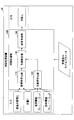
- FIG. 1 is a diagram showing an example of the overall configuration (at the time of inference) of the dialogue processing device 10 according to the embodiment of the present invention.
- the dialogue processing device 10 at the time of inference has a dialogue processing unit 100 as a functional unit.
- the dialogue processing unit 100 includes the current question Q i , the document P, the question history ⁇ Q i-1 , ..., Q i-k ⁇ and the answer history ⁇ A i-1 , ..., A i-k ⁇ .
- the answer Ai is generated by the extraction format or the generation format using the trained model parameters.
- the interaction processing unit 100 outputs the generated answer A i.
- i is an index indicating whether the questions in the dialogue (and its answer) is what number
- k is the past of the respondents consider as a history when generating an answer A i for the current question Q i And the number of questions.
- k is set in advance, for example.
- each of the current question Q i and the past questions Q i-1 , ..., Q i-k is a text (that is, a character string) composed of one or more words.
- each of the past answers Ai-1 , ..., Ai-k is a text composed of one or more words.
- document P is a text composed of one or more words.
- the number of words constituting the document P (that is, the length of the document P) is represented by T.
- T is not limited to the number of words constituting the document P, and may be, for example, "the number of words constituting the document P + the number of special characters". Examples of special characters include characters representing the beginning of a sentence, characters representing the end of a sentence, characters used for padding, characters used when combining words and sentences, and the like.
- a document set containing a plurality of documents may be input, but in the present embodiment, a single document P is input. Further, in the present embodiment, the length of the document P is assumed to be about one paragraph of words (for example, about several hundred words).
- the dialogue processing unit 100 includes a question coding unit 110, a context coding unit 120, a context coupling unit 130, and an answer generation unit 140.
- Each of these functional parts is realized by one or more neural networks.
- Question encoding unit 110 the document P and the input and current question Q i, characteristics of the document P which has been conditioned by the current question Q i by using the learned model parameter ⁇ u i 1, ⁇ , Calculate u i T ⁇ (ie, encode the current question Q i ).
- u i 1 , ..., U i T are d-dimensional vectors, respectively.
- the context coding unit 120 inputs the document P, the question history ⁇ Q i-1 , ..., Q i-k ⁇ and the answer history ⁇ A i-1 , ..., A i-k ⁇ as inputs.
- the features ⁇ ui -1 1 , ..., ui -k 1 of the document P conditioned by the question history ⁇ Q i-1 , ..., Q i-k ⁇ ⁇ , ..., ⁇ u i-1 T , ..., u i-k T ⁇ and the features of the document P conditioned by the response history ⁇ A i-1 , ..., A i-k ⁇ Calculate the quantity ⁇ vi -1 1 , ..., vi -k 1 ⁇ , ..., ⁇ vi -1 T , ..., vi -k T ⁇ (that is, the question history ⁇ Q i-1 , ..., Q i-k ⁇ and the response history ⁇ A i-1 ,
- each answer in the answer history is represented by a set of a start position and an end position in the range of answers in the document, while Each question in the question history is expressed in text.
- each answer in the answer history ⁇ Ai-1 , ..., Ai-k ⁇ also has the question history ⁇ Qi -1 , ..., Ai-k ⁇ .
- Each question in Qi -k ⁇ is also expressed in text.
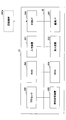
- FIG. 2 is a diagram showing an example of the overall configuration (during learning) of the dialogue processing device 10 according to the embodiment of the present invention.
- the dialogue processing device 10 at the time of learning has a dialogue processing unit 100 and an update unit 200 as functional units. Since the dialogue processing unit 100 is the same as that at the time of inference, the description thereof will be omitted. However, at the time of learning, interaction unit 100 generates an answer A i using the model parameters not been learned.
- Update section 200 correct answer to the current question Q i
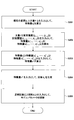
- FIG. 3 is a flowchart showing an example of interactive processing according to the embodiment of the present invention.
- a model of the neural network that realizes the question coding unit 110 for example, a model called BERT (Bidirectional Encoder Representations from Transformers) described in Reference 1 below can be adopted.
- BERT Bidirectional Encoder Representations from Transformers
- the model of the neural network that realizes the question coding unit 110 may be a coding model other than BERT, but a "model having knowledge about language understanding by performing pre-learning using a Transformer model" such as BERT. By using, it is possible to realize higher accuracy.
- a Transformer model refer to Reference 2 below.
- Step S102 The context coding unit 120 converts the document P, the question history ⁇ Q i-1 , ..., Q i-k ⁇ and the answer history ⁇ A i-1 , ..., A i-k ⁇ .
- the context coding unit 120 includes a model that encodes the question history ⁇ Q i-1 , ..., Q ik ⁇ .
- a model that encodes the response history ⁇ Ai-1 , ..., Ai-k ⁇ is included. Therefore, in this case, the context encoding unit 120 combines each question in the question history and the document P with the separator token [SEP], and then the question history ⁇ Q i-1 , ..., Q i-k. ⁇ Is entered in the model to be encoded.
- the context coding unit 120 combines each answer in the response history and the document P with a separator token [SEP], and then inputs the answer history ⁇ A i-1 , ..., A i-k ⁇ . Enter in the model to be encoded.
- the model of the neural network that realizes the context coding unit 120 may be a coding model other than BERT, but a "model having knowledge about language understanding by performing pre-learning using a Transformer model" such as BERT. By using, it is possible to realize higher accuracy.
- a Transformer model refer to Reference 2 above.
- the context coding unit 120 when encoding a certain past question Q i-j ( j ⁇ ⁇ 1, ..., k ⁇ ), the context coding unit 120 asks the past question Q i-. After combining j and the document P with a separator token [SEP], the question history ⁇ Q i-1 , ..., Q i-k ⁇ is input to the encoding model. As a result, the features ⁇ u i-j 1 , ..., U i-j T ⁇ of the document P conditioned by the past question Q i-j can be obtained.
- v i-k t ⁇ (t 1, ⁇ , T) and is calculated.
- the operator ";" represents a connection in the dimensional direction.
- RNN Recurrent Neural Network
- the answer generation unit 140 is realized by the Modeling Layer and the Output Layer of BiDAF.
- the answer generating unit 140 after estimating the range of answers A i become document P by dynamic programming based on these probabilities, the answer A i by extracting words in the range from a document P Generate.
- the answer generator 140 When generating the answer A i by generating format when generating an answer A i by generating form, as a model of a neural network for realizing the answer generator 140, for example, it is described in the following references 4 A model called a Sequence-to-sequence attentional model or a model called a Pointer-generator can be adopted.
- the answer generator 140 is realized by the encoder (Encoder) and the decoder (Decoder) of the Sequence-to-sequence attentional model, or the encoder and the decoder of the Pointer-generator.
- the answer generating unit 140 inputs these probabilities in the decoder (the decoder of Sequence-to-sequence attentional model or Pointer-generator described in reference 4), generates an answer A i To do.
- the answer generation unit 140 is based on the probability of emphasizing each word in the document P and the probability of emphasizing the words in the predetermined vocabulary set (Vocabulary Distribution described in Reference 4). generating a reply a i by generating a word of copies or a predetermined vocabulary set in a word in a document P.
- the dialogue processing device 10 has the current question Q i , the document P, the question history ⁇ Q i-1 , ..., Q i-k ⁇ and the answer history ⁇ A i-1. , ..., as inputs and a i-k ⁇ , by extraction format or product format can generate an answer a i.
- FIG. 4 is a flowchart showing an example of the learning process according to the embodiment of the present invention.
- the data set of the learning data used for the learning process for example, the data set (QuAC) described in Reference 5 below can be used.
- Each learning data includes the current question Q i , the document P, the question history ⁇ Q i-1 , ..., Q i-k ⁇ , and the answer history ⁇ A i-1 , ..., A. ik ⁇ and the correct answer ⁇ A i are included.
- correct answers ⁇ A i is the start position of the range to be the correct answer in the document P Exit It is expressed as a pair with the position.
- the correct answer ⁇ A i is expressed by one or more words representing the correct answer.
- Steps S201 to S204 of FIG. 4 are repeatedly executed for each learning data. Since steps S201 to S204 are the same as steps S101 to S104 of FIG. 3, the description thereof will be omitted. However, the current question Q i , document P, question history ⁇ Q i-1 , ..., Q i-k ⁇ and answer history ⁇ A i-1 , ..., A i-k ⁇ are each learned. Use what is included in the data. Further, as the model parameter, a model parameter that has not been learned is used.
- Step S205 updating unit 200 as inputs and answers A i generated by the interaction processing unit 100 and the correct answer ⁇ A i, and updates the model parameters by a technique known supervised learning.
- the update unit 200 determines the start position and the end position used when generating the answer A i. It is used to calculate the error between the answer A i and the correct answer ⁇ A i .
- the above step S205 is executed for each mini-batch composed of a predetermined number of learning data, for example.
- the dialogue processing device 10 can learn the model parameters of the neural network that realizes each functional unit included in the dialogue processing unit 100.
- the question coding unit 110 and the context coding unit 120 are realized by BERT
- the answer generation unit 140 is realized by the Modeling Layer and the Output Layer of BiDAF.
- the setting conditions for BERT were as follows.
- the maximum series length is a word length that can be input to BERT.
- the slide width is used when inputting a word string having a length exceeding the maximum series length into BERT, and the word string is input to BERT while sliding the word string by the slide width.
- the maximum sequence length is 384 tokens and the slide width is 128 tokens, so when inputting a word string exceeding 384 tokens into BERT, it is input to BERT while overlapping some word strings before and after the slide.
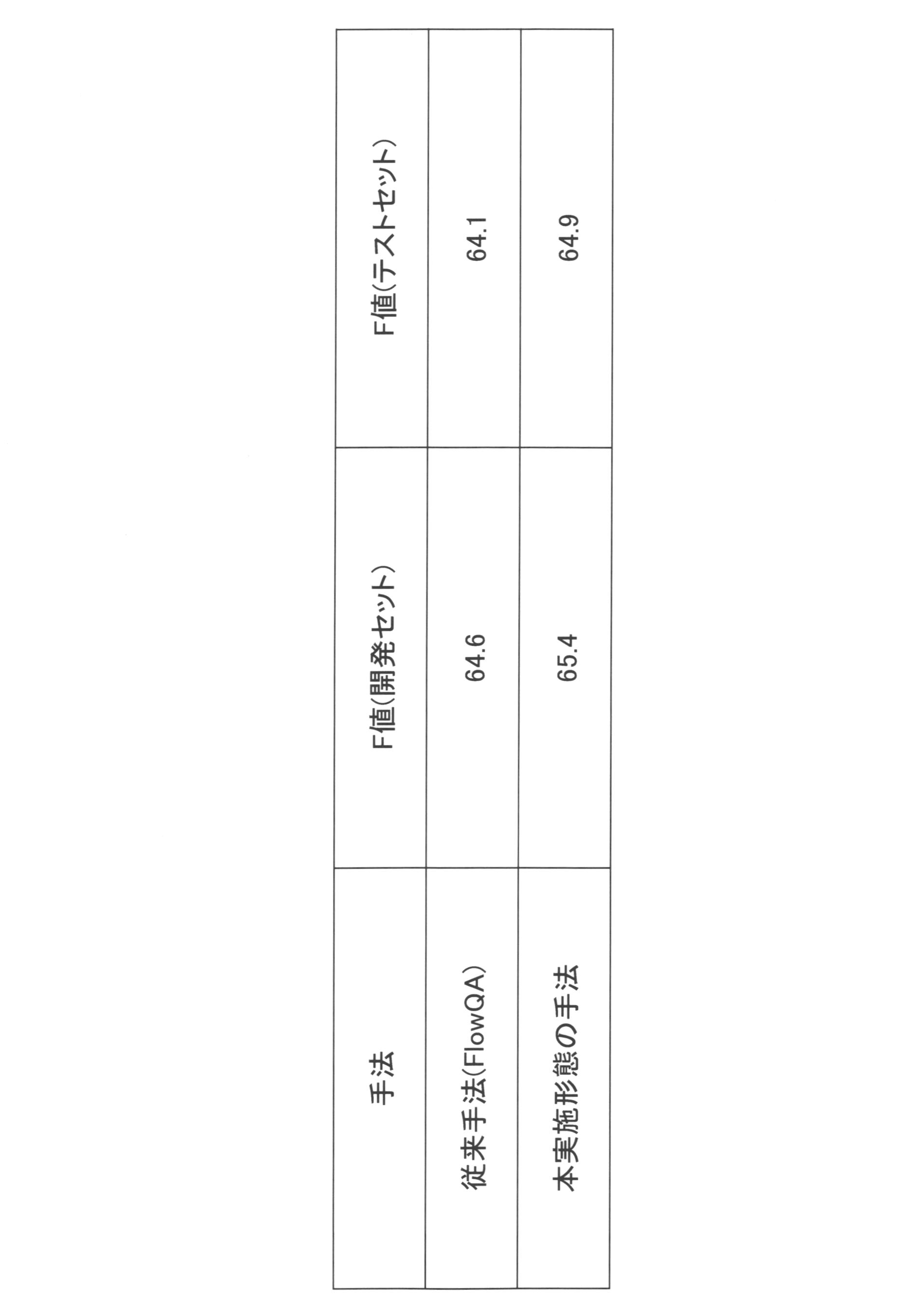
- the method of the present embodiment has a higher F value in both the development set and the test set than the conventional method. Therefore, it can be seen that the method of the present embodiment can generate an appropriate answer with higher accuracy than the conventional method.
- FIG. 5 is a diagram showing an example of the hardware configuration of the interactive processing device 10 according to the embodiment of the present invention.
- the dialogue processing device 10 has, as hardware, an input device 301, a display device 302, an external I / F 303, a RAM (Random Access Memory) 304, and a ROM (Read). Only Memory) 305, processor 306, communication I / F 307, and auxiliary storage device 308.
- an input device 301 a display device 302
- an external I / F 303 a RAM (Random Access Memory) 304
- a ROM (Read). Only Memory) 305 processor 306, communication I / F 307, and auxiliary storage device 308.
- processor 306 communication I / F 307
- auxiliary storage device 308 auxiliary storage device
- the input device 301 is, for example, a keyboard, a mouse, a touch panel, or the like.
- the display device 302 is, for example, a display or the like.
- the dialogue processing device 10 does not have to have at least one of the input device 301 and the display device 302.
- the external I / F 303 is an interface with an external device.
- the external device includes a recording medium 303a and the like.
- the dialogue processing device 10 can read or write the recording medium 303a or the like via the external I / F 303.
- Examples of the recording medium 303a include a CD (Compact Disc), a DVD (Digital Versatile Disk), an SD memory card (Secure Digital memory card), a USB (Universal Serial Bus) memory card, and the like.
- the recording medium 303a may record one or more programs that realize each functional unit (for example, the interactive processing unit 100 and the updating unit 200) of the interactive processing device 10.
- RAM 304 is a volatile semiconductor memory that temporarily holds programs and data.
- the ROM 305 is a non-volatile semiconductor memory that can hold programs and data even when the power is turned off.
- the processor 306 is, for example, an arithmetic unit such as a CPU (Central Processing Unit) or a GPU (Graphics Processing Unit), and reads a program or data from a ROM 305 or an auxiliary storage device 308 onto the RAM 304 to execute processing.
- Each functional unit included in the interactive processing device 10 is realized, for example, by a process in which one or more programs stored in the auxiliary storage device 308 are executed by the processor 306.
- the interactive processing device 10 may have both a CPU and a GPU as the processor 306, or may have only one of the CPU and the GPU.
- the communication I / F 307 is an interface for connecting the dialogue processing device 10 to the communication network.
- One or more programs that realize each functional unit of the dialogue processing device 10 may be acquired (downloaded) from a predetermined server device or the like via the communication I / F 307.
- the auxiliary storage device 308 is, for example, an HDD (Hard Disk Drive), an SSD (Solid State Drive), or the like, and is a non-volatile storage device that stores programs and data.
- the programs and data stored in the auxiliary storage device 308 include, for example, one or more programs that realize each functional unit of the OS and the interactive processing device 10.
- the dialogue processing device 10 according to the present embodiment can realize the above-mentioned dialogue processing and learning processing by having the hardware configuration shown in FIG. In the example shown in FIG. 5, the case where the dialogue processing device 10 according to the present embodiment is realized by one device (computer) has been described, but the present invention is not limited to this.
- the dialogue processing device 10 according to the present embodiment may be realized by a plurality of devices (computers). Further, one device (computer) may include a plurality of processors 306 and a plurality of memories (RAM 304, ROM 305, auxiliary storage device 308, etc.).
- Dialogue processing device 100 Dialogue processing unit 110 Question coding unit 120 Context coding unit 130 Contextual coupling unit 140 Answer generation unit 200 Update unit
Landscapes
- Engineering & Computer Science (AREA)
- Theoretical Computer Science (AREA)
- Physics & Mathematics (AREA)
- General Physics & Mathematics (AREA)
- Artificial Intelligence (AREA)
- General Engineering & Computer Science (AREA)
- Computer Vision & Pattern Recognition (AREA)
- Health & Medical Sciences (AREA)
- Audiology, Speech & Language Pathology (AREA)
- Computational Linguistics (AREA)
- General Health & Medical Sciences (AREA)
- Multimedia (AREA)
- Databases & Information Systems (AREA)
- Data Mining & Analysis (AREA)
- Machine Translation (AREA)
Abstract
対話における現在の質問を表す単語列である質問Qiと、前記質問Qiに対する回答Aiの生成に用いられる文書Pと、過去のk個の質問をそれぞれ表す単語列である質問履歴{Qi-1,・・・,Qi-k}と、前記k個の質問に対する回答をそれぞれ表す単語列である回答履歴{Ai-1,・・・,Ai-k}とを入力として、予め学習済みのモデルパラメータを用いて、抽出形式又は生成形式の機械読解によって前記回答Aiを生成する生成手段、を有することを特徴とする。
Description
本発明は、対話処理装置、学習装置、対話処理方法、学習方法及びプログラムに関する。
機械読解に関する研究が従来から盛んに行われている。機械読解とは、文書と質問とを入力として、文書から質問に対する回答を生成する技術のことである。また、機械読解で回答を生成する際の方法として、文書内の単語を抜き出して回答を生成する「抽出形式」と、文書内の単語以外の単語も用いて回答を生成する「生成形式」との2通りが知られている。一般に、抽出形式よりも生成形式の方が、より自然な文を回答として生成できることが知られている。
ここで、従来から盛んに研究されている機械読解は一問一答形式である。すなわち、機械読解では、仮に複数の質問が入力されたとしても、これらの質問は独立に扱われ、それぞれの質問に対して独立に回答が生成される。これに対して、近年では、質問と回答とが交互に繰り返されるような対話型の機械読解も研究されている。
対話型の機械読解とは、文書と現在の質問と過去の質問履歴と過去の回答履歴とを入力として、現在の質問に対する回答を生成する技術のことである。このため、対話型の機械読解では、質問と回答とが繰り返される中で、これまでの対話の内容(つまり、これまでの質問履歴と回答履歴)を踏まえた回答を生成することができる。例えば、非特許文献1には、現在の質問に対する回答を抽出形式によって生成する対話型の機械読解として、文書内で回答となる範囲の開始位置と終了位置とを出力する技術が記載されている。
Hsin-Yuan Huang, Eunsol Choi, and Wen-tau Yih. Flowqa: Grasping flow in history for conversational machine comprehension. arXiv preprint arXiv:1810.06683, 2018.
しかしながら、例えば非特許文献1に記載されている対話型の機械読解は抽出形式によって回答を生成しているため、生成形式によっては回答を生成することができなかった。このように、従来の対話型の機械読解では、抽出形式又は生成形式のいずれか一方のみが適用可能であった。
本発明の実施の形態は、上記の点に鑑みてなされたもので、抽出形式と生成形式とのいずれにも適用可能な対話型の機械読解を実現することを目的とする。
上記目的を達成するため、本発明の実施の形態における対話処理装置は、対話における現在の質問を表す単語列である質問Qiと、前記質問Qiに対する回答Aiの生成に用いられる文書Pと、過去のk個の質問をそれぞれ表す単語列である質問履歴{Qi-1,・・・,Qi-k}と、前記k個の質問に対する回答をそれぞれ表す単語列である回答履歴{Ai-1,・・・,Ai-k}とを入力として、予め学習済みのモデルパラメータを用いて、抽出形式又は生成形式の機械読解によって前記回答Aiを生成する生成手段、を有することを特徴とする。
抽出形式と生成形式とのいずれにも適用可能な対話型の機械読解を実現することができる。
以下、本発明の実施の形態(以降、「本実施形態」とも表す。)について説明する。本実施形態では、抽出形式と生成形式とのいずれにも適用可能な対話型の機械読解を実現する対話処理装置10について説明する。すなわち、文書と現在の質問と過去の質問履歴と過去の回答履歴とを入力として、抽出形式又は生成形式によって現在の質問に対する回答を生成することで、対話型の機械読解を実現する対話処理装置10について説明する。なお、文書は、「パッセージ」や「検索対象テキスト」等と称されてもよい。
<対話処理装置10の全体構成>
対話型の機械読解では、ニューラルネットワークにより実現されるモデルを用いて現在の質問に対する回答を生成する。このため、モデルのパラメータ(以降、「モデルパラメータ」とも表す。)を学習する「学習時」と、学習済みのモデルパラメータを用いて現在の質問に対する回答を生成する「推論時」とが存在する。なお、モデルパラメータは、例えば、補助記憶装置等の記憶装置に記憶される。
対話型の機械読解では、ニューラルネットワークにより実現されるモデルを用いて現在の質問に対する回答を生成する。このため、モデルのパラメータ(以降、「モデルパラメータ」とも表す。)を学習する「学習時」と、学習済みのモデルパラメータを用いて現在の質問に対する回答を生成する「推論時」とが存在する。なお、モデルパラメータは、例えば、補助記憶装置等の記憶装置に記憶される。
≪推論時における対話処理装置10の全体構成≫
推論時における対話処理装置10の全体構成について、図1を参照しながら説明する。図1は、本発明の実施の形態における対話処理装置10の全体構成(推論時)の一例を示す図である。
推論時における対話処理装置10の全体構成について、図1を参照しながら説明する。図1は、本発明の実施の形態における対話処理装置10の全体構成(推論時)の一例を示す図である。
図1に示すように、推論時における対話処理装置10は、機能部として、対話処理部100を有する。対話処理部100は、現在の質問Qiと文書Pと質問履歴{Qi-1,・・・,Qi-k}と回答履歴{Ai-1,・・・,Ai-k}とを入力として、学習済みのモデルパラメータを用いて抽出形式又は生成形式により回答Aiを生成する。そして、対話処理部100は、生成した回答Aiを出力する。ここで、iは対話の中で質問(及びその回答)が何番目であるかを表すインデックスであり、kは現在の質問Qiに対する回答Aiを生成する際に履歴として考慮する過去の回答及び質問の個数である。kは、例えば、予め設定される。
また、現在の質問Qi及び過去の質問Qi-1,・・・,Qi-kの各々は、それぞれ1つ以上の単語で構成されるテキスト(つまり、文字列)である。同様に、過去の回答Ai-1,・・・,Ai-kの各々は、それぞれ1つ以上の単語で構成されるテキストである。同様に、文書Pも1つ以上の単語で構成されるテキストである。以降では、文書Pを構成する単語数(つまり、文書Pの長さ)をTで表す。ただし、Tは、文書Pを構成する単語数に限られず、例えば、「文書Pを構成する単語数+特殊文字数」であってもよい。なお、特殊文字としては、例えば、文頭を表す文字、文末を表す文字、パディングに用いられる文字、単語や文同士を結合する際に用いられる文字等が挙げられる。
なお、対話型の機械読解では複数の文書が含まれる文書集合が入力されることもあるが、本実施形態では、単一の文書Pが入力されるものとする。また、本実施形態では、文書Pの長さとしては、1段落程度の単語数(例えば、数百語程度)を想定する。
図1に示すように、対話処理部100には、質問符号化部110と、文脈符号化部120と、文脈結合部130と、回答生成部140とが含まれる。これらの各機能部はそれぞれ1つ以上のニューラルネットワークにより実現される。
質問符号化部110は、文書Pと現在の質問Qiとを入力として、学習済みモデルパラメータを用いて現在の質問Qiで条件付けされた文書Pの特徴量{ui
1,・・・,ui
T}を算出する(つまり、現在の質問Qiを符号化する。)。なお、ui
1,・・・,ui
Tはそれぞれd次元のベクトルである。
文脈符号化部120は、文書Pと質問履歴{Qi-1,・・・,Qi-k}と回答履歴{Ai-1,・・・,Ai-k}とを入力として、学習済みモデルパラメータを用いて、質問履歴{Qi-1,・・・,Qi-k}で条件付けされた文書Pの特徴量{ui-1
1,・・・,ui-k
1},・・・,{ui-1
T,・・・,ui-k
T}と、回答履歴{Ai-1,・・・,Ai-k}で条件付けされた文書Pの特徴量{vi-1
1,・・・,vi-k
1},・・・,{vi-1
T,・・・,vi-k
T}とを算出する(つまり、質問履歴{Qi-1,・・・,Qi-k}と回答履歴{Ai-1,・・・,Ai-k}とをそれぞれ符号化する。)。なお、t=1,・・・,Tに対して、ui-1
t,・・・,ui-k
t,vi-1
t,・・・,vi-k
tはそれぞれd次元のベクトルである。
ここで、例えば非特許文献1に記載されている対話型の機械読解では、回答履歴中の各回答は文書内で回答となる範囲の開始位置と終了位置との組で表現される一方で、質問履歴中の各質問はテキストで表現される。これに対して、本実施形態では、上述したように、回答履歴{Ai-1,・・・,Ai-k}中の各回答も、質問履歴{Qi-1,・・・,Qi-k}中の各質問もいずれもテキストで表現される。このため、本実施形態では、質問履歴に関する文書Pの特徴量{ui-1
t,・・・,ui-k
t}(t=1,・・・,T)と、回答履歴に関する文書Pの特徴量{vi-1
t,・・・,vi-k
t}(t=1,・・・,T)とを等価に扱うことが可能となる。
文脈結合部130は、質問符号化部110で算出された特徴量{ui
1,・・・,ui
T}と、文脈符号化部120で算出された特徴量{ui-1
t,・・・,ui-k
t}及び{vi-1
t,・・・,vi-k
t}(t=1,・・・,T)とを入力として、学習済みモデルパラメータを用いて特徴量ot(t=1,・・・,T)を算出する。これらの特徴量otはd×(1+2k)次元のベクトルであり、現在の質問Qiと質問履歴{Qi-1,・・・,Qi-k}と回答履歴{Ai-1,・・・,Ai-k}とを反映した特徴量である。
回答生成部140は、文脈結合部130で算出された特徴量ot(t=1,・・・,T)を入力として、学習済みモデルパラメータを用いて回答Aiを生成する。このとき、回答生成部140は、後述するように抽出形式又は生成形式により回答Aiを生成する。
≪学習時における対話処理装置10の全体構成≫
学習時における対話処理装置10の全体構成について、図2を参照しながら説明する。図2は、本発明の実施の形態における対話処理装置10の全体構成(学習時)の一例を示す図である。
学習時における対話処理装置10の全体構成について、図2を参照しながら説明する。図2は、本発明の実施の形態における対話処理装置10の全体構成(学習時)の一例を示す図である。
図2に示すように、学習時における対話処理装置10は、機能部として、対話処理部100と、更新部200とを有する。なお、対話処理部100は推論時と同様であるため、その説明を省略する。ただし、学習時では、対話処理部100は、学習済みでないモデルパラメータを用いて回答Aiを生成する。
更新部200は、現在の質問Qiに対する正解回答

<対話処理>
以降では、現在の質問Qiと文書Pと質問履歴{Qi-1,・・・,Qi-k}と回答履歴{Ai-1,・・・,Ai-k}とを入力として、学習済みのモデルパラメータを用いて抽出形式又は生成形式により回答Aiを生成する処理(対話処理)について、図3を参照しながら説明する。図3は、本発明の実施の形態における対話処理の一例を示すフローチャートである。
以降では、現在の質問Qiと文書Pと質問履歴{Qi-1,・・・,Qi-k}と回答履歴{Ai-1,・・・,Ai-k}とを入力として、学習済みのモデルパラメータを用いて抽出形式又は生成形式により回答Aiを生成する処理(対話処理)について、図3を参照しながら説明する。図3は、本発明の実施の形態における対話処理の一例を示すフローチャートである。
ステップS101:質問符号化部110は、文書Pと現在の質問Qiとを入力として、学習済みモデルパラメータを用いて現在の質問Qiで条件付けされた文書Pの特徴量ui
t(t=1,・・・,T)を算出する。
ここで、質問符号化部110を実現するニューラルネットワークのモデルとしては、例えば、以下の参考文献1に記載されているBERT(Bidirectional Encoder Representations from Transformers)と呼ばれるモデルを採用することができる。
[参考文献1]
J. Devlin, M.-W. Chang, K. Lee, and K. Toutanova. Bert:Pre-training of deep bidirectional transformers for language understanding. arXiv preprint arXiv:1810.04805, 2018.
質問符号化部110を実現するニューラルネットワークのモデルはBERT以外の他の符号化モデルでもよいが、BERTのような「Transformerモデルを用いた事前学習を行うことによって、言語理解に関する知識を持つモデル」を用いることで、より高い精度を実現することが可能となる。なお、Transformerモデルについては、以下の参考文献2を参照されたい。
J. Devlin, M.-W. Chang, K. Lee, and K. Toutanova. Bert:Pre-training of deep bidirectional transformers for language understanding. arXiv preprint arXiv:1810.04805, 2018.
質問符号化部110を実現するニューラルネットワークのモデルはBERT以外の他の符号化モデルでもよいが、BERTのような「Transformerモデルを用いた事前学習を行うことによって、言語理解に関する知識を持つモデル」を用いることで、より高い精度を実現することが可能となる。なお、Transformerモデルについては、以下の参考文献2を参照されたい。
[参考文献2]
A. Vaswani, N. Shazeer, N. Parmar, and J. Uszkoreit. Attention is all you need, arXiv preprint arXiv:1706.03762, 2017.
質問符号化部110を実現するニューラルネットワークのモデルとして上記の参考文献1に記載されているBERTを採用する場合、質問符号化部110は、文書Pと現在の質問Qiとをセパレータトークン[SEP]で結合した上で、モデルに入力する。これにより、現在の質問Qiで条件付けされた文書Pの特徴量ui t(t=1,・・・,T)が得られる。
A. Vaswani, N. Shazeer, N. Parmar, and J. Uszkoreit. Attention is all you need, arXiv preprint arXiv:1706.03762, 2017.
質問符号化部110を実現するニューラルネットワークのモデルとして上記の参考文献1に記載されているBERTを採用する場合、質問符号化部110は、文書Pと現在の質問Qiとをセパレータトークン[SEP]で結合した上で、モデルに入力する。これにより、現在の質問Qiで条件付けされた文書Pの特徴量ui t(t=1,・・・,T)が得られる。
なお、質問符号化部110を実現するニューラルネットワークのモデルはBERTに限られず、文書Pと現在の質問Qiとを入力として現在の質問Qiで条件付けされた文書Pの特徴量ui
t(t=1,・・・,T)を算出するモデルであれば任意のモデルを採用することが可能である。
ステップS102:文脈符号化部120は、文書Pと質問履歴{Qi-1,・・・,Qi-k}と回答履歴{Ai-1,・・・,Ai-k}とを入力として、学習済みモデルパラメータを用いて、質問履歴{Qi-1,・・・,Qi-k}で条件付けされた文書Pの特徴量{ui-1
t,・・・,ui-k
t}(t=1,・・・,T)と、回答履歴{Ai-1,・・・,Ai-k}で条件付けされた文書Pの特徴量{vi-1
t,・・・,vi-k
t}(t=1,・・・,T)とを算出する。
ここで、文脈符号化部120を実現するニューラルネットワークのモデルとしては、例えば、上記の参考文献1に記載されているBERTを採用することができる。文脈符号化部120を実現するニューラルネットワークのモデルとしてBERTを採用する場合、文脈符号化部120は、質問履歴{Qi-1,・・・,Qi-k}を符号化するモデルと、回答履歴{Ai-1,・・・,Ai-k}を符号化するモデルとが含まれる。したがって、この場合、文脈符号化部120は、質問履歴中の各質問と文書Pとをセパレータトークン[SEP]で結合した上で、質問履歴{Qi-1,・・・,Qi-k}を符号化するモデルに入力する。同様に、文脈符号化部120は、回答履歴中の各回答と文書Pとをセパレータトークン[SEP]で結合した上で、回答履歴{Ai-1,・・・,Ai-k}を符号化するモデルに入力する。
文脈符号化部120を実現するニューラルネットワークのモデルはBERT以外の他の符号化モデルでもよいが、BERTのような「Transformerモデルを用いた事前学習を行うことによって、言語理解に関する知識を持つモデル」を用いることで、より高い精度を実現することが可能となる。なお、Transformerモデルについては、上記の参考文献2を参照されたい。
より具体的には、例えば、或る過去の質問Qi-j(j∈{1,・・・,k})を符号化する場合、文脈符号化部120は、この過去の質問Qi-jと文書Pとをセパレータトークン[SEP]で結合した上で、質問履歴{Qi-1,・・・,Qi-k}を符号化するモデルに入力する。これにより、過去の質問Qi-jで条件付けされた文書Pの特徴量{ui-j
1,・・・,ui-j
T}が得られる。
同様に、例えば、或る過去の回答Ai-j(j∈{1,・・・,k})を符号化する場合、文脈符号化部120は、この過去の回答Ai-jと文書Pとをセパレータトークン[SEP]で結合した上で、回答履歴{Ai-1,・・・,Ai-k}を符号化するモデルに入力する。これにより、過去の回答Ai-jで条件付けされた文書Pの特徴量{vi-j
1,・・・,vi-j
T}が得られる。
以上により、過去の質問Qi-j(j=1,・・・,k)でそれぞれ条件付けされた文書Pの特徴量{ui-1
t,・・・,ui-k
t}(t=1,・・・,T)と、過去の回答Ai-j(j=1,・・・,k)でそれぞれ条件付けされた文書Pの特徴量{vi-1
t,・・・,vi-k
t}(t=1,・・・,T)とが算出される。
なお、文脈符号化部120を実現するニューラルネットワークのモデルはBERTに限られず、文書Pと質問履歴{Qi-1,・・・,Qi-k}と回答履歴{Ai-1,・・・,Ai-k}とを入力として、質問履歴{Qi-1,・・・,Qi-k}で条件付けされた文書Pの特徴量{ui-1
t,・・・,ui-k
t}(t=1,・・・,T)と、回答履歴{Ai-1,・・・,Ai-k}で条件付けされた文書Pの特徴量{vi-1
t,・・・,vi-k
t}(t=1,・・・,T)とを算出するモデルであれば任意のモデルを採用することが可能である。
ステップS103:文脈結合部130は、質問符号化部110で算出された特徴量{ui
1,・・・,ui
T}と、文脈符号化部120で算出された特徴量{ui-1
t,・・・,ui-k
t}及び{vi-1
t,・・・,vi-k
t}(t=1,・・・,T)とを入力として、学習済みモデルパラメータを用いて特徴量ot(t=1,・・・,T)を算出する。具体的には、文脈結合部130は、ot=[ui
t;ui-1
t;・・・;ui-k
t;vi-1
t;・・・;vi-k
t]として、各t=1,・・・,Tに対して特徴量otを算出すればよい。ここで、演算子「;」は次元方向の連結を表す。これにより、特徴量ot(t=1,・・・,T)が得られる。なお、この場合、各特徴量ot(t=1,・・・,T)はd×(1+2k)次元のベクトルである。
ここで、文脈結合部130を実現するニューラルネットワークのモデルとしては、特徴量{ui
1,・・・,ui
T}と特徴量{ui-1
t,・・・,ui-k
t}及び{vi-1
t,・・・,vi-k
t}(t=1,・・・,T)とを入力として、現在の質問Qiと質問履歴{Qi-1,・・・,Qi-k}と回答履歴{Ai-1,・・・,Ai-k}とを反映した特徴量ot(t=1,・・・,T)を算出可能なモデルであれば、任意のモデルを採用することが可能である。具体的には、例えば、RNN(Recurrent Neural Network)等を採用することが可能である。
ただし、文脈結合部130は必ずしもニューラルネットワークで実現されている必要はなく、文脈結合部130は、各t=1,・・・,Tに対して、上記の演算子「;」によりui
tと{ui-1
t,・・・,ui-k
t}と{vi-1
t,・・・,vi-k
t}とを結合する処理を行ってもよい。
ステップS104:回答生成部140は、文脈結合部130で算出された特徴量ot(t=1,・・・,T)を入力として、学習済みモデルパラメータを用いて抽出形式又は生成形式により回答Aiを生成する。
(1)抽出形式により回答Aiを生成する場合
抽出形式により回答Aiを生成する場合、回答生成部140を実現するニューラルネットワークのモデルとしては、例えば、以下の参考文献3に記載されているBiDAF(BiDirectional Attention Flow)と呼ばれるモデルを採用することができる。この場合、回答生成部140をBiDAFのModeling LayerとOutput Layerとで実現する。具体的には、回答生成部140は、参考文献3に記載されているBiDAFのModeling Layerに特徴量ot(t=1,・・・,T)を入力して、Output Layerの出力として文書Pの各単語が回答Aiの開始位置である確率と終了位置である確率とを出力する。そして、回答生成部140は、これらの確率に基づいて動的計画法によって回答Aiとなる文書Pの範囲を推定した上で、当該範囲内の単語を文書Pから抜き出すことで回答Aiを生成する。
抽出形式により回答Aiを生成する場合、回答生成部140を実現するニューラルネットワークのモデルとしては、例えば、以下の参考文献3に記載されているBiDAF(BiDirectional Attention Flow)と呼ばれるモデルを採用することができる。この場合、回答生成部140をBiDAFのModeling LayerとOutput Layerとで実現する。具体的には、回答生成部140は、参考文献3に記載されているBiDAFのModeling Layerに特徴量ot(t=1,・・・,T)を入力して、Output Layerの出力として文書Pの各単語が回答Aiの開始位置である確率と終了位置である確率とを出力する。そして、回答生成部140は、これらの確率に基づいて動的計画法によって回答Aiとなる文書Pの範囲を推定した上で、当該範囲内の単語を文書Pから抜き出すことで回答Aiを生成する。
[参考文献3]
Min Joon Seo, Aniruddha Kembhavi, Ali Farhadi, and Hannaneh Hajishirzi. Bidirectional attention flow for machine comprehension. In ICLR 2017.
なお、抽出形式により回答Aiを生成する場合に、回答生成部140を実現するニューラルネットワークのモデルはBiDAFに限られず、特徴量ot(t=1,・・・,T)を入力として、抽出形式により回答Aiを生成するモデルであれば任意のモデルを採用することが可能である。
Min Joon Seo, Aniruddha Kembhavi, Ali Farhadi, and Hannaneh Hajishirzi. Bidirectional attention flow for machine comprehension. In ICLR 2017.
なお、抽出形式により回答Aiを生成する場合に、回答生成部140を実現するニューラルネットワークのモデルはBiDAFに限られず、特徴量ot(t=1,・・・,T)を入力として、抽出形式により回答Aiを生成するモデルであれば任意のモデルを採用することが可能である。
(2)生成形式により回答Aiを生成する場合
生成形式により回答Aiを生成する場合、回答生成部140を実現するニューラルネットワークのモデルとしては、例えば、以下の参考文献4に記載されているSequence-to-sequence attentional modelと呼ばれるモデルやPointer-generatorと呼ばれるモデルを採用することができる。この場合、回答生成部140を、Sequence-to-sequence attentional modelの符号化器(Encoder)と復号化器(Decoder)、又は、Pointer-generatorの符号化器と復号化器で実現する。具体的には、回答生成部140は、参考文献4に記載されているSequence-to-sequence attentional model又はPointer-generatorの符号化器に特徴量ot(t=1,・・・,T)を入力して、文書Pの各単語を重視する確率(参考文献4に記載されているAttention Distribution)を算出する。そして、回答生成部140は、これらの確率を復号化器(参考文献4に記載されているSequence-to-sequence attentional model又はPointer-generatorの復号化器)に入力して、回答Aiを生成する。なお、このとき、回答生成部140は、文書Pの各単語を重視する確率と、所定の語彙集合中の単語を重視する確率(参考文献4に記載されているVocabulary Distribution)とに基づいて、文書P中の単語をコピー又は所定の語彙集合中の単語を生成することで回答Aiを生成する。
生成形式により回答Aiを生成する場合、回答生成部140を実現するニューラルネットワークのモデルとしては、例えば、以下の参考文献4に記載されているSequence-to-sequence attentional modelと呼ばれるモデルやPointer-generatorと呼ばれるモデルを採用することができる。この場合、回答生成部140を、Sequence-to-sequence attentional modelの符号化器(Encoder)と復号化器(Decoder)、又は、Pointer-generatorの符号化器と復号化器で実現する。具体的には、回答生成部140は、参考文献4に記載されているSequence-to-sequence attentional model又はPointer-generatorの符号化器に特徴量ot(t=1,・・・,T)を入力して、文書Pの各単語を重視する確率(参考文献4に記載されているAttention Distribution)を算出する。そして、回答生成部140は、これらの確率を復号化器(参考文献4に記載されているSequence-to-sequence attentional model又はPointer-generatorの復号化器)に入力して、回答Aiを生成する。なお、このとき、回答生成部140は、文書Pの各単語を重視する確率と、所定の語彙集合中の単語を重視する確率(参考文献4に記載されているVocabulary Distribution)とに基づいて、文書P中の単語をコピー又は所定の語彙集合中の単語を生成することで回答Aiを生成する。
[参考文献4]
Abigail See, Peter J. Liu, and Christopher D. Manning. Get to the point: Summarization with pointer-generator networks. In Proceedings of the 55th Annual Meeting of the Association for Computational Linguistics (Volume 1: Long Papers), pp. 1073-1083, July 2017.
なお、生成形式により回答Aiを生成する場合に、回答生成部140を実現するニューラルネットワークのモデルはSequence-to-sequence attentional modelやPointer-generatorに限られず、特徴量ot(t=1,・・・,T)を入力として、生成形式により回答Aiを生成するモデルであれば任意のモデルを採用することが可能である。
Abigail See, Peter J. Liu, and Christopher D. Manning. Get to the point: Summarization with pointer-generator networks. In Proceedings of the 55th Annual Meeting of the Association for Computational Linguistics (Volume 1: Long Papers), pp. 1073-1083, July 2017.
なお、生成形式により回答Aiを生成する場合に、回答生成部140を実現するニューラルネットワークのモデルはSequence-to-sequence attentional modelやPointer-generatorに限られず、特徴量ot(t=1,・・・,T)を入力として、生成形式により回答Aiを生成するモデルであれば任意のモデルを採用することが可能である。
以上のように、本実施形態に係る対話処理装置10は、現在の質問Qiと文書Pと質問履歴{Qi-1,・・・,Qi-k}と回答履歴{Ai-1,・・・,Ai-k}とを入力として、抽出形式又は生成形式により回答Aiを生成することができる。すなわち、本実施形態に係る対話処理装置10は、過去の各回答Ai-j(j=1,・・・,k)がテキストである回答履歴{Ai-1,・・・,Ai-k}を入力することができるため、回答生成部140を実現するニューラルネットワークのモデルとして、抽出形式により回答Aiを生成するモデル又は生成形式により回答Aiを生成するモデルのいずれも採用することが可能となる。
また、本実施形態に係る対話処理装置10では、質問履歴{Qi-1,・・・,Qi-k}と回答履歴{Ai-1,・・・,Ai-k}とが共にテキストであるため、質問履歴に関する文書Pの特徴量{ui-1
t,・・・,ui-k
t}(t=1,・・・,T)と、回答履歴に関する文書Pの特徴量{vi-1
t,・・・,vi-k
t}(t=1,・・・,T)とを等価に扱うことが可能となる。
<学習処理>
以降では、対話処理部100に含まれる各機能部(質問符号化部110、文脈符号化部120、文脈結合部130及び回答生成部140)を実現するニューラルネットワークのモデルパラメータを学習する処理(学習処理)について、図4を参照しながら説明する。図4は、本発明の実施の形態における学習処理の一例を示すフローチャートである。
以降では、対話処理部100に含まれる各機能部(質問符号化部110、文脈符号化部120、文脈結合部130及び回答生成部140)を実現するニューラルネットワークのモデルパラメータを学習する処理(学習処理)について、図4を参照しながら説明する。図4は、本発明の実施の形態における学習処理の一例を示すフローチャートである。
ここで、学習処理に用いる学習用データのデータセットとしては、例えば、以下の参考文献5に記載されているデータセット(QuAC)を用いることができる。
[参考文献5]
Eunsol Choi, He He, Mohit Iyyer, Mark Yatskar, Wentau Yih, Yejin Choi, Percy Liang, and Luke Zettlemoyer. 2018. QuAC : Question Answering in Context. In EMNLP. ArXiv: 1808.07036.
各学習用データには、現在の質問Qiと、文書Pと、質問履歴{Qi-1,・・・,Qi-k}と、回答履歴{Ai-1,・・・,Ai-k}と、正解回答^Aiとが含まれる。なお、回答生成部140を実現するニューラルネットワークのモデルが抽出形式により回答Aiを生成するモデルである場合、正解回答^Aiは、文書P内で正解の回答となる範囲の開始位置と終了位置との組で表現される。一方で、生成形式により回答Aiを生成するモデルである場合、正解回答^Aiは、正解の回答を表す1以上の単語で表現される。
Eunsol Choi, He He, Mohit Iyyer, Mark Yatskar, Wentau Yih, Yejin Choi, Percy Liang, and Luke Zettlemoyer. 2018. QuAC : Question Answering in Context. In EMNLP. ArXiv: 1808.07036.
各学習用データには、現在の質問Qiと、文書Pと、質問履歴{Qi-1,・・・,Qi-k}と、回答履歴{Ai-1,・・・,Ai-k}と、正解回答^Aiとが含まれる。なお、回答生成部140を実現するニューラルネットワークのモデルが抽出形式により回答Aiを生成するモデルである場合、正解回答^Aiは、文書P内で正解の回答となる範囲の開始位置と終了位置との組で表現される。一方で、生成形式により回答Aiを生成するモデルである場合、正解回答^Aiは、正解の回答を表す1以上の単語で表現される。
図4のステップS201~ステップS204は、各学習用データに対して繰り返し実行される。これらのステップS201~ステップS204は、図3のステップS101~ステップS104とそれぞれ同様であるため、その説明を省略する。ただし、現在の質問Qi、文書P、質問履歴{Qi-1,・・・,Qi-k}及び回答履歴{Ai-1,・・・,Ai-k}は、各学習用データに含まれるものを用いる。また、モデルパラメータは、学習済みでないモデルパラメータを用いる。
ステップS205:更新部200は、正解回答^Aiと対話処理部100によって生成された回答Aiとを入力として、既知の教師あり学習の手法によりモデルパラメータを更新する。なお、回答生成部140を実現するニューラルネットワークのモデルが抽出形式により回答Aiを生成するモデルである場合、更新部200は、当該回答Aiを生成する際に用いた開始位置及び終了位置を用いて、当該回答Aiと正解回答^Aiとの誤差を算出する。
上記のステップS205は、例えば、所定の個数の学習用データで構成されるミニバッチ毎に実行される。
以上により、本実施形態に係る対話処理装置10は、対話処理部100に含まれる各機能部を実現するニューラルネットワークのモデルパラメータを学習することができる。
<実験結果>
次に、本実施形態に係る対話処理装置10を用いて、従来技術と比較を行った実験結果について説明する。データセットとしては、以下の3種類のQuACの抽出型(抽出形式の機械読解に用いられるデータセット)を用いた。
次に、本実施形態に係る対話処理装置10を用いて、従来技術と比較を行った実験結果について説明する。データセットとしては、以下の3種類のQuACの抽出型(抽出形式の機械読解に用いられるデータセット)を用いた。
・学習セット:81,425 QA
・開発セット:7,354 QA
・テストセット:7,353 QA
なお、学習セットはモデルパラメータの学習にのみ用いた。
・開発セット:7,354 QA
・テストセット:7,353 QA
なお、学習セットはモデルパラメータの学習にのみ用いた。
また、本実施形態に係る対話処理装置10では、質問符号化部110及び文脈符号化部120をBERTで実現し、回答生成部140をBiDAFのModeling LayerとOutput Layerとで実現した。なお、BERTの設定条件は以下とした。
・最大系列長:384 tokens
・スライド幅:128 tokens
・最大のクエリ(質問)の長さ:64 tokens
・最大の回答の長さ:30 tokens
・Fine-tuning:2 epoch
なお、最大系列長とはBERTに入力可能な単語長である。スライド幅は最大系列長を超える長さの単語列をBERTに入力する場合に用いられ、スライド幅ずつ単語列をスライドさせながらBERTに入力される。本実験では最大系列長が384 tokens、スライド幅が128 tokensであるため、384 tokensを超える単語列をBERTに入力する場合にはスライド前後で一部の単語列をオーバラップさせながらBERTに入力される。
・スライド幅:128 tokens
・最大のクエリ(質問)の長さ:64 tokens
・最大の回答の長さ:30 tokens
・Fine-tuning:2 epoch
なお、最大系列長とはBERTに入力可能な単語長である。スライド幅は最大系列長を超える長さの単語列をBERTに入力する場合に用いられ、スライド幅ずつ単語列をスライドさせながらBERTに入力される。本実験では最大系列長が384 tokens、スライド幅が128 tokensであるため、384 tokensを超える単語列をBERTに入力する場合にはスライド前後で一部の単語列をオーバラップさせながらBERTに入力される。
このとき、非特許文献1に記載されている従来手法(FlowQA)と、本実施形態に係る対話処理装置10の手法(本実施形態の手法)とのF値(開発セットを用いた場合のF値及びテストセットを用いた場合のF値)の比較結果を以下の表1に示す。
<対話処理装置10のハードウェア構成>
最後に、本実施形態に係る対話処理装置10のハードウェア構成について、図5を参照しながら説明する。図5は、本発明の実施の形態における対話処理装置10のハードウェア構成の一例を示す図である。
最後に、本実施形態に係る対話処理装置10のハードウェア構成について、図5を参照しながら説明する。図5は、本発明の実施の形態における対話処理装置10のハードウェア構成の一例を示す図である。
図5に示すように、本実施形態に係る対話処理装置10は、ハードウェアとして、入力装置301と、表示装置302と、外部I/F303と、RAM(Random Access Memory)304と、ROM(Read Only Memory)305と、プロセッサ306と、通信I/F307と、補助記憶装置308とを有する。これら各ハードウェアは、それぞれがバスBを介して相互に通信可能に接続されている。
入力装置301は、例えばキーボードやマウス、タッチパネル等である。表示装置302は、例えばディスプレイ等である。なお、対話処理装置10は、入力装置301及び表示装置302の少なくとも一方を有していなくてもよい。
外部I/F303は、外部装置とのインタフェースである。外部装置には、記録媒体303a等がある。対話処理装置10は、外部I/F303を介して、記録媒体303a等の読み取りや書き込みを行うことができる。記録媒体303aとしては、例えば、CD(Compact Disc)、DVD(Digital Versatile Disk)、SDメモリカード(Secure Digital memory card)、USB(Universal Serial Bus)メモリカード等が挙げられる。なお、記録媒体303aには、対話処理装置10が有する各機能部(例えば、対話処理部100や更新部200)を実現する1以上のプログラムが記録されていてもよい。
RAM304は、プログラムやデータを一時保持する揮発性の半導体メモリである。ROM305は、電源を切ってもプログラムやデータを保持することができる不揮発性の半導体メモリである。
プロセッサ306は、例えばCPU(Central Processing Unit)やGPU(Graphics Processing Unit)等の演算装置であり、ROM305や補助記憶装置308等からプログラムやデータをRAM304上に読み出して処理を実行する。対話処理装置10が有する各機能部は、例えば、補助記憶装置308に格納されている1以上のプログラムがプロセッサ306に実行させる処理により実現される。なお、対話処理装置10は、プロセッサ306としてCPUとGPUとの両方を有していてもよいし、CPU又はGPUのいずれか一方のみを有していてもよい。
通信I/F307は、対話処理装置10を通信ネットワークに接続するためのインタフェースである。対話処理装置10が有する各機能部を実現する1以上のプログラムは、通信I/F307を介して、所定のサーバ装置等から取得(ダウンロード)されてもよい。
補助記憶装置308は、例えばHDD(Hard Disk Drive)やSSD(Solid State Drive)等であり、プログラムやデータを格納している不揮発性の記憶装置である。補助記憶装置308に格納されているプログラムやデータには、例えば、OS、対話処理装置10が有する各機能部を実現する1以上のプログラム等がある。
本実施形態に係る対話処理装置10は、図5に示すハードウェア構成を有することにより、上述した対話処理及び学習処理を実現することができる。なお、図5に示す例では、本実施形態に係る対話処理装置10が1台の装置(コンピュータ)で実現されている場合について説明したが、これに限られない。本実施形態に係る対話処理装置10は、複数台の装置(コンピュータ)で実現されていてもよい。また、1台の装置(コンピュータ)には、複数のプロセッサ306や複数のメモリ(RAM304やROM305、補助記憶装置308等)が含まれていてもよい。
本発明は、具体的に開示された上記の実施の形態に限定されるものではなく、請求の範囲の記載から逸脱することなく、種々の変形や変更が可能である。
10 対話処理装置
100 対話処理部
110 質問符号化部
120 文脈符号化部
130 文脈結合部
140 回答生成部
200 更新部
100 対話処理部
110 質問符号化部
120 文脈符号化部
130 文脈結合部
140 回答生成部
200 更新部
Claims (7)
- 対話における現在の質問を表す単語列である質問Qiと、前記質問Qiに対する回答Aiの生成に用いられる文書Pと、過去のk個の質問をそれぞれ表す単語列である質問履歴{Qi-1,・・・,Qi-k}と、前記k個の質問に対する回答をそれぞれ表す単語列である回答履歴{Ai-1,・・・,Ai-k}とを入力として、予め学習済みのモデルパラメータを用いて、抽出形式又は生成形式の機械読解によって前記回答Aiを生成する生成手段、
を有することを特徴とする対話処理装置。 - 抽出形式又は生成形式の機械読解による前記回答Aiの生成に用いられる特徴量であって、前記質問Qiと質問履歴{Qi-1,・・・,Qi-k}と回答履歴{Ai-1,・・・,Ai-k}とを反映した特徴量の数をTとして、
前記生成手段には、
前記質問履歴{Qi-1,・・・,Qi-k}に関する前記文書Pの特徴量{ui-1 t,・・・,ui-k t}(t=1,・・・,T)と、前記回答履歴{Ai-1,・・・,Ai-k}に関する前記文書Pの特徴量{vi-1 t,・・・,vi-k t}(t=1,・・・,T)とを算出する第1の算出手段が含まれる、ことを特徴とする請求項1に記載の対話処理装置。 - 前記生成手段には、
前記質問Qiに関する前記文書Pの特徴量ui t(t=1,・・・,T)を算出する第2の算出手段と、
前記特徴量ui t(t=1,・・・,T)と前記特徴量{ui-1 t,・・・,ui-k t}(t=1,・・・,T)と前記特徴量{vi-1 t,・・・,vi-k t}(t=1,・・・,T)とをtに関してそれぞれ結合することで、前記質問Qiと質問履歴{Qi-1,・・・,Qi-k}と回答履歴{Ai-1,・・・,Ai-k}とを反映した特徴量として特徴量ot(t=1,・・・,T)を算出する結合手段と、
特徴量ot(t=1,・・・,T)を用いて、前記抽出形式又は生成形式の機械読解によって前記回答Aiを生成する回答生成手段と、が含まれることを特徴とする請求項2に記載の対話処理装置。 - 対話における現在の質問を表す単語列である質問Qiと、前記質問Qiに対する回答Aiの生成に用いられる文書Pと、過去のk個の質問をそれぞれ表す単語列である質問履歴{Qi-1,・・・,Qi-k}と、前記k個の質問に対する回答をそれぞれ表す単語列である回答履歴{Ai-1,・・・,Ai-k}とを入力として、モデルパラメータを用いて、抽出形式又は生成形式の機械読解によって前記回答Aiを生成する生成手段と、
前記回答Aiと、前記質問Qiに対する正解の回答とを用いて、教師あり学習により前記モデルパラメータを更新する更新手段と、
を有することを特徴とする学習装置。 - 対話における現在の質問を表す単語列である質問Qiと、前記質問Qiに対する回答Aiの生成に用いられる文書Pと、過去のk個の質問をそれぞれ表す単語列である質問履歴{Qi-1,・・・,Qi-k}と、前記k個の質問に対する回答をそれぞれ表す単語列である回答履歴{Ai-1,・・・,Ai-k}とを入力として、予め学習済みのモデルパラメータを用いて、抽出形式又は生成形式の機械読解によって前記回答Aiを生成する生成手順、
をコンピュータが実行することを特徴とする対話処理方法。 - 対話における現在の質問を表す単語列である質問Qiと、前記質問Qiに対する回答Aiの生成に用いられる文書Pと、過去のk個の質問をそれぞれ表す単語列である質問履歴{Qi-1,・・・,Qi-k}と、前記k個の質問に対する回答をそれぞれ表す単語列である回答履歴{Ai-1,・・・,Ai-k}とを入力として、モデルパラメータを用いて、抽出形式又は生成形式の機械読解によって前記回答Aiを生成する生成手順と、
前記回答Aiと、前記質問Qiに対する正解の回答とを用いて、教師あり学習により前記モデルパラメータを更新する更新手順と、
をコンピュータが実行することを特徴とする学習方法。 - コンピュータを、請求項1乃至3の何れか一項に記載の対話処理装置における各手段、又は、請求項4に記載の学習装置における各手段、として機能させるためのプログラム。
Priority Applications (4)
| Application Number | Priority Date | Filing Date | Title |
|---|---|---|---|
| US17/613,417 US12026472B2 (en) | 2019-05-28 | 2019-05-28 | Dialogue processing apparatus, learning apparatus, dialogue processing method, learning method and program |
| JP2019566974A JP6649536B1 (ja) | 2019-05-28 | 2019-05-28 | 対話処理装置、学習装置、対話処理方法、学習方法及びプログラム |
| PCT/JP2019/021142 WO2020240709A1 (ja) | 2019-05-28 | 2019-05-28 | 対話処理装置、学習装置、対話処理方法、学習方法及びプログラム |
| US18/671,962 US12566927B2 (en) | 2019-05-28 | 2024-05-22 | Dialogue processing apparatus, learning apparatus, dialogue processing method, learning method and program |
Applications Claiming Priority (1)
| Application Number | Priority Date | Filing Date | Title |
|---|---|---|---|
| PCT/JP2019/021142 WO2020240709A1 (ja) | 2019-05-28 | 2019-05-28 | 対話処理装置、学習装置、対話処理方法、学習方法及びプログラム |
Related Child Applications (2)
| Application Number | Title | Priority Date | Filing Date |
|---|---|---|---|
| US17/613,417 A-371-Of-International US12026472B2 (en) | 2019-05-28 | 2019-05-28 | Dialogue processing apparatus, learning apparatus, dialogue processing method, learning method and program |
| US18/671,962 Continuation US12566927B2 (en) | 2019-05-28 | 2024-05-22 | Dialogue processing apparatus, learning apparatus, dialogue processing method, learning method and program |
Publications (1)
| Publication Number | Publication Date |
|---|---|
| WO2020240709A1 true WO2020240709A1 (ja) | 2020-12-03 |
Family
ID=69568248
Family Applications (1)
| Application Number | Title | Priority Date | Filing Date |
|---|---|---|---|
| PCT/JP2019/021142 Ceased WO2020240709A1 (ja) | 2019-05-28 | 2019-05-28 | 対話処理装置、学習装置、対話処理方法、学習方法及びプログラム |
Country Status (3)
| Country | Link |
|---|---|
| US (2) | US12026472B2 (ja) |
| JP (1) | JP6649536B1 (ja) |
| WO (1) | WO2020240709A1 (ja) |
Cited By (2)
| Publication number | Priority date | Publication date | Assignee | Title |
|---|---|---|---|---|
| CN111324717A (zh) * | 2020-02-24 | 2020-06-23 | 武汉大学 | 一种面向开放域问答的基于机器阅读理解的答案获取方法及系统 |
| WO2022224462A1 (ja) * | 2021-04-23 | 2022-10-27 | 富士通株式会社 | 情報処理プログラム、情報処理方法および情報処理装置 |
Families Citing this family (9)
| Publication number | Priority date | Publication date | Assignee | Title |
|---|---|---|---|---|
| WO2020240709A1 (ja) | 2019-05-28 | 2020-12-03 | 日本電信電話株式会社 | 対話処理装置、学習装置、対話処理方法、学習方法及びプログラム |
| WO2021117180A1 (ja) * | 2019-12-12 | 2021-06-17 | 日本電信電話株式会社 | 対話処理装置、学習装置、対話処理方法、学習方法及びプログラム |
| WO2021171575A1 (ja) * | 2020-02-28 | 2021-09-02 | 日本電信電話株式会社 | 学習装置、テキスト生成装置、学習方法、テキスト生成方法及びプログラム |
| JP7468654B2 (ja) * | 2020-06-29 | 2024-04-16 | 日本電信電話株式会社 | 質問応答装置、質問応答方法及び質問応答プログラム |
| US11749264B2 (en) * | 2020-11-03 | 2023-09-05 | Salesforce, Inc. | System and methods for training task-oriented dialogue (TOD) language models |
| CN112541052B (zh) * | 2020-12-01 | 2023-11-03 | 北京百度网讯科技有限公司 | 确定问题的答案的方法、装置、设备及存储介质 |
| CN113282722B (zh) * | 2021-05-07 | 2024-03-29 | 中国科学院深圳先进技术研究院 | 机器阅读理解方法、电子设备及存储介质 |
| CN114254094A (zh) * | 2021-12-17 | 2022-03-29 | 北京百度网讯科技有限公司 | 用于对话系统的数据处理方法、装置、设备和介质 |
| CN116932718A (zh) * | 2023-07-14 | 2023-10-24 | 支付宝(杭州)信息技术有限公司 | 一种问题生成模型的训练方法及装置 |
Citations (2)
| Publication number | Priority date | Publication date | Assignee | Title |
|---|---|---|---|---|
| JP2002132812A (ja) * | 2000-10-19 | 2002-05-10 | Nippon Telegr & Teleph Corp <Ntt> | 質問応答方法、質問応答システム及び質問応答プログラムを記録した記録媒体 |
| JP2018206307A (ja) * | 2017-06-09 | 2018-12-27 | エヌ・ティ・ティ レゾナント株式会社 | 情報処理装置、情報処理方法、及びプログラム |
Family Cites Families (3)
| Publication number | Priority date | Publication date | Assignee | Title |
|---|---|---|---|---|
| US11182435B2 (en) * | 2016-11-25 | 2021-11-23 | Nippon Telegraph And Telephone Corporation | Model generation device, text search device, model generation method, text search method, data structure, and program |
| JP7087938B2 (ja) * | 2018-06-07 | 2022-06-21 | 日本電信電話株式会社 | 質問生成装置、質問生成方法及びプログラム |
| WO2020240709A1 (ja) * | 2019-05-28 | 2020-12-03 | 日本電信電話株式会社 | 対話処理装置、学習装置、対話処理方法、学習方法及びプログラム |
-
2019
- 2019-05-28 WO PCT/JP2019/021142 patent/WO2020240709A1/ja not_active Ceased
- 2019-05-28 JP JP2019566974A patent/JP6649536B1/ja active Active
- 2019-05-28 US US17/613,417 patent/US12026472B2/en active Active
-
2024
- 2024-05-22 US US18/671,962 patent/US12566927B2/en active Active
Patent Citations (2)
| Publication number | Priority date | Publication date | Assignee | Title |
|---|---|---|---|---|
| JP2002132812A (ja) * | 2000-10-19 | 2002-05-10 | Nippon Telegr & Teleph Corp <Ntt> | 質問応答方法、質問応答システム及び質問応答プログラムを記録した記録媒体 |
| JP2018206307A (ja) * | 2017-06-09 | 2018-12-27 | エヌ・ティ・ティ レゾナント株式会社 | 情報処理装置、情報処理方法、及びプログラム |
Cited By (3)
| Publication number | Priority date | Publication date | Assignee | Title |
|---|---|---|---|---|
| CN111324717A (zh) * | 2020-02-24 | 2020-06-23 | 武汉大学 | 一种面向开放域问答的基于机器阅读理解的答案获取方法及系统 |
| WO2022224462A1 (ja) * | 2021-04-23 | 2022-10-27 | 富士通株式会社 | 情報処理プログラム、情報処理方法および情報処理装置 |
| JPWO2022224462A1 (ja) * | 2021-04-23 | 2022-10-27 |
Also Published As
| Publication number | Publication date |
|---|---|
| JP6649536B1 (ja) | 2020-02-19 |
| US12026472B2 (en) | 2024-07-02 |
| JPWO2020240709A1 (ja) | 2021-09-13 |
| US20240320440A1 (en) | 2024-09-26 |
| US20220229997A1 (en) | 2022-07-21 |
| US12566927B2 (en) | 2026-03-03 |
Similar Documents
| Publication | Publication Date | Title |
|---|---|---|
| JP6649536B1 (ja) | 対話処理装置、学習装置、対話処理方法、学習方法及びプログラム | |
| JP7592095B2 (ja) | マルチモーダル機械学習に基づく翻訳方法、装置、機器及びコンピュータプログラム | |
| Chen et al. | Extending context window of large language models via positional interpolation | |
| US11972365B2 (en) | Question responding apparatus, question responding method and program | |
| CN110472242B (zh) | 一种文本处理方法、装置和计算机可读存储介质 | |
| JP7103264B2 (ja) | 生成装置、学習装置、生成方法及びプログラム | |
| JP7315065B2 (ja) | 質問生成装置、質問生成方法及びプログラム | |
| JP7342971B2 (ja) | 対話処理装置、学習装置、対話処理方法、学習方法及びプログラム | |
| US20250054322A1 (en) | Attribute Recognition with Image-Conditioned Prefix Language Modeling | |
| JP7230576B2 (ja) | 生成装置、学習装置、生成方法及びプログラム | |
| CN112348911B (zh) | 基于语义约束的堆叠文本生成细粒度图像方法及系统 | |
| CN111125333B (zh) | 一种基于表示学习与多层覆盖机制的生成式知识问答方法 | |
| CN110140133A (zh) | 机器学习任务的隐式桥接 | |
| CN110083702B (zh) | 一种基于多任务学习的方面级别文本情感转换方法 | |
| CN113609284A (zh) | 一种融合多元语义的文本摘要自动生成方法及装置 | |
| US20240256964A1 (en) | Pretraining Already-Pretrained Models for Diverse Downstream Tasks | |
| CN117892736B (zh) | 基于情境感知与情绪推理的共情对话生成方法 | |
| JP2021033995A (ja) | テキスト処理装置、方法、デバイス及びコンピューター読み取り可能な記憶媒体 | |
| JP2024521873A (ja) | リップリーディング予測の訂正 | |
| CN113744713A (zh) | 一种语音合成方法及语音合成模型的训练方法 | |
| CN113360001A (zh) | 输入文本的处理方法、装置、电子设备和存储介质 | |
| CN117292679A (zh) | 语音识别模型的训练方法、语音识别方法及相关设备 | |
| CN117828072B (zh) | 一种基于异构图神经网络的对话分类方法和系统 | |
| CN113935338B (zh) | 基于层预测的语言翻译的方法、设备、装置和介质 | |
| CN118520109A (zh) | 基于主题融合bert的文本评论情感分类方法及介质 |
Legal Events
| Date | Code | Title | Description |
|---|---|---|---|
| ENP | Entry into the national phase |
Ref document number: 2019566974 Country of ref document: JP Kind code of ref document: A |
|
| 121 | Ep: the epo has been informed by wipo that ep was designated in this application |
Ref document number: 19931043 Country of ref document: EP Kind code of ref document: A1 |
|
| NENP | Non-entry into the national phase |
Ref country code: DE |
|
| 122 | Ep: pct application non-entry in european phase |
Ref document number: 19931043 Country of ref document: EP Kind code of ref document: A1 |