WO2020235809A1 - 니켈 포스파이드 촉매를 이용하여 퓨란계 화합물로부터 에테르 화합물을 제조하는 방법 - Google Patents
니켈 포스파이드 촉매를 이용하여 퓨란계 화합물로부터 에테르 화합물을 제조하는 방법 Download PDFInfo
- Publication number
- WO2020235809A1 WO2020235809A1 PCT/KR2020/004955 KR2020004955W WO2020235809A1 WO 2020235809 A1 WO2020235809 A1 WO 2020235809A1 KR 2020004955 W KR2020004955 W KR 2020004955W WO 2020235809 A1 WO2020235809 A1 WO 2020235809A1
- Authority
- WO
- WIPO (PCT)
- Prior art keywords
- catalyst
- nickel
- phosphorus
- furan
- precursor
- Prior art date
- Legal status (The legal status is an assumption and is not a legal conclusion. Google has not performed a legal analysis and makes no representation as to the accuracy of the status listed.)
- Ceased
Links
Images


Classifications
-
- C—CHEMISTRY; METALLURGY
- C07—ORGANIC CHEMISTRY
- C07C—ACYCLIC OR CARBOCYCLIC COMPOUNDS
- C07C41/00—Preparation of ethers; Preparation of compounds having groups, groups or groups
- C07C41/01—Preparation of ethers
-
- B—PERFORMING OPERATIONS; TRANSPORTING
- B01—PHYSICAL OR CHEMICAL PROCESSES OR APPARATUS IN GENERAL
- B01J—CHEMICAL OR PHYSICAL PROCESSES, e.g. CATALYSIS OR COLLOID CHEMISTRY; THEIR RELEVANT APPARATUS
- B01J27/00—Catalysts comprising the elements or compounds of halogens, sulfur, selenium, tellurium, phosphorus or nitrogen; Catalysts comprising carbon compounds
- B01J27/14—Phosphorus; Compounds thereof
- B01J27/185—Phosphorus; Compounds thereof with iron group metals or platinum group metals
-
- B—PERFORMING OPERATIONS; TRANSPORTING
- B01—PHYSICAL OR CHEMICAL PROCESSES OR APPARATUS IN GENERAL
- B01J—CHEMICAL OR PHYSICAL PROCESSES, e.g. CATALYSIS OR COLLOID CHEMISTRY; THEIR RELEVANT APPARATUS
- B01J27/00—Catalysts comprising the elements or compounds of halogens, sulfur, selenium, tellurium, phosphorus or nitrogen; Catalysts comprising carbon compounds
- B01J27/14—Phosphorus; Compounds thereof
- B01J27/185—Phosphorus; Compounds thereof with iron group metals or platinum group metals
- B01J27/1853—Phosphorus; Compounds thereof with iron group metals or platinum group metals with iron, cobalt or nickel
-
- B—PERFORMING OPERATIONS; TRANSPORTING
- B01—PHYSICAL OR CHEMICAL PROCESSES OR APPARATUS IN GENERAL
- B01J—CHEMICAL OR PHYSICAL PROCESSES, e.g. CATALYSIS OR COLLOID CHEMISTRY; THEIR RELEVANT APPARATUS
- B01J35/00—Catalysts, in general, characterised by their form or physical properties
- B01J35/60—Catalysts, in general, characterised by their form or physical properties characterised by their surface properties or porosity
-
- B—PERFORMING OPERATIONS; TRANSPORTING
- B01—PHYSICAL OR CHEMICAL PROCESSES OR APPARATUS IN GENERAL
- B01J—CHEMICAL OR PHYSICAL PROCESSES, e.g. CATALYSIS OR COLLOID CHEMISTRY; THEIR RELEVANT APPARATUS
- B01J35/00—Catalysts, in general, characterised by their form or physical properties
- B01J35/60—Catalysts, in general, characterised by their form or physical properties characterised by their surface properties or porosity
- B01J35/61—Surface area
- B01J35/613—10-100 m2/g
-
- B—PERFORMING OPERATIONS; TRANSPORTING
- B01—PHYSICAL OR CHEMICAL PROCESSES OR APPARATUS IN GENERAL
- B01J—CHEMICAL OR PHYSICAL PROCESSES, e.g. CATALYSIS OR COLLOID CHEMISTRY; THEIR RELEVANT APPARATUS
- B01J37/00—Processes, in general, for preparing catalysts; Processes, in general, for activation of catalysts
- B01J37/02—Impregnation, coating or precipitation
-
- B—PERFORMING OPERATIONS; TRANSPORTING
- B01—PHYSICAL OR CHEMICAL PROCESSES OR APPARATUS IN GENERAL
- B01J—CHEMICAL OR PHYSICAL PROCESSES, e.g. CATALYSIS OR COLLOID CHEMISTRY; THEIR RELEVANT APPARATUS
- B01J37/00—Processes, in general, for preparing catalysts; Processes, in general, for activation of catalysts
- B01J37/02—Impregnation, coating or precipitation
- B01J37/0201—Impregnation
-
- B—PERFORMING OPERATIONS; TRANSPORTING
- B01—PHYSICAL OR CHEMICAL PROCESSES OR APPARATUS IN GENERAL
- B01J—CHEMICAL OR PHYSICAL PROCESSES, e.g. CATALYSIS OR COLLOID CHEMISTRY; THEIR RELEVANT APPARATUS
- B01J37/00—Processes, in general, for preparing catalysts; Processes, in general, for activation of catalysts
- B01J37/16—Reducing
-
- C—CHEMISTRY; METALLURGY
- C07—ORGANIC CHEMISTRY
- C07C—ACYCLIC OR CARBOCYCLIC COMPOUNDS
- C07C41/00—Preparation of ethers; Preparation of compounds having groups, groups or groups
- C07C41/01—Preparation of ethers
- C07C41/34—Separation; Purification; Stabilisation; Use of additives
- C07C41/46—Use of additives, e.g. for stabilisation
-
- Y—GENERAL TAGGING OF NEW TECHNOLOGICAL DEVELOPMENTS; GENERAL TAGGING OF CROSS-SECTIONAL TECHNOLOGIES SPANNING OVER SEVERAL SECTIONS OF THE IPC; TECHNICAL SUBJECTS COVERED BY FORMER USPC CROSS-REFERENCE ART COLLECTIONS [XRACs] AND DIGESTS
- Y02—TECHNOLOGIES OR APPLICATIONS FOR MITIGATION OR ADAPTATION AGAINST CLIMATE CHANGE
- Y02P—CLIMATE CHANGE MITIGATION TECHNOLOGIES IN THE PRODUCTION OR PROCESSING OF GOODS
- Y02P20/00—Technologies relating to chemical industry
- Y02P20/50—Improvements relating to the production of bulk chemicals
- Y02P20/584—Recycling of catalysts
Definitions
- the present disclosure relates to a method of preparing an ether compound from a furan-based compound using a nickel phosphide (Ni 2 P) catalyst. More specifically, the present disclosure relates to a method for preparing an ether compound by reacting a furan-based compound with an alcohol in the presence of a bulk-type or supported nickel phosphide catalyst.
- Ni 2 P nickel phosphide
- Biomass broadly includes all materials derived from biological origin, and among them, lignocellulosic biomass can be exemplified as a widely used biomass. It is reported that such biomass can be widely used in the manufacture of various biofuels and biochemicals (or platform compounds).
- furan-based compounds formed through the saccharification step of lignocellulosic biomass are receiving a lot of interest.
- 5-hydroxymethyl- produced by dehydration reaction of fructose a monosaccharide derived from biomass.
- furan-based compounds such as 2-furaldehyde or 5-(hydroxymethyl) furfural (HMF).
- the etherification product of furan-based compounds has an energy density that can replace biofuels.
- the energy density of ethoxymethylfurfural (EMF) a product of the etherification reaction
- EMF ethoxymethylfurfural
- ethanol 6.1 kWh/L
- gasoline 8.8 kWh/L
- diesel 9.7 kWh/L
- furan-based compounds such as HMF are useful intermediate materials that can be applied to the production of various high value-added compounds and fuel oils, and their etherified products, 5-(alkoxymethyl)furfural (AMFs), have high energy density and are suitable for diesel engines. It is attracting attention in terms of the possibility of replacing the existing petroleum-based fuels because it has little impact on it.
- the etherification reaction of such a furan-based compound can be carried out in the presence of an acid catalyst, and a representative example of such an acid catalyst is an ion exchange resin catalyst, which is a strong acid catalyst. Specifically, a sulfonic acid group (-SO 3 H) is replaced with an exchange group. It is a copolymer of styrene and divinylbenzene (or sulfonated polystyrene crosslinked with divinylbenzene) catalyst.
- This type of strongly acidic styrene-divinylbenzene type ion exchange resin is commercially available as Amberlyst series (Amberlyst-15, Amberlyst-35, Amberlyst-46, etc.), Dowex 50, and the like.
- the ion exchange resin catalyst may have a problem of deterioration in activity.
- little research has been conducted on a method of recovering the initial activity when applied to the etherification reaction by regenerating it.
- an ether compound in order to prepare an ether compound by reacting a furan-based compound with an alcohol, it is intended to propose a method capable of overcoming the technical limitations of a conventional catalyst for etherification reaction (especially, an ion exchange resin). .
- it is intended to provide a catalyst capable of recovering to an initial activity or a level close thereto through a simple regeneration process even after being used in the etherification reaction of a furan-based compound, and a regeneration technology thereof.
- a method for preparing an ether compound from a furan-based compound comprising a is provided.
- a support selected from the group consisting of silica, silica-alumina, alumina, ceria, zirconia, titania, and activated carbon;
- Crystalline nickel phosphide supported in an amount of 1 to 20% by weight on the support based on the total weight of the catalyst;
- the catalyst has (i) a nickel phosphide particle size of 10 to 50 nm, and (ii) a BET specific surface area of at least 60 m 2 /g, and
- the amount of each of the Bronsted acid point and the Lewis acid point in the catalyst is 0.01 to 0.06 mmol/g and 0.003 to 0.05 mmol/g, wherein the Bronsted acid point/Lewis acid point ratio is in the range of 0.4 to 2.8.
- the inorganic oxide support is at least one selected from the group consisting of silica, silica-alumina, alumina, ceria, zirconia, titania, and activated carbon,
- the crystalline nickel phosphide is supported in an amount of 1 to 20% by weight on the inorganic oxide support,
- the catalyst has (i) a nickel phosphide particle size of 10 to 50 nm, and (ii) a BET specific surface area of at least 60 m 2 /g, and
- the amount of each of the Bronsted acid point and the Lewis acid point in the catalyst is 0.01 to 0.06 mmol/g and 0.003 to 0.05 mmol/g, wherein the ratio of the Bronsted acid point/Lewis acid point is provided in the range of 0.4 to 2.8. .
- nickel phosphide catalyst having an acid function instead of a catalyst based on an ion exchange resin made of a polymer material used in the conventional etherification reaction of a furan compound, it is possible to reduce durability under high temperature reaction conditions. Accordingly, it is possible to effectively solve technical limitations such as reduction in the activity of the catalyst.
- nickel phosphide which was previously applied mainly for hydrogenation reactions such as hydrodesulfurization/hydrodenitrification, and hydrodeoxygenation, as a catalyst for the etherification reaction of furan-based compounds (or derivatives)
- the scope of application of the nickel phosphide catalyst is expanded. It has technical significance in that it can be done.
- the nickel phosphide-based catalyst which has been used in the etherification reaction and has decreased activity, can be restored to its initial activity or a level close to the initial activity through a simple reduction treatment (heat treatment), and this is the etherification of furan-based compounds. It provides an advantage that can be effectively applied to the reaction.
- FIG. 1 is a graph showing an XRD pattern for a nickel phosphide catalyst prepared according to an example
- FIG. 2 is a graph showing a result of pyridine adsorption infrared spectroscopy (FT-IR) analysis of nickel phosphide catalysts prepared according to Examples;
- 3A and 3B are graphs showing the results of quantitative analysis of pyridine adsorption infrared spectroscopy (FT-IR) and acid spots for nickel phosphide catalysts prepared by varying the Ni/P ratio in Examples;
- FT-IR pyridine adsorption infrared spectroscopy
- FIG. 7 is a diagram illustrating an etherification reaction pathway between various furan-based compounds and ethanol and an exemplary product produced according to an embodiment.
- heterogeneous catalyst may mean a catalyst that exists in a phase different from that of the reactant during the catalytic reaction, for example, it may mean a catalyst that is not dissolved in the reaction medium.
- a heterogeneous catalyst in order for the reaction to occur, at least one reactant must be diffused and adsorbed onto the surface of the heterogeneous catalyst, and after the reaction, the product needs to be desorbed from the surface of the heterogeneous catalyst.
- the "etherification reaction” is a reaction that generally forms an ether bond, and the alcohol etherification reaction may form an ether bond through a partial dehydration reaction of two alcohol molecules.
- “Support” can mean a material (typically a solid material) having a high specific surface area to which the catalytically active component is attached.
- Biomass generally refers to organic matter produced by photosynthesis, but can be understood as a concept including organic waste such as animal manure and food waste.
- various biological resources known in the art including vegetable biomass, specifically cellulose, hemicellulose and/or lignin (ie, lignocellulosic biomass) (e.g., corn, soybean, linseed, Vegetable sources such as sugar cane and palm oil, and more specifically rice straw, wheat straw, starch-containing grains, corn cob, corn stalk, rice husk, paper products, wood, sawdust, agricultural waste, grass, sugar Sorghum, cotton, flax, bamboo, manila hemp, algae, fruit bark, seaweed, palm waste, plant stems, roots and leaves, etc.).
- vegetable biomass specifically cellulose, hemicellulose and/or lignin (ie, lignocellulosic biomass) (e.g., corn, soybean, linseed, Vegetable sources such as sugar cane and palm oil, and more specifically rice straw, wheat
- carbohydrates obtained by saccharification or decomposition from the biomass described above such as starch, sugars, specifically monosaccharides (glucose, fructose, galactose, xylose, Arabinose, mannose, etc.), disaccharides (sucrose, lactose, maltose, cellobiose, etc.), and other (oligo)saccharides.
- Crystal phase can typically mean any solid material that is ordered to have a valence lattice structure (e.g., three-dimensional order), generally X-ray diffraction analysis (XRD ), nuclear magnetic resonance analysis (NMR), differential scanning calorimetry (DSC), or a combination thereof.
- XRD X-ray diffraction analysis
- NMR nuclear magnetic resonance analysis
- DSC differential scanning calorimetry
- a furan-based compound specifically, a furan having at least one hydroxy group attached thereto (i.e., consisting of a 5-membered heterocycle consisting of 4 carbon atoms and 1 oxygen atom) compound (or derivative) and An ether compound may be prepared through a reaction between alcohols.
- the applicable furan-based compound may typically be derived from biomass, but is not necessarily limited thereto.
- a furan-based compound is directly or indirectly attached to the furan ring (for example, through a carbon-containing bridge group, specifically an alkylene group having 1 to 5 carbon atoms, a carboxyl group or an ester group, etc.) at least one hydroxy group is attached. It may have been.
- the furan-based compound which is an exemplary reactant, may be represented by the following general formula 1.
- the furan-based compound described above is hydroxymethylfurfural (5-(hydroxymethyl)-furfural; HMF), furfuryl alcohol, methylfurfuryl alcohol, 2 ,5-bis-hydroxymethylfuran (2,5-bis-(hydroxymethyl)-furan), hydroxymethylfurcarboxylic acid (5-(hydroxymethyl)-2-furancarboxylic acid) may be at least one selected from .
- the furan-based compound may be HMF
- the HMF is lignocellulosic biomass (rice straw, wheat straw, starch-containing grain, corn cob, corn stalk, rice husk, paper products, wood, sawdust, etc.)
- sugar molecules such as glucose and fructose are formed through hydrolysis of cellulose and hemicellulose, and HMF can be obtained by dehydrating them.
- high purity or pure HMF may be used, and in another example, after performing a dehydration reaction of a hydrolysis product of biomass or a biomass-derived sugar molecule, in-situ (in-situ) without a separate separation process A product formed by reacting with may be used.
- the etherification reaction of the furan-based compound may be performed in a medium containing alcohol (specifically, a liquid medium).
- a medium containing alcohol specifically, a liquid medium.
- Such an alcohol-based liquid medium corresponds not only to a medium in which the etherification reaction occurs, but also corresponds to a reactant that reacts with a furan-based compound to form an ether bond.
- the alcohol may be a straight-chain alcohol, specifically a straight-chain aliphatic alcohol having about 1 to 12 carbon atoms (specifically, about 2 to 5 carbon atoms). More specifically, the alcohol may be at least one selected from the group consisting of methanol, ethanol, 1-propanol, and 1-butanol. In certain embodiments, ethanol may be used, because the longer the carbon number, the lower the reaction activity of the furan-based compound and the straight-chain alcohol. In addition, the product of the etherification reaction between the furan-based compound and ethanol may be used as a biofuel or an eco-friendly fuel additive.
- the etherification reaction between the furan-based compound and the alcohol is carried out in the presence of a nickel phosphide (specifically, crystalline nickel phosphide)-based catalyst.
- the nickel phosphide catalyst is mainly known as a catalyst for hydrogenation, but it is not known that it is applied to the etherification reaction of furan-based compounds.
- the etherification reaction is carried out at about 100°C or less due to the limitation due to the catalyst durability, which desorbs or elutes the ion exchanger in the ion exchange resin at a high temperature. This is because the catalytic activity may decrease.
- the restriction on the reaction temperature can be alleviated.
- the etherification reaction is, for example, about 80 to 250°C. Specifically, it may be determined within the range of about 100 to 200 °C, more specifically about 120 to 180 °C.
- the reaction time for example, can be adjusted within the range of about 1 to 8 hours, specifically about 2 to 6 hours, more specifically about 3 to 5 hours, but this should be understood as an exemplary purpose, and the reaction medium It can be changed according to the type of alcohol, the type of furan compound or derivative as a reactant, and the content of the catalyst.
- the etherification reaction pressure may be set within a range of, for example, about 0.5 to 70 bar, specifically about 1 to 50 bar, and more specifically about 5 to 30 bar, but this may be understood as an exemplary meaning. have.
- the etherification reaction may be performed without addition of hydrogen, and specifically in an inert atmosphere, more specifically, may be performed under a gas atmosphere in which at least one is selected from the group consisting of nitrogen, helium, argon, and neon. have.
- the etherification reaction may be carried out under a nitrogen atmosphere. This is distinct from the fact that the known nickel phosphide catalyst is applied to a reaction (ie, hydrogenation reaction) carried out under the supply of hydrogen.
- the ratio of the acid amount (specifically, Bronsted acid amount) in the nickel phosphide catalyst to the furan compound during the etherification reaction (H + /furan compound) is, for example, about 0.03 to 0.7 mol %, specifically about 0.05 to 0.5 mol%, more specifically about 0.06 to 0.2 mol%.
- the concentration of the furan-based compound in the alcohol may be, for example, about 0.1 to 0.5 M, specifically about 0.15 to 0.4 M, and more specifically about 0.2 to 0.3 M.
- the nickel phosphide catalyst for the etherification reaction includes nickel phosphide (Ni 2 P) as an active ingredient, the Ni-P crystal phase.
- Ni 2 P nickel phosphide
- other Ni-P crystal phases such as Ni 3 P, Ni 3 P, Ni 5 P 4 , Ni 12 P 5 , NiP, NiP 2 , etc. are partially or in trace amounts (e.g.
- Ni-P crystal phases other than Ni 2 P are contained, an acid point or acid amount suitable for the etherification reaction (brene Steadic acid and/or Lewis acid), the content of Ni 2 P in the Ni-P crystal phase may be, for example, at least about 70% by weight, specifically at least about 90% by weight, more specifically at least It may be about 95% by weight. According to certain embodiments, it may be advantageous to use a catalyst having an active phase consisting substantially of Ni 2 P.
- the nickel phosphide-based catalyst may be a bulk type or a supported type catalyst, and more specifically, may be a supported type catalyst.
- the bulk catalyst may be a powder catalyst, wherein the particle size of Ni 2 P is, for example, about 30 to 100 nm, specifically about 40 to 80 nm, more specifically about 45 to It can be in the range of 70 nm.
- the specific surface area of the bulk catalyst may be, for example, about 1 m 2 /g or less, specifically about 0.1 to 0.8 m 2 /g, and more specifically about 0.2 to 0.5 m 2 /g, but this is exemplary Can be understood by meaning.
- crystalline nickel phosphide (specifically, in the form of nanoparticles) can be uniformly dispersed as a support, and when nickel phosphide is formed, crystals corresponding to impurities are not formed by reacting with the support. It is not limited to a specific type as long as it can exhibit a characteristic that does not exist.
- the support may typically be a porous inorganic oxide-based support. As such an inorganic oxide-based support, at least one may be selected from the group consisting of silica, silica-alumina, alumina, ceria, zirconia, titania, activated carbon, and the like.
- the support may be silica, which is a support having a large specific surface area, due to the property that nickel phosphide particles can be formed smaller and more stably.
- the inorganic oxide support may be in the form of a powder, but in some cases, it may be molded into various support shapes known in the art, such as granules, pellets, tablets, globules, etc. .
- a binder for example, carbon (graphite) and/or an inorganic binder may be additionally used.At this time, the additional amount of the binder is based on the weight of the support, for example, about 30% by weight. Up to, specifically, it may range from about 5 to 20% by weight.
- the content of nickel phosphide in the supported catalyst may range from about 1 to 20% by weight, specifically about 3 to 15% by weight, and more specifically about 8 to 12% by weight, based on the total weight of the catalyst. If the Ni 2 P content in the crystalline phase of the supported catalyst is less than or exceeds a certain level, a phenomenon such as not being able to sufficiently secure the etherification reaction activity between the furan-based compound and the alcohol as a reactant may be caused, so an appropriate amount of Ni 2 It may be advantageous to carry P on the support.
- the above-described content range may be understood for illustrative purposes.
- the specific surface area (BET specific surface area) of the supported nickel phosphide catalyst is, for example, at least about 60 m 2 /g, specifically about 90 to 450 m 2 /g, more specifically about 100 to It may be in the range of 400 m 2 /g.
- the pore volume may range from, for example, about 0.5 to 0.9 cm 3 /g, specifically about 0.55 to 0.8 cm 3 /g, and more specifically about 0.6 to 0.76 cm 3 /g.
- the pore size (average diameter) may be in the range of, for example, about 2 to 40 nm, specifically about 5 to 20 nm, and more specifically about 7 to 15 nm. It can be understood that the above numerical ranges have been described for illustrative purposes.
- the supported catalyst supports nickel phosphide, which is an active phase, on a porous support having a high specific surface area, and the supported Ni 2 P crystal phase has a nano size, for example, about 10 to 50 nm, specifically about 13 to It may have a size in the range of 30 nm, more specifically about 15 to 25 nm.
- the nickel phosphide-based catalyst (bulk type or supported type) used in the etherification reaction has acid properties, specifically Bronsted acid (a site having an ionizable hydrogen atom), Lewis acid (accepting electrons). Site), or both a Bronsted acid and a Lewis acid, and more specifically, Bronsted acid and a Lewis acid may be simultaneously represented. These different types of acid points can be distinguished by the way pyridine is attached.
- the amount of the Bronsted acid point in the nickel phosphide catalyst can be measured by pyridine adsorption infrared spectroscopic analysis, for example, about 0.01 to 0.06 mmol/g (specifically, about 0.02 to 0.045 mmol. /g, more specifically about 0.022 to 0.025 mmol/g).
- the amount of Lewis acid point in the catalyst may range from, for example, about 0.003 to 0.05 mmol/g (specifically, about 0.005 to 0.04 mmol/g, more specifically about 0.01 to 0.03 mmol/g).
- the total acid amount of the nickel phosphide catalyst (i.e., the sum of the amount of the Bronsted acid site and the amount of Lewis acid site) is, for example, about 0.015 to 0.1 mmol/g (specifically, about 0.02 to 0.08 mmol/g, more specifically about 0.03 to 0.05 mmol/g).
- the B/L ratio of the Bronsted acid point/Lewis acid point is, for example, about 0.4 to 2.8, Specifically, it may range from about 1 to 2.6, more specifically about 2 to 2.5.
- Bronsted acid provides an acid point as a reaction active point to perform the etherification reaction and performs the function of generating a small amount of by-products with the main product, the ether compound. If the B/L ratio is too low or high Either the etherification activity is very low, or the etherification reaction proceeds too much, resulting in a phenomenon in which the selectivity and yield of the target etherification reaction product (e.g., EMF) decrease, and the generation of by-products increases. Because there is, it may be advantageous to adjust within the aforementioned range. However, the numerical range may be understood as an exemplary meaning.
- the amount of Bronsted acid point, the amount of Lewis acid point, and/or B/L ratio can be adjusted according to the combination ratio of the nickel precursor and the phosphorus precursor. It is noteworthy that the reaction, product distribution, etc. can be controlled.
- the supported nickel phosphide catalyst is attached to a support by combining a nickel (Ni) precursor and a phosphorus (P) precursor, and then calcining (or calcining) and reducing the same. It can be manufactured through procedures.
- the nickel precursor may typically be a water-soluble nickel compound, for example, nickel acetate, nickel nitrate, nickel sulfate, nickel carbonate, nickel hydroxide, nickel halide, nickel acetylacetonate complex, nickel phosphine complex, etc. Can be illustrated. These nickel precursors may be used alone or in combination. More specifically, nickel nitrate, nickel sulfate, nickel halide, or a combination thereof may be used. More specifically, a hydrate of nickel nitrate, a hydrate of nickel sulfate, a hydrate of nickel halide, or a combination thereof may be used.
- a phosphorus precursor it may typically be a water-soluble phosphorus compound, for example phosphoric acid (H 3 PO 4 ), ammonium phosphate ((NH 4 ) 3 PO 4 ), ammonium hydrogen phosphate (H(NH 4 ) 2 ( PO 4 )), ammonium dihydrogen phosphate (H 2 (NH 4 ) PO 4 ) may be exemplified, and these may be used alone or in combination. Specifically, ammonium dihydrogen phosphate can be used.
- a nickel (Ni) precursor aqueous solution and a phosphorus (P) precursor aqueous solution are separately prepared.
- the concentration of the nickel precursor in the nickel precursor aqueous solution may be in the range of, for example, about 0.1 to 0.8 mM (specifically, about 0.2 to 0.5 mM), and the concentration of the phosphorus precursor is about 0.1 to 0.8 mM (specifically About 0.2 to 0.5 mM).
- a nickel precursor-containing aqueous solution and a phosphorus precursor-containing aqueous solution are mixed (combined), for example, a phosphorus precursor-containing aqueous solution may be gradually added to the nickel precursor-containing aqueous solution (dropwise).
- Ni-P precipitates may be formed by combining the nickel precursor and the phosphorus precursor.
- the combination of a nickel precursor and a phosphorus precursor is, for example, stirred at about 20 to 45° C. (specifically about 25 to 35° C.), for example, about 5 hours or less (specifically, about 1 to 2 hours). Or can be carried out under the condition of no stirring.
- the combination ratio of the nickel precursor and the phosphorus precursor may affect the composition of the Ni-P crystal phase in the catalyst and the amount of acid.
- the combination ratio of the nickel precursor and the phosphorus precursor in the process of forming the Ni-P precursor precipitate It may be advantageous to properly adjust the.
- the molar ratio of P/Ni may be adjusted within a range of, for example, about 2.5 or less, specifically about 1 to 2.3, and more specifically about 1.5 to 2. In certain embodiments, the molar ratio of P/Ni may be greater than or equal to about 1 and less than about 2.
- the Ni-P bonding precursor is dissolved in the aqueous medium by adjusting the pH.
- the adjusted pH may be in the range of, for example, about 1 to 5, specifically about 1.5 to 3, and more specifically about 2 to 2.5.
- an acid component may be added as an example, and examples of such an acid component may include nitric acid, hydrochloric acid, sulfuric acid, or a combination thereof. More specifically, nitric acid can be used. As a result, an aqueous solution containing a nickel-phosphorus (Ni-P) bond can be prepared.
- the above-described acid component may be added in the form of an aqueous solution, and in this case, the concentration of the acid solution may be adjusted in the range of, for example, about 5 to 60% by weight, specifically 10 to 20% by weight, but it will be understood as an exemplary meaning. I can.
- the acid solution may be added dropwise.
- a support method known in the art for example, an impregnation method (specifically, a wet impregnation method), an ion exchange method, a precipitation method, etc., using an aqueous solution containing a nickel-phosphorus precursor bond thus prepared (specifically, an inorganic oxide support ) Can be attached.
- the process of contacting the nickel-phosphorus precursor to adhere to the support may be carried out under stirring or non-agitating conditions, and the contact time may be, for example, about 5 hours or less, specifically about 1 to 2 hours. have.
- moisture contained in the precursor solution of nickel and phosphorus is removed to obtain a solid content.
- a moisture removal method known in the art, evaporation, filter, etc. may be used.
- a drying step is performed to remove residual moisture and the like in the solid content.
- the drying temperature may be adjusted within the range of, for example, about 95 to 120° C., specifically about 100 to 110° C., and the drying time is typically, for example, about 6 to 20 hours, specifically It may range from about 10 to 15 hours.
- the gas forming the oxidizing atmosphere may be oxygen (specifically, molecular oxygen) alone, may be a combination of oxygen and an inert gas, and an air atmosphere may be used.
- the inert gas may be helium, nitrogen, argon, or a combination thereof.
- the oxidizing atmosphere may be a mixed gas containing oxygen and nitrogen, wherein the oxygen content is, for example, about 10 to 50% by volume, specifically about 15 to 40% by volume, more specifically It may range from about 20 to 30% by volume.
- the calcination temperature may be selected within a range of, for example, about 500 to 700° C., specifically about 520 to 650° C., and more specifically about 540 to 570° C., wherein the heating rate is, eg For example, it may be in the range of about 1 to 10 °C/min, specifically about 3 to 7 °C/min.
- the calcination time is not particularly limited, but may be determined within a range of, for example, about 1 to 6 hours, specifically about 2 to 5 hours, and more specifically about 2.5 to 4 hours.
- the pressure during the calcination treatment may range from, for example, about 0.1 to 1 bar, specifically about 0.15 to 0.8 bar, and more specifically about 0.2 to 0.5 bar.
- a method of flowing (flowing) the oxidizing atmosphere gas into the heat treatment apparatus is also possible, in this case, the flow rate of the oxidizing atmosphere gas is, for example, about 50 to 300 mL/min, specifically about 80 to 150 mL/ It can be in the range of min.
- a reduction step for converting the oxide form of Ni-P (specifically, Ni 2 P 2 O 7 pyrophosphate) to Ni 2 P may be performed.
- the gas forming the reducing atmosphere may be, for example, hydrogen, carbon monoxide, or a combination thereof, and more specifically, may be hydrogen.
- the reduction heat treatment temperature may be selected within the range of, for example, about 500 to 900°C, specifically about 550 to 800°C, and more specifically about 580 to 750°C, wherein the temperature increase rate is, for example, about 0.5 to 10 It may be in the range of °C / min, specifically about 1 to 5 °C / min.
- the temperature may be additionally increased at a temperature raising rate of about 0.5 to 3° C./min.
- the reduction heat treatment time (holding time after heating) is not particularly limited, but may be set within a range of, for example, about 0.5 to 2 hours, specifically about 0.7 to 1.5 hours.
- the pressure (partial pressure of the reducing gas) during the reduction heat treatment may range from, for example, about 0.1 to 2 bar, specifically about 0.2 to 1 bar, and more specifically about 0.4 to 1 bar.
- a method of flowing (flowing) the reducing gas into the heat treatment apparatus is also possible, in this case, the flow rate of the reducing gas is, for example, about 50 to 300 mL/min, specifically in the range of about 100 to 200 mL/min.
- Ni 2 P as shown in Reaction Formula 2 or 3 below by hydrogen gas for example, when hydrogen is used as a reducing gas
- hydrogen gas for example, when hydrogen is used as a reducing gas
- the temperature exceeds 500° C. in the reduction process. It is believed that it can be converted to.
- a supported nickel phosphide catalyst may be prepared by reducing the support to which the nickel-phosphorus bonding precursor is attached without undergoing a calcination (or firing) step.
- the support to which the nickel-phosphorus bonding precursor in solid form is attached may be converted into a Ni 2 P crystal phase by performing heat treatment in a reducing atmosphere.
- the reduction treatment conditions performed after calcination described above may be adopted, and the preparation of the nickel-phosphorus bonding precursor and the process of attaching it to the support are also as described above.
- the nickel-phosphorus bonding precursor is thermally decomposed by high temperature to form Ni 2 P 2 O 7 pyrophosphate, and subsequently reducing gas (e.g. , Hydrogen) can be converted to Ni 2 P.
- reducing gas e.g. , Hydrogen
- Ni-P precursor precipitate is formed by a precipitation method or a coprecipitation method by combining a nickel (Ni) precursor and a phosphorus (P) precursor, and then calcining (or calcination) and reduction treatment are performed in the order.
- Ni nickel
- P phosphorus
- commercially available Ni 2 P powder (or crystal) may be used as a bulk catalyst.
- the conversion rate is, for example At least about 60%, specifically at least about 70%, more specifically at least about 90%.
- the catalytic activity may be lower than that of the above-described supported catalyst, but the durability problem of the existing ion exchange resin can be alleviated.
- the conversion rate during the etherification reaction using a bulk catalyst may be, for example, about 40 to 70%, specifically about 44 to 65%, and more specifically 45 to 50%, but this is understood as an illustrative purpose. Can be.
- the reaction proceeds as well as the compound having an ether bond corresponding to the hydroxy group of the furan-based compound with at least one hydroxy group attached thereto.
- additional etherification products may be formed.
- HMF as a furan-based compound and ethanol as an alcohol react to produce EMFDEA (5-(ethoxymethyl)furfural diethylacetal)
- EMFDEA 5-(ethoxymethyl)furfural diethylacetal
- ethanol and water molecules and water molecules on a nickel phosphide catalyst EMF may be generated by an equilibrium reaction (see Examples and Scheme 2 to be described later).
- the generated EMF can be converted into ethyl levulinate (EL) and ethyl formate (EF) through subsequent conversion.
- EL ethyl levulinate
- EF ethyl formate
- ethanol is added to HMF due to the acid point of the nickel phosphide catalyst (particularly, the Bronsted acid point) to cause an acetalization reaction, thereby generating EMFDEA.
- the selectivity of a compound having an ether bond corresponding to a hydroxy group of a furan compound is, for example, for example, it may be in the range of at least about 40%, specifically about 65 to 85%, and more specifically about 70 to 80%, but this may be understood as an exemplary purpose.
- the selectivity of the compound having an ether bond corresponding to the hydroxy group of the furan-based compound is, for example, about 3 to 35%, specifically about 3.5 to 32%, more specifically about 5 to 20%. It may be a range, but is not necessarily limited thereto.
- the reaction products in competition e.g., EMF and EMFDEA in the etherification reaction product between HMF and ethanol
- a method of adding moisture in the reactant e.g., a small amount of moisture (e.g., a molar ratio of moisture/furan-based compound, for example, about 0.05 to 1, specifically about 0.1 to 0.6, more specifically about 0.15 to 0.4) can be added to the reactant. have.
- the EMF selectivity can be increased because the generation of EMFDEA among EMF and EMFDEA generated by the etherification reaction between HMF and ethanol can be relatively suppressed through the addition of water.
- the addition of an excessively large amount of water may reduce the conversion rate of the furan-based compound, it may be advantageous to add it while controlling it in an appropriate amount in consideration of the relationship between the selectivity and the conversion rate of the target ether compound.
- the nickel phosphide catalyst applied to the etherification reaction of the furan-based compound is easy to recover the initial activity through regeneration or to a level close thereto.
- the regeneration process can be carried out by a simple reduction heat treatment, the reduction heat treatment conditions may be adopted when preparing the catalyst described above.
- the etherification reaction can be carried out in a continuous mode as well as in a batch mode, for example, a fixed bed reactor, a semi-batch reactor, etc. may be used, wherein the space velocity is, for example, about 0.5 to 5 sec -1 , specifically about 0.8 to 2 sec -1 , more specifically about 1 to 1.5 sec -1 , but may be adjusted within the range, this may be understood as an exemplary meaning.
- At least one ether compound may be separated and recovered from the etherification reaction product.
- This separation and recovery process is known in the art, and may be performed using, for example, a flash drum or a distillation method.
- HMF -5-hydroxymethyl-2-perfuraldehyde
- FA furfuryl alcohol
- MFA methylfurfuryl alcohol
- BHMF 2,5-bis-hydroxymethyl Furan
- -Nafion NR-50 was purchased from Sigma Aldrich.
- -SiO 2 was purchased from Alfa Aesar, and the pore size, BET specific surface area and pore volume were 7.1 nm, 350 m 2 /g and 0.63 cm 3 /g, respectively.
- sample analysis was performed according to the following procedure.
- the crystal phase present in the catalyst was identified through X-ray diffraction (XRD) analysis. At this time, it was analyzed in the form of powder using a MiniFlex 600 (Rigaku) analyzer. XRD analysis was performed using an X-ray of 40 kV and 15 mA with a 2-Theta 10-80° range as a 0.02° step and a rate of 10°/min.
- XRD X-ray diffraction
- 20 mg of the catalyst was prepared in the form of self-supporting pellets, and then pretreated for 1 hour at 300 °C under a vacuum atmosphere (10 ⁇ 3 mbar). Then, after cooling to 100 °C, pyridine was injected. Pyridine was adsorbed over 10 minutes, and then physically adsorbed pyridine was desorbed for another 30 minutes. Thereafter, a pyridine adsorption infrared spectral spectrum was obtained in a state in which pyridine was chemically adsorbed, and the areas of peaks corresponding to 1545 cm -1 and 1445 cm -1 were quantified to quantify the Bronsted acid amount and the Lewis acid amount, respectively.
- Ni 2 P/SiO 2 nickel phosphide supported catalyst
- Ni(NO 3 ) 2 ⁇ 6H 2 O was completely dissolved in 10 mL of distilled water in order to adjust the phosphorus/nickel molar ratio to 2 based on the nickel phosphide supported at 10% by weight (concentration: 0.43 mM).
- 10% by weight of a phosphorus precursor (NH 4 ) 2 HPO 4 was dissolved in 20 mL of distilled water (concentration: 0.43 mM).
- the nickel precursor solution and the phosphorus precursor solution were mixed at 25° C. and co-precipitated, and a 10 wt% HNO 3 solution was added dropwise to dissolve the precipitate of the Ni-P precursor combination.
- the acid sites results, etherification takes place Bronsted acid sites is 0.028 mmol g -1, and Lewis acid sites are Bronsted doeeotneun the bar, the produced nickel phosphide supported catalyst measured in 0.011 mmol g -1 It can be seen that scattered points and Lewis scattered points exist at the same time.
- nickel phosphide catalyst that meets the acid properties required for each reactant (furan-based compound and alcohol) by adjusting the combination ratio (ie, P/Ni ratio) between the nickel precursor and the phosphorus precursor.
- the oxidation number of nickel was confirmed through XPS analysis. The results are shown in FIG. 4. According to the figure, the oxidation number of nickel oxide represents a 2+ oxidation state, and the nickel phosphide catalyst (Ni 2 P/SiO 2 ) is ⁇ + (0 ⁇ ⁇ 1) by bonding with phosphorus together with the nickel 2+ state. It was confirmed that the oxidation water of) was also present.
- HMF 500 mg (4 mmol) was etherified over 3 hours (H + /HMF: 0.07 mol%) ).
- the etherification reaction was carried out in a stainless steel reactor (100 mL) while stirring at a rotation speed of 600 rpm using a stirrer. At this time, the reaction temperature was changed to 120 °C, 150 °C and 180 °C.
- the reaction product was analyzed by GC, and the results are shown in Table 2 below.
- Amberlyst-15 catalyst is an acidic ion exchange resin catalyst with good catalyst durability even at high temperatures, considering that the reaction temperature is limited due to the characteristics of the material, using Nafion NR-50 as a nickel-phosphorus catalyst (Ni 2 P/SiO As a result of performing the experiment under the same conditions as 2 ) (Comparative Example 3), the conversion rate of HMF was 88.4%. These results were higher than the conversion rate of the etherification reaction (Example 2, 68.9%) on the Ni 2 P/SiO 2 catalyst, but the selectivity of EMF was lower than that of Example 2. Therefore, it is judged that the Ni 2 P/SiO 2 catalyst can replace the expensive Nafion NR-50 catalyst applicable as an acid catalyst and achieve the same level of yield of the target ether compound.
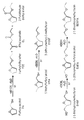
- An etherified compound was produced according to the reaction route shown in Fig. 7.
- furfuryl alcohol (FA) showed a lower conversion rate (44.1 mol%) compared to HMF
- methylfurfuryl alcohol (MFA ) And 2,5-bis-hydroxymethylfuran (BHMF) respectively, showed a conversion rate of 78.0 mol% and 99.7 mol%, which was higher than that of HMF.
- 2,5-bis-hydroxymethylfuran both a primary ether compound in which one alcohol group is bonded to ethanol and a secondary ether compound in which both alcohol groups are reacted were produced.
- Ni 2 P/SiO 2 nickel phosphide supported catalyst
- Example 3 etherification reaction between HMF and ethanol; 180° C. and 3 hours
- an etherification reaction was performed using a Ni 2 P/SiO 2 catalyst, and Ni 2 P/ used to check the reaction stability of the catalyst.
- the SiO 2 catalyst was recovered and repeated experiments were performed under the same conditions (Example 14: Recovery of the catalyst used in Example 3, Example 15: Recovery of the catalyst used in Example 14). At this time, the catalyst recovered after the etherification reaction was used without additional heat treatment.
- Example 16 the Ni 2 P/SiO 2 catalyst recovered after use in Example 3 was re-reduced at 700° C. in a reducing (hydrogen gas) atmosphere to regenerate the active phase of the catalyst to prepare a regeneration catalyst (Example 16). .
- Table 7 shows the results of the etherification reaction using each of the two recovery catalysts and the regeneration catalyst. For comparison, the results according to Example 3 are shown together.
- Example 3 Ni 2 P/SiO 2 - 0.07 180 96.5 59.3 20.7 14.3 2.3
- Example 14 Ni 2 P/SiO 2 -2nd rxn - 0.07 180 89.2 57.6 18.6 11.5
- Example 15 Ni 2 P/SiO 2 -3rd rxn - 0.07 180 86.8 52.4 21.7 10.5 1.2
- Example 16 Ni 2 P/SiO 2 -Recycle 700 700 0.07 180 95.7 63.3 19.1 11.5 1.8
- Example 16 the catalyst recovered after the etherification reaction according to Example 3 was regenerated by re-reduction treatment at 700° C., and the etherification reaction was performed using this. As a result, as shown in the above table, the HMF conversion rate of 95.7 mol% was shown, which was close to the conversion rate (96.5 mol%) achieved in Example 3.
- the Ni 2 P/SiO 2 catalyst is recovered after the etherification reaction and can restore the active point of the catalyst to the initial level through a simple regeneration procedure, that is, a re-reduction treatment at 700°C.
- the etherification reaction was performed under the reaction conditions according to Example 2 while changing the amount of water added to the reaction product, and the results are shown in Table 8 below. Indicated. For comparison, the results according to Example 2 are shown together.
- an ether compound can be prepared by reacting a furan-based compound with an alcohol using the acid function of a nickel phosphide heterogeneous catalyst.
- nickel phosphide catalysts have been mainly used in conventional hydrogenation reactions (eg, hydrodeoxygenation reactions, hydrodesulfurization reactions, hydrodesulfurization reactions, etc.), but as in the examples, etherification reactions, Specifically, it was not applied to the etherification reaction of furan-based compounds.
- the reaction temperature is not limited during the etherification reaction.
- the nickel phosphide supported catalyst used in the examples can not only be applied to the etherification reaction between hydroxymethylfurfural (HMF) and ethanol, but alkoxymethylfurfural (5-(alkoxymethyl)) by using alcohol other than ethanol.
- HMF hydroxymethylfurfural
- )-furfural and other furan derivatives other than HMF, specifically, furfuryl alcohol (FA), methylfurfural alcohol (MFA), 2,5-bis-hydroxymethylfuran ( BHMF) and the like can also be applied to the etherification reaction between alcohols.
- FA furfuryl alcohol
- MFA methylfurfural alcohol
- BHMF 2,5-bis-hydroxymethylfuran
- the nickel phosphide catalyst can be applied to the etherification reaction using various furan-based compounds and alcohols as reactants, and furthermore, it can be applied to other acid function catalyst-based reactions using the acid function found in the etherification reaction. It is judged
Landscapes
- Chemical & Material Sciences (AREA)
- Organic Chemistry (AREA)
- Engineering & Computer Science (AREA)
- Materials Engineering (AREA)
- Chemical Kinetics & Catalysis (AREA)
- Catalysts (AREA)
Abstract
본 개시 내용에서는 벌크형 또는 담지형 니켈 포스파이드 촉매의 존재 하에서 퓨란계 화합물을 알코올과 반응시켜 에테르 화합물을 제조하는 방법이 기재된다.
Description
본 개시 내용은 니켈 포스파이드(nickel phosphide, Ni
2P) 촉매를 이용하여 퓨란계 화합물로부터 에테르 화합물을 제조하는 방법에 관한 것이다. 보다 구체적으로, 본 개시 내용은 벌크형 또는 담지형 니켈 포스파이드 촉매의 존재 하에서 퓨란계 화합물을 알코올과 반응시켜 에테르 화합물을 제조하는 방법에 관한 것이다.
바이오매스는 광범위하게는 생물학적 기원(biological origin)으로부터 유래된 모든 물질을 포함하며, 이중 널리 사용되는 바이오매스로서 리그노셀룰로오스계 바이오매스를 예시할 수 있다. 이러한 바이오매스는 다양한 바이오 연료 및 바이오 화학물질(또는 플랫폼 화합물)의 제조에 널리 활용될 수 있는 것으로 보고되고 있다.
최근, 리그노셀룰로오스계 바이오매스의 당화 단계를 거쳐 형성되는 퓨란계 화합물이 많은 관심을 받고 있는 바, 이중 바이오매스로부터 유래된 단당류인 과당(fructose)을 탈수 반응시켜 생성되는 5-하이드록시메틸-2-퓨랄데하이드 또는 5-(하이드록시메틸)퍼퓨랄(HMF)와 같은 퓨란계 화합물을 이용한 활용 방안이 보고된 바 있다.
이와 관련하여, 퓨란계 화합물의 에테르화 생성물은 바이오 연료를 대체할 수 있는 에너지 밀도(energy density)를 가지고 있다. 예를 들면, 에테르화 반응의 생성물인 에톡시메틸푸프푸랄(5-(ethoxymethyl)-furfural, EMF)의 에너지밀도는 8.7 kWh/L로서, 에탄올(6.1 kWh/L), 가솔린 (8.8 kWh/L) 및 디젤(9.7 kWh/L)에 상당하는 에너지 밀도를 가지고 있다(Renewable and Sustainable Energy Reviews 71 (2017) 908-926). 특히, HMF와 같은 퓨란계 화합물은 다양한 고부가가치 화합물 및 연료유의 제조에 유용하게 적용 가능한 중간 물질로서, 이의 에테르화 생성물인 5-(알콕시메틸)퍼퓨랄(AMFs)는 높은 에너지 밀도 및 디젤 엔진에 대한 영향이 적기 때문에 기존의 석유계 연료의 대체 가능성 면에서 주목을 받고 있다.
이러한 퓨란계 화합물의 에테르화 반응은 산 촉매의 존재 하에서 수행될 수 있는 바, 이러한 산 촉매의 대표적인 예는 강산성 촉매인 이온교환수지 촉매인 바, 구체적으로는 설폰산기(-SO
3H)를 교환기로 갖는 스티렌과 디비닐벤젠의 공중합체(또는 디비닐벤젠으로 가교된 설폰화 폴리스티렌) 촉매이다. 이러한 타입의 강산성 스티렌-디비닐벤젠 타입의 이온교환 수지는 Amberlyst 시리즈(Amberlyst-15, Amberlyst-35, Amberlyst-46 등), Dowex 50 등으로 시판되고 있다.
그러나, 이온교환수지 촉매는 고분자 재질의 특성 상 고온 조건 하에서 반응이 수행되는 경우에는 활성 저하가 문제시될 수 있다. 또한, 기존의 에테르화 반응에서 사용된 촉매의 경우, 이를 재생하여 에테르화 반응에 적용 시 초기 활성을 회복시킬 수 있는 방안에 관하여는 거의 연구된 바 없다.
따라서, 기존의 퓨란계 화합물로부터 에테르 화합물을 제조하는 방법에 있어서 촉매 재질에 따른 적용 상의 한계를 완화함과 동시에 양호한 에테르화 반응 활성을 구현할 수 있고, 더 나아가 재사용 가능성이 높은 촉매 기술에 대한 요구가 존재한다.
본 개시 내용의 일 구체예에서는 퓨란계 화합물을 알코올과 반응시켜 에테르 화합물을 제조하기 위하여 종래의 에테르화 반응용 촉매(특히, 이온교환수지)가 갖는 기술적 한계를 극복할 수 있는 방안을 제시하고자 한다.
또한, 본 개시 내용의 일 구체예에서는 퓨란계 화합물의 에테르화 반응에서 사용된 후에도 간단한 재생 과정을 통하여 초기 활성 또는 이에 근접한 수준으로 회복 가능한 촉매 및 이의 재생 기술을 제공하고자 한다.
본 개시 내용의 제1 면에 따르면,
적어도 하나의 히드록시기가 부착된 퓨란계 화합물을 제공하는 단계;
상기 퓨란계 화합물을 알코올-함유 용매 내에서 결정상의 니켈 포스파이드를 포함하는 촉매를 이용하여 반응시켜 에테르 화합물을 형성하는 단계; 및
상기 에테르 화합물을 회수하는 단계;
를 포함하는, 퓨란계 화합물로부터 에테르 화합물을 제조하는 방법이 제공된다.
본 개시 내용의 제2 면에 따르면,
퓨란계 화합물과 알코올 간의 에테르화 반응용 불균일계 촉매로서,
실리카, 실리카-알루미나, 알루미나, 세리아, 지르코니아, 티타니아 및 활성탄으로 이루어진 군으로부터 적어도 하나가 선택되는 지지체; 및
촉매 전체 중량을 기준으로 상기 지지체 상에 1 내지 20 중량%로 담지된 결정 상의 니켈 포스파이드;
를 포함하고,
여기서, 상기 촉매는, (i) 10 내지 50 nm의 니켈 포스파이드 입자 사이즈, 및 (ii) 적어도 60 ㎡/g의 BET 비표면적을 갖고, 그리고
상기 촉매 내 브뢴스테드 산점 및 루이스 산점 각각의 량은 0.01 내지 0.06 mmol/g 및 0.003 내지 0.05 mmol/g이며, 이때 브뢴스테드 산점/루이스 산점의 비는 0.4 내지 2.8 범위인 촉매가 제공된다.
본 개시 내용의 제3 면에 따르면,
퓨란계 화합물과 알코올 간의 에테르화 반응용 불균일계 촉매의 제조방법으로서,
a) 니켈 전구체 및 인 전구체 각각을 함유하는 수용액을 제공하는 단계;
b) 상기 니켈 전구체-함유 수용액 및 상기 인 전구체-함유 수용액을 조합하여 공침시킴으로써 니켈-인 결합 침전물을 형성하는 단계;
c) 상기 니켈-인 결합 침전물을 수계 매질 내 조절된 pH 조건 하에서 용해시켜 니켈-인 결합 전구체를 함유하는 수용액을 제조하는 단계;
d) 무기 산화물 지지체를 상기 니켈-인 결합 전구체를 함유하는 수용액과 접촉시켜 니켈-인 결합 전구체가 부착된 무기 산화물 지지체를 형성하는 단계;
e) 상기 니켈-인 결합 전구체가 부착된 무기 산화물 지지체를 산화 분위기 하에서 열 처리하여 상기 니켈-인 결합 전구체를 니켈-인 결합 산화물로 전환시킴으로써 니켈-인 산화물이 담지된 지지체를 형성하는 단계; 및
f) 상기 니켈-인 결합 산화물이 담지된 지지체를 환원시켜 결정상의 니켈 포스파이드가 담지된 지지체로 전환시키는 단계;
를 포함하며,
여기서, 상기 무기 산화물 지지체는 실리카, 실리카-알루미나, 알루미나, 세리아, 지르코니아, 티타니아 및 활성탄으로 이루어진 군으로부터 적어도 하나가 선택되고,
상기 촉매 전체 중량을 기준으로, 상기 결정 상의 니켈 포스파이드는 상기 무기 산화물 지지체 상에 1 내지 20 중량%로 담지되며,
여기서, 상기 촉매는, (i) 10 내지 50 nm의 니켈 포스파이드 입자 사이즈, 및 (ii) 적어도 60 ㎡/g의 BET 비표면적을 갖고, 그리고
상기 촉매 내 브뢴스테드 산점 및 루이스 산점 각각의 량은 0.01 내지 0.06 mmol/g 및 0.003 내지 0.05 mmol/g이며, 이때 브뢴스테드 산점/루이스 산점의 비는 0.4 내지 2.8 범위인 제조방법이 제공된다.
본 개시 내용의 구체예에 따르면, 종래에 퓨란계 화합물의 에테르화 반응에 사용된 고분자 재질의 이온교환수지 기반의 촉매 대신에 산 기능을 갖는 니켈 포스파이드 촉매를 적용함으로써 고온 반응 조건 하에서의 내구성 저하에 따른 촉매의 활성 감소 등의 기술적 한계를 효과적으로 해결할 수 있다. 특히, 기존에 수첨탈황/수첨탈질 반응, 수첨탈산소 반응 등과 같은 수소화 반응 위주로 적용된 니켈 포스파이드를 퓨란계 화합물(또는 유도체)의 에테르화 반응에 촉매로 사용함으로써 니켈 포스파이드 촉매의 적용 범위를 확장할 수 있다는 점에서 기술적 의의가 있다.
더 나아가, 에테르화 반응에 사용되어 활성이 감소된 니켈 포스파이드 기반의 촉매를 간단한 환원 처리(열 처리)를 통하여 초기 활성 또는 이와 근접한 수준의 활성으로 회복시킬 수 있고, 이를 퓨란계 화합물의 에테르화 반응에 효과적으로 적용할 수 있는 장점을 제공한다.
이외에도, 니켈 포스파이드 기반의 촉매의 존재 하에서 퓨란계 화합물의 에테르화 반응을 수행할 경우, 바이오 연료 및/또는 연료 첨가제로 적용 가능한 다양한 퓨란 에테르 화합물을 제조할 수 있고, 또한 에테르화 반응에서 생성되는 경쟁 화합물인 EMFDEA(5-(ethoxymethyl)furfural diethylacetal), 부생성되는 에틸 레블리네이트 등과 같은 화합물은 친환경 용매, 바이오매스 유래 고분자의 단량체 등으로 적용 가능하다.
도 1은 실시예에 따라 제조된 니켈 포스파이드 촉매에 대한 XRD 패턴을 나타내는 그래프이고;
도 2는 실시예에 따라 제조된 니켈 포스파이드 촉매에 대한 피리딘 흡착 적외선분광법(FT-IR) 분석 결과를 나타내는 그래프이고;
도 3a 및 도 3b 각각은 실시예에서 Ni/P 비를 변화시켜 제조된 니켈 포스파이드 촉매에 대한 피리딘 흡착 적외선분광법(FT-IR) 및 산점의 정량 분석 결과를 나타내는 그래프이고;
도 4는 실시예에 따라 제조된 니켈 포스파이드 촉매에 대한 XPS 분석 결과를 나타낸 그래프이고;
도 5는 실시예에 있어서
31P 고체상 NMR 분석 결과를 나타내는 그래프이고;
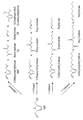
도 6은 실시예에 있어서 HMF와 다양한 알코올 간의 에테르화 반응 경로 및 생성되는 예시적인 생성물을 도시하는 도면이고; 그리고
도 7은 실시예에 따라 다양한 퓨란계 화합물과 에탄올 간의 에테르화 반응 경로 및 생성되는 예시적인 생성물을 도시하는 도면이다.
본 발명은 하기의 설명에 의하여 모두 달성될 수 있다. 하기의 설명은 본 발명의 바람직한 구체예를 기술하는 것으로 이해되어야 하며, 본 발명이 반드시 이에 한정되는 것은 아니다. 또한, 첨부된 도면은 이해를 돕기 위한 것으로, 본 발명이 이에 한정되는 것은 아님을 이해하여야 한다.
본 명세서에서 사용되는 용어는 하기와 같이 정의될 수 있다.
"불균일계 촉매"는 촉매 반응 과정에서 반응물과 상이한 상(phase)으로 존재하는 촉매를 의미할 수 있는 바, 예를 들면 반응 매질 내에서 용해되지 않는 촉매를 의미할 수 있다. 불균일계 촉매의 경우, 반응이 일어나기 위하여는 적어도 하나의 반응물이 불균일계 촉매의 표면으로 확산되어 흡착되어야 하며, 반응 후에는 생성물이 불균일계 촉매의 표면으로부터 탈착될 필요가 있다.
"에테르화 반응"은 일반적으로 에테르 결합을 형성하는 반응으로서 알코올 에테르화 반응은 2개의 알코올 분자의 부분적인 탈수 반응을 통하여 에테르 결합이 형성될 수 있다.
"지지체(support)"는 촉매 활성 성분이 부착된 높은 비표면적을 갖는 재료(전형적으로 고상 재료)를 의미할 수 있다.
"바이오매스"는 통상적으로 광합성으로 생성되는 유기물을 의미하나, 가축분뇨, 음식 쓰레기 등의 유기성 폐기물도 포함하는 개념으로 이해될 수 있다. 넓은 의미로는 식물성 바이오매스, 구체적으로 셀룰로오스, 헤미셀룰로오스 및/또는 리그닌(즉, 리그노셀룰로오스계 바이오매스)을 포함하는 당업계에 공지된 다양한 생물자원(예를 들면, 옥수수, 콩, 아마인, 사탕수수 및 팜 오일과 같은 식물성 소스 등을 포함하며, 좀 더 구체적으로, 볏짚, 밀짚, 전분-포함 곡물, 옥수수속, 옥수수 대, 벼 껍질, 종이 제품, 목재, 톱밥, 농업 폐기물, 잔디, 사탕수수, 면, 아마, 대나무, 마닐라삼, 조류, 과일껍질, 해조류, 팜 폐기물, 식물의 줄기, 뿌리 및 잎 등)을 포함할 수 있다. 보다 구체적으로는 전술한 바이오매스로부터 당화 또는 분해되어 얻어지는 탄수화물(carbohydrates), 예를 들면 전분(starch), 당류(sugars), 구체적으로 모노사카라이드(글루코오스, 프럭토오스, 갈락토오스, 자일로오스, 아라비노오스, 만노오스 등), 디사카라이드(수크로오스, 락토오스, 말토오스, 셀로비오스 등), 기타 (올리고)사카라이드 등을 포함할 수 있다.
"결정 상"은 전형적으로 원자가 격자 구조(예를 들면 3차원적 규칙성(three-dimensional order))를 갖도록 정렬된 임의의 고상 물질을 의미할 수 있는 바, 일반적으로 X-선 회절 분석(XRD), 핵자기 공명 분석(NMR), 시차 주사 열량측정법(DSC) 또는 이들의 조합에 의하여 특정할 수 있다.
퓨란계 화합물의 에테르화 반응
본 개시 내용의 일 구체예에 따르면, 퓨란계 화합물, 구체적으로 적어도 하나의 히드록시기가 부착된 퓨란(즉, 4개의 탄소 원자 및 1개의 산소 원자로 이루어지는 5원 헤테로고리로 이루어짐) 화합물(또는 유도체)과 알코올 간의 반응을 통하여 에테르 화합물이 제조될 수 있다.
이와 관련하여, 적용 가능한 퓨란계 화합물은 전형적으로 바이오매스로부터 유래할 수 있으나, 반드시 이에 한정되는 것은 아니다. 다만, 이러한 퓨란계 화합물은 퓨란 고리에 직접적으로 또는 간접적으로(예를 들면, 탄소-함유 브릿지 그룹, 구체적으로 탄소수 1 내지 5의 알킬렌기, 카르복시기 또는 에스테르기 등을 통하여) 적어도 하나의 히드록시기가 부착된 것일 수 있다.
예시적으로 반응물인 퓨란계 화합물은 하기 일반식 1로 표시될 수 있다.
[일반식 1]

상기 식에서, R은 수소, 히드록시기, 탄소수 1 내지 10(구체적으로 탄소수 1 내지 5, 보다 구체적으로 탄소수 1 내지 3)의 직쇄형 또는 분지형 알킬기, 탄소수 3 내지 10(구체적으로 탄소수 3 내지 5)의 사이클로알킬기, 탄소수 6 내지 12(구체적으로 탄소수 6 내지 9)의 아릴기, R
1-C=O (R
1은 수소, 또는 탄소수 1 내지 10(구체적으로 탄소수 1 내지 5)의 직쇄형 또는 분지형 알킬기임), R
2-OH(R
2는 탄소수 1 내지 5(구체적으로 탄소수 1 내지 3)의 알킬렌기임), R
3-COOH (R
3는 탄소수 1 내지 10(구체적으로 탄소수 1 내지 5)의 직쇄형 또는 분지형 알킬렌기임), 또는 R
4-COO-R
5 (R
4는 탄소수 1 내지 10(구체적으로 탄소수 1 내지 5)의 직쇄형 또는 분지형 알킬렌기이고, R
5는 수소, 또는 탄소수 1 내지 10(구체적으로 탄소수 1 내지 5)의 직쇄형 또는 분지형 알킬기)이다.
특정 구체예에 따르면, 일반식 1의 퓨란계 화합물에서 R은 수소, 메틸기, -C-OH, 또는 -CH=O일 수 있다.
예시적 구체예에 따르면, 전술한 퓨란계 화합물은 히드록시메틸푸르푸랄(5-(hydroxymethyl)-furfural; HMF), 푸르푸릴 알코올(furfuryl alcohol), 메틸푸르푸릴 알코올(5-methylfurfuryl alcohol), 2,5-비스-히드록시메틸퓨란(2,5-bis-(hydroxymethyl)-furan), 히드록시메틸푸르카복시산(5-(hydroxymethyl)-2-furancarboxylic acid) 등으로부터 선택되는 적어도 하나일 수 있다.
특정 구체예에 따르면, 퓨란계 화합물은 HMF일 수 있는 바, HMF는 리그노셀룰로오스계 바이오매스(볏짚, 밀짚, 전분-포함 곡물, 옥수수속, 옥수수 대, 벼 껍질, 종이 제품, 목재, 톱밥 등)로부터 유래된 화합물로서 셀룰로오스 및 헤미셀룰로오스의 가수분해를 통하여 글루코오스 및 프럭토오스와 같은 당 분자가 형성되고, 이를 탈수 반응시켜 HMF를 수득할 수 있다. 일 예에서는 고순도 또는 순수 HMF를 사용할 수 있고, 다른 예에서는 바이오매스의 가수분해 생성물 또는 바이오매스-유래 당 분자의 탈수 반응을 수행한 후에 별도의 분리 과정을 거치지 않고 인-시튜(in-situ)로 반응시켜 형성된 생성물을 사용할 수도 있다.
한편, 일 구체예에 따르면, 퓨란계 화합물의 에테르화 반응은 알코올을 함유하는 매질(구체적으로 액상 매질) 내에서 수행될 수 있다. 이러한 알코올 기반의 액상 매질은 에테르화 반응이 일어나는 매질에 해당될 뿐만 아니라, 퓨란계 화합물과 반응하여 에테르 결합을 형성하는 반응물에 상당한다.
예시적 구체예에 있어서, 알코올은 직쇄형 알코올, 구체적으로 탄소수 약 1 내지 12(구체적으로 탄소수 약 2 내지 5)의 직쇄형 지방족 알코올일 수 있다. 보다 구체적으로, 알코올은 메탄올, 에탄올, 1-프로판올 및 1-부탄올로 이루어지는 군으로부터 선택되는 적어도 하나일 수 있다. 특정 구체예에서, 에탄올을 사용할 수 있는 바, 이는 탄소수가 길어질수록 퓨란계 화합물과 직쇄 알코올의 반응 활성이 저하될 수 있기 때문이다. 또한, 퓨란계 화합물과 에탄올 간의 에테르화 반응 생성물은 바이오 연료 또는 친환경 연료 첨가제로 활용될 수 있다.
퓨란계 화합물과 알코올(구체적으로 에탄올) 간의 에테르화 반응은 하기 반응식 1과 같이 예시될 수 있다.
[반응식 1]

본 개시 내용의 일 구체예에 있어서, 퓨란계 화합물과 알코올 간의 에테르화 반응은 니켈 포스파이드(구체적으로 결정상의 니켈 포스파이드) 기반의 촉매의 존재 하에서 수행된다. 전술한 바와 같이, 니켈 포스파이드 촉매는 주로 수소화 반응용 촉매로서 알려져 있을 뿐, 퓨란계 화합물의 에테르화 반응에 적용하는 점은 알려진 바 없다. 특히, 통상의 에테르화 반응에 사용되는 이온교환수지 촉매를 사용할 경우, 촉매 내구성에 따른 한계로 인하여 에테르화 반응은 대략 100 ℃ 이하에서 수행되는데, 이는 고온에서 이온교환수지 내 이온 교환기가 탈리 또는 용출되어 촉매 활성이 저하될 수 있기 때문이다. 그러나, 본 구체예에서와 같이 니켈 포스파이드 기반의 촉매가 갖는 산 기능을 이용하여 에테르화 반응에 적용할 경우에는 이러한 반응 온도 상의 제약은 완화할 수 있다.
예시적 구체예에 있어서, 에테르화 반응은, 예를 들면 약 80 내지 250 ℃. 구체적으로 약 100 내지 200 ℃, 보다 구체적으로 약 120 내지 180 ℃ 범위 내에서 정하여질 수 있다. 또한, 반응 시간은, 예를 들면 약 1 내지 8 시간, 구체적으로 약 2 내지 6 시간, 보다 구체적으로 약 3 내지 5 시간 범위 내에서 조절 가능하나, 이는 예시적인 취지로 이해되어야 하며, 반응 매질인 알코올의 종류, 반응물인 퓨란계 화합물 또는 유도체의 종류, 촉매의 함량 등에 따라 변경 가능하다. 이외에도, 에테르화 반응 압력은, 예를 들면 약 0.5 내지 70 bar, 구체적으로 약 1 내지 50 bar, 보다 구체적으로 약 5 내지 30 bar의 범위 내에서 설정될 수 있으나, 이는 예시적인 의미로 이해될 수 있다.
또한, 일 구체예에 따르면, 에테르화 반응은 수소 첨가 없이 수행될 수 있으며, 구체적으로 비활성 분위기, 보다 구체적으로 질소, 헬륨, 아르곤 및 네온으로 이루어지는 군으로부터 적어도 하나가 선택되는 가스 분위기 하에서 수행될 수 있다. 특정 구체예에 따르면, 에테르화 반응은 질소 분위기 하에서 수행될 수 있다. 이는 기존에 알려진 니켈 포스파이드 촉매가 수소의 공급 하에 수행되는 반응(즉, 수소화 반응)에 적용되는 점과는 구별되는 것이다.
예시적 구체예에 따르면, 에테르화 반응 시 퓨란계 화합물에 대한 니켈 포스파이드 촉매 내 산량(구체적으로 브뢴스테드 산량)의 비(H
+/퓨란계 화합물)는, 예를 들면 약 0.03 내지 0.7 몰%, 구체적으로 약 0.05 내지 0.5 몰%, 보다 구체적으로 약 0.06 내지 0.2 몰% 범위일 수 있다. 또한, 알코올 내 퓨란계 화합물의 농도는, 예를 들면 약 0.1 내지 0.5 M, 구체적으로 약 0.15 내지 0.4 M, 보다 구체적으로 약 0.2 내지 0.3 M 범위일 수 있다.
니켈 포스파이드 촉매
일 구체예에 따르면, 에테르화 반응용 니켈 포스파이드 촉매는 활성 성분인 Ni-P 결정상으로서 니켈 포스파이드(Ni
2P)를 포함한다. 이때, 결정상 내에 Ni
2P 이외에 다른 Ni-P 결정상, 예를 들면 Ni
3P, Ni
3P, Ni
5P
4, Ni
12P
5, NiP, NiP
2,등이 부분적으로 또는 미량으로(예를 들면, 약 15 몰% 이하, 구체적으로 약 10 몰% 이하) 혼입될 가능성을 배제하는 것은 아니지만, Ni
2P 이외에 다른 Ni-P 결정상이 함유되어 있는 경우에는 에테르화 반응에 적합한 산점 또는 산량(브렌스테드 산 및/또는 루이스 산)을 확보하기 곤란할 수 있는 만큼, Ni-P 결정상 내 Ni
2P의 함량은, 예를 들면 적어도 약 70 중량%, 구체적으로 적어도 약 90 중량%, 보다 구체적으로 적어도 약 95 중량%일 수 있다. 특정 구체예에 따르면, 실질적으로 Ni
2P로 이루어진 활성 상을 갖는 촉매를 사용하는 것이 유리할 수 있다.
예시적 구체예에 따르면, 상기 니켈 포스파이드 기반의 촉매는 벌크형 또는 담지형 촉매일 수 있으며, 보다 구체적으로는 담지형 촉매일 수 있다.
(i) 벌크형 촉매의 경우, 파우더, 펠렛 등의 형태로 적용 가능하다. 예시적 구체예에 따르면, 벌크형 촉매는 파우더형 촉매일 수 있는 바, 이때 Ni
2P의 입자 사이즈는, 예를 들면 약 30 내지 100 nm, 구체적으로 약 40 내지 80 nm, 보다 구체적으로 약 45 내지 70 nm 범위일 수 있다. 또한, 벌크형 촉매의 비표면적은, 예를 들면 약 1 m
2/g 이하, 구체적으로 약 0.1 내지 0.8 m
2/g, 보다 구체적으로 약 0.2 내지 0.5 m
2/g 범위일 수 있으나, 이는 예시적인 의미로 이해될 수 있다.
(ii) 담지형 촉매의 경우, 지지체로서 결정상의 니켈 포스파이드(구체적으로 나노 입자 형태)가 균일하게 분산될 수 있고, 니켈 포스파이드가 형성될 때 지지체와 반응하여 불순물에 해당하는 결정이 만들어지지 않는 특성을 나타낼 수 있는 한, 특정 종류로 한정되는 것은 아니다. 다만, 지지체는 전형적으로 다공성 무기산화물계 지지체일 수 있다. 이러한 무기산화물계 지지체로서, 실리카, 실리카-알루미나, 알루미나, 세리아, 지르코니아, 티타니아, 활성탄 등으로 이루어진 군으로부터 적어도 하나가 선택될 수 있다. 특정 구체예에 있어서, 지지체는 실리카일 수 있는 바, 이는 넓은 비표면적을 갖는 지지체로, 니켈 포스파이드 입자가 보다 작고 안정하게 형성될 수 있는 특성 때문이다. 또한, 무기 산화물 지지체는 파우더 형태일 수 있으나, 경우에 따라서는 당업계에 알려진 다양한 지지체 형상, 예를 들면 그래뉼(granule), 펠렛(pellet), 태블릿(tablet), 소구체형 등으로 성형될 수 있다. 성형된 촉매 제조를 위하여, 선택적으로 바인더, 예를 들면 탄소(그래파이트) 및/또는 무기바인더 등을 추가적으로 사용할 수 있는 바, 이때 바인더의 추가 사용량은 지지체 중량을 기준으로, 예를 들면 약 30 중량%까지, 구체적으로 약 5 내지 20 중량% 범위일 수 있다.
또한, 담지형 촉매 내 니켈 포스파이드의 함량은, 촉매 전체 중량을 기준으로, 약 1 내지 20 중량%, 구체적으로 약 3 내지 15 중량%, 보다 구체적으로 약 8 내지 12 중량% 범위일 수 있다. 담지형 촉매 중 결정상의 Ni
2P 함량이 일정 수준 미만이거나, 또는 이를 초과할 경우에는 반응물인 퓨란계 화합물과 알코올 간의 에테르화 반응 활성을 충분히 확보할 수 없는 등의 현상이 유발되므로 적정량의 Ni
2P를 지지체 상에 담지하는 것이 유리할 수 있다. 다만, 전술한 함량 범위는 예시적인 목적으로 이해될 수 있다.
예시적 구체예에 따르면, 담지형의 니켈 포스파이드 촉매의 비표면적(BET 비표면적)은, 예를 들면 적어도 약 60 ㎡/g, 구체적으로 약 90 내지 450 ㎡/g, 보다 구체적으로 약 100 내지 400 ㎡/g 범위일 수 있다. 또한, 포어 체적은, 예를 들면 약 0.5 내지 0.9 ㎤/g, 구체적으로 약 0.55 내지 0.8 ㎤/g, 보다 구체적으로 약 0.6 내지 0.76 ㎤/g 범위일 수 있다. 이외에도, 포어 사이즈(평균 직경)는, 예를 들면 약 2 내지 40 nm, 구체적으로 약 5 내지 20 nm, 보다 구체적으로 약 7 내지 15 nm 범위일 수 있다. 상기 수치 범위는 예시적 목적으로 기술된 것으로 이해될 수 있다.
또한, 담지형 촉매는 높은 비표면적을 갖는 다공성 지지체 상에 활성 상인 니켈 포스파이드를 담지하는 바, 이때 담지되는 Ni
2P 결정 상은 나노 사이즈, 예를 들면 약 10 내지 50 nm, 구체적으로 약 13 내지 30 nm, 보다 구체적으로 약 15 내지 25 nm 범위의 사이즈를 가질 수 있다.
일 구체예에 따르면, 에테르화 반응에 사용되는 니켈 포스파이드 기반의 촉매(벌크형 또는 담지형)는 산 특성, 구체적으로 브뢴스테드 산(이온화 가능한 수소 원자를 갖는 사이트), 루이스 산(전자를 수용하는 사이트), 또는 브뢴스테드 산과 루이스 산을 모두 함유할 수 있는 바, 보다 구체적으로는 브뢴스테드 산과 루이스 산을 동시에 나타낼 수 있다. 이와 같이 상이한 타입의 산점은 피리딘이 부착되는 방식에 의하여 구별될 수 있다.
예시적 구체예에 따르면, 니켈 포스파이드 촉매 내 브뢴스테드 산점의 량은 피리딘 흡착 적외선 분광 분석에 의하여 측정될 수 있는 바, 예를 들면 약 0.01 내지 0.06 mmol/g(구체적으로 약 0.02 내지 0.045 mmol/g, 보다 구체적으로 약 0.022 내지 0.025 mmol/g) 범위일 수 있다. 또한, 촉매 내 루이스 산점의 량은, 예를 들면 약 0.003 내지 0.05 mmol/g(구체적으로 약 0.005 내지 0.04 mmol/g, 보다 구체적으로 약 0.01 내지 0.03 mmol/g) 범위일 수 있다. 또한, 예시적 구체예에 따르면, 니켈 포스파이드 촉매의 전체 산량(즉, 브뢴스테드 산점의 량 및 루이스 산점의 량의 합)은 예를 들면 약 0.015 내지 0.1 mmol/g(구체적으로 약 0.02 내지 0.08 mmol/g, 보다 구체적으로 약 0.03 내지 0.05 mmol/g) 범위일 수 있다.
예시적 구체예에 따르면, 니켈 포스파이드 촉매가 브뢴스테드 산점 및 루이스 산점을 모두 가지고 있는 경우, 브뢴스테드 산점/루이스 산점의 비(B/L ratio)는, 예를 들면 약 0.4 내지 2.8, 구체적으로 약 1 내지 2.6, 보다 구체적으로 약 2 내지 2.5 범위일 수 있다.
에테르화 반응에 있어서 브뢴스테드 산은 반응 활성 점으로서 산점을 제공하여 에테르화 반응이 이루어지고 주생성물인 에테르 화합물과 소량의 부생성물을 생성하는 기능을 수행하는 바, B/L 비가 지나치게 낮거나 높으면 에테르화 반응 활성이 매우 낮거나 에테르화 반응이 지나치게 많이 진행되어 타겟으로 하는 에테르화 반응 생성물(예를 들면, EMF)의 선택도 및 수율이 낮아지고 부생성물의 생성이 증가하는 현상이 유발될 수 있기 때문에 전술한 범위 내에서 조절하는 것이 유리할 수 있다. 다만, 상기 수치 범위는 예시적인 의미로 이해될 수 있다. 또한, 후술하는 바와 같이 니켈 포스파이드 촉매의 제조 시 니켈 전구체와 인 전구체의 조합 비에 따라 브뢴스테드 산점의 량, 루이스 산점의 량 및/또는 B/L 비를 조절할 수 있고, 이를 통하여 에테르화 반응, 생성물 분포 등을 조절할 수 있는 점은 주목할 만하다.
니켈 포스파이드 촉매의 제조방법
- 담지형 니켈 포스파이드 촉매의 제조방법
일 구체예에 따르면, 담지형 니켈 포스파이드 촉매는, 니켈(Ni) 전구체 및 인(P) 전구체를 조합하여 지지체 상에 부착시키고, 이를 하소(또는 소성)하는 단계 및 환원시키는 단계를 포함하는 후속 절차를 통하여 제조할 수 있다.
이때, 니켈 전구체는, 전형적으로는 수용성 니켈 화합물일 수 있는 바, 예를 들면 아세트산니켈, 질산니켈, 황산니켈, 탄산니켈, 수산화니켈, 할로겐화 니켈, 니켈 아세틸아세토네이트 착체, 니켈 포스핀 착체 등을 예시할 수 있다. 이러한 니켈 전구체는 단독으로 또는 조합하여 사용 가능하다. 보다 구체적으로는 질산니켈, 황산니켈, 할로겐화 니켈 또는 이의 조합을 사용할 수 있고, 보다 구체적으로는 질산니켈의 수화물, 황산니켈의 수화물, 할로겐화 니켈의 수화물 또는 이의 조합을 사용할 수 있다.
인 전구체의 경우, 전형적으로는 수용성 인 화합물일 수 있는 바, 예를 들면 인산(H
3PO
4), 인산암모늄((NH
4)
3PO
4), 인산수소암모늄(H(NH
4)
2(PO
4)), 인산제2수소암모늄(H
2(NH
4)PO
4) 등을 예시할 수 있으며, 이를 단독으로 또는 조합하여 사용할 수 있다. 구체적으로는 인산제2수소암모늄을 사용할 수 있다.
예시적 구체예에 따르면, 먼저 니켈(Ni) 전구체 수용액 및 인(P) 전구체 수용액을 별도로 준비한다. 이와 관련하여, 니켈 전구체 수용액 내 니켈 전구체의 농도는, 예를 들면 약 0.1 내지 0.8 mM (구체적으로 약 0.2 내지 0.5 mM) 범위일 수 있고, 또한 인 전구체의 농도는 약 0.1 내지 0.8 mM(구체적으로 약 0.2 내지 0.5 mM) 범위일 수 있다.
그 다음, 니켈 전구체-함유 수용액 및 인 전구체-함유 수용액을 혼합(조합)하는데, 예를 들면 니켈 전구체-함유 수용액에 인 전구체-함유 수용액을 서서히 첨가하는 방식(적가)으로 혼합할 수 있다. 니켈 전구체와 인 전구체를 조합함에 따라 Ni-P 침전물이 형성될 수 있다. 예시적으로, 니켈 전구체와 인 전구체를 조합은, 예를 들면 약 20 내지 45 ℃(구체적으로 약 25 내지 35 ℃)에서, 예를 들면 약 5 시간 이하(구체적으로 약 1 내지 2 시간) 동안 교반하거나 교반하지 않는 조건 하에서 수행될 수 있다.
이때, 니켈 전구체 및 인 전구체의 조합 비는 촉매 내 Ni-P 결정상의 조성, 산량 등에 영향을 줄 수 있다. 예를 들면, P/Ni의 몰 비가 증가함에 따라 Ni
2P 결정상 이외에 다른 결정상이 형성될 수 있다. 따라서, 최종 촉매에서 니켈포스파이드의 화학양론적 비(즉, P/Ni=2)를 형성하는 것이 요구될 수 있는 만큼, Ni-P 전구체 침전물을 형성하는 과정에서 니켈 전구체 및 인 전구체의 조합 비를 적절히 조절하는 것이 유리할 수 있다. 예시적으로, 니켈 전구체 및 인 전구체의 조합 시 P/Ni의 몰 비는, 예를 들면 약 2.5 이하, 구체적으로 약 1 내지 2.3, 보다 구체적으로 약 1.5 내지 2의 범위 내에서 조절될 수 있다. 특정 구체예에 있어서, P/Ni의 몰 비는, 약 1 이상이면서 약 2 미만일 수 있다.
상술한 바와 같이 형성된 Ni-P 침전물을 직접 무기 산화물 지지체 상에 담지하기 곤란하므로, 예시적 구체예에서는 pH를 조절하여 Ni-P 결합 전구체를 수성 매질 내에 용해시킨다. 이때, 조절되는 pH는, 예를 들면 약 1 내지 5, 구체적으로 약 1.5 내지 3, 보다 구체적으로 약 2 내지 2.5 범위일 수 있다.
이를 위하여, 예시적으로 산 성분을 첨가할 수 있는 바, 이러한 산 성분의 예는 질산, 염산, 황산 또는 이의 조합을 포함할 수 있다. 보다 구체적으로는 질산을 사용할 수 있다. 그 결과, 니켈-인(Ni-P) 결합을 함유하는 수용액을 제조할 수 있다. 상술한 산 성분은 수용액 형태로 첨가될 수 있으며, 이때 산 용액의 농도는, 예를 들면 약 5 내지 60 중량%, 구체적으로 10 내지 20 중량% 범위로 조절할 수 있으나, 이의 예시적인 의미로 이해될 수 있다. 또한, 산 용액은 적가 방식으로 첨가될 수 있다.
이와 같이 제조된 니켈-인 전구체 결합을 함유하는 수용액을 이용하여 당업계에서 알려진 담지 방법, 예를 들면 함침법(구체적으로 습식 함침법), 이온 교환법, 침전법 등에 의하여 지지체(구체적으로 무기산화물 지지체)에 부착할 수 있다. 니켈-인 전구체를 지지체 상에 부착하기 위하여 접촉시키는 과정은 교반하거나 교반하지 않는 조건 하에서 수행될 수 있으며, 또한 접촉 시간은, 예를 들면 약 5 시간 이하, 구체적으로 약 1 내지 2 시간 범위일 수 있다.
예시적 구체예에 따르면, 니켈-인 결합 전구체가 부착(고정)된 무기 산화물 지지체를 형성한 후, 니켈 및 인의 전구체 용액에 함유된 수분을 제거하여 고형분을 수득한다. 이때, 당업계에서 공지된 수분 제거 방법, 증발, 필터 등을 이용할 수 있다. 선택적으로, 수분을 제거한 후에는 건조 단계를 수행하여 고형분 내 잔류 수분 등을 제거한다. 예시적으로, 건조 온도는, 예를 들면 약 95 내지 120 ℃, 구체적으로 약 100 내지 110 ℃ 범위 내에서 조절될 수 있으며, 또한 건조 시간은, 전형적으로 예를 들면 약 6 내지 20 시간, 구체적으로 약 10 내지 15 시간 범위일 수 있다.
건조된 고형분에 대하여 하소 또는 소성(산화 분위기 하에서의 열 처리)를 통하여 니켈-인 결합 전구체를 이의 산화물 형태(니켈-인 결합 산화물), 구체적으로 Ni
2P
2O
7 파이로포스페이트(pyrophosphate)로 전환시킨다. 이때, 산화 분위기를 형성하는 가스는, 산소(구체적으로 분자 산소) 단독일 수도 있고, 산소와 불활성 가스의 조합일 수 있으며, 공기 분위기도 가능하다. 또한, 불활성 가스는 헬륨, 질소, 아르곤 또는 이의 조합일 수 있다. 예시적 구체예에 따르면, 산화 분위기는 산소 및 질소를 포함하는 혼합 가스일 수 있는 바, 이때 산소 함량은, 예를 들면 약 10 내지 50 체적%, 구체적으로 약 15 내지 40 체적%, 보다 구체적으로 약 20 내지 30 체적% 범위일 수 있다.
예시적 구체예에 따르면, 하소 온도는, 예를 들면 약 500 내지 700 ℃, 구체적으로 약 520 내지 650 ℃, 보다 구체적으로 약 540 내지 570 ℃ 범위 내에서 선정될 수 있고, 이때 승온 속도는, 예를 들면 약 1 내지 10 ℃/min, 구체적으로 약 3 내지 7 ℃/min 범위일 수 있다. 또한, 하소 시간은, 특별히 한정되는 것은 아니지만, 예를 들면 약 1 내지 6 시간, 구체적으로 약 2 내지 5 시간, 보다 구체적으로 약 2.5 내지 4 시간 범위 내에서 정하여질 수 있다. 이외에도, 하소 처리 시 압력(산화 분위기 가스의 분압)은, 예를 들면 약 0.1 내지 1 bar, 구체적으로 약 0.15 내지 0.8 bar, 보다 구체적으로 약 0.2 내지 0.5 bar의 범위일 수 있다. 택일적으로, 산화 분위기 가스를 열처리 장치 내로 유동시키는(흘리는) 방식도 가능한 바, 이 경우 산화 분위기 가스의 흐름 속도는, 예를 들면 약 50 내지 300 mL/min, 구체적으로 약 80 내지 150 mL/min 범위일 수 있다.
전술한 하소 단계를 수행한 후에는 산화물 형태의 Ni-P(구체적으로 Ni
2P
2O
7 파이로포스페이트)를 Ni
2P로 전환시키기 위한 환원 단계를 수행할 수 있다.
이때, 환원 분위기를 형성하는 가스는, 예를 들면 수소, 일산화탄소, 또는 이의 조합일 수 있는 바, 보다 구체적으로는 수소일 수 있다. 환원 열처리 온도는, 예를 들면 약 500 내지 900 ℃, 구체적으로 약 550 내지 800 ℃, 보다 구체적으로 약 580 내지 750 ℃ 범위 내에서 선정될 수 있고, 이때 승온 속도는, 예를 들면 약 0.5 내지 10 ℃/min, 구체적으로 약 1 내지 5 ℃/min 범위일 수 있다. 특정 구체예에 따르면, 예를 들면 약 300 내지 400℃까지는 약 3 내지 5 ℃/min로 승온시킨 후, 약 0.5 내지 3 ℃/min의 승온 속도로 추가적으로 승온시킬 수 있다. 또한, 환원 열처리 시간(승온 후 유지 시간)은, 특별히 한정되는 것은 아니지만, 예를 들면 약 0.5 내지 2 시간, 구체적으로 약 0.7 내지 1.5 시간 범위 내에서 정하여질 수 있다.
이외에도, 환원 열처리 시 압력(환원 가스의 분압)은, 예를 들면 약 0.1 내지 2 bar, 구체적으로 약 0.2 내지 1 bar, 보다 구체적으로 약 0.4 내지 1 bar의 범위일 수 있다. 택일적으로, 환원 가스를 열처리 장치 내로 유동시키는(흘리는) 방식도 가능한 바, 이 경우 환원 가스의 흐름 속도는, 예를 들면 약 50 내지 300 mL/min, 구체적으로 약 100 내지 200 mL/min 범위일 수 있다.
본 발명이 특정 이론에 구속되는 것은 아니지만, 환원 처리 과정에서 온도가 500℃를 초과함에 따라 수소 가스(예를 들면, 환원 가스로 수소를 사용할 경우)에 의하여 하기 반응식 2 또는 3과 같이 Ni
2P로 전환될 수 있는 것으로 판단된다.
[반응식 2]
Ni
2P
2O
7 + 17/2H
2 → Ni
2P + PH
3 + 7H
2O
[반응식 3]
Ni
2P
2O
7 + 7H
2 → Ni
2P + P + 7H
2O
택일적 구체예에 따르면, 하소(또는 소성) 단계를 거치지 않고 니켈-인 결합 전구체가 부착된 지지체를 환원시켜 담지형 니켈포스파이드 촉매를 제조할 수 있다. 구체적으로, 고형분 형태의 니켈-인 결합 전구체가 부착된 지지체에 대하여 환원 분위기 하에서의 열 처리를 수행으로써 Ni
2P 결정 상으로 전환시킬 수 있다. 이때, 환원 처리를 위하여, 앞서 기술된 하소 후에 수행되는 환원 처리 조건을 채택할 수 있고, 또한 니켈-인 결합 전구체의 제조 및 이를 지지체에 부착하는 과정 역시 전술한 바와 같다. 본 발명이 특정 이론에 구속되는 것은 아니지만, 이러한 환원 처리 과정 중 고온에 의하여 니켈-인 결합 전구체가 열 분해되어 Ni
2P
2O
7 파이로포스페이트를 형성하고, 후속적으로 환원 가스(예를 들면, 수소)에 의하여 Ni
2P로 전환될 수 있는 것으로 판단된다. 다만, 에테르화 반응 활성 면에서는 하소 처리 및 환원 처리를 수반하는 것이 유리할 수 있다.
- 벌크형 니켈 포스파이드 촉매의 제조방법
벌크형 촉매의 경우, 니켈(Ni) 전구체 및 인(P) 전구체를 조합하여 침전법 또는 공침법 등에 의하여 Ni-P 전구체 침전물을 형성하고, 이를 하소(또는 소성) 및 환원 처리의 순으로 수행하거나. 또는 하소 처리 없이 환원 처리를 수행하여 결정상의 니켈 포스파이드로 전환시킬 수 있다(지지체를 사용하지 않는 것을 제외하고는 담지형 촉매와 관련하여 설명된 촉매 제조 방법을 적용할 수 있음). 택일적으로, 벌크형 촉매로서 시판 중인 Ni
2P 파우더(또는 결정)을 사용할 수 있다.
예시적인 구체예에 있어서, 담지형 촉매를 적용한 에테르화 반응의 경우, 니켈 포스파이드가 지지체(특히, 높은 비표면적을 갖는 다공성 지지체) 상에 높은 분산도로 담지될 수 있기 때문에 전환율은, 예를 들면 적어도 약 60%, 구체적으로 적어도 약 70%, 보다 구체적으로 적어도 약 90%일 수 있다. 벌크형 촉매의 경우에는 전술한 담지형 촉매에 비하여 촉매 활성 면에서는 낮을 수 있으나, 기존의 이온교환수지의 내구성 문제를 완화할 수 있다. 예시적으로, 벌크형 촉매를 이용한 에테르화 반응 시 전환율은, 예를 들면 약 40 내지 70%, 구체적으로 약 44 내지 65%, 보다 구체적으로 45 내지 50% 수준일 수 있으나, 이는 예시적 취지로 이해될 수 있다.
한편, 담지형 또는 벌크형 니켈 포스파이드 촉매의 존재 하에서 퓨란계 화합물을 에테르화 반응시킬 경우, 반응물인 적어도 하나의 히드록시기가 부착된 퓨란계 화합물의 히드록시기에 대응하는 에테르 결합을 갖는 화합물뿐만 아니라, 반응 진행 정도에 따라 부가적인 에테르화 생성물이 형성될 수 있다. 본 발명이 특정 이론에 구속되는 것은 아니지만, 예시적으로 퓨란계 화합물로서 HMF와 알코올로서 에탄올이 반응하여 EMFDEA(5-(ethoxymethyl)furfural diethylacetal)이 생성되고, 니켈 포스파이드 촉매 상에서 에탄올 및 물 분자와 평형 반응에 의하여 EMF가 생성될 수 있다(후술하는 실시예 및 반응식 2 참조). 또한, 생성된 EMF는 후속 전환을 통하여 EL(ethyl levulinate) 및 EF(ethyl formate)로 전환될 수 있다. 한편, HMF가 EMF로 전환되는 과정에서 니켈 포스파이드 촉매의 산점(특히, 브뢴스테드 산점)에 의하여 HMF에 에탄올이 첨가되어 아세탈화 반응이 일어남으로써 EMFDEA가 생성될 수 있는 것으로 판단된다.
예시적 구체예에 따르면, 담지형 촉매의 경우, 퓨란계 화합물의 히드록시기에 대응하는 에테르 결합을 갖는 화합물(예를 들면, 반응물로서 HMF과 에탄올을 반응시켜 생성되는 EMF)의 선택도는, 예를 들면 적어도 약 40%, 구체적으로 약 65 내지 85%, 보다 구체적으로 약 70 내지 80% 범위일 수 있으나, 이는 예시적인 취지로 이해될 수 있다. 또한, 벌크형 촉매의 경우, 퓨란계 화합물의 히드록시기에 대응하는 에테르 결합을 갖는 화합물의 선택도는, 예를 들면 약 3 내지 35%, 구체적으로 약 3.5 내지 32%, 보다 구체적으로 약 5 내지 20% 범위일 수 있으나, 반드시 이에 한정되는 것은 아니다.
예시적 구체예에 따르면, 퓨란계 화합물(또는 유도체)의 에테르화 반응 생성물의 선택도 조절, 특히 경쟁 관계에 있는 반응 생성물(예를 들면, HMF와 에탄올 간 에테르화 반응 생성물 중 EMF 및 EMFDEA) 중 특정 생성물(예를 들면, EMF)에 대한 선택도를 높이기 위하여 반응물 내에 수분을 첨가하는 방식을 채택할 수 있다. 예시적으로, 반응물에 소량(예를 들면, 수분/퓨란계 화합물의 몰 비가, 예를 들면 약 0.05 내지 1, 구체적으로 약 0.1 내지 0.6, 보다 구체적으로 약 0.15 내지 0.4)의 수분을 첨가할 수 있다. 이와 같이 수분 첨가를 통하여 HMF와 에탄올 간의 에테르화 반응에 의하여 생성되는 EMF 및 EMFDEA 중 EMFDEA의 생성은 상대적으로 억제할 수 있기 때문에 EMF의 선택도를 증가시킬 수 있다. 반면, 지나치게 많은 량의 수분 첨가는 퓨란계 화합물의 전환율을 감소시킬 수 있으므로, 타겟 에테르 화합물의 선택도와 전환율 간의 관계를 고려하여 적정 량으로 조절하면서 첨가하는 것이 유리할 수 있다.
한편, 일 구체예에 따라 퓨란계 화합물의 에테르화 반응에 적용된 니켈 포스파이드 촉매는 재생을 통하여 초기 활성 또는 이에 근접하는 수준으로 활성을 회복하기 용이하다. 이와 관련하여, 재생 과정은 간단한 환원 열 처리에 의하여 수행될 수 있는 바, 앞서 기술된 촉매 제조 시 환원 열 처리 조건을 채택할 수 있다.
다른 구체예에 따르면, 에테르화 반응은 회분식 모드뿐만 아니라 연속 모드로 수행될 수 있는 바, 예를 들면 고정층 반응기, 반회분식 반응기 등을 이용할 수 있고, 이때 공간속도는, 예를 들면 약 0.5 내지 5 sec
-1, 구체적으로 약 0.8 내지 2 sec
-1, 보다 구체적으로 약 1 내지 1.5 sec
-1 범위 내에서 조절될 수 있으나, 이는 예시적인 의미로 이해될 수 있다.
전술한 반응이 완료되면, 에테르화 반응 생성물로부터 적어도 하나의 에테르 화합물을 분리하여 회수할 수 있다. 이러한 분리 회수 과정은, 당업계에서 공지되어 있는 바, 예를 들면 플래시 드럼, 증류법 등을 이용하여 수행될 수 있다.
본 발명은 하기의 실시예에 의하여 보다 명확히 이해될 수 있으며, 하기의 실시예는 본 발명의 예시 목적에 불과하며 발명의 영역을 제한하고자 하는 것은 아니다.
실시예
실시예 및 비교예에서 사용된 물질은 하기와 같다.
- 5-하이드록시메틸-2-퍼퓨랄데하이드(HMF; 99%), 푸르푸릴알코올 (FA; 99%), 메틸푸르푸릴알코올(MFA; 99%), 및 2,5-비스-히드록시메틸퓨란(BHMF; 99%)은 Sigma Aldrich로부터 구입하였다.
- Amberlyst-15(H+ form, 4 mmol/g resin)는 Sigma Aldrich로부터 구입하였다.
- Nafion NR-50는 Sigma Aldrich사로부터 구입하였다.
- 벌크형 Ni
2P 파우더는 Sigma Aldrich사로부터 구입하였다.
- 메탄올(무수물, 99.8%), 에탄올(무수물, 99.5+%), 1-부탄올(무수물, 99.8%) 및 1-헥산올(무수물, 99.8%)은 Sigma Aldrich로부터 구입하였다.
- Ni(NO
3)
2ㅇ6H
2O, (NH
4)
2HPO
4, 및 HNO
3(10%)는 Sigma Aldrich로부터 구입하였다.
- SiO
2는 Alfa Aesar사로부터 구입하였으며, 포어 사이즈, BET 비표면적 및 포어 체적 각각은 7.1 nm, 350 ㎡/g 및 0.63 ㎤/g이었다.
- 모든 화학물질은 추가 정제과정을 거치지 않고 입수된 상태 그대로 사용하였다.
또한, 샘플 분석은 하기와 같은 절차에 따라 수행되었다.
- XRD 분석
에테르화 반응에 사용된 촉매에 대하여 XRD(X-ray diffraction) 분석을 통하여 촉매 내에 존재하는 결정상을 파악하였다. 이때, MiniFlex 600 (Rigaku사) 분석기기를 사용하여 파우더 형태로 분석하였다. 2-Theta 10-80ㅀ 범위를 0.02ㅀ 스텝으로 하고, 10ㅀ/min의 속도로 40 kV, 15 mA의 X-ray를 사용하여 XRD 분석을 수행하였다.
- 피리딘 흡착 적외선 분광 분석을 통한 산점의 정량 분석
20 mg의 촉매를 자기 지지형(self-supporting) 펠렛 형태로 준비한 후에 진공 분위기(10
??3 mbar) 하에 300 ㅀC에서 1시간 동안 전처리하였다. 그 다음, 100 ℃로 냉각한 후에 피리딘을 주입하였다. 10분에 걸쳐 피리딘을 흡착시킨 다음, 다시 30분 동안 물리적으로 흡착된 피리딘을 탈착시켰다. 이후, 피리딘이 화학 흡착된 상태에서 피리딘 흡착 적외선 분광 스펙트럼을 얻고, 1545 cm
-1 및 1445 cm
-1 에 해당하는 피크의 면적을 정량하여 브뢴스테드 산량 및 루이스 산량을 각각 정량화하였다.
촉매 제조예 1
가. 니켈 포스파이드 촉매 제조
SiO
2를 지지체로 사용하여 니켈 포스파이드 담지 촉매(Ni
2P/SiO
2)를 제조하였다.
10 중량%로 담지되는 니켈 포스파이드를 기준으로 인/니켈 몰 비를 2로 맞추기 위하여 Ni(NO
3)
2ㅇ6H
2O를 전구체로 하여 증류수 10 mL에 완전히 용해시켰다(농도: 0.43 mM). 이와 별도로, 10 중량%의 인 전구체(NH
4)
2HPO
4를 증류수 20 mL에 용해시켰다(농도:0.43 mM). 니켈 전구체 용액 및 인 전구체 용액을 25 ℃에서 혼합하여 공침하고, 10 중량%의 HNO
3 용액을 적가하여 Ni-P 전구체 조합의 침전물을 용해시켰다.
그 다음, Ni-P 전구체 조합의 침전물이 용해된 용액에 지지체인 SiO
2 2 g을 투입한 후에 2시간 동안 교반하였다. 촉매 전구체의 함침 과정을 거쳐 생성된 고형분을 증발기에 의하여 수분 제거하였고, 회수된 고형분을 105 ㅀC로 설정된 오븐 내에서 12시간 동안 건조시켰다.
이후, 튜브 로(tube furnace)에서 20% 산소/질소 가스를 100 mL/min의 유량으로 흘리면서 550 ㅀC(승온 속도: 5 ℃/min)에서 3시간 동안 하소시켰고, 후속적으로 수소 가스를 200 mL/min의 유량으로 흘리면서 700 ㅀC(승온속도: 3.5 ㅀC/min로 350 ㅀC까지 승온시킨 후에 700 ㅀC까지 1 ㅀC/min 으로 승온시켜 1 시간 동안 유지함)에서 1시간 동안 환원 처리함으로써 Ni
2P/SiO
2 촉매를 제조하였다.
나. 촉매의 특성화
(i) XRD 분석
본 제조예에서 합성된 니켈 포스파이드 촉매(Ni
2P/SiO
2)에 대하여 XRD 분석을 수행하였으며, 그 결과를 도 1에 나타내었다.
상기 도면에 따르면, 제조예에서 P/Ni 몰 비를 2로 설정하여 촉매를 제조한 결과 Ni
2P 단일 결정상이 형성되었다. 이러한 결과를 기초로 하여, XRD 분석을 통해 얻은 스펙트럼의 니켈 포스파이드에 해당하는 피크의 반치폭(Full width at half maximum, FWHM)의 값 및 피크의 각도를 이용하여 Scherrer 공식에 적용한 방법으로 산출된 SiO
2 지지체에 담지된 결정상의 Ni
2P의 사이즈는 20.7 nm이었다.
(ii) 산점 분석
- 에테르화 반응은 산 촉매 상에서 이루어지므로 Ni
2P/SiO
2
촉매 내의 산특성을 분석하기 위하여 피리딘-흡착 적외선 분광법을 이용하여 산점 분석을 수행하였으며, 그 결과를 도 2에 나타내었다.
상기 도면에 따르면, 산점 분석 결과, 에테르화 반응이 일어나는 브뢴스테드 산점은 0.028 mmol g
-1, 그리고 루이스 산점은 0.011 mmol g
-1로 측정되었는 바, 제조된 니켈 포스파이드 담지 촉매에 브뢴스테드 산점 및 루이스 산점이 동시에 존재하고 있음을 확인할 수 있다.
- 촉매 제조 시 P/Ni 비가 니켈 포스파이드 촉매의 산점의 량(산량)에 미치는 영향을 확인하기 위하여 P/Ni 비를 변화시키면서 담지형 촉매(Ni
2P 함량: 10 중량%)를 제조하였으며, 산점의 분포, 전체 산량 및 브뢴스테드 산점/루이스 산점의 비(B/L ratio)를 측정하여 하기 표 1 및 도 3에 나타내었다.
| P/Ni | 브뢴스테드 산량(mmol g -1) | 루이스 산량(mmol g -1) | 전체 산량(mmol g -1) | B/L |
| 0 | 0.0 | 0.014 | 0.014 | 0.0 |
| 1 | 0.022 | 0.027 | 0.049 | 0.83 |
| 2 | 0.028 | 0.011 | 0.039 | 2.47 |
| 3 | 0.008 | 0.004 | 0.012 | 2.27 |
상기 표 및 도면에 기재된 바와 같이, 촉매 제조 시 P/Ni 비에 따라 촉매 내 산점의 분포, 개별 산점의 량 및 전체 산점의 량, 그리고 B/L 값이 변화함을 알 수 있다. 도 3a 및 도 3b를 참조하면, P/Ni 비가 0에서부터 1까지 증가함에 따라 브뢴스테드 산점 및 루이스 산점 각각의 량 모두 증가하였다. 이후, P/Ni가 1로부터 2까지 증가함에 따라 브뢴스테드 산점의 증가 폭은 감소하였으나 여전히 증가한 값을 나타낸 반면, 루이스 산점은 감소하였다. 특히, P/Ni가 2에서 P/Ni가 1인 경우와 대비하면 전체 산점의 량은 감소하였으나, B/L 값의 증가 정도는 현저하였다. 반면, P/Ni가 3인 경우에는 브뢴스테드 산점 및 루이스 산점 모두 감소하였다. 이러한 2가지 산점 량(산량)의 변화는 인의 첨가에 따라 브뢴스테드 산점의 량 역시 변화하기 때문인 바, P/Ni가 1인 경우에는 소량의 인이 첨가되어 니켈 포스파이드 상의 브뢴스테드 산량이 증가한 것이다. P/Ni가 2인 경우에는 첨가된 인이 루이스 산성을 나타내는 니켈을 피복하기 때문에 루이스 산량이 감소하나, 브뢴스테드 산량은 P/Ni가 1인 경우와 유사하기 때문에 B/L 값이 증가하는 것으로 설명할 수 있다. 또한, P/Ni가 3인 경우에는 다량의 인이 첨가되었기 때문에 브뢴스테드 산점 및 루이스 산점 모두 감소하는 현상이 나타난 것으로 판단된다.
따라서, 니켈 전구체와 인 전구체 간의 조합 비(즉, P/Ni ratio)를 조절함으로써 반응물(퓨란계 화합물 및 알코올)마다 요구되는 산 특성에 부합하는 니켈 포스파이드 촉매를 제조할 수 있을 것으로 판단된다.
(iii) XPS 분석
-본 제조예에서 합성된 니켈 포스파이드 촉매(Ni
2P/SiO
2)에 대하여 XPS 분석을 통해 니켈의 산화수를 확인하였다. 그 결과를 도 4에 나타내었다. 상기 도면에 따르면, 산화니켈의 산화수는 2+ 산화 상태를 나타내는데, 니켈 포스파이드계 촉매(Ni
2P/SiO
2)는 니켈 2+ 상태와 함께 인과의 결합에 의하여 δ+ (0 < δ < 1)의 산화수도 존재함을 확인하였다.
(iv)
31P 고체상 NMR 분석
-고체상 NMR 분석 수행을 통해 니켈 포스파이드 촉매 상에서 니켈과 인의 결합의 유무를 확인하였다. 제조예에서 합성된 니켈 포스파이드 촉매(Ni
2P/SiO
2)와 벌크형 Ni2P 촉매의
31P 고체상 NMR 분석을 수행하여 도 5에 나타내었다.
-상기 도면에 따르면, 제조예에서 P/Ni 몰 비를 2로 설정하여 촉매를 제조한 결과, 벌크형 Ni
2P와 비교했을 때, 4000-1000 ppm chemical shift 범위에서 얻은 동일한 스펙트럼으로부터 Ni
2P 단일 결정상이 형성되었음을 확인하였다.
(v) 생성물 분석
-실시예에서 얻은 생성물은 기체크로마토그래피를 통하여 분석하였고, 각각의 반응물 및 생성물은 표준 물질을 사용하여 생성물을 확인하고 정량하였다. 퓨란계 화합물의 전환율은 하기의 수학식 1로부터 계산하였다.
[수학식 1]
퓨란계 화합물의 전환율(몰%) = {(반응 전 퓨란계 화합물) 몰 수 - (반응 후 퓨란계 화합물) 몰 수} / (반응 전) 몰 수 × 100
실시예 1 내지 3
니켈 포스파이드 담지 촉매(Ni
2P/SiO
2) 상에서 HMF의 온도에 따른 에테르화 반응 실험
에탄올 19 mL에 촉매 제조예 1에서 제조된 Ni
2P/SiO
2 촉매(100 mg)를 이용하여 HMF 500 mg(4 mmol)을 3 시간에 걸쳐 에테르화 반응시켰다(H
+/HMF: 0.07 mol%). 에테르화 반응은 교반기를 이용하여 600 rpm 회전 속도로 교반하면서 스테인레스 재질의 반응기(100 mL) 내에서 수행하였다. 이때, 반응 온도를 120 ℃, 150 ℃ 및 180 ℃로 변화시켰다. 반응 생성물은 GC로 분석하였으며, 그 결과를 하기 표 2에 나타내었다.
비교예 1 및 2
불균일 촉매로서 Ni
2P/SiO
2 촉매 대신에 Amberlyst-15 및 Nafion NR-50 각각을 사용한 것을 제외하고는 실시예 1과 동일한 절차를 따라 에테르화 반응을 수행하였다. 다만, Amberlyst-15 촉매의 경우, 재질 특성을 고려하여 100 ℃에서 반응을 수행하였다. 반응 생성물은 GC로 분석하였으며, 그 결과를 하기 표 2에 나타내었다.
| 촉매 | 용매 | H +/HMF(mol%) | 반응온도(℃) | 전환율(mol%) | 에테르화 생성물 선택도 (%) | ||||
| EMF | EMFDEA | EF | EL | ||||||
| 비교예 1 | Amberlyst-15 | 에탄올 | 0.07 | 100 | 55.4 | 13.0 | 13.9 | 16.5 | 3.9 |
| 비교예 2 | Nafion NR-50 | 에탄올 | 0.07 | 150 | 88.4 | 43.4 | 19.9 | 25.0 | 11.7 |
| 실시예 1 | Ni 2P/SiO 2 | 에탄올 | 0.07 | 120 | 68.2 | 59.3 | 12.0 | 25.2 | 3.4 |
| 실시예 2 | Ni 2P/SiO 2 | 에탄올 | 0.07 | 150 | 68.9 | 67.3 | 11.7 | 17.5 | 3.5 |
| 실시예 3 | Ni 2P/SiO 2 | 에탄올 | 0.07 | 180 | 96.5 | 61.4 | 21.5 | 14.8 | 2.3 |
상기 표에 따르면, 상기 반응식 1에 도시된 바와 같이 에테르화 반응에 의하여 다양한 에테르화 생성물이 형성됨을 알 수 있다. 특히, EMF 및 EMFDEA는 상호 경쟁 관계에 있는 것으로 볼 수 있다.실시예 1 내지 3에 따른 HMF와 에탄올 간의 에테르화 반응 실험 결과, 120 ℃에서 180 ℃로 반응 온도가 증가할수록 HMF의 전환율이 68.2 mol%에서 96.5 mol%로 증가하였다. 에테르화 반응의 주생성물인 EMF의 선택도 역시 61.4 mol%로 증가하였다. 특히, 180 ℃의 반응 온도에서는 EMF와 함께 EMFDEA의 선택도가 다른 반응 온도에 비하여 상대적으로 높았다.
한편, 동일한 촉매의 농도 0.07 mol%의 Amberlyst-15 촉매 상에서 에테르화 반응을 수행한 결과(비교예 1), Ni
2P/SiO
2 촉매를 이용한 에테르화 반응에 비하여 낮은 HMF 전환율을 나타내었다(55.4 mol%). 더욱이, 낮은 HMF 전환율뿐만 아니라, EMF 및 EMFDEA의 선택도가 Ni
2P/SiO
2 촉매를 이용한 경우에 비하여 현저히 낮은 값을 나타내었다.
Amberlyst-15 촉매가 재질 특성 상 반응 온도의 제약이 있는 점을 고려하여, 높은 온도에서도 촉매 내구성이 양호한 산성의 이온교환수지 촉매로서 Nafion NR-50을 이용하여 니켈-인 촉매(Ni
2P/SiO
2)와 동일한 조건에서 실험을 수행한 결과(비교예 3), HMF의 전환율은 88.4%이었다. 이러한 결과는 Ni
2P/SiO
2 촉매 상에서 에테르화 반응의 전환율(실시예 2, 68.9%)과 대비하면, 보다 높은 수준이었으나, EMF의 선택도는 실시예 2에 비하여 낮은 수준이었다. 따라서, Ni
2P/SiO
2 촉매는 산 촉매로 적용 가능한 고가의 Nafion NR-50 촉매를 대체하면서도 동등한 수준의 타겟 에테르 화합물의 수율을 달성할 수 있는 것으로 판단된다.
실시예 4 내지 6
니켈 포스파이드 담지 촉매(Ni
2P/SiO
2) 상에서 HMF의 촉매 농도에 따른 에테르화 반응 실험
촉매와 반응물의 농도(H
+/HMF)를 변화시키면서 HMF와 에탄올 간의 에테르화 반응의 전환율 및 생성물의 선택도 변화를 측정하였는 바, 그 결과를 하기 표 3에 나타내었다 또한, 비교를 위하여, 실시예 2에 따른 결과를 함께 나타내었다.
| 촉매 | 용매 | H +/HMF(mol%) | 반응온도(℃) | 전환율(mol%) | 에테르화 생성물 선택도 (%) | ||||
| EMF | EMFDEA | EF | EL | ||||||
| 실시예 4 | Ni 2P/SiO 2 | 에탄올 | 0.05 | 150 | 66.7 | 76.9 | 16.0 | 3.4 | 3.7 |
| 실시예 2 | Ni 2P/SiO 2 | 에탄올 | 0.07 | 150 | 68.9 | 67.3 | 11.7 | 17.5 | 3.5 |
| 실시예 5 | Ni 2P/SiO 2 | 에탄올 | 0.14 | 150 | 73.0 | 56.3 | 24.1 | 14.6 | 4.4 |
| 실시예 6 | Ni 2P/SiO 2 | 에탄올 | 0.50 | 150 | 86.0 | 48.0 | 28.3 | 20.5 | 3.3 |
상기 표에 따르면, H
+/HMF 값이 낮은 경우(실시예 4, H
+/HMF=0.05 mol%)에는 전환율이 66.7 mol%인 바, 촉매 농도가 높은 경우(실시예 6, H
+/HMF=0.5 mol%)의 전환율(86.0 mol%)에 비하여 낮은 수준이었다. 즉, 촉매 농도가 증가함에 따라, HMF의 전환율 역시 증가하는 것으로 파악되었다. 다만, 촉매 농도가 증가할 수록 HMF와 에탄올 간의 에테르화 반응 정도가 높아져 타겟 생성물 또는 주생성물인 EMF의 선택도는 점점 감소하는 경향을 나타내었으며, 경쟁 또는 후속 에테르화 반응으로 진행되어 하기 반응식 4에서 나타낸 바와 같이 EMFDEA 및 EF의 선택도가 증가한 것으로 판단된다.
[반응식 4]

실시예 7
니켈 포스파이드 담지 촉매(Ni
2P/SiO
2) 상에서 HMF의 Ni
2P의 함량에 따른 에테르화 반응 실험
촉매 내 Ni
2P의 함량에 따른 에테르화 반응의 정도를 평가하였으며, 그 결과를 하기 표 4에 나타내었다. 비교를 위하여, 실시예 2의 결과를 함께 나타내었다.
| 촉매 | Ni 2P의 함량 (중량%) | 사용된 Ni 2P의 중량 (g) | 반응온도(℃) | 전환율(mol%) | 에테르화 생성물 수율 (mol%) | |
| 실시예 2 | Ni 2P/SiO 2 | 10 | 0.01 | 150 | 68.9 | 46.4 |
| 실시예 7 | Ni 2P | 100 | 0.01 | 150 | 45.5 | 14.2 |
상기 표에 따르면, 촉매 중 Ni
2P의 함량이 10 중량%인 경우, HMF의 전환율은 68.9%이었다(실시예 2). 반면, Ni
2P의 함량이 100 중량%인 경우, 즉 벌크형 Ni
2P 촉매를 이용한 에테르화 반응의 경우, 전환율이 45.5%로서 동일한 조건 하에서의 반응임에도 불구하고 실시예 2에 비하여 낮은 수준이었다. 또한, 벌크형 Ni
2P 촉매 상에서 에테르화 반응 생성물의 수율은 14.2%로서 Ni
2P/SiO
2 담지 촉매를 이용한 에테르화 생성물의 수율(46.4%)보다는 낮았으나, 에테르화 반응이 일어남을 확인하였다. 이는 Ni
2P/SiO
2 담지 촉매의 경우, 다공성 지지체 사용에 의하여 결정상의 Ni
2P가 높은 분산도로 분포하여 효과적인 촉매 활성을 제공하기 때문으로 판단된다.
실시예
8 내지 10
니켈 포스파이드 담지 촉매(Ni
2P/SiO
2) 상에서 HMF와 다양한 알코올의 에테르화 반응 실험
앞선 실시예에서 에테르화 반응에 사용된 에탄올 대신에 다른 알코올(메탄올, 1-부탄올 및 1-헥산올)을 사용하는 경우에도 에테르화 반응이 일어나는지 여부를 평가하였으며, 그 결과를 하기 표 5에 나타내었다. 비교를 위하여, 실시예 2의 결과를 함께 나타내었다.
| 촉매 | 용매 | H +/HMF(mol%) | 반응온도(℃) | 전환율(mol%) | 에테르화 생성물 수율 (%) | |
| 실시예 8 | Ni 2P/SiO 2 | 메탄올 | 0.07 | 150 | 91.4 | 14.8 |
| 실시예 2 | Ni 2P/SiO 2 | 에탄올 | 0.07 | 150 | 68.9 | 46.4 |
| 실시예 9 | Ni 2P/SiO 2 | 1-부탄올 | 0.07 | 150 | 60.9 | 0.9 |
| 실시예 10 | Ni 2P/SiO 2 | 1-헥산올 | 0.07 | 150 | 44.9 | 30.3 |
상기 표에 따르면, 메탄올(실시예 8), 1-부탄올(실시예 9) 및 1-헥산올(실시예 10) 각각을 사용하여 HMF와 에테르화 반응을 수행할 경우, 도 6에 나타낸 바와 같이 알콕시기를 갖는 에테르화 화합물이 생성되었다. 다만, 탄소 사슬이 긴 알코올을 사용할수록 HMF의 전환율이 감소하였다. 구체적으로, HMF와 탄소 길이가 짧은 메탄올이 반응하는 경우(실시예 8)에는 91.4 mol%의 HMF가 전환된 반면, 탄소사슬이 긴 1-헥산올과 반응할 경우(실시예 10), HMF의 전환율은 44.9 mol%로서 상대적으로 낮은 수준이었다. 비록 알코올을 구성하는 탄소 사슬의 길이에 따라 반응성이 낮아지긴 하나, Ni
2P/SiO
2 촉매 상에서 에테르화 반응이 일어남을 확인할 수 있다.
실시예
11 내지 13
니켈 포스파이드 담지 촉매(Ni
2P/SiO
2) 상에서 퓨란계 알코올의 에테르화 반응 실험
Ni
2P/SiO
2 촉매가 HMF 이외의 다른 퓨란계 화합물의 에테르화 반응에 적용 가능한지 여부를 확인하기 위하여 퓨란계 화합물을 퓨란계 알코올로 변경하여 반응을 수행하였으며, 그 결과를 하기 표 6에 나타내었다. 비교를 위하여 실시예 2의 결과를 함께 나타내었다.
| 촉매 | 퓨란계 유래 화합물 | H +/반응물(mol%) | 반응온도(℃) | 전환율(mol%) | 에테르화 생성물 수율(%) | |
| 실시예 11 | Ni 2P/SiO 2 | 푸르푸릴알코올 (FA) | 0.07 | 150 | 44.1 | 28.1 |
| 실시예 2 | Ni 2P/SiO 2 | 히드록시메틸푸르푸랄 (HMF) | 0.07 | 150 | 68.9 | 46.4 |
| 실시예 12 | Ni 2P/SiO 2 | 메틸푸르푸릴알코올(MFA) | 0.07 | 150 | 78.0 | 78.0 |
| 실시예 13 | Ni 2P/SiO 2 | 2,5-비스-히드록시메틸퓨란 (BHMF) | 0.07 | 150 | 99.7 | 15.4 (1차 에테르) 80.3 (2차 에테르) |
퓨란계 알코올인 푸르푸릴알코올(FA; 실시예 11), 메틸푸르푸릴알코올(MFA; 실시예 12) 및 2,5-비스-히드록시메틸퓨란(BHMF; 실시예 13) 각각은 에탄올과 반응하여 도 7에 도시된 반응 경로를 따라 에테르화 화합물을 생성하였다.상기 표에 나타낸 바와 같이, 푸르푸릴알코올(FA)은 HMF에 비하여 낮은 전환율(44.1 mol%)을 나타낸 반면, 메틸푸르푸릴알코올(MFA) 및 2,5-비스-히드록시메틸퓨란(BHMF) 각각은 78.0 mol% 및 99.7 mol%의 전환율로서 HMF보다 높은 전환율을 나타내었다. 특히 2,5-비스-히드록시메틸퓨란은 일측의 알코올기가 에탄올과 결합한 1차 에테르 화합물과 양측의 알코올기가 모두 반응한 2차 에테르 화합물 모두 생성되었다.
따라서, Ni
2P/SiO
2 촉매의 산 기능을 이용한 에테르화 반응은 HMF와 에탄올에만 적용되는 것이 아니라 다른 퓨란계 화합물에서도 충분히 적용됨을 확인하였다.
실시예 14 내지 16
니켈 포스파이드 담지 촉매(Ni
2P/SiO
2)의 반응 후 회수 촉매 및 재생 촉매를 이용한 에테르화 반응 실험
- 니켈 포스파이드 담지 촉매 (Ni
2P/SiO
2) 회수 및 재생 촉매 제조
실시예 3(HMF와 에탄올 간의 에테르화 반응; 180 ℃ 및 3시간)에서 Ni
2P/SiO
2 촉매를 이용하여 에테르화 반응을 수행하였고, 촉매의 반응 안정성을 확인하기 위하여 사용된 Ni
2P/SiO
2 촉매를 회수하여 동일한 조건 하에서 반복 실험을 수행하였다(실시예 14: 실시예 3에서 사용된 촉매 회수, 실시예 15: 실시예 14에서 사용된 촉매 회수). 이때, 에테르화 반응 후에 회수된 촉매는 추가적인 열처리를 하지 않고 사용하였다.
또한, 실시예 3에서 사용된 후에 회수된 Ni
2P/SiO
2 촉매를 700 ℃에서 환원(수소 가스) 분위기 하에서 재환원 처리함으로써 촉매의 활성 상을 재생시켜 재생 촉매를 제조하였다(실시예 16).
- 회수 촉매 및 재생 촉매의 에테르화 반응 실험 결과
2종의 회수 촉매 및 재생 촉매 각각을 이용한 에테르화 반응을 수행한 결과를 하기 표 7에 나타내었다. 비교를 위하여, 실시예 3에 따른 결과를 함께 나타내었다.
| 촉매 | 재생온도(℃) | H +/HMF(mol%) | 반응온도(℃) | 전환율(mol%) | 에테르화 반응 생성물 수율 (%) | ||||
| EMF | EMFDEA | EF | EL | ||||||
| 실시예 3 | Ni 2P/SiO 2 | - | 0.07 | 180 | 96.5 | 59.3 | 20.7 | 14.3 | 2.3 |
| 실시예 14 | Ni 2P/SiO 2-2nd rxn | - | 0.07 | 180 | 89.2 | 57.6 | 18.6 | 11.5 | 1.6 |
| 실시예 15 | Ni 2P/SiO 2-3rd rxn | - | 0.07 | 180 | 86.8 | 52.4 | 21.7 | 10.5 | 1.2 |
| 실시예 16 | Ni 2P/SiO 2-재생700 | 700 | 0.07 | 180 | 95.7 | 63.3 | 19.1 | 11.5 | 1.8 |
상기 표에 나타낸 바와 같이, 실시예 3에 따라 회수된 Ni
2P/SiO
2 촉매 상에서 에테르화 반응을 수행한 결과, HMF의 전환율은 96.5 mol%이었다. 에테르화 반응 후 촉매를 회수하여 열 처리 없이 에테르화 반응 실험을 한 결과(실시예 14), HMF의 전환율은 89.2 mol%로 소폭 감소하였다. 또한, 실시예 14에서 반응을 수행한 후에 회수된 Ni
2P/SiO
2 촉매를 이용하여 에테르화 반응을 수행한 결과(실시예 15), 86.8 mol%의 전환율을 나타내었다. 이처럼, 반복 실험을 통하여 에테르화 반응 회수가 증가할수록 Ni
2P/SiO
2 촉매의 비활성화 정도가 증가함을 확인하였다. 실시예 16에서는 실시예 3에 따른 에테르화 반응 후 회수된 촉매를 700 ℃에서 재환원 처리하여 재생하였으며, 이를 이용하여 에테르화 반응을 수행하였다. 그 결과, 상기 표에서와 같이 95.7 mol%의 HMF 전환율을 보였고, 이는 실시예 3에서 달성된 전환율(96.5 mol%)에 근접하는 수준이었다.
따라서, Ni
2P/SiO
2 촉매는 에테르화 반응 후에 회수되어 간단한 재생 절차, 즉 700 ℃에서의 재환원 처리를 통하여 초기 수준으로 촉매의 활성점을 회복시킬 수 있는 것으로 판단된다.
실시예 17 및 18
에테르화 생성물 중 EMF의 선택도에 있어서 수분 첨가의 영향을 평가하기 위하여 반응물에 첨가되는 수분의 량을 변화시키면서 실시예 2에 따른 반응 조건 하에서 에테르화 반응을 수행하였으며, 그 결과를 하기 표 8에 나타내었다. 비교를 위하여, 실시예 2에 따른 결과를 함께 나타내었다.
| 촉매 | 수분 첨가 몰 비(HMF: H 2O) | 반응 온도(℃) | 전환율(mol%) | 에테르화 생성물 선택도 (%) | ||||
| EMF | EMFDEA | EF | EL | |||||
| 실시예 2 | Ni 2P/SiO 2 | 1:0 | 150 | 68.9 | 67.3 | 11.7 | 17.5 | 3.5 |
| 실시예 17 | Ni 2P/SiO 2 | 1:0.5 | 150 | 53.2 | 76.5 | 5.7 | 11.6 | 3.2 |
| 실시예 18 | Ni 2P/SiO 2 | 1:1 | 150 | 58.2 | 81.4 | 5.2 | 6.9 | 3.2 |
HMF와 에탄올 간의 에테르화 반응의 경우, EMFDEA가 생성되기 위하여는 EMF에서 에탄올 첨가 및 탈수 반응이 일어나게 되는 바, 반응물에 수분을 소량 첨가함에 따라 EMFDEA의 생성을 억제하여 EMF의 선택도가 증가함을 할 수 있다. 그러나, 수분 첨가량이 증가할수록 HMF의 전환율은 감소하였다.
결론
상술한 실시예 및 비교예에서 확인할 수 있듯이, 니켈 포스파이드 불균일 촉매의 산 기능을 이용하여 퓨란계 화합물과 알코올을 반응시켜 에테르 화합물을 제조할 수 있다. 특히, 니켈 포스파이드 촉매는 기존에 수소화 반응(예를 들면, 수첨탈산소 반응, 수첨탈질 반응, 수첨탈황 반응 등)에 주로 사용되어 왔으나, 실시예에서와 같이 산 기능을 이용하여 에테르화 반응, 구체적으로 퓨란계 화합물의 에테르화 반응에 적용된 바 없었다. 특히, 촉매 제조예에서 알 수 있듯이, 니켈 포스파이드 촉매는 고온에서 열 처리 과정을 거쳐 제조되는 만큼, 에테르화 반응 시 반응 온도 상의 제약을 받지 않는다.
또한, 실시예에서 사용된 니켈 포스파이드 담지 촉매는 히드록시메틸푸르푸랄(HMF)과 에탄올 간의 에테르화 반응에만 적용될 수 있는 것이 아니라, 에탄올 이외의 알코올을 사용함으로써 알콕시메틸푸르푸랄(5-(alkoxymethyl)-furfural)을 제조할 수 있으며, HMF 이외의 다른 퓨란계 유도체, 구체적으로 퍼퓨릴 알코올인 프르프릴알코올(FA), 메틸푸르푸랄 알코올(MFA), 2,5-비스-히드록시메틸퓨란(BHMF) 등과 알코올 간의 에테르화 반응에도 적용 가능하다.
이처럼, 니켈 포스파이드 촉매는 반응물로서 다양한 퓨란계 화합물 및 알코올을 사용하여 에테르화 반응에 적용될 수 있고, 더 나아가 에테르화 반응에서 확인된 산 기능을 이용하여 다른 산 기능 촉매 기반의 반응에서도 적용될 수 있을 것으로 판단된다.
본 발명의 단순한 변형 내지 변경은 이 분야의 통상의 지식을 가진 자에 의하여 용이하게 이용될 수 있으며, 이러한 변형이나 변경은 모두 본 발명의 영역에 포함되는 것으로 볼 수 있다.
Claims (20)
- 적어도 하나의 히드록시기가 부착된 퓨란계 화합물을 제공하는 단계;상기 퓨란계 화합물을 알코올-함유 용매 내에서 결정상의 니켈 포스파이드를 포함하는 촉매를 이용하여 반응시켜 에테르 화합물을 형성하는 단계; 및상기 에테르 화합물을 회수하는 단계;를 포함하는, 퓨란계 화합물로부터 에테르 화합물을 제조하는 방법.
- 제1항에 있어서, 상기 반응은 수소 첨가 없이 수행되는 것을 특징으로 하는 방법.
- 제2항에 있어서, 상기 반응은 질소, 헬륨, 아르곤 및 네온으로 이루어지는 군으로부터 적어도 하나가 선택되는 비활성 가스 분위기 하에서 수행되는 것을 특징으로 하는 방법.
- 제1항에 있어서, 상기 반응은 80 내지 250 ℃ 범위에서 선택되는 온도 조건 하에서 수행되는 것을 특징으로 하는 방법.
- 제1항에 있어서, 상기 촉매는 벌크형 또는 담지형 촉매인 것을 특징으로 하는 방법.
- 제5항에 있어서, 상기 벌크형 촉매는 30 내지 100 nm의 입자 사이즈를 갖는 것을 특징으로 하는 방법.
- 제5항에 있어서, 상기 담지형 촉매 중 지지체는 실리카, 실리카-알루미나, 알루미나, 세리아, 지르코니아, 티타니아 및 활성탄으로 이루어진 군으로부터 적어도 하나가 선택되는 것을 특징으로 하는 방법.
- 제5항에 있어서, 상기 담지형 촉매 내 결정상의 니켈 포스파이드의 함량은 1 내지 20 중량% 범위인 것을 특징으로 하는 방법.
- 제1항에 있어서, 상기 촉매는 브뢴스테드 산점 및 루이스 산점을 모두 포함하는 것을 특징으로 하는 방법.
- 제9항에 있어서, 상기 촉매 내 브뢴스테드 산점 및 루이스 산점 각각의 량은 0.01 내지 0.06 mmol/g 및 0.003 내지 0.05 mmol/g 범위인 것을 특징으로 하는 방법.
- 제10항에 있어서, 상기 촉매 내 브뢴스테드 산점/루이스 산점의 비는 0.4 내지 2.8인 것을 특징으로 하는 방법.
- 제1항에 있어서, 상기 퓨란계 화합물에 대한 촉매의 산점의 비(H +/퓨란계 화합물)는 0.03 내지 0.7 몰% 범위인 것을 특징으로 하는 방법.
- 제1항에 있어서, 상기 알코올은 탄소수 1 내지 12의 직쇄형 지방족 알코올인 것을 특징으로 하는 방법.
- 제1항에 있어서, 상기 반응에서 사용된 촉매를 회수한 후에 환원 처리함으로써 재생하는 단계를 더 포함하고,상기 재생된 촉매를 이용하여 상기 반응에 적용하는 것을 특징으로 하는 방법.
- 제1항에 있어서, 상기 퓨란계 화합물은 하기 일반식 1로 표시되는 것을 특징으로 하는 방법:[일반식 1]
 상기 식에서, R은 수소, 히드록시기, 탄소수 1 내지 10의 직쇄형 또는 분지형 알킬기, 탄소수 3 내지 10의 사이클로알킬기, 탄소수 6 내지 12의 아릴기, R 1-C=O (R 1은 수소, 또는 탄소수 1 내지 10의 직쇄형 또는 분지형 알킬기임), R 2-OH(R 2는 탄소수 1 내지 5의 알킬렌기임), R 3-COOH (R 3는 탄소수 1 내지 10의 직쇄형 또는 분지형 알킬렌기임), 또는 R 4-COO-R 5 (R 4는 탄소수 1 내지 10의 직쇄형 또는 분지형 알킬렌기이고, R 5는 수소, 또는 탄소수 1 내지 10의 직쇄형 또는 분지형 알킬기)임.
 - 제15항에 있어서, 상기 퓨란계 화합물은 히드록시메틸푸르푸랄(5-(hydroxymethyl)-furfural; HMF), 푸르푸릴 알코올(furfuryl alcohol), 메틸푸르푸릴 알코올(5-methylfurfuryl alcohol), 2,5-비스-히드록시메틸퓨란(2,5-bis-(hydroxymethyl)-furan), 및 히드록시메틸푸르카복시산(5-(hydroxymethyl)-2-furancarboxylic acid)로 이루어진 군으로부터 선택되는 적어도 하나인 것을 특징으로 하는 방법.
- 퓨란계 화합물과 알코올 간의 에테르화 반응용 불균일계 촉매로서,실리카, 실리카-알루미나, 알루미나, 세리아, 지르코니아, 티타니아 및 활성탄으로 이루어진 군으로부터 적어도 하나가 선택되는 지지체; 및촉매 전체 중량을 기준으로 상기 지지체 상에 1 내지 20 중량%로 담지된 결정 상의 니켈 포스파이드;를 포함하고,여기서, 상기 촉매는, (i) 10 내지 50 nm의 니켈 포스파이드 입자 사이즈, 및 (ii) 적어도 60 ㎡/g의 BET 비표면적을 갖고, 그리고상기 촉매 내 브뢴스테드 산점 및 루이스 산점 각각의 량은 0.01 내지 0.06 mmol/g 및 0.003 내지 0.05 mmol/g이며, 이때 브뢴스테드 산점/루이스 산점의 비는 0.4 내지 2.8 범위인 촉매.
- 퓨란계 화합물과 알코올 간의 에테르화 반응용 불균일계 촉매의 제조방법으로서,a) 니켈 전구체 및 인 전구체 각각을 함유하는 수용액을 제공하는 단계;b) 상기 니켈 전구체-함유 수용액 및 상기 인 전구체-함유 수용액을 조합하여 공침시킴으로써 니켈-인 결합 침전물을 형성하는 단계;c) 상기 니켈-인 결합 침전물을 수계 매질 내 조절된 pH 조건 하에서 용해시켜 니켈-인 결합 전구체를 함유하는 수용액을 제조하는 단계;d) 무기 산화물 지지체를 상기 니켈-인 결합 전구체를 함유하는 수용액과 접촉시켜 니켈-인 결합 전구체가 부착된 무기 산화물 지지체를 형성하는 단계;e) 상기 니켈-인 결합 전구체가 부착된 무기 산화물 지지체를 산화 분위기 하에서 열 처리하여 상기 니켈-인 결합 전구체를 니켈-인 결합 산화물로 전환시킴으로써 니켈-인 산화물이 담지된 지지체를 형성하는 단계; 및f) 상기 니켈-인 결합 산화물이 담지된 지지체를 환원시켜 결정상의 니켈 포스파이드가 담지된 지지체로 전환시키는 단계;를 포함하며,여기서, 상기 무기 산화물 지지체는 실리카, 실리카-알루미나, 알루미나, 세리아, 지르코니아, 티타니아 및 활성탄으로 이루어진 군으로부터 적어도 하나가 선택되고,상기 촉매 전체 중량을 기준으로, 상기 결정 상의 니켈 포스파이드는 상기 무기 산화물 지지체 상에 1 내지 20 중량%로 담지되며,여기서, 상기 촉매는, (i) 10 내지 50 nm의 니켈 포스파이드 입자 사이즈, 및 (ii) 적어도 60 ㎡/g의 BET 비표면적을 갖고, 그리고상기 촉매 내 브뢴스테드 산점 및 루이스 산점 각각의 량은 0.01 내지 0.06 mmol/g 및 0.003 내지 0.05 mmol/g이며, 이때 브뢴스테드 산점/루이스 산점의 비는 0.4 내지 2.8 범위인 제조방법.
- 퓨란계 화합물과 알코올 간의 에테르화 반응용 불균일계 촉매의 제조방법으로서,a) 니켈 전구체 및 인 전구체 각각을 함유하는 수용액을 제공하는 단계;b) 상기 니켈 전구체-함유 수용액 및 상기 인 전구체-함유 수용액을 조합하여 공침시킴으로써 니켈-인 결합 침전물을 형성하는 단계;c) 상기 니켈-인 결합 침전물을 수계 매질 내 조절된 pH 조건 하에서 용해시켜 니켈-인 결합 전구체를 함유하는 수용액을 제조하는 단계;d) 무기 산화물 지지체를 상기 니켈-인 결합 전구체를 함유하는 수용액과 접촉시켜 니켈-인 결합 전구체가 부착된 무기 산화물 지지체를 형성하는 단계; 및e) 상기 니켈-인 결합 전구체가 부착된 무기 산화물 지지체를 환원 분위기 하에서 열 처리하여 결정상의 니켈 포스파이드가 담지된 지지체로 전환시키는 단계;를 포함하며,여기서, 상기 무기 산화물 지지체는 실리카, 실리카-알루미나, 알루미나, 세리아, 지르코니아, 티타니아 및 활성탄으로 이루어진 군으로부터 적어도 하나가 선택되고,상기 촉매 전체 중량을 기준으로, 상기 결정 상의 니켈 포스파이드는 상기 무기 산화물 지지체 상에 1 내지 20 중량%로 담지되며,여기서, 상기 촉매는, (i) 10 내지 50 nm의 니켈 포스파이드 입자 사이즈, 및 (ii) 적어도 60 ㎡/g의 BET 비표면적을 갖고, 그리고상기 촉매 내 브뢴스테드 산점 및 루이스 산점 각각의 량은 0.01 내지 0.06 mmol/g 및 0.003 내지 0.05 mmol/g이며, 이때 브뢴스테드 산점/루이스 산점의 비는 0.4 내지 2.8 범위인 제조방법.
- 제18항 또는 제19항에 있어서, 상기 단계 b)는 인/니켈의 몰 비가 1 이상이면서 2 미만인 조건 하에서 수행되는 것을 특징으로 하는 제조방법.
Applications Claiming Priority (2)
| Application Number | Priority Date | Filing Date | Title |
|---|---|---|---|
| KR10-2019-0058502 | 2019-05-20 | ||
| KR1020190058502A KR102228780B1 (ko) | 2019-05-20 | 2019-05-20 | 니켈 포스파이드 촉매를 이용하여 퓨란계 화합물로부터 에테르 화합물을 제조하는 방법 |
Publications (1)
| Publication Number | Publication Date |
|---|---|
| WO2020235809A1 true WO2020235809A1 (ko) | 2020-11-26 |
Family
ID=73458525
Family Applications (1)
| Application Number | Title | Priority Date | Filing Date |
|---|---|---|---|
| PCT/KR2020/004955 Ceased WO2020235809A1 (ko) | 2019-05-20 | 2020-04-13 | 니켈 포스파이드 촉매를 이용하여 퓨란계 화합물로부터 에테르 화합물을 제조하는 방법 |
Country Status (2)
| Country | Link |
|---|---|
| KR (1) | KR102228780B1 (ko) |
| WO (1) | WO2020235809A1 (ko) |
Cited By (1)
| Publication number | Priority date | Publication date | Assignee | Title |
|---|---|---|---|---|
| CN118403646A (zh) * | 2024-03-11 | 2024-07-30 | 大连理工大学 | 一种新型化学镀制备负载型Ni3P催化剂的方法及应用 |
Families Citing this family (1)
| Publication number | Priority date | Publication date | Assignee | Title |
|---|---|---|---|---|
| KR20220164152A (ko) | 2021-06-04 | 2022-12-13 | 전남대학교산학협력단 | 질소 도핑된 전극촉매와, 이에 의한 암모니아 전기분해방법 |
Citations (1)
| Publication number | Priority date | Publication date | Assignee | Title |
|---|---|---|---|---|
| KR101950697B1 (ko) * | 2017-06-21 | 2019-02-21 | 한양대학교 산학협력단 | 불균일계 올리고머화 촉매 및 이의 제조 방법 |
-
2019
- 2019-05-20 KR KR1020190058502A patent/KR102228780B1/ko active Active
-
2020
- 2020-04-13 WO PCT/KR2020/004955 patent/WO2020235809A1/ko not_active Ceased
Patent Citations (1)
| Publication number | Priority date | Publication date | Assignee | Title |
|---|---|---|---|---|
| KR101950697B1 (ko) * | 2017-06-21 | 2019-02-21 | 한양대학교 산학협력단 | 불균일계 올리고머화 촉매 및 이의 제조 방법 |
Non-Patent Citations (4)
| Title |
|---|
| CAO, Q. ET AL.: "Solid acid-catalyzed conversion of furfuryl alcohol to alkyl tetrahydrofurfuryl ether", CATALYSIS COMMUNICATIONS, vol. 58, January 2015 (2015-01-01), pages 76 - 79, XP055762943 * |
| KOIKE, N. ET AL.: "Upgrading of pyrolysis bio-oil using nickel phosphide catalysts", JOURNAL OF CATALYSIS, vol. 333, 2016, pages 115 - 126, XP029345513, DOI: 10.1016/j.jcat.2015.10.022 * |
| LUO, J. ET AL.: "Comparison of HMF hydrodeoxygenation over different metal catalysts in a continuous flow reactor", APPLIED CATALYSIS A: GENERAL, vol. 508, November 2015 (2015-11-01), pages 86 - 93, XP055762944 * |
| MIFLEUR, A. ET AL.: "Synthesis of Short-Chain Alkenyl Ethers from Primary and Bio-sourced A lcohols via the Nickel-Catalyzed Hydroalkoxylation Reaction of butadiene and Derivatives", ADVANCED SYNTHESIS & CATALYSIS, vol. 358, no. 1, 7 January 2016 (2016-01-07), pages 110 - 121, XP055762945 * |
Cited By (1)
| Publication number | Priority date | Publication date | Assignee | Title |
|---|---|---|---|---|
| CN118403646A (zh) * | 2024-03-11 | 2024-07-30 | 大连理工大学 | 一种新型化学镀制备负载型Ni3P催化剂的方法及应用 |
Also Published As
| Publication number | Publication date |
|---|---|
| KR102228780B1 (ko) | 2021-03-16 |
| KR20200133409A (ko) | 2020-11-30 |
Similar Documents
| Publication | Publication Date | Title |
|---|---|---|
| CN101809010B (zh) | 来自糖或hmf和混合醇的羟甲基糠醛醚 | |
| Hu et al. | Reaction pathways of glucose during esterification: Effects of reaction parameters on the formation of humin type polymers | |
| Cui et al. | A novel route for the flexible preparation of hydrocarbon jet fuels from biomass-based platform chemicals: a case of using furfural and 2, 3-butanediol as feedstocks | |
| Hao et al. | Catalytic transfer hydrogenation of biomass-derived 5-hydroxymethyl furfural to the building block 2, 5-bishydroxymethyl furan | |
| US11628422B2 (en) | Supported copper catalyst and selective hydrogenation of furan-based compounds using the same | |
| Hu et al. | Levulinic esters from the acid-catalysed reactions of sugars and alcohols as part of a bio-refinery | |
| CN101821248B (zh) | 5-取代的2-(烷氧基甲基)呋喃 | |
| WO2019004777A1 (ko) | 하이드록시메틸푸르푸랄로부터 2,5-퓨란디메틸카르복실레이트의 제조방법 | |
| US8003818B2 (en) | Process for the hydrogenation of a lactone or of a carboxylic acid or an ester having a gamma-carbonyl group | |
| Zhang et al. | One-pot alcoholysis of carbohydrates to biofuel 5-ethoxymethylfufural and 5-methoxymethylfufural via a sulfonic porous polymer | |
| UA98455C2 (uk) | Спосіб одержання 5-алкоксиметилфурфуралових ефірів | |
| FR3008412A1 (fr) | Procede de transformation de biomasses lignocellulosiques en molecules mono ou poly-oxygenees | |
| WO2009030506A2 (en) | Hydroxymethylfurfural ethers from sugars or hmf and branched alcohols | |
| Kostyniuk et al. | Wet torrefaction of biomass waste into value-added liquid product (5-HMF) and high quality solid fuel (hydrochar) in a nitrogen atmosphere | |
| EP3224231B1 (fr) | Procédé de transformation de biomasse lignocellulosique ou de cellulose par des acides solides de lewis non zéolithique stables à base d'étain ou d'antimoine seul ou en mélange. | |
| FR2969602A1 (fr) | Procede de transformation de biomasse lignocellulosique ou de cellulose par des catalyseurs a base d'oxyde d'etain et/ou d'oxyde d'antimoine et d'un metal choisi dans les groupes 8 a 11 | |
| Faria et al. | Hydrolysis of Furfuryl Alcohol to Angelica Lactones and Levulinic Acid over Nb‐based Catalysts | |
| Wang et al. | Sustainable production of γ-valerolactone and δ-valerolactone through the coupling of hydrogenation and dehydrogenation | |
| KR102228780B1 (ko) | 니켈 포스파이드 촉매를 이용하여 퓨란계 화합물로부터 에테르 화합물을 제조하는 방법 | |
| WO2011129640A9 (ko) | 목질계 바이오매스 원료물질로부터 푸르푸랄 유도체를 제조하기 위한 금속촉매조성물 및 이를 이용한 푸르푸랄 유도체의 제조방법 | |
| WO2014116011A1 (ko) | 바이오매스-유래 혼합 유기산의 업그레이드 방법 | |
| US4764627A (en) | Process for producing furan from furfural aldehyde | |
| Tan et al. | Efficient synthesis of biofuel precursor with long carbon chains from fructose | |
| KR20100059398A (ko) | 산화물 촉매를 이용한 바이오매스의 열분해에 의한 바이오 오일의 제조방법 | |
| WO2013064610A1 (en) | Process for the production of hydrocarbons |
Legal Events
| Date | Code | Title | Description |
|---|---|---|---|
| 121 | Ep: the epo has been informed by wipo that ep was designated in this application |
Ref document number: 20809834 Country of ref document: EP Kind code of ref document: A1 |
|
| NENP | Non-entry into the national phase |
Ref country code: DE |
|
| 122 | Ep: pct application non-entry in european phase |
Ref document number: 20809834 Country of ref document: EP Kind code of ref document: A1 |