WO2020207092A1 - 一种融合机器视觉与红外检测技术的反馈式池塘循环水智能投饲系统 - Google Patents
一种融合机器视觉与红外检测技术的反馈式池塘循环水智能投饲系统 Download PDFInfo
- Publication number
- WO2020207092A1 WO2020207092A1 PCT/CN2020/072012 CN2020072012W WO2020207092A1 WO 2020207092 A1 WO2020207092 A1 WO 2020207092A1 CN 2020072012 W CN2020072012 W CN 2020072012W WO 2020207092 A1 WO2020207092 A1 WO 2020207092A1
- Authority
- WO
- WIPO (PCT)
- Prior art keywords
- infrared sensor
- feeding
- pond
- fish
- infrared
- Prior art date
- Legal status (The legal status is an assumption and is not a legal conclusion. Google has not performed a legal analysis and makes no representation as to the accuracy of the status listed.)
- Ceased
Links
Classifications
-
- A—HUMAN NECESSITIES
- A01—AGRICULTURE; FORESTRY; ANIMAL HUSBANDRY; HUNTING; TRAPPING; FISHING
- A01K—ANIMAL HUSBANDRY; AVICULTURE; APICULTURE; PISCICULTURE; FISHING; REARING OR BREEDING ANIMALS, NOT OTHERWISE PROVIDED FOR; NEW BREEDS OF ANIMALS
- A01K61/00—Culture of aquatic animals
- A01K61/80—Feeding devices
- A01K61/85—Feeding devices for use with aquaria
-
- A—HUMAN NECESSITIES
- A01—AGRICULTURE; FORESTRY; ANIMAL HUSBANDRY; HUNTING; TRAPPING; FISHING
- A01K—ANIMAL HUSBANDRY; AVICULTURE; APICULTURE; PISCICULTURE; FISHING; REARING OR BREEDING ANIMALS, NOT OTHERWISE PROVIDED FOR; NEW BREEDS OF ANIMALS
- A01K61/00—Culture of aquatic animals
- A01K61/80—Feeding devices
-
- A—HUMAN NECESSITIES
- A01—AGRICULTURE; FORESTRY; ANIMAL HUSBANDRY; HUNTING; TRAPPING; FISHING
- A01K—ANIMAL HUSBANDRY; AVICULTURE; APICULTURE; PISCICULTURE; FISHING; REARING OR BREEDING ANIMALS, NOT OTHERWISE PROVIDED FOR; NEW BREEDS OF ANIMALS
- A01K61/00—Culture of aquatic animals
- A01K61/90—Sorting, grading, counting or marking live aquatic animals, e.g. sex determination
- A01K61/95—Sorting, grading, counting or marking live aquatic animals, e.g. sex determination specially adapted for fish
-
- G—PHYSICS
- G06—COMPUTING OR CALCULATING; COUNTING
- G06T—IMAGE DATA PROCESSING OR GENERATION, IN GENERAL
- G06T7/00—Image analysis
- G06T7/20—Analysis of motion
- G06T7/246—Analysis of motion using feature-based methods, e.g. the tracking of corners or segments
-
- H—ELECTRICITY
- H04—ELECTRIC COMMUNICATION TECHNIQUE
- H04N—PICTORIAL COMMUNICATION, e.g. TELEVISION
- H04N23/00—Cameras or camera modules comprising electronic image sensors; Control thereof
- H04N23/20—Cameras or camera modules comprising electronic image sensors; Control thereof for generating image signals from infrared radiation only
-
- A—HUMAN NECESSITIES
- A01—AGRICULTURE; FORESTRY; ANIMAL HUSBANDRY; HUNTING; TRAPPING; FISHING
- A01K—ANIMAL HUSBANDRY; AVICULTURE; APICULTURE; PISCICULTURE; FISHING; REARING OR BREEDING ANIMALS, NOT OTHERWISE PROVIDED FOR; NEW BREEDS OF ANIMALS
- A01K61/00—Culture of aquatic animals
- A01K61/10—Culture of aquatic animals of fish
-
- Y—GENERAL TAGGING OF NEW TECHNOLOGICAL DEVELOPMENTS; GENERAL TAGGING OF CROSS-SECTIONAL TECHNOLOGIES SPANNING OVER SEVERAL SECTIONS OF THE IPC; TECHNICAL SUBJECTS COVERED BY FORMER USPC CROSS-REFERENCE ART COLLECTIONS [XRACs] AND DIGESTS
- Y02—TECHNOLOGIES OR APPLICATIONS FOR MITIGATION OR ADAPTATION AGAINST CLIMATE CHANGE
- Y02A—TECHNOLOGIES FOR ADAPTATION TO CLIMATE CHANGE
- Y02A40/00—Adaptation technologies in agriculture, forestry, livestock or agroalimentary production
- Y02A40/80—Adaptation technologies in agriculture, forestry, livestock or agroalimentary production in fisheries management
- Y02A40/81—Aquaculture, e.g. of fish
Definitions
- the invention relates to the technical field of aquaculture machinery, in particular to a feedback type pond circulating water intelligent feeding system that integrates machine vision and infrared detection technology.
- Aquaculture refers to the production activities of the reproduction, cultivation and harvest of aquatic animals and plants under human control. It can be roughly divided into extensive breeding, semi-extensive breeding and intensive breeding. The first two methods of aquaculture rely too much on the natural environment, and can easily cause pollution of the aquaculture water.
- Intensive aquaculture usually refers to the use of recirculating aquaculture systems (Recirculating Aquaculture System, RAS) aquaculture method for high-density aquaculture.
- RAS Recirculating Aquaculture System
- the pond circulating water aquaculture model is a multidisciplinary and applied aquaculture method, which usually consists of a flowing water aquaculture tank, feeding system, excrement collection system, water quality monitoring and purification system, etc. With the increasing scarcity of water resources and pressure from environmental pollution, the pond circulating aquaculture model is becoming an important development direction of China's aquaculture.
- feed cost is the main component of the entire aquaculture cost (accounting for more than 40%).
- feed utilization rate plays an important role in increasing breeding efficiency.
- residual feed also affects the water environment in which the fish themselves live. Therefore, accurate feeding according to the actual feeding needs of the aquaculture objects is of great significance to promote the growth of fish welfare culture.
- bait feeding mainly relies on manual bait feeding and machine timing and quantitative bait feeding: Although manual bait feeding can better rely on artificial experience to judge the feeding desire of the cultured object and improve the bait feeding Accuracy, but the labor cost is high, time-consuming and labor-intensive; while the machine timing and quantitative feeding saves labor costs to a certain extent, but the feeding amount and feeding time need to be manually changed at different stages of fish growth, which is not optimal Adaptation to fish growth.
- the feeding behavior of fish schools is regular and is affected by natural environmental conditions. Therefore, according to the feedback conditions of the feeding behavior of the fish school, it is very important to accurately judge the hungry degree of the fish to control the feeding system in the pond circulating aquaculture mode.
- Early research mainly used direct manual observation to determine the feeding behavior of fish, which required a lot of human resources and was destructive. It ignored the welfare of the animal itself, and could only detect small areas without continuous monitoring and real-time feedback control.
- intelligent feeding systems based on such technologies have gradually emerged in recent years, and have received extensive attention from researchers due to their high accuracy and high degree of intelligence.
- the feedback type pond circulating water intelligent feeding system designed by the present invention fused with machine vision and infrared detection technology its realization principle is: according to the feeding behavior of fish, through the cooperative use of machine vision technology and infrared sensing technology, it is a feeding system Provide feeding decision-making; the pond circulating aquaculture mode is an open-air environment, due to the low visibility caused by natural environmental changes, such as light, etc., the feedback signal of fish feeding behavior based on machine vision is unstable, or the feeding caused by low temperature environment If the intensity is not high, the feedback signal of fish feeding behavior based on the infrared sensor is not strong.
- the fusion of the two decision-making methods can better solve the problem of intelligent feeding decision-making in the pond circulating aquaculture mode.
- the present invention provides a feedback type pond circulating water intelligent feeding system integrating machine vision and infrared detection technology.
- the system has the advantages of saving manpower feed costs and accurate The characteristics of good performance and high degree of intelligence can effectively realize the welfare of circulating water in ponds.
- a feedback type pond circulating water intelligent feeding system integrating machine vision and infrared detection technology, including a rack, a controller and a feeding machine; the rack is installed at the bank of the inlet of the pond circulating water aquaculture pond to control Both the feeder and the feeding machine are installed on the frame and above the water surface;
- the controller includes a control box, a development board, a night vision fisheye wide-angle camera, a night vision camera infrared fill light, an infrared sensor, and a mechanical infrared sensor assistant; the development board is placed inside the control box and connected to the night vision Fish-eye wide-angle camera and infrared sensor.
- the night-vision fish-eye wide-angle camera is installed at the bottom of the control box and is connected to the infrared light of the night vision camera to provide the development board with an image stream of fish feeding behavior.
- the development board reflects according to the image stream
- the change characteristics of the reflective area on the water surface of the pond circulating aquaculture pond are calculated based on the fish feeding behavior intensity E K based on the reflective area of the water surface;
- the night vision camera infrared fill light is set on both sides of the night vision fisheye wide-angle camera, so
- the said infrared sensor is installed inside the control box, there are 4 in total, and the adjacent infrared sensors form a 90° included angle, and cooperate with the mechanical infrared sensor auxiliary device to provide a single pulse signal to the development board.
- the development board reflects the pond according to the single pulse signal. Circulating aquaculture pond water body fluctuation intensity, calculate the fish school feeding behavior intensity E J based on the water body fluctuation intensity;
- the feeding machine includes a feed storage bin, a screw conveyor, a blanking tube, a bulk tray and a motor; the feed in the feed storage bin can flow into the blanking tube under the drive of the motor through the screw conveyor, The bulk feeder evenly throws the feed into the pond circulating aquaculture pond; the motor is connected to the development board, and the development board calculates the feeding behavior intensity E of the fish school according to the obtained E K and E J :
- the mechanical infrared sensor auxiliary device includes a mechanical infrared sensor auxiliary joint, an infrared sensor feedback adjustment knob and a mechanical infrared sensor auxiliary lever; the mechanical infrared sensor auxiliary
- the joint is composed of upper and lower sub-joints.
- the lower sub-joint has a hole.
- the mechanical infrared sensor auxiliary rod is inserted into the hole from top to bottom.
- the upper end is located inside the mechanical infrared sensor auxiliary joint and is installed on the upper sub-joint.
- the end of the feedback adjustment knob is against the upper end of the mechanical infrared sensor auxiliary rod, and the swing amplitude of the mechanical infrared sensor auxiliary rod caused by the feeding behavior of the fish is controlled by the tension to adjust the infrared sensor Feedback.
- Night vision fisheye wide-angle camera transmits the real-time image stream of fish feeding to the development board, the image stream is RGB space;
- the development board converts the image stream to the HSV space
- I s ( x , y ) and I v ( x , y ) represent the saturation and brightness of the image at ( x , y ), respectively, T s and T v represent the saturation threshold and brightness threshold, respectively, f ( x , y ) represents the value of the pixel ( x , y ) after binarization processing;
- ( x , y ) represents the coordinates of the reflective area of the current frame, and N represents the total number of motion vectors in the current frame;
- m represents the number of intervals v is divided into, and H ( i ) and P ( i ) respectively represent the number and probability of motion vectors falling into a certain speed interval;
- L is the illumination correction coefficient
- the infrared sensor installed inside the control box converts the irregular rotation into a single pulse signal, remember:
- S ( i ) represents the sensing state of the i- th of the four infrared sensors
- t represents the time interval in seconds
- s j represents the number of single pulses of a single infrared sensor per second in the t time period
- M Indicates the sensing threshold of the infrared sensor
- F represents the water body fluctuation correction coefficient
- the present invention Compared with the existing intelligent feeding system, the present invention has the advantages and beneficial effects:
- the feedback type pond circulating water intelligent feeding system designed by the present invention which integrates machine vision and infrared detection technology, has simple operation and high intelligence level, and can effectively realize intelligent feeding of pond circulating water;
- the pond circulating water breeding mode is open air Environment, due to natural environmental changes, such as light, climate, etc., the low visibility caused by the fish feeding behavior feedback signal provided by machine vision is unstable, or the low temperature environment caused by the low feeding intensity caused by the infrared sensor provided fish
- the feedback signal of group feeding behavior is not strong, and the method of the present invention integrates two decision-making methods to better solve the problem of intelligent feeding decision-making in the pond circulating aquaculture mode.
- Figure 1 is a schematic diagram of the overall structure of an example of the present invention.
- Figure 2 is a schematic diagram of the controller structure of an example of the present invention.
- Fig. 3 is a half-sectional schematic diagram of the structure of a mechanical infrared sensor auxiliary device of an example of the present invention
- FIG. 4 is a schematic diagram of the structure of the feeding machine of an example of the present invention.
- the present invention provides a feedback type pond circulating water intelligent feeding system integrating machine vision and infrared detection technology.
- the system has the advantages of saving manpower feed costs and accurate The characteristics of good performance and high degree of intelligence can effectively realize the welfare of circulating water in ponds.
- the present invention judges the feeding behavior intensity E of the fish school from two aspects. On the one hand, it judges the feeding behavior intensity of the fish school according to the change characteristics of the reflective area of the pond circulating aquaculture pond. In the present invention, the feeding behavior intensity E of the fish school based on the reflective area of the water surface K to characterize; on the other hand, the intensity of fish feeding behavior is judged according to the intensity of the fluctuation of the water body of the pond circulating aquaculture pond. In the present invention, the intensity of the fish feeding behavior of the fish school based on the intensity of the water body fluctuation is characterized by E J ; the two factors are combined Affect the final intelligent feeding decision. When the reflective area on the water surface caused by natural conditions is not obvious, the feeding decision is based on the infrared sensor feedback scheme; when the water fluctuation intensity caused by the low temperature environment is low, the feeding The decision-making is based on the machine vision feedback scheme.
- a feedback-type pond circulating water intelligent feeding system integrating machine vision and infrared detection technology includes a frame 1, a controller 2 and a feeding machine 3.
- the frame 1 is installed at the bank of the water inlet of the pond circulating aquaculture pond, and provides a stable working environment for the controller 2 and the feeding machine 3 installed on it.
- the controller 2 includes a control box 4, a control box cover 5, a power supply 6, a Raspberry Pi 3B+ development board 7, a 7-inch HDMI capacitive touch screen 8, a night vision fisheye wide-angle camera 9, a night Sight camera infrared fill light 10, infrared sensor 11 and mechanical infrared sensor auxiliary device 12.
- the top of the control box 4 can be inserted into the control box cover 5, which is the power supply 6, the Raspberry Pi 3B+ development board 7, the 7-inch HDMI capacitive touch screen 8, the night vision fisheye wide-angle camera 9, the night vision camera infrared fill light 10,
- the infrared sensor 11 and the mechanical infrared sensor auxiliary device 12 provide a dry and clean working environment;
- the power supply 6 is placed inside the control box 4 and is a Raspberry Pi 3B+ development board 7, 7-inch HDMI capacitive touch screen 8, night vision Fisheye wide-angle camera 9, night vision camera infrared fill light 10 and infrared sensor 11 provide power;
- the Raspberry Pi 3B+ development board 7 is placed inside the control box 4, connected to a 7-inch HDMI capacitive touch screen 8, night vision fisheye
- the wide-angle camera 9 and infrared sensor 11 are the core electronic equipment of the feedback type pond circulating water intelligent feeding system that integrates machine vision and infrared detection technology;
- the 7-inch HDMI capacitive touch screen 8 is installed
- the interface is written through the web method and various smart devices (mobile phones, tablets, computers, etc.) in the local area network Both can be remotely controlled by inputting the Raspberry Pi IP address, which is convenient for users to operate and read; the night vision fisheye wide-angle camera 9 is installed at the bottom of the control box 4 and connected to the night vision camera infrared fill light 10, which is the Raspberry Pi
- the 3B+ development board 7 provides an image stream of the feeding behavior of the fish school.
- the Raspberry Pi 3B+ development board 7 performs the calculation of E K according to the change characteristics of the reflective area of the pond circulating aquaculture pond reflected by the image stream, and then cooperates with the infrared transmission.
- the sensory feedback feeding strategy controls the working state of the screw conveyor 18 in the feeding machine 3, and realizes the feedback type pond circulating water intelligent feeding that combines machine vision and infrared detection technology; the night vision camera infrared supplement light lamp 10, respectively
- the night vision fisheye wide-angle camera 9 is connected on both sides to provide a stable background for the collected fry image stream.
- the infrared sensor 11 is installed on the infrared sensor bracket inside the control box 2. There are 4 infrared sensors 11 in total, and the adjacent infrared sensors 11 form an angle of 90°, which cooperate with the mechanical infrared sensor auxiliary device 12.
- the Raspberry Pi 3B+ development board 7 calculates E J according to the fluctuation intensity of the pond circulating aquaculture pond reflected by the single pulse signal, and then cooperates with the feedback based on machine vision.
- the feeding strategy controls the working state of the screw conveyor 18 in the feeding machine 3 to realize the feedback type pond circulating water intelligent feeding that integrates machine vision and infrared detection technology;
- the mechanical infrared sensor auxiliary device 12 includes a mechanical infrared transmission Sensor auxiliary joint 13, infrared sensor feedback adjustment knob 14, and mechanical infrared sensor auxiliary rod 15.
- the mechanical infrared sensor auxiliary joint 13 is installed on the beam inside the control box 4 and consists of upper and lower sub-joints, The lower sub-joint has a hole, the mechanical infrared sensor auxiliary rod 15 is inserted into the hole from top to bottom, and the upper end is located inside the mechanical infrared sensor auxiliary joint.
- the infrared sensor feedback adjustment knob 14 is installed on the upper sub-joint , The end of the feedback adjustment knob is opposed to the upper end of the mechanical infrared sensor auxiliary rod, which aims to control the swing amplitude of the mechanical infrared sensor auxiliary rod 15 caused by the feeding behavior of fish to adjust the infrared sensor feedback.
- the feeding machine 3 includes a feed storage bin 16, a feed storage bin cover 17, a screw conveyor 18, a blanking tube 19, a bulk tray 20 and a motor 21.
- the feed in the feed storage bin 16 can flow into the falling pipe 19 through the screw conveyor 18 driven by the motor 21, and evenly throw the feed into the pond circulating water aquaculture pond through the bulk tray 20;
- the motor 21 is connected to the Raspberry Pi 3B+ development board 7, and the intelligent feeding decision plan proposed by the Raspberry Pi 3B+ development 7 board fusion machine vision and infrared sensing two decision methods realizes control.
- the invention judges the feeding behavior intensity of the fish school, and the key lies in the calculation of E K. Specific steps are as follows:
- the night vision fisheye wide-angle camera 9 transmits the real-time image stream of fish feeding to the Raspberry Pi 3B+ development board 7.
- the image stream is RGB space;
- Raspberry Pi 3B+ development board 7 converts the image stream to HSV space
- I s ( x , y ) and I v ( x , y ) represent the saturation and brightness of the image at ( x , y ), respectively, T s and T v represent the saturation threshold and brightness threshold, respectively, f ( x , y ) represents the value of the pixel ( x , y ) after binarization processing;
- Lucas-Kanade optical flow algorithm uses the Lucas-Kanade optical flow algorithm to extract the characteristic information of the fish feeding behavior in the image stream, and calculate the velocity change amplitude of the motion vector in the two adjacent image streams according to the following formula:
- ( x , y ) represents the coordinates of the reflective area of the current frame, and N represents the total number of motion vectors in the current frame;
- m represents the number of intervals v is divided into, and H ( i ) and P ( i ) respectively represent the number and probability of motion vectors falling into a certain speed interval;
- L is the light correction coefficient
- the invention judges the intensity of the feeding behavior of the fish school according to the intensity of the water body fluctuation of the pond circulating aquaculture pond, and the key lies in the calculation of E J. Specific steps are as follows:
- the water body fluctuation of the pond circulating aquaculture pond caused by the feeding activity of the fish school causes irregular rotation of the mechanical infrared sensor auxiliary rod 15 in the mechanical infrared sensor auxiliary joint 13;
- S ( i ) represents the sensing state of the four infrared sensors 11, t represents the time interval in seconds, s j represents the number of single pulses of a single infrared sensor per second in the t time period, and M represents the infrared sensor 11 Sensing threshold;
- F represents the water body fluctuation correction coefficient
- the feedback type pond circulating water intelligent feeding system designed in the present invention integrates machine vision and infrared detection technology. Its realization principle is to provide feeding system for feeding system through cooperative use of machine vision technology and infrared sensing technology according to the feeding behavior of fish.
- the key to decision-making lies in the calculation of E. Calculate the feeding behavior intensity E of the fish school based on the obtained E K and E J :
Landscapes
- Life Sciences & Earth Sciences (AREA)
- Environmental Sciences (AREA)
- Zoology (AREA)
- Engineering & Computer Science (AREA)
- Biodiversity & Conservation Biology (AREA)
- Animal Husbandry (AREA)
- Marine Sciences & Fisheries (AREA)
- Multimedia (AREA)
- Signal Processing (AREA)
- Computer Vision & Pattern Recognition (AREA)
- Theoretical Computer Science (AREA)
- General Physics & Mathematics (AREA)
- Physics & Mathematics (AREA)
- Farming Of Fish And Shellfish (AREA)
Abstract
一种融合机器视觉与红外检测技术的反馈式池塘循环水智能投饲系统:根据鱼群摄食行为,通过协同利用机器视觉技术与红外传感技术,为投饲系统提供投喂决策;池塘循环水养殖模式是露天环境,由于自然环境变化,所引起的能见度低造成基于机器视觉提供的鱼群摄食行为反馈信号不稳定,或低温环境所引起的摄食强度不高造成基于红外传感器提供的鱼群摄食行为反馈信号不强,融合两种决策方式以更好的解决池塘循环水养殖模式下的智能化投喂决策问题。该系统操作简便,智能化水平高,能够有效地实现池塘循环水智能化投喂。
Description
本发明涉及水产养殖机械技术领域,具体涉及到一种融合机器视觉与红外检测技术的反馈式池塘循环水智能投饲系统。
鱼类产品是人类重要的蛋白质和能量来源,在人类生存与发展过程中起着重要作用,其主要来源于捕捞和水产养殖。随着人口的增长以及生态环境的退化,捕捞已经无法满足人类对鱼类资源的需求,水产养殖成为鱼类制品获取的重要途径。
水产养殖是指在人为控制下水生动植物繁殖、培育和收获的生产活动,其可大致分为粗放养殖、半粗放养殖和集约化养殖。前两种水产养殖方法过于依赖自然环境,且极易造成养殖水体的污染。集约化养殖通常指采用循环水养殖系统(Recirculating
Aquaculture System, RAS)进行高密度养殖的水产养殖方法。其中池塘循环水水产养殖模式是多学科交叉和应用的水产养殖方法,其通常由流水养殖槽、投喂系统、排泄物收集系统、水质监测与净化系统等组成。随着水资源的日益匮乏和环境污染带来的压力,池塘循环水养殖模式正成为中国水产养殖的重要发展方向。
在池塘循环水养殖条件下实现鱼类精准投喂是是亟待解决的关键科学问题。研究表明,饥饿和过分饱食都可能会引起养殖对象的疾病爆发。其次,饲料成本是整个水产养殖成本的主要组成部分(占40%以上),提高饲料利用率对增加养殖效益有着重要的作用。另外,残余饲料也影响着鱼类自身生活的水环境。因此,根据养殖对象实际摄食需求的精准投喂对促进鱼类福利化养殖生长具有重要意义。
目前在池塘循环水水产养殖模式中,饵料投喂主要依靠人工投饵以及机器定时定量投饵:人工投饵虽能较好地依靠人工经验对养殖对象的摄食欲望进行判断,提高饵料投喂的精准性,但人工成本较高,费时费力;而机器定时定量投喂虽然在一定程度上节省了人工成本,而在鱼类不同生长阶段都需要手动更改投饲量与投饲时间,不能最佳的适应鱼类生长。
我国对于投饲机的研究工作开始于20世纪90年代,主要有投射和气力两种投饲方式;同时,由于近几年循环水养殖模式的普及,出现了轨道式投饲机。虽然,随着三维建模与仿真软件的应用与发展,对上述投饲机的各机构不断进行优化,性能有较大提高。但其只是基于定时定量投喂模式的改动,并没有根据养殖对象所表现出的摄食行为进行智能化投喂。
鱼群摄食行为存在规律,并且受自然环境条件的影响。因此根据鱼群摄食行为的反馈条件,准确判断鱼的饥饿程度,用以控制投饲系统在池塘循环水养殖模式中至关重要。早期研究主要通过人工直接观测来判断鱼群摄食行为,需要耗费大量人力资源,并且具有破坏性,忽略了动物本身的福利,且只能实现小区域的检测,不能实现连续监控和实时反馈控制。随着计算机视觉和红外传感技术的迅速发展,基于此类技术的智能化投饲系统在近几年逐渐兴起,并且由于其准确性好、智能化程度高等特点得到了研究人员的广泛关注。
本发明所设计的融合机器视觉与红外检测技术的反馈式池塘循环水智能投饲系统,其实现原理是:根据鱼群摄食行为,通过协同利用机器视觉技术与红外传感技术,为投饲系统提供投喂决策;池塘循环水养殖模式是露天环境,由于自然环境变化,如光照等,所引起的能见度低造成基于机器视觉提供的鱼群摄食行为反馈信号不稳定,或低温环境所引起的摄食强度不高造成基于红外传感器提供的鱼群摄食行为反馈信号不强,融合两种决策方式能更好的解决池塘循环水养殖模式下的智能化投喂决策问题。
本发明为解决现有池塘循环水养殖模式下投饲中存在的问题,提供了一种融合机器视觉与红外检测技术的反馈式池塘循环水智能投饲系统,该系统具有节约人力饲料成本,准确性好,智能化程度高的特点,有效实现池塘循环水福利化养殖。
本发明采用的技术方案如下:
一种融合机器视觉与红外检测技术的反馈式池塘循环水智能投饲系统,包括机架、控制器和投饲机;所述机架安装于池塘循环水养殖池进水口的池岸处,控制器和投饲机均安装于机架上并位于水面上方;
所述控制器包括控制箱、开发板、夜视鱼眼广角摄像头、夜视摄像头红外补光灯、红外传感器和机械式红外传感辅助器;所述开发板安置在控制箱内部,连接夜视鱼眼广角摄像头和红外传感器,所述夜视鱼眼广角摄像头安装在控制箱底部,与夜视摄像头红外补光灯连接,为开发板提供鱼群摄食行为的图像流,开发板根据图像流反映的池塘循环水养殖池水面反光区域的变化特征,进行基于水面反光区域的鱼群摄食行为强度
E
K
的计算;所述夜视摄像头红外补光灯设置在夜视鱼眼广角摄像头两侧,所述红外传感器安装在控制箱内部,共有4个,且相邻红外传感器成90°夹角,配合机械式红外传感辅助器,向开发板提供单脉冲信号,开发板根据单脉冲信号反映的池塘循环水养殖池水体波动强度,进行基于水体波动强度的鱼群摄食行为强度
E
J
的计算;
所述投饲机包括饲料储存仓、螺旋输送器、落料管、散料盘和电机;所述饲料储存仓中的饲料能够通过螺旋输送器在电机的带动下流动至落料管中,经散料盘将饲料均匀地抛撒至池塘循环水养殖池中;所述电机与开发板连接,开发板中根据获得的
E
K
和
E
J
计算鱼群摄食行为强度
E:

式中,
 表示投喂决策协同系数;当
E值大于预先设定的投喂决策阈值
G,则开发板控制电机转动开始投喂。
上述技术方案中,进一步的,所述的机械式红外传感辅助器包括机械式红外传感辅助关节、红外传感反馈调节旋钮和机械式红外传感辅助杆;所述机械式红外传感辅助关节由上、下部子关节组成,下部子关节上开孔,机械式红外传感辅助杆从上至下插入该开孔内,上端位于机械式红外传感辅助关节内部,在上部子关节上安装有红外传感反馈调节旋钮,反馈调节旋钮端部与机械式红外传感辅助杆上端相抵,通过张紧作用控制因鱼群摄食行为引发的机械式红外传感辅助杆摆动幅度以调节红外传感反馈。
进一步的,所述的进行
E
K
的计算具体步骤如下:
. 夜视鱼眼广角摄像头将鱼群摄食实时图像流传输至开发板,图像流是RGB空间;
. 开发板将图像流转换至HSV空间;
c.根据如下公式提取图像流的池塘循环水养殖池水面反光区域:

式中,
I
s
(
x,
y)和
I
v
(
x,
y)分别表示图像在(
x,
y)处的饱和度和亮度,
T
s
和
T
v
分别表示饱和度阈值和亮度阈值,
f(
x,
y)表示经二值化处理之后像素点(
x,
y)的取值;
. 利用Lucas-Kanade光流算法对图像流中鱼群摄食行为的特征信息进行提取,
[0020]根据如下公式计算相邻两图像流中的运动矢量速度变化幅值:
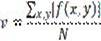
式中,(
x,
y)表示当前帧的反光区域坐标,
N表示当前帧运动矢量总数;
. 统计相邻两图像流中的运动矢量速度变化幅值分布,根据如下公式计算不同速度区间分布概率:

式中,
m表示
v被划分的区间数,
H(
i)和
P(
i)分别表示落入某速度区间内的运动矢量个数和概率;
. 利用信息熵对池塘循环水养殖池水面反光区域变化特征分布概率的无规律程度
[0023]进行衡量,从而实现鱼群摄食行为不规律程度的分析,公式为:

. 根据如下公式计算
E
K
:

式中,
L是光照修正系数。
进一步的,所述的进行
E
J
的计算具体步骤如下:
a. 鱼群摄食活动引起的池塘循环水养殖池水体波动,造成机械式红外传感辅助杆在机械式红外传感辅助关节内的不规律转动;
b. 安装在控制箱内部的红外传感器将该不规律转动转化为单脉冲信号,记:

式中,
S(
i)表示四个红外传感器中第
i个的感应状态,
t表示以秒为单位的时间区间,
s
j
表示在t时间段每秒内某单个红外传感器单脉冲发生数,
M表示红外传感器感应阈值;
c. 根据如下公式计算
E
J
:

式中,
F表示水体波动修正系数。
本发明与现有智能投饲系统相比具有的优点和有益效果是:
本发明所设计的融合机器视觉与红外检测技术的反馈式池塘循环水智能投饲系统,操作简便,智能化水平高,能够有效地实现池塘循环水智能化投喂;池塘循环水养殖模式是露天环境,由于自然环境变化,如光照,气候等,所引起的能见度低造成基于机器视觉提供的鱼群摄食行为反馈信号不稳定,或低温环境所引起的摄食强度不高造成基于红外传感器提供的鱼群摄食行为反馈信号不强,本发明方法融合两种决策方式能更好的解决池塘循环水养殖模式下的智能化投喂决策问题。
图1是本发明的一种实例的整体结构示意图;
图2是本发明的一种实例的控制器结构示意图;
图3是本发明的一种实例的机械式红外传感辅助器结构半剖示意图;
图4是本发明的一种实例的投饲机结构示意图;
图中:1.机架 2.控制器 3.投饲机 4.控制箱 5.控制箱盖 6.电源 7.树莓派3B+型开发板 8.7寸HDMI电容触摸屏9.夜视鱼眼广角摄像头 10.夜视摄像头红外补光灯 11. 红外传感器 12. 机械式红外传感辅助器 13.机械式红外传感辅助关节 14.红外传感反馈调节旋钮 15.机械式红外传感辅助杆 16.饲料储存仓 17.饲料储存仓盖 18.螺旋输送器 19.落料管 20.散料盘 21.电机。
在此处键入本发明的最佳实施方式描述段落。
下面结合附图,详细说明一下本发明的具体实施方式。 以下具体实施方式用于说明本发明,但不用来限制本发明的范围。
本发明为解决现有池塘循环水养殖模式下投饲中存在的问题,提供了一种融合机器视觉与红外检测技术的反馈式池塘循环水智能投饲系统,该系统具有节约人力饲料成本,准确性好,智能化程度高的特点,有效实现池塘循环水福利化养殖。
本发明采用的技术方案如下:
本发明从两方面来判断鱼群摄食行为强度
E,一方面根据池塘循环水养殖池水面反光区域的变化特征判断鱼群摄食行为强度,本发明中由基于水面反光区域的鱼群摄食行为强度
E
K
来表征;另一方面根据池塘循环水养殖池水体波动的强度来判断鱼群摄食行为强度,本发明中由基于水体波动强度的鱼群摄食行为强度
E
J
来表征;融合这两方面的因素影响最终的智能投喂决策,当自然条件所引起的水面反光区域不明显,则投喂决策的生成以红外传感反馈方案为主;当低温环境所引起的水体波动强度较低,则投喂决策的生成以机器视觉反馈方案为主。
下面通过具体实例来详述该过程:
如图1所示,一种融合机器视觉与红外检测技术的反馈式池塘循环水智能投饲系统,包括机架1、控制器2和投饲机3。
所述机架1安装于池塘循环水养殖池进水口的池岸处,为安装于其上的控制器2和投饲机3提供稳定的工作环境。
如图2所示,所述控制器2,包括控制箱4、控制箱盖5、电源6、树莓派3B+型开发板7、7寸HDMI电容触摸屏8、夜视鱼眼广角摄像头9、夜视摄像头红外补光灯10、红外传感器11和机械式红外传感辅助器12。所述控制箱4顶部可插入控制箱盖5,为电源6、树莓派3B+型开发板7、7寸HDMI电容触摸屏8、夜视鱼眼广角摄像头9、夜视摄像头红外补光灯10、红外传感器11和机械式红外传感辅助器12提供干燥、清洁的工作环境;所述电源6安置在控制箱4内部,为树莓派3B+型开发板7、7寸HDMI电容触摸屏8、夜视鱼眼广角摄像头9、夜视摄像头红外补光灯10和红外传感器11提供电能;所述树莓派3B+型开发板7安置在控制箱4内部,连接7寸HDMI电容触摸屏8、夜视鱼眼广角摄像头9和红外传感器11,是融合机器视觉与红外检测技术的反馈式池塘循环水智能投饲系统实现的核心电子设备;所述7寸HDMI电容触摸屏8安装在控制箱4主视面上,显示融合机器视觉与红外检测技术的反馈式池塘循环水智能投饲系统界面,并能够在系统上进行操作,其界面通过web方式编写,在局域网内各类智能设备(手机、平板与电脑等)均可以通过输入树莓派IP地址实现远程控制,方便用户操作与读数;所述夜视鱼眼广角摄像头9安装在控制箱4底部,与夜视摄像头红外补光灯10连接,为树莓派3B+型开发板7提供鱼群摄食行为的图像流,树莓派3B+型开发板7根据图像流反映的池塘循环水养殖池水面反光区域的变化特征,进行
E
K
的计算,进而协同基于红外传感反馈投饲策略控制投饲机3中螺旋输送器18的工作状态,实现融合机器视觉与红外检测技术的反馈式池塘循环水智能投饲;所述夜视摄像头红外补光灯10,分别在夜视鱼眼广角摄像头9两侧连接,为采集的鱼苗图像流提供稳定背景。
如图3所示,所述红外传感器11安装在控制箱2内部的红外传感器支架上,共有4个,且相邻红外传感器11成90°夹角,配合和机械式红外传感辅助器12,向树莓派3B+型开发板7提供单脉冲信号,树莓派3B+型开发板7根据单脉冲信号反映的池塘循环水养殖池水体波动强度,进行
E
J
的计算,进而协同基于机器视觉反馈投饲策略控制投饲机3中螺旋输送器18的工作状态,实现融合机器视觉与红外检测技术的反馈式池塘循环水智能投饲;所述机械式红外传感辅助器12,包括机械式红外传感辅助关节13、红外传感反馈调节旋钮14和机械式红外传感辅助杆15;所述机械式红外传感辅助关节13安装在控制箱4内部的横梁上,由上、下部子关节组成,下部子关节上开孔,机械式红外传感辅助杆15从上至下插入该开孔内,上端位于机械式红外传感辅助关节内部,在上部子关节上安装有红外传感反馈调节旋钮14,反馈调节旋钮端部与机械式红外传感辅助杆上端相抵,旨在通过张紧作用控制因鱼群摄食行为引发的机械式红外传感辅助杆15摆动幅度以调节红外传感反馈。
如图4所示,所述投饲机3,包括饲料储存仓16、饲料储存仓盖17、螺旋输送器18、落料管19、散料盘20和电机21。所述饲料储存仓16中的饲料能够通过螺旋输送器18在电机21的带动下流动至落料管19中,经散料盘20将饲料均匀地抛撒至池塘循环水养殖池中;所述电机21与树莓派3B+型开发板7连接,由树莓派3B+型开发7板融合机器视觉与红外传感两种决策方式所提出的智能化投喂决策方案实现控制。
本发明根据池塘循环水养殖池水面反光区域的变化特征进行鱼群摄食行为强度的判断,其关键在于
E
K
的计算。具体步骤如下:
. 夜视鱼眼广角摄像头9将鱼群摄食实时图像流传输至树莓派3B+型开发板7,图像流是RGB空间;
. 树莓派3B+型开发板7将图像流转换至HSV空间;
. 根据如下公式提取图像流的池塘循环水养殖池水面反光区域:

式中,
I
s
(
x,
y)和
I
v
(
x,
y)分别表示图像在(
x,
y)处的饱和度和亮度,
T
s
和
T
v
分别表示饱和度阈值和亮度阈值,
f(
x,
y)表示经二值化处理之后像素点(
x,
y)的取值;
. 利用Lucas-Kanade光流算法对图像流中鱼群摄食行为的特征信息进行提取,根据如下公式计算相邻两图像流中的运动矢量速度变化幅值:
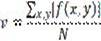
式中,(
x,
y)表示当前帧的反光区域坐标,
N表示当前帧运动矢量总数;
. 统计相邻两图像流中的运动矢量速度变化幅值分布,根据如下公式计算不同速度区间分布概率:

式中,
m表示
v被划分的区间数,
H(
i)和
P(
i)分别表示落入某速度区间内的运动矢量个数和概率;
. 利用信息熵对池塘循环水养殖池水面反光区域变化特征分布概率的无规律程度进行衡量,从而实现鱼群摄食行为不规律程度的分析,公式为:
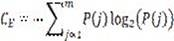
. 根据如下公式计算
E
K
:

式中,
L是光照修正系数;
本发明根据池塘循环水养殖池水体波动强度进行鱼群摄食行为强度的判断,其关键在于
E
J
的计算。具体步骤如下:
. 鱼群摄食活动引起的池塘循环水养殖池水体波动,造成机械式红外传感辅助杆15在机械式红外传感辅助关节13内的不规律转动;
. 安装在在控制箱4内部红外传感器支架上红外传感器11(共有4个,且相邻红外传感器11成90°夹角),将该不规律转动转化为单脉冲信号,记:

式中,
S(
i)表示四个红外传感器11的感应状态,
t表示以秒为单位的时间区间,
s
j
表示在t时间段每秒内某单个红外传感器单脉冲发生数,
M表示红外传感器11感应阈值;
. 根据如下公式计算
E
J
:

式中,
F表示水体波动修正系数;
本发明所设计的融合机器视觉与红外检测技术的反馈式池塘循环水智能投饲系统其实现原理是根据鱼群摄食行为通过协同利用机器视觉技术与红外传感技术为投饲系统的提供投喂决策,关键在于
E的计算。根据获得的
E
K
和
E
J
计算鱼群摄食行为强度
E:

式中,
 表示投喂决策协同系数,其值可根据具体应用情况或经验值进行设定,总体原则为:当自然条件所引起的水面反光区域不明显,则投喂决策的生成以红外传感反馈方案为主;当低温环境所引起的水体波动强度较低,则投喂决策的生成以机器视觉反馈方案为主;当
E值大于预先设定的投喂决策阈值
G,则本发明所设计的融合机器视觉与红外检测技术的反馈式池塘循环水智能投饲系统开始投喂。
上述仅为本发明的具体实施方式,在不脱离本发明的构思和范围的情况下做出的各种变化和变型、所有等同的技术方案也属于本发明的范畴。
Claims (1)
- 一种融合机器视觉与红外检测技术的反馈式池塘循环水智能投饲系统,其特征在于,包括机架、控制器和投饲机;所述机架安装于池塘循环水养殖池进水口的池岸处,控制器和投饲机均安装于机架上并位于水面上方;所述控制器包括控制箱、开发板、夜视鱼眼广角摄像头、夜视摄像头红外补光灯、红外传感器和机械式红外传感辅助器;所述开发板安置在控制箱内部,连接夜视鱼眼广角摄像头和红外传感器,所述夜视鱼眼广角摄像头安装在控制箱底部,与夜视摄像头红外补光灯连接,为开发板提供鱼群摄食行为的图像流,开发板根据图像流反映的池塘循环水养殖池水面反光区域的变化特征,进行基于水面反光区域的鱼群摄食行为强度 E K 的计算;所述夜视摄像头红外补光灯设置在夜视鱼眼广角摄像头两侧,所述红外传感器安装在控制箱内部,共有4个,且相邻红外传感器成90°夹角,配合机械式红外传感辅助器,向开发板提供单脉冲信号,开发板根据单脉冲信号反映的池塘循环水养殖池水体波动强度,进行基于水体波动强度的鱼群摄食行为强度 E J 的计算;所述投饲机包括饲料储存仓、螺旋输送器、落料管、散料盘和电机;所述饲料储存仓中的饲料能够通过螺旋输送器在电机的带动下流动至落料管中,经散料盘将饲料均匀地抛撒至池塘循环水养殖池中;所述电机与开发板连接,开发板中根据获得的 E K 和 E J 计算鱼群摄食行为强度 E:
 式中,表示投喂决策协同系数;当 E值大于预先设定的投喂决策阈值 G,则开发板控制电机转动开始投喂。
 2.根据权利要求1所述的融合机器视觉与红外检测技术的反馈式池塘循环水智能投饲系统,其特征在于,所述的机械式红外传感辅助器包括机械式红外传感辅助关节、红外传感反馈调节旋钮和机械式红外传感辅助杆;所述机械式红外传感辅助关节由上、下部子关节组成,下部子关节上开孔,机械式红外传感辅助杆从上至下插入该开孔内,上端位于机械式红外传感辅助关节内部,在上部子关节上安装有红外传感反馈调节旋钮,反馈调节旋钮端部与机械式红外传感辅助杆上端相抵,通过张紧作用控制因鱼群摄食行为引发的机械式红外传感辅助杆摆动幅度以调节红外传感反馈。3. 根据权利要求1所述的融合机器视觉与红外检测技术的反馈式池塘循环水智能投饲系统,其特征在于,进行 E K 的计算具体步骤如下:夜视鱼眼广角摄像头将鱼群摄食实时图像流传输至开发板,图像流是RGB空间;开发板将图像流转换至HSV空间;根据如下公式提取图像流的池塘循环水养殖池水面反光区域:
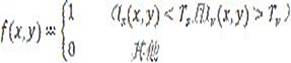 式中, I s ( x, y)和 I v ( x, y)分别表示图像在( x, y)处的饱和度和亮度, T s 和 T v 分别表示饱和度阈值和亮度阈值, f( x, y)表示经二值化处理之后像素点( x, y)的取值;利用Lucas-Kanade光流算法对图像流中鱼群摄食行为的特征信息进行提取,根据如下公式计算相邻两图像流中的运动矢量速度变化幅值:
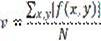 式中,( x, y)表示当前帧的反光区域坐标, N表示当前帧运动矢量总数;统计相邻两图像流中的运动矢量速度变化幅值分布,根据如下公式计算不同速度区间分布概率:
 式中, m表示 v被划分的区间数, H( i)和 P( i)分别表示落入某速度区间内的运动矢量个数和概率;利用信息熵对池塘循环水养殖池水面反光区域变化特征分布概率的无规律程度进行衡量,从而实现鱼群摄食行为不规律程度的分析,公式为:
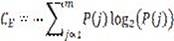 根据如下公式计算 E K :
 式中, L是光照修正系数。4. 根据权利要求1所述的融合机器视觉与红外检测技术的反馈式池塘循环水智能投饲系统,其特征在于,进行 E J 的计算具体步骤如下:鱼群摄食活动引起的池塘循环水养殖池水体波动,造成机械式红外传感辅助杆在机械式红外传感辅助关节内的不规律转动;安装在控制箱内部的红外传感器将该不规律转动转化为单脉冲信号,记:
 式中, S( i)表示四个红外传感器中第 i个的感应状态, t表示以秒为单位的时间区间, s j 表示在t时间段每秒内某单个红外传感器单脉冲发生数, M表示红外传感器感应阈值;根据如下公式计算 E J :
 式中, F表示水体波动修正系数。
Priority Applications (1)
| Application Number | Priority Date | Filing Date | Title |
|---|---|---|---|
| US16/996,807 US11369092B2 (en) | 2019-04-11 | 2020-08-18 | Feedback feeding system for pond recirculation with fusion of machine vision and infrared detection |
Applications Claiming Priority (2)
| Application Number | Priority Date | Filing Date | Title |
|---|---|---|---|
| CN201910290977.4 | 2019-04-11 | ||
| CN201910290977.4A CN110074030B (zh) | 2019-04-11 | 2019-04-11 | 一种融合机器视觉与红外检测技术的反馈式池塘循环水智能投饲系统 |
Related Child Applications (1)
| Application Number | Title | Priority Date | Filing Date |
|---|---|---|---|
| US16/996,807 Continuation US11369092B2 (en) | 2019-04-11 | 2020-08-18 | Feedback feeding system for pond recirculation with fusion of machine vision and infrared detection |
Publications (1)
| Publication Number | Publication Date |
|---|---|
| WO2020207092A1 true WO2020207092A1 (zh) | 2020-10-15 |
Family
ID=67414940
Family Applications (1)
| Application Number | Title | Priority Date | Filing Date |
|---|---|---|---|
| PCT/CN2020/072012 Ceased WO2020207092A1 (zh) | 2019-04-11 | 2020-01-14 | 一种融合机器视觉与红外检测技术的反馈式池塘循环水智能投饲系统 |
Country Status (3)
| Country | Link |
|---|---|
| US (1) | US11369092B2 (zh) |
| CN (1) | CN110074030B (zh) |
| WO (1) | WO2020207092A1 (zh) |
Cited By (5)
| Publication number | Priority date | Publication date | Assignee | Title |
|---|---|---|---|---|
| CN114128661A (zh) * | 2021-11-17 | 2022-03-04 | 江苏大学 | 一种基于河蟹生长模型的池塘河蟹精准投饵方法 |
| CN114557309A (zh) * | 2022-03-15 | 2022-05-31 | 宜宾职业技术学院 | 一种水产养殖用智能投饵装置与投饵方法 |
| CN117975572A (zh) * | 2024-03-29 | 2024-05-03 | 山东省淡水渔业研究院(山东省淡水渔业监测中心) | 一种基于机器视觉的鱼类行为检测方法 |
| CN118077628A (zh) * | 2024-02-28 | 2024-05-28 | 华中农业大学 | 一种鱼苗饵料智能投喂装置及投喂方法 |
| CN119032888A (zh) * | 2024-09-10 | 2024-11-29 | 华中农业大学 | 电容式鱼苗分离计数器及计数方法 |
Families Citing this family (18)
| Publication number | Priority date | Publication date | Assignee | Title |
|---|---|---|---|---|
| CN110074030B (zh) * | 2019-04-11 | 2020-11-20 | 浙江大学 | 一种融合机器视觉与红外检测技术的反馈式池塘循环水智能投饲系统 |
| CN110583550B (zh) * | 2019-09-20 | 2021-11-09 | 重庆工商大学 | 基于目标检测与跟踪的鱼虾参养殖精准投喂系统及装置 |
| CN110765930A (zh) * | 2019-10-22 | 2020-02-07 | 北京海益同展信息科技有限公司 | 水产养殖巡检系统、巡检方法和控制器 |
| CN110612937B (zh) * | 2019-11-05 | 2021-06-29 | 王素芹 | 一种鱼食投喂清洁设备 |
| CN111096254B (zh) * | 2020-01-03 | 2020-11-24 | 浙江大学 | 一种水产品品质提升暂养方法及系统 |
| CN111903571A (zh) * | 2020-09-10 | 2020-11-10 | 宁波大学科学技术学院 | 一种基于水体流场特征的鱼类养殖投喂方法 |
| CN112883861B (zh) * | 2021-02-07 | 2022-06-14 | 同济大学 | 一种基于鱼群摄食状态细粒度分类的反馈式投饵控制方法 |
| JP2024512320A (ja) | 2021-03-07 | 2024-03-19 | リールデータ,インコーポレイテッド | 陸上養魚場でaiをベースにした給餌を行うためのシステムおよび方法 |
| CN113383730B (zh) * | 2021-06-11 | 2022-07-26 | 华中农业大学 | 一种基于水流扰动的鱼群摄食活跃度智能检测方法 |
| CN113447952B (zh) * | 2021-07-16 | 2022-05-17 | 武汉大学 | 一种基于摄食行为的鱼群饥饿探测方法及系统 |
| CN113749030B (zh) * | 2021-09-09 | 2022-07-15 | 浙江大学 | 一种适用于循环水养殖模式的鱼类福利化自适应投饲系统 |
| CN114323117B (zh) * | 2021-11-17 | 2024-02-09 | 玉林师范学院 | 一种鱼类摄食强度评估方法 |
| CN116616238B (zh) * | 2023-04-10 | 2024-04-26 | 浙江大学 | 一种基于视觉的对虾自适应投喂方法 |
| CN116740767B (zh) * | 2023-08-09 | 2023-10-24 | 佛山市南海区杰大饲料有限公司 | 一种基于机器视觉的鱼饲料投放方法 |
| CN118648569A (zh) * | 2023-10-13 | 2024-09-17 | 天津理工大学 | 基于虾群分布驱动的饲养平台 |
| CN118010573B (zh) * | 2024-01-30 | 2024-12-20 | 重庆科技大学 | 一种基于机器视觉的磁流变液沉降监测方法 |
| CN118052377A (zh) * | 2024-04-16 | 2024-05-17 | 中国环境监测总站 | 一种基于水生境自动反演的水生态综合评价方法和系统 |
| CN118830511B (zh) * | 2024-07-05 | 2026-07-24 | 中国水产科学研究院渔业机械仪器研究所 | 一种基于视波耦合技术的鱼类智能投饲设备及方法 |
Citations (7)
| Publication number | Priority date | Publication date | Assignee | Title |
|---|---|---|---|---|
| CN87203518U (zh) * | 1987-03-13 | 1988-02-03 | 马正宏 | 多功能鱼类家禽自动投饲机 |
| US6552679B2 (en) * | 2001-09-24 | 2003-04-22 | Northrop Grumman Corporation | Track grouper |
| CN104621021A (zh) * | 2015-03-05 | 2015-05-20 | 浙江大学 | 基于计算机视觉技术的鱼类摄食节律自动检测装置及方法 |
| CN104969897A (zh) * | 2014-04-09 | 2015-10-14 | 王亚方 | 使用mems加速度传感器的养殖鱼类摄食信息探测器 |
| CN106614243A (zh) * | 2016-09-13 | 2017-05-10 | 浙江大学 | 一种用于池塘循环流水养殖的高效集污和智能投饲系统 |
| CN107372267A (zh) * | 2017-08-11 | 2017-11-24 | 浙江大学 | 一种基于游泳型鱼类行为特征反馈的智能投饲系统 |
| CN110074030A (zh) * | 2019-04-11 | 2019-08-02 | 浙江大学 | 一种融合机器视觉与红外检测技术的反馈式池塘循环水智能投饲系统 |
Family Cites Families (4)
| Publication number | Priority date | Publication date | Assignee | Title |
|---|---|---|---|---|
| KR100968527B1 (ko) * | 2009-12-14 | 2010-07-08 | 엔엔티시스템즈(주) | 해상 고정형 원격자동 사료급이시스템 |
| CN110057838B (zh) * | 2013-02-06 | 2022-05-10 | 加拿大北大西洋海鲜渔业公司 | 用于确定甲壳动物物理属性的成像 |
| CN104872042B (zh) * | 2015-06-24 | 2017-09-01 | 广东省农业科学院畜牧研究所 | 利用红外触发式鱼类自主采食系统及采食方法 |
| CN109509175B (zh) * | 2018-10-15 | 2020-09-04 | 浙江大学 | 一种基于机器视觉和深度学习的鱼苗便携式计数器及计数方法 |
-
2019
- 2019-04-11 CN CN201910290977.4A patent/CN110074030B/zh active Active
-
2020
- 2020-01-14 WO PCT/CN2020/072012 patent/WO2020207092A1/zh not_active Ceased
- 2020-08-18 US US16/996,807 patent/US11369092B2/en not_active Expired - Fee Related
Patent Citations (7)
| Publication number | Priority date | Publication date | Assignee | Title |
|---|---|---|---|---|
| CN87203518U (zh) * | 1987-03-13 | 1988-02-03 | 马正宏 | 多功能鱼类家禽自动投饲机 |
| US6552679B2 (en) * | 2001-09-24 | 2003-04-22 | Northrop Grumman Corporation | Track grouper |
| CN104969897A (zh) * | 2014-04-09 | 2015-10-14 | 王亚方 | 使用mems加速度传感器的养殖鱼类摄食信息探测器 |
| CN104621021A (zh) * | 2015-03-05 | 2015-05-20 | 浙江大学 | 基于计算机视觉技术的鱼类摄食节律自动检测装置及方法 |
| CN106614243A (zh) * | 2016-09-13 | 2017-05-10 | 浙江大学 | 一种用于池塘循环流水养殖的高效集污和智能投饲系统 |
| CN107372267A (zh) * | 2017-08-11 | 2017-11-24 | 浙江大学 | 一种基于游泳型鱼类行为特征反馈的智能投饲系统 |
| CN110074030A (zh) * | 2019-04-11 | 2019-08-02 | 浙江大学 | 一种融合机器视觉与红外检测技术的反馈式池塘循环水智能投饲系统 |
Cited By (6)
| Publication number | Priority date | Publication date | Assignee | Title |
|---|---|---|---|---|
| CN114128661A (zh) * | 2021-11-17 | 2022-03-04 | 江苏大学 | 一种基于河蟹生长模型的池塘河蟹精准投饵方法 |
| CN114557309A (zh) * | 2022-03-15 | 2022-05-31 | 宜宾职业技术学院 | 一种水产养殖用智能投饵装置与投饵方法 |
| CN118077628A (zh) * | 2024-02-28 | 2024-05-28 | 华中农业大学 | 一种鱼苗饵料智能投喂装置及投喂方法 |
| CN117975572A (zh) * | 2024-03-29 | 2024-05-03 | 山东省淡水渔业研究院(山东省淡水渔业监测中心) | 一种基于机器视觉的鱼类行为检测方法 |
| CN117975572B (zh) * | 2024-03-29 | 2024-06-04 | 山东省淡水渔业研究院(山东省淡水渔业监测中心) | 一种基于机器视觉的鱼类行为检测方法 |
| CN119032888A (zh) * | 2024-09-10 | 2024-11-29 | 华中农业大学 | 电容式鱼苗分离计数器及计数方法 |
Also Published As
| Publication number | Publication date |
|---|---|
| US20200375155A1 (en) | 2020-12-03 |
| CN110074030A (zh) | 2019-08-02 |
| US11369092B2 (en) | 2022-06-28 |
| CN110074030B (zh) | 2020-11-20 |
Similar Documents
| Publication | Publication Date | Title |
|---|---|---|
| US11369092B2 (en) | Feedback feeding system for pond recirculation with fusion of machine vision and infrared detection | |
| CN108450382B (zh) | 一种基于深度学习的智能投饲系统 | |
| CN112400773B (zh) | 一种基于机器视觉技术的温室鱼苗智能投饲装置及方法 | |
| CN201846435U (zh) | 一种用于人工鱼礁诱集试验的自动监测与连续拍摄装置 | |
| CN114467824B (zh) | 智能投饵船 | |
| CN113951196A (zh) | 一种基于机器视觉与环境动态耦合的智能投喂方法及装置 | |
| CN107372267A (zh) | 一种基于游泳型鱼类行为特征反馈的智能投饲系统 | |
| CN204045001U (zh) | 一种基于物联网的水下环境远程监控系统 | |
| CN202068839U (zh) | 智能化养鸡场管理系统 | |
| CN203606673U (zh) | 水产养殖监控系统 | |
| CN103761565B (zh) | 基于计算机视觉的水下鱼虾蟹苗数量估计与行为监测装置及方法 | |
| CN203492583U (zh) | 一种预防南美白对虾养殖水体富营养化的视频监控装置 | |
| CN109583663B (zh) | 一种适用于养殖池塘的夜间水质溶氧量预测方法 | |
| TW202209965A (zh) | 智慧水產投餵管理系統及投餵方法 | |
| CN113749030B (zh) | 一种适用于循环水养殖模式的鱼类福利化自适应投饲系统 | |
| CN107372281B (zh) | 一种鱼类实验生物学观测装置及使用方法 | |
| CN103558822B (zh) | 水产养殖监控系统 | |
| TWI806239B (zh) | 自動觀察網與其實施方法 | |
| CN115568434A (zh) | 基于生物量估算方法的鱼类智能投饲方法及装置 | |
| CN106614243B (zh) | 一种用于池塘循环流水养殖的高效集污和智能投饲系统 | |
| CN107969366A (zh) | 一种适用于渔业养殖的太阳能投饵系统 | |
| CN206390027U (zh) | 一种智能自动化型流水养殖池 | |
| CN111625036A (zh) | 一种无人值守实时监控的水质自动监测系统 | |
| CN113516635B (zh) | 鱼菜共生系统及基于鱼类行为的蔬菜氮元素需求估算方法 | |
| CN109451279A (zh) | 一种基于arm9的温室大棚移动智能监控系统 |
Legal Events
| Date | Code | Title | Description |
|---|---|---|---|
| 121 | Ep: the epo has been informed by wipo that ep was designated in this application |
Ref document number: 20788356 Country of ref document: EP Kind code of ref document: A1 |
|
| NENP | Non-entry into the national phase |
Ref country code: DE |
|
| 122 | Ep: pct application non-entry in european phase |
Ref document number: 20788356 Country of ref document: EP Kind code of ref document: A1 |