WO2020189376A1 - 音声出力方法、音声出力システム及びプログラム - Google Patents
音声出力方法、音声出力システム及びプログラム Download PDFInfo
- Publication number
- WO2020189376A1 WO2020189376A1 PCT/JP2020/010032 JP2020010032W WO2020189376A1 WO 2020189376 A1 WO2020189376 A1 WO 2020189376A1 JP 2020010032 W JP2020010032 W JP 2020010032W WO 2020189376 A1 WO2020189376 A1 WO 2020189376A1
- Authority
- WO
- WIPO (PCT)
- Prior art keywords
- voice
- content
- label
- data
- character string
- Prior art date
- Legal status (The legal status is an assumption and is not a legal conclusion. Google has not performed a legal analysis and makes no representation as to the accuracy of the status listed.)
- Ceased
Links
Images






Classifications
-
- G—PHYSICS
- G10—MUSICAL INSTRUMENTS; ACOUSTICS
- G10L—SPEECH ANALYSIS TECHNIQUES OR SPEECH SYNTHESIS; SPEECH RECOGNITION; SPEECH OR VOICE PROCESSING TECHNIQUES; SPEECH OR AUDIO CODING OR DECODING
- G10L13/00—Speech synthesis; Text to speech systems
- G10L13/08—Text analysis or generation of parameters for speech synthesis out of text, e.g. grapheme to phoneme translation, prosody generation or stress or intonation determination
-
- G—PHYSICS
- G10—MUSICAL INSTRUMENTS; ACOUSTICS
- G10L—SPEECH ANALYSIS TECHNIQUES OR SPEECH SYNTHESIS; SPEECH RECOGNITION; SPEECH OR VOICE PROCESSING TECHNIQUES; SPEECH OR AUDIO CODING OR DECODING
- G10L13/00—Speech synthesis; Text to speech systems
- G10L13/02—Methods for producing synthetic speech; Speech synthesisers
- G10L13/033—Voice editing, e.g. manipulating the voice of the synthesiser
-
- G—PHYSICS
- G10—MUSICAL INSTRUMENTS; ACOUSTICS
- G10L—SPEECH ANALYSIS TECHNIQUES OR SPEECH SYNTHESIS; SPEECH RECOGNITION; SPEECH OR VOICE PROCESSING TECHNIQUES; SPEECH OR AUDIO CODING OR DECODING
- G10L13/00—Speech synthesis; Text to speech systems
- G10L13/02—Methods for producing synthetic speech; Speech synthesisers
- G10L13/04—Details of speech synthesis systems, e.g. synthesiser structure or memory management
Definitions
- the present invention relates to an audio output method, an audio output system and a program.
- Speech synthesis has been used, for example, for information transmission to visually impaired people and information transmission in situations where the display cannot be sufficiently viewed (for example, information transmission by a car navigation system while driving a car).
- the performance of synthetic speech has improved so that it cannot be distinguished from human voice by just listening to it, and speech synthesis is becoming widespread in combination with the spread of smartphones and smart speakers.
- Speech synthesis is typically used to convert text into synthetic speech.
- speech synthesis is also often referred to as text-to-speech (TTS).
- TTS text-to-speech
- Effective methods of using text-to-speech synthesis include reading out electronic books and reading out Web pages using smartphones and the like.
- smartphones that reads out the text of a novel site such as Aozora Bunko by synthetic voice is known (Non-Patent Document 1).
- voice synthesis By using voice synthesis, not only visually impaired people but also ordinary people can read out e-books and Web pages with synthetic voice even in situations where it is difficult to operate smartphones, for example, in a crowded train or while driving. You will be able to listen. In addition to this, for example, when it is troublesome to actively read characters, information can be passively obtained by reading aloud with synthetic voice.
- Non-Patent Document 2 In order to help the readers of the novel understand, research is being conducted to estimate the speaker of the utterance in the novel (Non-Patent Document 2).
- the voice of the synthetic voice (hereinafter, also referred to as "voice") is preset by the user on the OS (Operating System) or application installed in the smartphone, for example. It is fixed to the voice. Therefore, for example, the text may be read aloud with a voice different from the voice that the user imagined.
- the voice is based on the identification result. It is thought that the text should be read aloud while switching. However, it is not easy to identify the subject of the substring in the text (for example, the attribute of the speaker in the case of a conversational sentence). Further, even if it can be identified, there is currently no application that changes and outputs the voice of voice synthesis according to the identification result.
- the present invention has been made in view of the above points, and an object of the present invention is to output audio according to the attribute information given to the content.
- the embodiment of the present invention is a voice output method executed by a voice output system including a first terminal, a server, and a second terminal, wherein the first terminal is used.
- a first label assignment procedure for assigning label data representing the attributes of the speaker when the character string is read out by synthetic voice to the character string included in the content, and transmitting the label data to the server.
- the transmission procedure is executed, and the server executes a storage procedure of storing the label data transmitted from the first terminal in the database in association with the content identification information that identifies the content
- the second The terminal has an acquisition procedure for acquiring label data corresponding to the content identification information of the content from the server, a second label assignment procedure for assigning the acquired label data to each character string included in the content, and Using the label data attached to each character string included in the content, a specific procedure for specifying the voice data of the synthetic voice used for reading the character string from a plurality of voice data, and the above-mentioned It is characterized by executing a voice output procedure in which each character string included in the content is read aloud by synthetic voice using the specified voice data and output as voice.
- a voice output system that outputs a synthetic voice while assigning a label to a sub-character string in the content by a human computation technique and then switching voices according to the label assigned to the sub-character string. 1 will be described.
- the voice output system 1 it is possible to output each sub-character string in the content as a voice with a voice close to the imaged voice.
- the label is the identification information (for example, speaker's name, etc.) and attributes (for example, age, gender, etc.) of the speaker who reads out the sub-character string in the content when the sub-character string is read out by voice synthesis. ) Is the information.
- the content is electronic data represented by text (that is, a character string), and examples thereof include a Web page and an electronic book.
- the content is, for example, a sentence on a Web page (for example, a novel published on the Web page).
- human computation technology is a technology that uses human processing power to solve problems that are generally difficult for computers to solve.
- labeling of substrings in content is realized by human computation technology (that is, labeling of substrings is a UI (user interface) such as a labeling screen described later. It is done manually using.)
- the present invention is not limited to this.
- the embodiment of the present invention can be similarly applied even when the entire character string in one content is read aloud by one voice (however, in this case, with the sub-character string in the content). Means the entire string.).
- FIG. 1 is an example of the content to be read aloud.
- FIG. 1 as an example of the content, a part of Natsume Soseki's novel "Kokoro" is taken out.
- Content such as novels includes documents described from a first-person perspective, sentences described from a third-person perspective, sentences representing utterances of a certain character, and the like.
- sentences other than utterance sentences that is, sentences in parentheses
- sentences other than utterance sentences are read aloud with a voice different from the voice used for the utterance of the characters from the third person perspective.
- the character is read aloud with the same voice as the character (“I” in the example shown in FIG. 1).
- a voice 2 representing the character "teacher” and a third voice It is preferable to assign the corresponding voice to each sub-character string in the content and read it out by using the voice 3 representing the narration for reading the sentence from the viewpoint of the person.
- a novel was given as an example of content, but it goes without saying that it is not limited.
- the content may be an editorial, a dissertation, a manga, or the like, or a Web page such as a news site, in addition to a novel such as an electronic book.
- the voice can be assigned as shown in FIG. 3 if a label (that is, an XML format tag) as shown in FIG. 3 is attached to each substring in the content on the Web page, the voice can be assigned as shown in FIG. It is thought that If such a label is given, the application program that reads aloud by synthetic speech can read out according to the attribute values of the age (age) and gender (gender) of the sentence (substring) enclosed in the tag. This is because it is possible to select and read the voice closest to the age and gender. In addition, it is possible to manage whether or not the utterances of the same character are utterances by id (identification information), and the utterances to which the same id is assigned can be read out consistently with the same voice.
- id identification information
- a third party for example, a content user, etc.
- a third party who gives a label (this third party is also referred to as a "labeler") identifies a speaker who reads out the substring in the content. Labels are given by setting information, gender, and age. This makes it possible to read out each sub-character string in the content with a voice corresponding to the label attached to this sub-character string. The specific method of attaching the label will be described later.
- FIG. 4 is a diagram showing an example of the overall configuration of the audio output system 1 according to the embodiment of the present invention.
- the audio output system 1 includes one or more labeling terminals 10, one or more audio output terminals 20, a label management server 30, and a Web server 40. Is done. Each of these terminals and each server is communicably connected via a communication network N such as the Internet.
- the labeling terminal 10 is a computer used for assigning labels to substrings in content.
- a PC personal computer
- smartphone a tablet terminal, or the like can be used.
- the labeling terminal 10 is equipped with a Web browser 110 and an add-on 120 for the Web browser 110.
- the add-on 120 is a program that provides an extended function for the Web browser 110. Add-ons are sometimes referred to as add-ins.
- the labeling terminal 10 can display the content by the Web browser 110. Further, the labeling terminal 10 can add a label to a partial character string in the content displayed on the Web browser 110 by the add-on 120. At this time, the labeling terminal 10 displays a labeling screen for assigning a label to a sub-character string in the content by the add-on 120. The labeler is. On this labeling screen, it is possible to add a label to a substring in the content. The labeling screen will be described later.
- the labeling terminal 10 transmits the data representing the label given to the sub-character string (hereinafter, also referred to as “label data”) to the label management server 30 by the add-on 120.
- the voice output terminal 20 is a computer used by a user who wants to read out the content by voice synthesis.
- the audio output terminal 20 for example, a PC, a smartphone, a tablet terminal, or the like can be used.
- game devices digital home appliances, in-vehicle devices such as car navigation terminals, wearable devices, smart speakers, and the like may be used.
- the voice output terminal 20 has a voice output application 210 and a voice data storage unit 220.
- the voice output terminal 20 acquires the label data of the label attached to the sub-character string in the content from the label management server 30 by the voice output application 210. Then, the voice output terminal 20 uses the voice data stored in the voice data storage unit 220 to output the voice read out by the voice corresponding to the label given to each sub-character string in the content.
- the label management server 30 is a computer that manages label data.
- the label management server 30 has a label management program 310 and a label management DB 320.
- the label management server 30 stores the label data transmitted from the labeling terminal 10 in the label management DB 320 by the label management program 310. Further, the label management server 30 transmits the label data stored in the label management DB 320 to the voice output terminal 20 in response to a request from the voice output terminal 20 by the label management program 310.
- the Web server 40 is a computer that manages contents.
- the Web server 40 manages the content created by the content creator.
- the Web server 40 transmits the content related to this request to the labeling terminal 10 or the voice output terminal 20.
- the configuration of the audio output system 1 shown in FIG. 1 is an example, and may be another configuration.
- the labeling terminal 10 and the voice output terminal 20 do not have to be different terminals (that is, one terminal may have the function of the labeling terminal 10 and the function of the voice output terminal 20). ..
- FIG. 5 is a diagram showing an example of the labeling screen 1000.
- the labeling screen 1000 shown in FIG. 5 is displayed by the Web browser 110 and / or the add-on 120 mounted on the labeling terminal 10.
- the labeling screen 1000 includes a content display field 1100 and a labeling window 1200.
- the content display field 1100 is a display area in which the content and the labeling result are displayed.
- the labeling window 1200 is a dialog window for assigning a label to a sub-character string in the content displayed in the content display field 1100.
- each speaker in the list represents a label
- the name corresponds to the identification information
- the gender and age correspond to the attributes.
- the labeling window 1200 includes an ADD button, a DEL button, a SAVE button, and a LOAD button. If the labeler presses the ADD button, one speaker will be added to the list. Also, when the DEL button is pressed, the speaker selected by the radio button is deleted from the list. When the SAVE button is pressed, the label data of the label given to the substring in the content is transmitted to the label management server 30. On the other hand, when the LOAD button is pressed, the label data managed by the label management server 30 is acquired, and the current labeling status of the content is displayed.
- the labeler selects a desired speaker from the labeling window 1200 with a radio button, and then selects the desired substring. Select with a mouse or the like. As a result, the selected substring is given a label indicating the selected speaker and its attributes (age and gender). At this time, the substring to which the label is attached is marked with the speaker-specific color represented by the assigned label or is unique to the speaker so that it can be known which speaker and the label representing the attribute are assigned.
- the labeling status is visualized by displaying in the display mode of.
- the speaker "old man” and its attributes are given to the substring ""
- a label indicating the speaker “Meros” and its attributes is given to the substring "" Why kill? "”. Has been done.
- the speaker with the name "default” represents a label given to a substring other than the substring explicitly labeled by the labeler.
- a label representing the speaker with the name "default” is given to the substrings that are not given the labels for the name "old man”, the name “Meros", and the name “King”. There is.
- the labeler can give a label to each sub-character string in the content on the labeling screen 1000.
- the voice output application 210 of the voice output terminal 20 can read out the sub-character string and output the voice with a voice corresponding to the label attached to the sub-character string (in other words). For example, by assigning a label to the substring, the voice corresponding to the label is assigned to the substring.
- FIG. 6 is a diagram showing an example of the functional configuration of the audio output system 1 according to the embodiment of the present invention.
- the labeling terminal 10 has a window output unit 121, a content analysis unit 122, a label operation management unit 123, and a label data transmission / reception unit 124 as functional units. .. Each of these functional units is realized by a process that the add-on 120 causes a processor or the like to execute.
- the window output unit 121 displays the above-mentioned labeling window on the Web browser 110.
- the content analysis unit 122 analyzes the structure of the content (for example, a Web page) displayed by the Web browser 110.
- the structure of the content for example, DOM (Document Object Model) and the like can be mentioned.
- the label operation management unit 123 manages operations related to labeling substrings in the content. For example, the label operation management unit 123 accepts an operation of selecting a speaker from a list in a labeling window with a radio button, an operation of selecting a substring in a content with a mouse, and the like.
- the label operation management unit 123 acquires, for example, an HTML (HyperTextMarkupLanguage) element to which the substring selected with the mouse belongs based on the analysis result by the content analysis unit 122, and visualizes the labeling status (processing ( That is, processing such as marking the HTML element with a label-specific color) is performed.
- HTML HyperTextMarkupLanguage
- the label data transmission / reception unit 124 transmits the label data of the label given to the sub-character string in the current content to the label management server 30 when the SAVE button is pressed in the labeling window. At this time, the label data transmission / reception unit 124 also transmits the URL (Uniform Resource Locator) of the labeled content to the label management server 30. At this time, the label data transmission / reception unit 124 may transmit the labeled labeler information (for example, the labeler user ID, etc.) to the label management server 30 as necessary.
- the labeled labeler information for example, the labeler user ID, etc.
- the label data transmission / reception unit 124 receives the label data managed by the label management server 30 when the LOAD button is pressed in the labeling window. Thereby, for example, when a certain content is labeled halfway and the label data is transmitted to the label management server 30, the labeler can perform the labeling from the continuation.
- the audio output terminal 20 has the content acquisition unit 211, the label data acquisition unit 212, the content analysis unit 213, the content output unit 214, and audio as functional units. It has a management unit 215 and an audio output unit 216. Each of these functional units is realized by a process that the audio output application 210 causes a processor or the like to execute.
- the voice output terminal 20 has a voice data storage unit 220 as a storage unit.
- the storage unit can be realized by using, for example, a storage device included in the voice output terminal 20 or the like.
- the content acquisition unit 211 acquires content (for example, a Web page in which sentences such as novels are published) from the Web server 40.
- the label data acquisition unit 212 acquires label data corresponding to the content URL (that is, content identification information) acquired by the content acquisition unit 211 from the label management server 30.
- the label data acquisition unit 212 can acquire label data as a response to the acquisition request by, for example, transmitting an acquisition request including the URL of the content to the label management server 30.
- the content analysis unit 213 analyzes the content acquired by the content acquisition unit 211, and identifies which label data is given to which subcharacter string of the text included in the content.
- the content output unit 214 displays the content acquired by the content acquisition unit 211. However, the content output unit 214 does not necessarily have to display the content. When the content is not displayed, the audio output terminal 20 does not have to have the content output unit 214.
- the voice management unit 215 specifies which voice data stored in the voice data storage unit 220 is used to read out each sub-character string in the content based on the analysis result by the content analysis unit 213. That is, the voice management unit 215 searches for the voice data having the closest attribute from the voice data stored in the voice data storage unit 220 by using the attribute represented by the label given to each sub-character string. , The searched voice data is specified as voice data that reads out the substring. As a result, a voice is assigned to each substring in the content.
- the voice output unit 216 reads out each sub-character string in the content by a synthetic voice using the corresponding voice data and outputs the voice. At this time, the voice output unit 216 uses the voice data specified by the voice management unit 215 to read out each sub-character string and output the voice.
- the user of the voice output terminal 20 starts (that is, plays), pauses, fast-forwards (or plays the next substring), rewinds (or plays the previous substring) the synthetic voice. It may be possible to perform operations such as playback). In this case, the voice output unit 216 controls the voice output by voice data in response to these operations.
- the voice data storage unit 220 stores voice data used for reading out a partial character string in the content.
- attributes for example, gender and age
- Any voice data can be used as these voice data, and for example, they are downloaded in advance from an arbitrary server or the like.
- the user of the voice output terminal 20 needs to associate the attribute with the voice data.
- the label management server 30 has, as functional units, a label data transmission / reception unit 311, a label data management unit 312, a DB management unit 313, and a label data provision unit 314. Have. Each of these functional units is realized by a process in which the label management program 310 causes a processor or the like to execute.
- the label management server 30 has a label management DB 320 as a storage unit.
- the storage unit can be realized by using, for example, a storage device included in the label management server 30, a storage device connected to the label management server 30 via a communication network N, or the like.
- the label data transmission / reception unit 311 receives the label data from the labeling terminal 10. Further, the label data transmission / reception unit 311 transmits the label data to the labeling terminal 10.
- the label data management unit 312 verifies the label data when the label data is received by the label data transmission / reception unit 311.
- the label data verification is, for example, verification of whether or not the label data format (data format) is correct.
- the DB management unit 313 stores the label data verified by the label data management unit 312 in the label management DB 320.
- the DB management unit 313 may update the old label data with the new label data.
- the old label data and the new label data may coexist.
- the label data may be treated as different label data when the labeler user IDs are different.
- the label data providing unit 314 acquires the corresponding label data (that is, the label data corresponding to the URL included in the acquisition request) from the label management DB 320 in response to the acquisition request from the voice output terminal 20, and acquires the label data. As a response to the request, the acquired label data is transmitted to the audio output terminal 20.
- Label data is stored in the label management DB 320.
- the label data is data representing a label given to a sub-character string in the content
- the label represents the identification information and the attribute of the speaker who reads out the sub-character string. Therefore, in the label data, at least the content, the information that can identify the relevant substring in the content, the identification information of the speaker who reads the substring, and the attribute of the speaker are associated with each other. Just do it.
- FIG. 7 shows a case where the data is stored in the label management DB 320 using and.
- FIG. 7 is a diagram showing an example of the configuration of label data stored in the label management DB 320.
- each speaker data includes "SPEAKER_ID”, “SEX”, and “AGE” as data items. , "NAME”, “COLOR”, and "URL” are included.
- the ID set in the data item "SPEAKER_ID” is used as the speaker identification information in consideration of the case where the same name is set in the data item "NAME".
- the speaker's name may be used as the identification information.
- each substring data includes "TEXT” and “POSITION” as data items.
- "SPEAKER_ID” and "URL” are included.
- a substring selected by the labeler is set in the data item "TEXT”.
- the number of occurrences of the substring from the beginning in the content is set.
- the speaker selected by the labeler (that is, the speaker selected in the labeling window) is set in the data item "SPEAKER_ID”.
- the URL of the content is set in the data item "URL”.
- the labeled part is also used by the number of occurrences from the beginning of the content. It is possible to search for a character string. Further, for example, even when the Web page (content) is updated, the label given before the update of the Web page can be used as long as the appearance position from the beginning of the substring does not change.
- the substrings in the content that are not stored in the substring table are the speaker data whose SPEAKER_ID is "0" (that is, "default” is set in the data item "NAME". It is read aloud by the voice of the speaker data).
- the label data is represented by a set of speaker data and a substring table, or only speaker data.
- the label data of the label given to the sub-character string representing the utterance sentence (that is, the sentence in parentheses) in the content or the sub-character string representing the sentence from the first-person viewpoint is the speaker data and the sub-character string data. It is represented by a set.
- the label data of the label given to the sub-character string representing the sentence of the third person viewpoint in the content is represented only by the speaker data in which "0" is set in the data item "SPEAKER_ID".
- the structure of the label data shown in FIG. 7 is an example, and may be another structure.
- a method of copying a source file of a Web page (content), embedding a label in the copied source file, and holding it in a DB is also conceivable.
- the Web page is updated, it may be difficult to associate the label with the substring before and after the update of the Web page, so the configuration shown in FIG. 7 above is preferable.
- FIG. 8 is a flowchart showing an example of the labeling process according to the embodiment of the present invention.
- the Web browser 110 and the window output unit 121 of the labeling terminal 10 display the labeling screen (step S101). That is, the labeling terminal 10 displays the labeling screen by acquiring the content by the Web browser 110 and displaying it on the screen, and displaying the labeling window on the screen by the window output unit 121.
- the content analysis unit 122 of the labeling terminal 10 analyzes the structure of the content displayed by the Web browser 110 (step S102).
- the label operation management unit 123 of the labeling terminal 10 accepts the labeling operation by the labeler (step S103).
- the labeling operation is an operation of selecting a speaker from a list in the labeling window with a radio button and then selecting a substring in the content with the mouse.
- a label is given to the sub-character string, and the labeling situation is visualized, for example, the sub-character string is marked with a speaker-specific color.
- the label data transmission / reception unit 124 of the labeling terminal 10 transmits, for example, the label data of the label given to the sub-character string in the current content to the label management server 30 when the SAVE button is pressed in the labeling window. (Step S104). As described above, at this time, the label data transmission / reception unit 124 also transmits the URL of the labeled content to the label management server 30.
- the labeler assigns a label to the substring in the content, and the label data of this label is transmitted to the label management server 30.
- FIG. 9 is a flowchart showing an example of label data storage processing according to the embodiment of the present invention.
- the label data transmission / reception unit 311 of the label management server 30 receives the label data from the labeling terminal 10 (step S201).
- the label data management unit 312 of the label management server 30 verifies the label data received in step S201 above (step S202).
- the DB management unit 313 of the label management server 30 saves the label data in the label management DB 320 (step S203).
- the label data of the label given to the sub-character string in the content by the labeler is saved in the label management server 30.
- FIG. 10 is a flowchart showing an example of audio output processing according to the embodiment of the present invention.
- the content acquisition unit 211 of the audio output terminal 20 acquires the content from the Web server 40 (step S301).
- the content output unit 214 of the audio output terminal 20 displays the content acquired in step S301 above (step S302).
- the label data acquisition unit 212 of the audio output terminal 20 acquires the label data corresponding to the URL of the content acquired in the above step S301 from the label management server 30 (step S303).
- the content analysis unit 213 of the audio output terminal 20 analyzes the content acquired in step S301 above (step S304). As described above, this analysis identifies which label data is attached to which substring of the text contained in the content.
- the voice management unit 215 of the voice output terminal 20 uses voice data for reading each sub-character string in the content as voice data based on the analysis result in step S304. It is specified from the storage unit 220 (step S305). That is, as described above, the voice management unit 215 uses the attributes represented by the labels assigned to each sub-character string, and the attributes are the closest among the voice data stored in the voice data storage unit 220. The voice data is searched, and the searched voice data is specified as voice data that reads out the substring. At this time, the same voice data is specified for the substrings to which the label data having the same speaker identification information (for example, SPEAKER_ID) is assigned. This assigns a consistent voice to each substring in the content.
- SPEAKER_ID speaker identification information
- the voice output unit 216 of the voice output terminal 20 reads out each sub-character string with the voice (synthesized voice using) assigned in step S305 above and outputs the voice (step S306).
- each sub-character string in the content is read aloud with a voice corresponding to the label attached to the sub-character string.
- FIG. 11 is a diagram showing an example of the hardware configuration of the computer 500.
- the computer 500 shown in FIG. 11 has, as hardware, an input device 501, a display device 502, an external I / F 503, a RAM (Random Access Memory) 504, a ROM (Read Only Memory) 505, a processor 506, and the like. It has a communication I / F 507 and an auxiliary storage device 508. Each of these hardware is connected so as to be able to communicate with each other via the bus B.
- the input device 501 is, for example, a keyboard, a mouse, a touch panel, or the like.
- the display device 502 is, for example, a display or the like.
- the label management server 30 and the Web server 40 do not have to have at least one of the input device 501 and the display device 502.
- the external I / F 503 is an interface with an external device.
- the external device includes a recording medium 503a and the like.
- the computer 500 can read or write the recording medium 503a via the external I / F 503.
- RAM 504 is a volatile semiconductor memory that temporarily holds programs and data.
- the ROM 505 is a non-volatile semiconductor memory capable of holding programs and data even when the power is turned off.
- the ROM 505 stores, for example, setting information related to the OS, setting information related to the communication network N, and the like.
- the processor 506 is, for example, a CPU (Central Processing Unit) or the like.
- the communication I / F 507 is an interface for connecting the computer 500 to the communication network N.
- the auxiliary storage device 508 is, for example, an HDD (Hard Disk Drive), an SSD (Solid State Drive), or the like, and is a non-volatile storage device that stores programs and data.
- the programs and data stored in the auxiliary storage device 508 include, for example, an OS, an application program that realizes various functions on the OS, and the like.
- the audio output terminal 20 includes hardware for outputting audio to the outside (for example, an I / F for connecting earphones or the like, a speaker, or the like). ).
- the labeling terminal 10, the voice output terminal 20, the label management server 30, and the Web server 40 in the embodiment of the present invention are realized by the computer 500 shown in FIG.
- the labeling terminal 10, the audio output terminal 20, the label management server 30, and the Web server 40 in the embodiment of the present invention may be realized by a plurality of computers 500.
- one computer 500 may include a plurality of processors 506 and a plurality of memories (RAM 504, ROM 505, auxiliary storage device 508, etc.).
- the voice output system 1 after assigning a label to the sub-character string in the content by the human computer technology, the voice is output according to the label assigned to the sub-character string. Synthetic voice can be output while switching. As a result, in the voice output system 1 according to the embodiment of the present invention, it is possible to output each sub-character string in the content as a voice with a voice close to the imaged voice.
- the labeler and the user of the voice output terminal 20 do not need to be the same person. That is, the user of the label data of the label given to the substring in the content is not limited to the labeler.
- the label data managed by the label management server 30 may be shareable among a plurality of labelers. At this time, for example, the label management server 30 or the like may provide the ranking of the labelers that have been labeled, the ranking of the label data that has been frequently used, and the like. This makes it possible to contribute to maintaining the motivation of the labeler for labeling.
- the same content may be divided into a plurality of Web pages and provided.
- voice assignments are consistent across web pages. That is, when a novel is divided into a plurality of Web pages, it is preferable that the utterances of the same person are read aloud with the same voice even if the Web pages are different. Therefore, in such a case, for example, it is conceivable that the URLs of a plurality of Web pages can be set in the data item "URL" of the speaker data shown in FIG. Further, at this time, on the voice output terminal 20, it is necessary to hold the voice data that reads out the sub-character string to which the label data having the same speaker identification information is attached, in association with the identification information. ..
- the case where the sub-character string is read out by the voice according to the attributes such as age and gender has been described, but in addition to these age and gender, the image of the utterance sentence in the content and the synthetic voice There are various attributes that create a gap with.
- the utterance of a person with a calm image in a novel may be played with a voice with a cheerful voice, or the utterance in a sad scene may be played with a voice with a happy voice.
- the character's child grows up to be an adult due to the development during the work, and conversely, in the recollection scene, the adult and the child inspect the scene.
- labels representing various attributes for example, the situation of the scene, the character of the character, etc.
- voice output is performed according to the label data. You may.
- the voice setting for example, speech rate (SpeechRate), pitch (Pitch), etc.
- the voice setting for example, speech rate (SpeechRate), pitch (Pitch), etc.
- Audio output system 10 Labeling terminal 20 Audio output terminal 30 Label management server 40 Web server 110 Web browser 120 Add-on 121 Window output unit 122 Content analysis unit 123 Label operation management unit 124 Label data transmission / reception unit 210 Audio output application 211 Content acquisition unit 212 Label data acquisition unit 213 Content analysis unit 214 Content output unit 215 Voice management unit 216 Voice output unit 220 Voice data storage unit 310 Label management program 311 Label data transmission / reception unit 312 Label data management unit 313 DB management unit 314 Label data provision unit 320 Label Management DB
Landscapes
- Engineering & Computer Science (AREA)
- Computational Linguistics (AREA)
- Health & Medical Sciences (AREA)
- Audiology, Speech & Language Pathology (AREA)
- Human Computer Interaction (AREA)
- Physics & Mathematics (AREA)
- Acoustics & Sound (AREA)
- Multimedia (AREA)
- Information Transfer Between Computers (AREA)
- User Interface Of Digital Computer (AREA)
Abstract
第1の端末と、サーバと、第2の端末とが含まれる音声出力システムが実行する音声出力方法であって、前記第1の端末は、コンテンツに含まれる文字列に対して、該文字列を合成音声で読み上げる場合における話者の属性を表すラベルデータを付与する第1のラベル付与手順と、前記ラベルデータを前記サーバに送信する送信手順と、を実行し、前記サーバは、前記第1の端末から送信されたラベルデータを、前記コンテンツを識別するコンテンツ識別情報と対応付けてデータベースに保存する保存手順を実行し、前記第2の端末は、前記コンテンツのコンテンツ識別情報に対応するラベルデータを前記サーバから取得する取得手順と、取得したラベルデータを、前記コンテンツに含まれる各文字列に付与する第2のラベル付与手順と、前記コンテンツに含まれる各文字列にそれぞれ付与されているラベルデータを用いて、複数の音声データの中から、前記文字列の読み上げに用いられる合成音声の音声データをそれぞれ特定する特定手順と、前記コンテンツに含まれる各文字列のそれぞれを、特定された音声データを用いた合成音声により読み上げて音声出力する音声出力手順と、を実行する、ことを特徴とする。
Description
本発明は、音声出力方法、音声出力システム及びプログラムに関する。
音声合成(speech synthesis)と呼ばれる技術が従来から知られている。音声合成は、例えば、視覚障がい者への情報伝達や、ディスプレイを十分に見ることができない状況下での情報伝達(例えば、車の運転中におけるカーナビによる情報伝達)等に利用されてきた。近年では、少し聞いただけでは人間の声と区別がつかないほど合成音声の性能が向上しており、スマートフォンやスマートスピーカ等の普及とも相まって音声合成が広く普及しつつある。
音声合成は、典型的にはテキストを合成音声に変換することに用いられる。この場合、音声合成は、しばしばテキスト音声合成(TTS:Text-to-speech)とも呼ばれる。テキスト音声合成の有効な利用方法として、スマートフォン等を用いた電子書籍の読み上げやWebページの読み上げ等がある。例えば、青空文庫等の小説サイトのテキストを合成音声で読み上げるスマートフォン用アプリケーションが知られている(非特許文献1)。
音声合成を利用することで、視覚障がい者だけでなく一般の人も、例えば、混雑した電車の中や運転中等のスマートフォンが操作困難な状況下でも電子書籍やWebページを合成音声で読み上げさせて聞くこと等ができるようになる。また、これ以外にも、例えば、能動的に文字を読むのが面倒だと感じた場合等に、合成音声で読み上げさせることで、受動的に情報を得ることができるようになる。
他方で、小説の読者の理解を助けるために、小説中の発話文の発話者を推定する研究が行われている(非特許文献2)。
"青空司書", [online], <URL: https://sites.google.com/site/aozorashisho/>
He, et.al, "Identification of Speakers in Novels", Proceedings of the 51st Annual Meeting of the Association for Computational Linguistics, pages 1312-1320.
ところで、音声合成を利用してテキストを読み上げる場合、合成音声の声(以下、「ボイス」とも表す。)は、例えば、スマートフォンに搭載されているOS(Operating System)やアプリケーション上でユーザが予め設定したボイスに固定される。このため、例えば、ユーザがイメージしていた声とは異なる声でテキストが読み上げられてしまう場合がある。
例えば、年配の男性のような声質のボイスが設定された状態で、音声合成により小説を読み上げた場合、若い女性がイメージされる登場人物の発話文も、年配の男性のような声質のボイスで読み上げられてしまう。
これに対して、例えば、読み上げ対象のコンテンツ(電子書籍やWebページ等)中の部分文字列をどのような年齢や性別のボイスで読み上げればよいかを識別し、この識別結果に応じてボイスを切り替えながらテキストを読み上げればよいと考えられる。しかしながら、テキスト中の部分文字列の主体(例えば、会話文であれば発話者の属性等)を識別することは容易ではない。また、仮に識別できたとしても、その識別結果に応じて音声合成のボイスを変更して出力するようなアプリケーションは現状では存在しない。
本発明は、上記の点に鑑みてなされたもので、コンテンツに付与された属性情報に応じた音声を出力することを目的とする。
上記目的を達成するため、本発明の実施の形態では、第1の端末と、サーバと、第2の端末とが含まれる音声出力システムが実行する音声出力方法であって、前記第1の端末は、コンテンツに含まれる文字列に対して、該文字列を合成音声で読み上げる場合における話者の属性を表すラベルデータを付与する第1のラベル付与手順と、前記ラベルデータを前記サーバに送信する送信手順と、を実行し、前記サーバは、前記第1の端末から送信されたラベルデータを、前記コンテンツを識別するコンテンツ識別情報と対応付けてデータベースに保存する保存手順を実行し、前記第2の端末は、前記コンテンツのコンテンツ識別情報に対応するラベルデータを前記サーバから取得する取得手順と、取得したラベルデータを、前記コンテンツに含まれる各文字列に付与する第2のラベル付与手順と、前記コンテンツに含まれる各文字列にそれぞれ付与されているラベルデータを用いて、複数の音声データの中から、前記文字列の読み上げに用いられる合成音声の音声データをそれぞれ特定する特定手順と、前記コンテンツに含まれる各文字列のそれぞれを、特定された音声データを用いた合成音声により読み上げて音声出力する音声出力手順と、を実行する、ことを特徴とする。
コンテンツに付与された属性情報に応じた音声を出力することができる。
以下、本発明の実施の形態について説明する。本発明の実施の形態では、ヒューマンコンピュテーション技術によりコンテンツ中の部分文字列にラベルを付与した上で、部分文字列に付与されたラベルに応じてボイスを切り替えながら合成音声を出力する音声出力システム1について説明する。これにより、本発明の実施の形態における音声出力システム1では、イメージした声に近いボイスで、コンテンツ中の各部分文字列を音声出力することが可能となる。
ここで、ラベルとは、コンテンツ中の部分文字列を音声合成により読み上げる際に、当該部分文字列を読み上げる話者の識別情報(例えば、話者の名前等)や属性(例えば、年齢や性別等)を表す情報のことである。また、コンテンツとは、テキスト(つまり、文字列)で表現される電子データのことであり、例えば、Webページや電子書籍等が挙げられる。本発明の実施の形態では、コンテンツは、一例として、Webページ上の文章(例えばWebページ上で公開されている小説等)であるものとする。
更に、ヒューマンコンピュテーション技術とは、一般に、コンピュータにとって解くことが困難な課題を、人間の処理能力を利用して解決する技術のことである。本発明の実施の形態では、コンテンツ中の部分文字列に対するラベルの付与をヒューマンコンピュテーション技術により実現する(つまり、部分文字列に対するラベルの付与は、後述するラベリング画面等のUI(ユーザインタフェース)を用いて人手で行われる。)。
なお、本発明の実施の形態では、異なるボイスで読み上げられる複数の部分文字列がコンテンツ中に存在することを想定しているが、これに限られない。本発明の実施の形態は、例えば、1つのコンテンツ中の全文字列が1つのボイスで読み上げられる場合であっても同様に適用することができる(ただし、この場合、コンテンツ中の部分文字列とは全文字列を意味する。)。
<コンテンツとボイスの割り当て>
まず、音声合成による読み上げ対象のコンテンツ中の部分文字列に対するボイスの割り当てについて説明する。
まず、音声合成による読み上げ対象のコンテンツ中の部分文字列に対するボイスの割り当てについて説明する。
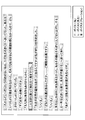
図1は、読み上げ対象のコンテンツの一例である。図1では、コンテンツの一例として、夏目漱石の小説「こころ」の一部を取り出したものを表している。小説等のコンテンツには、一人称視点で記載されている文書や三人称視点で記載されている文章、或る登場人物の発話を表す文章等が存在する。
例えば、図1に示す例では、『これからどこへ行くという目的のない私は、ただ先生の歩く方へ歩いて行った。先生はいつもより口数を利かなかった。それでも私はさほどの窮屈を感じなかったので、ぶらぶらいっしょに歩いて行った。』との文章は一人称視点で記載されている文章であり、『「すぐお宅へお帰りですか」』との文章は登場人物「私」の発話を表す文章である。同様に、『「ええ別に寄る所もありませんから」』との文章は登場人物「先生」の発話を表す文章であり、『二人はまた黙って南の方へ坂を下りた。』との文章は三人称視点で記載されている文章である。また、『「先生のお宅の墓地はあすこにあるんですか」と私がまた口を利き出した。』との文章は、括弧(「」)内の文章が登場人物「私」の発話を表す文章、それ以降の文章が一人称視点で記載されている文章である。
図1に示すコンテンツを音声合成で読み上げる場合、登場人物「私」の発話文を読み上げるボイスと、登場人物「先生」の発話文を読み上げるボイスとは異なるボイスで、かつ、それぞれが常に同じボイスで読み上げられることが好ましいと考えられる。
また、発話文(つまり、括弧内の文章)以外の文章では、三人称視点であれば登場人物の発話に用いられているボイスとは異なるボイスで読み上げられることが好ましいと考えられる。一方で、一人称視点であれば該当の登場人物(図1に示す例では「私」)と同一のボイスで読み上げられることが好ましいと考えられる。
以上により、図1に示すコンテンツを音声合成で読み上げる場合には、例えば、図2に示すように、登場人物「私」を表すボイス1と、登場人物「先生」を表すボイス2と、第三者視点の文章を読み上げるためのナレーションを表すボイス3とを用いて、コンテンツ中の各部分文字列に対して該当のボイスを割り当てて読み上げることが好ましい。
つまり、例えば小説等のコンテンツでは、一般に、同一登場人物の発話文は同一ボイスを割り当てた上で一貫してそのボイスで読み上げることが好ましく、地の文章(発話文でない文章)は三人称視点や一人称視点等に応じたボイスを割り当てた上で一貫してそのボイスで読み上げることが好ましい。
なお、図1に示す例では、コンテンツの一例として小説を挙げたが、限られないことはいうまでもない。コンテンツは、電子書籍等の小説以外にも、論説や論文、漫画等でもよいし、例えばニュースサイト等のWebページであってもよい。
特に、例えば、ニュースサイトのWebページでは、ユーザによっては男性キャスター風に読み上げて欲しい人もいれば女性キャスター風に読み上げて欲しい人もいると思われる。また、例えば、ニュースサイトの記事中に登場する政治家のコメント等は、その政治家の性別や年齢に応じたボイスで読み上げて欲しいこともある。更に、論文等も、地の文は第一著者の性別や年齢に応じたボイスで読み上げ、引用箇所等では別のボイスで読み上げると、論文内容の利用が進む可能性がある。本発明の実施の形態では、これらの場合についても適用可能である。
<部分文字列に対するラベルの付与>
上記の読み上げを実現するために、コンテンツ中の部分文字列にラベルを付与する方法について説明する。
上記の読み上げを実現するために、コンテンツ中の部分文字列にラベルを付与する方法について説明する。
例えば、Webページ上のコンテンツ中の各部分文字列に対して、図3に示すようなラベル(つまり、XML形式のタグ)が付与されていれば、図2に示すようなボイスの割り当てが可能となると考えられる。このようなラベルが付与されていれば、合成音声により読み上げを行うアプリケーションプログラムは、タグで囲まれた文章(部分文字列)の年齢(age)及び性別(gender)の属性値に応じて、その年齢及び性別に最も近いボイスを選択して読み上げることが可能となるためである。また、同一登場人物の発話であるか否かをid(識別情報)で管理し、同一idが割り振られた発話は同一ボイスで一貫して読み上げることが可能となる。
なお、図3に示す例では、SSML(Speech Synthesis Markup Language)に類似するラベルを用いたが、例えば、以下の参考文献1に記載されているように、発話文への発話者情報付与に関する既存ラベルを用いることも考えられる。
[参考文献1]
宮嵜由美, 柏野和佳子, 山崎誠, "発話文への発話者情報付与の基本設計 : 『現代日本語書き言葉均衡コーパス』収録の小説を対象に", 言語資源活用ワークショップ発表論文集, 2017.
宮嵜由美, 柏野和佳子, 山崎誠, "発話文への発話者情報付与の基本設計 : 『現代日本語書き言葉均衡コーパス』収録の小説を対象に", 言語資源活用ワークショップ発表論文集, 2017.
しかしながら、上記のように、ラベルをコンテンツに埋め込む場合には、コンテンツに対する更新権限を持っている者(例えば、コンテンツの作成者等)しか、ラベルの付与や更新をすることができない。例えば、Webページ上に小説等のコンテンツを作成及び公開しているコンテンツ作成者がラベルを付与したり、更新したりするのはコンテンツ作成者にとっては負担が大きいと考えられる。また、Webページのコンテンツを複数のボイスで読み上げてもらいたいという強いモチベーションがコンテンツ作成者に存在するとも限らない。
そこで、本発明の実施の形態では、ヒューマンコンピュテーション技術を用いて、コンテンツ作成者とは異なる第三者(例えば、コンテンツの利用者等)がWebページ上のコンテンツにラベルを付与するものとする。本発明の実施の形態では、ラベルを付与する第三者(この第三者を「ラベラー」とも表す。)が、コンテンツ中の部分文字列に対して、この部分文字列を読み上げる話者の識別情報と、性別と、年齢とを設定することで、ラベルを付与する。これにより、コンテンツ中の各部分文字列を、この部分文字列に付与されているラベルに応じたボイスで読み上げることを可能とする。なお、ラベルを付与の具体的な方法については後述する。
<音声出力システム1の全体構成>
次に、本発明の実施の形態における音声出力システム1の全体構成について、図4を参照しながら説明する。図4は、本発明の実施の形態における音声出力システム1の全体構成の一例を示す図である。
次に、本発明の実施の形態における音声出力システム1の全体構成について、図4を参照しながら説明する。図4は、本発明の実施の形態における音声出力システム1の全体構成の一例を示す図である。
図4に示すように、本発明の実施の形態における音声出力システム1には、1以上のラベリング端末10と、1以上の音声出力端末20と、ラベル管理サーバ30と、Webサーバ40とが含まれる。これらの各端末及び各サーバは、例えばインターネット等の通信ネットワークNを介して通信可能に接続される。
ラベリング端末10は、コンテンツ中の部分文字列に対するラベル付与に用いられるコンピュータである。ラベリング端末10としては、例えば、PC(パーソナルコンピュータ)、スマートフォン、タブレット端末等が利用可能である。
ラベリング端末10には、Webブラウザ110と、このWebブラウザ110に対するアドオン120とが搭載されている。なお、アドオン120とは、Webブラウザ110に対する拡張機能を提供するプログラムのことである。アドオンはアドインと称されることもある。
ラベリング端末10は、Webブラウザ110によりコンテンツを表示させることができる。また、ラベリング端末10は、アドオン120により、Webブラウザ110上に表示されたコンテンツ中の部分文字列に対してラベルを付与することができる。このとき、ラベリング端末10には、アドオン120により、コンテンツ中の部分文字列に対してラベルを付与するためのラベリング画面が表示される。ラベラーは。このラベリング画面上で、コンテンツ中の部分文字列に対するラベルを付与することができる。なお、ラベリング画面については後述する。
そして、ラベリング端末10は、アドオン120により、当該部分文字列に付与されたラベルを表すデータ(以降、「ラベルデータ」とも表す。)をラベル管理サーバ30に送信する。
音声出力端末20は、音声合成によりコンテンツを読み上げさせたいユーザが利用するコンピュータである。音声出力端末20としては、例えば、PC、スマートフォン、タブレット端末等が利用可能である。これら以外にも、例えば、ゲーム機器、デジタル家電、カーナビゲーション端末等の車載機、ウェアラブルデバイス、スマートスピーカ等が用いられてもよい。
音声出力端末20は、音声出力アプリケーション210と、ボイスデータ記憶部220とを有する。音声出力端末20は、音声出力アプリケーション210により、コンテンツ中の部分文字列に付与されているラベルのラベルデータをラベル管理サーバ30から取得する。そして、音声出力端末20は、ボイスデータ記憶部220に記憶されているボイスデータを用いて、コンテンツ中の各部分文字列に付与されているラベルに応じたボイスで読み上げた音声を出力する。
ラベル管理サーバ30は、ラベルデータを管理するコンピュータである。ラベル管理サーバ30は、ラベル管理プログラム310と、ラベル管理DB320とを有する。ラベル管理サーバ30は、ラベル管理プログラム310により、ラベリング端末10から送信されたラベルデータをラベル管理DB320に格納する。また、ラベル管理サーバ30は、ラベル管理プログラム310により、音声出力端末20からの要求に応じて、ラベル管理DB320に格納されているラベルデータを当該音声出力端末20に送信する。
Webサーバ40は、コンテンツを管理するコンピュータである。Webサーバ40は、コンテンツ作成者により作成されたコンテンツを管理している。Webサーバ40は、ラベリング端末10や音声出力端末20からの要求に応じて、この要求に係るコンテンツをラベリング端末10や音声出力端末20に送信する。
なお、図1に示す音声出力システム1の構成は一例であって、他の構成であってもよい。例えば、ラベリング端末10と音声出力端末20とが異なる端末でなくてもよい(つまり、1台の端末が、ラベリング端末10の機能と音声出力端末20の機能とを有していてもよい。)。
<ラベリング画面>
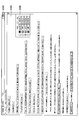
ここで、ラベリング端末10上に表示されるラベリング画面1000を図5に示す。図5は、ラベリング画面1000の一例を示す図である。図5に示すラベリング画面1000は、ラベリング端末10に搭載されているWebブラウザ110若しくはアドオン120(又はその両方)により表示される。
ここで、ラベリング端末10上に表示されるラベリング画面1000を図5に示す。図5は、ラベリング画面1000の一例を示す図である。図5に示すラベリング画面1000は、ラベリング端末10に搭載されているWebブラウザ110若しくはアドオン120(又はその両方)により表示される。
ラベリング画面1000には、コンテンツ表示欄1100と、ラベリングウインドウ1200とが含まれる。コンテンツ表示欄1100は、コンテンツ及びラベリング結果が表示される表示領域である。ラベリングウインドウ1200は、コンテンツ表示欄1100に表示されているコンテンツ中の部分文字列に対するラベル付与を行うためのダイアログウインドウである。
ラベリングウインドウ1200には、名前(NAME)と性別(SEX)と年齢(AGE)とが設定された話者がラジオボタンで選択可能なリストとして表示される。ここで、リスト中の各話者はラベルを表し、名前が識別情報、性別及び年齢が属性に相当する。
図5に示す例では、名前「default」、性別「F」及び年齢「20」の話者と、名前「老爺」、性別「M」及び年齢「70」の話者と、名前「メロス」、性別「M」及び年齢「23」の話者と、名前「王様」、性別「M」及び年齢「43」の話者とがリストとして表示されている。
また、ラベリングウインドウ1200には、ADDボタン、DELボタン、SAVEボタン及びLOADボタンが含まれる。ラベラーによりADDボタンが押下された場合、リストに話者が1人追加される。また、DELボタンが押下された場合、ラジオボタンで選択されている話者がリストから削除される。SAVEボタンが押下された場合、コンテンツ中の部分文字列に付与されたラベルのラベルデータがラベル管理サーバ30に送信される。一方で、LOADボタンが押下された場合は、ラベル管理サーバ30で管理されているラベルデータが取得され、当該コンテンツの現在のラベリング状況が表示される。
コンテンツ表示欄1100に表示されているコンテンツ中の部分文字列に対してラベルを付与する場合、ラベラーは、ラベリングウインドウ1200から所望の話者をラジオボタンで選択した上で、所望の部分文字列をマウス等で選択する。これにより、選択された部分文字列に対して、選択された話者及びその属性(年齢及び性別)を表すラベルが付与される。このとき、ラベルが付与された部分文字列は、どの話者及びその属性を表すラベルが付与されたかがわかるように、付与されたラベルが表す話者固有の色でマーキングされたり、当該話者固有の表示態様で表示されたりして、ラベリング状況が可視化される。
図5に示す例では、コンテンツ表示欄1100に表示されているコンテンツ中の部分文字列『「王様は、人を殺します。」』に対して、話者「老爺」及びその属性(性別「M」、年齢「70」)を表すラベルが付与されている。同様に、図5に示す例では、部分文字列『「なぜ殺すのだ。」』に対して、話者「メロス」及びその属性(性別「M」、年齢「23」)を表すラベルが付与されている。
なお、名前「default」の話者は、ラベラーにより明示的にラベルが付与された部分文字列以外の部分文字列に付与されるラベルを表す。図5に示す例では、名前「老爺」、名前「メロス」及び名前「王様」を表すラベルが付与されていない部分文字列に対して、名前「default」の話者を表すラベルが付与されている。
以上のように、ラベラーは、ラベリング画面1000上で、コンテンツ中の各部分文字列に対してラベルを付与することができる。これにより、後述するように、音声出力端末20の音声出力アプリケーション210では、部分文字列に付与されているラベルに応じたボイスで、当該部分文字列を読み上げて音声出力をすることができる(言い換えれば、部分文字列に対してラベルが付与されることで、当該部分文字列にはラベルに応じたボイスが割り当てられることになる。)。
<音声出力システム1の機能構成>
次に、本発明の実施の形態における音声出力システム1の機能構成について、図6を参照しながら説明する。図6は、本発明の実施の形態における音声出力システム1の機能構成の一例を示す図である。
次に、本発明の実施の形態における音声出力システム1の機能構成について、図6を参照しながら説明する。図6は、本発明の実施の形態における音声出力システム1の機能構成の一例を示す図である。
≪ラベリング端末10≫
図6に示すように、本発明の実施の形態におけるラベリング端末10は、機能部として、ウインドウ出力部121と、コンテンツ解析部122と、ラベル操作管理部123と、ラベルデータ送受信部124とを有する。これら各機能部は、アドオン120がプロセッサ等に実行させる処理により実現される。
図6に示すように、本発明の実施の形態におけるラベリング端末10は、機能部として、ウインドウ出力部121と、コンテンツ解析部122と、ラベル操作管理部123と、ラベルデータ送受信部124とを有する。これら各機能部は、アドオン120がプロセッサ等に実行させる処理により実現される。
ウインドウ出力部121は、Webブラウザ110上に、上述したラベリングウインドウを表示する。
コンテンツ解析部122は、Webブラウザ110により表示されているコンテンツ(例えばWebページ等)の構造を解析する。ここで、コンテンツの構造としては、例えば、DOM(Document Object Model)等が挙げられる。
ラベル操作管理部123は、コンテンツ中の部分文字列に対するラベル付与に関する操作を管理する。例えば、ラベル操作管理部123は、ラベリングウインドウ中のリストから話者をラジオボタンで選択する操作やコンテンツ中の部分文字列をマウスで選択する操作等を受け付ける。
また、ラベル操作管理部123は、コンテンツ解析部122による解析結果に基づいて、例えば、マウスで選択された部分文字列が属するHTML(HyperText Markup Language)エレメントを取得し、ラベリング状況を可視化する処理(つまり、当該HTMLエレメントをラベル固有の色でマーキングする等の処理)を行う。
ラベルデータ送受信部124は、ラベリングウインドウでSAVEボタンが押下された場合に、現在のコンテンツ中の部分文字列に付与されたラベルのラベルデータをラベル管理サーバ30に送信する。このとき、ラベルデータ送受信部124は、ラベリングしたコンテンツのURL(Uniform Resource Locator)もラベル管理サーバ30に送信する。なお、このとき、ラベルデータ送受信部124は、必要に応じて、ラベリングを行ったラベラーの情報(例えば、ラベラーのユーザID等)をラベル管理サーバ30に送信してもよい。
また、ラベルデータ送受信部124は、ラベリングウインドウでLOADボタンが押下された場合に、ラベル管理サーバ30で管理されているラベルデータを受信する。これにより、ラベラーは、例えば、或るコンテンツを途中までラベリングしてラベルデータをラベル管理サーバ30に送信した場合に、その続きからラベリングを行うことが可能となる。
≪音声出力端末20≫
図6に示すように、本発明の実施の形態における音声出力端末20は、機能部として、コンテンツ取得部211と、ラベルデータ取得部212と、コンテンツ解析部213と、コンテンツ出力部214と、音声管理部215と、音声出力部216とを有する。これら各機能部は、音声出力アプリケーション210がプロセッサ等に実行させる処理により実現される。
図6に示すように、本発明の実施の形態における音声出力端末20は、機能部として、コンテンツ取得部211と、ラベルデータ取得部212と、コンテンツ解析部213と、コンテンツ出力部214と、音声管理部215と、音声出力部216とを有する。これら各機能部は、音声出力アプリケーション210がプロセッサ等に実行させる処理により実現される。
また、本発明の実施の形態における音声出力端末20は、記憶部として、ボイスデータ記憶部220を有する。当該記憶部は、例えば、音声出力端末20が備える記憶装置等を用いて実現可能である。
コンテンツ取得部211は、Webサーバ40からコンテンツ(例えば、小説等の文章が公開されたWebページ)を取得する。
ラベルデータ取得部212は、コンテンツ取得部211により取得されたコンテンツのURL(つまり、コンテンツの識別情報)に対応するラベルデータをラベル管理サーバ30から取得する。ラベルデータ取得部212は、例えば、当該コンテンツのURLを含む取得要求をラベル管理サーバ30に送信することで、この取得要求の応答としてラベルデータを取得することができる。
コンテンツ解析部213は、コンテンツ取得部211により取得されたコンテンツを解析して、当該コンテンツに含まれるテキストのどの部分文字列に対してどのラベルデータが付与されているかを特定する。
コンテンツ出力部214は、コンテンツ取得部211により取得されたコンテンツを表示する。ただし、コンテンツ出力部214は、必ずしもコンテンツを表示する必要はない。コンテンツを表示しない場合には、音声出力端末20は、コンテンツ出力部214を有していなくてもよい。
音声管理部215は、コンテンツ解析部213による解析結果に基づいて、コンテンツ中の各部分文字列を、ボイスデータ記憶部220に記憶されているどのボイスデータで読み上げるかを特定する。すなわち、音声管理部215は、各部分文字列にそれぞれ付与されているラベルが表す属性を用いて、ボイスデータ記憶部220に記憶されているボイスデータの中から属性が最も近いボイスデータを検索し、検索されたボイスデータを、当該部分文字列を読み上げるボイスデータとして特定する。これにより、コンテンツ中の各部分文字列に対してボイスが割り当てられる。
音声出力部216は、コンテンツ中の各部分文字列を該当のボイスデータを用いた合成音声により読み上げて音声を出力する。このとき、音声出力部216は、音声管理部215で特定されたボイスデータを用いて、各部分文字列を読み上げて音声を出力する。なお、音声出力端末20のユーザは、合成音声の出力開始(つまり、再生)、一時停止、早送り(又は、次の部分文字列を再生)、巻き戻し(又は、1つ前の部分文字列を再生)等の操作を行うことができてもよい。この場合、音声出力部216は、これらの操作に応じて、ボイスデータによる音声出力を制御する。
ボイスデータ記憶部220は、コンテンツ中の部分文字列の読み上げに用いられるボイスデータを記憶する。ここで、ボイスデータ記憶部220では、各ボイスデータに対して属性(例えば、性別及び年齢)が対応付けて記憶されている。なお、これらのボイスデータは任意のボイスデータを利用可能であり、例えば、任意のサーバ等から予めダウンロードされる。ただし、ダウンロードされたボイスデータに対して属性が対応付けされていない場合には、音声出力端末20のユーザは、当該ボイスデータに対して属性を対応付ける必要がある。
≪ラベル管理サーバ30≫
図6に示すように、本発明の実施の形態におけるラベル管理サーバ30は、機能部として、ラベルデータ送受信部311と、ラベルデータ管理部312と、DB管理部313と、ラベルデータ提供部314とを有する。これら各機能部は、ラベル管理プログラム310がプロセッサ等に実行させる処理により実現される。
図6に示すように、本発明の実施の形態におけるラベル管理サーバ30は、機能部として、ラベルデータ送受信部311と、ラベルデータ管理部312と、DB管理部313と、ラベルデータ提供部314とを有する。これら各機能部は、ラベル管理プログラム310がプロセッサ等に実行させる処理により実現される。
また、本発明の実施の形態におけるラベル管理サーバ30は、記憶部として、ラベル管理DB320を有する。当該記憶部は、例えば、ラベル管理サーバ30が備える記憶装置、又はラベル管理サーバ30と通信ネットワークNを介して接続される記憶装置等を用いて実現可能である。
ラベルデータ送受信部311は、ラベリング端末10からのラベルデータを受信する。また、ラベルデータ送受信部311は、ラベリング端末10にラベルデータを送信する。
ラベルデータ管理部312は、ラベルデータ送受信部311によりラベルデータが受信された場合に、当該ラベルデータを検証する。ラベルデータの検証とは、例えば、ラベルデータのフォーマット(データ形式)が正しいか否かの検証等である。
DB管理部313は、ラベルデータ管理部312により検証されたラベルデータをラベル管理DB320に格納する。
なお、例えば、同一の部分文字列に対して異なるラベルを表すラベルデータがラベル管理DB320に既に格納されている場合、DB管理部313は、古いラベルデータを新しいラベルデータで更新してもよいし、古いラベルデータと新しいラベルデータとを共存させてもよい。又は、同一の部分文字列に対するラベルデータであっても、ラベラーのユーザIDが異なる場合には異なるラベルデータと扱ってもよい。
ラベルデータ提供部314は、音声出力端末20からの取得要求に応じて、該当のラベルデータ(つまり、当該取得要求に含まれるURLに対応するラベルデータ)をラベル管理DB320から取得して、当該取得要求に対する応答として、取得したラベルデータを当該音声出力端末20に送信する。
ラベル管理DB320は、ラベルデータが格納されている。ここで、ラベルデータは、上述したように、コンテンツ中の部分文字列に対して付与されるラベルを表すデータであり、ラベルは当該部分文字列を読み上げる話者の識別情報及び属性を表す。したがって、ラベルデータでは、コンテンツと、当該コンテンツ中で該当の部分文字列を特定可能な情報と、当該部分文字列を読み上げる話者の識別情報と、当該話者の属性とが少なくとも対応付けられていればよい。
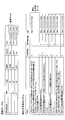
このようなラベルデータをラベル管理DB320に格納する際に、どのようなデータ構成で格納するかは任意のデータ構成を採用することが可能であるが、一例として、話者テーブルと部分文字列テーブルとを用いてラベル管理DB320に格納した場合を図7に示す。図7は、ラベル管理DB320に格納されているラベルデータの構成の一例を示す図である。
図7に示すように、話者テーブルには1つ以上の話者データが格納されており、各話者データには、データ項目として、「SPEAKER_ID」と、「SEX」と、「AGE」と、「NAME」と、「COLOR」と、「URL」とが含まれる。
データ項目「SPEAKER_ID」には、話者データを識別するIDが設定される。データ項目「SEX」には、話者の属性として性別が設定される。データ項目「AGE」には、話者の属性として年齢が設定される。データ項目「NAME」には、話者の名前が設定される。データ項目「COLOR」には、ラベリング状況を可視化する際の話者固有の色が設定される。データ項目「URL」には、コンテンツのURLが設定される。
なお、図7に示す例では、データ項目「NAME」に同一の名前が設定される場合も考慮して、データ項目「SPEAKER_ID」に設定されるIDを話者の識別情報としている。ただし、例えば、データ項目「NAME」に同一の名前が設定されない場合には、話者の名前を識別情報としてもよい。
また、図7に示すように、部分文字列テーブルには1つ以上の部分文字列データが格納されており、各部分文字列データには、データ項目として、「TEXT」と、「POSITION」と、「SPEAKER_ID」と、「URL」とが含まれる。
データ項目「TEXT」には、ラベラーにより選択された部分文字列が設定される。データ項目「POSITION」には、コンテンツ中における先頭からの当該部分文字列の出現回数が設定される。データ項目「SPEAKER_ID」には、ラベラーにより選択された話者(つまり、ラベリングウインドウで選択された話者)が設定される。データ項目「URL」には、コンテンツのURLが設定される。
例えば、図7に示す部分文字列テーブルの3行目の部分文字列データには、データ項目「TEXT」に『「先生のお宅の墓地はあすこにあるんですか」と私がまた口を利き出した。』、データ項目「POSITION」に「0」、データ項目「SPEAKER_ID」に「1」がそれぞれ設定されている。これは、部分文字列『「先生のお宅の墓地はあすこにあるんですか」と私がまた口を利き出した。』は、コンテンツ中の先頭から当該部分文字列までに同様の部分文字列が存在を表し、かつ、当該部分文字列はSPEAKER_IDが「1」の話者データ(つまり、名前(NAME)が「私」の話者)のボイスにより読み上げられることを表す。
同様に、図7に示す部分文字列テーブルの6行目の部分文字列データには、データ項目「TEXT」に『「いいえ」』、データ項目「POSITION」に「1」、データ項目「SPEAKER_ID」に「2」がそれぞれ設定されている。これは、部分文字列『「いいえ」』は、コンテンツ中の先頭から当該部分文字列までに同様の部分文字列が1回出現することを表し、かつ、当該部分文字列はSPEAKER_IDが「2」の話者データ(つまり、名前(NAME)が「先生」の話者)のボイスにより読み上げられることを表す。
部分文字列データに対してデータ項目「POSITION」を設けることで、音声出力アプリケーション210がコンテンツ中の部分文字列を読み上げる際に、コンテンツの先頭からの出現回数も用いて、ラベルが付与された部分文字列を検索することが可能となる。また、例えば、Webページ(コンテンツ)が更新された場合であっても、当該部分文字列の先頭からの出現位置が変わらなければ、Webページの更新前に付与されたラベルを利用可能である。
ここで、コンテンツ中の部分文字列で、部分文字列テーブルに格納されていない部分文字列は、SPEAKER_IDが「0」の話者データ(つまり、データ項目「NAME」に「default」が設定されている話者データ)のボイスにより読み上げられる。
以上により、図7に示す構成により、ラベルデータは、話者データと部分文字列テーブルとの組、又は、話者データのみで表される。例えば、コンテンツ中の発話文(つまり、括弧内の文章)を表す部分文字列や一人称視点の文章を表す部分文字列に付与されたラベルのラベルデータは、話者データと部分文字列データとの組で表される。一方で、コンテンツ中の三人称視点の文章を表す部分文字列に付与されたラベルのラベルデータは、データ項目「SPEAKER_ID」に「0」が設定された話者データのみで表される。
なお、図7に示すラベルデータの構成は一例であって、他の構成であってもよい。例えば、Webページ(コンテンツ)のソースファイルをコピーし、コピーしたソースファイルにラベルを埋め込んでDBで保持する方法も考えられる。しかしながら、この場合、Webページが更新された場合には、Webページの更新前後におけるラベルと部分文字列との対応付けが難しいことがあるため、上記の図7に示す構成の方が好ましい。
<ラベル付与処理>
以降では、ラベリング端末10を用いて、ラベラーがコンテンツ中の部分文字列にラベルを付与する場合の処理(ラベル付与処理)の流れについて、図8を参照しながら説明する。図8は、本発明の実施の形態におけるラベル付与処理の一例を示すフローチャートである。
以降では、ラベリング端末10を用いて、ラベラーがコンテンツ中の部分文字列にラベルを付与する場合の処理(ラベル付与処理)の流れについて、図8を参照しながら説明する。図8は、本発明の実施の形態におけるラベル付与処理の一例を示すフローチャートである。
まず、ラベリング端末10のWebブラウザ110及びウインドウ出力部121は、ラベリング画面を表示する(ステップS101)。すなわち、ラベリング端末10は、Webブラウザ110によりコンテンツを取得して画面上に表示すると共に、ウインドウ出力部121によりラベリングウインドウを当該画面上に表示することで、ラベリング画面を表示する。
次に、ラベリング端末10のコンテンツ解析部122は、Webブラウザ110により表示されているコンテンツの構造を解析する(ステップS102)。
次に、ラベリング端末10のラベル操作管理部123は、ラベラーによるラベリング操作を受け付ける(ステップS103)。ラベリング操作とは、ラベリングウインドウ中のリストから話者をラジオボタンで選択した上で、コンテンツ中の部分文字列をマウスで選択する操作のことである。これにより、当該部分文字列に対してラベルが付与され、例えば、当該部分文字列が話者固有の色でマーキングされる等のラベリング状況の可視化が行われる。
最後に、ラベリング端末10のラベルデータ送受信部124は、例えば、ラベリングウインドウでSAVEボタンが押下された場合、現在のコンテンツ中の部分文字列に付与されたラベルのラベルデータをラベル管理サーバ30に送信する(ステップS104)。なお、上述したように、このとき、ラベルデータ送受信部124は、ラベリングしたコンテンツのURLもラベル管理サーバ30に送信する。
以上により、ラベラーによってコンテンツ中の部分文字列にラベルが付与され、このラベルのラベルデータがラベル管理サーバ30に送信される。
<ラベルデータ保存処理>
以降では、ラベリング端末10から送信されたラベリングデータをラベル管理サーバ30が保存する処理(ラベルデータ保存処理)の流れについて、図9を参照しながら説明する。図9は、本発明の実施の形態におけるラベルデータ保存処理の一例を示すフローチャートである。
以降では、ラベリング端末10から送信されたラベリングデータをラベル管理サーバ30が保存する処理(ラベルデータ保存処理)の流れについて、図9を参照しながら説明する。図9は、本発明の実施の形態におけるラベルデータ保存処理の一例を示すフローチャートである。
まず、ラベル管理サーバ30のラベルデータ送受信部311は、ラベリング端末10からのラベルデータを受信する(ステップS201)。
次に、ラベル管理サーバ30のラベルデータ管理部312は、上記のステップS201で受信したラベルデータを検証する(ステップS202)。
次に、ラベル管理サーバ30のDB管理部313は、上記のステップS202で検証が成功した場合、当該ラベルデータをラベル管理DB320に保存する(ステップS203)。
以上により、ラベラーによってコンテンツ中の部分文字列に付与されたラベルのラベルデータがラベル管理サーバ30に保存される。
<音声出力処理>
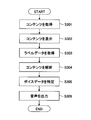
以降では、音声出力端末20でコンテンツ中の部分文字列を、当該部分文字列に付与されたラベルに応じたボイスで読み上げる場合の処理(音声出力処理)の流れについて、図10を参照しながら説明する。図10は、本発明の実施の形態における音声出力処理の一例を示すフローチャートである。
以降では、音声出力端末20でコンテンツ中の部分文字列を、当該部分文字列に付与されたラベルに応じたボイスで読み上げる場合の処理(音声出力処理)の流れについて、図10を参照しながら説明する。図10は、本発明の実施の形態における音声出力処理の一例を示すフローチャートである。
まず、音声出力端末20のコンテンツ取得部211は、Webサーバ40からコンテンツを取得する(ステップS301)。
次に、音声出力端末20のコンテンツ出力部214は、上記のステップS301で取得したコンテンツを表示する(ステップS302)。
次に、音声出力端末20のラベルデータ取得部212は、上記のステップS301で取得したコンテンツのURLに対応するラベルデータをラベル管理サーバ30から取得する(ステップS303)。
次に、音声出力端末20のコンテンツ解析部213は、上記のステップS301で取得したコンテンツを解析する(ステップS304)。上述したように、この解析では、コンテンツに含まれるテキストのどの部分文字列に対してどのラベルデータが付与されているかが特定される。
次に、音声出力端末20の音声管理部215は、上記のステップS304での解析結果に基づいて、コンテンツ中の各部分文字列に対して、当該部分文字列の読み上げに用いるボイスデータをボイスデータ記憶部220の中から特定する(ステップS305)。すなわち、上述したように、音声管理部215は、各部分文字列にそれぞれ付与されているラベルが表す属性を用いて、ボイスデータ記憶部220に記憶されているボイスデータの中から属性が最も近いボイスデータを検索し、検索されたボイスデータを、当該部分文字列を読み上げるボイスデータとして特定する。このとき、話者の識別情報(例えば、SPEAKER_ID)が同一のラベルデータが付与されている部分文字列に対しては、同一のボイスデータを特定する。これにより、コンテンツ中の各部分文字列に対して、一貫性があるボイスが割り当てられる。
最後に、音声出力端末20の音声出力部216は、上記のステップS305で割り当てられたボイス(を用いた合成音声)で各部分文字列を読み上げて音声を出力(ステップS306)。
以上により、コンテンツ中の各部分文字列が、当該部分文字列に付与されたラベルに応じたボイスで読み上げられる。
<音声出力システム1のハードウェア構成>
次に、本発明の実施の形態における音声出力システム1に含まれるラベリング端末10、音声出力端末20、ラベル管理サーバ30及びWebサーバ40のハードウェア構成について説明する。これらの各端末及び各サーバは、1台以上のコンピュータ500を用いて実現可能である。図11は、コンピュータ500のハードウェア構成の一例を示す図である。
次に、本発明の実施の形態における音声出力システム1に含まれるラベリング端末10、音声出力端末20、ラベル管理サーバ30及びWebサーバ40のハードウェア構成について説明する。これらの各端末及び各サーバは、1台以上のコンピュータ500を用いて実現可能である。図11は、コンピュータ500のハードウェア構成の一例を示す図である。
図11に示すコンピュータ500は、ハードウェアとして、入力装置501と、表示装置502と、外部I/F503と、RAM(Random Access Memory)504と、ROM(Read Only Memory)505と、プロセッサ506と、通信I/F507と、補助記憶装置508とを有する。これら各ハードウェアは、それぞれがバスBを介して通信可能に接続されている。
入力装置501は、例えばキーボードやマウス、タッチパネル等である。表示装置502は、例えばディスプレイ等である。なお、ラベル管理サーバ30やWebサーバ40は、入力装置501及び表示装置502の少なくとも一方を有していなくてもよい。
外部I/F503は、外部装置とのインタフェースである。外部装置には、記録媒体503a等がある。コンピュータ500は、外部I/F503を介して、記録媒体503aの読み取りや書き込み等を行うことができる。
RAM504は、プログラムやデータを一時保持する揮発性の半導体メモリである。ROM505は、電源を切ってもプログラムやデータを保持することができる不揮発性の半導体メモリである。ROM505には、例えば、OSに関する設定情報や通信ネットワークNに関する設定情報等が格納されている。
プロセッサ506は、例えばCPU(Central Processing Unit)等である。通信I/F507は、コンピュータ500を通信ネットワークNに接続するためのインタフェースである。
補助記憶装置508は、例えばHDD(Hard Disk Drive)やSSD(Solid State Drive)等であり、プログラムやデータを格納している不揮発性の記憶装置である。補助記憶装置508に格納されているプログラムやデータには、例えば、OS、当該OS上で各種機能を実現するアプリケーションプログラム等がある。
なお、本発明の実施の形態における音声出力端末20は、上記の各ハードウェアに加えて、音声を外部に出力するためのハードウェア(例えば、イヤホン等を接続するためのI/Fやスピーカ等)を有する。
本発明の実施の形態におけるラベリング端末10、音声出力端末20、ラベル管理サーバ30及びWebサーバ40は、図11に示すコンピュータ500により実現される。なお、上述したように、本発明の実施の形態におけるラベリング端末10、音声出力端末20、ラベル管理サーバ30及びWebサーバ40は、複数台のコンピュータ500で実現されていてもよい。また、1台のコンピュータ500には、複数のプロセッサ506や複数のメモリ(RAM504やROM505、補助記憶装置508等)が含まれていてもよい。
<まとめ>
以上のように、本発明の実施の形態における音声出力システム1では、ヒューマンコンピュテーション技術によりコンテンツ中の部分文字列にラベルを付与した上で、部分文字列に付与されたラベルに応じてボイスを切り替えながら合成音声を出力することができる。これにより、本発明の実施の形態における音声出力システム1では、イメージした声に近いボイスで、コンテンツ中の各部分文字列を音声出力することが可能となる。
以上のように、本発明の実施の形態における音声出力システム1では、ヒューマンコンピュテーション技術によりコンテンツ中の部分文字列にラベルを付与した上で、部分文字列に付与されたラベルに応じてボイスを切り替えながら合成音声を出力することができる。これにより、本発明の実施の形態における音声出力システム1では、イメージした声に近いボイスで、コンテンツ中の各部分文字列を音声出力することが可能となる。
なお、本発明の実施の形態では、ラベラーと音声出力端末20のユーザとは、同一人物であることを要しない。つまり、コンテンツ中の部分文字列に付与されたラベルのラベルデータの利用者はラベラーに限定されない。また、ラベル管理サーバ30で管理されているラベルデータは複数のラベラーの間で共有可能であってもよい。このとき、例えば、ラベル管理サーバ30等により、ラベリングを行ったラベラーのランキングや多く利用されたラベルデータのランキング等が提供されてもよい。これにより、ラベリングに対するラベラーのモチベーション維持に貢献することが可能となる。
また、例えば、Webページ等のコンテンツでは、同一のコンテンツが複数のWebページに分割されて提供される場合もある。このような場合では、Webページ間でボイスの割り当てが一貫されていることが好ましい。すなわち、或る小説が複数のWebページに分割されている場合には、Webページが異なっても、同一人物の発話文は同一のボイスで読み上げられることが好ましい。したがって、このような場合には、例えば、図7に示す話者データのデータ項目「URL」に複数のWebページのURLを設定可能とすることが考えられる。また、このとき、音声出力端末20上では、話者の識別情報が同一のラベルデータが付与されている部分文字列を読み上げるボイスデータを、当該識別情報と対応付けて保持しておく必要がある。
また、本発明の実施の形態では、年齢や性別等の属性に応じたボイスで部分文字列を読み上げる場合について説明したが、これら年齢や性別以外にも、コンテンツ中の発話文のイメージと合成音声とのギャップを生じさせる様々な属性が存在する。
例えば、小説中で落ち着いたイメージの人の発話文が快活な声質のボイスで再生されたり、悲しげな場面での発話文が嬉しそうな声質のボイスで再生されたり、といった場合がある。また、小説等では、作中の展開によって登場人物の子どもから大人に成長したり、回想場面では逆に大人が子ともに場面点検したりといったことが起こり得る。このため、年齢や性別以外にも、例えば、様々な属性(例えば、場面の状況や登場人物の性格等)も表すラベルを部分文字列に付与し、このラベルデータに応じたボイスで音声出力してもよい。また、このラベルに応じて、ボイスの設定(例えば、発話速度(SpeechRate)やピッチ(Pitch)等)が変更されてもよい。
本発明は、具体的に開示された上記の実施形態に限定されるものではなく、特許請求の範囲から逸脱することなく、種々の変形や変更が可能である。
1 音声出力システム
10 ラベリング端末
20 音声出力端末
30 ラベル管理サーバ
40 Webサーバ
110 Webブラウザ
120 アドオン
121 ウインドウ出力部
122 コンテンツ解析部
123 ラベル操作管理部
124 ラベルデータ送受信部
210 音声出力アプリケーション
211 コンテンツ取得部
212 ラベルデータ取得部
213 コンテンツ解析部
214 コンテンツ出力部
215 音声管理部
216 音声出力部
220 ボイスデータ記憶部
310 ラベル管理プログラム
311 ラベルデータ送受信部
312 ラベルデータ管理部
313 DB管理部
314 ラベルデータ提供部
320 ラベル管理DB
10 ラベリング端末
20 音声出力端末
30 ラベル管理サーバ
40 Webサーバ
110 Webブラウザ
120 アドオン
121 ウインドウ出力部
122 コンテンツ解析部
123 ラベル操作管理部
124 ラベルデータ送受信部
210 音声出力アプリケーション
211 コンテンツ取得部
212 ラベルデータ取得部
213 コンテンツ解析部
214 コンテンツ出力部
215 音声管理部
216 音声出力部
220 ボイスデータ記憶部
310 ラベル管理プログラム
311 ラベルデータ送受信部
312 ラベルデータ管理部
313 DB管理部
314 ラベルデータ提供部
320 ラベル管理DB
Claims (8)
- 第1の端末と、サーバと、第2の端末とが含まれる音声出力システムが実行する音声出力方法であって、
前記第1の端末は、
コンテンツに含まれる文字列に対して、該文字列を合成音声で読み上げる場合における話者の属性を表すラベルデータを付与する第1のラベル付与手順と、
前記ラベルデータを前記サーバに送信する送信手順と、を実行し、
前記サーバは、
前記第1の端末から送信されたラベルデータを、前記コンテンツを識別するコンテンツ識別情報と対応付けてデータベースに保存する保存手順を実行し、
前記第2の端末は、
前記コンテンツのコンテンツ識別情報に対応するラベルデータを前記サーバから取得する取得手順と、
取得したラベルデータを、前記コンテンツに含まれる各文字列に付与する第2のラベル付与手順と、
前記コンテンツに含まれる各文字列にそれぞれ付与されているラベルデータを用いて、複数の音声データの中から、前記文字列の読み上げに用いられる合成音声の音声データをそれぞれ特定する特定手順と、
前記コンテンツに含まれる各文字列のそれぞれを、特定された音声データを用いた合成音声により読み上げて音声出力する音声出力手順と、を実行する、
ことを特徴とする音声出力方法。 - 前記ラベルデータには、前記話者を識別する話者識別情報が含まれ、
前記特定手順は、
同一の話者識別情報が含まれるラベルデータが付与されている文字列に対しては、同一の音声データを特定する、ことを特徴とする請求項1に記載の音声出力方法。 - 前記保存手順は、
前記ラベルデータを、前記話者及び該話者の属性を表す話者データと、前記文字列を表す文字列データとで表して前記データベースに保存する、ことを特徴とする請求項1又は2に記載の音声出力方法。 - 前記文字列データには、
前記コンテンツ中の先頭から前記文字列までにおける該文字列と同一の文字列の出現回数が含まれる、ことを特徴とする請求項3に記載の音声出力方法。 - 前記第1のラベル付与手順は、
前記コンテンツに含まれる文字列のうちのユーザにより選択された文字列に対して、前記ユーザにより選択された話者の属性を表すラベルデータを付与する、ことを特徴とする請求項1乃至4の何れか一項に記載の音声出力方法。 - 前記属性には、前記話者の性別及び年齢が少なくとも含まれる、ことを特徴とする請求項1乃至5の何れか一項に記載の音声出力方法。
- 第1の端末と、サーバと、第2の端末とが含まれる音声出力システムであって、
前記第1の端末は、
コンテンツに含まれる文字列に対して、該文字列を合成音声で読み上げる場合における話者の属性を表すラベルデータを付与する第1のラベル付与手段と、
前記ラベルデータを前記サーバに送信する送信手段と、を有し、
前記サーバは、
前記第1の端末から送信されたラベルデータを、前記コンテンツを識別するコンテンツ識別情報と対応付けてデータベースに保存する保存手段を有し、
前記第2の端末は、
前記コンテンツのコンテンツ識別情報に対応するラベルデータを前記サーバから取得する取得手段と、
取得したラベルデータを、前記コンテンツに含まれる各文字列に付与する第2のラベル付与手段と、
前記コンテンツに含まれる各文字列にそれぞれ付与されているラベルデータを用いて、複数の音声データの中から、前記文字列の読み上げに用いられる合成音声の音声データをそれぞれ特定する特定手段と、
前記コンテンツに含まれる各文字列のそれぞれを、特定された音声データを用いた合成音声により読み上げて音声出力する音声出力手段と、を有する、
ことを特徴とする音声出力システム。 - 請求項1乃至6の何れか一項に記載の音声出力方法における各手順をコンピュータに実行させることを特徴とするプログラム。
Priority Applications (1)
| Application Number | Priority Date | Filing Date | Title |
|---|---|---|---|
| US17/440,156 US12125470B2 (en) | 2019-03-18 | 2020-03-09 | Voice output method, voice output system and program |
Applications Claiming Priority (2)
| Application Number | Priority Date | Filing Date | Title |
|---|---|---|---|
| JP2019050337A JP7140016B2 (ja) | 2019-03-18 | 2019-03-18 | 音声出力方法、音声出力システム及びプログラム |
| JP2019-050337 | 2019-03-18 |
Publications (1)
| Publication Number | Publication Date |
|---|---|
| WO2020189376A1 true WO2020189376A1 (ja) | 2020-09-24 |
Family
ID=72519101
Family Applications (1)
| Application Number | Title | Priority Date | Filing Date |
|---|---|---|---|
| PCT/JP2020/010032 Ceased WO2020189376A1 (ja) | 2019-03-18 | 2020-03-09 | 音声出力方法、音声出力システム及びプログラム |
Country Status (3)
| Country | Link |
|---|---|
| US (1) | US12125470B2 (ja) |
| JP (1) | JP7140016B2 (ja) |
| WO (1) | WO2020189376A1 (ja) |
Families Citing this family (3)
| Publication number | Priority date | Publication date | Assignee | Title |
|---|---|---|---|---|
| CN115240636B (zh) * | 2021-04-20 | 2025-12-12 | 华为技术有限公司 | 一种文本朗读方法及设备 |
| JPWO2024122284A1 (ja) * | 2022-12-05 | 2024-06-13 | ||
| WO2024247848A1 (ja) * | 2023-06-01 | 2024-12-05 | ソニーグループ株式会社 | 情報処理装置、情報処理方法、プログラム、情報処理システム |
Citations (1)
| Publication number | Priority date | Publication date | Assignee | Title |
|---|---|---|---|---|
| JPH08272388A (ja) * | 1995-03-29 | 1996-10-18 | Canon Inc | 音声合成装置及びその方法 |
Family Cites Families (5)
| Publication number | Priority date | Publication date | Assignee | Title |
|---|---|---|---|---|
| US20070042332A1 (en) * | 2000-05-20 | 2007-02-22 | Young-Hie Leem | System and method for providing customized contents |
| US8370151B2 (en) * | 2009-01-15 | 2013-02-05 | K-Nfb Reading Technology, Inc. | Systems and methods for multiple voice document narration |
| US20150356967A1 (en) * | 2014-06-08 | 2015-12-10 | International Business Machines Corporation | Generating Narrative Audio Works Using Differentiable Text-to-Speech Voices |
| US9570065B2 (en) * | 2014-09-29 | 2017-02-14 | Nuance Communications, Inc. | Systems and methods for multi-style speech synthesis |
| US10607595B2 (en) * | 2017-08-07 | 2020-03-31 | Lenovo (Singapore) Pte. Ltd. | Generating audio rendering from textual content based on character models |
-
2019
- 2019-03-18 JP JP2019050337A patent/JP7140016B2/ja active Active
-
2020
- 2020-03-09 US US17/440,156 patent/US12125470B2/en active Active
- 2020-03-09 WO PCT/JP2020/010032 patent/WO2020189376A1/ja not_active Ceased
Patent Citations (1)
| Publication number | Priority date | Publication date | Assignee | Title |
|---|---|---|---|---|
| JPH08272388A (ja) * | 1995-03-29 | 1996-10-18 | Canon Inc | 音声合成装置及びその方法 |
Also Published As
| Publication number | Publication date |
|---|---|
| US20220148563A1 (en) | 2022-05-12 |
| JP7140016B2 (ja) | 2022-09-21 |
| JP2020154050A (ja) | 2020-09-24 |
| US12125470B2 (en) | 2024-10-22 |
Similar Documents
| Publication | Publication Date | Title |
|---|---|---|
| US5899975A (en) | Style sheets for speech-based presentation of web pages | |
| US9922004B2 (en) | Dynamic highlighting of repetitions in electronic documents | |
| US8694319B2 (en) | Dynamic prosody adjustment for voice-rendering synthesized data | |
| JP5030617B2 (ja) | デジタル・オーディオ・プレーヤ上でrssコンテンツをレンダリングするためのrssコンテンツ管理のための方法、システム、およびプログラム(デジタル・オーディオ・プレーヤ上でrssコンテンツをレンダリングするためのrssコンテンツ管理) | |
| US20070277088A1 (en) | Enhancing an existing web page | |
| US20080167856A1 (en) | Method, apparatus, and program for transliteration of documents in various indian languages | |
| US10540445B2 (en) | Intelligent integration of graphical elements into context for screen reader applications | |
| CN107733722B (zh) | 用于配置语音服务的方法和装置 | |
| CN114023301A (zh) | 音频编辑方法、电子设备及存储介质 | |
| US20090259932A1 (en) | User-selectable hide option for a user interface, which is not persisted, and which is not dependent upon intra-document controls | |
| WO2020189376A1 (ja) | 音声出力方法、音声出力システム及びプログラム | |
| US20160275926A1 (en) | System and method for rendering music | |
| US11182542B2 (en) | Exposing annotations in a document | |
| JP2012215962A (ja) | 筆記支援装置、筆記支援方法、およびプログラム | |
| JP2025086877A (ja) | 情報処理装置、情報処理方法、およびプログラム | |
| JP7200533B2 (ja) | 情報処理装置およびプログラム | |
| WO2016169594A1 (en) | Web technology responsive to mixtures of emotions | |
| US20080243510A1 (en) | Overlapping screen reading of non-sequential text | |
| JP4768375B2 (ja) | ジャンプ処理抑止プログラム | |
| JP2009086597A (ja) | テキスト音声変換サービスシステム及び方法 | |
| JP2019185470A (ja) | 情報処理装置 | |
| US8990087B1 (en) | Providing text to speech from digital content on an electronic device | |
| KR100958934B1 (ko) | 웹 페이지의 특성에 기초하여 텍스트를 추출하기 위한방법, 시스템 및 컴퓨터 판독 가능한 기록 매체 | |
| JP2021096798A (ja) | 提供装置、提供方法、プログラム、及びデータ構造 | |
| US20080040658A1 (en) | Linking of Content Portions Developed Independently |
Legal Events
| Date | Code | Title | Description |
|---|---|---|---|
| 121 | Ep: the epo has been informed by wipo that ep was designated in this application |
Ref document number: 20774009 Country of ref document: EP Kind code of ref document: A1 |
|
| NENP | Non-entry into the national phase |
Ref country code: DE |
|
| 122 | Ep: pct application non-entry in european phase |
Ref document number: 20774009 Country of ref document: EP Kind code of ref document: A1 |