WO2020159436A1 - Water channel and method of forming same - Google Patents
Water channel and method of forming same Download PDFInfo
- Publication number
- WO2020159436A1 WO2020159436A1 PCT/SG2019/050637 SG2019050637W WO2020159436A1 WO 2020159436 A1 WO2020159436 A1 WO 2020159436A1 SG 2019050637 W SG2019050637 W SG 2019050637W WO 2020159436 A1 WO2020159436 A1 WO 2020159436A1
- Authority
- WO
- WIPO (PCT)
- Prior art keywords
- water channel
- copolymer
- channel
- water
- optionally substituted
- Prior art date
- Legal status (The legal status is an assumption and is not a legal conclusion. Google has not performed a legal analysis and makes no representation as to the accuracy of the status listed.)
- Ceased
Links
- 0 *C(c(cc(C(*)=O)c(O*)c1)c1O*)=O Chemical compound *C(c(cc(C(*)=O)c(O*)c1)c1O*)=O 0.000 description 2
- HKHUTCLXZSTDPU-UHFFFAOYSA-N CC(CNC(CCC(O)=O)=O)NC(CCC(O)=O)=O Chemical compound CC(CNC(CCC(O)=O)=O)NC(CCC(O)=O)=O HKHUTCLXZSTDPU-UHFFFAOYSA-N 0.000 description 1
- JZVSEKOLSNGPSW-UHFFFAOYSA-N OC(CCC(NCCCCNC(CCC(O)=O)=O)=O)=O Chemical compound OC(CCC(NCCCCNC(CCC(O)=O)=O)=O)=O JZVSEKOLSNGPSW-UHFFFAOYSA-N 0.000 description 1
Classifications
-
- B—PERFORMING OPERATIONS; TRANSPORTING
- B01—PHYSICAL OR CHEMICAL PROCESSES OR APPARATUS IN GENERAL
- B01D—SEPARATION
- B01D69/00—Semi-permeable membranes for separation processes or apparatus characterised by their form, structure or properties; Manufacturing processes specially adapted therefor
- B01D69/14—Dynamic membranes
- B01D69/141—Heterogeneous membranes, e.g. containing dispersed material; Mixed matrix membranes
- B01D69/142—Heterogeneous membranes, e.g. containing dispersed material; Mixed matrix membranes with "carriers"
- B01D69/144—Heterogeneous membranes, e.g. containing dispersed material; Mixed matrix membranes with "carriers" containing embedded or bound biomolecules
-
- C—CHEMISTRY; METALLURGY
- C08—ORGANIC MACROMOLECULAR COMPOUNDS; THEIR PREPARATION OR CHEMICAL WORKING-UP; COMPOSITIONS BASED THEREON
- C08G—MACROMOLECULAR COMPOUNDS OBTAINED OTHERWISE THAN BY REACTIONS ONLY INVOLVING UNSATURATED CARBON-TO-CARBON BONDS
- C08G73/00—Macromolecular compounds obtained by reactions forming a linkage containing nitrogen with or without oxygen or carbon in the main chain of the macromolecule, not provided for in groups C08G12/00 - C08G71/00
- C08G73/06—Polycondensates having nitrogen-containing heterocyclic rings in the main chain of the macromolecule
- C08G73/08—Polyhydrazides; Polytriazoles; Polyaminotriazoles; Polyoxadiazoles
Definitions
- the present invention relates, in general, to water purification technology and more particularly to a water channel and a method of forming the same.
- Aquaporins are known for having unique selectivity in relation to water transportation and high salt rejection capabilities with very low activation energy. Consequently, biomimetic membranes incorporating aquaporins have been prepared for seawater desalination and wastewater reclamation. Challenges have however arisen in using aquaporins for the formation of the biomimetic membranes due to, for example, complex structures of aquaporins, instability of aquaporins, high manufacturing costs and scalability issues.
- the present invention provides a water channel.
- the water channel includes a copolymer having a structural unit of general formula (I):
- the present invention provides a method of forming the water channel.
- the method includes reacting a first compound of general formula (II):
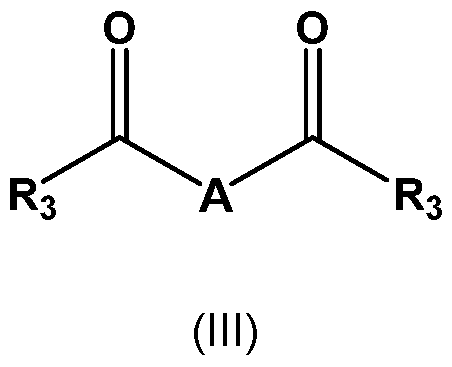
- Ri is alkyl, ether, amide, carboxylic acid or amine; and R2 is hydrazine or hydroxy, with one or more second compounds of general formula (III):
- A is an optionally substituted arene or heteroarene; and when R2 is hydrazine, R3 is hydroxy, and when R2 is hydroxyl, R3 is hydrazine, in the presence of a coupling reagent to form a copolymer having a structural unit of general formula (I):
- Ri and A are as defined above; and n is an integer from 10 to 150.
- FIG. 1 is a schematic diagram illustrating anion selectivity
- FIGS. 2A through 2C are graphs comparing anion transport activity of a water channel in accordance with an embodiment of the present invention against that of an anion channel;
- FIG. 3 is a schematic diagram illustrating cation selectivity
- FIGS. 4A through 4E are graphs comparing cation transport activity of a water channel in accordance with an embodiment of the present invention against that of a dimeric channel;
- FIG. 5 is a schematic diagram illustrating salt rejection under high salt gradient
- FIGS. 6A and 6B are graphs comparing salt rejection capacity of a water channel in accordance with an embodiment of the present invention against that of a dimeric channel;
- FIGS. 7A through 7C are graphs comparing anion transport activity of a water channel in accordance with another embodiment of the present invention against that of an anion channel;
- FIGS. 8A through 8E are graphs comparing cation transport activity of a water channel in accordance with another embodiment of the present invention against that of a dimeric channel;
- FIGS. 9A and 9B are graphs comparing salt rejection capacity of a water channel in accordance with another embodiment of the present invention against that of a dimeric channel;
- FIGS. 10A through 10C are graphs comparing anion transport activity of a water channel in accordance with yet another embodiment of the present invention against that of an anion channel;
- FIGS. 11A through 11 E are graphs comparing cation transport activity of a water channel in accordance with yet another embodiment of the present invention against that of a dimeric channel.
- FIGS. 12A and 12B are graphs comparing salt rejection capacity of a water channel in accordance with yet another embodiment of the present invention against that of a dimeric channel.
- alkyl refers to branched or straight chain hydrocarbon groups, comprising preferably 1 to 30 carbon atoms.
- alkyl groups include, but are not limited to, methyl, ethyl, n-propyl, /-propyl, n-butyl, /-butyl, sec-butyl, f-butyl, pentyl, hexyl, heptyl, nonyl, decyl, etc.
- ether refers to a group represented by the formula - ROR', wherein R and R' can be, independently, an alkyl group as defined above.
- arene refers to a monocyclic or polycyclic aromatic hydrocarbon compound. Examples of arenes include, but are not limited to, benzene, naphthalene, toluene, xylene, styrene, ethylbenzene, cumene, and generally benzene rings with one or more aliphatic side chains or substituents.
- heteroarenes include, but are not limited to, thiophene, furan and pyridine.
- halogen refers to F, Cl, Br or I.
- carboxylic acid refers to a group represented by the formula -COOH.
- amine refers to a group represented by the formula - ROR', wherein R and R' can be, independently, H or an alkyl group as defined above.
- hydrazine refers to a group represented by the formula -NHNH 2 .
- terminal group refers to a functional group that is placed on one or both ends of a polymeric compound.
- copolymer refers to polymers that contain at least two different constitutional units.
- lipid anchor refers to any covalently linked hydrophobic moiety that provides for association of a water channel with a membrane by anchoring on the membrane.
- Coupled reagent refers to a reagent used to couple a carboxylic acid and a singly acylated hydrazide to form a doubly acylated hydrazide.
- a water channel includes a copolymer having a structural unit of general formula (I):
- Ri is alkyl, ether, amide, carboxylic acid or amine
- A is an optionally substituted arene or heteroarene; and n is an integer from 10 to 150.
- Ri may be one of CsH ⁇ , n-CsH ⁇ , n-(CH 2 CH 2 0)CH 3 and iso- C 4 H 9 . Ri may also include repeating units of -OCH 2 CH 2 - or functional groups such as, for example, - NHCO- or -CONH- or a terminal group such as, for example, -COOH or -IMH 2 .
- A may be a benzene ring, optionally substituted by an alkyl, a halogen or an ether group, a pyridine ring, optionally substituted by an ether group, or a combination thereof.
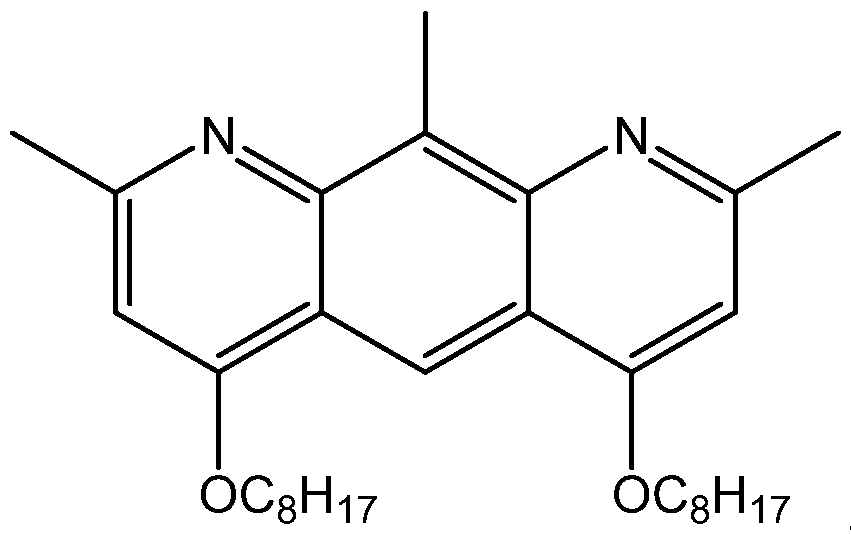
- A may be one of
- the overall lipophilicity of the polymer-based water channel may be tuned by varying different exterior side chain. Hydrazide polymers containing interior ethyl, rather than methyl groups, demonstrated increased overall channel hydrophobicity, resulting in consistent water conduction capability and great salt rejection ability.
- pyridine may be introduced along with anisole building block to tune water permeability.
- pyridine unit may fine- tune the interior cavity size and overall hydrophobicity of the water channel.
- lone pair of pyridine is not involved in the aromaticity and may participate in the hydrogen bonding with the hydrazide N-H which results in a more stable helical structure. Accordingly, in some examples, A may be
- n may be from 20 to 50.
- the copolymer may have a molecular weight of between about 10 kilodalton
- the molecular weight of the copolymer may be between about 15 kDA and about 35 kDA.
- the ion transport capacity of the polymer across a membrane was found to be greatly dependent on the length of the polymer and the most active polymer was found to have an optimum length matching with a thickness of the membrane.
- the copolymer may have a length of between about 1.0 nanometres (nm) and about 15.0 nm. In one or more embodiments, the length of the copolymer may be between about 1.5 nm and about 5.0 nm.
- the copolymer may define a cavity having a diameter of between about 2.0 angstroms (A) and about 8.0 A.
- terminal groups of the copolymer may be one of carboxylic acid groups or amine groups.
- Lipid anchors stay at the surface of a membrane and may help to improve interaction of water channels and the membrane by anchoring on the membrane. Accordingly, a plurality of synthetic lipid anchors may be attached to the copolymer to improve water solubility and transport activity of the water channel.
- the lipid anchors may be selected from a group consisting of
- a method of forming a water channel includes reacting a first compound of general formula (II):
- Ri is alkyl, ether, amide, carboxylic acid or amine; and R2 is hydrazine or hydroxy, with one or more second compounds of general formula (III): wherein
- A is an optionally substituted arene or heteroarene; and when R 2 is hydrazine, R 3 is hydroxy, and when R 2 is hydroxyl, R 3 is hydrazine, in the presence of a coupling reagent to form a copolymer having a structural unit of general formula (I):
- Ri and A are as defined above; and n is an integer from 10 to 150.
- Ri may be one of CsHi7, n-CsHi7, n-(CH2CH20)CH3 and /SO-C4H9.
- A may be a benzene ring, optionally substituted by an alkyl, a halogen or an ether group, a pyridine ring, optionally substituted by an ether group, or a combination thereof.
- A may be one of
- the first compound may be of general formula ( 11 a) :
- n may be from 20 to 50.
- Successful syntheses of longer polymers may be achieved by using various coupling reagents.
- the coupling reagent may be one of: hexafluorophosphate azabenzotriazole tetramethyl uranium (HATU); hexafluorophosphate benzotriazole tetramethyl uranium (HBTU); 0-(1 H-6- chlorobenzotriazole-1-yl)-1 ,1 ,3,3-tetramethyluronium hexafluorophosphate (HCTU); benzotriazol-1-yloxytris(dimethylamino)phosphonium hexafluorophosphate (BOP); bromotripyrrolidinophosphonium hexafluorophosphate (PyBroP); 2-(1 H-benzotriazole- 1-yl)-1 ,1 ,3,3-tetramethylaminium tetrafluoroborate (TBTU); and O- [(ethoxycarbonyl)cyanomethylenamino]-N,N,N/E,N/E-
- TOTU tetrafluoroborate
- Terminal groups of the copolymer may be modified with an acid or an amine.
- the acid may be one of 2-methoxyisophthalic acid and 2-ethoxyisophthalic acid.
- the amine may be 4,6- bis(octyloxy)isophthalohydrazide.
- a plurality of lipid anchors may be attached to the copolymer.
- the lipid anchors may be selected from a group consisting of
- Acid modified polymers 2a - 2f were synthesized from polymers 1a - 1 f , respectively, in the presence of an excess amount of 2-methoxyisophthalic acid and a coupling reagent at room temperature. More particularly, the polymers (0.018 mmol) were added with 2-methoxyisophthalic acid (0.06 mmol) to 20 mL round bottomed flasks. The same coupling reagents (0.07 mmol) that were used to produce the respective polymers were then added to each flask. Freshly distilled CH2CI2 (2.5 mL) and 0.5 ml_ of DMF (dimethylformamide) were then added to the reaction flask in a nitrogen atmosphere.
- the results indicate strong incorporation ability and water conduction capacity of the channels.
- the effect of DMF, the solvent used for dissolving the polymers displayed negligible water permeability (P f ) value.
- the channel to lipid molar ratio was varied from 1 :400 to 1 :9000 during the preparation of the liposomes. At low channel to lipid ratio, compound starts precipitating due to poor solubility of polymer present in high concentration in water, thereby resulting in low water permeability. At high molar ratio, permeability increases to reach a maximum at 1 :6000, below which activity decreases due to the presence of fewer numbers of active channels in the lipid bilayer.
- LUVs large unilamellar vesicles
- EYPC egg yolk phosphotidylcholine
- HPTS 8-Hydroxypyrene-1 ,3,6-trisulfonic acid
- HEPES 4-(2-hydroxyethyl)-1- piperazineethanesulfonic acid
- FIG. 1 A schematic representation of anion selectivity is shown in FIG. 1. Evaluation results of anion transport activity for polymer based water channel 2a (1 pM) and comparison of its anion transport activity with an anion channel L8 (8 pM) by HPTS assay with various intravesicular salts such as NaCI (FIG. 2A), NaBr (FIG. 2B) and NaNOs (FIG. 2C) in Na 2 S0 4 containing extravesicular buffer solution are shown in FIGS. 2A through 2C.
- the structure of the anion channel L8 is as shown below:
- channel 2a (1 mM) displayed very weak Cl transport ability (9.4%) as compared to background (4.1%).
- anion channel L8 (8 mM, 8 molecules required to form active channel) showed 138% chloride transport ability under same assay conditions.
- FIGS. 2B and 2C similar activity was observed for Br (6.3%) and NO3 (16%) for channel 2a, whereas anion channel L8 displayed 195% in both anions. Similar assays were not carried out for Nal and NaCI0 4 because hydrophobicity of I- and CIO4- leads to quite high background values. A HPTS based assay was also carried out to measure cation selectivity.
- Cation transport ability across a lipid membrane was measured for water channel 2a (1 mM) and compared with a well-known dimeric cation channel gramicidin A (GA, 2 mM) and proton (H + ) transporter carbonyl cyanide 4-(trifluoro methoxy)phenylhydrazone (FCCP, 1 pM).
- water channel 2a (1 pM) was found to be very weakly responsive towards any of the cations H + or M + , whereas GA (2 pM) was shown to potentially transport all cations via H7M + antiport mechanism under pH gradient.
- FCCP (1 pM) also exhibited moderate cation transport ability through H7M + antiport. The results obtained from this experiment show that water channel 2a can reject all the cations and rule out both H7Na + antiport and Na70H symport as likely mechanisms.
- channel 2a can reject any salt.
- FIG. 5 A schematic representation of salt rejection under high salt gradient is shown in FIG. 5. Evaluation results of the salt rejection capacity of channel 2a (1 pM) and comparison with the well-known dimeric channel GA (2 pM) by HPTS assay with no intravesicular salts and 200 mM Na 2 S0 4 (FIG. 6A) and 200 mM K 2 SO 4 (FIG. 6B) salt in extravesicular buffer solution are shown in FIGS. 6A and 6B.
- polymer 2a exhibited only 9.0% and 5.8% normalized intensity for Na 2 S0 4 and K 2 SO 4 buffer solutions, respectively, which are very close to background values for both extravesicular buffer solutions (6.5% and 5.7%, respectively).
- GA displayed very high ion transport activity, i.e. 99.5% and 91.1 % in Na 2 S0 4 and K 2 SO 4 buffer solutions, respectively, via H7M + antiport mechanism under the same assay conditions.
- DIEA N,N- diisopropylethylamine
- polymers 3a - 3f with interior ethyl group also exhibited slightly better P f values as compared to unmodified polymers with interior methyl group and water transport capacities were found to be comparable to polymers of similar molecular weights. This confirms that interior hydrophobicity plays a key role in overall water permeability.
- a similar HPTS assay was carried out for polymer 3e to determine ion rejection capacity.
- polymer 3e (1 pM) displayed no significant activity for anions such as Cl- (3.9%), Br (11.1%), NO 3 - (13.4%) as the transport activity is negligible, i.e. 4.1 %, 13.2%, 11.1 %, respectively, for these three anions.
- anion channel, L8 (8 pM) showed strong anion transport capacity for Ch (138%), Br (195%), N0 3 - (195%) under the same assay conditions.
- the experimental data clearly demonstrates that polymer 3e can potentially reject anions.
- MCI Li + , Na + , K + , Rb + and Cs +
- Transport ability was monitored over time by increasing the fluorescence intensity of HPTS dye. Obtained intensity for channel 3e (1 mM) was monitored against well-known dimeric cation channel gramicidin A (GA, 2 mM) and proton (H + ) transporter carbon
- channel 3e did not show any cation transport activity, whereas GA and FCCP displayed moderate activity which consequently rules out both H7Na + antiport and Na70H symport by channel 3e.
- ion transport activity for channel 3e was found to be negligible, i.e. 8.0% and 7% in Na 2 S0 4 and K 2 SO 4 buffer, respectively, whereas GA (2 pM) displayed very high ion transport activity, i.e. 99.5% and 91.1 % in Na 2 S0 4 and K 2 SO 4 buffer solutions via H7M + antiport mechanism under the same assay conditions.
- the results demonstrate that complete rejection of salts can be achieved by water channel 3e even under very high salt gradient condition, which is a very powerful characteristic for practical application in biomimetic membrane formation.
- LA2 was synthesised following same procedure as LA1 , LA2 was obtained as white solid (yield 73%).
- the obtained residue was washed with 5 ml_ of MeOH/H 2 0 (1 :1) and an off-white precipitate was observed.
- the obtained precipitate was filtered and washed with 5 ml_ of H 2 0 and 5 ml_ of MeOH, respectively, to obtain the compound as an off-white solid powder with a yield of 82%.
- Channels 3e3 (yield 80%) and 3e4 (yield 85%) were prepared using the same protocol as channel 3e2 using LA2 and LA3, respectively.
- Another series of hydrazide-based H-bonded hybrid pore forming water channel structures 4a - 4I was synthesized by keeping 4,6-bis(octyloxy)isophthalohydrazide fixed and mixing 2,6-pyridinedicarboxylic acid and 2-methoxyisophthalic acid in different ratios. More particularly, to each reaction vial (20 ml_), di-hydrazide (0.11 mmol) and di-acid (0.11 mmol) were added. Various coupling reagents (0.33 mmol) were then added, followed by addition of DMF (anhydrous, 1 ml_) and dichloromethane (DCM) (anhydrous, 5 ml_).
- DMF anhydrous, 1 ml_
- DCM dichloromethane
- LUVs large unilamellar vesicles
- HPTS pH sensitive dye
- evaluation results of anion transport activity for water channel 4h (1 mM) and comparison of its anion transport activity with anion channel L8 (8 pM) by HPTS assay with various intravesicular salts such as NaCI (FIG. 10A), NaBr (FIG. 10B) and NaNOs (FIG. 10C) in Na 2 S0 4 containing extravesicular buffer solution are shown in FIGS. 10A through 10C.
- channel 4h was found to be non-responsive towards Na + (10.7%) and could transport K + very weakly (21.2%) even at very high salt gradient, which consequently proves high salt rejection capacity of channel 4h.
- the present invention provides a synthetic water channel with improved water permeability and/or salt rejection capability and a method of forming the same.
- Water permeability of the unimolecular water channels was improved by modifying interior hydrophobicity and terminal groups.
- the water transport ability of synthetic unimolecular water channels based on hydrazide polymers was investigated.
- the synthetic polymer-based water channel of the present invention with enhanced water permeability may be used in the preparation of membranes for water purification.
- the water channels of the present invention may also be used for practical applications in the area of nanotechnology and biomedical engineering.
Landscapes
- Chemical & Material Sciences (AREA)
- Health & Medical Sciences (AREA)
- Chemical Kinetics & Catalysis (AREA)
- Life Sciences & Earth Sciences (AREA)
- Biochemistry (AREA)
- Molecular Biology (AREA)
- Dispersion Chemistry (AREA)
- Medicinal Chemistry (AREA)
- Polymers & Plastics (AREA)
- Organic Chemistry (AREA)
- Pharmaceuticals Containing Other Organic And Inorganic Compounds (AREA)
Abstract
A water channel and a method of forming the water channel are provided. The water channel includes a copolymer having a structural unit of general formula (I): wherein R1 is alkyl, ether, amide, carboxylic acid or amine; A is an optionally substituted arene or heteroarene; and n is an integer from 10 to 150.
Description
WATER CHANNEL AND METHOD OF FORMING SAME
Field of the Invention
The present invention relates, in general, to water purification technology and more particularly to a water channel and a method of forming the same. Background of the Invention
Aquaporins (AQPs) are known for having unique selectivity in relation to water transportation and high salt rejection capabilities with very low activation energy. Consequently, biomimetic membranes incorporating aquaporins have been prepared for seawater desalination and wastewater reclamation. Challenges have however arisen in using aquaporins for the formation of the biomimetic membranes due to, for example, complex structures of aquaporins, instability of aquaporins, high manufacturing costs and scalability issues.
To address these issues with aquaporins, synthetic water channels have been developed to mimic one or more functions of natural aquaporins. However, transport efficiency of the reported water channels is not even close to that of natural aquaporins and salt rejection capabilities of these channels are also poor which limits their application in water purification.
In view of the foregoing, it would be desirable to provide a synthetic water channel with improved water permeability and/or salt rejection capability and a method of forming the same.
Summary of the Invention
Accordingly, in a first aspect, the present invention provides a water channel. The water channel includes a copolymer having a structural unit of general formula (I):



Other aspects and advantages of the invention will become apparent from the following detailed description, taken in conjunction with the accompanying drawings.
Brief Description of the Drawings FIG. 1 is a schematic diagram illustrating anion selectivity;
FIGS. 2A through 2C are graphs comparing anion transport activity of a water channel in accordance with an embodiment of the present invention against that of an anion channel;
FIG. 3 is a schematic diagram illustrating cation selectivity; FIGS. 4A through 4E are graphs comparing cation transport activity of a water channel in accordance with an embodiment of the present invention against that of a dimeric channel;
FIG. 5 is a schematic diagram illustrating salt rejection under high salt gradient;
FIGS. 6A and 6B are graphs comparing salt rejection capacity of a water channel in accordance with an embodiment of the present invention against that of a dimeric channel;
FIGS. 7A through 7C are graphs comparing anion transport activity of a water channel in accordance with another embodiment of the present invention against that of an anion channel;
FIGS. 8A through 8E are graphs comparing cation transport activity of a water channel in accordance with another embodiment of the present invention against that of a dimeric channel;
FIGS. 9A and 9B are graphs comparing salt rejection capacity of a water channel in accordance with another embodiment of the present invention against that of a dimeric channel;
FIGS. 10A through 10C are graphs comparing anion transport activity of a water channel in accordance with yet another embodiment of the present invention against that of an anion channel;
FIGS. 11A through 11 E are graphs comparing cation transport activity of a water channel in accordance with yet another embodiment of the present invention against that of a dimeric channel; and
FIGS. 12A and 12B are graphs comparing salt rejection capacity of a water channel in accordance with yet another embodiment of the present invention against that of a dimeric channel.
Detailed Description
Definitions
The term“alkyl” as used herein refers to branched or straight chain hydrocarbon groups, comprising preferably 1 to 30 carbon atoms. Examples of alkyl groups include, but are not limited to, methyl, ethyl, n-propyl, /-propyl, n-butyl, /-butyl, sec-butyl, f-butyl, pentyl, hexyl, heptyl, nonyl, decyl, etc.
The term“ether” as used herein refers to a group represented by the formula - ROR', wherein R and R' can be, independently, an alkyl group as defined above.
The term "amide" as used herein refers to a group of formula -(C=0)NR R', wherein R and R' can be, independently, H or an alkyl group as defined above. The term“arene” as used herein refers to a monocyclic or polycyclic aromatic hydrocarbon compound. Examples of arenes include, but are not limited to, benzene, naphthalene, toluene, xylene, styrene, ethylbenzene, cumene, and generally benzene rings with one or more aliphatic side chains or substituents.
The term "heteroarene" as used herein refers to a heterocyclic compound formally derived from an arene by replacement of one or more methine (-CC=) and/or vinylene (-CH=CH-) groups by trivalent or divalent heteroatoms, respectively, in such a way as to maintain the continuous TT- electron system characteristic of aromatic systems and a number of out-of-plane tt-electrons corresponding to the HCickel rule (4n + 2) (wherein n is an integer). Examples of heteroarenes include, but are not limited to, thiophene, furan and pyridine.
The term“halogen” as used herein refers to F, Cl, Br or I.
The term“carboxylic acid” as used herein refers to a group represented by the formula -COOH.
The term“amine” as used herein refers to a group represented by the formula - ROR', wherein R and R' can be, independently, H or an alkyl group as defined above.
The term “hydrazine” as used herein refers to a group represented by the formula -NHNH2.
The term“hydroxy” as used herein refers to a group represented by the formula
-OH. The term“substituted” as used herein is intended to describe moieties having substituents replacing a hydrogen atom on one or more atoms, e.g. C, O or N, of a molecule.
The term“terminal group” as used herein refers to a functional group that is placed on one or both ends of a polymeric compound.
The term“copolymer” as used herein refers to polymers that contain at least two different constitutional units. The term “lipid anchor” as used herein refers to any covalently linked hydrophobic moiety that provides for association of a water channel with a membrane by anchoring on the membrane.
The term“coupling reagent” as used herein refers to a reagent used to couple a carboxylic acid and a singly acylated hydrazide to form a doubly acylated hydrazide. Water Channel
Polyhydrazide-based synthetic unimolecular water channels are described.
In one embodiment, a water channel includes a copolymer having a structural unit of general formula (I):

Ri is alkyl, ether, amide, carboxylic acid or amine;
A is an optionally substituted arene or heteroarene; and
n is an integer from 10 to 150.
Ri may be one of CsH^, n-CsH^, n-(CH2CH20)CH3 and iso- C4H9. Ri may also include repeating units of -OCH2CH2- or functional groups such as, for example, - NHCO- or -CONH- or a terminal group such as, for example, -COOH or -IMH2.
Water transport ability of the polymer-based water channel may be modulated by altering interior hydrophobicity to prevent ions from entering the water channel and consequently increasing the capability of salt rejection by a substantial margin. Interior groups of the polymers may be exploited to tune selectivity and water permeability. Accordingly, in some examples, A may be a benzene ring, optionally substituted by an alkyl, a halogen or an ether group, a pyridine ring, optionally substituted by an ether group, or a combination thereof. In some examples, A may be one of

The overall lipophilicity of the polymer-based water channel may be tuned by varying different exterior side chain. Hydrazide polymers containing interior ethyl, rather than methyl groups, demonstrated increased overall channel hydrophobicity, resulting in consistent water conduction capability and great salt rejection ability.
Further advantageously, pyridine may be introduced along with anisole building block to tune water permeability. Instead of pure anisole unit, pyridine unit may fine- tune the interior cavity size and overall hydrophobicity of the water channel. Additionally, lone pair of pyridine is not involved in the aromaticity and may participate in the hydrogen bonding with the hydrazide N-H which results in a more stable helical structure. Accordingly, in some examples, A may be

In one or more embodiments, n may be from 20 to 50. The copolymer may have a molecular weight of between about 10 kilodalton
(kDA) and about 100 kDA. In one or more embodiments, the molecular weight of the copolymer may be between about 15 kDA and about 35 kDA.
The ion transport capacity of the polymer across a membrane was found to be greatly dependent on the length of the polymer and the most active polymer was found to have an optimum length matching with a thickness of the membrane. Accordingly, in some examples, the copolymer may have a length of between about 1.0 nanometres (nm) and about 15.0 nm. In one or more embodiments, the length of the copolymer may be between about 1.5 nm and about 5.0 nm.
The copolymer may define a cavity having a diameter of between about 2.0 angstroms (A) and about 8.0 A.
Water permeability and selectivity of the unimolecular water channel may be improved by modifying terminal groups. Accordingly, terminal groups of the copolymer may be one of carboxylic acid groups or amine groups.
Lipid anchors stay at the surface of a membrane and may help to improve interaction of water channels and the membrane by anchoring on the membrane. Accordingly, a plurality of synthetic lipid anchors may be attached to the copolymer to improve water solubility and transport activity of the water channel. In some examples, the lipid anchors may be selected from a group consisting of


Method of Forming Water Channel
Methods of forming the polyhydrazide-based synthetic water channels are also described. In one embodiment, a method of forming a water channel includes reacting a first compound of general formula (II):

Ri is alkyl, ether, amide, carboxylic acid or amine; and R2 is hydrazine or hydroxy, with one or more second compounds of general formula (III):
 wherein
A is an optionally substituted arene or heteroarene; and when R2 is hydrazine, R3 is hydroxy, and when R2 is hydroxyl, R3 is hydrazine, in the presence of a coupling reagent to form a copolymer having a structural unit of general formula (I):

Ri and A are as defined above; and n is an integer from 10 to 150.
Ri may be one of CsHi7, n-CsHi7, n-(CH2CH20)CH3 and /SO-C4H9.
A may be a benzene ring, optionally substituted by an alkyl, a halogen or an ether group, a pyridine ring, optionally substituted by an ether group, or a combination thereof. In some examples, A may be one of

In some examples, the first compound may be of general formula ( 11 a) :

(I la) and may be reacted with second compounds of general formulas (Ilia) and (lllb)

(lllb), the second compounds of general formulas (Ilia) and (lllb) being in a molar ratio of between about 1 :20 and about 20: 1.
In one or more embodiments, n may be from 20 to 50. Successful syntheses of longer polymers may be achieved by using various coupling reagents. The coupling reagent may be one of: hexafluorophosphate azabenzotriazole tetramethyl uranium (HATU); hexafluorophosphate benzotriazole tetramethyl uranium (HBTU); 0-(1 H-6- chlorobenzotriazole-1-yl)-1 ,1 ,3,3-tetramethyluronium hexafluorophosphate (HCTU); benzotriazol-1-yloxytris(dimethylamino)phosphonium hexafluorophosphate (BOP); bromotripyrrolidinophosphonium hexafluorophosphate (PyBroP); 2-(1 H-benzotriazole- 1-yl)-1 ,1 ,3,3-tetramethylaminium tetrafluoroborate (TBTU); and O- [(ethoxycarbonyl)cyanomethylenamino]-N,N,N/E,N/E-tetramethyluronium
tetrafluoroborate (TOTU).
Terminal groups of the copolymer may be modified with an acid or an amine. Advantageously, this has been found to improve water permeability and selectivity of the water channel. In some examples, the acid may be one of 2-methoxyisophthalic acid and 2-ethoxyisophthalic acid. In some examples, the amine may be 4,6- bis(octyloxy)isophthalohydrazide.
A plurality of lipid anchors may be attached to the copolymer. In some examples, the lipid anchors may be selected from a group consisting of


Examples
Synthesis of polymers 1a - 1f
To each 20 ml_ reaction vial, an amine compound (I la, Ri = CsHi7, 0.118 mmol) and 2-methoxyisophthalic acid (0.118 mmol) were added. Different coupling reagents (0.354 mmol) were added to each reaction vial. This was followed by addition of freshly distilled CH2CI2 (5 ml_) and 1 ml_ of DMF (dimethylformamide) in a nitrogen atmosphere. 100 pl_ of DIEA (N,N-diisopropylethylamine) was then added to the reaction mixture and the solution was stirred for 48 hours at room temperature. After completion of the reaction, solvent was evaporated to remove CH2CI2 and DMF. The obtained residue was washed with 10 ml_ of MeOH/H20 (1 :1) and an off-white precipitate was observed. The obtained precipitate was filtered and washed with 10 mL of H2O and 10 mL of MeOH, respectively, to obtain polymers as off-white solid powder with yields of 60 - 80%. Molecular weights of all the polymers were determined by Gel Permeation Chromatography (GPC).
Synthesis of polymers 2a - 2f
Acid modified polymers 2a - 2f were synthesized from polymers 1a - 1 f , respectively, in the presence of an excess amount of 2-methoxyisophthalic acid and a coupling reagent at room temperature. More particularly, the polymers (0.018 mmol) were added with 2-methoxyisophthalic acid (0.06 mmol) to 20 mL round bottomed flasks. The same coupling reagents (0.07 mmol) that were used to produce the respective polymers were then added to each flask. Freshly distilled CH2CI2 (2.5 mL)
and 0.5 ml_ of DMF (dimethylformamide) were then added to the reaction flask in a nitrogen atmosphere. This was followed by addition of 100 pl_ of DIEA (N,N- diisopropylethylamine) to the reaction mixture and stirring for 48 hours at room temperature. After completion of the reaction, solvent was evaporated to remove CH2CI2 and DMF. The obtained residue was washed with 5 ml_ of MeOH/FhO (1 :1), and an off-white precipitate was observed. The obtained precipitate was filtered and washed with 5 ml_ of H2O and 5 ml_ of MeOH, respectively, to obtain polymers as off- white solid powder with yields of ~ 80%.
Water conduction rates of all the synthesized polymers were investigated using stopped-flow light-scattering method. Experiments were conducted at room temperature with channel to lipid molar ratio of 1 :6000 and a sucrose gradient of 0.3 M. More particularly, the polymers were embedded into a lipid bilayer during a liposome formation process by film rehydration method and the produced liposomes were rapidly exposed to a hypertonic osmotic solution (0.3 M sucrose) at room temperature. The sizes of the polymer-embedded liposomes (1 mg/ml_) were found to shrink considerably under high osmotic gradient and signal of light-scattering at 90° increased. The initial rise profiles seen in all the curves were fitted into a single exponential rate equation to obtain the exponential constant ki which was further used to calculate water permeability (Pf) of all the polymer based channels after the necessary background subtraction. The water permeability (Pf) of polymers 1 a - 1 f and polymers with acid modified group 2a - 2f calculated using stopped-flow experiments is shown in Table 1 below.
Table 1


The results indicate strong incorporation ability and water conduction capacity of the channels. The effect of DMF, the solvent used for dissolving the polymers, displayed negligible water permeability (Pf) value. The channel to lipid molar ratio was varied from 1 :400 to 1 :9000 during the preparation of the liposomes. At low channel to lipid ratio, compound starts precipitating due to poor solubility of polymer present in high concentration in water, thereby resulting in low water permeability. At high molar ratio, permeability increases to reach a maximum at 1 :6000, below which activity decreases due to the presence of fewer numbers of active channels in the lipid bilayer. It was observed that the length of polymer plays a crucial role in dictating the overall water conduction rate since it steadily increases in sync with increasing molecular weights of the polymers till approximately 18 KDa (about 10 helical turns and height of approximately 3.4 nm) for both series of polymer, which is close to the thickness of the lipid bilayer. Any polymer having higher and lower molecular weight than 18 KDa displayed lower water transport ability which consequently signifies the importance of an optimum length to form the unimolecular water channels. The highest permeability (Pf) value, i.e. 8.17 (see Table 1) was observed for polymer 1a (Mn = 18.2 KDa) among all the polymers with interior methyl group which is equivalent to approximately 80% water transport activity of aquaporin Z (AqpZ). Surprisingly, acid modified channels 2a - 2f (modified polymers 1a - 1f) displayed considerably high Pf values, i.e. 13.17-43.05 as compared to the unmodified ones. The highest Pf value (43.05) was observed for channel 2a which is at least 4 times higher than AqpZ. This demonstrates that modification of the terminal groups of polymer with 2-methoxyisophthalic acid indeed increases water permeability significantly.
Experiments based on large unilamellar vesicles (LUVs) were additionally performed to investigate ion transport activity of the synthesized polymers and also the ability of the synthesized polymers to reject salts under high salinity water. More particularly, LUVs were prepared from egg yolk phosphotidylcholine (EYPC) lipid by entrapping pH sensitive dye 8-Hydroxypyrene-1 ,3,6-trisulfonic acid (HPTS) inside. Exchange of ions was monitored by change of fluorescence intensity of the entrapped HPTS dyes upon application of pH gradient. Anion transport ability of polymer 2a was
evaluated by preparing LUVs with various intravesicular salts NaX (100 mM, X- = Cl-, Br, NO3-) along with HPTS dye (0.5 mM) in 4-(2-hydroxyethyl)-1- piperazineethanesulfonic acid (HEPES) buffer (10 mM, pH 7.0) and these were dispersed in the HEPES buffer (10 mM, pH 8.0) containing Na2S04 salt (67 mM). Extravesicular Na2S04 was chosen because it is known that SO42- is strongly hydrated (hydration energy AG = -1080 KJmol 1) and can therefore weaken CI7 SO42- antiport to favour CI7 OH- antiport or CI7 H+ symport.
A schematic representation of anion selectivity is shown in FIG. 1. Evaluation results of anion transport activity for polymer based water channel 2a (1 pM) and comparison of its anion transport activity with an anion channel L8 (8 pM) by HPTS assay with various intravesicular salts such as NaCI (FIG. 2A), NaBr (FIG. 2B) and NaNOs (FIG. 2C) in Na2S04 containing extravesicular buffer solution are shown in FIGS. 2A through 2C. The structure of the anion channel L8 is as shown below:

As can be seen from FIG. 2A, channel 2a (1 mM) displayed very weak Cl transport ability (9.4%) as compared to background (4.1%). In contrast, anion channel L8 (8 mM, 8 molecules required to form active channel) showed 138% chloride transport ability under same assay conditions. Referring next to FIGS. 2B and 2C, similar activity was observed for Br (6.3%) and NO3 (16%) for channel 2a, whereas anion channel L8 displayed 195% in both anions. Similar assays were not carried out for Nal and NaCI04 because hydrophobicity of I- and CIO4- leads to quite high background values.
A HPTS based assay was also carried out to measure cation selectivity. More particularly, LUVs were prepared with various intravesicular salts 100 mM MCI (M+ = Li-, Na+, K+, Rb+ and Cs+) in HEPES buffer (10 M) with HPTS dye (0.5 mM) and these were dispersed in 67 mM Na2SC>4 containing HEPES buffer (10 mM). Cation transport ability across a lipid membrane was measured for water channel 2a (1 mM) and compared with a well-known dimeric cation channel gramicidin A (GA, 2 mM) and proton (H+) transporter carbonyl cyanide 4-(trifluoro methoxy)phenylhydrazone (FCCP, 1 pM).
A schematic representation of cation selectivity is shown in FIG. 3. Evaluation results of cation transport activity of polymer based water channel 2a (1 pM) and comparison of its cation transport activity with a well-known dimeric channel GA (2 pM) by HPTS assay with intravesicular NaCI salt with varied extravesicular buffer solution containing MCI, such as LiCI (FIG. 4A), NaCI (FIG. 4B), KCI (FIG. 4C), RbCI (FIG. 4D) and CsCI (FIG. 4E) are shown in FIGS. 4A through 4E. In each case, fluorescence intensity after addition of Triton X-100 at t = 300 s was set to 100%.
As can be seen from FIGS. 4A through 4E, water channel 2a (1 pM) was found to be very weakly responsive towards any of the cations H+ or M+, whereas GA (2 pM) was shown to potentially transport all cations via H7M+ antiport mechanism under pH gradient. FCCP (1 pM) also exhibited moderate cation transport ability through H7M+ antiport. The results obtained from this experiment show that water channel 2a can reject all the cations and rule out both H7Na+ antiport and Na70H symport as likely mechanisms.
It can therefore be concluded from all the HPTS based assays (FIGS. 2A through 2C and FIGS. 4A through 4E) that channel 2a can reject any salt.
A similar HPTS based assay was further performed to establish salt rejection proficiencies. More particularly, LUVs were prepared with HEPES buffer (10 mM, pH 7.0) containing HPTS (0.5 mM) without any salt and then dispersed in buffer (10 mM HEPES, pH 8.0) comprising a high concentration of salts M2SO4 (M+ = Na+, K+, 200 mM) to create an additional salt gradient, apart from the existing pH gradient. Ion transport activity was monitored following the increment in fluorescence intensity of
internal HPTS dye polymer 2a (1 mM) and the resultant activity was compared with a well-known cation channel GA (2 mM).
A schematic representation of salt rejection under high salt gradient is shown in FIG. 5. Evaluation results of the salt rejection capacity of channel 2a (1 pM) and comparison with the well-known dimeric channel GA (2 pM) by HPTS assay with no intravesicular salts and 200 mM Na2S04 (FIG. 6A) and 200 mM K2SO4 (FIG. 6B) salt in extravesicular buffer solution are shown in FIGS. 6A and 6B.
As can be seen from FIGS. 6A and 6B, polymer 2a exhibited only 9.0% and 5.8% normalized intensity for Na2S04 and K2SO4 buffer solutions, respectively, which are very close to background values for both extravesicular buffer solutions (6.5% and 5.7%, respectively). In contrast, GA displayed very high ion transport activity, i.e. 99.5% and 91.1 % in Na2S04 and K2SO4 buffer solutions, respectively, via H7M+ antiport mechanism under the same assay conditions.
Synthesis of polymers 3a - 3f
Another series of hydrazide polymers 3a - 3f was synthesized with interior ethyl groups. More particularly, to each 20 ml_ reaction vial, an amine compound (I la, Ri = C8Hi7, 0.118 mmol) and 2-ethoxyisophthalic acid (0.118 mmol) were added. Different coupling reagents (0.354 mmol) were then added to each reaction vial. This was followed by addition of freshly distilled CH2CI2 (5 ml_) and 1 ml_ of DMF (dimethylformamide) in a nitrogen atmosphere. 100 pL of DIEA (N,N- diisopropylethylamine) was then added to the reaction mixture and the solution was stirred for 48 hours at room temperature. After completion of the reaction, solvent was evaporated to remove CH2CI2 and DMF. The obtained residue was washed with 10 mL of MeOH/H20 (1 :1) and an off-white precipitate was observed. The obtained precipitate was filtered and washed with 10 mL of H20 and 10 mL of MeOH, respectively, to obtain polymers as off-white solid powder with yields of 70 - 80%. The average molecular weights of polymers 3a - 3f were calculated by gel permeation chromatography (GPC). Subsequently, all polymers 3a - 3f were subjected to stopped-flow experiments. The experiments were conducted at room temperature with channel to lipid molar ratio of 1 :6000 and a sucrose gradient of 0.3 M. The water permeability (Pf) of the channels 3a - 3f calculated using stopped-flow experiments is shown in Table 2 below.
Table 2

As can be seen from Table 2 above, polymers 3a - 3f with interior ethyl group also exhibited slightly better Pf values as compared to unmodified polymers with interior methyl group and water transport capacities were found to be comparable to polymers of similar molecular weights. This confirms that interior hydrophobicity plays a key role in overall water permeability. Polymer 3e (Mn = 17.1 KDa, approximately 9.1 helical turns and height of 3.03 nm) displayed a considerably high Pf value of 8.97, which is highest amongst all the polymers and subsequently 90% of the water transport capability of AqpZ was achieved with this molecule. A similar HPTS assay was carried out for polymer 3e to determine ion rejection capacity. Evaluation results of anion transport activity for channel 3e (1 mM) and comparison of its anion transport activity with anion channel L8 (8 mM) by HPTS assay with various intravesicular salts such as NaCI (FIG. 7A), NaBr (FIG. 7B) and NaNOs (FIG. 7C) in a buffer solution containing Na2S04 are shown in FIGS. 7A through 7C. In all cases, fluorescence intensity after addition of Triton X-100 at t = 300 s was set to 100%.
As can be seen from FIGS. 7A through 7C, polymer 3e (1 pM) displayed no significant activity for anions such as Cl- (3.9%), Br (11.1%), NO3- (13.4%) as the transport activity is negligible, i.e. 4.1 %, 13.2%, 11.1 %, respectively, for these three anions. In contrast, anion channel, L8 (8 pM) showed strong anion transport capacity for Ch (138%), Br (195%), N03- (195%) under the same assay conditions. The experimental data clearly demonstrates that polymer 3e can potentially reject anions.
In order to measure cation transport ability, various HPTS-LUVs were prepared with different 100 mM MCI (M+ = Li+, Na+, K+, Rb+ and Cs+) and these were dispersed in 67 M Na2SC>4 containing HEPES buffer (10 mM). Transport ability was monitored over time by increasing the fluorescence intensity of HPTS dye. Obtained intensity for channel 3e (1 mM) was monitored against well-known dimeric cation channel gramicidin A (GA, 2 mM) and proton (H+) transporter carbonyl cyanide 4- (trifluoro methoxy)phenylhydrazone (FCCP, 1 pM). Evaluation results of cation transport activity of water channel 3e (1 pM) and comparison of its cation transport activity with well- known dimeric channel GA (2 pM) by HPTS assay with intravesicular NaCI salt with varied extravesicular buffer solution containing MCI, such as LiCI (FIG. 8A), NaCI (FIG. 8B), KCI (FIG. 8C), RbCI (FIG. 8D) and CsCI (FIG. 8E) are shown in FIGS. 8A through 8E. In each case, fluorescence intensity after addition of Triton X-100 at t = 300 s was set to 100%.
As can be seen from FIGS. 8A through 8E, channel 3e did not show any cation transport activity, whereas GA and FCCP displayed moderate activity which consequently rules out both H7Na+ antiport and Na70H symport by channel 3e.
Additionally, salt rejection capabilities of channel 3e were investigated using a similar HPTS based assay as described above. More particularly, HPTS-LUVs were prepared without any intravesicular salt and these were dispersed in 200 mM salts of M2SO4 (M+ = Na+, K+) to create a salt gradient along with a pH gradient. Evaluation results of the salt rejection capacity of water channel 3e (1 pM) and comparison with a well-known dimeric channel GA (2 pM) by HPTS assay with no intravesicular salts and 200 mM Na2S04 (b) and 200 mM K2SO4 (c) salt in extravesicular buffer solution are shown in FIGS. 9A and 9B.
As can be seen from FIGS. 9A and 9B, ion transport activity for channel 3e was found to be negligible, i.e. 8.0% and 7% in Na2S04 and K2SO4 buffer, respectively, whereas GA (2 pM) displayed very high ion transport activity, i.e. 99.5% and 91.1 % in Na2S04 and K2SO4 buffer solutions via H7M+ antiport mechanism under the same assay conditions. The results demonstrate that complete rejection of salts can be achieved by water channel 3e even under very high salt gradient condition, which is a very powerful characteristic for practical application in biomimetic membrane formation.
Synthesis of lipid anchors LA1 - LA3

LA3
To a solution of 1 ,4-diaminobutane (0.8 mL, 8 mmol) in the presence of 4- dimethylaminopyridine (DMAP) (0.39 g, 3.2 mmol) in dichloromethane (20 mL) was added succinic anhydride (3.2 g, 32 mmol) and the reaction mixture was stirred at room temperature overnight. White solid was formed and filtration was performed to collect the solid. The crude product was subjected to acetone for sonication, then filtrated and dried in oven (60 °C) to afford LA1 as a white solid product with a yield of 1.72g (yield 75%).
LA2 was synthesised following same procedure as LA1 , LA2 was obtained as white solid (yield 73%).
To synthesize LA3, a solution of glycerol (0.5 mL, 6.8 mmol), succinic anhydride (2.26 g, 22.6 mmol), and DMAP (25 mg, 0.2 mmol) in dichloroethene (DCE) (5 mL) was heated at 60 °C overnight. The solvent was then removed by a rotary evaporator. The residue obtained was dissolved in water and then extracted with dichloromethane to get rid of impurities. The aqueous phase was then concentrated by the rotary evaporator to afford LA3 as 2.44 g of white dense oil (yield 91 %).
Synthesis of amine modified polymer 3e1
Polymer 3e (0.018 mmol) and 4,6-bis(octyloxy)isophthalohydrazide (I la, Ri = C8Hi7, 0.06 mmol) were added to a 20 ml_ round bottom flask. TBTU (0.07 mmol) was added to the same reaction flask. Freshly distilled CH2CI2 (2.5 ml_) and 0.5 ml_ of DMF (dimethylformamide) were added to the reaction vial in a nitrogen atmosphere. This was followed by addition of 100 pl_ of DIEA (N,N-diisopropylethylamine) to the reaction mixture and stirring for 48 hours at room temperature. After completion of the reaction, solvent was evaporated to remove CH2CI2 and DMF. The obtained residue was washed with 5 ml_ of MeOH/H20 (1 :1) and an off-white precipitate was observed. The obtained precipitate was filtered and washed with 5 ml_ of H2O and 5 ml_ of MeOH, respectively, to obtain polymer 3e1 as an off-white solid powder with a yield of 76%.
Synthesis of channel 3e2
An amine modified polymer (0.018 mmol) and LA1 (lla, Ri = C8Hi7, 0.06 mmol) were added to a 20 ml_ round bottom flask. TBTU (0.07 mmol) was added to the same reaction flask. Freshly distilled CH2CI2 (2.5 ml_) and 0.5 ml_ of DMF (dimethylformamide) were added to the reaction vial in a nitrogen atmosphere. This was followed by addition of 100 mI_ of DIEA (N,N-diisopropylethylamine in the reaction mixture and stirring for 48 hours at room temperature. After completion of the reaction, solvent was evaporated to remove CH2CI2 and DMF. The obtained residue was washed with 5 ml_ of MeOH/H20 (1 :1) and an off-white precipitate was observed. The obtained precipitate was filtered and washed with 5 ml_ of H20 and 5 ml_ of MeOH, respectively, to obtain the compound as an off-white solid powder with a yield of 82%.
Synthesis of channels 3e3 and 3e4
Channels 3e3 (yield 80%) and 3e4 (yield 85%) were prepared using the same protocol as channel 3e2 using LA2 and LA3, respectively.
Water permeability of all hydrazide-based H-bonded pore-forming channel structures 3e1 - 3e5 were tested by stopped-flow experiment. The experiments were conducted at room temperature with channel to lipid molar ratio of 1 :6000 and a sucrose gradient of 0.3 M. The water permeability (Pf) of the channel structures with interior ethyl groups 3e1 - 3e5 calculated using stopped-flow experiments is shown in Table 3 below.
Table 3

As can be seen from Table 3 above, the data obtained from these experiments revealed very high Pf values of 79.65, 91.92 and 53.5 for channels 3e2, 3e3 and 3e4, respectively, and shows that these channels 3e2, 3e3 and 3e4 can permeate water at least 8, 9 and 5 times more, respectively, than AqpZ. This demonstrates that attachment of synthetic lipid anchors to synthetic water channels indeed improves the water transport ability. Amine modified channel 3e1 and acid modified channel 3e5 also displayed very high Pf values, i.e. 82.57 and 104.21 , respectively, which are correspondingly 8 and 10 times more active than AqpZ. By comparing the Pf values in Tables 2 and 3, it can clearly be seen that any modification (acid or amine) leads to an increased water transport capability of at least 10 times more than an unmodified one.
Synthesis of polymers 4a - 4I
Another series of hydrazide-based H-bonded hybrid pore forming water channel structures 4a - 4I was synthesized by keeping 4,6-bis(octyloxy)isophthalohydrazide fixed and mixing 2,6-pyridinedicarboxylic acid and 2-methoxyisophthalic acid in different ratios. More particularly, to each reaction vial (20 ml_), di-hydrazide (0.11 mmol) and di-acid (0.11 mmol) were added. Various coupling reagents (0.33 mmol) were then added, followed by addition of DMF (anhydrous, 1 ml_) and dichloromethane (DCM) (anhydrous, 5 ml_). Anhydrous DIEA (0.44 mmol) was subsequently added via a syringe to the reaction mixture. The reaction mixture was then stirred at room temperature for 3 days and then solvent was removed by a rotary evaporator. 20 ml_ of F^O/MeOH (1 :1) was added to the residue to obtain a precipitate and the mixture was stirred overnight. Filtration was subsequently performed to get a crude polymer which
was collected and subjected to MeOH (10 ml_) and stirred overnight. Filtration was then performed to get the desired polymer as a brown power with a yield of 70 - 85%.
Stopped-flow experiments were performed by film rehydration method and the produced liposomes were rapidly exposed to hypertonic osmotic solution (0.2 M sucrose) at room temperature. The experiments were conducted at room temperature with channel to lipid molar ratio of 1 :18000 and a sucrose gradient of 0.2 M. The water permeability (Pf) of the channels 4a - 4I calculated using stopped-flow experiments is shown in Table 4 below.
Table 4

As can be seen from Table 4, an increase in the molar ratio of pyridine radically increases water permeability. Overall, all the channels 4a - 4I displayed extraordinary water transport ability. The highest Pf value was observed for channel 4i (Pf = 303), which is equivalent to 30 times that of AqpZ.
Additionally, salt rejection capacity of channels 4a - 4I was studied by a set of experiments based on large unilamellar vesicles (LUVs). More particularly, LUVs were prepared from EYPC lipid by entrapping pH sensitive dye HPTS (8-Hydroxypyrene-
1 ,3,6-trisulfonic acid) inside and exchange of ions between intravesicular and extravesicular solution was monitored by the change of fluorescence of HPTS dye. Two different assays were designed following the same assay protocol, as described above to assess anion and cation selectivity of the channel 4h. Evaluation results of anion transport activity for water channel 4h (1 mM) and comparison of its anion transport activity with anion channel L8 (8 pM) by HPTS assay with various intravesicular salts such as NaCI (FIG. 10A), NaBr (FIG. 10B) and NaNOs (FIG. 10C) in Na2S04 containing extravesicular buffer solution are shown in FIGS. 10A through 10C. Similarly, evaluation results of cation transport activity of water channel 4h (1 pM) and comparison of its cation transport activity with well-known dimeric channel GA (2 pM) by HPTS assay with intravesicular NaCI salt with varied extravesicular buffer solution containing MCI, such as LiCI (FIG. 11A), NaCI (FIG. 11 B), KCI (FIG. 11C), RbCI (FIG. 11 D) and CsCI (FIG. 11 E) are shown in FIGS. 11A through 11 E. In all cases, fluorescence intensity after addition of Triton X-100 at t = 300 s was set to 100%.
As can be seen from FIGS. 10A through 11 E, both experiments clearly show that channel 4h cannot transport ions significantly through it and have high salt rejection aptitude.
Another experiment was designed based on HPTS-LUVs without any intravesicular salt and these were dispersed in very high salt gradient in presence of water channel. Evaluation results of the salt rejection capacity of water channel 4h (1 pM) and comparison with well-known dimeric channel GA (2 pM) by HPTS assay with no intravesicular salts and 200 mM Na2S04 (FIG. 12A) and 200 mM K2SO4 (FIG. 12B) salt in extravesicular buffer solution are shown in FIGS. 12A and 12B.
As can be seen from FIGS. 12A and 12B, channel 4h was found to be non- responsive towards Na+ (10.7%) and could transport K+ very weakly (21.2%) even at very high salt gradient, which consequently proves high salt rejection capacity of channel 4h.
As is evident from the foregoing discussion, the present invention provides a synthetic water channel with improved water permeability and/or salt rejection capability and a method of forming the same. Water permeability of the unimolecular water channels was improved by modifying interior hydrophobicity and terminal groups. The
water transport ability of synthetic unimolecular water channels based on hydrazide polymers was investigated. The hydrazide-based polymers demonstrated significantly high water permeability (Pf = approximately 9x1 O 14 cm3/S) ca. approximately 90% water permeability of that exhibited by Aquaporin Z (AqpZ). Polymers with interior methyl group were shown to have good water transport ability i.e. about 90% water permeability of AqpZ. Significant anion (X- = Cl-, Br, NQr) and cation (M+ = Li+, Na+, K+, Rb+ and Cs+) rejection capabilities were confirmed by HPTS-based multiple LUV assays. Additionally, high salt rejection capability under high salt gradient was confirmed by various HPTS-based assays. Acid and amine modification of the channels improved water permeability by 4 folds to at least 10 times more than AqpZ (Pf = approximately 104x1 O 14 cm3/S). Further introduction of lipid anchors on both ends of the water channel increases water permeability drastically (Pf = approximately 91 x10 14 cm3/S). Introduction of pyridine instead of pure anisole building blocks increases water transport capability hugely (Pf = approximately 91 c10-14 cm3/S). Highest permeable channel can transport water 30 times over AqpZ (Pf = approximately 303x1 O 14 cm3/S).
While preferred embodiments of the invention have been described, it will be clear that the invention is not limited to the described embodiments only. Numerous modifications, changes, variations, substitutions and equivalents will be apparent to those skilled in the art without departing from the scope of the invention as described in the claims. The synthetic polymer-based water channel of the present invention with enhanced water permeability may be used in the preparation of membranes for water purification. The water channels of the present invention may also be used for practical applications in the area of nanotechnology and biomedical engineering.
Further, unless the context clearly requires otherwise, throughout the description and the claims, the words "comprise", "comprising" and the like are to be construed in an inclusive as opposed to an exclusive or exhaustive sense; that is to say, in the sense of "including, but not limited to".
Claims
1. A water channel, comprising:
a copolymer having a structural unit of general formula (I):

wherein
Ri is alkyl, ether, amide, carboxylic acid or amine;
A is an optionally substituted arene or heteroarene; and
n is an integer from 10 to 150.
2. The water channel of claim 1 , wherein Ri is one of CsH^, n-CsH^, n- (CH2CH20)CH3 and iso- C4H9.
3. The water channel of claim 1 or 2, wherein A is a benzene ring, optionally substituted by an alkyl, a halogen or an ether group, a pyridine ring, optionally substituted by an ether group, or a combination thereof.
4. The water channel of claim 3, wherein A is one of

5. The water channel of claim 3, wherein A is

in a molar ratio of between about 1 :20 and about 20: 1.
6. The water channel of any one of the preceding claims, wherein n is from 20 to 50.
7. The water channel of any one of the preceding claims, wherein the copolymer has a molecular weight of between about 10 kilodalton (kDA) and about 100 kDA.
8. The water channel of claim 7, wherein the molecular weight of the copolymer is between about 15 kDA and about 35 kDA.
9. The water channel of any one of the preceding claims, wherein the copolymer has a length of between about 1.0 nanometres (nm) and about 15.0 nm.
10. The water channel of claim 9, wherein the length of the copolymer is between about 1.5 nm and about 5.0 nm.
11. The water channel of any one of the preceding claims, wherein the copolymer defines a cavity having a diameter of between about 2.0 angstroms (A) and about 8.0 A.
12. The water channel of any one of the preceding claims, wherein terminal groups of the copolymer are one of carboxylic acid groups or amine groups.
13. The water channel of any one of the preceding claims, further comprising a plurality of lipid anchors attached to the copolymer.
14. The water channel of claim 13, wherein the lipid anchors are selected from a group consisting of

15. A method of forming a water channel, the method comprising:
reacting a first compound of general formula (II):

wherein
Ri is alkyl, ether, amide, carboxylic acid or amine; and
R2 is hydrazine or hydroxy,
with one or more second compounds of general formula (III):

wherein
A is an optionally substituted arene or heteroarene; and
when R2 is hydrazine, R3 is hydroxy, and when R2 is hydroxyl, R3 is hydrazine, in the presence of a coupling reagent to form a copolymer having a structural unit of general formula (I):

wherein
Ri and A are as defined above; and
n is an integer from 10 to 150.
16. The method according to claim 15, wherein Ri is one of CsHi7, n-CsH^, n- (CH2CH20)CH3 and iso- C4H9.
17. The method according to claim 15 or 16, wherein A is a benzene ring, optionally substituted by an alkyl, a halogen or an ether group, a pyridine ring, optionally substituted by an ether group, or a combination thereof.
18. The method according to claim 17, wherein A is one of


19. The method according to claim 17, wherein the first compound is of general formula (I la):

(I la)
is reacted with second compounds of general formulas (Ilia) and (lllb)


(Hlb),
wherein the second compounds of general formulas (Ilia) and (I Mb) are in a molar ratio of between about 1 :20 and about 2: 1.
20. The method according to any one of claims 15 to 19, wherein n is from 20 to 50.
21. The method according to any one of claims 15 to 19, wherein the coupling reagent is one of:
hexafluorophosphate azabenzotriazole tetramethyl uronium (HATU);
hexafluorophosphate benzotriazole tetramethyl uronium (HBTU);
0-(1 H-6-chlorobenzotriazole-1-yl)-1 , 1 ,3,3-tetramethyluronium
hexafluorophosphate (HCTU);
benzotriazol-1-yloxytris(dimethylamino)phosphonium hexafluorophosphate (BOP);
bromotripyrrolidinophosphonium hexafluorophosphate (PyBroP);
2-(1 H-benzotriazole-1-yl)-1 , 1 ,3,3-tetramethylaminium tetrafluoroborate (TBTU); and
0-[(ethoxycarbonyl)cyanomethylenamino]-N,N,N/E,N/E-tetramethyluronium tetrafluoroborate (TOTU).
22. The method according to any one of claims 15 to 21 , further comprising modifying terminal groups of the copolymer with an acid or an amine.
23. The method according to claim 22, wherein the acid is one of 2- methoxyisophthalic acid and 2-ethoxyisophthalic acid.
24. The method according to claim 22, wherein the amine is 4,6- bis(octyloxy)isophthalohydrazide.
25. The method according to any one of claims 15 to 24, further comprising attaching a plurality of lipid anchors to the copolymer.
26. The method according to claim 25, wherein the lipid anchors are selected from a group consisting of

Applications Claiming Priority (2)
| Application Number | Priority Date | Filing Date | Title |
|---|---|---|---|
| SG10201900919Y | 2019-01-31 | ||
| SG10201900919Y | 2019-01-31 |
Publications (1)
| Publication Number | Publication Date |
|---|---|
| WO2020159436A1 true WO2020159436A1 (en) | 2020-08-06 |
Family
ID=71842473
Family Applications (1)
| Application Number | Title | Priority Date | Filing Date |
|---|---|---|---|
| PCT/SG2019/050637 Ceased WO2020159436A1 (en) | 2019-01-31 | 2019-12-24 | Water channel and method of forming same |
Country Status (1)
| Country | Link |
|---|---|
| WO (1) | WO2020159436A1 (en) |
-
2019
- 2019-12-24 WO PCT/SG2019/050637 patent/WO2020159436A1/en not_active Ceased
Non-Patent Citations (5)
| Title |
|---|
| GUO, R . ET AL.: "Hydrophobically driven twist sense bias of hollow helical foldamers of aromatic hydrazide polymers in water", POLYMER CHEMISTRY, vol. 6, 11 February 2015 (2015-02-11), pages 2382 - 2385, XP055727463 * |
| HOU, J.-L. ET AL.: "Hydrogen Bonded Oligohydrazide Foldamers and Their Recognition for Saccharides", JOURNAL OF THE AMERICAN CHEMICAL SOCIETY, vol. 126, no. 39, 8 September 2004 (2004-09-08), pages 12386 - 12394, XP055727475 * |
| XIN, P. ET AL.: "Hydrogen-Bonded Helical Hydrazide Oligomers and Polymer That Mimic the Ion Transport of Gramicidin A", JOURNAL OF THE AMERICAN CHEMICAL SOCIETY, vol. 136, no. 38, 4 September 2014 (2014-09-04), pages 13078 - 13081, XP055727471 * |
| ZHANG, D.-W. ET AL.: "Polymeric Tubular Aromatic Amide Helices", MACROMOLECULAR RAPID COMMUNICATIONS, vol. 38, no. 15, 1 June 2017 (2017-06-01), XP055727481 * |
| ZHOU, C. ET AL.: "Hydrogen-Bonded Shape-Persistent Aryl Hydrazide Polymers: Side-Chain-Tuned Formation of Vesicles and Organogels", MACROMOLECULAR CHEMISTRY AND PHYSICS, vol. 211, no. 19, 6 September 2010 (2010-09-06), pages 2090 - 2101, XP055236115, [retrieved on 20200225], DOI: 10.1002/macp.201000259 * |
Similar Documents
| Publication | Publication Date | Title |
|---|---|---|
| Juwarker et al. | Foldamers with helical cavities for binding complementary guests | |
| KR101845108B1 (en) | Quaternised polybenzimidazole | |
| Yin et al. | A double‐tailed fluorescent surfactant with a hexavanadate cluster as the head group | |
| Fordham et al. | Lanthanide metal-organic frameworks: syntheses, properties, and potential applications | |
| CN103237760B (en) | The method separating and reclaiming refining alkali metal salt | |
| Haketa et al. | First decade of π-electronic ion-pairing assemblies | |
| Jiang et al. | Soluble two-dimensional supramolecular organic frameworks (SOFs): An emerging class of 2D supramolecular polymers with internal long-range orders | |
| WO1980001464A1 (en) | Reverse osmosis membrane | |
| WO2013051035A2 (en) | Water soluble metal-organic frameworks (mofs) | |
| CA3205168A1 (en) | Polymeric anion-conducting compound, its preparation and its use in electrochemistry | |
| EP4543574A1 (en) | Ionic liquid encapsulated metal organic framework based thin film nanocomposite membrane for metal ions separation | |
| Rachuri et al. | Structural studies and detection of nitroaromatics by luminescent 2D coordination polymers with angular dicarboxylate ligands | |
| Zhang et al. | Solvent-induced construction of two zinc metal–organic frameworks for highly selective detection of nitroaromatic explosives | |
| Yang et al. | Fluorescence charge-assisted hydrogen-bonded organic frameworks assembled from tetraphenylethene amidinium cation | |
| Wang et al. | Fluorescent heterometallic MOFs: tunable framework charges and application for explosives detection | |
| Zhang et al. | Asymmetric modification of Anderson-type polyoxometalates towards organic–inorganic homo-and hetero-cluster oligomers | |
| CN113226520B (en) | Method for producing alkali metal salt | |
| Li et al. | A two-dimensional porous framework: solvent-induced structural transformation and selective adsorption towards malachite green | |
| CN119219644A (en) | A bistriazolotriazine fused ring nitrogen-rich compound ion salt and its construction method and application | |
| Le Loh et al. | Influence of ortho-and meta-substituted N-heterocyclic dications towards the self-assembly of p-sulfonatocalix [4] arene | |
| Gramain et al. | Synthesis and ion binding properties of polyesters and polyamides with diazacrown-ethers | |
| Sharma et al. | Second sphere coordination complexes: Synthesis, characterization, single crystal structure and packing analyses of [trans-Cu (en) 2 (H2O) 2](L1/L2) 2 where L1= p-toluenesulphonate, L2= 5-bromo-2-methoxybenzenesulphonate | |
| Sudhakar et al. | Solid state structural studies of saccharin salts with some heterocyclic bases | |
| Thorat et al. | Thin, flat sheet, solvent-stable ABPBI-based membranes for organic solvent forward osmosis (OSFO) | |
| ES3032107B2 (en) | ORGANIC MOLECULAR CONTAINER FOR THE REMOVAL OF SURFACTANTS FROM LIQUIDS |
Legal Events
| Date | Code | Title | Description |
|---|---|---|---|
| 121 | Ep: the epo has been informed by wipo that ep was designated in this application |
Ref document number: 19912279 Country of ref document: EP Kind code of ref document: A1 |
|
| NENP | Non-entry into the national phase |
Ref country code: DE |
|
| 122 | Ep: pct application non-entry in european phase |
Ref document number: 19912279 Country of ref document: EP Kind code of ref document: A1 |