WO2020134109A1 - 物体的检测方法、检测装置及存储介质 - Google Patents
物体的检测方法、检测装置及存储介质 Download PDFInfo
- Publication number
- WO2020134109A1 WO2020134109A1 PCT/CN2019/100303 CN2019100303W WO2020134109A1 WO 2020134109 A1 WO2020134109 A1 WO 2020134109A1 CN 2019100303 W CN2019100303 W CN 2019100303W WO 2020134109 A1 WO2020134109 A1 WO 2020134109A1
- Authority
- WO
- WIPO (PCT)
- Prior art keywords
- contour
- outline
- concentric
- circle
- image
- Prior art date
- Legal status (The legal status is an assumption and is not a legal conclusion. Google has not performed a legal analysis and makes no representation as to the accuracy of the status listed.)
- Ceased
Links
Classifications
-
- G—PHYSICS
- G06—COMPUTING OR CALCULATING; COUNTING
- G06V—IMAGE OR VIDEO RECOGNITION OR UNDERSTANDING
- G06V20/00—Scenes; Scene-specific elements
-
- G—PHYSICS
- G06—COMPUTING OR CALCULATING; COUNTING
- G06T—IMAGE DATA PROCESSING OR GENERATION, IN GENERAL
- G06T5/00—Image enhancement or restoration
- G06T5/70—Denoising; Smoothing
-
- G—PHYSICS
- G06—COMPUTING OR CALCULATING; COUNTING
- G06T—IMAGE DATA PROCESSING OR GENERATION, IN GENERAL
- G06T7/00—Image analysis
- G06T7/10—Segmentation; Edge detection
- G06T7/12—Edge-based segmentation
-
- G—PHYSICS
- G06—COMPUTING OR CALCULATING; COUNTING
- G06T—IMAGE DATA PROCESSING OR GENERATION, IN GENERAL
- G06T7/00—Image analysis
- G06T7/10—Segmentation; Edge detection
- G06T7/13—Edge detection
-
- G—PHYSICS
- G06—COMPUTING OR CALCULATING; COUNTING
- G06T—IMAGE DATA PROCESSING OR GENERATION, IN GENERAL
- G06T7/00—Image analysis
- G06T7/10—Segmentation; Edge detection
- G06T7/136—Segmentation; Edge detection involving thresholding
-
- G—PHYSICS
- G06—COMPUTING OR CALCULATING; COUNTING
- G06T—IMAGE DATA PROCESSING OR GENERATION, IN GENERAL
- G06T7/00—Image analysis
- G06T7/60—Analysis of geometric attributes
- G06T7/62—Analysis of geometric attributes of area, perimeter, diameter or volume
-
- G—PHYSICS
- G06—COMPUTING OR CALCULATING; COUNTING
- G06V—IMAGE OR VIDEO RECOGNITION OR UNDERSTANDING
- G06V10/00—Arrangements for image or video recognition or understanding
- G06V10/40—Extraction of image or video features
- G06V10/44—Local feature extraction by analysis of parts of the pattern, e.g. by detecting edges, contours, loops, corners, strokes or intersections; Connectivity analysis, e.g. of connected components
-
- G—PHYSICS
- G06—COMPUTING OR CALCULATING; COUNTING
- G06V—IMAGE OR VIDEO RECOGNITION OR UNDERSTANDING
- G06V10/00—Arrangements for image or video recognition or understanding
- G06V10/40—Extraction of image or video features
- G06V10/48—Extraction of image or video features by mapping characteristic values of the pattern into a parameter space, e.g. Hough transformation
Definitions
- the present application relates to the field of image processing technology, and in particular, to an object detection method, detection device and storage medium. Background of the invention
- the geometric shape is one of the main features of the image, especially the circular shape, which is a common geometric shape and an effective part of the complex shape, and the circular ring-shaped object composed of the circle is also widely present in people Daily life and industrial production.
- the mainstream algorithm is a ring detection method based on the Hough transform.
- this algorithm requires a large amount of calculation, the detection efficiency is not high, and there are false detections.
- Embodiments of the present application provide an object detection method, detection device, and storage medium, for accurately and efficiently detecting a ring-shaped object.
- An embodiment of the present application provides an object detection method, including: performing edge detection on an image to be detected, and determining at least one contour existing in the image to be detected; for each contour, acquiring an circumscribed rectangular frame of the contour; The outline diameter of the enclosed area; determine the shape of the outline based on the side length and outline diameter of the circumscribed rectangular frame; based on the shape of each outline, determine the object and object parameter information in the image to be detected.
- An embodiment of the present application further provides an object detection device, including: a memory and a processor; a memory, used to store a computer program;
- a processor used to execute a computer program, for:
- An embodiment of the present application further provides a computer-readable storage medium storing a computer program, characterized in that, when the computer program is executed by one or more processors, the one or more processors cause the one or more processors to implement the steps in the above detection method.
- the contour diameter is calculated; based on the side length of the circumscribed rectangular frame of each contour and the contour diameter, the shape of the contour is determined; based on the shape of each contour, determined.
- FIG. 1 is a schematic flowchart of an object detection method provided by an exemplary embodiment of the application
- FIG. 2 is a schematic flowchart of an outline diameter provided by an exemplary embodiment of the application
- FIG. 3 is a schematic diagram of contours in an image to be detected according to an exemplary embodiment of the present application.
- FIG. 4 is a schematic diagram of an external rectangular frame provided by an exemplary embodiment of the present application.
- FIG. 5 is a schematic structural diagram of a detection device provided by an exemplary embodiment of the present application.
- DETAILED DESCRIPTION To make the purposes, technical solutions, and advantages of the present application clearer, the technical solutions of the present application will be described clearly and completely in conjunction with specific embodiments of the present application and corresponding drawings. Obviously, the described embodiments are only a part of the embodiments of the present application, but not all the embodiments. Based on the embodiments in this application, all other embodiments obtained by a person of ordinary skill in the art without creative work fall within the protection scope of this application.
- the contour diameter is calculated; based on the side length of the circumscribed rectangular frame of each contour and the contour diameter, the shape of the contour is determined; based on the shape of each contour, Determine the object in the image to be detected and the object parameter information, so as to quickly and accurately detect the shape of the object, and at the same time the complexity of the detection process is low, reducing the labor cost and time of detection.
- FIG. 1 is a schematic flowchart of an object detection method according to another exemplary embodiment of the present application.
- the method 100 provided by the embodiment of the present application is executed. As shown in FIG. 1, the method 100 includes the following steps:
- S101 Perform edge detection on the image to be detected, and determine at least one contour existing in the image to be detected.
- S104 Determine the shape of the outline based on the side length and outline diameter of the circumscribed rectangular frame.
- S105 Determine the object in the image to be detected and the object parameter information based on the shape of each contour. The following describes the above steps in detail:
- S101 Perform edge detection on the image to be detected, and determine at least one contour existing in the image to be detected.
- the edge detection is used to identify the points where the brightness changes obviously in the image, so as to determine the outline of each object in the image.
- the edge detection algorithm can be used for edge detection, such as the Canny edge detection algorithm.
- determining at least one contour present in the image to be detected includes: determining that at least a first contour and a second contour exist in the image to be detected.
- the contour of the image to be detected can be determined by finding the contour function findContours (input_image, contours) in the image processing library OpenCV library, where input_image: represents the input image, and the input image is loaded After that, it will be automatically converted into a binary image, contours: output, which represents the detected contours, and each contour is stored in the form of a point vector, that is, using a point type vector.
- the target object when the target object includes a circle, there may be only one contour of the contour of the target object.
- the target object when the target object is a concentric circle and/or a concentric ring, there are at least two contours of the target object.
- the method before performing edge detection on the image to be detected, the method further includes: acquiring a first image of the object to be detected; performing gray-scale processing on the first image; and performing Gaussian blur on the first image after the gray-scale processing Processing to obtain a binarized image to be detected.
- the grayscale processing refers to images that contain brightness information but not color information. Since the brightness change is continuous, in order to represent the grayscale image, the brightness value needs to be quantified, which is divided into 256 levels from 0 to 255, and 0 means pure Black, 255 means pure white. You can use the image processing software to perform the graying process, or use the grayscale algorithm to perform the graying process, and perform the graying process on the image, which can reduce the amount of calculation.
- Gaussian blur processing (also called Gaussian smoothing) refers to adjusting the color value of each pixel in the image according to the Gaussian curve to achieve the purpose of blurring the image.
- Gaussian blur processing can be performed by image processing software, or Gaussian blur processing by Gaussian blur algorithm.
- the purpose of Gaussian blur processing for images is to reduce image noise and reduce redundant information such as details.
- the terminal device can obtain an original image from a specified path, perform gray-scale processing on the original image through a gray-scale algorithm to obtain a gray-scaled image, and then process the gray-scale image through a Gaussian blur algorithm
- the resulting image is subjected to Gaussian blur processing to obtain a binary image to be detected after Gaussian blur processing.
- the image to be detected 300 includes the contours of multiple objects.
- at least two contours, an inner contour and an outer contour can be detected as the first contour And the second contour, and whether the first contour or the second contour is an inner contour or an outer contour is not limited here.
- acquiring the circumscribed rectangular frame of the contour includes: for any contour in at least one contour, determining a vertical boundary of the contour based on the boundary pixel points of the contour, and determining the circumscribed rectangular frame of the contour according to the vertical boundary .
- the function boudingRect() in the OpenCV library for obtaining a circumscribed rectangle of a contour calculates the smallest vertical rectangle that encloses all points on the contour. Assuming that the outline is circular, its circumscribed rectangular frame is the smallest rectangle that completely encloses all points on the circular outline. As shown in FIG. 4, there are two outlined external rectangular frames in the concentric circle (As indicated by the dotted line), and the function is based on the boundary pixels of the contour, to determine the vertical boundary of the contour, and to determine the circumscribed rectangular frame of the contour according to the vertical boundary.
- calculating the outline diameter of the enclosed area enclosed by the outline includes: S201: Calculate the outline area of the enclosed area enclosed by the outline based on the number of pixels and the size of pixels included in the enclosed area ; S202: Calculate the outline diameter of the enclosed area enclosed by the outline based on the outline area and based on the relationship between the area of the circle and the diameter.
- the number of pixels in the outline and the area of the pixels can be determined, and the outline area of the enclosed area of the outline siege can be determined according to the number of pixels and the area of the pixels, or the area of the outline in the OpenCV library can be used
- the function contourArea (contours[i]) is calculated, where contours [i] is the input i-th contour, and the output is the calculated area value. All the contours are regarded as circles, and the diameter is calculated by the relationship between the circle area and the diameter.
- the calculation formula 1) is: among them, The first outline encloses the area of the enclosed area, and A is the diameter of the enclosed area.
- the enclosed area may be of any shape
- S104 Determine the shape of the outline based on the side length and outline diameter of the circumscribed rectangular frame.
- determining the shape of the outline based on the side length and the outline diameter of the circumscribed rectangular frame includes: determining whether the first length difference between the adjacent side lengths of the outlined circumscribed rectangular frame is within a first threshold, and the outline Whether the second length difference between the diameter and the side length of the circumscribed rectangular frame of the corresponding contour is within the second threshold, and if the judgment results are both yes, determine that the shape of the contour is circular. If a circumscribed rectangular frame of a contour is a square, that is, the width and height of the rectangular frame are equal or greater than The value is approximately 1, and the outline diameter is equal to or approximately equal to the side length of the circumscribed rectangular frame, then the outline is determined to be circular.
- the judgment formula 2) is:
- the method 100 further includes: removing at least one contour whose contour diameter is less than the sixth threshold; and/or, removing at least one contour whose contour shape belongs to a non-circular contour. Equation 2)
- the shape of the contour is not circular, and the contour is removed.
- the purpose of the outline is to remove small areas of noise.
- S105 Determine the object in the image to be detected and the object parameter information based on the shape of each contour.
- the method 100 further includes: acquiring the position of the first centroid of the first contour and acquiring the position of the second centroid of the second contour; based on the position of the first centroid, the position of the second centroid, and the corresponding The contour diameter determines the object in the image to be detected and the object parameter information.
- the position of the center of mass refers to the coordinate position of the pixel of the center of mass in the image coordinate system, and each pixel point in the image has its own coordinate position.
- the method 100 further includes: for any one of the at least one contour, determining the contour moment of the contour; according to the contour moment of the contour, determining the centroid of the contour.
- the image moment Image Moments algorithm in the OpenCV library can be used to calculate the centroid of the contour.
- the object and object parameter information in the image to be detected are determined Including concentric circles; when the difference between the positions of the first centroid and the second centroid is less than the third threshold and the difference between the radius of the first contour and the second contour is less than the fifth threshold, then determine the object and object parameter information in the image to be detected Including concentric circles.
- the value is a positive number greater than 5, which needs to be set according to the actual image size. It should be understood that the i-th contour and the j-th contour are two different contours.
- the i-th contour is the first contour, it corresponds to the first centroid, and the j-th contour is the second contour, which corresponds to the second For the centroid, if the i-th contour is the second contour, it corresponds to the second centroid, and the j-th contour is the first contour, which corresponds to the first centroid.
- centroid positions of the two circles coincide or the difference is within a certain threshold and the radius difference is less than the fifth threshold
- the value eg, 0-3 is determined as a concentric circle, and the concentric circle judgment formula 4) is:
- Equation 4 The parameters in Equation 4) are the same as those in Equation 3), and will not be repeated here. Among them, C is the fifth threshold, and if no concentric circle or concentric circle is found, the process ends. If a concentric circle or concentric circle is found, the concentric circle or concentric circle is used as the object and object parameter information in the image to be detected (the shapes of the concentric circle and the concentric circle are used as object parameter information).
- the method 100 further includes: calculating the average value of the positions of the first centroid and the second centroid of the concentric circle to obtain the center of the concentric circle; according to the pixels on the first contour of the concentric circle and the concentric circle Calculate the first contour radius of the concentric ring based on the distance of the center of the ring; calculate the second contour radius of the concentric ring based on the distance between the pixels on the second contour of the concentric ring and the center of the concentric ring; and/or, Calculate the average value of the positions of the first and second centroids of the concentric circle to obtain the center of the concentric circle; calculate the contour radius of the concentric circle according to the distance between the pixel points on the first and second contours of the concentric circle and the center of the circle.
- the radius of the first contour of the concentric ring is calculated according to the distance between the pixel point on the first contour of the concentric ring and the center of the concentric ring; according to the pixel point on the second contour of the concentric ring and the concentric ring
- the distance of the center of the circle is calculated as the second contour radius of the concentric ring, including:
- the average value of the distances between the pixels on the first contour and the center of the concentric ring is taken as the first contour radius of the concentric ring;
- the average value of the distances between the multiple pixels on the two contours and the center of the concentric circle is used as the second contour radius of the concentric circle.
- the center of a concentric circle or concentric ring can be obtained by averaging the positions of the centers of the inner and outer circles.
- the position of the center of the circle is approximately replaced by the position of the center of mass.
- the calculation formula 5) is:
- the inner circle may correspond to the first contour, or may correspond to the second contour
- the outer circle may correspond to the first contour, or may correspond to the second contour, but the corresponding contours of the inner and outer circles are different.
- the final determined center of the circle and the radius of the inner and outer circles can be used as the parameter information of the corresponding concentric circles or concentric circles, and the fitted concentric circles and/or concentric circles and their respective parameter information can be output as the detection results.
- 5 is a schematic structural diagram of a detection device shown in FIG. 5, the detection device 500 may include: a memory 501 and a processor 502;
- the memory 501 is used to store computer programs, and can be configured to store various other data to support operations on the device where it is located. Examples of these data include instructions for any application, OS or method used to operate on the device.
- the memory can be implemented by any type of volatile or non-volatile storage device or a combination thereof, such as static random access memory (SRAM), electrically erasable programmable read-only memory (EEPROM), erasable and programmable Read only memory (EPROM), programmable read only memory (PROM), read only memory (ROM), magnetic memory, flash memory, magnetic disk, compact disc or SSD.
- SRAM static random access memory
- EEPROM electrically erasable programmable read-only memory
- EPROM erasable and programmable Read only memory
- PROM programmable read only memory
- ROM read only memory
- magnetic memory flash memory, magnetic disk, compact disc or SSD.
- the processor 502 is configured to execute a computer program for: performing edge detection on the image to be detected, determining at least one contour existing in the image to be detected; for each contour, acquiring a circumscribed rectangle of the contour Frame; calculate the outline diameter of the enclosed area enclosed by the outline; determine the shape of the outline based on the side length and outline diameter of the circumscribed rectangular frame; based on the shape of each outline, determine the object and object parameter information in the image to be detected.
- the processor 502 is specifically configured to: calculate the outline area of the enclosed area enclosed by the outline based on the number of pixels included in the enclosed area and the size of the pixels; based on the outline area, and based on the area and diameter of the circle Relationship, calculate the outline diameter of the enclosed area enclosed by the outline.
- the processor 502 is specifically configured to: determine whether the first length difference between the adjacent side lengths of the outlined circumscribed rectangles is within a first threshold, and the outline diameter is equal to the side of the corresponding outlined circumscribed rectangles If the second length difference between the lengths is within the second threshold, if the judgment results are both yes, determine that the shape of the outline is circular.
- the processor 502 is specifically configured to: determine that at least the first contour and the second contour exist in the image to be detected; the processor 502 is further configured to: acquire the position of the first centroid of the first contour and acquire the second The position of the second centroid of the contour; determining the object in the image to be detected and the object parameter information is also based on the position of the first centroid, the position of the second centroid and the diameter of the contour corresponding to each contour.
- the processor 502 is specifically configured to: determine to be detected Objects and object parameter information in the image include concentric rings;
- the processor 502 is specifically configured to: determine the object in the image to be detected and Object parameter information includes concentric circles.
- the processor 502 is further configured to: calculate an average value of the positions of the first centroid and the second centroid of the concentric circle to obtain the center of the concentric circle; according to the pixel points on the first contour of the concentric circle Calculate the first contour radius of the concentric ring based on the distance of the center of the concentric ring; calculate the second contour radius of the concentric ring based on the distance between the pixels on the second contour of the concentric ring and the center of the concentric ring; and/ Or, calculate the average of the positions of the first and second centroids of the concentric circle to obtain the center of the concentric circle; calculate the contour radius of the concentric circle according to the distance between the pixel points on the first and second contours of the concentric circle and the center of the circle .
- the processor 502 is specifically configured to: use the average value of the distances between the pixels on the first contour and the center of the concentric circle as the radius of the first contour of the concentric circle; The average value of the distance between the pixel points and the center of the concentric circle is used as the second contour radius of the concentric ring; the contour radius of the concentric circle is calculated according to the distance between the pixel points on the first contour and the second contour of the concentric circle and the center , Including: averaging the distances between the pixels on the first and second contours of the concentric circle and the center of the circle Value, as the contour radius of the concentric circle.
- the processor 502 before performing edge detection on the image to be detected, is further configured to: collect a first image of the object to be detected; perform gray-scale processing on the first image; Gaussian blur processing is performed on an image to obtain a binarized image to be detected.
- the processor 502 is specifically configured to: for any contour of at least one contour, determine a vertical boundary of the contour based on the boundary pixel points of the contour, and determine an circumscribed rectangular frame of the contour according to the vertical boundary; The processor 502 is further configured to: for any one of the at least one contour, determine the contour moment of the contour; according to the contour moment of the contour, determine the centroid of the contour.
- the processor 502 is further configured to: remove a contour whose contour diameter is smaller than a sixth threshold value in at least one contour; and/or, remove a contour whose contour shape belongs to a non-circular shape in at least one contour.
- the detection apparatus provided in this embodiment may be a terminal device or a server in the form of a device.
- the detection device may further include: a communication component 503, a display 504, an audio component 505, a power supply component, and other components.
- Fig. 5 only shows some of the components in a schematic way, which does not mean that the device only includes the components shown in Fig. 5.
- the components shown in the dotted frame in FIG. 5 are optional components, not mandatory components.
- the function of detecting the shape of the object can be automatically realized quickly and conveniently, reducing the detection cost and time of manpower and the detection errors caused by other detection methods, and the complexity of the detection process is low.
- the communication component in the above embodiment is configured to facilitate wired or wireless communication between the device where it is located and other devices.
- Smart speakers can be connected to wireless networks based on communication standards, such as WiFi, 2G or 3G, or a combination thereof.
- the communication component receives a broadcast signal or broadcast related information from an external broadcast management system via a broadcast channel.
- the communication component may support near field communication (NFC) technology, radio frequency identification (RFID) technology, infrared data association (IrDA) technology, ultra wideband (UWB) technology, Bluetooth (BT) technology, and Other technologies.
- NFC near field communication
- RFID radio frequency identification
- IrDA infrared data association
- UWB ultra wideband
- Bluetooth Bluetooth
- the display in the above embodiment includes a screen, and the screen may include a liquid crystal display (LCD) and a touch panel (TP). If the screen includes a touch panel, the screen may be implemented as a touch screen to receive input signals from the user.
- the touch panel includes one or more touch sensors to sense touch, swipe, and gestures on the touch panel. The touch sensor may not only sense the boundary of the touch or sliding action, but also detect the duration and pressure associated with the touch or sliding operation.
- the power supply component in the above embodiment provides power for various components of the device where the power supply component is located.
- Electricity may include a power management system, one or more power sources, and other components associated with generating, managing, and distributing power for the device where the power component resides.
- the audio component of the above embodiment may be configured to output and/or input audio signals.
- the audio component includes a microphone (MIC).
- the microphone When the device where the audio component is located is in an operation mode, such as a call mode, a recording mode, and a voice recognition mode, the microphone is configured to receive an external audio signal.
- the received audio signal may be further stored in the memory or sent via the communication component.
- the audio component further includes a speaker for outputting audio signals.
- an embodiment of the present invention provides a computer storage medium.
- a computer program is executed by one or more processors, the one or more processors are caused to implement the steps in the foregoing method embodiments.
- the device embodiments described above are only schematics, where the units described as separate components may or may not be physically separated, and the components displayed as units may or may not be physical units, that is, may be located in one place Or, it can be distributed to multiple network elements. Some or all of the modules may be selected according to actual needs to achieve the objectives of the solution of this embodiment. Those of ordinary skill in the art can understand and implement without paying creative labor.
- each embodiment can be implemented by adding a necessary universal hardware platform, and of course, it can also be implemented by a combination of hardware and software.
- the above technical solutions can be embodied in the form of computer products in essence or part that contributes to the existing technology, and the present invention can employ one or more computer-usable storages containing computer-usable program codes
- the form of computer program products implemented on media including but not limited to disk storage, CD-ROM, optical storage, etc.).
- each flow and/or block in the flowchart and/or block diagram and a combination of the flow and/or block in the flowchart and/or block diagram may be implemented by computer program instructions.
- These computer program instructions can be provided to general-purpose computers, special-purpose computers, embedded A processor or a processor of another programmable multimedia data processing device to generate a machine, so that the instructions executed by the processor of the computer or other programmable multimedia data processing device are generated to implement one or more processes in the flowchart and/or Or a block diagram of a block or multiple blocks of the specified function of the device.
- These computer program instructions may also be stored in a computer readable memory that can guide a computer or other programmable multimedia data processing device to work in a specific manner, so that the instructions stored in the computer readable memory produce an article of manufacture including instruction means, the The instruction device implements the functions specified in one block or multiple blocks of the flowchart one flow or multiple flows and/or block diagrams.
- These computer program instructions can also be loaded onto a computer or other programmable multimedia data processing device, so that a series of operating steps are performed on the computer or other programmable device to generate computer-implemented processing, which can be executed on the computer or other programmable device
- the instructions provided provide steps for implementing the functions specified in one block or multiple blocks of the flowchart one flow or multiple flows and/or block diagrams.
- a computing device includes one or more processors (CPUs), input/output interfaces, network interfaces, and memory.
- processors CPUs
- input/output interfaces network interfaces
- memory volatile and non-volatile memory
- Memory may include non-persistent memory, random access memory (RAM) and/or non-volatile memory in computer-readable media, such as read only memory (ROM) or flash memory (flash RAM). Memory is an example of computer-readable media.
- RAM random access memory
- ROM read only memory
- flash RAM flash memory
- Computer readable media including permanent and non-permanent, removable and non-removable media, can store information by any method or technology.
- the information may be computer readable instructions, data structures, modules of programs, or other data.
- Examples of computer storage media include, but are not limited to, phase change memory (PRAM), static random access memory (SRAM), dynamic random access memory (DRAM), other types of random access memory (RAM), read-only memory (ROM), electrically erasable programmable read-only memory (EEPROM), flash memory or other memory technologies, read-only compact disc read-only memory (CD-ROM), digital versatile disc (DVD) or other optical storage, Magnetic tape cartridges, magnetic tape magnetic disk storage or other magnetic storage devices or any other non-transmission media can be used to store information that can be accessed by computing devices.
- computer-readable media does not include temporary computer-readable media (transitory media), such as modulated data signals and carrier waves.
Landscapes
- Engineering & Computer Science (AREA)
- Physics & Mathematics (AREA)
- General Physics & Mathematics (AREA)
- Theoretical Computer Science (AREA)
- Computer Vision & Pattern Recognition (AREA)
- Multimedia (AREA)
- Geometry (AREA)
- Image Analysis (AREA)
Abstract
本申请实施例提供一种物体的检测方法、检测装置以及存储介质,在本申请实施例中,针对待检测图像中存在的每个轮廓;计算轮廓直径;基于每个轮廓的外接矩形框的边长及该轮廓直径,确定轮廓的形状;基于各轮廓的形状,确定待检测图像中的物体以及物体参数信息,从而快速且准确地检测出该物体的形状,同时检测过程的复杂度较低,减少人力的检测成本以及时间。
Description
物体的检測方法、 检測装置及存储介质 技术领域 本申请涉及图像处理技术领域, 尤其涉及一种物体的检测方法、 检测装置 以及存储介质。 发明背景
在图像检测中, 几何形状是图像的主要特征之一, 特别是圆形, 属于常见 的几何形状, 更是复杂形状的有效组成部分, 而由圆形组成的圆环形物体也是 广泛存在于人们的日常生活及工业生产中。 为了更好地方便人们的日常生活以 及工业生产, 从而实现智能生产以及节省人力的目的, 准确地检测识别出圆环 形物体就具有重要意义。 然而目前有关圆环形物体检测算法相对较少, 主流算 法是基于霍夫 (hough) 变换的圆环检测方法, 但该算法计算量较大, 检测效率 不高, 存在误检的情况。 发明内容
本申请的实施例提供一种物体的检测方法、 检测装置以及存储介质, 用以 准确且高效地检测出圆环物体。
本申请实施例提供一种物体的检测方法, 包括: 对待检测图像进行边緣检 测, 确定待检测图像中存在的至少一个轮廓; 针对每个轮廓, 获取轮廓的外接 矩形框; 计算轮廓围成的封闭区域的轮廓直径; 基于外接矩形框的边长及轮廓 直径, 确定轮廓的形状; 基于各轮廓的形状, 确定待检测图像中的物体以及物 体参数信息。
本申请实施例还提供一种物体的检测装置, 包括: 存储器以及处理器; 存储器, 用于存储计算机程序;
处理器, 用于执行计算机程序, 以用于:
对待检测图像进行边緣检测, 确定待检测图像中存在的至少一个轮廓; 针对每个轮廓, 获取轮廓的外接矩形框;
计算轮廓围成的封闭区域的轮廓直径;
基于外接矩形框的边长及轮廓直径, 确定轮廓的形状;
基于各轮廓的形状, 确定待检测图像中的物体以及物体参数信息。
本申请实施例还提供一种存储有计算机程序的计算机可读存储介质, 其特 征在于, 计算机程序被一个或多个处理器执行时, 致使一个或多个处理器实现 上述检测方法中的步骤。
在本申请实施例中, 针对待检测图像中存在的每个轮廓; 计算轮廓直径; 基于每个轮廓的外接矩形框的边长及该轮廓直径, 确定轮廓的形状; 基于各轮 廓的形状, 确定待检测图像中的物体以及物体参数信息, 从而快速且准确地检 测出该物体的形状, 同时检测过程的复杂度较低, 减少人力的检测成本以及时 间。 附图简要说明
此处所说明的附图用来提供对本申请的进一步理解, 构成本申请的一部分, 本申请的示意性实施例及其说明用于解释本申请, 并不构成对本申请的不当限 定。 在附图中:
图 1为本申请一示例性实施例提供的物体的检测方法的流程示意图; 图 2为本申请一示例性实施例提供的轮廓直径的流程示意图;
图 3为本申请一示例性实施例的待检测图像中的轮廓的示意图;
图 4为本申请一示例性实施例提供的外接矩形框的示意图;
图 5为本申请一示例性实施例提供的检测装置的结构框架示意图。 具体实施方式 为使本申请的目的、 技术方案和优点更加清楚, 下面将结合本申请具体实 施例及相应的附图对本申请技术方案进行清楚、 完整地描述。 显然, 所描述的 实施例仅是本申请一部分实施例, 而不是全部的实施例。 基于本申请中的实施 例, 本领域普通技术人员在没有做出创造性劳动前提下所获得的所有其他实施 例, 都属于本申请保护的范围。
霍夫 Hough变换检测圆的原理是: 对输入图像进行边緣检测, 获取边界点。 由于, 圆方程为 (a-x)2+(b-y)2=r2, 在 x-y坐标系中圆形边界上的一个点对应到 a-b 坐标系中即为一个圆。 那么, x-y坐标系中一个圆形边界上的很多个点, 对应到 a-b坐标系中就会有很多个圆。 由于原图像中这些点都在同一个圆形上, 那么转 换后 a,b必定也满足 a-b坐标系下的所有圆形的方程式。 直观表现为这许多点对 应的圆都会相交于一个点, 那么这个交点就可能是圆心 (a, b)。 统计局部交点处 圆的个数, 取每一个局部交点处圆的个数的最大值, 就可以获得原图像中对应
的圆形的圆心坐标 (a, b)。 一旦在某一个半径 r下检测到圆, 那么半径 r的值也就 随之确定了, 但通过霍夫变化检测圆的原理计算量过大, 检测效率不高, 存在 误检的情况。
在本申请一些实施例中, 针对待检测图像中存在的每个轮廓; 计算轮廓直 径; 基于每个轮廓的外接矩形框的边长及该轮廓直径, 确定轮廓的形状; 基于 各轮廓的形状, 确定待检测图像中的物体以及物体参数信息, 从而快速且准确 地检测出该物体的形状, 同时检测过程的复杂度较低, 减少人力的检测成本以 及时间。
下面结合方法实施例, 针对的过程进行详细说明。
图 1为本申请另一示例性实施例的物体的检测方法的流程示意图。 本申请 实施例提供的该方法 100由执行, 如图 1所示, 该方法 100包括以下步骤:
S101 : 对待检测图像进行边緣检测, 确定待检测图像中存在的至少一个轮 廓。
S102 : 针对每个轮廓, 获取轮廓的外接矩形框。
S103 : 计算轮廓围成的封闭区域的轮廓直径。
S104 : 基于外接矩形框的边长及轮廓直径, 确定轮廓的形状。
S105 : 基于各轮廓的形状, 确定待检测图像中的物体以及物体参数信息。 以下针对上述步骤进行详细地阐述:
S101 : 对待检测图像进行边緣检测, 确定待检测图像中存在的至少一个轮 廓。
其中, 边緣检测是用于标识图像中亮度变化明显的点, 从而确定出图像中 的各个物体的轮廓。 可以通过边緣检测算法进行边緣检测, 如 Canny边緣检测 算法。
在一些实例中, 确定待检测图像中存在的至少一个轮廓包括: 确定待检测 图像中至少存在第一轮廓以及第二轮廓。
其中, 在经过边緣检测后, 可以通过图像处理库 OpenCV库中的寻找图像 轮廓函数 findContours (input_image , contours)来实现确定待检测图像中的轮廓, 其中, input_image:表示输入图像, 该输入图像加载后会自动转换为二值图像, contours : 为输出, 表示检测到的轮廓, 每个轮廓都是以点向量的形式进行存储 的, 即使用 point类型的 vector表示。
应理解, 当目标物体包括圆时, 该目标物体的轮廓可能仅存在一个轮廓。
对于本实施例中, 当目标物体为同心圆和 /或同心圆环时, 该目标物体的轮 廓至少存在两个轮廓, 例如, 对于同心圆环而言, 可以有外轮廓和内轮廓, 但 检测到的轮廓是否为内外轮廓还需要进一步判断。
在一些实例中, 在对待检测图像进行边緣检测之前, 还包括: 采集待检测 物体的第一图像; 对第一图像进行灰度化处理; 对灰度化处理后的第一图像进 行高斯模糊处理, 获得二值化的待检测图像。
其中, 灰度化处理是指包含亮度信息, 不包含色彩信息的图像, 由于亮度 变化是连续的为了表示灰度图需要将亮度值进行量化, 划分为 0~255共 256个 等级, 0表示纯黑, 255表示纯白。 可以通过图像处理软件进行灰度化处理, 或 者通过灰度算法进行灰度化处理, 将图像进行灰度化处理, 可以减少计算量。
高斯模糊处理 (也可以称为高斯平滑处理) 是指根据高斯曲线来调节图像 中各像素的色值, 来达到对图像模糊的目的。 可以通过图像处理软件进行高斯 模糊处理, 或者通过高斯模糊算法进行高斯模糊处理, 将图像进行高斯模糊处 理的目的是减少图像噪声以及降低细节等冗余信息。
例如, 终端设备可以从指定路径中获取到一张原始图像, 通过灰度算法对 该原始图像进行灰度化处理, 得到灰度化处理后的图像, 通过高斯模糊算法在 对该灰度化处理后的图像进行高斯模糊处理, 得到经过高斯模糊处理后的二值 化的待检测图像。 通过 Canny边緣检测算法, 获取该待检测图像中多个物体对 应的边緣,从而进一步帮助 findContours函数查找该待检测图像中的每个物体对 应的轮廓, 每个物体对应至少一个轮廓, 如图 3所示, 该待检测图像 300中包 括多个物体的轮廓, 对于检测的同心圆环和 /或同心圆物体而言, 可以检测到至 少两个轮廓, 内轮廓和外轮廓, 作为第一轮廓和第二轮廓, 而第一轮廓或第二 轮廓是内轮廓还是外轮廓, 此处不限定。
S102: 针对每个轮廓, 获取轮廓的外接矩形框。
在一些实例中, 获取轮廓的外接矩形框, 包括: 针对至少一个轮廓中的任 一轮廓, 基于该轮廓的边界像素点, 确定该轮廓的垂直边界, 并根据垂直边界 确定该轮廓的外接矩形框。
其中, 可以通过获取外接矩形框的算法来实现, 如, OpenCV库中的求取轮 廓外接矩形的函数 boudingRect(), 该函数计算将轮廓上所有点都围起来的最小 立式矩形。 假设轮廓为圆形, 它的外接矩形框就是把圆形轮廓上的全部点完全 包围起来的最小矩形, 如图 4所示, 该同心圆环中存在两个轮廓的外界矩形框
(如, 虚线所示), 且该函数是基于该轮廓的边界像素点, 确定该轮廓的垂直边 界, 并根据垂直边界确定该轮廓的外接矩形框。
S103 : 计算轮廓围成的封闭区域的轮廓直径。
在一些实例中, 如图 2所示, 计算轮廓围成的封闭区域的轮廓直径包括: S201 : 基于封闭区域中包含的像素点个数及像素点大小, 计算轮廓围成的封闭 区域的轮廓面积; S202: 根据轮廓面积, 并基于圆的面积与直径的关系, 计算 轮廓围成的封闭区域的轮廓直径。
其中, 可以确定该轮廓中的像素点个数以及像素点的面积, 根据该像素点 个数以及像素点面积确定该轮廓围城的封闭区域的轮廓面积, 或者可以通过 OpenCV库中的轮廓的面积用函数 contourArea(contours[i])计算,其中 contours [i] 为输入的第 i个轮廓, 输出为计算出的面积值。 将全部轮廓均当成圆形, 通过圆面积与直径的关系分别求取直径, 计算公 式 1) 为:
 其中,
其中,
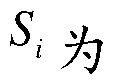 第 个轮廓围成封闭区域的面积, A为第/个轮廓围成封闭区域 的直径。 需要说明的是, 围成封闭区域可能为任意形状, 此处计算直径 Di是假设轮 廓围成封闭区域都是圆形 (无论轮廓围成封闭区域是什么形状都假设为圆形去 计算 Di), 那么它的面积和直径一定满足 S= n X d X d/4。至于轮廓围成封闭区域 是否真正为圆形, 会后续进一步进行验证。
S104: 基于外接矩形框的边长及轮廓直径, 确定轮廓的形状。
在一些实例中, 基于外接矩形框的边长及轮廓直径, 确定轮廓的形状, 包 括: 判断轮廓的外接矩形框的相邻边长之间的第一长度差是否在第一阈值内, 且轮廓直径与对应轮廓的外接矩形框的边长之间的第二长度差是否在第二阈值 内, 若判断结果均为是, 确定轮廓的形状为圆形。 如果一个轮廓的外接矩形框为正方形, 即, 矩形框的宽度和高度相等或比
值近似为 1, 且轮廓直径和外接矩形框的边长相等或近似相等, 则判定该轮廓为 圆形。 判断公式 2) 为:
/0 < Lht / Lwt < lx
<
/0 <= D( / Lw{ <— /p 2)
 高 (或长), 对于外接矩形框宽高比值的公式, (为最小阈值, 在 (0_98, 0_99)之间 取值, (为设定的最大阈值, 在 (M,1^2)之间取值。 对于直径与边长比值公式, Z。 为设定的最小阈值, 在 (0_965, 0_98)之间取值, ^为设定的最大阈值, 在 (1_01,1_09)之 间取值。 第一长复墓可以为 / £^, 第一阈值可以为 (至 (之间的范围, 第二长 度差可以为 A / z^, 第二阈值可以为;。至 A之间的范围。 在一些实例中, 该方法 100还包括: 去除至少一个轮廓中轮廓直径小于第 六阈值的轮廓; 和 /或, 去除至少一个轮廓中轮廓形状属于非圆形的轮廓。 当不符合公式 2) 的轮廓的形状不为圆形, 则去除该轮廓。 同时过小的区域 也不考虑, 即轮廓直径需大于 30个像素, Di >= 3Q, 去除轮廓直径小于 30个像 素小区域的轮廓, 目的是去除小区域噪声。
S105 : 基于各轮廓的形状, 确定待检测图像中的物体以及物体参数信息。 在一些实例中, 该方法 100还包括: 获取第一轮廓的第一质心的位置以及 获取第二轮廓的第二质心的位置; 基于第一质心的位置、 第二质心的位置以及 各轮廓对应的轮廓直径, 确定待检测图像中的物体以及物体参数信息。
应理解, 质心的位置是指该质心的像素在图像坐标系中的坐标位置, 对于 图像中的像素点都具有自己坐标位置。 在一些实例中, 该方法 100还包括: 针对至少一个轮廓中的任一轮廓, 确 定该轮廓的轮廓矩; 根据该轮廓的轮廓矩, 确定该轮廓的质心。 其中, 可以通过 OpenCV库中的图像矩 Image Moments算法, 可以用来计 算轮廓的质心, 在该算法中, 该轮廓的质心为 mc[i] =
Point2d( mu[i].ml0/mu[i].m00 , mu[i].m01/mu[i].m00 );第 i个轮廓的轮廓矩为 mu[i]
= moments( contours [i]);其中, contours[i]为输入的第 i个轮廓, MOO, M01, M10

为 的低阶矩, 其中, 为一幅 L (长度) xW (宽度) 的数字图像 f(x,y), 其 p+q阶几何矩, f(x,y)为图像在坐标点(x,y)处的灰度值, p和 q为低阶阶数。
在一些实例中, 当第一质心与第二质心的位置之差小于第三阈值且第一轮 廓与第二轮廓的半径之差大于第四阈值, 则确定待检测图像中的物体以及物体 参数信息包括同心圆环; 当第一质心与第二质心的位置之差小于第三阈值且第 一轮廓与第二轮廓的半径之差小于第五阈值, 则确定待检测图像中的物体以及 物体参数信息包括同心圆。
如果两个圆的质心位置重合或差值在第三阈值之内且半径差值大于第四阈 值则判定为同心圆环, 同心圆环判断公式 3) 为:


如果两个圆的质心位置重合或差值在一定阈值之内且半径差值小于第五阈
值 (如, 0-3) 则判定为同心圆, 同心圆判断公式 4) 为:

在一些实例中, 根据同心圆环的第一轮廓上像素点与同心圆环的圆心的距 离, 计算同心圆环的第一轮廓半径; 根据同心圆环的第二轮廓上像素点与同心 圆环的圆心的距离, 计算同心圆环的第二轮廓半径, 包括: 将第一轮廓上多个 像素点与同心圆环的圆心的距离的平均值, 作为同心圆环的第一轮廓半径; 将 第二轮廓上多个像素点与同心圆环的圆心的距离的平均值, 作为同心圆环的第 二轮廓半径。
根据同心圆的第一轮廓与第二轮廓上像素点与圆心的距离, 计算同心圆的 轮廓半径, 包括: 将同心圆的第一轮廓和第二轮廓上多个像素点与圆心的距离 的平均值, 作为同心圆的轮廓半径。
同心圆或同心圆环的圆心可通过求取内外两个圆的圆心的位置的平均值获 得, 圆心的位置用质心位置近似代替, 计算公式 5) 为:
Crx = l/2( mcrx + mCj .x)
Cry = 1/2( mcry + mCj.y)
5)
其中, 为第 r个同心圆或同心圆环的圆心的横坐标, 为该同心圆或同 心圆环的圆心的纵坐标,
 (第一轮廓或第二轮廓) 的质心 (第一质心或第二质心) 的位置的横坐标,


在内外圆或同
 100个像素点并计算其与圆 心的距离最后求取平均值,作为内外圆的半径(第一轮廓半径或第二轮廓半径)。 如公式 6) 所示确定一个像素点到圆心的距离:
 其中, <为在内外圆上各自均匀选取的像素点, = 1,2,3, ,100 ?
 素点横坐标,
 在求得多个内圆半径或外圆半径后, 通过 求取各自的平均值确定最终各自的半径。 应理解, 该内圆可以是对应第一轮廓, 也可以是对应第二轮廓, 外圆可以 是对应第一轮廓, 也可以是对应第二轮廓, 但内外圆对应的轮廓不同, 此处就 不再限定。 可以将最终确定的圆心以及内外圆的半径作为对应同心圆或同心圆 环的参数信息, 输出拟合后的同心圆和 /或同心圆环以及各自的参数信息作为检 测结果。 图 5所示的检测装置的结构框架示意图, 该检测装置 500可以包括: 存储 器 501以及处理器 502 ;
存储器 501, 用于存储计算机程序, 并可被配置为存储其它各种数据以支持 在其所在设备上的操作。 这些数据的示例包括用于在设备上操作的任何应用程 序、 OS或方法的指令等。 存储器可以由任何类型的易失性或非易失性存储设备 或者它们的组合实现, 如静态随机存取存储器 (SRAM), 电可擦除可编程只读 存储器 (EEPROM), 可擦除可编程只读存储器 (EPROM), 可编程只读存储器 (PROM), 只读存储器 (ROM), 磁存储器, 快闪存储器, 磁盘, 光盘或 SSD。
处理器 502, 用于执行计算机程序, 以用于: 对待检测图像进行边緣检测, 确定待检测图像中存在的至少一个轮廓; 针对每个轮廓, 获取轮廓的外接矩形
框; 计算轮廓围成的封闭区域的轮廓直径; 基于外接矩形框的边长及轮廓直径, 确定轮廓的形状; 基于各轮廓的形状, 确定待检测图像中的物体以及物体参数 信息。
在一些实例中, 处理器 502, 具体用于: 基于封闭区域中包含的像素点个数 及像素点大小, 计算轮廓围成的封闭区域的轮廓面积; 根据轮廓面积, 并基于 圆的面积与直径的关系, 计算轮廓围成的封闭区域的轮廓直径。
在一些实例中, 处理器 502, 具体用于: 判断轮廓的外接矩形框的相邻边长 之间的第一长度差是否在第一阈值内, 且轮廓直径与对应轮廓的外接矩形框的 边长之间的第二长度差是否在第二阈值内, 若判断结果均为是, 确定轮廓的形 状为圆形。
在一些实例中, 处理器 502, 具体用于: 确定待检测图像中至少存在第一轮 廓以及第二轮廓; 处理器 502, 还用于: 获取第一轮廓的第一质心的位置以及获 取第二轮廓的第二质心的位置; 确定待检测图像中的物体以及物体参数信息还 基于第一质心的位置、 第二质心的位置以及各轮廓对应的轮廓直径。
在一些实例中, 当第一质心与第二质心的位置之差小于第三阈值且第一轮 廓与第二轮廓的半径之差大于第四阈值, 则处理器 502, 具体用于: 确定待检测 图像中的物体以及物体参数信息包括同心圆环;
当第一质心与第二质心的位置之差小于第三阈值且第一轮廓与第二轮廓的 半径之差小于第五阈值, 则处理器 502, 具体用于: 确定待检测图像中的物体以 及物体参数信息包括同心圆。
在一些实例中, 处理器 502, 还用于: 计算同心圆环的第一质心与第二质心 的位置的平均值, 得到同心圆环的圆心; 根据同心圆环的第一轮廓上像素点与 同心圆环的圆心的距离, 计算同心圆环的第一轮廓半径; 根据同心圆环的第二 轮廓上像素点与同心圆环的圆心的距离, 计算同心圆环的第二轮廓半径; 和 /或, 计算同心圆的第一质心与第二质心的位置的平均值, 得到同心圆的圆心; 根据 同心圆的第一轮廓与第二轮廓上像素点与圆心的距离, 计算同心圆的轮廓半径。
在一些实例中, 处理器 502, 具体用于: 将第一轮廓上多个像素点与同心圆 环的圆心的距离的平均值, 作为同心圆环的第一轮廓半径; 将第二轮廓上多个 像素点与同心圆环的圆心的距离的平均值, 作为同心圆环的第二轮廓半径; 根 据同心圆的第一轮廓与第二轮廓上像素点与圆心的距离, 计算同心圆的轮廓半 径, 包括: 将同心圆的第一轮廓和第二轮廓上多个像素点与圆心的距离的平均
值, 作为同心圆的轮廓半径。
在一些实例中, 在对待检测图像进行边緣检测之前, 处理器 502, 还用于: 采集待检测物体的第一图像; 对第一图像进行灰度化处理; 对灰度化处理后的 第一图像进行高斯模糊处理, 获得二值化的待检测图像。
在一些实例中, 处理器 502, 具体用于: 针对至少一个轮廓中的任一轮廓, 基于该轮廓的边界像素点, 确定该轮廓的垂直边界, 并根据垂直边界确定该轮 廓的外接矩形框; 处理器 502, 还用于: 针对至少一个轮廓中的任一轮廓, 确定 该轮廓的轮廓矩; 根据该轮廓的轮廓矩, 确定该轮廓的质心。
在一些实例中, 处理器 502, 还用于: 去除至少一个轮廓中轮廓直径小于第 六阈值的轮廓; 和 /或, 去除至少一个轮廓中轮廓形状属于非圆形的轮廓。
可选地, 本实施例提供的检测装置, 在设备形态上, 可以是终端设备, 也 可以是服务器。
进一步, 如图 5所示, 该检测装置还可以包括: 通信组件 503、 显示器 504、 音频组件 505、 电源组件等其它组件。 图 5中仅示意性给出部分组件, 并不意味 着该设备只包括图 5所示组件。 另外, 图 5中虚线框所示组件为可选组件, 而 非必选组件。
通过该检测装置 500, 可以快速且便捷地自动实现对物体的形状进行检测 的功能, 减少人力的检测成本以及时间以及其他检测方式带来的检测误差, 同 时检测过程的复杂度较低。
上述实施例中的通信组件被配置为便于其所在设备和其他设备之间有线或 无线方式的通信。 智能音箱可以接入基于通信标准的无线网络, 如 WiFi, 2G或 3G, 或它们的组合。 在一个示例性实施例中, 通信组件经由广播信道接收来自 外部广播管理系统的广播信号或广播相关信息。 在一个示例性实施例中, 所述 通信组件可以支持近场通信 (NFC) 技术、 射频识别 (RFID) 技术, 红外数据 协会 (IrDA) 技术, 超宽带 (UWB) 技术, 蓝牙 (BT) 技术以及其他技术。
上述实施例中的显示器包括屏幕, 其屏幕可以包括液晶显示器 (LCD) 和 触摸面板 (TP)。 如果屏幕包括触摸面板, 屏幕可以被实现为触摸屏, 以接收来 自用户的输入信号。 触摸面板包括一个或多个触摸传感器以感测触摸、 滑动和 触摸面板上的手势。 触摸传感器可以不仅感测触摸或滑动动作的边界, 而且还 检测与触摸或滑动操作相关的持续时间和压力。
上述实施例中的电源组件, 为电源组件所在设备的各种组件提供电力。 电
源组件可以包括电源管理系统, 一个或多个电源, 及其他与为电源组件所在设 备生成、 管理和分配电力相关联的组件。
上述实施例的音频组件, 可被配置为输出和 /或输入音频信号。 例如, 音频 组件包括一个麦克风 (MIC), 当音频组件所在设备处于操作模式, 如呼叫模式、 记录模式和语音识别模式时, 麦克风被配置为接收外部音频信号。 所接收的音 频信号可以被进一步存储在存储器或经由通信组件发送。 在一些实施例中, 音 频组件还包括一个扬声器, 用于输出音频信号。
另外, 本发明实施例提供了一种计算机存储介质, 计算机程序被一个或多 个处理器执行时, 致使一个或多个处理器实现前述各方法实施例中的步骤。
另外, 在上述实施例及附图中的描述的一些流程中, 包含了按照特定顺序 出现的多个操作, 但是应该清楚了解, 这些操作可以不按照其在本文中出现的 顺序来执行或并行执行, 操作的序号如 101、 102、 103等, 仅仅是用于区分开 各个不同的操作, 序号本身不代表任何的执行顺序。 另外, 这些流程可以包括 更多或更少的操作, 并且这些操作可以按顺序执行或并行执行。 需要说明的是, 本文中的“第一”、 “第二’’等描述, 是用于区分不同的消息、 设备、 模块等, 不代 表先后顺序, 也不限定“第一”和“第二”是不同的类型。
以上所描述的装置实施例仅仅是示意性的, 其中作为分离部件说明的单元 可以是或者也可以不是物理上分开的, 作为单元显示的部件可以是或者也可以 不是物理单元, 即可以位于一个地方, 或者也可以分布到多个网络单元上。 可 以根据实际的需要选择其中的部分或者全部模块来实现本实施例方案的目的。 本领域普通技术人员在不付出创造性的劳动的情况下, 即可以理解并实施。
通过以上的实施方式的描述, 本领域的技术人员可以清楚地了解到各实施 方式可借助加必需的通用硬件平台的方式来实现, 当然也可以通过硬件和软件 结合的方式来实现。 基于这样的理解, 上述技术方案本质上或者说对现有技术 做出贡献的部分可以以计算机产品的形式体现出来, 本发明可采用在一个或多 个其中包含有计算机可用程序代码的计算机可用存储介质 (包括但不限于磁盘 存储器、 CD-ROM、 光学存储器等) 上实施的计算机程序产品的形式。
本发明是参照根据本发明实施例的方法、 设备 (系统)、 和计算机程序产品 的流程图和 /或方框图来描述的。 应理解可由计算机程序指令实现流程图和 / 或方框图中的每一流程和 /或方框、 以及流程图和 /或方框图中的流程和 /或 方框的结合。 可提供这些计算机程序指令到通用计算机、 专用计算机、 嵌入式
处理机或其他可编程多媒体数据处理设备的处理器以产生一个机器, 使得通过 计算机或其他可编程多媒体数据处理设备的处理器执行的指令产生用于实现在 流程图一个流程或多个流程和 /或方框图一个方框或多个方框中指定的功能的 装置。
这些计算机程序指令也可存储在能引导计算机或其他可编程多媒体数据处 理设备以特定方式工作的计算机可读存储器中, 使得存储在该计算机可读存储 器中的指令产生包括指令装置的制造品, 该指令装置实现在流程图一个流程或 多个流程和 /或方框图一个方框或多个方框中指定的功能。
这些计算机程序指令也可装载到计算机或其他可编程多媒体数据处理设备 上, 使得在计算机或其他可编程设备上执行一系列操作步骤以产生计算机实现 的处理, 从而在计算机或其他可编程设备上执行的指令提供用于实现在流程图 一个流程或多个流程和 /或方框图一个方框或多个方框中指定的功能的步骤。
在一个典型的配置中, 计算设备包括一个或多个处理器 (CPU)、 输入 /输出 接口、 网络接口和内存。
内存可能包括计算机可读介质中的非永久性存储器, 随机存取存储器 (RAM) 和 /或非易失性内存等形式, 如只读存储器 (ROM) 或闪存(flash RAM)。 内存是计算机可读介质的示例。
计算机可读介质包括永久性和非永久性、 可移动和非可移动媒体可以由任 何方法或技术来实现信息存储。 信息可以是计算机可读指令、 数据结构、 程序 的模块或其他数据。 计算机的存储介质的例子包括, 但不限于相变内存 (PRAM), 静态随机存取存储器 (SRAM)、 动态随机存取存储器 (DRAM)、 其他 类型的随机存取存储器 (RAM)、只读存储器 (ROM)、 电可擦除可编程只读存储 器 (EEPROM)、快闪记忆体或其他内存技术、只读光盘只读存储器 (CD-ROM)、 数字多功能光盘 (DVD) 或其他光学存储、磁盒式磁带, 磁带磁磁盘存储或其他 磁性存储设备或任何其他非传输介质, 可用于存储可以被计算设备访问的信息。 按照本文中的界定, 计算机可读介质不包括暂存电脑可读媒体(transitory media), 如调制的数据信号和载波。
最后应说明的是: 以上实施例仅用以说明本发明的技术方案, 而非对其限 制; 尽管参照前述实施例对本发明进行了详细的说明, 本领域的普通技术人员 应当理解: 其依然可以对前述各实施例所记载的技术方案进行修改, 或者对其 中部分技术特征进行等同替换; 而这些修改或者替换, 并不使相应技术方案的
Claims
1、 一种物体的检测方法, 其特征在于, 包括:
对待检测图像进行边緣检测, 确定所述待检测图像中存在的至少一个轮 廓;
针对每个所述轮廓, 获取所述轮廓的外接矩形框;
计算所述轮廓围成的封闭区域的轮廓直径;
基于所述外接矩形框的边长及所述轮廓直径, 确定所述轮廓的形状; 基于各所述轮廓的形状, 确定待检测图像中的物体以及物体参数信息。
2、 根据权利要求 1所述的方法, 其特征在于, 所述计算轮廓围成的封闭 区域的轮廓直径包括:
基于所述封闭区域中包含的像素点个数及像素点大小, 计算所述轮廓围 成的封闭区域的轮廓面积;
根据所述轮廓面积, 并基于圆的面积与直径的关系, 计算所述轮廓围成 的封闭区域的轮廓直径。
3、 根据权利要求 1所述的方法, 其特征在于, 所述基于所述外接矩形框 的边长及所述轮廓直径, 确定所述轮廓的形状, 包括:
判断所述轮廓的外接矩形框的相邻边长之间的第一长度差是否在第一阈 值内, 且所述轮廓直径与对应轮廓的外接矩形框的边长之间的第二长度差是 否在第二阈值内, 若判断结果均为是, 确定所述轮廓的形状为圆形。
4、 根据权利要求 1所述的方法, 其特征在于, 所述确定所述待检测图像 中存在的至少一个轮廓包括: 确定所述待检测图像中至少存在第一轮廓以及 第二轮廓;
所述方法还包括: 获取第一轮廓的第一质心的位置以及获取第二轮廓的 第二质心的位置;
基于所述第一质心的位置、 所述第二质心的位置以及各所述轮廓对应的 轮廓直径, 确定待检测图像中的物体以及物体参数信息。
5、 根据权利要求 4所述的方法, 其特征在于,
当所述第一质心与所述第二质心的位置之差小于第三阈值且所述第一轮 廓与所述第二轮廓的半径之差大于第四阈值, 则确定所述待检测图像中的物 体以及物体参数信息包括同心圆环;
当所述第一质心与所述第二质心的位置之差小于第三阈值且所述第一轮 廓与所述第二轮廓的半径之差小于第五阈值, 则确定所述待检测图像中的物 体以及物体参数信息包括同心圆。
6、 根据权利要求 5所述的方法, 其特征在于, 所述方法还包括: 计算所述同心圆环的第一质心与第二质心的位置的平均值, 得到所述同 心圆环的圆心;
根据所述同心圆环的第一轮廓上像素点与所述同心圆环的圆心的距离, 计算所述同心圆环的第一轮廓半径; 根据所述同心圆环的第二轮廓上像素点 与所述同心圆环的圆心的距离, 计算所述同心圆环的第二轮廓半径; 和 /或, 计算所述同心圆的第一质心与第二质心的位置的平均值, 得到所述同心 圆的圆心;
根据所述同心圆的第一轮廓与第二轮廓上像素点与所述圆心的距离, 计 算所述同心圆的轮廓半径。
7、 根据权利要求 6所述的方法, 其特征在于, 所述根据所述同心圆环的 第一轮廓上像素点与所述同心圆环的圆心的距离, 计算所述同心圆环的第一 轮廓半径; 根据所述同心圆环的第二轮廓上像素点与所述同心圆环的圆心的 距离, 计算所述同心圆环的第二轮廓半径, 包括:
将所述第一轮廓上多个像素点与所述同心圆环的圆心的距离的平均值, 作为同心圆环的第一轮廊半径;
将所述第二轮廓上多个像素点与所述同心圆环的圆心的距离的平均值, 作为同心圆环的第二轮廓半径;
根据所述同心圆的第一轮廓与第二轮廓上像素点与所述圆心的距离, 计 算所述同心圆的轮廓半径, 包括:
将所述同心圆的第一轮廓和第二轮廓上多个像素点与所述圆心的距离的 平均值, 作为所述同心圆的轮廓半径。
8、 根据权利要求 1-7任一所述的方法, 其特征在于, 在对待检测图像进 行边緣检测之前, 还包括:
采集待检测物体的第一图像;
对所述第一图像进行灰度化处理;
对灰度化处理后的第一图像进行高斯模糊处理, 获得二值化的待检测图 像。
9、 根据权利要求 1-7任一所述的方法, 其特征在于, 所述获取所述轮廓 的外接矩形框, 包括:
针对所述至少一个轮廓中的任一轮廓, 基于该轮廓的边界像素点, 确定 该轮廓的垂直边界, 并根据所述垂直边界确定该轮廓的外接矩形框;
所述方法还包括:
针对所述至少一个轮廓中的任一轮廓, 确定所述该轮廓的轮廓矩; 根据该轮廓的轮廓矩, 确定所述该轮廓的质心。
10、 根据权利要求 1-7任一所述的方法, 其特征在于, 所述方法还包括: 去除所述至少一个轮廓中轮廓直径小于第六阈值的轮廓; 和 /或, 去除所述至 少一个轮廓中轮廓形状属于非圆形的轮廓。
11、 一种物体的检测装置, 其特征在于, 包括: 存储器以及处理器; 所述存储器, 用于存储计算机程序;
所述处理器, 用于执行所述计算机程序, 以用于:
对待检测图像进行边緣检测, 确定所述待检测图像中存在的至少一个轮 廓;
针对每个所述轮廓, 获取所述轮廓的外接矩形框;
计算所述轮廓围成的封闭区域的轮廓直径;
基于所述外接矩形框的边长及所述轮廓直径, 确定所述轮廓的形状; 基于各所述轮廓的形状, 确定待检测图像中的物体以及物体参数信息。
12、 根据权利要求 1 1所述的装置, 其特征在于, 处理器, 具体用于基于封闭区域中包含的像素点个数及像素点大小, 计算 轮廓围成的封闭区域的轮廓面积; 根据轮廓面积, 并基于圆的面积与直径的关 系, 计算轮廓围成的封闭区域的轮廓直径。
13、 根据权利要求 1 1所述的装置, 其特征在于, 处理器, 具体用于判断轮廓的外接矩形框的相邻边长之间的第一长度差是 否在第一阈值内, 且轮廓直径与对应轮廓的外接矩形框的边长之间的第二长度 差是否在第二阈值内, 若判断结果均为是, 确定轮廓的形状为圆形。
14、 根据权利要求 1 1所述的装置, 其特征在于, 处理器, 具体用于确定待检测图像中至少存在第一轮廓以及第二轮廓; 处 理器, 还用于获取第一轮廓的第一质心的位置以及获取第二轮廓的第二质心的 位置; 确定待检测图像中的物体以及物体参数信息还基于第一质心的位置、 第 二质心的位置以及各轮廓对应的轮廓直径。
15、 根据权利要求 14所述的装置, 其特征在于, 处理器, 具体用于当第一质心与第二质心的位置之差小于第三阈值且第一 轮廓与所述第二轮廓的半径之差大于第四阈值时, 确定待检测图像中的物体以 及物体参数信息包括同心圆环;
处理器, 具体用于当第一质心与第二质心的位置之差小于第三阈值且第一 轮廓与第二轮廓的半径之差小于第五阈值时, 确定待检测图像中的物体以及物 体参数信息包括同心圆。
16、 根据权利要求 15所述的装置, 其特征在于, 处理器, 还用于计算同心圆环的第一质心与第二质心的位置的平均值, 得 到同心圆环的圆心; 根据同心圆环的第一轮廓上像素点与同心圆环的圆心的距 离, 计算同心圆环的第一轮廓半径; 根据同心圆环的第二轮廓上像素点与同心 圆环的圆心的距离, 计算同心圆环的第二轮廊半径; 和 /或, 计算同心圆的第一 质心与第二质心的位置的平均值, 得到同心圆的圆心; 根据同心圆的第一轮廓 与第二轮廓上像素点与圆心的距离, 计算同心圆的轮廓半径。
17、 根据权利要求 16所述的装置, 其特征在于, 处理器, 具体用于将第一轮廓上多个像素点与同心圆环的圆心的距离的平 均值, 作为同心圆环的第一轮廓半径; 将第二轮廓上多个像素点与所述同心圆
环的圆心的距离的平均值, 作为同心圆环的第二轮廓半径; 根据同心圆的第一 轮廓与第二轮廓上像素点与圆心的距离, 计算同心圆的轮廓半径, 包括: 将同 心圆的第一轮廓和第二轮廓上多个像素点与圆心的距离的平均值, 作为同心圆 的轮廓半径。
18、 根据权利要求 11所述的装置, 其特征在于, 处理器, 具体用于针对至少一个轮廓中的任一轮廓, 基于该轮廓的边界像 素点, 确定该轮廓的垂直边界, 并根据垂直边界确定该轮廓的外接矩形框; 则处理器, 还用于针对至少一个轮廓中的任一轮廓, 确定该轮廓的轮廓矩; 根据该轮廓的轮廓矩, 确定该轮廓的质心。
19、 根据权利要求 11所述的装置, 其特征在于, 处理器, 还用于去除至少一个轮廓中轮廓直径小于第六阈值的轮廓; 和 /或, 去除至少一个轮廓中轮廓形状属于非圆形的轮廓。
20、 一种存储有计算机程序的计算机可读存储介质, 其特征在于, 所述 计算机程序被一个或多个处理器执行时, 致使所述一个或多个处理器实现权 利要求 1-10任一项所述方法中的步骤。
Priority Applications (1)
| Application Number | Priority Date | Filing Date | Title |
|---|---|---|---|
| US16/629,215 US11295467B2 (en) | 2018-12-28 | 2019-08-13 | Object detection method, object detection device and storage medium |
Applications Claiming Priority (2)
| Application Number | Priority Date | Filing Date | Title |
|---|---|---|---|
| CN201811628139.5A CN109816675A (zh) | 2018-12-28 | 2018-12-28 | 物体的检测方法、检测装置及存储介质 |
| CN201811628139.5 | 2018-12-28 |
Publications (1)
| Publication Number | Publication Date |
|---|---|
| WO2020134109A1 true WO2020134109A1 (zh) | 2020-07-02 |
Family
ID=66602638
Family Applications (1)
| Application Number | Title | Priority Date | Filing Date |
|---|---|---|---|
| PCT/CN2019/100303 Ceased WO2020134109A1 (zh) | 2018-12-28 | 2019-08-13 | 物体的检测方法、检测装置及存储介质 |
Country Status (3)
| Country | Link |
|---|---|
| US (1) | US11295467B2 (zh) |
| CN (1) | CN109816675A (zh) |
| WO (1) | WO2020134109A1 (zh) |
Cited By (3)
| Publication number | Priority date | Publication date | Assignee | Title |
|---|---|---|---|---|
| CN114494226A (zh) * | 2022-02-11 | 2022-05-13 | 安徽大学 | 一种基于图形质心跟踪算法的纺织丝饼油污缺陷检测方法 |
| CN118644510A (zh) * | 2024-05-28 | 2024-09-13 | 平方和(北京)科技有限公司 | 一种基于机器视觉的印花隐形眼镜的印刷环提取方法和系统 |
| CN119273680A (zh) * | 2024-12-06 | 2025-01-07 | 浙江宏奔电气有限公司 | 应用于保险片防护盒的装配质检方法、装置及系统 |
Families Citing this family (22)
| Publication number | Priority date | Publication date | Assignee | Title |
|---|---|---|---|---|
| CN109816675A (zh) | 2018-12-28 | 2019-05-28 | 歌尔股份有限公司 | 物体的检测方法、检测装置及存储介质 |
| CN111985468B (zh) * | 2020-08-27 | 2024-08-20 | 江苏提米智能科技有限公司 | 一种码表指针数值检测方法、装置、电子设备及存储介质 |
| CN112017232B (zh) * | 2020-08-31 | 2024-03-15 | 浙江水晶光电科技股份有限公司 | 图像内圆形图案的定位方法、装置及设备 |
| CN112669375B (zh) * | 2021-01-13 | 2024-07-23 | 慧灵科技(深圳)有限公司 | 基于像素点查找圆形物体的方法及装置 |
| CN112700440B (zh) * | 2021-01-18 | 2022-11-04 | 上海闻泰信息技术有限公司 | 物体缺陷检测方法、装置、计算机设备及存储介质 |
| CN113076907B (zh) * | 2021-04-16 | 2023-03-21 | 青岛海尔电冰箱有限公司 | 冰箱内物品信息标识方法、冰箱和计算机存储介质 |
| CN113191272A (zh) * | 2021-04-30 | 2021-07-30 | 杭州品茗安控信息技术股份有限公司 | 一种工程图像的识别方法、识别系统及相关装置 |
| CN113177922A (zh) * | 2021-05-06 | 2021-07-27 | 中冶赛迪重庆信息技术有限公司 | 一种原料异物识别方法、系统、介质及电子终端 |
| NL2031940B1 (en) | 2021-05-20 | 2023-06-13 | Group Ib Ltd | Method and device for clustering phishing web resources based on visual content image |
| US12238138B2 (en) * | 2021-05-20 | 2025-02-25 | F.A.C.C.T. Antifraud Llc | Method and device for clustering phishing web resources based on visual content image |
| CN113578778A (zh) * | 2021-07-27 | 2021-11-02 | 福建工程学院 | 利用轮廓特征和色彩特征检测汽车玻璃混线的方法及系统 |
| CN113888574B (zh) * | 2021-10-07 | 2025-09-05 | 珠海一微半导体股份有限公司 | 一种清洁机器人获取可清扫区域面积的方法 |
| CN114170435A (zh) * | 2021-12-08 | 2022-03-11 | 广州绿怡信息科技有限公司 | 回收检测的外观影像筛选方法及装置 |
| CN114596269B (zh) * | 2022-03-01 | 2022-07-29 | 常州市新创智能科技有限公司 | 一种玻纤布面经纱少丝缠丝的检测方法及装置 |
| CN115219390B (zh) * | 2022-05-25 | 2025-03-21 | 湖南洪康新材料科技有限公司 | 用于确定微粒粒度的方法及装置、处理器及存储介质 |
| CN115082552B (zh) | 2022-07-25 | 2022-12-27 | 荣耀终端有限公司 | 标记孔的定位方法、装置、装配设备及存储介质 |
| CN115237321A (zh) * | 2022-07-25 | 2022-10-25 | 深圳市华胜软件技术有限公司 | 擦除处理方法、装置、电子设备及计算机可读存储介质 |
| CN115456995B (zh) * | 2022-09-15 | 2026-01-30 | 安脉时代智能制造(宁德)有限公司 | 一种焊缝虚焊检测方法、装置、设备及可读存储介质 |
| CN115205299B (zh) * | 2022-09-19 | 2025-01-10 | 江苏东晨机械科技有限公司 | 基于机器视觉的卷板机故障智能识别方法 |
| CN116506595B (zh) * | 2023-05-26 | 2025-08-26 | 深圳中科软件科技有限公司 | 一种摄像头外观检测方法 |
| CN116664527A (zh) * | 2023-06-01 | 2023-08-29 | 阳光新能源开发股份有限公司 | 区域形状的确定方法、设备及介质 |
| CN116862912B (zh) * | 2023-09-04 | 2023-11-24 | 山东恒信科技发展有限公司 | 基于机器视觉的原料油杂质检测方法 |
Citations (5)
| Publication number | Priority date | Publication date | Assignee | Title |
|---|---|---|---|---|
| US20040181361A1 (en) * | 2001-07-05 | 2004-09-16 | Kabushiki Kaisha Toshiba | Graphic contour extracting method, pattern inspecting method, program and pattern inspecting system |
| CN101477692A (zh) * | 2009-02-13 | 2009-07-08 | 阿里巴巴集团控股有限公司 | 图像特征提取方法及装置 |
| CN106952307A (zh) * | 2017-03-22 | 2017-07-14 | 广东工业大学 | 一种图像中球体定位方法及系统 |
| JP2018088206A (ja) * | 2016-11-30 | 2018-06-07 | 株式会社イノテック | 円検出方法、円検出装置、プログラム及び記憶媒体 |
| CN109816675A (zh) * | 2018-12-28 | 2019-05-28 | 歌尔股份有限公司 | 物体的检测方法、检测装置及存储介质 |
Family Cites Families (13)
| Publication number | Priority date | Publication date | Assignee | Title |
|---|---|---|---|---|
| US7813590B2 (en) * | 2005-05-13 | 2010-10-12 | Given Imaging Ltd. | System and method for displaying an in-vivo image stream |
| CN101567048B (zh) * | 2008-04-21 | 2012-06-06 | 夏普株式会社 | 图像辨别装置及图像检索装置 |
| CN101699217B (zh) * | 2009-11-03 | 2011-05-11 | 武汉大学 | 一种用于工业零件的同心圆检测方法 |
| JP2013048318A (ja) * | 2011-08-29 | 2013-03-07 | Nintendo Co Ltd | 情報処理装置、情報処理プログラム、情報処理方法および情報処理システム |
| CN103150730A (zh) * | 2013-03-07 | 2013-06-12 | 南京航空航天大学 | 一种基于图像的圆形小目标精确检测方法 |
| CN108109154A (zh) * | 2016-11-24 | 2018-06-01 | 广州映博智能科技有限公司 | 一种工件的新型定位及数据获取方法 |
| CN106780599A (zh) * | 2016-12-06 | 2017-05-31 | 武汉秀宝软件有限公司 | 一种基于Hough变化的圆形识别方法及系统 |
| CN106709909B (zh) * | 2016-12-13 | 2019-06-25 | 重庆理工大学 | 一种基于深度学习的柔性机器人视觉识别与定位系统 |
| US11170216B2 (en) * | 2017-01-20 | 2021-11-09 | Sony Network Communications Inc. | Information processing apparatus, information processing method, program, and ground marker system |
| CN106932904A (zh) * | 2017-02-27 | 2017-07-07 | 阿里巴巴集团控股有限公司 | 虚拟现实头戴设备 |
| CN108734054B (zh) * | 2017-04-17 | 2021-12-31 | 湖南生物机电职业技术学院 | 无遮挡的柑橘果实图像识别方法 |
| CN108596232B (zh) * | 2018-04-16 | 2022-03-08 | 杭州睿珀智能科技有限公司 | 一种基于形状和颜色特征的鞋垫自动分类方法 |
| CN109003258B (zh) * | 2018-06-15 | 2021-10-19 | 广东工业大学 | 一种高精度亚像素圆形零件测量方法 |
-
2018
- 2018-12-28 CN CN201811628139.5A patent/CN109816675A/zh active Pending
-
2019
- 2019-08-13 US US16/629,215 patent/US11295467B2/en active Active
- 2019-08-13 WO PCT/CN2019/100303 patent/WO2020134109A1/zh not_active Ceased
Patent Citations (5)
| Publication number | Priority date | Publication date | Assignee | Title |
|---|---|---|---|---|
| US20040181361A1 (en) * | 2001-07-05 | 2004-09-16 | Kabushiki Kaisha Toshiba | Graphic contour extracting method, pattern inspecting method, program and pattern inspecting system |
| CN101477692A (zh) * | 2009-02-13 | 2009-07-08 | 阿里巴巴集团控股有限公司 | 图像特征提取方法及装置 |
| JP2018088206A (ja) * | 2016-11-30 | 2018-06-07 | 株式会社イノテック | 円検出方法、円検出装置、プログラム及び記憶媒体 |
| CN106952307A (zh) * | 2017-03-22 | 2017-07-14 | 广东工业大学 | 一种图像中球体定位方法及系统 |
| CN109816675A (zh) * | 2018-12-28 | 2019-05-28 | 歌尔股份有限公司 | 物体的检测方法、检测装置及存储介质 |
Cited By (4)
| Publication number | Priority date | Publication date | Assignee | Title |
|---|---|---|---|---|
| CN114494226A (zh) * | 2022-02-11 | 2022-05-13 | 安徽大学 | 一种基于图形质心跟踪算法的纺织丝饼油污缺陷检测方法 |
| CN114494226B (zh) * | 2022-02-11 | 2024-03-12 | 安徽大学 | 一种基于图形质心跟踪算法的纺织丝饼油污缺陷检测方法 |
| CN118644510A (zh) * | 2024-05-28 | 2024-09-13 | 平方和(北京)科技有限公司 | 一种基于机器视觉的印花隐形眼镜的印刷环提取方法和系统 |
| CN119273680A (zh) * | 2024-12-06 | 2025-01-07 | 浙江宏奔电气有限公司 | 应用于保险片防护盒的装配质检方法、装置及系统 |
Also Published As
| Publication number | Publication date |
|---|---|
| US20210312651A1 (en) | 2021-10-07 |
| CN109816675A (zh) | 2019-05-28 |
| US11295467B2 (en) | 2022-04-05 |
Similar Documents
| Publication | Publication Date | Title |
|---|---|---|
| WO2020134109A1 (zh) | 物体的检测方法、检测装置及存储介质 | |
| TWI694381B (zh) | 圖像處理的方法及裝置 | |
| WO2016127736A1 (zh) | 指纹重叠区域面积的计算方法及电子装置 | |
| CN116385415B (zh) | 一种边缘缺陷检测方法、装置、设备及存储介质 | |
| CN110415237B (zh) | 皮肤瑕疵检测方法、检测装置、终端设备及可读存储介质 | |
| CN106251338A (zh) | 目标完整性检测方法及装置 | |
| CN105513037B (zh) | 角点检测方法及装置 | |
| CN111726612A (zh) | 镜头模组脏污检测方法、系统、设备及计算机存储介质 | |
| CN113379723B (zh) | 不规则溢胶口检测方法、装置、设备和存储介质 | |
| WO2023065792A1 (zh) | 图像处理方法、装置、电子设备和计算机可读存储介质 | |
| CN110211110A (zh) | 一种构件尺寸的检测方法、系统及终端设备 | |
| CN111080665B (zh) | 图像边框识别方法、装置、设备和计算机存储介质 | |
| CN112053367A (zh) | 图像处理方法、设备及存储介质 | |
| CN112800351B (zh) | 轨迹相似度判断方法、系统及计算机介质 | |
| WO2019080702A1 (zh) | 图像处理方法和装置 | |
| CN108875531A (zh) | 人脸检测方法、装置、系统及计算机存储介质 | |
| CN107221016A (zh) | SVG格式的Path图形的处理方法及其装置 | |
| CN113516739B (zh) | 一种动画处理方法、装置、存储介质及电子设备 | |
| CN111079793A (zh) | 图标相似度的确定方法和电子设备 | |
| CN103606179B (zh) | 一种动画图像显示方法及装置 | |
| CN107844803A (zh) | 一种图片比对的方法和装置 | |
| CN114612628A (zh) | 地图美化方法、装置、机器人及存储介质 | |
| JP2015082287A (ja) | 画像処理装置、画像処理方法および画像処理プログラム | |
| US20250200798A1 (en) | Positioning method and apparatus, and electronic device | |
| CN111210500B (zh) | 一种三维点云处理方法及装置 |
Legal Events
| Date | Code | Title | Description |
|---|---|---|---|
| 121 | Ep: the epo has been informed by wipo that ep was designated in this application |
Ref document number: 19905003 Country of ref document: EP Kind code of ref document: A1 |
|
| NENP | Non-entry into the national phase |
Ref country code: DE |
|
| 122 | Ep: pct application non-entry in european phase |
Ref document number: 19905003 Country of ref document: EP Kind code of ref document: A1 |