WO2020116606A1 - T細胞又はnk細胞の製造方法、t細胞又はnk細胞の培養用培地、t細胞又はnk細胞の培養方法、未分化t細胞の未分化状態を維持する方法及びt細胞又はnk細胞の増殖促進剤 - Google Patents
T細胞又はnk細胞の製造方法、t細胞又はnk細胞の培養用培地、t細胞又はnk細胞の培養方法、未分化t細胞の未分化状態を維持する方法及びt細胞又はnk細胞の増殖促進剤 Download PDFInfo
- Publication number
- WO2020116606A1 WO2020116606A1 PCT/JP2019/047808 JP2019047808W WO2020116606A1 WO 2020116606 A1 WO2020116606 A1 WO 2020116606A1 JP 2019047808 W JP2019047808 W JP 2019047808W WO 2020116606 A1 WO2020116606 A1 WO 2020116606A1
- Authority
- WO
- WIPO (PCT)
- Prior art keywords
- cells
- cell
- independently
- formula
- carbon atoms
- Prior art date
- Legal status (The legal status is an assumption and is not a legal conclusion. Google has not performed a legal analysis and makes no representation as to the accuracy of the status listed.)
- Ceased
Links
Images







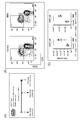


Classifications
-
- C—CHEMISTRY; METALLURGY
- C07—ORGANIC CHEMISTRY
- C07D—HETEROCYCLIC COMPOUNDS
- C07D471/00—Heterocyclic compounds containing nitrogen atoms as the only ring hetero atoms in the condensed system, at least one ring being a six-membered ring with one nitrogen atom, not provided for by groups C07D451/00 - C07D463/00
- C07D471/12—Heterocyclic compounds containing nitrogen atoms as the only ring hetero atoms in the condensed system, at least one ring being a six-membered ring with one nitrogen atom, not provided for by groups C07D451/00 - C07D463/00 in which the condensed system contains three hetero rings
- C07D471/18—Bridged systems
-
- C—CHEMISTRY; METALLURGY
- C07—ORGANIC CHEMISTRY
- C07D—HETEROCYCLIC COMPOUNDS
- C07D215/00—Heterocyclic compounds containing quinoline or hydrogenated quinoline ring systems
-
- C—CHEMISTRY; METALLURGY
- C07—ORGANIC CHEMISTRY
- C07D—HETEROCYCLIC COMPOUNDS
- C07D217/00—Heterocyclic compounds containing isoquinoline or hydrogenated isoquinoline ring systems
- C07D217/22—Heterocyclic compounds containing isoquinoline or hydrogenated isoquinoline ring systems with hetero atoms or with carbon atoms having three bonds to hetero atoms with at the most one bond to halogen, e.g. ester or nitrile radicals, directly attached to carbon atoms of the nitrogen-containing ring
-
- C—CHEMISTRY; METALLURGY
- C12—BIOCHEMISTRY; BEER; SPIRITS; WINE; VINEGAR; MICROBIOLOGY; ENZYMOLOGY; MUTATION OR GENETIC ENGINEERING
- C12N—MICROORGANISMS OR ENZYMES; COMPOSITIONS THEREOF; PROPAGATING, PRESERVING, OR MAINTAINING MICROORGANISMS; MUTATION OR GENETIC ENGINEERING; CULTURE MEDIA
- C12N5/00—Undifferentiated human, animal or plant cells, e.g. cell lines; Tissues; Cultivation or maintenance thereof; Culture media therefor
- C12N5/06—Animal cells or tissues; Human cells or tissues
- C12N5/0602—Vertebrate cells
- C12N5/0634—Cells from the blood or the immune system
- C12N5/0636—T lymphocytes
-
- C—CHEMISTRY; METALLURGY
- C12—BIOCHEMISTRY; BEER; SPIRITS; WINE; VINEGAR; MICROBIOLOGY; ENZYMOLOGY; MUTATION OR GENETIC ENGINEERING
- C12N—MICROORGANISMS OR ENZYMES; COMPOSITIONS THEREOF; PROPAGATING, PRESERVING, OR MAINTAINING MICROORGANISMS; MUTATION OR GENETIC ENGINEERING; CULTURE MEDIA
- C12N5/00—Undifferentiated human, animal or plant cells, e.g. cell lines; Tissues; Cultivation or maintenance thereof; Culture media therefor
- C12N5/06—Animal cells or tissues; Human cells or tissues
- C12N5/0602—Vertebrate cells
- C12N5/0634—Cells from the blood or the immune system
- C12N5/0636—T lymphocytes
- C12N5/0637—Immunosuppressive T lymphocytes, e.g. regulatory T cells or Treg
-
- C—CHEMISTRY; METALLURGY
- C12—BIOCHEMISTRY; BEER; SPIRITS; WINE; VINEGAR; MICROBIOLOGY; ENZYMOLOGY; MUTATION OR GENETIC ENGINEERING
- C12N—MICROORGANISMS OR ENZYMES; COMPOSITIONS THEREOF; PROPAGATING, PRESERVING, OR MAINTAINING MICROORGANISMS; MUTATION OR GENETIC ENGINEERING; CULTURE MEDIA
- C12N5/00—Undifferentiated human, animal or plant cells, e.g. cell lines; Tissues; Cultivation or maintenance thereof; Culture media therefor
- C12N5/06—Animal cells or tissues; Human cells or tissues
- C12N5/0602—Vertebrate cells
- C12N5/0634—Cells from the blood or the immune system
- C12N5/0646—Natural killers cells [NK], NKT cells
-
- C—CHEMISTRY; METALLURGY
- C12—BIOCHEMISTRY; BEER; SPIRITS; WINE; VINEGAR; MICROBIOLOGY; ENZYMOLOGY; MUTATION OR GENETIC ENGINEERING
- C12N—MICROORGANISMS OR ENZYMES; COMPOSITIONS THEREOF; PROPAGATING, PRESERVING, OR MAINTAINING MICROORGANISMS; MUTATION OR GENETIC ENGINEERING; CULTURE MEDIA
- C12N2501/00—Active agents used in cell culture processes, e.g. differentation
- C12N2501/40—Regulators of development
- C12N2501/48—Regulators of apoptosis
-
- C—CHEMISTRY; METALLURGY
- C12—BIOCHEMISTRY; BEER; SPIRITS; WINE; VINEGAR; MICROBIOLOGY; ENZYMOLOGY; MUTATION OR GENETIC ENGINEERING
- C12N—MICROORGANISMS OR ENZYMES; COMPOSITIONS THEREOF; PROPAGATING, PRESERVING, OR MAINTAINING MICROORGANISMS; MUTATION OR GENETIC ENGINEERING; CULTURE MEDIA
- C12N2501/00—Active agents used in cell culture processes, e.g. differentation
- C12N2501/999—Small molecules not provided for elsewhere
Definitions
- the present invention provides a method for producing T cells or NK cells, a culture medium for T cells or NK cells, a method for culturing T cells or NK cells, a method for maintaining an undifferentiated state of undifferentiated T cells, and T cells or NK cells.
- the present invention relates to a growth promoter.
- T cells are one of the immune cells derived from hematopoietic stem cells. T cells express T cell receptor (TCR) on the cell surface and specifically recognize the HLA-peptide complex on target cells. In addition, T cells can proliferate with a proliferation signal via TCR. T cells are roughly classified into helper T cells (Th cells) and cytotoxic T cells (CTL), and they work in concert in the body.
- TCR T cell receptor
- Th cells helper T cells
- CTL cytotoxic T cells
- the immune response to tumors (anti-tumor immune response) consists mainly of CTLs that directly damage tumors and Th cells that enhance the function of CTLs.
- dendritic cells (DC) have a role as a control tower that regulates the dynamics of other immune cells, and Th cells activate CTLs through activation of DCs and exert an antitumor effect. It is considered.
- adoptive immunotherapy using CTLs specific for tumor-associated antigens that function as effector cells is also effective in suppressing regression, metastasis or recurrence of primary cancer.
- it is a treatment method with less side effects on normal tissues.
- T cells derived from pluripotent stem cells such as induced pluripotent stem (iPS) cells are expected to lead to cellular immunotherapy that induces a strong antitumor immune response when administered in vivo. It is considered and is under development (Patent Document 1, Non-Patent Document 1).
- the methods described in Patent Document 1 and Non-Patent Document 1 are methods for producing iPS cells from antigen-specific CD8-positive CTL and inducing differentiation into CD8-positive CTL again.
- T cells derived from pluripotent stem cells correlate with high persistence in vivo and response (Non-Patent Document 3), and the more undifferentiated T cells show the higher therapeutic effect (Non-patent document 3).
- Patent Document 4 In the culture of T cells derived from pluripotent stem cells, cells derived from healthy donors are usually used as feeder cells, but there is a risk of contamination of unknown components at unknown concentrations, risk of infection, or cost. There is a problem and it is a problem in clinical application (Non-patent document 2).
- NK cells account for about 10% of blood cells, and are one of the lymphoid cells that play an important role in the immune response. NK cells can perform various functions, but in particular, they have the ability to kill cancer cells or cells infected with pathogens or viruses that have invaded from the outside, and have become tumors or are becoming tumorous. It serves to remove abnormal cells.
- NK cells also function as effector cells when antibody drugs recognize tumor cells and the like and exert antibody-dependent cellular cytotoxicity in the patient's body. Like T cells, NK cells can be given specificity by introducing a chimeric antigen receptor (CAR) or TCR, and can show specific cytotoxic activity to cancer cells and the like (Non-Patent Document 5). ..
- NK cells as a therapeutic agent for cancer or infectious diseases as described above, the number of NK cells present in the patient's body is not large. Therefore, there is a demand for a technique capable of mass-producing NK cells while maintaining sufficient efficacy for use in therapeutic applications.
- NK cells are incapable of large scale growth and culture in vitro as compared to T cells, and therefore much research has been done into techniques for expanding and culturing NK cells to therapeutically useful levels. ..
- NK cells For example, regarding the culture of NK cells, OKT-3 antibody that stimulates IL-21, LPS (non-patent document 6) or CD3 as well as IL-2 that has been used for T cell proliferation/activity (non-patent document 7). ) Have been studied for proliferation or activation methods. However, these merely find new proliferative substances in the form of variations and developments of the conventionally used IL-2.
- Non-patent Document 8 a method for culturing NK cells in which IL-12, IL-15 or IL-18 is combined has been developed.
- a method of using autologous or allogeneic feeder cells for culturing NK cells has also been developed.
- a breakthrough NK cell proliferation method using a low-molecular compound or the like which is excellent in terms of quality control, safety, cost, etc., has not yet been found.
- Bisbenzylisoquinoline alkaloids are low-molecular compounds derived from naturally occurring medicinal materials.
- the bisbenzylisoquinoline alkaloids for example berbamine and the like are used as clinical medicines.
- Berbamine is one of the components of the cepharanthin preparation, and is known to have a cytostatic effect on cancer cells and exhibit an antitumor effect (Non-Patent Document 9). Berbamine also stimulates myeloid cell proliferation, improves levels of hematopoietic stem cell colony stimulating factor (GCSF), promotes proliferation of myeloid hematopoietic stem cells and myeloid progenitor cells and their differentiation into granulocytes and leukocyte proliferation. It is known to have an effect (Patent Document 2).
- GCSF hematopoietic stem cell colony stimulating factor
- the present invention provides a method for producing T cells or NK cells, a medium for culturing T cells or NK cells, capable of efficiently proliferating T cells or NK cells and maintaining the state of the cells (for example, undifferentiated).
- a method for culturing T cells, a method for maintaining an undifferentiated state of undifferentiated T cells, and an agent for promoting the proliferation of T cells or NK cells are examples of T cells or NK cells.
- a bisbenzylisoquinoline alkaloid represented by formula (X-1) or (X-2) or a compound in which one ether bond is cleaved, or a compound thereof It was found that a pharmaceutically acceptable salt has an excellent growth promoting effect on T cells or NK cells and an effect of maintaining the state (for example, undifferentiated state) of the cells, and completed the present invention.
- R 1 and R′ 1 are each independently H or linear or branched alkyl containing 1 to 10 carbon atoms
- R 2 , R′ 2 , R 3 , R′ 3 , R 4, R′ 4 , R 5 and R′ 5 are each independently H, acyl, a straight chain containing 1 to 10 carbon atoms, or Branched alkyl, which may be interrupted by O, N or S heteroatoms, or R 2 and R 3 , R 4 and R 5 , R′ 2 and R′ 3 or R′.
- R 4 and R′ 5 together represent O or S
- R 6 , R′ 6 , R 7 and R′ 7 are each independently H, acyl, or a linear or branched alkyl containing 1 to 10 carbon atoms, and said alkyl is O, N Or it may be interrupted by an S heteroatom, or R 6 and R 7 or R′ 6 and R′ 7 together represent O or S
- X 1 , X 2 , X 3 and X 4 may be the same or different, each of which is independently H, hydroxy, linear or branched containing 1 to 10 carbon atoms.
- n 1 and n 3 are each independently an integer of 0 to 3
- n 2 and n 4 are each independently an integer of 0 to 4, and these may be bonded to each other to form a ring.
- T cells are undifferentiated T cells. 5.
- the T cell is 1 selected from the group consisting of helper T cells, regulatory T cells, cytotoxic T cells, naive T cells, memory T cells and terminal effector T cells The manufacturing method described. 7.
- the regulatory T cell expresses FoxP3.
- the memory T cell is a stem cell memory T cell, a central memory T cell or an effector memory T cell. 9. 4.
- the bisbenzylisoquinoline alkaloid, the compound in which one ether bond is cleaved, or a pharmaceutically acceptable salt thereof is selected from berbamine, (+)-berbamine, E6-berbamine, cepharanthin and a pharmaceutically acceptable salt thereof. 10.
- 11. 11 The production method according to any one of 1 to 10 above, wherein the concentration of the bisbenzylisoquinoline alkaloid, the compound in which one ether bond is cleaved, or the pharmaceutically acceptable salt thereof is 0.1 nM to 10 ⁇ M in the medium.
- R 1 and R′ 1 are each independently H or linear or branched alkyl containing 1 to 10 carbon atoms
- R 2 , R′ 2 , R 3, R′ 3 , R 4, R′ 4 , R 5 and R′ 5 are each independently H, acyl, a straight chain containing 1 to 10 carbon atoms, or Branched alkyl, which may be interrupted by O, N or S heteroatoms, or R 2 and R 3 , R 4 and R 5 , R′ 2 and R′ 3 or R′.
- R 4 and R′ 5 together represent O or S
- R 6 , R′ 6 , R 7 , and R′ 7 are each independently H, acyl, or a straight-chain or branched alkyl containing 1 to 10 carbon atoms, and said alkyl is O, Optionally interrupted with an N or S heteroatom, or R 6 and R 7 or R′ 6 and R′ 7 together represent O or S
- X 1 , X 2 , X 3 and X 4 may be the same or different, each of which is independently H, hydroxy, linear or branched containing 1 to 10 carbon atoms.
- R 1 and R′ 1 are each independently H or linear or branched alkyl containing 1 to 10 carbon atoms
- R 2 , R′ 2 , R 3, R′ 3 , R 4, R′ 4 , R 5 and R′ 5 are each independently H, acyl, a straight chain containing 1 to 10 carbon atoms, or Branched alkyl, which may be interrupted by O, N or S heteroatoms, or R 2 and R 3 , R 4 and R 5 , R′ 2 and R′ 3 or R′.
- R 4 and R′ 5 together represent O or S
- R 6 , R′ 6 , R 7 , and R′ 7 are each independently H, acyl, or a straight-chain or branched alkyl containing 1 to 10 carbon atoms, and said alkyl is O, Optionally interrupted with an N or S heteroatom, or R 6 and R 7 or R′ 6 and R′ 7 together represent O or S
- X 1 , X 2 , X 3 and X 4 may be the same or different, each of which is independently H, hydroxy, linear or branched containing 1 to 10 carbon atoms.
- n 1 and n 3 are each independently an integer of 0 to 3
- n 2 and n 4 are each independently an integer of 0 to 4, and these may be bonded to each other to form a ring.
- the bisbenzylisoquinoline alkaloid, the compound in which one ether bond is cleaved, or a pharmaceutically acceptable salt thereof is selected from berbamine, (+)-berbamine, E6-berbamine and cepharanthin and pharmaceutically acceptable salts thereof.
- R 1 and R′ 1 are each independently H or linear or branched alkyl containing 1 to 10 carbon atoms
- R 2 , R′ 2 , R 3, R′ 3 , R 4, R′ 4 , R 5 and R′ 5 are each independently H, acyl, a straight chain containing 1 to 10 carbon atoms, or Branched alkyl, which may be interrupted by O, N or S heteroatoms, or R 2 and R 3 , R 4 and R 5 , R′ 2 and R′ 3 or R′.
- R 4 and R′ 5 together represent O or S
- R 6 , R′ 6 , R 7 , and R′ 7 are each independently H, acyl, or a straight-chain or branched alkyl containing 1 to 10 carbon atoms, and said alkyl is O, Optionally interrupted with an N or S heteroatom, or R 6 and R 7 or R′ 6 and R′ 7 together represent O or S
- X 1 , X 2 , X 3 and X 4 may be the same or different, each of which is independently H, hydroxy, linear or branched containing 1 to 10 carbon atoms.
- n 1 and n 3 are each independently an integer of 0 to 3
- n 2 and n 4 are each independently an integer of 0 to 4, and these may be bonded to each other to form a ring.
- R 1 and R′ 1 are each independently H or linear or branched alkyl containing 1 to 10 carbon atoms
- R 2 , R′ 2 , R 3, R′ 3 , R 4, R′ 4 , R 5 and R′ 5 are each independently H, acyl, a straight chain containing 1 to 10 carbon atoms, or Branched alkyl, which may be interrupted by O, N or S heteroatoms, or R 2 and R 3 , R 4 and R 5 , R′ 2 and R′ 3 , or R′.
- R 4 and R′ 5 together represent O or S
- R 6 , R′ 6 , R 7 and R′ 7 are each independently H, acyl, or a linear or branched alkyl containing 1 to 10 carbon atoms, and said alkyl is O, Optionally interrupted with an N or S heteroatom, or R 6 and R 7 or R′ 6 and R′ 7 together represent O or S
- X 1 , X 2 , X 3 and X 4 may be the same or different, each of which is independently H, hydroxy, linear or branched containing 1 to 10 carbon atoms.
- n 1 and n 3 are each independently an integer of 0 to 3
- n 2 and n 4 are each independently an integer of 0 to 4, and these may be bonded to each other to form a ring.
- a method for producing T cells or NK cells which comprises culturing T cells or NK cells in a medium containing a CaMKII inhibitor. 29. 28.
- the CaMKII inhibitor is a bisbenzylisoquinoline alkaloid represented by the following formula (X-1) or (X-2), a compound in which one ether bond is cleaved, or a pharmaceutically acceptable salt thereof. Manufacturing method.
- R 1 and R′ 1 are each independently H or linear or branched alkyl containing 1 to 10 carbon atoms
- R 2 , R′ 2 , R 3, R′ 3 , R 4, R′ 4 , R 5 and R′ 5 are each independently H, acyl, a straight chain containing 1 to 10 carbon atoms, or Branched alkyl, which may be interrupted by O, N or S heteroatoms, or R 2 and R 3 , R 4 and R 5 , R′ 2 and R′ 3 or R′.
- R 4 and R′ 5 together represent O or S
- R 6 , R′ 6 , R 7 , and R′ 7 are each independently H, acyl, or a straight-chain or branched alkyl containing 1 to 10 carbon atoms, and said alkyl is O, Optionally interrupted with an N or S heteroatom, or R 6 and R 7 or R′ 6 and R′ 7 together represent O or S
- X 1 , X 2 , X 3 and X 4 may be the same or different, each of which is independently H, hydroxy, linear or branched containing 1 to 10 carbon atoms.
- n 1 and n 3 are each independently an integer of 0 to 3
- n 2 and n 4 are each independently an integer of 0 to 4, and these may be bonded to each other to form a ring.
- T in the presence of a bisbenzylisoquinoline alkaloid represented by formula (X-1) or formula (X-2) or a compound in which one ether bond is cleaved, or a pharmaceutically acceptable salt thereof.
- a bisbenzylisoquinoline alkaloid represented by formula (X-1) or formula (X-2) or a compound in which one ether bond is cleaved, or a pharmaceutically acceptable salt thereof.
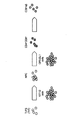
- FIG. 1 shows a schematic diagram of the procedure for inducing differentiation of iPS cells.
- FIG. 2 shows a schematic diagram of the procedure for expanding iPS-T cells.
- FIG. 3A shows a schematic diagram of the procedure of immunophenotyping using T-iPS-T cells.
- FIG. 3B shows the results of immunophenotyping using T-iPS-T cells.
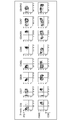
- FIG. 4(A) shows a schematic diagram of the procedure of the immunophenotyping test using T-iPS-T cells, and FIG. 4(B) shows the result.
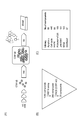
- FIGS. 5(A) to (C) show a scheme of screening for low molecular weight compounds that improve the proliferation efficiency of T-iPS-T cells under feeder-free culture conditions.
- FIG. 5(A) to (C) show a scheme of screening for low molecular weight compounds that improve the proliferation efficiency of T-iPS-T cells under feeder-free culture conditions.
- FIG. 5(A) to (C) show a scheme of screening for low mole
- FIG. 6 shows the results of screening a low-molecular compound that promotes the proliferation of T-iPS-T cells under feeder-free culture conditions, using the number of viable cells as an index.
- FIG. 7 shows the results of screening low molecular weight compounds that promote cell proliferation while maintaining the undifferentiated state of undifferentiated T cells under feeder-free culture conditions.
- FIG. 8 shows the results of evaluation of the concentration dependence of berbamine and its derivatives on the number of viable cells under feeder-free culture conditions.
- FIG. 9 shows the results of concentration-dependent evaluation of berbamine and its derivatives on the number of undifferentiated cells under feeder-free culture conditions.
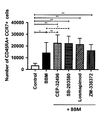
- FIGS. 12(A) and 12(B) show the results of evaluating the effect of T-iPS-T cell in culture by comparing known compounds that contribute to the proliferation of memory T cells with berbamine.
- FIG. 12(A) and 12(B) show the results of evaluating the effect of T-iPS-T cell in culture by comparing known compounds that contribute to the proliferation of memory T cells with berbamine.
- FIG. 13 shows the results of examining the effect of berbamine in combination with a MAPK cascade inhibitor on the proliferation of memory T cells.
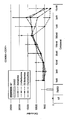
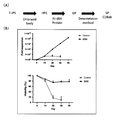
- FIG. 14(A) shows an experimental scheme for evaluating feeder-free long-term culture of T-iPS-T cells by using berbamine, and FIG. 14(B) shows the result.
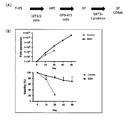
- FIG. 15(A) shows an experimental scheme for evaluating feeder long-term culture of T-iPS-T cells by using berbamine, and FIG. 15(B) shows the result.
- FIG. 16(A) shows an experimental scheme for evaluating the effect of berbamine on the proliferation of primary T cells (CD4T, CD8 T cells), and FIGS. 16(B) and 16(C) show the results.
- the method for producing T cells or NK cells according to the present invention provides a bisbenzylisoquinoline alkaloid represented by formula (X-1) or (X-2), a compound in which one ether bond is cleaved, or a pharmaceutically acceptable compound thereof. Culturing T cells or NK cells in a medium containing a salt (hereinafter, also referred to as T cell or NK cell culture medium according to the present invention).
- R 4 and R′ 5 together represent O or S
- R 6 , R′ 6 , R 7 and R′ 7 are each independently H, acyl, or a linear or branched alkyl containing 1 to 10 carbon atoms, and said alkyl is O, N Or it may be interrupted by an S heteroatom, or R 6 and R 7 or R′ 6 and R′ 7 together represent O or S
- X 1 , X 2 , X 3 and X 4 may be the same or different, each of which is independently H, hydroxy, linear or branched containing 1 to 10 carbon atoms.
- acyl refers to RC( ⁇ O)—, and R may be any of linear or branched alkyl, aryl or heterocycle containing 1 to 10 carbon atoms, which are Further, it may have a substituent.
- acyl, acyloxy or sulfonyloxy or when X 1 , X 2 , X 3 or X 4 further has a substituent, the additional substituent is, for example, a direct substituent containing 1 to 10 carbon atoms. Examples thereof include linear or branched alkyl, aryl, heterocycle, halogen, amino, amine, nitro, hydroxy, or a substituent represented by the structural formula shown below.
- Boc indicates tert-butoxycarbonyl.
- the aryl or hetero ring may further have a linear or branched alkyl, halogen, amino, amine, nitro or hydroxy substituent containing 1 to 10 carbon atoms. ..
- One of the two ether bonds in the above formula (X-1) or (X-2) may be cleaved.
- quaternary N ion compounds are also included in the bisbenzylisoquinoline alkaloids of the present invention.
- the quaternary N ion compound include compounds represented by the following formula (X-3) or (X-4).
- R 1 to R 7 , R′ 1 to R′ 7 , X 1 to X 4 and n 1 to 4 in formula (X-3) or formula (X-4) are respectively represented by formula (X-1) and formula It is synonymous with (X-2).
- R 8 and R′ 8 are each independently H or a linear or branched alkyl group containing 1 to 10 carbon atoms, or Aryl.
- Examples of the bisbenzylisoquinoline alkaloids represented by the formulas (X-1) to (X-4) include compounds represented by the following formulas (I) to (V), respectively.
- R 1 to R 8 , R′ 1 to R′ 7 , X 1 to X 4 and n 1 to 4 in formulas (I) to (V) are respectively represented by formulas (X-1) to (X- It is synonymous with 4).
- the bisbenzylisoquinoline alkaloid represented by the above formula (X-1) or (X-2) or the compound in which one ether bond is cleaved in the present invention may be a hydrate.
- bisbenzylisoquinoline alkaloid represented by the formula (I) and a pharmaceutically acceptable salt thereof include berbamine, (+)-berbamine, berbamine dihydrochloride and E6-norbamine (E6-norberbamine). , Fanguquinoline, tetrandrine, isotetrandrin, cocsoline and the like.
- bisbenzylisoquinoline alkaloid represented by the formula (I) also include berbamine derivatives BBMD1 to BBMD13 represented by the following structural formulas.
- BBMD1 The structural formula of BBMD1 is shown below.
- BBMD2 The structural formula of BBMD2 is shown below.
- BBMD3 The structural formula of BBMD3 is shown below.
- BBMD4 The structural formula of BBMD4 is shown below.
- BBMD5 The structural formula of BBMD5 is shown below.
- BBMD6 The structural formula of BBMD6 is shown below.
- BBMD7 The structural formula of BBMD7 is shown below.
- BBMD8 The structural formula of BBMD8 is shown below.
- BBMD10 The structural formula of BBMD10 is shown below.
- BBMD11 The structural formula of BBMD11 is shown below.
- BBMD12 The structural formula of BBMD12 is shown below.
- BBMD13 The structural formula of BBMD13 is shown below.
- cepharanthin The structural formula of cepharanthin is shown below.
- bisbenzylisoquinoline alkaloid represented by the formula (III) include 2-norberbamine.
- bisbenzylisoquinoline alkaloid represented by the formula (IV) include cicleuanine.
- bisbenzylisoquinoline alkaloid represented by the formula (V) include tubocurarine and tuboclarin chloride pentahydrate (curare pentahydrate).
- the structural formula of tuboclavine chloride pentahydrate is shown below.
- Specific examples of the compound represented by the formula (VI) include dauricin, magnoline and daurisolin.
- daurisolin The structural formula of daurisolin is shown below.
- the present invention also provides a method for producing T cells or NK cells, which comprises culturing T cells or NK cells in a medium containing a Ca 2+ /calmodulin-dependent protein kinase II (CaMKII) inhibitor, and a CaMKII inhibitor.
- a medium for culturing T cells or NK cells a method for maintaining an undifferentiated state of undifferentiated T cells, which comprises culturing T cells or NK cells in a medium containing a CaMKII inhibitor, and a CaMKII inhibitor as an active ingredient
- a T cell or NK cell proliferation promoter containing the same is also provided.
- CaMKII is a protein kinase that is activated by the Ca 2+ and Ca 2+ binding protein calmodulin.
- the CaMKII inhibitor include bisbenzylisoquinoline alkaloids represented by the above formula (X-1) or (X-2), a compound in which one ether bond is cleaved, or a pharmaceutically acceptable salt thereof, and Peptides derived from the sequence of the autophosphorylation site present in the regulatory domain, AIP (Autocamtide 2 Related Inhibitory Peptide), Staurosporine, Fasudil, Monohydrochlolide, Salt, 1-Naphthyl L52, Nylthyl 52K, PP1, K2, PP2 (S)-HPETE, K-252b, HA-1077 dihydrochloride, Arcyriaflavin A and the like can be mentioned.
- the CaMKII inhibitor may be a compound alone or a composition or mixture such as a plant extract. Further, the CaMKII inhibitor may be
- a method of inhibiting the CaMKII gene family such as siRNA targeting the CaMKII gene family is also included in the CaMKII inhibitor of the present invention.
- the genomic DNA of stem cells, T cells or NK cells may be altered by gene targeting, genome editing, etc. May be.
- Examples of gene targeting include a method of introducing a targeting vector into a known pluripotent stem cell to cause homologous recombination.
- the gene editing is not particularly limited, and examples thereof include known Zinc Finger Nuclease, Transcription Activator-like Effector Nuclease (TALEN), and CRISPR/Cas9.
- Cytotoxic T cells are CD8-positive cells and, like helper T cells, are classified into Tc1 cells, Tc2 cells, etc. by the cytokines that are further expressed.
- Tc1 cells include cells expressing IFN- ⁇ , IL-2, TNF- ⁇ and the like.
- Tc2 cells include cells expressing IL-4, IL-5, IL-6, IL-10, IL-13 and the like.
- central memory T cells examples include CD4(+)CD45RA( ⁇ )CD62L(+)CCR7(+)CD95(+) cells, CD8(+)CD45RA( ⁇ )CD62L(+)CCR7(+)CD95(+) ) Cells, CD4(+)CCR7(+)CD45RA(-)CD45RO(+) cells or CD8(+)CCR7(+)CD45RA(-)CD45RO(+) cells.
- the method of inducing T cells from pluripotent stem cells can be carried out using known methods. Specifically, for example, the method described in WO 2016/076415 as a method for producing CD8-positive cells and the method described in WO 2017/221975 as a method for producing CD4 CD8 both-positive T cells can be mentioned.
- the pluripotent stem cells are preferably of mammalian origin, more preferably of human origin.
- lymphocytes preferably T cells that have undergone TCR gene rearrangement are preferable.
- lymphocytes are used as somatic cells, it is preferable that the lymphocytes are stimulated and activated by anti-CD3 antibody and anti-CD28 antibody in the presence of cytokine such as IL-2 prior to the step of reprogramming.
- the T cells in the present invention are not particularly limited, but may be peripheral blood-derived T cells. Further, the T cells into which CAR or TCR is introduced may be T cells in peripheral blood. Peripheral blood is derived from healthy individuals such as the patient himself/herself, related donors and unrelated donors.
- NK cells Any NK cell can be used as the NK cell in the present invention.
- the NK cell donor (donor) and the NK cell donor (recipient) are preferably of the same species.
- the donor is human
- the recipient is human. It is more preferable that the NK cell donor and the NK cell recipient be the same individual.
- the donor is Donor X
- the recipient is Donor X.
- Examples include 1 nM to 10 nM, 1 nM to 3 ⁇ M, 1 nM to 10 nM, 10 nM to 100 nM, 100 nM to 1 ⁇ M, 1 nM to 1 ⁇ M, and the like.
- the bisbenzylisoquinoline alkaloids represented by the formula (X-1) or the formula (X-2) and pharmaceutically acceptable salts thereof are derived from berbamine, (+)-berbamine, berbamine dihydrochloride, E6-berbamine and cepharanthin. When it is at least 1 selected, it is preferably 0.1 nM to 10 ⁇ M.
- the culture medium for culturing T cells or NK cells according to the present invention is a bisbenzylisoquinoline alkaloid represented by formula (X-1) or formula (X-2), a compound in which one ether bond is cleaved, or a pharmaceutically acceptable compound thereof.
- a bisbenzylisoquinoline alkaloid represented by formula (X-1) or formula (X-2) a compound in which one ether bond is cleaved, or a pharmaceutically acceptable compound thereof.
- an acceptable salt it is possible to promote cell growth while maintaining the state (eg, undifferentiated state) of the cells, and thus feeder cells may not be included.
- feeder cells By not including feeder cells in the medium, the risk of infection derived from feeder cells can be reduced, and the stability of production can be improved, resulting in cost reduction.
- the cell-supporting substrate examples include collagen, gelatin, poly-L-lysine, poly-D-lysine, laminin or a partial structure of laminin, fibronectin or a mixture thereof, and specifically, Matrigel Alternatively, lysed cell membrane preparations and the like can be mentioned (for example, Lancet, 365, 9471, 1636-1641, 2005).
- the culture density of T cells or NK cells is not particularly limited as long as it is a density that can achieve the effect of promoting survival and proliferation of cells.
- the cell composition containing T cells or NK cells obtained by the method for producing T cells or NK cells according to the present invention can be used as a cell source for regenerative medicine or the like.
- the cell composition may be a composition containing dispersed T cells or NK cells such as small cell clusters.
- the T cell or NK cell proliferation-promoting agent according to the present invention (hereinafter, also referred to as the proliferation-promoting agent according to the present invention) is a bisbenzylisoquinoline alkaloid represented by the formula (X-1) or the formula (X-2), or The compound is characterized in that one ether bond is cleaved, or a pharmaceutically acceptable salt thereof.
- the content is such that, for example, when the growth promoting agent according to the present invention is added to the medium, the concentration of the compound in the medium is contained in a concentration sufficient to promote the proliferation of T cells or NK cells. It is preferably configured.
- Example 1 Induction of iPS cell differentiation Induction of T cells from iPS cells was performed by modifying the method described in Non-Patent Document 1. A schematic diagram of the procedure for inducing differentiation of iPS cells in Example 1 is shown in FIG.
- the iPS cells were treated with a dissociation agent [CaCl 2 (Nacalai tesque), KSR (Life Technologies) and trypsin (Life Technologies)-added D-PBS] to recover iPS cell colonies.
- the colonies were seeded on 10T1/2 cells, and Sac medium [IMDM (Sigma), 15% FBS, 1% PSG, Insulin, Transferrin, Selenium Solution (ITS-G, 1 ⁇ , GIbco), monothioglycerol (MTG, Nacalai tesque), L(+)-ascorbic acid (PAA, 50 ⁇ g/mL, Nacalai tesque, 03420-52), VEGF (R&D Systems, 20 ng/ml)] at 37° C., 5% O 2 , 5% CO 2.
- the cells were cultured under 2 (Day 0).
- the Sac medium was replaced with Day4.
- the medium was replaced with Sac medium to which SCF (R&D Systems, 30 ng/ml) and Flt3 (Peprotech, 10 ng/ml) were added at Day 7, 10 and 12, respectively, and 20% O 2 , 5% CO 2 at 37° C. Cultured under.
- T cells were induced by co-culturing HPC with OP9-DL1 cells.
- OP9-DL1 cells were maintained in alpha-MEM medium (Life technologies) supplemented with 15% FBS and 1% PSG. Sac 14 days after the initiation of differentiation induction was collected with the tip of a pipette, and after pipetting, passed through a cell strainer to collect the flow-through.
- CD8beta-PE Bacillus subtilis
- CD5-PECy7 ThermoFisher
- CD1a-FITC ThermoFisher
- CD336-APC Biolegend
- FIG. 3A shows a schematic diagram of the procedure in which immunophenotyping was performed using T-iPS-T cells that were once expanded, and FIG. 3 shows the result.
- CD95 and CD45RA were 100% positive.
- partial expression of CD5, CD27, CCR7 and CD45RO was observed.
- Example 7 Comparison with PBMC feeder Using T-iPS-T cells, the same stimulation method as in Example 2 using the PBMC feeder, the same stimulation method as in Example 4 using CD3/CD28 Dynabeads, or CD3/ The cells were cultured using the same stimulation method as in Example 4 in which 1 ⁇ M of berbamine (SIGMA, 547190) was added to CD28 Dynabeads, and the growth promoting effects were compared.
- the PBMC feeder cells were labeled with CellTrace CFSE Cell Proliferation Kit-For Flow Cytometry (CFSE, Invitrogen, 100 nM) in order to discriminate them from T-iPS-T cells, followed by irradiation treatment.
- CFSE Cell Proliferation Kit-For Flow Cytometry
- FIGS. 10(A) and 10(B) The results of staining and measurement performed in the same manner as in Example 5 are shown in FIGS. 10(A) and 10(B).
- FIGS. 10(A) and (B) by culturing in the presence of berbamine, a significant increase in the number of viable cells was observed as compared with the presence of feeder cells, and the number of undifferentiated cells was the same. The result was. From the above, it can be said that the present invention can replace PBMC which has been conventionally used for the proliferation of T cells.
- Non-Patent Document 1 the method using human normal human-derived PBMC shown in Examples 2 and 7 as a feeder has been used.
- Non-Patent Document 1 the addition of berbamine made it possible to proliferate T cells for a long period of time without using PBMC, and it was confirmed that cell proliferation was further enhanced.
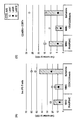
- FIG. 18B shows the gating at the time of sorting
- FIG. 18C shows the result of the cell count.
Landscapes
- Health & Medical Sciences (AREA)
- Engineering & Computer Science (AREA)
- Chemical & Material Sciences (AREA)
- Organic Chemistry (AREA)
- Biomedical Technology (AREA)
- Life Sciences & Earth Sciences (AREA)
- Immunology (AREA)
- Zoology (AREA)
- Biotechnology (AREA)
- Wood Science & Technology (AREA)
- Bioinformatics & Cheminformatics (AREA)
- Genetics & Genomics (AREA)
- Microbiology (AREA)
- Cell Biology (AREA)
- Hematology (AREA)
- Biochemistry (AREA)
- General Engineering & Computer Science (AREA)
- General Health & Medical Sciences (AREA)
- Micro-Organisms Or Cultivation Processes Thereof (AREA)
- Medicines Containing Material From Animals Or Micro-Organisms (AREA)
- Nitrogen Condensed Heterocyclic Rings (AREA)
- Pharmaceuticals Containing Other Organic And Inorganic Compounds (AREA)
- Medicinal Preparation (AREA)
- Medicines Containing Antibodies Or Antigens For Use As Internal Diagnostic Agents (AREA)
Priority Applications (6)
| Application Number | Priority Date | Filing Date | Title |
|---|---|---|---|
| JP2020560042A JP7016102B2 (ja) | 2018-12-06 | 2019-12-06 | T細胞又はnk細胞の製造方法、t細胞又はnk細胞の培養用培地、t細胞又はnk細胞の培養方法、未分化t細胞の未分化状態を維持する方法及びt細胞又はnk細胞の増殖促進剤 |
| CN201980080762.8A CN113195710A (zh) | 2018-12-06 | 2019-12-06 | T细胞或nk细胞的制造方法、t细胞或nk细胞的培养用培养基、t细胞或nk细胞的培养方法、维持未分化t细胞的未分化状态的方法和t细胞或nk细胞的增殖促进剂 |
| EP19892251.0A EP3892722A4 (en) | 2018-12-06 | 2019-12-06 | PRODUCTION METHOD OF T CELLS OR NK CELLS, MEDIUM FOR CULTIVATION OF T CELLS OR NK CELLS, METHOD OF CULTIVATION OF T CELLS OR NK CELLS, METHOD OF MAINTAINING THE UNDIFFERENTIATED STATE OF UNDIFFERENTIATED T CELLS AND GROWTH ACCOMMODATING AGENT FOR T- CELLS OR NK CELLS |
| US17/311,001 US12168781B2 (en) | 2018-12-06 | 2019-12-06 | Production method for T cells or NK cells, medium for culturing T cells or NK cells, method for culturing T cells or NK cells, method for maintaining undifferentiated state of undifferentiated T cells, and growth-accelerating agent for T cells or NK cells |
| JP2022003212A JP2022050596A (ja) | 2018-12-06 | 2022-01-12 | T細胞又はnk細胞の製造方法、t細胞又はnk細胞の培養用培地、t細胞又はnk細胞の培養方法、未分化t細胞の未分化状態を維持する方法及びt細胞又はnk細胞の増殖促進剤 |
| US18/938,232 US20250129075A1 (en) | 2018-12-06 | 2024-11-05 | Production method for t cells or nk cells, medium for culturing t cells or nk cells, method for culturing t cells or nk cells, method for maintaining undifferentiated state of undifferentiated t cells, and growth-accelerating agent for t cells or nk cells |
Applications Claiming Priority (2)
| Application Number | Priority Date | Filing Date | Title |
|---|---|---|---|
| JP2018-229478 | 2018-12-06 | ||
| JP2018229478 | 2018-12-06 |
Related Child Applications (2)
| Application Number | Title | Priority Date | Filing Date |
|---|---|---|---|
| US17/311,001 A-371-Of-International US12168781B2 (en) | 2018-12-06 | 2019-12-06 | Production method for T cells or NK cells, medium for culturing T cells or NK cells, method for culturing T cells or NK cells, method for maintaining undifferentiated state of undifferentiated T cells, and growth-accelerating agent for T cells or NK cells |
| US18/938,232 Continuation US20250129075A1 (en) | 2018-12-06 | 2024-11-05 | Production method for t cells or nk cells, medium for culturing t cells or nk cells, method for culturing t cells or nk cells, method for maintaining undifferentiated state of undifferentiated t cells, and growth-accelerating agent for t cells or nk cells |
Publications (1)
| Publication Number | Publication Date |
|---|---|
| WO2020116606A1 true WO2020116606A1 (ja) | 2020-06-11 |
Family
ID=70974242
Family Applications (1)
| Application Number | Title | Priority Date | Filing Date |
|---|---|---|---|
| PCT/JP2019/047808 Ceased WO2020116606A1 (ja) | 2018-12-06 | 2019-12-06 | T細胞又はnk細胞の製造方法、t細胞又はnk細胞の培養用培地、t細胞又はnk細胞の培養方法、未分化t細胞の未分化状態を維持する方法及びt細胞又はnk細胞の増殖促進剤 |
Country Status (5)
| Country | Link |
|---|---|
| US (2) | US12168781B2 (https=) |
| EP (1) | EP3892722A4 (https=) |
| JP (2) | JP7016102B2 (https=) |
| CN (1) | CN113195710A (https=) |
| WO (1) | WO2020116606A1 (https=) |
Cited By (2)
| Publication number | Priority date | Publication date | Assignee | Title |
|---|---|---|---|---|
| WO2021248909A1 (zh) * | 2020-06-12 | 2021-12-16 | 中国科学院上海药物研究所 | 异喹啉类化合物及其制备方法和应用 |
| US12365871B2 (en) | 2020-04-28 | 2025-07-22 | Lyell Immunopharma, Inc. | Methods for culturing cells |
Families Citing this family (5)
| Publication number | Priority date | Publication date | Assignee | Title |
|---|---|---|---|---|
| CN114031623B (zh) * | 2021-11-12 | 2023-04-11 | 山西医科大学 | 一种c14位氨基取代粉防己碱衍生物及其制备和应用 |
| EP4544027A1 (en) * | 2022-06-27 | 2025-04-30 | Kyoto University | A method for producing ips cell -derived natural killer cells |
| CN115521914B (zh) * | 2022-10-12 | 2024-04-19 | 西北工业大学 | 一种人原代自然杀伤细胞体外扩增体系及方法 |
| WO2024113294A1 (zh) * | 2022-12-01 | 2024-06-06 | 血霁生物科技(上海)有限公司 | 一种分化nk细胞的方法、培养基及其应用 |
| CN117264886B (zh) * | 2023-11-06 | 2024-03-19 | 深圳泽医细胞治疗集团有限公司 | CD56dimCD16+NK细胞培养试剂盒、培养方法及应用 |
Citations (40)
| Publication number | Priority date | Publication date | Assignee | Title |
|---|---|---|---|---|
| JPS5016732B1 (https=) | 1968-11-13 | 1975-06-16 | ||
| WO2007069666A1 (ja) | 2005-12-13 | 2007-06-21 | Kyoto University | 核初期化因子 |
| WO2008118820A2 (en) | 2007-03-23 | 2008-10-02 | Wisconsin Alumni Research Foundation | Somatic cell reprogramming |
| WO2009007852A2 (en) | 2007-06-15 | 2009-01-15 | Izumi Bio, Inc | Multipotent/pluripotent cells and methods |
| WO2009032194A1 (en) | 2007-08-31 | 2009-03-12 | Whitehead Institute For Biomedical Research | Wnt pathway stimulation in reprogramming somatic cells |
| WO2009057831A1 (ja) | 2007-10-31 | 2009-05-07 | Kyoto University | 核初期化方法 |
| WO2009058413A1 (en) | 2007-10-29 | 2009-05-07 | Shi-Lung Lin | Generation of human embryonic stem-like cells using intronic rna |
| WO2009075119A1 (ja) | 2007-12-10 | 2009-06-18 | Kyoto University | 効率的な核初期化方法 |
| WO2009079007A1 (en) | 2007-12-17 | 2009-06-25 | Gliamed, Inc. | Stem-like cells and method for reprogramming adult mammalian somatic cells |
| WO2009091659A2 (en) | 2008-01-16 | 2009-07-23 | Shi-Lung Lin | Generation of tumor-free embryonic stem-like pluripotent cells using inducible recombinant rna agents |
| WO2009101084A1 (en) | 2008-02-13 | 2009-08-20 | Fondazione Telethon | Method for reprogramming differentiated cells |
| WO2009101407A2 (en) | 2008-02-11 | 2009-08-20 | Cambridge Enterprise Limited | Improved reprogramming of mammalian cells, and the cells obtained |
| WO2009102983A2 (en) | 2008-02-15 | 2009-08-20 | President And Fellows Of Harvard College | Efficient induction of pluripotent stem cells using small molecule compounds |
| WO2009114949A1 (en) | 2008-03-20 | 2009-09-24 | UNIVERSITé LAVAL | Methods for deprogramming somatic cells and uses thereof |
| WO2009117439A2 (en) | 2008-03-17 | 2009-09-24 | The Scripps Research Institute | Combined chemical and genetic approaches for generation of induced pluripotent stem cells |
| WO2009126250A2 (en) | 2008-04-07 | 2009-10-15 | Nupotential, Inc. | Reprogramming a cell by inducing a pluripotent gene through rna interference |
| WO2009157593A1 (en) | 2008-06-27 | 2009-12-30 | Kyoto University | Method of efficiently establishing induced pluripotent stem cells |
| WO2010009015A2 (en) | 2008-07-14 | 2010-01-21 | Oklahoma Medical Research Foundation | Production of pluripotent cells through inhibition of bright/arid3a function |
| WO2010033920A2 (en) | 2008-09-19 | 2010-03-25 | Whitehead Institute For Biomedical Research | Compositions and methods for enhancing cell reprogramming |
| WO2010033906A2 (en) | 2008-09-19 | 2010-03-25 | President And Fellows Of Harvard College | Efficient induction of pluripotent stem cells using small molecule compounds |
| WO2010042800A1 (en) | 2008-10-10 | 2010-04-15 | Nevada Cancer Institute | Methods of reprogramming somatic cells and methods of use for such cells |
| WO2010050626A1 (en) | 2008-10-30 | 2010-05-06 | Kyoto University | Method for producing induced pluripotent stem cells |
| WO2010056831A2 (en) | 2008-11-12 | 2010-05-20 | Nupotential, Inc. | Reprogramming a cell by inducing a pluripotent gene through use of an hdac modulator |
| WO2010068955A2 (en) | 2008-12-13 | 2010-06-17 | Dna Microarray | MICROENVIRONMENT NICHE ASSAY FOR CiPS SCREENING |
| WO2010098419A1 (en) | 2009-02-27 | 2010-09-02 | Kyoto University | Novel nuclear reprogramming substance |
| WO2010102267A2 (en) | 2009-03-06 | 2010-09-10 | Ipierian, Inc. | Tgf-beta pathway inhibitors for enhancement of cellular reprogramming of human cells |
| WO2010111422A2 (en) | 2009-03-25 | 2010-09-30 | The Salk Institute For Biological Studies | Induced pluripotent stem cell generation using two factors and p53 inactivation |
| WO2010111409A2 (en) | 2009-03-25 | 2010-09-30 | The Salk Institute For Biological Studies | Pluripotent stem cells |
| WO2010115050A2 (en) | 2009-04-01 | 2010-10-07 | The Regents Of The University Of California | Embryonic stem cell specific micrornas promote induced pluripotency |
| WO2010124290A2 (en) | 2009-04-24 | 2010-10-28 | Whitehead Institute For Biomedical Research | Compositions and methods for deriving or culturing pluripotent cells |
| WO2010147395A2 (en) | 2009-06-16 | 2010-12-23 | Korea Research Institute Of Bioscience And Biotechnology | Medium composition comprising neuropeptide y for the generation, maintenance, prologned undifferentiated growth of pluripotent stem cells and method of culturing pluripotent stem cell using the same |
| WO2010147612A1 (en) | 2009-06-18 | 2010-12-23 | Lixte Biotechnology, Inc. | Methods of modulating cell regulation by inhibiting p53 |
| WO2011030851A1 (ja) * | 2009-09-11 | 2011-03-17 | タカラバイオ株式会社 | ナチュラルキラー細胞の製造方法 |
| JP2013536204A (ja) * | 2010-08-27 | 2013-09-19 | ハンジョウ ベンシェン ファーマシューティカル シーオー., エルティーディー. | ベルバミンのジカルボキシミド誘導体、その調製方法及び使用 |
| JP2013537171A (ja) * | 2010-09-10 | 2013-09-30 | ハンジョウ ベンシェン ファーマシューティカル シーオー., エルティーディー. | 複素環アミノベルバミン誘導体、その調製方法及び使用 |
| JP2015509716A (ja) | 2012-02-22 | 2015-04-02 | ザ トラスティーズ オブ ザ ユニバーシティ オブ ペンシルバニア | 第二世代キメラ抗原受容体におけるcd2シグナル伝達ドメインの使用 |
| JP2015531356A (ja) * | 2012-09-28 | 2015-11-02 | ハンジョウ ベンシェン ファーマシューティカル シーオー., エルティーディー.Hangzhou Bensheng Pharmaceutical Co., Ltd. | 腫瘍治療のための薬剤組成物及びその適用 |
| WO2016076415A1 (ja) | 2014-11-13 | 2016-05-19 | 国立大学法人京都大学 | 多能性幹細胞からt細胞への誘導方法 |
| WO2017221975A1 (ja) | 2016-06-23 | 2017-12-28 | 国立大学法人京都大学 | Cd4cd8両陽性t細胞の製造方法 |
| JP2018502585A (ja) * | 2015-01-27 | 2018-02-01 | コリア リサーチ インスティテュート オブ バイオサイエンス アンド バイオテクノロジーKorea Research Institute Of Bioscience And Biotechnology | ナチュラルキラー細胞の大量生産方法及びその方法により得られたナチュラルキラー細胞の抗癌剤としての用途 |
Family Cites Families (9)
| Publication number | Priority date | Publication date | Assignee | Title |
|---|---|---|---|---|
| WO2007023808A1 (ja) * | 2005-08-23 | 2007-03-01 | Fancl Corporation | 皮膚老化マーカーとその利用技術 |
| CN101273989B (zh) * | 2008-04-09 | 2011-02-09 | 浙江大学 | 一类小檗胺衍生物及其盐的应用 |
| CN101429201A (zh) | 2008-12-22 | 2009-05-13 | 浙江大学 | 柠檬酸小檗胺盐及制备方法和应用 |
| JPWO2011096482A1 (ja) | 2010-02-03 | 2013-06-13 | 国立大学法人 東京大学 | 多能性幹細胞を用いた免疫機能再建法 |
| US9206394B2 (en) | 2010-02-03 | 2015-12-08 | The University Of Tokyo | Method for reconstructing immune function using pluripotent stem cells |
| US20160202242A1 (en) | 2014-12-26 | 2016-07-14 | Nitto Denko Corporation | Cell death-inducing agent, cell growth-inhibiting agent, and pharmaceutical composition for treatment of disease caused by abnormal cell growth |
| US20160187319A1 (en) | 2014-12-26 | 2016-06-30 | Nitto Denko Corporation | Cell death-inducing agent, cell growth-inhibiting agent, and pharmaceutical composition for treatment of disease caused by abnormal cell growth |
| US12398371B2 (en) | 2015-01-27 | 2025-08-26 | Korea Research Institute Of Bioscience | Method for mass producing natural killer cell and use of natural killer cell obtained by the method as anti-cancer agent |
| IL260369B2 (en) | 2016-01-06 | 2024-03-01 | Lonza Ag | Inhibition of protein breakdown for improved production |
-
2019
- 2019-12-06 WO PCT/JP2019/047808 patent/WO2020116606A1/ja not_active Ceased
- 2019-12-06 JP JP2020560042A patent/JP7016102B2/ja active Active
- 2019-12-06 CN CN201980080762.8A patent/CN113195710A/zh active Pending
- 2019-12-06 EP EP19892251.0A patent/EP3892722A4/en not_active Withdrawn
- 2019-12-06 US US17/311,001 patent/US12168781B2/en active Active
-
2022
- 2022-01-12 JP JP2022003212A patent/JP2022050596A/ja active Pending
-
2024
- 2024-11-05 US US18/938,232 patent/US20250129075A1/en not_active Abandoned
Patent Citations (42)
| Publication number | Priority date | Publication date | Assignee | Title |
|---|---|---|---|---|
| JPS5016732B1 (https=) | 1968-11-13 | 1975-06-16 | ||
| WO2007069666A1 (ja) | 2005-12-13 | 2007-06-21 | Kyoto University | 核初期化因子 |
| WO2008118820A2 (en) | 2007-03-23 | 2008-10-02 | Wisconsin Alumni Research Foundation | Somatic cell reprogramming |
| WO2009007852A2 (en) | 2007-06-15 | 2009-01-15 | Izumi Bio, Inc | Multipotent/pluripotent cells and methods |
| WO2009032194A1 (en) | 2007-08-31 | 2009-03-12 | Whitehead Institute For Biomedical Research | Wnt pathway stimulation in reprogramming somatic cells |
| WO2009058413A1 (en) | 2007-10-29 | 2009-05-07 | Shi-Lung Lin | Generation of human embryonic stem-like cells using intronic rna |
| WO2009057831A1 (ja) | 2007-10-31 | 2009-05-07 | Kyoto University | 核初期化方法 |
| WO2009075119A1 (ja) | 2007-12-10 | 2009-06-18 | Kyoto University | 効率的な核初期化方法 |
| WO2009079007A1 (en) | 2007-12-17 | 2009-06-25 | Gliamed, Inc. | Stem-like cells and method for reprogramming adult mammalian somatic cells |
| WO2009091659A2 (en) | 2008-01-16 | 2009-07-23 | Shi-Lung Lin | Generation of tumor-free embryonic stem-like pluripotent cells using inducible recombinant rna agents |
| WO2009101407A2 (en) | 2008-02-11 | 2009-08-20 | Cambridge Enterprise Limited | Improved reprogramming of mammalian cells, and the cells obtained |
| WO2009101084A1 (en) | 2008-02-13 | 2009-08-20 | Fondazione Telethon | Method for reprogramming differentiated cells |
| WO2009102983A2 (en) | 2008-02-15 | 2009-08-20 | President And Fellows Of Harvard College | Efficient induction of pluripotent stem cells using small molecule compounds |
| WO2009117439A2 (en) | 2008-03-17 | 2009-09-24 | The Scripps Research Institute | Combined chemical and genetic approaches for generation of induced pluripotent stem cells |
| WO2009114949A1 (en) | 2008-03-20 | 2009-09-24 | UNIVERSITé LAVAL | Methods for deprogramming somatic cells and uses thereof |
| WO2009126250A2 (en) | 2008-04-07 | 2009-10-15 | Nupotential, Inc. | Reprogramming a cell by inducing a pluripotent gene through rna interference |
| WO2009126251A2 (en) | 2008-04-07 | 2009-10-15 | Nupotential, Inc. | Reprogramming a cell by inducing a pluripotent gene through use of an hdac modulator |
| WO2009126655A2 (en) | 2008-04-07 | 2009-10-15 | Nupotential, Inc. | Reprogramming a cell by inducing a pluripotent gene through use of a small molecule modulator |
| WO2009157593A1 (en) | 2008-06-27 | 2009-12-30 | Kyoto University | Method of efficiently establishing induced pluripotent stem cells |
| WO2010009015A2 (en) | 2008-07-14 | 2010-01-21 | Oklahoma Medical Research Foundation | Production of pluripotent cells through inhibition of bright/arid3a function |
| WO2010033920A2 (en) | 2008-09-19 | 2010-03-25 | Whitehead Institute For Biomedical Research | Compositions and methods for enhancing cell reprogramming |
| WO2010033906A2 (en) | 2008-09-19 | 2010-03-25 | President And Fellows Of Harvard College | Efficient induction of pluripotent stem cells using small molecule compounds |
| WO2010042800A1 (en) | 2008-10-10 | 2010-04-15 | Nevada Cancer Institute | Methods of reprogramming somatic cells and methods of use for such cells |
| WO2010050626A1 (en) | 2008-10-30 | 2010-05-06 | Kyoto University | Method for producing induced pluripotent stem cells |
| WO2010056831A2 (en) | 2008-11-12 | 2010-05-20 | Nupotential, Inc. | Reprogramming a cell by inducing a pluripotent gene through use of an hdac modulator |
| WO2010068955A2 (en) | 2008-12-13 | 2010-06-17 | Dna Microarray | MICROENVIRONMENT NICHE ASSAY FOR CiPS SCREENING |
| WO2010098419A1 (en) | 2009-02-27 | 2010-09-02 | Kyoto University | Novel nuclear reprogramming substance |
| WO2010102267A2 (en) | 2009-03-06 | 2010-09-10 | Ipierian, Inc. | Tgf-beta pathway inhibitors for enhancement of cellular reprogramming of human cells |
| WO2010111422A2 (en) | 2009-03-25 | 2010-09-30 | The Salk Institute For Biological Studies | Induced pluripotent stem cell generation using two factors and p53 inactivation |
| WO2010111409A2 (en) | 2009-03-25 | 2010-09-30 | The Salk Institute For Biological Studies | Pluripotent stem cells |
| WO2010115050A2 (en) | 2009-04-01 | 2010-10-07 | The Regents Of The University Of California | Embryonic stem cell specific micrornas promote induced pluripotency |
| WO2010124290A2 (en) | 2009-04-24 | 2010-10-28 | Whitehead Institute For Biomedical Research | Compositions and methods for deriving or culturing pluripotent cells |
| WO2010147395A2 (en) | 2009-06-16 | 2010-12-23 | Korea Research Institute Of Bioscience And Biotechnology | Medium composition comprising neuropeptide y for the generation, maintenance, prologned undifferentiated growth of pluripotent stem cells and method of culturing pluripotent stem cell using the same |
| WO2010147612A1 (en) | 2009-06-18 | 2010-12-23 | Lixte Biotechnology, Inc. | Methods of modulating cell regulation by inhibiting p53 |
| WO2011030851A1 (ja) * | 2009-09-11 | 2011-03-17 | タカラバイオ株式会社 | ナチュラルキラー細胞の製造方法 |
| JP2013536204A (ja) * | 2010-08-27 | 2013-09-19 | ハンジョウ ベンシェン ファーマシューティカル シーオー., エルティーディー. | ベルバミンのジカルボキシミド誘導体、その調製方法及び使用 |
| JP2013537171A (ja) * | 2010-09-10 | 2013-09-30 | ハンジョウ ベンシェン ファーマシューティカル シーオー., エルティーディー. | 複素環アミノベルバミン誘導体、その調製方法及び使用 |
| JP2015509716A (ja) | 2012-02-22 | 2015-04-02 | ザ トラスティーズ オブ ザ ユニバーシティ オブ ペンシルバニア | 第二世代キメラ抗原受容体におけるcd2シグナル伝達ドメインの使用 |
| JP2015531356A (ja) * | 2012-09-28 | 2015-11-02 | ハンジョウ ベンシェン ファーマシューティカル シーオー., エルティーディー.Hangzhou Bensheng Pharmaceutical Co., Ltd. | 腫瘍治療のための薬剤組成物及びその適用 |
| WO2016076415A1 (ja) | 2014-11-13 | 2016-05-19 | 国立大学法人京都大学 | 多能性幹細胞からt細胞への誘導方法 |
| JP2018502585A (ja) * | 2015-01-27 | 2018-02-01 | コリア リサーチ インスティテュート オブ バイオサイエンス アンド バイオテクノロジーKorea Research Institute Of Bioscience And Biotechnology | ナチュラルキラー細胞の大量生産方法及びその方法により得られたナチュラルキラー細胞の抗癌剤としての用途 |
| WO2017221975A1 (ja) | 2016-06-23 | 2017-12-28 | 国立大学法人京都大学 | Cd4cd8両陽性t細胞の製造方法 |
Non-Patent Citations (34)
| Title |
|---|
| BLOOD, vol. 105, no. 4, 2005, pages 1431 - 1439 |
| CANCER RES., vol. 66, 2006, pages 10995 - 11004 |
| EMINLI S ET AL., STEM CELLS, vol. 26, 2008, pages 2467 - 2474 |
| EXPERIMENTAL HEMATOL., vol. 29, no. 1, 2001, pages 104 - 113 |
| FENG B ET AL., NAT. CELL BIOL., vol. 11, 2009, pages 197 - 203 |
| FRONT. IMMUNOL., vol. 8, no. 458, 2017, pages 1 - 18 |
| GATTINONI ET AL., NAT. MED., vol. 15, no. 7, 2009, pages 808 - 813 |
| HAN J ET AL., NATURE, vol. 463, 2010, pages 1096 - 100 |
| HENG JC ET AL., CELL STEM CELL, vol. 6, 2010, pages 167 - 74 |
| HUANGFU D ET AL., NAT. BIOTECHNOL., vol. 26, 2008, pages 1269 - 1275 |
| ICHIDA JK ET AL., CELL STEM CELL, vol. 5, 2009, pages 491 - 503 |
| J ALLERGY CLIN. IMMUNOL., vol. 135, no. 3, 2012, pages 626 - 635 |
| J. IMMUNOL., vol. 165, no. 1, 2000, pages 139 - 147 |
| JOURNAL OF ELECTROPHORESIS, vol. 60, 2015, pages 7 - 10 |
| KIM JB ET AL., NATURE, vol. 461, 2009, pages 649 - 643 |
| LANCET, vol. 365, no. 9471, 2005, pages 1636 - 1641 |
| LI Y ET AL., CELL STEM CELL, vol. 23, no. 2, 2018, pages 181 - 192 |
| LIU XIN;ZHOU ZHENGREN: "The Effect of Berbamine on the Immunoregulation of BALB/c Mice", JOURNAL OF CHINA MEDICAL UNIVERSITY, vol. 25, no. 3, 30 June 1996 (1996-06-30), CN, pages 229 - 231, XP009528815, ISSN: 0258-4646 * |
| LYSSIOTIS CA ET AL., PROC NATL ACAD SCI USA., vol. 106, 2009, pages 8912 - 8917 |
| MAEKAWA M ET AL., NATURE, vol. 474, 2011, pages 225 - 9 |
| MALI P ET AL., STEM CELLS, vol. 28, 2010, pages 713 - 720 |
| MOL THER., vol. 17, 2009, pages 1453 - 1464 |
| NAM ET AL., MOL ONCOL, vol. 6, no. 5, 2012, pages 484 - 93 |
| NATURE REVIEWS IMMUNOLOGY, vol. 18, 2018, pages 363 - 373 |
| NICHOLAS P. RESTIFO, BLOOD, vol. 124, no. 4, 2014, pages 476 - 477 |
| NISHIMURA T ET AL., CELL STEM CELL, vol. 12, no. 1, 2013, pages 114 - 126 |
| ONO MINORU: "Anti-tumor effects of cepharanthin", JAPANESE JOURNAL OF CANCER AND CHEMOTHERAPY, vol. 15, no. 2, 30 November 1987 (1987-11-30), JP, pages 249 - 255, XP009528814, ISSN: 0385-0684 * |
| PORTER ET AL., SCIENCE TRANSLATIONAL MEDICINE, vol. 7, no. 303, 2015, pages 303ra139 |
| R. L. JUDSON ET AL., NAT. BIOTECHNOL., vol. 27, 2009, pages 459 - 461 |
| TAKAYAMA N ET AL., JOURNAL OF EXPERIMENTAL MEDICINE, vol. 207, no. 13, 2010, pages 2817 - 2830 |
| TAN ET AL., INTERNATIONAL JORNAL OF MASS SPETROMETRY, vol. 386, 2015, pages 37 - 41 |
| XIE ET AL., EUR J MED CHEM, vol. 44, no. 8, 2009, pages 3293 - 8 |
| YING GU ET AL., BLOOD, vol. 120, no. 24, 2012, pages 4829 - 4839 |
| ZHAO Y ET AL., CELL STEM CELL, vol. 3, 2008, pages 132 - 135 |
Cited By (3)
| Publication number | Priority date | Publication date | Assignee | Title |
|---|---|---|---|---|
| US12365871B2 (en) | 2020-04-28 | 2025-07-22 | Lyell Immunopharma, Inc. | Methods for culturing cells |
| WO2021248909A1 (zh) * | 2020-06-12 | 2021-12-16 | 中国科学院上海药物研究所 | 异喹啉类化合物及其制备方法和应用 |
| CN114375293A (zh) * | 2020-06-12 | 2022-04-19 | 中国科学院上海药物研究所 | 异喹啉类化合物及其制备方法和应用 |
Also Published As
| Publication number | Publication date |
|---|---|
| US20220017867A1 (en) | 2022-01-20 |
| EP3892722A4 (en) | 2022-10-05 |
| US20250129075A1 (en) | 2025-04-24 |
| JPWO2020116606A1 (ja) | 2021-10-28 |
| EP3892722A1 (en) | 2021-10-13 |
| US12168781B2 (en) | 2024-12-17 |
| CN113195710A (zh) | 2021-07-30 |
| JP7016102B2 (ja) | 2022-02-04 |
| JP2022050596A (ja) | 2022-03-30 |
Similar Documents
| Publication | Publication Date | Title |
|---|---|---|
| US20250129075A1 (en) | Production method for t cells or nk cells, medium for culturing t cells or nk cells, method for culturing t cells or nk cells, method for maintaining undifferentiated state of undifferentiated t cells, and growth-accelerating agent for t cells or nk cells | |
| JP7777884B2 (ja) | CD8α+β+細胞傷害性T細胞の製造方法 | |
| CN109415699B (zh) | Cd4cd8双阳性t细胞的制备方法 | |
| JP6736003B2 (ja) | 多能性幹細胞からt細胞への誘導方法 | |
| JP2020506713A (ja) | 多能性幹細胞から模倣自然免疫細胞を生成する方法及びキット | |
| EP4410965A1 (en) | Method for producing t cell | |
| US20210238550A1 (en) | METHOD FOR PRODUCING REGENERATED T CELL POPULATION VIA iPS CELLS | |
| WO2016010155A1 (ja) | 抗原特異的t細胞受容体遺伝子を有する多能性幹細胞の製造方法 | |
| WO2015099134A1 (ja) | 再構成されたt細胞レセプター遺伝子を有する多能性幹細胞由来のt前駆細胞を用いる免疫細胞療法 | |
| US20200345789A1 (en) | Production method for ips cell-derived population of genetically diverse t cells | |
| JPWO2016010153A1 (ja) | 免疫細胞療法用t細胞の誘導方法 | |
| KR101232128B1 (ko) | 면역 기능이 우수한 성숙 수지상 세포의 제조방법 | |
| US20220233665A1 (en) | Medicinal composition | |
| WO2025224460A1 (en) | Methods for inducing natural killer cell differentiation |
Legal Events
| Date | Code | Title | Description |
|---|---|---|---|
| 121 | Ep: the epo has been informed by wipo that ep was designated in this application |
Ref document number: 19892251 Country of ref document: EP Kind code of ref document: A1 |
|
| ENP | Entry into the national phase |
Ref document number: 2020560042 Country of ref document: JP Kind code of ref document: A |
|
| NENP | Non-entry into the national phase |
Ref country code: DE |
|
| ENP | Entry into the national phase |
Ref document number: 2019892251 Country of ref document: EP Effective date: 20210706 |
|
| WWW | Wipo information: withdrawn in national office |
Ref document number: 2019892251 Country of ref document: EP |