WO2020040253A1 - 予測解釈装置、及び予測解釈方法 - Google Patents
予測解釈装置、及び予測解釈方法 Download PDFInfo
- Publication number
- WO2020040253A1 WO2020040253A1 PCT/JP2019/032843 JP2019032843W WO2020040253A1 WO 2020040253 A1 WO2020040253 A1 WO 2020040253A1 JP 2019032843 W JP2019032843 W JP 2019032843W WO 2020040253 A1 WO2020040253 A1 WO 2020040253A1
- Authority
- WO
- WIPO (PCT)
- Prior art keywords
- prediction
- user
- model
- users
- nearby
- Prior art date
- Legal status (The legal status is an assumption and is not a legal conclusion. Google has not performed a legal analysis and makes no representation as to the accuracy of the status listed.)
- Ceased
Links
Images


Classifications
-
- G—PHYSICS
- G06—COMPUTING OR CALCULATING; COUNTING
- G06N—COMPUTING ARRANGEMENTS BASED ON SPECIFIC COMPUTATIONAL MODELS
- G06N5/00—Computing arrangements using knowledge-based models
- G06N5/04—Inference or reasoning models
-
- G—PHYSICS
- G16—INFORMATION AND COMMUNICATION TECHNOLOGY [ICT] SPECIALLY ADAPTED FOR SPECIFIC APPLICATION FIELDS
- G16H—HEALTHCARE INFORMATICS, i.e. INFORMATION AND COMMUNICATION TECHNOLOGY [ICT] SPECIALLY ADAPTED FOR THE HANDLING OR PROCESSING OF MEDICAL OR HEALTHCARE DATA
- G16H50/00—ICT specially adapted for medical diagnosis, medical simulation or medical data mining; ICT specially adapted for detecting, monitoring or modelling epidemics or pandemics
- G16H50/20—ICT specially adapted for medical diagnosis, medical simulation or medical data mining; ICT specially adapted for detecting, monitoring or modelling epidemics or pandemics for computer-aided diagnosis, e.g. based on medical expert systems
-
- G—PHYSICS
- G06—COMPUTING OR CALCULATING; COUNTING
- G06F—ELECTRIC DIGITAL DATA PROCESSING
- G06F16/00—Information retrieval; Database structures therefor; File system structures therefor
- G06F16/20—Information retrieval; Database structures therefor; File system structures therefor of structured data, e.g. relational data
- G06F16/24—Querying
- G06F16/245—Query processing
- G06F16/2457—Query processing with adaptation to user needs
- G06F16/24575—Query processing with adaptation to user needs using context
-
- G—PHYSICS
- G06—COMPUTING OR CALCULATING; COUNTING
- G06F—ELECTRIC DIGITAL DATA PROCESSING
- G06F17/00—Digital computing or data processing equipment or methods, specially adapted for specific functions
- G06F17/10—Complex mathematical operations
- G06F17/18—Complex mathematical operations for evaluating statistical data, e.g. average values, frequency distributions, probability functions, regression analysis
-
- G—PHYSICS
- G06—COMPUTING OR CALCULATING; COUNTING
- G06N—COMPUTING ARRANGEMENTS BASED ON SPECIFIC COMPUTATIONAL MODELS
- G06N20/00—Machine learning
-
- G—PHYSICS
- G06—COMPUTING OR CALCULATING; COUNTING
- G06Q—INFORMATION AND COMMUNICATION TECHNOLOGY [ICT] SPECIALLY ADAPTED FOR ADMINISTRATIVE, COMMERCIAL, FINANCIAL, MANAGERIAL OR SUPERVISORY PURPOSES; SYSTEMS OR METHODS SPECIALLY ADAPTED FOR ADMINISTRATIVE, COMMERCIAL, FINANCIAL, MANAGERIAL OR SUPERVISORY PURPOSES, NOT OTHERWISE PROVIDED FOR
- G06Q10/00—Administration; Management
- G06Q10/04—Forecasting or optimisation specially adapted for administrative or management purposes, e.g. linear programming or "cutting stock problem"
-
- G—PHYSICS
- G16—INFORMATION AND COMMUNICATION TECHNOLOGY [ICT] SPECIALLY ADAPTED FOR SPECIFIC APPLICATION FIELDS
- G16H—HEALTHCARE INFORMATICS, i.e. INFORMATION AND COMMUNICATION TECHNOLOGY [ICT] SPECIALLY ADAPTED FOR THE HANDLING OR PROCESSING OF MEDICAL OR HEALTHCARE DATA
- G16H10/00—ICT specially adapted for the handling or processing of patient-related medical or healthcare data
- G16H10/20—ICT specially adapted for the handling or processing of patient-related medical or healthcare data for electronic clinical trials or questionnaires
-
- G—PHYSICS
- G16—INFORMATION AND COMMUNICATION TECHNOLOGY [ICT] SPECIALLY ADAPTED FOR SPECIFIC APPLICATION FIELDS
- G16H—HEALTHCARE INFORMATICS, i.e. INFORMATION AND COMMUNICATION TECHNOLOGY [ICT] SPECIALLY ADAPTED FOR THE HANDLING OR PROCESSING OF MEDICAL OR HEALTHCARE DATA
- G16H20/00—ICT specially adapted for therapies or health-improving plans, e.g. for handling prescriptions, for steering therapy or for monitoring patient compliance
- G16H20/70—ICT specially adapted for therapies or health-improving plans, e.g. for handling prescriptions, for steering therapy or for monitoring patient compliance relating to mental therapies, e.g. psychological therapy or autogenous training
-
- G—PHYSICS
- G16—INFORMATION AND COMMUNICATION TECHNOLOGY [ICT] SPECIALLY ADAPTED FOR SPECIFIC APPLICATION FIELDS
- G16H—HEALTHCARE INFORMATICS, i.e. INFORMATION AND COMMUNICATION TECHNOLOGY [ICT] SPECIALLY ADAPTED FOR THE HANDLING OR PROCESSING OF MEDICAL OR HEALTHCARE DATA
- G16H50/00—ICT specially adapted for medical diagnosis, medical simulation or medical data mining; ICT specially adapted for detecting, monitoring or modelling epidemics or pandemics
- G16H50/30—ICT specially adapted for medical diagnosis, medical simulation or medical data mining; ICT specially adapted for detecting, monitoring or modelling epidemics or pandemics for calculating health indices; for individual health risk assessment
-
- G—PHYSICS
- G16—INFORMATION AND COMMUNICATION TECHNOLOGY [ICT] SPECIALLY ADAPTED FOR SPECIFIC APPLICATION FIELDS
- G16H—HEALTHCARE INFORMATICS, i.e. INFORMATION AND COMMUNICATION TECHNOLOGY [ICT] SPECIALLY ADAPTED FOR THE HANDLING OR PROCESSING OF MEDICAL OR HEALTHCARE DATA
- G16H50/00—ICT specially adapted for medical diagnosis, medical simulation or medical data mining; ICT specially adapted for detecting, monitoring or modelling epidemics or pandemics
- G16H50/70—ICT specially adapted for medical diagnosis, medical simulation or medical data mining; ICT specially adapted for detecting, monitoring or modelling epidemics or pandemics for mining of medical data, e.g. analysing previous cases of other patients
Definitions
- the present invention relates to a technology for interpreting a prediction result based on machine learning.
- a technology for interpreting a prediction result based on machine learning As an example of an application field of the present technology, there is a technology of independently calculating a lifestyle affecting health while performing health prediction with high accuracy.
- LIME a prediction model in machine learning and a model for interpreting prediction are independently calculated to enable interpretation of a prediction result in machine learning.
- Patent Document 1 a technique using the importance of a random forest (for example, Patent Document 1), a heterogeneous mixture learning for learning a model by combining a decision tree and regression (for example, Non-Patent Document 1) ).
- the present invention has been made in view of the above points, and an object of the present invention is to provide a technique capable of performing prediction by machine learning and interpretation of prediction with high accuracy.
- a data storage unit that stores data of a plurality of users
- a model storage unit that stores a prediction model learned from data of the plurality of users
- a nearby user search unit that extracts a nearby user for the target user from the data storage unit;
- a linear regression model learning unit that learns a linear regression model approximated to the prediction model
- An interpretation result output unit that outputs an interpretation result of prediction for the target user based on the partial regression coefficient of the linear regression model
- a prediction interpretation apparatus is provided in which the nearby user search unit extracts the nearby users by narrowing down nearby user candidates extracted based on a distance between users based on a prediction direction of the target user by the prediction model.
- a technology that enables prediction by machine learning and interpretation of the prediction with high accuracy.
- FIG. 2 is a diagram illustrating an example of a hardware configuration of the important lifestyle returning device 100. It is a flowchart for explaining the operation of the important lifestyle returning device 100. It is a flowchart for explaining the operation of the important lifestyle returning device 100. It is a figure for explaining extraction of a nearby user.
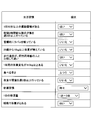
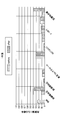
- FIG. 4 is a diagram illustrating an example of a screen output by the important lifestyle returning device 100. FIG. 4 is a diagram illustrating an example of a screen output by the important lifestyle returning device 100.
- an important lifestyle returning apparatus 100 for presenting (returning) an important lifestyle related to health risk will be described.
- the application field of the present invention is not limited to this, and the present invention is not limited thereto. Is applicable in various fields.
- FIG. 1 is a functional configuration diagram of the important lifestyle returning device 100 in the present embodiment.
- the important lifestyle returning apparatus 100 includes a prediction model processing unit 200, a user interface unit 300, and an interpretation model processing unit 400.
- the prediction model processing unit 200 is a processing unit that performs learning before a user actually accesses from a user terminal, and constructs a prediction model from the entire data of a plurality of users.
- the interpretation model processing unit 400 creates an interpretation model using data of a user near a user (target user) who requests presentation of a lifestyle improvement plan.
- the user interface unit 300 displays a screen (such as a Web screen) on the user terminal via the network. , And accepts input information from the user terminal.
- the user interface unit 300 receives access from a user terminal of a user who requests presentation of a lifestyle improvement plan.
- the user interface unit 300 is, for example, a display and a keyboard, a touch panel capable of performing input / output operations, and the like.
- the prediction model processing unit 200 and the interpretation model processing unit 300 will be described in more detail.
- the prediction model processing unit 200 includes a data acquisition unit 20, a model learning unit 21, a data storage unit 22, and a model storage unit 23.
- the data acquisition unit 20 acquires the health examination data and the lifestyle result data of all the users, and stores the acquired data in the data storage unit 22.
- the health examination data and the lifestyle result data are acquired, for example, from a predetermined server storing these data via a network.
- the acquired data also includes the attributes and the like of each user in a form associated with the health examination data and the lifestyle habit inquiry result data. Note that the health examination data and the lifestyle result data may be regarded as “attributes”.
- the model learning unit 21 reads the data acquired by the data acquisition unit 20 from the data storage unit 22, learns a prediction model of a health risk for the entire user using the data, and stores the learned prediction model in the model storage unit 23. To be stored.
- the data storage unit 22 and the model storage unit 23 store the above-described data. Note that the data storage unit 22 and the model storage unit 23 may be outside the prediction model processing unit 200. Further, the data storage unit 22 and the model storage unit 23 may be on a network outside the important lifestyle returning apparatus 100.
- the interpretation model processing unit 400 includes a nearby user search unit 40, a linear regression model learning unit 41, and an important lifestyle return unit 42.
- the nearby user search unit 40 refers to the data storage unit 22, and extracts a user having an attribute close to the target user and not greatly deviating from the prediction result of the prediction model of the target user as a nearby user.
- the linear regression model learning unit 41 learns a linear regression model that approximates the prediction model learned by the prediction model processing unit 200 only for the nearby user extracted by the nearby user search unit 40, and stores the learned linear regression model in a model. It is stored in the unit 23.
- This linear regression model is a prediction model for interpretation, and can be called an interpretation model.
- the important lifestyle returning unit 42 Based on the partial regression coefficient of the linear regression model learned by the linear regression model learning unit 41, the important lifestyle returning unit 42 provides the user with important lifestyle to be improved for the target user via the user interface unit 300. return.
- FIG. 1 The block diagram of the important lifestyle returning device 100 shown in FIG. 1 shows functional blocks. These functional blocks (components) are realized by, for example, a combination of hardware and software.
- the important lifestyle returning device 100 may be realized by a computer that performs the processing according to the present embodiment.
- FIG. 2 is a diagram illustrating an example of a hardware configuration of a computer used as the important lifestyle returning device 100. As shown in FIG. 2, the computer includes a processor 1001, a memory 1002, a storage 1003, a communication device 1004, an input device 1005, an output device 1006, and a bus 1007.
- the functions of the important lifestyle returning device 100 are performed by reading predetermined software (program) on hardware such as the processor 1001 and the memory 1002, so that the processor 1001 performs an operation, and communication by the communication device 1004, communication by the memory 1002, This is realized by controlling reading and writing of data in the storage 1003.
- the processor 1001 controls the entire computer by operating an operating system, for example.
- the processor 1001 may be configured by a central processing unit (CPU: Central Processing Unit) including an interface with a peripheral device, a control device, an arithmetic device, a register, and the like.
- CPU Central Processing Unit
- the processor 1001 reads a program (program code), a software module, or data from the storage 1003 or the communication device 1004 to the memory 1002, and executes various processes according to these.
- a program program code
- a software module software module
- data data from the storage 1003 or the communication device 1004 to the memory 1002
- the program a program that causes a computer to execute at least part of the operation described in this embodiment is used. Note that the program may be transmitted from a network via a telecommunication line.
- the memory 1002 is a computer-readable recording medium such as a ROM (Read Only Memory), an EPROM (Erasable Programmable ROM), an EEPROM (Electrically Erasable Programmable ROM), and a RAM (Random Access Memory) or the like. May be done.
- the memory 1002 may be called a register, a cache, a main memory (main storage device), or the like.
- the memory 1002 can store a program (program code), a software module, and the like that can be executed to perform the processing according to the embodiment of the present invention.
- the storage 1003 is a computer-readable recording medium, for example, an optical disk such as a CD-ROM (Compact Disc ROM), a hard disk drive, a flexible disk, a magneto-optical disk (eg, a compact disk, a digital versatile disk, a Blu-ray). (Registered trademark) disk, smart card, flash memory (for example, card, stick, key drive), floppy (registered trademark) disk, magnetic strip, or the like.
- the storage 1003 may be called an auxiliary storage device.
- the above-described recording medium may be, for example, a database including the memory 1002 or the storage 1003, a server, or another appropriate medium.
- the communication device 1004 is hardware (transmission / reception device) for performing communication between computers via a wired or wireless network, and is also referred to as, for example, a network device, a network controller, a network card, a communication module, or the like.
- the input device 1005 is an input device (for example, a keyboard, a mouse, a microphone, a switch, a button, a sensor, and the like) that receives an external input.
- the output device 1006 is an output device that performs output to the outside (for example, a display, a speaker, an LED lamp, and the like). Note that the input device 1005 and the output device 1006 may have an integrated configuration (for example, a touch panel).
- the devices such as the processor 1001 and the memory 1002 are connected by a bus 1007 for communicating information.
- the bus 1007 may be configured by a single bus, or may be configured by a different bus between the devices.
- the important lifestyle returning apparatus 100 includes a microprocessor, a digital signal processor (DSP), an application specific integrated circuit (ASIC), an ASIC (Programmable Logic), a PLD (Programmable Logic), a FPGA, an FPGA, and the like. And some or all of the functional blocks may be realized by the hardware.
- the processor 1001 may be implemented by at least one of these hardware.
- S101 in FIG. 3 is a process that is performed in advance before the target user accesses
- S102 is a process that is performed when the target user actually accesses the important lifestyle returning apparatus 100.
- FIG. 4 shows the details of S102.
- the model learning unit 21 reads out the health diagnosis data and the lifestyle inquiry data of the entire user from the data storage unit 22, and uses these data to execute a prediction model using machine learning software such as XGBoost. To learn.
- a prediction model for example, based on data on lifestyle, a result value of one year, two years, and three years later can be predicted for a health risk value taking systolic blood pressure as an example.
- the interpretation model processing unit 400 causes the interpretation model to target only the nearby users to the target user as learning targets.
- the important lifestyle returning unit 42 presents important lifestyles to the target user based on the interpretation model. “Important lifestyle” is an example of the interpretation result for the prediction.
- the target user may not be included in the users used for learning in S101.
- the target user can input his / her own health status and lifestyle via the user interface unit 300 and search for nearby users using the health status and lifestyle.
- the search method performed by the nearby user search unit 40 will be described more specifically.
- the state vector of the target user for example, a vector representing a health risk value such as BMI and systolic blood pressure, and a lifestyle value such as exercise time and the presence or absence of breakfast
- the state vector of a nearby user is x ′.
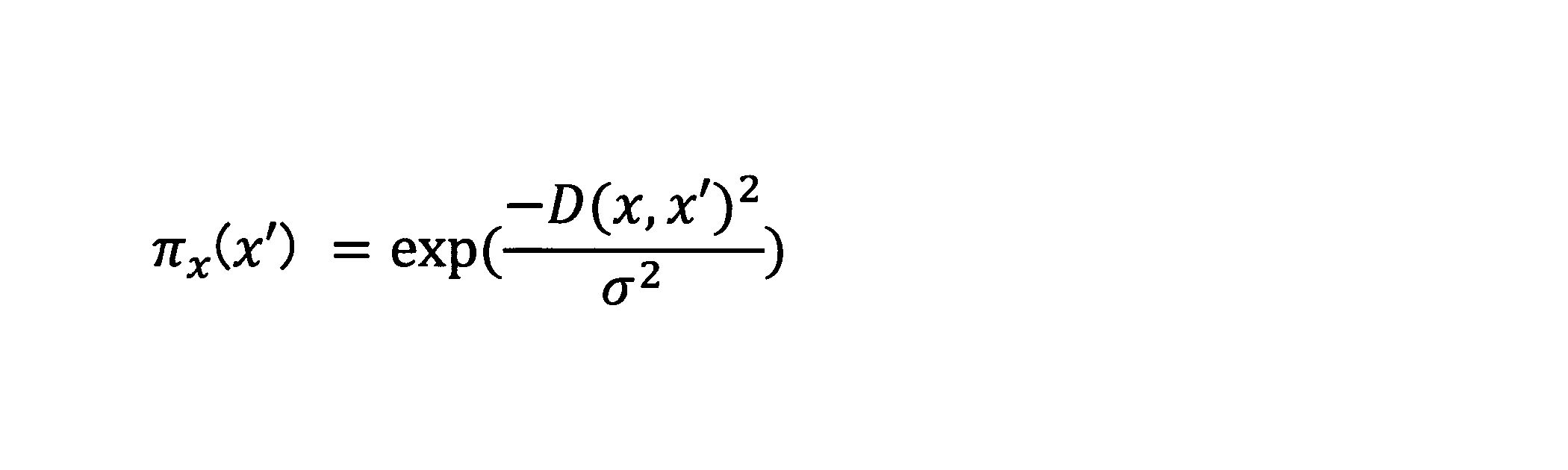
- the distance to a nearby user is represented by the Euclidean distance D (x, x ′).
- D (x, x ′) A predetermined number of users whose D (x, x ') is smaller than others is set as a nearby user of the target user. Since the nearby user is not the final nearby user, it may be referred to as a nearby user candidate.
- the nearby user search unit 40 narrows down the nearby users based on the validity of the approximation result. This has the effect of preventing erroneous predictions such as an increase in health risk value despite improvement in lifestyle.
- Equation 1 represents the amount of change in f when the state of the target user is slightly changed.
- the differential coefficient represented by “Equation 1” is Represents the slope of the tangent at point (x, f (x)). Note that the differential coefficient may be referred to as a prediction direction.
- Equation 2 is a point corresponding to the state x ′ of the nearby user candidate and the prediction result f (x ′) of the prediction model f, the prediction result f (x) of the target user according to the state x and the prediction model f.
- x) represents the slope of a straight line that connects the point corresponding to x).
- the nearby user search unit 40 calculates the product of the slope of the health risk value between the target user and the nearby user and the derivative, and if the product is negative, excludes the user from the nearby users. That is,
- the user (x ′) in which is negative is excluded from the nearby users.
- the curve indicated by “A” indicates the prediction model f
- the dotted line indicated by B indicates the slope of the health risk value between the target user and nearby users.
- the slope of the tangent to the prediction model f at the point in the current state points to the upper right, so the prediction model f predicts that the BMI increases as the amount of drinking increases.
- ⁇ Circle around (g) ⁇ (the straight line indicated by C) shown in FIG. 5 is an interpretation model obtained by calculation based on the data of the final nearby user. This will be described in S202 below.
- ⁇ S202 Learning of linear regression model g>
- the linear regression model learning unit 41 performs fitting with the learned predicted model f stored in the model storage unit 23 in the nearby user group X ′ ⁇ x′ ⁇ X ′ ⁇ extracted in S201.
- Such a linear regression model g is learned as an interpretation model.
- ⁇ x (x ′) represents a weighting factor of the loss function
- the linear regression model learning unit 41 delivers the partial regression coefficient of the interpretation model to the important lifestyle returning unit 42.
- a certain partial regression coefficient is an increase (or decrease) of the prediction result when the value of an item corresponding to the partial regression coefficient is increased while fixing the value of an item other than the item corresponding to the partial regression coefficient.
- S203 Return important lifestyles>
- the important lifestyle returning unit 42 returns (presents) the important lifestyle to the target user based on the partial regression coefficient passed from the linear regression model learning unit 41.
- the details are as follows.
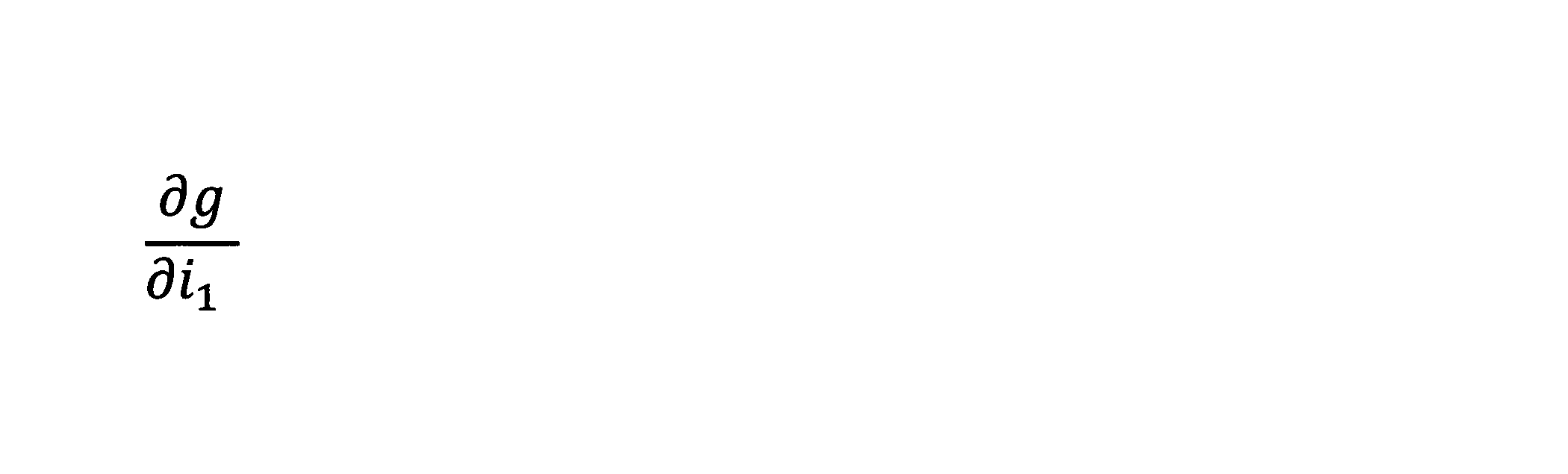
- Important lifestyle return unit 42 is a list of partial regression coefficients returned by linear regression model learning unit 41.
- the important lifestyle return unit 42 sorts the partial regression coefficients and the lifestyle corresponding to the partial regression coefficients in descending order of the partial regression coefficients, and returns them to the user terminal via the user interface unit 300.
- the lifestyle presented here is a lifestyle that should be improved for the target user. The one above is more important.
- FIG. 6 and 7 show examples of screens presented to the user terminal from the important lifestyle returning unit 42.
- FIG. 6 is an example of a screen displaying lifestyles sorted in descending order of partial regression coefficients.
- the exercise habit (“there is an exercise habit of 30 minutes or more per day”) is the lifestyle habit that has the greatest influence on the health risk.
- the current lifestyle is also displayed, and the target user can understand that “there is an exercise habit of 30 minutes or more per day” is “Yes”.
- FIG. 7 shows a screen example of a lifestyle change simulation result displayed on the user terminal.
- each health risk value indicated by "before” is a value predicted from the current lifestyle.
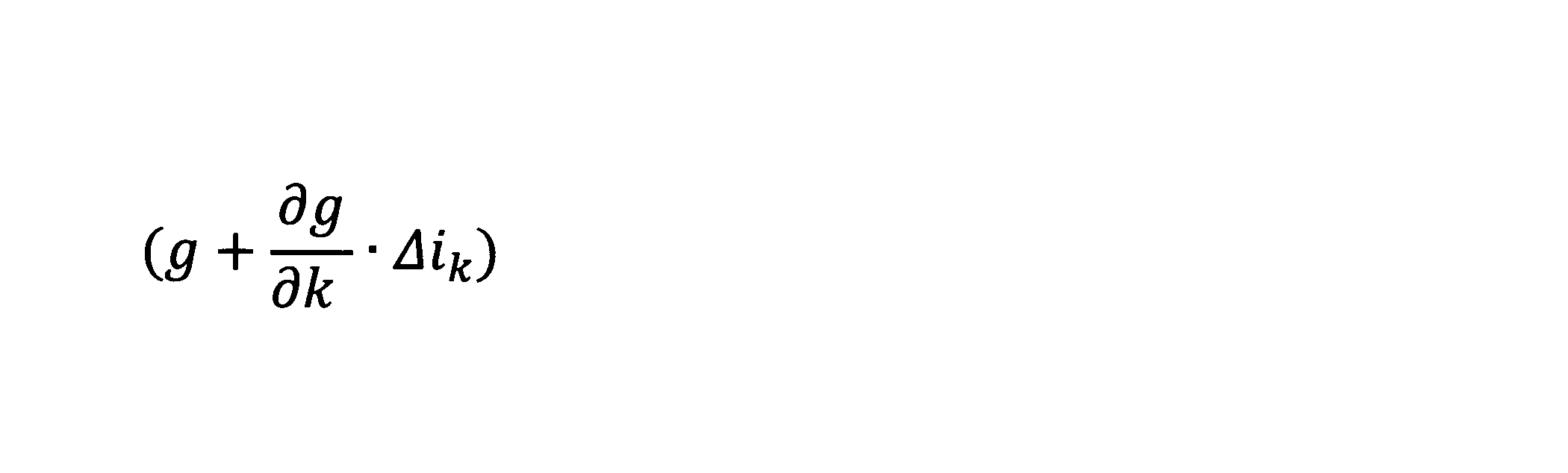
- the target user is, to change the lifestyle i k.
- the change amount is set to ⁇ i k.
- Information changes are notified to the key lifestyle return section 42 from the user terminal, significant lifestyle returning unit 42, the health risk value after the change, using the .DELTA.i k and partial regression coefficient corresponding to the lifestyle i k
- each health risk value after changing the lifestyle is shown as “after”.
- the target user can visually know the relationship between the improvement of the lifestyle and the change of the health risk value by repeating the lifestyle changing operation.
- the important lifestyle returning apparatus 100 can present an important lifestyle closely related to the health risk to each user with high accuracy.
- the developer can select a prediction model that matches the prediction target.
- the important lifestyle returning apparatus 100 predicts the user's health risk value as another variable based on the user's lifestyle which is a controllable variable, and By interpreting the prediction results, the effect of improving lifestyle is presented.
- the present invention can also perform prediction and interpretation of a highly valid prediction result in fields other than health. .
- the recommendation method suitable for each individual is tuned by using the viewing history of the moving image as a controllable variable, predicting the moving image to be recommended as another variable, and interpreting the prediction result by the method of the present invention. it can.
- a data storage unit for storing data of a plurality of users, a model storage unit for storing a prediction model learned from data of the plurality of users as a whole, And a linear regression model learning unit that learns a linear regression model approximated to the prediction model for the nearby users, and a partial regression coefficient of the linear regression model.
- An interpretation result output unit that outputs an interpretation result of the prediction for the target user based on the target user based on the prediction model.
- a prediction interpretation apparatus that extracts the nearby user by narrowing down based on the prediction direction of the user.
- the important lifestyle returning device 100 is an example of a predictive interpretation device.
- the important lifestyle return unit 42 is an example of an interpretation result output unit.
- the neighborhood user search unit calculates a differential coefficient of the prediction model as the prediction direction, a point corresponding to a state of the neighborhood user candidate and a prediction result by the prediction model, and a state of the target user.
- the slope of a straight line connecting a point corresponding to the result of prediction by the prediction model may be calculated, and a nearby user candidate in which the product of the differential coefficient and the slope of the straight line does not become negative may be extracted as a nearby user. Good. With this configuration, a nearby user can be appropriately extracted.
- the interpretation result output unit may output items corresponding to the partial regression coefficients in a row based on the order of magnitude of the partial regression coefficients of the linear regression model. Further, when the value of a certain item is changed, the interpretation result output unit can output the changed prediction result based on the partial regression coefficient. With this configuration, for example, the user can perform an item change simulation.
- the operation of a plurality of functional units may be physically performed by one component, or the operation of one functional unit may be physically performed by a plurality of components.
- the order of the processing may be changed as long as there is no contradiction.
- the software operated by the processor of the user device 10 according to the embodiment of the present invention and the software operated by the processor of the base station 20 according to the embodiment of the present invention are random access memory (RAM), flash memory, and read-only, respectively.
- the data may be stored in a memory (ROM), an EPROM, an EEPROM, a register, a hard disk (HDD), a removable disk, a CD-ROM, a database, a server, or any other suitable storage medium.
- REFERENCE SIGNS LIST 100 Important lifestyle habit returning device 200
- Prediction model processing unit 20
- Data acquisition unit 21 Model prediction unit 22
- Model storage unit 300
- User interface unit 400 Interpretation model processing unit 40 Nearby user search unit 41
- Linear regression model learning unit 42
- Important life Habit return unit 1001 processor 1002 memory 1003 storage 1004 communication device 1005 input device 1006 output device
Landscapes
- Engineering & Computer Science (AREA)
- Data Mining & Analysis (AREA)
- Health & Medical Sciences (AREA)
- Theoretical Computer Science (AREA)
- Medical Informatics (AREA)
- Physics & Mathematics (AREA)
- Public Health (AREA)
- General Physics & Mathematics (AREA)
- Software Systems (AREA)
- Databases & Information Systems (AREA)
- Biomedical Technology (AREA)
- General Engineering & Computer Science (AREA)
- Mathematical Physics (AREA)
- Primary Health Care (AREA)
- General Health & Medical Sciences (AREA)
- Epidemiology (AREA)
- Pathology (AREA)
- Computing Systems (AREA)
- Evolutionary Computation (AREA)
- Artificial Intelligence (AREA)
- Business, Economics & Management (AREA)
- Pure & Applied Mathematics (AREA)
- Mathematical Optimization (AREA)
- Mathematical Analysis (AREA)
- Computational Mathematics (AREA)
- Computational Linguistics (AREA)
- Computer Vision & Pattern Recognition (AREA)
- Operations Research (AREA)
- Strategic Management (AREA)
- Economics (AREA)
- Human Resources & Organizations (AREA)
- Life Sciences & Earth Sciences (AREA)
- Algebra (AREA)
- Probability & Statistics with Applications (AREA)
- Evolutionary Biology (AREA)
- Bioinformatics & Computational Biology (AREA)
- Bioinformatics & Cheminformatics (AREA)
- Child & Adolescent Psychology (AREA)
- General Business, Economics & Management (AREA)
- Social Psychology (AREA)
Abstract
Description
前記複数ユーザ全体のデータから学習された予測モデルを格納するモデル記憶部と、
対象ユーザに対する近傍ユーザを前記データ記憶部から抽出する近傍ユーザ探索部と、
前記近傍ユーザを対象として、前記予測モデルに近似させた線形回帰モデルを学習する線形回帰モデル学習部と、
前記線形回帰モデルの偏回帰係数に基づいて前記対象ユーザに対する予測の解釈結果を出力する解釈結果出力部と、を備え、
前記近傍ユーザ探索部は、ユーザ間の距離に基づき抽出された近傍ユーザ候補を、前記予測モデルによる前記対象ユーザの予測方向に基づいて絞り込むことにより、前記近傍ユーザを抽出する
予測解釈装置が提供される。
図1は、本実施の形態における重要生活習慣返却装置100の機能構成図である。図1に示すように、本実施の形態における重要生活習慣返却装置100は、予測モデル処理部200と、ユーザインタフェース部300と、解釈モデル処理部400とを有する。
図1に示した重要生活習慣返却装置100のブロック図は、機能単位のブロックを示している。これらの機能ブロック(構成部)は、例えば、ハードウェア及びソフトウェアの組み合わせによって実現される。
次に、図1に示した機能構成を備える重要生活習慣返却装置100の動作を図3及び図4のフローチャートを参照して詳細に説明する。以下の動作において、データ取得部20により取得したユーザ全体の健康診断データ及び生活習慣の問診データは既にデータ記憶部22に格納されているものとする。
以下、S102における解釈用モデルの学習処理、及び重要な生活習慣の提示処理の詳細を、図4のフローチャート、及び図5~7を参照して説明する。
まず、図4のS201において、ユーザインタフェース部300が対象ユーザからのリクエストを受け付けた後、近傍ユーザ探索部40が、対象ユーザと健康状態及び生活習慣が近しいユーザを、データ記憶部22に記憶された全ユーザから探索し、回帰モデルを構築する際に用いる近傍ユーザの情報を線形回帰モデル学習部41へ引き渡す。


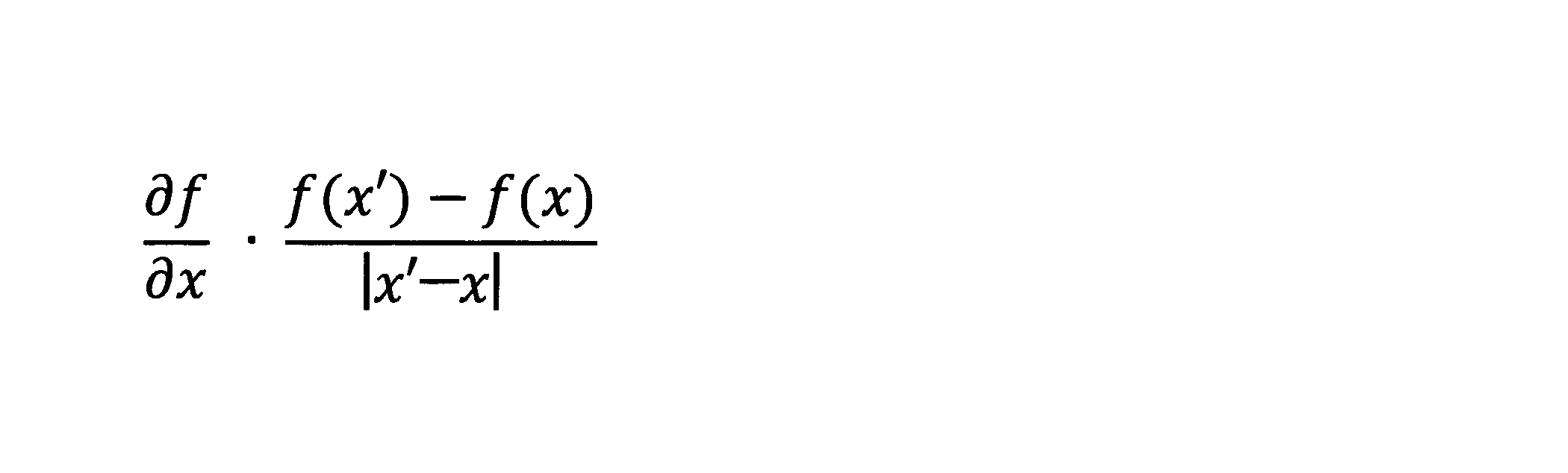
図4のS202では、S201で抽出された近傍ユーザ群X´{x´∈X´}において、線形回帰モデル学習部41が、モデル記憶部23に記憶されている学習済み予測モデルfとフィッティングするような線形回帰モデルgを解釈用モデルとして学習する。具体的には、

S203において、重要生活習慣返却部42は、線形回帰モデル学習部41から渡された偏回帰係数に基づいて、重要な生活習慣を対象ユーザに返却(提示)する。具体的には下記のとおりである。

重要生活習慣返却装置100は、個々のユーザに対して健康リスクと関係の深い重要生活習慣を高い精度で提示することができる。
以上、説明したように、本実施の形態における重要生活習慣返却装置100は、コントロール可能な変数であるユーザの生活習慣に基づいて、他の変数であるユーザの健康リスク値を予測するとともに、その予測結果を解釈することで、生活習慣の改善効果を提示する。
以上、説明したように、本実施の形態により、複数ユーザのデータを格納するデータ記憶部と、前記複数ユーザ全体のデータから学習された予測モデルを格納するモデル記憶部と、対象ユーザに対する近傍ユーザを前記データ記憶部から抽出する近傍ユーザ探索部と、前記近傍ユーザを対象として、前記予測モデルに近似させた線形回帰モデルを学習する線形回帰モデル学習部と、 前記線形回帰モデルの偏回帰係数に基づいて前記対象ユーザに対する予測の解釈結果を出力する解釈結果出力部と、を備え、前記近傍ユーザ探索部は、ユーザ間の距離に基づき抽出された近傍ユーザ候補を、前記予測モデルによる前記対象ユーザの予測方向に基づいて絞り込むことにより、前記近傍ユーザを抽出する予測解釈装置が提供される。
以上、本発明の実施の形態を説明してきたが、開示される発明はそのような実施形態に限定されず、当業者は様々な変形例、修正例、代替例、置換例等を理解するであろう。発明の理解を促すため具体的な数値例を用いて説明がなされたが、特に断りのない限り、それらの数値は単なる一例に過ぎず適切な如何なる値が使用されてもよい。上記の説明における項目の区分けは本発明に本質的ではなく、2以上の項目に記載された事項が必要に応じて組み合わせて使用されてよいし、ある項目に記載された事項が、別の項目に記載された事項に(矛盾しない限り)適用されてよい。機能ブロック図における機能部又は処理部の境界は必ずしも物理的な部品の境界に対応するとは限らない。複数の機能部の動作が物理的には1つの部品で行われてもよいし、あるいは1つの機能部の動作が物理的には複数の部品により行われてもよい。実施の形態で述べた処理手順については、矛盾の無い限り処理の順序を入れ替えてもよい。処理説明の便宜上、重要生活習慣返却装置100は機能的なブロック図を用いて説明されたが、そのような装置はハードウェアで、ソフトウェアで又はそれらの組み合わせで実現されてもよい。本発明の実施の形態に従ってユーザ装置10が有するプロセッサにより動作するソフトウェア及び本発明の実施の形態に従って基地局20が有するプロセッサにより動作するソフトウェアはそれぞれ、ランダムアクセスメモリ(RAM)、フラッシュメモリ、読み取り専用メモリ(ROM)、EPROM、EEPROM、レジスタ、ハードディスク(HDD)、リムーバブルディスク、CD-ROM、データベース、サーバその他の適切な如何なる記憶媒体に保存されてもよい。
200 予測モデル処理部
20 データ取得部
21 モデル予測部
22 データ記憶部
23 モデル記憶部
300 ユーザインタフェース部
400 解釈モデル処理部
40 近傍ユーザ探索部
41 線形回帰モデル学習部
42 重要生活習慣返却部
1001 プロセッサ
1002 メモリ
1003 ストレージ
1004 通信装置
1005 入力装置
1006 出力装置
Claims (5)
- 複数ユーザのデータを格納するデータ記憶部と、
前記複数ユーザ全体のデータから学習された予測モデルを格納するモデル記憶部と、
対象ユーザに対する近傍ユーザを前記データ記憶部から抽出する近傍ユーザ探索部と、
前記近傍ユーザを対象として、前記予測モデルに近似させた線形回帰モデルを学習する線形回帰モデル学習部と、
前記線形回帰モデルの偏回帰係数に基づいて前記対象ユーザに対する予測の解釈結果を出力する解釈結果出力部と、を備え、
前記近傍ユーザ探索部は、ユーザ間の距離に基づき抽出された近傍ユーザ候補を、前記予測モデルによる前記対象ユーザの予測方向に基づいて絞り込むことにより、前記近傍ユーザを抽出する
予測解釈装置。 - 前記近傍ユーザ探索部は、
前記予測方向として前記予測モデルの微分係数を算出し、
前記近傍ユーザ候補についての状態と前記予測モデルによる予測結果とに対応する点と、前記対象ユーザについての状態と前記予測モデルによる予測結果とに対応する点とを結んだ直線の傾きを算出し、
前記微分係数と、前記直線の傾きとの積が負にならない近傍ユーザ候補を近傍ユーザとして抽出する
請求項1に記載の予測解釈装置。 - 前記解釈結果出力部は、前記線形回帰モデルの偏回帰係数の大きさの順位に基づいて、各偏回帰係数に対応する項目を並べて出力する
請求項1又は2に記載の予測解釈装置。 - 前記解釈結果出力部は、ある項目の値が変更された場合において、偏回帰係数に基づいて、変更後の予測結果を出力する
請求項3に記載の予測解釈装置。 - 複数ユーザのデータを格納するデータ記憶部と、前記複数ユーザ全体のデータから学習された予測モデルを格納するモデル記憶部とを備える予測解釈装置が実行する予測解釈方法であって、
対象ユーザに対する近傍ユーザを前記データ記憶部から抽出する探索ステップと、
前記近傍ユーザを対象として、前記予測モデルに近似させた線形回帰モデルを学習するステップと、
前記線形回帰モデルの偏回帰係数に基づいて前記対象ユーザに対する予測の解釈結果を出力するステップと、を備え、
前記探索ステップにおいて、前記予測解釈装置は、ユーザ間の距離に基づき抽出された近傍ユーザ候補を、前記予測モデルによる前記対象ユーザの予測方向に基づいて絞り込むことにより、前記近傍ユーザを抽出する
予測解釈方法。
Priority Applications (2)
| Application Number | Priority Date | Filing Date | Title |
|---|---|---|---|
| US17/269,425 US12462170B2 (en) | 2018-08-24 | 2019-08-22 | Prediction interpretation apparatus and prediction interpretation method |
| JP2020538464A JP7328974B2 (ja) | 2018-08-24 | 2019-08-22 | 予測解釈装置、及び予測解釈方法 |
Applications Claiming Priority (2)
| Application Number | Priority Date | Filing Date | Title |
|---|---|---|---|
| JP2018157718 | 2018-08-24 | ||
| JP2018-157718 | 2018-08-24 |
Publications (1)
| Publication Number | Publication Date |
|---|---|
| WO2020040253A1 true WO2020040253A1 (ja) | 2020-02-27 |
Family
ID=69591915
Family Applications (1)
| Application Number | Title | Priority Date | Filing Date |
|---|---|---|---|
| PCT/JP2019/032843 Ceased WO2020040253A1 (ja) | 2018-08-24 | 2019-08-22 | 予測解釈装置、及び予測解釈方法 |
Country Status (3)
| Country | Link |
|---|---|
| US (1) | US12462170B2 (ja) |
| JP (1) | JP7328974B2 (ja) |
| WO (1) | WO2020040253A1 (ja) |
Cited By (4)
| Publication number | Priority date | Publication date | Assignee | Title |
|---|---|---|---|---|
| JP2021179847A (ja) * | 2020-05-14 | 2021-11-18 | 株式会社Nttドコモ | スコア算出装置 |
| WO2022107518A1 (ja) * | 2020-11-19 | 2022-05-27 | 株式会社Nttドコモ | 血液情報推定装置 |
| CN115169650A (zh) * | 2022-06-20 | 2022-10-11 | 四川观想科技股份有限公司 | 一种大数据分析的装备健康预测方法 |
| JP7182822B1 (ja) | 2022-07-22 | 2022-12-05 | 株式会社Avilen | 情報処理システム、情報処理方法および情報処理プログラム |
Families Citing this family (2)
| Publication number | Priority date | Publication date | Assignee | Title |
|---|---|---|---|---|
| EP4160492A4 (en) * | 2020-05-26 | 2023-06-07 | Fujitsu Limited | MODEL TRAINING PROGRAM, MODEL TRAINING METHOD AND INFORMATION PROCESSING DEVICE |
| CN113377640B (zh) * | 2021-06-23 | 2022-07-08 | 杭州网易云音乐科技有限公司 | 解释业务场景下模型的方法、介质、装置和计算设备 |
Citations (3)
| Publication number | Priority date | Publication date | Assignee | Title |
|---|---|---|---|---|
| JP2016062509A (ja) * | 2014-09-19 | 2016-04-25 | ヤフー株式会社 | 情報処理装置、情報処理方法、および情報処理プログラム |
| WO2017163277A1 (ja) * | 2016-03-25 | 2017-09-28 | 日本電気株式会社 | 情報処理システム、情報処理方法および情報処理プログラム |
| WO2018142753A1 (ja) * | 2017-02-02 | 2018-08-09 | 日本電気株式会社 | ディープラーニングを用いる情報処理装置、情報処理方法及び情報処理プログラム |
Family Cites Families (13)
| Publication number | Priority date | Publication date | Assignee | Title |
|---|---|---|---|---|
| US7505948B2 (en) * | 2003-11-18 | 2009-03-17 | Aureon Laboratories, Inc. | Support vector regression for censored data |
| US8005627B2 (en) * | 2006-09-08 | 2011-08-23 | Richard Porwancher | Bioinformatic approach to disease diagnosis |
| JP2009057337A (ja) | 2007-08-31 | 2009-03-19 | Dainippon Sumitomo Pharma Co Ltd | メタボロームデータの解析方法および代謝関与マーカー |
| JP5130851B2 (ja) * | 2007-09-27 | 2013-01-30 | 富士通株式会社 | モデル作成支援システム、モデル作成支援方法、モデル作成支援プログラム |
| JP6354192B2 (ja) * | 2014-02-14 | 2018-07-11 | オムロン株式会社 | 因果ネットワーク生成システム |
| BR112017017079A2 (pt) * | 2015-02-12 | 2018-04-10 | Koninklijke Philips N.V. | aparelho para classificação robusta, método realizado por um processador, e, mídia não transitória legível por computador |
| JP6615493B2 (ja) * | 2015-05-26 | 2019-12-04 | 株式会社野村総合研究所 | サーバ装置 |
| US11594310B1 (en) * | 2016-03-31 | 2023-02-28 | OM1, Inc. | Health care information system providing additional data fields in patient data |
| US10692099B2 (en) * | 2016-04-11 | 2020-06-23 | International Business Machines Corporation | Feature learning on customer journey using categorical sequence data |
| US10877444B1 (en) * | 2017-06-07 | 2020-12-29 | Hrl Laboratories, Llc | System and method for biofeedback including relevance assessment |
| US20190088159A1 (en) * | 2017-09-15 | 2019-03-21 | Paul Ash Minturn | Quantified Scientific Well-Being Evaluations, Interventions and VR Games |
| US20190095588A1 (en) * | 2017-09-26 | 2019-03-28 | International Business Machines Corporation | Health trend identification |
| JP7007027B2 (ja) * | 2018-03-30 | 2022-01-24 | Necソリューションイノベータ株式会社 | 予測システム、モデル生成システム、方法およびプログラム |
-
2019
- 2019-08-22 WO PCT/JP2019/032843 patent/WO2020040253A1/ja not_active Ceased
- 2019-08-22 JP JP2020538464A patent/JP7328974B2/ja active Active
- 2019-08-22 US US17/269,425 patent/US12462170B2/en active Active
Patent Citations (3)
| Publication number | Priority date | Publication date | Assignee | Title |
|---|---|---|---|---|
| JP2016062509A (ja) * | 2014-09-19 | 2016-04-25 | ヤフー株式会社 | 情報処理装置、情報処理方法、および情報処理プログラム |
| WO2017163277A1 (ja) * | 2016-03-25 | 2017-09-28 | 日本電気株式会社 | 情報処理システム、情報処理方法および情報処理プログラム |
| WO2018142753A1 (ja) * | 2017-02-02 | 2018-08-09 | 日本電気株式会社 | ディープラーニングを用いる情報処理装置、情報処理方法及び情報処理プログラム |
Cited By (9)
| Publication number | Priority date | Publication date | Assignee | Title |
|---|---|---|---|---|
| JP2021179847A (ja) * | 2020-05-14 | 2021-11-18 | 株式会社Nttドコモ | スコア算出装置 |
| JP7410794B2 (ja) | 2020-05-14 | 2024-01-10 | 株式会社Nttドコモ | スコア算出装置 |
| WO2022107518A1 (ja) * | 2020-11-19 | 2022-05-27 | 株式会社Nttドコモ | 血液情報推定装置 |
| JPWO2022107518A1 (ja) * | 2020-11-19 | 2022-05-27 | ||
| JP7853220B2 (ja) | 2020-11-19 | 2026-04-28 | 株式会社Nttドコモ | 血液情報推定装置 |
| CN115169650A (zh) * | 2022-06-20 | 2022-10-11 | 四川观想科技股份有限公司 | 一种大数据分析的装备健康预测方法 |
| CN115169650B (zh) * | 2022-06-20 | 2022-11-22 | 四川观想科技股份有限公司 | 一种大数据分析的装备健康预测方法 |
| JP7182822B1 (ja) | 2022-07-22 | 2022-12-05 | 株式会社Avilen | 情報処理システム、情報処理方法および情報処理プログラム |
| JP2024014314A (ja) * | 2022-07-22 | 2024-02-01 | 株式会社Avilen | 情報処理システム、情報処理方法および情報処理プログラム |
Also Published As
| Publication number | Publication date |
|---|---|
| US12462170B2 (en) | 2025-11-04 |
| US20210182712A1 (en) | 2021-06-17 |
| JPWO2020040253A1 (ja) | 2021-08-26 |
| JP7328974B2 (ja) | 2023-08-17 |
Similar Documents
| Publication | Publication Date | Title |
|---|---|---|
| WO2020040253A1 (ja) | 予測解釈装置、及び予測解釈方法 | |
| US11361243B2 (en) | Recommending machine learning techniques, features, and feature relevance scores | |
| US12027271B2 (en) | Visualization of biomedical predictions | |
| US11551818B2 (en) | Computer system and method of presenting information related to basis of predicted value output by predictor | |
| US11146580B2 (en) | Script and command line exploitation detection | |
| WO2012145616A2 (en) | Predictive modeling | |
| WO2016034996A1 (en) | Healthcare similarity engine and dashboard | |
| Díaz et al. | Targeted learning ensembles for optimal individualized treatment rules with time-to-event outcomes | |
| Chen et al. | Improved interpretability of machine learning model using unsupervised clustering: predicting time to first treatment in chronic lymphocytic leukemia | |
| Hashemifar et al. | Joint alignment of multiple protein–protein interaction networks via convex optimization | |
| EP3120258A1 (en) | Context-aware re-formatting of an input | |
| KR102865941B1 (ko) | 적응형 하이브리드 처리를 이용한 개인화된 다중모드 쇼핑 보조 시스템 및 그 방법 | |
| JP6592574B1 (ja) | 記事解析装置、および、記事解析方法 | |
| Cruz et al. | Quality-based model for effective and robust multi-user pay-as-you-go ontology matching | |
| US20210065912A1 (en) | System and method for facilitating data analysis performance | |
| CN116594712B (zh) | 基于数据分析的用户中心展示方法及系统 | |
| JP7523696B2 (ja) | 広告効果予測装置 | |
| JP2010015394A (ja) | リンク先提示装置およびコンピュータプログラム | |
| CN110706772A (zh) | 一种排序方法及装置、电子设备、存储介质 | |
| WO2020231091A1 (en) | Improved exploration for interactive recommendation systems | |
| JP7682214B2 (ja) | 情報処理装置 | |
| US20260004913A1 (en) | Contrastive multi-omics association learning for complex diseases | |
| CN114116838B (zh) | 数据处理方法、装置、电子设备以及存储介质 | |
| US20250356381A1 (en) | Information processing apparatus, information processing method, and program | |
| Manoharan et al. | Disease-Based Hospital Recommendation System using Machine Learning and Natural Language Processing (NLP) |
Legal Events
| Date | Code | Title | Description |
|---|---|---|---|
| 121 | Ep: the epo has been informed by wipo that ep was designated in this application |
Ref document number: 19852087 Country of ref document: EP Kind code of ref document: A1 |
|
| ENP | Entry into the national phase |
Ref document number: 2020538464 Country of ref document: JP Kind code of ref document: A |
|
| NENP | Non-entry into the national phase |
Ref country code: DE |
|
| 122 | Ep: pct application non-entry in european phase |
Ref document number: 19852087 Country of ref document: EP Kind code of ref document: A1 |
|
| WWG | Wipo information: grant in national office |
Ref document number: 17269425 Country of ref document: US |