WO2020005845A1 - Fungal endophytes for improved crop yields and protection from pests - Google Patents
Fungal endophytes for improved crop yields and protection from pests Download PDFInfo
- Publication number
- WO2020005845A1 WO2020005845A1 PCT/US2019/038754 US2019038754W WO2020005845A1 WO 2020005845 A1 WO2020005845 A1 WO 2020005845A1 US 2019038754 W US2019038754 W US 2019038754W WO 2020005845 A1 WO2020005845 A1 WO 2020005845A1
- Authority
- WO
- WIPO (PCT)
- Prior art keywords
- plant
- synthetic composition
- biotic stress
- caused
- endophyte
- Prior art date
- Legal status (The legal status is an assumption and is not a legal conclusion. Google has not performed a legal analysis and makes no representation as to the accuracy of the status listed.)
- Ceased
Links
Classifications
-
- A—HUMAN NECESSITIES
- A01—AGRICULTURE; FORESTRY; ANIMAL HUSBANDRY; HUNTING; TRAPPING; FISHING
- A01N—PRESERVATION OF BODIES OF HUMANS OR ANIMALS OR PLANTS OR PARTS THEREOF; BIOCIDES, e.g. AS DISINFECTANTS, AS PESTICIDES OR AS HERBICIDES; PEST REPELLANTS OR ATTRACTANTS; PLANT GROWTH REGULATORS
- A01N63/00—Biocides, pest repellants or attractants, or plant growth regulators containing microorganisms, viruses, microbial fungi, animals or substances produced by, or obtained from, microorganisms, viruses, microbial fungi or animals, e.g. enzymes or fermentates
- A01N63/30—Microbial fungi; Substances produced thereby or obtained therefrom
-
- A—HUMAN NECESSITIES
- A01—AGRICULTURE; FORESTRY; ANIMAL HUSBANDRY; HUNTING; TRAPPING; FISHING
- A01N—PRESERVATION OF BODIES OF HUMANS OR ANIMALS OR PLANTS OR PARTS THEREOF; BIOCIDES, e.g. AS DISINFECTANTS, AS PESTICIDES OR AS HERBICIDES; PEST REPELLANTS OR ATTRACTANTS; PLANT GROWTH REGULATORS
- A01N63/00—Biocides, pest repellants or attractants, or plant growth regulators containing microorganisms, viruses, microbial fungi, animals or substances produced by, or obtained from, microorganisms, viruses, microbial fungi or animals, e.g. enzymes or fermentates
- A01N63/30—Microbial fungi; Substances produced thereby or obtained therefrom
- A01N63/36—Penicillium
Definitions
- the present invention relates to fungal endophytes of agricultural crops for improving yield and/or for protection from pests.
- Fungal endophytes are fungi that internally colonize plant tissues without causing evident damage or disease.
- Particular fungal endophytes such as mycorrhiza, survive within various host plant tissues, often colonizing the intercellular spaces of host leaves, stems, flowers or roots.
- the symbiotic endophyte-host relationships can provide several fitness benefits to the host plant, such as enhancement of nutrition, and/or increased drought tolerance.
- Root-colonizing mycorrhizae survive on photosynthetic carbohydrates from the plant, and in return, aid in the solubilization and uptake of water and minerals to the host, which can lead to the promotion of seed germination and plant growth.
- association of a fungal endophyte with a host plant can provide tolerance to a variety of biotic and abiotic stresses. Host growth, fitness promotion and protection are thought to be achieved through multiple beneficial properties of the endophyte-host association. For instance, the endophytic organisms may produce growth-regulating substances to induce biomass production and alkaloids or other metabolites. Additionally, fungal endophytes may directly suppress or compete with disease-causing microbes, protecting the plant from potential pathogens.
- the invention described herein provides a synthetic compound
- composition comprising a plant element and at least one fungal endophyte selected from Table 3, wherein the fungal endophyte is capable of improving plant tolerance to biotic stress as compared to a reference plant element not further comprising the endophyte.
- the invention described herein provides a synthetic compound
- composition comprising: a) a fungal endophyte comprising at least one endophyte from Table 3; and b) at least one carrier, wherein the fungal endophyte is in contact with the carrier; and wherein the fungal endophyte, when heterologously disposed to a plant element, is capable of improving plant tolerance to biotic stress as compared to a reference plant element not further comprising the endophyte.
- the carrier comprises alginic acid, carrageenan, dextrin, dextran, pelgel, polyethelene glycol, polyvinyl pyrrolidone, methyl cellulose, polyvinyl alcohol, gelatin, or combinations thereof.
- the synthetic composition further comprises water, a detergent, an insecticide, a fungicide, or combinations thereof.
- the weight ratio between fungal endophyte and carrier is 1 : 1-10, 1 :10-50, 1 :50-100, 1 : 100-500, 1 :500-1000, or 1 : 1000-5000.
- the synthetic composition is a fluid or a powder.
- the composition comprises at least 1, 2, 3, 4, 5, 6, 7, 8, 9, 10, 11, 12, 13, 14, 15, 16, 17, 18, 19, or 20 endophytes.
- the fungal endophyte comprises fungal spores.
- the fungal spores are present in about 10 2 , 10 3 , 10 4 , 10 5 , 10 6 , 10 7 , 10 8 , or 10 9 colony forming units per gram or spores per gram.
- the composition further comprises a plant element.
- the plant element is a monocot.
- the monocot is wheat.
- the monocot is com.
- the plant element is a dicot.
- the dicot is soybean.
- the dicot is cotton.
- the plant element is a seed.
- the fungal endophyte is heterologously disposed to a seed in a seed coating.
- the plant element comprises leaf tissue.
- the fungal endophyte is heterologously disposed to a leaf in a foliar spray or powder.
- the plant element comprises root tissue.
- the fungal endophyte is heterologously disposed to a root in a root drench or soil treatment.
- the at least one fungal endophyte is from a genus selected from the group consisting of:
- the fungal endophyte comprises a nucleic acid sequence that is at least 97% identical to a nucleic acid sequence selected from the group consisting of SEQ ID NOs: 26-66.
- the invention described herein provides a synthetic compound
- composition comprising a fungal endophyte capable of improving plant tolerance to biotic stress, wherein the biotic stress is caused by a nematode, an aphid, a fleahopper, a lygus bug, a stink bug, a soy looper, a cabbage looper, a fungus, or combinations thereof.
- the biotic stress is caused by root knot nematode.
- biotic stress is caused by reniform nematode.
- biotic stress is caused by a Lepidoptera larvae.
- the biotic stress is caused by a Lepidoptera larvae of the family Noctuidae.
- the biotic stress is caused by Chrysodeixis includens. In some embodiments, the biotic stress is caused by Trichoplusia ni. In some embodiments, the biotic stress is caused by a Hemiptera insect. In some embodiments, the biotic stress is caused by Nezara viridula. In some embodiments, the biotic stress is caused by Lygus hesperus. In some embodiments, the biotic stress is caused by Aphis gossypii. In some embodiments, the biotic stress is caused by a fungi of the genus Rhizoctonia. In some embodiments, the biotic stress is caused by Rhizoctonia solani. In some embodiments, the biotic stress is caused by a fungi of the genus Fusarium. In some embodiments, the biotic stress is Fusarium virguliforme . In some embodiments, the biotic stress is caused by
- the biotic stress is caused by a plant pest or pathogen and improved plant tolerance is demonstrated by at least increased emergence, increased stand, increased survival, increased plant height, increased shoot biomass, increased root biomass, decreased disease score, increased leaf area, decreased pest abundance, decreased pest biomass, increased yield, improved vigor, or improved resistance to pathogenic bacteria, fungi or viruses.
- the pest is of an order selected from the group consisting of: Lepidoptera , Hemiptera , or Tylenchida.
- the pathogen is of a genus selected from the group consisting of: Fusarium or Rhizoctonia.
- the invention described herein provides a method of improving a plant phenotype, comprising inoculating plant elements with a formulation comprising a fungal endophyte heterologously disposed to the plant elements, wherein: a) the fungal endophyte is selected from Table 3; b) a phenotype is improved as compared to plant elements of reference plants not inoculated with the formulation; and c) the plant phenotype is selected from the group consisting of: increased disease resistance, increased pest resistance, increased herbivore resistance, increased resistance to a fungal pathogen, increased resistance to a bacterial pathogen, increased resistance to a viral pathogen, increased resistance to a nematode, increased insect resistance, increased leaf area in the presence of a biotic stressor, increased yield in the presence of a biotic stressor, or
- the plant phenotype is increased yield in the presence of a biotic stressor and the increase of yield is at least about 1%, 2%, 3%, 4%, 5%, 10%, 15%, 20%, or 25%. In some embodiments, the plant phenotype is leaf area is at least about 5%, 15%, 20%, or 25%.
- the invention described herein provides a method for reducing damage due to biotic stress, comprising inoculating plant elements with a formulation comprising a fungal endophyte heterologously disposed to the plant elements, wherein the fungal endophyte comprises a nucleic acid sequence having at least 97% identity to a nucleic acid sequence selected in Table 3, wherein damage due to biotic stress is reduced as compared to plant elements of reference plants not inoculated with the formulation.
- the crop is cotton and the reduction of damage comprises reduced boll damage.
- the reduction of boll damage comprises a decrease in the loss of bolls of about 1%, 2%, 3%, 4%, 5%, 10%, 15%, 20%, 30%, 40%, or 45%. In some embodiments, the reduction of damage comprises increased leaf area of about 5%, 10%, 15%, 20%, 30%, 40%, or 45%. In some embodiments, the reduction of damage improves yield as compared to reference plants not inoculated with the formulation.
- the invention described herein provides a method for treating biotic stress, comprising inoculating plant elements with a formulation comprising a fungal endophyte heterologously disposed to the plant elements, wherein the fungal endophyte comprises a nucleic acid sequence having at least 97% identity to a nucleic acid sequence selected in Table 3, wherein the fungal endophyte is capable of improving tolerance to biotic stress in the plants comprising or derived from the inoculated plant elements compared to plants comprising or derived from reference plant elements not inoculated with the formulation.
- the invention described herein provides a method for preventing pest infestation, comprising inoculating plant elements with a formulation comprising a fungal endophyte heterologously disposed to the plant elements, wherein the fungal endophyte is selected from Table 3, wherein pests are less abundant on the plants comprising or derived from the inoculated plant elements compared to plants comprising or derived from reference plant elements not inoculated with the formulation.
- the invention described herein provides a method for preventing pest infestation, comprising inoculating plant elements with a formulation comprising a fungal endophyte heterologously disposed to the plant elements, wherein the fungal endophyte is selected from Table 3, wherein pests are smaller on the plants comprising or derived from the inoculated plant elements compared to plants comprising or derived from reference plant elements not inoculated with the formulation.
- the fungal endophyte is selected from the group consisting of: Penicillium, Phomopsis, Preussia, or combinations thereof.
- the fungal endophyte comprises a nucleic acid sequence that is at least 97% identical to a nucleic acid sequence selected from the group consisting of SEQ ID NOs: 26-66.
- the formulation comprises at least 1, 2, 3, 4, 5, 6, 7, 8, 9, 10,
- the plant element is a seed. In some embodiments of any of the methods described herein, the plant element is a monocot. In some embodiments of any of the methods described herein, the monocot is wheat. In some embodiments of any of the methods described herein, the monocot is corn. In some embodiments of any of the methods described herein, the plant element is a dicot. In some embodiments of any of the methods described herein, the dicot is soybean. In some embodiments of any of the methods described herein, the dicot is cotton. In some embodiments of any of the methods described herein, the method further comprises sterilizing the seeds to remove microorganisms prior to combining the seeds with the endophyte composition.
- the biotic stress is caused by a nematode, an aphid, a fleahopper, a lygus bug, a stink bug, a soy looper, a cabbage looper, a fungus, or combinations thereof.
- the biotic stress is caused by root knot nematode.
- the biotic stress is caused by reniform nematode.
- the biotic stress is caused by a Lepidoptera larvae.
- the biotic stress is caused by a Lepidoptera larvae of the family Noctuidae. In some embodiments the biotic stress is caused by Chrysodeixis includens. In some embodiments the biotic stress is caused by Trichoplusia ni. In some embodiments the biotic stress is caused by a Hemiptera insect. In some embodiments the biotic stress is caused by Nezara viridula. In some embodiments the biotic stress is caused by Lygus Hesperus. In some embodiments the biotic stress is caused by Aphis gossypii. In some embodiments the biotic stress is caused by a fungi of the genus Rhizoctonia.
- the biotic stress is caused by Rhizoctonia solani. In some embodiments the biotic stress is caused by a fungi of the genus Fusarium. In some embodiments the biotic stress is caused by Fusarium virguliforme . In some
- the biotic stress is caused by Fusarium oxysporum.
- FIG. 1 This figure shows a schematic petri dish“arena” as used in the video behavior assays described in Example 11.
- a cotton boll (labeled C) is visible at the center of the plate.
- the region surrounding the boll is represented by the shaded region labeled B; this region is referred to as the boll zone.
- the boll zone is the region in direct proximity to the cotton boll.
- the outer area with the label A shows the region of the plate which is not in direct proximity to the cotton boll.
- a Southern Green Stink Bug Nezara viridula
- D Southern Green Stink Bug
- FIG. 2. This figure shows an exemplary photo of 20 petri plate arenas as used in the video behavior assays described in Example 11. A cotton boll is visible at the center of each arena. The other dark mass in each arena is a Southern Green Stink Bug ( Nezara viridula). The lines within each arena represent the output of the video tracking software and are a visualization of the path over which the insect in that arena has traveled over the observation period.
- Nezara viridula Southern Green Stink Bug
- compositions and methods include the recited elements, but not excluding others.
- Consisting essentially of when used to define compositions and methods shall mean excluding other elements of any essential significance to the combination. Thus, a composition consisting essentially of the elements as defined herein would not exclude trace contaminants from the isolation and purification method and agriculturally acceptable carriers.
- Consisting of' shall mean excluding more than trace elements of other ingredients and substantial method steps for applying the compositions of this invention. Embodiments defined by each of these transition terms are within the scope of this invention.
- Biocontrol the term“biological control” and its abbreviated form
- biocontrol is defined as control of a pest, pathogen, or insect or any other undesirable organism by the use of at least one endophyte.
- an“agricultural seed” is a seed used to grow plants in agriculture (an “agricultural plant”).
- the seed may be of a monocot or dicot plant, and is planted for the production of an agricultural product, for example grain, food, fiber, etc.
- an agricultural seed is a seed that is prepared for planting, for example, in farms for growing. Agricultural seeds are distinguished from commodity seeds in that the former is not used to generate products, for example commodity plant products.
- A“plant element” is intended to genetically reference either a whole plant or a plant component, including but not limited to plant tissues, parts, and cell types.
- a plant element is preferably one of the following: whole plant, seedling, meristematic tissue, ground tissue, vascular tissue, dermal tissue, seed, leaf, root, shoot, stem, flower, fruit, stolon, bulb, tuber, corm, keikis, shoot, bud.
- a "commodity plant product” refers to any composition or product that is comprised of material derived from a plant, seed, plant cell, or plant part of the present invention.
- Commodity plant products may be sold to consumers and can be viable or nonviable.
- Nonviable commodity products include but are not limited to nonviable seeds and grains; processed seeds, seed parts, and plant parts; dehydrated plant tissue, frozen plant tissue, and processed plant tissue; seeds and plant parts processed for animal feed for terrestrial and/or aquatic animal consumption, oil, meal, flour, flakes, bran, fiber, and any other food for human or animal consumption; and biomasses and fuel products.
- Any such commodity plant product that is derived from the plants of the present invention may contain at least a detectable amount of the specific and unique DNA corresponding to the endophytes described herein. Any standard method of detection for polynucleotide molecules may be used, including methods of detection disclosed herein.
- agronomically elite plants refers to a genotype or cultivar with a phenotype adapted for commercial cultivation. Traits comprised by an agronomically elite plant may include biomass, carbohydrate, and/or seed yield; biotic or abiotic stress resistance, including drought resistance, insect resistance, fungus resistance, virus resistance, bacteria resistance, cold tolerance, and salt tolerance; improved standability, enhanced nutrient use efficiency, and reduced lignin content.
- cotton agronomically elite plants include, for example, known cotton varieties AM 1550 B2RF, NG 1511 B2RF, NG 1511 B2RF, FM 1845LLB2, FM 1944GLB2, FM 1740B2F, PHY 499 WRF, PHY 375 WRF, PHY 367 WRF, PHY 339 WRF, PHY 575 WRF, DP 1252 B2RF, DP 1050 B2RF, DP 1137 B2RF, DP 1048 B2RF, and/or DP 1137 B2RF.
- culture filtrate refers to broth or media obtained from cultures inoculated with a strain of fungi and allowed to grow.
- the media is typically filtered to remove any suspended cells, leaving the nutrients, hormones, or other chemicals.
- endophyte refers to an organism capable of living within a plant or plant tissue.
- An endophyte may comprise a fungal organism that may confer an increase in yield, biomass, resistance, or fitness in its host plant.
- Fungal endophytes may occupy the intracellular or extracellular spaces of plant tissue, including the leaves, stems, flowers, or roots.
- Pest resistance refers to inhibiting or reducing attack from pests. Pest resistance provides at least some increase in pest resistance over that which is already possessed by the plant.
- a pest is of an order selected from the group consisting of: Lepidoptera , Hemiptera , or Tylenchida.
- the term “genotypes” refers to the genetic constitution of a cell or organism.
- phenotype refers to the detectable characteristics of a cell or organism, which characteristics are either the direct or indirect manifestation of gene expression.
- the phrase "host plant” refers to any plant that an endophytic fungi colonizes.
- the host plant comprises progeny of colonized plant.
- the phrase “increased yield” refers to an increase in biomass or seed weight, seed or fruit size, seed number per plant, seed number per unit area, bushels per acre, tons per acre, kilo per hectare, carbohydrate yield, or cotton yield. Such increased yield is relative to a plant or crop that has not been inoculated with the endophyte. In certain embodiments, the increase yield is relative to other commonly used pest treatments or other methods of addressing the biotic or abiotic stress.
- the phrase“biomass” means the total mass or weight (fresh or dry), at a given time, of a plant tissue, plant tissues, an entire plant, or population of plants, usually given as weight per unit area. The term may also refer to all the plants or species in the community (community biomass).
- an“agriculturally acceptable” excipient or carrier is one that is suitable for use in agriculture without undue adverse side effects to the plants, the
- a treatment is applied to a plant or plant element by heterologously disposing the treatment to the plant or plant element.
- a treatment is “heterologously disposed” when mechanically or manually applied, artificially inoculated or disposed onto or into a plant element, seedling, plant or onto or into a plant growth medium or onto or into a treatment formulation so that the treatment exists on or in the plant element, seedling, plant, plant growth medium, or formulation in a manner not found in nature prior to the application of the treatment, e.g., said combination which is not found in nature in that plant variety, at that time in development, in that tissue, in that abundance, or in that growth condition (for example drought).
- a treatment is applied mechanically or manually or artificially inoculated to a plant element in a seed treatment, root wash, seedling soak, foliar application, soil inocula, in-furrow application, sidedress application, soil pre-treatment, wound inoculation, drip tape irrigation, vector-mediation via a pollinator, injection, osmopriming, hydroponics, aquaponics, aeroponics, and combinations thereof.
- Application to the plant may be achieved, for example, as a powder for surface deposition onto plant leaves, as a spray to the whole plant or selected plant element, as part of a drip to the soil or the roots, or as a coating onto the plant element prior to or after planting. Such examples are meant to be illustrative and not limiting to the scope of the invention.
- A“synthetic composition” comprises one or more endophytes combined by human endeavor with a heterologously disposed plant element or a treatment formulation, said combination which is not found in nature.
- the term“synthetic composition” means one or more plant elements or formulation components combined by human endeavor with an isolated, purified endophyte composition.
- said purified endophyte composition is mechanically or manually applied, artificially inoculated or disposed on a plant element in a manner that is not found on or in the plant element before application of the purified endophyte composition, e.g., said combination or association which is not found in nature.
- “synthetic composition” is used to refer to a treatment formulation comprising an isolated, purified population of endophytes heterologously disposed to a plant element. In some embodiments,“synthetic composition” refers to a purified population of endophytes in a treatment formulation comprising additional compositions with which said endophytes are not found in nature.
- A“treatment formulation” refers to a mixture of chemicals that facilitate the stability, storage, and/or application of the endophyte composition(s).
- Treatment formulations may comprise any one or more agents such as: surfactant, a buffer, a tackifier, a microbial stabilizer, a fungicide, an anticomplex agent, an herbicide, a nematicide, an insecticide, a plant growth regulator, a rodenticide, a desiccant, a nutrient, an excipient, a wetting agent, a salt.
- an“agriculturally compatible carrier” or“carrier” can be used to formulate an agricultural formulation or other composition that includes a purified endophyte preparation.
- an“agriculturally compatible carrier” refers to any material, that can be added to a plant element without causing or having an adverse effect on the plant element (e.g., reducing seed germination) or the plant that grows from the plant element, or the like.
- the weight ratio between fungal endophyte and a carrier is 1 : 1-10, 1 :10-50, 1 :50-100, 1 : 100-500, 1 :500-1000, or 1 : 1000-5000.
- a carrier may be a“sticker”.
- a sticker is a compound to enhance binding of spores to the seed surface
- non-limiting examples of such compounds are alginic acid, carrageenan, dextrin, dextran, pelgel, polyethelene glycol, polyvinyl pyrrolidone, methyl cellulose, polyvinyl alcohol, or gelatin.
- a composition comprising a carrier further comprises water, a detergent, an insecticide, a fungicide, or combinations thereof.
- an isolated microbe is a microbe that is isolated from its native environment, and carries with it an inference that the isolation was carried out by the hand of man.
- An isolated microbe is one that has been separated from at least some of the components with which it was previously associated (whether in nature or in an experimental setting) or occurs at a higher
- an“isolated” microbe is partially or completely separated from any other substance(s) as it is found in nature or as it is cultured, propagated, stored or subsisted in naturally or non-naturally occurring environments.
- isolated microbes include partially pure microbes, substantially pure microbes and microbes cultured in a medium that is non-naturally occurring.
- a microbe is considered to be“native” to a plant or a portion of the plant, and is said to be“natively” present in the plant or a portion of plant, if that plant or portion of the plant contains the microbe, for example, in the absence of any contacting with the microbe preparation, or contains the microbe at much lower concentrations than the contacting with the microbe preparation would provide.
- a microbe is said to“colonize” a plant or seed when it can exist in a symbiotic or non-detrimental relationship with the plant in the plant environment, for example on, in close proximity to or inside a plant, including the seed.
- the terms“percent colonization”,“percentage of colonization”, and derivations thereof are used interchangeably and as used herein refer to the percent of individual plants sampled within each experimental treatment that exhibited evidence of positive colonization.
- the term“colonization frequency” and derivations thereof, as used herein refer to the number of individual plants sampled within each experimental treatment that exhibited evidence of positive colonization.
- A“population” of plants refers to a plurality of plants that were either grown from the seeds treated with the endophytes as described herein, or are progeny of a plant or group of plants that were subjected to the inoculation methods.
- the plants within a population are typically of the same species, and/or typically share a common genetic derivation.
- A“reference plant”,“reference plant element”,“reference agricultural plant” or “reference seed” a similarly situated plant or seed of the same species, strain, or cultivar to which a treatment, formulation, composition or endophyte preparation as described herein is not administered/contacted.
- a reference plant therefore, is identical to the treated plant except for the presence of the active ingredient to be tested and can serve as a control for detecting the effects of the treatment conferred to the plant.
- a plurality of reference plants may be referred to as a“reference population”.
- Endophytic fungi are ubiquitous in nature, infecting virtually all plants in both natural and agronomic ecosystems. Plants commonly harbor a diversity of fungi living within their tissues as asymptomatic endophytes that can provide protection from a range of biotic and abiotic stressors.
- the present disclosure describes certain fungal endophytes that can be pathogens, parasites or antagonists to plant pathogens, insects, and nematode pests, thereby providing health and performance benefits to crop plants.
- the symbiotic endophyte-host relationships can provide several general health and fitness benefits to the host plant, such as enhancement of nutrition, increased drought tolerance and/or chemical defense from potential herbivores and often enhanced biomass production. Root-colonizing mycorrhizae survive on photosynthetic carbohydrates from the plant, and in return, aid in the solubilization and uptake of water and minerals to the host, which can lead to the promotion of seed
- the present invention overcomes the limitations of the prior art such as the susceptibility of the fungi to degradation by UV light, desiccation or heat after exposure to the environment following application as an inundative soil or foliar biopesticide. Inoculation and endophytic establishment of the fungi within the plant protects the fungi from UV light, desiccation, and unfavorable temperatures, while harboring the fungi in the very plant tissues they are intended to protect.
- the fungal inoculant can be formulated and applied, for example, as treatment of seeds, in furrow applications, before or during planting, or as foliar application after plant germination, and after inoculation, the fungal endophytes provide season-long protective effects and higher crop yields (approximately 25% higher).
- the increase of yield is about 1%, 2%, 3%, 4%, 5%, 10%, 15%, 20%, 30%, 40%, 45%, 50%, or greater than 50% relative to a crop to which no endophyte composition has been applied.
- the increase of yield is the result of reduction of loss that comprises reduction of loss due to insect infestation or drought and the loss is less than 50%, 40%, 30%, 20%, 10%, 5%, or 5% relative to a crop to which no endophyte composition has been applied.
- the crop is cotton and the reduction of loss comprises reduced boll damage.
- the fungal endophyte may be present in intercellular spaces within plant tissue, such as the root. Its presence may also occur or may also be maintained within a plant or plant population by means of grafting or other inoculation methods such as treating seeds, plants or parts thereof with endophyte mycelia, or endophyte spores.
- the plant, part of the plant, roots, seed, or leaves are sterilized to remove microorganisms before applying the endophyte.
- seeds are sterilized to remove microorganisms prior to combining the seeds with the endophyte compositions herein described.
- the ability of the seed to germinate is not affected by the sterilization.
- the plant surface is sterilized to remove
- the invention also provides methods for detecting the presence of the fungal endophyte of the present invention within a host plant. This may be accomplished, for instance, by isolation of total DNA from tissues of a potential plant-endophyte combination, followed by PCR, or alternatively, Southern blotting, western blotting, or other methods known in the art, to detect the presence of specific nucleic or amino acid sequences associated with the presence of a fungal endophyte strain of the present invention.
- biochemical methods such as ELISA, HPLC, TLC, or fungal metabolite assays may be utilized to determine the presence of an endophyte strain of the present invention in a given sample of crop tissue.
- methods for identification may include microscopic analysis, such as root staining, or culturing methods, such as grow out tests or other methods known in the art (Deshmukh et al. 2006).
- the roots of a potential plant-endophyte combination may be stained with fungal specific stains, such as WGA-Alexa 488, and microscopically assayed to determine fungal root associates.
- Metabolomic differences between the plants can be detected using methods known in the art. For example, a biological sample (whole tissue, exudate, phloem sap, xylem sap, root exudate, etc.) from the endophyte-associated and reference agricultural plants can be analyzed essentially as described in Fiehn et al., (2000) Nature Biotechnok, 18, 1157-1161, or Roessner et al., (2001) Plant Cell, 13, 11-29. Such metabolomic methods can be used to detect differences in levels in hormones, nutrients, secondary metabolites, root exudates, phloem sap content, xylem sap content, heavy metal content, and the like.
- the present invention contemplates methods of coating the seed of a plant with a plurality of endophytes, as well as seed compositions comprising a plurality of endophytes on and/or in the seed.
- a seed coating comprises at least 1, 2, 3, 4, 5, 6, 7, 8, 9, 10, 11, 12, 13, 14, 15, 16, 17, 18, 19, or 20 endophytes.
- the methods according to this embodiment can be performed in a manner similar to those described herein for single endophyte coating.
- multiple endophytes can be prepared in a single preparation that is coated onto the seed.
- the endophytes can be from a common origin (i.e., a same plant). Alternatively, the endophytes can be from different plants.
- any or all of the endophytes may be capable of conferring a beneficial trait onto the host plant.
- all of the endophytes are capable of conferring a beneficial trait onto the host plant.
- the trait conferred by each of the endophytes may be the same (e.g., both improve the host plant’s tolerance to a particular biotic stress), or may be distinct (e.g., one improves the host plant’s tolerance to drought, while another improves phosphate utilization). In other cases, the conferred trait may be the result of interactions between the endophytes.
- the beneficial trait may be selected from the group consisting of: increased disease resistance, increased pest resistance, increased herbivore resistance, increased resistance to a fungal pathogen, increased resistance to a bacterial pathogen, increased resistance to a viral pathogen, increased resistance to a nematode, increased insect resistance, increased leaf area in the presence of a biotic stressor, increased yield in the presence of a biotic stressor, or combinations thereof, each of these qualities being rated in comparison to otherwise identical plants grown under the same conditions, and differing only with respect to the presence or absence of a fungal endophyte.
- the synthetic combinations and methods of the present invention may be applied to respond to actual or anticipated stresses.
- Plant-parasitic nematodes are distributed worldwide and parasitize almost all higher plants. They feed and reproduce on living plant cells in roots, and induce formation of giant cells and galls, which leads to disrupted plant water and nutrient uptake that can damage crops and reduce yields. External symptoms due to nematode infection include various degrees of stunting and wilting. In some embodiments, secondary infection by other pathogens may lead to decay of nematode-infected tissues.
- Non-limiting examples of nematode pests include root knot nematode (. Meloidogyne incognita ) and Reniform nematode (. Rotylenchulus reniformis).
- the present disclosure provides, in one embodiment, fungal endophytes selected from those in Table 3 that negatively affect the reproduction of plant parasitic nematodes attacking roots below ground, including knot nematodes ( Meloidogyne incognita ) and reniform nematodes (. Rotylenchulus reniformis).
- improved plant performance and yields in endophyte treated versus control plants can be observed in field trials.
- the endophyte treatment is applied to a seed.
- the endophyte treatment is a foliar treatment.
- the endophyte treatment is a root drench.
- an endophyte treatment comprises at least 1, 2, 3, 4, 5, 6, 7, 8, 9, 10, 11, 12, 13, 14, 15, 16, 17, 18, 19, or 20 endophytes.
- an endophyte treatment comprises culture filtrate.
- the present disclosure provides, in one embodiment, fungal endophytes selected from those in Table 3 that negatively affect the abundance and size of plant pests of the Order Lepidoptera also known as“chewing” insects.
- the larval stages of several Lepidopteran insects can cause serious to agricultural crops, particularly dicots including cotton and soybean. Defoliation due to excessive herbivory reduces the photosynthetic capacity of crops and is associated with reduced fruit and seed yield.
- Non-limiting examples of such of Lepidopteran insects include soybean looper ( Chrysodeixis includens or Pseudoplusia includens) and cabbage looper ( Trichoplusia ni).
- Increased resistance to soybean and cabbage looper in endophyte treated plants can be demonstrated by increased yield, improved vigor, improved resistance to fungal pathogens, or increased leaf area as compared to a reference plant element not further comprising the endophyte.
- improved plant performance and yields in endophyte treated versus control plants can be observed in field trials.
- fungal endophytes capable of improving plant performance under chewing insect pressure are selected from the genera Penicillium, Phomopsis, or Preussia.
- fungal endophytes capable of improving plant performance under chewing insect pressure comprises a nucleic acid sequence that is at least 97% identical to a nucleic acid sequence selected from the group consisting of SEQ ID NOs: 26-66.
- the present disclosure provides, in one embodiment, fungal endophytes selected from those in Table 3 that negatively affect the affinity of piercing-sucking insects for endophyte treated plant tissue or plants derived from treated seeds or treated plants.
- Many piercing-sucking insects are of the Order Hemiptera and feed on plants.
- Non-limiting example of a piercing-sucking insects include aphids, thrips, fleahoppers, lygus bugs
- treatment of a plant with one or more fungal endophytes affects piercing-sucking insect behavior by decreasing the amount of time insects spend on plants or plant elements including their reproductive tissue (for example, cotton bolls), decreasing the number of times an insect approaches a plant or plant element, decreasing the number of insects that contact a plant or plant element, or increasing the amount of time before an insect approaches a plant or plant element, compared to a reference plant or plant element not further comprising the endophyte.
- reducing the affinity of a piercing-sucking insect for a plant or plant element reduces the damage to the plant or plant element by insect feeding or infection by pathogenic bacteria, fungi or viruses.
- reduced damage by piercing-sucking insects can be demonstrated by increased yield, improved vigor, or improved resistance pathogenic bacteria, fungi or viruses.
- improved vigor includes a reduction in yellowing, wilting, deformation or stunting of plant tissue as compared to a reference plant tissue.
- fungal endophytes capable of improving plant performance under piercing-sucking insect pressure are selected from the genera Penicillium, Phomopsis, or Preussia.
- fungal endophytes capable of improving plant performance under piercing-sucking insect pressure comprises a nucleic acid sequence that is at least 97% identical to a nucleic acid sequence selected from the group consisting of SEQ ID NOs: 26-66.
- the methods of preventing or treating a pest infestation provide a benefit to the treated plant by reducing the abundant of pests on the plants.
- the reduced the abundant of pests on the plants is measured by counting the number of immature pests or pest eggs on the endophyte treated plant tissue.
- the reduction in pest abundance is due to decreased survival of pests feeding on endophyte treated plants.
- the reduction in pest abundance is due to the decreased attractiveness of endophyte treated plants to pests.
- the decreased attractiveness of endophyte treated plants to pests is measured by, as non-limiting examples: decreased movement of pests, increased time of pests to move toward endophyte treated plants, decreased frequency of visits by the pest to the plant, or decreased time spent on or feeding on endophyte treated plants.
- the methods of preventing or treating a pest infestation provide a benefit to the treated plant by reducing the biomass of feeding pests.
- the pests on endophyte treated plants are visibly smaller.
- the pests on endophyte treated plants are smaller as determined by measuring the pests’ biomass.
- a method for preventing pest infestation comprising inoculating plant elements with a formulation comprising a fungal endophyte heterologously disposed to the plant elements, wherein the fungal endophyte is selected from Table 3, wherein pests are smaller on the plants comprising or derived from the inoculated plant elements compared to plants comprising or derived from reference plant elements not inoculated with the formulation.
- treatment or prevention of a biotic stress condition in a plant caused by a nematode, insect, fungi or bacteria with a fungal endophyte may reduce the frequency or rate of application of chemical nematocides, insecticides, fungicides or bactericides by 1%, 2%, 3%, 4%, 5%, 10%, 15%, 20%, 30%, 40%, 50%, 60%, 70%, 80%, 90% or 100%.
- nucleic acid has“homology” or is“homologous” to a second nucleic acid if the nucleic acid sequence has a similar sequence to the second nucleic acid sequence.
- the terms“identity”,“percent identity”,“percent sequence identity” or“identical” in the context of nucleic acid sequences refer to the nucleotides in the two sequences that are the same when aligned for maximum correspondence.
- nucleotide sequence identity can be measured by a local or global alignment, preferably implementing an optimal local or optimal global alignment algorithm.
- a global alignment may be generated using an implementation of the Needleman-Wunsch algorithm (Needleman, S.B. & Wunsch, C.D. (1970) Journal of Molecular Biology. 48(3):443-53).
- a local alignment may be generated using an implementation of the Smith- Waterman algorithm (Smith T.F & Waterman, M.S. (1981) Journal of Molecular Biology. 147(1): 195-197).
- Optimal global alignments using the Needleman-Wunsch algorithm and optimal local alignments using the Smith- Waterman algorithm are implemented in USEARCH, for example USEARCH version v8. l.l756_i86osx32.
- a gap is a region of an alignment wherein a sequence does not align to a position in the other sequence of the alignment.
- terminal gaps are discarded before identity is calculated.
- internal gaps are counted as differences.
- a terminal gap is a region beginning at the end of a sequence in an alignment wherein the nucleotide in the terminal position of that sequence does not correspond to a nucleotide position in the other sequence of the alignment and extending for all contiguous positions in that sequence wherein the nucleotides of that sequence do not correspond to a nucleotide position in the other sequence of the alignment.
- An internal gap is a gap in an alignment which is flanked on the 3’ and 5’ end by positions wherein the aligned sequences are identical.
- nucleic acid or fragment thereof indicates that, when optimally aligned with appropriate nucleotide insertions or deletions with another nucleic acid (or its complementary strand), there is nucleotide sequence identity in at least about 76%, 80%, 85%, or at least about 90%, or at least about 95%, 96%, at least 97%, 98%, 99% or 100% of the positions of the alignment, wherein the region of alignment is at least about 50%, 60%, 70%, 75%, 85%, or at least about 90%, or at least about 95%, 96%, 97%, 98%, 99% or 100% of the length of the query sequence.
- inference of homology from a sequence alignment is make where the region of alignment is at least 85% of the length of the query sequence.
- the region of alignment contains at least 100 positions inclusive of any internal gaps.
- the region of alignment comprises at least 100 nucleotides of the query sequence.
- the region of alignment comprises at least 200 nucleotides of the query sequence.
- the region of alignment comprises at least 300 nucleotides of the query sequence.
- the region of alignment comprises at least 400 nucleotides of the query sequence.
- the region of alignment comprises at least 500 nucleotides of the query sequence.
- the query sequence is selected from the SEQ ID Nos in Table 3.
- the genus Bipolaris and the genus Curvularia are closely related, but separate anamorphs, although the genus Cochliobolus has been described as the teleomorph for both.
- the genus Acremonium is also reported in the literature as genus Sarocladium as well as genus Tilachilidium (Summerbell R. C., C. Gueidan, H-J. Schroers, G.S. de Hoog, M. Starink, Y. Arocha Rosete, J. Guarro and J.A. Scott. Acremonium phylogenetic overview and revision of Gliomastix, Sarocladium, and Trichothecium.
- the genus Cladosporium is an anamorph of the teleomorph genus Davidiella (Bensch K, Braun U, Groenewald JZ, Crous PW. The genus Cladosporium. Stud Mycol. 2012 Jun 15; 72(1): 1-401.), and is understood to describe the same organism.
- Stemphylium herbarum has been reported in the literature as the anamorph of Pleospora herbarum (Simmons, E. G. (1985). Perfect states of Stemphylium II.
- Endophytic fungi were obtained from cotton plants as described (Ek-Ramos et al. 2013, PLoS ONE 8(6): e66049. doi: l0.l37l/journal.pone.0066049).
- Leaf fragments were placed upside down on PDA and V8 medium plates in triplicate. Each plate contained 3 leaf fragments for a total of 9 fragments assayed per plant. For squares collected early in the season, 3 slices per square were plated on PDA and V8 media as with the leaf fragments. Because of similarity in size and location within a plant, when collected later in the season, squares and bolls from a given plant were plated together on petri dishes containing two square slices, two boll slices and two pieces of fiber. Antibiotics Penicillin G (100 Units/mL) and Streptomycin (100 pg/mL) (Sigma, St Louis, MO, USA) were added to the media to suppress bacterial growth. All plates were incubated in the dark at room temperature for, in average, two weeks until growth of fungal endophyte hyphae from plant tissues was detected.
- the fungal endophytes of the present invention can be identified by the sequence of one or more of the following loci: second largest subunit of RNA polymerase II (RPB2), 60S ribosomal protein L 10, phosphogly cerate kinase (PGK).
- PCR amplification of the gene encoding second largest subunit of RNA polymerase II (RPB2) is described in Riess K, Oberwinkler F, Bauer R, Gamica S. High genetic diversity at the regional scale and possible speciation in Sebacina epigaea and S. incrustans. BMC Evolutionary Biology. 2013; 13: 102. doi: 10.1186/1471-2148-13-102.
- RNA polymerase II RNA polymerase II
- Primer sequences useful for RNAPolll amplification include SEQ IN NOS 5, 6, and 7.
- PCR amplification of the gene encoding 60S ribosomal protein L 10 using primer sequences 60S-506F (SEQ ID NO: 10) and 60S-908R (SEQ ID NO: 11) is described in Stielow et al. (2015) One fungus, which genes? Development and assessment of universal primers for potential secondary fungal DNA barcodes, Persoonia 35: 242-263.
- PCR amplification of the gene encoding Beta-tubulin 2 using primer sequences Btub2Fd (SEQ ID NO: 12) and Btub4Rd (SEQ ID NO: 13) is described in Stielow et al. (2015).
- PCR amplification of the gene encoding phosphoglycerate kinase using primer sequences PGK 533-F (SEQ ID NO: 8) and PGK 533-R (SEQ ID NO: 9) is described in Stielow et al. (2015).
- PCR amplification of the SSET is described in Zhu et al. (2016) Helminthosporium velutinum and H. aquaticum sp. nov. from aquatic habitats in Yunnan province, China.
- PCR amplification of the SSET is described in White T. J.; Bruns T.; Lee S. H.; Taylor J. W. PCR protocols: a guide to methods and application. San Diego 1990, 315-32210.1016/B978-0-12-372180-8.50042-1.
- Primer sequence useful for SSU amplification include SEQ ID NOS: 17, 18, and 19.
- PCR amplification of Actin using primer sequences ACT5l2f (SEQ ID NO: 14) and ACT783r (SEQ ID NO: 15) is described in Carbone, I. & Kohn, L.M. (1999) A method for designing primer sets for speciation studies in filamentous ascomycetes.
- ITS nuclear ribosomal internal transcribed spacers
- SEQ ID NO: 1 a primer pair ITS l (5’- CTTGGTCATTTAGAGGAAGTAA -3’) (SEQ ID NO: 1) and LR5 (5’- TCCTGAGGGAAACTTCG -3’) (SEQ ID NO: 4).
- ITS l a primer pair ITS l (5’- CTTGGTCATTTAGAGGAAGTAA -3’)
- LR5 5’- TCCTGAGGGAAACTTCG -3’
- Each 25 microliter-reaction mixture included 22.5 microliters of Invitrogen Platinum Taq supermix, 0.5 microliter of each primer (10 mM), and 1.5 microliters of DNA template ( ⁇ 2-4ng).
- ITS l (5’- CTTGGTCATTTAGAGGAAGTAA -3’) (SEQ ID NO: 1)
- ITS 2 5’- GCTGCGTTCTTCATCGATGC -3’
- ITS 3 5’- GCATCGATGAAGAACGCAGC-3’
- LR5 5’- TCCTGAGGGAAACTTCG -3’
- Sequencing primers were chosen so that overlapping regions were sequenced.
- Raw chromatograms were converted to sequences, and corresponding quality scores were assigned using TraceTuner v3.0.6b eta (US 6,681,186). These sequences were quality filtered, aligned and a consensus sequence generated using Geneious v 8.1.8 (Biomatters Limited, Auckland NZ).
- Taxonomic classifications were assigned to the sequences using the highest probability of assignment based on the results of industry standard taxonomic classification tools: LCA (runs USEARCH (Edgar, R. C. (2010) Bioinformatics. 26(l9):2460-246l) with option search global, then for all best match hits, returns lowest taxonomic rank shared by all best hits for a query), SPINGO (Allard et al. (2015) BMC Bioinformatics. 16: 324), and LTTAX (Edgar, R.C., 2016), using the WARCLIP Fungal ITS trainset 1 (Deshpande et al.
- Table 2 The classifier and database combinations used to classify ITS sequences
- Table 4 Taxonomic classification of endophytes of the present invention.
- Fresh biomass was lyophilized under -85°C using the Labconco® FreeZone 6 (Kansas City, MO, USA) plus for at least 48 hrs. Dry biomass was then manually ground using autoclaved mortar and pestle with dry ice and then kept refrigerated at 4°C.
- Dry powdered biomass 50 mg mL 1
- 1 mL methylcellulose solution 2%) as a sticker and applied to seeds at a rate of 1 mL per 200 seeds. Seeds were air-dried on aluminum trays in a laminar flow hood, occasionally mixed to ensure homogeneous coating on each seed, and then coated with 1 g talc per 200 seeds to prevent sticking. Formulation control seeds were similarly treated, but without the addition of fungal biomass.
- This example describes an exemplary method of in vitro antibiosis screenings of microbes against the crop pathogen Fusarium oxysporum , using the non-pathogenic
- Caspofungin diacetate (Sigma, SML0425- 5MG) is a compound with antifungal activity that is used as a positive control. Caspofungin inhibits B-l,3-D-glucan synthase and thereby disrupting fungal cell wall integrity.
- Amphotericin B is a compound with antifungal activity that is used as a positive control. All stock compounds are prepared in DMSO at a concentration of 5,120 pg/ml.
- Fo47 is cultured on 2% potato dextrose agar (PDA) plates for 14 days at room temperature in a weak light condition.
- PDA potato dextrose agar
- Three ml of 0.05% Silwett L-77 in lx phosphate buffered saline (PBS) is added to each plate, then mycelium are scraped off and filtered through glass wool into a new 50 ml Falcon tube. Spores are then counted using a hemocytometer and adjusted to 5x 10⁶ CFU/ml with sterile lx PBS.
- PBS lx phosphate buffered saline
- PDA plates PDA with 1% agar are autoclaved in a liquid cycle for 20 minutes with a magnetic stir bar in the flask and kept in a 50°C water bath. When ready the PDA flask is taken to a sterile environment such as a biosafety cabinet and cooled at room temperature for 15-20 min. Then 2 ml of the prepared Fusarium spores are added per 1 liter of PDA. OmniTrays (ThermoFisher, Cat. No. 264728) are filled with 60 ml of the PD A/spore mixture. After the plates solidify, the plates are air dried for 30 min before covering with the lid.
- OmniTrays ThermoFisher, Cat. No. 264728
- Seed preparation The lot quality of soybean seeds was first assessed by testing germination of 100 seeds. Seeds were placed, 8 seeds per petri dish, on filter paper in petri dishes, 12 ml of water was added to each plate and plates are incubated for 3 days at 24°C. The process would have been repeated with a fresh seed lot if fewer than 95% of the seeds had germinated. One thousand soybean seeds were then surface sterilized by co-incubation with chlorine gas in a 20 x 30 cm container placed in a chemical fume hood for 16 hours. Percent germination of 50 seeds, per sterilization batch, was tested as above and confirmed to be greater than 95%.
- Assay of seedling vigor Two rolled pieces of germination paper were placed in a sterile glass gar with 50 ml sterile water, then removed when completely saturated. Then the papers were separated and inoculated seeds were placed at approximately 1 cm intervals along the length of one sheet of moistened germination paper, at least 2.5 cm from the top of the paper and 3.8 cm from the edge of the paper. The second sheet of paper was placed on top of the soy seeds and the layered papers and seeds were loosely rolled into a tube. Each tube was secured with a rubber band around the middle and placed in a single sterile glass jar and covered loosely with a lid. For each treatment, three jars with 15 seeds per jar were prepared.
- Seed preparation The lot of rice seeds is first evaluated for germination by transfer of 100 seeds and with 8 ml of water to a filter paper lined petri dish. Seeds are incubated for 3 days at 24°C. The process should be repeated with a fresh seed lot if fewer than 95% of the seeds have germinated. Rice seeds are then surface sterilized by co-incubation with chlorine gas in a 20 x 30 cm container in a chemical fume hood for 12 hours. Percent germination of 50 seeds, per sterilization batch, is tested as above and confirmed to be greater than 95%.
- Optional reagent preparation 7.5% polyethylene glycol (PEG) is prepared by adding 75 g of PEG to 1000 ml of water, then stirring on a warm hot plate until the PEG is fully dissolved. The solution is then autoclaved.
- PEG polyethylene glycol
- Petri dishes are prepared by adding four sheets of sterile heavy weight seed germination paper, then adding either 50 ml of sterile water or, optionally, 50 ml of PEG solution as prepared above, to each plate then allowing the liquid to thoroughly soak into all sheets. The sheets are positioned and then creased so that the back of the plate and one side wall are covered, two sheets are then removed and placed on a sterile surface. Along the edge of the plate across from the covered side wall 15 inoculated rice seeds are placed evenly at least one inch from the top of the plate and half an inch from the sides. Seeds are placed smooth side up and with the pointed end of the seed pointing toward the side wall of the plate covered by germination paper.
- the seeds are then covered by the two reserved sheets, and the moist paper layers smoothed together to remove air bubbles and secure the seeds, and then the lid is replaced.
- at least three plates with 15 seeds per plate are prepared.
- the plates are then randomly distributed into stacks of 8-12 plates and a plate without seeds is placed on the top.
- the stacks are incubated at 60% relative humidity, and 22°C day, l8°C night with 12 hours light and 12 hours dark for 24 hours, then each plate is turned to a semi-vertical position with the side wall covered by paper at the bottom.
- the plates are incubated for an additional 5 days, then rice seeds are scored manually for germination, root and shoot length.
- Seed preparation The lot quality of com seeds is first evaluated for germination by transfer of 100 seeds with 3.5 ml of water to a filter paper lined petri dish. Seeds are incubated for 3 days at 24°C. The process should be repeated with a fresh seed lot if fewer than 95% of the seeds have germinated. One thousand corn seeds are then surface sterilized by co-incubation with chlorine gas in a 20 x 30 cm container in a chemical fume hood for 12 hours. Percent germination of 50 seeds, per sterilization batch, is tested as above and confirmed to be greater than 95%.
- Optional reagent preparation 7.5% PEG 6000 (Calbiochem, San Diego, CA) is prepared by adding 75 g of PEG to 1000 ml of water, then stirred on a warm hot plate until the PEG is fully dissolved. The solution is then autoclaved.
- PEG 6000 Calbiochem, San Diego, CA
- Assay of seedling vigor Either 25 ml of sterile water or, optionally, 25 ml of PEG solution as prepared above, is added to each CygTM germination pouch (Mega International, Newport, MN) and place into pouch rack (Mega International, Newport, MN). Sterile forceps are used to place corn seeds prepared as above into every other perforation in the germination pouch. Seeds are fitted snugly into each perforation to ensure they do not shift when moving the pouches. Before and in between treatments forceps are sterilized using ethanol and flame and workspace wiped down with 70% ethanol. For each treatment, three pouches with 15 seeds per pouch are prepared.
- the germination racks with germination pouches are placed into plastic tubs and covered with perforated plastic wrap to prevent drying. Tubs are incubated at 60% relative humidity, and 22°C day, l8°C night with 12 hours light and 12 hours dark for 6 days to allow for germination and root length growth. Placement of pouches within racks and racks/tubs within the growth chamber is randomized to minimize positional effect. At the end of 6 days the corn seeds are scored manually for germination, root and shoot length.
- Seed preparation The lot of wheat seeds was first evaluated for germination by transfer of 100 seeds and with 8 ml of water to a filter paper lined petri dish. Seeds were incubated for 3 days at 24°C. The process was repeated with a fresh seed lot if fewer than 95% of the seeds had germinated. Wheat seeds were then surface sterilized by co-incubation with chlorine gas in a 20 x 30 cm container in a chemical fume hood for 12 hours. Percent germination of 50 seeds, per sterilization batch, was tested as above and confirmed to be greater than 95%.
- Optional reagent preparation 7.5% polyethylene glycol (PEG) is prepared by adding 75 g of PEG to 1000 ml of water, then stirring on a warm hot plate until the PEG is fully dissolved. The solution is then autoclaved.
- PEG polyethylene glycol
- Assay of seedling vigor Petri dishes were prepared by adding four sheets of sterile heavy weight seed germination paper, then 50 ml of sterile water (optionally, 50 ml of PEG solution as prepared above may be used instead), was added to each plate so that the liquid thoroughly soaked into all sheets. The sheets were positioned and then creased so that the back of the plate and one side wall were covered, two sheets were then removed and placed on a sterile surface. Along the edge of the plate across from the covered side wall 15 inoculated wheat seeds were placed evenly at least one inch from the top of the plate and half an inch from the sides. Seeds were placed smooth side up and with the pointed end of the seed pointing toward the side wall of the plate covered by germination paper.
- the seeds were then covered by the two reserved sheets, and the moist paper layers smoothed together to remove air bubbles and secure the seeds, and then the lid was replaced.
- For each treatment at least three plates with 15 seeds per plate were prepared. The plates were then randomly distributed into stacks of 8-12 plates and a plate without seeds was placed on the top. The stacks were incubated at 60% relative humidity, and 22°C day, l8°C night with 12 hours light and 12 hours dark for 24 hours, then each plate was turned to a semi-vertical position with the side wall covered by paper at the bottom. The plates were incubated for an additional 5 days, then wheat seeds were scored manually for germination, root and shoot length, root and shoot surface area, seedling mass, root and shoot and seedling length.
- this example describes a greenhouse assay that mimics environmental conditions of extended water stress during the seedling stage of plant development in field production of cotton.
- this example describes strains of fungal endophytes that provide an improved response to water stress to treated cotton plants.
- Seed inoculation Cotton seeds of (for example, varieties Phytogen 499WRF and Delta Pine 1321B2RF) are treated with fungal endophyte biomass prepared as described in Example 3. Dry powdered biomass (50 mg mL 1 ) is mixed with 1 mL methylcellulose solution (2%) as a sticker and applied to seeds at a rate of 1 mL per 200 seeds. Seeds are air- dried on aluminum trays in a laminar flow hood, occasionally mixed to ensure homogeneous coating on each seed, and then coated with 1 g talc per 200 seeds to prevent sticking.
- Formulation control seeds are similarly treated, but without the addition of fungal biomass.
- Plant production Seeds of each treatment combination (inoculated or control seeds) are planted individually in seedling germination trays. Each cell pot measured 4 cm top diameter x 6 cm deep and is filled with nonsterile Metro-Mix® 900 soil (Sun Gro).
- Horticulture Agawam, MA; ingredients: bark, vermiculite, peat moss, perlite, dolomitic limestone) watered to saturation prior to planting. Plants are grown in a controlled temperature room at 25 °C under constant overhead illumination (EnviroGro T5 High Output Fluorescent Lighting Systems). Equal amounts of water corresponding to the pot saturation volume are applied to each plant at 7 and 14 days after planting (DAP) by which time they had reached the early l st true leaf stage. Water is then withheld from all the endophyte-treated and control plants which are monitored daily for the onset of wilting and day of death. Both the time to event, i.e. the day within the evaluation period at which either wilting or death occurred, and the event status, i.e. a binary tally of whether or not the event occurred, are recorded. Tray positions are randomized and rotated daily to control for potential position effects.
- Hazard ratios > 1 indicate that the endophyte treated plants experience a higher risk of the modeled hazard (wilt or death) and a lower survival rate under water stress compared to formulation controls. Conversely, hazard ratios ⁇ 1 indicate that the endophyte treated plants experience a lower risk of the modeled hazard (wilt or death) and a higher survival rate under water stress compared to formulation controls.
- This example describes an exemplary method by which improved plant health of endophyte treated plants may be shown in a growth environment comprising the crop pathogens Rhizoctonia solani and Pythium ultimum , causal agents of seedling damping off disease.
- This assay may utilize dicots or monocots, including, for example, soybean or wheat.
- Preparation of Rhizoctonia solani or Pythium ultimum inoculum A stock of Rhizoctonia solani anastomosis group 4 or Pythium ultimum var. ultimum was grown on a standard potato dextrose agar plate. Plugs of fresh mycelium were then transferred into standard potato dextrose broth.
- the culture was poured though cheesecloth to capture the fungal biomass, which was subsequently rinsed with water. After removing excess rinsate, a roughly equivalent volume of water was added to the fungal biomass before blending to create a slurry. The resulting slurry was further diluted to the required concentration necessary to observe desired level of symptoms.
- Greenhouse assay setup The greenhouse assay was conducted in a commercial potting mix. A divot was placed in the center of a pot containing wetted soil using a standardized dibble. An appropriate volume of slurry was added to the center of each divot. For negative control groups, an equivalent volume of water was added.
- the greenhouse assay was conducted using seeds coated with one or more endophytes described herein and formulation control (lacking the one or more heterologously disposed endophytes) and untreated controls (lacking formulation and the one or more heterologously disposed endophyte) as described in Example 3. Seeds were placed into each divot after addition of the inoculum. The seeds were then covered with uninoculated soil and again watered. High soil moisture levels were maintained throughout the course of the experiment. Enough replicates were included in a randomized design to obtain enough sufficient statistical power for analysis. Plants were grown in a controlled environment until approximately 4 days post emergence of control plants. Four days post emergence shoot fresh weight was measured. Improvement of plant health is scored by percent change relative to controls (e.g., 25% means the microbe performed 25% above control performance; e.g., -2% means microbe performed 2% below control performance). A visual rating of per plant disease symptoms may also be applied.
- Example 8 Greenhouse assay of reduced nematode reproduction with fungal endophyte seed treatment
- Plants are germinated from treated and untreated control seeds in an environment chamber and then transplanted to soil in pots 11 days after planting. Two replicate seedlings per treatment are sampled to examine the endophyte colonization efficiency by surface sterilization and plating on PDA agar. Nematode treatment group seedlings are treated with either 2,000 or 10,000 eggs/plant at day six after transplanting. Plants are harvested and processed 6 weeks after nematode inoculation. The numbers of galls per gram of root tissue and total egg numbers in the population for each plant are quantified to compare nematode reproduction between endophyte-treated and untreated (control) plants.
- Endophyte treatments and untreated controls are prepared as described in Example 3. Fungal endophyte isolates are screened with the detached leaf herbivory assay.
- Plant management Two soybean seeds are planted in each 4 cm top diameter x 6 cm deep pot, with 15 pots for each treatment. Potting media consists of bark, vermiculite, peat moss, perlite, and dolomitic limestone (non-sterile Metro- Mix® 900 soil, Sun Gro Horticulture, Agawam, MA). Soybean seedlings in individual pot are thinned to one plant per plot after the unifoliate leaves have unfolded. Plants are caged and maintained in the greenhouse.
- Detached leaf assay The first trifoliate leaves are collected from each soybean plant when fully expanded. The two lateral leaflets are separated and distributed to 1.5% agar plates for insect infestation, with one leaflet per Petri dish per insect species; soybean looper (Chrysodeixis includens) and cabbage looper ( Trichoplusia ni). Both the plants and plates are labeled to ensure the insects received leaf tissues from the same plant throughout each assay. The eggs of both soybean loopers and cabbage loopers are hatched in zipper bags in an incubating room (under 25 ⁇ 3°C with 12 hours light: 12 hours dark). Three neonates of each species are transferred onto each 1.5% agar plate with one piece of dissected leaflet. Petri dishes are sealed and stored in a Thermo incubator at 27.5 ⁇ 0.5°C.
- Seed treatment Fungal endophyte biomass is prepared and heterologously disposed on black cotton seeds (for example, varieties Phytogen 499WRF and Delta Pine 1321B2RF) as described in Example 3.
- Plant production Seeds of each treatment combination are planted individually in seedling germination trays. Each cell pot measured 4 cm top diameter c 6 cm deep and is filled with nonsterile Metro-Mix® 900 soil (Sun Gro Horticulture, Agawam, MA;
- ingredients bark, vermiculite, peat moss, perlite, dolomitic limestone) watered to saturation prior to planting. Plants are grown in a controlled temperature room at 25 °C under constant overhead illumination (EnviroGro T5 High Output Fluorescent Lighting Systems).
- Results Total number of aphids on each plant is used as a measure of reproductive success, presumably reflecting the quality of the host to support aphid development and reproduction. The number of winged adults (alates) is also counted. Wing polymorphism is very common in aphids and has been shown to increase in frequency in response to stressful conditions, including changes in host quality. Thus, the number of alates per plant can be interpreted as a potential indicator of the quality of the plant to act as a host to the insect, with a reduction of the host quality of the plants predicted to induce the production of more alates.
- Fungal spore suspensions are produced and cotton seeds (for example, Phytogen
- Detached boll assay No-choice behavioral assays are conducted to compare the response of Southern green stink bug ( Nezara viridula) individuals to fruits (bolls) from field grown endophyte-treated and untreated cotton plants. The assays are conducted in a temperature controlled observation room at 30°C in 10 cm diameter Petri dishes with a thin layer of 2% agar on the bottom to provide moisture for the bolls used during the observations. The agar is covered with parafilm to create a dry surface for the insects. For no-choice assays, a single boll is removed from the source plant and pressed into the center of the dish. A single young adult (1-7 d post molt) insect is placed in each dish and covered with the lid.
- Southern green stink bug Nezara viridula
- Video tracking software is used to define a“zone” around the boll and tracks insect as it moves in and out of the zone.
- FIG. 1 shows an exemplary graphical representation of a petri plate “arena” used in this assay and the computer defined zone around each boll.
- FIG. 2 shows an example of output of the video tracking software (Ethovision XT version 8.0, Noldus
- this output is a visualization of the path over which the insect in that arena has traveled over the observation period.
- 20 insects are observed for each endophyte and control treatment.
- Petri dish positions are randomized to avoid any positional bias during the observations.
- Insects in the no-choice assay are observed for 6 hours per trial using video tracking software. For each insect in each trial, the software records the insect’s movement and the amount of time, if any, spent in the zone surrounding the boll.
- Example 12 In vitro assay of Effect of Fungal Endophytes on Hemiptera Insects
- Endophyte-treated and control plants are grown from cotton seeds ( Gossypium hirsutum) that are inoculated with one or more candidate endophytes.
- the plants may be grown under greenhouse and field conditions. Greenhouse plants are first germinated in seedling trays and then transferred to pots. Field grown plants are directly sown in the soil.
- Behavioral assays No-choice and choice behavioral assays are conducted to compare the response of western tarnished plant bugs ( Lygus hesperus ) and green stink bugs ( Nezara viridula) to squares and bolls from endophyte-treated and untreated plants.
- the assays are conducted at 30°C in lOcm diameter petri dishes with a thin layer of 2% agar on the bottom to provide moisture for the squares (L hesperus assays) and bolls (N. viridula assays) from experimental plants offered to the insects during the observations.
- a single square or boll is inserted by the base into the agar in the center of the dish.
- a single young adult (1-7 days post molt) insect is placed in each dish and the dish covered with the top. At least 10 insects are observed for each treatment or control, squares or bolls may be harvested from greenhouse or field grown plants though similarly treated plants should be used for all treatments and controls.
- Choice assays are conducted in plates as above, but with two equal sized squares (L. hesperus) or bolls (N. viridula) placed 4 cm apart in the center of the petri dish.
- One of the two squares or bolls is from an untreated control plant and the other square or boll is from an endophyte treated plant.
- At least 10 insects are observed for each control and treatment group.
- the number of insects observed either feeding or resting upon cotton squares (L. hesperus) or bolls (N. viridula) is compared between treatment groups at each observation point across the duration of the assay using the Wilcoxon Signed Ranks Test.
- the proportion of observations either feeding or upon the plant sample is calculated for early (0-60 min), middle (61-180 min) and late (181-360 min) periods of the assay and compared across treatment groups using a repeated measures analysis of variance (ANOVA) with the endophyte treatment group as the main factor and time as the repeat effect.
- ANOVA analysis of variance
- the observed frequency of individuals failing to make contact with squares or bolls from endophyte-treated plants is compared to the expected frequency of individuals failing to do so based on the control group using a Chi-squared test.
- the time to first contact is compared among treatment groups using a one-way ANOVA.
- This example describes an exemplary method by which improved plant health of endophyte-treated plants was shown during vegetative growth in a growth environment comprising crop pathogen southern root-knot nematode (RKN) ( Meloidogyne incognita).
- RKN southern root-knot nematode
- This assay utilizes dicots or monocots, including, for example, cotton or corn.
- Assay setup A Randomized Complete Block design was used. The Randomization for the design was based on the Latin Square principle (20x20 Latin Square) to avoid the same microbial treatment appearing twice or more times in a pot-column. Each microbial treatment and each control had fourteen biological replicates. Each assay included three types of control: A“no stress” control, a“stress” control, and a“chemical” control. The no stress and stress control seeds were treated with the applicable formulation. Chemical control seeds were treated with Abamectin (natural insecticide and nematicide produced by bacteria).
- Nematode egg extraction and nematode inoculum preparation Nematode eggs and nematode inoculum were prepared asfollows. M. incognita eggs were extracted from infected tomato plants by agitating the roots in 0.6% NaOCl for 4 min, and collected on a sieve with a pore size of 25pm (Hussey and Barker, 1973). Egg concentration in the extraction solution was quantified under a microscope using a Neubauer hemocytometer (a modified method of Gordon and Whitlock (1939)). Cotton or corn seedlings at the first true- leaf stage were inoculated by pipetting a volume of egg suspension containing approximately 2000 eggs directly to the soil at the base of the plant.
- Soil preparation Sandy soil was prepared in a ratio of 3 parts sand to 1 part soil. Prepared sandy soil was autoclaved for two separate sessions, with a 24 hour period in- between each autoclave session, and each autoclave session running a 1 hour gravity cycle with a 15 minute drying time. Soil was left to dry completely before mixing for in-planta assays. Dried soil was mixed using a cement mixer. 3 bins of autoclaved soil were placed into the mixer with 100 ml of lime and 900 ml water. Next, 150 ml cones were prepared by labeling each cone according to the assay setup and the cones were placed in the correct orientation in conetainers. A cotton ball was placed at the bottom of each cone.
- Prepared conetainers were placed onto a potting bench, covered with a filling mask, and filled with prepared sandy soil until full. Each tray was tapped down once to settle the soil, and additional sandy soil is added to top off all cones. The filling mask was removed, and verified that all cones are level.
- Planting Endophyte-treated seeds were poured into a plastic weighing dish. For planting cotton, one seed was planted approximately 1.5 cm deep in each cone. For planting corn, one seed was planted approximately 3 cm deep in each cone. The seeds were distributed according to the experimental design described above and pressed into the soil to ensure that each seed was covered. Conetainers were moved into a growth chamber and lightly topped off with water using a hose with a flow meter attached. Trays receive approximately 1L of water. Seeds that floated to the surface were gently pushed back into the soil. The water was allowed to settle before inoculating with nematode eggs.
- each tray was watered daily from an overhead shower attachment with a flow meter. During the first week of irrigation, plants received about 0.8 liter of water. In the next week, the rate increased to about 1.2 liters per tray. In the third week, plants received about 1.6 liters per tray. During the remaining growth period, plants received up to 2.0 liters per tray.
- Replicate plots are planted per endophyte or control treatment in a randomized complete block design. Each plot consists of a 7.62 m (25 ft.) by 0.76 m (2.5 ft.) row.
- the following early growth metrics are measured: percent emergence at 14 days post planting, standing count at 28 and 45 days post planting, plant vigor at 14, 28, and 45 days post planting, plant height at 45 days post planting, fresh shoot weight, fresh root weight, disease rating at a 0-3 scale (3 denotes strong disease symptoms) using the split-root scoring system at 45 days post planting, nematode count at 45 days post planting, and yield parameters.
- plants preferably at least 4 plants are randomly dig out from each row, kept in a plastic bag, and brought back to lab for metric measurements.
- shoot and root are separated by cutting the seedling 3 cm from the first branch of the root. The heights of the separated shoot of each plant are measured, followed by fresh shoot weight, and fresh root weight.
- the main root is vertically split into two halves and discoloration of xylem is scored as described above.
- roots are place in a container prefilled with 100 ml 10% sucrose and incubated on a shaker at room temperature overnight. The supernatant is then collected and nematode eggs are counted under a stereomicroscope.
- Replicate plots are planted per endophyte or control treatment in a randomized complete block design. Each plot consists of a 7.62 m (25 ft.) by 0.76 m (2.5 ft.) row.
- the following early growth metrics are measured: percent emergence at 14 days post planting, standing count at 28 and 45 days post planting, plant vigor at 14, 28, and 45 days post planting, plant height at 45 days post planting, fresh shoot weight, fresh root weight, disease rating at a 0-3 scale (3 denotes strong disease symptoms) using the split-root scoring system at 45 days post planting, nematode count at 45 days post planting, and yield parameters.
- plants are randomly dug out from each row, kept in a plastic bag, and brought back to lab for metric measurements.
- shoot and root are separated by cutting the seedling 3 cm from the first branch of the root. The heights of the separated shoot of each plant are measured, followed by fresh shoot weight, and fresh root weight.
- the main root is vertically split into two halves and discoloration of xylem are scored as described above.
- roots are placed in a container prefilled with 100 ml 10% sucrose and incubated on a shaker at room temperature overnight. The supernatant is then collected and nematode eggs are counted under a stereomicroscope.
- a field trial is conducted using a randomized block design with replicate plots planted with seeds that are inoculated with one or more candidate endophytes.
- One or more varieties of cotton seeds may be used to assess variety specific interactions with endophyte treatment and their effect on yield and insect resistance.
- the plants are grown under standard agricultural practices.
- Yield from plots treated with the described microbial compositions is compared relative to the untreated control plots.
- 0 no damage
- 1 noticeable feeding scars, but no stunting
- 2 noticeable feeding and 25% stunting
- 3 feeding with blackened leaf terminals and 50% stunting
- 4 severe feeding and 75% stunting
- 5 severe feeding and 90% stunting.
- the number of insects per plant is quantified and reported as an average for each plot.
- Other mid-season plant traits may also be assessed in the field to determine the effect of the described fungal endophyte compositions.
- Example 17 Modulation of Colonization Frequencies of Native Endophytes in Plants Grown From the Fungal Endophyte-Treated Seed
- cotton seeds are inoculated with one or more candidate endophytes.
- the plants may be grown under greenhouse or field conditions under standard agricultural practices.
- the microbial community of treated and untreated cotton plants may be analyzed by isolating fungi on PDA media from surface-sterilized above-ground stem/leaf tissue and separately from surface sterilized below-ground root tissue.
- the microbial community of treated and untreated cotton plants may be analyzed by isolating fungal or bacterial DNA from surface-sterilized above-ground stem/leaf tissue and separately from surface sterilized and sequencing the DNA of the community using techniques well known in the art including 16S or ITS community sequencing or metagenomic sequencing.
- Example 18 Modulation of Phytohormone Levels in Plants Grown From the Fungal Endophyte-Treated Seed
- tissue is harvested from the root or leaf tissue of cotton plants inoculated with one or more candidate endophytes and untreated controls, under a variety of herbivory treatments.
- Phytohormone levels for abscisic acid (ABA), tuberonic acid (12-OH- JA, an oxidation product of JA-Ile) (TA), ascorbic acid (AA), l2-Oxophytodienoic acid (a JA precursor) (OPDA), JA isoleucine (JA-Ile), and salicylic acid (SA) are assessed by LC-MS in leaf and root tissues separately. All phytohormone level comparisons are made versus plants in the untreated control group.
- Example 19 Soybean Cyst Nematode Inoculum Preparation.
- the eggs of Heterodera glycines are extracted from soybean stock culture and are used as inoculum for in vitro, growth chamber, greenhouse, and microplot experiments.
- the following method is used. Eggs are extracted from a 60- day-old soybean stock culture maintained in, e.g., 500 mL polystyrene pots. The soil is gently washed from the soybean roots and cysts and females are dislodged from the roots. Water with the cyst and female suspension is poured through nested 850-pm-pore and 250- pm-pore sieves to separate trash from cysts and females. Cysts and females are ground with a mortar and pestle to release the eggs. Eggs are washed with water, collected on a 25-pm- pore sieve, transferred to two 50 ml centrifuge tubes, and spun for 5 minutes at 1,750 r.p.m.
- the supernatant liquid is then poured off and a sugar solution added (1 lb. cane sugar, 1 liter water), thoroughly mixing sugar solution and sediment.
- the suspension is centrifuged at 240 g for 1 minute.
- the supernatant containing the nematodes is poured on to the 25-pm-pore sieve. After rinsing the sugar away with water the nematodes are ready for use.
- H. glycines eggs are placed in a modified Baermann funnel [25] on a Slide Warmer (Model 77) (Marshall Scientific, Brentwood, NH) and incubated at 3 l°C for 5 to 7 days to obtain the J2.
- the J2 are collected on a 25-pm-pore sieve, transferred to 1.5 ml
- microcentrifuge tubes centrifuged at 5,000 g for 1 minute, rinsed with sterile distilled water, and centrifuged at 5,000 g for 1 minute.
- the J2 suspensions are adjusted to 30 to 40 J2 per 10 pl of water.
- Eggs are enumerated at 40 x magnification with an inverted TS100 Nikon microscope and standardized to 2,000 eggs per 500 ml polystyrene pot.
- a two-tiered approach is used to evaluate the repeatability of observed negative effects on nematode infection.
- an initial series of assays is performed as described herein.
- a second series of replicate follow-up assays is then performed on a reduced endophyte set consisting only of strains that exhibit statistically significant reductions in nematode infestation in the first assay. All fungi were inoculated to soybean using a seed treatment.
- Seed inoculation Seeds of chemically untreated soybean seeds (for example, variety DSR-2330 Dow Agrosciences) are treated with fungal endophyte spores diluted and normalized to 10 L 5 CFETs mL-l in a 1 : 1 ratio of lx Silwet-PBS solution (LEHLE SEEDS NC0138454, Fisher BioReagents 7732-18-2). Fungal endophytes are grown for 14 days on MEA media slants (Sigma-Aldrich ® , M0802), harvested and counted using a Flow Cytometer instrument (Beckman Coulter, B490008AC).
- Host plants Inoculated seeds are planted and germinated in pasteurized sand (steamed for eight hours at 72°C) in seed starter trays (each cell pot measured 4 cm top diameter x 6 cm deep) in a plant growth facility at 24°C (12L: 12D photoperiod) until first true-leaf stage.
- Nematode preparation and infection H. glycines eggs are extracted from infected tomato plants by agitating the roots in 0.6% NaOCl for 4 min, and collected on a sieve with a pore size of 25pm (Hussey and Barker, 1973). Egg concentration in the extraction solution is quantified under a microscope using a Neubauer hemocytometer (a modified method of Gordon and Whitlock (1939)). Soybean seedlings at the first true-leaf stage are inoculated by pipetting a volume of egg suspension containing approximately 4000 eggs directly to the soil at the base of the plant.
- a two-tiered approach is used to evaluate the repeatability of observed negative effects on nematode galling.
- an initial series of assays is performed as described herein on all fungal strains.
- a second series of replicate follow-up assays is then performed on a reduced endophyte set consisting only of strains that exhibited statistically significant reductions in nematode galls in the first assay.
- Bioassays may be conducted across different rounds, each with a corresponding control treatment grown at the same time, in order to cycle all strains through the assay. All comparisons between treatment and control plants are made only among plants grown within the same bioassay round.
- Microbe treated soybean seeds are planted, infected with nematodes, maintained, and phenotyped in grow rooms.
- cones are placed in each conetainer to obtain the needed number of conetainers.
- Masks are placed over cones and cones are filled with soil.
- the conetainer is place in a Scepter mud pan and water is added until the soil in the cones is saturated.
- Two soybean seeds are planted 2.5 cm deep in each cone-tainer. Each conetainer is placed in a growth tub and watered.
- Phenotyping is performed as follows. The height of each plant is measured, e.g., by placing the ruler on the lip of a cell and measuring the plant’s height to the nearest millimeter. The mass of each plant is measured, e.g., by cutting the plant at the soil surface, placing the shoot in the weighing container, allowing the weight to stabilize, and autorecording the mass via the scale’s software.
- H. glycines cysts are extracted from soybean roots as described herein. The water suspension containing 150 cm A 3 of soil is poured through nested 75-pm and 25- pm-pore sieves to extract vermiform stages (juveniles and males). Vermiform stages are collected on the 75-pm-pore sieve and centrifuged using, e.g., the sucrose centrifugation- flotation method
Landscapes
- Life Sciences & Earth Sciences (AREA)
- General Health & Medical Sciences (AREA)
- Microbiology (AREA)
- Zoology (AREA)
- Health & Medical Sciences (AREA)
- Engineering & Computer Science (AREA)
- Pest Control & Pesticides (AREA)
- Biotechnology (AREA)
- Agronomy & Crop Science (AREA)
- Plant Pathology (AREA)
- Virology (AREA)
- Mycology (AREA)
- Dentistry (AREA)
- Wood Science & Technology (AREA)
- Environmental Sciences (AREA)
- Agricultural Chemicals And Associated Chemicals (AREA)
Abstract
Synthetic compositions comprising a plant element and at least one fungal endophyte are described. The fungal endophyte is capable of improving plant tolerance to biotic stress as compared to a reference plant element not further comprising the endophyte. Examples of biotic stress include the biotic stress caused by a nematode, an aphid, a fleahopper, a lygus bug, a stink bug, a soy looper, a cabbage looper, or a fungus.
Description
FUNGAL ENDOPHYTES FOR IMPROVED CROP YIELDS
AND PROTECTION FROM PESTS
CROSS-REFERENCE TO RELATED APPLICATIONS
[0001] This application claims the benefit of and priority to U.S. Provisional Application No. 62/690,214, filed June 26, 2018, which is incorporated by reference in its entirety.
SEQUENCE LISTING
[0002] The instant application contains a Sequence Listing with 66 sequences which has been submitted via EFS-Web and is hereby incorporated by reference in its entirety. Said ASCII copy, created on June 24, 2019, is named 43645WO_CRF_sequencelisting.txt, and is 57,291 bytes in size.
FIELD OF THE INVENTION
[0003] The present invention relates to fungal endophytes of agricultural crops for improving yield and/or for protection from pests.
BACKGROUND OF THE INVENTION
[0004] Fungal endophytes are fungi that internally colonize plant tissues without causing evident damage or disease. Particular fungal endophytes, such as mycorrhiza, survive within various host plant tissues, often colonizing the intercellular spaces of host leaves, stems, flowers or roots. The symbiotic endophyte-host relationships can provide several fitness benefits to the host plant, such as enhancement of nutrition, and/or increased drought tolerance. Root-colonizing mycorrhizae survive on photosynthetic carbohydrates from the plant, and in return, aid in the solubilization and uptake of water and minerals to the host, which can lead to the promotion of seed germination and plant growth. Additionally, the association of a fungal endophyte with a host plant can provide tolerance to a variety of biotic and abiotic stresses. Host growth, fitness promotion and protection are thought to be achieved through multiple beneficial properties of the endophyte-host association. For instance, the endophytic organisms may produce growth-regulating substances to induce biomass production and alkaloids or other metabolites. Additionally, fungal endophytes may directly suppress or compete with disease-causing microbes, protecting the plant from potential pathogens.
SUMMARY OF THE INVENTION
[0005] In some embodiments, the invention described herein provides a synthetic
composition, comprising a plant element and at least one fungal endophyte selected from
Table 3, wherein the fungal endophyte is capable of improving plant tolerance to biotic stress as compared to a reference plant element not further comprising the endophyte.
[0006] In some embodiments, the invention described herein provides a synthetic
composition, comprising: a) a fungal endophyte comprising at least one endophyte from Table 3; and b) at least one carrier, wherein the fungal endophyte is in contact with the carrier; and wherein the fungal endophyte, when heterologously disposed to a plant element, is capable of improving plant tolerance to biotic stress as compared to a reference plant element not further comprising the endophyte. In some embodiments, the carrier comprises alginic acid, carrageenan, dextrin, dextran, pelgel, polyethelene glycol, polyvinyl pyrrolidone, methyl cellulose, polyvinyl alcohol, gelatin, or combinations thereof. In some embodiments, the synthetic composition further comprises water, a detergent, an insecticide, a fungicide, or combinations thereof. In some embodiments, the weight ratio between fungal endophyte and carrier is 1 : 1-10, 1 :10-50, 1 :50-100, 1 : 100-500, 1 :500-1000, or 1 : 1000-5000. In some embodiments, the synthetic composition is a fluid or a powder. In some embodiments of any of the compositions described herein, the composition comprises at least 1, 2, 3, 4, 5, 6, 7, 8, 9, 10, 11, 12, 13, 14, 15, 16, 17, 18, 19, or 20 endophytes. In some embodiments of any of the compositions described herein, the fungal endophyte comprises fungal spores. In some embodiments, the fungal spores are present in about 102, 103, 104, 105, 106, 107, 108, or 109 colony forming units per gram or spores per gram. In some embodiments of any of the compositions provided herein, the composition further comprises a plant element. In some embodiments, the plant element is a monocot. In some embodiments, the monocot is wheat.
In some embodiments, the monocot is com. In some embodiments, the plant element is a dicot. In some embodiments, the dicot is soybean. In some embodiments, the dicot is cotton. In some embodiments, the plant element is a seed. In some embodiments of any of the synthetic compositions provided herein, the fungal endophyte is heterologously disposed to a seed in a seed coating. In some embodiments, the plant element comprises leaf tissue. In some embodiments of any of the synthetic compositions provided herein, the fungal endophyte is heterologously disposed to a leaf in a foliar spray or powder. In some embodiments, the plant element comprises root tissue. In some embodiments of any of the synthetic compositions provided herein, the fungal endophyte is heterologously disposed to a root in a root drench or soil treatment.
[0007] In some embodiments of any of the synthetic compositions provided herein, the at least one fungal endophyte is from a genus selected from the group consisting of:
Penicillium, Phomopsis, and Preussia, or combinations thereof. In some embodiments, the
fungal endophyte comprises a nucleic acid sequence that is at least 97% identical to a nucleic acid sequence selected from the group consisting of SEQ ID NOs: 26-66.
[0008] In some embodiments, the invention described herein provides a synthetic
composition comprising a fungal endophyte capable of improving plant tolerance to biotic stress, wherein the biotic stress is caused by a nematode, an aphid, a fleahopper, a lygus bug, a stink bug, a soy looper, a cabbage looper, a fungus, or combinations thereof. In some embodiments, the biotic stress is caused by root knot nematode. In some embodiments, biotic stress is caused by reniform nematode. In some embodiments, biotic stress is caused by a Lepidoptera larvae. In some embodiments, the biotic stress is caused by a Lepidoptera larvae of the family Noctuidae. In some embodiments, the biotic stress is caused by Chrysodeixis includens. In some embodiments, the biotic stress is caused by Trichoplusia ni. In some embodiments, the biotic stress is caused by a Hemiptera insect. In some embodiments, the biotic stress is caused by Nezara viridula. In some embodiments, the biotic stress is caused by Lygus hesperus. In some embodiments, the biotic stress is caused by Aphis gossypii. In some embodiments, the biotic stress is caused by a fungi of the genus Rhizoctonia. In some embodiments, the biotic stress is caused by Rhizoctonia solani. In some embodiments, the biotic stress is caused by a fungi of the genus Fusarium. In some embodiments, the biotic stress is Fusarium virguliforme . In some embodiments, the biotic stress is caused by
Fusarium oxysporum. In some embodiments, the biotic stress is caused by a plant pest or pathogen and improved plant tolerance is demonstrated by at least increased emergence, increased stand, increased survival, increased plant height, increased shoot biomass, increased root biomass, decreased disease score, increased leaf area, decreased pest abundance, decreased pest biomass, increased yield, improved vigor, or improved resistance to pathogenic bacteria, fungi or viruses. In some embodiments, the pest is of an order selected from the group consisting of: Lepidoptera , Hemiptera , or Tylenchida. In some embodiments, the pathogen is of a genus selected from the group consisting of: Fusarium or Rhizoctonia.
[0009] In some embodiments, the invention described herein provides a method of improving a plant phenotype, comprising inoculating plant elements with a formulation comprising a fungal endophyte heterologously disposed to the plant elements, wherein: a) the fungal endophyte is selected from Table 3; b) a phenotype is improved as compared to plant elements of reference plants not inoculated with the formulation; and c) the plant phenotype is selected from the group consisting of: increased disease resistance, increased pest resistance, increased herbivore resistance, increased resistance to a fungal pathogen, increased resistance to a bacterial pathogen, increased resistance to a viral pathogen,
increased resistance to a nematode, increased insect resistance, increased leaf area in the presence of a biotic stressor, increased yield in the presence of a biotic stressor, or
combinations thereof. In some embodiments, the plant phenotype is increased yield in the presence of a biotic stressor and the increase of yield is at least about 1%, 2%, 3%, 4%, 5%, 10%, 15%, 20%, or 25%. In some embodiments, the plant phenotype is leaf area is at least about 5%, 15%, 20%, or 25%.
[0010] In some embodiments, the invention described herein provides a method for reducing damage due to biotic stress, comprising inoculating plant elements with a formulation comprising a fungal endophyte heterologously disposed to the plant elements, wherein the fungal endophyte comprises a nucleic acid sequence having at least 97% identity to a nucleic acid sequence selected in Table 3, wherein damage due to biotic stress is reduced as compared to plant elements of reference plants not inoculated with the formulation. In some embodiments, the crop is cotton and the reduction of damage comprises reduced boll damage. In some embodiments, the reduction of boll damage comprises a decrease in the loss of bolls of about 1%, 2%, 3%, 4%, 5%, 10%, 15%, 20%, 30%, 40%, or 45%. In some embodiments, the reduction of damage comprises increased leaf area of about 5%, 10%, 15%, 20%, 30%, 40%, or 45%. In some embodiments, the reduction of damage improves yield as compared to reference plants not inoculated with the formulation.
[0011] In some embodiments, the invention described herein provides a method for treating biotic stress, comprising inoculating plant elements with a formulation comprising a fungal endophyte heterologously disposed to the plant elements, wherein the fungal endophyte comprises a nucleic acid sequence having at least 97% identity to a nucleic acid sequence selected in Table 3, wherein the fungal endophyte is capable of improving tolerance to biotic stress in the plants comprising or derived from the inoculated plant elements compared to plants comprising or derived from reference plant elements not inoculated with the formulation.
[0012] In some embodiments, the invention described herein provides a method for preventing pest infestation, comprising inoculating plant elements with a formulation comprising a fungal endophyte heterologously disposed to the plant elements, wherein the fungal endophyte is selected from Table 3, wherein pests are less abundant on the plants comprising or derived from the inoculated plant elements compared to plants comprising or derived from reference plant elements not inoculated with the formulation.
[0013] In some embodiments, the invention described herein provides a method for preventing pest infestation, comprising inoculating plant elements with a formulation
comprising a fungal endophyte heterologously disposed to the plant elements, wherein the fungal endophyte is selected from Table 3, wherein pests are smaller on the plants comprising or derived from the inoculated plant elements compared to plants comprising or derived from reference plant elements not inoculated with the formulation.
[0014] In some embodiments of any of the methods described herein, the fungal endophyte is selected from the group consisting of: Penicillium, Phomopsis, Preussia, or combinations thereof.
[0015] In some embodiments of any of the methods described herein, the fungal endophyte comprises a nucleic acid sequence that is at least 97% identical to a nucleic acid sequence selected from the group consisting of SEQ ID NOs: 26-66. In some embodiments of any of the methods described herein, the formulation comprises at least 1, 2, 3, 4, 5, 6, 7, 8, 9, 10,
11, 12, 13, 14, 15, 16, 17, 18, 19, or 20 endophytes. In some embodiments of any of the methods described herein, the plant element is a seed. In some embodiments of any of the methods described herein, the plant element is a monocot. In some embodiments of any of the methods described herein, the monocot is wheat. In some embodiments of any of the methods described herein, the monocot is corn. In some embodiments of any of the methods described herein, the plant element is a dicot. In some embodiments of any of the methods described herein, the dicot is soybean. In some embodiments of any of the methods described herein, the dicot is cotton. In some embodiments of any of the methods described herein, the method further comprises sterilizing the seeds to remove microorganisms prior to combining the seeds with the endophyte composition.
[0016] In some embodiments of any of the methods described herein for treating or preventing biotic stress, reducing plant damage due to biotic stress, or improving a plant phenotype of a plant experiencing biotic stress, the biotic stress is caused by a nematode, an aphid, a fleahopper, a lygus bug, a stink bug, a soy looper, a cabbage looper, a fungus, or combinations thereof. In some embodiments the biotic stress is caused by root knot nematode. In some embodiments the biotic stress is caused by reniform nematode. In some embodiments the biotic stress is caused by a Lepidoptera larvae. In some embodiments the biotic stress is caused by a Lepidoptera larvae of the family Noctuidae. In some embodiments the biotic stress is caused by Chrysodeixis includens. In some embodiments the biotic stress is caused by Trichoplusia ni. In some embodiments the biotic stress is caused by a Hemiptera insect. In some embodiments the biotic stress is caused by Nezara viridula. In some embodiments the biotic stress is caused by Lygus Hesperus. In some embodiments the biotic stress is caused by Aphis gossypii. In some embodiments the biotic stress is caused by a fungi
of the genus Rhizoctonia. In some embodiments the biotic stress is caused by Rhizoctonia solani. In some embodiments the biotic stress is caused by a fungi of the genus Fusarium. In some embodiments the biotic stress is caused by Fusarium virguliforme . In some
embodiments the biotic stress is caused by Fusarium oxysporum.
BRIEF DESCRIPTION OF THE DRAWINGS
[0017] FIG. 1. This figure shows a schematic petri dish“arena” as used in the video behavior assays described in Example 11. A cotton boll (labeled C) is visible at the center of the plate. The region surrounding the boll is represented by the shaded region labeled B; this region is referred to as the boll zone. The boll zone is the region in direct proximity to the cotton boll. The outer area with the label A shows the region of the plate which is not in direct proximity to the cotton boll. A Southern Green Stink Bug ( Nezara viridula ) is depicted at the lower right edge of the arena and is labeled D.
[0018] FIG. 2. This figure shows an exemplary photo of 20 petri plate arenas as used in the video behavior assays described in Example 11. A cotton boll is visible at the center of each arena. The other dark mass in each arena is a Southern Green Stink Bug ( Nezara viridula). The lines within each arena represent the output of the video tracking software and are a visualization of the path over which the insect in that arena has traveled over the observation period.
DETAILED DESCRIPTION
Definitions
[0019] In the description and tables herein, a number of terms are used. In order to provide a clear and consistent understanding of the specification and claims, the following definitions are provided. Unless otherwise noted, terms are to be understood according to conventional usage by those of ordinary skill in the relevant art.
[0020] When a term is provided in the singular, the inventors also contemplate aspects of the invention described by the plural of that term. The singular form“a,”“an,” and“the” include plural references unless the context clearly dictates otherwise. For example, the term“a cell” includes one or more cells, including mixtures thereof.
[0021] The term "comprising" is intended to mean that the compositions and methods include the recited elements, but not excluding others. "Consisting essentially of when used to define compositions and methods, shall mean excluding other elements of any essential significance to the combination. Thus, a composition consisting essentially of the elements
as defined herein would not exclude trace contaminants from the isolation and purification method and agriculturally acceptable carriers. "Consisting of' shall mean excluding more than trace elements of other ingredients and substantial method steps for applying the compositions of this invention. Embodiments defined by each of these transition terms are within the scope of this invention.
[0022] Biological control: the term“biological control” and its abbreviated form
“biocontrol,” as used herein, is defined as control of a pest, pathogen, or insect or any other undesirable organism by the use of at least one endophyte.
[0023] As used herein, an“agricultural seed” is a seed used to grow plants in agriculture (an “agricultural plant”). The seed may be of a monocot or dicot plant, and is planted for the production of an agricultural product, for example grain, food, fiber, etc. As used herein, an agricultural seed is a seed that is prepared for planting, for example, in farms for growing. Agricultural seeds are distinguished from commodity seeds in that the former is not used to generate products, for example commodity plant products.
[0024] A“plant element” is intended to genetically reference either a whole plant or a plant component, including but not limited to plant tissues, parts, and cell types. A plant element is preferably one of the following: whole plant, seedling, meristematic tissue, ground tissue, vascular tissue, dermal tissue, seed, leaf, root, shoot, stem, flower, fruit, stolon, bulb, tuber, corm, keikis, shoot, bud.
[0025] As used herein, a "commodity plant product" refers to any composition or product that is comprised of material derived from a plant, seed, plant cell, or plant part of the present invention. Commodity plant products may be sold to consumers and can be viable or nonviable. Nonviable commodity products include but are not limited to nonviable seeds and grains; processed seeds, seed parts, and plant parts; dehydrated plant tissue, frozen plant tissue, and processed plant tissue; seeds and plant parts processed for animal feed for terrestrial and/or aquatic animal consumption, oil, meal, flour, flakes, bran, fiber, and any other food for human or animal consumption; and biomasses and fuel products. Any such commodity plant product that is derived from the plants of the present invention may contain at least a detectable amount of the specific and unique DNA corresponding to the endophytes described herein. Any standard method of detection for polynucleotide molecules may be used, including methods of detection disclosed herein.
[0026] As used herein, the phrase "agronomically elite plants" refers to a genotype or cultivar with a phenotype adapted for commercial cultivation. Traits comprised by an agronomically elite plant may include biomass, carbohydrate, and/or seed yield; biotic or abiotic stress
resistance, including drought resistance, insect resistance, fungus resistance, virus resistance, bacteria resistance, cold tolerance, and salt tolerance; improved standability, enhanced nutrient use efficiency, and reduced lignin content.
[0027] In certain embodiments, cotton agronomically elite plants include, for example, known cotton varieties AM 1550 B2RF, NG 1511 B2RF, NG 1511 B2RF, FM 1845LLB2, FM 1944GLB2, FM 1740B2F, PHY 499 WRF, PHY 375 WRF, PHY 367 WRF, PHY 339 WRF, PHY 575 WRF, DP 1252 B2RF, DP 1050 B2RF, DP 1137 B2RF, DP 1048 B2RF, and/or DP 1137 B2RF.
[0028] As used herein, the phrase "culture filtrate" refers to broth or media obtained from cultures inoculated with a strain of fungi and allowed to grow. The media is typically filtered to remove any suspended cells, leaving the nutrients, hormones, or other chemicals.
[0029] As used herein, the term "endophyte" refers to an organism capable of living within a plant or plant tissue. An endophyte may comprise a fungal organism that may confer an increase in yield, biomass, resistance, or fitness in its host plant. Fungal endophytes may occupy the intracellular or extracellular spaces of plant tissue, including the leaves, stems, flowers, or roots.
[0030] The phrase "pest resistance" refers to inhibiting or reducing attack from pests. Pest resistance provides at least some increase in pest resistance over that which is already possessed by the plant. In some embodiments, a pest is of an order selected from the group consisting of: Lepidoptera , Hemiptera , or Tylenchida.
[0031] As used herein, the term "genotypes" refers to the genetic constitution of a cell or organism.
[0032] As used herein, the term "phenotype" refers to the detectable characteristics of a cell or organism, which characteristics are either the direct or indirect manifestation of gene expression.
[0033] As used herein, the phrase "host plant" refers to any plant that an endophytic fungi colonizes. In certain embodiments, the host plant comprises progeny of colonized plant.
[0034] As used herein, the phrase "increased yield" refers to an increase in biomass or seed weight, seed or fruit size, seed number per plant, seed number per unit area, bushels per acre, tons per acre, kilo per hectare, carbohydrate yield, or cotton yield. Such increased yield is relative to a plant or crop that has not been inoculated with the endophyte. In certain embodiments, the increase yield is relative to other commonly used pest treatments or other methods of addressing the biotic or abiotic stress.
[0035] As used herein, the phrase“biomass” means the total mass or weight (fresh or dry), at a given time, of a plant tissue, plant tissues, an entire plant, or population of plants, usually given as weight per unit area. The term may also refer to all the plants or species in the community (community biomass).
[0036] As used herein, an“agriculturally acceptable” excipient or carrier is one that is suitable for use in agriculture without undue adverse side effects to the plants, the
environment, or to humans or animals who consume the resulting agricultural products derived therefrom commensurate with a reasonable benefit/risk ratio.
[0037] In some embodiments, a treatment is applied to a plant or plant element by heterologously disposing the treatment to the plant or plant element. A treatment is “heterologously disposed” when mechanically or manually applied, artificially inoculated or disposed onto or into a plant element, seedling, plant or onto or into a plant growth medium or onto or into a treatment formulation so that the treatment exists on or in the plant element, seedling, plant, plant growth medium, or formulation in a manner not found in nature prior to the application of the treatment, e.g., said combination which is not found in nature in that plant variety, at that time in development, in that tissue, in that abundance, or in that growth condition (for example drought).
[0038] In some embodiments, a treatment is applied mechanically or manually or artificially inoculated to a plant element in a seed treatment, root wash, seedling soak, foliar application, soil inocula, in-furrow application, sidedress application, soil pre-treatment, wound inoculation, drip tape irrigation, vector-mediation via a pollinator, injection, osmopriming, hydroponics, aquaponics, aeroponics, and combinations thereof. Application to the plant may be achieved, for example, as a powder for surface deposition onto plant leaves, as a spray to the whole plant or selected plant element, as part of a drip to the soil or the roots, or as a coating onto the plant element prior to or after planting. Such examples are meant to be illustrative and not limiting to the scope of the invention.
[0039] A“synthetic composition” comprises one or more endophytes combined by human endeavor with a heterologously disposed plant element or a treatment formulation, said combination which is not found in nature. In some embodiments, the term“synthetic composition” means one or more plant elements or formulation components combined by human endeavor with an isolated, purified endophyte composition. In some embodiments, said purified endophyte composition is mechanically or manually applied, artificially inoculated or disposed on a plant element in a manner that is not found on or in the plant element before application of the purified endophyte composition, e.g., said combination or
association which is not found in nature. In some embodiments,“synthetic composition” is used to refer to a treatment formulation comprising an isolated, purified population of endophytes heterologously disposed to a plant element. In some embodiments,“synthetic composition” refers to a purified population of endophytes in a treatment formulation comprising additional compositions with which said endophytes are not found in nature.
[0040] A“treatment formulation” refers to a mixture of chemicals that facilitate the stability, storage, and/or application of the endophyte composition(s). Treatment formulations may comprise any one or more agents such as: surfactant, a buffer, a tackifier, a microbial stabilizer, a fungicide, an anticomplex agent, an herbicide, a nematicide, an insecticide, a plant growth regulator, a rodenticide, a desiccant, a nutrient, an excipient, a wetting agent, a salt.
[0041] In some embodiments, an“agriculturally compatible carrier” or“carrier” can be used to formulate an agricultural formulation or other composition that includes a purified endophyte preparation. As used herein an“agriculturally compatible carrier” refers to any material, that can be added to a plant element without causing or having an adverse effect on the plant element (e.g., reducing seed germination) or the plant that grows from the plant element, or the like. In some embodiments, the weight ratio between fungal endophyte and a carrier is 1 : 1-10, 1 :10-50, 1 :50-100, 1 : 100-500, 1 :500-1000, or 1 : 1000-5000. As used herein, a carrier may be a“sticker”. A sticker is a compound to enhance binding of spores to the seed surface, non-limiting examples of such compounds are alginic acid, carrageenan, dextrin, dextran, pelgel, polyethelene glycol, polyvinyl pyrrolidone, methyl cellulose, polyvinyl alcohol, or gelatin. In some embodiments, a composition comprising a carrier further comprises water, a detergent, an insecticide, a fungicide, or combinations thereof.
[0042] The present invention contemplates the use of“isolated” microbe. As used herein, an isolated microbe is a microbe that is isolated from its native environment, and carries with it an inference that the isolation was carried out by the hand of man. An isolated microbe is one that has been separated from at least some of the components with which it was previously associated (whether in nature or in an experimental setting) or occurs at a higher
concentration, viability, or other functional aspect than occurring in its native environment. Therefore, an“isolated” microbe is partially or completely separated from any other substance(s) as it is found in nature or as it is cultured, propagated, stored or subsisted in naturally or non-naturally occurring environments. Specific examples of isolated microbes include partially pure microbes, substantially pure microbes and microbes cultured in a medium that is non-naturally occurring.
[0043] As used herein, a microbe is considered to be“native” to a plant or a portion of the plant, and is said to be“natively” present in the plant or a portion of plant, if that plant or portion of the plant contains the microbe, for example, in the absence of any contacting with the microbe preparation, or contains the microbe at much lower concentrations than the contacting with the microbe preparation would provide.
[0044] Some of the methods described herein allow the colonization of plant seeds by microbes. As used herein, a microbe is said to“colonize” a plant or seed when it can exist in a symbiotic or non-detrimental relationship with the plant in the plant environment, for example on, in close proximity to or inside a plant, including the seed. The terms“percent colonization”,“percentage of colonization”, and derivations thereof are used interchangeably and as used herein refer to the percent of individual plants sampled within each experimental treatment that exhibited evidence of positive colonization. Similarly, the term“colonization frequency” and derivations thereof, as used herein, refer to the number of individual plants sampled within each experimental treatment that exhibited evidence of positive colonization. Methods of determining positive colonization are well known in the art and include, for example: sequencing, microscopy and culture based methods.
[0045] A“population” of plants, as used herein, refers to a plurality of plants that were either grown from the seeds treated with the endophytes as described herein, or are progeny of a plant or group of plants that were subjected to the inoculation methods. The plants within a population are typically of the same species, and/or typically share a common genetic derivation.
[0046] A“reference plant”,“reference plant element”,“reference agricultural plant” or “reference seed” a similarly situated plant or seed of the same species, strain, or cultivar to which a treatment, formulation, composition or endophyte preparation as described herein is not administered/contacted. A reference plant, therefore, is identical to the treated plant except for the presence of the active ingredient to be tested and can serve as a control for detecting the effects of the treatment conferred to the plant. A plurality of reference plants may be referred to as a“reference population”.
Endophytes
[0047] Endophytic fungi are ubiquitous in nature, infecting virtually all plants in both natural and agronomic ecosystems. Plants commonly harbor a diversity of fungi living within their tissues as asymptomatic endophytes that can provide protection from a range of biotic and abiotic stressors. The present disclosure describes certain fungal endophytes that can be pathogens, parasites or antagonists to plant pathogens, insects, and nematode pests, thereby
providing health and performance benefits to crop plants. The symbiotic endophyte-host relationships can provide several general health and fitness benefits to the host plant, such as enhancement of nutrition, increased drought tolerance and/or chemical defense from potential herbivores and often enhanced biomass production. Root-colonizing mycorrhizae survive on photosynthetic carbohydrates from the plant, and in return, aid in the solubilization and uptake of water and minerals to the host, which can lead to the promotion of seed
germination and plant growth. Additionally, the association of a fungal endophyte with a host plant often provides protection from pathogens or tolerance to a variety of biotic and abiotic stresses, such as insect infestation, grazing, water or nutrient deficiency, heat stress, salt or aluminum toxicity, and freezing temperatures. Host growth and fitness promotion and protection are thought to be achieved through multiple beneficial properties of the endophyte- host association.
[0048] These fungal endophytes provided in Table 3 were originally collected as fungal endophytes of cotton. These endophytic fungi can be inoculated to live within cotton using either seed, soil or foliar applications and exhibited surprisingly beneficial effects by providing protection from pest infestation. Pests can be nematode and/or insect pests.
[0049] Described is the application of beneficial fungi to establish endophytically within crop plants to improve plant performance and yield while conferring protection against insect and nematode pests. In this regard, the present invention overcomes the limitations of the prior art such as the susceptibility of the fungi to degradation by UV light, desiccation or heat after exposure to the environment following application as an inundative soil or foliar biopesticide. Inoculation and endophytic establishment of the fungi within the plant protects the fungi from UV light, desiccation, and unfavorable temperatures, while harboring the fungi in the very plant tissues they are intended to protect. Introducing fungi to live endophytically within plants requires no genetic modification of the plant or microorganisms, and the fungi themselves can be a source for natural products. In various embodiments, the fungal inoculant can be formulated and applied, for example, as treatment of seeds, in furrow applications, before or during planting, or as foliar application after plant germination, and after inoculation, the fungal endophytes provide season-long protective effects and higher crop yields (approximately 25% higher). In certain embodiments, the increase of yield is about 1%, 2%, 3%, 4%, 5%, 10%, 15%, 20%, 30%, 40%, 45%, 50%, or greater than 50% relative to a crop to which no endophyte composition has been applied. In further
embodiments, the increase of yield is the result of reduction of loss that comprises reduction of loss due to insect infestation or drought and the loss is less than 50%, 40%, 30%, 20%,
10%, 5%, or 5% relative to a crop to which no endophyte composition has been applied. In certain embodiments, the crop is cotton and the reduction of loss comprises reduced boll damage.
[0050] The fungal endophyte may be present in intercellular spaces within plant tissue, such as the root. Its presence may also occur or may also be maintained within a plant or plant population by means of grafting or other inoculation methods such as treating seeds, plants or parts thereof with endophyte mycelia, or endophyte spores. In certain embodiments, the plant, part of the plant, roots, seed, or leaves are sterilized to remove microorganisms before applying the endophyte. In particular embodiments, seeds are sterilized to remove microorganisms prior to combining the seeds with the endophyte compositions herein described. In certain aspects, the ability of the seed to germinate is not affected by the sterilization. In particular embodiments, the plant surface is sterilized to remove
microorganisms prior to applying a foliar treatment with the endophyte compositions herein described.
[0051] The invention also provides methods for detecting the presence of the fungal endophyte of the present invention within a host plant. This may be accomplished, for instance, by isolation of total DNA from tissues of a potential plant-endophyte combination, followed by PCR, or alternatively, Southern blotting, western blotting, or other methods known in the art, to detect the presence of specific nucleic or amino acid sequences associated with the presence of a fungal endophyte strain of the present invention.
Alternatively, biochemical methods such as ELISA, HPLC, TLC, or fungal metabolite assays may be utilized to determine the presence of an endophyte strain of the present invention in a given sample of crop tissue. Additionally, methods for identification may include microscopic analysis, such as root staining, or culturing methods, such as grow out tests or other methods known in the art (Deshmukh et al. 2006). In particular embodiments, the roots of a potential plant-endophyte combination may be stained with fungal specific stains, such as WGA-Alexa 488, and microscopically assayed to determine fungal root associates.
[0052] Metabolomic differences between the plants can be detected using methods known in the art. For example, a biological sample (whole tissue, exudate, phloem sap, xylem sap, root exudate, etc.) from the endophyte-associated and reference agricultural plants can be analyzed essentially as described in Fiehn et al., (2000) Nature Biotechnok, 18, 1157-1161, or Roessner et al., (2001) Plant Cell, 13, 11-29. Such metabolomic methods can be used to detect differences in levels in hormones, nutrients, secondary metabolites, root exudates, phloem sap content, xylem sap content, heavy metal content, and the like.
[0053] In another embodiment, the present invention contemplates methods of coating the seed of a plant with a plurality of endophytes, as well as seed compositions comprising a plurality of endophytes on and/or in the seed. In some embodiments, a seed coating comprises at least 1, 2, 3, 4, 5, 6, 7, 8, 9, 10, 11, 12, 13, 14, 15, 16, 17, 18, 19, or 20 endophytes. The methods according to this embodiment can be performed in a manner similar to those described herein for single endophyte coating. In one example, multiple endophytes can be prepared in a single preparation that is coated onto the seed. The endophytes can be from a common origin (i.e., a same plant). Alternatively, the endophytes can be from different plants.
[0054] Where multiple endophytes are coated onto the seed, any or all of the endophytes may be capable of conferring a beneficial trait onto the host plant. In some cases, all of the endophytes are capable of conferring a beneficial trait onto the host plant. The trait conferred by each of the endophytes may be the same (e.g., both improve the host plant’s tolerance to a particular biotic stress), or may be distinct (e.g., one improves the host plant’s tolerance to drought, while another improves phosphate utilization). In other cases, the conferred trait may be the result of interactions between the endophytes.
[0055] In certain embodiments, the beneficial trait may be selected from the group consisting of: increased disease resistance, increased pest resistance, increased herbivore resistance, increased resistance to a fungal pathogen, increased resistance to a bacterial pathogen, increased resistance to a viral pathogen, increased resistance to a nematode, increased insect resistance, increased leaf area in the presence of a biotic stressor, increased yield in the presence of a biotic stressor, or combinations thereof, each of these qualities being rated in comparison to otherwise identical plants grown under the same conditions, and differing only with respect to the presence or absence of a fungal endophyte. The synthetic combinations and methods of the present invention may be applied to respond to actual or anticipated stresses.
[0056] Plant-parasitic nematodes are distributed worldwide and parasitize almost all higher plants. They feed and reproduce on living plant cells in roots, and induce formation of giant cells and galls, which leads to disrupted plant water and nutrient uptake that can damage crops and reduce yields. External symptoms due to nematode infection include various degrees of stunting and wilting. In some embodiments, secondary infection by other pathogens may lead to decay of nematode-infected tissues. Non-limiting examples of nematode pests include root knot nematode (. Meloidogyne incognita ) and Reniform nematode (. Rotylenchulus reniformis).
[0057] Current nematode control practices include chemical and cultural control with some use of host plant resistance. Increasing awareness of environmental and human safety has greatly reduced the amount of chemical usage and number of new nematicides approved for use. Studies using nematophagous microbes as biological control agents for nematode management have received more attention as the withdrawal of several nematicides (e.g. methyl bromide, dichloropropene, aldicarb and phenamiphos) from market increases the need for new nematode control strategies. An alternative to the application of fungal biological control agents to the soil for nematode control is the manipulation of the presence of fungal endophytes within the plant.
[0058] The present disclosure provides, in one embodiment, fungal endophytes selected from those in Table 3 that negatively affect the reproduction of plant parasitic nematodes attacking roots below ground, including knot nematodes ( Meloidogyne incognita ) and reniform nematodes (. Rotylenchulus reniformis). In some embodiments, improved plant performance and yields in endophyte treated versus control plants can be observed in field trials. In some embodiments, the endophyte treatment is applied to a seed. In some embodiments, the endophyte treatment is a foliar treatment. In some embodiments, the endophyte treatment is a root drench. In some embodiments, an endophyte treatment comprises at least 1, 2, 3, 4, 5, 6, 7, 8, 9, 10, 11, 12, 13, 14, 15, 16, 17, 18, 19, or 20 endophytes. In some embodiments, an endophyte treatment comprises culture filtrate.
[0059] The present disclosure provides, in one embodiment, fungal endophytes selected from those in Table 3 that negatively affect the abundance and size of plant pests of the Order Lepidoptera also known as“chewing” insects. The larval stages of several Lepidopteran insects can cause serious to agricultural crops, particularly dicots including cotton and soybean. Defoliation due to excessive herbivory reduces the photosynthetic capacity of crops and is associated with reduced fruit and seed yield. Non-limiting examples of such of Lepidopteran insects include soybean looper ( Chrysodeixis includens or Pseudoplusia includens) and cabbage looper ( Trichoplusia ni). Increased resistance to soybean and cabbage looper in endophyte treated plants can be demonstrated by increased yield, improved vigor, improved resistance to fungal pathogens, or increased leaf area as compared to a reference plant element not further comprising the endophyte. In some embodiments, improved plant performance and yields in endophyte treated versus control plants can be observed in field trials. In some embodiments, fungal endophytes capable of improving plant performance under chewing insect pressure are selected from the genera Penicillium, Phomopsis, or Preussia. In some embodiments, fungal endophytes capable of improving plant performance
under chewing insect pressure comprises a nucleic acid sequence that is at least 97% identical to a nucleic acid sequence selected from the group consisting of SEQ ID NOs: 26-66.
[0060] The present disclosure provides, in one embodiment, fungal endophytes selected from those in Table 3 that negatively affect the affinity of piercing-sucking insects for endophyte treated plant tissue or plants derived from treated seeds or treated plants. Many piercing-sucking insects are of the Order Hemiptera and feed on plants. Non-limiting example of a piercing-sucking insects include aphids, thrips, fleahoppers, lygus bugs
(members of the genus Lygus ), and stink bugs including the brown marmorated stink bug (Halyomorpha halys) and southern green stink bugs ( Nezara viridula). In some embodiments, treatment of a plant with one or more fungal endophytes affects piercing-sucking insect behavior by decreasing the amount of time insects spend on plants or plant elements including their reproductive tissue (for example, cotton bolls), decreasing the number of times an insect approaches a plant or plant element, decreasing the number of insects that contact a plant or plant element, or increasing the amount of time before an insect approaches a plant or plant element, compared to a reference plant or plant element not further comprising the endophyte. In some embodiments, reducing the affinity of a piercing-sucking insect for a plant or plant element reduces the damage to the plant or plant element by insect feeding or infection by pathogenic bacteria, fungi or viruses. In some embodiments, reduced damage by piercing-sucking insects can be demonstrated by increased yield, improved vigor, or improved resistance pathogenic bacteria, fungi or viruses. In some embodiments, improved vigor includes a reduction in yellowing, wilting, deformation or stunting of plant tissue as compared to a reference plant tissue. In some embodiments, fungal endophytes capable of improving plant performance under piercing-sucking insect pressure are selected from the genera Penicillium, Phomopsis, or Preussia. In some embodiments, fungal endophytes capable of improving plant performance under piercing-sucking insect pressure comprises a nucleic acid sequence that is at least 97% identical to a nucleic acid sequence selected from the group consisting of SEQ ID NOs: 26-66.
[0061] In some embodiments, the methods of preventing or treating a pest infestation provide a benefit to the treated plant by reducing the abundant of pests on the plants. In some embodiments, the reduced the abundant of pests on the plants is measured by counting the number of immature pests or pest eggs on the endophyte treated plant tissue. In some embodiments, the reduction in pest abundance is due to decreased survival of pests feeding on endophyte treated plants. In some embodiments, the reduction in pest abundance is due to the decreased attractiveness of endophyte treated plants to pests. In some embodiments, the
decreased attractiveness of endophyte treated plants to pests is measured by, as non-limiting examples: decreased movement of pests, increased time of pests to move toward endophyte treated plants, decreased frequency of visits by the pest to the plant, or decreased time spent on or feeding on endophyte treated plants. In some embodiments, the methods of preventing or treating a pest infestation provide a benefit to the treated plant by reducing the biomass of feeding pests. In some embodiments, the pests on endophyte treated plants are visibly smaller. In some embodiments, the pests on endophyte treated plants are smaller as determined by measuring the pests’ biomass.
[0062] A method for preventing pest infestation, comprising inoculating plant elements with a formulation comprising a fungal endophyte heterologously disposed to the plant elements, wherein the fungal endophyte is selected from Table 3, wherein pests are smaller on the plants comprising or derived from the inoculated plant elements compared to plants comprising or derived from reference plant elements not inoculated with the formulation.
[0063] In some embodiments, treatment or prevention of a biotic stress condition in a plant caused by a nematode, insect, fungi or bacteria with a fungal endophyte may reduce the frequency or rate of application of chemical nematocides, insecticides, fungicides or bactericides by 1%, 2%, 3%, 4%, 5%, 10%, 15%, 20%, 30%, 40%, 50%, 60%, 70%, 80%, 90% or 100%.
[0064] As used herein, a nucleic acid has“homology” or is“homologous” to a second nucleic acid if the nucleic acid sequence has a similar sequence to the second nucleic acid sequence. The terms“identity”,“percent identity”,“percent sequence identity” or“identical” in the context of nucleic acid sequences refer to the nucleotides in the two sequences that are the same when aligned for maximum correspondence. There are different algorithms known in the art that can be used to measure nucleotide sequence identity. Nucleotide sequence identity can be measured by a local or global alignment, preferably implementing an optimal local or optimal global alignment algorithm. For example, a global alignment may be generated using an implementation of the Needleman-Wunsch algorithm (Needleman, S.B. & Wunsch, C.D. (1970) Journal of Molecular Biology. 48(3):443-53). For example, a local alignment may be generated using an implementation of the Smith- Waterman algorithm (Smith T.F & Waterman, M.S. (1981) Journal of Molecular Biology. 147(1): 195-197). Optimal global alignments using the Needleman-Wunsch algorithm and optimal local alignments using the Smith- Waterman algorithm are implemented in USEARCH, for example USEARCH version v8. l.l756_i86osx32.
[0065] A gap is a region of an alignment wherein a sequence does not align to a position in the other sequence of the alignment. In global alignments, terminal gaps are discarded before identity is calculated. For both local and global alignments, internal gaps are counted as differences. A terminal gap is a region beginning at the end of a sequence in an alignment wherein the nucleotide in the terminal position of that sequence does not correspond to a nucleotide position in the other sequence of the alignment and extending for all contiguous positions in that sequence wherein the nucleotides of that sequence do not correspond to a nucleotide position in the other sequence of the alignment. An internal gap is a gap in an alignment which is flanked on the 3’ and 5’ end by positions wherein the aligned sequences are identical.
[0066] The term“substantial homology” or“substantial similarity,” when referring to a nucleic acid or fragment thereof, indicates that, when optimally aligned with appropriate nucleotide insertions or deletions with another nucleic acid (or its complementary strand), there is nucleotide sequence identity in at least about 76%, 80%, 85%, or at least about 90%, or at least about 95%, 96%, at least 97%, 98%, 99% or 100% of the positions of the alignment, wherein the region of alignment is at least about 50%, 60%, 70%, 75%, 85%, or at least about 90%, or at least about 95%, 96%, 97%, 98%, 99% or 100% of the length of the query sequence. In a preferred embodiment, inference of homology from a sequence alignment is make where the region of alignment is at least 85% of the length of the query sequence. In a preferred embodiment, the region of alignment contains at least 100 positions inclusive of any internal gaps. In some embodiments, the region of alignment comprises at least 100 nucleotides of the query sequence. In some embodiments, the region of alignment comprises at least 200 nucleotides of the query sequence. In some embodiments, the region of alignment comprises at least 300 nucleotides of the query sequence. In some embodiments, the region of alignment comprises at least 400 nucleotides of the query sequence. In some embodiments, the region of alignment comprises at least 500 nucleotides of the query sequence. In some embodiments, the query sequence is selected from the SEQ ID Nos in Table 3.
[0067] Historical taxonomic classification of fungi has been according to morphological presentation. Beginning in the mid-l 800’s, it was recognized that some fungi have a pleomorphic life cycle, and that different nomenclature designations were being used for different forms of the same fungus. With the development of genomic sequencing, it became evident that taxonomic classification based on molecular phylogenetics did not align with morphological -based nomenclature (Shenoy BD, Jeewon R, Hyde KD. Impact of DNA
sequence-data on the taxonomy of anamorphic fungi. Fungal Diversity 26(10) 1-54. 2007). Systematics experts have not aligned on common nomenclature for all fungi, nor are all existing databases and information resources inclusive of updated taxonomies. As such, many fungi referenced herein may be described by their anamorph form but it is understood that based on identical genomic sequencing, any pleomorphic state of that fungus may be considered to be the same organism. In some cases, fungal genera have been reassigned due to various reasons, and it is understood that such nomenclature reassignments are within the scope of any claimed taxonomic classification.
[0068] For example, the genus Bipolaris and the genus Curvularia are closely related, but separate anamorphs, although the genus Cochliobolus has been described as the teleomorph for both. It is understood that the genus Acremonium is also reported in the literature as genus Sarocladium as well as genus Tilachilidium (Summerbell R. C., C. Gueidan, H-J. Schroers, G.S. de Hoog, M. Starink, Y. Arocha Rosete, J. Guarro and J.A. Scott. Acremonium phylogenetic overview and revision of Gliomastix, Sarocladium, and Trichothecium. Studies in Mycology 68: 139-162. 2011). Further, it is understood that the genus Cladosporium is an anamorph of the teleomorph genus Davidiella (Bensch K, Braun U, Groenewald JZ, Crous PW. The genus Cladosporium. Stud Mycol. 2012 Jun 15; 72(1): 1-401.), and is understood to describe the same organism. Stemphylium herbarum has been reported in the literature as the anamorph of Pleospora herbarum (Simmons, E. G. (1985). Perfect states of Stemphylium II.
- Sydowia 38: 284-293). Additionally, the literature has suggested that Verticillium nigrescens be reassigned to the genus Gibellulopsis (Zare, Rasoul & Gams, Walter &
Starink-Willemse, Mieke & Summerbell, Richard. (2007). Gibellulopsis, a suitable genus for Verticillium nigrescens, and Musicillium, a new genus for V. theobromae. Nova Hedwigia.
85. 463-489. 10.1127/0029-5035/2007/0085-0463).
EXAMPLES
Example 1: Isolation of Endophytic Fungi
[0069] Endophytic fungi were obtained from cotton plants as described (Ek-Ramos et al. 2013, PLoS ONE 8(6): e66049. doi: l0.l37l/journal.pone.0066049).
[0070] Persons of ordinary skill in the art can obtain endophytes suitable for performing the various embodiments of the present invention by performing the procedures described therein. In short, plant samples were rinsed in tap water and surface sterilized by immersion in 70% ethanol for 5 min, 10% bleach solution for 3 min, and rinsed twice with autoclaved
distilled water. Samples were blotted dry using autoclaved paper towels. Five individual surface sterilized leaves, squares and bolls (N = 15 total samples) were randomly selected and imprinted onto fresh potato dextrose agar (PDA) and V8 media as a way to monitor surface sterilization efficiency. For endophyte isolation, leaves were cut in small fragments of approximately 1 square cm. Squares and bolls were cut in six pieces. Any fiber present was removed and cut into six smaller pieces. Leaf fragments were placed upside down on PDA and V8 medium plates in triplicate. Each plate contained 3 leaf fragments for a total of 9 fragments assayed per plant. For squares collected early in the season, 3 slices per square were plated on PDA and V8 media as with the leaf fragments. Because of similarity in size and location within a plant, when collected later in the season, squares and bolls from a given plant were plated together on petri dishes containing two square slices, two boll slices and two pieces of fiber. Antibiotics Penicillin G (100 Units/mL) and Streptomycin (100 pg/mL) (Sigma, St Louis, MO, USA) were added to the media to suppress bacterial growth. All plates were incubated in the dark at room temperature for, in average, two weeks until growth of fungal endophyte hyphae from plant tissues was detected.
[0071] An inclusive combination of morphological and molecular fungal endophyte identification was employed for identification. Once fungal hyphae were detected growing from the plant material, samples were taken to obtain pure fungal isolates. Genomic DNA was extracted from mycelium of each isolated fungal strain using DNeasy DNA extraction kit (Qiagen, Hilden, Germany) according to the manufacturer's instructions. The endophytes were characterized by the sequences of genomic regions, these sequences are SEQ ID NOs: 26-66. Primers that amplify genomic regions of the endophytes of the present invention are listed in Table 1 (SEQ ID NOs: 1-25). IUPAC nucleotide ambiguity codes are used in the nucleic acid sequences of the present invention.
Table 1. Primer sequences useful in identifying microbes of the present invention


Example 2. Identification of Endophytes Using Marker Gene Sequences
Classification of the fungal strain using marker gene sequences other than ITS
[0072] The fungal endophytes of the present invention can be identified by the sequence of one or more of the following loci: second largest subunit of RNA polymerase II (RPB2), 60S ribosomal protein L 10, phosphogly cerate kinase (PGK). PCR amplification of the gene encoding second largest subunit of RNA polymerase II (RPB2) is described in Riess K, Oberwinkler F, Bauer R, Gamica S. High genetic diversity at the regional scale and possible speciation in Sebacina epigaea and S. incrustans. BMC Evolutionary Biology. 2013; 13: 102. doi: 10.1186/1471-2148-13-102. PCR amplification of the gene encoding second largest subunit of RNA polymerase II (RPB2) is described in Liu Y, Whelen S, Hall B. Phylogenetic relationships among ascomycetes: evidence from an RNA polymerase II subunit. Mol. Biol. Evol. 1999. 16(12): 1799-1808. Primer sequences useful for RNAPolll amplification include SEQ IN NOS 5, 6, and 7. PCR amplification of the gene encoding 60S ribosomal protein L 10 using primer sequences 60S-506F (SEQ ID NO: 10) and 60S-908R (SEQ ID NO: 11) is described in Stielow et al. (2015) One fungus, which genes? Development and assessment of universal primers for potential secondary fungal DNA barcodes, Persoonia 35: 242-263.
PCR amplification of the gene encoding Beta-tubulin 2 using primer sequences Btub2Fd (SEQ ID NO: 12) and Btub4Rd (SEQ ID NO: 13) is described in Stielow et al. (2015). PCR amplification of the gene encoding phosphoglycerate kinase using primer sequences
PGK 533-F (SEQ ID NO: 8) and PGK 533-R (SEQ ID NO: 9) is described in Stielow et al. (2015). PCR amplification of the SSET is described in Zhu et al. (2016) Helminthosporium velutinum and H. aquaticum sp. nov. from aquatic habitats in Yunnan Province, China.
Phytotaxa 253 (3): 179-190. PCR amplification of the SSET is described in White T. J.; Bruns T.; Lee S. H.; Taylor J. W. PCR protocols: a guide to methods and application. San Diego 1990, 315-32210.1016/B978-0-12-372180-8.50042-1. Primer sequence useful for SSU amplification include SEQ ID NOS: 17, 18, and 19. PCR amplification of Actin using primer sequences ACT5l2f (SEQ ID NO: 14) and ACT783r (SEQ ID NO: 15) is described in Carbone, I. & Kohn, L.M. (1999) A method for designing primer sets for speciation studies in filamentous ascomycetes. Mycologia, 9l(3):552-556. PCR amplification of the largest subunit of RNA polymerase I (RPB1) using primer sequences RPBl-Af (SEQ ID NO: 20) and RPBl-Cr (SEQ ID NO: 21) is described in Cendejas-Bueno E, Kolecka A, Alastruey- Izquierdo A, et al. Reclassification of the Candida haemulonii Complex as Candida haemulonii (C. haemulonii Group I), C. duobushaemulonii sp. nov. (C. haemulonii Group II), and C. haemulonii var. vulnera var. nov.: Three Multiresistant Human Pathogenic Yeasts . Journal of Clinical Microbiology. 20l2;50(l l):364l-365l.
Classification of the fungal strain using ITS sequences
[0073] Total genomic DNA was extracted from individual fungal isolates, using the DNeasy Plant Mini Kit (Qiagen, Germantown, MD). Polymerase Chain Reaction (PCR) was used to amplify a genomic region including the nuclear ribosomal internal transcribed spacers (ITS) using a primer pair ITS l (5’- CTTGGTCATTTAGAGGAAGTAA -3’) (SEQ ID NO: 1) and LR5 (5’- TCCTGAGGGAAACTTCG -3’) (SEQ ID NO: 4). Each 25 microliter-reaction mixture included 22.5 microliters of Invitrogen Platinum Taq supermix, 0.5 microliter of each primer (10 mM), and 1.5 microliters of DNA template (~2-4ng). Cycling reactions were run with MJ Research PTC thermocyclers and consisted of 94°C for 5 min, 35 cycles of 94°C for 30 s, 54°C for 30 s, and 72°C for 1 min, and 72°C for 10 min. Sanger sequencing of was performed at Genewiz (South Plainfield, NJ) using primers: ITS l (5’- CTTGGTCATTTAGAGGAAGTAA -3’) (SEQ ID NO: 1), ITS 2 (5’- GCTGCGTTCTTCATCGATGC -3’) (SEQ ID NO: 2), ITS 3 (5’- GCATCGATGAAGAACGCAGC-3’) (SEQ ID NO: 3), and LR5 (5’- TCCTGAGGGAAACTTCG -3’) (SEQ ID NO: 4). Sequencing primers were chosen so that overlapping regions were sequenced. Raw chromatograms were converted to sequences, and corresponding quality scores were assigned using TraceTuner v3.0.6b eta (US 6,681,186).
These sequences were quality filtered, aligned and a consensus sequence generated using Geneious v 8.1.8 (Biomatters Limited, Auckland NZ).
[0074] Taxonomic classifications were assigned to the sequences using the highest probability of assignment based on the results of industry standard taxonomic classification tools: LCA (runs USEARCH (Edgar, R. C. (2010) Bioinformatics. 26(l9):2460-246l) with option search global, then for all best match hits, returns lowest taxonomic rank shared by all best hits for a query), SPINGO (Allard et al. (2015) BMC Bioinformatics. 16: 324), and LTTAX (Edgar, R.C., 2016), using the WARCLIP Fungal ITS trainset 1 (Deshpande et al. (2016) Mycologia 108(1): 1-5) and EPNίTTE (Koljalg et al. (2013) Molecular Ecology, 22: 5271-5277). The classifier and database combinations listed in Table 2 were used to assign taxonomy to fungal sequences. Taxonomic assignments for endophytes of the present invention are listed in Table 4.
Table 2: The classifier and database combinations used to classify ITS sequences

Table 3. Exemplary sequences of endophytes of the present invention


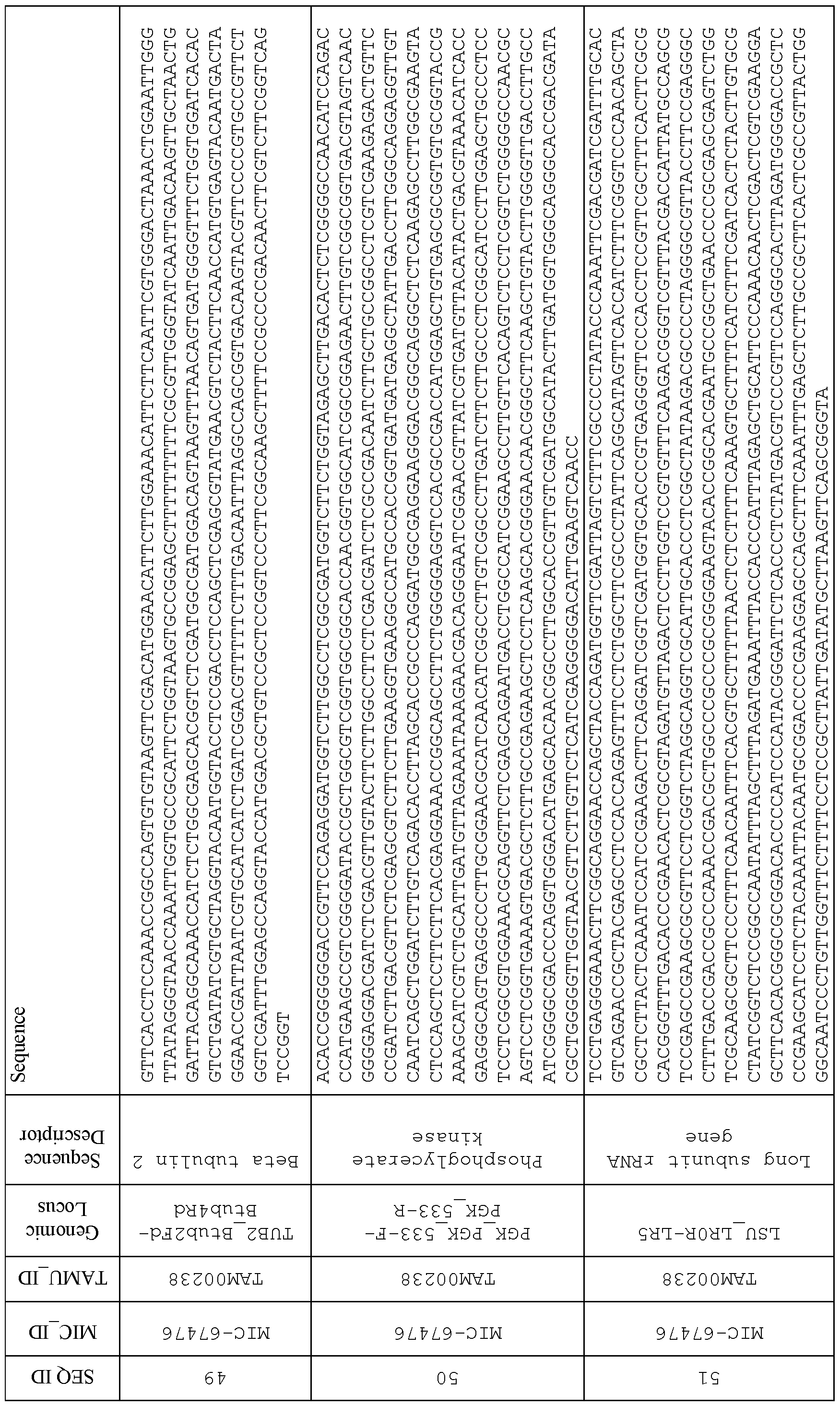


Table 4. Taxonomic classification of endophytes of the present invention.

4
o
Example 3: Preparation of Fungal Biomass and Seed Treatment
[0075] Fungal biomass production and heterologous disposition on seeds : Agar plugs of each fungal endophyte (5 x 5 mm) were transferred to 400 mL Potato Dextrose Broth (PDB; penicillin 10 IU mL 1, streptomycin sulfate 0.1 mg mL 1) in 1 liter flasks placed onto a rotary shaker at 150 rpm under 25 - 27°C for two to three weeks. Fungal biomass was harvested from the liquid culture media by straining through several layers of sterile cheesecloth and transferring to 50 mL conical tubes. Fresh biomass was lyophilized under -85°C using the Labconco® FreeZone 6 (Kansas City, MO, USA) plus for at least 48 hrs. Dry biomass was then manually ground using autoclaved mortar and pestle with dry ice and then kept refrigerated at 4°C.
[0076] Dry powdered biomass (50 mg mL 1) was mixed with 1 mL methylcellulose solution (2%) as a sticker and applied to seeds at a rate of 1 mL per 200 seeds. Seeds were air-dried on aluminum trays in a laminar flow hood, occasionally mixed to ensure homogeneous coating on each seed, and then coated with 1 g talc per 200 seeds to prevent sticking. Formulation control seeds were similarly treated, but without the addition of fungal biomass.
[0077] Fungal spore production and heterologous disposition on seeds: Fungal isolates were grown on potato dextrose agar (PDA) for four days, 2 plugs were macerated in 0.05% Silwet with 2-3 3mm glass beads and the resulting suspension plated onto malt extract agar (MEA) slants in 50 mL conical tubes which were then incubated in a 26°C growth chamber with 16 hour daylight for 17 days. Spores were harvested by scraping cultures flooded with 0.05% Silwet and filtering the resulting suspension through a 60 pm nylon membrane. Spores were quantified with a CytoFlex Flow Cytometer and serial dilutions of the spore suspension were plated onto PDA to quantify the proportion of viable spores.
[0078] Fungal spore suspensions were added to seeds at a normalized dose rate of 6 x 10L4 spores per seed. Treated seeds were then coated with a flowability polymer. Control seeds received 0.05% Silwet solution and flowability polymer without spores. On surface spore viability was assessed by agitating treated seeds in 40 mM sodium phosphate buffer and plating serial dilutions of the resulting suspension onto PDA.
Example 4. In vitro antibiosis assay
[0079] This example describes an exemplary method of in vitro antibiosis screenings of microbes against the crop pathogen Fusarium oxysporum , using the non-pathogenic
Fusarium oxysporum Fo47 (ATCC, MYA-1198). Caspofungin diacetate (Sigma, SML0425-
5MG) is a compound with antifungal activity that is used as a positive control. Caspofungin inhibits B-l,3-D-glucan synthase and thereby disrupting fungal cell wall integrity.
Amphotericin B is a compound with antifungal activity that is used as a positive control. All stock compounds are prepared in DMSO at a concentration of 5,120 pg/ml.
Preparation ofFo47 spores
[0080] Fo47 is cultured on 2% potato dextrose agar (PDA) plates for 14 days at room temperature in a weak light condition. Three ml of 0.05% Silwett L-77 in lx phosphate buffered saline (PBS) is added to each plate, then mycelium are scraped off and filtered through glass wool into a new 50 ml Falcon tube. Spores are then counted using a hemocytometer and adjusted to 5x 10⁶ CFU/ml with sterile lx PBS.
Preparation of endophytic fungal culture
[0081] Five glass beads (3 mm) are added to each well of a 24-deep well plate (VWR, Cat. No.89080-534) and autoclaved. Fungal cultures are started by adding 5 mΐ of spore suspension normalized to 1x10⁶ cfu/ml into 3 ml PDB culture into each well. The plates are incubated for 3 days at room temperature with vigorous shaking at 500 rpm.
Antibiosis assay
[0082] Prepare PDA plates: PDA with 1% agar are autoclaved in a liquid cycle for 20 minutes with a magnetic stir bar in the flask and kept in a 50°C water bath. When ready the PDA flask is taken to a sterile environment such as a biosafety cabinet and cooled at room temperature for 15-20 min. Then 2 ml of the prepared Fusarium spores are added per 1 liter of PDA. OmniTrays (ThermoFisher, Cat. No. 264728) are filled with 60 ml of the PD A/spore mixture. After the plates solidify, the plates are air dried for 30 min before covering with the lid.
[0083] For each OmniTray, 24 wells are drilled at once using the liquid handling system, BioMek Fx with the following setting: load podl (96 pin head) with 24 200-pl wide bore barrier tips (Beckman Coulter, Cat. No. B01110-AA), draw 165 mΐ well contents using the “Bacterial culture 100 mΐ technique” at 1.5 mm from the bottom of OmniTray using the “override technique”, dispense tips contents to reservoir plate using the“Reservoir technique” at 6 mm from bottom of OmniTray using“override technique”.
[0084] For each OmniTray, 7.5 mΐ of the prepared bacterial cultures are added into each of the 24 wells using BioMek Fx system, 3 replicated plates are prepared. A negative control (nothing added), a medium control, a DMSO control, a positive compound control (e.g. Caspofungin diacetate, or Amphotericin B) and a positive biological control of the same volume are included on each plate. The plates are then incubated at room temperature in
sterile conditions for 4 days. Photographs are taken of each plate and the zone of inhibition between the cultures and Fusarium growth are qualitatively scored using a 0-3 scale (3 denotes a strong inhibition) and quantitatively measured using the ImageJ program.
Example 5: Assessment of improved plant characteristics: Vigor assay
Assay of soy seedling visor
[0085] Seed preparation. The lot quality of soybean seeds was first assessed by testing germination of 100 seeds. Seeds were placed, 8 seeds per petri dish, on filter paper in petri dishes, 12 ml of water was added to each plate and plates are incubated for 3 days at 24°C. The process would have been repeated with a fresh seed lot if fewer than 95% of the seeds had germinated. One thousand soybean seeds were then surface sterilized by co-incubation with chlorine gas in a 20 x 30 cm container placed in a chemical fume hood for 16 hours. Percent germination of 50 seeds, per sterilization batch, was tested as above and confirmed to be greater than 95%.
[0086] Preparation of endophyte treatments : Spore solutions were made by rinsing and scraping spores from agar slants which had been growing for about 1 month. Rinsing was done with 0.05% Silwet. Solutions were passed through Miracloth to filter out mycelia.
Spores per ml were counted under a microscope using a hemocytometer. The stock suspension was then diluted into 10L6 spores/ml utilizing water. 3 mΐ of spore suspension was used per soy seed (~10L3 CFUs/seed is obtained). Control treatments were prepared by adding equivalent volumes of sterile water to seeds.
[0087] Assay of seedling vigor : Two rolled pieces of germination paper were placed in a sterile glass gar with 50 ml sterile water, then removed when completely saturated. Then the papers were separated and inoculated seeds were placed at approximately 1 cm intervals along the length of one sheet of moistened germination paper, at least 2.5 cm from the top of the paper and 3.8 cm from the edge of the paper. The second sheet of paper was placed on top of the soy seeds and the layered papers and seeds were loosely rolled into a tube. Each tube was secured with a rubber band around the middle and placed in a single sterile glass jar and covered loosely with a lid. For each treatment, three jars with 15 seeds per jar were prepared. The position of jars within the growth chamber was randomized. Jars were incubated at 60% relative humidity, and 22°C day, l8°C night with 12 hours light and 12 hours dark for 4 days and then the lids were removed and the jars were incubated for an additional 7 days. Then the germinated soy seedlings were weighed and photographed and root length, shoot length, root surface area and seedling fresh weight were scored as follows.
[0088] Dirt, excess water, seed coats and other debris was removed from seedlings to allow accurate scanning of the roots. Individual seedlings were laid out on clear plastic trays and trays were arranged on an Epson Expression 11000XL scanner (Epson America, Inc., Long Beach CA). Roots were manually arranged to reduce the amount of overlap. For root measurements, shoots were removed if the shape of the shoot causes it to overlap the roots.
[0089] The WinRHIZO software version Arabidopsis Pro20l6a (Regents Instruments, Quebec Canada) was used with the following acquisition settings: greyscale 4000 dpi image, speed priority, overlapping (1 object), Root Morphology: Precision (standard), Crossing Detection (normal). The scanning area was set to the maximum scanner area. When the scan was completed, the root area was selected and root length and root surface area were measured.
[0090] Statistical analysis was performed using R (R Core Team, 2016. R: A language and environment for statistical computing. R Foundation for Statistical Computing, Vienna, Austria. R-project.org/). Improvement of plant health is shown by a 10% or greater increase of one or more metrics relative to controls (e.g., 50% means microbe performed 50% better than control performance). Assays were run two times, results are shown in the following tables.
Table 5. Plant vigor of endophyte and control treated soy seedlings

Assay of rice seedling visor
[0091] Seed preparation. The lot of rice seeds is first evaluated for germination by transfer of 100 seeds and with 8 ml of water to a filter paper lined petri dish. Seeds are incubated for 3 days at 24°C. The process should be repeated with a fresh seed lot if fewer than 95% of the seeds have germinated. Rice seeds are then surface sterilized by co-incubation with chlorine gas in a 20 x 30 cm container in a chemical fume hood for 12 hours. Percent germination of 50 seeds, per sterilization batch, is tested as above and confirmed to be greater than 95%.
[0092] Optional reagent preparation: 7.5% polyethylene glycol (PEG) is prepared by adding 75 g of PEG to 1000 ml of water, then stirring on a warm hot plate until the PEG is fully dissolved. The solution is then autoclaved.
[0093] Preparation of endophyte treatments : Spore solutions are made by rinsing and scraping spores from agar slants which have been growing for about 1 month. Rinsing was done with 0.05% Silwet. Solutions are passed through Miracloth to filter out mycelia. Spores per ml are counted under a microscope using a hemocytometer. The stock suspension is then diluted into 10L6 spores/ml utilizing water. 3 mΐ of spore suspension is used per rice seed (~10L3 CFETs/seed was obtained). Seeds and spores are combined in a 50 ml falcon tube and gently shaken for 5-10 seconds until thoroughly coated. Control treatments are prepared by adding equivalent volumes of sterile water to seeds.
[0094] Assay of seedling vigor: Petri dishes are prepared by adding four sheets of sterile heavy weight seed germination paper, then adding either 50 ml of sterile water or, optionally, 50 ml of PEG solution as prepared above, to each plate then allowing the liquid to thoroughly soak into all sheets. The sheets are positioned and then creased so that the back of the plate and one side wall are covered, two sheets are then removed and placed on a sterile surface. Along the edge of the plate across from the covered side wall 15 inoculated rice seeds are placed evenly at least one inch from the top of the plate and half an inch from the sides. Seeds are placed smooth side up and with the pointed end of the seed pointing toward the side wall of the plate covered by germination paper. The seeds are then covered by the two reserved sheets, and the moist paper layers smoothed together to remove air bubbles and secure the seeds, and then the lid is replaced. For each treatment, at least three plates with 15 seeds per plate are prepared. The plates are then randomly distributed into stacks of 8-12 plates and a plate without seeds is placed on the top. The stacks are incubated at 60% relative humidity, and 22°C day, l8°C night with 12 hours light and 12 hours dark for 24 hours, then each plate is turned to a semi-vertical position with the side wall covered by paper at the bottom. The plates are incubated for an additional 5 days, then rice seeds are scored manually for germination, root and shoot length.
[0095] Statistical analysis is performed using R or a similar statistical software program. Assay of corn seedlins visor
[0096] Seed preparation: The lot quality of com seeds is first evaluated for germination by transfer of 100 seeds with 3.5 ml of water to a filter paper lined petri dish. Seeds are incubated for 3 days at 24°C. The process should be repeated with a fresh seed lot if fewer
than 95% of the seeds have germinated. One thousand corn seeds are then surface sterilized by co-incubation with chlorine gas in a 20 x 30 cm container in a chemical fume hood for 12 hours. Percent germination of 50 seeds, per sterilization batch, is tested as above and confirmed to be greater than 95%.
[0097] Optional reagent preparation: 7.5% PEG 6000 (Calbiochem, San Diego, CA) is prepared by adding 75 g of PEG to 1000 ml of water, then stirred on a warm hot plate until the PEG is fully dissolved. The solution is then autoclaved.
[0098] Preparation of endophyte treatments : Spore solutions are made by rinsing and scraping spores from agar slants which have been growing for about 1 month. Rinsing is done with 0.05% Silwet. Solutions are passed through Miracloth to filter out mycelia. Spores per ml are counted under a microscope using a hemocytometer. The stock suspension is then diluted into 10L6 spores/ml utilizing water. 3 mΐ of spore suspension is used per corn seed (~10L3 CFETs/seed is obtained). Control treatments are prepared by adding equivalent volumes of sterile water to seeds.
[0099] Assay of seedling vigor: Either 25 ml of sterile water or, optionally, 25 ml of PEG solution as prepared above, is added to each CygTM germination pouch (Mega International, Newport, MN) and place into pouch rack (Mega International, Newport, MN). Sterile forceps are used to place corn seeds prepared as above into every other perforation in the germination pouch. Seeds are fitted snugly into each perforation to ensure they do not shift when moving the pouches. Before and in between treatments forceps are sterilized using ethanol and flame and workspace wiped down with 70% ethanol. For each treatment, three pouches with 15 seeds per pouch are prepared. The germination racks with germination pouches are placed into plastic tubs and covered with perforated plastic wrap to prevent drying. Tubs are incubated at 60% relative humidity, and 22°C day, l8°C night with 12 hours light and 12 hours dark for 6 days to allow for germination and root length growth. Placement of pouches within racks and racks/tubs within the growth chamber is randomized to minimize positional effect. At the end of 6 days the corn seeds are scored manually for germination, root and shoot length.
[00100] Statistical analysis is performed using R or a similar statistical software program. Assay of wheat seedlins visor
[00101] Seed preparation: The lot of wheat seeds was first evaluated for germination by transfer of 100 seeds and with 8 ml of water to a filter paper lined petri dish. Seeds were incubated for 3 days at 24°C. The process was repeated with a fresh seed lot if fewer than
95% of the seeds had germinated. Wheat seeds were then surface sterilized by co-incubation with chlorine gas in a 20 x 30 cm container in a chemical fume hood for 12 hours. Percent germination of 50 seeds, per sterilization batch, was tested as above and confirmed to be greater than 95%.
[00102] Optional reagent preparation: 7.5% polyethylene glycol (PEG) is prepared by adding 75 g of PEG to 1000 ml of water, then stirring on a warm hot plate until the PEG is fully dissolved. The solution is then autoclaved.
[00103] Preparation of endophyte treatments : Spore solutions were made by rinsing and scraping spores from agar slants which had been growing for about 1 month. Rinsing was done with 0.05% Silwet. Solutions were passed through Miracloth to filter out mycelia.
Spores per ml were counted under a microscope using a hemocytometer. The stock suspension was then diluted into 10L6 spores/ml utilizing water. 3 mΐ of spore suspension was used per wheat seed (~10L3 CFETs/seed was obtained). Seeds and spores were combined a 50 ml falcon tube and gently shaken for 5-10 seconds until thoroughly coated. Control treatments were prepared by adding equivalent volumes of sterile water to seeds.
[00104] Assay of seedling vigor : Petri dishes were prepared by adding four sheets of sterile heavy weight seed germination paper, then 50 ml of sterile water (optionally, 50 ml of PEG solution as prepared above may be used instead), was added to each plate so that the liquid thoroughly soaked into all sheets. The sheets were positioned and then creased so that the back of the plate and one side wall were covered, two sheets were then removed and placed on a sterile surface. Along the edge of the plate across from the covered side wall 15 inoculated wheat seeds were placed evenly at least one inch from the top of the plate and half an inch from the sides. Seeds were placed smooth side up and with the pointed end of the seed pointing toward the side wall of the plate covered by germination paper. The seeds were then covered by the two reserved sheets, and the moist paper layers smoothed together to remove air bubbles and secure the seeds, and then the lid was replaced. For each treatment, at least three plates with 15 seeds per plate were prepared. The plates were then randomly distributed into stacks of 8-12 plates and a plate without seeds was placed on the top. The stacks were incubated at 60% relative humidity, and 22°C day, l8°C night with 12 hours light and 12 hours dark for 24 hours, then each plate was turned to a semi-vertical position with the side wall covered by paper at the bottom. The plates were incubated for an additional 5 days, then wheat seeds were scored manually for germination, root and shoot length, root and shoot surface area, seedling mass, root and shoot and seedling length.
[00105] Statistical analysis was performed using R (R Core Team, 2016. R: A language and environment for statistical computing. R Foundation for Statistical Computing, Vienna, Austria. R-project.org/). Improvement of plant health is scored by percent change relative to controls (e.g., 25% means the microbe performed 25% above control performance; e.g., -2% means microbe performed 2% below control performance). Results are shown in the following table.
Table 6. Plant vigor of endophyte and control treated wheat seedlings

Example 6: Greenhouse Cotton Time to Wilt and Time to Death
[00106] Relatively small increases of one or two days in seedling time to wilt or time to death under water stress have a substantial and agronomically relevant impact on seedling establishment and cotton stand. Among other things, this example describes a greenhouse assay that mimics environmental conditions of extended water stress during the seedling stage of plant development in field production of cotton. Among other things, this example describes strains of fungal endophytes that provide an improved response to water stress to treated cotton plants.
[00107] Seed inoculation. Cotton seeds of (for example, varieties Phytogen 499WRF and Delta Pine 1321B2RF) are treated with fungal endophyte biomass prepared as described in Example 3. Dry powdered biomass (50 mg mL 1) is mixed with 1 mL methylcellulose solution (2%) as a sticker and applied to seeds at a rate of 1 mL per 200 seeds. Seeds are air- dried on aluminum trays in a laminar flow hood, occasionally mixed to ensure homogeneous coating on each seed, and then coated with 1 g talc per 200 seeds to prevent sticking.
Formulation control seeds are similarly treated, but without the addition of fungal biomass.
[00108] Plant production: Seeds of each treatment combination (inoculated or control seeds) are planted individually in seedling germination trays. Each cell pot measured 4 cm top diameter x 6 cm deep and is filled with nonsterile Metro-Mix® 900 soil (Sun Gro
Horticulture, Agawam, MA; ingredients: bark, vermiculite, peat moss, perlite, dolomitic limestone) watered to saturation prior to planting. Plants are grown in a controlled temperature room at 25 °C under constant overhead illumination (EnviroGro T5 High Output
Fluorescent Lighting Systems). Equal amounts of water corresponding to the pot saturation volume are applied to each plant at 7 and 14 days after planting (DAP) by which time they had reached the early lsttrue leaf stage. Water is then withheld from all the endophyte-treated and control plants which are monitored daily for the onset of wilting and day of death. Both the time to event, i.e. the day within the evaluation period at which either wilting or death occurred, and the event status, i.e. a binary tally of whether or not the event occurred, are recorded. Tray positions are randomized and rotated daily to control for potential position effects.
[00109] Data analysis: The survival package(v. 2.40-1) (Therneau T (2015). A Package for Survival Analysis in S. version 2.38, available online at CRAN.R- project.org/package=survival; Terry M. Therneau and Patricia M. Grambsch (2000).
Modeling Survival Data: Extending the Cox Model. Springer, New York. ISBN 0-387-98784- 3.) in R (v. 3.2.2) (R Development Core Team (2008). R: A language and environment for statistical computing. R Foundation for Statistical Computing, Vienna, Austria. ISBN 3- 900051-07-0, available online at R-project.org.) is used to run the Cox proportional hazards model to generate hazard ratios (HR) and associated p-values for each strain compared to the formulation controls within the same experiment. Both the strain used as a seed treatment and the crop variety are included in the model: coxph(Surv(time to event, event status) ~ strain + variety)
[00110] Hazard ratios > 1 indicate that the endophyte treated plants experience a higher risk of the modeled hazard (wilt or death) and a lower survival rate under water stress compared to formulation controls. Conversely, hazard ratios < 1 indicate that the endophyte treated plants experience a lower risk of the modeled hazard (wilt or death) and a higher survival rate under water stress compared to formulation controls. Kaplan Meier survival curves are generated for each strain using the rms package (v. 5.0-0) (Frank E Harrell Jr (2016). rms: Regression Modeling Strategies. R package version 5.0-0. available online at CRAN.R- project.org/package=rms) in R
Example 7. Greenhouse assessment of improved plant health under biotic stress
(Rhizoctonia solani and Pythium ultimum)
[00111] This example describes an exemplary method by which improved plant health of endophyte treated plants may be shown in a growth environment comprising the crop pathogens Rhizoctonia solani and Pythium ultimum , causal agents of seedling damping off disease. This assay may utilize dicots or monocots, including, for example, soybean or wheat.
[00112] Preparation of Rhizoctonia solani or Pythium ultimum inoculum A stock of Rhizoctonia solani anastomosis group 4 or Pythium ultimum var. ultimum was grown on a standard potato dextrose agar plate. Plugs of fresh mycelium were then transferred into standard potato dextrose broth. After sufficient growth was achieved, the culture was poured though cheesecloth to capture the fungal biomass, which was subsequently rinsed with water. After removing excess rinsate, a roughly equivalent volume of water was added to the fungal biomass before blending to create a slurry. The resulting slurry was further diluted to the required concentration necessary to observe desired level of symptoms.
[00113] Greenhouse assay setup The greenhouse assay was conducted in a commercial potting mix. A divot was placed in the center of a pot containing wetted soil using a standardized dibble. An appropriate volume of slurry was added to the center of each divot. For negative control groups, an equivalent volume of water was added.
[00114] The greenhouse assay was conducted using seeds coated with one or more endophytes described herein and formulation control (lacking the one or more heterologously disposed endophytes) and untreated controls (lacking formulation and the one or more heterologously disposed endophyte) as described in Example 3. Seeds were placed into each divot after addition of the inoculum. The seeds were then covered with uninoculated soil and again watered. High soil moisture levels were maintained throughout the course of the experiment. Enough replicates were included in a randomized design to obtain enough sufficient statistical power for analysis. Plants were grown in a controlled environment until approximately 4 days post emergence of control plants. Four days post emergence shoot fresh weight was measured. Improvement of plant health is scored by percent change relative to controls (e.g., 25% means the microbe performed 25% above control performance; e.g., -2% means microbe performed 2% below control performance). A visual rating of per plant disease symptoms may also be applied.




Example 8: Greenhouse assay of reduced nematode reproduction with fungal endophyte seed treatment
[00115] Plants are germinated from treated and untreated control seeds in an environment chamber and then transplanted to soil in pots 11 days after planting. Two replicate seedlings per treatment are sampled to examine the endophyte colonization efficiency by surface sterilization and plating on PDA agar. Nematode treatment group seedlings are treated with either 2,000 or 10,000 eggs/plant at day six after transplanting. Plants are harvested and processed 6 weeks after nematode inoculation. The numbers of galls per gram of root tissue and total egg numbers in the population for each plant are quantified to compare nematode reproduction between endophyte-treated and untreated (control) plants.
Example 9: Herbivory Assays: Soy and Cabbage Looper on Soybean Plants
[00116] Endophyte treatments and untreated controls (no endophyte) are prepared as described in Example 3. Fungal endophyte isolates are screened with the detached leaf herbivory assay.
[00117] Plant management: Two soybean seeds are planted in each 4 cm top diameter x 6 cm deep pot, with 15 pots for each treatment. Potting media consists of bark, vermiculite, peat moss, perlite, and dolomitic limestone (non-sterile Metro- Mix® 900 soil, Sun Gro Horticulture, Agawam, MA). Soybean seedlings in individual pot are thinned to one plant per plot after the unifoliate leaves have unfolded. Plants are caged and maintained in the greenhouse.
[00118] Detached leaf assay: The first trifoliate leaves are collected from each soybean plant when fully expanded. The two lateral leaflets are separated and distributed to 1.5% agar plates for insect infestation, with one leaflet per Petri dish per insect species; soybean looper (Chrysodeixis includens) and cabbage looper ( Trichoplusia ni). Both the plants and plates are labeled to ensure the insects received leaf tissues from the same plant throughout each assay. The eggs of both soybean loopers and cabbage loopers are hatched in zipper bags in an
incubating room (under 25 ± 3°C with 12 hours light: 12 hours dark). Three neonates of each species are transferred onto each 1.5% agar plate with one piece of dissected leaflet. Petri dishes are sealed and stored in a Thermo incubator at 27.5 ± 0.5°C.
[00119] Five days after the initial set up, the old leaf tissues are replaced by one lateral leaflet of the second fully expanded trifoliate leave per Petri dish. All leaf tissues are freshly obtained from the soybean plants described above. Petri dishes are sealed and stored in a Thermo incubator at 27.5 ± 0.5°C for two days. To terminate the assay, the remaining leaf tissues are removed from each Petri dish and placed on a log sheet for image collections. The percentage of leaf area consumed is estimated using a soybean leaf defoliation chart as the reference (Ortega et al., Pyramids of QTLs enhance host-plant resistance and Bt-mediated resistance to leaf-chewing insects in soybean. Theor Appl Genet. 2016 Apr;l29(4):703-7l5.). Whole leaf area (cm2) is calculated in Image J (Abramoff, M.D., Magalhaes, P.J., Ram, S.J. "Image Processing with ImageJ". Biophotonics International, volume 11, issue 7, pp. 36-42, 2004). Larval survivorship is recorded for each Petri dish. Larval size is recorded as the total larval weight (mg) of all survivors from each Petri dish. The percentage leaf area is normalized for larval weight. Larval weight and leaf area consumed for the whole data set is compiled. Each round of the experiment (indicated by trial id) contains internal controls
Example 10: Treatment of Aphid Infestation
[00120] Seed treatment: Fungal endophyte biomass is prepared and heterologously disposed on black cotton seeds (for example, varieties Phytogen 499WRF and Delta Pine 1321B2RF) as described in Example 3.
[00121] Plant production: Seeds of each treatment combination are planted individually in seedling germination trays. Each cell pot measured 4 cm top diameter c 6 cm deep and is filled with nonsterile Metro-Mix® 900 soil (Sun Gro Horticulture, Agawam, MA;
ingredients: bark, vermiculite, peat moss, perlite, dolomitic limestone) watered to saturation prior to planting. Plants are grown in a controlled temperature room at 25 °C under constant overhead illumination (EnviroGro T5 High Output Fluorescent Lighting Systems).
[00122] Aphid infestation: Five 4th instar cotton aphids (Aphis gossypii) are applied to each plant at 14 days after planting on the lst true leaf and allowed to reproduce for 7 days. N=l8 per endophyte * variety combination.
[00123] Results: Total number of aphids on each plant is used as a measure of reproductive success, presumably reflecting the quality of the host to support aphid development and reproduction. The number of winged adults (alates) is also counted. Wing polymorphism is
very common in aphids and has been shown to increase in frequency in response to stressful conditions, including changes in host quality. Thus, the number of alates per plant can be interpreted as a potential indicator of the quality of the plant to act as a host to the insect, with a reduction of the host quality of the plants predicted to induce the production of more alates. In the endophyte-aphid experiments, some endophyte treatments clearly reduced total aphid numbers on the plant relative to control, indicating that the endophyte treatment negatively affected aphid reproductive capacity on the plant. Alternatively, some endophyte treatments resulted in an increase in the total number of aphids per plant, suggesting a positive effect of the treatment on the quality of the plant as a host. Some endophyte treatments increased the number of alates produced on the plant, consistent with the prediction of a higher number of alates produced on plants that are less amenable hosts relative to the untreated controls.
Example 11. In vitro Southern Green Stink Bug Behavior Assay
[00124] Fungal spore suspensions are produced and cotton seeds (for example, Phytogen
499) are treated according to the methods of Example 3.
[00125] Detached boll assay No-choice behavioral assays are conducted to compare the response of Southern green stink bug ( Nezara viridula) individuals to fruits (bolls) from field grown endophyte-treated and untreated cotton plants. The assays are conducted in a temperature controlled observation room at 30°C in 10 cm diameter Petri dishes with a thin layer of 2% agar on the bottom to provide moisture for the bolls used during the observations. The agar is covered with parafilm to create a dry surface for the insects. For no-choice assays, a single boll is removed from the source plant and pressed into the center of the dish. A single young adult (1-7 d post molt) insect is placed in each dish and covered with the lid. Video tracking software is used to define a“zone” around the boll and tracks insect as it moves in and out of the zone. FIG. 1 shows an exemplary graphical representation of a petri plate “arena” used in this assay and the computer defined zone around each boll. FIG. 2 shows an example of output of the video tracking software (Ethovision XT version 8.0, Noldus
Information Technology, Inc. Leesburg, VA), this output is a visualization of the path over which the insect in that arena has traveled over the observation period. In each trial, 20 insects are observed for each endophyte and control treatment. Petri dish positions are randomized to avoid any positional bias during the observations. The N viridula no-choice trials are replicated 4 times (total n = 20 per treatment) with bolls from field-grown plants. Balanced sex ratios are used in all experiments. If no difference between the sexes is observed, data are pooled for final analysis.
[00126] Insects in the no-choice assay are observed for 6 hours per trial using video tracking software. For each insect in each trial, the software records the insect’s movement and the amount of time, if any, spent in the zone surrounding the boll.
Example 12: In vitro assay of Effect of Fungal Endophytes on Hemiptera Insects
[00127] Endophyte-treated and control plants are grown from cotton seeds ( Gossypium hirsutum) that are inoculated with one or more candidate endophytes. The plants may be grown under greenhouse and field conditions. Greenhouse plants are first germinated in seedling trays and then transferred to pots. Field grown plants are directly sown in the soil.
[00128] Behavioral assays: No-choice and choice behavioral assays are conducted to compare the response of western tarnished plant bugs ( Lygus hesperus ) and green stink bugs ( Nezara viridula) to squares and bolls from endophyte-treated and untreated plants. The assays are conducted at 30°C in lOcm diameter petri dishes with a thin layer of 2% agar on the bottom to provide moisture for the squares (L hesperus assays) and bolls (N. viridula assays) from experimental plants offered to the insects during the observations. For no- choice assays, a single square or boll is inserted by the base into the agar in the center of the dish. A single young adult (1-7 days post molt) insect is placed in each dish and the dish covered with the top. At least 10 insects are observed for each treatment or control, squares or bolls may be harvested from greenhouse or field grown plants though similarly treated plants should be used for all treatments and controls.
[00129] Choice assays are conducted in plates as above, but with two equal sized squares (L. hesperus) or bolls (N. viridula) placed 4 cm apart in the center of the petri dish. One of the two squares or bolls is from an untreated control plant and the other square or boll is from an endophyte treated plant. At least 10 insects are observed for each control and treatment group. The number of insects observed either feeding or resting upon cotton squares (L. hesperus) or bolls (N. viridula) is compared between treatment groups at each observation point across the duration of the assay using the Wilcoxon Signed Ranks Test. To test for variation in responses over time, for each individual the proportion of observations either feeding or upon the plant sample is calculated for early (0-60 min), middle (61-180 min) and late (181-360 min) periods of the assay and compared across treatment groups using a repeated measures analysis of variance (ANOVA) with the endophyte treatment group as the main factor and time as the repeat effect. The observed frequency of individuals failing to make contact with squares or bolls from endophyte-treated plants is compared to the expected frequency of individuals failing to do so based on the control group using a Chi-squared test.
Among the insects that did make contact with either a square or boll, the time to first contact (latency) is compared among treatment groups using a one-way ANOVA.
Example 13. Greenhouse assessment of improved plant health under biotic stress (Southern Root Knot Nematode)
[00130] This example describes an exemplary method by which improved plant health of endophyte-treated plants was shown during vegetative growth in a growth environment comprising crop pathogen southern root-knot nematode (RKN) ( Meloidogyne incognita).
This assay utilizes dicots or monocots, including, for example, cotton or corn.
[00131] Assay setup A Randomized Complete Block design was used. The Randomization for the design was based on the Latin Square principle (20x20 Latin Square) to avoid the same microbial treatment appearing twice or more times in a pot-column. Each microbial treatment and each control had fourteen biological replicates. Each assay included three types of control: A“no stress” control, a“stress” control, and a“chemical” control. The no stress and stress control seeds were treated with the applicable formulation. Chemical control seeds were treated with Abamectin (natural insecticide and nematicide produced by bacteria).
[00132] Assay Preparation At least 16 undamaged seeds were collected per treatment.
[00133] Nematode egg extraction and nematode inoculum preparation Nematode eggs and nematode inoculum were prepared asfollows. M. incognita eggs were extracted from infected tomato plants by agitating the roots in 0.6% NaOCl for 4 min, and collected on a sieve with a pore size of 25pm (Hussey and Barker, 1973). Egg concentration in the extraction solution was quantified under a microscope using a Neubauer hemocytometer (a modified method of Gordon and Whitlock (1939)). Cotton or corn seedlings at the first true- leaf stage were inoculated by pipetting a volume of egg suspension containing approximately 2000 eggs directly to the soil at the base of the plant.
[00134] Soil preparation Sandy soil was prepared in a ratio of 3 parts sand to 1 part soil. Prepared sandy soil was autoclaved for two separate sessions, with a 24 hour period in- between each autoclave session, and each autoclave session running a 1 hour gravity cycle with a 15 minute drying time. Soil was left to dry completely before mixing for in-planta assays. Dried soil was mixed using a cement mixer. 3 bins of autoclaved soil were placed into the mixer with 100 ml of lime and 900 ml water. Next, 150 ml cones were prepared by labeling each cone according to the assay setup and the cones were placed in the correct orientation in conetainers. A cotton ball was placed at the bottom of each cone. Prepared conetainers were placed onto a potting bench, covered with a filling mask, and filled with
prepared sandy soil until full. Each tray was tapped down once to settle the soil, and additional sandy soil is added to top off all cones. The filling mask was removed, and verified that all cones are level.
[00135] Treating seed with endophytes Each seed (either cotton or corn) was treated by placing the appropriate amount of microbial treatment or control into a corresponding seed tube. The microbial treatment rate of cotton and com seeds is 3 mΐ per seed at a 10L6 cells or spores/mL. After the treatment addition, the tube was moved into a shaker and shaken on full speed for 1 minute to distribute the microbial treatment evenly to all seeds.
[00136] Planting Endophyte-treated seeds were poured into a plastic weighing dish. For planting cotton, one seed was planted approximately 1.5 cm deep in each cone. For planting corn, one seed was planted approximately 3 cm deep in each cone. The seeds were distributed according to the experimental design described above and pressed into the soil to ensure that each seed was covered. Conetainers were moved into a growth chamber and lightly topped off with water using a hose with a flow meter attached. Trays receive approximately 1L of water. Seeds that floated to the surface were gently pushed back into the soil. The water was allowed to settle before inoculating with nematode eggs.
[00137] Infection with nematodes Eggs extracted from nematode population stock pots (as previously described) were diluted to approximately 2000 eggs/ml. 1 ml of nematode egg inoculum was added to the surface of the soil in each cone. The conetainers were covered with plastic wrap and moved into the growth chamber. Once seedlings emerged, plastic wrap was removed from all trays. Trays did not need to be irrigated prior to emergence. Plants remained in the chamber for approximately 30-40 days.
[00138] Maintenance of water Each tray was watered daily from an overhead shower attachment with a flow meter. During the first week of irrigation, plants received about 0.8 liter of water. In the next week, the rate increased to about 1.2 liters per tray. In the third week, plants received about 1.6 liters per tray. During the remaining growth period, plants received up to 2.0 liters per tray.
[00139] Above ground phenotyping Plants were assayed during the vegetative growth stage. Cups containing 5oz of nematode eggs were placed in propagation tray inserts inside 1020 trays. Plants were cut at their base and the height of each plant was measured from the base to the apical meristem. The shoot fresh weight of each plant was measured by placing the shoot in a weighing container.
[00140] Below ground phenotyping and egg extraction Plants were assayed during the vegetative growth stage. Soil was washed from the roots, the roots were dried with paper
towels and weighed. Eggs were extracted from the roots and separated from one another by bleaching directly in the 5oz cups. Each sample cup was diluted to 25 ml. Next, 1 ml of sample was removed and placed in the corresponding position in a 6 well plate. 1 ml of water was added to each well before counting. 2ml of sample was added to wells containing a low amount of eggs. Eggs were then collected and counted.
Table 11. Greenhouse screening of endophytes with activity against RKN in Corn

Table 12. Greenhouse screening of endophytes with activity against RKN in Cotton

Example 14. Assessment of Improved Biotic Stress Tolerance of Soy in Field Conditions
[00141] Field trials are conducted using chemically treated soy seeds coated with fungal endophytes described herein and formulation control (no endophyte) and untreated controls (no endophyte and no formulation) as described in Example 3. Plots for in-field assessment harbor populations of root knot nematode ( Meloidogyne incognita ) and Reniform nematode ( Rotylenchulus reniformis ), respectively, at an approximately 1.0+E04 eggs per gram of fresh root weight. Opportunistically, these plots are infected with natural inoculum of Fusarium
virguliforme , the causal agent of Fusarium Sudden Death Syndrome (SDS). Replicate plots, preferably at least 4 replicate plots, are planted per endophyte or control treatment in a randomized complete block design. Each plot consists of a 7.62 m (25 ft.) by 0.76 m (2.5 ft.) row. The following early growth metrics are measured: percent emergence at 14 days post planting, standing count at 28 and 45 days post planting, plant vigor at 14, 28, and 45 days post planting, plant height at 45 days post planting, fresh shoot weight, fresh root weight, disease rating at a 0-3 scale (3 denotes strong disease symptoms) using the split-root scoring system at 45 days post planting, nematode count at 45 days post planting, and yield parameters.
[00142] At the end of the field trial employing endophyte treatment and control treatment plants, plants (preferably at least 4 plants) are randomly dig out from each row, kept in a plastic bag, and brought back to lab for metric measurements. For each seedling, shoot and root are separated by cutting the seedling 3 cm from the first branch of the root. The heights of the separated shoot of each plant are measured, followed by fresh shoot weight, and fresh root weight. The main root is vertically split into two halves and discoloration of xylem is scored as described above. To extract and count nematode eggs on root, roots are place in a container prefilled with 100 ml 10% sucrose and incubated on a shaker at room temperature overnight. The supernatant is then collected and nematode eggs are counted under a stereomicroscope.
[00143] Data are manually curated and entered into ARM database before being analyzed. The percentage of survival plants, fresh root weight, and nematode egg count are plotted as bar graph of mean±95% confidence interval from the mean using the ggplot2 package of R (R Core Team, 2016. R: A language and environment for statistical computing. R Foundation for Statistical Computing, Vienna, Austria. R-project.org/). Plant heights, fresh shoot weight, and disease scores are plotted as jittered dot of mean±nonparametric bootstrap (1000) of 95% confidence interval from the mean using the ggplot2 package of R.
Example 15. Assessment of Improved Biotic Stress Tolerance of Cotton in Field
Conditions
[00144] Field trials are conducted using chemically treated cotton seeds coated with fungal endophytes described herein and formulation control (no endophyte) and untreated controls (no endophyte and no formulation) as described in Example 3. Plots for in-field assessment harbor populations of root knot nematode ( Meloidogyne incognita ) and Reniform nematode (. Rotylenchulus reniformis ), respectively, at an approximately 1.0+E04 eggs per gram of fresh
root weight. Opportunistically, these plots are infected with natural inoculum of Fusarium virguliforme , the causal agent of Fusarium SDS. Replicate plots, preferably at least 4 replicate plots, are planted per endophyte or control treatment in a randomized complete block design. Each plot consists of a 7.62 m (25 ft.) by 0.76 m (2.5 ft.) row. The following early growth metrics are measured: percent emergence at 14 days post planting, standing count at 28 and 45 days post planting, plant vigor at 14, 28, and 45 days post planting, plant height at 45 days post planting, fresh shoot weight, fresh root weight, disease rating at a 0-3 scale (3 denotes strong disease symptoms) using the split-root scoring system at 45 days post planting, nematode count at 45 days post planting, and yield parameters.
[00145] At the end of the field trial employing endophyte treatment and control treatment plants, plants (preferably at least 4 plants) are randomly dug out from each row, kept in a plastic bag, and brought back to lab for metric measurements. For each seedling, shoot and root are separated by cutting the seedling 3 cm from the first branch of the root. The heights of the separated shoot of each plant are measured, followed by fresh shoot weight, and fresh root weight. The main root is vertically split into two halves and discoloration of xylem are scored as described above. To extract and count nematode eggs on root, roots are placed in a container prefilled with 100 ml 10% sucrose and incubated on a shaker at room temperature overnight. The supernatant is then collected and nematode eggs are counted under a stereomicroscope.
[00146] Data are manually curated and entered into ARM database before being analyzed. The percentage of survival plants, fresh root weight, and nematode egg count are plotted as bar graph of mean±95% confidence interval from the mean using the ggplot2 package of R (R Core Team, 2016. R: A language and environment for statistical computing. R Foundation for Statistical Computing, Vienna, Austria. R-project.org/). Plant heights, fresh shoot weight, and disease scores are plotted as jittered dot of mean±nonparametric bootstrap (1000) of 95% confidence interval from the mean using the ggplot2 package of R.
Example 16: Fungal Endophyte Seed Treatments Alter Traits in Cotton Cultivars in Field Trials
[00147] A field trial is conducted using a randomized block design with replicate plots planted with seeds that are inoculated with one or more candidate endophytes. One or more varieties of cotton seeds may be used to assess variety specific interactions with endophyte treatment and their effect on yield and insect resistance. The plants are grown under standard agricultural practices.
[00148] Yield from plots treated with the described microbial compositions is compared relative to the untreated control plots. Thrips damage assessment is scored on a scale, for example a scale from 0 - 5: 0 = no damage, 1 = noticeable feeding scars, but no stunting, 2 = noticeable feeding and 25% stunting, 3 = feeding with blackened leaf terminals and 50% stunting, 4 = severe feeding and 75% stunting, and 5 = severe feeding and 90% stunting. For fleahoppers, the number of insects per plant is quantified and reported as an average for each plot. Other mid-season plant traits may also be assessed in the field to determine the effect of the described fungal endophyte compositions.
Example 17: Modulation of Colonization Frequencies of Native Endophytes in Plants Grown From the Fungal Endophyte-Treated Seed
[00149] To determine whether endophyte seed treatments could alter the microbiome of the plant grown from the seed, cotton seeds are inoculated with one or more candidate endophytes. The plants may be grown under greenhouse or field conditions under standard agricultural practices. The microbial community of treated and untreated cotton plants may be analyzed by isolating fungi on PDA media from surface-sterilized above-ground stem/leaf tissue and separately from surface sterilized below-ground root tissue. The microbial community of treated and untreated cotton plants may be analyzed by isolating fungal or bacterial DNA from surface-sterilized above-ground stem/leaf tissue and separately from surface sterilized and sequencing the DNA of the community using techniques well known in the art including 16S or ITS community sequencing or metagenomic sequencing.
Example 18: Modulation of Phytohormone Levels in Plants Grown From the Fungal Endophyte-Treated Seed
[00150] To determine whether fungal endophyte seed treatment affects phytohormone levels in plants grown from the seed, tissue is harvested from the root or leaf tissue of cotton plants inoculated with one or more candidate endophytes and untreated controls, under a variety of herbivory treatments. Phytohormone levels for abscisic acid (ABA), tuberonic acid (12-OH- JA, an oxidation product of JA-Ile) (TA), ascorbic acid (AA), l2-Oxophytodienoic acid (a JA precursor) (OPDA), JA isoleucine (JA-Ile), and salicylic acid (SA) are assessed by LC-MS in leaf and root tissues separately. All phytohormone level comparisons are made versus plants in the untreated control group.
Example 19: Soybean Cyst Nematode Inoculum Preparation.
[00151] The eggs of Heterodera glycines (soybean cyst nematodes) are extracted from soybean stock culture and are used as inoculum for in vitro, growth chamber, greenhouse, and microplot experiments.
[00152] In one embodiment, the following method is used. Eggs are extracted from a 60- day-old soybean stock culture maintained in, e.g., 500 mL polystyrene pots. The soil is gently washed from the soybean roots and cysts and females are dislodged from the roots. Water with the cyst and female suspension is poured through nested 850-pm-pore and 250- pm-pore sieves to separate trash from cysts and females. Cysts and females are ground with a mortar and pestle to release the eggs. Eggs are washed with water, collected on a 25-pm- pore sieve, transferred to two 50 ml centrifuge tubes, and spun for 5 minutes at 1,750 r.p.m. The supernatant liquid is then poured off and a sugar solution added (1 lb. cane sugar, 1 liter water), thoroughly mixing sugar solution and sediment. The suspension is centrifuged at 240 g for 1 minute. The supernatant containing the nematodes is poured on to the 25-pm-pore sieve. After rinsing the sugar away with water the nematodes are ready for use. For in vitro tests, H. glycines eggs are placed in a modified Baermann funnel [25] on a Slide Warmer (Model 77) (Marshall Scientific, Brentwood, NH) and incubated at 3 l°C for 5 to 7 days to obtain the J2. The J2 are collected on a 25-pm-pore sieve, transferred to 1.5 ml
microcentrifuge tubes, centrifuged at 5,000 g for 1 minute, rinsed with sterile distilled water, and centrifuged at 5,000 g for 1 minute. The J2 suspensions are adjusted to 30 to 40 J2 per 10 pl of water. Eggs are enumerated at 40 x magnification with an inverted TS100 Nikon microscope and standardized to 2,000 eggs per 500 ml polystyrene pot.
Example 20: Greenhouse Assay for Treatment of Soybean Cyst Nematode Infestation
[00153] A two-tiered approach is used to evaluate the repeatability of observed negative effects on nematode infection. First, an initial series of assays is performed as described herein. A second series of replicate follow-up assays is then performed on a reduced endophyte set consisting only of strains that exhibit statistically significant reductions in nematode infestation in the first assay. All fungi were inoculated to soybean using a seed treatment.
[00154] Seed inoculation: Seeds of chemically untreated soybean seeds (for example, variety DSR-2330 Dow Agrosciences) are treated with fungal endophyte spores diluted and normalized to 10L5 CFETs mL-l in a 1 : 1 ratio of lx Silwet-PBS solution (LEHLE SEEDS NC0138454, Fisher BioReagents 7732-18-2). Fungal endophytes are grown for 14 days on
MEA media slants (Sigma-Aldrich®, M0802), harvested and counted using a Flow Cytometer instrument (Beckman Coulter, B490008AC).
[00155] Host plants: Inoculated seeds are planted and germinated in pasteurized sand (steamed for eight hours at 72°C) in seed starter trays (each cell pot measured 4 cm top diameter x 6 cm deep) in a plant growth facility at 24°C (12L: 12D photoperiod) until first true-leaf stage.
[00156] Nematode preparation and infection: H. glycines eggs are extracted from infected tomato plants by agitating the roots in 0.6% NaOCl for 4 min, and collected on a sieve with a pore size of 25pm (Hussey and Barker, 1973). Egg concentration in the extraction solution is quantified under a microscope using a Neubauer hemocytometer (a modified method of Gordon and Whitlock (1939)). Soybean seedlings at the first true-leaf stage are inoculated by pipetting a volume of egg suspension containing approximately 4000 eggs directly to the soil at the base of the plant.
[00157] Evaluation of nematode infection: Plants are maintained in the greenhouse for five weeks after nematode inoculation (WAI), then carefully removed from pots and washed free of soil from the roots. Root/shoot fresh weight, shoot length are measured and the total number of cysts, eggs and number of cysts/eggs per root gram are quantified for each plant. A total of 15 replicate plants per treatment group are sampled.
[00158] A two-tiered approach is used to evaluate the repeatability of observed negative effects on nematode galling. First, an initial series of assays is performed as described herein on all fungal strains. A second series of replicate follow-up assays is then performed on a reduced endophyte set consisting only of strains that exhibited statistically significant reductions in nematode galls in the first assay.
[00159] Bioassays may be conducted across different rounds, each with a corresponding control treatment grown at the same time, in order to cycle all strains through the assay. All comparisons between treatment and control plants are made only among plants grown within the same bioassay round.
[00160] Statistical analysis: All statistical analyses are performed using JMP® Pro, Version 12.0.1 (SAS Institute Inc., Cary, NC, ETSA). All data are tested for normality and equality of variances. One-way ANOVA is performed to analyze the impact of endophyte treatment on gall numbers per gram of root tissue (a = 0.05). If a significant overall treatment effect is detected, post-hoc Dunnett’ s tests are used to compare the mean of the control against all the other treatments (a = 0.05).
Example 21: Alternate Greenhouse Soybean Cyst Nematode Assay
[00161] Microbe treated soybean seeds are planted, infected with nematodes, maintained, and phenotyped in grow rooms.
[00162] In one embodiment, the following method is used. 98 cones are placed in each conetainer to obtain the needed number of conetainers. Masks are placed over cones and cones are filled with soil. The conetainer is place in a Scepter mud pan and water is added until the soil in the cones is saturated. Two soybean seeds are planted 2.5 cm deep in each cone-tainer. Each conetainer is placed in a growth tub and watered.
[00163] One ml containing 2,000 H. glycines eggs is pipetted into each conetainer at planting or the desired number of days after planting. Seedlings are thinned to one per cone-tainer after emergence and watered as appropriate.
Phenotyping is performed as follows. The height of each plant is measured, e.g., by placing the ruler on the lip of a cell and measuring the plant’s height to the nearest millimeter. The mass of each plant is measured, e.g., by cutting the plant at the soil surface, placing the shoot in the weighing container, allowing the weight to stabilize, and autorecording the mass via the scale’s software. H. glycines cysts are extracted from soybean roots as described herein. The water suspension containing 150 cmA3 of soil is poured through nested 75-pm and 25- pm-pore sieves to extract vermiform stages (juveniles and males). Vermiform stages are collected on the 75-pm-pore sieve and centrifuged using, e.g., the sucrose centrifugation- flotation method
Claims
1. A synthetic composition, comprising a plant element and at least one fungal
endophyte selected from Table 3, wherein the fungal endophyte is capable of improving plant tolerance to biotic stress as compared to a reference plant element not further comprising the endophyte.
2. A synthetic composition, comprising:
a) a fungal endophyte comprising at least one endophyte from Table 3; and b) at least one carrier, wherein the fungal endophyte is in contact with the carrier; wherein the fungal endophyte, when heterologously disposed to a plant element, is capable of improving plant tolerance to biotic stress as compared to a reference plant element not further comprising the endophyte.
3. The synthetic composition of Claim 2, wherein the carrier comprises alginic acid, carrageenan, dextrin, dextran, pelgel, polyethelene glycol, polyvinyl pyrrolidone, methyl cellulose, polyvinyl alcohol, gelatin, or combinations thereof.
4. The synthetic composition of Claim 2, wherein the composition further comprises water, a detergent, an insecticide, a fungicide, or combinations thereof.
5. The synthetic composition of Claim 2, wherein the weight ratio between fungal
endophyte and carrier is 1 : 1-10, 1 : 10-50, 1 :50-100, 1 : 100-500, 1 :500-1000, or 1 : 1000-5000.
6. The synthetic composition of Claim 2, wherein the synthetic composition is a fluid.
7. The synthetic composition of Claim 2, wherein the synthetic composition is a powder.
8. The synthetic composition according to Claims 1 or 2, comprising at least 1, 2, 3, 4, 5, 6, 7, 8, 9, 10, 11, 12, 13, 14, 15, 16, 17, 18, 19, or 20 endophytes.
9. The synthetic composition according to Claims 1 or 2, wherein the fungal endophyte comprises fungal spores.
10. The synthetic composition of Claim 9, comprising about 102, 103, 104, 105, 106, 107, 108, or 109 colony forming units per gram or spores per gram.
11. The synthetic composition of Claim 2, further comprising a plant element.
12. The synthetic composition according to Claims 1 or 11, wherein the plant element is a dicot.
13. The synthetic composition of Claim 12, wherein the dicot is soybean.
14. The synthetic composition of Claim 12, wherein the dicot is cotton.
15. The synthetic composition according to Claims 1 or 11, wherein the plant element is a monocot.
16. The synthetic composition of Claim 15, wherein the monocot is wheat.
17. The synthetic composition of Claiml5, wherein the monocot is corn.
18. The synthetic composition according to Claims 1 or 11, wherein the plant element is a seed.
19. The synthetic composition of Claim 18, wherein the fungal endophyte is
heterologously disposed to the seed in a seed coating.
20. The synthetic composition according to Claims 1 or 11, wherein the plant element comprises leaf tissue.
21. The synthetic composition of Claim 20, wherein the fungal endophyte is
heterologously disposed to the leaf in a foliar spray or powder.
22. The synthetic composition according to Claims 1 or 11, wherein the plant element comprises root tissue.
23. The synthetic composition of Claim 22, wherein the fungal endophyte is
heterologously disposed to the root in a root drench or soil treatment.
24. The synthetic composition according to Claims 1 or 2, wherein the at least one fungal endophyte is selected from the group consisting of: Penicillium, Phomopsis, Preussia, or combinations thereof.
25. The synthetic composition according to Claims 1 or 2, wherein the fungal endophyte comprises a nucleic acid sequence that is at least 97% identical to a nucleic acid sequence selected from the group consisting of SEQ ID NOs: 26-66.
26. The synthetic composition according to Claims 1 or 2, wherein the biotic stress is caused by a nematode, an aphid, a fleahopper, a lygus bug, a stink bug, a soy looper, a cabbage looper, a fungus, or combinations thereof.
27. The synthetic composition according to Claims 1 or 2, wherein the biotic stress is caused by root knot nematode.
28. The synthetic composition according to Claims 1 or 2, wherein the biotic stress is caused by reniform nematode.
29. The synthetic composition according to Claims 1 or 2, wherein the biotic stress is caused by a Lepidoptera larvae.
30. The synthetic composition of Claim 29, wherein the biotic stress is caused by a
Lepidoptera larvae of the family Noctuidae.
31. The synthetic composition of Claim 30, wherein the biotic stress is caused by
Chrysodeixis includens.
32. The synthetic composition of Claim 30, wherein the biotic stress is caused by
Trichoplusia ni.
33. The synthetic composition according to Claims 1 or 2, wherein the biotic stress is caused by a Hemiptera insect.
34. The synthetic composition of Claim 33, wherein the biotic stress is caused by Nezara viridula.
35. The synthetic composition of Claim 33, wherein the biotic stress is caused by Lygus hesperus.
36. The synthetic composition of Claim 33, wherein the biotic stress is caused by Aphis gossypii.
37. The synthetic composition according to Claims 1 or 2, wherein the biotic stress is caused by a fungi of the genus Rhizoctonia.
38. The synthetic composition of Claim 37, wherein the biotic stress is caused by
Rhizoctonia solani.
39. The synthetic composition according to Claims 1 or 2, wherein the biotic stress is caused by a fungi of the genus Fusarium.
40. The synthetic composition of Claim 39, wherein the biotic stress is caused by
Fusarium virguliforme .
41. The synthetic composition of Claim 36, wherein the biotic stress is caused by
Fusarium oxysporum.
42. The synthetic composition according to Claims 1 or 2, wherein the biotic stress is caused by a plant pest or pathogen and the improved plant tolerance is demonstrated by at least increased emergence, increased stand, increased survival, increased plant height, increased shoot biomass, increased root biomass, decreased disease score, increased leaf area, decreased pest abundance, decreased pest biomass, increased yield, improved vigor, or improved resistance to pathogenic bacteria, fungi or viruses.
43. The synthetic composition of Claim 42, wherein the pest is of an order selected from the group consisting of: Lepidoptera , Hemiptera , or Tylenchida.
44. The synthetic composition of Claim 42, wherein the pathogen is of a genus selected from the group consisting of: Fusarium or Rhizoctonia.
45. A method of improving a plant phenotype, comprising inoculating plant elements with a formulation comprising a fungal endophyte heterologously disposed to the plant elements, wherein:
a) the fungal endophyte is selected from Table 3;
b) a phenotype is improved as compared to plant elements of reference plants not inoculated with the formulation; and
c) the plant phenotype is selected from the group consisting of: increased disease resistance, increased pest resistance, increased herbivore resistance, increased resistance to a fungal pathogen, increased resistance to a bacterial pathogen, increased resistance to a viral pathogen, increased resistance to a nematode, increased insect resistance, increased leaf area in the presence of a biotic stressor, increased yield in the presence of a biotic stressor, or combinations thereof.
46. The method of Claim 45, wherein the plant phenotype is increased yield in the
presence of a biotic stressor and the increase of yield is at least about 1%, 2%, 3%, 4%, 5%, 10%, 15%, 20%, or 25%.
47. The method of Claim 45, wherein the plant phenotype is leaf area is at least about 5%, 15%, 20%, or 25%.
48. A method for reducing damage due to biotic stress, comprising inoculating plant elements with a formulation comprising a fungal endophyte heterologously disposed to the plant elements, wherein the fungal endophyte comprises a nucleic acid sequence having at least 97% identity to a nucleic acid sequence selected in Table 3, wherein damage due to biotic stress is reduced as compared to plant elements of reference plants not inoculated with the formulation.
49. The method of Claim 48, wherein the crop is cotton and the reduction of damage comprises reduced boll damage.
50. The method of Claim 49, wherein the reduction of boll damage comprises a decrease in the loss of bolls of about 1%, 2%, 3%, 4%, 5%, 10%, 15%, 20%, 30%, 40%, or 45%.
51. The method of Claim 48, wherein the reduction of damage comprises increased leaf area of about 5%, 10%, 15%, 20%, 30%, 40%, or 45%.
52. The method of Claim 48, wherein the reduction of damage improves yield as
compared to reference plants not inoculated with the formulation.
53. A method for treating biotic stress, comprising inoculating plant elements with a
formulation comprising a fungal endophyte heterologously disposed to the plant
elements, wherein the fungal endophyte comprises a nucleic acid sequence having at least 97% identity to a nucleic acid sequence selected in Table 3, wherein the fungal endophyte is capable of improving tolerance to biotic stress in the plants comprising or derived from the inoculated plant elements compared to plants comprising or derived from reference plant elements not inoculated with the formulation.
54. A method for preventing pest infestation, comprising inoculating plant elements with a formulation comprising a fungal endophyte heterologously disposed to the plant elements, wherein the fungal endophyte is selected from Table 3, wherein pests are less abundant on the plants comprising or derived from the inoculated plant elements compared to plants comprising or derived from reference plant elements not inoculated with the formulation.
55. A method for preventing pest infestation, comprising inoculating plant elements with a formulation comprising a fungal endophyte heterologously disposed to the plant elements, wherein the fungal endophyte is selected from Table 3, wherein pests are smaller on the plants comprising or derived from the inoculated plant elements compared to plants comprising or derived from reference plant elements not inoculated with the formulation.
56. The method as in Claims 45, 48, 53, 54 or 55, wherein the fungal endophyte is
selected from the group consisting of: Penicillium, Phomopsis, Preussia, or combinations thereof.
57. The method as in Claims 45, 48, 53, 54 or 55, wherein the fungal endophyte
comprises a nucleic acid sequence that is at least 97% identical to a nucleic acid sequence selected from the group consisting of SEQ ID NOs: 26-66.
58. The method as in Claims 45, 48, 53, 54 or 55, wherein the formulation comprises at least 1, 2, 3, 4, 5, 6, 7, 8, 9, 10, 11, 12, 13, 14, 15, 16, 17, 18, 19, or 20 endophytes.
59. The method as in Claims 45, 48, 53, 54 or 55, wherein the plant element is a seed.
60. The method as in Claims 45, 48, 53, 54 or 55, wherein the plant element is a dicot.
61. The method of Claim 60, wherein the dicot is soybean.
62. The method of Claim 60, wherein the dicot is cotton.
63. The method as in Claims 45, 48, 53, 54 or 55, wherein the plant element is a monocot.
64. The method of Claim 63, wherein the monocot is wheat.
65. The method of Claim 63, wherein the monocot is com.
66. The method of Claim 59, further comprising sterilizing the seeds to remove
microorganisms prior to combining the seeds with the endophyte composition.
67. The method as in Claims 45, 48, or 53, wherein the biotic stress is caused by a nematode, an aphid, a fleahopper, a lygus bug, a stink bug, a soy looper, a cabbage looper, a fungus, or combinations thereof.
68. The method as in Claims 45, 48, or 53, wherein the biotic stress is caused by root knot nematode.
69. The method as in Claims 45, 48, or 53, wherein the biotic stress is caused by reniform nematode.
70. The method as in Claims 45, 48, or 53, wherein the biotic stress is caused by a
Lepidoptera larvae.
71. The method of Claim 70, wherein the biotic stress is caused by a Lepidoptera larvae of the family Noctuidae.
72. The method of Claim 71, wherein the biotic stress is caused by Chrysodeixis
includens.
73. The method of Claim 71, wherein the biotic stress is caused by Trichoplusia ni.
74. The method as in Claims 45, 48, or 53, wherein the biotic stress is caused by a
Hemiptera insect.
75. The method of Claim 74, wherein the biotic stress is caused by Nezara viridula.
76. The method of Claim 74, wherein the biotic stress is caused by Lygus hesperus.
77. The method of Claim 74, wherein the biotic stress is caused by Aphis gossypii.
78. The method as in Claims 45, 48, or 53, wherein the biotic stress is caused by a fungi of the genus Rhizoctonia.
79. The method of Claim 78, wherein the biotic stress is caused by Rhizoctonia solani.
80. The method as in Claims 45, 48 or 53, wherein the biotic stress is caused by a fungi of the genus Fusarium.
81. The method of Claim 80, wherein the biotic stress is caused by Fusarium
virguliforme .
82. The method of Claim 80, wherein the biotic stress is caused by Fusarium oxysporum.
83. The method according to Claims 54 or 55, wherein the pest is a nematode, an aphid, a fleahopper, a lygus bug, a stink bug, a soy looper, a cabbage looper, or combinations thereof.
84. The method according to Claims 54 or 55, wherein the pest is root knot nematode.
85. The method according to Claims 54 or 55, wherein the pest is reniform nematode.
86. The method according to Claims 54 or 55, wherein the pest is a Lepidoptera larvae.
87. The method according to Claims 54 or 55, wherein the pest is a Lepidoptera larvae of the family Noctuidae.
88 The method of Claim 87, wherein the pest is Chrysodeixis includens.
89. The method of Claim 87, wherein the pest is Trichoplusia ni.
90. The method according to Claims 54 or 55, wherein the pest is a Hemiptera insect
91. The method of Claim 90, wherein the pest is Nezara viridula.
92. The method of Claim 90, wherein the pest is Lygus hesperus.
93. The method of Claim 90, wherein the pest is Aphis gossypii.
Applications Claiming Priority (2)
| Application Number | Priority Date | Filing Date | Title |
|---|---|---|---|
| US201862690214P | 2018-06-26 | 2018-06-26 | |
| US62/690,214 | 2018-06-26 |
Publications (1)
| Publication Number | Publication Date |
|---|---|
| WO2020005845A1 true WO2020005845A1 (en) | 2020-01-02 |
Family
ID=67254015
Family Applications (1)
| Application Number | Title | Priority Date | Filing Date |
|---|---|---|---|
| PCT/US2019/038754 Ceased WO2020005845A1 (en) | 2018-06-26 | 2019-06-24 | Fungal endophytes for improved crop yields and protection from pests |
Country Status (1)
| Country | Link |
|---|---|
| WO (1) | WO2020005845A1 (en) |
Cited By (2)
| Publication number | Priority date | Publication date | Assignee | Title |
|---|---|---|---|---|
| DE102020114255A1 (en) | 2020-05-27 | 2021-12-02 | Jens Metz | Method for testing the effectiveness of a tick repellent |
| FR3121819A1 (en) * | 2021-04-14 | 2022-10-21 | Ets Marcel LAUTIER et Cie – Fertilisants GERMIFLOR | METHOD FOR MANUFACTURING AN ORGANIC AMENDMENT AND ITS USE AS A BIOLOGICAL CONTROL AGENT |
Citations (2)
| Publication number | Priority date | Publication date | Assignee | Title |
|---|---|---|---|---|
| US6681186B1 (en) | 2000-09-08 | 2004-01-20 | Paracel, Inc. | System and method for improving the accuracy of DNA sequencing and error probability estimation through application of a mathematical model to the analysis of electropherograms |
| WO2018119419A1 (en) * | 2016-12-23 | 2018-06-28 | The Texas A&M University System | Fungal endophytes for improved crop yields and protection from pests |
-
2019
- 2019-06-24 WO PCT/US2019/038754 patent/WO2020005845A1/en not_active Ceased
Patent Citations (2)
| Publication number | Priority date | Publication date | Assignee | Title |
|---|---|---|---|---|
| US6681186B1 (en) | 2000-09-08 | 2004-01-20 | Paracel, Inc. | System and method for improving the accuracy of DNA sequencing and error probability estimation through application of a mathematical model to the analysis of electropherograms |
| WO2018119419A1 (en) * | 2016-12-23 | 2018-06-28 | The Texas A&M University System | Fungal endophytes for improved crop yields and protection from pests |
Non-Patent Citations (29)
| Title |
|---|
| "R: A language and environment for statistical computing. R Foundation for Statistical Computing", R DEVELOPMENT CORE TEAM, 2008, ISBN: 3-900051-07-0 |
| ABRAMOFF, M.D.MAGALHAES, P.J.RAM, S.J.: "Image Processing with ImageJ", BIOPHOTONICS INTERNATIONAL, vol. 11, no. 7, 2004, pages 36 - 42 |
| ALLARD ET AL., BMC BIOINFORMATICS, vol. 16, 2015, pages 324 |
| BENSCH KBRAUN UGROENEWALD JZ: "Crous PW", THE GENUS CLADOSPORIUM. STUD MYCOL, vol. 72, no. 1, 15 June 2012 (2012-06-15), pages 1 - 401 |
| CARBONE, IKOHN, L.M.: "A method for designing primer sets for speciation studies in filamentous ascomycetes", MYCOLOGIA, vol. 91, no. 3, 1999, pages 552 - 556, XP009073463 |
| CENDEJAS-BUENO EKOLECKA AALASTRUEY-IZQUIERDO A ET AL.: "Reclassification of the Candida haemulonii Complex as Candida haemulonii (C. haemulonii Group I), C. duobushaemulonii sp. nov. (C. haemulonii Group II), and C. haemulonii var. vulnera var. nov.: Three Multiresistant Human Pathogenic Yeasts", JOURNAL OF CLINICAL MICROBIOLOGY, vol. 50, no. 11, 2012, pages 3641 - 3651 |
| DESHPANDE ET AL., MYCOLOGIA, vol. 108, no. 1, 2016, pages 1 - 5 |
| EBERHARDT CHRISTIAN ET AL: "Proteomic Analysis of Kveim Reagent Identifies Targets of Cellular Immunity in Sarcoidosis", vol. 12, no. 1, 23 January 2017 (2017-01-23), pages ArticleNo.:e170285, XP009510334, ISSN: 1932-6203, Retrieved from the Internet <URL:https://dx.plos.org/10.1371/journal.pone.0170285> [retrieved on 20170123], DOI: 10.1371/JOURNAL.PONE.0170285 * |
| EDGAR, R. C., BIOINFORMATICS, vol. 26, no. 19, 2010, pages 2460 - 2461 |
| EK-RAMOS ET AL., PLOS ONE, vol. 8, no. 6, 2013, pages e66049 |
| FIEHN ET AL., NATURE BIOTECHNOL, vol. 18, 2000, pages 1157 - 1161 |
| KOLJALG ET AL., MOLECULAR ECOLOGY, vol. 22, 2013, pages 5271 - 5277 |
| LIU YWHELEN SHALL B: "Phylogenetic relationships among ascomycetes: evidence from an RNA polymerase II subunit", MOL. BIOL. EVOL., vol. 16, no. 12, 1999, pages 1799 - 1808 |
| MAR?A J. EK-RAMOS ET AL: "Spatial and Temporal Variation in Fungal Endophyte Communities Isolated from Cultivated Cotton (Gossypium hirsutum)", PLOS ONE, vol. 8, no. 6, 11 June 2013 (2013-06-11), pages e66049, XP055372827, DOI: 10.1371/journal.pone.0066049 * |
| NEEDLEMAN, S.B.WUNSCH, C.D., JOURNAL OF MOLECULAR BIOLOGY, vol. 48, no. 3, 1970, pages 443 - 53 |
| ORTEGA ET AL.: "Pyramids of QTLs enhance host-plant resistance and Bt-mediated resistance to leaf-chewing insects in soybean", THEOR APPL GENET, vol. 129, no. 4, April 2016 (2016-04-01), pages 703 - 715, XP035804319, DOI: doi:10.1007/s00122-015-2658-y |
| RIESS KOBERWINKLER FBAUER RGARNICA S: "High genetic diversity at the regional scale and possible speciation in Sebacina epigaea and S. incrustans", BMC EVOLUTIONARY BIOLOGY, vol. 13, 2013, pages 102, XP021150506, DOI: doi:10.1186/1471-2148-13-102 |
| ROESSNER ET AL., PLANT CELL, vol. 13, 2001, pages 11 - 29 |
| SHENOY BDJEEWON RHYDE KD: "Impact of DNA sequence-data on the taxonomy of anamorphic fungi", FUNGAL DIVERSITY, vol. 26, no. 10, 2007, pages 1 - 54 |
| SIMMONS, E. G.: "Perfect states of Stemphylium II", SYDOWIA, vol. 38, 1985, pages 284 - 293 |
| SMITH T.FWATERMAN, M.S., JOURNAL OF MOLECULAR BIOLOGY, vol. 147, no. 1, 1981, pages 195 - 197 |
| STIELOW ET AL., PCR AMPLIFICATION, 2015 |
| STIELOW ET AL.: "One fungus, which genes? Development and assessment of universal primers for potential secondary fungal DNA barcodes", PERSOONIA, vol. 35, 2015, pages 242 - 263 |
| SUMMERBELL R. C.C. GUEIDANH-J. SCHROERSG. S. DE HOOGM. STARINKY. AROCHA ROSETEJ. GUARROJ.A. SCOTT: "Acremonium phylogenetic overview and revision of Gliomastix, Sarocladium, and Trichothecium", STUDIES IN MYCOLOGY, vol. 68, 2011, pages 139 - 162, XP055240393, DOI: doi:10.3114/sim.2011.68.06 |
| TERRY M. THERNEAUPATRICIA M. GRAMBSCH: "Modeling Survival Data: Extending the Cox Model", 2000, SPRINGER |
| THERNEAU T, A PACKAGE FOR SURVIVAL ANALYSIS IN S, 2015 |
| WHITE T. J.BRUNS T.LEE S. H.TAYLOR J. W., PCR PROTOCOLS: A GUIDE TO METHODS AND APPLICATION, 1990 |
| ZARERASOULGAMSWALTERSTARINK-WILLEMSEMIEKESUMMERBELLRICHARD: "Gibellulopsis, a suitable genus for Verticillium nigrescens, and Musicillium, a new genus for V. theobromae", NOVA HEDWIGIA, vol. 85, 2007, pages 463 - 489 |
| ZHU ET AL.: "Helminthosporium velutinum and H. aquaticum sp. nov. from aquatic habitats in Yunnan Province, China", PHYTOTAXA, vol. 253, no. 3, 2016, pages 179 - 190 |
Cited By (2)
| Publication number | Priority date | Publication date | Assignee | Title |
|---|---|---|---|---|
| DE102020114255A1 (en) | 2020-05-27 | 2021-12-02 | Jens Metz | Method for testing the effectiveness of a tick repellent |
| FR3121819A1 (en) * | 2021-04-14 | 2022-10-21 | Ets Marcel LAUTIER et Cie – Fertilisants GERMIFLOR | METHOD FOR MANUFACTURING AN ORGANIC AMENDMENT AND ITS USE AS A BIOLOGICAL CONTROL AGENT |
Similar Documents
| Publication | Publication Date | Title |
|---|---|---|
| US20240101492A1 (en) | Fungal endophytes for improved crop yields and protection from pests | |
| US11751571B2 (en) | Isolated complex endophyte compositions and methods for improved plant traits | |
| US20240081340A1 (en) | Fungal endophytes for improved crop yields and protection from pests | |
| Churchill | Mycosphaerella fijiensis, the black leaf streak pathogen of banana: progress towards understanding pathogen biology and detection, disease development, and the challenges of control | |
| AU2017401833A1 (en) | Endophyte compositions and methods for improvement of plant traits | |
| Oyekanmi et al. | Improving root-knot nematode management on two soybean genotypes through the application of Bradyrhizobium japonicum, Trichoderma pseudokoningii and Glomus mosseae in full factorial combinations | |
| Lin et al. | Analysis of the pathogenicity and phylogeny of Colletotrichum species associated with brown blight of tea (Camellia sinensis) in Taiwan | |
| Kleczewski et al. | A diagnostic guide for red crown rot of soybean | |
| Navarro et al. | Comparison of the species communities of Phytophthora, Pythium, and Phytopythium associated with soybean genotypes in high disease environments in Ohio | |
| Paul et al. | Biological characterization of Fusarium buharicum-induced wilt of okra and its management | |
| Zhang et al. | Endophytic fungi promote peanut fitness by re-establishing rhizosphere nematode communities under continuous monocropping conditions | |
| Ombiri et al. | Induction of post-infection ethylene and its role in resistance of bean (Phaseolus vulgaris) against Colletotrichum lindemuthianum | |
| Narwal | Research Methods in Plant Sciences: Allelopathy Vol. 3 (Plant Pathogens) |
Legal Events
| Date | Code | Title | Description |
|---|---|---|---|
| NENP | Non-entry into the national phase |
Ref country code: DE |
|
| 122 | Ep: pct application non-entry in european phase |
Ref document number: 19739486 Country of ref document: EP Kind code of ref document: A1 |