WO2018207804A1 - 藻類による貯蔵物質の生産を促進する方法 - Google Patents
藻類による貯蔵物質の生産を促進する方法 Download PDFInfo
- Publication number
- WO2018207804A1 WO2018207804A1 PCT/JP2018/017865 JP2018017865W WO2018207804A1 WO 2018207804 A1 WO2018207804 A1 WO 2018207804A1 JP 2018017865 W JP2018017865 W JP 2018017865W WO 2018207804 A1 WO2018207804 A1 WO 2018207804A1
- Authority
- WO
- WIPO (PCT)
- Prior art keywords
- algae
- culture
- culture solution
- alga
- oxidative stress
- Prior art date
- Legal status (The legal status is an assumption and is not a legal conclusion. Google has not performed a legal analysis and makes no representation as to the accuracy of the status listed.)
- Ceased
Links
Images


Classifications
-
- C—CHEMISTRY; METALLURGY
- C12—BIOCHEMISTRY; BEER; SPIRITS; WINE; VINEGAR; MICROBIOLOGY; ENZYMOLOGY; MUTATION OR GENETIC ENGINEERING
- C12N—MICROORGANISMS OR ENZYMES; COMPOSITIONS THEREOF; PROPAGATING, PRESERVING, OR MAINTAINING MICROORGANISMS; MUTATION OR GENETIC ENGINEERING; CULTURE MEDIA
- C12N1/00—Microorganisms; Compositions thereof; Processes of propagating, maintaining or preserving microorganisms or compositions thereof; Processes of preparing or isolating a composition containing a microorganism; Culture media therefor
- C12N1/12—Unicellular algae; Culture media therefor
-
- C—CHEMISTRY; METALLURGY
- C12—BIOCHEMISTRY; BEER; SPIRITS; WINE; VINEGAR; MICROBIOLOGY; ENZYMOLOGY; MUTATION OR GENETIC ENGINEERING
- C12P—FERMENTATION OR ENZYME-USING PROCESSES TO SYNTHESISE A DESIRED CHEMICAL COMPOUND OR COMPOSITION OR TO SEPARATE OPTICAL ISOMERS FROM A RACEMIC MIXTURE
- C12P19/00—Preparation of compounds containing saccharide radicals
- C12P19/04—Polysaccharides, i.e. compounds containing more than five saccharide radicals attached to each other by glycosidic bonds
-
- C—CHEMISTRY; METALLURGY
- C12—BIOCHEMISTRY; BEER; SPIRITS; WINE; VINEGAR; MICROBIOLOGY; ENZYMOLOGY; MUTATION OR GENETIC ENGINEERING
- C12P—FERMENTATION OR ENZYME-USING PROCESSES TO SYNTHESISE A DESIRED CHEMICAL COMPOUND OR COMPOSITION OR TO SEPARATE OPTICAL ISOMERS FROM A RACEMIC MIXTURE
- C12P7/00—Preparation of oxygen-containing organic compounds
- C12P7/64—Fats; Fatty oils; Ester-type waxes; Higher fatty acids, i.e. having at least seven carbon atoms in an unbroken chain bound to a carboxyl group; Oxidised oils or fats
Definitions
- the present invention relates to a method for promoting the production of a storage substance by algae, and more particularly, to a method for causing algae to constantly produce a storage substance using an oxidative stress inducer.
- Biomass-derived fuel is expected as a clean energy source that suppresses the generation of carbon dioxide.
- Biofuels can be produced using a variety of resources such as algae, animal fats, soybeans, corn, and other oil grains. Algae, unlike biofuels from grains, do not have to worry about causing food price problems. It is particularly attracting attention as a next-generation energy source because it is easy to culture and can control the type of storage substance and production efficiency. So far, various methods for increasing the production capacity of algae storage materials such as sugars and fats and oils have been studied.
- Algae are known to accumulate fat due to nutrient deficiencies such as nitrogen, but due to nutrient deficiencies, the ability of algae to grow decreases. That is, it is considered that a stress state that suppresses the production of biomass induces fat accumulation in algae.
- a stress state that suppresses the production of biomass induces fat accumulation in algae.
- a two-stage culture that changes the stress conditions to maximize fat accumulation after culturing algae under the optimal conditions to increase algal biomass.
- ROS reactive oxygen species
- the present inventors have found that by increasing the glutathione concentration in algal chloroplasts, the productivity of biomass can be improved without performing a nutrient restriction step (see, for example, Patent Document 1).
- Patent Document 1 In elucidating the metabolic mechanism, we focused on the relationship between oxidative stress and the productivity of storage substances. There are other reports that lipid content increases when oxidative stress is applied to algae (see, for example, Patent Documents 2 and 3).
- the present invention provides a method that enables continuous cultivation of algae in order to more efficiently use algae as biomass. That is, the present inventors can store algae by adding an oxidative stress inducer at a predetermined concentration during cultivation of algae, without causing nutrient deficiency or inhibiting growth by addition of antibiotics or the like. It was found to promote the production of substances. Therefore, in one embodiment of the present invention, the method for promoting the production of a storage substance by algae is a step of continuously culturing and growing algae under light irradiation conditions in a culture solution containing an oxidative stress inducer. It is characterized by including.
- a method for producing a storage material using algae comprising a step of culturing algae using the above method and a step of recovering at least a part of the culture solution.
- another embodiment of the present invention is a method for producing a biomass containing algae, comprising a step of culturing algae using the above method and a step of recovering at least a part of the culture solution.
- algae by adding an oxidative stress inducer to a culture solution at a predetermined concentration, algae can be constantly produced in a substance, not limited to batch culture.
- One embodiment of the present invention is a method for promoting the production of a storage substance by algae, comprising the step of growing said algae by continuous culture in a culture solution containing an oxidative stress inducer.
- algae refers to an algae having a photosynthetic ability and capable of generating a photosynthesis product.
- examples of such algae include microalgae classified into the green alga of the green algal plant family, and more specifically, Chlamydomonas reinhardtii, Chlamydomonas reinhardtii belonging to the genus Chlamydomonas, Chlamydomonas moewusii, Chlamydomonas eugametos, Chlamydomonas segnis, etc .; Donaliella salina (Dunaliella salina), lectaridella tera Dunaliella primolecta), etc .; Chlorella vulgaris, Chlorella pyrenoidosa, etc.
- any algae can be used as long as they can generate lipids and carbohydrates by photosynthesis and accumulate in the cells, and are not limited to those described above. It is not something.
- Storage substances Algae biosynthesize not only proteins but also carbohydrates (starch), lipids such as fatty acids and triacylglycerol (TAG), and other various organic substances using carbon dioxide fixed by photosynthesis as a raw material.
- the term “storage substance” means an organic substance having a high carbon content such as carbohydrates and lipids produced in the algae and accumulated in cells under oxidative stress.
- the TAG biosynthetic pathway is carried out by an endoplasmic reticulum-specific acyltransferase, and most of it is stored in the oil body in the cytoplasm.
- TAG may be synthesized by a route using diacylglycerol (DAG) supplied primarily from chloroplasts.
- DAG diacylglycerol
- Many algae are known to accumulate TAG to close to 50% of cell dry weight under stress conditions, but starch, like TAG, accumulates in cells.
- starch is the main storage material of carbon reduced in a wide range of culture conditions rather than lipid (Fan J et al. al., FEBS Lett. 2011 Jun 23; 585 (12): 1985-91.).
- the carbon that can be used in a stress environment is thought to be distributed between starch and lipid synthesis.
- Oxidative stress inducer refers to an agent that generates reactive oxygen species (ROS) in algal cells by culturing algae by adding to the algae culture solution. If it is, it will not specifically limit, The production
- ROS reactive oxygen species
- the mechanism is not always clear, but algae is one of the self-defense reactions that accumulate energy such as lipids and saccharides against environmental stresses such as nitrogen deficiency in the culture medium. The seed may be functioning.
- One such oxidative stress inducer is an agent that changes the glutathione concentration in algal cells.
- the oxidative stress inducer is an agent selected from the group consisting of paraquat, hydrogen peroxide, and hypochlorite, and is contained in the algae culture solution at a concentration capable of maintaining algal growth. Is preferred.
- the preferred concentration varies depending on the type of oxidative stress inducer, but in the case of paraquat, for example, it is 0.05 ⁇ M or more, more preferably 0.1 ⁇ M or more, and even more preferably about 0.2 ⁇ M.
- it is preferably less than 0.5 ⁇ M, more preferably 0.4 ⁇ M or less or 0.3 ⁇ M or less, and even more preferably about 0.2 ⁇ M.
- Glutathione is a substance that regulates the intracellular redox state, and is known to function as a cell or organ differentiation regulator and to function as a plant growth regulation aid.
- the productivity of photosynthetic products in algal cells improves, but at the same time, photooxidative stress due to light irradiation also increases. That is, there is a possibility that local oxidative stress is induced by the balance of the redox state in the chloroplast being lost.
- a dipyridyl compound such as paraquat or diquat, which is a photosynthesis inhibiting herbicide, can be used as the oxidation inducer in the present invention.
- This compound becomes a stable radical (a molecule having an unpaired electron) by taking an electron from the electron transfer system via ferredoxin from the photosystem I.
- this radicalized dipyridyl-based compound returns to its original state, oxygen is reduced by one electron to generate a superoxide radical of active oxygen, and hydrogen peroxide is generated to exist in membranes such as chloroplasts and mitochondria.
- an oxidative stress inducer that produces reactive oxygen species mainly in intracellular organs such as chloroplasts and mitochondria is preferred.
- Algal culture method There is a lot of knowledge about algae culture, and Chlorella, Arthrospira (Spirulina), Dunaliella salina, etc. are cultivated on a large scale for food use. (Spolaore, P. et al. 2006. J. Biosci. Bioeng. 101: 87-96). Chlamydomonas reinhardi is generally cultured in a medium containing acetic acid, and synthesizes lipids using acetic acid as one of the carbon sources. This algae accumulates TAG under nutrient deficiency and strong light conditions, but generally grows faster under mixed nutrient conditions in which acetic acid is added to the medium than with photoautotrophic conditions.
- TAP acid
- acetic acid may be removed from the TAP medium in order to facilitate pH adjustment of the medium or to make the organic substance fixed by photosynthesis the only carbon source.
- any of autotrophic conditions, heterotrophic conditions, or mixed nutrition conditions thereof may be used, but typically, nitrogen and trace metal inorganic salts (for example, phosphorus, potassium, A medium containing magnesium, iron, etc.), vitamins (eg, thiamine, etc.) can be suitably used.
- an AF-6 medium, a BG-11 medium, a C medium, an MBM medium, an MDM medium, a VT medium, or a modified medium thereof can be used.
- components such as a carbon source and a nitrogen source may be appropriately added to the medium.
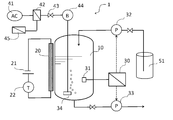
- FIG. 1 shows an outline of a suitable continuous culture apparatus (turbid system) 1 used for culturing algae in the present embodiment.
- the continuous culture tank 10 shown in FIG. 1 has a transparent wall surface made of glass, for example, and an LED panel 20 is installed in the vicinity thereof. Air supplied from the air compressor 41 and carbon dioxide from the carbon dioxide cylinder 45 are mixed and supplied to the continuous culture tank 10 through the controller 42 and the air pump 44. The turbidity in the continuous culture tank 10 increasing due to the growth of algae is detected by the sensor 31 and controlled to a constant value by the DO controller 30.
- the DO controller operates the pump 32 to supply a fresh medium, and the same amount of culture solution is extracted from the continuous culture tank 10 to turbidity in the tank.
- the degree is kept constant.
- the continuous culture tank 10 is connected to an external heat exchanger (not shown) so that the culture temperature is controlled and a sterilization operation is also possible.
- the LED panel 20 can be installed in a space such as the side surface, bottom surface, ceiling surface, or inside of the continuous culture tank 10, and is preferably installed on the two front and rear sides of the continuous culture tank 10.
- the LED panel 20 is controlled by a power source 21 and a timer 22 for day and night cycles.
- the cycle may be 14 hours in the day and 10 hours in the night, but is not limited thereto.
- the wavelength of light and the intensity of light vary optimally depending on the type of microalgae, but 400 nm to 700 nm and 1,000 to 60,000 lux are usually used.
- a light source a light emitting diode (LED) or a white fluorescent lamp is generally used indoors, but the light source is not limited thereto. It is also possible to incubate outdoors with sunlight.
- air is blown into the culture solution, and an aeration rate of 0.1 to 2 vvm (volume per volume per minute) per 1 minute of the culture solution volume is supplied from the air pump 44 as an aeration rate.
- CO 2 can be blown in order to accelerate the growth, and it is preferable to blow about 0.5 to 5% with respect to the aeration amount.
- the culture solution may be stirred or circulated with an appropriate strength.
- Cultivation is usually performed by adding 1 to 50% of a preculture solution to the volume of the main culture.
- the initial pH is preferably in the vicinity of neutrality of 6 to 9, and is usually not adjusted during culture, but may be adjusted as necessary.
- the culture temperature is preferably 20 to 35 ° C., and particularly around 25 ° C. is a commonly used temperature, but the culture temperature is not limited as long as it is suitable for the algae used.
- the culture of algae includes a culture solution containing algal bodies and algal bodies recovered from the culture solutions. Algae can be collected from the culture solution by general centrifugation, filtration, or sedimentation by gravity using a flocculant (Grima, EM et al. 2003. Biotechnol. Advances 20: 491-515).
- the “alga-derived biomass” (hereinafter also referred to as “algae biomass” or simply “biomass”) is an algal body of cultured algae containing the above-mentioned storage material. As such, and processed products of algal algal bodies. Although it does not restrict
- Chlamydomonas reinhardtii is cultured in a batch (batch) or continuous mode, and the cell density and the amount of triacylglycerol (TAG) produced are examined. Examples are shown.
- batch culture the CC-503 strain was inoculated into a flask containing TP medium with or without paraquat added (0.05 ⁇ M, 0.1 ⁇ M, 0.2 ⁇ M, 0.5 ⁇ M), and an incubator (25 ° C., light intensity 150 ⁇ mol / m). 2 s, light period 14 hours-dark period 10 hours cycle).
- Continuous culture is a square flat flask containing AF-6 medium with or without paraquat added (0.2 ⁇ M) using a turbidostat system as shown in FIG. 1 at 25 ° C. and light intensity of 100 ⁇ mol / m.
- the cells were cultured for 2 s in a cycle of 14 hours from the light period to 10 hours in the dark period, while maintaining the turbidity (OD 630 ) at 0.25 under the aeration condition of 20 ml / min in the atmosphere containing 1% carbon dioxide.
- composition of the TP medium and AF-6 medium is as follows.
- FIG. 2 shows cell density in batch culture with varying paraquat addition concentration.
- the added concentration of paraquat is increased to 0.05 ⁇ M, 0.1 ⁇ M, and 0.2 ⁇ M, the cell growth rate decreases, but proliferation is observed.
- Neil Red manufactured by Sigma was added to the cells after culture so as to have a final concentration of 66 ⁇ g / ml and stained, and when observed with a fluorescence microscope, oil droplets were observed only under the condition of paraquat 0.2 ⁇ M.
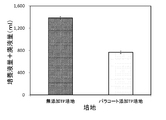
- FIG. 3 shows the difference in the amount of culture solution diluted per 24 hours when continuously cultured for one week using the turbidostat system under the condition of whether or not paraquat was added.
- the culture was performed with turbidity, that is, with the cell density approximately constant, so the diluted amount of the culture solution (the amount of the culture solution + the amount of the waste solution) indicates the amount of biomass.
- the biomass amount of Chlamydomonas reinhardi cultured in the above was about 0.55 times that in the case of no addition.
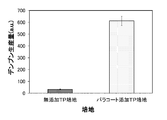
- the amount of TAG accumulation per cell after one week of continuous culture was measured by a previously reported method (Ito, T. et al. 2013. Metabolomics. 9 (Suppl. 1): 175-187). That is, lipids are extracted from the centrifuged 5 ⁇ 10 7 cells by the Bligh & Dyer method, and the obtained extract is analyzed using a high performance liquid chromatography-mass spectrometer, so that the amount of TAG per unit cell Was calculated. The result is shown in FIG. Compared to the case where no paraquat was added, a TAG accumulation amount of about 39 times per cell was observed under the condition where 0.2 ⁇ M paraquat was added. From these results, it was shown that the productivity of TAG in the continuous culture of Chlamydomonas reinhardi increased by about 21 times by the addition of paraquat and maintained the growth.
- the amount of starch accumulated per cell after continuous culturing for one week was measured by a previously reported method after degrading starch into glucose with amyloglucosidase (Ito, T. et al. 2013. Metabolomics. 9 (Suppl.1 ): 175-187). That is, the centrifuged 5 ⁇ 10 7 cells were washed with 80% ethanol and warm water at 80 ° C. to extract starch. The obtained starch was decomposed into glucose using amyloglucosidase and analyzed using a high performance liquid chromatography / mass spectrometer to calculate the amount of starch per unit cell in terms of glucose. The result is shown in FIG.
Landscapes
- Chemical & Material Sciences (AREA)
- Life Sciences & Earth Sciences (AREA)
- Engineering & Computer Science (AREA)
- Organic Chemistry (AREA)
- Zoology (AREA)
- Wood Science & Technology (AREA)
- Biotechnology (AREA)
- Health & Medical Sciences (AREA)
- Genetics & Genomics (AREA)
- Bioinformatics & Cheminformatics (AREA)
- General Engineering & Computer Science (AREA)
- Biochemistry (AREA)
- Microbiology (AREA)
- General Health & Medical Sciences (AREA)
- General Chemical & Material Sciences (AREA)
- Chemical Kinetics & Catalysis (AREA)
- Botany (AREA)
- Biomedical Technology (AREA)
- Cell Biology (AREA)
- Virology (AREA)
- Oil, Petroleum & Natural Gas (AREA)
- Medicinal Chemistry (AREA)
- Tropical Medicine & Parasitology (AREA)
- Micro-Organisms Or Cultivation Processes Thereof (AREA)
- Preparation Of Compounds By Using Micro-Organisms (AREA)
- Apparatus Associated With Microorganisms And Enzymes (AREA)
Abstract
【課題】低コストで簡便な脂質合成誘導方法により、効率的に藻類をバイオマスとして利用するための、藻類の連続培養を可能とする方法を提供する。 【解決手段】酸化ストレス誘導剤を含む培養液中で、前記藻類を、光照射条件下にて継続して培養し増殖させる工程を含む藻類による貯蔵物質の産生を促進する方法。
Description
本発明は、藻類による貯蔵物質の産生を促進する方法に関し、さらに詳細には、酸化ストレス誘導剤を用いて藻類に恒常的に貯蔵物質を生産させる方法に関する。
二酸化炭素の発生を抑制するクリーンなエネルギー源として、バイオマス由来の燃料(バイオ燃料)が期待されている。バイオ燃料は、藻類、動物油脂、大豆、トウモロコシ、その他の油脂穀物など様々な資源を用いて生産しうるが、藻類は、穀物等からのバイオ燃料とは異なり食料高騰の問題を引き起こす心配がなく、培養が容易であり、貯蔵物質の種類や生産効率を調節することができることから、次世代エネルギー源として特に注目されている。これまでに、糖類や油脂など、藻類の貯蔵物質の生産能力を高める種々の方法が検討されている。
藻類は、窒素を始めとする栄養欠乏により脂肪を蓄積することが知られているが、栄養欠乏により藻類の増殖能が低下する。すなわち、バイオマスの産生を抑制するようなストレス状態が、藻類における脂肪の蓄積を誘導すると考えられる。バイオマスの生産量と脂肪の蓄積量の両方を高める1つの手段として、藻類のバイオマスを増大させる至適条件で藻類を培養した後に、脂肪の蓄積を最大化するストレス条件に変更する二段階培養が行われている(例えば、非特許文献1参照)。さらに窒素飢餓などのストレス状態は、藻類において活性酸素種(ROS)の増加を引き起こし、このような酸化ストレスが藻類における脂肪の蓄積のメディエーターであることが示唆されている(例えば、非特許文献2参照)。
本発明者らは、藻類の葉緑体内のグルタチオン濃度を増加させることにより、栄養制限工程を行うことなく、バイオマスの生産性を向上させうることを見出した(例えば、特許文献1参照)。その代謝メカニズムを解明する中で、酸化ストレスと貯蔵物質の生産性との関係に着目した。藻類に酸化ストレスを付与すると脂質含量が増加することは他にも報告されている(例えば、特許文献2及び3参照)。
Csavina JL, Stuart BJ, Riefler RG, Vis ML (2011) Growth optimization of algae for biodiesel production. J Appl Microbiol 111: 312-318.
Kaan Yilancioglu et al., "Oxidative Stress Is a Mediator for Increased Lipid Accumulation in a Newly isolated Dunaliella salina Strain." PLOS ONE (2014) Volume 9, Issue 3, e91957
従来のような、栄養欠乏等のストレス付与により藻類の貯蔵物質の生産能を上げようとすると、培地中の窒素やリンが不足することにより、細胞の増殖や光合成が停止するという普遍的な応答が見られる。つまり、藻類の細胞を窒素欠乏条件に曝して脂質合成を誘導する場合、同時に細胞増殖の停止や光合成反応の停止が起こり、脂質を蓄積した細胞はやがて死んでしまうため、効率的なバイオ燃料の製造を行うことは難しい。そのため、従来の窒素飢餓状態等において培養する方法では、継続的なバイオマス生産を行うために、培地の交換や細胞の追加供給を人為的に繰り返し行わなくてはならない。このような煩雑な工程は、実験室レベルの小規模な培養条件であれば実現可能であるが、商業化を目指した大規模な培養になると、培地の交換や細胞の回収に莫大なコストがかかることになるため、産業上、実用化するのは現実的に困難である。
このような状況において、コスト面や作業効率を考慮して、低コストで簡便な、藻類による脂質合成誘導方法の開発が求められている。
このような状況において、コスト面や作業効率を考慮して、低コストで簡便な、藻類による脂質合成誘導方法の開発が求められている。
上記のような課題に対して、本発明は、より効率的に藻類をバイオマスとして利用するための、藻類の連続培養を可能とする方法を提供するものである。
すなわち、本発明者らは、藻類の培養中に、栄養欠乏状態にすることや抗生物質の添加等により生育阻害することなしに、酸化ストレス誘導剤を所定濃度で添加することにより、藻類の貯蔵物質の生産を促すことを見出した。
したがって、本発明の一実施形態において、藻類による貯蔵物質の産生を促進する方法は、酸化ストレス誘導剤を含む培養液中で、藻類を、光照射条件下にて継続的に培養し増殖させる工程を含むことを特徴とする。
すなわち、本発明者らは、藻類の培養中に、栄養欠乏状態にすることや抗生物質の添加等により生育阻害することなしに、酸化ストレス誘導剤を所定濃度で添加することにより、藻類の貯蔵物質の生産を促すことを見出した。
したがって、本発明の一実施形態において、藻類による貯蔵物質の産生を促進する方法は、酸化ストレス誘導剤を含む培養液中で、藻類を、光照射条件下にて継続的に培養し増殖させる工程を含むことを特徴とする。
また、本発明の異なる観点において、上記の方法を用いて藻類を培養する工程と、当該培養液の少なくとも一部を回収する工程と、を含む、藻類による貯蔵物質の製造方法が提供される。
さらに本発明の異なる実施形態としては、上記の方法を用いて藻類を培養する工程と、当該培養液の少なくとも一部を回収する工程と、を含む、藻類を含むバイオマスの製造方法である。
さらに本発明の異なる実施形態としては、上記の方法を用いて藻類を培養する工程と、当該培養液の少なくとも一部を回収する工程と、を含む、藻類を含むバイオマスの製造方法である。
本発明によれば、酸化ストレス誘導剤を培養液中に所定濃度で添加することで、バッチ培養に限らず、藻類を恒常的に物質生産させることができる。
以下、本発明の実施の形態について説明する。本発明の一実施形態は、藻類による貯蔵物質の産生を促進する方法であって、酸化ストレス誘導剤を含む培養液中で、前記藻類を連続培養により増殖させる工程を含む。
1 本発明に係る藻類
本明細書において、用語「藻類」とは、光合成能力を有し、光合成産物を生成可能な藻類をいう。このような藻類としては、例えば、緑藻植物門の緑藻綱等に分類される微細藻類が挙げられ、さらに具体的には、緑藻綱のクラミドモナス属に属するクラミドモナス・ラインハルディ(Chlamydomonas reinhardtii)、クラミドモナス・モエブシイ(Chlamydomonas moewusii)、クラミドモナス・ユーガメタス(Chlamydomonas eugametos)、クラミドモナス・セグニス(Chlamydomonas segnis)等;緑藻綱のドナリエラ属に属するドナリエラ・サリナ(Dunaliella salina)、ドナリエラ・テルチオレクタ(Dunaliella tertiolecta)、ドナリエラ・プリモレクタ(Dunaliella primolecta)等;緑藻綱のクロレラ属に属するクロレラ・ブルガリス(Chlorella vulgaris)、クロレラ・ピレノイドーサ(Chlorella pyrenoidosa)等;緑藻綱のヘマトコッカス属に属するヘマトコッカス・プルビアリス(Haematococcus pluvialis)等;緑藻綱のクロロコックム属に属するクロロコックム・リトラエ(Chlorococcum littorale)等;緑藻綱または黄緑色藻綱のボトリオコッカス属に属するボトリオコッカス・ブラウニー(Botryococcus braunii)等;緑藻綱のコリシスチス属に属するコリシスチス・マイナー(Choricystis minor)等;緑藻綱のシュードコリシスチス属に属するシュードコリシスチス・ エリプソイディア(Pseudochoricystis ellipsoidea)等;珪藻綱のアンフォーラ属に属するアンフォーラ(Amphora sp.)等;珪藻綱のニッチア属に属するニッチア・アルバ(Nitzschia alba)、ニッチア・クロステリウム(Nitzschia closterium)、ニッチア・ラエビス(Nitzschia laevis)等;渦鞭毛藻綱のクリプセコディニウム属に属するクリプセコディニウム・コーニー(Crypthecodinium cohnii)等;ミドリムシ綱のミドリムシ属に属するユーグレナ・グラチリス(Euglena gracilis)、ユーグレナ・プロキシマ(Euglena proxima)等;繊毛虫門のゾウリムシ属に属するミドリゾウリムシ(Paramecium bursaria)等;藍藻門のシネココッカス属に属するシネココッカス・アクアティリス(Synechococcus aquatilis)、シネココッカス・エロンガタス(Synechococcus elongatus)等;藍藻門スピルリナ属に属するスピルリナ・プラテンシス(Spirulina platensis)、スピルリナ・スブサルサ(Spirulina subsalsa)等;藍藻門のプロクロロコッカス属に属するプロクロロコッカス・マリウス(Prochlorococcus marinus)等;藍藻門のオーシスチス属に属するオーシスチス・ポリモルファ(Oocystis polymorpha)等;等が例示される。
本明細書において、用語「藻類」とは、光合成能力を有し、光合成産物を生成可能な藻類をいう。このような藻類としては、例えば、緑藻植物門の緑藻綱等に分類される微細藻類が挙げられ、さらに具体的には、緑藻綱のクラミドモナス属に属するクラミドモナス・ラインハルディ(Chlamydomonas reinhardtii)、クラミドモナス・モエブシイ(Chlamydomonas moewusii)、クラミドモナス・ユーガメタス(Chlamydomonas eugametos)、クラミドモナス・セグニス(Chlamydomonas segnis)等;緑藻綱のドナリエラ属に属するドナリエラ・サリナ(Dunaliella salina)、ドナリエラ・テルチオレクタ(Dunaliella tertiolecta)、ドナリエラ・プリモレクタ(Dunaliella primolecta)等;緑藻綱のクロレラ属に属するクロレラ・ブルガリス(Chlorella vulgaris)、クロレラ・ピレノイドーサ(Chlorella pyrenoidosa)等;緑藻綱のヘマトコッカス属に属するヘマトコッカス・プルビアリス(Haematococcus pluvialis)等;緑藻綱のクロロコックム属に属するクロロコックム・リトラエ(Chlorococcum littorale)等;緑藻綱または黄緑色藻綱のボトリオコッカス属に属するボトリオコッカス・ブラウニー(Botryococcus braunii)等;緑藻綱のコリシスチス属に属するコリシスチス・マイナー(Choricystis minor)等;緑藻綱のシュードコリシスチス属に属するシュードコリシスチス・ エリプソイディア(Pseudochoricystis ellipsoidea)等;珪藻綱のアンフォーラ属に属するアンフォーラ(Amphora sp.)等;珪藻綱のニッチア属に属するニッチア・アルバ(Nitzschia alba)、ニッチア・クロステリウム(Nitzschia closterium)、ニッチア・ラエビス(Nitzschia laevis)等;渦鞭毛藻綱のクリプセコディニウム属に属するクリプセコディニウム・コーニー(Crypthecodinium cohnii)等;ミドリムシ綱のミドリムシ属に属するユーグレナ・グラチリス(Euglena gracilis)、ユーグレナ・プロキシマ(Euglena proxima)等;繊毛虫門のゾウリムシ属に属するミドリゾウリムシ(Paramecium bursaria)等;藍藻門のシネココッカス属に属するシネココッカス・アクアティリス(Synechococcus aquatilis)、シネココッカス・エロンガタス(Synechococcus elongatus)等;藍藻門スピルリナ属に属するスピルリナ・プラテンシス(Spirulina platensis)、スピルリナ・スブサルサ(Spirulina subsalsa)等;藍藻門のプロクロロコッカス属に属するプロクロロコッカス・マリウス(Prochlorococcus marinus)等;藍藻門のオーシスチス属に属するオーシスチス・ポリモルファ(Oocystis polymorpha)等;等が例示される。
なお、本発明で用いることのできる藻類は、光合成により脂質及び糖質を生成し、細胞内に蓄積することができるものであればどのようなものでも用いることができ、前記したものに限定されるものではない。
2 貯蔵物質
藻類は光合成によって固定した二酸化炭素を原料としてタンパク質のみならず、糖質(でんぷん)、脂肪酸やトリアシルグリセロール(TAG)などの脂質、その他、多種多様な有機物質を生合成する。本明細書において、用語「貯蔵物質」とは、上記藻類において生産され、酸化ストレスを受けて細胞内に蓄積される糖質及び脂質等の炭素含有率の高い有機物質を意味する。一般に、TAG生合成経路は小胞体特異的なアシル転移酵素により行われ、細胞質内の油体に大部分が貯蔵される。他の実施形態においては、主に葉緑体から供給されるジアシルグリセロール(DAG)を用いる経路でTAGが合成される場合もある。多くの藻類が、ストレス環境下で細胞乾燥重量の50%近くまでTAGを蓄積することは知られているが、TAGと同様にデンプンも細胞に蓄積される。クラミドモナスにおいて窒素欠乏時に蓄積する脂質量とデンプン合成の関係性について調べた結果、脂質よりもデンプンが広範囲な培養条件において還元された炭素の主要な貯蔵物質であるとの報告がある(Fan J et al., FEBS Lett. 2011 Jun 23;585(12):1985-91.)。クラミドモナスではストレス環境下で利用可能な炭素が、でんぷんと脂質合成の間で振り分けられていると考えられる。
藻類は光合成によって固定した二酸化炭素を原料としてタンパク質のみならず、糖質(でんぷん)、脂肪酸やトリアシルグリセロール(TAG)などの脂質、その他、多種多様な有機物質を生合成する。本明細書において、用語「貯蔵物質」とは、上記藻類において生産され、酸化ストレスを受けて細胞内に蓄積される糖質及び脂質等の炭素含有率の高い有機物質を意味する。一般に、TAG生合成経路は小胞体特異的なアシル転移酵素により行われ、細胞質内の油体に大部分が貯蔵される。他の実施形態においては、主に葉緑体から供給されるジアシルグリセロール(DAG)を用いる経路でTAGが合成される場合もある。多くの藻類が、ストレス環境下で細胞乾燥重量の50%近くまでTAGを蓄積することは知られているが、TAGと同様にデンプンも細胞に蓄積される。クラミドモナスにおいて窒素欠乏時に蓄積する脂質量とデンプン合成の関係性について調べた結果、脂質よりもデンプンが広範囲な培養条件において還元された炭素の主要な貯蔵物質であるとの報告がある(Fan J et al., FEBS Lett. 2011 Jun 23;585(12):1985-91.)。クラミドモナスではストレス環境下で利用可能な炭素が、でんぷんと脂質合成の間で振り分けられていると考えられる。
3 酸化ストレス誘導剤
本明細書において、「酸化ストレス誘導剤」とは、上記藻類の培養液に添加して藻類を培養することによって、藻類の細胞内で活性酸素種(ROS)を発生させるものであれば特に限定されるものではなく、この活性酸素種が引き金となって藻類の細胞内で貯蔵物質の産生及び蓄積が促進される。そのメカニズムは必ずしも明らかではないが、培養液中の窒素欠乏などの環境ストレスに対し、藻類が脂質や糖類などのエネルギーを蓄積する自己防衛反応の1つであり、そのメディエーターとして細胞内の活性酸素種が機能しているのではないかと考えられる。このような酸化ストレス誘導剤の一つとして、藻類の細胞内のグルタチオン濃度を変化させる剤が挙げられる。
本明細書において、「酸化ストレス誘導剤」とは、上記藻類の培養液に添加して藻類を培養することによって、藻類の細胞内で活性酸素種(ROS)を発生させるものであれば特に限定されるものではなく、この活性酸素種が引き金となって藻類の細胞内で貯蔵物質の産生及び蓄積が促進される。そのメカニズムは必ずしも明らかではないが、培養液中の窒素欠乏などの環境ストレスに対し、藻類が脂質や糖類などのエネルギーを蓄積する自己防衛反応の1つであり、そのメディエーターとして細胞内の活性酸素種が機能しているのではないかと考えられる。このような酸化ストレス誘導剤の一つとして、藻類の細胞内のグルタチオン濃度を変化させる剤が挙げられる。
他の実施形態における酸化ストレス誘導剤は、パラコート、過酸化水素及び次亜塩素酸塩からなる群より選択される剤であり、藻類の増殖を維持しうる濃度で藻類の培養液に含まれることが好ましい。好ましい濃度は、酸化ストレス誘導剤の種類によっても異なるが、例えば、パラコートの場合には、0.05μM以上であり、0.1μM以上がより好ましく、さらに好ましくは0.2μM程度である。一方、培養細胞の増殖性を維持するという観点からは、0.5μM未満が好ましく、0.4μM以下又は0.3μM以下がより好ましく、さらに好ましくは約0.2μMである。
本発明者らは、藻類の葉緑体内のグルタチオン濃度を増加させることによって、藻類を窒素欠乏状態にすることなく糖類や油脂等のバイオマスの生産量を向上させることを見出している(特許文献1)。グルタチオンは、細胞内の酸化還元状態を調節する物質であり、細胞又は器官の分化調節剤として機能しうること、及び植物生長調整補助剤として機能しうることが知られている。そして、葉緑体内のグルタチオン濃度が増加すると藻類の細胞内の光合成産物の生産性が向上するが、このとき同時に光照射による光酸化ストレスも増加する。すなわち、葉緑体内の酸化還元状態のバランスが崩れることによって局所的な酸化ストレスが誘導される可能性がある。したがって、本発明における酸化誘導剤として、例えば、光合成阻害型除草剤であるパラコートやジクワットなどのジピリジル系化合物を用いることができる。この化合物は、光化学系Iからフェレドキシンを経由する電子伝達系から電子を奪うことにより、安定なラジカル(不対電子をもつ分子)になる。このラジカル化したジピリジル系化合物が元の状態に戻る際に酸素を1電子還元して活性酸素のスーパーオキシドラジカルを生成し、さらに、過酸化水素を生じて葉緑体やミトコンドリアなどの膜に存在する脂質の過酸化を引き起こす。よって、本発明の一実施形態では、主に葉緑体やミトコンドリアなどの細胞内器官において活性酸素種を産生する酸化ストレス誘導剤が好ましい。
4 本発明に係る藻類の培養方法
藻類の培養については多くの知見があり、Chlorella属、Arthrospira属(Spirulina)、あるいは、Dunaliella salinaなどは、食用として大規模な工業的な培養が行われている(Spolaore, P. et al. 2006. J. Biosci. Bioeng. 101: 87-96)。クラミドモナス・ラインハルディは、一般的に酢酸を含む培地で培養され、酢酸を炭素源の一つとして脂質を合成する。この藻類は、栄養欠乏、強光条件においてTAGを蓄積するが、光合成独立栄養条件よりも培地中に酢酸を添加した混合栄養条件下において増殖が速いことから、一般的にはトリス-酢酸-リン酸(TAP)培地(Gorman and Levine, Proc Natl Acad Sci U S A. 1965 Dec; 54(6): 1665-1669.)で培養されることが多い。あるいは、培地のpH調整を容易にするため又は光合成により固定される有機物を唯一の炭素源にするため、TAP培地から酢酸を除去してもよい。本実施形態では、独立栄養条件、従属栄養条件あるいはこれらの混合栄養条件のいずれであってもよいが、典型的には、増殖に必要な窒素、微量金属の無機塩(例えば、リン、カリウム、マグネシウム、鉄など)、ビタミン類(例えば、チアミンなど)などを含む培地を好適に用いることができる。例えば、AF-6培地、BG-11培地、C培地、MBM培地、MDM培地、VT培地などの培地およびこれらの改変培地などを用いることができる。培地には、上記組成のほか、炭素源、窒素源等の成分を適宜添加してもよい。
藻類の培養については多くの知見があり、Chlorella属、Arthrospira属(Spirulina)、あるいは、Dunaliella salinaなどは、食用として大規模な工業的な培養が行われている(Spolaore, P. et al. 2006. J. Biosci. Bioeng. 101: 87-96)。クラミドモナス・ラインハルディは、一般的に酢酸を含む培地で培養され、酢酸を炭素源の一つとして脂質を合成する。この藻類は、栄養欠乏、強光条件においてTAGを蓄積するが、光合成独立栄養条件よりも培地中に酢酸を添加した混合栄養条件下において増殖が速いことから、一般的にはトリス-酢酸-リン酸(TAP)培地(Gorman and Levine, Proc Natl Acad Sci U S A. 1965 Dec; 54(6): 1665-1669.)で培養されることが多い。あるいは、培地のpH調整を容易にするため又は光合成により固定される有機物を唯一の炭素源にするため、TAP培地から酢酸を除去してもよい。本実施形態では、独立栄養条件、従属栄養条件あるいはこれらの混合栄養条件のいずれであってもよいが、典型的には、増殖に必要な窒素、微量金属の無機塩(例えば、リン、カリウム、マグネシウム、鉄など)、ビタミン類(例えば、チアミンなど)などを含む培地を好適に用いることができる。例えば、AF-6培地、BG-11培地、C培地、MBM培地、MDM培地、VT培地などの培地およびこれらの改変培地などを用いることができる。培地には、上記組成のほか、炭素源、窒素源等の成分を適宜添加してもよい。
図1は、本実施形態における藻類の培養に用いられる好適な連続培養装置(タービドシステム)1の概略を示す。図1に示す連続培養槽10は、例えばガラス製の透明な壁面を有し、その外部に近接してLEDパネル20が設置されている。エアーコンプレッサー41から供給される空気と、炭酸ガスシリンダー45からの炭酸ガスが混合され、コントローラー42及びエアーポンプ44を通じて連続培養槽10に供給される。藻類の生育により増加する連続培養槽10内の濁度は、センサー31にて検出され、DOコントローラー30にて一定値に制御されている。すなわち、連続培養槽10内の濁度が設定値を超えるとDOコントローラーがポンプ32を作動させて新鮮な培地を供給するとともに、同量の培養液を連続培養槽10から抜き出して槽内の濁度を一定に保っている。連続培養槽10は、図示しない外部熱交換器と接続され、培養温度がコントロールされるとともに、滅菌操作も可能である。
LEDパネル20は、連続培養槽10の側面、底面、天井面や内部などの空間に設置することができ、連続培養槽10の前後2つの側面に設置することが好ましい。LEDパネル20は、電源21とタイマー22によって昼夜のサイクルが制御される。例えば、昼14時間、夜10時間のサイクルとすることができるがこれに限定されない。光の波長及び照射強度も微細藻類の種類によって、至適が異なるが、それぞれ400nm~700nm、及び1,000~60,000lux程度が通常には用いられる。光源は、屋内では発光ダイオード(LED)又は白色の蛍光灯を用いることが一般的であるが、これに制限されない。屋外にて太陽光で培養することも可能である。
培養液には、空気を吹き込むことが通常であり、通気量としては、1分間の培養液体積当たりの通気量0.1~2vvm(volume per volume per minute)がエアーポンプ44から供給される。さらにCO2を吹き込むことも、生育を早めるために行うことができ、通気量に対して、0.5~5%程度吹き込むのが好ましい。必要に応じて、培養液を適切な強度で撹拌、あるいは循環してもよい。
培養は、本培養の体積に対し、1~50%の前培養液を添加して行うことが通常である。初発のpHは6~9の中性付近が好ましく、培養中はpH調整を行わないことが通常であるが、必要に応じて調整してもよい。培養温度は、20~35℃が好ましく、特に25℃付近が一般的によく用いられる温度であるが、培養温度は、用いる藻類に適した温度であれば制限されない。
本実施形態において藻類の培養物とは、藻体を含む培養液、培養液から回収した藻体を包含する。藻体を培養液から回収する方法は、一般的な遠心分離や濾過、あるいは、凝集剤(flocculant)を用いた重力による沈降などの方法で可能である(Grima, E. M. et al. 2003. Biotechnol. Advances 20: 491-515)。
本実施形態において藻類の培養物とは、藻体を含む培養液、培養液から回収した藻体を包含する。藻体を培養液から回収する方法は、一般的な遠心分離や濾過、あるいは、凝集剤(flocculant)を用いた重力による沈降などの方法で可能である(Grima, E. M. et al. 2003. Biotechnol. Advances 20: 491-515)。
5 本発明に係るバイオマスの製造方法
本発明において、「藻類由来のバイオマス」(以下、「藻類バイオマス」または単に「バイオマス」ともいう)としては、上述した貯蔵物質を含む培養後の藻類の藻体そのもの、及び藻類の藻体の処理物が挙げられる。藻類の藻体の処理物としては、特に制限されないが、藻類の藻体の破砕物、および所望の成分を藻類の藻体から抽出した後の残渣(「藻体残渣」または「残藻体」ともいう)が挙げられる。所望の成分としては、バイオ燃料等の有用成分が挙げられる。バイオ燃料等の有用成分としては、脂肪酸、油脂の加水分解物、テルペノイドやステロイド等の脂質、炭化水素が挙げられる。
本発明において、「藻類由来のバイオマス」(以下、「藻類バイオマス」または単に「バイオマス」ともいう)としては、上述した貯蔵物質を含む培養後の藻類の藻体そのもの、及び藻類の藻体の処理物が挙げられる。藻類の藻体の処理物としては、特に制限されないが、藻類の藻体の破砕物、および所望の成分を藻類の藻体から抽出した後の残渣(「藻体残渣」または「残藻体」ともいう)が挙げられる。所望の成分としては、バイオ燃料等の有用成分が挙げられる。バイオ燃料等の有用成分としては、脂肪酸、油脂の加水分解物、テルペノイドやステロイド等の脂質、炭化水素が挙げられる。
これより以下、本発明の具体的な一実施例として、クラミドモナス・ラインハルディ(Chlamydomonas reinhardtii)を回分(バッチ)又は連続方式により培養し、細胞密度及び産生されたトリアシルグリセロール(TAG)量を調べた実施例を示す。バッチ培養は、パラコート無添加又は添加(0.05μM、0.1μM、0.2μM、0.5μM)のTP培地を含むフラスコにCC-503株を植え継ぎ、インキュベータ(25℃、光量150μmol/m2s、明期14時間-暗期10時間サイクル)にて静置培養した。連続培養は、図1に示すようなタービドスタット(turbidostat)システムを用いて、パラコート無添加又は添加(0.2μM)のAF-6培地を含む角形扁平フラスコで、25℃、光量100μmol/m2s、明期14時間-暗期10時間サイクルにて、1%二酸化炭素添加大気20ml/分の通気条件下、濁度(OD630)を0.25に維持しながら培養した。
なお、上記TP培地及びAF-6培地組成は以下のとおりである。

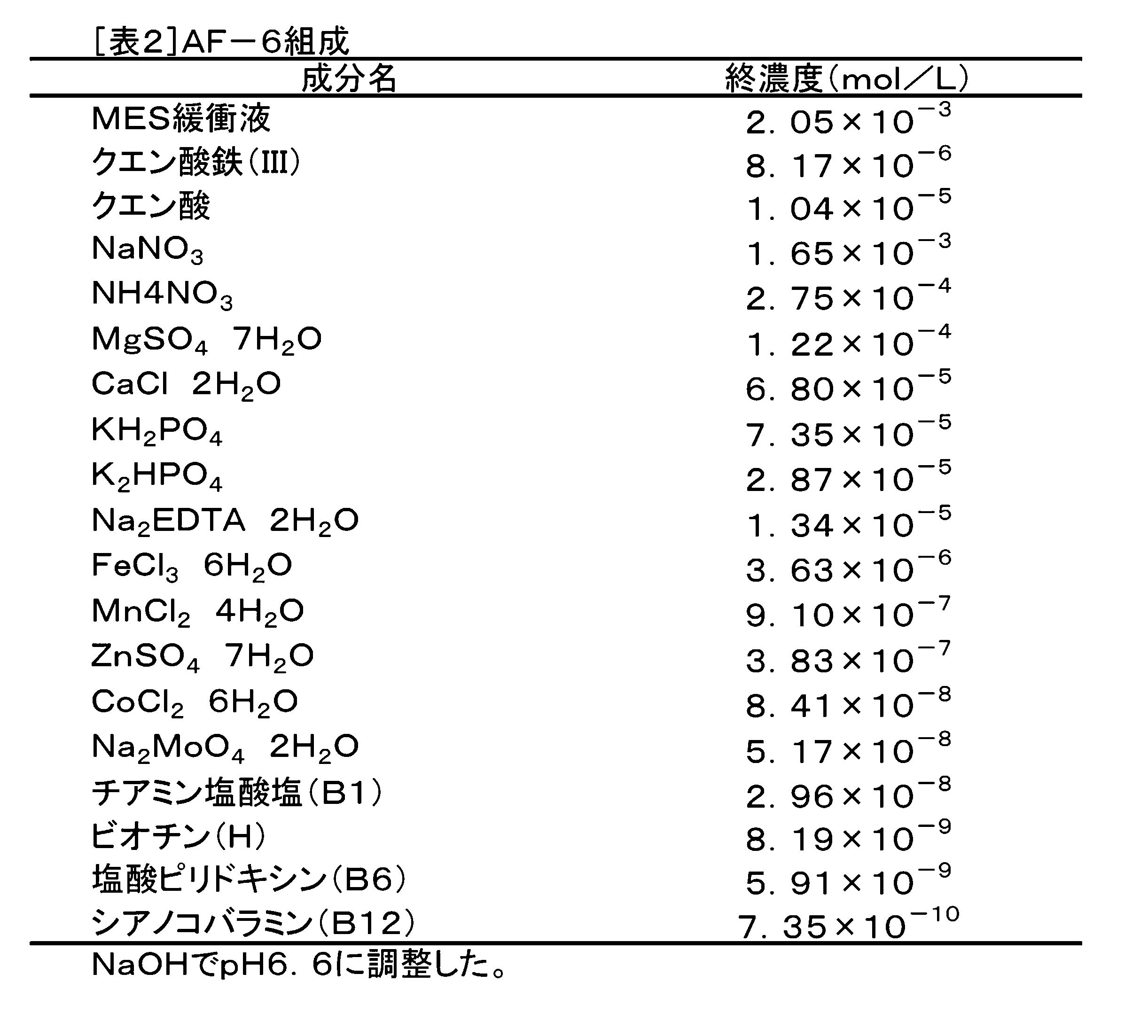
図2は、パラコート添加濃度を変化させたバッチ培養における細胞密度を示す。パラコートの添加濃度を0.05μM、0.1μM、0.2μMに増加させると、細胞の増殖速度は低下するものの増殖が認められる。一方、パラコート0.5μMを添加条件では細胞が死滅していることが分かる。培養後の細胞に終濃度66μg/mlとなるようにNeil Red(シグマ社製)を加えて染色し、蛍光顕微鏡で観察するとパラコート0.2μM添加条件でのみ油滴が観察された。
次に、パラコートの添加有無の条件下、タービドスタットシステムを用いて一週間連続培養した時の24時間当たりの培養液希釈量の違いを図3に示す。この実験条件では、濁度、すなわち近似的に細胞密度を一定にして培養していることから、培養液の希釈量(培養液量+廃液量)はバイオマス量を示しており、パラコート添加条件下で培養したクラミドモナス・ラインハルディのバイオマス量は、無添加の場合の約0.55倍となった。
一方、一週間連続培養後の、細胞当たりのTAG蓄積量を既報の方法で測定した(Ito, T. et al. 2013. Metabolomics. 9(Suppl. 1): 175-187)。すなわち、遠心分離された5×10⁷細胞からBligh & Dyer法で脂質を抽出し、得られた抽出物を高速液体クロマトグラフィー-質量分析計を用いて分析することで、単位細胞当たりのTAG量を算出した。その結果を図4に示す。パラコート無添加の場合に比べ、0.2μMのパラコート添加条件下では、細胞当たり、約39倍のTAG蓄積量が認められた。これらの結果から、クラミドモナス・ラインハルディの連続培養におけるTAGの生産性は、パラコート添加によって約21倍に増加し、かつ増殖性を維持していることが示された。
さらに、一週間連続培養後の、細胞当たりのデンプン蓄積量を、デンプンをアミログルコシダーゼによりグルコースに分解後、既報の方法で測定した(Ito, T. et al. 2013. Metabolomics. 9(Suppl.1): 175-187)。すなわち、遠心分離された5×10⁷細胞を80%エタノールと80℃の温水で洗浄し、デンプンを抽出した。得られたデンプンは、アミログルコシダーゼを用いてグルコースに分解し、高速液体クロマトグラフィー/質量分析計を用いて分析することで、グルコース換算による単位細胞当たりのデンプン量を算出した。その結果を図5に示す。パラコート無添加の場合に比べ、0.2μMのパラコート添加条件下では、細胞当たり、約19倍のデンプン蓄積量が認められた。これらの結果から、クラミドモナス・ラインハルディの連続培養におけるデンプンの生産性は、パラコート添加によって約10倍に増加し、かつ増殖性を維持していることが示された。
1 連続培養装置(タービドシステム)
10 連続培養槽
20 LEDパネル
21 電源
22 タイマー
30 DOコントローラー
31 センサー
32 ポンプ
33 ポンプ
34 撹拌子
41 エアーコンプレッサー
42 コントローラー
44 エアーポンプ
45 炭酸ガスシリンダー
51 新鮮培地貯蔵タンク
10 連続培養槽
20 LEDパネル
21 電源
22 タイマー
30 DOコントローラー
31 センサー
32 ポンプ
33 ポンプ
34 撹拌子
41 エアーコンプレッサー
42 コントローラー
44 エアーポンプ
45 炭酸ガスシリンダー
51 新鮮培地貯蔵タンク
Claims (7)
- 藻類による貯蔵物質の産生を促進する方法であって、
酸化ストレス誘導剤を含む培養液中で、前記藻類を、光照射条件下にて継続的に培養し増殖させる工程を含む、方法。 - 前記酸化ストレス誘導剤が、前記藻類の細胞内のグルタチオン濃度を変化させる剤である請求項1に記載の方法。
- 前記酸化ストレス誘導剤が、パラコート、過酸化水素及び次亜塩素酸塩からなる群より選択される剤であり、前記藻類の増殖を維持しうる濃度で前記培養液に含まれる請求項1又は2に記載の方法。
- 前記貯蔵物質が、炭素密度の高い有機物質である、請求項1~3のいずれか一項に記載の方法。
- 前記貯蔵物質が、脂質及び/又は糖質である、請求項1~4のいずれか一項に記載の方法。
- 請求項1~5のいずれか一項に記載の方法を用いて藻類を培養する工程と、
前記培養液の少なくとも一部を回収する工程と、を含む、藻類による貯蔵物質の製造方法。 - 請求項1~5のいずれか一項に記載の方法を用いて藻類を培養する工程と、
前記培養液の少なくとも一部を回収する工程と、を含む、藻類を含むバイオマスの製造方法。
Priority Applications (1)
| Application Number | Priority Date | Filing Date | Title |
|---|---|---|---|
| JP2019517654A JPWO2018207804A1 (ja) | 2017-05-10 | 2018-05-09 | 藻類による貯蔵物質の生産を促進する方法 |
Applications Claiming Priority (2)
| Application Number | Priority Date | Filing Date | Title |
|---|---|---|---|
| JP2017-093581 | 2017-05-10 | ||
| JP2017093581 | 2017-05-10 |
Publications (1)
| Publication Number | Publication Date |
|---|---|
| WO2018207804A1 true WO2018207804A1 (ja) | 2018-11-15 |
Family
ID=64102723
Family Applications (1)
| Application Number | Title | Priority Date | Filing Date |
|---|---|---|---|
| PCT/JP2018/017865 Ceased WO2018207804A1 (ja) | 2017-05-10 | 2018-05-09 | 藻類による貯蔵物質の生産を促進する方法 |
Country Status (2)
| Country | Link |
|---|---|
| JP (1) | JPWO2018207804A1 (ja) |
| WO (1) | WO2018207804A1 (ja) |
Citations (1)
| Publication number | Priority date | Publication date | Assignee | Title |
|---|---|---|---|---|
| JP2014500031A (ja) * | 2010-12-21 | 2014-01-09 | サンボ インターナショナル エスタブリッシュメント | 光合成微生物中のCoQ10およびCoQH2の含有量を増加させる方法 |
Family Cites Families (2)
| Publication number | Priority date | Publication date | Assignee | Title |
|---|---|---|---|---|
| CN105316367A (zh) * | 2014-08-01 | 2016-02-10 | 中国科学院水生生物研究所 | 一种利用氧化剂处理微藻高效诱导中性脂快速积累的方法 |
| JP6625370B2 (ja) * | 2015-08-24 | 2019-12-25 | 岡山県 | 藻類の培養密度を向上させるための組成物およびその利用 |
-
2018
- 2018-05-09 JP JP2019517654A patent/JPWO2018207804A1/ja active Pending
- 2018-05-09 WO PCT/JP2018/017865 patent/WO2018207804A1/ja not_active Ceased
Patent Citations (1)
| Publication number | Priority date | Publication date | Assignee | Title |
|---|---|---|---|---|
| JP2014500031A (ja) * | 2010-12-21 | 2014-01-09 | サンボ インターナショナル エスタブリッシュメント | 光合成微生物中のCoQ10およびCoQH2の含有量を増加させる方法 |
Non-Patent Citations (9)
Also Published As
| Publication number | Publication date |
|---|---|
| JPWO2018207804A1 (ja) | 2020-03-26 |
Similar Documents
| Publication | Publication Date | Title |
|---|---|---|
| Janssen et al. | Microalgae based production of single-cell protein | |
| Wang et al. | Microalgae biofuels: illuminating the path to a sustainable future amidst challenges and opportunities | |
| Vuppaladadiyam et al. | Microalgae cultivation and metabolites production: a comprehensive review | |
| Tate et al. | The effects of plant growth substances and mixed cultures on growth and metabolite production of green algae Chlorella sp.: a review | |
| Wan et al. | The effect of mixotrophy on microalgal growth, lipid content, and expression levels of three pathway genes in Chlorella sorokiniana | |
| Rosenberg et al. | A green light for engineered algae: redirecting metabolism to fuel a biotechnology revolution | |
| Das et al. | Enhanced algae growth in both phototrophic and mixotrophic culture under blue light | |
| Das et al. | Two phase microalgae growth in the open system for enhanced lipid productivity | |
| Xia et al. | Effects of nutrients and light intensity on the growth and biochemical composition of a marine microalga Odontella aurita | |
| Choi et al. | LED light stress induced biomass and fatty acid production in microalgal biosystem, Acutodesmus obliquus | |
| EP2619304B1 (en) | Bicarbonate trigger for inducing lipid accumulation in algal systems | |
| Sun et al. | Repeated cultivation: non-cell disruption extraction of astaxanthin for Haematococcus pluvialis | |
| Fuentes-Grünewald et al. | Long-term dinoflagellate culture performance in a commercial photobioreactor: Amphidinium carterae case | |
| Heidari et al. | Effect of culture age and initial inoculum size on lipid accumulation and productivity in a hybrid cultivation system of Chlorella vulgaris | |
| Moreira et al. | Utilization of CO2 in semi-continuous cultivation of Spirulina sp. and Chlorella fusca and evaluation of biomass composition | |
| Dittamart et al. | Effects of organic carbon source and light-dark period on growth and lipid accumulation of Scenedesmus sp. AARL G022. | |
| Giovanardi et al. | Growth and lipid synthesis promotion in mixotrophic Neochloris oleoabundans (Chlorophyta) cultivated with glucose | |
| Lu et al. | A comprehensive review on the heterotrophic production of bioactive compounds by microalgae | |
| Kumar et al. | A review on unit operations, challenges, opportunities, and strategies to improve algal based biodiesel and biorefinery | |
| Ng et al. | Microalgal biotechnology: The way forward | |
| Velu et al. | Effect of various carbon sources on biochemical production in marine microalgae Nannochloropsis salina (Eustigmatophyceae), Dunaliella tertiolecta (Chlorophyceae) and Tetraselmis suecica (Chlorodendrophyceae) | |
| EP4150046A1 (en) | Improved bioreactor system for cultivating microalgae | |
| Abdullah et al. | Algal biotechnology for bioenergy, environmental remediation and high-value biochemicals | |
| Kamalanathan et al. | Physiological limitations and solutions to various applications of microalgae | |
| Wu et al. | Cultivation of microalgae for optimal oil production |
Legal Events
| Date | Code | Title | Description |
|---|---|---|---|
| 121 | Ep: the epo has been informed by wipo that ep was designated in this application |
Ref document number: 18799132 Country of ref document: EP Kind code of ref document: A1 |
|
| ENP | Entry into the national phase |
Ref document number: 2019517654 Country of ref document: JP Kind code of ref document: A |
|
| NENP | Non-entry into the national phase |
Ref country code: DE |
|
| 122 | Ep: pct application non-entry in european phase |
Ref document number: 18799132 Country of ref document: EP Kind code of ref document: A1 |