WO2018185804A1 - 燃料製造方法 - Google Patents
燃料製造方法 Download PDFInfo
- Publication number
- WO2018185804A1 WO2018185804A1 PCT/JP2017/013902 JP2017013902W WO2018185804A1 WO 2018185804 A1 WO2018185804 A1 WO 2018185804A1 JP 2017013902 W JP2017013902 W JP 2017013902W WO 2018185804 A1 WO2018185804 A1 WO 2018185804A1
- Authority
- WO
- WIPO (PCT)
- Prior art keywords
- efb
- unit
- ash
- mixing
- alumina
- Prior art date
- Legal status (The legal status is an assumption and is not a legal conclusion. Google has not performed a legal analysis and makes no representation as to the accuracy of the status listed.)
- Ceased
Links
Images


Classifications
-
- C—CHEMISTRY; METALLURGY
- C10—PETROLEUM, GAS OR COKE INDUSTRIES; TECHNICAL GASES CONTAINING CARBON MONOXIDE; FUELS; LUBRICANTS; PEAT
- C10L—FUELS NOT OTHERWISE PROVIDED FOR; NATURAL GAS; SYNTHETIC NATURAL GAS OBTAINED BY PROCESSES NOT COVERED BY SUBCLASSES C10G OR C10K; LIQUIFIED PETROLEUM GAS; USE OF ADDITIVES TO FUELS OR FIRES; FIRE-LIGHTERS
- C10L5/00—Solid fuels
- C10L5/40—Solid fuels essentially based on materials of non-mineral origin
- C10L5/44—Solid fuels essentially based on materials of non-mineral origin on vegetable substances
-
- Y—GENERAL TAGGING OF NEW TECHNOLOGICAL DEVELOPMENTS; GENERAL TAGGING OF CROSS-SECTIONAL TECHNOLOGIES SPANNING OVER SEVERAL SECTIONS OF THE IPC; TECHNICAL SUBJECTS COVERED BY FORMER USPC CROSS-REFERENCE ART COLLECTIONS [XRACs] AND DIGESTS
- Y02—TECHNOLOGIES OR APPLICATIONS FOR MITIGATION OR ADAPTATION AGAINST CLIMATE CHANGE
- Y02E—REDUCTION OF GREENHOUSE GAS [GHG] EMISSIONS, RELATED TO ENERGY GENERATION, TRANSMISSION OR DISTRIBUTION
- Y02E50/00—Technologies for the production of fuel of non-fossil origin
- Y02E50/10—Biofuels, e.g. bio-diesel
-
- Y—GENERAL TAGGING OF NEW TECHNOLOGICAL DEVELOPMENTS; GENERAL TAGGING OF CROSS-SECTIONAL TECHNOLOGIES SPANNING OVER SEVERAL SECTIONS OF THE IPC; TECHNICAL SUBJECTS COVERED BY FORMER USPC CROSS-REFERENCE ART COLLECTIONS [XRACs] AND DIGESTS
- Y02—TECHNOLOGIES OR APPLICATIONS FOR MITIGATION OR ADAPTATION AGAINST CLIMATE CHANGE
- Y02E—REDUCTION OF GREENHOUSE GAS [GHG] EMISSIONS, RELATED TO ENERGY GENERATION, TRANSMISSION OR DISTRIBUTION
- Y02E50/00—Technologies for the production of fuel of non-fossil origin
- Y02E50/30—Fuel from waste, e.g. synthetic alcohol or diesel
Definitions
- the present disclosure relates to a fuel manufacturing method for manufacturing a solid fuel.
- EFB empty fruit bunch
- Patent Document 1 a technique for increasing the melting point of ash generated when solid fuel is burned by adding calcium (Ca) to biomass to produce solid fuel has been developed (for example, Patent Document 1).
- the present disclosure is intended to provide a fuel manufacturing method capable of increasing the melting point of ash while maintaining the calorific value.
- a fuel manufacturing method includes a step of primary crushing EFB, a step of drying the primary crushed EFB, and the dried EFB containing an Al compound. A step of mixing the suspension, and a step of molding the EFB mixed with the Al compound.
- a step of secondary crushing the dried EFB may be performed, and the mixing step may be performed after performing the secondary crushing step.
- the Al compound may be one or both of Al 2 O 3 and Al (OH) 3 .
- FIG. 1 is a diagram for explaining a fuel production system 100.
- the fuel production system 100 includes a sorting unit 110, a primary crushing unit 120, a drying unit 130, a secondary crushing unit 140, a suspension storage unit 150, a mixing unit 160, and a pelletizer. 170 and a cooling unit 180.
- the sorting unit 110 sorts EFB (Empty Fruit Bunch) serving as a raw material into an EFB having a predetermined size (for example, about 5 cm) or more and an EFB having a size less than the predetermined size.
- EFB Electronic Breast Bunch
- An EFB of a predetermined size or more sorted by the sorting unit 110 is conveyed to the primary crushing unit 120 at the subsequent stage.
- Primary crushing unit 120 crushes EFB to about 5 cm (primary crushing), for example.
- the EFB crushed by the primary crushing unit 120 is conveyed to the subsequent drying unit 130.
- the drying unit 130 dries the EFB.
- the EFB dried by the drying unit 130 is conveyed to the secondary crushing unit 140 at the subsequent stage.
- the secondary crushing unit 140 crushes the dried EFB to about 1 cm (secondary crushing), for example.
- the EFB crushed by the secondary crushing unit 140 is conveyed to the subsequent mixing unit 160.
- the suspension storage unit 150 stores a suspension (slurry) of alumina (Al 2 O 3 ) and water.
- the suspension stored in the suspension storage unit 150 is supplied to the mixing unit 160.
- the suspension stored in the suspension storage unit 150 has a water content of 10 wt% or more and less than 15 wt% in the mixture generated by the mixing unit 160 described below, and the alumina content (wt%) in the mixture ) Is adjusted to a concentration of 1 wt% or more (preferably 2 wt% or more).
- the mixing unit 160 mixes EFB and the suspension to generate a mixture.
- the pelletizer 170 molds the mixture to produce pellets (for example, a cylindrical shape).
- the pellets produced by the pelletizer 170 are conveyed to the subsequent cooling unit 180.
- the cooling unit 180 cools the pellet to room temperature (for example, about 25 ° C.) to obtain a solid fuel.
- FIG. 2 is a flowchart for explaining the processing flow of the fuel production method.
- the fuel manufacturing method according to the present embodiment includes a sorting step S110, a primary crushing step S120, a drying step S130, a secondary crushing step S140, a mixing step S150, a molding step S160, and a cooling step S170.
- the sorting step S110 is a step in which the sorting unit 110 sorts the EFB serving as a raw material into an EFB having a predetermined size or larger and an EFB having a predetermined size or smaller.
- the primary crushing step S120 is a step in which the primary crushing unit 120 primarily crushes EFB having a predetermined size or more.
- drying step S130 In the drying step S130, the drying unit 130 dries the primary crushed EFB.
- the secondary crushing step S140 is a step in which the secondary crushing unit 140 secondary crushes the dried EFB.
- the mixing step S150 is a step in which the mixing unit 160 mixes the secondary crushed EFB and the suspension to generate a mixture.
- the molding step S160 is a step in which the pelletizer 170 molds the generated mixture into pellets.
- the cooling step S170 is a step in which the cooling unit 180 cools the molded pellets to obtain a solid fuel.
- the solid fuel is produced by adding alumina to EFB instead of calcium to produce the solid fuel.
- the melting point of ash generated by burning can be raised. Therefore, when solid fuel is co-fired with coal, it is possible to suppress a decrease in melting point of ash.
- Al compounds such as alumina (Al compounds) have a higher effect of increasing the melting point of ash than calcium compounds. For this reason, even if the addition amount of an aluminum compound is small compared with a calcium compound, melting
- the mixing unit 160 mixes alumina with the EFB after the secondary crushing. If alumina is mixed before the secondary crushing, the cutter of the secondary crushing section 140 may be damaged by the alumina.
- the configuration in which the mixing unit 160 mixes alumina with the EFB after the secondary crushing can prevent the secondary crushing unit 140 from being damaged. Therefore, the durability of the secondary crushing part 140 can be improved.
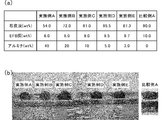
- Example As shown in FIG. 3A, Comparative Example A in which coal ash 90.0 wt% and EFB ash 10.0 wt% were mixed, coal ash 54.0 wt%, EFB ash 6.0 wt%, and alumina 40 wt% were mixed.
- Example A Example B in which coal ash 72.0 wt%, EFB ash 8.0 wt%, and alumina 20 wt% were mixed, Example B in which coal ash 81.0 wt%, EFB ash 9.0 wt%, and alumina 10 wt% were mixed C, Example D in which 85.5 wt% of coal ash, 9.5 wt% of EFB ash, and 5.0 wt% of alumina were mixed, 87.3 wt% of coal ash, 9.7 wt% of EFB ash, and 3.0 wt% of alumina were mixed Example E was created and subjected to a heating test. In Comparative Example A and Examples A to E, the coal ash is burnt ash of bituminous coal.
- the temperature was raised to 1200 ° C. in the air atmosphere and then held at the same temperature (1200 ° C.) for 2 hours.
- Example C (EFB ash: alumina ⁇ 1: 1), although the pellet shape was slightly changed as compared with Example B, it was found that the pellet hardly melted.
- Example D (EFB ash: alumina ⁇ 2: 1), it was found that the shape of the pellet was changed as compared with Example C.
- Example E (EFB ash: alumina ⁇ 3: 1), the degree of melting of the pellet was smaller than that of Comparative Example A, and an effect of increasing the melting temperature (melting point of ash) by adding alumina was observed.
- alumina has been described as an example of the aluminum compound mixed with EFB in the mixing step S150.
- the type of the aluminum compound is not limited, and may be, for example, aluminum hydroxide (Al (OH) 3 ) or a mixture of alumina and aluminum hydroxide.
- Al (OH) 3 aluminum hydroxide
- a compound other than the aluminum compound for example, a silicon compound (SiO 2 ) or a calcium compound
- SiO 2 silicon compound
- calcium compound a compound other than the aluminum compound
- the mixing step S150 is performed after performing the secondary crushing step S140 has been described as an example.
- the mixing step S150 may be performed after the drying step S130 and before the molding step S160. Thereby, the moisture content of a mixture can be adjusted with the addition of an aluminum compound.
- the present disclosure can be used for a fuel manufacturing method for manufacturing a solid fuel from EFB.
Landscapes
- Chemical & Material Sciences (AREA)
- Oil, Petroleum & Natural Gas (AREA)
- Organic Chemistry (AREA)
- Solid Fuels And Fuel-Associated Substances (AREA)
Abstract
燃料製造方法は、一次破砕部によってEFBを一次破砕する工程(一次破砕工程S120)と、乾燥部によって、一次破砕されたEFBを乾燥させる工程(乾燥工程S130)と、混合部によって、乾燥されたEFBに、Al化合物の懸濁液を混合する工程(混合工程S150)と、ペレタイザによって、Al化合物が混合されたEFBを成型する工程(成型工程S160)と、を含む。
Description
本開示は、固体燃料を製造する燃料製造方法に関する。
近年、パーム椰子からパーム油を生産した結果生じる空果房(EFB:Empty Fruit Bunch)の有効利用が期待されている。そこで、EFBをボイラの燃料の一部として利用することが考えられる。しかし、EFBは、他の木質系バイオマスと比較してカリウム(K)が多く含まれている。このため、ボイラにおいて、EFBを石炭と混焼させた場合に、石炭のみを燃焼させた場合と比較して、灰(燃焼残渣)の融点が低下する。そうすると、灰が溶融してボイラの内壁に付着して、ボイラの熱交換効率が低下してしまうという問題がある。
そこで、バイオマスにカルシウム(Ca)を添加して固体燃料を製造することで、固体燃料を燃焼させた際に生じる灰の融点を上昇させる技術が開発されている(例えば、特許文献1)。
しかし、上記特許文献1の技術では、ボイラの内壁に付着しない程度に灰の融点を上昇させるためには、大量のカルシウムを添加する必要がある。そうすると、単位体積当たりの固体燃料を燃焼させることで生じる灰の量が莫大となってしまい、固体燃料の発熱量が低下してしまうという問題がある。
本開示は、このような課題に鑑み、発熱量を維持しつつ、灰の融点を上昇させることが可能な燃料製造方法を提供することを目的としている。
上記課題を解決するために、本開示の一態様に係る燃料製造方法は、EFBを一次破砕する工程と、一次破砕された前記EFBを乾燥させる工程と、乾燥させた前記EFBに、Al化合物の懸濁液を混合する工程と、前記Al化合物が混合された前記EFBを成型する工程と、を含む。
また、前記乾燥させる工程を遂行した後に、前記乾燥させたEFBを二次破砕する工程を遂行し、前記混合する工程は、前記二次破砕する工程を遂行した後に遂行されてもよい。
また、前記Al化合物は、Al2O3、および、Al(OH)3のいずれか一方または両方であってもよい。
本開示の燃料製造方法によれば、発熱量を維持しつつ、灰の融点を上昇させることが可能となる。
以下に添付図面を参照しながら、本開示の一実施形態について詳細に説明する。かかる実施形態に示す寸法、材料、その他具体的な数値等は、理解を容易とするための例示にすぎず、特に断る場合を除き、本開示を限定するものではない。なお、本明細書および図面において、実質的に同一の機能、構成を有する要素については、同一の符号を付することにより重複説明を省略し、また本開示に直接関係のない要素は図示を省略する。
(燃料製造システム100)
図1は、燃料製造システム100を説明する図である。図1に示すように、燃料製造システム100は、選別部110と、一次破砕部120と、乾燥部130と、二次破砕部140と、懸濁液貯留部150と、混合部160と、ペレタイザ170と、冷却部180とを含んで構成される。
図1は、燃料製造システム100を説明する図である。図1に示すように、燃料製造システム100は、選別部110と、一次破砕部120と、乾燥部130と、二次破砕部140と、懸濁液貯留部150と、混合部160と、ペレタイザ170と、冷却部180とを含んで構成される。
選別部110は、原料となるEFB(Empty Fruit Bunch:空果房)を、所定の大きさ(例えば、5cm程度)以上のEFBと、所定の大きさ未満のEFBとに選別する。選別部110によって選別された所定の大きさ以上のEFBは、後段の一次破砕部120に搬送される。
一次破砕部120は、EFBを、例えば5cm程度に破砕(一次破砕)する。一次破砕部120によって破砕されたEFBは、後段の乾燥部130に搬送される。
乾燥部130は、EFBを乾燥させる。乾燥部130によって乾燥されたEFBは、後段の二次破砕部140に搬送される。
二次破砕部140は、乾燥されたEFBを、例えば1cm程度に破砕(二次破砕)する。二次破砕部140によって破砕されたEFBは、後段の混合部160に搬送される。
懸濁液貯留部150は、アルミナ(Al2O3)と水との懸濁液(スラリー)を貯留する。懸濁液貯留部150に貯留された懸濁液は、混合部160に供給される。懸濁液貯留部150に貯留される懸濁液は、後述する混合部160によって生成された混合物中の含水率が10wt%以上15wt%未満となり、また、混合物中のアルミナの含有率(wt%)が1wt%以上(好ましくは2wt%以上)となる濃度に調整される。
混合部160は、EFBと懸濁液とを混合して混合物を生成する。ペレタイザ170は、混合物を成型して、ペレット(例えば、円柱形状)を製造する。ペレタイザ170によって製造されたペレットは、後段の冷却部180に搬送される。冷却部180は、ペレットを常温(例えば、25℃程度)まで冷却して固体燃料とする。
(燃料製造方法)
続いて、燃料製造システム100を用いた燃料製造方法について説明する。図2は、燃料製造方法の処理の流れを説明するフローチャートである。図2に示すように、本実施形態にかかる燃料製造方法は、選別工程S110、一次破砕工程S120、乾燥工程S130、二次破砕工程S140、混合工程S150、成型工程S160、冷却工程S170を含む。
続いて、燃料製造システム100を用いた燃料製造方法について説明する。図2は、燃料製造方法の処理の流れを説明するフローチャートである。図2に示すように、本実施形態にかかる燃料製造方法は、選別工程S110、一次破砕工程S120、乾燥工程S130、二次破砕工程S140、混合工程S150、成型工程S160、冷却工程S170を含む。
(選別工程S110)
選別工程S110は、選別部110が、原料となるEFBを、所定の大きさ以上のEFBと、所定の大きさ未満のEFBとに選別する工程である。
選別工程S110は、選別部110が、原料となるEFBを、所定の大きさ以上のEFBと、所定の大きさ未満のEFBとに選別する工程である。
(一次破砕工程S120)
一次破砕工程S120は、一次破砕部120が、所定の大きさ以上のEFBを一次破砕する工程である。
一次破砕工程S120は、一次破砕部120が、所定の大きさ以上のEFBを一次破砕する工程である。
(乾燥工程S130)
乾燥工程S130は、乾燥部130が、一次破砕されたEFBを乾燥させる工程である。
乾燥工程S130は、乾燥部130が、一次破砕されたEFBを乾燥させる工程である。
(二次破砕工程S140)
二次破砕工程S140は、二次破砕部140が、乾燥させたEFBを二次破砕する工程である。
二次破砕工程S140は、二次破砕部140が、乾燥させたEFBを二次破砕する工程である。
(混合工程S150)
混合工程S150は、混合部160が、二次破砕されたEFBと、懸濁液とを混合して混合物を生成する工程である。
混合工程S150は、混合部160が、二次破砕されたEFBと、懸濁液とを混合して混合物を生成する工程である。
(成型工程S160)
成型工程S160は、ペレタイザ170が、生成された混合物をペレットに成型する工程である。
成型工程S160は、ペレタイザ170が、生成された混合物をペレットに成型する工程である。
(冷却工程S170)
冷却工程S170は、冷却部180が、成型されたペレットを冷却して固体燃料とする工程である。
冷却工程S170は、冷却部180が、成型されたペレットを冷却して固体燃料とする工程である。
以上説明したように、本実施形態にかかる燃料製造システム100およびこれを用いた燃料製造方法によれば、カルシウムに代えて、アルミナをEFBに添加して固体燃料を製造することにより、固体燃料が燃焼されることで生じる灰の融点を上昇させることができる。したがって、固体燃料を石炭と混焼させた場合に、灰の融点の低下を抑制することが可能となる。
また、アルミナ等のアルミニウム化合物(Al化合物)は、カルシウム化合物と比較して、灰の融点の上昇効果が高い。このため、アルミニウム化合物の添加量が、カルシウム化合物と比較して少量であっても、固体燃料の灰の融点を上昇させることができる。したがって、発熱量を維持しつつ、灰の融点を上昇させた固体燃料を製造することが可能となる。
なお、上記したように、混合部160は、二次破砕した後のEFBにアルミナを混合する。二次破砕の前にアルミナを混合すると、アルミナによって、二次破砕部140のカッターがダメージを受けてしまうおそれがある。しかし、混合部160が、二次破砕した後のEFBにアルミナを混合する構成により、二次破砕部140の破損を防止することができる。したがって、二次破砕部140の耐久性を向上させることが可能となる。
(実施例)
図3(a)に示すように、石炭灰90.0wt%、EFB灰10.0wt%を混合した比較例A、石炭灰54.0wt%、EFB灰6.0wt%、アルミナ40wt%を混合した実施例A、石炭灰72.0wt%、EFB灰8.0wt%、アルミナ20wt%を混合した実施例B、石炭灰81.0wt%、EFB灰9.0wt%、アルミナ10wt%を混合した実施例C、石炭灰85.5wt%、EFB灰9.5wt%、アルミナ5.0wt%を混合した実施例D、石炭灰87.3wt%、EFB灰9.7wt%、アルミナ3.0wt%を混合した実施例Eを作成して加熱試験を行った。なお、比較例A、実施例A~Eにおいて、石炭灰は、瀝青炭の燃焼灰である。
図3(a)に示すように、石炭灰90.0wt%、EFB灰10.0wt%を混合した比較例A、石炭灰54.0wt%、EFB灰6.0wt%、アルミナ40wt%を混合した実施例A、石炭灰72.0wt%、EFB灰8.0wt%、アルミナ20wt%を混合した実施例B、石炭灰81.0wt%、EFB灰9.0wt%、アルミナ10wt%を混合した実施例C、石炭灰85.5wt%、EFB灰9.5wt%、アルミナ5.0wt%を混合した実施例D、石炭灰87.3wt%、EFB灰9.7wt%、アルミナ3.0wt%を混合した実施例Eを作成して加熱試験を行った。なお、比較例A、実施例A~Eにおいて、石炭灰は、瀝青炭の燃焼灰である。
加熱試験では、大気雰囲気において1200℃まで昇温した後、同温度(1200℃)にて2時間保持した。
その結果、図3(b)に示すように、比較例Aでは、ペレットが溶融することが確認された。また、実施例A(EFB灰:アルミナ=3:20)では、ペレットが溶融しないことが分かった。実施例B(EFB灰:アルミナ=2:5)では、実施例Aと比較して若干ペレットの形状が変化しているものの、ペレットは溶融しないことが分かった。実施例C(EFB灰:アルミナ≒1:1)では、実施例Bと比較して若干ペレットの形状が変化しているものの、ペレットはほとんど溶融しないことが分かった。実施例D(EFB灰:アルミナ≒2:1)では、実施例Cと比較してペレットの形状が変化していることが分かった。実施例E(EFB灰:アルミナ≒3:1)においても、ペレットの溶融度合いは、比較例Aよりも小さく、アルミナの添加による溶融温度(灰の融点)の上昇効果が見られた。
以上の結果から、アルミナの添加量が多いほど、灰が溶融しないことが確認された。
以上、添付図面を参照しながら実施形態について説明したが、本開示はかかる実施形態に限定されないことは言うまでもない。当業者であれば、特許請求の範囲に記載された範疇において、各種の変更例または修正例に想到し得ることは明らかであり、それらについても当然に技術的範囲に属するものと了解される。
例えば、上記実施形態では、混合工程S150において、EFBに混合されるアルミニウム化合物としてアルミナを例に挙げて説明した。しかし、アルミニウム化合物の種類に限定はなく、例えば、水酸化アルミニウム(Al(OH)3)であってもよいし、アルミナと水酸化アルミニウムの混合物であってもよい。また、混合工程S150において、アルミニウム化合物に加えて、アルミニウム化合物以外の化合物(例えば、ケイ素化合物(SiO2)やカルシウム化合物)を混合してもよい。
また、上記実施形態において、混合工程S150は、二次破砕工程S140を遂行した後に遂行される場合を例に挙げて説明した。しかし、混合工程S150は、乾燥工程S130の後であって、成型工程S160の前に遂行されればよい。これにより、アルミニウム化合物の添加とともに、混合物の含水率の調整を行うことができる。
本開示は、EFBから固体燃料を製造する燃料製造方法に利用することができる。
S120 一次破砕工程
S130 乾燥工程
S140 二次破砕工程
S150 混合工程
S160 成型工程
S130 乾燥工程
S140 二次破砕工程
S150 混合工程
S160 成型工程
Claims (3)
- EFBを一次破砕する工程と、
一次破砕された前記EFBを乾燥させる工程と、
乾燥させた前記EFBに、Al化合物の懸濁液を混合する工程と、
前記Al化合物が混合された前記EFBを成型する工程と、
を含む燃料製造方法。 - 前記乾燥させる工程を遂行した後に、
前記乾燥させたEFBを二次破砕する工程を遂行し、
前記混合する工程は、前記二次破砕する工程を遂行した後に遂行される請求項1に記載の燃料製造方法。 - 前記Al化合物は、Al2O3、および、Al(OH)3のいずれか一方または両方である請求項1または2に記載の燃料製造方法。
Priority Applications (1)
| Application Number | Priority Date | Filing Date | Title |
|---|---|---|---|
| PCT/JP2017/013902 WO2018185804A1 (ja) | 2017-04-03 | 2017-04-03 | 燃料製造方法 |
Applications Claiming Priority (1)
| Application Number | Priority Date | Filing Date | Title |
|---|---|---|---|
| PCT/JP2017/013902 WO2018185804A1 (ja) | 2017-04-03 | 2017-04-03 | 燃料製造方法 |
Publications (1)
| Publication Number | Publication Date |
|---|---|
| WO2018185804A1 true WO2018185804A1 (ja) | 2018-10-11 |
Family
ID=63713097
Family Applications (1)
| Application Number | Title | Priority Date | Filing Date |
|---|---|---|---|
| PCT/JP2017/013902 Ceased WO2018185804A1 (ja) | 2017-04-03 | 2017-04-03 | 燃料製造方法 |
Country Status (1)
| Country | Link |
|---|---|
| WO (1) | WO2018185804A1 (ja) |
Cited By (3)
| Publication number | Priority date | Publication date | Assignee | Title |
|---|---|---|---|---|
| JP2020090674A (ja) * | 2018-10-30 | 2020-06-11 | 株式会社ブルーオーシャン産業 | 酸化アルミナを利用したバイオマス混焼または専用ボイラーのファウリング、スラッギング及び腐食防止用添加剤組成物 |
| JP2021011566A (ja) * | 2019-07-05 | 2021-02-04 | シン・エナジー株式会社 | 成形燃料、成形燃料の製造方法及びガス化方法 |
| JP2024013201A (ja) * | 2022-07-19 | 2024-01-31 | ジョン,クウォンホ | ウッドペレット製造方法 |
Citations (6)
| Publication number | Priority date | Publication date | Assignee | Title |
|---|---|---|---|---|
| JPS61228096A (ja) * | 1985-04-02 | 1986-10-11 | Fuso Kogyo Kk | 木質固形化燃料の製造方法 |
| EP1990399A1 (en) * | 2007-10-22 | 2008-11-12 | Constantijn W.H.H. Cox | Method for the treatment of the empty fruit bunch (EFB) material of palm oil trees, particulate torrefied EFB product and use of such product as auxiliary fuel in a power plant |
| JP2011219505A (ja) * | 2010-04-02 | 2011-11-04 | Jfe Engineering Corp | 籾殻の燃焼方法、籾殻のガス化方法、籾殻の燃料化方法及び籾殻燃料 |
| US20110297885A1 (en) * | 2009-02-04 | 2011-12-08 | Harold Boerrigter | Process to convert biomass |
| WO2015045430A1 (ja) * | 2013-09-30 | 2015-04-02 | 株式会社Ihi | バイオマス製造方法およびバイオマス収容装置 |
| JP2016098373A (ja) * | 2014-11-21 | 2016-05-30 | シク ナム、ムン | パーム副産物を用いた新再生エネルギー燃料用ペレット及びその製造方法 |
-
2017
- 2017-04-03 WO PCT/JP2017/013902 patent/WO2018185804A1/ja not_active Ceased
Patent Citations (6)
| Publication number | Priority date | Publication date | Assignee | Title |
|---|---|---|---|---|
| JPS61228096A (ja) * | 1985-04-02 | 1986-10-11 | Fuso Kogyo Kk | 木質固形化燃料の製造方法 |
| EP1990399A1 (en) * | 2007-10-22 | 2008-11-12 | Constantijn W.H.H. Cox | Method for the treatment of the empty fruit bunch (EFB) material of palm oil trees, particulate torrefied EFB product and use of such product as auxiliary fuel in a power plant |
| US20110297885A1 (en) * | 2009-02-04 | 2011-12-08 | Harold Boerrigter | Process to convert biomass |
| JP2011219505A (ja) * | 2010-04-02 | 2011-11-04 | Jfe Engineering Corp | 籾殻の燃焼方法、籾殻のガス化方法、籾殻の燃料化方法及び籾殻燃料 |
| WO2015045430A1 (ja) * | 2013-09-30 | 2015-04-02 | 株式会社Ihi | バイオマス製造方法およびバイオマス収容装置 |
| JP2016098373A (ja) * | 2014-11-21 | 2016-05-30 | シク ナム、ムン | パーム副産物を用いた新再生エネルギー燃料用ペレット及びその製造方法 |
Cited By (7)
| Publication number | Priority date | Publication date | Assignee | Title |
|---|---|---|---|---|
| JP2020090674A (ja) * | 2018-10-30 | 2020-06-11 | 株式会社ブルーオーシャン産業 | 酸化アルミナを利用したバイオマス混焼または専用ボイラーのファウリング、スラッギング及び腐食防止用添加剤組成物 |
| JP2022113677A (ja) * | 2018-10-30 | 2022-08-04 | 株式会社ブルーオーシャン産業 | 酸化アルミニウムを利用したバイオマス混焼または専用ボイラーのファウリング、スラッギング及び腐食を防止する方法及び添加剤組成物 |
| JP7342185B2 (ja) | 2018-10-30 | 2023-09-11 | 株式会社ブルーオーシャン産業 | 酸化アルミニウムを利用したバイオマス混焼または専用ボイラーのファウリング、スラッギング及び腐食を防止する方法及び添加剤組成物 |
| JP2023155408A (ja) * | 2018-10-30 | 2023-10-20 | 株式会社ブルーオーシャン産業 | 酸化アルミニウムを利用したバイオマス混焼または専用ボイラーのファウリング、スラッギング及び腐食を防止する方法及び添加剤組成物 |
| JP2021011566A (ja) * | 2019-07-05 | 2021-02-04 | シン・エナジー株式会社 | 成形燃料、成形燃料の製造方法及びガス化方法 |
| JP2024013201A (ja) * | 2022-07-19 | 2024-01-31 | ジョン,クウォンホ | ウッドペレット製造方法 |
| JP7550918B2 (ja) | 2022-07-19 | 2024-09-13 | ジョン,クウォンホ | ウッドペレット製造方法 |
Similar Documents
| Publication | Publication Date | Title |
|---|---|---|
| WO2018185804A1 (ja) | 燃料製造方法 | |
| CN105623773A (zh) | 一种生物质燃料及其加工方法 | |
| JP2009102468A (ja) | 燃料ペレット | |
| US8876964B2 (en) | Method of making particulate material | |
| CN103224823B (zh) | 一种复合生物质颗粒燃料及其加工工艺 | |
| JP7550918B2 (ja) | ウッドペレット製造方法 | |
| JP6713126B2 (ja) | 木質系バイオマス燃料の成形体の製造方法 | |
| TWI511806B (zh) | Method for manufacturing solid waste waste fuels for crushing residues from motor vehicles | |
| FR3026738A1 (fr) | Procede de fabrication d'un element solide en materiau de type ceramique, apte a etre utilise notamment pour le stockage de la chaleur-element solide associe | |
| KR20110109706A (ko) | 석탄회를 함유한 인공 경량 골재의 제조방법 | |
| CN105731988A (zh) | 煤矸石砖及其制备方法 | |
| KR101508537B1 (ko) | 석탄회를 이용한 인공 경량 골재의 제조방법 | |
| CN101693850A (zh) | 环保型生态燃烧炭及其制备方法 | |
| KR102172193B1 (ko) | 고형연료를 사용하는 유동층 보일러의 융착 방지제 | |
| WO2018193567A1 (ja) | 燃料製造装置、および、燃料製造方法 | |
| WO2018207229A1 (ja) | 燃料製造装置、および、燃料製造方法 | |
| KR102599856B1 (ko) | 폐타이어로부터 열분해를 통해 제조되는 카본블랙을 펠레타이징하기 위한 조성물 | |
| CN106630706A (zh) | 粘湿性钙质物料制备水泥生料的方法 | |
| US3213167A (en) | Process for making lightweight aggregate | |
| KR102828934B1 (ko) | 우드 펠릿 제조 방법 | |
| KR102910602B1 (ko) | 팜 공과방 펠릿의 제조 방법 | |
| WO2022254842A1 (ja) | 固体燃料製造装置、ボイラシステム、および、固体燃料製造方法 | |
| KR100406188B1 (ko) | 갈탄을 주성분으로 하는 고체연료 조성물의 제조방법 | |
| US2224459A (en) | Method of making light weight refractory brick | |
| KR102461678B1 (ko) | 발열량이 향상된 고형연료 펠릿 및 그 제조방법 |
Legal Events
| Date | Code | Title | Description |
|---|---|---|---|
| 121 | Ep: the epo has been informed by wipo that ep was designated in this application |
Ref document number: 17904721 Country of ref document: EP Kind code of ref document: A1 |
|
| NENP | Non-entry into the national phase |
Ref country code: DE |
|
| 122 | Ep: pct application non-entry in european phase |
Ref document number: 17904721 Country of ref document: EP Kind code of ref document: A1 |
|
| NENP | Non-entry into the national phase |
Ref country code: JP |