WO2018147257A1 - ステロイド産生細胞の製造方法 - Google Patents
ステロイド産生細胞の製造方法 Download PDFInfo
- Publication number
- WO2018147257A1 WO2018147257A1 PCT/JP2018/003946 JP2018003946W WO2018147257A1 WO 2018147257 A1 WO2018147257 A1 WO 2018147257A1 JP 2018003946 W JP2018003946 W JP 2018003946W WO 2018147257 A1 WO2018147257 A1 WO 2018147257A1
- Authority
- WO
- WIPO (PCT)
- Prior art keywords
- cells
- alkyl
- dopamine
- hydroxy
- steroidogenic
- Prior art date
- Legal status (The legal status is an assumption and is not a legal conclusion. Google has not performed a legal analysis and makes no representation as to the accuracy of the status listed.)
- Ceased
Links
- 0 CC*(C(C)C)C([C@](C)CN(C)*)=C(*)CI Chemical compound CC*(C(C)C)C([C@](C)CN(C)*)=C(*)CI 0.000 description 1
Images


Classifications
-
- A—HUMAN NECESSITIES
- A61—MEDICAL OR VETERINARY SCIENCE; HYGIENE
- A61K—PREPARATIONS FOR MEDICAL, DENTAL OR TOILETRY PURPOSES
- A61K35/00—Medicinal preparations containing materials or reaction products thereof with undetermined constitution
- A61K35/12—Materials from mammals; Compositions comprising non-specified tissues or cells; Compositions comprising non-embryonic stem cells; Genetically modified cells
-
- C—CHEMISTRY; METALLURGY
- C12—BIOCHEMISTRY; BEER; SPIRITS; WINE; VINEGAR; MICROBIOLOGY; ENZYMOLOGY; MUTATION OR GENETIC ENGINEERING
- C12N—MICROORGANISMS OR ENZYMES; COMPOSITIONS THEREOF; PROPAGATING, PRESERVING, OR MAINTAINING MICROORGANISMS; MUTATION OR GENETIC ENGINEERING; CULTURE MEDIA
- C12N5/00—Undifferentiated human, animal or plant cells, e.g. cell lines; Tissues; Cultivation or maintenance thereof; Culture media therefor
- C12N5/10—Cells modified by introduction of foreign genetic material
-
- C—CHEMISTRY; METALLURGY
- C12—BIOCHEMISTRY; BEER; SPIRITS; WINE; VINEGAR; MICROBIOLOGY; ENZYMOLOGY; MUTATION OR GENETIC ENGINEERING
- C12Q—MEASURING OR TESTING PROCESSES INVOLVING ENZYMES, NUCLEIC ACIDS OR MICROORGANISMS; COMPOSITIONS OR TEST PAPERS THEREFOR; PROCESSES OF PREPARING SUCH COMPOSITIONS; CONDITION-RESPONSIVE CONTROL IN MICROBIOLOGICAL OR ENZYMOLOGICAL PROCESSES
- C12Q1/00—Measuring or testing processes involving enzymes, nucleic acids or microorganisms; Compositions therefor; Processes of preparing such compositions
- C12Q1/02—Measuring or testing processes involving enzymes, nucleic acids or microorganisms; Compositions therefor; Processes of preparing such compositions involving viable microorganisms
-
- C—CHEMISTRY; METALLURGY
- C12—BIOCHEMISTRY; BEER; SPIRITS; WINE; VINEGAR; MICROBIOLOGY; ENZYMOLOGY; MUTATION OR GENETIC ENGINEERING
- C12Q—MEASURING OR TESTING PROCESSES INVOLVING ENZYMES, NUCLEIC ACIDS OR MICROORGANISMS; COMPOSITIONS OR TEST PAPERS THEREFOR; PROCESSES OF PREPARING SUCH COMPOSITIONS; CONDITION-RESPONSIVE CONTROL IN MICROBIOLOGICAL OR ENZYMOLOGICAL PROCESSES
- C12Q1/00—Measuring or testing processes involving enzymes, nucleic acids or microorganisms; Compositions therefor; Processes of preparing such compositions
- C12Q1/68—Measuring or testing processes involving enzymes, nucleic acids or microorganisms; Compositions therefor; Processes of preparing such compositions involving nucleic acids
- C12Q1/6844—Nucleic acid amplification reactions
- C12Q1/6851—Quantitative amplification
Definitions
- the present invention relates to a method for producing steroidogenic cells. Specifically, the method of the present invention is characterized by inducing differentiation induction of steroid-producing cells by treating intermediate mesoderm cells with a dopamine D1 receptor agonist or the like.
- Steroid hormones are essential for survival. If sufficient amounts of steroid hormones are not produced from the adrenal cortex, adrenal insufficiency will result, leading to a crisis of survival. In such a case, emergency treatment is required.
- Glucocorticoid replacement therapy is standard as such treatment, but there are serious side effects such as adrenal injury, obesity, osteoporosis, hypertension and glucose intolerance, and the burden on the patient is very large.
- Non-patent Document 1 mouse embryonic stem cells
- MSC mesenchymal stem cells
- Examples include obtaining steroid-producing cells (Non-Patent Documents 2 to 6) and examples in which steroid-producing cells are derived from human pluripotent stem cells (Non-Patent Document 7).
- these studies have problems such as limited steroid production or insufficient characterization of steroidogenic cells.
- the inventors of the present invention have made extensive studies to solve the above-mentioned problems, and found that treatment of intermediate mesoderm cells with a dopamine D1 receptor agonist or the like induces differentiation into steroidogenic cells, thereby completing the present invention. It came to. In addition, it has also been found that by using 3 ⁇ -hydroxysteroid dehydrogenase as an indicator, it is possible to screen for intermediate mesoderm cells that produce steroids.
- the invention therefore relates to the following: (1) Including differentiation induction into steroid-producing cells by treating intermediate mesoderm cells with one or more substances selected from the group consisting of dopamine D1 receptor agonist, adrenocorticotropic hormone (ACTH) and dopamine , A method for producing steroidogenic cells; (2) The method according to (1), wherein the substance contains a dopamine D1 receptor agonist; (3) The method according to (1) or (2), wherein the substance comprises a dopamine D1 receptor agonist and ACTH; (4)
- a dopamine D1 receptor agonist is represented by the following formulas (I) to (III): (I) [Wherein R 1 and R 2 are independently hydrogen, hydroxy, C 1-6 alkyl or halogen, and R 3 is (CH 2 ) m NR x R y , where R x and R y Is independently hydrogen or C 1-3 alkyl), m is an integer from 1 to 3, and A may have an unsaturated bond and is substituted with hydroxy
- any one of (1) to (4) which is more than that; (6) The method according to any one of (1) to (5), wherein the intermediate mesoderm cell is obtained by inducing differentiation of a pluripotent stem cell; (7) The method according to any one of (1) to (6), wherein the intermediate mesoderm cell is derived from a human; (8) The method according to any one of (1) to (7), wherein the intermediate mesoderm cell is one in which the SF-1 gene is forcibly expressed; (9) A kit for producing steroidogenic cells from intermediate mesoderm cells, comprising a dopamine D1 receptor agonist; (10) A screening method for a substance that induces differentiation of steroid-producing cells from intermediate mesoderm cells, which comprises using the expression of 3 ⁇ -hydroxysteroid dehydrogenase as an index; (11) a steroidogenic cell culture obtained by the method according to any one of (1) to (8); and (12) a steroid obtained by the method according to any one of (1) to (8)
- steroidogenic cells can be induced to differentiate efficiently and efficiently from intermediate mesoderm cells. Therefore, differentiation can be efficiently induced from pluripotent stem cells to steroidogenic cells in large quantities. Furthermore, according to the present invention, it is possible to easily screen for intermediate mesoderm cells that produce steroids.
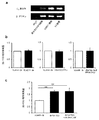
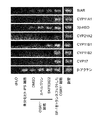
- FIG. 1a shows the results of examining steroidogenic enzyme mRNA expression in OSR1 + cells.
- FIG. 1b schematically shows a screening method for nominal molecular compounds that promote the differentiation of human iPS cell-derived intermediate mesoderm cells into steroidogenic cells.
- FIG. 1c shows the proportion of cultures treated with cabergoline and control 3 ⁇ -HSD positive cells.
- FIG. 1d shows cabergoline concentration dependent 3 ⁇ -HSD mRNA expression.
- FIG. 2a shows the results of examining dopamine D2 receptor expression in OSR1 + cells.
- FIG. 2b shows the results of examining 3 ⁇ -HSD expression when OSR1 + cells were treated with a dopamine D2 receptor agonist.
- FIG. 1a shows the results of examining steroidogenic enzyme mRNA expression in OSR1 + cells.
- FIG. 1b schematically shows a screening method for nominal molecular compounds that promote the differentiation of human iPS cell-derived intermediate mesoderm cells into steroidogenic
- FIG. 2 c shows the results of examining the effect of metoclopramide, a dopamine D2 receptor antagonist, on OSR1 + cells.
- FIG. 3a shows the results of examining dopamine D1 receptor expression in OSR1 + cells.
- FIG. 3b shows the results of examining 3 ⁇ -HSD expression when OSR1 + cells were treated with a dopamine D1 receptor agonist.
- FIG. 3c shows that the promoting effect of cabergoline was blocked by the D1 receptor antagonist (SKF83566).
- FIG. 3d shows the results of investigating the influence of cabergoline and SKF83566 on the increase in cAMP by cabergoline.
- FIG. 4 shows the results of examining the mRNA expression of steroidogenic enzymes gene OSR1 + IM cells and SF-1 that were not transfected with SF-1 in the OSR1 + IM transfected cells.
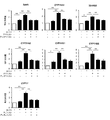
- FIG. 5 shows the results of examining the effects of a dopamine D1 receptor agonist and ACTH on steroid synthase mRNA expression in SF-1 transfected IM cells.
- the present invention provides a steroid-producing cell by treating intermediate mesoderm cells with one or more substances selected from the group consisting of a dopamine D1 receptor agonist, an adrenocorticotropic hormone (ACTH) and dopamine.
- a method for producing a steroidogenic cell comprising inducing differentiation is provided.
- each of the dopamine D1 receptor agonist, ACTH, or dopamine may be used alone, or two or all of these may be used in combination.
- Intermediate mesoderm cells may be treated using substances other than the above substances and combinations thereof.
- the substance comprises a dopamine D1 receptor agonist.
- intermediate mesoderm cells may be treated with only a dopamine D1 receptor agonist, or intermediate mesoderm cells may be treated with a substance other than a dopamine D1 receptor agonist.
- the substance comprises a dopamine D1 receptor agonist and ACTH.
- intermediate mesoderm cells may be treated with dopamine D1 receptor agonist and ACTH alone, or intermediate mesoderm cells may be treated with a substance other than dopamine D1 receptor agonist and ACTH. Treatment of intermediate mesoderm cells with a dopamine D1 receptor agonist and ACTH will be described later.
- Intermediate mesoderm cells are cells that can differentiate into the anterior kidney, intermediate kidney, intermediate renal canal, metanephros, adrenal cortex and gonads.
- the origin of the intermediate mesoderm cell is not particularly limited, but is preferably a mammal, more preferably a human.
- the intermediate mesoderm cell used in the present invention may be an already established cell (for example, a cell distributed from a research institution), or may be a cell derived from differentiation from a pluripotent stem cell. .
- a pluripotent stem cell is a stem cell that can be differentiated into all cells existing in a living body and also has proliferative ability.
- Pluripotent stem cells are known to those skilled in the art, and are induced pluripotent stem cells (iPS cells), embryonic stem cells (ES cells), cloned embryo-derived ES cells (nt ES cells) obtained by nuclear transfer, sperm stem cells (GS cells), embryonic germ cells (EG cells) and the like, but are not limited thereto.
- iPS cells induced pluripotent stem cells
- ES cells embryonic stem cells
- nt ES cells cloned embryo-derived ES cells obtained by nuclear transfer
- GS cells sperm stem cells
- EG cells embryonic germ cells
- iPS cells can be obtained by introducing nuclear reprogramming factors into somatic cells.
- the nuclear reprogramming factor basically includes an Oct family gene or the gene product, a Klf family gene or the gene product, a Sox family gene or the gene product, and a Myc family gene or the gene product.
- the induction efficiency of iPS cells may be increased by introducing Lin28 gene or the gene product, nanog gene or the gene product into somatic cells.
- Methods for introducing nuclear reprogramming factors into somatic cells are also known.
- iPS cell establishment efficiency may be increased by treating cells with a histone deacetylase (HDAC) inhibitor after introduction of a nuclear reprogramming factor.
- HDAC histone deacetylase
- iPS cells can also be obtained from, for example, iPS Cell Research Institute (CiRA), Kyoto University.
- ES cells can be obtained by removing the inner cell mass from the blastocyst of the fertilized egg of the subject animal and culturing. Techniques and culture methods for this are also known. Human ES cells can also be obtained from, for example, the Institute of Regenerative Medicine, Kyoto University.
- a method for inducing differentiation from pluripotent stem cells to intermediate mesoderm cells is also known.
- the method described in Araoka et al., PLoS One: 9 (1) (e84881), the method described in Mae et al., Nat. Commun. 4, 1367 (2013), and the like can be used.
- the method described in Japanese Patent No. 5896360 may be used.
- Odd-skipped retaled 1 (OSR1) can be used.
- intermediate mesoderm cells may be obtained by introducing a GFP gene linked to the OSR1 gene into human iPS cells, inducing differentiation, and sorting using a cell sorter.
- Dopamine receptors are mainly distributed in the central nervous system and cause various physiological actions by binding to the neurotransmitter dopamine.
- the dopamine D1 receptor is one of five currently known dopamine receptors.
- a D1 receptor agonist is an agonist that acts on the dopamine D1 receptor and exhibits the same function as dopamine.
- the dopamine D1 receptor agonist used in the present invention may act not only on the dopamine D1 receptor but also on the dopamine D2-D5 receptors. Further, the dopamine D1 receptor agonist used in the present invention may be one type or two or more types.
- Dopamine D1 receptor agonists preferably used in the present invention include the following formulas (I) to (III): (I) [Wherein R 1 and R 2 are independently hydrogen, hydroxy, C 1-6 alkyl or halogen, and R 3 is (CH 2 ) m NR x R y , wherein R x And R y is independently hydrogen or C 1-3 alkyl), m is an integer of 1-3, A may have an unsaturated bond, hydroxy, C 1-6 alkyl or halogen Means a saturated or unsaturated carbocyclic group optionally substituted by (II) [Wherein R 4 , R 5 , R 6 , R 7 are independently hydrogen, hydroxy, C 1-6 alkyl or halogen, or R 6 and R 7 together are hydroxy, Forms a pyrrole ring optionally substituted with C 1-6 alkyl or halogen, R 8 is hydrogen, C 1-6 alkyl or CH 2 CHCH 2 , R 9 is hydrogen, hydroxy, C 1-6
- Examples of preferred compounds of formula (I) include R 1 is hydrogen or hydroxy, R 2 is hydrogen or hydroxy, R 3 is CH 3 NH 2 , A is hydroxy, C 1-6 alkyl or halogen And a compound which may be a benzene ring or an adamantyl ring.
- Specific examples of preferred compounds represented by formula (I) include, but are not limited to, A68930 and A77636.
- Examples of preferred compounds of formula (II) include R 4 is hydrogen or hydroxy, R 5 is hydrogen or hydroxy, R 6 is hydrogen, R 7 is hydrogen, or R 6 and R 7 together are hydroxy Forms a pyrrole ring optionally substituted with C 1-6 alkyl or halogen, R 8 is prime or CH 2 CHCH 2 , R 9 is CH 2 —S—CH 3 or And R 10 is hydrogen, or R 9 and R 10 together form a benzene ring optionally substituted with hydroxy, C 1-6 alkyl or halogen.
- Specific examples of preferred compounds represented by formula (II) include, but are not limited to, cabergoline, CY208-243, pergolide, dihydrexidine and the like.
- Examples of preferred compounds of formula (III) include those in which R 11 is hydrogen or halogen, R 12 is hydrogen or hydroxy, R 13 is hydrogen or hydroxy, R 14 is hydrogen, methyl or CH 2 CHCH 2 Can be mentioned.
- Specific examples of the preferred compound represented by the formula (III) include, but are not limited to, fenoldopam, SKF38393, SKF77434, SKF83822, SKF83959, SKF81297, SKF82958, and the like.
- a salt or solvate of the above compound may be used.
- the salt of the above compound include, but are not limited to, hydrochloride, hydrobromide, maleate, mesylate and the like.
- solvates of the above compounds include, but are not limited to, hydrates.
- halogen includes chlorine, bromine and iodine.
- C 1-6 alkyl means an alkyl group having 1 to 6 carbon atoms.
- the compounds of formulas (I) to (III) used in the present invention include all structural isomers and stereoisomers.
- Intermediate mesoderm cells treated with a dopamine D1 receptor agonist may be provided as a purified cell population or may be provided as a cell population containing other types of cells.
- Treating intermediate mesoderm cells with a dopamine D1 receptor agonist means placing the intermediate mesoderm cell dopamine D1 receptor and dopamine D1 agonist in a state where they can interact.
- the intermediate mesoderm cells are typically contacted by contacting the intermediate mesoderm cells with a dopamine D1 agonist, more typically by culturing the intermediate mesoderm cells in a medium containing a dopamine D1 receptor agonist. It can be treated with a dopamine D1 receptor agonist.
- the medium for treatment of intermediate mesoderm cells with a dopamine D1 receptor agonist to induce differentiation into steroidogenic cells may be any animal cell culture medium that contains a dopamine D1 receptor agonist.
- EMEM Examples include, but are not limited to, a medium, a DMEM medium, an RPMI 1640 medium, a Ham's F12 medium, a Medium 199 medium, and a modified medium thereof, and a mixed medium thereof.
- a culture vessel treated with a coating agent can be used.
- Coating agents include, but are not limited to, Matrigel TM , collagen, gelatin, etc., and combinations thereof.
- the amount of dopamine D1 receptor agonist in the medium can be appropriately determined by measuring the expression and / or enzymatic activity of the steroid synthase gene in the cell and / or the amount of steroids produced from the cell. .
- the amount of dopamine D1 receptor agonist in the medium can be about 0.1 ⁇ M to several tens of ⁇ M.
- Various conditions for inducing differentiation into steroidogenic cells by culturing intermediate mesoderm cells in a medium containing a dopamine D1 receptor agonist can also be determined as appropriate.
- the culture may be performed in a medium containing a dopamine D1 receptor agonist at 37 ° C. in the presence of 5 to 10% carbon dioxide for about 2 to about 30 days.
- cells may be subcultured as necessary.
- one kind of dopamine D1 receptor agonist may be used, or two or more kinds of dopamine D1 receptor agonists may be used.
- a steroid synthase gene in a cell can be measured using a method such as quantitative real-time PCR (qRT-PCR).
- steroid synthase include, but are not limited to, steroidogenic acute regulatory protein (StAR), CYP11A1, CYP21A2, CYP11B1, CYP17 and 3 ⁇ -hydroxysteroid dehydrogenase (3 ⁇ -HSD).
- StAR steroidogenic acute regulatory protein
- CYP11A1, CYP21A2, CYP11B1, CYP17 3 ⁇ -hydroxysteroid dehydrogenase (3 ⁇ -HSD).
- a method for measuring the activity of steroid synthase is also known.
- Steroids secreted into the medium can be measured, for example, by enzyme immunoassay. Kits for such enzyme immunoassays are also commercially available.
- the steroidogenic cell in the present invention is an intermediate mesoderm cell that has been induced to differentiate by treatment with a dopamine D1 receptor agonist, and compared to a case in which differentiation is induced without treatment with a dopamine D1 receptor agonist. It is a cell in which the productivity of the species is increased as a whole.
- steroids include, but are not limited to, glucocorticoids such as cortisol, mineralocorticoids such as aldosterone, androgens such as dehydroepiandrosterone (DHEA) and testosterone.
- the amount of steroid produced from cells can be further increased by treating intermediate mesoderm cells with a dopamine D1 receptor agonist and ACTH.
- the intermediate mesoderm cells may be treated with ACTH at the same time as or before or after treatment of the intermediate mesoderm cells with the dopamine D1 receptor agonist.
- intermediate mesoderm cells are cultured in a medium containing a dopamine D1 receptor agonist and ACTH to induce differentiation into steroidogenic cells.
- the amount of ACTH added to the medium can be appropriately determined by measuring, for example, the amount of steroids produced by differentiation-induced cells, but is generally about 0.1 ⁇ M to several tens of ⁇ M. it can.
- the amount of steroid produced can be further increased by using an intermediate mesoderm cell in which SF-1 is forcibly expressed.
- SF-1 is a major regulator in transcription of steroid synthesis genes.
- the forced expression of SF-1 can be performed by a known method such as transfection using an expression vector.
- the present invention provides a kit for producing steroidogenic cells from intermediate mesoderm cells comprising a dopamine D1 receptor agonist.
- the kit of the present invention may contain intermediate mesoderm cells, a culture vessel, a medium, etc. in addition to the dopamine D1 receptor agonist.
- an instruction manual is attached to the kit.
- the present invention provides a screening method for a substance that induces differentiation of steroidogenic cells from intermediate mesoderm cells, which comprises using the expression level of 3 ⁇ -HSD as an index. Since 3 ⁇ -HSD is an essential enzyme for corticosteroid synthesis, there is a correlation between the expression level of this enzyme and the steroidogenic ability of cells. The expression level of this enzyme can be measured using, for example, qRT-PCR.
- the present invention provides a screening kit for a substance that induces differentiation of steroid-producing cells from intermediate mesoderm cells, including means for measuring the expression level of 3 ⁇ -HSD.
- the kit may contain, for example, primers necessary for qRT-PCR for measuring the expression level of 3 ⁇ -HSD.
- an instruction manual is attached to the kit.
- the present invention provides a steroidogenic cell culture obtained by the production method of the present invention.
- a person skilled in the art can cultivate steroid-producing cells by appropriately selecting a culture method and culture conditions.
- the present invention provides a pharmaceutical composition comprising steroidogenic cells obtained by the production method of the present invention.
- Those skilled in the art can produce the pharmaceutical composition of the present invention by appropriately selecting carriers, excipients, additives and the like.
- the pharmaceutical composition of the present invention may be used for the treatment of adrenal insufficiency. Therefore, in one specific example of this aspect, the present invention provides a pharmaceutical composition comprising steroidogenic cells obtained by the production method of the present invention for the treatment of adrenal dysfunction.
- the present invention provides a method for treating adrenal insufficiency in a patient, comprising administering the steroidogenic cells obtained by the production method of the present invention to a patient with adrenal insufficiency.
- the present invention provides the use of a steroidogenic cell obtained by the production method of the present invention in the manufacture of a medicament for the treatment of adrenal dysfunction.
- the present invention provides a steroidogenic cell obtained by the production method of the present invention, which is used for the treatment of adrenal dysfunction.
- RNA expression of steroidogenic enzymes in the OSR1 + cells was examined.
- Reverse transcription PCR (RT-PCR) analysis showed StAR and 3 ⁇ -HSD mRNA expression, but mRNA expression of other steroid synthases such as cytochrome P450 (CYP) 11A1, CYP21A2, CYP11B1, CYP11B2, CYP17 Not shown in IM cells (FIG. 1a). Since 3 ⁇ -HSD is an essential enzyme for the production of corticosteroids, it was considered to be an appropriate marker. Then, primary screening of small molecule compounds that promote differentiation of human iPS cell-derived IM cells into steroidogenic cells was performed using immunostaining of 3 ⁇ -HSD. The outline is shown in FIG.
- IM cells were induced via embryoid body (EB) formation according to the method described in Mae et al., Nat. Commun. 4, 1367 (2013).
- Isolated OSR1-GFP + cells were seeded in 348 well plates (8000 / well) and the next day each compound was added to each well.
- Four days after compound addition cells were stained with 3 ⁇ -HSD antibody.
- Wells that showed 3 ⁇ -HSD positivity (%) 10 times or more than cells treated with carrier (1% DMSO) were considered hits in the primary screening.
- carrier 1% DMSO
- the percentage of 3 ⁇ -HSD positive cells in the cabergoline-treated culture was 1.59%, higher than the DMSO-treated control (0.07 ⁇ 0.01%) (FIG. 1c).
- qRT-PCR analysis also showed that 3 ⁇ -HSD mRNA expression increased in a dose-dependent manner at the concentrations tested (cabergoline 1 nM-20 ⁇ M) (FIG. 1d).
- Cabergoline up-regulates 3 ⁇ -HSD mRNA expression
- Cabergoline is known as an effective and high-affinity agonist of the dopamine D2 receptor. Therefore, it was considered that dopamine D2 signaling upregulated 3 ⁇ -HSD mRNA expression in OSR1 + cells.
- RT-PCR was used to examine the expression of dopamine D2 receptor in OSR1 + cells, it was found that the expression level was equivalent to that of human adrenal gland (FIG. 2a).
- dopamine D2 receptor agonists 10 ⁇ M quinpirole, 1 ⁇ M bromocriptine and 10 ⁇ M propylnorapomorphine
- RT-PCR analysis revealed that dopamine D1 receptor was not expressed in undifferentiated human iPS cells but was expressed in OSR1 + cells (FIG. 3a).
- OSR1 + cells were treated with 3 types of dopamine D1 receptor agonists (10 ⁇ M pergolide, 10 ⁇ M A68930, 1 ⁇ M SKF83822) for 4 days, and all were confirmed to up-regulate 3 ⁇ -HSD mRNA expression (FIG. 3b).
- qRT-PCR analysis showed that the promoting effect of cabergoline (20 ⁇ M) was blocked by the D1 receptor antagonist (10 ⁇ M SKF83566) (FIG.
- cabergoline activated the dopamine D1 receptor. It was suggested that this promotes 3 ⁇ -HSD mRNA expression.
- cabergoline acts by activation of dopamine D1 receptor
- cells were treated with cabergoline and SKF83566, and then intracellular cyclic AMP known as the second messenger of dopamine D1 receptor ( cAMP) assay.
- cAMP dopamine D1 receptor
- Cabergoline significantly increased intracellular cAMP, but co-administration with SKF83566 ceased to increase cAMP by cabergoline (FIG. 3d). Taken together, these results indicate that dopamine D1 receptor signaling increases intracellular cAMP and promotes differentiation into steroidogenic cells.
- IM cells For transfection, about 5 ⁇ 10 5 OSR1 + IM cells were transfected with 2 ⁇ g of an expression plasmid (pCMFlag-hsNR5A1; RIKEN BRC, Saitama, Japan) encoding SH-F-1 driven by a cytomegalovirus promoter. . Transfection was performed using electroporation with Nucleofector TM (Lonza, Basel, Switzerland). The transfection efficiency was about 60%.
- the present invention is very useful in the field of producing cells used for regenerative medicine and disease research.
Landscapes
- Health & Medical Sciences (AREA)
- Chemical & Material Sciences (AREA)
- Life Sciences & Earth Sciences (AREA)
- Engineering & Computer Science (AREA)
- Organic Chemistry (AREA)
- Zoology (AREA)
- Wood Science & Technology (AREA)
- Genetics & Genomics (AREA)
- Biotechnology (AREA)
- General Health & Medical Sciences (AREA)
- Bioinformatics & Cheminformatics (AREA)
- Proteomics, Peptides & Aminoacids (AREA)
- Microbiology (AREA)
- General Engineering & Computer Science (AREA)
- Biochemistry (AREA)
- Immunology (AREA)
- Biomedical Technology (AREA)
- Physics & Mathematics (AREA)
- Biophysics (AREA)
- Analytical Chemistry (AREA)
- Cell Biology (AREA)
- Molecular Biology (AREA)
- Epidemiology (AREA)
- Virology (AREA)
- Medicinal Chemistry (AREA)
- Pharmacology & Pharmacy (AREA)
- Developmental Biology & Embryology (AREA)
- Animal Behavior & Ethology (AREA)
- Public Health (AREA)
- Veterinary Medicine (AREA)
- Chemical Kinetics & Catalysis (AREA)
- Micro-Organisms Or Cultivation Processes Thereof (AREA)
- Measuring Or Testing Involving Enzymes Or Micro-Organisms (AREA)
- Medicines Containing Material From Animals Or Micro-Organisms (AREA)
- Pharmaceuticals Containing Other Organic And Inorganic Compounds (AREA)
Abstract
本発明は、中間中胚葉細胞をドパミンD1受容体アゴニストで処理してステロイド産生細胞に分化誘導することを含む、ステロイド産生細胞の製造方法、ドパミンD1受容体アゴニストを含む、中間中胚葉細胞からステロイド産生細胞を製造するためのキット、3β-ヒドロキシステロイドデヒドロゲナーゼの発現を指標とすることを含む、中間中胚葉細胞からステロイド産生細胞を分化誘導する物質のスクリーニング方法、上記製造方法にて得られたステロイド産生細胞培養物、ならびに上記製造方法にて得られたステロイド産生細胞を含む医薬組成物を提供する。
Description
本発明は、ステロイド産生細胞の製造方法に関する。詳細には、本発明の方法は、中間中胚葉細胞をドパミンD1受容体アゴニスト等で処理してステロイド産生細胞を分化誘導することを特徴とする。
ステロイドホルモンは生存に必要不可欠なものである。副腎皮質から十分な量のステロイドホルモンが産生されないと、副腎機能不全となり、生存の危機に瀕することとなる。このような場合には、緊急の処置が必要となる。かかる処置としてはグルココルチコイド補充療法が標準的なものであるが、副腎の損傷、肥満、骨粗鬆症、高血圧およびグルコース不耐症などの重大な副作用があり、患者の負担も非常に大きい。
このような処置に代わるものとして、多能性幹細胞を用いる再生医療に期待が寄せられている。多能性幹細胞からのステロイド産生細胞の製造例としては、マウス胚性幹細胞からステロイド産生細胞を誘導した例(非特許文献1)、間葉系幹細胞(MSC)においてSF-1を強制発現させてステロイド産生細胞を得た例(非特許文献2~6)、ヒト多能性幹細胞からステロイド産生細胞を誘導した例(非特許文献7)などがある。しかしながら、これらの研究においては、ステロイド産生が限定的である、あるいはステロイド産生細胞の特徴付けが十分でないといった問題があった。
Crawford, P.A., Sadovsky, Y. & Milbrandt, J. Nuclear receptor steroidogenic factor 1 directs embryonic stem cells toward the steroidogenic lineage. Mol Cell Biol. 17, 3997-4006 (1997).
Yanase, T. et al. Differentiation and regeneration of adrenal tissues: An initial step toward regeneration therapy for steroid insufficiency. Endocr. J. 53, 449-459 (2006).
Tanaka, T. et al. Steroidogenic factor 1/adrenal 4 binding protein transforms human bone marrow mesenchymal cells into steroidogenic cells. J. Mol. Endocrinol 39, 343-350 (2007).
Yazawa, T. et al. Differentiation of adult stem cells derived from bone marrow stroma into Leydig or adrenocortical cells. Endocrinology 147, 4104-4111 (2006).
Gondo, S. et al. Adipose tissue-derived and bone marrow-derived mesenchymal cells develop into different lineage of steroidogenic cells by forced expression of steroidogenic factor 1. Endocrinology 149, 4717-4725 (2008).
Gondo, S. et al. SF-1/Ad4BP transforms primary long-term cultured bone marrow cells into ACTH-responsive steroidogenic cells. Genes Cells 9, 1239-1247 (2004).
Sonoyama, T. et al. Differentiation of human embryonic stem cells and human induced pluripotent stem cells into steroid-producing cells. Endocrinology 153, 4336-4345 (2012).
ステロイド産生量が多く、十分に特徴付けされたステロイド産生細胞を、中間中胚葉細胞から大量かつ効率的に分化誘導する必要がある。
本発明者らは、上記課題を解決するために鋭意研究を重ね、中間中胚葉細胞をドパミンD1受容体アゴニスト等で処理すると、ステロイド産生細胞に分化誘導されることを見出し、本発明を完成させるに至った。併せて、3β-ヒドロキシステロイドデヒドロゲナーゼを指標とすることにより、ステロイドを産生する中間中胚葉細胞のスクリーニングを行うことができることも見出した。
したがって、本発明は、以下に関するものである:
(1)中間中胚葉細胞をドパミンD1受容体アゴニスト、副腎皮質刺激ホルモン(ACTH)およびドパミンからなる群より選択される1またはそれ以上の物質で処理してステロイド産生細胞に分化誘導することを含む、ステロイド産生細胞の製造方法;
(2)該物質がドパミンD1受容体アゴニストを含むものである、(1)記載の方法;
(3)該物質がドパミンD1受容体アゴニストおよびACTHを含むものである、(1)または(2)記載の方法;
(4)ドパミンD1受容体アゴニストが下式(I)~(III):

(I)
[式中、R1およびR2は独立して水素、ヒドロキシ、C1-6アルキルまたはハロゲンであり、R3は(CH2)mNRxRyであり(ここに、RxおよびRyは独立して水素またはC1~3アルキルである)、mは1~3の整数であり、Aは不飽和結合を有していてもよく、ヒドロキシ、C1-6アルキルまたはハロゲンで置換されていてもよい飽和または不飽和の炭素環式の基を意味する]、

(II)
[式中、R4、R5、R6、R7は独立して水素、ヒドロキシ、C1-6アルキルまたはハロゲンであるか、あるいはR6とR7は一緒になってヒドロキシ、C1-6アルキルまたはハロゲンで置換されていてもよいピロール環を形成し、R8は水素、C1-6アルキルまたはCH2CHCH2であり、R9は水素、ヒドロキシ、C1-6アルキル、ハロゲン、CH2-S-Ra(ここに、RaはC1-6アルキルである)、または

(式中、Rb、Rc、Rd、Reは独立して水素またはC1-6アルキルであり、nは1~3の整数である)
であり、R10は水素、ヒドロキシ、C1-6アルキルまたはハロゲンであるか、あるいはR9とR10は一緒になってヒドロキシ、C1-6アルキルまたはハロゲンで置換されていてもよいベンゼン環を形成する]、

(III)
[式中、R11、R12、R13は独立して水素、ヒドロキシ、C1-6アルキルまたはハロゲンであり、R14は水素、C1-6アルキルまたはCH2CHCH2であり、Bはヒドロキシ、C1-6アルキルまたはハロゲンで置換されていてもよいベンゼン環である]
で示される化合物、ならびにこれらの塩および溶媒和物からなる群より選択される1種またはそれ以上のものである、(1)~(3)のいずれかに記載の方法;
(5)ドパミンD1アゴニストがA68930、A77636、カベルゴリン、CY208-243、ペルゴリド、フェノルドパム、SKF38393、SKF77434、SKF83822、SKF83959、SKF81297、SKF82958、ならびにこれらの塩および水和物からなる群より選択される1種またはそれ以上のものである、(1)~(4)のいずれかに記載の方法;
(6)中間中胚葉細胞が多能性幹細胞を分化誘導して得られたものである、(1)~(5)のいずれかに記載の方法;
(7)中間中胚葉細胞がヒト由来のものである、(1)~(6)のいずれかに記載の方法;
(8)中間中胚葉細胞が、SF-1遺伝子を強制発現されているものである、(1)~(7)のいずれかに記載の方法;
(9)ドパミンD1受容体アゴニストを含む、中間中胚葉細胞からステロイド産生細胞を製造するためのキット;
(10)3β-ヒドロキシステロイドデヒドロゲナーゼの発現を指標とすることを含む、中間中胚葉細胞からステロイド産生細胞を分化誘導する物質のスクリーニング方法;
(11)(1)~(8)のいずれかに記載の方法で得られたステロイド産生細胞培養物;ならびに
(12)(1)~(8)のいずれかに記載の方法で得られたステロイド産生細胞を含む医薬組成物。
(1)中間中胚葉細胞をドパミンD1受容体アゴニスト、副腎皮質刺激ホルモン(ACTH)およびドパミンからなる群より選択される1またはそれ以上の物質で処理してステロイド産生細胞に分化誘導することを含む、ステロイド産生細胞の製造方法;
(2)該物質がドパミンD1受容体アゴニストを含むものである、(1)記載の方法;
(3)該物質がドパミンD1受容体アゴニストおよびACTHを含むものである、(1)または(2)記載の方法;
(4)ドパミンD1受容体アゴニストが下式(I)~(III):
[式中、R1およびR2は独立して水素、ヒドロキシ、C1-6アルキルまたはハロゲンであり、R3は(CH2)mNRxRyであり(ここに、RxおよびRyは独立して水素またはC1~3アルキルである)、mは1~3の整数であり、Aは不飽和結合を有していてもよく、ヒドロキシ、C1-6アルキルまたはハロゲンで置換されていてもよい飽和または不飽和の炭素環式の基を意味する]、
[式中、R4、R5、R6、R7は独立して水素、ヒドロキシ、C1-6アルキルまたはハロゲンであるか、あるいはR6とR7は一緒になってヒドロキシ、C1-6アルキルまたはハロゲンで置換されていてもよいピロール環を形成し、R8は水素、C1-6アルキルまたはCH2CHCH2であり、R9は水素、ヒドロキシ、C1-6アルキル、ハロゲン、CH2-S-Ra(ここに、RaはC1-6アルキルである)、または
であり、R10は水素、ヒドロキシ、C1-6アルキルまたはハロゲンであるか、あるいはR9とR10は一緒になってヒドロキシ、C1-6アルキルまたはハロゲンで置換されていてもよいベンゼン環を形成する]、
[式中、R11、R12、R13は独立して水素、ヒドロキシ、C1-6アルキルまたはハロゲンであり、R14は水素、C1-6アルキルまたはCH2CHCH2であり、Bはヒドロキシ、C1-6アルキルまたはハロゲンで置換されていてもよいベンゼン環である]
で示される化合物、ならびにこれらの塩および溶媒和物からなる群より選択される1種またはそれ以上のものである、(1)~(3)のいずれかに記載の方法;
(5)ドパミンD1アゴニストがA68930、A77636、カベルゴリン、CY208-243、ペルゴリド、フェノルドパム、SKF38393、SKF77434、SKF83822、SKF83959、SKF81297、SKF82958、ならびにこれらの塩および水和物からなる群より選択される1種またはそれ以上のものである、(1)~(4)のいずれかに記載の方法;
(6)中間中胚葉細胞が多能性幹細胞を分化誘導して得られたものである、(1)~(5)のいずれかに記載の方法;
(7)中間中胚葉細胞がヒト由来のものである、(1)~(6)のいずれかに記載の方法;
(8)中間中胚葉細胞が、SF-1遺伝子を強制発現されているものである、(1)~(7)のいずれかに記載の方法;
(9)ドパミンD1受容体アゴニストを含む、中間中胚葉細胞からステロイド産生細胞を製造するためのキット;
(10)3β-ヒドロキシステロイドデヒドロゲナーゼの発現を指標とすることを含む、中間中胚葉細胞からステロイド産生細胞を分化誘導する物質のスクリーニング方法;
(11)(1)~(8)のいずれかに記載の方法で得られたステロイド産生細胞培養物;ならびに
(12)(1)~(8)のいずれかに記載の方法で得られたステロイド産生細胞を含む医薬組成物。
本発明によれば、中間中胚葉細胞からステロイド産生細胞を大量かつ効率的に分化誘導することができる。したがって、多能性幹細胞からステロイド産生細胞に大量かつ効率的に分化誘導することができる。さらに、本発明によれば、ステロイドを産生する中間中胚葉細胞のスクリーニングを容易に行うことができる。
以下において本発明を説明するが、特に断らない限り、用語は再生医療や生化学分野において通常に理解されている意味に解される。
本発明は、1の態様において、中間中胚葉細胞をドパミンD1受容体アゴニスト、副腎皮質刺激ホルモン(ACTH)およびドパミンからなる群より選択される1またはそれ以上の物質で処理してステロイド産生細胞に分化誘導することを含む、ステロイド産生細胞の製造方法を提供する。上記方法において、ドパミンD1受容体アゴニスト、ACTHまたはドパミンをそれぞれ単独で用いてもよく、あるいはこれらのうち2つまたはこれらすべてを組み合わせて用いてもよい。上記物質およびそれらの組み合わせ以外の物質を併用して中間中胚葉細胞を処理してもよい。
本発明の上記態様の1具体例において、上記物質はドパミンD1受容体アゴニストを含む。かかる具体例において、中間中胚葉細胞をドパミンD1受容体アゴニストのみで処理してもよく、ドパミンD1受容体アゴニスト以外の物質を併用して中間中胚葉細胞を処理してもよい。
本発明の上記態様のさらなる具体例において、上記物質はドパミンD1受容体アゴニストおよびACTHを含む。かかる具体例において、中間中胚葉細胞をドパミンD1受容体アゴニストおよびACTHのみで処理してもよく、ドパミンD1受容体アゴニストおよびACTH以外の物質を併用して中間中胚葉細胞を処理してもよい。ドパミンD1受容体アゴニストおよびACTHにて中間中胚葉細胞を処理することについては、後ほど説明する。
中間中胚葉細胞は、前腎、中腎、中腎管、後腎、副腎皮質および生殖腺へ分化しうる細胞である。中間中胚葉細胞の由来は特に限定されないが、好ましくは哺乳動物、より好ましくはヒト由来である。
本発明に用いられる中間中胚葉細胞は、すでに確立されている細胞(例えば研究機関などから分譲されたもの)であってもよく、あるいは多能性幹細胞から分化誘導されたものであってもよい。
多能性幹細胞は、生体に存在するすべての細胞に分化可能であり、かつ、増殖能を併せ持つ幹細胞である。多能性幹細胞は当業者に公知であり、人工多能性幹細胞(iPS細胞)、胚性幹細胞(ES細胞)、核移植によって得られたクローン胚由来のES細胞(nt ES細胞)、精子幹細胞(GS細胞)、胚性生殖細胞(EG細胞)などが挙げられるが、これらに限定されない。好ましい多能性幹細胞は、iPS細胞、ES細胞およびnt ES細胞である。
多能性幹細胞の作成方法も公知である。iPS細胞は、体細胞に核初期化因子を導入することにより得ることができる。核初期化因子は、基本的にはOctファミリー遺伝子または当該遺伝子産物、Klfファミリー遺伝子または当該遺伝子産物、Soxファミリー遺伝子または当該遺伝子産物、およびMycファミリー遺伝子または当該遺伝子産物を含む。これらの因子に加えて、Lin28遺伝子または当該遺伝子産物、nanog遺伝子または当該遺伝子産物など体細胞に導入して、iPS細胞の誘導効率を高めてもよい。核初期化因子の体細胞への導入方法も公知である。また、核初期化因子導入後にヒストン脱アセチル化酵素(HDAC)阻害剤で細胞を処理することで、iPS細胞の樹立効率を高めてもよい。核初期化因子を導入した体細胞の培養方法、iPS細胞の検出・選択方法についても公知である。iPS細胞は、例えば京都大学iPS細胞研究所(CiRA)などから入手することもできる。
ES細胞は、対象動物の受精卵の胚盤胞から内部細胞塊を取り出して培養することにより得ることができる。そのための手技や培養方法も公知である。ヒトES細胞は、例えば京都大学再生医科学研究所などから入手することもできる。
多能性幹細胞から中間中胚葉細胞への分化誘導方法も公知である。例えばAraokaら、PLoS One: 9(1)(e84881) に記載された方法、Maeら、Nat. Commun. 4, 1367 (2013)に記載された方法などを用いることができる。多能性幹細胞から中間中胚葉細胞への好ましい分化誘導方法として、日本国特許第5896360に記載された方法を用いてもよい。中間中胚葉細胞の好ましいマーカーとしては、Odd-skipped retaled 1(OSR1)を用いることができる。例えば、OSR1遺伝子にGFP遺伝子を連結したものをヒトiPS細胞に導入し、分化誘導し、セルソーターを用いて分取することにより、中間中胚葉細胞を得てもよい。
ドパミン受容体は主に中枢神経系に分布しており、神経伝達物質であるドパミンと結合することにより様々な生理作用を引き起こす。ドパミンD1受容体は、現在知られている5つのドパミン受容体の1つである。D1受容体アゴニストは、ドパミンD1受容体に作用して、ドパミンと同様の機能を示す作動薬である。本発明において使用されるドパミンD1受容体アゴニストは、ドパミンD1受容体のみならずドパミンD2~D5受容体に作用するものであってもよい。また、本発明において使用されるドパミンD1受容体アゴニストは、1種類であってもよく、2種類以上であってもよい。
本発明において好ましく用いられるドパミンD1受容体アゴニストは下式(I)~(III):

(I)
[式中、式中、R1およびR2は独立して水素、ヒドロキシ、C1-6アルキルまたはハロゲンであり、R3は(CH2)mNRxRyであり(ここに、RxおよびRyは独立して水素またはC1~3アルキルである)、mは1~3の整数であり、Aは不飽和結合を有していてもよく、ヒドロキシ、C1-6アルキルまたはハロゲンで置換されていてもよい飽和または不飽和の炭素環式の基を意味する]
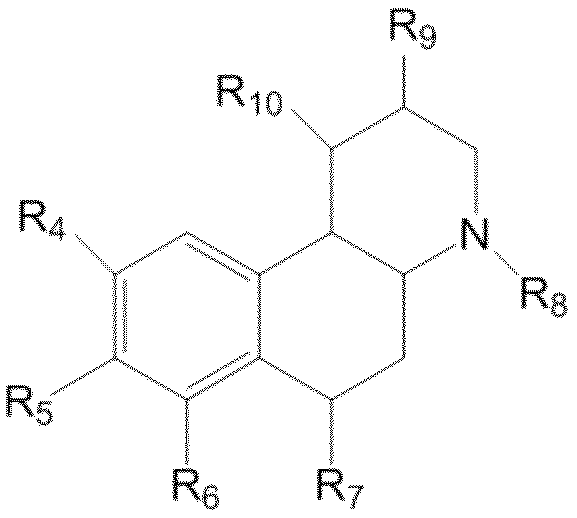
(II)
[式中、式中、R4、R5、R6、R7は独立して水素、ヒドロキシ、C1-6アルキルまたはハロゲンであるか、あるいはR6とR7は一緒になってヒドロキシ、C1-6アルキルまたはハロゲンで置換されていてもよいピロール環を形成し、R8は水素、C1-6アルキルまたはCH2CHCH2であり、R9は水素、ヒドロキシ、C1-6アルキル、ハロゲン、CH2-S-Ra(ここに、RaはC1-6アルキルである)、または

(式中、Rb、Rc、Rd、Reは独立して水素またはC1-6アルキルであり、nは1~3の整数である)
であり、R10は水素、ヒドロキシ、C1-6アルキルまたはハロゲンであるか、あるいはR9とR10は一緒になってヒドロキシ、C1-6アルキルまたはハロゲンで置換されていてもよいベンゼン環を形成する]

(III)
[式中、式中、R11、R12、R13は独立して水素、ヒドロキシ、C1-6アルキルまたはハロゲンであり、R14は水素、C1-6アルキルまたはCH2CHCH2であり、Bはヒドロキシ、C1-6アルキルまたはハロゲンで置換されていてもよいベンゼン環である]
で示される化合物、ならびにこれらの塩および溶媒和物からなる群より選択される1種またはそれ以上のものであるが、これらに限定されない。
[式中、式中、R1およびR2は独立して水素、ヒドロキシ、C1-6アルキルまたはハロゲンであり、R3は(CH2)mNRxRyであり(ここに、RxおよびRyは独立して水素またはC1~3アルキルである)、mは1~3の整数であり、Aは不飽和結合を有していてもよく、ヒドロキシ、C1-6アルキルまたはハロゲンで置換されていてもよい飽和または不飽和の炭素環式の基を意味する]
[式中、式中、R4、R5、R6、R7は独立して水素、ヒドロキシ、C1-6アルキルまたはハロゲンであるか、あるいはR6とR7は一緒になってヒドロキシ、C1-6アルキルまたはハロゲンで置換されていてもよいピロール環を形成し、R8は水素、C1-6アルキルまたはCH2CHCH2であり、R9は水素、ヒドロキシ、C1-6アルキル、ハロゲン、CH2-S-Ra(ここに、RaはC1-6アルキルである)、または
であり、R10は水素、ヒドロキシ、C1-6アルキルまたはハロゲンであるか、あるいはR9とR10は一緒になってヒドロキシ、C1-6アルキルまたはハロゲンで置換されていてもよいベンゼン環を形成する]
[式中、式中、R11、R12、R13は独立して水素、ヒドロキシ、C1-6アルキルまたはハロゲンであり、R14は水素、C1-6アルキルまたはCH2CHCH2であり、Bはヒドロキシ、C1-6アルキルまたはハロゲンで置換されていてもよいベンゼン環である]
で示される化合物、ならびにこれらの塩および溶媒和物からなる群より選択される1種またはそれ以上のものであるが、これらに限定されない。
式(I)で示される好ましい化合物の例としては、R1が水素またはヒドロキシ、R2が水素またはヒドロキシ、R3がCH3NH2、Aがヒドロキシ、C1-6アルキルまたはハロゲンで置換されていてもよいベンゼン環またはアダマンチル環である化合物が挙げられる。式(I)で示される好ましい化合物の具体例としては、A68930およびA77636などが挙げられるが、これらに限定されない。
式(II)で示される好ましい化合物の例としては、R4が水素またはヒドロキシ、R5が水素またはヒドロキシ、R6が水素、R7が水素、あるいはR6とR7が一緒になってヒドロキシ、C1-6アルキルまたはハロゲンで置換されていてもよいピロール環を形成、R8が素またはCH2CHCH2、R9がCH2-S-CH3または

であり、R10が水素、あるいはR9とR10が一緒になってヒドロキシ、C1-6アルキルまたはハロゲンで置換されていてもよいベンゼン環を形成する化合物が挙げられる。式(II)で示される好ましい化合物の具体例としては、カベルゴリン、CY208-243、ペルゴリド、ジヒドレキシジンなどが挙げられるが、これらに限定されない。
式(III)で示される好ましい化合物の例としては、R11が水素またはハロゲン、R12が水素またはヒドロキシ、R13が水素またはヒドロキシ、R14が水素、メチルまたはCH2CHCH2である化合物が挙げられる。式(III)で示される好ましい化合物の具体例としては、フェノルドパム、SKF38393、SKF77434、SKF83822、SKF83959、SKF81297、SKF82958などが挙げられるが、これらに限定されない。
上記化合物の塩または溶媒和物を用いてもよい。上記化合物の塩としては、塩酸塩、臭化水素塩、マレイン酸塩、メシル酸塩などが挙げられるが、これらに限定されない。上記化合物の溶媒和物としては水和物などが挙げられるが、これに限定されない。
本発明で用いられる式(I)~(III)の化合物において、ハロゲンは塩素、臭素およびヨウ素を含む。C1-6アルキルは炭素数1個ないし6個のアルキル基を意味する。本発明で用いられる式(I)~(III)の化合物は、すべての構造異性体および立体異性体を含む。
ドパミンD1受容体アゴニストにて処理される中間中胚葉細胞は純化された細胞集団として提供されてもよく、他の種類の細胞を含む細胞集団として提供されてもよい。
中間中胚葉細胞をドパミンD1受容体アゴニストで処理するとは、中間中胚葉細胞のドパミンD1受容体とドパミンD1アゴニストが相互作用しうる状態に置くことを意味する。典型的には、中間中胚葉細胞とドパミンD1アゴニストを接触させることにより、より典型的には、ドパミンD1受容体アゴニストを含む培地にて中間中胚葉細胞を培養することにより、中間中胚葉細胞をドパミンD1受容体アゴニストで処理することができる。
中間中胚葉細胞をドパミンD1受容体アゴニストで処理してステロイド産生細胞に分化誘導する際の培地は、ドパミンD1受容体アゴニストを含んでいればいずれの動物細胞培養用培地であってもよく、EMEM培地、DMEM培地、RPMI 1640培地、Ham’s F12培地、Medium 199培地、およびこれらの改変培地、ならびにこれらの混合培地などが例示されるが、これらに限定されない。接着培養を行う場合は、コーティング剤で処理された培養容器を用いることができる。コーティング剤としては、マトリゲルTM、コラーゲン、ゼラチンなど、およびこれらの組み合わせが挙げられるが、これらに限定されない。
培地中のドパミンD1受容体アゴニストの量は、細胞のステロイド合成酵素遺伝子の発現および/または酵素活性、ならびに/あるいは細胞から生成されるステロイド類の量を測定することによって、適宜決定することができる。一般的には、培地中のドパミンD1受容体アゴニストの量は約0.1μM~数十μMとすることができる。
ドパミンD1受容体アゴニストを含む培地にて中間中胚葉細胞を培養してステロイド産生細胞に分化誘導するための諸条件も適宜定めうる。例えばドパミンD1受容体アゴニストを含む培地中、37℃、5~10%二酸化炭素の存在下、約2日~約30日培養してもよい。さらに、必要に応じて細胞を継代培養してもよい。
本発明において、1種類のドパミンD1受容体アゴニストを用いてもよく、2種類以上のドパミンD1受容体アゴニストを用いてもよい。
細胞におけるステロイド合成酵素遺伝子の発現は、例えば定量的リアルタイムPCR(qRT-PCR)などの方法を用いて測定することができる。ステロイド合成酵素の例としては、ステロイド産生急性調節タンパク質(StAR)、CYP11A1、CYP21A2、CYP11B1、CYP17および3β-ヒドロキシステロイドデヒドロゲナーゼ(3β-HSD)などが挙げられるが、これらに限定されない。ステロイド合成酵素の活性測定方法も公知である。培地に分泌されたステロイド類は、例えばエンザイムイムノアッセイによって測定することができる。かかるエンザイムイムノアッセイ用のキットも市販されている。
本発明におけるステロイド産生細胞は、ドパミンD1受容体アゴニストで処理されて分化誘導された中間中胚葉細胞であって、ドパミンD1受容体アゴニストで処理されずに分化誘導された場合と比較して、ステロイド類の産生能が全体として上昇している細胞である。ステロイド類の例としては、コルチゾールなどの糖質コルチコイド、アルドステロンなどの鉱質コルチコイド、デヒドロエピアンドロステロン(DHEA)、テストステロンなどのアンドロゲンなどが挙げられるが、これらに限定されない。
本発明のステロイド産生細胞の製造方法において、ドパミンD1受容体アゴニストおよびACTHにて中間中胚葉細胞を処理することによって、細胞からのステロイド産生量をさらに増大させることができる。中間中胚葉細胞をドパミンD1受容体アゴニストで処理すると同時、あるいはその前または後に、中間中胚葉細胞をACTHで処理してもよい。通常は、ドパミンD1受容体アゴニストとACTHを含有する培地にて中間中胚葉細胞を培養して、ステロイド産生細胞へ分化誘導する。
培地に添加するACTHの量は、例えば分化誘導された細胞が産生するステロイド類の量を測定することにより、適宜定めうるが、一般的には、約0.1μM~数十μMとすることができる。
また、本発明のステロイド産生細胞の製造方法において、SF-1を強制発現された中間中胚葉細胞を用いることにより、ステロイド産生量をさらに増大させることができる。SF-1はステロイド合成遺伝子の転写における主たるレギュレーターである。SF-1の強制発現は、発現ベクターを用いるトランスフェクションなどの公知の方法にて行うことができる。
本発明は、もう1つの態様において、ドパミンD1受容体アゴニストを含む、中間中胚葉細胞からステロイド産生細胞を製造するためのキットを提供する。本発明のキットは、ドパミンD1受容体アゴニストのほかに、中間中胚葉細胞、培養容器、培地などを含んでいてもよい。通常は、取扱説明書がキットに添付される。
本発明は、さらにもう1つの態様において、3β-HSDの発現量を指標とすることを含む、中間中胚葉細胞からステロイド産生細胞を分化誘導する物質のスクリーニング方法を提供する。3β-HSDは副腎皮質ホルモン合成に必須の酵素であるので、この酵素の発現量と、細胞のステロイド生成能との間に相関関係がある。この酵素の発現量は、例えばqRT-PCRなどを用いて測定することができる。
本発明は、さらにもう1つの態様において、3β-HSDの発現量を測定するための手段を含む、中間中胚葉細胞からステロイド産生細胞を分化誘導する物質のスクリーニング用キットを提供する。該キットは、例えば3β-HSDの発現量を測定するためのqRT-PCRに必要なプライマー等を含んでいてもよい。通常は、取扱説明書がキットに添付される。
本発明は、さらにもう1つの態様において、本発明の製造方法で得られたステロイド産生細胞培養物を提供する。当業者は、培養方法および培養条件を適宜選択して、ステロイド産生細胞の培養を行うことができる。
本発明は、さらにもう1つの態様において、本発明の製造方法で得られたステロイド産生細胞を含む医薬組成物を提供する。当業者は、担体や賦形剤、添加剤等を適宜選択して、本発明の医薬組成物を製造することができる。本発明の医薬組成物を、副腎機能不全の治療に用いてもよい。したがって、本発明は、この態様の一具体例において、副腎機能不全の治療のための、本発明の製造方法で得られたステロイド産生細胞を含む医薬組成物を提供する。
本発明は、さらなる態様において、本発明の製造方法で得られたステロイド産生細胞を副腎機能不全の患者に投与することを含む、該患者における副腎機能不全の治療方法を提供する。
本発明は、さらなる態様において、副腎機能不全の治療のための医薬の製造における、本発明の製造方法で得られたステロイド産生細胞の使用を提供する。
本発明は、さらなる態様において、副腎機能不全の治療のために使用される、本発明の製造方法で得られたステロイド産生細胞を提供する。
以下に実施例を示して本発明をさらに詳細かつ具体的に説明するが、実施例は本発明を限定するものではない。
1.中間中胚葉細胞(IM細胞)の3β-HSD陽性度を上昇させる小分子化合物のスクリーニング
この実験は、ヒトiPS細胞由来のIM細胞のステロイド産生細胞への分化を促進する小分子化合物をスクリーニングするためのものであった。この目的のために、GFP遺伝子と一緒にOSR1遺伝子がノックインされたヒトiPS細胞株(3D45)を用いた。ヒトiPS細胞から、Maeら、Nat. Commun. 4, 1367 (2013)に記載された方法に従って、胚様体(EB)形成を経由してOSR1陽性(OSR1+)IM細胞を誘導した。先ず、IM細胞がステロイド産生細胞へと誘導されたことを示す適切なマーカーを決定するために、上記OSR1+細胞におけるステロイド産生酵素のmRNA発現について調べた。逆転写PCR(RT-PCR)分析により、StARおよび3β-HSDのmRNA発現が示されたが、シトクロムP450(CYP)11A1、CYP21A2、CYP11B1、CYP11B2、CYP17などの他のステロイド合成酵素のmRNA発現はIM細胞において示されなかった(図1a)。3β-HSDは副腎皮質ホルモンの生成に必須の酵素であるので、これを適切なマーカーであると考えた。そして3β-HSDの免疫染色を用いて、ヒトiPS細胞由来のIM細胞のステロイド産生細胞への分化を促進する小分子化合物の1次スクリーニングを行った。図1bにその概要を示す。
この実験は、ヒトiPS細胞由来のIM細胞のステロイド産生細胞への分化を促進する小分子化合物をスクリーニングするためのものであった。この目的のために、GFP遺伝子と一緒にOSR1遺伝子がノックインされたヒトiPS細胞株(3D45)を用いた。ヒトiPS細胞から、Maeら、Nat. Commun. 4, 1367 (2013)に記載された方法に従って、胚様体(EB)形成を経由してOSR1陽性(OSR1+)IM細胞を誘導した。先ず、IM細胞がステロイド産生細胞へと誘導されたことを示す適切なマーカーを決定するために、上記OSR1+細胞におけるステロイド産生酵素のmRNA発現について調べた。逆転写PCR(RT-PCR)分析により、StARおよび3β-HSDのmRNA発現が示されたが、シトクロムP450(CYP)11A1、CYP21A2、CYP11B1、CYP11B2、CYP17などの他のステロイド合成酵素のmRNA発現はIM細胞において示されなかった(図1a)。3β-HSDは副腎皮質ホルモンの生成に必須の酵素であるので、これを適切なマーカーであると考えた。そして3β-HSDの免疫染色を用いて、ヒトiPS細胞由来のIM細胞のステロイド産生細胞への分化を促進する小分子化合物の1次スクリーニングを行った。図1bにその概要を示す。
このスクリーニングのための出発材料を集めるために、Maeら、Nat. Commun. 4, 1367 (2013)に記載された方法に従って、胚様体(EB)形成を経由してIM細胞を誘導した。単離されたOSR1-GFP+細胞を348ウェルプレートに播き(8000個/ウェル)、翌日に各化合物を各ウェルに添加した。化合物添加から4日後に、細胞を3β-HSD抗体にて染色した。担体(1% DMSO)で処理した細胞よりも10倍以上の3β-HSD陽性度(%)を示したウェルを、1次スクリーニングでのヒットと見なした。3648種の化合物を調べた結果、8種の化合物がヒットした。次に、自己蛍光を有する化合物および細胞毒性を有する化合物を除外した。その結果、カベルゴリンだけが残った。カベルゴリン処理された培養物の3β-HSD陽性細胞の割合は1.59%で、DMSO処理されたコントロール(0.07±0.01%)よりも高かった(図1c)。qRT-PCR分析によっても、試験した濃度(カベルゴリン1nM~20μM)において用量依存的に3β-HSD mRNA発現が増加したことが示された(図1d)。
2.カベルゴリンが3β-HSD mRNA発現をアップレギュレートする機構
カベルゴリンは、ドパミンD2受容体の有効かつ高親和性アゴニストとして知られている。したがって、OSR1+細胞においてドパミンD2シグナリングが3β-HSD mRNA発現をアップレギュレートしたと考えられた。そこで、RT-PCRを用いて、OSR1+細胞におけるドパミンD2受容体の発現について調べたところ、その発現レベルはヒト副腎と同等であることがわかった(図2a)。次に、他のドパミンD2受容体アゴニスト(10μM キンピロール、1μM ブロモクリプチンおよび10μM プロピルノルアポモルフィン)にてOSR1+細胞を4日間処理することにより、それらの効果について調べた。しかしながら、いずれのアゴニストもOSR1+細胞のステロイド産生細胞への分化を促進しなかった(図2b)。さらに、カベルゴリンの分化促進効果は、10μMのメトクロプラミド(ドパミンD2受容体アンタゴニスト)を毎日細胞に与えるによっては影響を受けなかった(図2c)。これらの結果から、カベルゴリンによるステロイド産生細胞への分化促進は、そのドパミンD2受容体アゴニスト活性によるものではないと考えられた。さらに、カベルゴリンは、ドパミンD2受容体に対して非常に高い親和性を有するにもかかわらず、比較的高濃度で分化を改善したことも考えると、カベルゴリンの分化促進活性は、ドパミンD1受容体に対して低い親和性を有するアゴニストとして作用することによるものと考えられた。
カベルゴリンは、ドパミンD2受容体の有効かつ高親和性アゴニストとして知られている。したがって、OSR1+細胞においてドパミンD2シグナリングが3β-HSD mRNA発現をアップレギュレートしたと考えられた。そこで、RT-PCRを用いて、OSR1+細胞におけるドパミンD2受容体の発現について調べたところ、その発現レベルはヒト副腎と同等であることがわかった(図2a)。次に、他のドパミンD2受容体アゴニスト(10μM キンピロール、1μM ブロモクリプチンおよび10μM プロピルノルアポモルフィン)にてOSR1+細胞を4日間処理することにより、それらの効果について調べた。しかしながら、いずれのアゴニストもOSR1+細胞のステロイド産生細胞への分化を促進しなかった(図2b)。さらに、カベルゴリンの分化促進効果は、10μMのメトクロプラミド(ドパミンD2受容体アンタゴニスト)を毎日細胞に与えるによっては影響を受けなかった(図2c)。これらの結果から、カベルゴリンによるステロイド産生細胞への分化促進は、そのドパミンD2受容体アゴニスト活性によるものではないと考えられた。さらに、カベルゴリンは、ドパミンD2受容体に対して非常に高い親和性を有するにもかかわらず、比較的高濃度で分化を改善したことも考えると、カベルゴリンの分化促進活性は、ドパミンD1受容体に対して低い親和性を有するアゴニストとして作用することによるものと考えられた。
上記の考えを証明するために、OSR1+細胞におけるドパミンD1受容体発現について調べた。先ず、RT-PCR分析を行ったところ、ドパミンD1受容体は未分化ヒトiPS細胞において発現されていなかったが、OSR1+細胞において発現されていた(図3a)。次に、3種類のドパミンD1受容体アゴニスト(10μM ペルゴリド、10μM A68930、1μM SKF83822)でOSR1+細胞を4日間処理し、いずれもが3β-HSD mRNA発現をアップレギュレートすることを確認した(図3b)。さらに、qRT-PCR分析を行ったところ、D1受容体アンタゴニスト(10μM SKF83566)によって、カベルゴリン(20μM)の促進効果がブロックされたことが示され(図3c)、カベルゴリンがドパミンD1受容体を活性化することによって3β-HSD mRNA発現を促進することが示唆された。次に、カベルゴリンがドパミンD1受容体活性化によって作用することを確認するために、カベルゴリンおよびSKF83566にて細胞を処理した後、ドパミンD1受容体の第2のメッセンジャーとして知られる細胞内サイクリックAMP(cAMP)のアッセイを行った。カベルゴリンは細胞内cAMPを有意に増加させたが、SKF83566との同時投与によって、カベルゴリンによるcAMP増加は見られなくなった(図3d)。これらの結果を総合すると、ドパミンD1受容体シグナリングによって細胞内cAMPが増加して、ステロイド産生細胞への分化が促進されることがわかった。
3.OSR1+細胞へのSF-1トランスフェクション
これまでの実験において、ドパミンD1受容体アゴニストを用いて分化誘導されたOSR1+細胞では3β-HSD以外のステロイド合成酵素のmRNA発現の促進は見られなかった(データ示さず)。その理由として、これらの細胞におけるステロイド合成酵素の発現が全般的に低いので検出できなかったことが考えられた。本発明者らは、ステロイド合成遺伝子の転写における主たるレギュレーターであるSF-1が、ヒトES細胞およびヒトiPS細胞由来の中胚葉細胞をステロイド産生細胞に分化誘導することを見出している。そこで、SF-1をOSR1+細胞にトランスフェクションし、ドパミンD1受容体アゴニストの効果を調べることにした。
これまでの実験において、ドパミンD1受容体アゴニストを用いて分化誘導されたOSR1+細胞では3β-HSD以外のステロイド合成酵素のmRNA発現の促進は見られなかった(データ示さず)。その理由として、これらの細胞におけるステロイド合成酵素の発現が全般的に低いので検出できなかったことが考えられた。本発明者らは、ステロイド合成遺伝子の転写における主たるレギュレーターであるSF-1が、ヒトES細胞およびヒトiPS細胞由来の中胚葉細胞をステロイド産生細胞に分化誘導することを見出している。そこで、SF-1をOSR1+細胞にトランスフェクションし、ドパミンD1受容体アゴニストの効果を調べることにした。
トランスフェクションは、サイトメガロウイルスプロモーターにより駆動されるSH-F-1をコードする発現プラスミド(pCMFlag-hsNR5A1;RIKEN BRC, Saitama, Japan)2μgを、約5x10⁵個のOSR1+IM細胞にトランスフェクションした。トランスフェクションは、NucleofectorTM(Lonza, Basel, Switzerland)によるエレクトロポレーションを用いて行った。トランスフェクション効率は約60%であった。
SF-1をトランスフェクションしなかったOSR1+IM細胞およびSF-1をトランスフェクションしたOSR1+IM細胞におけるステロイド合成酵素遺伝子のmRNA発現について調べた結果を図4に示す。SF-1をトランスフェクションしなかったOSR1+IM細胞において、カベルゴリン(20μM)は3β-HSDおよびStARのmRNA発現レベルを上昇させた。SF-1をトランスフェクションしなかったOSR1+IM細胞において、SKF83822(1μM)は3β-HSD、StARおよびCYP11B1のmRNA発現レベルを上昇させた。SF-1をトランスフェクションしたOSR1+IM細胞では、様々なステロイド合成酵素のmRNA発現レベルが上昇していた。また、RT-PCR分析により、これらのIM細胞においてACTH(副腎皮質刺激ホルモン)受容体が出現していることも確認された(データ示さず)。
4.SF-1をトランスフェクションしたIM細胞におけるステロイド合成酵素のmRNA発現に対するドパミンD1受容体アゴニストおよびACTHの効果
上記の実験結果に基づいて、ドパミンD1受容体アゴニストであるSKF83822の効果について、ACTH刺激の存在下において調べた。SF-1をトランスフェクションしたOSR1+IM細胞を、1μMのSKF83822、2.4μMのACTH、10μMのSKF83566の組み合わせにて24時間処理した。qRT-PCR分析により、StAR、CYP11A1、CYP21A2、CYP11B1、CYP11B2、CYP17および3β-HSDのmRNA発現レベルがSKF83822によりアップレギュレートされたことが示された。そして、これらの効果はACTH刺激によって相乗的に促進されたことが示された。さらに、SKF83822の促進効果は、ドパミンD1受容体アンタゴニストであるSKF83566によって完全にブロックされた。ACTHのみで処理された細胞においてもStAR、3β-HSDおよびCYP11B1の発現が有意にアップレギュレートされた。これらの結果を図5に示す。
上記の実験結果に基づいて、ドパミンD1受容体アゴニストであるSKF83822の効果について、ACTH刺激の存在下において調べた。SF-1をトランスフェクションしたOSR1+IM細胞を、1μMのSKF83822、2.4μMのACTH、10μMのSKF83566の組み合わせにて24時間処理した。qRT-PCR分析により、StAR、CYP11A1、CYP21A2、CYP11B1、CYP11B2、CYP17および3β-HSDのmRNA発現レベルがSKF83822によりアップレギュレートされたことが示された。そして、これらの効果はACTH刺激によって相乗的に促進されたことが示された。さらに、SKF83822の促進効果は、ドパミンD1受容体アンタゴニストであるSKF83566によって完全にブロックされた。ACTHのみで処理された細胞においてもStAR、3β-HSDおよびCYP11B1の発現が有意にアップレギュレートされた。これらの結果を図5に示す。
SF-1をトランスフェクションしたOSR1+IM細胞を、1μMのSKF83822、2.4μMのACTHの組み合わせとともに2日間培養を行った後培地中に分泌されたステロイドホルモンを測定した。実験は5系で行った(n=5)。有意な量のコルチゾール、アルドステロンおよびデヒドロエピアンドロステロン(DHEA)の産生が見られた。コルチゾールの分泌は、SKF83822およびACTHの両用に応答して有意に増加した。SKF83822とACTHの組み合わせにて処理された細胞は、アルドステロンおよびDHEAの産生を有意に増加させた。これらの結果を表1に示す。

*コントロールに対してP<0.05
**コントロールに対してP<0.01
+ACTHに対してP<0.05
**コントロールに対してP<0.01
+ACTHに対してP<0.05
本発明は、再生医療や疾病の研究に用いる細胞の製造の分野などにおいて非常に有用である。
Claims (12)
- 中間中胚葉細胞をドパミンD1受容体アゴニスト、副腎皮質刺激ホルモン(ACTH)およびドパミンからなる群より選択される1またはそれ以上の物質で処理してステロイド産生細胞に分化誘導することを含む、ステロイド産生細胞の製造方法。
- 該物質がドパミンD1受容体アゴニストを含むものである、請求項1記載の方法。
- 該物質がドパミンD1受容体アゴニストおよびACTHを含むものである、請求項1または2記載の方法。
- ドパミンD1受容体アゴニストが下式(I)~(III):
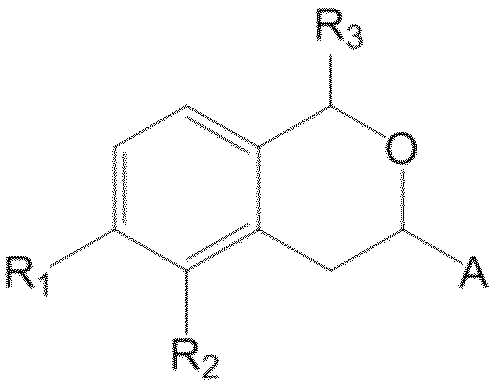
[式中、R1およびR2は独立して水素、ヒドロキシ、C1-6アルキルまたはハロゲンであり、R3は(CH2)mNRxRyであり(ここに、RxおよびRyは独立して水素またはC1~3アルキルである)、mは1~3の整数であり、Aは不飽和結合を有していてもよく、ヒドロキシ、C1-6アルキルまたはハロゲンで置換されていてもよい飽和または不飽和の炭素環式の基を意味する]、
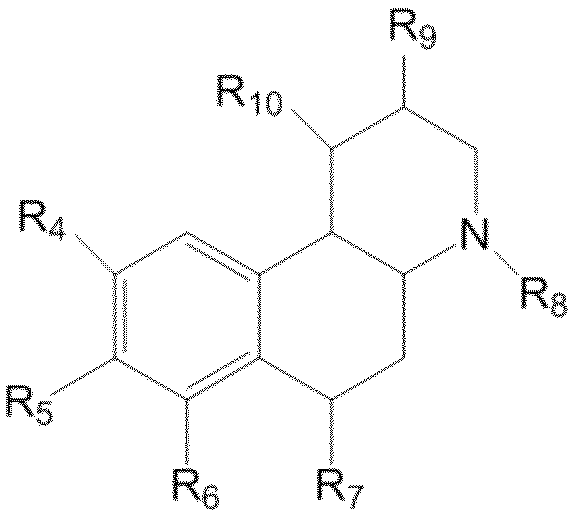
[式中、R4、R5、R6、R7は独立して水素、ヒドロキシ、C1-6アルキルまたはハロゲンであるか、あるいはR6とR7は一緒になってヒドロキシ、C1-6アルキルまたはハロゲンで置換されていてもよいピロール環を形成し、R8は水素、C1-6アルキルまたはCH2CHCH2であり、R9は水素、ヒドロキシ、C1-6アルキル、ハロゲン、CH2-S-Ra(ここに、RaはC1-6アルキルである)、または

であり、R10は水素、ヒドロキシ、C1-6アルキルまたはハロゲンであるか、あるいはR9とR10は一緒になってヒドロキシ、C1-6アルキルまたはハロゲンで置換されていてもよいベンゼン環を形成する]、

[式中、R11、R12、R13は独立して水素、ヒドロキシ、C1-6アルキルまたはハロゲンであり、R14は水素、C1-6アルキルまたはCH2CHCH2であり、Bはヒドロキシ、C1-6アルキルまたはハロゲンで置換されていてもよいベンゼン環である]
で示される化合物、ならびにこれらの塩および溶媒和物からなる群より選択される1種またはそれ以上のものである、請求項1~3のいずれか1項記載の方法。 - ドパミンD1アゴニストがA68930、A77636、カベルゴリン、CY208-243、ペルゴリド、フェノルドパム、SKF38393、SKF77434、SKF83822、SKF83959、SKF81297、SKF82958、ならびにこれらの塩および水和物からなる群より選択される1種またはそれ以上のものである、請求項1~4のいずれか1項記載の方法。
- 中間中胚葉細胞が多能性幹細胞を分化誘導して得られたものである、請求項1~5のいずれか1項記載の方法。
- 中間中胚葉細胞がヒト由来のものである、請求項1~6のいずれか1項記載の方法。
- 中間中胚葉細胞が、SF-1遺伝子を強制発現されているものである、請求項1~7のいずれか1項記載の方法。
- ドパミンD1受容体アゴニストを含む、中間中胚葉細胞からステロイド産生細胞を製造するためのキット。
- 3β-ヒドロキシステロイドデヒドロゲナーゼの発現を指標とすることを含む、中間中胚葉細胞からステロイド産生細胞を分化誘導する物質のスクリーニング方法。
- 請求項1~8のいずれか1項記載の方法で得られたステロイド産生細胞培養物。
- 請求項1~8のいずれか1項記載の方法で得られたステロイド産生細胞を含む医薬組成物。
Priority Applications (1)
| Application Number | Priority Date | Filing Date | Title |
|---|---|---|---|
| JP2018567431A JP7001275B2 (ja) | 2017-02-07 | 2018-02-06 | ステロイド産生細胞の製造方法 |
Applications Claiming Priority (2)
| Application Number | Priority Date | Filing Date | Title |
|---|---|---|---|
| JP2017020519 | 2017-02-07 | ||
| JP2017-020519 | 2017-02-07 |
Publications (1)
| Publication Number | Publication Date |
|---|---|
| WO2018147257A1 true WO2018147257A1 (ja) | 2018-08-16 |
Family
ID=63107510
Family Applications (1)
| Application Number | Title | Priority Date | Filing Date |
|---|---|---|---|
| PCT/JP2018/003946 Ceased WO2018147257A1 (ja) | 2017-02-07 | 2018-02-06 | ステロイド産生細胞の製造方法 |
Country Status (2)
| Country | Link |
|---|---|
| JP (1) | JP7001275B2 (ja) |
| WO (1) | WO2018147257A1 (ja) |
Citations (3)
| Publication number | Priority date | Publication date | Assignee | Title |
|---|---|---|---|---|
| WO2005085425A1 (ja) * | 2004-03-03 | 2005-09-15 | Japan Science And Technology Agency | 間葉系幹細胞をステロイド産生細胞に分化させる方法 |
| JP2006122040A (ja) * | 2004-10-01 | 2006-05-18 | Kyushu Univ | 新規ステロイド産生細胞 |
| JP2011015630A (ja) * | 2009-07-08 | 2011-01-27 | Univ Of Fukui | 多能性幹細胞をステロイドホルモン産生細胞に分化誘導する方法 |
-
2018
- 2018-02-06 WO PCT/JP2018/003946 patent/WO2018147257A1/ja not_active Ceased
- 2018-02-06 JP JP2018567431A patent/JP7001275B2/ja active Active
Patent Citations (3)
| Publication number | Priority date | Publication date | Assignee | Title |
|---|---|---|---|---|
| WO2005085425A1 (ja) * | 2004-03-03 | 2005-09-15 | Japan Science And Technology Agency | 間葉系幹細胞をステロイド産生細胞に分化させる方法 |
| JP2006122040A (ja) * | 2004-10-01 | 2006-05-18 | Kyushu Univ | 新規ステロイド産生細胞 |
| JP2011015630A (ja) * | 2009-07-08 | 2011-01-27 | Univ Of Fukui | 多能性幹細胞をステロイドホルモン産生細胞に分化誘導する方法 |
Non-Patent Citations (4)
| Title |
|---|
| MATSUO K. ET AL.: "Significance of dopamine D1 receptor signaling for steroidgenic differentiation of human induced pluripotent stemcells", SCIENTIFIC REPORTS, vol. 7, no. 15120, 9 November 2017 (2017-11-09), XP055537254, ISSN: 2045-2322 * |
| SONE, MASAKATSU ET AL.: "Steroid -producing cell differentiation in human iPS/ ES cells, and chemical screening", ACTH RELATED PEPTIDES, vol. 26, 2015, pages 41 - 42, ISSN: 1340-4512 * |
| SONOYAMA T. ET AL.: "Differntiation of Human Embryonic Stem Cells and Human Induced Pluripotent Stem Cells into Steroid -Producing Cells", ENDOCRINOLOGY, vol. 153, no. 9, 2012, pages 4336 - 4345, ISSN: 0013-7227 * |
| SONOYAMA, TAKUHIRO, REGENERATIVE MEDICINE, vol. 11, 2012, pages 153, ISSN: 1347-7919 * |
Also Published As
| Publication number | Publication date |
|---|---|
| JP7001275B2 (ja) | 2022-02-04 |
| JPWO2018147257A1 (ja) | 2019-11-21 |
Similar Documents
| Publication | Publication Date | Title |
|---|---|---|
| Lin et al. | MicroRNA‐130a controls bone marrow mesenchymal stem cell differentiation towards the osteoblastic and adipogenic fate | |
| Shan et al. | Distinct populations of adipogenic and myogenic Myf5-lineage progenitors in white adipose tissues | |
| Cordani et al. | Nitric oxide controls fat deposition in dystrophic skeletal muscle by regulating fibro-adipogenic precursor differentiation | |
| Diel et al. | C2C12 myoblastoma cell differentiation and proliferation is stimulated by androgens and associated with a modulation of myostatin and Pax7 expression | |
| Quach et al. | Zinc finger protein 467 is a novel regulator of osteoblast and adipocyte commitment | |
| US11299710B2 (en) | Brown adipocyte progenitors in human skeletal muscle | |
| Lechuga et al. | Estrogen replacement therapy in ovariectomized nonpregnant ewes stimulates uterine artery hydrogen sulfide biosynthesis by selectively up-regulating cystathionine β-synthase expression | |
| CN104962514A (zh) | 人骨骼肌中的褐色脂肪细胞祖细胞 | |
| Ding et al. | FSH acts on the proliferation of type A spermatogonia via Nur77 that increases GDNF expression in the Sertoli cells | |
| Du et al. | Extremely low frequency magnetic fields inhibit adipogenesis of human mesenchymal stem cells | |
| Bayindir et al. | Transcriptional pathways in cPGI2-induced adipocyte progenitor activation for browning | |
| Yang et al. | NRSF silencing induces neuronal differentiation of human mesenchymal stem cells | |
| Han et al. | P‐glycoprotein overexpression in bone marrow–derived multipotent stromal cells decreases the risk of steroid‐induced osteonecrosis in the femoral head | |
| Teng et al. | Valproic acid enhances Oct4 promoter activity through PI3K/Akt/mTOR pathway activated nuclear receptors | |
| Zhang et al. | c-kit expression profile and regulatory factors during spermatogonial stem cell differentiation | |
| Yang et al. | Vitamin A promotes Leydig cell differentiation via alcohol dehydrogenase 1 | |
| Feng et al. | Suberoylanilide hydroxamic acid promotes cardiomyocyte differentiation of rat mesenchymal stem cells | |
| Wang et al. | Concomitant beige adipocyte differentiation upon induction of mesenchymal stem cells into brown adipocytes | |
| Kharat et al. | IGF-1 and somatocrinin trigger islet differentiation in human amniotic membrane derived mesenchymal stem cells | |
| Chen et al. | Characterization and differentiation of CD51+ Stem Leydig cells in adult mouse testes | |
| Endo et al. | Loss of ARNT in skeletal muscle limits muscle regeneration in aging | |
| Goldman-Johnson et al. | Evidence that androgens regulate early developmental events, prior to sexual differentiation | |
| Wu et al. | Ablation of CD44 attenuates adipogenesis in white adipocytes via the tryptophan 5-hydroxylase 2/5-hydroxytryptamine axis to protect mice from high-fat diet–induced obesity | |
| HUANG et al. | Characterization and differentiation into adipocytes and myocytes of porcine bone marrow mesenchymal stem cells | |
| Tran et al. | Arginine vasopressin inhibits adipogenesis in human adipose-derived stem cells |
Legal Events
| Date | Code | Title | Description |
|---|---|---|---|
| 121 | Ep: the epo has been informed by wipo that ep was designated in this application |
Ref document number: 18751517 Country of ref document: EP Kind code of ref document: A1 |
|
| ENP | Entry into the national phase |
Ref document number: 2018567431 Country of ref document: JP Kind code of ref document: A |
|
| NENP | Non-entry into the national phase |
Ref country code: DE |
|
| 122 | Ep: pct application non-entry in european phase |
Ref document number: 18751517 Country of ref document: EP Kind code of ref document: A1 |