WO2018072331A1 - 小区搜索方法、设备以及系统 - Google Patents
小区搜索方法、设备以及系统 Download PDFInfo
- Publication number
- WO2018072331A1 WO2018072331A1 PCT/CN2016/113416 CN2016113416W WO2018072331A1 WO 2018072331 A1 WO2018072331 A1 WO 2018072331A1 CN 2016113416 W CN2016113416 W CN 2016113416W WO 2018072331 A1 WO2018072331 A1 WO 2018072331A1
- Authority
- WO
- WIPO (PCT)
- Prior art keywords
- synchronization signal
- synchronization
- transmitted
- cell search
- cell
- Prior art date
- Legal status (The legal status is an assumption and is not a legal conclusion. Google has not performed a legal analysis and makes no representation as to the accuracy of the status listed.)
- Ceased
Links
Images




Classifications
-
- H—ELECTRICITY
- H04—ELECTRIC COMMUNICATION TECHNIQUE
- H04W—WIRELESS COMMUNICATION NETWORKS
- H04W36/00—Hand-off or reselection arrangements
- H04W36/0005—Control or signalling for completing the hand-off
- H04W36/0011—Control or signalling for completing the hand-off for data sessions of end-to-end connection
- H04W36/0016—Hand-off preparation specially adapted for end-to-end data sessions
-
- H—ELECTRICITY
- H04—ELECTRIC COMMUNICATION TECHNIQUE
- H04J—MULTIPLEX COMMUNICATION
- H04J11/00—Orthogonal multiplex systems, e.g. using WALSH codes
- H04J11/0069—Cell search, i.e. determining cell identity [cell-ID]
-
- H—ELECTRICITY
- H04—ELECTRIC COMMUNICATION TECHNIQUE
- H04J—MULTIPLEX COMMUNICATION
- H04J11/00—Orthogonal multiplex systems, e.g. using WALSH codes
- H04J11/0069—Cell search, i.e. determining cell identity [cell-ID]
- H04J11/0086—Search parameters, e.g. search strategy, accumulation length, range of search, thresholds
-
- H—ELECTRICITY
- H04—ELECTRIC COMMUNICATION TECHNIQUE
- H04W—WIRELESS COMMUNICATION NETWORKS
- H04W48/00—Access restriction; Network selection; Access point selection
- H04W48/16—Discovering, processing access restriction or access information
Definitions
- the present invention relates to the field of mobile communications, and in particular to a cell search method, device and system.
- the traditional LTE system generally works at a lower frequency point, so the channel has better propagation characteristics, and the base station can send a synchronization signal to terminals in the coverage of the entire serving cell.
- the resources in the low frequency band are more effective and may need to work in a higher frequency band.
- the signal attenuation will be more serious, so the coverage of the cell cannot be guaranteed.
- a cell search method which can enable the terminal device to search for the target serving cell in a timely and accurate manner, and is particularly suitable for a serving cell operating at a high frequency point.
- a cell search method is applied to a base station device, including:
- the design rule comprises that the time-frequency position of the synchronization signal transmitted on each beam is fixed.
- the design rule includes: carrying information of the beam on the synchronization signal, so that the beam and the synchronization signal transmitted on the beam have a corresponding relationship.
- the synchronization signal is transmitted once per beam within the limited time-frequency resource location.
- the synchronization signal in the limited time-frequency resource location, is transmitted multiple times on each beam, and the synchronization signals transmitted on the same beam are different.
- a cell search method is applied to a terminal device, including:
- the preset rule includes: the time-frequency position of the synchronization signal transmitted on each beam is fixed, and the correspondence between the beam and the synchronization signal transmitted on the beam; and
- the detecting the synchronization channel on the supported frequency point, and determining that the synchronization channel is transmitted in the form of a beam according to a preset or notification rule, according to the preset includes:
- a base station device that enables the terminal device to search for a target serving cell in a timely and accurate manner, and is particularly suitable for a serving cell operating at a high frequency point.
- a base station device includes:
- the signal sending unit is configured to transmit the synchronization signal in the form of a beam according to a preset or notification design rule in a limited time-frequency resource location, wherein the design rule is known by the terminal, so that the The terminal searches for the synchronization signal according to the design rule to establish initial synchronization with the cell.
- the design rule comprises that the time-frequency position of the synchronization signal transmitted on each beam is fixed.
- the design rule includes: carrying information of the beam on the synchronization signal, so that the beam and the synchronization signal transmitted on the beam have a corresponding relationship.
- the synchronization signal is transmitted once per beam within the limited time-frequency resource location.
- the synchronization signal in the limited time-frequency resource location, is transmitted multiple times on each beam, and the synchronization signals transmitted on the same beam are different.
- a terminal device which can search for the target serving cell in time and accurately, and is especially suitable for a serving cell working at a high frequency point.
- a terminal device includes:
- the scanning unit is configured to perform scanning in a working frequency band supported by the terminal device when the terminal device is powered on or needs to perform cell switching;
- the operation unit is configured to detect the synchronization channel at the supported frequency point, and when determining that the synchronization channel is transmitted in the form of a beam according to a preset or notification rule, acquiring the method according to the preset rule a synchronization signal, the preset rule includes: a time-frequency position of the synchronization signal transmitted on each beam is fixed, and a correspondence between the beam and a synchronization signal transmitted on the beam; and
- the synchronization unit is configured to establish an initial synchronization with the cell after obtaining the synchronization signal.
- the detecting the synchronization channel on the supported frequency point, and determining that the synchronization channel is transmitted in the form of a beam according to a preset or notification rule, according to the preset includes:
- a cell search method system which can enable the terminal device to search for the target serving cell in time and accurately, and is particularly suitable for a serving cell working at a high frequency point.
- a cell search system comprising:
- Base station equipment and terminal equipment wherein:
- the base station device transmits a synchronization signal in the form of a beam in a limited time-frequency resource location, wherein the synchronization signal has a certain design rule on the beam;
- the terminal device knows in advance the design rule of the synchronization signal on the beam, and obtains the time-frequency resource location of the synchronization signal transmitted on the beam according to the design rule, to obtain the synchronization signal, and establish synchronization.
- the design rule comprises that the time-frequency position of the synchronization signal transmitted on each beam is fixed.
- the design rule includes: carrying information of the beam on the synchronization signal, so that the beam and the synchronization signal transmitted on the beam have a corresponding relationship.
- the synchronization signal is transmitted once per beam within the limited time-frequency resource location.
- the synchronization signal in the limited time-frequency resource location, is transmitted multiple times on each beam, and the synchronization signals transmitted on the same beam are different.
- the cell search method, device and system of the present invention can enable the terminal device to search for the target serving cell in a timely and accurate manner, and is particularly suitable for a serving cell working at a high frequency point, and can ensure coverage of the cell.
- FIG. 1 is a system architecture diagram of a preferred embodiment of a cell search method according to the present invention.
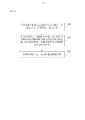
- FIG. 2 is a flowchart of a method for signal transmission performed by a base station device in a cell search method according to the present invention.
- FIG. 3 is a flowchart of a method for performing signal search performed by a terminal device in the cell search method according to the present invention.
- FIG. 4 is a diagram showing an example of a first preferred embodiment of the signal transmission of the present invention.
- Figure 5 is a diagram showing an example of a second preferred embodiment of the signal transmission of the present invention.
- Figure 6 is a diagram showing an example of a third preferred embodiment of the signal transmission of the present invention.
- Figure 7 is a block diagram showing a first embodiment of a base station apparatus for performing the cell search method of the present invention.
- Figure 8 is a block diagram showing a first embodiment of a terminal device for performing the cell search method of the present invention.
- Figure 9 is a block diagram showing a second embodiment of a base station apparatus performing the cell search method of the present invention.
- Figure 10 is a block diagram showing a second embodiment of a terminal device for performing the cell search method of the present invention.
- FIG. 1 a system architecture diagram of a preferred embodiment of a cell search method according to the present invention is shown.
- the cell search method is implemented in a cell search system 1.
- the cell search system 1 comprises at least one base station device 2 and at least one terminal device 3.
- the base station device 2 and the terminal device 3 can perform connection communication through a mobile communication network.
- the mobile communication network includes, for example, a Global System for Mobile communications (GSM) network, a Code Division Multiple Access (CDMA) network, and a Time Division Multiple Access (TDMA) network.
- GSM Global System for Mobile communications
- CDMA Code Division Multiple Access
- TDMA Time Division Multiple Access
- WCDMA Wideband Code Division Multiple Access Wireless
- FDMA Frequency Division Multiple Addressing
- OFDMA Orthogonal Frequency-Division Multiple Access
- SC-FDMA single Carrier FDMA
- GPRS General Packet Radio Service
- LTE Long Term Evolution
- the base station equipment (equipments of base station) 2 refers to a radio transceiver station that performs information transmission with the terminal device 3 through a mobile communication switching center in a certain radio coverage area.
- one base station device 2 contains three sectors.
- the base station device 2 transmits a signal in a certain direction in each sector to cover a certain range.
- one of the three sectors of a base station device 2 is aligned in the true north direction, the coverage is 120 degrees, and the other sector is oriented in the southeast direction, and the coverage is 120 degrees.
- one sector corresponds to one cell, but sometimes it is also possible that multiple sectors are combined into one cell.
- the terminal device 3 may also be referred to as a user equipment (User Equipment, UE), and is used in a mobile communication network, including a mobile phone, a smart terminal, a multimedia device, a streaming media device, and the like.
- UE User Equipment
- the terminal device 3 needs to search for a suitable cell (such as the measured cell with the highest power) after being turned on, and then synchronizes with the cell to reach the time slot and frequency, and reads the system. Information can get detailed information of this community.
- the terminal device 3 can use the service of the mobile network only after logging in to the cell.
- the process of the terminal device 3 from the power-on search to the login to the appropriate cell is generally defined as an initial cell search process. Synchronization is a key step in the initial search of a cell, and refers to the process in which the terminal device 3 goes from power on to time synchronization and frequency synchronization with the cell.
- the base station apparatus 2 transmits a synchronization signal in a broadcast manner to the entire coverage of the cell it contains. Therefore, the propagation of the signal is usually on a channel of a lower frequency point where the propagation characteristics are better. At higher frequencies, due to the high-frequency propagation characteristics, the signal attenuation will be more serious, so the signal may not guarantee the coverage of the entire cell.
- the base station device 2 transmits the synchronization signal in the form of a beam in a limited time-frequency resource location, which requires attention. Yes, the base station may transmit different beams at different times, covering different parts of the cell.
- the synchronization signal has certain design rules on the beam.
- the design rule may include, but is not limited to, the time-frequency position of the synchronization signal transmitted on each beam is fixed. Further, the beam also carries a sequence of transmitted synchronization signals. The sequence of synchronization signals transmitted on different beams may be the same or different.
- only one synchronization signal can be transmitted on each beam within the limited time-frequency resource location.
- the synchronization signal in the limited time-frequency resource location, may be transmitted multiple times on each beam, and the synchronization signals transmitted on the same beam are different.
- the terminal device 3 knows in advance the design rule of the synchronization signal on the beam. For example, the terminal device 3 may pre-store the design rule of the synchronization signal on the beam, and learn the transmission on each beam according to the design rule. The time-frequency resource location of the synchronization signal is obtained to obtain the synchronization signal, establishing synchronization. Or the design rule is notified to the terminal in advance.
- FIG. 2 it is a flowchart of a method for signal transmission performed by a base station device 2 in a cell search method according to the present invention.
- the base station device 2 transmits a signal, such as a synchronization signal, in the form of a beam according to a preset or notification design rule in a limited time-frequency resource location.
- a signal such as a synchronization signal
- the design rule may include the following two methods:
- Method 1 Synchronous channel single transmission.
- the beam also carries a sequence of transmitted synchronization signals.
- the sequence of synchronization signals transmitted on different beams may be the same or different.
- Method 2 Synchronous channel transmission multiple times.
- a synchronization signal is transmitted multiple times on each beam, and the time-frequency position of the synchronization signal transmitted on each beam is fixed. Further, the beam also transmits a sequence of the synchronization signals.
- the sequence of synchronization signals transmitted on different beams may be the same or different.
- the synchronization signals transmitted on the same beam are different.
- the design rules further include:
- the information of the beam is carried on the synchronization signal, so that the beam and the synchronization signal transmitted on the beam have a certain correspondence relationship.
- the correspondence is as follows:
- serial number Beam number Synchronization sequence 1 Representing the synchronization signal as being transmitted in the form of a broadcast to the coverage of the entire cell
- Synchronization sequence 2 Representing the synchronization signal on a beam (first beam) with beam number 1
- Synchronization sequence 3 Representing the synchronization signal on a beam of beam number 2 (second beam)
- Synchronization sequence 4 Representing the synchronization signal on a beam of beam number 3 (third beam)
- Synchronization sequence 5 Representing the synchronization signal on a beam with a beam number of 4 (fourth beam)
- FIG. 3 it is a flowchart of a method for performing signal search performed by a terminal device in the cell search method according to the present invention.
- the terminal device 3 detects the synchronization channel at the supported frequency point, and when determining that the synchronization channel is transmitted in the form of a beam according to a preset or a notification rule, acquiring the foregoing according to the preset rule. Synchronization signal.
- the preset rule may include that the time-frequency position of the synchronization signal transmitted on each beam is fixed, and the correspondence between the beam and the synchronization signal transmitted on the beam.
- the terminal device 3 knows the preset rule in advance.
- the terminal device 3 acquires beam information according to a synchronization sequence of the synchronization signal when detecting the synchronization channel, and further acquires a synchronization signal of the fixed time-frequency position on the beam.
- the terminal device 3 when the terminal device 3 detects that the received synchronization signal is the synchronization sequence 1 when detecting the synchronization channel, the terminal device 3 can determine that the synchronization signal of the cell is broadcast. Formally transmitted; when the terminal device 3 detects that the received synchronization signal is the synchronization sequence 2 when detecting the synchronization channel, the terminal device 3 determines that the transmission of the synchronization signal of the cell is characterized by a beam, and The terminal device 3 can perform data interaction on the first beam to receive and transmit data.
- the terminal device 3 knows in advance the time-frequency resource position of the transmission of the synchronization signal on each beam.
- the synchronization signals on different beams are transmitted on the same frequency resource, adjacent time resources.
- the terminal device 3 detects the synchronization signal on the first beam, it is determined that it is currently the third transmission unit.
- the transmission unit is a concept in time, which can be a symbol or a subframe.
- the limited time-frequency resource includes multiple transmission units in time, and the frequency domain includes multiple frequency domain resources.
- the synchronization signal may only occupy part of the time domain resource of a certain transmission unit for transmission.
- the synchronization signals on different beams are transmitted at different frequency locations on the same transmission unit.
- the terminal device 3 After obtaining the synchronization signal, the terminal device 3 establishes initial synchronization with the cell.
- FIG. 7 it is a structural diagram of a first embodiment of a base station apparatus that performs the cell search method of the present invention.
- the base station device 2 includes at least one signal transmitting unit 200.
- the signal transmitting unit 200 is configured to transmit a signal, such as a synchronization signal, in the form of a beam based on a predetermined or notified design rule within a limited time-frequency resource location.
- a signal such as a synchronization signal
- the design rule may include the following two methods:
- Method 1 Synchronous channel single transmission.
- the beam also carries a sequence of transmitted synchronization signals.
- the sequence of synchronization signals transmitted on different beams may be the same or different.
- Method 2 Synchronous channel transmission multiple times.
- a synchronization signal is transmitted multiple times on each beam, and the time-frequency position of the synchronization signal transmitted on each beam is fixed. Further, the beam also carries a sequence of transmitted synchronization signals. The sequence of synchronization signals transmitted on different beams may be the same or different. The synchronization signals transmitted on the same beam are different.
- the beam and the sequence transmitted on the beam have a certain correspondence.
- the correspondence is as follows:
- serial number Beam number Synchronization sequence 1 Representing the synchronization signal as being transmitted in the form of a broadcast to the coverage of the entire cell
- Synchronization sequence 2 Representing the synchronization signal on a beam (first beam) with beam number 1
- Synchronization sequence 3 Representing the synchronization signal on a beam with beam number 2 (second beam)
- Synchronization sequence 4 Representing the synchronization signal on a beam of beam number 3 (third beam)
- Synchronization sequence 5 Representing the synchronization signal on a beam with a beam number of 4 (fourth beam)
- the signal transmitting unit 200 is a program segment composed of computer program code, which can be stored in a computer readable storage medium, and includes a plurality of instructions for making a computer device (may be It is a personal computer, a server, or a network device, or the like, or a processor that performs all or part of the steps of the method of the present invention, as illustrated in FIG.
- FIG. 8 it is a structural diagram of a first embodiment of a terminal device that performs the cell search method of the present invention.
- the terminal device 3 includes at least: a scanning unit 300, an operation unit 301, and a synchronization unit 302.
- the scanning unit 300 is configured to perform scanning in the working frequency band supported by the terminal device 3 when the terminal device 3 is powered on or needs to perform cell switching.
- the operation unit 301 is configured to detect a synchronization channel at a supported frequency point, and determine, according to a preset or a notification rule, that the detected synchronization channel is transmitted in the form of a beam, according to the preset
- the rules acquire the synchronization signal.
- the preset rule may include that the time-frequency position of the synchronization signal transmitted on each beam is fixed, and the correspondence between the beam and the synchronization signal transmitted on the beam.
- the terminal device 3 knows in advance the preset rule, that is, the time-frequency position of the synchronization signal transmitted on each beam, and the correspondence between the beam and the transmitted sequence.
- the terminal device 3 acquires beam information according to a synchronization sequence of the synchronization signal when detecting the synchronization channel, and further acquires a synchronization signal of the fixed time-frequency position on the beam.
- the terminal device 3 when the terminal device 3 detects that the received synchronization signal is the synchronization sequence 1 when detecting the synchronization channel, the terminal device 3 can determine that the synchronization signal of the cell is broadcast. Formally transmitted; when the terminal device 3 detects that the received synchronization signal is the synchronization sequence 2 when detecting the synchronization channel, the terminal device 3 determines that the transmission of the synchronization signal of the cell is characterized by a beam, and The terminal device 3 can perform data interaction on the first beam to receive and transmit data.
- the terminal device 3 knows in advance the time-frequency resource position of the transmission of the synchronization signal on each beam.
- the synchronization signals on different beams are transmitted on the same frequency resource, adjacent time resources.
- the terminal device 3 detects the synchronization signal on the first beam, it is determined that it is currently the third transmission unit.
- the transmission unit is a concept in time, which can be a symbol or a subframe.
- the limited time-frequency resource includes multiple transmission units in time, and the frequency domain includes multiple frequency domain resources.
- the synchronization signal may only occupy part of the time domain resource of a certain transmission unit for transmission.
- the synchronization signals on different beams are transmitted at different frequency locations on the same transmission unit.
- the synchronization unit 302 is configured to establish an initial synchronization with the cell after obtaining the synchronization signal.
- the scanning unit 300, the computing unit 301, and the synchronization unit 302 are all program segments composed of computer program code, which can be stored in a computer readable storage medium, including a plurality of instructions.
- the various embodiments of the present invention are performed in a computer device (which may be a personal computer, server, or network device, etc.) or a processor, such as all or part of the steps of the method illustrated in FIG.
- FIG. 9 it is a hardware structure diagram of a base station device that implements the cell search method of the present invention.
- the base station apparatus 2 in the embodiment of the present invention includes at least one storage device 21, at least one processing device 22, at least one receiving device 23, at least one transmitting device 24, and at least one communication bus.
- the communication bus is used to implement connection communication between these components.
- the receiving device 23 and the sending device 24 may be wired transmission ports, or may be wireless devices, for example, including antenna devices, for performing data communication with other devices.
- the processing device 22 can execute an operating system of the base station device 2 and various installed application programs, program codes, and the like, such as the signal transmitting unit 200.
- the processing device 24 can include one or more microprocessors, digital processors.
- the receiving device 23 and the sending device 24 may be wired transmission ports, or may be wireless devices, for example, including antenna devices, for performing data communication with other devices.
- the processing device 22 can execute an operating system of the base station device 2 and various installed application programs, program codes, and the like, such as the signal transmitting unit 200.
- the processing device 24 can include one or more microprocessors, digital processors.
- the receiving device 23 and the sending device 24 may be wired transmission ports, or may be wireless devices, for example, including antenna devices, for performing data communication with other devices.
- the processing device 22 can execute an operating system of the base station device 2 and various installed application programs, program codes, and the like, such as the signal transmitting unit 200.
- the processing device 24 can include one or more microprocessors, digital processors.
- the storage device 21 is configured to store program codes in the signal transmitting unit 200.
- the storage device 21 may be a storage device such as a smart media card, a secure digital card, or a flash card.
- the receiving device 23 and the sending device 24 may be wired transmission ports, or may be wireless devices, for example, including antenna devices, for performing data communication with other devices.
- the processing device 22 can execute an operating system of the base station device 2 and various installed application programs, program codes, and the like, such as the signal transmitting unit 200.
- the processing device 24 can include one or more microprocessors, digital processors.
- the receiving device 23 and the sending device 24 may be wired transmission ports, or may be wireless devices, for example, including antenna devices, for performing data communication with other devices.
- the processing device 22 can execute an operating system of the base station device 2 and various installed application programs, program codes, and the like, such as the signal transmitting unit 200.
- the processing device 24 can include one or more microprocessors, digital processors.
- the storage device 21 is configured to store program codes in the signal transmitting unit 200.
- the storage device 21 may be a storage device such as a smart media card, a secure digital card, or a flash card.
- the synchronization signal is transmitted in the form of a beam based on preset or notification design rules.
- the design rule comprises that the time-frequency position of the synchronization signal transmitted on each beam is fixed.
- the design rule includes: the design rule includes: the information carrying the beam on the synchronization signal, so that the beam and the synchronization signal transmitted on the beam have a corresponding relationship.
- the synchronization signal is transmitted once per beam within the limited time-frequency resource location.
- the synchronization signal in the limited time-frequency resource location, is transmitted multiple times on each beam, and the synchronization signals transmitted on the same beam are different.
- FIG. 10 there is shown a block diagram of a second embodiment of a terminal device performing the cell search method of the present invention.
- the terminal device 3 in the embodiment of the present invention may also be referred to as a user equipment (User Equipment, UE), and is used in a mobile communication network, including a mobile phone, a smart terminal, a multimedia device, a streaming media device, and the like.
- UE User Equipment
- the terminal device 3 in the embodiment of the present invention includes: at least one memory 31, at least one processor 32, such as a CPU, at least one receiver 33, at least one transmitter 34, at least one display 35, at least one Communication bus.
- the communication bus is used to implement connection communication between these components.
- the transmitter 34 and the receiver 33 may be wired transmission ports or wireless devices, for example, including antenna devices for data communication with other devices.
- the memory 31 may be a high speed RAM memory or a non-volatile memory such as at least one disk memory.
- the processor 32 can execute an operating system of the terminal device 3 and various installed application programs, program codes, and the like, such as the scanning unit 300, the operation unit 301, and the synchronization unit 302.
- the processor 32 can include one or more microprocessors, digital processors.
- Program code is stored in the memory 31, and the processor 32 can call program code stored in the memory 31 via a communication bus to perform related functions.
- the display 35 may be a touch screen or other device for displaying a picture.
- the preset rule includes: the time-frequency position of the synchronization signal transmitted on each beam is fixed, and the correspondence between the beam and the synchronization signal transmitted on the beam; and
- the synchronization channel is detected at a supported frequency point, and when the synchronization channel is determined to be transmitted in the form of a beam according to a preset or notification rule, according to the preset
- the rules for obtaining the synchronization signal include:
- the units described as separate components may or may not be physically separated, and the components displayed as units may or may not be physical units, that is, may be located in one place, or may be distributed to multiple network units. Some or all of the units may be selected according to actual needs to achieve the purpose of the solution of the embodiment.
- each functional unit in each embodiment of the present invention may be integrated into one processing unit, or each unit may exist physically separately, or two or more units may be integrated into one unit.
- the above integrated unit can be implemented in the form of hardware or in the form of hardware plus software functional units.
- the units described as separate components may or may not be physically separated.
- the components displayed as units may or may not be physical units, that is, may be located in one place, or may be distributed to multiple network plus software functions. The form of the unit is implemented.
Landscapes
- Engineering & Computer Science (AREA)
- Computer Networks & Wireless Communication (AREA)
- Signal Processing (AREA)
- Databases & Information Systems (AREA)
- Computer Security & Cryptography (AREA)
- Mobile Radio Communication Systems (AREA)
Abstract
一种小区搜索方法,应用于基站设备中,其特征在于,所述小区搜索方法包括:在一个受限的时频资源位置内,基于预设或是通知的设计规则,以波束的形式传输同步信号。本发明还提供实现所述小区搜索方法的终端设备以及系统。本发明可以使得终端设备及时准确的搜索到目标的服务小区,尤其适用于在高频点上工作的服务小区。
Description
本申请要求于2016年10月18日提交中国专利局,申请号为201610908786.6、发明名称为“小区搜索方法、设备以及系统”的中国专利申请的优先权,其全部内容通过引用结合在本申请中。
本发明涉及移动通信领域,特别是指一种小区搜索方法、设备以及系统。
传统的LTE系统一般工作在较低的频点上,因此信道的传播特性比较好,基站可以向整个服务小区覆盖范围内的终端发送同步信号。而考虑到在后续的移动通信系统中,低频段的资源较为有效,可能需要工作在较高的频段上。在较高的频段上,由于高频的传播特性,导致信号的衰减会比较严重,因此无法保证小区的覆盖。
鉴于以上内容,有必要提出一种小区搜索方法,其可使得终端设备及时准确的搜索到目标的服务小区,尤其适用于在高频点上工作的服务小区。
一种小区搜索方法,应用于基站设备中,包括:
在一个受限的时频资源位置内,基于预设的或是通知的设计规则,以波束的形式传输同步信号,其中,所述设计规则为终端所知,以使所述终端根据所述设计规则搜索同步信号,与小区建立初始同步。
本发明优选实施例中,所述设计规则包括:每个波束上传输的同步信号的时频位置是固定的。
本发明优选实施例中,所述设计规则包括:所述同步信号上携带所述波束的信息,使得所述波束以及所述波束上传输的同步信号具有对应关系。
本发明优选实施例中,在所述受限的时频资源位置内,每个波束上传输一次同步信号。
本发明优选实施例中,在所述受限的时频资源位置内,每个波束上多次传输同步信号,且同一个波束上发送的同步信号是不同的。
一种小区搜索方法,应用于终端设备中,包括:
在终端设备开机或者需要进行小区切换时,在所述终端设备支持的工作频段内,进行扫描;
在支持的频点上检测同步信道,并在按照预设的或是通知的规则判断所述同步信道是以波束的形式传输的时候,按照所述预设的规则获取所述同步信号,所述预设的规则包括:每个波束上传输同步信号的时频位置是固定的,以及所述波束以及所述波束上传输的同步信号之间的对应关系;及
获得同步信号后,与小区建立初始同步。
本发明优选实施例中,所述在支持的频点上检测同步信道,并在按照预设的或是通知的规则判断所述同步信道是以波束的形式传输的时候,按照所述预设的规则获取所述同步信号包括:
在检测所述同步信道的时候根据所述同步信号的同步序列,获取波束的信息,并获取所述波束上的固定时频位置的同步信号。
鉴于以上内容,还有必要提出一种基站设备,其可使得终端设备及时准确的搜索到目标的服务小区,尤其适用于在高频点上工作的服务小区。
一种基站设备中,包括:
信号发送单元,设置为在一个受限的时频资源位置内,基于预设或是通知的设计规则,以波束的形式传输同步信号,其中,所述设计规则为终端所知,以使所述终端根据所述设计规则搜索同步信号,与小区建立初始同步。
本发明优选实施例中,所述设计规则包括:在每个波束上传输的同步信号的时频位置是固定的。
本发明优选实施例中,所述设计规则包括:所述同步信号上携带所述波束的信息,使得所述波束以及所述波束上传输的同步信号具有对应关系。
本发明优选实施例中,在所述受限的时频资源位置内,每个波束上传输一次同步信号。
本发明优选实施例中,在所述受限的时频资源位置内,每个波束上多次传输同步信号,且同一个波束上发送的同步信号是不同的。
鉴于以上内容,还有必要提出一种终端设备,可及时准确的搜索到目标的服务小区,尤其适用于在高频点上工作的服务小区。
一种终端设备中,包括:
扫描单元,设置为在所述终端设备开机或者需要进行小区切换时,在所述终端设备支持的工作频段内,进行扫描;
运算单元,设置为在支持的频点上检测同步信道,并在按照预设的或是通知的规则判断所述同步信道是以波束的形式传输的时候,按照所述预设的规则获取所述同步信号,所述预设的规则包括:每个波束上传输同步信号的时频位置是固定的,以及所述波束以及所述波束上传输的同步信号之间的对应关系;及
同步单元,设置为获得同步信号后,与小区建立初始同步。
本发明优选实施例中,所述在支持的频点上检测同步信道,并在按照预设的或是通知的规则判断所述同步信道是以波束的形式传输的时候,按照所述预设的规则获取所述同步信号包括:
在检测所述同步信道的时候根据所述同步信号的同步序列,获取波束的信息,并获取所述波束上的固定时频位置的同步信号。
鉴于以上内容,还有必要提出一种小区搜索方法系统,其可使得终端设备及时准确的搜索到目标的服务小区,尤其适用于在高频点上工作的服务小区。
一种小区搜索系统,包括:
基站设备以及终端设备;其中:
所述基站设备在一个受限的时频资源位置内,以波束的形式传输同步信号,其中,所述同步信号在所述波束上具有一定的设计规则;
所述终端设备预先知道所述同步信号在波束上的设计规则,并根据所述设计规则获知波束上传输的同步信号的时频资源位置,以获得所述同步信号,建立同步。
本发明优选实施例中,所述设计规则包括:每个波束上传输的同步信号的时频位置是固定的。
本发明优选实施例中,所述设计规则包括:所述同步信号上携带所述波束的信息,使得所述波束以及所述波束上传输的同步信号具有对应关系。
本发明优选实施例中,在所述受限的时频资源位置内,每个波束上传输一次同步信号。
本发明优选实施例中,在所述受限的时频资源位置内,每个波束上多次传输同步信号,且同一个波束上发送的同步信号是不同的。
本发明所述小区搜索方法、设备及系统可使得终端设备及时准确的搜索到目标的服务小区,尤其适用于在高频点上工作的服务小区,能够保证小区的覆盖。
图1所示是执行本发明所述小区搜索方法较佳实施例的系统架构图。
图2所示是本发明所述小区搜索方法中基站设备端执行的信号传输的方法流程图。
图3所示是本发明所述小区搜索方法中终端设备端执行的信号搜索的方法流程图。
图4所示是本发明信号传输的第一较佳实施例的示例图。
图5所示是本发明信号传输的第二较佳实施例的示例图。
图6所示是本发明信号传输的第三较佳实施例的示例图。
图7所示是执行本发明所述小区搜索方法的基站设备的第一实施例的结构图。
图8所示是执行本发明所述小区搜索方法的终端设备的第一实施例的结构图。
图9所示是执行本发明所述小区搜索方法的基站设备的第二实施例的结构图。
图10所示是执行本发明所述小区搜索方法的终端设备的第二实施例的结构图。
为了使本发明的目的、技术方案和优点更加清楚,下面结合附图和具体实施例对本发明进行详细描述。
参阅图1所示,是执行本发明所述小区搜索方法较佳实施例的系统架构图。
在本发明较佳实施例中,所述小区搜索方法在一个小区搜索系统1中实施。所述小区搜索系统1包括有至少一个基站设备2以及至少一个终端设备3。所述基站设备2及终端设备3可以通过移动通信网络进行连接通讯。
所述移动通信网络包括,例如全球移动通讯系统(Global System for Mobile communications,GSM)网络,码分多址(Code Division Multiple Access,CDMA)网络,时分多址(Time Division Multiple Access,TDMA)网络,宽带码分多址(Wideband Code Division Multiple Access Wireless,WCDMA)网络,频分多址(Frequency Division Multiple Addressing,FDMA)网络,正交频分多址(Orthogonal Frequency-Division Multiple Access,OFDMA)网络,单载波FDMA(SC-FDMA)网络,通用分组无线业务(General Packet Radio Service,GPRS)网络,长期演进(Long Term Evolution,LTE)网络,以及其他此类型的通讯网络等。
所述基站设备(equipments of base station)2是指在一定的无线电覆盖区中,通过移动通信交换中心,与终端设备3之间进行信息传递的无线电收发信电台。
通常,一个基站设备2包含有三个扇区。所述基站设备2在每一个扇区会向某一个方向发射信号,覆盖一定的范围。例如,通常的情况下,一个基站设备2的三个扇区中,其中一个扇区天线对准正北方向,覆盖范围为120度,另外一个扇区对准东南方向,覆盖范围为120度,还有一个扇区对准西南方向,覆盖范围为120度,这样三个扇区能对基站设备2的四周进行360度全覆盖。一般情况下,一个扇区对应一个小区,但有时也有可能是多个扇区合并为一个小区。
在本发明较佳实施例中,所述终端设备3也可以称为用户设备(User Equipment,UE),用于移动通信网络中,包含手机,智能终端,多媒体设备,流媒体设备等。
在移动通信系统应用中,所述终端设备3在开机后需搜索到一个合适的小区(如测得的功率最大的小区),然后与这个小区达到时隙和频率上的同步,通过读取系统信息才能获取本小区的详细信息。所述终端设备3只有在登录到小区后才能使用移动网络的服务。通常把所述终端设备3从开机搜索到登录到合适小区的过程定义为小区初始搜索(initial cell search)过程。同步是小区初始搜索中的一个关键步骤,指的是终端设备3从开机到与小区达到时间同步和频率同步的过程。
传统上,所述基站设备2向其所包含的小区的整个覆盖范围内以广播的方式发送同步信号,因此,信号的传播通常在传播特性比较好的较低频点的信道上。而在较高的频点上,由于高频的传播特性,导致信号的衰减会比较严重,因此信号可能无法保证整个小区的覆盖。
与传统的同步信号是向全小区广播的方式不同,在本发明较佳实施例中,所述基站设备2在一个受限的时频资源位置内,以波束的形式传输同步信号,需要注意的是,不同的时间上基站可能会发送不同的波束,覆盖小区不同的部分。其中,所述同步信号在所述波束上具有一定的设计规则。
本发明较佳实施例中,所述设计规则可以包括,但不限于:在每个波束上传输的同步信号的时频位置是固定的。进一步地,所述波束还携带有所传输的同步信号的序列。不同波束上传输的同步信号的序列可能是相同的或是不同的。
本发明较佳实施例中,在所述受限的时频资源位置内,每个波束上可以仅传输一次同步信号。
本发明另一个较佳实施例中,在所述受限的时频资源位置内,每个波束上可以多次传输同步信号,且同一个波束上发送的同步信号是不同的。
所述终端设备3预先知道所述同步信号在波束上的设计规则,例如,所述终端设备3可以预先存储所述同步信号在波束上的设计规则,并根据该设计规则获知每个波束上传输的同步信号的时频资源位置,以获得所述同步信号,建立同步。或者该设计规则是预先通知给终端的。
如图2所示,是本发明所述小区搜索方法中基站设备2端执行的信号传输的方法流程图。
S10,所述基站设备2在一个受限的时频资源位置内,基于预设或是通知的设计规则,以波束的形式传输信号,如同步信号。
在本发明较佳实施例中,所述设计规则可以包括有以下两种方法:
方法1:同步信道单次传输。
在这种方法中,参阅图4所示,对于一个受限制的时频资源位置内,每个波束上仅仅传输一次同步信号,并且每个波束上传输同步信号的时频位置是固定的。进一步地,所述波束还携带有所传输的同步信号的序列。不同波束上传输的同步信号的序列可能是相同的或是不同的。
方法2:同步信道多次传输。
在这种方法中,参阅图5所示,对于一个受限制的时频资源位置内,每个波束上多次传输同步信号,并且每个波束上传输同步信号的时频位置是固定的。进一步地,所述波束还传输所述同步信号的序列。不同波束上传输的同步信号的序列可能是相同的或是不同的。同一个波束上发送的同步信号是不同的。
在本发明较佳实施例中,所述设计规则还包括:
所述同步信号上携带所述波束的信息,使得所述波束以及所述波束上传输的同步信号具有一定的对应关系。例如,所述对应关系如下:
| 序列号 | 波束号 |
| 同步序列1 | 代表所述同步信号是以广播的形式向整个小区的覆盖范围内传输 |
| 同步序列2 | 代表所述同步信号是在波束号为1的波束(第一波束)上传输 |
| 同步序列3 | 代表所述同步信号是在波束号为2的波束(第二波束)上传输 |
| 同步序列4 | 代表所述同步信号是在波束号为3的波束(第三波束)上传输 |
| 同步序列5 | 代表所述同步信号是在波束号为4的波束(第四波束)上传输 |
应该了解,上述的表格仅仅是一个示例性的对应关系。基于同样的原理,在支持更多或是更少的波束传输的情况下,会有不同的对应关系的表格。
参阅图3所示,是本发明所述小区搜索方法中终端设备端执行的信号搜索的方法流程图。
根据不同的需求,该流程图中步骤的顺序可以改变,某些步骤可以省略。
S20,终端设备3开机或者需要进行小区切换时,在所述终端设备3支持的工作频段内,进行扫描。
S21,终端设备3在支持的频点上检测同步信道,并在按照预设的或是通知的规则判断所述同步信道是以波束的形式传输的时候,按照所述预设的规则获取所述同步信号。
本发明较佳实施例中,所述预设的规则可以包括每个波束上传输同步信号的时频位置是固定的,以及所述波束以及所述波束上传输的同步信号之间的对应关系。
本发明较佳实施例中,所述终端设备3预先知道所述预设的规则。
所述终端设备3在检测同步信道的时候根据同步信号的同步序列,获取波束的信息,进而获取所述波束上的固定时频位置的同步信号。
例如,如上述表格中的对应关系,当所述终端设备3在检测同步信道的时候发现收到的同步信号是同步序列1,所述则终端设备3可以确定该小区的同步信号是以广播的形式发送的;当所述终端设备3在检测同步信道的时候发现收到的同步信号是同步序列2,则所述终端设备3确定该小区的同步信号的传输是具有波束的特征,并且所述终端设备3可以在第一波束上进行数据的交互,以接收和发送数据。
此外,所述终端设备3预先知道每个波束上同步信号的传输的时频资源位置。如图4的示例中,不同波束上的同步信号是在相同的频率资源,相邻的时间资源上传输的。当所述终端设备3检测到了第一波束上的同步信号,则确定当前是第三个传输单元。
这里需要说明的是,传输单元是一个时间上的概念,可以是一个符号,也可以是一个子帧。受限的时频资源中包含时间上多个传输单元,频域上包含多个频域资源。另外,同步信号可能仅仅占用某个传输单元的部分的时域资源进行传输。
在另外一个示例中,如图6所示,不同波束上的同步信号是在相同的传输单元上,不同的频率位置上传输的。
S22,所述终端设备3获得同步信号后,与小区建立初始同步。
如图7所示,是执行本发明所述小区搜索方法的基站设备的第一实施例的结构图。
如图7所示,在本发明较佳实施例中,所述基站设备2至少包括一个信号发送单元200。
所述信号发送单元200设置为在一个受限的时频资源位置内,基于预设或是通知的设计规则,以波束的形式传输信号,如同步信号。
在本发明较佳实施例中,所述设计规则可以包括有以下两种方法:
方法1:同步信道单次传输。
在这种方法中,参阅图4所示,对于一个受限制的时频资源位置内,每个波束上仅仅传输一次同步信号,并且每个波束上传输同步信号的时频位置是固定的。进一步地,所述波束还携带有所传输的同步信号的序列。不同波束上传输的同步信号的序列可能是相同的或是不同的。
方法2:同步信道多次传输。
在这种方法中,参阅图5所示,对于一个受限制的时频资源位置内,每个波束上多次传输同步信号,并且每个波束上传输同步信号的时频位置是固定的。进一步地,所述波束还携带有所传输的同步信号的序列。不同波束上传输的同步信号的序列可能是相同的或是不同的。同一个波束上发送的同步信号是不同的。
在本发明较佳实施例中,所述波束以及所述波束上传输的序列具有一定的对应关系。例如,所述对应关系如下:
| 序列号 | 波束号 |
| 同步序列1 | 代表所述同步信号是以广播的形式向整个小区的覆盖范围内传输 |
| 同步序列2 | 代表所述同步信号是在波束号为1的波束(第一波束)上传输 |
| 同步序列3 | 代表所述同步信号是在波束号为2的波束上(第二波束)传输 |
| 同步序列4 | 代表所述同步信号是在波束号为3的波束(第三波束)上传输 |
| 同步序列5 | 代表所述同步信号是在波束号为4的波束(第四波束)上传输 |
应该了解,上述的表格仅仅是一个示例性的对应关系。基于同样的原理,在支持更多或是更少的波束传输的情况下,会有不同的对应关系的表格。
本发明较佳实施例中,所述信号发送单元200是由计算机程序代码所组成的程序段,其可以存储在一个计算机可读取存储介质中,包括若干指令用以使得一台计算机设备(可以是个人计算机,服务器,或者网络设备等)或处理器(processor)执行本发明各个实施例,如图2所述方法的全部或者部分步骤。
如图8所示,是执行本发明所述小区搜索方法的终端设备的第一实施例的结构图。
如图8所示,在本发明较佳实施例中,所述终端设备3至少包括:扫描单元300、运算单元301以及同步单元302。
所述扫描单元300设置为在终端设备3开机或者需要进行小区切换时,在所述终端设备3支持的工作频段内,进行扫描。
所述运算单元301设置为在支持的频点上检测同步信道,并在按照预设的或是通知的规则判断检测到的所述同步信道是以波束的形式传输的时候,按照所述预设的规则获取所述同步信号。
本发明较佳实施例中,所述预设的规则可以包括每个波束上传输同步信号的时频位置是固定的,以及所述波束以及所述波束上传输的同步信号之间的对应关系。
本发明较佳实施例中,所述终端设备3预先知道所述预设的规则,即每个波束上传输同步信号的时频位置,以及上述波束与所述传输的序列之间的对应关系。
所述终端设备3在检测同步信道的时候根据同步信号的同步序列,获取波束的信息,进而获取所述波束上的固定时频位置的同步信号。
例如,如上述表格中的对应关系,当所述终端设备3在检测同步信道的时候发现收到的同步信号是同步序列1,所述则终端设备3可以确定该小区的同步信号是以广播的形式发送的;当所述终端设备3在检测同步信道的时候发现收到的同步信号是同步序列2,则所述终端设备3确定该小区的同步信号的传输是具有波束的特征,并且所述终端设备3可以在第一波束上进行数据的交互,以接收和发送数据。
此外,所述终端设备3预先知道每个波束上同步信号的传输的时频资源位置。如图4的示例中,不同波束上的同步信号是在相同的频率资源,相邻的时间资源上传输的。当终端设备3检测到了第一波束上的同步信号,则确定当前是第三个传输单元。
这里需要说明的是,传输单元是一个时间上的概念,可以是一个符号,也可以是一个子帧。受限的时频资源中包含时间上多个传输单元,频域上包含多个频域资源。另外,同步信号可能仅仅占用某个传输单元的部分的时域资源进行传输。
在另外一个示例中,如图6所示,不同波束上的同步信号是在相同的传输单元上,不同的频率位置上传输的。
所述同步单元302设置为获得同步信号后,与小区建立初始同步。
本发明较佳实施例中,所述扫描单元300、运算单元301及同步单元302都是由计算机程序代码所组成的程序段,其可以存储在一个计算机可读取存储介质中,包括若干指令用以使得一台计算机设备(可以是个人计算机,服务器,或者网络设备等)或处理器(processor)执行本发明各个实施例,如图3所述方法的全部或者部分步骤。
如图9所示,是本发明实现本发明所述小区搜索方法的基站设备的硬件结构示意图。
如图9所示,本发明实施例中的基站设备2包括至少一个存储装置21、至少一个处理装置22、至少一个接收装置23、至少一个发送装置24、以及至少一个通信总线。其中,所述通信总线用于实现这些组件之间的连接通信。
其中,所述接收装置23和所述发送装置24可以是有线发送端口,也可以为无线设备,例如包括天线装置,用于与其他设备进行数据通信。
所述处理装置22可执行所述基站设备2的操作系统以及安装的各类应用程序、程序代码等,例如所述信号发送单元200。所述处理装置24可以包括一个或者多个微处理器、数字处理器。
其中,所述接收装置23和所述发送装置24可以是有线发送端口,也可以为无线设备,例如包括天线装置,用于与其他设备进行数据通信。
所述处理装置22可执行所述基站设备2的操作系统以及安装的各类应用程序、程序代码等,例如所述信号发送单元200。所述处理装置24可以包括一个或者多个微处理器、数字处理器。
其中,所述接收装置23和所述发送装置24可以是有线发送端口,也可以为无线设备,例如包括天线装置,用于与其他设备进行数据通信。
所述处理装置22可执行所述基站设备2的操作系统以及安装的各类应用程序、程序代码等,例如所述信号发送单元200。所述处理装置24可以包括一个或者多个微处理器、数字处理器。
所述存储装置21用于存储所述信号发送单元200中的程序代码。所述存储装置21可以为智能媒体卡(smart media card)、安全数字卡(secure digital card)、快闪存储器卡(flash card)等储存设备。
其中,所述接收装置23和所述发送装置24可以是有线发送端口,也可以为无线设备,例如包括天线装置,用于与其他设备进行数据通信。
所述处理装置22可执行所述基站设备2的操作系统以及安装的各类应用程序、程序代码等,例如所述信号发送单元200。所述处理装置24可以包括一个或者多个微处理器、数字处理器。
其中,所述接收装置23和所述发送装置24可以是有线发送端口,也可以为无线设备,例如包括天线装置,用于与其他设备进行数据通信。
所述处理装置22可执行所述基站设备2的操作系统以及安装的各类应用程序、程序代码等,例如所述信号发送单元200。所述处理装置24可以包括一个或者多个微处理器、数字处理器。
所述存储装置21用于存储所述信号发送单元200中的程序代码。所述存储装置21可以为智能媒体卡(smart media card)、安全数字卡(secure digital card)、快闪存储器卡(flash card)等储存设备。
在本发明的一个实施例中,所述基站设备2中的所述存储装置21存储的多个指令由所述处理装置24执行时,可实现:
在一个受限的时频资源位置内,基于预设或是通知的设计规则,以波束的形式传输同步信号。
本发明优选实施例中,所述设计规则包括:每个波束上传输的同步信号的时频位置是固定的。
本发明优选实施例中,所述设计规则包括:所述设计规则包括:所述同步信号上携带所述波束的信息,使得所述波束以及所述波束上传输的同步信号具有对应关系。
本发明优选实施例中,在所述受限的时频资源位置内,每个波束上传输一次同步信号。
本发明优选实施例中,在所述受限的时频资源位置内,每个波束上多次传输同步信号,且同一个波束上发送的同步信号是不同的。
如图10所示,所示是执行本发明所述小区搜索方法的终端设备的第二实施例的结构图。
本发明实施例中的所述终端设备3也可以称为用户设备(User Equipment,UE),用于移动通信网络中,包含手机,智能终端,多媒体设备,流媒体设备等。
如图10所示,本发明实施例中的终端设备3包括:至少一个存储器31,至少一个处理器32,例如CPU,至少一个接收器33,至少一个发送器34,至少一个显示器35,至少一个通信总线。
其中,所述通信总线用于实现这些组件之间的连接通信。
其中,所述发送器34和所述接收器33可以是有线发送端口,也可以为无线设备,例如包括天线装置,用于与其他设备进行数据通信。
所述存储器31可以是高速RAM存储器,也可以是非易失性存储器(non-volatile memory),例如至少一个磁盘存储器。
所述处理器32可执行所述终端设备3的操作系统以及安装的各类应用程序、程序代码等,例如所述扫描单元300、运算单元301及同步单元302。所述处理器32可以包括一个或者多个微处理器、数字处理器。
所述存储器31中存储有程序代码,且所述处理器32可通过通信总线调用所述存储器31中存储的程序代码以执行相关的功能。
所述显示器35可以是触摸屏等其他用于显示画面的设备。
在本发明的一个实施例中,所述终端设备3中的所述存储器31存储的多个指令由所述处理器32执行时,可实现:
在终端设备3开机或者需要进行小区切换时,在所述终端设备3支持的工作频段内,进行扫描;
在支持的频点上检测同步信道,并在按照预设的或是通知的规则判断所述同步信道是以波束的形式传输的时候,按照所述预设的规则获取所述同步信号,所述预设的规则包括:每个波束上传输同步信号的时频位置是固定的,以及所述波束以及所述波束上传输的同步信号之间的对应关系;及
获得同步信号后,与小区建立初始同步。
本发明较佳实施例中,所述在支持的频点上检测同步信道,并在按照预设的或是通知的规则判断所述同步信道是以波束的形式传输的时候,按照所述预设的规则获取所述同步信号包括:
在检测所述同步信道的时候根据所述同步信号的同步序列,获取波束的信息,并获取所述波束上的固定时频位置的同步信号。
在本发明所提供的几个实施例中,应该理解到,所揭露的系统,装置和方法,可以通过其它的方式实现。例如,以上所描述的装置实施例仅仅是示意性的,例如,所述单元的划分,仅仅为一种逻辑功能划分,实际实现时可以有另外的划分方式。
所述作为分离部件说明的单元可以是或者也可以不是物理上分开的,作为单元显示的部件可以是或者也可以不是物理单元,即可以位于一个地方,或者也可以分布到多个网络单元上。可以根据实际的需要选择其中的部分或者全部单元来实现本实施例方案的目的。
另外,在本发明各个实施例中的各功能单元可以集成在一个处理单元中,也可以是各个单元单独物理存在,也可以两个或两个以上单元集成在一个单元中。上述集成的单元既可以采用硬件的形式实现,也可以采用硬件加软件功能单元的形式实现。
所述作为分离部件说明的单元可以是或者也可以不是物理上分开的,作为单元显示的部件可以是或者也可以不是物理单元,即可以位于一个地方,或者也可以分布到多个网络加软件功能单元的形式实现。
对于本领域技术人员而言,显然本发明不限于上述示范性实施例的细节,而且在不背离本发明的精神或基本特征的情况下,能够以其他的具体形式实现本发明。因此,无论从哪一点来看,均应将实施例看作是示范性的,而且是非限制性的,本发明的范围由所附权利要求而不是上述说明限定,因此旨在将落在权利要求的等同要件的含义和范围内的所有变化涵括在本发明内。不应将权利要求中的任何附关联图标记视为限制所涉及的权利要求。此外,显然“包括”一词不排除其他单元或步骤,单数不排除复数。系统权利要求中陈述的多个单元或装置也可以由一个单元或装置通过软件或者硬件来实现。第一,第二等词语用来表示名称,而并不表示任何特定的顺序。
最后应说明的是,以上实施例仅用以说明本发明的技术方案而非限制,尽管参照较佳实施例对本发明进行了详细说明,本领域的普通技术人员应当理解,可以对本发明的技术方案进行修改或等同替换,而不脱离本发明技术方案的精神和范围。
Claims (19)
- 一种小区搜索方法,应用于基站设备中,其特征在于,所述小区搜索方法包括:在一个受限的时频资源位置内,基于预设或是通知的设计规则,以波束的形式传输同步信号,其中,所述设计规则为终端所知,以使所述终端根据所述设计规则搜索同步信号,与小区建立初始同步。
- 如权利要求1所述的小区搜索方法,其特征在于,所述设计规则包括:每个波束上传输的同步信号的时频位置是固定的。
- 如权利要求2所述的小区搜索方法,其特征在于,所述设计规则包括:所述同步信号上携带所述波束的信息,使得所述波束以及所述波束上传输的同步信号具有对应关系。
- 如权利要求1至3中任意一项所述的小区搜索方法,其特征在于,在所述受限的时频资源位置内,每个波束上传输一次同步信号。
- 如权利要求1至3中任意一项所述的小区搜索方法,其特征在于,在所述受限的时频资源位置内,每个波束上多次传输同步信号,且同一个波束上发送的同步信号是不同的。
- 一种小区搜索方法,应用于终端设备中,其特征在于,所述小区搜索方法包括:在终端设备开机或者需要进行小区切换时,在所述终端设备支持的工作频段内,进行扫描;在支持的频点上检测同步信道,并在按照预设的或是通知的规则判断所述同步信道是以波束的形式传输的时候,按照所述预设的规则获取所述同步信号,所述预设的规则包括:每个波束上传输同步信号的时频位置是固定的,以及所述波束以及所述波束上传输的同步信号之间的对应关系;及获得同步信号后,与小区建立初始同步。
- 如权利要求6所述的小区搜索方法,其特征在于,所述在支持的频点上检测同步信道,并在按照预设的或是通知的规则判断所述同步信道是以波束的形式传输的时候,按照所述预设的规则获取所述同步信号包括:在检测所述同步信道的时候根据所述同步信号的同步序列,获取波束的信息,并获取所述波束上的固定时频位置的同步信号。
- 一种基站设备,其特征在于,所述基站设备包括:信号发送单元,设置为在一个受限的时频资源位置内,基于预设或是通知的设计规则,以波束的形式传输同步信号,其中,所述设计规则为终端所知,以使所述终端根据所述设计规则搜索同步信号,与小区建立初始同步。
- 如权利要求8所述的基站设备,其特征在于,所述设计规则包括:在每个波束上传输的同步信号的时频位置是固定的。
- 如权利要求8所述的基站设备,其特征在于,所述设计规则包括:所述同步信号上携带所述波束的信息,使得所述波束以及所述波束上传输的同步信号具有对应关系。
- 如权利要求8至10中任意一项所述的基站设备,其特征在于,在所述受限的时频资源位置内,每个波束上传输一次同步信号。
- 如权利要求8至10中任意一项所述的基站设备,其特征在于,在所述受限的时频资源位置内,每个波束上多次传输同步信号,且同一个波束上发送的同步信号是不同的。
- 一种终端设备,其特征在于,所述终端设备包括:扫描单元,设置为在所述终端设备开机或者需要进行小区切换时,在所述终端设备支持的工作频段内,进行扫描;运算单元,设置为在支持的频点上检测同步信道,并在按照预设的或是通知的规则判断所述同步信道是以波束的形式传输的时候,按照所述预设的规则获取所述同步信号,所述预设的规则包括:每个波束上传输同步信号的时频位置是固定的,以及所述波束以及所述波束上传输的同步信号之间的对应关系;及同步单元,设置为获得同步信号后,与小区建立初始同步。
- 如权利要求13所述的终端设备,其特征在于,所述在支持的频点上检测同步信道,并在按照预设的或是通知的规则判断所述同步信道是以波束的形式传输的时候,按照所述预设的规则获取所述同步信号包括:在检测所述同步信道的时候根据所述同步信号的同步序列,获取波束的信息,并获取所述波束上的固定时频位置的同步信号。
- 一种小区搜索系统,其特征在于,所述小区搜索系统包括:基站设备以及终端设备;其中:所述基站设备在一个受限的时频资源位置内,以波束的形式传输同步信号,其中,所述同步信号在所述波束上具有一定的设计规则;所述终端设备预先知道所述同步信号在波束上的设计规则,并根据所述设计规则获知波束上传输的同步信号的时频资源位置,以获得所述同步信号,建立同步。
- 如权利要求15所述的小区搜索系统,其特征在于,所述设计规则包括:每个波束上传输的同步信号的时频位置是固定的。
- 如权利要求16所述的小区搜索系统,其特征在于,所述设计规则包括:所述同步信号上携带所述波束的信息,使得所述波束以及所述波束上传输的同步信号具有对应关系。
- 如权利要求15至17的任意一项所述的小区搜索系统,其特征在于,在所述受限的时频资源位置内,每个波束上传输一次同步信号。
- 如权利要求15至17的任意一项所述的小区搜索系统,其特征在于,在所述受限的时频资源位置内,每个波束上多次传输同步信号,且同一个波束上发送的同步信号是不同的。
Applications Claiming Priority (2)
| Application Number | Priority Date | Filing Date | Title |
|---|---|---|---|
| CN201610908786.6 | 2016-10-18 | ||
| CN201610908786.6A CN106658614B (zh) | 2016-10-18 | 2016-10-18 | 小区搜索方法、设备以及系统 |
Publications (1)
| Publication Number | Publication Date |
|---|---|
| WO2018072331A1 true WO2018072331A1 (zh) | 2018-04-26 |
Family
ID=58855556
Family Applications (1)
| Application Number | Title | Priority Date | Filing Date |
|---|---|---|---|
| PCT/CN2016/113416 Ceased WO2018072331A1 (zh) | 2016-10-18 | 2016-12-30 | 小区搜索方法、设备以及系统 |
Country Status (2)
| Country | Link |
|---|---|
| CN (1) | CN106658614B (zh) |
| WO (1) | WO2018072331A1 (zh) |
Citations (4)
| Publication number | Priority date | Publication date | Assignee | Title |
|---|---|---|---|---|
| CN101212246A (zh) * | 2006-12-31 | 2008-07-02 | 深圳Tcl工业研究院有限公司 | 一种捕获下行导频时隙的方法 |
| US20140211731A1 (en) * | 2011-08-15 | 2014-07-31 | Ntt Docomo, Inc. | Radio base station, user terminal, radio communication system and radio communication method |
| CN105493547A (zh) * | 2013-08-20 | 2016-04-13 | 株式会社Ntt都科摩 | 同步信号发送方法以及基站装置 |
| CN105637952A (zh) * | 2014-09-24 | 2016-06-01 | 联发科技股份有限公司 | 波束成形系统中的同步 |
-
2016
- 2016-10-18 CN CN201610908786.6A patent/CN106658614B/zh active Active
- 2016-12-30 WO PCT/CN2016/113416 patent/WO2018072331A1/zh not_active Ceased
Patent Citations (4)
| Publication number | Priority date | Publication date | Assignee | Title |
|---|---|---|---|---|
| CN101212246A (zh) * | 2006-12-31 | 2008-07-02 | 深圳Tcl工业研究院有限公司 | 一种捕获下行导频时隙的方法 |
| US20140211731A1 (en) * | 2011-08-15 | 2014-07-31 | Ntt Docomo, Inc. | Radio base station, user terminal, radio communication system and radio communication method |
| CN105493547A (zh) * | 2013-08-20 | 2016-04-13 | 株式会社Ntt都科摩 | 同步信号发送方法以及基站装置 |
| CN105637952A (zh) * | 2014-09-24 | 2016-06-01 | 联发科技股份有限公司 | 波束成形系统中的同步 |
Also Published As
| Publication number | Publication date |
|---|---|
| CN106658614B (zh) | 2020-09-11 |
| CN106658614A (zh) | 2017-05-10 |
Similar Documents
| Publication | Publication Date | Title |
|---|---|---|
| WO2016085219A1 (en) | Method for transmitting and receiving signals in proximity network and electronic device thereof | |
| WO2009136760A1 (en) | Apparatus and method for enquiring channel condition information in cognitive radio wireless communication system | |
| WO2014200240A1 (en) | Method and apparatus for registering wireless device in wireless communication system | |
| WO2017052078A1 (en) | V2x communication method and apparatus | |
| WO2017030393A1 (en) | Scheduling information transmitting method and apparatus in d2d communication, and scheduling information receiving method and apparatus in d2d communication | |
| WO2014104773A1 (en) | Method and apparatus for one cell operation with fast small cell switching in wireless communication system | |
| WO2014054867A1 (en) | Methods and devices for transmitting and receiving synchronous channels and broadcasting channels | |
| WO2017140127A1 (zh) | 一种网络连接处理的方法、装置以及终端 | |
| WO2020166958A1 (en) | Methods for frequency offset tracking in nr mmwave for efficient beam management | |
| WO2012093893A2 (ko) | 계층적 셀 구조의 무선통신 시스템에서 게이트웨이를 이용한 기지국 간의 연동 방법 및 장치 | |
| WO2017206455A1 (zh) | 伪基站的识别的方法及终端 | |
| WO2017066945A1 (zh) | Mec平台的切换方法、装置及系统 | |
| WO2018023938A1 (zh) | 一种上行传输的方法及基站 | |
| WO2020101133A1 (en) | Method and apparatus for providing services in local area data network | |
| WO2011043561A2 (en) | Method and apparatus for configuring radio access functionality of a wireless communication unit | |
| WO2016182288A1 (en) | Apparatus and mehtod for synchronization signal detection | |
| WO2018016877A1 (en) | Method and apparatus for communication in wireless communication system | |
| WO2017161884A1 (zh) | 一种调度信令的配置方法、接收方法和相关设备 | |
| WO2018053965A1 (zh) | 一种广播系统信息的方法、装置及系统 | |
| WO2025029110A1 (en) | Connection establishment method and apparatus | |
| WO2012053840A2 (en) | Apparatus and method for receiving paging message in wireless access system | |
| WO2018058832A1 (zh) | 小区接入的控制方法及装置 | |
| WO2019112127A1 (en) | Electronic device and method for controlling the electronic device for joint transmission thereof | |
| WO2018072331A1 (zh) | 小区搜索方法、设备以及系统 | |
| WO2011157163A1 (zh) | 静默期同步方法和装置 |
Legal Events
| Date | Code | Title | Description |
|---|---|---|---|
| 121 | Ep: the epo has been informed by wipo that ep was designated in this application |
Ref document number: 16919526 Country of ref document: EP Kind code of ref document: A1 |
|
| NENP | Non-entry into the national phase |
Ref country code: DE |
|
| 122 | Ep: pct application non-entry in european phase |
Ref document number: 16919526 Country of ref document: EP Kind code of ref document: A1 |