WO2018058366A1 - 一种集群组呼迟后接入的方法及装置 - Google Patents
一种集群组呼迟后接入的方法及装置 Download PDFInfo
- Publication number
- WO2018058366A1 WO2018058366A1 PCT/CN2016/100557 CN2016100557W WO2018058366A1 WO 2018058366 A1 WO2018058366 A1 WO 2018058366A1 CN 2016100557 W CN2016100557 W CN 2016100557W WO 2018058366 A1 WO2018058366 A1 WO 2018058366A1
- Authority
- WO
- WIPO (PCT)
- Prior art keywords
- user equipment
- configuration information
- cluster
- group call
- data request
- Prior art date
- Legal status (The legal status is an assumption and is not a legal conclusion. Google has not performed a legal analysis and makes no representation as to the accuracy of the status listed.)
- Ceased
Links
Images




Classifications
-
- H—ELECTRICITY
- H04—ELECTRIC COMMUNICATION TECHNIQUE
- H04W—WIRELESS COMMUNICATION NETWORKS
- H04W4/00—Services specially adapted for wireless communication networks; Facilities therefor
- H04W4/06—Selective distribution of broadcast services, e.g. multimedia broadcast multicast service [MBMS]; Services to user groups; One-way selective calling services
- H04W4/08—User group management
Definitions
- the embodiments of the present invention relate to the field of communications technologies, and in particular, to a method and an apparatus for accessing a cluster group after a late call.
- Late access generally means that during the group call session establishment process, some group user equipments (English full name User Equipment, English abbreviated as UE) fail to access the group call in time due to some reasons.
- the UE accesses the group call later after having the access condition.
- the case of late access may include a new startup of the UE, a UE roaming into a cell with cluster coverage, a UE performing cell handover, and a handover of the cell without a cluster context.
- the UE In the prior art cluster group, the UE is required to wait for the base station to periodically send the cluster after the cluster is successfully registered or after the tracking area update (English called Tracking Area Update, English abbreviated as TAU) is successful.
- the paging (English name is TrunkingPaging) message and the cluster group call configuration information (English name is GroupCallConfig) can enter the listening state access group call.
- the configuration time of the periodic cluster group call paging message sent by the base station is generally long, and may be several hundred milliseconds or even tens of thousands. The user needs to wait for a long time, and the user experience is not good.
- the embodiment of the invention provides a method, a device and a system for accessing a cluster group after a late call, which can reduce the transmission of air interface signaling, reduce the waste of communication resources, reduce the delay of the late access of the UE, and improve the user. Experience.
- an embodiment of the present invention provides a method for accessing a cluster group after a late call, the method comprising:
- the base station When the user equipment is determined to be a user equipment that is accessed after the group call is delayed, in response to the data request, the base station sends an indication message to the base station to send the cluster group resource allocation to the user equipment.
- Set information and group call traffic channel configuration information When the user equipment is determined to be a user equipment that is accessed after the group call is delayed, in response to the data request, the base station sends an indication message to the base station to send the cluster group resource allocation to the user equipment.
- an embodiment of the present invention provides a method for accessing a cluster group after a late call, the method comprising:
- an embodiment of the present invention provides a method for accessing a cluster group after a call, the method comprising:
- Parsing the downlink direct transmission message acquiring the cluster group resource configuration information and the group call traffic channel configuration information, and establishing a cluster control channel by using the cluster group resource configuration information and the group call service channel configuration information.
- Cluster traffic channel
- an embodiment of the present invention provides an apparatus for accessing a cluster group after a late call, the apparatus comprising:
- a determining unit configured to determine whether the user equipment that sends the data request is a user equipment that is accessed after the group call is late;
- a sending unit configured to send an indication message to the base station to instruct the base station to send the cluster to the user equipment when determining that the user equipment is a user equipment that is accessed after the group call is delayed.
- Group resource configuration information and group call traffic channel configuration information configured to send an indication message to the base station to instruct the base station to send the cluster to the user equipment when determining that the user equipment is a user equipment that is accessed after the group call is delayed.
- an embodiment of the present invention provides an apparatus for accessing a cluster group after a late call, the apparatus comprising:
- a receiving unit configured to receive a data request sent by the user equipment
- a sending unit configured to send the data request to a core network node device
- the receiving unit is further configured to receive an indication message sent by the core network node device, where the indication message is used to instruct the base station to send cluster group resource configuration information and a group call service to the user equipment.
- Channel configuration information ;
- the sending unit is further configured to send a downlink direct transmission message to the user equipment, where the downlink direct transmission message is used to carry a response message for the data request, the cluster group resource configuration information, and the group call service.
- Channel configuration information is further configured to send a downlink direct transmission message to the user equipment, where the downlink direct transmission message is used to carry a response message for the data request, the cluster group resource configuration information, and the group call service.
- an embodiment of the present invention provides an apparatus for accessing a cluster group after a late call, the apparatus comprising:
- a sending unit configured to send a data request to the base station
- a receiving unit configured to receive a downlink direct transmission message sent by the base station, where the downlink direct transmission message is used to carry a response message for the data request, cluster group resource configuration information, and group call service channel configuration information;
- a parsing unit configured to parse the downlink direct transmission message, acquire the cluster group resource configuration information, and the group call service channel configuration information to establish a cluster control channel and a cluster service channel;
- a establishing unit configured to establish a cluster control channel and a cluster service channel by using the cluster group resource configuration information and the group call traffic channel configuration information.
- an embodiment of the present invention provides an apparatus for late access of a cluster group, including a memory, and one or more programs, where one or more programs are stored in the memory, and Configuring to execute the one or more programs by one or more processors includes instructions for:
- the indication message is sent to the base station, where the indication message is used to indicate that the base station sends the user equipment to the user equipment.
- the cluster group resource configuration information and the group call traffic channel configuration information; the cluster group resource configuration information and the group call traffic channel configuration information are carried in a downlink direct transmission message including a response message for the data request.
- an embodiment of the present invention provides an apparatus for cluster group call late access, including a memory, and one or more programs, where one or more programs are stored in a memory, and Configuring to execute the one or more programs by one or more processors includes instructions for:
- an embodiment of the present invention provides an apparatus for cluster group call late access, including a memory, and one or more programs, where one or more programs are stored in a memory, and Configuring to execute the one or more programs by one or more processors includes instructions for:
- Parsing the downlink direct transmission message acquiring the cluster group resource configuration information and the group call traffic channel configuration information, and establishing a cluster control channel by using the cluster group resource configuration information and the group call service channel configuration information.
- Cluster traffic channel
- the method, device, and system for accessing a cluster group after the call is provided by the embodiment of the present invention, when the user equipment of the core network node device determines that the user equipment that sends the data request is the user equipment that is late to the group call, And sending, by the base station, an indication message to the base station, where the base station sends the cluster group resource configuration information and the group call service channel configuration information in the downlink direct transmission message that includes the response message for the data request to the user equipment, so that The user equipment parses the downlink direct transmission message, and obtains cluster group resource configuration information and group call service channel configuration information for establishing a cluster control channel and a cluster service channel to access the group call.
- the embodiment of the present invention carries the cluster group resource configuration information and the group call service channel configuration information in the downlink direct transmission message including the response message, which saves the transmission of the air interface signaling, reduces the waste of communication freedom, and does not require the user to perform periodicity. Waiting, saving user waiting time and improving user experience.
- FIG. 1 is a flowchart of a method for accessing a cluster group after a late call according to an embodiment of the present invention
- FIG. 2 is a flowchart of a method for accessing a cluster group after a late call according to another embodiment of the present invention
- FIG. 3 is a flowchart of a method for accessing a cluster group after a call is provided according to another embodiment of the present invention.
- FIG. 4 is a signaling flowchart of a method for accessing a cluster group after a late call according to another embodiment of the present invention
- FIG. 5 is a signaling flowchart of a method for accessing a cluster group after a late call according to another embodiment of the present invention
- FIG. 6 is a schematic diagram of an apparatus for accessing a cluster group after a late call according to an embodiment of the present invention
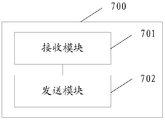
- FIG. 7 is a schematic diagram of an apparatus for accessing a cluster group after a late call according to another embodiment of the present invention.
- FIG. 8 is a schematic diagram of an apparatus for accessing a cluster group after a late call according to another embodiment of the present invention.
- FIG. 9 is a schematic diagram of an apparatus for accessing a cluster group after a late call according to another embodiment of the present invention.
- FIG. 10 is a schematic diagram of a system for accessing a cluster group after a late call according to another embodiment of the present invention.
- FIG. 11 is a schematic diagram of a system for accessing a cluster group after a late call according to another embodiment of the present invention.
- LTE Long Term Evolution
- the user equipment when the user equipment is newly booted or roamed into the cluster coverage cell, the late access will be performed. After the process is successfully registered, the user equipment can enter the listening state after receiving the periodic trunkingPaging message and the periodic GroupCallConfig message. When the user equipment performs the cell handover and the TAU update occurs, the user equipment needs to wait for the cluster TAU to update successfully. After receiving the periodic paging message and the periodic GroupCallConfig message, the user can start to enter the listening state, and the periodic paging message is generally The configuration time is longer, which will result in a user's late access experience.
- LTE Long Term Evolution
- the embodiment of the present invention provides a method, a device, and a system for accessing a cluster group after a late call, which can reduce the transmission of air interface signaling, reduce the waste of communication resources, and reduce the delay of the UE late access. To improve the user experience.
- the data communication method provided by the embodiment of the present invention can be applied to an LTE system.
- a method for accessing the cluster group after the call is delayed will be described below with reference to FIG. 1 to FIG. 5.
- the method may include, for example:
- the core network node device determines whether the user equipment that sends the data request is a user equipment that is accessed after the group call is delayed.
- the determining, by the core network node device, whether the user equipment that sends the data request is a user equipment that is late for the group call includes: when the data request is a cluster registration request (English name is a trunking register request) When it is determined that the group corresponding to the user equipment has a group call service, the core network node device determines that the user equipment is a user equipment that is accessed after the group call is late. For example, when the user equipment is newly powered on or roaming into a cluster coverage cell, after the UE standard LTE registration succeeds, the UE confirms that the cell supports the cluster function, and sends a trunk registration request trunking register request.
- the core network node device When the core network node device receives the trunking register request sent by the base station, it determines whether the group corresponding to the UE has a group call service. If yes, it is determined that the UE is a UE that is accessed after the group call is late. For example, when the UE needs to perform cell handover, after the cell reselection succeeds, the TAU request is sent in the newly switched cell.
- the base station sends the TAU request to the core network node device.
- the core network node device receives the TAU request sent by the base station, it determines whether the group corresponding to the UE has a group call service. If yes, it is determined that the UE is a UE that is accessed after the group call is late.
- the core network node device When it is determined that the user equipment is a user equipment that is accessed after the group call is delayed, the core network node device sends an indication message to the base station to instruct the base station to send the cluster to the user equipment when responding to the data request.
- Group resource configuration information and group call traffic channel configuration information When it is determined that the user equipment is a user equipment that is accessed after the group call is delayed, the core network node device sends an indication message to the base station to instruct the base station to send the cluster to the user equipment when responding to the data request.
- the cluster group resource configuration information and the group call traffic channel configuration information are carried in a downlink direct transmission message that includes a response message for the data request.
- the system when the core network node device determines that the UE is a UE that is accessed after the group call is delayed, the system sends an indication message to the base station, in response to the data request, to indicate that the base station sends the cluster to the UE.
- Group resource configuration information and group call traffic channel configuration information For example, when the data request is a trunking register request, the core network node device sends the indication to the base station when sending a trunking register accept message to the base station. interest. For example, when the data request is a TAU request, the core network node device sends the indication message to the base station when sending a Tracking Area Update Accept message to the base station.
- the indication message is carried in a downlink non-access stratum NAS transport message sent by the core network node device to the base station, where the downlink NAS transport message is further used to carry a response message for the data request.
- a cluster registration accept message or a TAU accept message For example, the core network node device adds a field in the downlink NAS transmission message to carry the indication message.
- the core network node device may also send the indication message while transmitting a downlink NAS transmission message carrying a response message for the data request. At this time, an indication message needs to be newly constructed.
- the present invention does not limit the type and content of the indication message, as long as the base station can be instructed to send cluster group resource configuration information and group call service channel configuration information to the UE.
- the method for processing the core network node device is described above.
- the method for accessing the cluster group after the late call is provided from the base station side.
- FIG. 2 is a flowchart of a method for accessing a cluster group after a late call, which is applied to a base station according to an embodiment of the present invention.
- the method may include, for example:
- the base station receives a data request sent by the user equipment, and sends the data request to the core network node device.
- the data request sent by the base station to the user equipment may be a trunking register request or a TAU request.
- the base station carries the trunking Register Request or TAU request in the uplink NAS transmission message, and sends the trunking Register Request or TAU request to the core network node device.
- the base station receives an indication message sent by the core network node device, where the indication message is used to instruct the base station to send cluster group resource configuration information and group call service channel configuration information to the user equipment.
- the base station After receiving the indication message sent by the core network node device, the base station determines whether the cell corresponding to the user equipment or the tracking area TA establishes a group call resource. If it is determined that the cell corresponding to the user equipment or the tracking area TA does not establish a group call resource, the group call resource is established in the cell or the TA.
- the combined resources include a cluster group control channel resource and a cluster group traffic channel resource. After establishing a group call resource, That is, the cluster group resource configuration information and the group call traffic channel configuration information are sent to the user equipment. If the base station determines that the cell corresponding to the user equipment or the tracking area TA establishes a group call resource, the cluster group resource configuration information and the group call service channel configuration information are directly sent.
- a trunking pageing message is periodically sent, and the UE needs to wait for a call period to receive a corresponding message.
- the method provided by the embodiment of the present invention significantly reduces user waiting time, improves user access efficiency, and reduces The transmission of air interface signaling.
- the base station sends a downlink direct transmission message to the user equipment, where the downlink direct transmission message is used to carry a response message for the data request, the cluster group resource configuration information, and the group call service channel configuration information.
- the response message for the data request is a cluster registration accept message; when the data request is a TAU request, the response message for the data request is TAU accepts the message.
- the cluster group resource configuration information is used by the user equipment to establish a cluster control channel
- the group call service channel configuration information is used by the user equipment to establish a cluster service channel.
- the cluster group resource configuration information may include a cluster group identifier (the English name is a trunking group ID, the Chinese name is a cluster group ID identifier), and the G-RNTI (the full name is Group Radio Network Tempory Identity in English) Wireless network temporary identification), call priority, etc.
- the trunking group ID is used to identify the ID number of the current call group;
- the G-RNTI is used to identify the group identifier, and the UE demodulates the PDCCH of the current listening group according to the G-RNTI; the call priority is used for call selection control.
- the group call service channel configuration information mainly includes a RadioResourceConfigDedicated (that is, a TTCH channel resource configuration information, a TTCH Chinese name is a service channel, and an English full name is a trunking traffic channel).
- the radioResourceConfigDedicated includes the cluster data RB (in English, the full name of the radio bearer) and the cluster group physical downlink shared channel PDSCH configuration information, where the cluster data RB bearer information is used to notify the terminal cluster data bearer RB specific information; Cluster group PDSCH configuration information, used for PDSCH channel use.
- the method for processing the base station side is introduced in the following.
- the method for accessing the cluster group after the late call is provided from the UE side.
- FIG. 3 is a flowchart of a method for accessing a cluster group after a late call, which is applied to a UE according to an embodiment of the present invention.
- the method may include, for example:
- the UE sends a data request to the base station.
- the data request may be a trunking Register Request or a TAU request.
- the UE confirms that the cell supports the cluster function, and sends a trunking Register Request.
- the TAU request is sent in the newly switched cell.
- the UE receives a downlink direct transmission message sent by the base station, where the downlink direct transmission message is used to carry a response message, cluster group resource configuration information, and group call service channel configuration information for the data request.
- the response message for the data request is a cluster registration accept message or a TAU accept message.
- the UE parses the downlink direct transmission message, acquires the cluster group resource configuration information, and the group call service channel configuration information, and uses the cluster group resource configuration information and the group call service channel configuration information to establish a cluster. Control channel and cluster traffic channel.
- the UE needs to parse the downlink direct transmission message, obtain cluster group resource configuration information and the group call traffic channel configuration information, and establish cluster control by using the cluster group resource configuration information and the group call service channel configuration information.
- Cluster and trunk traffic channels for fast access to the group call listening state.
- FIG. 4 a signaling flowchart of a method for accessing a cluster group after a call is provided according to still another embodiment of the present invention.
- the UE successfully performs an EPS (English full name called Evolved Packet System) attachment process.
- EPS Simple full name called Evolved Packet System
- the UE sends an LTE cluster registration request (Trunking Register Request) to the cluster base station, where the request is carried in an uplink direct transfer message (Uplink Information Transfer).
- LTE cluster registration request Trusted Register Request
- uplink direct transfer message Uplink Information Transfer
- the UE when the UE determines that the cell or the TA supports the cluster function, the UE is in the service base.
- the station sends an LTE cluster registration request.
- the cluster base station sends a trunk registration request (Trunking Register Request) to the cluster core network node device, where the request is carried in an uplink NAS transport message.
- a trunk registration request (Trunking Register Request)
- the request is carried in an uplink NAS transport message.
- the core network node device sends a trunk registration register (Trunking Register Accept) message and an indication message to the cluster base station, where the message is carried in a downlink NAS transport message.
- a trunk registration register Trusted Register Accept
- the cluster base station when the core network device receives the trunking register request and confirms that the group corresponding to the user equipment has a group call service, the cluster base station is instructed to send the cluster group to the user equipment in the downlink direct transmission message.
- Resource configuration information and group call traffic channel configuration information when the core network device receives the trunking register request and confirms that the group corresponding to the user equipment has a group call service, the cluster base station is instructed to send the cluster group to the user equipment in the downlink direct transmission message.
- the cluster base station sends a trunking register accept message, a cluster group resource configuration information, and a group call service channel configuration information to the UE, where the message and the configuration information are carried in a Downlink Information Transfer message.
- the UE receives and parses the downlink direct transmission message, and sends a trunking registration complete (Trunking Register Complete) message to the base station, where the trunking Register Complete message is carried in an uplink direct transfer message (Uplink Information Transfer).
- a trunking registration complete Trunking Register Complete
- Uplink Information Transfer Uplink Information Transfer
- the UE can enter the listening state.
- the base station sends a trunking registration complete (Trunking Register Complete) message to the core network node device, where the trunking Register Complete message is carried in an uplink NAS transport message.
- a trunking registration complete Trunking Register Complete
- FIG. 5 is a signaling flowchart of a method for accessing a cluster group after a late call according to another embodiment of the present invention.
- the UE performs cell reselection.
- the UE sends a radio resource control RRC connection request (RRC Connection Request).
- the base station sends an RRC Connection Setup message.
- S504 The UE sends a Tracking Area Update Request to the cluster base station, where the request is carried in an RRC Connection Setup Complete message.
- the cluster base station sends a TAU request to the cluster core network node device, where the request is carried in an initial UE message.
- the core network node device After receiving the TAU request and determining that the group corresponding to the UE has a group call service, the core network node device establishes a group call resource in the target cell or the tracking area TA where the UE is located.
- the core network node device sends a Tracking Area Update Accept message and an indication message to the cluster base station, where the message is carried in a Downlink NAS Transport message.
- the cluster base station when the core network device receives the TAU request and confirms that the group corresponding to the user equipment has a group call service, the cluster base station is instructed to send the cluster group resource to the user equipment in the downlink direct transmission message.
- Configuration information and group call service channel configuration information when the core network device receives the TAU request and confirms that the group corresponding to the user equipment has a group call service, the cluster base station is instructed to send the cluster group resource to the user equipment in the downlink direct transmission message.
- the cluster base station sends a TAU accept message, a cluster group resource configuration information, and a group call service channel configuration information to the UE, where the TAU accept message and the configuration information are carried in a Downlink Information Transfer.
- the UE receives and parses the downlink direct transmission message, and sends a Tracking Area Update Complete message to the base station, where the Tracking Area Update Complete message is carried in an uplink direct transfer message (Uplink Information Transfer).
- Uplink Information Transfer Uplink Information Transfer
- the UE may also not send the TAU completion message.
- the UE can enter the listening state.
- S510 The base station sends a Tracking Area Update Complete message to the core network node device, where the Tracking Area Update Complete message is carried in an uplink NAS Transport message.
- FIG. 6 is a schematic diagram of a cluster group call delay access device according to an embodiment of the present invention.
- the illustrated device 600 can include:
- the determining unit 601 is configured to determine whether the user equipment that sends the data request is a user equipment that is accessed after the group call is late.
- the sending unit 602 is configured to: when determining that the user equipment is a user equipment that is accessed after the group call is delayed, send an indication message to the base station to instruct the base station to send the set to the user equipment when responding to the data request Group resource configuration information and group call traffic channel configuration information.
- the determining unit 601 is specifically configured to: when the data request is a cluster registration message and determine that the group corresponding to the user equipment has a group call service, determine that the user equipment is late for the group call User equipment entered.
- the determining unit 601 is specifically configured to: when the data request is a tracking area update TAU request and determine that the group corresponding to the user equipment has a group call service, determine that the user equipment is a group call late. User equipment that is accessed later.
- the indication message sent by the sending unit 602 is carried in a downlink non-access stratum NAS transmission message sent by the core network node device to the base station, where the downlink NAS transmission message is further used to carry the The response message for the data request.
- the response message sent by the sending unit 602 for the data request is a cluster registration accept message or a TAU accept message.
- FIG. 7 is a schematic diagram of a cluster group call delay access device according to an embodiment of the present invention.
- the illustrated device 700 can include:
- the receiving unit 701 is configured to receive a data request sent by the user equipment.
- the sending unit 702 is configured to send the data request to the core network node device.
- the receiving unit 701 is further configured to receive an indication message sent by the core network node device, where the indication message is used to instruct the base station to send cluster group resource configuration information and group call service channel configuration information to the user equipment;
- the sending unit 702 is further configured to send a downlink direct transmission message to the user equipment, where the downlink direct transmission message is used to carry a response message for the data request, the cluster group resource configuration information, and the group call Traffic channel configuration information.
- the apparatus 700 further includes:
- a establishing unit configured to establish a group call resource in the cell or the TA when determining that the cell corresponding to the user equipment or the tracking area TA does not establish a group call resource after receiving the indication message sent by the core network node device.
- the cluster group resource configuration information sent by the sending unit 702 is used by the user equipment to establish a cluster control channel, where the group call traffic channel configuration information is used by the user equipment to establish a cluster service channel. .
- the data request received by the receiving unit 701 is for cluster registration.
- the request message for the data request sent by the sending unit 702 is a cluster registration accept message; or the data request received by the receiving unit 701 is a tracking area update TAU request, and the sending unit 702
- the response message sent for the data request is a TAU accept message.
- FIG. 8 is a schematic diagram of a cluster group call delay access device according to an embodiment of the present invention.
- the illustrated device 800 can include:
- the sending unit 801 is configured to send a data request to the base station.
- the receiving unit 802 is configured to receive a downlink direct transmission message sent by the base station, where the downlink direct transmission message is used to carry a response message for the data request, cluster group resource configuration information, and group call service channel configuration information.
- the parsing unit 803 is configured to parse the downlink direct transmission message, acquire the cluster group resource configuration information, and the group call traffic channel configuration information to establish a cluster control channel and a cluster service channel.
- the establishing unit 804 is configured to establish a cluster control channel and a cluster service channel by using the cluster group resource configuration information and the group call traffic channel configuration information.
- the functions of the modules or units of the access device after the cluster group is configured in FIG. 6 to FIG. 8 can be implemented by referring to the steps of the method in FIG. 1 to FIG. 5 , and details are not described herein.
- FIG. 9 a block diagram of an apparatus for data communication according to another embodiment of the present invention is shown. Including: at least one processor 901 (eg, CPU), memory 902, receiver 903, transmitter 904, and at least one communication bus 905 for enabling connection communication between these devices.
- the processor 901 is configured to execute an executable module, such as a computer program, stored in the memory 902.
- the memory 902 may include a high speed random access memory (RAM), and may also include a non-volatile memory such as at least one disk memory.
- One or more programs are stored in the memory and are configured to be executed by one or more processors 901.
- the one or more programs include instructions for:
- the processor 901 is specifically configured to execute the one or more programs. Contains instructions for doing the following:
- the user equipment is determined to be a user equipment that is later accessed by the group call.
- the processor 901 is specifically configured to execute the one or more programs including instructions for performing the following operations:
- the processor 901 is specifically configured to execute the one or more programs including instructions for performing the following operations:
- the indication message is carried in a downlink non-access stratum NAS transport message sent by the core network node device to the base station, where the downlink NAS transport message is further used to carry a response message for the data request.
- the processor 901 is specifically configured to execute the one or more programs including instructions for performing the following operations:
- the downlink non-access stratum NAS transport message sent by the core network node device to the base station carries a response message for the data request, where the response message is a cluster registration accept message or a TAU accept message.
- FIG. 10 it is a block diagram of an apparatus for data communication according to another embodiment of the present invention.
- the processor 1001 eg, CPU
- the processor 1001 is configured to execute an executable module, such as a computer program, stored in the memory 1002.
- the memory 1002 may include a high speed random access memory (RAM), and may also include a non-volatile memory such as at least one disk memory.
- One or more programs are stored in the memory and are configured to be executed by one or more processors 1001.
- the one or more programs include instructions for:
- the processor 1001 is specifically configured to execute the one or more programs including instructions for performing the following operations:
- the group call resource is established in the cell or the TA.
- the processor 1001 is specifically configured to execute the one or more programs including instructions for performing the following operations:
- FIG. 11 a block diagram of an apparatus for data communication according to another embodiment of the present invention is shown. Including: at least one processor 1101 (eg, CPU), memory 1102, receiver 1103, transmitter 1104, and at least one communication bus 1105 for enabling connection communication between these devices.
- the processor 1101 is configured to execute executable modules, such as computer programs, stored in the memory 1102.
- the memory 1102 may include a high speed random access memory (RAM: Random Access Memory), and may also include a non-volatile memory such as at least one disk memory.
- One or more programs are stored in the memory and are configured to be executed by one or more processors 1001.
- the one or more programs include instructions for:
- Parsing the downlink direct transmission message acquiring the cluster group resource configuration information and the group call traffic channel configuration information, and establishing a cluster control channel by using the cluster group resource configuration information and the group call service channel configuration information.
- Cluster traffic channel
- the invention may be described in the general context of computer-executable instructions executed by a computer, such as a program module.
- program modules include routines, programs, objects, components, data structures, and the like that perform particular tasks or implement particular abstract data types.
- the invention may also be practiced in distributed computing environments where tasks are performed by remote processing devices that are connected through a communication network.
- program modules can be located in both local and remote computer storage media including storage devices.
Landscapes
- Engineering & Computer Science (AREA)
- Multimedia (AREA)
- Computer Networks & Wireless Communication (AREA)
- Signal Processing (AREA)
- Mobile Radio Communication Systems (AREA)
Abstract
一种集群组呼迟后接入方法及装置,所述方法包括:确定发送数据请求的用户设备是否为组呼迟后接入的用户设备;当确定所述用户设备为组呼迟后接入的用户设备时,在响应所述数据请求时向基站发送指示消息用于指示所述基站向所述用户设备发送集群组资源配置信息和组呼业务信道配置信息。本发明实施例可以减少空口信令的传输,降低通信资源浪费,减少UE迟后接入的时延,提高用户体验。
Description
本发明实施例涉及通信技术领域,具体涉及一种集群组呼迟后接入的方法及装置。
迟后接入一般是指在组呼会话建立过程中,部分群组用户设备(英文全称为User Equipment,英文简称为UE)由于某些原因未能及时接入到组呼中,集群系统允许所述UE在具备接入条件后稍后接入到组呼中。迟后接入的情形可以包括UE新开机、UE漫游进入有集群覆盖的小区、UE进行小区切换而切换后的小区没有集群上下文等情形。
现有技术的集群组呼迟后接入方法,需要UE在集群注册成功后或者在发起跟踪区更新(英文全称为Tracking Area Update,英文简称为TAU)成功后,等待基站周期性地发送集群寻呼(英文名称为TrunkingPaging)消息和集群组呼呼叫配置信息(英文名称为GroupCallConfig)后,才能进入监听态接入组呼。然而,基站发送的周期性集群组呼寻呼消息的配置时间一般比较长,可达几百毫秒甚至数十妙,用户需要进行较长时间的等待,用户体验不好。
发明内容
本发明实施例提供了一种集群组呼迟后接入的的方法、装置及系统,可以中减少空口信令的传输,降低通信资源浪费,减少UE迟后接入的时延,提高用户体验。
第一方面,本发明实施例提供了一种集群组呼迟后接入的方法,所述方法包括:
确定发送数据请求的用户设备是否为组呼迟后接入的用户设备;
当确定所述用户设备为组呼迟后接入的用户设备时,在响应所述数据请求时,向基站发送指示消息用于指示所述基站向所述用户设备发送集群组资源配
置信息和组呼业务信道配置信息。
第二方面,本发明实施例提供了一种集群组呼迟后接入的方法,所述方法包括:
接收用户设备发送的数据请求,向核心网节点设备发送所述数据请求;
接收所述核心网节点设备发送的指示消息,所述指示消息用于指示所述基站向所述用户设备发送集群组资源配置信息和组呼业务信道配置信息;
向所述用户设备发送下行直传消息,所述下行直传消息用于承载针对所述数据请求的响应消息、所述集群组资源配置信息以及所述组呼业务信道配置信息。
第三方面,本发明实施例提供了一种集群组呼迟后接入的方法,所述方法包括:
向基站发送数据请求;
接收基站发送的下行直传消息,所述下行直传消息用于承载针对所述数据请求的响应消息、集群组资源配置信息以及组呼业务信道配置信息;
解析所述下行直传消息,获取所述集群组资源配置信息以及所述组呼业务信道配置信息,利用所述集群组资源配置信息以及所述组呼业务信道配置信息建立集群控制信道和集群业务信道。
第四方面,本发明实施例提供了一种集群组呼迟后接入的装置,所述装置包括:
确定单元,用于确定发送数据请求的用户设备是否为组呼迟后接入的用户设备;
发送单元,用于当确定所述用户设备为组呼迟后接入的用户设备时,在响应所述数据请求时,向基站发送指示消息用于指示所述基站向所述用户设备发送集群组资源配置信息和组呼业务信道配置信息。
第五方面,本发明实施例提供了一种集群组呼迟后接入的装置,所述装置包括:
接收单元,用于接收用户设备发送的数据请求;
发送单元,用于向核心网节点设备发送所述数据请求;
所述接收单元还用于接收所述核心网节点设备发送的指示消息,所述指示消息用于指示所述基站向所述用户设备发送集群组资源配置信息和组呼业务
信道配置信息;
所述发送单元还用于向所述用户设备发送下行直传消息,所述下行直传消息用于承载针对所述数据请求的响应消息、所述集群组资源配置信息以及所述组呼业务信道配置信息。
第六方面,本发明实施例提供了一种集群组呼迟后接入的装置,所述装置包括:
发送单元,用于向基站发送数据请求;
接收单元,用于接收基站发送的下行直传消息,所述下行直传消息用于承载针对所述数据请求的响应消息、集群组资源配置信息以及组呼业务信道配置信息;
解析单元,用于解析所述下行直传消息,获取所述集群组资源配置信息以及所述组呼业务信道配置信息建立集群控制信道和集群业务信道;
建立单元,用于利用所述集群组资源配置信息以及所述组呼业务信道配置信息建立集群控制信道和集群业务信道。
第七方面,本发明实施例提供了一种用于集群组呼迟后接入的装置,包括有存储器,以及一个或者一个以上的程序,其中一个或者一个以上程序存储于存储器中,且经配置以由一个或者一个以上处理器执行所述一个或者一个以上程序包含用于进行以下操作的指令:
确定发送数据请求的用户设备是否为组呼迟后接入的用户设备;
当确定所述用户设备为组呼迟后接入的用户设备时,在响应所述数据请求时,向基站发送指示消息;其中,所述指示消息用于指示所述基站向所述用户设备发送集群组资源配置信息和组呼业务信道配置信息;所述集群组资源配置信息和组呼业务信道配置信息承载在包含针对所述数据请求的响应消息的下行直传消息中。
第八方面,本发明实施例提供了一种用于集群组呼迟后接入的装置,包括有存储器,以及一个或者一个以上的程序,其中一个或者一个以上程序存储于存储器中,且经配置以由一个或者一个以上处理器执行所述一个或者一个以上程序包含用于进行以下操作的指令:
接收用户设备发送的数据请求,向核心网节点设备发送所述数据请求;
接收所述核心网节点设备发送的指示消息,所述指示消息用于指示所述基
站向所述用户设备发送集群组资源配置信息和组呼业务信道配置信息;
向所述用户设备发送下行直传消息,所述下行直传消息用于承载针对所述数据请求的响应消息、所述集群组资源配置信息以及所述组呼业务信道配置信息。
第九方面,本发明实施例提供了一种用于集群组呼迟后接入的装置,包括有存储器,以及一个或者一个以上的程序,其中一个或者一个以上程序存储于存储器中,且经配置以由一个或者一个以上处理器执行所述一个或者一个以上程序包含用于进行以下操作的指令:
向基站发送数据请求;
接收基站发送的下行直传消息,所述下行直传消息用于承载针对所述数据请求的响应消息、集群组资源配置信息以及组呼业务信道配置信息;
解析所述下行直传消息,获取所述集群组资源配置信息以及所述组呼业务信道配置信息,利用所述集群组资源配置信息以及所述组呼业务信道配置信息建立集群控制信道和集群业务信道。
本发明实施例提供的集群组呼迟后接入的方法及装置及系统,在核心网节点设备确定发送数据请求的用户设备为组呼迟后接入的用户设备时,即在响应所述数据请求时向基站发送指示消息,用于指示基站在向用户设备发送包含针对所述数据请求的响应消息的下行直传消息中,承载集群组资源配置信息和组呼业务信道配置信息,以便于用户设备解析所述下行直传消息,获取集群组资源配置信息和组呼业务信道配置信息以用于建立集群控制信道和集群业务信道,以接入组呼。本发明实施例在包含响应消息的下行直传消息中承载集群组资源配置信息和组呼业务信道配置信息,节省了空口信令的传输,降低了通信自由的浪费,且无需用户进行周期性的等待,节省用户等待时间,提高用户体验。
为了更清楚地说明本发明实施例或现有技术中的技术方案,下面将对实施例或现有技术描述中所需要使用的附图作简单地介绍,显而易见地,下面描述中的附图仅仅是本发明中记载的一些实施例,对于本领域普通技术人员来讲,
在不付出创造性劳动的前提下,还可以根据这些附图获得其他的附图。
图1为本发明一实施例提供的集群组呼迟后接入的方法流程图;
图2为本发明又一实施例提供的集群组呼迟后接入的方法流程图;
图3为本发明另一实施例提供的集群组呼迟后接入的方法流程图;
图4为本发明再一实施例提供的集群组呼迟后接入的方法信令流程图;
图5为本发明再一实施例提供的集群组呼迟后接入的方法信令流程图;
图6为本发明一实施例提供的集群组呼迟后接入的装置示意图;
图7为本发明另一实施例提供的集群组呼迟后接入的装置示意图;
图8为本发明再一实施例提供的集群组呼迟后接入的装置示意图;
图9为本发明又一实施例提供的集群组呼迟后接入的装置示意图;
图10为本发明又一实施例提供的集群组呼迟后接入的系统示意图;
图11为本发明又一实施例提供的集群组呼迟后接入的系统示意图。
现有长期演进(英文全称为Long Term Evolution,英文简称为LTE)集群系统中,对于组呼被叫用户设备,当用户设备是新开机或漫游进入有集群覆盖小区时,会进行迟后接入流程,用户设备需要等集群注册成功后,收到周期性TrunkingPaging消息后和周期性GroupCallConfig消息后,才能开始进入监听状态。当用户设备进行小区切换,发生TAU更新时,用户设备需要等集群TAU更新成功后,收到周期性寻呼消息后和周期性GroupCallConfig消息后,才能开始进入监听状态,而周期性寻呼消息一般配置时间比较长,这样会导致用户迟后接入体验不好。
基于此,本发明实施例提供了一种集群组呼迟后接入的的方法、装置及系统,可以中减少空口信令的传输,降低通信资源浪费,减少UE迟后接入的时延,提高用户体验。
为了使本技术领域的人员更好地理解本发明中的技术方案,下面将结合本发明实施例中的附图,对本发明实施例中的技术方案进行清楚、完整地描述,显然,所描述的实施例仅仅是本发明一部分实施例,而不是全部的实施例。基于本发明中的实施例,本领域普通技术人员在没有做出创造性劳动前提下所获
得的所有其他实施例,都应当属于本发明保护的范围。
本发明实施例提供的数据通信的方法可以应用于LTE系统中。下面结合图1至图5对上述集群组呼迟后接入的方法进行说明。
参见图1,为本发明一实施例提供的集群组呼迟后接入的方法流程图,应用于核心网节点设备,所示方法例如可以包括:
S101,核心网节点设备确定发送数据请求的用户设备是否为组呼迟后接入的用户设备。
在一些实施方式中,所述核心网节点设备确定发送数据请求的用户设备是否为组呼迟后接入的用户设备包括:当所述数据请求为集群注册请求(英文名称为Trunking Register Request)且确定所述用户设备对应的分组存在组呼业务时,核心网节点设备确定所述用户设备为组呼迟后接入的用户设备。举例说明,当用户设备是新开机或漫游进入有集群覆盖小区时,在UE标准LTE注册成功后,UE确认所述小区支持集群功能,会发送集群注册请求Trunking Register Request。当核心网节点设备接收到基站发送的所述Trunking Register Request时,会确认该UE对应的分组是否存在组呼业务。若存在,则确定所述UE为组呼迟后接入的UE。又举例说明,当UE需要进行小区切换时,在小区重选成功后,会在新切换的小区发送TAU请求。基站将所述TAU请求发送给核心网节点设备。当核心网节点设备接收到基站发送的所述TAU请求时,会确认该UE对应的分组是否存在组呼业务。若存在,则确定所述UE为组呼迟后接入的UE。
S102,当确定所述用户设备为组呼迟后接入的用户设备时,核心网节点设备在响应所述数据请求时向基站发送指示消息用于指示所述基站向所述用户设备发送集群组资源配置信息和组呼业务信道配置信息。
其中,所述集群组资源配置信息和组呼业务信道配置信息承载在包含针对所述数据请求的响应消息的下行直传消息中。
具体实现时,当核心网节点设备确定所述UE为组呼迟后接入的UE时,在响应所述数据请求时向基站发送指示消息,用于指示所述基站向所述UE发送集群组资源配置信息和组呼业务信道配置信息。举例说明,当所述数据请求为集群注册请求(Trunking Register Request)时,核心网节点设备在向基站发送集群注册接受(Trunking Register Accept)消息时,向基站发送所述指示消
息。又举例说明,当所述数据请求为TAU请求时,核心网节点设备在向基站发送TAU接受消息(Tracking Area Update Accept)消息时,向基站发送所述指示消息。
在一些实施方式中,所述指示消息承载在所述核心网节点设备向基站发送的下行非接入层NAS传输消息中,所述下行NAS传输消息还用于承载针对所述数据请求的响应消息,例如集群注册接受消息或者TAU接受消息。举例说明,核心网节点设备,在所述下行NAS传输消息增加一个字段,用于承载所述指示消息。
在一些实施方式中,所述核心网节点设备还可以在发送承载针对所述数据请求的响应消息的下行NAS传输消息的同时,发送所述指示消息。这时,需要新构造一个指示消息,本发明不限定所述指示消息的类型和内容,只要能够指示基站向UE发送集群组资源配置信息和组呼业务信道配置信息即可。
以上对核心网节点设备的处理方法进行了介绍,下面从基站侧对本发明实施例提供的集群组呼迟后接入的方法进行介绍。
参见图2,为本发明一实施例提供的集群组呼迟后接入的方法流程图,应用于基站,所示方法例如可以包括:
S201,基站接收用户设备发送的数据请求,向核心网节点设备发送所述数据请求。
基站接收用户设备发送的数据请求具体可以为Trunking Register Request或者TAU请求。基站在上行NAS传输消息中承载所述Trunking Register Request或者TAU请求,向核心网节点设备发送所述Trunking Register Request或者TAU请求。
S202,基站接收所述核心网节点设备发送的指示消息,所述指示消息用于指示所述基站向所述用户设备发送集群组资源配置信息和组呼业务信道配置信息。
基站接收到核心网节点设备发送的指示消息后,即判断所述用户设备对应的小区或者跟踪区TA是否建立组呼资源。若确定所述用户设备对应的小区或者跟踪区TA未建立组呼资源时,在所述小区或者TA建立组呼资源。所述组合资源包括集群组控制信道资源和集群组业务信道资源。在建立组呼资源后,
即向所述用户设备发送集群组资源配置信息以及所述组呼业务信道配置信息。若基站确定用户设备对应的小区或者跟踪区TA建立了组呼资源,即直接发送所述集群组资源配置信息以及所述组呼业务信道配置信息。相对于现有技术周期性发送trunking pageing消息,UE需要等待呼叫周期带来才能接收到相应消息的方式,本发明实施例提供的方法显著降低了用户等待时间,提高了用户接入效率,并减少了空口信令的传输。
S203,基站向所述用户设备发送下行直传消息,所述下行直传消息用于承载针对所述数据请求的响应消息、所述集群组资源配置信息以及所述组呼业务信道配置信息。
其中,当所述数据请求为集群注册请求时,所述针对所述数据请求的响应消息为集群注册接受消息;当所述数据请求为TAU请求时,所述针对所述数据请求的响应消息为TAU接受消息。
其中,所述集群组资源配置信息用于所述用户设备建立集群控制信道,所述组呼业务信道配置信息用于所述用户设备建立集群业务信道。
其中,所述集群组资源配置信息可以包括集群分组标识(英文名称为Trunking Group ID,中文名称为集群组ID标识)、G-RNTI(英文全称为Group Radio Network Tempory Identity,中文全称为组无线网络临时标识)、呼叫优先级(Call Priority)等。其中,Trunking Group ID用于识别当前呼叫组的ID号;G-RNTI用于识别组标识,UE根据G-RNTI去解调当前需要监听组的PDCCH;呼叫优先级用于呼叫选择控制。其中,所述组呼业务信道配置信息主要包括RadioResourceConfigDedicated(即TTCH信道资源配置信息,TTCH中文名称为业务信道,英文全称为Trunking Traffic Channel)。radioResourceConfigDedicated包括集群数据RB(英文全称为Radio Bear,中文全称为无线承载)承载信息和集群组物理下行共享信道PDSCH配置信息,其中集群数据RB承载信息用于通知终端集群数据承载RB的具体信息;集群组PDSCH配置信息,用于PDSCH信道使用。
以上对基站侧的处理方法进行了介绍,下面从UE侧对本发明实施例提供的集群组呼迟后接入的方法进行介绍。
参见图3,为本发明一实施例提供的集群组呼迟后接入的方法流程图,应用于UE,所示方法例如可以包括:
S301,UE向基站发送数据请求。
具体实现时,所述数据请求可以为Trunking Register Request或者TAU请求。举例说明,当用户设备是新开机或漫游进入有集群覆盖小区时,在UE标准LTE注册成功后,UE确认所述小区支持集群功能,会发送Trunking Register Request。又举例说明,当UE需要进行小区切换时,在小区重选成功后,会在新切换的小区发送TAU请求。
S302,UE接收基站发送的下行直传消息,所述下行直传消息用于承载针对所述数据请求的响应消息、集群组资源配置信息以及组呼业务信道配置信息。
其中,所述针对所述数据请求的响应消息为集群注册接受消息或者TAU接受消息。
S303,UE解析所述下行直传消息,获取所述集群组资源配置信息以及所述组呼业务信道配置信息,利用所述集群组资源配置信息以及所述组呼业务信道配置信息建立集群控制信道和集群业务信道。
UE需要解析所述下行直传消息,从中获取集群组资源配置信息以及所述组呼业务信道配置信息,并利用所述集群组资源配置信息以及所述组呼业务信道配置信息建立集群控制信道和集群业务信道,以快速进入到组呼监听状态。
为了便于本领域技术人员更清楚地理解本发明在具体场景下的实施方式,下面以两个具体示例对本发明实施方式进行介绍。需要说明的是,该具体示例仅为使得本领域技术人员更清楚地了解本发明,但本发明的实施方式不限于该具体示例。
参见图4,为本发明再一实施例提供的集群组呼迟后接入的方法信令流程图。
S401,UE成功执行EPS(英文全称为Evolved Packet System,中文全称为演进的分组系统)附着过程。
具体实现与现有技术相同,在此不再赘述。
S402,UE向集群基站发送LTE集群注册请求(Trunking Register Request),所述请求承载在上行直传消息(Uplink Information Transfer)中。
具体实现时,当UE确定所在的小区或者TA支持集群功能,在向服务基
站发送LTE集群注册请求。
S403,集群基站向集群核心网节点设备发送集群注册请求(Trunking Register Request),所述请求承载在上行NAS传输消息(Uplink NAS Transport)中。
S404,核心网节点设备向集群基站发送集群注册接受(Trunking Register Accept)消息和指示消息,所述消息承载在下行NAS传输消息(Downlink NAS Transport)中。
具体实现时,当核心网设备在接收到所述Trunking Register Request后且确认所述用户设备对应的分组存在组呼业务,即指示集群基站在下行直传消息中向所述用户设备发送集群组资源配置信息和组呼业务信道配置信息。
S405,集群基站向UE发送Trunking Register Accept消息、集群组资源配置信息以及组呼业务信道配置信息,所述消息和配置信息承载在下行直传消息(Downlink Information Transfer)中。
S406,UE接收并解析所述下行直传消息,向基站发送集群注册完成(Trunking Register Complete)消息,所述Trunking Register Complete消息承载在上行直传消息(Uplink Information Transfer)中。
这时,UE可以进入监听态。
S407,基站向核心网节点设备发送集群注册完成(Trunking Register Complete)消息,所述Trunking Register Complete消息承载在上行NAS传输消息(Uplink NAS Transport)中。
参见图5,为本发明再一实施例提供的集群组呼迟后接入的方法信令流程图。
S501,UE进行小区重选。
具体实现与现有技术相同,在此不再赘述。
S502,UE发送无线资源控制RRC连接请求(RRC Connection Request)。
S503,基站发送RRC连接建立消息(RRC Connection Setup)。
S504,UE向集群基站发送跟踪区更新请求(Tracking Area Update Request),所述请求承载在RRC连接完成消息(RRC Connection Setup Complete)中。
S505,集群基站向集群核心网节点设备发送TAU请求,所述请求承载在初始用户设备消息(Initial UE Message)中。
S506,核心网节点设备在接收到TAU请求后且确定所述UE对应的分组存在组呼业务时,则在目标小区或者所述UE所在的跟踪区TA建立组呼资源。
S507,核心网节点设备向集群基站发送跟踪区更新接受(Tracking Area Update Accept)消息和指示消息,所述消息承载在下行NAS传输消息(Downlink NAS Transport)中。
具体实现时,当核心网设备在接收到所述TAU请求后且确认所述用户设备对应的分组存在组呼业务,即指示集群基站在下行直传消息中向所述用户设备发送集群组资源配置信息和组呼业务信道配置信息。
S508,集群基站向UE发送TAU接受消息、集群组资源配置信息以及组呼业务信道配置信息,所述TAU接受消息和配置信息承载在下行直传消息(Downlink Information Transfer)中。
S509,UE接收并解析所述下行直传消息,向基站发送TAU完成(Tracking Area Update Complete)消息,所述Tracking Area Update Complete消息承载在上行直传消息(Uplink Information Transfer)中。当然,UE也可以不发送所述TAU完成消息。
这时,UE可以进入监听态。
S510,基站向核心网节点设备发送TAU完成(Tracking Area Update Complete)消息,所述Tracking Area Update Complete消息承载在上行NAS传输消息(Uplink NAS Transport)中。
下面对本发明实施例提供的方法对应的装置进行介绍。
参见图6,为本发明一实施例提供的集群组呼迟后接入装置示意图。所示装置600可以包括:
确定单元601,用于确定发送数据请求的用户设备是否为组呼迟后接入的用户设备。
发送单元602,用于当确定所述用户设备为组呼迟后接入的用户设备时,在响应所述数据请求时,向基站发送指示消息用于指示所述基站向所述用户设备发送集群组资源配置信息和组呼业务信道配置信息。
在一些实施方式中,所述确定单元601具体用于:当所述数据请求为集群注册消息且确定所述用户设备对应的分组存在组呼业务时,确定所述用户设备为组呼迟后接入的用户设备。
在一些实施方式中,所述确定单元601具体用于:当所述数据请求为跟踪区更新TAU请求且确定所述用户设备对应的分组存在组呼业务时,确定所述用户设备为组呼迟后接入的用户设备。
在一些实施方式中,所述发送单元602发送的指示消息承载在所述核心网节点设备向基站发送的下行非接入层NAS传输消息中,所述下行NAS传输消息还用于承载针对所述数据请求的响应消息。
在一些实施方式中,所述发送单元602发送的针对所述数据请求的响应消息为集群注册接受消息或者TAU接受消息。
参见图7,为本发明一实施例提供的集群组呼迟后接入装置示意图。所示装置700可以包括:
接收单元701,用于接收用户设备发送的数据请求;
发送单元702,用于向核心网节点设备发送所述数据请求;
所述接收单元701还用于接收所述核心网节点设备发送的指示消息,所述指示消息用于指示所述基站向所述用户设备发送集群组资源配置信息和组呼业务信道配置信息;
所述发送单元702还用于向所述用户设备发送下行直传消息,所述下行直传消息用于承载针对所述数据请求的响应消息、所述集群组资源配置信息以及所述组呼业务信道配置信息。
在一些实施方式中,所述装置700还包括:
建立单元,用于在接收所述核心网节点设备发送的指示消息后,当确定所述用户设备对应的小区或者跟踪区TA未建立组呼资源时,在所述小区或者TA建立组呼资源。
在一些实施方式中,所述发送单元702发送的所述集群组资源配置信息用于所述用户设备建立集群控制信道,所述组呼业务信道配置信息用于所述用户设备建立集群业务信道。
在一些实施方式中,所述接收单元701接收的所述数据请求为集群注册请
求,所述发送单元702发送的所述针对所述数据请求的响应消息为集群注册接受消息;或者,所述接收单元701接收的所述数据请求为跟踪区更新TAU请求,所述发送单元702发送的所述针对所述数据请求的响应消息为TAU接受消息。
参见图8,为本发明一实施例提供的集群组呼迟后接入装置示意图。所示装置800可以包括:
发送单元801,用于向基站发送数据请求。
接收单元802,用于接收基站发送的下行直传消息,所述下行直传消息用于承载针对所述数据请求的响应消息、集群组资源配置信息以及组呼业务信道配置信息。
解析单元803,用于解析所述下行直传消息,获取所述集群组资源配置信息以及所述组呼业务信道配置信息建立集群控制信道和集群业务信道。
建立单元804,用于利用所述集群组资源配置信息以及所述组呼业务信道配置信息建立集群控制信道和集群业务信道。
其中,图6至图8所述的集群组呼迟后接入装置各模块或单元的功能可以参见图1至图5所述的方法的步骤而实现,在此不赘述。
参见图9,是本发明另一实施例提供的数据通信的装置的框图。包括:至少一个处理器901(例如CPU),存储器902,接收器903,发送器904和至少一个通信总线905,用于实现这些装置之间的连接通信。处理器901用于执行存储器902中存储的可执行模块,例如计算机程序。存储器902可能包含高速随机存取存储器(RAM:Random Access Memory),也可能还包括非不稳定的存储器(non-volatile memory),例如至少一个磁盘存储器。一个或者一个以上程序存储于存储器中,且经配置以由一个或者一个以上处理器901执行所述一个或者一个以上程序包含用于进行以下操作的指令:
确定发送数据请求的用户设备是否为组呼迟后接入的用户设备;
当确定所述用户设备为组呼迟后接入的用户设备时,在响应所述数据请求时向基站发送指示消息用于指示所述基站向所述用户设备发送集群组资源配置信息和组呼业务信道配置信息。
在一些实施方式中,处理器901具体用于执行所述一个或者一个以上程序
包含用于进行以下操作的指令:
当所述数据请求为集群注册消息且确定所述用户设备对应的分组存在组呼业务时,确定所述用户设备为组呼迟后接入的用户设备。
在一些实施方式中,处理器901具体用于执行所述一个或者一个以上程序包含用于进行以下操作的指令:
当所述数据请求为跟踪区更新TAU请求且确定所述用户设备对应的分组存在组呼业务时,确定所述用户设备为组呼迟后接入的用户设备。
在一些实施方式中,处理器901具体用于执行所述一个或者一个以上程序包含用于进行以下操作的指令:
在所述核心网节点设备向基站发送的下行非接入层NAS传输消息中承载所述指示消息,所述下行NAS传输消息还用于承载针对所述数据请求的响应消息。
在一些实施方式中,处理器901具体用于执行所述一个或者一个以上程序包含用于进行以下操作的指令:
在所述核心网节点设备向基站发送的下行非接入层NAS传输消息中承载针对所述数据请求的响应消息,所述响应消息为集群注册接受消息或者TAU接受消息。
参见图10,是本发明另一实施例提供的数据通信的装置的框图。包括:至少一个处理器1001(例如CPU),存储器1002,接收器1003,发送器1004和至少一个通信总线1005,用于实现这些装置之间的连接通信。处理器1001用于执行存储器1002中存储的可执行模块,例如计算机程序。存储器1002可能包含高速随机存取存储器(RAM:Random Access Memory),也可能还包括非不稳定的存储器(non-volatile memory),例如至少一个磁盘存储器。一个或者一个以上程序存储于存储器中,且经配置以由一个或者一个以上处理器1001执行所述一个或者一个以上程序包含用于进行以下操作的指令:
接收用户设备发送的数据请求;
向核心网节点设备发送所述数据请求;
接收所述核心网节点设备发送的指示消息,所述指示消息用于指示所述基站向所述用户设备发送集群组资源配置信息和组呼业务信道配置信息;
向所述用户设备发送下行直传消息,所述下行直传消息用于承载针对所述数据请求的响应消息、所述集群组资源配置信息以及所述组呼业务信道配置信息。
在一些实施方式中,处理器1001具体用于执行所述一个或者一个以上程序包含用于进行以下操作的指令:
在接收所述核心网节点设备发送的指示消息后,当确定所述用户设备对应的小区或者跟踪区TA未建立组呼资源时,在所述小区或者TA建立组呼资源。
在一些实施方式中,处理器1001具体用于执行所述一个或者一个以上程序包含用于进行以下操作的指令:
向所述用户设备发送下行直传消息,,其中,所述下行直传消息承载的所述集群组资源配置信息用于所述用户设备建立集群控制信道,所述组呼业务信道配置信息用于所述用户设备建立集群业务信道。
参见图11,是本发明另一实施例提供的数据通信的装置的框图。包括:至少一个处理器1101(例如CPU),存储器1102,接收器1103,发送器1104和至少一个通信总线1105,用于实现这些装置之间的连接通信。处理器1101用于执行存储器1102中存储的可执行模块,例如计算机程序。存储器1102可能包含高速随机存取存储器(RAM:Random Access Memory),也可能还包括非不稳定的存储器(non-volatile memory),例如至少一个磁盘存储器。一个或者一个以上程序存储于存储器中,且经配置以由一个或者一个以上处理器1001执行所述一个或者一个以上程序包含用于进行以下操作的指令:
向基站发送数据请求;
接收基站发送的下行直传消息,所述下行直传消息用于承载针对所述数据请求的响应消息、集群组资源配置信息以及组呼业务信道配置信息;
解析所述下行直传消息,获取所述集群组资源配置信息以及所述组呼业务信道配置信息,利用所述集群组资源配置信息以及所述组呼业务信道配置信息建立集群控制信道和集群业务信道。
本领域技术人员在考虑说明书及实践这里公开的发明后,将容易想到本发明的其它实施方案。本发明旨在涵盖本发明的任何变型、用途或者适应性变化,这些变型、用途或者适应性变化遵循本发明的一般性原理并包括本公开未公开
的本技术领域中的公知常识或惯用技术手段。说明书和实施例仅被视为示例性的,本发明的真正范围和精神由下面的权利要求指出。
应当理解的是,本发明并不局限于上面已经描述并在附图中示出的精确结构,并且可以在不脱离其范围进行各种修改和改变。本发明的范围仅由所附的权利要求来限制
以上所述仅为本发明的较佳实施例,并不用以限制本发明,凡在本发明的精神和原则之内,所作的任何修改、等同替换、改进等,均应包含在本发明的保护范围之内。
需要说明的是,在本文中,诸如第一和第二等之类的关系术语仅仅用来将一个实体或者操作与另一个实体或操作区分开来,而不一定要求或者暗示这些实体或操作之间存在任何这种实际的关系或者顺序。而且,术语“包括”、“包含”或者其任何其他变体意在涵盖非排他性的包含,从而使得包括一系列要素的过程、方法、物品或者设备不仅包括那些要素,而且还包括没有明确列出的其他要素,或者是还包括为这种过程、方法、物品或者设备所固有的要素。在没有更多限制的情况下,由语句“包括一个……”限定的要素,并不排除在包括所述要素的过程、方法、物品或者设备中还存在另外的相同要素。本发明可以在由计算机执行的计算机可执行指令的一般上下文中描述,例如程序模块。一般地,程序模块包括执行特定任务或实现特定抽象数据类型的例程、程序、对象、组件、数据结构等等。也可以在分布式计算环境中实践本发明,在这些分布式计算环境中,由通过通信网络而被连接的远程处理设备来执行任务。在分布式计算环境中,程序模块可以位于包括存储设备在内的本地和远程计算机存储介质中。
本说明书中的各个实施例均采用递进的方式描述,各个实施例之间相同相似的部分互相参见即可,每个实施例重点说明的都是与其他实施例的不同之处。尤其,对于装置实施例而言,由于其基本相似于方法实施例,所以描述得比较简单,相关之处参见方法实施例的部分说明即可。以上所描述的装置实施例仅仅是示意性的,其中所述作为分离部件说明的单元可以是或者也可以不是物理上分开的,作为单元显示的部件可以是或者也可以不是物理单元,即可以位于一个地方,或者也可以分布到多个网络单元上。可以根据实际的需要选择
其中的部分或者全部模块来实现本实施例方案的目的。本领域普通技术人员在不付出创造性劳动的情况下,即可以理解并实施。以上所述仅是本发明的具体实施方式,应当指出,对于本技术领域的普通技术人员来说,在不脱离本发明原理的前提下,还可以做出若干改进和润饰,这些改进和润饰也应视为本发明的保护范围。
Claims (20)
- 一种集群组呼迟后接入方法,其特征在于,应用于核心网节点设备,所述方法包括:确定发送数据请求的用户设备是否为组呼迟后接入的用户设备;当确定所述用户设备为组呼迟后接入的用户设备时,在响应所述数据请求时向基站发送指示消息用于指示所述基站向所述用户设备发送集群组资源配置信息和组呼业务信道配置信息。
- 根据权利要求1所述的方法,其特征在于,所述确定发送数据请求的用户设备是否为组呼迟后接入的用户设备包括:当所述数据请求为集群注册消息且确定所述用户设备对应的分组存在组呼业务时,确定所述用户设备为组呼迟后接入的用户设备。
- 根据权利要求1所述的方法,其特征在于,所述确定发送数据请求的用户设备是否为组呼迟后接入的用户设备包括:当所述数据请求为跟踪区更新TAU请求且确定所述用户设备对应的分组存在组呼业务时,确定所述用户设备为组呼迟后接入的用户设备。
- 根据权利要求1、2或3所述的方法,其特征在于,所述指示消息承载在所述核心网节点设备向基站发送的下行非接入层NAS传输消息中,所述下行NAS传输消息还用于承载针对所述数据请求的响应消息。
- 根据权利要求4所述的方法,其特征在于,所述针对所述数据请求的响应消息为集群注册接受消息或者TAU接受消息。
- 一种集群组呼迟后接入方法,其特征在于,应用于基站,所述方法包括:接收用户设备发送的数据请求,向核心网节点设备发送所述数据请求;接收所述核心网节点设备发送的指示消息,所述指示消息用于指示所述基站向所述用户设备发送集群组资源配置信息和组呼业务信道配置信息;向所述用户设备发送下行直传消息,所述下行直传消息用于承载针对所述数据请求的响应消息、所述集群组资源配置信息以及所述组呼业务信道配置信息。
- 根据权利要求6所述的方法,其特征在于,在接收所述核心网节点设 备发送的指示消息后,所述方法还包括:当确定所述用户设备对应的小区或者跟踪区TA未建立组呼资源时,在所述小区或者TA建立组呼资源。
- 根据权利要求6所述的方法,其特征在于,所述集群组资源配置信息用于所述用户设备建立集群控制信道,所述组呼业务信道配置信息用于所述用户设备建立集群业务信道。
- 根据权利要求6所述的方法,其特征在于,所述数据请求为集群注册请求,所述针对所述数据请求的响应消息为集群注册接受消息;或者,所述数据请求为跟踪区更新TAU请求,所述针对所述数据请求的响应消息为TAU接受消息。
- 一种集群组呼迟后接入方法,其特征在于,应用于用户设备,所述方法包括:向基站发送数据请求;接收基站发送的下行直传消息,所述下行直传消息用于承载针对所述数据请求的响应消息、集群组资源配置信息以及组呼业务信道配置信息;解析所述下行直传消息,获取所述集群组资源配置信息以及所述组呼业务信道配置信息,利用所述集群组资源配置信息以及所述组呼业务信道配置信息建立集群控制信道和集群业务信道。
- 一种集群组呼迟后接入装置,其特征在于,所述装置包括:确定单元,用于确定发送数据请求的用户设备是否为组呼迟后接入的用户设备;发送单元,用于当确定所述用户设备为组呼迟后接入的用户设备时,在响应所述数据请求时,向基站发送指示消息用于指示所述基站向所述用户设备发送集群组资源配置信息和组呼业务信道配置信息。
- 根据权利要求11所述的装置,其特征在于,所述确定单元具体用于:当所述数据请求为集群注册消息且确定所述用户设备对应的分组存在组呼业务时,确定所述用户设备为组呼迟后接入的用户设备,或者,当所述数据请求为跟踪区更新TAU请求且确定所述用户设备对应的分组存在组呼业务时,确定所述用户设备为组呼迟后接入的用户设备。
- 一种集群组呼迟后接入装置,其特征在于,所述装置包括:接收单元,用于接收用户设备发送的数据请求;发送单元,用于向核心网节点设备发送所述数据请求;所述接收单元还用于接收所述核心网节点设备发送的指示消息,所述指示消息用于指示所述基站向所述用户设备发送集群组资源配置信息和组呼业务信道配置信息;所述发送单元还用于向所述用户设备发送下行直传消息,所述下行直传消息用于承载针对所述数据请求的响应消息、所述集群组资源配置信息以及所述组呼业务信道配置信息。
- 根据权利要求13所述的装置,其特征在于,所述装置还包括:建立单元,用于在接收所述核心网节点设备发送的指示消息后,当确定所述用户设备对应的小区或者跟踪区TA未建立组呼资源时,在所述小区或者TA建立组呼资源。
- 一种集群组呼迟后接入装置,其特征在于,所述装置包括:发送单元,用于向基站发送数据请求;接收单元,用于接收基站发送的下行直传消息,所述下行直传消息用于承载针对所述数据请求的响应消息、集群组资源配置信息以及组呼业务信道配置信息;解析单元,用于解析所述下行直传消息,获取所述集群组资源配置信息以及所述组呼业务信道配置信息建立集群控制信道和集群业务信道;建立单元,用于利用所述集群组资源配置信息以及所述组呼业务信道配置信息建立集群控制信道和集群业务信道。
- 一种用于集群组呼迟后接入的装置,其特征在于,包括有存储器,以及一个或者一个以上的程序,其中一个或者一个以上程序存储于存储器中,且经配置以由一个或者一个以上处理器执行所述一个或者一个以上程序包含用于进行以下操作的指令:确定发送数据请求的用户设备是否为组呼迟后接入的用户设备;当确定所述用户设备为组呼迟后接入的用户设备时,在响应所述数据请求时,向基站发送指示消息用于指示所述基站向所述用户设备发送集群组资源配置信息和组呼业务信道配置信息。
- 根据权利要求16所述的装置,其特征在于,所述处理器具体还用于 执行所述一个或者一个以上程序包含用于进行以下操作的指令:在所述核心网节点设备向基站发送的下行非接入层NAS传输消息中承载所述指示消息,所述下行NAS传输消息还用于承载针对所述数据请求的响应消息。
- 一种用于集群组呼迟后接入的装置,其特征在于,包括有存储器,以及一个或者一个以上的程序,其中一个或者一个以上程序存储于存储器中,且经配置以由一个或者一个以上处理器执行所述一个或者一个以上程序包含用于进行以下操作的指令:接收用户设备发送的数据请求,向核心网节点设备发送所述数据请求;接收所述核心网节点设备发送的指示消息,所述指示消息用于指示所述基站向所述用户设备发送集群组资源配置信息和组呼业务信道配置信息;向所述用户设备发送下行直传消息,所述下行直传消息用于承载针对所述数据请求的响应消息、所述集群组资源配置信息以及所述组呼业务信道配置信息。
- 根据权利要求18所述的装置,其特征在于,所述处理器具体还用于执行所述一个或者一个以上程序包含用于进行以下操作的指令:向所述用户设备发送下行直传消息,其中,所述下行直传消息承载的所述集群组资源配置信息用于所述用户设备建立集群控制信道,所述组呼业务信道配置信息用于所述用户设备建立集群业务信道。
- 一种用于集群组呼迟后接入的装置,其特征在于,包括有存储器,以及一个或者一个以上的程序,其中一个或者一个以上程序存储于存储器中,且经配置以由一个或者一个以上处理器执行所述一个或者一个以上程序包含用于进行以下操作的指令:向基站发送数据请求;接收基站发送的下行直传消息,所述下行直传消息用于承载针对所述数据请求的响应消息、集群组资源配置信息以及组呼业务信道配置信息;解析所述下行直传消息,获取所述集群组资源配置信息以及所述组呼业务信道配置信息,利用所述集群组资源配置信息以及所述组呼业务信道配置信息建立集群控制信道和集群业务信道。
Priority Applications (1)
| Application Number | Priority Date | Filing Date | Title |
|---|---|---|---|
| PCT/CN2016/100557 WO2018058366A1 (zh) | 2016-09-28 | 2016-09-28 | 一种集群组呼迟后接入的方法及装置 |
Applications Claiming Priority (1)
| Application Number | Priority Date | Filing Date | Title |
|---|---|---|---|
| PCT/CN2016/100557 WO2018058366A1 (zh) | 2016-09-28 | 2016-09-28 | 一种集群组呼迟后接入的方法及装置 |
Publications (1)
| Publication Number | Publication Date |
|---|---|
| WO2018058366A1 true WO2018058366A1 (zh) | 2018-04-05 |
Family
ID=61763521
Family Applications (1)
| Application Number | Title | Priority Date | Filing Date |
|---|---|---|---|
| PCT/CN2016/100557 Ceased WO2018058366A1 (zh) | 2016-09-28 | 2016-09-28 | 一种集群组呼迟后接入的方法及装置 |
Country Status (1)
| Country | Link |
|---|---|
| WO (1) | WO2018058366A1 (zh) |
Cited By (1)
| Publication number | Priority date | Publication date | Assignee | Title |
|---|---|---|---|---|
| CN110730497A (zh) * | 2018-07-16 | 2020-01-24 | 普天信息技术有限公司 | 一种用于异频测量间隙同步控制的方法及eNodeB基站 |
Citations (4)
| Publication number | Priority date | Publication date | Assignee | Title |
|---|---|---|---|---|
| WO2007095500A1 (en) * | 2006-02-13 | 2007-08-23 | Qualcomm Incorporated | System and method for providing an early notification when paging a wireless device |
| CN101150787A (zh) * | 2007-10-24 | 2008-03-26 | 中兴通讯股份有限公司 | 一种集群通信系统中主动迟后接入方法 |
| CN104244187A (zh) * | 2013-06-07 | 2014-12-24 | 中兴通讯股份有限公司 | 在宽带集群系统中迟后接入、重建立或切换的方法及基站 |
| CN105635988A (zh) * | 2014-11-04 | 2016-06-01 | 北京信威通信技术股份有限公司 | Idle态ue迟后进入组呼的方法和实现系统 |
-
2016
- 2016-09-28 WO PCT/CN2016/100557 patent/WO2018058366A1/zh not_active Ceased
Patent Citations (4)
| Publication number | Priority date | Publication date | Assignee | Title |
|---|---|---|---|---|
| WO2007095500A1 (en) * | 2006-02-13 | 2007-08-23 | Qualcomm Incorporated | System and method for providing an early notification when paging a wireless device |
| CN101150787A (zh) * | 2007-10-24 | 2008-03-26 | 中兴通讯股份有限公司 | 一种集群通信系统中主动迟后接入方法 |
| CN104244187A (zh) * | 2013-06-07 | 2014-12-24 | 中兴通讯股份有限公司 | 在宽带集群系统中迟后接入、重建立或切换的方法及基站 |
| CN105635988A (zh) * | 2014-11-04 | 2016-06-01 | 北京信威通信技术股份有限公司 | Idle态ue迟后进入组呼的方法和实现系统 |
Cited By (2)
| Publication number | Priority date | Publication date | Assignee | Title |
|---|---|---|---|---|
| CN110730497A (zh) * | 2018-07-16 | 2020-01-24 | 普天信息技术有限公司 | 一种用于异频测量间隙同步控制的方法及eNodeB基站 |
| CN110730497B (zh) * | 2018-07-16 | 2021-10-26 | 普天信息技术有限公司 | 一种用于异频测量间隙同步控制的方法及eNodeB基站 |
Similar Documents
| Publication | Publication Date | Title |
|---|---|---|
| US11284346B2 (en) | Data transmission method and apparatus | |
| US11576088B2 (en) | Method and apparatus for handling connections | |
| US10420009B2 (en) | Methods and devices for determining and using Device-to-Device relay node | |
| CN111278107B (zh) | 信息传送的方法及通信设备 | |
| US12445940B2 (en) | Mobile telecommunications system method, user equipment and base station for transmitting on demand system information | |
| US20180317218A1 (en) | Data scheduling method, base station, and system | |
| CN107231623B (zh) | 一种数据调度方法、基站及系统 | |
| EP4391658A2 (en) | Terminal state conversion method and apparatus | |
| WO2015139592A1 (zh) | 用于设备到设备信号传输的资源分配方法和装置 | |
| KR102427544B1 (ko) | 통신 방법 및 통신 장치 | |
| JP2018536348A (ja) | 要求に応じてシステム情報を一斉同報するための方法およびデバイス | |
| WO2016145735A1 (zh) | 基于终端直连通信的数据共享方法、装置和终端 | |
| WO2018201761A1 (zh) | 一种系统信息传输方法及相关设备 | |
| WO2016155113A1 (zh) | 一种群组通信的方法、用户设备、基站设备及系统 | |
| US20180098325A1 (en) | Apparatus and method for transmitting data | |
| JP2016531469A (ja) | ワイヤレス・セッションにおいてモードを切り換えるためのシステム | |
| WO2022111402A1 (zh) | 通信指示方法、装置及网络侧设备 | |
| CN106413091B (zh) | 集群通信系统中的资源分配方法及装置 | |
| CN106341798B (zh) | 一种集群组呼迟后接入的方法及装置 | |
| WO2013113240A1 (zh) | 一种传输rn信息、寻呼ue的方法及装置 | |
| WO2014176786A1 (zh) | 分配网络资源的方法、接入网络中的目标设备的方法、基站及终端设备 | |
| WO2018058366A1 (zh) | 一种集群组呼迟后接入的方法及装置 | |
| JP2017103536A (ja) | 無線基地局及び無線通信方法 | |
| EP3081019B1 (en) | Technique for providing content via a mobile communications network | |
| CN118972920A (zh) | 由第一节点或第一或第二网络节点执行的方法及相应设备 |
Legal Events
| Date | Code | Title | Description |
|---|---|---|---|
| 121 | Ep: the epo has been informed by wipo that ep was designated in this application |
Ref document number: 16917121 Country of ref document: EP Kind code of ref document: A1 |
|
| NENP | Non-entry into the national phase |
Ref country code: DE |
|
| 122 | Ep: pct application non-entry in european phase |
Ref document number: 16917121 Country of ref document: EP Kind code of ref document: A1 |