WO2018016776A1 - 건물 에너지 관리 시스템을 통한 냉동기의 최적 제어 방법 및 장치 - Google Patents
건물 에너지 관리 시스템을 통한 냉동기의 최적 제어 방법 및 장치 Download PDFInfo
- Publication number
- WO2018016776A1 WO2018016776A1 PCT/KR2017/007133 KR2017007133W WO2018016776A1 WO 2018016776 A1 WO2018016776 A1 WO 2018016776A1 KR 2017007133 W KR2017007133 W KR 2017007133W WO 2018016776 A1 WO2018016776 A1 WO 2018016776A1
- Authority
- WO
- WIPO (PCT)
- Prior art keywords
- refrigerator
- cold water
- variable
- power consumption
- random forest
- Prior art date
- Legal status (The legal status is an assumption and is not a legal conclusion. Google has not performed a legal analysis and makes no representation as to the accuracy of the status listed.)
- Ceased
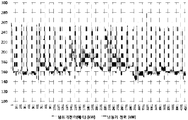
Links
Images




Classifications
-
- F—MECHANICAL ENGINEERING; LIGHTING; HEATING; WEAPONS; BLASTING
- F24—HEATING; RANGES; VENTILATING
- F24F—AIR-CONDITIONING; AIR-HUMIDIFICATION; VENTILATION; USE OF AIR CURRENTS FOR SCREENING
- F24F11/00—Control or safety arrangements
-
- G—PHYSICS
- G05—CONTROLLING; REGULATING
- G05B—CONTROL OR REGULATING SYSTEMS IN GENERAL; FUNCTIONAL ELEMENTS OF SUCH SYSTEMS; MONITORING OR TESTING ARRANGEMENTS FOR SUCH SYSTEMS OR ELEMENTS
- G05B13/00—Adaptive control systems, i.e. systems automatically adjusting themselves to have a performance which is optimum according to some preassigned criterion
- G05B13/02—Adaptive control systems, i.e. systems automatically adjusting themselves to have a performance which is optimum according to some preassigned criterion electric
- G05B13/04—Adaptive control systems, i.e. systems automatically adjusting themselves to have a performance which is optimum according to some preassigned criterion electric involving the use of models or simulators
Definitions
- the present invention relates to a method and apparatus for optimal control of a refrigerator through a building energy management system, and more particularly, collects BEMS data necessary for determining the performance of a refrigerator through a building energy management system (BEMS).
- BEMS building energy management system
- the present invention relates to an optimal control method and apparatus of a refrigerator through a building energy management system using a random forest algorithm by applying the machine learning method and an optimization algorithm.
- In-building refrigerators are installed to handle cooling loads in the building, and in the process, the refrigerator consumes energy such as gas / power.
- the ratio of the amount of heat removed by the freezer to the energy consumed by the freezer is referred to as a COP (Coefficient of Performance).
- the efficiency of the refrigerator is not a fixed value, and varies freely depending on various physical quantities (cold water temperature, cooling water temperature, cold water flow rate, freezer capacity, etc.) related to the operation of the freezer and the ambient environmental conditions in which the freezer is installed. . That is, the efficiency of the refrigerator can be changed in a very wide range according to the setting of the control value of the refrigerator such as the set temperature of the cold water and the temperature of the incoming water of the cooling water. Therefore, the use efficiency of the refrigerator varies depending on how to optimize and set the control value of the refrigerator, which may be a very important factor for reducing the cooling energy consumption of building energy.
- a dynamic simulation tool eg, EnergyPlus
- EnergyPlus a dynamic simulation tool
- the actual refrigerator must be accurately simulated, and in order to do so, all relevant input variables required for modeling the refrigerator must be accurately input. Therefore, building a freezer model based on a dynamic simulation tool requires much time, effort, and expertise, and thus it is difficult to obtain satisfactory results.
- the state of the refrigerator also changes, and thus there is a problem in that modeling is performed by continuously correcting and updating the simulation model according to the changing state.
- an object of the present invention is to solve such a conventional problem, building energy management system that can set the optimal refrigerator control value by using the machine learning model and optimization algorithm using the collected BEMS data as input variables It is to provide an optimal control method and apparatus of the refrigerator.
- the object according to the present invention, the step of collecting building energy management system (BEMS) data required for the performance control of the refrigerator; Selecting sets of input variables for operating the refrigerator at optimum efficiency using a machine learning model and an optimization algorithm constructed to predict power consumption of the refrigerator using the BEMS data as an input variable; Inputting each of the set of input variables into the machine learning model to predict power usage of the refrigerator for each of the set of input variables; And setting the control value of the refrigerator by comparing the predicted power consumption with the current power consumption of the refrigerator.
- BEMS building energy management system
- the BEMS data is at least one of the cold water inlet temperature of the refrigerator, the cold water outlet temperature of the refrigerator, the flow rate of the cold water, the inlet temperature of the cooling water, the outlet temperature of the cooling water, the capacity of the freezer and the power consumption of the refrigerator. It can include.
- the BEMS data may include at least one of the cold water inlet temperature of the refrigerator, the cold water outlet temperature of the freezer, the inlet temperature of the coolant, the outlet temperature of the coolant, the capacity of the freezer and the power consumption of the freezer. .
- At least one of the cold water inlet temperature of the refrigerator, the cold water outlet temperature of the refrigerator, the inlet temperature of the cooling water, the outlet temperature of the cooling water, the capacity of the refrigerator and the power consumption of the refrigerator After collecting the BEMS data, at least one of the cold water inlet temperature of the refrigerator, the cold water outlet temperature of the refrigerator, the inlet temperature of the cooling water, the outlet temperature of the cooling water, the capacity of the refrigerator and the power consumption of the refrigerator.
- the variable may further include the predicted flow rate of cold water.
- the machine learning method of the machine learning model may be any one of artificial neural networks, support vector machines, Gaussian process modeling, random forest, and genetic programming.
- the random forest method may include: (a) constructing a random forest model by setting the BEMS data as an input variable and setting an output variable of the power consumption of the refrigerator; (b) determining the importance of the input variable in the process of constructing the random forest model; (c) selecting a part of the input variables in the order of high importance among the input variables as a new input variable; And (d) rebuilding a random forest model with the selected new input variable, and using the random forest model constructed in step (d), determine the power consumption of the refrigerator.
- the variable constructed data in the step (a) can be added as an input variable .
- variable construction may be performed based on a relational expression correlated with the output variable.
- step (b) the importance may be determined in consideration of the effect on the value of the output variable when the value of any one of the input variables is changed.
- the optimization algorithm may be any one of genetic algorithm, simulated annealing, tabu search, particle swarm optimization, or ant colony optimization. Can be.
- the object is, according to the present invention, a data receiving unit for receiving the BEMS data necessary for determining the performance of the refrigerator from a building energy management system (BEMS) server;
- a power usage prediction module for predicting power usage of the refrigerator with a machine learning model constructed to predict power consumption of the refrigerator, and a set of the input variables for operating the refrigerator at optimum efficiency using the machine learning model and an optimization algorithm.
- an input variable candidate selection module for selecting (sets) and inputting each of the sets of input variables as input variables to predict power usage of the refrigerator for each of the set of input variables through the power usage prediction module, Power consumption of the refrigerator by comparing It can be achieved by the optimum control device of the refrigerator through the building energy management system including the optimum control value setting unit for setting the control value.
- the BEMS data is at least one of the cold water inlet temperature of the refrigerator, the cold water outlet temperature of the refrigerator, the flow rate of the cold water, the inlet temperature of the cooling water, the outlet temperature of the cooling water, the capacity of the freezer and the power consumption of the refrigerator. It can include.
- the BEMS data may include at least one of the cold water inlet temperature of the refrigerator, the cold water outlet temperature of the freezer, the inlet temperature of the coolant, the outlet temperature of the coolant, the capacity of the freezer and the power consumption of the freezer. .
- the at least one of the cold water inlet temperature of the freezer, the cold water outlet temperature of the freezer, the inlet temperature of the coolant, the outlet temperature of the coolant, the capacity of the freezer and the power consumption of the freezer may be used as input variables.
- the apparatus further includes a cold water flow rate prediction module configured to predict the flow rate of the cold water using a machine learning model constructed to predict a flow rate, wherein the input variable of the machine learning model constructed to predict power consumption of the refrigerator is determined by the predicted cold water. It may further comprise a flow rate.
- the machine learning method of the machine learning model may be any one of artificial neural networks, support vector machines, Gaussian process modeling, random forest, and genetic programming.
- the BEMS data is used as an input variable
- the power consumption of the refrigerator is set as an output variable to construct a first random forest model, and in the process of constructing the first random forest model. Determining an importance of the input variable, selecting a part of the input variables in the order of high importance among the input variables as a new input variable, rebuilding a second random forest model with the selected new input variable, and The power consumption of the refrigerator may be determined using a second random forest model.
- variable construction may be performed to increase the number of input variables from the BEMS data, and the variable randomized data may be added as an input variable to construct the first random forest model. have.
- variable construction may be performed based on a relational expression correlated with the output variable.
- the importance may be determined in consideration of the influence on the value of the output variable when the value of any one of the input variables is changed when the first random forest model is constructed.
- the optimization algorithm may be any one of genetic algorithm, simulated annealing, tabu search, particle swarm optimization, or ant colony optimization. Can be.
- a machine learning model using BEMS data as an input variable is a control value for allowing a refrigerator installed in a building to operate at an optimum efficiency;
- control value set in real time operating the refrigerator at the optimum efficiency has the advantage that it is possible to reduce the energy used to operate the refrigerator in the building.
- a random forest model can be constructed to accurately predict the performance of the refrigerator.
- variable construction when the variable construction is performed, it is possible to further improve the accuracy of the predicted result by performing the variable construction based on a relation that correlates with the output variable.
- FIG. 1 is a structural diagram schematically showing a structure of a cooling device according to an embodiment of the present invention.
- FIG. 2 is a flow chart of a method for optimal control of a refrigerator through a building energy management system according to an embodiment of the present invention.
- FIG. 3 is a flow chart of a method for optimal control of a refrigerator through a building energy management system according to another embodiment of the present invention.
- 4 is a three-dimensional graph showing the relationship between the cooling water efficiency and the cooling water efficiency according to the cooling water extraction temperature.
- FIG. 5 is a diagram illustrating a process of selecting an input variable of a machine learning model constructed to predict power consumption of a refrigerator by an optimization algorithm according to an exemplary embodiment of the present invention.
- 6 and 7 are graphs showing the relationship between the power consumption predicted from the machine learning model according to the present invention and the actually measured power consumption.
- 8 to 10 are graphs showing the relationship between the predicted cold water flow rate and the actual measured cold water flow rate from the machine learning model according to the present invention, with different input variables.
- FIG. 11 is a block diagram of an optimum control device of the refrigerator via a building energy management system according to an embodiment of the present invention.
- FIG. 12 is a block diagram of an optimum control device for a refrigerator via a building energy management system according to another embodiment of the present invention.
- FIG. 13 is a flowchart illustrating a method of determining a performance of a refrigerator using a random forest model according to an embodiment of the present invention.
- FIG. 14 is a diagram illustrating a modeling process according to a random forest algorithm.
- 15 is a comparison table for explaining a method of determining the importance of an input variable according to an embodiment of the present invention.
- FIG. 16 is a graph illustrating a comparison of a power consumption of a refrigerator and actual measured power consumption by constructing a random forest model from BEMS data without data preprocessing.
- FIG. 17 is a graph showing the importance determined according to the present invention for BEMS data and input variables that are randomly generated data.
- FIG. 18 is a graph illustrating the distribution of RMSE and CVRMSE when the input variables are removed in the order of low importance with respect to the input variable of FIG. 17.
- FIG. 19 is a graph showing importance determined according to the present invention for input variables, which are data generated based on BEMS data and relational expressions correlated with output variables therefrom.
- 20 is a graph showing the distribution of RMSE and CVRMSE when the input variables are removed in the order of low importance for the input variable of FIG. 19.
- ' ⁇ module' means a hardware component such as software, FPGA or ASIC, and the module performs certain functions.
- modules are not meant to be limited to software or hardware.
- the module may be configured to be in an addressable storage medium and may be configured to play one or more processors.
- a module may include components such as software components, object-oriented software components, class components, and task components, and processes, functions, properties, procedures, subroutines. , Segments of program code, drivers, firmware, microcode, circuits, data, databases, data structures, tables, arrays, and variables.
- the functionality provided within the components and modules may be combined into a smaller number of components and modules or further separated into additional components and modules.
- the components and modules may be implemented to reproduce one or more CPUs in a device.
- FIG. 1 is a structural diagram schematically showing the structure of a refrigeration apparatus according to an embodiment of the present invention.
- Cooling devices used in buildings can be divided into central and individual, depending on the size of the building and the ventilation system. Among them, in order to supply cooled air to a large space such as a large building or a subway station, a central cooling device for supplying cool air to each room of the building through the control of the large refrigerator 10 is frequently used.
- Indirect cooling method to be supplied to the room by the use is used, in this embodiment based on the cooling device of the indirect cooling method shown in Figure 1 Optimal control of the refrigerator through the building energy management system according to an embodiment of the present invention The method will be described.
- a reciprocating freezer a rotary freezer, a scroll freezer, a screw freezer, a turbo freezer, an absorption freezer and an absorption cold / hot water freezer, and the like can be used, but are not limited thereto.
- FIG. 2 is a flow chart of a method for optimal control of a refrigerator via a building energy management system according to an embodiment of the present invention
- Figure 3 is a method of optimal control of a refrigerator via a building energy management system according to another embodiment of the present invention.
- Figure 4 is a three-dimensional graph showing the relationship between the efficiency of the freezer according to the exit temperature of the cold water and the exit temperature of the cooling water
- Figure 5 is an optimization algorithm according to an embodiment of the present invention predicts the power consumption of the refrigerator
- FIG. 6 and FIG. 7 are graphs showing the relationship between the power consumption predicted from the machine learning model according to the present invention and the actually measured power consumption.
- 8 to 10 illustrate the measured cold water flow rate and the actual measured values from the machine learning model according to the present invention, with different input parameters. It is a graph which shows the relationship between cold water flow volume.
- a method of optimally controlling a refrigerator through a building energy management system includes collecting building energy management system (BEMS) data (S110), and inputting all or part of BEMS data to input variables.
- BEMS building energy management system
- BEMS data is collected from the building energy management system server 300 (S110).
- the building energy management system is a system that collects and analyzes various information of energy management facilities in buildings such as buildings in real time to improve energy use efficiency.
- the present invention is for optimal efficiency operation of the refrigerator 10 as described above with reference to Figure 1 can collect the BEMS data required for the performance control of the refrigerator 10 from the BEMS data.
- BEMS data required for the performance control of the refrigerator 10 the cold water inlet temperature of the refrigerator 10, the cold water outlet temperature of the refrigerator 10, the flow rate of cold water, the inlet temperature of the cooling water, the outlet temperature of the cooling water, the freezer ( It may include the capacity of 10) and the power consumption of the refrigerator 10, but is not limited thereto.
- a machine learning model for estimating the power consumption of the refrigerator 10 using all or a part of the collected BEMS data as an input variable can be constructed. That is, using the BEMS data collected and stored at regular time intervals to build a machine learning model to predict the power consumption and / or the efficiency of the refrigerator (10).
- an algorithm such as an artificial neural network, a support vector machine, a Gaussian process modeling, a random forest technique, or a genetic programming may be used as the machine learning method of the machine learning model according to the present invention.
- a random forest technique is used, and a conventionally known random forest technique is modified. This will be described later with reference to FIGS. 13 to 20.
- a set of input variables for operating the refrigerator 10 at an optimum efficiency is selected by using a machine learning model and an optimization algorithm constructed to predict power consumption (S120). .
- Figure 4 shows the relationship between the cold water outflow temperature and the cooling water outlet temperature (COP) when the input temperature as the input variable in a three-dimensional contour (contour), the actual refrigerator 10 is the cold water outflow
- the actual refrigerator 10 is the cold water outflow
- it may be influenced by the inlet temperature of the cold water, the flow rate of the cold water, the inlet temperature of the coolant, the capacity of the freezer, etc., which is not the three-dimensional contour as shown in FIG. Can be defined.
- the performance of the refrigerator in such a multi-dimensional space changes more rapidly with the change of the input variable, and the change range or the width thereof is wider. Therefore, it is necessary to consider together the performance of the refrigerator which changes according to the various input variables as described above.
- the present invention selects a set of input variables for operating the refrigerator at the optimum efficiency by using the above-described machine learning model and optimization algorithm.
- the input variables are the inlet temperature of the cold water, the outlet temperature of the cold water, the flow rate of the cold water, the inlet temperature of the coolant, the outlet temperature of the coolant, and the capacity of the freezer as shown in FIG.
- Performance of the refrigerator 10 by applying the above-described machine learning model for predicting the power consumption of the refrigerator 10 and / or the performance of the refrigerator 10 from the collected BEMS data and an optimization algorithm for obtaining an optimal set of input variables therefrom.
- the candidate group of the input variables is selected to enable the refrigerator 10 to operate at optimum efficiency under the conditions of the currently collected BEMS data.
- the optimization algorithm used may be genetic algorithm, simulated annealing, tabu search, particle swarm optimization, or ant colony optimization. It is not limited to this.
- the power consumption of the refrigerator 10 for each of the three sets of input variables may be predicted through the machine learning model that predicts the above-described power usage by using each of the candidate groups of the input variables selected as the input variables (S130). .
- the power consumption of the refrigerator 10 predicted for each candidate group is compared with the power consumption of the refrigerator 10 that is actually consumed in the current state to set a control value of the refrigerator 10 (S140).
- a control value of the refrigerator 10 S140.
- the power consumption of the refrigerator 10 predicted with the input variable set 1 with the power usage of the refrigerator 10 collected by the current BEMS data if the predicted power consumption is large, for optimal control Since the energy consumption may be large, the condition of the input variable of set 1 is not preferable, and the power consumption of the refrigerator 10 predicted using the input variable set 2 and the power consumption of the refrigerator 10 collected by the current BEMS data are compared.
- the optimal control is performed and the energy consumption can be reduced. Therefore, the control value of the refrigerator 10 can be set based on the input variable of set 2.
- control value of the refrigerator 10 may be a condition related to the operation of the refrigerator 10 that can be arbitrarily changed, such as the temperature of the cooling water and the flow rate of the cold water.
- the latest BEMS data may be collected and the control value may be set again to control the refrigerator at the optimum efficiency.
- the machine learning model built to predict the state of the refrigerator 10 can continuously reflect the state of the refrigerator 10 in the building, and the state of the refrigerator can be accurately predicted.
- 6 and 7 illustrate the chiller predicted by the machine learning module using the inlet temperature of the cold water, the outlet temperature of the cold water, the flow rate of the cold water, the inlet temperature of the coolant, the outlet temperature of the coolant, the inlet temperature of the coolant, and the capacity of the freezer as input variables.
- the graph shows a comparison of the measured power consumption and the actual measured value.
- the CVRMSE (Coefficient of Variation of the Root Mean Square Error) value is 2.4%. Therefore, it could be verified that the machine learning model can be used to accurately predict the power consumption of the refrigerator 10.
- the optimal control method of the refrigerator using the building energy management system is a step of collecting building energy management system (BEMS) data (S210), and the flow rate of cold water using the collected BEMS data as an input variable.
- BEMS building energy management system
- Predicting the power consumption of the refrigerator 10 for each of the variable set (S240), and the power consumption of the refrigerator 10 and the current power consumption of the refrigerator 10 Comparing the capacity may include the step (S250) of setting the control value of the refrigerator (10).
- step S220 is added in comparison with the above-described embodiment with reference to FIG. 2, the following description focuses on the difference from the method described with reference to FIG. 2. Let's do it.
- the collected BEMS data includes the flow rate of cold water. Although it is possible to measure the flow of cold water by installing a flow meter in the pipe through which cold water flows, most of the buildings do not have a flow meter installed in the cold water system of the refrigerator. There is a problem that the reliability of the measured value is inferior.
- the flow rate of the cold water is measured using a flow meter, not collected as BEMS data, and the collected cold water flow rate is predicted by using a machine learning method using a machine learning model.
- a machine learning method of a machine learning model well-known algorithms, such as an artificial neural network, a support vector machine, Gaussian process modeling, a random forest technique, or genetic programming, can be used.
- FIG. 8 illustrates the difference between the inlet temperature of the cold water and the outlet temperature of the cold water as the input variable of the machine learning model constructed to predict the cold water flow rate, and the power consumption of the refrigerator.
- FIG. 10 shows the cold water outlet temperature, the cold water inlet temperature, the cold water outlet temperature, the coolant inlet temperature, and the freezer power consumption as input parameters of the machine learning model. It is a graph which compares and shows the flow rate of the cold water predicted by the machine learning model in case of setting, and the flow of the cold water actually measured using the actual flow meter.
- Model 1 ( Figure 8) Model (2) ( Figure 9) Model 3 (FIG. 10) RMSE (kg / min) 0.47 0.46 0.43 CVRMSE (%) 5.5% 5.3% 5.0% MBE (%) 0.3% 0.24% 0.07%
- the flow rate of cold water as one of the input variables of the machine learning model for predicting the power consumption of the refrigerator 10 is not collected as BEMS data using a flow meter in this embodiment, but instead of collecting the cold water flow rate from the machine learning model using other collected BEMS data. There is a difference in the prediction, and the rest is almost the same as the content described with reference to FIG.
- FIG. 13 is a flowchart illustrating a method of determining a performance of a refrigerator using a random forest model according to an embodiment of the present invention
- FIG. 14 is a diagram illustrating a modeling process according to a random forest algorithm
- FIG. 15 is an embodiment of the present invention.
- the method of determining the performance of the refrigerator 10 using the random forest model collecting BEMS data (S310) and performing variable construction to increase the number of input variables from BEMS data (S320). ), Building a random forest model for determining the performance of the refrigerator 10 based on the input variable (S330), determining the importance of the input variable in the process of building the random forest model (S340), of the input variable Reselecting an input variable having a high importance as an input variable according to the importance (S350), constructing a random forest model for determining the performance of the refrigerator 10 with the selected input variable (S360), and finally constructing the random forest. It may include the step (S370) of determining the performance of the refrigerator 10 by using the model.
- BEMS data is collected from the building energy management system server (S310).
- the cold water inlet temperature of the refrigerator 10 the cold water outlet temperature of the refrigerator 10
- the cold water flow rate the cold water inlet temperature, the coolant outlet temperature, and the coolant flow rate
- the capacity of the refrigerator 10 and the amount of power used by the refrigerator 10 may be included, but are not limited thereto.
- a random forest which is an example of a machine learning model
- a machine learning model is a data processing algorithm that learns the relationship between input and output variables to predict output variables according to input variables.
- an input variable is required for learning, and the BEMS data becomes an input variable, and the output variable indicates the performance of the refrigerator 10.
- the collected BEMS data values may be incomplete and there may be noise, and some of the collected BEMS data may not be important for determining the performance of the refrigerator 10, and thus may lower the performance of the random forest model.
- the performance degradation may be a modeling time for constructing the random forest model, a computation time for performance determination, or the accuracy of an output variable determined by the random forest model.
- data preprocessing may be performed on BEMS data as an input variable to improve the performance of the random forest model.
- variable construction may be performed to increase the number of input variables from the collected BEMS data by the method of performing data preprocessing (S320). Constructing variables creates new variables from existing input variables that can improve the performance of the model. If you build a random forest model by adding input variables that correlate with the output variables you want to predict, you can increase the accuracy of the predicted results.
- variable Arbitrary relation variable Arbitrary relation x13 x5 ⁇ x6-x4 x22 x8 ⁇ x9-x11 x14 x6 ⁇ x3-x3 x23 x3 ⁇ x3 ⁇ x8 x15 x4-x2 + x6 x24 x2-x4 ⁇ x3 x16 x8-x1 ⁇ x2 x25 x10-x1 + x3 x17 x6 ⁇ x13-x5 x26 x10 + x4 ⁇ x3 x18 x11 + x9 ⁇ x6 x27 x8 + x11 ⁇ x1 x19 x12 ⁇ x8 + x8 x28 x6-x12-x2 x20 x8 ⁇ x7 ⁇ x11 x29 x12 + x5 ⁇ x2 x21 x11 + x8 ⁇ x10 x30
- x1 to x12 are collected BEMS data
- x13 to x30 are input variables newly generated by constructing variables in arbitrary relations from BEMS data, respectively.
- variable construction may be performed in the same manner as described above, it is preferable to perform variable construction based on a relation that correlates with an output variable.
- Q is calorie
- C is the specific heat of cold water
- Breiman proposed a random forest algorithm that combines random input selection, first proposed by Amit et al, with bagging (Bootstrap Aggregating).
- the Ensemble Method a machine learning method that combines multiple decision trees to predict the state of the system, averages the prediction results of each decision tree as the average for regression and votes for classification. Calculate Therefore, it is known that generalization performance is superior to single decision trees.
- Random Forest features include bagging, random input variable selection, and out-of-bags error rate.
- the bagging method proposed by Breiman is one of the ensemble methods, and complements the instability of decision trees by using bootstrap, a random reconstruction method.
- the entire training data used for the learning of bagging is extracted by the bootstrap method, divided into n bootstrap samples, and aggregating n models trained on different training data. Since a typical decision tree has small deviations and large variances, very deeply grown decision trees are overfitted with training data.
- Bootstrap improves the performance of the overall model because it reduces variance while maintaining the variation of each tree. That is, one decision tree is very sensitive to the noise of the training data, but if the correlation between trees is small, the average of several trees becomes strong against noise. Therefore, bagging is a way to uncorrelate each tree by training each decision tree with a different data set.
- -Random input variable selection This method selects m input variables among all input variables and finds the optimal node segmentation criteria among the selected input variables when the node of the decision tree is split. The result is a set of decision trees that have different structures but perform well. This technique is important to determine the number of randomly selected variables (m). The closer m is to 1, the greater the variance and variance of each decision tree, making it more effective for the average or voting method that is characteristic of the ensemble method. The closer m is to the total number of input variables M, the smaller the variation and variance of each tree, and the less effective the ensemble method is.
- OOB error rate Approximately 37% of the total data is not included in the bootstrap sample. Observations not included in the bootstrap sample are used as out-of-bags (OOB) data to evaluate the generalization performance of the model. The OOB error rate is used as a basic indicator to verify the performance of the random forest model. In addition, random forest can evaluate the influence of input variables on the prediction of output variables with variable importance, which helps to improve model interpretation ability.
- bootstrap randomly extracts n bootstrap samples from BEMS data and newly constructed variable data therefrom. Each sample is used as training data for a decision tree. In addition, 37% of the data not included in the training data is extracted as OOB samples.
- OOB sample The OOB error rate, which is a generalized performance index of the random forest model, is calculated. The user can also verify that an appropriate number (n) of decision trees have been generated based on the error rate. In addition, it is also possible to calculate the importance of the variable to be described later using the OOB sample.
- the importance level is determined in consideration of the effect on the output variable value when any one of the input variable values is changed. That is, if the value of the output variable is large when the value of one input variable is changed, the input variable may be judged to have high importance. On the contrary, if the value of the output variable is small when the value of the input variable is changed, It can be determined that the importance of the input variable is low.
- Fig. 15B when predicting the output variable Y using a random forest model constructed using the input variables X1 and X2, three OOB samples not used in the model are cycled and inputted. You can determine the importance of a variable.
- Fig. 15B the X1 value is circulated compared to Fig. 15A, which is the reference data, and the error rate of the model predicted by this data is 1/3.
- FIG. 15C the X2 value is cycled compared to FIG. 4A, and the error rate of the model predicted by this data is 2/3. Accordingly, X1 may be determined as an input variable that does not significantly affect the prediction of the output variable compared to X2, and X2 may be determined as an input variable that has a great influence on the prediction of the output variable compared to X1.
- a portion of the input variables in the order of high importance may be selected as the new input variable (S350). For example, if there are 30 input variables, the importance is judged in the same manner as above, and when they are arranged in the order of importance, the top 5 variables can be selected as the input variables in order of importance. . In this case, a method of determining the number of input variables to be selected will be described later.
- a random forest model is again constructed using input variables selected in a predetermined number in order of high importance (S360). Therefore, since the number of input variables required for constructing the random forest model is reduced, the time required for constructing the random forest model can be reduced. In addition, since the input variables of high importance are considered, prediction accuracy can be improved.
- the input variable data used to construct the random forest model may be collected again to determine the performance of the refrigerator 10 (S370). According to the determined performance of the refrigerator 10, the operation of the refrigerator 10 may be controlled to operate the refrigerator 10 at an optimum efficiency.
- FIG. 16 is a graph illustrating a comparison between the power consumption of the refrigerator 10 predicted therefrom and the actual measured power consumption by constructing a random forest model from BEMS data without data preprocessing
- FIG. 17 is a random generation from the BEMS data. It is a graph showing the importance determined according to the present invention for the input variable, which is the data
- FIG. 18 shows the distribution of RMSE and CVRMSE when the input variables are removed in the order of low importance for the input variable of FIG. 17.
- 19 is a graph showing importance determined according to the present invention with respect to an input variable which is data generated based on BEMS data and a relational expression correlated with an output variable therefrom
- FIG. 9 is an input of FIG. 8.
- the graph shows the distribution of RMSE and CVRMSE when the input variables are removed in order of low importance for the variables.
- FIG. 16 illustrates the power consumption of the refrigerator 10 and the actual measured power consumption predicted by constructing a random forest model from BEMS data without preprocessing of the above-described data.
- the root mean square error (RMSE) and the coefficient of variation of root mean square error (CRMRMSE) were 6.21 kW and 8.56%, respectively, indicating that the accuracy of the model constructed by the random forest is excellent.
- RMSE and CVRMSE are 3.74 kW and 5.16%, respectively. Investigations show that the accuracy is improved compared to the case of building a random forest model using only BEMS data.
- FIG. 17 is a graph illustrating the importance of input variables according to the present invention for a total of 30 input variables as shown in Table 2.
- FIG. Accordingly, in consideration of the importance of the input variable, a variable having a high importance among the input variables is selected as a new input variable.
- the model was constructed while removing the input variables having the least importance one by one, and the result is shown in FIG. 18.
- the CVRMSE and RMSE values of the model begin to change and grow rapidly as soon as 25 input variables are removed (i.e., when the 5 critical input variables are used).
- RMSE and CVRMSE are 3.95 kW and 5.44%, respectively.
- the relationship between the BEMS data of X1 to X12 and the output variable therefrom (for example, In the case of constructing random forest model with 18 input variables by newly constructing 6 input variables of X31 to X36, RMSE and CVRMSE were investigated at 2.45kW and 3.37%, respectively. In comparison, the accuracy is further improved.
- FIG. 19 is a graph illustrating the importance of input variables according to the present invention with respect to a total of 18 input variables, which are newly constructed data based on BEMS data and relational expressions correlated with output variables.
- a variable having a high importance among the input variables is selected as a new input variable.
- the model was constructed while removing the input variables having the least importance one by one, and the result is shown in FIG. 9.
- RMSE and CVRMSE were 3.11 kW and 4.28%, respectively.
- FIG 11 is a block diagram of an optimum control device of the refrigerator via a building energy management system according to an embodiment of the present invention
- Figure 12 is an optimum control device of the refrigerator via a building energy management system according to another embodiment of the present invention.
- the configuration diagram is a block diagram of an optimum control device of the refrigerator via a building energy management system according to an embodiment of the present invention.
- Optimal control device 400 of the refrigerator via the building energy management system is a data receiving unit 410, power usage prediction module 420, input variable candidate selection module as shown in FIG. 430 and the optimum control value setting unit 440 may be configured.
- the data receiver 410 receives BEMS data necessary for determining the performance of the refrigerator 10 from the building energy management system server 300.
- the received BEMS data is the cold water inlet temperature of the freezer 10, the cold water outlet temperature of the freezer 10 , the flow rate of cold water, the inlet temperature of the coolant, the outlet temperature of the coolant, the capacity of the freezer 10 and the freezer 10
- At least one of the power consumption may include, but is not limited thereto.
- the power usage prediction module 420 is a machine learning model constructed to predict the power usage of the refrigerator 10 by using all or a part of BEMS data received from the data receiver 410 as an input variable, and the power usage of the refrigerator 10. To predict.
- the neural network may be used as the machine learning method of the machine learning model.
- the random forest algorithm is described as described with reference to FIGS. 13 to 20. It is preferable to use.
- BEMS data is used as an input variable and power consumption of the refrigerator is set as an output variable to construct a first random forest model, and a first random forest model is constructed.
- the importance of the input variable is determined, a portion of the input variables having the highest priority among the input variables is selected as a new input variable, the second random forest model is rebuilt with the selected new input variable, and the second random forest is selected.
- the model can be used to determine the power consumption of the refrigerator.
- the first random forest model when constructing the first random forest model, it is preferable to construct the first random forest model by performing variable construction to increase the number of input variables from the BEMS data and adding the variable constructed data as an input variable. Do. In addition, it is preferable to perform variable construction based on a relational expression correlated with an output variable as described above. Furthermore, the importance may be determined in consideration of the influence on the value of the output variable when the value of any one of the input variables is changed when the first random forest model is constructed.
- the input variable candidate selection module 430 optimizes the refrigerator 10 as described with reference to FIG. 5 using a machine learning model constructed to predict power consumption of the refrigerator 10 and an optimization algorithm based thereon.
- the candidate group of the set of input variables to operate the controller is selected.
- an optimization algorithm known algorithms of genetic algorithm, simulated annealing, tabu search, particle swarm optimization, or ant colony optimization can be used. There is a number.
- the optimum control value setting unit 440 inputs each of the input variable sets selected by the input variable candidate selection module 430 as an input variable in the machine learning model of the power usage prediction module 420 to provide a refrigerator for each input variable set.
- the power consumption of 10 may be predicted, and the control value of the refrigerator 10 may be set by comparing the predicted power consumption with the current power consumption of the refrigerator 10.
- the apparatus 500 includes a data receiver 510 and a cold water flow rate prediction module. 520, the power usage prediction module 530, the input variable candidate selection module 540, and the optimum control value setting unit 550 may be configured.
- the apparatus 500 of FIG. 12 is an apparatus 500 corresponding to the method described above with reference to FIG. 3, and further includes a cold water flow rate prediction module 520 as compared to the apparatus 400 of FIG. 11. As described above, the cold water flow rate is different in that the cold water flow rate prediction module 520 predicts the cold water flow rate using the machine learning model without directly measuring the flow rate and receiving the data by the data receiving unit 510.
- the cold water flow rate prediction module 520 may determine at least one of cold water inlet temperature, cold water outlet temperature, cooling water inlet temperature, cooling water outlet temperature, freezer capacity, and power consumption of the refrigerator, which are BEMS data received from the data receiver 510. Predict the cold water flow rate using a machine learning model constructed to predict the cold water flow rate as an input variable.
- the machine learning method of the machine learning model used herein may use the above-described artificial neural network, support vector machine, Gaussian process modeling, random forest technique or genetic programming.
Landscapes
- Engineering & Computer Science (AREA)
- General Physics & Mathematics (AREA)
- Combustion & Propulsion (AREA)
- Computer Vision & Pattern Recognition (AREA)
- Evolutionary Computation (AREA)
- Medical Informatics (AREA)
- Software Systems (AREA)
- Artificial Intelligence (AREA)
- Automation & Control Theory (AREA)
- Physics & Mathematics (AREA)
- Chemical & Material Sciences (AREA)
- Health & Medical Sciences (AREA)
- Mechanical Engineering (AREA)
- General Engineering & Computer Science (AREA)
- Feedback Control In General (AREA)
- Air Conditioning Control Device (AREA)
Abstract
본 발명은 건물 에너지 관리 시스템을 통한 냉동기의 최적 제어 방법 및 장치에 관한 것으로서, 본 발명에 따른 건물 에너지 관리 시스템을 통한 냉동기의 최적 제어 방법 및 장치는 냉동기의 성능 제어에 필요한 건물 에너지 관리 시스템(BEMS: building energy management system) 데이터를 수집하는 단계, 상기 BEMS 데이터를 입력 변수로 하여 상기 냉동기의 전력 사용량을 예측하도록 구축된 기계학습 모델과 최적화 알고리즘을 이용하여 상기 냉동기를 최적의 효율로 운전하기 위한 상기 입력 변수의 셋(sets)을 선정하는 단계, 상기 기계학습 모델에 상기 입력 변수의 셋 각각을 입력하여 상기 입력 변수의 셋 각각에 대한 상기 냉동기의 전력 사용량을 예측하는 단계 및 상기 예측된 전력 사용량과 현재 상기 냉동기의 전력 사용량을 비교하여 상기 냉동기의 제어값을 설정하는 단계를 포함하는 것을 특징으로 한다.
Description
본 발명은 건물 에너지 관리 시스템을 통한 냉동기의 최적 제어 방법 및 장치에 관한 것으로서, 보다 상세하게는 건물 에너지 관리 시스템(BEMS: building energy management system)을 통해 냉동기의 성능 판단에 필요한 BEMS 데이터를 수집하여 이를 기계학습 방법과 최적화 알고리즘에 적용하여 냉동기의 최적의 제어를 수행하도록 하고, 상기 기계학습 방법으로 랜덤 포레스트 알고리즘을 사용하는 건물 에너지 관리 시스템을 통한 냉동기의 최적 제어 방법 및 장치에 관한 것이다.
건물 내 냉동기는 건물 내에서 냉방 부하를 처리하기 위해 설치되는데, 이 과정에서 냉동기는 가스/전력 등의 에너지를 소모하게 된다. 이때, 냉동기가 소모하는 에너지에 대한 냉동기의 제거 열량의 비율을 냉동기의 효율(성능)(COP: Coefficient of Performance)이라고 한다.
여기서, 냉동기의 효율은 고정된 값이 아니며, 냉동기의 동작과 관련된 여러 물리량(냉수의 온도, 냉각수의 온도, 냉수의 유량, 냉동기 용량 등)과 냉동기가 설치되는 주위 환경 조건 등에 따라서 가변적으로 변화한다. 즉, 냉수의 설정 온도, 냉각수의 입수 온도 등의 냉동기의 제어값의 설정에 따라서 냉동기의 효율은 매우 넓은 범위로 변화시킬 수가 있다. 따라서, 냉동기의 제어값을 어떻게 최적화하여 설정하느냐에 따라서 냉동기의 사용 효율이 달라지게 되며, 이는 건물 에너지의 냉방 에너지 사용량을 절감하기 위해 매우 중요한 요소일 수가 있다.
이와 같이, 냉동기의 최적 효율 운전을 위해서는 냉동기의 관련 변수들을 바탕으로 냉동기의 상태를 파악하고 전력 사용량을 정확하게 예측하는 것이 필요하다.
종래에 냉동기의 전력 사용량을 예측하는 방법으로 물리적 법칙(열역학 제 1 법칙)을 기반으로 냉동기의 상태를 파악할 수 있도록 하는 동적 시뮬레이션 툴(예를 들어, EnergyPlus)을 사용하였다. 하지만, 이러한 동적 시뮬레이션 툴을 이용하여 냉동기의 상태를 정확하게 예측하기 위해서는 실제 냉동기가 정확하게 모사되어야 하며, 이를 위해서는 냉동기를 모델링하기 위해 필요한 관련 입력 변수들을 모두 정확하게 입력하여야 한다. 따라서, 동적 시뮬레이션 툴 기반의 냉동기 모델을 구축하기 위해서는 많은 시간과 노력 및 전문적 지식이 요구되어 만족스러운 결과를 얻는 것이 힘들다. 더욱이, 사용에 따른 냉동기의 노후화가 진행되면 냉동기의 상태도 변화하므로, 변화하는 상태에 맞추어서 시뮬레이션 모델을 지속적으로 보정 및 갱신하여 모델링을 수행하여야 하는 문제점도 있다.
따라서, 매우 다양하게 변화하는 냉동기의 효율을 저비용으로 빠른 시간 내에 높은 정확도로 예측하여 냉동기를 제어할 수 있도록 하는 것이 필요하다.
따라서, 본 발명의 목적은 이와 같은 종래의 문제점을 해결하기 위한 것으로서, 수집한 BEMS 데이터를 입력 변수로 기계학습 모델 및 최적화 알고리즘을 이용하여 최적의 냉동기 제어값을 설정할 수 있도록 하는 건물 에너지 관리 시스템을 통한 냉동기의 최적 제어 방법 및 장치를 제공함에 있다.
본 발명이 해결하고자 하는 과제들은 이상에서 언급한 과제들로 제한되지 않으며, 언급되지 않은 또 다른 과제들은 아래의 기재로부터 당업자에게 명확하게 이해될 수 있을 것이다.
상기 목적은, 본 발명에 따라, 냉동기의 성능 제어에 필요한 건물 에너지 관리 시스템(BEMS: building energy management system) 데이터를 수집하는 단계; 상기 BEMS 데이터를 입력 변수로 하여 상기 냉동기의 전력 사용량을 예측하도록 구축된 기계학습 모델과 최적화 알고리즘을 이용하여 상기 냉동기를 최적의 효율로 운전하기 위한 상기 입력 변수의 셋(sets)을 선정하는 단계; 상기 기계학습 모델에 상기 입력 변수의 셋 각각을 입력하여 상기 입력 변수의 셋 각각에 대한 상기 냉동기의 전력 사용량을 예측하는 단계; 및 상기 예측된 전력 사용량과 현재 상기 냉동기의 전력 사용량을 비교하여 상기 냉동기의 제어값을 설정하는 단계를 포함하는 건물 에너지 관리 시스템을 통한 냉동기의 최적 제어 방법에 의해 달성될 수가 있다.
여기서, 상기 BEMS 데이터는 상기 냉동기의 냉수 입수 온도, 상기 냉동기의 냉수 출수 온도, 상기 냉수의 유량, 냉각수의 입수 온도, 상기 냉각수의 출수 온도, 상기 냉동기의 용량 및 상기 냉동기의 전력 사용량 중 적어도 하나 이상을 포함할 수가 있다.
여기서, 상기 BEMS 데이터는 상기 냉동기의 냉수 입수 온도, 상기 냉동기의 냉수 출수 온도, 냉각수의 입수 온도, 상기 냉각수의 출수 온도, 상기 냉동기의 용량 및 상기 냉동기의 전력 사용량 중 적어도 하나 이상을 포함할 수가 있다.
여기서, 상기 BEMS 데이터를 수집하는 단계 이후에, 상기 냉동기의 냉수 입수 온도, 상기 냉동기의 냉수 출수 온도, 상기 냉각수의 입수 온도, 상기 냉각수의 출수 온도, 상기 냉동기의 용량 및 상기 냉동기의 전력 사용량 중 적어도 하나 이상을 입력 변수로 하여 상기 냉수의 유량을 예측하도록 구축된 기계학습 모델을 이용하여 상기 냉수의 유량을 예측하는 단계를 더 포함하고, 상기 냉동기의 전력 사용량을 예측하도록 구축된 기계학습 모델의 입력 변수는 상기 예측된 냉수의 유량을 더 포함할 수가 있다.
여기서, 상기 기계학습 모델의 기계학습법은 인공신경망, 서포트 벡터 머신, 가우시안 프로세스 모델링, 랜덤 포레스트 또는 유전프로그래밍 중 어느 하나의 방법일 수가 있다.
여기서, 상기 랜덤 포레스트 방법은 (a) 상기 BEMS 데이터를 입력 변수로 하고 상기 냉동기의 전력 사용량을 출력 변수를 설정하여 랜덤 포레스트(random forest) 모델을 구축하는 단계; (b) 상기 랜덤 포레스트 모델을 구축하는 과정에서 상기 입력 변수의 중요도를 판단하는 단계; (c) 상기 입력 변수 중 상기 중요도가 높은 순서로 있는 상기 입력 변수의 일부를 새로운 입력 변수로 선택하는 단계; 및 (d) 상기 선택된 새로운 입력 변수로 랜덤 포레스트 모델을 다시 구축하는 단계를 포함하고, 상기 (d) 단계에서 구축된 랜덤 포레스트 모델을 이용하여 상기 냉동기의 전력 사용량을 판단할 수가 있다.
여기서, 상기 (a) 단계 이전에, 상기 BEMS 데이터로부터 입력 변수의 수를 늘리도록 변수 구축을 수행하는 단계를 더 포함하고, 상기 (a) 단계에서 변수 구축된 데이터를 입력 변수로 추가시킬 수가 있다.
여기서, 상기 출력 변수와 상관 관계가 있는 관계식을 기초로 변수 구축을 수행할 수가 있다.
여기서, 상기 (b) 단계에서, 상기 입력 변수 중 어느 하나의 입력 변수의 값을 바꾸었을 때 상기 출력 변수의 값에 미치는 영향을 고려하여 상기 중요도를 판단할 수가 있다.
여기서, 상기 최적화 알고리즘은 유전알고리즘(Genetic Algorithm), 모의 담금질법(Simulated Annealing), 타부 탐색법(Tabu search), PSO(Particle Swarm Optimizatio) 또는 개미 집단 최적화법(Ant colony optimization) 중 어느 하나의 알고리즘일 수가 있다.
또한, 상기 목적은, 본 발명에 따라, 건물 에너지 관리 시스템((BEMS: building energy management system) 서버로부터 냉동기의 성능 판단에 필요한 BEMS 데이터를 수신하는 데이터 수신부; 상기 BEMS 데이터를 입력 변수로 하여 상기 냉동기의 전력 사용량을 예측하도록 구축된 기계 학습모델로 상기 냉동기의 전력 사용량을 예측하는 전력 사용량 예측모듈; 상기 기계학습 모델과 최적화 알고리즘을 이용하여 상기 냉동기를 최적의 효율로 운전하기 위한 상기 입력 변수의 셋(sets)을 선정하는 입력 변수 후보 선정모듈; 및 상기 입력 변수의 셋 각각을 입력 변수로 입력하여 상기 전력 사용량 예측모듈을 통해 상기 입력 변수 셋 각각에 대한 상기 냉동기의 전력 사용량을 예측하고, 상기 예측된 전력 사용량과 현재 상기 냉동기의 전력 사용량을 비교하여 상기 냉동기의 제어값을 설정하는 최적 제어값 설정부를 포함하는 건물 에너지 관리 시스템을 통한 냉동기의 최적 제어 장치에 의해 달성될 수가 있다.
여기서, 상기 BEMS 데이터는 상기 냉동기의 냉수 입수 온도, 상기 냉동기의 냉수 출수 온도, 상기 냉수의 유량, 냉각수의 입수 온도, 상기 냉각수의 출수 온도, 상기 냉동기의 용량 및 상기 냉동기의 전력 사용량 중 적어도 하나 이상을 포함할 수가 있다.
여기서, 상기 BEMS 데이터는 상기 냉동기의 냉수 입수 온도, 상기 냉동기의 냉수 출수 온도, 냉각수의 입수 온도, 상기 냉각수의 출수 온도, 상기 냉동기의 용량 및 상기 냉동기의 전력 사용량 중 적어도 하나 이상을 포함할 수가 있다.
여기서, 상기 냉동기의 냉수 입수 온도, 상기 냉동기의 냉수 출수 온도, 상기 냉각수의 입수 온도, 상기 냉각수의 출수 온도, 상기 냉동기의 용량 및 상기 냉동기의 전력 사용량 중 적어도 하나 이상을 입력 변수로 하여 상기 냉수의 유량을 예측하도록 구축된 기계학습 모델을 이용하여 상기 냉수의 유량을 예측하는 냉수 유량 예측모듈을 더 포함하고, 상기 냉동기의 전력 사용량을 예측하도록 구축된 기계학습 모델의 입력 변수는 상기 예측된 냉수의 유량을 더 포함할 수가 있다.
여기서, 상기 기계학습 모델의 기계학습법은 인공신경망, 서포트 벡터 머신, 가우시안 프로세스 모델링, 랜덤 포레스트 또는 유전프로그래밍 중 어느 하나의 방법일 수가 있다.
여기서, 상기 랜덤 포레스트 방법은 상기 BEMS 데이터를 입력 변수로 하고 상기 냉동기의 전력 사용량을 출력 변수를 설정하여 제 1 랜덤 포레스트(random forest) 모델을 구축하고, 상기 제 1 랜덤 포레스트 모델을 구축하는 과정에서 상기 입력 변수의 중요도를 판단하며, 상기 입력 변수 중 상기 중요도가 높은 순서로 있는 상기 입력 변수의 일부를 새로운 입력 변수로 선택하고, 상기 선택된 새로운 입력 변수로 제 2 랜덤 포레스트 모델을 다시 구축하고, 상기 제 2 랜덤 포레스트 모델을 이용하여 상기 냉동기의 전력 사용량을 판단할 수가 있다.
여기서, 상기 제 1 랜덤 포레스트 모델을 구축할 때, 상기 BEMS 데이터로부터 입력 변수의 수를 늘리도록 변수 구축을 수행하고 상기 변수 구축된 데이터를 입력 변수로 추가시켜 상기 제 1 랜덤 포레스트 모델을 구축할 수가 있다.
여기서, 상기 출력 변수와 상관 관계가 있는 관계식을 기초로 변수 구축을 수행할 수 있다.
여기서, 상기 제 1 랜덤 포레스트 모델을 구축할 때 상기 입력 변수 중 어느 하나의 입력 변수의 값을 바꾸었을 때 상기 출력 변수의 값에 미치는 영향을 고려하여 상기 중요도를 판단할 수가 있다.
여기서, 상기 최적화 알고리즘은 유전알고리즘(Genetic Algorithm), 모의 담금질법(Simulated Annealing), 타부 탐색법(Tabu search), PSO(Particle Swarm Optimization) 또는 개미 집단 최적화법(Ant colony optimization) 중 어느 하나의 알고리즘일 수가 있다.
상기한 바와 같은 본 발명의 건물 에너지 관리 시스템을 통한 냉동기의 최적 제어 방법 및 장치에 따르면 건물에 설치된 냉동기가 최적의 효율로 동작될 수 있도록 하는 제어값을 BEMS 데이터를 입력 변수로 하는 기계학습 모델 및 최적화 알고리즘을 이용하여 간단하게 빠르며 정확하게 설정할 수 있다는 장점이 있다.
또한, 실시간으로 설정된 제어값에 따라서 냉동기를 최적의 효율로 동작시키므로 건물 내 냉동기의 운전에 사용되는 에너지를 절감시킬 수 있다는 장점도 있다.
또한, 냉수의 유량을 측정하기 위한 별도의 유량계를 설치할 필요가 없이 최적 제어값 설정을 위해 필요한 냉수 유량도 기계학습 모델을 이용하여 정확하게 예측할 수 있다는 장점도 있다.
또한, 본 발명에 따라 랜덤 포레스트 모델을 이용하여 냉동기의 전력사용량 및/또는 성능 판단을 하였을 때, BEMS 데이터를 입력 변수로 하여 냉동기의 성능을 판단하기 위한 랜덤 포레스트 모델을 구축할 때 중요도가 높은 입력 변수를 선택하여 구축하도록 함으로써 랜덤 포레스트 모델을 구축하는데 소요되는 시간 및 냉동기의 성능 판단을 위한 연산 시간을 줄일 수 있다는 장점이 있다.
또한, BEMS 데이터로부터 새로운 입력 변수를 변수 구축하도록 하여 이를 입력 변수에 추가시켜 랜덤 포레스트 모델을 구축함으로써 정확하게 냉동기의 성능을 예측할 수 있다는 장점도 있다.
또한, 변수 구축을 수행할 때 출력 변수와 상관 관계가 있는 관계식을 기초로 변수 구축을 수행함으로써 예측된 결과의 정확성을 더욱 향상시킬 수 있다는 장점도 있다.
또한, 정확하고 빠르게 예측된 냉동기의 성능에 따라서 냉동기를 최적 제어하도록 하여 냉동기 운전을 위한 에너지를 절감시킬 수 있다는 장점도 있다.
도 1은 본 발명의 일 실시예에 따른 냉방 장치의 구조를 개략적으로 도시한 구조도이다.
도 2는 본 발명의 일 실시예에 따른 건물 에너지 관리 시스템을 통한 냉동기의 최적 제어 방법의 순서도이다.
도 3은 본 발명의 다른 일 실시예에 따른 건물 에너지 관리 시스템을 통한 냉동기의 최적 제어 방법의 순서도이다.
도 4는 냉수의 출수 온도 및 냉각수의 출수 온도에 따른 냉동기의 효율 사이의 관계를 나타내는 3차원 그래프이다.
도 5는 본 발명의 일 실시예에 따른 최적화 알고리즘으로 냉동기의 전력 사용량을 예측하도록 구축된 기계학습 모델의 입력 변수의 선정 과정을 도시한 도면이다.
도 6과 도 7은 본 발명에 따른 기계학습 모델로부터 예측된 전력 사용량과 실제 측정된 전력 사용량 사이의 관계를 도시하는 그래프이다.
도 8 내지 도 10은 각각 입력 변수를 달리하여 본 발명에 따른 기계학습 모델로부터 예측된 냉수 유량과 실제 측정된 냉수 유량 사이의 관계를 도시하는 그래프이다.
도 11은 본 발명의 일 실시예에 따른 건물 에너지 관리 시스템을 통한 냉동기의 최적 제어 장치의 구성도이다.
도 12는 본 발명의 다른 일 실시예에 따른 건물 에너지 관리 시스템을 통한 냉동기의 최적 제어 장치의 구성도이다.
도 13은 본 발명의 일 실시예에 따른 랜덤 포레스트 모델을 이용한 냉동기의 성능 판단 방법의 순서도이다.
도 14는 랜덤 포레스트 알고리즘에 따라 모델링하는 과정을 도시하는 도면이다.
도 15는 본 발명의 일 실시예에 따른 입력 변수의 중요도를 판단하는 방법을 설명하기 위한 비교표이다.
도 16은 데이터 전처리 없이 BEMS 데이터로부터 랜덤 포레스트 모델을 구축하여 이로부터 예측된 냉동기의 전력 소비량과 실제 측정된 전력 소비량을 비교하여 도시하는 그래프이다.
도 17은 BEMS 데이터와 이로부터 임의 생성된 데이터인 입력 변수에 대해서 본 발명에 따라 판단된 중요도를 도시하는 그래프이다.
도 18은 도 17의 입력 변수에 대해서 중요도가 낮은 순서로 입력 변수를 제거하였을 때의 RMSE와 CVRMSE의 분포를 도시하는 그래프이다.
도 19는 BEMS 데이터와 이로부터 출력 변수와 상관 관계가 있는 관계식을 기초로 생성된 데이터인 입력 변수에 대해서 본 발명에 따라 판단된 중요도를 도시하는 그래프이다.
도 20은 도 19의 입력 변수에 대해서 중요도가 낮은 순서로 입력 변수를 제거하였을 때의 RMSE와 CVRMSE의 분포를 도시하는 그래프이다.
실시예들의 구체적인 사항들은 상세한 설명 및 도면들에 포함되어 있다.
본 발명의 이점 및 특징, 그리고 그것들을 달성하는 방법은 첨부되는 도면과 함께 상세하게 후술되어 있는 실시예들을 참조하면 명확해질 것이다. 그러나 본 발명은 이하에서 개시되는 실시예들에 한정되는 것이 아니라 서로 다른 다양한 형태로 구현될 수 있으며, 단지 본 실시예들은 본 발명의 개시가 완전하도록 하고, 본 발명이 속하는 기술분야에서 통상의 지식을 가진 자에게 발명의 범주를 완전하게 알려주기 위해 제공되는 것이며, 본 발명은 청구항의 범주에 의해 정의될 뿐이다. 명세서 전체에 걸쳐 동일 참조 부호는 동일 구성 요소를 지칭한다
본 실시예에서 사용되는 '~부'라는 용어, 즉 '~모듈'은 소프트웨어, FPGA 또는 ASIC과 같은 하드웨어 구성요소를 의미하며, 모듈은 어떤 기능들을 수행한다. 그렇지만 모듈은 소프트웨어 또는 하드웨어에 한정되는 의미는 아니다. 모듈은 어드레싱할 수 있는 저장 매체에 있도록 구성될 수도 있고, 하나 또는 그 이상의 프로세서들을 재생시키도록 구성될 수도 있다. 따라서, 일 예로서 모듈은 소프트웨어 구성요소들, 객체지향 소프트웨어 구성요소들, 클래스 구성요소들 및 태스크 구성요소들과 같은 구성요소들과, 프로세스들, 함수들, 속성들, 프로시저들, 서브루틴들, 프로그램 코드의 세그먼트들, 드라이버들, 펌웨어, 마이크로코드, 회로, 데이터, 데이터베이스, 데이터 구조들, 테이블들, 어레이들, 및 변수들을 포함한다. 구성요소들과 모듈들 안에서 제공되는 기능은 더 작은 수의 구성요소들 및 모듈들로 결합되거나 추가적인 구성요소들과 모듈들로 더 분리될 수 있다. 뿐만 아니라, 구성요소들 및 모듈들은 디바이스 내의 하나 또는 그 이상의 CPU들을 재생시키도록 구현될 수도 있다.
이하, 본 발명의 실시예들에 의하여 건물 에너지 관리 시스템을 통한 냉동기의 최적 제어 방법 및 장치를 설명하기 위한 도면들을 참고하여 본 발명에 대해 설명하도록 한다.
본 발명에 따른 건물 에너지 관리 시스템을 통한 냉동기의 최적 제어 방법을 설명하기에 앞서, 본 발명에서 사용되는 냉동기의 구조를 설명하기로 한다.
도 1은 본 발명의 일 실시예에 따른 냉동 장치의 구조를 개략적으로 도시한 구조도이다.
건물 내 사용하는 냉방 장치는 건물의 규모나 송풍 방식에 따라서 중앙식과 개별식으로 구분될 수 있다. 그 중에서 대형 건물이나 지하철 역사와 같이 규모가 큰 공간에 냉각된 공기를 공급하기 위해서는 대형 냉동기(10)의 제어를 통해 건물의 각 실내로 냉기를 공급하도록 하는 중앙식 냉방 장치가 많이 사용되고 있다.
이러한 중앙식 냉방 장치에 있어서도 냉매를 팽참시킴으로써 냉각되는 공기를 송풍수단을 이용하여 직접 실내로 공급하는 직접 냉각방식과, 도 1에 도시되어 있는 것과 같이 냉각수단이 구비된 냉동기(10)와 급기팬 및 냉수코일이 구비된 송풍 케이스를 분리하여 별도의 공간에 각각 위치시키고, 냉각수의 순환에 의해 냉수를 간접 냉각시키도록 하고 냉각된 냉수가 냉각코일을 지나는 동안 실내로 공급되는 공기가 냉각되어 급기팬에 의해 실내로 공급되도록 하는 간접 냉각방식이 사용되고 있는데, 본 실시예에서는 도 1에 도시된 간접 냉각방식의 냉방 장치를 기초로 본 발명의 일 실시예에 따른 건물 에너지 관리 시스템을 통한 냉동기의 최적 제어 방법을 설명하기로 한다.
또한, 본 발명에서 사용할 수 있는 냉동기(10)로 왕복동식 냉동기, 로터리 냉동기, 스크롤 냉동기, 스크류 냉동기, 터보식 냉동기, 흡수식 냉동기 및 흡수식 냉온수기 등을 사용할 수가 있는데, 이에 한정되는 것은 아니다.
도 2는 본 발명의 일 실시예에 따른 건물 에너지 관리 시스템을 통한 냉동기의 최적 제어 방법의 순서도이고, 도 3은 본 발명의 다른 일 실시예에 따른 건물 에너지 관리 시스템을 통한 냉동기의 최적 제어 방법의 순서도이고, 도 4는 냉수의 출수 온도 및 냉각수의 출수 온도에 따른 냉동기의 효율 사이의 관계를 나타내는 3차원 그래프이고, 도 5는 본 발명의 일 실시예에 따른 최적화 알고리즘으로 냉동기의 전력 사용량을 예측하도록 구축된 기계학습 모델의 입력 변수의 선정 과정을 도시한 도면이고, 도 6과 도 7은 본 발명에 따른 기계학습 모델로부터 예측된 전력 사용량과 실제 측정된 전력 사용량 사이의 관계를 도시하는 그래프이고, 도 8 내지 도 10은 각각 입력 변수를 달리하여 본 발명에 따른 기계학습 모델로부터 예측된 냉수 유량과 실제 측정된 냉수 유량 사이의 관계를 도시하는 그래프이다.
본 발명의 일 실시예에 따른 건물 에너지 관리 시스템을 통한 냉동기의 최적 제어 방법은 건물 에너지 관리 시스템(BEMS: building energy management system) 데이터를 수집하는 단계(S110), BEMS 데이터의 전체 또는 일부를 입력 변수로 하여 냉동기(10)의 전력 사용량을 예측하도록 구축된 기계학습 모델과 최적화 알고리즘을 이용하여 상기 냉동기를 최적의 효율로 운전하기 위한 입력 변수 셋(sets)을 구하는 단계(S120), 입력 변수 셋 각각을 입력하여 기계학습 모델을 통해 입력 변수 셋 각각에 대한 냉동기(10)의 전력 사용량을 예측하는 단계(S130), 및 예측된 전력 사용량과 현재 냉동기(10)의 전력 사용량을 비교하여 냉동기(10)의 제어값을 설정하는 단계(S130)를 포함할 수가 있다.
먼저, 건물 에너지 관리 시스템 서버(300)로부터 BEMS 데이터를 수집한다(S110). 건물 에너지 관리 시스템은 빌딩과 같은 건물 내 에너지 관리 설비의 다양한 정보를 실시간으로 수집 및 분석하여 에너지 사용 효율을 개선하도록 하는 시스템이다. 특히, 본 발명은 도 1을 참조로 전술한 바와 같이 냉동기(10)의 최적 효율 운전을 위한 것으로 BEMS 데이터 중에서 냉동기(10)의 성능 제어에 필요한 BEMS 데이터를 수집할 수가 있다. 여기서, 냉동기(10)의 성능 제어에 필요한 BEMS 데이터의 일 예로 냉동기(10)의 냉수 입수 온도, 냉동기(10)의 냉수 출수 온도, 냉수의 유량, 냉각수의 입수 온도, 냉각수의 출수 온도, 냉동기(10)의 용량 및 냉동기(10)의 전력 사용량 등을 포함할 수가 있는데, 이에 한정되는 것은 아니다.
본 발명에서는 이와 같이 수집된 BEMS 데이터의 전체 또는 일부를 입력 변수로 하여 냉동기(10)의 전력 사용량을 예측하도록 하는 기계학습 모델을 구축할 수가 있다. 즉, 일정한 시간 간격으로 수집 및 저장되는 BEMS 데이터를 이용하여 전력 사용량 및/또는 냉동기(10)의 효율을 예측하도록 하는 기계학습 모델을 구축하도록 한다.
이때, 본 발명에 따른 기계학습 모델의 기계학습법으로 인공신경망, 서포트 벡터 머신, 가우시안 프로세스 모델링, 랜덤 포레스트 기법 또는 유전프로그래밍 등의 알고리즘을 사용할 수가 있는데, 이에 한정되는 것은 아니다. 특히, 본 발명에서는 랜덤 포레스트 기법을 사용하는데, 기존의 공지된 랜덤 포레스트 기법을 변형하여 사용한다. 이와 관련해서는 도 13 내지 도 20을 참조로 후술하기로 한다.
다음, 수집한 BEMS 데이터를 입력 변수로 하여 전력 사용량을 예측하도록 구축된 기계학습 모델과 최적화 알고리즘을 이용하여 냉동기(10)를 최적의 효율로 운전하도록 하는 입력 변수의 셋을 선정하도록 한다(S120).
도 4는 냉수의 출수 온도 및 냉각수의 출수 온도를 입력 변수로 하였을 때의 냉동기의 성능(COP) 사이의 관계를 3차원의 컨투어(contour)로 도시하고 있는데, 실제 냉동기(10)는 냉수의 출수 온도와 냉각수의 출수 온도 이외에 냉수의 입수 온도, 냉수의 유량, 냉각수의 입수 온도, 냉동기의 용량 등에도 영향을 받을 수 있으며, 이는 도 4와 같은 3차원의 컨투어가 아닌 6차원 또는 그 이상의 컨투어로 정의될 수가 있다. 이러한 다차원 공간에서의 냉동기 성능은 입력 변수의 변화로 더욱 급격히 변화하며 그 변화 폭 또는 넓다. 따라서, 상기와 같은 여러 입력 변수에 따라 변화하는 냉동기의 성능을 함께 고려하는 것이 필요하다.
이에, 본 발명에서는 전술한 기계학습 모델과 최적화 알고리즘을 이용하여 냉동기를 최적의 효율로 운전하도록 하는 입력 변수의 셋을 선정한다.
본 실시예에서 BEMS 데이터로부터 입력 변수를 냉수의 입수 온도, 냉수의 출수 온도, 냉수의 유량, 냉각수의 입수 온도, 냉각수의 출수 온도, 냉동기의 용량으로 하였을 때, 도 5에 도시되어 있는 것과 같이 현재 수집된 BEMS 데이터에서 냉동기(10)의 전력 사용량 및/또는 냉동기(10)의 성능을 예측하는 전술한 기계학습 모델 및 이로부터 최적의 입력변수 셋을 구하는 최적화 알고리즘을 적용하여 냉동기(10)의 성능을 최적의 효율로 운전하도록 하는 복수의 입력 변수 셋을 선정하도록 한다. 즉, 현재 수집된 BEMS 데이터 조건에서 냉동기(10) 성능을 최적의 효율로 운전시킬 수 있도록 하는 입력 변수의 후보군을 선정한다.
이때, 사용되는 최적화 알고리즘으로는 유전알고리즘(Genetic algorithm), 모의 담금질법(Simulated Annealing), 타부 탐색법(Tabu search), PSO(Particle Swarm Optimization) 또는 개미 집단 최적화법(Ant colony optimization) 일 수가 있는데, 이에 한정되는 것은 아니다.
다음, 상기와 같이 선정된 입력 변수의 후보군 각각을 입력 변수로 하여 전술한 전력 사용량을 예측하는 기계학습 모델을 통해 입력 변수의 셋 각각에 대한 냉동기(10)의 전력 사용량을 예측할 수가 있다(S130).
즉, 도 5에서 set 1을 입력 변수로 하였을 때 예측되는 냉동기(10)의 전력 사용량, set 2를 입력 변수로 하였을 때 예측되는 냉동기(10)의 전력 사용량을 입력 변수의 후보군 각각에 대해서 수행할 수가 있다.
다음, 각각의 후보군에 대해서 예측되는 냉동기(10)의 전력 사용량과 현재의 상태에서 실제 소비하고 있는 냉동기(10)의 전력 사용량을 비교하여, 냉동기(10)의 제어값을 설정하도록 한다(S140). 예를 들어, 입력 변수를 set 1로 하여 예측되는 냉동기(10)의 전력 사용량과 현재 BEMS 데이터로 수집된 냉동기(10)의 전력 사용량을 비교하였을 때, 예측된 전력 사용량이 크다면 최적 제어를 위한 에너지 소모가 클 수가 있으므로 set 1의 입력 변수의 조건은 바람직하지 않고, 입력 변수를 set 2로 하여 예측된 냉동기(10)의 전력 사용량과 현재 BEMS 데이터로 수집된 냉동기(10)의 전력 사용량을 비교하였을 때, 예측된 전력 사용량이 적다면 최적 제어를 수행하며 에너지 소모도 줄일 수 있으므로, set 2의 입력 변수를 기초로 냉동기(10)의 제어값을 설정할 수가 있다.
여기서, 냉동기(10)의 제어값이라고 하면 냉각수의 입수 온도, 냉수의 유량 등 임의로 변경시킬 수 있는 냉동기(10)의 동작과 관련되는 조건일 수가 있다.
상기와 같은 과정으로 정해진 주기 마다 반복하도록 하여 최신의 BEMS 데이터를 수집하여 다시 제어값을 설정하도록 하여 최적의 효율로 냉동기를 제어하도록 할 수가 있다.
전술한 바와 같이 물리 법칙 기반의 시뮬레이션 툴을 이용하는 방법은 정확하게 냉동기를 모사하여 모델링하는 것도 어렵지만, 시간이 지남에 따라서 지속적으로 모델링을 보정하여야 하는 문제가 발생한다. 냉동기(10), 펌프, 밸브 등의 건물 내 기계요소들은 시간이 지남에 따라서 노후화, 고장 등의 요인으로 그 상태가 지속적으로 변화하기 때문에 지속적인 보정과 갱신이 없으면 시간이 지나면서 정확도가 떨어지게 되는 것이다.
하지만, 본 발명의 경우에는 냉동기(10)의 상태를 예측하도록 구축된 기계학습 모델로 건물 내 냉동기(10)의 상태를 지속적으로 반영할 수가 있고, 냉동기의 상태도 정확하게 예측할 수가 있다.
도 6과 도 7은 냉수의 입수 온도, 냉수의 출수 온도, 냉수의 유량, 냉각수의 입수 온도, 냉각수의 출수 온도, 냉각수의 입수 온도, 냉동기의 용량을 입력 변수로 하여 기계학습 모듈로 예측된 냉동기의 전력 사용량과 실제로 측정된 실측값을 비교하여 도시하는 그래프인데, CVRMSE(Coefficient of Variation of the Root Mean Square Error)의 값이 2.4%를 가지는 것으로 분석되었다. 따라서, 기계학습 모델을 활용하여 냉동기(10)의 전력 사용량을 정확하게 예측할 수 있다는 것을 검증할 수가 있었다.
다음, 도 3을 참조로 본 발명의 다른 일 실시예에 따른 건물 에너지 관리 시스템을 통한 냉동기의 최적 제어 방법을 설명하기로 한다.
본 실시예에 따른 건물 에너지 관리 시스템을 통한 냉동기의 최적 제어 방법은 건물 에너지 관리 시스템(BEMS: building energy management system) 데이터를 수집하는 단계(S210), 수집된 BEMS 데이터를 입력 변수로 하여 냉수의 유량을 예측하도록 구축된 기계학습 모델을 이용하여 냉수의 유량을 예측하는 단계(S220), BEMS 데이터의 전체 또는 일부 및 상기 예측된 냉수의 유량을 입력 변수로 하여 냉동기(10)의 전력 사용량을 예측하도록 구축된 기계학습 모델과 최적화 알고리즘을 이용하여 상기 냉동기(10)를 최적의 효율로 운전하기 위한 입력 변수 셋(sets)을 구하는 단계(S230), 입력 변수 셋 각각을 입력하여 기계학습 모델을 통해 입력 변수 셋 각각에 대한 냉동기(10)의 전력 사용량을 예측하는 단계(S240), 및 예측된 냉동기(10)의 전력 사용량과 현재 냉동기(10)의 전력 사용량을 비교하여 냉동기(10)의 제어값을 설정하는 단계(S250)를 포함할 수가 있다.
본 실시예에서는 도 2를 참조로 전술한 실시예와 비교하여 S220 단계가 추가된 점을 제외하고는 전술한 방법과 거의 동일하기 때문에 이하 설명에서는 도 2를 참조로 설명한 방법과 차이점을 중심으로 설명하기로 한다.
도 2를 참조로 전술한 실시예에서는 수집하는 BEMS 데이터의 일 예로 냉수의 유량이 포함되어 있다. 냉수가 흐르는 배관에 유량계를 설치하여 냉수 유량을 측정하도록 할 수도 있으나, 실제 대부분의 건물에서 냉동기의 냉수 계통에 유량계를 설치하지 않는 경우가 대부분이고, 유량계를 설치하더라도 시간이 지남에 따라서 노후화에 의해 측정되는 값에 대한 신뢰도가 떨어지는 문제점이 있다.
따라서, 본 실시예에서는 유량계를 이용하여 냉수의 유량을 측정하도록 하여 BEMS 데이터로 수집하지 않고, 다른 수집된 BEMS 데이터를 이용하여 이를 기계학습 모델을 이용한 기계학습법으로 냉수 유량을 예측하도록 하는 것을 특징으로 한다. 기계학습 모델의 기계학습법으로는 인공신경망, 서포트 벡터 머신, 가우시안 프로세스 모델링, 랜덤 포레스트 기법 또는 유전프로그래밍 등의 공지된 알고리즘을 이용할 수가 있다.
도 8은 냉수 유량을 예측하기 위해 구축된 기계학습 모델의 입력 변수로 냉수의 입수 온도와 냉수의 출수 온도의 차 및 냉동기 전력 사용량을 설정한 경우, 도 9는 기계학습 모델의 입력 변수로 냉수의 출수 온도, 냉수의 입수 온도 및 냉동기 전력 사용량을 설정한 경우, 도 10은 기계학습 모델의 입력 변수로 냉수의 출수 온도, 냉수의 입수 온도, 냉각수의 출수 온도, 냉각수의 입수 온도 및 냉동기 전력 사용량을 설정한 경우의 기계학습 모델로 예측되는 냉수의 유량과 실제 유량계를 이용하여 실측한 냉수의 유량을 비교하여 각각 도시하는 그래프이다.
도 8 내지 도 10에서 각각 예측된 냉수 유량과 실측된 냉수 유량을 비교하여 분석한 데이터는 아래의 표 1과 같다.
| 모델 (1)(도 8) | 모델 (2)(도 9) | 모델 (3)(도 10) | |
| RMSE(kg/min) | 0.47 | 0.46 | 0.43 |
| CVRMSE(%) | 5.5% | 5.3% | 5.0% |
| MBE(%) | 0.3% | 0.24% | 0.07% |
입력 변수의 차이에 따른 세 가지의 경우에 있어서, 기계학습 모델로 냉수의 유량을 예측할 때 정확도에 미세한 차이가 있으나, 기계학습 모델을 이용하는 세 경우 모두 냉수의 유량을 정확하게 예측하고 있음을 알 수가 있다.
냉동기(10)의 전력 사용량을 예측하는 기계학습 모델의 입력 변수 중 하나로 냉수의 유량을 본 실시예에서는 유량계를 이용한 BEMS 데이터로 수집하지 않고 수집된 다른 BEMS 데이터를 이용하여 기계학습 모델로부터 냉수 유량을 예측하는 점에서 차이가 있고, 나머지 내용은 도 2를 참조로 설명한 내용과 거의 동일하다.
전술한 바와 같이, 본 발명에서 BEMS 데이터를 이용하여 전력 사용량 및/또는 냉동기(10)의 효율을 예측하도록 하는 기계학습 모델을 구축하여 사용하는데, 이때 다양한 기계학습 알고리즘을 사용할 수가 있다. 이하, 설명에서는 본 발명의 일 실시예로 랜덤 포레스트 기법을 이용한 기계학습 모델에 관하여 설명하기로 한다.
도 13은 본 발명의 일 실시예에 따른 랜덤 포레스트 모델을 이용한 냉동기의 성능 판단 방법의 순서도이고, 도 14는 랜덤 포레스트 알고리즘에 따라 모델링하는 과정을 도시하는 도면이고, 도 15는 본 발명의 일 실시예에 따른 입력 변수의 중요도를 판단하는 방법을 설명하기 위한 비교표이다.
본 발명의 일 실시예에 따른 랜덤 포레스트 모델을 이용한 냉동기(10)의 성능 판단 방법은 BEMS 데이터를 수집하는 단계(S310), BEMS 데이터로부터 입력 변수의 수를 늘리기 위해 변수 구축을 수행하는 단계(S320), 입력 변수를 기초로 냉동기(10)의 성능 판단을 위한 랜덤 포레스트 모델을 구축하는 단계(S330), 랜덤 포레스트 모델을 구축하는 과정에서 입력 변수의 중요도를 판단하는 단계(S340), 입력 변수의 중요도에 따라서 입력 변수를 중요도가 높을 입력 변수를 다시 선택하는 단계(S350), 선택된 입력 변수로 다시 냉동기(10)의 성능 판단을 위한 랜덤 포레스트 모델을 구축하는 단계(S360) 및 최종 구축된 랜덤 포레스트 모델을 이용하여 냉동기(10)의 성능을 판단하는 단계(S370)를 포함할 수가 있다.
먼저, 건물 에너지 관리 시스템 서버로부터 BEMS 데이터를 수집한다(S310). 냉동기(10)와 관련된 BEMS 데이터의 일 예로 전술한 바와 같이 냉동기(10)의 냉수 입수 온도, 냉동기(10)의 냉수 출수 온도, 냉수의 유량, 냉각수의 입수 온도, 냉각수의 출수 온도, 냉각수의 유량, 냉동기(10)의 용량 및 냉동기(10)의 전력 사용량 등을 포함할 수가 있는데, 이에 한정되는 것은 아니다.
본 발명에서는 기계학습 모델의 일 예인 랜덤 포레스트(random forest)를 냉동기(10)에 적용할 수가 있다. 기계학습 모델은 입력 변수와 출력 변수 사이의 관계를 학습하여 입력 변수에 따른 출력 변수를 예측하도록 하는 데이터 처리 알고리즘이다. 이 때, 학습을 위해 입력 변수가 필요하며 상기 BEMS 데이터가 입력 변수가 되고, 출력 변수는 냉동기(10)의 성능을 나타내는 것으로 냉동기(10)의 전력 사용량 또는 냉동기(10)의 효율(COP: coefficient of performance)일 수가 있다. 본 발명에서 적용되는 기계학습 알고리즘인 랜덤 포레스트에 관한 내용은 도 14를 참조로 후술하기로 한다.
이때, 수집된 BEMS 데이터 값은 불완전하고 잡음(noise)이 있을 수 있으며 수집된 BEMS 데이터 중 일부는 냉동기(10)의 성능 판단에 중요하지가 않아서 랜덤 포레스트 모델의 성능을 오히려 저하시킬 수도 있다. 여기서, 성능 저하라고 하면 랜덤 포레스트 모델을 구축하는데 소요되는 모델링 시간, 성능 판단을 위한 연산 시간, 또는 랜덤 포레스트 모델에 의해 판단된 출력 변수의 정확성일 수가 있다.
이에, 본 발명에서는 입력 변수인 BEMS 데이터에 대해 데이터 전처리를 수행하도록 하여 랜덤 포레스트 모델의 성능을 향상시키도록 할 수가 있다.
본 발명에서 데이터 전처리를 수행하는 방법으로 수집된 BEMS 데이터로부터 입력 변수의 수를 늘리도록 변수 구축을 수행할 수가 있다(S320). 변수 구축은 기존의 입력 변수로부터 모델의 성능을 발전시킬 수 있는 새로운 변수를 생성하는 것이다. 예측하고자 하는 출력 변수와 상관성이 있는 입력 변수를 추가하여 랜덤 포레스트 모델을 구축하는 경우 예측되는 결과의 정확성을 높일 수가 있다.
변수 구축을 수행할 때, 아래의 <표 2>에서와 같이 임의로 변수를 선택하여 임의의 사칙연산을 수행하도록 하는 방법이 있다.
| 변수 | 임의 관계식 | 변수 | 임의 관계식 |
| x13 | x5 × x6 - x4 | x22 | x8 × x9 - x11 |
| x14 | x6 ÷ x3 - x3 | x23 | x3 × x3 × x8 |
| x15 | x4 - x2 + x6 | x24 | x2 - x4 ÷ x3 |
| x16 | x8 - x1 × x2 | x25 | x10 - x1 + x3 |
| x17 | x6 × x13 - x5 | x26 | x10 + x4 × x3 |
| x18 | x11 + x9 ÷ x6 | x27 | x8 + x11 ÷ x1 |
| x19 | x12 × x8 + x8 | x28 | x6 - x12 - x2 |
| x20 | x8 ÷ x7 × x11 | x29 | x12 + x5 ÷ x2 |
| x21 | x11 + x8 × x10 | x30 | x7 × x10 + x5 |
여기서, x1 내지 x12는 수집된 BEMS 데이터이고, x13 내지 x30은 각각 BEMS 데이터로부터 임의 관계식으로 변수 구축되어 새롭게 생성되는 입력 변수이다.
상기와 같은 방법으로 변수 구축을 수행할 수도 있으나, 출력 변수와 상관 관계가 있는 관계식을 기초로 변수 구축을 수행하는 것이 바람직하다. 예를 들어, 열역학 제 1 법칙에 따르면 냉동기(10)의 전력 사용량은 냉동기(10)에서 제거된 열량(Q)과 강한 상관 관계를 갖는다. 따라서,  의 식(여기서, Q는 열량, C는 냉수의 비열,
  은 냉수의 유량,
  는 냉수의 입출수 온도차이다.)에서 BEMS 데이터인 냉수의 입수 온도와 냉수의 출수 온도로부터
  값을 새로운 입력 변수로 구축할 수가 있고,
  값을 새로운 입력 변수로 구축할 수도 있다. 상기와 같이 출력 변수와 상관 관계가 있는 관계식을 기초로 변수 구축을 수행하여 이를 입력 변수로 반영시킨 경우 랜덤 포레스트 모델의 성능을 더욱 향상시킬 수가 있다. 이에 대한 비교 결과는 후술하기로 한다.
다음, 수집된 BEMS 데이터 및 이로부터 변수 구축되어 새롭게 생성된 데이터를 입력 변수로 하여 랜덤 포레스트 모델을 구축한다(S330).
이하, 랜덤 포레스트 알고리즘에 대해서 설명하기로 한다.
Breiman은 Amit et al에 의해 처음 제안된 무작위 입력변수 선택(Random Input Selection)을 배깅(Bagging: Bootstrap Aggregating)과 결합한 랜덤 포레스트 알고리즘을 제안했다. 여러 의사결정나무들을 조합하여 시스템의 상(state)을 예측하는 기계학습 방법인 앙상블 방법(Ensemble Method)은 각 의사결정나무의 예측결과를 회귀의 경우에는 평균으로, 분류의 경우에는 투표로 최종 결과를 산출한다. 그렇기 때문에 단일의 의사결정나무에 비해 일반화 성능이 뛰어난 것으로 알려져 있다. 랜덤 포레스트의 특징으로는 배깅, 무작위 입력변수 선택, Out-of-bags 오차율 등이 있다.
- 배깅: Breiman에 의해 제안된 배깅 방법은 앙상블 방법의 하나로써, 무작위 복원추출 방법인 부트스트랩(Bootstrap)을 이용하여 의사결정나무의 불안전성을 보완한다. 배깅의 학습에 사용되는 전체 훈련데이터는 부트스트랩 방법으로 추출되어 n개의 부트스트랩 샘플로 나뉘며, 조금씩 다른 훈련데이터에 대해 훈련된 n개의 모델을 결합(aggregating)한다. 일반적인 의사결정나무는 작은 편차와 큰 분산을 갖기 때문에, 매우 깊이 성장한 의사결정나무는 훈련 데이터에 대해 과적합된다. 부트스트랩은 각 나무들의 편차는 유지하면서, 분산을 감소시키기 때문에 전체 모델의 성능을 향상시킨다. 즉, 하나의 의사결정나무는 훈련 데이터의 잡음에 대해 매우 민감하게 반응하나, 나무 간의 상관성이 적을 경우, 여러 나무들의 평균은 잡음에 대해 강해진다. 따라서 배깅은 각 의사결정나무를 서로 다른 데이터 집합으로 훈련시킴으로서 각 나무들을 비상관화시키는 방법이다.
- 무작위 입력변수 선택: 의사결정나무의 노드 분할시, 전체 입력 변수 중에서 무작위로 m개의 입력 변수를 선택하고 선택된 입력 변수 중에서 최적의 노드 분할 기준을 찾는 방법이다. 결과적으로 각기 다른 구조를 가지지만 성능이 뛰어난 의사결정나무의 집합이 구축된다. 이 기법은 무작위로 선택하는 변수의 수(m)를 정하는 것이 중요하다. m이 1에 가까울수록, 각 의사결정나무의 편차와 분산이 커지므로 앙상블 방법의 특징인 평균 혹은 투표 방법에 효과적으로 된다. m이 전체 입력 변수 수(M)에 가까울수록, 각 나무의 편차와 분산이 작아지며, 앙상블 방법의 효과가 적어지게 된다.
- OOB 오차율: 전체 데이터 중 약 37%가 부트스트랩 샘플에 포함되지 않는다. 부트스트랩 샘플에 포함되지 않은 관측값은 모델의 일반화 성능을 평가하는 Out-of-bags(OOB) 데이터로써 사용되며, OOB 오차율은 랜덤 포레스트 모델의 성능을 검증하는 기본적인 지표로서 활용된다. 또한, 랜덤 포레스트는 출력변수의 예측에 대한 입력변수의 영향력을 변수중요도로 평가 가능하며 이는 모델 해석능력 향상에 도움이 된다.
도 14를 참조로 더욱 자세히 설명을 하면 다음과 같다.
(1) 부트스트랩(bootstrap): BEMS 데이터 및 이로부터 새롭게 변수 구축된 데이터 중에서 n개의 부트스트랩 샘플을 무작위 복원추출한다. 각 샘플은 의사 결정 나무의 훈련 데이터로 이용된다. 또한, 훈련 데이터에 포함되지 않는 37%의 데이터는 OOB 샘플로 추출된다
(2) 의사결정나무 성장: 무작위로 선택한 m개의 입력 변수 중에서 최적의 분할기준을 찾아 하위노드로 나눈다. 나무는 최대로 자랄 때까지 성장하며, 각 노드에 대한 가지치기는 수행되지 않는다.
(3) 앙상블: n개의 의사결정나무를 모아서 하나의 랜덤 포레스트 모델로 구축한다. 새로운 데이터가 모델에 입력되면 각 의사결정나무에서 예측값을 산출하여 모든 예측값의 평균으로 최종 예측값을 출력한다.
(4) OOB 샘플: 랜덤 포레스트 모델의 일반화 성능지표인 OOB 오차율을 계산한다. 사용자는 오차율을 기반으로 적절한 수(n)의 의사결정나무가 생성되었는지 검증도 가능하다. 또한, OOB 샘플을 이용하여 후술할 변수 중요도를 계산할 수도 있다.
상기와 같은 방법으로 변수 구축에 의해 입력 변수의 수를 늘리면 모델의 정확성은 향상시킬 수 있지만 랜덤 포레스트 모델의 구축과 성능 판단을 위한 연산에 걸리는 시간이 증가할 수가 있다. 이에, 본 발명에서는 BEMS 데이터 및/또는 BEMS 데이터로부터 변수 구축에 의해 새롭게 생성된 데이터를 입력 변수로 하여 랜덤 포레스트 모델을 구축할 때, 입력 변수의 중요도를 판단하도록 하여 랜덤 포레스트 모델의 성능을 더욱 향상시키도록 한다(S340).
이때, 중요도는 입력 변수 중 어느 하나의 입력 변수 값을 바꾸었을 때 출력 변수 값에 미치는 영향을 고려하여 중요도를 판단한다. 즉, 어느 하나의 입력 변수 값을 바꾸었을 때 출력 변수 값의 변화가 크면 상기 입력 변수는 중요도가 높다고 판단할 수 있고, 반대로 어느 하나의 입력 변수 값을 바꾸었을 때 출력 변수 값의 변화가 작으면 상기 입력 변수의 중요도가 낮다고 판단할 수가 있다.
도 15를 참조로 예를 들어 설명하면, 입력 변수인 X1, X2를 이용하여 구축된 랜덤 포레스트 모델을 이용하여 출력 변수인 Y를 예측할 때, 모델에 사용되지 않은 3 가지의 OOB 샘플을 순환시켜 입력 변수의 중요도를 판단할 수가 있다. 도 15의 (b)는 기준 데이터인 도 15의 (a)와 비교하여 X1값이 순환되었고, 이 데이터로 예측한 모델의 오차율은 1/3이다. 또한, 도 15의 (c)는 도 4의 (a)와 비교하여 X2 값이 순환되었고, 이 데이터로 예측한 모델의 오차율은 2/3이다. 따라서, X1은 X2와 비교하여 출력변수의 예측에 큰 영향을 미치지 않는 입력 변수로, X2는 X1과 비교하여 출력 변수의 예측에 큰 영향을 미치는 입력 변수로 판단할 수가 있다.
다음, 상기와 같이 입력 변수의 중요도를 판단한 후 중요도가 높은 순서로 있는 입력 변수의 일부를 새로운 입력 변수로 선택할 수가 있다(S350). 예를 들어, 입력 변수가 30개 있다고 하였을 때, 이를 상기와 같은 방법으로 중요도 판단을 하여 중요도 순으로 일렬로 배열하였을 때, 중요도가 높은 순으로 상위 5개를 입력 변수로 변수 선택을 할 수가 있다. 이때, 선택하는 입력 변수의 개수를 결정하는 방법은 후술하기로 한다.
다음, 중요도가 높은 순으로 소정의 개수로 선택된 입력 변수를 이용하여 다시 랜덤 포레스트 모델을 구축한다(S360). 따라서, 랜덤 포레스트 모델을 구축하는데 필요한 입력 변수의 개수가 줄어들었기 때문에 랜덤 포레스트 모델을 구축하는데 소요되는 시간을 줄일 수가 있다. 또한, 중요도가 높은 입력 변수들이 고려되었기 때문에 예측 정확성을 높일 수가 있다.
상기와 같은 과정으로 랜덤 포레스트 모델을 최종적으로 구축한 이후에, 상기 랜덤 포레스트 모델을 구축하는데 사용한 입력 변수 데이터를 다시 수집하여 냉동기(10)의 성능을 판단할 수가 있다(S370). 판단된 냉동기(10)의 성능에 따라서 냉동기(10)의 운전을 제어하도록 하여 냉동기(10)를 최적 효율로 운전시킬 수가 있다.
이하, 도 16 내지 도 20을 참조로 본 발명에 따른 랜덤 포레스트를 이용한 냉동기(10)의 성능 판단의 결과를 설명하기로 한다.
도 16은 데이터 전처리 없이 BEMS 데이터로부터 랜덤 포레스트 모델을 구축하여 이로부터 예측된 냉동기(10)의 전력 소비량과 실제 측정된 전력 소비량을 비교하여 도시하는 그래프이고, 도 17은 BEMS 데이터와 이로부터 임의 생성된 데이터인 입력 변수에 대해서 본 발명에 따라 판단된 중요도를 도시하는 그래프이고, 도 18은 도 17의 입력 변수에 대해서 중요도가 낮은 순서로 입력 변수를 제거하였을 때의 RMSE와 CVRMSE의 분포를 도시하는 그래프이고, 도 19는 BEMS 데이터와 이로부터 출력 변수와 상관 관계가 있는 관계식을 기초로 생성된 데이터인 입력 변수에 대해서 본 발명에 따라 판단된 중요도를 도시하는 그래프이고, 도 9는 도 8의 입력 변수에 대해서 중요도가 낮은 순서로 입력 변수를 제거하였을 때의 RMSE와 CVRMSE의 분포를 도시하는 그래프이다.
도 16은 전술한 데이터의 전처리 없이 BEMS 데이터로부터 랜덤 포레스트 모델을 구축하여 이로부터 예측된 냉동기(10)의 전력 소비량과 실제 측정된 전력 소비량을 도시한다. 이때, RMSE(Root Mean Square Error)와 CVRMSE(Coefficient of Variation of Root Mean Square Error)는 각각 6.21kW, 8.56%로 조사되어 랜덤 포레스트로 구축한 모델의 정확성이 상당히 뛰어남을 알 수가 있다.
도시되어 있지 않지만, 표 2와 같이 X1 내지 X12의 BEMS 데이터와 BEMS 데이터로부터 임의로 생성한 X13 내지 X30의 총 30개의 입력 변수로 랜덤 포레스트 모델을 구축하였을 때에 RMSE와 CVRMSE는 각각 3.74kW, 5.16%로 조사되어 BEMS 데이터로만 랜덤 포레스트 모델을 구축한 경우와 비교하여 정확도가 향상되었음을 알 수가 있다.
도 17은 표 2와 같이 총 30개의 입력 변수에 대해서 본 발명에 따라 입력 변수의 중요도를 판단하여 나타낸 그래프이다. 이에, 입력 변수의 중요도를 고려하여 입력 변수 중 중요도가 높은 변수를 새로운 입력 변수로 선택한다. 이때, 중요도가 가장 낮은 입력 변수를 하나씩 제거해가면서 모델을 구축했고, 그 결과가 도 18에 도시되어 있다. 모델의 CVRMSE와 RMSE 값은 25개의 입력 변수가 제거된 순간(즉, 중요도가 높은 5개의 입력 변수를 사용하는 순간) 급격하게 변하여 커지기 시작한다. 즉, 변수 중요도가 높은 X10, X11, X14, X27, X28, X30으로도 정확한 모델의 구축이 가능하며, 이때 RMSE와 CVRMSE는 각각 3.95kW, 5.44%로 정확도가 높음을 알 수가 있다.
또한, 전술한 바와 같이 X1 내지 X12의 BEMS 데이터와 이로부터 출력 변수와 상관 관계가 있는 관계식(예를 들어,  )을 기초로 새롭게 X31 내지 X36의 6개의 입력 변수를 구축하여 총 18개의 입력 변수로 랜덤 포레스트 모델을 구축하였을 때에 RMSE와 CVRMSE는 각각 2.45kW, 3.37%로 조사되어 임의로 변수 구축을 수행하였을 경우와 비교하여 정확도가 더욱 향상되었음을 알 수가 있다.
도 19는 상기와 같이 BEMS 데이터와 이로부터 출력 변수와 상관 관계가 있는 관계식을 기초로 새롭게 구축한 데이터인 총 18개의 입력 변수에 대해서 본 발명에 따라 입력 변수의 중요도를 판단하여 나타낸 그래프이다. 이에, 전술한 바와 같이 입력 변수의 중요도를 고려하여 입력 변수 중 중요도가 높은 변수를 새로운 입력 변수로 선택한다. 이때, 중요도가 가장 낮은 입력 변수를 하나씩 제거해가면서 모델을 구축했고, 그 결과가 도 9에 도시되어 있다. 이때, 변수 중요도가 높은 X3, X4, X6, X9, X31, X36만으로 랜덤 포레스트 모델을 구축하였을 때에 RMSE와 CVRMSE는 각각 3.11kW, 4.28%로 정확도가 높음을 알 수가 있다.
이하, 도 11 및 도 12를 참조로 본 발명에 따른 건물 에너지 관리 시스템을 통한 냉동기의 최적 제어 장치를 설명하기로 한다.
도 11은 본 발명의 일 실시예에 따른 건물 에너지 관리 시스템을 통한 냉동기의 최적 제어 장치의 구성도이고, 도 12는 본 발명의 다른 일 실시예에 따른 건물 에너지 관리 시스템을 통한 냉동기의 최적 제어 장치의 구성도이다.
본 발명의 일 실시예에 따른 건물 에너지 관리 시스템을 통한 냉동기의 최적 제어 장치(400)는 도 11에 도시되어 있는 것과 같이 데이터 수신부(410), 전력 사용량 예측모듈(420), 입력 변수 후보 선정모듈(430) 및 최적 제어값 설정부(440)을 포함하여 구성될 수가 있다.
데이터 수신부(410)는 건물 에너지 관리 시스템 서버(300)로부터 냉동기(10)의 성능 판단에 필요한 BEMS 데이터를 수신한다. 여기서, 수신하는 BEMS 데이터는 냉동기(10)의 냉수 입수 온도, 냉동기(10)의 냉수 출수 온도, 냉수의 유량, 냉각수의 입수 온도, 냉각수의 출수 온도, 냉동기(10)의 용량 및 냉동기(10)의 전력 사용량 중 적어도 하나 이상을 포함할 수가 있는데, 이에 한정되는 것은 아니다.
전력 사용량 예측모듈(420)은 데이터 수신부(410)로부터 수신한 BEMS 데이터의 전체 또는 일부를 입력 변수로 하여 냉동기(10)의 전력 사용량을 예측하도록 구축된 기계 학습모델로 냉동기(10)의 전력 사용량을 예측하도록 한다.
여기서 기계학습 모델의 기계학습법으로 인공신경망, 서포트 벡터 머신, 가우시안 프로세스 모델링, 랜덤 포레스트 기법 또는 유전프로그래밍 등을 사용할 수가 있는데, 본 실시예에서는 도 13 내지 도 20을 참조로 설명한 바와 같이 랜덤 포레스트 알고리즘을 사용하는 것이 바람직하다.
랜덤 포레스트 알고리즘을 사용하는 경우, 전술한 바와 같이 BEMS 데이터를 입력 변수로 하고 냉동기의 전력 사용량을 출력 변수를 설정하여 제 1 랜덤 포레스트(random forest) 모델을 구축하고, 제 1 랜덤 포레스트 모델을 구축하는 과정에서 입력 변수의 중요도를 판단하며, 입력 변수 중 중요도가 높은 순서로 있는 입력 변수의 일부를 새로운 입력 변수로 선택하고, 선택된 새로운 입력 변수로 제 2 랜덤 포레스트 모델을 다시 구축하고, 제 2 랜덤 포레스트 모델을 이용하여 냉동기의 전력 사용량을 판단할 수가 있다.
이때, 제 1 랜덤 포레스트 모델을 구축할 때, 상기 BEMS 데이터로부터 입력 변수의 수를 늘리도록 변수 구축을 수행하고 상기 변수 구축된 데이터를 입력 변수로 추가시켜 상기 제 1 랜덤 포레스트 모델을 구축하는 것이 바람직하다. 또한, 전술한 바와 같이 출력 변수와 상관 관계가 있는 관계식을 기초로 변수 구축을 수행하는 것이 바람직하다. 나아가, 전술한 중요도는 제 1 랜덤 포레스트 모델을 구축할 때 상기 입력 변수 중 어느 하나의 입력 변수의 값을 바꾸었을 때 상기 출력 변수의 값에 미치는 영향을 고려하여 상기 중요도를 판단할 수가 있다.
입력 변수 후보 선정모듈(430)은 냉동기(10)의 전력 사용량을 예측하도록 구축된 기계학습 모델과 이를 기초로 하는 최적화 알고리즘을 이용하여 도 5를 참조로 설명한 것과 같이 냉동기(10)를 최적의 효율로 운전시키기 위한 입력 변수 셋의 후보군을 선정한다. 여기서, 최적화 알고리즘으로 유전알고리즘(Genetic Algorithm), 모의 담금질법(Simulated Annealing), 타부 탐색법(Tabu search), PSO(Particle Swarm Optimization) 또는 개미 집단 최적화법(Ant colony optimization)의 공지된 알고리즘을 사용할 수가 있다.
최적 제어값 설정부(440)는 입력 변수 후보 선정모듈(430)에서 선정된 입력 변수 셋 각각을 전력 사용량 예측모듈(420)의 기계학습 모델에서의 입력 변수로 입력하여 입력 변수 셋 각각에 대한 냉동기(10)의 전력 사용량을 예측하고, 예측된 전력 사용량과 현재 냉동기(10)의 전력 사용량을 비교하여 냉동기(10)의 제어값을 설정하도록 한다.
도 12는 본 발명의 다른 일 실시예에 따른 건물 에너지 관리 시스템을 통한 냉동기의 최적 제어 장치(500)를 도시하는데, 본 실시예에 따른 장치(500)는 데이터 수신부(510), 냉수 유량 예측모듈(520), 전력 사용량 예측모듈(530), 입력 변수 후보 선정모듈(540) 및 최적 제어값 설정부(550)를 포함하여 구성될 수가 있다.
도 12의 장치(500)는 도 3을 참조로 전술한 방법에 대응되는 장치(500)로 도 11의 장치(400)와 비교하여 냉수 유량 예측모듈(520)을 더 포함하는 것을 특징으로 한다. 전술한 바와 같이 냉수 유량은, 유량계를 이용하여 직접 측정하여 데이터 수신부(510)에서 수신하지 않고, 냉수 유량 예측모듈(520)에서 기계학습 모델을 이용하여 예측하는 점에서 상이하다.
냉수 유량 예측모듈(520)은 데이터 수신부(510)에서 수신한 BEMS 데이터인 냉수 입수 온도, 냉수 출수 온도, 냉각수의 입수 온도, 냉각수의 출수 온도, 냉동기의 용량 및 냉동기의 전력 사용량 중 적어도 하나 이상을 입력 변수로 하여 냉수의 유량을 예측하도록 구축된 기계학습 모델을 이용하여 냉수의 유량을 예측한다.
여기서 사용되는 기계학습 모델의 기계학습법은 전술한 인공신경망, 서포트 벡터 머신, 가우시안 프로세스 모델링, 랜덤 포레스트 기법 또는 유전프로그래밍 등을 사용할 수가 있다.
본 발명의 권리범위는 상술한 실시예에 한정되는 것이 아니라 첨부된 특허청구범위 내에서 다양한 형태의 실시예로 구현될 수 있다. 특허청구범위에서 청구하는 본 발명의 요지를 벗어남이 없이 당해 발명이 속하는 기술 분야에서 통상의 지식을 가진 자라면 누구든지 변형 가능한 다양한 범위까지 본 발명의 청구범위 기재의 범위 내에 있는 것으로 본다.
본 발명의 권리범위는 상술한 실시예에 한정되는 것이 아니라 첨부된 특허청구범위 내에서 다양한 형태의 실시예로 구현될 수 있다. 특허청구범위에서 청구하는 본 발명의 요지를 벗어남이 없이 당해 발명이 속하는 기술 분야에서 통상의 지식을 가진 자라면 누구든지 변형 가능한 다양한 범위까지 본 발명의 청구범위 기재의 범위 내에 있는 것으로 본다.
Claims (20)
- 냉동기의 성능 제어에 필요한 건물 에너지 관리 시스템(BEMS: building energy management system) 데이터를 수집하는 단계;상기 BEMS 데이터를 입력 변수로 하여 상기 냉동기의 전력 사용량을 예측하도록 구축된 기계학습 모델과 최적화 알고리즘을 이용하여 상기 냉동기를 최적의 효율로 운전하기 위한 상기 입력 변수의 셋(sets)을 선정하는 단계;상기 기계학습 모델에 상기 입력 변수의 셋 각각을 입력하여 상기 입력 변수의 셋 각각에 대한 상기 냉동기의 전력 사용량을 예측하는 단계; 및상기 예측된 전력 사용량과 현재 상기 냉동기의 전력 사용량을 비교하여 상기 냉동기의 제어값을 설정하는 단계를 포함하는 건물 에너지 관리 시스템을 통한 냉동기의 최적 제어 방법.
- 제 1 항에 있어서,상기 BEMS 데이터는 상기 냉동기의 냉수 입수 온도, 상기 냉동기의 냉수 출수 온도, 상기 냉수의 유량, 냉각수의 입수 온도, 상기 냉각수의 출수 온도, 상기 냉동기의 용량 및 상기 냉동기의 전력 사용량 중 적어도 하나 이상을 포함하는 건물 에너지 관리 시스템을 통한 냉동기의 최적 제어 방법.
- 제 1 항에 있어서,상기 BEMS 데이터는 상기 냉동기의 냉수 입수 온도, 상기 냉동기의 냉수 출수 온도, 냉각수의 입수 온도, 상기 냉각수의 출수 온도, 상기 냉동기의 용량 및 상기 냉동기의 전력 사용량 중 적어도 하나 이상을 포함하는 건물 에너지 관리 시스템을 통한 냉동기의 최적 제어 방법.
- 제 3 항에 있어서,상기 BEMS 데이터를 수집하는 단계 이후에,상기 냉동기의 냉수 입수 온도, 상기 냉동기의 냉수 출수 온도, 상기 냉각수의 입수 온도, 상기 냉각수의 출수 온도, 상기 냉동기의 용량 및 상기 냉동기의 전력 사용량 중 적어도 하나 이상을 입력 변수로 하여 상기 냉수의 유량을 예측하도록 구축된 기계학습 모델을 이용하여 상기 냉수의 유량을 예측하는 단계를 더 포함하고,상기 냉동기의 전력 사용량을 예측하도록 구축된 기계학습 모델의 입력 변수는 상기 예측된 냉수의 유량을 더 포함하는 건물 에너지 관리 시스템을 통한 냉동기의 최적 제어 방법.
- 제 1 항에 있어서,상기 기계학습 모델의 기계학습법은 인공신경망, 서포트 벡터 머신, 가우시안 프로세스 모델링, 랜덤 포레스트 또는 유전프로그래밍 중 어느 하나의 방법인 건물 에너지 관리 시스템을 통한 냉동기의 최적 제어 방법.
- 제 5 항에 있어서,상기 랜덤 포레스트 방법은(a) 상기 BEMS 데이터를 입력 변수로 하고 상기 냉동기의 전력 사용량을 출력 변수를 설정하여 랜덤 포레스트(random forest) 모델을 구축하는 단계;(b) 상기 랜덤 포레스트 모델을 구축하는 과정에서 상기 입력 변수의 중요도를 판단하는 단계;(c) 상기 입력 변수 중 상기 중요도가 높은 순서로 있는 상기 입력 변수의 일부를 새로운 입력 변수로 선택하는 단계; 및(d) 상기 선택된 새로운 입력 변수로 랜덤 포레스트 모델을 다시 구축하는 단계를 포함하고,상기 (d) 단계에서 구축된 랜덤 포레스트 모델을 이용하여 상기 냉동기의 전력 사용량을 판단하는 건물 에너지 관리 시스템을 통한 냉동기의 최적 제어 방법.
- 제 6 항에 있어서,상기 (a) 단계 이전에,상기 BEMS 데이터로부터 입력 변수의 수를 늘리도록 변수 구축을 수행하는 단계를 더 포함하고,상기 (a) 단계에서 변수 구축된 데이터를 입력 변수로 추가시키는 건물 에너지 관리 시스템을 통한 냉동기의 최적 제어 방법.
- 제 7 항에 있어서,상기 출력 변수와 상관 관계가 있는 관계식을 기초로 변수 구축을 수행하는 건물 에너지 관리 시스템을 통한 냉동기의 최적 제어 방법.
- 제 6 항에 있어서,상기 (b) 단계에서,상기 입력 변수 중 어느 하나의 입력 변수의 값을 바꾸었을 때 상기 출력 변수의 값에 미치는 영향을 고려하여 상기 중요도를 판단하는 건물 에너지 관리 시스템을 통한 냉동기의 최적 제어 방법.
- 제 1 항에 있어서,상기 최적화 알고리즘은 유전알고리즘(Genetic Algorithm), 모의 담금질법(Simulated Annealing), 타부 탐색법(Tabu search), PSO(Particle Swarm Optimizatio) 또는 개미 집단 최적화법(Ant colony optimization) 중 어느 하나의 알고리즘인 건물 에너지 관리 시스템을 통한 냉동기의 최적 제어 방법.
- 건물 에너지 관리 시스템((BEMS: building energy management system) 서버로부터 냉동기의 성능 판단에 필요한 BEMS 데이터를 수신하는 데이터 수신부;상기 BEMS 데이터를 입력 변수로 하여 상기 냉동기의 전력 사용량을 예측하도록 구축된 기계 학습모델로 상기 냉동기의 전력 사용량을 예측하는 전력 사용량 예측모듈;상기 기계학습 모델과 최적화 알고리즘을 이용하여 상기 냉동기를 최적의 효율로 운전하기 위한 상기 입력 변수의 셋(sets)을 선정하는 입력 변수 후보 선정모듈; 및상기 입력 변수의 셋 각각을 입력 변수로 입력하여 상기 전력 사용량 예측모듈을 통해 상기 입력 변수 셋 각각에 대한 상기 냉동기의 전력 사용량을 예측하고, 상기 예측된 전력 사용량과 현재 상기 냉동기의 전력 사용량을 비교하여 상기 냉동기의 제어값을 설정하는 최적 제어값 설정부를 포함하는 건물 에너지 관리 시스템을 통한 냉동기의 최적 제어 장치.
- 제 11 항에 있어서,상기 BEMS 데이터는 상기 냉동기의 냉수 입수 온도, 상기 냉동기의 냉수 출수 온도, 상기 냉수의 유량, 냉각수의 입수 온도, 상기 냉각수의 출수 온도, 상기 냉동기의 용량 및 상기 냉동기의 전력 사용량 중 적어도 하나 이상을 포함하는 건물 에너지 관리 시스템을 통한 냉동기의 최적 제어 장치.
- 제 11 항에 있어서,상기 BEMS 데이터는 상기 냉동기의 냉수 입수 온도, 상기 냉동기의 냉수 출수 온도, 냉각수의 입수 온도, 상기 냉각수의 출수 온도, 상기 냉동기의 용량 및 상기 냉동기의 전력 사용량 중 적어도 하나 이상을 포함하는 건물 에너지 관리 시스템을 통한 냉동기의 최적 제어 장치.
- 제 13 항에 있어서,상기 냉동기의 냉수 입수 온도, 상기 냉동기의 냉수 출수 온도, 상기 냉각수의 입수 온도, 상기 냉각수의 출수 온도, 상기 냉동기의 용량 및 상기 냉동기의 전력 사용량 중 적어도 하나 이상을 입력 변수로 하여 상기 냉수의 유량을 예측하도록 구축된 기계학습 모델을 이용하여 상기 냉수의 유량을 예측하는 냉수 유량 예측모듈을 더 포함하고,상기 냉동기의 전력 사용량을 예측하도록 구축된 기계학습 모델의 입력 변수는 상기 예측된 냉수의 유량을 더 포함하는 건물 에너지 관리 시스템을 통한 냉동기의 최적 제어 장치.
- 제 11 항에 있어서,상기 기계학습 모델의 기계학습법은 인공신경망, 서포트 벡터 머신, 가우시안 프로세스 모델링, 랜덤 포레스트 또는 유전프로그래밍 중 어느 하나의 방법인 건물 에너지 관리 시스템을 통한 냉동기의 최적 제어 장치.
- 제 15 항에 있어서,상기 랜덤 포레스트 방법은 상기 BEMS 데이터를 입력 변수로 하고 상기 냉동기의 전력 사용량을 출력 변수를 설정하여 제 1 랜덤 포레스트(random forest) 모델을 구축하고, 상기 제 1 랜덤 포레스트 모델을 구축하는 과정에서 상기 입력 변수의 중요도를 판단하며, 상기 입력 변수 중 상기 중요도가 높은 순서로 있는 상기 입력 변수의 일부를 새로운 입력 변수로 선택하고, 상기 선택된 새로운 입력 변수로 제 2 랜덤 포레스트 모델을 다시 구축하고, 상기 제 2 랜덤 포레스트 모델을 이용하여 상기 냉동기의 전력 사용량을 판단하는 건물 에너지 관리 시스템을 통한 냉동기의 최적 제어 장치.
- 제 16 항에 있어서,상기 제 1 랜덤 포레스트 모델을 구축할 때, 상기 BEMS 데이터로부터 입력 변수의 수를 늘리도록 변수 구축을 수행하고 상기 변수 구축된 데이터를 입력 변수로 추가시켜 상기 제 1 랜덤 포레스트 모델을 구축하는 건물 에너지 관리 시스템을 통한 냉동기의 최적 제어 장치.
- 제 17 항에 있어서,상기 출력 변수와 상관 관계가 있는 관계식을 기초로 변수 구축을 수행하는 건물 에너지 관리 시스템을 통한 냉동기의 최적 제어 장치.
- 제 16 항에 있어서,상기 제 1 랜덤 포레스트 모델을 구축할 때 상기 입력 변수 중 어느 하나의 입력 변수의 값을 바꾸었을 때 상기 출력 변수의 값에 미치는 영향을 고려하여 상기 중요도를 판단하는 건물 에너지 관리 시스템을 통한 냉동기의 최적 제어 장치.
- 제 11 항에 있어서,상기 최적화 알고리즘은 유전알고리즘(Genetic Algorithm), 모의 담금질법(Simulated Annealing), 타부 탐색법(Tabu search), PSO(Particle Swarm Optimization) 또는 개미 집단 최적화법(Ant colony optimization) 중 어느 하나의 알고리즘인 건물 에너지 관리 시스템을 통한 냉동기의 최적 제어 장치.
Applications Claiming Priority (4)
| Application Number | Priority Date | Filing Date | Title |
|---|---|---|---|
| KR10-2016-0092772 | 2016-07-21 | ||
| KR1020160092772A KR101754536B1 (ko) | 2016-07-21 | 2016-07-21 | 건물 에너지 관리 시스템을 통한 냉동기의 최적 제어 방법 및 장치 |
| KR1020160098519A KR101727434B1 (ko) | 2016-08-02 | 2016-08-02 | 랜덤 포레스트 모델을 이용한 냉동기의 성능 판단 방법 |
| KR10-2016-0098519 | 2016-08-02 |
Publications (1)
| Publication Number | Publication Date |
|---|---|
| WO2018016776A1 true WO2018016776A1 (ko) | 2018-01-25 |
Family
ID=60993137
Family Applications (1)
| Application Number | Title | Priority Date | Filing Date |
|---|---|---|---|
| PCT/KR2017/007133 Ceased WO2018016776A1 (ko) | 2016-07-21 | 2017-07-05 | 건물 에너지 관리 시스템을 통한 냉동기의 최적 제어 방법 및 장치 |
Country Status (1)
| Country | Link |
|---|---|
| WO (1) | WO2018016776A1 (ko) |
Cited By (4)
| Publication number | Priority date | Publication date | Assignee | Title |
|---|---|---|---|---|
| CN113240070A (zh) * | 2021-05-19 | 2021-08-10 | 上海应用技术大学 | 基于pso-aco-bp神经网络的自动评分方法 |
| CN116050860A (zh) * | 2022-12-14 | 2023-05-02 | 大连公共交通建设投资集团有限公司 | 一种能源地下地铁车站智慧运维方法 |
| KR102548894B1 (ko) * | 2022-10-20 | 2023-06-29 | 한국전자기술연구원 | 건물 거주자의 개인성향 및 센싱 데이터 기반의 거주만족도 평가 시스템 및 방법 |
| US12051082B2 (en) | 2022-10-20 | 2024-07-30 | Korea Electronics Technology Institute | System and method for evaluating residential satisfaction based on resident's preferred section |
Citations (5)
| Publication number | Priority date | Publication date | Assignee | Title |
|---|---|---|---|---|
| KR20110137464A (ko) * | 2010-06-17 | 2011-12-23 | 삼성물산 주식회사 | 건물 에너지 관리 시스템을 통한 냉동기 최적 운전 시스템 및 방법 |
| KR101168153B1 (ko) * | 2011-12-29 | 2012-08-07 | 지에스네오텍 주식회사 | 건물의 에너지 수요 예측 방법 및 그 시스템 |
| KR20130122193A (ko) * | 2012-04-30 | 2013-11-07 | 에스케이텔레콤 주식회사 | 냉수 왕복온도차 제어를 통한 에너지 관리 방법 및 이를 위한 에너지관리장치 |
| KR20150041526A (ko) * | 2013-10-08 | 2015-04-16 | 성균관대학교산학협력단 | 가우시안 프로세스 에뮬레이터를 이용한 건물 운영의 확률적 제어 방법 |
| KR20160042673A (ko) * | 2014-10-10 | 2016-04-20 | 엘지전자 주식회사 | 설비를 관제하는 중앙 제어 장치, 이를 포함하는 설비 제어 시스템 및 설비 제어 방법 |
-
2017
- 2017-07-05 WO PCT/KR2017/007133 patent/WO2018016776A1/ko not_active Ceased
Patent Citations (5)
| Publication number | Priority date | Publication date | Assignee | Title |
|---|---|---|---|---|
| KR20110137464A (ko) * | 2010-06-17 | 2011-12-23 | 삼성물산 주식회사 | 건물 에너지 관리 시스템을 통한 냉동기 최적 운전 시스템 및 방법 |
| KR101168153B1 (ko) * | 2011-12-29 | 2012-08-07 | 지에스네오텍 주식회사 | 건물의 에너지 수요 예측 방법 및 그 시스템 |
| KR20130122193A (ko) * | 2012-04-30 | 2013-11-07 | 에스케이텔레콤 주식회사 | 냉수 왕복온도차 제어를 통한 에너지 관리 방법 및 이를 위한 에너지관리장치 |
| KR20150041526A (ko) * | 2013-10-08 | 2015-04-16 | 성균관대학교산학협력단 | 가우시안 프로세스 에뮬레이터를 이용한 건물 운영의 확률적 제어 방법 |
| KR20160042673A (ko) * | 2014-10-10 | 2016-04-20 | 엘지전자 주식회사 | 설비를 관제하는 중앙 제어 장치, 이를 포함하는 설비 제어 시스템 및 설비 제어 방법 |
Cited By (6)
| Publication number | Priority date | Publication date | Assignee | Title |
|---|---|---|---|---|
| CN113240070A (zh) * | 2021-05-19 | 2021-08-10 | 上海应用技术大学 | 基于pso-aco-bp神经网络的自动评分方法 |
| CN113240070B (zh) * | 2021-05-19 | 2024-05-21 | 上海应用技术大学 | 基于pso-aco-bp神经网络的自动评分方法 |
| KR102548894B1 (ko) * | 2022-10-20 | 2023-06-29 | 한국전자기술연구원 | 건물 거주자의 개인성향 및 센싱 데이터 기반의 거주만족도 평가 시스템 및 방법 |
| US11983729B1 (en) | 2022-10-20 | 2024-05-14 | Korea Electronics Technology Institute | System and method for evaluating residential satisfaction based on resident's personal tendency and sensing data |
| US12051082B2 (en) | 2022-10-20 | 2024-07-30 | Korea Electronics Technology Institute | System and method for evaluating residential satisfaction based on resident's preferred section |
| CN116050860A (zh) * | 2022-12-14 | 2023-05-02 | 大连公共交通建设投资集团有限公司 | 一种能源地下地铁车站智慧运维方法 |
Similar Documents
| Publication | Publication Date | Title |
|---|---|---|
| CN112577161B (zh) | 空调能耗模型训练方法与空调系统控制方法 | |
| CN109800066B (zh) | 一种数据中心节能调度方法及系统 | |
| US11513480B2 (en) | Method and device for automatically diagnosing and controlling apparatus in intelligent building | |
| CN117411189B (zh) | 一种微电网协调控制器的监测数据增强方法 | |
| WO2018016776A1 (ko) | 건물 에너지 관리 시스템을 통한 냉동기의 최적 제어 방법 및 장치 | |
| CN114901057B (zh) | 一种数据中心机房内部多点能耗检测与动态调节系统 | |
| WO2020004972A1 (en) | Automatic control artificial intelligence device and method for updating a control function | |
| CN117553404A (zh) | 一种提高大型水冷中央空调系统能效的方法及系统 | |
| WO2021141189A1 (ko) | 빌딩 설비 에너지 관리 제어 시스템 및 그 제어 방법 | |
| CN111795488A (zh) | 一种分布式机房温度的智能调控系统及方法 | |
| CN111814388A (zh) | 一种基于神经网络的下送风数据中心cfd仿真校验方法 | |
| CN115542824B (zh) | 一种基于能耗管控的中央空调机组控制方法及系统 | |
| CN118265275B (zh) | 风冷线控冷优化控制方法 | |
| MirhoseiniNejad et al. | ALTM: Adaptive learning-based thermal model for temperature predictions in data centers | |
| CN118855521A (zh) | 一种特长斜井辅助隧道双线正洞施工通风系统 | |
| CN119271501A (zh) | 一种机箱服务器管理方法及系统 | |
| CN120848657B (zh) | 一种基于环境调控的智能控制柜调节方法、系统 | |
| WO2022257267A1 (zh) | 环境参数控制设备集群控制方法、装置、设备及存储介质 | |
| CN120389323A (zh) | 适用于电力设备预制舱的散热优化控制方法及系统 | |
| Chumnanvanichkul et al. | Three-level Classification of Air Conditioning Energy Consumption for Building Energy Management System Using Data Mining Techniques | |
| CN118119157A (zh) | 一种基于idc机房温度的节能调控方法及装置 | |
| JP2014214939A (ja) | 業務配置の最適化システムおよび最適化方法 | |
| CN119178218A (zh) | 一种对舱内智能精准恒温控制方法、介质及设备 | |
| CN119558464A (zh) | 一种基于云平台的智能建筑能耗优化方法、设备及介质 | |
| CN112503721A (zh) | 一种基于概率神经网络的分体式空调故障识别方法 |
Legal Events
| Date | Code | Title | Description |
|---|---|---|---|
| 121 | Ep: the epo has been informed by wipo that ep was designated in this application |
Ref document number: 17831249 Country of ref document: EP Kind code of ref document: A1 |
|
| NENP | Non-entry into the national phase |
Ref country code: DE |
|
| 122 | Ep: pct application non-entry in european phase |
Ref document number: 17831249 Country of ref document: EP Kind code of ref document: A1 |