WO2018010557A1 - 标题信息优化方法、装置、设备及系统 - Google Patents
标题信息优化方法、装置、设备及系统 Download PDFInfo
- Publication number
- WO2018010557A1 WO2018010557A1 PCT/CN2017/091456 CN2017091456W WO2018010557A1 WO 2018010557 A1 WO2018010557 A1 WO 2018010557A1 CN 2017091456 W CN2017091456 W CN 2017091456W WO 2018010557 A1 WO2018010557 A1 WO 2018010557A1
- Authority
- WO
- WIPO (PCT)
- Prior art keywords
- business object
- optimized
- information
- title information
- target
- Prior art date
- Legal status (The legal status is an assumption and is not a legal conclusion. Google has not performed a legal analysis and makes no representation as to the accuracy of the status listed.)
- Ceased
Links
Images




Classifications
-
- G—PHYSICS
- G06—COMPUTING OR CALCULATING; COUNTING
- G06F—ELECTRIC DIGITAL DATA PROCESSING
- G06F16/00—Information retrieval; Database structures therefor; File system structures therefor
Definitions
- the present application relates to the field of Internet technologies, and in particular, to a method, an apparatus, a device, and a system for optimizing title information.
- title information can be determined for the business object.
- the user when the user needs to obtain the business object in the data server, the user can search through the search term to obtain multiple business objects that match the search term, specifically: receiving user input in the data server After the search term, the data server usually matches the search term with the title information of each business object to obtain a business object that matches the search term, and recommends the matched business object to the user.
- the data server cannot recommend an accurate business object to the user according to the title information of the business object.
- the present application provides a method, device, device and system for optimizing title information for improving the accuracy of recommending a business object to a user.
- the application provides a method for optimizing header information, including:
- determining a target hot vocabulary in the hot vocabulary set according to the user feature including:
- obtaining a matching degree between the user feature and each popular keyword in the popular keyword set includes:
- the table includes the degree of matching between the two vocabulary categories.
- the acquiring the user feature corresponding to the to-be-optimized business object includes:
- the user information of the user to be optimized including at least one of registration information of the user to be optimized, additional description information of the user to be optimized, and transaction information corresponding to the user to be optimized;
- the optimizing the title information of the to-be-optimized business object according to the target hot vocabulary includes:
- the adding the target hot vocabulary to the title information of the to-be-optimized business object includes:
- the optimizing the title information of the to-be-optimized business object according to the target hot vocabulary includes:
- the first confirmation header information is determined as the optimized header information of the to-be-optimized business object.
- the optimizing the title information of the to-be-optimized business object according to the target hot vocabulary includes:
- the determining the to-be-confirmed title information according to the title information of the to-be-optimized business object and the target hot vocabulary includes:
- the to-be-confirmed title information is sent to the client corresponding to the to-be-optimized business object, so that the user determines the optimized title information according to the to-be-confirmed title information, including:
- the to-be-confirmed title information is sent to the client corresponding to the to-be-optimized business object, so that the user determines the optimized title information according to the to-be-confirmed title information, including:
- the determining the target business object set to which the business object to be optimized belongs includes:
- the acquiring the target category to which the business object to be optimized belongs includes:
- obtaining a first keyword set corresponding to the business object to be optimized and determining the target category according to the first keyword set and the category prediction model, wherein the category prediction model includes keywords Correspondence with categories, and matching of keywords and categories.
- the determining the target category according to the first keyword set and the category prediction model includes:
- the target category is determined according to a weight value of each keyword in the first keyword set, and a matching degree between each keyword and a corresponding category.
- determining the target service object set in the multiple candidate business object sets includes:
- acquiring the feature information of the to-be-optimized business object, the feature information of each of the to-be-selected business object sets, and the feature information of the to-be-optimized business object are similar to the feature information of each of the to-be-selected business object sets And determining, according to the feature similarity between the feature information of the optimized business object and the feature information of each of the candidate business object sets, determining a target business object set in the candidate business object set.
- the determining, according to the feature similarity between the feature information of the optimized service object and the feature information of each of the candidate service object sets, determining a target service in the candidate service object set A collection of objects including:
- the N candidate business object sets with the highest feature similarity are determined as the target business object set, wherein the N is a positive integer greater than or equal to 1.
- the acquiring the feature information of the service object to be optimized includes:
- the acquiring the feature information of the to-be-selected business object set includes:
- the acquiring the feature similarity between the feature information of the to-be-optimized business object and the feature information of the to-be-selected business object set includes:
- determining a target service object set in the candidate service object set according to the feature similarity between the feature information of the optimized service object and the feature information of each of the candidate business object sets include:
- the acquiring the first keyword set corresponding to the to-be-optimized business object includes:
- description information of the to-be-optimized business object where the description information includes title information of the to-be-optimized business object and/or characteristic parameters of the to-be-optimized business object;
- the plurality of keywords are subjected to screening processing according to the part of speech of each of the keywords to obtain the first keyword set.
- the method before the determining the target business object set to which the business object to be optimized belongs, the method further includes:
- the volume of the business object to be optimized within the first preset duration is less than the volume threshold
- the amount of clicks in the second preset duration of the business object to be optimized is less than the click threshold.
- the method before the determining the target category according to the first keyword set and the category prediction model, the method further includes:
- the multiple search strings input according to the third preset duration, the clicked business objects corresponding to the search strings, and the clicked business objects are clicked
- the number of times, the keyword corresponding to each search string, and the category to which each of the clicked business objects belongs generates a category prediction model, including:
- the first correspondence between the search string and the clicked business object is obtained by the number of times the business object is clicked, and the first correspondence includes the number of clicks of the clicked business object corresponding to each of the search strings;
- the category prediction model is generated according to the third correspondence, and the matching degree of the keyword and the category.
- the method before the obtaining the hot vocabulary corresponding to the target business object set, the method further includes:
- All the business objects of the same category are divided into a plurality of business object sets, and the attribute similarity of the business objects in each of the business object sets is greater than a third preset threshold, and the plurality of business object sets include the target Business object collection;
- the all the business objects with the same category are divided into multiple business object sets, including:
- the same category is belonged to There are business objects to be divided to obtain the plurality of business object sets.
- the present application provides a method for optimizing header information, including:
- the receiving user determines the confirmation header information according to the title information of the to-be-optimized business object and the target hot vocabulary, including:
- the target hot vocabulary corresponding to the service object to be optimized sent by the receiving data server includes:
- the to-be-confirmed header information includes the title information of the to-be-optimized business object and the target hot vocabulary.
- the receiving the confirmation header information corresponding to the to-be-optimized business object determined by the user according to the target hot vocabulary includes:
- the to-be-confirmed title information is determined as the confirmation title information based on the confirmation information.
- the receiving the confirmation header information corresponding to the to-be-optimized business object determined by the user according to the target hot vocabulary includes:
- the modifying operation is for modifying a position of the target hot vocabulary in the title information and/or modifying a vocabulary included in the to-be-confirmed title information ;
- the second confirmation title information is determined.
- the method before the receiving the target hot vocabulary sent by the data server, the method further includes:
- the present application provides a method for optimizing header information, including:
- the first hot vocabulary set Sending, to the client corresponding to the unclassified business object in the category, the first hot vocabulary set, where the unclassified business object does not belong to any one of the service object sets, so that the user according to the The first hot vocabulary set optimizes the title information of the unclassified business object.
- acquiring a second hot vocabulary set corresponding to the business object set includes:
- the first hot vocabulary set corresponding to the category is obtained, including:
- the corresponding second hot vocabulary set is sent to the client corresponding to each of the service object sets, including:
- the second hot vocabulary set corresponding to the service object set is sent to the client corresponding to each of the service objects, including:
- Corresponding target hot words are respectively sent to each of the business objects.
- sending the first hot vocabulary set to a client corresponding to the unclassified business object in the category including:
- the present application provides a method for optimizing header information, including:
- the title information corresponding to the business object is updated to the confirmation title information.
- the receiving user confirms the title information according to the title information of the business object and the hot vocabulary set, including:
- the popular vocabulary set further includes a weight value of each hot vocabulary; correspondingly, the optimising the title information of the business object according to the hot vocabulary set includes:
- the updating the corresponding title information to the confirmation header information includes:
- the present application provides a title information optimization apparatus, including:
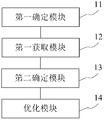
- a first determining module configured to determine a target business object set to which the business object to be optimized belongs
- a first acquiring module configured to acquire a hot vocabulary set corresponding to the target business object set, and a user feature corresponding to the to-be-optimized business object;
- a second determining module configured to determine a target hot vocabulary in the hot vocabulary set according to the user feature
- an optimization module configured to optimize, according to the target hot vocabulary, title information of the business object to be optimized.
- the second determining module includes a first acquiring unit and a first determining unit, where
- the first obtaining unit is configured to acquire a matching degree between the user feature and each popular keyword in the popular keyword set;
- the first determining unit is configured to determine a target hot vocabulary in the hot vocabulary set according to a matching degree between the user feature and each popular keyword set in the popular keyword set.
- the first acquiring unit is specifically configured to:
- the table includes the degree of matching between the two vocabulary categories.
- the first acquiring module is specifically configured to:
- the user information of the user to be optimized including at least one of registration information of the user to be optimized, additional description information of the user to be optimized, and transaction information corresponding to the user to be optimized;
- the optimization module is specifically configured to:
- the optimization module is specifically configured to:
- the optimization module is further specifically configured to:
- the first confirmation header information is determined as the optimized header information of the to-be-optimized business object.
- the optimization module includes a second determining unit and a sending unit, where
- the second determining unit is configured to determine, according to the title information of the to-be-optimized business object and the target hot vocabulary, the title information to be confirmed;
- the sending unit is configured to send the to-be-confirmed title information to the client corresponding to the to-be-optimized business object, so that the user determines the optimized title information according to the to-be-confirmed title information.
- the second determining unit is specifically configured to:
- the optimization module further includes a receiving unit and a third determining unit, where
- the sending unit is specifically configured to send the to-be-confirmed header information to a client corresponding to the to-be-optimized service object;
- the receiving unit is configured to receive confirmation information sent by the client
- the third determining unit is configured to determine, according to the confirmation information, the to-be-confirmed title information as the optimized title information of the to-be-optimized business object.
- the sending unit is further configured to send the to-be-confirmed header information to a client corresponding to the to-be-optimized service object;
- the receiving unit is further configured to receive second confirmation header information sent by the client, where the second confirmation header information is obtained by modifying, by the user, the to-be-confirmed title;
- the third determining unit is further configured to determine the second confirmation header information as the optimized header information of the to-be-optimized business object.
- the first determining module includes a second acquiring unit, a fourth determining unit, and a fifth determining unit, where
- the second obtaining unit is configured to acquire a target category to which the business object to be optimized belongs;
- the fourth determining unit is configured to determine a plurality of to-be-selected service object sets corresponding to the target category
- the fifth determining unit is configured to determine the target service object set in the plurality of to-be-selected business object sets.
- the second acquiring unit is specifically configured to:
- obtaining a first keyword set corresponding to the business object to be optimized and determining the target category according to the first keyword set and the category prediction model, wherein the category prediction model includes keywords Correspondence with categories, and matching of keywords and categories.
- the second acquiring unit is specifically configured to:
- the target category is determined according to a weight value of each keyword in the first keyword set, and a matching degree between each keyword and a corresponding category.
- the fourth determining unit is specifically configured to:
- acquiring the feature information of the to-be-optimized business object, the feature information of each of the to-be-selected business object sets, and the feature information of the to-be-optimized business object are similar to the feature information of each of the to-be-selected business object sets And determining, according to the feature similarity between the feature information of the optimized business object and the feature information of each of the candidate business object sets, determining a target business object set in the candidate business object set.
- the fourth determining unit is specifically configured to:
- the N candidate business object sets with the highest feature similarity are determined as the target business object set, wherein the N is a positive integer greater than or equal to 1.
- the fourth determining unit is specifically configured to:
- the fourth determining unit is specifically configured to:
- the fourth determining unit is specifically configured to:
- the second obtaining unit and the fourth determining unit are specifically configured to:
- description information of the to-be-optimized business object where the description information includes title information of the to-be-optimized business object and/or characteristic parameters of the to-be-optimized business object;
- the plurality of keywords are subjected to screening processing according to the part of speech of each of the keywords to obtain the first keyword set.
- the apparatus further includes a second obtaining module and a third determining module, where
- the second obtaining module is configured to acquire, after the first determining module determines the target business object set to which the business object to be optimized belongs, the transaction information corresponding to the to-be-optimized business object;
- the third determining module is configured to determine that the transaction information corresponding to the to-be-optimized business object satisfies at least one of the following conditions:
- the volume of the business object to be optimized within the first preset duration is less than the volume threshold
- the amount of clicks in the second preset duration of the business object to be optimized is less than the click threshold.
- the apparatus further includes a third obtaining module, a fourth acquiring module, and a generating module, where
- the third obtaining module is configured to: after the second acquiring unit determines the target category according to the first keyword set and the category prediction model, acquire multiple multiple inputs by the user within a third preset duration Searching for a character string, a clicked business object corresponding to each of the search strings, and a number of clicks of each of the clicked business objects;
- the fourth obtaining module is configured to acquire keywords corresponding to the search strings and categories to which the clicked business objects belong;
- the generating module is configured to: according to the plurality of search strings input in the third preset duration, the clicked business objects corresponding to the search strings, the clicked times of each of the clicked business objects, and the respective search
- a keyword prediction model is generated by a keyword corresponding to the character string and a category to which each of the clicked business objects belongs.
- the generating module is specifically configured to:
- the category prediction model is generated according to the third correspondence, and the matching degree of the keyword and the category.
- the apparatus further includes a dividing module, a fifth obtaining module, and a fourth determining module, where
- the dividing module is configured to: before the second obtaining unit acquires a hot vocabulary corresponding to the target business object set, divide all the business objects with the same category into a plurality of business object sets, and each of the business object sets The attribute similarity of the business object is greater than a third preset threshold, and the plurality of business object sets include the target business object set;
- the fifth obtaining module is configured to obtain a second keyword set of each of the service object sets, obtain a plurality of second keyword sets, and obtain a heat value of each keyword in each of the second keyword sets. ;
- the fourth determining module is configured to determine a hot vocabulary corresponding to each of the service object sets according to the heat value of each keyword in each of the second keyword sets.
- the dividing module is specifically configured to:
- All business objects of the same category are divided according to a cosine angle between feature vectors of each of the business objects to obtain the plurality of business object sets.
- the present application provides a title information optimization apparatus, including:
- a first receiving module configured to receive a target hot vocabulary corresponding to the service object to be optimized sent by the data server
- a second receiving module configured to receive confirmation header information determined by the user according to the title information of the to-be-optimized business object and the target hot vocabulary
- a sending module configured to send the confirmation header information to the data server, so that the data server optimizes the header information of the to-be-optimized business object according to the confirmation header information.
- the device further includes a display module, where
- the display module is configured to display title information of the business object to be optimized and the target hot vocabulary
- the second receiving module is configured to receive first confirmation header information that is input by the user according to the title information and the target hot vocabulary.
- the first receiving module is specifically configured to:
- the to-be-confirmed header information includes the title information of the to-be-optimized business object and the target hot vocabulary.
- the display module is further configured to display the to-be-confirmed title information
- the second receiving module is configured to receive the confirmation information corresponding to the to-be-recognized title information input by the user, and determine the to-be-confirmed title information as the confirmation title information according to the confirmation information. .
- the display module is further configured to display the to-be-confirmed title information
- the second receiving module is configured to receive a modification operation of the user to input the to-be-confirmed title information, where the modifying operation is used to modify a location of the target hot vocabulary in the title information. And/or modifying the vocabulary included in the to-be-confirmed title information, and determining the second confirmation title information according to the modification operation.
- the second receiving module is further configured to: before the first receiving module receives the target hot vocabulary sent by the data server, receive header information of the to-be-optimized business object input by the user. ;
- the sending module is further configured to send, to the data server, the header information of the to-be-optimized service object, so that the data server is configured according to the hot vocabulary corresponding to the target service object set to which the to-be-optimized business object belongs, and The attribute information of the optimized business object is described, and the target hot word is determined.
- the present application provides a title information optimization apparatus, including:
- a determining module configured to determine at least one business object set included in the category
- An obtaining module configured to obtain a first hot vocabulary set corresponding to the category, and a second hot vocabulary set corresponding to each of the business object sets;
- a sending module configured to send a corresponding second hot vocabulary set to the client corresponding to each of the service object sets, so that the user searches for the title of the business object in the business object set according to the second hot vocabulary set Information is optimized;
- the sending module is further configured to send the first hot vocabulary set to a client corresponding to the unclassified business object in the category, where the unclassified business object does not belong to any one of the categories a collection of objects, such that the user optimizes the title information of the unclassified business object according to the first hot vocabulary set.
- the acquiring module is specifically configured to:
- the acquiring module is specifically configured to:
- the sending module includes a determining unit and a sending unit, where
- the determining unit is configured to determine a client corresponding to each business object in the business object set
- the sending unit is configured to send, to each client corresponding to the service object, a second hot vocabulary set corresponding to the service object set.
- the sending unit is specifically configured to:
- Corresponding target hot words are respectively sent to each of the business objects.
- the sending module is specifically configured to:
- the present application provides a title information optimization apparatus, including:
- a first receiving module configured to receive a hot vocabulary set sent by the data server
- An obtaining module configured to acquire header information of a business object corresponding to the hot vocabulary set
- a second receiving module configured to receive confirmation header information determined by the user according to the title information of the service object and the hot vocabulary set
- an update module configured to update the title information corresponding to the business object to the confirmation title information.
- the device further includes a display module, where
- the display module is configured to display title information of the business object and the hot vocabulary set
- the second receiving module is configured to receive confirmation header information input by the user according to the title information and the hot vocabulary set.
- the popular vocabulary set further includes a weight value of each hot vocabulary
- the display module is configured to display title information of the business object, and a weight value of each popular vocabulary of the popular vocabulary set and the hot vocabulary set;
- the second receiving module is configured to receive the confirmation header information that is input by the user according to the title information, the hot vocabulary set, and the weight value of each of the hot words.
- the update module is specifically configured to:
- the present application provides a data server including a processor and a memory for storing an application, the processor for reading an application in the memory, and performing the following operations:
- the processor is specifically configured to:
- the processor is specifically configured to:
- the table includes the degree of matching between the two vocabulary categories.
- the processor is specifically configured to:
- the user information of the user to be optimized including at least one of registration information of the user to be optimized, additional description information of the user to be optimized, and transaction information corresponding to the user to be optimized;
- the processor is specifically configured to add the target hot vocabulary to the header information of the to-be-optimized business object.
- the processor is specifically configured to:
- the processor is specifically configured to:
- the first confirmation header information is determined as the optimized header information of the to-be-optimized business object.
- the data server further includes a communication port, where the processor is specifically configured to:
- the processor is specifically configured to:
- the processor is specifically configured to:
- the processor is specifically configured to:
- the second confirmation header information is determined as the optimized header information of the to-be-optimized business object.
- the processor is specifically configured to:
- the processor is specifically configured to: determine whether the to-be-optimized business object has a category corresponding thereto;
- obtaining a first keyword set corresponding to the business object to be optimized and determining the target category according to the first keyword set and the category prediction model, wherein the category prediction model includes keywords Correspondence with categories, and matching of keywords and categories.
- the processor is specifically configured to:
- the target category is determined according to a weight value of each keyword in the first keyword set, and a matching degree between each keyword and a corresponding category.
- the processor is specifically configured to:
- acquiring the feature information of the to-be-optimized business object, the feature information of each of the to-be-selected business object sets, and the feature information of the to-be-optimized business object are similar to the feature information of each of the to-be-selected business object sets And determining, according to the feature similarity between the feature information of the optimized business object and the feature information of each of the candidate business object sets, determining a target business object set in the candidate business object set.
- the processor is specifically configured to:
- the N candidate business object sets with the highest feature similarity are determined as the target business object set, wherein the N is a positive integer greater than or equal to 1.
- the processor is specifically configured to:
- the processor is specifically configured to:
- the processor is specifically configured to:
- the processor is specifically configured to:
- description information of the to-be-optimized business object where the description information includes title information of the to-be-optimized business object and/or characteristic parameters of the to-be-optimized business object;
- the plurality of keywords are subjected to screening processing according to the part of speech of each of the keywords to obtain the first keyword set.
- the processor is further configured to:
- the volume of the business object to be optimized within the first preset duration is less than the volume threshold
- the amount of clicks in the second preset duration of the business object to be optimized is less than the click threshold.
- the processor is further configured to:
- the second acquiring unit determines the target category according to the first keyword set and the category prediction model, acquiring a plurality of search strings input by the user within a third preset duration, each of the search characters The number of clicked business objects corresponding to the string, and the number of clicks of each of the clicked business objects;
- the processor is specifically configured to:
- the category prediction model is generated according to the third correspondence, and the matching degree of the keyword and the category.
- the processor is further configured to:
- all the business objects with the same category are divided to obtain a plurality of business object sets, and the attribute similarity of the business objects in each of the business object sets is greater than the first a preset threshold, the plurality of business object sets including the target business object set;
- the processor is specifically configured to: acquire a third keyword set corresponding to each service object with the same category, and a weight value of each keyword in the third keyword set. ;
- All business objects of the same category are divided according to a cosine angle between feature vectors of each of the business objects to obtain the plurality of business object sets.
- the application provides a client, including a processor, a communication port, an input device, and a memory for storing an application, where
- the processor is configured to receive, by using the communication port, a target hot vocabulary corresponding to the service object to be optimized sent by the data server;
- the input device is configured to receive confirmation header information determined by the user according to the title information of the to-be-optimized business object and the target hot vocabulary;
- the processor is further configured to send the confirmation header information to the data server by using the communication port, so that the data server optimizes header information of the to-be-optimized business object according to the confirmation header information.
- the client further includes a display device, where
- the display device is configured to display title information of the business object to be optimized, and the target Popular vocabulary
- the input device is specifically configured to receive first confirmation header information that is input by the user according to the title information and the target hot vocabulary.
- the processor is configured to receive, by using the communication port, header information to be confirmed sent by the data server, where the to-be-confirmed header information includes the to-be-optimized service object. Title information and the target hot words.
- the display device is further configured to display the to-be-confirmed title information
- the input device is specifically configured to receive, by the user, the confirmation information corresponding to the to-be-confirmed title information
- the processor is specifically configured to determine, according to the confirmation information, the to-be-confirmed header information as the confirmation header information.
- the display device is further configured to display the to-be-confirmed title information
- the input device is configured to receive a modification operation of the user to input the to-be-confirmed title information, where the modifying operation is used to modify a position of the target hot vocabulary in the title information and/or Modifying the vocabulary included in the to-be-confirmed title information;
- the processor is specifically configured to determine second confirmation header information according to the modifying operation.
- the processor is further configured to receive, by the communication port, a user input, before the processor receives the target hot vocabulary sent by the data server by using the communication port. Optimize the title information of the business object;
- the processor is configured to: send, by using the communication port, the header information of the to-be-optimized service object to the data server, so that the data server is corresponding to the target corresponding to the target service object group to which the to-be-optimized service object belongs
- the vocabulary collection and the attribute information of the business object to be optimized determine the target hot vocabulary.
- the present application provides a data server including a processor, a communication port, and a memory for storing an application, the processor for reading an application in the memory, and performing the following operations:
- the processor is specifically configured to:
- the processor is specifically configured to:
- the processor is specifically configured to:
- the processor is specifically configured to:
- the processor is specifically configured to:
- the application provides a client, including a processor, a communication port, an input device, and a memory for storing an application, where
- the processor is configured to receive, by using the communication port, a hot vocabulary set sent by a data server;
- the processor is further configured to: obtain header information of a service object corresponding to the hot vocabulary set;
- the input device is configured to receive confirmation header information determined by the user according to the title information of the service object and the hot vocabulary set;
- the processor is further configured to update the header information corresponding to the service object to the confirmation header information.
- the client further includes a display device, where
- the display device is configured to display title information of the business object and the hot vocabulary set;
- the input device is specifically configured to receive confirmation header information input by the user according to the title information and the hot vocabulary set.
- the popular vocabulary set further includes a weight value of each hot vocabulary
- the display device is configured to display title information of the business object, and a weight value of each of the popular vocabulary and the hot vocabulary of the popular vocabulary set;
- the input device is specifically configured to receive the confirmation header information that is input by the user according to the title information, the hot vocabulary set, and the weight value of each of the hot words.
- the processor is specifically configured to:
- the present application provides a header information optimization system, including a data server and a client, where
- the data server is configured to determine a target business object set to which the business object to be optimized belongs, obtain a hot vocabulary set corresponding to the target business object set, and a user feature corresponding to the to-be-optimized business object, according to the user feature, Determining a target hot vocabulary in the hot vocabulary set, and transmitting the target hot vocabulary to the client;
- the client is configured to receive a target hot vocabulary corresponding to the service object to be optimized sent by the data server, and receive confirmation message information determined by the user according to the title information of the to-be-optimized business object and the target hot vocabulary, and Sending the confirmation header information to the data server, so that the data server optimizes the header information of the to-be-optimized business object according to the confirmation header information.
- the present application provides a header information optimization system, including a data server and a client, where
- the data server is configured to: determine at least one business object set included in the category, obtain a first hot vocabulary set corresponding to the category, and a second hot vocabulary set corresponding to each of the business object sets, respectively
- the client corresponding to the business object set sends the corresponding second hot vocabulary set, and sends the first hot vocabulary set to the client corresponding to the unclassified business object in the category;
- the client is configured to receive a hot vocabulary set sent by the data server, obtain title information of the business object corresponding to the hot vocabulary set, and receive, by the user, the title information according to the business object and the hot vocabulary set.
- the header information is confirmed, and the header information corresponding to the business object is updated to the confirmation header information.
- the title information optimization apparatus determines the target business object set corresponding to the business object to be optimized, and according to the user characteristics corresponding to the business object to be optimized,
- the target hot vocabulary is determined in the hot vocabulary set corresponding to the target business object set, and the title information of the business object to be optimized is optimized according to the target hot vocabulary.
- the attribute similarity between the business object to be optimized and the business object in the target business object set is high, so that the matching degree of the hot vocabulary set of the target business object set and the business object to be optimized is higher, further, due to the target
- the hot vocabulary is determined according to the user characteristics corresponding to the business object to be optimized and the hot vocabulary set of the target business object set, so that the target hot vocabulary can better reflect the feature information of the business object to be optimized, and therefore, the target hot vocabulary can be Accurate optimization of the title information of the optimized business object, thereby improving the accuracy of the data server recommending the business object to the user.
- FIG. 1 is a schematic diagram of an application scenario of a header information optimization method provided by the present invention
- FIG. 2 is a flow chart 1 of a method for optimizing title information provided by the present invention
- FIG. 3 is a diagram of a business object management architecture provided by the present invention.
- FIG. 4 is a schematic flowchart of a method for determining a target hot vocabulary provided by the present invention
- FIG. 5 is a flowchart 1 of a method for optimizing title information according to a target hot vocabulary provided by the present invention
- FIG. 6 is a second flowchart of a method for optimizing title information according to a target hot vocabulary provided by the present invention.
- FIG. 7 is a flowchart 3 of a method for optimizing title information according to a target hot vocabulary provided by the present invention.
- FIG. 8 is a flowchart of a method for determining a target business object set according to the present invention.
- FIG. 9 is a flowchart of a method for acquiring a target category according to the present invention.
- FIG. 10 is a flowchart of a method for acquiring a first keyword set according to the present invention.
- FIG. 11 is a flowchart of a method for determining a target category according to a category prediction model according to the present invention.
- FIG. 12 is a flowchart of a method for determining a target business object set according to the present invention.
- FIG. 13 is a flowchart of a method for generating a category prediction model according to the present invention.
- FIG. 14 is a flowchart of a method for generating a hot vocabulary corresponding to a set of service objects according to the present invention
- 16 is a flowchart 1 of a method for obtaining confirmation header information provided by the present invention.
- 17 is a schematic diagram 1 of a client interface provided by the present invention.
- FIG. 19 is a schematic diagram 2 of a client interface provided by the present invention.
- 21 is a schematic diagram 3 of a client interface provided by the present invention.
- 22 is a flowchart 3 of a method for optimizing header information provided by the present invention.
- 25 is a schematic structural diagram 1 of a header information optimization apparatus according to the present invention.
- 26 is a schematic structural diagram 2 of a header information optimization apparatus according to the present invention.
- FIG. 27 is a schematic structural diagram 1 of another title information optimization apparatus according to the present invention.
- FIG. 29 is a schematic structural diagram 1 of still another title information optimization apparatus according to the present invention.
- FIG. 30 is a second schematic structural diagram of a header information optimization apparatus according to the present invention.
- FIG. 31 is a schematic structural diagram 1 of still another header information optimization apparatus according to the present invention.
- FIG. 32 is a second schematic structural diagram of a header information optimization apparatus according to the present invention.
- 33 is a schematic structural diagram 1 of a data server provided by the present invention.
- FIG. 34 is a schematic structural diagram 2 of a data server according to the present invention.
- FIG. 35 is a schematic structural diagram 1 of a client provided by the present invention.
- 36 is a schematic structural diagram 2 of a client provided by the present invention.
- FIG. 38 is a schematic structural diagram 1 of another client provided by the present invention.
- 39 is a schematic structural diagram 2 of another client provided by the present invention.
- FIG. 40 is a schematic structural diagram of a title information optimization system according to the present invention.
- FIG. 41 is a schematic structural diagram of another title information optimization system according to the present invention.
- FIG. 1 is a schematic diagram of an application scenario of a method for optimizing a header information provided by the present invention.
- a client 101 and a data server 102 are included.
- the client 101 can be a device such as a computer or a mobile phone.
- the user can input the title information of the business object to be optimized at the client 101, and send the title information of the business object to be optimized to the data server 102 through the client 101.
- the data server 102 can optimize the title information of the business object to be optimized, so that the title information of the business object to be optimized is more accurate, thereby improving the accuracy of the data server recommending the business object to the user.
- FIG. 2 is a flowchart 1 of a method for optimizing title information provided by the present invention.
- the method may include:
- the execution body of the embodiment of the present invention may be a title information optimization apparatus, and the title information optimization apparatus may be implemented by software and/or hardware.
- the title information optimizing means can be set in the data server.
- FIG. 3 is a schematic diagram of a business object management architecture provided by the present invention.
- multiple categories may be set.
- Each category may include multiple sets of business objects, each of which includes multiple business objects, and the attribute information of all business objects in a business object set is the same or similar.
- the user may select one of the plurality of categories that matches the business object, or the title information optimization device may automatically select a matching class for the business object. Head.
- the business object does not belong to any category, for example, the business object A and the business object B shown in FIG.
- the title information optimization apparatus can periodically classify the business objects having the same or similar attribute information in the same category to obtain a plurality of business object sets under the same category, of course, when adding the business object If the title information optimization device does not classify the business objects in the same category in time, the business objects under one category may not belong to any business object set, for example, the business object T shown in FIG.
- the title information optimization apparatus when the title information optimization apparatus needs to optimize the title information of the business object to be optimized, the title information optimization apparatus first among all the business object sets of the data server, Determining a target business object set corresponding to the business object to be optimized.
- the target business object set may be a business object set or a plurality of business object sets.
- the set of business objects except the target business object set in the data server's all business object set is a non-target business set, and the target business object set and the to-be-optimized business object have similar attribute similarity to the non-target business object set and the to-be-optimized business object. Attribute similarity.
- the title information optimization device After the title information optimization device determines the target service object set corresponding to the business object to be optimized, the title information optimization device acquires the hot vocabulary set corresponding to the target business object set.
- the hot vocabulary collection accurately reflects the characteristics of the target business object set.
- the hot vocabulary set may be determined according to an actual search and viewing situation of the business object in the target business object set by the user.
- the title information optimization device further acquires a user feature corresponding to the business object to be optimized, and the user feature is used to represent the feature information of the user corresponding to the business object to be optimized, for example, the user feature may be the style, qualification, etc. of the user corresponding to the business object to be optimized.
- the title information optimization device may first determine the to-be-optimized user corresponding to the to-be-optimized service object, and obtain the user information of the user to be optimized, where the user information may include registration information of the user to be optimized, and additional description information of the user to be optimized. And at least one of the transaction information corresponding to the user to be optimized, and determining the user feature corresponding to the business object to be optimized according to the user information.
- the title information optimization device After the title information optimization device obtains the hot vocabulary set corresponding to the target business object set and the user feature corresponding to the business object to be optimized, the title information optimization device determines the target hot vocabulary in the hot vocabulary set according to the user feature, and according to the target hot spot Vocabulary, optimized for the title information of the optimized business object.
- the target hot vocabulary can be a popular vocabulary that matches the user's characteristics.
- the title information optimization device determines the target business object set corresponding to the business object 1, Assume that the target business object set is the business object set 1.
- the title information optimization device acquires the hot vocabulary set 1 of the business object set 1, and assumes that the hot vocabulary set 1 is: "2016", "dress”, “Korean version”, “Lady”, “European”, “Personality”.
- the title information optimization device also acquires the user feature of the business object 1, assuming that the user feature of the business object 1 is "personality”.
- the title information optimization device acquires a target hot vocabulary that matches the user feature (personality) of the business object 1 in the popular vocabulary set 1: "2016”, "European”, “personality”, and the target hot vocabulary ("2016”, "European” and “personality” are added to the current title information, and the optimized title information is: "Spring Skirt 2016 European and American Personality”.
- the title information optimization apparatus determines the target business object set corresponding to the business object to be optimized, and according to the user characteristics corresponding to the business object to be optimized,
- the target hot vocabulary is determined in the hot vocabulary set corresponding to the target business object set, and the title information of the business object to be optimized is optimized according to the target hot vocabulary.
- the attribute similarity between the business object to be optimized and the business object in the target business object set is high, so that the matching degree of the hot vocabulary set of the target business object set and the business object to be optimized is higher, further, due to the target
- the hot vocabulary is determined according to the user characteristics corresponding to the business object to be optimized and the hot vocabulary set of the target business object set, so that the target hot vocabulary can better reflect the feature information of the business object to be optimized, and therefore, the target hot vocabulary can be Accurate optimization of the title information of the optimized business object, thereby improving the accuracy of the data server recommending the business object to the user.
- the target hot vocabulary (S203 in the embodiment shown in FIG. 2) may be determined in the hot vocabulary set according to the user characteristics according to the feasible implementation manner. Please refer to the embodiment shown in FIG. 4.
- FIG. 4 is a schematic flowchart of a method for determining a target hot vocabulary provided by the present invention. Referring to FIG. 4, the method may include:
- S402. Determine a target hot vocabulary in the hot vocabulary set according to the matching degree between the user feature and each popular keyword set in the popular keyword set.
- the title information optimization device when the title information optimization device needs to determine the target hot vocabulary in the hot vocabulary set corresponding to the target business object, the title information optimization device first acquires the popular keyword in the user feature and the popular keyword set.
- the matching degree of the set optionally, the title information optimizing device may first determine the first vocabulary category corresponding to the user feature and the second vocabulary category corresponding to each popular keyword, and match the table and the first vocabulary according to the preset vocabulary category a category, each second vocabulary category, determining a degree of matching of the data information with each of the popular keywords, wherein the preset vocabulary category matching table includes Includes the degree of matching between the two vocabulary categories.
- the preset vocabulary category matching table may be as shown in Table 1:
- Vocabulary category Vocabulary category suitability Vocabulary category 1 Vocabulary category 2 80% Vocabulary category 1 Vocabulary category 3 68% Vocabulary category 1 Vocabulary category 4 95% Vocabulary category 2 Vocabulary category 3 60% Vocabulary category 2 Vocabulary category 4 90% together .... .... .
- the target hot words are determined in the popular vocabulary set according to the matching degree between the user features and the popular keyword sets in the popular keyword set.
- the title information optimization device may determine the X hot words with the highest degree of user feature matching as the target hot words, where X is a positive integer greater than or equal to 1, and may be set according to actual needs during actual application. The size of the X.
- the title information optimization apparatus may also determine a hot vocabulary with a user feature matching degree greater than a preset threshold as the target hot vocabulary.
- the title information optimization device determines that the target hot vocabulary is obtained
- the title information of the optimized business object may be optimized through various feasible implementation manners.
- three possible implementations are introduced by the embodiment shown in FIG. 5 to FIG. 7, wherein in the embodiment shown in FIG. 5, the title information optimization apparatus directly optimizes the header information;
- the header information optimization apparatus optimizes the header information by interacting with the client. Specifically, refer to the embodiment shown in FIG. 5-6.
- FIG. 5 is a flowchart 1 of a method for optimizing title information according to a target hot vocabulary provided by the present invention. Referring to FIG. 5, the method may include:
- the target hot words are added to the title information of the business object to be optimized by the title information optimization device, specifically:
- the title information optimization device acquires at least one current keyword included in the title information of the business object to be optimized.
- the title information optimization device may perform word segmentation processing on the title information of the optimized business object to obtain at least one current keyword.
- the title information optimization device further obtains the weight values of each of the current keywords and the target hot words, and determines the position of the target hot words in the title information according to the weight values of the current keywords and the target hot words.
- the title information optimization device may determine a corresponding weight value according to the heat value of each current keyword and the target hot vocabulary, wherein the higher the heat value, the higher the weight value.
- the higher the weight value of the target hot vocabulary the higher the position of the target hot vocabulary in the title information.
- the title information of the business object to be optimized is assumed to be “spring skirt long”, and the target hot words are assumed to be “2016” and “personality”.
- the title information optimization device performs word segmentation processing on the title information "spring skirt long section", and obtains current keywords “spring”, “skirt”, and “long section”, and the title information optimization device obtains the weights of each current keyword and each target hot vocabulary. Value, specific, as shown in Table 2:
- the title information optimization device After the title information optimization device obtains the weight values of the current keywords and the target hot words shown in Table 2, the title information optimization device determines the position of the target hot words in the title information, and optionally, the title information optimization device According to the order of the weight values from high to low, the current keywords and the target hot words are sorted in order, and the optimized title information is “2016 spring skirt personality long”.
- the data server performs the search information and the title information of the business object.
- the data server usually matches the search words in order from the front to the back of the keywords in the title information; by the embodiment shown in FIG. 5, the title information optimization device according to the weights of the current keywords and the target hot words. The value is added to the corresponding position of the title information, so that the optimized title information is more accurate, further improving the accuracy of the data server recommending the business object to the user.
- FIG. 6 is a flowchart 2 of a method for optimizing title information according to a target hot vocabulary provided by the present invention. Referring to FIG. 6, the method may include:
- S602. Receive first confirmation header information sent by the client.
- the title information optimization apparatus determines that the target hot vocabulary is obtained, the title information optimization apparatus sends the target hot vocabulary to the client corresponding to the business object to be optimized, so that the user determines the optimized according to the target hot vocabulary. Title information.
- the first confirmation header information is sent by the client to the title information optimization apparatus, and the title information optimization apparatus determines the first confirmation title information as the business object to be optimized. Optimized header information.
- the title information optimization device sends the target hot vocabulary to the client, and the user determines the optimized title information according to the target hot vocabulary at the client, thereby improving the flexibility of optimizing the title information.
- FIG. 7 is a flowchart 3 of a method for optimizing title information according to a target hot vocabulary provided by the present invention. Referring to FIG. 7, the method may include:
- the title information optimization apparatus first determines the title information to be confirmed according to the title information of the business object to be optimized and the target hot vocabulary, specifically, Inserting the target hot vocabulary in the title information of the business object to be optimized, inserting the target hot vocabulary in the insertion position of the title information, and obtaining the to-be-confirmed Title information.
- the header information optimization apparatus may determine the header information to be confirmed according to the method shown in the embodiment of FIG. 5, which is not described herein again.
- the title information optimization apparatus After the title information optimization apparatus determines the title information to be confirmed, the title information optimization apparatus transmits the to-be-confirmed title information to the client corresponding to the business object to be optimized, so that the user determines the optimized title information according to the to-be-confirmed title information.
- the user may confirm the confirmation header information, or may modify the header information to be modified, specifically:
- the confirmation information may be sent to the title information optimization apparatus by the client, so that the title information optimization apparatus determines the to-be-confirmed title information as the optimized business object to be optimized according to the confirmation information.
- Title information may be sent to the title information optimization apparatus by the client, so that the title information optimization apparatus determines the to-be-confirmed title information as the optimized business object to be optimized according to the confirmation information.
- the user may modify the confirmation title information to obtain the second confirmation title information, and send the second confirmation title information to the title information optimization device, so that the title information optimization device will be the second
- the confirmation header information is determined as the optimized title information of the business object to be optimized.
- the title information optimization device first determines the to-be-confirmed title information according to the target hot vocabulary, and the user determines the optimized title information according to the to-be-confirmed title information, thereby further improving the flexibility of optimizing the title information.
- the target service object set corresponding to the business object to be optimized may be determined by the following feasible implementation manner (in the embodiment shown in FIG. 2) S201), specifically, please refer to the embodiment shown in FIG. 8.
- FIG. 8 is a flowchart of a method for determining a target service object set according to the present invention. Referring to FIG. 8, the method may include:
- the title information optimization device may first acquire the target category to which the business object to be optimized belongs, and obtain the target category. Corresponding multiple sets of candidate business objects.
- a correspondence between the category and the set of business objects may be set, so that the title information optimization apparatus can be configured according to The target category and the corresponding relationship determine a plurality of candidate business object sets corresponding to the target category.
- the title information optimization device determines the target business object set in the plurality of candidate business object sets.
- the title information optimization device is configured according to the plurality of candidate business object sets.
- the attribute similarity between each candidate business object set and the target business object set, and among the plurality of candidate business object sets, one or more business object sets having higher similarity with the target business object attribute are determined as the target service
- the object set may determine the N (N is a positive integer greater than or equal to 1) business object set with the highest degree of similarity with the attribute of the selected business object set as the target business object set, or will be selected
- the set of business objects whose attribute similarity of the business object set is greater than the first preset threshold is determined as the target business object set.
- the target category to which the business object to be optimized belongs is obtained, and the target business object set is determined in the plurality of candidate business object sets corresponding to the target category, and the title information optimization device selects the target business object set.
- the range further increases the speed at which the title information optimization device determines the target business object set.
- the title information optimization device may obtain the target category to which the business object to be optimized belongs according to the feasible implementation manner (S801 in the embodiment shown in FIG. 8 ), Please refer to the embodiment shown in FIG. 9.
- FIG. 9 is a flowchart of a method for acquiring a target category according to the present invention.
- the method may include:
- S902 Determine a category corresponding to the business object to be optimized as a target category
- the title information optimization device first determines whether the business object to be optimized exists with its corresponding category:
- the device can directly determine the category corresponding to the business object to be optimized as the target category.
- the title information optimization device needs to obtain a first keyword set corresponding to the business object to be optimized and a preset category prediction model, and include a keyword and a category correspondence, and a key in the category prediction model.
- the matching degree between words and categories, the matching degree between keywords and categories refers to the probability that the business object corresponding to the keyword is divided into the category, and one keyword can correspond to one or more categories, one category It can also correspond to one or more keywords.
- the category prediction model can be as shown in Table 3:
- the target category corresponding to the business object to be optimized is determined according to the first keyword set and the category prediction model.
- the first keyword set corresponding to the to-be-optimized business object and the first keyword set and class are respectively obtained through the embodiments shown in FIG. 10 to FIG. 11 .
- the process of determining the target class corresponding to the business object to be optimized by the mesh prediction model is described in detail.
- FIG. 10 is a flowchart of a method for acquiring a first keyword set according to the present invention. Referring to FIG. 10, the method may include:
- the description information of the service object to be optimized is obtained, where the description information includes header information of the service object to be optimized and/or a feature parameter of the service object to be optimized.
- S1002 Perform word segmentation processing on the description information of the optimized business object, obtain a plurality of keywords corresponding to the business object to be optimized, and the part of speech of each keyword;
- S1003 Perform screening processing on the plurality of keywords according to the part of speech of each keyword to obtain the first keyword set.
- the title information optimizing device acquires the business object description information of the business object to be optimized, where the business object description information includes the title information of the business object to be optimized and/or the feature parameter of the business object to be optimized, wherein
- the characteristic parameter of the business object to be optimized is the attribute information of the business object to be optimized, such as the brand of the business object to be optimized, the manufacturer of the business object to be optimized, the origin of the business object to be optimized, etc., and the feature parameter can be optimized by the business object to be optimized.
- the corresponding user provides.
- the title information optimization device After the title information optimization device obtains the description information of the business object to be optimized, the title information optimization device performs word segmentation processing on the description information of the optimized business object, and obtains a plurality of keywords corresponding to the business object to be optimized, and the part of speech of each keyword.
- the part of speech includes nouns, adjectives, adverbs, auxiliary words, etc.
- the title information optimization device performs screening processing on the plurality of keywords according to the part of speech of each keyword to obtain a first keyword set, optionally, in a plurality of keys
- the keyword with the part of speech as a noun or adjective can be retained, and the keyword with the part of speech as the auxiliary or adverb can be deleted.
- the description information of the business object to be optimized is “a dress that is very comfortable in spring”.
- the title information optimization device first describes the description information. Perform word segmentation to obtain the following multiple keywords and the part of speech: "spring (noun)”, “very (adverb)”, “comfort (adjective)", “(helper)", “dress” ), the title information optimization device retains the keyword whose word meaning is a noun or an adjective, and deletes the keyword whose part of speech is an adverb or auxiliary word, and obtains the first keyword set: "spring", "comfort", "dress”.
- FIG. 11 is a flowchart of a method for determining a target category according to a category prediction model according to the present invention. Referring to FIG. 11, the method may include:
- S1101 Acquire, according to the category prediction model, the keywords in the first keyword set, the corresponding categories, and the matching degree;
- S1103 Determine a target category according to a weight value of each keyword in the first keyword set and a matching degree between each keyword and a corresponding category.
- the title information optimization device acquires the keywords corresponding to the keywords in the first keyword set according to the category prediction model.
- the keywords in the first keyword set may be obtained according to the TF-IDF statistical method.
- Weight value of course, the weight value of each keyword in the first keyword set may be obtained by other methods, and according to the weight value of each keyword in the first keyword set, and between each keyword and its corresponding category Matching degree, determining the target category, optionally, multiplying the weight value by the matching degree, and determining the category with the largest product of the weight value and the matching degree as the target category.
- the first keyword set corresponding to the business object to be optimized is: “spring”, “comfort”, “dress”, the weight value corresponding to each keyword, and the category prediction model are as shown in Table 4:
- the title information optimizing device determines the product of the weight value and the matching degree corresponding to each category according to the weight value corresponding to each keyword and the category prediction model shown in Table 4, as shown in Table 5:
- the title information optimizing device determines the skirt corresponding to the largest product (1.22) as the target category based on the product of the weight value and the matching degree corresponding to each category shown in Table 5.
- Table 5 merely illustrates the correspondence between keywords and categories in the form of an example, and is not a limitation on the correspondence between keywords and categories.
- the header information optimization apparatus may determine the target service object set among the plurality of candidate service object sets by using the following feasible implementation manners. S803), specifically, please refer to the embodiment shown in FIG.
- FIG. 12 is a flowchart of a method for determining a target service object set according to the present invention. Referring to FIG. 12, the method may include:
- S1201 Determine whether a business object to be optimized exists and a corresponding set of business objects
- S1202 Determine a business object set corresponding to the business object to be optimized as a target business object set
- S1203 Obtain attribute information of the to-be-optimized business object, attribute information of each candidate business object set, and attribute similarity of the attribute information of the business object to be optimized and the attribute information of each candidate business object set;
- the title information optimization device first determines whether the business object to be optimized has a business object set corresponding thereto:
- the title information optimization device can directly determine the business object set corresponding to the business object to be optimized as the target business object set.
- the title information optimization apparatus needs to obtain the attribute information of the business object to be optimized, the attribute information of each candidate business object set, and the attribute information of the business object to be optimized and the attribute information of the attribute information of each candidate business object set.
- the target business object set is determined in the to-be-selected business object set.
- the attribute information of the service object to be optimized may be represented by a feature vector, and correspondingly, the attribute information of the business object to be optimized may be obtained by obtaining a first keyword set corresponding to the business object to be optimized, And the weight value of each keyword in the first keyword set, obtaining the feature vector of the business object to be optimized according to the weight value of each keyword in the first keyword set, and determining the feature vector of the business object to be optimized as the to-be-optimized Property information of the business object.
- the title information optimizing apparatus can determine that the feature vector of the business object to be optimized is (0.4, 0.4, 0.9).
- the attribute information of the to-be-selected business object set may be represented by a feature vector.
- the attribute information of the to-be-selected business object set may be obtained by acquiring the following:
- the feature vector determines the central feature vector of the selected business object set according to the feature vector of each business object in the selected business object set, and determines the central feature vector of the selected business object set as the attribute information of the selected business object set.
- the header information optimization apparatus may perform averaging on the feature vectors of each service object to obtain a central feature vector of the to-be-selected business object set.
- Business object identifier Feature vector Business object 1 (0.5, 0.45, 0.7) Business object 2 (0.3, 0.5, 0.8) Business object 3 (0.4,0.3,0.8)
- the title information optimization device determines, according to the feature vector of each business object shown in Table 7, the central feature vector of the set of the selected business object is That is, the central feature vector is (0.4, 0.42, 0.77).
- the attribute information of the business object to be optimized is represented by the feature vector of the business object to be optimized
- the attribute information of the set of the selected business object is represented by the central feature vector of the set of the selected business object
- the cosine angle is inversely proportional to the attribute similarity. The smaller the cosine angle, The greater the similarity of attributes.
- the business object to be optimized may also be directly
- the feature vector and the cosine angle of the central feature vector of each candidate business object set determine the target business object set in the plurality of candidate business object sets.
- the title information optimization device respectively obtains the feature vector of the business object to be optimized
- the cosine angle of the central feature vector of each candidate business object set, the set of the selected business objects whose cosine angle is smaller than the second preset threshold is determined as the target business object set, or N of the cosine angles are selected to be selected
- the business object set is determined as the target business object set, wherein the attribute similarity corresponding to the cosine angle of the second preset threshold is equal to the first preset threshold.
- the title information optimization apparatus may periodically execute the foregoing solution to optimize the title information of the business object.
- the title information optimization device may optimize only the title information with lower accuracy.
- the title information optimization device may determine the accuracy of the title information of the business object according to the transaction information of the business object, specifically: the title information optimization device Before optimizing the title information of the business object, the transaction information of the business object is first obtained, and the transaction information is determined to satisfy at least one of the following conditions: the transaction volume of the business object within the first preset duration is less than the volume threshold, and the business object is The amount of clicks in the second preset duration is less than the click threshold. If the transaction information of the business object satisfies any of the above conditions, indicating that the accuracy of the header information of the business object is poor, the technology in the foregoing method embodiment is adopted. The scheme optimizes the header information of the business object .
- the title information optimizing device optimizes only the business object information with lower accuracy, reduces the workload of the title information optimizing device, and further improves the working efficiency of the title information optimizing device.
- the title information optimization apparatus may periodically generate a category prediction model, or periodically update and maintain the generated category prediction model, and then, through the implementation shown in FIG. For example, the process of generating a category prediction model will be described in detail.
- FIG. 13 is a flowchart of a method for generating a category prediction model according to the present invention. Referring to FIG. 13, the method may include:
- S1301 Acquire multiple search strings and search characters input by the user within a third preset duration The number of clicked business objects corresponding to the string, and the number of clicks of each clicked business object;
- S1302 Obtain a keyword corresponding to each search string, and a category to which each clicked business object belongs;
- S1303 a plurality of search character strings input in the third preset duration, a clicked business object corresponding to each search string, a clicked number of each clicked business object, a keyword corresponding to each search string, and each The category prediction model is generated by clicking on the category to which the business object belongs.
- the title information optimization apparatus when the title information optimization apparatus needs to generate the category prediction model, acquires a plurality of search character strings input by the user within the third preset time length, and corresponding search strings. Clicking on the business object and the number of clicks of each clicked business object, and then the title information optimization device acquires the keyword corresponding to each search string and the category to which each clicked business object belongs; wherein the search string is the user Search information input when searching for a business object, for example, the search string may be a "spring dress", etc.
- the data server recommends a plurality of business object information to the user, and the user opens in the plurality of business object information.
- the business object of the detailed information is the number of clicks corresponding to the search string. For example, after the user inputs the search string "spring dress", the data server recommends the business object 1 - the business object 100 to the user, if the user objects to the business object 2 and the detailed information of the business object 3 is viewed, then the business object 2 and the business pair
- the image 3 is a clicked business object corresponding to the search string "spring dress", the search character string input by the title information optimization device for all users, and the clicked business object corresponding to the search string, the clicked business object can be clicked. The number of times.
- the title information optimizing device obtains the search string and the clicked business object according to the identifier of the clicked business object corresponding to each search string and the number of times each clicked business object is clicked.
- the first correspondence relationship includes the number of times the clicked business object is clicked corresponding to each search string.
- the first correspondence may be as shown in Table 8:
- the title information optimization device After the title information optimization device obtains the first correspondence, the title information optimization device obtains a second correspondence between the search string and the category according to the category to which the clicked business object belongs and the first correspondence relationship, and the second correspondence The relationship includes the number of clicks of the category corresponding to the search string. Specifically, most of the business objects have their own categories.
- the title information optimization device obtains the first A category corresponding to each business object in the correspondence relationship, and obtaining a second correspondence relationship according to the category to which the clicked business object belongs and the first correspondence relationship.
- the title information optimization apparatus can obtain the second correspondence shown in Table 10 according to the correspondence relationship between the clicked business object and the category shown in Table 9:
- the title information optimization device obtains a third correspondence between the keyword and the category according to the keyword corresponding to each search string and the second correspondence relationship, and the third correspondence relationship The number of clicks of the category corresponding to the keyword is included.
- the title information optimization device can obtain the keyword corresponding to the search string by the method shown in the embodiment of FIG.
- the title information optimizing device can obtain the third correspondence shown in Table 12 according to the correspondence between the search character string and the keyword shown in Table 11:
- the title information optimization device After the title information optimization device obtains the third correspondence, the title information optimization device generates a matching degree of each keyword and its corresponding category according to the number of clicks of the category corresponding to each keyword, and according to the third correspondence
- the relationship, and the matching degree of the keyword and the category generate a category prediction model, wherein the keyword and the category matching degree refer to the probability that the business object corresponding to the keyword belongs to the category.
- the title information optimization apparatus determines the category prediction model obtained as shown in Table 14:
- the title information optimization device generates a category prediction model according to the actual operation of the user, so that the title information optimization device can obtain an accurate category corresponding to the business object to be optimized according to the category prediction model.
- the process in which the title information optimization apparatus generates the above-described category prediction model and the process in which the title information optimization apparatus optimizes the title information of the business object to be optimized are two independent processes.
- the process of generating the category prediction model may be performed at any time before the optimization of the title information, and the present invention does not specifically limit the timing at which the title information optimization apparatus generates the above-described category prediction model.
- the title information optimization apparatus may periodically generate hot words corresponding to each service object set in the e-commerce platform, or periodically update and maintain the hot words corresponding to each business object set.
- a process of generating a hot vocabulary corresponding to each business object set by the title information optimizing apparatus will be described in detail by the embodiment shown in FIG.
- the method may include:
- S1402 Acquire a second keyword set of each business object set to obtain a plurality of second keyword sets
- S1403 Perform statistics on keywords in each second keyword set to obtain heat values of each keyword in each second keyword set;
- S1404 Determine a hot vocabulary corresponding to each business object set according to the heat value of each keyword in each second keyword set.
- the title information optimization apparatus when the title information optimization apparatus needs to acquire a hot vocabulary corresponding to each business object set, the title information optimization apparatus first divides all the business objects in one category, and obtains a plurality of business object sets. Specifically, the title information optimization apparatus may first acquire a third keyword set corresponding to each business object of the same category, and a weight value of each keyword in the third keyword set, according to each key in each third keyword set. The weight value of the word, obtain the feature vector of each business object, and then obtain the cosine angle between the feature vectors of each two business objects, and according to the cosine angle between the feature vectors of each two business objects, belong to the class All the business objects of the same purpose are divided to obtain a plurality of business object sets.
- a plurality of business objects whose cosine angles are within a preset range may be divided into a business object set, wherein each business object is obtained.
- the manner of the feature vector is the same as the manner of obtaining the feature vector of the business object to be optimized in the embodiment shown in FIG. 12, It will not be repeated here.
- the title information optimization device acquires the second keyword set corresponding to each service object set to obtain a plurality of second keyword sets, for each second keyword set, The title information optimization device performs TF-IDF statistics on the keywords in the second keyword set to obtain the heat value of each keyword in each second keyword set, and according to the heat value of each keyword in the second keyword set.
- the title information optimizing device Determining a hot vocabulary corresponding to each business object set, wherein the higher the heat value, the higher the importance of the keyword to the business object set, and the more accurately the feature of the business object set is reflected, optionally, the title information optimizing device
- M M is a positive integer greater than or equal to 1
- keywords having the highest heat value may be determined as the hot words of the business object set, or the title information optimizing device may set the heat value to be greater than the preset heat threshold. Key words are identified as hot words for a collection of business objects.
- the title information optimization device performs TF-IDF statistics on the keywords in the second keyword set of the business object set, and obtains the obtained hot words of each business object set as important to the business object set.
- the process in which the title information optimization apparatus acquires the hot vocabulary of each business object set and the process of optimizing the title information of the business object to be optimized by the title information optimization apparatus are two independent processes.
- the process of obtaining the hot vocabulary of each business object set may be performed at any time before the optimization of the title information.
- the present invention does not specifically limit the time at which the title information optimization apparatus acquires the hot words of each business object set.
- the client is the execution subject, and the title information optimization method is described in detail.
- the method may include:
- S1501 Receive a target hot vocabulary corresponding to the business object to be optimized sent by the data server;
- S1502 Receive confirmation information that is determined by the user according to the title information of the business object to be optimized and the target hot vocabulary;
- the user when the user needs to optimize the title information of the service object to be optimized, the user may input the title information of the business object to be optimized in the client, so that the client sends the service object to be optimized to the data server.
- the data server may determine the target hot vocabulary according to the hot vocabulary set corresponding to the target business object set to which the business object to be optimized belongs, and the attribute information of the business object to be optimized, and send the target hot vocabulary to the client.
- the client After the client receives the target hot vocabulary corresponding to the business object to be optimized sent by the data server, the client displays the received target hot vocabulary to the user, so that the user can determine the confirmation title information according to the target hot vocabulary. After the user determines that the confirmation title information is obtained, the user can input the confirmation title information in the client, and the client sends the confirmation title information to the data server, so that the data server optimizes the title information of the business object to be optimized according to the confirmation title information. .
- the method for optimizing the title information provided by the embodiment of the present invention, after the client receives the target hot vocabulary corresponding to the business object to be optimized sent by the data server, the client receives the user according to the priority
- the header information of the business object and the confirmation header information determined by the target hot vocabulary are sent, and the confirmation header information is sent to the data server, so that the data server optimizes the title information of the business object to be optimized according to the confirmation header information.
- the target hot vocabulary is determined by the data server according to the hot vocabulary set corresponding to the target business object set to which the business object to be optimized belongs, and the attribute information of the business object to be optimized, so that the target hot vocabulary can accurately represent the to-be-optimized.
- the feature information of the business object therefore, the target information of the optimized business object can be accurately optimized through the target hot vocabulary, thereby improving the accuracy of the data server recommending the business object to the user.
- the client may obtain the confirmation header information determined by the user according to the title information of the to-be-optimized business object and the target hot vocabulary through various feasible implementation manners (in the embodiment of FIG. 15 ) S1502) shown, below, three possible implementations are described by the embodiment shown in Figures 16-21.
- 16 is a flowchart 1 of a method for obtaining confirmation header information according to the present invention.
- the method may include:
- S1602. Receive first confirmation header information input by the user according to the title information and the target hot vocabulary.
- the client after the client receives the target hot vocabulary sent by the data server, the client obtains the title information of the business object to be optimized, and displays the title information of the business object to be optimized and the target hot vocabulary.
- the user can determine the first confirmation title information according to the displayed title information of the business object to be optimized and the target hot vocabulary.
- the client may also display a title information input box, so that the user can input the first confirmation title information in the title information input box through the input device, so that the client obtains the first confirmation title information input by the user.
- FIG. 17 is a schematic diagram of a client interface provided by the present invention. Referring to FIG. 17, an interface 1701-1702 is included.
- the title information of the business object 1 is: the spring skirt is long, and then the data server determines that the target hot words of the business object 1 are: "2016", "personality”, "Europe” .
- the data server After the data server determines that the target hot vocabulary of the business object 1 is obtained, the data server sends the target hot vocabulary of the business object 1 to the client. After receiving the target hot vocabulary of the business object 1, the client displays the title information of the business object 1 and the target hot vocabulary. For details, please refer to interface 1701.
- the title information of the business object 1 (spring skirt long paragraph), the target hot vocabulary ("2016”, “personality”, “European and American”), and the optimized title input box M are included, and the user can according to the business object 1
- the user can according to the business object 1
- the user can input "2016 spring skirt” in the optimized title input box M. Long-term personality in Europe and America, and click on the "OK” button, so that the client will determine "2016 spring skirt long paragraph personality Europe and America" as confirmation header information.
- the data server sends the target hot words to the client, and the user determines the optimized title information according to the target hot words on the client, thereby improving the flexibility of optimizing the title information.
- FIG. 18 is a second flowchart of a method for obtaining confirmation header information according to the present invention.
- the method may include:
- S1804 Determine the title information to be confirmed as the confirmation title information according to the confirmation information.
- the data server adds the target hot vocabulary to the title information of the business object to be optimized, obtains the title information to be confirmed, and sends the to-be-confirmed title information to the client. After the client receives the to-be-confirmed header information, the client displays the header information to be confirmed. Optionally, the client can also display the header information of the business object to be optimized.
- the client can also display a "confirm” button and a “modify” button. If the user approves the title information to be confirmed, the user can click the "confirm” button to input the confirmation information in the client, and the client determines the title information to be confirmed as the confirmation title information according to the confirmation information input by the client.
- FIG. 19 is a schematic diagram 2 of a client interface provided by the present invention. Referring to FIG. 19, an interface 1901 is included.
- the title information of the business object 1 is: the spring skirt is long
- the data server determines that the target hot words of the business object 1 are: "2016", “personality”, "Europe", data
- the server determines the to-be-confirmed title information according to the title information of the business object 1 and the target hot vocabulary as "2016 spring skirt long paragraph personality Europe and America".
- the data server After the data server determines that the header information to be confirmed of the service object 1 is obtained, the data server sends the header information to be confirmed to the client. After receiving the to-be-confirmed header information, the client displays the header information of the service object 1 and the header information to be confirmed. For details, refer to interface 1901.
- the title information of the business object 1 (spring skirt long section) and the title information to be confirmed (2016 spring skirt long personality personality Europe and America) are included. If the user approves the title information to be confirmed, the user can click on the "confirm” button to input the confirmation information in the client, so that the client will confirm the title information according to the confirmation information (2016 spring skirt long section) Personality in Europe and America) is determined to confirm the title information.
- FIG. 20 is a flowchart 3 of a method for obtaining confirmation header information according to the present invention.
- the method may include:
- S2001 Receive header information to be confirmed sent by the data server, where the header information to be confirmed includes the header information of the to-be-optimized business object and the target hot vocabulary;
- S2004 Determine, according to the modification operation, the second confirmation header information.
- S2001-S2002 is the same as S1801-S1802, and details are not described herein.
- the client can also display a "confirm” button and a "modify” button. If the user does not approve the title information to be confirmed, the user may click on the "Modify” button and modify the position of the target hot word in the title information and/or modify the words included in the title information to be confirmed.
- the client determines the second confirmation header information according to the modification operation input by the user.
- FIG. 20 The method shown is described in detail.
- FIG. 21 is a schematic diagram 3 of a client interface provided by the present invention. Referring to FIG. 21, an interface 2101-2105 is included.
- the title information of the business object 1 is: the spring skirt is long
- the data server determines that the target hot words of the business object 1 are: "2016", “personality”, "Europe", data
- the server determines the to-be-confirmed title information according to the title information of the business object 1 and the target hot vocabulary as "2016 spring skirt long paragraph personality Europe and America".
- the data server After the data server determines that the header information to be confirmed of the service object 1 is obtained, the data server sends the header information to be confirmed to the client. After receiving the header information to be confirmed, the client displays the header information of the service object 1 and the header information to be confirmed. For details, refer to interface 2101.
- the title information of the business object 1 (spring skirt long section) and the title information to be confirmed (2016 spring skirt long personality personality Europe and America) are included. If the user does not approve the title information to be confirmed, the user can click on the "Modify” button and cause the current interface to jump to the interface 2102.
- each vocabulary in the header information (the target hot vocabulary and the vocabulary in the title information of the business object to be optimized) is separately displayed, and the delete button P and the new button Q corresponding to each vocabulary are displayed.
- the user can click the delete button corresponding to the vocabulary.
- the user can display the input button, and the client displays the input box, so that the user inputs the newly added vocabulary in the input box.
- the user can click the delete button corresponding to the “long money” and cause the current interface to jump to the interface 2103.
- the "long money” vocabulary is deleted in the header information to be confirmed. Users can also drag and drop individual vocabulary to modify the location of each vocabulary. Assuming that the user needs to interchange the positions of the two words "personality” and "Europe", the user can select the “European” vocabulary and drag the “European” vocabulary to the position of the "personality” vocabulary. Of course, the user can also select the "personality” vocabulary and drag the “personality” vocabulary to the position of the "European” vocabulary to cause the current interface to jump to the interface 2104.
- the positions of "Europe” and “personality” are interchanged.
- the user can perform a click operation on the "OK” button to cancel the display of each vocabulary in the interface and cause the current interface to jump to the interface 2105.
- the confirmation title information displayed is "2016 Spring Skirt Europe and America Personality”.
- the data server first determines the to-be-confirmed title information according to the target hot vocabulary, and the user determines the optimized title information according to the to-be-confirmed title information, thereby further improving the title information. Flexibility.
- FIG. 22 is a flowchart 3 of a method for optimizing title information provided by the present invention. Referring to FIG. 22, the method may include:
- S2201 The user inputs, in the client, the header information of the business object to be optimized
- S2202 The client sends the header information of the to-be-optimized business object to the data server;
- the data server determines a target business object set to which the business object to be optimized belongs.
- the data server obtains a hot vocabulary set corresponding to the target business object set, and a user feature corresponding to the business object to be optimized.
- the data server determines the target hot vocabulary in the hot vocabulary set according to the user characteristics
- S2206 The data server sends the target hot vocabulary to the client corresponding to the business object to be optimized.
- the client receives the confirmation header information determined by the user according to the title information of the to-be-optimized business object and the target hot vocabulary;
- the client sends a confirmation header information to the data server.
- S2209 The data server optimizes the title information of the business object to be optimized according to the confirmation header information.
- the header information of the optimized business object is optimized by the data server and the client (user).
- the target hot vocabulary is determined according to the user feature corresponding to the business object to be optimized and the hot vocabulary set of the target business object set, so that the target hot vocabulary can better reflect the feature information of the business object to be optimized, thereby enabling the user to
- the target keyword determines that the accurate header information is obtained, thereby improving the accuracy of the data server recommending the business object to the user.
- FIG. 23 is a flowchart of FIG. 23, which may include:
- S2301 Determine at least one business object set included in the category
- S2302 Obtain a first hot vocabulary set corresponding to the category, and a second hot vocabulary set corresponding to each business object set;
- S2303 Send a corresponding second hot vocabulary set to the client corresponding to each business object set, so that the user optimizes the title information of the business object in the business object set according to the second hot vocabulary set;
- S2304 Send a first hot vocabulary set to a client corresponding to the unclassified business object in the category, where the unclassified business object does not belong to any one of the business object sets in the category, so that the user pairs the first hot vocabulary
- the title information of the classified business object is optimized.
- the execution body of the embodiment of the present invention may be a title information optimization apparatus, and the title information optimization apparatus may be implemented by software and/or hardware.
- the title information optimizing means can be set in the data server.
- the title information optimization device determines at least one business object set included in the category, and obtains a first hot vocabulary set corresponding to the category, and a second hot vocabulary set corresponding to each business object set.
- the title information optimization device After the title information optimization device obtains the second hot vocabulary set corresponding to each business object set, the title information optimization device sends a corresponding second hot vocabulary set to the client corresponding to each business object set, so that the user is based on the second hot spot.
- the vocabulary collection optimizes the header information of the business objects in the business object collection.
- the title information optimization device may first determine the client corresponding to each business object in the business object set, and respectively send the second hot vocabulary set corresponding to the business object set to the client corresponding to each business object.
- the title information optimization device After the title information optimization device obtains the first hot vocabulary set corresponding to the category, the title information optimization device sends the first hot vocabulary set to the client corresponding to the unclassified business object in the category, where the unclassified business object does not belong to the class. Any collection of business objects in the destination, so that the user optimizes the header information of the unclassified business objects according to the first hot vocabulary set.
- the header information optimization device may obtain the class classification service object included in the category, determine the client corresponding to each unclassified business object, and send the first hot vocabulary set to the client corresponding to each unclassified business object.
- category 1 includes three business object sets and ten unclassified business objects, and the three business object sets are respectively recorded as a business object set 1 - a business object set 3, and the 10 unclassified business objects They are respectively recorded as business object 1 - business object 10.
- Table 15 the hot vocabulary collection corresponding to each business object set in category 1 and level is as shown in Table 15:
- the title information optimization apparatus After the title information optimization apparatus determines that the hot vocabulary set shown in Table 15 is obtained, the title information optimization apparatus transmits the hot vocabulary set 1 to the business object corresponding to the business object in the business object set 1 and corresponds to the business object in the business object set 2
- the client sends the hot vocabulary set 2, sends the hot vocabulary set 3 to the client corresponding to the business object in the business object set 3, and sends the hot vocabulary set 4 to the client corresponding to the business object 1 - the business object 10, so that the business object
- the corresponding client optimizes its title information according to the corresponding hot vocabulary set.
- the header information optimization apparatus sends the hot vocabulary set corresponding to the business object set to the client corresponding to the business object in the different business object set, and sends the popular vocabulary set corresponding to the category to the client corresponding to the unclassified business object.
- the hot vocabulary set received by the client corresponding to each business object is a hot vocabulary set corresponding thereto, so that the client corresponding to each business object can accurately optimize the title information according to the corresponding hot vocabulary set.
- the title information optimization apparatus may obtain the second hot vocabulary set corresponding to the business object set according to the following feasible implementation manners: acquiring the keyword set corresponding to the business object set, and acquiring the key
- the popularity value of each keyword in the word set determines a second hot vocabulary set corresponding to each business object set according to the heat value of each keyword in the keyword set. It should be noted that the process of determining the second hot vocabulary set in the embodiment of the present invention is similar to the process of determining the hot vocabulary corresponding to each service object set in the embodiment of FIG. 14 , and details are not described herein again.
- the title information optimization apparatus may obtain the first hot keyword set corresponding to the category according to the feasible implementation manner: deduplicating the hot keywords in each second hot keyword set. Processing, determining the first hot vocabulary set according to each second hot keyword set after the de-duplication processing.
- the title information optimization apparatus may also acquire user characteristics corresponding to each business object, according to user characteristics of each business object. Determining a target hot vocabulary corresponding to each business object in the second hot vocabulary set, and respectively transmitting a corresponding target hot vocabulary to each business object.
- the client is the execution subject, and the title information optimization method is described in detail.
- FIG. 24 is a flowchart 5 of a method for optimizing title information according to the present invention. Referring to FIG. 24, the method may include:
- S2401 Receive a hot vocabulary set sent by the data server
- S2402 Obtain header information of a business object corresponding to the hot vocabulary set
- the client after the client receives the hot vocabulary set sent by the data server, the client obtains the title information of the business object corresponding to the hot vocabulary set, and displays the title information and the hot topic of the business object to be optimized. Vocabulary collection.
- the user determines the confirmation title information according to the title information of the business object displayed by the client and the hot vocabulary set, and updates the title information corresponding to the business object to the confirmation title information.
- the confirmation header information and the identifier of the business object may be sent to the data server by the client, so that the data server updates the header information of the business object to the confirmation header information.
- the hot vocabulary collection received by the client corresponding to each business object is a hot vocabulary set corresponding thereto, so that the client corresponding to each business object can accurately correct the title information according to the corresponding hot vocabulary set. Optimization.
- the hot vocabulary set may further include a weight value of each hot vocabulary; correspondingly, the client may display the title information of the business object, the hot vocabulary set, and the hot vocabulary set.
- the weight value of each popular vocabulary so that the user inputs the confirmation header information according to the title information, the hot vocabulary set, and the weight value of each hot vocabulary.
- FIG. 25 is a schematic structural diagram 1 of a header information optimization apparatus according to the present invention.
- the apparatus may include:
- the first determining module 11 is configured to determine a target business object set to which the business object to be optimized belongs;
- the first obtaining module 12 is configured to acquire a hot vocabulary set corresponding to the target business object set and a user feature corresponding to the to-be-optimized business object;
- a second determining module 13 configured to determine a target hot vocabulary in the hot vocabulary set according to the user feature
- the optimization module 14 is configured to optimize the title information of the business object to be optimized according to the target hot vocabulary.
- the header information optimization apparatus provided by the embodiment of the present invention may perform the technical solution shown in the foregoing method embodiment, and the implementation principle and the beneficial effects are similar, and details are not described herein.
- FIG. 26 is a schematic structural diagram 2 of a header information optimization apparatus according to the present invention.
- the second determining module 13 includes a first acquiring unit 13-1 and a first determining unit 13-2, wherein
- the first obtaining unit 13-1 is configured to acquire a matching degree between the user feature and each popular keyword in the popular keyword set;
- the first determining unit 13-2 is configured to determine a target hot vocabulary in the hot vocabulary set according to a matching degree between the user feature and each popular keyword set in the popular keyword set.
- the first obtaining unit 13-1 is specifically configured to:
- the table includes the degree of matching between the two vocabulary categories.
- the first obtaining module 13-1 is specifically configured to:
- the user information of the user to be optimized including at least one of registration information of the user to be optimized, additional description information of the user to be optimized, and transaction information corresponding to the user to be optimized;
- optimization module 14 is specifically configured to:
- optimization module 14 is specifically configured to:
- optimization module 14 is further specifically configured to:
- the first confirmation header information is determined as the optimized header information of the to-be-optimized business object.
- the optimization module 14 includes a second determining unit 14-1 and a sending unit 14-2, where
- the second determining unit 14-1 is configured to determine, according to the title information of the to-be-optimized business object and the target hot vocabulary, the title information to be confirmed;
- the sending unit 14-2 is configured to send the to-be-confirmed title information to the client corresponding to the to-be-optimized business object, so that the user determines the optimized title information according to the to-be-confirmed title information.
- the second determining unit 14-1 is specifically configured to:
- the optimization module further includes a receiving unit 14-3 and a third determining unit 14-4, where
- the sending unit 14-2 is specifically configured to send the to-be-confirmed header information to a client corresponding to the to-be-optimized service object;
- the receiving unit 14-3 is configured to receive the acknowledgement information sent by the client.
- the third determining unit 14-4 is configured to determine, according to the confirmation information, the to-be-confirmed title information as the optimized title information of the to-be-optimized business object.
- the sending unit 14-2 is further configured to send the to-be-confirmed header information to a client corresponding to the to-be-optimized service object;
- the receiving unit 14-3 is further configured to receive second confirmation header information sent by the client, where the second confirmation header information is obtained by modifying, by the user, the to-be-confirmed title;
- the third determining unit 14-4 is further configured to determine the second confirmation header information as the optimized header information of the to-be-optimized business object.
- the first determining module 11 includes a second obtaining unit 11-1, a fourth determining unit 11-2, and a fifth determining unit 11-3, where
- the second obtaining unit 11-1 is configured to acquire a target category to which the business object to be optimized belongs;
- the fourth determining unit 11-2 is configured to determine a plurality of to-be-selected service object sets corresponding to the target category;
- the fifth determining unit 11-3 is configured to determine the target service object set in the plurality of to-be-selected service object sets.
- the second obtaining unit 11-1 is specifically configured to:
- obtaining a first keyword set corresponding to the business object to be optimized and determining the target category according to the first keyword set and the category prediction model, wherein the category prediction model includes keywords Correspondence with categories, and matching of keywords and categories.
- the second obtaining unit 11-1 is specifically configured to:
- the target category is determined according to a weight value of each keyword in the first keyword set, and a matching degree between each keyword and a corresponding category.
- the fourth determining unit 11-2 is specifically configured to:
- the fourth determining unit 11-2 is specifically configured to:
- the N candidate business object sets with the highest feature similarity are determined as the target business object set, wherein the N is a positive integer greater than or equal to 1.
- the fourth determining unit 11-2 is specifically configured to:
- the fourth determining unit 11-2 is specifically configured to:
- the fourth determining unit 11-2 is specifically configured to:
- the second obtaining unit 11-1 and the fourth determining order Element 11-2 is specifically used for:
- description information of the to-be-optimized business object where the description information includes title information of the to-be-optimized business object and/or characteristic parameters of the to-be-optimized business object;
- the plurality of keywords are subjected to screening processing according to the part of speech of each of the keywords to obtain the first keyword set.
- the apparatus further includes a second obtaining module 15 and a third determining module 16, wherein
- the second obtaining module 15 is configured to acquire, after the first determining module 11 determines the target business object set to which the business object to be optimized belongs, the transaction information corresponding to the to-be-optimized business object;
- the third determining module 16 is configured to determine that the transaction information corresponding to the to-be-optimized business object satisfies at least one of the following conditions:
- the volume of the business object to be optimized within the first preset duration is less than the volume threshold
- the amount of clicks in the second preset duration of the business object to be optimized is less than the click threshold.
- the apparatus further includes a third obtaining module 17, a fourth obtaining module 18, and a generating module 19, where
- the third obtaining module 17 is configured to: before the second acquiring unit 11-1 determines the target category according to the first keyword set and the category prediction model, acquire the user within a third preset duration a plurality of input search strings, a clicked business object corresponding to each of the search strings, and a number of clicks of each of the clicked business objects;
- the fourth obtaining module 18 is configured to acquire keywords corresponding to the search strings and categories to which the clicked business objects belong;
- the generating module 19 is configured to: according to the plurality of search strings input in the third preset duration, the clicked business objects corresponding to the search strings, the clicked times of each of the clicked business objects, and the respective The keyword corresponding to the search string and the category to which the clicked business object belongs are generated to generate a category prediction model.
- the generating module 19 is specifically configured to:
- the first correspondence includes the number of clicks of the clicked business object corresponding to each of the search strings;
- the category prediction model is generated according to the third correspondence, and the matching degree of the keyword and the category.
- the device further includes a dividing module 110, a fifth obtaining module 111, and a fourth determining module 112, where
- the dividing module 110 is configured to: after the second acquiring unit 11-1 acquires a hot vocabulary corresponding to the target business object set, divide all the business objects with the same category into a plurality of business object sets, and each of the foregoing The attribute similarity of the business object in the business object set is greater than a third preset threshold, and the plurality of business object sets include the target business object set;
- the fifth obtaining module 111 is configured to obtain a second keyword set of each of the service object sets, obtain a plurality of second keyword sets, and obtain heat of each keyword in each of the second keyword sets. value;
- the fourth determining module 112 is configured to determine a hot vocabulary corresponding to each of the service object sets according to the heat value of each keyword in each of the second keyword sets.
- the dividing module 110 is specifically configured to:
- All business objects of the same category are divided according to a cosine angle between feature vectors of each of the business objects to obtain the plurality of business object sets.
- the header information optimization apparatus provided by the embodiment of the present invention may perform the technical solution shown in the foregoing method embodiment, and the implementation principle and the beneficial effects are similar, and details are not described herein.
- FIG. 27 is a schematic structural diagram 1 of another apparatus for optimizing title information according to the present invention.
- the apparatus includes:
- the first receiving module 21 is configured to receive a target hot vocabulary corresponding to the service object to be optimized sent by the data server;
- the second receiving module 22 is configured to receive confirmation header information determined by the user according to the title information of the to-be-optimized business object and the target hot vocabulary;
- the sending module 23 is configured to send the confirmation header information to the data server, so that the data server optimizes the header information of the to-be-optimized business object according to the confirmation header information.
- the header information optimization apparatus provided by the embodiment of the present invention may perform the technical solution shown in the foregoing method embodiment, and the implementation principle and the beneficial effects are similar, and details are not described herein.
- FIG. 28 is a schematic structural diagram of another apparatus for optimizing a title information according to the present invention.
- the apparatus further includes a display module 24, where
- the display module 24 is configured to display title information of the business object to be optimized and the target hot vocabulary
- the second receiving module 22 is configured to receive first confirmation header information that is input by the user according to the title information and the target hot vocabulary.
- the first receiving module 21 is specifically configured to:
- the to-be-confirmed header information includes the title information of the to-be-optimized business object and the target hot vocabulary.
- the display module 24 is further configured to display the to-be-confirmed title information
- the second receiving module 22 is configured to receive the confirmation information corresponding to the to-be-recognized title information input by the user, and determine the to-be-confirmed title information as the confirmation title according to the confirmation information. information.
- the display module 24 is further configured to display the to-be-confirmed title information
- the second receiving module 22 is specifically configured to receive, by the user, the to-be-confirmed target a modification operation of the information input, the modification operation for modifying a position of the target hot vocabulary in the title information and/or modifying a vocabulary included in the to-be-confirmed title information, and determining according to the modification operation The second confirmation header information.
- the second receiving module 22 is further configured to: before the first receiving module receives the target hot vocabulary sent by the data server, receive a title of the business object to be optimized input by the user. information;
- the sending module 23 is further configured to: send, to the data server, the header information of the to-be-optimized service object, so that the data server is configured according to the hot vocabulary corresponding to the target service object set to which the to-be-optimized business object belongs, and The attribute information of the business object to be optimized determines the target hot word.
- the header information optimization apparatus provided by the embodiment of the present invention may perform the technical solution shown in the foregoing method embodiment, and the implementation principle and the beneficial effects are similar, and details are not described herein.
- FIG. 29 is a schematic structural diagram 1 of another apparatus for optimizing title information according to the present invention.
- the apparatus includes:
- a determining module 31 configured to determine at least one business object set included in the category
- the obtaining module 32 is configured to obtain a first hot vocabulary set corresponding to the category, and a second hot vocabulary set corresponding to each of the business object sets;
- the sending module 33 is configured to send a corresponding second hot vocabulary set to the client corresponding to each of the service object sets, so that the user searches for the title of the business object in the business object set according to the second hot vocabulary set. Information is optimized;
- the sending module 33 is further configured to send the first hot vocabulary set to a client corresponding to the unclassified business object in the category, where the unclassified business object does not belong to any one of the categories.
- the business object set is such that the user optimizes the title information of the unclassified business object according to the first hot vocabulary set.
- the header information optimization apparatus provided by the embodiment of the present invention may perform the technical solution shown in the foregoing method embodiment, and the implementation principle and the beneficial effects are similar, and details are not described herein.
- the obtaining module 32 is specifically configured to:
- the obtaining module 32 is specifically configured to: perform deduplication processing on the hot keywords in each of the second popular keyword sets;
- FIG. 30 is a second schematic structural diagram of a header information optimization apparatus according to the present invention.
- the sending module 33 includes a determining unit 33-1 and a sending unit 33. -2, where,
- the determining unit 33-1 is configured to determine a client corresponding to each service object in the business object set;
- the sending unit 33-2 is configured to send a second hot vocabulary set corresponding to the service object set to each client corresponding to the business object.
- the sending unit 33-2 is specifically configured to:
- Corresponding target hot words are respectively sent to each of the business objects.
- the sending module 33 is specifically configured to:
- the header information optimization apparatus provided by the embodiment of the present invention may perform the technical solution shown in the foregoing method embodiment, and the implementation principle and the beneficial effects are similar, and details are not described herein.
- FIG. 31 is a schematic structural diagram 1 of another apparatus for optimizing title information according to the present invention.
- the apparatus includes:
- the first receiving module 41 is configured to receive a hot vocabulary set sent by the data server;
- the obtaining module 42 is configured to acquire the title information of the business object corresponding to the hot vocabulary set
- the second receiving module 43 is configured to receive confirmation header information determined by the user according to the title information of the service object and the hot vocabulary set;
- the update module 44 is configured to update the title information corresponding to the business object to the confirmation title information.
- the header information optimization apparatus provided by the embodiment of the present invention may perform the technical solution shown in the foregoing method embodiment, and the implementation principle and the beneficial effects are similar, and details are not described herein.
- FIG. 32 is a second schematic structural diagram of a header information optimization apparatus according to the present invention.
- the apparatus further includes a display module 45, where
- the display module 45 is configured to display title information of the business object and the hot vocabulary set
- the second receiving module 43 is configured to receive the confirmation header information that is input by the user according to the title information and the hot vocabulary set.
- the popular vocabulary set further includes a weight value of each hot vocabulary
- the display module 45 is configured to display title information of the business object, and a weight value of each of the popular vocabulary sets and the hot words of the hot vocabulary set;
- the second receiving module 43 is configured to receive the confirmation header information that is input by the user according to the title information, the hot vocabulary set, and the weight value of each hot vocabulary.
- the update module 44 is specifically configured to:
- the header information optimization apparatus provided by the embodiment of the present invention may perform the technical solution shown in the foregoing method embodiment, and the implementation principle and the beneficial effects are similar, and details are not described herein.
- the data server includes a processor 51, a memory 52 for storing an application, and a communication for implementing a communication connection between components.
- the bus 53 is configured to read an application in the memory 52 and perform the following operations:
- the data server provided by the embodiment of the present invention may perform the technical solutions shown in the foregoing method embodiments, and the implementation principles and the beneficial effects are similar, and details are not described herein.
- the processor 51 is specifically configured to:
- the processor 51 is specifically configured to:
- the table includes the degree of matching between the two vocabulary categories.
- the processor 51 is specifically configured to:
- the user information of the user to be optimized including at least one of registration information of the user to be optimized, additional description information of the user to be optimized, and transaction information corresponding to the user to be optimized;
- the processor 51 is specifically configured to add the target hot vocabulary to the title information of the to-be-optimized business object.
- the processor 51 is specifically configured to:
- the processor 51 is specifically configured to:
- the first confirmation header information is determined as the optimized header information of the to-be-optimized business object.
- FIG. 34 is a schematic structural diagram of a data server provided by the present invention.
- the data server further includes a communication port 54, wherein the processor 51 is specifically Used for:
- the processor 51 is specifically configured to:
- the processor 51 is specifically configured to:
- the processor 51 is specifically configured to:
- the second confirmation header information is determined as the optimized header information of the to-be-optimized business object.
- the processor 51 is specifically configured to:
- the processor 51 is specifically configured to: determine whether the to-be-optimized service object has a category corresponding thereto;
- obtaining a first keyword set corresponding to the business object to be optimized and determining the target category according to the first keyword set and the category prediction model, wherein the category prediction model includes keywords Correspondence with categories, and matching of keywords and categories.
- the processor 51 is specifically configured to: acquire, according to the category prediction model, a category and a matching degree of each keyword in the first keyword set;
- the target category is determined according to a weight value of each keyword in the first keyword set, and a matching degree between each keyword and a corresponding category.
- the processor 51 is specifically configured to: determine whether the to-be-optimized service object has a service object set corresponding thereto;
- acquiring the feature information of the to-be-optimized business object, the feature information of each of the to-be-selected business object sets, and the feature information of the to-be-optimized business object are similar to the feature information of each of the to-be-selected business object sets And determining, according to the feature similarity between the feature information of the optimized business object and the feature information of each of the candidate business object sets, determining a target business object set in the candidate business object set.
- the processor 51 is specifically configured to: determine, to the target service object set, a set of to-be-selected service objects whose feature similarity is greater than the first preset threshold;
- the N candidate business object sets with the highest feature similarity are determined as the target business object set, wherein the N is a positive integer greater than or equal to 1.
- the processor 51 is specifically configured to:
- the processor 51 is specifically configured to: acquire a cosine angle of a feature vector of the to-be-optimized business object and a central feature vector of the to-be-selected business object set, according to the cosine angle The feature similarity is determined.
- the processor 51 is specifically configured to: separately acquire a cosine angle of a feature vector of the to-be-optimized service object and a central feature vector of each candidate service object set;
- the processor 51 is specifically configured to:
- description information of the to-be-optimized business object where the description information includes title information of the to-be-optimized business object and/or characteristic parameters of the to-be-optimized business object;
- the plurality of keywords are subjected to screening processing according to the part of speech of each of the keywords to obtain the first keyword set.
- the processor 51 is further configured to: before the processor 51 determines the target business object set to which the business object to be optimized belongs, obtain transaction information corresponding to the to-be-optimized business object;
- the volume of the business object to be optimized within the first preset duration is less than the volume threshold
- the amount of clicks in the second preset duration of the business object to be optimized is less than the click threshold.
- the processor 51 is further configured to:
- the processor 51 determines the target category according to the first keyword set and the category prediction model, acquiring a plurality of search strings input by the user within a third preset duration, each of the search strings Corresponding clicked business objects, and the number of clicks of each of the clicked business objects;
- the processor 51 is specifically configured to: search according to the identifier of the clicked business object corresponding to each of the search strings, and the number of times the clicked business object is clicked. a first correspondence between the character string and the clicked business object, where the first correspondence relationship includes the number of clicks of the clicked business object corresponding to each of the search strings;
- the category prediction model is generated according to the third correspondence, and the matching degree of the keyword and the category.
- the processor 51 is further configured to:
- the processor 51 Before the processor 51 obtains the hot vocabulary corresponding to the target business object set, all the business objects with the same category are divided to obtain a plurality of business object sets, and the attribute similarity of the business objects in each of the business object sets is greater than a third preset threshold, the plurality of business object sets including the target business object set;
- the processor 51 is specifically configured to: acquire a third keyword set corresponding to each service object with the same category, and weights of each keyword in the third keyword set. value;
- All business objects of the same category are divided according to a cosine angle between feature vectors of each of the business objects to obtain the plurality of business object sets.
- the data server provided by the embodiment of the present invention may perform the technical solutions shown in the foregoing method embodiments, and the implementation principles and the beneficial effects are similar, and details are not described herein.
- the client includes a processor 61, a communication port 62, an input device 63, a memory 64 for storing an application, and a communication connection for implementing components.
- Communication bus 65 wherein
- the processor 61 is configured to receive, by using the communication port 62, a target hot vocabulary corresponding to the service object to be optimized sent by the data server;
- the input device 63 is configured to receive confirmation header information determined by the user according to the title information of the to-be-optimized business object and the target hot vocabulary;
- the processor 61 is further configured to send the confirmation header information to the data server by using the communication port, so that the data server performs, according to the confirmation header information, header information of the to-be-optimized business object. optimization.
- the client provided by the embodiment of the present invention can perform the technical solutions shown in the foregoing method embodiments, and the implementation principles and the beneficial effects are similar, and details are not described herein.
- FIG. 36 is a schematic structural diagram of a client according to the present invention.
- the client On the basis of the embodiment shown in FIG. 35, referring to FIG. 36, the client further includes a display device 66, where
- the display device 66 is configured to display title information of the to-be-optimized business object and the target hot vocabulary;
- the input device 63 is specifically configured to receive first confirmation header information that is input by the user according to the title information and the target hot vocabulary.
- the processor 61 is configured to receive, by using the communications port, header information to be confirmed sent by the data server, where the header information to be confirmed includes The title information of the optimized business object and the target hot vocabulary are described.
- the display device 66 is further configured to display the to-be-confirmed title information
- the input device 63 is specifically configured to receive, by the user, the confirmation information corresponding to the to-be-confirmed title information
- the processor 61 is specifically configured to determine the to-be-confirmed title information as the confirmation header information according to the confirmation information.
- the display device 66 is further configured to display the to-be-confirmed title information
- the input device 63 is specifically configured to receive a modification operation of the user to input the to-be-confirmed title information, where the modifying operation is used to modify a position of the target hot vocabulary in the title information and/or Or modifying the vocabulary included in the to-be-confirmed title information;
- the processor 61 is specifically configured to determine second confirmation header information according to the modification operation.
Landscapes
- Engineering & Computer Science (AREA)
- Theoretical Computer Science (AREA)
- Data Mining & Analysis (AREA)
- Databases & Information Systems (AREA)
- Physics & Mathematics (AREA)
- General Engineering & Computer Science (AREA)
- General Physics & Mathematics (AREA)
- Information Retrieval, Db Structures And Fs Structures Therefor (AREA)
- Information Transfer Between Computers (AREA)
Abstract
一种标题信息优化方法、装置、设备及系统,该方法包括:确定待优化业务对象所属的目标业务对象集合(S201);获取所述目标业务对象集合对应的热门词汇集合、及所述待优化业务对象对应的用户特征(S202);根据所述用户特征,在所述热门词汇集合中确定目标热门词汇(S203);根据所述目标热门词汇,对所述待优化业务对象的标题信息进行优化(S204)。用于提高向用户推荐业务对象的准确性。
Description
本申请涉及互联网技术领域,尤其涉及一种标题信息优化方法、装置、设备及系统。
目前,为了便于对不同业务对象(例如商品)进行区分,可以为业务对象确定标题信息。
在实际应用过程中,当用户需要获取数据服务器中的业务对象时,用户可以通过搜索词进行搜索,以获取与该搜索词相匹配的多个业务对象,具体的:在数据服务器接收到用户输入的搜索词后,数据服务器通常将搜索词和各个业务对象的标题信息进行匹配,以获取与搜索词相匹配的业务对象,并向用户推荐匹配到的业务对象。
然而,由于很多业务对象的标题信息并不准确,使得数据服务器根据业务对象的标题信息无法向用户推荐准确的业务对象。
发明内容
本申请提供一种标题信息优化方法、装置、设备及系统,用于提高向用户推荐业务对象的准确性。
一方面,本申请提供一种标题信息优化方法,包括:
确定待优化业务对象所属的目标业务对象集合;
获取所述目标业务对象集合对应的热门词汇集合、及所述待优化业务对象对应的用户特征;
根据所述用户特征,在所述热门词汇集合中确定目标热门词汇;
根据所述目标热门词汇,对所述待优化业务对象的标题信息进行优化。
在一种可能的实施方式中,根据所述用户特征,在所述热门词汇集合中确定目标热门词汇,包括:
获取所述用户特征与所述热门关键词集合中各热门关键词的匹配度;
根据所述用户特征与所述热门关键词集合中各热门关键词集合的匹配度,在所述热门词汇集合中确定目标热门词汇。
在另一种可能的实施方式中,获取所述用户特征与所述热门关键词集合中各热门关键词的匹配度,包括:
确定所述用户特征对应的第一词汇类别、以及各所述热门关键词对应的第二词汇类别;
根据预设的词汇类别匹配表、所述第一词汇类别、各所述第二词汇类别,确定所述数据信息与各所述热门关键词的匹配度,其中,所述预设的词汇类别匹配表中包括各两个词汇类别之间的匹配度。
在另一种可能的实施方式中,获取所述待优化业务对象对应的用户特征,包括:
确定所述待优化业务对象对应的待优化用户;
获取所述待优化用户的用户信息,所述用户信息中包括所述待优化用户的注册信息、所述待优化用户的附加描述信息、所述待优化用户对应的交易信息中的至少一种;
根据所述用户信息,确定所述待优化业务对象对应的用户特征。
在另一种可能的实施方式中,所述根据目标热门词汇,对所述待优化业务对象的标题信息进行优化,包括:
将所述目标热门词汇添加至所述待优化业务对象的标题信息中。
在另一种可能的实施方式中,所述将所述目标热门词汇添加至所述待优化业务对象的标题信息中,包括:
获取所述标题信息中包括的至少一个当前关键词;
获取各所述当前关键词和所述目标热门词汇的权重值;
根据各所述当前关键词和所述目标热门词汇的权重值,确定所述目标热门词汇在所述标题信息中的位置;
根据所述目标热门词汇在所述标题信息中的位置,将所述目标热门词汇添加至所述待优化业务对象的标题信息中。
在另一种可能的实施方式中,所述根据目标热门词汇,对所述待优化业务对象的标题信息进行优化,包括:
向所述待优化业务对象对应的客户端发送所述目标热门词汇,以使用户
根据所述目标热门词汇确定优化后的标题信息;
接收所述客户端发送的第一确认标题信息;
将所述第一确认标题信息确定为所述待优化业务对象的优化后的标题信息。
在另一种可能的实施方式中,所述根据目标热门词汇,对所述待优化业务对象的标题信息进行优化,包括:
根据所述待优化业务对象的标题信息和所述目标热门词汇,确定待确认标题信息;
向所述待优化业务对象对应的客户端发送所述待确认标题信息,以使用户根据所述待确认标题信息确定优化后的标题信息。
在另一种可能的实施方式中,所述根据所述待优化业务对象的标题信息和所述目标热门词汇,确定待确认标题信息,包括:
确定所述目标热门词汇在所述待优化业务对象的标题信息中的插入位置;
在所述标题信息的所述插入位置中插入所述目标热门词汇,得到待确认标题信息。
在另一种可能的实施方式中,向所述待优化业务对象对应的客户端发送所述待确认标题信息,以使用户根据所述待确认标题信息确定优化后的标题信息,包括:
向所述待优化业务对象对应的客户端发送所述待确认标题信息;
接收所述客户端发送的确认信息;
根据所述确认信息,将所述待确认标题信息确定为所述待优化业务对象的优化后的标题信息。
在另一种可能的实施方式中,向所述待优化业务对象对应的客户端发送所述待确认标题信息,以使用户根据所述待确认标题信息确定优化后的标题信息,包括:
向所述待优化业务对象对应的客户端发送所述待确认标题信息;
接收所述客户端发送的第二确认标题信息,所述第二确认标题信息为所述用户对所述待确认标题进行修改得到的;
将所述第二确认标题信息确定为所述待优化业务对象的优化后的标题信
息。
在另一种可能的实施方式中,所述确定待优化业务对象所属的目标业务对象集合,包括:
获取待优化业务对象所属的目标类目;
确定所述目标类目对应的多个待选业务对象集合;
在所述多个待选业务对象集合中确定所述目标业务对象集合。
在另一种可能的实施方式中,所述获取待优化业务对象所属的目标类目,包括:
判断所述待优化业务对象是否存在与其对应的类目;
若是,则将所述待优化业务对象对应的类目确定为所述目标类目;
若否,则获取待优化业务对象对应的第一关键词集合,并根据所述第一关键词集合和类目预测模型确定所述目标类目,其中,所述类目预测模型中包括关键词和类目的对应关系、以及关键词和类目的匹配度。
在另一种可能的实施方式中,所述根据所述第一关键词集合和类目预测模型确定所述目标类目,包括:
根据所述类目预测模型,获取所述第一关键词集合中各关键词与其对应的类目、及匹配度;
获取所述第一关键词集合中各关键词的权重值;
根据所述第一关键词集合中各关键词的权重值、各关键词与其对应的类目之间的匹配度,确定所述目标类目。
在另一种可能的实施方式中,在所述多个待选业务对象集合中确定所述目标业务对象集合,包括:
判断所述待优化业务对象是否存在与其对应的业务对象集合;
若是,则将所述待优化业务对象对应的业务对象集合确定为所述目标业务对象集合;
若否,则获取待优化业务对象的特征信息、各所述待选业务对象集合的特征信息、以及所述待优化业务对象的特征信息与各所述待选业务对象集合的特征信息的特征相似度,并根据所述优化业务对象的特征信息与各所述待选业务对象集合的特征信息的特征相似度,在所述待选业务对象集合中确定目标业务对象集合。
在另一种可能的实施方式中,所述根据所述优化业务对象的特征信息与各所述待选业务对象集合的特征信息的特征相似度,在所述待选业务对象集合中确定目标业务对象集合,包括:
将特征相似度大于所述第一预设阈值的待选业务对象集合确定为所述目标业务对象集合;
或者,
将特征相似度最高的N个待选业务对象集合确定为所述目标业务对象集合,其中,所述N为大于或等于1的正整数。
在另一种可能的实施方式中,所述获取待优化业务对象的特征信息,包括:
获取待优化业务对象对应的第一关键词集合、以及所述第一关键词集合中各关键词的权重值,根据第一关键词集合中各关键词的权重值,获取所述待优化业务对象的特征向量,并将所述待优化业务对象的特征向量确定为所述待优化业务对象的特征信息;
所述获取所述待选业务对象集合的特征信息,包括:
获取所述待选业务对象集合中各业务对象的特征向量,根据所述待选业务对象集合中各业务对象的特征向量,确定所述待选业务对象集合的中心特征向量,并将所述待选业务对象集合的中心特征向量确定为所述待选业务对象集合的特征信息。
在另一种可能的实施方式中,所述获取待优化业务对象的特征信息与所述待选业务对象集合的特征信息的特征相似度,包括:
获取所述待优化业务对象的特征向量与待选业务对象集合的中心特征向量的余弦夹角,根据所述余弦夹角确定所述特征相似度。
在另一种可能的实施方式中,根据所述优化业务对象的特征信息与各所述待选业务对象集合的特征信息的特征相似度,在所述待选业务对象集合中确定目标业务对象集合,包括:
分别获取所述待优化业务对象的特征向量与各待选业务对象集合的中心特征向量的余弦夹角;
将余弦夹角小于所述第二预设阈值的待选业务对象集合确定为所述目标业务对象集合,或者,将余弦夹角最小的所述N个待选业务对象集合确定为
所述目标业务对象集合,其中,夹角为所述第二预设阈值的余弦夹角对应的特征相似度等于所述第一预设阈值。
在另一种可能的实施方式中,所述获取待优化业务对象对应的第一关键词集合,包括:
获取所述待优化业务对象的描述信息,所述描述信息包括所述待优化业务对象的标题信息和/或所述待优化业务对象的特征参数;
对所述待优化业务对象的描述信息进行分词处理,得到所述待优化业务对象对应的多个关键词、以及各所述关键词的词性;
根据各所述关键词的词性,对所述多个关键词进行筛选处理,以得到所述第一关键词集合。
在另一种可能的实施方式中,所述确定待优化业务对象所属的目标业务对象集合之前,还包括:
获取所述待优化业务对象对应的交易信息;
确定所述待优化业务对象对应的交易信息满足如下条件中的至少一个:
所述待优化业务对象的在第一预设时长内的成交量小于成交量阈值;
所述待优化业务对象的在第二预设时长内的点击量小于点击量阈值。
在另一种可能的实施方式中,在所述根据所述第一关键词集合和类目预测模型确定所述目标类目之前,还包括:
获取用户在第三预设时长内输入的多个搜索字符串、各所述搜索字符串对应的被点击业务对象、以及各所述被点击业务对象的被点击次数;
获取各所述搜索字符串对应的关键词、以及各所述被点击业务对象所属的类目;
根据第三预设时长内输入的多个搜索字符串、各所述搜索字符串对应的被点击业务对象、各所述被点击业务对象的被点击次数、各所属搜索字符串对应的关键词、以及各所述被点击业务对象所属的类目,生成类目预测模型。
在另一种可能的实施方式中,所述根据第三预设时长内输入的多个搜索字符串、各所述搜索字符串对应的被点击业务对象、各所述被点击业务对象的被点击次数、各所属搜索字符串对应的关键词、以及各所述被点击业务对象所属的类目,生成类目预测模型,包括:
根据各所述搜索字符串对应的被点击业务对象的标识、以及各所述被点
击业务对象被点击的次数,得到搜索字符串和被点击业务对象的第一对应关系,所述第一对应关系中包括各所述搜索字符串对应的、被点击业务对象的被点击次数;
根据各所述被点击业务对象所属的类目、以及所述第一对应关系,得到搜索字符串和类目的第二对应关系,所述第二对应关系中包括所述搜索字符串对应的、类目的被点击次数;
根据各所述搜索字符串对应的关键词、以及所述第二对应关系,得到关键词和类目的第三对应关系,所述第三对应关系中包括关键词对应的、类目的被点击次数;
根据各关键词对应的、类目的被点击次数,生成各关键词和其对应的类目的匹配度;
根据所述第三对应关系、以及关键词和类目的匹配度,生成所述类目预测模型。
在另一种可能的实施方式中,所述获取目标业务对象集合对应的热门词汇之前,还包括:
对所属类目相同的所有业务对象进行划分得到多个业务对象集合,各所述业务对象集合中的业务对象的属性相似度大于第三预设阈值,所述多个业务对象集合包括所述目标业务对象集合;
分别获取各所述业务对象集合的第二关键词集合,得到多个第二关键词集合;
获取各所述第二关键词集合中各关键词的热度值;
根据各所述第二关键词集合中各关键词的热度值,确定各所述业务对象集合对应的热门词汇。
在另一种可能的实施方式中,所述对所属类目相同的所有业务对象进行划分得到多个业务对象集合,包括:
获取所属类目相同的各业务对象对应的第三关键词集合、以及所述第三关键词集合中各关键词的权重值;
根据各所述第三关键词集合中各关键词的权重值,获取各所述业务对象的特征向量;
根据各所述业务对象的特征向量之间的余弦夹角,对所属类目相同的所
有业务对象进行划分,以得到所述多个业务对象集合。
另一方面,本申请提供一种标题信息优化方法,包括:
接收数据服务器发送的、待优化业务对象对应的目标热门词汇;
接收用户根据所述待优化业务对象的标题信息和所述目标热门词汇确定的确认标题信息;
向所述数据服务器发送所述确认标题信息,以使所述数据服务器根据所述确认标题信息,对所述待优化业务对象的标题信息进行优化。
在一种可能的实施方式中,所述接收用户根据所述待优化业务对象的标题信息和所述目标热门词汇确定的确认标题信息,包括:
显示所述待优化业务对象的标题信息、及所述目标热门词汇;
接收所述用户根据所述标题信息和所述目标热门词汇输入的第一确认标题信息。
在另一种可能的实施方式中,所述接收数据服务器发送的、待优化业务对象对应的目标热门词汇,包括:
接收所述数据服务器发送的待确认标题信息,所述待确认标题信息中包括所述待优化业务对象的标题信息和所述目标热门词汇。
在另一种可能的实施方式中,接收用户根据所述目标热门词汇确定的、所述待优化业务对象对应的确认标题信息,包括:
显示所述待确认标题信息;
接收用户输入的、所述待确认标题信息对应的确认信息;
根据所述确认信息,将所述待确认标题信息确定为所述确认标题信息。
在另一种可能的实施方式中,接收用户根据所述目标热门词汇确定的、所述待优化业务对象对应的确认标题信息,包括:
显示所述待确认标题信息;
接收所述用户对所述待确认标题信息输入的修改操作,所述修改操作用于修改所述目标热门词汇在所述标题信息中的位置和/或修改所述待确认标题信息中包括的词汇;
根据所述修改操作,确定第二确认标题信息。
在另一种可能的实施方式中,所述接收所述数据服务器发送的目标热门词汇之前,还包括:
接收用户输入的待优化业务对象的标题信息;
向数据服务器发送所述待优化业务对象的标题信息,以使数据服务器根据所述待优化业务对象所属的目标业务对象集合对应的热门词汇集合、以及所述待优化业务对象的属性信息,确定目标热门词汇。
另一方面,本申请提供一种标题信息优化方法,包括:
确定类目中包括的至少一个业务对象集合;
获取类目对应的第一热门词汇集合、及各所述业务对象集合对应的第二热门词汇集合;
分别向各所述业务对象集合对应的客户端发送对应的第二热门词汇集合,以使用户根据所述第二热门词汇集合对所述业务对象集合中的业务对象的标题信息进行优化;
向所述类目中未分类业务对象对应的客户端发送所述第一热门词汇集合,其中,所述未分类业务对象不属于所述类目中的任何一个业务对象集合,以使用户根据所述第一热门词汇集合对所述未分类业务对象的标题信息进行优化。
在一种可能的实施方式中,获取所述业务对象集合对应的第二热门词汇集合,包括:
获取所述业务对象集合对应的关键词集合;
获取所述关键词集合中各关键词的热度值;
根据所述关键词集合中各关键词的热度值,确定各所述业务对象集合对应的第二热门词汇集合。
在另一种可能的实施方式中,获取类目对应的第一热门词汇集合,包括:
对各所述第二热门关键词集合中的热门关键词进行去重处理;
根据去重处理后的各所述第二热门关键词集合,确定所述第一热门词汇集合。
在另一种可能的实施方式中,分别向各所述业务对象集合对应的客户端发送对应的第二热门词汇集合,包括:
确定所述业务对象集合中各业务对象对应的客户端;
分别向各所述业务对象对应的客户端发送所述业务对象集合对应的第二热门词汇集合。
在另一种可能的实施方式中,分别向各所述业务对象对应的客户端发送所述业务对象集合对应的第二热门词汇集合,包括:
获取各所述业务对象对应的用户特征;
根据各所述业务对象的用户特征,在所述第二热门词汇集合中确定各所述业务对象对应的目标热门词汇;
分别向各所述业务对象发送对应的目标热门词汇。
在另一种可能的实施方式中,向所述类目中未分类业务对象对应的客户端发送所述第一热门词汇集合,包括:
获取所述类目中包括的所述类分类业务对象;
确定各所述未分类业务对象对应的客户端;
分别向各所述未分类业务对象对应的客户端发送所述第一热门词汇集合。
另一方面,本申请提供一种标题信息优化方法,包括:
接收数据服务器发送的热门词汇集合;
获取所述热门词汇集合对应的业务对象的标题信息;
接收用户根据所述业务对象的标题信息和所述热门词汇集合确定的确认标题信息;
将所述业务对象对应的标题信息更新为所述确认标题信息。
在一种可能的实施方式中,所述接收用户根据所述业务对象的标题信息和所述热门词汇集合确定的确认标题信息,包括:
显示所述业务对象的标题信息、及所述热门词汇集合;
接收所述用户根据所述标题信息和所述热门词汇集合输入的确认标题信息。
在另一种可能的实施方式中,所述热门词汇集合中还包括各热门词汇的权重值;相应的,所述根据所述热门词汇集合,对所述业务对象的标题信息进行优化,包括:
显示所述业务对象的标题信息、及所述热门词汇集合、所述热门词汇集合各所述热门词汇的权重值;
接收所述用户根据所述标题信息、所述热门词汇集合、及各所述热门词汇的权重值,输入的确认标题信息。
在另一种可能的实施方式中,所述将所述对应的标题信息更新为所述确认标题信息,包括:
向所述数据服务器发送所述确认标题信息和所述业务对象的标识,以使所述数据服务器将所述业务对象的标题信息更新为所述确认标题信息。
另一方面,本申请提供一种标题信息优化装置,包括:
第一确定模块,用于确定待优化业务对象所属的目标业务对象集合;
第一获取模块,用于获取所述目标业务对象集合对应的热门词汇集合、及所述待优化业务对象对应的用户特征;
第二确定模块,用于根据所述用户特征,在所述热门词汇集合中确定目标热门词汇;
优化模块,用于根据所述目标热门词汇,对所述待优化业务对象的标题信息进行优化。
在一种可能的实施方式中,所述第二确定模块包括第一获取单元和第一确定单元,其中,
所述第一获取单元用于,获取所述用户特征与所述热门关键词集合中各热门关键词的匹配度;
所述第一确定单元用于,根据所述用户特征与所述热门关键词集合中各热门关键词集合的匹配度,在所述热门词汇集合中确定目标热门词汇。
在另一种可能的实施方式中,所述第一获取单元具体用于:
确定所述用户特征对应的第一词汇类别、以及各所述热门关键词对应的第二词汇类别;
根据预设的词汇类别匹配表、所述第一词汇类别、各所述第二词汇类别,确定所述数据信息与各所述热门关键词的匹配度,其中,所述预设的词汇类别匹配表中包括各两个词汇类别之间的匹配度。
在另一种可能的实施方式中,所述第一获取模块具体用于:
确定所述待优化业务对象对应的待优化用户;
获取所述待优化用户的用户信息,所述用户信息中包括所述待优化用户的注册信息、所述待优化用户的附加描述信息、所述待优化用户对应的交易信息中的至少一种;
根据所述用户信息,确定所述待优化业务对象对应的用户特征。
在另一种可能的实施方式中,所述优化模块具体用于:
将所述目标热门词汇添加至所述待优化业务对象的标题信息中。
在另一种可能的实施方式中,所述优化模块具体用于:
获取所述标题信息中包括的至少一个当前关键词;
获取各所述当前关键词和所述目标热门词汇的权重值;
根据各所述当前关键词和所述目标热门词汇的权重值,确定所述目标热门词汇在所述标题信息中的位置;
根据所述目标热门词汇在所述标题信息中的位置,将所述目标热门词汇添加至所述待优化业务对象的标题信息中。
在另一种可能的实施方式中,所述优化模块具体还用于:
向所述待优化业务对象对应的客户端发送所述目标热门词汇,以使用户根据所述目标热门词汇确定优化后的标题信息;
接收所述客户端发送的第一确认标题信息;
将所述第一确认标题信息确定为所述待优化业务对象的优化后的标题信息。
在另一种可能的实施方式中,所述优化模块包括第二确定单元和发送单元,其中,
所述第二确定单元用于,根据所述待优化业务对象的标题信息和所述目标热门词汇,确定待确认标题信息;
所述发送单元用于,向所述待优化业务对象对应的客户端发送所述待确认标题信息,以使用户根据所述待确认标题信息确定优化后的标题信息。
在另一种可能的实施方式中,所述第二确定单元具体用于:
确定所述目标热门词汇在所述待优化业务对象的标题信息中的插入位置;
在所述标题信息的所述插入位置中插入所述目标热门词汇,得到待确认标题信息。
在另一种可能的实施方式中,所述优化模块还包括接收单元和第三确定单元,其中,
所述发送单元具体用于,向所述待优化业务对象对应的客户端发送所述待确认标题信息;
所述接收单元用于,接收所述客户端发送的确认信息;
所述第三确定单元用于,根据所述确认信息,将所述待确认标题信息确定为所述待优化业务对象的优化后的标题信息。
在另一种可能的实施方式中,所述发送单元还用于,向所述待优化业务对象对应的客户端发送所述待确认标题信息;
所述接收单元还用于,接收所述客户端发送的第二确认标题信息,所述第二确认标题信息为所述用户对所述待确认标题进行修改得到的;
所述第三确定单元还用于,将所述第二确认标题信息确定为所述待优化业务对象的优化后的标题信息。
在另一种可能的实施方式中,所述第一确定模块包括第二获取单元、第四确定单元和第五确定单元,其中,
所述第二获取单元用于,获取待优化业务对象所属的目标类目;
所述第四确定单元用于,确定所述目标类目对应的多个待选业务对象集合;
所述第五确定单元用于,在所述多个待选业务对象集合中确定所述目标业务对象集合。
在另一种可能的实施方式中,所述第二获取单元具体用于:
判断所述待优化业务对象是否存在与其对应的类目;
若是,则将所述待优化业务对象对应的类目确定为所述目标类目;
若否,则获取待优化业务对象对应的第一关键词集合,并根据所述第一关键词集合和类目预测模型确定所述目标类目,其中,所述类目预测模型中包括关键词和类目的对应关系、以及关键词和类目的匹配度。
在另一种可能的实施方式中,所述第二获取单元具体用于:
根据所述类目预测模型,获取所述第一关键词集合中各关键词与其对应的类目、及匹配度;
获取所述第一关键词集合中各关键词的权重值;
根据所述第一关键词集合中各关键词的权重值、各关键词与其对应的类目之间的匹配度,确定所述目标类目。
在另一种可能的实施方式中,所述第四确定单元具体用于:
判断所述待优化业务对象是否存在与其对应的业务对象集合;
若是,则将所述待优化业务对象对应的业务对象集合确定为所述目标业务对象集合;
若否,则获取待优化业务对象的特征信息、各所述待选业务对象集合的特征信息、以及所述待优化业务对象的特征信息与各所述待选业务对象集合的特征信息的特征相似度,并根据所述优化业务对象的特征信息与各所述待选业务对象集合的特征信息的特征相似度,在所述待选业务对象集合中确定目标业务对象集合。
在另一种可能的实施方式中,所述第四确定单元具体用于:
将特征相似度大于所述第一预设阈值的待选业务对象集合确定为所述目标业务对象集合;
或者,
将特征相似度最高的N个待选业务对象集合确定为所述目标业务对象集合,其中,所述N为大于或等于1的正整数。
在另一种可能的实施方式中,所述第四确定单元具体用于:
获取待优化业务对象对应的第一关键词集合、以及所述第一关键词集合中各关键词的权重值,根据第一关键词集合中各关键词的权重值,获取所述待优化业务对象的特征向量,并将所述待优化业务对象的特征向量确定为所述待优化业务对象的特征信息;
获取所述待选业务对象集合中各业务对象的特征向量,根据所述待选业务对象集合中各业务对象的特征向量,确定所述待选业务对象集合的中心特征向量,并将所述待选业务对象集合的中心特征向量确定为所述待选业务对象集合的特征信息。
在另一种可能的实施方式中,所述第四确定单元具体用于:
获取所述待优化业务对象的特征向量与待选业务对象集合的中心特征向量的余弦夹角,根据所述余弦夹角确定所述特征相似度。
在另一种可能的实施方式中,所述第四确定单元具体用于:
分别获取所述待优化业务对象的特征向量与各待选业务对象集合的中心特征向量的余弦夹角;
将余弦夹角小于所述第二预设阈值的待选业务对象集合确定为所述目标业务对象集合,或者,将余弦夹角最小的所述N个待选业务对象集合确定为
所述目标业务对象集合,其中,夹角为所述第二预设阈值的余弦夹角对应的特征相似度等于所述第一预设阈值。
在另一种可能的实施方式中,所述第二获取单元和所述第四确定单元具体用于:
获取所述待优化业务对象的描述信息,所述描述信息包括所述待优化业务对象的标题信息和/或所述待优化业务对象的特征参数;
对所述待优化业务对象的描述信息进行分词处理,得到所述待优化业务对象对应的多个关键词、以及各所述关键词的词性;
根据各所述关键词的词性,对所述多个关键词进行筛选处理,以得到所述第一关键词集合。
在另一种可能的实施方式中,所述装置还包括第二获取模块和第三确定模块,其中,
所述第二获取模块用于,在所述第一确定模块确定待优化业务对象所属的目标业务对象集合之前,获取所述待优化业务对象对应的交易信息;
所述第三确定模块用于,确定所述待优化业务对象对应的交易信息满足如下条件中的至少一个:
所述待优化业务对象的在第一预设时长内的成交量小于成交量阈值;
所述待优化业务对象的在第二预设时长内的点击量小于点击量阈值。
在另一种可能的实施方式中,所述装置还包括第三获取模块、第四获取模块、及生成模块,其中,
所述第三获取模块用于,在所述第二获取单元根据所述第一关键词集合和类目预测模型确定所述目标类目之前,获取用户在第三预设时长内输入的多个搜索字符串、各所述搜索字符串对应的被点击业务对象、以及各所述被点击业务对象的被点击次数;
所述第四获取模块用于,获取各所述搜索字符串对应的关键词、以及各所述被点击业务对象所属的类目;
所述生成模块用于,根据第三预设时长内输入的多个搜索字符串、各所述搜索字符串对应的被点击业务对象、各所述被点击业务对象的被点击次数、各所属搜索字符串对应的关键词、以及各所述被点击业务对象所属的类目,生成类目预测模型。
在另一种可能的实施方式中,所述生成模块具体用于:
根据各所述搜索字符串对应的被点击业务对象的标识、以及各所述被点击业务对象被点击的次数,得到搜索字符串和被点击业务对象的第一对应关系,所述第一对应关系中包括各所述搜索字符串对应的、被点击业务对象的被点击次数;
根据各所述被点击业务对象所属的类目、以及所述第一对应关系,得到搜索字符串和类目的第二对应关系,所述第二对应关系中包括所述搜索字符串对应的、类目的被点击次数;
根据各所述搜索字符串对应的关键词、以及所述第二对应关系,得到关键词和类目的第三对应关系,所述第三对应关系中包括关键词对应的、类目的被点击次数;
根据各关键词对应的、类目的被点击次数,生成各关键词和其对应的类目的匹配度;
根据所述第三对应关系、以及关键词和类目的匹配度,生成所述类目预测模型。
在另一种可能的实施方式中,所述装置还包括划分模块、第五获取模块、及第四确定模块,其中,
所述划分模块用于,在所述第二获取单元获取目标业务对象集合对应的热门词汇之前,对所属类目相同的所有业务对象进行划分得到多个业务对象集合,各所述业务对象集合中的业务对象的属性相似度大于第三预设阈值,所述多个业务对象集合包括所述目标业务对象集合;
所述第五获取模块用于,分别获取各所述业务对象集合的第二关键词集合,得到多个第二关键词集合,并获取各所述第二关键词集合中各关键词的热度值;
所述第四确定模块用于,根据各所述第二关键词集合中各关键词的热度值,确定各所述业务对象集合对应的热门词汇。
在另一种可能的实施方式中,所述划分模块具体用于:
获取所属类目相同的各业务对象对应的第三关键词集合、以及所述第三关键词集合中各关键词的权重值;
根据各所述第三关键词集合中各关键词的权重值,获取各所述业务对象
的特征向量;
根据各所述业务对象的特征向量之间的余弦夹角,对所属类目相同的所有业务对象进行划分,以得到所述多个业务对象集合。
另一方面,本申请提供一种标题信息优化装置,包括:
第一接收模块,用于接收数据服务器发送的、待优化业务对象对应的目标热门词汇;
第二接收模块,用于接收用户根据所述待优化业务对象的标题信息和所述目标热门词汇确定的确认标题信息;
发送模块,用于向所述数据服务器发送所述确认标题信息,以使所述数据服务器根据所述确认标题信息,对所述待优化业务对象的标题信息进行优化。
在一种可能的实施方式中,所述装置还包括显示模块,其中,
所述显示模块用于,显示所述待优化业务对象的标题信息、及所述目标热门词汇;
相应的,所述第二接收模块用于,接收所述用户根据所述标题信息和所述目标热门词汇输入的第一确认标题信息。
在另一种可能的实施方式中,所述第一接收模块具体用于:
接收所述数据服务器发送的待确认标题信息,所述待确认标题信息中包括所述待优化业务对象的标题信息和所述目标热门词汇。
在另一种可能的实施方式中,所述显示模块还用于,显示所述待确认标题信息;
相应的,所述第二接收模块具体用于,接收用户输入的、所述待确认标题信息对应的确认信息,并根据所述确认信息,将所述待确认标题信息确定为所述确认标题信息。
在另一种可能的实施方式中,所述显示模块还用于,显示所述待确认标题信息;
相应的,所述第二接收模块具体用于,接收所述用户对所述待确认标题信息输入的修改操作,所述修改操作用于修改所述目标热门词汇在所述标题信息中的位置和/或修改所述待确认标题信息中包括的词汇,并根据所述修改操作,确定第二确认标题信息。
在另一种可能的实施方式中,所述第二接收模块还用于,在所述第一接收模块接收所述数据服务器发送的目标热门词汇之前,接收用户输入的待优化业务对象的标题信息;
相应的,所述发送模块还用于,向数据服务器发送所述待优化业务对象的标题信息,以使数据服务器根据所述待优化业务对象所属的目标业务对象集合对应的热门词汇集合、以及所述待优化业务对象的属性信息,确定目标热门词汇。
另一方面,本申请提供一种标题信息优化装置,包括:
确定模块,用于确定类目中包括的至少一个业务对象集合;
获取模块,用于获取类目对应的第一热门词汇集合、及各所述业务对象集合对应的第二热门词汇集合;
发送模块,用于,分别向各所述业务对象集合对应的客户端发送对应的第二热门词汇集合,以使用户根据所述第二热门词汇集合对所述业务对象集合中的业务对象的标题信息进行优化;
所述发送模块还用于,向所述类目中未分类业务对象对应的客户端发送所述第一热门词汇集合,其中,所述未分类业务对象不属于所述类目中的任何一个业务对象集合,以使用户根据所述第一热门词汇集合对所述未分类业务对象的标题信息进行优化。
在一种可能的实施方式中,所述获取模块具体用于:
获取所述业务对象集合对应的关键词集合;
获取所述关键词集合中各关键词的热度值;
根据所述关键词集合中各关键词的热度值,确定各所述业务对象集合对应的第二热门词汇集合。
在另一种可能的实施方式中,所述获取模块具体用于:
对各所述第二热门关键词集合中的热门关键词进行去重处理;
根据去重处理后的各所述第二热门关键词集合,确定所述第一热门词汇集合。
在另一种可能的实施方式中,所述发送模块包括确定单元和发送单元,其中,
所述确定单元用于,确定所述业务对象集合中各业务对象对应的客户端;
所述发送单元用于,分别向各所述业务对象对应的客户端发送所述业务对象集合对应的第二热门词汇集合。
在另一种可能的实施方式中,所述发送单元具体用于:
获取各所述业务对象对应的用户特征;
根据各所述业务对象的用户特征,在所述第二热门词汇集合中确定各所述业务对象对应的目标热门词汇;
分别向各所述业务对象发送对应的目标热门词汇。
在另一种可能的实施方式中,所述发送模块具体用于:
获取所述类目中包括的所述类分类业务对象;
确定各所述未分类业务对象对应的客户端;
分别向各所述未分类业务对象对应的客户端发送所述第一热门词汇集合。
另一方面,本申请提供一种标题信息优化装置,包括:
第一接收模块,用于接收数据服务器发送的热门词汇集合;
获取模块,用于获取所述热门词汇集合对应的业务对象的标题信息;
第二接收模块,用于接收用户根据所述业务对象的标题信息和所述热门词汇集合确定的确认标题信息;
更新模块,用于将所述业务对象对应的标题信息更新为所述确认标题信息。
在一种可能的实施方式中,所述装置还包括显示模块,其中,
所述显示模块用于,显示所述业务对象的标题信息、及所述热门词汇集合;
相应的,所述第二接收模块用于,接收所述用户根据所述标题信息和所述热门词汇集合输入的确认标题信息。
在另一种可能的实施方式中,所述热门词汇集合中还包括各热门词汇的权重值;
相应的,所述显示模块用于,显示所述业务对象的标题信息、及所述热门词汇集合、所述热门词汇集合各所述热门词汇的权重值;
所述第二接收模块用于,接收所述用户根据所述标题信息、所述热门词汇集合、及各所述热门词汇的权重值,输入的确认标题信息。
在另一种可能的实施方式中,所述更新模块具体用于:
向所述数据服务器发送所述确认标题信息和所述业务对象的标识,以使所述数据服务器将所述业务对象的标题信息更新为所述确认标题信息。
另一方面,本申请提供一种数据服务器,包括处理器和用于存储应用程序的存储器,所述处理器用于读取所述存储器中的应用程序,并执行如下操作:
确定待优化业务对象所属的目标业务对象集合;
获取所述目标业务对象集合对应的热门词汇集合、及所述待优化业务对象对应的用户特征;
根据所述用户特征,在所述热门词汇集合中确定目标热门词汇;
根据所述目标热门词汇,对所述待优化业务对象的标题信息进行优化。
在一种可能的实施方式中,所述处理器具体用于:
获取所述用户特征与所述热门关键词集合中各热门关键词的匹配度;
根据所述用户特征与所述热门关键词集合中各热门关键词集合的匹配度,在所述热门词汇集合中确定目标热门词汇。
在另一种可能的实施方式中,所述处理器具体用于:
确定所述用户特征对应的第一词汇类别、以及各所述热门关键词对应的第二词汇类别;
根据预设的词汇类别匹配表、所述第一词汇类别、各所述第二词汇类别,确定所述数据信息与各所述热门关键词的匹配度,其中,所述预设的词汇类别匹配表中包括各两个词汇类别之间的匹配度。
在另一种可能的实施方式中,所述处理器具体用于:
确定所述待优化业务对象对应的待优化用户;
获取所述待优化用户的用户信息,所述用户信息中包括所述待优化用户的注册信息、所述待优化用户的附加描述信息、所述待优化用户对应的交易信息中的至少一种;
根据所述用户信息,确定所述待优化业务对象对应的用户特征。
在另一种可能的实施方式中,所述处理器具体用于,将所述目标热门词汇添加至所述待优化业务对象的标题信息中。
在另一种可能的实施方式中,所述处理器具体用于:
获取所述标题信息中包括的至少一个当前关键词;
获取各所述当前关键词和所述目标热门词汇的权重值;
根据各所述当前关键词和所述目标热门词汇的权重值,确定所述目标热门词汇在所述标题信息中的位置;
根据所述目标热门词汇在所述标题信息中的位置,将所述目标热门词汇添加至所述待优化业务对象的标题信息中。
在另一种可能的实施方式中,所述处理器具体用于:
向所述待优化业务对象对应的客户端发送所述目标热门词汇,以使用户根据所述目标热门词汇确定优化后的标题信息;
接收所述客户端发送的第一确认标题信息;
将所述第一确认标题信息确定为所述待优化业务对象的优化后的标题信息。
在另一种可能的实施方式中,所述数据服务器还包括通信端口,其中,所述处理器具体用于:
根据所述待优化业务对象的标题信息和所述目标热门词汇,确定待确认标题信息;
通过所述通信端口向所述待优化业务对象对应的客户端发送所述待确认标题信息,以使用户根据所述待确认标题信息确定优化后的标题信息。
在另一种可能的实施方式中,所述处理器具体用于:
确定所述目标热门词汇在所述待优化业务对象的标题信息中的插入位置;
在所述标题信息的所述插入位置中插入所述目标热门词汇,得到待确认标题信息。
在另一种可能的实施方式中,所述处理器具体用于:
通过所述通信端口向所述待优化业务对象对应的客户端发送所述待确认标题信息;
接收所述客户端发送的确认信息;
根据所述确认信息,将所述待确认标题信息确定为所述待优化业务对象的优化后的标题信息。
在另一种可能的实施方式中,所述处理器具体用于:
向所述待优化业务对象对应的客户端发送所述待确认标题信息;
接收所述客户端发送的第二确认标题信息,所述第二确认标题信息为所述用户对所述待确认标题进行修改得到的;
将所述第二确认标题信息确定为所述待优化业务对象的优化后的标题信息。
在另一种可能的实施方式中,所述处理器具体用于:
获取待优化业务对象所属的目标类目;
确定所述目标类目对应的多个待选业务对象集合;
在所述多个待选业务对象集合中确定所述目标业务对象集合。
在另一种可能的实施方式中,所述处理器具体用于:判断所述待优化业务对象是否存在与其对应的类目;
若是,则将所述待优化业务对象对应的类目确定为所述目标类目;
若否,则获取待优化业务对象对应的第一关键词集合,并根据所述第一关键词集合和类目预测模型确定所述目标类目,其中,所述类目预测模型中包括关键词和类目的对应关系、以及关键词和类目的匹配度。
在另一种可能的实施方式中,所述处理器具体用于:
根据所述类目预测模型,获取所述第一关键词集合中各关键词与其对应的类目、及匹配度;
获取所述第一关键词集合中各关键词的权重值;
根据所述第一关键词集合中各关键词的权重值、各关键词与其对应的类目之间的匹配度,确定所述目标类目。
在另一种可能的实施方式中,所述处理器具体用于:
判断所述待优化业务对象是否存在与其对应的业务对象集合;
若是,则将所述待优化业务对象对应的业务对象集合确定为所述目标业务对象集合;
若否,则获取待优化业务对象的特征信息、各所述待选业务对象集合的特征信息、以及所述待优化业务对象的特征信息与各所述待选业务对象集合的特征信息的特征相似度,并根据所述优化业务对象的特征信息与各所述待选业务对象集合的特征信息的特征相似度,在所述待选业务对象集合中确定目标业务对象集合。
在另一种可能的实施方式中,所述处理器具体用于:
将特征相似度大于所述第一预设阈值的待选业务对象集合确定为所述目标业务对象集合;
或者,
将特征相似度最高的N个待选业务对象集合确定为所述目标业务对象集合,其中,所述N为大于或等于1的正整数。
在另一种可能的实施方式中,所述处理器具体用于:
获取待优化业务对象对应的第一关键词集合、以及所述第一关键词集合中各关键词的权重值,根据第一关键词集合中各关键词的权重值,获取所述待优化业务对象的特征向量,并将所述待优化业务对象的特征向量确定为所述待优化业务对象的特征信息;
获取所述待选业务对象集合中各业务对象的特征向量,根据所述待选业务对象集合中各业务对象的特征向量,确定所述待选业务对象集合的中心特征向量,并将所述待选业务对象集合的中心特征向量确定为所述待选业务对象集合的特征信息。
在另一种可能的实施方式中,所述处理器具体用于:
获取所述待优化业务对象的特征向量与待选业务对象集合的中心特征向量的余弦夹角,根据所述余弦夹角确定所述特征相似度。
在另一种可能的实施方式中,所述处理器具体用于:
分别获取所述待优化业务对象的特征向量与各待选业务对象集合的中心特征向量的余弦夹角;
将余弦夹角小于所述第二预设阈值的待选业务对象集合确定为所述目标业务对象集合,或者,将余弦夹角最小的所述N个待选业务对象集合确定为所述目标业务对象集合,其中,夹角为所述第二预设阈值的余弦夹角对应的特征相似度等于所述第一预设阈值。
在另一种可能的实施方式中,所述处理器具体用于:
获取所述待优化业务对象的描述信息,所述描述信息包括所述待优化业务对象的标题信息和/或所述待优化业务对象的特征参数;
对所述待优化业务对象的描述信息进行分词处理,得到所述待优化业务对象对应的多个关键词、以及各所述关键词的词性;
根据各所述关键词的词性,对所述多个关键词进行筛选处理,以得到所述第一关键词集合。
在另一种可能的实施方式中,所述处理器还用于:
在所述处理器确定待优化业务对象所属的目标业务对象集合之前,获取所述待优化业务对象对应的交易信息;
确定所述待优化业务对象对应的交易信息满足如下条件中的至少一个:
所述待优化业务对象的在第一预设时长内的成交量小于成交量阈值;
所述待优化业务对象的在第二预设时长内的点击量小于点击量阈值。
在另一种可能的实施方式中,所述处理器还用于:
在所述第二获取单元根据所述第一关键词集合和类目预测模型确定所述目标类目之前,获取用户在第三预设时长内输入的多个搜索字符串、各所述搜索字符串对应的被点击业务对象、以及各所述被点击业务对象的被点击次数;
获取各所述搜索字符串对应的关键词、以及各所述被点击业务对象所属的类目;
根据第三预设时长内输入的多个搜索字符串、各所述搜索字符串对应的被点击业务对象、各所述被点击业务对象的被点击次数、各所属搜索字符串对应的关键词、以及各所述被点击业务对象所属的类目,生成类目预测模型。
在另一种可能的实施方式中,所述处理器具体用于:
根据各所述搜索字符串对应的被点击业务对象的标识、以及各所述被点击业务对象被点击的次数,得到搜索字符串和被点击业务对象的第一对应关系,所述第一对应关系中包括各所述搜索字符串对应的、被点击业务对象的被点击次数;
根据各所述被点击业务对象所属的类目、以及所述第一对应关系,得到搜索字符串和类目的第二对应关系,所述第二对应关系中包括所述搜索字符串对应的、类目的被点击次数;
根据各所述搜索字符串对应的关键词、以及所述第二对应关系,得到关键词和类目的第三对应关系,所述第三对应关系中包括关键词对应的、类目的被点击次数;
根据各关键词对应的、类目的被点击次数,生成各关键词和其对应的类
目的匹配度;
根据所述第三对应关系、以及关键词和类目的匹配度,生成所述类目预测模型。
在另一种可能的实施方式中,所述处理器还用于:
在所述处理器获取目标业务对象集合对应的热门词汇之前,对所属类目相同的所有业务对象进行划分得到多个业务对象集合,各所述业务对象集合中的业务对象的属性相似度大于第三预设阈值,所述多个业务对象集合包括所述目标业务对象集合;
分别获取各所述业务对象集合的第二关键词集合,得到多个第二关键词集合,并获取各所述第二关键词集合中各关键词的热度值;
根据各所述第二关键词集合中各关键词的热度值,确定各所述业务对象集合对应的热门词汇。
在另一种可能的实施方式中,所述处理器具体用于:获取所属类目相同的各业务对象对应的第三关键词集合、以及所述第三关键词集合中各关键词的权重值;
根据各所述第三关键词集合中各关键词的权重值,获取各所述业务对象的特征向量;
根据各所述业务对象的特征向量之间的余弦夹角,对所属类目相同的所有业务对象进行划分,以得到所述多个业务对象集合。
另一方面,本申请提供一种客户端,包括处理器、通信端口、输入设备和用于存储应用程序的存储器,其中,
所述处理器用于,通过所述通信端口接收数据服务器发送的、待优化业务对象对应的目标热门词汇;
所述输入设备用于,接收用户根据所述待优化业务对象的标题信息和所述目标热门词汇确定的确认标题信息;
所述处理器还用于,通过所述通信端口向所述数据服务器发送所述确认标题信息,以使所述数据服务器根据所述确认标题信息,对所述待优化业务对象的标题信息进行优化。
在一种可能的实施方式中,所述客户端还包括显示设备,其中,
所述显示设备用于,显示所述待优化业务对象的标题信息、及所述目标
热门词汇;
相应的,所述输入设备具体用于,接收所述用户根据所述标题信息和所述目标热门词汇输入的第一确认标题信息。
在另一种可能的实施方式中,所述处理器具体用于,通过所述通信端口接收所述数据服务器发送的待确认标题信息,所述待确认标题信息中包括所述待优化业务对象的标题信息和所述目标热门词汇。
在另一种可能的实施方式中,所述显示设备还用于,显示所述待确认标题信息;
相应的,所述输入设备具体用于,接收用户输入的、所述待确认标题信息对应的确认信息;
所述处理器具体用于,根据所述确认信息,将所述待确认标题信息确定为所述确认标题信息。
在另一种可能的实施方式中,所述显示设备还用于,显示所述待确认标题信息;
相应的,所述输入设备具体用于,接收所述用户对所述待确认标题信息输入的修改操作,所述修改操作用于修改所述目标热门词汇在所述标题信息中的位置和/或修改所述待确认标题信息中包括的词汇;
所述处理器具体用于,根据所述修改操作,确定第二确认标题信息。
在另一种可能的实施方式中,所述处理器还用于,在所述处理器通过所述通信端口接收所述数据服务器发送的目标热门词汇之前,通过所述通信端口接收用户输入的待优化业务对象的标题信息;
相应的,所述处理器具体用于,通过所述通信端口向数据服务器发送所述待优化业务对象的标题信息,以使数据服务器根据所述待优化业务对象所属的目标业务对象集合对应的热门词汇集合、以及所述待优化业务对象的属性信息,确定目标热门词汇。
另一方面,本申请提供一种数据服务器,包括处理器、通信端口和用于存储应用程序的存储器,所述处理器用于读取所述存储器中的应用程序,并执行如下操作:
确定类目中包括的至少一个业务对象集合;
获取类目对应的第一热门词汇集合、及各所述业务对象集合对应的第二
热门词汇集合;
通过所述通信端口分别向各所述业务对象集合对应的客户端发送对应的第二热门词汇集合,以使用户根据所述第二热门词汇集合对所述业务对象集合中的业务对象的标题信息进行优化;
通过所述通信端口向所述类目中未分类业务对象对应的客户端发送所述第一热门词汇集合,其中,所述未分类业务对象不属于所述类目中的任何一个业务对象集合,以使用户根据所述第一热门词汇集合对所述未分类业务对象的标题信息进行优化。
在一种可能的实施方式中,所述处理器具体用于:
获取所述业务对象集合对应的关键词集合;
获取所述关键词集合中各关键词的热度值;
根据所述关键词集合中各关键词的热度值,确定各所述业务对象集合对应的第二热门词汇集合。
在另一种可能的实施方式中,所述处理器具体用于:
对各所述第二热门关键词集合中的热门关键词进行去重处理;
根据去重处理后的各所述第二热门关键词集合,确定所述第一热门词汇集合。
在另一种可能的实施方式中,所述处理器具体用于:
确定所述业务对象集合中各业务对象对应的客户端;
通过所述通信端口分别向各所述业务对象对应的客户端发送所述业务对象集合对应的第二热门词汇集合。
在另一种可能的实施方式中,所述处理器具体用于:
获取各所述业务对象对应的用户特征;
根据各所述业务对象的用户特征,在所述第二热门词汇集合中确定各所述业务对象对应的目标热门词汇;
通过所述通信端口分别向各所述业务对象发送对应的目标热门词汇。
在另一种可能的实施方式中,所述处理器具体用于:
获取所述类目中包括的所述类分类业务对象;
确定各所述未分类业务对象对应的客户端;
通过所述通信端口分别向各所述未分类业务对象对应的客户端发送所述
第一热门词汇集合。
另一方面,本申请提供一种客户端,包括处理器、通信端口、输入设备和用于存储应用程序的存储器,其中,
所述处理器用于,通过所述通信端口接收数据服务器发送的热门词汇集合;
所述处理器还用于,获取所述热门词汇集合对应的业务对象的标题信息;
所述输入设备用于,接收用户根据所述业务对象的标题信息和所述热门词汇集合确定的确认标题信息;
所述处理器还用于,将所述业务对象对应的标题信息更新为所述确认标题信息。
在一种可能的实施方式中,所述客户端还包括显示设备,其中,
所述显示设备用于,显示所述业务对象的标题信息、及所述热门词汇集合;
相应的,所述输入设备具体用于,接收所述用户根据所述标题信息和所述热门词汇集合输入的确认标题信息。
在另一种可能的实施方式中,所述热门词汇集合中还包括各热门词汇的权重值;
相应的,所述显示设备用于,显示所述业务对象的标题信息、及所述热门词汇集合、所述热门词汇集合各所述热门词汇的权重值;
所述输入设备具体用于,接收所述用户根据所述标题信息、所述热门词汇集合、及各所述热门词汇的权重值,输入的确认标题信息。
在另一种可能的实施方式中,所述处理器具体用于:
向所述数据服务器发送所述确认标题信息和所述业务对象的标识,以使所述数据服务器将所述业务对象的标题信息更新为所述确认标题信息。
另一方面,本申请提供一种标题信息优化系统,包括数据服务器和客户端,其中,
所述数据服务器用于,确定待优化业务对象所属的目标业务对象集合,获取所述目标业务对象集合对应的热门词汇集合、及所述待优化业务对象对应的用户特征,根据所述用户特征,在所述热门词汇集合中确定目标热门词汇,并向客户端发送所述目标热门词汇;
所述客户端用于,接收所述数据服务器发送的、待优化业务对象对应的目标热门词汇,接收用户根据所述待优化业务对象的标题信息和所述目标热门词汇确定的确认标题信息,并向所述数据服务器发送所述确认标题信息,以使所述数据服务器根据所述确认标题信息,对所述待优化业务对象的标题信息进行优化。
另一方面,本申请提供一种标题信息优化系统,包括数据服务器和客户端,其中,
所述数据服务器用于,确定类目中包括的至少一个业务对象集合,获取类目对应的第一热门词汇集合、及各所述业务对象集合对应的第二热门词汇集合,分别向各所述业务对象集合对应的客户端发送对应的第二热门词汇集合,并向所述类目中未分类业务对象对应的客户端发送所述第一热门词汇集合;
所述客户端用于,接收所述数据服务器发送的热门词汇集合,获取所述热门词汇集合对应的业务对象的标题信息,接收用户根据所述业务对象的标题信息和所述热门词汇集合确定的确认标题信息,将所述业务对象对应的标题信息更新为所述确认标题信息。
在本申请中,当标题信息优化装置需要对待优化业务对象的标题信息进行优化时,标题信息优化装置确定待优化业务对象对应的目标业务对象集合,并根据待优化业务对象对应的用户特征,在目标业务对象集合对应的热门词汇集合中确定目标热门词汇,并根据目标热门词汇对待优化业务对象的标题信息进行优化。在上述过程中,待优化业务对象与目标业务对象集合中的业务对象的属性相似度较高,使得目标业务对象集合的热门词汇集合与待优化业务对象的匹配度较高,进一步的,由于目标热门词汇为根据待优化业务对象对应的用户特征、及目标业务对象集合的热门词汇集合确定得到的,使得目标热门词汇可以更好的体现待优化业务对象的特征信息,因此,通过目标热门词汇可以对待优化业务对象的标题信息进行准确的优化,进而提高数据服务器向用户推荐业务对象的准确性。
为了更清楚地说明本发明实施例或现有技术中的技术方案,下面将对实
施例或现有技术描述中所需要使用的附图作一简单地介绍,显而易见地,下面描述中的附图是本发明的一些实施例,对于本领域普通技术人员来讲,在不付出创造性劳动性的前提下,还可以根据这些附图获得其他的附图。
图1为本发明提供的标题信息优化方法的应用场景示意图;
图2为本发明提供的标题信息优化方法的流程图一;
图3为本发明提供的业务对象管理架构图;
图4为本发明提供的确定目标热门词汇方法的流程示意图;
图5为本发明提供的根据目标热门词汇对标题信息优化方法的流程图一;
图6为本发明提供的根据目标热门词汇对标题信息优化方法的流程图二;
图7为本发明提供的根据目标热门词汇对标题信息优化方法的流程图三;
图8为本发明提供的确定目标业务对象集合方法的流程图;
图9为本发明提供的获取目标类目方法的流程图;
图10为本发明提供的获取第一关键词集合方法的流程图;
图11为本发明提供的根据类目预测模型确定目标类目方法的流程图;
图12为本发明提供的确定目标业务对象集合方法的流程图;
图13为本发明提供的生成类目预测模型方法的流程图;
图14为本发明提供的生成业务对象集合对应的热门词汇方法的流程图;
图15为本发明提供的标题信息优化方法的流程图二;
图16为本发明提供的获取确认标题信息方法的流程图一;
图17为本发明提供的客户端界面示意图一;
图18为本发明提供的获取确认标题信息方法的流程图二;
图19为本发明提供的客户端界面示意图二;
图20为本发明提供的获取确认标题信息方法的流程图三;
图21为本发明提供的客户端界面示意图三;
图22为本发明提供的标题信息优化方法的流程图三;
图23为本发明提供的标题信息优化方法的流程图四;
图24为本发明提供的标题信息优化方法的流程图五;
图25为本发明提供的一种标题信息优化装置的结构示意图一;
图26为本发明提供的一种标题信息优化装置的结构示意图二;
图27为本发明提供的另一种标题信息优化装置的结构示意图一;
图28为本发明提供的另一种标题信息优化装置的结构示意图二;
图29为本发明提供的又一种标题信息优化装置的结构示意图一;
图30为本发明提供的又一种标题信息优化装置的结构示意图二;
图31为本发明提供的再一种标题信息优化装置的结构示意图一;
图32为本发明提供的再一种标题信息优化装置的结构示意图二;
图33为本发明提供的一种数据服务器的结构示意图一;
图34为本发明提供的一种数据服务器的结构示意图二;
图35为本发明提供的一种客户端的结构示意图一;
图36为本发明提供的一种客户端的结构示意图二;
图37为本发明提供的另一种数据服务器的结构示意图;
图38为本发明提供的另一种客户端的结构示意图一;
图39为本发明提供的另一种客户端的结构示意图二;
图40为本发明提供的一种标题信息优化系统的结构示意图;
图41为本发明提供的另一种标题信息优化系统的结构示意图。
这里将详细地对示例性实施例进行说明,其示例表示在附图中。下面的描述涉及附图时,除非另有表示,不同附图中的相同数字表示相同或相似的要素。以下示例性实施例中所描述的实施方式并不代表与本发明相一致的所有实施方式。相反,它们仅是与如所附权利要求书中所详述的、本发明的一些方面相一致的装置和方法的例子。
图1为本发明提供的标题信息优化方法的应用场景示意图,请参见图1,包括客户端101和数据服务器102。该客户端101可以为电脑、手机等设备。用户可以在客户端101输入待优化业务对象的标题信息,并通过客户端101将待优化业务对象的标题信息发送至数据服务器102。数据服务器102可以对待优化业务对象的标题信息进行优化,以使得待优化业务对象的标题信息更加准确,进而提高数据服务器向用户推荐业务对象的准确性。下面,通过
具体实施例对本申请所示的技术方案进行详细说明。
需要说明的是,下面这几个具体的实施例可以相互结合,对于相同或相似的概念或过程可能在某些实施例中不再赘述。
图2为本发明提供的标题信息优化方法的流程图一,请参照图2,该方法可以包括:
S201、确定待优化业务对象所属的目标业务对象集合;
S202、获取目标业务对象集合对应的热门词汇集合、及待优化业务对象对应的用户特征;
S203、根据用户特征,在热门词汇集合中确定目标热门词汇;
S204、根据目标热门词汇,对待优化业务对象的标题信息进行优化。
本发明实施例的执行主体可以为标题信息优化装置,该标题信息优化装置可以通过软件和/或硬件实现。该标题信息优化装置可以设置在数据服务器中。
为了便于对本发明实施例所示方案的理解,首先结合图3,对标题信息优化装置对业务对象的管理方式进行说明。
图3为本发明提供的业务对象管理架构图,请参照图3,为了便于对业务对象进行管理,可以设置有多个类目。每一个类目下可以包括多个业务对象集合,每一个业务对象集合中包括多个业务对象,一个业务对象集合中所有业务对象的属性信息相同或相似。可选的,当用户需要新增业务对象时,可以由用户在多个类目中选择一个与该业务对象匹配的类目,也可以由标题信息优化装置自动为该业务对象选择一个匹配的类目。当然,若用户和标题信息优化装置均未及时为新增的业务对象选择匹配的类目,则该业务对象不属于任何的类目,例如,图3中所示的业务对象A、业务对象B、业务对象O、业务对象R等。在实际应用过程中,标题信息优化装置可以周期性对同一类目中具有相同或相似属性信息的业务对象进行归类得到同一类目下的多个业务对象集合,当然,当新增业务对象时,若标题信息优化装置未及时对同一类目下的业务对象进行归类,可能使得一个类目下的业务对象不属于任何业务对象集合,例如,图3中所示的业务对象T。
在实际应用过程中,当标题信息优化装置需要对待优化业务对象的标题信息进行优化时,标题信息优化装置先在数据服务器的所有业务对象集合中,
确定待优化业务对象对应的目标业务对象集合。该目标业务对象集合可以为一个业务对象集合,也可以为多个业务对象集合。数据服务器的所有业务对象集合中除目标业务对象集合之外的业务对象集合为非目标业务集合,该目标业务对象集合与待优化业务对象的属性相似度大于非目标业务对象集合与待优化业务对象的属性相似度。
在标题信息优化装置确定得到待优化业务对象对应的目标业务对象集合之后,标题信息优化装置获取目标业务对象集合对应的热门词汇集合。该热门词汇集合能够准确的反映出目标业务对象集合的特征。可选的,该热门词汇集合可以为根据用户对目标业务对象集合中的业务对象的实际搜索、查看情况确定的。
标题信息优化装置还获取待优化业务对象对应的用户特征,该用户特征用于表示待优化业务对象对应的用户的特征信息,例如,用户特征可以为待优化业务对象对应的用户的风格、资历等。可选的,标题信息优化装置可以先确定待优化业务对象对应的待优化用户,并获取待优化用户的用户信息,该用户信息中可以包括待优化用户的注册信息、待优化用户的附加描述信息、待优化用户对应的交易信息中的至少一种,并根据用户信息,确定待优化业务对象对应的用户特征。
在标题信息优化装置获取得到目标业务对象集合对应的热门词汇集合、及待优化业务对象对应的用户特征之后,标题信息优化装置根据用户特征,在热门词汇集合中确定目标热门词汇,并根据目标热门词汇,对待优化业务对象的标题信息进行优化。该目标热门词汇可以为与用户特征相匹配的热门词汇。
下面,通过具体示例,对图2实施例所示的方法进行详细说明。
示例性的,假设业务对象1的当前标题信息为“春季裙子”,当标题信息优化装置需要对业务对象1的标题信息进行优化时,标题信息优化装置确定业务对象1对应的目标业务对象集合,假设目标业务对象集合为业务对象集合1。
标题信息优化装置获取业务对象集合1的热门词汇集合1,假设该热门词汇集合1为:“2016”、“连衣裙”、“韩版”、“淑女”、“欧美”、“个性”。标题信息优化装置还获取业务对象1的用户特征,假设业务对象1的用户特征为
“个性”。
标题信息优化装置在热门词汇集合1中获取与业务对象1的用户特征(个性)相匹配的目标热门词汇:“2016”、“欧美”、“个性”,并将目标热门词汇(“2016”、“欧美”、“个性”)添加至当前标题信息中,得到优化后的标题信息为:“春季裙子2016欧美个性”。
在本申请中,当标题信息优化装置需要对待优化业务对象的标题信息进行优化时,标题信息优化装置确定待优化业务对象对应的目标业务对象集合,并根据待优化业务对象对应的用户特征,在目标业务对象集合对应的热门词汇集合中确定目标热门词汇,并根据目标热门词汇对待优化业务对象的标题信息进行优化。在上述过程中,待优化业务对象与目标业务对象集合中的业务对象的属性相似度较高,使得目标业务对象集合的热门词汇集合与待优化业务对象的匹配度较高,进一步的,由于目标热门词汇为根据待优化业务对象对应的用户特征、及目标业务对象集合的热门词汇集合确定得到的,使得目标热门词汇可以更好的体现待优化业务对象的特征信息,因此,通过目标热门词汇可以对待优化业务对象的标题信息进行准确的优化,进而提高数据服务器向用户推荐业务对象的准确性。
在图2所示实施例的基础上,可选的,可以通过如下可行的实现方式根据用户特征,在热门词汇集合中确定目标热门词汇(图2所示实施例的中的S203),具体的,请参见图4所示实施例。
图4为本发明提供的确定目标热门词汇方法的流程示意图,请参见图4,该方法可以包括:
S401、获取用户特征与热门关键词集合中各热门关键词的匹配度;
S402、根据用户特征与热门关键词集合中各热门关键词集合的匹配度,在热门词汇集合中确定目标热门词汇。
在图4所示的实施例中,当标题信息优化装置需要在目标业务对象对应的热门词汇集合中确定目标热门词汇时,标题信息优化装置先获取用户特征与热门关键词集合中各热门关键词集合的匹配度;可选的,标题信息优化装置可以先确定用户特征对应的第一词汇类别、以及各热门关键词对应的第二词汇类别,并根据预设的词汇类别匹配表、第一词汇类别、各第二词汇类别,确定数据信息与各热门关键词的匹配度,其中,预设的词汇类别匹配表中包
括各两个词汇类别之间的匹配度。可选的,该预设的词汇类别匹配表可以如表1所示:
表1
| 词汇类别 | 词汇类别 | 匹配度 |
| 词汇类别1 | 词汇类别2 | 80% |
| 词汇类别1 | 词汇类别3 | 68% |
| 词汇类别1 | 词汇类别4 | 95% |
| 词汇类别2 | 词汇类别3 | 60% |
| 词汇类别2 | 词汇类别4 | 90% |
| …… | …… | …… |
在标题信息优化装置获取用户特征与热门关键词集合中各热门关键词的匹配度之后,根据用户特征与热门关键词集合中各热门关键词集合的匹配度,在热门词汇集合中确定目标热门词汇。可选的,标题信息优化装置可以将与用户特征匹配度最高的X个热门词汇确定为目标热门词汇,其中,X为大于或等于1的正整数,在实际应用过程中,可以根据实际需要设置该X的大小。当然,标题信息优化装置还可以将与用户特征匹配度大于预设阈值的热门词汇确定为目标热门词汇。
在上述任意一个实施例的基础上,在标题信息优化装置确定得到目标热门词汇之后,可以通过多种可行的实现方式对待优化业务对象的标题信息进行优。下面,通过图5-图7所示所示的实施例介绍三种可行的实现方式,其中,在图5所示的实施例中,标题信息优化装置直接对标题信息进行优化;在图6-图7所示的实施例中,标题信息优化装置通过与客户端进行交互,实现对标题信息进行优化;具体的,请参见图5-图6所示的实施例。
图5为本发明提供的根据目标热门词汇对标题信息优化方法的流程图一,请参见图5,该方法可以包括:
S501、获取标题信息中包括的至少一个当前关键词;
S502、获取各当前关键词和目标热门词汇的权重值;
S503、根据各当前关键词和目标热门词汇的权重值,确定目标热门词汇在标题信息中的位置;
S504、根据目标热门词汇在标题信息中的位置,将目标热门词汇添加至
待优化业务对象的标题信息中。
在图5所示的实施例中,由标题信息优化装置将目标热门词汇添加至待优化业务对象的标题信息中,具体的:
标题信息优化装置获取待优化业务对象的标题信息中包括的至少一个当前关键词,可选的,标题信息优化装置可以对待优化业务对象的标题信息进行分词处理以获取至少一个当前关键词。
标题信息优化装置还获取各当前关键词和目标热门词汇的权重值,并根据各当前关键词和目标热门词汇的权重值,确定目标热门词汇在标题信息中的位置。可选的,标题信息优化装置可以根据各当前关键词及目标热门词汇的热度值,确定相应的权重值,其中,热度值越高,则权重值越高。可选的,目标热门词汇的权重值越高,目标热门词汇在标题信息中的位置越靠前。
下面,通过具体示例,对图5实施例所示的方法进行详细说明。
示例性的,假设待优化业务对象的标题信息为“春季裙子长款”,再假设目标热门词汇为:“2016”、“个性”。
标题信息优化装置对标题信息“春季裙子长款”进行分词处理,得到当前关键词“春季”、“裙子”、“长款”,标题信息优化装置获取各当前关键词和各目标热门词汇的权重值,具体的,如表2所示:
表2
| 当前关键词或目标热门词汇 | 权重值 |
| 春季 | 7 |
| 裙子 | 6 |
| 长款 | 4 |
| 2016 | 8 |
| 个性 | 5 |
在标题信息优化装置获取得到表2所示的各当前关键词和各目标热门词汇的权重值之后,标题信息优化装置确定个目标热门词汇在标题信息中的位置,可选的,标题信息优化装置根据权重值从高到低的顺序,依次对当前关键词和目标热门词汇的先后位置进行排序,得到优化后的标题信息为“2016春季裙子个性长款”。
在实际应用过程中,在数据服务器对搜索词和业务对象的标题信息进行
匹配时,数据服务器通常按照标题信息中各关键词从前到后的顺序,依次与搜索词进行匹配;通过图5所示的实施例,标题信息优化装置根据各当前关键词和目标热门词汇的权重值,将目标热门词汇添加至标题信息的相应位置中,使得优化后的标题信息更加精确,进一步的提高了数据服务器向用户推荐业务对象的准确性。
图6为本发明提供的根据目标热门词汇对标题信息优化方法的流程图二,请参见图6,该方法可以包括:
S601、向待优化业务对象对应的客户端发送目标热门词汇,以使用户根据目标热门词汇确定优化后的标题信息;
S602、接收客户端发送的第一确认标题信息;
S603、将第一确认标题信息确定为待优化业务对象的优化后的标题信息。
在图6所示的实施例中,在标题信息优化装置确定得到目标热门词汇之后,标题信息优化装置向待优化业务对象对应的客户端发送目标热门词汇,以使用户根据目标热门词汇确定优化后的标题信息。
当用户在客户端根据目标热门词汇确定得到第一确认标题信息之后,通过客户端向标题信息优化装置发送第一确认标题信息,标题信息优化装置将第一确认标题信息确定为待优化业务对象的优化后的标题信息。
在上述过程中,标题信息优化装置将目标热门词汇发送至客户端,由用户在客户端根据目标热门词汇确定优化后的标题信息,提高了对标题信息进行优化的灵活性。
图7为本发明提供的根据目标热门词汇对标题信息优化方法的流程图三,请参见图7,该方法可以包括:
S701、根据待优化业务对象的标题信息和目标热门词汇,确定待确认标题信息;
S702、向待优化业务对象对应的客户端发送待确认标题信息,以使用户根据待确认标题信息确定优化后的标题信息。
在图7所示的实施例中,在标题信息优化装置确定得到目标热门词汇之后,标题信息优化装置先根据待优化业务对象的标题信息和目标热门词汇,确定待确认标题信息,具体的,定目标热门词汇在待优化业务对象的标题信息中的插入位置,在标题信息的插入位置中插入目标热门词汇,得到待确认
标题信息。需要说明的是,标题信息优化装置可以根据图5实施例所示的方法确定得到该待确认标题信息,本发明对此不再进行赘述。
在标题信息优化装置确定得到待确认标题信息之后,标题信息优化装置向待优化业务对象对应的客户端发送待确认标题信息,以使用户根据待确认标题信息确定优化后的标题信息。可选的,在客户端接收到待确认标题信息之后,用户可以对待确认标题信息进行确认,也可以对待确认标题信息进行修改,具体的:
若用户对该待确认标题信息认可,则可以通过客户端向标题信息优化装置发送确认信息,以使标题信息优化装置根据该确认信息,将待确认标题信息确定为待优化业务对象的优化后的标题信息。
若用户对该待确认标题信息不认可,则用户可以对待确认标题信息进行修改得到第二确认标题信息,并将第二确认标题信息发送至标题信息优化装置,以使标题信息优化装置将第二确认标题信息确定为待优化业务对象的优化后的标题信息。
在上述过程中,标题信息优化装置先根据目标热门词汇确定待确认标题信息,并由用户根据该待确认标题信息确定优化后的标题信息,进一步提高了对标题信息进行优化的灵活性。
在上述实施例的基础上,为了提高标题信息优化装置确定得到目标业务对象集合的速度,可以通过如下可行的实现方式确定待优化业务对象对应的目标业务对象集合(图2所示实施例中的S201),具体的,请参见图8所示实施例。
图8为本发明提供的确定目标业务对象集合方法的流程图,请参见图8,该方法可以包括:
S801、获取待优化业务对象所属的目标类目;
S802、确定目标类目对应的多个待选业务对象集合;
S803、在多个待选业务对象集合中确定目标业务对象集合。
在图8所示的实施例中,标题信息优化装置为了快速获取待优化业务对象对应的目标业务对象集合,标题信息优化装置可以先获取待优化业务对象所属的目标类目,并获取目标类目对应的多个待选业务对象集合。可选的,可以设置类目与业务对象集合的对应关系,以使标题信息优化装置可以根据
目标类目和该对应关系确定目标类目对应的多个待选业务对象集合。在标题信息优化装置确定得到多个待选业务对象集合之后,标题信息优化装置在多个待选业务对象集合中确定目标业务对象集合,具体的,标题信息优化装置根据多个待选业务对象集合中每一个待选业务对象集合与目标业务对象集合的属性相似度,在多个待选业务对象集合中,将与目标业务对象属性相似度较高的一个或多个业务对象集合确定为目标业务对象集合,可选的,可以将与待选业务对象集合的属性相似度最高的N(N为大于或等于1的正整数)个业务对象集合确定为目标业务对象集合,或者,将与待选业务对象集合的属性相似度大于第一预设阈值的业务对象集合确定为目标业务对象集合。
在上述过程中,先获取待优化业务对象所属的目标类目,并在目标类目对应的多个待选业务对象集合中确定目标业务对象集合,缩小了标题信息优化装置选择目标业务对象集合的范围,进而提高标题信息优化装置确定目标业务对象集合的速度。
在图8所示实施例的基础上,可选的,标题信息优化装置可以通过如下可行的实现方式获取待优化业务对象所属的目标类目(图8所示实施例中的S801),具体的,请参照图9所示的实施例。
图9为本发明提供的获取目标类目方法的流程图,请参照图9,该方法可以包括:
S901、判断待优化业务对象是否存在与其对应的类目;
若是,则执行S902;
若否,则执行S903-S904;
S902、将待优化业务对象对应的类目确定为目标类目;
S903、获取待优化业务对象对应的第一关键词集合;
S904、根据第一关键词集合和类目预测模型确定目标类目,其中,类目预测模型中包括关键词和类目的对应关系、以及关键词和类目的匹配度。
根据图3所示业务对象的管理架构图可知,部分业务对象已被归类至其所属的类目下,而部分业务对象未被归类至其所属的类目下,因此,当需要确定待优化业务对象所属的目标类目时,标题信息优化装置首先判断待优化业务对象是否存在与其对应的类目:
若存在,说明待优化业务对象已被归类至其所属的类目,则标题信息优
化装置可以直接将待优化业务对象对应的类目确定为目标类目。
若不存在,则标题信息优化装置需要获取待优化业务对象对应的第一关键词集合和预设的类目预测模型,在该类目预测模型中包括关键词和类目的对应关系、以及关键词和类目的匹配度,关键词与类目的匹配度是指该关键词对应的业务对象被划分至该类目下的概率,一个关键词可以对应一个或多个类目,一个类目也可以对应一个或多个关键词,可选的,类目预测模型可以如表3所示:
表3

在标题信息优化装置获取得到第一关键词集合和类目预测模型之后,根据第一关键词集合和类目预测模型确定待优化业务对象对应的目标类目。
为了对图9所示实施例进行进一步详细说明,下面,分别通过图10-图11所示的实施例对获取待优化业务对象对应的第一关键词集合、以及根据第一关键词集合和类目预测模型确定待优化业务对象对应的目标类目的过程进行详细说明。
图10为本发明提供的获取第一关键词集合方法的流程图,请参照图10,该方法可以包括:
S1001、获取待优化业务对象的描述信息,描述信息包括待优化业务对象的标题信息和/或待优化业务对象的特征参数;
S1002、对待优化业务对象的描述信息进行分词处理,得到待优化业务对象对应的多个关键词、以及各关键词的词性;
S1003、根据各关键词的词性,对多个关键词进行筛选处理,以得到第一关键词集合。
在图10所示的实施例中,当标题信息优化装置需要获取待优化业务对象
对应的第一关键词集合时,标题信息优化装置获取待优化业务对象的业务对象描述信息,该业务对象描述信息中包括待优化业务对象的标题信息和/或待优化业务对象的特征参数,其中,待优化业务对象的特征参数为待优化业务对象的属性信息,如待优化业务对象的品牌、待优化业务对象的生产厂商、待优化业务对象的产地等,该特征参数可以由待优化业务对象对应的用户提供。
在标题信息优化装置获取得到待优化业务对象的描述信息之后,标题信息优化装置对待优化业务对象的描述信息进行分词处理,得到待优化业务对象对应的多个关键词、以及各关键词的词性,该词性包括名词、形容词、副词、助词等,然后,标题信息优化装置根据各关键词的词性对该多个关键词进行筛选处理,得到第一关键词集合,可选的,在对多个关键词进行筛选时,可以保留词性为名词或形容词的关键词,删除词性为助词或副词的关键词。
示例性的,假设待优化业务对象的描述信息为“春季很舒适的连衣裙”,当标题信息优化装置需要获取该待优化业务对象的第一关键词集合时,标题信息优化装置先对该描述信息进行分词处理,得到如下多个关键词、以及各关键词的词性:“春季(名词)”、“很(副词)”、“舒适(形容词)”、“的(助词)”、“连衣裙(名词)”,标题信息优化装置保留词性为名词或形容词的关键词、并删除词性为副词或助词的关键词,得到第一关键词集合:“春季”、“舒适”、“连衣裙”。
图11为本发明提供的根据类目预测模型确定目标类目方法的流程图,请参照图11,该方法可以包括:
S1101、根据类目预测模型,获取第一关键词集合中各关键词与其对应的类目、及匹配度;
S1102、获取第一关键词集合中各关键词的权重值;
S1103、根据第一关键词集合中各关键词的权重值、各关键词与其对应的类目之间的匹配度,确定目标类目。
在图11所示的实施例中,在标题信息优化装置需要获取待优化业务对象的第一关键词集合、以及类目预测模型之后,当标题信息优化装置需要根据第一关键词集合和类目预测模型确定待优化业务对象的目标类目时,标题信息优化装置根据类目预测模型,获取第一关键词集合中各关键词与其对应的
类目、以及与类目之间的匹配度,然后获取第一关键词集合中各关键词的权重值,可选的,可以根据TF-IDF统计方法获取第一关键词集合中各关键词的权重值,当然,还可以通过其他方式获取第一关键词集合中各关键词的权重值,并根据第一关键词集合中各关键词的权重值、各关键词与其对应的类目之间的匹配度,确定目标类目,可选的,可以将权重值乘以匹配度,将权重值与匹配度的乘积最大的类目确定为目标类目。
示例性的,假设待优化业务对象对应的第一关键词集合为:“春季”、“舒适”、“连衣裙”,各关键词对应的权重值、以及类目预测模型如表4所示:
表4

标题信息优化装置根据表4所示的各关键词对应的权重值、以及类目预测模型,确定各个类目对应的权重值和匹配度的乘积如表5所示:
表5
| 类目 | 权重值和匹配度的乘积 |
| 外套 | 0.4*0.9=0.36 |
| 裙子 | 0.4*0.8+0.9*1=1.22 |
| 鞋子 | 0.4*0.9=0.36 |
| 裤子 | 0.4*0.8=0.32 |
标题信息优化装置根据表5所示的各类目对应的权重值和匹配度的乘积,乘积最大(1.22)对应的裙子确定为目标类目。
需要说明的是,表5只是以示例的形式示意关键词和类目的对应关系,并不是对关键词和类目对应关系的限定。
在图8-图11任意实施例的基础上,可选的,标题信息优化装置可以通过如下可行的实现方式在多个待选业务对象集合中确定目标业务对象集合(图8所示实施例中的S803),具体的,请参照图12所示实施例。
图12为本发明提供的确定目标业务对象集合方法的流程图,请参见图12,该方法可以包括:
S1201、判断待优化业务对象是否存在与其对应业务对象集合;
若是,则执行S1202;
若否,则执行S1203-S1204;
S1202、将待优化业务对象对应的业务对象集合确定为目标业务对象集合;
S1203、获取待优化业务对象的属性信息、各待选业务对象集合的属性信息、以及待优化业务对象的属性信息与各待选业务对象集合的属性信息的属性相似度;
S1204、根据优化业务对象的属性信息与各待选业务对象集合的属性信息的属性相似度,在待选业务对象集合中确定目标业务对象集合。
根据图3所示业务对象的管理架构图可知,部分业务对象已被归类至其所属的业务对象集合中,而部分业务对象未被归类至其所属的业务对象集合中,因此,当需要确定待优化业务对象所属的目标业务对象集合时,标题信息优化装置首先判断待优化业务对象是否存在与其对应的业务对象集合:
若存在,说明待优化业务对象已被归类至其所属的业务对象集合中,则标题信息优化装置可以直接将待优化业务对象对应的业务对象集合确定为目标业务对象集合。
若不存在,则标题信息优化装置需要获取待优化业务对象的属性信息、各待选业务对象集合的属性信息、以及待优化业务对象的属性信息与各待选业务对象集合的属性信息的属性相似度,并根据优化业务对象的属性信息与各待选业务对象集合的属性信息的属性相似度,在待选业务对象集合中确定目标业务对象集合。
可选的,可以通过特征向量来表示待优化业务对象的属性信息,相应的,可以通过如下可行的实现方式获取待优化业务对象的属性信息:获取待优化业务对象对应的第一关键词集合、以及第一关键词集合中各关键词的权重值,根据第一关键词集合中各关键词的权重值,获取待优化业务对象的特征向量,并将待优化业务对象的特征向量确定为待优化业务对象的属性信息。
例如,假设第一关键词集合中包括的关键词、以及各关键词的权重值如
表6所示:
表6
| 关键词 | 权重值 |
| 春季 | 0.4 |
| 舒适 | 0.4 |
| 连衣裙 | 0.9 |
标题信息优化装置根据表6,可以确定待优化业务对象的特征向量为(0.4,0.4,0.9)。
可选的,可以通过特征向量来表示待选业务对象集合的属性信息,相应的,可以通过如下可行的实现方式获取待选业务对象集合的属性信息:获取待选业务对象集合中各业务对象的特征向量,根据待选业务对象集合中各业务对象的特征向量,确定待选业务对象集合的中心特征向量,并将待选业务对象集合的中心特征向量确定为待选业务对象集合的属性信息,可选的,标题信息优化装置可以对各业务对象的特征向量进行对齐相加取平均值,以得到待选业务对象集合的中心特征向量。
例如,假设待选业务对象集合中的包括3个业务对象,分别记为业务对象1-业务对象3,假设业务对象1-业务对象3的特征向量如表7所示:
表7
| 业务对象的标识 | 特征向量 |
| 业务对象1 | (0.5,0.45,0.7) |
| 业务对象2 | (0.3,0.5,0.8) |
| 业务对象3 | (0.4,0.3,0.8) |
标题信息优化装置根据表7所示的各个业务对象的特征向量,确定待选业务对象集合的中心特征向量为 即中心特征向量为(0.4,0.42,0.77)。
在上述过程中,当通过待优化业务对象的特征向量表示待优化业务对象的属性信息、通过待选业务对象集合的中心特征向量表示待选业务对象集合的属性信息时,相应的,可以根据待优化业务对象的特征向量与待选业务对象集合的中心特征向量的余弦夹角,确定待优化业务对象和待选业务对象集合的属性相似度,具体的,余弦夹角与属性相似度成反比,余弦夹角越小,
属性相似度越大。
当然,当通过待优化业务对象的特征向量表示待优化业务对象的属性信息、通过待选业务对象集合的中心特征向量表示待选业务对象集合的属性信息时,还可以直接根据待优化业务对象的特征向量与各个待选业务对象集合的中心特征向量的余弦夹角,在多个待选业务对象集合中确定目标业务对象集合,具体的:标题信息优化装置分别获取待优化业务对象的特征向量与各待选业务对象集合的中心特征向量的余弦夹角,将余弦夹角小于第二预设阈值的待选业务对象集合确定为目标业务对象集合,或者,将余弦夹角最小的N个待选业务对象集合确定为目标业务对象集合,其中,夹角为第二预设阈值的余弦夹角对应的属性相似度等于第一预设阈值。
在上述任意一个实施例的基础上,标题信息优化装置可以周期性的执行上述方案以实现对业务对象的标题信息进行优化,当然,在实际应用过程中,为了节省标题信息优化装置的资源,标题信息优化装置可以仅对准确度较低的标题信息进行优化,可选的,标题信息优化装置可以根据业务对象的交易信息判断该业务对象的标题信息的准确度,具体的:在标题信息优化装置对业务对象进行标题信息优化之前,先获取业务对象的交易信息,判断交易信息满足如下条件中的至少一个:业务对象的在第一预设时长内的成交量小于成交量阈值,业务对象的在第二预设时长内的点击量小于点击量阈值,若业务对象的交易信息满足上述条件中的任意一个,说明该业务对象的标题信息准确度较差,则再通过上述方法实施例中的技术方案对该业务对象的标题信息进行优化。
在上述过程中,标题信息优化装置仅对准确度较低的业务对象信息进行优化,减少了标题信息优化装置的工作量,进而提高标题信息优化装置的工作效率。
在上述任意一个实施例的基础上,标题信息优化装置可以周期性的生成类目预测模型,或者,周期性的对已生成的类目预测模型进行更新维护,下面,通过图13所示的实施例,对生成类目预测模型的过程进行详细说明。
图13为本发明提供的生成类目预测模型方法的流程图,请参照图13,该方法可以包括:
S1301、获取用户在第三预设时长内输入的多个搜索字符串、各搜索字符
串对应的被点击业务对象、以及各被点击业务对象的被点击次数;
S1302、获取各搜索字符串对应的关键词、以及各被点击业务对象所属的类目;
S1303、根据第三预设时长内输入的多个搜索字符串、各搜索字符串对应的被点击业务对象、各被点击业务对象的被点击次数、各所属搜索字符串对应的关键词、以及各被点击业务对象所属的类目,生成类目预测模型。
在图13所示实施例中,当标题信息优化装置需要生成类目预测模型时,标题信息优化装置获取用户在第三预设时长内输入的多个搜索字符串、各搜索字符串对应的被点击业务对象、以及各被点击业务对象的被点击次数,然后,标题信息优化装置获取每个搜索字符串对应的关键词和各被点击业务对象所属的类目;其中,搜索字符串为用户在搜索业务对象时输入的搜索信息,例如搜索字符串可以为“春季连衣裙”等,在用户输入搜索字符串后,数据服务器向用户推荐了多个业务对象信息,用户在多个业务对象信息中打开查看详情信息的业务对象即为搜索字符串对应的被点击次数,例如,用户在输入搜索字符串“春季连衣裙”后,数据服务器向用户推荐了业务对象1-业务对象100,若用户对业务对象2和业务对象3的详情信息进行了查看,则业务对象2和业务对象3为搜索字符串“春季连衣裙”对应的被点击业务对象,标题信息优化装置对所有用户输入的搜索字符串、以及搜索字符串对应的被点击业务对象,可以得到各被点击业务对象被点击的次数。
在标题信息优化装置获取得到上述信息之后,标题信息优化装置根据各搜索字符串对应的被点击业务对象的标识、以及各被点击业务对象被点击的次数,得到搜索字符串和被点击业务对象的第一对应关系,第一对应关系中包括各搜索字符串对应的、被点击业务对象的被点击次数。
示例性的,该第一对应关系可以如表8所示:
表8


在标题信息优化装置获取得到第一对应关系之后,标题信息优化装置根据各被点击业务对象所属的类目、以及第一对应关系,得到搜索字符串和类目的第二对应关系,第二对应关系中包括搜索字符串对应的、类目的被点击次数,具体的:大部分业务对象都有其所属的类目,在标题信息优化装置获取得到第一对应关系之后,标题信息优化装置获取第一对应关系中各业务对象所属的类目,并根据个被点击业务对象所属的类目以及第一对应关系,得到第二对应关系。
示例性的,在表8的基础上,假设各个业务对象对应的类目如表9所示:
表9

标题信息优化装置根据表9所示的被点击业务对象和类目的对应关系,可以得到表10所示的第二对应关系:
表10

在标题信息优化装置获取得到第二对应关系之后,标题信息优化装置根据各搜索字符串对应的关键词、以及第二对应关系,得到关键词和类目的第三对应关系,第三对应关系中包括关键词对应的、类目的被点击次数,可选的,标题信息优化装置可以通过图10实施例所示的方式获取搜索字符串对应的关键词。
示例性的,在表10的基础上,假设搜索字符串对应关键词如表11所示:
表11

标题信息优化装置根据表11所示的搜索字符串和关键词的对应关系,可以得到表12所示的第三对应关系:
表12


在标题信息优化装置获取得到第三对应关系之后,标题信息优化装置根据各关键词对应的、类目的被点击次数,生成各关键词和其对应的类目的匹配度,并根据第三对应关系、以及关键词和类目的匹配度,生成类目预测模型,其中,关键词和类目的匹配度是指关键词对应的业务对象属于该类目的概率。
示例性的,在表12的基础上,标题信息优化装置获取的各个关键词与其对应的类目的匹配对如表13所示:
表13


标题信息优化装置根据表13,确定得到的类目预测模型如表14所示:
表14

在上述过程中,标题信息优化装置根据用户的实际操作,生成类目预测模型,使得标题信息优化装置根据类目预测模型可以获取待优化业务对象对应的、准确的类目。
需要说明的是,标题信息优化装置生成上述类目预测模型的过程,与标题信息优化装置对待优化业务对象的标题信息进行优化的过程为两个独立的过程。生成类目预测模型的过程可以在对标题信息进行优化之前的任意时刻执行,本发明对标题信息优化装置生成上述类目预测模型的时刻不作具体限定。
在上述任意一个实施例的基础上,标题信息优化装置可以周期性的生成电商平台中各个业务对象集合对应的热门词汇,或者,周期性的对各个业务对象集合对应的热门词汇进行更新维护,下面,通过图14所示的实施例,对标题信息优化装置生成各个业务对象集合对应的热门词汇的过程进行详细说明。
图14为本发明提供的生成业务对象集合对应的热门词汇方法的流程图,
请参照图14,该方法可以包括:
S1401、对所属类目相同的所有业务对象进行划分得到多个业务对象集合,各业务对象集合中的业务对象的属性相似度大于第三预设阈值,该多个业务对象集合包括目标业务对象集合;
S1402、分别获取各业务对象集合的第二关键词集合,得到多个第二关键词集合;
S1403、分别对各第二关键词集合中的关键词进行统计,以得到各第二关键词集合中各关键词的热度值;
S1404、根据各第二关键词集合中各关键词的热度值,确定各业务对象集合对应的热门词汇。
在图14所示的实施例中,当标题信息优化装置需要获取各个业务对象集合对应的热门词汇时,标题信息优化装置首先对一个类目下所有业务对象进行划分,得到多个业务对象集合,具体的,标题信息优化装置可以先获取所属类目相同的各业务对象对应的第三关键词集合、以及第三关键词集合中各关键词的权重值,根据各第三关键词集合中各关键词的权重值,获取各业务对象的特征向量,然后获取每两个业务对象的特征向量之间的余弦夹角,并根据每两个业务对象的特征向量之间的余弦夹角,对所属类目相同的所有业务对象进行划分,以得到多个业务对象集合,可选的,可以将余弦夹角在预设范围内的多个业务对象划分为一个业务对象集合,其中,获取各个业务对象的特征向量的方式与图12所示实施例中获取待优化业务对象的特征向量的方式相同,此处不再进行赘述。
在标题信息优化装置获取得到多个业务对象集合之后,标题信息优化装置获取各个业务对象集合对应的第二关键词集合,以得到多个第二关键词集合,针对每一个第二关键词集合,标题信息优化装置对第二关键词集合中的关键词进行TF-IDF统计,以得到各第二关键词集合中各关键词的热度值,并根据第二关键词集合中各个关键词的热度值,确定各个业务对象集合对应的热门词汇,其中,热度值越高的关键词对业务对象集合的重要性越高,越能够准确的反映出业务对象集合的特征,可选的,标题信息优化装置可以将热度值最该的M(M为大于或等于1的正整数)个关键词确定为业务对象集合的热门词汇,或者,标题信息优化装置可以将热度值大于预设热度阈值的关
键词确定为业务对象集合的热门词汇。
在上述过程中,标题信息优化装置通过对业务对象集合的第二关键词集合中的关键词进行TF-IDF统计,获取得到的各个业务对象集合的热门词汇为对业务对象集合较为重要的、能够反映一个业务对象集合特征的词汇,进而保证了各个业务对象集合的热门词汇的准确性。
需要说明的是,标题信息优化装置获取各个业务对象集合的热门词汇过程,与标题信息优化装置对待优化业务对象的标题信息进行优化的过程为两个独立的过程。获取各个业务对象集合的热门词汇过程可以在对标题信息进行优化之前的任意时刻执行,本发明对标题信息优化装置获取各个业务对象集合的热门词汇的时刻不作具体限定。
下面,以客户端为执行主体,对标题信息优化方法进行详细说明。
图15为本发明提供的标题信息优化方法的流程图二,请参见图15,该方法可以包括:
S1501、接收数据服务器发送的、待优化业务对象对应的目标热门词汇;
S1502、接收用户根据待优化业务对象的标题信息和目标热门词汇确定的确认标题信息;
S1503、向数据服务器发送确认标题信息,以使数据服务器根据确认标题信息,对待优化业务对象的标题信息进行优化。
在图5所示的实施例中,当用户需要对待优化业务对象的标题信息进行优化时,用户可以在客户端中输入待优化业务对象的标题信息,使客户端向数据服务器发送待优化业务对象的标题信息。数据服务器可以根据待优化业务对象所属的目标业务对象集合对应的热门词汇集合、以及待优化业务对象的属性信息,确定目标热门词汇,并向客户端发送目标热门词汇。
在客户端接收到数据服务器发送的、待优化业务对象对应的目标热门词汇之后,客户端向用户展示接收到的目标热门词汇,使得用户可以根据目标热门词汇确定确认标题信息。在用户确定得到确认标题信息之后,用户可以在客户端中输入确认标题信息,并由客户端向数据服务器发送确认标题信息,以使数据服务器根据确认标题信息,对待优化业务对象的标题信息进行优化。
本发明实施例提供的标题信息优化方法,在客户端接收到数据服务器发送的、待优化业务对象对应的目标热门词汇之后,客户端接收用户根据待优
化业务对象的标题信息和目标热门词汇确定的确认标题信息,并向数据服务器发送确认标题信息,以使数据服务器根据确认标题信息,对待优化业务对象的标题信息进行优化。在上述过程中,目标热门词汇为数据服务器根据待优化业务对象所属的目标业务对象集合对应的热门词汇集合、以及待优化业务对象的属性信息确定得到的,使得目标热门词汇可以准确的体现待优化业务对象的特征信息,因此,通过目标热门词汇可以对待优化业务对象的标题信息进行准确的优化,进而提高数据服务器向用户推荐业务对象的准确性。
在图15所示实施例的基础上,可选的,客户端可以通过多种可行的实现方式获取用户根据待优化业务对象的标题信息和目标热门词汇确定的确认标题信息(图15实施例中所示的S1502),下面,通过图16-图21所示的实施例介绍三种可行的实现方式。
图16为本发明提供的获取确认标题信息方法的流程图一,请参见图16,该方法可以包括:
S1601、显示待优化业务对象的标题信息、及目标热门词汇;
S1602、接收用户根据标题信息和目标热门词汇输入的第一确认标题信息。
在图16所示的实施例中,在客户端接收到数据服务器发送的目标热门词汇之后,客户端获取待优化业务对象的标题信息,并显示待优化业务对象的标题信息及目标热门词汇。
用户可以根据显示的待优化业务对象的标题信息和目标热门词汇,确定第一确认标题信息。客户端还可以显示标题信息输入框,以使用户可以通过输入设备在标题信息输入框中输入第一确认标题信息,以使客户端获取得到用户输入的第一确认标题信息。
下面,结合图17所示的客户端界面示意图,通过具体示例,对图16所示的方法进行详细说明。
图17为本发明提供的客户端界面示意图一,请参见图17,包括界面1701-1702。
假设待优化业务对象为业务对象1,该业务对象1的标题信息为:春季裙子长款,再假设数据服务器确定得到业务对象1的目标热门词汇为:“2016”、“个性”、“欧美”。
在数据服务器确定得到业务对象1的目标热门词汇之后,数据服务器向客户端发送业务对象1的目标热门词汇。客户端在接收到业务对象1的目标热门词汇之后,客户端显示业务对象1的标题信息和目标热门词汇,具体的,请参见界面1701。
在界面1701中,包括业务对象1的标题信息(春季裙子长款)、目标热门词汇(“2016”、“个性”、“欧美”)、以及优化标题输入框M,用户可以根据业务对象1的标题信息和目标热门词汇,在优化标题输入框M中输入确认标题信息。
在界面1702中,假设用户根据业务对象1的标题信息及目标热门词汇确定得到的确认标题信息为“2016春季裙子长款个性欧美”,则用户可以在优化标题输入框M中输入“2016春季裙子长款个性欧美”,并对“确定”按钮进行点击操作,以使得客户端将“2016春季裙子长款个性欧美”确定为确认标题信息。
在上述过程中,数据服务器将目标热门词汇发送至客户端,由用户在客户端根据目标热门词汇确定优化后的标题信息,提高了对标题信息进行优化的灵活性。
图18为本发明提供的获取确认标题信息方法的流程图二,请参见图18,该方法可以包括:
S1801、接收数据服务器发送的待确认标题信息,待确认标题信息中包括待优化业务对象的标题信息和目标热门词汇;
S1802、显示待确认标题信息;
S1803、接收用户输入的、待确认标题信息对应的确认信息;
S1804、根据确认信息,将待确认标题信息确定为确认标题信息。
在图18所示的实施例中,数据服务器将目标热门词汇添加至待优化业务对象的标题信息中,得到待确认标题信息,并向客户端发送该待确认标题信息。在客户端接收到待确认标题信息之后,客户端显示待确认标题信息。可选的,客户端还可以显示待优化业务对象的标题信息。
可选的,客户端还可以显示“确认”按钮和“修改”按钮。若用户认可待确认标题信息,可以用户可以对“确认”按钮进行点击操作,以实现在客户端中输入确认信息,客户端根据用户输入的确认信息,将待确认标题信息确定为确认标题信息。
下面,结合图19所示的客户端界面示意图,通过具体示例,对图18所示的方法进行详细说明。
图19为本发明提供的客户端界面示意图二,请参见图19,包括界面1901。
假设待优化业务对象为业务对象1,该业务对象1的标题信息为:春季裙子长款,数据服务器确定得到业务对象1的目标热门词汇为:“2016”、“个性”、“欧美”,数据服务器根据业务对象1的标题信息和目标热门词汇确定得到的待确认标题信息为“2016春季裙子长款个性欧美”。
在数据服务器确定得到业务对象1的待确认标题信息之后,数据服务器向客户端发送待确认标题信息。客户端在接收到待确认标题信息之后,客户端显示业务对象1的标题信息和待确认标题信息,具体的,请参见界面1901。
在界面1901中,包括业务对象1的标题信息(春季裙子长款)、待确认标题信息(2016春季裙子长款个性欧美)。若用户认可待确认标题信息,则用户可以对“确认”按钮进行点击操作,以实现在客户端中输入确认信息,以使客户端根据该确认信息,将待确认标题信息(2016春季裙子长款个性欧美)确定为确认标题信息。
图20为本发明提供的获取确认标题信息方法的流程图三,请参见图20,该方法可以包括:
S2001、接收数据服务器发送的待确认标题信息,待确认标题信息中包括待优化业务对象的标题信息和目标热门词汇;
S2002、显示待确认标题信息;
S2003、接收用户对待确认标题信息输入的修改操作,修改操作用于修改目标热门词汇在标题信息中的位置和/或修改待确认标题信息中包括的词汇;
S2004、根据修改操作,确定第二确认标题信息。
需要说明的是,S2001-S2002与S1801-S1802相同,此处不再进行赘述。
在客户端显示待确认标题信息之后,客户端还可以显示“确认”按钮和“修改”按钮。若用户不认可待确认标题信息,可以用户可以对“修改”按钮进行点击操作,并对目标热门词汇在标题信息中的位置和/或修改待确认标题信息中包括的词汇进行修改。客户端根据用户输入的修改操作,确定第二确认标题信息。
下面,结合图21所示的客户端界面示意图,通过具体示例,对图20所
示的方法进行详细说明。
图21为本发明提供的客户端界面示意图三,请参见图21,包括界面2101-2105。
假设待优化业务对象为业务对象1,该业务对象1的标题信息为:春季裙子长款,数据服务器确定得到业务对象1的目标热门词汇为:“2016”、“个性”、“欧美”,数据服务器根据业务对象1的标题信息和目标热门词汇确定得到的待确认标题信息为“2016春季裙子长款个性欧美”。
在数据服务器确定得到业务对象1的待确认标题信息之后,数据服务器向客户端发送待确认标题信息。客户端在接收到待确认标题信息之后,客户端显示业务对象1的标题信息和待确认标题信息,具体的,请参见界面2101。
在界面2101中,包括业务对象1的标题信息(春季裙子长款)、待确认标题信息(2016春季裙子长款个性欧美)。若用户不认可待确认标题信息,则用户可以对“修改”按钮进行点击操作,并使得当前界面跳转至界面2102。
在界面2102中,分别对待确认标题信息中的各个词汇(目标热门词汇和待优化业务对象的标题信息中的词汇)进行显示,并显示各个词汇对应的删除按钮P和新增按钮Q。当用户需要在待确认标题信息中删除一个词汇时,用户可以对该词汇对应的删除按钮进行点击操作。当用户需要在待确认标题中新增一个词汇时,用于可以对新增按钮进行点击操作,客户端显示输入框,以使用户在输入框中输入新增的词汇。假设用户需要在待确认标题信息中删除“长款”词汇,则用户可以对“长款”对应的删除按钮进行点击操作,并使得当前界面跳转至界面2103。
在界面2103中,在待确认标题信息中删除了“长款”词汇。用户还可以对各个词汇进行拖拽操作,以实现修改各个词汇的位置。假设用户需要将“个性”和“欧美”该两个词汇的位置进行互换时,用户可以选中“欧美”词汇,并将“欧美”词汇拖拽至“个性”词汇的位置之前。当然,用户还可以选中“个性”词汇,并将“个性”词汇拖拽至“欧美”词汇的位置之后,以使得当前界面跳转至界面2104。
在界面2104中,互换了“欧美”和“个性”的位置。当用户对待确认标题信息修改完成之后,用户可以对“确定”按钮进行点击操作,以在界面中取消显示各个词汇,并使得当前界面跳转至界面2105。
在界面2105中,显示的确认标题信息为“2016春季裙子欧美个性”。
在图18-图21所示的实施例中,数据服务器先根据目标热门词汇确定待确认标题信息,并由用户根据该待确认标题信息确定优化后的标题信息,进一步提高了对标题信息进行优化的灵活性。
下面,以数据服务器和客户端的交互过程为例,对上述实施例所示的方法进行详细说明。
图22为本发明提供的标题信息优化方法的流程图三,请参见图22,该方法可以包括:
S2201、用户在客户端中输入待优化业务对象的标题信息;
S2202、客户端向数据服务器发送待优化业务对象的标题信息;
S2203、数据服务器确定待优化业务对象所属的目标业务对象集合;
S2204、数据服务器获取目标业务对象集合对应的热门词汇集合、及待优化业务对象对应的用户特征;
S2205、数据服务器根据用户特征,在热门词汇集合中确定目标热门词汇;
S2206、数据服务器向待优化业务对象对应的客户端发送目标热门词汇;
S2207、客户端接收用户根据待优化业务对象的标题信息和目标热门词汇确定的确认标题信息;
S2208、客户端向数据服务器发送确认标题信息;
S2209、数据服务器根据确认标题信息,对待优化业务对象的标题信息进行优化。
需要说明的是,S2201-S2210在上述实施例中已进行了详细描述,本发明实施例不再进行赘述。
在上述过程中,由数据服务器和客户端(用户)共同对待优化业务对象的标题信息进行优化。其中,目标热门词汇为根据待优化业务对象对应的用户特征、及目标业务对象集合的热门词汇集合确定得到的,使得目标热门词汇可以更好的体现待优化业务对象的特征信息,进而使得用户根据目标关键词确定得到准确的确认标题信息,进而提高数据服务器向用户推荐业务对象的准确性。
图23为本发明提供的标题信息优化方法的流程图四,请参见图23,该方法可以包括:
S2301、确定类目中包括的至少一个业务对象集合;
S2302、获取类目对应的第一热门词汇集合、及各业务对象集合对应的第二热门词汇集合;
S2303、分别向各业务对象集合对应的客户端发送对应的第二热门词汇集合,以使用户根据第二热门词汇集合对业务对象集合中的业务对象的标题信息进行优化;
S2304、向类目中未分类业务对象对应的客户端发送第一热门词汇集合,其中,未分类业务对象不属于类目中的任何一个业务对象集合,以使用户根据第一热门词汇集合对未分类业务对象的标题信息进行优化。
本发明实施例的执行主体可以为标题信息优化装置,该标题信息优化装置可以通过软件和/或硬件实现。该标题信息优化装置可以设置在数据服务器中。
需要说明的是,本发明实施例所示的类目、业务对象集合、以及热门词汇的概念与上述图1-图22实施例中所示的概念相同,此处不再进行赘述。
在实际应用过程中,标题信息优化装置确定类目中包括的至少一个业务对象集合,并获取类目对应的第一热门词汇集合、及各业务对象集合对应的第二热门词汇集合。
在标题信息优化装置获取得到各业务对象集合对应的第二热门词汇集合之后,标题信息优化装置分别向各业务对象集合对应的客户端发送对应的第二热门词汇集合,以使用户根据第二热门词汇集合对业务对象集合中的业务对象的标题信息进行优化。可选的,标题信息优化装置可以先确定业务对象集合中各业务对象对应的客户端,并分别向各业务对象对应的客户端发送业务对象集合对应的第二热门词汇集合。
在标题信息优化装置获取得到类目对应的第一热门词汇集合之后,标题信息优化装置向类目中未分类业务对象对应的客户端发送第一热门词汇集合,其中,未分类业务对象不属于类目中的任何一个业务对象集合,以使用户根据第一热门词汇集合对未分类业务对象的标题信息进行优化。可选的,标题信息优化装置可以获取类目中包括的类分类业务对象,确定各未分类业务对象对应的客户端,并分别向各未分类业务对象对应的客户端发送第一热门词汇集合。
下面,通过具体示例,对图23实施例所示的方法进行详细说明。
示例性的,假设类目1中包括3个业务对象集合、及10个未分类业务对象,该3个业务对象集合分别记为业务对象集合1-业务对象集合3,该10个未分类业务对象分别记为业务对象1-业务对象10。假设类目1、级各业务对象集合对应的热门词汇集合如表15所示:
表15
| 业务对象集合1 | 热门词汇集合1 |
| 业务对象集合2 | 热门词汇集合2 |
| 业务对象集合3 | 热门词汇集合3 |
| 类目1 | 热门词汇集合4 |
在标题信息优化装置确定得到表15所示的热门词汇集合之后,标题信息优化装置向业务对象集合1中的业务对象对应的客户端发送热门词汇集合1、向业务对象集合2中的业务对象对应的客户端发送热门词汇集合2、向业务对象集合3中的业务对象对应的客户端发送热门词汇集合3、向业务对象1-业务对象10对应的客户端发送热门词汇集合4,以使业务对象对应的客户端根据相应的热门词汇集合对其标题信息进行优化。
在上述过程中,标题信息优化装置向不同业务对象集合中的业务对象对应的客户端发送该业务对象集合对应的热门词汇集合,向未分类业务对象对应的客户端发送类目对应的热门词汇集合,使得各个业务对象对应的客户端接收到的热门词汇集合均为与其对应的热门词汇集合,进而使得各个业务对象对应的客户端根据其对应的热门词汇集合可以对其标题信息进行准确的优化。
在图23所示实施例的基础上,可选的,标题信息优化装置可以根据如下可行的实现方式获取业务对象集合对应的第二热门词汇集合:获取业务对象集合对应的关键词集合,获取关键词集合中各关键词的热度值,根据关键词集合中各关键词的热度值,确定各业务对象集合对应的第二热门词汇集合。需要说明的是,本发明实施例中确定第二热门词汇集合的过程,与图14实施例所示确定各业务对象集合对应的热门词汇的过程类似,此处不再进行赘述。
相应的,标题信息优化装置可以根据如下可行的实现方式获取类目对应的第一热门关键词集合:对各第二热门关键词集合中的热门关键词进行去重
处理,根据去重处理后的各第二热门关键词集合,确定第一热门词汇集合。
在图23所示实施例的基础上,为了提高向各业务对象发送热门词汇的准确性,可选的,标题信息优化装置还可以获取各业务对象对应的用户特征,根据各业务对象的用户特征,在第二热门词汇集合中确定各业务对象对应的目标热门词汇,并分别向各业务对象发送对应的目标热门词汇。
下面,以客户端为执行主体,对标题信息优化方法进行详细说明。
图24为本发明提供的标题信息优化方法的流程图五,请参见图24,该方法可以包括:
S2401、接收数据服务器发送的热门词汇集合;
S2402、获取热门词汇集合对应的业务对象的标题信息;
S2403、接收用户根据业务对象的标题信息和热门词汇集合确定的确认标题信息;
S2404、将业务对象对应的标题信息更新为确认标题信息。
在图24实施例所示的方法中,在客户端接收到数据服务器发送的热门词汇集合之后,客户端获取热门词汇集合对应的业务对象的标题信息,并显示待优化业务对象的标题信息和热门词汇集合。
用户根据客户端显示的业务对象的标题信息、以及热门词汇集合确定确认标题信息,并将业务对象对应的标题信息更新为确认标题信息。可选的,可以通过客户端向数据服务器发送确认标题信息和业务对象的标识,以使数据服务器将业务对象的标题信息更新为确认标题信息。
在上述过程中,各个业务对象对应的客户端接收到的热门词汇集合均为与其对应的热门词汇集合,进而使得各个业务对象对应的客户端根据其对应的热门词汇集合可以对其标题信息进行准确的优化。
在图24所示实施例的基础上,可选的,热门词汇集合中还可以包括各热门词汇的权重值;相应的,客户端可以显示业务对象的标题信息、及热门词汇集合、热门词汇集合各热门词汇的权重值,以使用户根据标题信息、热门词汇集合、及各热门词汇的权重值,输入的确认标题信息。
图25为本发明提供的一种标题信息优化装置的结构示意图一,请参见图25,该装置可以包括:
第一确定模块11,用于确定待优化业务对象所属的目标业务对象集合;
第一获取模块12,用于获取所述目标业务对象集合对应的热门词汇集合、及所述待优化业务对象对应的用户特征;
第二确定模块13,用于根据所述用户特征,在所述热门词汇集合中确定目标热门词汇;
优化模块14,用于根据所述目标热门词汇,对所述待优化业务对象的标题信息进行优化。
本发明实施例提供的标题信息优化装置可以执行上述方法实施例所示的技术方案,其实现原理以及有益效果类似,此处不再进行赘述。
图26为本发明提供的一种标题信息优化装置的结构示意图二,在图25所示实施例的基础上,请参见图26,所述第二确定模块13包括第一获取单元13-1和第一确定单元13-2,其中,
所述第一获取单元13-1用于,获取所述用户特征与所述热门关键词集合中各热门关键词的匹配度;
所述第一确定单元13-2用于,根据所述用户特征与所述热门关键词集合中各热门关键词集合的匹配度,在所述热门词汇集合中确定目标热门词汇。
在一种可能的实施方式中,所述第一获取单元13-1具体用于:
确定所述用户特征对应的第一词汇类别、以及各所述热门关键词对应的第二词汇类别;
根据预设的词汇类别匹配表、所述第一词汇类别、各所述第二词汇类别,确定所述数据信息与各所述热门关键词的匹配度,其中,所述预设的词汇类别匹配表中包括各两个词汇类别之间的匹配度。
在另一种可能的实施方式中,所述第一获取模块13-1具体用于:
确定所述待优化业务对象对应的待优化用户;
获取所述待优化用户的用户信息,所述用户信息中包括所述待优化用户的注册信息、所述待优化用户的附加描述信息、所述待优化用户对应的交易信息中的至少一种;
根据所述用户信息,确定所述待优化业务对象对应的用户特征。
在另一种可能的实施方式中,所述优化模块14具体用于:
将所述目标热门词汇添加至所述待优化业务对象的标题信息中。
在另一种可能的实施方式中,所述优化模块14具体用于:
获取所述标题信息中包括的至少一个当前关键词;
获取各所述当前关键词和所述目标热门词汇的权重值;
根据各所述当前关键词和所述目标热门词汇的权重值,确定所述目标热门词汇在所述标题信息中的位置;
根据所述目标热门词汇在所述标题信息中的位置,将所述目标热门词汇添加至所述待优化业务对象的标题信息中。
在另一种可能的实施方式中,所述优化模块14具体还用于:
向所述待优化业务对象对应的客户端发送所述目标热门词汇,以使用户根据所述目标热门词汇确定优化后的标题信息;
接收所述客户端发送的第一确认标题信息;
将所述第一确认标题信息确定为所述待优化业务对象的优化后的标题信息。
在另一种可能的实施方式中,所述优化模块14包括第二确定单元14-1和发送单元14-2,其中,
所述第二确定单元14-1用于,根据所述待优化业务对象的标题信息和所述目标热门词汇,确定待确认标题信息;
所述发送单元14-2用于,向所述待优化业务对象对应的客户端发送所述待确认标题信息,以使用户根据所述待确认标题信息确定优化后的标题信息。
在另一种可能的实施方式中,所述第二确定单元14-1具体用于:
确定所述目标热门词汇在所述待优化业务对象的标题信息中的插入位置;
在所述标题信息的所述插入位置中插入所述目标热门词汇,得到待确认标题信息。
在另一种可能的实施方式中,所述优化模块还包括接收单元14-3和第三确定单元14-4,其中,
所述发送单元14-2具体用于,向所述待优化业务对象对应的客户端发送所述待确认标题信息;
所述接收单元14-3用于,接收所述客户端发送的确认信息;
所述第三确定单元14-4用于,根据所述确认信息,将所述待确认标题信息确定为所述待优化业务对象的优化后的标题信息。
在另一种可能的实施方式中,所述发送单元14-2还用于,向所述待优化业务对象对应的客户端发送所述待确认标题信息;
所述接收单元14-3还用于,接收所述客户端发送的第二确认标题信息,所述第二确认标题信息为所述用户对所述待确认标题进行修改得到的;
所述第三确定单元14-4还用于,将所述第二确认标题信息确定为所述待优化业务对象的优化后的标题信息。
在另一种可能的实施方式中,所述第一确定模块11包括第二获取单元11-1、第四确定单元11-2和第五确定单元11-3,其中,
所述第二获取单元11-1用于,获取待优化业务对象所属的目标类目;
所述第四确定单元11-2用于,确定所述目标类目对应的多个待选业务对象集合;
所述第五确定单元11-3用于,在所述多个待选业务对象集合中确定所述目标业务对象集合。
在另一种可能的实施方式中,所述第二获取单元11-1具体用于:
判断所述待优化业务对象是否存在与其对应的类目;
若是,则将所述待优化业务对象对应的类目确定为所述目标类目;
若否,则获取待优化业务对象对应的第一关键词集合,并根据所述第一关键词集合和类目预测模型确定所述目标类目,其中,所述类目预测模型中包括关键词和类目的对应关系、以及关键词和类目的匹配度。
在另一种可能的实施方式中,所述第二获取单元11-1具体用于:
根据所述类目预测模型,获取所述第一关键词集合中各关键词与其对应的类目、及匹配度;
获取所述第一关键词集合中各关键词的权重值;
根据所述第一关键词集合中各关键词的权重值、各关键词与其对应的类目之间的匹配度,确定所述目标类目。
在另一种可能的实施方式中,所述第四确定单元11-2具体用于:
判断所述待优化业务对象是否存在与其对应的业务对象集合;
若是,则将所述待优化业务对象对应的业务对象集合确定为所述目标业务对象集合;
若否,则获取待优化业务对象的特征信息、各所述待选业务对象集合的
特征信息、以及所述待优化业务对象的特征信息与各所述待选业务对象集合的特征信息的特征相似度,并根据所述优化业务对象的特征信息与各所述待选业务对象集合的特征信息的特征相似度,在所述待选业务对象集合中确定目标业务对象集合。
在另一种可能的实施方式中,所述第四确定单元11-2具体用于:
将特征相似度大于所述第一预设阈值的待选业务对象集合确定为所述目标业务对象集合;
或者,
将特征相似度最高的N个待选业务对象集合确定为所述目标业务对象集合,其中,所述N为大于或等于1的正整数。
在另一种可能的实施方式中,所述第四确定单元11-2具体用于:
获取待优化业务对象对应的第一关键词集合、以及所述第一关键词集合中各关键词的权重值,根据第一关键词集合中各关键词的权重值,获取所述待优化业务对象的特征向量,并将所述待优化业务对象的特征向量确定为所述待优化业务对象的特征信息;
获取所述待选业务对象集合中各业务对象的特征向量,根据所述待选业务对象集合中各业务对象的特征向量,确定所述待选业务对象集合的中心特征向量,并将所述待选业务对象集合的中心特征向量确定为所述待选业务对象集合的特征信息。
在另一种可能的实施方式中,所述第四确定单元11-2具体用于:
获取所述待优化业务对象的特征向量与待选业务对象集合的中心特征向量的余弦夹角,根据所述余弦夹角确定所述特征相似度。
在另一种可能的实施方式中,所述第四确定单元11-2具体用于:
分别获取所述待优化业务对象的特征向量与各待选业务对象集合的中心特征向量的余弦夹角;
将余弦夹角小于所述第二预设阈值的待选业务对象集合确定为所述目标业务对象集合,或者,将余弦夹角最小的所述N个待选业务对象集合确定为所述目标业务对象集合,其中,夹角为所述第二预设阈值的余弦夹角对应的特征相似度等于所述第一预设阈值。
在另一种可能的实施方式中,所述第二获取单元11-1和所述第四确定单
元11-2具体用于:
获取所述待优化业务对象的描述信息,所述描述信息包括所述待优化业务对象的标题信息和/或所述待优化业务对象的特征参数;
对所述待优化业务对象的描述信息进行分词处理,得到所述待优化业务对象对应的多个关键词、以及各所述关键词的词性;
根据各所述关键词的词性,对所述多个关键词进行筛选处理,以得到所述第一关键词集合。
在另一种可能的实施方式中,所述装置还包括第二获取模块15和第三确定模块16,其中,
所述第二获取模块15用于,在所述第一确定模块11确定待优化业务对象所属的目标业务对象集合之前,获取所述待优化业务对象对应的交易信息;
所述第三确定模块16用于,确定所述待优化业务对象对应的交易信息满足如下条件中的至少一个:
所述待优化业务对象的在第一预设时长内的成交量小于成交量阈值;
所述待优化业务对象的在第二预设时长内的点击量小于点击量阈值。
在另一种可能的实施方式中,所述装置还包括第三获取模块17、第四获取模块18、及生成模块19,其中,
所述第三获取模块17用于,在所述第二获取单元11-1根据所述第一关键词集合和类目预测模型确定所述目标类目之前,获取用户在第三预设时长内输入的多个搜索字符串、各所述搜索字符串对应的被点击业务对象、以及各所述被点击业务对象的被点击次数;
所述第四获取模块18用于,获取各所述搜索字符串对应的关键词、以及各所述被点击业务对象所属的类目;
所述生成模块19用于,根据第三预设时长内输入的多个搜索字符串、各所述搜索字符串对应的被点击业务对象、各所述被点击业务对象的被点击次数、各所属搜索字符串对应的关键词、以及各所述被点击业务对象所属的类目,生成类目预测模型。
在另一种可能的实施方式中,所述生成模块19具体用于:
根据各所述搜索字符串对应的被点击业务对象的标识、以及各所述被点击业务对象被点击的次数,得到搜索字符串和被点击业务对象的第一对应关
系,所述第一对应关系中包括各所述搜索字符串对应的、被点击业务对象的被点击次数;
根据各所述被点击业务对象所属的类目、以及所述第一对应关系,得到搜索字符串和类目的第二对应关系,所述第二对应关系中包括所述搜索字符串对应的、类目的被点击次数;
根据各所述搜索字符串对应的关键词、以及所述第二对应关系,得到关键词和类目的第三对应关系,所述第三对应关系中包括关键词对应的、类目的被点击次数;
根据各关键词对应的、类目的被点击次数,生成各关键词和其对应的类目的匹配度;
根据所述第三对应关系、以及关键词和类目的匹配度,生成所述类目预测模型。
在另一种可能的实施方式中,所述装置还包括划分模块110、第五获取模块111、及第四确定模块112,其中,
所述划分模块110用于,在所述第二获取单元11-1获取目标业务对象集合对应的热门词汇之前,对所属类目相同的所有业务对象进行划分得到多个业务对象集合,各所述业务对象集合中的业务对象的属性相似度大于第三预设阈值,所述多个业务对象集合包括所述目标业务对象集合;
所述第五获取模块111用于,分别获取各所述业务对象集合的第二关键词集合,得到多个第二关键词集合,并获取各所述第二关键词集合中各关键词的热度值;
所述第四确定模块112用于,根据各所述第二关键词集合中各关键词的热度值,确定各所述业务对象集合对应的热门词汇。
在另一种可能的实施方式中,所述划分模块110具体用于:
获取所属类目相同的各业务对象对应的第三关键词集合、以及所述第三关键词集合中各关键词的权重值;
根据各所述第三关键词集合中各关键词的权重值,获取各所述业务对象的特征向量;
根据各所述业务对象的特征向量之间的余弦夹角,对所属类目相同的所有业务对象进行划分,以得到所述多个业务对象集合。
本发明实施例提供的标题信息优化装置可以执行上述方法实施例所示的技术方案,其实现原理以及有益效果类似,此处不再进行赘述。
图27为本发明提供的另一种标题信息优化装置的结构示意图一,请参见图27,该装置包括:
第一接收模块21,用于接收数据服务器发送的、待优化业务对象对应的目标热门词汇;
第二接收模块22,用于接收用户根据所述待优化业务对象的标题信息和所述目标热门词汇确定的确认标题信息;
发送模块23,用于向所述数据服务器发送所述确认标题信息,以使所述数据服务器根据所述确认标题信息,对所述待优化业务对象的标题信息进行优化。
本发明实施例提供的标题信息优化装置可以执行上述方法实施例所示的技术方案,其实现原理以及有益效果类似,此处不再进行赘述。
图28为本发明提供的另一种标题信息优化装置的结构示意图二,在图27所示实施例的基础上,请参见图28,所述装置还包括显示模块24,其中,
所述显示模块24用于,显示所述待优化业务对象的标题信息、及所述目标热门词汇;
相应的,所述第二接收模块22用于,接收所述用户根据所述标题信息和所述目标热门词汇输入的第一确认标题信息。
在一种可能的实施方式中,所述第一接收模块21具体用于:
接收所述数据服务器发送的待确认标题信息,所述待确认标题信息中包括所述待优化业务对象的标题信息和所述目标热门词汇。
在另一种可能的实施方式中,所述显示模块24还用于,显示所述待确认标题信息;
相应的,所述第二接收模块22具体用于,接收用户输入的、所述待确认标题信息对应的确认信息,并根据所述确认信息,将所述待确认标题信息确定为所述确认标题信息。
在另一种可能的实施方式中,所述显示模块24还用于,显示所述待确认标题信息;
相应的,所述第二接收模块22具体用于,接收所述用户对所述待确认标
题信息输入的修改操作,所述修改操作用于修改所述目标热门词汇在所述标题信息中的位置和/或修改所述待确认标题信息中包括的词汇,并根据所述修改操作,确定第二确认标题信息。
在另一种可能的实施方式中,所述第二接收模块22还用于,在所述第一接收模块接收所述数据服务器发送的目标热门词汇之前,接收用户输入的待优化业务对象的标题信息;
相应的,所述发送模块23还用于,向数据服务器发送所述待优化业务对象的标题信息,以使数据服务器根据所述待优化业务对象所属的目标业务对象集合对应的热门词汇集合、以及所述待优化业务对象的属性信息,确定目标热门词汇。
本发明实施例提供的标题信息优化装置可以执行上述方法实施例所示的技术方案,其实现原理以及有益效果类似,此处不再进行赘述。
图29为本发明提供的又一种标题信息优化装置的结构示意图一,请参见图29,该装置包括:
确定模块31,用于确定类目中包括的至少一个业务对象集合;
获取模块32,用于获取类目对应的第一热门词汇集合、及各所述业务对象集合对应的第二热门词汇集合;
发送模块33,用于分别向各所述业务对象集合对应的客户端发送对应的第二热门词汇集合,以使用户根据所述第二热门词汇集合对所述业务对象集合中的业务对象的标题信息进行优化;
所述发送模块33还用于,向所述类目中未分类业务对象对应的客户端发送所述第一热门词汇集合,其中,所述未分类业务对象不属于所述类目中的任何一个业务对象集合,以使用户根据所述第一热门词汇集合对所述未分类业务对象的标题信息进行优化。
本发明实施例提供的标题信息优化装置可以执行上述方法实施例所示的技术方案,其实现原理以及有益效果类似,此处不再进行赘述。
在一种可能的实施方式中,所述获取模块32具体用于:
获取所述业务对象集合对应的关键词集合;
获取所述关键词集合中各关键词的热度值;
根据所述关键词集合中各关键词的热度值,确定各所述业务对象集合对
应的第二热门词汇集合。
在另一种可能的实施方式中,所述获取模块32具体用于:对各所述第二热门关键词集合中的热门关键词进行去重处理;
根据去重处理后的各所述第二热门关键词集合,确定所述第一热门词汇集合。
图30为本发明提供的又一种标题信息优化装置的结构示意图二,在图29所示实施例的基础上,请参见图30,所述发送模块33包括确定单元33-1和发送单元33-2,其中,
所述确定单元33-1用于,确定所述业务对象集合中各业务对象对应的客户端;
所述发送单元33-2用于,分别向各所述业务对象对应的客户端发送所述业务对象集合对应的第二热门词汇集合。
在另一种可能的实施方式中,所述发送单元33-2具体用于:
获取各所述业务对象对应的用户特征;
根据各所述业务对象的用户特征,在所述第二热门词汇集合中确定各所述业务对象对应的目标热门词汇;
分别向各所述业务对象发送对应的目标热门词汇。
在另一种可能的实施方式中,所述发送模块33具体用于:
获取所述类目中包括的所述类分类业务对象;
确定各所述未分类业务对象对应的客户端;
分别向各所述未分类业务对象对应的客户端发送所述第一热门词汇集合。
本发明实施例提供的标题信息优化装置可以执行上述方法实施例所示的技术方案,其实现原理以及有益效果类似,此处不再进行赘述。
图31为本发明提供的再一种标题信息优化装置的结构示意图一,请参见图31,该装置包括:
第一接收模块41,用于接收数据服务器发送的热门词汇集合;
获取模块42,用于获取所述热门词汇集合对应的业务对象的标题信息;
第二接收模块43,用于接收用户根据所述业务对象的标题信息和所述热门词汇集合确定的确认标题信息;
更新模块44,用于将所述业务对象对应的标题信息更新为所述确认标题信息。
本发明实施例提供的标题信息优化装置可以执行上述方法实施例所示的技术方案,其实现原理以及有益效果类似,此处不再进行赘述。
图32为本发明提供的再一种标题信息优化装置的结构示意图二,在图31所示实施例的基础上,请参见图32,所述装置还包括显示模块45,其中,
所述显示模块45用于,显示所述业务对象的标题信息、及所述热门词汇集合;
相应的,所述第二接收模块43用于,接收所述用户根据所述标题信息和所述热门词汇集合输入的确认标题信息。
在一种可能的实施方式中,所述热门词汇集合中还包括各热门词汇的权重值;
相应的,所述显示模块45用于,显示所述业务对象的标题信息、及所述热门词汇集合、所述热门词汇集合各所述热门词汇的权重值;
所述第二接收模块43用于,接收所述用户根据所述标题信息、所述热门词汇集合、及各所述热门词汇的权重值,输入的确认标题信息。
在另一种可能的实施方式中,所述更新模块44具体用于:
向所述数据服务器发送所述确认标题信息和所述业务对象的标识,以使所述数据服务器将所述业务对象的标题信息更新为所述确认标题信息。
本发明实施例提供的标题信息优化装置可以执行上述方法实施例所示的技术方案,其实现原理以及有益效果类似,此处不再进行赘述。
图33为本发明提供的一种数据服务器的结构示意图一,请参见图33,该数据服务器包括处理器51、用于存储应用程序的存储器52、及用于实现元件之间的通信连接的通信总线53,所述处理器51用于读取所述存储器52中的应用程序,并执行如下操作:
确定待优化业务对象所属的目标业务对象集合;
获取所述目标业务对象集合对应的热门词汇集合、及所述待优化业务对象对应的用户特征;
根据所述用户特征,在所述热门词汇集合中确定目标热门词汇;
根据所述目标热门词汇,对所述待优化业务对象的标题信息进行优化。
本发明实施例提供的数据服务器可以执行上述方法实施例所示的技术方案,其实现原理以及有益效果类似,此处不再进行赘述。
在一种可能的实施方式中,所述处理器51具体用于:
获取所述用户特征与所述热门关键词集合中各热门关键词的匹配度;
根据所述用户特征与所述热门关键词集合中各热门关键词集合的匹配度,在所述热门词汇集合中确定目标热门词汇。
在另一种可能的实施方式中,所述处理器51具体用于:
确定所述用户特征对应的第一词汇类别、以及各所述热门关键词对应的第二词汇类别;
根据预设的词汇类别匹配表、所述第一词汇类别、各所述第二词汇类别,确定所述数据信息与各所述热门关键词的匹配度,其中,所述预设的词汇类别匹配表中包括各两个词汇类别之间的匹配度。
在另一种可能的实施方式中,所述处理器51具体用于:
确定所述待优化业务对象对应的待优化用户;
获取所述待优化用户的用户信息,所述用户信息中包括所述待优化用户的注册信息、所述待优化用户的附加描述信息、所述待优化用户对应的交易信息中的至少一种;
根据所述用户信息,确定所述待优化业务对象对应的用户特征。
在另一种可能的实施方式中,所述处理器51具体用于,将所述目标热门词汇添加至所述待优化业务对象的标题信息中。
在另一种可能的实施方式中,所述处理器51具体用于:
获取所述标题信息中包括的至少一个当前关键词;
获取各所述当前关键词和所述目标热门词汇的权重值;
根据各所述当前关键词和所述目标热门词汇的权重值,确定所述目标热门词汇在所述标题信息中的位置;
根据所述目标热门词汇在所述标题信息中的位置,将所述目标热门词汇添加至所述待优化业务对象的标题信息中。
在另一种可能的实施方式中,所述处理器51具体用于:
向所述待优化业务对象对应的客户端发送所述目标热门词汇,以使用户根据所述目标热门词汇确定优化后的标题信息;
接收所述客户端发送的第一确认标题信息;
将所述第一确认标题信息确定为所述待优化业务对象的优化后的标题信息。
图34为本发明提供的一种数据服务器的结构示意图二,在图33所示实施例的基础上,请参见图34,所述数据服务器还包括通信端口54,其中,所述处理器51具体用于:
根据所述待优化业务对象的标题信息和所述目标热门词汇,确定待确认标题信息;
通过所述通信端口54向所述待优化业务对象对应的客户端发送所述待确认标题信息,以使用户根据所述待确认标题信息确定优化后的标题信息。
在另一种可能的实施方式中,所述处理器51具体用于:
确定所述目标热门词汇在所述待优化业务对象的标题信息中的插入位置;
在所述标题信息的所述插入位置中插入所述目标热门词汇,得到待确认标题信息。
在另一种可能的实施方式中,所述处理器51具体用于:
通过所述通信端口54向所述待优化业务对象对应的客户端发送所述待确认标题信息;
通过所述通信端口54接收所述客户端发送的确认信息;
根据所述确认信息,将所述待确认标题信息确定为所述待优化业务对象的优化后的标题信息。
在另一种可能的实施方式中,所述处理器51具体用于:
通过所述通信端口54向所述待优化业务对象对应的客户端发送所述待确认标题信息;
通过所述通信端口54接收所述客户端发送的第二确认标题信息,所述第二确认标题信息为所述用户对所述待确认标题进行修改得到的;
将所述第二确认标题信息确定为所述待优化业务对象的优化后的标题信息。
在另一种可能的实施方式中,所述处理器51具体用于:
获取待优化业务对象所属的目标类目;
确定所述目标类目对应的多个待选业务对象集合;
在所述多个待选业务对象集合中确定所述目标业务对象集合。
在另一种可能的实施方式中,所述处理器51具体用于:判断所述待优化业务对象是否存在与其对应的类目;
若是,则将所述待优化业务对象对应的类目确定为所述目标类目;
若否,则获取待优化业务对象对应的第一关键词集合,并根据所述第一关键词集合和类目预测模型确定所述目标类目,其中,所述类目预测模型中包括关键词和类目的对应关系、以及关键词和类目的匹配度。
在另一种可能的实施方式中,所述处理器51具体用于:根据所述类目预测模型,获取所述第一关键词集合中各关键词与其对应的类目、及匹配度;
获取所述第一关键词集合中各关键词的权重值;
根据所述第一关键词集合中各关键词的权重值、各关键词与其对应的类目之间的匹配度,确定所述目标类目。
在另一种可能的实施方式中,所述处理器51具体用于:判断所述待优化业务对象是否存在与其对应的业务对象集合;
若是,则将所述待优化业务对象对应的业务对象集合确定为所述目标业务对象集合;
若否,则获取待优化业务对象的特征信息、各所述待选业务对象集合的特征信息、以及所述待优化业务对象的特征信息与各所述待选业务对象集合的特征信息的特征相似度,并根据所述优化业务对象的特征信息与各所述待选业务对象集合的特征信息的特征相似度,在所述待选业务对象集合中确定目标业务对象集合。
在另一种可能的实施方式中,所述处理器51具体用于:将特征相似度大于所述第一预设阈值的待选业务对象集合确定为所述目标业务对象集合;
或者,
将特征相似度最高的N个待选业务对象集合确定为所述目标业务对象集合,其中,所述N为大于或等于1的正整数。
在另一种可能的实施方式中,所述处理器51具体用于:
获取待优化业务对象对应的第一关键词集合、以及所述第一关键词集合中各关键词的权重值,根据第一关键词集合中各关键词的权重值,获取所述
待优化业务对象的特征向量,并将所述待优化业务对象的特征向量确定为所述待优化业务对象的特征信息;
获取所述待选业务对象集合中各业务对象的特征向量,根据所述待选业务对象集合中各业务对象的特征向量,确定所述待选业务对象集合的中心特征向量,并将所述待选业务对象集合的中心特征向量确定为所述待选业务对象集合的特征信息。
在另一种可能的实施方式中,所述处理器51具体用于:获取所述待优化业务对象的特征向量与待选业务对象集合的中心特征向量的余弦夹角,根据所述余弦夹角确定所述特征相似度。
在另一种可能的实施方式中,所述处理器51具体用于:分别获取所述待优化业务对象的特征向量与各待选业务对象集合的中心特征向量的余弦夹角;
将余弦夹角小于所述第二预设阈值的待选业务对象集合确定为所述目标业务对象集合,或者,将余弦夹角最小的所述N个待选业务对象集合确定为所述目标业务对象集合,其中,夹角为所述第二预设阈值的余弦夹角对应的特征相似度等于所述第一预设阈值。
在另一种可能的实施方式中,所述处理器51具体用于:
获取所述待优化业务对象的描述信息,所述描述信息包括所述待优化业务对象的标题信息和/或所述待优化业务对象的特征参数;
对所述待优化业务对象的描述信息进行分词处理,得到所述待优化业务对象对应的多个关键词、以及各所述关键词的词性;
根据各所述关键词的词性,对所述多个关键词进行筛选处理,以得到所述第一关键词集合。
在另一种可能的实施方式中,所述处理器51还用于,在所述处理器51确定待优化业务对象所属的目标业务对象集合之前,获取所述待优化业务对象对应的交易信息;
确定所述待优化业务对象对应的交易信息满足如下条件中的至少一个:
所述待优化业务对象的在第一预设时长内的成交量小于成交量阈值;
所述待优化业务对象的在第二预设时长内的点击量小于点击量阈值。
在另一种可能的实施方式中,所述处理器51还用于:
在所述处理器51根据所述第一关键词集合和类目预测模型确定所述目标类目之前,获取用户在第三预设时长内输入的多个搜索字符串、各所述搜索字符串对应的被点击业务对象、以及各所述被点击业务对象的被点击次数;
获取各所述搜索字符串对应的关键词、以及各所述被点击业务对象所属的类目;
根据第三预设时长内输入的多个搜索字符串、各所述搜索字符串对应的被点击业务对象、各所述被点击业务对象的被点击次数、各所属搜索字符串对应的关键词、以及各所述被点击业务对象所属的类目,生成类目预测模型。
在另一种可能的实施方式中,所述处理器51具体用于:根据各所述搜索字符串对应的被点击业务对象的标识、以及各所述被点击业务对象被点击的次数,得到搜索字符串和被点击业务对象的第一对应关系,所述第一对应关系中包括各所述搜索字符串对应的、被点击业务对象的被点击次数;
根据各所述被点击业务对象所属的类目、以及所述第一对应关系,得到搜索字符串和类目的第二对应关系,所述第二对应关系中包括所述搜索字符串对应的、类目的被点击次数;
根据各所述搜索字符串对应的关键词、以及所述第二对应关系,得到关键词和类目的第三对应关系,所述第三对应关系中包括关键词对应的、类目的被点击次数;
根据各关键词对应的、类目的被点击次数,生成各关键词和其对应的类目的匹配度;
根据所述第三对应关系、以及关键词和类目的匹配度,生成所述类目预测模型。
在另一种可能的实施方式中,所述处理器51还用于:
在所述处理器51获取目标业务对象集合对应的热门词汇之前,对所属类目相同的所有业务对象进行划分得到多个业务对象集合,各所述业务对象集合中的业务对象的属性相似度大于第三预设阈值,所述多个业务对象集合包括所述目标业务对象集合;
分别获取各所述业务对象集合的第二关键词集合,得到多个第二关键词集合,并获取各所述第二关键词集合中各关键词的热度值;
根据各所述第二关键词集合中各关键词的热度值,确定各所述业务对象
集合对应的热门词汇。
在另一种可能的实施方式中,所述处理器51具体用于:获取所属类目相同的各业务对象对应的第三关键词集合、以及所述第三关键词集合中各关键词的权重值;
根据各所述第三关键词集合中各关键词的权重值,获取各所述业务对象的特征向量;
根据各所述业务对象的特征向量之间的余弦夹角,对所属类目相同的所有业务对象进行划分,以得到所述多个业务对象集合。
本发明实施例提供的数据服务器可以执行上述方法实施例所示的技术方案,其实现原理以及有益效果类似,此处不再进行赘述。
图35为本发明提供的一种客户端的结构示意图一,该客户端包括处理器61、通信端口62、输入设备63、用于存储应用程序的存储器64及用于实现元件之间的通信连接的通信总线65,其中,
所述处理器61用于,通过所述通信端口62接收数据服务器发送的、待优化业务对象对应的目标热门词汇;
所述输入设备63用于,接收用户根据所述待优化业务对象的标题信息和所述目标热门词汇确定的确认标题信息;
所述处理器61还用于,通过所述通信端口向所述数据服务器发送所述确认标题信息,以使所述数据服务器根据所述确认标题信息,对所述待优化业务对象的标题信息进行优化。
本发明实施例提供的客户端可以执行上述方法实施例所示的技术方案,其实现原理以及有益效果类似,此处不再进行赘述。
图36为本发明提供的一种客户端的结构示意图二,在图35所示实施例的基础上,请参见图36,所述客户端还包括显示设备66,其中,
所述显示设备66用于,显示所述待优化业务对象的标题信息、及所述目标热门词汇;
相应的,所述输入设备63具体用于,接收所述用户根据所述标题信息和所述目标热门词汇输入的第一确认标题信息。
在一种可能的实施方式中,所述处理器61具体用于,通过所述通信端口接收所述数据服务器发送的待确认标题信息,所述待确认标题信息中包括所
述待优化业务对象的标题信息和所述目标热门词汇。
在另一种可能的实施方式中,所述显示设备66还用于,显示所述待确认标题信息;
相应的,所述输入设备63具体用于,接收用户输入的、所述待确认标题信息对应的确认信息;
所述处理器61具体用于,根据所述确认信息,将所述待确认标题信息确定为所述确认标题信息。
在另一种可能的实施方式中,所述显示设备66还用于,显示所述待确认标题信息;
相应的,所述输入设备63具体用于,接收所述用户对所述待确认标题信息输入的修改操作,所述修改操作用于修改所述目标热门词汇在所述标题信息中的位置和/或修改所述待确认标题信息中包括的词汇;
所述处理器61具体用于,根据所述修改操作,确定第二确认标题信息。
在另一种可能的实施方式中,所述处理器61还用于,在所述处理器通过所述通信端口接收所述数据服务器发送的目标热门词汇之前,通过所述通信端口接收用户输入的待优化业务对象的标题信息;
相应的,所述处理器61具体用于,通过所述通信端口向数据服务器发送所述待优化业务对象的标题信息,以使数据服务器根据所述待优化业务对象所属的目标业务对象集合对应的热门词汇集合、以及所述待优化业务对象的属性信息,确定目标热门词汇。
本发明实施例提供的客户端可以执行上述方法实施例所示的技术方案,其实现原理以及有益效果类似,此处不再进行赘述。
图37为本发明提供的另一种数据服务器的结构示意图,请参见图37包括处理器71、通信端口72、用于存储应用程序的存储器73及用于实现元件之间的通信连接的通信总线74,所述处理器71用于读取所述存储器73中的应用程序,并执行如下操作:
确定类目中包括的至少一个业务对象集合;
获取类目对应的第一热门词汇集合、及各所述业务对象集合对应的第二热门词汇集合;
通过所述通信端口72分别向各所述业务对象集合对应的客户端发送对
应的第二热门词汇集合,以使用户根据所述第二热门词汇集合对所述业务对象集合中的业务对象的标题信息进行优化;
通过所述通信端口72向所述类目中未分类业务对象对应的客户端发送所述第一热门词汇集合,其中,所述未分类业务对象不属于所述类目中的任何一个业务对象集合,以使用户根据所述第一热门词汇集合对所述未分类业务对象的标题信息进行优化。
本发明实施例提供的数据服务器可以执行上述方法实施例所示的技术方案,其实现原理以及有益效果类似,此处不再进行赘述。
在一种可能的实施方式,所述处理器71具体用于:
获取所述业务对象集合对应的关键词集合;
获取所述关键词集合中各关键词的热度值;
根据所述关键词集合中各关键词的热度值,确定各所述业务对象集合对应的第二热门词汇集合。
在另一种可能的实施方式,所述处理器71具体用于:
对各所述第二热门关键词集合中的热门关键词进行去重处理;
根据去重处理后的各所述第二热门关键词集合,确定所述第一热门词汇集合。
在另一种可能的实施方式,所述处理器71具体用于:
确定所述业务对象集合中各业务对象对应的客户端;
通过所述通信端口分别向各所述业务对象对应的客户端发送所述业务对象集合对应的第二热门词汇集合。
在另一种可能的实施方式,所述处理器71具体用于:
获取各所述业务对象对应的用户特征;
根据各所述业务对象的用户特征,在所述第二热门词汇集合中确定各所述业务对象对应的目标热门词汇;
通过所述通信端口分别向各所述业务对象发送对应的目标热门词汇。
在另一种可能的实施方式,所述处理器71具体用于:
获取所述类目中包括的所述类分类业务对象;
确定各所述未分类业务对象对应的客户端;
通过所述通信端口分别向各所述未分类业务对象对应的客户端发送所述
第一热门词汇集合。
本发明实施例提供的数据服务器可以执行上述方法实施例所示的技术方案,其实现原理以及有益效果类似,此处不再进行赘述。
图38为本发明提供的另一种客户端的结构示意图一,请参见图38,包括处理器81、通信端口82、输入设备83、用于存储应用程序的存储器84、及用于实现元件之间的通信连接的通信总线85,其中,
所述处理器81用于,通过所述通信端口82接收数据服务器发送的热门词汇集合;
所述处理器81还用于,获取所述热门词汇集合对应的业务对象的标题信息;
所述输入设备83用于,接收用户根据所述业务对象的标题信息和所述热门词汇集合确定的确认标题信息;
所述处理器81还用于,将所述业务对象对应的标题信息更新为所述确认标题信息。
本发明实施例提供的客户端可以执行上述方法实施例所示的技术方案,其实现原理以及有益效果类似,此处不再进行赘述。
图39为本发明提供的另一种客户端的结构示意图二,在图38所示实施例的基础上,请参见图39,所述客户端还包括显示设备86,其中,
所述显示设备86用于,显示所述业务对象的标题信息、及所述热门词汇集合;
相应的,所述输入设备83具体用于,接收所述用户根据所述标题信息和所述热门词汇集合输入的确认标题信息。
在一种可能的实施方式中,所述热门词汇集合中还包括各热门词汇的权重值;
相应的,所述显示设备86用于,显示所述业务对象的标题信息、及所述热门词汇集合、所述热门词汇集合各所述热门词汇的权重值;
所述输入设备83具体用于,接收所述用户根据所述标题信息、所述热门词汇集合、及各所述热门词汇的权重值,输入的确认标题信息。
在另一种可能的实施方式中,所述处理器81具体用于:
向所述数据服务器发送所述确认标题信息和所述业务对象的标识,以使
所述数据服务器将所述业务对象的标题信息更新为所述确认标题信息。
本发明实施例提供的客户端可以执行上述方法实施例所示的技术方案,其实现原理以及有益效果类似,此处不再进行赘述。
图40为本发明提供的一种标题信息优化系统的结构示意图,请参见图40,包括数据服务器901和客户端902,其中,
所述数据服务器901用于,确定待优化业务对象所属的目标业务对象集合,获取所述目标业务对象集合对应的热门词汇集合、及所述待优化业务对象对应的用户特征,根据所述用户特征,在所述热门词汇集合中确定目标热门词汇,并向客户端发送所述目标热门词汇;
所述客户端902用于,接收所述数据服务器发送的、待优化业务对象对应的目标热门词汇,接收用户根据所述待优化业务对象的标题信息和所述目标热门词汇确定的确认标题信息,并向所述数据服务器发送所述确认标题信息,以使所述数据服务器根据所述确认标题信息,对所述待优化业务对象的标题信息进行优化。
本发明实施例提供的标题信息优化系统可以执行上述方法实施例所示的技术方案,其实现原理以及有益效果类似,此处不再进行赘述。
图41为本发明提供的另一种标题信息优化系统的结构示意图,请参见图41,包括数据服务器1001和客户端1002,其中,
所述数据服务器1001用于,确定类目中包括的至少一个业务对象集合,获取类目对应的第一热门词汇集合、及各所述业务对象集合对应的第二热门词汇集合,分别向各所述业务对象集合对应的客户端发送对应的第二热门词汇集合,并向所述类目中未分类业务对象对应的客户端发送所述第一热门词汇集合;
所述客户端1002用于,接收所述数据服务器发送的热门词汇集合,获取所述热门词汇集合对应的业务对象的标题信息,接收用户根据所述业务对象的标题信息和所述热门词汇集合确定的确认标题信息,将所述业务对象对应的标题信息更新为所述确认标题信息。
本发明实施例提供的标题信息优化系统可以执行上述方法实施例所示的技术方案,其实现原理以及有益效果类似,此处不再进行赘述。
本发明实施例提供的客户端可以执行上述方法实施例所示的技术方案,
其实现原理以及有益效果类似,此处不再进行赘述。
最后应说明的是:以上各实施例仅用以说明本申请的技术方案,而非对其限制;尽管参照前述各实施例对本申请进行了详细的说明,本领域的普通技术人员应当理解:其依然可以对前述各实施例所记载的技术方案进行修改,或者对其中部分或者全部技术特征进行等同替换;而这些修改或者替换,并不使相应技术方案的本质脱离本申请各实施例技术方案的范围。
Claims (68)
- 一种标题信息优化方法,其特征在于,包括:确定待优化业务对象所属的目标业务对象集合;获取所述目标业务对象集合对应的热门词汇集合、及所述待优化业务对象对应的用户特征;根据所述用户特征,在所述热门词汇集合中确定目标热门词汇;根据所述目标热门词汇,对所述待优化业务对象的标题信息进行优化。
- 根据权利要求1所述的方法,其特征在于,所述根据所述用户特征,在所述热门词汇集合中确定目标热门词汇,包括:获取所述用户特征与所述热门关键词集合中各热门关键词的匹配度;根据所述用户特征与所述热门关键词集合中各热门关键词集合的匹配度,在所述热门词汇集合中确定目标热门词汇。
- 根据权利要求2所述的方法,其特征在于,所述获取所述用户特征与所述热门关键词集合中各热门关键词的匹配度,包括:确定所述用户特征对应的第一词汇类别、以及各所述热门关键词对应的第二词汇类别;根据预设的词汇类别匹配表、所述第一词汇类别、各所述第二词汇类别,确定所述数据信息与各所述热门关键词的匹配度,其中,所述预设的词汇类别匹配表中包括各两个词汇类别之间的匹配度。
- 根据权利要求1-3任一项所述的方法,其特征在于,所述获取所述待优化业务对象对应的用户特征,包括:确定所述待优化业务对象对应的待优化用户;获取所述待优化用户的用户信息,所述用户信息中包括所述待优化用户的注册信息、所述待优化用户的附加描述信息、所述待优化用户对应的交易信息中的至少一种;根据所述用户信息,确定所述待优化业务对象对应的用户特征。
- 根据权利要求1-3任一项所述的方法,其特征在于,所述根据目标热门词汇,对所述待优化业务对象的标题信息进行优化,包括:将所述目标热门词汇添加至所述待优化业务对象的标题信息中。
- 根据权利要求5所述的方法,其特征在于,所述将所述目标热门词汇 添加至所述待优化业务对象的标题信息中,包括:获取所述标题信息中包括的至少一个当前关键词;获取各所述当前关键词和所述目标热门词汇的权重值;根据各所述当前关键词和所述目标热门词汇的权重值,确定所述目标热门词汇在所述标题信息中的位置;根据所述目标热门词汇在所述标题信息中的位置,将所述目标热门词汇添加至所述待优化业务对象的标题信息中。
- 根据权利要求1-3任一项所述的方法,其特征在于,所述根据目标热门词汇,对所述待优化业务对象的标题信息进行优化,包括:向所述待优化业务对象对应的客户端发送所述目标热门词汇,以使用户根据所述目标热门词汇确定优化后的标题信息;接收所述客户端发送的第一确认标题信息;将所述第一确认标题信息确定为所述待优化业务对象的优化后的标题信息。
- 根据权利要求1-3任一项所述的方法,其特征在于,所述根据目标热门词汇,对所述待优化业务对象的标题信息进行优化,包括:根据所述待优化业务对象的标题信息和所述目标热门词汇,确定待确认标题信息;向所述待优化业务对象对应的客户端发送所述待确认标题信息,以使用户根据所述待确认标题信息确定优化后的标题信息。
- 根据权利要求8所述的方法,其特征在于,所述根据所述待优化业务对象的标题信息和所述目标热门词汇,确定待确认标题信息,包括:确定所述目标热门词汇在所述待优化业务对象的标题信息中的插入位置;在所述标题信息的所述插入位置中插入所述目标热门词汇,得到待确认标题信息。
- 根据权利要求8所述的方法,其特征在于,所述向所述待优化业务对象对应的客户端发送所述待确认标题信息,以使用户根据所述待确认标题信息确定优化后的标题信息,包括:向所述待优化业务对象对应的客户端发送所述待确认标题信息;接收所述客户端发送的确认信息;根据所述确认信息,将所述待确认标题信息确定为所述待优化业务对象的优化后的标题信息。
- 根据权利要求8所述的方法,其特征在于,所述向所述待优化业务对象对应的客户端发送所述待确认标题信息,以使用户根据所述待确认标题信息确定优化后的标题信息,包括:向所述待优化业务对象对应的客户端发送所述待确认标题信息;接收所述客户端发送的第二确认标题信息,所述第二确认标题信息为所述用户对所述待确认标题进行修改得到的;将所述第二确认标题信息确定为所述待优化业务对象的优化后的标题信息。
- 根据权利要求1-3任一项所述的方法,其特征在于,所述确定待优化业务对象所属的目标业务对象集合,包括:获取待优化业务对象所属的目标类目;确定所述目标类目对应的多个待选业务对象集合;在所述多个待选业务对象集合中确定所述目标业务对象集合。
- 根据权利要求12所述的方法,其特征在于,所述获取待优化业务对象所属的目标类目,包括:判断所述待优化业务对象是否存在与其对应的类目;若是,则将所述待优化业务对象对应的类目确定为所述目标类目;若否,则获取待优化业务对象对应的第一关键词集合,并根据所述第一关键词集合和类目预测模型确定所述目标类目,其中,所述类目预测模型中包括关键词和类目的对应关系、以及关键词和类目的匹配度。
- 根据权利要求13所述的方法,其特征在于,所述根据所述第一关键词集合和类目预测模型确定所述目标类目,包括:根据所述类目预测模型,获取所述第一关键词集合中各关键词与其对应的类目、及匹配度;获取所述第一关键词集合中各关键词的权重值;根据所述第一关键词集合中各关键词的权重值、各关键词与其对应的类目之间的匹配度,确定所述目标类目。
- 根据权利要求12所述的方法,其特征在于,所述在所述多个待选业务对象集合中确定所述目标业务对象集合,包括:判断所述待优化业务对象是否存在与其对应的业务对象集合;若是,则将所述待优化业务对象对应的业务对象集合确定为所述目标业务对象集合;若否,则获取待优化业务对象的特征信息、各所述待选业务对象集合的特征信息、以及所述待优化业务对象的特征信息与各所述待选业务对象集合的特征信息的特征相似度,并根据所述优化业务对象的特征信息与各所述待选业务对象集合的特征信息的特征相似度,在所述待选业务对象集合中确定目标业务对象集合。
- 根据权利要求15所述的方法,其特征在于,所述根据所述优化业务对象的特征信息与各所述待选业务对象集合的特征信息的特征相似度,在所述待选业务对象集合中确定目标业务对象集合,包括:将特征相似度大于所述第一预设阈值的待选业务对象集合确定为所述目标业务对象集合;或者,将特征相似度最高的N个待选业务对象集合确定为所述目标业务对象集合,其中,所述N为大于或等于1的正整数。
- 根据权利要求15或16所述的方法,其特征在于,所述获取待优化业务对象的特征信息,包括:获取待优化业务对象对应的第一关键词集合、以及所述第一关键词集合中各关键词的权重值,根据第一关键词集合中各关键词的权重值,获取所述待优化业务对象的特征向量,并将所述待优化业务对象的特征向量确定为所述待优化业务对象的特征信息;所述获取所述待选业务对象集合的特征信息,包括:获取所述待选业务对象集合中各业务对象的特征向量,根据所述待选业务对象集合中各业务对象的特征向量,确定所述待选业务对象集合的中心特征向量,并将所述待选业务对象集合的中心特征向量确定为所述待选业务对象集合的特征信息。
- 根据权利要求17所述的方法,其特征在于,所述获取待优化业务对 象的特征信息与所述待选业务对象集合的特征信息的特征相似度,包括:获取所述待优化业务对象的特征向量与待选业务对象集合的中心特征向量的余弦夹角,根据所述余弦夹角确定所述特征相似度。
- 根据权利要求17所述的方法,其特征在于,根据所述优化业务对象的特征信息与各所述待选业务对象集合的特征信息的特征相似度,在所述待选业务对象集合中确定目标业务对象集合,包括:分别获取所述待优化业务对象的特征向量与各待选业务对象集合的中心特征向量的余弦夹角;将余弦夹角小于所述第二预设阈值的待选业务对象集合确定为所述目标业务对象集合,或者,将余弦夹角最小的所述N个待选业务对象集合确定为所述目标业务对象集合,其中,夹角为所述第二预设阈值的余弦夹角对应的特征相似度等于所述第一预设阈值。
- 根据权利要求13或17所述的方法,其特征在于,所述获取待优化业务对象对应的第一关键词集合,包括:获取所述待优化业务对象的描述信息,所述描述信息包括所述待优化业务对象的标题信息和/或所述待优化业务对象的特征参数;对所述待优化业务对象的描述信息进行分词处理,得到所述待优化业务对象对应的多个关键词、以及各所述关键词的词性;根据各所述关键词的词性,对所述多个关键词进行筛选处理,以得到所述第一关键词集合。
- 根据权利要求13-18任一项所述的方法,其特征在于,所述确定待优化业务对象所属的目标业务对象集合之前,还包括:获取所述待优化业务对象对应的交易信息;确定所述待优化业务对象对应的交易信息满足如下条件中的至少一个:所述待优化业务对象的在第一预设时长内的成交量小于成交量阈值;所述待优化业务对象的在第二预设时长内的点击量小于点击量阈值。
- 根据权利要求13-18任一项所述的方法,其特征在于,在所述根据所述第一关键词集合和类目预测模型确定所述目标类目之前,还包括:获取用户在第三预设时长内输入的多个搜索字符串、各所述搜索字符串对应的被点击业务对象、以及各所述被点击业务对象的被点击次数;获取各所述搜索字符串对应的关键词、以及各所述被点击业务对象所属的类目;根据第三预设时长内输入的多个搜索字符串、各所述搜索字符串对应的被点击业务对象、各所述被点击业务对象的被点击次数、各所属搜索字符串对应的关键词、以及各所述被点击业务对象所属的类目,生成类目预测模型。
- 根据权利要求22所述的方法,其特征在于,所述根据第三预设时长内输入的多个搜索字符串、各所述搜索字符串对应的被点击业务对象、各所述被点击业务对象的被点击次数、各所属搜索字符串对应的关键词、以及各所述被点击业务对象所属的类目,生成类目预测模型,包括:根据各所述搜索字符串对应的被点击业务对象的标识、以及各所述被点击业务对象被点击的次数,得到搜索字符串和被点击业务对象的第一对应关系,所述第一对应关系中包括各所述搜索字符串对应的、被点击业务对象的被点击次数;根据各所述被点击业务对象所属的类目、以及所述第一对应关系,得到搜索字符串和类目的第二对应关系,所述第二对应关系中包括所述搜索字符串对应的、类目的被点击次数;根据各所述搜索字符串对应的关键词、以及所述第二对应关系,得到关键词和类目的第三对应关系,所述第三对应关系中包括关键词对应的、类目的被点击次数;根据各关键词对应的、类目的被点击次数,生成各关键词和其对应的类目的匹配度;根据所述第三对应关系、以及关键词和类目的匹配度,生成所述类目预测模型。
- 根据权利要求13-18任一项所述的方法,其特征在于,所述获取目标业务对象集合对应的热门词汇之前,还包括:对所属类目相同的所有业务对象进行划分得到多个业务对象集合,各所述业务对象集合中的业务对象的属性相似度大于第三预设阈值,所述多个业务对象集合包括所述目标业务对象集合;分别获取各所述业务对象集合的第二关键词集合,得到多个第二关键词集合;获取各所述第二关键词集合中各关键词的热度值;根据各所述第二关键词集合中各关键词的热度值,确定各所述业务对象集合对应的热门词汇。
- 根据权利要求24所述的方法,其特征在于,所述对所属类目相同的所有业务对象进行划分得到多个业务对象集合,包括:获取所属类目相同的各业务对象对应的第三关键词集合、以及所述第三关键词集合中各关键词的权重值;根据各所述第三关键词集合中各关键词的权重值,获取各所述业务对象的特征向量;根据各所述业务对象的特征向量之间的余弦夹角,对所属类目相同的所有业务对象进行划分,以得到所述多个业务对象集合。
- 一种标题信息优化方法,其特征在于,包括:接收数据服务器发送的、待优化业务对象对应的目标热门词汇;接收用户根据所述待优化业务对象的标题信息和所述目标热门词汇确定的确认标题信息;向所述数据服务器发送所述确认标题信息,以使所述数据服务器根据所述确认标题信息,对所述待优化业务对象的标题信息进行优化。
- 根据权利要求26所述的方法,其特征在于,所述接收用户根据所述待优化业务对象的标题信息和所述目标热门词汇确定的确认标题信息,包括:显示所述待优化业务对象的标题信息、及所述目标热门词汇;接收所述用户根据所述标题信息和所述目标热门词汇输入的第一确认标题信息。
- 根据权利要求26所述的方法,其特征在于,所述接收数据服务器发送的、待优化业务对象对应的目标热门词汇,包括:接收所述数据服务器发送的待确认标题信息,所述待确认标题信息中包括所述待优化业务对象的标题信息和所述目标热门词汇。
- 根据权利要求28所述的方法,其特征在于,接收用户根据所述目标热门词汇确定的、所述待优化业务对象对应的确认标题信息,包括:显示所述待确认标题信息;接收用户输入的、所述待确认标题信息对应的确认信息;根据所述确认信息,将所述待确认标题信息确定为所述确认标题信息。
- 根据权利要求28所述的方法,其特征在于,接收用户根据所述目标热门词汇确定的、所述待优化业务对象对应的确认标题信息,包括:显示所述待确认标题信息;接收所述用户对所述待确认标题信息输入的修改操作,所述修改操作用于修改所述目标热门词汇在所述标题信息中的位置和/或修改所述待确认标题信息中包括的词汇;根据所述修改操作,确定第二确认标题信息。
- 根据权利要求26-30任一项所述的方法,其特征在于,所述接收所述数据服务器发送的目标热门词汇之前,还包括:接收用户输入的待优化业务对象的标题信息;向数据服务器发送所述待优化业务对象的标题信息,以使数据服务器根据所述待优化业务对象所属的目标业务对象集合对应的热门词汇集合、以及所述待优化业务对象的属性信息,确定目标热门词汇。
- 一种标题信息优化方法,其特征在于,包括:确定类目中包括的至少一个业务对象集合;获取类目对应的第一热门词汇集合、及各所述业务对象集合对应的第二热门词汇集合;分别向各所述业务对象集合对应的客户端发送对应的第二热门词汇集合,以使用户根据所述第二热门词汇集合对所述业务对象集合中的业务对象的标题信息进行优化;向所述类目中未分类业务对象对应的客户端发送所述第一热门词汇集合,其中,所述未分类业务对象不属于所述类目中的任何一个业务对象集合,以使用户根据所述第一热门词汇集合对所述未分类业务对象的标题信息进行优化。
- 根据权利要求32所述的方法,其特征在于,获取所述业务对象集合对应的第二热门词汇集合,包括:获取所述业务对象集合对应的关键词集合;获取所述关键词集合中各关键词的热度值;根据所述关键词集合中各关键词的热度值,确定各所述业务对象集合对 应的第二热门词汇集合。
- 根据权利要求32所述的方法,其特征在于,获取类目对应的第一热门词汇集合,包括:对各所述第二热门关键词集合中的热门关键词进行去重处理;根据去重处理后的各所述第二热门关键词集合,确定所述第一热门词汇集合。
- 根据权利要求32-34任一项所述的方法,其特征在于,分别向各所述业务对象集合对应的客户端发送对应的第二热门词汇集合,包括:确定所述业务对象集合中各业务对象对应的客户端;分别向各所述业务对象对应的客户端发送所述业务对象集合对应的第二热门词汇集合。
- 根据权利要求35所述的方法,其特征在于,分别向各所述业务对象对应的客户端发送所述业务对象集合对应的第二热门词汇集合,包括:获取各所述业务对象对应的用户特征;根据各所述业务对象的用户特征,在所述第二热门词汇集合中确定各所述业务对象对应的目标热门词汇;分别向各所述业务对象发送对应的目标热门词汇。
- 根据权利要求32-36任一项所述的方法,其特征在于,向所述类目中未分类业务对象对应的客户端发送所述第一热门词汇集合,包括:获取所述类目中包括的所述类分类业务对象;确定各所述未分类业务对象对应的客户端;分别向各所述未分类业务对象对应的客户端发送所述第一热门词汇集合。
- 一种标题信息优化方法,其特征在于,包括:接收数据服务器发送的热门词汇集合;获取所述热门词汇集合对应的业务对象的标题信息;接收用户根据所述业务对象的标题信息和所述热门词汇集合确定的确认标题信息;将所述业务对象对应的标题信息更新为所述确认标题信息。
- 根据权利要求38所述的方法,其特征在于,所述接收用户根据所述 业务对象的标题信息和所述热门词汇集合确定的确认标题信息,包括:显示所述业务对象的标题信息、及所述热门词汇集合;接收所述用户根据所述标题信息和所述热门词汇集合输入的确认标题信息。
- 根据权利要求38或39所述的方法,其特征在于,所述热门词汇集合中还包括各热门词汇的权重值;相应的,所述根据所述热门词汇集合,对所述业务对象的标题信息进行优化,包括:显示所述业务对象的标题信息、及所述热门词汇集合、所述热门词汇集合各所述热门词汇的权重值;接收所述用户根据所述标题信息、所述热门词汇集合、及各所述热门词汇的权重值,输入的确认标题信息。
- 根据权利要求38或39所述的方法,其特征在于,所述将所述对应的标题信息更新为所述确认标题信息,包括:向所述数据服务器发送所述确认标题信息和所述业务对象的标识,以使所述数据服务器将所述业务对象的标题信息更新为所述确认标题信息。
- 一种标题信息优化装置,其特征在于,包括:第一确定模块,用于确定待优化业务对象所属的目标业务对象集合;第一获取模块,用于获取所述目标业务对象集合对应的热门词汇集合、及所述待优化业务对象对应的用户特征;第二确定模块,用于根据所述用户特征,在所述热门词汇集合中确定目标热门词汇;优化模块,用于根据所述目标热门词汇,对所述待优化业务对象的标题信息进行优化。
- 根据权利要求42所述的装置,其特征在于,所述第二确定模块包括第一获取单元和第一确定单元,其中,所述第一获取单元用于,获取所述用户特征与所述热门关键词集合中各热门关键词的匹配度;所述第一确定单元用于,根据所述用户特征与所述热门关键词集合中各热门关键词集合的匹配度,在所述热门词汇集合中确定目标热门词汇。
- 根据权利要求42所述的装置,其特征在于,所述优化模块具体用于:获取所述标题信息中包括的至少一个当前关键词;获取各所述当前关键词和所述目标热门词汇的权重值;根据各所述当前关键词和所述目标热门词汇的权重值,确定所述目标热门词汇在所述标题信息中的位置;根据所述目标热门词汇在所述标题信息中的位置,将所述目标热门词汇添加至所述待优化业务对象的标题信息中。
- 根据权利要求42所述的装置,其特征在于,所述优化模块具体用于:向所述待优化业务对象对应的客户端发送所述目标热门词汇,以使用户根据所述目标热门词汇确定优化后的标题信息;接收所述客户端发送的第一确认标题信息;将所述第一确认标题信息确定为所述待优化业务对象的优化后的标题信息。
- 根据权利要求42-45任一项所述的装置,其特征在于,所述第一确定模块包括第二获取单元、第四确定单元和第五确定单元,其中,所述第二获取单元用于,获取待优化业务对象所属的目标类目;所述第四确定单元用于,确定所述目标类目对应的多个待选业务对象集合;所述第五确定单元用于,在所述多个待选业务对象集合中确定所述目标业务对象集合。
- 根据权利要求46所述的装置,其特征在于,所述第二获取单元具体用于:判断所述待优化业务对象是否存在与其对应的类目;若是,则将所述待优化业务对象对应的类目确定为所述目标类目;若否,则获取待优化业务对象对应的第一关键词集合,并根据所述第一关键词集合和类目预测模型确定所述目标类目,其中,所述类目预测模型中包括关键词和类目的对应关系、以及关键词和类目的匹配度。
- 根据权利要求46所述的装置,其特征在于,所述第四确定单元具体用于:判断所述待优化业务对象是否存在与其对应的业务对象集合;若是,则将所述待优化业务对象对应的业务对象集合确定为所述目标业 务对象集合;若否,则获取待优化业务对象的特征信息、各所述待选业务对象集合的特征信息、以及所述待优化业务对象的特征信息与各所述待选业务对象集合的特征信息的特征相似度,并根据所述优化业务对象的特征信息与各所述待选业务对象集合的特征信息的特征相似度,在所述待选业务对象集合中确定目标业务对象集合。
- 根据权利要求46所述的装置,其特征在于,所述第四确定单元具体用于:获取待优化业务对象对应的第一关键词集合、以及所述第一关键词集合中各关键词的权重值,根据第一关键词集合中各关键词的权重值,获取所述待优化业务对象的特征向量,并将所述待优化业务对象的特征向量确定为所述待优化业务对象的特征信息;获取所述待选业务对象集合中各业务对象的特征向量,根据所述待选业务对象集合中各业务对象的特征向量,确定所述待选业务对象集合的中心特征向量,并将所述待选业务对象集合的中心特征向量确定为所述待选业务对象集合的特征信息。
- 根据权利要求42-45任一项所述的装置,其特征在于,所述装置还包括第二获取模块和第三确定模块,其中,所述第二获取模块用于,在所述第一确定模块确定待优化业务对象所属的目标业务对象集合之前,获取所述待优化业务对象对应的交易信息;所述第三确定模块用于,确定所述待优化业务对象对应的交易信息满足如下条件中的至少一个:所述待优化业务对象的在第一预设时长内的成交量小于成交量阈值;所述待优化业务对象的在第二预设时长内的点击量小于点击量阈值。
- 根据权利要求46所述的装置,其特征在于,所述装置还包括第三获取模块、第四获取模块、及生成模块,其中,所述第三获取模块用于,在所述第二获取单元根据所述第一关键词集合和类目预测模型确定所述目标类目之前,获取用户在第三预设时长内输入的多个搜索字符串、各所述搜索字符串对应的被点击业务对象、以及各所述被点击业务对象的被点击次数;所述第四获取模块用于,获取各所述搜索字符串对应的关键词、以及各所述被点击业务对象所属的类目;所述生成模块用于,根据第三预设时长内输入的多个搜索字符串、各所述搜索字符串对应的被点击业务对象、各所述被点击业务对象的被点击次数、各所属搜索字符串对应的关键词、以及各所述被点击业务对象所属的类目,生成类目预测模型。
- 根据权利要求46所述的装置,其特征在于,所述装置还包括划分模块、第五获取模块、及第四确定模块,其中,所述划分模块用于,在所述第二获取单元获取目标业务对象集合对应的热门词汇之前,对所属类目相同的所有业务对象进行划分得到多个业务对象集合,各所述业务对象集合中的业务对象的属性相似度大于第三预设阈值,所述多个业务对象集合包括所述目标业务对象集合;所述第五获取模块用于,分别获取各所述业务对象集合的第二关键词集合,得到多个第二关键词集合,并获取各所述第二关键词集合中各关键词的热度值;所述第四确定模块用于,根据各所述第二关键词集合中各关键词的热度值,确定各所述业务对象集合对应的热门词汇。
- 一种标题信息优化装置,其特征在于,包括:第一接收模块,用于接收数据服务器发送的、待优化业务对象对应的目标热门词汇;第二接收模块,用于接收用户根据所述待优化业务对象的标题信息和所述目标热门词汇确定的确认标题信息;发送模块,用于向所述数据服务器发送所述确认标题信息,以使所述数据服务器根据所述确认标题信息,对所述待优化业务对象的标题信息进行优化。
- 根据权利要求53所述的装置,其特征在于,所述装置还包括显示模块,其中,所述显示模块用于,显示所述待优化业务对象的标题信息、及所述目标热门词汇;相应的,所述第二接收模块用于,接收所述用户根据所述标题信息和所 述目标热门词汇输入的第一确认标题信息。
- 根据权利要求53所述的装置,其特征在于,所述第一接收模块具体用于,接收所述数据服务器发送的待确认标题信息,所述待确认标题信息中包括所述待优化业务对象的标题信息和所述目标热门词汇;所述显示模块还用于,显示所述待确认标题信息;相应的,所述第二接收模块具体用于,接收用户输入的、所述待确认标题信息对应的确认信息,并根据所述确认信息,将所述待确认标题信息确定为所述确认标题信息。
- 根据权利要求53所述的装置,其特征在于,所述第一接收模块具体用于,接收所述数据服务器发送的待确认标题信息,所述待确认标题信息中包括所述待优化业务对象的标题信息和所述目标热门词汇;所述显示模块还用于,显示所述待确认标题信息;相应的,所述第二接收模块具体用于,接收所述用户对所述待确认标题信息输入的修改操作,所述修改操作用于修改所述目标热门词汇在所述标题信息中的位置和/或修改所述待确认标题信息中包括的词汇,并根据所述修改操作,确定第二确认标题信息。
- 一种标题信息优化装置,其特征在于,包括:确定模块,用于确定类目中包括的至少一个业务对象集合;获取模块,用于获取类目对应的第一热门词汇集合、及各所述业务对象集合对应的第二热门词汇集合;发送模块,用于,分别向各所述业务对象集合对应的客户端发送对应的第二热门词汇集合,以使用户根据所述第二热门词汇集合对所述业务对象集合中的业务对象的标题信息进行优化;所述发送模块还用于,向所述类目中未分类业务对象对应的客户端发送所述第一热门词汇集合,其中,所述未分类业务对象不属于所述类目中的任何一个业务对象集合,以使用户根据所述第一热门词汇集合对所述未分类业务对象的标题信息进行优化。
- 根据权利要求57所述的装置,其特征在于,所述获取模块具体用于:获取所述业务对象集合对应的关键词集合;获取所述关键词集合中各关键词的热度值;根据所述关键词集合中各关键词的热度值,确定各所述业务对象集合对应的第二热门词汇集合。
- 根据权利要求58所述的装置,其特征在于,所述获取模块具体用于:对各所述第二热门关键词集合中的热门关键词进行去重处理;根据去重处理后的各所述第二热门关键词集合,确定所述第一热门词汇集合。
- 一种标题信息优化装置,其特征在于,包括:第一接收模块,用于接收数据服务器发送的热门词汇集合;获取模块,用于获取所述热门词汇集合对应的业务对象的标题信息;第二接收模块,用于接收用户根据所述业务对象的标题信息和所述热门词汇集合确定的确认标题信息;更新模块,用于将所述业务对象对应的标题信息更新为所述确认标题信息。
- 根据权利要求60所述的装置,其特征在于,所述装置还包括显示模块,其中,所述显示模块用于,显示所述业务对象的标题信息、及所述热门词汇集合;相应的,所述第二接收模块用于,接收所述用户根据所述标题信息和所述热门词汇集合输入的确认标题信息。
- 根据权利要求60所述的装置,其特征在于,所述热门词汇集合中还包括各热门词汇的权重值;相应的,所述显示模块用于,显示所述业务对象的标题信息、及所述热门词汇集合、所述热门词汇集合各所述热门词汇的权重值;所述第二接收模块用于,接收所述用户根据所述标题信息、所述热门词汇集合、及各所述热门词汇的权重值,输入的确认标题信息。
- 一种数据服务器,其特征在于,包括处理器和用于存储应用程序的存储器,所述处理器用于读取所述存储器中的应用程序,并执行如下操作:确定待优化业务对象所属的目标业务对象集合;获取所述目标业务对象集合对应的热门词汇集合、及所述待优化业务对象对应的用户特征;根据所述用户特征,在所述热门词汇集合中确定目标热门词汇;根据所述目标热门词汇,对所述待优化业务对象的标题信息进行优化。
- 一种客户端,其特征在于,包括处理器、通信端口、输入设备和用于存储应用程序的存储器,其中,所述处理器用于,通过所述通信端口接收数据服务器发送的、待优化业务对象对应的目标热门词汇;所述输入设备用于,接收用户根据所述待优化业务对象的标题信息和所述目标热门词汇确定的确认标题信息;所述处理器还用于,通过所述通信端口向所述数据服务器发送所述确认标题信息,以使所述数据服务器根据所述确认标题信息,对所述待优化业务对象的标题信息进行优化。
- 一种数据服务器,其特征在于,包括处理器、通信端口和用于存储应用程序的存储器,所述处理器用于读取所述存储器中的应用程序,并执行如下操作:确定类目中包括的至少一个业务对象集合;获取类目对应的第一热门词汇集合、及各所述业务对象集合对应的第二热门词汇集合;通过所述通信端口分别向各所述业务对象集合对应的客户端发送对应的第二热门词汇集合,以使用户根据所述第二热门词汇集合对所述业务对象集合中的业务对象的标题信息进行优化;通过所述通信端口向所述类目中未分类业务对象对应的客户端发送所述第一热门词汇集合,其中,所述未分类业务对象不属于所述类目中的任何一个业务对象集合,以使用户根据所述第一热门词汇集合对所述未分类业务对象的标题信息进行优化。
- 一种客户端,其特征在于,包括处理器、通信端口、输入设备和用于存储应用程序的存储器,其中,所述处理器用于,通过所述通信端口接收数据服务器发送的热门词汇集合;所述处理器还用于,获取所述热门词汇集合对应的业务对象的标题信息;所述输入设备用于,接收用户根据所述业务对象的标题信息和所述热门词汇集合确定的确认标题信息;所述处理器还用于,将所述业务对象对应的标题信息更新为所述确认标题信息。
- 一种标题信息优化系统,其特征在于,包括数据服务器和客户端,其中,所述数据服务器用于,确定待优化业务对象所属的目标业务对象集合,获取所述目标业务对象集合对应的热门词汇集合、及所述待优化业务对象对应的用户特征,根据所述用户特征,在所述热门词汇集合中确定目标热门词汇,并向客户端发送所述目标热门词汇;所述客户端用于,接收所述数据服务器发送的、待优化业务对象对应的目标热门词汇,接收用户根据所述待优化业务对象的标题信息和所述目标热门词汇确定的确认标题信息,并向所述数据服务器发送所述确认标题信息,以使所述数据服务器根据所述确认标题信息,对所述待优化业务对象的标题信息进行优化。
- 一种标题信息优化系统,其特征在于,包括数据服务器和客户端,其中,所述数据服务器用于,确定类目中包括的至少一个业务对象集合,获取类目对应的第一热门词汇集合、及各所述业务对象集合对应的第二热门词汇集合,分别向各所述业务对象集合对应的客户端发送对应的第二热门词汇集合,并向所述类目中未分类业务对象对应的客户端发送所述第一热门词汇集合;所述客户端用于,接收所述数据服务器发送的热门词汇集合,获取所述热门词汇集合对应的业务对象的标题信息,接收用户根据所述业务对象的标题信息和所述热门词汇集合确定的确认标题信息,将所述业务对象对应的标题信息更新为所述确认标题信息。
Applications Claiming Priority (2)
| Application Number | Priority Date | Filing Date | Title |
|---|---|---|---|
| CN201610543485.8A CN107608983B (zh) | 2016-07-11 | 2016-07-11 | 标题信息优化方法、装置、设备及系统 |
| CN201610543485.8 | 2016-07-11 |
Publications (1)
| Publication Number | Publication Date |
|---|---|
| WO2018010557A1 true WO2018010557A1 (zh) | 2018-01-18 |
Family
ID=60952819
Family Applications (1)
| Application Number | Title | Priority Date | Filing Date |
|---|---|---|---|
| PCT/CN2017/091456 Ceased WO2018010557A1 (zh) | 2016-07-11 | 2017-07-03 | 标题信息优化方法、装置、设备及系统 |
Country Status (3)
| Country | Link |
|---|---|
| CN (1) | CN107608983B (zh) |
| TW (1) | TW201802738A (zh) |
| WO (1) | WO2018010557A1 (zh) |
Cited By (2)
| Publication number | Priority date | Publication date | Assignee | Title |
|---|---|---|---|---|
| CN113761886A (zh) * | 2020-10-16 | 2021-12-07 | 北京沃东天骏信息技术有限公司 | 确定目标任务的方法、装置、电子设备及存储介质 |
| CN114329206A (zh) * | 2021-12-29 | 2022-04-12 | 北京百度网讯科技有限公司 | 标题生成方法和装置、电子设备、计算机可读介质 |
Families Citing this family (6)
| Publication number | Priority date | Publication date | Assignee | Title |
|---|---|---|---|---|
| CN108460150A (zh) * | 2018-03-23 | 2018-08-28 | 北京奇虎科技有限公司 | 新闻标题的处理方法及装置 |
| CN108664585A (zh) * | 2018-05-07 | 2018-10-16 | 多盟睿达科技(中国)有限公司 | 一种基于大数据的广告选词方法 |
| CN108984061B (zh) * | 2018-06-25 | 2020-10-20 | 北京小度信息科技有限公司 | 对象搜索方法、装置、设备及计算机可读存储介质 |
| CN109325223B (zh) * | 2018-07-24 | 2023-08-25 | 阿里巴巴(中国)有限公司 | 文章推荐方法、装置及电子设备 |
| CN112989154B (zh) * | 2019-12-17 | 2024-10-22 | 北京沃东天骏信息技术有限公司 | 一种短标题生成方法和装置 |
| CN113468298B (zh) * | 2020-03-31 | 2024-11-22 | 阿里巴巴集团控股有限公司 | 商品标题处理方法和装置、电子设备以及计算机可读存储介质 |
Citations (5)
| Publication number | Priority date | Publication date | Assignee | Title |
|---|---|---|---|---|
| CN103514190A (zh) * | 2012-06-20 | 2014-01-15 | 百度在线网络技术(北京)有限公司 | 一种用于确定目标推广信息的优化信息的方法和设备 |
| CN103544264A (zh) * | 2013-10-17 | 2014-01-29 | 常熟市华安电子工程有限公司 | 一种商品标题优化工具 |
| CN104408102A (zh) * | 2014-11-19 | 2015-03-11 | 北京国双科技有限公司 | 用于网络热词与对象的关联度的数据处理方法和装置 |
| CN105138690A (zh) * | 2015-09-18 | 2015-12-09 | 北京博雅立方科技有限公司 | 确定关键词的方法和装置 |
| CN105447020A (zh) * | 2014-08-22 | 2016-03-30 | 阿里巴巴集团控股有限公司 | 一种确定业务对象关键词的方法及装置 |
Family Cites Families (6)
| Publication number | Priority date | Publication date | Assignee | Title |
|---|---|---|---|---|
| CN102411591A (zh) * | 2010-09-21 | 2012-04-11 | 阿里巴巴集团控股有限公司 | 一种信息处理的方法及设备 |
| CN103310343A (zh) * | 2012-03-15 | 2013-09-18 | 阿里巴巴集团控股有限公司 | 商品信息发布方法和装置 |
| CN103377232B (zh) * | 2012-04-25 | 2016-12-07 | 阿里巴巴集团控股有限公司 | 标题关键词推荐方法及系统 |
| US8280888B1 (en) * | 2012-05-04 | 2012-10-02 | Pearl.com LLC | Method and apparatus for creation of web document titles optimized for search engines |
| CN104598439B (zh) * | 2013-10-30 | 2021-03-05 | 阿里巴巴集团控股有限公司 | 信息对象的标题修正方法及装置和推送信息对象的方法 |
| CN105159937B (zh) * | 2015-08-03 | 2018-09-28 | 百度在线网络技术(北京)有限公司 | 信息推送方法和装置 |
-
2016
- 2016-07-11 CN CN201610543485.8A patent/CN107608983B/zh active Active
-
2017
- 2017-06-05 TW TW106118547A patent/TW201802738A/zh unknown
- 2017-07-03 WO PCT/CN2017/091456 patent/WO2018010557A1/zh not_active Ceased
Patent Citations (5)
| Publication number | Priority date | Publication date | Assignee | Title |
|---|---|---|---|---|
| CN103514190A (zh) * | 2012-06-20 | 2014-01-15 | 百度在线网络技术(北京)有限公司 | 一种用于确定目标推广信息的优化信息的方法和设备 |
| CN103544264A (zh) * | 2013-10-17 | 2014-01-29 | 常熟市华安电子工程有限公司 | 一种商品标题优化工具 |
| CN105447020A (zh) * | 2014-08-22 | 2016-03-30 | 阿里巴巴集团控股有限公司 | 一种确定业务对象关键词的方法及装置 |
| CN104408102A (zh) * | 2014-11-19 | 2015-03-11 | 北京国双科技有限公司 | 用于网络热词与对象的关联度的数据处理方法和装置 |
| CN105138690A (zh) * | 2015-09-18 | 2015-12-09 | 北京博雅立方科技有限公司 | 确定关键词的方法和装置 |
Cited By (2)
| Publication number | Priority date | Publication date | Assignee | Title |
|---|---|---|---|---|
| CN113761886A (zh) * | 2020-10-16 | 2021-12-07 | 北京沃东天骏信息技术有限公司 | 确定目标任务的方法、装置、电子设备及存储介质 |
| CN114329206A (zh) * | 2021-12-29 | 2022-04-12 | 北京百度网讯科技有限公司 | 标题生成方法和装置、电子设备、计算机可读介质 |
Also Published As
| Publication number | Publication date |
|---|---|
| TW201802738A (zh) | 2018-01-16 |
| CN107608983B (zh) | 2021-03-30 |
| CN107608983A (zh) | 2018-01-19 |
Similar Documents
| Publication | Publication Date | Title |
|---|---|---|
| WO2018010557A1 (zh) | 标题信息优化方法、装置、设备及系统 | |
| US10210558B2 (en) | Complex service network ranking and clustering | |
| CN107291792B (zh) | 用于确定相关实体的方法和系统 | |
| CN105959374A (zh) | 一种数据推荐方法及其设备 | |
| CN103123632B (zh) | 搜索中心词确定方法及装置、搜索方法及搜索设备 | |
| WO2020233432A1 (zh) | 一种信息推荐方法及装置 | |
| CN113760521B (zh) | 一种虚拟资源的分配方法和装置 | |
| CN107305637A (zh) | 基于K-Means算法的数据聚类方法和装置 | |
| CN106257448A (zh) | 一种关键词的展示方法和装置 | |
| CN105706081B (zh) | 结构化信息链接注释 | |
| WO2016155493A1 (zh) | 数据处理方法及装置 | |
| CN116823410B (zh) | 数据处理方法、对象处理方法、推荐方法及计算设备 | |
| CN101777989B (zh) | 一种搜索的方法和服务器 | |
| WO2023231542A1 (zh) | 表示信息的确定方法、装置、设备及存储介质 | |
| CN113111133A (zh) | 用户分类的方法和装置 | |
| US10417059B1 (en) | Staged application programming interface | |
| CN107463675A (zh) | 数据处理方法及其系统 | |
| CN111241225B (zh) | 常驻区域变更的判断方法、装置、设备及存储介质 | |
| US11222026B1 (en) | Platform for staging transactions | |
| US11108717B1 (en) | Trends in a messaging platform | |
| CN106021615A (zh) | 题目搜索优化方法及装置 | |
| CN115422485A (zh) | 信息发送方法、装置、电子设备和存储介质 | |
| CN118608184B (zh) | 用户画像更新方法、装置、设备及存储介质 | |
| CN113744011A (zh) | 物品搭配方法和物品搭配装置 | |
| CN106649330A (zh) | 基于属性的搜索导航方法及系统 |
Legal Events
| Date | Code | Title | Description |
|---|---|---|---|
| 121 | Ep: the epo has been informed by wipo that ep was designated in this application |
Ref document number: 17826894 Country of ref document: EP Kind code of ref document: A1 |
|
| NENP | Non-entry into the national phase |
Ref country code: DE |
|
| 122 | Ep: pct application non-entry in european phase |
Ref document number: 17826894 Country of ref document: EP Kind code of ref document: A1 |