WO2017188442A1 - グラフェンの製造方法 - Google Patents
グラフェンの製造方法 Download PDFInfo
- Publication number
- WO2017188442A1 WO2017188442A1 PCT/JP2017/016998 JP2017016998W WO2017188442A1 WO 2017188442 A1 WO2017188442 A1 WO 2017188442A1 JP 2017016998 W JP2017016998 W JP 2017016998W WO 2017188442 A1 WO2017188442 A1 WO 2017188442A1
- Authority
- WO
- WIPO (PCT)
- Prior art keywords
- reaction
- aluminum carbide
- graphene
- carbonate
- carbon
- Prior art date
- Legal status (The legal status is an assumption and is not a legal conclusion. Google has not performed a legal analysis and makes no representation as to the accuracy of the status listed.)
- Ceased
Links
Images



Classifications
-
- C—CHEMISTRY; METALLURGY
- C01—INORGANIC CHEMISTRY
- C01B—NON-METALLIC ELEMENTS; COMPOUNDS THEREOF; METALLOIDS OR COMPOUNDS THEREOF NOT COVERED BY SUBCLASS C01C
- C01B32/00—Carbon; Compounds thereof
- C01B32/15—Nano-sized carbon materials
- C01B32/182—Graphene
- C01B32/184—Preparation
-
- Y—GENERAL TAGGING OF NEW TECHNOLOGICAL DEVELOPMENTS; GENERAL TAGGING OF CROSS-SECTIONAL TECHNOLOGIES SPANNING OVER SEVERAL SECTIONS OF THE IPC; TECHNICAL SUBJECTS COVERED BY FORMER USPC CROSS-REFERENCE ART COLLECTIONS [XRACs] AND DIGESTS
- Y02—TECHNOLOGIES OR APPLICATIONS FOR MITIGATION OR ADAPTATION AGAINST CLIMATE CHANGE
- Y02P—CLIMATE CHANGE MITIGATION TECHNOLOGIES IN THE PRODUCTION OR PROCESSING OF GOODS
- Y02P20/00—Technologies relating to chemical industry
- Y02P20/50—Improvements relating to the production of bulk chemicals
- Y02P20/54—Improvements relating to the production of bulk chemicals using solvents, e.g. supercritical solvents or ionic liquids
Definitions
- the present invention relates to a method for producing graphene.
- Graphene has a two-dimensional structure composed of sp2 carbon, and is called single-layer, double-layer, triple-layer, or multilayer graphene depending on the number of layers.
- Chemical vapor deposition is most promising as a method for producing large area and uniform graphene (WO2011-25045).
- heating of 1000 ° C. or higher is necessary, or uniformity of the copper surface serving as a base is essential, and it is not always a simple manufacturing method.
- aluminum carbide reacts with carbon monoxide and carbon dioxide to produce carbon (Inorganic Materials, Vol. 4, 633-641 (1997) and Journal Applied Chemistry of the USSR, (36 ), 238-248 (1963)).
- aluminum carbide is an unstable substance that is easy to react with water and oxygen, and that the reaction with oxygen hinders internal reactions due to the formation of a film and is extremely difficult to handle.
- the present invention includes the following aspects.
- a process for producing graphene characterized by reacting aluminum carbide with one or more selected from the group consisting of carbon monoxide and a precursor thereof, and carbon dioxide and a precursor thereof in the presence of a solvent .
- the solvent is one or more selected from the group consisting of an organic solvent and an ionic liquid.
- the organic solvent contains one or more selected from the group consisting of carbon tetrachloride, dimethylformamide, ethanol, acetonitrile, 2-propanol, methyl tertiary butyl ether, tetrahydrofuran, dimethyl sulfoxide, and methanol.
- the organic solvent comprises one or more selected from the group consisting of carbon tetrachloride, dimethylformamide, acetonitrile, 2-propanol and ethanol, according to [2] or [3] A method for producing graphene.
- the method of the present invention makes it possible to easily produce relatively low-layer graphene in a relatively low temperature zone. It is also significant that the number of layers can be controlled by controlling the temperature and reaction of the CO2 reduction method.
- the method for producing graphene of the present invention is characterized by reacting aluminum carbide with one or more selected from the group consisting of carbon monoxide and a precursor thereof, and carbon dioxide and a precursor thereof in the presence of a solvent. To do.
- the form of aluminum carbide used in the present invention is not particularly limited as long as the reaction proceeds. Examples thereof include powders, granules, thin films, and those generated in the system as reactants.
- the target is thin-film graphene, from the viewpoint of easy film formation, a thin film and those generated in the system as a reactant are preferable, and a thin film is particularly preferable.
- the target is particle-shaped graphene, from the viewpoint of easy processing, powdered, granular, and those generated in the system are preferable.
- carbon monoxide and its precursor used in the present invention
- carbon monoxide is particularly suitable as long as it can generate carbon monoxide by a reaction in the system and in the system. It is not limited.
- carbon monoxide gas metal carbonyls such as hexacarbonyl tungsten, hexacarbonyl molybdenum, octacarbonyl dicobalt, tetracarbonyl nickel, pentacarbonyl iron, etc.
- metal carbonyls such as hexacarbonyl tungsten, hexacarbonyl molybdenum, octacarbonyl dicobalt, tetracarbonyl nickel, pentacarbonyl iron, etc.
- carbon monoxide gas is preferable from the viewpoint that it is a clean system that does not require impurity removal.
- the lower limit of the concentration of carbon monoxide gas used in the present invention in the total gas is not particularly limited as long as the reaction proceeds. From the viewpoint that the reaction proceeds smoothly, the lower limit of concentration is preferably 300 ppb, more preferably 500 ppb, still more preferably 1 ppm, still more preferably 100 ppm, still more preferably 0.01%, and particularly preferably 1%.
- the upper limit of the concentration of carbon monoxide gas used in the present invention in the total gas is not particularly limited as long as the reaction proceeds. From the viewpoint that the reaction proceeds smoothly, the upper limit of the concentration is preferably 50%, more preferably 60%, still more preferably 70%, still more preferably 80%, even more preferably 90%, and particularly preferably 100%. preferable.
- carbon dioxide and its precursor used in the present invention are not particularly limited as long as carbon dioxide can be generated by carbon dioxide gas and reaction in the system.
- carbon dioxide gas ammonium carbonate, lithium carbonate, sodium carbonate, potassium carbonate, calcium carbonate, barium carbonate, magnesium carbonate, iron carbonate, copper carbonate, silver carbonate, etc. carbonates; dimethyl carbonate, diethyl carbonate, ethylene carbonate, And carbonate esters such as propylene carbonate and diphenyl carbonate. These may be used alone or in combination of two or more.
- carbon dioxide gas and carbonic acid ester are preferred from the viewpoint that clean system or high quality graphene can be obtained without removing impurities, carbon dioxide gas, dimethyl carbonate, diethyl carbonate, ethylene carbonate, propylene carbonate, Diphenyl carbonate is more preferred, carbon dioxide gas, diethyl carbonate, ethylene carbonate, and diphenyl carbonate are more preferred, and diethyl carbonate and diphenyl carbonate are particularly preferred.
- the lower limit of the concentration of carbon dioxide gas used in the present invention in the total gas is not particularly limited as long as the reaction proceeds. From the viewpoint that the reaction proceeds smoothly, the lower limit of the concentration is preferably 400 ppm, more preferably 600 ppm, still more preferably 1000 ppm, still more preferably 10,000 ppm, still more preferably 0.1%, and particularly preferably 1%.
- the upper limit of the concentration of carbon dioxide gas used in the present invention in the total gas is not particularly limited as long as the reaction proceeds. From the viewpoint that the reaction proceeds smoothly, the upper limit of the concentration is preferably 50%, more preferably 60%, still more preferably 70%, still more preferably 80%, even more preferably 90%, and particularly preferably 100%. preferable.
- the solvent used in the present invention is not particularly limited as long as the reaction proceeds, and those showing a liquid state under the conditions (pressure, temperature, etc.) to be used widely belong to this category.
- the solvent include organic solvents and ionic liquids.
- the organic solvent include alcohols such as methanol (MeOH), ethanol (EtOH), 1-propanol, 2-propanol (iPrOH), 1-butanol, 2-butanol, and t-butanol; ketones such as acetone and methyl ethyl ketone.
- Ethers such as diethyl ether, methyl tertiary butyl ether (MTBE), tetrahydrofuran (THF) and dioxane; alkanes such as pentane, hexane, heptane and octane; aromatic solvents such as benzene, toluene and xylene; dimethylformamide (DMF) ) Amide solvents such as dimethylacetamide; Halogen solvents such as dichloromethane, chloroform, carbon tetrachloride, 1,2-dichloroethane; Nitrile solvents such as acetonitrile (MeCN); Sid (DMSO), sulfur-containing solvents and the like; and the like.
- MTBE methyl tertiary butyl ether
- THF tetrahydrofuran
- dioxane alkanes such as pentane, hexane, heptane and oc
- the ionic liquid examples include water; cations such as ammonium, pyridinium, piperidinium, morpholinium, benzotriazolinium, pyrazonium, pyrrolidinium, pyrrolium, imidazolium, phosphonium, sulfonium, and AlCl 4 ⁇ , NO 2 ⁇ , NO 3 ⁇ .
- the origin of the solvent used in the present invention is not limited, and it may be added to the system separately, may be produced by reaction, or may be brought in from the separately added one.
- an organic solvent and an ionic liquid are preferable from the viewpoint that the generated graphene can be a lower layer, and an organic solvent is more preferable.
- Carbon tetrachloride, dimethylformamide, ethanol, acetonitrile, 2-propanol, methyl tertiary butyl ether , Tetrahydrofuran, dimethyl sulfoxide and methanol are more preferable, and carbon tetrachloride, dimethylformamide, ethanol, acetonitrile, 2-propanol, methyl tertiary butyl ether, tetrahydrofuran and dimethyl sulfoxide are still more preferable, and carbon tetrachloride, dimethylformamide, ethanol and acetonitrile.
- 2-propanol is particularly preferred, and carbon tetrachloride and dimethylformamide are particularly preferred.
- the layer state varies depending on the solvent species, which is considered to be due to the difference in the partial solubility of aluminum carbide or the solvating ability on the surface and the ability to hold and transfer carbon monoxide and / or carbon dioxide to the aluminum carbide surface. ing.
- the lower limit of the amount of carbon monoxide used in the present invention and / or aluminum carbide such as carbon dioxide is not particularly limited as long as the reaction proceeds. From the viewpoint of ensuring reactivity at a predetermined time, the lower limit value is preferably 0.0001 molar equivalent, more preferably 0.001 molar equivalent, still more preferably 0.01 molar equivalent, and 0.1 molar equivalent. Is even more preferred.
- the upper limit of the amount of carbon monoxide used in the present invention and / or aluminum carbide such as carbon dioxide is not particularly limited as long as the reaction proceeds. From the viewpoint of resource saving, the upper limit is preferably 10,000 molar equivalents, more preferably 1000 molar equivalents, still more preferably 100 molar equivalents, still more preferably 10 molar equivalents, still more preferably 2 molar equivalents, and even more preferably 1 molar equivalent. Particularly preferred.
- the lower limit of the concentration of the aluminum carbide used in the present invention is not particularly limited as long as the reaction proceeds. From the viewpoint of easily forming a film, the lower limit is preferably 1 ⁇ 10 ⁇ 23 mass%, more preferably 0.0001 mass%, further preferably 0.001 mass%, and further 0.01 mass%. More preferred is 0.1% by mass.
- the upper limit of the concentration of the aluminum carbide used in the present invention with respect to the solvent is not particularly limited as long as the reaction proceeds. From the viewpoint of good separation between the raw material and the product, the upper limit value is preferably 99.99999999% by mass, more preferably 70% by mass, still more preferably 50% by mass, still more preferably 30% by mass, 10% by weight is particularly preferred.
- the lower limit of the reaction temperature of the present invention is not particularly limited as long as the reaction proceeds. From the viewpoint of easy management of the time until completion of the reaction, the lower limit value is preferably ⁇ 273 ° C., more preferably ⁇ 100 ° C., still more preferably ⁇ 40 ° C., still more preferably ⁇ 20 ° C., and still more preferably 0 ° C. 10 ° C. is particularly preferred.
- the upper limit of the reaction temperature of the present invention is not particularly limited as long as the reaction proceeds. From the viewpoint of easy resource management and resource saving, the upper limit value is preferably 1000 ° C., more preferably 500 ° C., still more preferably 300 ° C., even more preferably 200 ° C., and even more preferably 150 ° C. 100 ° C. is particularly preferable.
- the lower limit of the reaction pressure of the present invention is not particularly limited as long as the reaction proceeds. From the viewpoint of easy reaction management and efficient production, the lower limit is preferably 1 ⁇ 10 ⁇ 23 Pascal, more preferably 10 Pascal, further preferably 100 Pascal, and even more preferably 1000 Pascal.
- the upper limit of the reaction pressure of the present invention is not particularly limited as long as the reaction proceeds.
- the upper limit value 1 ⁇ 10 20 Pascals, more preferably from 1 ⁇ 10 10 Pascals, more preferably 1 ⁇ 10 9 Pascals, 1 ⁇ 10 8 pascals Is more preferable, and 1 ⁇ 10 7 pascal is particularly preferable.
- the lower limit of the reaction time of the present invention is not particularly limited as long as the reaction proceeds. From the viewpoint of easy productivity and reaction management, the lower limit is preferably 1 ⁇ 10 ⁇ 23 seconds, more preferably 0.0001 seconds, still more preferably 0.01 seconds, and even more preferably 1 second. Minutes are particularly preferred and 1 hour is particularly preferred.
- the upper limit of the reaction time of the present invention is not particularly limited as long as the reaction proceeds.
- the upper limit value is preferably 1 ⁇ 10 20 hours, more preferably 200 hours, further preferably 100 hours, still more preferably 10 hours, and particularly preferably 1 hour.
- the reaction method of the present invention is not particularly limited as long as the reaction proceeds.
- a flow system, a stirring system, and a stationary system are mentioned.
- the stirring method and the stationary method are preferable, and the stationary method is more preferable.
- a flow method and a stirring method are preferable, and a stirring method is more preferable.
- a flow method and a stirring method in which the speed is reduced to approach the stationary method are more preferable.
- various films, metals, etc. may coexist for the purpose of promoting crystal growth on the surface.
- the graphene obtained according to the present invention is a daily product such as a racket, a shaft, a rod, a hammock, a speaker, etc .; a semiconductor such as a transistor; a battery such as a solar battery or a thin film battery; It can be used as a product such as an electronic component such as an electrode, a touch panel, a wiring, etc .; a transportation device such as an automobile body, a train body, an aircraft body, a ship hull, etc .; a structure such as a bridge, a building, a dam, a dike;
- the ratio is considered to be a single layer near 2, a two layers near 1, a three layers near 0.5, and a four or more layers below 0.5.
- Typical Raman spectrum measurement conditions are a grating (L900), an objective lens ( ⁇ 100), a slit (50 ⁇ 8000 ⁇ m), a laser intensity (5%), and the like. However, it is not limited by the present measurement conditions because it varies somewhat depending on the condition of the sample. 2. Evaluation of crystallinity In the same manner as described above, I D / (I D + I G + I 2D ) is obtained, less than 10%, ⁇ 10% to less than 20%, ⁇ , 20% to less than 31%, ⁇ , 31% or more It was evaluated as ⁇ . 3.
- Example 1 After nitrogen substitution in the glove box, 100 mg (0.69 mmol) of aluminum carbide was collected in a container, 246 mg of diethyl carbonate (2.08 mmol, 3.0 molar equivalent vs. aluminum carbide) and 37.5 mg of water (2.08 mmol, 2.08 mmol, 1 mL of dimethylformamide containing 3.0 molar equivalents (aluminum carbide) was sequentially added, a stir bar was added, and the Teflon seal was closed three times and capped. The container was taken out of the glove box and stirred with a magnetic stirrer at room temperature for 94 hours. The generated black suspended matter was sampled and the Raman spectrum was measured. As a result, it was confirmed that the graphene was formed without the presence of the aluminum carbide peak.
- Example 2 In Example 1, dimethylformamide was changed to various solvents and reacted for each time, and the same operation was performed. The results are shown in Table 1. From these results, in the case of dimethylformamide, the formation of single-layer graphene was confirmed. Moreover, even when other solvents were used, the reaction completion degree was high across the board, and the formation of graphene in three or less layers could be confirmed.
- Example 9 After nitrogen substitution in the glove box, 100 mg (0.69 mmol) of aluminum carbide was collected in a container, 246.3 mg (2.08 mmol, 3.0 molar equivalents vs. aluminum carbide) of diethyl carbonate and 37.5 mg (2. 1 mL of 1-ethyl-3-methylimidazolium bis (trifluoromethanesulfonyl) imide containing 08 mmol, 3.0 molar equivalents (aluminum carbide) was added sequentially, a stir bar was added, and the Teflon seal was rotated three times to close the lid. Did. The container was removed from the glove box and stirred with a magnetic stirrer at room temperature for 89 hours.
- Example 11 Into a container in which 488.7 mg (1.39 mmol, 2.01 molar equivalent vs. aluminum carbide) of hexacarbonyl tungsten was collected, 100 mg (0.69 mmol) of aluminum carbide measured with a medicine paper after nitrogen substitution in a glove box was placed. A solution of 171.2 mg of acetonitrile (4.17 mmol, 6.04 molar equivalents vs. aluminum carbide) in 1.0 mL of tetrahydrofuran was added, and a stir bar was also added to cap. The container was removed from the glove box and stirred with a magnetic stirrer at room temperature for 91 hours.
- Example 13 After purging with nitrogen in the glove box, 102.1 mg (0.71 mmol) of aluminum carbide was collected in a container, 244.4 mg (2.07 mmol, 2.92 molar equivalents vs. aluminum carbide) of diethyl carbonate, and carbon tetrachloride of 0. 5 mL and 0.5 mL of water (27.8 mmol, 39.1 molar equivalents vs. aluminum carbide) were sequentially added, and a stir bar was added to cover the Teflon seal three times and capped. The container was removed from the glove box and stirred with a magnetic stirrer at room temperature for 115 hours. The generated black suspended matter was sampled and the Raman spectrum was measured.
- the graphene obtained according to the present invention is a daily product such as a racket, a shaft, a rod, a hammock, a speaker, etc .; a semiconductor such as a transistor; a battery such as a solar battery or a thin film battery; Electronic parts such as electrodes, touch panels, wiring, etc .; transportation equipment such as automobile bodies, train bodies, aircraft bodies, ship hulls, etc .; structures such as bridges, buildings, dams, embankments, etc .; That is significant.
Landscapes
- Chemical & Material Sciences (AREA)
- Organic Chemistry (AREA)
- Engineering & Computer Science (AREA)
- Materials Engineering (AREA)
- Nanotechnology (AREA)
- Inorganic Chemistry (AREA)
- Carbon And Carbon Compounds (AREA)
Abstract
本発明は、溶媒共存下に、炭化アルミニウムを一酸化炭素およびその前駆体、並びに二酸化炭素およびその前駆体から選ばれる一種または二種以上と反応させることを特徴とする、グラフェンの製造方法を提供する。
Description
本発明は、グラフェンの製造方法に関する。
グラフェンは、sp2炭素から構成される二次元構造を有するものであり、その層数により単層、二層、三層、多層グラフェンなどと呼ばれている。
Andre GeimとKonstantin Novoselovらが、2004年に剥離法でグラフェンを単離し、測定した物性を報告し、その業績により2010年にノーベル賞を獲得して以降は、製法、物性、応用等の様々な分野で爆発的に報告がなされるようになった。
剥離法の他に、CO2還元法、SiC熱分解法、酸化グラフェン還元法、化学蒸着法(CVD)等、様々な製造方法が検討されている。
大面積で均一なグラフェンを製造する方法として最も有望視されているのは化学蒸着法(CVD)である(WO2011-25045)。しかしながら、1000℃以上もの加熱が必要であったり、ベースとなる銅表面の均一性が必須であったり、必ずしも簡便な製造方法とは言い難かった。
CO2還元法として、マグネシウムにより、CO2を還元した例が開示されている(Journal of Materials Chemistry, 21, 9491-9493 (2011))。しかしながら、反応は爆発的に進行するため反応制御は困難であり、得られたグラフェンも10層以上の多層であった。
一方、炭化アルミニウムが一酸化炭素および二酸化炭素と反応して炭素を生成することが知られていた(Inorganic Materials, Vol. 4, 633-641 (1997)及びJournal of Applied Chemistry of the USSR, (36), 238-248 (1963))。しかしながら、炭化アルミニウムは、また水、酸素とも反応しやすかったり、酸素との反応では被膜形成により内部の反応が妨げられたり、極めて扱い難い不安定物質であった。
一般に結晶を作る場合、物質の融点より高い温度からゆっくり温度を下げ、大きな結晶成長を促す。しかし炭素の場合は、炭素の融点が4000℃であることから、特殊な場合を除いては、融点以下で結晶が作られる。しかしながら、この場合、炭素原子は熱振動しながら近隣の炭素原子と結合するが、融点以下であるため、結晶の方向でない準安定な状態で混成軌道を作りσ結合を作るので、きれいな結晶ができにくい(化学と教育, 2014, vol. 62, no. 1, p.4-7)。そのためJournal of Applied Chemistry of the USSR, (36), 238-248 (1963)に記載された、炭化アルミニウムが一酸化炭素または二酸化炭素と常温付近で反応して生成された炭素として、グラフェンは生成し得ないと考えるのが当業者常識であろう。このことは、Inorganic Materials, Vol. 4, 633-641 (1997)において、生成された炭素の形態について何ら論じられていなかったことや、Andre GeimとKonstantin Novoselovらによる、2004年の上述の報告以降の十数年に亘って当業者によりJournal of Applied Chemistry of the USSR, (36), 238-248 (1963)が一切引用されてこなかったこととも符合する。
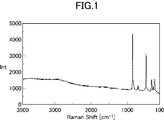
実際に、後述する〔比較例1〕に示されるように、1時間程度の反応では、ラマンスペクトルで観測する限り、原料以外のピークは一切観測できなかった。しかしながら、後述する〔参考例1〕に示されるように、100時間もの長時間の反応を試みた結果、殆ど炭化アルミニウム原料回収であったが、根気よく敢えて相当数のポイントを隈なく分析することによって、辛うじてブロードピークながらもグラフェンらしきピークを呈する箇所を、極めて局所的に見出したことは、非常に驚くべきことであった。なお、Journal of Applied Chemistry of the USSR, (36), 238-248 (1963)にも、Inorganic Materials, Vol. 4, 633-641 (1997)にも、反応の具体的な条件は一切記載されていない。
本発明が解決しようとする課題は、比較的低温で反応完結しうる、比較的低層グラフェンの製造方法を提供することである。
実際に、後述する〔比較例1〕に示されるように、1時間程度の反応では、ラマンスペクトルで観測する限り、原料以外のピークは一切観測できなかった。しかしながら、後述する〔参考例1〕に示されるように、100時間もの長時間の反応を試みた結果、殆ど炭化アルミニウム原料回収であったが、根気よく敢えて相当数のポイントを隈なく分析することによって、辛うじてブロードピークながらもグラフェンらしきピークを呈する箇所を、極めて局所的に見出したことは、非常に驚くべきことであった。なお、Journal of Applied Chemistry of the USSR, (36), 238-248 (1963)にも、Inorganic Materials, Vol. 4, 633-641 (1997)にも、反応の具体的な条件は一切記載されていない。
本発明が解決しようとする課題は、比較的低温で反応完結しうる、比較的低層グラフェンの製造方法を提供することである。
本発明者らは、上記課題を解決すべく鋭意検討の結果、本発明を完成するに至った。すなわち、本発明は以下の態様を含む。
〔1〕溶媒共存下に、炭化アルミニウムを一酸化炭素およびその前駆体、並びに二酸化炭素およびその前駆体からなる群より選ばれる一種または二種以上と反応させることを特徴とする、グラフェンの製造方法。
〔2〕当該溶媒が有機溶媒およびイオン液体からなる群より選ばれる一種または二種以上であることを特徴とする、〔1〕記載のグラフェンの製造方法。
〔3〕当該溶媒が有機溶媒であることを特徴とする、〔1〕に記載のグラフェンの製造方法。
〔4〕当該有機溶媒が四塩化炭素、ジメチルホルムアミド、エタノール、アセトニトリル、2-プロパノール、メチルターシャリブチルエーテル、テトラヒドロフラン、ジメチルスルホキシド、およびメタノールからなる群より選ばれる一種または二種以上を含むことを特徴とする、〔2〕または〔3〕に記載のグラフェンの製造方法。
〔5〕当該有機溶媒が四塩化炭素、ジメチルホルムアミド、アセトニトリル、2-プロパノールおよびエタノールからなる群より選ばれる一種または二種以上を含むことを特徴とする、〔2〕または〔3〕に記載のグラフェンの製造方法。
〔6〕当該溶媒が四塩化炭素およびジメチルホルムアミドの少なくとも一種を含むことを特徴とする、〔2〕または〔3〕に記載のグラフェンの製造方法。
〔7〕当該反応を-100℃~300℃の温度で行うことを特徴とする、〔1〕~〔6〕のいずれか一項に記載のグラフェンの製造方法。
〔8〕当該反応を-20℃~100℃の温度で行うことを特徴とする、〔1〕~〔6〕のいずれか一項に記載のグラフェンの製造方法。
〔9〕〔1〕~〔8〕のいずれか一項に記載のグラフェンの製造方法により得られたグラフェン。
〔10〕〔9〕に記載のグラフェンを含有する製造物。
〔1〕溶媒共存下に、炭化アルミニウムを一酸化炭素およびその前駆体、並びに二酸化炭素およびその前駆体からなる群より選ばれる一種または二種以上と反応させることを特徴とする、グラフェンの製造方法。
〔2〕当該溶媒が有機溶媒およびイオン液体からなる群より選ばれる一種または二種以上であることを特徴とする、〔1〕記載のグラフェンの製造方法。
〔3〕当該溶媒が有機溶媒であることを特徴とする、〔1〕に記載のグラフェンの製造方法。
〔4〕当該有機溶媒が四塩化炭素、ジメチルホルムアミド、エタノール、アセトニトリル、2-プロパノール、メチルターシャリブチルエーテル、テトラヒドロフラン、ジメチルスルホキシド、およびメタノールからなる群より選ばれる一種または二種以上を含むことを特徴とする、〔2〕または〔3〕に記載のグラフェンの製造方法。
〔5〕当該有機溶媒が四塩化炭素、ジメチルホルムアミド、アセトニトリル、2-プロパノールおよびエタノールからなる群より選ばれる一種または二種以上を含むことを特徴とする、〔2〕または〔3〕に記載のグラフェンの製造方法。
〔6〕当該溶媒が四塩化炭素およびジメチルホルムアミドの少なくとも一種を含むことを特徴とする、〔2〕または〔3〕に記載のグラフェンの製造方法。
〔7〕当該反応を-100℃~300℃の温度で行うことを特徴とする、〔1〕~〔6〕のいずれか一項に記載のグラフェンの製造方法。
〔8〕当該反応を-20℃~100℃の温度で行うことを特徴とする、〔1〕~〔6〕のいずれか一項に記載のグラフェンの製造方法。
〔9〕〔1〕~〔8〕のいずれか一項に記載のグラフェンの製造方法により得られたグラフェン。
〔10〕〔9〕に記載のグラフェンを含有する製造物。
本発明の方法により、比較的低層グラフェンを、比較的低温の温度帯で、簡便に製造可能になった。また、CO2還元法を温度、反応制御して、層数制御できるようになったことは意義深い。
以下、本発明を詳細に説明する。
本発明のグラフェンの製造方法は、溶媒共存下に、炭化アルミニウムを一酸化炭素およびその前駆体、並びに二酸化炭素およびその前駆体からなる群より選ばれる一種または二種以上と反応させることを特徴とする。
本発明のグラフェンの製造方法は、溶媒共存下に、炭化アルミニウムを一酸化炭素およびその前駆体、並びに二酸化炭素およびその前駆体からなる群より選ばれる一種または二種以上と反応させることを特徴とする。
本発明で使用される炭化アルミニウムの形態は、反応が進行する限り、特に限定されない。例えば、粉末状、粒状、薄膜状、反応物として系中で発生したもの、等が挙げられる。目的とするものが薄膜形状グラフェンの場合には、膜形成しやすいという観点から、薄膜状、反応物として系中で発生したものが好ましく、薄膜状が特に好ましい。目的とするものが粒子形状グラフェンの場合には、加工し易いという観点から、粉末状、粒状、系中で発生させたものが好ましい。
本発明で使用される、一酸化炭素およびその前駆体(以下、一酸化炭素等、と略す)としては、一酸化炭素ガスおよび系中反応により一酸化炭素を発生しうるものであれば、特に限定されない。例えば、一酸化炭素ガス;ヘキサカルボニルタングステン、ヘキサカルボニルモリブデン、オクタカルボニルジコバルト、テトラカルボニルニッケル、ペンタカルボニル鉄、等の金属カルボニル;等、が挙げられる。これらは一種または二種以上を使用しても構わない。これらの中でも、不純物除去等が不要でクリーンな系であるという観点で、一酸化炭素ガスが好ましい。
本発明で使用される一酸化炭素ガスの全気体中における濃度下限値としては、反応が進行すれば特に限定されない。円滑に反応が進行するという観点で、前記濃度下限値は、300ppbが好ましく、500ppbがより好ましく、1ppmが更に好ましく、100ppmが更に一層好ましく、0.01%が殊更好ましく、1%が特に好ましい。
本発明で使用される一酸化炭素ガスの全気体中における濃度上限値としては、反応が進行すれば特に限定されない。円滑に反応が進行するという観点で、前記濃度上限値は、50%が好ましく、60%がより好ましく、70%が更に好ましく、80%が更に一層好ましく、90%が殊更好ましく、100%が特に好ましい。
本発明で使用される、二酸化炭素およびその前駆体(以下、二酸化炭素等、と略す)としては、二酸化炭素ガスおよび系中反応により二酸化炭素を発生しうるものであれば、特に限定されない。例えば、二酸化炭素ガス;炭酸アンモニウム、炭酸リチウム、炭酸ナトリウム、炭酸カリウム、炭酸カルシウム、炭酸バリウム、炭酸マグネシウム、炭酸鉄、炭酸銅、炭酸銀、等の炭酸塩;炭酸ジメチル、炭酸ジエチル、炭酸エチレン、炭酸プロピレン、炭酸ジフェニル、等の炭酸エステル;等が挙げられる。これらは一種または二種以上を使用しても構わない。これらの中でも、不純物除去等が不要でクリーンな系あるいは高品質のグラフェンが得られるという観点で、二酸化炭素ガス、炭酸エステルが好ましく、二酸化炭素ガス、炭酸ジメチル、炭酸ジエチル、炭酸エチレン、炭酸プロピレン、炭酸ジフェニルがより好ましく、二酸化炭素ガス、炭酸ジエチル、炭酸エチレン、炭酸ジフェニルが更に好ましく、炭酸ジエチル、炭酸ジフェニルが特に好ましい。
本発明で使用される二酸化炭素ガスの全気体中における濃度下限値としては、反応が進行すれば特に限定されない。円滑に反応が進行するという観点で、前記濃度下限値は、400ppmが好ましく、600ppmがより好ましく、1000ppmが更に好ましく、10000ppmが更に一層好ましく、0.1%が殊更好ましく、1%が特に好ましい。
本発明で使用される二酸化炭素ガスの全気体中における濃度上限値としては、反応が進行すれば特に限定されない。円滑に反応が進行するという観点で、前記濃度上限値は、50%が好ましく、60%がより好ましく、70%が更に好ましく、80%が更に一層好ましく、90%が殊更好ましく、100%が特に好ましい。
本発明で使用される溶媒は、反応が進行する限り、特に限定されず、使用する条件(圧力、温度等)において、液状を示すものは広くこの範疇に属すものである。前記溶媒としては、例えば有機溶媒及びイオン液体が挙げられる。前記有機溶媒としては、例えば、メタノール(MeOH)、エタノール(EtOH)、1-プロパノール、2-プロパノール(iPrOH)、1-ブタノール、2-ブタノール、t-ブタノール等のアルコール;アセトン、メチルエチルケトン等のケトン;ジエチルエーテル、メチルターシャリブチルエーテル(MTBE)、テトラヒドロフラン(THF)、ジオキサン等のエーテル;ペンタン、ヘキサン、ヘプタン、オクタン、等のアルカン;ベンゼン、トルエン、キシレン、等の芳香族溶媒;ジメチルホルムアミド(DMF)、ジメチルアセトアミド、等のアミド系溶媒;ジクロロメタン、クロロホルム、四塩化炭素、1,2-ジクロロエタン、等のハロゲン系溶媒;アセトニトリル(MeCN)、等のニトリル系溶媒;ジメチルスルホキシド(DMSO)、等の含硫黄系溶媒;等が挙げられる。前記イオン液体としては、例えば水;アンモニウム、ピリジニウム、ピペリジニウム、モルホリニウム、ベンゾトリアゾリニウム、ピラゾニウム、ピロリジニウム、ピロリニウム、イミダゾリウム、ホスホニウム、スルホニウム等のカチオンと、AlCl4
-、NO2
-、NO3
-、I-、BF4
-、PF6
-、AsF6
-、SbF6
-、NbF6
-、TaF6
-、F(HF)2.3
-、p-CH3PhSO3
-、CH3CO2
-、CF3CO2
-、CH3SO3
-、CF3SO3
-、(CF3SO2)3C-、C3F7CO2
-、C4F9SO3
-、(CF3SO2)2N-、(C2F5SO2)2N-、(CF3SO2)(CF3CO2)N-、(CN)2N-、等のアニオンとからなるイオン液体;等が挙げられる。これらは一種または二種以上を使用しても構わない。
なお、イオン液体に使用されるカチオンとしては、それぞれのアニオンとの組み合わせにおいて、液状を示すものでありさえすれば、置換基を複数有していても構わない。
また、炭酸エステルと水とを混合使用する場合は、炭化アルミニウムの分解可能性を考慮して、炭酸エステルに対して等モル、または、等モル未満の水を使用する方が好ましい。
なお、イオン液体に使用されるカチオンとしては、それぞれのアニオンとの組み合わせにおいて、液状を示すものでありさえすれば、置換基を複数有していても構わない。
また、炭酸エステルと水とを混合使用する場合は、炭化アルミニウムの分解可能性を考慮して、炭酸エステルに対して等モル、または、等モル未満の水を使用する方が好ましい。
本発明で使用される溶媒の由来は問わず、別途系に添加しても、反応により生成したものを利用しても、別途添加したものから持ち込まれたものでも構わない。
これらの中でも、生成するグラフェンがより低層になりうるという観点で、有機溶媒、イオン液体が好ましく、有機溶媒がより好ましく、四塩化炭素、ジメチルホルムアミド、エタノール、アセトニトリル、2-プロパノール、メチルターシャリブチルエーテル、テトラヒドロフラン、ジメチルスルホキシド、メタノールが更に好ましく、四塩化炭素、ジメチルホルムアミド、エタノール、アセトニトリル、2-プロパノール、メチルターシャリブチルエーテル、テトラヒドロフラン、ジメチルスルホキシドが更に一層好ましく、四塩化炭素、ジメチルホルムアミド、エタノール、アセトニトリル、2-プロパノールが殊更好ましく、四塩化炭素、ジメチルホルムアミドが特に好ましい。
溶媒種によって層状態が異なるのは、炭化アルミニウムの部分溶解性あるいは表面での溶媒和能と一酸化炭素そして/または二酸化炭素を保持して炭化アルミニウム表面まで移送しうる能力の差が要因と考えている。
本発明で使用される一酸化炭素等、そして/または、二酸化炭素等の炭化アルミニウムに対する使用量の下限値としては、反応が進行する限り、特に限定されない。所定の時間での反応性を確保するという観点で、前記下限値は、0.0001モル当量が好ましく、0.001モル当量がより好ましく、0.01モル当量が更に好ましく、0.1モル当量が更に一層好ましい。
本発明で使用される一酸化炭素等、そして/または、二酸化炭素等の炭化アルミニウムに対する使用量の上限値としては、反応が進行する限り、特に限定されない。資源節約の観点から、前記上限値は、10000モル当量が好ましく、1000モル当量がより好ましく、100モル当量が更に好ましく、10モル当量が更に一層好ましく、2モル当量が殊更好ましく、1モル当量が特に好ましい。
本発明で使用される炭化アルミニウムの溶媒に対する濃度の下限値としては、反応が進行する限り、特に限定されない。膜形成が成立しやすいという観点で、前記下限値は、1×10-23質量%が好ましく、0.0001質量%がより好ましく、0.001質量%が更に好ましく、0.01質量%が更に一層好ましく、0.1質量%が殊更好ましい。
本発明で使用される炭化アルミニウムの溶媒に対する濃度の上限値としては、反応が進行する限り、特に限定されない。原料と生成物との分離が良好であるという観点から、前記上限値は、99.999999質量%が好ましく、70質量%がより好ましく、50質量%が更に好ましく、30質量%が更に一層好ましく、10質量%が殊更好ましい。
本発明の反応温度の下限値としては、反応が進行する限り、特に限定されない。反応完結までの時間管理しやすいという観点で、前記下限値は、-273℃が好ましく、-100℃がより好ましく、-40℃が更に好ましく、-20℃が更に一層好ましく、0℃が殊更好ましく、10℃が特に好ましい。
本発明の反応温度の上限値としては、反応が進行する限り、特に限定されない。反応完結までの時間管理しやすく省資源であるという観点で、前記上限値は、1000℃が好ましく、500℃がより好ましく、300℃が更に好ましく、200℃が更に一層好ましく、150℃が殊更好ましく、100℃が特に好ましい。
本発明の反応圧力の下限値としては、反応が進行する限り、特に限定されない。反応管理がしやすく効率生産可能であるという観点で、前記下限値は、1×10-23パスカルが好ましく、10パスカルがより好ましく、100パスカルが更に好ましく、1000パスカルが更に一層好ましい。
本発明の反応圧力の上限値としては、反応が進行する限り、特に限定されない。反応管理がしやすく効率生産可能であるという観点で、前記上限値は、1×10²⁰パスカルが好ましく、1×10¹⁰パスカルがより好ましく、1×10⁹パスカルが更に好ましく、1×10⁸パスカルが更に一層好ましく、1×10⁷パスカルが特に好ましい。
本発明の反応時間の下限値としては、反応が進行する限り、特に限定されない。生産性と反応管理がしやすいという観点で、前記下限値は、1×10-23秒が好ましく、0.0001秒がより好ましく、0.01秒が更に好ましく、1秒が更に一層好ましく、1分が殊更好ましく、1時間が特に好ましい。
本発明の反応時間の上限値としては、反応が進行する限り、特に限定されない。生産性と反応管理がしやすいという観点で、前記上限値は、1×10²⁰時間が好ましく、200時間がより好ましく、100時間が更に好ましく、10時間が更に一層好ましく、1時間が特に好ましい。
本発明の反応方式は、反応が進行する限り、特に限定されない。例えば、流動方式、撹拌方式、静置方式、が挙げられる。これらの中でも、成膜性が良好であるという観点では、撹拌方式、静置方式の方が好ましく、静置方式がより好ましい。炭化アルミニウム原料同士や撹拌羽や器壁との接触等により反応完結性が良好であるという観点では、流動方式、撹拌方式が好ましく、撹拌方式がより好ましい。反応完結と成膜の両立可能という観点では、速度を下げて静置方式に近づけた流動方式や撹拌方式が更に好ましい。
本発明の系内には、反応に影響を与えない限り、各種添加物を使用または共存させても構わない。
本発明の系内には、その表面上で結晶成長を促す目的で、各種フィルムや、金属等を共存させても構わない。
本発明により得られたグラフェンは、常法により、ラケット、シャフト、ロッド、ハンモック、スピーカ、等々の日用品;トランジスタ等の半導体、太陽電池、薄膜電池等の電池、キャパシタ、導電材、複合材、透明電極、タッチパネル、配線、等々の電子部品;自動車車体、電車車体、航空機機体、船舶船体、等々の輸送機器;橋梁、ビル、ダム、堤防等々の構造物;等の製造物として使用可能である。
以下、実施例により、本発明を更に詳細に説明するが、本発明は本実施例により限定されるものではない。
〔試薬・溶媒・ガス等〕
実施例において、炭化アルミニウムは、New Metals & Chemicals Ltd製の市販品(粉末)を使用した。その他、試薬・溶媒は、炭酸ジフェニル(一級品)を除いて、特級品を使用した。また、二酸化炭素ガスや窒素ガスは高純度品を使用した。
実施例において、炭化アルミニウムは、New Metals & Chemicals Ltd製の市販品(粉末)を使用した。その他、試薬・溶媒は、炭酸ジフェニル(一級品)を除いて、特級品を使用した。また、二酸化炭素ガスや窒素ガスは高純度品を使用した。
〔評価方法〕
1.層数評価
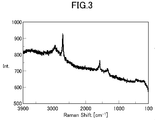
生成部をJASCO社製NRS-4100によりレーザーラマンスペクトル測定した(緑色レーザー(532nm))。Dバンド(1340cm-1付近)、Gバンド(1580cm-1付近)、2Dバンド(2680cm-1付近)のピーク強度を読み取り、それぞれID、IG、I2Dとした。そして、I2D/IGが、1.1以上で◎、1.1未満1.0以上で○、1.0未満0.5以上で△、0.5未満で▲、と評価した。なお、通例、比が2付近で単層、1付近で二層、0.5付近で三層、0.5未満では四層以上と見做されている。
代表的なラマンスペクトル測定条件は、グレーティング(L900)、対物レンズ(×100)、スリット(50×8000μm)、レーザー強度(5%)、等である。しかしながら、サンプルの状況により多少は異なるので、本測定条件により限定されるものではない。
2.結晶化度評価
上記同様にして、ID/(ID+IG+I2D)を求め、10%未満で◎、10%以上20%未満で○、20%以上31%未満で△、31%以上で▲、と評価した。
3.反応完結度評価
上記同様にして、原料である炭化アルミニウムの最大ピーク(860cm-1)のピーク強度をIAとした場合に、IA/(IG+I2D)が、1未満のものを○、1以上のものを×と評価した。
1.層数評価
生成部をJASCO社製NRS-4100によりレーザーラマンスペクトル測定した(緑色レーザー(532nm))。Dバンド(1340cm-1付近)、Gバンド(1580cm-1付近)、2Dバンド(2680cm-1付近)のピーク強度を読み取り、それぞれID、IG、I2Dとした。そして、I2D/IGが、1.1以上で◎、1.1未満1.0以上で○、1.0未満0.5以上で△、0.5未満で▲、と評価した。なお、通例、比が2付近で単層、1付近で二層、0.5付近で三層、0.5未満では四層以上と見做されている。
代表的なラマンスペクトル測定条件は、グレーティング(L900)、対物レンズ(×100)、スリット(50×8000μm)、レーザー強度(5%)、等である。しかしながら、サンプルの状況により多少は異なるので、本測定条件により限定されるものではない。
2.結晶化度評価
上記同様にして、ID/(ID+IG+I2D)を求め、10%未満で◎、10%以上20%未満で○、20%以上31%未満で△、31%以上で▲、と評価した。
3.反応完結度評価
上記同様にして、原料である炭化アルミニウムの最大ピーク(860cm-1)のピーク強度をIAとした場合に、IA/(IG+I2D)が、1未満のものを○、1以上のものを×と評価した。
〔比較例1〕
グローブボックス中で窒素置換後、スライドガラス上に、炭化アルミニウム11.3mg(78.5μmol)採取し、密閉性の低い蓋つきのプラスチックケース(100mm×60mm×25mm)で軽く養生して、ジッパー付きポリ袋に入れジッパーを閉じた。このポリ袋を取り出し、10Lデシケータに移し、二酸化炭素ガス置換を3回繰り返した後、ポリ袋のジッパーを開け、再度二酸化炭素ガス置換を3回繰り返した。そして、デシケータを閉じ、室温で1時間放置したが、固形物の変化は一切見られなかった。念のため固形物をサンプリングし、レーザーラマンスペクトルを測定したが、炭化アルミニウム原料以外のピークは確認できなかった。
グローブボックス中で窒素置換後、スライドガラス上に、炭化アルミニウム11.3mg(78.5μmol)採取し、密閉性の低い蓋つきのプラスチックケース(100mm×60mm×25mm)で軽く養生して、ジッパー付きポリ袋に入れジッパーを閉じた。このポリ袋を取り出し、10Lデシケータに移し、二酸化炭素ガス置換を3回繰り返した後、ポリ袋のジッパーを開け、再度二酸化炭素ガス置換を3回繰り返した。そして、デシケータを閉じ、室温で1時間放置したが、固形物の変化は一切見られなかった。念のため固形物をサンプリングし、レーザーラマンスペクトルを測定したが、炭化アルミニウム原料以外のピークは確認できなかった。
〔参考例1〕
グローブボックス中で窒素置換後、スライドガラス上に、炭化アルミニウム11.3mg(78.5μmol)採取し、密閉性の低い蓋つきのプラスチックケース(100mm×60mm×25mm)で軽く養生して、ジッパー付きポリ袋に入れジッパーを閉じた。このポリ袋を取り出し、10Lデシケータに移し、二酸化炭素ガス置換を3回繰り返した後、ポリ袋のジッパーを開け、再度二酸化炭素ガス置換を3回繰り返した。そして、デシケータを閉じ、室温で115時間放置したが、固形物の変化は一切見られなかった。念のため固形物をサンプリングし、レーザーラマンスペクトルを測定したところ、殆ど炭化アルミニウム原料回収であったが、炭化アルミニウムピークがメインピークで、ブロードピークながらもグラフェンの可能性のある箇所を極めて局所的に発見することができた。
グローブボックス中で窒素置換後、スライドガラス上に、炭化アルミニウム11.3mg(78.5μmol)採取し、密閉性の低い蓋つきのプラスチックケース(100mm×60mm×25mm)で軽く養生して、ジッパー付きポリ袋に入れジッパーを閉じた。このポリ袋を取り出し、10Lデシケータに移し、二酸化炭素ガス置換を3回繰り返した後、ポリ袋のジッパーを開け、再度二酸化炭素ガス置換を3回繰り返した。そして、デシケータを閉じ、室温で115時間放置したが、固形物の変化は一切見られなかった。念のため固形物をサンプリングし、レーザーラマンスペクトルを測定したところ、殆ど炭化アルミニウム原料回収であったが、炭化アルミニウムピークがメインピークで、ブロードピークながらもグラフェンの可能性のある箇所を極めて局所的に発見することができた。
〔実施例1〕
グローブボックス中で窒素置換後、容器に炭化アルミニウム100mg(0.69mmol)を採取し、炭酸ジエチル246mg(2.08mmol、3.0モル当量vs炭化アルミニウム)と、水37.5mg(2.08mmol、3.0モル当量vs炭化アルミニウム)を含んだジメチルホルムアミド1mLとを順次添加し、撹拌子を加えてテフロンシールを3周させて蓋をした。この容器をグローブボックスから取り出し、室温にて94時間マグネティックスターラーで撹拌した。生成した黒色浮遊物をサンプリングし、ラマンスペクトルを測定したところ、炭化アルミニウムピークの共存しない、グラフェンの生成を確認できた。
グローブボックス中で窒素置換後、容器に炭化アルミニウム100mg(0.69mmol)を採取し、炭酸ジエチル246mg(2.08mmol、3.0モル当量vs炭化アルミニウム)と、水37.5mg(2.08mmol、3.0モル当量vs炭化アルミニウム)を含んだジメチルホルムアミド1mLとを順次添加し、撹拌子を加えてテフロンシールを3周させて蓋をした。この容器をグローブボックスから取り出し、室温にて94時間マグネティックスターラーで撹拌した。生成した黒色浮遊物をサンプリングし、ラマンスペクトルを測定したところ、炭化アルミニウムピークの共存しない、グラフェンの生成を確認できた。
〔実施例2~8〕
実施例1において、ジメチルホルムアミドを各種溶媒に変更し、それぞれの時間反応させ、同様な操作を行った。結果を表1に示す。
これらの結果から、ジメチルホルムアミドの場合に、特に単層グラフェンの生成が確認できた。また、他の溶媒を使用しても、軒並み、反応完結度が高く、三層以下のグラフェン生成が確認できた。
実施例1において、ジメチルホルムアミドを各種溶媒に変更し、それぞれの時間反応させ、同様な操作を行った。結果を表1に示す。
これらの結果から、ジメチルホルムアミドの場合に、特に単層グラフェンの生成が確認できた。また、他の溶媒を使用しても、軒並み、反応完結度が高く、三層以下のグラフェン生成が確認できた。
表1

〔実施例9〕
グローブボックス中で窒素置換後、容器に炭化アルミニウム100mg(0.69mmol)を採取し、炭酸ジエチル246.3mg(2.08mmol、3.0モル当量vs炭化アルミニウム)と、水37.5mg(2.08mmol、3.0モル当量vs炭化アルミニウム)を含んだ1-エチル-3-メチルイミダゾリウムビス(トリフルオロメタンスルホニル)イミド1mLとを順次添加し、撹拌子を加えてテフロンシールを3周させて蓋をした。この容器をグローブボックスから取り出し、室温にて89時間マグネティックスターラーで撹拌した。生成した黒色浮遊物をサンプリングし、ラマンスペクトルを測定したところ、グラフェンの生成を確認できた。
(I2D/IG=1.01、ID/(ID+IG+I2D)=5%、IA/(IG+I2D)評価=○)
グローブボックス中で窒素置換後、容器に炭化アルミニウム100mg(0.69mmol)を採取し、炭酸ジエチル246.3mg(2.08mmol、3.0モル当量vs炭化アルミニウム)と、水37.5mg(2.08mmol、3.0モル当量vs炭化アルミニウム)を含んだ1-エチル-3-メチルイミダゾリウムビス(トリフルオロメタンスルホニル)イミド1mLとを順次添加し、撹拌子を加えてテフロンシールを3周させて蓋をした。この容器をグローブボックスから取り出し、室温にて89時間マグネティックスターラーで撹拌した。生成した黒色浮遊物をサンプリングし、ラマンスペクトルを測定したところ、グラフェンの生成を確認できた。
(I2D/IG=1.01、ID/(ID+IG+I2D)=5%、IA/(IG+I2D)評価=○)
〔実施例10〕
グローブボックス中で窒素置換後、容器に炭化アルミニウム9.9mg(68.8μmol)を採取し、炭酸ジフェニル444.6mg(2.08mmol、30.2モル当量vs炭化アルミニウム)とジメチルホルムアミド1mLとを順次添加し、撹拌子を加えてテフロンシールを3周させて蓋をした。この容器をグローブボックスから取り出し、室温にて90時間マグネティックスターラーで撹拌した。生成した黒色浮遊物をサンプリングし、ラマンスペクトルを測定したところ、グラフェンの生成を確認できた。
(I2D/IG=2.24、ID/(ID+IG+I2D)=7%、IA/(IG+I2D)評価=○)
グローブボックス中で窒素置換後、容器に炭化アルミニウム9.9mg(68.8μmol)を採取し、炭酸ジフェニル444.6mg(2.08mmol、30.2モル当量vs炭化アルミニウム)とジメチルホルムアミド1mLとを順次添加し、撹拌子を加えてテフロンシールを3周させて蓋をした。この容器をグローブボックスから取り出し、室温にて90時間マグネティックスターラーで撹拌した。生成した黒色浮遊物をサンプリングし、ラマンスペクトルを測定したところ、グラフェンの生成を確認できた。
(I2D/IG=2.24、ID/(ID+IG+I2D)=7%、IA/(IG+I2D)評価=○)
〔実施例11〕
ヘキサカルボニルタングステン488.7mg(1.39mmol、2.01モル当量vs炭化アルミニウム)を採取した容器に、グローブボックス中で窒素置換後、薬包紙で測り取った炭化アルミニウム100mg(0.69mmol)を入れ、アセトニトリル171.2mg(4.17mmol、6.04モル当量vs炭化アルミニウム)のテトラヒドロフラン1.0mL溶液を添加し、撹拌子も加えて蓋をした。この容器をグローブボックスから取り出し、室温にて91時間マグネティックスターラーで撹拌した。生成した黒色沈殿物をサンプリングし、ラマンスペクトルを測定したところ、グラフェンの生成を確認できた。
(I2D/IG=0.64、ID/(ID+IG+I2D)=19%、IA/(IG+I2D)評価=○)
ヘキサカルボニルタングステン488.7mg(1.39mmol、2.01モル当量vs炭化アルミニウム)を採取した容器に、グローブボックス中で窒素置換後、薬包紙で測り取った炭化アルミニウム100mg(0.69mmol)を入れ、アセトニトリル171.2mg(4.17mmol、6.04モル当量vs炭化アルミニウム)のテトラヒドロフラン1.0mL溶液を添加し、撹拌子も加えて蓋をした。この容器をグローブボックスから取り出し、室温にて91時間マグネティックスターラーで撹拌した。生成した黒色沈殿物をサンプリングし、ラマンスペクトルを測定したところ、グラフェンの生成を確認できた。
(I2D/IG=0.64、ID/(ID+IG+I2D)=19%、IA/(IG+I2D)評価=○)
〔実施例12〕
グローブボックス中で窒素置換後、容器に炭化アルミニウム99.0mg(0.69mmol)を採取し、炭酸ジエチル244.1mg(2.07mmol、3.0モル当量vs炭化アルミニウム)と、水1.0mL(55.5mmol、80.7モル当量vs炭化アルミニウム)を順次添加し、撹拌子を加えてテフロンシールを3周させて蓋をした。この容器をグローブボックスから取り出し、室温にて115時間マグネティックスターラーで撹拌した。生成した黒色浮遊物をサンプリングし、ラマンスペクトルを測定したところ、炭化アルミニウムピークの共存しない、グラフェンの生成を確認できた。
(I2D/IG=0.98、ID/(ID+IG+I2D)=18%、IA/(IG+I2D)評価=○)
グローブボックス中で窒素置換後、容器に炭化アルミニウム99.0mg(0.69mmol)を採取し、炭酸ジエチル244.1mg(2.07mmol、3.0モル当量vs炭化アルミニウム)と、水1.0mL(55.5mmol、80.7モル当量vs炭化アルミニウム)を順次添加し、撹拌子を加えてテフロンシールを3周させて蓋をした。この容器をグローブボックスから取り出し、室温にて115時間マグネティックスターラーで撹拌した。生成した黒色浮遊物をサンプリングし、ラマンスペクトルを測定したところ、炭化アルミニウムピークの共存しない、グラフェンの生成を確認できた。
(I2D/IG=0.98、ID/(ID+IG+I2D)=18%、IA/(IG+I2D)評価=○)
〔実施例13〕
グローブボックス中で窒素置換後、容器に炭化アルミニウム102.1mg(0.71mmol)を採取し、炭酸ジエチル244.4mg(2.07mmol、2.92モル当量vs炭化アルミニウム)と、四塩化炭素0.5mLと、水0.5mL(27.8mmol、39.1モル当量vs炭化アルミニウム)とを順次添加し、撹拌子を加えてテフロンシールを3周させて蓋をした。この容器をグローブボックスから取り出し、室温にて115時間マグネティックスターラーで撹拌した。生成した黒色浮遊物をサンプリングし、ラマンスペクトルを測定したところ、炭化アルミニウムピークの共存しない、グラフェンの生成を確認できた。
(I2D/IG=1.77、ID/(ID+IG+I2D)=4%、IA/(IG+I2D)評価=○)
グローブボックス中で窒素置換後、容器に炭化アルミニウム102.1mg(0.71mmol)を採取し、炭酸ジエチル244.4mg(2.07mmol、2.92モル当量vs炭化アルミニウム)と、四塩化炭素0.5mLと、水0.5mL(27.8mmol、39.1モル当量vs炭化アルミニウム)とを順次添加し、撹拌子を加えてテフロンシールを3周させて蓋をした。この容器をグローブボックスから取り出し、室温にて115時間マグネティックスターラーで撹拌した。生成した黒色浮遊物をサンプリングし、ラマンスペクトルを測定したところ、炭化アルミニウムピークの共存しない、グラフェンの生成を確認できた。
(I2D/IG=1.77、ID/(ID+IG+I2D)=4%、IA/(IG+I2D)評価=○)
〔実施例14〕
グローブバッグ中で窒素置換3回後、容器に炭化アルミニウム49.0mgを採取し、ジメチルスルホキシド0.5mLを入れ、容器の蓋を閉じた。この容器を再度グローブバッグ中で、二酸化炭素ガス置換を3回繰り返した後、容器の蓋を開けて、反応開始させた。そのまま二酸化炭素ガス雰囲気下、50℃3時間、室温40時間経過後に固形物の黒色化を確認した。黒色沈殿物をサンプリングし、ラマンスペクトルを測定したところ、グラフェンの生成を確認できた。
(I2D/IG=0.64、ID/(ID+IG+I2D)=11%、IA/(IG+I2D)評価=○)
グローブバッグ中で窒素置換3回後、容器に炭化アルミニウム49.0mgを採取し、ジメチルスルホキシド0.5mLを入れ、容器の蓋を閉じた。この容器を再度グローブバッグ中で、二酸化炭素ガス置換を3回繰り返した後、容器の蓋を開けて、反応開始させた。そのまま二酸化炭素ガス雰囲気下、50℃3時間、室温40時間経過後に固形物の黒色化を確認した。黒色沈殿物をサンプリングし、ラマンスペクトルを測定したところ、グラフェンの生成を確認できた。
(I2D/IG=0.64、ID/(ID+IG+I2D)=11%、IA/(IG+I2D)評価=○)
〔実施例15〕
2L風船付き三方コックを上部に取り付けた30mL二ツ口フラスコに、炭化アルミニウム0.10g採取し、撹拌子を入れた。ダイヤフラムポンプで二酸化炭素ガス置換を3回行い、風船内も二酸化炭素ガスで満たした。三方コックの1箇所から、セプタム越しに、シリンジでDMF1.0mL加え、撹拌開始した。室温で95時間経過後に固形物の黒色化を確認した。黒色浮遊物をサンプリングし、ラマンスペクトルを測定したところ、炭化アルミニウムピークの共存しない、グラフェンの生成を確認できた。
(I2D/IG=0.55、ID/(ID+IG+I2D)=38%、IA/(IG+I2D)評価=○)
2L風船付き三方コックを上部に取り付けた30mL二ツ口フラスコに、炭化アルミニウム0.10g採取し、撹拌子を入れた。ダイヤフラムポンプで二酸化炭素ガス置換を3回行い、風船内も二酸化炭素ガスで満たした。三方コックの1箇所から、セプタム越しに、シリンジでDMF1.0mL加え、撹拌開始した。室温で95時間経過後に固形物の黒色化を確認した。黒色浮遊物をサンプリングし、ラマンスペクトルを測定したところ、炭化アルミニウムピークの共存しない、グラフェンの生成を確認できた。
(I2D/IG=0.55、ID/(ID+IG+I2D)=38%、IA/(IG+I2D)評価=○)
本発明により得られたグラフェンは、常法により、ラケット、シャフト、ロッド、ハンモック、スピーカ、等々の日用品;トランジスタ等の半導体、太陽電池、薄膜電池等の電池、キャパシタ、導電材、複合材、透明電極、タッチパネル、配線、等々の電子部品;自動車車体、電車車体、航空機機体、船舶船体、等々の輸送機器;橋梁、ビル、ダム、堤防等々の構造物;等の製造物として使用可能になったことは意義深い。
Claims (10)
- 溶媒共存下に、炭化アルミニウムを一酸化炭素およびその前駆体、並びに二酸化炭素およびその前駆体からなる群より選ばれる一種または二種以上と反応させることを特徴とする、グラフェンの製造方法。
- 当該溶媒が有機溶媒およびイオン液体からなる群より選ばれる一種または二種以上であることを特徴とする、請求項1記載のグラフェンの製造方法。
- 当該溶媒が有機溶媒であることを特徴とする、請求項1に記載のグラフェンの製造方法。
- 当該有機溶媒が四塩化炭素、ジメチルホルムアミド、エタノール、アセトニトリル、2-プロパノール、メチルターシャリブチルエーテル、テトラヒドロフラン、ジメチルスルホキシド、およびメタノールからなる群より選ばれる一種または二種以上を含むことを特徴とする、請求項2または3に記載のグラフェンの製造方法。
- 当該有機溶媒が四塩化炭素、ジメチルホルムアミド、アセトニトリル、2-プロパノールおよびエタノールからなる群より選ばれる一種または二種以上を含むことを特徴とする、請求項2または3に記載のグラフェンの製造方法。
- 当該有機溶媒が四塩化炭素およびジメチルホルムアミドの少なくとも一種を含むことを特徴とする、請求項2または3に記載のグラフェンの製造方法。
- 当該反応を-100℃~300℃の温度で行うことを特徴とする、請求項1~6のいずれか一項に記載のグラフェンの製造方法。
- 当該反応を-20℃~100℃の温度で行うことを特徴とする、請求項1~7のいずれか一項に記載のグラフェンの製造方法。
- 請求項1~8のいずれか一項に記載のグラフェンの製造方法により得られたグラフェン。
- 請求項9に記載のグラフェンを含有する製造物。
Applications Claiming Priority (2)
| Application Number | Priority Date | Filing Date | Title |
|---|---|---|---|
| JP2016-091660 | 2016-04-28 | ||
| JP2016091660A JP2019112237A (ja) | 2016-04-28 | 2016-04-28 | グラフェンの製造方法 |
Publications (1)
| Publication Number | Publication Date |
|---|---|
| WO2017188442A1 true WO2017188442A1 (ja) | 2017-11-02 |
Family
ID=60160784
Family Applications (1)
| Application Number | Title | Priority Date | Filing Date |
|---|---|---|---|
| PCT/JP2017/016998 Ceased WO2017188442A1 (ja) | 2016-04-28 | 2017-04-28 | グラフェンの製造方法 |
Country Status (2)
| Country | Link |
|---|---|
| JP (1) | JP2019112237A (ja) |
| WO (1) | WO2017188442A1 (ja) |
Cited By (1)
| Publication number | Priority date | Publication date | Assignee | Title |
|---|---|---|---|---|
| EP4450147A1 (en) * | 2023-04-18 | 2024-10-23 | JONQUIL CONSULTING Inc. | Carbon dioxide-containing gas processing system and carbon dioxide-containing gas processing method |
Families Citing this family (2)
| Publication number | Priority date | Publication date | Assignee | Title |
|---|---|---|---|---|
| JP6905693B1 (ja) * | 2020-02-27 | 2021-07-21 | 株式会社ジョンクェルコンサルティング | 二酸化炭素の処理方法、およびそれで使用する水分散体 |
| JP6905694B1 (ja) * | 2020-04-24 | 2021-07-21 | 株式会社ジョンクェルコンサルティング | 二酸化炭素の処理方法、およびそれで使用する水分散体 |
Citations (3)
| Publication number | Priority date | Publication date | Assignee | Title |
|---|---|---|---|---|
| JPS58501430A (ja) * | 1981-06-22 | 1983-08-25 | ティ−・ディ−・シ−・テクノロジ−・ディベロプメント・コ−ポレ−ション | 超硬粒子の製造 |
| WO2012086387A1 (ja) * | 2010-12-21 | 2012-06-28 | 日本電気株式会社 | グラフェン基板の製造方法およびグラフェン基板 |
| JP2016023128A (ja) * | 2014-07-24 | 2016-02-08 | 国立研究開発法人産業技術総合研究所 | グラフェン膜の製造装置 |
-
2016
- 2016-04-28 JP JP2016091660A patent/JP2019112237A/ja active Pending
-
2017
- 2017-04-28 WO PCT/JP2017/016998 patent/WO2017188442A1/ja not_active Ceased
Patent Citations (3)
| Publication number | Priority date | Publication date | Assignee | Title |
|---|---|---|---|---|
| JPS58501430A (ja) * | 1981-06-22 | 1983-08-25 | ティ−・ディ−・シ−・テクノロジ−・ディベロプメント・コ−ポレ−ション | 超硬粒子の製造 |
| WO2012086387A1 (ja) * | 2010-12-21 | 2012-06-28 | 日本電気株式会社 | グラフェン基板の製造方法およびグラフェン基板 |
| JP2016023128A (ja) * | 2014-07-24 | 2016-02-08 | 国立研究開発法人産業技術総合研究所 | グラフェン膜の製造装置 |
Cited By (1)
| Publication number | Priority date | Publication date | Assignee | Title |
|---|---|---|---|---|
| EP4450147A1 (en) * | 2023-04-18 | 2024-10-23 | JONQUIL CONSULTING Inc. | Carbon dioxide-containing gas processing system and carbon dioxide-containing gas processing method |
Also Published As
| Publication number | Publication date |
|---|---|
| JP2019112237A (ja) | 2019-07-11 |
Similar Documents
| Publication | Publication Date | Title |
|---|---|---|
| Balasubramanyam et al. | Edge-site nanoengineering of WS2 by low-temperature plasma-enhanced atomic layer deposition for electrocatalytic hydrogen evolution | |
| Balendhran et al. | Atomically thin layers of MoS 2 via a two step thermal evaporation–exfoliation method | |
| Ehsan et al. | Development of molecular precursors for deposition of indium sulphide thin film electrodes for photoelectrochemical applications | |
| Levchenko et al. | Energetics of Self-Assembly and Chain Confinement in Silver Alkanethiolates: Enthalpy− Entropy Interplay | |
| Kumar et al. | An experimental study: Role of different ambient on sulfurization of MoO3 into MoS2 | |
| Zhang et al. | Phase-controlled synthesis of ZnS nanocrystallites by mild solvothermal decomposition of an air-stable single-source molecular precursor | |
| Ji et al. | High switchable dielectric phase transition originating from distortion in inorganic–organic hybrid materials (H 2 dabco-C 2 H 5)[M II Cl 4](M= Co, Zn) | |
| Sharma et al. | Diorganotin (IV) 2-pyridyl selenolates: synthesis, structures and their utility as molecular precursors for the preparation of tin selenide nanocrystals and thin films | |
| Aslanov et al. | Exfoliation of crystals | |
| Sadeghzadeh et al. | Sonochemical synthesis and characterization of nano-belt lead (II) coordination polymer: new precursor to produce pure phase nano-sized lead (II) oxide | |
| Behnoudnia et al. | Synthesis and characterization of novel three-dimensional-cauliflower-like nanostructure of lead (II) oxalate and its thermal decomposition for preparation of PbO | |
| Almond et al. | Growth of thin layers of metal sulfides by chemical vapour deposition using dual source and single source precursors: routes to Cr2S3, α-MnS and FeSThroughout this paper the formula FeS is used to denote a binary material with a range of stoichiometries from 44–53% Fe. This finding is not unexpected given the typically non-stoichiometric nature of FeS. See, for example, FA Cotton, G. Wilkinson, CA Murillo and M. Bochmann, Advanced Inorganic Chemistry, 6th edn., Wiley-Interscience, New York, 1999, p. 508. | |
| Boyle et al. | A novel family of structurally characterized lithium cobalt double aryloxides and the nanoparticles and thin films generated therefrom | |
| US20260015243A1 (en) | Direct synthesis of two-dimensional carbide and nitride mxenes | |
| JP2019112237A (ja) | グラフェンの製造方法 | |
| Chaugule et al. | Ionic liquid based Cu2S@ C catalyst for effective coupling of diaryl diselenide with aryl halides under ligand-free conditions | |
| Ahmed et al. | The synthesis and characterization of a hexanuclear copper–yttrium complex for deposition of semiconducting CuYO 2–0.5 Cu 2 O composite thin films | |
| Giebelhaus et al. | First air stable tin (II) β-heteroarylalkenolate: Synthesis, characterization and application in chemical vapor deposition | |
| Tyagi et al. | Diorganotin (iv) 2-pyridyl and 2-pyrimidyl thiolates: synthesis, structures and their utility as molecular precursors for the preparation of tin sulfide nanosheets | |
| Xiao et al. | In air synthesis of SnS2 nanoplates from tin, sulfur and ammonium chloride powders | |
| Aboutorabi et al. | Sonochemical syntheses and characterization of nano-structured three-dimensional lead (II) coordination polymer constructed of fumaric acid | |
| Hernandez-Sanchez et al. | Alkaline earth titanate (AETiO3) perovskite nanoparticles synthesized from structurally characterized single-source alkoxides | |
| Jung et al. | Growth of phase-pure β-NiS thin films via single-source MOCVD and enhanced substrate interaction for electrocatalytic hydrogen evolution | |
| Chen et al. | Temperature-induced reversible structural phase transition of N-chloromethyl-1, 4-diazabicyclo [2.2. 2] octonium trichloroaquo-manganese (II) | |
| Gao et al. | Formation of Na-O bonds in NaZn (BH4) 3· xTHF for enhancing sodium conductivity |
Legal Events
| Date | Code | Title | Description |
|---|---|---|---|
| NENP | Non-entry into the national phase |
Ref country code: DE |
|
| 121 | Ep: the epo has been informed by wipo that ep was designated in this application |
Ref document number: 17789723 Country of ref document: EP Kind code of ref document: A1 |
|
| 122 | Ep: pct application non-entry in european phase |
Ref document number: 17789723 Country of ref document: EP Kind code of ref document: A1 |
|
| NENP | Non-entry into the national phase |
Ref country code: JP |