WO2017184668A1 - Methods for treating flaviviridae virus infections - Google Patents
Methods for treating flaviviridae virus infections Download PDFInfo
- Publication number
- WO2017184668A1 WO2017184668A1 PCT/US2017/028243 US2017028243W WO2017184668A1 WO 2017184668 A1 WO2017184668 A1 WO 2017184668A1 US 2017028243 W US2017028243 W US 2017028243W WO 2017184668 A1 WO2017184668 A1 WO 2017184668A1
- Authority
- WO
- WIPO (PCT)
- Prior art keywords
- alkyl
- formula
- compound
- independently
- flaviviridae
- Prior art date
- Legal status (The legal status is an assumption and is not a legal conclusion. Google has not performed a legal analysis and makes no representation as to the accuracy of the status listed.)
- Ceased
Links
- 0 CC1C*CC1 Chemical compound CC1C*CC1 0.000 description 8
- IHKOXYNAMXNNDK-OLQVQODUSA-N C(CO1)[C@H]2[C@@H]1OCC2 Chemical compound C(CO1)[C@H]2[C@@H]1OCC2 IHKOXYNAMXNNDK-OLQVQODUSA-N 0.000 description 1
- RWWYLEGWBNMMLJ-MEUHYHILSA-N CCC(CC)COC([C@H](C)NP(OC[C@H]([C@H]([C@H]1O)O)O[C@]1(c1ccc2[n]1ncnc2N)C#N)(Oc1ccccc1)=O)=O Chemical compound CCC(CC)COC([C@H](C)NP(OC[C@H]([C@H]([C@H]1O)O)O[C@]1(c1ccc2[n]1ncnc2N)C#N)(Oc1ccccc1)=O)=O RWWYLEGWBNMMLJ-MEUHYHILSA-N 0.000 description 1
- BRDWIEOJOWJCLU-LTGWCKQJSA-N Nc1ncn[n]2c1ccc2[C@]([C@@H]1O)(C#N)O[C@H](CO)[C@H]1O Chemical compound Nc1ncn[n]2c1ccc2[C@]([C@@H]1O)(C#N)O[C@H](CO)[C@H]1O BRDWIEOJOWJCLU-LTGWCKQJSA-N 0.000 description 1
- AWJUIBRHMBBTKR-UHFFFAOYSA-N c1ccc(cncc2)c2c1 Chemical compound c1ccc(cncc2)c2c1 AWJUIBRHMBBTKR-UHFFFAOYSA-N 0.000 description 1
- SMWDFEZZVXVKRB-UHFFFAOYSA-N c1ccc2ncccc2c1 Chemical compound c1ccc2ncccc2c1 SMWDFEZZVXVKRB-UHFFFAOYSA-N 0.000 description 1
Classifications
-
- C—CHEMISTRY; METALLURGY
- C07—ORGANIC CHEMISTRY
- C07D—HETEROCYCLIC COMPOUNDS
- C07D487/00—Heterocyclic compounds containing nitrogen atoms as the only ring hetero atoms in the condensed system, not provided for by groups C07D451/00 - C07D477/00
- C07D487/02—Heterocyclic compounds containing nitrogen atoms as the only ring hetero atoms in the condensed system, not provided for by groups C07D451/00 - C07D477/00 in which the condensed system contains two hetero rings
- C07D487/04—Ortho-condensed systems
-
- A—HUMAN NECESSITIES
- A61—MEDICAL OR VETERINARY SCIENCE; HYGIENE
- A61P—SPECIFIC THERAPEUTIC ACTIVITY OF CHEMICAL COMPOUNDS OR MEDICINAL PREPARATIONS
- A61P31/00—Antiinfectives, i.e. antibiotics, antiseptics, chemotherapeutics
- A61P31/12—Antivirals
-
- C—CHEMISTRY; METALLURGY
- C07—ORGANIC CHEMISTRY
- C07F—ACYCLIC, CARBOCYCLIC OR HETEROCYCLIC COMPOUNDS CONTAINING ELEMENTS OTHER THAN CARBON, HYDROGEN, HALOGEN, OXYGEN, NITROGEN, SULFUR, SELENIUM OR TELLURIUM
- C07F9/00—Compounds containing elements of Groups 5 or 15 of the Periodic Table
- C07F9/02—Phosphorus compounds
- C07F9/547—Heterocyclic compounds, e.g. containing phosphorus as a ring hetero atom
- C07F9/6561—Heterocyclic compounds, e.g. containing phosphorus as a ring hetero atom containing systems of two or more relevant hetero rings condensed among themselves or condensed with a common carbocyclic ring or ring system, with or without other non-condensed hetero rings
Definitions
- the invention relates generally to methods and compounds for treating Flaviviridae virus infections, particularly methods and nucleosides for treating Zika virus.
- Viruses comprising the Flaviviridae family comprise at least three distinquishable genera including pestiviruses, flaviviruses, and hepaciviruses (Calisher, et al., J. Gen. Virol., 1993, 70, 37-43). While pestiviruses cause many economically important animal diseases such as bovine viral diarrhea virus (BVDV), classical swine fever virus (CSFV, hog cholera) and border disease of sheep (BDV), their importance in human disease is less well characterized (Moennig, V., et al., Adv. Vir. Res. 1992, 48, 53-98).
- BVDV bovine viral diarrhea virus
- CSFV classical swine fever virus
- BDV border disease of sheep
- Flaviviruses are responsible for important human diseases such as dengue fever and yellow fever while hepaciviruses cause hepatitis C virus infections in humans.
- Other important viral infections caused by the Flaviviridae family include West Nile virus (WNV) Janpanese encephalitis virus (JEV), tick-borne encephalitis virus, Junjin virus, Murray Valley encephalitis, St Louis enchaplitis, Omsk hemorrhagic fever virus and Zika virus.
- WNV West Nile virus
- JEV Janpanese encephalitis virus
- Junjin virus Junjin virus
- Murray Valley encephalitis Junjin virus
- St Louis enchaplitis Omsk hemorrhagic fever virus
- Zika virus Zika virus.
- a method for treating a Flaviviridae infection in a human in need thereof comprising administering a therapeutically effective amount of a compound of Formula I:
- each R 1 is H or halogen
- each R 2 , R 3 , R 4 or R 5 is independently H, OR a , N(R a ) 2 , N 3 , CN, N0 2 , S(0) n R a ,
- R 2 , R 3 , R 4 or R 5 on adjacent carbon atoms when taken together are -0(CO)0- or when taken together with the ring carbon atoms to which they are attached form a double bond;
- R 7 is selected from a group consisting of
- (C 6 -C 2 o)aryl(Ci-C 8 )alkyl of each R 11 or R 12 is, independently, optionally substituted with one or more halo, hydroxy, CN, N 3 , N(R a ) 2 or OR a ; and wherein one or more of the non-terminal carbon atoms of each said (Ci-Cs)alkyl may be optionally replaced with -0-, -S- or -NR a -, and
- R d is H or CH 3 ;
- R el and R e2 are each independently H, (Ci-Ce)alkyl or benzyl;
- R f is selected from H, (Ci-Cs)alkyl, benzyl, (C 3 -C6)cycloalkyl, and -CH 2 -(C 3 -C 6 )cycloalkyl;
- R s is selected from (Ci-Cs)alkyl, -0-(Ci-Cs)alkyl, benzyl, -O-benzyl, -CH 2 -(C 3 -C 6 )cycloalkyl,
- n' is selected from 1, 2, 3, and 4;
- Q is O, S, NR, + N(0)(R), N(OR), + N(0)(OR), or N-NR 2 ;
- Z 1 and Z 2 when taken together, are -Q 1 (C(R y )2)3Q 1 -;
- each Q 1 is independently O, S, or NR; and each R y is independently H, F, CI, Br, I, OH, R, -
- each Q 2 is independently, O, S, NR, + N(0)(R), N(OR), +N(0)(OR), or N-NR 2 ;or
- Z 1 and Z 2 are each, inde endently, a group of the Formula la:
- each Q 3 is independently a bond, O, CR 2 , NR,
- M2 is 0, 1 or 2;
- each R x is inde endently R y or the formula:
- each Mia, Mlc, and Mid is independently 0 or l;
- M12c is 0, 1, 2, 3, 4, 5, 6, 7, 8, 9, 10, 11 or 12;
- Z 3 is Z 4 or Z 5 ;
- Z 4 is R, -C(Q 2 )R y , -C(Q 2 )Z 5 , -S0 2 R y , or -S0 2 Z 5 ;
- Z 5 is a carbocycle or a heterocycle wherein Z 5 is independently substituted with 0 to 3 R y groups;
- R 8 is halogen, NR n R 12 , N(R n )OR n , NR n NR n R 12 , N 3 , NO, N0 2 , CHO, CN,
- each R a is independently H, (Ci-C 8 )alkyl, (C 2 -C 8 )alkenyl, (C 2 -C 8 )alkynyl,
- each R is independently H, (Ci-C 8 ) alkyl, (Ci-C 8 ) substituted alkyl, (C 2 -Cs)alkenyl, (C 2 -C 8 ) substituted alkenyl, (C 2 -C 8 ) alkynyl, (C 2 -C 8 ) substituted alkynyl, (C 6 -C 2 o)aryl, (C 6 -C 2 o)substituted aryl, (C 2 -C 2 o)heterocyclyl, (C 2 -C 2 o)substituted heterocyclyl, (C 6 -C 2 o)aryl(Ci-C 8 )alkyl or substituted (C 6 -C2o)aryl(Ci-C 8 )alkyl;
- each n is independently 0, 1, or 2;
- (C 6 -C 20 )aryl(Ci-C 8 )alkyl of each R 2 , R 3 , R 5 , R 6 , R 11 or R 12 is, independently, optionally substituted with one or more halo, hydroxy, CN, N 3 , N(R a ) 2 or OR a ; and wherein one or more of the non-terminal carbon atoms of each said (Ci- Cs)alkyl may be optionally replaced with -0-, -S- or -NR a -.
- the method comprises administering a therapeutically effective amount of a racemate, enantiomer, diastereomer, tautomer, polymorph,
- the method comprises treating a Flaviviridae infection in a human in need thereof by administering a therapeutically effective amount of a compound of Formula I or a pharmaceutically acceptable salt thereof.
- the method comprises treating a Flaviviridae infection in a human in need thereof by administering a therapeutically effective amount of a compound of Formula I or a pharmaceutically acceptable ester thereof.
- the method comprises treating a Zika virus infection in a human in need thereof by administering a therapeutically effective amount of a compound of Formula I or a pharmaceutically acceptable salt or ester thereof.
- the method comprises administering a therapeutically effective amount of a pharmaceutical composition comprising an effective amount of a Formula I compound, or a pharmaceutically acceptable salt or ester thereof, in combination with a pharmaceutically acceptable diluent or carrier.
- the method comprises administering a therapeutically effective amount of a pharmaceutical composition comprising an effective amount of a Formula I compound, or a pharmaceutically acceptable salt or ester thereof, in combination with at least one additional therapeutic agent.
- the method comprises administering a therapeutically effective amount of a combination pharmaceutical agent comprising: a) a first pharmaceutical composition comprising a compound of Formula I; or a pharmaceutically acceptable salt or ester thereof; and b) a second pharmaceutical composition comprising at least one additional therapeutic agent active against infectious Flaviviridae viruses.
- the present application provides for a method of inhibiting a Flaviviridae RNA-dependent RNA polymerase, comprising contacting a cell infected with a Flaviviridae virus with an effective amount of a compound of Formula I; or a
- a compound of the invention or "a compound of Formula I” means a compound of Formula I or a pharmaceutically acceptable salt, thereof.
- a compound of Formula (number) means a compound of that formula and pharmaceutically acceptable salts, thereof.
- Alkyl is hydrocarbon containing normal, secondary, tertiary or cyclic carbon atoms.
- an alkyl group can have 1 to 20 carbon atoms (i.e, C 1 -C 20 alkyl), 1 to 8 carbon atoms (i.e., Ci-C 8 alkyl), or 1 to 6 carbon atoms (i.e. , Ci-C 6 alkyl).
- alkyl groups include, but are not limited to, methyl (Me, -CH 3 ), ethyl (Et, -CH 2 CH 3 ), 1-propyl (n-Pr, n-propyl, -CH 2 CH 2 CH 3 ), 2-propyl (i-Pr, i-propyl, -CH(CH 3 ) 2 ), 1-butyl (n-Bu, n-butyl, -CH 2 CH 2 CH 2 CH 3 ), 2-methyl- 1-propyl (i-Bu, i-butyl, -CH 2 CH(CH 3 ) 2 ), 2-butyl (s-Bu, s-butyl, -CH(CH 3 )CH 2 CH 3 ), 2-methyl-2-propyl (t-Bu, t-butyl, -C(CH 3 ) 3 ), 1-pentyl (n-pentyl, -CH2CH2CH2CH3), 2-pentyl (-CH(CH(CH)CH
- Alkoxy means a group having the formula -O-alkyl, in which an alkyl group, as defined above, is attached to the parent molecule via an oxygen atom.
- the alkyl portion of an alkoxy group can have 1 to 20 carbon atoms (i.e. , C 1 -C 20 alkoxy), 1 to 12 carbon atoms(z ' . ⁇ ?. , C 1 -C 12 alkoxy), or 1 to 6 carbon atoms(z ' . ⁇ ?. , Ci-C 6 alkoxy).
- suitable alkoxy groups include, but are not limited to, methoxy (-O-CH 3 or -OMe), ethoxy
- Haloalkyl is an alkyl group, as defined above, in which one or more hydrogen atoms of the alkyl group is replaced with a halogen atom.
- the alkyl portion of a haloalkyl group can have 1 to 20 carbon atoms (i.e. , C 1 -C 20 haloalkyl), 1 to 12 carbon atoms(z ' . ⁇ ?. , Ci- C 12 haloalkyl), or 1 to 6 carbon atoms(z ' . ⁇ ?. , Ci-C 6 alkyl).
- suitable haloalkyl groups include, but are not limited to, -CF 3 , -CHF 2 , -CFH 2 , -CH 2 CF 3 , and the like.
- alkenyl is a hydrocarbon containing normal, secondary, tertiary or cyclic carbon atoms with at least one site of unsaturation, i.e. a carbon-carbon, sp 2 double bond.
- an alkenyl group can have 2 to 20 carbon atoms (i.e., C 2 -C 20 alkenyl), 2 to 8 carbon atoms (i.e. , C 2 -C 8 alkenyl), or 2 to 6 carbon atoms (i.e. , C 2 -C 6 alkenyl).
- Alkynyl is a hydrocarbon containing normal, secondary, tertiary or cyclic carbon atoms with at least one site of unsaturation, i.e. a carbon-carbon, sp triple bond.
- an alkynyl group can have 2 to 20 carbon atoms (i.e. , C 2 -C 20 alkynyl), 2 to 8 carbon atoms (i.e. , C 2 -C 8 alkyne,), or 2 to 6 carbon atoms (i.e., C 2 -C 6 alkynyl).
- alkynyl groups examples include, but are not limited to, acetylenic (-C ⁇ CH), propargyl (-CH 2 C ⁇ CH), and the like.
- alkylene refers to a saturated, branched or straight chain or cyclic hydrocarbon radical having two monovalent radical centers derived by the removal of two hydrogen atoms from the same or two different carbon atoms of a parent alkane.
- an alkylene group can have 1 to 20 carbon atoms, 1 to 10 carbon atoms, or 1 to 6 carbon atoms.
- Typical alkylene radicals include, but are not limited to, methylene (-CH 2 -), 1, 1-ethyl (-CH(CH 3 )-), 1,2-ethyl (-CH 2 CH 2 -), 1,1-propyl (-CH(CH 2 CH 3 )-), 1,2-propyl (-CH 2 CH(CH 3 )-), 1,3-propyl (-CH 2 CH 2 CH 2 -), 1,4-butyl (-CH 2 CH 2 CH 2 CH 2 -), and the like.
- alkenylene refers to an unsaturated, branched or straight chain or cyclic hydrocarbon radical having two monovalent radical centers derived by the removal of two hydrogen atoms from the same or two different carbon atoms of a parent alkene.
- alkenylene group can have 1 to 20 carbon atoms, 1 to 10 carbon atoms, or 1 to 6 carbon atoms.
- Alkynylene refers to an unsaturated, branched or straight chain or cyclic hydrocarbon radical having two monovalent radical centers derived by the removal of two hydrogen atoms from the same or two different carbon atoms of a parent alkyne.
- an alkynylene group can have 1 to 20 carbon atoms, 1 to 10 carbon atoms, or 1 to 6 carbon atoms.
- Typical alkynylene radicals include, but are not limited to, acetylene (-C ⁇ C-), propargyl (-CH 2 C ⁇ C-), and 4-pentynyl (-CH 2 CH 2 CH 2 C ⁇ C-).
- Ammonia refers generally to a nitrogen radical which can be considered a derivative of ammonia, having the formula -N(X) 2 , where each "X” is independently H, substituted or unsubstituted alkyl, substituted or unsubstituted carbocyclyl, substituted or unsubstituted heterocyclyl, etc.
- the hybridization of the nitrogen is approximately sp 3 .
- Nonlimiting types of amino include -NH 2 , -N(alkyl) 2 , -NH( alkyl), -N(carbocyclyl) 2 , -NH(carbocyclyl), -N(heterocyclyl) 2 , -NH(heterocyclyl), -N(aryl) 2 , -NH(aryl), -N(alkyl)(aryl),
- alkylamino refers to an amino group substituted with at least one alkyl group.
- Nonlimiting examples of amino groups include -NH 2 , - ⁇ (03 ⁇ 4), -N(CH 3 ) 2 , -NH(CH 2 CH 3 ), - N(CH 2 CH 3 ) 2 , -NH(phenyl), -N(phenyl) 2 , -NH(benzyl), - N(benzyl) 2 , etc.
- Substituted alkylamino refers generally to alkylamino groups, as defined above, in which at least one substituted alkyl, as defined herein, is attached to the amino nitrogen atom.
- Non-limiting examples of substituted alkylamino includes -NH(alkylene- C(O)-OH), -NH(alkylene-C(0)-0-alkyl), -N(alkylene-C(0)-OH) 2 , -N(alkylene-C(0)-0- alkyl) 2 , etc.
- Aryl means an aromatic hydrocarbon radical derived by the removal of one hydrogen atom from a single carbon atom of a parent aromatic ring system.
- an aryl group can have 6 to 20 carbon atoms, 6 to 14 carbon atoms, or 6 to 10 carbon atoms.
- Typical aryl groups include, but are not limited to, radicals derived from benzene (e.g., phenyl), substituted benzene, naphthalene, anthracene, biphenyl, and the like.
- Arylalkyl refers to an acyclic alkyl radical in which one of the hydrogen atoms bonded to a carbon atom, typically a terminal or sp 3 carbon atom, is replaced with an aryl radical.
- Typical arylalkyl groups include, but are not limited to, benzyl, 2-phenylethan-l-yl, naphthylmethyl, 2-naphthylethan-l-yl, naphthobenzyl, 2-naphthophenylethan-l-yl and the like.
- the arylalkyl group can comprise 7 to 20 carbon atoms, e.g. , the alkyl moiety is 1 to 6 carbon atoms and the aryl moiety is 6 to 14 carbon atoms.
- Arylalkenyl refers to an acyclic alkenyl radical in which one of the hydrogen atoms bonded to a carbon atom, typically a terminal or sp 3 carbon atom, but also an sp 2 carbon atom, is replaced with an aryl radical.
- the aryl portion of the arylalkenyl can include, for example, any of the aryl groups disclosed herein, and the alkenyl portion of the arylalkenyl can include, for example, any of the alkenyl groups disclosed herein.
- the arylalkenyl group can comprise 8 to 20 carbon atoms, e.g. , the alkenyl moiety is 2 to 6 carbon atoms and the aryl moiety is 6 to 14 carbon atoms.
- Arylalkynyl refers to an acyclic alkynyl radical in which one of the hydrogen atoms bonded to a carbon atom, typically a terminal or sp 3 carbon atom, but also an sp carbon atom, is replaced with an aryl radical.
- the aryl portion of the arylalkynyl can include, for example, any of the aryl groups disclosed herein, and the alkynyl portion of the arylalkynyl can include, for example, any of the alkynyl groups disclosed herein.
- the arylalkynyl group can comprise 8 to 20 carbon atoms, e.g. , the alkynyl moiety is 2 to 6 carbon atoms and the aryl moiety is 6 to 14 carbon atoms.
- substituted in reference to alkyl, alkylene, aryl, arylalkyl, alkoxy, heterocyclyl, heteroaryl, carbocyclyl, etc. , for example, “substituted alkyl”, “substituted alkylene”, “substituted aryl”, “substituted arylalkyl”, “substituted heterocyclyl”, and
- substituted carbocyclyl means alkyl, alkylene, aryl, arylalkyl, heterocyclyl, carbocyclyl respectively, in which one or more hydrogen atoms are each independently replaced with a non-hydrogen substituent.
- Alkylene, alkenylene, and alkynylene groups may also be similarly substituted. Unless otherwise indicated, when the term "substituted" is used in conjunction with groups such as arylalkyl, which have two or more moieties capable of substitution, the substituents can be attached to the aryl moiety, the alkyl moiety, or both.
- prodrug refers to any compound that when administered to a biological system generates the drug substance, i.e., active ingredient, as a result of spontaneous chemical reaction(s), enzyme catalyzed chemical reaction(s), photolysis, and/or metabolic chemical reaction(s).
- a prodrug is thus a covalently modified analog or latent form of a therapeutically active compound.
- Heteroalkyl refers to an alkyl group where one or more carbon atoms have been replaced with a heteroatom, such as, O, N, or S.
- a heteroatom e.g., O, N, or S
- the resulting heteroalkyl groups are, respectively, an alkoxy group (e.g., -OCH 3 , etc.), an amine (e.g., -NHCH 3 , -N(CH 3 ) 2 , etc.), or a thioalkyl group (e.g., -SCH 3 ).
- the resulting heteroalkyl groups are, respectively, an alkyl ether (e.g., -CH 2 CH 2 -0-CH 3 , etc.), an alkyl amine (e.g., -CH 2 NHCH 3 , -CH 2 N(CH 3 ) 2 , etc.), or a thioalkyl ether (e.g.,-CH 2 -S-CH 3 ).
- an alkyl ether e.g., -CH 2 CH 2 -0-CH 3 , etc.
- an alkyl amine e.g., -CH 2 NHCH 3 , -CH 2 N(CH 3 ) 2 , etc.
- a thioalkyl ether e.g.,-CH 2 -S-CH 3
- the resulting heteroalkyl groups are, respectively, a hydroxyalkyl group (e.g., -CH 2 CH 2 -OH), an aminoalkyl group (e.g., -CH 2 NH 2 ), or an alkyl thiol group (e.g., -CH 2 CH 2 -SH).
- a heteroalkyl group can have, for example, 1 to 20 carbon atoms, 1 to 10 carbon atoms, or 1 to 6 carbon atoms.
- a Ci-C 6 heteroalkyl group means a heteroalkyl group having 1 to 6 carbon atoms.
- Heterocycle or “heterocyclyl” as used herein includes by way of example and not limitation those heterocycles described in Paquette, Leo A.; Principles of Modern
- heterocycle includes a "carbocycle” as defined herein, wherein one or more (e.g. 1, 2, 3, or 4) carbon atoms have been replaced with a heteroatom (e.g. O, N, or S).
- heterocycle or “heterocyclyl” includes saturated rings, partially unsaturated rings, and aromatic rings (i.e. , heteroaromatic rings).
- Substituted heterocyclyls include, for example, heterocyclic rings substituted with any of the substituents disclosed herein including carbonyl groups.
- a non- limiting example of a carbonyl substituted heterocyclyl is:
- heterocycles include by way of example and not limitation pyridyl, dihydroypyridyl, tetrahydropyridyl (piperidyl), thiazolyl, tetrahydrothiophenyl, sulfur oxidized tetrahydrothiophenyl, pyrimidinyl, furanyl, thienyl, pyrrolyl, pyrazolyl, imidazolyl, tetrazolyl, benzofuranyl, thianaphthalenyl, indolyl, indolenyl, quinolinyl, isoquinolinyl, benzimidazolyl, piperidinyl, 4-piperidonyl, pyrrolidinyl, 2-pyrrolidonyl, pyrrolinyl, tetrahydrofuranyl, tetrahydroquinolinyl, tetrahydroisoquinolinyl, decahydroquino
- carbon bonded heterocycles are bonded at position 2, 3, 4, 5, or 6 of a pyridine, position 3, 4, 5, or 6 of a pyridazine, position 2, 4, 5, or 6 of a pyrimidine, position 2, 3, 5, or 6 of a pyrazine, position 2, 3, 4, or 5 of a furan, tetrahydrofuran, thiofuran, thiophene, pyrrole or tetrahydropyrrole, position 2, 4, or 5 of an oxazole, imidazole or thiazole, position 3, 4, or 5 of an isoxazole, pyrazole, or isothiazole, position 2 or 3 of an aziridine, position 2, 3, or 4 of an azetidine, position 2, 3, 4, 5, 6, 7, or 8 of a quinoline or position 1, 3, 4, 5, 6, 7, or 8 of an isoquinoline.
- carbon bonded heterocycles include 2-pyridyl, 3-pyridyl, 4-pyridyl, 5-pyridyl, 6-pyridyl, 3- pyridazinyl, 4-pyridazinyl, 5-pyridazinyl, 6-pyridazinyl, 2-pyrimidinyl, 4-pyrimidinyl, 5- pyrimidinyl, 6-pyrimidinyl, 2-pyrazinyl, 3-pyrazinyl, 5-pyrazinyl, 6-pyrazinyl, 2-thiazolyl, 4- thiazolyl, or 5-thiazolyl.
- nitrogen bonded heterocycles are bonded at position 1 of an aziridine, azetidine, pyrrole, pyrrolidine, 2-pyrroline, 3-pyrroline, imidazole, imidazolidine, 2-imidazoline, 3-imidazoline, pyrazole, pyrazoline, 2-pyrazoline, 3- pyrazoline, piperidine, piperazine, indole, indoline, IH-indazole, position 2 of a isoindole, or isoindoline, position 4 of a morpholine, and position 9 of a carbazole, or ⁇ -carboline.
- nitrogen bonded heterocycles include 1-aziridyl, 1-azetedyl, 1-pyrrolyl, 1- imidazolyl, 1-pyrazolyl, and 1-piperidinyl.
- Heterocyclylalkyl refers to an acyclic alkyl radical in which one of the hydrogen atoms bonded to a carbon atom, typically a terminal or sp 3 carbon atom, is replaced with a heterocyclyl radical (i.e. , a heterocyclyl- alky lene- moiety).
- Typical heterocyclyl alkyl groups include, but are not limited to heterocyclyl-CH 2 -, 2-(heterocyclyl)ethan-l-yl, and the like, wherein the "heterocyclyl” portion includes any of the heterocyclyl groups described above, including those described in Principles of Modern Heterocyclic Chemistry.
- heterocyclyl group can be attached to the alkyl portion of the heterocyclyl alkyl by means of a carbon-carbon bond or a carbon-heteroatom bond, with the proviso that the resulting group is chemically stable.
- the heterocyclyl alkyl group comprises 3 to 20 carbon atoms, e.g., the alkyl portion of the arylalkyl group is 1 to 6 carbon atoms and the heterocyclyl moiety is 2 to 14 carbon atoms.
- heterocyclylalkyls include by way of example and not limitation 5-membered sulfur, oxygen, and/or nitrogen containing heterocycles such as thiazolylmethyl, 2-thiazolylethan-l-yl, imidazolylmethyl,
- Heterocyclylalkenyl refers to an acyclic alkenyl radical in which one of the hydrogen atoms bonded to a carbon atom, typically a terminal or sp 3 carbon atom, but also a sp 2 carbon atom, is replaced with a heterocyclyl radical (i.e.
- heterocyclyl-alkenylene- moiety a heterocyclyl-alkenylene- moiety.
- the heterocyclyl portion of the heterocyclyl alkenyl group includes any of the heterocyclyl groups described herein, including those described in Principles of Modern Heterocyclic Chemistry, and the alkenyl portion of the heterocyclyl alkenyl group includes any of the alkenyl groups disclosed herein.
- the heterocyclyl group can be attached to the alkenyl portion of the heterocyclyl alkenyl by means of a carbon-carbon bond or a carbon-heteroatom bond, with the proviso that the resulting group is chemically stable.
- the heterocyclyl alkenyl group comprises 4 to 20 carbon atoms, e.g. , the alkenyl portion of the heterocyclyl alkenyl group is 2 to 6 carbon atoms and the heterocyclyl moiety is 2 to 14 carbon atoms.
- Heterocyclylalkynyl refers to an acyclic alkynyl radical in which one of the hydrogen atoms bonded to a carbon atom, typically a terminal or sp 3 carbon atom, but also an sp carbon atom, is replaced with a heterocyclyl radical (i.e. , a heterocyclyl-alkynylene- moiety).
- the heterocyclyl portion of the heterocyclyl alkynyl group includes any of the heterocyclyl groups described herein, including those described in Principles of Modern Heterocyclic Chemistry, and the alkynyl portion of the heterocyclyl alkynyl group includes any of the alkynyl groups disclosed herein.
- heterocyclyl group can be attached to the alkynyl portion of the heterocyclyl alkynyl by means of a carbon-carbon bond or a carbon-heteroatom bond, with the proviso that the resulting group is chemically stable.
- the heterocyclyl alkynyl group comprises 4 to 20 carbon atoms, e.g. , the alkynyl portion of the heterocyclyl alkynyl group is 2 to 6 carbon atoms and the heterocyclyl moiety is 2 to 14 carbon atoms.
- Heteroaryl refers to an aromatic heterocyclyl having at least one heteroatom in the ring.
- Non-limiting examples of suitable heteroatoms which can be included in the aromatic ring include oxygen, sulfur, and nitrogen.
- suitable heteroaryl rings include all of those aromatic rings listed in the definition of "heterocyclyl", including pyridinyl, pyrrolyl, oxazolyl, indolyl, isoindolyl, purinyl, furanyl, thienyl, benzofuranyl,
- benzothiophenyl carbazolyl, imidazolyl, thiazolyl, isoxazolyl, pyrazolyl, isothiazolyl, quinolyl, isoquinolyl, pyridazyl, pyrimidyl, pyrazyl, etc.
- Carbocycle or “carbocyclyl” refers to a saturated (i.e., cycloalkyl), partially unsaturated (e.g., cycloakenyl, cycloalkadienyl, etc.) or aromatic ring having 3 to 7 carbon atoms as a monocycle, 7 to 12 carbon atoms as a bicycle, and up to about 20 carbon atoms as a polycycle.
- Monocyclic carbocycles have 3 to 7 ring atoms, still more typically 5 or 6 ring atoms.
- Bicyclic carbocycles have 7 to 12 ring atoms, e.g.
- Non-limiting examples of monocyclic carbocycles include cyclopropyl, cyclobutyl, cyclopentyl, 1-cyclopent-l-enyl, l-cyclopent-2-enyl, l-cyclopent-3-enyl, cyclohexyl, 1-cyclohex-l-enyl, l-cyclohex-2-enyl, l-cyclohex-3-enyl, and phenyl.
- Non- limiting examples of bicyclo carbocycles includes naphthyl, tetrahydronapthalene, and decaline.
- Carbocyclylalkyl refers to an acyclic akyl radical in which one of the hydrogen atoms bonded to a carbon atom is replaced with a carbocyclyl radical as described herein.
- Typical, but non-limiting, examples of carbocyclylalkyl groups include cyclopropylmethyl, cyclopropylethyl, cyclobutylmethyl, cyclopentylmethyl and cyclohexylmethyl.
- Arylheteroalkyl refers to a heteroalkyl as defined herein, in which a hydrogen atom (which may be attached either to a carbon atom or a heteroatom) has been replaced with an aryl group as defined herein.
- the aryl groups may be bonded to a carbon atom of the heteroalkyl group, or to a heteroatom of the heteroalkyl group, provided that the resulting arylheteroalkyl group provides a chemically stable moiety.
- an arylheteroalkyl group can have the general formulae -alkylene-O-aryl, -alkylene-O-alkylene-aryl,
- Heteroarylalkyl refers to an alkyl group, as defined herein, in which a hydrogen atom has been replaced with a heteroaryl group as defined herein.
- heteroaryl alkyl examples include -CH 2 -pyridinyl, -CH 2 -pyrrolyl, -C]3 ⁇ 4-oxazolyl, -CH 2 -indolyl, -CH 2 -isoindolyl, -CH 2 -purinyl, -CH 2 -furanyl, -CH 2 -thienyl, -C]3 ⁇ 4-benzofuranyl,
- the term "optionally replaced” in reference to a particular moiety of the compound of Formula I-IV e.g., the carbon atoms of said (Ci-Cs)alkyl may be optionally replaced by - 0-, -S-, or -NR a -) means that one or more of the methylene groups of the (Ci-Cs)alkyl may be replaced by 0, 1, 2, or more of the groups specified (e.g., -0-, -S-, or -NR a -).
- non-terminal carbon atom(s) in reference to an alkyl, alkenyl, alkynyl, alkylene, alkenylene, or alkynylene moiety refers to the carbon atoms in the moiety that intervene between the first carbon atom of the moiety and the last carbon atom in the moiety. Therefore, by way of example and not limitation, in the alkyl moiety -CH 2 (C * )H 2 (C * )H 2 CH 3 or alkylene moiety -CH 2 (C * )H 2 (C * )H 2 CH 2 - the C * atoms would be considered to be the nonterminal carbon atoms.
- Certain Q and Q 1 alternatives are nitrogen oxides such as + N(0)(R) or + N(0)(OR). These nitrogen oxides, as shown here attached to a carbon atom, can also be represented by charge separated groups such as
- Linker means a chemical moiety comprising a covalent bond or a chain of atoms.
- Linkers include repeating units of alkyloxy (e.g. polyethyleneoxy, PEG, polymethyleneoxy) and alkylamino (e.g. polyethyleneamino, JeffamineTM); and diacid ester and amides including succinate, succinamide, diglycolate, malonate, and caproamide.
- oxygen-linked means that if a bond between two moieties can be formed by using more than one type of atom in a moiety, then the bond formed between the moieties is through the atom specified.
- a nitrogen-linked amino acid would be bonded through a nitrogen atom of the amino acid rather than through an oxygen or carbon atom of the amino acid.
- one or more of Z 1 or Z 2 are independently a radical of a nitrogen- linked naturally occurring oc-amino acid ester.
- Naturally occurring amino acids include isoleucine, leucine, lysine, methionine, phenylalanine, threonine, tryptophan, valine, alanine, asparagine, aspartic acid, cysteine, glutamic acid, glutamine, glycine, proline, selenocysteine, serine, tyrosine, arginine, histidine, ornithine and taurine.
- the esters of these amino acids comprise any of those described for the substituent R, particularly those in which R is optionally substituted (Ci-C8)alkyl.
- N 2 -alkyl-6-thiopurines thymine, cytosine, 5-fluorocytosine, 5-methylcytosine, 6- azapyrimidine, including 6-azacytosine, 2- and/or 4-mercaptopyrmidine, uracil, 5-halouracil, including 5-fluorouracil, C 5 -alkylpyrimidines, C 5 -benzylpyrimidines, C 5 -halopyrimidines, C 5 -vinylpyrimidine, C 5 -acetylenic pyrimidine, C 5 -acyl pyrimidine, C 5 -hydroxy alkyl purine, C 5 -amidopyrimidine, C 5 -cyanopyrimidine, C 5 -5-iodopyrimidine, C 6 -iodo-pyrimidine, C 5 - Br-vinyl pyrimidine, C 6 -Br- vinyl pyriniidine, C 5 -nitropyrimidine, C 5 -amin
- Purine bases include, but are not limited to, guanine, adenine, hypoxanthine, 2,6-diaminopurine, and 6-chloropurine.
- the purine and pyrimidine bases of Formula I-III are linked to the ribose sugar, or analog thereof, through a nitrogen atom of the base. Functional oxygen and nitrogen groups on the base can be protected as necessary or desired.
- Suitable protecting groups are well known to those skilled in the art, and include trimethylsilyl, dimethylhexylsilyl, t-butyldimethylsilyl, and t-butyldiphenylsilyl, trityl, alkyl groups, and acyl groups such as acetyl and propionyl, methanesulfonyl, and p-toluenesulfonyl.
- the carbon atoms of the compounds of Formula I-IV are intended to have a valence of four.
- the remaining carbon substituents needed to provide a valence of four should be assumed to be hydrogen.
- Protecting group refers to a moiety of a compound that masks or alters the properties of a functional group or the properties of the compound as a whole.
- the chemical substructure of a protecting group varies widely.
- One function of a protecting group is to serve as an intermediate in the synthesis of the parental drug substance.
- Chemical protecting groups and strategies for protection/deprotection are well known in the art. See: “Protective Groups in Organic Chemistry", Theodora W. Greene (John Wiley & Sons, Inc., New York, 1991. Protecting groups are often utilized to mask the reactivity of certain functional groups, to assist in the efficiency of desired chemical reactions, e.g. making and breaking chemical bonds in an ordered and planned fashion.
- Hydrophilicity Protection of functional groups of a compound alters other physical properties besides the reactivity of the protected functional group, such as the polarity, lipophilicity (hydrophobicity), and other properties which can be measured by common analytical tools. Chemically protected intermediates may themselves be biologically active or inactive. "Hydroxy protecting groups” refers to those protecting groups useful for protecting hydroxy groups (-OH).
- Protected compounds may also exhibit altered, and in some cases, optimized properties in vitro and in vivo, such as passage through cellular membranes and resistance to enzymatic degradation or sequestration. In this role, protected compounds with intended therapeutic effects may be referred to as prodrugs.
- Another function of a protecting group is to convert the parental drug into a prodrug, whereby the parental drug is released upon conversion of the prodrug in vivo. Because active prodrugs may be absorbed more effectively than the parental drug, prodrugs may possess greater potency in vivo than the parental drug.
- Protecting groups are removed either in vitro, in the instance of chemical intermediates, or in vivo, in the case of prodrugs. With chemical intermediates, it is not particularly important that the resulting products after deprotection, e.g. alcohols, be physiologically acceptable, although in general it is more desirable if the products are pharmacologically innocuous.
- chiral refers to molecules which have the property of non-superimposability of the mirror image partner, while the term “achiral” refers to molecules which are superimposable on their mirror image partner.
- stereoisomers refers to compounds which have identical chemical constitution, but differ with regard to the arrangement of the atoms or groups in space.
- Diastereomer refers to a stereoisomer with two or more centers of chirality and whose molecules are not mirror images of one another. Diastereomers have different physical properties, e.g. melting points, boiling points, spectral properties, reactivities and biological properties. For example, the compounds of Formula I-IV may have a chiral phosphorus atom when R 7 is
- Z 1 and Z 2 are different.
- Z 1 or Z 2 also has a chiral center, for example with Z 1 or Z 2 is a nitrogen-linked, chiral, naturally occurring oc-amino acid ester, then the compound of Formula I- IV will exists as diastereomers because there are two centers of chirality in the molecule. All such diastereomers and their uses described herein are encompassed by the instant invention. Mixtures of diastereomers may be separate under high resolution analytical procedures such as electrophoresis, crystallization and/or
- Diastereomers may have different physical attributes such as, but not limited to, solubility, chemical stabilities and crystallinity and may also have different biological properties such as, but not limited to, enzymatic stability, absorption and metabolic stability.
- Enantiomers refer to two stereoisomers of a compound which are
- treating means reversing, alleviating, inhibiting the progress of, or preventing the disorder or condition to which such term applies, or one or more symptoms of such disorder or condition.
- treatment refers to the act of treating, as “treating” is defined immediately above.
- the term "therapeutically effective amount”, as used herein, is the amount of compound of Formula I-IV present in a composition described herein that is needed to provide a desired level of drug in the secretions and tissues of the airways and lungs, or alternatively, in the bloodstream of a subject to be treated to give an anticipated physiological response or desired biological effect when such a composition is administered by the chosen route of administration.
- the precise amount will depend upon numerous factors, for example the particular compound of Formula I-IV, the specific activity of the composition, the delivery device employed, the physical characteristics of the composition, its intended use, as well as patient considerations such as severity of the disease state, patient cooperation, etc., and can readily be determined by one skilled in the art based upon the information provided herein.
- normal saline means a water solution containing 0.9% (w/v) NaCl.
- hypotonic saline means a water solution containing greater than 0.9% (w/v) NaCl.
- 3% hypertonic saline would contain 3% (w/v) NaCl.
- Forming a reaction mixture refers to the process of bringing into contact at least two distinct species such that they mix together and can react. It should be appreciated, however, the resulting reaction product can be produced directly from a reaction between the added reagents or from an intermediate from one or more of the added reagents which can be produced in the reaction mixture.
- Coupling agent refers to an agent capable of coupling two disparate compounds.
- Coupling agents can be catalytic or stoichiometric.
- the coupling agents can be a lithium based coupling agent or a magnesium based coupling agent such as a Grignard reagent.
- Exemplary coupling agents include, but are not limited to, n-BuLi, MgCi 2 , iPrMgCl, tBuMgCl, PhMgCl or combinations thereof.
- Silane refers to a silicon containing group having the formula SiR 4 , where each R group can be alkyl, alkenyl, cycloalkyl, phenyl, or other silicon containing groups.
- R group can be alkyl, alkenyl, cycloalkyl, phenyl, or other silicon containing groups.
- silane is referred to as a "silyl” and has the formula -SiR 3 .
- Halo-silane refers to a silane having at least one halogen group linked to the silicon atom.
- Representative halo-silanes have the formula Halo-SiR 3 , where each R group can be alkyl, alkenyl, cycloalkyl, phenyl, or other silicon containing groups.
- Specific halo- silanes include Cl-Si(CH 3 ) 3 , and Cl-Si(CH 3 ) 2 CH 2 CH 2 Si(CH 3 ) 2 -Cl.
- Non-nucleophilic base refers to an electron donor, a Lewis base, such as nitrogen bases including triethylamine, diisopropylethyl amine, ⁇ , ⁇ -diethylaniline, pyridine, 2,6- lutidine, 2,4,6-collidine, 4-dimethylaminopyridine, and quinuclidine.
- leaving group refers to groups that maintain the bonding electron pair during heterolytic bond cleavage.
- a leaving group is readily displaced during a nucleophilic displacement reaction.
- Suitable leaving groups include, but are not limited to, chloride, bromide, mesylate, tosylate, triflate, 4-nitrobenzenesulfonate,
- Deprotection agent refers to any agent capable of removing a protecting group.
- the deprotection agent will depend on the type of protecting group used. Representative deprotection agents are known in the art and can be found in Protective Groups in Organic Chemistry, Peter G. M. Wuts and Theodora W. Greene, 4th Ed., 2006. II. COMPOUNDS OF THE PRESENT INVENTION
- a method for treating a Flaviviridae infection in a human in need thereof comprising administerin a therapeutically effective amount of a compound of Formula I:
- each R 1 is H or halogen
- each R 2 , R 3 , R 4 or R 5 is independently H, OR a , N(R a ) 2 , N 3 , CN, N0 2 , S(0) n R a ,
- R 2 , R 3 , R 4 or R 5 on adjacent carbon atoms when taken together are -0(CO)0- or when taken together with the ring carbon atoms to which they are attached form a double bond;
- R 7 is selected from a group consisting of
- (C 6 -C2o)aryl(Ci-C 8 )alkyl of each R 11 or R 12 is, independently, optionally substituted with one or more halo, hydroxy, CN, N 3 , N(R a )2 or OR a ; and wherein one or more of the non-terminal carbon atoms of each said (Ci-Cs)alkyl may be optionally replaced with -0-, -S- or -NR a -, and
- R c is selected from henyl, 1-naphthyl, 2-naphthyl,
- R d is H or CH 3 ;
- R el and R e2 are each independently H, (Ci-Ce)alkyl or benzyl;
- R f is selected from H, (Ci-Cs)alkyl, benzyl, (C 3 -C6)cycloalkyl, and -CH 2 -(C 3 -C 6 )cycloalkyl;
- R s is selected from (Ci-Cs)alkyl, -0-(Ci-Cs)alkyl, benzyl, -O-benzyl, -CH 2 -(C 3 -C 6 )cycloalkyl,
- n' is selected from 1, 2, 3, and 4;
- Q is O, S, NR, + N(0)(R), N(OR), + N(0)(OR), or N-NR 2 ;
- Z 1 and Z 2 when taken together, are -Q 1 (C(R y )2)3Q 1 -;
- each Q 2 is independently, O, S, NR, + N(0)(R), N(OR), +N(0)(OR), or N-NR 2 ;or
- Z 1 and Z 2 are each, independently, a group of the Formula la:
- each Q 3 is independently a bond, O, CR 2 , NR,
- M2 is 0, 1 or 2;
- each R x is inde endently R y or the formula:
- each Mia, Mlc, and Mid is independently 0 or l;
- M12c is 0, 1, 2, 3, 4, 5, 6, 7, 8, 9, 10, 11 or 12;
- Z 3 is Z 4 or Z 5 ;
- Z 4 is R, -C(Q 2 )R y , -C(Q 2 )Z 5 , -S0 2 R y , or -S0 2 Z 5 ;
- Z 5 is a carbocycle or a heterocycle wherein Z 5 is independently substituted with 0 to 3 R y groups;
- R 8 is halogen, NR n R 12 , N(R n )OR n , NR n NR n R 12 , N 3 , NO, N0 2 , CHO, CN,
- each R a is independently H, (Ci-C 8 )alkyl, (C 2 -C 8 )alkenyl, (C 2 -C 8 )alkynyl,
- each R is independently H, (Ci-C 8 ) alkyl, (Ci-C 8 ) substituted alkyl, (C 2 -C 8 )alkenyl, (C 2 -C 8 ) substituted alkenyl, (C 2 -C 8 ) alkynyl, (C 2 -C 8 ) substituted alkynyl, (C 6 -C 2 o)aryl, (C 6 -C 2 o)substituted aryl, (C 2 -C 2 o)heterocyclyl,
- each n is independently 0, 1, or 2;
- (C 6 -C 20 )aryl(Ci-C 8 )alkyl of each R 2 , R 3 , R 5 , R 6 , R 11 or R 12 is, independently, optionally substituted with one or more halo, hydroxy, CN, N3, N(R a ) 2 or OR a and wherein one or more of the non-terminal carbon atoms of each said (Ci- C 8 )alkyl may be optionally replaced with -0-, -S- or -NR a -.
- a method of treating a Flaviviridae infection in a human in need thereof comprising administering a therapeutically effective amount of a compound of Formula I represented by Formula II:
- R 1 , R 3 , R 5 , R 7 , R 8 and R 9 are as defined above for Formula I;
- each R 2 is OR a or halogen
- R 1 of Formula II is H.
- R 6 of Formula II is N 3 , CN, halogen, (Ci-C 8 )alkyl, (Ci-C 8 )substituted alkyl, (C 2 -Cs)alkenyl, (C 2 -Cs)substituted alkenyl, (C 2 -Cs)alkynyl, or (C 2 -Cs)substituted alkynyl.
- R 6 of Formula II is CN, methyl, ethenyl, or ethynyl.
- R 7 of Formula II is H. In another aspect of this embodiment, R 7 of Formula II is
- the Flaviviridae infection is caused by a Flaviviridae virus.
- the Flaviviridae virus is a Zika virus.
- a method of treating a Flaviviridae infection in a human in need thereof comprising administering a therapeutically effective amount of a compound of Formula I represented by Formula III:
- R 6 , R 7 , R 8 and R 9 are as defined above for Formula II: each R 2 is OR a or F; and each R 3 is OR a .
- R 6 of Formula III is N 3 , CN, halogen
- R 6 of Formula III is CN, methyl, ethenyl, or ethynyl. In another aspect of this embodiment, R 6 of Formula III is CN. In another aspect of this embodiment, R 6 of Formula III is methyl. In another aspect of this embodiment, R 2 of Formula III is OR a .
- Formula III is NR n R 12 .
- R 9 of Formula III is N3 ⁇ 4.
- R 7 of Formula III is H. In another aspect of this embodiment, R 7 of Formula III is
- R 6 of Formula III is N 3 , CN, halogen, (Ci-Cs)alkyl, (Ci-C 8 )substituted alkyl, (C 2 -Cs)alk;enyl, (C 2 -Cs)substituted alkenyl,
- R 2 of Formula III is F.
- R 3 of Formula III is OH.
- R 9 of Formula III is H.
- R 9 of Formula III is NR n R 12 .
- R 9 of Formula III is N3 ⁇ 4.
- R 7 of Formula III is H. In another aspect of this embodiment, R 7 of Formula III is
- R 6 of Formula III is CN, methyl, ethenyl, or ethynyl, R 8 is N3 ⁇ 4, and R 9 is H.
- R 6 of Formula III is CN.
- R 6 of Formula III is methyl.
- R 2 of Formula III is OR a .
- R 2 of Formula III is OH.
- R 2 of Formula III is F.
- R 3 of Formula III is OH.
- R 7 of Formula III is H. In another aspect of this embodiment, R 7 of Formula III is
- the Flaviviridae infection is caused by a Flaviviridae virus.
- the Flaviviridae virus is a Zika virus.
- a method of treating a Flaviviridae infection in a human in need thereof comprising administering a therapeutically effective amount of a compound of Formula I represented by Formula IV:
- R 7 is as defined above for Formula I.
- R 7 can be H. In another embodiment of the method of treating a Flaviviridae infection comprising administering a compound of Formula IV, R 7 is selected from the group of a), b), or c) as defined for Formula I.
- R 7 is
- Z 1 and Z 2 are each, independently, a group having the structure:
- R 7 is
- Z 1 and Z 2 are each, independently, a group having the structure:
- R 7 is
- each Q is, independently, O or N(R).
- each Q is O and each R x is independently:
- R el and R e2 can each independently be H, Ci-C 6 alkyl or benzyl.
- R el can be H, Ci-C 6 alkyl or benzyl
- R e2 can be H or Ci-C 6 alkyl.
- R el and R e2 can each independently be H or Ci-C 6 alkyl.
- R el and R e2 can each independently be H or benzyl.
- R el can be H, methyl or benzyl, and R e2 can be H or methyl. In some embodiments, R el can be H or methyl, and R e2 can be H or methyl. In some embodiments, R el can be methyl, and R e2 can be H or methyl. In some embodiments, R el can be H or benzyl, and R e2 can be H or methyl.
- R 7 is
- R 7 is
- R 7 is
- R f is selected from the group of from H, Ci-C 8 alkyl, benzyl, C 3 -C 6 cycloalkyl, and -CH2-C 3 -C 6 cycloalkyl.
- R f is Ci-C 8 alkyl.
- R 7 is
- R f is selected from H, Ci-C 8 alkyl, benzyl, C 3 -C 6 cycloalkyl, and -CH 2 -C 3 -C 6
- R s is selected from Ci-C 8 alkyl, -O-Ci-Cs alkyl, benzyl, -O-benzyl, -CH 2 -C 3 -C 6 cycloalkyl, -O-CH 2 -C 3 -C 6 cycloalkyl, and CF 3 .
- R 7 is
- R f is selected from H, Ci-C 8 alkyl, benzyl, C 3 -C 6 cycloalkyl, and -CH 2 -C 3 -C 6 cycloalkyl.
- R f is Ci-C 8 alkyl.
- R f is Ci-C 6 alkyl.
- R 7 is:
- R s is selected from Ci-C 8 alkyl, -0-Ci-C 8 alkyl, benzyl, -O-benzyl, -CH 2 -C 3 -C 6 cycloalkyl, -O-CH 2 -C 3 -C 6 cycloalkyl, and CF 3 .
- R f is Ci-C 8 alkyl.
- R f is C C 6 alkyl.
- R 7 is selected from the group of:
- R 7 is
- Z 1 and Z 2 can each be:
- R 11 and R 12 taken together with a nitrogen to which they are both attached, form a 3 to 7 membered heterocyclic ring wherein any one carbon atom of said heterocyclic ring can optionally be replaced with -0-, -S- or -NR a -. Therefore, by way of example and not limitation, the moiety -NR n R 12 can be represented by the heterocycles:
- each R 3 , R 4 , R 5 , R 6 , R 11 or R 12 is, independently, (Ci-C 8 )alkyl, (C 2 -C 8 )alkenyl, (C 2 -C 8 )alkynyl or aryl(Ci-C 8 )alkyl, wherein said (Ci-C 8 )alkyl, (C2-Cs)alkenyl, (C2-Cs)alkynyl or aryl(Ci-Cs)alkyl are, independently, optionally substituted with one or more halo, hydroxy, CN, N 3 , N(R a )2 or OR a . Therefore, by way of example and not limitation, R 3 , R 4 , R 5 , R 6 , R 11 or
- a method of treating a Flaviviridae infection in a human in need thereof comprising administering a therapeutically effective amount of a compound of Formula I-IV, wherein R 3 , R 4 , R 5 , R 6 , R 11 or R 12 is (Ci-C 8 )alkyl wherein one or more of the non-terminal carbon atoms of each said (Ci-C 8 )alkyl may be optionally replaced with -0-, -S- or -NR a -.
- R 3 , R 4 , R 5 , R 6 , R 11 or R 12 could represent moieties such as -CH 2 OCH 3 , -CH 2 OCH 2 CH 3 , -CH 2 OCH(CH 3 ) 2 , - CH 2 SCH 3 , -(CH 2 ) 6 OCH 3 , -(CH 2 ) 6 N(CH 3 )2 and the like.
- Methods of treatment herein include those for treating Flaviviridae infections in a human, including infections caused by Zika virus.
- Other compounds of the present invention include:
- any reference to the compounds of the invention described herein also includes a reference to a physiologically acceptable salt thereof.
- physiologically acceptable salts of the compounds of the invention include salts derived from an appropriate base, such as an alkali metal or an alkaline earth (for example, Na + , Li + , K + > Ca+2 and
- Physiologically acceptable salts of a nitrogen atom or an amino group include (a) acid addition salts formed with inorganic acids, for example, hydrochloric acid, hydrobromic acid, sulfuric acid, sulfamic acids, phosphoric acid, nitric acid and the like; (b) salts formed with organic acids such as, for example, acetic acid, oxalic acid, tartaric acid, succinic acid, maleic acid, fumaric acid, gluconic acid, citric acid, malic acid, ascorbic acid, benzoic acid, isethionic acid, lactobionic acid, tannic acid, palmitic acid, alginic acid, polyglutamic acid, naphthalenesulfonic acid, methanesulfonic acid, p-toluenesulfonic acid, benzenesulfonic acid, naphthalenedisulfonic acid
- Physiologically acceptable salts of a compound of a hydroxy group include the anion of said compound in combination with a suitable cation such as Na + and NP + .
- a compound of Formula I-IV and its pharmaceutically acceptable salts may exist as different polymorphs or pseudopolymorphs.
- crystalline polymorphism means the ability of a crystalline compound to exist in different crystal structures. The crystalline polymorphism may result from differences in crystal packing (packing polymorphism) or differences in packing between different conformers of the same molecule (conformational polymorphism).
- crystalline pseudopolymorphism means the ability of a hydrate or solvate of a compound to exist in different crystal structures.
- the pseudopolymorphs of the instant invention may exist due to differences in crystal packing (packing pseudopolymorphism) or due to differences in packing between different conformers of the same molecule (conformational pseudopolymorphism).
- the instant invention comprises all polymorphs and pseudopolymorphs of the compounds of Formula I- IV and their pharmaceutically acceptable salts.
- a compound of Formula I-IV and its pharmaceutically acceptable salts may also exist as an amorphous solid.
- an amorphous solid is a solid in which there is no long-range order of the positions of the atoms in the solid. This definition applies as well when the crystal size is two nanometers or less.
- Additives, including solvents, may be used to create the amorphous forms of the instant invention.
- the instant invention comprises all amorphous forms of the compounds of Formula I-IV and their pharmaceutically acceptable salts.
- salts of active ingredients of the compounds of the invention will be physiologically acceptable, i.e. they will be salts derived from a physiologically acceptable acid or base. However, salts of acids or bases which are not physiologically acceptable may also find use, for example, in the preparation or purification of a
- physiologically acceptable acid or base are within the scope of the present invention.
- compositions herein comprise compounds of the invention in their un-ionized, as well as zwitterionic form, and combinations with stoichiometric amounts of water as in hydrates.
- all enantiomers, diastereomers, and racemic mixtures, tautomers, polymorphs, pseudopolymorphs of compounds within the scope of Formula I-IV and pharmaceutically acceptable salts thereof are embraced by the present invention. All mixtures of such enantiomers and diastereomers are within the scope of the present invention.
- the compounds of the invention may have chiral centers, e.g. chiral carbon or phosphorus atoms.
- the compounds of the invention thus include racemic mixtures of all stereoisomers, including enantiomers, diastereomers, and atropisomers.
- the compounds of the invention include enriched or resolved optical isomers at any or all asymmetric, chiral atoms. In other words, the chiral centers apparent from the depictions are provided as the chiral isomers or racemic mixtures.
- racemic and diastereomeric mixtures are all within the scope of the invention.
- the racemic mixtures are separated into their individual, substantially optically pure isomers through well-known techniques such as, for example, the separation of diastereomeric salts formed with optically active adjuncts, e.g., acids or bases followed by conversion back to the optically active substances.
- optically active adjuncts e.g., acids or bases followed by conversion back to the optically active substances.
- the desired optical isomer is synthesized by means of stereospecific reactions, beginning with the appropriate stereoisomer of the desired starting material.
- stereoisomers are identical except that they are mirror images of one another.
- a specific stereoisomer may also be referred to as an enantiomer, and a mixture of such isomers is often called an enantiomeric mixture.
- a 50:50 mixture of enantiomers is referred to as a racemic mixture or a racemate, which may occur where there has been no stereoselection or stereospecificity in a chemical reaction or process.
- racemic mixture and “racemate” refer to an equimolar mixture of two enantiomeric species, devoid of optical activity.
- the compounds of the invention can also exist as tautomeric isomers in certain cases. Although only one delocalized resonance structure may be depicted, all such forms are contemplated within the scope of the invention.
- ene-amine tautomers can exist for purine, pyrimidine, imidazole, guanidine, amidine, and tetrazole systems and all their possible tautomeric forms are within the scope of the invention.
- isotopically labeled compounds have structures depicted by the formulas given herein except that one or more atoms are replaced by an atom having a selected atomic mass or mass number.
- isotopes that can be incorporated into compounds of the disclosure include isotopes of hydrogen, carbon, nitrogen, oxygen, phosphorous, fluorine and chlorine, such as, but not limited to 2 H (deuterium, D), 3 H (tritium), n C, 13 C, 14 C, 15 N, 18 F,
- isotopically labeled compounds of the present disclosure for example those into which radioactive isotopes such as 3 H, 13 C and 14 C are incorporated.
- isotopically labelled compounds may be useful in metabolic studies, reaction kinetic studies, detection or imaging techniques, such as positron emission tomography (PET) or single-photon emission computed tomography (SPECT) including drug or substrate tissue distribution assays or in radioactive treatment of patients.
- PET positron emission tomography
- SPECT single-photon emission computed tomography
- the disclosure also included compounds of Formula I in which from 1 to n hydrogens attached to a carbon atom is/are replaced by deuterium, in which n is the number of hydrogens in the molecule.
- Such compounds exhibit increased resistance to metabolism and are thus useful for increasing the half- life of any compound of Formula I when administered to a mammal, particularly a human. See, for example, Foster, "Deuterium Isotope Effects in Studies of Drug Metabolism", Trends Pharmacol. Sci. 5(12):524-527 (1984).
- Such compounds are synthesized by means well known in the art, for example by employing starting materials in which one or more hydrogens have been replaced by deuterium.
- Deuterium labeled or substituted therapeutic compounds of the disclosure may have improved DMPK (drug metabolism and pharmacokinetics) properties, relating to distribution, metabolism and excretion (ADME). Substitution with heavier isotopes such as deuterium may afford certain therapeutic advantages resulting from greater metabolic stability, for example increased in vivo half-life, reduced dosage requirements and/or an improvement in therapeutic index.
- An 18 F labeled compound may be useful for PET or SPECT studies.
- Isotopically labeled compounds of this disclosure and prodrugs thereof can generally be prepared by carrying out the procedures disclosed in the schemes or in the examples and preparations described below by substituting a readily available isotopically labeled reagent for a non-isotopically labeled reagent. It is understood that deuterium in this context is regarded as a substituent in the compound of Formula I.
- the concentration of such a heavier isotope, specifically deuterium, may be defined by an isotopic enrichment factor.
- any atom not specifically designated as a particular isotope is meant to represent any stable isotope of that atom. Unless otherwise stated, when a position is designated specifically as "H" or
- deuterium the position is understood to have hydrogen at its natural abundance isotopic composition. Accordingly, in the compounds of this disclosure any atom specifically designated as a deuterium (D) is meant to represent deuterium.
- R x comprises a R y substituent.
- R y can be R.
- R can be Z 3 .
- Z 3 can be Z 4 and Z 4 can be R or comprise substituents comprising R y .
- Z 3 can be Z 5 which can comprise substituents comprising R y .
- Z 3 and R y are recursive substituents in certain embodiments.
- each recursive substituent can independently occur 20, 19, 18, 17, 16, 15, 14, 13, 12, 11, 10, 9, 8, 7, 6, 5, 4, 3, 2, 1, or 0, times in a given embodiment.
- each recursive substituent can independently occur 12 or fewer times in a given embodiment.
- each recursive substituent can independently occur 3 or fewer times in a given embodiment.
- Z 3 will occur 0 to 8 times
- R y will occur 0 to 6 times in a given embodiment.
- Z 3 will occur 0 to 6 times and R y will occur 0 to 4 times in a given embodiment.
- Recursive substituents are an intended aspect of the invention.
- One of ordinary skill in the art of medicinal chemistry understands the versatility of such substituents.
- the compounds of the present invention can be prepared by methods known to one of skill in the art.
- the compounds of the present invention can be prepared according to the methods described in U.S. Patent No. 8,008,264 and U.S. Application Publication No. US 2012/0027752.
- R d is H or CH 3 ;
- R el and R e2 are each independently H, Ci-C 6 alkyl or benzyl;
- R f is selected from H, Ci-C 8 alkyl, benzyl, C3-C 6 cycloalkyl, and -CH2-C 3 -C ( cycloalkyl;
- R s is selected from Ci-C 8 alkyl, -0-Ci-C 8 alkyl, benzyl, -O-benzyl, -CH2-C 3 - C 6 cycloalkyl, -O-CH2-C 3 -C 6 cycloalkyl, and CF 3 ; and n' is selected from 1, 2, 3, and 4; and a group of the formula:
- Q is O, S, NR, N(0)(R), N(OR), + N(0)(OR), or N-NR 2 ;
- Z 1 and Z 2 are each, independently, a group of the Formula la:
- each Q 3 is independently a bond, O, CR 2 , NR, + N(0)(R), N(OR), + N(0)(OR), N-NR 2 , S, S-S, S(O), or S(0) 2 ;
- Z 4 is R, -C(Q 2 )R y , -C(Q 2 )Z 5 , -S0 2 R y , or -S0 2 Z 5 ;
- Z 5 is a carbocycle or a heterocycle wherein Z 5 is independently
- Z 5 carbocycles and Z 5 heterocycles may be independently substituted with 0 to 3 R y groups.
- Z 5 may be a saturated, unsaturated or aromatic ring comprising a mono- or bicyclic carbocycle or heterocycle.
- Z 5 may have 3 to 10 ring atoms, e.g., 3 to 7 ring atoms.
- the Z 5 rings are saturated when containing 3 ring atoms, saturated or mono-unsaturated when containing 4 ring atoms, saturated, or mono- or di-unsaturated when containing 5 ring atoms, and saturated, mono- or di-unsaturated, or aromatic when containing 6 ring atoms.
- a Z 5 heterocycle may be a monocycle having 3 to 7 ring members (2 to 6 carbon atoms and 1 to 3 heteroatoms selected from N, O, P, and S) or a bicycle having 7 to 10 ring members (4 to 9 carbon atoms and 1 to 3 heteroatoms selected from N, O, P, and S).
- Z 5 heterocyclic monocycles may have 3 to 6 ring atoms (2 to 5 carbon atoms and 1 to 2 heteroatoms selected from N, O, and S); or 5 or 6 ring atoms (3 to 5 carbon atoms and 1 to 2 heteroatoms selected from N and S).
- Z 5 heterocyclic bicycles have 7 to 10 ring atoms (6 to 9 carbon atoms and 1 to 2 heteroatoms selected from N, O, and S) arranged as a bicyclo [4,5], [5,5], [5,6], or [6,6] system; or 9 to 10 ring atoms (8 to 9 carbon atoms and 1 to 2 hetero atoms selected from N and S) arranged as a bicyclo [5,6] or [6,6] system.
- the Z 5 heterocycle may be bonded to Q 2 through a carbon, nitrogen, sulfur or other atom by a stable covalent bond.
- Z 5 heterocycles include for example, pyridyl, dihydropyridyl isomers, piperidine, pyridazinyl, pyrimidinyl, pyrazinyl, s-triazinyl, oxazolyl, imidazolyl, thiazolyl, isoxazolyl, pyrazolyl, isothiazolyl, furanyl, thiofuranyl, thienyl, and pyrrolyl.
- Z 5 also includes, but is not limited to, examples such as:
- Z 5 carbocycles and heterocycles may be independently substituted with 0 to 3 R groups, as defined above.
- substituted Z 5 carbocycles include:
- substituted phenyl carbocycles include:
- each Q is, independently, O or N(R).
- each Q 3b is O and each R x is independently:
- M12c wherein M12c is 1, 2 or 3 and each Q is independently a bond, O, CR 2 , or S.
- one Q 3b -R x is NH(R) and the other Q 3b -R x is 0-R x wherein R x is:
- each Q 3b is O and each R x is independently:
- each Q 3b is O and each R x is independently:
- Ml 2c is 1 and Q 3 is a bond, O, or CR 2 .
- each Q 3 is, independently, O or N(R). In another aspect of this embodiment, each Q 3 is O. In another aspect of this embodiment, the substructure is:
- R y is Z 5 as defined herein.
- Another embodiment of of Formula I-IV includes the
- each Q 2c is, independently, O, N(R y ) or S
- Another embodiment of of Formula I-IV compounds includes the substructures wherein one of Z 1 or Z 2 together with either R 3 or R 4 is -Q 3 - and the other of Z 1 or Z 2 is Formula la.
- Such an embodiment is represented by a compound of Formula lb selected from:
- each Q and Q is O.
- Z 1 or Z 2 is Q 3b -R x ; each Q, Q 3 and Q 3b is O and R x
- M12c is 1, 2 or 3 and each Q 3 is independently a bond, O, CR 2 , or S.
- Z 1 or Z 2 is Q b -R x ; each Q, Q 3 and Q b is O and R x is:
- Z 1 or Z 2 is Q 3b -R x ; each Q, Q 3 and Q 3b is O and R x is:
- Another embodiment of of Formula I-IV compounds includes substructure:
- Z 5 is a carbocycle such as phenyl or substituted phenyl.
- the substructure is:
- R x is:
- M12c is 1, 2 or 3 and each Q 3 is independently a bond, O, CR 2 , or S.
- Another embodiment of of Formula I-IV includes substructures:
- the chiral carbon of the amino acid and lactate moieties may be either the R or S configuration or the racemic mixture.
- R y is (Ci-Cs) alkyl, (Ci-C 8 ) substituted alkyl, (C 2 -C 8 ) alkenyl, (C 2 -C 8 ) substituted alkenyl, (C 2 -C 8 ) alkynyl or (C 2 -C 8 ) substituted alkynyl.
- R y is (Ci-C 8 ) alkyl, (Ci-C 8 ) substituted alkyl, (C 2 -C 8 ) alkenyl, (C 2 -C 8 ) substituted alkenyl, (C 2 -C 8 ) alkynyl or (C 2 -C 8 ) substituted alkynyl; and R is CH 3 .
- R y is (Ci-C 8 ) alkyl, (Ci-C 8 ) substituted alkyl, (C 2 -C 8 ) alkenyl, (C 2 -C 8 ) substituted alkenyl, (C 2 -C 8 ) alkynyl or (C 2 -C 8 ) substituted alkynyl; and R is CH 3 .
- R y is (Ci-C 8 ) alkyl, (Ci-C 8 ) substituted alkyl, (C 2 -C 8 ) alkenyl, (C 2 -C 8
- Z 1 and Z 2 are, independently, nitrogen-linked, naturally occurring amino acids or naturally occurring amino acid esters.
- Z 1 and Z 2 are, independently, naturally-occurring 2-hydroxy carboxylic acids or naturally-occurring 2-hydroxy carboxylic acid esters wherein the acid or ester is linked to P through the 2- hydroxy group.
- each R x is, independently, (Ci-C 8 ) alkyl. In another aspect of this embodiment, each R x is, independently, C 6 -C 20 aryl or C 6 -C 20 substituted aryl. [0144] In a preferred embodiment,
- Embodiments of R x include esters, carbamates, carbonates, thioesters, amides, thioamides, and urea groups:
- the invention includes novel and unobvious compounds produced by a process comprising contacting a compound of this invention with a mammal for a period of time sufficient to yield a metabolic product thereof.
- a radiolabelled compound of the invention typically is identified by preparing a radiolabelled (e.g. l ⁇ C or 3 ⁇ 4) compound of the invention, administering it parenterally in a detectable dose (e.g.
- metabolite structures are determined in conventional fashion, e.g. by MS or NMR analysis. In general, analysis of metabolites is done in the same way as conventional drug metabolism studies well-known to those skilled in the art.
- the conversion products so long as they are not otherwise found in vivo, are useful in diagnostic assays for therapeutic dosing of the compounds of the invention even if they possess no anti flaviviridae activity of their own.
- the prodrugs of the invention typically will be stable in the digestive system but may be substantially hydrolyzed to the parental drug in the digestive lumen, liver or other metabolic organ, or within cells in general.
- the compounds of this invention are formulated with conventional carriers and excipients, which will be selected in accord with ordinary practice. Tablets will contain excipients, glidants, fillers, binders and the like. Aqueous formulations are prepared in sterile form, and when intended for delivery by other than oral administration generally will be isotonic. All formulations will optionally contain excipients such as those set forth in the "Handbook of Pharmaceutical Excipients" (1986). Excipients include ascorbic acid and other antioxidants, chelating agents such as EDTA, carbohydrates such as dextran,
- the pH of the formulations ranges from about 3 to about 11, but is ordinarily about 7 to 10. In some embodiments, the pH of the formulations ranges from about 2 to about 5, but is ordinarily about 3 to 4.
- the formulations both for veterinary and for human use, of the invention comprise at least one active ingredient, as above defined, together with one or more acceptable carriers therefor and optionally other therapeutic ingredients, particularly those additional therapeutic ingredients as discussed herein.
- the carrier(s) must be "acceptable” in the sense of being compatible with the other ingredients of the formulation and physiologically innocuous to the recipient thereof.
- the formulations include those suitable for the foregoing administration routes.
- the formulations may conveniently be presented in unit dosage form and may be prepared by any of the methods well known in the art of pharmacy. Techniques and formulations generally are found in Remington's Pharmaceutical Sciences (Mack Publishing Co., Easton, PA). Such methods include the step of bringing into association the active ingredient with the carrier which constitutes one or more accessory ingredients. In general the formulations are prepared by uniformly and intimately bringing into association the active ingredient with liquid carriers or finely divided solid carriers or both, and then, if necessary, shaping the product.
- Formulations of the present invention suitable for oral administration may be presented as discrete units such as capsules, cachets or tablets each containing a
- the active ingredient may also be administered as a bolus, electuary or paste.
- a tablet is made by compression or molding, optionally with one or more accessory ingredients.
- Compressed tablets may be prepared by compressing in a suitable machine the active ingredient in a free-flowing form such as a powder or granules, optionally mixed with a binder, lubricant, inert diluent, preservative, surface active or dispersing agent.
- Molded tablets may be made by molding in a suitable machine a mixture of the powdered active ingredient moistened with an inert liquid diluent.
- the tablets may optionally be coated or scored and optionally are formulated so as to provide slow or controlled release of the active ingredient therefrom.
- the formulations are preferably applied as a topical ointment or cream containing the active ingredient(s) in an amount of, for example, 0.075 to 20% w/w (including active ingredient(s) in a range between 0.1% and 20% in increments of 0.1% w/w such as 0.6% w/w, 0.7% w/w, etc.), preferably 0.2 to 15% w/w and most preferably 0.5 to 10% w/w.
- the active ingredients may be employed with either a paraffinic or a water- miscible ointment base.
- the active ingredients may be formulated in a cream with an oil-in-water cream base.
- the aqueous phase of the cream base may include, for example, at least 30% w/w of a polyhydric alcohol, i.e. an alcohol having two or more hydroxyl groups such as propylene glycol, butane 1,3-diol, mannitol, sorbitol, glycerol and polyethylene glycol (including PEG 400) and mixtures thereof.
- the topical formulations may desirably include a compound which enhances absorption or penetration of the active ingredient through the skin or other affected areas. Examples of such dermal penetration enhancers include dimethyl sulphoxide and related analogs.
- the oily phase of the emulsions of this invention may be constituted from known ingredients in a known manner. While the phase may comprise merely an emulsifier (otherwise known as an emulgent), it desirably comprises a mixture of at least one emulsifier with a fat or an oil or with both a fat and an oil. Preferably, a hydrophilic emulsifier is included together with a lipophilic emulsifier which acts as a stabilizer. It is also preferred to include both an oil and a fat.
- the emulsifier(s) with or without stabilizer(s) make up the so-called emulsifying wax
- the wax together with the oil and fat make up the so-called emulsifying ointment base which forms the oily dispersed phase of the cream formulations.
- Emulgents and emulsion stabilizers suitable for use in the formulation of the invention include Tween® 60, Span® 80, cetostearyl alcohol, benzyl alcohol, myristyl alcohol, glyceryl mono-stearate and sodium lauryl sulfate. Further emulgents and emulsion stabilizers suitable for use in the formulation of the invention include Tween® 80.
- the choice of suitable oils or fats for the formulation is based on achieving the desired cosmetic properties.
- the cream should preferably be a non-greasy, non-staining and washable product with suitable consistency to avoid leakage from tubes or other containers.
- Straight or branched chain, mono- or dibasic alkyl esters such as di-isoadipate, isocetyl stearate, propylene glycol diester of coconut fatty acids, isopropyl myristate, decyl oleate, isopropyl palmitate, butyl stearate, 2-ethylhexyl palmitate or a blend of branched chain esters known as Crodamol CAP may be used, the last three being preferred esters. These may be used alone or in combination depending on the properties required. Alternatively, high melting point lipids such as white soft paraffin and/or liquid paraffin or other mineral oils are used.
- compositions according to the present invention comprise a combination according to the invention together with one or more pharmaceutically acceptable carriers or excipients and optionally other therapeutic agents.
- Pharmaceutical formulations containing the active ingredient may be in any form suitable for the intended method of administration.
- tablets, troches, lozenges, aqueous or oil suspensions, dispersible powders or granules, emulsions, hard or soft capsules, syrups or elixirs may be prepared.
- Compositions intended for oral use may be prepared according to any method known to the art for the manufacture of pharmaceutical
- compositions and such compositions may contain one or more agents including sweetening agents, flavoring agents, coloring agents and preserving agents, in order to provide a palatable preparation.
- Tablets containing the active ingredient in admixture with non-toxic pharmaceutically acceptable excipient which are suitable for manufacture of tablets are acceptable.
- excipients may be, for example, inert diluents, such as calcium or sodium carbonate, lactose, calcium or sodium phosphate; granulating and disintegrating agents, such as maize starch, or alginic acid; binding agents, such as starch, gelatin or acacia; and lubricating agents, such as magnesium stearate, stearic acid or talc.
- Tablets may be uncoated or may be coated by known techniques including microencapsulation to delay disintegration and adsorption in the gastrointestinal tract and thereby provide a sustained action over a longer period.
- a time delay material such as glyceryl monostearate or glyceryl distearate alone or with a wax may be employed.
- Formulations for oral use may be also presented as hard gelatin capsules where the active ingredient is mixed with an inert solid diluent, for example calcium phosphate or kaolin, or as soft gelatin capsules wherein the active ingredient is mixed with water or an oil medium, such as peanut oil, liquid paraffin or olive oil.
- Aqueous suspensions of the invention contain the active materials in admixture with excipients suitable for the manufacture of aqueous suspensions.
- excipients include a suspending agent, such as sodium carboxymethylcellulose, methylcellulose, hydroxypropyl methylcelluose, sodium alginate, polyvinylpyrrolidone, gum tragacanth and gum acacia, and dispersing or wetting agents such as a naturally-occurring phosphatide (e.g., lecithin), a condensation product of an alkylene oxide with a fatty acid (e.g., polyoxyethylene stearate), a condensation product of ethylene oxide with a long chain aliphatic alcohol (e.g.,
- heptadecaethyleneoxycetanol a condensation product of ethylene oxide with a partial ester derived from a fatty acid and a hexitol anhydride (e.g., polyoxyethylene sorbitan
- the aqueous suspension may also contain one or more preservatives such as ethyl or n-propyl p-hydroxy-benzoate, one or more coloring agents, one or more flavoring agents and one or more sweetening agents, such as sucrose or saccharin.
- preservatives such as ethyl or n-propyl p-hydroxy-benzoate
- coloring agents such as ethyl or n-propyl p-hydroxy-benzoate
- one or more coloring agents such as ethyl or n-propyl p-hydroxy-benzoate
- one or more coloring agents such as ethyl or n-propyl p-hydroxy-benzoate
- one or more coloring agents such as ethyl or n-propyl p-hydroxy-benzoate
- flavoring agents such as sucrose or saccharin.
- sweetening agents such as sucrose or saccharin.
- suspending agents include Cyclodextrin and Capt
- Oil suspensions may be formulated by suspending the active ingredient in a vegetable oil, such as arachis oil, olive oil, sesame oil or coconut oil, or in a mineral oil such as liquid paraffin.
- the oral suspensions may contain a thickening agent, such as beeswax, hard paraffin or cetyl alcohol.
- Sweetening agents, such as those set forth above, and flavoring agents may be added to provide a palatable oral preparation.
- These compositions may be preserved by the addition of an antioxidant such as ascorbic acid.
- Dispersible powders and granules of the invention suitable for preparation of an aqueous suspension by the addition of water provide the active ingredient in admixture with a dispersing or wetting agent, a suspending agent, and one or more preservatives.
- a dispersing or wetting agent and suspending agents are exemplified by those disclosed above. Additional excipients, for example sweetening, flavoring and coloring agents, may also be present.
- the pharmaceutical compositions of the invention may also be in the form of oil-in- water emulsions.
- the oily phase may be a vegetable oil, such as olive oil or arachis oil, a mineral oil, such as liquid paraffin, or a mixture of these.
- Suitable emulsifying agents include naturally-occurring gums, such as gum acacia and gum tragacanth, naturally-occurring phosphatides, such as soybean lecithin, esters or partial esters derived from fatty acids and hexitol anhydrides, such as sorbitan monooleate, and condensation products of these partial esters with ethylene oxide, such as polyoxyethylene sorbitan monooleate.
- the emulsion may also contain sweetening and flavoring agents.
- Syrups and elixirs may be formulated with sweetening agents, such as glycerol, sorbitol or sucrose.
- Such formulations may also contain a demulcent, a preservative, a flavoring or a coloring agent.
- compositions of the invention may be in the form of a sterile injectable preparation, such as a sterile injectable aqueous or oleaginous suspension.
- a sterile injectable preparation such as a sterile injectable aqueous or oleaginous suspension.
- This suspension may be formulated according to the known art using those suitable dispersing or wetting agents and suspending agents which have been mentioned above.
- the sterile injectable preparation may also be a sterile injectable solution or suspension in a non-toxic parenterally acceptable diluent or solvent, such as a solution in 1,3-butane-diol or prepared as a lyophilized powder.
- a non-toxic parenterally acceptable diluent or solvent such as a solution in 1,3-butane-diol or prepared as a lyophilized powder.
- acceptable vehicles and solvents that may be employed are water, Ringer's solution and isotonic sodium chloride solution.
- sterile fixed oils may conventionally be employed as a solvent or suspending medium.
- any bland fixed oil may be employed including synthetic mono- or diglycerides.
- fatty acids such as oleic acid may likewise be used in the preparation of injectables.
- acceptable vehicles and solvents that may be employed are water, Ringer's solution isotonic sodium chloride solution, and hypertonic sodium chloride solution.
- a time-release formulation intended for oral administration to humans may contain approximately 1 to 1000 mg of active material compounded with an appropriate and convenient amount of carrier material which may vary from about 5 to about 95% of the total compositions (weight: weight).
- the pharmaceutical composition can be prepared to provide easily measurable amounts for administration.
- an aqueous solution intended for intravenous infusion may contain from about 3 to 500 ⁇ g of the active ingredient per milliliter of solution in order that infusion of a suitable volume at a rate of about 30 mL/hr can occur.
- Formulations suitable for topical administration to the eye also include eye drops wherein the active ingredient is dissolved or suspended in a suitable carrier, especially an aqueous solvent for the active ingredient.
- the active ingredient is preferably present in such formulations in a concentration of 0.5 to 20%, advantageously 0.5 to 10%, and particularly about 1.5% w/w.
- Formulations suitable for topical administration in the mouth include lozenges comprising the active ingredient in a flavored basis, usually sucrose and acacia or tragacanth; pastilles comprising the active ingredient in an inert basis such as gelatin and glycerin, or sucrose and acacia; and mouthwashes comprising the active ingredient in a suitable liquid carrier.
- Formulations for rectal administration may be presented as a suppository with a suitable base comprising for example cocoa butter or a salicylate.
- Formulations suitable for intrapulmonary or nasal administration have a particle size for example in the range of 0.1 to 500 microns, such as 0.5, 1, 30, 35 etc., which is administered by rapid inhalation through the nasal passage or by inhalation through the mouth so as to reach the alveolar sacs.
- Suitable formulations include aqueous or oily solutions of the active ingredient.
- Formulations suitable for aerosol or dry powder administration may be prepared according to conventional methods and may be delivered with other therapeutic agents such as compounds heretofore used in the treatment or prophylaxis of Flaviviridae infections as described below.
- Formulations suitable for vaginal administration may be presented as pessaries, tampons, creams, gels, pastes, foams or spray formulations containing in addition to the active ingredient such carriers as are known in the art to be appropriate.
- Formulations suitable for parenteral administration include aqueous and nonaqueous sterile injection solutions which may contain anti-oxidants, buffers, bacteriostats and solutes which render the formulation isotonic with the blood of the intended recipient; and aqueous and non-aqueous sterile suspensions which may include suspending agents and thickening agents.
- the formulations are presented in unit-dose or multi-dose containers, for example sealed ampoules and vials, and may be stored in a freeze-dried (lyophilized) condition requiring only the addition of the sterile liquid carrier, for example water for injection, immediately prior to use.
- Extemporaneous injection solutions and suspensions are prepared from sterile powders, granules and tablets of the kind previously described.
- Preferred unit dosage formulations are those containing a daily dose or unit daily sub-dose, as herein above recited, or an appropriate fraction thereof, of the active ingredient.
- formulations of this invention may include other agents conventional in the art having regard to the type of formulation in question, for example those suitable for oral administration may include flavoring agents.
- the invention further provides veterinary compositions comprising at least one active ingredient as above defined together with a veterinary carrier therefor.
- Veterinary carriers are materials useful for the purpose of administering the composition and may be solid, liquid or gaseous materials which are otherwise inert or acceptable in the veterinary art and are compatible with the active ingredient. These veterinary compositions may be administered orally, parenterally or by any other desired route.
- controlled release formulations in which the release of the active ingredient are controlled and regulated to allow less frequency dosing or to improve the pharmacokinetic or toxicity profile of a given active ingredient.
- One or more compounds of the invention are administered by any route appropriate to the condition to be treated. Suitable routes include oral, rectal, nasal, pulmonary, topical (including buccal and sublingual), vaginal and parenteral (including subcutaneous, intramuscular, intravenous, intradermal, intrathecal and epidural), and the like.
- the compounds disclosed herein are administered by intravenous injection. It will be appreciated that the preferred route may vary with for example the condition of the recipient.
- An advantage of the compounds of this invention is that they are orally bioavailable and can be dosed orally.
- Effective dose of active ingredient depends at least on the nature of the condition being treated, toxicity, whether the compound is being used prophylactically (lower doses) or against an active viral infection, the method of delivery, and the pharmaceutical formulation, and will be determined by the clinician using conventional dose escalation studies. It can be expected to be from about 0.0001 to about 100 mg/kg body weight per day; typically, from about 0.01 to about 10 mg/kg body weight per day; more typically, from about .01 to about 5 mg/kg body weight per day; most typically, from about .05 to about 0.5 mg/kg body weight per day.
- the daily candidate dose for an adult human of approximately 70 kg body weight will range from 1 mg to 1000 mg, preferably between 5 mg and 500 mg, and may take the form of single or multiple doses.
- the compounds of the present invention can be administered at any time to a human who may come into contact with humans suffering from Flaviviridae infection or is already suffering from Flaviviridae infection.
- the compounds of the present invention can be administered prophylactically to humans coming into contact with humans suffering from Flaviviridae infection.
- administration of the compounds of the present invention can be to humans testing positive for Flaviviridae infection but not yet showing symptoms of Flaviviridae infection.
- administration of the compounds of the present invention can be to humans upon commencement of symptoms of Flaviviridae infection.
- Effective dose of active ingredient depends at least on the nature of the condition being treated, toxicity, whether the compound is being used prophylactically (lower doses) or against an active viral infection, the method of delivery, and the pharmaceutical formulation, and will be determined by the clinician using conventional dose escalation studies. It can be expected to be from about 0.0001 to about 100 mg/kg body weight per day; typically, from about 0.01 to about 10 mg/kg body weight per day; more typically, from about .01 to about 5 mg/kg body weight per day; most typically, from about .05 to about 0.5 mg/kg body weight per day.
- the daily candidate dose for an adult human of approximately 70 kg body weight will range from 1 mg to 1000 mg, preferably between 5 mg and 500 mg, and may take the form of single or multiple doses.
- Flaviviridae infection can depend on whether the dose is to be used prophylactically or to treat a human already suffering from Flaviviridae infection. Moreover, the dose can depend on whether the human suffering from Flaviviridae infection does not yet show symptoms or is already showing symptoms of Flaviviridae infection. Larger doses may be necessary for treating humans testing positive for Flaviviridae infection and for humans showing symptoms of Flaviviridae infection as compared to humans receiving prophylactic treatment.
- any suitable period of time for administration of the compounds of the present invention is contemplated.
- administration can be for from 1 day to 100 days, including 2, 3, 4, 5, 6, 7, 8, 9, 10, 15, 20, 25, 30, 40, 50, 60, 70, 80, or 90 days.
- the administration can also be for from 1 week to 15 weeks, including 2, 3, 4, 5, 6, 7, 8, 9, 10, 11, 12, 13, or 14 weeks. Longer periods of administration are also contemplated.
- the time for administration can depend on whether the compound is being administered prophylactically or to treat a human suffering from an Flaviviridae infection.
- a prophylactic administration can be for a period of time while the human is in regular contact with other humans suffering from an Flaviviridae infection, and for a suitable period of time following the last contact with a human suffering from an Flaviviridae infection.
- the period of administration can be for any length of time necessary to treat the patient and a suitable period of time following a negative test for Flaviviridae infection to ensure the Flaviviridae infection does not return.
- compositions of the invention are also used in combination with other active ingredients.
- the other active therapeutic agent is active against Flaviviridae virus infections, particularly Zika virus.
- any compound of the invention with one or more additional active therapeutic agents in a unitary dosage form for simultaneous or sequential administration to a patient.
- the combination therapy may be administered as a simultaneous or sequential regimen. When administered sequentially, the combination may be
- Co-administration of a compound of the invention with one or more other active therapeutic agents generally refers to simultaneous or sequential administration of a compound of the invention and one or more other active therapeutic agents, such that therapeutically effective amounts of the compound of the invention and one or more other active therapeutic agents are both present in the body of the patient.
- Co-administration includes administration of unit dosages of the compounds of the invention before or after administration of unit dosages of one or more other active therapeutic agents, for example, administration of the compounds of the invention within seconds, minutes, or hours of the administration of one or more other active therapeutic agents.
- a unit dose of a compound of the invention can be administered first, followed within seconds or minutes by administration of a unit dose of one or more other active therapeutic agents.
- a unit dose of one or more other therapeutic agents can be administered first, followed by administration of a unit dose of a compound of the invention within seconds or minutes.
- a unit dose of a compound of the invention may be desirable to administer a unit dose of a compound of the invention first, followed, after a period of hours (e.g., 1-12 hours), by administration of a unit dose of one or more other active therapeutic agents. In other cases, it may be desirable to administer a unit dose of one or more other active therapeutic agents first, followed, after a period of hours (e.g., 1-12 hours), by administration of a unit dose of a compound of the invention.
- the combination therapy may provide "synergy” and "synergistic", i.e. the effect achieved when the active ingredients used together is greater than the sum of the effects that results from using the compounds separately.
- a synergistic effect may be attained when the active ingredients are: (1) co-formulated and administered or delivered simultaneously in a combined formulation; (2) delivered by alternation or in parallel as separate formulations; or (3) by some other regimen.
- a synergistic effect may be attained when the compounds are administered or delivered sequentially, e.g. in separate tablets, pills or capsules, or by different injections in separate syringes.
- an effective dosage of each active ingredient is administered sequentially, i.e. serially
- effective dosages of two or more active ingredients are administered together.
- a synergistic anti- viral effect denotes an antiviral effect which is greater than the predicted purely additive effects of the individual compounds of the combination.
- articles of manufacture that include a compound of Formula I, or a pharmaceutically acceptable salt, pharmaceutically acceptable ester, stereoisomer, mixture of stereoisomers or tautomer thereof; and a container.
- the article of manufacture comprises a compound of Formula I, Formula II, Formula II, Formula IV, and individual Compounds 9 and 32, or a pharmaceutically acceptable salt thereof, and a container.
- the container of the article of manufacture may be a vial, jar, ampoule, preloaded syringe, blister package, tin, can, bottle, box, or an intravenous bag.
- the present application provides for methods of inhibiting Flaviviridae polymerase in a cell, comprising: contacting a cell infected with a flavivirus with an effective amount of a compound of Formula I- IV, or a pharmaceutically acceptable salt, solvate, and/or ester thereof, whereby Flaviviridae polymerase is inhibited.
- the present application provides for methods of inhibiting Flaviviridae polymerase in a cell, comprising: contacting a cell infected with a flavivirus with an effective amount of a compound of Formula I- IV, or a pharmaceutically acceptable salt, solvate, and/or ester thereof, and at least one additional active therapeutic agent, whereby Flaviviridae polymerase is inhibited.
- the present application provides for methods of treating Flaviviridae virus infection in a human, comprising: administering to the patient a therapeutically effective amount of a compound of Formula I- IV, or a pharmaceutically acceptable salt, solvate, and/or ester thereof.
- the present application provides for methods of treating Flaviviridae virus infection in a human, comprising: administering to the patient a therapeutically effective amount of a compound of Formula I- IV, or a pharmaceutically acceptable salt, solvate, and/or ester thereof, and at least one additional active therapeutic agent, whereby Flaviviridae polymerase is inhibited.
- the present application provides for methods of treating Flaviviridae virus infection in a human, comprising: administering to the patient a therapeutically effective amount of a compound of Formula I- IV, or a pharmaceutically acceptable salt, solvate, and/or ester thereof, and at least one additional active therapeutic agent.
- kits that includes a compound of Formula I, or a pharmaceutically acceptable salt, pharmaceutically acceptable ester, stereoisomer, mixture of stereoisomers or tautomer thereof.
- individual kits includes a compound selected from the group of each of the Formulas herein, as well as each subgroup and embodiment thereof, including Formula II, Formula II, Formula IV, and individual
- kits 9 and 32 or a pharmaceutically acceptable salt, pharmaceutically acceptable ester, stereoisomer, mixture of stereoisomers or tautomer thereof.
- the kit comprises a compound of Formula I, or a pharmaceutically acceptable salt thereof.
- Each of the individual kits described herein may comprise a label and/or instructions for use of the compound in the treatment of a disease or condition in a subject (e.g., human) in need thereof.
- the disease or condition is a human Flaviviridae viral infection, including a Zika viral infection.
- each separate kit may also contain instructions for use of additional medical agents in combination with the compound of Formula I in the treatment of a disease or condition in a subject (e.g., human) in need thereof.
- the disease or condition is a human Flaviviridae viral infection, including a Zika viral infection.
- the kit comprises individual dose units of a compound as described herein, or a pharmaceutically acceptable salt, racemate, enantiomer, diastereomer, tautomer, polymorph, pseudopolymorph, amorphous form, hydrate or solvate thereof.
- kits may contain pills, tablets, capsules, prefilled syringes or syringe cartridges, IV bags, etc., each comprising a therapeutically effective amount of the compound in question, or a pharmaceutically acceptable salt, racemate, enantiomer, diastereomer, tautomer, polymorph, pseudopolymorph, amorphous form, hydrate or solvate thereof.
- the kit may contain a single dosage unit and in others multiple dosage units are present, such as the number of dosage units required for a specified regimen or period.
- articles of manufacture that include a compound of Formula I, or a pharmaceutically acceptable salt, pharmaceutically acceptable ester, stereoisomer, mixture of stereoisomers or tautomer thereof; and a container.
- the article of manufacture comprises a compound of Formula I, Formula II, Formula II, Formula IV, and individual Compounds 9 and 32 (Compounds), or a pharmaceutically acceptable salt thereof, and a container.
- the container of the article of manufacture may be a vial, jar, ampoule, preloaded syringe, blister package, tin, can, bottle, box, or an intravenous bag.
- Another aspect of the invention relates to methods of inhibiting the activity of Flaviviridae polymerase comprising the step of treating a sample suspected of containing Flaviviridae with a compound or composition of the invention.
- Flaviviridae that can be treated using the methods of the present invention are single-stranded negative sense RNA viruses that typically infect primates. Flaviviridae are able to multiply in virtually all cell types.
- Flaviviridae viruses is Zika virus.
- compositions of the invention may act as inhibitors of Flaviviridae polymerase , as intermediates for such inhibitors or have other utilities as described below.
- the inhibitors will bind to locations on the surface or in a cavity of Flaviviridae polymerase having a geometry unique to Flaviviridae polymerase.
- Compositions binding Flaviviridae polymerase may bind with varying degrees of reversibility. Those compounds binding substantially irreversibly are ideal candidates for use in this method of the invention. Once labeled, the substantially irreversibly binding compositions are useful as probes for the detection of Flaviviridae polymerase.
- the invention relates to methods of detecting Flaviviridae polymerase in a sample suspected of containing Flaviviridae polymerase comprising the steps of: treating a sample suspected of containing Flaviviridae polymerase with a composition comprising a compound of the invention bound to a label; and observing the effect of the sample on the activity of the label.
- Suitable labels are well known in the diagnostics field and include stable free radicals, fluorophores, radioisotopes, enzymes, chemiluminescent groups and chromogens.
- the compounds herein are labeled in conventional fashion using functional groups such as hydroxyl, carboxyl, sulfhydryl or amino.
- samples suspected of containing Flaviviridae polymerase include natural or man-made materials such as living organisms; tissue or cell cultures; biological samples such as biological material samples (blood, serum, urine, cerebrospinal fluid, tears, sputum, saliva, tissue samples, and the like); laboratory samples; food, water, or air samples; bioproduct samples such as extracts of cells, particularly recombinant cells synthesizing a desired glycoprotein; and the like.
- the sample will be suspected of containing an organism which produces Flaviviridae polymerase, frequently a pathogenic organism such as an Flaviviridae virus.
- Samples can be contained in any medium including water and organic solvent ⁇ water mixtures. Samples include living organisms such as humans, and manmade materials such as cell cultures.
- the treating step of the invention comprises adding the composition of the invention to the sample or it comprises adding a precursor of the composition to the sample.
- the addition step comprises any method of administration as described above.
- the activity of Flaviviridae polymerase after application of the composition can be observed by any method including direct and indirect methods of detecting Flaviviridae polymerase activity. Quantitative, qualitative, and semiquantitative methods of determining Flaviviridae polymerase activity are all contemplated. Typically one of the screening methods described above are applied, however, any other method such as observation of the physiological properties of a living organism are also applicable.
- Organisms that contain Flaviviridae polymerase include the Flaviviridae virus.
- the compounds of this invention are useful in the treatment or prophylaxis of Flaviviridae infections in animals or in man.
- screening compounds capable of inhibiting human Flaviviridae viruses it should be kept in mind that the results of enzyme assays may not correlate with cell culture assays. Thus, a cell based assay should be the primary screening tool.
- the present application provides for methods of treating Flaviviridae virus infection in a human, comprising: administering to the patient a therapeutically effective amount of a compound of Formula I- IV, or a pharmaceutically acceptable salt, solvate, and/or ester thereof.
- the Flaviviridae infection is caused by an Flaviviridae virus.
- the Flaviviridae infection is caused by a Zika virus.
- the compounds of the present invention can be used in the treatment of a human already suffering from an Flaviviridae infection, or can be administered prophylactically to reduce or prevent the chance of an Flaviviridae infection.
- compositions of the invention are screened for inhibitory activity against
- Flaviviridae polymerase by any of the conventional techniques for evaluating enzyme activity.
- typically compositions are first screened for inhibition of Flaviviridae polymerase in vitro and compositions showing inhibitory activity are then screened for activity in vivo.
- Compositions having in vitro Ki (inhibitory constants) of less than about 5 X 10 ⁇ 6 M and preferably less than about 1 X 10 " ⁇ M are preferred for in vivo use.
- the compounds of the present invention can be prepared by a variety of means.
- protected nucleosides of Formula V can be prepared by reaction of a protected lactone with an iodo-substituted base under suitable coupling conditions.
- the nucleosides can then be modified with a prodrug moiety by reaction of a partially protected nucleoside with a suitable prodrug moiety, following be removal of the protecting groups, to afford the compounds of the present invention.
- the present invention provides a method of preparing a compound of Formula V:
- the method of making the compound of Formula V includes forming a reaction mixture having a coupling agent, a halo-silane, a compound of Formula VI: Formula (VI), and a compound of Formula VII:
- each PG is independently a hydroxy protecting group
- two PG groups on adjacent carbons can be combined to form a -C(R 19 ) 2 - group
- R 10 is H or a silyl group
- R 19 is H, Ci-C 8 alkyl, phenyl or substituted phenyl.
- the coupling agent can be a lithium coupling agent, a sodium coupling agent, a magnesium coupling agent, or others.
- the coupling agent can be a
- the coupling agent can also be a magnesium based coupling agent such as, but not limited to, MgCl 2 , iPrMgCl, tBuMgCl, PhMgCl, or combinations thereof.
- the coupling agent can be a lithium coupling agent or a magnesium coupling agent.
- the coupling agent can be n-BuLi, MgCl 2 , iPrMgCl, tBuMgCl, PhMgCl, or combinations thereof.
- the coupling agent can be n-BuLi.
- the coupling agent can be PhMgCl and iPrMgCl.
- the coupling agent can be present in any suitable amount.
- the coupling agent can be present in an amount of at least 1.0 eq. (mol/mol) to the compound of Formula V, such as about 1.0, 2, 3, 4, 5, 6, 7, 8, 9, or about 10.0 eq. (mol/mol).
- the coupling agent can also be present in an amount of from about 1.0 to about 10.0 eq. (mol/mol) to the compound of Formula V, such as of from about 1.0 to about 5.0 eq. (mol/mol), or of from about 1.0 to about 2.0 eq. (mol/mol).
- the coupling agent can be present in an amount of from about 1.0 to about 5.0 eq. (mol/mol) to the compound of Formula V.
- the coupling agent can be present in an amount of from about 1.0 to about 2.0 eq. (mol/mol) to the compound of Formula V.
- any suitable halo-silane can be used in the method of making the compound of Formula V.
- the halo-silane can be a fluoro-silane, a chloro-silane, a bromo- silane or an iodo-silane.
- the silane portion can have any suitable substituents, such as alkyl, alkenyl, alkynyl, cycloalkyl, or phenyl.
- Exemplary halo-silanes include, but are not limited to, Cl-Si(CH 3 ) 3 , or Cl-SiCCHs ⁇ CT ⁇ CT ⁇ SiCCHs ⁇ -Cl.
- the halo-silane can be a chloro-silane.
- the halo-silane can be Cl-Si(CH 3 )3, or Cl-Si(CH 3 )2CH2CH 2 Si(CH 3 )2-Cl.
- the halo-silane can be TMS-C1.
- the silyl group of R 10 can be any suitable group, but can depend on the choice of the halo-silane. For example, when the halo-silane is TMS-C1, the silyl group can be trimethylsilyl.
- the halo-silane can be present in any suitable amount.
- the halo-silane can be present in an amount of at least 1.0 eq. (mol/mol) to the compound of Formula V, such as about 1.0, 2, 3, 4, 5, 6, 7, 8, 9, or about 10.0 eq. (mol/mol).
- the halo-silane can also be present in an amount of from about 1.0 to about 10.0 eq. (mol/mol) to the compound of Formula V, such as of from about 1.0 to about 5.0 eq. (mol/mol), or of from about 1.0 to about 2.0 eq. (mol/mol).
- the halo-silane can be present in an amount of from about 1.0 to about 5.0 eq. (mol/mol) to the compound of Formula V. In some embodiments, the halo-silane can be present in an amount of from about 1.0 to about 2.0 eq. (mol/mol) to the compound of Formula V.
- the hydroxy protecting group can be any protecting group suitable for a hydroxy functional group.
- Representative hydroxy protecting groups include, but are not limited to, silanes such as trimethyl silane (TMS), t-butyl dimethyl silane (TBDMS), or t-butyl diphenyl silane (TBDPS), ethers such as methyl-methoxy (MOM), tetrahydropyran (THP), t-butyl, allyl, or benzyl, and esters such as acetyl, pivaloyl, or benzoyl.
- silanes such as trimethyl silane (TMS), t-butyl dimethyl silane (TBDMS), or t-butyl diphenyl silane (TBDPS)
- ethers such as methyl-methoxy (MOM), tetrahydropyran (THP), t-butyl, allyl, or benzyl
- esters such as acetyl, pival
- the hydroxy protecting group can be trimethyl silane (TMS), t-butyl dimethyl silane (TBDMS), t- butyl diphenyl silane (TBDPS), methyl-methoxy (MOM), tetrahydropyran (THP), t-butyl, allyl, benzyl, acetyl, pivaloyl, or benzoyl.
- TMS trimethyl silane
- TDMS t-butyl dimethyl silane
- TDPS t- butyl diphenyl silane
- MOM methyl-methoxy
- THP tetrahydropyran
- t-butyl allyl
- benzyl benzyl
- acetyl pivaloyl
- benzoyl t-butyl
- the hydroxy protecting group can be benzyl.
- Hydroxy groups on adjacent carbons can form a cyclic protecting group called an acetonide by reaction with a ketone of di-ether.
- exemplary acetonides include, but are not limited to acetonide and benzylidene acetal.
- the hydroxy protecting groups of hydroxy groups on adjacent carbons can be combined to form acetonide.
- R can be methyl, ethyl, propyl, isopropyl, butyl, iso-butyl, sec-buty, t-butyl, pentyl, iso-pentyl, neo-pentyl, hexyl, isohexyl, neohexyl, septyl or octyl.
- the R 19 group can be methyl.
- Representative solvents include, but are not limited to, pentane, pentanes, hexane, hexanes, heptane, heptanes, petroleum ether, cyclopentanes, cyclohexanes, benzene, toluene, xylene, trifluoromethylbenzene, halobenzenes such as chlorobenzene, fluorobenzene,
- dichlorobenzene and difluorobenzene methylene chloride, chloroform, acetone, ethyl acetate, diethyl ether, tetrahydrofuran, or combinations thereof.
- the solvent can be tetrahydrofuran.
- solvennts include, but are not limited to
- the reaction mixture of the method can be at any suitable temperature.
- the temperature of the reaction mixture can be of from about -78 °C to about 100 °C, or of from about -50 °C to about 100 °C, or of from about -25 °C to about 50 °C, or of from about -10 °C to about 25 °C, or of from about 0 °C to about 20 °C.
- the temperature of the reaction mixture can be of from about 0 °C to about 20 °C. In some embodiments, the temperature of the reaction mixture can be of from about -30 °C to about- 10 °C.
- the reaction mixture of the method can be at any suitable pressure. For example, the reaction mixture can be at atmospheric pressure.
- the reaction mixture can be also be exposed to any suitable environment, such as atmospheric gasses, or inert gasses such as nitrogen or argon.
- the method of the present invention can provide the compound of Formula V in any suitable yield.
- the compound of Formula V can be prepared in a yield of at least about 50%, 55, 60, 65, 70, 75, 80, 85, 90 or at least about 95%.
- the method of the present invention can provide the compound of Formula V in any suitable purity.
- the compound of Formula V can be prepared in a purity of at least about 90, 95, 96, 97, 98 or at least about 99%.
- the compound of Formula V can be prepared in at least 95% purity.
- the compound of Formula V can be prepared in at least 98% purity.
- the compound of Formula V can be prepared in at least 99% purity.
- the method includes forming the reaction mixture having TMS-Cl, PhMgCl, iPrMgCl, the compound of Formula VI:
- the present invention provides the compound:
- the present invention also provides a method of coupling a prodrug moiety to a nucleoside to provide a compound of the present invention.
- the present invention provides a method of preparing a compound of Formula VIII:
- each R a is H or PG
- each PG group is a hydroxy protecting group, or both PG groups are combined to form -C(R 19 ) 2 -
- R el and R e2 are each independently H, C C 6 alkyl or benzyl
- R f is H, C C 8 alkyl, benzyl, C 3 -C 6 cycloalkyl, or -CH2-C 3 -C 6 cycloalkyl
- R 19 is H, Ci-C 8 alkyl, phenyl or substituted phenyl
- LG is a leaving group.
- any suitable coupling agent can be used in the method of making the compound of Formula VIII, as described above for the method of making the compound of Formula V.
- the coupling agent can be a magnesium coupling agent.
- the coupling agent can be MgCi2, iPrMgCl, tBuMgCl, PhMgCl, or combinations thereof.
- the coupling agent can be MgCl2.
- non-nucleophilic base can be used in the method of making the compound of Formula VIII.
- Representative non-nucleophilic bases include, but are not limited to, triethylamine, diisopropylethyl amine, ⁇ , ⁇ -diethylaniline, pyridine, 2,6-lutidine, 2,4,6-collidine, 4-dimethylaminopyridine, and quinuclidine.
- the non- nucleophilic base can be di-isopropyl ethyl amine (DIPEA).
- the protecting groups PG can be any suitable hydroxy protecting groups, as described above for the method of making the compound of Formula V.
- Exemplary protecting groups PG can be benzyl, or the PG groups can be combined to form an acetonide.
- Exemplary acetonides include, but are not limited to acetonide and benzylidene acetal.
- the hydroxy protecting groups of hydroxy groups on adjacent carbons can be combined to form acetonide.
- the PG groups are combined to form -C(R 19 ) 2 -
- each R a is the protecting group PG where the PG groups are combined to form -C(Me) 2 -.
- each R e group is Ci-C 8 alkyl
- each R e can be methyl, ethyl, propyl, isopropyl, butyl, iso-butyl, sec-buty, t-butyl, pentyl, iso-pentyl, neo-pentyl, hexyl, isohexyl, neohexyl, septyl or octyl.
- each R e group can be methyl.
- R f when the R f group is d-C 8 alkyl, R f can be methyl, ethyl, propyl, isopropyl, butyl, iso-butyl, sec-buty, t-butyl, pentyl, iso-pentyl, neo-pentyl, hexyl, isohexyl, neohexyl, septyl or octyl. In some embodiments, the R f group can be methyl, ethyl, isopropyl, t-butyl, or isohexyl.
- R f can be cyclopropyl, cyclobutyl, cyclopentyl or cyclohexyl. In some embodiments, R f can be cyclobutyl, cyclopentyl or cyclohexyl.
- R 19 when the R 19 group is C r C 8 alkyl, R 19 can be methyl, ethyl, propyl, isopropyl, butyl, iso-butyl, sec-buty, t-butyl, pentyl, iso-pentyl, neo-pentyl, hexyl, isohexyl, neohexyl, septyl or octyl. In some embodiments, the R 19 group can be methyl.
- the leaving group can be any suitable leaving group.
- Suitable leaving groups LG include, but are not limited to, chloride, bromide, mesylate, tosylate, triflate,
- the leaving group LG can be 4-nitrophenoxy or
- the leaving group LG can be 4-nitrophenoxy.
- each R a is PG where the PG groups are combined to form -C(R 19 )2-, R f is Ci-C 8 alkyl, R 19 is Ci-C 8 alkyl, and the leaving group LG is 4-nitrophenoxy or pentafluorophenoxy.
- the coupling agent is MgC ⁇
- the non-nucleophilic base is di-isopropyl ethyl amine.
- the compound of Formula VIII can be any organic compound having the same or chirality.
- the compound of Formula VIII can be any organic compound having the same or chirality.
- the compound of Formula VIII can be any organic compound having the same or chirality.
- the compound of Formula VIII can be any organic compound having the same or chirality.
- the method of making the compound Formula VIII includes forming the reaction mixture including MgCl 2 , DIPEA, the compound of Formula IX:
- the method can include the additional step of removing the protecting groups to form the compound of Formula VIII where each R a is H.
- the method of preparing the compound of Formula VIII includes forming a second reaction mixture including a deprotection agent and the compound Formula VIII wherein each R a group is the protecting group PG, under suitable conditions to form the compound of Formula VIII where each R a is H.
- the deprotection agent can be any suitable agent to remove the protecting groups PG such as hydrogen and a hydrogenation catalyst, or acid.
- the protecting group PG is benzyl
- the deprotection agent can be hydrogen and platinum on carbon.
- the deprotection agent can be an acid.
- Representative acids include, but are not limited to, acetic acid, glacial acetic acid, trifluoroacetic acid (TFA), hydrochloric acid, concentrated hydrochloric acid, and others.
- the method of preparing the compound of Formula VIII includes forming a second reaction mixture including an acid and the compound Formula
- the acid can be hydrlochloric acid.
- Representative solvents include, but are not limited to, pentane, pentanes, hexane, hexanes, heptane, heptanes, petroleum ether, cyclopentanes, cyclohexanes, benzene, toluene, xylene, trifluoromethylbenzene, halobenzenes such as chlorobenzene, fluorobenzene,
- dichlorobenzene and difluorobenzene methylene chloride, chloroform, acetone, ethyl acetate, diethyl ether, tetrahydrofuran, acetonitrile, or combinations thereof.
- the solvent can be acetonitrile.
- the reaction mixture of the method can be at any suitable temperature.
- the temperature of the reaction mixture can be of from about -78 °C to about 100 °C, or of from about -50 °C to about 100 °C, or of from about -25 °C to about 50 °C, or of from about -10 °C to about 25 °C, or of from about 0 °C to about 20 °C.
- the temperature of the reaction mixture can be of from about 0 °C to about 20 °C.
- the reaction mixture of the method can be at any suitable pressure.
- the reaction mixture can be at atmospheric pressure.
- the reaction mixture can be also be exposed to any suitable environment, such as atmospheric gasses, or inert gasses such as nitrogen or argon.
- the method of the present invention can provide the compound of Formula VIII in any suitable yield.
- the compound of Formula VIII can be prepared in a yield of at least about 50%, 55, 60, 65, 70, 75, 80, 85, 90 or at least about 95%.
- the method of the present invention can provide the compound of Formula VIII in any suitable purity.
- the compound of Formula VIII can be prepared in a purity of at least about 90, 95, 96, 97, 98 or at least about 99%.
- the compound of Formula VIII can be prepared in at least 95% purity.
- the compound of Formula VIII can be prepared in at least 98% purity.
- the compound of Formula VIII can be prepared in at least 99% purity.
- the present invention provides the compound
- Turbo Grignard 1 1 mixture of isopropylmagnesium chloride and lithium chloride ⁇ parts per million down field from tetramethylsilane
- Ethyl alanine ester hydrochloride salt (1.69 g, 11 mmol) was dissolved in anhydrous CH 2 CI 2 (10 mL) and the mixture stirred with cooling to 0 °C under N 2 (g). Phenyl dichlorophosphate (1.49 mL, 10 mmol) was added followed by dropwise addition of Et 3 N over 10 min. The reaction mixture was then slowly warmed to RT and stirred for 12 h. Anhydrous Et 2 0 (50 mL) was added and the mixture stirred for 30 min. The solid that formed was removed by filtration, and the filtrate concentrated under reduced pressure.
- the 2-ethylbutyl alanine chlorophosphoramidate ester B was prepared using the same procedure as chloridate A except substituting 2-ethylbutyl alanine ester for ethyl alanine ester. The material is used crude in the next reaction. Treatment with methanol or ethanol forms the displaced product with the requisite LCMS signal.
- the isopropyl alanine chlorophosphoramidate ester C was prepared using the same procedure as chloridate A except substituting isopropyl alanine ester for the ethyl alanine ester. The material is used crude in the next reaction. Treatment with methanol or ethanol forms the displaced product with the requisite LCMS signal.
- reaction was stirred for 2 h, at which point the reaction mixture was diluted with ethyl acetate (50 mL) and washed with saturated aqueous sodium bicarbonate solution (3 x 15 mL) followed by saturated aqueous sodium chloride solution (15 mL). The organic layer was dried over anhydrous sodium sulfate and concentrated under reduced pressure.
- (2S)-2-ethylbutyl 2-(((((2R,3S,4R,5R)-5-(4-aminopyrrolo[2,l-f][l,2,4]triazin-7-yl)- 5-cyano-3,4-dihydroxytetrahydrofuran-2-yl)methoxy)(phenoxy)phosphoryl)amino) propanoate was dissolved in acetonitrile. The resulting solution was loaded onto Lux Cellulose-2 chiral column, equilibrated in acetonitrile, and eluted with isocratic
- the first eluting diastereomer had a retention time of 17.4 min, and the second eluting diastereomer had a retention time of 25.0 min.
- First Eluting Diastereomer is (S)-2-ethylbutyl 2-(((R)-(((2R,3S,4R,5R)-5-(4- aminopyrrolo[2, 1 -f] [ 1 ,2,4]triazin-7-yl)-5-cyano-3 ,4-dihydroxytetrahydrofuran-2- yl)methoxy)(phenoxy)phos horyl)amino)propanoate:
- Second Eluting Diastereomer is (S)-2-ethylbutyl 2-(((S)-(((2R,3S,4R,5R)-5-(4- aminopyrrolo[2, 1 -f] [ 1 ,2,4]triazin-7-yl)-5-cyano-3 ,4-dihydroxytetrahydrofuran-2- yl)methoxy)(phenoxy)phosphoryl)amino)propanoate:
- reaction mixture After about 10 minutes of stirring at about -15 °C, the reaction mixture was cooled to about -20 °C, and a solution of lactone 1 (130 g) in THF (400 mL) was charged. The reaction mixture was then agitated at about -20 °C for about 1 h and quenched with AcOH (57 mL). The reaction mixture was warmed to about 0 °C and adjusted to pH 7-8 with aqueous NaHCC>3 (5 wt%, 1300 mL). The reaction mixture was then diluted with EtOAc (1300 mL), and the organic and aqueous layers were separated.
- Triethylamine (3.3 mL, 23.84 mmol) was added over about 60 min. The mixture was stirred for about 3h at ambient temperature and concentrated under reduced pressure. The residue was dissolved in EtOAc, washed with an aqueous sodium carbonate solution several times, and concentrated under reduced pressure. The residue was purified by silica gel column chromatography using a gradient of EtOAc and hexanes (0 to 30%). Product containing fractions were concentrated under reduced pressure to give (2S)-2-ethylbutyl 2-(((perfluorophenoxy)(phenoxy)phosphoryl)amino)propanoate as a solid.
- reaction was diluted with ethyl acetate (100 mL), cooled to about 0 °C and combined with aqueous citric acid solution (5%wt., 100 mL).
- aqueous citric acid solution 5%wt., 100 mL
- aqueous saturated ammonium chloride solution 40 mL
- aqueous potassium carbonate solution 40 mL
- Another aspect of the invention relates to methods of inhibiting viral infections, comprising the step of treating a sample or subject suspected of needing such inhibition with a composition of the invention.
- samples suspected of containing a virus include natural or man-made materials such as living organisms; tissue or cell cultures; biological samples such as biological material samples (blood, serum, urine, cerebrospinal fluid, tears, sputum, saliva, tissue samples, and the like); laboratory samples; food, water, or air samples; bioproduct samples such as extracts of cells, particularly recombinant cells synthesizing a desired glycoprotein; and the like.
- biological material samples blood, serum, urine, cerebrospinal fluid, tears, sputum, saliva, tissue samples, and the like
- laboratory samples food, water, or air samples
- bioproduct samples such as extracts of cells, particularly recombinant cells synthesizing a desired glycoprotein; and the like.
- samples will be suspected of containing an organism which induces a viral infection, frequently a pathogenic organism such as a tumor virus.
- Samples can be contained in any medium including water and organic solvent ater mixtures. Samples include living organisms such as humans, and man made materials such as cell cultures.
- the anti-virus activity of a compound of the invention after application of the composition can be observed by any method including direct and indirect methods of detecting such activity. Quantitative, qualitative, and semiquantitative methods of determining such activity are all contemplated. Typically one of the screening methods described above are applied, however, any other method such as observation of the physiological properties of a living organism are also applicable.
- the antiviral activity of a compound of the invention can be measured using standard screening protocols that are known.
- Antiviral activity of Compound 32 was measured against Zika virus. Zika virus antiviral assays were conducted in Vero and Huh-7 cells. [0269] Vero E6 cells were seeded in 96-well plates at 10,000 cells per well. The next day, culture medium was replaced with the assay medium containing 3-fold serial dilutions of the compounds (ranging from 50 - 0.62 ⁇ ). ZIKV MR766 was added to the antiviral plates. Assay medium was added to tox plates. Cells were incubated for 7 days at 37 °C. Plates were processed by means of the ATPlite method, according to the manufacturer' s protocol (Perkin Elmer).
- Huh-7 cells were seeded in 96 well plates at 6,000 cells per well. The next day, culture medium was replaced with assay medium containing a serial dilution of the compound (ranging from 50 - 0.076 ⁇ ). Cells were incubated with compounds for 4 days at 37 °C, after which the cytotoxic/cytostatic effect of the compound was evaluated by means of the MTS/PMS method and by microscopic evaluation.
- Table 2 Zika Antiviral Assays
Landscapes
- Chemical & Material Sciences (AREA)
- Organic Chemistry (AREA)
- Health & Medical Sciences (AREA)
- Life Sciences & Earth Sciences (AREA)
- General Health & Medical Sciences (AREA)
- Medicinal Chemistry (AREA)
- Animal Behavior & Ethology (AREA)
- General Chemical & Material Sciences (AREA)
- Oncology (AREA)
- Nuclear Medicine, Radiotherapy & Molecular Imaging (AREA)
- Communicable Diseases (AREA)
- Pharmacology & Pharmacy (AREA)
- Chemical Kinetics & Catalysis (AREA)
- Virology (AREA)
- Public Health (AREA)
- Veterinary Medicine (AREA)
- Biochemistry (AREA)
- Molecular Biology (AREA)
- Pharmaceuticals Containing Other Organic And Inorganic Compounds (AREA)
Abstract
Provided are methods for treating Flaviviridae virus infections by administering ribosides, riboside phosphates and prodrugs thereof, of Formula I:, wherein the 1' position of the nucleoside sugar is substituted. The compounds, compositions, and methods provided are particularly useful for the treatment of Zika virus infections.
Description
METHODS FOR TREATING FLAVIVIRIDAE VIRUS INFECTIONS
CROSS-REFERENCES TO RELATED APPLICATIONS
[0001] This patent application claims the benefit under 35 U.S.C. §119(e) of U.S.
Provisional Patent Application No. 62/325,419, filed April 20, 2016. The foregoing application is incorporated herein by reference in its entirety.
FIELD OF THE INVENTION
[0002] The invention relates generally to methods and compounds for treating Flaviviridae virus infections, particularly methods and nucleosides for treating Zika virus.
BACKGROUND OF THE INVENTION
[0003] Viruses comprising the Flaviviridae family comprise at least three distinquishable genera including pestiviruses, flaviviruses, and hepaciviruses (Calisher, et al., J. Gen. Virol., 1993, 70, 37-43). While pestiviruses cause many economically important animal diseases such as bovine viral diarrhea virus (BVDV), classical swine fever virus (CSFV, hog cholera) and border disease of sheep (BDV), their importance in human disease is less well characterized (Moennig, V., et al., Adv. Vir. Res. 1992, 48, 53-98). Flaviviruses are responsible for important human diseases such as dengue fever and yellow fever while hepaciviruses cause hepatitis C virus infections in humans. Other important viral infections caused by the Flaviviridae family include West Nile virus (WNV) Janpanese encephalitis virus (JEV), tick-borne encephalitis virus, Junjin virus, Murray Valley encephalitis, St Louis enchaplitis, Omsk hemorrhagic fever virus and Zika virus. Combined, infections from the Flaviviridae virus family cause significant mortality, morbidity and economic losses throughout the world. Therefore, there is a need to develop effective treatments for Flaviviridae virus infections.
SUMMARY OF THE INVENTION
[0004] Provided, is a method for treating a Flaviviridae infection in a human in need thereof comprising administering a therapeutically effective amount of a compound of Formula I:

Formula I
or a pharmaceutically acceptable salt or ester, thereof;
wherein:
each R1 is H or halogen;
each R2, R3, R4 or R5 is independently H, ORa, N(Ra)2, N3, CN, N02, S(0)nRa,
halogen, (Ci-Cs)alkyl, (C4-Cs)carbocyclylalkyl, (Ci-Cs)substituted alkyl, (C2-Cs)alkenyl, (C2-Cs)substituted alkenyl, (C2-Cs)alkynyl or (C2-Cs)substituted alkynyl;
or any two R2, R3, R4 or R5 on adjacent carbon atoms when taken together are -0(CO)0- or when taken together with the ring carbon atoms to which they are attached form a double bond;
R6 is ORa, N(Ra)2, N3, CN, N02, S(0)nRa, -C(=0)Rn, -C(=0)ORn, -C(=0)NRnR12, -C(=0)SRn, -S(0)Rn, -S(0)2Rn, -S(0)(ORn), -S(0)2(ORn), -S02NRnR12, halogen, (Ci-Cs)alkyl, (C4-Cs)carbocyclylalkyl, (Ci-Cs)substituted alkyl, (C2-Cs)alkenyl, (C2-Cs)substituted alkenyl, (C2-Cs)alkynyl, (C2-Cs)substituted alkynyl, or (C6-C2o)aryl(Ci-C8)alkyl;
R7 is selected from a group consisting of
a) H, -C(=0)Rn, -C(=0)ORn, -C(=0)NRnR12, -C(=0)SRn, -S(0)Rn, -S(0)2Rn, -S(0)(ORn), -S(0)2(ORn), or -S02NRnR12,
wherein each (Ci-Cs)alkyl, (C2-Cs)alkenyl, (C2-Cs)alkynyl or
(C6-C2o)aryl(Ci-C8)alkyl of each R11 or R12 is, independently, optionally substituted with one or more halo, hydroxy, CN, N3, N(Ra)2 or ORa; and wherein one or more of the non-terminal
carbon atoms of each said (Ci-Cs)alkyl may be optionally replaced with -0-, -S- or -NRa-, and


selected from henyl, l-naphthyl, 2-naphthyl,

Rd is H or CH3;
Rel and Re2 are each independently H, (Ci-Ce)alkyl or benzyl;
Rf is selected from H, (Ci-Cs)alkyl, benzyl, (C3-C6)cycloalkyl, and -CH2-(C3-C6)cycloalkyl;
Rs is selected from (Ci-Cs)alkyl, -0-(Ci-Cs)alkyl, benzyl, -O-benzyl, -CH2-(C3-C6)cycloalkyl,
-0-CH2-(C3-C6)cycloalkyl, and CF3; and
n' is selected from 1, 2, 3, and 4; and
d) roup of the formula:

wherein:
Q is O, S, NR, +N(0)(R), N(OR), +N(0)(OR), or N-NR2; Z1 and Z2, when taken together, are -Q1(C(Ry)2)3Q1-;
wherein
each Q1 is independently O, S, or NR; and each Ry is independently H, F, CI, Br, I, OH, R, -
C(=Q2)R, -C(=Q2)OR, -C(=Q2)N(R)2, -N(R)2, - +N(R)3, -SR, -S(0)R, -S(0)2R, -S(0)(OR), - S(0)2(OR), -OC(=Q1)R, -OC(=Q2)OR, - OC(=Q2)(N(R)2), -SC(=Q2)R, -SC(=Q2)OR, - SC(=Q2)(N(R)2), -N(R)C(=Q2)R, - N(R)C(=Q2)OR, -N(R)C(=Q2)N(R)2, -S02NR2, -CN, -N3, -N02, -OR, or Z3; or when taken together, two Ry on the same carbon atom form a carbocyclic ring of 3 to 7 carbon atoms;
each Q2 is independently, O, S, NR, +N(0)(R), N(OR), +N(0)(OR), or N-NR2;or
Z1 and Z2 are each, inde endently, a group of the Formula la:

Formula la
wherein:
each Q3 is independently a bond, O, CR2, NR,
+N(0)(R), N(OR), +N(0)(OR), N-NR2, S, S-S, S(O), or S(0)2;
M2 is 0, 1 or 2;
each Rx is inde endently Ry or the formula:

each Mia, Mlc, and Mid is independently 0 or l;
M12c is 0, 1, 2, 3, 4, 5, 6, 7, 8, 9, 10, 11 or 12; Z3 is Z4 or Z5;
Z4 is R, -C(Q2)Ry, -C(Q2)Z5, -S02Ry, or -S02Z5; and
Z5 is a carbocycle or a heterocycle wherein Z5 is independently substituted with 0 to 3 Ry groups;
R8 is halogen, NRnR12, N(Rn)ORn, NRnNRnR12, N3, NO, N02, CHO, CN,
-CH(=NRn), -CH=NNHRn, -CH=N(ORn), -CH(ORn)2, -C(=0)NRnR12, -C(=S)NRnR12, -C(=0)ORn, (Ci-C8)alkyl, (C2-C8)alkenyl, (C2-C8)alkynyl, (C4-Cs)carbocyclylalkyl, (C6-C2o)optionally substituted aryl, optionally substituted heteroaryl, -C(=0)(Ci-C8)alkyl, -S(0)n(Ci-C8)alkyl,
(C6-C20)aryl(Ci-C8)alkyl, OR11 or SR11;
each R9 or R10 is independently H, halogen, NRnR12, N(Rn)ORn, NRnNRnR12, N3, NO, N02, CHO, CN, -CH(=NRn), -CH=NHNRn, -CH=N(ORn),
-CH(ORn)2, -C(=0)NRnR12, -C(=S)NRnR12, -C(=0)ORn, R11, OR11 or SR11;
each R11 or R12 is independently H, (Ci-C8)alkyl, (C2-C8)alkenyl, (C2-C8)alkynyl, (C4-C8)carbocyclylalkyl, (C6-C2o)optionally substituted aryl, optionally substituted heteroaryl, -C(=0)(Ci-C8)alkyl, -S(0)n(Ci-C8)alkyl or
(C6-C2o)aryl(Ci-C8)alkyl; or R11 and R12 taken together with a nitrogen to which they are both attached form a 3 to 7 membered heterocyclic ring wherein any one carbon atom of said heterocyclic ring can optionally be replaced with -0-, -S- or -NRa-;
each Ra is independently H, (Ci-C8)alkyl, (C2-C8)alkenyl, (C2-C8)alkynyl,
(C6-C2o)aryl(Ci-C8)alkyl, (C4-C8)carbocyclylalkyl, -C(=0)R, -C(=0)OR, -C(=0)NR2, -C(=0)SR, -S(0)R, -S(0)2R, -S(0)(OR), -S(0)2(OR), or -S02NR2; wherein
each R is independently H, (Ci-C8) alkyl, (Ci-C8) substituted alkyl, (C2-Cs)alkenyl, (C2-C8) substituted alkenyl, (C2-C8) alkynyl, (C2-C8) substituted alkynyl, (C6-C2o)aryl, (C6-C2o)substituted aryl, (C2-C2o)heterocyclyl, (C2-C2o)substituted heterocyclyl, (C6-C2o)aryl(Ci-C8)alkyl or substituted (C6-C2o)aryl(Ci-C8)alkyl;
each n is independently 0, 1, or 2; and
wherein each (Ci-Cs)alkyl, (C2-Cs)alkenyl, (C2-Cs)alkynyl or
(C6-C20)aryl(Ci-C8)alkyl of each R2, R3, R5, R6, R11 or R12 is, independently, optionally substituted with one or more halo, hydroxy, CN, N3, N(Ra)2 or ORa; and wherein one or more of the non-terminal carbon atoms of each said (Ci- Cs)alkyl may be optionally replaced with -0-, -S- or -NRa-.
[0005] In another embodiment, the method comprises administering a therapeutically effective amount of a racemate, enantiomer, diastereomer, tautomer, polymorph,
pseudopolymorph, amorphous form, hydrate or solvate of a compound of Formula I or a pharmaceutically acceptable salt or ester thereof to a mammal in need thereof.
[0006] In another embodiment, the method comprises treating a Flaviviridae infection in a human in need thereof by administering a therapeutically effective amount of a compound of Formula I or a pharmaceutically acceptable salt thereof.
[0007] In another embodiment, the method comprises treating a Flaviviridae infection in a human in need thereof by administering a therapeutically effective amount of a compound of Formula I or a pharmaceutically acceptable ester thereof.
[0008] In another embodiment, the method comprises treating a Zika virus infection in a human in need thereof by administering a therapeutically effective amount of a compound of Formula I or a pharmaceutically acceptable salt or ester thereof.
[0009] In another embodiment, the method comprises administering a therapeutically effective amount of a pharmaceutical composition comprising an effective amount of a Formula I compound, or a pharmaceutically acceptable salt or ester thereof, in combination with a pharmaceutically acceptable diluent or carrier.
[0010] In another embodiment, the method comprises administering a therapeutically effective amount of a pharmaceutical composition comprising an effective amount of a Formula I compound, or a pharmaceutically acceptable salt or ester thereof, in combination with at least one additional therapeutic agent. [0011] In another embodiment, the method comprises administering a therapeutically effective amount of a combination pharmaceutical agent comprising: a) a first pharmaceutical composition comprising a compound of Formula I; or a pharmaceutically acceptable salt or ester thereof; and b) a second pharmaceutical composition comprising at least one additional therapeutic agent active against infectious Flaviviridae viruses.
[0012] In another embodiment, the present application provides for a method of inhibiting a Flaviviridae RNA-dependent RNA polymerase, comprising contacting a cell infected with a Flaviviridae virus with an effective amount of a compound of Formula I; or a
pharmaceutically acceptable salts and/or ester thereof. [0013] In another embodiment, provided is the use of a compound of Formula I or a pharmaceutically acceptable salt and/or ester thereof to treat a viral infection caused by a Flaviviridae virus.
DETAILED DESCRIPTION OF THE INVENTION
I. DEFINITIONS
[0014] Unless stated otherwise, the following terms and phrases as used herein are intended to have the following meanings: [0015] When trade names are used herein, applicants intend to independently include the trade name product and the active pharmaceutical ingredient(s) of the trade name product.
[0016] As used herein, "a compound of the invention" or "a compound of Formula I" means a compound of Formula I or a pharmaceutically acceptable salt, thereof. Similarly, with respect to isolatable intermediates, the phrase "a compound of Formula (number)" means a compound of that formula and pharmaceutically acceptable salts, thereof.
[0017] "Alkyl" is hydrocarbon containing normal, secondary, tertiary or cyclic carbon atoms. For example, an alkyl group can have 1 to 20 carbon atoms (i.e, C1-C20 alkyl), 1 to 8 carbon atoms (i.e., Ci-C8 alkyl), or 1 to 6 carbon atoms (i.e. , Ci-C6 alkyl). Examples of suitable alkyl groups include, but are not limited to, methyl (Me, -CH3), ethyl (Et, -CH2CH3), 1-propyl (n-Pr, n-propyl, -CH2CH2CH3), 2-propyl (i-Pr, i-propyl, -CH(CH3)2), 1-butyl (n-Bu, n-butyl, -CH2CH2CH2CH3), 2-methyl- 1-propyl (i-Bu, i-butyl, -CH2CH(CH3)2), 2-butyl (s-Bu, s-butyl, -CH(CH3)CH2CH3), 2-methyl-2-propyl (t-Bu, t-butyl, -C(CH3)3), 1-pentyl (n-pentyl, -CH2CH2CH2CH2CH3), 2-pentyl (-CH(CH3)CH2CH2CH3), 3-pentyl (-CH(CH2CH3)2),
2- methyl-2-butyl (-C(CH3)2CH2CH3), 3-methyl-2-butyl (-CH(CH3)CH(CH3)2),
3 -methyl- 1-butyl (-CH2CH2CH(CH3)2), 2-methyl- 1-butyl (-CH2CH(CH3)CH2CH3),
1-hexyl (-CH2CH2CH2CH2CH2CH3), 2-hexyl (-CH(CH3)CH2CH2CH2CH3),
3- hexyl (-CH(CH2CH3)(CH2CH2CH3)), 2-methyl-2-pentyl (-QCHa^CI^Ct^CHa),
3-methyl-2-pentyl (-CH(CH3)CH(CH3)CH2CH3), 4-methyl-2-pentyl
(-CH(CH3)CH2CH(CH3)2), 3-methyl-3-pentyl (-C(CH3)(CH2CH3)2), 2-methyl-3-pentyl (- CH(CH2CH3)CH(CH3)2), 2,3-dimethyl-2-butyl (-C(CH3)2CH(CH3)2), 3,3-dimethyl-2-butyl (- CH(CH3)C(CH3)3, and octyl (-(CH2)7CH3).
[0018] "Alkoxy" means a group having the formula -O-alkyl, in which an alkyl group, as defined above, is attached to the parent molecule via an oxygen atom. The alkyl portion of an alkoxy group can have 1 to 20 carbon atoms (i.e. , C1-C20 alkoxy), 1 to 12 carbon atoms(z'.<?. , C1-C12 alkoxy), or 1 to 6 carbon atoms(z'.<?. , Ci-C6 alkoxy). Examples of suitable
alkoxy groups include, but are not limited to, methoxy (-O-CH3 or -OMe), ethoxy
(-OCH2CH3 or -OEt), t-butoxy (-0-C(CH3)3 or -OtBu) and the like.
[0019] "Haloalkyl" is an alkyl group, as defined above, in which one or more hydrogen atoms of the alkyl group is replaced with a halogen atom. The alkyl portion of a haloalkyl group can have 1 to 20 carbon atoms (i.e. , C1-C20 haloalkyl), 1 to 12 carbon atoms(z'.<?. , Ci- C12 haloalkyl), or 1 to 6 carbon atoms(z'.<?. , Ci-C6 alkyl). Examples of suitable haloalkyl groups include, but are not limited to, -CF3, -CHF2, -CFH2, -CH2CF3, and the like.
[0020] "Alkenyl" is a hydrocarbon containing normal, secondary, tertiary or cyclic carbon atoms with at least one site of unsaturation, i.e. a carbon-carbon, sp2 double bond. For example, an alkenyl group can have 2 to 20 carbon atoms (i.e., C2-C20 alkenyl), 2 to 8 carbon atoms (i.e. , C2-C8 alkenyl), or 2 to 6 carbon atoms (i.e. , C2-C6 alkenyl). Examples of suitable alkenyl groups include, but are not limited to, ethylene or vinyl (-CH=CH2), allyl
(-CH2CH=CH2), cyclopentenyl (-C5H7), and 5-hexenyl (-CH2CH2CH2CH2CH=CH2).
[0021] "Alkynyl" is a hydrocarbon containing normal, secondary, tertiary or cyclic carbon atoms with at least one site of unsaturation, i.e. a carbon-carbon, sp triple bond. For example, an alkynyl group can have 2 to 20 carbon atoms (i.e. , C2-C20 alkynyl), 2 to 8 carbon atoms (i.e. , C2-C8 alkyne,), or 2 to 6 carbon atoms (i.e., C2-C6 alkynyl). Examples of suitable alkynyl groups include, but are not limited to, acetylenic (-C≡CH), propargyl (-CH2C≡CH), and the like. [0022] "Alkylene" refers to a saturated, branched or straight chain or cyclic hydrocarbon radical having two monovalent radical centers derived by the removal of two hydrogen atoms from the same or two different carbon atoms of a parent alkane. For example, an alkylene group can have 1 to 20 carbon atoms, 1 to 10 carbon atoms, or 1 to 6 carbon atoms. Typical alkylene radicals include, but are not limited to, methylene (-CH2-), 1, 1-ethyl (-CH(CH3)-), 1,2-ethyl (-CH2CH2-), 1,1-propyl (-CH(CH2CH3)-), 1,2-propyl (-CH2CH(CH3)-), 1,3-propyl (-CH2CH2CH2-), 1,4-butyl (-CH2CH2CH2CH2-), and the like.
[0023] "Alkenylene" refers to an unsaturated, branched or straight chain or cyclic hydrocarbon radical having two monovalent radical centers derived by the removal of two hydrogen atoms from the same or two different carbon atoms of a parent alkene. For example, and alkenylene group can have 1 to 20 carbon atoms, 1 to 10 carbon atoms, or 1 to
6 carbon atoms. Typical alkenylene radicals include, but are not limited to, 1,2-ethylene (-CH=CH-).
[0024] "Alkynylene" refers to an unsaturated, branched or straight chain or cyclic hydrocarbon radical having two monovalent radical centers derived by the removal of two hydrogen atoms from the same or two different carbon atoms of a parent alkyne. For example, an alkynylene group can have 1 to 20 carbon atoms, 1 to 10 carbon atoms, or 1 to 6 carbon atoms. Typical alkynylene radicals include, but are not limited to, acetylene (-C≡C-), propargyl (-CH2C≡C-), and 4-pentynyl (-CH2CH2CH2C≡C-).
[0025] "Amino" refers generally to a nitrogen radical which can be considered a derivative of ammonia, having the formula -N(X)2, where each "X" is independently H, substituted or unsubstituted alkyl, substituted or unsubstituted carbocyclyl, substituted or unsubstituted heterocyclyl, etc. The hybridization of the nitrogen is approximately sp3. Nonlimiting types of amino include -NH2, -N(alkyl)2, -NH( alkyl), -N(carbocyclyl)2, -NH(carbocyclyl), -N(heterocyclyl)2, -NH(heterocyclyl), -N(aryl)2, -NH(aryl), -N(alkyl)(aryl),
-N(alkyl)(heterocyclyl), -N(carbocyclyl)(heterocyclyl), -N(aryl)(heteroaryl),
-N(alkyl)(heteroaryl), etc. The term "alkylamino" refers to an amino group substituted with at least one alkyl group. Nonlimiting examples of amino groups include -NH2, -ΝΗ(0¾), -N(CH3)2, -NH(CH2CH3), - N(CH2CH3)2, -NH(phenyl), -N(phenyl)2, -NH(benzyl), - N(benzyl)2, etc. Substituted alkylamino refers generally to alkylamino groups, as defined above, in which at least one substituted alkyl, as defined herein, is attached to the amino nitrogen atom. Non-limiting examples of substituted alkylamino includes -NH(alkylene- C(O)-OH), -NH(alkylene-C(0)-0-alkyl), -N(alkylene-C(0)-OH)2, -N(alkylene-C(0)-0- alkyl)2, etc.
[0026] "Aryl" means an aromatic hydrocarbon radical derived by the removal of one hydrogen atom from a single carbon atom of a parent aromatic ring system. For example, an aryl group can have 6 to 20 carbon atoms, 6 to 14 carbon atoms, or 6 to 10 carbon atoms. Typical aryl groups include, but are not limited to, radicals derived from benzene (e.g., phenyl), substituted benzene, naphthalene, anthracene, biphenyl, and the like.
[0027] "Arylalkyl" refers to an acyclic alkyl radical in which one of the hydrogen atoms bonded to a carbon atom, typically a terminal or sp3 carbon atom, is replaced with an aryl radical. Typical arylalkyl groups include, but are not limited to, benzyl, 2-phenylethan-l-yl,
naphthylmethyl, 2-naphthylethan-l-yl, naphthobenzyl, 2-naphthophenylethan-l-yl and the like. The arylalkyl group can comprise 7 to 20 carbon atoms, e.g. , the alkyl moiety is 1 to 6 carbon atoms and the aryl moiety is 6 to 14 carbon atoms.
[0028] "Arylalkenyl" refers to an acyclic alkenyl radical in which one of the hydrogen atoms bonded to a carbon atom, typically a terminal or sp3 carbon atom, but also an sp2 carbon atom, is replaced with an aryl radical. The aryl portion of the arylalkenyl can include, for example, any of the aryl groups disclosed herein, and the alkenyl portion of the arylalkenyl can include, for example, any of the alkenyl groups disclosed herein. The arylalkenyl group can comprise 8 to 20 carbon atoms, e.g. , the alkenyl moiety is 2 to 6 carbon atoms and the aryl moiety is 6 to 14 carbon atoms.
[0029] "Arylalkynyl" refers to an acyclic alkynyl radical in which one of the hydrogen atoms bonded to a carbon atom, typically a terminal or sp3 carbon atom, but also an sp carbon atom, is replaced with an aryl radical. The aryl portion of the arylalkynyl can include, for example, any of the aryl groups disclosed herein, and the alkynyl portion of the arylalkynyl can include, for example, any of the alkynyl groups disclosed herein. The arylalkynyl group can comprise 8 to 20 carbon atoms, e.g. , the alkynyl moiety is 2 to 6 carbon atoms and the aryl moiety is 6 to 14 carbon atoms.
[0030] The term "substituted" in reference to alkyl, alkylene, aryl, arylalkyl, alkoxy, heterocyclyl, heteroaryl, carbocyclyl, etc. , for example, "substituted alkyl", "substituted alkylene", "substituted aryl", "substituted arylalkyl", "substituted heterocyclyl", and
"substituted carbocyclyl" means alkyl, alkylene, aryl, arylalkyl, heterocyclyl, carbocyclyl respectively, in which one or more hydrogen atoms are each independently replaced with a non-hydrogen substituent. Typical substituents include, but are not limited to, -X, -Rb, -O", =0, -ORb, -SRb, -S", -NRb 2, -N+Rb 3, =NRb, -CX3, -CN, -OCN, -SCN, -N=C=0, -NCS, -NO, -N02, =N2, -N3, -NHC(=0)Rb, -OC(=0)Rb, -NHC(=0)NRb 2, -S(=0)2-, -S(=0)2OH,
-S(=0)2Rb, -OS(=0)2ORb, -S(=0)2NRb 2, -S(=0)Rb, -OP(=0)(ORb)2, -P(=0)(ORb)2,
-P(=0)(0 )2, -P(=0)(OH)2, -P(0)(ORb)(0 ), -C(=0)Rb, -C(=0)X, -C(S)Rb, -C(0)ORb, -C(0)0", -C(S)ORb, -C(0)SRb, -C(S)SRb, -C(0)NRb 2, -C(S)NRb 2, -C(=NRb)NRb 2, where each X is independently a halogen: F, CI, Br, or I; and each Rb is independently H, alkyl, aryl, arylalkyl, a heterocycle, or a protecting group or prodrug moiety. Alkylene, alkenylene, and alkynylene groups may also be similarly substituted. Unless otherwise indicated, when the term "substituted" is used in conjunction with groups such as arylalkyl, which have two or more
moieties capable of substitution, the substituents can be attached to the aryl moiety, the alkyl moiety, or both.
[0031] The term "prodrug" as used herein refers to any compound that when administered to a biological system generates the drug substance, i.e., active ingredient, as a result of spontaneous chemical reaction(s), enzyme catalyzed chemical reaction(s), photolysis, and/or metabolic chemical reaction(s). A prodrug is thus a covalently modified analog or latent form of a therapeutically active compound.
[0032] One skilled in the art will recognize that substituents and other moieties of the compounds of Formula I- IV should be selected in order to provide a compound which is sufficiently stable to provide a pharmaceutically useful compound which can be formulated into an acceptably stable pharmaceutical composition. Compounds of Formula I-IV which have such stability are contemplated as falling within the scope of the present invention.
[0033] "Heteroalkyl" refers to an alkyl group where one or more carbon atoms have been replaced with a heteroatom, such as, O, N, or S. For example, if the carbon atom of the alkyl group which is attached to the parent molecule is replaced with a heteroatom (e.g., O, N, or S) the resulting heteroalkyl groups are, respectively, an alkoxy group (e.g., -OCH3, etc.), an amine (e.g., -NHCH3, -N(CH3)2, etc.), or a thioalkyl group (e.g., -SCH3). If a non-terminal carbon atom of the alkyl group which is not attached to the parent molecule is replaced with a heteroatom (e.g., O, N, or S) the resulting heteroalkyl groups are, respectively, an alkyl ether (e.g., -CH2CH2-0-CH3, etc.), an alkyl amine (e.g., -CH2NHCH3, -CH2N(CH3)2, etc.), or a thioalkyl ether (e.g.,-CH2-S-CH3). If a terminal carbon atom of the alkyl group is replaced with a heteroatom (e.g., O, N, or S), the resulting heteroalkyl groups are, respectively, a hydroxyalkyl group (e.g., -CH2CH2-OH), an aminoalkyl group (e.g., -CH2NH2), or an alkyl thiol group (e.g., -CH2CH2-SH). A heteroalkyl group can have, for example, 1 to 20 carbon atoms, 1 to 10 carbon atoms, or 1 to 6 carbon atoms. A Ci-C6 heteroalkyl group means a heteroalkyl group having 1 to 6 carbon atoms.
[0034] "Heterocycle" or "heterocyclyl" as used herein includes by way of example and not limitation those heterocycles described in Paquette, Leo A.; Principles of Modern
Heterocyclic Chemistry (W.A. Benjamin, New York, 1968), particularly Chapters 1, 3, 4, 6, 7, and 9; The Chemistry of Heterocyclic Compounds, A Series of Monographs" (John Wiley & Sons, New York, 1950 to present), in particular Volumes 13, 14, 16, 19, and 28; and /. Am.
Chem. Soc. (1960) 82:5566. In one specific embodiment of the invention "heterocycle" includes a "carbocycle" as defined herein, wherein one or more (e.g. 1, 2, 3, or 4) carbon atoms have been replaced with a heteroatom (e.g. O, N, or S). The terms "heterocycle" or "heterocyclyl" includes saturated rings, partially unsaturated rings, and aromatic rings (i.e. , heteroaromatic rings). Substituted heterocyclyls include, for example, heterocyclic rings substituted with any of the substituents disclosed herein including carbonyl groups. A non- limiting example of a carbonyl substituted heterocyclyl is:

[0035] Examples of heterocycles include by way of example and not limitation pyridyl, dihydroypyridyl, tetrahydropyridyl (piperidyl), thiazolyl, tetrahydrothiophenyl, sulfur oxidized tetrahydrothiophenyl, pyrimidinyl, furanyl, thienyl, pyrrolyl, pyrazolyl, imidazolyl, tetrazolyl, benzofuranyl, thianaphthalenyl, indolyl, indolenyl, quinolinyl, isoquinolinyl, benzimidazolyl, piperidinyl, 4-piperidonyl, pyrrolidinyl, 2-pyrrolidonyl, pyrrolinyl, tetrahydrofuranyl, tetrahydroquinolinyl, tetrahydroisoquinolinyl, decahydroquinolinyl, octahydroisoquinolinyl, azocinyl, triazinyl, 6H-l,2,5-thiadiazinyl, 2H,6H-l,5,2-dithiazinyl, thienyl, thianthrenyl, pyranyl, isobenzofuranyl, chromenyl, xanthenyl, phenoxathinyl, 2H- pyrrolyl, isothiazolyl, isoxazolyl, pyrazinyl, pyridazinyl, indolizinyl, isoindolyl, 3H-indolyl, lH-indazoly, purinyl, 4H-quinolizinyl, phthalazinyl, naphthyridinyl, quinoxalinyl, quinazolinyl, cinnolinyl, pteridinyl, 4aH-carbazolyl, carbazolyl, β-carbolinyl,
phenanthridinyl, acridinyl, pyrimidinyl, phenanthrolinyl, phenazinyl, phenothiazinyl, furazanyl, phenoxazinyl, isochromanyl, chromanyl, imidazolidinyl, imidazolinyl, pyrazolidinyl, pyrazolinyl, piperazinyl, indolinyl, isoindolinyl, quinuclidinyl, morpholinyl, oxazolidinyl, benzotriazolyl, benzisoxazolyl, oxindolyl, benzoxazolinyl, isatinoyl, and bis- tetrahydrof uranyl :

[0036] By way of example and not limitation, carbon bonded heterocycles are bonded at position 2, 3, 4, 5, or 6 of a pyridine, position 3, 4, 5, or 6 of a pyridazine, position 2, 4, 5, or
6 of a pyrimidine, position 2, 3, 5, or 6 of a pyrazine, position 2, 3, 4, or 5 of a furan, tetrahydrofuran, thiofuran, thiophene, pyrrole or tetrahydropyrrole, position 2, 4, or 5 of an oxazole, imidazole or thiazole, position 3, 4, or 5 of an isoxazole, pyrazole, or isothiazole, position 2 or 3 of an aziridine, position 2, 3, or 4 of an azetidine, position 2, 3, 4, 5, 6, 7, or 8 of a quinoline or position 1, 3, 4, 5, 6, 7, or 8 of an isoquinoline. Still more typically, carbon bonded heterocycles include 2-pyridyl, 3-pyridyl, 4-pyridyl, 5-pyridyl, 6-pyridyl, 3- pyridazinyl, 4-pyridazinyl, 5-pyridazinyl, 6-pyridazinyl, 2-pyrimidinyl, 4-pyrimidinyl, 5- pyrimidinyl, 6-pyrimidinyl, 2-pyrazinyl, 3-pyrazinyl, 5-pyrazinyl, 6-pyrazinyl, 2-thiazolyl, 4- thiazolyl, or 5-thiazolyl. [0037] By way of example and not limitation, nitrogen bonded heterocycles are bonded at position 1 of an aziridine, azetidine, pyrrole, pyrrolidine, 2-pyrroline, 3-pyrroline, imidazole, imidazolidine, 2-imidazoline, 3-imidazoline, pyrazole, pyrazoline, 2-pyrazoline, 3- pyrazoline, piperidine, piperazine, indole, indoline, IH-indazole, position 2 of a isoindole, or isoindoline, position 4 of a morpholine, and position 9 of a carbazole, or β-carboline. Still more typically, nitrogen bonded heterocycles include 1-aziridyl, 1-azetedyl, 1-pyrrolyl, 1- imidazolyl, 1-pyrazolyl, and 1-piperidinyl.
[0038] "Heterocyclylalkyl" refers to an acyclic alkyl radical in which one of the hydrogen atoms bonded to a carbon atom, typically a terminal or sp3 carbon atom, is replaced with a heterocyclyl radical (i.e. , a heterocyclyl- alky lene- moiety). Typical heterocyclyl alkyl groups include, but are not limited to heterocyclyl-CH2-, 2-(heterocyclyl)ethan-l-yl, and the like, wherein the "heterocyclyl" portion includes any of the heterocyclyl groups described above, including those described in Principles of Modern Heterocyclic Chemistry. One skilled in the art will also understand that the heterocyclyl group can be attached to the alkyl portion of the heterocyclyl alkyl by means of a carbon-carbon bond or a carbon-heteroatom bond, with the proviso that the resulting group is chemically stable. The heterocyclyl alkyl group comprises 3 to 20 carbon atoms, e.g., the alkyl portion of the arylalkyl group is 1 to 6 carbon atoms and the heterocyclyl moiety is 2 to 14 carbon atoms. Examples of heterocyclylalkyls include by way of example and not limitation 5-membered sulfur, oxygen, and/or nitrogen containing heterocycles such as thiazolylmethyl, 2-thiazolylethan-l-yl, imidazolylmethyl,
oxazolylmethyl, thiadiazolylmethyl, etc., 6-membered sulfur, oxygen, and/or nitrogen containing heterocycles such as piperidinylmethyl, piperazinylmethyl, morpholinylmethyl, pyridinylmethyl, pyridizylmethyl, pyrimidylmethyl, pyrazinylmethyl, etc.
[0039] "Heterocyclylalkenyl" refers to an acyclic alkenyl radical in which one of the hydrogen atoms bonded to a carbon atom, typically a terminal or sp3 carbon atom, but also a sp2 carbon atom, is replaced with a heterocyclyl radical (i.e. , a heterocyclyl-alkenylene- moiety). The heterocyclyl portion of the heterocyclyl alkenyl group includes any of the heterocyclyl groups described herein, including those described in Principles of Modern Heterocyclic Chemistry, and the alkenyl portion of the heterocyclyl alkenyl group includes any of the alkenyl groups disclosed herein. One skilled in the art will also understand that the heterocyclyl group can be attached to the alkenyl portion of the heterocyclyl alkenyl by means of a carbon-carbon bond or a carbon-heteroatom bond, with the proviso that the resulting group is chemically stable. The heterocyclyl alkenyl group comprises 4 to 20 carbon atoms, e.g. , the alkenyl portion of the heterocyclyl alkenyl group is 2 to 6 carbon atoms and the heterocyclyl moiety is 2 to 14 carbon atoms.
[0040] "Heterocyclylalkynyl" refers to an acyclic alkynyl radical in which one of the hydrogen atoms bonded to a carbon atom, typically a terminal or sp3 carbon atom, but also an sp carbon atom, is replaced with a heterocyclyl radical (i.e. , a heterocyclyl-alkynylene- moiety). The heterocyclyl portion of the heterocyclyl alkynyl group includes any of the heterocyclyl groups described herein, including those described in Principles of Modern Heterocyclic Chemistry, and the alkynyl portion of the heterocyclyl alkynyl group includes any of the alkynyl groups disclosed herein. One skilled in the art will also understand that the heterocyclyl group can be attached to the alkynyl portion of the heterocyclyl alkynyl by means of a carbon-carbon bond or a carbon-heteroatom bond, with the proviso that the resulting group is chemically stable. The heterocyclyl alkynyl group comprises 4 to 20 carbon atoms, e.g. , the alkynyl portion of the heterocyclyl alkynyl group is 2 to 6 carbon atoms and the heterocyclyl moiety is 2 to 14 carbon atoms. [0041] "Heteroaryl" refers to an aromatic heterocyclyl having at least one heteroatom in the ring. Non-limiting examples of suitable heteroatoms which can be included in the aromatic ring include oxygen, sulfur, and nitrogen. Non- limiting examples of heteroaryl rings include all of those aromatic rings listed in the definition of "heterocyclyl", including pyridinyl, pyrrolyl, oxazolyl, indolyl, isoindolyl, purinyl, furanyl, thienyl, benzofuranyl,
benzothiophenyl, carbazolyl, imidazolyl, thiazolyl, isoxazolyl, pyrazolyl, isothiazolyl, quinolyl, isoquinolyl, pyridazyl, pyrimidyl, pyrazyl, etc.
[0042] "Carbocycle" or "carbocyclyl" refers to a saturated (i.e., cycloalkyl), partially unsaturated (e.g., cycloakenyl, cycloalkadienyl, etc.) or aromatic ring having 3 to 7 carbon atoms as a monocycle, 7 to 12 carbon atoms as a bicycle, and up to about 20 carbon atoms as a polycycle. Monocyclic carbocycles have 3 to 7 ring atoms, still more typically 5 or 6 ring atoms. Bicyclic carbocycles have 7 to 12 ring atoms, e.g. , arranged as a bicyclo [4,5], [5,5], [5,6] or [6,6] system, or 9 or 10 ring atoms arranged as a bicyclo [5,6] or [6,6] system, or spiro-fused rings. Non-limiting examples of monocyclic carbocycles include cyclopropyl, cyclobutyl, cyclopentyl, 1-cyclopent-l-enyl, l-cyclopent-2-enyl, l-cyclopent-3-enyl, cyclohexyl, 1-cyclohex-l-enyl, l-cyclohex-2-enyl, l-cyclohex-3-enyl, and phenyl. Non- limiting examples of bicyclo carbocycles includes naphthyl, tetrahydronapthalene, and decaline.
[0043] "Carbocyclylalkyl" refers to an acyclic akyl radical in which one of the hydrogen atoms bonded to a carbon atom is replaced with a carbocyclyl radical as described herein. Typical, but non-limiting, examples of carbocyclylalkyl groups include cyclopropylmethyl, cyclopropylethyl, cyclobutylmethyl, cyclopentylmethyl and cyclohexylmethyl.
[0044] "Arylheteroalkyl" refers to a heteroalkyl as defined herein, in which a hydrogen atom (which may be attached either to a carbon atom or a heteroatom) has been replaced with an aryl group as defined herein. The aryl groups may be bonded to a carbon atom of the heteroalkyl group, or to a heteroatom of the heteroalkyl group, provided that the resulting arylheteroalkyl group provides a chemically stable moiety. For example, an arylheteroalkyl group can have the general formulae -alkylene-O-aryl, -alkylene-O-alkylene-aryl,
-alkylene-NH-aryl, -alkylene-NH-alkylene-aryl, -alkylene-S-aryl, -alkylene-S-alkylene-aryl, etc. In addition, any of the alkylene moieties in the general formulae above can be further substituted with any of the substituents defined or exemplified herein. [0045] "Heteroarylalkyl" refers to an alkyl group, as defined herein, in which a hydrogen atom has been replaced with a heteroaryl group as defined herein. Non-limiting examples of heteroaryl alkyl include -CH2-pyridinyl, -CH2-pyrrolyl, -C]¾-oxazolyl, -CH2-indolyl, -CH2-isoindolyl, -CH2-purinyl, -CH2-furanyl, -CH2-thienyl, -C]¾-benzofuranyl,
-CH2-benzothiophenyl, -CH2-carbazolyl, -CH2-imidazolyl, -CH2-thiazolyl, -CH2-isoxazolyl, -CH2-pyrazolyl, -CH2-isothiazolyl, -CH2-quinolyl, -CH2-isoquinolyl, -CH2-pyridazyl, -CH2-pyrimidyl, -CH2-pyrazyl, -CH(CH3)-pyridinyl, -CH(CH3)-pyrrolyl,
-CH(CH3)-oxazolyl, -CH(CH3)-indolyl, -CH(CH3)-isoindolyl, -CH(CH3)-purinyl,
-CH(CH3)-furanyl, -CH(CH3)-thienyl, -CH(CH3)-benzofuranyl, -CH(CH3)-benzothiophenyl, -CH(CH3)-carbazolyl, -CH(CH3)-imidazolyl, -CH(CH3)-thiazolyl, -CH(CH3)-isoxazolyl, -CH(CH3)-pyrazolyl, -CH(CH3)-isothiazolyl, -CH(CH3)-quinolyl, -CH(CH3)-isoquinolyl, -CH(CH3)-pyridazyl, -CH(CH3)-pyrimidyl, -CH(CH3)-pyrazyl, etc. [0046] The term "optionally substituted" in reference to a particular moiety of the compound of Formula I-IV (e.g., an optionally substituted aryl group) refers to a moiety wherein all substituents are hydrogen or wherein one or more of the hydrogens of the moiety may be replaced by substituents such as those listed under the definition of "substituted".
[0047] The term "optionally replaced" in reference to a particular moiety of the compound of Formula I-IV (e.g., the carbon atoms of said (Ci-Cs)alkyl may be optionally replaced by - 0-, -S-, or -NRa-) means that one or more of the methylene groups of the (Ci-Cs)alkyl may be replaced by 0, 1, 2, or more of the groups specified (e.g., -0-, -S-, or -NRa-).
[0048] The term "non-terminal carbon atom(s)" in reference to an alkyl, alkenyl, alkynyl, alkylene, alkenylene, or alkynylene moiety refers to the carbon atoms in the moiety that intervene between the first carbon atom of the moiety and the last carbon atom in the moiety. Therefore, by way of example and not limitation, in the alkyl moiety -CH2(C*)H2(C*)H2CH3 or alkylene moiety -CH2(C*)H2(C*)H2CH2- the C* atoms would be considered to be the nonterminal carbon atoms.
[0049] Certain Q and Q1 alternatives are nitrogen oxides such as +N(0)(R) or +N(0)(OR). These nitrogen oxides, as shown here attached to a carbon atom, can also be represented by charge separated groups such as

respectively, and are intended to be equivalent to the aforementioned representations for the purposes of describing this invention.
[0050] "Linker" or "link" means a chemical moiety comprising a covalent bond or a chain of atoms. Linkers include repeating units of alkyloxy (e.g. polyethyleneoxy, PEG,
polymethyleneoxy) and alkylamino (e.g. polyethyleneamino, Jeffamine™); and diacid ester and amides including succinate, succinamide, diglycolate, malonate, and caproamide.
[0051] The terms such as "oxygen-linked", "nitrogen-linked", "carbon-linked", "sulfur- linked", or "phosphorous-linked" mean that if a bond between two moieties can be formed by using more than one type of atom in a moiety, then the bond formed between the moieties is through the atom specified. For example, a nitrogen-linked amino acid would be bonded through a nitrogen atom of the amino acid rather than through an oxygen or carbon atom of the amino acid.
[0052] In some embodiments of the compounds of Formula I-IV, one or more of Z1 or Z2 are independently a radical of a nitrogen- linked naturally occurring oc-amino acid ester.
Examples of naturally occurring amino acids include isoleucine, leucine, lysine, methionine, phenylalanine, threonine, tryptophan, valine, alanine, asparagine, aspartic acid, cysteine, glutamic acid, glutamine, glycine, proline, selenocysteine, serine, tyrosine, arginine, histidine, ornithine and taurine. The esters of these amino acids comprise any of those described for the substituent R, particularly those in which R is optionally substituted (Ci-C8)alkyl.
[0053] The term "purine" or "pyrimidine" base comprises, but is not limited to, adenine, N6-alkylpurines, N6-acylpurines (wherein acyl is C(0)(alkyl, aryl, alkylaryl, or arylalkyl), N6-benzylpurine, N6-halopurine, N6-vinylpurine, N6-acetylenic purine, N6-acyl purine, N6-hydroxyalkyl purine, N6-allylaminopurine, N6-thioallyl purine, N2-alkylpurines,
N2-alkyl-6-thiopurines, thymine, cytosine, 5-fluorocytosine, 5-methylcytosine, 6- azapyrimidine, including 6-azacytosine, 2- and/or 4-mercaptopyrmidine, uracil, 5-halouracil, including 5-fluorouracil, C5-alkylpyrimidines, C5-benzylpyrimidines, C5-halopyrimidines, C5-vinylpyrimidine, C5-acetylenic pyrimidine, C5-acyl pyrimidine, C5 -hydroxy alkyl purine, C5-amidopyrimidine, C5-cyanopyrimidine, C5-5-iodopyrimidine, C6-iodo-pyrimidine, C5- Br-vinyl pyrimidine, C6-Br- vinyl pyriniidine, C5-nitropyrimidine, C5-amino-pyrimidine, N2-alkylpurines, N2-alkyl-6-thiopurines, 5-azacytidinyl, 5-azauracilyl, triazolopyridinyl, imidazolopyridinyl, pyrrolopyrimidinyl, and pyrazolopyrimidinyl. Purine bases include, but are not limited to, guanine, adenine, hypoxanthine, 2,6-diaminopurine, and 6-chloropurine. The purine and pyrimidine bases of Formula I-III are linked to the ribose sugar, or analog thereof, through a nitrogen atom of the base. Functional oxygen and nitrogen groups on the base can be protected as necessary or desired. Suitable protecting groups are well known to those skilled in the art, and include trimethylsilyl, dimethylhexylsilyl, t-butyldimethylsilyl,
and t-butyldiphenylsilyl, trityl, alkyl groups, and acyl groups such as acetyl and propionyl, methanesulfonyl, and p-toluenesulfonyl.
[0054] Unless otherwise specified, the carbon atoms of the compounds of Formula I-IV are intended to have a valence of four. In some chemical structure representations where carbon atoms do not have a sufficient number of variables attached to produce a valence of four, the remaining carbon substituents needed to provide a valence of four should be assumed to be hydrogen. For example,
has the same meanin

[0055] "Protecting group" refers to a moiety of a compound that masks or alters the properties of a functional group or the properties of the compound as a whole. The chemical substructure of a protecting group varies widely. One function of a protecting group is to serve as an intermediate in the synthesis of the parental drug substance. Chemical protecting groups and strategies for protection/deprotection are well known in the art. See: "Protective Groups in Organic Chemistry", Theodora W. Greene (John Wiley & Sons, Inc., New York, 1991. Protecting groups are often utilized to mask the reactivity of certain functional groups, to assist in the efficiency of desired chemical reactions, e.g. making and breaking chemical bonds in an ordered and planned fashion. Protection of functional groups of a compound
alters other physical properties besides the reactivity of the protected functional group, such as the polarity, lipophilicity (hydrophobicity), and other properties which can be measured by common analytical tools. Chemically protected intermediates may themselves be biologically active or inactive. "Hydroxy protecting groups" refers to those protecting groups useful for protecting hydroxy groups (-OH).
[0056] Protected compounds may also exhibit altered, and in some cases, optimized properties in vitro and in vivo, such as passage through cellular membranes and resistance to enzymatic degradation or sequestration. In this role, protected compounds with intended therapeutic effects may be referred to as prodrugs. Another function of a protecting group is to convert the parental drug into a prodrug, whereby the parental drug is released upon conversion of the prodrug in vivo. Because active prodrugs may be absorbed more effectively than the parental drug, prodrugs may possess greater potency in vivo than the parental drug. Protecting groups are removed either in vitro, in the instance of chemical intermediates, or in vivo, in the case of prodrugs. With chemical intermediates, it is not particularly important that the resulting products after deprotection, e.g. alcohols, be physiologically acceptable, although in general it is more desirable if the products are pharmacologically innocuous.
[0057] The term "chiral" refers to molecules which have the property of non- superimposability of the mirror image partner, while the term "achiral" refers to molecules which are superimposable on their mirror image partner.
[0058] The term "stereoisomers" refers to compounds which have identical chemical constitution, but differ with regard to the arrangement of the atoms or groups in space.
[0059] "Diastereomer" refers to a stereoisomer with two or more centers of chirality and whose molecules are not mirror images of one another. Diastereomers have different physical properties, e.g. melting points, boiling points, spectral properties, reactivities and biological properties. For example, the compounds of Formula I-IV may have a chiral phosphorus atom when R7 is

and Z1 and Z2 are different. When at least one of either Z1 or Z2 also has a chiral center, for example with Z1 or Z2 is a nitrogen-linked, chiral, naturally occurring oc-amino acid ester,
then the compound of Formula I- IV will exists as diastereomers because there are two centers of chirality in the molecule. All such diastereomers and their uses described herein are encompassed by the instant invention. Mixtures of diastereomers may be separate under high resolution analytical procedures such as electrophoresis, crystallization and/or
chromatography. Diastereomers may have different physical attributes such as, but not limited to, solubility, chemical stabilities and crystallinity and may also have different biological properties such as, but not limited to, enzymatic stability, absorption and metabolic stability.
[0060] "Enantiomers" refer to two stereoisomers of a compound which are
non-superimposable mirror images of one another.
[0061] The modifier "about" used in connection with a quantity is inclusive of the stated value and has the meaning dictated by the context (e.g., includes the degree of error associated with measurement of the particular quantity).
[0062] The term "treating", as used herein, unless otherwise indicated, means reversing, alleviating, inhibiting the progress of, or preventing the disorder or condition to which such term applies, or one or more symptoms of such disorder or condition. The term "treatment", as used herein, refers to the act of treating, as "treating" is defined immediately above.
[0063] The term "therapeutically effective amount", as used herein, is the amount of compound of Formula I-IV present in a composition described herein that is needed to provide a desired level of drug in the secretions and tissues of the airways and lungs, or alternatively, in the bloodstream of a subject to be treated to give an anticipated physiological response or desired biological effect when such a composition is administered by the chosen route of administration. The precise amount will depend upon numerous factors, for example the particular compound of Formula I-IV, the specific activity of the composition, the delivery device employed, the physical characteristics of the composition, its intended use, as well as patient considerations such as severity of the disease state, patient cooperation, etc., and can readily be determined by one skilled in the art based upon the information provided herein.
[0064] The term "normal saline" means a water solution containing 0.9% (w/v) NaCl.
[0065] The term "hypertonic saline" means a water solution containing greater than 0.9% (w/v) NaCl. For example, 3% hypertonic saline would contain 3% (w/v) NaCl.
[0066] "Forming a reaction mixture" refers to the process of bringing into contact at least two distinct species such that they mix together and can react. It should be appreciated, however, the resulting reaction product can be produced directly from a reaction between the added reagents or from an intermediate from one or more of the added reagents which can be produced in the reaction mixture.
[0067] "Coupling agent" refers to an agent capable of coupling two disparate compounds. Coupling agents can be catalytic or stoichiometric. For example, the coupling agents can be a lithium based coupling agent or a magnesium based coupling agent such as a Grignard reagent. Exemplary coupling agents include, but are not limited to, n-BuLi, MgCi2, iPrMgCl, tBuMgCl, PhMgCl or combinations thereof.
[0068] "Silane" refers to a silicon containing group having the formula SiR4, where each R group can be alkyl, alkenyl, cycloalkyl, phenyl, or other silicon containing groups. When the silane is linked to another compound, the silane is referred to as a "silyl" and has the formula -SiR3.
[0069] "Halo-silane" refers to a silane having at least one halogen group linked to the silicon atom. Representative halo-silanes have the formula Halo-SiR3, where each R group can be alkyl, alkenyl, cycloalkyl, phenyl, or other silicon containing groups. Specific halo- silanes include Cl-Si(CH3)3, and Cl-Si(CH3)2CH2CH2Si(CH3)2-Cl.
[0070] "Non-nucleophilic base" refers to an electron donor, a Lewis base, such as nitrogen bases including triethylamine, diisopropylethyl amine, Ν,Ν-diethylaniline, pyridine, 2,6- lutidine, 2,4,6-collidine, 4-dimethylaminopyridine, and quinuclidine.
[0071] "Leaving group" refers to groups that maintain the bonding electron pair during heterolytic bond cleavage. For example, a leaving group is readily displaced during a nucleophilic displacement reaction. Suitable leaving groups include, but are not limited to, chloride, bromide, mesylate, tosylate, triflate, 4-nitrobenzenesulfonate,
4-chlorobenzenesulfonate, 4-nitrophenoxy, pentafluorophenoxy, etc. One of skill in the art will recognize other leaving groups useful in the present invention.
[0072] "Deprotection agent" refers to any agent capable of removing a protecting group. The deprotection agent will depend on the type of protecting group used. Representative deprotection agents are known in the art and can be found in Protective Groups in Organic Chemistry, Peter G. M. Wuts and Theodora W. Greene, 4th Ed., 2006.
II. COMPOUNDS OF THE PRESENT INVENTION
[0073] Reference will now be made in detail to certain embodiments of the invention, examples of which are illustrated in the accompanying description, structures and formulas. While the invention will be described in conjunction with the enumerated embodiments, it will be understood that they are not intended to limit the invention to those embodiments. On the contrary, the invention is intended to cover all alternatives, modifications, and equivalents, which may be included within the scope of the present invention.
[0074] Provided is a method for treating a Flaviviridae infection in a human in need thereof comprising administerin a therapeutically effective amount of a compound of Formula I:

Formula I
or a pharmaceutically acceptable salt or ester, thereof;
wherein:
each R1 is H or halogen;
each R2, R3, R4 or R5 is independently H, ORa, N(Ra)2, N3, CN, N02, S(0)nRa,
halogen, (Ci-Cg alkyl, (C4-C8)carbocyclylalkyl, (Ci-C8)substituted alkyl, (C2-C8)alkenyl, (C2-C8)substituted alkenyl, (C2-Cs)alkynyl or (C2-Cs)substituted alkynyl;
or any two R2, R3, R4 or R5 on adjacent carbon atoms when taken together are -0(CO)0- or when taken together with the ring carbon atoms to which they are attached form a double bond;
R6 is ORa, N(Ra)2, N3, CN, N02, S(0)nRa, -C(=0)Rn, -C(=0)ORn, -C(=0)NRnR12, -C(=0)SRn, -S(0)Rn, -S(0)2Rn, -S(0)(ORn), -S(0)2(ORn), -S02NRnR12, halogen, (Ci-Cs)alkyl, (C4-Cs)carbocyclylalkyl, (Ci-Cs)substituted alkyl,
(C2-Cs)alkenyl, (C2-C8)substituted alkenyl, (C2-Cs)alkynyl,
(C2-Cs)substituted alkynyl, or (C6-C2o)aryl(Ci-C8)alkyl;
R7 is selected from a group consisting of
a) H, -C(=0)Rn, -C(=0)ORn, -C(=0)NRnR12, -C(=0)SRn, -S(0)Rn, -S(0)2Rn, -S(0)(ORn), -S(0)2(ORn), or -S02NRnR12, wherein each (Ci-Cs)alkyl, (C2-Cs)alkenyl, (C2-Cs)alkynyl or
(C6-C2o)aryl(Ci-C8)alkyl of each R11 or R12 is, independently, optionally substituted with one or more halo, hydroxy, CN, N3, N(Ra)2 or ORa; and wherein one or more of the non-terminal carbon atoms of each said (Ci-Cs)alkyl may be optionally replaced with -0-, -S- or -NRa-, and


Rc is selected from henyl, 1-naphthyl, 2-naphthyl,

Rd is H or CH3;
Rel and Re2 are each independently H, (Ci-Ce)alkyl or benzyl;
Rf is selected from H, (Ci-Cs)alkyl, benzyl, (C3-C6)cycloalkyl, and -CH2-(C3-C6)cycloalkyl;
Rs is selected from (Ci-Cs)alkyl, -0-(Ci-Cs)alkyl, benzyl, -O-benzyl, -CH2-(C3-C6)cycloalkyl,
-0-CH2-(C3-C6)cycloalkyl, and CF3; and n' is selected from 1, 2, 3, and 4; and
a group of the formula:

wherein:
Q is O, S, NR, +N(0)(R), N(OR), +N(0)(OR), or N-NR2;
Z1 and Z2, when taken together, are -Q1(C(Ry)2)3Q1-;
wherein
each Q1 is independently O, S, or NR; and each Ry is independently H, F, CI, Br, I, OH, R, - C(=Q2)R, -C(=Q2)OR, -C(=Q2)N(R)2, -N(R)2, -
+N(R)3, -SR, -S(0)R, -S(0)2R, -S(0)(OR), - S(0)2(OR), -OC(=Q1)R, -OC(=Q2)OR, - OC(=Q2)(N(R)2), -SC(=Q2)R, -SC(=Q2)OR, - SC(=Q2)(N(R)2), -N(R)C(=Q2)R, - N(R)C(=Q2)OR, -N(R)C(=Q2)N(R)2, -S02NR2,
-CN, -N3, -N02, -OR, or Z3; or when taken together, two Ry on the same carbon atom form a carbocyclic ring of 3 to 7 carbon atoms;
each Q2 is independently, O, S, NR, +N(0)(R), N(OR), +N(0)(OR), or N-NR2;or
Z1 and Z2 are each, independently, a group of the Formula la:

Formula la
wherein:
each Q3 is independently a bond, O, CR2, NR,
+N(0)(R), N(OR), +N(0)(OR), N-NR2, S, S-S, S(O), or S(0)2;
M2 is 0, 1 or 2;
each Rx is inde endently Ry or the formula:

each Mia, Mlc, and Mid is independently 0 or l;
M12c is 0, 1, 2, 3, 4, 5, 6, 7, 8, 9, 10, 11 or 12; Z3 is Z4 or Z5;
Z4 is R, -C(Q2)Ry, -C(Q2)Z5, -S02Ry, or -S02Z5; and
Z5 is a carbocycle or a heterocycle wherein Z5 is independently substituted with 0 to 3 Ry groups;
R8 is halogen, NRnR12, N(Rn)ORn, NRnNRnR12, N3, NO, N02, CHO, CN,
-CH(=NRn), -CH=NNHRn, -CH=N(ORn), -CH(ORn)2, -C(=0)NRnR12,
-C(=S)NRnR12, -C(=0)ORn, (Ci-C8)alkyl, (C2-C8)alkenyl, (C2-C8)alkynyl, (C4-C8)carbocyclylalkyl, (C6-C2o)optionally substituted aryl, optionally substituted heteroaryl, -C(=0)(Ci-C8)alkyl, -S(0)n(Ci-C8)alkyl,
(C6-C2o)aryl(Ci-C8)alkyl, OR11 or SR11 ;
each R9 or R10 is independently H, halogen, NRnR12, N(Rn)ORn, NRnNRnR12, N3, NO, N02, CHO, CN, -CH(=NRn), -CH=NHNRn, -CH=N(ORn),
-CH(ORn)2, -C(=0)NRnR12, -C(=S)NRnR12, -C(=0)ORn, R11, OR11 or SR11 ;
each R11 or R12 is independently H, (Ci-C8)alkyl, (C2-C8)alkenyl, (C2-C8)alkynyl, (C4-C8)carbocyclylalkyl, (C6-C2o)optionally substituted aryl, optionally substituted heteroaryl, -C(=0)(Ci-C8)alkyl, -S(0)n(Ci-C8)alkyl or
(C6-C2o)aryl(Ci-C8)alkyl; or R11 and R12 taken together with a nitrogen to which they are both attached form a 3 to 7 membered heterocyclic ring wherein any one carbon atom of said heterocyclic ring can optionally be replaced with -0-, -S- or -NRa-;
each Ra is independently H, (Ci-C8)alkyl, (C2-C8)alkenyl, (C2-C8)alkynyl,
(C6-C20)aryl(Ci-C8)alkyl, (C4-C8)carbocyclylalkyl, -C(=0)R, -C(=0)OR, -C(=0)NR2, -C(=0)SR, -S(0)R, -S(0)2R, -S(0)(OR), -S(0)2(OR), or -S02NR2; wherein
each R is independently H, (Ci-C8) alkyl, (Ci-C8) substituted alkyl, (C2-C8)alkenyl, (C2-C8) substituted alkenyl, (C2-C8) alkynyl, (C2-C8) substituted alkynyl, (C6-C2o)aryl, (C6-C2o)substituted aryl, (C2-C2o)heterocyclyl,
(C2-C2o)substituted heterocyclyl, (C6-C2o)aryl(Ci-C8)alkyl or substituted (C6-C2o)aryl(Ci-C8)alkyl;
each n is independently 0, 1, or 2; and
wherein each (Ci-C8)alkyl, (C2-C8)alkenyl, (C2-C8)alkynyl or
(C6-C20)aryl(Ci-C8)alkyl of each R2, R3, R5, R6, R11 or R12 is, independently, optionally substituted with one or more halo, hydroxy, CN, N3, N(Ra)2 or ORa and wherein one or more of the non-terminal carbon atoms of each said (Ci- C8)alkyl may be optionally replaced with -0-, -S- or -NRa-.
[0075] In another embodiment, provided is a method of treating a Flaviviridae infection in a human in need thereof comprising administering a therapeutically effective amount of a compound of Formula I represented by Formula II:

Formula II
or a pharmaceutically acceptable salt or ester, thereof;
wherein
R1, R3, R5, R7, R8 and R9 are as defined above for Formula I;
each R2 is ORa or halogen; and
R6 is ORa, N(Ra)2, N3, CN, S(0)nRa, -C(=0)Rn, -C(=0)ORn, -C(=0)NRnR12,
-C(=0)SRn, -S(0)Rn, -S(0)2Rn, -S(0)(ORn), -S(0)2(ORn), -S02NRnR12, halogen, (Ci-Cs)alkyl, (C4-C8)carbocyclylalkyl, (Ci-Cs)substituted alkyl, (C2-Cs)alkenyl, (C2-Cs)substituted alkenyl, (C2-Cs)alkynyl, or (C2-Cs)substituted alkynyl. [0076] In one embodiment of the method of treating a Flaviviridae infection by administering a compound of Formula II, R1 of Formula II is H. In another aspect of this embodiment R6 of Formula II is N3, CN, halogen, (Ci-C8)alkyl, (Ci-C8)substituted alkyl, (C2-Cs)alkenyl, (C2-Cs)substituted alkenyl, (C2-Cs)alkynyl, or (C2-Cs)substituted alkynyl. In another aspect of this embodiment, R6 of Formula II is CN, methyl, ethenyl, or ethynyl. In another aspect of this embodiment, R6 of Formula II is CN. In another aspect of this embodiment, R6 of Formula II is methyl. In another aspect of this embodiment, R5 of Formula II is H. In another aspect of this embodiment, R2 of Formula II is ORa. In another aspect of this embodiment, R2 of Formula II is OH. In another aspect of this embodiment, R2 of Formula II is F. In another aspect of this embodiment, R3 of Formula II is ORa. In another aspect of this embodiment, R3 of Formula II is OH, -OC(=0)Rn, or -OC(=0)ORn. In
another aspect of this embodiment, R3 of Formula II is OH. In another aspect of this embodiment, R8 of Formula II is NRnR12. In another aspect of this embodiment, R8 of Formula II is NH2. In another aspect of this embodiment, R8 of Formula II is OR11. In another aspect of this embodiment, R8 of Formula II is OH. In another aspect of this embodiment, R9 of Formula II is H. In another aspect of this embodiment, R9 of Formula II is NRnR12. In another aspect of this embodiment, R9 of Formula II is Ν¾. In another aspect of this embodiment, R7 of Formula II is H, -C(=0)Rn, -C(=0)ORn or

In another aspect of this embodiment, R7 of Formula II is H. In another aspect of this embodiment, R7 of Formula II is

[0077] In another embodiment of the method of treating a Flaviviridae infection comprising administering a compound of Formula II, the Flaviviridae infection is caused by a Flaviviridae virus. In another aspect of this embodiment, the Flaviviridae virus is a Zika virus.
[0078] In another embodiment, provided is a method of treating a Flaviviridae infection in a human in need thereof comprising administering a therapeutically effective amount of a compound of Formula I represented by Formula III:

or a pharmaceutically acceptable salt or ester, thereof; wherein
R6, R7, R8 and R9 are as defined above for Formula II: each R2 is ORa or F; and each R3 is ORa.
[0079] In one embodiment of the method of treating a Flaviviridae infection comprising administering a compound of Formula III, R6 of Formula III is N3, CN, halogen,
(Ci-Cs)alkyl, (Ci-C8)substituted alkyl, (C2-Cs)alk;enyl, (C2-Cs)substituted alkenyl, (C2-Cs)alkynyl, or (C2-Cs)substituted alkynyl. In another aspect of this embodiment, R6 of Formula III is CN, methyl, ethenyl, or ethynyl. In another aspect of this embodiment, R6 of Formula III is CN. In another aspect of this embodiment, R6 of Formula III is methyl. In another aspect of this embodiment, R2 of Formula III is ORa. In another aspect of this embodiment, R2 of Formula III is OH. In another aspect of this embodiment, R2 of Formula III is F. In another aspect of this embodiment, R3 of Formula III is OH, -OC(=0)Rn, or - OC(=0)ORn. In another aspect of this embodiment, R3 of Formula III is OH. In another aspect of this embodiment, R8 of Formula III is NRnR12. In another aspect of this embodiment, R8 of Formula III is N¾. In another aspect of this embodiment, R8 of Formula III is OR11. In another aspect of this embodiment, R8 of Formula III is OH. In another aspect of this embodiment, R9 of Formula III is H. In another aspect of this embodiment, R9 of
Formula III is NRnR12. In another aspect of this embodiment, R9 of Formula III is N¾. In another aspect of this embodiment, R7 of Formula III is H, -C(=0)Rn, -C(=0)ORn or

In another aspect of this embodiment, R7 of Formula III is H. In another aspect of this embodiment, R7 of Formula III is

[0080] In another embodiment of the method of treating a Flaviviridae infection comprising administering a compound of Formula III, R6 of Formula III is N3, CN, halogen, (Ci-Cs)alkyl, (Ci-C8)substituted alkyl, (C2-Cs)alk;enyl, (C2-Cs)substituted alkenyl,
(C2-Cs)alkynyl, or (C2-Cs)substituted alkynyl and R8 is NH2. In another aspect of this embodiment, R6 of Formula III is CN, methyl, ethenyl, or ethynyl. In another aspect of this embodiment, R6 of Formula III is CN. In another aspect of this embodiment, R6 of Formula III is methyl. In another aspect of this embodiment, R2 of Formula III is ORa. In another aspect of this embodiment, R2 of Formula III is OH, -OC(=0)Rn, or -OC(=0)ORn. In another aspect of this embodiment, R2 of Formula III is OH. In another aspect of this embodiment, R2 of Formula III is F. In another aspect of this embodiment, R3 of Formula III is OH, -OC(=0)Rn, or -OC(=0)ORn. In another aspect of this embodiment, R3 of Formula III is OH. In another aspect of this embodiment, R9 of Formula III is H. In another aspect of this embodiment, R9 of Formula III is NRnR12. In another aspect of this embodiment, R9 of Formula III is N¾. In another aspect of this embodiment, R7 of Formula III is H, -C(=0)Rn, -C(=0)ORn or
/
Z2
In another aspect of this embodiment, R7 of Formula III is H. In another aspect of this embodiment, R7 of Formula III is

[0081] In another embodiment of the method of treating a Flaviviridae infection comprising administering a compound of Formula III, R6 of Formula III is CN, methyl, ethenyl, or ethynyl, R8 is N¾, and R9 is H. In another aspect of this embodiment, R6 of Formula III is CN. In another aspect of this embodiment, R6 of Formula III is methyl. In
another aspect of this embodiment, R2 of Formula III is ORa. In another aspect of this embodiment, R2 of Formula III is OH, -OC(=0)Rn, or -OC(=0)ORn. In another aspect of this embodiment, R2 of Formula III is OH. In another aspect of this embodiment, R2 of Formula III is F. In another aspect of this embodiment, R3 of Formula III is OH, - OC(=0)Rn, or -OC(=0)ORn. In another aspect of this embodiment, R3 of Formula III is OH. In another aspect of this embodiment, R7 of Formula III is H, -C(=0)Rn, -C(=0)ORn or
O
/
In another aspect of this embodiment, R7 of Formula III is H. In another aspect of this embodiment, R7 of Formula III is

[0082] In another embodiment of the method of treating a Flaviviridae infection comprising administering a compound of Formula III, the Flaviviridae infection is caused by a Flaviviridae virus. In another aspect of this embodiment, the Flaviviridae virus is a Zika virus.
[0083] In another embodiment, provided is a method of treating a Flaviviridae infection in a human in need thereof comprising administering a therapeutically effective amount of a compound of Formula I represented by Formula IV:

or a pharmaceutically acceptable salt or ester, thereof; wherein R7 is as defined above for Formula I.
[0084] In another embodiment of the method of treating a Flaviviridae infection comprising administering a compound of Formula IV, R7 can be H. In another embodiment of the method of treating a Flaviviridae infection comprising administering a compound of Formula IV, R7 is selected from the group of a), b), or c) as defined for Formula I.
[0085] In another embodiment of the method of treating a Flaviviridae infection comprising administering a compound of Formula IV, R7 is

wherein Z1 and Z2 are each, independently, a group having the structure:

and Z3 is Z5.
[0086] In another embodiment of the method of treating a Flaviviridae infection comprising administering a compound of Formula IV, R7 is

wherein Z1 and Z2 are each, independently, a group having the structure:

and Z3 is Z5.
[0087] In another embodiment of the method of treating a Flaviviridae infection comprising administering a compound of Formula IV, R7 is

wherein each Q is, independently, O or N(R). In another embodiment, each Q is O and each Rx is independently:

M12c
wherein M12c is 1, 2 or 3 and each Q3 is independently a bond, O, CR2, or S. [0088] In some embodiments, Rel and Re2 can each independently be H, Ci-C6 alkyl or benzyl. In some embodments, Rel can be H, Ci-C6 alkyl or benzyl, and Re2 can be H or Ci-C6 alkyl. In some embodiments, Rel and Re2 can each independently be H or Ci-C6 alkyl. In some embodiments, Rel and Re2 can each independently be H or benzyl. In some
embodiments, Rel can be H, methyl or benzyl, and Re2 can be H or methyl. In some embodiments, Rel can be H or methyl, and Re2 can be H or methyl. In some embodiments, Rel can be methyl, and Re2 can be H or methyl. In some embodiments, Rel can be H or benzyl, and Re2 can be H or methyl.
[0089] In another embodiment of the method of treating a Flaviviridae infection comprising administering a compound of Formula IV, R7 is

[0090] In another embodiment of the method of treating a Flaviviridae infection comprising administering a compound of Formula IV, R7 is

[0091] In another embodiment of the method of treating a Flaviviridae infection comprising administering a compound of Formula IV, R7 is

wherein Rf is selected from the group of from H, Ci-C8 alkyl, benzyl, C3-C6 cycloalkyl, and -CH2-C3-C6 cycloalkyl. In another embodiment of a compound of Formula IV, Rf is Ci-C8 alkyl.
[0092] In another embodiment of the method of treating a Flaviviridae infection comprising administering a compound of Formula IV, R7 is

wherein
Rf is selected from H, Ci-C8 alkyl, benzyl, C3-C6 cycloalkyl, and -CH2-C3-C6
cycloalkyl; and
Rs is selected from Ci-C8 alkyl, -O-Ci-Cs alkyl, benzyl, -O-benzyl, -CH2-C3-C6 cycloalkyl, -O-CH2-C3-C6 cycloalkyl, and CF3.
[0093] In another embodiment of the method of treating a Flaviviridae infection comprising administering a compound of Formula IV, R7 is

wherein Rf is selected from H, Ci-C8 alkyl, benzyl, C3-C6 cycloalkyl, and -CH2-C3-C6 cycloalkyl. In another embodiment of a compound of Formula IV, Rf is Ci-C8 alkyl. In another embodiment of a compound of Formula IV, Rf is Ci-C6 alkyl.
[0094] In another embodiment of the method of treating a Flaviviridae infection comprising administering a compound of Formula IV, R7 is:

wherein Rs is selected from Ci-C8 alkyl, -0-Ci-C8 alkyl, benzyl, -O-benzyl, -CH2-C3-C6 cycloalkyl, -O-CH2-C3-C6 cycloalkyl, and CF3. In another embodiment of a compound of
Formula IV, Rf is Ci-C8 alkyl. In another embodiment of a compound of Formula IV, Rf is C C6 alkyl.
[0095] In another embodiment of the method of treating a Flaviviridae infection comprising administering a compound of Formula IV, R7 is selected from the group of:

[0096] In another embodiment of the method of treating a Flaviviridae infection comprising administering a compound of Formula IV, R7 is

[0097] In another embodiment of the method of treating a Flaviviridae infection comprising administering a compound of Formula IV, Z1 and Z2 can each be:

[0098] In another embodiment, provided is a method of treating a Flaviviridae infection in a human in need thereof comprising administering a therapeutically effective amount of a compound of Formulas I-IV, wherein R11 or R12 is independently H, (Ci-C8)alkyl,
(C2-Cs)alkenyl, (C2-Cs)alkynyl, (C4-C8)carbocyclylalkyl, optionally substituted aryl, optionally substituted heteroaryl, -C(=0)(Ci-C8)alkyl, -S(0)n(Ci-C8)alkyl or aryl(Ci- Cs)alkyl. In another embodiment, R11 and R12 taken together with a nitrogen to which they are both attached, form a 3 to 7 membered heterocyclic ring wherein any one carbon atom of said heterocyclic ring can optionally be replaced with -0-, -S- or -NRa-. Therefore, by way of example and not limitation, the moiety -NRnR12 can be represented by the heterocycles:

and the like.
[0099] In another embodiment, provided is a method of treating a Flaviviridae infection in a human in need thereof comprising administering a therapeutically effective amount of a compound of Formula I-IV, wherein each R3, R4, R5, R6, R11 or R12 is, independently, (Ci-C8)alkyl, (C2-C8)alkenyl, (C2-C8)alkynyl or aryl(Ci-C8)alkyl, wherein said (Ci-C8)alkyl, (C2-Cs)alkenyl, (C2-Cs)alkynyl or aryl(Ci-Cs)alkyl are, independently, optionally substituted with one or more halo, hydroxy, CN, N3, N(Ra)2 or ORa. Therefore, by way of example and not limitation, R3, R4, R5, R6, R11 or R12 could represent moieties such as -CH(NH2)CH3,
-CH(OH)CH2CH3, -CH(NH2)CH(CH3)2, -CH2CF3, -(CH2)2CH(N3)CH3, -(CH2)6NH2 and the like.
[0100] In another embodiment, provided is a method of treating a Flaviviridae infection in a human in need thereof comprising administering a therapeutically effective amount of a compound of Formula I-IV, wherein R3, R4, R5, R6, R11 or R12 is (Ci-C8)alkyl wherein one or more of the non-terminal carbon atoms of each said (Ci-C8)alkyl may be optionally replaced with -0-, -S- or -NRa-. Therefore, by way of example and not limitation, R3, R4, R5, R6, R11 or R12 could represent moieties such as -CH2OCH3, -CH2OCH2CH3, -CH2OCH(CH3)2, - CH2SCH3, -(CH2)6OCH3, -(CH2)6N(CH3)2 and the like. [0101] In another embodiment of the method of treating a Flaviviridae infection comprising administering a compound of Formula I, the compound is

or a pharmaceutically acceptable salt or ester thereof.
[0102] In another embodiment of the method of treating a Flaviviridae infection comprising administering a compound of Formula I, the compound is

or a pharmaceutically acceptable salt or ester thereof.
[0103] In another embodiment of the method of treating a Flaviviridae infection comprising administering a compound of Formula IV, the compound is:

or a pharmaceutically acceptable salt or ester thereof.
[0104] In another embodiment of the method of treating a Flaviviridae infection comprising administering a compound of Formula IV, the compound is:

or a pharmaceutically acceptable salt or ester thereof.
[0105] In another embodiment of the method of treating a Flaviviridae infection comprising administering a compound of Formula I-IV, the compound is

or a pharmaceutically acceptable salt or ester thereof.
[0106] Methods of treatment herein include those for treating Flaviviridae infections in a human, including infections caused by Zika virus.
[0107] Names of compounds of the present disclosure are provided using ACD/Name software for naming chemical compounds (Advanced Chemistry Development, Inc., Toronto, Canada). Other compounds or radicals may be named with common names or systematic or non- systematic names. The naming and numbering of the compounds of the disclosure is illustrated with a representative compound of Formula I:

which is named (2S)-2-ethylbutyl 2-((((2R,3S,4R,5R)-5-(4-aminopyrrolo[l,2-f][l,2,4]triazin- 7-yl)-5-cyano-3,4-dihydroxytetrahydrofuran-2-yl)methoxy)(phenoxy)phosphorylamino)propa noate. Other compounds of the present invention include:

which is named (S)-2-ethylbutyl 2-(((S)-(((2R,3S,4R,5R)-5-(4-aminopyrrolo[2,l- f][l,2,4]triazin-
7-yl)-5-cyano-3,4-dihydroxytetrahydrofuran-2-yl)methoxy)(phenoxy)phosphoryl)amino)prop anoate, and

which is named (S)-2-ethylbutyl 2-(((R)-(((2R,3S,4R,5R)-5-(4-aminopyrrolo[2, l- f][l,2,4]triazin-7-yl)-5-cyano-3,4-dihydroxytetrahydrofuran-2- yl)methoxy)(phenoxy)phosphoryl)amino)propanoate.
[0108] Any reference to the compounds of the invention described herein also includes a reference to a physiologically acceptable salt thereof. Examples of physiologically acceptable salts of the compounds of the invention include salts derived from an appropriate base, such as an alkali metal or an alkaline earth (for example, Na+, Li+, K+> Ca+2 and
Mg+2), ammonium and NR4 + (wherein R is defined herein). Physiologically acceptable salts
of a nitrogen atom or an amino group include (a) acid addition salts formed with inorganic acids, for example, hydrochloric acid, hydrobromic acid, sulfuric acid, sulfamic acids, phosphoric acid, nitric acid and the like; (b) salts formed with organic acids such as, for example, acetic acid, oxalic acid, tartaric acid, succinic acid, maleic acid, fumaric acid, gluconic acid, citric acid, malic acid, ascorbic acid, benzoic acid, isethionic acid, lactobionic acid, tannic acid, palmitic acid, alginic acid, polyglutamic acid, naphthalenesulfonic acid, methanesulfonic acid, p-toluenesulfonic acid, benzenesulfonic acid, naphthalenedisulfonic acid, polygalacturonic acid, malonic acid, sulfosalicylic acid, glycolic acid, 2-hydroxy-3- naphthoate, pamoate, salicylic acid, stearic acid, phthalic acid, mandelic acid, lactic acid, ethanesulfonic acid, lysine, arginine, glutamic acid, glycine, serine, threonine, alanine, isoleucine, leucine and the like; and (c) salts formed from elemental anions for example, chlorine, bromine, and iodine. Physiologically acceptable salts of a compound of a hydroxy group include the anion of said compound in combination with a suitable cation such as Na+ and NP +. [0109] A compound of Formula I-IV and its pharmaceutically acceptable salts may exist as different polymorphs or pseudopolymorphs. As used herein, crystalline polymorphism means the ability of a crystalline compound to exist in different crystal structures. The crystalline polymorphism may result from differences in crystal packing (packing polymorphism) or differences in packing between different conformers of the same molecule (conformational polymorphism). As used herein, crystalline pseudopolymorphism means the ability of a hydrate or solvate of a compound to exist in different crystal structures. The pseudopolymorphs of the instant invention may exist due to differences in crystal packing (packing pseudopolymorphism) or due to differences in packing between different conformers of the same molecule (conformational pseudopolymorphism). The instant invention comprises all polymorphs and pseudopolymorphs of the compounds of Formula I- IV and their pharmaceutically acceptable salts.
[0110] A compound of Formula I-IV and its pharmaceutically acceptable salts may also exist as an amorphous solid. As used herein, an amorphous solid is a solid in which there is no long-range order of the positions of the atoms in the solid. This definition applies as well when the crystal size is two nanometers or less. Additives, including solvents, may be used to create the amorphous forms of the instant invention. The instant invention comprises all amorphous forms of the compounds of Formula I-IV and their pharmaceutically acceptable salts.
[0111] For therapeutic use, salts of active ingredients of the compounds of the invention will be physiologically acceptable, i.e. they will be salts derived from a physiologically acceptable acid or base. However, salts of acids or bases which are not physiologically acceptable may also find use, for example, in the preparation or purification of a
physiologically acceptable compound. All salts, whether or not derived form a
physiologically acceptable acid or base, are within the scope of the present invention.
[0112] Finally, it is to be understood that the compositions herein comprise compounds of the invention in their un-ionized, as well as zwitterionic form, and combinations with stoichiometric amounts of water as in hydrates. [0113] It is to be noted that all enantiomers, diastereomers, and racemic mixtures, tautomers, polymorphs, pseudopolymorphs of compounds within the scope of Formula I-IV and pharmaceutically acceptable salts thereof are embraced by the present invention. All mixtures of such enantiomers and diastereomers are within the scope of the present invention.
[0114] The compounds of the invention, exemplified by Formula I-IV may have chiral centers, e.g. chiral carbon or phosphorus atoms. The compounds of the invention thus include racemic mixtures of all stereoisomers, including enantiomers, diastereomers, and atropisomers. In addition, the compounds of the invention include enriched or resolved optical isomers at any or all asymmetric, chiral atoms. In other words, the chiral centers apparent from the depictions are provided as the chiral isomers or racemic mixtures. Both racemic and diastereomeric mixtures, as well as the individual optical isomers isolated or synthesized, substantially free of their enantiomeric or diastereomeric partners, are all within the scope of the invention. The racemic mixtures are separated into their individual, substantially optically pure isomers through well-known techniques such as, for example, the separation of diastereomeric salts formed with optically active adjuncts, e.g., acids or bases followed by conversion back to the optically active substances. In most instances, the desired optical isomer is synthesized by means of stereospecific reactions, beginning with the appropriate stereoisomer of the desired starting material.
[0115] Stereochemical definitions and conventions used herein generally follow S. P. Parker, Ed., McGraw-Hill Dictionary of Chemical Terms (1984) McGraw-Hill Book
Company, New York; and Eliel, E. and Wilen, S., Stereochemistry of Organic Compounds (1994) John Wiley & Sons, Inc., New York. Many organic compounds exist in optically active forms, i.e., they have the ability to rotate the plane of plane-polarized light. In
describing an optically active compound, the prefixes D and L or R and S are used to denote the absolute configuration of the molecule about its chiral center(s). The prefixes d and 1, D and L, or (+) and (-) are employed to designate the sign of rotation of plane-polarized light by the compound, with S, (-), or 1 meaning that the compound is levorotatory while a compound prefixed with R, (+), or d is dextrorotatory. For a given chemical structure, these
stereoisomers are identical except that they are mirror images of one another. A specific stereoisomer may also be referred to as an enantiomer, and a mixture of such isomers is often called an enantiomeric mixture. A 50:50 mixture of enantiomers is referred to as a racemic mixture or a racemate, which may occur where there has been no stereoselection or stereospecificity in a chemical reaction or process. The terms "racemic mixture" and "racemate" refer to an equimolar mixture of two enantiomeric species, devoid of optical activity.
[0116] The compounds of the invention can also exist as tautomeric isomers in certain cases. Although only one delocalized resonance structure may be depicted, all such forms are contemplated within the scope of the invention. For example, ene-amine tautomers can exist for purine, pyrimidine, imidazole, guanidine, amidine, and tetrazole systems and all their possible tautomeric forms are within the scope of the invention.
[0117] Any formula or structure given herein, including Formulas I-IV compounds, is also intended to represent unlabeled forms as well as isotopically labeled forms of the
compounds. Isotopically labeled compounds have structures depicted by the formulas given herein except that one or more atoms are replaced by an atom having a selected atomic mass or mass number. Examples of isotopes that can be incorporated into compounds of the disclosure include isotopes of hydrogen, carbon, nitrogen, oxygen, phosphorous, fluorine and chlorine, such as, but not limited to 2H (deuterium, D), 3H (tritium), nC, 13C, 14C, 15N, 18F,
31 32 35 36 125
P, P, S, Cl and I. Various isotopically labeled compounds of the present disclosure, for example those into which radioactive isotopes such as 3H, 13C and 14C are incorporated. Such isotopically labelled compounds may be useful in metabolic studies, reaction kinetic studies, detection or imaging techniques, such as positron emission tomography (PET) or single-photon emission computed tomography (SPECT) including drug or substrate tissue distribution assays or in radioactive treatment of patients.
[0118] The disclosure also included compounds of Formula I in which from 1 to n hydrogens attached to a carbon atom is/are replaced by deuterium, in which n is the number
of hydrogens in the molecule. Such compounds exhibit increased resistance to metabolism and are thus useful for increasing the half- life of any compound of Formula I when administered to a mammal, particularly a human. See, for example, Foster, "Deuterium Isotope Effects in Studies of Drug Metabolism", Trends Pharmacol. Sci. 5(12):524-527 (1984). Such compounds are synthesized by means well known in the art, for example by employing starting materials in which one or more hydrogens have been replaced by deuterium.
[0119] Deuterium labeled or substituted therapeutic compounds of the disclosure may have improved DMPK (drug metabolism and pharmacokinetics) properties, relating to distribution, metabolism and excretion (ADME). Substitution with heavier isotopes such as deuterium may afford certain therapeutic advantages resulting from greater metabolic stability, for example increased in vivo half-life, reduced dosage requirements and/or an improvement in therapeutic index. An 18F labeled compound may be useful for PET or SPECT studies.
Isotopically labeled compounds of this disclosure and prodrugs thereof can generally be prepared by carrying out the procedures disclosed in the schemes or in the examples and preparations described below by substituting a readily available isotopically labeled reagent for a non-isotopically labeled reagent. It is understood that deuterium in this context is regarded as a substituent in the compound of Formula I.
[0120] The concentration of such a heavier isotope, specifically deuterium, may be defined by an isotopic enrichment factor. In the compounds of this disclosure any atom not specifically designated as a particular isotope is meant to represent any stable isotope of that atom. Unless otherwise stated, when a position is designated specifically as "H" or
"hydrogen", the position is understood to have hydrogen at its natural abundance isotopic composition. Accordingly, in the compounds of this disclosure any atom specifically designated as a deuterium (D) is meant to represent deuterium.
[0121] Whenever a compound described herein is substituted with more than one of the same designated group, e.g., "R" or "R1", then it will be understood that the groups may be the same or different, i.e., each group is independently selected. Wavy lines, ·~*~«~· , indicate the site of covalent bond attachments to the adjoining substructures, groups, moieties, or atoms.
[0122] Selected substituents comprising the compounds of Formula I-IV are present to a recursive degree. In this context, "recursive substituent" means that a substituent may recite
another instance of itself. Because of the recursive nature of such substituents, theoretically, a large number of compounds may be present in any given embodiment. For example, Rx comprises a Ry substituent. Ry can be R. R can be Z3. Z3 can be Z4 and Z4 can be R or comprise substituents comprising Ry. Alternatively, Z3 can be Z5 which can comprise substituents comprising Ry. One of ordinary skill in the art of medicinal chemistry understands that the total number of such substituents is reasonably limited by the desired properties of the compound intended. Such properties include, by way of example and not limitation, physical properties such as molecular weight, solubility or log P, application properties such as activity against the intended target, and practical properties such as ease of synthesis.
[0123] By way of example and not limitation, Z3 and Ry are recursive substituents in certain embodiments. Typically, each recursive substituent can independently occur 20, 19, 18, 17, 16, 15, 14, 13, 12, 11, 10, 9, 8, 7, 6, 5, 4, 3, 2, 1, or 0, times in a given embodiment. More typically, each recursive substituent can independently occur 12 or fewer times in a given embodiment. Even more typically, each recursive substituent can independently occur 3 or fewer times in a given embodiment. For example, Z3 will occur 0 to 8 times, Ry will occur 0 to 6 times in a given embodiment. Even more typically, Z3 will occur 0 to 6 times and Ry will occur 0 to 4 times in a given embodiment.
[0124] Recursive substituents are an intended aspect of the invention. One of ordinary skill in the art of medicinal chemistry understands the versatility of such substituents. To the degree that recursive substituents are present in an embodiment of the invention, the total number will be determined as set forth above.
[0125] The compounds of the present invention can be prepared by methods known to one of skill in the art. For example, the compounds of the present invention can be prepared according to the methods described in U.S. Patent No. 8,008,264 and U.S. Application Publication No. US 2012/0027752.
A. Substituted Forms of the Compounds
[0126] The compounds of the Formula I-IV may comprise a phosphate group as R7, R7 is selected from the group of a) H, -C(=0)Rn, -C(=0)ORn, -C(=0)NRnR12, -C(=0)SRn, -S(0)Rn, -
S(0)2Rn, -S(0)(ORn), -S(0)2(ORn), -S02NRnR12
wherein each R11 or R12 is independently H, (Ci-C8)alkyl, (C2-C8)alkenyl, (C2-C8)alkynyl, (C4-C8)carbocyclylalkyl, optionally substituted aryl, optionally substituted heteroaryl, -C(=0)(Ci-C8)alkyl, -S(0)n(Ci-C8)alkyl or aryl(Ci-C8)alkyl; or R11 and R12 taken together with a nitrogen to which they are both attached form a 3 to 7 membered heterocyclic ring wherein any one carbon atom of said heterocyclic ring can optionally be replaced with -0-, -S- or -NRa-; each Ra is independently H, (Ci-C8)alkyl, (C2-C8)alkenyl, (C2-C8)alkynyl,
aryl(Ci-C8)alkyl, (C4-C8)carbocyclylalkyl, -C(=0)R, -C(=0)OR, -C(=0)NR2, -C(=0)SR, -S(0)R, -S(0)2R, -S(0)(OR), -S(0)2(OR), or -S02NR2; wherein each R is independently H, (Ci-C8) alkyl, (Ci-C8) substituted alkyl,
(C2-C8)alkenyl, (C2-C8) substituted alkenyl, (C2-C8) alkynyl, (C2-C8) substituted alkynyl, C6-C2o aryl, C6-C2o substituted aryl, C2-C2o heterocyclyl, C2-C2o substituted heterocyclyl, arylalkyl or substituted arylalkyl; and wherein each (Ci-C8)alkyl, (C2-C8)alkenyl, (C2-C8)alkynyl or aryl(Ci-C8)alkyl of each R11 or R12 is, independently, optionally substituted with one or more halo, hydroxy, CN, N3, N(Ra)2or ORa; and wherein one or more of the non-terminal carbon atoms of each said (Ci-C8)alkyl may be optionally replaced with -0-, - S- or -NRa-, and b)

c) a group selected from:

wherein: selected from phenyl, 1-naphthyl, 2-naphthyl,

Rd is H or CH3;
Rel and Re2 are each independently H, Ci-C6 alkyl or benzyl;
Rf is selected from H, Ci-C8 alkyl, benzyl, C3-C6 cycloalkyl, and -CH2-C3-C( cycloalkyl;
Rs is selected from Ci-C8 alkyl, -0-Ci-C8 alkyl, benzyl, -O-benzyl, -CH2-C3- C6 cycloalkyl, -O-CH2-C3-C6 cycloalkyl, and CF3; and n' is selected from 1, 2, 3, and 4; and a group of the formula:

wherein
Q is O, S, NR, N(0)(R), N(OR), +N(0)(OR), or N-NR2;
Z1 and Z2, when taken together, are -Q1(C(Ry)2)3Q1-;
wherein each Q is independently O, S, or NR; and each Ry is independently H, F, CI, Br, I, OH, R, -C(=Q2)R, -C(=Q2)OR,
-C(=Q2)N(R)2, -N(R)2, -+N(R)3, -SR, -S(0)R, -S(0)2R, -S(0)(OR), -S(0)2(OR), -OC(=Q2)R, -OC(=Q2)OR, -OC(=Q2)(N(R)2), -SC(=Q2)R, -SC(=Q2)OR, -SC(=Q2)(N(R)2), -N(R)C(=Q2)R, -N(R)C(=Q2)OR, -N(R)C(=Q2)N(R)2, -S02NR2, -CN, -N3, -N02, -OR, or Z3; or when taken together, two Ry on the same carbon atom form a carbocyclic ring of 3 to 7 carbon atoms; each Q2 is independently, O, S, NR, +N(0)(R), N(OR), +N(0)(OR), or
N-NR2;or
Z1 and Z2 are each, independently, a group of the Formula la:

Formula la wherein: each Q3 is independently a bond, O, CR2, NR, +N(0)(R), N(OR), +N(0)(OR), N-NR2, S, S-S, S(O), or S(0)2;
M2 is 0, 1 or 2; each Rx is independently Ry or the formula:
 wherein: each Mia, Mlc, and Mid is independently 0 or 1; M12c is 0, 1, 2, 3, 4, 5, 6, 7, 8, 9, 10, 11 or 12; Z3 is Z4 or Z5;
Z4 is R, -C(Q2)Ry, -C(Q2)Z5, -S02Ry, or -S02Z5; and
Z5 is a carbocycle or a heterocycle wherein Z5 is independently
substituted with 0 to 3 Ry groups.
[0127] Z5 carbocycles and Z5 heterocycles may be independently substituted with 0 to 3 Ry groups. Z5 may be a saturated, unsaturated or aromatic ring comprising a mono- or bicyclic carbocycle or heterocycle. Z5 may have 3 to 10 ring atoms, e.g., 3 to 7 ring atoms. The Z5 rings are saturated when containing 3 ring atoms, saturated or mono-unsaturated when containing 4 ring atoms, saturated, or mono- or di-unsaturated when containing 5 ring atoms, and saturated, mono- or di-unsaturated, or aromatic when containing 6 ring atoms. [0128] A Z5 heterocycle may be a monocycle having 3 to 7 ring members (2 to 6 carbon atoms and 1 to 3 heteroatoms selected from N, O, P, and S) or a bicycle having 7 to 10 ring members (4 to 9 carbon atoms and 1 to 3 heteroatoms selected from N, O, P, and S). Z5 heterocyclic monocycles may have 3 to 6 ring atoms (2 to 5 carbon atoms and 1 to 2 heteroatoms selected from N, O, and S); or 5 or 6 ring atoms (3 to 5 carbon atoms and 1 to 2 heteroatoms selected from N and S). Z5 heterocyclic bicycles have 7 to 10 ring atoms (6 to 9 carbon atoms and 1 to 2 heteroatoms selected from N, O, and S) arranged as a bicyclo [4,5], [5,5], [5,6], or [6,6] system; or 9 to 10 ring atoms (8 to 9 carbon atoms and 1 to 2 hetero atoms selected from N and S) arranged as a bicyclo [5,6] or [6,6] system. The Z5 heterocycle may be bonded to Q2 through a carbon, nitrogen, sulfur or other atom by a stable covalent bond.
[0129] Z5 heterocycles include for example, pyridyl, dihydropyridyl isomers, piperidine, pyridazinyl, pyrimidinyl, pyrazinyl, s-triazinyl, oxazolyl, imidazolyl, thiazolyl, isoxazolyl, pyrazolyl, isothiazolyl, furanyl, thiofuranyl, thienyl, and pyrrolyl. Z5 also includes, but is not limited to, examples such as:

[0130] Z5 carbocycles and heterocycles may be independently substituted with 0 to 3 R groups, as defined above. For example, substituted Z5 carbocycles include:


[0131] Examples of substituted phenyl carbocycles include:

[0132] In another embodiment, Z of the compounds of Formula I-IV is a carbocycle or a heterocycle wherein Z5 is independently substituted with 0 to 3 Rz groups, wherein each Rz is independently H, F, CI, Br, I, OH, R, -C(=Q2)R, -C(=Q2)OR, -C(=Q2)N(R)2, -N(R)2, -+N(R)3, -SR, -S(0)R, -S(0)2R, -S(0)(OR), -S(0)2(OR), -OC(=Q1)R, -OC(=Q2)OR, - OC(=Q2)(N(R)2), -SC(=Q2)R, -SC(=Q2)OR, -SC(=Q2)(N(R)2), -N(R)C(=Q2)R, - N(R)C(=Q2)OR, -N(R)C(=Q2)N(R)2, -S02NR2, -CN, -N3, -N02, or -OR.

m o ments o o ormu a - compoun s nc u e su structures such as:
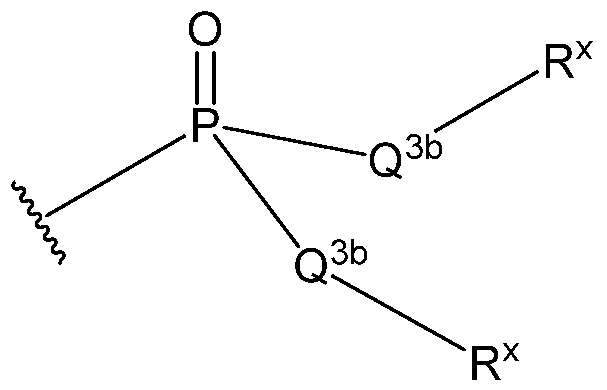
wherein each Q is, independently, O or N(R). In another aspect of this embodiment, each Q3b is O and each Rx is independently:
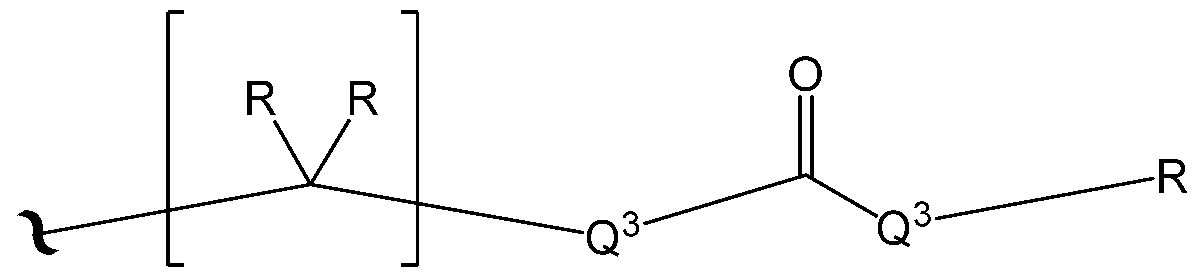
M12c
wherein M12c is 1, 2 or 3 and each Q is independently a bond, O, CR2, or S. In another aspect of this embodiment, one Q3b-Rx is NH(R) and the other Q3b-Rx is 0-Rx wherein Rx is:

M12c
wherein Ml 2c is 2. In another aspect of this embodiment, each Q3b is O and each Rx is independently:

M12c
wherein Ml 2c is 2. In another aspect of this embodiment, each Q3b is O and each Rx is independently:

M12c
wherein Ml 2c is 1 and Q3 is a bond, O, or CR2.
[0134] Other embodiments of
 of Formulas I- IV compounds include substructures such as:


wherein Ry is Z5 as defined herein.
[0135] Another embodiment of
 of Formula I-IV includes the
substructures:

wherein each Q2c is, independently, O, N(Ry) or S
[0136] Another embodiment of
 of Formula I-IV compounds includes the substructures wherein one of Z1 or Z2 together with either R3 or R4 is -Q3- and the other of Z1 or Z2 is Formula la. Such an embodiment is represented by a compound of Formula lb selected from:


Formula lb
[0137] In another aspect of the embodiment of Formula lb, each Q and Q is O. In another aspect of the embodiment of Formula lb, Z1 or Z2 is Q3b-Rx; each Q, Q3 and Q3b is O and Rx

M12c
wherein M12c is 1, 2 or 3 and each Q3 is independently a bond, O, CR2, or S. In another aspect of the embodiment of Formula lb, Z1 or Z2 is Q b-Rx; each Q, Q3 and Q b is O and Rx is:

M12c
wherein M12c is 2. In another aspect of the embodiment of Formula lb, Z1 or Z2 is Q3b-Rx; each Q, Q3 and Q3b is O and Rx is:

M12c
wherein M12c is 1 and Q3 is a bond, O, or CR2.
[0138] Another embodiment of
 of Formula I-IV compounds includes substructure:

wherein Z5 is a carbocycle such as phenyl or substituted phenyl. In another aspect of this embodiment, the substructure is:

wherein Q is O or N(R) and the phenyl carbocycle is substituted with 0 to 3 R groups. In another aspect of this embodiment of the substructure, Rx is:

M12c
wherein M12c is 1, 2 or 3 and each Q3 is independently a bond, O, CR2, or S.
[0139] Another embodiment of
 of Formula I-IV includes substructures:

[0140] The chiral carbon of the amino acid and lactate moieties may be either the R or S configuration or the racemic mixture.
[0141] Another embodiment of
 Formula I-IV is substructure

wherein each Q3 is, independently, -O- or -NH-. In another aspect of this embodiment, Ry is (Ci-Cs) alkyl, (Ci-C8) substituted alkyl, (C2-C8) alkenyl, (C2-C8) substituted alkenyl, (C2-C8) alkynyl or (C2-C8) substituted alkynyl. In another aspect of this embodiment, Ry is (Ci-C8) alkyl, (Ci-C8) substituted alkyl, (C2-C8) alkenyl, (C2-C8) substituted alkenyl, (C2-C8) alkynyl or (C2-C8) substituted alkynyl; and R is CH3. In another aspect of this embodiment, Ry is
(Ci-Cs) alkyl, (Ci-C8) substituted alkyl, (C2-C8) alkenyl, (C2-C8) substituted alkenyl, (C2-C8) alkynyl or (C2-C8) substituted alkynyl; R is CH3; and each Q3 is -NH-. In another aspect of this embodiment, Z1 and Z2 are, independently, nitrogen-linked, naturally occurring amino acids or naturally occurring amino acid esters. In another aspect of this embodiment, Z1 and Z2 are, independently, naturally-occurring 2-hydroxy carboxylic acids or naturally-occurring 2-hydroxy carboxylic acid esters wherein the acid or ester is linked to P through the 2- hydroxy group.
[0142] Another embodiment of
 Formula I-IV is substructure:

[0143] In one aspect of this embodiment, each Rx is, independently, (Ci-C8) alkyl. In another aspect of this embodiment, each Rx is, independently, C6-C20 aryl or C6-C20 substituted aryl. [0144] In a preferred embodiment,

[0145] Embodiments of Rx include esters, carbamates, carbonates, thioesters, amides, thioamides, and urea groups:

[0146] Also falling within the scope of this invention are the in vivo metabolic products of the compounds described herein, to the extent such products are novel and unobvious over the prior art. Such products may result for example from the oxidation, reduction, hydrolysis, amidation, esterification and the like of the administered compound, primarily due to enzymatic processes. Accordingly, the invention includes novel and unobvious compounds produced by a process comprising contacting a compound of this invention with a mammal for a period of time sufficient to yield a metabolic product thereof. Such products typically are identified by preparing a radiolabelled (e.g. l^C or ¾) compound of the invention, administering it parenterally in a detectable dose (e.g. greater than about 0.5 mg/kg) to an animal such as rat, mouse, guinea pig, monkey, or to man, allowing sufficient time for metabolism to occur (typically about 30 seconds to 30 hours) and isolating its conversion products from the urine, blood or other biological samples. These products are easily isolated since they are labeled (others are isolated by the use of antibodies capable of binding epitopes surviving in the metabolite). The metabolite structures are determined in conventional fashion, e.g. by MS or NMR analysis. In general, analysis of metabolites is done in the same way as conventional drug metabolism studies well-known to those skilled in the art. The conversion products, so long as they are not otherwise found in vivo, are useful in diagnostic assays for therapeutic dosing of the compounds of the invention even if they possess no anti flaviviridae activity of their own.
[0147] Recipes and methods for determining stability of compounds in surrogate gastrointestinal secretions are known. Compounds are defined herein as stable in the gastrointestinal tract where less than about 50 mole percent of the protected groups are deprotected in surrogate intestinal or gastric juice upon incubation for 1 hour at 37°C.
Simply because the compounds are stable to the gastrointestinal tract does not mean that they cannot be hydrolyzed in vivo. The prodrugs of the invention typically will be stable in the digestive system but may be substantially hydrolyzed to the parental drug in the digestive lumen, liver or other metabolic organ, or within cells in general.
III. PHARMACEUTICAL FORMULATIONS
[0148] The compounds of this invention are formulated with conventional carriers and excipients, which will be selected in accord with ordinary practice. Tablets will contain excipients, glidants, fillers, binders and the like. Aqueous formulations are prepared in sterile form, and when intended for delivery by other than oral administration generally will be isotonic. All formulations will optionally contain excipients such as those set forth in the "Handbook of Pharmaceutical Excipients" (1986). Excipients include ascorbic acid and other antioxidants, chelating agents such as EDTA, carbohydrates such as dextran,
hydroxyalkylcellulose, hydroxyalkylmethylcellulose, stearic acid and the like. The pH of the formulations ranges from about 3 to about 11, but is ordinarily about 7 to 10. In some embodiments, the pH of the formulations ranges from about 2 to about 5, but is ordinarily about 3 to 4.
[0149] While it is possible for the active ingredients to be administered alone it may be preferable to present them as pharmaceutical formulations. The formulations, both for veterinary and for human use, of the invention comprise at least one active ingredient, as above defined, together with one or more acceptable carriers therefor and optionally other therapeutic ingredients, particularly those additional therapeutic ingredients as discussed herein. The carrier(s) must be "acceptable" in the sense of being compatible with the other ingredients of the formulation and physiologically innocuous to the recipient thereof. [0150] The formulations include those suitable for the foregoing administration routes.
The formulations may conveniently be presented in unit dosage form and may be prepared by any of the methods well known in the art of pharmacy. Techniques and formulations generally are found in Remington's Pharmaceutical Sciences (Mack Publishing Co., Easton, PA). Such methods include the step of bringing into association the active ingredient with the carrier which constitutes one or more accessory ingredients. In general the formulations are prepared by uniformly and intimately bringing into association the active ingredient with liquid carriers or finely divided solid carriers or both, and then, if necessary, shaping the product.
[0151] Formulations of the present invention suitable for oral administration may be presented as discrete units such as capsules, cachets or tablets each containing a
predetermined amount of the active ingredient; as a powder or granules; as a solution or a suspension in an aqueous or non-aqueous liquid; or as an oil-in-water liquid emulsion or a
water-in-oil liquid emulsion. The active ingredient may also be administered as a bolus, electuary or paste.
[0152] A tablet is made by compression or molding, optionally with one or more accessory ingredients. Compressed tablets may be prepared by compressing in a suitable machine the active ingredient in a free-flowing form such as a powder or granules, optionally mixed with a binder, lubricant, inert diluent, preservative, surface active or dispersing agent. Molded tablets may be made by molding in a suitable machine a mixture of the powdered active ingredient moistened with an inert liquid diluent. The tablets may optionally be coated or scored and optionally are formulated so as to provide slow or controlled release of the active ingredient therefrom.
[0153] For infections of the eye or other external tissues e.g. mouth and skin, the formulations are preferably applied as a topical ointment or cream containing the active ingredient(s) in an amount of, for example, 0.075 to 20% w/w (including active ingredient(s) in a range between 0.1% and 20% in increments of 0.1% w/w such as 0.6% w/w, 0.7% w/w, etc.), preferably 0.2 to 15% w/w and most preferably 0.5 to 10% w/w. When formulated in an ointment, the active ingredients may be employed with either a paraffinic or a water- miscible ointment base. Alternatively, the active ingredients may be formulated in a cream with an oil-in-water cream base.
[0154] If desired, the aqueous phase of the cream base may include, for example, at least 30% w/w of a polyhydric alcohol, i.e. an alcohol having two or more hydroxyl groups such as propylene glycol, butane 1,3-diol, mannitol, sorbitol, glycerol and polyethylene glycol (including PEG 400) and mixtures thereof. The topical formulations may desirably include a compound which enhances absorption or penetration of the active ingredient through the skin or other affected areas. Examples of such dermal penetration enhancers include dimethyl sulphoxide and related analogs.
[0155] The oily phase of the emulsions of this invention may be constituted from known ingredients in a known manner. While the phase may comprise merely an emulsifier (otherwise known as an emulgent), it desirably comprises a mixture of at least one emulsifier with a fat or an oil or with both a fat and an oil. Preferably, a hydrophilic emulsifier is included together with a lipophilic emulsifier which acts as a stabilizer. It is also preferred to include both an oil and a fat. Together, the emulsifier(s) with or without stabilizer(s) make up the so-called emulsifying wax, and the wax together with the oil and fat make up the so-
called emulsifying ointment base which forms the oily dispersed phase of the cream formulations.
[0156] Emulgents and emulsion stabilizers suitable for use in the formulation of the invention include Tween® 60, Span® 80, cetostearyl alcohol, benzyl alcohol, myristyl alcohol, glyceryl mono-stearate and sodium lauryl sulfate. Further emulgents and emulsion stabilizers suitable for use in the formulation of the invention include Tween® 80.
[0157] The choice of suitable oils or fats for the formulation is based on achieving the desired cosmetic properties. The cream should preferably be a non-greasy, non-staining and washable product with suitable consistency to avoid leakage from tubes or other containers. Straight or branched chain, mono- or dibasic alkyl esters such as di-isoadipate, isocetyl stearate, propylene glycol diester of coconut fatty acids, isopropyl myristate, decyl oleate, isopropyl palmitate, butyl stearate, 2-ethylhexyl palmitate or a blend of branched chain esters known as Crodamol CAP may be used, the last three being preferred esters. These may be used alone or in combination depending on the properties required. Alternatively, high melting point lipids such as white soft paraffin and/or liquid paraffin or other mineral oils are used.
[0158] Pharmaceutical formulations according to the present invention comprise a combination according to the invention together with one or more pharmaceutically acceptable carriers or excipients and optionally other therapeutic agents. Pharmaceutical formulations containing the active ingredient may be in any form suitable for the intended method of administration. When used for oral use for example, tablets, troches, lozenges, aqueous or oil suspensions, dispersible powders or granules, emulsions, hard or soft capsules, syrups or elixirs may be prepared. Compositions intended for oral use may be prepared according to any method known to the art for the manufacture of pharmaceutical
compositions and such compositions may contain one or more agents including sweetening agents, flavoring agents, coloring agents and preserving agents, in order to provide a palatable preparation. Tablets containing the active ingredient in admixture with non-toxic pharmaceutically acceptable excipient which are suitable for manufacture of tablets are acceptable. These excipients may be, for example, inert diluents, such as calcium or sodium carbonate, lactose, calcium or sodium phosphate; granulating and disintegrating agents, such as maize starch, or alginic acid; binding agents, such as starch, gelatin or acacia; and lubricating agents, such as magnesium stearate, stearic acid or talc. Tablets may be uncoated
or may be coated by known techniques including microencapsulation to delay disintegration and adsorption in the gastrointestinal tract and thereby provide a sustained action over a longer period. For example, a time delay material such as glyceryl monostearate or glyceryl distearate alone or with a wax may be employed. [0159] Formulations for oral use may be also presented as hard gelatin capsules where the active ingredient is mixed with an inert solid diluent, for example calcium phosphate or kaolin, or as soft gelatin capsules wherein the active ingredient is mixed with water or an oil medium, such as peanut oil, liquid paraffin or olive oil.
[0160] Aqueous suspensions of the invention contain the active materials in admixture with excipients suitable for the manufacture of aqueous suspensions. Such excipients include a suspending agent, such as sodium carboxymethylcellulose, methylcellulose, hydroxypropyl methylcelluose, sodium alginate, polyvinylpyrrolidone, gum tragacanth and gum acacia, and dispersing or wetting agents such as a naturally-occurring phosphatide (e.g., lecithin), a condensation product of an alkylene oxide with a fatty acid (e.g., polyoxyethylene stearate), a condensation product of ethylene oxide with a long chain aliphatic alcohol (e.g.,
heptadecaethyleneoxycetanol), a condensation product of ethylene oxide with a partial ester derived from a fatty acid and a hexitol anhydride (e.g., polyoxyethylene sorbitan
monooleate). The aqueous suspension may also contain one or more preservatives such as ethyl or n-propyl p-hydroxy-benzoate, one or more coloring agents, one or more flavoring agents and one or more sweetening agents, such as sucrose or saccharin. Further non-limiting examples of suspending agents include Cyclodextrin and Captisol (=Sulfobutyl ether beta- cyclodextrin; SEB-beta-CD).
[0161] Oil suspensions may be formulated by suspending the active ingredient in a vegetable oil, such as arachis oil, olive oil, sesame oil or coconut oil, or in a mineral oil such as liquid paraffin. The oral suspensions may contain a thickening agent, such as beeswax, hard paraffin or cetyl alcohol. Sweetening agents, such as those set forth above, and flavoring agents may be added to provide a palatable oral preparation. These compositions may be preserved by the addition of an antioxidant such as ascorbic acid.
[0162] Dispersible powders and granules of the invention suitable for preparation of an aqueous suspension by the addition of water provide the active ingredient in admixture with a dispersing or wetting agent, a suspending agent, and one or more preservatives. Suitable dispersing or wetting agents and suspending agents are exemplified by those disclosed above.
Additional excipients, for example sweetening, flavoring and coloring agents, may also be present.
[0163] The pharmaceutical compositions of the invention may also be in the form of oil-in- water emulsions. The oily phase may be a vegetable oil, such as olive oil or arachis oil, a mineral oil, such as liquid paraffin, or a mixture of these. Suitable emulsifying agents include naturally-occurring gums, such as gum acacia and gum tragacanth, naturally-occurring phosphatides, such as soybean lecithin, esters or partial esters derived from fatty acids and hexitol anhydrides, such as sorbitan monooleate, and condensation products of these partial esters with ethylene oxide, such as polyoxyethylene sorbitan monooleate. The emulsion may also contain sweetening and flavoring agents. Syrups and elixirs may be formulated with sweetening agents, such as glycerol, sorbitol or sucrose. Such formulations may also contain a demulcent, a preservative, a flavoring or a coloring agent.
[0164] The pharmaceutical compositions of the invention may be in the form of a sterile injectable preparation, such as a sterile injectable aqueous or oleaginous suspension. This suspension may be formulated according to the known art using those suitable dispersing or wetting agents and suspending agents which have been mentioned above. The sterile injectable preparation may also be a sterile injectable solution or suspension in a non-toxic parenterally acceptable diluent or solvent, such as a solution in 1,3-butane-diol or prepared as a lyophilized powder. Among the acceptable vehicles and solvents that may be employed are water, Ringer's solution and isotonic sodium chloride solution. In addition, sterile fixed oils may conventionally be employed as a solvent or suspending medium. For this purpose any bland fixed oil may be employed including synthetic mono- or diglycerides. In addition, fatty acids such as oleic acid may likewise be used in the preparation of injectables. Among the acceptable vehicles and solvents that may be employed are water, Ringer's solution isotonic sodium chloride solution, and hypertonic sodium chloride solution.
[0165] The amount of active ingredient that may be combined with the carrier material to produce a single dosage form will vary depending upon the host treated and the particular mode of administration. For example, a time-release formulation intended for oral administration to humans may contain approximately 1 to 1000 mg of active material compounded with an appropriate and convenient amount of carrier material which may vary from about 5 to about 95% of the total compositions (weight: weight). The pharmaceutical composition can be prepared to provide easily measurable amounts for administration. For
example, an aqueous solution intended for intravenous infusion may contain from about 3 to 500 μg of the active ingredient per milliliter of solution in order that infusion of a suitable volume at a rate of about 30 mL/hr can occur.
[0166] Formulations suitable for topical administration to the eye also include eye drops wherein the active ingredient is dissolved or suspended in a suitable carrier, especially an aqueous solvent for the active ingredient. The active ingredient is preferably present in such formulations in a concentration of 0.5 to 20%, advantageously 0.5 to 10%, and particularly about 1.5% w/w.
[0167] Formulations suitable for topical administration in the mouth include lozenges comprising the active ingredient in a flavored basis, usually sucrose and acacia or tragacanth; pastilles comprising the active ingredient in an inert basis such as gelatin and glycerin, or sucrose and acacia; and mouthwashes comprising the active ingredient in a suitable liquid carrier.
[0168] Formulations for rectal administration may be presented as a suppository with a suitable base comprising for example cocoa butter or a salicylate.
[0169] Formulations suitable for intrapulmonary or nasal administration have a particle size for example in the range of 0.1 to 500 microns, such as 0.5, 1, 30, 35 etc., which is administered by rapid inhalation through the nasal passage or by inhalation through the mouth so as to reach the alveolar sacs. Suitable formulations include aqueous or oily solutions of the active ingredient. Formulations suitable for aerosol or dry powder administration may be prepared according to conventional methods and may be delivered with other therapeutic agents such as compounds heretofore used in the treatment or prophylaxis of Flaviviridae infections as described below.
[0170] Formulations suitable for vaginal administration may be presented as pessaries, tampons, creams, gels, pastes, foams or spray formulations containing in addition to the active ingredient such carriers as are known in the art to be appropriate.
[0171] Formulations suitable for parenteral administration include aqueous and nonaqueous sterile injection solutions which may contain anti-oxidants, buffers, bacteriostats and solutes which render the formulation isotonic with the blood of the intended recipient; and aqueous and non-aqueous sterile suspensions which may include suspending agents and thickening agents.
[0172] The formulations are presented in unit-dose or multi-dose containers, for example sealed ampoules and vials, and may be stored in a freeze-dried (lyophilized) condition requiring only the addition of the sterile liquid carrier, for example water for injection, immediately prior to use. Extemporaneous injection solutions and suspensions are prepared from sterile powders, granules and tablets of the kind previously described. Preferred unit dosage formulations are those containing a daily dose or unit daily sub-dose, as herein above recited, or an appropriate fraction thereof, of the active ingredient.
[0173] It should be understood that in addition to the ingredients particularly mentioned above the formulations of this invention may include other agents conventional in the art having regard to the type of formulation in question, for example those suitable for oral administration may include flavoring agents.
[0174] The invention further provides veterinary compositions comprising at least one active ingredient as above defined together with a veterinary carrier therefor.
[0175] Veterinary carriers are materials useful for the purpose of administering the composition and may be solid, liquid or gaseous materials which are otherwise inert or acceptable in the veterinary art and are compatible with the active ingredient. These veterinary compositions may be administered orally, parenterally or by any other desired route.
[0176] Compounds of the invention are used to provide controlled release pharmaceutical formulations containing as active ingredient one or more compounds of the invention
("controlled release formulations") in which the release of the active ingredient are controlled and regulated to allow less frequency dosing or to improve the pharmacokinetic or toxicity profile of a given active ingredient.
IV. ROUTES OF ADMINISTRATION [0177] One or more compounds of the invention (herein referred to as the active ingredients) are administered by any route appropriate to the condition to be treated. Suitable routes include oral, rectal, nasal, pulmonary, topical (including buccal and sublingual), vaginal and parenteral (including subcutaneous, intramuscular, intravenous, intradermal, intrathecal and epidural), and the like. In certain embodiments, the compounds disclosed herein are administered by intravenous injection. It will be appreciated that the preferred
route may vary with for example the condition of the recipient. An advantage of the compounds of this invention is that they are orally bioavailable and can be dosed orally.
[0178] Effective dose of active ingredient depends at least on the nature of the condition being treated, toxicity, whether the compound is being used prophylactically (lower doses) or against an active viral infection, the method of delivery, and the pharmaceutical formulation, and will be determined by the clinician using conventional dose escalation studies. It can be expected to be from about 0.0001 to about 100 mg/kg body weight per day; typically, from about 0.01 to about 10 mg/kg body weight per day; more typically, from about .01 to about 5 mg/kg body weight per day; most typically, from about .05 to about 0.5 mg/kg body weight per day. For example, the daily candidate dose for an adult human of approximately 70 kg body weight will range from 1 mg to 1000 mg, preferably between 5 mg and 500 mg, and may take the form of single or multiple doses.
[0179] In the methods of the present invention for the treatment of Flaviviridae infection, the compounds of the present invention can be administered at any time to a human who may come into contact with humans suffering from Flaviviridae infection or is already suffering from Flaviviridae infection. In some embodiments, the compounds of the present invention can be administered prophylactically to humans coming into contact with humans suffering from Flaviviridae infection. In some embodiments, administration of the compounds of the present invention can be to humans testing positive for Flaviviridae infection but not yet showing symptoms of Flaviviridae infection. In some embodiments, administration of the compounds of the present invention can be to humans upon commencement of symptoms of Flaviviridae infection.
[0180] Effective dose of active ingredient depends at least on the nature of the condition being treated, toxicity, whether the compound is being used prophylactically (lower doses) or against an active viral infection, the method of delivery, and the pharmaceutical formulation, and will be determined by the clinician using conventional dose escalation studies. It can be expected to be from about 0.0001 to about 100 mg/kg body weight per day; typically, from about 0.01 to about 10 mg/kg body weight per day; more typically, from about .01 to about 5 mg/kg body weight per day; most typically, from about .05 to about 0.5 mg/kg body weight per day. For example, the daily candidate dose for an adult human of approximately 70 kg body weight will range from 1 mg to 1000 mg, preferably between 5 mg and 500 mg, and may take the form of single or multiple doses.
[0181] The effective dose of a compound of the present invention for treating the
Flaviviridae infection can depend on whether the dose is to be used prophylactically or to treat a human already suffering from Flaviviridae infection. Moreover, the dose can depend on whether the human suffering from Flaviviridae infection does not yet show symptoms or is already showing symptoms of Flaviviridae infection. Larger doses may be necessary for treating humans testing positive for Flaviviridae infection and for humans showing symptoms of Flaviviridae infection as compared to humans receiving prophylactic treatment.
[0182] Any suitable period of time for administration of the compounds of the present invention is contemplated. For example, administration can be for from 1 day to 100 days, including 2, 3, 4, 5, 6, 7, 8, 9, 10, 15, 20, 25, 30, 40, 50, 60, 70, 80, or 90 days. The administration can also be for from 1 week to 15 weeks, including 2, 3, 4, 5, 6, 7, 8, 9, 10, 11, 12, 13, or 14 weeks. Longer periods of administration are also contemplated. The time for administration can depend on whether the compound is being administered prophylactically or to treat a human suffering from an Flaviviridae infection. For example, a prophylactic administration can be for a period of time while the human is in regular contact with other humans suffering from an Flaviviridae infection, and for a suitable period of time following the last contact with a human suffering from an Flaviviridae infection. For humans already suffering from an Flaviviridae infection, the period of administration can be for any length of time necessary to treat the patient and a suitable period of time following a negative test for Flaviviridae infection to ensure the Flaviviridae infection does not return.
V. COMBINATION THERAPY
[0183] Compositions of the invention are also used in combination with other active ingredients. For the treatment of Flaviviridae virus infections, preferably, the other active therapeutic agent is active against Flaviviridae virus infections, particularly Zika virus [0184] It is also possible to combine any compound of the invention with one or more additional active therapeutic agents in a unitary dosage form for simultaneous or sequential administration to a patient. The combination therapy may be administered as a simultaneous or sequential regimen. When administered sequentially, the combination may be
administered in two or more administrations. [0185] Co-administration of a compound of the invention with one or more other active therapeutic agents generally refers to simultaneous or sequential administration of a
compound of the invention and one or more other active therapeutic agents, such that therapeutically effective amounts of the compound of the invention and one or more other active therapeutic agents are both present in the body of the patient.
[0186] Co-administration includes administration of unit dosages of the compounds of the invention before or after administration of unit dosages of one or more other active therapeutic agents, for example, administration of the compounds of the invention within seconds, minutes, or hours of the administration of one or more other active therapeutic agents. For example, a unit dose of a compound of the invention can be administered first, followed within seconds or minutes by administration of a unit dose of one or more other active therapeutic agents. Alternatively, a unit dose of one or more other therapeutic agents can be administered first, followed by administration of a unit dose of a compound of the invention within seconds or minutes. In some cases, it may be desirable to administer a unit dose of a compound of the invention first, followed, after a period of hours (e.g., 1-12 hours), by administration of a unit dose of one or more other active therapeutic agents. In other cases, it may be desirable to administer a unit dose of one or more other active therapeutic agents first, followed, after a period of hours (e.g., 1-12 hours), by administration of a unit dose of a compound of the invention.
[0187] The combination therapy may provide "synergy" and "synergistic", i.e. the effect achieved when the active ingredients used together is greater than the sum of the effects that results from using the compounds separately. A synergistic effect may be attained when the active ingredients are: (1) co-formulated and administered or delivered simultaneously in a combined formulation; (2) delivered by alternation or in parallel as separate formulations; or (3) by some other regimen. When delivered in alternation therapy, a synergistic effect may be attained when the compounds are administered or delivered sequentially, e.g. in separate tablets, pills or capsules, or by different injections in separate syringes. In general, during alternation therapy, an effective dosage of each active ingredient is administered sequentially, i.e. serially, whereas in combination therapy, effective dosages of two or more active ingredients are administered together. A synergistic anti- viral effect denotes an antiviral effect which is greater than the predicted purely additive effects of the individual compounds of the combination.
[0188] Also provided are articles of manufacture that include a compound of Formula I, or a pharmaceutically acceptable salt, pharmaceutically acceptable ester, stereoisomer, mixture
of stereoisomers or tautomer thereof; and a container. In one aspect, the article of manufacture comprises a compound of Formula I, Formula II, Formula II, Formula IV, and individual Compounds 9 and 32, or a pharmaceutically acceptable salt thereof, and a container. In separate embodiments, the container of the article of manufacture may be a vial, jar, ampoule, preloaded syringe, blister package, tin, can, bottle, box, or an intravenous bag.
[0189] In an embodiment, the present application provides for methods of inhibiting Flaviviridae polymerase in a cell, comprising: contacting a cell infected with a flavivirus with an effective amount of a compound of Formula I- IV, or a pharmaceutically acceptable salt, solvate, and/or ester thereof, whereby Flaviviridae polymerase is inhibited. [0190] In another embodiment, the present application provides for methods of inhibiting Flaviviridae polymerase in a cell, comprising: contacting a cell infected with a flavivirus with an effective amount of a compound of Formula I- IV, or a pharmaceutically acceptable salt, solvate, and/or ester thereof, and at least one additional active therapeutic agent, whereby Flaviviridae polymerase is inhibited. [0191] In still yet another embodiment, the present application provides for methods of treating Flaviviridae virus infection in a human, comprising: administering to the patient a therapeutically effective amount of a compound of Formula I- IV, or a pharmaceutically acceptable salt, solvate, and/or ester thereof.
[0192] In still yet another embodiment, the present application provides for methods of treating Flaviviridae virus infection in a human, comprising: administering to the patient a therapeutically effective amount of a compound of Formula I- IV, or a pharmaceutically acceptable salt, solvate, and/or ester thereof, and at least one additional active therapeutic agent, whereby Flaviviridae polymerase is inhibited.
[0193] In still yet another embodiment, the present application provides for methods of treating Flaviviridae virus infection in a human, comprising: administering to the patient a therapeutically effective amount of a compound of Formula I- IV, or a pharmaceutically acceptable salt, solvate, and/or ester thereof, and at least one additional active therapeutic agent.
[0194] Also provided is a kit that includes a compound of Formula I, or a pharmaceutically acceptable salt, pharmaceutically acceptable ester, stereoisomer, mixture of stereoisomers or tautomer thereof. In separate embodiments individual kits are provided includes a compound
selected from the group of each of the Formulas herein, as well as each subgroup and embodiment thereof, including Formula II, Formula II, Formula IV, and individual
Compounds 9 and 32, or a pharmaceutically acceptable salt, pharmaceutically acceptable ester, stereoisomer, mixture of stereoisomers or tautomer thereof. In one aspect, the kit comprises a compound of Formula I, or a pharmaceutically acceptable salt thereof. Each of the individual kits described herein may comprise a label and/or instructions for use of the compound in the treatment of a disease or condition in a subject (e.g., human) in need thereof. In some embodiments, the disease or condition is a human Flaviviridae viral infection, including a Zika viral infection. In other embodiments, each separate kit may also contain instructions for use of additional medical agents in combination with the compound of Formula I in the treatment of a disease or condition in a subject (e.g., human) in need thereof. In certain of these embodiments, the disease or condition is a human Flaviviridae viral infection, including a Zika viral infection. In each of the kits herein there is a further embodiment in which the kit comprises individual dose units of a compound as described herein, or a pharmaceutically acceptable salt, racemate, enantiomer, diastereomer, tautomer, polymorph, pseudopolymorph, amorphous form, hydrate or solvate thereof. Examples of individual dosage units may include pills, tablets, capsules, prefilled syringes or syringe cartridges, IV bags, etc., each comprising a therapeutically effective amount of the compound in question, or a pharmaceutically acceptable salt, racemate, enantiomer, diastereomer, tautomer, polymorph, pseudopolymorph, amorphous form, hydrate or solvate thereof. In some embodiments, the kit may contain a single dosage unit and in others multiple dosage units are present, such as the number of dosage units required for a specified regimen or period.
[0195] Also provided are articles of manufacture that include a compound of Formula I, or a pharmaceutically acceptable salt, pharmaceutically acceptable ester, stereoisomer, mixture of stereoisomers or tautomer thereof; and a container. In one aspect, the article of manufacture comprises a compound of Formula I, Formula II, Formula II, Formula IV, and individual Compounds 9 and 32 (Compounds), or a pharmaceutically acceptable salt thereof, and a container. In separate embodiments, the container of the article of manufacture may be a vial, jar, ampoule, preloaded syringe, blister package, tin, can, bottle, box, or an intravenous bag.
[0196] Also provided as separate embodiments are the uses of a compound selected from each of the Formulas herein, as well as each subgroup and embodiment thereof, including a
compound selected from the group of Formula (I), Formula (II), Formula (III), Formula (IV), or one of the specific compounds of the examples herein, including Compounds 9 and 32, or a pharmaceutically acceptable salt, solvate, and/or ester thereof, in the preparation of a medicament for use in treating an Flaviviridae infection in a human. VI. METHODS OF INHIBITION OF A FLAVIVIRIDAE POLYMERASE
[0197] Another aspect of the invention relates to methods of inhibiting the activity of Flaviviridae polymerase comprising the step of treating a sample suspected of containing Flaviviridae with a compound or composition of the invention.
[0198] Flaviviridae that can be treated using the methods of the present invention are single-stranded negative sense RNA viruses that typically infect primates. Flaviviridae are able to multiply in virtually all cell types.
One species of Flaviviridae viruses is Zika virus.
[0199] Compositions of the invention may act as inhibitors of Flaviviridae polymerase , as intermediates for such inhibitors or have other utilities as described below. The inhibitors will bind to locations on the surface or in a cavity of Flaviviridae polymerase having a geometry unique to Flaviviridae polymerase. Compositions binding Flaviviridae polymerase may bind with varying degrees of reversibility. Those compounds binding substantially irreversibly are ideal candidates for use in this method of the invention. Once labeled, the substantially irreversibly binding compositions are useful as probes for the detection of Flaviviridae polymerase. Accordingly, the invention relates to methods of detecting Flaviviridae polymerase in a sample suspected of containing Flaviviridae polymerase comprising the steps of: treating a sample suspected of containing Flaviviridae polymerase with a composition comprising a compound of the invention bound to a label; and observing the effect of the sample on the activity of the label. Suitable labels are well known in the diagnostics field and include stable free radicals, fluorophores, radioisotopes, enzymes, chemiluminescent groups and chromogens. The compounds herein are labeled in conventional fashion using functional groups such as hydroxyl, carboxyl, sulfhydryl or amino.
[0200] Within the context of the invention, samples suspected of containing Flaviviridae polymerase include natural or man-made materials such as living organisms; tissue or cell cultures; biological samples such as biological material samples (blood, serum, urine,
cerebrospinal fluid, tears, sputum, saliva, tissue samples, and the like); laboratory samples; food, water, or air samples; bioproduct samples such as extracts of cells, particularly recombinant cells synthesizing a desired glycoprotein; and the like. Typically the sample will be suspected of containing an organism which produces Flaviviridae polymerase, frequently a pathogenic organism such as an Flaviviridae virus. Samples can be contained in any medium including water and organic solvent\water mixtures. Samples include living organisms such as humans, and manmade materials such as cell cultures.
[0201] The treating step of the invention comprises adding the composition of the invention to the sample or it comprises adding a precursor of the composition to the sample. The addition step comprises any method of administration as described above.
[0202] If desired, the activity of Flaviviridae polymerase after application of the composition can be observed by any method including direct and indirect methods of detecting Flaviviridae polymerase activity. Quantitative, qualitative, and semiquantitative methods of determining Flaviviridae polymerase activity are all contemplated. Typically one of the screening methods described above are applied, however, any other method such as observation of the physiological properties of a living organism are also applicable.
[0203] Organisms that contain Flaviviridae polymerase include the Flaviviridae virus. The compounds of this invention are useful in the treatment or prophylaxis of Flaviviridae infections in animals or in man. [0204] However, in screening compounds capable of inhibiting human Flaviviridae viruses, it should be kept in mind that the results of enzyme assays may not correlate with cell culture assays. Thus, a cell based assay should be the primary screening tool.
[0205] In another embodiment, the present application provides for methods of treating Flaviviridae virus infection in a human, comprising: administering to the patient a therapeutically effective amount of a compound of Formula I- IV, or a pharmaceutically acceptable salt, solvate, and/or ester thereof. In some embodiments, the Flaviviridae infection is caused by an Flaviviridae virus. In some embodiments, the Flaviviridae infection is caused by a Zika virus.
[0206] The compounds of the present invention can be used in the treatment of a human already suffering from an Flaviviridae infection, or can be administered prophylactically to reduce or prevent the chance of an Flaviviridae infection.
VII. SCREENS FOR FLAVIVIRIDAE POLYMERASE INHIBITORS.
[0207] Compositions of the invention are screened for inhibitory activity against
Flaviviridae polymerase by any of the conventional techniques for evaluating enzyme activity. Within the context of the invention, typically compositions are first screened for inhibition of Flaviviridae polymerase in vitro and compositions showing inhibitory activity are then screened for activity in vivo. Compositions having in vitro Ki (inhibitory constants) of less than about 5 X 10~6 M and preferably less than about 1 X 10"^ M are preferred for in vivo use.
[0208] Useful in vitro screens have been described in detail and will not be elaborated here. However, the examples describe suitable in vitro assays.
VIII. PREPARATION OF COMPOUNDS
[0209] The compounds of the present invention can be prepared by a variety of means. For example, protected nucleosides of Formula V can be prepared by reaction of a protected lactone with an iodo-substituted base under suitable coupling conditions. The nucleosides can then be modified with a prodrug moiety by reaction of a partially protected nucleoside with a suitable prodrug moiety, following be removal of the protecting groups, to afford the compounds of the present invention.
A. Preparation of Nucleosides via Iodo-Base
[0210] In some embodiments, the present invention provides a method of preparing a compound of Formula V:

The method of making the compound of Formula V includes forming a reaction mixture having a coupling agent, a halo-silane, a compound of Formula VI:
 Formula (VI),
and a compound of Formula VII:
Formula (VI),
and a compound of Formula VII:

under conditions suitable to prepare the compound of Formula V, wherein each PG is independently a hydroxy protecting group, alternatively, two PG groups on adjacent carbons can be combined to form a -C(R19)2- group, R10 is H or a silyl group, and R19 is H, Ci-C8 alkyl, phenyl or substituted phenyl.
[0211] Any suitable coupling agent can be used in the method of making the compound of Formula V. The coupling agent can be a lithium coupling agent, a sodium coupling agent, a magnesium coupling agent, or others. For example, the coupling agent can be a
deprotonating agent such as n-butyl lithium (n-BuLi), sodium hydride (NaH), lithium aluminum hydride (LAH or L1AIH4), and others. The coupling agent can also be a magnesium based coupling agent such as, but not limited to, MgCl2, iPrMgCl, tBuMgCl, PhMgCl, or combinations thereof. In some embodiments, the coupling agent can be a lithium coupling agent or a magnesium coupling agent. In some embodiments, the coupling agent can be n-BuLi, MgCl2, iPrMgCl, tBuMgCl, PhMgCl, or combinations thereof. In some embodiments, the coupling agent can be n-BuLi. In some embodiments, the coupling agent can be PhMgCl and iPrMgCl.
[0212] The coupling agent can be present in any suitable amount. For example, the coupling agent can be present in an amount of at least 1.0 eq. (mol/mol) to the compound of Formula V, such as about 1.0, 2, 3, 4, 5, 6, 7, 8, 9, or about 10.0 eq. (mol/mol). The coupling agent can also be present in an amount of from about 1.0 to about 10.0 eq. (mol/mol) to the compound of Formula V, such as of from about 1.0 to about 5.0 eq. (mol/mol), or of from about 1.0 to about 2.0 eq. (mol/mol). In some embodiments, the coupling agent can be present in an amount of from about 1.0 to about 5.0 eq. (mol/mol) to the compound of Formula V. In some embodiments, the coupling agent can be present in an amount of from about 1.0 to about 2.0 eq. (mol/mol) to the compound of Formula V.
[0213] Any suitable halo-silane can be used in the method of making the compound of Formula V. For example, the halo-silane can be a fluoro-silane, a chloro-silane, a bromo- silane or an iodo-silane. The silane portion can have any suitable substituents, such as alkyl,
alkenyl, alkynyl, cycloalkyl, or phenyl. Exemplary halo-silanes include, but are not limited to, Cl-Si(CH3)3, or Cl-SiCCHs^CT^CT^SiCCHs^-Cl. In some embodiments, the halo-silane can be a chloro-silane. In some embodiments, the halo-silane can be Cl-Si(CH3)3, or Cl-Si(CH3)2CH2CH2Si(CH3)2-Cl. In some embodiments, the halo-silane can be TMS-C1. [0214] The silyl group of R10 can be any suitable group, but can depend on the choice of the halo-silane. For example, when the halo-silane is TMS-C1, the silyl group can be trimethylsilyl.
[0215] The halo-silane can be present in any suitable amount. For example, the halo-silane can be present in an amount of at least 1.0 eq. (mol/mol) to the compound of Formula V, such as about 1.0, 2, 3, 4, 5, 6, 7, 8, 9, or about 10.0 eq. (mol/mol). The halo-silane can also be present in an amount of from about 1.0 to about 10.0 eq. (mol/mol) to the compound of Formula V, such as of from about 1.0 to about 5.0 eq. (mol/mol), or of from about 1.0 to about 2.0 eq. (mol/mol). In some embodiments, the halo-silane can be present in an amount of from about 1.0 to about 5.0 eq. (mol/mol) to the compound of Formula V. In some embodiments, the halo-silane can be present in an amount of from about 1.0 to about 2.0 eq. (mol/mol) to the compound of Formula V.
[0216] The hydroxy protecting group can be any protecting group suitable for a hydroxy functional group. Representative hydroxy protecting groups include, but are not limited to, silanes such as trimethyl silane (TMS), t-butyl dimethyl silane (TBDMS), or t-butyl diphenyl silane (TBDPS), ethers such as methyl-methoxy (MOM), tetrahydropyran (THP), t-butyl, allyl, or benzyl, and esters such as acetyl, pivaloyl, or benzoyl. In some embodiments, the hydroxy protecting group can be trimethyl silane (TMS), t-butyl dimethyl silane (TBDMS), t- butyl diphenyl silane (TBDPS), methyl-methoxy (MOM), tetrahydropyran (THP), t-butyl, allyl, benzyl, acetyl, pivaloyl, or benzoyl. In some embodiments, the hydroxy protecting group can be benzyl.
[0217] Hydroxy groups on adjacent carbons, referred to as 1,2-hydroxy groups, can form a cyclic protecting group called an acetonide by reaction with a ketone of di-ether. Exemplary acetonides include, but are not limited to acetonide and benzylidene acetal. In some embodiments, the hydroxy protecting groups of hydroxy groups on adjacent carbons can be combined to form acetonide.
[0218] When the R group is Ci-C8 alkyl, R can be methyl, ethyl, propyl, isopropyl, butyl, iso-butyl, sec-buty, t-butyl, pentyl, iso-pentyl, neo-pentyl, hexyl, isohexyl, neohexyl, septyl or octyl. In some embodiments, the R19 group can be methyl.
[0219] Any suitable solvent can be used in the method of the present invention.
Representative solvents include, but are not limited to, pentane, pentanes, hexane, hexanes, heptane, heptanes, petroleum ether, cyclopentanes, cyclohexanes, benzene, toluene, xylene, trifluoromethylbenzene, halobenzenes such as chlorobenzene, fluorobenzene,
dichlorobenzene and difluorobenzene, methylene chloride, chloroform, acetone, ethyl acetate, diethyl ether, tetrahydrofuran, or combinations thereof. In some embodiments, the solvent can be tetrahydrofuran. Further representative solvennts include, but are not limited to
2-Methyltetrahydrofuran, Dibutyl ether, Methyl tert-butyl ether, Dimethoxyethane, Dioxanes (1.4 dioxane), N-methyl pyrrolidinone (NMP), or combinations thereof.
[0220] The reaction mixture of the method can be at any suitable temperature. For example, the temperature of the reaction mixture can be of from about -78 °C to about 100 °C, or of from about -50 °C to about 100 °C, or of from about -25 °C to about 50 °C, or of from about -10 °C to about 25 °C, or of from about 0 °C to about 20 °C. In some
embodiments, the temperature of the reaction mixture can be of from about 0 °C to about 20 °C. In some embodiments, the temperature of the reaction mixture can be of from about -30 °C to about- 10 °C. [0221] The reaction mixture of the method can be at any suitable pressure. For example, the reaction mixture can be at atmospheric pressure. The reaction mixture can be also be exposed to any suitable environment, such as atmospheric gasses, or inert gasses such as nitrogen or argon.
[0222] The method of the present invention can provide the compound of Formula V in any suitable yield. For example, the compound of Formula V can be prepared in a yield of at least about 50%, 55, 60, 65, 70, 75, 80, 85, 90 or at least about 95%.
[0223] The method of the present invention can provide the compound of Formula V in any suitable purity. For example, the compound of Formula V can be prepared in a purity of at least about 90, 95, 96, 97, 98 or at least about 99%. In some embodiments, the compound of Formula V can be prepared in at least 95% purity. In some embodiments, the compound of Formula V can be prepared in at least 98% purity. In some embodiments, the compound of Formula V can be prepared in at least 99% purity.
[0224] In some embodiments, the method including preparing the compound of Formula V:

wherein the method includes forming the reaction mixture having TMS-Cl, PhMgCl, iPrMgCl, the compound of Formula VI:

and the compound of Formula VII:

under conditions suitable to prepare the compound of Formula V.
[0225] In some embodiments, the present invention provides the compound:

B. Addition of Prodrug Moiety
[0226] The present invention also provides a method of coupling a prodrug moiety to a nucleoside to provide a compound of the present invention. In some embodiments, the present invention provides a method of preparing a compound of Formula VIII:


under conditions suitable to form the compound of Formula VIII, wherein each Ra is H or PG, each PG group is a hydroxy protecting group, or both PG groups are combined to form -C(R19)2-, Rel and Re2 are each independently H, C C6 alkyl or benzyl, Rf is H, C C8 alkyl, benzyl, C3-C6 cycloalkyl, or -CH2-C3-C6 cycloalkyl, R19 is H, Ci-C8 alkyl, phenyl or substituted phenyl, and LG is a leaving group.
[0227] Any suitable coupling agent can be used in the method of making the compound of Formula VIII, as described above for the method of making the compound of Formula V. In some embodiments, the coupling agent can be a magnesium coupling agent. In some embodiments, the coupling agent can be MgCi2, iPrMgCl, tBuMgCl, PhMgCl, or combinations thereof. In some embodiments, the coupling agent can be MgCl2.
[0228] Any suitable non-nucleophilic base can be used in the method of making the compound of Formula VIII. Representative non-nucleophilic bases include, but are not limited to, triethylamine, diisopropylethyl amine, Ν,Ν-diethylaniline, pyridine, 2,6-lutidine, 2,4,6-collidine, 4-dimethylaminopyridine, and quinuclidine. In some embodiments, the non- nucleophilic base can be di-isopropyl ethyl amine (DIPEA).
[0229] The protecting groups PG can be any suitable hydroxy protecting groups, as described above for the method of making the compound of Formula V. Exemplary protecting groups PG can be benzyl, or the PG groups can be combined to form an acetonide. Exemplary acetonides include, but are not limited to acetonide and benzylidene acetal. In
some embodiments, the hydroxy protecting groups of hydroxy groups on adjacent carbons can be combined to form acetonide. In some embodiments, the PG groups are combined to form -C(R19)2- In some embodiments, each Ra is the protecting group PG where the PG groups are combined to form -C(Me)2-. [0230] When the Re group is Ci-C8 alkyl, each Re can be methyl, ethyl, propyl, isopropyl, butyl, iso-butyl, sec-buty, t-butyl, pentyl, iso-pentyl, neo-pentyl, hexyl, isohexyl, neohexyl, septyl or octyl. In some embodiments, each Re group can be methyl.
[0231] When the Rf group is d-C8 alkyl, Rf can be methyl, ethyl, propyl, isopropyl, butyl, iso-butyl, sec-buty, t-butyl, pentyl, iso-pentyl, neo-pentyl, hexyl, isohexyl, neohexyl, septyl or octyl. In some embodiments, the Rf group can be methyl, ethyl, isopropyl, t-butyl, or isohexyl. When the Rf group is C3-C6 cycloalkyl, Rf can be cyclopropyl, cyclobutyl, cyclopentyl or cyclohexyl. In some embodiments, Rf can be cyclobutyl, cyclopentyl or cyclohexyl.
[0232] When the R19 group is CrC8 alkyl, R19 can be methyl, ethyl, propyl, isopropyl, butyl, iso-butyl, sec-buty, t-butyl, pentyl, iso-pentyl, neo-pentyl, hexyl, isohexyl, neohexyl, septyl or octyl. In some embodiments, the R19 group can be methyl.
[0233] The leaving group can be any suitable leaving group. Suitable leaving groups LG include, but are not limited to, chloride, bromide, mesylate, tosylate, triflate,
4-nitrobenzenesulfonate, 4-chlorobenzenesulfonate, 4-nitrophenoxy, pentafluorophenoxy, etc. In some embodiments, the leaving group LG can be 4-nitrophenoxy or
pentafluorophenoxy. In some embodiments, the leaving group LG can be 4-nitrophenoxy.
[0234] In some embodiments, each Ra is PG where the PG groups are combined to form -C(R19)2-, Rf is Ci-C8 alkyl, R19 is Ci-C8 alkyl, and the leaving group LG is 4-nitrophenoxy or pentafluorophenoxy.
[0235] In some embodiments, the coupling agent is MgC^, and the non-nucleophilic base is di-isopropyl ethyl amine.
[0236] In some embodiments, the compound of Formula VIII can be

In some embodiments, the compound of Formula VIII can be

In some embodiments, the compound of Formula VIII can be

[0237] In some embodiments, the method of making the compound Formula VIII includes forming the reaction mixture including MgCl2, DIPEA, the compound of Formula IX:

and the compound of Formula X:

under conditions suitable to form the compound of Formula VIII:

[0238] When the Ra groups of the compound of Formula VIII are the hydroxy protecting groups PG, the method can include the additional step of removing the protecting groups to form the compound of Formula VIII where each Ra is H. In some embodiments, the method of preparing the compound of Formula VIII includes forming a second reaction mixture including a deprotection agent and the compound Formula VIII wherein each Ra group is the protecting group PG, under suitable conditions to form the compound of Formula VIII where each Ra is H. The deprotection agent can be any suitable agent to remove the protecting groups PG such as hydrogen and a hydrogenation catalyst, or acid. For example, if the protecting group PG is benzyl, the deprotection agent can be hydrogen and platinum on carbon. Alternatively, when the protecting group PG is an acetonide, the deprotection agent can be an acid. Representative acids include, but are not limited to, acetic acid, glacial acetic acid, trifluoroacetic acid (TFA), hydrochloric acid, concentrated hydrochloric acid, and others. In some embodiments, the method of preparing the compound of Formula VIII includes forming a second reaction mixture including an acid and the compound Formula
VIII wherein the Ra groups are combined to form -C(R19)2-, under suitable conditions to form the compound of Formula VIII where each Ra is H. In some embodiments, the acid can be hydrlochloric acid.
[0239] Any suitable solvent can be used in the method of the present invention.
Representative solvents include, but are not limited to, pentane, pentanes, hexane, hexanes, heptane, heptanes, petroleum ether, cyclopentanes, cyclohexanes, benzene, toluene, xylene, trifluoromethylbenzene, halobenzenes such as chlorobenzene, fluorobenzene,
dichlorobenzene and difluorobenzene, methylene chloride, chloroform, acetone, ethyl acetate, diethyl ether, tetrahydrofuran, acetonitrile, or combinations thereof. In some embodiments, the solvent can be acetonitrile.
[0240] The reaction mixture of the method can be at any suitable temperature. For example, the temperature of the reaction mixture can be of from about -78 °C to about 100 °C, or of from about -50 °C to about 100 °C, or of from about -25 °C to about 50 °C, or of
from about -10 °C to about 25 °C, or of from about 0 °C to about 20 °C. In some
embodiments, the temperature of the reaction mixture can be of from about 0 °C to about 20 °C.
[0241] The reaction mixture of the method can be at any suitable pressure. For example, the reaction mixture can be at atmospheric pressure. The reaction mixture can be also be exposed to any suitable environment, such as atmospheric gasses, or inert gasses such as nitrogen or argon.
[0242] The method of the present invention can provide the compound of Formula VIII in any suitable yield. For example, the compound of Formula VIII can be prepared in a yield of at least about 50%, 55, 60, 65, 70, 75, 80, 85, 90 or at least about 95%.
[0243] The method of the present invention can provide the compound of Formula VIII in any suitable purity. For example, the compound of Formula VIII can be prepared in a purity of at least about 90, 95, 96, 97, 98 or at least about 99%. In some embodiments, the compound of Formula VIII can be prepared in at least 95% purity. In some embodiments, the compound of Formula VIII can be prepared in at least 98% purity. In some embodiments, the compound of Formula VIII can be prepared in at least 99% purity.
[0244] In some embodiments, the present invention provides the compound

IX. EXAMPLES [0245] Certain abbreviations and acronyms are used in describing the experimental details. Although most of these would be understood by one skilled in the art, Table 1 contains a list of many of these abbreviations and acronyms.
Table 1. List of abbreviations and acronyms.


MS or ms mass spectrum
NBS N-bromosuccinimide
Ph phenyl
rt or r.t. room temperature
TBAF tetrabutylammonium fluoride
TMSC1 chlorotrimethylsilane
TMSBr bromotrimethylsilane
TMSI iodotrimethylsilane
TMSOTf (trimethylsilyl)trifluoromethylsulfonate
TEA triethylamine
TBA tributylamine
TBAP tributylammonium pyrophosphate
TBSC1 t-butyldimethylsilyl chloride
TEAB triethylammonium bicarbonate
TFA trifluoroacetic acid
TLC or tic thin layer chromatography
Tr triphenylmethyl
Tol 4-methylbenzoyl
Turbo Grignard 1 : 1 mixture of isopropylmagnesium chloride and lithium chloride δ parts per million down field from tetramethylsilane
A. Preparation of Compounds
Example 1. (2S)-ethyl 2-(chloro(phenoxy)phosphorylamino)pro anoate (Chloridate A)

[0246] Ethyl alanine ester hydrochloride salt (1.69 g, 11 mmol) was dissolved in anhydrous CH2CI2 (10 mL) and the mixture stirred with cooling to 0 °C under N2(g). Phenyl dichlorophosphate (1.49 mL, 10 mmol) was added followed by dropwise addition of Et3N over 10 min. The reaction mixture was then slowly warmed to RT and stirred for 12 h. Anhydrous Et20 (50 mL) was added and the mixture stirred for 30 min. The solid that formed was removed by filtration, and the filtrate concentrated under reduced pressure. The residue was subjected to silica gel chromatography eluting with 0-50% EtOAc in hexanes to provide
intermediate A (1.13 g, 39%). H NMR (300 MHz, CDC13) δ 7.39-7.27 (m, 5H), 4.27 (m, 3H), 1.52 (m, 3H), 1.32 (m, 3H). 31P NMR (121.4 MHz, CDC13) δ 8.2, 7.8.
Example 2. (2S)-2-ethylbutyl 2-(chloro(phenoxy)phosphorylamino)propanoate
(Chloridate B

[0247] The 2-ethylbutyl alanine chlorophosphoramidate ester B was prepared using the same procedure as chloridate A except substituting 2-ethylbutyl alanine ester for ethyl alanine ester. The material is used crude in the next reaction. Treatment with methanol or ethanol forms the displaced product with the requisite LCMS signal.
Example 3. (2S)-isopropyl 2-(chloro(phenoxy)phosphorylamino)propanoate
(Chloridate C)

C
[0248] The isopropyl alanine chlorophosphoramidate ester C was prepared using the same procedure as chloridate A except substituting isopropyl alanine ester for the ethyl alanine ester. The material is used crude in the next reaction. Treatment with methanol or ethanol forms the displaced product with the requisite LCMS signal.
Example 4. (2S)-2-ethylbutyl 2-((((2R,3S,4R,5R)-5-(4-aminopyrrolo[l,2-firi,2,41triazin- 7-yl)-5-cvano-3,4-dihvdroxytetrahydrofuran-2- yl)methoxy)(phenoxy)phosphorylamino)propanoate (Compound 9)
[0249] Compound 9 can be prepared by several methods described below.
Procedure 1

[0250] Prepared from Compound 1 and chloridate B according to the same method as for the preparation of compound 8 as described in PCT Publication no. WO 2012/012776. 1H NMR (300 MHz, CD3OD) δ 7.87 (m, 1H), 7.31-7.16 (m, 5H), 6.92-6.89 (m, 2H), 4.78 (m, 1H), 4.50-3.80 (m, 7H), 1.45-1.24 (m, 8H), 0.95-0.84 (m, 6H). 31P NMR (121.4 MHz, CD3OD) δ 3.7. LCMS m/z 603.1 [M+H], 601.0 [M-H].
Procedure 2

9
[0251] (2S)-2-ethylbutyl 2-(((((2R,3S,4R,5R)-5-(4-aminopyrrolo[2,l-f][l,2,4]triazin-7- yl)-5-cyano-3,4-dihydroxytetrahydrofuran-2-yl)methoxy)(phenoxy)phosphoryl)amino) propanoate. (2S)-2-ethylbutyl 2-(((4-nitrophenoxy)(phenoxy)phosphoryl)amino)propanoate (1.08 g, 2.4 mmol) was dissolved in anhydrous DMF (9 mL) and stirred under a nitrogen atmosphere at RT. (2R,3R,4S,5R)-2-(4-aminopyrrolo[2,l-f][l,2,4]triazin-7-yl)-3,4- dihydroxy-5-(hydroxymethyl)tetrahydrofuran-2-carbonitrile (350 mg, 1.2 mmol) was added to the reaction mixture in one portion. A solution of i-butylmagnesium chloride in THF (1M, 1.8 mL, 1.8 mmol) was then added to the reaction drop wise over 10 minutes. The reaction was stirred for 2 h, at which point the reaction mixture was diluted with ethyl acetate (50 mL) and washed with saturated aqueous sodium bicarbonate solution (3 x 15 mL) followed by saturated aqueous sodium chloride solution (15 mL). The organic layer was dried over anhydrous sodium sulfate and concentrated under reduced pressure. The resulting oil was purified with silica gel column chromatography (0-10% MeOH in DCM) to afford (2S)-2- ethylbutyl 2-(((((2R,3S,4R,5R)-5-(4-aminopyrrolo[2, l-f][l,2,4]triazin-7-yl)-5-cyano-3,4-
dihydroxytetrahydrofuran-2-yl)methoxy)(phenoxy)phosphoryl)amino) propanoate (311 mg, 43%, 1 :0.4 diastereomeric mixture at phosphorus) as a white solid. H NMR (400 MHz, CD3OD) δ 7.85 (m, 1H), 7.34 - 7.23 (m, 2H), 7.21 - 7.09 (m, 3H), 6.94 - 6.84 (m, 2H), 4.78 (d, / = 5.4 Hz, 1H), 4.46 - 4.33 (m, 2H), 4.33 - 4.24 (m, 1H), 4.18 (m, 1H), 4.05 - 3.80 (m, 3H), 1.52 - 1.39 (m, 1H), 1.38 - 1.20 (m, 7H), 0.85 (m, 6H). 31P NMR (162 MHz, CD3OD) δ 3.71, 3.65. LCMS m/z 603.1 [M+H], 600.9 [M-H]. HPLC (2-98% MeCN-H20 gradient with 0.1% TFA modifier over 8.5 min, 1.5mL/min, Column: Phenomenex Kinetex C18, 2.6 um 100 A, 4.6 x 100 mm ) tR = 5.544 min, 5.601 min
Separation of the (S) and (R) Diastereomers
[0252] (2S)-2-ethylbutyl 2-(((((2R,3S,4R,5R)-5-(4-aminopyrrolo[2,l-f][l,2,4]triazin-7-yl)- 5-cyano-3,4-dihydroxytetrahydrofuran-2-yl)methoxy)(phenoxy)phosphoryl)amino) propanoate was dissolved in acetonitrile. The resulting solution was loaded onto Lux Cellulose-2 chiral column, equilibrated in acetonitrile, and eluted with isocratic
acetonitrile/methanol (95 :5 vol/vol). The first eluting diastereomer had a retention time of 17.4 min, and the second eluting diastereomer had a retention time of 25.0 min.
[0253] First Eluting Diastereomer is (S)-2-ethylbutyl 2-(((R)-(((2R,3S,4R,5R)-5-(4- aminopyrrolo[2, 1 -f] [ 1 ,2,4]triazin-7-yl)-5-cyano-3 ,4-dihydroxytetrahydrofuran-2- yl)methoxy)(phenoxy)phos horyl)amino)propanoate:

!HNMR (400 MHz, CD3OD) δ 8.05 (s, 1H), 7.36 (d, / = 4.8 Hz, 1H), 7.29 (br t, J = 7.8 Hz, 2H), 7.19 - 7.13 (m, 3H), 7.11 (d, / = 4.8 Hz, 1H), 4.73 (d, / = 5.2 Hz, 1H), 4.48 - 4.38 (m, 2H), 4.37 - 4.28 (m, 1H), 4.17 (t, / = 5.6 Hz, 1H), 4.08 - 3.94 (m, 2H), 3.94 - 3.80 (m, 1H), 1.48 (sep, / = 12.0, 6.1 Hz, 1H), 1.34 (p, / = 7.3 Hz, 4H), 1.29 (d, / = 7.2 Hz, 3H), 0.87 (t, / = 7.4 Hz, 6H). 31PNMR (162 MHz, CD3OD) δ 3.71 (s). HPLC (2-98% MeCN-H20 gradient with 0.1 % TFA modifier over 8.5 min, 1.5mL/min, Column: Phenomenex Kinetex C18, 2.6 um 100 A, 4.6 x 100 mm ) is = 5.585 min.
[0254] Second Eluting Diastereomer is (S)-2-ethylbutyl 2-(((S)-(((2R,3S,4R,5R)-5-(4- aminopyrrolo[2, 1 -f] [ 1 ,2,4]triazin-7-yl)-5-cyano-3 ,4-dihydroxytetrahydrofuran-2- yl)methoxy)(phenoxy)phosphoryl)amino)propanoate:

HNMR (400 MHz, CD3OD) δ 8.08 (s, 1H), 7.36 - 7.28 (m, 3H), 7.23 - 7.14 (m, 3H), 7.08 (d, 7 = 4.8 Hz, 1H), 4.71 (d, 7 = 5.3 Hz, 1H), 4.45 - 4.34 (m, 2H), 4.32 - 4.24 (m, 1H), 4.14 (t, / = 5.8 Hz, 1H), 4.08 - 3.94 (m, 2H), 3.93 - 3.85 (m, 1H), 1.47 (sep, / = 6.2 Hz, 1H), 1.38 - 1.26 (m, 7H), 0.87 (t, / = 7.5 Hz, 6H). 31PNMR (162 MHz, CD3OD) δ 3.73 (s). HPLC (2- 98% MeCN-H20 gradient with 0.1% TFA modifier over 8.5 min, 1.5mL/min, Column: Phenomenex Kinetex C18, 2.6 urn 100 A, 4.6 x 100 mm ) tR = 5.629 min.
Example 5. (S)-2-ethylbutyl 2-(((S)-(((2R,3S,4R,5R)-5-(4-aminopyrrolor2J- f|[l,2,41triazin-7-yl)-5-cvano-3,4-dihvdroxytetrahvdrofuran-2- yl)methoxy)(phenoxy)phosphoryl)amino)propanoate (32)

[0255] The preparation of (S)-2-ethylbutyl 2-(((S)-(((2R,3S,4R,5R)-5-(4-aminopyrrolo[2,l f][l,2,4]triazin-7-yl)-5-cyano-3,4-dihydroxytetrahydrofuran-2- yl)methoxy)(phenoxy)phosphoryl)amino)propanoate is described below.
Preparation of (3R,4R,5R)-3,4-bis(benzyloxy)-5-((benzyloxy)methyl)dihydrofuran-2(3H)- one.

[0256] (3R,4R,5R)-3,4-bis(benzyloxy)-5-((benzyloxy)methyl)tetrahydrofuran-2-ol (15.0g) was combined with MTBE (60.0 mL), KBr (424.5 mg), aqueous K2HP04 solution (2.5M,
14.3 mL), and TEMPO (56 mg). This mixture was cooled to about 1 °C. Aqueous bleach solution (7.9%wt.) was slowly charged in portions until complete consumption of starting material as indicated through a starch/iodide test. The layers were separated, and the aqueous layer was extracted with MTBE. The combined organic phase was dried over MgS04 and concentrated under reduced pressure to yield the product as a solid.
Preparation (4-amino-7-iodopyrrolor2,l-fl ri,2,41triazine)

[0257] To a cold solution of 4-aminopyrrolo[2, l-f][l,2,4]-triazine (10.03 g; 74.8 mmol) in N,N-dimethylformamide (70.27 g), N-iodosuccinimide (17.01g; 75.6 mmol) was charged in portions, while keeping the contents at about 0 °C. Upon reaction completion (about 3 h at about 0 °C), the reaction mixture was transferred into a 1 M sodium hydroxide aqueous solution (11 g NaOH and 276 mL water) while keeping the contents at about 20-30 °C. The resulting slurry was agitated at about 22 °C for 1.5 h and then filtered. The solids are rinsed with water (50 mL) and dried at about 50 °C under vacuum to yield 4-amino-7- iodopyrrolo[2,l-f] [l,2,4]triazine as a solid. !H NMR (400 MHz, DMSO-d6) δ 7.90 (s, 1H), 7.78 (br s, 2H), 6.98 (d, J = 4.4 Hz, 1H), 6.82 (d, J = 4.4 Hz, 1H). 13C NMR (101 MHz, DMSO-d6) δ 155.7, 149.1, 118.8, 118.1, 104.4, 71.9. MS m/z = 260.97 [M+H].
Preparation (3R,4R,5R)-2-(4-aminopyrrolor2, l-firi,2,41triazin-7-yl)-3,4-bis(benzyloxy)-5- ((benzyloxy)methyl)tetrahvdrofuran-2-ol via (4-amino-7-iodopyrrolor2,l-fl ri,2,41triazine)

[0258] To a reactor under a nitrogen atmosphere was charged iodobase 2 (81 g) and THF (1.6 LV). The resulting solution was cooled to about 5 °C, and TMSC1 (68 g) was charged. PhMgCl (345mL, 1.8 M in THF) was then charged slowly while maintaining an internal temperature at about < 5°C. The reaction mixture was stirred at about 0°C for 30 min, and then cooled to about -15 °C. z'PrMgCl-LiCl (311 mL, 1.1 M in THF) was charged slowly while maintaining an internal temperature below about -12 °C. After about 10 minutes of stirring at about -15 °C, the reaction mixture was cooled to about -20 °C, and a solution of
lactone 1 (130 g) in THF (400 mL) was charged. The reaction mixture was then agitated at about -20 °C for about 1 h and quenched with AcOH (57 mL). The reaction mixture was warmed to about 0 °C and adjusted to pH 7-8 with aqueous NaHCC>3 (5 wt%, 1300 mL). The reaction mixture was then diluted with EtOAc (1300 mL), and the organic and aqueous layers were separated. The organic layer was washed with IN HC1 (1300 mL), aqueous NaHCC>3 (5 wt%, 1300 mL), and brine (1300 mL), and then dried over anhydrous Na2S04 and concentrated to dryness. Purification by silica gel column chromatography using a gradient consisting of a mixture of MeOH and EtOAc afforded the product.
Preparation ((2S)-2-ethylbutyl 2- (((perfluorophenoxy)(phenoxy)phosphoryl)amino)propanoate) (mixture of Sp and Rp):
1 ) phenyl dichlorophosphate
CH2CI2, -78 °C to ambient
2) pentafluorophenol
Et3N, 0 °C to ambient

[0259] L- Alanine 2-ethylbutyl ester hydrochloride (5.0 g, 23.84 mmol) was combined with methylene chloride (40 mL), cooled to about -78 °C, and phenyl dichlorophosphate (3.65 mL, 23.84 mmol) was added. Triethylamine (6.6 mL, 47.68 mmol) was added over about 60 min at about -78 °C and the resulting mixture was stirred at ambient temperature for 3h. The reaction mixture was cooled to about 0 °C and pentafluorophenol (4.4 g, 23.84 mmol) was added. Triethylamine (3.3 mL, 23.84 mmol) was added over about 60 min. The mixture was stirred for about 3h at ambient temperature and concentrated under reduced pressure. The residue was dissolved in EtOAc, washed with an aqueous sodium carbonate solution several times, and concentrated under reduced pressure. The residue was purified by silica gel column chromatography using a gradient of EtOAc and hexanes (0 to 30%). Product containing fractions were concentrated under reduced pressure to give (2S)-2-ethylbutyl 2-(((perfluorophenoxy)(phenoxy)phosphoryl)amino)propanoate as a solid. H NMR (400 MHz, Chloroform-d) δ 7.41 - 7.32 (m, 4H), 7.30 - 7.17 (m, 6H), 4.24 - 4.16 (m, 1H), 4.13 - 4.03 (m, 4H), 4.01 - 3.89 (m, 1H), 1.59 - 1.42 (m, 8H), 1.40 - 1.31 (m, 8H), 0.88 (t, J = 7.5 Hz, 12H). 31P NMR (162 MHz, Chloroform-d) δ - 1.52. 19F NMR (377 MHz, Chloroform-d) δ - 153.63, - 153.93 (m), - 160.05 (td, J = 21.9, 3.6 Hz), - 162.65 (qd, J = 22.4, 20.5, 4.5 Hz). MS m/z = 496 [M+H].
Preparation of Title Compound (mixture of Sp and Rp):
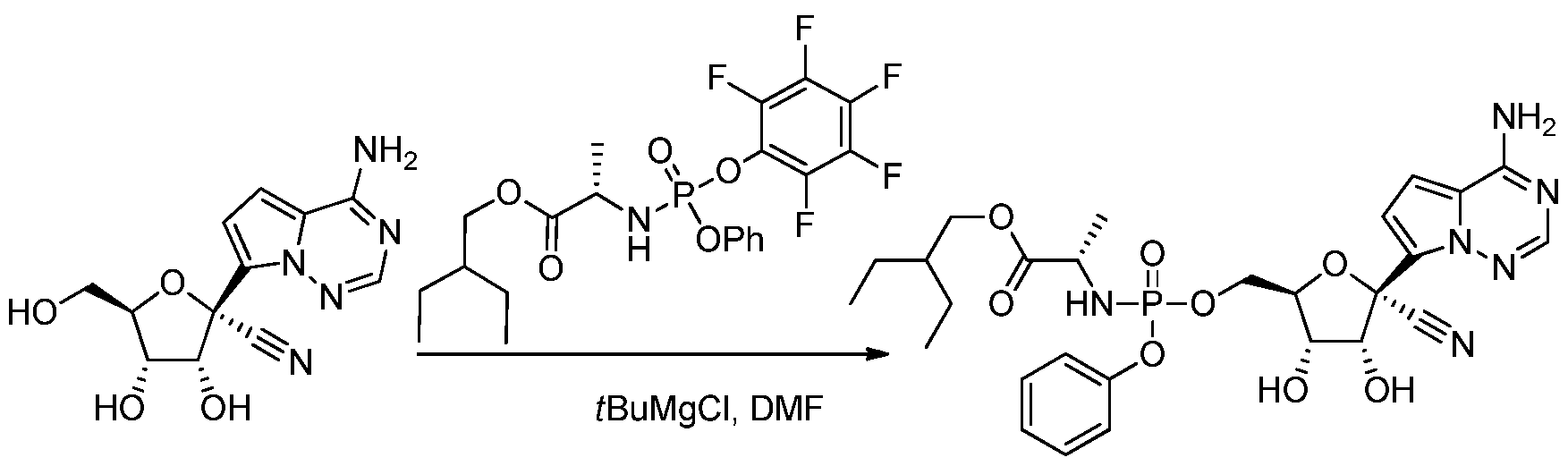
[0260] The nucleoside (29 mg, 0.1 mmol) and the phosphonamide (60 mg, 0.12 mmol) and N,N-dimethylformamide (2 mL) were combined at ambient temperature. 7¾ri-Butyl magnesiumchloride (1M in THF, 0.15 mL) was slowly added. After about lh, the reaction was diluted with ethyl acetate, washed with aqueous citric acid solution (5%wt.), aqueous saturated NaHC03 solution and saturated brine solution. The organic phase was dried over Na2S04 and concentrated under reduced pressure. The residue was purified by silica gel column chromatography using a gradient of methanol and CH2CI2 (0 to 5%). Product containing fractions were concentrated under reduced pressure to provide the product.
Preparation of (3aR,4R,6R,6aR)-4-(4-aminopyrrolor2, l-firi,2,41triazin-7-yl)-6- (hvdroxymethyl)-2,2-dimethyltetrahydrofuror3,4-diri,31dioxole-4-carbonitrile:

[0261] To a mixture of (2R,3R,4S,5R)-2-(4-aminopyrrolo[2, l-f] [l,2,4]triazin-7-yl)-3,4- dihydroxy-5-(hydroxymethyl)tetrahydrofuran-2-carbonitrile (5.8g, 0.02 mol), 2,2- dimethoxypropane (11.59 mL, 0.09 mol) and acetone (145 mL) at ambient temperature was added sulfuric acid (18M, 1.44 mL). The mixture was warmed to about 45 °C. After about 30 min, the mixture was cooled to ambient temperature and sodium bicarbonate (5.8 g) and water 5.8 mL) were added. After 15 min, the mixture was concentrated under reduced pressure. The residue was taken up in ethyl acetate (150 mL) and water (50 mL). The aqueous layer was extracted with ethyl acetate (2 x 50 mL). The combined organic phase was dried over sodium sulfate and concentrated under reduced pressure to give crude (2R,3R,4S,5R)-2-(4-aminopyrrolo[2, l-f] [l,2,4]triazin-7-yl)-3,4-dihydroxy-5- (hydroxymethyl)tetrahydrofuran-2-carbonitrile. !H NMR (400 MHz, CD3OD) δ 7.84 (s, 1H),
6.93 (d, / = 4.6 Hz, 1H), 6.89 (d, / = 4.6 Hz, 1H), 5.40 (d, / = 6.7 Hz, 1H), 5.00 (dd, / = 6.7, 3.3 Hz, 1H), 4.48 - 4.40 (m, 1H), 3.81 - 3.72 (m, 2H), 1.71 (s, 3H), 1.40 (s, 3H). MS m/z = 332.23 [M+l].
Preparation of (2S)-2-ethylbutyl 2-(((((2R,3S,4R,5R)-5-(4-aminopyrrolor2,l-firi,2,41triazin- 7-yl)-5-cvano-3,4-dihvdroxytetrahydrofuran-2- yl)methoxy)(phenoxy)phosphoryl)amino)propanoate:

[0262] Acetonitrile (100 mL) was combined with (2S)-2-ethylbutyl 2-(((4- nitrophenoxy)(phenoxy)phosphoryl)-amino)propanoate (9.6 g, 21.31 mmol), the substrate alcohol (6.6 g, 0.02 mol), magnesium chloride (1.9 g, 19.91 mmol) at ambient temperature. The mixture was agitated for about 15 min and N,N-diisopropylethylamine (8.67 mL, 49.78 mmol) was added. After about 4h, the reaction was diluted with ethyl acetate (100 mL), cooled to about 0 °C and combined with aqueous citric acid solution (5%wt., 100 mL). The organic phase was washed with aqueous citric acid solution (5%wt., 100 mL) and aqueous saturated ammonium chloride solution (40 mL), aqueous potassium carbonate solution
(10%wt., 2 x 100 mL), and aqueous saturated brine solution (100 mL). The organic phase was dried with sodium sulfate and concentrated under reduced pressure to provide crude product. !H NMR (400 MHz, CD3OD) δ 7.86 (s, 1H), 7.31 - 7.22 (m, 2H), 7.17 - 7.09 (m, 3H), 6.93 - 6.84 (m, 2H), 5.34 (d, / = 6.7 Hz, 1H), 4.98 (dd, / = 6.6, 3.5 Hz, 1H), 4.59 - 4.50 (m, 1H), 4.36 - 4.22 (m, 2H), 4.02 (dd, / = 10.9, 5.7 Hz, 1H), 3.91 (dd, / = 10.9, 5.7 Hz, 1H), 3.83 (dq, / = 9.7, 7.1 Hz, 1H), 1.70 (s, 3H), 1.50 - 1.41 (m, 1H), 1.39 (s, 3H), 1.36 - 1.21 (m, 7H), 0.86 (t, / = 7.4 Hz, 6H). MS m/z = 643.21 [M+l].
Preparation of (S)-2-ethylbutyl 2-(((S)-(((2R.3S.4R.5R)-5-(4-aminopyrrolor2.1- firi,2,41triazin-7-yl)-5-cvano-3,4-ditivdroxytetratiydrofuran-2- yl)methoxy)( henoxy)phosphoryl)amino)propanoate (Compound 32)

Compound 32
[0263] The crude acetonide (12.85 g) was combined with tetrahydrofuran (50 mL) and concentrated under reduced pressure. The residue was taken up in tetrahydrofuran (100 mL), cooled to about 0 °C and concentrated HC1 (20 mL) was slowly added. The mixture was allowed to warm to ambient temperature. After consumption of the starting acetonide as indicated by HPLC analysis, water (100 mL) was added followed by aqueous saturated sodium bicarbonate solution (200 mL). The mixture was extracted with ethyl acetate (100 mL), the organic phase washed with aqueous saturated brine solution (50 mL), dried over sodium sulfated and concentrated under reduced pressure. The residue was purified by silica gel column chromatography using a gradient of methanol and ethyl acetate (0 to 20%).
Product containing fractions were concentrated under reduced pressure to provide the product.
B. Antiviral Activity
[0264] Another aspect of the invention relates to methods of inhibiting viral infections, comprising the step of treating a sample or subject suspected of needing such inhibition with a composition of the invention.
[0265] Within the context of the invention samples suspected of containing a virus include natural or man-made materials such as living organisms; tissue or cell cultures; biological samples such as biological material samples (blood, serum, urine, cerebrospinal fluid, tears, sputum, saliva, tissue samples, and the like); laboratory samples; food, water, or air samples; bioproduct samples such as extracts of cells, particularly recombinant cells synthesizing a desired glycoprotein; and the like. Typically the sample will be suspected of containing an organism which induces a viral infection, frequently a pathogenic organism such as a tumor virus. Samples can be contained in any medium including water and organic solvent ater
mixtures. Samples include living organisms such as humans, and man made materials such as cell cultures.
[0266] If desired, the anti-virus activity of a compound of the invention after application of the composition can be observed by any method including direct and indirect methods of detecting such activity. Quantitative, qualitative, and semiquantitative methods of determining such activity are all contemplated. Typically one of the screening methods described above are applied, however, any other method such as observation of the physiological properties of a living organism are also applicable.
[0267] The antiviral activity of a compound of the invention can be measured using standard screening protocols that are known.
Example 6. Zika virus antiviral activity and cytotoxicity assays
[0268] Antiviral activity of Compound 32 was measured against Zika virus. Zika virus antiviral assays were conducted in Vero and Huh-7 cells. [0269] Vero E6 cells were seeded in 96-well plates at 10,000 cells per well. The next day, culture medium was replaced with the assay medium containing 3-fold serial dilutions of the compounds (ranging from 50 - 0.62 μΜ). ZIKV MR766 was added to the antiviral plates. Assay medium was added to tox plates. Cells were incubated for 7 days at 37 °C. Plates were processed by means of the ATPlite method, according to the manufacturer' s protocol (Perkin Elmer).
[0270] Huh-7 cells were seeded in 96 well plates at 6,000 cells per well. The next day, culture medium was discarded and cells were infected with ZIKV MR766. Cells were incubated for 2 hours at 37 °C and then rinsed using assay medium. Cells were further incubated in the presence of a 3-fold dilution (ranging from 50-0.076 μΜ) of the compounds at 37 °C. At day 4 post infection, supernatant was harvested and viral RNA load was determined by real-time quantitative RT=PCR (RT-qPCR).
[0271] Huh-7 cells were seeded in 96 well plates at 6,000 cells per well. The next day, culture medium was replaced with assay medium containing a serial dilution of the compound (ranging from 50 - 0.076 μΜ). Cells were incubated with compounds for 4 days at 37 °C, after which the cytotoxic/cytostatic effect of the compound was evaluated by means of the MTS/PMS method and by microscopic evaluation.
Table 2: Zika Antiviral Assays
Table 2: In Vitro Antiviral Activity of Compounds 9 and 32 against Flaviviridae
[0272] All publications, patents, and patent documents cited herein above are incorporated by reference herein, as though individually incorporated by reference.
[0273] The invention has been described with reference to various specific and preferred embodiments and techniques. However, one skilled in the art will understand that many variations and modifications may be made while remaining within the spirit and scope of the invention.
Claims
1. A method for treating a Flaviviridae infection in a human in need thereof comprising administering a therapeutically effective amount of a compound of Formula IV:

Formula IV
or a pharmaceutically acceptable salt , thereof;
wherein:
R 7 is selected from the group R 7 is selected from the group of a) H, -C(=0)Ru, -C(=0)ORn, -C(=0)NRnR12, -C(=0)SRn, -S(0)Ru, - S(0)2Ru, -S(0)(ORu), -S(0)2(ORn), or -S02NRnR12,
wherein
each R11 or R12 is independently H, (Ci-C8)alkyl, (C2-C8)alkenyl, (C2- C8)alkynyl, (C4-C8)carbocyclylalkyl, optionally substituted aryl, optionally substituted heteroaryl, -C(=0)(Ci-C8)alkyl, -S(0)n(Ci-
C8)alkyl or aryl(Ci-C8)alkyl; or R 11 and R 12 taken together with a nitrogen to which they are both attached form a 3 to 7 membered heterocyclic ring wherein any one carbon atom of said heterocyclic ring can optionally be replaced with -0-, -S- or -NRa-;
each Ra is independently H, (Ci-C8)alkyl, (C2-C8)alkenyl, (C2-C8)alkynyl, aryl(Ci-C8)alkyl, (C4-C8)carbocyclylalkyl, -C(=0)R, -C(=0)OR, - C(=0)NR2, -C(=0)SR, -S(0)R, -S(0)2R, -S(0)(OR), -S(0)2(OR), or -S02NR2;
wherein each R is independently H, (Ci-C8) alkyl, (Ci-C8) substituted alkyl, (C2-C8)alkenyl, (C2-C8) substituted alkenyl, (C2-C8) alkynyl, (C2-C8) substituted alkynyl, C6-C2o aryl, C6-C2o substituted aryl, C2-C2o heterocyclyl, C2-C2o substituted heterocyclyl, arylalkyl or substituted arylalkyl; and
wherein each (Ci-C8)alkyl, (C2-C8)alkenyl, (C2-C8)alkynyl or aryl(Ci-
C 11 12
8)alkyl of each R or R is, independently, optionally substituted with one or more halo, hydroxy, CN, N3, N(Ra)2 or ORa; and wherein one or more of the non-terminal carbon atoms of each said (Ci-C8)alkyl may be optionally replaced with -0-, -S- or -NRa-, and
b)

c) a group selected from:

Rc is selected from phenyl, 1-naphthyl, 2-naphthyl

Rel and Re2 are each independently H, Ci-C6 alkyl or benzyl;
R is selected from H, Ci-C8 alkyl, benzyl, C3-C6 cycloalkyl, and -
CH2-C3-C6 cycloalkyl;
Rg is selected from Ci-C8 alkyl, -O-Ci-Cg alkyl, benzyl, -O-benzyl,
-CH2-C3-C6 cycloalkyl, -0-CH2-C3-C6 cycloalkyl, and CF3; and
n' is selected from 1, 2, 3, and 4; and
a group of the formula:

wherein
Q is O, S, NR, +N(0)(R), N(OR), +N(0)(OR), or N-NR2;
Z1 and Z2, when taken together, are -Q1(C(Ry)2)3Q1-;
wherein
each Q1 is independently O, S, or NR; and
each Ry is independently H, F, CI, Br, I, OH, R, -C(=Q2)R, -
C(=Q2)OR, -C(=Q2)N(R)2, -N(R)2, -+N(R)3, -SR, -S(0)R, - S(0)2R, -S(0)(OR), -S(0)2(OR), -OC(=Q2)R, - OC(=Q2)OR, -OC(=Q2)(N(R)2), -SC(=Q2)R, -SC(=Q2)OR, -SC(=Q2)(N(R)2), -N(R)C(=Q2)R, -N(R)C(=Q2)OR, - N(R)C(=Q2)N(R)2, -S02NR2, -CN, -N3, -N02, -OR, or Z3; or when taken together, two Ry on the same carbon atom form a carbocyclic ring of 3 to 7 carbon atoms;
each Q2 is independently, O, S, NR, +N(0)(R), N(OR),
+N(0)(OR), or N-NR2;or
Z 1 and Z 2 are each, independently, a group of the Formula la:

Formula la
wherein:
each Q3 is independently a bond, O, CR2, NR, +N(0)(R), N(OR),
+N(0)(OR), N-NR2, S, S-S, S(O), or S(0)2; M2 is 0, 1 or 2;
each Rx is independently Ry or the formula:
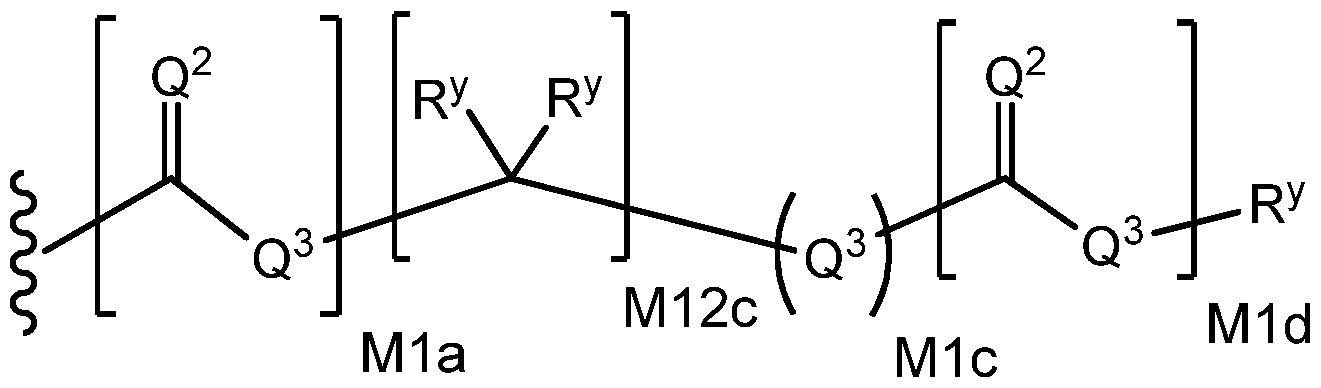
each Mia, Mlc, and Mid is independently 0 or 1;
M12c is 0, 1,
2, 3, 4, 5, 6, 7, 8, 9, 10, 11 or 12;
Z3 is Z4 or Z5;
Z4 is R, -C(Q2)Ry, -C(Q2)Z5, -S02Ry, or -S02Z5; and
Z5 is a carbocycle or a heterocycle wherein Z5 is
independently substituted with 0 to 3 Ry groups.
The method of claim 1 wherein the compound of Formula IV

or a pharmaceutically acceptable salt thereof.
3. The method of claim 1 wherein the compound of Formula IV is:

or a pharmaceutically acceptable salt thereof.
4. The method of claim 1 wherein the compound of Formula IV is:

or a pharmaceutically acceptable salt thereof.
5. The method of any of claims 1-5 wherein the Flaviviridae infection is caused by a Flaviviridae virus.
6. The method of any of claims 1-5 wherein the Flaviviridae infection is caused by a Zika virus.
7. The method of any of claims 1-5 wherein a Flaviviridae polymerase is inhibited.
8. A compound as described in any of claims 1-5, or a pharmaceutically acceptable salt thereof, for use in treating a Flaviviridae virus unfection in a human.
9. A compound as described in any of claims 1-5, or a pharmaceutically acceptable salt thereof, for use in treating a Zika virus unfection in a human.
10. The use of a compound as described in any of claims 1-5, or a pharmaceutically acceptable salt thereof, for use in the preparation of a medicament useful in treating a Flaviviridae virus infection in a human.
11. A kit comprising one or more individual dosage units of a compound selected from those described in claims 1-5, or a pharmaceutically acceptable salt, ester, stereoisomer, hydrate, solvate, mixture of stereoisomers, or tautomer thereof, and directions for their use in treating a Flaviviridae viral infection in a human.
Applications Claiming Priority (2)
| Application Number | Priority Date | Filing Date | Title |
|---|---|---|---|
| US201662325419P | 2016-04-20 | 2016-04-20 | |
| US62/325419 | 2016-04-20 |
Publications (1)
| Publication Number | Publication Date |
|---|---|
| WO2017184668A1 true WO2017184668A1 (en) | 2017-10-26 |
Family
ID=58664793
Family Applications (1)
| Application Number | Title | Priority Date | Filing Date |
|---|---|---|---|
| PCT/US2017/028243 Ceased WO2017184668A1 (en) | 2016-04-20 | 2017-04-19 | Methods for treating flaviviridae virus infections |
Country Status (1)
| Country | Link |
|---|---|
| WO (1) | WO2017184668A1 (en) |
Cited By (46)
| Publication number | Priority date | Publication date | Assignee | Title |
|---|---|---|---|---|
| US20180346504A1 (en) * | 2017-05-01 | 2018-12-06 | Gilead Sciences, Inc. | Crystalline forms of (s)-2-ethylbutyl 2-(((s)-(((2r,3s,4r,5r)-5- (4-aminopyrrolo[2,1-f] [1,2,4]triazin-7-yl)-5-cyano-3,4-dihydroxytetrahydrofuran-2-yl)methoxy) (phenoxy) phosphoryl)amino)propanoate |
| WO2019014247A1 (en) | 2017-07-11 | 2019-01-17 | Gilead Sciences, Inc. | Compositions comprising an rna polymerase inhibitor and cyclodextrin for treating viral infections |
| WO2019113462A1 (en) | 2017-12-07 | 2019-06-13 | Emory University | N4-hydroxycytidine and derivatives and anti-viral uses related thereto |
| CN111233870A (en) * | 2020-03-11 | 2020-06-05 | 中国科学技术大学 | Method for rapidly preparing remdesivir pharmaceutical intermediates |
| CN111269248A (en) * | 2020-03-05 | 2020-06-12 | 江苏福瑞康泰药业有限公司 | Novel method for recovering nucleoside phosphoramidate medicine mother liquor |
| US10682368B2 (en) | 2017-03-14 | 2020-06-16 | Gilead Sciences, Inc. | Methods of treating feline coronavirus infections |
| US10695357B2 (en) | 2014-10-29 | 2020-06-30 | Gilead Sciences, Inc. | Methods for treating filoviridae virus infections |
| US10696679B2 (en) | 2010-07-22 | 2020-06-30 | Gilead Sciences, Inc. | Methods and compounds for treating paramyxoviridae virus infections |
| US10695361B2 (en) | 2015-09-16 | 2020-06-30 | Gilead Sciences, Inc. | Methods for treating arenaviridae and coronaviridae virus infections |
| CN111909153A (en) * | 2020-04-16 | 2020-11-10 | 山东鲁西药业有限公司 | Synthesis process of 7-iodopyrrolo [2,1-F ] [1,2,4] triazin-4-amine |
| US10988498B2 (en) | 2009-09-21 | 2021-04-27 | Gilead Sciences, Inc. | Processes and intermediates for the preparation of 1′-substituted carba-nucleoside analogs |
| CN113004330A (en) * | 2020-08-22 | 2021-06-22 | 齐鲁制药有限公司 | Preparation method of high-purity Reidesvir |
| WO2021168930A1 (en) * | 2020-02-25 | 2021-09-02 | 顾世海 | Tablet of remdesivir and preparation method therefor |
| CN113336758A (en) * | 2020-03-03 | 2021-09-03 | 北京桦冠医药科技有限公司 | Novel synthesis method of compound 7-iodopyrrolo [2,1-f ] [1,2,4] triazin-4-amine |
| WO2021194927A1 (en) * | 2020-03-22 | 2021-09-30 | Tlc Biopharmaceuticals, Inc. | Composition of antiviral agent for use in prophylactic or post-exposure treatment of infectious or respiratory diseases |
| CN113493480A (en) * | 2020-04-03 | 2021-10-12 | 南京正大天晴制药有限公司 | Preparation and analysis method of Reidesciclovir isomer |
| WO2021207049A1 (en) | 2020-04-06 | 2021-10-14 | Gilead Sciences, Inc. | Inhalation formulations of 1'-cyano substituted carbanucleoside analogs |
| WO2021209563A1 (en) | 2020-04-16 | 2021-10-21 | Som Innovation Biotech, S.A. | Compounds for use in the treatment of viral infections by respiratory syndrome-related coronavirus |
| CN113637041A (en) * | 2020-05-11 | 2021-11-12 | 上海科胜药物研发有限公司 | Preparation method of ribonucleoside |
| WO2021243157A1 (en) | 2020-05-29 | 2021-12-02 | Gilead Sciences, Inc. | Remdesivir treatment methods |
| CN113735903A (en) * | 2021-11-05 | 2021-12-03 | 山东诚创蓝海医药科技有限公司 | Synthesis method of Reidesciclovir |
| CN113754665A (en) * | 2020-12-30 | 2021-12-07 | 南方科技大学 | A kind of preparation method of nucleoside compound |
| WO2022047065A3 (en) * | 2020-08-27 | 2022-04-07 | Gilead Sciences, Inc. | Compounds and methods for treatment of viral infections |
| CN114524845A (en) * | 2020-11-23 | 2022-05-24 | 广东东阳光药业有限公司 | Eutectic of Reidesciclovir and salicylic acid and preparation method thereof |
| CN114524846A (en) * | 2020-11-23 | 2022-05-24 | 广东东阳光药业有限公司 | Ruidexiwei p-toluenesulfonate and preparation method thereof |
| CN114539339A (en) * | 2020-11-24 | 2022-05-27 | 广东东阳光药业有限公司 | Ruideciclovir oxalate and preparation method thereof |
| CN114591366A (en) * | 2020-12-07 | 2022-06-07 | 广东东阳光药业有限公司 | Co-crystal of Remdesivir and preparation method thereof |
| WO2022251318A1 (en) | 2021-05-26 | 2022-12-01 | Gilead Sciences, Inc. | Phospholipid formulations of 1'-cyano substituted carba-nucleoside analogs |
| US11613553B2 (en) | 2020-03-12 | 2023-03-28 | Gilead Sciences, Inc. | Methods of preparing 1′-cyano nucleosides |
| US11628181B2 (en) | 2014-12-26 | 2023-04-18 | Emory University | N4-hydroxycytidine and derivatives and anti-viral uses related thereto |
| US11655255B2 (en) | 2022-10-17 | 2023-05-23 | Sph No.1 Biochemical & Pharmaceutical Co., Ltd. | Method for catalytic asymmetric synthesis of phosphorus-stereogenic (P-stereogenic) nucleoside derivative and catalyst used therein |
| US11660307B2 (en) | 2020-01-27 | 2023-05-30 | Gilead Sciences, Inc. | Methods for treating SARS CoV-2 infections |
| WO2023118896A1 (en) | 2021-12-23 | 2023-06-29 | Subintro Limited | Novel antiviral compositions comprising oleic acid |
| US11697666B2 (en) | 2021-04-16 | 2023-07-11 | Gilead Sciences, Inc. | Methods of preparing carbanucleosides using amides |
| WO2023167938A1 (en) * | 2022-03-02 | 2023-09-07 | Gilead Sciences, Inc. | Compounds and methods for treatment of viral infections |
| WO2023167944A1 (en) * | 2022-03-02 | 2023-09-07 | Gilead Sciences, Inc. | Compounds and methods for treatment of viral infections |
| US11767337B2 (en) | 2020-02-18 | 2023-09-26 | Gilead Sciences, Inc. | Antiviral compounds |
| US11939347B2 (en) | 2020-06-24 | 2024-03-26 | Gilead Sciences, Inc. | 1′-cyano nucleoside analogs and uses thereof |
| US12030903B2 (en) | 2020-02-18 | 2024-07-09 | Gilead Sciences, Inc. | Antiviral compounds |
| US12054507B2 (en) | 2020-02-18 | 2024-08-06 | Gilead Sciences, Inc. | Antiviral compounds |
| EP4188936A4 (en) * | 2020-07-28 | 2024-08-21 | Apotex Inc. | NEW REMDESIVIR SALTS |
| US12116380B2 (en) | 2021-08-18 | 2024-10-15 | Gilead Sciences, Inc. | Phospholipid compounds and methods of making and using the same |
| WO2024231704A1 (en) | 2023-05-09 | 2024-11-14 | RotaChrom Technológiai Zrt. | Method for the separation of phosphorus stereoisomers of remdesivir using liquid-liquid chromatography |
| US12357577B1 (en) | 2024-02-02 | 2025-07-15 | Gilead Sciences, Inc. | Pharmaceutical formulations and uses thereof |
| US12558364B2 (en) | 2021-01-20 | 2026-02-24 | Regents Of The University Of Minnesota | Next generation remdesivir antivirals |
| TWI924486B (en) | 2020-04-06 | 2026-05-01 | 美商基利科學股份有限公司 | Inhalation formulations of 1'-cyano substituted carba-nucleoside analogs |
Citations (2)
| Publication number | Priority date | Publication date | Assignee | Title |
|---|---|---|---|---|
| WO2009132135A1 (en) * | 2008-04-23 | 2009-10-29 | Gilead Sciences, Inc. | 1' -substituted carba-nucleoside analogs for antiviral treatment |
| WO2012012776A1 (en) | 2010-07-22 | 2012-01-26 | Gilead Sciences, Inc. | Methods and compounds for treating paramyxoviridae virus infections |
-
2017
- 2017-04-19 WO PCT/US2017/028243 patent/WO2017184668A1/en not_active Ceased
Patent Citations (4)
| Publication number | Priority date | Publication date | Assignee | Title |
|---|---|---|---|---|
| WO2009132135A1 (en) * | 2008-04-23 | 2009-10-29 | Gilead Sciences, Inc. | 1' -substituted carba-nucleoside analogs for antiviral treatment |
| US8008264B2 (en) | 2008-04-23 | 2011-08-30 | Gilead Sciences, Inc. | 1′-substituted carba-nucleoside analogs for antiviral treatment |
| WO2012012776A1 (en) | 2010-07-22 | 2012-01-26 | Gilead Sciences, Inc. | Methods and compounds for treating paramyxoviridae virus infections |
| US20120027752A1 (en) | 2010-07-22 | 2012-02-02 | Gilead Sciences, Inc. | Methods and compounds for treating paramyxoviridae virus infections |
Non-Patent Citations (12)
| Title |
|---|
| "Handbook of Pharmaceutical Excipients", 1986 |
| "McGraw-Hill Dictionary of Chemical Terms", 1984, MCGRAW-HILL BOOK COMPANY |
| "Remington's Pharmaceutical Sciences", MACK PUBLISHING CO. |
| "The Chemistry of Heterocyclic Compounds. A Series of Monographs", vol. 13, 14,, 1950, JOHN WILEY & SONS |
| CALISHER ET AL., J. GEN. VIROL., vol. 70, 1993, pages 37 - 43 |
| ELIEL, E.; WILEN, S.: "Stereochemistry of Organic Compounds", 1994, JOHN WILEY & SONS, INC. |
| FOSTER: "Deuterium Isotope Effects in Studies of Drug Metabolism", TRENDS PHARMACOL. SCI., vol. 5, no. 12, 1984, pages 524 - 527, XP025943358, DOI: doi:10.1016/0165-6147(84)90534-0 |
| J. AM. CHEM. SOC., vol. 82, 1960, pages 5566 |
| MOENNIG, V. ET AL., ADV. VIR. RES., vol. 48, 1992, pages 53 - 98 |
| PAQUETTE, LEO A.: "Principles of Modern Heterocyclic Chemistry", 1968, W.A. BENJAMIN |
| PETER G. M. WUTS; THEODORA W. GREENE: "Protective Groups in Organic Chemistry", 2006 |
| THEODORA W. GREENE: "Protective Groups in Organic Chemistry", 1991, JOHN WILEY & SONS, INC |
Cited By (106)
| Publication number | Priority date | Publication date | Assignee | Title |
|---|---|---|---|---|
| US10988498B2 (en) | 2009-09-21 | 2021-04-27 | Gilead Sciences, Inc. | Processes and intermediates for the preparation of 1′-substituted carba-nucleoside analogs |
| US10696679B2 (en) | 2010-07-22 | 2020-06-30 | Gilead Sciences, Inc. | Methods and compounds for treating paramyxoviridae virus infections |
| US12509466B2 (en) | 2010-07-22 | 2025-12-30 | Gilead Sciences, Inc. | Methods and compounds for treating paramyxoviridae virus infections |
| US11492353B2 (en) | 2010-07-22 | 2022-11-08 | Gilead Sciences, Inc. | Methods and compounds for treating Paramyxoviridae virus infections |
| US10695357B2 (en) | 2014-10-29 | 2020-06-30 | Gilead Sciences, Inc. | Methods for treating filoviridae virus infections |
| US11266666B2 (en) | 2014-10-29 | 2022-03-08 | Gilead Sciences, Inc. | Methods for treating Filoviridae virus infections |
| US11344565B2 (en) | 2014-10-29 | 2022-05-31 | Gilead Sciences, Inc. | Methods for the preparation of ribosides |
| US11628181B2 (en) | 2014-12-26 | 2023-04-18 | Emory University | N4-hydroxycytidine and derivatives and anti-viral uses related thereto |
| US12551497B2 (en) | 2014-12-26 | 2026-02-17 | Emory University | N4-hydroxycytidine and derivatives and anti-viral uses related thereto |
| US10695361B2 (en) | 2015-09-16 | 2020-06-30 | Gilead Sciences, Inc. | Methods for treating arenaviridae and coronaviridae virus infections |
| US11382926B2 (en) | 2015-09-16 | 2022-07-12 | Gilead Sciences, Inc. | Methods for treating Arenaviridae and Coronaviridae virus infections |
| US11007208B2 (en) | 2015-09-16 | 2021-05-18 | Gilead Sciences, Inc. | Methods for treating arenaviridae and coronaviridae virus infections |
| US10682368B2 (en) | 2017-03-14 | 2020-06-16 | Gilead Sciences, Inc. | Methods of treating feline coronavirus infections |
| US11260070B2 (en) | 2017-03-14 | 2022-03-01 | Gilead Sciences, Inc. | Methods of treating feline coronavirus infections |
| US10836787B2 (en) * | 2017-05-01 | 2020-11-17 | Gilead Sciences, Inc. | Crystalline forms of (S)-2-ethylbutyl 2-(((S)-(((2R,3S,4R,5R)-5- (4-aminopyrrolo[2,1-f] [1,2,4]triazin-7-yl)-5-cyano-3,4-dihydroxytetrahydrofuran-2-yl)methoxy)(phenoxy) phosphoryl)amino)propanoate |
| US12030906B2 (en) | 2017-05-01 | 2024-07-09 | Gilead Sciences, Inc. | Crystalline forms of (s)-2-ethylbutyl 2-(((s)-(((2r,3s,4r,5r)-5-(4-aminopyrrolo[2,1-f] [1,2,4]triazin-7-yl)-5-cyano-3,4-dihydroxytetrahydrofuran-2-yl)methoxy) (phenoxy) phosphoryl)amino)propanoate |
| US11597742B2 (en) | 2017-05-01 | 2023-03-07 | Gilead Sciences, Inc. | Crystalline forms of (S)-2-ethylbutyl 2-(((S)-(((2R,3S,4R,5R)-5-(4-aminopyrrolo[2,1-f] [1,2,4]triazin-7-yl)-5-cyano-3,4-dihydroxytetrahydrofuran-2-yl)methoxy) (phenoxy) phosphoryl)amino)propanoate |
| US20180346504A1 (en) * | 2017-05-01 | 2018-12-06 | Gilead Sciences, Inc. | Crystalline forms of (s)-2-ethylbutyl 2-(((s)-(((2r,3s,4r,5r)-5- (4-aminopyrrolo[2,1-f] [1,2,4]triazin-7-yl)-5-cyano-3,4-dihydroxytetrahydrofuran-2-yl)methoxy) (phenoxy) phosphoryl)amino)propanoate |
| EP4512475A2 (en) | 2017-07-11 | 2025-02-26 | Gilead Sciences, Inc. | Compositions comprising an rna polymerase inhibitor and cyclodextrin for treating viral infections |
| US11975017B2 (en) | 2017-07-11 | 2024-05-07 | Gilead Sciences, Inc. | Compositions comprising an RNA polymerase inhibitor and cyclodextrin for treating viral infections |
| US10675296B2 (en) | 2017-07-11 | 2020-06-09 | Gilead Sciences, Inc. | Compositions comprising an RNA polymerase inhibitor and cyclodextrin for treating viral infections |
| US11266681B2 (en) | 2017-07-11 | 2022-03-08 | Gilead Sciences, Inc. | Compositions comprising an RNA polymerase inhibitor and cyclodextrin for treating viral infections |
| WO2019014247A1 (en) | 2017-07-11 | 2019-01-17 | Gilead Sciences, Inc. | Compositions comprising an rna polymerase inhibitor and cyclodextrin for treating viral infections |
| US12329770B2 (en) | 2017-12-07 | 2025-06-17 | Emory University | N4-hydroxycytidine and derivatives and anti-viral uses related thereto |
| WO2019113462A1 (en) | 2017-12-07 | 2019-06-13 | Emory University | N4-hydroxycytidine and derivatives and anti-viral uses related thereto |
| US11903959B2 (en) | 2017-12-07 | 2024-02-20 | Emory University | N4-hydroxycytidine and derivatives and anti-viral uses related thereto |
| EP4491232A2 (en) | 2017-12-07 | 2025-01-15 | Emory University | N4-hydroxycytidine and derivatives and anti-viral uses related thereto |
| US11331331B2 (en) | 2017-12-07 | 2022-05-17 | Emory University | N4-hydroxycytidine and derivatives and anti-viral uses related thereto |
| US11660307B2 (en) | 2020-01-27 | 2023-05-30 | Gilead Sciences, Inc. | Methods for treating SARS CoV-2 infections |
| US12264173B2 (en) | 2020-02-18 | 2025-04-01 | Gilead Sciences, Inc. | Antiviral compounds |
| US11767337B2 (en) | 2020-02-18 | 2023-09-26 | Gilead Sciences, Inc. | Antiviral compounds |
| US12054507B2 (en) | 2020-02-18 | 2024-08-06 | Gilead Sciences, Inc. | Antiviral compounds |
| US12030903B2 (en) | 2020-02-18 | 2024-07-09 | Gilead Sciences, Inc. | Antiviral compounds |
| WO2021168930A1 (en) * | 2020-02-25 | 2021-09-02 | 顾世海 | Tablet of remdesivir and preparation method therefor |
| CN113336758A (en) * | 2020-03-03 | 2021-09-03 | 北京桦冠医药科技有限公司 | Novel synthesis method of compound 7-iodopyrrolo [2,1-f ] [1,2,4] triazin-4-amine |
| CN113336758B (en) * | 2020-03-03 | 2022-08-19 | 北京桦冠医药科技有限公司 | Novel synthesis method of compound 7-iodopyrrolo [2, 1-f ] [1, 2, 4] triazin-4-amine |
| CN111269248A (en) * | 2020-03-05 | 2020-06-12 | 江苏福瑞康泰药业有限公司 | Novel method for recovering nucleoside phosphoramidate medicine mother liquor |
| CN111233870A (en) * | 2020-03-11 | 2020-06-05 | 中国科学技术大学 | Method for rapidly preparing remdesivir pharmaceutical intermediates |
| US12012431B2 (en) | 2020-03-12 | 2024-06-18 | Gilead Sciences, Inc. | Methods of preparing 1′-cyano nucleosides |
| US11613553B2 (en) | 2020-03-12 | 2023-03-28 | Gilead Sciences, Inc. | Methods of preparing 1′-cyano nucleosides |
| WO2021194927A1 (en) * | 2020-03-22 | 2021-09-30 | Tlc Biopharmaceuticals, Inc. | Composition of antiviral agent for use in prophylactic or post-exposure treatment of infectious or respiratory diseases |
| CN113493480B (en) * | 2020-04-03 | 2025-04-15 | 南京正大天晴制药有限公司 | A preparation method of a remdesivir isomer and its analysis method |
| CN113493480A (en) * | 2020-04-03 | 2021-10-12 | 南京正大天晴制药有限公司 | Preparation and analysis method of Reidesciclovir isomer |
| CN115362004A (en) * | 2020-04-06 | 2022-11-18 | 吉利德科学公司 | Inhalation formulations of 1' -cyano-substituted carbon nucleoside analogs |
| TWI924486B (en) | 2020-04-06 | 2026-05-01 | 美商基利科學股份有限公司 | Inhalation formulations of 1'-cyano substituted carba-nucleoside analogs |
| WO2021207049A1 (en) | 2020-04-06 | 2021-10-14 | Gilead Sciences, Inc. | Inhalation formulations of 1'-cyano substituted carbanucleoside analogs |
| KR20220164784A (en) * | 2020-04-06 | 2022-12-13 | 길리애드 사이언시즈, 인코포레이티드 | Inhalation Formulations of 1′-Cyano Substituted Carbanucleoside Analogues |
| CN115362004B (en) * | 2020-04-06 | 2026-01-09 | 吉利德科学公司 | Inhaled formulations of 1'-cyano-substituted carbon nucleoside analogs |
| JP2023521051A (en) * | 2020-04-06 | 2023-05-23 | ギリアード サイエンシーズ, インコーポレイテッド | Inhalation Formulations of 1'-Cyano-Substituted Carbanucleoside Analogues |
| TWI796665B (en) * | 2020-04-06 | 2023-03-21 | 美商基利科學股份有限公司 | Inhalation formulations of 1'-cyano substituted carba-nucleoside analogs |
| KR102906891B1 (en) * | 2020-04-06 | 2026-01-05 | 길리애드 사이언시즈, 인코포레이티드 | Inhalation formulations of 1'-cyano substituted carbanucleoside analogues |
| TWI900825B (en) * | 2020-04-06 | 2025-10-11 | 美商基利科學股份有限公司 | Inhalation formulations of 1'-cyano substituted carba-nucleoside analogs |
| US11701372B2 (en) | 2020-04-06 | 2023-07-18 | Gilead Sciences, Inc. | Inhalation formulations of 1'-cyano substituted carba-nucleoside analogs |
| JP7482250B2 (en) | 2020-04-06 | 2024-05-13 | ギリアード サイエンシーズ, インコーポレイテッド | Inhalation formulations of 1'-cyano substituted carbanucleoside analogs |
| WO2021209563A1 (en) | 2020-04-16 | 2021-10-21 | Som Innovation Biotech, S.A. | Compounds for use in the treatment of viral infections by respiratory syndrome-related coronavirus |
| CN111909153A (en) * | 2020-04-16 | 2020-11-10 | 山东鲁西药业有限公司 | Synthesis process of 7-iodopyrrolo [2,1-F ] [1,2,4] triazin-4-amine |
| CN113637041A (en) * | 2020-05-11 | 2021-11-12 | 上海科胜药物研发有限公司 | Preparation method of ribonucleoside |
| CN113637041B (en) * | 2020-05-11 | 2024-02-27 | 上海科胜药物研发有限公司 | Preparation method of ribonucleoside |
| WO2021243157A1 (en) | 2020-05-29 | 2021-12-02 | Gilead Sciences, Inc. | Remdesivir treatment methods |
| US11491169B2 (en) | 2020-05-29 | 2022-11-08 | Gilead Sciences, Inc. | Remdesivir treatment methods |
| US11975012B2 (en) | 2020-05-29 | 2024-05-07 | Gilead Sciences, Inc. | Remdesivir treatment methods |
| US11903953B2 (en) | 2020-05-29 | 2024-02-20 | Gilead Sciences, Inc. | Remdesivir treatment methods |
| US12404289B2 (en) | 2020-06-24 | 2025-09-02 | Gilead Sciences, Inc. | 1′-cyano nucleoside analogs and uses thereof |
| US11939347B2 (en) | 2020-06-24 | 2024-03-26 | Gilead Sciences, Inc. | 1′-cyano nucleoside analogs and uses thereof |
| EP4188936A4 (en) * | 2020-07-28 | 2024-08-21 | Apotex Inc. | NEW REMDESIVIR SALTS |
| CN113004330A (en) * | 2020-08-22 | 2021-06-22 | 齐鲁制药有限公司 | Preparation method of high-purity Reidesvir |
| CN116568688A (en) * | 2020-08-27 | 2023-08-08 | 吉利德科学公司 | Compounds and methods for treating viral infections |
| TWI857241B (en) * | 2020-08-27 | 2024-10-01 | 美商基利科學股份有限公司 | Compounds and methods for treatment of viral infections |
| AU2021331214A9 (en) * | 2020-08-27 | 2024-02-08 | Gilead Sciences, Inc. | Compounds and methods for treatment of viral infections |
| AU2021331214B2 (en) * | 2020-08-27 | 2024-01-04 | Gilead Sciences, Inc. | Compounds and methods for treatment of viral infections |
| US11926645B2 (en) | 2020-08-27 | 2024-03-12 | Gilead Sciences, Inc. | Compounds and methods for treatment of viral infections |
| KR102833881B1 (en) | 2020-08-27 | 2025-07-15 | 길리애드 사이언시즈, 인코포레이티드 | Compounds and methods for treating viral infections |
| US11814406B2 (en) | 2020-08-27 | 2023-11-14 | Gilead Sciences, Inc. | Compounds and methods for treatment of viral infections |
| KR20230057411A (en) * | 2020-08-27 | 2023-04-28 | 길리애드 사이언시즈, 인코포레이티드 | Compounds and methods for treating viral infections |
| JP2023540225A (en) * | 2020-08-27 | 2023-09-22 | ギリアード サイエンシーズ, インコーポレイテッド | Compounds and methods for the treatment of viral infections |
| JP2024178294A (en) * | 2020-08-27 | 2024-12-24 | ギリアード サイエンシーズ, インコーポレイテッド | Compounds and methods for the treatment of viral infections |
| WO2022047065A3 (en) * | 2020-08-27 | 2022-04-07 | Gilead Sciences, Inc. | Compounds and methods for treatment of viral infections |
| EP4424372A3 (en) * | 2020-08-27 | 2024-12-18 | Gilead Sciences, Inc. | Compounds and methods for treatment of viral infections |
| JP7560659B2 (en) | 2020-08-27 | 2024-10-02 | ギリアード サイエンシーズ, インコーポレイテッド | Compounds and methods for the treatment of viral infections |
| US12297226B2 (en) | 2020-08-27 | 2025-05-13 | Gilead Sciences, Inc. | Compounds and methods for treatment of viral infections |
| CN114524845A (en) * | 2020-11-23 | 2022-05-24 | 广东东阳光药业有限公司 | Eutectic of Reidesciclovir and salicylic acid and preparation method thereof |
| CN114524845B (en) * | 2020-11-23 | 2025-10-21 | 广东东阳光药业股份有限公司 | Co-crystal of remdesivir and salicylic acid and preparation method thereof |
| CN114524846A (en) * | 2020-11-23 | 2022-05-24 | 广东东阳光药业有限公司 | Ruidexiwei p-toluenesulfonate and preparation method thereof |
| CN114539339A (en) * | 2020-11-24 | 2022-05-27 | 广东东阳光药业有限公司 | Ruideciclovir oxalate and preparation method thereof |
| CN114591366A (en) * | 2020-12-07 | 2022-06-07 | 广东东阳光药业有限公司 | Co-crystal of Remdesivir and preparation method thereof |
| CN114591366B (en) * | 2020-12-07 | 2025-11-18 | 广东东阳光药业股份有限公司 | Remdesivir eutectic and its preparation method |
| CN113754665A (en) * | 2020-12-30 | 2021-12-07 | 南方科技大学 | A kind of preparation method of nucleoside compound |
| US12558364B2 (en) | 2021-01-20 | 2026-02-24 | Regents Of The University Of Minnesota | Next generation remdesivir antivirals |
| US12629387B2 (en) | 2021-03-22 | 2026-05-19 | Inspirmed Corp. | Composition of antiviral agent for use in prophylactic or post-exposure treatment of infectious or respiratory diseases |
| US11697666B2 (en) | 2021-04-16 | 2023-07-11 | Gilead Sciences, Inc. | Methods of preparing carbanucleosides using amides |
| WO2022251318A1 (en) | 2021-05-26 | 2022-12-01 | Gilead Sciences, Inc. | Phospholipid formulations of 1'-cyano substituted carba-nucleoside analogs |
| US12427150B2 (en) | 2021-05-26 | 2025-09-30 | Gilead Sciences, Inc. | Phospholipid formulations of 1′-cyano substituted carba-nucleoside analogs |
| US12116380B2 (en) | 2021-08-18 | 2024-10-15 | Gilead Sciences, Inc. | Phospholipid compounds and methods of making and using the same |
| CN113735903A (en) * | 2021-11-05 | 2021-12-03 | 山东诚创蓝海医药科技有限公司 | Synthesis method of Reidesciclovir |
| WO2023118896A1 (en) | 2021-12-23 | 2023-06-29 | Subintro Limited | Novel antiviral compositions comprising oleic acid |
| US12448383B2 (en) | 2022-03-02 | 2025-10-21 | Gilead Sciences, Inc. | Compounds and methods for treatment of viral infections |
| TWI878811B (en) * | 2022-03-02 | 2025-04-01 | 美商基利科學股份有限公司 | Compounds and methods for treatment of viral infections |
| US12180217B2 (en) | 2022-03-02 | 2024-12-31 | Gilead Sciences, Inc. | Compounds and methods for treatment of viral infections |
| WO2023167938A1 (en) * | 2022-03-02 | 2023-09-07 | Gilead Sciences, Inc. | Compounds and methods for treatment of viral infections |
| WO2023167944A1 (en) * | 2022-03-02 | 2023-09-07 | Gilead Sciences, Inc. | Compounds and methods for treatment of viral infections |
| US11780844B2 (en) | 2022-03-02 | 2023-10-10 | Gilead Sciences, Inc. | Compounds and methods for treatment of viral infections |
| US11845755B2 (en) | 2022-03-02 | 2023-12-19 | Gilead Sciences, Inc. | Compounds and methods for treatment of viral infections |
| US11851438B2 (en) | 2022-03-02 | 2023-12-26 | Gilead Sciences, Inc. | 1′-cyano nucleoside analogs and methods for treatment of viral infections |
| US11655255B2 (en) | 2022-10-17 | 2023-05-23 | Sph No.1 Biochemical & Pharmaceutical Co., Ltd. | Method for catalytic asymmetric synthesis of phosphorus-stereogenic (P-stereogenic) nucleoside derivative and catalyst used therein |
| WO2024231704A1 (en) | 2023-05-09 | 2024-11-14 | RotaChrom Technológiai Zrt. | Method for the separation of phosphorus stereoisomers of remdesivir using liquid-liquid chromatography |
| US12357577B1 (en) | 2024-02-02 | 2025-07-15 | Gilead Sciences, Inc. | Pharmaceutical formulations and uses thereof |
Similar Documents
| Publication | Publication Date | Title |
|---|---|---|
| AU2023200990B2 (en) | Methods for treating Arenaviridae and Coronaviridae virus infections | |
| US11266666B2 (en) | Methods for treating Filoviridae virus infections | |
| CN118766947A (en) | Methods for treating SARS CoV-2 infection | |
| HK40128819A (en) | Methods for treating filoviridae virus infections | |
| HK40084540A (en) | Methods for treating coronaviridae virus infections | |
| HK40035367A (en) | A remdesivir compound for use in treating nipah virus infections | |
| HK1259657A1 (en) | Methods for treating filoviridae virus infections | |
| HK40049221A (en) | Methods for treating coronaviridae infections | |
| HK40049221B (en) | Methods for treating coronaviridae infections |
Legal Events
| Date | Code | Title | Description |
|---|---|---|---|
| NENP | Non-entry into the national phase |
Ref country code: DE |
|
| 121 | Ep: the epo has been informed by wipo that ep was designated in this application |
Ref document number: 17720929 Country of ref document: EP Kind code of ref document: A1 |
|
| 122 | Ep: pct application non-entry in european phase |
Ref document number: 17720929 Country of ref document: EP Kind code of ref document: A1 |