WO2017181652A1 - 一种动态节目单生成方法及系统 - Google Patents
一种动态节目单生成方法及系统 Download PDFInfo
- Publication number
- WO2017181652A1 WO2017181652A1 PCT/CN2016/104619 CN2016104619W WO2017181652A1 WO 2017181652 A1 WO2017181652 A1 WO 2017181652A1 CN 2016104619 W CN2016104619 W CN 2016104619W WO 2017181652 A1 WO2017181652 A1 WO 2017181652A1
- Authority
- WO
- WIPO (PCT)
- Prior art keywords
- video
- player
- program
- program list
- video item
- Prior art date
- Legal status (The legal status is an assumption and is not a legal conclusion. Google has not performed a legal analysis and makes no representation as to the accuracy of the status listed.)
- Ceased
Links
Images


Classifications
-
- H—ELECTRICITY
- H04—ELECTRIC COMMUNICATION TECHNIQUE
- H04N—PICTORIAL COMMUNICATION, e.g. TELEVISION
- H04N21/00—Selective content distribution, e.g. interactive television or video on demand [VOD]
- H04N21/40—Client devices specifically adapted for the reception of or interaction with content, e.g. set-top-box [STB]; Operations thereof
- H04N21/43—Processing of content or additional data, e.g. demultiplexing additional data from a digital video stream; Elementary client operations, e.g. monitoring of home network or synchronising decoder's clock; Client middleware
- H04N21/431—Generation of visual interfaces for content selection or interaction; Content or additional data rendering
-
- H—ELECTRICITY
- H04—ELECTRIC COMMUNICATION TECHNIQUE
- H04N—PICTORIAL COMMUNICATION, e.g. TELEVISION
- H04N21/00—Selective content distribution, e.g. interactive television or video on demand [VOD]
- H04N21/40—Client devices specifically adapted for the reception of or interaction with content, e.g. set-top-box [STB]; Operations thereof
- H04N21/47—End-user applications
- H04N21/472—End-user interface for requesting content, additional data or services; End-user interface for interacting with content, e.g. for content reservation or setting reminders, for requesting event notification, for manipulating displayed content
- H04N21/4722—End-user interface for requesting content, additional data or services; End-user interface for interacting with content, e.g. for content reservation or setting reminders, for requesting event notification, for manipulating displayed content for requesting additional data associated with the content
-
- H—ELECTRICITY
- H04—ELECTRIC COMMUNICATION TECHNIQUE
- H04N—PICTORIAL COMMUNICATION, e.g. TELEVISION
- H04N21/00—Selective content distribution, e.g. interactive television or video on demand [VOD]
- H04N21/40—Client devices specifically adapted for the reception of or interaction with content, e.g. set-top-box [STB]; Operations thereof
- H04N21/43—Processing of content or additional data, e.g. demultiplexing additional data from a digital video stream; Elementary client operations, e.g. monitoring of home network or synchronising decoder's clock; Client middleware
- H04N21/431—Generation of visual interfaces for content selection or interaction; Content or additional data rendering
- H04N21/4312—Generation of visual interfaces for content selection or interaction; Content or additional data rendering involving specific graphical features, e.g. screen layout, special fonts or colors, blinking icons, highlights or animations
- H04N21/4316—Generation of visual interfaces for content selection or interaction; Content or additional data rendering involving specific graphical features, e.g. screen layout, special fonts or colors, blinking icons, highlights or animations for displaying supplemental content in a region of the screen, e.g. an advertisement in a separate window
-
- H—ELECTRICITY
- H04—ELECTRIC COMMUNICATION TECHNIQUE
- H04N—PICTORIAL COMMUNICATION, e.g. TELEVISION
- H04N21/00—Selective content distribution, e.g. interactive television or video on demand [VOD]
- H04N21/40—Client devices specifically adapted for the reception of or interaction with content, e.g. set-top-box [STB]; Operations thereof
- H04N21/43—Processing of content or additional data, e.g. demultiplexing additional data from a digital video stream; Elementary client operations, e.g. monitoring of home network or synchronising decoder's clock; Client middleware
- H04N21/443—OS processes, e.g. booting an STB, implementing a Java virtual machine in an STB or power management in an STB
-
- H—ELECTRICITY
- H04—ELECTRIC COMMUNICATION TECHNIQUE
- H04N—PICTORIAL COMMUNICATION, e.g. TELEVISION
- H04N21/00—Selective content distribution, e.g. interactive television or video on demand [VOD]
- H04N21/40—Client devices specifically adapted for the reception of or interaction with content, e.g. set-top-box [STB]; Operations thereof
- H04N21/43—Processing of content or additional data, e.g. demultiplexing additional data from a digital video stream; Elementary client operations, e.g. monitoring of home network or synchronising decoder's clock; Client middleware
- H04N21/443—OS processes, e.g. booting an STB, implementing a Java virtual machine in an STB or power management in an STB
- H04N21/4438—Window management, e.g. event handling following interaction with the user interface
-
- H—ELECTRICITY
- H04—ELECTRIC COMMUNICATION TECHNIQUE
- H04N—PICTORIAL COMMUNICATION, e.g. TELEVISION
- H04N21/00—Selective content distribution, e.g. interactive television or video on demand [VOD]
- H04N21/40—Client devices specifically adapted for the reception of or interaction with content, e.g. set-top-box [STB]; Operations thereof
- H04N21/47—End-user applications
- H04N21/482—End-user interface for programme selection
-
- H—ELECTRICITY
- H04—ELECTRIC COMMUNICATION TECHNIQUE
- H04N—PICTORIAL COMMUNICATION, e.g. TELEVISION
- H04N21/00—Selective content distribution, e.g. interactive television or video on demand [VOD]
- H04N21/40—Client devices specifically adapted for the reception of or interaction with content, e.g. set-top-box [STB]; Operations thereof
- H04N21/47—End-user applications
- H04N21/482—End-user interface for programme selection
- H04N21/4825—End-user interface for programme selection using a list of items to be played back in a given order, e.g. playlists
-
- H—ELECTRICITY
- H04—ELECTRIC COMMUNICATION TECHNIQUE
- H04N—PICTORIAL COMMUNICATION, e.g. TELEVISION
- H04N21/00—Selective content distribution, e.g. interactive television or video on demand [VOD]
- H04N21/80—Generation or processing of content or additional data by content creator independently of the distribution process; Content per se
- H04N21/81—Monomedia components thereof
Definitions
- the present application relates to the field of multimedia information technologies, and in particular, to a method and system for generating a dynamic program list.
- the program list of each video program includes a poster image.
- the related copywriting representative, the related episodes of the video program, and other recommended programs, thereby displaying the video program, and the user can switch the episode or other programs through the program list.
- the existing video program listings are all displayed “statically”. No matter whether it is a poster or a copywriter, it will not change once it is displayed.
- the content of these video program listings is a brief description of the content of the program. It is generally simple and may be biased with the actual content. If users want to truly understand the specific content of a video program, they need to choose to play the program and leave the current viewing. The video cannot be previewed for the content of the video program, which is cumbersome to operate, affects the user's playback experience, and lacks the timely validity of understanding the content of the video program.
- the present application provides a dynamic program list generation method and system, aiming at solving an existing video program.
- the single program is a static program, and the user cannot preview the content of the video program according to the static program list.
- the first technical solution adopted by the present application is: a method for generating a dynamic program list, including:
- the live stream of the video item is obtained by the player, and the corresponding video item is previewed.
- the method further includes decoding the live stream of all of the video items.
- the playing preview of the corresponding video item by the player specifically includes:
- the live stream of the video item is obtained through the player, and the video item is previewed.
- the method further includes: determining whether the focus of the user in the current program list is moved, and stopping the current video item if the focus of the user in the current program list moves. Play, close the player corresponding to the current video item, and re-acquire the user focus in the current program list, determine the video item to be played according to the user focus, and display the player corresponding to the video item on the playing screen.
- the method further comprises: determining whether the program list of the video program has a sliding operation, and if the program list of the video program has a sliding operation, closing and sliding out of the playing screen
- the player of the video project launches the player that slides into the video item in the playback screen, and reacquires the user focus in the current program list, and determines the need to play according to the user focus.
- the video item and the player corresponding to the video item is displayed on the play screen.
- the method further comprises: determining whether the program list of the current video program is closed, and if the program list of the current video program is closed, closing the program list of the current video program. All players and clear player playback data, freeing up system resources.
- the second technical solution adopted by the embodiment of the present application is: a dynamic program list generating system, including a program list building module, a project obtaining module, a player configuration module, and a video playing module; and the program list building module is used to construct a video program.
- a static program list including a program list building module, a project obtaining module, a player configuration module, and a video playing module; and the program list building module is used to construct a video program.
- a static program list including a program list building module, a project obtaining module, a player configuration module, and a video playing module; and the program list building module is used to construct a video program.
- the item obtaining module is configured to acquire a video item in the static program list
- the player configuration module is configured to separately configure a corresponding player for each video item; A live stream of the video item is obtained, and the video item is previewed.
- the video playing module further includes a display unit, a player activation unit, a focus acquisition unit, and a player display unit; the display unit is configured to display a program list of the video program; the player The startup unit is configured to start a player of the video item displayed in the display unit; the focus acquisition unit is configured to acquire a user focus in the current program list, and determine a video item to be played according to the user focus; the player display unit is used to The player corresponding to the video item to be played is displayed on the display unit, and the live stream of the video item is acquired, and the video item is previewed.
- the apparatus further includes a focus determination module, a player closure module, and a slide determination module, wherein the focus determination module is configured to determine whether the user focus in the current program list is moved, if the current program list The focus of the user moves, the player corresponding to the current video item is closed by the player closing module, and the user focus in the current program list is re-acquired by the focus acquiring unit; the player closing module is used to stop the playing of the current video item. And closing the player corresponding to the current video item; the sliding determining module is configured to determine whether the program list of the video program has a sliding operation, and if the program list of the video program has a sliding operation, the module is closed by the player to close the sliding out of the playing screen. The player of the video project, and the player that slides into the video item in the playback screen through the player launch unit.
- the apparatus further includes a shutdown determination module and a data clearing module, wherein the shutdown determination module is configured to determine whether the program listing of the current video program is closed, and if the program listing of the current video program is closed, by playing The device closing module closes all the players in the program list of the current video program; the data clearing module is configured to clear the playing data of the player after the player is turned off.
- the shutdown determination module is configured to determine whether the program listing of the current video program is closed, and if the program listing of the current video program is closed, by playing
- the device closing module closes all the players in the program list of the current video program
- the data clearing module is configured to clear the playing data of the player after the player is turned off.
- an electronic device including:
- At least one processor and,
- the memory stores instructions executable by the at least one processor, the instructions being executed by the at least one processor to cause the at least one processor to:
- the live stream of the video item is obtained by the player, and the corresponding video item is previewed.
- the at least one processor is further configured to: decode a live stream of all video items.
- the at least one processor is further configured to:
- the live stream of the video item is obtained through the player, and the video item is previewed.
- the at least one processor is further configured to:
- Determining whether the focus of the user in the current program list moves if the focus of the user in the current program list moves, stopping the playing of the current video item, closing the player corresponding to the current video item, and re-acquiring the user focus in the current program list,
- the video item to be played is determined according to the user focus, and the player corresponding to the video item is displayed on the playing screen.
- the at least one processor is further configured to:
- Determining whether the program list of the video program has a sliding operation if the program list of the video program has a sliding operation, closing the player that slides out of the video item in the playing screen, starts the player that slides into the video item in the playing screen, and reacquires
- the user focus in the current program list determines the video item to be played according to the user focus, and displays the player corresponding to the video item on the play screen.
- the at least one processor is further configured to:
- the fourth technical solution adopted by the embodiment of the present application is: a non-transitory computer readable storage medium, where the non-transitory computer readable storage medium stores computer executable instructions for:
- the live stream of the video item is obtained by the player, and the corresponding video item is previewed.
- the computer executable instructions are further for decoding a live stream of all video items.
- the computer executable instructions are further for:
- the live stream of the video item is obtained through the player, and the video item is previewed.
- the computer executable instructions are further for:
- the computer executable instructions are further for:
- Determining whether the program list of the video program has a sliding operation if the program list of the video program has a sliding operation, closing the player that slides out of the video item in the playing screen, starts the player that slides into the video item in the playing screen, and reacquires
- the user focus in the current program list determines the video item to be played according to the user focus, and displays the player corresponding to the video item on the play screen.
- the computer executable instructions are further for:
- a fifth technical solution adopted by the embodiment of the present application is: a computer program product, the computer program product comprising a computer program stored on a non-transitory computer readable storage medium, the computer program comprising program instructions, when When the program instructions are executed by the computer, the computer is caused to perform the method described in any one of the first technical solutions adopted by the embodiments of the present application.
- the benefit of the embodiment of the present application is that the dynamic program list generating method and system of the embodiment of the present application respectively configure a corresponding one for each video item in the program list on the basis of constructing the static program list.
- the player when viewing the video item, the user plays the video item in real time through the player, realizing the real-time dynamic play preview of the static program list, and the user can determine whether to switch the episode or other video items for viewing according to the playing content, and You don't need to click to jump to play a show to see the real program content.
- the application retains all interactions of the static program list, and is embedded in the player, and can dynamically play each video item in real time.
- the application is simple, timely and effective, and is beneficial to improving the user's video viewing experience.
- FIG. 1 is a flowchart of a method for generating a dynamic program list according to an embodiment of the present application
- FIG. 2 is a schematic structural diagram of a dynamic program list generating system according to another embodiment of the present application.
- FIG. 3 is a schematic structural diagram of hardware of an electronic device according to still another embodiment of the present application.
- FIG. 1 is a flowchart of a method for generating a dynamic program list according to an embodiment of the present application.
- the method for generating a dynamic program list according to an embodiment of the present application includes the following steps:
- Step 100 Construct a static program list of a video program
- the static program content included is a poster, a copy, an episode, other recommended programs, and the like related to the video program.
- Step 200 Acquire all video items in the static program list, and configure a corresponding player for each video item;
- step 200 an embodiment of the present application, after acquiring all the video items in the static program list on the basis of the static program list display, decodes the live stream of all the video items, and for each video item (ie, the video program) Each set and each recommended program) are respectively configured with a corresponding player, in view When watching the program, the live broadcast stream of the corresponding video item can be previewed by the player to realize real-time dynamic play of the static program list, and the user can determine whether to switch the episode or other video items for viewing according to the play content.
- a corresponding player is configured for each video item, and a player play unit control is respectively disposed after the play address entry of each video item.
- the player includes a hard-release player or a soft-release player.
- multiple hard-dissolved players are used.
- the hard decoding player is decoded by hardware, and a part of the video data originally processed by the CPU is handed over to the GPU, and the parallel computing power of the GPU is much higher than that of the CPU, which can greatly reduce the The CPU load; the soft solution player allows the CPU to decode the video through software.
- Step 300 Obtain a live stream of the video item through the player, and perform a play preview on the corresponding video item.
- step 300 performing a play preview on the corresponding video item specifically includes the following steps:
- Step 301 Open a program list of the video program, display a program list of the video program through the play screen, and start a player that plays the video item displayed in the screen;
- the playback screen includes, but is not limited to, a display screen of a smart television, smart phone, PC, or tablet capable electronic device.
- the player defaults to the invisible state. Specifically, the default state of the player can also be adjusted. For example, after setting the program list of the video program to be opened, it is automatically displayed and The player playing the first video item displayed in the playback screen, for example, opens the program list of the video program, automatically displays the player corresponding to the first episode of the video program, and plays the first episode of the video program.
- Step 302 Obtain a user focus in the current program list, determine a video item to be played according to the user focus, and display the player corresponding to the video item on the playing screen;
- the user focus in the current program list is the location of the video item in which the user is located in the current program list; the player can be displayed at any position on the playback screen, and the interface size of the player can be rooted. Setting or adjusting according to the size of the playing screen or other parameters; in an embodiment of the present application, the player is displayed on one side of the corresponding video item in a rectangular window, for example, obtaining the user focus in the current program list as the current video program.
- episode 5 the player corresponding to the episode 5 video item is in a visible state, and the player is displayed in a rectangular window above the episode button of the episode 5 video item.
- the implementation method of displaying the player corresponding to the video item on the playing screen is as follows: setting the View interface in the background, View means playing a rectangular area on the screen, and is responsible for drawing event processing of the area. View is the base class for all widget classes, and Widget classes are used to create interactive UI widgets (buttons, input boxes, etc.).
- Step 303 Obtain a live stream of the video item through the player, and perform a play preview on the video item to implement dynamic play of the static program list;
- step 303 during playback, the user can adjust parameters such as the size, volume, or playback progress of the player to implement real-time preview of the video item.
- Step 400 Determine whether the user focus in the current program list has moved, if the user focus in the current program list moves, step 500 is performed; if the user focus in the current program list does not move, step 600 or step 800 is performed;
- Step 500 Stop playing the current video item, close the player corresponding to the current video item, and perform step 302 again, that is, re-acquire the user focus in the current program list, and determine the video item to be played according to the user focus;
- step 500 after the player is turned off, the player is invisible to ensure that only one player is displayed at a time in the playback screen to save resources.
- Step 600 determining whether the program listing of the video program has a sliding operation, if the program listing of the video program has a sliding operation, performing step 700; if the program listing of the video program does not have a sliding operation, performing step 800;
- Step 700 Turn off the player that slides out of the video item in the play screen, start the player that slides into the video item in the play screen, and perform step 302 again, that is, re-acquire the user focus in the current program list, and determine according to the user focus.
- step 700 when the program list of the video program has a sliding operation, it will slide out of the playing screen in time.
- the player within the video project is closed to save resources.
- Step 800 Determine whether the program list of the current video program is closed, if the program list of the current video program is closed, step 900 is performed;
- the execution sequence and process of step 400, step 600, and step 800 may be adjusted according to user operations, for example, if the user previews a video item through step 300, the program list of the current video program. If the shutdown operation is performed directly, step 800 is directly performed, and the execution process of step 400 to step 700 is skipped.
- Step 900 Close all players in the program list of the current video program, and clear the player's playing data to release system resources.
- FIG. 2 is a structural diagram of a dynamic program list generating system according to another embodiment of the present application.
- a dynamic program list generating system includes a program list building module, a project acquiring module, a player configuration module, a video playing module, a focus determining module, a player closing module, a sliding determining module, a closing determining module, and a data clearing Module. specifically,
- the program list building module is configured to construct a static program list of the video program; wherein the static program list content is configured to include posters, copy files, dramas, other recommended programs, and the like related to the video program.
- the project acquisition module is configured to acquire all video items in the static program list, and decode the live stream of all the video items;
- the player configuration module is configured to separately configure a corresponding player for each video item; wherein, another embodiment of the present application decodes the live stream of all video items based on the display of the static program list, and for each The video item (ie, each episode of the video program and each recommended program) is respectively configured with a corresponding player.
- the video item ie, each episode of the video program and each recommended program
- the live stream of the corresponding video item can be previewed by the player to realize the static program list.
- Real-time dynamic playback the user can determine whether to switch episodes or other video items for viewing according to the playback content.
- a corresponding player is configured for each video item by: configuring a player playback unit control after each play item of the video item; another implementation of the present application
- the player in the example includes a hard-release player or a soft-release player.
- a system with multiple hard-release players is implemented using multiple hard-release players; in systems that do not support multiple hard-release players, if the system has sufficient resources, multiple soft-release players are used.
- the hard decoding player is decoded by hardware, and a part of the video data originally processed by the CPU is handed over to the GPU, and the parallel computing power of the GPU is much higher than that of the CPU, which can greatly reduce the The CPU load; the soft solution player allows the CPU to decode the video through software.
- the video playing module is configured to obtain a live stream of the video item, and play a preview of the corresponding video item.
- the video playing module includes a display unit, a player starting unit, a focus acquiring unit, and a player display unit;
- the display unit is configured to display a program list of the video program after opening the program list of the video program; wherein the display unit includes, but is not limited to, a display screen of the smart TV, the smart phone, the PC or the tablet capable electronic device.
- the player startup unit is configured to start a player of the video item displayed in the display unit; wherein, after the player of the video item displayed in the display unit is activated, the player defaults to an invisible state, specifically, to the player
- the default state is adjusted, for example, after the program list of the video program is opened, the player of the first video item displayed in the playback screen is automatically displayed and played, for example, the program list of the video program is opened, and the video program is automatically displayed.
- the focus obtaining unit is configured to obtain a user focus in the current program list, and determine a video item to be played according to the user focus; wherein the user focus in the current program list is the video item position of the user in the current program list;
- the player display unit is configured to display the player corresponding to the video item to be played on the display unit, and obtain a live stream of the video item, and play a preview of the video item; wherein the player can be displayed at any position of the display unit.
- the size of the interface of the player can be set or adjusted according to the screen size or other parameters of the playback display unit.
- the player is displayed on a side of the corresponding video item in a rectangular window, for example,
- the user focus in the current program list is the fifth episode of the current video program, then the player corresponding to the fifth episode video item is in a visible state, and the player is in the moment
- the shape window is displayed above the episode button of episode 5 video project.
- the implementation method of displaying the player corresponding to the video item on the display unit is: setting the View interface in the background, the View represents a rectangular area on the display unit, and is responsible for drawing event processing of the area.
- View is the base class for all widget classes, and Widget classes are used to create interactive UI widgets (buttons, input boxes, etc.).
- the user can adjust the parameters such as the size, volume or playing progress of the player to realize real-time preview of the video item.
- the focus judgment module is configured to determine whether the focus of the user in the current program list is moved. If the focus of the user in the current program list moves, the player corresponding to the current video item is closed by the player close module, and the current focus is acquired by the focus acquisition unit. User focus in the program list;
- the player closing module is configured to stop the playing of the current video item, and close the player corresponding to the current video item; wherein, after the player closes the module to close the player, the player is invisible to ensure that only the display unit is displayed at a time. A player to save resources.
- the sliding determination module is configured to determine whether the program list of the video program has a sliding operation. If the program list of the video program has a sliding operation, the player closes the video item that slides out of the playing screen through the player closing module, and starts the unit through the player. The player that slides into the video item in the playing screen is started; wherein, when the program list of the video program has a sliding operation, the player sliding out of the video item in the playing screen is turned off in time to save resources.
- the closing determination module is configured to determine whether the program list of the current video program is closed. If the program list of the current video program is closed, the player closes all the players in the program list of the current video program through the player closing module;
- the data clearing module is used to clear the player's playing data after the player is turned off to release system resources.
- a dynamic program list generating method and system is configured to configure a corresponding player for each video item in the program list on the basis of constructing a static program list, and the user can perform real-time through the player when viewing the video item.
- the video item is played to realize the real-time dynamic play preview of the static program list, and the user can determine whether to switch the episode or other video items according to the play content. Look, without having to click to jump to play a show to see the real program content.
- the application retains all interactions of the static program list, and is embedded in the player, and can dynamically play each video item in real time.
- the application is simple, timely and effective, and is beneficial to improving the user's video viewing experience.
- An electronic device includes: one or more processors 610 and a memory 620. Take a processor 610 as an example.
- the device may also include an input device 630 and an output device 640.
- the processor 610, the memory 620, the input device 630, and the output device 640 may be connected by a bus or other means, as exemplified by a bus connection in FIG.
- the memory 620 is a non-transitory computer readable storage medium for storing non-transitory software programs, non-transitory computer executable programs.
- the processor 610 executes various functional applications and data processing of the electronic device by running non-transitory software programs and instructions stored in the memory 620, that is, the processing method of the above method embodiments.
- the memory 620 may include a storage program area and a storage data area, wherein the storage program area may store an operating system, an application required for at least one function; the storage data area may store data or the like.
- memory 620 can include high speed random access memory, and can also include non-transitory memory, such as at least one magnetic disk storage device, flash memory device, or other non-transitory solid state storage device.
- memory 620 can optionally include memory remotely located relative to processor 610, which can be connected to the processing device over a network. Examples of such networks include, but are not limited to, the Internet, intranets, local area networks, mobile communication networks, and combinations thereof.
- Input device 630 can receive input digital or character information and generate a signal input.
- the output device 640 can include a display device such as a display screen.
- the one or more modules are stored in the memory 620 and, when executed by the one or more processors 610, perform:
- the one or more processors 610 are further configured to: decode a live stream of all video items.
- the one or more processors 610 are further configured to: open a program list of a video program, display a program list of the video program through the play screen, and start playing a video item displayed in the screen. a player; obtaining a user focus in the current program list, determining a video item to be played according to the user focus, and displaying the player corresponding to the video item on the playing screen; obtaining a live stream of the video item through the player, and Play a preview of the video project.
- the one or more processors 610 are further configured to: determine whether a user focus in the current program list is moved, and if the user focus in the current program list moves, stop the current video item. Play, close the player corresponding to the current video item, and re-acquire the user focus in the current program list, determine the video item to be played according to the user focus, and display the player corresponding to the video item on the playing screen.
- the one or more processors 610 are further configured to: determine whether a program list of the video program has a sliding operation, and if the program list of the video program has a sliding operation, close and slide out of the playing screen.
- the player of the video item starts a player that slides into the video item in the play screen, and reacquires the user focus in the current program list, determines the video item to be played according to the user focus, and displays the player corresponding to the video item. On the playback screen.
- the one or more processors 610 are further configured to: determine whether the program list of the current video program is closed, and if the program list of the current video program is closed, close all the programs in the current video program. The player and clear the player's playback data, freeing up system resources.
- the electronic device of still another embodiment of the present application exists in various forms including, but not limited to:
- Mobile communication devices These devices are characterized by mobile communication functions and are mainly aimed at providing voice and data communication.
- Such terminals include: smart phones (such as iPhone), multimedia phones, features Sex phones, as well as low-end phones.
- Ultra-mobile PC devices These devices belong to the category of personal computers, have computing and processing functions, and generally have mobile Internet access.
- Such terminals include: PDAs, MIDs, and UMPC devices, such as the iPad.
- Portable entertainment devices These devices can display and play multimedia content. Such devices include: audio, video players (such as iPod), handheld game consoles, e-books, and smart toys and portable car navigation devices.
- the server A device that provides computing services.
- the server consists of a processor, hard disk, memory, system bus, etc.
- the server is similar to a general-purpose computer architecture, but because of the need to provide highly reliable services, processing power, stability, and reliability. Security, scalability, manageability and other aspects are high.
- the device embodiments described above are merely illustrative, wherein the units described as separate components may or may not be physically separate, and the components displayed as units may or may not be physical units, ie may be located A place, or it can be distributed to multiple network units. Some or all of the modules may be selected according to actual needs to achieve the purpose of the solution of the embodiment.
- a further embodiment of the present application discloses a non-transitory (non-volatile) computer storage medium storing computer-executable instructions for performing the method embodiments described above. method.
- the computer executable instructions are used to: construct a static program list of a video program; acquire a video item in a static program list, and configure a corresponding player for each video item; obtain a live stream of the video item through the player, Play a preview of the corresponding video item.
- the computer executable instructions are further configured to: decode a live stream of all video items.
- the computer executable instructions are further used to: open a video program Program list, display the program list of the video program through the play screen, and start the player playing the video item displayed in the screen; obtain the user focus in the current program list, determine the video item to be played according to the user focus, and The player corresponding to the video item is displayed on the playing screen; the live stream of the video item is obtained by the player, and the video item is previewed.
- the computer executable instructions are further configured to: determine whether a focus of the user in the current program list is moved, and if the user focus in the current program list moves, stop playing the current video item, and close The player corresponding to the current video item, and re-acquires the user focus in the current program list, determines the video item to be played according to the user focus, and displays the player corresponding to the video item on the playing screen.
- the computer executable instructions are further configured to: determine whether a program list of the video program has a sliding operation, and if the program list of the video program has a sliding operation, close the sliding of the video item in the playing screen.
- the player starts a player that slides into the video item in the playback screen, and reacquires the user focus in the current program list, determines the video item to be played according to the user focus, and displays the player corresponding to the video item on the playing screen. on.
- the computer executable instructions are further configured to: determine whether a program list of the current video program is closed, and if the program list of the current video program is closed, close all players in the program list of the current video program. And clear the player's playback data, freeing system resources.
- Yet another embodiment of the present application discloses a computer program product comprising a computer program stored on a non-transitory computer readable storage medium, the computer program comprising program instructions, when the program instructions are executed by a computer
- the computer is caused to perform any of the above method embodiments of the present application.
Landscapes
- Engineering & Computer Science (AREA)
- Multimedia (AREA)
- Signal Processing (AREA)
- Human Computer Interaction (AREA)
- Databases & Information Systems (AREA)
- Software Systems (AREA)
- Business, Economics & Management (AREA)
- Marketing (AREA)
- Two-Way Televisions, Distribution Of Moving Picture Or The Like (AREA)
- Television Signal Processing For Recording (AREA)
- User Interface Of Digital Computer (AREA)
Abstract
本申请涉及多媒体信息技术领域,尤其涉及一种动态节目单生成方法及系统。所述动态节目单生成方法包括以下步骤:构建视频节目的静态节目单;获取静态节目单中的视频项目,并为每一个视频项目分别配置一个对应的播放器;通过播放器获取视频项目的直播流,对对应的视频项目进行播放预览。本申请在构建静态节目单的基础上,为节目单中每一个视频项目分别配置一个对应的播放器,用户在查看视频项目时,通过播放器实时对视频项目进行播放,实现了静态节目单的实时动态播放预览。本申请保留了静态节目单的所有交互,同时嵌入播放器,可以实时动态播放每一个视频项目,本申请操作简单,及时有效,有利于提高用户的视频观看体验。
Description
交叉引用
本申请基于申请号为CN201610245535.4、申请日为2016年04月19日的中国专利申请提出,并要求该中国专利申请的优先权,该中国专利申请的全部内容在此引入本申请作为参考。
本申请涉及多媒体信息技术领域,尤其涉及一种动态节目单生成方法及系统。
目前,用户在通过智能电视或移动终端等电子设备观看视频节目时,一般会存在一个该视频节目对应的节目单(或称为视频列表),一般每个视频节目的节目单包括一张海报图片、相关文案代表、该视频节目相关剧集以及其他推荐节目等内容,从而对视频节目进行展示,用户可通过节目单切换剧集或其他节目。
如上所述,现有的视频节目单都是“静态”展示的,无论是海报还是文案代表,一经展示就不会再有变化。这些视频节目单的展示内容都是对节目内容的概要描述,一般比较简略,可能跟实际播放内容有偏颇,用户要想真正了解某视频节目播放的具体内容,需要选择播放该节目并离开当前观看的视频,而无法对视频节目的播放内容进行预览,操作比较繁琐,影响用户的播放体验,且缺少了解视频节目内容的及时有效性。
发明内容
本申请提供了一种动态节目单生成方法及系统,旨在解决现有的视频节目
单为静态节目单,用户无法根据静态节目单对视频节目的播放内容进行预览的技术问题。
为了解决以上提出的问题,本申请采用的第一技术方案为:一种动态节目单生成方法,包括:
构建视频节目的静态节目单;
获取静态节目单中的视频项目,并为每一个视频项目分别配置一个对应的播放器;
通过播放器获取视频项目的直播流,对对应的视频项目进行播放预览。
在一个或者多个实施例中,所述方法还包括:对所有视频项目的直播流进行解码。
在一个或者多个实施例中,所述通过播放器对对应的视频项目进行播放预览具体包括:
打开视频节目的节目单,通过播放屏幕对视频节目的节目单进行显示,并启动播放屏幕内显示的视频项目的播放器;
获取当前节目单中的用户焦点,根据用户焦点确定需要播放的视频项目,并将该视频项目对应的播放器显示在播放屏幕上;
通过播放器获取该视频项目的直播流,并对视频项目进行播放预览。
在一个或者多个实施例中,所述对对应的视频项目进行播放预览后还包括:判断当前节目单中的用户焦点是否发生移动,如果当前节目单中的用户焦点发生移动,停止当前视频项目的播放,关闭当前视频项目对应的播放器,并重新获取当前节目单中的用户焦点,根据用户焦点确定需要播放的视频项目,并将该视频项目对应的播放器显示在播放屏幕上。
在一个或者多个实施例中,所述对对应的视频项目进行播放预览后还包括:判断视频节目的节目单是否有滑动操作,如果视频节目的节目单有滑动操作,关闭滑出播放屏幕内的视频项目的播放器,启动滑入播放屏幕内的视频项目的播放器,并重新获取当前节目单中的用户焦点,根据用户焦点确定需要播放的
视频项目,并将该视频项目对应的播放器显示在播放屏幕上。
在一个或者多个实施例中,所述对对应的视频项目进行播放预览后还包括:判断当前视频节目的节目单是否关闭,如果当前视频节目的节目单关闭,关闭当前视频节目的节目单中所有的播放器,并清除播放器的播放数据,释放系统资源。
本申请实施例采取的第二技术方案为:一种动态节目单生成系统,包括节目单构建模块、项目获取模块、播放器配置模块和视频播放模块;所述节目单构建模块用于构建视频节目的静态节目单;所述项目获取模块用于获取所述静态节目单中的视频项目,所述播放器配置模块用于为每一个视频项目分别配置一个对应的播放器;所述视频播放模块用于获取视频项目的直播流,对所述视频项目进行播放预览。
在一个或者多个实施例中,所述视频播放模块还包括显示单元、播放器启动单元、焦点获取单元和播放器显示单元;所述显示单元用于显示视频节目的节目单;所述播放器启动单元用于启动显示单元中显示的视频项目的播放器;所述焦点获取单元用于获取当前节目单中的用户焦点,根据用户焦点确定需要播放的视频项目;所述播放器显示单元用于将需要播放的视频项目对应的播放器显示在显示单元上,并获取视频项目的直播流,对视频项目进行播放预览。
在一个或者多个实施例中,所述装置还包括焦点判断模块、播放器关闭模块和滑动判断模块,所述焦点判断模块用于判断当前节目单中的用户焦点是否发生移动,如果当前节目单中的用户焦点发生移动,通过播放器关闭模块关闭当前视频项目对应的播放器,并通过焦点获取单元重新获取当前节目单中的用户焦点;所述播放器关闭模块用于停止当前视频项目的播放,关闭当前视频项目对应的播放器;所述滑动判断模块用于判断视频节目的节目单是否有滑动操作,如果视频节目的节目单有滑动操作,通过播放器关闭模块关闭滑出播放屏幕内的视频项目的播放器,并通过播放器启动单元启动滑入播放屏幕内的视频项目的播放器。
在一个或者多个实施例中,所述装置还包括关闭判断模块和数据清除模块,所述关闭判断模块用于判断当前视频节目的节目单是否关闭,如果当前视频节目的节目单关闭,通过播放器关闭模块关闭当前视频节目的节目单中所有的播放器;所述数据清除模块用于在播放器关闭后,清除播放器的播放数据。
本申请实施例采取的第三技术方案为:一种电子设备,包括:
至少一个处理器;以及,
与所述至少一个处理器通信连接的存储器;其中,
所述存储器存储有可被所述至少一个处理器执行的指令,所述指令被所述至少一个处理器执行,以使所述至少一个处理器用于:
构建视频节目的静态节目单;
获取静态节目单中的视频项目,并为每一个视频项目分别配置一个对应的播放器;
通过播放器获取视频项目的直播流,对对应的视频项目进行播放预览。
在一个或者多个实施例中,所述至少一个处理器还用于:对所有视频项目的直播流进行解码。
在一个或者多个实施例中,所述至少一个处理器还用于:
打开视频节目的节目单,通过播放屏幕对视频节目的节目单进行显示,并启动播放屏幕内显示的视频项目的播放器;
获取当前节目单中的用户焦点,根据用户焦点确定需要播放的视频项目,并将该视频项目对应的播放器显示在播放屏幕上;
通过播放器获取该视频项目的直播流,并对视频项目进行播放预览。
在一个或者多个实施例中,所述至少一个处理器还用于:
判断当前节目单中的用户焦点是否发生移动,如果当前节目单中的用户焦点发生移动,停止当前视频项目的播放,关闭当前视频项目对应的播放器,并重新获取当前节目单中的用户焦点,根据用户焦点确定需要播放的视频项目,并将该视频项目对应的播放器显示在播放屏幕上。
在一个或者多个实施例中,所述至少一个处理器还用于:
判断视频节目的节目单是否有滑动操作,如果视频节目的节目单有滑动操作,关闭滑出播放屏幕内的视频项目的播放器,启动滑入播放屏幕内的视频项目的播放器,并重新获取当前节目单中的用户焦点,根据用户焦点确定需要播放的视频项目,并将该视频项目对应的播放器显示在播放屏幕上。
在一个或者多个实施例中,所述至少一个处理器还用于:
判断当前视频节目的节目单是否关闭,如果当前视频节目的节目单关闭,关闭当前视频节目的节目单中所有的播放器,并清除播放器的播放数据,释放系统资源。
本申请实施例采取的第四技术方案为:一种非暂态计算机可读存储介质,所述非暂态计算机可读存储介质存储有计算机可执行指令,所述计算机可执行指令用于:
构建视频节目的静态节目单;
获取静态节目单中的视频项目,并为每一个视频项目分别配置一个对应的播放器;
通过播放器获取视频项目的直播流,对对应的视频项目进行播放预览。
在一个或者多个实施例中,所述计算机可执行指令还用于:对所有视频项目的直播流进行解码。
在一个或者多个实施例中,所述计算机可执行指令还用于:
打开视频节目的节目单,通过播放屏幕对视频节目的节目单进行显示,并启动播放屏幕内显示的视频项目的播放器;
获取当前节目单中的用户焦点,根据用户焦点确定需要播放的视频项目,并将该视频项目对应的播放器显示在播放屏幕上;
通过播放器获取该视频项目的直播流,并对视频项目进行播放预览。
在一个或者多个实施例中,所述计算机可执行指令还用于:
判断当前节目单中的用户焦点是否发生移动,如果当前节目单中的用户焦
点发生移动,停止当前视频项目的播放,关闭当前视频项目对应的播放器,并重新获取当前节目单中的用户焦点,根据用户焦点确定需要播放的视频项目,并将该视频项目对应的播放器显示在播放屏幕上。
在一个或者多个实施例中,所述计算机可执行指令还用于:
判断视频节目的节目单是否有滑动操作,如果视频节目的节目单有滑动操作,关闭滑出播放屏幕内的视频项目的播放器,启动滑入播放屏幕内的视频项目的播放器,并重新获取当前节目单中的用户焦点,根据用户焦点确定需要播放的视频项目,并将该视频项目对应的播放器显示在播放屏幕上。
在一个或者多个实施例中,所述计算机可执行指令还用于:
判断当前视频节目的节目单是否关闭,如果当前视频节目的节目单关闭,关闭当前视频节目的节目单中所有的播放器,并清除播放器的播放数据,释放系统资源。
本申请实施例采取的第五技术方案为:一种计算机程序产品,所述计算机程序产品包括存储在非暂态计算机可读存储介质上的计算机程序,所述计算机程序包括程序指令,当所述程序指令被计算机执行时,使所述计算机执行本申请实施例采取的第一技术方案中任一种所述的方法。
与现有技术相比,本申请实施例的有益效果在于:本申请实施例的动态节目单生成方法及系统在构建静态节目单的基础上,为节目单中每一个视频项目分别配置一个对应的播放器,用户在查看视频项目时,通过播放器实时对视频项目进行播放,实现了静态节目单的实时动态播放预览,用户可根据播放内容确定是否需要切换剧集或其他视频项目进行观看,而不需要点击跳转播放某个节目才能看到真实的节目内容。本申请保留了静态节目单的所有交互,同时嵌入播放器,可以实时动态播放每一个视频项目,本申请操作简单,及时有效,有利于提高用户的视频观看体验。
为了更清楚地说明本申请实施例的技术方案,下面将对实施例中所需要使用的附图作简单地介绍,显而易见地,下面描述中的附图仅仅是本申请的一些实施例,对于本领域普通技术人员来讲,在不付出创造性劳动性的前提下,还可以根据这些附图获得其它的附图。
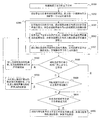
图1为本申请一实施例的动态节目单生成方法的流程图;
图2为本申请另一实施例的动态节目单生成系统的结构示意图。
图3为本申请又一实施例的电子设备的硬件结构示意图。
为了便于理解本申请,下面将参照相关附图对本申请进行更全面的描述。附图中给出了本申请的较佳实施例。但是,本申请可以以许多不同的形式来实现,并不限于本文所描述的实施例。相反地,提供这些实施例的目的是使对本申请的公开内容的理解更加透彻全面。
除非另有定义,本文所使用的所有的技术和科学术语与属于本申请的技术领域的技术人员通常理解的含义相同。本文中在本申请的说明书中所使用的术语只是为了描述具体的实施例的目的,不是旨在于限制本申请。
请参阅图1,是本申请一实施例的动态节目单生成方法的流程图。本申请一实施例的动态节目单生成方法包括以下步骤:
步骤100:构建视频节目的静态节目单;
在步骤100中,构建的静态节目单内容包括该视频节目相关的海报、文案、剧集、其他推荐节目等。
步骤200:获取静态节目单中所有视频项目,并为每一个视频项目分别配置一个对应的播放器;
在步骤200中,本申请一实施例在静态节目单的展示基础上,获取静态节目单中所有视频项目后,对所有视频项目的直播流进行解码,并为每一个视频项目(即视频节目的每一集和每一个推荐节目)分别配置一个对应的播放器,在观
看节目时,可通过播放器对对应的视频项目的直播流进行播放预览,实现静态节目单的实时动态播放,用户可根据播放内容确定是否需要切换剧集或其他视频项目进行观看。
在本申请一实施例中,为每一个视频项目分别配置一个对应的播放器的实现方式为:在每一个视频项目的播放地址条目后面分别配置一个播放器播放单元控件;本申请一实施例中的播放器包括硬解播放器或软解播放器,在支持多硬解播放器的系统,使用多个硬解播放器实现;在不支持多硬解播放器的系统,如果系统资源充足,使用多个软解播放器实现。其中,硬解播放器即通过硬件解码,是将原来全部交由CPU来处理的视频数据的一部分交由GPU来做,而GPU的并行运算能力要远远高于CPU,这样可以大大的降低对CPU的负载;软解播放器即通过软件让CPU来对视频进行解码处理。
步骤300:通过播放器获取视频项目的直播流,对对应的视频项目进行播放预览。
在步骤300中,对对应的视频项目进行播放预览具体包括以下步骤:
步骤301:打开视频节目的节目单,通过播放屏幕对视频节目的节目单进行显示,并启动播放屏幕内显示的视频项目的播放器;
在步骤301中,播放屏幕包括但不限于智能电视、智能手机、PC或平板电脑能电子设备的显示屏。启动播放屏幕内显示的视频项目的播放器后,播放器默认为不可见状态,具体地,还可对播放器的默认状态进行调整,例如,设定打开视频节目的节目单后,自动显示并播放播放屏幕内显示的第一个视频项目的播放器,例如,打开视频节目的节目单,自动显示视频节目第1集对应的播放器,并播放视频节目的第1集。
步骤302:获取当前节目单中的用户焦点,根据用户焦点确定需要播放的视频项目,并将该视频项目对应的播放器显示在播放屏幕上;
在步骤302中,当前节目单中的用户焦点即用户在当前节目单中所处的视频项目位置;播放器可显示在播放屏幕的任意位置,且播放器的界面大小可根
据播放屏幕大小或其他参数进行设定或调节;在本申请一实施例中,播放器以矩形窗口显示在对应视频项目的一侧,例如,获取到当前节目单中的用户焦点为当前视频节目的第5集,则第5集视频项目对应的播放器为可见状态,且该播放器以矩形窗口显示在第5集视频项目的剧集按钮上方。将视频项目对应的播放器显示在播放屏幕上的实现方式为:通过后台设置View接口,View表示播放屏幕上的一块矩形区域,并负责绘制该区域的事件处理。View是所有widget类的基类,Widget类用于创建交互式UI构件(按钮,输入框等)。
步骤303:通过播放器获取该视频项目的直播流,并对视频项目进行播放预览,实现静态节目单的动态播放;
在步骤303中,在播放过程中,用户可对播放器的大小、音量或播放进度等参数进行调节,实现对视频项目的实时预览。
步骤400:判断当前节目单中的用户焦点是否发生移动,如果当前节目单中的用户焦点发生移动,执行步骤500;如果当前节目单中的用户焦点没有发生移动,执行步骤600或步骤800;
步骤500:停止当前视频项目的播放,关闭当前视频项目对应的播放器,并重新执行步骤302,即重新获取当前节目单中的用户焦点,根据用户焦点确定需要播放的视频项目;
在步骤500中,关闭播放器后,该播放器为不可见状态,以确保播放屏幕内每次只显示一个播放器,以节省占用资源。
步骤600:判断视频节目的节目单是否有滑动操作,如果视频节目的节目单有滑动操作,执行步骤700;如果视频节目的节目单没有滑动操作,执行步骤800;
步骤700:关闭滑出播放屏幕内的视频项目的播放器,启动滑入播放屏幕内的视频项目的播放器,并重新执行步骤302,即重新获取当前节目单中的用户焦点,根据用户焦点确定需要播放的视频项目;
在步骤700中,当视频节目的节目单有滑动操作时,及时将滑出播放屏幕
内的视频项目的播放器关闭,以节省占用资源。
步骤800:判断当前视频节目的节目单是否关闭,如果当前视频节目的节目单关闭,执行步骤900;
在本申请一实施例中,步骤400、步骤600及步骤800的执行顺序及过程可根据用户操作进行调整,例如,如果用户在通过步骤300预览了一个视频项目之后,对当前视频节目的节目单直接进行关闭操作,那么直接执行步骤800,并跳过执行步骤400至步骤700的执行过程。
步骤900:关闭当前视频节目的节目单中所有的播放器,并清除播放器的播放数据,释放系统资源。
请参阅图2,是本申请另一实施例的动态节目单生成系统的结构图。本申请另一实施例的动态节目单生成系统包括节目单构建模块、项目获取模块、播放器配置模块、视频播放模块、焦点判断模块、播放器关闭模块、滑动判断模块、关闭判断模块和数据清除模块。具体地,
节目单构建模块用于构建视频节目的静态节目单;其中,构建的静态节目单内容包括该视频节目相关的海报、文案、剧集、其他推荐节目等。
项目获取模块用于获取静态节目单中所有视频项目,对所有视频项目的直播流进行解码;
播放器配置模块用于为每一个视频项目分别配置一个对应的播放器;其中,本申请另一实施例在静态节目单的展示基础上,对所有视频项目的直播流进行解码,并为每一个视频项目(即视频节目的每一集和每一个推荐节目)分别配置一个对应的播放器,在观看节目时,可通过播放器对对应的视频项目的直播流进行播放预览,实现静态节目单的实时动态播放,用户可根据播放内容确定是否需要切换剧集或其他视频项目进行观看。
在本申请另一实施例中,为每一个视频项目分别配置一个对应的播放器的实现方式为:在每一个视频项目的播放地址条目后面分别配置一个播放器播放单元控件;本申请另一实施例中的播放器包括硬解播放器或软解播放器,在支
持多硬解播放器的系统,使用多个硬解播放器实现;在不支持多硬解播放器的系统,如果系统资源充足,使用多个软解播放器实现。其中,硬解播放器即通过硬件解码,是将原来全部交由CPU来处理的视频数据的一部分交由GPU来做,而GPU的并行运算能力要远远高于CPU,这样可以大大的降低对CPU的负载;软解播放器即通过软件让CPU来对视频进行解码处理。
视频播放模块用于获取视频项目的直播流,对对应的视频项目进行播放预览。具体地,视频播放模块包括显示单元、播放器启动单元、焦点获取单元和播放器显示单元;
显示单元用于在打开视频节目的节目单后,对视频节目的节目单进行显示;其中,显示单元包括但不限于智能电视、智能手机、PC或平板电脑能电子设备的显示屏。
播放器启动单元用于启动显示单元中显示的视频项目的播放器;其中,启动显示单元中显示的视频项目的播放器后,播放器默认为不可见状态,具体地,还可对播放器的默认状态进行调整,例如,设定打开视频节目的节目单后,自动显示并播放播放屏幕内显示的第一个视频项目的播放器,例如,打开视频节目的节目单,自动显示视频节目第1集对应的播放器,并播放视频节目的第1集。
焦点获取单元用于获取当前节目单中的用户焦点,根据用户焦点确定需要播放的视频项目;其中,当前节目单中的用户焦点即用户在当前节目单中所处的视频项目位置;
播放器显示单元用于将需要播放的视频项目对应的播放器显示在显示单元上,并获取视频项目的直播流,对视频项目进行播放预览;其中,播放器可显示在显示单元的任意位置,且播放器的界面大小可根据播放显示单元的屏幕大小或其他参数进行设定或调节;在本申请另一实施例中,播放器以矩形窗口显示在对应视频项目的一侧,例如,获取到当前节目单中的用户焦点为当前视频节目的第5集,则第5集视频项目对应的播放器为可见状态,且该播放器以矩
形窗口显示在第5集视频项目的剧集按钮上方。将视频项目对应的播放器显示在显示单元上的实现方式为:通过后台设置View接口,View表示显示单元上的一块矩形区域,并负责绘制该区域的事件处理。View是所有widget类的基类,Widget类用于创建交互式UI构件(按钮,输入框等)。
其中,在视频播放过程中,用户可对播放器的大小、音量或播放进度等参数进行调节,实现对视频项目的实时预览。
焦点判断模块用于判断当前节目单中的用户焦点是否发生移动,如果当前节目单中的用户焦点发生移动,通过播放器关闭模块关闭当前视频项目对应的播放器,并通过焦点获取单元重新获取当前节目单中的用户焦点;
播放器关闭模块用于停止当前视频项目的播放,关闭当前视频项目对应的播放器;其中,播放器关闭模块关闭播放器后,该播放器为不可见状态,以确保显示单元中每次只显示一个播放器,以节省占用资源。
滑动判断模块用于判断视频节目的节目单是否有滑动操作,如果视频节目的节目单有滑动操作,通过播放器关闭模块关闭滑出播放屏幕内的视频项目的播放器,并通过播放器启动单元启动滑入播放屏幕内的视频项目的播放器;其中,当视频节目的节目单有滑动操作时,及时将滑出播放屏幕内的视频项目的播放器关闭,以节省占用资源。
关闭判断模块用于判断当前视频节目的节目单是否关闭,如果当前视频节目的节目单关闭,通过播放器关闭模块关闭当前视频节目的节目单中所有的播放器;
数据清除模块用于在播放器关闭后,清除播放器的播放数据,以释放系统资源。
本申请另一实施例的动态节目单生成方法及系统在构建静态节目单的基础上,为节目单中每一个视频项目分别配置一个对应的播放器,用户在查看视频项目时,通过播放器实时对视频项目进行播放,实现了静态节目单的实时动态播放预览,用户可根据播放内容确定是否需要切换剧集或其他视频项目进行观
看,而不需要点击跳转播放某个节目才能看到真实的节目内容。本申请保留了静态节目单的所有交互,同时嵌入播放器,可以实时动态播放每一个视频项目,本申请操作简单,及时有效,有利于提高用户的视频观看体验。
参考图3,为本申请又一实施例的电子设备的硬件结构示意图。本申请又一实施例的电子设备包括:一个或多个处理器610以及存储器620。以一个处理器610为例。该设备还可以包括:输入装置630和输出装置640。
处理器610、存储器620、输入装置630和输出装置640可以通过总线或者其他方式连接,图6中以通过总线连接为例。
存储器620作为一种非暂态计算机可读存储介质,可用于存储非暂态软件程序、非暂态计算机可执行程序。处理器610通过运行存储在存储器620中的非暂态软件程序、指令,从而执行电子设备的各种功能应用以及数据处理,即实现上述方法实施例的处理方法。
存储器620可以包括存储程序区和存储数据区,其中,存储程序区可存储操作系统、至少一个功能所需要的应用程序;存储数据区可存储数据等。此外,存储器620可以包括高速随机存取存储器,还可以包括非暂态存储器,例如至少一个磁盘存储器件、闪存器件、或其他非暂态固态存储器件。在一些实施例中,存储器620可选包括相对于处理器610远程设置的存储器,这些远程存储器可以通过网络连接至处理装置。上述网络的实例包括但不限于互联网、企业内部网、局域网、移动通信网及其组合。
输入装置630可接收输入的数字或字符信息,以及产生信号输入。输出装置640可包括显示屏等显示设备。
所述一个或者多个模块存储在所述存储器620中,当被所述一个或者多个处理器610执行时,执行:
构建视频节目的静态节目单;获取静态节目单中的视频项目,并为每一个视频项目分别配置一个对应的播放器;通过播放器获取视频项目的直播流,对对应的视频项目进行播放预览。
在一种可能的实现方式中,所述一个或者多个处理器610还用于:对所有视频项目的直播流进行解码。
在一种可能的实现方式中,所述一个或者多个处理器610还用于:打开视频节目的节目单,通过播放屏幕对视频节目的节目单进行显示,并启动播放屏幕内显示的视频项目的播放器;获取当前节目单中的用户焦点,根据用户焦点确定需要播放的视频项目,并将该视频项目对应的播放器显示在播放屏幕上;通过播放器获取该视频项目的直播流,并对视频项目进行播放预览。
在一种可能的实现方式中,所述一个或者多个处理器610还用于:判断当前节目单中的用户焦点是否发生移动,如果当前节目单中的用户焦点发生移动,停止当前视频项目的播放,关闭当前视频项目对应的播放器,并重新获取当前节目单中的用户焦点,根据用户焦点确定需要播放的视频项目,并将该视频项目对应的播放器显示在播放屏幕上。
在一种可能的实现方式中,所述一个或者多个处理器610还用于:判断视频节目的节目单是否有滑动操作,如果视频节目的节目单有滑动操作,关闭滑出播放屏幕内的视频项目的播放器,启动滑入播放屏幕内的视频项目的播放器,并重新获取当前节目单中的用户焦点,根据用户焦点确定需要播放的视频项目,并将该视频项目对应的播放器显示在播放屏幕上。
在一种可能的实现方式中,所述一个或者多个处理器610还用于:判断当前视频节目的节目单是否关闭,如果当前视频节目的节目单关闭,关闭当前视频节目的节目单中所有的播放器,并清除播放器的播放数据,释放系统资源。
上述产品可执行本申请实施例所提供的方法,具备执行方法相应的功能模块和有益效果。未在本实施例中详尽描述的技术细节,可参见本申请实施例提供的方法。
本申请又一实施例的电子设备以多种形式存在,包括但不限于:
移动通信设备:这类设备的特点是具备移动通信功能,并且以提供话音、数据通信为主要目标。这类终端包括:智能手机(例如iPhone)、多媒体手机、功能
性手机,以及低端手机等。
超移动个人计算机设备:这类设备属于个人计算机的范畴,有计算和处理功能,一般也具备移动上网特性。这类终端包括:PDA、MID和UMPC设备等,例如iPad。
便携式娱乐设备:这类设备可以显示和播放多媒体内容。该类设备包括:音频、视频播放器(例如iPod),掌上游戏机,电子书,以及智能玩具和便携式车载导航设备。
服务器:提供计算服务的设备,服务器的构成包括处理器、硬盘、内存、系统总线等,服务器和通用的计算机架构类似,但是由于需要提供高可靠的服务,因此在处理能力、稳定性、可靠性、安全性、可扩展性、可管理性等方面要求较高。
其他具有数据交互功能的电子装置。
以上所描述的装置实施例仅仅是示意性的,其中所述作为分离部件说明的单元可以是或者也可以不是物理上分开的,作为单元显示的部件可以是或者也可以不是物理单元,即可以位于一个地方,或者也可以分布到多个网络单元上。可以根据实际的需要选择其中的部分或者全部模块来实现本实施例方案的目的。
本申请又一实施例公开一种非暂态(非易失性)计算机存储介质,所述计算机存储介质存储有计算机可执行指令,所述计算机可执行指令用于执行上述任意方法实施例中的方法。
所述计算机可执行指令用于:构建视频节目的静态节目单;获取静态节目单中的视频项目,并为每一个视频项目分别配置一个对应的播放器;通过播放器获取视频项目的直播流,对对应的视频项目进行播放预览。
在一种可能的实现方式中,所述计算机可执行指令还用于:对所有视频项目的直播流进行解码。
在一种可能的实现方式中,所述计算机可执行指令还用于:打开视频节目
的节目单,通过播放屏幕对视频节目的节目单进行显示,并启动播放屏幕内显示的视频项目的播放器;获取当前节目单中的用户焦点,根据用户焦点确定需要播放的视频项目,并将该视频项目对应的播放器显示在播放屏幕上;通过播放器获取该视频项目的直播流,并对视频项目进行播放预览。
在一种可能的实现方式中,所述计算机可执行指令还用于:判断当前节目单中的用户焦点是否发生移动,如果当前节目单中的用户焦点发生移动,停止当前视频项目的播放,关闭当前视频项目对应的播放器,并重新获取当前节目单中的用户焦点,根据用户焦点确定需要播放的视频项目,并将该视频项目对应的播放器显示在播放屏幕上。
在一种可能的实现方式中,所述计算机可执行指令还用于:判断视频节目的节目单是否有滑动操作,如果视频节目的节目单有滑动操作,关闭滑出播放屏幕内的视频项目的播放器,启动滑入播放屏幕内的视频项目的播放器,并重新获取当前节目单中的用户焦点,根据用户焦点确定需要播放的视频项目,并将该视频项目对应的播放器显示在播放屏幕上。
在一种可能的实现方式中,所述计算机可执行指令还用于:判断当前视频节目的节目单是否关闭,如果当前视频节目的节目单关闭,关闭当前视频节目的节目单中所有的播放器,并清除播放器的播放数据,释放系统资源。
本申请又一实施例公开一种计算机程序产品,所述计算机程序产品包括存储在非暂态计算机可读存储介质上的计算机程序,所述计算机程序包括程序指令,当所述程序指令被计算机执行时,使所述计算机执行本申请上述方法实施例中任意一种方法。
通过以上的实施方式的描述,本领域的技术人员可以清楚地了解到各实施方式可借助软件加必需的通用硬件平台的方式来实现,当然也可以通过硬件。基于这样的理解,上述技术方案本质上或者说对现有技术做出贡献的部分可以以软件产品的形式体现出来,该计算机软件产品可以存储在计算机可读存储介质中,如ROM/RAM、磁碟、光盘等,包括若干指令用以使得一台计算机设备
(可以是个人计算机,服务器,或者网络设备等)执行各个实施例或者实施例的某些部分所述的方法。
上述实施例为本申请较佳的实施方式,但本申请的实施方式并不受上述实施例的限制,其他的任何未背离本申请的精神实质与原理下所作的改变、修饰、替代、组合、简化,均应为等效的置换方式,都包含在本申请的保护范围之内。
Claims (23)
- 一种动态节目单生成方法,其特征在于:包括:构建视频节目的静态节目单;获取静态节目单中的视频项目,并为每一个视频项目分别配置一个对应的播放器;通过播放器获取视频项目的直播流,对对应的视频项目进行播放预览。
- 根据权利要求1所述的动态节目单生成方法,其特征在于:还包括:对所有视频项目的直播流进行解码。
- 根据权利要求2所述的动态节目单生成方法,其特征在于:所述通过播放器对对应的视频项目进行播放预览具体包括:打开视频节目的节目单,通过播放屏幕对视频节目的节目单进行显示,并启动播放屏幕内显示的视频项目的播放器;获取当前节目单中的用户焦点,根据用户焦点确定需要播放的视频项目,并将该视频项目对应的播放器显示在播放屏幕上;通过播放器获取该视频项目的直播流,并对视频项目进行播放预览。
- 根据权利要求3所述的动态节目单生成方法,其特征在于:所述对对应的视频项目进行播放预览后还包括:判断当前节目单中的用户焦点是否发生移动,如果当前节目单中的用户焦点发生移动,停止当前视频项目的播放,关闭当前视频项目对应的播放器,并重新获取当前节目单中的用户焦点,根据用户焦点确定需要播放的视频项目,并将该视频项目对应的播放器显示在播放屏幕上。
- 根据权利要求3所述的动态节目单生成方法,其特征在于:所述对对应的视频项目进行播放预览后还包括:判断视频节目的节目单是否有滑动操作,如果视频节目的节目单有滑动操作,关闭滑出播放屏幕内的视频项目的播放器,启动滑入播放屏幕内的视频项目的播放器,并重新获取当前节目单中的用户焦 点,根据用户焦点确定需要播放的视频项目,并将该视频项目对应的播放器显示在播放屏幕上。
- 根据权利要求5所述的动态节目单生成方法,其特征在于:所述对对应的视频项目进行播放预览后还包括:判断当前视频节目的节目单是否关闭,如果当前视频节目的节目单关闭,关闭当前视频节目的节目单中所有的播放器,并清除播放器的播放数据,释放系统资源。
- 一种动态节目单生成系统,其特征在于,包括节目单构建模块、项目获取模块、播放器配置模块和视频播放模块;所述节目单构建模块用于构建视频节目的静态节目单;所述项目获取模块用于获取所述静态节目单中的视频项目,所述播放器配置模块用于为每一个视频项目分别配置一个对应的播放器;所述视频播放模块用于获取视频项目的直播流,对所述视频项目进行播放预览。
- 根据权利要求7所述的动态节目单生成系统,其特征在于:所述视频播放模块还包括显示单元、播放器启动单元、焦点获取单元和播放器显示单元;所述显示单元用于显示视频节目的节目单;所述播放器启动单元用于启动显示单元中显示的视频项目的播放器;所述焦点获取单元用于获取当前节目单中的用户焦点,根据用户焦点确定需要播放的视频项目;所述播放器显示单元用于将需要播放的视频项目对应的播放器显示在显示单元上,并获取视频项目的直播流,对视频项目进行播放预览。
- 根据权利要求8所述的动态节目单生成系统,其特征在于:还包括焦点判断模块、播放器关闭模块和滑动判断模块,所述焦点判断模块用于判断当前节目单中的用户焦点是否发生移动,如果当前节目单中的用户焦点发生移动,通过播放器关闭模块关闭当前视频项目对应的播放器,并通过焦点获取单元重新获取当前节目单中的用户焦点;所述播放器关闭模块用于停止当前视频项目的播放,关闭当前视频项目对应的播放器;所述滑动判断模块用于判断视频节目的节目单是否有滑动操作,如果视频节目的节目单有滑动操作,通过播放器关闭模块关闭滑出播放屏幕内的视频项目的播放器,并通过播放器启动单元启 动滑入播放屏幕内的视频项目的播放器。
- 根据权利要求9所述的动态节目单生成系统,其特征在于:还包括关闭判断模块和数据清除模块,所述关闭判断模块用于判断当前视频节目的节目单是否关闭,如果当前视频节目的节目单关闭,通过播放器关闭模块关闭当前视频节目的节目单中所有的播放器;所述数据清除模块用于在播放器关闭后,清除播放器的播放数据。
- 一种电子设备,其特征在于,包括:至少一个处理器;以及,与所述至少一个处理器通信连接的存储器;其中,所述存储器存储有可被所述至少一个处理器执行的指令,所述指令被所述至少一个处理器执行,以使所述至少一个处理器能够:构建视频节目的静态节目单;获取静态节目单中的视频项目,并为每一个视频项目分别配置一个对应的播放器;通过播放器获取视频项目的直播流,对对应的视频项目进行播放预览。
- 根据权利要求11所述的电子设备,其特征在于,所述至少一个处理器还用于:对所有视频项目的直播流进行解码。
- 根据权利要求12所述的电子设备,其特征在于,所述至少一个处理器还用于:打开视频节目的节目单,通过播放屏幕对视频节目的节目单进行显示,并启动播放屏幕内显示的视频项目的播放器;获取当前节目单中的用户焦点,根据用户焦点确定需要播放的视频项目,并将该视频项目对应的播放器显示在播放屏幕上;通过播放器获取该视频项目的直播流,并对视频项目进行播放预览。
- 根据权利要求13所述的电子设备,其特征在于,所述至少一个处理器还用于:判断当前节目单中的用户焦点是否发生移动,如果当前节目单中的用户焦点发生移动,停止当前视频项目的播放,关闭当前视频项目对应的播放器,并重新获取当前节目单中的用户焦点,根据用户焦点确定需要播放的视频项目,并将该视频项目对应的播放器显示在播放屏幕上。
- 根据权利要求13所述的电子设备,其特征在于,所述至少一个处理器还用于:判断视频节目的节目单是否有滑动操作,如果视频节目的节目单有滑动操作,关闭滑出播放屏幕内的视频项目的播放器,启动滑入播放屏幕内的视频项目的播放器,并重新获取当前节目单中的用户焦点,根据用户焦点确定需要播放的视频项目,并将该视频项目对应的播放器显示在播放屏幕上。
- 根据权利要求15所述的电子设备,其特征在于,所述至少一个处理器还用于:判断当前视频节目的节目单是否关闭,如果当前视频节目的节目单关闭,关闭当前视频节目的节目单中所有的播放器,并清除播放器的播放数据,释放系统资源。
- 一种非暂态计算机可读存储介质,其特征在于,所述非暂态计算机可读存储介质存储有计算机可执行指令,所述计算机可执行指令用于:构建视频节目的静态节目单;获取静态节目单中的视频项目,并为每一个视频项目分别配置一个对应的播放器;通过播放器获取视频项目的直播流,对对应的视频项目进行播放预览。
- 根据权利要求17所述的非暂态计算机可读存储介质,其特征在于,所述计算机可执行指令还用于:对所有视频项目的直播流进行解码。
- 根据权利要求18所述的非暂态计算机可读存储介质,其特征在于,所述计算机可执行指令还用于:打开视频节目的节目单,通过播放屏幕对视频节目的节目单进行显示,并 启动播放屏幕内显示的视频项目的播放器;获取当前节目单中的用户焦点,根据用户焦点确定需要播放的视频项目,并将该视频项目对应的播放器显示在播放屏幕上;通过播放器获取该视频项目的直播流,并对视频项目进行播放预览。
- 根据权利要求19所述的非暂态计算机可读存储介质,其特征在于,所述计算机可执行指令还用于:判断当前节目单中的用户焦点是否发生移动,如果当前节目单中的用户焦点发生移动,停止当前视频项目的播放,关闭当前视频项目对应的播放器,并重新获取当前节目单中的用户焦点,根据用户焦点确定需要播放的视频项目,并将该视频项目对应的播放器显示在播放屏幕上。
- 根据权利要求19所述的非暂态计算机可读存储介质,其特征在于,所述计算机可执行指令还用于:判断视频节目的节目单是否有滑动操作,如果视频节目的节目单有滑动操作,关闭滑出播放屏幕内的视频项目的播放器,启动滑入播放屏幕内的视频项目的播放器,并重新获取当前节目单中的用户焦点,根据用户焦点确定需要播放的视频项目,并将该视频项目对应的播放器显示在播放屏幕上。
- 根据权利要求21所述的非暂态计算机可读存储介质,其特征在于,所述计算机可执行指令还用于:判断当前视频节目的节目单是否关闭,如果当前视频节目的节目单关闭,关闭当前视频节目的节目单中所有的播放器,并清除播放器的播放数据,释放系统资源。
- 一种计算机程序产品,其特征在于,所述计算机程序产品包括存储在非暂态计算机可读存储介质上的计算机程序,所述计算机程序包括程序指令,当所述程序指令被计算机执行时,使所述计算机执行权利要求1-6中任一项所述的方法。
Applications Claiming Priority (2)
| Application Number | Priority Date | Filing Date | Title |
|---|---|---|---|
| CN201610245535.4 | 2016-04-19 | ||
| CN201610245535.4A CN105872812A (zh) | 2016-04-19 | 2016-04-19 | 一种动态节目单生成方法及系统 |
Publications (1)
| Publication Number | Publication Date |
|---|---|
| WO2017181652A1 true WO2017181652A1 (zh) | 2017-10-26 |
Family
ID=56633568
Family Applications (1)
| Application Number | Title | Priority Date | Filing Date |
|---|---|---|---|
| PCT/CN2016/104619 Ceased WO2017181652A1 (zh) | 2016-04-19 | 2016-11-04 | 一种动态节目单生成方法及系统 |
Country Status (2)
| Country | Link |
|---|---|
| CN (1) | CN105872812A (zh) |
| WO (1) | WO2017181652A1 (zh) |
Cited By (2)
| Publication number | Priority date | Publication date | Assignee | Title |
|---|---|---|---|---|
| CN113411629A (zh) * | 2021-06-30 | 2021-09-17 | 深圳市华曦达科技股份有限公司 | 直播视频管理方法、装置、设备以及计算机可读存储介质 |
| CN113949934A (zh) * | 2021-10-19 | 2022-01-18 | 广州方硅信息技术有限公司 | 动态视频内容播放控制方法、装置、介质以及计算机设备 |
Families Citing this family (8)
| Publication number | Priority date | Publication date | Assignee | Title |
|---|---|---|---|---|
| CN105872812A (zh) * | 2016-04-19 | 2016-08-17 | 乐视控股(北京)有限公司 | 一种动态节目单生成方法及系统 |
| CN106604092A (zh) * | 2016-12-08 | 2017-04-26 | 天脉聚源(北京)传媒科技有限公司 | 一种播放视频的方法及装置 |
| CN109218834A (zh) * | 2017-06-30 | 2019-01-15 | 武汉斗鱼网络科技有限公司 | 一种直播列表浏览交互方法及装置 |
| CN109120981B (zh) * | 2018-09-20 | 2021-12-07 | 北京达佳互联信息技术有限公司 | 信息列表展示方法、装置及存储介质 |
| CN110611847B (zh) * | 2019-10-16 | 2022-07-12 | 北京字节跳动网络技术有限公司 | 视频预览的方法、装置、存储介质及电子设备 |
| CN110691282B (zh) | 2019-10-16 | 2021-11-02 | 北京字节跳动网络技术有限公司 | 视频处理方法、装置、存储介质及电子设备 |
| CN110809185B (zh) * | 2019-10-22 | 2021-06-22 | 四川长虹电器股份有限公司 | 一种智能电视基于Web化视频预览的主页呈现方法 |
| CN113395566B (zh) * | 2021-06-08 | 2023-02-21 | 北京达佳互联信息技术有限公司 | 视频播放方法、装置、电子设备及计算机可读存储介质 |
Citations (7)
| Publication number | Priority date | Publication date | Assignee | Title |
|---|---|---|---|---|
| CN1281616A (zh) * | 1997-12-08 | 2001-01-24 | 联合视频制品公司 | 具有浏览显示区的节目指南系统 |
| CN101764974A (zh) * | 2010-01-08 | 2010-06-30 | 烽火通信科技股份有限公司 | 多节目预览iptv电子节目单的实现方法及系统 |
| CN102857811A (zh) * | 2012-08-31 | 2013-01-02 | 深圳市龙视传媒有限公司 | 一种电子节目指南展示装置、方法及终端 |
| US20140282730A1 (en) * | 2013-03-14 | 2014-09-18 | Echostar Technologies L.L.C. | Video preview window for an electronic program guide rendered by a video services receiver |
| CN104768058A (zh) * | 2014-01-03 | 2015-07-08 | 北京赛科世纪数码科技有限公司 | 一种机顶盒快速切换台技术 |
| CN105472428A (zh) * | 2015-11-18 | 2016-04-06 | 华为技术有限公司 | 一种用于播放频道节目的方法和设备 |
| CN105872812A (zh) * | 2016-04-19 | 2016-08-17 | 乐视控股(北京)有限公司 | 一种动态节目单生成方法及系统 |
-
2016
- 2016-04-19 CN CN201610245535.4A patent/CN105872812A/zh active Pending
- 2016-11-04 WO PCT/CN2016/104619 patent/WO2017181652A1/zh not_active Ceased
Patent Citations (7)
| Publication number | Priority date | Publication date | Assignee | Title |
|---|---|---|---|---|
| CN1281616A (zh) * | 1997-12-08 | 2001-01-24 | 联合视频制品公司 | 具有浏览显示区的节目指南系统 |
| CN101764974A (zh) * | 2010-01-08 | 2010-06-30 | 烽火通信科技股份有限公司 | 多节目预览iptv电子节目单的实现方法及系统 |
| CN102857811A (zh) * | 2012-08-31 | 2013-01-02 | 深圳市龙视传媒有限公司 | 一种电子节目指南展示装置、方法及终端 |
| US20140282730A1 (en) * | 2013-03-14 | 2014-09-18 | Echostar Technologies L.L.C. | Video preview window for an electronic program guide rendered by a video services receiver |
| CN104768058A (zh) * | 2014-01-03 | 2015-07-08 | 北京赛科世纪数码科技有限公司 | 一种机顶盒快速切换台技术 |
| CN105472428A (zh) * | 2015-11-18 | 2016-04-06 | 华为技术有限公司 | 一种用于播放频道节目的方法和设备 |
| CN105872812A (zh) * | 2016-04-19 | 2016-08-17 | 乐视控股(北京)有限公司 | 一种动态节目单生成方法及系统 |
Cited By (3)
| Publication number | Priority date | Publication date | Assignee | Title |
|---|---|---|---|---|
| CN113411629A (zh) * | 2021-06-30 | 2021-09-17 | 深圳市华曦达科技股份有限公司 | 直播视频管理方法、装置、设备以及计算机可读存储介质 |
| CN113949934A (zh) * | 2021-10-19 | 2022-01-18 | 广州方硅信息技术有限公司 | 动态视频内容播放控制方法、装置、介质以及计算机设备 |
| CN113949934B (zh) * | 2021-10-19 | 2024-03-29 | 广州方硅信息技术有限公司 | 动态视频内容播放控制方法、装置、介质以及计算机设备 |
Also Published As
| Publication number | Publication date |
|---|---|
| CN105872812A (zh) | 2016-08-17 |
Similar Documents
| Publication | Publication Date | Title |
|---|---|---|
| WO2017181652A1 (zh) | 一种动态节目单生成方法及系统 | |
| WO2017173793A1 (zh) | 一种视频投屏方法及装置 | |
| US10271105B2 (en) | Method for playing video, client, and computer storage medium | |
| US20170195614A1 (en) | Method and electronic device for playing video | |
| WO2017181598A1 (zh) | 视频播放方法及装置 | |
| US20170171278A1 (en) | Method and electronic device for continuously playing video | |
| US20170171602A1 (en) | Method and electronic device for controlling three stream video play | |
| WO2016078186A1 (zh) | 一种视频直播的方法以及装置 | |
| CN104915115A (zh) | 用于终端的应用程序切换方法和装置 | |
| CN106131583A (zh) | 一种直播处理方法、装置、终端设备及系统 | |
| EP3203749A1 (en) | Method for switching video playing terminal, and terminal device | |
| WO2017181599A1 (zh) | 一种显示视频的方法及装置 | |
| WO2017181604A1 (zh) | 一种视频预览方法、装置及电子设备 | |
| US20170195710A1 (en) | Method and electronic device for preview play | |
| CN103297850A (zh) | 一种实现Android系统开机播放网络视频的方法 | |
| WO2017092422A1 (zh) | 基于安卓平台的多媒体处理方法、装置及移动终端设备 | |
| CN102664009B (zh) | 一种通过移动通信终端对视频播放装置进行语音控制的系统及方法 | |
| US20170171277A1 (en) | Method and electronic device for multimedia recommendation based on android platform | |
| WO2023061159A1 (zh) | 视频播放方法、装置、终端、存储介质及程序产品 | |
| WO2017181597A1 (zh) | 视频播放方法及装置 | |
| WO2017096961A1 (zh) | 视频播放处理方法、播放器及终端设备 | |
| US20170168706A1 (en) | Method and electronic device for switching videos | |
| WO2017201938A1 (zh) | 一种轮询控制方法、装置及系统 | |
| WO2017185645A1 (zh) | 竖直全屏播放方法、装置及其移动播放终端 | |
| CN104066011A (zh) | 智能电视的界面切换的控制方法和控制装置 |
Legal Events
| Date | Code | Title | Description |
|---|---|---|---|
| NENP | Non-entry into the national phase |
Ref country code: DE |
|
| 121 | Ep: the epo has been informed by wipo that ep was designated in this application |
Ref document number: 16899235 Country of ref document: EP Kind code of ref document: A1 |
|
| 122 | Ep: pct application non-entry in european phase |
Ref document number: 16899235 Country of ref document: EP Kind code of ref document: A1 |