WO2017125502A1 - Substance that inhibits p2y12 receptor, for use in the preventive treatment of systemic sclerosis in patients with raynaud's phenomenon and a dysimmunity - Google Patents
Substance that inhibits p2y12 receptor, for use in the preventive treatment of systemic sclerosis in patients with raynaud's phenomenon and a dysimmunity Download PDFInfo
- Publication number
- WO2017125502A1 WO2017125502A1 PCT/EP2017/051100 EP2017051100W WO2017125502A1 WO 2017125502 A1 WO2017125502 A1 WO 2017125502A1 EP 2017051100 W EP2017051100 W EP 2017051100W WO 2017125502 A1 WO2017125502 A1 WO 2017125502A1
- Authority
- WO
- WIPO (PCT)
- Prior art keywords
- substance
- tslp
- patients
- use according
- ssc
- Prior art date
- Legal status (The legal status is an assumption and is not a legal conclusion. Google has not performed a legal analysis and makes no representation as to the accuracy of the status listed.)
- Ceased
Links
Classifications
-
- A—HUMAN NECESSITIES
- A61—MEDICAL OR VETERINARY SCIENCE; HYGIENE
- A61K—PREPARATIONS FOR MEDICAL, DENTAL OR TOILETRY PURPOSES
- A61K31/00—Medicinal preparations containing organic active ingredients
- A61K31/33—Heterocyclic compounds
- A61K31/395—Heterocyclic compounds having nitrogen as a ring hetero atom, e.g. guanethidine or rifamycins
- A61K31/435—Heterocyclic compounds having nitrogen as a ring hetero atom, e.g. guanethidine or rifamycins having six-membered rings with one nitrogen as the only ring hetero atom
- A61K31/4353—Heterocyclic compounds having nitrogen as a ring hetero atom, e.g. guanethidine or rifamycins having six-membered rings with one nitrogen as the only ring hetero atom ortho- or peri-condensed with heterocyclic ring systems
- A61K31/4365—Heterocyclic compounds having nitrogen as a ring hetero atom, e.g. guanethidine or rifamycins having six-membered rings with one nitrogen as the only ring hetero atom ortho- or peri-condensed with heterocyclic ring systems the heterocyclic ring system having sulfur as a ring hetero atom, e.g. ticlopidine
-
- A—HUMAN NECESSITIES
- A61—MEDICAL OR VETERINARY SCIENCE; HYGIENE
- A61K—PREPARATIONS FOR MEDICAL, DENTAL OR TOILETRY PURPOSES
- A61K45/00—Medicinal preparations containing active ingredients not provided for in groups A61K31/00 - A61K41/00
- A61K45/06—Mixtures of active ingredients without chemical characterisation, e.g. antiphlogistics and cardiaca
-
- A—HUMAN NECESSITIES
- A61—MEDICAL OR VETERINARY SCIENCE; HYGIENE
- A61P—SPECIFIC THERAPEUTIC ACTIVITY OF CHEMICAL COMPOUNDS OR MEDICINAL PREPARATIONS
- A61P37/00—Drugs for immunological or allergic disorders
- A61P37/02—Immunomodulators
- A61P37/06—Immunosuppressants, e.g. drugs for graft rejection
-
- C—CHEMISTRY; METALLURGY
- C07—ORGANIC CHEMISTRY
- C07K—PEPTIDES
- C07K16/00—Immunoglobulins [IG], e.g. monoclonal or polyclonal antibodies
- C07K16/18—Immunoglobulins [IG], e.g. monoclonal or polyclonal antibodies against material from animals or humans
- C07K16/28—Immunoglobulins [IG], e.g. monoclonal or polyclonal antibodies against material from animals or humans against receptors, cell surface antigens or cell surface determinants
- C07K16/2857—Immunoglobulins [IG], e.g. monoclonal or polyclonal antibodies against material from animals or humans against receptors, cell surface antigens or cell surface determinants against nuclear receptors, e.g. retinoic acid receptor [RAR], RXR, orphan receptor
-
- A—HUMAN NECESSITIES
- A61—MEDICAL OR VETERINARY SCIENCE; HYGIENE
- A61B—DIAGNOSIS; SURGERY; IDENTIFICATION
- A61B5/00—Measuring for diagnostic purposes; Identification of persons
- A61B5/02—Detecting, measuring or recording for evaluating the cardiovascular system, e.g. pulse, heart rate, blood pressure or blood flow
- A61B5/026—Measuring blood flow
- A61B5/0261—Measuring blood flow using optical means, e.g. infrared light
Definitions
- the present invention refers to a substance for use in the preventive treatment of systemic sclerosis.
- the present invention has utility in the medical and pharmaceutical fields.
- brackets [ ] refer to the listing of references situated at the end of the text.
- SSc Systemic sclerosis
- ISSc limited cutaneous
- dSSc diffuse cutaneous
- ISSc limited cutaneous
- dSSc diffuse cutaneous
- the slow progress of the disease is accompanied by increasing functional disability.
- Complications involving life-threatening may occur, particularly pulmonary fibrosis.
- the prevalence is estimated at 10 cases / 100 000.
- the disease usually occurs between 40 and 50 years with no causes clearly identified.
- SSc systemic sclerosis
- TM Takayama H, Postlethwaite AE. Increase in platelet non-integrin type I collagen receptor in patients with systemic sclerosis. Thromb Res 2006;1 17:299-306 ([8])).
- platelet derived-factors modulate endothelial cells (EC) activation and homeostasis in SSc (Maugeri N, Franchini S, Campana L, et al. Circulating platelets as a source of the damage-associated molecular pattern HMGB1 in patients with systemic sclerosis. Autoimmunity 2012;45:584-587 ([9]) ; van Bon L, Affandi AJ, Broen J, et al.
- PF-4 platelet factor 4
- PDGF platelet-derived growth factor
- VEGF Vascular Endothelial Growth Factor
- HMGB1 High Mobility to Group Box 1
- Circulating levels of HMGB1 are increased in SSc patients and correlate positively to Rodnan score and negatively to lung function (Yoshizaki et al.: "Clinical significance of serum HMGB-1 and sRAGE levels in systemic sclerosis: association with disease severity", J Clin Immunol 2009;29: 1 80-189 ([13])).
- CxCL4 CxCL4
- PF-4 CxCL4
- the group of T. Radstake showed that the increase of circulating levels of CxCL4 was a biomarker of SSc (van Bon et al. ([10])).
- CxCL4 is increased during the early phase of the disease and is responsible for the increased production of ET-1 . It disrupts the vascular formation, maturation, and stabilization, notably through the inhibition of VEGF.
- SSc A key step in the development of SSc is the preclinical phase or stage of pre-disease. It has been shown that especially the immune and vascular anomalies are observable several years before the development of clinical disease. Among these anomalies, two are particularly relevant and easy to detect upstream of SSc:
- RP Raynaud's phenomenon
- pre-SSc state The preclinical phase, also called "pre-SSc state", is so defined in three groups according to the presence of a RP, a dysimmunity and/or abnormal capillaroscopy without any of other criteria for the classification of SSc based on the 2013 ACR/EULAR (American College of Rheumatology /European League against Rheumatism) criteria.
- Group I is defined as the combination of a RP, a specific dysimmunity, with the presence notably of anti-Scl70, anti-centromere, anti-RNA polymerase III (anti-RNA pol III), anti-Th/To and/or anti-PM-Scl (polymyositis-scleroderma) antibodies, and abnormal capillaroscopy.
- Group II includes subjects with RP and specific dysimmunity without abnormal capillaroscopy. In this group, the risk of moving forward SSc ranges from 35% to 66% within 3 years. Finally, the group III which associates RP, non-specific dysimmunity (i.e.
- This preclinical phase could be a window of opportunity for treatment to prevent progression to scleroderma, at three conditions:
- TSLP Thymic Stromal Lymphopoietin
- TSLP allows inducing the secretion of collagen A1 and A2 and the decrease of production of metalloprotease (MMP-1 and MMP-2) by matrix dermal fibroblasts directing them to a pro-fibrotic profile.
- the Applicants have thus surprisingly shown the relationship between platelet activation, endothelial cell production of TSLP and fibrosis.
- the invention is to provide a preventive treatment in patients at risk of developing systemic scleroderma.
- the proposed treatment is the use of an inhibitor of P2Y12 receptor, in order to prevent the occurrence of SSc in these patients.
- This strategy would greatly reduce the socio-economic burden of SSc disease that is very important right now.
- this new indication could encourage the early detection of these subjects at risk as part of primary care by offering a preventive therapeutic action.
- General practitioners would be more attentive to identify such patients if they had a preventive action to offer them.
- the invention generally relates to an inhibitor of P2Y12 receptor, or a mixture of two or more inhibitors of P2Y12 receptor, for use in the preventive treatment of systemic sclerosis in patients with Raynaud's phenomenon and a dysimmunity.
- P2Y12 receptor also named P2Yi 2 , P2Y purinoceptor 12, ADP- glucose receptor, ADPG-R, P2T(AC), P2Y(AC), P2Y(cyc), P2Y12 platelet ADP receptor, P2Y(ADP), SP1999, P2RY12, is encoded by the P2RY12
- HORK3 also named HORK3 gene. It belongs to the Gi class of a group of G protein-coupled (GPCR) purinergic receptors and is a chemoreceptor for adenosine diphosphate (ADP).
- GPCR G protein-coupled
- ADP adenosine diphosphate
- the P2Y family has several receptor subtypes with different pharmacological selectivity, which overlaps in some cases, for various adenosine and uridine nucleotides.
- P2Y12 is found mainly but not exclusively on the surface of blood platelets, and is an important regulator in blood clotting via platelet aggregation.
- “Inhibitor of P2Y12 receptor” refers herein to any antagonist of P2Y12 receptor that is likely to limit or to avoid, reversibly or irreversibly, selectively or not selectively, the biological normal effect of P2Y12 receptor. More particularly, it may refer to any antagonist of P2Y12 receptor, that is likely to bind, reversibly or irreversibly, P2Y12 receptor, thereby limiting or avoiding, reversibly or irreversibly, the biological normal effect of P2Y12 receptor.
- limit or “limiting” it is understood a decrease of at least 50%, for example 60%, 70%, 80%, 90% or 99%, of the biological effect of P2Y12 receptor compared to the normal biological effect of P2Y12 receptor, i.e. the biological effect of P2Y12 receptor that is not inhibited by the inhibitor.
- the inhibitor of P2Y12 receptor may be selected among the group of substances comprising thienopyridines, ticagrelor, elinogrel and cangrelor, their active metabolites, pharmaceutical salts thereof and a mixture thereof.
- the substance may be selected among a thienopyridine, an active metabolite of a thienopyridine and a pharmaceutical salt thereof.
- the thienopyridine may be selected among the group comprising clopidogrel, prasugrel and ticlopidine.
- Thienopyridines are a class of selective, irreversible P2Y12 inhibitors, generally used for their anti-platelet activity. Drugs in this class are clopidogrel, available on the market as PlavixTM, prasugrel, available on the market as EffientTM and ticlopidine, available on the market as Ticl idTM. All the thienopyridines are prodrugs that are rapidly metabolized to a pharmacologically active metabolite and inactive metabolites. Thienopyridine has the chemical formula represented below (Formula I):
- Pharmaceutical salt of thienopyridines may be chosen among hydrogen sulphate, besylate, bisulfate, hydrochloride, resinate, napadisilate, hydrochloride, hydrobromide, phosphate and nitrate.
- Clopidogrel International Nonproprietary Name
- Clopidogrel is a thienopyridine- class antiplatelet agent that is generally used to inhibit blood clots in coronary artery disease, peripheral vascular disease, cerebrovascular disease, and to prevent myocardial infarction, especially heart attack.
- Clopidogrel works by irreversibly inhibiting P2Y12 receptor. It is a prodrug, which requires cytochrome P450 2C19 (CYP2C19) for its activation to an active metabolite in the liver.
- the active metabolite of clopidogrel contains a thiol group which binds to a free cysteine on the P2RY12 receptor and irreversibly blocks ADP binding and receptor activation.
- Clopidogrel has the chemical formula represented below (Formula II):
- Clopidogrel is a ticlopidine analogue and is thus structurally related to ticlopidine, the first member of this class of antiplatelet agents. Clopidogrel was developed to get backup compounds with a better benefit/risk ratio in humans compared to ticlopidine.
- Prasugrel is a thienopyridine of third generation developed in the same goal (Jean-Pierre Maffrand: "The story of clopidogrel and its predecessor, ticlopidine: Can these major antiplatelet and antithrombotic drugs be discovered and developed today?", C. R. Chimie 15 (2012) 737-743 ([44])).
- Clopidogrel may be administered as a base. Alternatively, it may be administered as a pharmaceutical salt of clopidogrel that may be chosen among the group comprising hydrogen sulphate, besylate, bisulfate, hydrochloride, hydrobromide, resinate and napadisilate, preferably hydrogen sulphate.
- Prasugrel International Nonproprietary Name
- Prasugrel is a thienopyridine- class antiplatelet agent that is generally used to reduce the aggregation of platelets by irreversibly binding to P2Y12 receptors.
- Prasugrel is a prodrug that undergoes rapid hydrolysis in the intestine to a thiolactone, which is then converted to the active metabolite, primarily by CYP3A4 and CYP2B6, and to a lesser extent by CYP2C9 and CYP2C1 9.
- the active metabolite is metabolized to 2 inactive compounds by S-methylation or conjugation with cysteine.
- Prasugrel is available as a racemate comprising equal amounts of (R)- and (S)-prasugrel, and has the chemical formula represented below (Formula III):
- Prasugrel may alternatively be used as an active purified enantiomer.
- Pharmaceutical salt of prasugrel may be chosen among the group comprising hydrochloride, hydrobromide, phosphate, nitrate.
- Ticlopidine International Nonproprietary Name
- ADP adenosine diphosphate
- Ticlopidine has the chemical formula represented below (Formula IV):
- composition may be hydrochloride.
- Ticagrelor is a cyclo-pentyltriazolo-pyrimidine that reversibly inhibits the P2Y12 receptor. It is a nucleoside analogue, in which the cyclopentane ring is similar to the sugar ribose, and the nitrogen rich aromatic ring system resembles the nucleobase purine, giving the molecule an overall similarity to adenosine. Unlike the thienopyridines prasugrel, clopidogrel and ticlopidine, ticagrelor has a binding site different from ADP, making it an allosteric antagonist, and the blockage is reversible.
- Ticagrelor has one active metabolite, which is AR-C124910XX, formed by O-deethylation, but ticagrelor and its active metabolite are approximately equipotent.
- Ticagrelor has the chemical formula represented below (Formula V):
- Ticagrelor may exist in a number of different substantially crystalline forms (Polymorph I, Polymorph II, Polymorph III and Polymorph IV).
- Cangrelor is a P2Y12 reversible inhibitor antiplatelet drug, and is an active drug not requiring metabolic conversion.
- Cangrelor has the chemical formula represented below (Formula VI):
- Elinogrel is an antiplatelet drug acting as a P2Y12 inhibitor. Similarly to ticagrelor, elinogrel is a reversible inhibitor. It is pharmacologically active itself. Elinogrel has the chemical formula represented below (Formula VII):
- Elinogrel may be used in the form of its potassium salt, for example orally.
- the invention relates to a substance selected among thienopyridines, their active metabolites, pharmaceutical salts thereof and a mixture thereof, for use in the preventive treatment of systemic sclerosis in patients with Raynaud's phenomenon and a dysimmunity.
- the substance may be chosen among clopidogrel and prasugrel.
- the substance used is chosen among the group comprising clopidogrel, its pharmaceutical salts, its active metabolites and a mixture thereof.
- Clopidogrel just as aspirin, is an antiplatelet agent. However, in contrast to aspirin, clopidogrel induces in addition a decrease of the exocytosis of the platelet soluble mediators and of membrane expression of co-stimulatory molecules of the immune response as CD40L. The Applicants have shown that unlike aspirin, clopidogrel can block the pro- fibrotic TSLP molecule expression in vitro from healthy endothelial cells.
- clopidogrel is currently widely used in various vascular pathologies, i.e. stroke and myocardial infarction, without any side effects like digital ulcers.
- SSc vascular pathologies
- the same type of population i.e. without established fibrosis but with a vascular involvement, is targeted.
- Preventive treatment refers herein to the prophylactic measures taken for disease prevention, as opposed to disease treatment. More particularly, a preventive treatment is a treatment administered to a patient at risk to develop, in the future, systemic sclerosis, for the purpose of delaying, limiting or preventing the onset of systemic sclerosis in the patients at risk.
- Patients at risk refers herein to any patients currently having or having had, in the past, a Raynaud's phenomenon and a dysimmunity, with eventually a capillaroscopy with scleroderma pattern. In any case, these patients have no established fibrosis.
- preventing means that the preventive treatment of the invention results in a lack, within 2 years after the start of the treatment, of at least one symptom chosen in the group comprising cutaneous sclerosis, digital ulcer, dyspnea at stage 3 or 4, abnormal capillaroscopy, heartburn resisting to one month of a conventional treatment, joint pain and/or joint swelling, telangiectasias, sub-cutaneous calcinosis, pigmentation disorders and myalgia.
- "delaying" means that the preventive treatment results in that the period between the occurrence of Raynaud's phenomenon and/or a dysimmunity and/or capillaroscopy with scleroderma pattern and the occurrence of SSc is in average longer in the patients treated by the preventive treatment of the invention than the period in the patients not treated by the preventive treatment of the invention.
- the period in a treated patient may be longer of more than one year, for example two years, or three years, or more, compared to the mean period in non-treated patients.
- limiting means that the seriousness of the symptoms, and/or the scope of the symptoms, is (are) in average decreased by the preventive treatment of the invention.
- “Raynaud's phenomenon” refers herein to a reduced blood flow in response to cold or emotional stress, causing at least one of the following symptoms: discoloration of the fingers, toes, and occasionally other areas, nails becoming brittle with longitudinal ridges, and atrophy of the skin, subcutaneous tissues, and muscle. Without being linked by a mechanistic theory, these symptoms can be caused by a hyperactivation of the sympathetic nervous system causing extreme vasoconstriction of the peripheral blood vessels, leading to tissue hypoxia. The diagnosis may be realized by any set of diagnostic criteria currently available to the man skilled in the art, for example by the description of the symptoms by the patient, and then confirmed by a careful medical history made by a physician.
- Dys immunity refers herein to an abnormal autoimmunity, especially the presence of a positive level of autoantibodies that can be detected and/or measured while no other clinical signs can be detected.
- Dysimmunity may be a specific dysimmunity or a non-specific dysimmunity.
- Specific dysimmunity refers herein to antinuclear antibodies detectable both in SSc patients and in some subjects with high risk for SSc (the aforementioned I and II groups). They may include anti-centromere (A and/or B), anti-DNA topoisomerase I (also called anti-Scl70), anti-RNA polymerase III, anti-Th/To and/or anti-Pm-Scl.
- Non-specific dysimmunity refers herein to antinuclear antibodies detectable both in subjects with weak risk for SSc (the aforementioned group III). They may include autoantibodies that are not specific of SSc, and so that are different than the specific autoantibodies.
- the autoantibodies may be in this case antinuclear antibodies (ANA).
- ANA antinuclear antibodies
- the presence of autoantibodies, and particularly ANA may be measured by any method currently available, indirect immunofluorescence on Hep-2 cells being the gold standard for ANA detection. International guidelines for ANA detection state that significant positive ANA level are equal or above 1/160 for adult, 1/320 for people above 65 years old and 1/40 for children
- Capillaroscopy with scleroderma pattern refers herein to the presence of larger capillaries (megacapillaries) and/or avascular areas and/or microhaemorrhages on nailfold, compared to a healthy subject, revealed by morphological assessments of the microcirculation.
- capillaroscopy may be a videocapillaroscopy.
- the substance as defined above may inhibit platelet activation.
- “Inhibit” refers herein to a decrease of platelet activation to a normal level, or nearly normal level of platelet activation, i.e. a level of platelet activation occurring in a healthy subject.
- the decrease of platelet activation may be a decrease of at least one of the platelet activation marker chosen among CD40L, IL- ⁇ ⁇ , serotonin, beta-thromboglobulin, CxCL4 (PF-4).
- the decrease may be a decrease of at least 20%, for example 30%, or 40%, or 50%, or 60%, or 70%, or 80%, or 90% or more.
- the substance as defined above may inhibit the expression and secretion of at least one pro-inflammatory factor resulting from platelet activation.
- “Inhibit” refers herein to a decrease of expression and secretion of pro-inflammatory factors resulting from platelet activation to a normal level, or nearly normal level of platelet activation, i.e. a level of expression and secretion of pro-inflammatory factors resulting from platelet activation occurring in a healthy subject.
- the pro-inflammatory factor may be chosen among endothelin-1 , von Willebrand factor, E-selectin, VCAM, ICAM, PDGF, VEGF, CD40L, ⁇ _-1 ⁇ , serotonin, beta-thromboglobulin and CxCL4 (PF-4).
- the decrease may be a decrease of at least 20%, for example 30%, or 40%, or 50%, or 60%, or 70%, or 80%, or 90% or more.
- the substance as defined above may inhibit the expression and/or production of Thymic Stromal Lymphopoietin (TSLP) by endothelial cells. More particularly, the expression and/or secretion of TSLP by endothelial cells may occur in a mechanism dependent on the release of IL-1 ⁇ and platelet serotonin by activated platelet.
- TSLP is an interleukin-7 (IL-7) cytokine family member that has been implicated in various inflammatory disorders (Hillen MR, Radstake TR, hack CE, et al. Thymic stromal lymphopoietin as a novel mediator amplifying immunopathology in rheumatic disease (Rheumatology (Oxford) 2015
- TSLP promotes the differentiation of naive T-cell into a Th2 phenotype, and the secretion of various pro-fibrotic factors including IL13 (Ito T, Wang YH, Duramad O, et al. TSLP-activated dendritic cells induce an inflammatory T helper type 2 cell response through OX40 ligand. J Exp Med 2005; 202:1213-1223 ([21]); Pedroza- Gonzalez A, Xu K, Wu TC, et al.
- Thymic stromal lymphopoietin fosters human breast tumor growth by promoting type 2 inflammation. J Exp Med 201 1 ; 208:479-490 ([22])). Indeed, the Applicants demonstrate that in vitro platelet activation induces the production of TSLP by dermal microvascular endothelial human cells in a mechanism dependent on the release of IL-1 ⁇ and platelet serotonin.
- the substance may be administered to a patient at risk as defined above at a pharmaceutically acceptable and efficient dose for the preventive treatment of the invention.
- the substance may be administered as long as necessary, for example for period equal at or longer than 2 years, or 5 years, or 10 years, or 20 years, or 30 years, or for life.
- clopidogrel may be administered for life.
- the substance may be administered to a patient at risk by administration of a dose comprised of from 5 mg to 250 mg per day, for example of from 10 mg to 200 mg, or from 50 mg to 150 mg.
- clopidogrel may be administered at a dose of about 75mg per day, on the form of a single dose per day.
- the dose may be comprise of from 50mg per day to 100mg per day, or of from 70mg to 90mg per day.
- prasugrel may be administered at a dose of about 5mg, once or twice per day, or at a dose of about 10mg once per day.
- the dose may be comprised of from 2mg per day to 20mg per day, or of from 7mg to 15mg per day.
- ticlopidine may be administered at a dose of about 250 mg once per day.
- the dose may be comprised of from 150mg per day to 300mg per day, or of from 180mg to 280mg per day.
- ticagrelor may be administered at a dose of about 90mg once per day.
- the dose may be comprised of from 50mg per day to 120mg per day, or of from 70mg to 10Omg per day.
- the administration may be an oral administration. In this embodiment, it may be a buccal or a sublingual administration. It may for example be in the form selected from the group comprising a liquid formulation, an oral effervescent dosage form, an oral powder, a pill, a multiparticule system, an orodispersible dosage form, a solution, a syrup, a suspension, an emulsion and oral drops.
- the medicament When the medicament is in the form of an oral effervescent dosage form, it may be in a form selected from the group comprising tablets, granules, powders.
- the medicament When the medicament is the form of an oral powder or a multiparticulate system, it may be in a form selected from the group comprising beads, granules, mini tablets and micro granules.
- the medicament When the medicament is the form of an orodispersible dosage form, it may be in a form selected from the group comprising orodispersible tablets, lyophilized wafers, thin films, a chewable tablet, a tablet and a capsule, a medical chewing gum.
- the medicament when the medicament is for buccal and sublingual routes, it may be selected from the group comprising buccal or sublingual tablets, muco adhesive preparation, oro-mucosal drops and sprays.
- the administration is a parenteral administration.
- the parenteral administration may be selected from the group comprising intravenous administration, intramuscular administration and subcutaneous administration.
- the substance may be in the form of an injectable solution.
- the administration may be a transdermal or a transmucosal administration.
- the medicament when it is for topical- transdermal administration, it may be selected from the group comprising ointments, cream, gel, lotion, patch and foam. It may also be a medicament for nasal administration, for example selected from the group comprising nasal drops, nasal spray, nasal powder.
- the term "form" as used herein refers to the pharmaceutical formulation of the medicament for its practical use.
- the medicament may be in a form selected from the group comprising a tablet (for example as Plavix® 75mg, or Effient® 5mg or 10mg, or Ticlid® 250 mg, or Brilique® 90mg), an injectable form (for example as Avlocardyl®5mg/ml), syrup (for example as Efferalgan ® 3%), oral suspension, a pellet (for example as Dafalgan ® 1 g), powder (for example as Doliprane ® 100mg), granules (for example as Zoltum ® 10mg), spray, transdermal patch (for example as Cordipatch ® 5mg/24h) or local form (cream, lotion, collyrium) (for example as Dermoval creme ® , as Betneval ® lotion and as Chibroxine ® eye drops respectively).
- a tablet for example as Plavix® 75mg
- the substance for example clopidogrel, may be added to or may replace, when relevant, the active ingredient(s) of said medicaments.
- the pharmaceutically acceptable carrier may be any known suitable pharmaceutically carrier used for the administration of a substance to a human or to an animal, depending on the subject.
- this carrier may be one or more carrier(s) present in Plavix®, or in Effient® or in Ticlid®, or in Brilique®.
- FIG. 1 represents the demonstration of the overexpression of TSLP in serum of scleroderma patients especially in those with digital ulcers.
- A TSLP measurements in serum of 20 healthy donors (HD), 203 scleroderma (SSc) patients. A multiple comparison non-parametric test of Kruskal Wall is was used to compare TSLP serum levels.
- B TSLP serum levels in SSc patients according to the presence of digital ulcers. An unpaired t-test was used.
- C Percentage of patients with TSLP positivity in serum according to the presence or absence of digital ulcers. A Fisher's exact test was used.
- FIG. 2 represents the demonstration that TSLP is overexpressed in SSc patient skin compared to healthy donors and correlates to fibrosis.
- IHC Immunohistochemistry
- FIG. 3 represents the demonstration that endothelial cells are able to produce TSLP ex vivo in SSc and in vitro.
- Skin sections were analyzed with an epifluorescence microscope (Olympus AX70). Nuclei were DAPI stained (blue). Original magnification x400 or x600 as indicated. Yellow color shows co-stained cells.
- IL1 ⁇ -stimulated human dermal microvascular endothelial cells produce TSLP.
- Normal HDMEC were purified from normal skin (plastic surgery) and stimulated 24 hrs with (A) cytokines potentially involved in SSc and the TLR4 agonist LPS or (B) increasing amount of IL1 ⁇ (from 10 to 50 ng/ml) in complete MV-2 medium (M). Supernatants were harvested and TSLP content was measured by dedicated ELISA from eBioscience. Mean and SD from 3 (A) and 6 (B) independent experiments.
- FIG. 5 represents the demonstration that platelets induce TSLP production by human dermal microvascular EC (HDMEC) in an IL1 ⁇ - dependent manner.
- HDMEC human dermal microvascular EC
- A 70000 HDMEC were cultured for 24hrs in 24-well culture plate in MV-2 complete medium along with increasing amount of purified non-activated platelets (white bars) or adenosine diphosphate- activated platelets (black bars) (from 10 to 200 platelets for 1 HDMEC). A multiple comparison non-parametric test of Kruskal Wallis was used to compare TSLP levels ( *** p ⁇ 0.0001 ).
- B HDMEC were stimulated with ADP-activated platelets with or without anti-IL1 ⁇ blocking antibody. Condition "platelet -" is a comparison without platelets.
- 5HT-receptors (5HTR2a and 5HTR2b) blocking antibodies.
- Supernatants were harvested and TSLP content was measured using dedicated ELISA. Results are mean and SEM from 3 independent experiments.
- FIG. 6 represents the demonstration that TSLP induces a pro- fibrotic profile in dermal fibroblasts from healthy donors and SSc patients.
- Human dermal fibroblasts were isolated from healthy skin and incubated 48h with DMEM, IL1 ⁇ , recombinant TSLP or TGF L
- A Quantification of Col1A1 mRNA from activated fibroblasts using RT-qPCR from 3 different healthy donors was expressed in ⁇ with DMEM as the baseline condition.
- B Quantification of MMP-1 mRNA from activated fibroblasts using RTqPCR, results of 3 different healthy donors.
- FIG. 8 represents the in vitro TSLP production (pg/ml) by healthy endothelial cells in the presence of platelets from a first healthy non sclerodermic patient a second non sclerodermic patient previously treated with acetylsalicylic acid (aspirin, pg/ml) at a dose of 0, 10 and 1000 pg/ml.
- mice were either pre-treated orally with water or clopidogrel (25 mg/kg/d) per os 15 days before subcutaneous injection of either PBS or bleomycin (30 g/mice).
- Cutaneous fold was measured at the periphery of the injections at days 1 , 7, 14, 22, 29 and 36 with a callipers in mm.
- a multiple comparison non parametric test of Kruskal Wallis was used to compare skin thickness at each days. * P ⁇ 0.05, ** ⁇ 0.01 , *** P ⁇ 0.001 .
- Example 1 patients and methods
- VISS Vasculopathy and Inflammation in Systemic Sclerosis
- Fibroblasts were obtained from lesional skin biopsy samples from 3 healthy donors as described elsewhere (Truchetet ME, Brembilla NC, Montanari E, et al. Interleukin-17A+ cell counts are increased in systemic sclerosis skin and their number is inversely correlated with the extent of skin involvement. Arthritis Rheum 2013;65:1347-1356 ([24])).
- Immunohistochemistry and cell quantification Immunohistochemistry was performed as described (Truchetet et al. ([24])). Epitope damasking was performed heating in a bath at 98° for 40 min in 10mM Tris buffer/1 mM EDTA, pH 9. Immunohistochemical images were acquired by scanning the whole tissue sections using the Nanozoomer apparatus from the Bordeaux Imaging Centre (BIC). At least two sections for each skin biopsy were analyzed per individual. Each section was manually subdivided in epidermis and dermis using the
- TSLP+ cells in the dermis were semi-automatically quantified using ImageJ software. Positive cells (brown) were filtered for size and normalized to the total number of cells (blue) in each field. Representative images were manually reviewed by 2 operators (MET and BD).
- RNA was isolated from trypsinized fibroblasts with the NucleoSpin RNA II extraction system (Macherey-Nagel, Duren, Germany) and cDNA synthesized from 0.25 g of total RNA using random hexamers and Superscript III reverse transcriptase (Invitrogen, Carlsbad, CA) according to manufacturer's instructions. Gene expression was quantified using SYBR green performed on a SDS 7900 HT instrument (Applied Biosystems). Specific primer pairs for each gene described in supplementary material (Datta A, Alexander R, Sulikowski MG, et al. Evidence for a functional thymic stromal lymphopoietin signaling axis in fibrotic lung disease.
- TSLP levels in cell culture supernatants or serum was quantified using an ELISA kit from eBiosciences following the manufacturer's instruction.
- Endothelial cells activation Human dermal microvascular EC were cultured in complete MV2 growth medium in a 96 well-plates with flat bottom (20000 cells per well in 200 ⁇ ) and allowed to stand overnight before adding different reagents (IL- ⁇ ⁇ , IL-4, IL-13, TNF-a, IFN- ⁇ , LPS, 5HT or Tryptase) or platelets ADP-activated or not for 24h at 37°C.
- Blocking anti-IL1 b (canakinumab), or anti-serotonin receptors (5HT2a and 5HT2b) were added at a 10 g/mL final concentration when indicated.
- Platelets enriched plasma was prepared from whole blood using a venepuncture on EDTA tube after a 20 min centrifugation at 1000 rpm without acceleration and break. Then the supernatant was harvested and 1 ⁇ of PGE1 was added. After a centrifugation (10 min at 2000 rpm without break), supernatant was discarded and tyrode buffer was added to obtain an 8.10 8 platelets/ml solution.
- Kolmogorov-Smirnov normality test a two-tailed Student's i-test for unpaired or paired samples and one-way repeated-measures ANOVA test followed by Bonferroni correction were used to compare the different populations according to the experimental design. When normality test was not satisfied Mann-Whitney, Wilcoxon and Kruskal Wall is test were used. Correlations were analysed using Spearman test. P value ⁇ 0.05 was considered statistically significant.
- Circulating TSLP is increased in sera from SSc patients and is associated with digital ulcers
- Angiotensin-converting enzyme inhibitors 30 (22.5) 27 (38.5) 57 (28) 0.01 lloprost 26 (19.5) 27 (38.5) 53 (26,1) 0.002
- Endothelin receptor antagonist 32 (24) 33 (47.1) 65 (32) 0.0005
- Serum level of TSLP was assessed by ELISA.
- TSLP level was significantly increased in serum from SSc patients compared to HD (mean ⁇ SEM of 12.95 ⁇ 2.6 pg/mL versus 0 pg/ml respectively, cf. Figure 1A, * P ⁇ 0.0001 , Kruskal Wallis test followed by Dunn post hoc test).
- TSLP TSLP
- mRSS modified Rodnan skin score
- DLCO diffusing capacity of the lung for carbon monoxide
- TLP Total Lung Capacity
- TSLP is overexpressed in SSc patient skin compared to healthy donors and correlates to fibrosis.
- TSLP expression was almost undetectable in the skin of healthy individuals, we observed a significant TSLP expression in both, the dSSc and ISSc, as previously described (Usategui A, Criado G, Izquierdo E, et a/. A profibrotic role for thymic stromal lymphopoietin in systemic sclerosis. Ann Rheum Dis 2013 ([29])). Interestingly, TSLP expression was detected in the epidermis and in the dermis particularly in the perivascular area of dSSc, consistent with previous report (Christmann RB, Mathes A, Affandi AJ, et al.
- Arthritis Rheum 2013 ([30]) These observations hold true also in ISSc patients.
- the staining of TSLP on the epidermis was fairly homogenous across the SSc populations; we therefore focused our attention on the cell expressing TSLP in the dermis.
- the numbers of total cells and TSLP positive cells were determined in the dermis section surface of biopsies.
- TSLP expression in SSc skin is increased in perivascular areas, associated with early form of the disease and correlated to the extent of skin fibrosis.
- Human dermal microvascular EC overexpress TSLP in SSc skin ex vivo and produce TSLP in vitro in an IL1 -dependent-mechanism.
- Activated platelets promote the secretion of TSLP by EC via an IL-1 ⁇ and serotonin-dependent mechanism.
- TSLP production was dependent on the dermal microvascular EC since activated platelets were unable to secrete significant amount of TSLP.
- TSLP has been implicated in the fibrotic process in mouse models, but its role in humans remains uncertain (Usategui et al. ([29]); Christmann et al. ([30])). We therefore assessed whether recombinant TSLP (rTSLP) could directly impact the activation and extracellular matrix (ECM) production of dermal fibroblasts from HD.
- rTSLP recombinant TSLP
- TSLP receptor CRLF2 mRNA was detected in all normal fibroblasts (data not shown).
- Dermal HD fibroblasts were stimulated with IL- ⁇ ⁇ , TSLP or TGF as a control condition.
- TSLP TSLP-induced pulmonary fibrosis
- atopic dermatitis and psoriasis idiopathic pulmonary fibrosis, rheumatoid arthritis as well as cancer and inflammation
- Soumelis V Reche PA
- Kanzler H et al.
- Human epithelial cells trigger dendritic cell mediated allergic inflammation by producing TSLP.
- Nat Immunol 2002;3:673-680 ([36]) Volpe E, Servant N, Zollinger R, et al.
- Platelets are not only the sentinels of vasculature integrity but also play a role in the modulation of innate as well adaptive immune cell responses (Boilard E, Blanco P, Nigrovic PA. Platelets: active players in the pathogenesis of arthritis and SLE. Nat Rev Rheumatol 2012;8:534-542 ([39]) ; Elzey BD, Tian J, Jensen RJ, et al. Platelet-mediated modulation of adaptive immunity. A communication link between innate and adaptive immune compartments. Immunity 2003;19:9-19 ([40]) ; Duffau P, Seneschal J, Nicco C, et al.
- Platelet CD154 potentiates interferon-alpha secretion by plasmacytoid dendritic cells in systemic lupus erythematosus. Sci Transl Med 2010;2:47ra63 ([41])). Platelets activation has been described in SSc (Kahaleh et al. ([5]) ; Postlethwaite et al. ([6]) ; Solanilla et al. ([7]) ; Chiang et al. ([8])) but their contribution to fibrosis have only been demonstrated recently (Dees et al. ([11]) ; Kowal-Bielecka et al. ([14])).
- platelet-derived beta-thromboglobulin and CxCL4 levels are increased in broncho-alveolar lavage from SSc patients with pulmonary interstitial fibrosis (Kowal-Bielecka et al. ([14])
- platelet-derived serotonin promotes directly fibroblasts activation and ECM production both in human and mouse model of SSc (Dees et al. ([11])).
- platelet- derived IL-1 ⁇ and to a lesser extent serotonin, induced TSLP production by microvascular endothelial cells in a dose-dependent manner.
- rTSLP reproducibly promotes a pro-fibrotic profile in normal fibroblasts, which is in line with the pro-fibrotic gene signature observed by Christmann et al. after continuous sub-cutaneous injection of TSLP in mice (Christmann et al. ([30])).
- - Group I is defined as the combination of a RP a specific dysimmunity (ie anti-Scl70, anti-centromere, anti-RNA pol III, anti-Th/To and/or anti-Pm-Scl) and abnormal capillaroscopy.
- a specific dysimmunity ie anti-Scl70, anti-centromere, anti-RNA pol III, anti-Th/To and/or anti-Pm-Scl
- abnormal capillaroscopy ie anti-Scl70, anti-centromere, anti-RNA pol III, anti-Th/To and/or anti-Pm-Scl
- - Group II includes subjects with RP, specific dysimmunity without abnormal capillaroscopy.
- the main objective of the study is to assess in patients with high risk to develop a scleroderma the efficacy of a 2-year clopidogrel treatment taken as described above on preventing the occurrence of a systemic sclerosis clinical marker (according the ACR/EULAR 2013 classification criteria) within these 2 years.
- a systemic sclerosis clinical marker different from Raynaud's phenomenon and the dysimmunity present at the initiation of the assay can be: cutaneous sclerosis, digital ulcers, stage 3 or 4 dyspnea, heartburn resistant to a 1 -month conventional treatment, telangiectasia, subcutaneous calcinosis, myositis.
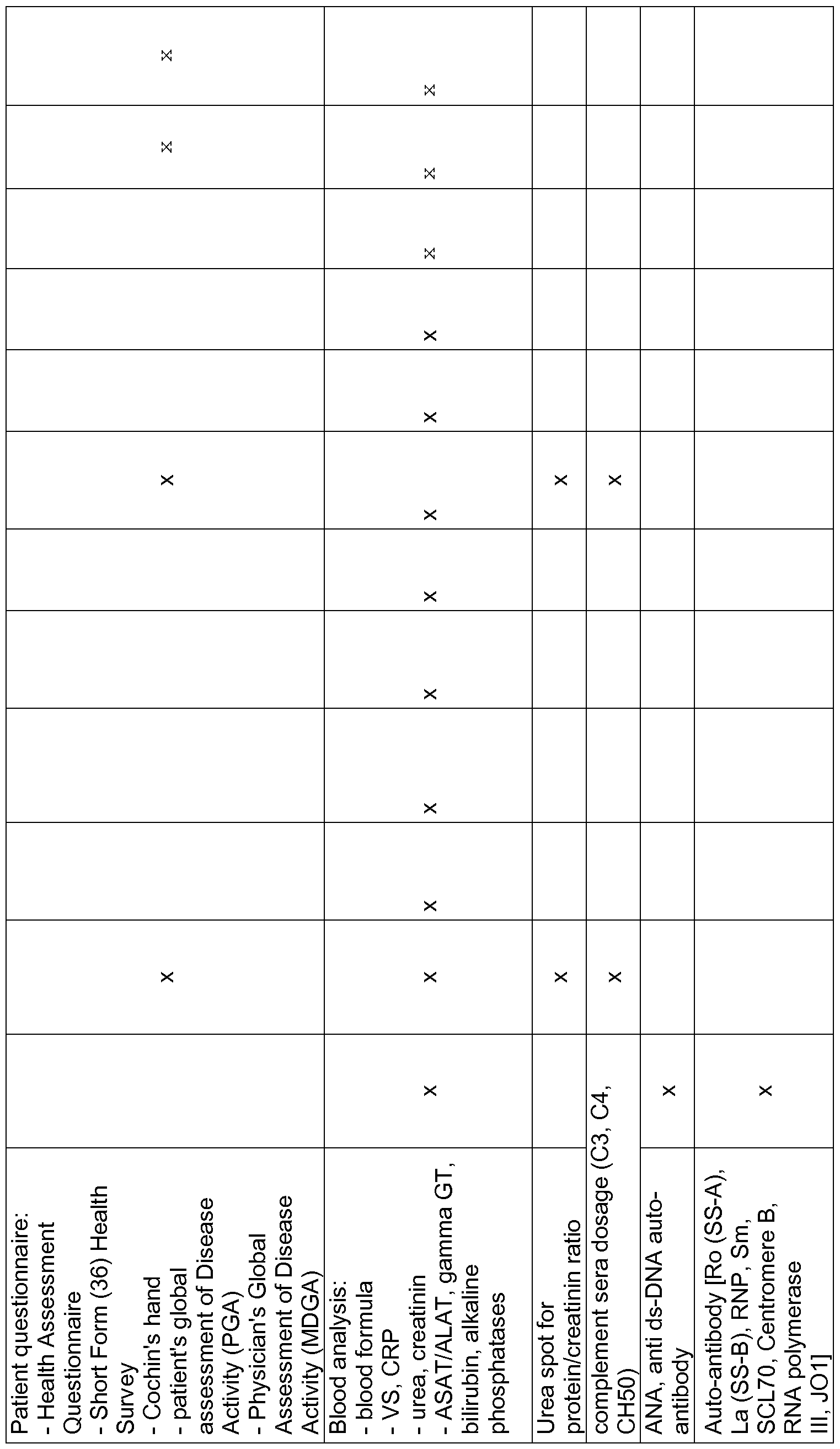
- the platelet activation level, the endothelial activation level and the circulating TSLP are assessed. Patients will be followed once a quarter except during the first month of treatment.
- Example 4 treatment of platelets from healthy non sclerodermic patients treated with clopidogrel and from a healthy non sclerodermic patient treated with ticagrelor
- platelets purified from healthy normal subject, or non- sclerodermic patients treated with clopidogrel (75 mg par jour), or a non- sclerodermic patient treated with ticagrelor (90 mg par jour), for preventing atherothrombotic events were co-incubated with human normal microvascular endothelial cells at a 200:1 ratio for 24 hrs. Cell culture supernatant was collected and TSLP content was measured using a dedicated commercial ELISA kit. As shown in figure 7, platelets from the patient treated by clopidogrel and ticagrelor failed to induce TSLP production by endothelial cells. This result is not observed with platelets from healthy patients not treated by clopidogrel or by ticagrelor.
- P2Y12 inhibitors treatment ex vivo reduces the platelet induced- endothelial cell TSLP production leading to a potential anti-fibrotic effect.
- the endothelial TSLP production is not inhibited by healthy patients platelets treated with acetylsalicylic acid (aspirin active metabolite) (see Figure 8).
- Example 5 in vivo preventive effect of clopidogrel in a mouse model
- mice received daily subcutaneous injections of 100 ⁇ of bleomycin dissolved in PBS at a concentration of 30 ⁇ g/mice in defined areas of the upper back every other day to induce dermal fibrosis.
- mice model of bleomycin-induced dermal fibrosis was used to evaluate a potential protection from fibrosis of clopidogrel.
- Mice were either pre-treated orally with water or clopidogrel (25 mg/kg/d) per os 15 days before subcutaneous injection of either PBS or bleomycin (30 g/mice).
- Skin, spleen, lung and kidney are harveseted for analysis of fibrosis genes expression (C0IIAI , MMP1 , MCP-1 ).
- clopidogrel pre-treatment in vivo significantly reduces the skin fibrotic effect of Bleomycin in mice.
- Kahaleh MB Osborn I, Leroy EC. Elevated levels of circulating platelet aggregates and beta-thromboglobulin in scleroderma. Ann Intern Med 1982;96:610-613.
- Th17 cells favor inflammatory responses while inhibiting type I collagen deposition by dermal fibroblasts: differential effects in healthy and systemic sclerosis fibroblasts. Arthritis Res Ther 2013;15:R151 .
- Ntelis et al. "Clopidogrel treatment may associate with worsening of endothelial function and development of new digital ulcers in patients with systemic sclerosis: results from an open label, proof of concept study”; BMC Musculoskeletal Disorders (2016) 17:213.
Landscapes
- Health & Medical Sciences (AREA)
- Chemical & Material Sciences (AREA)
- Immunology (AREA)
- Medicinal Chemistry (AREA)
- General Health & Medical Sciences (AREA)
- Life Sciences & Earth Sciences (AREA)
- Animal Behavior & Ethology (AREA)
- Pharmacology & Pharmacy (AREA)
- Public Health (AREA)
- Veterinary Medicine (AREA)
- Organic Chemistry (AREA)
- Bioinformatics & Cheminformatics (AREA)
- Engineering & Computer Science (AREA)
- Epidemiology (AREA)
- Transplantation (AREA)
- Chemical Kinetics & Catalysis (AREA)
- General Chemical & Material Sciences (AREA)
- Nuclear Medicine, Radiotherapy & Molecular Imaging (AREA)
- High Energy & Nuclear Physics (AREA)
- Physics & Mathematics (AREA)
- Biochemistry (AREA)
- Biophysics (AREA)
- Genetics & Genomics (AREA)
- Molecular Biology (AREA)
- Proteomics, Peptides & Aminoacids (AREA)
- Pharmaceuticals Containing Other Organic And Inorganic Compounds (AREA)
- Medicines That Contain Protein Lipid Enzymes And Other Medicines (AREA)
Abstract
Description



Claims
Priority Applications (3)
| Application Number | Priority Date | Filing Date | Title |
|---|---|---|---|
| JP2018538585A JP2019502739A (en) | 2016-01-20 | 2017-01-19 | Substance that inhibits P2Y12 receptor for use in the prevention and treatment of systemic scleroderma in patients suffering from Raynaud's phenomenon and immune disorders |
| CA3004183A CA3004183A1 (en) | 2016-01-20 | 2017-01-19 | Substance that inhibits p2y12 receptor, for use in the preventive treatment of systemic sclerosis in patients with raynaud's phenomenon and a dysimmunity |
| US16/065,932 US20190015397A1 (en) | 2016-01-20 | 2017-01-19 | Substance that inhibits p2y12 receptor, for use in the preventive treatment of systemic sclerosis in patients with raynaud's phenomenon and a dysimmunity |
Applications Claiming Priority (2)
| Application Number | Priority Date | Filing Date | Title |
|---|---|---|---|
| EP16152005.1 | 2016-01-20 | ||
| EP16152005.1A EP3195881A1 (en) | 2016-01-20 | 2016-01-20 | Substance that inhibits p2y12 receptor, for use in the preventive treatment of systemic sclerosis in patients with raynaud's phenomenon and a dysimmunity |
Publications (1)
| Publication Number | Publication Date |
|---|---|
| WO2017125502A1 true WO2017125502A1 (en) | 2017-07-27 |
Family
ID=55236196
Family Applications (1)
| Application Number | Title | Priority Date | Filing Date |
|---|---|---|---|
| PCT/EP2017/051100 Ceased WO2017125502A1 (en) | 2016-01-20 | 2017-01-19 | Substance that inhibits p2y12 receptor, for use in the preventive treatment of systemic sclerosis in patients with raynaud's phenomenon and a dysimmunity |
Country Status (5)
| Country | Link |
|---|---|
| US (1) | US20190015397A1 (en) |
| EP (1) | EP3195881A1 (en) |
| JP (1) | JP2019502739A (en) |
| CA (1) | CA3004183A1 (en) |
| WO (1) | WO2017125502A1 (en) |
Families Citing this family (4)
| Publication number | Priority date | Publication date | Assignee | Title |
|---|---|---|---|---|
| EP3614148A1 (en) * | 2018-08-22 | 2020-02-26 | Bianchi, Marco Emilio | Novel biomarkers |
| US20240299413A1 (en) | 2020-08-07 | 2024-09-12 | Eicos Sciences, Inc. | Method of treating systemic sclerosis with symptomatic raynaud's phenomenon by intravenous or subcutaneous iloprost administration |
| CN116966186A (en) * | 2023-04-28 | 2023-10-31 | 广东省人民医院 | Application of ticagrelor in the preparation of immune disease drugs |
| WO2025019625A1 (en) | 2023-07-18 | 2025-01-23 | Btg International Inc. | Method of using iloprost for treating frostbite |
-
2016
- 2016-01-20 EP EP16152005.1A patent/EP3195881A1/en not_active Withdrawn
-
2017
- 2017-01-19 JP JP2018538585A patent/JP2019502739A/en active Pending
- 2017-01-19 CA CA3004183A patent/CA3004183A1/en not_active Abandoned
- 2017-01-19 US US16/065,932 patent/US20190015397A1/en not_active Abandoned
- 2017-01-19 WO PCT/EP2017/051100 patent/WO2017125502A1/en not_active Ceased
Non-Patent Citations (7)
| Title |
|---|
| CLARA DEES ET AL: "Platelet-derived serotonin links vascular disease and tissue fibrosis", THE JOURNAL OF EXPERIMENTAL MEDICINE, vol. 208, no. 5, 25 April 2011 (2011-04-25), US, pages 961 - 972, XP055287689, ISSN: 0022-1007, DOI: 10.1084/jem.20101629 * |
| CLARA DEES ET AL: "Supplemental Material", THE JOURNAL OF EXPERIMENTAL MEDICINE, 25 April 2011 (2011-04-25), pages S1 - S7, XP055287696, Retrieved from the Internet <URL:http://jem.rupress.org/content/suppl/2011/04/25/jem.20101629.DC1/JEM_20101629_sm.pdf> [retrieved on 20160712] * |
| DERRETT-SMITH EMMA C ET AL: "Systemic sclerosis: clinical features and management", MEDICINE - U K EDITION, vol. 42, no. 3, March 2014 (2014-03-01), pages 167 - 173, XP028624276, ISSN: 1357-3039, DOI: 10.1016/J.MPMED.2013.12.004 * |
| GABRIELE VALENTINI ET AL: "Early Systemic Sclerosis: Analysis of the Disease Course in Patients With Marker Autoantibody and/or Capillaroscopic Positivity", ARTHRITIS CARE & RESEARCH, vol. 66, no. 10, 25 September 2014 (2014-09-25), US, pages 1520 - 1527, XP055287608, ISSN: 2151-464X, DOI: 10.1002/acr.22304 * |
| K DELIS ET AL: "Effective Suppression of Adp-Dependent Platelet Activation by Clopidogrel May Result in Clinical Stabilization in Patients with Systemic Sclerosis. Results of an Open Label, Proof of Concept Study -- Delis et al. 73 (Suppl 2): 704 -- Annals of the Rheumatic Diseases", ANNALS OF THE RHEUMATIC DISEASES, vol. 73, no. Suppl 2, June 2014 (2014-06-01), GB, pages 704, XP055287845, ISSN: 0003-4967, DOI: 10.1136/annrheumdis-2014-eular.4093 * |
| MARTIAL KOENIG ET AL: "Autoantibodies and microvascular damage are independent predictive factors for the progression of Raynaud's phenomenon to systemic sclerosis: A twenty-year prospective study of 586 patients, with validation of proposed criteria for early systemic sclerosis", ARTHRITIS & RHEUMATISM, vol. 58, no. 12, December 2008 (2008-12-01), pages 3902 - 3912, XP055287611, ISSN: 0004-3591, DOI: 10.1002/art.24038 * |
| ROMY B. CHRISTMANN ET AL: "Thymic Stromal Lymphopoietin Is Up-Regulated in the Skin of Patients With Systemic Sclerosis and Induces Profibrotic Genes and Intracellular Signaling That Overlap With Those Induced by Interleukin-13 and Transforming Growth Factor [beta]", ARTHRITIS & RHEUMATISM, vol. 65, no. 5, 23 April 2013 (2013-04-23), pages 1335 - 1346, XP055287853, ISSN: 0004-3591, DOI: 10.1002/art.37859 * |
Also Published As
| Publication number | Publication date |
|---|---|
| JP2019502739A (en) | 2019-01-31 |
| US20190015397A1 (en) | 2019-01-17 |
| CA3004183A1 (en) | 2017-07-27 |
| EP3195881A1 (en) | 2017-07-26 |
Similar Documents
| Publication | Publication Date | Title |
|---|---|---|
| TWI784988B (en) | Methods of treating inflammatory conditions | |
| US20240156913A1 (en) | Treatment and prevention of metabolic diseases | |
| Zhang et al. | Cyclosporin A inhibits the production of IL-17 by memory Th17 cells from healthy individuals and patients with rheumatoid arthritis | |
| US20200270340A1 (en) | Treatment of kidney injury | |
| AU2015230986A1 (en) | Cenicriviroc for the treatment of fibrosis | |
| JP2019513737A (en) | Compositions and methods for treating cancer, inflammatory diseases and autoimmune diseases | |
| Gram | Preclinical characterization and clinical development of ILARIS®(canakinumab) for the treatment of autoinflammatory diseases | |
| van den Hoogen et al. | Targeted therapies in systemic sclerosis, myositis, antiphospholipid syndrome, and Sjögren's syndrome | |
| Askanase et al. | New and future therapies: changes in the therapeutic armamentarium for SLE | |
| WO2017125502A1 (en) | Substance that inhibits p2y12 receptor, for use in the preventive treatment of systemic sclerosis in patients with raynaud's phenomenon and a dysimmunity | |
| US20190343806A1 (en) | Cenicriviroc for the treatment of fibrosis | |
| JP2024178420A (en) | LOU064 for Treating Multiple Sclerosis | |
| CN116802210A (en) | Compositions and methods for treating bowel cancer | |
| KR20170031245A (en) | Methods and compositions for diagnosing and treating inflammatory bowel disorders | |
| Zou et al. | Taurodeoxycholate ameliorates DSS-induced colitis in mice | |
| US20090186040A1 (en) | DOSING METHODS FOR TREATING AUTOIMMUNE DISEASES USING A TACI-Ig FUSION PROTEIN SUCH AS ATACICEPT | |
| WO2019046697A1 (en) | Compositions and methods for treating alcoholic liver disease, alcohol-induced brain injury and reducing alcohol addiction | |
| Zhao et al. | The off-label uses profile of tofacitinib in systemic rheumatic diseases | |
| Tietz et al. | A bispecific, tetravalent antibody targeting inflammatory and pruritogenic pathways in atopic dermatitis | |
| KR102849806B1 (en) | Treatment of skin diseases or disorders by delivery of anti-OSMRß antibodies | |
| JP2025525860A (en) | IL-15 inhibitor useful for treating atopic dermatitis | |
| Chaudhari et al. | What’s new in blistering disorders? | |
| Hill et al. | THU0068 preclinical characterization of PRN1008, a novel reversible covalent inhibitor of BTK that shows efficacy in a RAT model of collagen-induced arthritis | |
| US11013717B1 (en) | Methods and compositions for treating cancer using SERCA pump inhibitors | |
| Li et al. | ROCK inhibitor abolishes the antibody response in experimental autoimmune myasthenia gravis |
Legal Events
| Date | Code | Title | Description |
|---|---|---|---|
| 121 | Ep: the epo has been informed by wipo that ep was designated in this application |
Ref document number: 17701108 Country of ref document: EP Kind code of ref document: A1 |
|
| ENP | Entry into the national phase |
Ref document number: 3004183 Country of ref document: CA |
|
| ENP | Entry into the national phase |
Ref document number: 2018538585 Country of ref document: JP Kind code of ref document: A |
|
| NENP | Non-entry into the national phase |
Ref country code: DE |
|
| 122 | Ep: pct application non-entry in european phase |
Ref document number: 17701108 Country of ref document: EP Kind code of ref document: A1 |