WO2017122790A1 - 情報処理方法及び装置 - Google Patents
情報処理方法及び装置 Download PDFInfo
- Publication number
- WO2017122790A1 WO2017122790A1 PCT/JP2017/001056 JP2017001056W WO2017122790A1 WO 2017122790 A1 WO2017122790 A1 WO 2017122790A1 JP 2017001056 W JP2017001056 W JP 2017001056W WO 2017122790 A1 WO2017122790 A1 WO 2017122790A1
- Authority
- WO
- WIPO (PCT)
- Prior art keywords
- value
- statistic
- calculated
- observation data
- threshold value
- Prior art date
- Legal status (The legal status is an assumption and is not a legal conclusion. Google has not performed a legal analysis and makes no representation as to the accuracy of the status listed.)
- Ceased
Links
Images

Classifications
-
- G—PHYSICS
- G16—INFORMATION AND COMMUNICATION TECHNOLOGY [ICT] SPECIALLY ADAPTED FOR SPECIFIC APPLICATION FIELDS
- G16B—BIOINFORMATICS, i.e. INFORMATION AND COMMUNICATION TECHNOLOGY [ICT] SPECIALLY ADAPTED FOR GENETIC OR PROTEIN-RELATED DATA PROCESSING IN COMPUTATIONAL MOLECULAR BIOLOGY
- G16B40/00—ICT specially adapted for biostatistics; ICT specially adapted for bioinformatics-related machine learning or data mining, e.g. knowledge discovery or pattern finding
-
- C—CHEMISTRY; METALLURGY
- C12—BIOCHEMISTRY; BEER; SPIRITS; WINE; VINEGAR; MICROBIOLOGY; ENZYMOLOGY; MUTATION OR GENETIC ENGINEERING
- C12N—MICROORGANISMS OR ENZYMES; COMPOSITIONS THEREOF; PROPAGATING, PRESERVING, OR MAINTAINING MICROORGANISMS; MUTATION OR GENETIC ENGINEERING; CULTURE MEDIA
- C12N15/00—Mutation or genetic engineering; DNA or RNA concerning genetic engineering, vectors, e.g. plasmids, or their isolation, preparation or purification; Use of hosts therefor
Definitions
- the present invention relates to Gene-based Test.
- GWAS Gene-Wide Association Studies
- the rare variant and the phenotype when looking at the relationship between a rare variant (rare SNP) present in a gene part (exon) in the whole genome and a phenotype, from the usual statistical standpoint, the rare variant and the phenotype When the relationship with the type is statistically processed, it is determined whether or not the p value is smaller than a predetermined threshold (for example, 0.01 or 0.05).
- a predetermined threshold for example, 0.01 or 0.05
- the statistical processing for calculating the p value is performed for each gene portion present in the entire genome, and about 20,000 genes exist in the entire genome. Therefore, when the concept of multiple testing is used, a predetermined threshold value / number of genes is used as a reference in order to confirm the certainty of the relationship by statistical processing for each gene. Then, when performing permutation test as in Gene-based test, the number of trials required to determine whether it is significant is at least 1 / (predetermined threshold / number of genes).
- Non-Patent Document 1 shown below discloses a technique for reducing the number of trials by stopping the test when it is found that the finally calculated p-value is not significant as adaptive permutation test.
- Non-Patent Document 2 if the p value in the middle of the permutation test executed M times exceeds the threshold value ⁇ , the test is terminated halfway, and the p value is equal to the threshold value ⁇ + (p value be terminated interrupted the test disclosed in the case below the distribution or threshold greater than 6-fold) of the standard deviation sigma M alpha-(6 times the standard deviation sigma M of the distribution of p-values).
- Non-Patent Document 2 a fixed range of “6 times the standard deviation ⁇ M ” centered on the threshold ⁇ is a condition for continuing the test. It is unclear whether such a range is an appropriate range. Therefore, there are cases where the test is unnecessarily continued or interrupted.
- an object of the present invention is, according to one aspect, to provide a technique for speeding up the permutation test while realizing the accuracy reflecting the reliability specified by the user.
- the method according to the present invention includes (A) calculating a statistic representing a relationship between genotype and phenotype based on observation data for a set of single nucleotide polymorphisms present in a designated portion in the genome, and (B ) When calculating the statistic when the phenotype value is replaced in the observation data, the ratio of the number of times that the calculated statistic is higher than the statistic calculated based on the observation data exceeds the first threshold or A process execution step that is executed until an event that falls below a threshold value of 2 is detected, or if the event is not detected until a predetermined number of times is executed, and (C) the ratio is set to p for a single nucleotide polymorphism set. Outputting as a value.
- the first threshold value and the second threshold value are preliminarily designated significance levels based on the appearance distribution of cases in which statistics higher than the statistics calculated based on the observation data are calculated and the reliability specified in advance. It is dynamically determined from the value it represents.
- FIG. 1 is a diagram illustrating a configuration example of an information processing apparatus according to an embodiment.
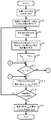
- FIG. 2 is a diagram showing a processing flow according to the present embodiment.
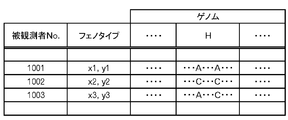
- FIG. 3 is a diagram illustrating an example of observation data.
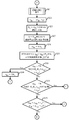
- FIG. 4 is a diagram showing a processing flow according to the present embodiment.
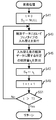
- FIG. 5 is a diagram illustrating a processing flow of replacement processing.
- FIG. 6 is a functional block diagram of the computer.
- FIG. 1 An example of an information processing apparatus according to an embodiment of the present invention is shown in FIG. 1
- the information processing apparatus 100 includes an input unit 110, an observation data storage unit 120, a first data storage unit 130, a p-value calculation unit 140, a second data storage unit 150, and an extraction unit 160. And an output unit 170.
- the input unit 110 accepts various parameters, observation data to be processed, and designation of a set of SNPs (referred to as SNPset) from the user, and stores them in the first data storage unit 130 and the like.
- the input unit 110 may receive data from another computer to which the information processing apparatus 100 is connected via a network.
- the observation data storage unit 120 stores phenotype data and genome data in association with each other for each of the plurality of subjects. These data may be stored in advance, or may be input from the input unit 110.
- the p value calculation unit 140 calculates a p value for each SNPset, and stores the calculated p value in the second data storage unit 150 in association with the SNPset. For this reason, the p value calculation unit 140 includes a statistic calculation unit 141 and a replacement processing unit 142.
- the statistic calculator 141 calculates a predetermined statistic.
- the replacement processing unit 142 executes a process of replacing the phenotype value of each observed person in the observation data according to a method such as a bootstrap method.
- the extraction unit 160 extracts the SNPset for which the p value satisfying the predetermined condition is extracted from the second data storage unit 150 and outputs the SNPset to the output unit 170.
- the output unit 170 outputs the extraction result of the extraction unit 160 to the user or another computer. Note that the output unit 170 may output mid-process data such as data stored in the second data storage unit 150 based on data stored in the first data storage unit 130, for example.
- the input unit 110 accepts input of various parameters from, for example, a user and stores the input in the first data storage unit 130 (FIG. 2: step S1).
- a significance level p a2 corresponding to the second reliability ⁇ 2 may be input.
- the first reliability ⁇ 1 and the second reliability ⁇ 2 may be the same.
- the input unit 110 accepts designation of observation data to be processed and SNPset from a user, for example, and stores them in the first data storage unit 130 or the observation data storage unit 120 (step S3).
- the observation data storage unit 120 from where to where the observation data is used, for example, the data such as the position of the gene and the position of the SNP in the gene is designated.
- observation data stored in the observation data storage unit 120 is shown in FIG.
- phenotypes here, x and y; for example, height and weight
- genome data are stored in association with each person to be observed.
- the genome includes a plurality of genes.
- the gene H is focused, and a plurality of loci having mutations are designated as SNP sets to be processed.
- two SNPs with mutations are specified.
- a phenotype when many types of phenotype are contained in observation data, it may be designated about which phenotype is processed.
- a SNPset may be designated for a certain group of genes.
- a plurality of SNPsets are designated.
- the p-value calculation unit 140 identifies one unprocessed SNPset among the SNPsets to be processed (step S5). For example, a list of SNP sets to be processed is prepared and specified sequentially from the top.
- the statistic calculation unit 141 of the p-value calculation unit 140 calculates a predetermined statistic s regarding the observation data itself for the specified SNPset (step S7).
- the statistic s according to the present embodiment is a statistic that represents the relationship between genotype and phenotype with respect to a set of single nucleotide polymorphisms present in a specified gene or the like in the genome. More specifically, for example, the statistic s of SKAT (Sequential Kernel Association Test) is calculated.
- n is the number of observers
- m is the number of SNPs included in the SNPset
- y is an n-dimensional vector of the observed phenotype
- ⁇ is the null hypothesis (that is, the phenotype of interest is It is an n-dimensional vector of predicted averages of phenotypes under the hypothesis that it has no relationship with genotypes).
- g i is an n-dimensional vector containing the genotypes of n observers for the i th SNP.
- g i may be a discrete value (eg, 0, 1, 2) or a continuous value (eg, 0 or more and 2 or less).
- Statistics that can be adopted in the present embodiment are not limited to SKAT statistics, but, for example, Burden Test statistics or c-alpha Test statistics can be used.
- Burden Test statistics or c-alpha Test statistics can be used.
- For these statistics see, for example, Seunggeng Lee et al, "Rare-Variant Association Analysis: Study Designsisticand Statistical Tests", The American journaluof Human Genetics 95, 35-23, July 3, et, et. See Testing for an Unusual Distribution of Rare Variants ”PLoS Genet 7 (3), 2011 etc. These documents are incorporated herein.
- the p value calculation unit 140 assigns NULL to the set S Bc and assigns 0 to a variable B c representing the number of times of calculation of statistics (step S9).
- the p value calculation unit 140 determines whether B c is smaller than B specified by the user (step S11). If this condition is satisfied, the process proceeds to the process of FIG.
- step S11 when the condition of step S11 is not satisfied, that is, when the number of calculations B c is equal to or greater than the user-specified maximum number of calculations B, the p-value calculator 140 calculates the estimated p for the SNPset identified in step S5.
- p Bc calculated in the process of FIG. 4 is stored in the second data storage unit 150 in association with the data of the SNP set (for example, the position data of the SNP included in the SNP set) (step S13).
- the p-value calculation unit 140 determines whether there is an unprocessed SNPset (step S15). If it exists, the process returns to step S5. On the other hand, if the SNPset there is no unprocessed, the extraction unit 160, the second data storage unit 150, extracts the estimated p value is less than p sig specified by the user SNPset as SNPset exceeding significance level The extracted SNPset is output to the output unit 170.
- the output unit 170 outputs the extraction result of the extraction unit 160 to an output device (for example, a display device, a printing device, another computer, etc.) (step S17).
- FIG. 2 The processing shown in FIG. 2 is almost the same as the conventional processing. The speeding up of processing will be described in detail with reference to FIGS.
- step S21 the replacement processing unit 142 executes a replacement process (FIG. 4: step S21). This replacement process will be described in detail with reference to FIG.
- the replacement processing unit 142 performs phenotype replacement in the observation data stored in the observation data storage unit 120 (step S43).
- the phenotype value is extracted by restoration extraction or non-restoration extraction, and is replaced with the extracted phenotype value to generate observation data after the phenotype exchange.
- Non-restoration extraction is a method of selecting a specimen without returning the selected individual to the population.
- a process of setting the phenotype value of the observed person 1001 as the phenotype value of the observed person 1003 is performed.
- the statistic calculator 141 has the same calculation method as that described in step S7, although the observation data to be processed is different.
- the replacement processing unit 142 increments the counter t by 1 (step S49).
- the replacement processing unit 142 determines whether or not the value of the counter t has exceeded a user-specified constant T (step S51). If the value of the counter t is less than or equal to the user-specified constant T, the process returns to step S43. On the other hand, if the value of the counter t exceeds the user-specified constant T, the process returns to the caller process.
- T may be 1, the efficiency of processing is improved when the numerical value is a certain value.
- T pieces of statistic s t is possible to be put in the set S T.
- p value calculation unit 140, the set S Bc substitutes the set S Bc and the set S T (step S23). Further, p-value calculating unit 140, the variable B c, substituting the number of statistics included in the set S Bc (step S25). Further, p-value calculating unit 140, the variable b, substituted by counting the number of high statistic s t than statistic s in the set S Bc (step S27).
- the p value calculation unit 140 calculates b / B c and substitutes it into a variable p Bc representing the estimated p value (step S29).
- the p value calculation unit 140 calculates the width d a of the confidence interval of the reliability ⁇ 1 from the Gaussian distribution N (0, p Bc (1 ⁇ p Bc ) / B c ) (step S31).
- SNP sets whose estimated p values are less than (or less than) the p sig specified by the user are extracted, so that SNP sets that are clearly below p sig and SNP sets that are clearly above p sig Will not cause a problem even if the process is aborted. However, another problem arises as to what conditions are satisfied and whether the process is terminated halfway.
- the width corresponding to the reliability ⁇ 1 is set so that the accuracy according to the reliability ⁇ 1 designated by the user is obtained.
- p Bc is (on average 0 and the variance (4) Gaussian distribution) Gaussian distribution N (0, p Bc (1 -p Bc) / B c) considered to correspond to. Then, it can be seen that it is appropriate to use the width d a of the confidence interval corresponding to the reliability ⁇ 1 in this Gaussian distribution as the width corresponding to the reliability ⁇ 1.
- Gaussian distribution N (0, p Bc (1 -p Bc) / B c) is calculated the number of statistic s t is changed dynamically if increased. Then, if the distribution N (0, p Bc (1 -p Bc) / B c) is known, because the function for calculating the confidence interval corresponding to a user-specified confidence ⁇ 1 is known, the width d a A detailed description of the calculation method is omitted. However, generally, the lower limit and upper limit of the confidence interval are expressed as follows.
- Y is a positive integer random variable representing the number of trials
- p sig_single p sig * SNPset number. Then, the true p value is the highest at p sig and the lowest at p sig_single .
- Step S39 the p value calculation unit 140 determines whether or not the condition of p Bc > p sig + d a / 2 or p Bc ⁇ p sig ⁇ d a / 2 is satisfied. That is, it is determined whether or not p Bc falls within the width d a of the confidence interval with p sig as the center. If this condition is satisfied, the process may be stopped halfway, and the process returns to step S13 in FIG. Note that the inequalities included in this condition can be transformed while maintaining the relationship. On the other hand, when this condition is not satisfied, the process returns to step S11 in FIG.
- p Bc is mainly p sig, have to be entered to the width d a confidence interval, since the transition at that time to the process for the next SNPset, execution of the more replacement process The number of times can be reduced. Therefore, the overall processing speed can be increased.
- the functional block diagram shown in FIG. 1 is an example, and may not match the program module configuration.
- the processing flow as long as the processing result does not change, the processing order may be changed or the processing may be executed in parallel. In the case of the present embodiment, it may be parallelized by different computers or processor cores, particularly for each SNPset.
- an accurate p value may be calculated by repeatedly executing the replacement process as long as p Bc ⁇ p sig holds. Whether or not it is important may be determined based on the value of the statistic s calculated without changing the phenotype. In particular, when the value of the statistic s calculated without changing the phenotype is equal to or greater than a predetermined threshold value, it may be excluded from the processing target.
- a client terminal may access one or a plurality of information processing apparatuses 100 via a network to perform processing. good.
- the functions described above may be shared.
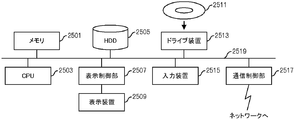
- the information processing apparatus 100 described above is a computer apparatus, and as shown in FIG. 6, displays a memory 2501, a CPU (Central Processing Unit) group 2503, and a hard disk drive (HDD: Hard Disk Drive) 2505.
- a display control unit 2507 connected to the device 2509, a drive device 2513 for the removable disk 2511, an input device 2515, and a communication control unit 2517 for connecting to a network are connected by a bus 2519.
- An operating system (OS: Operating System) and an application program for performing the processing in this embodiment are stored in the HDD 2505, and are read from the HDD 2505 to the memory 2501 when executed by the CPU group 2503.
- OS Operating System
- the CPU group 2503 controls the display control unit 2507, the communication control unit 2517, and the drive device 2513 according to the processing contents of the application program, and performs a predetermined operation. Further, data in the middle of processing is mainly stored in the memory 2501, but may be stored in the HDD 2505. In an embodiment of the present technology, an application program for performing the above-described processing is stored in a computer-readable removable disk 2511 and distributed, and installed from the drive device 2513 to the HDD 2505. In some cases, the HDD 2505 may be installed via a network such as the Internet and the communication control unit 2517.
- Such a computer apparatus has various functions as described above by organically cooperating hardware such as the CPU group 2503 and memory 2501 described above with programs such as OS and application programs. Realize.
- the method according to the present embodiment (also referred to as a test method, a statistical processing method, a test method, etc.) is (A) the relationship between genotypes and phenotypes for a set of single nucleotide polymorphisms present in a specified portion in the genome.
- a statistic calculated by the calculated statistic based on the observation data, a step of calculating the statistic to be represented based on the observation data, and (B) a process of calculating the statistic when the phenotype value is replaced in the observation data A process execution step that is executed until an event that the ratio of the number of times of increase exceeds the first threshold or falls below the second threshold is detected, or until a predetermined number of times is executed if the event is not detected
- the first threshold value and the second threshold value described above are specified in advance based on the appearance distribution of cases in which statistics higher than the statistics calculated based on the observation data are calculated and the reliability specified in advance. It is dynamically determined from the value representing the significance level.
- the processing is performed when the first threshold value is exceeded or less than the second threshold value. Is cut off midway, so the speed of permutation test is also realized. Furthermore, since the first and second threshold values are based on the appearance distribution of cases in which a statistic higher than the statistic calculated based on the observation data is calculated, the first and second thresholds are It changes dynamically according to the calculation situation. In other words, the present embodiment can be applied without depending on the statistic calculation method.
- the first threshold value described above adds a value that is 1/2 of the width of the confidence interval corresponding to the reliability specified in advance in the appearance distribution to the value indicating the significance level specified in advance.
- the second threshold value described above is a value that is 1/2 of the width of the confidence interval corresponding to the confidence level designated in advance in the appearance distribution. It may be a subtracted value.
- the method according to the present embodiment may further include (D) a step of determining whether to accept a single nucleotide polymorphism set based on the p value. This makes it possible to obtain a set of significant single nucleotide polymorphisms.
- process execution step described above may include a step of determining whether or not the event has occurred every time the process is executed a predetermined number of times. In this way, processing efficiency can be further improved.
- the program is, for example, a flexible disk, an optical disk such as a CD-ROM, a magneto-optical disk, a semiconductor memory (for example, ROM), a computer-readable storage medium such as a hard disk or a storage device.
- a storage device such as a RAM.
Landscapes
- Physics & Mathematics (AREA)
- Health & Medical Sciences (AREA)
- Life Sciences & Earth Sciences (AREA)
- Engineering & Computer Science (AREA)
- Medical Informatics (AREA)
- Epidemiology (AREA)
- Software Systems (AREA)
- Computer Vision & Pattern Recognition (AREA)
- Data Mining & Analysis (AREA)
- Databases & Information Systems (AREA)
- Bioethics (AREA)
- Evolutionary Computation (AREA)
- Artificial Intelligence (AREA)
- Public Health (AREA)
- Biophysics (AREA)
- Bioinformatics & Cheminformatics (AREA)
- Bioinformatics & Computational Biology (AREA)
- Biotechnology (AREA)
- Evolutionary Biology (AREA)
- General Health & Medical Sciences (AREA)
- Spectroscopy & Molecular Physics (AREA)
- Theoretical Computer Science (AREA)
- Measuring Or Testing Involving Enzymes Or Micro-Organisms (AREA)
Abstract
本方法は、ゲノム中の指定部分に存在する一塩基多型の集合についてジェノタイプとフェノタイプとの関係を表す統計量を観測データに基づいて算出する工程と、観測データにおいてフェノタイプの値を入れ替えた場合における統計量sを算出する処理を、算出した統計量が統計量sより高くなる回数の割合が第1の閾値を超えるか若しくは第2の閾値を下回るという事象を検出するまで、又は上記事象が検出されなければ予め指定された回数実行するまで、実行する処理実行工程と、上記割合を一塩基多型の集合に対するp値として出力する工程とを含む。ここで第1の閾値及び第2の閾値は、統計量sより高い統計量が算出されるケースの出現分布及び予め指定された信頼度に基づき、予め指定された有意水準を表す値から動的に決定されるものである。
Description
本発明は、Gene-based Testに関する。
GWAS(Genome-Wide Association Studies)解析は、フェノタイプと変異の関係を調べる方法で、SNP(一塩基多型。Single-Nucleotide Polymorphism)を中心に調べるSNP-based testと、特定遺伝子上に関連するSNPが集合しているという仮定の下でフェノタイプ(形質)とSNP集合の関連性を検定するGene-based testとがある。
SNP-based testの場合、特定のフェノタイプとSNPとの関連性を検出するためには、そのSNPが集団中で共通であることが要件となる。しかしながら、集団中のレアなSNPに関しては、実際に関連性があったとしても、統計的に有意な水準で関連性を検出することが出来ない。そのため、特定のフェノタイプとレアなSNPとの関連性を明確に検出するためには、遺伝子上に存在するレアなSNPを集合として観測することでフェノタイプとの関係を見るGene-based testで行うことがよいとされている。
しかしながら、既存のGene-based testに用いられる統計手法を用いて正確なp値(帰無仮説が正しいという条件の下で、実際のデータから計算された統計量よりも大きな統計量が観測される確率)を得るためには、permutation test(並べ替え検定とも呼ぶ)を行うことになる。このpermutation testには、多大な計算コストを要することが分かっている。
より具体的には、全ゲノム中の遺伝子部分(エクソン)に存在するレアバリアント(レアなSNP)とフェノタイプの関係を見ようとすると、通常の統計学的な立場からは、そのレアバリアントとフェノタイプとの関係を統計的に処理した場合に、所定の閾値(例えば0.01や0.05)よりも小さいp値を有するかどうかを判断することになる。
このp値を求める統計的処理を全ゲノムの中に存在する遺伝子部分毎に行うことになり、この遺伝子は全ゲノム中に20000個ほど存在している。そのため、多重検定という概念を用いると、遺伝子毎の統計学的処理によりその関係性の確からしさを確認するためには、所定の閾値/遺伝子数を基準とすることになる。そうすると、Gene-based testを行う場合のようにpermutation testを実行する場合、有意であるかどうかを見極めるために要する試行回数は最低でも1/(所定の閾値/遺伝子数)となる。
例えば、所定の閾値=0.01、遺伝子数=20000であれば、permutation testをそれぞれの遺伝子に対して少なくとも200万回行う必要があり、遺伝子全体ではその20000倍である400億回行う必要がある。さらに、複数のフェノタイプについて関連性を計算する場合には、その分permutation testの試行回数は増加することになる。
このため、permutation testの試行回数を削減するための技術が幾つか提案されている。
例えば、以下に示す非特許文献1では、adaptive permutation testとして、最終的に計算されるp値が有意ではないと分かったところでテストを中止することで試行回数を削減する技術が開示されている。
さらに、以下に示す非特許文献2では、M回実行するpermutation testの途中におけるp値が、閾値αを超える場合にはテストを途中で打ち切ること、また、p値が、閾値α+(p値の分布の標準偏差σMの6倍)を超えるか又は閾値α-(p値の分布の標準偏差σMの6倍)を下回る場合にテストを途中で打ち切ることが開示されている。
これらの技術でもある程度の高速化がなされるが、特に非特許文献2では、閾値αを中心として「標準偏差σMの6倍」の2倍という固定的な範囲をテスト継続の条件としているが、このような範囲が適切な範囲であるかどうかは不明である。よって、無駄にテストを継続してしまう若しくは中断してしまう場合もある。
PLINK/SEQ, PSEQ association analysis [online] [2015年10月1日検索] インターネット<https://atgu.mgh.harvard.edu/plinkseq/assoc.shtml>
SNP&Variation Suite v8.4.1. Manual Collapsing Methods for DNA-Sequence Analysis [Online] [2015年10月16日検索] <http://doc.goldenhelix.com/SVS/latest/svsmanual/collapsing_methods.html>
従って、本発明の目的は、一側面によれば、ユーザ指定の信頼度を反映した精度を実現しつつpermutation testを高速化させる技術を提供することである。
本発明に係る方法は、(A)ゲノム中の指定部分に存在する一塩基多型の集合についてジェノタイプとフェノタイプとの関係を表す統計量を観測データに基づいて算出するステップと、(B)観測データにおいてフェノタイプの値を入れ替えた場合における統計量を算出する処理を、算出した統計量が観測データに基づき算出した統計量より高くなる回数の割合が第1の閾値を超えるか若しくは第2の閾値を下回るという事象を検出するまで、又は上記事象が検出されなければ予め指定された回数実行するまで、実行する処理実行ステップと、(C)上記割合を一塩基多型の集合に対するp値として出力するステップと、を含む。そして、第1の閾値及び第2の閾値は、観測データに基づき算出した統計量より高い統計量が算出されるケースの出現分布及び予め指定された信頼度に基づき、予め指定された有意水準を表す値から動的に決定されるものである。
本発明の一実施の形態に係る情報処理装置の一例を図1に示す。
本実施の形態に係る情報処理装置100は、入力部110と、観測データ格納部120と、第1データ格納部130と、p値算出部140と、第2データ格納部150と、抽出部160と、出力部170とを有する。
入力部110は、ユーザから、各種パラメータ、処理すべき観測データ及びSNPの集合(SNPsetと呼ぶ)の指定などを受け付け、第1データ格納部130などに格納する。入力部110は、情報処理装置100がネットワークを介して接続されている他のコンピュータから、それらのデータを受信する場合もある。観測データ格納部120は、複数の被観測者の各々について、フェノタイプのデータと、ゲノムのデータとを対応付けて格納している。これらのデータについては予め格納されている場合もあれば、入力部110から入力される場合もある。
p値算出部140は、各SNPsetについてp値を算出し、算出されたp値をSNPsetに対応付けて第2データ格納部150に格納する。このため、p値算出部140は、統計量算出部141と、置換処理部142とを有する。統計量算出部141は、予め定められた統計量を算出する。置換処理部142は、ブートストラップ法などの方法に従って観測データにおける各被観測者のフェノタイプの値を入れ替える処理等を実行する。
抽出部160は、第2データ格納部150から、所定の条件を満たすp値が算出されたSNPsetを抽出し、出力部170に出力する。出力部170は、ユーザ又は他のコンピュータに対して、抽出部160の抽出結果を出力する。なお、出力部170は、例えば第1データ格納部130に格納されているデータに基づき、第2データ格納部150に格納されているデータ等の処理途中のデータを出力するようにしても良い。
次に、図2乃至図5を用いて、このような情報処理装置100が行う処理について詳細に説明する。
入力部110は、例えばユーザから、各種パラメータの入力を受け付け、第1データ格納部130に格納する(図2:ステップS1)。本実施の形態では、1つのSNPsetについて統計量の最大計算回数Bと、第1の信頼度α1と、第2の信頼度α2と、以下で説明する置換処理において算出する統計量の計算回数Tと、第1の信頼度α1に対応する有意水準psigとを入力する。なお、psigについては、多重検定を考慮して設定される。すなわち、psig=(1-α1)/SNPset数となる。また、Bは、少なくとも1/psigとなる。さらに、第2の信頼度α2に対応する有意水準pa2を入力するようにしても良い。また、第1の信頼度α1と第2の信頼度α2については同一である場合もある。
また、入力部110は、例えばユーザから、処理すべき観測データ及びSNPsetの指定を受け付け、第1データ格納部130又は観測データ格納部120に格納する(ステップS3)。例えば、観測データ格納部120において、どこからどこまでの観測データを用いるか、例えば遺伝子の位置及びその遺伝子におけるSNPの位置等のデータを指定する。
観測データ格納部120に格納される観測データの一例を図3に示す。図3では、被観測者毎に、フェノタイプ(ここではx及びy。例えば身長体重など。)と、ゲノムのデータとが対応付けられて格納されている。例えば、ゲノムには、複数の遺伝子が含まれているが、ここでは遺伝子Hに着目しており、その中で変異がある複数の遺伝子座を処理すべきSNPsetとして指定する。図3の例では変異がある2つのSNPが指定される。なお、フェノタイプについても、多数の種類のフェノタイプが観測データに含まれる場合には、いずれのフェノタイプについて処理するのかについて指定する場合もある。
さらに、遺伝子毎にSNPsetを指定するのではなく、ある程度の遺伝子のまとまりについてSNPsetを指定するようにしても良い。また、ここでは、複数のSNPsetが指定されるものとする。
そうすると、p値算出部140は、処理すべきSNPsetのうち、未処理のSNPsetを1つ特定する(ステップS5)。例えば、処理すべきSNPsetのリストを用意して上から順番に特定する。
また、p値算出部140の統計量算出部141は、特定されたSNPsetについて、観測データそれ自身に関する所定の統計量sを算出する(ステップS7)。本実施の形態に係る統計量sは、ゲノム中の指定遺伝子等に存在する一塩基多型の集合に関してジェノタイプとフェノタイプとの関係を表す統計量である。より具体的には、例えばSKAT(Sequential Kernel Association Test)の統計量sを算出することとする。
SKATの統計量sは、以下のように表される。
s=(y-μ)TGWGT(y-μ) (1)
ここでnを被観測者数、mをSNPsetに含まれるSNPの数として、yは、観測されたフェノタイプのn次元ベクトルを表し、μは、帰無仮説(すなわち着目しているフェノタイプはジェノタイプとの関係を有さないという仮説)の下におけるフェノタイプの予測平均のn次元ベクトルである。また、行列Gは、以下のように表される。
G=(g1,・・・,gi,・・・gm)T (2)
giは、i番目のSNPについてn人の被観測者のジェノタイプを含むn次元のベクトルである。なお、giは、離散値(例えば0,1,2)でも連続値(例えば0以上2以下)でも良い。
行列Wは、以下のように表される。
W=diag(w1,・・・,wj,・・・wm) (3)
Wは、m×mの対角行列であり、wjは、j番目のSNPについての重み値を表している。
本実施の形態で採用可能な統計量は、SKATの統計量だけに限定されず、例えば、Burden Testの統計量やc-alpha Test統計量などを用いることができる。これらの統計量については、例えば、Seunggeng Lee et al, "Rare-Variant Association Analysis: Study Designs and Statistical Tests", The American journal of Human Genetics 95, 5-23, July 3, 2014、Benjamin et al. “Testing for an Unusual Distribution of Rare Variants” PLoS Genet 7(3), 2011などを参照のこと。これらの文献を本明細書に取り込む。
次に、p値算出部140は、集合SBcにNULLを代入し、統計量の計算回数を表す変数Bcに0を代入する(ステップS9)。
そして、p値算出部140は、Bcがユーザ指定のBより小さいか否かを判断する(ステップS11)。この条件が満たされる場合には、処理は端子Aを介して図4の処理に移行する。
一方、ステップS11の条件が満たされない場合、すなわち計算回数Bcがユーザ指定の最大計算回数B以上となった場合には、p値算出部140は、ステップS5で特定されたSNPsetについての推定p値として、図4の処理で計算されるpBcを、当該SNPsetのデータ(例えばSNPsetに含まれるSNPの位置データ)に対応付けて第2データ格納部150に格納する(ステップS13)。
その後、p値算出部140は、未処理のSNPsetが存在するか否かを判断する(ステップS15)。存在する場合には、処理はステップS5に戻る。一方、未処理のSNPsetが存在しない場合には、抽出部160は、第2データ格納部150において、推定p値がユーザが指定したpsig未満であるSNPsetを有意水準を超えるSNPsetとして抽出して、抽出したSNPsetを出力部170に出力する。出力部170は、抽出部160の抽出結果を、出力装置(例えば表示装置、印刷装置、他のコンピュータなど)に出力する(ステップS17)。
図2に示した処理は、従来とおおよそ変わらない処理である。処理の高速化については図4及び図5を用いて詳しく述べる。
端子Aを介して図2のステップS11から移行してくると、置換処理部142は、置換処理を実行する(図4:ステップS21)。この置換処理については、図5を用いて詳しく述べる。
置換処理部142は、カウンタtを0に初期化し、集合STにNULLを代入する(図5:ステップS41)。そして、置換処理部142は、観測データ格納部120に格納されている観測データにおいてフェノタイプの入れ替えを実行する(ステップS43)。各被観測者について、復元抽出又は非復元抽出によってフェノタイプの値を抽出して、抽出したフェノタイプの値に入れ替えて、フェノタイプ入れ替え後の観測データを生成する。すなわち、処理対象の被観測者のフェノタイプの値を母集団として、母集団から標本を選ぶ場合に1つの個体を選んだ後にその個体を母集団の中に戻す方法が復元抽出であり、一度選んだ個体を母集団の中に戻さずに標本を選ぶ方法が非復元抽出である。図3の例では、被観測者1001のフェノタイプの値を、被観測者1003のフェノタイプの値として設定するといった処理を行う。
そして、置換処理部142は、統計量算出部141に、フェノタイプ入れ替え後の観測データに関する所定の統計量stを算出させる(ステップS45)。統計量算出部141は、処理対象の観測データは異なるが、算出方法はステップS7で述べた方法と同じである。
その後、置換処理部142は、算出された統計量stを、集合STに入れる(ステップS47)。また、置換処理部142は、カウンタtを1インクリメントする(ステップS49)。
そして、置換処理部142は、カウンタtの値が、ユーザ指定の定数Tを超えたか否かを判断する(ステップS51)。カウンタtの値が、ユーザ指定の定数T以下であれば、処理はステップS43に戻る。一方、カウンタtの値が、ユーザ指定の定数Tを超えた場合には、処理は呼び出し元の処理に戻る。なお、Tは1であってもよいが、ある程度の数値である方が、処理の効率化が図られる。
このような処理を実行すれば、T個の統計量stが集合STに入れられることになる。
図4の処理の説明に戻って、p値算出部140は、集合SBcに、集合SBc及び集合STを代入する(ステップS23)。また、p値算出部140は、変数Bcに、集合SBcに含まれる統計量の数を代入する(ステップS25)。さらに、p値算出部140は、変数bに、集合SBc内において統計量sよりも高い統計量stの数を計数して代入する(ステップS27)。
そして、p値算出部140は、b/Bcを算出して、推定p値を表す変数pBcに代入する(ステップS29)。
さらに、p値算出部140は、ガウス分布N(0,pBc(1-pBc)/Bc)から、信頼度α1の信頼区間の幅daを算出する(ステップS31)。
本実施の形態では、推定p値がユーザが指定したpsig未満(又は以下)であるSNPsetを抽出することになるので、明らかにpsigを下回るSNPset及び明らかにpsigを上回るようなSNPsetについては、途中で処理を打ち切っても問題が生じない。しかしながら、どのような条件を満たした場合に、途中で処理を打ち切るかという問題が別に生ずる。
具体的には、psigを中心として一定の幅に入るpBcが計算された場合には処理を継続し、psigを中心として一定の幅に入らないpBcが計算された場合には処理を途中で打ち切ることとする。そこで、本実施の形態では、ユーザが指定した信頼度α1に応じた精度が出るように、当該信頼度α1に応じた幅を設定する。
より具体的には、統計量s未満の統計量が算出されると1となり、それ以外であれば0となるバイナリのランダムな変数Xを考え、計算された統計量についてのXの期待値Exp[X]及び分散Var[X]は、以下のように表される。
Exp[X]=pBc=b/Bc
Var[X]=Exp[X2]-Exp[X]2=pBc(1-pBc)
Exp[X]=pBc=b/Bc
Var[X]=Exp[X2]-Exp[X]2=pBc(1-pBc)
大数の法則から期待値の分散は以下のようになる。
Var[pBc]=pBc(1-pBc)/Bc (4)
Var[pBc]=pBc(1-pBc)/Bc (4)
さらに中心極限定理から、pBcはガウス分布N(0,pBc(1-pBc)/Bc)(平均0で、分散は(4)式のガウス分布)に対応するものと考える。そうすると、このガウス分布における信頼度α1に対応する信頼区間の幅daを、信頼度α1に応じた幅として用いることが適当であることが分かる。
ガウス分布N(0,pBc(1-pBc)/Bc)は、統計量stの計算回数が増加すれば動的に変化する。そして、この分布N(0,pBc(1-pBc)/Bc)が分かれば、ユーザ指定の信頼度α1に対応する信頼区間を算出する関数は既知であるから、その幅daの詳細な計算方法については説明を省略する。但し、一般的に、信頼区間の下限及び上限は、以下のように表される。
下限:標本平均-t×標本標準偏差/(標本の数)0.5
上限:標本平均+t×標本標準偏差/(標本の数)0.5
よって、信頼区間の幅は、t×標本標準偏差/(標本の数)0.5となる。但し、tは、既知のt分布表から得られる標本の数-1と信頼度とに対応する値である。
下限:標本平均-t×標本標準偏差/(標本の数)0.5
上限:標本平均+t×標本標準偏差/(標本の数)0.5
よって、信頼区間の幅は、t×標本標準偏差/(標本の数)0.5となる。但し、tは、既知のt分布表から得られる標本の数-1と信頼度とに対応する値である。
一方、一時的にb=0又はb=Bcとなる状態が生じ得る。このような場合には、分散が0になるので、上で述べたような基準にて処理を途中で終了させるのは妥当ではない。そこで、本実施の形態では、負の二項分布を採用する。ここで、Yを試行回数を表す正の整数のランダム変数として、psig_single=psig*SNPset数とする。そうすると、真のp値は、最も高くてpsigであり、最も低くてpsig_singleとなる。
よって、b=0の場合には、Bcの確率は負の二項分布NB(Y=Bc;Bc,1-psig)と表され、この確率が、最も高くてpBc=psigで信頼度α2となる有意水準pa2(=1-α2)より小さければ、処理を途中で停止して、pBc=1/Bcと設定する。
すなわち、pBcが0である場合には、以下の事象を検出すると、処理を停止する。
予め指定された信頼度α2に対応する有意水準pa2>(算出した統計量stが観測データに基づき算出した統計量sより低くなる確率を(1-psig)として、Bc回だけ実行すると、Bc回だけ、算出した統計量stが観測データに基づき算出した統計量sより低くなる確率)
予め指定された信頼度α2に対応する有意水準pa2>(算出した統計量stが観測データに基づき算出した統計量sより低くなる確率を(1-psig)として、Bc回だけ実行すると、Bc回だけ、算出した統計量stが観測データに基づき算出した統計量sより低くなる確率)
また、b=Bcの場合には、Bcの確率は負の二項分布NB(Y=Bc;Bc,psig_single)と表され、この確率が、最も低くてpBc=psig_singleで有意水準pa2より小さければ、処理を途中で停止して、pBc=1と設定する。
すなわち、pBc=1である場合は、以下の事象を検出すると、処理を停止する。
予め指定された信頼度α2に対応する有意水準pa2>(算出した統計量stが観測データに基づき算出した統計量sより高くなる確率をpsig_singleとして、Bc回だけ実行すると、Bc回だけ、算出した統計量stが観測データに基づき算出した統計量sより高くなる確率)
予め指定された信頼度α2に対応する有意水準pa2>(算出した統計量stが観測データに基づき算出した統計量sより高くなる確率をpsig_singleとして、Bc回だけ実行すると、Bc回だけ、算出した統計量stが観測データに基づき算出した統計量sより高くなる確率)
このような考え方から、p値算出部140は、pBc=0且つNB(Y=Bc;Bc,1-psig)<pa2という条件を満たすか否かを判断する(ステップS33)。このような条件を満たす場合には、pBc=1/Bcとして処理を途中で停止しても良いので、p値算出部140は、pBcに対して1/Bcと設定して(ステップS34)、処理は端子Cを介して図2のステップS13に戻る。
一方、ステップS33の条件を満たさない場合には、p値算出部140は、pBc=1且つNB(Y=Bc;Bc,psig_single=psig×SNPset数)<pa2という条件を満たすか否かを判断する(ステップS35)。このような条件を満たす場合には、pBc=1として処理を途中で停止しても良い。よって、処理は端子Cを介して図2のステップS13に戻る。
一方、ステップS35の条件を満たさない場合には、p値算出部140は、pBc>psig+da/2又はpBc<psig-da/2という条件を満たしているか否かを判断する(ステップS39)。すなわち、pBcが、psigを中心に、信頼区間の幅daに入るか否かを判断している。この条件を満たす場合には、処理を途中で停止して良いので、端子Cを介して図2のステップS13に戻る。なお、この条件に含まれる不等式は、その関係を維持しつつ変形することが可能である。一方、この条件を満たさない場合には、処理は端子Bを介して図2のステップS11に戻る。
このように、pBcが、psigを中心に、ユーザ指定の信頼度が反映されて決定される信頼区間の幅daに入る場合には、入念に置換処理を実行して正確なp値を算出するようにする。daは、統計量stの算出状況に応じて変化する分布N(0,pBc(1-pBc)/Bc)に基づき動的に変化する。
ステップS33及びS35の例外を除けば、pBcが、psigを中心に、信頼区間の幅daに入らなければ、その時点で次のSNPsetについての処理に移行するので、それだけ置換処理の実行回数を削減できる。従って、全体の処理速度を高速化できるようになる。
以上述べた実施の形態は一例であって、本発明はこれに限定されるものではない。例えば、図1に示した機能ブロック図は一例であって、プログラムモジュール構成とは一致しない場合もある。処理フローについては、処理結果が変わらない限り、処理順番を入れ替えたり、処理を並列に実行するようにしても良い。本実施の形態の場合、特にSNPset毎に、異なるコンピュータ又はプロセッサコアで並列化しても良い。
また、重要なSNPsetについては、pBc<psigが成り立つ限り置換処理を繰り返し実行することで正確なp値を算出するようにしても良い。重要か否かについては、フェノタイプの入れ替え無しで算出された統計量sの値に基づき決定するようにしても良い。特に、フェノタイプの入れ替え無しで算出された統計量sの値が、所定の閾値以上となる場合には、本処理の対象外とするようにしても良い。
さらに、図1の情報処理装置100のように1台のコンピュータで実装するのではなく、クライアント端末から1又は複数の情報処理装置100にネットワークを介してアクセスして処理を行わせるようにしても良い。複数の情報処理装置100を用いる場合には、上で述べた機能を分担すればよい。
なお、上で述べた情報処理装置100は、コンピュータ装置であって、図6に示すように、メモリ2501とCPU(Central Processing Unit)群2503とハードディスク・ドライブ(HDD:Hard Disk Drive)2505と表示装置2509に接続される表示制御部2507とリムーバブル・ディスク2511用のドライブ装置2513と入力装置2515とネットワークに接続するための通信制御部2517とがバス2519で接続されている。オペレーティング・システム(OS:Operating System)及び本実施例における処理を実施するためのアプリケーション・プログラムは、HDD2505に格納されており、CPU群2503により実行される際にはHDD2505からメモリ2501に読み出される。CPU群2503は、アプリケーション・プログラムの処理内容に応じて表示制御部2507、通信制御部2517、ドライブ装置2513を制御して、所定の動作を行わせる。また、処理途中のデータについては、主としてメモリ2501に格納されるが、HDD2505に格納されるようにしてもよい。本技術の実施例では、上で述べた処理を実施するためのアプリケーション・プログラムはコンピュータ読み取り可能なリムーバブル・ディスク2511に格納されて頒布され、ドライブ装置2513からHDD2505にインストールされる。インターネットなどのネットワーク及び通信制御部2517を経由して、HDD2505にインストールされる場合もある。このようなコンピュータ装置は、上で述べたCPU群2503、メモリ2501などのハードウエアとOS及びアプリケーション・プログラムなどのプログラムとが有機的に協働することにより、上で述べたような各種機能を実現する。
以上述べた本実施の形態をまとめると、以下のようになる。
本実施の形態に係る方法(検定方法、統計処理方法、テスト方法等とも呼ぶ)は、(A)ゲノム中の指定部分に存在する一塩基多型の集合についてジェノタイプとフェノタイプとの関係を表す統計量を観測データに基づいて算出するステップと、(B)観測データにおいてフェノタイプの値を入れ替えた場合における統計量を算出する処理を、算出した統計量が観測データに基づき算出した統計量より高くなる回数の割合が第1の閾値を超えるか若しくは第2の閾値を下回るという事象を検出するまで、又は当該事象が検出されなければ予め指定された回数実行するまで、実行する処理実行ステップと、(C)上記割合を一塩基多型の集合に対するp値として出力するステップとを含む。そして、上で述べた第1の閾値及び第2の閾値は、観測データに基づき算出した統計量より高い統計量が算出されるケースの出現分布及び予め指定された信頼度に基づき、予め指定された有意水準を表す値から動的に決定されるものである。
このように、予め指定された信頼度を反映させた精度が実現されるように第1及び第2の閾値が設定され、第1の閾値を超えるか又は第2の閾値を下回る場合には処理が途中で打ち切られるので、permutation testの高速化も実現されている。さらに、第1及び第2の閾値は、観測データに基づき算出した統計量より高い統計量が算出されるケースの出現分布にも基づくものであるため、第1及び第2の閾値は統計量の算出状況に応じて動的に変化する。すなわち、本実施の形態は、統計量の算出方法に依存せずに適用可能である。
なお、上で述べた第1の閾値が、予め指定された有意水準を表す値に対して、上記出現分布において予め指定された信頼度に対応する信頼区間の幅の1/2の値を加算した値であり、上で述べた第2の閾値が、予め指定された有意水準を表す値から、上記出現分布において予め指定された信頼度に対応する信頼区間の幅の1/2の値を引いた値である場合もある。このように、予め指定された有意水準を表す値を中心に、「予め指定された信頼度に対応する信頼区間の幅」を設定することで、精度からして処理継続が適切な一塩基多型の集合を適切に特定できるようになる。
上で述べた処理実行ステップにおいて、(b1)上記割合が0である場合には、(予め指定された第2の信頼度に対応する第2の有意水準)>(算出した統計量が観測データに基づき算出した統計量より低くなる確率を(1-予め指定された有意水準)として、上記処理を現在の実行回数だけ実行すると、上記処理の現在の実行回数だけ、算出した統計量が観測データに基づき算出した統計量より低くなる確率)となる第2の事象、又は(b2)上記割合が1である場合には、(上記第2の有意水準)>(算出した統計量が観測データに基づき算出した統計量より高くなる確率を予め指定された有意水準を表す値に対して処理すべき一塩基多型の集合の数を乗じた値として、上記処理を現在の実行回数だけ実行すると、上記処理の現在の実行回数だけ、算出した統計量が観測データに基づき算出した統計量より高くなる確率)となる第3の事象を検出するまで上記処理を実行するようにしても良い。この場合、上記第2の事象を検出すると、1/処理の現在の実行回数をp値として出力し、上記第3の事象を検出すると、1をp値として出力するようにしても良い。上記割合が0である場合や1である場合等、特別なケースにも対処できる。
また、本実施の形態に係る方法は、(D)上記p値に基づき、一塩基多型の集合の採否を決定するステップをさらに含むようにしても良い。これによって有意な一塩基多型の集合を得ることができるようになる。
また、上で述べた処理実行ステップが、上記処理を所定回数実行する毎に、上記事象の発生の有無を判断するステップを含むようにしても良い。このようにすれば、より処理の効率化が図られる。
なお、上で述べたような処理をプロセッサ又はコンピュータに実行させるためのプログラムを作成することができ、当該プログラムは、例えばフレキシブル・ディスク、CD-ROMなどの光ディスク、光磁気ディスク、半導体メモリ(例えばROM)、ハードディスク等のコンピュータ読み取り可能な記憶媒体又は記憶装置に格納される。なお、処理途中のデータについては、RAM等の記憶装置に一時保管される。
Claims (7)
- ゲノム中の指定部分に存在する一塩基多型の集合についてジェノタイプとフェノタイプとの関係を表す統計量を観測データに基づいて算出するステップと、
前記観測データにおいて前記フェノタイプの値を入れ替えた場合における統計量を算出する処理を、算出した前記統計量が前記観測データに基づき算出した前記統計量より高くなる回数の割合が第1の閾値を超えるか若しくは第2の閾値を下回るという事象を検出するまで、又は前記事象が検出されなければ予め指定された回数実行するまで、実行する処理実行ステップと、
前記割合を前記一塩基多型の集合に対するp値として出力するステップと、
を、コンピュータに実行させ、
前記第1の閾値及び前記第2の閾値は、前記観測データに基づき算出した前記統計量より高い統計量が算出されるケースの出現分布及び予め指定された信頼度に基づき、予め指定された有意水準を表す値から動的に決定される
ことを特徴とするプログラム。 - 前記第1の閾値が、前記予め指定された有意水準を表す値に対して、前記出現分布において前記予め指定された信頼度に対応する信頼区間の幅の1/2の値を加算した値であり、
前記第2の閾値が、前記予め指定された有意水準を表す値から、前記出現分布において前記予め指定された信頼度に対応する信頼区間の幅の1/2の値を引いた値である
請求項1記載のプログラム。 - 前記処理実行ステップにおいて、
前記割合が0である場合には、(予め指定された第2の信頼度に対応する第2の有意水準)>(算出した前記統計量が前記観測データに基づき算出した前記統計量より低くなる確率を(1-前記予め指定された有意水準)として、前記処理を現在の実行回数だけ実行すると、前記処理の現在の実行回数だけ、算出した前記統計量が前記観測データに基づき算出した前記統計量より低くなる確率)となる第2の事象、又は
前記割合が1である場合には、(前記第2の有意水準)>(算出した前記統計量が前記観測データに基づき算出した前記統計量より高くなる確率を前記予め指定された有意水準を表す値に対して処理すべき前記一塩基多型の集合の数を乗じた値として、前記処理を現在の実行回数だけ実行すると、前記処理の現在の実行回数だけ、算出した前記統計量が前記観測データに基づき算出した前記統計量より高くなる確率)となる第3の事象
を検出するまで前記処理を実行して、
前記第2の事象を検出すると、1/前記処理の現在の実行回数をp値として出力し、
前記第3の事象を検出すると、1をp値として出力する
請求項1又は2記載のプログラム。 - 前記p値に基づき、前記一塩基多型の集合の採否を決定するステップ
をさらに前記コンピュータに実行させるための請求項1乃至3のいずれか1つ記載のプログラム。 - 前記処理実行ステップが、
前記処理を所定回数実行する毎に、前記事象の発生の有無を判断するステップを
含む請求項1乃至4のいずれか1つ記載のプログラム。 - ゲノム中の指定部分に存在する一塩基多型の集合についてジェノタイプとフェノタイプとの関係を表す統計量を観測データに基づいて算出するステップと、
前記観測データにおいて前記フェノタイプの値を入れ替えた場合における統計量を算出する処理を、算出した前記統計量が前記観測データに基づき算出した前記統計量より高くなる回数の割合が第1の閾値を超えるか若しくは第2の閾値を下回るという事象を検出するまで、又は前記事象が検出されなければ予め指定された回数実行するまで、実行する処理実行ステップと、
前記割合を前記一塩基多型の集合に対するp値として出力するステップと、
を、コンピュータが実行し、
前記第1の閾値及び前記第2の閾値は、前記観測データに基づき算出した前記統計量より高い統計量が算出されるケースの出現分布及び予め指定された信頼度に基づき、予め指定された有意水準を表す値から動的に決定される
ことを特徴とする情報処理方法。 - ゲノム中の指定部分に存在する一塩基多型の集合についてジェノタイプとフェノタイプとの関係を表す統計量を観測データに基づいて算出する算出手段と、
前記観測データにおいて前記フェノタイプの値を入れ替えた場合における統計量を算出する処理を、算出した前記統計量が前記観測データに基づき算出した前記統計量より高くなる回数の割合が第1の閾値を超えるか若しくは第2の閾値を下回るという事象を検出するまで、又は前記事象が検出されなければ予め指定された回数実行するまで、実行する処理実行手段と、
前記割合を前記一塩基多型の集合に対するp値として出力する手段と、
を有し、
前記第1の閾値及び前記第2の閾値は、前記観測データに基づき算出した前記統計量より高い統計量が算出されるケースの出現分布及び予め指定された信頼度に基づき、予め指定された有意水準を表す値から動的に決定される
ことを特徴とする情報処理装置。
Applications Claiming Priority (2)
| Application Number | Priority Date | Filing Date | Title |
|---|---|---|---|
| JP2016005898A JP2019053340A (ja) | 2016-01-15 | 2016-01-15 | 情報処理方法及び装置 |
| JP2016-005898 | 2016-01-15 |
Publications (1)
| Publication Number | Publication Date |
|---|---|
| WO2017122790A1 true WO2017122790A1 (ja) | 2017-07-20 |
Family
ID=59311317
Family Applications (1)
| Application Number | Title | Priority Date | Filing Date |
|---|---|---|---|
| PCT/JP2017/001056 Ceased WO2017122790A1 (ja) | 2016-01-15 | 2017-01-13 | 情報処理方法及び装置 |
Country Status (2)
| Country | Link |
|---|---|
| JP (1) | JP2019053340A (ja) |
| WO (1) | WO2017122790A1 (ja) |
Citations (3)
| Publication number | Priority date | Publication date | Assignee | Title |
|---|---|---|---|---|
| JP2008262427A (ja) * | 2007-04-12 | 2008-10-30 | Niigata Univ | Snpを用いた連鎖解析における、候補snpの絞り込み方法、そのプログラム、その記録媒体、及び候補snp絞り込み装置 |
| JP2009069911A (ja) * | 2007-09-10 | 2009-04-02 | Mizuho Information & Research Institute Inc | 遺伝子関連解析装置及び遺伝子関連解析プログラム |
| JP2013175135A (ja) * | 2012-02-27 | 2013-09-05 | Ntt Data Corp | 遺伝子間相互作用解析システム、その方法及びプログラム |
-
2016
- 2016-01-15 JP JP2016005898A patent/JP2019053340A/ja active Pending
-
2017
- 2017-01-13 WO PCT/JP2017/001056 patent/WO2017122790A1/ja not_active Ceased
Patent Citations (3)
| Publication number | Priority date | Publication date | Assignee | Title |
|---|---|---|---|---|
| JP2008262427A (ja) * | 2007-04-12 | 2008-10-30 | Niigata Univ | Snpを用いた連鎖解析における、候補snpの絞り込み方法、そのプログラム、その記録媒体、及び候補snp絞り込み装置 |
| JP2009069911A (ja) * | 2007-09-10 | 2009-04-02 | Mizuho Information & Research Institute Inc | 遺伝子関連解析装置及び遺伝子関連解析プログラム |
| JP2013175135A (ja) * | 2012-02-27 | 2013-09-05 | Ntt Data Corp | 遺伝子間相互作用解析システム、その方法及びプログラム |
Also Published As
| Publication number | Publication date |
|---|---|
| JP2019053340A (ja) | 2019-04-04 |
Similar Documents
| Publication | Publication Date | Title |
|---|---|---|
| Lam et al. | Improved algorithmic complexity for the 3SEQ recombination detection algorithm | |
| Laenen et al. | Demography and mating system shape the genome-wide impact of purifying selection in Arabis alpina | |
| Yim-Im et al. | Refining PRRSV-2 genetic classification based on global ORF5 sequences and investigation of their geographic distributions and temporal changes | |
| Skov et al. | Detecting archaic introgression using an unadmixed outgroup | |
| Kleinman-Ruiz et al. | Purging of deleterious burden in the endangered Iberian lynx | |
| Coimbra et al. | Whole-genome analysis of giraffe supports four distinct species | |
| Turissini et al. | Fine scale mapping of genomic introgressions within the Drosophila yakuba clade | |
| Bailly-Bechet et al. | How long does Wolbachia remain on board? | |
| Conover et al. | Deleterious mutations accumulate faster in allopolyploid than diploid cotton (Gossypium) and unequally between subgenomes | |
| Arguello et al. | Demographic history of the human commensal Drosophila melanogaster | |
| Forster et al. | Improving eDNA‐based protist diversity assessments using networks of amplicon sequence variants | |
| Masta et al. | Sexual selection driving diversification in jumping spiders | |
| Smith et al. | Demographic model selection using random forests and the site frequency spectrum | |
| Tang et al. | Sexual species are separated by larger genetic gaps than asexual species in rotifers | |
| Schley et al. | Introgression across evolutionary scales suggests reticulation contributes to Amazonian tree diversity | |
| Moreira et al. | Parthenogenesis is self-destructive for scaled reptiles | |
| Rougeux et al. | Model‐based demographic inference of introgression history in European whitefish species pairs' | |
| Bechsgaard et al. | Evidence for faster X chromosome evolution in spiders | |
| House et al. | Phylogenetically structured differences in rRNA gene sequence variation among species of arbuscular mycorrhizal fungi and their implications for sequence clustering | |
| Billiard et al. | A general model to explore complex dominance patterns in plant sporophytic self-incompatibility systems | |
| Osada et al. | Testing sex-biased admixture origin of macaque species using autosomal and X-chromosomal genomic sequences | |
| Wang et al. | Detecting recent positive selection with high accuracy and reliability by conditional coalescent tree | |
| Fisher et al. | Multilocus microsatellite typing system for Penicillium marneffei reveals spatially structured populations | |
| Heyer et al. | Genetic diversity of four Filipino negrito populations from Luzon: comparison of male and female effective population sizes and differential integration of immigrants into Aeta and Agta communities | |
| Dedato et al. | Demographic history and conservation genomics of caribou (Rangifer tarandus) in Québec |
Legal Events
| Date | Code | Title | Description |
|---|---|---|---|
| 121 | Ep: the epo has been informed by wipo that ep was designated in this application |
Ref document number: 17738542 Country of ref document: EP Kind code of ref document: A1 |
|
| NENP | Non-entry into the national phase |
Ref country code: DE |
|
| 122 | Ep: pct application non-entry in european phase |
Ref document number: 17738542 Country of ref document: EP Kind code of ref document: A1 |
|
| NENP | Non-entry into the national phase |
Ref country code: JP |