WO2017096545A1 - 一种基于定时机制的最佳中继位置搜寻方法及系统 - Google Patents
一种基于定时机制的最佳中继位置搜寻方法及系统 Download PDFInfo
- Publication number
- WO2017096545A1 WO2017096545A1 PCT/CN2015/096742 CN2015096742W WO2017096545A1 WO 2017096545 A1 WO2017096545 A1 WO 2017096545A1 CN 2015096742 W CN2015096742 W CN 2015096742W WO 2017096545 A1 WO2017096545 A1 WO 2017096545A1
- Authority
- WO
- WIPO (PCT)
- Prior art keywords
- communication performance
- relay
- received signal
- stage
- search
- Prior art date
- Legal status (The legal status is an assumption and is not a legal conclusion. Google has not performed a legal analysis and makes no representation as to the accuracy of the status listed.)
- Ceased
Links
Images


Classifications
-
- H—ELECTRICITY
- H04—ELECTRIC COMMUNICATION TECHNIQUE
- H04B—TRANSMISSION
- H04B7/00—Radio transmission systems, i.e. using radiation field
- H04B7/14—Relay systems
- H04B7/15—Active relay systems
- H04B7/185—Space-based or airborne stations; Stations for satellite systems
Definitions
- the invention belongs to the technical field of wireless communications, and in particular relates to a global optimal relay location searching method and system based on a timing mechanism.
- the communication relay is used to forward information sent between different nodes, which expands the communication range and improves the performance of the communication system.
- Terrestrial radio communications are easily obstructed and shielded by obstacles, and aircraft, satellites, and unmanned aerial vehicles (UAVs) can act as communication relays because airborne relays can effectively interact with each other in rugged mountains or urban areas. The two sides of the communication establish a connection.
- UAVs unmanned aerial vehicles
- the existing algorithms for mobile relay location search mainly include: as shown in FIG. 1a, the location information of the source end (S) and the destination end (D) is measured based on the GPS, and the mobile relay uses the information to search for the best medium. Following position; Pertremum Seeking Control (ESC) algorithm; as shown in Figure 1b, based on airborne multi-antenna algorithm.
- ESC Pertremum Seeking Control
- the existing mobile relay location search algorithm can make the mobile relay find the best relay location, but the applicable scope of these algorithms also has certain deficiencies and defects, which are mainly reflected in: (1) source end (S) and The destination (D) requires GPS to measure its position and inform the mobile relay of the location information, that is, in such a relay communication system, the source (S), the destination (D), and the mobile All three need to rely on GPS, and rely on GPS to be vulnerable to attack, may also suffer from GPS spoofing or interference and cause relay communication failure. More importantly, in many special cases, the communication parties have no GPS function or the GPS device is damaged. Damage to GPS equipment caused by natural disasters. (2) Using the airborne multi-antenna to estimate the signal arrival angle (DOA) to search for the optimal relay position, the estimation error is easy to occur, and the complexity and algorithm complexity of the UAV communication equipment are increased.
- DOA signal arrival angle
- the technical problem to be solved by the present invention is to provide a global optimal relay location searching method and system based on a timing mechanism, which aims to solve the problem that the existing mobile relay relies on GPS in the process of searching for the relay location, and the use of the airborne antenna is easy to cause The problem of estimating the error.
- the present invention is implemented in this way, a global optimal relay location searching method based on a timing mechanism, and the steps include:
- Step A A single mobile relay starts at any position in a fixed height plane of the test site, and the initial position is an initial position, and the initialization position is recorded as a known optimal position and exists in the memory of the mobile relay. Then receiving the test signal sent from the source and amplifying, forwarding the amplified test signal to the destination, and the destination calculates the first received signal communication performance, and the The first received signal communication performance record is stored in the memory of the destination for the known best communication performance;
- Step B The destination end calculates communication performance according to each received signal, and generates single-bit information feedback to the mobile relay according to the comparison result of the calculated communication performance and the saved known best received signal communication performance;
- the single bit information includes information on whether the performance of the best received signal is the best communication performance that has been tested;
- Step C The mobile relay calculates a next time position according to the single-bit information fed back and moves to the next time position, and then receives the test signal sent from the source end and performs amplification, and forwards the amplified test signal to the destination end. Repeat step BC until the global optimal relay position is found.
- step B the destination end calculates communication performance according to the received signal, and then compares the communication performance with the communication performance of the known best received signal stored in its own memory, and updates the known stored in the memory according to the comparison result.
- the communication performance of the received signal is optimally received, and single bit information is generated and fed back to the mobile relay.
- step C specifically includes:
- Step C1 The mobile relay calculates the next time position according to the single-bit information fed back and moves to the next time position, receives the test signal transmitted from the source end, and amplifies and forwards it to the destination end, and then returns to step B to continue.
- the first stage position search until the first stage optimal relay position is determined and then the first stage position search is ended;
- Step C2 after the first stage location search ends, the mobile relay starts the second stage location search starting from the first phase optimal relay location, until determining the second phase optimal relay location, the second The optimal relay position of the phase is the final global optimal relay position in the fixed height plane.
- step C1 specifically includes:
- Step C11 the mobile relay records its known optimal position, and sets a first-stage search time threshold, the known optimal position is represented by R 1 (n), and n represents an n-th time slot;
- Step C12 the mobile relay calculates the next time position according to the first disturbance step and moves to the next time position, receives the test signal transmitted from the source end and amplifies and forwards it to the destination end, and returns to step B;
- Step C13 the destination end calculates the communication performance of the new received signal, and compares the calculated communication performance with the stored communication performance of the known best received signal, if the new communication performance is better than the communication of the known best received signal.
- Performance the communication performance of the new received signal is saved as the communication performance of the known best received signal, and then the destination end feeds back single-bit information to the mobile relay; if the new communication performance is better than the known best reception If the communication performance of the signal is poor, the communication performance of the saved known best received signal is unchanged, and then the destination end feeds back single-bit information to the mobile relay;
- Step C14 The mobile relay determines the single bit information.
- Step C15 when it is determined that the performance of the received signal is improved, the continuous negative feedback counter is cleared, the saved known optimal relay position is updated, and it is determined whether the first stage position search is ended;
- Step C16 when it is determined that the performance of the received signal is not improved, the mobile relay returns to the bit of the previous time slot. And the continuous negative feedback counter is incremented by 1, the first disturbance step is modified to be the opposite of the first disturbance step of the previous time slot, and it is determined whether the continuous negative feedback counter reaches a preset continuous negative feedback threshold;
- the feedback threshold is set to 2;
- Step C17 if it is determined that the continuous negative feedback counter in step C16 reaches the preset continuous negative feedback threshold, the continuous negative feedback counter is cleared and the first disturbance step is decreased, and then it is determined whether the first stage position search is ended;
- Step C18 If the search time of the mobile relay is greater than or equal to a preset first-stage search time threshold, the first-stage location search is ended, and the saved known optimal relay location is used as the first-stage optimal. Relay location
- step C12 If the search time of the mobile relay is less than the preset first stage search time threshold, return to step C12 to continue the search.
- step C2 specifically includes:
- Step C21 The mobile relay starts from the first stage optimal relay position, and sets a second stage search time threshold.
- Step C22 the mobile relay calculates the next time position according to the second disturbance step and moves to the next time position, continues to receive the test signal transmitted from the source end, and amplifies and forwards to the destination end;
- R 2 (n) represents the known best relay position
- ⁇ y represents the second disturbance step ⁇ y
- Step C23 the destination end calculates the communication performance of the new received signal, and compares the calculated communication performance with the saved communication performance of the known best received signal, if the new communication performance is better than the communication of the known best received signal.
- Performance the communication performance of the new received signal is saved as the communication performance of the known best received signal, and then the destination end feeds back single-bit information to the mobile relay; if the new communication performance is better than the known best reception If the communication performance of the signal is poor, the communication performance of the saved known best received signal is unchanged, and then the destination end feeds back single-bit information to the mobile relay;
- Step C24 the mobile relay determines the single bit information.
- Step C25 When it is determined that the performance of the received signal is improved, the continuous negative feedback counter is cleared, the saved known optimal relay position is updated, and it is determined whether the second stage position search is ended.
- Step C26 when it is determined that the performance of the received signal is not improved, the mobile relay returns to the position of the previous time slot, and the continuous negative feedback counter is incremented by 1, and the second disturbance step is modified to be the opposite of the second disturbance step of the previous time slot. And determining whether the continuous negative feedback counter reaches a preset continuous negative feedback threshold; the continuous negative feedback threshold is set to 2;
- Step C27 if it is determined that the continuous negative feedback counter in step C26 reaches the preset continuous negative feedback threshold, the continuous negative feedback counter is cleared and the second disturbance step is decreased, and then it is determined whether to end the second stage position search;
- Step C28 if the search time of the mobile relay is greater than or equal to the preset second-stage search time threshold, the second-stage location search is ended, and the saved known optimal relay location is used as the second phase of the second phase.
- the optimal relay position of the second stage is the final global optimal relay position in the fixed height plane;
- search time of the mobile relay is less than or equal to the preset second phase search time threshold, then return to step C22.
- the present invention also provides a global optimal relay location searching system based on a timing mechanism, including a source end, a single mobile relay, and a destination end;
- the source end is configured to send a test signal to the mobile relay
- the mobile relay is used for starting the test at any position in the fixed height plane of the test site, starting from the initial position, recording the initialization position as the known optimal position and having its own memory. Medium, then receiving the test signal sent from the source and amplifying, and forwarding the amplified test signal to the destination;
- the destination end is configured to calculate communication performance according to each received signal, and generate single-bit information feedback to the mobile relay according to a comparison result between the calculated communication performance and the saved known best received signal communication performance;
- the single bit information includes information on whether performance is improved, the known best received signal communication performance is the best communication performance tested; the mobile relay calculates the next time position based on the feedback single bit information and moves to At the next moment, the test signal transmitted by the source is further amplified and then forwarded to the destination until the global optimal relay position is found.
- the destination end calculates the first received signal communication performance, and records the first received signal communication performance as the known best communication performance is stored in its own memory, and the destination end is received according to the received
- the new signal calculates communication performance, and then compares the communication performance with the communication performance of the known best received signal stored in its own memory, and updates the communication performance of the known best received signal stored in the memory according to the comparison result, and generates Single bit information is fed back to the mobile relay.
- search system is specifically used to:
- the mobile relay calculates the next time position according to the single bit information of the feedback and moves to the next time position, receives the test signal transmitted from the source end, and amplifies and forwards it to the destination end, and continues the first stage position search. Until the first stage optimal relay position is determined and then the first stage position search is ended;
- the mobile relay starts the second phase location search starting from the first phase optimal relay location, until the second phase optimal relay location is determined, the second phase The optimal relay position is the final global optimal relay position in the fixed height plane.
- the first stage location search specifically includes the following steps:
- the mobile relay records its known best position and sets a first stage search time threshold, the known best position is represented by R 1 (n), and n represents the nth time slot;
- the mobile relay calculates the next time position according to the first disturbance step and moves to the next time position, receives the test signal transmitted from the source end and amplifies and forwards it to the destination end, and returns to step B;
- the destination calculates the communication performance of the new received signal, and compares the calculated communication performance with the stored communication performance of the known best received signal, if the new communication performance is better than the communication performance of the known best received signal. And storing the communication performance of the new received signal as the communication performance of the known best received signal, and then the destination end feeds back the single bit information to the mobile relay; if the new communication performance The communication performance of the known best received signal is unchanged after the communication performance of the known best received signal is poor, and then the destination end feeds back the single bit information to the mobile relay;
- the mobile relay determines the single bit information
- the continuous negative feedback counter is cleared, the saved known optimal relay position is updated, and it is determined whether the first stage position search is ended;
- the mobile relay returns to the position of the previous time slot, and the continuous negative feedback counter is incremented by 1, and the first disturbance step is modified to be the inverse of the first disturbance step of the previous time slot. And determining whether the continuous negative feedback counter reaches a preset continuous negative feedback threshold; the continuous negative feedback threshold is set to 2;
- the continuous negative feedback counter reaches a preset continuous negative feedback threshold, the continuous negative feedback counter is cleared and the first disturbance step is decreased, and then it is determined whether the first stage position search is ended;
- the search time of the mobile relay is greater than or equal to the preset first stage search time threshold, the first stage location search is ended, and the saved known optimal relay position is used as the first stage best Following the position;
- the mobile relay calculates the next time position according to the first disturbance step and moves to the next time position, and continues to receive the transmission from the source end.
- the test signal is amplified and forwarded to the destination to continue the first stage location search.
- the second stage location search specifically includes the following steps:
- the mobile relay starts from the first stage optimal relay position, and sets a second stage search time threshold
- the mobile relay calculates the next time position according to the second disturbance step and moves to the next time position, continues to receive the test signal transmitted from the source end, and amplifies and forwards to the destination end;
- R 2 (n) represents the known best relay position
- ⁇ y represents the second disturbance step ⁇ y
- the destination calculates the communication performance of the new received signal, and compares the calculated communication performance with the stored communication performance of the known best received signal, if the new communication performance is better than the communication performance of the known best received signal. And storing the communication performance of the new received signal as the communication performance of the known best received signal, and then the destination end feeds back the single bit information to the mobile relay; if the new communication performance is better than the known best received signal Poor communication performance, the communication performance of the saved known best received signal is unchanged, and then the destination end feeds back single-bit information to the mobile relay;
- the mobile relay determines the single bit information
- the continuous negative feedback counter is cleared, the saved known optimal relay position is updated, and it is determined whether the second stage position search is ended;
- the mobile relay returns to the position of the previous time slot, and the continuous negative feedback counter is incremented by 1, and the second disturbance step is modified to be the inverse of the second disturbance step of the previous time slot. And determining whether the continuous negative feedback counter reaches a preset continuous negative feedback threshold; the continuous negative feedback threshold is set to 2;
- the second-stage location search is ended, and the saved known optimal relay location is used as the best in the second phase.
- the relay position, the optimal relay position of the second stage is the final global optimal relay position in the fixed height plane;
- the mobile relay calculates a next time position according to the second disturbance step and moves to the next time position, and continues to receive from the next time position.
- the test signal transmitted by the source end is amplified and forwarded to the destination end, and the second stage position search is continued.
- the present invention has the beneficial effects that the present invention does not need to know the location information of the source end and the destination end, that is, the source end and the destination end do not need to have the GPS function, and only rely on the positioning function of the mobile relay itself to be global. Finding the best relay location in the range, compared with the source, destination and mobile relay of the existing algorithm, the GPS function is required, the limitation is reduced, and the applicable scenario is expanded.
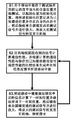
- 1A, 1B are flow diagrams of an optimal relay location search algorithm provided by the prior art.
- FIG. 2 is a flowchart of a global optimal relay location searching method based on a timing mechanism according to an embodiment of the present invention.
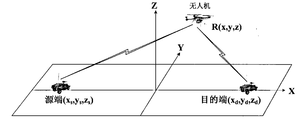
- FIG. 3 is a schematic structural diagram of a global optimal relay location searching system based on a timing mechanism using a drone as a mobile relay according to an embodiment of the present invention.
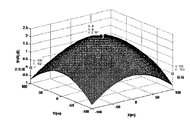
- FIG. 4 is a schematic diagram of an end-to-end signal to noise ratio corresponding to a relay position according to an embodiment of the present invention.
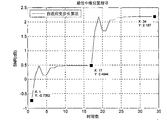
- FIG. 5 is a schematic diagram of a time slot and a signal to noise ratio of a search process using a drone as an optimal location for a mobile relay according to an embodiment of the present invention.
- the shortcomings and defects of the optimal relay location search algorithm for existing mobile relays are: (1) The source (S) and destination (D) need to use their own GPS function to measure their location information and send the information. For mobile relay, relying on GPS function is vulnerable to attack and interference, resulting in location search failure; (2) For communication devices without GPS function or GPS damage, some existing algorithms are unusable; (3) more onboard Antennas increase the complexity of mobile relays compared to single antennas, and inevitably have angle estimation errors, which also increases the complexity of the algorithm. The new algorithm does not need to know the location information of the source (S) and the destination (D), that is, the source (S) and the destination (D) do not need GPS function, and only rely on the positioning function of the mobile relay itself can be global.
- the UAV relay technology uses the adaptive variable step size algorithm to control the UAV to automatically search for the optimal relay position, which can effectively improve the performance of the communication system.
- the present invention provides a global optimal relay location searching method based on a timing mechanism as shown in FIG. 2, and the steps include:
- a single mobile relay starts at any position in a fixed height plane of the test site, and the starting position is an initial position, and the initial position is recorded as a known optimal position and exists in the memory of the mobile relay, and then
- the test signal sent from the source is received and amplified, and the amplified test signal is forwarded to the destination.
- the destination calculates the first received signal communication performance, and records the first received signal communication performance as the known best communication performance is stored in its own memory.
- the destination end calculates communication performance according to the received signal, and generates single-bit information feedback to the mobile relay according to the comparison result of the calculated communication performance and the saved known best received signal communication performance; the single-bit information Including information on whether the performance is improved, the known best received signal communication performance is the best communication performance that has been tested.
- the destination end calculates communication performance according to the received signal, and then compares the communication performance with the communication performance of the known best received signal stored in its own memory, and updates the known best saved in the memory according to the comparison result. Receiving communication performance of the signal and generating single bit information feedback to the mobile relay.
- the mobile relay calculates a next time position according to the single bit information of the feedback and moves to the next time position, and then receives the test signal sent from the source end and performs amplification, and forwards the amplified test signal to the destination end. Steps S2-S3 are repeated until a global optimal relay position is found.
- step S3 specifically includes:
- the mobile relay calculates a next time position according to the single bit information of the feedback and moves to the next time position, receives the test signal transmitted from the source end, and amplifies and forwards the signal to the destination end, and then returns to step S2 to continue the process.
- One-stage position search until the first stage optimal relay position is determined and then the first stage position search is ended;
- the mobile relay starts the second phase location search starting from the first phase optimal relay location, until the second phase optimal relay location is determined, and the second phase The optimal relay position is the final global optimal relay position in the fixed height plane.
- step S31 specifically includes:
- the mobile relay records its known optimal position, and sets a first stage search time threshold, the known best position is represented by R 1 (n), and n represents an nth time slot;
- the mobile relay calculates the next time position according to the first disturbance step and moves to the next time position, receives the test signal transmitted from the source and amplifies and forwards to the destination, and returns to step S2;
- the destination end calculates the communication performance of the new received signal, and compares the calculated communication performance with the saved communication performance of the known best received signal, if the new communication performance is better than the communication performance of the known best received signal. And storing the communication performance of the new received signal as the communication performance of the known best received signal, and then the destination end feeds back the single bit information to the mobile relay; if the new communication performance The communication performance of the known best received signal is unchanged after the communication performance of the known best received signal is poor, and then the destination end feeds back the single bit information to the mobile relay;
- the mobile relay determines the single bit information.
- the mobile relay when it is determined that the performance of the received signal is not improved, the mobile relay returns to the position of the previous time slot, and the continuous negative feedback counter is incremented by 1, and the first disturbance step is modified to be the inverse of the first disturbance step of the previous time slot. And determining whether the continuous negative feedback counter reaches a preset continuous negative feedback threshold; the continuous negative feedback threshold is set to 2;
- step S316 If it is determined that the continuous negative feedback counter in step S316 reaches a preset continuous negative feedback threshold, the continuous negative feedback counter is cleared and the first disturbance step is decreased, and then it is determined whether the first stage position search is ended.
- search time of the mobile relay is greater than or equal to a preset first-stage search time threshold, end the first-stage location search, and save the saved known optimal relay location as the first-stage best. Following the position;
- step S32 specifically includes:
- the mobile relay starts from the first stage optimal relay position, and sets a second stage search time threshold.
- the mobile relay calculates a next time position according to the second disturbance step and moves to the next time position, continues to receive the test signal transmitted from the source end, and amplifies and forwards to the destination end;
- the position is moved with the first stage optimal relay position as the starting point, that is, the first known best position, and then the subsequent position movement is continuously updated.
- the destination calculates the communication performance of the new received signal, and compares the calculated communication performance with the saved communication performance of the known best received signal, if the new communication performance is better than the communication performance of the known best received signal And storing the communication performance of the new received signal as the communication performance of the known best received signal, and then the destination end feeds back the single bit information to the mobile relay; if the new communication performance is better than the known best received signal Poor communication performance, the communication performance of the saved known best received signal is unchanged, and then the destination end feeds back single-bit information to the mobile relay;
- the mobile relay determines the single bit information.
- the mobile relay when it is determined that the performance of the received signal is not improved, the mobile relay returns to the position of the previous time slot, and the continuous negative feedback counter is incremented by 1, and the second disturbance step is modified to be the opposite of the second disturbance step of the previous time slot. And determining whether the continuous negative feedback counter reaches a preset continuous negative feedback threshold; the continuous The negative feedback threshold is set to 2;
- step S327 if it is determined that the continuous negative feedback counter in step S326 reaches a preset continuous negative feedback threshold, the continuous negative feedback counter is cleared and the second disturbance step is decreased, and then it is determined whether to end the second stage position search;
- the search time of the mobile relay is greater than or equal to a preset second-stage search time threshold, end the second-stage location search, and save the saved known optimal relay location as the best in the second phase.
- the relay position, the optimal relay position of the second stage is the final global optimal relay position in the fixed height plane;
- search time of the mobile relay is less than or equal to the preset second phase search time threshold, then return to step S322.
- the mobile relay may be a drone, a satellite, a hot air balloon, etc.
- a drone is used as a mobile relay.
- the present invention will be further described in conjunction with FIGS. 3 to 5:
- an optimal relay location searching system based on a step threshold mechanism based on a step threshold mechanism for mobile relay including a source end, a single mobile relay, and a destination end. ;
- the source end is configured to send a test signal to the mobile relay
- the mobile relay is used for starting the test at any position in the fixed height plane of the mobile relay, and the starting position is the initial position, and the initial position is recorded as the known best position and exists in itself.
- the memory then receiving the test signal sent from the source and amplifying, and forwarding the amplified test signal to the destination;
- the destination end is configured to calculate communication performance according to the received signal, and generate single-bit information feedback to the mobile relay according to the comparison result of the calculated communication performance and the saved known best received signal communication performance;
- the single bit information includes information on whether the performance is improved, the known best received signal communication performance is the best communication performance tested; the mobile relay calculates the next time position based on the feedback single bit information and moves to the next At a momentary position, the test signal transmitted from the source is further amplified and forwarded to the destination until the global optimal relay position is found.
- the source end and the destination end can perform functional switching, that is, in the implementation process, the source end and the destination end simultaneously have the functions of sending training timing and performing signal processing.
- S(x s , y s , z s ) represents the position coordinates of the source end
- R(x, y, z) represents the position coordinates of the drone
- D(x d , y d , z d ) represents the position coordinates of the destination.
- the communication distances of the drone R(x, y, z) from the source end S(x s , y s , z s ) and the destination end R (x, y, z) are:
- First hop communication the source (S) transmits a signal to the drone (R),
- y R represents the signal received by the drone
- x represents the signal transmitted by S
- P S represents the transmission power of S
- n 1 is additive white Gaussian noise satisfying E[
- 2 ] N 01 . Is the free space path loss of the first hop channel.
- Second hop communication The drone (R) amplifies the received signal to the destination (D)
- y D represents the signal received by the destination
- G represents the relay gain
- n 2 is an additive white Gaussian noise satisfying E[
- 2 ] N 02 . Is the free space path loss of the second hop channel.
- the gain G is as follows:
- ⁇ 1 and ⁇ 2 are as follows:
- a global optimal relay location search method based on a timing mechanism the steps are specifically searched in two stages:
- D measures the communication performance Q(n) of the new received signal and updates the best received signal communication performance in its memory.
- the destination then feeds back a single bit of information (assuming that the bit is error-free during transmission) to the drone to indicate whether the communication performance is improved.
- R 1 (n+1) R 1 (n)+ ⁇ x ;
- R 1 (n+1) R 1 (n);
- ⁇ x - ⁇ x ;
- ⁇ x ⁇ x ⁇ R D ;
- the drone judges whether to stop the first stage search and initiate the second stage search. If the drone search time is greater than or equal to the preset first stage search time threshold T thx , the first stage position search is ended, and The saved known optimal relay position is used as the first stage optimal relay position, and then the second stage search is started; if the search time is less than the preset first stage search time threshold T thx , then return to step 1) and continue The first stage of the search.
- ⁇ y is the initial perturbation step size of the second stage of the algorithm.
- the drone calculates its next position And move to that location.
- the destination measures the communication performance Q(n) of the new received signal and updates the best received signal communication performance in its memory.
- R 2 (n+1) R 2 (n)+ ⁇ y
- R 2 (n+1) R 2 (n)
- ⁇ y ⁇ y ⁇ R D ;
- the drone judges whether to stop the second stage search. If the search time of the drone is greater than or equal to the preset second stage search time threshold T thy , the second stage search is stopped, and the entire search process ends, the drone The last position is the global optimal relay position found; if the search time is less than or equal to the preset second-stage search time threshold T thy , then return to step 6) to continue the second-stage search.
- the height of the drone is fixed: 30m;
- the X axis represents the abscissa
- the Y axis represents the ordinate
- the Z axis represents the signal to noise ratio ⁇ end corresponding to the coordinate point.
- the horizontal axis represents the number of time slots spent by the drone in searching for the best position
- the vertical axis represents the end-to-end signal-to-noise ratio ⁇ end
- the letter of the drone at the starting position R(1) can be seen.
- the noise ratio is -0.7352dB
- the signal-to-noise ratio at the 17th time slot is 0.4844dB
- the first stage search is stopped and the second stage search is started, in the 34th time slot (ie R(34) position).
- the signal-to-noise ratio is 2.187dB
- the maximum point in Figure 4 is found, that is, the optimal relay position is found, and the second stage search is completed at the 35th time slot.
- the invention belongs to the field of wireless communication technologies and can be applied to search for a global optimal relay position in a three-dimensional space and improve the performance of relay communication.
- Potential application scenarios include the construction of temporary communication systems and communication connections at disaster sites.
Landscapes
- Engineering & Computer Science (AREA)
- Physics & Mathematics (AREA)
- Astronomy & Astrophysics (AREA)
- Aviation & Aerospace Engineering (AREA)
- General Physics & Mathematics (AREA)
- Computer Networks & Wireless Communication (AREA)
- Signal Processing (AREA)
- Mobile Radio Communication Systems (AREA)
- Radio Relay Systems (AREA)
Abstract
本发明适用于无线通信技术领域,提供了基于定时机制的全局最优中继位置搜寻方法,步骤包括:A,移动中继接收来自源端发送的测试信号并进行放大后转发至目的端;B,目的端根据接收到的信号计算通信性能并比较,并根据比较结果生成单比特信息反馈至移动中继;C,移动中继根据反馈的单比特信息计算下一时刻位置并移动至该位置,然后接收来自源端发送的测试信号并进行放大后转发至目的端,重复步骤B-C,直至找到全局最优中继位置。本发明无需知道源端和目的端的位置信息,仅仅依靠移动中继自身的定位功能和目的端反馈单比特信息就能够在全局范围内找到最佳的中继位置,相比于现有算法,所受到的限制减少了,适用场景扩大。
Description
本发明属于无线通信技术领域,尤其涉及一种基于定时机制的全局最优中继位置搜寻方法及系统。
通信中继用来转发不同的节点之间发出的信息,扩大了通信范围,提高了通信系统的性能。陆地无线电通信很容易被障碍物遮挡和屏蔽,飞机、卫星及无人机(Unmanned Aerial Vehicles,UAVs)可以充当通信中继,因为机载中继可以在崎岖的山区或市区有效地为需要相互通信的双方建立起连接。近年来,使用无人机作为通信中继的问题已吸引不少学者的关注和研究,同时其应用也十分广泛。
现有的应用于移动中继位置搜寻的算法主要有:如图1a,基于GPS去测量源端(S)和目的端(D)的位置信息,移动中继再利用该信息去搜寻最佳中继位置;基于扰动的极值搜索控制(Extremum Seeking Control,ESC)算法;如图1b,基于机载多天线的算法。现有的移动中继位置搜寻算法都可以使移动中继找到最佳的中继位置,但是这些算法的适用范围也存在一定的不足和缺陷,主要体现在:(1)源端(S)和目的端(D)都需要GPS来测量自身的位置并将该位置信息告知移动中继,也就是说,在这样的中继通信系统中,源端(S)、目的端(D)和移动中继三者都需要依赖GPS,而依赖于GPS容易受到攻击,也可能遭受GPS欺骗或干扰而导致中继通信失败,更重要的是,在很多特殊情况下通信双方没有GPS功能或者GPS设备已损坏,如自然灾害导致GPS设备损坏。(2)使用机载多天线对信号到达角(DOA)进行估计来搜寻最佳中继位置,容易出现估计误差,且增加了无人机通信设备的复杂度和算法复杂度。
发明内容
本发明所要解决的技术问题在于提供一种基于定时机制的全局最优中继位置搜寻方法及系统,旨在解决现有移动中继在中继位置寻找过程中依赖GPS,使用机载天线容易导致估计误差的问题。
本发明是这样实现的,一种基于定时机制的全局最优中继位置搜寻方法,步骤包括:
步骤A,单个移动中继位于测试场所的固定高度平面内的任意位置开始测试,以起始位置为初始化位置,将所述初始化位置记录为已知最佳位置并存在移动中继的内存中,然后接收来自源端发送的测试信号并进行放大,将放大的测试信号转发至目的端,目的端计算第一次接收到的信号通信性能,并将所述
第一次接收到的信号通信性能记录为已知最佳通信性能保存在目的端的内存中;
步骤B,目的端根据每次接收到的信号计算通信性能,并根据计算的通信性能与保存的已知最佳接收信号通信性能的比较结果生成单比特信息反馈至所述移动中继;所述单比特信息包括性能是否提高的信息,所述已知最佳接收信号通信性能为已测试的最好通信性能;
步骤C,所述移动中继根据反馈的单比特信息计算下一时刻位置并移动至该下一时刻位置,然后接收来自源端发送的测试信号并进行放大,将放大的测试信号转发至目的端,重复步骤B-C,直至找到全局最优中继位置。
进一步地,步骤B中,目的端根据接收的信号计算通信性能,然后将所述通信性能与自身内存保存的已知最佳接收信号的通信性能进行比较,根据比较结果更新内存中保存的已知最佳接收信号的通信性能,并生成单比特信息反馈至所述移动中继。
进一步地,步骤C具体包括:
步骤C1,所述移动中继根据反馈的单比特信息计算下一时刻位置并移动至该下一时刻位置,接收来自源端发射的测试信号并放大转发至目的端,然后返回步骤B,继续进行第一阶段位置搜寻,直至确定第一阶段最佳中继位置然后结束第一阶段位置搜寻;
步骤C2,第一阶段位置搜寻结束之后,移动中继以所述第一阶段最佳中继位置为起点开始进行第二阶段位置搜寻,直至确定第二阶段最佳中继位置,所述第二阶段最佳中继位置即为最终的在固定高度平面内的全局最优中继位置。
进一步地,步骤C1具体包括:
步骤C11,所述移动中继记录其已知最佳位置,并设置第一阶段搜寻时间阈值,所述已知最佳位置用R1(n)表示,n表示第n个时隙;
步骤C12,所述移动中继根据第一扰动步长计算下一时刻位置并移动到该下一时刻位置,接收来自源端发射的测试信号并放大转发至目的端,返回步骤B;
以 表示所述下一时刻位置,以Δx表示所述第一扰动步长,则:
 所述第一扰动步长的初始值预设为Δx=(x0,0,0);
步骤C13,目的端计算新的接收信号的通信性能,根据计算出的通信性能与保存的已知最佳接收信号的通信性能进行比较,若新的通信性能优于已知最佳接收信号的通信性能,则将所述新的接收信号的通信性能保存为已知最佳接收信号的通信性能,然后目的端反馈单比特信息给所述移动中继;若新的通信性能比已知最佳接收信号的通信性能差,则保存的已知最佳接收信号的通信性能不变,然后目的端反馈单比特信息给所述移动中继;
步骤C14,所述移动中继对所述单比特信息进行判断;
步骤C15,在判断为接收信号性能提升时,将连续负反馈计数器清零,更新保存的已知最佳中继位置,并判断是否结束第一阶段位置搜寻;
步骤C16,在判断为接收信号性能未提升时,移动中继返回上一时隙的位
置,同时连续负反馈计数器加1,第一扰动步长修改为上一时隙的第一扰动步长的相反数,并判断连续负反馈计数器是否达到预设的连续负反馈阈值;所述连续负反馈阈值设定为2;
步骤C17,若判断步骤C16中的连续负反馈计数器达到预设的连续负反馈阈值,则连续负反馈计数器清零并减小第一扰动步长,然后判断是否结束第一阶段位置搜寻;
步骤C18,若所述移动中继的搜寻时间大于或者等于预设的第一阶段搜寻时间阈值,则结束第一阶段位置搜寻,并将保存的已知最佳中继位置作为第一阶段最佳中继位置;
若所述移动中继的搜寻时间小于预设的第一阶段搜寻时间阈值,则返回步骤C12继续搜寻。
进一步地,步骤C2具体包括:
步骤C21,移动中继根据所述第一阶段最佳中继位置为起点,并设置第二阶段搜寻时间阈值;
步骤C22,所述移动中继根据第二扰动步长计算下一时刻位置并移动到该下一时刻位置,继续接收来自源端发射的测试信号并放大转发至目的端;
以 表示下一时刻位置,以R2(n)表示已知最佳中继位置,Δy表示第二扰动步长Δy,则:
 所述第二扰动步长的初始值预设为Δy=(0,y0,0);
步骤C23,目的端计算新的接收信号的通信性能,根据计算出的通信性能与保存的已知最佳接收信号的通信性能进行比较,若新的通信性能优于已知最佳接收信号的通信性能,则将所述新的接收信号的通信性能保存为已知最佳接收信号的通信性能,然后目的端反馈单比特信息给所述移动中继;若新的通信性能比已知最佳接收信号的通信性能差,则保存的已知最佳接收信号的通信性能不变,然后目的端反馈单比特信息给所述移动中继;
步骤C24,所述移动中继对所述单比特信息进行判断;
步骤C25,在判断为接收信号性能提升时,将连续负反馈计数器清零,更新保存的已知最佳中继位置,并判断是否结束第二阶段位置搜寻;
步骤C26,在判断为接收信号性能未提升时,移动中继返回上一时隙的位置,同时连续负反馈计数器加1,第二扰动步长修改为上一时隙的第二扰动步长的相反数,并判断连续负反馈计数器是否达到预设的连续负反馈阈值;所述连续负反馈阈值设定为2;
步骤C27,若判断步骤C26中的连续负反馈计数器达到预设的连续负反馈阈值,则连续负反馈计数器清零并减小第二扰动步长,然后判断是否结束第二阶段位置搜寻;
步骤C28,若所述移动中继的搜寻时间大于或者等于预设的第二阶段搜寻时间阈值,则结束第二阶段位置搜寻,并将保存的已知最佳中继位置作为第二阶段的最佳中继位置,所述第二阶段的最佳中继位置即为最终的在固定高度平面内的全局最优中继位置;
若所述移动中继的搜寻时间小于等于预设的第二阶段搜寻时间阈值,则返回步骤C22。
本发明还提供了一种基于定时机制的全局最优中继位置搜寻系统,包括源端、单个移动中继和目的端;
所述源端,用于发送测试信号至所述移动中继;
所述移动中继,用于移动中继位于测试场所的固定高度平面内的任意位置开始测试,以起始位置为初始化位置,将所述初始化位置记录为已知最佳位置并存在自身的内存中,然后接收来自源端发送的测试信号并进行放大,将放大的测试信号转发至目的端;
所述目的端,用于根据每次接收到的信号计算通信性能,并根据计算的通信性能与保存的已知最佳接收信号通信性能的比较结果生成单比特信息反馈至所述移动中继;所述单比特信息包括性能是否提高的信息,所述已知最佳接收信号通信性能为已测试的最好通信性能;所述移动中继根据反馈的单比特信息计算下一时刻位置并移动至该下一时刻位置,继续将源端传输的测试信号进行放大后转发至所述目的端,直至找到全局最优中继位置。
进一步地,目的端计算第一次接收到的信号通信性能,并将所述第一次接收到的信号通信性能记录为已知最佳通信性能保存在自身的内存中,目的端根据接收到的新的信号计算通信性能,然后将所述通信性能与自身内存保存的已知最佳接收信号的通信性能进行比较,根据比较结果更新内存中保存的已知最佳接收信号的通信性能,并生成单比特信息反馈至所述移动中继。
进一步地,所述搜寻系统具体还用于:
首先,所述移动中继根据反馈的单比特信息计算下一时刻位置并移动至该下一时刻位置,接收来自源端发射的测试信号并放大转发至目的端,继续进行第一阶段位置搜寻,直至确定第一阶段最佳中继位置然后结束第一阶段位置搜寻;
最后,第一阶段位置搜寻结束之后,移动中继以所述第一阶段最佳中继位置为起点开始进行第二阶段位置搜寻,直至确定第二阶段最佳中继位置,所述第二阶段最佳中继位置即为最终的在固定高度平面内的全局最优中继位置。
进一步地,所述第一阶段位置搜寻具体包括以下步骤:
首先,所述移动中继记录其已知最佳位置,并设置第一阶段搜寻时间阈值,所述已知最佳位置用R1(n)表示,n表示第n个时隙;
接着,所述移动中继根据第一扰动步长计算下一时刻位置并移动到该下一时刻位置,接收来自源端发射的测试信号并放大转发至目的端,返回步骤B;
以 表示所述下一时刻位置,以Δx表示所述第一扰动步长,则:
 所述第一扰动步长的初始值预设为Δx=(x0,0,0);
接着,目的端计算新的接收信号的通信性能,根据计算出的通信性能与保存的已知最佳接收信号的通信性能进行比较,若新的通信性能优于已知最佳接收信号的通信性能,则将所述新的接收信号的通信性能保存为已知最佳接收信号的通信性能,然后目的端反馈单比特信息给所述移动中继;若新的通信性能
比已知最佳接收信号的通信性能差,则保存的已知最佳接收信号的通信性能不变,然后目的端反馈单比特信息给所述移动中继;
接着,所述移动中继对所述单比特信息进行判断;
接着,在判断为接收信号性能提升时,将连续负反馈计数器清零,更新保存的已知最佳中继位置,并判断是否结束第一阶段位置搜寻;
接着,在判断为接收信号性能未提升时,移动中继返回上一时隙的位置,同时连续负反馈计数器加1,第一扰动步长修改为上一时隙的第一扰动步长的相反数,并判断连续负反馈计数器是否达到预设的连续负反馈阈值;所述连续负反馈阈值设定为2;
接着,若判断上述连续负反馈计数器达到预设的连续负反馈阈值,则连续负反馈计数器清零并减小第一扰动步长,然后判断是否结束第一阶段位置搜寻;
最后,若所述移动中继的搜寻时间大于或者等于预设的第一阶段搜寻时间阈值,则结束第一阶段位置搜寻,并将保存的已知最佳中继位置作为第一阶段最佳中继位置;
若所述移动中继的搜寻时间小于预设的第一阶段搜寻时间阈值,则移动中继根据第一扰动步长计算下一时刻位置并移动到该下一时刻位置,继续接收来自源端发射的测试信号并放大转发至目的端,继续进行第一阶段位置搜寻。
进一步地,所述第二阶段位置搜寻具体包括以下步骤:
首先,移动中继根据所述第一阶段最佳中继位置为起点,并设置第二阶段搜寻时间阈值;
接着,所述移动中继根据第二扰动步长计算下一时刻位置并移动到该下一时刻位置,继续接收来自源端发射的测试信号并放大转发至目的端;
以 表示下一时刻位置,以R2(n)表示已知最佳中继位置,Δy表示第二扰动步长Δy,则:
 所述第二扰动步长的初始值预设为Δy=(0,y0,0);
接着,目的端计算新的接收信号的通信性能,根据计算出的通信性能与保存的已知最佳接收信号的通信性能进行比较,若新的通信性能优于已知最佳接收信号的通信性能,则将所述新的接收信号的通信性能保存为已知最佳接收信号的通信性能,然后目的端反馈单比特信息给所述移动中继;若新的通信性能比已知最佳接收信号的通信性能差,则保存的已知最佳接收信号的通信性能不变,然后目的端反馈单比特信息给所述移动中继;
接着,所述移动中继对所述单比特信息进行判断;
接着,在判断为接收信号性能提升时,将连续负反馈计数器清零,更新保存的已知最佳中继位置,并判断是否结束第二阶段位置搜寻;
接着,在判断为接收信号性能未提升时,移动中继返回上一时隙的位置,同时连续负反馈计数器加1,第二扰动步长修改为上一时隙的第二扰动步长的相反数,并判断连续负反馈计数器是否达到预设的连续负反馈阈值;所述连续负反馈阈值设定为2;
接着,若判断上述中的连续负反馈计数器达到预设的连续负反馈阈值,则
连续负反馈计数器清零并减小第二扰动步长,然后判断是否结束第二阶段位置搜寻;
最后,若所述移动中继的搜寻时间大于或者等于预设的第二阶段搜寻时间阈值,则结束第二阶段位置搜寻,并将保存的已知最佳中继位置作为第二阶段的最佳中继位置,所述第二阶段的最佳中继位置即为最终的在固定高度平面内的全局最优中继位置;
若所述移动中继的搜寻时间小于等于预设的第二阶段搜寻时间阈值,则所述移动中继根据第二扰动步长计算下一时刻位置并移动到该下一时刻位置,继续接收来自源端发射的测试信号并放大转发至目的端,继续进行第二阶段位置搜寻。
本发明与现有技术相比,有益效果在于:本发明无需知道源端和目的端的位置信息,即源端和目的端不需要具备GPS功能,仅仅依靠移动中继自身的定位功能就能够在全局范围内找到最佳的中继位置,相比于现有算法的源端、目的端和移动中继都需要具备GPS功能来说,所受到的限制减少了,适用场景扩大。
[根据细则26改正15.01.2016]
图1A、1B是现有技术提供的最佳中继位置搜寻算法的流程图。
图1A、1B是现有技术提供的最佳中继位置搜寻算法的流程图。
图2是本发明实施例提供的一种基于定时机制的全局最优中继位置搜寻方法的流程图。
图3是本发明实施例提供的一种基于定时机制的以无人机为移动中继的全局最优中继位置搜寻系统的结构示意图。
图4是本发明实施例提供的中继位置对应的端到端的信噪比示意图。
图5是本发明实施例提供的使用无人机作为移动中继最佳位置的搜寻过程所花时隙与达到信噪比的示意图。
为了使本发明的目的、技术方案及优点更加清楚明白,以下结合附图及实施例,对本发明进行进一步详细说明。应当理解,此处所描述的具体实施例仅仅用以解释本发明,并不用于限定本发明。
针对现有移动中继最佳中继位置搜寻算法的不足和缺陷,即:(1)源端(S)和目的端(D)需要利用自身的GPS功能测量自己的位置信息并把该信息发送给移动中继,依赖GPS功能容易受到攻击和干扰而导致位置搜寻失败;(2)对于没有GPS功能或者GPS已损坏的通信设备,现有的一些算法是无法使用的;(3)机载多天线相比于单天线增加了移动中继的复杂性,且不可避免的会有角度估计误差,同时也增加了算法的复杂性。新算法无需知道源端(S)和目的端(D)的位置信息,即源端(S)和目的端(D)不需要具备GPS功能,仅仅依靠移动中继自身的定位功能就能够在全局范围内找到最佳的中继位置,相比于现有算法的源端(S)、目的端(D)和移动中继都需要具备GPS功能来说,所受到的限制减少了,
适用场景扩大。无人机中继技术,利用自适应变步长算法去控制无人机自动搜寻最佳中继位置,能有效地提升通信系统性能。
基于上述理论,本发明提供了如图2所示的一种基于定时机制的全局最优中继位置搜寻方法,步骤包括:
S1,单个移动中继位于测试场所的固定高度平面内的任意位置开始测试,以起始位置为初始化位置,将所述初始化位置记录为已知最佳位置并存在移动中继的内存中,然后接收来自源端发送的测试信号并进行放大,将放大的测试信号转发至目的端。在本步骤中,目的端计算第一次接收到的信号通信性能,并将所述第一次接收到的信号通信性能记录为已知最佳通信性能保存在自身的内存中。
S2,目的端根据接收到的信号计算通信性能,并根据计算的通信性能与保存的已知最佳接收信号通信性能的比较结果生成单比特信息反馈至所述移动中继;所述单比特信息包括性能是否提高的信息,所述已知最佳接收信号通信性能为已测试的最好通信性能。在本步骤中,目的端根据接收的信号计算通信性能,然后将所述通信性能与自身内存保存的已知最佳接收信号的通信性能进行比较,根据比较结果更新内存中保存的已知最佳接收信号的通信性能,并生成单比特信息反馈至所述移动中继。
S3,所述移动中继根据反馈的单比特信息计算下一时刻位置并移动至该下一时刻位置,然后接收来自源端发送的测试信号并进行放大,将放大的测试信号转发至目的端,重复步骤S2-S3,直至找到全局最优中继位置。
进一步地,上述步骤S3具体包括:
S31,所述移动中继根据反馈的单比特信息计算下一时刻位置并移动至该下一时刻位置,接收来自源端发射的测试信号并放大转发至目的端,然后返回步骤S2,继续进行第一阶段位置搜寻,直至确定第一阶段最佳中继位置然后结束第一阶段位置搜寻;
S32,第一阶段位置搜寻结束之后,移动中继以所述第一阶段最佳中继位置为起点开始进行第二阶段位置搜寻,直至确定第二阶段最佳中继位置,所述第二阶段最佳中继位置即为最终的在固定高度平面内的全局最优中继位置。
进一步地,步骤S31具体包括:
S311,所述移动中继记录其已知最佳位置,并设置第一阶段搜寻时间阈值,所述已知最佳位置用R1(n)表示,n表示第n个时隙;
S312,所述移动中继根据第一扰动步长计算下一时刻位置并移动到该下一时刻位置,接收来自源端发射的测试信号并放大转发至目的端,返回步骤S2;
以 表示所述下一时刻位置,以Δx表示所述第一扰动步长,则:
 所述第一扰动步长的初始值预设为Δx=(x0,0,0)。
S313,目的端计算新的接收信号的通信性能,根据计算出的通信性能与保存的已知最佳接收信号的通信性能进行比较,若新的通信性能优于已知最佳接收信号的通信性能,则将所述新的接收信号的通信性能保存为已知最佳接收信号的通信性能,然后目的端反馈单比特信息给所述移动中继;若新的通信性能
比已知最佳接收信号的通信性能差,则保存的已知最佳接收信号的通信性能不变,然后目的端反馈单比特信息给所述移动中继;
S314,所述移动中继对所述单比特信息进行判断;
S315,在判断为接收信号性能提升时,将连续负反馈计数器清零,更新保存的已知最佳中继位置,并判断是否结束第一阶段位置搜寻;
S316,在判断为接收信号性能未提升时,移动中继返回上一时隙的位置,同时连续负反馈计数器加1,第一扰动步长修改为上一时隙的第一扰动步长的相反数,并判断连续负反馈计数器是否达到预设的连续负反馈阈值;所述连续负反馈阈值设定为2;
S317,若判断步骤S316中的连续负反馈计数器达到预设的连续负反馈阈值,则连续负反馈计数器清零并减小第一扰动步长,然后判断是否结束第一阶段位置搜寻;
S318,若所述移动中继的搜寻时间大于或者等于预设的第一阶段搜寻时间阈值,则结束第一阶段位置搜寻,并将保存的已知最佳中继位置作为第一阶段最佳中继位置;
若所述移动中继的搜寻时间小于预设的第一阶段搜寻时间阈值,则返回步骤S312。
进一步地,步骤S32具体包括:
S321,移动中继根据所述第一阶段最佳中继位置为起点,并设置第二阶段搜寻时间阈值;
S322,所述移动中继根据第二扰动步长计算下一时刻位置并移动到该下一时刻位置,继续接收来自源端发射的测试信号并放大转发至目的端;
以 表示下一时刻位置,以R2(n)表示已知最佳中继位置,则:

S323,目的端计算新的接收信号的通信性能,根据计算出的通信性能与保存的已知最佳接收信号的通信性能进行比较,若新的通信性能优于已知最佳接收信号的通信性能,则将所述新的接收信号的通信性能保存为已知最佳接收信号的通信性能,然后目的端反馈单比特信息给所述移动中继;若新的通信性能比已知最佳接收信号的通信性能差,则保存的已知最佳接收信号的通信性能不变,然后目的端反馈单比特信息给所述移动中继;
S324,所述移动中继对所述单比特信息进行判断;
S325,在判断为接收信号性能提升时,将连续负反馈计数器清零,更新保存的已知最佳中继位置,并判断是否结束第二阶段位置搜寻;
S326,在判断为接收信号性能未提升时,移动中继返回上一时隙的位置,同时连续负反馈计数器加1,第二扰动步长修改为上一时隙的第二扰动步长的相反数,并判断连续负反馈计数器是否达到预设的连续负反馈阈值;所述连续
负反馈阈值设定为2;
S327,若判断步骤S326中的连续负反馈计数器达到预设的连续负反馈阈值,则连续负反馈计数器清零并减小第二扰动步长,然后判断是否结束第二阶段位置搜寻;
S328,若所述移动中继的搜寻时间大于或者等于预设的第二阶段搜寻时间阈值,则结束第二阶段位置搜寻,并将保存的已知最佳中继位置作为第二阶段的最佳中继位置,所述第二阶段的最佳中继位置即为最终的在固定高度平面内的全局最优中继位置;
若所述移动中继的搜寻时间小于等于预设的第二阶段搜寻时间阈值,则返回步骤S322。
在实际应用中,移动中继可以是无人机、卫星、热气球等,在本实施例中,使用无人机作为移动中继。下面,结合图3至图5对本发明进行进一步的阐述:
如图3所示,为本发明实施例提供了一种基于基于步长阈值机制的以无人机为移动中继的最佳中继位置搜寻系统,包括源端、单个移动中继和目的端;
所述源端,用于发送测试信号至所述移动中继;
所述移动中继,用于用于移动中继位于测试场所的固定高度平面内的任意位置开始测试,以起始位置为初始化位置,将所述初始化位置记录为已知最佳位置并存在自身的内存中,然后接收来自源端发送的测试信号并进行放大,将放大的测试信号转发至目的端;
所述目的端,用于根据接收到的信号计算通信性能,并根据计算的通信性能与保存的已知最佳接收信号通信性能的比较结果生成单比特信息反馈至所述移动中继;所述单比特信息包括性能是否提高的信息,所述已知最佳接收信号通信性能为已测试的最好通信性能;所述移动中继根据反馈的单比特信息计算下一时刻位置并移动至该下一时刻位置,继续将源端传输的测试信号进行放大后转发至所述目的端,直至找到全局最优中继位置。
在实际应用过程中,源端和目的端可以进行功能上的相互切换,即:在实施过程中,源端和目的端同时具备发送训练时序和进行信号处理等功能。
具体的,在图3的空间直角坐标系所示,S(xs,ys,zs)表示源端的位置坐标,R(x,y,z)表示无人机的位置坐标,D(xd,yd,zd)表示目的端的位置坐标。则无人机R(x,y,z)离源端S(xs,ys,zs)与目的端R(x,y,z)的通信距离分别是:

移动中继通信过程:
第一跳通信:源端(S)发射信号给无人机(R),

yR表示无人机接收到的信号,x表示S发射的信号,PS表示S的发射功率,
n1是满足E[|n1|2]=N01的加性高斯白噪声。 是第一跳信道的自由空间路径损耗。
第二跳通信:无人机(R)将接受到的信号放大转发给目的端(D)

yD表示目的端接收到的信号,G表示中继增益,n2是满足E[|n2|2]=N02的加性高斯白噪声。 是第二跳信道的自由空间路径损耗。
其中增益G如下:

由公式(2)得到端到端的信噪比为:

其中γ1、γ2如下:

基于定时机制的全局最优中继位置搜寻方法,步骤具体分两个阶段搜寻:
第一阶段搜寻:
1)无人机在内存中记录其最佳已知位置R1(n),用坐标表示为R1(n)=(x1n,y1n,z1n),然后在每个迭代时隙增加一个第一扰动步长Δx,用坐标表示为Δx=(x0,0,0),同时设置第一阶段搜寻时间阈值Tthx,。Δx为本算法第一阶段的初始扰动步长,n表示时隙;目的端在内存中记录与最佳已知位置相应的通信性能(信噪比、误码率、数据速率等);无人机的起始位置作为初始化位置,并将该初始化位置R(1)记录为最佳已知位置,相应地,目的端将与该初始化位置对应的通信性能Q(1)记录为最佳已知位置的通信性能Qbest(1)=Q(1)。
2)无人机计算它的下一个位置 并移动到该位置。
3)D测量新的接收信号的通信性能Q(n),并且更新其内存中的最佳接收信号通信性能,更新规则为Qbest(n+1)=max(Qbest(n),Q(n))。随后目的端反馈一单比特信息(假设该比特在传输过程中无误码)给无人机,以表明此次通信性能是否提高。
4)无人机根据反馈回来的单比特信息,更新自己的最佳已知位置R1(n),更新规则如下:(CN表示连续负反馈计数器,连续负反馈计数器阈值CT=2;扰动步长下降因子RD,取经验值。)
if Q(n)>Qbest(n)
R1(n+1)=R1(n)+Δx;
CN=0;
else
R1(n+1)=R1(n);
CN=CN+1;
Δx=-Δx;
if CN≥CT
Δx=Δx·RD;
CN=0;
end
end
5)无人机判断是否停止第一阶段的搜寻并启动第二阶段搜寻,若无人机搜寻时间大于或者等于预设的第一阶段搜寻时间阈值Tthx,则结束第一阶段位置搜寻,并将保存的已知最佳中继位置作为第一阶段最佳中继位置,然后启动第二阶段搜寻;若搜寻时间小于预设的第一阶段搜寻时间阈值Tthx,则返回步骤1),继续第一阶段的搜寻。
第二阶段搜寻:
(第一阶段结束,表示找到了X轴上的最优位置,接下来将在该X轴最优位置的基础上,即以该X轴最优位置为起点,开始寻找Y轴上的最优位置,一旦找到了Y轴上的最优位置,则该位置就是整个X-Y平面的最优位置。)
6)无人机根据所述第一阶段最佳中继位置为起点,并设置第二阶段搜寻时间阈值Tthy,然后在每个迭代时隙增加一个第二扰动步长Δy,用坐标表示为Δy=(0,y0,0)。Δy为本算法第二阶段的初始扰动步长。
7)无人机计算它的下一个位置 并移动到该位置。
8)目的端测量新的接收信号的通信性能Q(n),并且更新其内存中的最佳接收信号通信性能,更新规则为Qbest(n+1)=max(Qbest(n),Q(n))。随后目的端反馈一比特信息(假设该比特在传输过程中无误码)给无人机,以表明此次通信性能是否提高。
9)无人机根据反馈回来的一比特信息,更新自己的最佳已知位置R2(n),更新规则如下:(CN表示连续负反馈计数器,连续负反馈计数器阈值CT=2;扰动步长下降因子RD,取经验值。)
if Q(n)>Qbest(n)
R2(n+1)=R2(n)+Δy
CN=0;
else
R2(n+1)=R2(n)
CN=CN+1;
Δy=-Δy;
if CN≥CT
Δy=Δy·RD;
CN=0;
end
end
10)无人机判断是否停止第二阶段搜寻,若无人机的搜寻时间大于或者等于预设的第二阶段搜寻时间阈值Tthy,则停止第二阶段搜寻,整个搜寻过程结束,无人机最后所处的位置即为所找到的全局最优中继位置;若搜寻时间小于等于预设的第二阶段搜寻时间阈值Tthy,则返回步骤6),继续第二阶段的搜寻。
无人机最佳中继位置搜寻仿真如图4所示:
初始步长x0=50,y0=50;连续负反馈计数器阈值CT=2;扰动步长下降因子RD=0.5;第一阶段搜寻时间阈值Tthx=17个时隙,第一阶段搜寻时间阈值Tthy=18个时隙;
(1)以信噪比为基准表示通信性能的好坏,也就是公式(4)
源端(S)的位置坐标:(xs,ys,zs)=(100,-100,1);
目的端(D)的位置坐标:(xd,yd,zd)=(-100,100,1);
无人机的高度固定:30m;
图4中,X轴表示横坐标,Y轴表示纵坐标,Z轴表示与坐标点相对应的信噪比γend。
(2)以信噪比为基准表示通信性能的好坏,也就是公式(4)
源端(S)的位置坐标:(xs,ys,zs)=(100,-100,1);
目的端(D)的位置坐标:(xd,yd,zd)=(-100,100,1);
无人机的起始位置坐标(高度固定在30m):R(1)=(x1,y1,z1)=(-100,-100,30)
图5中横轴表示无人机搜寻最佳位置过程中花费的时隙数,纵轴表示端到端信噪比γend,可以看到无人机在起始位置R(1)时的信噪比为-0.7352dB,在第17个时隙时的信噪比为0.4844dB,并停止第一阶段的搜寻并启动第二阶段搜寻,在第34个时隙(即R(34)位置)时的信噪比为2.187dB,找到了图4中的极大值点,也即找到了最佳中继位置,在第35个时隙结束第二阶段搜寻。
本发明属于无线通信技术领域,可以被应用来搜寻三维空间的全局最优中继位置,提高中继通信的性能。潜在的应用场景有:临时通信系统的搭建、灾害现场的通信连接等。
以上所述仅为本发明的较佳实施例而已,并不用以限制本发明,凡在本发明的精神和原则之内所作的任何修改、等同替换和改进等,均应包含在本发明
的保护范围之内。
Claims (10)
- 一种基于定时机制的全局最优中继位置搜寻方法,其特征在于,所述全局最优中继位置搜寻方法的步骤包括:步骤A,单个移动中继位于测试场所的固定高度平面内的任意位置开始测试,以起始位置为初始化位置,将所述初始化位置记录为已知最佳位置并保存在移动中继的内存中,然后接收来自源端发送的测试信号并进行放大,将放大的测试信号转发至目的端,目的端计算第一次接收到的信号通信性能,并将所述第一次接收到的信号通信性能记录为已知最佳通信性能保存在目的端的内存中;步骤B,目的端根据每次接收到的信号计算通信性能,并根据计算的通信性能与保存的已知最佳接收信号通信性能的比较结果生成单比特信息反馈至所述移动中继;所述单比特信息包括性能是否提高的信息,所述已知最佳接收信号通信性能为已测试的最好通信性能;步骤C,所述移动中继根据反馈的单比特信息计算下一时刻位置并移动至该下一时刻位置,然后接收来自源端发送的测试信号并进行放大,将放大的测试信号转发至目的端,重复步骤B-C,直至找到全局最优中继位置。
- 如权利要求1所述的全局最优中继位置搜寻方法,其特征在于,步骤B中,目的端根据接收的信号计算通信性能,然后将所述通信性能与自身内存保存的已知最佳接收信号的通信性能进行比较,根据比较结果更新内存中保存的已知最佳接收信号的通信性能,并生成单比特信息反馈至所述移动中继。
- 如权利要求2所述的全局最优中继位置搜寻方法,其特征在于,步骤C具体包括:步骤C1,所述移动中继根据反馈的单比特信息计算下一时刻位置并移动至该下一时刻位置,接收来自源端发射的测试信号并放大转发至目的端,然后返回步骤B,继续进行第一阶段位置搜寻,直至确定第一阶段最佳中继位置然后结束第一阶段位置搜寻;步骤C2,第一阶段位置搜寻结束之后,移动中继以所述第一阶段最佳中继位置为起点开始进行第二阶段位置搜寻,直至确定第二阶段最佳中继位置,所述第二阶段最佳中继位置即为最终的在固定高度平面内的全局最优中继位置。
- 如权利要求3所述的全局最优中继位置搜寻方法,其特征在于,步骤C1具体包括:步骤C11,所述移动中继记录其已知最佳位置,并设置第一阶段搜寻时间阈值,所述已知最佳位置用R1(n)表示,n表示第n个时隙;步骤C12,所述移动中继根据第一扰动步长计算下一时刻位置并移动到该下一时刻位置,接收来自源端发射的测试信号并放大转发至目的端,返回步骤B;以表示所述下一时刻位置,以Δx表示所述第一扰动步长,则:
 所述第一扰动步长的初始值预设为Δx=(x0,0,0);
 步骤C13,目的端计算新的接收信号的通信性能,根据计算出的通信性能与保存的已知最佳接收信号的通信性能进行比较,若新的通信性能优于已知最佳接收信号的通信性能,则将所述新的接收信号的通信性能保存为已知最佳接收信号的通信性能,然后目的端反馈单比特信息给所述移动中继;若新的通信性能比已知最佳接收信号的通信性能差,则保存的已知最佳接收信号的通信性能不变,然后目的端反馈单比特信息给所述移动中继;步骤C14,所述移动中继对所述单比特信息进行判断;步骤C15,在判断为接收信号性能提升时,将连续负反馈计数器清零,更新保存的已知最佳中继位置,并判断是否结束第一阶段位置搜寻;步骤C16,在判断为接收信号性能未提升时,移动中继返回上一时隙的位置,同时连续负反馈计数器加1,第一扰动步长修改为上一时隙的第一扰动步长的相反数,并判断连续负反馈计数器是否达到预设的连续负反馈阈值;所述连续负反馈阈值设定为2;步骤C17,若判断步骤C16中的连续负反馈计数器达到预设的连续负反馈阈值,则连续负反馈计数器清零并减小第一扰动步长,然后判断是否结束第一阶段位置搜寻;步骤C18,若所述移动中继的搜寻时间大于或者等于预设的第一阶段搜寻时间阈值,则结束第一阶段位置搜寻,并将保存的已知最佳中继位置作为第一阶段最佳中继位置;若所述移动中继的搜寻时间小于预设的第一阶段搜寻时间阈值,则返回步骤C12继续搜寻。
 - 如权利要求3所述的全局最优中继位置搜寻方法,其特征在于,步骤C2具体包括:步骤C21,移动中继根据所述第一阶段最佳中继位置为起点,并设置第二阶段搜寻时间阈值;步骤C22,所述移动中继根据第二扰动步长计算下一时刻位置并移动到该下一时刻位置,继续接收来自源端发射的测试信号并放大转发至目的端;以表示下一时刻位置,以R2(n)表示已知最佳中继位置,Δy表示第二扰动步长Δy,则:
 所述第二扰动步长的初始值预设为Δy=(0,y0,0);
 步骤C23,目的端计算新的接收信号的通信性能,根据计算出的通信性能与保存的已知最佳接收信号的通信性能进行比较,若新的通信性能优于已知最佳接收信号的通信性能,则将所述新的接收信号的通信性能保存为已知最佳接收信号的通信性能,然后目的端反馈单比特信息给所述移动中继;若新的通信性能比已知最佳接收信号的通信性能差,则保存的已知最佳接收信号的通信性能不变,然后目的端反馈单比特信息给所述移动中继;步骤C24,所述移动中继对所述单比特信息进行判断;步骤C25,在判断为接收信号性能提升时,将连续负反馈计数器清零,更新保存的已知最佳中继位置,并判断是否结束第二阶段位置搜寻;步骤C26,在判断为接收信号性能未提升时,移动中继返回上一时隙的位置,同时连续负反馈计数器加1,第二扰动步长修改为上一时隙的第二扰动步长的相反数,并判断连续负反馈计数器是否达到预设的连续负反馈阈值;所述连续负反馈阈值设定为2;步骤C27,若判断步骤C26中的连续负反馈计数器达到预设的连续负反馈阈值,则连续负反馈计数器清零并减小第二扰动步长,然后判断是否结束第二阶段位置搜寻;步骤C28,若所述移动中继的搜寻时间大于或者等于预设的第二阶段搜寻时间阈值,则结束第二阶段位置搜寻,并将保存的已知最佳中继位置作为第二阶段的最佳中继位置,所述第二阶段的最佳中继位置即为最终的在固定高度平面内的全局最优中继位置;若所述移动中继的搜寻时间小于等于预设的第二阶段搜寻时间阈值,则返回步骤C22。
 - 一种基于定时机制的全局最优中继位置搜寻系统,其特征在于,所述全局最优中继位置搜寻系统包括源端、单个移动中继和目的端;所述源端,用于发送测试信号至所述移动中继;所述移动中继,用于移动中继位于测试场所的固定高度平面内的任意位置开始测试,以起始位置为初始化位置,将所述初始化位置记录为已知最佳位置并存在自身的内存中,然后接收来自源端发送的测试信号并进行放大,将放大的测试信号转发至目的端;所述目的端,用于根据每次接收到的信号计算通信性能,并根据计算的通信性能与保存的已知最佳接收信号通信性能的比较结果生成单比特信息反馈至所述移动中继;所述单比特信息包括性能是否提高的信息,所述已知最佳接收信号通信性能为已测试的最好通信性能;所述移动中继根据反馈的单比特信息计算下一时刻位置并移动至该下一时刻位置,继续将源端传输的测试信号进行放大后转发至所述目的端,直至找到全局最优中继位置。
- 如权利要求6所述的全局最优中继位置搜寻系统,其特征在于,目的端计算第一次接收到的信号通信性能,并将所述第一次接收到的信号通信性能记录为已知最佳通信性能保存在自身的内存中;目的端根据接收到的新的信号计算通信性能,然后将所述通信性能与自身内存保存的已知最佳接收信号的通信性能进行比较,根据比较结果更新内存中保存的已知最佳接收信号的通信性能,并生成单比特信息反馈至所述移动中继。
- 如权利要求7所述的全局最优中继位置搜寻系统,其特征在于,所述搜寻系统具体还用于:首先,所述移动中继根据反馈的单比特信息计算下一时刻位置并移动至该下一时刻位置,接收来自源端发射的测试信号并放大转发至目的端,继续进行第一阶段位置搜寻,直至确定第一阶段最佳中继位置然后结束第一阶段位置搜寻;最后,第一阶段位置搜寻结束之后,移动中继以所述第一阶段最佳中继位 置为起点开始进行第二阶段位置搜寻,直至确定第二阶段最佳中继位置,所述第二阶段最佳中继位置即为最终的在固定高度平面内的全局最优中继位置。
- 如权利要求8所述的全局最优中继位置搜寻系统,其特征在于,所述第一阶段位置搜寻具体包括以下步骤:首先,所述移动中继记录其已知最佳位置,并设置第一阶段搜寻时间阈值,所述已知最佳位置用R1(n)表示,n表示第n个时隙;接着,所述移动中继根据第一扰动步长计算下一时刻位置并移动到该下一时刻位置,接收来自源端发射的测试信号并放大转发至目的端,返回步骤B;以表示所述下一时刻位置,以Δx表示所述第一扰动步长,则:
 所述第一扰动步长的初始值预设为Δx=(x0,0,0);
 接着,目的端计算新的接收信号的通信性能,根据计算出的通信性能与保存的已知最佳接收信号的通信性能进行比较,若新的通信性能优于已知最佳接收信号的通信性能,则将所述新的接收信号的通信性能保存为已知最佳接收信号的通信性能,然后目的端反馈单比特信息给所述移动中继;若新的通信性能比已知最佳接收信号的通信性能差,则保存的已知最佳接收信号的通信性能不变,然后目的端反馈单比特信息给所述移动中继;接着,所述移动中继对所述单比特信息进行判断;接着,在判断为接收信号性能提升时,将连续负反馈计数器清零,更新保存的已知最佳中继位置,并判断是否结束第一阶段位置搜寻;接着,在判断为接收信号性能未提升时,移动中继返回上一时隙的位置,同时连续负反馈计数器加1,第一扰动步长修改为上一时隙的第一扰动步长的相反数,并判断连续负反馈计数器是否达到预设的连续负反馈阈值;所述连续负反馈阈值设定为2;接着,若判断上述连续负反馈计数器达到预设的连续负反馈阈值,则连续负反馈计数器清零并减小第一扰动步长,然后判断是否结束第一阶段位置搜寻;最后,若所述移动中继的搜寻时间大于或者等于预设的第一阶段搜寻时间阈值,则结束第一阶段位置搜寻,并将保存的已知最佳中继位置作为第一阶段最佳中继位置;若所述移动中继的搜寻时间小于预设的第一阶段搜寻时间阈值,则移动中继根据第一扰动步长计算下一时刻位置并移动到该下一时刻位置,继续接收来自源端发射的测试信号并放大转发至目的端,继续进行第一阶段位置搜寻。
 - 如权利要求8所述的全局最优中继位置搜寻系统,其特征在于,所述第二阶段位置搜寻具体包括以下步骤:首先,移动中继根据所述第一阶段最佳中继位置为起点,并设置第二阶段搜寻时间阈值;接着,所述移动中继根据第二扰动步长计算下一时刻位置并移动到该下一时刻位置,继续接收来自源端发射的测试信号并放大转发至目的端;以表示下一时刻位置,以R2(n)表示已知最佳中继位置,Δy表示 第二扰动步长Δy,则:
 所述第二扰动步长的初始值预设为Δy=(0,y0,0);
 接着,目的端计算新的接收信号的通信性能,根据计算出的通信性能与保存的已知最佳接收信号的通信性能进行比较,若新的通信性能优于已知最佳接收信号的通信性能,则将所述新的接收信号的通信性能保存为已知最佳接收信号的通信性能,然后目的端反馈单比特信息给所述移动中继;若新的通信性能比已知最佳接收信号的通信性能差,则保存的已知最佳接收信号的通信性能不变,然后目的端反馈单比特信息给所述移动中继;接着,所述移动中继对所述单比特信息进行判断;接着,在判断为接收信号性能提升时,将连续负反馈计数器清零,更新保存的已知最佳中继位置,并判断是否结束第二阶段位置搜寻;接着,在判断为接收信号性能未提升时,移动中继返回上一时隙的位置,同时连续负反馈计数器加1,第二扰动步长修改为上一时隙的第二扰动步长的相反数,并判断连续负反馈计数器是否达到预设的连续负反馈阈值;所述连续负反馈阈值设定为2;接着,若判断上述中的连续负反馈计数器达到预设的连续负反馈阈值,则连续负反馈计数器清零并减小第二扰动步长,然后判断是否结束第二阶段位置搜寻;最后,若所述移动中继的搜寻时间大于或者等于预设的第二阶段搜寻时间阈值,则结束第二阶段位置搜寻,并将保存的已知最佳中继位置作为第二阶段的最佳中继位置,所述第二阶段的最佳中继位置即为最终的在固定高度平面内的全局最优中继位置;若所述移动中继的搜寻时间小于等于预设的第二阶段搜寻时间阈值,则所述移动中继根据第二扰动步长计算下一时刻位置并移动到该下一时刻位置,继续接收来自源端发射的测试信号并放大转发至目的端,继续进行第二阶段位置搜寻。
Priority Applications (1)
| Application Number | Priority Date | Filing Date | Title |
|---|---|---|---|
| PCT/CN2015/096742 WO2017096545A1 (zh) | 2015-12-08 | 2015-12-08 | 一种基于定时机制的最佳中继位置搜寻方法及系统 |
Applications Claiming Priority (1)
| Application Number | Priority Date | Filing Date | Title |
|---|---|---|---|
| PCT/CN2015/096742 WO2017096545A1 (zh) | 2015-12-08 | 2015-12-08 | 一种基于定时机制的最佳中继位置搜寻方法及系统 |
Publications (1)
| Publication Number | Publication Date |
|---|---|
| WO2017096545A1 true WO2017096545A1 (zh) | 2017-06-15 |
Family
ID=59012457
Family Applications (1)
| Application Number | Title | Priority Date | Filing Date |
|---|---|---|---|
| PCT/CN2015/096742 Ceased WO2017096545A1 (zh) | 2015-12-08 | 2015-12-08 | 一种基于定时机制的最佳中继位置搜寻方法及系统 |
Country Status (1)
| Country | Link |
|---|---|
| WO (1) | WO2017096545A1 (zh) |
Cited By (1)
| Publication number | Priority date | Publication date | Assignee | Title |
|---|---|---|---|---|
| US20220014880A1 (en) * | 2020-07-13 | 2022-01-13 | Samsung Electronics Co., Ltd. | Method and apparatus for supporting communication of user equipment by using unmanned aerial vehicle in mobile communication system |
Citations (7)
| Publication number | Priority date | Publication date | Assignee | Title |
|---|---|---|---|---|
| CN104201794A (zh) * | 2014-09-23 | 2014-12-10 | 北京智谷睿拓技术服务有限公司 | 无线能量传输方法和设备 |
| CN105356930A (zh) * | 2015-12-08 | 2016-02-24 | 深圳大学 | 基于定时机制的全局最优中继位置搜寻方法及系统 |
| CN105491637A (zh) * | 2015-12-08 | 2016-04-13 | 深圳大学 | 基于固定步长的移动中继最佳中继位置搜寻方法及系统 |
| CN105554840A (zh) * | 2015-12-08 | 2016-05-04 | 深圳大学 | 基于反向补偿机制的最佳中继位置的搜寻方法及系统 |
| CN105554841A (zh) * | 2015-12-08 | 2016-05-04 | 深圳大学 | 一种基于步长阈值机制的最佳中继位置搜寻方法及系统 |
| CN105554843A (zh) * | 2015-12-08 | 2016-05-04 | 深圳大学 | 基于连续负反馈变步长的最佳中继位置搜寻方法及系统 |
| CN105553537A (zh) * | 2015-12-08 | 2016-05-04 | 深圳大学 | 基于累加正反馈变步长的最佳中继位置搜寻方法与系统 |
-
2015
- 2015-12-08 WO PCT/CN2015/096742 patent/WO2017096545A1/zh not_active Ceased
Patent Citations (7)
| Publication number | Priority date | Publication date | Assignee | Title |
|---|---|---|---|---|
| CN104201794A (zh) * | 2014-09-23 | 2014-12-10 | 北京智谷睿拓技术服务有限公司 | 无线能量传输方法和设备 |
| CN105356930A (zh) * | 2015-12-08 | 2016-02-24 | 深圳大学 | 基于定时机制的全局最优中继位置搜寻方法及系统 |
| CN105491637A (zh) * | 2015-12-08 | 2016-04-13 | 深圳大学 | 基于固定步长的移动中继最佳中继位置搜寻方法及系统 |
| CN105554840A (zh) * | 2015-12-08 | 2016-05-04 | 深圳大学 | 基于反向补偿机制的最佳中继位置的搜寻方法及系统 |
| CN105554841A (zh) * | 2015-12-08 | 2016-05-04 | 深圳大学 | 一种基于步长阈值机制的最佳中继位置搜寻方法及系统 |
| CN105554843A (zh) * | 2015-12-08 | 2016-05-04 | 深圳大学 | 基于连续负反馈变步长的最佳中继位置搜寻方法及系统 |
| CN105553537A (zh) * | 2015-12-08 | 2016-05-04 | 深圳大学 | 基于累加正反馈变步长的最佳中继位置搜寻方法与系统 |
Non-Patent Citations (2)
| Title |
|---|
| CHAMSEDDINE, ABBAS ET AL.: "Optimal Position Seeking for Unmanned Aerial Vehicle Communication Relay using Only Signal Strength and Angle of Arrival", 53RD IEEE CONFERENCE ON DECISION AND CONTROL, 15 December 2014 (2014-12-15), pages 976 - 981, XP032734087 * |
| CHOI, DAE HYUNG ET AL.: "Low-complexity Maneuvering Control of a UAV-based Relay without Location Information of Mobile Ground Nodes", 2014 IEEE SYMPOSIUM ON COMPUTERS AND COMMUNICATIONS (ISCC, 26 June 2014 (2014-06-26), pages 1 - 6, XP032649904, ISSN: 1530-1346 * |
Cited By (2)
| Publication number | Priority date | Publication date | Assignee | Title |
|---|---|---|---|---|
| US20220014880A1 (en) * | 2020-07-13 | 2022-01-13 | Samsung Electronics Co., Ltd. | Method and apparatus for supporting communication of user equipment by using unmanned aerial vehicle in mobile communication system |
| US11751017B2 (en) * | 2020-07-13 | 2023-09-05 | Samsung Electronics Co., Ltd | Method and apparatus for supporting communication of user equipment by using unmanned aerial vehicle in mobile communication system |
Similar Documents
| Publication | Publication Date | Title |
|---|---|---|
| CN105553537B (zh) | 基于累加正反馈变步长的最佳中继位置搜寻方法与系统 | |
| CN105491637B (zh) | 基于固定步长的移动中继最佳中继位置搜寻方法及系统 | |
| CN100588987C (zh) | 位置估算方法与系统 | |
| CN105554842B (zh) | 一种多移动中继最佳通信位置的搜寻方法及搜寻系统 | |
| CN105356930B (zh) | 基于定时机制的全局最优中继位置搜寻方法及系统 | |
| US11693431B2 (en) | Method and system of measuring radio wave distribution of a radio signal source and estimating corresponding radio characteristics by using a flying vehicle | |
| CN104748743A (zh) | Uwb定位辅助地图修正方法及系统 | |
| CN105554841B (zh) | 一种基于步长阈值机制的最佳中继位置搜寻方法及系统 | |
| CN105554843B (zh) | 基于连续负反馈变步长的最佳中继位置搜寻方法及系统 | |
| CN108717174B (zh) | 基于信息论的预测快速协方差交互融合无源协同定位方法 | |
| CN107271951A (zh) | 基于WiFi指纹定位的无人机导航系统及其导航方法 | |
| CN114660623A (zh) | 一种转发式无人机导航欺骗方法 | |
| KR20210079934A (ko) | Gnss-imu 네트워크를 이용한 실시간 광역 지표변형 감시 체계 | |
| CN110221246A (zh) | 一种基于多源测向信息融合的无人机定位方法 | |
| Muthineni et al. | A survey of 5G-based positioning for industry 4.0: State of the art and enhanced techniques | |
| CN105554840B (zh) | 基于反向补偿机制的最佳中继位置的搜寻方法及系统 | |
| CN114384529A (zh) | 一种基于移动平台的多基地多目标定位方法及系统 | |
| WO2017096543A1 (zh) | 基于反向补偿机制的最佳中继位置的搜寻方法及系统 | |
| CN117452466A (zh) | 一种密林环境下空地协同的gnss/ins/uwb定位方法 | |
| WO2017096545A1 (zh) | 一种基于定时机制的最佳中继位置搜寻方法及系统 | |
| WO2017096540A1 (zh) | 基于连续负反馈变步长的最佳中继位置搜寻方法及系统 | |
| WO2017096539A1 (zh) | 一种多移动中继最佳通信位置的搜寻方法及搜寻系统 | |
| WO2017096542A1 (zh) | 基于累加正反馈变步长的最佳中继位置搜寻方法与系统 | |
| WO2017096544A1 (zh) | 一种基于步长阈值机制的最佳中继位置搜寻方法及系统 | |
| KR101785852B1 (ko) | 재난환경에서 유클리디언 디스턴스에 기초하여 위치를 추정하는 방법 및 시스템 |
Legal Events
| Date | Code | Title | Description |
|---|---|---|---|
| 121 | Ep: the epo has been informed by wipo that ep was designated in this application |
Ref document number: 15910020 Country of ref document: EP Kind code of ref document: A1 |
|
| NENP | Non-entry into the national phase |
Ref country code: DE |
|
| 32PN | Ep: public notification in the ep bulletin as address of the adressee cannot be established |
Free format text: NOTING OF LOSS OF RIGHTS PURSUANT TO RULE 112(1) EPC (EPO FORM 1205 DATED 05/11/2018) |
|
| 122 | Ep: pct application non-entry in european phase |
Ref document number: 15910020 Country of ref document: EP Kind code of ref document: A1 |