WO2017083604A1 - Triazine mediated pharmacokinetic enhancement of therapeutics - Google Patents
Triazine mediated pharmacokinetic enhancement of therapeutics Download PDFInfo
- Publication number
- WO2017083604A1 WO2017083604A1 PCT/US2016/061466 US2016061466W WO2017083604A1 WO 2017083604 A1 WO2017083604 A1 WO 2017083604A1 US 2016061466 W US2016061466 W US 2016061466W WO 2017083604 A1 WO2017083604 A1 WO 2017083604A1
- Authority
- WO
- WIPO (PCT)
- Prior art keywords
- compound
- drug
- independently
- halo
- drug conjugate
- Prior art date
- Legal status (The legal status is an assumption and is not a legal conclusion. Google has not performed a legal analysis and makes no representation as to the accuracy of the status listed.)
- Ceased
Links
- 0 Nc(c(C(c1ccccc11)=O)c(c(Nc(cc2)cc(S(O)(=O)=O)c2Nc2nc(NCCOCCOCCNC(C3CCC(CN(C(C=C4)=O)*4=O)CC3)=O)nc(Nc3cccc(S(O)(=O)=O)c3)n2)c2)C1=O)c2S(O)(=O)=O Chemical compound Nc(c(C(c1ccccc11)=O)c(c(Nc(cc2)cc(S(O)(=O)=O)c2Nc2nc(NCCOCCOCCNC(C3CCC(CN(C(C=C4)=O)*4=O)CC3)=O)nc(Nc3cccc(S(O)(=O)=O)c3)n2)c2)C1=O)c2S(O)(=O)=O 0.000 description 4
- NEIANUMOAXBNRT-UHFFFAOYSA-N Cc(cc1)ccc1OC=O Chemical compound Cc(cc1)ccc1OC=O NEIANUMOAXBNRT-UHFFFAOYSA-N 0.000 description 1
- AAFHNOCVTLYGHZ-UHFFFAOYSA-N NCCOCCOCCNc1nc(Nc(c(S(O)(=O)=O)c2)ccc2Nc(c(C(c2c3cccc2)=O)c2C3=O)cc(S(O)(=O)=O)c2N)nc(Nc(cccc2)c2S(O)(=O)=O)n1 Chemical compound NCCOCCOCCNc1nc(Nc(c(S(O)(=O)=O)c2)ccc2Nc(c(C(c2c3cccc2)=O)c2C3=O)cc(S(O)(=O)=O)c2N)nc(Nc(cccc2)c2S(O)(=O)=O)n1 AAFHNOCVTLYGHZ-UHFFFAOYSA-N 0.000 description 1
- AXVCJTDUGYMURR-UHFFFAOYSA-N Nc(c(C(c1ccccc11)=O)c2C1=O)cc(I)c2N Chemical compound Nc(c(C(c1ccccc11)=O)c2C1=O)cc(I)c2N AXVCJTDUGYMURR-UHFFFAOYSA-N 0.000 description 1
- PEEHTFAAVSWFBL-UHFFFAOYSA-N O=C(C=C1)NC1=O Chemical compound O=C(C=C1)NC1=O PEEHTFAAVSWFBL-UHFFFAOYSA-N 0.000 description 1
- NCUSHPAJMDEQFK-UHFFFAOYSA-N O=CO[n]1cncc1 Chemical compound O=CO[n]1cncc1 NCUSHPAJMDEQFK-UHFFFAOYSA-N 0.000 description 1
- OFIGAFVEDWRQFP-UHFFFAOYSA-N O=COc(c(Cl)c(c(Cl)c1Cl)Cl)c1Cl Chemical compound O=COc(c(Cl)c(c(Cl)c1Cl)Cl)c1Cl OFIGAFVEDWRQFP-UHFFFAOYSA-N 0.000 description 1
- FONJQLLBGLSRAV-UHFFFAOYSA-N O=COc(c(Cl)c1)cc(Cl)c1Cl Chemical compound O=COc(c(Cl)c1)cc(Cl)c1Cl FONJQLLBGLSRAV-UHFFFAOYSA-N 0.000 description 1
- NOQPJZHAGRHCFW-UHFFFAOYSA-N O=COc(c(F)c(c(F)c1F)F)c1F Chemical compound O=COc(c(F)c(c(F)c1F)F)c1F NOQPJZHAGRHCFW-UHFFFAOYSA-N 0.000 description 1
- YPEZLTLIHKMIHU-UHFFFAOYSA-N O=COc(cc1)ccc1F Chemical compound O=COc(cc1)ccc1F YPEZLTLIHKMIHU-UHFFFAOYSA-N 0.000 description 1
- GRXFFKVMTCXGIX-UHFFFAOYSA-N O=COc1ncccc1 Chemical compound O=COc1ncccc1 GRXFFKVMTCXGIX-UHFFFAOYSA-N 0.000 description 1
- CAUBQRCXARHNTL-UHFFFAOYSA-N OS(C(CC(N1OC(C(CC2=O)C3OC3N2OC(c(cccc23)c2nn[n]3OC=O)=O)=O)=O)C1=O)(=O)=O Chemical compound OS(C(CC(N1OC(C(CC2=O)C3OC3N2OC(c(cccc23)c2nn[n]3OC=O)=O)=O)=O)C1=O)(=O)=O CAUBQRCXARHNTL-UHFFFAOYSA-N 0.000 description 1
- ROJBIOJYHVAOFT-UHFFFAOYSA-N SSc1ncccc1 Chemical compound SSc1ncccc1 ROJBIOJYHVAOFT-UHFFFAOYSA-N 0.000 description 1
- IEXRKQFZXJSHOB-UHFFFAOYSA-N [O-][N+](c(cc1)ccc1OC=O)=O Chemical compound [O-][N+](c(cc1)ccc1OC=O)=O IEXRKQFZXJSHOB-UHFFFAOYSA-N 0.000 description 1
- PAEDDXKALJLPMG-UHFFFAOYSA-N [O-][N+](c(cc1)cnc1SS)=O Chemical compound [O-][N+](c(cc1)cnc1SS)=O PAEDDXKALJLPMG-UHFFFAOYSA-N 0.000 description 1
Classifications
-
- C—CHEMISTRY; METALLURGY
- C07—ORGANIC CHEMISTRY
- C07D—HETEROCYCLIC COMPOUNDS
- C07D403/00—Heterocyclic compounds containing two or more hetero rings, having nitrogen atoms as the only ring hetero atoms, not provided for by group C07D401/00
- C07D403/02—Heterocyclic compounds containing two or more hetero rings, having nitrogen atoms as the only ring hetero atoms, not provided for by group C07D401/00 containing two hetero rings
- C07D403/12—Heterocyclic compounds containing two or more hetero rings, having nitrogen atoms as the only ring hetero atoms, not provided for by group C07D401/00 containing two hetero rings linked by a chain containing hetero atoms as chain links
-
- C—CHEMISTRY; METALLURGY
- C07—ORGANIC CHEMISTRY
- C07D—HETEROCYCLIC COMPOUNDS
- C07D251/00—Heterocyclic compounds containing 1,3,5-triazine rings
- C07D251/02—Heterocyclic compounds containing 1,3,5-triazine rings not condensed with other rings
- C07D251/12—Heterocyclic compounds containing 1,3,5-triazine rings not condensed with other rings having three double bonds between ring members or between ring members and non-ring members
- C07D251/26—Heterocyclic compounds containing 1,3,5-triazine rings not condensed with other rings having three double bonds between ring members or between ring members and non-ring members with only hetero atoms directly attached to ring carbon atoms
- C07D251/40—Nitrogen atoms
- C07D251/54—Three nitrogen atoms
Definitions
- the present disclosure relates to novel triazine derivatives and drug conjugates thereof, methods for their preparation, and methods for their use.
- the disclosure relates to triazine derivatives that, when coupled to therapeutics, can prolong the plasma residence time of the therapeutics versus their free forms.
- Proteins, peptides, and small molecules are often hampered in their ability to act as drug candidates due to their short half-lives in circulation caused by, e.g., proteolytic degradation and/or fast renal clearance.
- Common strategies for preventing the rapid glomerular filtration of a therapeutic include artificially increasing the hydrodynamic volume of the therapeutic and utilizing FcRn recycling.
- the pharmacokinetics (PK) of a therapeutic can be enhanced by conjugating the therapeutic to a long, hydrophilic polymer (e.g., polyethylene glycol, polysialic acid, hydroxyethyl starch), fusing it with a long-lived protein (e.g., albumin or the Fc fragment of immunoglobin), or conjugating it to a small molecule tag that binds to a long-lived protein (see, e.g. , Pollaro and Heinis, Med. Chem. Comm. 1 : 319-324 (2010), Fernandes et al., Biochim. Biophys. Acta, 1314:26-34 (1997), each of which is incorporated herein by reference).
- a long, hydrophilic polymer e.g., polyethylene glycol, polysialic acid, hydroxyethyl starch
- a long-lived protein e.g., albumin or the Fc fragment of immunoglobin
- the hydrophilic polymer most often employed to improve the PK profile of a therapeutic is polyethylene glycol (PEG). Because one PEG monomer unit binds multiple water molecules, the hydrodynamic radius of a PEG chain is much larger than the one calculated from its molecular weight. Therefore, the half-life extension of therapeutics through PEGylation is typically between 10- and 100-fold.
- PEG polyethylene glycol
- Human serum albumin can be used for PK enhancement because it is the most abundant serum protein (constituting about 60% of total plasma proteins), naturally acts as a carrier protein (inert with multiple binding sites), displays an inherently long circulation half-life (about 19-20 days), and exhibits high solubility (up to 300 g/L) and stability.
- Known strategies for associating albumin with a therapeutic include covalent attachment of the therapeutic to albumin (see, e.g., Pollaro and Heinis, Med. Chem. Comm. 1 : 319-324 (2010), incorporated herein by reference), recombinant expression of therapeutic- albumin fusion proteins (id.), and fusion of the therapeutic to an albumin-binding domain (see, e.g. , Hopp et al., Protein Engineering, Design & Selection 23(l l):827-834 (2010), incorporated herein by reference).
- HSA Hemt al.
- Darrell Sleep Novel Strategies for Peptide Formulation and Drug Delivery, The Peptide Conference, Cambridge, UK (April 2011); Dennis et al., J. of Biol. Chem. 277(38):35035-35043 (2002); Dockal et al., J. Biol. Chem.. 274:29303-29310 (1999), each of which is incorporated herein by reference).
- Another strategy for associating albumin with a therapeutic includes attaching an albumin-binding tag to the therapeutic (see, e.g. , Kurtzhals et al., Biochem J. 312:725-731 (1995); Dennis et al., J. of Biol. Chem. 277(38):35035-35043 (2002); Koehler et al., Bioorganic & Medicinal Chemistry Letters 12:2883-2886 (2002); Dumelin et al., Angew. Chem. Int. Ed. 47:3196-3201 (2008); Trussel et al., Bioconjugate Chem. 20:2286-2292 (2009), each of which is incorporated herein by reference).
- This strategy has had varying levels of success, mainly because the tagged therapeutics can be expensive to produce, the tags are not always compatible with a wide class of therapeutics, and/or the therapeutics can lose affinity upon chemical modification.
- One aspect of the disclosure relates to a compound of Formula (I), or a
- A is NR or Ci-i 2 alkylene diamine
- D is C(R 3 ) 2 , NR 3 , O, or S;
- each R 1 independently is H or S0 3 R 3 ;
- R 2 is halo, C(R 3 ) 3 , C 0-6 alkyleneOR 3 , C 0-6 alkyleneSR 3 , C 0-6 alkyleneN(R 4 ) 2 ,
- each R independently is H or C 1-6 alkyl
- each R 4 independently is H, C 1-6 alkyl, Ci ⁇ alkyleneOH, Ci. 6 alkylene-N(R 3 ) 2 , Ci.
- L comprises polyalkylene oxide and Z comprises a moiety selected from R ,
- imidoester maleimido
- isocyano isothiocyano
- epoxyl aziridinyl, hydrazonyl, vinylsulfone, CH 2 -halo
- R 6 is Ci_ 6 alkyl, C 3-7 cycloalkyl, aryl, heteroaryl, succinimidyl, or
- R is Ci_ 6 alkyl, C 3-7 cycloalkyl, aryl, or heteroaryl;
- R is halo, nitro, or sulfonate
- R 9 is H or halo
- L is a bond or comprises a nitrogen-containing C 3-7 heterocycle, polyoxazoline, polyacrylomorpholine, polyvinylpyrrolidone, polyphosphazene, polyethylene- co-maleic acid anhydride, polystyrene-co-maleic acid anhydride, poly(l- hydroxymethylethylene hydroxymethyl formal) ("PHF”), a
- polyhydroxyalkylacrylate 2-methyacryloyloxy-2'-ethyltrimethylammonium phosphate
- MPC 2-methyacryloyloxy-2'-ethyltrimethylammonium phosphate
- n 0-10;
- n 1-100
- each p independently is 0, 1, 2, 3, or 4;
- q 0, 1, or 2;
- r is 1 or 2;
- E is NH or CHR 10 ;
- G is O, CH 2 , CHOH, CHNH 2 , CHCOOH, or CHSO 3 H;
- R 10 is OH, NH 2 , or COOH
- each R 11 independently is H, OH, NH 2 , or COOH
- R 2 is halo, C(R 3 ) 3 , OR 3 , or N(R 4 ) 2 .
- R 2 is CI, CH 3 , CF 3 , OCH 3 , or NH 2 .
- R 2 is NHR 4 and R 4 is phenyl or bicyclic aryl.
- the phenyl can be substituted with one or more moieties selected from halo, C(R J ) 3 , N(R J ) 2 , OR , SR J , COOR J , CONR , NCOR J , S0 3 R J , P0 3 H 2 , alkenyl, azo, or
- the phenyl can be substituted with more moieties selected from CI, Br, I, CH 3 , OH, COOH, NCOCH 3 , S0 3 H, P0 3 H 2,
- R is
- A is NR . In various embodiments, A is NH. In some cases, A is Ci.i 2 alkylene diamine or Ci ⁇ alkylene diamine.
- D is NR .
- D is NH.
- D is O.
- D is S.
- D is C(R ) 2 .
- D can be CH 2 .
- L comprises polyalkylene oxide (e.g., polyethylene glycol,
- R 6 is Ci -6 alkyl, C 3-7 cycloalkyl, aryl, heteroaryl,
- Z comprises a moiety selected O O O O O O
- R 6 is aryl, heteroaryl, succinimidyl, or sulfosuccinimidyl; and
- R is alkyl, aryl, or heteroaryl.
- Z comprises a moiety selecte from:
- Z can comprise
- L is a bond or comprises a nitrogen-containing C 3- 7 heterocycle, polyoxazoline, polyacrylomorpholine, polyvinylpyrrolidone, polyphosphazene, polyethylene-co-maleic acid anhydride, polystyrene-co-maleic acid anhyd a
- polyhydroxyalkylacrylate MPC, or a structure selected rom:
- Z com rises a moiet selected from: an alkynyl, an azido, Br
- L is a bond.
- L comprises a nitrogen-containing Cs-eheterocycle, such as pyrollidine, piperidine, or piperazine.
- L comprises n and E is NH or CHOH or CHNH 2 or CHCOOH or CHSO 3 H.
- n is 1 or 2 or 3. In some of these embodiments, n is 1-50 or
- L comprises and each p independently is
- n can be 1-50, or 1-25, or 1-10, or 1-5.
- L comprises aspartic acid, glutamic acid, gamma-glutamic acid, or a polymer thereof.
- L compris O, or G is CH 2 , or G is CHOH, or
- G is CHNH 2 , or G is CHCOOH.
- each R 11 independently can be H or OH.
- each R 11 independently can be H or OH, provided that at least one R 1 1 1 1 is
- each R 11 independently can be H or NH 2 , provided that at least one R 1 1 1 1 1 i ⁇ s NH 2 , or each R 11 independently can be COOH or H, provided that at least one R 11 is COOH.
- G is CHOH
- each R 11 independently can be H or OH, provided that at least on R 11 is OH.
- G is CHNH 2
- each R 11 independently can be NH 2 or H, provided that at least one R 11 is NH 2 .
- G is CHCOOH
- each R 11 independently can be H or COOH, provided that at least one R 11 is COOH.
- n is 1-50 or 1-25 or 1-10 or 1-5.
- L comprises a nitrogen-containing C3 -7 heterocycle, polyalkylene diamine, a negatively charged amino acid, or a saccharide.
- L comprises pyrollidine, piperidine, piperazine, polyethylene diamine, polypropylene diamine, polybutylene diamine, aspartic acid, glutamic acid, gamma-glutamic acid, monosaccharide, polysaccharide, inositol, or polysialic acid.
- L comprises polyoxazoline, polyacrylomorpholine, polyvinylpyrrolidone, polyphosphazene, polyethylene-co-maleic acid anhydride, polystyrene-co-maleic acid anhydride, PHF, a polyhydroxyalkylacrylate, or MPC.
- Z comprises
- Z comprises and alkynyl group or an azido group.
- the compound of Formula (I) is selected from:
- D is NH
- L comprises polyalkylene oxide
- Z comprises
- D is NH
- L comprises polyethylene oxide
- Z comprises
- the compound or Formula (I) is selected from:
- Another aspect of the disclosure relates to a drug conjugate comprising the reaction product of the compound of Formula I, as defined herein, and the drug.
- the drug conjugate can have the structure of Formula (II):
- Z' is the moiety resulting from substitution or addition of the drug to Z.
- A is NR or Ci-i 2 alkylene diamine
- D is C(R 3 ) 2 , NR 3 , O, or S;
- L is a bond or comprises polyalkylene oxide, a nitrogen-containing C 3-7 heterocycle, polyoxazoline, polyacrylomorpholine, polyvinylpyrrolidone, polyphosphazene, polyethylene-co-maleic acid anhydride, polystyrene-co- maleic acid anhydride, PHF, a polyhydroxyalkylacrylate, MPC, or a structure selected from:
- E is NH or CHR 10.
- G is O, CH 2 , CHOH, CHNH 2 , CHCOOH, or CHSO 3 H;
- each R 1 independently is H or SO 3 R 3 ;
- R 2 is halo, C(R 3 ) 3 , C 0-6 alkyleneOR 3 , C 0-6 alkyleneSR 3 , C 0-6 alkyleneN(R 4 ) 2 ,
- each R independently is H or C 1-6 alkyl
- each R 4 independently is H, C 1-6 alkyl, Ci_ 6 alkyleneOH, Ci_ 6 alkylene-N(R 3 ) 2 ,
- Ci_ 6 alkylene-COOR , Co- 6 alkylene-S0 3 R , C 3-7 cycloalkyl, aryl, or heteroaryl R 10 is OH, NH 2 , or COOH;
- each R 11 independently is H, OH, NH 2 , or COOH;
- n 0-10;
- n 1-100
- each p independently is 0, 1, 2, 3, or 4;
- q 0, 1, or 2;
- r is 1 or 2.
- the drug is conjugated to Z' through a lysine, serine, or cysteine of the drug.
- the drug is a protein, a peptide, an antibody, or a small molecule.
- the protein can be FGF21 or GDF- 15.
- the drug can be a peptide that binds to the APJ receptor or the Navl .7 channel (e.g., an APJ receptor binding peptide).
- the drug comprises an antibody, for example, a carrier antibody.
- the drug is a small molecule, such as carfilzomib, oprozomib, vinblastine, biotin, or fluorescein.
- Another aspect of the disclosure relates to a pharmaceutical formulation comprising the drug conjugate of Formula II, as defined herein, and a pharmaceutically acceptable excipient.
- Still another aspect of the disclosure relates to a method of treating a disease in a patient comprising administering to the patient a therapeutically effective amount of the pharmaceutical formulation, as previously described herein.
- Yet another aspect of the disclosure is a method of making a drug conjugate comprising contacting the compound of Formula I, as defined herein, with a drug to form the drug conjugate.
- the drug displaces a leaving group of Z to form the drug conjugate.
- the drug adds to Z to form the drug conjugate.
- the drug conjugate comprises a structure of Formula (II):
- Z' is a moiety resulting from substitution or addition of the drug to Z.
- Another aspect of the disclosure relates to a method extending the half-life of a drug, the method comprising conjugating the drug to a compound of Formula I, as disclosed herein.
- the resulting drug conjugate exhibits an exposure at least twofold greater than the unconjugated drug, as measured by the area under the curve (AUC).
- AUC area under the curve
- the exposure of the drug conjugate can be at least five-fold greater than the unconjugated drug, or at least ten-fold greater than the unconjugated drug.
- the drug conjugate binds to serum albumin (e.g., primate, mouse, rabbit, bovine, cyno, or murine serum albumin).
- the primate serum albumin is sourced from a human.
- the binding occurs at a pH in the range of about 5 to about 8.
- the binding can occur at physiological pH or at pH 5.5.
- the drug is a protein, a peptide, an antibody, or a small molecule.
- FIG. 1 shows the in vivo activities of A) wild-type GDF15, formulated with HSA and the B) lX-cibacron-GDF15 conjugate, formulated in HSA.
- the results were generated from a murine food intake study.
- the GDF15 dosed animals had an EC 50 of 863 g/kg and the lX-cibacron-GDF15 had an EC 50 of 23 g/kg.
- FIG. 2 shows binding of capped FGF21 [VARIANT 1] (diamond), capped
- FGF21 [VARIANT 2] (x), cibacron-FGF21 [VARIANT 1] (black line) and cibacron- FGF21 [VARIANT 2] (gray line) to immobilized serum albumin from various species: A & B) human, C & D) cynomologous, E & F) murine, G & H): rat. Binding studies were performed at pH 7.4 (A, C, E, G) and pH 5.5 (B, D, F, H).
- FIG. 3 shows binding of serum albumins from various species to immobilized cibacron-FGF21
- VARIANT 1 A & B) human, C & D) cynomologous, E & F) murine, G & H): rat. Binding studies were performed at pH 7.4 (A, C, E, G) and pH 5.5 (B, D, F, H).
- FIG. 4 shows the pharmacokinetic profiles of the A) FGF21 [VARIANT 1] and B) FGF21 [VARIANT 2] conjugates in Sprague-Dawley rats after a 10 mg/kg subcutaneous dose. Serum concentration levels were determined by ELISA using an FGF21 -specific antibody to detect total FGF21 levels.
- triazine derivatives that, when coupled to therapeutics, can improve the circulation half-life of the therapeutics, and thus their PK and PD profiles, versus free forms.
- the compounds described herein can also act as target agents.
- the compounds disclosed herein have a structure of Formula I)
- a triazine moiety which is modified with a linker having a reactive terminal group.
- the terminal group is capable of reacting with a protein, peptide, or small molecule therapeutic to form a triazine -drug conjugate.
- the triazine portion of the conjugate can bind to albumin, which increases the hydrodynamic radius of the conjugated drug and allows the drug to take advantage of the FcRn mediated recycling pathway, thereby enhancing the PK of the drug.
- triazines have a low toxicity risk (e.g., the oral LD 50 of Cibacron blue in rats is 10 g/kg ), (b) allow for highly flexible chemistry (i.e., can be coupled to proteins, peptides, and small molecules), (c) do not substantially increase the mass of the bioactive portion of a therapeutic molecule when compared to Fc or HSA fusions, (d) are able to access small compartments, and (e) are inexpensive to produce. Further, triazines can reversibly bind to albumin with high affinity under physiological conditions.
- the conjugate can access sterically restricted compartments. Further, unlike PEGylated therapeutics, the triazine-drug conjugate is not likely to form kidney vacuoles because it lacks the large non-biodegradable mass of PEG (see, e.g., Xu, J. et al., Bioconjugate Chem. 24(6):915-925 (2013)).
- Synthetic triazine dyes such as Cibacron blue and isomers thereof, are well known in the art (see e.g., Glanzel et al, Eur. J. Med. Chem. 38(3):303 (2003), incorporated herein by reference). Their high affinity for HSA has led to their use in purification techniques by coupling to a solid resin support, such as agarose, to create an affinity capture matrix for removing or purifying serum albumins (see e.g., Leatherbarrow and Dean, Biochem J.
- TRIAZINE refers to the portion of the compound of Formula (I) shown below:
- drug refers to any therapeutic that can benefit from improved or enhanced pharmacokinetics and/or pharmacodynamics. Examples of a drug include proteins, peptides, antibodies, and a small molecule.
- carrier antibody refers to a pharmacologically inactive immunoglobulin molecule to which a pharmacologically active chemical moiety, such as a non-peptide organic moiety (i.e., a "small molecule", such as the compound of Formula (I) disclosed herein, or a polypeptide agent) can be covalently conjugated or fused. Effective carriers prevent or mitigate in vivo degradation of pharmacologically active moieties by proteolysis or other in vivo activity-diminishing chemical modifications of the
- pharmacologically active chemical moiety or to reduce renal clearance, to enhance in vivo half-life or other pharmacokinetic properties of a therapeutic, such as increasing the rate of absorption, reducing toxicity or immunogenicity, improving solubility, and/or increasing manufacturability or storage stability, compared to an unconjugated form of the
- alkyl refers to straight chained and branched saturated
- C n means the alkyl group has "n" carbon atoms.
- C 4 alkyl refers to an alkyl group that has 4 carbon atoms.
- Ci-C 7 alkyl refers to an alkyl group having a number of carbon atoms encompassing the entire range (i.e., 1 to 7 carbon atoms), as well as all subgroups (e.g., 1-6, 2-7, 1-5, 3-6, 1, 2, 3, 4, 5, 6, and 7 carbon atoms).
- alkyl groups include, methyl, ethyl, n-propyl, isopropyl, n- butyl, sec-butyl (2-methylpropyl), i-butyl (1,1-dimethylethyl), 3,3-dimethylpentyl, and 2- ethylhexyl.
- an alkyl group can be an unsubstituted alkyl group or a substituted alkyl group.
- alkenyl is defined identically as “alkyl” except for containing at least one carbon-carbon double bond, and having two to thirty carbon atoms, for example, two to twenty carbon atoms, or two to ten carbon atoms.
- C n means the alkenyl group has "n" carbon atoms.
- C 4 alkenyl refers to an alkenyl group that has 4 carbon atoms.
- C 2 -C 7 alkenyl refers to an alkenyl group having a number of carbon atoms encompassing the entire range (i.e., 2 to 7 carbon atoms), as well as all subgroups (e.g., 2-6, 2-5, 3-6, 2, 3, 4, 5, 6, and 7 carbon atoms).
- alkenyl groups include ethenyl, 1-propenyl, 2-propenyl, and butenyl.
- an alkenyl group can be an unsubstituted alkenyl group or a substituted alkenyl group.
- alkynyl is defined identically as “alkyl” except for containing at least one carbon-carbon triple bond, and having two to thirty carbon atoms, for example, two to twenty carbon atoms, or two to ten carbon atoms.
- C n means the alkynyl group has "n" carbon atoms.
- C 4 alkynyl refers to an alkynyl group that has 4 carbon atoms.
- C 2 -C 7 alkynyl refers to an alkynyl group having a number of carbon atoms encompassing the entire range (i.e., 2 to 7 carbon atoms), as well as all subgroups (e.g., 2-6, 2-5, 3-6, 2, 3, 4, 5, 6, and 7 carbon atoms).
- alkynyl groups include ethynyl, 1-propynyl, 2-propynyl, and butynyl.
- an alkynyl group can be an unsubstituted alkynyl group or a substituted alkynyl group.
- alkylene refers to an alkyl group having a substituent.
- alkyleneOH refers to an alkyl group substituted with a hydroxyl group.
- C n means the alkylene group has "n" carbon atoms.
- Ci_ 6 alkylene refers to an alkylene group having a number of carbon atoms encompassing the entire range, as well as all subgroups, as previously described for "alkyl” groups.
- cycloalkyl refers to an aliphatic cyclic hydrocarbon group containing three to eight carbon atoms (e.g. , 3, 4, 5, 6, 7, or 8 carbon atoms).
- C n means the cycloalkyl group has "n" carbon atoms.
- C 5 cycloalkyl refers to a cycloalkyl group that has 5 carbon atoms in the ring.
- Cs-Cg cycloalkyl refers to cycloalkyl groups having a number of carbon atoms encompassing the entire range (i.e., 5 to 8 carbon atoms), as well as all subgroups (e.g. , 5-6, 6-8, 7-8, 5-7, 5, 6, 7, and 8 carbon atoms).
- Nonlimiting examples of cycloalkyl groups include cyclopropyl, cyclobutyl, cyclopentyl, cyclohexyl, cycloheptyl, and cyclooctyl. Unless otherwise indicated, a cycloalkyl group can be an unsubstituted cycloalkyl group or a substituted cycloalkyl group.
- heterocycloalkyl is defined similarly as cycloalkyl, except the ring contains one to three heteroatoms independently selected from oxygen, nitrogen, or sulfur.
- Nonlimiting examples of heterocycloalkyl groups include piperdine, tetrahydrofuran, tetrahydropyran, dihydrofuran, morpholine, thiophene, and the like.
- Heterocycloalkyl groups optionally can be further N-substituted with alkyl, hydroxyalkyl, alkylenearyl, and alkyleneheteroaryl.
- nitrogen-containing C3 -7 heterocycle refers to a heterocycloalkyl group that has a total of 3, 4, 5, 6, or 7 atoms in its ring, wherein at least one ring atom is nitrogen.
- aryl refers to monocyclic or polycyclic (e.g. , fused bicyclic and fused tricyclic) carbocyclic aromatic ring systems.
- aryl groups include, but are not limited to, phenyl, naphthyl, tetrahydronaphthyl, phenanthrenyl, biphenylenyl, indanyl, indenyl, anthracenyl, and fluorenyl.
- an aryl group can be an unsubstituted aryl group or a substituted aryl group.
- heteroaryl refers to monocyclic or polycyclic (e.g., fused bicyclic and fused tricyclic) aromatic ring systems, wherein one to four-ring atoms are selected from oxygen, nitrogen, or sulfur, and the remaining ring atoms are carbon, said ring system being joined to the remainder of the molecule by any of the ring atoms.
- heteroaryl groups include, but are not limited to, pyridyl, pyrazinyl, pyrimidinyl, pyrrolyl, pyrazolyl, imidazolyl, thiazolyl, tetrazolyl, oxazolyl, isooxazolyl, thiadiazolyl, oxadiazolyl, furanyl, quinolinyl, isoquinolinyl, benzoxazolyl, benzimidazolyl, and benzothiazolyl.
- a heteroaryl group can be an unsubstituted heteroaryl group or a substituted heteroaryl group.
- hydroxy or "hydroxyl” as used herein refers to a "— OH” group.
- alkoxy or "alkoxyl” as used herein refers to a "— O-alkyl” group.
- esters refers to a group of the general Formula: OR , wherein R is an alkyl group or a cycloalkyl group.
- imidoester refers to an ester wherein the carbonyl oxygen is replaced with a NH group: .
- ether refers to an alkyl group that includes at least one oxygen atom inserted within the alkyl group.
- amino refers to a— NH 2 or— NH— group, wherein each hydrogen in each Formula can be replaced with an alkyl, cycloalkyl, aryl, heteroaryl, or heterocycloalkyl group.
- hydrazine or "hydrazonyl” as used herein refers to a group of the
- thiol or "sulfhydryl” as used herein refers to a "— SH” group.
- halo refers to a halogen (e.g., F, CI, Br, or I).
- cyano refers to a— C ⁇ N group, also designated— CN.
- isocyanyl refers to a— N ⁇ C group.
- nitro refers to a -N0 2 group.
- azide or "azido” refers to a ⁇ ⁇ ⁇ ⁇ group.
- epoxide or "epoxyl” as used herein refers to a three-membered ring, wherein one of the three atoms is oxygen.
- aziridine or "aziridinyl” as used herein refers to a three-membered ring, wherein one of the three atoms is nitrogen.
- succinimide or "succinimidyl” as used herein refers to a group having
- sulfosuccinimide or "sulfosuccinimidyl” as used herein refers to a succinimide or a sulfosuccinimide group that is substituted with at least one SO 3 H group.
- maleimide or "maleimido” as used herein refers to a group having the
- a "substituted" alkyl, alkenyl, alkynyl, cycloalkyl, cycloalkenyl, aryl, heteroaryl, alkoxyl, ester, ether, or carboxylic ester refers to an alkyl, alkenyl, alkynyl, cycloalkyl, cycloalkenyl, aryl, heteroaryl, alkoxyl, ester, ether, or carboxylic ester having at least one hydrogen radical that is substituted with a non-hydrogen radical (i.e., a substitutent).
- non-hydrogen radicals include, but are not limited to, alkyl, cycloalkyl, alkenyl, cycloalkenyl, alkynyl, ether, aryl, heteroaryl, heterocycloalkyl, hydroxyl, oxy (or oxo), alkoxyl, ester, thioester, acyl, carboxyl, cyano, nitro, amino, amido, sulfur, and halo.
- substituents can be bound to the same carbon or two or more different carbon atoms. o.
- polyalkylene oxide refers to a structure m J , wherein each m is 1 to 10 methylene units (e.g., 1, 2, 3, 4, 5, 6, 7, 8, 9, or 10 methylene units).
- polysaccharide refers to a compound that includes between 2 and 200 units of a monosaccharide, such as 10- 100 units, and/or at least 3 units of a
- the term "therapeutically effective amount” means an amount of a compound or combination of therapeutically active compounds that ameliorates, attenuates, or eliminates one or more symptoms of a particular disease or condition, or prevents or delays the onset of one of more symptoms of a particular disease or condition.
- patient and “subject” may be used interchangeably and mean animals, such as dogs, cats, cows, horses, sheep and humans. Humans are
- patient includes males and females.
- the term "pharmaceutically acceptable” means that the referenced substance, such as a compound of the present invention, or a formulation containing the compound, or a particular excipient, are safe and suitable for administration to a patient.
- pharmaceutically acceptable carrier refers to a medium that does not interfere with the effectiveness of the biological activity of the active ingredient(s) and is not toxic to the patient or subject to which it is administered.
- treating include preventative (e.g. , prophylactic) and palliative treatment.
- excipient means any pharmaceutically acceptable additive, carrier, diluent, adjuvant, or other ingredient, other than the active pharmaceutical ingredient (API).
- the invention relates to a compound of Formula (I), or a
- A is NR or Ci.i 2 alkylene diamine
- D is C(R 3 ) 2 , NR 3 , O, or S
- each R 1 independently is H or SO 3 R 3 ;
- R 2 is halo, C(R 3 ) 3 , C 0-6 alkyleneOR 3 , C 0-6 alkyleneSR 3 , C 0-6 alkyleneN(R 4 ) 2 , Co- 6 alkyleneN + (R 4 ) 3 , S0 3 R 3 , CN, C 3-7 cycloalkyl, C 3-7 heterocycloalkyl, aryl, or heteroaryl; each R , independently, is H or C 1-6 alkyl; each R 4 , independently, is H, C 1-6 alkyl, Ci_6alkyleneOH, Ci-6alkylene-N(R 3 ) 2 , C 1-6 alkylene-
- L comprises polyalkylene oxide and Z comprises a moiety selected from R , O R FC 0 II R 6 s II R 6 s U R 6 0 U réelle N
- R , ' R , C OR', R imidoester, maleimido, isocyano, isothiocyano, epoxyl, aziridinyl, hydrazonyl, vinylsulfone, CH 2 - halo, CH 2 -OS0 2 -R 7 , CH 2 -OP0 3 -R 7 , CH 2 -P0 3 -R 7 , S-S-R 7 , alkynyl, or azido;
- R 6 is Ci ⁇ alkyl, C 3-7 cycloalkyl, aryl, heteroaryl, succinimidyl, or sulfosuccinimidyl;
- R is Ci ⁇ alkyl, C 3-7 cycloalkyl, aryl, or heteroaryl;
- R is halo, nitro, or sulfonate; and R 9 is H or halo; or
- L is a bond or comprises a nitrogen-containing C3 -7 heterocycle, polyoxazoline,
- polyacrylomorpholine polyvinylpyrrolidone, polyphosphazene, polyethylene-co- maleic acid anhydride, polystyrene-co-maleic acid anhydride, poly(l- hydroxymethylethylene hydroxymethyl formal) (“PHF”), a polyhydroxyalkylacrylate 2-methyacryloyloxy-2'-ethyltrimethylammonium phosphate (“MPC”), or a structure selected from:
- E is NH or CHR 10 ;
- G is O, CH 2 , CHOH, CHNH 2 , CHCOOH, or CHS0 3 H;
- R 10 is OH, NH 2 , or COOH; each R 11 independently is H, OH, NH 2 , or COOH; and
- Z com rises a moiet selected from: alkynyl, azido, Br CI O O NH
- each R 1 is H. In various embodiments, each R 1 is SO 3 R3. In some embodiments, R 3 is H. In various embodiments R 3 is C ⁇ aUcyl, such as methyl, ethyl, propyl, butyl, pentyl, or hexyl. In various embodiments, at least one R 1 is SO 3 H and another R 1 is H.
- the R 1 on the anthraquinone ring can be SO 3 H, and the isolated phenyl ring can be mono substituted with SO 3 H in either the ortho- or meta- position.
- R 2 is halo, C(R 3 ) 3 , OR 3 , or N(R 4 ) 2 .
- R 2 is CI, Br, I, CH 3 , Et, Pr, i-Pr, n-Bu, t-Bu, CH 2 CH 3 , CF 3 , OCH 3 , OEt, NH 2 , or NHCH 3 .
- R 2 can be CI, CH 3 , CF 3 , OCH 3 , or NH 2 .
- R 2 is NHR 4 and R 4 is phenyl or bicyclic aryl.
- R 2 is NHR 4 and R 4 is phenyl or bicyclic aryl
- the phenyl is substituted with one or more moieties selected from halo, C(R ) 3 , N(R 3 ) 2 , OR 3 , SR 3 , COOR 3 , CONR 3 , NCOR 3 , SO3R 3 , P0 3 H 2 , alkenyl, azo or
- the phenyl can be substituted with one or more moieties selected from CI, Br, I, CH 3 , OH, COOH, NCOCH 3 , S0 3 H, P0 3 H 2,
- A is NR 3.
- R 3 is H.
- R is C 1-6 alkyl.
- A can be NH, NCH 3 , or NEt.
- A is NH.
- A is Ci.i 2 alkylene diamine.
- A can be 1,2-diaminoethane, 1,3-diaminopropane, 1,4-diaminobutane, 1,5-diaminopentane, 1,6-diaminohexane, 1,7-diaminoheptane, 1,8-diaminooctane, 1,9-diaminononane, 1,10- diaminodecane, 1,11-diaminoundecane, or 1-12-diaminododecane.
- TRIAZINE portion of the compound of Formula (I) can be selected from:
- the TRIAZINE portion of the compound of Formula (I) is
- D-L-Z is collectively referred to as "LINKER.”
- D is a reaction product that results from the coupling of L to the TRIAZINE.
- Z comprises a reactive group that is capable of reacting with a drug to form a covalent bond between the compound of Formula (I) and the drug.
- L is either a bond or a spacer.
- L is a bond
- L is a spacer.
- L can be linear or branched.
- L is hydrophilic.
- the hydrophilic portion of L can be pendant to L and/or part of the backbone of L.
- L can include a plurality of pendant hydroxyl groups, amino groups, sulfonate groups, and/or carboxyl groups.
- L can include heteroatoms in its backbone, such as O and N.
- L can be neutral or ionizable (i.e., deprotonate to form a negative ion or protonate to form a positive ion) under physiological conditions.
- Methods for making and using various hydrophilic spacers can be found in, e.g., PCT publication Nos. 2009/0022993, 2009/134976, and 2009/134977, each of which is herein incorporated by reference in its entirety.
- L comprises a nitrogen-containing C3 -7 heterocycle, polyoxazoline, polyacrylomorpholine, polyvinylpyrrolidone, polyphosphazene, polyethylene - co-maleic acid anhydride, polystyrene-co-maleic acid anhydride, poly(l- hydroxymethylethylene hydroxymethyl formal) ("PHF”), a polyhydroxyalkylacrylate (e.g., 2- hydroxyethylmethacrylate), 2-methyacryloyloxy-2'-ethyltrimethylammonium phosphate (“MPC”), or a combination thereof.
- PPF poly(l- hydroxymethylethylene hydroxymethyl formal)
- MPC 2-methyacryloyloxy-2'-ethyltrimethylammonium phosphate
- L can include polyoxazoline,
- polyacrylomorpholine polyvinylpyrrolidone, polyphosphazene, polyethylene-co-maleic acid anhydride, polystyrene-co-maleic acid anhydride, PHF, a polyhydroxyalkylacrylate, or MPC.
- L is selected from or
- n 0-10;
- n 1-100
- each p independently is 0, 1, 2, 3, or 4;
- q 0, 1, or 2;
- r is 1 or 2;
- E is O, NH or CHR 10 ;
- G is O, CH 2 , CHOH, CHNH 2 , CHCOOH, or CHSO 3 H;
- R 10 is OH, NH 2 , or COOH
- each R 11 independently is H, OH, NH 2 , or COOH.
- L is .
- E is O.
- E is NH.
- E is CHR .
- E can include CHOH, CHNH 2 , CHCOOH, or CHSO 3 H.
- m can be 0, 1, 2, 3, 4, 5, 6, 7, 8, 9, or 10.
- m can be 1, 2, 3, 4, or 5.
- m is 1, 2, or 3.
- n can be 1-50, 1-40, 1-30, 1-20, 1-25, 1-20, 1-15, 1-10, or 1-5.
- L is .
- p is 1, 2, or 3 ⁇ e.g. , 1 or 2).
- L can include aspartic acid, glutamic acid, or gamma- glutamic acid.
- n can be 1-50, 1-40, 1-30, 1-20, 1-25, 1-20, 1-15, 1- 10, or 1-5.
- L is .
- G is O.
- each R 11 can independently be H or OH.
- G is CH 2 . In embodiments wherein G is CH 2 , each R 11 can independently be H or OH, provided at least one R 11 is OH. In some embodiments each R 11 is OH. In various embodiments wherein G is CH 2 , each R 11 can independently be H or NH 2 , provided at least one R 11 is NH 2 . In various embodiments wherein G is CH 2 , each R can independently be H or COOH, provided at least one R n is COOH. In various embodiments, G is CHOH. In embodiments wherein G is CHOH, each R 11 can independently be H or OH. In some embodiments, each R 11 is OH. In various embodiments, G is CHNH 2 .
- each R 11 can independently be H or NH 2 .
- G is CHCOOH.
- each R 11 can independently be H or COOH, provided at least one R 11 is COOH.
- n can be 1-50, 1-40, 1-30, 1-20, 1-25, 1-20, 1-15, 1- 10, or 1-5.
- L includes a nitrogen-containing C3 -7 heterocycle (e.g. , pyrollidine, piperidine, piperazine), polyalkylene diamine (e.g. , polyethylene diamine, polypropylene diamine, polybutylene diamine), a negatively charged amino acid (e.g., aspartic acid, glutamic acid, gamma-glutamic acid), or a saccharide (e.g. , monosaccharide, polysaccharide, inositol, or polysialic acid).
- a nitrogen-containing C3 -7 heterocycle e.g. , pyrollidine, piperidine, piperazine
- polyalkylene diamine e.g. , polyethylene diamine, polypropylene diamine, polybutylene diamine
- a negatively charged amino acid e.g., aspartic acid, glutamic acid, gamma-glutamic acid
- a saccharide e.g. , monosacc
- L is polyalkylene oxide.
- the polyalkylene oxide can be linear or branched.
- L can include polyethylene glycol (e.g. , PEG 40, PEG 100, PEG 150, PEG 200, PEG 300, PEG 2000), polypropylene glycol, or polybutylene glycol.
- the polyalkylene oxide can have a molecular weight of about 30 to about 5000 (e.g. about 30-4500, about 30-4000, about 30-3500, about 30-3000, about 30-2500, about 30-2000, about 30-1500, about 30- 1000, about 46-1000, about 46-750, about 46-500, about 46-250, or about 46-100).
- Polyethylene oxide spacers, with and without reactive functionality at one or both of their termini, are well-known in the art and commercially available through, e.g. , Quanta Biodesign, PierceNet, and SigmaAldrich.
- D is NR .
- R is H.
- D can be NH.
- R is Ci- 6 alkyl.
- D can be NCH 3 or NEt.
- D is O.
- D is S.
- D is C(R 3 ) 2 .
- D can be CH 2 , CHCH 3 , CHCH 2 CH 3 , or C(CH 3 ) 2 .
- the compounds of Formula (I) as described herein can bind to serum albumin, with micromolar to nanomolar K 4 values, as further described in the Examples section.
- Z is a reactive moiety capable of coupling with a drug, e.g. , an electrophile or an
- Z comprises a moiety selected from , r> imidoester, maleimido, isocyano, isothiocyano, epoxyl, aziridinyl, hydrazonyl, vinylsulfone, CH 2 -halo, CH 2 -OS0 2 -R 7 , CH 2 -OP0 3 -R 7 , CH 2 -P0 3 -R 7 , S-S-R 7 , alkynyl, or azido; wherein:
- R 6 is C 1-6 alkyl, C 3-7 cycloalkyl, aryl, heteroaryl, succinimidyl, or sulfosuccinimidyl;
- R is Ci_ 6 alkyl, C 3-7 cycloalkyl, aryl, or heteroaryl;
- R is halo, nitro, or sulfonate
- R 9 is H or halo.
- Z comprises a moiety selected from
- O OR 7 O R 7 , imidoester, maleimido, CH 2 -halo, CH 2 -OS0 2 -R 7 , or S-S-R 7 ; wherein:
- R 6 is aryl, heteroaryl, succinimidyl, or sulfosuccinimidyl;
- R is alkyl, aryl, or heteroaryl.
- Z comprises a moiety selected from: Br
- e mbodiments Z comprises a moiety selected from
- Z comprises an azide or an alkyne, which are contemplated for further use in a "click reaction” reaction with the therapeutic to form the conjugate.
- a “click reaction” is a reaction between an azide and an alkyne to form a triazolyl moiety, and is insensitive to oxygen and water.
- Z is an alkynyl group. In various embodiments, Z is an azido group.
- L comprises polyalkylene oxide (e.g. , polyethylene glycol,
- Z comprises a moiety selected from R , imidoester, maleimido, isocyano, isothiocyano, epoxyl, aziridinyl, hydrazonyl, vinylsulfone, CH 2 -halo, CH 2 -OS0 2 -R 7 , CH 2 -OP0 3 -R 7 , CH 2 -P0 3 -R 7 , S-S-R 7 , alkyne, or azide; wherein:
- R 6 is Ci- 6 alkyl, C 3-7 cycloalkyl, aryl, heteroaryl, succinimidyl, or sulfosuccinimidyl;
- R 7 is Ci_ 6 alkyl, C 3-7 cycloalkyl, aryl, or heteroaryl;
- R 8 is halo, nitro, or sulfonate
- R 9 is H or halo.
- Z comprises a moiety selected from , O 5 O OR .
- R 6 is aryl, heteroaryl, succinimidyl, or sulfosuccinimidyl
- R 7 is alkyl, aryl, or heteroaryl.
- Z comprises a moiety selected from
- L is a bond or comprises a nitrogen-containing
- C3 -7 heterocycle polyoxazoline, polyacrylomorpholine, polyvinylpyrrolidone, polyphosphazene, polyethylene-co-maleic acid anhydride, polystyrene-co-maleic acid anhydride, PHF, a polyhydroxyalkylacrylate, MPC, or a structure selected from:
- n 0-10;
- n 1-100
- each p independently is 0, 1, 2, or 3;
- q 0, 1, or 2;
- r is 1 or 2;
- E is NH or CHR 10 ;
- G is O, CH 2 , CHOH, CHNH 2 , CHCOOH, or CHS0 3 H;
- R 10 is OH, NH 2 , or COOH
- each R 11 independently is H, OH, NH 2 , or COOH
- D is NH
- L comprises polyalkylene oxide
- Z comprises
- the compound of Formula (I) is selected from:
- the compounds of Formula (I) can be synthesized by conjugating a TRIAZINE having a reactive moiety (e.g. , an electrophile group, such as a leaving group) to D-L or D- L-Z, wherein D comprises a functional group capable of reacting with the reactive moiety of TRIAZINE, as previously described.
- D-L-Z is coupled to the
- TRIAZINE to form the compound of Formula (I).
- D-L is coupled to the TRIAZINE to form TRIAZINE-D-L, then the terminus of L is functionalized with Z to form a compound of Formula (I).
- TRIAZINES such as Cibacron blue and isomers thereof
- SigmaAldrich Polysciences
- methods of making such dyes are well known in the art (see e.g. , Glanzel et al, Eur. J. Med. Chem. 38(3):303 (2003), incorporated herein by reference).
- TRIAZINE has a leaving group (e.g., chloride, triflate, or the like)
- D can include a nucelophilic group, such as an amino group, that will react with the TRIAZINE in a nucleophilic substitution reaction, as known to one skilled in the art.
- Spacers, L, with and without one or both reactive termini, D and Z are well- known in the art, and many are commercially available through, e.g., Quanta Biodesign, PierceNet, and SigmaAldrich. Methods for derivatizing a spacer, L (e.g. , a polyalkylene oxide), with reactive groups to form D-L, L-Z, and D-L-Z also are well known in the art (see, e.g. , PCT publication Nos. 2009/134977, 2009/134976, Roberts et al. Adv. Drug Rev. 54:459-476 (2002), and Greg T.
- TRIAZINE-D-L- NH 2 can be functionalized with a terminal electrophilic group Z by reacting it with a bifunctional compound that has an electrophile, such as a carboxylic acid derivative (an N- hydroxysuccinimide (NHS) ester) or a primary halide, at one or both ends.
- a bifunctional compound that has an electrophile such as a carboxylic acid derivative (an N- hydroxysuccinimide (NHS) ester) or a primary halide, at one or both ends.
- drug conjugates that include the compound of Formula (I) covalently bound to a drug.
- the drug conjugates disclosed herein can exhibit improved pharmacodynamics and pharmacokinetics over their free forms.
- A is NR or Ci.i 2 alkylene diamine
- D is C(R 3 ) 2 , NR 3 , O, or S;
- L is a bond or comprises polyalkylene oxide, a nitrogen-containing C3 -7 heterocycle,
- polyoxazoline polyacrylomorpholine, polyvinylpyrrolidone, polyphosphazene, polyethylene-co-maleic acid anhydride, polystyrene-co-maleic acid anhydride, PHF, a polyhydroxyalkylacrylate, MPC, or a structure selected from:
- Z' is a moiety resulting from substitution or addition of the drug to Z of the compound of
- E is NH or CHR 10 ;
- G is O, CH 2 , CHOH, CHNH 2 , CHCOOH, or CHSO 3 H;
- each R 1 independently is H or SO 3 R 3 ;
- R 2 is halo, C(R 3 ) 3 , Co-ealkyleneOR 3 , Co-ealkyleneSR 3 , Co -6 alJiyleneN(R 4 ) 2 ,
- each R 4 independently is H, C 1-6 alkyl, Ci- 6 alkyleneOH, Ci_ 6 alkylene-N(R 3 ) 2 , Ci ⁇ alkylene-
- R 10 is OH, NH 2 , or COOH
- each R 11 independently is H, OH, NH 2 , or COOH;
- n 0-10;
- n 1-100
- each p independently is 0, 1, 2, 3, or 4;
- q 0, 1, or 2;
- r is 1 or 2.
- the drug can be any therapeutic that is capable of reacting with a compound of Formula (I).
- the drug is a protein, a peptide, an antibody, or a small molecule.
- the compounds disclosed herein can be used with various antibodies and protein therapeutics such as, but not limited to, those set forth in U.S. Patent Nos. 8,795,985, 8,324, 160, and 8,372,952, and in U.S. Patent Publication Nos. US 2011/0195895 and US 2012/0328616, each of which is incorporated herein by reference. Thus, in some
- the drug is a protein or a peptide.
- the protein of the conjugates disclosed herein can have an Fc domain, and another domain (e.g. , antibodies, and Fc fusion proteins).
- the proteins of the conjugates can include immunoglobulin molecules or portions thereof, and chimeric antibodies (e.g., an antibody having a human constant region coupled to a murine antigen binding region) or fragments thereof.
- chimeric antibodies e.g., an antibody having a human constant region coupled to a murine antigen binding region
- humanized antibodies also encompasses single chain antibodies. See, e.g. , Cabilly et al., U.S. Pat. No. 4,816,567;
- antibodies contemplated for the conjugates disclosed herein include those that recognize any one or combination of the following antigens: CD2, CD3, CD4, CD8, CDl la, CD14, CD18, CD20, CD22, CD23, CD25, CD33, CD40, CD44, CD52, CD80 (B7.1), CD86 (B7.2), CD147, IL- la, IL- ⁇ , IL-4, IL-5, IL-8, IL- 10, IL-2 receptor, IL-4 receptor, IL-6 receptor, IL-13 receptor, IL- 18 receptor subunits, TNFR (p55 and p75), PDGF- ⁇ , VEGF, TGF, TGF-p2, TGF- ⁇ , EGF receptor, VEGF receptor, CS complement, IgE, tumor antigen CA125, tumor antigen MUC1, PEM antigen, LCG (which is a gene product that is expressed in association with lung cancer), HER-2, a tumor-associated glycoprotein TAG-72, the SK-1 antigen,
- the protein or polypeptide of the conjugate include but are not limited to a flt3 ligand (as described in WO 94/28391, which is incorporated by reference herein in its entirety), a CD40 ligand (as described in U.S. Pat. No.
- erythropoeitin thrombopoeitin, calcitonin
- Fas ligand ligand for receptor activator of NF-kappa B (RANKL)
- TNF tumor necrosis factor
- TRAIL tumor necrosis factor-related apoptosis-inducing ligand
- GM-CSF granulocyte-macrophage colony stimulating factor
- proteins of the conjugates disclosed herein include receptors, especially soluble forms of the receptors, such as both forms of TNFR (referred to as p55 and p75), Interleukin-1 receptors types I and II (as described in EP 0 460 846, U.S. Pat. No. 4,968,607, and U.S. Pat. No. 5,767,064, which are incorporated by reference herein in their entirety), Interleukin-2 receptor, Interleukin-4 receptor (as described in EP 0 367 566 and U.S. Pat. No.
- Interleukin-15 receptor Interleukin-17 receptor
- Interleukin-18 receptor granulocyte- macrophage colony stimulating factor receptor
- granulocyte colony stimulating factor receptor receptors for oncostatin-M and leukemia inhibitory factor
- receptor activator of NF- kappa B RNK, as described in U.S. Pat. No. 6,271,349, which is incorporated by reference herein in its entirety
- receptors for TRAIL including TRAIL receptors 1, 2, 3, and 4
- receptors that comprise death domains such as Fas or Apoptosis-Inducing Receptor (AIR).
- TRAIL including TRAIL receptors 1, 2, 3, and 4
- AIR Apoptosis-Inducing Receptor
- CD proteins cluster of differentiation antigens
- CD proteins include cluster of differentiation antigens (referred to as CD proteins), for example, those disclosed in Leukocyte Typing VI (Proceedings of the Vlth International Workshop and Conference; Kishimoto, Kikutani et al., eds.; Kobe, Japan, 1996), or CD molecules disclosed in subsequent workshops.
- CD proteins include CD27, CD30, CD39, CD40; and ligands thereto (CD27 ligand, CD30 ligand and CD40 ligand).
- TNF receptor family which also includes 41BB and OX40; the ligands are often members of the TNF family (as are 41BB ligand and OX40 ligand); accordingly, members of the TNF and TNFR families can also be conjugated as disclosed herein.
- Proteins that are enzymatically active can be conjugated as disclosed herein. Examples include metalloproteinase-disintegrin family members, various kinases, glucocerebrosidase, superoxide dismutase, tissue plasminogen activator, Factor VIII, Factor IX, apolipoprotein E, apo lipoprotein A-I, globins, an IL-2 antagonist, alpha- 1 antitrypsin, TNF- alpha Converting Enzyme, and numerous other enzymes.
- metalloproteinase-disintegrin family members various kinases, glucocerebrosidase, superoxide dismutase, tissue plasminogen activator, Factor VIII, Factor IX, apolipoprotein E, apo lipoprotein A-I, globins, an IL-2 antagonist, alpha- 1 antitrypsin, TNF- alpha Converting Enzyme, and numerous other enzymes.
- Fusion proteins can also be conjugated.
- fusion proteins include proteins expressed as a fusion with a portion of an immunoglobulin molecule, proteins expressed as fusion proteins with a zipper moiety, and novel polyfunctional proteins such as a fusion proteins of a cytokine and a growth factor (i.e., GM-CSF and IL-3, MGF and IL-3).
- WO 93/08207 and WO 96/40918 describe the preparation of various soluble oligomeric forms of a molecule referred to as CD40L, including an immunoglobulin fusion protein and a zipper fusion protein, respectively; the extracellular domain of a cellular receptor molecule, an enzyme, a hormone, a cytokine, a portion of an immunoglobulin molecule, a zipper domain, and an epitope.
- the protein is fibroblast growth factor 21 (FGF21).
- FGF21 can be engineered to include, e.g., a cysteine reside on its surface, which can react with a compound of Formula (I) that has a thiol-reactive electrophilic group as Z, such as a malemino group, a disulfide group, or a reactive carbonyl group, to form a compound of Formula (II), as further described in the Examples section.
- a compound of Formula (I) that has a thiol-reactive electrophilic group as Z, such as a malemino group, a disulfide group, or a reactive carbonyl group, to form a compound of Formula (II), as further described in the Examples section.
- the resulting compound of Formula (II) exhibits significantly improved PK in primates, rats, mice, and rabbits.
- the TRIAZINE-LINKER-FGF21 conjugate exhibits an 11-26 fold increase in drug exposure in rats compared to a control (see Example 9, Figure 4).
- the protein is growth differentiation factor 15 (GDF15).
- GDF15 growth differentiation factor 15
- an compound of Formula (I) that has an aldehyde electrophilic group as Z can be coupled to GDF15 in a reductive amination reaction, as described in the Examples section.
- the resulting compound of Formula (II) surprisingly exhibits enhanced pharmacodynamics, as demonstrated by a 38-fold improvement in food intake (see Figure 1).
- the drug is a peptide.
- the drug can include a peptide that binds to the APJ receptor or the Navl.7 channel.
- a maleimido-functionalized TRIAZINE can be coupled to apelin in a nucelophilic addition reaction, as described in the Examples section.
- the drug comprises an antibody, for example, a carrier antibody.
- a carrier antibody can be an antibody that binds to a non-human antigen such as DNP or KLH (see, e.g., WO 2010/108153; US 8,734,796, each of which is incorporated herein by reference), or to an antibody engineered to lack any known specific binding capability, such as, e.g., Antibody 4341. Id.
- the drug is a small molecule.
- the small molecule can be, for example, carfilzomib, oprozomib, vinblastine, biotin, or fluorescein.
- the drub is carfilzomib.
- the compounds of Formula (II) described herein can bind to serum albumin, with micromolar to nanomolar K d values, as further described in the Examples section.
- the drug conjugate of Formula (II) can be formed by reacting moiety Z of the compound of Formula (I) with a drug to form a covalent bond between the compound of Formula (I) and the drug.
- the conjugate is formed through a click reaction between the Z of the compound of Formula (I) and a compatible moiety on the drug.
- the click reaction uses a copper or ruthenium catalyst. Suitable methods of performing click reactions are described in the art. See, for example, Kolb et al., Drug Discovery Today 8: 1128 (2003); Kolb et al., Angew. Chem. Int. Ed. 40:2004 (2001);
- the drug when Z comprises an azide, can comprise an alkyne, together reacting to form a triazolyl linkage of the drug to rest of the compound of Formula (I).
- Z can comprise an alkyne and the drug an azide, resulting in a trizaolyl linkage of the drug to the rest of the compound of Formula (I).
- General schemes for the formation of a compound of Formula (II) via click chemistry are shown below.
- Z comprises an electrophile that reacts with a nucleophile on a drug to form the covalent bond.
- Z are previously described herein.
- Z can react with a nucleophilic moiety on a drug, for example, an amino group, a hydroxyl group, or a sulfhydryl group, in a nucleophilic addition reaction or a nucelophilic substitution reaction.
- Appropriate selection of the compatible functional groups is well within the skill of the ordinarily skilled chemist.
- Scheme C shows the formation of a compound of Formula (II) via nucleophilic addition, wherein ":NUC” refers to a nucleophile (e.g., NH 2 — , HO— , or HS— ) on the drug and adds to Z of the compound of Formula (I).
- :NUC refers to a nucleophile (e.g., NH 2 — , HO— , or HS— ) on the drug and adds to Z of the compound of Formula (I).
- TRIAZINE-D-L— Z + Nuc-DRUG » ⁇ TRIAZINE-D-L— Z'— Nuc-DRUG
- nucleophilic addition wherein Z comprises a maleimido group or an aldehyde group, and the nucleophile on the drug is a thiol group or an amino group.
- Scheme F shows the formation of a compound of Formula (II) via
- nucleophilic substitution wherein ":NUC” refers to a nucleophile ⁇ e.g., NH 2 — , HO— , or
- Schemes G-I show examples of the formation of a compound of Formula (II) via nucleophilic substitution, wherein Z comprises a haloacetamido group, a disulfide group, or a
- succinimidyl group and the nucleophile on the drug is a thiol group or a hydroxyl group.
- the drug when the drug is a protein or peptide, its nucleophilic moiety can include the N-terminal amino group and/or the side chain of at least one lysine, serine, or cysteine residue.
- the reactive moiety of the compound of Formula (I), Z can react with the N-terminal amino group of the protein or peptide, and/or with an amino acid side chain having a nucleophilic group, such as lysine, cysteine, threonine, or serine.
- the amine of the N-terminus or a lysine can displace a leaving group of the Z
- the thiol or hydroxyl group of the protein or peptide (from a Cys or Thr/Ser residue) displaces a leaving group of the Z moiety, resulting in a TRIAZINE-D-L-Z' -O-PROTEIN or TRIAZINE-D-L- Z'-S-PROTEIN linkage, respectively.
- the amine of the protein or peptide can add to the Z moiety, resulting in a TRIAZINE-D-L-Z' -NH-PROTEIN linkage.
- the thiol or hydroxyl group of the protein or peptide can add to the Z moiety, resulting in a TRIAZINE-D-L-Z' -O-PROTEIN or TRIAZINE-D-L- Z'-S-PROTEIN linkage, respectively. Similar conjugation formation can occur for other drugs that contain an available amine, thiol, or hydroxyl group.
- a method of making a drug conjugate of Formula (II) comprising contacting the compound of Formula (I) with a drug to form the drug conjugate.
- the drug displaces a leaving group of Z to form the drug conjugate.
- the drug adds to Z to form the drug conjugate.
- compositions that include the drug conjugate of Formula (II), or a pharmaceutically acceptable salt thereof, as previously
- a method of treating a disease in a patient comprising administering to the patient a therapeutically effective amount of the pharmaceutical formulation previously described herein.
- the drug conjugate of Formula (II) can be administered to a patient in a therapeutically effective amount.
- the drug conjugate of Formula (II) can be administered alone or as part of a pharmaceutically acceptable composition or formulation.
- the drug conjugate of Formula (II) can be administered all at once, as for example, by a bolus injection, multiple times, e.g. by a series of tablets, or delivered substantially uniformly over a period of time, as for example, using transdermal delivery. It is also noted that the dose of the compound can be varied over time.
- the drug conjugate of Formula (II) disclosed herein also can be administered in combination with one or more additional pharmaceutically active compounds/agents.
- additional pharmaceutically active compounds/agents may be traditional small organic chemical molecules or can be macromolecules such as a proteins, antibodies, peptibodies, DNA, RNA or fragments of such macromolecules.
- the drug conjugate of Formula (II) disclosed herein and other pharmaceutically active compounds can be administered to a patient by any suitable route, e.g. orally, rectally, parenterally, (for example, intravenously, intramuscularly, or subcutaneously) intracisternally, intravaginally, intraperitoneally, intravesically, or as a buccal, inhalation, or nasal spray.
- the administration can be to provide a systemic effect (e.g. eneteral or parenteral). All methods that can be used by those skilled in the art to administer a pharmaceutically active agent are contemplated.
- compositions suitable for parenteral injection may comprise physiologically acceptable sterile aqueous or nonaqueous solutions, dispersions, suspensions, or emulsions, and sterile powders for reconstitution into sterile injectable solutions or dispersions.
- aqueous and nonaqueous carriers examples include water, ethanol, polyols (propylene glycol, polyethylene glycol, glycerol, and the like), suitable mixtures thereof, vegetable oils (such as olive oil) and injectable organic esters such as ethyl oleate.
- a coating such as lecithin
- surfactants for example, water, alcohol, alcohol, and the like.
- compositions may also contain adjuvants such as preserving, wetting, emulsifying, and dispersing agents.
- adjuvants such as preserving, wetting, emulsifying, and dispersing agents.
- Microorganism contamination can be prevented by adding various antibacterial and antifungal agents, for example, parabens, chlorobutanol, phenol, sorbic acid, and the like.
- isotonic agents for example, sugars, sodium chloride, and the like.
- Prolonged absorption of injectable pharmaceutical compositions can be brought about by the use of agents delaying absorption, for example, aluminum monostearate and gelatin.
- Solid dosage forms for oral administration include capsules, tablets, powders, and granules.
- the active compound is admixed with at least one inert customary excipient (or carrier) such as sodium citrate or dicalcium phosphate or
- fillers or extenders as for example, starches, lactose, sucrose, mannitol, and silicic acid;
- binders as for example, carboxymethylcellulose, alginates, gelatin, polyvinylpyrrolidone, sucrose, and acacia;
- humectants as for example, glycerol;
- disintegrating agents as for example, agar-agar, calcium carbonate, potato or tapioca starch, alginic acid, certain complex silicates, and sodium carbonate;
- solution retarders as for example, paraffin;
- absorption accelerators as for example, quaternary ammonium compounds;
- the dosage forms may also comprise buffering agents.
- Solid compositions of a similar type may also be used as fillers in soft and hard filled gelatin capsules using such excipients as lactose or milk sugar, as well as high molecular weight polyethylene glycols, and the like.
- Solid dosage forms such as tablets, dragees, capsules, pills, and granules can be prepared with coatings and shells, such as enteric coatings and others well known in the art.
- the solid dosage forms may also contain opacifying agents.
- the solid dosage forms may be embedding compositions, such that they release the active compound or compounds in a certain part of the intestinal tract in a delayed manner. Examples of embedding compositions that can be used are polymeric substances and waxes.
- the active compound can also be in micro-encapsulated form, optionally with one or more excipients.
- Liquid dosage forms for oral administration include pharmaceutically acceptable emulsions, solutions, suspensions, syrups, and elixirs.
- the liquid dosage form may contain inert diluents commonly used in the art, such as water or other solvents, solubilizing agents and emulsifiers, as for example, ethyl alcohol, isopropyl alcohol, ethyl carbonate, ethyl acetate, benzyl alcohol, benzyl benzoate, propylene glycol, 1,3-butylene glycol, dimethylformamide, oils, in particular, cottonseed oil, groundnut oil, corn germ oil, olive oil, castor oil, and sesame seed oil, glycerol, tetrahydrofurfuryl alcohol, polyethylene glycols and fatty acid esters of sorbitan, or mixtures of these substances, and the like.
- inert diluents commonly used in the art, such as water or other solvents, solubilizing
- the composition can also include adjuvants, such as wetting agents, emulsifying and suspending agents, sweetening, flavoring, and perfuming agents.
- adjuvants such as wetting agents, emulsifying and suspending agents, sweetening, flavoring, and perfuming agents.
- Suspensions in addition to the active compound, may contain suspending agents, as for example, ethoxylated isostearyl alcohols, polyoxyethylene sorbitol and sorbitan esters, microcrystalline cellulose, aluminum metahydroxide, bentonite, agar-agar, and tragacanth, or mixtures of these substances, and the like.
- compositions for rectal administration are preferably suppositories, which can be prepared by mixing the compounds of the present invention with suitable non-irritating excipients or carriers such as cocoa butter, polyethylene glycol or a suppository wax, which are solid at ordinary room temperature, but liquid at body temperature, and therefore, melt in the rectum or vaginal cavity and release the active component. .
- suitable non-irritating excipients or carriers such as cocoa butter, polyethylene glycol or a suppository wax, which are solid at ordinary room temperature, but liquid at body temperature, and therefore, melt in the rectum or vaginal cavity and release the active component.
- the drug conjugate of Formula (II) can be administered to a patient at dosage levels in the range of about 0.1 to about 3,000 mg per day. For a normal adult human having a body weight of about 70 kg, a dosage in the range of about 0.01 to about 100 mg per kilogram body weight is typically sufficient.
- the specific dosage and dosage range that will be used can potentially depend on a number of factors, including the requirements of the patient, the severity of the condition or disease being treated, and the pharmacological activity of the compound being administered. The determination of dosage ranges and optimal dosages for a particular patient is within the ordinary skill in the art.
- the compounds can be administered simultaneously, or sequentially.
- the active compounds may be found in one tablet or in separate tablets, which can be administered at once or sequentially in any order.
- the compositions may be different forms.
- one or more compound may be delivered via a tablet, while another is administered via injection or orally as a syrup. All combinations, delivery methods and administration sequences are
- the drug conjugates disclosed herein exhibit improved PK and PD profiles versus free forms of the drugs (also referred to throughout as the unconjugated form of the drug). This improvement is due to the ability of the triazine portion of the conjugate to bind to albumin, which increases the hydrodynamic radius of the conjugated drug and allows the drug to take advantage of the FcRn mediated recycling pathway.
- the drug can be a protein, a peptide, an antibody, or a small molecule
- the drug conjugate exhibits an exposure of at least two-fold greater than the unconjugated drug, as measured by the area under the curve (AUC). In various embodiments, the drug conjugate exhibits an exposure of at least five-fold greater than the unconjugated drug, as measured by AUC. In some embodiments, the drug conjugate exhibits an exposure of at least ten-fold greater than the unconjugated drug, as measured by AUC
- the drug conjugate binds to serum albumin.
- the serum albumin can be sourced from, e.g., primate, mouse, rabbit, bovine, cyno, or murine.
- the serum albumin is sourced from primate (e.g. , human), mouse, rabbit, cyno, or murine.
- the binding of the drug conjugate to albumin can occur at a pH in a range of about 5 to about 8 or about 5.5 to about 7.5, such as pH 5.5 (the pH at which albumin participates in from FcRn mediated recycling) or at about pH 7.4.
- Step 1 Pegylation of Cibacron Blue
- Cibacron blue F3GA (5 grams, 6.3 mmol) was charged to a round bottom flask followed by dimethylformamide (DMF, 125 mL). The solution was stirred and heated to 40 °C and 2,2'-(ethylenedioxy)bis(ethylamine) (3.3 grams, 31.5 mmol) and pyridine (0.5 grams, 6.3 mmol) were added to the solution. The reaction was stirred overnight, monitored by high performance liquid chromatography (HPLC) and cooled to room temperature (RT). The pH was adjusted to 2.0 with 20 mL 5N of hydrochloric acid (HCl). Sodium chloride (118 grams) and water (425 mL) were added to the solution and the mixture was stirred for 4 hours. The mixture was filtered and the solids were washed with pH 2 water (425 mL) and dried under vacuum at 70 °C to yield 3.2 grams of a blue solid. Structural identity was confirmed by high resolution mass spectrometry (HRMS)
- Step 2 Preparation of Aldehyde-Functionalized Cibacron Blue
- the Cibacron blue aldehyde derivative from Example 1 was conjugated to Growth and Differentiation Factor 15 (GDF15) using reductive amination. Conjugations were performed as follows. Purified GDF15 was diluted to a final concentration of 2 mg/mL in a buffer of 50 mM sodium acetate, pH 4.5. Sodium cyanoborohydride (Merck, Hohenbrunn, Germany) was added to a final concentration of 20 mM followed by immediate addition of 10 molar equivalents of fresh Cibacron blue aldehyde in water. The reaction was incubated for approximately two hours at room temperature (approximately 25°C) in a closed tube, with stirring.
- GDF15 Growth and Differentiation Factor 15
- the conjugation mixture was loaded onto a semipreparative (5 ⁇ ) Zorbax 300SB- C8 reversed phase column (9.4 x 250, Agilent, Santa Clara, CA) equilibrated with RP-Buffer A (0.1% Trifluoroacetic acid).
- RP-Buffer A 0.1% Trifluoroacetic acid
- the column was washed briefly with RP-Buffer A, then washed with 34% RP-Buffer B (0.1% TFA, 95% acetonitrile) for approximately one column volume followed by elution with a linear gradient of 34%-40% RP-Buffer B over
- the final pool had solubility issues so 10 molar equivalents of purified recombinant human serum albumin were added, which improved solubility.
- Sample masses were confirmed using LC-MS mass spectrometry. In brief, 7 ⁇ L ⁇ of each sample was analyzed by LC-ESTTOF MS using a Waters LCT-Premier mass spectrometer. Csl clusters were used as an internal lock mass for calibration. The molecular mass of each species was deconvoluted using the MassLynx software supplied with the instrument.
- Figure 1 shows the in vivo activities of A) wild-type GDF15, formulated with HSA and the B) lX-cibacron-GDF15 conjugate, formulated in HSA.
- the results were generated from a murine food intake study.
- the GDF15 dosed animals had an EC 50 of 863 ⁇ g/kg and the lX-cibacron-GDF15 had an EC 50 of 23 g/kg.
- Cibacron blue amine was prepared as described in Example 1. A vial was charged with the Cibacron blue amine (450 mg, 0.51 mg) and DMF was added (9 mL). Succinimidyl- 4-[N-maleimidomethyl]cyclohexane-l-carboxylate (204 mg, 0.61 mmol) and triethylamine (0.37 mL, 2.6 mmol) were added and the solution was stirred overnight at RT. The crude solution was concentrated to dryness and the crude product was subjected to a separation. Separation performed using a Waters Xbridge CI 8 5 ⁇ column (water/ACN/0.1% TFA gradient). 400 mg of product at 74% purity was obtained. Structural identity was confirmed by HRMS. Example 5; Conjugation of Cibacron Blue Maleimide to Apelin
- Step 1 Pegylation of Cibacron Blue
- Step 2 Protection of the Terminal Amino Group
- the product was characterized by LC-MS.
- the LCMS sample was run on an Agilent model- 1100 LC-MSD system with an Agilent Technologies SB-C18 (3.0 ⁇ ) reverse phase column (3.0 x 50 mm) at 40 °C.
- the flow rate was constant at 1.5 mL/min.
- the mobile phase used a mixture of solvent A
- Cibacron blue maleimide derivative from Example 6 was conjugated to engineered thiols in two different Fibroblast Growth Factor 21 (FGF21) variants, VARIANT 1 and VARIANT 2.
- FGF21 Fibroblast Growth Factor 21
- VARIANT 1 Fibroblast Growth Factor 21
- VARIANT 2 20K PEGylated proteins were included as positive controls and N- ethylmaleimide (NEM) capped versions as unconjugated controls.
- Conjugation reactions were carried out as follows. Stock FGF21 proteins were reduced with four molar equivalents of Tris(2-carboxyethyl)phosphine hydrochloride (TCEP-HC1, Thermo Scientific, Rockford, IL) for 30 minutes at room temperature (approximately 25 °C).
- TCEP-HC1 Tris(2-carboxyethyl)phosphine hydrochloride
- Cibacron maleimide conjugates were made by reacting proteins with four molar equivalents of the Cibacron blue maleimide derivative in water for 45 minutes at room temperature (approximately 25 °C).
- 20K-PEG conjugates were made by reacting proteins with 1.5 molar equivalents of 20K activated PEG-maleimide in water (NOF Corporation, Tokyo, Japan) for 45 minutes at room temperature (approximately 25 °C).
- Unconjugated controls (capped FGF21) were made by incubating proteins with two molar equivalents of N-ethylmaleimide (NEM, Pierce, Rockford, IL) for 45 minutes at room temperature (about 25 °C) and removing unreacted NEM by dialysis.
- NEM N-ethylmaleimide
- Cibacron blue interference Due to Cibacron blue interference at 280 nm, the contribution of Cibacron blue to the absorbance was determined and subtracted from the total conjugate absorbance values. Reducing (with 1% 2-mercaptoethanol) and non-reducing (with 50 mM iodoacetamide) SDS- PAGE analyses were done using 4-20% tris-glycine gels (Invitrogen, Grand Island, NY) with 0.5 ⁇ g, 2 ⁇ g, and 10 ⁇ g loads of protein and stained with QuickBlue (Boston Biologicals, Boston, MA). The masses of NEM-capped variants were confirmed using LC-MS.
- samples were analyzed on a Waters Acquity UPLC (Waters, Milford, MA) with a Waters MassPREP Micro Desalting Column (2.1 X 10 mm) run at 200 ⁇ / ⁇ . 0.1% formic acid, water (Buffer A) and 0.1% formic acid, acetonitrile (Buffer B) were used for the running buffers and the column temperature was set at 80°C.
- the UPLC column effluent was sprayed into a Waters LCT ESI-TOF mass spectrometer operating in the positive ion mode. The appropriate full MS spectra from m/z [500-2000] were combined, baseline subtracted, smoothed, and then deconvoluted.
- Cibacron-FGF21 and 20KPEG-FGF21 masses were confirmed using MALDI-MS.
- 1 ⁇ of sample was mixed with 1 ⁇ of Sinapinic acid at a concentration of 10 mg/mL in 50% acetonitrile, 0.05 % TFA.
- 1 ⁇ of the resulting mixture was air dried on a MALDI-MS plate prior to mass measurement.
- the instrument used was a Waters MALDI micro MX. BSA was used as an external calibrant and the data was collected in the linear mode with the post acceleration detector turned on.
- Cibacron-FGF21 (Cib-FGF21) conjugates and capped FGF21 variants to immobilized human, cyno, rat, murine and rabbit serum albumins was measured in a kinetic binding assay using BIAcore (BIAcore Life Sciences, Piscataway, NJ).
- the serum albumin was immobilized on the 2nd, 3rd, and 4th flow cells of a CM5 chip using amine coupling with an approximate density of 400-500 RU. Flow cell one was used as a background control.
- Serial dilutions of Cib-FGF21 ranging from 7.8 to 1000 nM, were used to measure binding.
- Figure 2 shows binding of capped FGF21 [VARIANT 1 ] (diamond),
- FGF21 [VARIANT 2] (x), Cibacron-FGF21 [VARIANT 1] (black line) and Cibacron- FGF21 [VARIANT 2] (gray line) to immobilized serum albumin from various species: A & B) human, C & D) cynomologous, E & F) murine, G & H): rat. Binding studies were performed at pH 7.4 (A, C, E, G) and pH 5.5 (B, D, F, H).
- Cib- FGF21 [VARIANT 1] Binding of human, cyno, murine and rat serum albumins to immobilized Cib- FGF21 [VARIANT 1] was measured in a kinetic binding assay using BIAcore.
- the Cib- FGF21 [VARIANT 1] conjugate was immobilized on the 2nd flow cell of a CM5 chip using amine coupling with an approximate density of 300 RU. Flow cell one was used as a background control. Serial dilutions of serum albumins, ranging from 10-740 nM, were used to measure binding.
- Figure 3 shows binding of serum albumins from various species to immobilized cibacron-FGF21
- VARIANT 1 A & B) human, C & D) cynomologous, E & F) murine, G & H): rat. Binding studies were performed at pH 7.4 (A, C, E, G) and pH 5.5 (B, D, F, H). Sensorgrams from top to bottom indicate the eight different concentrations from high to low (740, 630, 315, 160, 80, 40, 20 and 10 nM).
- samples were maintained at room temperature following collection, and following a 30-40 minute clotting period, samples were centrifuged at 2-8°C at 11,500 rpm for about 10 minutes using a calibrated Eppendorf 5417R Centrifuge System (Brinkmann Instruments, Inc., Westbury, NY). The collected serum was then transferred into a pre-labeled (for each rat), cryogenic storage tube and stored at -60°C to -80°C for future analysis.
- Assay procedures to measure the serum sample concentrations from the PK study samples were based on a sequential-addition sandwich ELISA for intact or total human FGF21.
- a human FGF21 -specific capture antibody (Amgen, Inc.) was diluted to 2 ⁇ g/mL with IX Dulbecco's Phosphate Buffered Saline (Gibco Life Technologies, Grand Island, NY) and passively adsorbed onto microtiter plates for 12-24 hours at 4°C.
- Standards and quality controls (QCs) were prepared by spiking the appropriate FGF21 analog into 100% rat serum (Bioreclamation, Hicksville, NY).
- Figure 4 shows the pharmacokinetic profiles of the A) FGF21 [VARIANT 1] and B) FGF21 [VARIANT 2] conjugates in Sprague-Dawley rats after a 10 mg/kg subcutaneous dose. Serum concentration levels were determined by ELISA using an FGF21 -specific antibody to detect total FGF21 levels. The below table shows the half-lives and AUC values for this experiment.
- the FGF-21 drug conjugates showed substantial PK enhancement, with an 11-26 fold increase in drug exposure compared to NEM capped FGF-21 (negative control).
- the capillary was positioned approximately 2 mm away from the source inlet, and electrospray was initiated and maintained by applying a potential of 1.0-1.7 kV to the capillary relative to instrument ground.
- MS spectra were acquired using a m/z range from 200 to 6000.
- the ion intensity of the noncovalent complex of cibacron blue (ligand) bound to albumin was compared to free albumin from the mass spectra obtained from increasing concentrations of cibacron blue.
- a Scratchard plot was created, and the ratio of bound over free albumin was plotted against the concentration of cibacron blue, which gives a linear relationship with slope -l/K O .
- MS analysis indicates a maximum of three cibarcon blue molecules can bind to each albumin molecule, and binding constants were measured to be in the nanomolar range.
- compositions comprising will be understood to imply the inclusion of a stated integer or step or group of integers or steps but not the exclusion of any other integer or step or group of integers or steps.
- comprising is used herein in an open-ended manner so that if a composition is said to comprise A and B it means that it also covers compositions that include A, B, and additional active or inactive ingredients.
- compositions are described as including components or materials, it is contemplated that the compositions can also consist essentially of, or consist of, any combination of the recited components or materials, unless described otherwise.
- methods are described as including particular steps, it is contemplated that the methods can also consist essentially of, or consist of, any combination of the recited steps, unless described otherwise.
- the invention illustratively disclosed herein suitably may be practiced in the absence of any element or step which is not specifically disclosed herein.
Landscapes
- Chemical & Material Sciences (AREA)
- Organic Chemistry (AREA)
- Medicinal Preparation (AREA)
Abstract
Disclosed herein are novel triazine derivatives and drug conjugates thereof, methods for their preparation, and methods for their use. The triazine-drug conjugates of the invention advantageously extend the plasma residence time of the drug, resulting in enhanced pharmacokinetics and pharmacodynamics of the drug.
Description
TRIAZINE MEDIATED PHARMACOKINETIC ENHANCEMENT OF
THERAPEUTICS
BACKGROUND OF THE INVENTION
Field of the Invention
[0001] The present disclosure relates to novel triazine derivatives and drug conjugates thereof, methods for their preparation, and methods for their use. In particular, the disclosure relates to triazine derivatives that, when coupled to therapeutics, can prolong the plasma residence time of the therapeutics versus their free forms.
Description of Related Technology
[0002] Proteins, peptides, and small molecules are often hampered in their ability to act as drug candidates due to their short half-lives in circulation caused by, e.g., proteolytic degradation and/or fast renal clearance. Common strategies for preventing the rapid glomerular filtration of a therapeutic include artificially increasing the hydrodynamic volume of the therapeutic and utilizing FcRn recycling. For example, the pharmacokinetics (PK) of a therapeutic can be enhanced by conjugating the therapeutic to a long, hydrophilic polymer (e.g., polyethylene glycol, polysialic acid, hydroxyethyl starch), fusing it with a long-lived protein (e.g., albumin or the Fc fragment of immunoglobin), or conjugating it to a small molecule tag that binds to a long-lived protein (see, e.g. , Pollaro and Heinis, Med. Chem. Comm. 1 : 319-324 (2010), Fernandes et al., Biochim. Biophys. Acta, 1314:26-34 (1997), each of which is incorporated herein by reference).
[0003] The hydrophilic polymer most often employed to improve the PK profile of a therapeutic is polyethylene glycol (PEG). Because one PEG monomer unit binds multiple water molecules, the hydrodynamic radius of a PEG chain is much larger than the one calculated from its molecular weight. Therefore, the half-life extension of therapeutics through PEGylation is typically between 10- and 100-fold.
[0004] Human serum albumin (HSA) can be used for PK enhancement because it is the most abundant serum protein (constituting about 60% of total plasma proteins), naturally acts as a carrier protein (inert with multiple binding sites), displays an inherently long circulation half-life (about 19-20 days), and exhibits high solubility (up to 300 g/L) and stability.
[0005] Known strategies for associating albumin with a therapeutic include covalent attachment of the therapeutic to albumin (see, e.g., Pollaro and Heinis, Med. Chem. Comm.
1 : 319-324 (2010), incorporated herein by reference), recombinant expression of therapeutic- albumin fusion proteins (id.), and fusion of the therapeutic to an albumin-binding domain (see, e.g. , Hopp et al., Protein Engineering, Design & Selection 23(l l):827-834 (2010), incorporated herein by reference). One disadvantage of using HSA to improve the PK of a therapeutic, however, is that the albumin-bound therapeutic is often unavailable for binding to its target (see, e.g., Darrell Sleep, Novel Strategies for Peptide Formulation and Drug Delivery, The Peptide Conference, Cambridge, UK (April 2011); Dennis et al., J. of Biol. Chem. 277(38):35035-35043 (2002); Dockal et al., J. Biol. Chem.. 274:29303-29310 (1999), each of which is incorporated herein by reference).
[0006] Another strategy for associating albumin with a therapeutic includes attaching an albumin-binding tag to the therapeutic (see, e.g. , Kurtzhals et al., Biochem J. 312:725-731 (1995); Dennis et al., J. of Biol. Chem. 277(38):35035-35043 (2002); Koehler et al., Bioorganic & Medicinal Chemistry Letters 12:2883-2886 (2002); Dumelin et al., Angew. Chem. Int. Ed. 47:3196-3201 (2008); Trussel et al., Bioconjugate Chem. 20:2286-2292 (2009), each of which is incorporated herein by reference). This strategy has had varying levels of success, mainly because the tagged therapeutics can be expensive to produce, the tags are not always compatible with a wide class of therapeutics, and/or the therapeutics can lose affinity upon chemical modification.
[0007] Thus, there is a need for a low-cost method for improving the PK of a broad range of therapeutics (e.g., proteins, peptides, and small molecules), which does not have the safety risks of PEGylation, and that allows the therapeutic to bind to its intended target.
SUMMARY OF THE INVENTION
[0008] One aspect of the disclosure relates to a compound of Formula (I), or a
pharmaceutically acceptable salt thereof:

wherein:
A is NR or Ci-i2alkylene diamine;
D is C(R3)2, NR3, O, or S;
each R 1 independently is H or S03R 3 ;
R2 is halo, C(R3)3, C0-6alkyleneOR3, C0-6alkyleneSR3, C0-6alkyleneN(R4)2,
Co-6alkyleneN+(R4)3, S03R3, CN, C3-7cycloalkyl, C3-7heterocycloalkyl, aryl, or heteroaryl;
each R independently is H or C1-6alkyl;
each R4 independently is H, C1-6alkyl, Ci^alkyleneOH, Ci.6alkylene-N(R3)2, Ci.
3 , Co 3
6alkylene-COOR -6alkylene-S03R , C3-7cycloalkyl, aryl, or heteroaryl; and either:
O
(1) L comprises polyalkylene oxide and Z comprises a moiety selected from R ,

CH2-OS02-R7, CH2-OP03-R7, CH2-P03-R7, S-S-R7, alkynyl, or azido;
wherein:
R5 is H, halo, N3, CN, CH2-halo, or CH=CH2;
R6 is Ci_6alkyl, C3-7cycloalkyl, aryl, heteroaryl, succinimidyl, or
sulfo s uccinimidyl ;
R is Ci_6alkyl, C3-7cycloalkyl, aryl, or heteroaryl;
R is halo, nitro, or sulfonate; and
R9 is H or halo; or
(2) L is a bond or comprises a nitrogen-containing C3-7heterocycle, polyoxazoline, polyacrylomorpholine, polyvinylpyrrolidone, polyphosphazene, polyethylene- co-maleic acid anhydride, polystyrene-co-maleic acid anhydride, poly(l- hydroxymethylethylene hydroxymethyl formal) ("PHF"), a
polyhydroxyalkylacrylate, 2-methyacryloyloxy-2'-ethyltrimethylammonium phosphate ("MPC"), or a structure selected from:
 wherein:
m is 0-10;
n is 1-100;
each p independently is 0, 1, 2, 3, or 4;
q is 0, 1, or 2;
r is 1 or 2;
E is NH or CHR10;
G is O, CH2, CHOH, CHNH2, CHCOOH, or CHSO3H;
R10 is OH, NH2, or COOH;
each R11 independently is H, OH, NH2, or COOH; and

-I, CH2- -C1, CH2-OS02-Me, CH2-OS02-Et, CH2-OPh, , CH2-

[0009] In some embodiments, R 2 is halo, C(R 3 )3, OR 3 , or N(R 4 )2. In various embodiments, R2 is CI, CH3, CF3, OCH3, or NH2. In some cases, R2 is NHR4 and R4 is phenyl or bicyclic aryl. In some of these embodiments, the phenyl can be substituted with one or more moieties selected from halo, C(RJ)3, N(RJ)2, OR , SRJ, COORJ, CONR , NCORJ, S03RJ, P03H2,
alkenyl, azo, or
 For example, the phenyl can be substituted with more moieties selected from CI, Br, I, CH3, OH, COOH, NCOCH3, S03H, P03H2,

2 or 2 . In various cases, R is

[0010] In some embodiments, A is NR . In various embodiments, A is NH. In some cases, A is Ci.i2alkylene diamine or Ci^alkylene diamine.
[0011] In some embodiments, D is NR . In other embodiments, D is NH. In various embodiments, D is O. In some cases, D is S. In various cases, D is C(R )2. For example, D can be CH2.
[0012] In some embodiments, L comprises polyalkylene oxide (e.g., polyethylene glycol,
O
polypropylene glycol, or polybutylene glycol); and Z comprises a moiety selected from ,

imidoester, maleimido, isocyano, isothiocyano, epoxyl, aziridinyl, hydrazonyl, vinylsulfone, CH2-halo, CH2-OS02-R7, CH2-OP03-R7, CH2-P03-R7, S-S-R7, alkynyl, or azido; wherein: R5 is H, halo, N3, CN, CH2-halo, or CH=CH2; R6 is Ci-6alkyl, C3-7cycloalkyl, aryl, heteroaryl,
7 8 succinimidyl, or sulfosuccinimidyl; R is C1-6alkyl, C3-7cycloalkyl, aryl, or heteroaryl; R is halo, nitro, or sulfonate; and R9 is H or halo. In some cases, Z comprises a moiety selected O O O O O
from R5 , or , 0 OR7 , O R7 , imidoester, maleimido, CH2-halo, CH2-OS02- R7, or S-S-R7; wherein: R5 is H, halo, CH2-halo, or CH=CH2; R6 is aryl, heteroaryl, succinimidyl, or sulfosuccinimidyl; and R is alkyl, aryl, or heteroaryl. In some
embodiments, Z comprises a moiety selecte from:


OPh, , CH2-OPh(p-Me),
 For exam le, Z can comprise

[0100] In some embodiments, L is a bond or comprises a nitrogen-containing C3- 7heterocycle, polyoxazoline, polyacrylomorpholine, polyvinylpyrrolidone, polyphosphazene, polyethylene-co-maleic acid anhydride, polystyrene-co-maleic acid anhyd a
polyhydroxyalkylacrylate, MPC, or a structure selected
 rom:
rom:

Z com rises a moiet selected from: an alkynyl, an azido, Br

O
 S02-Et, CH2-OPh, , CH2-OPh(p-Me),
[0013] In various embodiments, L is a bond. In some embodiments, L comprises a nitrogen-containing Cs-eheterocycle, such as pyrollidine, piperidine, or piperazine. In some
-E
' m
cases, L comprises n and E is NH or CHOH or CHNH2 or CHCOOH or CHSO3H.
In some of these embodiments, m is 1 or 2 or 3. In some of these embodiments, n is 1-50 or
1-25 or 1-5. In some embodiments, L comprises
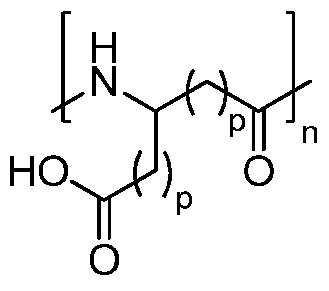 and each p independently is
1 or 2. In these embodiments, n can be 1-50, or 1-25, or 1-10, or 1-5. In some embodiments, L comprises aspartic acid, glutamic acid, gamma-glutamic acid, or a polymer thereof. In
other embodiments, L compris
 O, or G is CH2, or G is CHOH, or
G is CHNH2, or G is CHCOOH. When G is O, each R11 independently can be H or OH.
When G is CH2, each R11 independently can be H or OH, provided that at least one R1 111 is
OH, or each R11 independently can be H or NH2, provided that at least one R1 111 i ·s NH2, or
each R11 independently can be COOH or H, provided that at least one R11 is COOH. When G is CHOH, each R11 independently can be H or OH, provided that at least on R11 is OH. When G is CHNH2, each R11 independently can be NH2 or H, provided that at least one R11 is NH2. When G is CHCOOH, each R11 independently can be H or COOH, provided that at least one R11 is COOH. In some of these embodiments, n is 1-50 or 1-25 or 1-10 or 1-5.
[0014] In some embodiments, L comprises a nitrogen-containing C3-7heterocycle, polyalkylene diamine, a negatively charged amino acid, or a saccharide. In some cases, L comprises pyrollidine, piperidine, piperazine, polyethylene diamine, polypropylene diamine, polybutylene diamine, aspartic acid, glutamic acid, gamma-glutamic acid, monosaccharide, polysaccharide, inositol, or polysialic acid. In various cases, L comprises polyoxazoline, polyacrylomorpholine, polyvinylpyrrolidone, polyphosphazene, polyethylene-co-maleic acid anhydride, polystyrene-co-maleic acid anhydride, PHF, a polyhydroxyalkylacrylate, or MPC.
[0015] In embodiments, Z comprises


; or a pharmaceutically acceptable salt thereof, or

pharmaceutically acceptable salt thereof. In some of these embodiments, D is NH, L comprises polyalkylene oxide, and Z comprises


[0017] In some cases, the compound or Formula (I) is selected from:


[0018] Another aspect of the disclosure relates to a drug conjugate comprising the reaction product of the compound of Formula I, as defined herein, and the drug. The drug conjugate can have the structure of Formula (II):

[0019] Thus, yet another aspect of the disclosure relates to a drug conjugate of Formula
(II):

A is NR or Ci-i2alkylene diamine;
D is C(R3)2, NR3, O, or S;
L is a bond or comprises polyalkylene oxide, a nitrogen-containing C3-7heterocycle, polyoxazoline, polyacrylomorpholine, polyvinylpyrrolidone, polyphosphazene, polyethylene-co-maleic acid anhydride, polystyrene-co- maleic acid anhydride, PHF, a polyhydroxyalkylacrylate, MPC, or a structure selected from:
Z' com

E is NH or CHR 10. ,
G is O, CH2, CHOH, CHNH2, CHCOOH, or CHSO3H;
each R 1 independently is H or SO3R 3 ;
R2 is halo, C(R3)3, C0-6alkyleneOR3, C0-6alkyleneSR3, C0-6alkyleneN(R4)2,
Co-6alkyleneN+(R4)3, S03R3, CN, C3-7cycloalkyl, C3-7heterocycloalkyl, aryl, or heteroaryl;
each R independently is H or C1-6alkyl;
each R4 independently is H, C1-6alkyl, Ci_6alkyleneOH, Ci_6alkylene-N(R3)2,
3 3
Ci_6alkylene-COOR , Co-6alkylene-S03R , C3-7cycloalkyl, aryl, or heteroaryl R10 is OH, NH2, or COOH;
each R11 independently is H, OH, NH2, or COOH;
m is 0-10;
n is 1-100;
each p independently is 0, 1, 2, 3, or 4;
q is 0, 1, or 2; and
r is 1 or 2.
[0020] In some embodiments, the drug is conjugated to Z' through a lysine, serine, or cysteine of the drug.
[0021] In some embodiments, the drug is a protein, a peptide, an antibody, or a small molecule. In embodiments wherein the drug is a protein, the protein can be FGF21 or GDF- 15. In embodiments wherein the drug is a peptide, the drug can be a peptide that binds to the APJ receptor or the Navl .7 channel (e.g., an APJ receptor binding peptide). In various embodiments, the drug comprises an antibody, for example, a carrier antibody. In some cases, the drug is a small molecule, such as carfilzomib, oprozomib, vinblastine, biotin, or fluorescein.
[0022] Another aspect of the disclosure relates to a pharmaceutical formulation comprising the drug conjugate of Formula II, as defined herein, and a pharmaceutically acceptable excipient.
[0023] Still another aspect of the disclosure relates to a method of treating a disease in a patient comprising administering to the patient a therapeutically effective amount of the pharmaceutical formulation, as previously described herein.
[0024] Yet another aspect of the disclosure is a method of making a drug conjugate comprising contacting the compound of Formula I, as defined herein, with a drug to form the drug conjugate. In some of these embodiments, the drug displaces a leaving group of Z to form the drug conjugate. In various of these embodiments, the drug adds to Z to form the
drug conjugate. In some of these embodiments, the drug conjugate comprises a structure of Formula (II):

[0025] Another aspect of the disclosure relates to a method extending the half-life of a drug, the method comprising conjugating the drug to a compound of Formula I, as disclosed herein. In some embodiments, the resulting drug conjugate exhibits an exposure at least twofold greater than the unconjugated drug, as measured by the area under the curve (AUC). For example, the exposure of the drug conjugate can be at least five-fold greater than the unconjugated drug, or at least ten-fold greater than the unconjugated drug. In some cases, the drug conjugate binds to serum albumin (e.g., primate, mouse, rabbit, bovine, cyno, or murine serum albumin). In various cases, the primate serum albumin is sourced from a human. In some embodiments, the binding occurs at a pH in the range of about 5 to about 8. For example, the binding can occur at physiological pH or at pH 5.5. In some cases, the drug is a protein, a peptide, an antibody, or a small molecule.
[0026] Further aspects and advantages will be apparent to those of ordinary skill in the art from a review of the following detailed description, taken in conjunction with the drawings. While the triazine derivatives and drug conjugates thereof are susceptible of embodiments in various forms, the description hereafter includes specific embodiments with the
understanding that the disclosure is illustrative, and is not intended to limit the invention to the specific embodiments described herein.
BRIEF DESCRIPTION OF THE DRAWINGS
[0027] FIG. 1 shows the in vivo activities of A) wild-type GDF15, formulated with HSA and the B) lX-cibacron-GDF15 conjugate, formulated in HSA. The results were generated from a murine food intake study. The GDF15 dosed animals had an EC50 of 863 g/kg and
the lX-cibacron-GDF15 had an EC50 of 23 g/kg.
[0028] FIG. 2 shows binding of capped FGF21 [VARIANT 1] (diamond), capped
FGF21 [VARIANT 2] (x), cibacron-FGF21 [VARIANT 1] (black line) and cibacron- FGF21 [VARIANT 2] (gray line) to immobilized serum albumin from various species: A & B) human, C & D) cynomologous, E & F) murine, G & H): rat. Binding studies were performed at pH 7.4 (A, C, E, G) and pH 5.5 (B, D, F, H).
[0029] FIG. 3 shows binding of serum albumins from various species to immobilized cibacron-FGF21 [VARIANT 1]: A & B) human, C & D) cynomologous, E & F) murine, G & H): rat. Binding studies were performed at pH 7.4 (A, C, E, G) and pH 5.5 (B, D, F, H).
[0030] FIG. 4 shows the pharmacokinetic profiles of the A) FGF21 [VARIANT 1] and B) FGF21 [VARIANT 2] conjugates in Sprague-Dawley rats after a 10 mg/kg subcutaneous dose. Serum concentration levels were determined by ELISA using an FGF21 -specific antibody to detect total FGF21 levels.
DETAILED DESCRIPTION OF THE INVENTION
[0031] Disclosed herein are triazine derivatives that, when coupled to therapeutics, can improve the circulation half-life of the therapeutics, and thus their PK and PD profiles, versus free forms. The compounds described herein can also act as target agents. The compounds disclosed herein have a structure of Formula I)

wherein the substituents are as described in detail below.
[0032] In particular, described herein are compounds that include a triazine moiety, which is modified with a linker having a reactive terminal group. The terminal group is capable of reacting with a protein, peptide, or small molecule therapeutic to form a triazine -drug conjugate. The triazine portion of the conjugate can bind to albumin, which increases the hydrodynamic radius of the conjugated drug and allows the drug to take advantage of the FcRn mediated recycling pathway, thereby enhancing the PK of the drug.
[0033] The use of a triazine as a means for associating a therapeutic with albumin is beneficial because triazines (a) have a low toxicity risk (e.g., the oral LD50 of Cibacron blue in rats is 10 g/kg ), (b) allow for highly flexible chemistry (i.e., can be coupled to proteins, peptides, and small molecules), (c) do not substantially increase the mass of the bioactive portion of a therapeutic molecule when compared to Fc or HSA fusions, (d) are able to access small compartments, and (e) are inexpensive to produce. Further, triazines can reversibly bind to albumin with high affinity under physiological conditions. Because the free form and albumin-bound form of the triazine exist in equilibrium, the conjugate can access sterically restricted compartments. Further, unlike PEGylated therapeutics, the triazine-drug conjugate is not likely to form kidney vacuoles because it lacks the large non-biodegradable mass of PEG (see, e.g., Xu, J. et al., Bioconjugate Chem. 24(6):915-925 (2013)).
[0034] Synthetic triazine dyes, such as Cibacron blue and isomers thereof, are well known in the art (see e.g., Glanzel et al, Eur. J. Med. Chem. 38(3):303 (2003), incorporated herein by reference). Their high affinity for HSA has led to their use in purification techniques by coupling to a solid resin support, such as agarose, to create an affinity capture matrix for removing or purifying serum albumins (see e.g., Leatherbarrow and Dean, Biochem J.
189:27-34 (1980)).
[0035] As used herein, "TRIAZINE" refers to the portion of the compound of Formula (I) shown below:

[0036] As used herein, "LINKER" collectively refers to D-L-Z in the compound of Formula (I).
[0037] As used herein, "drug" refers to any therapeutic that can benefit from improved or enhanced pharmacokinetics and/or pharmacodynamics. Examples of a drug include proteins, peptides, antibodies, and a small molecule.
[0038] As used herein, "carrier antibody" refers to a pharmacologically inactive immunoglobulin molecule to which a pharmacologically active chemical moiety, such as a non-peptide organic moiety (i.e., a "small molecule", such as the compound of Formula (I) disclosed herein, or a polypeptide agent) can be covalently conjugated or fused. Effective carriers prevent or mitigate in vivo degradation of pharmacologically active moieties by proteolysis or other in vivo activity-diminishing chemical modifications of the
pharmacologically active chemical moiety, or to reduce renal clearance, to enhance in vivo half-life or other pharmacokinetic properties of a therapeutic, such as increasing the rate of absorption, reducing toxicity or immunogenicity, improving solubility, and/or increasing manufacturability or storage stability, compared to an unconjugated form of the
pharmacologically active moiety.
[0039] As used herein, "alkyl" refers to straight chained and branched saturated
hydrocarbon groups containing one to thirty carbon atoms, for example, one to twenty carbon atoms, or one to ten carbon atoms. The term Cn means the alkyl group has "n" carbon atoms. For example, C4 alkyl refers to an alkyl group that has 4 carbon atoms. Ci-C7 alkyl refers to an alkyl group having a number of carbon atoms encompassing the entire range (i.e., 1 to 7 carbon atoms), as well as all subgroups (e.g., 1-6, 2-7, 1-5, 3-6, 1, 2, 3, 4, 5, 6, and 7 carbon atoms). Nonlimiting examples of alkyl groups include, methyl, ethyl, n-propyl, isopropyl, n- butyl, sec-butyl (2-methylpropyl), i-butyl (1,1-dimethylethyl), 3,3-dimethylpentyl, and 2- ethylhexyl. Unless otherwise indicated, an alkyl group can be an unsubstituted alkyl group or a substituted alkyl group.
[0040] The term "alkenyl" is defined identically as "alkyl" except for containing at least one carbon-carbon double bond, and having two to thirty carbon atoms, for example, two to twenty carbon atoms, or two to ten carbon atoms. The term Cn means the alkenyl group has "n" carbon atoms. For example, C4 alkenyl refers to an alkenyl group that has 4 carbon atoms. C2-C7 alkenyl refers to an alkenyl group having a number of carbon atoms encompassing the entire range (i.e., 2 to 7 carbon atoms), as well as all subgroups (e.g., 2-6, 2-5, 3-6, 2, 3, 4, 5, 6, and 7 carbon atoms). Specifically contemplated alkenyl groups include ethenyl, 1-propenyl, 2-propenyl, and butenyl. Unless otherwise indicated, an alkenyl group can be an unsubstituted alkenyl group or a substituted alkenyl group.
[0041] The term "alkynyl" is defined identically as "alkyl" except for containing at least one carbon-carbon triple bond, and having two to thirty carbon atoms, for example, two to twenty carbon atoms, or two to ten carbon atoms. The term Cn means the alkynyl group has
"n" carbon atoms. For example, C4 alkynyl refers to an alkynyl group that has 4 carbon atoms. C2-C7 alkynyl refers to an alkynyl group having a number of carbon atoms encompassing the entire range (i.e., 2 to 7 carbon atoms), as well as all subgroups (e.g., 2-6, 2-5, 3-6, 2, 3, 4, 5, 6, and 7 carbon atoms). Specifically contemplated alkynyl groups include ethynyl, 1-propynyl, 2-propynyl, and butynyl. Unless otherwise indicated, an alkynyl group can be an unsubstituted alkynyl group or a substituted alkynyl group.
[0042] As used herein, the term "alkylene" refers to an alkyl group having a substituent. For example, the term "alkyleneOH" refers to an alkyl group substituted with a hydroxyl group. The term Cn means the alkylene group has "n" carbon atoms. For example, Ci_ 6alkylene refers to an alkylene group having a number of carbon atoms encompassing the entire range, as well as all subgroups, as previously described for "alkyl" groups.
[0043] The term "cycloalkyl" as used herein refers to an aliphatic cyclic hydrocarbon group containing three to eight carbon atoms (e.g. , 3, 4, 5, 6, 7, or 8 carbon atoms). The term Cn means the cycloalkyl group has "n" carbon atoms. For example, C5 cycloalkyl refers to a cycloalkyl group that has 5 carbon atoms in the ring. Cs-Cg cycloalkyl refers to cycloalkyl groups having a number of carbon atoms encompassing the entire range (i.e., 5 to 8 carbon atoms), as well as all subgroups (e.g. , 5-6, 6-8, 7-8, 5-7, 5, 6, 7, and 8 carbon atoms).
Nonlimiting examples of cycloalkyl groups include cyclopropyl, cyclobutyl, cyclopentyl, cyclohexyl, cycloheptyl, and cyclooctyl. Unless otherwise indicated, a cycloalkyl group can be an unsubstituted cycloalkyl group or a substituted cycloalkyl group.
[0044] The term "heterocycloalkyl" is defined similarly as cycloalkyl, except the ring contains one to three heteroatoms independently selected from oxygen, nitrogen, or sulfur. Nonlimiting examples of heterocycloalkyl groups include piperdine, tetrahydrofuran, tetrahydropyran, dihydrofuran, morpholine, thiophene, and the like. Cycloalkyl and heterocycloalkyl groups can be saturated or partially unsaturated ring systems optionally substituted with, for example, one to three groups, independently selected alkyl, alkyleneOH, C(0)NH2, NH2, oxo (=0), aryl, haloalkyl, halo, and OH. Heterocycloalkyl groups optionally can be further N-substituted with alkyl, hydroxyalkyl, alkylenearyl, and alkyleneheteroaryl.
[0045] The term "nitrogen-containing C3-7heterocycle" refers to a heterocycloalkyl group that has a total of 3, 4, 5, 6, or 7 atoms in its ring, wherein at least one ring atom is nitrogen.
[0046] The term "aryl" as used herein refers to monocyclic or polycyclic (e.g. , fused bicyclic and fused tricyclic) carbocyclic aromatic ring systems. Examples of aryl groups
include, but are not limited to, phenyl, naphthyl, tetrahydronaphthyl, phenanthrenyl, biphenylenyl, indanyl, indenyl, anthracenyl, and fluorenyl. Unless otherwise indicated, an aryl group can be an unsubstituted aryl group or a substituted aryl group.
[0047] The term "heteroaryl" as used herein refers to monocyclic or polycyclic (e.g., fused bicyclic and fused tricyclic) aromatic ring systems, wherein one to four-ring atoms are selected from oxygen, nitrogen, or sulfur, and the remaining ring atoms are carbon, said ring system being joined to the remainder of the molecule by any of the ring atoms. Nonlimiting examples of heteroaryl groups include, but are not limited to, pyridyl, pyrazinyl, pyrimidinyl, pyrrolyl, pyrazolyl, imidazolyl, thiazolyl, tetrazolyl, oxazolyl, isooxazolyl, thiadiazolyl, oxadiazolyl, furanyl, quinolinyl, isoquinolinyl, benzoxazolyl, benzimidazolyl, and benzothiazolyl. Unless otherwise indicated, a heteroaryl group can be an unsubstituted heteroaryl group or a substituted heteroaryl group.
[0048] The term "hydroxy" or "hydroxyl" as used herein refers to a "— OH" group.
[0049] The term "alkoxy" or "alkoxyl" as used herein refers to a "— O-alkyl" group.
o
[0050] The term "ester" as used herein refers to a group of the general Formula: OR , wherein R is an alkyl group or a cycloalkyl group.
[0051] The term "imidoester" as used herein refers to an ester wherein the carbonyl oxygen is replaced with a NH group:
 .
.
[0052] The term "ether" as used herein refers to an alkyl group that includes at least one oxygen atom inserted within the alkyl group.
[0053] The term "amino" as used herein refers to a— NH2 or— NH— group, wherein each hydrogen in each Formula can be replaced with an alkyl, cycloalkyl, aryl, heteroaryl, or heterocycloalkyl group.
[0054] The term "carboxy" or "carboxyl" as used herein refers to a "-COOH" group.
[0055] The term "hydrazine" or "hydrazonyl" as used herein refers to a group of the
H2 general formula:

[0056] The term "thiol" or "sulfhydryl" as used herein refers to a "— SH" group.
[0057] The term "halo" as used herein refers to a halogen (e.g., F, CI, Br, or I).
[0058] The term "cyano" as used herein refers to a— C≡N group, also designated— CN.
[0059] The term "isocyanyl" as used herein refers to a— N≡C group.
[0060] The term "isocyano" as used herein refers to a -N=C=0 group.
[0061] The term "isothiocyano" as used herein refers to a -N=C=S group
[0062] The term "nitro" refers to a -N02 group.
+
[0063] The term "azide" or "azido" refers to a ^ ^ ^ ^ group.
[0064] The term "epoxide" or "epoxyl" as used herein refers to a three-membered ring, wherein one of the three atoms is oxygen.
[0065] The term "aziridine" or "aziridinyl" as used herein refers to a three-membered ring, wherein one of the three atoms is nitrogen.
[0066] The term "succinimide" or "succinimidyl" as used herein refers to a group having

the general formula: O
[0067] The term "sulfosuccinimide" or "sulfosuccinimidyl" as used herein refers to a succinimide or a sulfosuccinimide group that is substituted with at least one SO3H group.
[0068] The term "maleimide" or "maleimido" as used herein refers to a group having the
general formula:

[0069] A "substituted" alkyl, alkenyl, alkynyl, cycloalkyl, cycloalkenyl, aryl, heteroaryl, alkoxyl, ester, ether, or carboxylic ester refers to an alkyl, alkenyl, alkynyl, cycloalkyl, cycloalkenyl, aryl, heteroaryl, alkoxyl, ester, ether, or carboxylic ester having at least one hydrogen radical that is substituted with a non-hydrogen radical (i.e., a substitutent).
Examples of non-hydrogen radicals (or substituents) include, but are not limited to, alkyl, cycloalkyl, alkenyl, cycloalkenyl, alkynyl, ether, aryl, heteroaryl, heterocycloalkyl, hydroxyl, oxy (or oxo), alkoxyl, ester, thioester, acyl, carboxyl, cyano, nitro, amino, amido, sulfur, and
halo. When a substituted alkyl group includes more than one non-hydrogen radical, the substituents can be bound to the same carbon or two or more different carbon atoms. o.
[0070] As used herein, "polyalkylene oxide" refers to a structure m J , wherein each m is 1 to 10 methylene units (e.g., 1, 2, 3, 4, 5, 6, 7, 8, 9, or 10 methylene units).
[0071] As used herein, "polysaccharide" refers to a compound that includes between 2 and 200 units of a monosaccharide, such as 10- 100 units, and/or at least 3 units of a
monosaccharide.
[0072] As used herein, the term "therapeutically effective amount" means an amount of a compound or combination of therapeutically active compounds that ameliorates, attenuates, or eliminates one or more symptoms of a particular disease or condition, or prevents or delays the onset of one of more symptoms of a particular disease or condition.
[0073] As used herein, the terms "patient" and "subject" may be used interchangeably and mean animals, such as dogs, cats, cows, horses, sheep and humans. Humans are
contemplated. The term patient includes males and females.
[0074] As used herein, the term "pharmaceutically acceptable" means that the referenced substance, such as a compound of the present invention, or a formulation containing the compound, or a particular excipient, are safe and suitable for administration to a patient. The term "pharmaceutically acceptable carrier" refers to a medium that does not interfere with the effectiveness of the biological activity of the active ingredient(s) and is not toxic to the patient or subject to which it is administered.
[0075] As used herein the terms "treating", "treat" or "treatment" and the like include preventative (e.g. , prophylactic) and palliative treatment.
[0076] As used herein, the term "excipient" means any pharmaceutically acceptable additive, carrier, diluent, adjuvant, or other ingredient, other than the active pharmaceutical ingredient (API).
[0077] In one aspect, the invention relates to a compound of Formula (I), or a
pharmaceutically acceptable salt thereof:

wherein:
A is NR or Ci.i2alkylene diamine; D is C(R3)2, NR3, O, or S; each R 1 independently is H or SO3R 3 ;
R2 is halo, C(R3)3, C0-6alkyleneOR3, C0-6alkyleneSR3, C0-6alkyleneN(R4)2, Co-6alkyleneN+(R4)3, S03R3, CN, C3-7cycloalkyl, C3-7heterocycloalkyl, aryl, or heteroaryl; each R , independently, is H or C1-6alkyl; each R4, independently, is H, C1-6alkyl, Ci_6alkyleneOH, Ci-6alkylene-N(R3)2, C1-6alkylene-
COOR 3 , Co-6alkylene-S03R 3 , C3-7cycloalkyl, aryl, or heteroaryl; and either:
O O
(1) L comprises polyalkylene oxide and Z comprises a moiety selected from R , O RFC 0 II R6 s II R6 s U R6 0 U „ N
* , R , 'R , C OR', R
 , imidoester, maleimido, isocyano, isothiocyano, epoxyl, aziridinyl, hydrazonyl, vinylsulfone, CH2- halo, CH2-OS02-R7, CH2-OP03-R7, CH2-P03-R7, S-S-R7, alkynyl, or azido; wherein:
R5 is H, halo, N3, CN, CH2-halo, or CH=CH2;
R6 is Ci^alkyl, C3-7cycloalkyl, aryl, heteroaryl, succinimidyl, or sulfosuccinimidyl; R is Ci^alkyl, C3-7cycloalkyl, aryl, or heteroaryl;
R is halo, nitro, or sulfonate; and
R9 is H or halo; or
L is a bond or comprises a nitrogen-containing C3-7heterocycle, polyoxazoline,
polyacrylomorpholine, polyvinylpyrrolidone, polyphosphazene, polyethylene-co- maleic acid anhydride, polystyrene-co-maleic acid anhydride, poly(l- hydroxymethylethylene hydroxymethyl formal) ("PHF"), a polyhydroxyalkylacrylate 2-methyacryloyloxy-2'-ethyltrimethylammonium phosphate ("MPC"), or a structure selected from:

wherein: m is 0-10; n is 1-100; each p independently is 0, 1, 2, 3, or 4; q is 0, 1, or 2; r is 1 or 2;
E is NH or CHR10;
G is O, CH2, CHOH, CHNH2, CHCOOH, or CHS03H; R10 is OH, NH2, or COOH; each R11 independently is H, OH, NH2, or COOH; and
Z com rises a moiet selected from: alkynyl, azido, Br CI

 O O NH
CT ^ , OCH3 6 , CH2-I, CH2-Br, CH2-CI, CH2-OS02-Me, CH2-OS02-Et, CH2

Triazine
[0078] The portion of the compound of Formula (I), shown below, is Cibacron blue or a derivative of, and is herein referred to as "TRIAZINE":

[0079] In some embodiments, each R 1 is H. In various embodiments, each R 1 is SO3R3. In some embodiments, R 3 is H. In various embodiments R 3 is C^aUcyl, such as methyl, ethyl, propyl, butyl, pentyl, or hexyl. In various embodiments, at least one R1 is SO3H and another R1 is H. For example, the R1 on the anthraquinone ring can be SO3H, and the isolated phenyl ring can be mono substituted with SO3H in either the ortho- or meta- position.
[0080] In some embodiments, R 2 is halo, C(R 3 )3, OR 3 , or N(R 4 )2. In various embodiments, R2 is CI, Br, I, CH3, Et, Pr, i-Pr, n-Bu, t-Bu, CH2CH3, CF3, OCH3, OEt, NH2, or NHCH3. For example, R 2 can be CI, CH3, CF3, OCH3, or NH2. In various embodiments, R 2 is NHR 4 and R4 is phenyl or bicyclic aryl. In some embodiments wherein R2 is NHR4 and R4 is phenyl or bicyclic aryl, the phenyl is substituted with one or more moieties selected from halo, C(R )3, N(R3)2, OR3, SR3, COOR3, CONR3, NCOR3, SO3R3, P03H2, alkenyl, azo or


[0081] In some embodiments, A is NR 3. In some embodiments, R 3 is H. In various embodiments, R is C1-6alkyl. For example, A can be NH, NCH3, or NEt. In some embodiments, A is NH. In various embodiments, A is Ci.i2alkylene diamine. For example, A can be 1,2-diaminoethane, 1,3-diaminopropane, 1,4-diaminobutane, 1,5-diaminopentane, 1,6-diaminohexane, 1,7-diaminoheptane, 1,8-diaminooctane, 1,9-diaminononane, 1,10- diaminodecane, 1,11-diaminoundecane, or 1-12-diaminododecane.
[0082] For example, the TRIAZINE portion of the compound of Formula (I) can be selected from:


pharmaceutically acceptable salt thereof.
LINKER
[0084] In the compound of Formula (I), D-L-Z is collectively referred to as "LINKER." D is a reaction product that results from the coupling of L to the TRIAZINE. Z comprises a reactive group that is capable of reacting with a drug to form a covalent bond between the compound of Formula (I) and the drug. L is either a bond or a spacer.
[0085] In some embodiments, L is a bond.
[0086] In various embodiments, L is a spacer. L can be linear or branched. In various embodiments, L is hydrophilic. The hydrophilic portion of L can be pendant to L and/or part of the backbone of L. For example, L can include a plurality of pendant hydroxyl groups, amino groups, sulfonate groups, and/or carboxyl groups. L can include heteroatoms in its backbone, such as O and N. L can be neutral or ionizable (i.e., deprotonate to form a negative ion or protonate to form a positive ion) under physiological conditions. Methods for making and using various hydrophilic spacers can be found in, e.g., PCT publication Nos. 2009/0022993, 2009/134976, and 2009/134977, each of which is herein incorporated by reference in its entirety.
[0087] In some embodiments, L comprises a nitrogen-containing C3-7heterocycle, polyoxazoline, polyacrylomorpholine, polyvinylpyrrolidone, polyphosphazene, polyethylene - co-maleic acid anhydride, polystyrene-co-maleic acid anhydride, poly(l- hydroxymethylethylene hydroxymethyl formal) ("PHF"), a polyhydroxyalkylacrylate (e.g., 2-
hydroxyethylmethacrylate), 2-methyacryloyloxy-2'-ethyltrimethylammonium phosphate ("MPC"), or a combination thereof. For example, L can include polyoxazoline,
polyacrylomorpholine, polyvinylpyrrolidone, polyphosphazene, polyethylene-co-maleic acid anhydride, polystyrene-co-maleic acid anhydride, PHF, a polyhydroxyalkylacrylate, or MPC.
embodiments, L is selected from
 or
or

m is 0-10;
n is 1-100;
each p independently is 0, 1, 2, 3, or 4;
q is 0, 1, or 2;
r is 1 or 2;
E is O, NH or CHR10;
G is O, CH2, CHOH, CHNH2, CHCOOH, or CHSO3H;
R10 is OH, NH2, or COOH; and
each R11 independently is H, OH, NH2, or COOH.
[0089] In various embodiments, L is
 . In some embodiments, E is O. In various embodiments, E is NH. In some embodiments, E is CHR . For example E can include CHOH, CHNH2, CHCOOH, or CHSO3H. In these embodiments, m can be 0, 1, 2, 3, 4, 5, 6, 7, 8, 9, or 10. For example, m can be 1, 2, 3, 4, or 5. In some embodiments, m is 1, 2, or 3. In various embodiments, n can be 1-50, 1-40, 1-30, 1-20, 1-25, 1-20, 1-15, 1-10, or 1-5.
[0090] In some embodiments, L is
 . In some cases, p is 1, 2, or 3 {e.g. , 1 or 2). For example, L can include aspartic acid, glutamic acid, or gamma- glutamic acid. In
various embodiments, n can be 1-50, 1-40, 1-30, 1-20, 1-25, 1-20, 1-15, 1- 10, or 1-5.
. In some cases, p is 1, 2, or 3 {e.g. , 1 or 2). For example, L can include aspartic acid, glutamic acid, or gamma- glutamic acid. In
various embodiments, n can be 1-50, 1-40, 1-30, 1-20, 1-25, 1-20, 1-15, 1- 10, or 1-5.
[0091] In some embodiments, L is
 . In some embodiments, G is O. In embodiments wherein G is O, each R11 can independently be H or OH. In some
embodiments, G is CH2. In embodiments wherein G is CH2, each R11 can independently be H or OH, provided at least one R11 is OH. In some embodiments each R11 is OH. In various embodiments wherein G is CH2, each R11 can independently be H or NH2, provided at least one R11 is NH2. In various embodiments wherein G is CH2, each R can independently be H or COOH, provided at least one Rn is COOH. In various embodiments, G is CHOH. In embodiments wherein G is CHOH, each R11 can independently be H or OH. In some embodiments, each R11 is OH. In various embodiments, G is CHNH2. In embodiments wherein G is CHNH2, each R11 can independently be H or NH2. In various embodiments, G is CHCOOH. In embodiments wherein G is CHCOOH, each R11 can independently be H or COOH, provided at least one R11 is COOH. In these embodiments, n can be 1-50, 1-40, 1-30, 1-20, 1-25, 1-20, 1-15, 1- 10, or 1-5.
[0092] In some embodiments, L includes a nitrogen-containing C3-7heterocycle (e.g. , pyrollidine, piperidine, piperazine), polyalkylene diamine (e.g. , polyethylene diamine, polypropylene diamine, polybutylene diamine), a negatively charged amino acid (e.g., aspartic acid, glutamic acid, gamma-glutamic acid), or a saccharide (e.g. , monosaccharide, polysaccharide, inositol, or polysialic acid).
[0093] In various embodiments, L is polyalkylene oxide. The polyalkylene oxide can be linear or branched. For example L can include polyethylene glycol (e.g. , PEG 40, PEG 100, PEG 150, PEG 200, PEG 300, PEG 2000), polypropylene glycol, or polybutylene glycol. The polyalkylene oxide can have a molecular weight of about 30 to about 5000 (e.g. about 30-4500, about 30-4000, about 30-3500, about 30-3000, about 30-2500, about 30-2000, about 30-1500, about 30- 1000, about 46-1000, about 46-750, about 46-500, about 46-250, or about 46-100). Polyethylene oxide spacers, with and without reactive functionality at one or both of their termini, are well-known in the art and commercially available through, e.g. , Quanta Biodesign, PierceNet, and SigmaAldrich.
3 3
[0094] In some embodiments, D is NR . In various embodiments R is H. For example, D can be NH. In various embodiments, R is Ci-6alkyl. For example, D can be NCH3 or NEt.
In various embodiments, D is O. In various embodiments, D is S. In some embodiments, D is C(R3)2. For example, D can be CH2, CHCH3, CHCH2CH3, or C(CH3)2.
[0095] The compounds of Formula (I) as described herein can bind to serum albumin, with micromolar to nanomolar K4 values, as further described in the Examples section.
[0096] Z is a reactive moiety capable of coupling with a drug, e.g. , an electrophile or an
O
azide or an alk ne. In various embodiments, Z comprises a moiety selected from ,
 r> imidoester, maleimido, isocyano, isothiocyano, epoxyl, aziridinyl, hydrazonyl, vinylsulfone, CH2-halo, CH2-OS02-R7, CH2-OP03-R7, CH2-P03-R7, S-S-R7, alkynyl, or azido; wherein:
R5 is H, halo, N3, CN, CH2-halo, or CH=CH2;
R6 is C1-6alkyl, C3-7cycloalkyl, aryl, heteroaryl, succinimidyl, or sulfosuccinimidyl;
R is Ci_6alkyl, C3-7cycloalkyl, aryl, or heteroaryl;
R is halo, nitro, or sulfonate; and
R9 is H or halo.
[0097] In various embodiments, Z comprises a moiety selected from

O O O
O OR7 , O R7 , imidoester, maleimido, CH2-halo, CH2-OS02-R7, or S-S-R7; wherein:
R5 is H, halo, CH2-halo, or CH=CH2;
R6 is aryl, heteroaryl, succinimidyl, or sulfosuccinimidyl; and,
R is alkyl, aryl, or heteroaryl.
[0098] For example, Z comprises a moiety selected from: Br
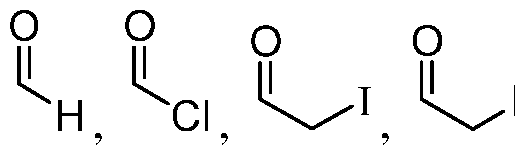


e
 mbodiments Z comprises a moiety selected from

[0099] In some embodiments, Z comprises an azide or an alkyne, which are contemplated for further use in a "click reaction" reaction with the therapeutic to form the conjugate. A "click reaction" is a reaction between an azide and an alkyne to form a triazolyl moiety, and is insensitive to oxygen and water. In some embodiments, Z is an alkynyl group. In various embodiments, Z is an azido group.
[00100] In some embodiments, L comprises polyalkylene oxide (e.g. , polyethylene glycol,
O
polypropylene glycol, or polybutylene glycol, and Z comprises a moiety selected from R ,
 imidoester, maleimido, isocyano, isothiocyano, epoxyl, aziridinyl, hydrazonyl, vinylsulfone, CH2-halo, CH2-OS02-R7, CH2-OP03-R7, CH2-P03-R7, S-S-R7, alkyne, or azide; wherein:
R5 is H, halo, N3, CN, CH2-halo, or CH=CH2;
R6 is Ci-6alkyl, C3-7cycloalkyl, aryl, heteroaryl, succinimidyl, or sulfosuccinimidyl;
R7 is Ci_6alkyl, C3-7cycloalkyl, aryl, or heteroaryl;
R8 is halo, nitro, or sulfonate; and
R9 is H or halo.
0 0 O
In vaiious embodiments, Z comprises a moiety selected from , O 5 O OR . O O
u
O R7 , imidoester, maleimido, CH2-halo, CH2-OS02-R7, or S-S-R7;
wherein:
R5 is H, halo, CH2-halo, or CH=CH2;
R6 is aryl, heteroaryl, succinimidyl, or sulfosuccinimidyl; and
R7 is alkyl, aryl, or heteroaryl.
For example, Z comprises a moiety selected from


O
O O NH2 N
Ci ^ , OCH3 o , CH2-I, CH2-Br, CH2-C1, CH2-OS02-Me, CH2-OS02-Et, CH2- OPh, , CH2-OPh(p-Me),
 , . In some embodiments, Z

[00101] In some embodiments, L is a bond or comprises a nitrogen-containing
C3-7heterocycle, polyoxazoline, polyacrylomorpholine, polyvinylpyrrolidone, polyphosphazene, polyethylene-co-maleic acid anhydride, polystyrene-co-maleic acid anhydride, PHF, a polyhydroxyalkylacrylate, MPC, or a structure selected from:

m is 0-10;
n is 1-100;
each p independently is 0, 1, 2, or 3;
q is 0, 1, or 2;
r is 1 or 2;
E is NH or CHR10;
G is O, CH2, CHOH, CHNH2, CHCOOH, or CHS03H;
R10 is OH, NH2, or COOH;
each R11 independently is H, OH, NH2, or COOH; and
O O O
comprises a moiety selected from: an alkyne, an a H 5 CI 5 Br

O
 S02-Et, CH2-O -OPh(p-Me), . For example, Z
can include H


comprises

[00102] In some embodiments, D is NH, L comprises polyalkylene oxide, Z comprises


[00103] In various embodiments, the compound of Formula (I) is selected from:


42


Synthesis of Compounds of Formula (I)
[00104] The compounds of Formula (I) can be synthesized by conjugating a TRIAZINE having a reactive moiety (e.g. , an electrophile group, such as a leaving group) to D-L or D- L-Z, wherein D comprises a functional group capable of reacting with the reactive moiety of TRIAZINE, as previously described. In some embodiments, D-L-Z is coupled to the
TRIAZINE to form the compound of Formula (I). In various embodiments, D-L is coupled to the TRIAZINE to form TRIAZINE-D-L, then the terminus of L is functionalized with Z to form a compound of Formula (I).
[00105] Many synthetic TRIAZINES, such as Cibacron blue and isomers thereof, are commercially available (e.g. , SigmaAldrich, Polysciences), and methods of making such dyes are well known in the art (see e.g. , Glanzel et al, Eur. J. Med. Chem. 38(3):303 (2003), incorporated herein by reference).
[00106] Methods of conjugating TRIAZINE to D-L or D-L-Z are well known in the art (see, e.g. , Greg T. Hermanson, Bioconjugate Techniques, Academic Press (1996)). For example, if TRIAZINE has a leaving group (e.g., chloride, triflate, or the like), then D can include a nucelophilic group, such as an amino group, that will react with the TRIAZINE in a nucleophilic substitution reaction, as known to one skilled in the art.
[00107] Spacers, L, with and without one or both reactive termini, D and Z, are well- known in the art, and many are commercially available through, e.g., Quanta Biodesign, PierceNet, and SigmaAldrich. Methods for derivatizing a spacer, L (e.g. , a polyalkylene oxide), with reactive groups to form D-L, L-Z, and D-L-Z also are well known in the art (see, e.g. , PCT publication Nos. 2009/134977, 2009/134976, Roberts et al. Adv. Drug Rev.
54:459-476 (2002), and Greg T. Hermanson, Bioconjugate Techniques, Academic Press (1996), each of which is incorporated herein by reference). For example, TRIAZINE-D-L- NH2 can be functionalized with a terminal electrophilic group Z by reacting it with a bifunctional compound that has an electrophile, such as a carboxylic acid derivative (an N- hydroxysuccinimide (NHS) ester) or a primary halide, at one or both ends.
[00108] Further guidance for generating compounds of Formula (I) can be found in the Examples section, below.
CONJUGATES OF FORMULA (II) AND METHODS OF MAKING
[00109] Also provided herein are drug conjugates that include the compound of Formula (I) covalently bound to a drug. The drug conjugates disclosed herein can exhibit improved pharmacodynamics and pharmacokinetics over their free forms.
[00110] Thus, provided herein is a drug conjugate of Formula (II):

wherein:
A is NR or Ci.i2alkylene diamine;
D is C(R3)2, NR3, O, or S;
L is a bond or comprises polyalkylene oxide, a nitrogen-containing C3-7heterocycle,
polyoxazoline, polyacrylomorpholine, polyvinylpyrrolidone, polyphosphazene, polyethylene-co-maleic acid anhydride, polystyrene-co-maleic acid anhydride, PHF, a polyhydroxyalkylacrylate, MPC, or a structure selected from:

Formula (I);
E is NH or CHR10;
G is O, CH2, CHOH, CHNH2, CHCOOH, or CHSO3H;
each R 1 independently is H or SO3R 3 ;
R2 is halo, C(R3)3, Co-ealkyleneOR3, Co-ealkyleneSR3, Co-6alJiyleneN(R4)2,
Co-6alkyleneN+(R4)3, SO3R3, CN, C3-7cycloalkyl, C3-7heterocycloalkyl, aryl, or heteroaryl; each R independently is H or Ci.6alkyl;
each R4 independently is H, C1-6alkyl, Ci-6alkyleneOH, Ci_6alkylene-N(R3)2, Ci^alkylene-
COOR 3 , Co 3
-6alkylene-S03R , C3-7cycloalkyl, aryl, or heteroaryl
R10 is OH, NH2, or COOH;
each R11 independently is H, OH, NH2, or COOH;
m is 0-10;
n is 1-100;
each p independently is 0, 1, 2, 3, or 4;
q is 0, 1, or 2; and
r is 1 or 2.

[00112] The drug can be any therapeutic that is capable of reacting with a compound of Formula (I). In some embodiments, the drug is a protein, a peptide, an antibody, or a small molecule.
[00113] The compounds disclosed herein can be used with various antibodies and protein therapeutics such as, but not limited to, those set forth in U.S. Patent Nos. 8,795,985, 8,324, 160, and 8,372,952, and in U.S. Patent Publication Nos. US 2011/0195895 and US 2012/0328616, each of which is incorporated herein by reference. Thus, in some
embodiments, the drug is a protein or a peptide.
[00114] The protein of the conjugates disclosed herein can have an Fc domain, and another domain (e.g. , antibodies, and Fc fusion proteins). The proteins of the conjugates can include immunoglobulin molecules or portions thereof, and chimeric antibodies (e.g., an antibody having a human constant region coupled to a murine antigen binding region) or fragments thereof. Also contemplated are humanized antibodies. The term humanized antibody also encompasses single chain antibodies. See, e.g. , Cabilly et al., U.S. Pat. No. 4,816,567;
Cabilly et al., European Patent No. 0,125,023 B l ; Boss et al., U.S. Pat. No. 4,816,397; Boss et al., European Patent No. 0, 120,694 B l ; Neuberger, M. S. et al., WO 86/01533; Neuberger, M. S. et al., European Patent No. 0, 194,276 B l ; Winter, U.S. Pat. No. 5,225,539; Winter, European Patent No. 0,239,400 B l ; Queen et al., European Patent No. 0 451 216 B l ; and Padlan, E. A. et al., EP 0 519 596 Al, each of which is incorporated by reference.
[00115] Examples of antibodies contemplated for the conjugates disclosed herein include those that recognize any one or combination of the following antigens: CD2, CD3, CD4, CD8, CDl la, CD14, CD18, CD20, CD22, CD23, CD25, CD33, CD40, CD44, CD52, CD80 (B7.1), CD86 (B7.2), CD147, IL- la, IL- Ιβ, IL-4, IL-5, IL-8, IL- 10, IL-2 receptor, IL-4 receptor, IL-6 receptor, IL-13 receptor, IL- 18 receptor subunits, TNFR (p55 and p75), PDGF- β, VEGF, TGF, TGF-p2, TGF-βΙ, EGF receptor, VEGF receptor, CS complement, IgE, tumor antigen CA125, tumor antigen MUC1, PEM antigen, LCG (which is a gene product that is expressed in association with lung cancer), HER-2, a tumor-associated glycoprotein TAG-72, the SK-1 antigen, tumor-associated epitopes that are present in elevated levels in the sera of patients with colon and/or pancreatic cancer, cancer-associated epitopes or proteins expressed on breast, colon, squamous cell, prostate, pancreatic, lung, and/or kidney cancer cells and/or on melanoma, glioma, or neuroblastoma cells, the necrotic core of a tumor, integrin alpha 4 beta 7, the integrin VLA-4, B2 integrins, TRAIL receptors 1, 2, 3, and 4, RANK, RANK ligand, TNF-a, the adhesion molecule VAP-1, epithelial cell adhesion molecule (EpCAM), intercellular adhesion molecule-3 (ICAM-3), leukointegrin adhesin, the platelet glycoprotein gp Ilb/IIIa, cardiac myosin heavy chain, parathyroid hormone, rNAPc2 (which is an inhibitor of factor Vila-tissue factor), MHC I, carcinoembryonic antigen (CEA),
α-fetoprotein (AFP), tumor necrosis factor (TNF), CTLA-4 (which is a cytotoxic T lymphocyte-associated antigen), Fc-γ-Ι receptor, HLA-DR 10 β, HLA-DR antigen, L- selectin, IFN-γ, Respiratory Syncitial Virus, human imillimolarunodeficiency virus (HIV), hepatitis B virus (HBV), Streptococcus mutans, and Staphlycoccus aureus. Specifically contemplated antibodies include infliximab, enteracept, anakinra, adalimumab, certolizumab pegol and golimimab.
[00116] In some cases, the protein or polypeptide of the conjugate include but are not limited to a flt3 ligand (as described in WO 94/28391, which is incorporated by reference herein in its entirety), a CD40 ligand (as described in U.S. Pat. No. 6,087,329, which is incorporated by reference herein in its entirety), erythropoeitin, thrombopoeitin, calcitonin, Fas ligand, ligand for receptor activator of NF-kappa B (RANKL), tumor necrosis factor (TNF)-related apoptosis-inducing ligand (TRAIL, as described in WO 97/01633, which is incorporated by reference herein in its entirety), thymic stroma-derived lymphopoietin, granulocyte colony stimulating factor, granulocyte-macrophage colony stimulating factor (GM-CSF, as described in Australian Patent No. 588819, which is incorporated by reference herein in its entirety), mast cell growth factor, stem cell growth factor, epidermal growth factor, RANTES, growth hormone, insulin, insulinotropin, insulin-like growth factors, parathyroid hormone, interferons, nerve growth factors, glucagon, interleukins 1 through 18, colony stimulating factors, lymphotoxin-β tumor necrosis factor (TNF), leukemia inhibitory factor, oncostatin-M, and various ligands for cell surface molecules ELK and Hek (such as the ligands for eph-related kinases or LERKS). Descriptions of proteins that can be included in the conjugates disclosed herein may be found in, for example, Human Cytokines:
Handbook for Basic and Clinical Research, Vol. II (Aggarwal and Gutterman, eds. Blackwell Sciences, Cambridge, Mass., 1998); Growth Factors: A Practical Approach (McKay and Leigh, eds., Oxford University Press Inc., New York, 1993); and The Cytokine Handbook (A. W. Thompson, ed., Academic Press, San Diego, Calif., 1991).
[00117] Additionally contemplated proteins of the conjugates disclosed herein include receptors, especially soluble forms of the receptors, such as both forms of TNFR (referred to as p55 and p75), Interleukin-1 receptors types I and II (as described in EP 0 460 846, U.S. Pat. No. 4,968,607, and U.S. Pat. No. 5,767,064, which are incorporated by reference herein in their entirety), Interleukin-2 receptor, Interleukin-4 receptor (as described in EP 0 367 566 and U.S. Pat. No. 5,856,296, which are incorporated by reference herein in their entirety), Interleukin-15 receptor, Interleukin-17 receptor, Interleukin-18 receptor, granulocyte-
macrophage colony stimulating factor receptor, granulocyte colony stimulating factor receptor, receptors for oncostatin-M and leukemia inhibitory factor, receptor activator of NF- kappa B (RANK, as described in U.S. Pat. No. 6,271,349, which is incorporated by reference herein in its entirety), receptors for TRAIL (including TRAIL receptors 1, 2, 3, and 4), and receptors that comprise death domains, such as Fas or Apoptosis-Inducing Receptor (AIR).
[00118] Other proteins or polypeptides of the conjugates disclosed herein include disclosed methods include cluster of differentiation antigens (referred to as CD proteins), for example, those disclosed in Leukocyte Typing VI (Proceedings of the Vlth International Workshop and Conference; Kishimoto, Kikutani et al., eds.; Kobe, Japan, 1996), or CD molecules disclosed in subsequent workshops. Examples of such molecules include CD27, CD30, CD39, CD40; and ligands thereto (CD27 ligand, CD30 ligand and CD40 ligand). Several of these are members of the TNF receptor family, which also includes 41BB and OX40; the ligands are often members of the TNF family (as are 41BB ligand and OX40 ligand); accordingly, members of the TNF and TNFR families can also be conjugated as disclosed herein.
[00119] Proteins that are enzymatically active can be conjugated as disclosed herein. Examples include metalloproteinase-disintegrin family members, various kinases, glucocerebrosidase, superoxide dismutase, tissue plasminogen activator, Factor VIII, Factor IX, apolipoprotein E, apo lipoprotein A-I, globins, an IL-2 antagonist, alpha- 1 antitrypsin, TNF- alpha Converting Enzyme, and numerous other enzymes.
[00120] Fusion proteins can also be conjugated. Examples of such fusion proteins include proteins expressed as a fusion with a portion of an immunoglobulin molecule, proteins expressed as fusion proteins with a zipper moiety, and novel polyfunctional proteins such as a fusion proteins of a cytokine and a growth factor (i.e., GM-CSF and IL-3, MGF and IL-3). WO 93/08207 and WO 96/40918 describe the preparation of various soluble oligomeric forms of a molecule referred to as CD40L, including an immunoglobulin fusion protein and a zipper fusion protein, respectively; the extracellular domain of a cellular receptor molecule, an enzyme, a hormone, a cytokine, a portion of an immunoglobulin molecule, a zipper domain, and an epitope.
[00121] In various embodiments, the protein is fibroblast growth factor 21 (FGF21).
FGF21 can be engineered to include, e.g., a cysteine reside on its surface, which can react with a compound of Formula (I) that has a thiol-reactive electrophilic group as Z, such as a malemino group, a disulfide group, or a reactive carbonyl group, to form a compound of
Formula (II), as further described in the Examples section. The resulting compound of Formula (II) exhibits significantly improved PK in primates, rats, mice, and rabbits. For example, the TRIAZINE-LINKER-FGF21 conjugate exhibits an 11-26 fold increase in drug exposure in rats compared to a control (see Example 9, Figure 4).
[00122] In some embodiments, the protein is growth differentiation factor 15 (GDF15). For example, an compound of Formula (I) that has an aldehyde electrophilic group as Z can be coupled to GDF15 in a reductive amination reaction, as described in the Examples section. The resulting compound of Formula (II) surprisingly exhibits enhanced pharmacodynamics, as demonstrated by a 38-fold improvement in food intake (see Figure 1).
[00123] In some embodiments, the drug is a peptide. In these embodiments, the drug can include a peptide that binds to the APJ receptor or the Navl.7 channel. For example, a maleimido-functionalized TRIAZINE can be coupled to apelin in a nucelophilic addition reaction, as described in the Examples section.
[00124] In some embodiments, the drug comprises an antibody, for example, a carrier antibody. A carrier antibody can be an antibody that binds to a non-human antigen such as DNP or KLH (see, e.g., WO 2010/108153; US 8,734,796, each of which is incorporated herein by reference), or to an antibody engineered to lack any known specific binding capability, such as, e.g., Antibody 4341. Id.
[00125] In various embodiments, the drug is a small molecule. The small molecule can be, for example, carfilzomib, oprozomib, vinblastine, biotin, or fluorescein. In some cases, the drub is carfilzomib.
[00126] The compounds of Formula (II) described herein can bind to serum albumin, with micromolar to nanomolar Kd values, as further described in the Examples section.
Synthesis of Compounds of Formula (II)
[00127] As previously described, the drug conjugate of Formula (II) can be formed by reacting moiety Z of the compound of Formula (I) with a drug to form a covalent bond between the compound of Formula (I) and the drug.
[00128] In some embodiments, the conjugate is formed through a click reaction between the Z of the compound of Formula (I) and a compatible moiety on the drug. In various embodiments, the click reaction uses a copper or ruthenium catalyst. Suitable methods of performing click reactions are described in the art. See, for example, Kolb et al., Drug
Discovery Today 8: 1128 (2003); Kolb et al., Angew. Chem. Int. Ed. 40:2004 (2001);
Rostovtsev et al., Angew. Chem. Int. Ed. 41:2596 (2002); Tomoe et al., J. Org. Chem.
67:3057 (2002); Manetsch et al., J. Am. Chem. Soc. 126: 12809 (2004); Lewis et al., Angew. Chem. Int. Ed. 41: 1053 (2002); Speers, J. Am. Chem. Soc. 125:4686 (2003); Chan et al. Org. Lett. 6:2853 (2004); Zhang et al., J. Am. Chem. Soc. 127: 15998 (2005); and Waser et al., J. Am. Chem. Soc. 127:8294 (2005), each of which is incorporated by reference. For example, when Z comprises an azide, the drug can comprise an alkyne, together reacting to form a triazolyl linkage of the drug to rest of the compound of Formula (I). Alternatively, Z can comprise an alkyne and the drug an azide, resulting in a trizaolyl linkage of the drug to the rest of the compound of Formula (I). General schemes for the formation of a compound of Formula (II) via click chemistry are shown below.
Scheme A

TRIAZINE-D-L— = + N≡N-N-DRUG
TRIAZINE-D-L
Scheme B
TRIAZINE-D-L— N-N≡N +

DRUG-
TRIAZINE-D-L
[00129] In other embodiments, Z comprises an electrophile that reacts with a nucleophile on a drug to form the covalent bond. Examples of Z are previously described herein. When Z comprises an electrophile, it can react with a nucleophilic moiety on a drug, for example, an amino group, a hydroxyl group, or a sulfhydryl group, in a nucleophilic addition reaction or a nucelophilic substitution reaction. Appropriate selection of the compatible functional groups is well within the skill of the ordinarily skilled chemist.
[00130] Scheme C, below, shows the formation of a compound of Formula (II) via nucleophilic addition, wherein ":NUC" refers to a nucleophile (e.g., NH2— , HO— , or HS— )
on the drug and adds to Z of the compound of Formula (I). Scheme C
Nucleophilic Addition
TRIAZINE-D-L— Z + : Nuc-DRUG »► TRIAZINE-D-L— Z'— Nuc-DRUG
Schemes D and E show examples of the formation of a compound of Formula (II) via
nucleophilic addition, wherein Z comprises a maleimido group or an aldehyde group, and the nucleophile on the drug is a thiol group or an amino group.
Scheme D
, ,, Nucleophilic Addition
TRIAZINE-D-L— N | + HS-DRUG
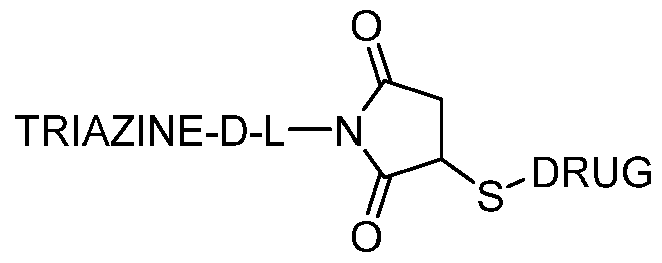
Scheme E
n HN-DRUG
// Nucleophilic Addition ΤΕ>Ι Δ7Ι ΜΙ= n i t
TRIAZINE-D-L—i + H2N-DRUG " *" TRIAZINE-D-L
N Reductive Amination
H
(2 Steps)
[00131] Scheme F, below, shows the formation of a compound of Formula (II) via
nucleophilic substitution, wherein ":NUC" refers to a nucleophile {e.g., NH2— , HO— , or
HS— ) on the drug, and "LG" is a portion of "Z" that acts as a leaving group upon
nucleophilic attack by the drug.
Scheme F
Nucleophilic Substitution
+ : Nuc-DRUG

Schemes G-I show examples of the formation of a compound of Formula (II) via nucleophilic substitution, wherein Z comprises a haloacetamido group, a disulfide group, or a
succinimidyl group, and the nucleophile on the drug is a thiol group or a hydroxyl group.
Scheme G
 Scheme H
Nucleop ilic Substitution
+ HS-DRUG ' - TRIAZINE-D-L— S— S— DRUG

Scheme I

[00132] In embodiments when the drug is a protein or peptide, its nucleophilic moiety can include the N-terminal amino group and/or the side chain of at least one lysine, serine, or cysteine residue. In these embodiments, the reactive moiety of the compound of Formula (I), Z, can react with the N-terminal amino group of the protein or peptide, and/or with an amino acid side chain having a nucleophilic group, such as lysine, cysteine, threonine, or serine. For example, the amine of the N-terminus or a lysine can displace a leaving group of the Z
moiety, resulting in a TRIAZINE-D-L-Z' -NH-PROTEIN linkage. In some cases, the thiol or hydroxyl group of the protein or peptide (from a Cys or Thr/Ser residue) displaces a leaving group of the Z moiety, resulting in a TRIAZINE-D-L-Z' -O-PROTEIN or TRIAZINE-D-L- Z'-S-PROTEIN linkage, respectively. In various cases, the amine of the protein or peptide can add to the Z moiety, resulting in a TRIAZINE-D-L-Z' -NH-PROTEIN linkage. In some cases, the thiol or hydroxyl group of the protein or peptide (from a Cys or Thr/Ser residue) can add to the Z moiety, resulting in a TRIAZINE-D-L-Z' -O-PROTEIN or TRIAZINE-D-L- Z'-S-PROTEIN linkage, respectively. Similar conjugation formation can occur for other drugs that contain an available amine, thiol, or hydroxyl group.
[00133] Thus, also provided herein is a method of making a drug conjugate of Formula (II) comprising contacting the compound of Formula (I) with a drug to form the drug conjugate. In some embodiments, the drug displaces a leaving group of Z to form the drug conjugate. In other embodiments, the drug adds to Z to form the drug conjugate.
PHARMACEUTICAL FORMULATIONS
[00134] Also provided herein are pharmaceutical formulations that include the drug conjugate of Formula (II), or a pharmaceutically acceptable salt thereof, as previously
described herein, and one or more pharmaceutically acceptable excipients. Further provided
herein is a method of treating a disease in a patient comprising administering to the patient a therapeutically effective amount of the pharmaceutical formulation previously described herein.
[00135] The drug conjugate of Formula (II) can be administered to a patient in a therapeutically effective amount. The drug conjugate of Formula (II) can be administered alone or as part of a pharmaceutically acceptable composition or formulation. In addition, the drug conjugate of Formula (II) can be administered all at once, as for example, by a bolus injection, multiple times, e.g. by a series of tablets, or delivered substantially uniformly over a period of time, as for example, using transdermal delivery. It is also noted that the dose of the compound can be varied over time.
[00136] The drug conjugate of Formula (II) disclosed herein also can be administered in combination with one or more additional pharmaceutically active compounds/agents. It is noted that the additional pharmaceutically active compounds/agents may be traditional small organic chemical molecules or can be macromolecules such as a proteins, antibodies, peptibodies, DNA, RNA or fragments of such macromolecules.
[00137] The drug conjugate of Formula (II) disclosed herein and other pharmaceutically active compounds, if desired, can be administered to a patient by any suitable route, e.g. orally, rectally, parenterally, (for example, intravenously, intramuscularly, or subcutaneously) intracisternally, intravaginally, intraperitoneally, intravesically, or as a buccal, inhalation, or nasal spray. The administration can be to provide a systemic effect (e.g. eneteral or parenteral). All methods that can be used by those skilled in the art to administer a pharmaceutically active agent are contemplated.
[00138] Compositions suitable for parenteral injection may comprise physiologically acceptable sterile aqueous or nonaqueous solutions, dispersions, suspensions, or emulsions, and sterile powders for reconstitution into sterile injectable solutions or dispersions.
Examples of suitable aqueous and nonaqueous carriers, diluents, solvents, or vehicles include water, ethanol, polyols (propylene glycol, polyethylene glycol, glycerol, and the like), suitable mixtures thereof, vegetable oils (such as olive oil) and injectable organic esters such as ethyl oleate. Proper fluidity can be maintained, for example, by the use of a coating such as lecithin, by the maintenance of the required particle size in the case of dispersions, and by the use of surfactants.
[00139] These compositions may also contain adjuvants such as preserving, wetting,
emulsifying, and dispersing agents. Microorganism contamination can be prevented by adding various antibacterial and antifungal agents, for example, parabens, chlorobutanol, phenol, sorbic acid, and the like. It may also be desirable to include isotonic agents, for example, sugars, sodium chloride, and the like. Prolonged absorption of injectable pharmaceutical compositions can be brought about by the use of agents delaying absorption, for example, aluminum monostearate and gelatin.
[00140] Solid dosage forms for oral administration include capsules, tablets, powders, and granules. In such solid dosage forms, the active compound is admixed with at least one inert customary excipient (or carrier) such as sodium citrate or dicalcium phosphate or (a) fillers or extenders, as for example, starches, lactose, sucrose, mannitol, and silicic acid; (b) binders, as for example, carboxymethylcellulose, alginates, gelatin, polyvinylpyrrolidone, sucrose, and acacia; (c) humectants, as for example, glycerol; (d) disintegrating agents, as for example, agar-agar, calcium carbonate, potato or tapioca starch, alginic acid, certain complex silicates, and sodium carbonate; (a) solution retarders, as for example, paraffin; (f) absorption accelerators, as for example, quaternary ammonium compounds; (g) wetting agents, as for example, cetyl alcohol and glycerol monostearate; (h) adsorbents, as for example, kaolin and bentonite; and (i) lubricants, as for example, talc, calcium stearate, magnesium stearate, solid polyethylene glycols, sodium lauryl sulfate, or mixtures thereof. In the case of capsules, and tablets, the dosage forms may also comprise buffering agents. Solid compositions of a similar type may also be used as fillers in soft and hard filled gelatin capsules using such excipients as lactose or milk sugar, as well as high molecular weight polyethylene glycols, and the like.
[00141] Solid dosage forms such as tablets, dragees, capsules, pills, and granules can be prepared with coatings and shells, such as enteric coatings and others well known in the art. The solid dosage forms may also contain opacifying agents. Further, the solid dosage forms may be embedding compositions, such that they release the active compound or compounds in a certain part of the intestinal tract in a delayed manner. Examples of embedding compositions that can be used are polymeric substances and waxes. The active compound can also be in micro-encapsulated form, optionally with one or more excipients.
[00142] Liquid dosage forms for oral administration include pharmaceutically acceptable emulsions, solutions, suspensions, syrups, and elixirs. In addition to the active compounds, the liquid dosage form may contain inert diluents commonly used in the art, such as water or other solvents, solubilizing agents and emulsifiers, as for example, ethyl alcohol, isopropyl alcohol, ethyl carbonate, ethyl acetate, benzyl alcohol, benzyl benzoate, propylene glycol,
1,3-butylene glycol, dimethylformamide, oils, in particular, cottonseed oil, groundnut oil, corn germ oil, olive oil, castor oil, and sesame seed oil, glycerol, tetrahydrofurfuryl alcohol, polyethylene glycols and fatty acid esters of sorbitan, or mixtures of these substances, and the like.
[00143] Besides such inert diluents, the composition can also include adjuvants, such as wetting agents, emulsifying and suspending agents, sweetening, flavoring, and perfuming agents. Suspensions, in addition to the active compound, may contain suspending agents, as for example, ethoxylated isostearyl alcohols, polyoxyethylene sorbitol and sorbitan esters, microcrystalline cellulose, aluminum metahydroxide, bentonite, agar-agar, and tragacanth, or mixtures of these substances, and the like.
[00144] Compositions for rectal administration are preferably suppositories, which can be prepared by mixing the compounds of the present invention with suitable non-irritating excipients or carriers such as cocoa butter, polyethylene glycol or a suppository wax, which are solid at ordinary room temperature, but liquid at body temperature, and therefore, melt in the rectum or vaginal cavity and release the active component. .
[00145] The drug conjugate of Formula (II) can be administered to a patient at dosage levels in the range of about 0.1 to about 3,000 mg per day. For a normal adult human having a body weight of about 70 kg, a dosage in the range of about 0.01 to about 100 mg per kilogram body weight is typically sufficient. The specific dosage and dosage range that will be used can potentially depend on a number of factors, including the requirements of the patient, the severity of the condition or disease being treated, and the pharmacological activity of the compound being administered. The determination of dosage ranges and optimal dosages for a particular patient is within the ordinary skill in the art.
[00146] When a patient is to receive or is receiving multiple pharmaceutically active compounds, the compounds can be administered simultaneously, or sequentially. For example, in the case of tablets, the active compounds may be found in one tablet or in separate tablets, which can be administered at once or sequentially in any order. In addition, it should be recognized that the compositions may be different forms. For example, one or more compound may be delivered via a tablet, while another is administered via injection or orally as a syrup. All combinations, delivery methods and administration sequences are
contemplated.
[00147] In jurisdictions that forbid the patenting of methods that are practiced on the
human body, the meaning of "administering" of a composition to a human subject shall be restricted to prescribing a controlled substance that a human subject will self-administer by any technique (e.g. , orally, inhalation, topical application, injection, insertion, etc.). The broadest reasonable interpretation that is consistent with laws or regulations defining patentable subject matter is intended. In jurisdictions that do not forbid the patenting of methods that are practiced on the human body, the "administering" of compositions includes both methods practiced on the human body and also the foregoing activities.
METHODS
[00148] As previously described, the drug conjugates disclosed herein exhibit improved PK and PD profiles versus free forms of the drugs (also referred to throughout as the unconjugated form of the drug). This improvement is due to the ability of the triazine portion of the conjugate to bind to albumin, which increases the hydrodynamic radius of the conjugated drug and allows the drug to take advantage of the FcRn mediated recycling pathway.
[00149] Thus, also provided herein is a method of extending the half-life of a drug comprising conjugating the drug to a compound of Formula (I). As previously described herein, the drug can be a protein, a peptide, an antibody, or a small molecule
[00150] In some embodiments, the drug conjugate exhibits an exposure of at least two-fold greater than the unconjugated drug, as measured by the area under the curve (AUC). In various embodiments, the drug conjugate exhibits an exposure of at least five-fold greater than the unconjugated drug, as measured by AUC. In some embodiments, the drug conjugate exhibits an exposure of at least ten-fold greater than the unconjugated drug, as measured by AUC
[00151] In any of these embodiments, the drug conjugate binds to serum albumin. The serum albumin can be sourced from, e.g., primate, mouse, rabbit, bovine, cyno, or murine. In various embodiments, the serum albumin is sourced from primate (e.g. , human), mouse, rabbit, cyno, or murine.
[00152] In these embodiments, the binding of the drug conjugate to albumin can occur at a pH in a range of about 5 to about 8 or about 5.5 to about 7.5, such as pH 5.5 (the pH at which albumin participates in from FcRn mediated recycling) or at about pH 7.4.
EXAMPLES
[00153] The following examples are provided for illustration and are not intended to limit the scope of the invention
Example 1: Synthesis of Aldehyde-Functionalized Cibacron Blue
[00154] Step 1 : Pegylation of Cibacron Blue
5.0 equiv.

1 .0 eq. pyridine
25V DMF

[00155] Cibacron blue F3GA (5 grams, 6.3 mmol) was charged to a round bottom flask followed by dimethylformamide (DMF, 125 mL). The solution was stirred and heated to 40 °C and 2,2'-(ethylenedioxy)bis(ethylamine) (3.3 grams, 31.5 mmol) and pyridine (0.5 grams, 6.3 mmol) were added to the solution. The reaction was stirred overnight, monitored by high performance liquid chromatography (HPLC) and cooled to room temperature (RT). The pH was adjusted to 2.0 with 20 mL 5N of hydrochloric acid (HCl). Sodium chloride (118 grams) and water (425 mL) were added to the solution and the mixture was stirred for 4 hours. The mixture was filtered and the solids were washed with pH 2 water (425 mL) and dried under vacuum at 70 °C to yield 3.2 grams of a blue solid. Structural identity was confirmed by high resolution mass spectrometry (HRMS)
[00156] Step 2: Preparation of Aldehyde-Functionalized Cibacron Blue

[00157] A vial was charged with Cibacron blue amine from Step 1 (300 mg, 0.34 mmol) and DMF (6 mL) was added. 2,5-Dioxopyrrolidin-l-yl 4-formylbenzoate (100 mg, 0.41 mmol) and triethylamine (0.24 mL, 1.7 mmol) were added and the solution was stirred overnight at RT. The crude solution was concentrated to dryness and the crude product was subjected to a separation. Separation was performed using a Waters Xbridge CI 8 5μιη column (water/acetonitrile (CAN)/0.1% trifluoroacetic acid (TFA) gradient). 511 mg of product at 98% purity, 25% w/w was obtained in 37% yield. Structural identity was confirmed by HRMS.
Example 2; Cibacron GDF15 Conjugation and Purification
[00158] The Cibacron blue aldehyde derivative from Example 1 was conjugated to Growth and Differentiation Factor 15 (GDF15) using reductive amination. Conjugations were performed as follows. Purified GDF15 was diluted to a final concentration of 2 mg/mL in a buffer of 50 mM sodium acetate, pH 4.5. Sodium cyanoborohydride (Merck, Hohenbrunn, Germany) was added to a final concentration of 20 mM followed by immediate addition of 10 molar equivalents of fresh Cibacron blue aldehyde in water. The reaction was incubated
for approximately two hours at room temperature (approximately 25°C) in a closed tube, with stirring. The conjugation mixture was loaded onto a semipreparative (5 μιτι) Zorbax 300SB- C8 reversed phase column (9.4 x 250, Agilent, Santa Clara, CA) equilibrated with RP-Buffer A (0.1% Trifluoroacetic acid). The column was washed briefly with RP-Buffer A, then washed with 34% RP-Buffer B (0.1% TFA, 95% acetonitrile) for approximately one column volume followed by elution with a linear gradient of 34%-40% RP-Buffer B over
approximately 11.6 column volumes. Conjugates with one Cibacron (IX) and two Cibacrons (2X) were pooled separately based on the chromatogram and analysis of fractions on an analytical (5 μιτι) Zorbax 300SB-C8 reversed phase column (4.6 x 50, Agilent, Santa Clara, CA), monitoring the absorbance at 280 nm and 620 nm.
[00159] Reducing (with 1% 2-mercaptoethanol) and non-reducing (with 50 mM
iodoacetamide) SDS-PAGE analysis was done using a 4-20% tris-glycine gel (Invitrogen, Grand Island, NY) with 2 μg of protein and stained with QuickBlue (Boston Biologicals, Boston, MA). Final IX and 2X pools were run on an analytical (5 μιτι) Zorbax 300SB-C8 reversed phase column (4.6 x 50, Agilent, Santa Clara, CA) with unconjugated GDF15 as a control, monitoring the absorbance at 280 nm and 620 nm. Samples were freeze dried using a vacuum manifold and reconstituted in a buffer containing 20 mM sodium phosphate, pH 7.5. The final pool had solubility issues so 10 molar equivalents of purified recombinant human serum albumin were added, which improved solubility. Sample masses were confirmed using LC-MS mass spectrometry. In brief, 7 μL· of each sample was analyzed by LC-ESTTOF MS using a Waters LCT-Premier mass spectrometer. Csl clusters were used as an internal lock mass for calibration. The molecular mass of each species was deconvoluted using the MassLynx software supplied with the instrument.
Example 3: Cibacron-GDF15 In Vivo Assay
[00160] The in vivo activity of a lX-cibacron-GDF15 conjugate formulated with HSA was tested in a murine food intake study using wild-type GDF15 formulated with HSA as a control. In brief, protein or vehicle was injected subcutaneously into 8 week old ob/ob male mice between 4PM to 5PM on day 1. Animals were placed into clean cages with a premeasured amount of food. Between 9AM to 10AM on day 2, the remaining food was weighed to determine food intake.
[00161] Figure 1 shows the in vivo activities of A) wild-type GDF15, formulated with HSA and the B) lX-cibacron-GDF15 conjugate, formulated in HSA. The results were
generated from a murine food intake study. The GDF15 dosed animals had an EC50 of 863 μg/kg and the lX-cibacron-GDF15 had an EC50 of 23 g/kg.
Example 4; Synthesis of Maleimide-Functionalized Cibacron Blue

[00162] Cibacron blue amine was prepared as described in Example 1. A vial was charged with the Cibacron blue amine (450 mg, 0.51 mg) and DMF was added (9 mL). Succinimidyl- 4-[N-maleimidomethyl]cyclohexane-l-carboxylate (204 mg, 0.61 mmol) and triethylamine (0.37 mL, 2.6 mmol) were added and the solution was stirred overnight at RT. The crude solution was concentrated to dryness and the crude product was subjected to a separation. Separation performed using a Waters Xbridge CI 8 5μιη column (water/ACN/0.1% TFA gradient). 400 mg of product at 74% purity was obtained. Structural identity was confirmed by HRMS.
Example 5; Conjugation of Cibacron Blue Maleimide to Apelin

2 p0HV 7 buffer

GGQRP[hArg][Cha]SHKG[Oic][Nle]P[4-CI-F]-OH
[00163] A vial was charged with CGGGGQRP [h Arg] [Cha]SHKG[Oic] [Nle]P[4-Cl-F]-OH (100 mg, 0.053 mmol) and 50 mM potassium phosphate buffer, pH=7 (20 mL). The solution was stirred until homogeneous. Cibacron blue maleimide (58 mg, 0.053 mmol) was charged to the vial and the solution went homogeneous. The mixture was stirred overnight at ambient temperature. 120 mg of a blue solid was isolated by filtration and dried under vacuum. 100 mg of solid was submitted for purification. Separation was performed using a Waters Xbridge CI 8 5μιη column (water/ ACN gradient with 20% DMF). 50 mg of the product was obtained in 95% purity. The product identity was confirmed by HRMS.
Example 6: Synthesis of Maleimide-Functionalized Cibacron Blue

[00164] Step 1 : Pegylation of Cibacron Blue
[00165] A solution of bis(aminopropyl)-PEG 1500 (Aldrich; mixture of PEG chain lengths centered at about n=32; 1.576 g, 1.022 mmol) (azeotroped from benzene) in dichloromethane
(DCM, 20 mL) was treated dropwise with a solution / suspension of Cibacron Blue 3G-A (Aldrich; 0.791 g, 1.022 mmol) in DMF (10 mL), washing in with a further 4 mL of DMF. The mixture was stirred for 24 h, after which time the Cibacron blue was consumed and a new peak appeared by liquid chromatography-mass spectrometry (LC-MS) monitoring with a signal distribution consistent with the intended product [e.g. m/z 570.7 = (M + 4H)4+ and m/z 760.5 = (M + 3H)3+ for PEG chain length n = 32; signal distribution consistent with PEG chain length distribution peaking at n=28-37].
[00166] Step 2: Protection of the Terminal Amino Group
[00167] BOC-protection of the terminal amino group was performed to facilitate purification. The deep-blue solution resulting from Step 1 was treated with N-ethyl-N- isopropylpropan-2-amine (384 μί, 2.248 mmol) followed by di-tert-butyl dicarbonate (491 mg, 2.248 mmol). The mixture was stirred at room temperature for 16 h. The mixture was concentrated, dissolved in 6: 1 methanol (ΜεΟΗ)/Η20, diluted with CHCI3, and purified by flash chromatography on silica eluting with 6:3:0.5 CHCl3/MeOH/H20 to give about 2 g of a deep blue residue. The residue was dissolved in CHCI3 (10 mL) and repurified by flash chromatography on silica (slurried with 6:3:0.5 CHCi3/MeOH/H20, washed with CHCI3) eluting with a gradient from 100% CHCI3 to 6:3:0.5 CHCl3/MeOH/H20 (fixed ratio of H20 to MeOH) to give the BOC-protected product as the higher running blue band (660 mg).
[00168] Step 3: Deprotection of the Terminal Amino Group
[00169] A solution of the BOC-protected product (660 mg, 0.277 mmol) in CHC13 (10 mL) was treated with TFA (5 mL). The blue solution immediately turned purple, and a purple oily residue started to separate out. LC-MS indicated complete deprotection within 10 min. The mixture was concentrated, suspended in CHCI3, and concentrated again (to remove most of the residual TFA). Resuspension in CHCI3 and dissolution with a small amount of MeOH gave a deep-blue solution. This was concentrated, suspended in CHCI3, and Et3N (100 \L) was added to neutralize the TFA salt. The oil went into solution. The mixture was concentrated and dried under vacuum to give the deprotected product (631 mg, 0.277 mmol, 100 % yield) as a deep blue viscous oil.
[00170] Step 4: Maleimide Functionalization of the Terminal Amino Group
[00171] A stirred solution of the deprotected product (631 mg, 0.277 mmol) in CHC13 (8 mL) was cooled in an ice bath and treated with 2,5-dioxopyrrolidin-l-yl 4-(2,5-dioxo-2,5- dihydro-lH-pyrrol-l-yl)butanoate (Aldrich; 78 mg, 0.277 mmol) followed by triethylamine
(50 μυ>. The mixture was stirred in the ice bath for 5 min and then removed and stirred at 20 °C.
[00172] A crystal of N,N-dimethylpyridin-4-amine (DMAP) (cat.) was added and the solution was stirred at 20 °C for 1 week. LC-MS indicated the desired product. The mixture was concentrated and purified by flash chromatography on silica (slurried with 6:3:0.5 CHCl3/MeOH/H20, washed with CHC13) eluting with a gradient from CHC13 to 6:3:0.5 CHCl3/MeOH/H20 (fixed ratio of H20 to MeOH) to give the desired maleimide- functionalized Cibacron blue, l-amino-4-(4-(4-(108-(2,5-dioxo-2,5-dihydro-lH-pyrrol-l-yl)- 105-oxo-4,7,10,13,16,19,22,25,28,31,34,37,40,43,46,49,52,55,58,61,64,67,70,73,76,79,82, 85,88,91,94,97, 100-tritriacontaoxa-104-azaoctahectylamino)-6-(2-sulfophenylarnino)-l,3,5- triazin-2-ylamino)-3-sulfophenylamino)-9.10-dioxo-9,10-dihydroanthracene-2-sulfonic acid (400 mg, 0.164 mmol, 59.1 % yield) as a bright blue tar.
[00173] The product was characterized by LC-MS. The product peak had maximum intensity, with an MS scan range up to m/z=800. Signals observed corresponded to m/z = (M + 3H)3+, (M + 4H)4+, and (M + 5H)5+, with variable PEG chain lengths (maximum at n=31 and between about 25-36).
[00174] The LCMS sample was run on an Agilent model- 1100 LC-MSD system with an Agilent Technologies SB-C18 (3.0 μΜ) reverse phase column (3.0 x 50 mm) at 40 °C. The flow rate was constant at 1.5 mL/min. The mobile phase used a mixture of solvent A
(H2O/0.1% TFA) and solvent B (MeCN/0.1% TFA) with a 3.6 min time period for a gradient from 5% to 95% solvent B. The gradient was followed by a 0.5 min period to return to 5% solvent B and a 2.5 min 5% solvent B re-equilibration (flush) of the column.
Example 7; Cibacron-FGF21 Conjugation and Purification
[00175] The Cibacron blue maleimide derivative from Example 6 was conjugated to engineered thiols in two different Fibroblast Growth Factor 21 (FGF21) variants, VARIANT 1 and VARIANT 2. 20K PEGylated proteins were included as positive controls and N- ethylmaleimide (NEM) capped versions as unconjugated controls. Conjugation reactions were carried out as follows. Stock FGF21 proteins were reduced with four molar equivalents of Tris(2-carboxyethyl)phosphine hydrochloride (TCEP-HC1, Thermo Scientific, Rockford, IL) for 30 minutes at room temperature (approximately 25 °C). Reduced proteins were buffer exchanged into 50 mM sodium borate, 2 mM ethylenediaminetetraacetic acid (EDTA), pH 8.5 using a Sephadex G-25 column (GE Life Sciences, Piscataway, NJ). Pooled, buffer
exchanged proteins were split into three equal fractions and reacted. Cibacron maleimide conjugates were made by reacting proteins with four molar equivalents of the Cibacron blue maleimide derivative in water for 45 minutes at room temperature (approximately 25 °C). 20K-PEG conjugates were made by reacting proteins with 1.5 molar equivalents of 20K activated PEG-maleimide in water (NOF Corporation, Tokyo, Japan) for 45 minutes at room temperature (approximately 25 °C). Reactions were diluted with five volumes of water and loaded onto a Q-HP sepharose column (GE Life Sciences, Piscataway, NJ) equilibrated with Q-Buffer A (20 mM tris-HCl, pH 8.5). The column was washed with 10 column volumes of Q-Buffer A followed by elution using a linear gradient to 25% Q-Buffer B (20 mM tris-HCl, 1 M NaCl, pH 8.5) over 25 column volumes. 20K PEG conjugates were pooled based on the chromatogram and SDS-PAGE analysis. Cibacron blue conjugates were pooled based on the chromatogram and Caliper LabChip (Perkin Elmer, Waltham, MA) analysis of fractions. Unconjugated controls (capped FGF21) were made by incubating proteins with two molar equivalents of N-ethylmaleimide (NEM, Pierce, Rockford, IL) for 45 minutes at room temperature (about 25 °C) and removing unreacted NEM by dialysis.
[00176] All samples were formulated by dialysis against at least 20 volumes of 10 mM tris, 150 mM NaCl, pH 8.0 using Slide-A-Lyzer dialysis cassettes with 3.5 kDa cutoff membranes (Pierce, Rockford, IL), concentrated using Vivaspin-20 centrifugal concentrators with 5 kDa cutoff membranes (Sartorius Stedim Biotech, Goettingen, Germany) and filtered through 0.8/0.2-μιη cellulose acetate filters. Concentrations of the conjugates and NEM- capped proteins were determined by the absorbance at 280 nm using an extinction coefficient of 9,070. Due to Cibacron blue interference at 280 nm, the contribution of Cibacron blue to the absorbance was determined and subtracted from the total conjugate absorbance values. Reducing (with 1% 2-mercaptoethanol) and non-reducing (with 50 mM iodoacetamide) SDS- PAGE analyses were done using 4-20% tris-glycine gels (Invitrogen, Grand Island, NY) with 0.5 μg, 2 μg, and 10 μg loads of protein and stained with QuickBlue (Boston Biologicals, Boston, MA). The masses of NEM-capped variants were confirmed using LC-MS. In brief, samples were analyzed on a Waters Acquity UPLC (Waters, Milford, MA) with a Waters MassPREP Micro Desalting Column (2.1 X 10 mm) run at 200 μί/ιηίη. 0.1% formic acid, water (Buffer A) and 0.1% formic acid, acetonitrile (Buffer B) were used for the running buffers and the column temperature was set at 80°C. The UPLC column effluent was sprayed into a Waters LCT ESI-TOF mass spectrometer operating in the positive ion mode. The appropriate full MS spectra from m/z [500-2000] were combined, baseline subtracted,
smoothed, and then deconvoluted. Cibacron-FGF21 and 20KPEG-FGF21 masses were confirmed using MALDI-MS. In brief, 1 μΐ of sample was mixed with 1 μΐ of Sinapinic acid at a concentration of 10 mg/mL in 50% acetonitrile, 0.05 % TFA. 1 μΐ of the resulting mixture was air dried on a MALDI-MS plate prior to mass measurement. The instrument used was a Waters MALDI micro MX. BSA was used as an external calibrant and the data was collected in the linear mode with the post acceleration detector turned on.
Example 8: Cibacron-FGF21 BIAcore Binding
[00177] Binding of Cibacron-FGF21 (Cib-FGF21) conjugates and capped FGF21 variants to immobilized human, cyno, rat, murine and rabbit serum albumins was measured in a kinetic binding assay using BIAcore (BIAcore Life Sciences, Piscataway, NJ). The serum albumin was immobilized on the 2nd, 3rd, and 4th flow cells of a CM5 chip using amine coupling with an approximate density of 400-500 RU. Flow cell one was used as a background control. Serial dilutions of Cib-FGF21, ranging from 7.8 to 1000 nM, were used to measure binding. For the pH 7.4 assay, Dulbecco's phosphate buffered saline (without divalent cations) + 0.005% P20 was used as the assay buffer and instrument running buffer. For the pH 5.5 assay, 10 mM sodium acetate, pH 5.5, 150 mM NaCl, 0.005% P20 was used as the assay buffer and instrument running buffer. The KD was calculated from steady state affinity fitting using 1: 1 a kinetic binding model on BIAevaluation software.
[00178] Figure 2 shows binding of capped FGF21 [VARIANT 1 ] (diamond),
FGF21 [VARIANT 2] (x), Cibacron-FGF21 [VARIANT 1] (black line) and Cibacron- FGF21 [VARIANT 2] (gray line) to immobilized serum albumin from various species: A & B) human, C & D) cynomologous, E & F) murine, G & H): rat. Binding studies were performed at pH 7.4 (A, C, E, G) and pH 5.5 (B, D, F, H).
[00179] Binding of human, cyno, murine and rat serum albumins to immobilized Cib- FGF21 [VARIANT 1] was measured in a kinetic binding assay using BIAcore. The Cib- FGF21 [VARIANT 1] conjugate was immobilized on the 2nd flow cell of a CM5 chip using amine coupling with an approximate density of 300 RU. Flow cell one was used as a background control. Serial dilutions of serum albumins, ranging from 10-740 nM, were used to measure binding. For the pH 7.4 assay, Dulbecco's phosphate buffered saline (without divalent cations) + 0.005% P20 was used as the assay buffer and instrument running buffer. For the pH 5.5 assay, 10 mM sodium acetate, pH 5.5, 150 mM NaCl, 0.005% P20 was used as the assay buffer and instrument running buffer. The KD was calculated from steady state
affinity fitting using 1: 1 a kinetic binding model on BIAevaluation software.
[00180] Figure 3 shows binding of serum albumins from various species to immobilized cibacron-FGF21 [VARIANT 1]: A & B) human, C & D) cynomologous, E & F) murine, G & H): rat. Binding studies were performed at pH 7.4 (A, C, E, G) and pH 5.5 (B, D, F, H). Sensorgrams from top to bottom indicate the eight different concentrations from high to low (740, 630, 315, 160, 80, 40, 20 and 10 nM).
[00181] Because the TRIAZINE-FGF21 conjugate binds to human, rat, rabbit, and mice albumin at pH 7.4, all of these species benefit from reduced glomerular filtration rates of FGF21. However, only primates will additionally benefit from FcRn mediated recycling, which occurs at pH 5.5.
Example 9; Cibacron-FGF21 PK Assessment (Rat)
[00182] The pharmacokinetic profiles of the Cib-FGF21 , 20KPEG-FGF21 and capped- FGF21 variants were determined in adult male Sprague-Dawley rats (n=3 per group) after a single subcutaneous injection of 10 mg/kg. Approximately 250 μΐ^ of blood was collected in Microtainer serum separator tubes (Becton Dickinson and Co., Franklin Lakes, NJ) at 0, 0.5, 2, 4, 8, 24, 48, 96, 168, 240, 336, 504 and 672 hours post-dose from the lateral tail vein. Each sample was maintained at room temperature following collection, and following a 30-40 minute clotting period, samples were centrifuged at 2-8°C at 11,500 rpm for about 10 minutes using a calibrated Eppendorf 5417R Centrifuge System (Brinkmann Instruments, Inc., Westbury, NY). The collected serum was then transferred into a pre-labeled (for each rat), cryogenic storage tube and stored at -60°C to -80°C for future analysis.
[00183] Assay procedures to measure the serum sample concentrations from the PK study samples were based on a sequential-addition sandwich ELISA for intact or total human FGF21. A human FGF21 -specific capture antibody (Amgen, Inc.) was diluted to 2 μg/mL with IX Dulbecco's Phosphate Buffered Saline (Gibco Life Technologies, Grand Island, NY) and passively adsorbed onto microtiter plates for 12-24 hours at 4°C. Standards and quality controls (QCs) were prepared by spiking the appropriate FGF21 analog into 100% rat serum (Bioreclamation, Hicksville, NY). Standards, QCs, matrix blank and unknown samples were diluted with I-Block buffer (Applied Biosystems, South San Francisco, CA) and loaded into the wells. After incubation for 2 hours at 25°C and washing steps, the analytes of interest were detected by the addition of a biotinylated antibody specific for FGF21 (Amgen, Inc.). After incubation for 1 hour at 25°C and subsequent washing, a streptavidin-peroxidase
conjugate (R&D Systems, Minneapolis, MN) was added to the wells and bound to the biotinylated antibody. After incubation for 30 min at 25°C and final washing steps, colorimetric development was initiated by the addition of a 3,3',5,5'-tetramethylbenzidine peroxide substrate (KPL, Gaithersburg, MD), and the bound analyte was quantified by measuring the optical density at 450 nm on a SpectraMax 340PC microplate reader
(Molecular Devices, Sunnyvale, CA). The conversion of optical density units to
concentrations in the unknown samples was achieved through a software-mediated comparison to the analyte standard curve assayed on the same plate. Data regression was performed in Watson v7.0.0.01 (ThermoFisher Scientific). Time-concentration data were analyzed using non-compartmental methods with WinNonLin v5.1.1 (Pharsight Corporation, Sunnyvale, CA)
[00184] Figure 4 shows the pharmacokinetic profiles of the A) FGF21 [VARIANT 1] and B) FGF21 [VARIANT 2] conjugates in Sprague-Dawley rats after a 10 mg/kg subcutaneous dose. Serum concentration levels were determined by ELISA using an FGF21 -specific antibody to detect total FGF21 levels. The below table shows the half-lives and AUC values for this experiment.

[00185] The FGF-21 drug conjugates showed substantial PK enhancement, with an 11-26 fold increase in drug exposure compared to NEM capped FGF-21 (negative control).
Example 10: Binding of TRIAZINE-D-L-Z to albumin
[00186] Human and rabbit albumin were purchased from Sigma Aldrich, and used without further purification. Sample solutions were prepared with 5 μΜ rabbit or human albumin and concentrations of cibacron blue ("CB Blue SM") or derivatives ("CB blue amine") from 0 to 5 μΜ in a 50 mM ammonium acetate aqueous solution. Nano-ESI MS spectra were acquired on a Waters Synapt Gl TOF instrument operated in positive ion mode. A small aliquot (about 10 uL) of each sample solution was placed into a gold coated nanoESI glass capillary. The capillary was positioned approximately 2 mm away from the source inlet, and electrospray
was initiated and maintained by applying a potential of 1.0-1.7 kV to the capillary relative to instrument ground. MS spectra were acquired using a m/z range from 200 to 6000. The ion intensity of the noncovalent complex of cibacron blue (ligand) bound to albumin was compared to free albumin from the mass spectra obtained from increasing concentrations of cibacron blue. A Scratchard plot was created, and the ratio of bound over free albumin was plotted against the concentration of cibacron blue, which gives a linear relationship with slope -l/KO. MS analysis indicates a maximum of three cibarcon blue molecules can bind to each albumin molecule, and binding constants were measured to be in the nanomolar range.
[00187] The results show that TRIAZINE functionalized with a linker (TRIAZINE-D-L-Z) binds to albumin.


[00188] The foregoing description is given for clearness of understanding only, and no unnecessary limitations should be understood therefrom, as modifications within the scope of the invention may be apparent to those having ordinary skill in the art.
[00189] Throughout this specification and the claims which follow, unless the context requires otherwise, the word "comprise" and variations such as "comprises" and
"comprising" will be understood to imply the inclusion of a stated integer or step or group of integers or steps but not the exclusion of any other integer or step or group of integers or steps. Thus, comprising is used herein in an open-ended manner so that if a composition is said to comprise A and B it means that it also covers compositions that include A, B, and additional active or inactive ingredients.
[00190] Throughout the specification, where compositions are described as including components or materials, it is contemplated that the compositions can also consist essentially
of, or consist of, any combination of the recited components or materials, unless described otherwise. Likewise, where methods are described as including particular steps, it is contemplated that the methods can also consist essentially of, or consist of, any combination of the recited steps, unless described otherwise. The invention illustratively disclosed herein suitably may be practiced in the absence of any element or step which is not specifically disclosed herein.
[00191] The practice of a method disclosed herein, and individual steps thereof, can be performed manually and/or with the aid of or automation provided by electronic equipment. Although processes have been described with reference to particular embodiments, a person of ordinary skill in the art will readily appreciate that other ways of performing the acts associated with the methods may be used. For example, the order of various of the steps may be changed without departing from the scope or spirit of the method, unless described otherwise. In addition, some of the individual steps can be combined, omitted, or further subdivided into additional steps.
[00192] All patents, publications and references cited herein are hereby fully incorporated by reference. In case of conflict between the present disclosure and incorporated patents, publications and references, the present disclosure should control
Claims
We Claim;
1. A compound of Formula (I), or a pharmaceutically acceptable salt thereof:

wherein:
A is NR or C1-12alkylene diamine;
D is C(R3)2, NR3, O, or S;
1 3
each R independently is H or SO3R ;
R2 is halo, C(R3)3, C0-6alkyleneOR3, C0-6alkyleneSR3, C0-6alkyleneN(R4)2,
C0-6alkyleneN+(R4)3, S0 R3, CN, C -7cycloalkyl, C -7heterocycloalkyl, aryl, or heteroaryl;
each R independently is H or C1-6alkyl;
each R4 independently is H, C1-6alkyl, Ci-6alkyleneOH, Ci_6alkylene-N(R3)2, Ci_
3 3
6alkylene-COOR , Co-6alkylene-S03R , C3-7cycloalkyl, aryl, or heteroaryl; and either:
O
(1) L comprises polyalkylene oxide and Z comprises a moiety selected from R ,

CH2-OS02-R7, CH2-OP03-R7, CH2-P03-R7, S-S-R7, alkynyl, or azido;
wherein:
R5 is H, halo, N3, CN, CH2-halo, or CH=CH2;
R6 is Ci_6alkyl, C3-7cycloalkyl, aryl, heteroaryl, succinimidyl, or
sulfo s uccinimidyl ;
R is Ci^alkyl, C3-7cycloalkyl, aryl, or heteroaryl;
R is halo, nitro, or sulfonate; and
R9 is H or halo; or
L is a bond or comprises a nitrogen-containing C3-7heterocycle, polyoxazoline, polyacrylomorpholine, polyvinylpyrrolidone, polyphosphazene, polyethylene- co-maleic acid anhydride, polystyrene-co-maleic acid anhydride, poly(l- hydroxymethylethylene hydroxymethyl formal) ("PHF"), a
polyhydroxyalkylacrylate, 2-methyacryloyloxy-2'-ethyltrimethylammonium phosphate ("MPC"), or a structure selected from:

m is 0-10;
n is 1-100;
each p independently is 0, 1, 2, 3, or 4;
q is 0, 1, or 2;
r is 1 or 2;
E is NH or CHR10;
G is O, CH2, CHOH, CHNH2, CHCOOH, or CHSO3H;
R10 is OH, NH2, or COOH;
each R11 independently is H, OH, NH2, or COOH; and
Z comprises a moiety selected from: alkynyl, azido,


CH2-I, CH2-Br, CH2-C1, CH2-OS02-Me, CH2-OS02-Et, CH2-OPh, , CH2-
 e compound of claim 1, wherein R 2 is halo, C(R 3 )3, OR 3 , or N(R 4
2. Th )2.
3. The compound of claim 2, wherein R is CI, CH3, CF3, OCH3, or NH2.
4. The compound of claim 2, wherein R2 is NHR4 and R4 is phenyl or bicyclic aryl.
5. The compound of claim 4, wherein the phenyl is substituted with one or more moieties selected from halo, C(R3)3, N(R3)2, OR3, SR3, COOR3, CONR3, NCOR3, SO3R3,
P03H2, alkenyl, azo, or

6. The compound of claim 5, wherein the phenyl is substituted with one or more moieties selected from CI, Br, I, CH3, OH, COOH, NCOCH3, S03H, P03¾


8. The compound of any one of claims 1-7, wherein A is NR .
9. The compound of claim 8, wherein A is NH.
10. The compound of any one of claims 1-7, wherein A is Ci-i2alkylene diamine.
11. The compound of claim 10, wherein A is Ci^alkylene diamine.
12. The compound of any one of claims 1-11, wherein D is NR .
13. The compound of claim 12, wherein D is NH.
14. The compound of any one of claim 1-11, wherein D is O.
15. The compound of any one of claims 1-11, wherein D is S.
16. The compound of any one of claims 1-11, wherein D is C(R )2,
17. The compound of claim 12, wherein D is CH2.
18. The compound of any one of claims 1-17, wherein:
L comprises polyalkylene oxide; and
O O O S S
Z comprises a moi ■etty se 1lec tteHd f from R R5 5 ^0 u' R6 5 b 5 ^0 u' R6 5 b 5
 5 5 imidoester, maleimido, isocyano, isothiocyano, epoxyl, aziridinyl, hydrazonyl, vinylsulfone, CH2- halo, CH2-OS02-R7, CH2-OP03-R7, CH2-P03-R7, S-S-R7, alkynyl, or azido; wherein:
R5 is H, halo, N3, CN, CH2-halo, or CH=CH2;
5 5 imidoester, maleimido, isocyano, isothiocyano, epoxyl, aziridinyl, hydrazonyl, vinylsulfone, CH2- halo, CH2-OS02-R7, CH2-OP03-R7, CH2-P03-R7, S-S-R7, alkynyl, or azido; wherein:
R5 is H, halo, N3, CN, CH2-halo, or CH=CH2;
R6 is Ci_6alkyl, C3-7cycloalkyl, aryl, heteroaryl, succinimidyl, or sulfo s uccinimidyl ;
R is Ci^alkyl, C3-7cycloalkyl, aryl, or heteroaryl;
o
R is halo, nitro, or sulfonate; and
R9 is H or halo.
19. The compound of claim 18, wherein Z comprises a moiety selected from
 maleimido, CH2-halo, CH2-OS02-R7, or S-S-R7;
wherein:
R5 is H, halo, CH2-halo, or CH=CH2;
R6 is aryl, heteroaryl, succinimidyl, or sulfo succinimidyl; and
R is alkyl, aryl, or heteroaryl.
20. The compound of claim 19, wherein Z comprises a moiety selected from:

CH2-C1, CH2-OS02-Me, CH2-OS02-Et, CH2-OPh, , CH2-OPh(p-Me) 3"8 )
N=
S-S— (\ /)— N02
or
O
The com ound of claim 20, wherein Z comprises a moiety selected from H ,

22. The compound of any one of claims 18-21, wherein L comprises polyethylene glycol, polypropylene glycol, or polybutylene glycol.
23. The compound of any one of claims 1-17, wherein:
L is a bond or comprises a nitrogen-containing C3-7heterocycle, polyoxazoline,
polyacrylomorpholine, polyvinylpyrrolidone, polyphosphazene, polyethylene- co-maleic acid anhydride, polystyrene-co-maleic acid anhydride, PHF, a polyhydroxyalkylacrylate, MPC, or a structure selected from:

m is 0-10;
n is 1-100;
each p independently is 0, 1, 2, 3, or 4;
q is 0, 1, or 2;
r is 1 or 2;
E is NH or CHR10;
G is O, CH2, CHOH, CHNH2, CHCOOH, or CHS03H;
R10 is OH, NH2, or COOH;
each R11 independently is H, OH, NH2, or COOH; and
Z comprises a moiet selected from: an alkynyl, an Br


-I, CH2- -C1, CH2- -Me, CH2-OS02-Et, CH2-OPh, , CH2-

24. The compound of claim 23, wherein L is a bond.
25. The compound of claim 23, wherein L comprises a nitrogen-containing Cs. 6heterocycle.
26. The compound of claim 25, wherein L comprises pyrollidine, piperidine, or piper azine.
The compound of claim 23, wherein L comprises and E is NH.
The compound of claim 23, wherein L comprises and E is CHOH.
29. The compound of claim 23, wherein L comprises
 and E is CHNH2.
30. The compound of claim 23, wherein L comprises
 and E is CHCOOH.
31. The compound of claim 23, wherein L comprises
 and E is
CHS03H.
32. The compound of any one of claims 27-31, wherein m is 1.
33. The compound of any one of claims 27-31, wherein m is 2.
34. The compound of any one of claims 27-31, wherein m is 3.
35. The compound of any one of claims 27-31, wherein n is 1-50.
36. The compound of claim 35, wherein n is 1-25.
37. The compound of claim 36, wherein n is 1-10.
The compound of claim 37, wherein
39. The compound of claim 23, wherein L comprises
 and each p independently is 1 or 2.
40. The compound of claim 39, wherein n is 1-50.
41. The compound of claim 40, wherein n is 1-25.
42. The compound of claim 41, wherein n is 1-10.
43. The compound of claim 42, wherein n is 1-5.
44. The compound of any one of claims 39-43, wherein L comprises aspartic acid, glutamic acid, gamma-glutamic acid, or a polymer thereof.
The compound of claim 23, wherein L comprises
 and G is O.
46. The compound of claim 45, wherein each R11 independently is H or OH.
The compound of claim 23, wherein L comprises
 and G is
CH2.
48. The compound of claim 47, wherein each R11 independently is H or OH, and at least one R11 is OH.
49. The compound of claim 48, wherein each R is OH.
50. The compound of claim 47, wherein each R11 independently is H or NH2, and at least one R11 is NH2
The compound of claim 47, wherein each R11 independently is H or COOH, and at least one R11 is COOH
52. The compound of claim 23, wherein L comprises
 and G is CHOH.
53. The compound of claim 52, wherein each R11 independently is H or OH
54. The compound of claim 53, wherein each R11 is OH
55. The compound of claim 23, wherein L comprises
 and G is CHNH2.
56. The compound of claim 55, wherein each R11 independently is H or NH2, and at least one R11 is NH2.
57. The compound of claim 23, wherein L comprises
 and G is
CHCOOH.
58. The compound of claim 57, wherein each R11 independently is H or COOH, and at least one R11 is COOH.
59. The compound of any one of claims 44-58, wherein n is 1-50.
60. The compound of claim 59, wherein n is 1-25.
61. The compound of claim 60, wherein n is 1-10.
62. The compound of claim 61, wherein n is 1-5.
63. The compound of claim 23, wherein L comprises a nitrogen-containing C3- 7heterocycle, polyalkylene diamine, a negatively charged amino acid, or a saccharide.
64. The compound of claim 63, wherein L comprises pyrollidine, piperidine, piperazine, polyethylene diamine, polypropylene diamine, polybutylene diamine, aspartic acid, glutamic acid, gamma-glutamic acid, monosaccharide, polysaccharide, inositol, or polysialic acid.
65. The compound of claim 23, wherein L comprises polyoxazoline,
polyacrylomorpholine, polyvinylpyrrolidone, polyphosphazene, polyethylene-co-maleic acid anhydride, polystyrene-co-maleic acid anhydride, PHF, a polyhydroxyalkylacrylate, or
MPC.
The compound of any one of claims 24-65, wherein Z comprises:


The compound of any one of claims 23-65, wherein Z comprises and alkynyl group.
68. The compound of any one of claims 23-65, wherein Z comprises an azido group.
The compound of claim 1, wherein Z comprises

70. The compound of any one of claims 1-69, wherein the compound of Formula (I) is selected from:


83


71. The compound of any one of claims 1-70, wherein the compound of Formula

pharmaceutically acceptable salt thereof.
72. The compound of claim 71, wherein D is NH and L comprises polyalkylene oxide.
The compound of claim 72, wherein Z comprises


74. The compound of claim 73, wherein L comprises polyethylene oxide and Z comprises Br

75. The compound of claim 1, wherein the compound of Formula (I) is selected from:

86
 and s is 1-40.
76. The compound of claim 75, wherein the compound of Formula I is selected from:

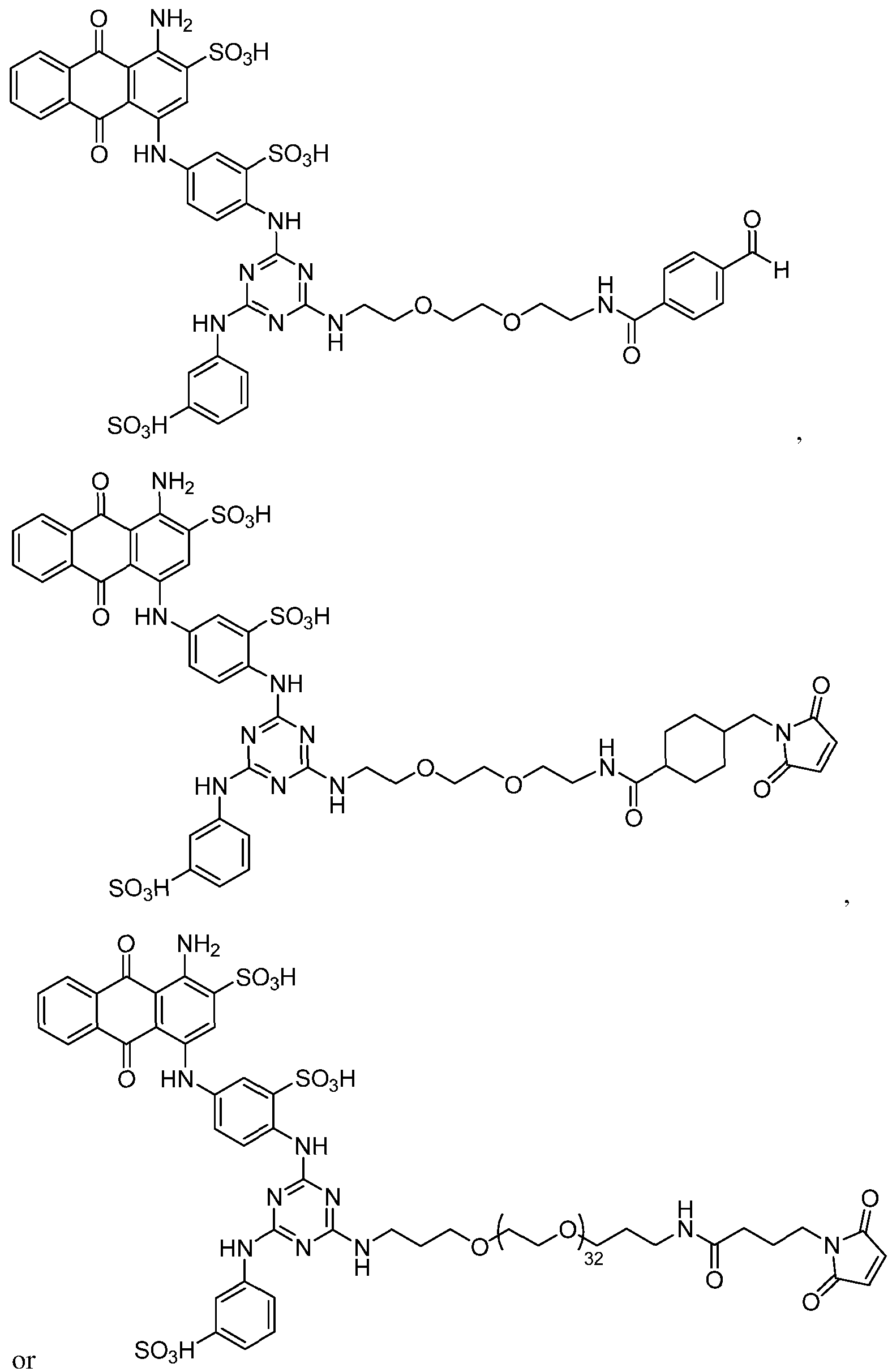
77. A drug conjugate comprising the reaction product of the compound of s 1-76 and the drug.
The drug conjugate of claim 77 having the structure of Formula (II)

A drug conjugate of Formula (II):

A is NR or Ci.i2alkylene diamine;
D is C(R3)2, NR3, O, or S;
L is a bond or comprises polyalkylene oxide, a nitrogen-containing C3-7heterocycle, polyoxazoline, polyacrylomorpholine, polyvinylpyrrolidone,
polyphosphazene, polyethylene-co-maleic acid anhydride, polystyrene-co- maleic acid anhydride, PHF, a polyhydroxyalkylacrylate, MPC, or a structure selected from:


E is NH or CHR10;
G is O, CH2, CHOH, CHNH2, CHCOOH, or CHSO3H;
each R 1 independently is H or SO3R 3 ;
R2 is halo, C(R3)3, Q^alkyleneOR3, Q^alkyleneSR3, C0-6alJiyleneN(R4)2,
Co-6alkyleneN+(R4)3, SO3R3, CN, C3-7cycloalkyl, C3-7heterocycloalkyl, aryl, or heteroaryl;
each R independently is H or Ci-6alkyl;
each R4 independently is H, C1-6alkyl, Ci-6alkyleneOH, Ci_6alkylene-N(R3)2,
3 3
Ci^alkylene-COOR , Co-6alkylene-S03R , C3-7cycloalkyl, aryl, or heteroaryl R10 is OH, NH2, or COOH;
each R11 independently is H, OH, NH2, or COOH;
m is 0-10;
n is 1-100;
each p independently is 0, 1, 2, 3, or 4;
q is 0, 1, or 2; and
r is 1 or 2.
80. The drug conjugate of any one of claims 77-79, wherein the drug is conjugated to Z' through a lysine, serine, or cysteine of the drug.
81. The drug conjugate of any one of claims 77-80, wherein the drug is a protein, a peptide, an antibody, or a small molecule.
82. The drug conjugate of claim 81, wherein the drug is a protein or a peptide.
83. The drug conjugate of claim 82, wherein the drug is a protein.
84. The drug conjugate of claim 83, wherein the protein is FGF21 or GDF-15.
85. The drug conjugate of claim 82, wherein the drug is a peptide that binds to the APJ receptor or the Navl.7 channel.
86. The drug conjugate of claim 85, wherein the peptide is an APJ receptor binding peptide.
87. The drug conjugate of claim 81, wherein the drug comprises an antibody.
88. The drug conjugate of claim 87, wherein the antibody is a carrier antibody.
89. The drug conjugate of claim 81, wherein the drug is a small molecule.
90. The drug conjugate of claim 89, wherein the small molecule is selected from carfilzomib, oprozomib, vinblastine, biotin, or fluorescein.
91. The drug conjugate of claim 90, wherein the small molecule is carfilzomib.
92. A pharmaceutical formulation comprising the drug conjugate of any one of claims 77-91 and a pharmaceutically acceptable excipient.
93. A method of treating a disease in a patient comprising administering to the patient a therapeutically effective amount of the pharmaceutical formulation of claim 92.
94. A method of making a drug conjugate comprising contacting the compound of any one of claims 1-76 with a drug to form the drug conjugate.
95. The method of claim 94, wherein the drug displaces a leaving group of Z to form the drug conjugate.
96. The method of claim 94, wherein the drug adds to Z to form the drug conjugate.
97. The method of claim 95 or 96, wherein the drug conjugate comprises a structure of Formula (II):

98. A method of extending the half-life of a drug, the method comprising conjugating the drug to a compound according to any one of claims 1-76.
99. The method of claim 98, wherein the drug conjugate exhibits an exposure at least two-fold greater than the unconjugated drug, as measured by the area under the curve (AUC).
100. The method of claim 99, wherein the exposure of the drug conjugate is at least five-fold greater than the unconjugated drug.
101. The method of claim 100, wherein the exposure of the drug conjugate is at least ten-fold greater than the unconjugated drug.
102. The method of any one of claims 98-101 wherein the drug conjugate binds to serum albumin.
103. The method of claim 102, wherein the serum albumin is primate, mouse, rabbit, bovine, cyno, or murine.
104. The method of claim 102, wherein the primate serum albumin is sourced from a human.
105. The method of claim 103, wherein the binding occurs at a pH in the range of about 5 to about 8.
106. The method of claim 105, wherein the binding occurs at physiological pH.
107. The method of claim 105, wherein the binding occurs at pH 5.5.
108. The method of any one of claims 98-107, wherein the drug is a protein, a peptide, an antibody, or a small molecule.
Applications Claiming Priority (2)
| Application Number | Priority Date | Filing Date | Title |
|---|---|---|---|
| US201562254275P | 2015-11-12 | 2015-11-12 | |
| US62/254,275 | 2015-11-12 |
Publications (1)
| Publication Number | Publication Date |
|---|---|
| WO2017083604A1 true WO2017083604A1 (en) | 2017-05-18 |
Family
ID=57421949
Family Applications (1)
| Application Number | Title | Priority Date | Filing Date |
|---|---|---|---|
| PCT/US2016/061466 Ceased WO2017083604A1 (en) | 2015-11-12 | 2016-11-11 | Triazine mediated pharmacokinetic enhancement of therapeutics |
Country Status (1)
| Country | Link |
|---|---|
| WO (1) | WO2017083604A1 (en) |
Cited By (3)
| Publication number | Priority date | Publication date | Assignee | Title |
|---|---|---|---|---|
| WO2019070901A1 (en) | 2017-10-04 | 2019-04-11 | Amgen Inc. | Transthyretin immunoglobulin fusions |
| WO2021007150A1 (en) | 2019-07-08 | 2021-01-14 | Amgen Inc. | Multispecific transthyretin immunoglobulin fusions |
| CN112513121A (en) * | 2018-07-27 | 2021-03-16 | 美利肯公司 | High molecular amine antioxidant |
Citations (6)
| Publication number | Priority date | Publication date | Assignee | Title |
|---|---|---|---|---|
| WO1993008207A1 (en) | 1991-10-25 | 1993-04-29 | Immunex Corporation | Novel cytokine |
| WO1996040918A2 (en) | 1995-06-07 | 1996-12-19 | Immunex Corporation | Novel cd40l mutein |
| WO2005027978A2 (en) * | 2003-09-19 | 2005-03-31 | Novo Nordisk A/S | Albumin-binding derivatives of therapeutic peptides |
| WO2008088658A2 (en) * | 2007-01-17 | 2008-07-24 | Immunomedics, Inc. | Polymeric carriers of therapeutic agents and recognition moieties for antibody-based targeting of disease sites |
| WO2010108153A2 (en) | 2009-03-20 | 2010-09-23 | Amgen Inc. | Carrier immunoglobulins and uses thereof |
| CN104341794A (en) * | 2013-08-09 | 2015-02-11 | 中国中化股份有限公司 | Reactive brilliant blue dye and preparation method thereof |
-
2016
- 2016-11-11 WO PCT/US2016/061466 patent/WO2017083604A1/en not_active Ceased
Patent Citations (6)
| Publication number | Priority date | Publication date | Assignee | Title |
|---|---|---|---|---|
| WO1993008207A1 (en) | 1991-10-25 | 1993-04-29 | Immunex Corporation | Novel cytokine |
| WO1996040918A2 (en) | 1995-06-07 | 1996-12-19 | Immunex Corporation | Novel cd40l mutein |
| WO2005027978A2 (en) * | 2003-09-19 | 2005-03-31 | Novo Nordisk A/S | Albumin-binding derivatives of therapeutic peptides |
| WO2008088658A2 (en) * | 2007-01-17 | 2008-07-24 | Immunomedics, Inc. | Polymeric carriers of therapeutic agents and recognition moieties for antibody-based targeting of disease sites |
| WO2010108153A2 (en) | 2009-03-20 | 2010-09-23 | Amgen Inc. | Carrier immunoglobulins and uses thereof |
| CN104341794A (en) * | 2013-08-09 | 2015-02-11 | 中国中化股份有限公司 | Reactive brilliant blue dye and preparation method thereof |
Non-Patent Citations (31)
| Title |
|---|
| "Growth Factors: A Practical Approach", 1993, OXFORD UNIVERSITY PRESS INC. |
| "Human Cytokines: Handbook for Basic and Clinical Research", vol. II, 1998, BLACKWELL SCIENCES |
| "Proceedings of the VIth International Workshop and Conference", 1996 |
| "The Cytokine Handbook", 1991, ACADEMIC PRESS |
| BHADRA D ET AL: "PEGNOLOGY: A REVIEW OF PEG-YLATED SYSTEMS", DIE PHARMAZIE: AN INTERNATIONAL JOURNAL OF PHARMACEUTICAL SCIENCES, GOVI VERLAG PHARMAZEUTISCHER VERLAG GMBH, DE, vol. 57, no. 1, 1 January 2002 (2002-01-01), pages 5 - 29, XP001115789, ISSN: 0031-7144 * |
| CHAN ET AL., ORG. LETT., vol. 6, 2004, pages 2853 |
| DARRELL SLEEP: "Novel Strategies for Peptide Formulation and Drug Delivery", THE PEPTIDE CONFERENCE, April 2011 (2011-04-01) |
| DENNIS ET AL., J. OF BIOL. CHEM., vol. 277, no. 38, 2002, pages 35035 - 35043 |
| DOCKAL ET AL., J. BIOL. CHEM., vol. 274, 1999, pages 29303 - 29310 |
| DUMELIN ET AL., ANGEW. CHEM. INT. ED., vol. 47, 2008, pages 3196 - 3201 |
| FERNANDES ET AL., BIOCHIM. BIOPHYS. ACTA, vol. 1314, 1997, pages 26 - 34 |
| GLANZEL ET AL., EUR. J. MED. CHEM., vol. 38, no. 3, 2003, pages 303 |
| GREG T. HERMANSON: "Bioconjugate Techniques", 1996, ACADEMIC PRESS |
| HOPP ET AL., PROTEIN ENGINEERING, DESIGN & SELECTION, vol. 23, no. 11, 2010, pages 827 - 834 |
| KOEHLER ET AL., BIOORGANIC & MEDICINAL CHEMISTRY LETTERS, vol. 12, 2002, pages 2883 - 2886 |
| KOLB ET AL., ANGEW. CHEM. INT. ED., vol. 40, 2001, pages 2004 |
| KOLB ET AL., DRUG DISCOVERY TODAY, vol. 8, 2003, pages 1128 |
| KURTZHALS ET AL., BIOCHEM J., vol. 312, 1995, pages 725 - 731 |
| LEATHERBARROW; DEAN, BIOCHEM J., vol. 189, 1980, pages 27 - 34 |
| LEWIS ET AL., ANGEW. CHEM. INT. ED, vol. 41, 2002, pages 1053 |
| MANETSCH ET AL., J. AM. CHEM. SOC., vol. 126, 2004, pages 12809 |
| POLLARO; HEINIS, MED. CHEM. COMM., 2010, pages 319 - 324 |
| POLLARO; HEINIS, MED. CHEM. COMM., vol. 1, 2010, pages 319 - 324 |
| ROBERTS ET AL., ADV. DRUG REV., vol. 54, 2002, pages 459 - 476 |
| ROSTOVTSEV ET AL., ANGEW. CHEM. INT. ED., vol. 41, 2002, pages 2596 |
| SPEERS, J. AM. CHEM. SOC., vol. 125, 2003, pages 4686 |
| TORNOE ET AL., J. ORG. CHEM., vol. 67, 2002, pages 3057 |
| TRUSSEL ET AL., BIOCONJUGATE CHEM., vol. 20, 2009, pages 2286 - 2292 |
| WASER ET AL., J. AM. CHEM. SOC., vol. 127, 2005, pages 8294 |
| XU, J. ET AL., BIOCONJUGATE CHEM., vol. 24, no. 6, 2013, pages 915 - 925 |
| ZHANG ET AL., J. AM. CHEM. SOC., vol. 127, 2005, pages 15998 |
Cited By (4)
| Publication number | Priority date | Publication date | Assignee | Title |
|---|---|---|---|---|
| WO2019070901A1 (en) | 2017-10-04 | 2019-04-11 | Amgen Inc. | Transthyretin immunoglobulin fusions |
| US12269898B2 (en) | 2017-10-04 | 2025-04-08 | Amgen Inc. | Transthyretin immunoglobulin fusions |
| CN112513121A (en) * | 2018-07-27 | 2021-03-16 | 美利肯公司 | High molecular amine antioxidant |
| WO2021007150A1 (en) | 2019-07-08 | 2021-01-14 | Amgen Inc. | Multispecific transthyretin immunoglobulin fusions |
Similar Documents
| Publication | Publication Date | Title |
|---|---|---|
| JP7330101B2 (en) | Steroids and their protein conjugates | |
| AU2017211120B2 (en) | Maytansinoid derivatives, conjugates thereof, and methods of use | |
| CN107074879B (en) | Novel cytotoxic molecules for cell-binding molecule-drug conjugates | |
| CN111263747B (en) | Pharmacokinetic enhancement of bifunctional chelates and their uses | |
| US20250223302A1 (en) | Camptothecine antibody-drug conjugates and methods of use thereof | |
| JP2021527040A (en) | Camptothecin conjugate | |
| KR20200031560A (en) | Benzazepine compounds, conjugates, and uses thereof | |
| CA3226269A1 (en) | Asgpr cell surface receptor binding compounds and conjugates | |
| TW201400131A (en) | Self-stabilizing linker conjugates | |
| JP2018502047A (en) | Biological substances and their use | |
| CN110650947A (en) | Methods and Molecules | |
| US20250179114A1 (en) | Anti-Inflammatory Compound and Use Thereof | |
| WO2022171101A1 (en) | Steroid conjugate | |
| EP4534105A1 (en) | Anti-cldn18.2 antibody, and antibody-drug conjugate and use thereof | |
| WO2023125806A1 (en) | Conjugate for preventing and treating viral infections and use thereof | |
| KR20250068592A (en) | Anti-FGFR3 antibody conjugates and medical uses thereof | |
| JP2025111561A (en) | Compound or salt thereof, and antibody obtained therefrom | |
| WO2025083071A2 (en) | Antibody-drug conjugates | |
| WO2017083604A1 (en) | Triazine mediated pharmacokinetic enhancement of therapeutics | |
| JP2025124732A (en) | Compound or its salt, and antibody obtained therefrom | |
| JP2025060910A (en) | Conjugate of antibody and functional substance or its salt, and compound or its salt used in the production thereof | |
| CN120957753A (en) | Bioactive conjugates, their preparation methods and their uses | |
| EP4265274B1 (en) | B7-h3 targeting antibody-drug conjugate, and preparation method therefor and use thereof | |
| WO2025214486A1 (en) | Anti-trop2 antibody and anti-5t4 antibody-natural killer cell conjugate and use thereof | |
| KR20230133316A (en) | Double-cleaved ester linkers for antibody-drug conjugates |
Legal Events
| Date | Code | Title | Description |
|---|---|---|---|
| 121 | Ep: the epo has been informed by wipo that ep was designated in this application |
Ref document number: 16802202 Country of ref document: EP Kind code of ref document: A1 |
|
| NENP | Non-entry into the national phase |
Ref country code: DE |
|
| 122 | Ep: pct application non-entry in european phase |
Ref document number: 16802202 Country of ref document: EP Kind code of ref document: A1 |