WO2017019964A1 - Graphitic compounds and methods of making and use thereof - Google Patents
Graphitic compounds and methods of making and use thereof Download PDFInfo
- Publication number
- WO2017019964A1 WO2017019964A1 PCT/US2016/044730 US2016044730W WO2017019964A1 WO 2017019964 A1 WO2017019964 A1 WO 2017019964A1 US 2016044730 W US2016044730 W US 2016044730W WO 2017019964 A1 WO2017019964 A1 WO 2017019964A1
- Authority
- WO
- WIPO (PCT)
- Prior art keywords
- unsubstituted
- substituted
- compound
- alkyl
- formula
- Prior art date
- Legal status (The legal status is an assumption and is not a legal conclusion. Google has not performed a legal analysis and makes no representation as to the accuracy of the status listed.)
- Ceased
Links
- 0 *c1ccc(c2cccc(c3c(*)c(*)c4c5ccc6)c2c2c7c3c4c3c4c5c6c(ccc(*)c5)c5c4cc(*)c3c7c(*)cc22)c2c1 Chemical compound *c1ccc(c2cccc(c3c(*)c(*)c4c5ccc6)c2c2c7c3c4c3c4c5c6c(ccc(*)c5)c5c4cc(*)c3c7c(*)cc22)c2c1 0.000 description 15
- ROXPQBZXRBDIBL-KTKRTIGZSA-N CC(c1ccc(C)cc1C(/C=C\C(C([O](C)=C)=O)=C)=C)=C Chemical compound CC(c1ccc(C)cc1C(/C=C\C(C([O](C)=C)=O)=C)=C)=C ROXPQBZXRBDIBL-KTKRTIGZSA-N 0.000 description 1
- HZZKTLLPQSFICU-UHFFFAOYSA-N CCC(C)(CC)c1ccccc1 Chemical compound CCC(C)(CC)c1ccccc1 HZZKTLLPQSFICU-UHFFFAOYSA-N 0.000 description 1
- VENCDKVKFLCQPW-CRSDNJEUSA-N CCCC(C)[C@@H](C)C(CCC)c1c(C([O](C)=C)=O)c(C(OC)=[O]=C)c2c3c1ccc(c(C)c1)c3c3c1c(cc(C)cc1)c1c1cccc2c31 Chemical compound CCCC(C)[C@@H](C)C(CCC)c1c(C([O](C)=C)=O)c(C(OC)=[O]=C)c2c3c1ccc(c(C)c1)c3c3c1c(cc(C)cc1)c1c1cccc2c31 VENCDKVKFLCQPW-CRSDNJEUSA-N 0.000 description 1
- MOEZSNWIGTYXDF-UHFFFAOYSA-N C[Si](C)(C)c(c(Br)c1[AlH2])cc(Br)c1[AlH2] Chemical compound C[Si](C)(C)c(c(Br)c1[AlH2])cc(Br)c1[AlH2] MOEZSNWIGTYXDF-UHFFFAOYSA-N 0.000 description 1
- SBTBYZYDRQWGGT-UHFFFAOYSA-N [AlH2]c(c([AlH2])c(cc1)Br)c1Br Chemical compound [AlH2]c(c([AlH2])c(cc1)Br)c1Br SBTBYZYDRQWGGT-UHFFFAOYSA-N 0.000 description 1
Classifications
-
- C—CHEMISTRY; METALLURGY
- C07—ORGANIC CHEMISTRY
- C07C—ACYCLIC OR CARBOCYCLIC COMPOUNDS
- C07C25/00—Compounds containing at least one halogen atom bound to a six-membered aromatic ring
- C07C25/18—Polycyclic aromatic halogenated hydrocarbons
-
- C—CHEMISTRY; METALLURGY
- C01—INORGANIC CHEMISTRY
- C01B—NON-METALLIC ELEMENTS; COMPOUNDS THEREOF; METALLOIDS OR COMPOUNDS THEREOF NOT COVERED BY SUBCLASS C01C
- C01B32/00—Carbon; Compounds thereof
- C01B32/15—Nano-sized carbon materials
- C01B32/182—Graphene
-
- C—CHEMISTRY; METALLURGY
- C01—INORGANIC CHEMISTRY
- C01B—NON-METALLIC ELEMENTS; COMPOUNDS THEREOF; METALLOIDS OR COMPOUNDS THEREOF NOT COVERED BY SUBCLASS C01C
- C01B32/00—Carbon; Compounds thereof
- C01B32/15—Nano-sized carbon materials
- C01B32/182—Graphene
- C01B32/184—Preparation
-
- C—CHEMISTRY; METALLURGY
- C07—ORGANIC CHEMISTRY
- C07C—ACYCLIC OR CARBOCYCLIC COMPOUNDS
- C07C1/00—Preparation of hydrocarbons from one or more compounds, none of them being a hydrocarbon
- C07C1/32—Preparation of hydrocarbons from one or more compounds, none of them being a hydrocarbon starting from compounds containing hetero-atoms other than or in addition to oxygen or halogen
- C07C1/321—Preparation of hydrocarbons from one or more compounds, none of them being a hydrocarbon starting from compounds containing hetero-atoms other than or in addition to oxygen or halogen the hetero-atom being a non-metal atom
-
- C—CHEMISTRY; METALLURGY
- C07—ORGANIC CHEMISTRY
- C07C—ACYCLIC OR CARBOCYCLIC COMPOUNDS
- C07C5/00—Preparation of hydrocarbons from hydrocarbons containing the same number of carbon atoms
- C07C5/42—Preparation of hydrocarbons from hydrocarbons containing the same number of carbon atoms by dehydrogenation with a hydrogen acceptor
-
- C—CHEMISTRY; METALLURGY
- C07—ORGANIC CHEMISTRY
- C07C—ACYCLIC OR CARBOCYCLIC COMPOUNDS
- C07C63/00—Compounds having carboxyl groups bound to a carbon atoms of six-membered aromatic rings
- C07C63/33—Polycyclic acids
- C07C63/337—Polycyclic acids with carboxyl groups bound to condensed ring systems
- C07C63/42—Polycyclic acids with carboxyl groups bound to condensed ring systems containing three or more condensed rings
- C07C63/46—Polycyclic acids with carboxyl groups bound to condensed ring systems containing three or more condensed rings containing two carboxyl groups both bound to carbon atoms of the condensed ring system
-
- C—CHEMISTRY; METALLURGY
- C07—ORGANIC CHEMISTRY
- C07D—HETEROCYCLIC COMPOUNDS
- C07D209/00—Heterocyclic compounds containing five-membered rings, condensed with other rings, with one nitrogen atom as the only ring hetero atom
- C07D209/02—Heterocyclic compounds containing five-membered rings, condensed with other rings, with one nitrogen atom as the only ring hetero atom condensed with one carbocyclic ring
- C07D209/44—Iso-indoles; Hydrogenated iso-indoles
- C07D209/48—Iso-indoles; Hydrogenated iso-indoles with oxygen atoms in positions 1 and 3, e.g. phthalimide
-
- C—CHEMISTRY; METALLURGY
- C07—ORGANIC CHEMISTRY
- C07D—HETEROCYCLIC COMPOUNDS
- C07D249/00—Heterocyclic compounds containing five-membered rings having three nitrogen atoms as the only ring hetero atoms
- C07D249/16—Heterocyclic compounds containing five-membered rings having three nitrogen atoms as the only ring hetero atoms condensed with carbocyclic rings or ring systems
-
- C—CHEMISTRY; METALLURGY
- C07—ORGANIC CHEMISTRY
- C07D—HETEROCYCLIC COMPOUNDS
- C07D249/00—Heterocyclic compounds containing five-membered rings having three nitrogen atoms as the only ring hetero atoms
- C07D249/16—Heterocyclic compounds containing five-membered rings having three nitrogen atoms as the only ring hetero atoms condensed with carbocyclic rings or ring systems
- C07D249/18—Benzotriazoles
-
- C—CHEMISTRY; METALLURGY
- C07—ORGANIC CHEMISTRY
- C07D—HETEROCYCLIC COMPOUNDS
- C07D285/00—Heterocyclic compounds containing rings having nitrogen and sulfur atoms as the only ring hetero atoms, not provided for by groups C07D275/00 - C07D283/00
- C07D285/01—Five-membered rings
- C07D285/02—Thiadiazoles; Hydrogenated thiadiazoles
- C07D285/14—Thiadiazoles; Hydrogenated thiadiazoles condensed with carbocyclic rings or ring systems
-
- C—CHEMISTRY; METALLURGY
- C08—ORGANIC MACROMOLECULAR COMPOUNDS; THEIR PREPARATION OR CHEMICAL WORKING-UP; COMPOSITIONS BASED THEREON
- C08G—MACROMOLECULAR COMPOUNDS OBTAINED OTHERWISE THAN BY REACTIONS ONLY INVOLVING UNSATURATED CARBON-TO-CARBON BONDS
- C08G61/00—Macromolecular compounds obtained by reactions forming a carbon-to-carbon link in the main chain of the macromolecule
- C08G61/02—Macromolecular compounds containing only carbon atoms in the main chain of the macromolecule, e.g. polyxylylenes
- C08G61/10—Macromolecular compounds containing only carbon atoms in the main chain of the macromolecule, e.g. polyxylylenes only aromatic carbon atoms, e.g. polyphenylenes
-
- C—CHEMISTRY; METALLURGY
- C08—ORGANIC MACROMOLECULAR COMPOUNDS; THEIR PREPARATION OR CHEMICAL WORKING-UP; COMPOSITIONS BASED THEREON
- C08G—MACROMOLECULAR COMPOUNDS OBTAINED OTHERWISE THAN BY REACTIONS ONLY INVOLVING UNSATURATED CARBON-TO-CARBON BONDS
- C08G61/00—Macromolecular compounds obtained by reactions forming a carbon-to-carbon link in the main chain of the macromolecule
- C08G61/12—Macromolecular compounds containing atoms other than carbon in the main chain of the macromolecule
- C08G61/122—Macromolecular compounds containing atoms other than carbon in the main chain of the macromolecule derived from five- or six-membered heterocyclic compounds, other than imides
- C08G61/123—Macromolecular compounds containing atoms other than carbon in the main chain of the macromolecule derived from five- or six-membered heterocyclic compounds, other than imides derived from five-membered heterocyclic compounds
-
- C—CHEMISTRY; METALLURGY
- C01—INORGANIC CHEMISTRY
- C01B—NON-METALLIC ELEMENTS; COMPOUNDS THEREOF; METALLOIDS OR COMPOUNDS THEREOF NOT COVERED BY SUBCLASS C01C
- C01B2204/00—Structure or properties of graphene
- C01B2204/06—Graphene nanoribbons
-
- C—CHEMISTRY; METALLURGY
- C07—ORGANIC CHEMISTRY
- C07C—ACYCLIC OR CARBOCYCLIC COMPOUNDS
- C07C2603/00—Systems containing at least three condensed rings
- C07C2603/02—Ortho- or ortho- and peri-condensed systems
- C07C2603/54—Ortho- or ortho- and peri-condensed systems containing more than five condensed rings
-
- C—CHEMISTRY; METALLURGY
- C08—ORGANIC MACROMOLECULAR COMPOUNDS; THEIR PREPARATION OR CHEMICAL WORKING-UP; COMPOSITIONS BASED THEREON
- C08G—MACROMOLECULAR COMPOUNDS OBTAINED OTHERWISE THAN BY REACTIONS ONLY INVOLVING UNSATURATED CARBON-TO-CARBON BONDS
- C08G2261/00—Macromolecular compounds obtained by reactions forming a carbon-to-carbon link in the main chain of the macromolecule
- C08G2261/10—Definition of the polymer structure
- C08G2261/13—Morphological aspects
- C08G2261/133—Rod-like building block
- C08G2261/1336—Ladder-type, e.g. ladder-poly-p-phenylenes
-
- C—CHEMISTRY; METALLURGY
- C08—ORGANIC MACROMOLECULAR COMPOUNDS; THEIR PREPARATION OR CHEMICAL WORKING-UP; COMPOSITIONS BASED THEREON
- C08G—MACROMOLECULAR COMPOUNDS OBTAINED OTHERWISE THAN BY REACTIONS ONLY INVOLVING UNSATURATED CARBON-TO-CARBON BONDS
- C08G2261/00—Macromolecular compounds obtained by reactions forming a carbon-to-carbon link in the main chain of the macromolecule
- C08G2261/10—Definition of the polymer structure
- C08G2261/14—Side-groups
- C08G2261/141—Side-chains having aliphatic units
- C08G2261/1412—Saturated aliphatic units
-
- C—CHEMISTRY; METALLURGY
- C08—ORGANIC MACROMOLECULAR COMPOUNDS; THEIR PREPARATION OR CHEMICAL WORKING-UP; COMPOSITIONS BASED THEREON
- C08G—MACROMOLECULAR COMPOUNDS OBTAINED OTHERWISE THAN BY REACTIONS ONLY INVOLVING UNSATURATED CARBON-TO-CARBON BONDS
- C08G2261/00—Macromolecular compounds obtained by reactions forming a carbon-to-carbon link in the main chain of the macromolecule
- C08G2261/30—Monomer units or repeat units incorporating structural elements in the main chain
- C08G2261/31—Monomer units or repeat units incorporating structural elements in the main chain incorporating aromatic structural elements in the main chain
- C08G2261/314—Condensed aromatic systems, e.g. perylene, anthracene or pyrene
-
- C—CHEMISTRY; METALLURGY
- C08—ORGANIC MACROMOLECULAR COMPOUNDS; THEIR PREPARATION OR CHEMICAL WORKING-UP; COMPOSITIONS BASED THEREON
- C08G—MACROMOLECULAR COMPOUNDS OBTAINED OTHERWISE THAN BY REACTIONS ONLY INVOLVING UNSATURATED CARBON-TO-CARBON BONDS
- C08G2261/00—Macromolecular compounds obtained by reactions forming a carbon-to-carbon link in the main chain of the macromolecule
- C08G2261/30—Monomer units or repeat units incorporating structural elements in the main chain
- C08G2261/32—Monomer units or repeat units incorporating structural elements in the main chain incorporating heteroaromatic structural elements in the main chain
- C08G2261/324—Monomer units or repeat units incorporating structural elements in the main chain incorporating heteroaromatic structural elements in the main chain condensed
- C08G2261/3246—Monomer units or repeat units incorporating structural elements in the main chain incorporating heteroaromatic structural elements in the main chain condensed containing nitrogen and sulfur as heteroatoms
Definitions
- Graphene is a two-dimensional carbon material which possesses many attractive features, such as strong mechanical strength, and excellent electrical and thermal conductivity.
- the electronic applications of graphene are limited by its zero bandgap.
- Graphene nanoribbons are narrow strips of graphene (e.g., with width of 10 nm or less) and have a nonzero bandgap which can be tuned by both width and edge of their structures.
- the potential of graphene nanoribbons as highly promising candidates for the next generation electronic materials remains a topic of wide interest in both academic and industrial research.
- synthesis of graphene nanoribbons with precise length and edge structures remains challenging. The current syntheses have difficulties on either the efficiency of preparing these materials, or the length of the material that can be accessed. There is thus a need for new graphitic compounds and methods of making and using such materials. The compounds and methods disclosed herein address these and other needs.
- the disclosed subject matter relates to compositions and methods of making and using the compositions. More specifically, according to the aspects illustrated herein, there are provided graphitic compounds, for example nanographenes and graphene nanoribbons, and precursors thereof.
- graphitic compounds for example nanographenes and graphene nanoribbons, and precursors thereof.
- graphene and other forms of the word, such as “graphitic,” is meant to refer to multiple fused hexagonal carbon rings.
- the nanographenes and graphene nanoribbons described herein can have tunable width and functionalized edge structures. Methods of making and using these graphitic compounds are also disclosed.
- Figure 1 displays the X-ray crystal structure of a nanographene dimer.
- Figure 2 displays the MALDI-ToF-MS spectrum of a nanographene dimer (linear mode, matrix TCNQ).
- Figure 3 displays the X-ray crystal structure of a nanographene trimer.
- Figure 4 displays the MALDI-ToF-MS spectrum of a nanographene trimer (linear mode, matrix TCDB).
- Figure 5 displays a gel permeation chromatography spectrum of a polymer precursor.
- Figure 6 displays a 3 ⁇ 4 NMR spectrum of a polymer precursor (CD2CI2, 400 MHz, 25 °C).
- Figure 7 displays a 13 C NMR spectrum of a polymer precursor (CD2CI2, 101 MHz,
- Figure 8A displays the FTIR spectra of a polymer precursor (top curve) and its respective graphene nanoribbon (bottom curve) at wavenumbers 4200-3150 cm 1 .
- Figure 8B displays the FTIR spectra of a polymer precursor (top curve) and its respective graphene nanoribbon (bottom curve) at wavenumbers 2200-2600 cm 1 .
- Figure 8C displays the FTIR spectra of a polymer precursor (top curve) and its respective graphene nanoribbon (bottom curve) at wavenumbers 1650-700 cm 1 .
- Figure 9 displays a representative Raman spectrum of a graphene nanoribbon.
- Figure 10 displays the normalized UV-vis absorption spectra of a graphene nanoribbon formed from an oligomer precursor (GNR Gl) and a graphene nanoribbon formed from a polymer precursor (GNR Gls).
- Figure 11 shows the matrix-assisted laser desorption/ionization time-of-flight (MALDI-
- Figure 12 shows the X-ray structure of the compound of Formula III-b-2.
- Figure 13 shows the 3 ⁇ 4 NMR spectrum (400 MHz, CDCb, 25°C) of the compound of Formula XIII-b-1.
- Figure 14 shows the 13 C NMR (400 MHz, CDCb, 25°C) spectrum of the compound of Formula XIII-b-1.
- Figure 15 shows the Raman spectrum of the compound of Formula XIII-b-1.
- Figure 16 shows the Raman spectrum of the compound of Formula VI-b-1.
- Figure 17 shows the FTIR spectra of the compounds of Formula XIII-b-1 and Formula
- Ranges can be expressed herein as from “about” one particular value, and/or to “about” another particular value. By “about” is meant within 5% of the value, e.g., within 4, 3, 2, or 1% of the value. When such a range is expressed, another aspect includes from the one particular value and/or to the other particular value. Similarly, when values are expressed as
- the term "substituted" is contemplated to include all permissible substituents of organic compounds.
- the permissible substituents include acyclic and cyclic, branched and unbranched, carbocyclic and heterocyclic, and aromatic and nonaromatic substituents of organic compounds.
- Illustrative substituents include, for example, those described below.
- the permissible substituents can be one or more and the same or different for appropriate organic compounds.
- heteroatoms present in a compound or moiety, such as nitrogen can have hydrogen substituents and/or any permissible substituents of organic compounds described herein which satisfy the valency of the heteroatom.
- substitution or “substituted with” include the implicit proviso that such substitution is in accordance with permitted valence of the substituted atom and the substituent, and that the substitution results in a stable compound (e.g., a compound that does not spontaneously undergo transformation such as by rearrangement, cyclization, elimination, etc.
- Z 1 ,” “Z 2 ,” “Z 3 ,” and “Z 4 " are used herein as generic symbols to represent various specific substituents. These symbols can be any substituent, not limited to those disclosed herein, and when they are defined to be certain substituents in one instance, they can, in another instance, be defined as some other substituents.
- alkyl refers to saturated, straight-chained or branched saturated hydrocarbon moieties.
- C1-C50 e.g., C1-C45, C1-C40, Ci- C35, C1-C30, C1-C25, C1-C20, C1-C18, C1-C16, C1-C14, C1-C12, C1-C10, Ci-Cs, Ci-C 6 , or C1-C4 alkyl groups are intended.
- alkyl groups include methyl, ethyl, propyl, 1 -methyl-ethyl, butyl, 1-methyl-propyl, 2-methyl-propyl, 1,1 -dimethyl-ethyl, pentyl, 1 -methyl-butyl, 2-methyl- butyl, 3-methyl-butyl, 2,2-dimethyl-propyl, 1 -ethyl -propyl, hexyl, 1,1 -dimethyl -propyl, 1,2- dimethyl-propyl, 1-methyl-pentyl, 2-methyl-pentyl, 3-methyl-pentyl, 4-methyl-pentyl, 1,1- dimethyl-butyl, 1,2-dimethyl-butyl, 1,3-dimethyl-butyl, 2,2-dimethyl-butyl, 2,3-dimethyl-butyl, 3,3-dimethyl-butyl, 1 -ethyl-butyl, 2-ethyl-butyl
- Alkyl substituents may be unsubstituted or substituted with one or more chemical moieties.
- the alkyl group can be substituted with one or more groups including, but not limited to, hydroxy, halogen, acyl, alkyl, alkoxy, alkenyl, alkynyl, aryl, heteroaryl, aldehyde, amino, cyano, carboxylic acid, ester, ether, ketone, nitro, phosphonyl, silyl, sulfo-oxo, sulfonyl, sulfone, sulfoxide, or thiol, as described below, provided that the substituents are sterically compatible and the rules of chemical bonding and strain energy are satisfied.
- alkyl is generally used to refer to both unsubstituted alkyl groups and substituted alkyl groups; however, substituted alkyl groups are also specifically referred to herein by identifying the specific substituent(s) on the alkyl group.
- halogenated alkyl specifically refers to an alkyl group that is substituted with one or more halides (halogens; e.g., fluorine, chlorine, bromine, or iodine).
- alkoxyalkyl specifically refers to an alkyl group that is substituted with one or more alkoxy groups, as described below.
- alkylamino specifically refers to an alkyl group that is substituted with one or more amino groups, as described below, and the like.
- alkyl is used in one instance and a specific term such as “alkylalcohol” is used in another, it is not meant to imply that the term “alkyl” does not also refer to specific terms such as “alkylalcohol” and the like.
- cycloalkyl refers to both unsubstituted and substituted cycloalkyl moieties
- the substituted moieties can, in addition, be specifically identified herein; for example, a particular substituted cycloalkyl can be referred to as, e.g. , an "alkylcycloalkyl.”
- a substituted alkoxy can be specifically referred to as, e.g. , a "halogenated alkoxy”
- a particular substituted alkenyl can be, e.g. , an "alkenylalcohol,” and the like.
- alkenyl refers to unsaturated, straight-chained, or branched hydrocarbon moieties containing a double bond.
- C2-C50 e.g., C 2 - C45, C2-C40, C2-C35, C2-C30, C2-C25, C2-C20, C2-C18, C2-C16, C2-C14, C2-C12, C2-C10, C2-C8, C2-C6, or C2-C4 alkenyl groups are intended.
- Alkenyl groups may contain more than one unsaturated bond.
- Examples include ethenyl, 1-propenyl, 2-propenyl, l-methylethenyl, 1-butenyl, 2-butenyl, 3-butenyl, 1 -methyl- 1-propenyl, 2-methyl- 1-propenyl, l-methyl-2-propenyl, 2-methyl-2- propenyl, 1-pentenyl, 2-pentenyl, 3-pentenyl, 4-pentenyl, 1-methyl- 1-butenyl, 2-methyl-l- butenyl, 3-methyl- 1-butenyl, l-methyl-2-butenyl, 2-methyl-2-butenyl, 3-methyl-2-butenyl, 1- methyl-3-butenyl, 2-methyl-3-butenyl, 3 -methyl-3 -butenyl, l, l-dimethyl-2-propenyl, 1,2- dimethyl- 1-propenyl, l,2-dimethyl-2-propenyl, 1 -ethyl- 1-propeny
- Alkenyl substituents may be unsubstituted or substituted with one or more chemical moieties.
- substituents include, for example, alkyl, halogenated alkyl, alkoxy, alkenyl, alkynyl, aryl, heteroaryl, acyl, aldehyde, amino, cyano, carboxylic acid, ester, ether, halide, hydroxy, ketone, nitro, phosphonyl, silyl, sulfo-oxo, sulfonyl, sulfone, sulfoxide, or thiol, as described below, provided that the substituents are sterically compatible and the rules of chemical bonding and strain energy are satisfied.
- alkynyl represents straight-chained or branched hydrocarbon moieties containing a triple bond.
- C2-C50 e.g., C2-C45, C2-C40, C 2 - C35, C2-C30, C2-C25, C2-C20, C2-C18, C2-C16, C2-C14, C2-C12, C2-C10, C2-C8, C2-C6, or C2-C4 alkynyl groups are intended.
- Alkynyl groups may contain more than one unsaturated bond.
- Examples include C2-C 6 -alkynyl, such as ethynyl, 1-propynyl, 2-propynyl (or propargyl), 1- butynyl, 2-butynyl, 3-butynyl, l-methyl-2-propynyl, 1-pentynyl, 2-pentynyl, 3-pentynyl, 4- pentynyl, 3 -methyl- 1-butynyl, l-methyl-2-butynyl, l-methyl-3-butinyl, 2-methyl-3-butynyl, 1,1- dimethyl-2-propynyl, l-ethyl-2-propynyl, 1-hexynyl, 2-hexynyl, 3-hexynyl, 4-hexynyl, 5- hexynyl, 3 -methyl- 1-pentynyl, 4-methyl-l-pentynyl, l-methyl-2-
- Alkynyl substituents may be unsubstituted or substituted with one or more chemical moieties.
- suitable substituents include, for example, alkyl, halogenated alkyl, alkoxy, alkenyl, alkynyl, aryl, heteroaryl, acyl, aldehyde, amino, cyano, carboxylic acid, ester, ether, halide, hydroxy, ketone, nitro, phosphonyl, silyl, sulfo-oxo, sulfonyl, sulfone, sulfoxide, or thiol, as described below.
- aryl refers to groups that include a monovalent aromatic carbocyclic group of from 3 to 50 carbon atoms.
- Aryl groups can include a single ring or multiple condensed rings.
- aryl groups include C6-C10 aryl groups. Examples of aryl groups include, but are not limited to, phenyl, biphenyl, naphthyl, tetrahydronaphtyl, phenylcyclopropyl, and indanyl.
- the aryl group can be a phenyl, indanyl or naphthyl group.
- heteroaryl is defined as a group that contains an aromatic group that has at least one heteroatom
- heteroatoms include, but are not limited to, nitrogen, oxygen, sulfur, and phosphorus.
- non-heteroaryl which is included in the term “aryl,” defines a group that contains an aromatic group that does not contain a heteroatom.
- the aryl or heteroaryl substituents may be unsubstituted or substituted with one or more chemical moieties.
- substituents include, for example, alkyl, halogenated alkyl, alkoxy, alkenyl, alkynyl, aryl, heteroaryl, acyl, aldehyde, amino, cyano, carboxylic acid, ester, ether, halide, hydroxy, ketone, nitro, phosphonyl, silyl, sulfo-oxo, sulfonyl, sulfone, sulfoxide, or thiol as described herein.
- bias is a specific type of aryl group and is included in the definition of aryl. Biaryl refers to two aryl groups that are bound together via a fused ring structure, as in naphthalene, or are attached via one or more carbon-carbon bonds, as in biphenyl.
- cycloalkyl as used herein is a non-aromatic carbon-based ring composed of at least three carbon atoms.
- examples of cycloalkyl groups include, but are not limited to, cyclopropyl, cyclobutyl, cyclopentyl, cyclohexyl, etc.
- heterocycloalkyl is a cycloalkyl group as defined above where at least one of the carbon atoms of the ring is substituted with a heteroatom such as, but not limited to, nitrogen, oxygen, sulfur, or
- cycloalkyl group and heterocycloalkyl group can be substituted or
- the cycloalkyl group and heterocycloalkyl group can be substituted with one or more groups including, but not limited to, alkyl, alkoxy, alkenyl, alkynyl, aryl, heteroaryl, acyl, aldehyde, amino, cyano, carboxylic acid, ester, ether, halide, hydroxy, ketone, nitro, phosphonyl, silyl, sulfo-oxo, sulfonyl, sulfone, sulfoxide, or thiol as described herein.
- cycloalkenyl groups include, but are not limited to, cyclopropenyl, cyclobutenyl, cyclopentenyl, cyclopentadienyl, cyclohexenyl, cyclohexadienyl, and the like.
- heterocycloalkenyl is a type of cycloalkenyl group as defined above, and is included within the meaning of the term “cycloalkenyl,” where at least one of the carbon atoms of the ring is substituted with a heteroatom such as, but not limited to, nitrogen, oxygen, sulfur, or phosphorus.
- cycloalkenyl group and heterocycloalkenyl group can be substituted or unsubstituted.
- the cycloalkenyl group and heterocycloalkenyl group can be substituted with one or more groups including, but not limited to, alkyl, alkoxy, alkenyl, alkynyl, aryl, heteroaryl, acyl, aldehyde, amino, cyano, carboxylic acid, ester, ether, halide, hydroxy, ketone, nitro, phosphonyl, silyl, sulfo-oxo, sulfonyl, sulfone, sulfoxide, or thiol as described herein.
- cyclic group is used herein to refer to either aryl groups, non-aryl groups (i.e. , cycloalkyl, heterocycloalkyl, cycloalkenyl, and heterocycloalkenyl groups), or both. Cyclic groups have one or more ring systems that can be substituted or unsubstituted. A cyclic group can contain one or more aryl groups, one or more non-aryl groups, or one or more aryl groups and one or more non-aryl groups.
- acyl as used herein is represented by the formula -C(0)Z 1 where Z 1 can be a hydrogen, hydroxyl, alkoxy, alkyl, halogenated alkyl, alkenyl, alkynyl, aryl, heteroaryl, cycloalkyl, cycloalkenyl, heterocycloalkyl, or heterocycloalkenyl group described above.
- Z 1 can be a hydrogen, hydroxyl, alkoxy, alkyl, halogenated alkyl, alkenyl, alkynyl, aryl, heteroaryl, cycloalkyl, cycloalkenyl, heterocycloalkyl, or heterocycloalkenyl group described above.
- acyl can be used interchangeably with “carbonyl.”
- alkoxy refers to a group of the formula 7 ⁇ -0-, where Z 1 is unsubstituted or substituted alkyl as defined above. Unless otherwise specified, alkoxy groups wherein Z 1 is a C1-C50 (e.g., C1-C45, C1-C40, C1-C35, C1-C30, C1-C25, C1-C20, C1-C18, C1-C16, Ci- Ci4, C1-C12, C1-C10, Ci-C 8 , Ci-C 6 , C1-C4) alkyl group are intended.
- C1-C50 e.g., C1-C45, C1-C40, C1-C35, C1-C30, C1-C25, C1-C20, C1-C18, C1-C16, Ci- Ci4, C1-C12, C1-C10, Ci-C 8 , Ci-C 6 , C1-C4 alkyl group
- Examples include methoxy, ethoxy, propoxy, 1-methyl-ethoxy, butoxy, 1-methyl-propoxy, 2-methyl-propoxy, 1,1-dimethyl- ethoxy, pentoxy, 1-methyl-butyloxy, 2-methyl-butoxy, 3-methyl-butoxy, 2,2-di-methyl-propoxy, 1-ethyl-propoxy, hexoxy, 1,1-dimethyl-propoxy, 1,2-dimethyl-propoxy, 1-methyl-pentoxy, 2- methyl-pentoxy, 3-methyl-pentoxy, 4-methyl-pentoxy, 1,1 -dimethyl -butoxy, 1,2-dimethyl- butoxy, 1,3-dimethyl-butoxy, 2,2-dimethyl-butoxy, 2,3-dimethyl-butoxy, 3,3-dimethyl-butoxy, 1-ethyl-butoxy, 2-ethylbutoxy, 1,1,2-trimethyl-propoxy, 1,2,2-trimethyl-propoxy, 1-ethyl-l- methyl -propoxy,
- aldehyde as used herein is represented by the formula— C(0)H.
- amine or “amino” as used herein are represented by the formula— NZ ! Z 2 , where Z 1 and Z 2 can each be substitution group as described herein, such as hydrogen, an alkyl, halogenated alkyl, alkenyl, alkynyl, aryl, heteroaryl, cycloalkyl, cycloalkenyl, heterocycloalkyl, or heterocycloalkenyl group described above.
- substitution group such as hydrogen, an alkyl, halogenated alkyl, alkenyl, alkynyl, aryl, heteroaryl, cycloalkyl, cycloalkenyl, heterocycloalkyl, or heterocycloalkenyl group described above.
- substitution group such as hydrogen, an alkyl, halogenated alkyl, alkenyl, alkynyl, aryl, heteroaryl, cycloalkyl, cycloalkenyl, heterocycloalkyl, or heterocycloalken
- cyano as used herein is represented by the formula— CN.
- esters as used herein is represented by the formula— OC(0)Z 1 or
- Z 1 can be an alkyl, halogenated alkyl, alkenyl, alkynyl, aryl, heteroaryl, cycloalkyl, cycloalkenyl, heterocycloalkyl, or heterocycloalkenyl group described above.
- ether as used herein is represented by the formula ⁇ ) ⁇ , where Z 1 and Z 2 can be, independently, an alkyl, halogenated alkyl, alkenyl, alkynyl, aryl, heteroaryl, cycloalkyl, cycloalkenyl, heterocycloalkyl, or heterocycloalkenyl group described above.
- ketone as used herein is represented by the formula Z 1 C(0)Z 2 , where Z 1 and Z 2 can be, independently, an alkyl, halogenated alkyl, alkenyl, alkynyl, aryl, heteroaryl, cycloalkyl, cycloalkenyl, heterocycloalkyl, or heterocycloalkenyl group described above.
- halide or "halogen” or “halo” as used herein refers to fluorine, chlorine, bromine, and iodine.
- hydroxyl as used herein is represented by the formula— OH.
- nitro as used herein is represented by the formula— NO2.
- phosphonyl is used herein to refer to the phospho-oxo group represented by the formula— P(0)(OZ 1 )2, where Z 1 can be hydrogen, an alkyl, halogenated alkyl, alkenyl, alkynyl, aryl, heteroaryl, cycloalkyl, cycloalkenyl, heterocycloalkyl, or heterocycloalkenyl group described above.
- sil as used herein is represented by the formula— SiZ ⁇ Z 3 , where Z 1 , Z 2 , and Z 3 can be, independently, hydrogen, alkyl, halogenated alkyl, alkoxy, alkenyl, alkynyl, aryl, heteroaryl, cycloalkyl, cycloalkenyl, heterocycloalkyl, or heterocycloalkenyl group described above.
- sulfonyl is used herein to refer to the sulfo-oxo group represented by the formula— S(0)2Z 1 , where Z 1 can be hydrogen, an alkyl, halogenated alkyl, alkenyl, alkynyl, aryl, heteroaryl, cycloalkyl, cycloalkenyl, heterocycloalkyl, or heterocycloalkenyl group described above.
- sulfide as used herein is comprises the formula— S— .
- Me refers to a methyl group
- OMe refers to a methoxy group
- z ' -Pr refers to an isopropyl group
- R 1 ,” “R 2 ,” “R 3 ,” “R n ,” etc., where n is some integer, as used herein can, independently, possess one or more of the groups listed above.
- R 1 is a straight chain alkyl group
- one of the hydrogen atoms of the alkyl group can optionally be substituted with a hydroxyl group, an alkoxy group, an amine group, an alkyl group, a halide, and the like.
- a first group can be incorporated within second group or, alternatively, the first group can be pendant (i.e., attached) to the second group.
- the amino group can be incorporated within the backbone of the alkyl group.
- the amino group can be attached to the backbone of the alkyl group. The nature of the group(s) that is (are) selected will determine if the first group is embedded or attached to the second group.
- a formula with chemical bonds shown only as solid lines and not as wedges or dashed lines contemplates each possible stereoisomer or mixture of stereoisomer (e.g., each enantiomer, each diastereomer, each meso compound, a racemic mixture, or scalemic mixture).
- graphitic compounds for example nanographenes and graphene nanoribbons, and precursors thereof.
- graphene and other forms of the word, such as “graphitic,” is meant to refer to multiple fused hexagonal carbon rings.
- R 1 , R 2 , R 3 , and R 4 are independently hydrogen, halogen, hydroxyl, cyano, nitro,
- substituted or unsubstituted C1-C40 alkyl substituted or unsubstituted C2-C40 alkenyl, substituted or unsubstituted C2-C40 alkynyl, substituted or unsubstituted C3-C40 aryl, substituted or unsubstituted C3-C40 cycloalkyl, substituted or unsubstituted C3-C40 cycloalkenyl, substituted or unsubstituted C1-C40 acyl, substituted or unsubstituted C1-C40 alkoxy, P(0)(OR a ) 2 , SR a , S(0) 2 R a , SiR a R b R c , or NR a R b ; and
- R a , R b , and R c are independently hydrogen, halogen, hydroxyl, cyano, nitro, substituted or unsubstituted C1-C40 alkyl, substituted or unsubstituted C2-C40 alkenyl, substituted or unsubstituted C2-C40 alkynyl, substituted or unsubstituted C3-C40 aryl, substituted or unsubstituted C3-C40 cycloalkyl, substituted or unsubstituted C3-C40 cycloalkenyl, substituted or unsubstituted C1-C40 acyl, or substituted or unsubstituted C1-C40 alkoxy.
- R 1 , R 2 , R 3 , and R 4 are independently substituted or unsubstituted C1-C20 alkyl. In some examples of Formula I, R 1 , R 2 , R 3 , and R 4 are independently unsubstituted C1-C10 alkyl. In some examples of Formula I, R 1 , R 2 , R 3 , and R 4 are the same.
- the compound in some examples of Formula I, can be defined by Formula I-a.
- R 5 , R 6 , R 7 , R 8 , R 9 , and R 10 are independently hydrogen, halogen, hydroxyl, cyano, nitro, substituted or unsubstituted C1-C40 alkyl, substituted or unsubstituted C2-C40 alkenyl, substituted or unsubstituted C2-C40 alkynyl, substituted or unsubstituted C3-C40 aryl, substituted or unsubstituted C3-C40 cycloalkyl, substituted or unsubstituted C3-C40 cycloalkenyl, substituted or unsubstituted C1-C40 acyl, substituted or unsubstituted C1-C40 alkoxy, P(0)(OR a ) 2 , SR a , S(0) 2 R a , SiR a R b R c , or NR a R b ; and
- R a , R b , and R c are independently hydrogen, halogen, hydroxyl, cyano, nitro, substituted or unsubstituted C1-C40 alkyl, substituted or unsubstituted C2-C40 alkenyl, substituted or unsubstituted C2-C40 alkynyl, substituted or unsubstituted C3-C40 aryl, substituted or unsubstituted C3-C40 cycloalkyl, substituted or unsubstituted C3-C40 cycloalkenyl, substituted or unsubstituted C1-C40 acyl, or substituted or unsubstituted C1-C40 alkoxy.
- R 5 , R 6 , R 7 , R 8 , R 9 , and R 10 are independently substituted or unsubstituted C1-C20 alkyl. In some examples of Formula II, R 5 , R 6 , R 7 , R 8 , R 9 , and R 10 are independently unsubstituted C1-C10 alkyl. In some examples of Formula II, R 5 , R 6 , R 7 , R 8 , R 9 , and R 10 are the same.
- R 11 , R 12 , R 13 , R 14 , R 15 , and R 16 are independently hydrogen, halogen, hydroxyl, cyano, nitro, substituted or unsubstituted C1-C40 alkyl, substituted or unsubstituted C2-C40 alkenyl, substituted or unsubstituted C2-C40 alkynyl, substituted or unsubstituted C3- C40 aryl, substituted or unsubstituted C3-C40 cycloalkyl, substituted or unsubstituted C3-C40 cycloalkenyl, substituted or unsubstituted C1-C40 acyl, substituted or unsubstituted C1-C40 alkoxy, P(0)(OR a ) 2 , SR a , S(0) 2 R a , SiR a R b R c , or NR a R b , or wherein, as valence permits, R 15 and
- R a , R b , and R c are independently hydrogen, halogen, hydroxyl, cyano, nitro, substituted or unsubstituted C1-C40 alkyl, substituted or unsubstituted C2-C40 alkenyl, substituted or unsubstituted C2-C40 alkynyl, substituted or unsubstituted C3-C40 aryl, substituted or unsubstituted C3-C40 cycloalkyl, substituted or unsubstituted C3-C40 cycloalkenyl, substituted or unsubstituted C1-C40 acyl, or substituted or unsubstituted C1-C40 alkoxy.
- R 11 , R 12 , R 13 , and R 14 are independently substituted or unsubstituted C1-C20 alkyl. In some examples of Formula III, R 11 , R 12 , R 13 , and R 14 are independently unsubstituted C1-C10 alkyl. In some examples of Formula III, R 11 , R 12 , R 13 , and R 14 are the same.
- R 15 and R 16 are independently hydrogen, halogen, hydroxyl, substituted or unsubstituted C1-C20 alkyl, substituted or unsubstituted C1-C20 acyl, or wherein, as valence permits, R 15 and R 16 , together with the atoms to which they are attached, form a 3-10 membered substituted or unsubstituted cyclic moiety optionally including from 1 to 3 heteroatoms.
- R 15 and R 16 are independently hydrogen or unsubstituted C1-C5 acyl.
- R 15 and R 16 are the same.
- R 15 and R 16 together with the atoms to which they are attached form a 5-10 membered substituted or unsubstituted cyclic moiety optionally including from 1 to 3 heteroatoms.
- the compounds can be defined by Formula Ill-a:
- R 11 , R 12 , R 13 , R 14 , R 15 , and R 16 are independently hydrogen, halogen, hydroxyl, cyano, nitro, substituted or unsubstituted C1-C40 alkyl, substituted or unsubstituted C2-C40 alkenyl, substituted or unsubstituted C2-C40 alkynyl, substituted or unsubstituted C3- C40 aryl, substituted or unsubstituted C3-C40 cycloalkyl, substituted or unsubstituted C3-C40 cycloalkenyl, substituted or unsubstituted C1-C40 acyl, substituted or unsubstituted C1-C40 alkoxy, P(0)(OR a ) 2 , SR a , S(0) 2 R a , SiR a R b R c , or NR a R b , or wherein, as valence permits, R 15
- R a , R b , and R c are independently hydrogen, halogen, hydroxyl, cyano, nitro, substituted or unsubstituted C1-C40 alkyl, substituted or unsubstituted C2-C40 alkenyl, substituted or unsubstituted C2-C40 alkynyl, substituted or unsubstituted C3-C40 aryl, substituted or unsubstituted C3-C40 cycloalkyl, substituted or unsubstituted C3-C40 cycloalkenyl, substituted or unsubstituted C1-C40 acyl, or substituted or unsubstituted C1-C40 alkoxy.
- R 11 , R 12 , R 13 , and R 14 are independently substituted or unsubstituted C1-C20 alkyl. In some examples of Formula Ill-a, R 11 , R 12 , R 13 , and R 14 are independently unsubstituted C1-C10 alkyl. In some examples of Formula Ill-a, R 11 , R 12 , R 13 , and R 14 are the same.
- R 15 and R 16 are independently hydrogen, halogen, hydroxyl, substituted or unsubstituted C1-C20 alkyl, substituted or unsubstituted C1-C20 acyl, or wherein, as valence permits, R 15 and R 16 , together with the atoms to which they are attached, form a 3-10 membered substituted or unsubstituted cyclic moiety optionally including from 1 to 3 heteroatoms.
- R 15 and R 16 are independently hydrogen or unsubstituted C1-C5 acyl.
- R 15 and R 16 are the same.
- R 15 and R 16 together with the atoms to which they are attached, form a 5-10 membered substituted or unsubstituted cyclic moiety optionally including from 1 to 3 heteroatoms.
- the compounds can be defined by Formula III-a-1:
- the compounds can be defined by Formula III-a-2:
- the compounds can be defined by Formula Ill-b:
- R 11 , R 12 , R 13 , and R 14 are independently hydrogen, halogen, hydroxyl, cyano, nitro, substituted or unsubstituted C1-C40 alkyl, substituted or unsubstituted C2-C40 alkenyl, substituted or unsubstituted C2-C40 alkynyl, substituted or unsubstituted C3-C40 aryl, substituted or unsubstituted C3-C40 cycloalkyl, substituted or unsubstituted C3-C40 cycloalkenyl, substituted or unsubstituted C1-C40 acyl, substituted or unsubstituted
- R a , R b , and R c are independently hydrogen, halogen, hydroxyl, cyano, nitro, substituted or unsubstituted C1-C40 alkyl, substituted or unsubstituted C2-C40 alkenyl, substituted or unsubstituted C2-C40 alkynyl, substituted or unsubstituted C3-C40 aryl, substituted or unsubstituted C3-C40 cycloalkyl, substituted or unsubstituted C3-C40 cycloalkenyl, substituted or unsubstituted C1-C40 acyl, or substituted or unsubstituted C1-C40 alkoxy.
- R 11 , R 12 , R 13 , and R 14 are independently substituted or unsubstituted C1-C20 alkyl. In some examples of Formula Ill-b, R 11 , R 12 , R 13 , and R 14 are independently unsubstituted C1-C10 alkyl. In some examples of Formula Ill-b, R 11 , R 12 , R 13 , and R 14 are the same.
- A is S or NR a .
- A is NR a and R a is a substituted or unsubstituted C1-C20 alkyl.
- A is NR a and R a is an unsubstituted Ci-10 alkyl.
- Formul be defined by Formula III-b-1:
- Formul be defined by Formula III-b-2
- R 17 , R 18 , R 19 , R 20 , R 21 , and R 22 are independently hydrogen, halogen, hydroxyl, cyano, nitro, substituted or unsubstituted C1-C40 alkyl, substituted or unsubstituted C2-C40 alkenyl, substituted or unsubstituted C2-C40 alkynyl, substituted or unsubstituted C3- C40 aryl, substituted or unsubstituted C3-C40 cycloalkyl, substituted or unsubstituted C3-C40 cycloalkenyl, substituted or unsubstituted C1-C40 acyl, substituted or unsubstituted C1-C40 alkoxy, P(0)(OR a ) 2 , SR a , S(0) 2 R a , SiR a R b R c , or NR a R b , or wherein, as valence permits, R 21 and
- R a , R b , and R c are independently hydrogen, halogen, hydroxyl, cyano, nitro, substituted or unsubstituted C1-C40 alkyl, substituted or unsubstituted C2-C40 alkenyl, substituted or unsubstituted C2-C40 alkynyl, substituted or unsubstituted C3-C40 aryl, substituted or unsubstituted C3-C40 cycloalkyl, substituted or unsubstituted C3-C40 cycloalkenyl, substituted or unsubstituted C1-C40 acyl, or substituted or unsubstituted C1-C40 alkoxy.
- R 17 , R 18 , R 19 , and R 20 are independently substituted or unsubstituted C1-C20 alkyl. In some examples of Formula IV, R 17 , R 18 , R 19 , and R 20 are independently unsubstituted C1-C10 alkyl. In some examples of Formula IV, R 17 , R 18 , R 19 , and R 20 are the same.
- R 21 and R 22 are independently hydrogen, halogen, hydroxyl, substituted or unsubstituted C1-C20 alkyl, substituted or unsubstituted C1-C20 acyl, or wherein, as valence permits, R 21 and R 22 , together with the atoms to which they are attached, form a 3-10 membered substituted or unsubstituted cyclic moiety optionally including from 1 to 3 heteroatoms.
- R 21 and R 22 are independently hydrogen or unsubstituted C1-C5 acyl.
- R 21 and R 22 are the same.
- R 21 and R 22 together with the atoms to which they are attached form a 5-10 membered substituted or unsubstituted cyclic moiety optionally including from 1 to 3 heteroatoms.
- Formul be defined by Formula IV-a:
- R 17 , R 18 , R 19 , R 20 , R 21 , and R 22 are independently hydrogen, halogen, hydroxyl, cyano, nitro, substituted or unsubstituted C1-C40 alkyl, substituted or unsubstituted C2-C40 alkenyl, substituted or unsubstituted C2-C40 alkynyl, substituted or unsubstituted C3- C40 aryl, substituted or unsubstituted C3-C40 cycloalkyl, substituted or unsubstituted C3-C40 cycloalkenyl, substituted or unsubstituted C1-C40 acyl, substituted or unsubstituted C1-C40 alkoxy, P(0)(OR a ) 2 , SR a , S(0) 2 R a , SiR a R b R c , or NR a R b , or wherein, as valence permits, R 21 and
- R a , R b , and R c are independently hydrogen, halogen, hydroxyl, cyano, nitro, substituted or unsubstituted C1-C40 alkyl, substituted or unsubstituted C2-C40 alkenyl, substituted or unsubstituted C2-C40 alkynyl, substituted or unsubstituted C3-C40 aryl, substituted or unsubstituted C3-C40 cycloalkyl, substituted or unsubstituted C3-C40 cycloalkenyl, substituted or unsubstituted C1-C40 acyl, or substituted or unsubstituted C1-C40 alkoxy.
- R 17 , R 18 , R 19 , and R 20 are independently substituted or unsubstituted C1-C20 alkyl. In some examples of Formula IV-a, R 17 , R 18 , R 19 , and R 20 are independently unsubstituted C1-C10 alkyl. In some examples of Formula IV-a, R 17 , R 18 , R 19 , and R 20 are the same.
- R 21 and R 22 are independently hydrogen, halogen, hydroxyl, substituted or unsubstituted C1-C20 alkyl, substituted or unsubstituted C1-C20 acyl, or wherein, as valence permits, R 21 and R 22 , together with the atoms to which they are attached, form a 3-10 membered substituted or unsubstituted cyclic moiety optionally including from 1 to 3 heteroatoms.
- R 21 and R 22 are independently hydrogen or unsubstituted C1-C5 acyl.
- R 21 and R 22 are the same.
- R 21 and R 22 together with the atoms to which they are attached form a 5-10 membered substituted or unsubstituted cyclic moiety optionally including from 1 to 3 heteroatoms.
- the compounds can be defined by Formula IV-a-1.
- the compounds can be defined by Formula IV-a-2.
- the compounds can be defined by Formula IV-b:
- R 17 , R 18 , R 19 , and R 20 are independently hydrogen, halogen, hydroxyl, cyano, nitro, substituted or unsubstituted C1-C40 alkyl, substituted or unsubstituted C2-C40 alkenyl, substituted or unsubstituted C2-C40 alkynyl, substituted or unsubstituted C3-C40 aryl, substituted or unsubstituted C3-C40 cycloalkyl, substituted or unsubstituted C3-C40 cycloalkenyl, substituted or unsubstituted C1-C40 acyl, substituted or unsubstituted C1-C40 alkoxy, P(0)(OR a ) 2 , SR a , S(0) 2 R a , SiR a R b R c , or NR a R b ;
- A is O, S, Se, Te, or NR a ;
- R a , R b , and R c are independently hydrogen, halogen, hydroxyl, cyano, nitro, substituted or unsubstituted C1-C40 alkyl, substituted or unsubstituted C2-C40 alkenyl, substituted or unsubstituted C2-C40 alkynyl, substituted or unsubstituted C3-C40 aryl, substituted or unsubstituted C3-C40 cycloalkyl, substituted or unsubstituted C3-C40 cycloalkenyl, substituted or unsubstituted C1-C40 acyl, or substituted or unsubstituted C1-C40 alkoxy.
- R 17 , R 18 , R 19 , and R 20 are independently substituted or unsubstituted C1-C20 alkyl. In some examples of Formula IV-b, R 17 , R 18 , R 19 , and R 20 are independently unsubstituted C1-C10 alkyl. In some examples of Formula IV-b, R 17 , R 18 , R 19 , and R 20 are the same.
- A is S or NR a .
- A is NR a and R a is a substituted or unsubstituted C1-C20 alkyl.
- A is NR a and R a is an unsubstituted Ci-10 alkyl.
- Formul fined by Formula IV-b-1 is
- n 1 to 1000
- R 23 , R 24 , R 25 , and R 26 are independently hydrogen, halogen, hydroxyl, cyano, nitro, substituted or unsubstituted C1-C40 alkyl, substituted or unsubstituted C2-C40 alkenyl, substituted or unsubstituted C2-C40 alkynyl, substituted or unsubstituted C3-C40 aryl, substituted or unsubstituted C3-C40 cycloalkyl, substituted or unsubstituted C3-C40 cycloalkenyl, substituted or unsubstituted C1-C40 acyl, substituted or unsubstituted C1-C40 alkoxy, P(0)(OR a ) 2 , SR a , S(0) 2 R a , SiR a R b R c , or NR a R b ; and
- R a , R b , and R c are independently hydrogen, halogen, hydroxyl, cyano, nitro, substituted or unsubstituted C1-C40 alkyl, substituted or unsubstituted C2-C40 alkenyl, substituted or unsubstituted C2-C40 alkynyl, substituted or unsubstituted C3-C40 aryl, substituted or unsubstituted C3-C40 cycloalkyl, substituted or unsubstituted C3-C40 cycloalkenyl, substituted or unsubstituted C1-C40 acyl, or substituted or unsubstituted C1-C40 alkoxy.
- R 23 , R 24 , R 25 , and R 26 are independently substituted or unsubstituted C1-C20 alkyl. In some examples of Formula V, R 23 , R 24 , R 25 , and R 26 are independently unsubstituted C2-C15 alkyl. In some examples of Formula V, R 23 , R 24 , R 25 , and R 2 ' are the same.
- m is from 1 to 500. In some examples of Formula V, m is from 1 to 100. In some examples of Formula V, m is from 1 to 50.
- m is from 1 to 1000.
- m is from 1 to 500. In some examples of Formula V- a, m is from 1 to 100. In some examples of Formula V-a, m is from 1 to 50.
- n 1 to 1000
- R 27 , R 28 , R 29 , and R 30 are independently hydrogen, halogen, hydroxyl, cyano, nitro, substituted or unsubstituted C1-C40 alkyl, substituted or unsubstituted C2-C40 alkenyl, substituted or unsubstituted C2-C40 alkynyl, substituted or unsubstituted C3-C40 aryl, substituted or unsubstituted C3-C40 cycloalkyl, substituted or unsubstituted C3-C40 cycloalkenyl, substituted or unsubstituted C1-C40 acyl, substituted or unsubstituted C1-C40 alkoxy, P(0)(OR a ) 2 , SR a , S(0) 2 R a , SiR a R b R c , or NR a R b , or wherein, as valence permits, R 29 and R 30 , together with the
- R a , R b , and R c are independently hydrogen, halogen, hydroxyl, cyano, nitro, substituted or unsubstituted C1-C40 alkyl, substituted or unsubstituted C2-C40 alkenyl, substituted or unsubstituted C2-C40 alkynyl, substituted or unsubstituted C3-C40 aryl, substituted or unsubstituted C3-C40 cycloalkyl, substituted or unsubstituted C3-C40 cycloalkenyl, substituted or unsubstituted C1-C40 acyl, or substituted or unsubstituted C1-C40 alkoxy.
- R 27 and R 28 are independently substituted or unsubstituted C1-C20 alkyl. In some examples of Formula VI, R 27 and R 28 are independently unsubstituted C2-C15 alkyl. In some examples of Formula VI, R 27 and R 28 are the same.
- R 29 and R 30 are independently hydrogen, halogen, hydroxyl, substituted or unsubstituted C1-C20 alkyl, substituted or unsubstituted C1-C20 acyl, or wherein, as valence permits, R 29 and R 30 , together with the atoms to which they are attached, form a 3-10 membered substituted or unsubstituted cyclic moiety optionally including from 1 to 3 heteroatoms.
- R 29 and R 30 are independently hydrogen or unsubstituted C1-C5 acyl.
- R 29 and R 30 are the same.
- R 29 and R 30 together with the atoms to which they are attached form a 5-10 membered substituted or unsubstituted cyclic moiety optionally including from 1 to 3 heteroatoms.
- m is from 1 to 500. In some examples of Formula VI, m is from 1 to 100. In some examples of Formula VI, m is from 1 to 50.
- the compounds can be defined by Formula Vl-a:
- R 27 , R 28 , R 29 , and R 30 are independently hydrogen, halogen, hydroxyl, cyano, nitro, substituted or unsubstituted C1-C40 alkyl, substituted or unsubstituted C2-C40 alkenyl, substituted or unsubstituted C2-C40 alkynyl, substituted or unsubstituted C3-C40 aryl, substituted or unsubstituted C3-C40 cycloalkyl, substituted or unsubstituted C3-C40 cycloalkenyl, substituted or unsubstituted C1-C40 acyl, substituted or unsubstituted C1-C40 alkoxy, P(0)(OR a ) 2 , SR a , S(0) 2 R a , SiR a R b R c , or NR a R b , or wherein, as valence permits, R 29 and R
- R a , R b , and R c are independently hydrogen, halogen, hydroxyl, cyano, nitro, substituted or unsubstituted C1-C40 alkyl, substituted or unsubstituted C2-C40 alkenyl, substituted or unsubstituted C2-C40 alkynyl, substituted or unsubstituted C3-C40 aryl, substituted or unsubstituted C3-C40 cycloalkyl, substituted or unsubstituted C3-C40 cycloalkenyl, substituted or unsubstituted C1-C40 acyl, or substituted or unsubstituted C1-C40 alkoxy.
- R 27 and R 28 are independently substituted or unsubstituted C1-C20 alkyl. In some examples of Formula Vl-a, R 27 and R 28 are independently unsubstituted C2-C15 alkyl. In some examples of Formula Vl-a, R 27 and R 28 are the same.
- R 29 and R 30 are independently hydrogen, halogen, hydroxyl, substituted or unsubstituted C1-C20 alkyl, substituted or unsubstituted C1-C20 acyl, or wherein, as valence permits, R 29 and R 30 , together with the atoms to which they are attached, form a 3-10 membered substituted or unsubstituted cyclic moiety optionally including from 1 to 3 heteroatoms.
- R 29 and R 30 are independently hydrogen or unsubstituted C1-C5 acyl.
- R 29 and R 30 are the same.
- R 29 and R 30 together with the atoms to which they are attached form a 5-10 membered substituted or unsubstituted cyclic moiety optionally including from 1 to 3 heteroatoms.
- m is from 1 to 500. In some examples of Formula Vl-a, m is from 1 to 100. In some examples of Formula Vl-a, m is from 1 to 50. In some examples of Formula Vl-a, the compounds can be defined b Formula VI-a-1:
- m is from 1 to 1000.
- m is from 1 to 500. In some examples of Formula VI-a-1, m is from 1 to 100. In some examples of Formula VI-a-1, m is from 1 to 50.
- the compounds can be defined b Formula VI-a-2
- m is from 1 to 1000.
- m is from 1 to 500. In some examples of Formula , m is from 1 to 100. In some examples of Formula VI-a-2, m is from 1 to 50.
- m is from 1 to 1000. In some examples of Formula VI-a-3, m is from 1 to 500. In some examples of Formula , m is from 1 to 100. In some examples of Formula VI-a-3, m is from 1 to 50.
- the compounds can be defined by Formula Vl-b:
- n 1 to 1000
- R 27 and R 28 are independently hydrogen, halogen, hydroxyl, cyano, nitro, substituted or unsubstituted C1-C40 alkyl, substituted or unsubstituted C2-C40 alkenyl, substituted or unsubstituted C2-C40 alkynyl, substituted or unsubstituted C3-C40 aryl, substituted or unsubstituted C3-C40 cycloalkyl, substituted or unsubstituted C3-C40 cycloalkenyl, substituted or unsubstituted C1-C40 acyl, substituted or unsubstituted C1-C40 alkoxy, P(0)(OR a ) 2 , SR a , S(0) 2 R a , SiR a R b R c , or NR a R b ;
- A is O, S, Se, Te, or NR a ;
- R a , R b , and R c are independently hydrogen, halogen, hydroxyl, cyano, nitro, substituted or unsubstituted C1-C40 alkyl, substituted or unsubstituted C2-C40 alkenyl, substituted or unsubstituted C2-C40 alkynyl, substituted or unsubstituted C3-C40 aryl, substituted or unsubstituted C3-C40 cycloalkyl, substituted or unsubstituted C3-C40 cycloalkenyl, substituted or unsubstituted C1-C40 acyl, or substituted or unsubstituted C1-C40 alkoxy.
- R 27 and R 28 are independently substituted or unsubstituted C1-C20 alkyl. In some examples of Formula Vl-b, R 27 and R 28 are independently unsubstituted C2-C15 alkyl. In some examples of Formula Vl-b, R 27 and R 28 are the same.
- A is S or NR a .
- A is NR a and R a is a substituted or unsubstituted C1-C20 alkyl.
- A is NR a and R a is an unsubstituted Ci-10 alkyl.
- m is from 1 to 500. In some examples of Formula Vl-b, m is from 1 to 100. In some examples of Formula Vl-b, m is from 1 to 50. some examples of Formula Vl-b, the compounds can be defined b Formula VI-b-1
- m is from 1 to 1000.
- m is from 1 to 500. In some examples of Formula VI-b-1, m is from 1 to 100. In some examples of Formula VI-b-1, m is from 1 to 50.
- the compounds can be defined b Formula VI-b-2:
- m is from 1 to 1000.
- m is from 1 to 500. In some examples of Formula VI-b-2, m is from 1 to 100. In some examples of Formula VI-b-2, m is from 1 to 50.
- n 1 to 1000
- R 31 , R 32 , R 33 , and R 34 are independently hydrogen, halogen, hydroxyl, cyano, nitro, substituted or unsubstituted C1-C40 alkyl, substituted or unsubstituted C2-C40 alkenyl, substituted or unsubstituted C2-C40 alkynyl, substituted or unsubstituted C3-C40 aryl, substituted or unsubstituted C3-C40 cycloalkyl, substituted or unsubstituted C3-C40 cycloalkenyl, substituted or unsubstituted C1-C40 acyl, substituted or unsubstituted
- R 33 and R 34 together with the atoms to which they are attached, form a 3-10 membered substituted or unsubstituted cyclic moiety optionally including from 1 to 3 heteroatoms;
- R a , R b , and R c are independently hydrogen, halogen, hydroxyl, cyano, nitro, substituted or unsubstituted C1-C40 alkyl, substituted or unsubstituted C2-C40 alkenyl, substituted or unsubstituted C2-C40 alkynyl, substituted or unsubstituted C3-C40 aryl, substituted or unsubstituted C3-C40 cycloalkyl, substituted or unsubstituted C3-C40 cycloalkenyl, substituted or unsubstituted C1-C40 acyl, or substituted or unsubstituted C1-C40 alkoxy.
- R 31 and R 32 are independently substituted or unsubstituted C1-C20 alkyl. In some examples of Formula VII, R 31 and R 32 are independently unsubstituted C2-C15 alkyl. In some examples of Formula VII, R 31 and R 32 are the same.
- R 33 and R 34 are independently hydrogen, halogen, hydroxyl, substituted or unsubstituted C1-C20 alkyl, substituted or unsubstituted C1-C20 acyl, or wherein, as valence permits, R 33 and R 34 , together with the atoms to which they are attached, form a 3-10 membered substituted or unsubstituted cyclic moiety optionally including from 1 to 3 heteroatoms.
- R 33 and R 34 are independently hydrogen or unsubstituted C1-C5 acyl.
- R 33 and R 34 are the same.
- R 33 and R 34 together with the atoms to which they are attached, form a 5-10 membered substituted or unsubstituted cyclic moiety optionally including from 1 to 3 heteroatoms.
- m is from 1 to 500. In some examples of Formula VII, m is from 1 to 100. In some examples of Formula VII, m is from 1 to 50.
- the compounds can be defined by formula Vll-a:
- n 1 to 1000
- R 31 , R 32 , R 33 , and R 34 are independently hydrogen, halogen, hydroxyl, cyano, nitro,
- substituted or unsubstituted C1-C40 alkyl substituted or unsubstituted C2-C40 alkenyl, substituted or unsubstituted C2-C40 alkynyl, substituted or unsubstituted C3-C40 aryl, substituted or unsubstituted C3-C40 cycloalkyl, substituted or unsubstituted C3-C40 cycloalkenyl, substituted or unsubstituted C1-C40 acyl, substituted or unsubstituted C1-C40 alkoxy, P(0)(OR a ) 2 , SR a , S(0) 2 R a , SiR a R b R c , or NR a R b , or wherein, as valence permits, R 33 and R 34 , together with the atoms to which they are attached, form a 3-10 membered substituted or unsubstituted cyclic moiety optionally including from 1
- R a , R b , and R c are independently hydrogen, halogen, hydroxyl, cyano, nitro, substituted or unsubstituted C1-C40 alkyl, substituted or unsubstituted C2-C40 alkenyl, substituted or unsubstituted C2-C40 alkynyl, substituted or unsubstituted C3-C40 aryl, substituted or unsubstituted C3-C40 cycloalkyl, substituted or unsubstituted C3-C40 cycloalkenyl, substituted or unsubstituted C1-C40 acyl, or substituted or unsubstituted C1-C40 alkoxy.
- R 31 and R 32 are independently substituted or unsubstituted C1-C20 alkyl. In some examples of Formula Vll-a, R 31 and R 32 are independently unsubstituted C2-C15 alkyl. In some examples of Formula Vll-a, R 31 and R 32 are the same.
- R 33 and R 34 are independently hydrogen, halogen, hydroxyl, substituted or unsubstituted C1-C20 alkyl, substituted or unsubstituted C1-C20 acyl, or wherein, as valence permits, R 33 and R 34 , together with the atoms to which they are attached, form a 3-10 membered substituted or unsubstituted cyclic moiety optionally including from 1 to 3 heteroatoms.
- R 33 and R 34 are independently hydrogen or unsubstituted C1-C5 acyl.
- R 33 and R 34 are the same.
- R 33 and R 34 together with the atoms to which they are attached form a 5-10 membered substituted or unsubstituted cyclic moiety optionally including from 1 to 3 heteroatoms.
- m is from 1 to 500. In some examples of Formula Vll-a, m is from 1 to 100. In some examples of Formula Vll-a, m is from 1 to 50.
- m is from 1 to 1000.
- m is from 1 to 500. In some examples of Formula VII-a-1, m is from 1 to 100. In some examples of Formula VII-a-1, m is from 1 to 50.
- m is from 1 to 1000. In some examples of Formula VII-a-2, m is from 1 to 500. In some examples of Formula VII-a-2, m is from 1 to 100. In some examples of Formula VII-a-2, m is from 1 to 50.
- the com ounds can be defined by Formula VII-a-3:
- m is from 1 to 1000.
- m is from 1 to 500. In some examples of Formula VII-a-3, m is from 1 to 100. In some examples of Formula VII-a-3, m is from 1 to 50.
- the compounds can be defined by Formula Vll-b:
- n 1 to 1000
- R 31 and R 32 are independently hydrogen, halogen, hydroxyl, cyano, nitro, substituted or unsubstituted C1-C40 alkyl, substituted or unsubstituted C2-C40 alkenyl, substituted or unsubstituted C2-C40 alkynyl, substituted or unsubstituted C3-C40 aryl, substituted or unsubstituted C3-C40 cycloalkyl, substituted or unsubstituted C3-C40 cycloalkenyl, substituted or unsubstituted C1-C40 acyl, substituted or unsubstituted C1-C40 alkoxy, P(0)(OR a ) 2 , SR a , S(0) 2 R a , SiR a R b R c , or NR a R b ;
- A is O, S, Se, Te, or NR a ;
- R a , R b , and R c are independently hydrogen, halogen, hydroxyl, cyano, nitro, substituted or unsubstituted C1-C40 alkyl, substituted or unsubstituted C2-C40 alkenyl, substituted or unsubstituted C2-C40 alkynyl, substituted or unsubstituted C3-C40 aryl, substituted or unsubstituted C3-C40 cycloalkyl, substituted or unsubstituted C3-C40 cycloalkenyl, substituted or unsubstituted C1-C40 acyl, or substituted or unsubstituted C1-C40 alkoxy.
- R 31 and R 32 are independently substituted or unsubstituted C1-C20 alkyl. In some examples of Formula Vll-b, R 31 and R 32 are independently unsubstituted C2-C15 alkyl. In some examples of Formula Vll-b, R 31 and R 32 are the same.
- A is S or NR a .
- A is NR a and R a is a substituted or unsubstituted C1-C20 alkyl.
- A is NR a and R a is an unsubstituted Ci-io alkyl.
- m is from 1 to 500. In some examples of Formula Vll-b, m is from 1 to 100. In some examples of Formula Vll-b, m is from 1 to 50.
- m is from 1 to 1000.
- m is from 1 to 500. In some examples of Formula VII-b-1 , m is from 1 to 100. In some examples of Formula VII-b- 1, m is from 1 to 50. In some examples Formula VII-b-2:
- m is from 1 to 1000.
- m is from 1 to 500. In some examples of Formula VII-b-2, m is from 1 to 100. In some examples of Formula VII-b-2, m is from 1 to 50.
- the compounds of Formulas I- VII can have an average maximum dimension (e.g., length) of 1000 nm or less (e.g., 900 nm or less, 800 nm or less, 700 nm or less, 600 nm or less, 500 nm or less, 450 nm or less, 400 nm or less, 350 nm or less, 300 nm or less, 250 nm or less, 200 nm or less, 150 nm or less, 100 nm or less, 90 nm or less, 80 nm or less, 70 nm or less, 60 nm or less, 50 nm or less, 45 nm or less, 40 nm or less, 35 nm or less, 30 nm or less, 25 nm or less, 20 nm or less, 19 nm or less, 18 nm or less, 17 nm or less, 16 nm or less, 15 nm or less, 14 nm or less, 13 nm or less,
- the compounds of Formulas I- VII can have an average maximum dimension (e.g., length) of 1 nm or more (e.g., 2 nm or more, 3 nm or more, 4 nm or more, 5 nm or more, 6 nm or more, 7 nm or more, 8 nm or more, 9 nm or more, 10 nm or more, 11 nm or more, 12 nm or more, 13 nm or more, 14 nm or more, 15 nm or more, 16 nm or more, 17 nm or more, 18 nm or more, 19 nm or more, 20 nm or more, 25 nm or more, 30 nm or more, 35 nm or more, 40 nm or more, 45 nm or more, 50 nm or more, 60 nm or more, 70 nm or more, 80 nm or more, 90 nm or more, 100 nm or more, 150 nm or more, 150
- the average maximum dimension of the compounds of Formulas I- VII can range from any of the minimum values described above to any of the maximum values described above.
- the compounds of Formulas I- VII can have an average maximum dimension of from 1 nm to 1000 nm (e.g., from 1 nm to 500 nm, from 500 nm to 1000 nm, from 1 nm to 200 nm, from 200 nm to 400 nm, from 400 nm to 600 nm, from 600 nm to 800 nm, from 800 nm to 1000 nm, from 1 nm to 100 nm, or from 1 nm to 20 nm).
- the compounds of Formulas I- VII can have a bandgap energy of 0.5 eV or more (e.g., 0.55 eV or more, 0.6 eV or more, 0.65 eV or more, 0.7 eV or more, 0.75 eV or more, 0.8 eV or more, 0.85 eV or more, 0.9 eV or more, 0.95 eV or more, 1.0 eV or more, 1.05 eV or more, 1.1 eV or more, 1.15 eV or more, 1.2 eV or more, 1.25 eV or more, 1.3 eV or more, 1.35 eV or more, 1.4 eV or more, 1.45 eV or more, 1.5 eV or more, 1.55 eV or more, 1.6 eV or more, 1.65 eV or more, 1.7 eV or more, 1.75 eV or more, 1.8 eV or more, 1.85 eV or more, 1.9 e
- the compounds of Formulas I- VII can have a bandgap energy of 2.5 eV or less (e.g., 2.45 eV or less, 2.4 eV or less, 2.35 eV or less, 2.3 eV or less, 2.25 eV or less, 2.2 eV or less, 2.15 eV or less, 2.1 eV or less, 2.05 eV or less, 2.0 eV or less, 1.95 eV or less, 1.9 eV or less, 1.85 eV or less, 1.8 eV or less, 1.75 eV or less, 1.7 eV or less, 1.65 eV or less, 1.6 eV or less, 1.55 eV or less, 1.5 eV or less, 1.45 eV or less, 1.4 eV or less, 1.35 eV or less, 1.3 eV or less, 1.25 eV or less, 1.2 eV or less, 1.15 eV or less, 1.1 eV or
- the bandgap energy of the compounds of Formulas I- VII can range from any of the minimum values described above to any of the maximum values described above.
- the compounds of Formulas I- VII can have a bandgap energy of from 0.5 eV to 2.5 eV (e.g., from 0.5 eV to 1.5 eV, from 1.5 eV to 2.5 eV, from 0.5 eV to 0.75 eV, from 0.75 eV to 1 eV, from 1 eV to 1.25 eV, from 1.25 eV to 1.5 eV, from 1.5 eV to 1.75 eV, from 1.75 eV to 2.0 eV, from 2.0 eV to 2.25 eV, from 2.25 eV to 2.5 eV, or from 0.75 eV to 2 eV).
- R 1 , R 2 , R 3 , and R 4 are independently hydrogen, halogen, hydroxyl, cyano, nitro,
- substituted or unsubstituted C1-C40 alkyl substituted or unsubstituted C2-C40 alkenyl, substituted or unsubstituted C2-C40 alkynyl, substituted or unsubstituted C3-C40 aryl, substituted or unsubstituted C3-C40 cycloalkyl, substituted or unsubstituted C3-C40 cycloalkenyl, substituted or unsubstituted C1-C40 acyl, substituted or unsubstituted C1-C40 alkoxy, P(0)(OR a ) 2 , SR a , S(0) 2 R a , SiR a R b R c , or NR a R b ; and
- R a , R b , and R c are independently hydrogen, halogen, hydroxyl, cyano, nitro, substituted or unsubstituted C1-C40 alkyl, substituted or unsubstituted C2-C40 alkenyl, substituted or unsubstituted C2-C40 alkynyl, substituted or unsubstituted C3-C40 aryl, substituted or unsubstituted C3-C40 cycloalkyl, substituted or unsubstituted C3-C40 cycloalkenyl, substituted or unsubstituted C1-C40 acyl, or substituted or unsubstituted C1-C40 alkoxy.
- R 1 , R 2 , R 3 , and R 4 are independently substituted or unsubstituted C1-C20 alkyl. In some examples of Formula VIII, R 1 , R 2 , R 3 , and R 4 are independently unsubstituted C1-C10 alkyl. In some examples of Formula VIII, R 1 , R 2 , R 3 , and R 4 are the same.
- R 5 , R 6 , R 7 , R 8 , R 9 , and R 10 are independently hydrogen, halogen, hydroxyl, cyano, nitro, substituted or unsubstituted C1-C40 alkyl, substituted or unsubstituted C2-C40 alkenyl, substituted or unsubstituted C2-C40 alkynyl, substituted or unsubstituted C3-C40 aryl, substituted or unsubstituted C3-C40 cycloalkyl, substituted or unsubstituted C3-C40 cycloalkenyl, substituted or unsubstituted C1-C40 acyl, substituted or unsubstituted C1-C40 alkoxy, P(0)(OR a ) 2 , SR a , S(0) 2 R a , SiR a R b R c , or NR a R b ; and
- R a , R b , and R c are independently hydrogen, halogen, hydroxyl, cyano, nitro, substituted or unsubstituted C1-C40 alkyl, substituted or unsubstituted C2-C40 alkenyl, substituted or unsubstituted C2-C40 alkynyl, substituted or unsubstituted C3-C40 aryl, substituted or unsubstituted C3-C40 cycloalkyl, substituted or unsubstituted C3-C40 cycloalkenyl, substituted or unsubstituted C1-C40 acyl, or substituted or unsubstituted C1-C40 alkoxy.
- R 5 , R 6 , R 7 , R 8 , R 9 , and R 10 are independently substituted or unsubstituted C1-C20 alkyl. In some example of Formula IX, R 5 , R 6 , R 7 , R 8 , R 9 , and R 10 are independently unsubstituted C1-C10 alkyl. In some example of Formula IX, R 5 , R 6 , R 7 , R 8 , R 9 , and R 10 are the same.
- R 11 , R 12 , R 13 , R 14 , R 15 , and R 16 are independently hydrogen, halogen, hydroxyl, cyano, nitro, substituted or unsubstituted C1-C40 alkyl, substituted or unsubstituted C2-C40 alkenyl, substituted or unsubstituted C2-C40 alkynyl, substituted or unsubstituted C3- C40 aryl, substituted or unsubstituted C3-C40 cycloalkyl, substituted or unsubstituted C3-C40 cycloalkenyl, substituted or unsubstituted C1-C40 acyl, substituted or unsubstituted C1-C40 alkoxy, P(0)(OR a ) 2 , SR a , S(0) 2 R a , SiR a R b R c , or NR a R b , or wherein, as valence permits, R 15 and
- R a , R b , and R c are independently hydrogen, halogen, hydroxyl, cyano, nitro, substituted or unsubstituted C1-C40 alkyl, substituted or unsubstituted C2-C40 alkenyl, substituted or unsubstituted C2-C40 alkynyl, substituted or unsubstituted C3-C40 aryl, substituted or unsubstituted C3-C40 cycloalkyl, substituted or unsubstituted C3-C40 cycloalkenyl, substituted or unsubstituted C1-C40 acyl, or substituted or unsubstituted C1-C40 alkoxy.
- R 11 , R 12 , R 13 , and R 14 are independently substituted or unsubstituted C1-C20 alkyl. In some examples of Formula X, R 11 , R 12 , R 13 , and R 14 are independently unsubstituted C1-C10 alkyl. In some examples of Formula X, R 11 , R 12 , R 13 , and R 1 are the same.
- R 15 and R 16 are independently hydrogen, halogen, hydroxyl, substituted or unsubstituted C1-C20 alkyl, substituted or unsubstituted C1-C20 acyl, or wherein, as valence permits, R 15 and R 16 , together with the atoms to which they are attached, form a 3-10 membered substituted or unsubstituted cyclic moiety optionally including from 1 to 3 heteroatoms.
- R 15 and R 16 are independently hydrogen or unsubstituted C1-C5 acyl.
- R 15 and R 16 are the same.
- R 15 and R 16 together with the atoms to which they are attached form a 5-10 membered substituted or unsubstituted cyclic moiety optionally including from 1 to 3 heteroatoms.
- the com ounds can be defined by Formula X-a:
- R 11 , R 12 , R 13 , R 14 , R 15 , and R 16 are independently hydrogen, halogen, hydroxyl, cyano, nitro, substituted or unsubstituted C1-C40 alkyl, substituted or unsubstituted C2-C40 alkenyl, substituted or unsubstituted C2-C40 alkynyl, substituted or unsubstituted C3-
- R a , R b , and R c are independently hydrogen, halogen, hydroxyl, cyano, nitro, substituted or unsubstituted C1-C40 alkyl, substituted or unsubstituted C2-C40 alkenyl, substituted or unsubstituted C2-C40 alkynyl, substituted or unsubstituted C3-C40 aryl, substituted or unsubstituted C3-C40 cycloalkyl, substituted or unsubstituted C3-C40 cycloalkenyl, substituted or unsubstituted C1-C40 acyl, or substituted or unsubstituted C1-C40 alkoxy.
- R 11 , R 12 , R 13 , and R 14 are independently substituted or unsubstituted C1-C20 alkyl. In some examples of Formula X-a, R 11 , R 12 , R 13 , and R 14 are independently unsubstituted C1-C10 alkyl. In some examples of Formula X-a, R 11 , R 12 , R 13 , and R 14 are the same.
- R 15 and R 16 are independently hydrogen, halogen, hydroxyl, substituted or unsubstituted C1-C20 alkyl, substituted or unsubstituted C1-C20 acyl, or wherein, as valence permits, R 15 and R 16 , together with the atoms to which they are attached, form a 3-10 membered substituted or unsubstituted cyclic moiety optionally including from 1 to 3 heteroatoms.
- R 15 and R 16 are independently hydrogen or unsubstituted C1-C5 acyl.
- R 15 and R 16 are the same.
- R 15 and R 16 together with the atoms to which they are attached form a 5-10 membered substituted or unsubstituted cyclic moiety optionally including from 1 to 3 heteroatoms.
- the compounds can be defined by Formula X-a-1 :
- X-a-1 In some examples of Formula X-a, the compounds can be defined by Formula X-a-2:
- the compounds can be defined by Formula X-b:
- R 11 , R 12 , R 13 , and R 14 are independently hydrogen, halogen, hydroxyl, cyano, nitro, substituted or unsubstituted C1-C40 alkyl, substituted or unsubstituted C2-C40 alkenyl, substituted or unsubstituted C2-C40 alkynyl, substituted or unsubstituted C3-C40 aryl, substituted or unsubstituted C3-C40 cycloalkyl, substituted or unsubstituted C3-C40 cycloalkenyl, substituted or unsubstituted C1-C40 acyl, substituted or unsubstituted C1-C40 alkoxy, P(0)(OR a ) 2 , SR a , S(0) 2 R a , SiR a R b R c , or NR a R b ;
- A is O, S, Se, Te, or NR a ;
- R a , R b , and R c are independently hydrogen, halogen, hydroxyl, cyano, nitro, substituted or unsubstituted C1-C40 alkyl, substituted or unsubstituted C2-C40 alkenyl, substituted or unsubstituted C2-C40 alkynyl, substituted or unsubstituted C3-C40 aryl, substituted or unsubstituted C3-C40 cycloalkyl, substituted or unsubstituted C3-C40 cycloalkenyl, substituted or unsubstituted C1-C40 acyl, or substituted or unsubstituted C1-C40 alkoxy.
- R 11 , R 12 , R 13 , and R 14 are independently substituted or unsubstituted C1-C20 alkyl. In some examples of Formula X-b, R 11 , R 12 , R 13 , and R 14 are independently unsubstituted Ci-Cio alkyl. In some examples of Formula X-b, R 11 , R 12 , R 13 , and R 14 are the same.
- A is S or NR a .
- A is NR a and R a is a substituted or unsubstituted C1-C20 alkyl.
- A is NR a and R a is an unsubstituted Ci-10 alkyl.
- the compounds can be defined by Formula X-b-2:
- R 17 , R 18 , R 19 , R 20 , R 21 , and R 22 are independently hydrogen, halogen, hydroxyl, cyano, nitro, substituted or unsubstituted C1-C40 alkyl, substituted or unsubstituted C2-C40 alkenyl, substituted or unsubstituted C2-C40 alkynyl, substituted or unsubstituted C3- C40 aryl, substituted or unsubstituted C3-C40 cycloalkyl, substituted or unsubstituted C3-C40 cycloalkenyl, substituted or unsubstituted C1-C40 acyl, substituted or unsubstituted C1-C40 alkoxy, P(0)(OR a ) 2 , SR a , S(0) 2 R a , SiR a R b R c , or NR a R b , or wherein, as valence permits, R 21 and
- R a , R b , and R c are independently hydrogen, halogen, hydroxyl, cyano, nitro, substituted or unsubstituted C1-C40 alkyl, substituted or unsubstituted C2-C40 alkenyl, substituted or unsubstituted C2-C40 alkynyl, substituted or unsubstituted C3-C40 aryl, substituted or unsubstituted C3-C40 cycloalkyl, substituted or unsubstituted C3-C40 cycloalkenyl, substituted or unsubstituted C1-C40 acyl, or substituted or unsubstituted C1-C40 alkoxy.
- R 17 , R 18 , R 19 , and R 20 are independently substituted or unsubstituted C1-C20 alkyl. In some examples of Formula XI, R 17 , R 18 , R 19 , and R 20 are independently unsubstituted C1-C10 alkyl. In some examples of Formula XI, R 17 , R 18 , R 19 , and R 20 are the same.
- R 21 and R 22 are independently hydrogen, halogen, hydroxyl, substituted or unsubstituted C1-C20 alkyl, substituted or unsubstituted C1-C20 acyl, or wherein, as valence permits, R 21 and R 22 , together with the atoms to which they are attached, form a 3-10 membered substituted or unsubstituted cyclic moiety optionally including from 1 to 3 heteroatoms.
- R 21 and R 22 are independently hydrogen or unsubstituted C1-C5 acyl.
- R 21 and R 22 are the same.
- R 21 and R 22 together with the atoms to which they are attached, form a 5-10 membered substituted or unsubstituted cyclic moiety optionally including from 1 to 3 heteroatoms.
- the compounds can be defined by Formula Xl-a:
- R 17 , R 18 , R 19 , R 20 , R 21 , and R 22 are independently hydrogen, halogen, hydroxyl, cyano, nitro, substituted or unsubstituted C1-C40 alkyl, substituted or unsubstituted C2-C40 alkenyl, substituted or unsubstituted C2-C40 alkynyl, substituted or unsubstituted C3- C40 aryl, substituted or unsubstituted C3-C40 cycloalkyl, substituted or unsubstituted C3-C40 cycloalkenyl, substituted or unsubstituted C1-C40 acyl, substituted or unsubstituted C1-C40 alkoxy, P(0)(OR a ) 2 , SR a , S(0) 2 R a , SiR a R b R c , or NR a R b , or wherein, as valence permits, R 21 and
- R a , R b , and R c are independently hydrogen, halogen, hydroxyl, cyano, nitro, substituted or unsubstituted C1-C40 alkyl, substituted or unsubstituted C2-C40 alkenyl, substituted or unsubstituted C2-C40 alkynyl, substituted or unsubstituted C3-C40 aryl, substituted or unsubstituted C3-C40 cycloalkyl, substituted or unsubstituted C3-C40 cycloalkenyl, substituted or unsubstituted C1-C40 acyl, or substituted or unsubstituted C1-C40 alkoxy.
- R 17 , R 18 , R 19 , and R 20 are independently substituted or unsubstituted C1-C20 alkyl. In some examples of Formula Xl-a, R 17 , R 18 , R 19 , and R 20 are independently unsubstituted C1-C10 alkyl. In some examples of Formula Xl-a, R 17 , R 18 , R 19 , and R 20 are the same.
- R 21 and R 22 are independently hydrogen, halogen, hydroxyl, substituted or unsubstituted C1-C20 alkyl, substituted or unsubstituted C1-C20 acyl, or wherein, as valence permits, R 21 and R 22 , together with the atoms to which they are attached, form a 3-10 membered substituted or unsubstituted cyclic moiety optionally including from 1 to 3 heteroatoms.
- R 21 and R 22 are independently hydrogen or unsubstituted C1-C5 acyl.
- R 21 and R 22 are the same.
- R 21 and R 22 together with the atoms to which they are attached form a 5-10 membered substituted or unsubstituted cyclic moiety optionally including from 1 to 3 heteroatoms.
- the compounds can be defined by Formula XI-a-1.
- the compounds can be defined by Formula Xl-b:
- R 17 , R 18 , R 19 , and R 20 are independently hydrogen, halogen, hydroxyl, cyano, nitro, substituted or unsubstituted C1-C40 alkyl, substituted or unsubstituted C2-C40 alkenyl, substituted or unsubstituted C2-C40 alkynyl, substituted or unsubstituted C3-C40 aryl, substituted or unsubstituted C3-C40 cycloalkyl, substituted or unsubstituted C3-C40 cycloalkenyl, substituted or unsubstituted C1-C40 acyl, substituted or unsubstituted
- A is O, S, Se, Te, or NR a ;
- R a , R b , and R c are independently hydrogen, halogen, hydroxyl, cyano, nitro, substituted or unsubstituted C1-C40 alkyl, substituted or unsubstituted C2-C40 alkenyl, substituted or unsubstituted C2-C40 alkynyl, substituted or unsubstituted C3-C40 aryl, substituted or unsubstituted C3-C40 cycloalkyl, substituted or unsubstituted C3-C40 cycloalkenyl, substituted or unsubstituted C1-C40 acyl, or substituted or unsubstituted C1-C40 alkoxy.
- R 17 , R 18 , R 19 , and R 20 are independently substituted or unsubstituted C1-C20 alkyl. In some examples of Formula Xl-b, R 17 , R 18 , R 19 , and R 20 are independently unsubstituted C1-C10 alkyl. In some examples of Formula Xl-b, R 17 , R 18 , R 19 , and R 20 are the same.
- A is S or NR a .
- A is NR a and R a is a substituted or unsubstituted C1-C20 alkyl.
- A is NR a and R a is an unsubstituted Ci-10 alkyl.
- the compounds can be defined by Formula XI-b-1.
- n is from 3 to 1000;
- R 23 , R 24 , R 25 , and R 26 are independently hydrogen, halogen, hydroxyl, cyano, nitro, substituted or unsubstituted C1-C40 alkyl, substituted or unsubstituted C2-C40 alkenyl, substituted or unsubstituted C2-C40 alkynyl, substituted or unsubstituted C3-C40 aryl, substituted or unsubstituted C3-C40 cycloalkyl, substituted or unsubstituted C3-C40 cycloalkenyl, substituted or unsubstituted C1-C40 acyl, substituted or unsubstituted C1-C40 alkoxy, P(0)(OR a ) 2 , SR a , S(0) 2 R a , SiR a R b R c , or NR a R b ; and
- R a , R b , and R c are independently hydrogen, halogen, hydroxyl, cyano, nitro, substituted or unsubstituted C1-C40 alkyl, substituted or unsubstituted C2-C40 alkenyl, substituted or unsubstituted C2-C40 alkynyl, substituted or unsubstituted C3-C40 aryl, substituted or unsubstituted C3-C40 cycloalkyl, substituted or unsubstituted C3-C40 cycloalkenyl, substituted or unsubstituted C1-C40 acyl, or substituted or unsubstituted C1-C40 alkoxy.
- R 23 , R 24 , R 25 , and R 26 are independently substituted or unsubstituted C1-C20 alkyl. In some examples of Formula XII, R 23 , R 24 , R 25 , and R 26 are independently unsubstituted C2-C15 alkyl. In some examples of Formula XII, R 23 , R 24 , R 25 , and R 26 are the same.
- n is from 3 to 500. In some examples of Formula XII, n is from 3 to 100. In some examples of Formula XII, n is from 3 to 50. In some examples of Fo by Formula Xll-a:
- n is from 3 to 1000.
- n is from 3 to 500. In some examples of Formula Xll-a, n is from 3 to 100. In some examples of Formula Xll-a, n is from 3 to 50.
- n is from 3 to 1000;
- R 27 , R 28 , R 29 , and R 30 are independently hydrogen, halogen, hydroxyl, cyano, nitro, substituted or unsubstituted C1-C40 alkyl, substituted or unsubstituted C2-C40 alkenyl, substituted or unsubstituted C2-C40 alkynyl, substituted or unsubstituted C3-C40 aryl, substituted or unsubstituted C3-C40 cycloalkyl, substituted or unsubstituted C3-C40 cycloalkenyl, substituted or unsubstituted C1-C40 acyl, substituted or unsubstituted C1-C40 alkoxy, P(0)(OR a ) 2 , SR a , S(0) 2 R a , SiR a R b R c , or NR a R b , or wherein, as valence permits, R 29 and R 30 , together with the
- R 27 and R 28 are independently substituted or unsubstituted C1-C20 alkyl. In some examples of Formula XIII, R 27 and R 28 are independently unsubstituted C2-C15 alkyl. In some examples of Formula XIII, R 27 and R 28 are the same.
- R 29 and R 30 are independently hydrogen, halogen, hydroxyl, substituted or unsubstituted C1-C20 alkyl, substituted or unsubstituted C1-C20 acyl, or wherein, as valence permits, R 29 and R 30 , together with the atoms to which they are attached, form a 3-10 membered substituted or unsubstituted cyclic moiety optionally including from 1 to 3 heteroatoms.
- R 29 and R 30 are independently hydrogen or unsubstituted C1-C5 acyl.
- R 29 and R 30 are the same.
- R 29 and R 30 together with the atoms to which they are attached form a 5-10 membered substituted or unsubstituted cyclic moiety optionally including from 1 to 3 heteroatoms.
- n is from 3 to 500. In some examples of Formula XIII, n is from 3 to 100. In some examples of Formula XIII, n is from 3 to 50.
- n is from 3 to 1000;
- R 27 , R 28 , R 29 , and R 30 are independently hydrogen, halogen, hydroxyl, cyano, nitro, substituted or unsubstituted C1-C40 alkyl, substituted or unsubstituted C2-C40 alkenyl, substituted or unsubstituted C2-C40 alkynyl, substituted or unsubstituted C3-C40 aryl, substituted or unsubstituted C3-C40 cycloalkyl, substituted or unsubstituted C3-C40 cycloalkenyl, substituted or unsubstituted C1-C40 acyl, substituted or unsubstituted C1-C40 alkoxy, P(0)(OR a ) 2 , SR a , S(0) 2 R a , SiR a R b R c , or NR a R b , or wherein, as valence permits, R 29 and R 30 , together with the
- R a , R b , and R c are independently hydrogen, halogen, hydroxyl, cyano, nitro, substituted or unsubstituted C1-C40 alkyl, substituted or unsubstituted C2-C40 alkenyl, substituted or unsubstituted C2-C40 alkynyl, substituted or unsubstituted C3-C40 aryl, substituted or unsubstituted C3-C40 cycloalkyl, substituted or unsubstituted C3-C40 cycloalkenyl, substituted or unsubstituted C1-C40 acyl, or substituted or unsubstituted C1-C40 alkoxy.
- R 27 and R 28 are independently substituted or unsubstituted C1-C20 alkyl. In some examples of Formula XIII-a, R 27 and R 28 are independently unsubstituted C2-C15 alkyl. In some examples of Formula XIII-a, R 27 and R 28 are the same.
- R 29 and R 30 are independently hydrogen, halogen, hydroxyl, substituted or unsubstituted C1-C20 alkyl, substituted or unsubstituted C1-C20 acyl, or wherein, as valence permits, R 29 and R 30 , together with the atoms to which they are attached, form a 3-10 membered substituted or unsubstituted cyclic moiety optionally including from 1 to 3 heteroatoms.
- R 29 and R 30 are independently hydrogen or unsubstituted C1-C5 acyl.
- R 29 and R 30 are the same.
- R 29 and R 30 together with the atoms to which they are attached form a 5-10 membered substituted or unsubstituted cyclic moiety optionally including from 1 to 3 heteroatoms.
- n is from 3 to 500. In some examples of Formula XIII-a, n is from 3 to 100. In some examples of Formula XIII-a, n is from 3 to 50.
- the compounds can be defined by Formula XIII-a-
- n is from 3 to 1000.
- n is from 3 to 500. In some examples of Formula XIII-a-1, n is from 3 to 100. In some examples of Formula XIII-a-1, n is from 3 to 50.
- the compounds can be defined by Formula XIII-a-
- n is from 3 to 1000.
- n is from 3 to 500. In some examples of Formula XIII-a-2, n is from 3 to 100. In some examples of Formula XIII-a-2, n is from 3 to 50.
- the compounds can be defined by Formula XIII-a-
- n is from 3 to 1000.
- n is from 3 to 500. In some examples of Formula XIII-a-3, n is from 3 to 100. In some examples of Formula XIII-a-3, n is from 3 to 50.
- the compounds can be defined by Formula XIII-b:
- n is from 3 to 1000;
- R 27 and R 28 are independently hydrogen, halogen, hydroxyl, cyano, nitro, substituted or unsubstituted C1-C40 alkyl, substituted or unsubstituted C2-C40 alkenyl, substituted or unsubstituted C2-C40 alkynyl, substituted or unsubstituted C3-C40 aryl, substituted or unsubstituted C3-C40 cycloalkyl, substituted or unsubstituted C3-C40 cycloalkenyl, substituted or unsubstituted C1-C40 acyl, substituted or unsubstituted C1-C40 alkoxy, P(0)(OR a ) 2 , SR a , S(0) 2 R a , SiR a R b R c , or NR a R b ;
- A is O, S, Se, Te, or NR a ;
- R a , R b , and R c are independently hydrogen, halogen, hydroxyl, cyano, nitro, substituted or unsubstituted C1-C40 alkyl, substituted or unsubstituted C2-C40 alkenyl, substituted or unsubstituted C2-C40 alkynyl, substituted or unsubstituted C3-C40 aryl, substituted or unsubstituted C3-C40 cycloalkyl, substituted or unsubstituted C3-C40 cycloalkenyl, substituted or unsubstituted C1-C40 acyl, or substituted or unsubstituted C1-C40 alkoxy.
- R 27 and R 28 are independently substituted or unsubstituted C1-C20 alkyl. In some examples of Formula XIII-b, R 27 and R 28 are independently unsubstituted C2-C15 alkyl. In some examples of Formula XIII-b, R 27 and R 28 are the same.
- A is S or NR a .
- A is NR a and R a is a substituted or unsubstituted C1-C20 alkyl.
- A is NR a and R a is an unsubstituted Ci-10 alkyl.
- n is from 3 to 500. In some examples of Formula XIII-b, n is from 3 to 100. In some examples of Formula XIII-b, n is from 3 to 50.
- Formula XIII-b the compounds can be defined by Formula XIII-b- 1:
- n is from 3 to 1000. In some examples of Formula XIII-b-1, n is from 3 to 500. In some examples of Formula -b-1, n is from 3 to 100. In some examples of Formula XIII-b-1, n is from 3 to 50.
- the compounds can be defined by Formula XIII-b-
- n is from 3 to 1000.
- n is from 3 to 500. In some examples of Formula XIII-b-2, n is from 3 to 100. In some examples of Formula XIII-b-2, n is from 3 to 50.
- n is from 3 to 1000;
- R 31 , R 32 , R 33 , and R 34 are independently hydrogen, halogen, hydroxyl, cyano, nitro, substituted or unsubstituted C1-C40 alkyl, substituted or unsubstituted C2-C40 alkenyl, substituted or unsubstituted C2-C40 alkynyl, substituted or unsubstituted C3-C40 aryl, substituted or unsubstituted C3-C40 cycloalkyl, substituted or unsubstituted C3-C40 cycloalkenyl, substituted or unsubstituted C1-C40 acyl, substituted or unsubstituted C1-C40 alkoxy, P(0)(OR a ) 2 , SR a , S(0) 2 R a , SiR a R b R c , or NR a R b , or wherein, as valence permits, R 33 and R 34 , together with the
- R a , R b , and R c are independently hydrogen, halogen, hydroxyl, cyano, nitro, substituted or unsubstituted C1-C40 alkyl, substituted or unsubstituted C2-C40 alkenyl, substituted or unsubstituted C2-C40 alkynyl, substituted or unsubstituted C3-C40 aryl, substituted or unsubstituted C3-C40 cycloalkyl, substituted or unsubstituted C3-C40 cycloalkenyl, substituted or unsubstituted C1-C40 acyl, or substituted or unsubstituted C1-C40 alkoxy.
- R 31 and R 32 are independently substituted or unsubstituted C1-C20 alkyl. In some examples of Formula XIV, R 31 and R 32 are independently unsubstituted C2-C15 alkyl. In some examples of Formula XIV, R 31 and R 32 are the same.
- R 33 and R 34 are independently hydrogen, halogen, hydroxyl, substituted or unsubstituted C1-C20 alkyl, substituted or unsubstituted C1-C20 acyl, or wherein, as valence permits, R 33 and R 34 , together with the atoms to which they are attached, form a 3-10 membered substituted or unsubstituted cyclic moiety optionally including from 1 to 3 heteroatoms.
- R 33 and R 34 are independently hydrogen or unsubstituted C1-C5 acyl.
- R 33 and R 34 are the same.
- R 33 and R 34 together with the atoms to which they are attached form a 5-10 membered substituted or unsubstituted cyclic moiety optionally including from 1 to 3 heteroatoms.
- n is from 3 to 500. In some examples of Formula XIV, n is from 3 to 100. In some examples of Formula XIV, n is from 3 to 50.
- n is from 3 to 1000;
- R 31 , R 32 , R 33 , and R 34 are independently hydrogen, halogen, hydroxyl, cyano, nitro, substituted or unsubstituted C1-C40 alkyl, substituted or unsubstituted C2-C40 alkenyl, substituted or unsubstituted C2-C40 alkynyl, substituted or unsubstituted C3-C40 aryl, substituted or unsubstituted C3-C40 cycloalkyl, substituted or unsubstituted C3-C40 cycloalkenyl, substituted or unsubstituted C1-C40 acyl, substituted or unsubstituted C1-C40 alkoxy, P(0)(OR a ) 2 , SR a , S(0) 2 R a , SiR a R b R c , or NR a R b , or wherein, as valence permits, R
- R a , R b , and R c are independently hydrogen, halogen, hydroxyl, cyano, nitro, substituted or unsubstituted C1-C40 alkyl, substituted or unsubstituted C2-C40 alkenyl, substituted or unsubstituted C2-C40 alkynyl, substituted or unsubstituted C3-C40 aryl, substituted or unsubstituted C3-C40 cycloalkyl, substituted or unsubstituted C3-C40 cycloalkenyl, substituted or unsubstituted C1-C40 acyl, or substituted or unsubstituted C1-C40 alkoxy.
- R 31 and R 32 are independently substituted or unsubstituted C1-C20 alkyl. In some examples of Formula XlV-a, R 31 and R 32 are independently unsubstituted C2-C15 alkyl. In some examples of Formula XlV-a, R 31 and R 32 are the same.
- R 33 and R 34 are independently hydrogen, halogen, hydroxyl, substituted or unsubstituted C1-C20 alkyl, substituted or unsubstituted C1-C20 acyl, or wherein, as valence permits, R 33 and R 34 , together with the atoms to which they are attached, form a 3-10 membered substituted or unsubstituted cyclic moiety optionally including from 1 to 3 heteroatoms.
- R 33 and R 34 are independently hydrogen or unsubstituted C1-C5 acyl.
- R 33 and R 34 are the same.
- R 33 and R 34 together with the atoms to which they are attached form a 5-10 membered substituted or unsubstituted cyclic moiety optionally including from 1 to 3 heteroatoms.
- n is from 3 to 500. In some examples of Formula XlV-a, n is from 3 to 100. In some examples of Formula XlV-a, n is from 3 to 50. In some examples of Formula XlV-a, the compounds can be defined by Formula XIV- a-:
- n is from 3 to 1000
- n is from 3 to 500. In some examples of Formula -1, n is from 3 to 100. In some examples of Formula XIV-a-1, n is from 3 to 50.
- the compounds can be defined by Formula XIV- a-
- n is from 3 to 1000.
- n is from 3 to 500. In some examples of Formula -2, n is from 3 to 100. In some examples of Formula XIV-a-2, n is from 3 to 50.
- the compounds can be defined by Formula XIV- a-
- n is from 3 to 1000.
- n is from 3 to 500. In some examples of Formula -3, n is from 3 to 100. In some examples of Formula XIV-a-3, n is from 3 to 50.
- n is from 3 to 1000;
- R 31 and R 32 are independently hydrogen, halogen, hydroxyl, cyano, nitro, substituted or unsubstituted C1-C40 alkyl, substituted or unsubstituted C2-C40 alkenyl, substituted or unsubstituted C2-C40 alkynyl, substituted or unsubstituted C3-C40 aryl, substituted or unsubstituted C3-C40 cycloalkyl, substituted or unsubstituted C3-C40 cycloalkenyl, substituted or unsubstituted C1-C40 acyl, substituted or unsubstituted C1-C40 alkoxy, P(0)(OR a ) 2 , SR a , S(0) 2 R a , SiR a R b R c , or NR a R b ;
- A is O, S, Se, Te, or NR a ;
- R a , R b , and R c are independently hydrogen, halogen, hydroxyl, cyano, nitro, substituted or unsubstituted C1-C40 alkyl, substituted or unsubstituted C2-C40 alkenyl, substituted or unsubstituted C2-C40 alkynyl, substituted or unsubstituted C3-C40 aryl, substituted or unsubstituted C3-C40 cycloalkyl, substituted or unsubstituted C3-C40 cycloalkenyl, substituted or unsubstituted C1-C40 acyl, or substituted or unsubstituted C1-C40 alkoxy.
- R 31 and R 32 are independently substituted or unsubstituted C1-C20 alkyl. In some examples of Formula XlV-b, R 31 and R 32 are independently unsubstituted C2-C15 alkyl. In some examples of Formula XlV-b, R 31 and R 32 are the same.
- A is S or NR a .
- A is NR a and R a is a substituted or unsubstituted C1-C20 alkyl.
- A is NR a and R a is an unsubstituted Ci-10 alkyl.
- n is from 3 to 500.
- n is from 3 to 100.
- n is from 3 to 50.
- n is from 3 to 1000.
- n is from 3 to 500. In some examples of Formula XIV-b-1, n is from 3 to 100. In some examples of Formula XIV-b-1, n is from 3 to 50.
- n is from 3 to 1000.
- n is from 3 to 500. In some examples of Formula XIV-b-2, n is from 3 to 100. In some examples of Formula XIV-b-2, n is from 3 to 50.
- the compounds described herein can be prepared in a variety of ways known to one skilled in the art of organic synthesis or variations thereon as appreciated by those skilled in the art.
- the compounds described herein can be prepared from readily available starting materials. Optimum reaction conditions can vary with the particular reactants or solvents used, but such conditions can be determined by one skilled in the art. Variations on the compounds described herein include the addition, subtraction, or movement of the various constituents as described for each compound. Similarly, when one or more chiral centers are present in a molecule, the chirality of the molecule can be changed. Additionally, compound synthesis can involve the protection and deprotection of various chemical groups. The use of protection and deprotection, and the selection of appropriate protecting groups can be determined by one skilled in the art. The chemistry of protecting groups can be found, for example, in Wuts and Greene, Protective Groups in Organic Synthesis, 4th Ed., Wiley & Sons, 2006, which is incorporated herein by reference in its entirety.
- the starting materials and reagents used in preparing the disclosed compounds and compositions are either available from commercial suppliers such as Aldrich Chemical Co.,
- Reactions to produce the compounds described herein can be carried out in solvents, which can be selected by one of skill in the art of organic synthesis.
- Solvents can be
- Reactions can be carried out in one solvent or a mixture of more than one solvent.
- Product or intermediate formation can be monitored according to any suitable method known in the art.
- product formation can be monitored by spectroscopic means, such as nuclear magnetic resonance spectroscopy (e.g. , 3 ⁇ 4 or 13 C) infrared spectroscopy, spectrophotometry (e.g. , UV- visible), or mass spectrometry, or by chromatography such as high performance liquid chromatography (HPLC) or thin layer chromatography.
- spectroscopic means such as nuclear magnetic resonance spectroscopy (e.g. , 3 ⁇ 4 or 13 C) infrared spectroscopy, spectrophotometry (e.g. , UV- visible), or mass spectrometry, or by chromatography such as high performance liquid chromatography (HPLC) or thin layer chromatography.
- HPLC high performance liquid chromatography
- Described herein are methods of making nanographenes (e.g., graphene with dimensions on the nanometer scale) and graphene nanoribbons.
- the methods described herein can provide control over parameters such as the length, with, and/or edge structure of the compounds described herein.
- the electronic state of the graphitic compounds described herein can, for example, depend on the edge structure (e.g., armchair, zigzag, etc.).
- the methods described herein can, in some example, be used to make compounds with a certain edge structure.
- the methods of making the compounds of Formulas I- VII can comprise
- the cyclodehydrogenation can comprise, for example, contacting the compound with a Lewis acid and an oxidant, such as FeCb and CH3NO2. In some examples, the cyclodehydrogenation comprises contacting the compound with 2,3-dichloro-5,6-dicyano-l,4-benzoquinone and
- the method of making the compounds of Formula I can comprise cyclodehydrogenating a compound of Formula VIII, for example as shown in Scheme 1.
- the method of making the compound of Formula I-a can comprise
- the method of making the compounds of Formula II can comprise cyclodehydrogenating a compound of Formula IX, for example as shown in Scheme 2.
- the method of making the compound of Formula Il-a can comprise cyclodehydrogenating a compound of Formula IX-a, for example as shown in Scheme 2 when R 5 , R 6 , R 7 , R 8 , R 9 , and R 10 are each C 4 t1 ⁇ 4.
- the method of making the compounds of Formula III can comprise cyclodehydrogenating a compound of Formula X, for example as shown in Scheme 3.
- the method of making the compounds of Formula Ill-a can comprise
- the method of making the compounds of Formula Ill-a- 1 can comprise cyclodehydrogenating a compound of Formula X-a-1, for example as shown in Scheme 3 when each of R 11 , R 12 , R 13 and R 14 are C 4 H 9 ; the dashed bonds to R 15 and R 16 are both single bonds; R 15 and R 16 are both hydrogen; and the dashed bond within the ring is a double bond.
- the method of making the compounds of Formula Ill-b can comprise cyclodehydrogenating a compound of Formula X-b, for example as shown in Scheme 3 when the dashed bonds to R 15 and R 16 are both double bonds, the dashed bond within the ring is a single bond, and R 15 and R 16 together with the atoms to which they are attached form a 5 membered cyclic moiety with a N-A-N bridging group, wherein A is O, S, Se, Te, or NR a .
- the method of making the compounds of Formula III-b-1 can comprise
- the method of making the compounds of Formula III-b-2 can comprise cyclodehydrogenating a compound of Formula X-b-2, for example as shown in Scheme 3 when each of R 11 , R 12 , R 13 and R 14 are C 4 ]3 ⁇ 4; the dashed bonds to R 15 and R 16 are both double bonds; the dashed bond within the ring is a single bond; and R 15 and R 16 together with the atoms to which they are attached form a 2-butyl- 2H-l,2,3-triazole group.
- the method of making the compounds of Formula III-a-2 can comprise cyclodehydrogenating a compound of Formula X-a-2, for example as shown in Scheme 4.
- the method of making the compounds of Formula IV can comprise cyclodehydrogenating a compound of Formula XI, for example as shown in Scheme 5.
- the method of making the compounds of Formula IV-a can comprise
- the method of making the compounds of Formula IV-a- 1 can comprise cyclodehydrogenating a compound of Formula XI-a-1 , for example as shown in Scheme 5 when each of R 17 , R 18 , R 19 and R 20 are C4H9; the dashed bonds to R 21 and R 22 are both single bonds; R 21 and R 22 are both hydrogen; and the dashed bond within the ring is a double bond.
- the method of making the compounds of Formula IV-b can comprise cyclodehydrogenating a compound of Formula ⁇ -b, for example as shown in Scheme 5 when the dashed bonds to R 21 and R 22 are both double bonds, the dashed bond within the ring is a single bond, and R 21 and R 22 together with the atoms to which they are attached form a 5 membered cyclic moiety with a N-A-N bridging group, wherein A is O, S, Se, Te, or NR a .
- the method of making the compounds of Formula IV-b- 1 can comprise cyclodehydrogenating a compound of Formula XI-b-1 , for example as shown in Scheme 5 when each of R 17 , R 18 , R 19 and R 20 are C4H9; the dashed bonds to R 21 and R 22 are both double bonds; the dashed bond within the ring is a single bond; and R 21 and R 22 together with the atoms to which they are attached form a 2-butyl-2H-l ,2,3-triazole group.
- the method of making the compounds of Formula IV-a-2 can comprise cyclodehydrogenating a compound of Formula XI-a-2, for example as shown in Scheme 6.
- Scheme 6. Synthesis of compounds of Formula IV-a-2.
- the method of making the compounds of Formula V can comprise cyclodehydrogenating a compound of Formula XII, for example as shown in Scheme 7.
- the method of making the compounds of Formula V-a can comprise
- the method of making the compounds of Formula VI can comprise cyclodehydrogenating a compound of Formula XIII, for example as shown in Scheme 8.
- the method of making the compounds of Formula Vl-a can comprise
- the method of making the compounds of Formula VI-a-1 can comprise cyclodehydrogenating a compound of Formula XIII-a-1, for example as shown in Scheme 8 when R 27 and R 28 are C10H21 ; the dashed bonds to R 29 and R 30 are both single bonds; R 29 and R 30 are both hydrogen; and the dashed bond within the ring is a double bond.
- the method of making the compounds of Formula VI-a-3 can comprise cyclodehydrogenating a compound of Formula XIII-a-3, for example as shown in Scheme 8 when R 27 and R 28 are C10H21 ; and R 29 and R 30 together with the atoms to which they are attached form a benzene ring.
- the method of making the compounds of Formula Vl-b can comprise cyclodehydrogenating a compound of Formula XIII-b, for example as shown in Scheme 8 when the dashed bonds to R 29 and R 30 are both double bonds, the dashed bond within the ring is a single bond, and R 29 and R 30 together with the atoms to which they are attached form a 5 membered ring with a N-A-N bridging group, wherein A is O, S, Se, Te, or NR a .
- the method of making the compounds of Formula VI-b- 1 can comprise cyclodehydrogenating a compound of Formula XIII-b- 1, for example as shown in Scheme 8 when R 27 and R 28 C10H21 ; the dashed bonds to R 29 and R 30 are both double bonds; the dashed bond within the ring is a single bond; and R 29 and R 30 together with the atoms to which they are attached form a 1,2,5-thiadiazole group.
- the method of making the compounds of Formula VI-b-2 can comprise cyclodehydrogenating a compound of Formula XIII-b-2, for example as shown in Scheme 8 when each of R 27 and R 28 are C10H21 ; the dashed bonds to R 29 and R 30 are both double bonds; the dashed bond within the ring is a single bond; and R 29 and R 30 together with the atoms to which they are attached form a 2-butyl-2H-l ,2,3- triazole group.
- the method of making the compounds of Formula VI-a-2 can comprise cyclodehydrogenating a compound of Formula XIII-a-2, for example as shown in
- the method of making the compounds of Formula VII can comprise cyclodehydrogenating a compound of Formula XIV, for example as shown in Scheme 10.
- the method of making the compounds of Formula Vll-a can comprise cyclodehydrogenating a compound of Formula XlV-a, for example as shown in Scheme 10 when the dashed bonds to R 33 and R 34 are both single bonds, and the dashed bond within the ring is a double bond.
- the method of making the compounds of Formula VII-a-1 can comprise cyclodehydrogenating a compound of Formula XIV-a-1, for example as shown in Scheme 10 when R 31 and R 32 are C10H21 ; the dashed bonds to R 33 and R 34 are both single bonds; R 33 and R 34 are both hydrogen; and the dashed bond within the ring is a double bond.
- the method of making the compounds of Formula VII-a-3 can comprise
- the method of making the compounds of Formula Vll-b can comprise cyclodehydrogenating a compound of Formula XlV-b, for example as shown in Scheme 10 when the dashed bonds to R 33 and R 34 are both double bonds, the dashed bond within the ring is a single bond, and R 33 and R 34 together with the atoms to which they are attached form a 5 membered ring with a N-A-N bridging group, wherein A is O, S, Se, Te, or NR a .
- the method of making the compounds of Formula VII-b-1 can comprise cyclodehydrogenating a compound of Formula XIV-b-1, for example as shown in Scheme 10 when R 31 and R 32 C14H29; the dashed bonds to R 33 and R 34 are both double bonds; the dashed bond within the ring is a single bond; and R 33 and R 34 together with the atoms to which they are attached form a 1,2,5-thiadiazole group.
- Scheme 10 Synthesis of compounds of Formula VII.
- the method of making the compounds of Formula VII-a-2 can comprise cyclodehydrogenating a compound of Formula XIV-a-2, for example as shown in Scheme 11.
- the methods of making the compounds of Formulas VIII-XIV can comprise, for example, performing a polycondensation reaction between an aryl bromide and an aryl boronate ester.
- the polycondensation reaction can comprise, for example, a Suzuki-Miyaura cross coupling reaction.
- the aryl bromide can comprise a compound of Formula XV:
- R 35 and R 36 are independently hydrogen, halogen, hydroxyl, cyano, nitro, substituted or unsubstituted C1-C40 alkyl, substituted or unsubstituted C2-C40 alkenyl, substituted or unsubstituted C2-C40 alkynyl, substituted or unsubstituted C3-C40 aryl, substituted or unsubstituted C3-C40 cycloalkyl, substituted or unsubstituted C3-C40 cycloalkenyl, substituted or unsubstituted C1-C40 acyl, substituted or unsubstituted C1-C40 alkoxy,
- R a , R b , and R c are independently hydrogen, halogen, hydroxyl, cyano, nitro, substituted or unsubstituted C1-C40 alkyl, substituted or unsubstituted C2-C40 alkenyl, substituted or unsubstituted C2-C40 alkynyl, substituted or unsubstituted C3-C40 aryl, substituted or unsubstituted C3-C40 cycloalkyl, substituted or unsubstituted C3-C40 cycloalkenyl, substituted or unsubstituted C1-C40 acyl, or substituted or unsubstituted C1-C40 alkoxy.
- R 35 and R 36 are independently substituted or unsubstituted C1-C20 alkyl. In some examples of Formula XV, R 35 and R 36 are the same.
- the aryl bromide can be defined by Formula XV-a.
- the aryl bromide can comprise a compound of Formula XVI:
- R 37 and R 38 are independently hydrogen, halogen, hydroxyl, cyano, nitro, substituted or unsubstituted C1-C40 alkyl, substituted or unsubstituted C2-C40 alkenyl, substituted or unsubstituted C2-C40 alkynyl, substituted or unsubstituted C3-C40 aryl, substituted or unsubstituted C3-C40 cycloalkyl, substituted or unsubstituted C3-C40 cycloalkenyl, substituted or unsubstituted C1-C40 acyl, substituted or unsubstituted C1-C40 alkoxy, P(0)(OR a ) 2 , SR a , S(0) 2 R a , SiR a R b R c , or NR a R b ; and
- R a , R b , and R c are independently hydrogen, halogen, hydroxyl, cyano, nitro, substituted or unsubstituted C1-C40 alkyl, substituted or unsubstituted C2-C40 alkenyl, substituted or unsubstituted C2-C40 alkynyl, substituted or unsubstituted C3-C40 aryl, substituted or unsubstituted C3-C40 cycloalkyl, substituted or unsubstituted C3-C40 cycloalkenyl, substituted or unsubstituted C1-C40 acyl, or substituted or unsubstituted C1-C40 alkoxy.
- R 37 and R 38 are independently substituted or unsubstituted C1-C20 alkyl. In some examples of Formula XVI, R 37 and R 38 are the same.
- the aryl bromide can be defined by Formula XVI-a.
- the aryl bromide can be defined by Formula XVI-b.
- R 39 and R 40 are independently hydrogen, halogen, hydroxyl, cyano, nitro, substituted or unsubstituted C1-C40 alkyl, substituted or unsubstituted C2-C40 alkenyl, substituted or unsubstituted C2-C40 alkynyl, substituted or unsubstituted C3-C40 aryl, substituted or unsubstituted C3-C40 cycloalkyl, substituted or unsubstituted C3-C40 cycloalkenyl, substituted or unsubstituted C1-C40 acyl, substituted or unsubstituted C1-C40 alkoxy, P(0)(OR a ) 2 , SR a , S(0) 2 R a , SiR a R b R c , or NR a R b ; and
- R a , R b , and R c are independently hydrogen, halogen, hydroxyl, cyano, nitro, substituted or unsubstituted C1-C40 alkyl, substituted or unsubstituted C2-C40 alkenyl, substituted or unsubstituted C2-C40 alkynyl, substituted or unsubstituted C3-C40 aryl, substituted or unsubstituted C3-C40 cycloalkyl, substituted or unsubstituted C3-C40 cycloalkenyl, substituted or unsubstituted C1-C40 acyl, or substituted or unsubstituted C1-C40 alkoxy.
- R 39 and R 40 are independently substituted or unsubstituted C1-C20 alkyl. In some examples of Formula XVII, R 39 and R 40 are the same.
- the aryl bromide can comprise a compound of Formula XVII- a.
- the aryl bromide can comprise a compound of Formula XVIII:
- R 41 and R 42 are independently hydrogen, halogen, hydroxyl, cyano, nitro, substituted or unsubstituted C1-C40 alkyl, substituted or unsubstituted C2-C40 alkenyl, substituted or unsubstituted C2-C40 alkynyl, substituted or unsubstituted C3-C40 aryl, substituted or unsubstituted C3-C40 cycloalkyl, substituted or unsubstituted C3-C40 cycloalkenyl, substituted or unsubstituted C1-C40 acyl, substituted or unsubstituted C1-C40 alkoxy, P(0)(OR a ) 2 , SR a , S(0) 2 R a , SiR a R b R c , or NR a R b , or wherein, as valence permits, R 41 and R 42 , together with the atoms to which they are attached, form
- R a , R b , and R c are independently hydrogen, halogen, hydroxyl, cyano, nitro, substituted or unsubstituted C1-C40 alkyl, substituted or unsubstituted C2-C40 alkenyl, substituted or unsubstituted C2-C40 alkynyl, substituted or unsubstituted C3-C40 aryl, substituted or unsubstituted C3-C40 cycloalkyl, substituted or unsubstituted C3-C40 cycloalkenyl, substituted or unsubstituted C1-C40 acyl, or substituted or unsubstituted C1-C40 alkoxy.
- R 41 and R 42 are independently hydrogen, halogen, hydroxyl, substituted or unsubstituted C1-C20 alkyl, substituted or unsubstituted C1-C20 acyl, or wherein, as valence permits, R 41 and R 42 , together with the atoms to which they are attached, form a 3-10 membered substituted or unsubstituted cyclic moiety optionally including from 1 to 3 heteroatoms.
- R 41 and R 42 are independently hydrogen or unsubstituted C1-C5 acyl.
- R 41 and R 42 are the same.
- R 41 and R 42 together with the atoms to which they are attached form a 5-10 membered substituted or unsubstituted cyclic moiety optionally including from 1 to 3 heteroatoms.
- the aryl bromide can comprise a compound of Formula XVIII-a:
- R 41 and R 42 are independently hydrogen, halogen, hydroxyl, cyano, nitro, substituted or unsubstituted C1-C40 alkyl, substituted or unsubstituted C2-C40 alkenyl, substituted or unsubstituted C2-C40 alkynyl, substituted or unsubstituted C3-C40 aryl, substituted or unsubstituted C3-C40 cycloalkyl, substituted or unsubstituted C3-C40 cycloalkenyl, substituted or unsubstituted C1-C40 acyl, substituted or unsubstituted C1-C40 alkoxy, P(0)(OR a ) 2 , SR a , S(0) 2 R a , SiR a R b R c , or NR a R b , or wherein, as valence permits, R 41 and R 42 , together with the atoms to which they are attached, form
- R a , R b , and R c are independently hydrogen, halogen, hydroxyl, cyano, nitro, substituted or unsubstituted C1-C40 alkyl, substituted or unsubstituted C2-C40 alkenyl, substituted or unsubstituted C2-C40 alkynyl, substituted or unsubstituted C3-C40 aryl, substituted or unsubstituted C3-C40 cycloalkyl, substituted or unsubstituted C3-C40 cycloalkenyl, substituted or unsubstituted C1-C40 acyl, or substituted or unsubstituted C1-C40 alkoxy.
- R 41 and R 42 are independently hydrogen, halogen, hydroxyl, substituted or unsubstituted C1-C20 alkyl, substituted or unsubstituted C1-C20 acyl, or wherein, as valence permits, R 41 and R 42 , together with the atoms to which they are attached, form a 3-10 membered substituted or unsubstituted cyclic moiety optionally including from 1 to 3 heteroatoms.
- R 41 and R 42 are independently hydrogen or unsubstituted C1-C5 acyl.
- R41 and R 42 are the same.
- R 41 and R 42 together with the atoms to which they are attached form a 5-10 membered substituted or unsubstituted cyclic moiety optionally including from 1 to 3 heteroatoms.
- the aryl bromide can comprise a compound of
- R 43 and R 44 are independently hydrogen, halogen, hydroxyl, cyano, nitro, substituted or unsubstituted C1-C40 alkyl, substituted or unsubstituted C2-C40 alkenyl, substituted or unsubstituted C2-C40 alkynyl, substituted or unsubstituted C3-C40 aryl, substituted or unsubstituted C3-C40 cycloalkyl, substituted or unsubstituted C3-C40 cycloalkenyl, substituted or unsubstituted C1-C40 acyl, substituted or unsubstituted C1-C40 alkoxy, P(0)(OR a ) 2 , SR a , S(0) 2 R a , SiR a R b R c , or NR a R b ; and
- R a , R b , and R c are independently hydrogen, halogen, hydroxyl, cyano, nitro, substituted or unsubstituted C1-C40 alkyl, substituted or unsubstituted C2-C40 alkenyl, substituted or unsubstituted C2-C40 alkynyl, substituted or unsubstituted C3-C40 aryl, substituted or unsubstituted C3-C40 cycloalkyl, substituted or unsubstituted C3-C40 cycloalkenyl, substituted or unsubstituted C1-C40 acyl, or substituted or unsubstituted C1-C40 alkoxy.
- R 43 and R 44 are independently substituted or unsubstituted C1-C20 alkyl. In some examples of Formula XIX, R 43 and R 44 are the same.
- the aryl boronate ester can be defined by Formula XIX.
- the aryl boronate e a compound of Formula XX:
- R 45 and R 46 are independently hydrogen, halogen, hydroxyl, cyano, nitro, substituted or unsubstituted C1-C40 alkyl, substituted or unsubstituted C2-C40 alkenyl, substituted or unsubstituted C2-C40 alkynyl, substituted or unsubstituted C3-C40 aryl, substituted or unsubstituted C3-C40 cycloalkyl, substituted or unsubstituted C3-C40 cycloalkenyl, substituted or unsubstituted C1-C40 acyl, substituted or unsubstituted C1-C40 alkoxy, P(0)(OR a ) 2 , SR a , S(0) 2 R a , SiR a R b R c , or NR a R b ; and
- R a , R b , and R c are independently hydrogen, halogen, hydroxyl, cyano, nitro, substituted or unsubstituted C1-C40 alkyl, substituted or unsubstituted C2-C40 alkenyl, substituted or unsubstituted C2-C40 alkynyl, substituted or unsubstituted C3-C40 aryl, substituted or unsubstituted C3-C40 cycloalkyl, substituted or unsubstituted C3-C40 cycloalkenyl, substituted or unsubstituted C1-C40 acyl, or substituted or unsubstituted C1-C40 alkoxy.
- R 45 and R 46 are independently substituted or unsubstituted C1-C20 alkyl. In some examples of Formula XX, R 45 and R 46 are the same.
- the aryl boronate ester can comprise a compound of Formula XX- a.
- the aryl boronate ester can comprise a compound of Formula XXI:
- R 47 and R 48 are independently hydrogen, halogen, hydroxyl, cyano, nitro, substituted or unsubstituted C1-C40 alkyl, substituted or unsubstituted C2-C40 alkenyl, substituted or unsubstituted C2-C40 alkynyl, substituted or unsubstituted C3-C40 aryl, substituted or unsubstituted C3-C40 cycloalkyl, substituted or unsubstituted C3-C40 cycloalkenyl, substituted or unsubstituted C1-C40 acyl, substituted or unsubstituted C1-C40 alkoxy, P(0)(OR a ) 2 , SR a , S(0) 2 R a , SiR a R b R c , or NR a R b , or wherein, as valence permits, R 47 and R 48 , together with the atoms to which they are attached, form
- R 47 and R 48 are independently hydrogen, halogen, hydroxyl, substituted or unsubstituted C1-C20 alkyl, substituted or unsubstituted C1-C20 acyl, or wherein, as valence permits, R 47 and R 48 , together with the atoms to which they are attached, form a 3-10 membered substituted or unsubstituted cyclic moiety optionally including from 1 to 3 heteroatoms.
- R 47 and R 48 are independently hydrogen or unsubstituted C1-C5 acyl.
- R 47 and R 48 are the same.
- R 47 and R 48 together with the atoms to which they are attached form a 5-10 membered substituted or unsubstituted cyclic moiety optionally including from 1 to 3 heteroatoms.
- the aryl boronate ester can comprise a compound of Formula XXI-a:
- R 47 and R 48 are independently hydrogen, halogen, hydroxyl, cyano, nitro, substituted or unsubstituted C1-C40 alkyl, substituted or unsubstituted C2-C40 alkenyl, substituted or unsubstituted C2-C40 alkynyl, substituted or unsubstituted C3-C40 aryl, substituted or unsubstituted C3-C40 cycloalkyl, substituted or unsubstituted C3-C40 cycloalkenyl, substituted or unsubstituted C1-C40 acyl, substituted or unsubstituted C1-C40 alkoxy, P(0)(OR a ) 2 , SR a , S(0) 2 R a , SiR a R b R c , or NR a R b , or wherein, as valence permits, R 47 and R 48 , together with the atoms to which they are attached, form
- R a , R b , and R c are independently hydrogen, halogen, hydroxyl, cyano, nitro, substituted or unsubstituted C1-C40 alkyl, substituted or unsubstituted C2-C40 alkenyl, substituted or unsubstituted C2-C40 alkynyl, substituted or unsubstituted C3-C40 aryl, substituted or unsubstituted C3-C40 cycloalkyl, substituted or unsubstituted C3-C40 cycloalkenyl, substituted or unsubstituted C1-C40 acyl, or substituted or unsubstituted C1-C40 alkoxy.
- R 47 and R 48 are independently hydrogen, halogen, hydroxyl, substituted or unsubstituted C1-C20 alkyl, substituted or unsubstituted C1-C20 acyl, or wherein, as valence permits, R 47 and R 48 , together with the atoms to which they are attached, form a 3-10 membered substituted or unsubstituted cyclic moiety optionally including from 1 to 3 heteroatoms.
- R 47 and R 48 are independently hydrogen or unsubstituted C1-C5 acyl.
- R 47 and R 48 are the same.
- R 47 and R 48 together with the atoms to which they are attached form a 5-10 membered substituted or unsubstituted cyclic moiety optionally including from 1 to 3 heteroatoms.
- the aryl boronate ester can comprise a compound of Formula XXI-a- 1.
- the aryl boronate ester can comprise a compound of Formula XXI-a-2.
- the aryl boronate ester can comprise a compound of Formula XXI-b:
- A is O, S, Se, Te, or NR a ;
- R a , R b , and R c are independently hydrogen, halogen, hydroxyl, cyano, nitro, substituted or unsubstituted C1-C40 alkyl, substituted or unsubstituted C2-C40 alkenyl, substituted or unsubstituted C2-C40 alkynyl, substituted or unsubstituted C3-C40 aryl, substituted or unsubstituted C3-C40 cycloalkyl, substituted or unsubstituted C3-C40 cycloalkenyl, substituted or unsubstituted C1-C40 acyl, or substituted or unsubstituted C1-C40 alkoxy.
- A is S or NR a .
- A is NR a and R a is a substituted or unsubstituted C1-C20 alkyl.
- A is NR a and R a is an unsubstituted Ci-io alkyl.
- the aryl boronate ester can comprise a compound of Formula XXI-b- 1.
- the aryl boronate ester can comprise a compound of Formula XXI-b-2.
- the polycondensation reaction between an aryl bromide and an aryl boronate ester can comprise a polycondensation reaction of a compound an aryl compound with both a bromide and a boronate ester group.
- the aryl bromide and aryl boronate ester can comprise a single compound.
- the aryl bromide and the aryl boronate ester can comprise a compound of Formula XXII:
- R 49 and R 50 are independently hydrogen, halogen, hydroxyl, cyano, nitro, substituted or unsubstituted C1-C40 alkyl, substituted or unsubstituted C2-C40 alkenyl, substituted or unsubstituted C2-C40 alkynyl, substituted or unsubstituted C3-C40 aryl, substituted or unsubstituted C3-C40 cycloalkyl, substituted or unsubstituted C3-C40 cycloalkenyl, substituted or unsubstituted C1-C40 acyl, substituted or unsubstituted C1-C40 alkoxy, P(0)(OR a ) 2 , SR a , S(0) 2 R a , SiR a R b R c , or NR a R b ; and
- R a , R b , and R c are independently hydrogen, halogen, hydroxyl, cyano, nitro, substituted or unsubstituted C1-C40 alkyl, substituted or unsubstituted C2-C40 alkenyl, substituted or unsubstituted C2-C40 alkynyl, substituted or unsubstituted C3-C40 aryl, substituted or unsubstituted C3-C40 cycloalkyl, substituted or unsubstituted C3-C40 cycloalkenyl, substituted or unsubstituted C1-C40 acyl, or substituted or unsubstituted C1-C40 alkoxy.
- R 49 and R 50 are independently substituted or unsubstituted C1-C20 alkyl. In some examples of Formula XXII, R 49 and R 50 are the same.
- the methods of making the compounds of Formula VIII can comprise performing a Suzuki-Miyaura cross coupling reaction between an aryl bromide of Formula XV and an aryl boronate ester of Formula XIX, for example as shown in in Scheme 12.
- R 1 , R 2 , R 3 , R 4 , R 35 , R 36 , R 43 and R 44 are independently hydrogen, halogen, hydroxyl, cyano, nitro, substituted or unsubstituted C1-C40 alkyl, substituted or unsubstituted C2-C40 alkenyl, substituted or unsubstituted C2-C40 alkynyl, substituted or unsubstituted C3-C40 aryl, substituted or unsubstituted C3-C40 cycloalkyl, substituted or unsubstituted C3-C40 cycloalkenyl, substituted or unsubstituted C1-C40 acyl, substituted or unsubstituted C1-C40 alkoxy, P(0)(OR a ) 2 , SR a , S(0) 2 R a , SiR a R b R c , or NR a R b ; and R a
- R 1 , R 2 , R 3 , R 4 , R 35 , R 36 , R 43 and R 44 are independently substituted or unsubstituted C1-C20 alkyl. In some examples, R 1 , R 2 , R 3 , R 4 , R 35 , R 36 , R 43 and R 44 are independently unsubstituted C1-C10 alkyl. In some examples, R 1 , R 2 , R 3 , R 4 , R 35 , R 36 , R 43 and R 44 are the same. In some examples, R 1 , R 2 , R 3 , R 4 , R 35 , R 36 , R 43 and R 44 are each C4H9.
- the method of making the compound of Formula IX can comprise performing a Suzuki-Miyaura cross coupling reaction between an aryl bromide of Formula XVI and an aryl boronate ester of Formula XIX, for example as shown in Scheme 13.
- R 5 , R 6 , R 7 , R 8 , R 9 , R 10 , R 37 , R 38 , R 43 and R 44 are independently hydrogen, halogen, hydroxyl, cyano, nitro, substituted or unsubstituted C1-C40 alkyl, substituted or unsubstituted C2-C40 alkenyl, substituted or unsubstituted C2-C40 alkynyl, substituted or unsubstituted C3-C40 aryl, substituted or unsubstituted C3-C40 cycloalkyl, substituted or unsubstituted C3-C40 cycloalkenyl, substituted or unsubstituted C1-C40 acyl, substituted or unsubstituted C1-C40 alkoxy, P(0)(OR a ) 2 , SR a , S(0) 2 R a , SiR a R b R c , or NR a R
- R 5 , R 6 , R 7 , R 8 , R 9 , R 10 , R 37 , R 38 , R 43 and R 44 are independently substituted or unsubstituted C1-C20 alkyl. In some examples, R 5 , R 6 , R 7 , R 8 , R 9 , R 10 , R 37 , R 38 , R 43 and R 44 are independently unsubstituted C1-C10 alkyl. In some examples, R 5 , R 6 , R 7 , R 8 , R 9 , R 10 , R 37 , R 38 , R 43 and R 44 are the same. In some examples, R 5 , R 6 , R 7 , R 8 , R 9 , R 10 , R 37 , R 38 , R 43 and R 44 are each C4H9.
- the methods of making the compound of Formula X can comprise performing a Suzuki-Miyaura cross coupling reaction between an aryl bromide of Formula XV and an aryl boronate ester of Formula XXI, for example as shown in Scheme 14.
- R 11 , R 12 , R 13 , R 14 , R 15 , R 16 , R 35 , R 36 , R 47 , and R 48 are independently hydrogen, halogen, hydroxyl, cyano, nitro, substituted or unsubstituted C1-C40 alkyl, substituted or unsubstituted C2-C40 alkenyl, substituted or unsubstituted C2-C40 alkynyl, substituted or unsubstituted C3-C40 aryl, substituted or unsubstituted C3-C40 cycloalkyl, substituted or unsubstituted C3-C40
- R 11 , R 12 , R 13 , R 14 , R 35 , and R 36 are independently substituted or unsubstituted C1-C20 alkyl. In some examples, R 11 , R 12 , R 13 , R 14 , R 35 and R 36 are the same.
- R 15 , R 16 , R 47 , and R 48 are independently hydrogen, halogen, hydroxyl, substituted or unsubstituted C1-C20 alkyl, substituted or unsubstituted C1-C20 acyl, or wherein, as valence permits, R 15 and R 16 , and/or R 47 , and R 48 , together with the atoms to which they are attached, form a 3-10 membered substituted or unsubstituted cyclic moiety optionally including from 1 to 3 heteroatoms.
- R 15 , R 16 , R 47 , and R 48 are independently hydrogen or unsubstituted C1-C5 acyl.
- R 15 , R 16 , R 47 , and R 48 are the same. In some examples, R 15 and R 16 , and/or R 47 , and R 48 together with the atoms to which they are attached, form a 5-10 membered substituted or unsubstituted cyclic moiety optionally including from 1 to 3 heteroatoms.
- the methods of making the compound of Formula X can comprise performing a Suzuki-Miyaura cross coupling reaction between an aryl bromide of Formula XVIII and an aryl boronate ester of Formula XIX, for example as shown in Scheme 15.
- R 11 , R 12 , R 13 , R 14 , R 15 , R 16 , R 41 , R 42 , R 43 , and R 44 are independently hydrogen, halogen, hydroxyl, cyano, nitro, substituted or unsubstituted C1-C40 alkyl, substituted or unsubstituted C2-C40 alkenyl, substituted or unsubstituted C2-C40 alkynyl, substituted or unsubstituted C3-C40 aryl, substituted or unsubstituted C3-C40 cycloalkyl, substituted or unsubstituted C3-C40 cycl
- R 11 , R 12 , R 13 , R 14 , R 43 , and R 44 are independently substituted or unsubstituted C1-C20 alkyl. In some examples, R 11 , R 12 , R 13 , R 14 , R 43 and R 44 are the same.
- R 15 , R 16 , R 41 , and R 42 are independently hydrogen, halogen, hydroxyl, substituted or unsubstituted C1-C20 alkyl, substituted or unsubstituted C1-C20 acyl, or wherein, as valence permits, R 15 and R 16 , and/or R 41 , and R 42 , together with the atoms to which they are attached, form a 3-10 membered substituted or unsubstituted cyclic moiety optionally including from 1 to 3 heteroatoms.
- R 15 , R 16 , R 41 , and R 42 are independently hydrogen or unsubstituted C1-C5 acyl.
- R 15 , R 16 , R 41 , and R 42 are the same. In some examples, R 15 and R 16 , and/or R 41 , and R 42 together with the atoms to which they are attached, form a 5-10 membered substituted or unsubstituted cyclic moiety optionally including from 1 to 3 heteroatoms.
- the methods of making the compound of Formula XI can comprise performing a Suzuki-Miyaura cross coupling reaction between an aryl bromide of Formula XVII and an aryl boronate ester of Formula XXI, for example as shown in Scheme 16.
- R 17 , R 18 , R 19 , R 20 , R 21 , R 22 , R 39 , R 40 , R 47 , and R 48 are independently hydrogen, halogen, hydroxyl, cyano, nitro, substituted or unsubstituted C1-C40 alkyl, substituted or unsubstituted C2-C40 alkenyl, substituted or unsubstituted C2-C40 alkynyl, substituted or unsubstituted C3-C40 aryl, substituted or unsubstituted C3-C40 cycloalkyl, substituted or unsubstituted C3-C40 cycl
- R 17 , R 18 , R 19 , R 20 , R 39 , and R 40 are independently substituted or unsubstituted C1-C20 alkyl. In some examples, R 17 , R 18 , R 19 , R 20 , R 39 , and R 40 are the same.
- R 21 , R 22 , R 47 , and R 48 are independently hydrogen, halogen, hydroxyl, substituted or unsubstituted C1-C20 alkyl, substituted or unsubstituted C1-C20 acyl, or wherein, as valence permits, R 21 and R 22 and/or R 47 and R 48 , together with the atoms to which they are attached, form a 3-10 membered substituted or unsubstituted cyclic moiety optionally including from 1 to 3 heteroatoms.
- R 21 , R 22 , R 47 , and R 48 are independently hydrogen or unsubstituted C1-C5 acyl.
- R 21 , R 22 , R 47 , and R 48 are the same. In some examples, R 21 and R 22 and/or R 47 and R 48 together with the atoms to which they are attached, form a 5-10 membered substituted or unsubstituted cyclic moiety optionally including from 1 to 3 heteroatoms.
- the methods of making the compound of Formula XII can comprise performing a Suzuki-Miyaura cross coupling reaction between bromide compound of Formula XXII and itself, as the compound of Formula XXII is both an aryl bromide and an aryl boronate ester, for example as shown in Scheme 17.
- Scheme 17. Synthesis of compounds of Formula XII.
- R 23 , R 24 , R 25 , R 26 , R 49 and R 50 are hydrogen, halogen, hydroxyl, cyano, nitro, substituted or unsubstituted C1-C40 alkyl, substituted or unsubstituted C2-C40 alkenyl, substituted or unsubstituted C2-C40 alkynyl, substituted or unsubstituted C3-C40 aryl, substituted or unsubstituted C3-C40 cycloalkyl, substituted or unsubstituted C3-C40 cycloalkenyl, substituted or unsubstituted C1-C40 acyl, substituted or unsubstituted C1-C40 alkoxy, P(0)(OR a )2, SR a , S(0) 2 R a , SiR a R b R c , or NR a R b ; and R a , R b , and R c
- R 23 , R 24 , R 25 , R 26 , R 49 and R 50 are independently substituted or unsubstituted C1-C20 alkyl. In some examples, R 23 , R 24 , R 25 , R 26 , R 49 and R 50 are independently unsubstituted C2-C15 alkyl. In some examples, R 23 , R 24 , R 25 , R 26 , R49 and R 50 are the same. In some examples, R 23 , R 24 , R 25 , R 26 , R 49 and R 50 are each C10H21.
- the methods of making the compound of Formula XIII can comprise performing a Suzuki-Miyaura cross coupling reaction between an aryl bromide of Formula XVI and an aryl boronate ester of Formula XXI, for example as shown in Scheme 18.
- R 27 , R 28 , R 29 , R 30 , R 37 , R 38 , R 47 , and R 48 are independently hydrogen, halogen, hydroxyl, cyano, nitro, substituted or unsubstituted C1-C40 alkyl, substituted or unsubstituted C 2 - C40 alkenyl, substituted or unsubstituted C2-C40 alkynyl, substituted or unsubstituted C3-C40 aryl, substituted or unsubstituted C3-C40 cycloalkyl, substituted or unsubstituted C3-C40 cycloalkenyl,
- R 27 , R 28 , R 37 , and R 38 are independently substituted or unsubstituted C1-C20 alkyl. In some examples, R 27 , R 28 , R 37 , and R 38 are the same. In some examples, R 29 , R 30 , R 47 , and R 48 are independently hydrogen, halogen, hydroxyl, substituted or unsubstituted C1-C20 alkyl, substituted or unsubstituted C1-C20 acyl, or wherein, as valence permits, R 29 and R 30 and/or R 47 and R 48 , together with the atoms to which they are attached, form a 3-10 membered substituted or unsubstituted cyclic moiety optionally including from 1 to 3 heteroatoms.
- R 29 , R 30 , R 47 , and R 48 are independently hydrogen or unsubstituted C1-C5 acyl. In some examples, R 29 , R 30 , R 47 , and R 48 are the same. In some examples, R 29 and R 30 and/or R 47 and R 48 together with the atoms to which they are attached, form a 5-10 membered substituted or unsubstituted cyclic moiety optionally including from 1 to 3 heteroatoms.
- the methods of making the compound of Formula XIII can comprise performing a Suzuki-Miyaura cross coupling reaction between an aryl bromide of Formula XVIII and an aryl boronate ester of Formula XX, for example as shown in Scheme 19.
- R 27 , R 28 , R 29 , R 30 , R 41 , R 42 , between the carbons within the ring to which R 29 and R 30 are bonded, and between the carbons within the ring to which R 41 and R 42 are bonded independently indicate that the bond can be a single bond or a double bond, as valence permits;
- R 27 , R 28 , R 29 , R 30 , R 41 , R 42 , R 45 , and R 46 are independently hydrogen, halogen, hydroxyl, cyano, nitro, substituted or unsubstituted C1-C40 alkyl, substituted or unsubstituted C 2 - C40 alkenyl, substituted or unsubstituted C2-C40 alkynyl, substituted or unsubstituted C3-C40 aryl, substituted or unsubstituted C3-C40 cycloalkyl, substituted or unsubstituted C3-C40 cycloalkenyl
- R 27 , R 28 , R 45 , and R 46 are independently substituted or unsubstituted C1-C20 alkyl. In some examples, R 27 , R 28 , R 45 , and R 46 are the same.
- R 29 , R 30 , R 41 , and R 42 are independently hydrogen, halogen, hydroxyl, substituted or unsubstituted C1-C20 alkyl, substituted or unsubstituted C1-C20 acyl, or wherein, as valence permits, R 29 and R 30 and/or R 41 and R 42 , together with the atoms to which they are attached, form a 3-10 membered substituted or unsubstituted cyclic moiety optionally including from 1 to 3 heteroatoms.
- R 29 , R 30 , R 41 , and R 42 are independently hydrogen or unsubstituted C1-C5 acyl. In some examples, R 29 , R 30 , R 41 , and R 42 are the same. In some examples, R 29 and R 30 and/or R 41 and R 42 together with the atoms to which they are attached, form a 5-10 membered substituted or unsubstituted cyclic moiety optionally including from 1 to 3 heteroatoms.
- the methods of making the compound of Formula XIV can comprise performing a Suzuki-Miyaura cross coupling reaction between an aryl bromide of Formula XVII and an aryl boronate ester of Formula XXI, for example as shown in Scheme 20.
- R 31 , R 32 , R 33 , R 34 , R 39 , R 40 , R 47 , and R 48 are independently hydrogen, halogen, hydroxyl, cyano, nitro, substituted or unsubstituted C1-C40 alkyl, substituted or unsubstituted C 2 - C40 alkenyl, substituted or unsubstituted C2-C40 alkynyl, substituted or unsubstituted C3-C40 aryl, substituted or unsubstituted C3-C40 cycloalkyl, substituted or unsubstituted C3-C40 cycloalkenyl,
- R 31 , R 32 , R 39 , and R 40 are independently substituted or unsubstituted C1-C20 alkyl.
- R 31 , R 32 , R 39 , and R 4C are the same.
- R 33 , R 34 , R 47 , and R 48 are independently hydrogen, halogen, hydroxyl, substituted or unsubstituted C1-C20 alkyl, substituted or unsubstituted C1-C20 acyl, or wherein, as valence permits, R 33 and R 34 and/or R 47 and R 48 , together with the atoms to which they are attached, form a 3-10 membered substituted or unsubstituted cyclic moiety optionally including from 1 to 3 heteroatoms.
- R 33 , R 34 , R 47 , and R 48 are independently hydrogen or unsubstituted C1-C5 acyl. In some examples, R 33 , R 34 , R 47 , and R 48 are the same. In some examples, R 33 and R 34 and/or R 47 and R 48 together with the atoms to which they are attached, form a 5-10 membered substituted or unsubstituted cyclic moiety optionally including from 1 to 3 heteroatoms.
- the methods of making the compounds of Formulas VIII-XIV can comprise performing a Suzuki Miyaura coupling reaction between an aryl bromide and an aryl boronate ester, followed by a cyclodehydrogenation.
- Graphitic compounds such as the compounds described herein, can be of interest to the semiconductor industry and can have applications in nanoelectronic devices and chemical and biological sensors.
- the compounds described herein can be used as conductors in, for example, transistors, solar cells, and light emitting diodes (LEDs).
- LEDs light emitting diodes
- Such devices can be fabricated by methods known in the art.
- the device can be transistors, solar cells, LEDs, and chemical and biological sensors.
- the compounds disclosed herein can be used in various articles of manufacture including electronic devices, optical devices, and optoelectronic devices, such as field effect transistors (e.g., thin film transistors), photovoltaics, organic light emitting diodes (OLEDs), complementary inverters, D flip-flops, rectifiers, and ring oscillators.
- field effect transistors e.g., thin film transistors
- OLEDs organic light emitting diodes
- complementary inverters e.g., D flip-flops, rectifiers, and ring oscillators.
- the methods can include preparing a composition that includes one or more of the compounds of the invention disclosed herein dissolved or dispersed in a liquid medium such as a solvent or a mixture of solvents, depositing the composition on a substrate to provide a semiconductor material precursor, and processing (e.g., heating) the semiconductor precursor to provide a semiconductor material (e.g., a thin film semiconductor) that includes one or more of the compounds disclosed herein.
- a liquid medium such as a solvent or a mixture of solvents
- the liquid medium can be an organic solvent, an inorganic solvent such as water, or combinations thereof.
- the composition can further include one or more additives independently selected from detergents, dispersants, binding agents, compatibilizing agents, curing agents, initiators, humectants, antifoaming agents, wetting agents, pH modifiers, biocides, and bacteriostats.
- additives independently selected from detergents, dispersants, binding agents, compatibilizing agents, curing agents, initiators, humectants, antifoaming agents, wetting agents, pH modifiers, biocides, and bacteriostats.
- surfactants and/or polymers e.g., polystyrene, polyethylene, poly-alpha-methylstyrene, polyisobutene, polypropylene, polymethylmethacrylate, and the like
- a dispersant e.g., polystyrene, polyethylene, poly-alpha-methylstyrene, polyisobutene, polypropylene, polymethylmethacrylate, and the like
- an antifoaming agent
- the depositing step can be carried out by printing, including inkjet printing and various contact printing techniques (e.g., screen-printing, gravure printing, offset printing, pad printing, lithographic printing, flexographic printing, and microcontact printing).
- the depositing step can be carried out by spin coating, drop-casting, zone casting, dip coating, blade coating, spraying or vacuum filtration.
- articles of manufacture such as the various devices described herein that include a composite having a semiconductor material comprising any of the compounds described herein and a substrate component and/or a dielectric component.
- the substrate component can, for example, be selected from doped silicon, an indium tin oxide (ITO), ITO- coated glass, ITO-coated polyimide or other plastics, aluminum or other metals alone or coated on a polymer or other substrate, a doped polythiophene, and the like.
- the dielectric component can be prepared, for example, from inorganic dielectric materials such as various oxides (e.g., S1O2, AI2O3, HfC ), organic dielectric materials such as various polymeric materials (e.g., polycarbonate, polyester, polystyrene, polyhaloethylene, polyacrylate), and self- assembled superlattice/self-assembled nanodielectric (SAS/SAND) materials (e.g., described in Yoon, M-H. et al., PNAS, 102 (13): 4678-4682 (2005)), as well as hybrid organic/inorganic dielectric materials (e.g., described in US 2007/0181961 Al).
- the composite also can include one or more electrical contacts.
- Suitable materials for the source, drain, and gate electrodes include metals (e.g., Au, Al, Ni, Cu), transparent conducting oxides (e.g., ITO, IZO, ZITO, GZO, GIO, GITO), and conducting polymers (e.g., poly(3,4-ethylenedioxythiophene) poly(styrene- sulfonate) (PEDOT:PSS), polyaniline (PANI), polypyrrole (PPy).
- metals e.g., Au, Al, Ni, Cu
- transparent conducting oxides e.g., ITO, IZO, ZITO, GZO, GIO, GITO
- conducting polymers e.g., poly(3,4-ethylenedioxythiophene) poly(styrene- sulfonate) (PEDOT:PSS), polyaniline (PANI), polypyrrole (PPy).
- One or more of the composites described herein can be embodied within various organic electronic, optical, and optoelectronic devices such as organic thin film transistors (OTFTs), such as, organic field effect transistors (OFETs), as well as sensors, capacitors, unipolar circuits, complementary circuits (e.g., inverter circuits), and the like.
- OFTs organic thin film transistors
- OFETs organic field effect transistors
- sensors capacitors, unipolar circuits, complementary circuits (e.g., inverter circuits), and the like.
- Other articles of manufacture, in which the compounds described herein can be used, can include, for example, photovoltaics and/or solar cells.
- the compounds described herein can, in some example, exhibit broad optical absorption, which can make them desirable for such applications.
- OFET organic field effect transistor
- the semiconductor materials described herein can be used to fabricate various types of organic field effect transistors including top-gate top-contact capacitor structures, top-gate bottom- contact capacitor structures, bottom-gate top- contact capacitor structures, and bottom-gate bottom-contact capacitor structures.
- OTFT devices can be fabricated with the compounds described herein on doped silicon substrates, using S1O2 as the dielectric, in top-contact geometries.
- the active semiconductor layer which incorporates at least a compound described herein can be deposited at room temperature or at an elevated temperature.
- the active semiconductor layer which incorporates at least a compound described herein can be applied by spin-coating or printing.
- metallic contacts can be patterned on top of the films using shadow masks, electron beam lithography and lift-off techniques, or other suitable structuring methods that are within the knowledge of a skilled artisan.
- 1,4-Dibromo-substituted aryl compounds can be synthesized via [4+2] cycloaddition (Scheme 21), [4+2] cycloaddition followed by bromodesilylation (Scheme 22), or a silylation reaction followed by Suzuki coupling and bromodesilylation (Scheme 23).
- Yamamoto polycondensation reaction using an "AA-type monomer” was performed with a Ni(0) catalyst, as shown in Scheme 24.
- the Yamamoto polycondensation resulted in low molecular weight “oligomers” instead of high molecular weight polymers (e.g., graphene nanoribbon precursors).
- Suzuki-Miyaura cross coupling reactions are sensitive to stoichiometry, whereas AB-type Suzuki-Miyaura cross coupling reactions are not. Therefore, Suzuki-Miyaura cross coupling reactions can facilitate the chain growth mechanism and allow for the production of high molecular weight polymers (e.g., graphene nanoribbon precursors).
- high molecular weight polymers e.g., graphene nanoribbon precursors.
- AB-type bifunctional monomers can be synthesized and used to form precursors to graphene nanoribbons, as summarized in Scheme 25. The precursors shown in Scheme 25 can then undergo dehydrogenation to form the graphene nanoribbons (Scheme 26).
- the compound of Formula XV-a (210 mg, 0.5 mmol), the compound of Formula XlX-a (280 mg, 0.6 mmol), ⁇ 3 ⁇ 0 4 ⁇ ⁇ 2 0 (234 mg, 1.2 mmol, 2.4 equiv.) and [1, 1 '- bis(diphenylphosphino)ferrocene]dichloropalladium(II) complex with dichloromethane (49 mg, 0.06 mmol) were mixed in a solution of DMF (3 mL) and few drops of water. The mixture was degassed by freeze-pumping three times. The orange mixture was heated to 90°C and stirred overnight.
- Method 1 The compound of Formula VHI-a (34 mg, 0.05 mmol) was dissolved in 100 mL of dichloromethane. The colorless solution was degassed by bubbling with argon for 20 minutes. Then, ferric chloride (454 mg, 2.8 mmol, 7 eqv./H) in 2.0 mL of nitromethane was added dropwise and the resulting black solution was stirred for 24 hours with continuous bubbling of argon. After that, an excess amount of methanol was added, and the black solid was filtered and washed with water and methanol. After drying under vacuum, a brown black solid was obtained in 98% yield (33.0 mg).
- Method 2 The compound of Formula VHI-a (13.6 mg, 0.02 mmol) was dissolved in 10 mL of dry dichloromethane under argon. The colorless solution was cooled to 0°C and 0.5 mL of CF3SO3H was added dropwise. Then, the resulting black solution was stirred for 6 hours. After that, the reaction was quenched by the addition of a saturated aqueous NaHCCb solution. The solution was extracted by dichloromethane (3x50 mL). The organic phase was collected and washed with water and brine, and dried by Na2S0 4 . After removal of solvent by rotary evaporation and drying under vacuum, a brown black solid was obtained in 60% yield (8 mg).
- the compound of Formula I-a was characterized by X-ray diffraction and matrix-assisted laser desorption/ionization time-of-flight (MALDI-TOF) mass spectrometry (MS) spectroscopy.
- MALDI-TOF matrix-assisted laser desorption/ionization time-of-flight
- MS mass spectrometry
- the black mixture was cooled to room temperature, and 100 mL of EtOAc and 100 mL of water were added.
- the aqueous phase was extracted by ether (3x50 mL).
- the combined organic phase was washed with brine and water, and dried over magnesium sulfate. After the solvents were removed by rotary
- the compound of Formula XlX-a (351 mg, 0.75 mmol), the compound of Formula XVI- a (149 mg, 0.3 mmol, 2.5 equiv.), K 3 P0 4 H 2 0 (345 mg, 1.5 mmol, 5 equiv.) and [1, 1 '- bis(diphenylphosphino) ferrocene]dichloropalladium(II) complex with dichloromethane (24 mg, 0.03 mmol) were mixed in a solution of DMF (3 mL) and water (0.6 mL). The mixture was degassed by freeze-pumping three times. The orange mixture was heated to 90°C and stirred overnight (14 hours).
- Method 1 The compound of Formula IX-a (30.5 mg, 0.03 mmol) was dissolved in 100 mL of dichloromethane. The colorless solution was degassed by bubbling with argon for 20 minutes. Then, ferric chloride (544 mg, 3.36 mmol, 7 eqv./H) in 2.0 mL of nitromethane was added dropwise and the resulting black solution was stirred for 24 hours with continuous bubbling of argon. After that, an excess amount of methanol was added and the black solid filtered, and washed with water and methanol. After drying under vacuum, a brown black solid was obtained in 83% yield (25.0 mg, 0.025 mmol).
- the compound of Formula Il-a was characterized by X-ray diffraction and matrix- assisted laser desorption/ionization time-of-flight (MALDI-TOF) mass spectrometry (MS) spectroscopy.
- MALDI-TOF matrix- assisted laser desorption/ionization time-of-flight
- MS mass spectrometry
- the mixture was freeze-pumped three times and then heated to 110°C for 28 hours. After cooling to room temperature, 100 mL of water and 100 mL of ethyl acetate were added. The aqueous phase was extracted by ether (3x100 mL). The combined organic phase was washed with brine and water, and dried over anhydrous magnesium sulfate.
- the compound of Formula XXII-a (e.g., an AB-type bifunctional monomer) was polymerized under various conditions to form various precursors (e.g., compounds of Formula Xll-a), as summarized in Table 1 and shown in Scheme 39.
- the compound of Formula XXII-a (143 mg, 0.2 mmol), a catalyst, a base (aqueous, 3M) and a degassed solvent were mixed in an 8 mL of vial in a glovebox.
- the vial was sealed and the solution was stirred and thermostated at a desired temperature.
- phenyborinic acid (1 equiv.) was added, and the mixture was stirred for 12 hours.
- bromobenzene (1 equiv.) was added, and the resulting mixture was stirred for 12 hours.
- 30 mL of water and 30 mL of DCM were added.
- the aqueous phase was extracted by DCM (3x10 mL).
- the obtained polymer samples were also characterized by 3 ⁇ 4 NMR and 13 C NMR spectroscopy.
- the protons in the 3 ⁇ 4 NMR spectra of the polymer samples generally displayed broad signals (for example, as shown in Figure 6) and the carbon atoms in the 13 C NMR spectra of the polymer samples similarly displayed broad signals (for example, as shown in Figure 7).
- the broadness of the signals in the NMR spectra makes it difficult to distinguish the signals originating from the end groups in the NMR spectra of the high molecular weight polymer samples.
- Graphene nanoribbons (e.g., compounds of Formula V-a) were subsequently prepared from the polymer precursors (e.g., compounds of Formula Xll-a) via cyclodehydrogenation with FeC /CHsNC as Lewis acid and oxidant in dichloromethane (DCM).
- the polymer precursor 30.9 mg
- the colorless solution was degassed by bubbling with argon for 20 minutes.
- ferric chloride (544 mg, 7 eqv./H) in 3.0 mL of nitromethane was added dropwise and the resulting black solution was stirred for two days with continuous bubbling of argon. After that, an excess amount of acidic methanol was added, and the black solid filtered and washed with water and methanol. After drying under vacuum and soxhlet extraction with boiling acetone for 2 days, a black solid was obtained in 95% yield.
- the efficiency of the cyclodehydrogenation was investigated by Fourier transform infrared (FTIR), Raman, and UV- visible spectroscopic analysis.
- FTIR Fourier transform infrared
- Raman Raman
- UV- visible spectroscopic analysis A comparison of the FTIR spectra of a polymer precursor and the resulting graphene nanoribbon revealed the disappearance of the band at 4054.14 cm 1 which originates from the rotation of free phenyl rings, the attenuation of the signal triad from aromatic C-H stretching vibrations at 3024.29, 3050.17, and 3082.86 cm 1 , as well as the disappearance of out of plane (opla) C-H deformation bands at 825.58 cm 1 , which are attributed to disubstituted benzene rings ( Figure 8A, 8B, 8C). Taken together, the results of the FTIR analysis indicate the successful conversion of the precursor into the graphene nanoribbon.
- the Raman spectrum of a powder sample of a graphene nanoribbon was measured, and showed a first-order D band (disorder band) at 1308 cm 1 and a G band (graphite band) at 1596 cm -1 ( Figure 9), consistent with literature values for graphene nanoribbons.
- the relatively high intensity of the D band can be attributed to the contribution of the edges as defects in the spectrum.
- the Raman signals at 2632 cm 1 , 2910 cm 1 were assigned to the 2D and D+D' bands, respectively.
- the UV-vis absorption spectra of the nanographene trimer, a graphene nanoribbon formed from an oligomer precursor (GNR Gl), and a graphene nanoribbon formed from a polymer precursor (GNR G1S) were recorded on a solid film and are shown in Figure 10.
- the UV-vis absorption spectrum of the graphene nanoribbon formed from a polymer precursor displayed an overall broad absorption that extended into the near-infrared (NIR) region.
- the absorption edges of two graphene nanoribbons were estimated from the spectra to be 1170 nm and 1110 nm, corresponding to an optical band gap of 1.06 eV and 1.12 eV, respectively.
- described herein are methods for synthesizing small nanographenes and graphene nanoribbons.
- the structures of the small nanographenes and the graphene nanoribbons were supported by x-ray diffraction; Maldi-ToF-MS; FTIR, Raman and ultraviolet-visible absorption spectroscopy; and 3 ⁇ 4 and 13 C NMR spectroscopy.
- the small nanographenes and graphene nanoribbons described herein can, for example, be used in electronic devices and biological sensors.
- the methods described herein provide "bottom-up" synthetic routes to small nanographenes with clear x-ray structures and longer graphene nanoribbons with precise width and edges that cannot be obtained by "top-down” methods. Compared to other graphene nanoribbons synthesized from bottom-up routes, the graphene nanoribbons described herein exhibit different terminal-edge structures (on the short side of the ribbon). The length of the graphene nanoribbons described herein are also longer than a related graphene nanoribbon reported in the literature in 2008 (/. Am. Chem. Soc. 2008, 130, 4216-4217).
- the edge (e.g., the terminal edge) structure of graphene nanoribbons can affect the physical properties of the material (Brey, L.; Fertig, H. A. Phys. Rev. B 2006, 73, 235411; Son, Y. -W.; Cohen, M. L.; Louie, S. G. Nature 2006, 444, 347).
- the methods described herein can be more efficient and/or more modular than previously described methods.
- the methods described herein can be cost- and step-economical, because the monomer used can be made from inexpensive starting materials in a short sequence.
- the methods described herein are also modular, thus the methods can have the potential for synthesizing other graphene nanoribbons with different widths and edge functions.
- the graphene nanoribbons described herein have a different structure than those previously described, for example with respect to the terminal-edge structure.
- the methods described herein can, for example, be used to investigate factors affecting the electronic properties of graphene nanoribbons.
- Example 5 Synthesis of functionalized nanographenes and graphene nanoribbons
- graphene nanoribbons with precise width and edges structures, including, for example, graphene nanoribbons with edges fused by heterocycles.
- the methods described herein involve copolymerization of a sterically less hindered but functionalized monomer and a more rigid triaryl monomer to synthesize the edge-functionalized poly(phenylenes) with a high molecular weight under mild conditions (50°C).
- the edge structures and width of graphene nanoribbons can affect the physical properties of the material (Brey, L.; Fertig, H. A. Phys. Rev. B 2006, 73, 235411; Son, Y. -W.; Cohen, M. L.; Louie, S. G. Nature 2006, 444, 347).
- Some examples of the graphene nanoribbons discussed herein have electron deficient groups as acceptors on the edge, which can be used as semi-conducting materials.
- nanographenes were designed and synthesized, for example as shown in Scheme 41 -Scheme 44.
- the corresponding precursors were prepared by Suzuki-Miyaura coupling reaction either triaryl bromide with aryl-l,4-diboronic acid ester (Scheme 41- Scheme 44) or triarylboronic acid ester with 1,4-dibromoaryl compound in moderate to high yields (Scheme 44).
- the small nanographenes were synthesized by the Scholl oxidation of the corresponding precursors with an oxidant such as 2,3-dichloro-5,6-dicyano-l,4-benzoquinone (DDQ)/trifloromethanesulfonic acid (TfOH) or ferric chloride and the products were fully characterized by MALDI-TOF MS, FTIR, and ⁇ ("C) NMR spectroscopy.
- the Scholl oxidation of the compound of Formula X-a- 1 shows regioselectivity
- NMR and MALDI-TOF MS and X-ray analyses on the sample show the compound of Formula III-a-1 as the exclusive product (Scheme 41).
- edge functionalized graphene nanoribbons with desired width can be prepared from well-designed co-monomers.
- the high molecular weights' polymer precursors can be synthesized via Suzuki-Miyaura copolymerization of the co-monomers using a Pd catalyst such as PhPd('Bu3P)Br, Pd(PPh 3 )4, Pd(o-tol 3 P)2 and Pd('Bu3P)2 under basic conditions.
- Pd catalyst such as PhPd('Bu3P)Br, Pd(PPh 3 )4, Pd(o-tol 3 P)2 and Pd('Bu3P)2 under basic conditions.
- the obtained polymeric samples were fully characterized by MALDI-TOF MS, FTIR, and ⁇ ("C) NMR spectroscopy.
- a compound of Formula XXI-a-1 (66 mg, 0.2 mmol), and a compound of Formula XV-a (210 mg, 0.5 mmol), ⁇ 3 ⁇ 4 ⁇ 2 ⁇ (230 mg, 1 mmol, 5 equiv.) and [l,l'-bis(diphenylphosphino) ferrocene] dichloropalladium(II) complex with dichloromethane (16 mg) were mixed in a solution of DMF (3 mL) and water (0.6 mL). The mixture was degassed by freeze -pump three times. The orange mixture was heated to 90°C and stirred overnight. After cooling to room temperature, 50 mL of EtOAc and 50 mL of water was added.
- the compound of Formula XXI-b-1 (86.3 mg, 0.2 mmol), the compound of Formula XV- a (210 mg, 0.5 mmol), ⁇ 3 ⁇ 4 ⁇ 2 ⁇ (230 mg, 1 mmol, 5 equiv.) and [l, l'-bis(diphenylphosphino) ferrocene] dichloropalladium(II) complex with dichloromethane (16 mg) were mixed in a solution of DMF (3 niL) and water (0.6 niL). The mixture was degassed by freeze -pump three times. The orange mixture was heated to 90°C and stirred for overnight (14 hours).
- the compound of Formula X-b- 1 (10 mg, 0.012 mmol) and DDQ (55 mg, 0.25 mmol) were dissolved in 10 mL of dry dichloromethane under Argon. The colorless solution was cooled down to 0°C and 0.5 mL of CF3SO3H was added dropwise. Then, the resulting black solution was stirred for 6 hours. After that, the reaction was quenched by saturated aqueous NaHCCb solution. The solution was extracted by dichloromethane (3 x 50 mL). The organic phase was collected and washed with water and brine and dried by Na2S0 4 .
- MALDI-TOF matrix-assisted laser desorption/ionization time-of-flight
- the compound of Formula XVI-b (133 mg, 0.2 mmol), the compound of Formula XXI- a-2 (66 mg, 0.2 mmol), Pd('Bu 3 P)2 (2.5 mg) and 0.5 mL of (aqueous, 3M) K3PO4 and 0.5 mL of degassed THF were mixed in an 8 mL of vial in glovebox.
- the vial was sealed and the solution was thermostated and stirred at 50°C for 24 hours.
- phenyborinic acid (1 equiv.) was added, and the mixture was stirred for 12 hours.
- bromobenzene (1 equiv.) was added, and the resulting mixture was stirred for 12 hours.
- the compound of Formula XIII-a- 1 (17.5 mg) and DDQ (66 mg) were dissolved in 10 mL of dichloromethane under nitrogen atmosphere. The yellow solution was stirred and cooled down in an ice/water bath for 10 min. After that, TfOH (0.5 mL) was added, and the black mixture was stirred for two days. The reaction was quenched by saturated aqueous NaHCC solution. The black solid was filtered and washed with water and methanol. The solid was further washed by Soxhlet extraction with boiling acetone for 2 days, and then dried under vacuum at room temperature. The resulting graphene nanoribbon of Formula Vl-a- 1 was obtained as a black solid in 86 % yield (15 mg).
- the compound of Formula XVI-b (133 mg, 0.2 mmol), the compound of Formula XXI- b-1 (86.3 mg, 0.2 mmol), catalyst (2.5 mg) and 0.5 mL of (aqueous, 3M) K3PO4 and 0.5 mL of degassed THF were mixed in an 8 mL of vial in glovebox.
- the vial was sealed and the solution was thermostated and stirred at 50°C for 24 hours.
- phenyborinic acid (1 equiv.) was added, and the mixture was stirred for 12 hours.
- bromobenzene (1 equiv.) was added, and the resulting mixture was stirred for 12 hours.
- the 13 C NMR (400 MHz, CD2CI2) spectrum of the compound of Formula XIII-b-1 is shown in Figure 14 and exhibited peaks at ⁇ 154.08, 141.52, 140.28, 136.78, 133.31, 130.93, 130.30, 129.52, 126.60, 39.34, 38.78, 37.07, 32.98, 32.31, 27.92, 24.70, 22.73, 22.64, 19.59.
- GPC data Mn: 37848 Da, Mw: 80058 Da; PDI: 2.12.
- the Raman spectrum of the compound of Formula XIII-b-1 is shown in Figure 15. Scheme 57. Synthesis of compound of Formula XIII-b-1.
- the compound of Formula XIII-b-1 (18.9 mg) and DDQ (65 mg) were dissolved in 10 mL of dichloromethane under nitrogen atmosphere. The yellow solution was stirred and cooled down in an ice/water bath for 10 min. After that, TfOH (0.5 mL) was added, and the black mixture was stirred for two days. The reaction was quenched by saturated aqueous NaHCC solution. The black solid was filtered and washed with water and methanol. The solid was further washed by Soxhlet extraction with boiling acetone for 2 days, and then dried under vacuum at room temperature. The resulting graphene nanoribbon of Formula VI-b-1 was obtained as a black solid in 95 % yield (18 mg).
- the Raman spectrum of the compound of Formula VI-b-1 is shown in Figure 16.
- the FTIR spectra of the compounds of Formula XIII-b-1 and Formula VI-b-1 are shown in Figure 17.
- edge-functionalized nanographenes and graphene nanoribbons can provide nanographenes and graphene nanoribbons with controllable parameters such as width and edge structures, such as having electron-deficient groups on the edge.
- the polymer precursors for the nanographenes and graphene nanoribbons can be synthesized from simple feedstock. The synthesis is cost- and step-economical, because the monomer used was made from inexpensive starting materials in a short sequence or commercially available small molecules. The synthetic route is also modular; thus it holds great potentials for easy access to functionalized graphene nanoribbons with tailored bandgaps.
Landscapes
- Chemical & Material Sciences (AREA)
- Organic Chemistry (AREA)
- Engineering & Computer Science (AREA)
- Materials Engineering (AREA)
- Nanotechnology (AREA)
- Inorganic Chemistry (AREA)
- Health & Medical Sciences (AREA)
- Chemical Kinetics & Catalysis (AREA)
- Medicinal Chemistry (AREA)
- Polymers & Plastics (AREA)
- Pharmaceuticals Containing Other Organic And Inorganic Compounds (AREA)
Abstract
Disclosed are graphitic compounds, for example nanographenes and graphene nanoribbons, and precursors thereof. The compounds described can, for example, have a bandgap energy of from 0.5 eV to 2.5 eV. Also disclosed are methods of making the compounds described herein, for example by performing a Suzuki Miyaura coupling reaction between an aryl bromide and an aryl boronate ester, and/or by performing a cyclodehydrogenation. Also disclosed herein are devices comprising any of the compounds described herein.
Description
GRAPHITIC COMPOUNDS AND METHODS OF MAKING AND USE
THEREOF
CROSS-REFERENCE TO RELATED APPLICATIONS
This application claims the benefit of priority to U.S. Provisional Application No.
62/199,021, filed July 30, 2015, and U.S. Provisional Application No. 62/339,216, filed May 20, 2016, which are both hereby incorporated herein by reference in their entireties.
BACKGROUND
Graphene is a two-dimensional carbon material which possesses many attractive features, such as strong mechanical strength, and excellent electrical and thermal conductivity. However, the electronic applications of graphene are limited by its zero bandgap. Graphene nanoribbons are narrow strips of graphene (e.g., with width of 10 nm or less) and have a nonzero bandgap which can be tuned by both width and edge of their structures. The potential of graphene nanoribbons as highly promising candidates for the next generation electronic materials remains a topic of wide interest in both academic and industrial research. However, synthesis of graphene nanoribbons with precise length and edge structures remains challenging. The current syntheses have difficulties on either the efficiency of preparing these materials, or the length of the material that can be accessed. There is thus a need for new graphitic compounds and methods of making and using such materials. The compounds and methods disclosed herein address these and other needs.
SUMMARY
In accordance with the purposes of the disclosed methods, as embodied and broadly described herein, the disclosed subject matter relates to compositions and methods of making and using the compositions. More specifically, according to the aspects illustrated herein, there are provided graphitic compounds, for example nanographenes and graphene nanoribbons, and precursors thereof. As used herein, the term "graphene" and other forms of the word, such as "graphitic," is meant to refer to multiple fused hexagonal carbon rings. In some examples, the nanographenes and graphene nanoribbons described herein can have tunable width and functionalized edge structures. Methods of making and using these graphitic compounds are also disclosed.
Additional advantages of the disclosed compositions and methods will be set forth in part in the description which follows, and in part will be obvious from the description. The advantages of the disclosed compositions will be realized and attained by means of the elements
and combinations particularly pointed out in the appended claims. It is to be understood that both the foregoing general description and the following detailed description are exemplary and explanatory only and are not restrictive of the disclosed compositions, as claimed.
The details of one or more embodiments of the invention are set forth in the
accompanying drawings and the description below. Other features, objects, and advantages of the invention will be apparent from the description and drawings, and from the claims.
BRIEF DESCRIPTION OF THE FIGURES
The accompanying figures, which are incorporated in and constitute a part of this specification, illustrate several aspects described below.
Figure 1 displays the X-ray crystal structure of a nanographene dimer.
Figure 2 displays the MALDI-ToF-MS spectrum of a nanographene dimer (linear mode, matrix TCNQ).
Figure 3 displays the X-ray crystal structure of a nanographene trimer.
Figure 4 displays the MALDI-ToF-MS spectrum of a nanographene trimer (linear mode, matrix TCDB).
Figure 5 displays a gel permeation chromatography spectrum of a polymer precursor. Figure 6 displays a ¾ NMR spectrum of a polymer precursor (CD2CI2, 400 MHz, 25 °C). Figure 7 displays a 13C NMR spectrum of a polymer precursor (CD2CI2, 101 MHz,
25 °C).
Figure 8A displays the FTIR spectra of a polymer precursor (top curve) and its respective graphene nanoribbon (bottom curve) at wavenumbers 4200-3150 cm 1.
Figure 8B displays the FTIR spectra of a polymer precursor (top curve) and its respective graphene nanoribbon (bottom curve) at wavenumbers 2200-2600 cm 1.
Figure 8C displays the FTIR spectra of a polymer precursor (top curve) and its respective graphene nanoribbon (bottom curve) at wavenumbers 1650-700 cm 1.
Figure 9 displays a representative Raman spectrum of a graphene nanoribbon.
Figure 10 displays the normalized UV-vis absorption spectra of a graphene nanoribbon formed from an oligomer precursor (GNR Gl) and a graphene nanoribbon formed from a polymer precursor (GNR Gls).
Figure 11 shows the matrix-assisted laser desorption/ionization time-of-flight (MALDI-
TOF) mass spectrum of the compound of Formula III-b-2 (linear mode, matrix: DCTB).
Figure 12 shows the X-ray structure of the compound of Formula III-b-2.
Figure 13 shows the ¾ NMR spectrum (400 MHz, CDCb, 25°C) of the compound of Formula XIII-b-1.
Figure 14 shows the 13C NMR (400 MHz, CDCb, 25°C) spectrum of the compound of Formula XIII-b-1.
Figure 15 shows the Raman spectrum of the compound of Formula XIII-b-1.
Figure 16 shows the Raman spectrum of the compound of Formula VI-b-1.
Figure 17 shows the FTIR spectra of the compounds of Formula XIII-b-1 and Formula
VI-b-1.
DETAILED DESCRIPTION
The compounds, compositions, and methods described herein may be understood more readily by reference to the following detailed description of specific aspects of the disclosed subject matter and the Examples included therein.
Before the present compounds, compositions, and methods are disclosed and described, it is to be understood that the aspects described below are not limited to specific synthetic methods or specific reagents, as such may, of course, vary. It is also to be understood that the
terminology used herein is for the purpose of describing particular aspects only and is not intended to be limiting.
Also, throughout this specification, various publications are referenced. The disclosures of these publications in their entireties are hereby incorporated by reference into this application in order to more fully describe the state of the art to which the disclosed matter pertains. The references disclosed are also individually and specifically incorporated by reference herein for the material contained in them that is discussed in the sentence in which the reference is relied upon.
General Definitions
In this specification and in the claims that follow, reference will be made to a number of terms, which shall be defined to have the following meanings.
Throughout the description and claims of this specification the word "comprise" and other forms of the word, such as "comprising" and "comprises," means including but not limited to, and is not intended to exclude, for example, other additives, components, integers, or steps.
As used in the description and the appended claims, the singular forms "a," "an," and "the" include plural referents unless the context clearly dictates otherwise. Thus, for example, reference to "a composition" includes mixtures of two or more such compositions, reference to "an agent" includes mixtures of two or more such agents, reference to "the component" includes
mixtures of two or more such components, and the like.
"Optional" or "optionally" means that the subsequently described event or circumstance can or cannot occur, and that the description includes instances where the event or circumstance occurs and instances where it does not.
Ranges can be expressed herein as from "about" one particular value, and/or to "about" another particular value. By "about" is meant within 5% of the value, e.g., within 4, 3, 2, or 1% of the value. When such a range is expressed, another aspect includes from the one particular value and/or to the other particular value. Similarly, when values are expressed as
approximations, by use of the antecedent "about," it will be understood that the particular value forms another aspect. It will be further understood that the endpoints of each of the ranges are significant both in relation to the other endpoint, and independently of the other endpoint.
It is understood that throughout this specification the identifiers "first" and "second" are used solely to aid in distinguishing the various components and steps of the disclosed subject matter. The identifiers "first" and "second" are not intended to imply any particular order, amount, preference, or importance to the components or steps modified by these terms.
Chemical Definitions
Terms used herein will have their customary meaning in the art unless specified otherwise. The organic moieties mentioned when defining variable positions within the general formulae described herein (e.g. , the term "halogen") are collective terms for the individual substituents encompassed by the organic moiety. The prefix Cn-Cm preceding a group or moiety indicates, in each case, the possible number of carbon atoms in the group or moiety that follows.
As used herein, the term "substituted" is contemplated to include all permissible substituents of organic compounds. In a broad aspect, the permissible substituents include acyclic and cyclic, branched and unbranched, carbocyclic and heterocyclic, and aromatic and nonaromatic substituents of organic compounds. Illustrative substituents include, for example, those described below. The permissible substituents can be one or more and the same or different for appropriate organic compounds. For purposes of this disclosure, heteroatoms present in a compound or moiety, such as nitrogen, can have hydrogen substituents and/or any permissible substituents of organic compounds described herein which satisfy the valency of the heteroatom. This disclosure is not intended to be limited in any manner by the permissible substituents of organic compounds. Also, the terms "substitution" or "substituted with" include the implicit proviso that such substitution is in accordance with permitted valence of the substituted atom and the substituent, and that the substitution results in a stable compound (e.g.,
a compound that does not spontaneously undergo transformation such as by rearrangement, cyclization, elimination, etc.
"Z1," "Z2," "Z3," and "Z4" are used herein as generic symbols to represent various specific substituents. These symbols can be any substituent, not limited to those disclosed herein, and when they are defined to be certain substituents in one instance, they can, in another instance, be defined as some other substituents.
As used herein, the term "alkyl" refers to saturated, straight-chained or branched saturated hydrocarbon moieties. Unless otherwise specified, C1-C50 (e.g., C1-C45, C1-C40, Ci- C35, C1-C30, C1-C25, C1-C20, C1-C18, C1-C16, C1-C14, C1-C12, C1-C10, Ci-Cs, Ci-C6, or C1-C4) alkyl groups are intended. Examples of alkyl groups include methyl, ethyl, propyl, 1 -methyl-ethyl, butyl, 1-methyl-propyl, 2-methyl-propyl, 1,1 -dimethyl-ethyl, pentyl, 1 -methyl-butyl, 2-methyl- butyl, 3-methyl-butyl, 2,2-dimethyl-propyl, 1 -ethyl -propyl, hexyl, 1,1 -dimethyl -propyl, 1,2- dimethyl-propyl, 1-methyl-pentyl, 2-methyl-pentyl, 3-methyl-pentyl, 4-methyl-pentyl, 1,1- dimethyl-butyl, 1,2-dimethyl-butyl, 1,3-dimethyl-butyl, 2,2-dimethyl-butyl, 2,3-dimethyl-butyl, 3,3-dimethyl-butyl, 1 -ethyl-butyl, 2-ethyl-butyl, 1,1,2-trimethyl-propyl, 1,2,2-trimethyl-propyl, 1 -ethyl- 1-methyl-propyl, and l-ethyl-2-methyl-propyl. Alkyl substituents may be unsubstituted or substituted with one or more chemical moieties. The alkyl group can be substituted with one or more groups including, but not limited to, hydroxy, halogen, acyl, alkyl, alkoxy, alkenyl, alkynyl, aryl, heteroaryl, aldehyde, amino, cyano, carboxylic acid, ester, ether, ketone, nitro, phosphonyl, silyl, sulfo-oxo, sulfonyl, sulfone, sulfoxide, or thiol, as described below, provided that the substituents are sterically compatible and the rules of chemical bonding and strain energy are satisfied.
Throughout the specification "alkyl" is generally used to refer to both unsubstituted alkyl groups and substituted alkyl groups; however, substituted alkyl groups are also specifically referred to herein by identifying the specific substituent(s) on the alkyl group. For example, the term "halogenated alkyl" specifically refers to an alkyl group that is substituted with one or more halides (halogens; e.g., fluorine, chlorine, bromine, or iodine). The term "alkoxyalkyl" specifically refers to an alkyl group that is substituted with one or more alkoxy groups, as described below. The term "alkylamino" specifically refers to an alkyl group that is substituted with one or more amino groups, as described below, and the like. When "alkyl" is used in one instance and a specific term such as "alkylalcohol" is used in another, it is not meant to imply that the term "alkyl" does not also refer to specific terms such as "alkylalcohol" and the like.
This practice is also used for other groups described herein. That is, while a term such as
"cycloalkyl" refers to both unsubstituted and substituted cycloalkyl moieties, the substituted moieties can, in addition, be specifically identified herein; for example, a particular substituted cycloalkyl can be referred to as, e.g. , an "alkylcycloalkyl." Similarly, a substituted alkoxy can be specifically referred to as, e.g. , a "halogenated alkoxy," a particular substituted alkenyl can be, e.g. , an "alkenylalcohol," and the like. Again, the practice of using a general term, such as "cycloalkyl," and a specific term, such as "alkylcycloalkyl," is not meant to imply that the general term does not also include the specific term.
As used herein, the term "alkenyl" refers to unsaturated, straight-chained, or branched hydrocarbon moieties containing a double bond. Unless otherwise specified, C2-C50 (e.g., C2- C45, C2-C40, C2-C35, C2-C30, C2-C25, C2-C20, C2-C18, C2-C16, C2-C14, C2-C12, C2-C10, C2-C8, C2-C6, or C2-C4) alkenyl groups are intended. Alkenyl groups may contain more than one unsaturated bond. Examples include ethenyl, 1-propenyl, 2-propenyl, l-methylethenyl, 1-butenyl, 2-butenyl, 3-butenyl, 1 -methyl- 1-propenyl, 2-methyl- 1-propenyl, l-methyl-2-propenyl, 2-methyl-2- propenyl, 1-pentenyl, 2-pentenyl, 3-pentenyl, 4-pentenyl, 1-methyl- 1-butenyl, 2-methyl-l- butenyl, 3-methyl- 1-butenyl, l-methyl-2-butenyl, 2-methyl-2-butenyl, 3-methyl-2-butenyl, 1- methyl-3-butenyl, 2-methyl-3-butenyl, 3 -methyl-3 -butenyl, l, l-dimethyl-2-propenyl, 1,2- dimethyl- 1-propenyl, l,2-dimethyl-2-propenyl, 1 -ethyl- 1-propenyl, l-ethyl-2-propenyl, 1- hexenyl, 2-hexenyl, 3-hexenyl, 4-hexenyl, 5-hexenyl, 1-methyl- 1-pentenyl, 2-methyl-l-pentenyl,
3 - methyl- 1-pentenyl, 4-methyl- 1-pentenyl, l-methyl-2-pentenyl, 2-methyl-2-pentenyl, 3-methyl- 2-pentenyl, 4-methyl-2-pentenyl, l-methyl-3-pentenyl, 2-methyl-3-pentenyl, 3-methyl-3- pentenyl, 4-methyl-3-pentenyl, l-methyl-4-pentenyl, 2-methyl-4-pentenyl, 3-methyl-4-pentenyl,
4- methyl-4-pentenyl, l, l-dimethyl-2-butenyl, l,l-dimethyl-3-butenyl, 1,2-dimethyl-l-butenyl, 1 ,2-dimethyl-2-butenyl, l,2-dimethyl-3-butenyl, 1,3-dimethyl- 1-butenyl, l,3-dimethyl-2- butenyl, 1,3 -dimethyl- 3 -butenyl, 2,2-dimethyl-3 -butenyl, 2,3-dimethyl- 1-butenyl, 2,3-dimethyl- 2-butenyl, 2,3-dimethyl-3-butenyl, 3,3-dimethyl-l-butenyl, 3,3-dimethyl-2-butenyl, 1-ethyl-l- butenyl, l-ethyl-2-butenyl, l-ethyl-3 -butenyl, 2-ethyl- 1-butenyl, 2-ethyl-2-butenyl, 2-ethyl-3- butenyl, l,l,2-trimethyl-2-propenyl, 1 -ethyl- l-methyl-2-propenyl, l-ethyl-2-methyl- 1-propenyl, and l-ethyl-2-methyl-2-propenyl. The term "vinyl" refers to a group having the structure - CH=CH2; 1-propenyl refers to a group with the structure-CH=CH-CH3; and 2- propenyl refers to a group with the structure -CH2-CH=CH2. Asymmetric structures such as (Z1Z2)C=C(Z3Z4) are intended to include both the E and Z isomers. This can be presumed in structural formulae herein wherein an asymmetric alkene is present, or it can be explicitly indicated by the bond symbol C=C. Alkenyl substituents may be unsubstituted or substituted with one or more
chemical moieties. Examples of suitable substituents include, for example, alkyl, halogenated alkyl, alkoxy, alkenyl, alkynyl, aryl, heteroaryl, acyl, aldehyde, amino, cyano, carboxylic acid, ester, ether, halide, hydroxy, ketone, nitro, phosphonyl, silyl, sulfo-oxo, sulfonyl, sulfone, sulfoxide, or thiol, as described below, provided that the substituents are sterically compatible and the rules of chemical bonding and strain energy are satisfied.
As used herein, the term "alkynyl" represents straight-chained or branched hydrocarbon moieties containing a triple bond. Unless otherwise specified, C2-C50 (e.g., C2-C45, C2-C40, C2- C35, C2-C30, C2-C25, C2-C20, C2-C18, C2-C16, C2-C14, C2-C12, C2-C10, C2-C8, C2-C6, or C2-C4) alkynyl groups are intended. Alkynyl groups may contain more than one unsaturated bond. Examples include C2-C6-alkynyl, such as ethynyl, 1-propynyl, 2-propynyl (or propargyl), 1- butynyl, 2-butynyl, 3-butynyl, l-methyl-2-propynyl, 1-pentynyl, 2-pentynyl, 3-pentynyl, 4- pentynyl, 3 -methyl- 1-butynyl, l-methyl-2-butynyl, l-methyl-3-butinyl, 2-methyl-3-butynyl, 1,1- dimethyl-2-propynyl, l-ethyl-2-propynyl, 1-hexynyl, 2-hexynyl, 3-hexynyl, 4-hexynyl, 5- hexynyl, 3 -methyl- 1-pentynyl, 4-methyl-l-pentynyl, l-methyl-2-pentynyl, 4-methyl-2-pentynyl, l-methyl-3-pentynyl, 2-methyl-3-pentynyl, l-methyl-4-pentynyl, 2-methyl-4-pentynyl, 3- methyl-4-pentynyl, l,l-dimethyl-2-butynyl, l,l-dimethyl-3-butynyl, l,2-dimethyl-3-butynyl, 2,2-dimethyl-3-butynyl, 3,3-dimethyl-l-butynyl, l-ethyl-2-butynyl, l-ethyl-3-butynyl, 2-ethyl-3- butynyl, and 1 -ethyl- l-methyl-2-propynyl. Alkynyl substituents may be unsubstituted or substituted with one or more chemical moieties. Examples of suitable substituents include, for example, alkyl, halogenated alkyl, alkoxy, alkenyl, alkynyl, aryl, heteroaryl, acyl, aldehyde, amino, cyano, carboxylic acid, ester, ether, halide, hydroxy, ketone, nitro, phosphonyl, silyl, sulfo-oxo, sulfonyl, sulfone, sulfoxide, or thiol, as described below.
As used herein, the term "aryl," as well as derivative terms such as aryloxy, refers to groups that include a monovalent aromatic carbocyclic group of from 3 to 50 carbon atoms. Aryl groups can include a single ring or multiple condensed rings. In some embodiments, aryl groups include C6-C10 aryl groups. Examples of aryl groups include, but are not limited to, phenyl, biphenyl, naphthyl, tetrahydronaphtyl, phenylcyclopropyl, and indanyl. In some embodiments, the aryl group can be a phenyl, indanyl or naphthyl group. The term "heteroaryl" is defined as a group that contains an aromatic group that has at least one heteroatom
incorporated within the ring of the aromatic group. Examples of heteroatoms include, but are not limited to, nitrogen, oxygen, sulfur, and phosphorus. The term "non-heteroaryl," which is included in the term "aryl," defines a group that contains an aromatic group that does not contain a heteroatom. The aryl or heteroaryl substituents may be unsubstituted or substituted with one or
more chemical moieties. Examples of suitable substituents include, for example, alkyl, halogenated alkyl, alkoxy, alkenyl, alkynyl, aryl, heteroaryl, acyl, aldehyde, amino, cyano, carboxylic acid, ester, ether, halide, hydroxy, ketone, nitro, phosphonyl, silyl, sulfo-oxo, sulfonyl, sulfone, sulfoxide, or thiol as described herein. The term "biaryl" is a specific type of aryl group and is included in the definition of aryl. Biaryl refers to two aryl groups that are bound together via a fused ring structure, as in naphthalene, or are attached via one or more carbon-carbon bonds, as in biphenyl.
The term "cycloalkyl" as used herein is a non-aromatic carbon-based ring composed of at least three carbon atoms. Examples of cycloalkyl groups include, but are not limited to, cyclopropyl, cyclobutyl, cyclopentyl, cyclohexyl, etc. The term "heterocycloalkyl" is a cycloalkyl group as defined above where at least one of the carbon atoms of the ring is substituted with a heteroatom such as, but not limited to, nitrogen, oxygen, sulfur, or
phosphorus. The cycloalkyl group and heterocycloalkyl group can be substituted or
unsubstituted. The cycloalkyl group and heterocycloalkyl group can be substituted with one or more groups including, but not limited to, alkyl, alkoxy, alkenyl, alkynyl, aryl, heteroaryl, acyl, aldehyde, amino, cyano, carboxylic acid, ester, ether, halide, hydroxy, ketone, nitro, phosphonyl, silyl, sulfo-oxo, sulfonyl, sulfone, sulfoxide, or thiol as described herein.
The term "cycloalkenyl" as used herein is a non-aromatic carbon-based ring composed of at least three carbon atoms and containing at least one double bound, i.e. , C=C. Examples of cycloalkenyl groups include, but are not limited to, cyclopropenyl, cyclobutenyl, cyclopentenyl, cyclopentadienyl, cyclohexenyl, cyclohexadienyl, and the like. The term "heterocycloalkenyl" is a type of cycloalkenyl group as defined above, and is included within the meaning of the term "cycloalkenyl," where at least one of the carbon atoms of the ring is substituted with a heteroatom such as, but not limited to, nitrogen, oxygen, sulfur, or phosphorus. The
cycloalkenyl group and heterocycloalkenyl group can be substituted or unsubstituted. The cycloalkenyl group and heterocycloalkenyl group can be substituted with one or more groups including, but not limited to, alkyl, alkoxy, alkenyl, alkynyl, aryl, heteroaryl, acyl, aldehyde, amino, cyano, carboxylic acid, ester, ether, halide, hydroxy, ketone, nitro, phosphonyl, silyl, sulfo-oxo, sulfonyl, sulfone, sulfoxide, or thiol as described herein.
The term "cyclic group" is used herein to refer to either aryl groups, non-aryl groups (i.e. , cycloalkyl, heterocycloalkyl, cycloalkenyl, and heterocycloalkenyl groups), or both. Cyclic groups have one or more ring systems that can be substituted or unsubstituted. A cyclic group can contain one or more aryl groups, one or more non-aryl groups, or one or more aryl groups
and one or more non-aryl groups.
The term "acyl" as used herein is represented by the formula -C(0)Z1 where Z1 can be a hydrogen, hydroxyl, alkoxy, alkyl, halogenated alkyl, alkenyl, alkynyl, aryl, heteroaryl, cycloalkyl, cycloalkenyl, heterocycloalkyl, or heterocycloalkenyl group described above. As used herein, the term "acyl" can be used interchangeably with "carbonyl." Throughout this specification "C(O)" or "CO" is a short hand notation for C=0.
As used herein, the term "alkoxy" refers to a group of the formula 7}-0-, where Z1 is unsubstituted or substituted alkyl as defined above. Unless otherwise specified, alkoxy groups wherein Z1 is a C1-C50 (e.g., C1-C45, C1-C40, C1-C35, C1-C30, C1-C25, C1-C20, C1-C18, C1-C16, Ci- Ci4, C1-C12, C1-C10, Ci-C8, Ci-C6, C1-C4) alkyl group are intended. Examples include methoxy, ethoxy, propoxy, 1-methyl-ethoxy, butoxy, 1-methyl-propoxy, 2-methyl-propoxy, 1,1-dimethyl- ethoxy, pentoxy, 1-methyl-butyloxy, 2-methyl-butoxy, 3-methyl-butoxy, 2,2-di-methyl-propoxy, 1-ethyl-propoxy, hexoxy, 1,1-dimethyl-propoxy, 1,2-dimethyl-propoxy, 1-methyl-pentoxy, 2- methyl-pentoxy, 3-methyl-pentoxy, 4-methyl-pentoxy, 1,1 -dimethyl -butoxy, 1,2-dimethyl- butoxy, 1,3-dimethyl-butoxy, 2,2-dimethyl-butoxy, 2,3-dimethyl-butoxy, 3,3-dimethyl-butoxy, 1-ethyl-butoxy, 2-ethylbutoxy, 1,1,2-trimethyl-propoxy, 1,2,2-trimethyl-propoxy, 1-ethyl-l- methyl -propoxy, and l-ethyl-2-methyl-propoxy.
The term "aldehyde" as used herein is represented by the formula— C(0)H.
The terms "amine" or "amino" as used herein are represented by the formula— NZ!Z2, where Z1 and Z2 can each be substitution group as described herein, such as hydrogen, an alkyl, halogenated alkyl, alkenyl, alkynyl, aryl, heteroaryl, cycloalkyl, cycloalkenyl, heterocycloalkyl, or heterocycloalkenyl group described above. "Amido" is
— C(0)NZ1Z2.
The term "carboxylic acid" as used herein is represented by the formula— C(0)OH. A "carboxylate" or "carboxyl" group as used herein is represented by the formula
— C(0)0 -
The term "cyano" as used herein is represented by the formula— CN.
The term "ester" as used herein is represented by the formula— OC(0)Z1 or
— C(0)OZ1, where Z1 can be an alkyl, halogenated alkyl, alkenyl, alkynyl, aryl, heteroaryl, cycloalkyl, cycloalkenyl, heterocycloalkyl, or heterocycloalkenyl group described above.
The term "ether" as used herein is represented by the formula Ί)ΟΊ}, where Z1 and Z2 can be, independently, an alkyl, halogenated alkyl, alkenyl, alkynyl, aryl, heteroaryl, cycloalkyl, cycloalkenyl, heterocycloalkyl, or heterocycloalkenyl group described above.
The term "ketone" as used herein is represented by the formula Z1C(0)Z2, where Z1 and Z2 can be, independently, an alkyl, halogenated alkyl, alkenyl, alkynyl, aryl, heteroaryl, cycloalkyl, cycloalkenyl, heterocycloalkyl, or heterocycloalkenyl group described above.
The term "halide" or "halogen" or "halo" as used herein refers to fluorine, chlorine, bromine, and iodine.
The term "hydroxyl" as used herein is represented by the formula— OH.
The term "nitro" as used herein is represented by the formula— NO2.
The term "phosphonyl" is used herein to refer to the phospho-oxo group represented by the formula— P(0)(OZ1)2, where Z1 can be hydrogen, an alkyl, halogenated alkyl, alkenyl, alkynyl, aryl, heteroaryl, cycloalkyl, cycloalkenyl, heterocycloalkyl, or heterocycloalkenyl group described above.
The term "silyl" as used herein is represented by the formula— SiZ^Z3, where Z1, Z2, and Z3 can be, independently, hydrogen, alkyl, halogenated alkyl, alkoxy, alkenyl, alkynyl, aryl, heteroaryl, cycloalkyl, cycloalkenyl, heterocycloalkyl, or heterocycloalkenyl group described above.
The term "sulfonyl" is used herein to refer to the sulfo-oxo group represented by the formula— S(0)2Z1, where Z1 can be hydrogen, an alkyl, halogenated alkyl, alkenyl, alkynyl, aryl, heteroaryl, cycloalkyl, cycloalkenyl, heterocycloalkyl, or heterocycloalkenyl group described above.
The term "sulfonylamino" or "sulfonamide" as used herein is represented by the formula
— S(0)2NH— .
The term "thiol" as used herein is represented by the formula— SH.
The term "sulfide" as used herein is comprises the formula— S— .
As used herein, Me refers to a methyl group; OMe refers to a methoxy group; and z'-Pr refers to an isopropyl group.
"R1," "R2," "R3," "Rn," etc., where n is some integer, as used herein can, independently, possess one or more of the groups listed above. For example, if R1 is a straight chain alkyl group, one of the hydrogen atoms of the alkyl group can optionally be substituted with a hydroxyl group, an alkoxy group, an amine group, an alkyl group, a halide, and the like.
Depending upon the groups that are selected, a first group can be incorporated within second group or, alternatively, the first group can be pendant (i.e., attached) to the second group. For example, with the phrase "an alkyl group comprising an amino group," the amino group can be incorporated within the backbone of the alkyl group. Alternatively, the amino group can be
attached to the backbone of the alkyl group. The nature of the group(s) that is (are) selected will determine if the first group is embedded or attached to the second group.
Unless stated to the contrary, a formula with chemical bonds shown only as solid lines and not as wedges or dashed lines contemplates each possible stereoisomer or mixture of stereoisomer (e.g., each enantiomer, each diastereomer, each meso compound, a racemic mixture, or scalemic mixture).
Reference will now be made in detail to specific aspects of the disclosed materials, compounds, compositions, articles, and methods, examples of which are illustrated in the accompanying Examples and Figures.
Compounds
Disclosed herein are graphitic compounds, for example nanographenes and graphene nanoribbons, and precursors thereof. As used herein, the term "graphene" and other forms of the word, such as "graphitic," is meant to refer to multiple fused hexagonal carbon rings.
In certain examples, disclosed herein are compounds defined by Formula I:

R1, R2, R3, and R4 are independently hydrogen, halogen, hydroxyl, cyano, nitro,
substituted or unsubstituted C1-C40 alkyl, substituted or unsubstituted C2-C40 alkenyl, substituted or unsubstituted C2-C40 alkynyl, substituted or unsubstituted C3-C40 aryl, substituted or unsubstituted C3-C40 cycloalkyl, substituted or unsubstituted C3-C40 cycloalkenyl, substituted or unsubstituted C1-C40 acyl, substituted or unsubstituted C1-C40 alkoxy, P(0)(ORa)2, SRa, S(0)2Ra, SiRaRbRc, or NRaRb; and
Ra, Rb, and Rc are independently hydrogen, halogen, hydroxyl, cyano, nitro, substituted or unsubstituted C1-C40 alkyl, substituted or unsubstituted C2-C40 alkenyl, substituted or unsubstituted C2-C40 alkynyl, substituted or unsubstituted C3-C40 aryl, substituted or unsubstituted C3-C40 cycloalkyl, substituted or unsubstituted C3-C40 cycloalkenyl,
substituted or unsubstituted C1-C40 acyl, or substituted or unsubstituted C1-C40 alkoxy.
In some examples of Formula I, R1, R2, R3, and R4 are independently substituted or unsubstituted C1-C20 alkyl. In some examples of Formula I, R1, R2, R3, and R4 are independently unsubstituted C1-C10 alkyl. In some examples of Formula I, R1, R2, R3, and R4 are the same.
In some examples of Formula I, the compound can be defined by Formula I-a.

Also disclosed herein are compounds defined b Formula II:

II
wherein
R5, R6, R7, R8, R9, and R10 are independently hydrogen, halogen, hydroxyl, cyano, nitro, substituted or unsubstituted C1-C40 alkyl, substituted or unsubstituted C2-C40 alkenyl, substituted or unsubstituted C2-C40 alkynyl, substituted or unsubstituted C3-C40 aryl, substituted or unsubstituted C3-C40 cycloalkyl, substituted or unsubstituted C3-C40 cycloalkenyl, substituted or unsubstituted C1-C40 acyl, substituted or unsubstituted C1-C40 alkoxy, P(0)(ORa)2, SRa, S(0)2Ra, SiRaRbRc, or NRaRb; and
Ra, Rb, and Rc are independently hydrogen, halogen, hydroxyl, cyano, nitro, substituted or unsubstituted C1-C40 alkyl, substituted or unsubstituted C2-C40 alkenyl, substituted or unsubstituted C2-C40 alkynyl, substituted or unsubstituted C3-C40 aryl, substituted or unsubstituted C3-C40 cycloalkyl, substituted or unsubstituted C3-C40 cycloalkenyl,
substituted or unsubstituted C1-C40 acyl, or substituted or unsubstituted C1-C40 alkoxy.
In some examples of Formula II, R5, R6, R7, R8, R9, and R10 are independently substituted or unsubstituted C1-C20 alkyl. In some examples of Formula II, R5, R6, R7, R8, R9, and R10 are independently unsubstituted C1-C10 alkyl. In some examples of Formula II, R5, R6, R7, R8, R9, and R10 are the same.
In some examples of Formula ed by Formula Il-a.

Il-a
Also disclosed herein are compou la III:

III
wherein
the dotted lines to R15, R16, and between the carbons within the ring to which R15 and R are bonded independently indicate that the bond can be a single bond or a double bond, as valence permits;
R11, R12, R13, R14, R15, and R16 are independently hydrogen, halogen, hydroxyl, cyano, nitro, substituted or unsubstituted C1-C40 alkyl, substituted or unsubstituted C2-C40 alkenyl, substituted or unsubstituted C2-C40 alkynyl, substituted or unsubstituted C3- C40 aryl, substituted or unsubstituted C3-C40 cycloalkyl, substituted or unsubstituted C3-C40 cycloalkenyl, substituted or unsubstituted C1-C40 acyl, substituted or
unsubstituted C1-C40 alkoxy, P(0)(ORa)2, SRa, S(0)2Ra, SiRaRbRc, or NRaRb, or wherein, as valence permits, R15 and R16, together with the atoms to which they are attached, form a 3-10 membered substituted or unsubstituted cyclic moiety optionally including from 1 to 3 heteroatoms; and
Ra, Rb, and Rc are independently hydrogen, halogen, hydroxyl, cyano, nitro, substituted or unsubstituted C1-C40 alkyl, substituted or unsubstituted C2-C40 alkenyl, substituted or unsubstituted C2-C40 alkynyl, substituted or unsubstituted C3-C40 aryl, substituted or unsubstituted C3-C40 cycloalkyl, substituted or unsubstituted C3-C40 cycloalkenyl, substituted or unsubstituted C1-C40 acyl, or substituted or unsubstituted C1-C40 alkoxy.
In some examples of Formula III, R11, R12, R13, and R14 are independently substituted or unsubstituted C1-C20 alkyl. In some examples of Formula III, R11, R12, R13, and R14 are independently unsubstituted C1-C10 alkyl. In some examples of Formula III, R11, R12, R13, and R14 are the same.
In some examples of Formula III, R15 and R16 are independently hydrogen, halogen, hydroxyl, substituted or unsubstituted C1-C20 alkyl, substituted or unsubstituted C1-C20 acyl, or wherein, as valence permits, R15 and R16, together with the atoms to which they are attached, form a 3-10 membered substituted or unsubstituted cyclic moiety optionally including from 1 to 3 heteroatoms. In some examples of Formula III, R15 and R16 are independently hydrogen or unsubstituted C1-C5 acyl. In some examples of Formula III, R15 and R16 are the same. In some examples of Formula III, R15 and R16 together with the atoms to which they are attached, form a 5-10 membered substituted or unsubstituted cyclic moiety optionally including from 1 to 3 heteroatoms.
In some examples of Formula III, the compounds can be defined by Formula Ill-a:

Ill-a
wherein
R11, R12, R13, R14, R15, and R16 are independently hydrogen, halogen, hydroxyl, cyano, nitro, substituted or unsubstituted C1-C40 alkyl, substituted or unsubstituted C2-C40 alkenyl, substituted or unsubstituted C2-C40 alkynyl, substituted or unsubstituted C3- C40 aryl, substituted or unsubstituted C3-C40 cycloalkyl, substituted or unsubstituted C3-C40 cycloalkenyl, substituted or unsubstituted C1-C40 acyl, substituted or unsubstituted C1-C40 alkoxy, P(0)(ORa)2, SRa, S(0)2Ra, SiRaRbRc, or NRaRb, or wherein, as valence permits, R15 and R16, together with the atoms to which they are attached, form a 3-10 membered substituted or unsubstituted cyclic moiety optionally including from 1 to 3 heteroatoms; and
Ra, Rb, and Rc are independently hydrogen, halogen, hydroxyl, cyano, nitro, substituted or unsubstituted C1-C40 alkyl, substituted or unsubstituted C2-C40 alkenyl, substituted or unsubstituted C2-C40 alkynyl, substituted or unsubstituted C3-C40 aryl, substituted or unsubstituted C3-C40 cycloalkyl, substituted or unsubstituted C3-C40 cycloalkenyl, substituted or unsubstituted C1-C40 acyl, or substituted or unsubstituted C1-C40 alkoxy.
In some examples of Formula Ill-a, R11, R12, R13, and R14 are independently substituted or unsubstituted C1-C20 alkyl. In some examples of Formula Ill-a, R11, R12, R13, and R14 are independently unsubstituted C1-C10 alkyl. In some examples of Formula Ill-a, R11, R12, R13, and R14 are the same.
In some examples of Formula Ill-a, R15 and R16 are independently hydrogen, halogen, hydroxyl, substituted or unsubstituted C1-C20 alkyl, substituted or unsubstituted C1-C20 acyl, or wherein, as valence permits, R15 and R16, together with the atoms to which they are attached, form a 3-10 membered substituted or unsubstituted cyclic moiety optionally including from 1 to 3 heteroatoms. In some examples of Formula Ill-a, R15 and R16 are independently hydrogen or unsubstituted C1-C5 acyl. In some examples of Formula Ill-a, R15 and R16 are the same. In some examples of Formula Ill-a, R15 and R16 together with the atoms to which they are attached, form a 5-10 membered substituted or unsubstituted cyclic moiety optionally including from 1 to 3 heteroatoms.
In some examples of Formula Ill-a, the compounds can be defined by Formula III-a-1:

III-a-1
In some examples of Formula Ill-a, the compounds can be defined by Formula III-a-2:

III-a-2
In some examples of Formula III, the compounds can be defined by Formula Ill-b:

Ill-b
wherein
R11, R12, R13, and R14 are independently hydrogen, halogen, hydroxyl, cyano, nitro, substituted or unsubstituted C1-C40 alkyl, substituted or unsubstituted C2-C40 alkenyl, substituted or unsubstituted C2-C40 alkynyl, substituted or unsubstituted C3-C40 aryl, substituted or unsubstituted C3-C40 cycloalkyl, substituted or unsubstituted C3-C40 cycloalkenyl, substituted or unsubstituted C1-C40 acyl, substituted or unsubstituted
C1-C40 alkoxy, P(0)(ORa)2, SRa, S(0)2Ra, SiRaRbRc, or NRaRb;
A is O, S, Se, Te, or NRa; and
Ra, Rb, and Rc are independently hydrogen, halogen, hydroxyl, cyano, nitro, substituted or unsubstituted C1-C40 alkyl, substituted or unsubstituted C2-C40 alkenyl, substituted or unsubstituted C2-C40 alkynyl, substituted or unsubstituted C3-C40 aryl, substituted or unsubstituted C3-C40 cycloalkyl, substituted or unsubstituted C3-C40 cycloalkenyl, substituted or unsubstituted C1-C40 acyl, or substituted or unsubstituted C1-C40 alkoxy.
In some examples of Formula Ill-b, R11, R12, R13, and R14 are independently substituted or unsubstituted C1-C20 alkyl. In some examples of Formula Ill-b, R11, R12, R13, and R14 are independently unsubstituted C1-C10 alkyl. In some examples of Formula Ill-b, R11, R12, R13, and R14 are the same.
In some examples of Formula Ill-b, A is S or NRa. In some examples of Formula Ill-b, A is NRa and Ra is a substituted or unsubstituted C1-C20 alkyl. In some examples of Formula III- b, A is NRa and Ra is an unsubstituted Ci-10 alkyl.
In some examples of Formul be defined by Formula III-b-1:
some examples of Formul be defined by Formula III-b-2

III-b-2
Also disclosed herein are c la IV:

the dotted lines to R21, R22, and between the carbons within the ring to which R21 and R22 are bonded, independently indicate that the bond can be a single bond or a double bond, as valence permits;
R17, R18, R19, R20, R21, and R22 are independently hydrogen, halogen, hydroxyl, cyano, nitro, substituted or unsubstituted C1-C40 alkyl, substituted or unsubstituted C2-C40 alkenyl, substituted or unsubstituted C2-C40 alkynyl, substituted or unsubstituted C3- C40 aryl, substituted or unsubstituted C3-C40 cycloalkyl, substituted or unsubstituted C3-C40 cycloalkenyl, substituted or unsubstituted C1-C40 acyl, substituted or unsubstituted C1-C40 alkoxy, P(0)(ORa)2, SRa, S(0)2Ra, SiRaRbRc, or NRaRb, or wherein, as valence permits, R21 and R22, together with the atoms to which they are attached, form a 3-10 membered substituted or unsubstituted cyclic moiety optionally including from 1 to 3 heteroatoms; and
Ra, Rb, and Rc are independently hydrogen, halogen, hydroxyl, cyano, nitro, substituted or unsubstituted C1-C40 alkyl, substituted or unsubstituted C2-C40 alkenyl, substituted or unsubstituted C2-C40 alkynyl, substituted or unsubstituted C3-C40 aryl, substituted or unsubstituted C3-C40 cycloalkyl, substituted or unsubstituted C3-C40 cycloalkenyl, substituted or unsubstituted C1-C40 acyl, or substituted or unsubstituted C1-C40 alkoxy.
In some examples of Formula IV, R17, R18, R19, and R20 are independently substituted or unsubstituted C1-C20 alkyl. In some examples of Formula IV, R17, R18, R19, and R20 are independently unsubstituted C1-C10 alkyl. In some examples of Formula IV, R17, R18, R19, and R20 are the same.
In some examples of Formula IV, R21 and R22 are independently hydrogen, halogen, hydroxyl, substituted or unsubstituted C1-C20 alkyl, substituted or unsubstituted C1-C20 acyl, or wherein, as valence permits, R21 and R22, together with the atoms to which they are attached, form a 3-10 membered substituted or unsubstituted cyclic moiety optionally including from 1 to 3 heteroatoms. In some examples of Formula IV, R21 and R22 are independently hydrogen or unsubstituted C1-C5 acyl. In some examples of Formula IV, R21 and R22 are the same. In some examples of Formula IV, R21 and R22 together with the atoms to which they are attached, form a 5-10 membered substituted or unsubstituted cyclic moiety optionally including from 1 to 3 heteroatoms.
In some examples of Formul be defined by Formula IV-a:

IV-a
wherein
R17, R18, R19, R20, R21, and R22 are independently hydrogen, halogen, hydroxyl, cyano, nitro, substituted or unsubstituted C1-C40 alkyl, substituted or unsubstituted C2-C40 alkenyl, substituted or unsubstituted C2-C40 alkynyl, substituted or unsubstituted C3- C40 aryl, substituted or unsubstituted C3-C40 cycloalkyl, substituted or unsubstituted C3-C40 cycloalkenyl, substituted or unsubstituted C1-C40 acyl, substituted or unsubstituted C1-C40 alkoxy, P(0)(ORa)2, SRa, S(0)2Ra, SiRaRbRc, or NRaRb, or wherein, as valence permits, R21 and R22, together with the atoms to which they are attached, form a 3-10 membered substituted or unsubstituted cyclic moiety optionally including from 1 to 3 heteroatoms; and
Ra, Rb, and Rc are independently hydrogen, halogen, hydroxyl, cyano, nitro, substituted or unsubstituted C1-C40 alkyl, substituted or unsubstituted C2-C40 alkenyl, substituted or unsubstituted C2-C40 alkynyl, substituted or unsubstituted C3-C40 aryl, substituted or unsubstituted C3-C40 cycloalkyl, substituted or unsubstituted C3-C40 cycloalkenyl,
substituted or unsubstituted C1-C40 acyl, or substituted or unsubstituted C1-C40 alkoxy.
In some examples of Formula IV-a, R17, R18, R19, and R20 are independently substituted or unsubstituted C1-C20 alkyl. In some examples of Formula IV-a, R17, R18, R19, and R20 are independently unsubstituted C1-C10 alkyl. In some examples of Formula IV-a, R17, R18, R19, and R20 are the same.
In some examples of Formula IV-a, R21 and R22 are independently hydrogen, halogen, hydroxyl, substituted or unsubstituted C1-C20 alkyl, substituted or unsubstituted C1-C20 acyl, or wherein, as valence permits, R21 and R22, together with the atoms to which they are attached, form a 3-10 membered substituted or unsubstituted cyclic moiety optionally including from 1 to 3 heteroatoms. In some examples of Formula IV-a, R21 and R22 are independently hydrogen or unsubstituted C1-C5 acyl. In some examples of Formula IV-a, R21 and R22 are the same. In some examples of Formula IV-a, R21 and R22 together with the atoms to which they are attached, form a 5-10 membered substituted or unsubstituted cyclic moiety optionally including from 1 to 3 heteroatoms.
In some examples of Formula IV-a, the compounds can be defined by Formula IV-a-1.

IV-a-1
In some examples of Formula IV-a, the compounds can be defined by Formula IV-a-2.


IV-b
wherein
R17, R18, R19, and R20 are independently hydrogen, halogen, hydroxyl, cyano, nitro, substituted or unsubstituted C1-C40 alkyl, substituted or unsubstituted C2-C40 alkenyl, substituted or unsubstituted C2-C40 alkynyl, substituted or unsubstituted C3-C40 aryl, substituted or unsubstituted C3-C40 cycloalkyl, substituted or unsubstituted C3-C40 cycloalkenyl, substituted or unsubstituted C1-C40 acyl, substituted or unsubstituted C1-C40 alkoxy, P(0)(ORa)2, SRa, S(0)2Ra, SiRaRbRc, or NRaRb;
A is O, S, Se, Te, or NRa; and
Ra, Rb, and Rc are independently hydrogen, halogen, hydroxyl, cyano, nitro, substituted or unsubstituted C1-C40 alkyl, substituted or unsubstituted C2-C40 alkenyl, substituted or unsubstituted C2-C40 alkynyl, substituted or unsubstituted C3-C40 aryl, substituted or unsubstituted C3-C40 cycloalkyl, substituted or unsubstituted C3-C40 cycloalkenyl, substituted or unsubstituted C1-C40 acyl, or substituted or unsubstituted C1-C40 alkoxy.
In some examples of Formula IV-b, R17, R18, R19, and R20 are independently substituted or unsubstituted C1-C20 alkyl. In some examples of Formula IV-b, R17, R18, R19, and R20 are independently unsubstituted C1-C10 alkyl. In some examples of Formula IV-b, R17, R18, R19, and R20 are the same.
In some examples of Formula IV-b, A is S or NRa. In some examples of Formula IV-b, A is NRa and Ra is a substituted or unsubstituted C1-C20 alkyl. In some examples of Formula IV- b, A is NRa and Ra is an unsubstituted Ci-10 alkyl.
In some examples of Formul fined by Formula IV-b-1.

IV-b-1
Also disclosed

V
wherein
m is from 1 to 1000;
R23, R24, R25, and R26 are independently hydrogen, halogen, hydroxyl, cyano, nitro, substituted or unsubstituted C1-C40 alkyl, substituted or unsubstituted C2-C40 alkenyl, substituted or unsubstituted C2-C40 alkynyl, substituted or unsubstituted C3-C40 aryl, substituted or unsubstituted C3-C40 cycloalkyl, substituted or unsubstituted C3-C40 cycloalkenyl, substituted or unsubstituted C1-C40 acyl, substituted or unsubstituted C1-C40 alkoxy, P(0)(ORa)2, SRa, S(0)2Ra, SiRaRbRc, or NRaRb; and
Ra, Rb, and Rc are independently hydrogen, halogen, hydroxyl, cyano, nitro, substituted or unsubstituted C1-C40 alkyl, substituted or unsubstituted C2-C40 alkenyl, substituted or unsubstituted C2-C40 alkynyl, substituted or unsubstituted C3-C40 aryl, substituted or unsubstituted C3-C40 cycloalkyl, substituted or unsubstituted C3-C40 cycloalkenyl, substituted or unsubstituted C1-C40 acyl, or substituted or unsubstituted C1-C40 alkoxy.
In some examples of Formula V, R23, R24, R25, and R26 are independently substituted or unsubstituted C1-C20 alkyl. In some examples of Formula V, R23, R24, R25, and R26 are
independently unsubstituted C2-C15 alkyl. In some examples of Formula V, R23, R24, R25, and R2' are the same.
In some examples of Formula V, m is from 1 to 500. In some examples of Formula V, m is from 1 to 100. In some examples of Formula V, m is from 1 to 50.
In some examp la V-a:

V-a
wherein m is from 1 to 1000.
In some examples of Formula V-a, m is from 1 to 500. In some examples of Formula V- a, m is from 1 to 100. In some examples of Formula V-a, m is from 1 to 50.
Also disclosed herein are compounds defined by Formula VI:

VI
wherein
m is from 1 to 1000;
the dotted lines to R29, R30, and between the carbons within the ring to which R29 and R30 are bonded, independently indicate that the bond can be a single bond or a double bond, as valence permits;
R27, R28, R29, and R30 are independently hydrogen, halogen, hydroxyl, cyano, nitro, substituted or unsubstituted C1-C40 alkyl, substituted or unsubstituted C2-C40 alkenyl, substituted or unsubstituted C2-C40 alkynyl, substituted or unsubstituted C3-C40 aryl, substituted or unsubstituted C3-C40 cycloalkyl, substituted or unsubstituted C3-C40 cycloalkenyl, substituted or unsubstituted C1-C40 acyl, substituted or unsubstituted
C1-C40 alkoxy, P(0)(ORa)2, SRa, S(0)2Ra, SiRaRbRc, or NRaRb, or wherein, as valence permits, R29 and R30, together with the atoms to which they are attached, form a 3-10 membered substituted or unsubstituted cyclic moiety optionally including from 1 to 3 heteroatoms; and
Ra, Rb, and Rc are independently hydrogen, halogen, hydroxyl, cyano, nitro, substituted or unsubstituted C1-C40 alkyl, substituted or unsubstituted C2-C40 alkenyl, substituted or unsubstituted C2-C40 alkynyl, substituted or unsubstituted C3-C40 aryl, substituted or unsubstituted C3-C40 cycloalkyl, substituted or unsubstituted C3-C40 cycloalkenyl, substituted or unsubstituted C1-C40 acyl, or substituted or unsubstituted C1-C40 alkoxy.
In some examples of Formula VI, R27 and R28 are independently substituted or unsubstituted C1-C20 alkyl. In some examples of Formula VI, R27 and R28 are independently unsubstituted C2-C15 alkyl. In some examples of Formula VI, R27 and R28 are the same.
In some examples of Formula VI, R29 and R30 are independently hydrogen, halogen, hydroxyl, substituted or unsubstituted C1-C20 alkyl, substituted or unsubstituted C1-C20 acyl, or wherein, as valence permits, R29 and R30, together with the atoms to which they are attached, form a 3-10 membered substituted or unsubstituted cyclic moiety optionally including from 1 to 3 heteroatoms. In some examples of Formula VI, R29 and R30 are independently hydrogen or unsubstituted C1-C5 acyl. In some examples of Formula VI, R29 and R30 are the same. In some examples of Formula VI, R29 and R30 together with the atoms to which they are attached, form a 5-10 membered substituted or unsubstituted cyclic moiety optionally including from 1 to 3 heteroatoms.
In some examples of Formula VI, m is from 1 to 500. In some examples of Formula VI, m is from 1 to 100. In some examples of Formula VI, m is from 1 to 50.
In some examples of Formula VI, the compounds can be defined by Formula Vl-a:

VI-a
wherein
m is from 1 to 1000;
R27, R28, R29, and R30 are independently hydrogen, halogen, hydroxyl, cyano, nitro, substituted or unsubstituted C1-C40 alkyl, substituted or unsubstituted C2-C40 alkenyl, substituted or unsubstituted C2-C40 alkynyl, substituted or unsubstituted C3-C40 aryl, substituted or unsubstituted C3-C40 cycloalkyl, substituted or unsubstituted C3-C40 cycloalkenyl, substituted or unsubstituted C1-C40 acyl, substituted or unsubstituted C1-C40 alkoxy, P(0)(ORa)2, SRa, S(0)2Ra, SiRaRbRc, or NRaRb, or wherein, as valence permits, R29 and R30, together with the atoms to which they are attached, form a 3-10 membered substituted or unsubstituted cyclic moiety optionally including from 1 to 3 heteroatoms; and
Ra, Rb, and Rc are independently hydrogen, halogen, hydroxyl, cyano, nitro, substituted or unsubstituted C1-C40 alkyl, substituted or unsubstituted C2-C40 alkenyl, substituted or unsubstituted C2-C40 alkynyl, substituted or unsubstituted C3-C40 aryl, substituted or unsubstituted C3-C40 cycloalkyl, substituted or unsubstituted C3-C40 cycloalkenyl, substituted or unsubstituted C1-C40 acyl, or substituted or unsubstituted C1-C40 alkoxy.
In some examples of Formula Vl-a, R27 and R28 are independently substituted or unsubstituted C1-C20 alkyl. In some examples of Formula Vl-a, R27 and R28 are independently unsubstituted C2-C15 alkyl. In some examples of Formula Vl-a, R27 and R28 are the same.
In some examples of Formula Vl-a, R29 and R30 are independently hydrogen, halogen, hydroxyl, substituted or unsubstituted C1-C20 alkyl, substituted or unsubstituted C1-C20 acyl, or wherein, as valence permits, R29 and R30, together with the atoms to which they are attached, form a 3-10 membered substituted or unsubstituted cyclic moiety optionally including from 1 to 3 heteroatoms. In some examples of Formula VI- a, R29 and R30 are independently hydrogen or unsubstituted C1-C5 acyl. In some examples of Formula Vl-a, R29 and R30 are the same. In some examples of Formula Vl-a, R29 and R30 together with the atoms to which they are attached, form a 5-10 membered substituted or unsubstituted cyclic moiety optionally including from 1 to 3 heteroatoms.
In some examples of Formula Vl-a, m is from 1 to 500. In some examples of Formula Vl-a, m is from 1 to 100. In some examples of Formula Vl-a, m is from 1 to 50.
In some examples of Formula Vl-a, the compounds can be defined b Formula VI-a-1:

VI-a-1
wherein m is from 1 to 1000.
In some examples of Formula VI-a-1, m is from 1 to 500. In some examples of Formula VI-a-1, m is from 1 to 100. In some examples of Formula VI-a-1, m is from 1 to 50.
In some examples of Formula Vl-a, the compounds can be defined b Formula VI-a-2

VI-a-2
wherein m is from 1 to 1000.
In some examples of Formula VI-a-2, m is from 1 to 500. In some examples of Formula , m is from 1 to 100. In some examples of Formula VI-a-2, m is from 1 to 50.
In some e VI-a-3:

VI-a-3
wherein m is from 1 to 1000.
In some examples of Formula VI-a-3, m is from 1 to 500. In some examples of Formula , m is from 1 to 100. In some examples of Formula VI-a-3, m is from 1 to 50.
In some examples of Formula VI, the compounds can be defined by Formula Vl-b:

m
Vl-b
wherein
m is from 1 to 1000;
R27 and R28 are independently hydrogen, halogen, hydroxyl, cyano, nitro, substituted or unsubstituted C1-C40 alkyl, substituted or unsubstituted C2-C40 alkenyl, substituted or unsubstituted C2-C40 alkynyl, substituted or unsubstituted C3-C40 aryl, substituted or unsubstituted C3-C40 cycloalkyl, substituted or unsubstituted C3-C40 cycloalkenyl, substituted or unsubstituted C1-C40 acyl, substituted or unsubstituted C1-C40 alkoxy, P(0)(ORa)2, SRa, S(0)2Ra, SiRaRbRc, or NRaRb;
A is O, S, Se, Te, or NRa; and
Ra, Rb, and Rc are independently hydrogen, halogen, hydroxyl, cyano, nitro, substituted or unsubstituted C1-C40 alkyl, substituted or unsubstituted C2-C40 alkenyl, substituted or unsubstituted C2-C40 alkynyl, substituted or unsubstituted C3-C40 aryl, substituted or unsubstituted C3-C40 cycloalkyl, substituted or unsubstituted C3-C40 cycloalkenyl, substituted or unsubstituted C1-C40 acyl, or substituted or unsubstituted C1-C40 alkoxy.
In some examples of Formula Vl-b, R27 and R28 are independently substituted or unsubstituted C1-C20 alkyl. In some examples of Formula Vl-b, R27 and R28 are independently unsubstituted C2-C15 alkyl. In some examples of Formula Vl-b, R27 and R28 are the same.
In some examples of Formula Vl-b, A is S or NRa. In some examples of Formula Vl-b, A is NRa and Ra is a substituted or unsubstituted C1-C20 alkyl. In some examples of Formula VI- b, A is NRa and Ra is an unsubstituted Ci-10 alkyl.
In some examples of Formula Vl-b, m is from 1 to 500. In some examples of Formula Vl-b, m is from 1 to 100. In some examples of Formula Vl-b, m is from 1 to 50.
some examples of Formula Vl-b, the compounds can be defined b Formula VI-b-1

VI-b-1
wherein m is from 1 to 1000.
In some examples of Formula VI-b-1, m is from 1 to 500. In some examples of Formula VI-b-1, m is from 1 to 100. In some examples of Formula VI-b-1, m is from 1 to 50.
In some examples of Formula Vl-b, the compounds can be defined b Formula VI-b-2:

VI-b-2
wherein m is from 1 to 1000.
In some examples of Formula VI-b-2, m is from 1 to 500. In some examples of Formula VI-b-2, m is from 1 to 100. In some examples of Formula VI-b-2, m is from 1 to 50.
Also disclosed herein are comp VII:

VII
wherein
m is from 1 to 1000;
the dotted lines to R33, R34, and between the carbons within the ring to which R33 and R34 are bonded, independently indicate that the bond can be a single bond or a double bond, as valence permits;
R31, R32, R33, and R34 are independently hydrogen, halogen, hydroxyl, cyano, nitro, substituted or unsubstituted C1-C40 alkyl, substituted or unsubstituted C2-C40 alkenyl, substituted or unsubstituted C2-C40 alkynyl, substituted or unsubstituted C3-C40 aryl, substituted or unsubstituted C3-C40 cycloalkyl, substituted or unsubstituted C3-C40 cycloalkenyl, substituted or unsubstituted C1-C40 acyl, substituted or unsubstituted
C1-C40 alkoxy, P(0)(ORa)2, SRa, S(0)2Ra, SiRaRbRc, or NRaRb, or wherein, as valence permits, R33 and R34, together with the atoms to which they are attached, form a 3-10 membered substituted or unsubstituted cyclic moiety optionally including from 1 to 3 heteroatoms; and
Ra, Rb, and Rc are independently hydrogen, halogen, hydroxyl, cyano, nitro, substituted or unsubstituted C1-C40 alkyl, substituted or unsubstituted C2-C40 alkenyl, substituted or unsubstituted C2-C40 alkynyl, substituted or unsubstituted C3-C40 aryl, substituted or unsubstituted C3-C40 cycloalkyl, substituted or unsubstituted C3-C40 cycloalkenyl, substituted or unsubstituted C1-C40 acyl, or substituted or unsubstituted C1-C40 alkoxy.
In some examples of Formula VII, R31 and R32 are independently substituted or unsubstituted C1-C20 alkyl. In some examples of Formula VII, R31 and R32 are independently unsubstituted C2-C15 alkyl. In some examples of Formula VII, R31 and R32 are the same.
In some examples of Formula VII, R33 and R34 are independently hydrogen, halogen, hydroxyl, substituted or unsubstituted C1-C20 alkyl, substituted or unsubstituted C1-C20 acyl, or wherein, as valence permits, R33 and R34, together with the atoms to which they are attached, form a 3-10 membered substituted or unsubstituted cyclic moiety optionally including from 1 to 3 heteroatoms. In some examples of Formula VII, R33 and R34 are independently hydrogen or unsubstituted C1-C5 acyl. In some examples of Formula VII, R33 and R34 are the same. In some examples of Formula VII, R33 and R34 together with the atoms to which they are attached, form a 5-10 membered substituted or unsubstituted cyclic moiety optionally including from 1 to 3 heteroatoms.
In some examples of Formula VII, m is from 1 to 500. In some examples of Formula VII, m is from 1 to 100. In some examples of Formula VII, m is from 1 to 50.
In some examples of Formula VII, the compounds can be defined by formula Vll-a:

Vll-a
wherein
m is from 1 to 1000;
R31, R32, R33, and R34 are independently hydrogen, halogen, hydroxyl, cyano, nitro,
substituted or unsubstituted C1-C40 alkyl, substituted or unsubstituted C2-C40 alkenyl, substituted or unsubstituted C2-C40 alkynyl, substituted or unsubstituted C3-C40 aryl, substituted or unsubstituted C3-C40 cycloalkyl, substituted or unsubstituted C3-C40 cycloalkenyl, substituted or unsubstituted C1-C40 acyl, substituted or unsubstituted C1-C40 alkoxy, P(0)(ORa)2, SRa, S(0)2Ra, SiRaRbRc, or NRaRb, or wherein, as valence permits, R33 and R34, together with the atoms to which they are attached, form a 3-10 membered substituted or unsubstituted cyclic moiety optionally including from 1 to 3 heteroatoms; and
Ra, Rb, and Rc are independently hydrogen, halogen, hydroxyl, cyano, nitro, substituted or unsubstituted C1-C40 alkyl, substituted or unsubstituted C2-C40 alkenyl, substituted or unsubstituted C2-C40 alkynyl, substituted or unsubstituted C3-C40 aryl, substituted or unsubstituted C3-C40 cycloalkyl, substituted or unsubstituted C3-C40 cycloalkenyl, substituted or unsubstituted C1-C40 acyl, or substituted or unsubstituted C1-C40 alkoxy.
In some examples of Formula Vll-a, R31 and R32 are independently substituted or unsubstituted C1-C20 alkyl. In some examples of Formula Vll-a, R31 and R32 are independently unsubstituted C2-C15 alkyl. In some examples of Formula Vll-a, R31 and R32 are the same.
In some examples of Formula Vll-a, R33 and R34 are independently hydrogen, halogen, hydroxyl, substituted or unsubstituted C1-C20 alkyl, substituted or unsubstituted C1-C20 acyl, or
wherein, as valence permits, R33 and R34, together with the atoms to which they are attached, form a 3-10 membered substituted or unsubstituted cyclic moiety optionally including from 1 to 3 heteroatoms. In some examples of Formula VII- a, R33 and R34 are independently hydrogen or unsubstituted C1-C5 acyl. In some examples of Formula Vll-a, R33 and R34 are the same. In some examples of Formula Vll-a, R33 and R34 together with the atoms to which they are attached, form a 5-10 membered substituted or unsubstituted cyclic moiety optionally including from 1 to 3 heteroatoms.
In some examples of Formula Vll-a, m is from 1 to 500. In some examples of Formula Vll-a, m is from 1 to 100. In some examples of Formula Vll-a, m is from 1 to 50.
In some examples Formula VII-a-1:

VII-a-1
wherein m is from 1 to 1000.
In some examples of Formula VII-a-1, m is from 1 to 500. In some examples of Formula VII-a-1, m is from 1 to 100. In some examples of Formula VII-a-1, m is from 1 to 50.
In some example la VII-a-2:

VII-a-2
wherein m is from 1 to 1000.
In some examples of Formula VII-a-2, m is from 1 to 500. In some examples of Formula VII-a-2, m is from 1 to 100. In some examples of Formula VII-a-2, m is from 1 to 50.
In some examples of Formula Vll-a, the com ounds can be defined by Formula VII-a-3:

VII-a-3
wherein m is from 1 to 1000.
In some examples of Formula VII-a-3, m is from 1 to 500. In some examples of Formula VII-a-3, m is from 1 to 100. In some examples of Formula VII-a-3, m is from 1 to 50.
In some examples of Formula VII, the compounds can be defined by Formula Vll-b:

Vll-b
wherein
m is from 1 to 1000;
R31 and R32 are independently hydrogen, halogen, hydroxyl, cyano, nitro, substituted or unsubstituted C1-C40 alkyl, substituted or unsubstituted C2-C40 alkenyl, substituted or unsubstituted C2-C40 alkynyl, substituted or unsubstituted C3-C40 aryl, substituted or unsubstituted C3-C40 cycloalkyl, substituted or unsubstituted C3-C40 cycloalkenyl,
substituted or unsubstituted C1-C40 acyl, substituted or unsubstituted C1-C40 alkoxy, P(0)(ORa)2, SRa, S(0)2Ra, SiRaRbRc, or NRaRb;
A is O, S, Se, Te, or NRa; and
Ra, Rb, and Rc are independently hydrogen, halogen, hydroxyl, cyano, nitro, substituted or unsubstituted C1-C40 alkyl, substituted or unsubstituted C2-C40 alkenyl, substituted or unsubstituted C2-C40 alkynyl, substituted or unsubstituted C3-C40 aryl, substituted or unsubstituted C3-C40 cycloalkyl, substituted or unsubstituted C3-C40 cycloalkenyl, substituted or unsubstituted C1-C40 acyl, or substituted or unsubstituted C1-C40 alkoxy.
In some examples of Formula Vll-b, R31 and R32 are independently substituted or unsubstituted C1-C20 alkyl. In some examples of Formula Vll-b, R31 and R32 are independently unsubstituted C2-C15 alkyl. In some examples of Formula Vll-b, R31 and R32 are the same.
In some examples of Formula Vll-b, A is S or NRa. In some examples of Formula Vll-b, A is NRa and Ra is a substituted or unsubstituted C1-C20 alkyl. In some examples of Formula VII- b, A is NRa and Ra is an unsubstituted Ci-io alkyl.
In some examples of Formula Vll-b, m is from 1 to 500. In some examples of Formula Vll-b, m is from 1 to 100. In some examples of Formula Vll-b, m is from 1 to 50.
In some examples Formula Vll-b- 1 :

In some examples of Formula VII-b- 1, m is from 1 to 500. In some examples of Formula VII-b-1 , m is from 1 to 100. In some examples of Formula VII-b- 1, m is from 1 to 50.
In some examples Formula VII-b-2:

In some examples of Formula VII-b-2, m is from 1 to 500. In some examples of Formula VII-b-2, m is from 1 to 100. In some examples of Formula VII-b-2, m is from 1 to 50.
In some examples, the compounds of Formulas I- VII can have an average maximum dimension (e.g., length) of 1000 nm or less (e.g., 900 nm or less, 800 nm or less, 700 nm or less, 600 nm or less, 500 nm or less, 450 nm or less, 400 nm or less, 350 nm or less, 300 nm or less, 250 nm or less, 200 nm or less, 150 nm or less, 100 nm or less, 90 nm or less, 80 nm or less, 70 nm or less, 60 nm or less, 50 nm or less, 45 nm or less, 40 nm or less, 35 nm or less, 30 nm or less, 25 nm or less, 20 nm or less, 19 nm or less, 18 nm or less, 17 nm or less, 16 nm or less, 15 nm or less, 14 nm or less, 13 nm or less, 12 nm or less, 11 nm or less, 10 nm or less, 9 nm or less, 8 nm or less, 7 nm or less, 6 nm or less, 5 nm or less, 4 nm or less, 3 nm or less, or 2 nm or less). In some examples, the compounds of Formulas I- VII can have an average maximum dimension (e.g., length) of 1 nm or more (e.g., 2 nm or more, 3 nm or more, 4 nm or more, 5 nm or more, 6 nm or more, 7 nm or more, 8 nm or more, 9 nm or more, 10 nm or more, 11 nm or more, 12 nm or more, 13 nm or more, 14 nm or more, 15 nm or more, 16 nm or more, 17 nm or more, 18 nm or more, 19 nm or more, 20 nm or more, 25 nm or more, 30 nm or more, 35 nm or more, 40 nm or more, 45 nm or more, 50 nm or more, 60 nm or more, 70 nm or more, 80 nm or more, 90 nm or more, 100 nm or more, 150 nm or more, 200 nm or more, 250 nm or more, 300 nm or more, 350 nm or more, 400 nm or more, 450 nm or more, 500 nm or more, 600 nm or more, 700 nm or more, 800 nm or more, or 900 nm or more).
The average maximum dimension of the compounds of Formulas I- VII can range from any of the minimum values described above to any of the maximum values described above. For example, the compounds of Formulas I- VII can have an average maximum dimension of from 1
nm to 1000 nm (e.g., from 1 nm to 500 nm, from 500 nm to 1000 nm, from 1 nm to 200 nm, from 200 nm to 400 nm, from 400 nm to 600 nm, from 600 nm to 800 nm, from 800 nm to 1000 nm, from 1 nm to 100 nm, or from 1 nm to 20 nm).
In some examples, the compounds of Formulas I- VII, can have a bandgap energy of 0.5 eV or more (e.g., 0.55 eV or more, 0.6 eV or more, 0.65 eV or more, 0.7 eV or more, 0.75 eV or more, 0.8 eV or more, 0.85 eV or more, 0.9 eV or more, 0.95 eV or more, 1.0 eV or more, 1.05 eV or more, 1.1 eV or more, 1.15 eV or more, 1.2 eV or more, 1.25 eV or more, 1.3 eV or more, 1.35 eV or more, 1.4 eV or more, 1.45 eV or more, 1.5 eV or more, 1.55 eV or more, 1.6 eV or more, 1.65 eV or more, 1.7 eV or more, 1.75 eV or more, 1.8 eV or more, 1.85 eV or more, 1.9 eV or more, 1.95 eV or more, 2.0 eV or more, 2.05 eV or more, 2.1 eV or more, 2.15 eV or more, 2.2 eV or more, 2.25 eV or more, 2.3 eV or more, 2.35 eV or more, 2.4 eV or more, or 2.45 eV or more).
In some examples, the compounds of Formulas I- VII, can have a bandgap energy of 2.5 eV or less (e.g., 2.45 eV or less, 2.4 eV or less, 2.35 eV or less, 2.3 eV or less, 2.25 eV or less, 2.2 eV or less, 2.15 eV or less, 2.1 eV or less, 2.05 eV or less, 2.0 eV or less, 1.95 eV or less, 1.9 eV or less, 1.85 eV or less, 1.8 eV or less, 1.75 eV or less, 1.7 eV or less, 1.65 eV or less, 1.6 eV or less, 1.55 eV or less, 1.5 eV or less, 1.45 eV or less, 1.4 eV or less, 1.35 eV or less, 1.3 eV or less, 1.25 eV or less, 1.2 eV or less, 1.15 eV or less, 1.1 eV or less, 1.05 eV or less, 1.0 eV or less, 0.95 eV or less, 0.9 eV or less, 0.85 eV or less, 0.8 eV or less, 0.75 eV or less, 0.7 eV or less, 0.65 eV or less, 0.6 eV or less, or 0.55 eV or less).
The bandgap energy of the compounds of Formulas I- VII can range from any of the minimum values described above to any of the maximum values described above. For example, the compounds of Formulas I- VII can have a bandgap energy of from 0.5 eV to 2.5 eV (e.g., from 0.5 eV to 1.5 eV, from 1.5 eV to 2.5 eV, from 0.5 eV to 0.75 eV, from 0.75 eV to 1 eV, from 1 eV to 1.25 eV, from 1.25 eV to 1.5 eV, from 1.5 eV to 1.75 eV, from 1.75 eV to 2.0 eV, from 2.0 eV to 2.25 eV, from 2.25 eV to 2.5 eV, or from 0.75 eV to 2 eV).
Also disclosed herein are precursors of the compounds of Formulas I- VII. In some examples, the compounds of Formulas I- VII can be made from their respective precursors by cyclodehydrogenation.
Also disclosed herein are compounds defined by Formula VIII:

VIII
wherein
R1, R2, R3, and R4 are independently hydrogen, halogen, hydroxyl, cyano, nitro,
substituted or unsubstituted C1-C40 alkyl, substituted or unsubstituted C2-C40 alkenyl, substituted or unsubstituted C2-C40 alkynyl, substituted or unsubstituted C3-C40 aryl, substituted or unsubstituted C3-C40 cycloalkyl, substituted or unsubstituted C3-C40 cycloalkenyl, substituted or unsubstituted C1-C40 acyl, substituted or unsubstituted C1-C40 alkoxy, P(0)(ORa)2, SRa, S(0)2Ra, SiRaRbRc, or NRaRb; and
Ra, Rb, and Rc are independently hydrogen, halogen, hydroxyl, cyano, nitro, substituted or unsubstituted C1-C40 alkyl, substituted or unsubstituted C2-C40 alkenyl, substituted or unsubstituted C2-C40 alkynyl, substituted or unsubstituted C3-C40 aryl, substituted or unsubstituted C3-C40 cycloalkyl, substituted or unsubstituted C3-C40 cycloalkenyl, substituted or unsubstituted C1-C40 acyl, or substituted or unsubstituted C1-C40 alkoxy.
In some examples of Formula VIII, R1, R2, R3, and R4 are independently substituted or unsubstituted C1-C20 alkyl. In some examples of Formula VIII, R1, R2, R3, and R4 are independently unsubstituted C1-C10 alkyl. In some examples of Formula VIII, R1, R2, R3, and R4 are the same.
In some examples of Formula fined by Formula VHI-a.

Vlll-a
Also disclosed herein are compo IX:

IX
wherein
R5, R6, R7, R8, R9, and R10 are independently hydrogen, halogen, hydroxyl, cyano, nitro, substituted or unsubstituted C1-C40 alkyl, substituted or unsubstituted C2-C40 alkenyl, substituted or unsubstituted C2-C40 alkynyl, substituted or unsubstituted C3-C40 aryl, substituted or unsubstituted C3-C40 cycloalkyl, substituted or unsubstituted C3-C40 cycloalkenyl, substituted or unsubstituted C1-C40 acyl, substituted or unsubstituted C1-C40 alkoxy, P(0)(ORa)2, SRa, S(0)2Ra, SiRaRbRc, or NRaRb; and
Ra, Rb, and Rc are independently hydrogen, halogen, hydroxyl, cyano, nitro, substituted or unsubstituted C1-C40 alkyl, substituted or unsubstituted C2-C40 alkenyl, substituted or unsubstituted C2-C40 alkynyl, substituted or unsubstituted C3-C40 aryl, substituted or unsubstituted C3-C40 cycloalkyl, substituted or unsubstituted C3-C40 cycloalkenyl, substituted or unsubstituted C1-C40 acyl, or substituted or unsubstituted C1-C40 alkoxy.
In some example of Formula IX, R5, R6, R7, R8, R9, and R10 are independently substituted or unsubstituted C1-C20 alkyl. In some example of Formula IX, R5, R6, R7, R8, R9, and R10 are independently unsubstituted C1-C10 alkyl. In some example of Formula IX, R5, R6, R7, R8, R9, and R10 are the same.
d by Formula IX-a.

X
wherein
the dotted lines to R15, R16, and between the carbons within the ring to which R15 and R16 are bonded, independently indicate that the bond can be a single bond or a double bond, as valence permits;
R11, R12, R13, R14, R15, and R16 are independently hydrogen, halogen, hydroxyl, cyano, nitro, substituted or unsubstituted C1-C40 alkyl, substituted or unsubstituted C2-C40 alkenyl, substituted or unsubstituted C2-C40 alkynyl, substituted or unsubstituted C3- C40 aryl, substituted or unsubstituted C3-C40 cycloalkyl, substituted or unsubstituted C3-C40 cycloalkenyl, substituted or unsubstituted C1-C40 acyl, substituted or unsubstituted C1-C40 alkoxy, P(0)(ORa)2, SRa, S(0)2Ra, SiRaRbRc, or NRaRb, or wherein, as valence permits, R15 and R16, together with the atoms to which they are attached, form a 3-10 membered substituted or unsubstituted cyclic moiety optionally including from 1 to 3 heteroatoms; and
Ra, Rb, and Rc are independently hydrogen, halogen, hydroxyl, cyano, nitro, substituted or unsubstituted C1-C40 alkyl, substituted or unsubstituted C2-C40 alkenyl, substituted
or unsubstituted C2-C40 alkynyl, substituted or unsubstituted C3-C40 aryl, substituted or unsubstituted C3-C40 cycloalkyl, substituted or unsubstituted C3-C40 cycloalkenyl, substituted or unsubstituted C1-C40 acyl, or substituted or unsubstituted C1-C40 alkoxy.
In some examples of Formula X, R11, R12, R13, and R14 are independently substituted or unsubstituted C1-C20 alkyl. In some examples of Formula X, R11, R12, R13, and R14 are independently unsubstituted C1-C10 alkyl. In some examples of Formula X, R11, R12, R13, and R1 are the same.
In some examples of Formula X, R15 and R16 are independently hydrogen, halogen, hydroxyl, substituted or unsubstituted C1-C20 alkyl, substituted or unsubstituted C1-C20 acyl, or wherein, as valence permits, R15 and R16, together with the atoms to which they are attached, form a 3-10 membered substituted or unsubstituted cyclic moiety optionally including from 1 to 3 heteroatoms. In some examples of Formula X, R15 and R16 are independently hydrogen or unsubstituted C1-C5 acyl. In some examples of Formula X, R15 and R16 are the same. In some examples of Formula X, R15 and R16 together with the atoms to which they are attached, form a 5-10 membered substituted or unsubstituted cyclic moiety optionally including from 1 to 3 heteroatoms.
In some examples of Formula X, the com ounds can be defined by Formula X-a:

X-a
wherein
R11, R12, R13, R14, R15, and R16 are independently hydrogen, halogen, hydroxyl, cyano, nitro, substituted or unsubstituted C1-C40 alkyl, substituted or unsubstituted C2-C40 alkenyl, substituted or unsubstituted C2-C40 alkynyl, substituted or unsubstituted C3-
C40 aryl, substituted or unsubstituted C3-C40 cycloalkyl, substituted or unsubstituted
C3-C40 cycloalkenyl, substituted or unsubstituted C1-C40 acyl, substituted or unsubstituted C1-C40 alkoxy, P(0)(ORa)2, SRa, S(0)2Ra, SiRaRbRc, or NRaRb, or
wherein, as valence permits, R15 and R16, together with the atoms to which they are attached, form a 3-10 membered substituted or unsubstituted cyclic moiety optionally including from 1 to 3 heteroatoms; and
Ra, Rb, and Rc are independently hydrogen, halogen, hydroxyl, cyano, nitro, substituted or unsubstituted C1-C40 alkyl, substituted or unsubstituted C2-C40 alkenyl, substituted or unsubstituted C2-C40 alkynyl, substituted or unsubstituted C3-C40 aryl, substituted or unsubstituted C3-C40 cycloalkyl, substituted or unsubstituted C3-C40 cycloalkenyl, substituted or unsubstituted C1-C40 acyl, or substituted or unsubstituted C1-C40 alkoxy.
In some examples of Formula X-a, R11, R12, R13, and R14 are independently substituted or unsubstituted C1-C20 alkyl. In some examples of Formula X-a, R11, R12, R13, and R14 are independently unsubstituted C1-C10 alkyl. In some examples of Formula X-a, R11, R12, R13, and R14 are the same.
In some examples of Formula X-a, R15 and R16 are independently hydrogen, halogen, hydroxyl, substituted or unsubstituted C1-C20 alkyl, substituted or unsubstituted C1-C20 acyl, or wherein, as valence permits, R15 and R16, together with the atoms to which they are attached, form a 3-10 membered substituted or unsubstituted cyclic moiety optionally including from 1 to 3 heteroatoms. In some examples of Formula X-a, R15 and R16 are independently hydrogen or unsubstituted C1-C5 acyl. In some examples of Formula X-a, R15 and R16 are the same. In some examples of Formula X-a, R15 and R16 together with the atoms to which they are attached, form a 5-10 membered substituted or unsubstituted cyclic moiety optionally including from 1 to 3 heteroatoms.
In some examples of Formula X-a, the compounds can be defined by Formula X-a-1 :

X-a-1
In some examples of Formula X-a, the compounds can be defined by Formula X-a-2:

X-a-2
In some examples of Formula X, the compounds can be defined by Formula X-b:

X-b
wherein
R11, R12, R13, and R14 are independently hydrogen, halogen, hydroxyl, cyano, nitro, substituted or unsubstituted C1-C40 alkyl, substituted or unsubstituted C2-C40 alkenyl, substituted or unsubstituted C2-C40 alkynyl, substituted or unsubstituted C3-C40 aryl, substituted or unsubstituted C3-C40 cycloalkyl, substituted or unsubstituted C3-C40 cycloalkenyl, substituted or unsubstituted C1-C40 acyl, substituted or unsubstituted C1-C40 alkoxy, P(0)(ORa)2, SRa, S(0)2Ra, SiRaRbRc, or NRaRb;
A is O, S, Se, Te, or NRa; and
Ra, Rb, and Rc are independently hydrogen, halogen, hydroxyl, cyano, nitro, substituted or unsubstituted C1-C40 alkyl, substituted or unsubstituted C2-C40 alkenyl, substituted or unsubstituted C2-C40 alkynyl, substituted or unsubstituted C3-C40 aryl, substituted or unsubstituted C3-C40 cycloalkyl, substituted or unsubstituted C3-C40 cycloalkenyl, substituted or unsubstituted C1-C40 acyl, or substituted or unsubstituted C1-C40 alkoxy.
In some examples of Formula X-b, R11, R12, R13, and R14 are independently substituted or unsubstituted C1-C20 alkyl. In some examples of Formula X-b, R11, R12, R13, and R14 are
independently unsubstituted Ci-Cio alkyl. In some examples of Formula X-b, R11, R12, R13, and R14 are the same.
In some examples of Formula X-b, A is S or NRa. In some examples of Formula X-b, A is NRa and Ra is a substituted or unsubstituted C1-C20 alkyl. In some examples of Formula X-b, A is NRa and Ra is an unsubstituted Ci-10 alkyl.
In some examples of Formula an be defined by Formula X-b- 1 :

X-b-1
In some examples of Formula X-b, the compounds can be defined by Formula X-b-2:
Also disclosed herein are c a XI:
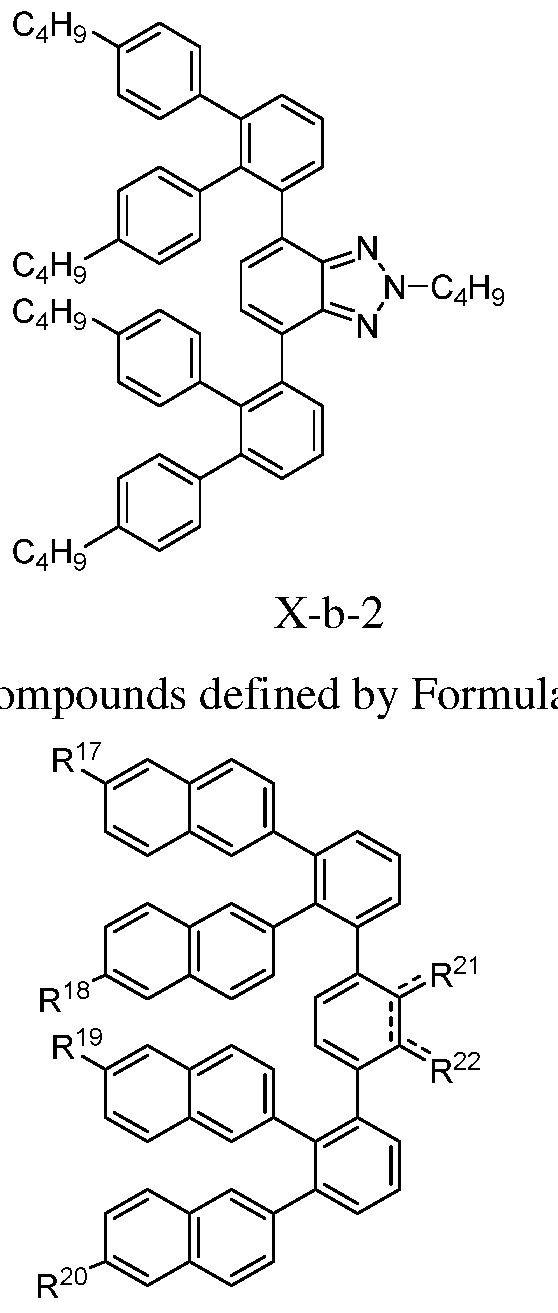
R17, R18, R19, R20, R21, and R22 are independently hydrogen, halogen, hydroxyl, cyano, nitro, substituted or unsubstituted C1-C40 alkyl, substituted or unsubstituted C2-C40 alkenyl, substituted or unsubstituted C2-C40 alkynyl, substituted or unsubstituted C3- C40 aryl, substituted or unsubstituted C3-C40 cycloalkyl, substituted or unsubstituted C3-C40 cycloalkenyl, substituted or unsubstituted C1-C40 acyl, substituted or unsubstituted C1-C40 alkoxy, P(0)(ORa)2, SRa, S(0)2Ra, SiRaRbRc, or NRaRb, or wherein, as valence permits, R21 and R22, together with the atoms to which they are attached, form a 3-10 membered substituted or unsubstituted cyclic moiety optionally including from 1 to 3 heteroatoms; and
Ra, Rb, and Rc are independently hydrogen, halogen, hydroxyl, cyano, nitro, substituted or unsubstituted C1-C40 alkyl, substituted or unsubstituted C2-C40 alkenyl, substituted or unsubstituted C2-C40 alkynyl, substituted or unsubstituted C3-C40 aryl, substituted or unsubstituted C3-C40 cycloalkyl, substituted or unsubstituted C3-C40 cycloalkenyl, substituted or unsubstituted C1-C40 acyl, or substituted or unsubstituted C1-C40 alkoxy.
In some examples of Formula XI, R17, R18, R19, and R20 are independently substituted or unsubstituted C1-C20 alkyl. In some examples of Formula XI, R17, R18, R19, and R20 are independently unsubstituted C1-C10 alkyl. In some examples of Formula XI, R17, R18, R19, and R20 are the same.
In some examples of Formula XI, R21 and R22 are independently hydrogen, halogen, hydroxyl, substituted or unsubstituted C1-C20 alkyl, substituted or unsubstituted C1-C20 acyl, or wherein, as valence permits, R21 and R22, together with the atoms to which they are attached, form a 3-10 membered substituted or unsubstituted cyclic moiety optionally including from 1 to 3 heteroatoms. In some examples of Formula XI, R21 and R22 are independently hydrogen or unsubstituted C1-C5 acyl. In some examples of Formula XI, R21 and R22 are the same. In some examples of Formula XI, R21 and R22 together with the atoms to which they are attached, form a 5-10 membered substituted or unsubstituted cyclic moiety optionally including from 1 to 3 heteroatoms.
In some examples of Formula XI the compounds can be defined by Formula Xl-a:

Xl-a
wherein
R17, R18, R19, R20, R21, and R22 are independently hydrogen, halogen, hydroxyl, cyano, nitro, substituted or unsubstituted C1-C40 alkyl, substituted or unsubstituted C2-C40 alkenyl, substituted or unsubstituted C2-C40 alkynyl, substituted or unsubstituted C3- C40 aryl, substituted or unsubstituted C3-C40 cycloalkyl, substituted or unsubstituted C3-C40 cycloalkenyl, substituted or unsubstituted C1-C40 acyl, substituted or unsubstituted C1-C40 alkoxy, P(0)(ORa)2, SRa, S(0)2Ra, SiRaRbRc, or NRaRb, or wherein, as valence permits, R21 and R22, together with the atoms to which they are attached, form a 3-10 membered substituted or unsubstituted cyclic moiety optionally including from 1 to 3 heteroatoms; and
Ra, Rb, and Rc are independently hydrogen, halogen, hydroxyl, cyano, nitro, substituted or unsubstituted C1-C40 alkyl, substituted or unsubstituted C2-C40 alkenyl, substituted or unsubstituted C2-C40 alkynyl, substituted or unsubstituted C3-C40 aryl, substituted or unsubstituted C3-C40 cycloalkyl, substituted or unsubstituted C3-C40 cycloalkenyl, substituted or unsubstituted C1-C40 acyl, or substituted or unsubstituted C1-C40 alkoxy.
In some examples of Formula Xl-a, R17, R18, R19, and R20 are independently substituted or unsubstituted C1-C20 alkyl. In some examples of Formula Xl-a, R17, R18, R19, and R20 are independently unsubstituted C1-C10 alkyl. In some examples of Formula Xl-a, R17, R18, R19, and R20 are the same.
In some examples of Formula Xl-a, R21 and R22 are independently hydrogen, halogen, hydroxyl, substituted or unsubstituted C1-C20 alkyl, substituted or unsubstituted C1-C20 acyl, or wherein, as valence permits, R21 and R22, together with the atoms to which they are attached, form a 3-10 membered substituted or unsubstituted cyclic moiety optionally including from 1 to
3 heteroatoms. In some examples of Formula Xl-a, R21 and R22 are independently hydrogen or unsubstituted C1-C5 acyl. In some examples of Formula Xl-a, R21 and R22 are the same. In some examples of Formula Xl-a, R21 and R22 together with the atoms to which they are attached, form a 5-10 membered substituted or unsubstituted cyclic moiety optionally including from 1 to 3 heteroatoms.
In some examples of Formula Xl-a, the compounds can be defined by Formula XI-a-1.
In some examples of Formul fined by Formula XI-a-2.

XI-a-2
In some examples of Formula XI, the compounds can be defined by Formula Xl-b:

C1-C40 alkoxy, P(0)(ORa)2, SRa, S(0)2Ra, SiRaRbRc, or NRaRb;
A is O, S, Se, Te, or NRa; and
Ra, Rb, and Rc are independently hydrogen, halogen, hydroxyl, cyano, nitro, substituted or unsubstituted C1-C40 alkyl, substituted or unsubstituted C2-C40 alkenyl, substituted or unsubstituted C2-C40 alkynyl, substituted or unsubstituted C3-C40 aryl, substituted or unsubstituted C3-C40 cycloalkyl, substituted or unsubstituted C3-C40 cycloalkenyl, substituted or unsubstituted C1-C40 acyl, or substituted or unsubstituted C1-C40 alkoxy.
In some examples of Formula Xl-b, R17, R18, R19, and R20 are independently substituted or unsubstituted C1-C20 alkyl. In some examples of Formula Xl-b, R17, R18, R19, and R20 are independently unsubstituted C1-C10 alkyl. In some examples of Formula Xl-b, R17, R18, R19, and R20 are the same.
In some examples of Formula Xl-b, A is S or NRa. In some examples of Formula Xl-b, A is NRa and Ra is a substituted or unsubstituted C1-C20 alkyl. In some examples of Formula XI- b, A is NRa and Ra is an unsubstituted Ci-10 alkyl.
In some examples of Formul -b, the compounds can be defined by Formula XI-b-1.

XI-b-1
Also disclosed herein

XII
wherein
n is from 3 to 1000;
R23, R24, R25, and R26 are independently hydrogen, halogen, hydroxyl, cyano, nitro, substituted or unsubstituted C1-C40 alkyl, substituted or unsubstituted C2-C40 alkenyl, substituted or unsubstituted C2-C40 alkynyl, substituted or unsubstituted C3-C40 aryl, substituted or unsubstituted C3-C40 cycloalkyl, substituted or unsubstituted C3-C40 cycloalkenyl, substituted or unsubstituted C1-C40 acyl, substituted or unsubstituted C1-C40 alkoxy, P(0)(ORa)2, SRa, S(0)2Ra, SiRaRbRc, or NRaRb; and
Ra, Rb, and Rc are independently hydrogen, halogen, hydroxyl, cyano, nitro, substituted or unsubstituted C1-C40 alkyl, substituted or unsubstituted C2-C40 alkenyl, substituted or unsubstituted C2-C40 alkynyl, substituted or unsubstituted C3-C40 aryl, substituted or unsubstituted C3-C40 cycloalkyl, substituted or unsubstituted C3-C40 cycloalkenyl, substituted or unsubstituted C1-C40 acyl, or substituted or unsubstituted C1-C40 alkoxy.
In some examples of Formula XII, R23, R24, R25, and R26 are independently substituted or unsubstituted C1-C20 alkyl. In some examples of Formula XII, R23, R24, R25, and R26 are independently unsubstituted C2-C15 alkyl. In some examples of Formula XII, R23, R24, R25, and R26 are the same.
In some examples of Formula XII, n is from 3 to 500. In some examples of Formula XII, n is from 3 to 100. In some examples of Formula XII, n is from 3 to 50.
In some examples of Fo by Formula Xll-a:

Xll-a
wherein n is from 3 to 1000.
In some examples of Formula Xll-a, n is from 3 to 500. In some examples of Formula Xll-a, n is from 3 to 100. In some examples of Formula Xll-a, n is from 3 to 50.
Also disclosed herein are compounds of Formula XIII:

XIII
wherein
n is from 3 to 1000;
the dotted lines to R29, R30, and between the carbons within the ring to which R29 and R30 are bonded, independently indicate that the bond can be a single bond or a double bond, as valence permits;
R27, R28, R29, and R30 are independently hydrogen, halogen, hydroxyl, cyano, nitro, substituted or unsubstituted C1-C40 alkyl, substituted or unsubstituted C2-C40 alkenyl, substituted or unsubstituted C2-C40 alkynyl, substituted or unsubstituted C3-C40 aryl, substituted or unsubstituted C3-C40 cycloalkyl, substituted or unsubstituted C3-C40 cycloalkenyl, substituted or unsubstituted C1-C40 acyl, substituted or unsubstituted C1-C40 alkoxy, P(0)(ORa)2, SRa, S(0)2Ra, SiRaRbRc, or NRaRb, or wherein, as valence permits, R29 and R30, together with the atoms to which they are attached, form a 3-10 membered substituted or unsubstituted cyclic moiety optionally including from 1 to 3 heteroatoms; and
Ra, Rb, and Rc are independently hydrogen, halogen, hydroxyl, cyano, nitro, substituted or unsubstituted C1-C40 alkyl, substituted or unsubstituted C2-C40 alkenyl, substituted or unsubstituted C2-C40 alkynyl, substituted or unsubstituted C3-C40 aryl, substituted or unsubstituted C3-C40 cycloalkyl, substituted or unsubstituted C3-C40 cycloalkenyl, substituted or unsubstituted C1-C40 acyl, or substituted or unsubstituted C1-C40 alkoxy.
In some examples of Formula XIII, R27 and R28 are independently substituted or unsubstituted C1-C20 alkyl. In some examples of Formula XIII, R27 and R28 are independently unsubstituted C2-C15 alkyl. In some examples of Formula XIII, R27 and R28 are the same.
In some examples of Formula XIII, R29 and R30 are independently hydrogen, halogen, hydroxyl, substituted or unsubstituted C1-C20 alkyl, substituted or unsubstituted C1-C20 acyl, or wherein, as valence permits, R29 and R30, together with the atoms to which they are attached, form a 3-10 membered substituted or unsubstituted cyclic moiety optionally including from 1 to 3 heteroatoms. In some examples of Formula XIII, R29 and R30 are independently hydrogen or unsubstituted C1-C5 acyl. In some examples of Formula XIII, R29 and R30 are the same. In some examples of Formula XIII, R29 and R30 together with the atoms to which they are attached, form a 5-10 membered substituted or unsubstituted cyclic moiety optionally including from 1 to 3 heteroatoms.
In some examples of Formula XIII, n is from 3 to 500. In some examples of Formula XIII, n is from 3 to 100. In some examples of Formula XIII, n is from 3 to 50.
In some examples of Fo ned by Formula XIII-a:

XIII-a
wherein
n is from 3 to 1000;
R27, R28, R29, and R30 are independently hydrogen, halogen, hydroxyl, cyano, nitro, substituted or unsubstituted C1-C40 alkyl, substituted or unsubstituted C2-C40 alkenyl, substituted or unsubstituted C2-C40 alkynyl, substituted or unsubstituted C3-C40 aryl, substituted or unsubstituted C3-C40 cycloalkyl, substituted or unsubstituted C3-C40
cycloalkenyl, substituted or unsubstituted C1-C40 acyl, substituted or unsubstituted C1-C40 alkoxy, P(0)(ORa)2, SRa, S(0)2Ra, SiRaRbRc, or NRaRb, or wherein, as valence permits, R29 and R30, together with the atoms to which they are attached, form a 3-10 membered substituted or unsubstituted cyclic moiety optionally including from 1 to 3 heteroatoms; and
Ra, Rb, and Rc are independently hydrogen, halogen, hydroxyl, cyano, nitro, substituted or unsubstituted C1-C40 alkyl, substituted or unsubstituted C2-C40 alkenyl, substituted or unsubstituted C2-C40 alkynyl, substituted or unsubstituted C3-C40 aryl, substituted or unsubstituted C3-C40 cycloalkyl, substituted or unsubstituted C3-C40 cycloalkenyl, substituted or unsubstituted C1-C40 acyl, or substituted or unsubstituted C1-C40 alkoxy.
In some examples of Formula XIII-a, R27 and R28 are independently substituted or unsubstituted C1-C20 alkyl. In some examples of Formula XIII-a, R27 and R28 are independently unsubstituted C2-C15 alkyl. In some examples of Formula XIII-a, R27 and R28 are the same.
In some examples of Formula XIII-a, R29 and R30 are independently hydrogen, halogen, hydroxyl, substituted or unsubstituted C1-C20 alkyl, substituted or unsubstituted C1-C20 acyl, or wherein, as valence permits, R29 and R30, together with the atoms to which they are attached, form a 3-10 membered substituted or unsubstituted cyclic moiety optionally including from 1 to 3 heteroatoms. In some examples of Formula XIII-a, R29 and R30 are independently hydrogen or unsubstituted C1-C5 acyl. In some examples of Formula XIII-a, R29 and R30 are the same. In some examples of Formula XIII-a, R29 and R30 together with the atoms to which they are attached, form a 5-10 membered substituted or unsubstituted cyclic moiety optionally including from 1 to 3 heteroatoms.
In some examples of Formula XIII-a, n is from 3 to 500. In some examples of Formula XIII-a, n is from 3 to 100. In some examples of Formula XIII-a, n is from 3 to 50.
In some examples of Formula XIII-a, the compounds can be defined by Formula XIII-a-
1:

XIII-a- 1
wherein n is from 3 to 1000.
In some examples of Formula XIII-a-1, n is from 3 to 500. In some examples of Formula XIII-a-1, n is from 3 to 100. In some examples of Formula XIII-a-1, n is from 3 to 50.
In some examples of Formula XIII-a, the compounds can be defined by Formula XIII-a-
2:
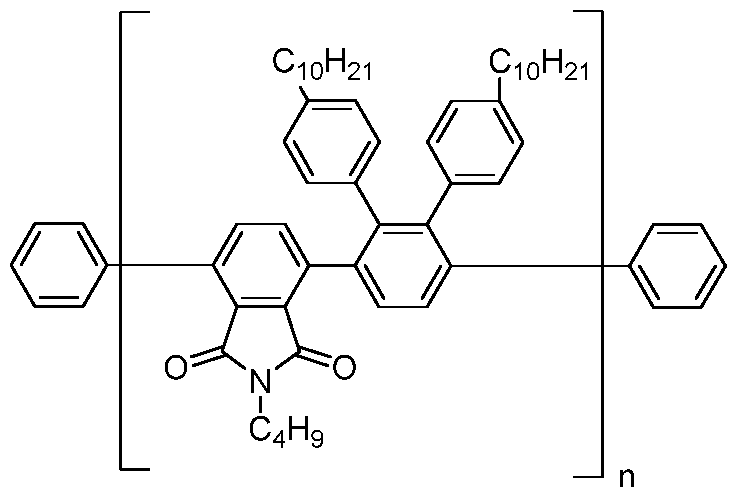
XIII-a-2
wherein n is from 3 to 1000.
In some examples of Formula XIII-a-2, n is from 3 to 500. In some examples of Formula XIII-a-2, n is from 3 to 100. In some examples of Formula XIII-a-2, n is from 3 to 50.
In some examples of Formula XIII-a, the compounds can be defined by Formula XIII-a-
3:
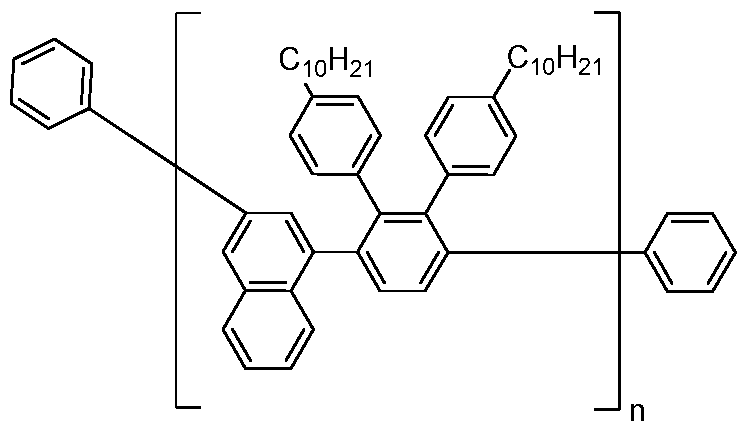
XIII-a-3
wherein n is from 3 to 1000.
In some examples of Formula XIII-a-3, n is from 3 to 500. In some examples of Formula XIII-a-3, n is from 3 to 100. In some examples of Formula XIII-a-3, n is from 3 to 50.
In some examples of Formula XIII, the compounds can be defined by Formula XIII-b:
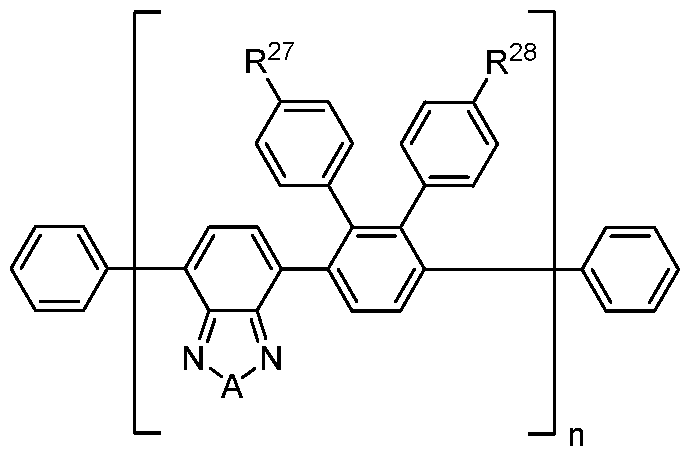
XIII-b
wherein
n is from 3 to 1000;
R27 and R28 are independently hydrogen, halogen, hydroxyl, cyano, nitro, substituted or unsubstituted C1-C40 alkyl, substituted or unsubstituted C2-C40 alkenyl, substituted or unsubstituted C2-C40 alkynyl, substituted or unsubstituted C3-C40 aryl, substituted or unsubstituted C3-C40 cycloalkyl, substituted or unsubstituted C3-C40 cycloalkenyl, substituted or unsubstituted C1-C40 acyl, substituted or unsubstituted C1-C40 alkoxy, P(0)(ORa)2, SRa, S(0)2Ra, SiRaRbRc, or NRaRb;
A is O, S, Se, Te, or NRa; and
Ra, Rb, and Rc are independently hydrogen, halogen, hydroxyl, cyano, nitro, substituted or unsubstituted C1-C40 alkyl, substituted or unsubstituted C2-C40 alkenyl, substituted or unsubstituted C2-C40 alkynyl, substituted or unsubstituted C3-C40 aryl, substituted or unsubstituted C3-C40 cycloalkyl, substituted or unsubstituted C3-C40 cycloalkenyl, substituted or unsubstituted C1-C40 acyl, or substituted or unsubstituted C1-C40 alkoxy.
In some examples of Formula XIII-b, R27 and R28 are independently substituted or unsubstituted C1-C20 alkyl. In some examples of Formula XIII-b, R27 and R28 are independently unsubstituted C2-C15 alkyl. In some examples of Formula XIII-b, R27 and R28 are the same.
In some examples of Formula XIII-b, A is S or NRa. In some examples of Formula XIII- b, A is NRa and Ra is a substituted or unsubstituted C1-C20 alkyl. In some examples of Formula XIII-b, A is NRa and Ra is an unsubstituted Ci-10 alkyl.
In some examples of Formula XIII-b, n is from 3 to 500. In some examples of Formula XIII-b, n is from 3 to 100. In some examples of Formula XIII-b, n is from 3 to 50.
In some examples of Formula XIII-b, the compounds can be defined by Formula XIII-b- 1:

XIII-b- 1
wherein n is from 3 to 1000.
In some examples of Formula XIII-b-1, n is from 3 to 500. In some examples of Formula -b-1, n is from 3 to 100. In some examples of Formula XIII-b-1, n is from 3 to 50.
In some examples of Formula XIII-b, the compounds can be defined by Formula XIII-b-

XIII-b-2
wherein n is from 3 to 1000.
In some examples of Formula XIII-b-2, n is from 3 to 500. In some examples of Formula XIII-b-2, n is from 3 to 100. In some examples of Formula XIII-b-2, n is from 3 to 50.
Also disclosed herein are compounds of Formula XIV

XIV
wherein
n is from 3 to 1000;
the dotted lines to R33, R34, and between the carbons within the ring to which R33 and R34 are bonded, independently indicate that the bond can be a single bond or a double bond, as valence permits;
R31, R32, R33, and R34 are independently hydrogen, halogen, hydroxyl, cyano, nitro, substituted or unsubstituted C1-C40 alkyl, substituted or unsubstituted C2-C40 alkenyl, substituted or unsubstituted C2-C40 alkynyl, substituted or unsubstituted C3-C40 aryl, substituted or unsubstituted C3-C40 cycloalkyl, substituted or unsubstituted C3-C40 cycloalkenyl, substituted or unsubstituted C1-C40 acyl, substituted or unsubstituted C1-C40 alkoxy, P(0)(ORa)2, SRa, S(0)2Ra, SiRaRbRc, or NRaRb, or wherein, as
valence permits, R33 and R34, together with the atoms to which they are attached, form a 3-10 membered substituted or unsubstituted cyclic moiety optionally including from 1 to 3 heteroatoms; and
Ra, Rb, and Rc are independently hydrogen, halogen, hydroxyl, cyano, nitro, substituted or unsubstituted C1-C40 alkyl, substituted or unsubstituted C2-C40 alkenyl, substituted or unsubstituted C2-C40 alkynyl, substituted or unsubstituted C3-C40 aryl, substituted or unsubstituted C3-C40 cycloalkyl, substituted or unsubstituted C3-C40 cycloalkenyl, substituted or unsubstituted C1-C40 acyl, or substituted or unsubstituted C1-C40 alkoxy.
In some examples of Formula XIV, R31 and R32 are independently substituted or unsubstituted C1-C20 alkyl. In some examples of Formula XIV, R31 and R32 are independently unsubstituted C2-C15 alkyl. In some examples of Formula XIV, R31 and R32 are the same.
In some examples of Formula XIV, R33 and R34 are independently hydrogen, halogen, hydroxyl, substituted or unsubstituted C1-C20 alkyl, substituted or unsubstituted C1-C20 acyl, or wherein, as valence permits, R33 and R34, together with the atoms to which they are attached, form a 3-10 membered substituted or unsubstituted cyclic moiety optionally including from 1 to 3 heteroatoms. In some examples of Formula XIV, R33 and R34 are independently hydrogen or unsubstituted C1-C5 acyl. In some examples of Formula XIV, R33 and R34 are the same. In some examples of Formula XIV, R33 and R34 together with the atoms to which they are attached, form a 5-10 membered substituted or unsubstituted cyclic moiety optionally including from 1 to 3 heteroatoms.
In some examples of Formula XIV, n is from 3 to 500. In some examples of Formula XIV, n is from 3 to 100. In some examples of Formula XIV, n is from 3 to 50.
In some examples of d by Formula XlV-a:

XIV-a
wherein
n is from 3 to 1000;
R31, R32, R33, and R34 are independently hydrogen, halogen, hydroxyl, cyano, nitro, substituted or unsubstituted C1-C40 alkyl, substituted or unsubstituted C2-C40 alkenyl, substituted or unsubstituted C2-C40 alkynyl, substituted or unsubstituted C3-C40 aryl, substituted or unsubstituted C3-C40 cycloalkyl, substituted or unsubstituted C3-C40 cycloalkenyl, substituted or unsubstituted C1-C40 acyl, substituted or unsubstituted C1-C40 alkoxy, P(0)(ORa)2, SRa, S(0)2Ra, SiRaRbRc, or NRaRb, or wherein, as valence permits, R33 and R34, together with the atoms to which they are attached, form a 3-10 membered substituted or unsubstituted cyclic moiety optionally including from 1 to 3 heteroatoms; and
Ra, Rb, and Rc are independently hydrogen, halogen, hydroxyl, cyano, nitro, substituted or unsubstituted C1-C40 alkyl, substituted or unsubstituted C2-C40 alkenyl, substituted or unsubstituted C2-C40 alkynyl, substituted or unsubstituted C3-C40 aryl, substituted or unsubstituted C3-C40 cycloalkyl, substituted or unsubstituted C3-C40 cycloalkenyl, substituted or unsubstituted C1-C40 acyl, or substituted or unsubstituted C1-C40 alkoxy.
In some examples of Formula XlV-a, R31 and R32 are independently substituted or unsubstituted C1-C20 alkyl. In some examples of Formula XlV-a, R31 and R32 are independently unsubstituted C2-C15 alkyl. In some examples of Formula XlV-a, R31 and R32 are the same.
In some examples of Formula XlV-a, R33 and R34 are independently hydrogen, halogen, hydroxyl, substituted or unsubstituted C1-C20 alkyl, substituted or unsubstituted C1-C20 acyl, or wherein, as valence permits, R33 and R34, together with the atoms to which they are attached, form a 3-10 membered substituted or unsubstituted cyclic moiety optionally including from 1 to 3 heteroatoms. In some examples of Formula XIV- a, R33 and R34 are independently hydrogen or unsubstituted C1-C5 acyl. In some examples of Formula XlV-a, R33 and R34 are the same. In some examples of Formula XlV-a, R33 and R34 together with the atoms to which they are attached, form a 5-10 membered substituted or unsubstituted cyclic moiety optionally including from 1 to 3 heteroatoms.
In some examples of Formula XlV-a, n is from 3 to 500. In some examples of Formula XlV-a, n is from 3 to 100. In some examples of Formula XlV-a, n is from 3 to 50.
In some examples of Formula XlV-a, the compounds can be defined by Formula XIV- a-:

XIV-a-1
wherein n is from 3 to 1000;
In some examples of Formula XIV-a-1, n is from 3 to 500. In some examples of Formula -1, n is from 3 to 100. In some examples of Formula XIV-a-1, n is from 3 to 50.
In some examples of Formula XlV-a, the compounds can be defined by Formula XIV- a-

XIV-a-2
wherein n is from 3 to 1000.
In some examples of Formula XIV-a-2, n is from 3 to 500. In some examples of Formula -2, n is from 3 to 100. In some examples of Formula XIV-a-2, n is from 3 to 50.
In some examples of Formula XlV-a, the compounds can be defined by Formula XIV- a-

XIV-a-3
wherein n is from 3 to 1000.
In some examples of Formula XIV-a-3, n is from 3 to 500. In some examples of Formula -3, n is from 3 to 100. In some examples of Formula XIV-a-3, n is from 3 to 50.
In some examples of Fo d by Formula XlV-b:

XlV-b
wherein
n is from 3 to 1000;
R31 and R32 are independently hydrogen, halogen, hydroxyl, cyano, nitro, substituted or unsubstituted C1-C40 alkyl, substituted or unsubstituted C2-C40 alkenyl, substituted or unsubstituted C2-C40 alkynyl, substituted or unsubstituted C3-C40 aryl, substituted or unsubstituted C3-C40 cycloalkyl, substituted or unsubstituted C3-C40 cycloalkenyl, substituted or unsubstituted C1-C40 acyl, substituted or unsubstituted C1-C40 alkoxy, P(0)(ORa)2, SRa, S(0)2Ra, SiRaRbRc, or NRaRb;
A is O, S, Se, Te, or NRa; and
Ra, Rb, and Rc are independently hydrogen, halogen, hydroxyl, cyano, nitro, substituted or unsubstituted C1-C40 alkyl, substituted or unsubstituted C2-C40 alkenyl, substituted or unsubstituted C2-C40 alkynyl, substituted or unsubstituted C3-C40 aryl, substituted or unsubstituted C3-C40 cycloalkyl, substituted or unsubstituted C3-C40 cycloalkenyl, substituted or unsubstituted C1-C40 acyl, or substituted or unsubstituted C1-C40 alkoxy.
In some examples of Formula XlV-b, R31 and R32 are independently substituted or unsubstituted C1-C20 alkyl. In some examples of Formula XlV-b, R31 and R32 are independently unsubstituted C2-C15 alkyl. In some examples of Formula XlV-b, R31 and R32 are the same.
In some examples of Formula XlV-b, A is S or NRa. In some examples of Formula XIV- b, A is NRa and Ra is a substituted or unsubstituted C1-C20 alkyl. In some examples of Formula XlV-b, A is NRa and Ra is an unsubstituted Ci-10 alkyl.
In some examples of Formula XlV-b, n is from 3 to 500. In some examples of Formula XlV-b, n is from 3 to 100. In some examples of Formula XlV-b, n is from 3 to 50.
fined by Formula XlV-b-

XIV-b-1
wherein n is from 3 to 1000.
In some examples of Formula XIV-b-1, n is from 3 to 500. In some examples of Formula XIV-b-1, n is from 3 to 100. In some examples of Formula XIV-b-1, n is from 3 to 50.
fined by Formula XlV-b-

XIV-b-2
wherein n is from 3 to 1000.
In some examples of Formula XIV-b-2, n is from 3 to 500. In some examples of Formula XIV-b-2, n is from 3 to 100. In some examples of Formula XIV-b-2, n is from 3 to 50.
Methods of Making
The compounds described herein can be prepared in a variety of ways known to one skilled in the art of organic synthesis or variations thereon as appreciated by those skilled in the art. The compounds described herein can be prepared from readily available starting materials. Optimum reaction conditions can vary with the particular reactants or solvents used, but such conditions can be determined by one skilled in the art.
Variations on the compounds described herein include the addition, subtraction, or movement of the various constituents as described for each compound. Similarly, when one or more chiral centers are present in a molecule, the chirality of the molecule can be changed. Additionally, compound synthesis can involve the protection and deprotection of various chemical groups. The use of protection and deprotection, and the selection of appropriate protecting groups can be determined by one skilled in the art. The chemistry of protecting groups can be found, for example, in Wuts and Greene, Protective Groups in Organic Synthesis, 4th Ed., Wiley & Sons, 2006, which is incorporated herein by reference in its entirety.
The starting materials and reagents used in preparing the disclosed compounds and compositions are either available from commercial suppliers such as Aldrich Chemical Co.,
(Milwaukee, WI), Acros Organics (Morris Plains, NJ), Fisher Scientific (Pittsburgh, PA), Sigma (St. Louis, MO), Pfizer (New York, NY), GlaxoSmithKline (Raleigh, NC), Merck (Whitehouse Station, NJ), Johnson & Johnson (New Brunswick, NJ), Aventis (Bridgewater, NJ), AstraZeneca (Wilmington, DE), Novartis (Basel, Switzerland), Wyeth (Madison, NJ), Bristol-Myers-Squibb (New York, NY), Roche (Basel, Switzerland), Lilly (Indianapolis, IN), Abbott (Abbott Park, IL), Schering Plough (Kenilworth, NJ), or Boehringer Ingelheim (Ingelheim, Germany), or are prepared by methods known to those skilled in the art following procedures set forth in references such as Fieser and Fieser's Reagents for Organic Synthesis, Volumes 1-17 (John Wiley and Sons, 1991); Rodd's Chemistry of Carbon Compounds, Volumes 1-5 and
Supplemental (Elsevier Science Publishers, 1989); Organic Reactions, Volumes 1-40 (John Wiley and Sons, 1991); March's Advanced Organic Chemistry, (John Wiley and Sons, 4th Edition); and Larock's Comprehensive Organic Transformations (VCH Publishers Inc., 1989). Other materials, such as the pharmaceutical carriers disclosed herein can be obtained from commercial sources.
Reactions to produce the compounds described herein can be carried out in solvents, which can be selected by one of skill in the art of organic synthesis. Solvents can be
substantially nonreactive with the starting materials (reactants), the intermediates, or products under the conditions at which the reactions are carried out, i.e. , temperature and pressure.
Reactions can be carried out in one solvent or a mixture of more than one solvent. Product or intermediate formation can be monitored according to any suitable method known in the art. For example, product formation can be monitored by spectroscopic means, such as nuclear magnetic resonance spectroscopy (e.g. , ¾ or 13C) infrared spectroscopy, spectrophotometry (e.g. , UV- visible), or mass spectrometry, or by chromatography such as high performance liquid
chromatography (HPLC) or thin layer chromatography.
Described herein are methods of making nanographenes (e.g., graphene with dimensions on the nanometer scale) and graphene nanoribbons. In some examples, the methods described herein can provide control over parameters such as the length, with, and/or edge structure of the compounds described herein. The electronic state of the graphitic compounds described herein can, for example, depend on the edge structure (e.g., armchair, zigzag, etc.). The methods described herein can, in some example, be used to make compounds with a certain edge structure.
Also disclosed herein are methods of making the compounds of Formulas I- VII. In some example, the methods of making the compounds of Formulas I- VII can comprise
cyclodehydrogenating the compounds of Formulas VIII-XIV. In some examples, the cyclodehydrogenation can comprise, for example, contacting the compound with a Lewis acid and an oxidant, such as FeCb and CH3NO2. In some examples, the cyclodehydrogenation comprises contacting the compound with 2,3-dichloro-5,6-dicyano-l,4-benzoquinone and
In some examples, the method of making the compounds of Formula I can comprise cyclodehydrogenating a compound of Formula VIII, for example as shown in Scheme 1. In some examples, the method of making the compound of Formula I-a can comprise
cyclodehydrogenating a compound of Formula VHI-a, for example as shown in Scheme 1 when R1, R2, R3 and R4 are each C4H9.
Scheme 1. Synthesis of compounds of Formula I.

In some examples, the method of making the compounds of Formula II can comprise cyclodehydrogenating a compound of Formula IX, for example as shown in Scheme 2. In some examples, the method of making the compound of Formula Il-a can comprise
cyclodehydrogenating a compound of Formula IX-a, for example as shown in Scheme 2 when R5, R6, R7, R8, R9, and R10 are each C4t¼.
Scheme 2. S

In some examples, the method of making the compounds of Formula III can comprise cyclodehydrogenating a compound of Formula X, for example as shown in Scheme 3. In some examples, the method of making the compounds of Formula Ill-a can comprise
cyclodehydrogenating a compound of Formula X-a, for example as shown in Scheme 3 when the dashed bonds to R15 and R16 are both single bonds, and the dashed bond within the ring is a double bond. In some examples, the method of making the compounds of Formula Ill-a- 1 can comprise cyclodehydrogenating a compound of Formula X-a-1, for example as shown in Scheme 3 when each of R11, R12, R13 and R14 are C4H9; the dashed bonds to R15 and R16 are both single bonds; R15 and R16 are both hydrogen; and the dashed bond within the ring is a double bond. In some examples, the method of making the compounds of Formula Ill-b can comprise cyclodehydrogenating a compound of Formula X-b, for example as shown in Scheme 3 when the dashed bonds to R15 and R16 are both double bonds, the dashed bond within the ring is a single bond, and R15 and R16 together with the atoms to which they are attached form a 5 membered cyclic moiety with a N-A-N bridging group, wherein A is O, S, Se, Te, or NRa. In some examples, the method of making the compounds of Formula III-b-1 can comprise
cyclodehydrogenating a compound of Formula X-b-1, for example as shown in Scheme 3 when each of R11, R12, R13 and R14 are C4t¾; the dashed bonds to R15 and R16 are both double bonds; the dashed bond within the ring is a single bond; and R15 and R16 together with the atoms to which they are attached form a 1,2,5-thiadiazole group. In some examples, the method of making the compounds of Formula III-b-2 can comprise cyclodehydrogenating a compound of Formula X-b-2, for example as shown in Scheme 3 when each of R11, R12, R13 and R14 are C4]¾;
the dashed bonds to R15 and R16 are both double bonds; the dashed bond within the ring is a single bond; and R15 and R16 together with the atoms to which they are attached form a 2-butyl- 2H-l,2,3-triazole group.
Scheme 3. Synthesis of compounds of Formula III.

In some examples, the method of making the compounds of Formula III-a-2 can comprise cyclodehydrogenating a compound of Formula X-a-2, for example as shown in Scheme 4.
Scheme 4. Synthesis of compounds of Formula III-a-2.

In some examples, the method of making the compounds of Formula IV can comprise cyclodehydrogenating a compound of Formula XI, for example as shown in Scheme 5. In some examples, the method of making the compounds of Formula IV-a can comprise
cyclodehydrogenating a compound of Formula ΧΙ-a, for example as shown in Scheme 5 when the dashed bonds to R21 and R22 are both single bonds, and the dashed bond within the ring is a double bond. In some examples, the method of making the compounds of Formula IV-a- 1 can
comprise cyclodehydrogenating a compound of Formula XI-a-1 , for example as shown in Scheme 5 when each of R17, R18, R19 and R20 are C4H9; the dashed bonds to R21 and R22 are both single bonds; R21 and R22 are both hydrogen; and the dashed bond within the ring is a double bond. In some examples, the method of making the compounds of Formula IV-b can comprise cyclodehydrogenating a compound of Formula ΧΙ-b, for example as shown in Scheme 5 when the dashed bonds to R21 and R22 are both double bonds, the dashed bond within the ring is a single bond, and R21 and R22 together with the atoms to which they are attached form a 5 membered cyclic moiety with a N-A-N bridging group, wherein A is O, S, Se, Te, or NRa. In some examples, the method of making the compounds of Formula IV-b- 1 can comprise cyclodehydrogenating a compound of Formula XI-b-1 , for example as shown in Scheme 5 when each of R17, R18, R19 and R20 are C4H9; the dashed bonds to R21 and R22 are both double bonds; the dashed bond within the ring is a single bond; and R21 and R22 together with the atoms to which they are attached form a 2-butyl-2H-l ,2,3-triazole group.
Scheme 5. Synthesis of compounds of Formula IV.

In some examples, the method of making the compounds of Formula IV-a-2 can comprise cyclodehydrogenating a compound of Formula XI-a-2, for example as shown in Scheme 6.
Scheme 6. Synthesis of compounds of Formula IV-a-2.

In some examples, the method of making the compounds of Formula V can comprise cyclodehydrogenating a compound of Formula XII, for example as shown in Scheme 7. In some examples, the method of making the compounds of Formula V-a, can comprise
cyclodehydrogenating a compound of Formula Xll-a, for example as shown in Scheme 7 when R23, R24, R25 and R26 are each C10H21.
Scheme 7. Synthesis of compounds of Formula V.

In some examples, the method of making the compounds of Formula VI can comprise cyclodehydrogenating a compound of Formula XIII, for example as shown in Scheme 8. In some examples, the method of making the compounds of Formula Vl-a can comprise
cyclodehydrogenating a compound of Formula XIII-a, for example as shown in Scheme 8 when the dashed bonds to R29 and R30 are both single bonds, and the dashed bond within the ring is a double bond. In some examples, the method of making the compounds of Formula VI-a-1 can comprise cyclodehydrogenating a compound of Formula XIII-a-1, for example as shown in Scheme 8 when R27 and R28 are C10H21 ; the dashed bonds to R29 and R30 are both single bonds; R29 and R30 are both hydrogen; and the dashed bond within the ring is a double bond. In some examples, the method of making the compounds of Formula VI-a-3 can comprise
cyclodehydrogenating a compound of Formula XIII-a-3, for example as shown in Scheme 8 when R27 and R28 are C10H21 ; and R29 and R30 together with the atoms to which they are attached form a benzene ring. In some examples, the method of making the compounds of Formula Vl-b can comprise cyclodehydrogenating a compound of Formula XIII-b, for example as shown in Scheme 8 when the dashed bonds to R29 and R30 are both double bonds, the dashed bond within the ring is a single bond, and R29 and R30 together with the atoms to which they are attached form a 5 membered ring with a N-A-N bridging group, wherein A is O, S, Se, Te, or NRa. In some examples, the method of making the compounds of Formula VI-b- 1 can comprise cyclodehydrogenating a compound of Formula XIII-b- 1, for example as shown in Scheme 8 when R27 and R28 C10H21 ; the dashed bonds to R29 and R30 are both double bonds; the dashed bond within the ring is a single bond; and R29 and R30 together with the atoms to which they are attached form a 1,2,5-thiadiazole group. In some examples, the method of making the compounds of Formula VI-b-2 can comprise cyclodehydrogenating a compound of Formula XIII-b-2, for example as shown in Scheme 8 when each of R27 and R28 are C10H21 ; the dashed bonds to R29 and R30 are both double bonds; the dashed bond within the ring is a single bond; and R29 and R30 together with the atoms to which they are attached form a 2-butyl-2H-l ,2,3- triazole group.
Scheme 8. Synthesis of compounds of Formula VI.

XIII
VI
In some examples, the method of making the compounds of Formula VI-a-2 can comprise cyclodehydrogenating a compound of Formula XIII-a-2, for example as shown in
Scheme 9.
cheme 9. Synthesis of compounds of Formula VI-a-2.

In some examples, the method of making the compounds of Formula VII can comprise cyclodehydrogenating a compound of Formula XIV, for example as shown in Scheme 10. In some examples, the method of making the compounds of Formula Vll-a can comprise cyclodehydrogenating a compound of Formula XlV-a, for example as shown in Scheme 10 when the dashed bonds to R33 and R34 are both single bonds, and the dashed bond within the ring is a double bond. In some examples, the method of making the compounds of Formula VII-a-1 can comprise cyclodehydrogenating a compound of Formula XIV-a-1, for example as shown in Scheme 10 when R31 and R32 are C10H21 ; the dashed bonds to R33 and R34 are both single bonds; R33 and R34 are both hydrogen; and the dashed bond within the ring is a double bond. In some examples, the method of making the compounds of Formula VII-a-3 can comprise
cyclodehydrogenating a compound of Formula XIV-a-3, for example as shown in Scheme 10 when R31 and R32 are C10H21 ; and R33 and R34 together with the atoms to which they are attached form a benzene ring. In some examples, the method of making the compounds of Formula Vll-b can comprise cyclodehydrogenating a compound of Formula XlV-b, for example as shown in Scheme 10 when the dashed bonds to R33 and R34 are both double bonds, the dashed bond within the ring is a single bond, and R33 and R34 together with the atoms to which they are attached form a 5 membered ring with a N-A-N bridging group, wherein A is O, S, Se, Te, or NRa. In some examples, the method of making the compounds of Formula VII-b-1 can comprise cyclodehydrogenating a compound of Formula XIV-b-1, for example as shown in Scheme 10 when R31 and R32 C14H29; the dashed bonds to R33 and R34 are both double bonds; the dashed bond within the ring is a single bond; and R33 and R34 together with the atoms to which they are attached form a 1,2,5-thiadiazole group.
Scheme 10. Synthesis of compounds of Formula VII.

In some examples, the method of making the compounds of Formula VII-a-2 can comprise cyclodehydrogenating a compound of Formula XIV-a-2, for example as shown in Scheme 11.
Scheme 11. Synthesis of compounds of Formula VII-

Also disclosed herein are methods of making the compounds of Formulas VIII-XIV. The methods of making the compounds of Formulas VIII-XIV can comprise, for example, performing a polycondensation reaction between an aryl bromide and an aryl boronate ester. The polycondensation reaction can comprise, for example, a Suzuki-Miyaura cross coupling reaction.
In some examples, the aryl bromide can comprise a compound of Formula XV:

XV
wherein
R35 and R36 are independently hydrogen, halogen, hydroxyl, cyano, nitro, substituted or unsubstituted C1-C40 alkyl, substituted or unsubstituted C2-C40 alkenyl, substituted or
unsubstituted C2-C40 alkynyl, substituted or unsubstituted C3-C40 aryl, substituted or unsubstituted C3-C40 cycloalkyl, substituted or unsubstituted C3-C40 cycloalkenyl, substituted or unsubstituted C1-C40 acyl, substituted or unsubstituted C1-C40 alkoxy,
P(0)(ORa)2, SRa, S(0)2Ra, SiRaRbRc, or NRaRb; and
Ra, Rb, and Rc are independently hydrogen, halogen, hydroxyl, cyano, nitro, substituted or unsubstituted C1-C40 alkyl, substituted or unsubstituted C2-C40 alkenyl, substituted or unsubstituted C2-C40 alkynyl, substituted or unsubstituted C3-C40 aryl, substituted or unsubstituted C3-C40 cycloalkyl, substituted or unsubstituted C3-C40 cycloalkenyl, substituted or unsubstituted C1-C40 acyl, or substituted or unsubstituted C1-C40 alkoxy.
In some examples of Formula XV, R35 and R36 are independently substituted or unsubstituted C1-C20 alkyl. In some examples of Formula XV, R35 and R36 are the same.
In some examples of Formula XV, the aryl bromide can be defined by Formula XV-a.

XV-a
In some examples, the aryl bromide can comprise a compound of Formula XVI:

R37 and R38 are independently hydrogen, halogen, hydroxyl, cyano, nitro, substituted or unsubstituted C1-C40 alkyl, substituted or unsubstituted C2-C40 alkenyl, substituted or unsubstituted C2-C40 alkynyl, substituted or unsubstituted C3-C40 aryl, substituted or unsubstituted C3-C40 cycloalkyl, substituted or unsubstituted C3-C40 cycloalkenyl, substituted or unsubstituted C1-C40 acyl, substituted or unsubstituted C1-C40 alkoxy, P(0)(ORa)2, SRa, S(0)2Ra, SiRaRbRc, or NRaRb; and
Ra, Rb, and Rc are independently hydrogen, halogen, hydroxyl, cyano, nitro, substituted or unsubstituted C1-C40 alkyl, substituted or unsubstituted C2-C40 alkenyl, substituted or unsubstituted C2-C40 alkynyl, substituted or unsubstituted C3-C40 aryl, substituted
or unsubstituted C3-C40 cycloalkyl, substituted or unsubstituted C3-C40 cycloalkenyl, substituted or unsubstituted C1-C40 acyl, or substituted or unsubstituted C1-C40 alkoxy.
In some examples of Formula XVI, R37 and R38 are independently substituted or unsubstituted C1-C20 alkyl. In some examples of Formula XVI, R37 and R38 are the same.
In some examples of Formula XVI, the aryl bromide can be defined by Formula XVI-a.

In some examples of Formula XVI, the aryl bromide can be defined by Formula XVI-b.
In some examples, the aryl ound of Formula XVII:

XVII
wherein
R39 and R40 are independently hydrogen, halogen, hydroxyl, cyano, nitro, substituted or unsubstituted C1-C40 alkyl, substituted or unsubstituted C2-C40 alkenyl, substituted or unsubstituted C2-C40 alkynyl, substituted or unsubstituted C3-C40 aryl, substituted or unsubstituted C3-C40 cycloalkyl, substituted or unsubstituted C3-C40 cycloalkenyl, substituted or unsubstituted C1-C40 acyl, substituted or unsubstituted C1-C40 alkoxy, P(0)(ORa)2, SRa, S(0)2Ra, SiRaRbRc, or NRaRb; and
Ra, Rb, and Rc are independently hydrogen, halogen, hydroxyl, cyano, nitro, substituted or unsubstituted C1-C40 alkyl, substituted or unsubstituted C2-C40 alkenyl, substituted or unsubstituted C2-C40 alkynyl, substituted or unsubstituted C3-C40 aryl, substituted or unsubstituted C3-C40 cycloalkyl, substituted or unsubstituted C3-C40 cycloalkenyl,
substituted or unsubstituted C1-C40 acyl, or substituted or unsubstituted C1-C40 alkoxy.
In some examples of Formula XVII, R39 and R40 are independently substituted or unsubstituted C1-C20 alkyl. In some examples of Formula XVII, R39 and R40 are the same.
In some examples of Formula XVII, the aryl bromide can comprise a compound of Formula XVII- a.

XVII-a
In some examples, the aryl bromide can comprise a compound of Formula XVIII:

XVIII
wherein
the dotted lines to R41, R42, and between the carbons within the ring to which R41 and R42 are bonded, independently indicate that the bond can be a single bond or a double bond, as valence permits;
R41 and R42 are independently hydrogen, halogen, hydroxyl, cyano, nitro, substituted or unsubstituted C1-C40 alkyl, substituted or unsubstituted C2-C40 alkenyl, substituted or unsubstituted C2-C40 alkynyl, substituted or unsubstituted C3-C40 aryl, substituted or unsubstituted C3-C40 cycloalkyl, substituted or unsubstituted C3-C40 cycloalkenyl, substituted or unsubstituted C1-C40 acyl, substituted or unsubstituted C1-C40 alkoxy, P(0)(ORa)2, SRa, S(0)2Ra, SiRaRbRc, or NRaRb, or wherein, as valence permits, R41 and R42, together with the atoms to which they are attached, form a 3-10 membered substituted or unsubstituted cyclic moiety optionally including from 1 to 3 heteroatoms; and
Ra, Rb, and Rc are independently hydrogen, halogen, hydroxyl, cyano, nitro, substituted or unsubstituted C1-C40 alkyl, substituted or unsubstituted C2-C40 alkenyl, substituted or unsubstituted C2-C40 alkynyl, substituted or unsubstituted C3-C40 aryl, substituted or unsubstituted C3-C40 cycloalkyl, substituted or unsubstituted C3-C40 cycloalkenyl,
substituted or unsubstituted C1-C40 acyl, or substituted or unsubstituted C1-C40 alkoxy.
In some examples of Formula XVIII, R41 and R42 are independently hydrogen, halogen, hydroxyl, substituted or unsubstituted C1-C20 alkyl, substituted or unsubstituted C1-C20 acyl, or wherein, as valence permits, R41 and R42, together with the atoms to which they are attached, form a 3-10 membered substituted or unsubstituted cyclic moiety optionally including from 1 to 3 heteroatoms. In some examples of Formula XVIII, R41 and R42 are independently hydrogen or unsubstituted C1-C5 acyl. In some examples of Formula XVIII, R41 and R42 are the same. In some examples of Formula XVIII, R41 and R42 together with the atoms to which they are attached, form a 5-10 membered substituted or unsubstituted cyclic moiety optionally including from 1 to 3 heteroatoms.
In some examples of Formula XVIII, the aryl bromide can comprise a compound of Formula XVIII-a:

XVIII-a
wherein
R41 and R42 are independently hydrogen, halogen, hydroxyl, cyano, nitro, substituted or unsubstituted C1-C40 alkyl, substituted or unsubstituted C2-C40 alkenyl, substituted or unsubstituted C2-C40 alkynyl, substituted or unsubstituted C3-C40 aryl, substituted or unsubstituted C3-C40 cycloalkyl, substituted or unsubstituted C3-C40 cycloalkenyl, substituted or unsubstituted C1-C40 acyl, substituted or unsubstituted C1-C40 alkoxy, P(0)(ORa)2, SRa, S(0)2Ra, SiRaRbRc, or NRaRb, or wherein, as valence permits, R41 and R42, together with the atoms to which they are attached, form a 3-10 membered substituted or unsubstituted cyclic moiety optionally including from 1 to 3 heteroatoms; and
Ra, Rb, and Rc are independently hydrogen, halogen, hydroxyl, cyano, nitro, substituted or unsubstituted C1-C40 alkyl, substituted or unsubstituted C2-C40 alkenyl, substituted or unsubstituted C2-C40 alkynyl, substituted or unsubstituted C3-C40 aryl, substituted or unsubstituted C3-C40 cycloalkyl, substituted or unsubstituted C3-C40 cycloalkenyl, substituted or unsubstituted C1-C40 acyl, or substituted or unsubstituted C1-C40 alkoxy.
In some examples of Formula XVIII-a, R41 and R42 are independently hydrogen, halogen, hydroxyl, substituted or unsubstituted C1-C20 alkyl, substituted or unsubstituted C1-C20 acyl, or wherein, as valence permits, R41 and R42, together with the atoms to which they are attached, form a 3-10 membered substituted or unsubstituted cyclic moiety optionally including from 1 to 3 heteroatoms. In some examples of Formula XVIII-a, R41 and R42 are independently hydrogen or unsubstituted C1-C5 acyl. In some examples of Formula XVIII-a, R41 and R42 are the same. In some examples of Formula XVIII-a, R41 and R42 together with the atoms to which they are attached, form a 5-10 membered substituted or unsubstituted cyclic moiety optionally including from 1 to 3 heteroatoms.
In some examples of Formula XVIII-a, the aryl bromide can comprise a compound of
Formula XVIII-a- 1.
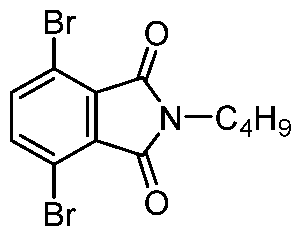
XVIII-a- 1
se a compound of Formula XIX:

XIX
wherein
R43 and R44 are independently hydrogen, halogen, hydroxyl, cyano, nitro, substituted or unsubstituted C1-C40 alkyl, substituted or unsubstituted C2-C40 alkenyl, substituted or unsubstituted C2-C40 alkynyl, substituted or unsubstituted C3-C40 aryl, substituted or unsubstituted C3-C40 cycloalkyl, substituted or unsubstituted C3-C40 cycloalkenyl, substituted or unsubstituted C1-C40 acyl, substituted or unsubstituted C1-C40 alkoxy, P(0)(ORa)2, SRa, S(0)2Ra, SiRaRbRc, or NRaRb; and
Ra, Rb, and Rc are independently hydrogen, halogen, hydroxyl, cyano, nitro, substituted or unsubstituted C1-C40 alkyl, substituted or unsubstituted C2-C40 alkenyl, substituted or unsubstituted C2-C40 alkynyl, substituted or unsubstituted C3-C40 aryl, substituted or unsubstituted C3-C40 cycloalkyl, substituted or unsubstituted C3-C40 cycloalkenyl,
substituted or unsubstituted C1-C40 acyl, or substituted or unsubstituted C1-C40 alkoxy.
In some examples of Formula XIX, R43 and R44 are independently substituted or unsubstituted C1-C20 alkyl. In some examples of Formula XIX, R43 and R44 are the same.
In some examples of Formula XIX, the aryl boronate ester can be defined by Formula
XlX-a.
In some examples, the aryl boronate e a compound of Formula XX:

XX
wherein
R45 and R46 are independently hydrogen, halogen, hydroxyl, cyano, nitro, substituted or unsubstituted C1-C40 alkyl, substituted or unsubstituted C2-C40 alkenyl, substituted or unsubstituted C2-C40 alkynyl, substituted or unsubstituted C3-C40 aryl, substituted or unsubstituted C3-C40 cycloalkyl, substituted or unsubstituted C3-C40 cycloalkenyl, substituted or unsubstituted C1-C40 acyl, substituted or unsubstituted C1-C40 alkoxy, P(0)(ORa)2, SRa, S(0)2Ra, SiRaRbRc, or NRaRb; and
Ra, Rb, and Rc are independently hydrogen, halogen, hydroxyl, cyano, nitro, substituted or unsubstituted C1-C40 alkyl, substituted or unsubstituted C2-C40 alkenyl, substituted or unsubstituted C2-C40 alkynyl, substituted or unsubstituted C3-C40 aryl, substituted or unsubstituted C3-C40 cycloalkyl, substituted or unsubstituted C3-C40 cycloalkenyl, substituted or unsubstituted C1-C40 acyl, or substituted or unsubstituted C1-C40 alkoxy.
In some examples of Formula XX, R45 and R46 are independently substituted or unsubstituted C1-C20 alkyl. In some examples of Formula XX, R45 and R46 are the same.
In some examples of Formula XX, the aryl boronate ester can comprise a compound of Formula XX- a.

XX-a
In some examples, the aryl boronate ester can comprise a compound of Formula XXI:

wherein
the dotted lines to R47, R48, and between the carbons within the ring to which R47 and R48 are bonded, independently indicate that the bond can be a single bond or a double bond, as valence permits;
R47 and R48 are independently hydrogen, halogen, hydroxyl, cyano, nitro, substituted or unsubstituted C1-C40 alkyl, substituted or unsubstituted C2-C40 alkenyl, substituted or unsubstituted C2-C40 alkynyl, substituted or unsubstituted C3-C40 aryl, substituted or unsubstituted C3-C40 cycloalkyl, substituted or unsubstituted C3-C40 cycloalkenyl, substituted or unsubstituted C1-C40 acyl, substituted or unsubstituted C1-C40 alkoxy, P(0)(ORa)2, SRa, S(0)2Ra, SiRaRbRc, or NRaRb, or wherein, as valence permits, R47 and R48, together with the atoms to which they are attached, form a 3-10 membered substituted or unsubstituted cyclic moiety optionally including from 1 to 3 heteroatoms; and
Ra, Rb, and Rc are independently hydrogen, halogen, hydroxyl, cyano, nitro, substituted or unsubstituted C1-C40 alkyl, substituted or unsubstituted C2-C40 alkenyl, substituted or unsubstituted C2-C40 alkynyl, substituted or unsubstituted C3-C40 aryl, substituted or unsubstituted C3-C40 cycloalkyl, substituted or unsubstituted C3-C40 cycloalkenyl, substituted or unsubstituted C1-C40 acyl, or substituted or unsubstituted C1-C40 alkoxy.
In some examples of Formula XXI, R47 and R48 are independently hydrogen, halogen, hydroxyl, substituted or unsubstituted C1-C20 alkyl, substituted or unsubstituted C1-C20 acyl, or wherein, as valence permits, R47 and R48, together with the atoms to which they are attached, form a 3-10 membered substituted or unsubstituted cyclic moiety optionally including from 1 to 3 heteroatoms. In some examples of Formula XXI, R47 and R48 are independently hydrogen or unsubstituted C1-C5 acyl. In some examples of Formula XXI, R47 and R48 are the same. In some examples of Formula XXI, R47 and R48 together with the atoms to which they are attached, form a 5-10 membered substituted or unsubstituted cyclic moiety optionally including from 1 to 3 heteroatoms.
In some examples of Formula XXI, the aryl boronate ester can comprise a compound of Formula XXI-a:

XXI-a
wherein
R47 and R48 are independently hydrogen, halogen, hydroxyl, cyano, nitro, substituted or unsubstituted C1-C40 alkyl, substituted or unsubstituted C2-C40 alkenyl, substituted or unsubstituted C2-C40 alkynyl, substituted or unsubstituted C3-C40 aryl, substituted or unsubstituted C3-C40 cycloalkyl, substituted or unsubstituted C3-C40 cycloalkenyl, substituted or unsubstituted C1-C40 acyl, substituted or unsubstituted C1-C40 alkoxy, P(0)(ORa)2, SRa, S(0)2Ra, SiRaRbRc, or NRaRb, or wherein, as valence permits, R47 and R48, together with the atoms to which they are attached, form a 3-10 membered
substituted or unsubstituted cyclic moiety optionally including from 1 to 3 heteroatoms; and
Ra, Rb, and Rc are independently hydrogen, halogen, hydroxyl, cyano, nitro, substituted or unsubstituted C1-C40 alkyl, substituted or unsubstituted C2-C40 alkenyl, substituted or unsubstituted C2-C40 alkynyl, substituted or unsubstituted C3-C40 aryl, substituted or unsubstituted C3-C40 cycloalkyl, substituted or unsubstituted C3-C40 cycloalkenyl, substituted or unsubstituted C1-C40 acyl, or substituted or unsubstituted C1-C40 alkoxy.
In some examples of Formula XXI-a, R47 and R48 are independently hydrogen, halogen, hydroxyl, substituted or unsubstituted C1-C20 alkyl, substituted or unsubstituted C1-C20 acyl, or wherein, as valence permits, R47 and R48, together with the atoms to which they are attached, form a 3-10 membered substituted or unsubstituted cyclic moiety optionally including from 1 to 3 heteroatoms. In some examples of Formula XXI-a, R47 and R48 are independently hydrogen or unsubstituted C1-C5 acyl. In some examples of Formula XXI-a, R47 and R48 are the same. In some examples of Formula XXI-a, R47 and R48 together with the atoms to which they are attached, form a 5-10 membered substituted or unsubstituted cyclic moiety optionally including from 1 to 3 heteroatoms.
In some examples of Formula XXI-a, the aryl boronate ester can comprise a compound of Formula XXI-a- 1.

XXI-a- 1
In some examples of Formula XXI-a, the aryl boronate ester can comprise a compound of Formula XXI-a-2.

XXI-a-2
In some examples of Formula XXI, the aryl boronate ester can comprise a compound of Formula XXI-b:

XXI-b
A is O, S, Se, Te, or NRa; and
Ra, Rb, and Rc are independently hydrogen, halogen, hydroxyl, cyano, nitro, substituted or unsubstituted C1-C40 alkyl, substituted or unsubstituted C2-C40 alkenyl, substituted or unsubstituted C2-C40 alkynyl, substituted or unsubstituted C3-C40 aryl, substituted or unsubstituted C3-C40 cycloalkyl, substituted or unsubstituted C3-C40 cycloalkenyl, substituted or unsubstituted C1-C40 acyl, or substituted or unsubstituted C1-C40 alkoxy.
In some examples of Formula XXI-b, A is S or NRa. In some examples of Formula XXI- b, A is NRa and Ra is a substituted or unsubstituted C1-C20 alkyl. In some examples of Formula XXI-b, A is NRa and Ra is an unsubstituted Ci-io alkyl.
In some examples of Formula XXI-b, the aryl boronate ester can comprise a compound of Formula XXI-b- 1.

XXI-b- 1
In some examples of Formula XXI-b, the aryl boronate ester can comprise a compound of Formula XXI-b-2.

XXI-b-2
In some examples, the polycondensation reaction between an aryl bromide and an aryl boronate ester can comprise a polycondensation reaction of a compound an aryl compound with both a bromide and a boronate ester group. For example, the aryl bromide and aryl boronate ester can comprise a single compound. In some examples, the aryl bromide and the aryl boronate ester can comprise a compound of Formula XXII:

XXII
wherein
R49 and R50 are independently hydrogen, halogen, hydroxyl, cyano, nitro, substituted or unsubstituted C1-C40 alkyl, substituted or unsubstituted C2-C40 alkenyl, substituted or unsubstituted C2-C40 alkynyl, substituted or unsubstituted C3-C40 aryl, substituted or
unsubstituted C3-C40 cycloalkyl, substituted or unsubstituted C3-C40 cycloalkenyl, substituted or unsubstituted C1-C40 acyl, substituted or unsubstituted C1-C40 alkoxy, P(0)(ORa)2, SRa, S(0)2Ra, SiRaRbRc, or NRaRb; and
Ra, Rb, and Rc are independently hydrogen, halogen, hydroxyl, cyano, nitro, substituted or unsubstituted C1-C40 alkyl, substituted or unsubstituted C2-C40 alkenyl, substituted or unsubstituted C2-C40 alkynyl, substituted or unsubstituted C3-C40 aryl, substituted or unsubstituted C3-C40 cycloalkyl, substituted or unsubstituted C3-C40 cycloalkenyl, substituted or unsubstituted C1-C40 acyl, or substituted or unsubstituted C1-C40 alkoxy.
In some examples of Formula XXII, R49 and R50 are independently substituted or unsubstituted C1-C20 alkyl. In some examples of Formula XXII, R49 and R50 are the same.
In some examples of Formula be defined by Formula XXII-a.

XXII-a
In some examples, the methods of making the compounds of Formula VIII can comprise performing a Suzuki-Miyaura cross coupling reaction between an aryl bromide of Formula XV and an aryl boronate ester of Formula XIX, for example as shown in in Scheme 12.
Scheme 12. Synthesis of compounds of Formula VIII.
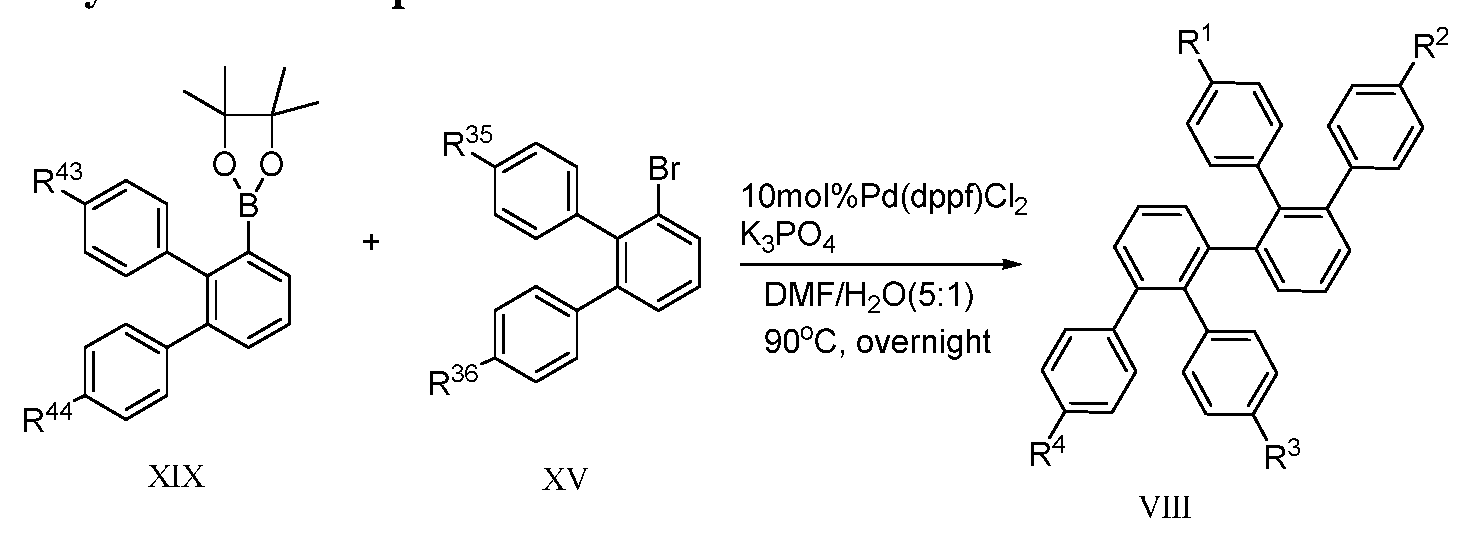
In some examples, R1, R2, R3, R4, R35, R36, R43 and R44 are independently hydrogen, halogen, hydroxyl, cyano, nitro, substituted or unsubstituted C1-C40 alkyl, substituted or unsubstituted C2-C40 alkenyl, substituted or unsubstituted C2-C40 alkynyl, substituted or
unsubstituted C3-C40 aryl, substituted or unsubstituted C3-C40 cycloalkyl, substituted or unsubstituted C3-C40 cycloalkenyl, substituted or unsubstituted C1-C40 acyl, substituted or unsubstituted C1-C40 alkoxy, P(0)(ORa)2, SRa, S(0)2Ra, SiRaRbRc, or NRaRb; and Ra, Rb, and Rc, are independently hydrogen, halogen, hydroxyl, cyano, nitro, substituted or unsubstituted C1-C40 alkyl, substituted or unsubstituted C2-C40 alkenyl, substituted or unsubstituted C2-C40 alkynyl, substituted or unsubstituted C3-C40 aryl, substituted or unsubstituted C3-C40 cycloalkyl, substituted or unsubstituted C3-C40 cycloalkenyl, substituted or unsubstituted C1-C40 acyl, or substituted or unsubstituted C1-C40 alkoxy. In some examples, R1, R2, R3, R4, R35, R36, R43 and R44 are independently substituted or unsubstituted C1-C20 alkyl. In some examples, R1, R2, R3, R4, R35, R36, R43 and R44 are independently unsubstituted C1-C10 alkyl. In some examples, R1, R2, R3, R4, R35, R36, R43 and R44 are the same. In some examples, R1, R2, R3, R4, R35, R36, R43 and R44 are each C4H9.
In some examples, the method of making the compound of Formula IX can comprise performing a Suzuki-Miyaura cross coupling reaction between an aryl bromide of Formula XVI and an aryl boronate ester of Formula XIX, for example as shown in Scheme 13.
Scheme 13. Synthesis of compounds of Formula IX.

In some examples, the methods of making the compound of Formula X can comprise performing a Suzuki-Miyaura cross coupling reaction between an aryl bromide of Formula XV and an aryl boronate ester of Formula XXI, for example as shown in Scheme 14.
Scheme 14. S

x In some examples, the dotted lines to R15, R16, R47, R48, between the carbons within the ring to which R15 and R16 are bonded, and between the carbons within the ring to which R47 and R48 are bonded, independently indicate that the bond can be a single bond or a double bond, as valence permits; R11, R12, R13, R14, R15, R16, R35, R36, R47, and R48 are independently hydrogen, halogen, hydroxyl, cyano, nitro, substituted or unsubstituted C1-C40 alkyl, substituted or unsubstituted C2-C40 alkenyl, substituted or unsubstituted C2-C40 alkynyl, substituted or unsubstituted C3-C40 aryl, substituted or unsubstituted C3-C40 cycloalkyl, substituted or unsubstituted C3-C40 cycloalkenyl, substituted or unsubstituted C1-C40 acyl, substituted or unsubstituted C1-C40 alkoxy, P(0)(ORa)2, SRa, S(0)2Ra, SiRaRbRc, or NRaRb, or wherein, as valence permits, R47 and R48, and/or R15 and R16, together with the atoms to which they are attached, form a 3-10 membered substituted or unsubstituted cyclic moiety optionally including from 1 to 3 heteroatoms; and Ra, Rb, and Rc are independently hydrogen, halogen, hydroxyl, cyano, nitro, substituted or unsubstituted C1-C40 alkyl, substituted or unsubstituted C2-C40
alkenyl, substituted or unsubstituted C2-C40 alkynyl, substituted or unsubstituted C3-C40 aryl, substituted or unsubstituted C3-C40 cycloalkyl, substituted or unsubstituted C3-C40 cycloalkenyl, substituted or unsubstituted C1-C40 acyl, or substituted or unsubstituted C1-C40 alkoxy. In some examples, R11, R12, R13, R14, R35, and R36 are independently substituted or unsubstituted C1-C20 alkyl. In some examples, R11, R12, R13, R14, R35 and R36 are the same. In some examples, R15, R16, R47, and R48 are independently hydrogen, halogen, hydroxyl, substituted or unsubstituted C1-C20 alkyl, substituted or unsubstituted C1-C20 acyl, or wherein, as valence permits, R15 and R16, and/or R47, and R48, together with the atoms to which they are attached, form a 3-10 membered substituted or unsubstituted cyclic moiety optionally including from 1 to 3 heteroatoms. In some examples, R15, R16, R47, and R48 are independently hydrogen or unsubstituted C1-C5 acyl. In some examples of, R15, R16, R47, and R48 are the same. In some examples, R15 and R16, and/or R47, and R48 together with the atoms to which they are attached, form a 5-10 membered substituted or unsubstituted cyclic moiety optionally including from 1 to 3 heteroatoms.
In some examples, the methods of making the compound of Formula X can comprise performing a Suzuki-Miyaura cross coupling reaction between an aryl bromide of Formula XVIII and an aryl boronate ester of Formula XIX, for example as shown in Scheme 15.
Scheme 15. Synthesis of compounds of Formula X.

x
In some examples, the dotted lines to R15, R16, R41, R42, between the carbons within the ring to which R15 and R16 are bonded, and between the carbons within the ring to which R41 and R42 are bonded, independently indicate that the bond can be a single bond or a double bond, as valence permits; R11, R12, R13, R14, R15, R16, R41, R42, R43, and R44 are independently hydrogen, halogen, hydroxyl, cyano, nitro, substituted or unsubstituted C1-C40 alkyl, substituted or
unsubstituted C2-C40 alkenyl, substituted or unsubstituted C2-C40 alkynyl, substituted or unsubstituted C3-C40 aryl, substituted or unsubstituted C3-C40 cycloalkyl, substituted or unsubstituted C3-C40 cycloalkenyl, substituted or unsubstituted C1-C40 acyl, substituted or unsubstituted C1-C40 alkoxy, P(0)(ORa)2, SRa, S(0)2Ra, SiRaRbRc, or NRaRb, or wherein, as valence permits, R15 and R16 and/or R41 and R42, together with the atoms to which they are attached, form a 3-10 membered substituted or unsubstituted cyclic moiety optionally including from 1 to 3 heteroatoms; and Ra, Rb, and Rc are independently hydrogen, halogen, hydroxyl, cyano, nitro, substituted or unsubstituted C1-C40 alkyl, substituted or unsubstituted C2-C40 alkenyl, substituted or unsubstituted C2-C40 alkynyl, substituted or unsubstituted C3-C40 aryl, substituted or unsubstituted C3-C40 cycloalkyl, substituted or unsubstituted C3-C40 cycloalkenyl, substituted or unsubstituted C1-C40 acyl, or substituted or unsubstituted C1-C40 alkoxy. In some examples, R11, R12, R13, R14, R43, and R44 are independently substituted or unsubstituted C1-C20 alkyl. In some examples, R11, R12, R13, R14, R43 and R44 are the same. In some examples, R15, R16, R41, and R42 are independently hydrogen, halogen, hydroxyl, substituted or unsubstituted C1-C20 alkyl, substituted or unsubstituted C1-C20 acyl, or wherein, as valence permits, R15 and R16, and/or R41, and R42, together with the atoms to which they are attached, form a 3-10 membered substituted or unsubstituted cyclic moiety optionally including from 1 to 3 heteroatoms. In some examples, R15, R16, R41, and R42 are independently hydrogen or unsubstituted C1-C5 acyl. In some examples of, R15, R16, R41, and R42 are the same. In some examples, R15 and R16, and/or R41, and R42 together with the atoms to which they are attached, form a 5-10 membered substituted or unsubstituted cyclic moiety optionally including from 1 to 3 heteroatoms.
In some examples, the methods of making the compound of Formula XI can comprise performing a Suzuki-Miyaura cross coupling reaction between an aryl bromide of Formula XVII and an aryl boronate ester of Formula XXI, for example as shown in Scheme 16.
Scheme 16. Synthesis of compounds of Formula XI.

XXI XVTT XT
In some examples, the dotted lines to R21, R22, R47, R48, between the carbons within the ring to which R21 and R22 are bonded, and between the carbons within the ring to which R47 and R48 are bonded, independently indicate that the bond can be a single bond or a double bond, as valence permits; R17, R18, R19, R20, R21, R22, R39, R40, R47, and R48 are independently hydrogen, halogen, hydroxyl, cyano, nitro, substituted or unsubstituted C1-C40 alkyl, substituted or unsubstituted C2-C40 alkenyl, substituted or unsubstituted C2-C40 alkynyl, substituted or unsubstituted C3-C40 aryl, substituted or unsubstituted C3-C40 cycloalkyl, substituted or unsubstituted C3-C40 cycloalkenyl, substituted or unsubstituted C1-C40 acyl, substituted or unsubstituted C1-C40 alkoxy, P(0)(ORa)2, SRa, S(0)2Ra, SiRaRbRc, or NRaRb, or wherein, as valence permits, R21 and R22 and/or R47 and R48, together with the atoms to which they are attached, form a 3-10 membered substituted or unsubstituted cyclic moiety optionally including from 1 to 3 heteroatoms; and Ra, Rb, and Rc are independently hydrogen, halogen, hydroxyl, cyano, nitro, substituted or unsubstituted C1-C40 alkyl, substituted or unsubstituted C2-C40 alkenyl, substituted or unsubstituted C2-C40 alkynyl, substituted or unsubstituted C3-C40 aryl, substituted or unsubstituted C3-C40 cycloalkyl, substituted or unsubstituted C3-C40 cycloalkenyl, substituted or unsubstituted C1-C40 acyl, or substituted or unsubstituted C1-C40 alkoxy. In some examples, R17, R18, R19, R20, R39, and R40 are independently substituted or unsubstituted C1-C20 alkyl. In some examples, R17, R18, R19, R20, R39, and R40 are the same. In some examples, R21, R22, R47, and R48 are independently hydrogen, halogen, hydroxyl, substituted or unsubstituted C1-C20 alkyl, substituted or unsubstituted C1-C20 acyl, or wherein, as valence permits, R21 and R22 and/or R47 and R48, together with the atoms to which they are attached, form a 3-10 membered substituted or unsubstituted cyclic moiety optionally including from 1 to 3 heteroatoms. In some examples, R21, R22, R47, and R48 are independently hydrogen or
unsubstituted C1-C5 acyl. In some examples, R21, R22, R47, and R48 are the same. In some examples, R21 and R22 and/or R47 and R48 together with the atoms to which they are attached, form a 5-10 membered substituted or unsubstituted cyclic moiety optionally including from 1 to 3 heteroatoms.
In some examples, the methods of making the compound of Formula XII can comprise performing a Suzuki-Miyaura cross coupling reaction between bromide compound of Formula XXII and itself, as the compound of Formula XXII is both an aryl bromide and an aryl boronate ester, for example as shown in Scheme 17. Scheme 17. Synthesis of compounds of Formula XII.

In some examples, R23, R24, R25, R26, R49 and R50 are hydrogen, halogen, hydroxyl, cyano, nitro, substituted or unsubstituted C1-C40 alkyl, substituted or unsubstituted C2-C40 alkenyl, substituted or unsubstituted C2-C40 alkynyl, substituted or unsubstituted C3-C40 aryl, substituted or unsubstituted C3-C40 cycloalkyl, substituted or unsubstituted C3-C40 cycloalkenyl, substituted or unsubstituted C1-C40 acyl, substituted or unsubstituted C1-C40 alkoxy, P(0)(ORa)2, SRa, S(0)2Ra, SiRaRbRc, or NRaRb; and Ra, Rb, and Rc, are independently hydrogen, halogen, hydroxyl, cyano, nitro, substituted or unsubstituted C1-C40 alkyl, substituted or unsubstituted C2- C40 alkenyl, substituted or unsubstituted C2-C40 alkynyl, substituted or unsubstituted C3-C40 aryl, substituted or unsubstituted C3-C40 cycloalkyl, substituted or unsubstituted C3-C40 cycloalkenyl, substituted or unsubstituted C1-C40 acyl, or substituted or unsubstituted C1-C40 alkoxy. In some examples, R23, R24, R25, R26, R49 and R50 are independently substituted or unsubstituted C1-C20 alkyl. In some examples, R23, R24, R25, R26, R49 and R50 are independently unsubstituted C2-C15 alkyl. In some examples, R23, R24, R25, R26, R49 and R50 are the same. In some examples, R23, R24, R25, R26, R49 and R50 are each C10H21.
In some examples, the methods of making the compound of Formula XIII can comprise performing a Suzuki-Miyaura cross coupling reaction between an aryl bromide of Formula XVI and an aryl boronate ester of Formula XXI, for example as shown in Scheme 18.
Scheme 18. Synthesis of compounds of Formula XIII.

In some examples, the dotted lines to R29, R30, R47, R48, between the carbons within the ring to which R29 and R30 are bonded, and between the carbons within the ring to which R47 and R48 are bonded, independently indicate that the bond can be a single bond or a double bond, as valence permits; R27, R28, R29, R30, R37, R38, R47, and R48 are independently hydrogen, halogen, hydroxyl, cyano, nitro, substituted or unsubstituted C1-C40 alkyl, substituted or unsubstituted C2- C40 alkenyl, substituted or unsubstituted C2-C40 alkynyl, substituted or unsubstituted C3-C40 aryl, substituted or unsubstituted C3-C40 cycloalkyl, substituted or unsubstituted C3-C40 cycloalkenyl, substituted or unsubstituted C1-C40 acyl, substituted or unsubstituted C1-C40 alkoxy, P(0)(ORa)2, SRa, S(0)2Ra, SiRaRbRc, or NRaRb, or wherein, as valence permits, R29 and R30 and/or R47 and R48, together with the atoms to which they are attached, form a 3-10 membered substituted or unsubstituted cyclic moiety optionally including from 1 to 3 heteroatoms; and Ra, Rb, and Rc are independently hydrogen, halogen, hydroxyl, cyano, nitro, substituted or unsubstituted C1-C40 alkyl, substituted or unsubstituted C2-C40 alkenyl, substituted or unsubstituted C2-C40 alkynyl, substituted or unsubstituted C3-C40 aryl, substituted or unsubstituted C3-C40 cycloalkyl, substituted or unsubstituted C3-C40 cycloalkenyl, substituted or unsubstituted C1-C40 acyl, or substituted or unsubstituted C1-C40 alkoxy. In some examples, R27, R28, R37, and R38 are independently substituted or unsubstituted C1-C20 alkyl. In some examples, R27, R28, R37, and R38 are the same. In some examples, R29, R30, R47, and R48 are independently hydrogen, halogen, hydroxyl, substituted or unsubstituted C1-C20 alkyl, substituted or unsubstituted C1-C20 acyl, or wherein, as valence permits, R29 and R30 and/or R47 and R48, together with the atoms to which
they are attached, form a 3-10 membered substituted or unsubstituted cyclic moiety optionally including from 1 to 3 heteroatoms. In some examples, R29, R30, R47, and R48 are independently hydrogen or unsubstituted C1-C5 acyl. In some examples, R29, R30, R47, and R48 are the same. In some examples, R29 and R30 and/or R47 and R48 together with the atoms to which they are attached, form a 5-10 membered substituted or unsubstituted cyclic moiety optionally including from 1 to 3 heteroatoms.
In some examples, the methods of making the compound of Formula XIII can comprise performing a Suzuki-Miyaura cross coupling reaction between an aryl bromide of Formula XVIII and an aryl boronate ester of Formula XX, for example as shown in Scheme 19.
Scheme 19. Synthesis of compounds of Formula XIII.

xx
In some examples, the dotted lines to R29, R30, R41, R42, between the carbons within the ring to which R29 and R30 are bonded, and between the carbons within the ring to which R41 and R42 are bonded, independently indicate that the bond can be a single bond or a double bond, as valence permits; R27, R28, R29, R30, R41, R42, R45, and R46 are independently hydrogen, halogen, hydroxyl, cyano, nitro, substituted or unsubstituted C1-C40 alkyl, substituted or unsubstituted C2- C40 alkenyl, substituted or unsubstituted C2-C40 alkynyl, substituted or unsubstituted C3-C40 aryl, substituted or unsubstituted C3-C40 cycloalkyl, substituted or unsubstituted C3-C40 cycloalkenyl, substituted or unsubstituted C1-C40 acyl, substituted or unsubstituted C1-C40 alkoxy, P(0)(ORa)2, SRa, S(0)2Ra, SiRaRbRc, or NRaRb, or wherein, as valence permits, R29 and R30 and/or R41 and R42, together with the atoms to which they are attached, form a 3-10 membered substituted or unsubstituted cyclic moiety optionally including from 1 to 3 heteroatoms; and Ra, Rb, and Rc are independently hydrogen, halogen, hydroxyl, cyano, nitro, substituted or unsubstituted C1-C40 alkyl, substituted or unsubstituted C2-C40 alkenyl, substituted or unsubstituted C2-C40 alkynyl, substituted or unsubstituted C3-C40 aryl, substituted or unsubstituted C3-C40 cycloalkyl,
substituted or unsubstituted C3-C40 cycloalkenyl, substituted or unsubstituted C1-C40 acyl, or substituted or unsubstituted C1-C40 alkoxy. In some examples, R27, R28, R45, and R46 are independently substituted or unsubstituted C1-C20 alkyl. In some examples, R27, R28, R45, and R46 are the same. In some examples, R29, R30, R41, and R42 are independently hydrogen, halogen, hydroxyl, substituted or unsubstituted C1-C20 alkyl, substituted or unsubstituted C1-C20 acyl, or wherein, as valence permits, R29 and R30 and/or R41 and R42, together with the atoms to which they are attached, form a 3-10 membered substituted or unsubstituted cyclic moiety optionally including from 1 to 3 heteroatoms. In some examples, R29, R30, R41, and R42 are independently hydrogen or unsubstituted C1-C5 acyl. In some examples, R29, R30, R41, and R42 are the same. In some examples, R29 and R30 and/or R41 and R42 together with the atoms to which they are attached, form a 5-10 membered substituted or unsubstituted cyclic moiety optionally including from 1 to 3 heteroatoms.
In some examples, the methods of making the compound of Formula XIV can comprise performing a Suzuki-Miyaura cross coupling reaction between an aryl bromide of Formula XVII and an aryl boronate ester of Formula XXI, for example as shown in Scheme 20.
Scheme 20. Synthesis of compounds of Formula XIV.

XXI
XTV
In some examples, the dotted lines to R33, R34, R47, R48, between the carbons within the ring to which R33 and R34 are bonded, and between the carbons within the ring to which R47 and R48 are bonded, independently indicate that the bond can be a single bond or a double bond, as valence permits; R31, R32, R33, R34, R39, R40, R47, and R48 are independently hydrogen, halogen, hydroxyl, cyano, nitro, substituted or unsubstituted C1-C40 alkyl, substituted or unsubstituted C2- C40 alkenyl, substituted or unsubstituted C2-C40 alkynyl, substituted or unsubstituted C3-C40 aryl, substituted or unsubstituted C3-C40 cycloalkyl, substituted or unsubstituted C3-C40 cycloalkenyl,
substituted or unsubstituted C1-C40 acyl, substituted or unsubstituted C1-C40 alkoxy, P(0)(ORa)2, SRa, S(0)2Ra, SiRaRbRc, or NRaRb, or wherein, as valence permits, R33 and R34 and/or R47 and R48, together with the atoms to which they are attached, form a 3-10 membered substituted or unsubstituted cyclic moiety optionally including from 1 to 3 heteroatoms; and Ra, Rb, and Rc are independently hydrogen, halogen, hydroxyl, cyano, nitro, substituted or unsubstituted C1-C40 alkyl, substituted or unsubstituted C2-C40 alkenyl, substituted or unsubstituted C2-C40 alkynyl, substituted or unsubstituted C3-C40 aryl, substituted or unsubstituted C3-C40 cycloalkyl, substituted or unsubstituted C3-C40 cycloalkenyl, substituted or unsubstituted C1-C40 acyl, or substituted or unsubstituted C1-C40 alkoxy. In some examples, R31, R32, R39, and R40 are independently substituted or unsubstituted C1-C20 alkyl. In some examples, R31, R32, R39, and R4C are the same. In some examples, R33, R34, R47, and R48 are independently hydrogen, halogen, hydroxyl, substituted or unsubstituted C1-C20 alkyl, substituted or unsubstituted C1-C20 acyl, or wherein, as valence permits, R33 and R34 and/or R47 and R48, together with the atoms to which they are attached, form a 3-10 membered substituted or unsubstituted cyclic moiety optionally including from 1 to 3 heteroatoms. In some examples, R33, R34, R47, and R48 are independently hydrogen or unsubstituted C1-C5 acyl. In some examples, R33, R34, R47, and R48 are the same. In some examples, R33 and R34 and/or R47 and R48 together with the atoms to which they are attached, form a 5-10 membered substituted or unsubstituted cyclic moiety optionally including from 1 to 3 heteroatoms.
In some examples, the methods of making the compounds of Formulas VIII-XIV can comprise performing a Suzuki Miyaura coupling reaction between an aryl bromide and an aryl boronate ester, followed by a cyclodehydrogenation.
Methods of Use
Also provided herein are methods of use of the compounds described herein. Graphitic compounds, such as the compounds described herein, can be of interest to the semiconductor industry and can have applications in nanoelectronic devices and chemical and biological sensors. For example, the compounds described herein can be used as conductors in, for example, transistors, solar cells, and light emitting diodes (LEDs). Such devices can be fabricated by methods known in the art. For example, the device can be transistors, solar cells, LEDs, and chemical and biological sensors.
In some examples, the compounds disclosed herein can be used in various articles of manufacture including electronic devices, optical devices, and optoelectronic devices, such as
field effect transistors (e.g., thin film transistors), photovoltaics, organic light emitting diodes (OLEDs), complementary inverters, D flip-flops, rectifiers, and ring oscillators.
Also disclosed herein are methods of preparing a semiconductor material exhibiting a well-defined electronic band gap that can be tailored to specific applications by the choice of molecular precursor. The methods can include preparing a composition that includes one or more of the compounds of the invention disclosed herein dissolved or dispersed in a liquid medium such as a solvent or a mixture of solvents, depositing the composition on a substrate to provide a semiconductor material precursor, and processing (e.g., heating) the semiconductor precursor to provide a semiconductor material (e.g., a thin film semiconductor) that includes one or more of the compounds disclosed herein. In some examples, the liquid medium can be an organic solvent, an inorganic solvent such as water, or combinations thereof. In some examples, the composition can further include one or more additives independently selected from detergents, dispersants, binding agents, compatibilizing agents, curing agents, initiators, humectants, antifoaming agents, wetting agents, pH modifiers, biocides, and bacteriostats. For example, surfactants and/or polymers (e.g., polystyrene, polyethylene, poly-alpha-methylstyrene, polyisobutene, polypropylene, polymethylmethacrylate, and the like) can be included as a dispersant, a binding agent, a compatibilizing agent, and/or an antifoaming agent. In some examples, the depositing step can be carried out by printing, including inkjet printing and various contact printing techniques (e.g., screen-printing, gravure printing, offset printing, pad printing, lithographic printing, flexographic printing, and microcontact printing). In other embodiments, the depositing step can be carried out by spin coating, drop-casting, zone casting, dip coating, blade coating, spraying or vacuum filtration.
Also disclosed herein are articles of manufacture such as the various devices described herein that include a composite having a semiconductor material comprising any of the compounds described herein and a substrate component and/or a dielectric component. The substrate component can, for example, be selected from doped silicon, an indium tin oxide (ITO), ITO- coated glass, ITO-coated polyimide or other plastics, aluminum or other metals alone or coated on a polymer or other substrate, a doped polythiophene, and the like. The dielectric component can be prepared, for example, from inorganic dielectric materials such as various oxides (e.g., S1O2, AI2O3, HfC ), organic dielectric materials such as various polymeric materials (e.g., polycarbonate, polyester, polystyrene, polyhaloethylene, polyacrylate), and self- assembled superlattice/self-assembled nanodielectric (SAS/SAND) materials (e.g., described in Yoon, M-H. et al., PNAS, 102 (13): 4678-4682 (2005)), as well as hybrid organic/inorganic
dielectric materials (e.g., described in US 2007/0181961 Al). The composite also can include one or more electrical contacts. Suitable materials for the source, drain, and gate electrodes include metals (e.g., Au, Al, Ni, Cu), transparent conducting oxides (e.g., ITO, IZO, ZITO, GZO, GIO, GITO), and conducting polymers (e.g., poly(3,4-ethylenedioxythiophene) poly(styrene- sulfonate) (PEDOT:PSS), polyaniline (PANI), polypyrrole (PPy). One or more of the composites described herein can be embodied within various organic electronic, optical, and optoelectronic devices such as organic thin film transistors (OTFTs), such as, organic field effect transistors (OFETs), as well as sensors, capacitors, unipolar circuits, complementary circuits (e.g., inverter circuits), and the like.
Other articles of manufacture, in which the compounds described herein can be used, can include, for example, photovoltaics and/or solar cells. The compounds described herein can, in some example, exhibit broad optical absorption, which can make them desirable for such applications.
Also disclosed herein are methods of fabricating an organic field effect transistor (OFET) that incorporates a semiconductor material comprising any of the compounds described herein. The semiconductor materials described herein can be used to fabricate various types of organic field effect transistors including top-gate top-contact capacitor structures, top-gate bottom- contact capacitor structures, bottom-gate top- contact capacitor structures, and bottom-gate bottom-contact capacitor structures.
In certain embodiments, OTFT devices can be fabricated with the compounds described herein on doped silicon substrates, using S1O2 as the dielectric, in top-contact geometries. In some examples, the active semiconductor layer which incorporates at least a compound described herein can be deposited at room temperature or at an elevated temperature. In some examples, the active semiconductor layer which incorporates at least a compound described herein can be applied by spin-coating or printing. For top-contact devices, metallic contacts can be patterned on top of the films using shadow masks, electron beam lithography and lift-off techniques, or other suitable structuring methods that are within the knowledge of a skilled artisan.
EXAMPLES
The following examples are set forth to illustrate the methods and results according to the disclosed subject matter. These examples are not intended to be inclusive of all aspects of the subject matter disclosed herein, but rather to illustrate representative methods and results. These
examples are not intended to exclude equivalents and variations which are apparent to one skilled in the art.
Efforts have been made to ensure accuracy with respect to numbers (e. g., amounts, temperature, etc.) but some errors and deviations should be accounted for. Unless indicated otherwise, parts are parts by weight, temperature is in °C or is at ambient temperature, and pressure is at or near atmospheric. There are numerous variations and combinations of reaction conditions, e.g. , component concentrations, temperatures, pressures and other reaction ranges and conditions that can be used to optimize the product purity and yield obtained from the described process. Only reasonable and routine experimentation will be required to optimize such process conditions.
Example 1
1,4-Dibromo-substituted aryl compounds can be synthesized via [4+2] cycloaddition (Scheme 21), [4+2] cycloaddition followed by bromodesilylation (Scheme 22), or a silylation reaction followed by Suzuki coupling and bromodesilylation (Scheme 23).
Scheme 21. Synthesis of dibromo substituted aryl compounds via [4+2] cycloaddition.
 aryl group
Scheme 22. Synthesis of dibromo substituted aryl compounds via [4+2] cycloaddition and bromodesilylation.

Scheme 23. Synthesis of dibromo substituted aryl compounds via a silylation reaction, Suzuki coupling, and bromodesilylation.

aldrich
A Yamamoto polycondensation reaction using an "AA-type monomer" was performed with a Ni(0) catalyst, as shown in Scheme 24. The Yamamoto polycondensation resulted in low molecular weight "oligomers" instead of high molecular weight polymers (e.g., graphene nanoribbon precursors).
Scheme 24. Yamamoto polycondensation of an AA-type monomer.

AA/BB-type Suzuki-Miyaura cross coupling (e.g., polycondensation) reactions are sensitive to stoichiometry, whereas AB-type Suzuki-Miyaura cross coupling reactions are not. Therefore, Suzuki-Miyaura cross coupling reactions can facilitate the chain growth mechanism and allow for the production of high molecular weight polymers (e.g., graphene nanoribbon precursors). As will be described in more detail below, "AB-type bifunctional monomers" can be synthesized and used to form precursors to graphene nanoribbons, as summarized in Scheme 25. The precursors shown in Scheme 25 can then undergo dehydrogenation to form the graphene nanoribbons (Scheme 26).
Scheme 25. Suzuki-Miyuara polycondensation of an AB-type monomer.

Scheme 26. Synthesis of graphene nanoribbons from precursors.

(2,3-dibromophenyl)trimethylsilane and (2,3-dibromo-l,4-phenylene)bis(trimethylsilane) were synthesized known procedures (Diemer V et al. Eur. J. Org. Chem. 2011, 327-340).
(2,3-dibromophenyl)trimethylsilane (2.6 g, 8.5 mmol), 4-nButylphenylboronic acid (4.54 g, 25.5 mmol, 3 equiv.), K3PO4 (11.73 g, 51 mmol, 6 equiv.) and [Ι,Γ- bis(diphenylphosphino)ferrocene]dichloropalladium(II) complex with dichloromethane (528 mg, 0.65 mmol, 7.6 mol%) were mixed in a solution of dimethylformamide (DMF) (15 mL) and water (3 mL). The mixture was degassed by freeze-pumping three times. Then, the mixture was heated to 90°C and stirred overnight. The black mixture was then cooled to room temperature, and 100 mL of ethyl acetate (EtOAc) and 100 mL of water were added. The aqueous phase was extracted by ether (3x50 mL). The combined organic phase was washed with brine and water, and dried over MgSC . After the solvents were removed by rotary evaporation, the residue was purified by silica gel chromatography using hexanes as the eluent, affording compound 1 as a colorless oil (1.71 g, 49%). ¾ NMR (CDCb, 400 MHz): 7.62 (m, 1H, Ar-H), 7.39(m, 2Η, Ar- FT), 6.97-6.91 (m, 8Η, Ar-H), 2.53 (m, 4Η, CH2), 1.52 (m, 4Η, CH2), 1.28 (m, 4Η, CH2), 0.89
(m, 6Η, CH3), -0.04 (s, 9Η, S1-CH5) ppm. 13C NMR (CDCb, 101 MHz): 147.15, 141.29, 141.01, 140.33, 139.30, 133.49, 130.80, 130.72, 129.70, 127.30, 127.16, 126.42, 35.22, 35.17, 33.60, 33.45, 22.28, 21.95, 13.97, 0.68 ppm. Rf: 0.39 (hexane). HRMS (CI) for C29H38S1 [M+]:
414.2743. Found: 414.2741. FTIR (KBr, cm 1): 3047.51, 3021.59, 2955.49, 2928.66, 2857.78, 1512.13, 1465.30, 1400.56, 1247.05, 856.61, 836.30, 797.18, 763.31686.66.
Scheme 27. Synthesis of compound 1.

1
Bromine (0.576 g, 3.62 mmol) was added dropwise to a solution of compound 1 (1 g, 2.4 mmol) in 5 mL of methanol and 5 mL of dichloromethane (DCM). The mixture was stirred at room temperature overnight (12.5 hours). The reaction was quenched by the addition of a saturated aqueous sodium sulfite solution and DCM (100 mL). The aqueous phase was extracted by DCM (3x50 mL). The combined organic phase was washed with brine and water, and dried over MgSCU. After the solvents were removed by rotary evaporation, the residue was purified by silica gel chromatography using hexanes as the eluent, affording a compound of Formula XV-a
as a colorless oil (0.85 g, 87.5%). ¾ NMR (CDCb, 400 MHz): 7.66 (m, 1H, Ar-H), 7.36(m, 1Η, Ar-H), 7.21 (m, 1Η, Ar-H), 7.09-6.89 (m, 8Η, Ar-H), 2.55 (m, 4Η, CH2), 1.54 (m, 4Η, CH2), 1.29 (m, 4Η, CH2), 0.91 (m, 6Η, CHj) ppm. 13C NMR (CDCb, 101 MHz): 143.73, 141.42, 141.19, 141.06, 138.31, 137.32, 131.53, 130.35, 129.40, 129.16, 128.39, 127.54, 127.51, 124.67, 35.27, 35.14, 33.40, 33.33, 22.21, 22.08, 13.97, 13.93 ppm. Rf: 0.49 (hexane). ESI-MS(CI)
Calcd. for C26H29 81Br [M]+: 422.1432. Found: 422.1445. FTIR (KBr, cm 1): 3048.43, 3022.99, 2955.58, 2928.24, 2870.51, 2857.36, 1549.09, 1514.61, 1465.01, 1444.24, 1404.22, 1377.52, 1186.30, 1136.63, 1115.17, 1033.68, 836.04, 786.21, 752.87. Scheme 28. Synthesis of a compound of Formula XV-a.

XV-a
To a solution of the compound of Formula XV-a in 15 mL of THF at -78°C, BuLi (0.93 mL, 1.1 equiv., 2.5 M) was added dropwise. The yellow solution was stirred at -78°C for 1 hour. 2-isopropoxy-4,4,5,5-tetramethyl- l,3,2-dioxaborolane (449 mg, 2.4 mmol) in 2 mL of THF was added dropwise into the solution. The solution was warmed to room temperature for 3 hours. After that, the reaction was quenched by the addition of 100 mL of water. The aqueous phase was extracted by DCM (3x50 mL). The combined organic phase was washed with water and brine, and dried over MgS04. After the solvents were removed by rotary evaporation, the residue was purified by silica gel chromatography using DCM:hexanes (1 :9) as the eluent, affording a compound of Formula ΧΙΧ-a as a colorless oil (0.75 g, 76.3 %). ¾ NMR (CDCb, 400 MHz): 7.61 (dd, 1H, Ar-H), 7.43-7.35 (m, 2Η, Ar-H), 6.98-6.94(m, 8Η, Ar-H), 2.54 (m, 4Η, CH2), 1.55 (m, 4Η, CH2), 1.13 (s, 12Η, CHj), 0.90 (m, 6Η, CH ppm. 13C NMR (CDCb, 101 MHz):
145.23, 140.63, 140.52, 140.49, 139.44, 139.08, 132.32, 131.80, 130.32, 129.69, 127.50, 127.29,
126.45, 83.52, 35.26, 35.21 , 33.76, 33.46, 24.53, 22.30, 22.02, 13.97, 13.96 ppm. Rf: 0.13 (DCM/Hexane: l/4). ESI-MS(EI) Calcd for C32H4i 11B02 [M]+: 468.3200. Found: 468.3204. FTIR (KBr, cm 1): 3047.10, 3020.59, 2976.03, 2956.43, 2928.84, 2871.12, 2857.80, 1581.94, 1512.41, 1465.86, 1433.71, 1354.97, 1308.62, 1164.87, 1147.74, 1048.35, 963.34, 832.35,
764.46, 681.97.
Scheme 29. Synthesis of a compound of Formula XlX-a.

The compound of Formula XV-a (210 mg, 0.5 mmol), the compound of Formula XlX-a (280 mg, 0.6 mmol), Κ3Ρ04· Η20 (234 mg, 1.2 mmol, 2.4 equiv.) and [1, 1 '- bis(diphenylphosphino)ferrocene]dichloropalladium(II) complex with dichloromethane (49 mg, 0.06 mmol) were mixed in a solution of DMF (3 mL) and few drops of water. The mixture was degassed by freeze-pumping three times. The orange mixture was heated to 90°C and stirred overnight. After that, the black mixture was cooled to room temperature, and 50 mL of EtOAc and 50 mL of water were added. The aqueous phase was extracted by ether (3x50 mL). The combined organic phase was washed with brine and water, and dried over anhydrous magnesium sulfate. After the solvents were removed by rotary evaporation, the residue was purified by silica gel chromatography using hexanes as the eluent, affording the compound of Formula VHI-a as a white solid (0.276 g, 67.4%). ¾ NMR (CD2CI2, 400 MHz): δ 7.24 (s, 6H, Ar-H), 6.91-6.84 (m, 8Η, Ar-H), 6.70 (br, 8Η, Ar-H), 2.48 (m, 8Η, CH2), 1.49 (m, 8Η, CH2), 1.25 (m, 8Η, CH2), 0.89 (m, 12Η, CHi) ppm. 13C NMR (CDC13, 101 MHz): δ 141.60, 141.45, 140.23, 139.67, 139.56, 139.40, 136.20, 131.63, 130.77, 129.66, 129.01, 127.32, 126.63, 125.87, 35.14, 35.08, 33.53, 33.45, 22.20, 21.82, 13.98, 13.94 ppm. Rf: 0.1 (hexane). HR-MS(CI) Calcd. for C52H58 [M]+: 682.4539. Found: 682.4526. FTIR (KBr, cm 1): 3049.78, 3022.97, 2955.61, 2927.87, 2870.77, 2857.38, 1513.76, 1456.39, 1445.82, 834.22, 802.54, 759.63.
Scheme 30. Synthesis of compound of Formula VIII -a.

XIX-a XV-a Vlll-a
Two methods for the cyclodehydrogenation of the compound of Formula VHI-a to form the compound of Formula I-a are shown in Scheme 31 and described below.
Method 1 : The compound of Formula VHI-a (34 mg, 0.05 mmol) was dissolved in 100 mL of dichloromethane. The colorless solution was degassed by bubbling with argon for 20 minutes. Then, ferric chloride (454 mg, 2.8 mmol, 7 eqv./H) in 2.0 mL of nitromethane was added dropwise and the resulting black solution was stirred for 24 hours with continuous bubbling of argon. After that, an excess amount of methanol was added, and the black solid was filtered and washed with water and methanol. After drying under vacuum, a brown black solid was obtained in 98% yield (33.0 mg).
Method 2: The compound of Formula VHI-a (13.6 mg, 0.02 mmol) was dissolved in 10 mL of dry dichloromethane under argon. The colorless solution was cooled to 0°C and 0.5 mL of CF3SO3H was added dropwise. Then, the resulting black solution was stirred for 6 hours. After that, the reaction was quenched by the addition of a saturated aqueous NaHCCb solution. The solution was extracted by dichloromethane (3x50 mL). The organic phase was collected and washed with water and brine, and dried by Na2S04. After removal of solvent by rotary evaporation and drying under vacuum, a brown black solid was obtained in 60% yield (8 mg).
Scheme 31. Synthesis of compound of Formula I-a.

VIII-a I-a
The compound of Formula I-a was characterized by X-ray diffraction and matrix-assisted laser desorption/ionization time-of-flight (MALDI-TOF) mass spectrometry (MS) spectroscopy. The X-ray structure (Figure 1) and MALDI-TOF-MS analysis (Figure 2) revealed that the compounds can be fully dehydrogenated by either FeCb/CfbNC or DDQ/CF3SO3H.
lH NMR (CD2CI2, 400 MHz): 9.21-8.56 (m, 12H, Ar-H), 7.80 (m, 2Η, Ar-H), 3.14-2.96 (m, 8Η, CH2), 1.99- 1.88 (m, 9Η, CH2), 1.27-0.89 (m, 19Η, CH2 and CH3) ppm. FTIR (KBr, cnr
*): 3064.25, 2954.87, 2927.57, 2855.85, 1612.12, 1454.35, 1377.09, 1101.82, 811.54.HR- MS(CI) Calcd. for C52H5o [M]+: 674.3913. Found: 674.3906.
Example 3: Synthesis of Nanographene Trimer
(2,3-dibromophenyl)trimethylsilane (0.76 g, 2 mmol), 4-nButylphenylboronic acid (1.07 g, 6 mmol, 3 equiv.), K3PO4 7H2O (4.06 g, 12 mmol, 6 equiv.) and [l, l '-bis(diphenylphosphino) ferrocene]dichloropalladium(II) complex with dichloromethane (164 mg, 0.2 mmol, 10 mol%) were mixed in a solution of DMF (15 mL). After degassing by freeze-pumping three times, the mixture was heated to 90°C and stirred overnight. After that, the black mixture was cooled to room temperature, and 100 mL of EtOAc and 100 mL of water were added. The aqueous phase was extracted by ether (3x50 mL). The combined organic phase was washed with brine and water, and dried over magnesium sulfate. After the solvents were removed by rotary
evaporation, the residue was purified by silica gel chromatography using hexanes as the eluent, affording compound 4 as a colorless oil (0.93 g, 96 %). ¾ NMR (CDC13, 400 MHz): 7.62 (s, 2H, Ar-H), 6.84(m, 8Η, Ar-H), 2.48 (t, 4Η, CH2), 1.48 (m, 4Η, CH2), 1.23 (m, 4Η, CH2), 0.87 (t, 6Η, CH3), -0.06 (s, 18Η, Si-Cft) ppm. 13C NMR (CDC13, 101 MHz): 147.54, 140.37, 140.00, 139.56, 132.42, 130.72, 126.63, 35.12, 33.53, 21.91 , 13.92, 0.42 ppm. Rf: 0.76 (hexane). HR- MS(CI) Calcd. for C32H46Si2 [M]+: 486.3138. Found: 486.3125. FTIR (KBr, cm 1): 3088.76, 3056.07, 3023.38, 2953.92, 2933.48, 2855.85, 1511.46, 1466.52, 1376.62, 1245.86, 1184.56, 1021.11, 833.14, 665.61.
Scheme 32. Synthesis of compound 4

4
Bromine (0.406 g, 2.56 mmol) was slowly added to a solution of compound 4 (0.414 g, 0.85 mmol) in 5 mL of methanol and 5 mL of DCM in an ice water bath. The mixture was stirred at room temperature overnight (12.5 hours). The reaction was quenched by the addition of a saturated aqueous sodium sulfite solution and dichloromethane (50 mL). The aqueous phase was extracted by DCM (3x50 mL). The combined organic phase was washed with brine and water, and dried over MgS04. After the solvents were removed by rotary evaporation, the
residue was purified by silica gel chromatography using hexanes as the eluent, affording a compound of Formula XVI-a as a white solid (0.309 g, 73%). ¾ NMR (CDCI3, 400 MHz): δ 7.51 (s, 2H, Ar-H), 6.95-6.83 (m, 8Η, Ar-H), 2.50 (t, 4Η, CH2), 1.50 (m, 4Η, CH2), 1.23 (m, 4Η, CH2), 0.88 (t, 6Η, CHj) ppm. 13C NMR (CDCI3, 101 MHz): δ 144.18, 141.47, 137.33, 132.49, 129.64, 127.37, 123.30, 35.22, 33.30, 22.06, 13.95 ppm. Rf: 0.4 (hexane). HR-MS(CI) Calcd. for C26H28 79Br81Br [M]+: 500.0537. Found: 500.0539. FTIR (KBr, cm 1): 3084.68, 3047.90, 3023.38, 2958.00, 2929.40, 2851.76, 1617.71, 1515.55, 1425.65, 1405.22, 1376.62, 1147.79, 1029.28, 1004.77, 837.23, 804.54, 608.40. Scheme 33. Synthesis of a compound of Formula XVI-a.

XVI-a
The compound of Formula XlX-a (351 mg, 0.75 mmol), the compound of Formula XVI- a (149 mg, 0.3 mmol, 2.5 equiv.), K3P04 H20 (345 mg, 1.5 mmol, 5 equiv.) and [1, 1 '- bis(diphenylphosphino) ferrocene]dichloropalladium(II) complex with dichloromethane (24 mg, 0.03 mmol) were mixed in a solution of DMF (3 mL) and water (0.6 mL). The mixture was degassed by freeze-pumping three times. The orange mixture was heated to 90°C and stirred overnight (14 hours). After that, the black mixture was cooled to room temperature, and 50 mL of EtOAc and 50 mL of water were added. The aqueous phase was extracted by ether (3x50 mL). The combined organic phase was washed with brine and water, and dried over anhydrous magnesium sulfate. After the solvents were removed by rotary evaporation, the residue was purified by silica gel chromatography using hexanes as the eluent, affording the compound of Formula IX-a as a white solid (0.238 g, 78%). ¾ NMR (CD2C12, 400 MHz): δ 7.25-7.07 (m, 8H, Ar-H), 6.94-5.99 (m, 24Η, Ar-H), 2.59-2.33(m, 12 Η, CH2), 1.60-1.13(m, 24 Η, CH2), 0.95- 0.83(m, 12Η, CH3) ppm. 13C NMR (CD2C12, 101 MHz) δ 141.97, 141.83, 141.49, 141.34,
140.47, 140.30, 140.20, 140.01, 139.97, 139.84, 139.75, 139.56, 139.40, 139.17, 136.97, 136.83,
136.49, 136.46, 131.93, 131.57, 130.83, 129.79, 129.67, 129.59, 129.37, 128.85, 127.36, 127.29,
126.78, 126.53, 125.81, 125.67, 35.23, 35.06, 34.91 , 33.84, 33.71, 33.54, 33.50, 22.23, 22.04,
21.89, 21.83, 21.78, 13.81, 13.77, 13.69, 13.67 ppm. Rf: 0.4 (DCM/Hexane: l/4) HR-MS(CI) Calcd. for CvsHse [M]+: 1022.6730. Found: 1022.6700. FTIR (KBr, cm 1): 3084.81, 3060.29,
3023.51, 2958.13, 2925.44, 2860.06, 1511.61, 1454.40, 1409.45, 1376.76, 1115.25, 1000.83, 833.30, 804.69, 759.74.
Scheme 34. Synthesis of compound of Formula IX-a.

Two methods for the cyclodehydrogenation of the compound of Formula IX-a to form the compound of Formula Il-a are shown in Scheme 35 and described below.
Method 1: The compound of Formula IX-a (30.5 mg, 0.03 mmol) was dissolved in 100 mL of dichloromethane. The colorless solution was degassed by bubbling with argon for 20 minutes. Then, ferric chloride (544 mg, 3.36 mmol, 7 eqv./H) in 2.0 mL of nitromethane was added dropwise and the resulting black solution was stirred for 24 hours with continuous bubbling of argon. After that, an excess amount of methanol was added and the black solid filtered, and washed with water and methanol. After drying under vacuum, a brown black solid was obtained in 83% yield (25.0 mg, 0.025 mmol).
Method 2: The compound of Formula IX-a (10 mg, 0.01 mmol) was dissolved in 10 mL of dry dichloromethane under argon. The colorless solution was cooled to 0°C, and 0.5 mL of CF3SO3H was added dropwise. Then, the resulting black solution was stirred for 8 hours. After that, the reaction was quenched by the addition of a saturated aqueous NaHCCb solution. The solution was extracted by dichloromethane (3x50 mL). The organic phase was collected and washed with water and brine, and dried by Na2S04. After removal of the solvent by rotary evaporation and drying under vacuum, a brown black solid was obtained in 70% yield (7 mg).
Scheme 35. Synthesis of compound of Formula II -a.

The compound of Formula Il-a was characterized by X-ray diffraction and matrix- assisted laser desorption/ionization time-of-flight (MALDI-TOF) mass spectrometry (MS) spectroscopy. The X-ray structure (Figure 3) and MALDI-TOF-MS analysis (Figure 4) revealed that the compounds can be fully dehydrogenated by either FeCh/CHsNC or DDQ/CF3SO3H. lH NMR (CD2CI2, 400 MHz, 25°C): 9.39 (s, 2H, Ar-H), 9.08 (s, 2Η, Ar-H), 8.83 (s, 2Η, Ar-H), 8.74 (s, 2Η, Ar-H), 8.16 (s, 2Η, Ar-H), 7.82 (s, 2Η, Ar-H), 7.23 (s, 2Η, Ar-H), 6.44 (s, 2Η, Ar-H), 4.13 (s, 4Η, CH2), 4.13 (s, 4Η, CH2), 3.25 (t, 4Η, CH2), 2.12-0.65 (m, 46Η, CH2 and CH3) ppm. FTIR (KBr, cm 1): 3064.25, 2962.09, 2925.31, 2851.76, 1609.53, 1450.17, 1331.67, 1098.75, 808.63.
Example 4: Synthesis of Graphene Nanoribbons
l-bromo-4-(3,7-dimethyloctyl)benzene (4.71 g, 15.9 mmol), 4,4,4',4',5,5,5',5'- octamethyl-2,2'-Bi-(l,3,2-dioxaborolane (4.45 g, 17.5 mmol), potassium acetate (4.67 g, 47.7 mmol), and [l, l '-bis(diphenylphosphino)ferrocene] dichloropalladium(II) complex with dichloromethane (650 mg, 0.795 mmol) were mixed in 30 mL of N,N-dimethylformamide (DMF). The mixture was freeze-pumped three times and then heated to 110°C for 28 hours. After cooling to room temperature, 100 mL of water and 100 mL of ethyl acetate were added. The aqueous phase was extracted by ether (3x100 mL). The combined organic phase was washed with brine and water, and dried over anhydrous magnesium sulfate. After the solvents were removed by rotary evaporation, the residue was purified by silica gel chromatography using DCM:hexanes (1 :4) as the eluent, affording 2-(3,7-dimethyloctyl)-4,4,5,5-tetramethyl- 1 ,3,2-dioxaborolane as a light-yellow oil (4 g, 73%). ¾ NMR (400 MHz, CDCb) δ 7.75 (d, J = 8 Hz, 2H, Ar-H), 7.22 (d, J = 8 Hz, 2H, Ar-H), 2.60 (m, 2Η, CH2), 1.63-1.13(m, 15Η, CH2), 0.94
(d, J = 8Hz, 3H, CH , 0.89(d, J = 8Hz, 6H, CH3) ppm. 13C NMR (101 MHz, CDCb) δ 146.70, 134.85, 127.85, 83.58, 39.33, 38.84, 37.14, 33.74, 32.50, 27.97, 24.86 (2C), 24.70, 22.73, 22.63, 19.60 ppm. Rf: 0.5 (DCM/Hexane: l/4). HR-MS(CI) Calcd. for C22H3711B02 [M]+: 344.2887. Found: 344.2889. FTIR (KBr, cm 1): 3080.59, 3043.81, 2962.09, 2929.40, 2868.10, 1613.62, 1466.52, 1405.22, 1356.19, 1315.32, 1270.37, 1143.70, 1090.58, 1025.20, 967.99, 857.66,
657.43.
(2,3-dibromophenyl)trimethylsilane (2.41 g, 6.38 mmol), 2-(4-(3,7- dimethyloctyl)phenyl)-4,4,5,5-tetramethyl- l,3,2-dioxaborolane (6.58 g, 19.14 mmol, 3 equiv.), ΚθΡθ4· 7Η2θ ( 12.94 g, 12 mmol, 6 equiv.), and [l, -bis(diphenylphosphino)ferrocene] dichloropalladium(II) complex with dichloromethane (521 mg, 0.64 mmol, 10 mol%) were mixed in a solution of DMF (15 mL) and 1 mL of water. After degassing by freeze-pumping three times, the mixture was heated to 90°C and stirred overnight. After that, the black mixture was cooled to room temperature, and 100 mL of EtOAc and 50 mL of water were added. The aqueous phase was extracted by ether (3x100 mL). The combined organic phase was washed with brine and water, and dried over magnesium sulfate. After the solvents were removed by rotary evaporation, the residue was purified by silica gel chromatography using hexanes as the eluent, affording compound 8 as a colorless oil (2.59 g, 62 %). ¾ NMR (400 MHz, CDCb) δ 7.62 (s, 2H, Ar-H), 6.86 (m, 8Η, Ar-H), 2.49 (m, 4Η, CH2), 1.53- 1.14 (m, 20Η, CH and CH2), 0.89-0.85(m, 18Η, CH3), -0.07(s, 18Η, SiCH?) ppm. 13C NMR (101 MHz, CDCI3) δ 147.51, 140.68, 140.08, 139.55, 132.45, 130.77, 130.75, 126.65, 126.61, 39.32, 38.86, 37.12, 32.99, 32.06, 27.96, 24.74, 22.72, 22.63, 19.58, 0.46 ppm. Rf: 0.78 (hexane). HR-MS(CI) Calcd. for C44H70S12 [M]+: 654.5016. Found: 654.5001. FTIR (KBr, cm 1): 3080.59, 3051.99, 3019.30, 2962.09, 2929.40, 2868.10, 1511.46, 1462.43, 1380.70, 1249.94, 1184.56, 1045.63, 1021.11, 845.40, 755.51, 686.04, 645.18.
Scheme 36. Synthesis of Compound 8.

8
Bromine (0.954 g, 6 mmol) was added dropwise to a solution of compound 8 (1.3 g, 2 mmol) in dichloromethane (5 mL) and methanol (5 mL). The mixture was stirred at room
temperature overnight (19 hours). The reaction was quenched by the addition of a saturated aqueous sodium sulfite solution and dichloromethane (100 mL). The aqueous phase was extracted by dichloromethane (3x50 mL). The combined organic phase was washed with water and brine, and dried over magnesium sulfate. After the solvents were removed by rotary evaporation, the residue was purified by silica gel chromatography using hexanes as the eluent, affording compound 9 as a colorless oil (0.95 g, 71.3%). ¾ NMR (400 MHz, CDC13) δ 7.51 (s, 2H, Ar-H), 6.95 (m, 4Η, Ar-H), 6.85(m, 4Η, Ar-H), 2.50 (m, 4Η, CH2), 1.52-1.07 (m, 20Η, CH2), 0.86 (m, 18Η, CHj) ppm. 13C NMR (101 MHz, CDCb) δ 144.14, 141.78, 137.29, 132.49, 129.67, 129.64, 127.31, 123.37, 39.32, 38.56, 37.09, 33.11, 32.36, 27.96, 24.69, 22.71, 22.63, 19.62 ppm. Rf: 0.4 (hexane). HRMS (ESI) for C38H5279Br81Br [M]+: 668.2415. Found: 668.2435. FTIR (KBr, cm 1): 3088.76, 3056.07, 3023.38, 2958.00, 2933.48, 2868.10, 1515.55, 1462.43, 1425.65, 1384.79, 1147.79, 1029.28, 1004.45, 665.61 , 604.31.
Scheme 37. Synthesis of Compound 9.

To a solution of compound 9 (3.12 g, 4.69 mmol) in THF (15 mL) at -78°C, BuLi (2.1 mL, 5.16 mmol, 1.1 equiv., 2.5 M) was added dropwise. The yellow solution was stirred at -78°C for 1 hour. 2-isopropoxy-4,4,5,5-tetramethyl- l,3,2-dioxaborolane (1.1 mg, 5.93 mmol) in 5 mL of THF was added dropwise to the solution. The solution was warmed to room temperature and stirred for 3 hours. After that, the reaction was quenched by the addition of 100 mL of water. The aqueous phase was extracted by DCM (3x50 mL). The combined organic phase was washed with water and brine, and dried over MgS04. After the solvents were removed by rotary evaporation, the residue was purified by silica gel chromatography using DCM/hexanes (1 :4) as the eluent, affording a compound of Formula XXII-a as a colorless oil (2.7 g, 80.6 %). *H NMR (400 MHz, CDCb) δ 7.64 (d, J = 8 Hz, 1H, Ar-H), 7.45(d, J = 8 Hz, 1H, Ar-H), 7.26-6.83(m, 8Η, Ar-H), 2.50 (m, 4Η, CH2), 1.56-1.09 (m, 20Η, CH2 and CH), 1.07 (s, 12Η, CHj), 0.87 (m, 18Η, CHj) ppm. 13C NMR (101 MHz, CDCb) δ 148.33, 141.49, 141.32, 140.93, 138.93, 137.45, 133.39, 130.80, 130.14, 130.11, 129.89, 127.25, 126.91, 126.59, 83.66, 39.36, 39.33, 39.11, 38.53, 37.13, 33.13, 33.02, 32.33, 32.19, 27.96, 27.95, 24.71, 24.69, 24.48, 22.73, 22.71,
22.65, 22.61, 19.64, 19.53 ppm. Rf: 0.2 (DCM/Hexane:l/4). HRMS (ESI) for C44H64nB02 81Br [M]+: 716.4162. Found: 716.4192. FTIR (KBr, cm 1): 3088.76, 3047.90, 3031.55, 2958.00, 2925.31, 2868.10, 1560.50, 14666.52, 1356.19, 1311.24, 1266.29, 1147.79, 1033.37, 849.49, 812.71, 690.12.
Scheme 38. Synthesis of a compound of Formula XXII-a.

XXII-a
The compound of Formula XXII-a (e.g., an AB-type bifunctional monomer) was polymerized under various conditions to form various precursors (e.g., compounds of Formula Xll-a), as summarized in Table 1 and shown in Scheme 39.
In general, the compound of Formula XXII-a (143 mg, 0.2 mmol), a catalyst, a base (aqueous, 3M) and a degassed solvent were mixed in an 8 mL of vial in a glovebox. The vial was sealed and the solution was stirred and thermostated at a desired temperature. After a desired time, phenyborinic acid (1 equiv.) was added, and the mixture was stirred for 12 hours. Then, bromobenzene (1 equiv.) was added, and the resulting mixture was stirred for 12 hours. After that, 30 mL of water and 30 mL of DCM were added. The aqueous phase was extracted by DCM (3x10 mL). The combined organic phase was washed with water. The solution was reduced by rotary evaporation to 2 mL, and the resulting solution was added to 30 mL of acidic methanol. After stirring at room temperature for 2-3 hours, the polymer (e.g., compound of Formula Xll-a; also referred to herein as a polymer precursor, which indicates the compound is a precursor to a graphene nanoribbon and comprises a polymer) was filtered and dried at room temperature for overnight. After that, the solid was fractionated by soxhlet extraction with boiling acetone for 2 days, and then dried in vacuum at room temperature.
Scheme 39. General synthesis of compounds of Formula XII -a.

XII-a
Table 1. Summary of synthetic parameters for synthesis of compounds of Formula XII-a from a compound of Formula XXII-a.a
temp. Isolated Mnb Mw" Repeated unit
Entry Cat. solvent time PDIb
(°C) yield % (103) (103) number (n)
1 PhPd('Bu3P)Br DCM 15 h 25 95 10.5 15.1 1.44 22
2C PhPd('Bu3P)Br DCM 15h 25 70 11.5 16.3 1.42 27
3d PhPd('Bu3P)Br DCM 24h 50 97 15.3 25.0 1.63 30
4e 71 19.3 27.5 1.42 38
5d PhPd('Bu3P)Br DCM 3d 25 96 13.2 20.7 1.57 26
& 70 20.6 25.7 1.25 41
7 Pd(PPh3)4 Toluene 3d 120 92 14.5 18.7 1.29 29
8 Pd(o-tol3P)2 DCM 3d 25 4.5 5.8 1.3 8
9 Pd('Bu3P)2 dioxane 3d 110 78 6.2 9.7 1.57 12General conditions: [M]:0.4 M; the amount of catalyst: 3 mol%; base: 3M K PO4; bdetermined GPC using THF as the eluent at 30 °C and polystyrene standards for calibration; c base: K3PO4 H2O (solid). d the amount of catalyst: 0.5 mol%; e samples are fractionated by soxhlet extraction by boiling acetone.
As shown in Table 1, the polymerization performance with PhPd('Bu3P)Br as a catalyst was studied at several sets of conditions. Polymerization with 3M K3PO4 as the base and DCM as the solvent at 50°C showed the best performance, producing the highest molecular weight polymers (Table 1, Entry 3; isolated yield of 97%, Mn of 15.3 kda, Mw of 25.0 kda, PDI of 1.63, and a degree of polymerization of 30). Further purification of the crude polymer by soxhlet extraction with boiling acetone separated the higher molecular weight polymers (Table 1, Entry 4; Mn of 19.3 kda, Mw of 27.5 kda, PDI of 1.43).
Changing the catalytic system, for example to Pd(PPh3)4/ K3P04/toluene, Pd(o-tol3P)2/ K3PC /DCM, or Pd('Bu3P)2 KjPC /Dioxane, resulted in relatively lower molecular weight polymers (Table 1, Entries 7-9).
The polymer samples were characterized using various techniques. Gel permeation chromatography (GPC) analysis of the polymers generally showed a sharp signal, for example as shown in Figure 5 for Entry 4 of Table 1.
The obtained polymer samples were also characterized by ¾ NMR and 13C NMR spectroscopy. Like NMR spectroscopy of typical polymers, the protons in the ¾ NMR spectra of the polymer samples generally displayed broad signals (for example, as shown in Figure 6) and the carbon atoms in the 13C NMR spectra of the polymer samples similarly displayed broad signals (for example, as shown in Figure 7). The broadness of the signals in the NMR spectra makes it difficult to distinguish the signals originating from the end groups in the NMR spectra of the high molecular weight polymer samples.
Graphene nanoribbons (e.g., compounds of Formula V-a) were subsequently prepared from the polymer precursors (e.g., compounds of Formula Xll-a) via cyclodehydrogenation with FeC /CHsNC as Lewis acid and oxidant in dichloromethane (DCM). Generally, the polymer precursor (30.9 mg) was dissolved in 100 mL of dichloromethane. The colorless solution was degassed by bubbling with argon for 20 minutes. Then, ferric chloride (544 mg, 7 eqv./H) in 3.0 mL of nitromethane was added dropwise and the resulting black solution was stirred for two days with continuous bubbling of argon. After that, an excess amount of acidic methanol was added, and the black solid filtered and washed with water and methanol. After drying under vacuum and soxhlet extraction with boiling acetone for 2 days, a black solid was obtained in 95% yield.
Scheme 40. Synthesis of compounds of Formula V-a.

The efficiency of the cyclodehydrogenation was investigated by Fourier transform infrared (FTIR), Raman, and UV- visible spectroscopic analysis. A comparison of the FTIR spectra of a polymer precursor and the resulting graphene nanoribbon revealed the disappearance of the band at 4054.14 cm 1 which originates from the rotation of free phenyl rings, the
attenuation of the signal triad from aromatic C-H stretching vibrations at 3024.29, 3050.17, and 3082.86 cm 1, as well as the disappearance of out of plane (opla) C-H deformation bands at 825.58 cm 1, which are attributed to disubstituted benzene rings (Figure 8A, 8B, 8C). Taken together, the results of the FTIR analysis indicate the successful conversion of the precursor into the graphene nanoribbon.
The Raman spectrum of a powder sample of a graphene nanoribbon was measured, and showed a first-order D band (disorder band) at 1308 cm 1 and a G band (graphite band) at 1596 cm-1 (Figure 9), consistent with literature values for graphene nanoribbons. The relatively high intensity of the D band can be attributed to the contribution of the edges as defects in the spectrum. Moreover, the Raman signals at 2632 cm 1, 2910 cm 1 were assigned to the 2D and D+D' bands, respectively.
The UV-vis absorption spectra of the nanographene trimer, a graphene nanoribbon formed from an oligomer precursor (GNR Gl), and a graphene nanoribbon formed from a polymer precursor (GNR G1S) were recorded on a solid film and are shown in Figure 10. The UV-vis absorption spectrum of the graphene nanoribbon formed from a polymer precursor displayed an overall broad absorption that extended into the near-infrared (NIR) region. The absorption edges of two graphene nanoribbons were estimated from the spectra to be 1170 nm and 1110 nm, corresponding to an optical band gap of 1.06 eV and 1.12 eV, respectively.
In summary, described herein are methods for synthesizing small nanographenes and graphene nanoribbons. The structures of the small nanographenes and the graphene nanoribbons were supported by x-ray diffraction; Maldi-ToF-MS; FTIR, Raman and ultraviolet-visible absorption spectroscopy; and ¾ and 13C NMR spectroscopy. The small nanographenes and graphene nanoribbons described herein can, for example, be used in electronic devices and biological sensors.
In general, the methods described herein for synthesizing graphene nanoribbons involved the use of a monomer to synthesize poly(/?-phenylenes) with high molecular weights under mild conditions (room temperature or 50 °C).
The methods described herein provide "bottom-up" synthetic routes to small nanographenes with clear x-ray structures and longer graphene nanoribbons with precise width and edges that cannot be obtained by "top-down" methods. Compared to other graphene nanoribbons synthesized from bottom-up routes, the graphene nanoribbons described herein exhibit different terminal-edge structures (on the short side of the ribbon). The length of the graphene nanoribbons described herein are also longer than a related graphene nanoribbon
reported in the literature in 2008 (/. Am. Chem. Soc. 2008, 130, 4216-4217). The edge (e.g., the terminal edge) structure of graphene nanoribbons can affect the physical properties of the material (Brey, L.; Fertig, H. A. Phys. Rev. B 2006, 73, 235411; Son, Y. -W.; Cohen, M. L.; Louie, S. G. Nature 2006, 444, 347).
The methods described herein can be more efficient and/or more modular than previously described methods. The methods described herein can be cost- and step-economical, because the monomer used can be made from inexpensive starting materials in a short sequence. The methods described herein are also modular, thus the methods can have the potential for synthesizing other graphene nanoribbons with different widths and edge functions. The graphene nanoribbons described herein have a different structure than those previously described, for example with respect to the terminal-edge structure. The methods described herein can, for example, be used to investigate factors affecting the electronic properties of graphene nanoribbons. Example 5: Synthesis of functionalized nanographenes and graphene nanoribbons
Also discussed herein are "bottom-up" synthetic routes to obtain functionalized graphene nanoribbons (GNRs) with precise width and edges structures, including, for example, graphene nanoribbons with edges fused by heterocycles. The methods described herein involve copolymerization of a sterically less hindered but functionalized monomer and a more rigid triaryl monomer to synthesize the edge-functionalized poly(phenylenes) with a high molecular weight under mild conditions (50°C). The edge structures and width of graphene nanoribbons can affect the physical properties of the material (Brey, L.; Fertig, H. A. Phys. Rev. B 2006, 73, 235411; Son, Y. -W.; Cohen, M. L.; Louie, S. G. Nature 2006, 444, 347). Some examples of the graphene nanoribbons discussed herein have electron deficient groups as acceptors on the edge, which can be used as semi-conducting materials.
In order to test the graphitization step and help us to understand the final graphene nanoribbons, nanographenes were designed and synthesized, for example as shown in Scheme 41 -Scheme 44. The corresponding precursors were prepared by Suzuki-Miyaura coupling reaction either triaryl bromide with aryl-l,4-diboronic acid ester (Scheme 41- Scheme 44) or triarylboronic acid ester with 1,4-dibromoaryl compound in moderate to high yields (Scheme 44).
The small nanographenes were synthesized by the Scholl oxidation of the corresponding precursors with an oxidant such as 2,3-dichloro-5,6-dicyano-l,4-benzoquinone
(DDQ)/trifloromethanesulfonic acid (TfOH) or ferric chloride and the products were fully characterized by MALDI-TOF MS, FTIR, and ^("C) NMR spectroscopy. The Scholl oxidation of the compound of Formula X-a- 1 shows regioselectivity, and NMR and MALDI-TOF MS and X-ray analyses on the sample show the compound of Formula III-a-1 as the exclusive product (Scheme 41). However, the reaction of the compound of Formula X-a-2 with DDQ/TfOH under the same conditions generated the compound of Formula III-a-2 as final product, and the (Formula III-a-2)' is not detected by MALDI-TOF MS and NMR techniques (Scheme 44).
Scheme 41. Synthesis of the compound of Formula III-


A variety of edge functionalized graphene nanoribbons with desired width can be prepared from well-designed co-monomers. Firstly, the high molecular weights' polymer precursors can be synthesized via Suzuki-Miyaura copolymerization of the co-monomers using a Pd catalyst such as PhPd('Bu3P)Br, Pd(PPh3)4, Pd(o-tol3P)2 and Pd('Bu3P)2 under basic conditions. The obtained polymeric samples were fully characterized by MALDI-TOF MS, FTIR, and ^("C) NMR spectroscopy.
A compound of Formula XXI-a-1 (66 mg, 0.2 mmol), and a compound of Formula XV-a (210 mg, 0.5 mmol), Κ3ΡΟ4Ή2Ο (230 mg, 1 mmol, 5 equiv.) and [l,l'-bis(diphenylphosphino) ferrocene] dichloropalladium(II) complex with dichloromethane (16 mg) were mixed in a solution of DMF (3 mL) and water (0.6 mL). The mixture was degassed by freeze -pump three times. The orange mixture was heated to 90°C and stirred overnight. After cooling to room temperature, 50 mL of EtOAc and 50 mL of water was added. The aqueous phase was extracted by ether (3 x 50 mL). The combined organic phase was washed with brine and water, dried over
anhydrous Magnesium sulfate. After the solvents were removed by rotary evaporation, the residue was purified by silica gel chromatography using Hexanes as eluent, affording the compound of Formula X-a-1 as a white solid (91 mg, 60%). ¾ NMR (400 MHz, cdcl3) δ 7.41- 7.35(m, 6H, Ar-H), 6.94 (s, 8Η, Ar-H), 6.78 (d, 4Η, Ar-H), 6.65 (d, 4Η, Ar-H), 2.52 (m, 8Η, CH2), 1.52 (m, 8Η, CH2), 1.33- 1.11 (m, 8Η, CH2), 0.90(t, 6Η, CH3), 0.88(t, 6Η, CH3). 13C NMR (101 MHz, cdcl3) δ 141.93, 141.67, 140.51, 140.07, 139.71, 139.29, 139.16, 136.73, 131.52, 129.73, 129.40, 129.19, 129.07, 127.46, 127.13, 126.97, 35.19, 35.17, 33.46, 22.25, 21.92, 13.97.
Scheme 45. S

X-a-1
The compound of Formula X-a-1 (16 mg, 0.02 mmol) and DDQ (46 mg, 0.2 mmol) were dissolved in 10 mL of dry dichloromethane under Argon atmosphere. The colorless solution was cooled down to 0°C and 0.5 mL of CF3SO3H was added dropwise. Then, the resulting black solution was stirred for 8 hours. After that, the reaction was quenched by saturated aqueous NaHC03 solution. The aqueous phase was extracted by dichloromethane (3 x 50 mL). The organic phase was collected and washed with water and brine and dried by Na2S04. The solvent was removed by rotary evaporation and drying under vacuum, affording the compound of Formula III-a-1 as a yellow solid in 80% yield (12 mg). lH NMR (400 MHz, cdcl3) δ 9.20(d,
1H), 9.06(s, 1H), 9.02(m, 1H), 8.92 (m, 1H), 8.82-8.79(m, 2H), 8.06(m, 1H), 7.64(m, 1H), 3.81- 3.67 (m, 2H), 3.04(m, 2H), 1.95-1.88(m, 2H), 1.61- 1.43(m, 5H), 1.08 (t, 3H), 0.87-0.78(m, 3H), 0.48 (t, 3H). 13C NMR (101 MHz, cdcb) δ 142.35, 139.31 , 130.24, 129.74, 129.69, 128.29, 128.24, 127.91, 127.75, 126.47, 126.08, 125.51, 124.43, 124.07, 123.80, 123.45, 121.88, 121.66, 121.33, 121.16, 121.08, 36.23, 35.73, 35.50, 34.02, 22.71, 22.08, 14.14, 13.64.
I l l
Scheme 46. S

X-a-l III-a-1
The compound of Formula XXI-b-1, 4,7-bis(4,4,5,5-tetramethyl-l,3,2-dioxaborolan-2- yl)benzo[c][l,2,5]thiadiazole, was synthesized following previous procedures (Zhang M et al. JACS, 2007, 129, 3472).
The compound of Formula XXI-b-1 (86.3 mg, 0.2 mmol), the compound of Formula XV- a (210 mg, 0.5 mmol), Κ3ΡΟ4Ή2Ο (230 mg, 1 mmol, 5 equiv.) and [l, l'-bis(diphenylphosphino) ferrocene] dichloropalladium(II) complex with dichloromethane (16 mg) were mixed in a solution of DMF (3 niL) and water (0.6 niL). The mixture was degassed by freeze -pump three times. The orange mixture was heated to 90°C and stirred for overnight (14 hours). After cooling to room temperature, 50 niL of EtOAc and 50 niL of water was added. The aqueous phase was extracted by ether (3 x 50 niL). The combined organic phase was washed with brine and water, dried over anhydrous Magnesium sulfate. After the solvents were removed by rotary
evaporation, the residue was purified by silica gel chromatography using Hexanes as eluent, affording the title compound as a yellow gel (43%). lH NMR (400 MHz, cdc ) δ 7.51 (m, 6H, Ai- T), 6.98 (m, 10H, Ai- T), 6.65 (s, 8H, Ai- FT), 2.54 (m, 4H, CH2), 2.41 (m, 4Η, CH2), 1.58- 1.13 (m, 16Η, CH2), 0.91(t, 6Η, CFT3), 0.84(t, 6Η, CFT3). 13C NMR (101 MHz, cdc ) δ 153.97, 142.07, 140.66, 140.14, 140.09, 139.08, 137.44, 136.70, 133.56, 130.92, 130.51, 130.02, 129.78, 129.71, 127.52, 126.95, 126.90, 35.21, 35.08, 33.47, 33.41, 22.28, 21.87, 13.98, 13.95.
Scheme 47. Synthesis of the compound of Formula X-b-1.

X-b-l
The compound of Formula X-b- 1 (10 mg, 0.012 mmol) and DDQ (55 mg, 0.25 mmol) were dissolved in 10 mL of dry dichloromethane under Argon. The colorless solution was cooled down to 0°C and 0.5 mL of CF3SO3H was added dropwise. Then, the resulting black solution was stirred for 6 hours. After that, the reaction was quenched by saturated aqueous NaHCCb solution. The solution was extracted by dichloromethane (3 x 50 mL). The organic phase was collected and washed with water and brine and dried by Na2S04. The solvent was removed by rotary evaporation and drying under vacuum, affording the compound of Formula III-b-2 as a black red solid in 63% yield (6.2 mg). ¾ NMR (400 MHz, cdcl3) δ 10.50 (m, 1H), 9.11(s, 1H), 8.77 (m, 2H), 8.68 (d, 1H), 7.96 (t, 1H), 7.62 (m, 1H), 3.65 (m, 2H), 3.05(t, 2H), 1.94(m, 2H), 1.62 (m, 3H), 1.26(m, 2H), 1.10(t, 3H), 0.98-0.86 (m, 3H), 0.58(t, 3H). 13C NMR (101 MHz, cdcb) δ 152.33, 142.26, 139.20, 129.56, 128.67, 128.42, 128.21, 127.79, 127.68, 127.26, 127.12, 126.55, 125.67, 124.07, 123.76, 123.13, 122.86, 121.64, 121.14, 119.96, 36.25, 35.46, 35.07, 34.06, 22.73, 22.31, 14.17, 13.73.
The matrix-assisted laser desorption/ionization time-of-flight (MALDI-TOF) mass spectrum of the compound of Formula III-b-2 is shown in Figure 11 (linear mode, matrix:
DCTB). The X-ray structure of the compound of Formula III-b-2 is shown in Figure 12.
Scheme 48. Synthesis of the compound of Formula III-b-2.

Scheme 49. Synthesis of compound of Formula VI-a-1.

Scheme 50. Synthesis of compound of Formula VI-a-3.

Scheme 51. Synthesis of compound of Formula VI-b-1.

Scheme 52. Synthesis of compound of Formula VI-b-2.

Scheme 53. Synthesis of compound of Formula VI-a-2.


The compound of Formula XVI-b (133 mg, 0.2 mmol), the compound of Formula XXI- a-2 (66 mg, 0.2 mmol), Pd('Bu3P)2 (2.5 mg) and 0.5 mL of (aqueous, 3M) K3PO4 and 0.5 mL of degassed THF were mixed in an 8 mL of vial in glovebox. The vial was sealed and the solution was thermostated and stirred at 50°C for 24 hours. After desired time, phenyborinic acid (1 equiv.) was added, and the mixture was stirred for 12 hours. Then, bromobenzene (1 equiv.) was added, and the resulting mixture was stirred for 12 hours. After that, 30 mL of water and 30 mL of DCM were added. The aqueous phase was extracted by DCM (3 x 10 mL). The combined organic phase washed with water. The solution was reduced by rotary evaporation to 2 mL, and the resulting solution was added into 30 mL of acidic methanol. After stirred at room
temperature for 2-3 hours, the polymer was filtered and dried at room temperature for overnight (yield: 96%). After that, the solid was fractionated by soxhlet extraction with boiling acetone for 2 days, and then dried in vacuum at room temperature, affording the compound of Formula XIII- a- 1 as a white solid (yield: 73%) *H NMR (400 MHz, cdc ) δ 7.40 (s, 2H, Ar-H), 6.84(s, 4Η, Ar- H), 6.70 (m, 4Η, Ar-H), 6.58(m, 4Η, Ar-H), 2.45 (m, 4Η, CH2), 1.51(m, 4Η, CH2), 1.27- 1. l l(m, 16Η, CH2), 0.85(m, 18Η, CH3). GPC data: Mn: 28916 Da, Mw: 49410 Da; PDI: 1.71
Scheme 55. Synthesis of compound of Formula XIII-a-1.

The compound of Formula XIII-a- 1 (17.5 mg) and DDQ (66 mg) were dissolved in 10 mL of dichloromethane under nitrogen atmosphere. The yellow solution was stirred and cooled
down in an ice/water bath for 10 min. After that, TfOH (0.5 mL) was added, and the black mixture was stirred for two days. The reaction was quenched by saturated aqueous NaHCC solution. The black solid was filtered and washed with water and methanol. The solid was further washed by Soxhlet extraction with boiling acetone for 2 days, and then dried under vacuum at room temperature. The resulting graphene nanoribbon of Formula Vl-a- 1 was obtained as a black solid in 86 % yield (15 mg).
Scheme 56. Synthesis of compound of Formula VI-a-1.

The compound of Formula XVI-b (133 mg, 0.2 mmol), the compound of Formula XXI- b-1 (86.3 mg, 0.2 mmol), catalyst (2.5 mg) and 0.5 mL of (aqueous, 3M) K3PO4 and 0.5 mL of degassed THF were mixed in an 8 mL of vial in glovebox. The vial was sealed and the solution was thermostated and stirred at 50°C for 24 hours. After desired time, phenyborinic acid (1 equiv.) was added, and the mixture was stirred for 12 hours. Then, bromobenzene (1 equiv.) was added, and the resulting mixture was stirred for 12 hours. After that, 30 ml of water and 30 mL of DCM were added. The aqueous phase was extracted by DCM (3 x 10 mL). The combined organic phase washed with water. The solution was reduced by rotary evaporation to 2 mL, and the resulting solution was added into 30 mL of acidic methanol. After stirred at room temperature for 2-3 hours, the polymer was filtered and dried at room temperature for overnight (yield: 97%). After that, the solid was fractionated by soxhlet extraction with boiling acetone for 2 days, and then dried in vacuum at room temperature yielding the compound of Formula XIII- b- 1 as a yellow solid (yield: 79%). The ¾ NMR spectrum (400 MHz, CDCI3) of the compound of Formula XIII-b-1 is shown in Figure 13 and exhibited peaks at δ 7.65(s, 2H, Ar-H), 7.00(s, 2Η, Ar-H), 6.97(s, 8Η, Ar-H), 2.37 (m, 4Η, CH2), 1.54-1.05(m, 16Η, CH2), 0.88-0.80(m, 18Η, CH . The 13C NMR (400 MHz, CD2CI2) spectrum of the compound of Formula XIII-b-1 is shown in Figure 14 and exhibited peaks at δ 154.08, 141.52, 140.28, 136.78, 133.31, 130.93, 130.30, 129.52, 126.60, 39.34, 38.78, 37.07, 32.98, 32.31, 27.92, 24.70, 22.73, 22.64, 19.59. GPC data: Mn: 37848 Da, Mw: 80058 Da; PDI: 2.12. The Raman spectrum of the compound of Formula XIII-b-1 is shown in Figure 15.
Scheme 57. Synthesis of compound of Formula XIII-b-1.

The compound of Formula XIII-b-1 (18.9 mg) and DDQ (65 mg) were dissolved in 10 mL of dichloromethane under nitrogen atmosphere. The yellow solution was stirred and cooled down in an ice/water bath for 10 min. After that, TfOH (0.5 mL) was added, and the black mixture was stirred for two days. The reaction was quenched by saturated aqueous NaHCC solution. The black solid was filtered and washed with water and methanol. The solid was further washed by Soxhlet extraction with boiling acetone for 2 days, and then dried under vacuum at room temperature. The resulting graphene nanoribbon of Formula VI-b-1 was obtained as a black solid in 95 % yield (18 mg). The Raman spectrum of the compound of Formula VI-b-1 is shown in Figure 16. The FTIR spectra of the compounds of Formula XIII-b-1 and Formula VI-b-1 are shown in Figure 17.
Scheme 58. Synthesis of compound of Formula VI-b-1.

XIII-b-1 VI-b-1
Discussed herein are methods to access edge-functionalized nanographenes and graphene nanoribbons (GNRs). These methods can provide nanographenes and graphene nanoribbons with controllable parameters such as width and edge structures, such as having electron-deficient groups on the edge. The polymer precursors for the nanographenes and graphene nanoribbons can be synthesized from simple feedstock. The synthesis is cost- and step-economical, because the monomer used was made from inexpensive starting materials in a short sequence or
commercially available small molecules. The synthetic route is also modular; thus it holds great potentials for easy access to functionalized graphene nanoribbons with tailored bandgaps.
The solution-phase "bottom-up" modular synthetic strategy holds potential for rapid access to various functionalized graphene nanoribbons with precise width and edge structure. In view of tailored bandgaps, these nanographene and graphene nanoribbons have the great potential in semi-conducting materials and (micro)electronic devices.
Unless defined otherwise, all technical and scientific terms used herein have the same meanings as commonly understood by one of skill in the art to which the disclosed invention belongs. Publications cited herein and the materials for which they are cited are specifically incorporated by reference.
Those skilled in the art will recognize, or be able to ascertain using no more than routine experimentation, many equivalents to the specific embodiments of the invention described herein. Such equivalents are intended to be encompassed by the following claims.
Claims
What is claimed is:
1. A compound defined by Formula

I
wherein
R1, R2, R3, and R4 are independently hydrogen, halogen, hydroxyl, cyano, nitro,
substituted or unsubstituted C1-C40 alkyl, substituted or unsubstituted C2-C40 alkenyl, substituted or unsubstituted C2-C40 alkynyl, substituted or unsubstituted C3-C40 aryl, substituted or unsubstituted C3-C40 cycloalkyl, substituted or unsubstituted C3-C40 cycloalkenyl, substituted or unsubstituted C1-C40 acyl, substituted or unsubstituted C1-C40 alkoxy, P(0)(ORa)2, SRa, S(0)2Ra, SiRaRbRc, or NRaRb; and
Ra, Rb, and Rc are independently hydrogen, halogen, hydroxyl, cyano, nitro, substituted or unsubstituted C1-C40 alkyl, substituted or unsubstituted C2-C40 alkenyl, substituted or unsubstituted C2-C40 alkynyl, substituted or unsubstituted C3-C40 aryl, substituted or unsubstituted C3-C40 cycloalkyl, substituted or unsubstituted C3-C40 cycloalkenyl, substituted or unsubstituted C1-C40 acyl, or substituted or unsubstituted C1-C40 alkoxy.
2. The compound of claim 1, wherein R1, R2, R3, and R4 are independently substituted or unsubstituted C1-C20 alkyl.
3. The compound of claim 1 or claim 2, wherein R1, R2, R3, and R4 are independently
unsubstituted C1-C10 alkyl.
4. The compound of any one of claims 1-3, wherein R1, R2, R3, and R4 are the same.
The compound of any one of claims 1-4, wherein the compound is defined by Formula I-

A compound defined by Formu

II
wherein
R5, R6, R7, R8, R9, and R10 are independently hydrogen, halogen, hydroxyl, cyano, nitro, substituted or unsubstituted C1-C40 alkyl, substituted or unsubstituted C2-C40 alkenyl, substituted or unsubstituted C2-C40 alkynyl, substituted or unsubstituted C3-C40 aryl, substituted or unsubstituted C3-C40 cycloalkyl, substituted or unsubstituted C3-C40 cycloalkenyl, substituted or unsubstituted C1-C40 acyl, substituted or unsubstituted C1-C40 alkoxy, P(0)(ORa)2, SRa, S(0)2Ra, SiRaRbRc, or NRaRb; and
Ra, Rb, and Rc are independently hydrogen, halogen, hydroxyl, cyano, nitro, substituted or unsubstituted C1-C40 alkyl, substituted or unsubstituted C2-C40 alkenyl, substituted or unsubstituted C2-C40 alkynyl, substituted or unsubstituted C3-C40 aryl, substituted or unsubstituted C3-C40 cycloalkyl, substituted or unsubstituted C3-C40 cycloalkenyl, substituted or unsubstituted C1-C40 acyl, or substituted or unsubstituted C1-C40 alkoxy.
7. The compound of claim 6, wherein R5, R6, R7, R8, R9, and R10 are independently substituted or unsubstituted C1-C20 alkyl.
8. The compound of claim 6 or claim 7, wherein R5, R6, R7, R8, R9, and R10 are
independently unsubstituted C1-C10 alkyl.
9. The compound of any one of claims 6-8, wherein R5, R6, R7, R8, R9, and R10 are the same.
10. The compound of any one of claims 6-9, wherein the compounds is defined by Formula Il-a:

II-a
11. A compound defined by Formula III:

wherein
the dotted lines to R15, R16, and between the carbons within the ring to which R15 and R are bonded, independently indicate that the bond can be a single bond or a double bond, as valence permits;
R11, R12, R13, R14, R15, and R16 are independently hydrogen, halogen, hydroxyl, cyano, nitro, substituted or unsubstituted C1-C40 alkyl, substituted or unsubstituted C2-C40 alkenyl, substituted or unsubstituted C2-C40 alkynyl, substituted or unsubstituted C3- C40 aryl, substituted or unsubstituted C3-C40 cycloalkyl, substituted or unsubstituted C3-C40 cycloalkenyl, substituted or unsubstituted C1-C40 acyl, substituted or unsubstituted C1-C40 alkoxy, P(0)(ORa)2, SRa, S(0)2Ra, SiRaRbRc, or NRaRb, or wherein, as valence permits, R15 and R16, together with the atoms to which they are attached, form a 3-10 membered substituted or unsubstituted cyclic moiety optionally including from 1 to 3 heteroatoms; and
Ra, Rb, and Rc are independently hydrogen, halogen, hydroxyl, cyano, nitro, substituted or unsubstituted C1-C40 alkyl, substituted or unsubstituted C2-C40 alkenyl, substituted or unsubstituted C2-C40 alkynyl, substituted or unsubstituted C3-C40 aryl, substituted or unsubstituted C3-C40 cycloalkyl, substituted or unsubstituted C3-C40 cycloalkenyl, substituted or unsubstituted C1-C40 acyl, or substituted or unsubstituted C1-C40 alkoxy.
12. The compound of claim 11, wherein R11, R12, R13, and R14 are independently substituted or unsubstituted C1-C20 alkyl.
13. The compound of any one of claim 11 or claim 12, wherein R11, R12, R13, and R14 are independently unsubstituted C1-C10 alkyl.
14. The compound of any one of claims 11-13, wherein R11, R12, R13, and R14 are the same.
15. The compound of any one of claims 11-14, wherein R15 and R16 are independently
hydrogen, halogen, hydroxyl, substituted or unsubstituted C1-C20 alkyl, substituted or unsubstituted C1-C20 acyl, or wherein, as valence permits, R15 and R16, together with the atoms to which they are attached, form a 3-10 membered substituted or unsubstituted cyclic moiety optionally including from 1 to 3 heteroatoms.
16. The compound of any one of claims 11-15, wherein R15 and R16 are independently
hydrogen or unsubstituted C1-C5 acyl.
17. The compound of any one of claims 11-16, wherein R15 and R16 are the same.
The compound of any one of claims 11-15, wherein R15 and R16 together with the atoms to which they are attached, form a 5-10 membered substituted or unsubstituted cyclic moiety optionally including from 1 to 3 heteroatoms.
The compound of any one of claims 11-18, wherein the compound is defined by Formula Ill-a:

Ill-a
wherein
R11, R12, R13, R14, R15, and R16 are independently hydrogen, halogen, hydroxyl, cyano, nitro, substituted or unsubstituted C1-C40 alkyl, substituted or unsubstituted C2-C40 alkenyl, substituted or unsubstituted C2-C40 alkynyl, substituted or unsubstituted C3- C40 aryl, substituted or unsubstituted C3-C40 cycloalkyl, substituted or unsubstituted C3-C40 cycloalkenyl, substituted or unsubstituted C1-C40 acyl, substituted or unsubstituted C1-C40 alkoxy, P(0)(ORa)2, SRa, S(0)2Ra, SiRaRbRc, or NRaRb, or wherein, as valence permits, R15 and R16, together with the atoms to which they are attached, form a 3-10 membered substituted or unsubstituted cyclic moiety optionally including from 1 to 3 heteroatoms; and
Ra, Rb, and Rc are independently hydrogen, halogen, hydroxyl, cyano, nitro, substituted or unsubstituted C1-C40 alkyl, substituted or unsubstituted C2-C40 alkenyl, substituted or unsubstituted C2-C40 alkynyl, substituted or unsubstituted C3-C40 aryl, substituted or unsubstituted C3-C40 cycloalkyl, substituted or unsubstituted C3-C40 cycloalkenyl, substituted or unsubstituted C1-C40 acyl, or substituted or unsubstituted C1-C40 alkoxy.
The compound of any one of claims 11-17, wherein the compound is defined by Formula III-a-1:

III-a-1 .
The compound of any one of claims 11-17, wherein the compound is defined by Formula III-a-2:

III-a-2 .
The compound of claim 18, wherein the compound can be defined by Formula Ill-b:

Ill-b
wherein
R11, R12, R13, and R14 are independently hydrogen, halogen, hydroxyl, cyano, nitro, substituted or unsubstituted C1-C40 alkyl, substituted or unsubstituted C2-C40 alkenyl,
substituted or unsubstituted C2-C40 alkynyl, substituted or unsubstituted C3-C40 aryl, substituted or unsubstituted C3-C40 cycloalkyl, substituted or unsubstituted C3-C40 cycloalkenyl, substituted or unsubstituted C1-C40 acyl, substituted or unsubstituted C1-C40 alkoxy, P(0)(ORa)2, SRa, S(0)2Ra, SiRaRbRc, or NRaRb;
A is O, S, Se, Te, or NRa; and
Ra, Rb, and Rc are independently hydrogen, halogen, hydroxyl, cyano, nitro, substituted or unsubstituted C1-C40 alkyl, substituted or unsubstituted C2-C40 alkenyl, substituted or unsubstituted C2-C40 alkynyl, substituted or unsubstituted C3-C40 aryl, substituted or unsubstituted C3-C40 cycloalkyl, substituted or unsubstituted C3-C40 cycloalkenyl, substituted or unsubstituted C1-C40 acyl, or substituted or unsubstituted C1-C40 alkoxy.
23. The compound of claim 22, wherein A is S or NRa.
24. The compound of claim 22 or claim 23, wherein A is NRa and Ra is a substituted or unsubstituted C1-C20 alkyl.
25. The compound of any one of claims 22-24, wherein A is NRa and Ra is an unsubstituted Ci-io alkyl.
26. The compound of claim 23, where ned by Formula III-b- 1 :

III-b-1 .
The compound of any one of claims 22-25, wherein the compound is defined by Formula III-b-2:

A compound defined by Formul

IV
wherein
the dotted lines to R21, R22, and between the carbons within the ring to which R21 and R22 are bonded, independently indicate that the bond can be a single bond or a double bond, as valence permits;
R17, R18, R19, R20, R21, and R22 are independently hydrogen, halogen, hydroxyl, cyano, nitro, substituted or unsubstituted C1-C40 alkyl, substituted or unsubstituted C2-C40 alkenyl, substituted or unsubstituted C2-C40 alkynyl, substituted or unsubstituted C3- C40 aryl, substituted or unsubstituted C3-C40 cycloalkyl, substituted or unsubstituted C3-C40 cycloalkenyl, substituted or unsubstituted C1-C40 acyl, substituted or unsubstituted C1-C40 alkoxy, P(0)(ORa)2, SRa, S(0)2Ra, SiRaRbRc, or NRaRb, or wherein, as valence permits, R21 and R22, together with the atoms to which they are attached, form a 3-10 membered substituted or unsubstituted cyclic moiety optionally including from 1 to 3 heteroatoms; and
Ra, Rb, and Rc are independently hydrogen, halogen, hydroxyl, cyano, nitro, substituted or unsubstituted C1-C40 alkyl, substituted or unsubstituted C2-C40 alkenyl, substituted or unsubstituted C2-C40 alkynyl, substituted or unsubstituted C3-C40 aryl, substituted or unsubstituted C3-C40 cycloalkyl, substituted or unsubstituted C3-C40 cycloalkenyl, substituted or unsubstituted C1-C40 acyl, or substituted or unsubstituted C1-C40 alkoxy.
29. The compound of claim 28, wherein R17, R18, R19, and R20 are independently substituted or unsubstituted C1-C20 alkyl.
30. The compound of claim 28 or claim 29, wherein R17, R18, R19, and R20 are independently unsubstituted C1-C10 alkyl.
31. The compound of any one of claims 28-30, wherein R17, R18, R19, and R20 are the same.
32. The compound of any one of claims 28-31, wherein R21 and R22 are independently
hydrogen, halogen, hydroxyl, substituted or unsubstituted C1-C20 alkyl, substituted or unsubstituted C1-C20 acyl, or wherein, as valence permits, R21 and R22, together with the atoms to which they are attached, form a 3-10 membered substituted or unsubstituted cyclic moiety optionally including from 1 to 3 heteroatoms.
33. The compound of any one of claims 28-32, wherein R21 and R22 are independently
hydrogen or unsubstituted C1-C5 acyl.
34. The compound of any one of claims 28-33, wherein R21 and R22 are the same.
35. The compound of any one of claims 28-32, wherein R21 and R22 together with the atoms to which they are attached, form a 5-10 membered substituted or unsubstituted cyclic moiety optionally including from 1 to 3 heteroatoms.
The compound of any one of claims 28-35, wherein the compound is defined by Formula IV-a:

IV-a
wherein
R17, R18, R19, R20, R21, and R22 are independently hydrogen, halogen, hydroxyl, cyano, nitro, substituted or unsubstituted C1-C40 alkyl, substituted or unsubstituted C2-C40 alkenyl, substituted or unsubstituted C2-C40 alkynyl, substituted or unsubstituted C3- C40 aryl, substituted or unsubstituted C3-C40 cycloalkyl, substituted or unsubstituted C3-C40 cycloalkenyl, substituted or unsubstituted C1-C40 acyl, substituted or unsubstituted C1-C40 alkoxy, P(0)(ORa)2, SRa, S(0)2Ra, SiRaRbRc, or NRaRb, or wherein, as valence permits, R21 and R22, together with the atoms to which they are attached, form a 3-10 membered substituted or unsubstituted cyclic moiety optionally including from 1 to 3 heteroatoms; and
Ra, Rb, and Rc are independently hydrogen, halogen, hydroxyl, cyano, nitro, substituted or unsubstituted C1-C40 alkyl, substituted or unsubstituted C2-C40 alkenyl, substituted or unsubstituted C2-C40 alkynyl, substituted or unsubstituted C3-C40 aryl, substituted or unsubstituted C3-C40 cycloalkyl, substituted or unsubstituted C3-C40 cycloalkenyl, substituted or unsubstituted C1-C40 acyl, or substituted or unsubstituted C1-C40 alkoxy.
The compound of any one of claims 28-34, wherein the compound is defined by Formula IV-a-1:

IV-a-1
The compound of any one of claims 28-34, wherein the compound is defined by Formula

IV-a-2 .
The compound of claim 35, ned by Formula IV-b

IV-b
wherein
R17, R18, R19, and R20 are independently hydrogen, halogen, hydroxyl, cyano, nitro, substituted or unsubstituted C1-C40 alkyl, substituted or unsubstituted C2-C40 alkenyl, substituted or unsubstituted C2-C40 alkynyl, substituted or unsubstituted C3-C40 aryl, substituted or unsubstituted C3-C40 cycloalkyl, substituted or unsubstituted C3-C40 cycloalkenyl, substituted or unsubstituted C1-C40 acyl, substituted or unsubstituted C1-C40 alkoxy, P(0)(ORa)2, SRa, S(0)2Ra, SiRaRbRc, or NRaRb;
A is O, S, Se, Te, or NRa; and
Ra, Rb, and Rc are independently hydrogen, halogen, hydroxyl, cyano, nitro, substituted or unsubstituted C1-C40 alkyl, substituted or unsubstituted C2-C40 alkenyl, substituted or unsubstituted C2-C40 alkynyl, substituted or unsubstituted C3-C40 aryl, substituted or unsubstituted C3-C40 cycloalkyl, substituted or unsubstituted C3-C40 cycloalkenyl, substituted or unsubstituted C1-C40 acyl, or substituted or unsubstituted C1-C40 alkoxy.
40. The compound of claim 39, wherein A is S or NRa.
41. The compound of claim 39 or claim 40, wherein A is NRa and Ra is a substituted or unsubstituted C1-C20 alkyl.
42. The compound of any one of claims 39-41, wherein A is NRa and Ra is an unsubstituted Ci-io alkyl.
The compound of any one of claims 39-42, wherein the compound is defined by Formula IV-b- 1 :

IV-b- 1 .
A compound

V
wherein
m is from 1 to 1000;
R23, R24, R25, and R26 are independently hydrogen, halogen, hydroxyl, cyano, nitro, substituted or unsubstituted C1-C40 alkyl, substituted or unsubstituted C2-C40 alkenyl, substituted or unsubstituted C2-C40 alkynyl, substituted or unsubstituted C3-C40 aryl, substituted or unsubstituted C3-C40 cycloalkyl, substituted or unsubstituted C3-C40 cycloalkenyl, substituted or unsubstituted C1-C40 acyl, substituted or unsubstituted C1-C40 alkoxy, P(0)(ORa)2, SRa, S(0)2Ra, SiRaRbRc, or NRaRb; and
Ra, Rb, and Rc are independently hydrogen, halogen, hydroxyl, cyano, nitro, substituted or unsubstituted C1-C40 alkyl, substituted or unsubstituted C2-C40 alkenyl, substituted or unsubstituted C2-C40 alkynyl, substituted or unsubstituted C3-C40 aryl, substituted or unsubstituted C3-C40 cycloalkyl, substituted or unsubstituted C3-C40 cycloalkenyl, substituted or unsubstituted C1-C40 acyl, or substituted or unsubstituted C1-C40 alkoxy.
45. The compound of claim 44, wherein R23, R24, R25, and R26 are independently substituted or unsubstituted C1-C20 alkyl.
46. The compound of claim 44 or claim 45, wherein R23, R24, R25, and R26 are independently unsubstituted C2-C15 alkyl.
47. The compound of any one of claims 44-46, wherein R23, R24, R25, and R26 are the same.
48. The compound of any one of claims 44-47, wherein m is from 1 to 100.
The compound of any one of claims 44-48, wherein the compound defined by Formula V-a:

V-a
wherein m is from 1 to 1000.

VI
wherein
m is from 1 to 1000;
the dotted lines to R29, R30, and between the carbons within the ring to which R29 and R30 are bonded, independently indicate that the bond can be a single bond or a double bond, as valence permits;
R27, R28, R29, and R30 are independently hydrogen, halogen, hydroxyl, cyano, nitro, substituted or unsubstituted C1-C40 alkyl, substituted or unsubstituted C2-C40 alkenyl, substituted or unsubstituted C2-C40 alkynyl, substituted or unsubstituted C3-C40 aryl, substituted or unsubstituted C3-C40 cycloalkyl, substituted or unsubstituted C3-C40 cycloalkenyl, substituted or unsubstituted C1-C40 acyl, substituted or unsubstituted C1-C40 alkoxy, P(0)(ORa)2, SRa, S(0)2Ra, SiRaRbRc, or NRaRb, or wherein, as valence permits, R29 and R30, together with the atoms to which they are attached,
form a 3-10 membered substituted or unsubstituted cyclic moiety optionally including from 1 to 3 heteroatoms; and
Ra, Rb, and Rc are independently hydrogen, halogen, hydroxyl, cyano, nitro, substituted or unsubstituted C1-C40 alkyl, substituted or unsubstituted C2-C40 alkenyl, substituted or unsubstituted C2-C40 alkynyl, substituted or unsubstituted C3-C40 aryl, substituted or unsubstituted C3-C40 cycloalkyl, substituted or unsubstituted C3-C40 cycloalkenyl, substituted or unsubstituted C1-C40 acyl, or substituted or unsubstituted C1-C40 alkoxy.
51. The compound of claim 50, wherein R27 and R28 are independently substituted or
unsubstituted C1-C20 alkyl.
52. The compound of claim 50 or claim 51, wherein R27 and R28 are independently
unsubstituted C2-C15 alkyl.
53. The compound of any one of claims 50-52, wherein R27 and R28 are the same.
54. The compound of any one of claims 50-53, wherein R29 and R30 are independently
hydrogen, halogen, hydroxyl, substituted or unsubstituted C1-C20 alkyl, substituted or unsubstituted C1-C20 acyl, or wherein, as valence permits, R29 and R30, together with the atoms to which they are attached, form a 3-10 membered substituted or unsubstituted cyclic moiety optionally including from 1 to 3 heteroatoms.
55. The compound of any one of claims 50-54, wherein R29 and R30 are independently
hydrogen or unsubstituted C1-C5 acyl.
56. The compound of any one of claims 50-55, wherein R29 and R30 are the same.
57. The compound of any one of claims 50-54, wherein R29 and R30 together with the atoms to which they are attached, form a 5-10 membered substituted or unsubstituted cyclic moiety optionally including from 1 to 3 heteroatoms.
The compound of any one of claims 50-57, wherein the compound is defined by Formula Vl-a:

VI-a
wherein
m is from 1 to 1000;
R27, R28, R29, and R30 are independently hydrogen, halogen, hydroxyl, cyano, nitro, substituted or unsubstituted C1-C40 alkyl, substituted or unsubstituted C2-C40 alkenyl, substituted or unsubstituted C2-C40 alkynyl, substituted or unsubstituted C3-C40 aryl, substituted or unsubstituted C3-C40 cycloalkyl, substituted or unsubstituted C3-C40 cycloalkenyl, substituted or unsubstituted C1-C40 acyl, substituted or unsubstituted C1-C40 alkoxy, P(0)(ORa)2, SRa, S(0)2Ra, SiRaRbRc, or NRaRb, or wherein, as valence permits, R29 and R30, together with the atoms to which they are attached, form a 3-10 membered substituted or unsubstituted cyclic moiety optionally including from 1 to 3 heteroatoms; and
Ra, Rb, and Rc are independently hydrogen, halogen, hydroxyl, cyano, nitro, substituted or unsubstituted C1-C40 alkyl, substituted or unsubstituted C2-C40 alkenyl, substituted or unsubstituted C2-C40 alkynyl, substituted or unsubstituted C3-C40 aryl, substituted or unsubstituted C3-C40 cycloalkyl, substituted or unsubstituted C3-C40 cycloalkenyl, substituted or unsubstituted C1-C40 acyl, or substituted or unsubstituted C1-C40 alkoxy.
The compound of any one of claims 50-56, wherein the compound is defined by Formula VI-a-1:

wherein m is from 1 to 1000.
The compound of any one of claims 50-56, wherein the compound is defined by Formula VI-a-2

wherein m is from 1 to 1000.
61. The compound of claim 57, wherein the compound is defined by Formula VI-a-3:

VI-a-3
wherein m is from 1 to 1000.

m
Vl-b
wherein
m is from 1 to 1000;
R27 and R28 are independently hydrogen, halogen, hydroxyl, cyano, nitro, substituted or unsubstituted C1-C40 alkyl, substituted or unsubstituted C2-C40 alkenyl, substituted or unsubstituted C2-C40 alkynyl, substituted or unsubstituted C3-C40 aryl, substituted or unsubstituted C3-C40 cycloalkyl, substituted or unsubstituted C3-C40 cycloalkenyl, substituted or unsubstituted C1-C40 acyl, substituted or unsubstituted C1-C40 alkoxy, P(0)(ORa)2, SRa, S(0)2Ra, SiRaRbRc, or NRaRb;
A is O, S, Se, Te, or NRa; and
Ra, Rb, and Rc are independently hydrogen, halogen, hydroxyl, cyano, nitro, substituted or unsubstituted C1-C40 alkyl, substituted or unsubstituted C2-C40 alkenyl, substituted or unsubstituted C2-C40 alkynyl, substituted or unsubstituted C3-C40 aryl, substituted or unsubstituted C3-C40 cycloalkyl, substituted or unsubstituted C3-C40 cycloalkenyl, substituted or unsubstituted C1-C40 acyl, or substituted or unsubstituted C1-C40 alkoxy.
63. The compound of claim 62, wherein A is S or NRa.
64. The compound of claim 62 or claim 63, wherein A is NRa and Ra is a substituted or unsubstituted C1-C20 alkyl.
65. The compound of any one of claims 62-64, wherein A is NRa and Ra is an unsubstituted Ci-io alkyl.
The compound of la VI-b-1

The compound of any one of claims 62-65, wherein the compound is defined by Formula VI-b-2:

wherein m is from 1 to 1000.
68. The compound of any one of claims 50-67, wherein m is from 1 to 500.
69. The compound of any one of claims 50-68, wherein m is from 1 to 100.
70. The compound of any one of claims 50-69, wherein m is from 1 to 50.
A compound defined by Formul

VII
wherein
m is from 1 to 1000;
the dotted lines to R33, R34, and between the carbons within the ring to which R33 and R34 are bonded, independently indicate that the bond can be a single bond or a double bond, as valence permits;
R31, R32, R33, and R34 are independently hydrogen, halogen, hydroxyl, cyano, nitro, substituted or unsubstituted C1-C40 alkyl, substituted or unsubstituted C2-C40 alkenyl, substituted or unsubstituted C2-C40 alkynyl, substituted or unsubstituted C3-C40 aryl, substituted or unsubstituted C3-C40 cycloalkyl, substituted or unsubstituted C3-C40 cycloalkenyl, substituted or unsubstituted C1-C40 acyl, substituted or unsubstituted C1-C40 alkoxy, P(0)(ORa)2, SRa, S(0)2Ra, SiRaRbRc, or NRaRb, or wherein, as valence permits, R33 and R34, together with the atoms to which they are attached, form a 3-10 membered substituted or unsubstituted cyclic moiety optionally including from 1 to 3 heteroatoms; and
Ra, Rb, and Rc are independently hydrogen, halogen, hydroxyl, cyano, nitro, substituted or unsubstituted C1-C40 alkyl, substituted or unsubstituted C2-C40 alkenyl, substituted or unsubstituted C2-C40 alkynyl, substituted or unsubstituted C3-C40 aryl, substituted or unsubstituted C3-C40 cycloalkyl, substituted or unsubstituted C3-C40 cycloalkenyl, substituted or unsubstituted C1-C40 acyl, or substituted or unsubstituted C1-C40 alkoxy.
The compound of claim 71, wherein R31 and R32 are independently substituted or unsubstituted C1-C20 alkyl.
73. The compound of claim 71 or claim 72, wherein R31 and R32 are independently unsubstituted C2-C15 alkyl.
74. The compound of any one of claims 71-73, wherein R31 and R32 are the same.
75. The compound of any one of claims 71-74, wherein R33 and R34 are independently
hydrogen, halogen, hydroxyl, substituted or unsubstituted C1-C20 alkyl, substituted or unsubstituted C1-C20 acyl, or wherein, as valence permits, R33 and R34, together with the atoms to which they are attached, form a 3-10 membered substituted or unsubstituted cyclic moiety optionally including from 1 to 3 heteroatoms.
76. The compound of any one of claims 71-75, wherein R33 and R34 are independently
hydrogen or unsubstituted C1-C5 acyl.
77. The compound of any one of claims 71-76, wherein R33 and R34 are the same.
78. The compound of any one of claims 71-75, wherein R33 and R34 together with the atoms to which they are attached, form a 5-10 membered substituted or unsubstituted cyclic moiety optionally including from 1 to 3 heteroatoms.
79. The compound of any one of claims claim 71-78, wherein the compound is defined by Formula Vll-a:

VII-a
wherein
m is from 1 to 1000;
R31, R32, R33, and R34 are independently hydrogen, halogen, hydroxyl, cyano, nitro, substituted or unsubstituted C1-C40 alkyl, substituted or unsubstituted C2-C40 alkenyl, substituted or unsubstituted C2-C40 alkynyl, substituted or unsubstituted C3-C40 aryl, substituted or unsubstituted C3-C40 cycloalkyl, substituted or unsubstituted C3-C40
cycloalkenyl, substituted or unsubstituted C1-C40 acyl, substituted or unsubstituted C1-C40 alkoxy, P(0)(ORa)2, SRa, S(0)2Ra, SiRaRbRc, or NRaRb, or wherein, as valence permits, R33 and R34, together with the atoms to which they are attached, form a 3-10 membered substituted or unsubstituted cyclic moiety optionally including from 1 to 3 heteroatoms; and
Ra, Rb, and Rc are independently hydrogen, halogen, hydroxyl, cyano, nitro, substituted or unsubstituted C1-C40 alkyl, substituted or unsubstituted C2-C40 alkenyl, substituted or unsubstituted C2-C40 alkynyl, substituted or unsubstituted C3-C40 aryl, substituted or unsubstituted C3-C40 cycloalkyl, substituted or unsubstituted C3-C40 cycloalkenyl, substituted or unsubstituted C1-C40 acyl, or substituted or unsubstituted C1-C40 alkoxy.
The compound of any one of claims 71-77, wherein the compound is defined by Formula

VII-a-1
wherein m is from 1 to 1000.
The compound of any one of claims 71-77, wherein the compound is defined by Formula VII-a-2:

VII-a-2
wherein m is from 1 to 1000.
The compound of any one of claims 71-77, wherein the compound is defined by Formula VII-a-3:

VII-a-3
wherein m is from 1 to 1000.
The compound of claim 78, wherein the compound is defined by Formula Vll-b
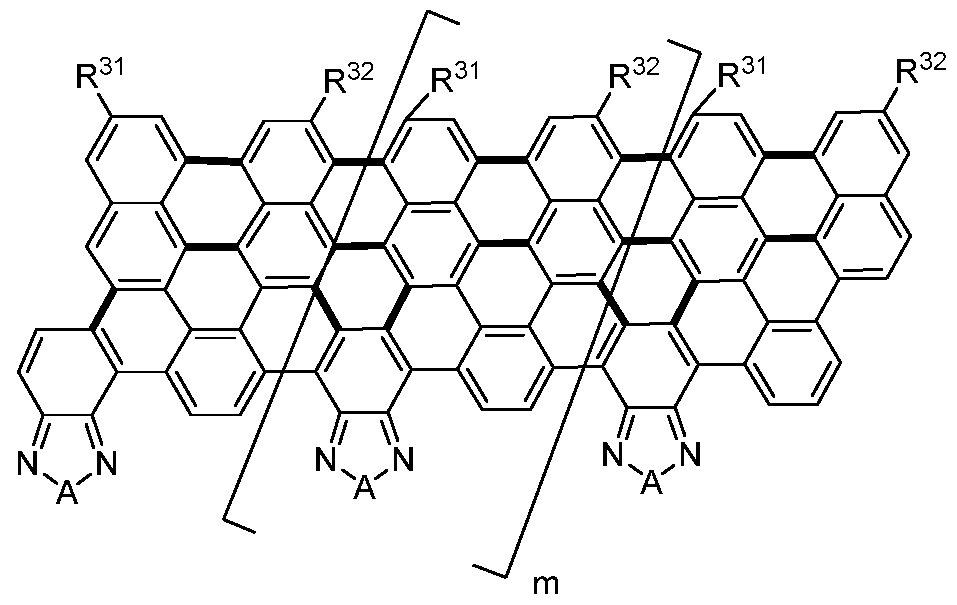
Vll-b
wherein
m is from 1 to 1000;
R31 and R32 are independently hydrogen, halogen, hydroxyl, cyano, nitro, substituted or unsubstituted C1-C40 alkyl, substituted or unsubstituted C2-C40 alkenyl, substituted or unsubstituted C2-C40 alkynyl, substituted or unsubstituted C3-C40 aryl, substituted or unsubstituted C3-C40 cycloalkyl, substituted or unsubstituted C3-C40 cycloalkenyl, substituted or unsubstituted C1-C40 acyl, substituted or unsubstituted C1-C40 alkoxy,
P(0)(ORa)2, SRa, S(0)2Ra, SiRaRbRc, or NRaRb;
A is O, S, Se, Te, or NRa; and
Ra, Rb, and Rc are independently hydrogen, halogen, hydroxyl, cyano, nitro, substituted or unsubstituted C1-C40 alkyl, substituted or unsubstituted C2-C40 alkenyl, substituted or unsubstituted C2-C40 alkynyl, substituted or unsubstituted C3-C40 aryl, substituted or unsubstituted C3-C40 cycloalkyl, substituted or unsubstituted C3-C40 cycloalkenyl, substituted or unsubstituted C1-C40 acyl, or substituted or unsubstituted C1-C40 alkoxy.
84. The compound of claim 83, wherein A is S or NRa.
85. The compound of claim 83 or claim 84, wherein A is NRa and Ra is a substituted or unsubstituted C1-C20 alkyl.
86. The compound of any one of claims 83-85, wherein A is NRa and Ra is an unsubstituted Ci-10 alkyl.
87. The compound of claim 84, wherein the compound is defined by Formula VII-b-1:

VII-b-1
wherein m is from 1 to 1000.
The compound of any one of claims 83-86, wherein the compound is defined by Formula VII-b-2:
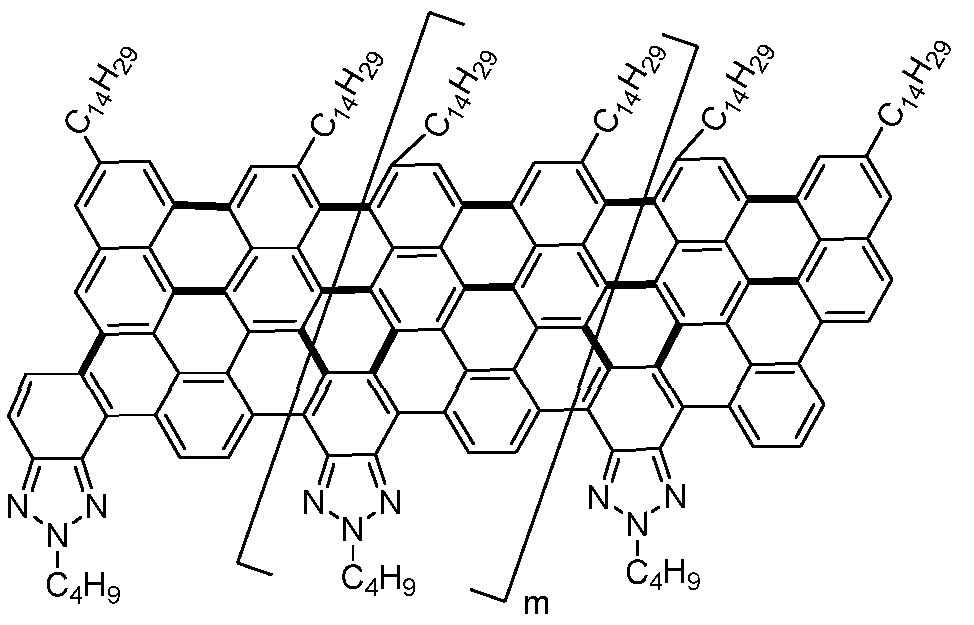
VII-b-2
wherein m is from 1 to 1000.
89. The compound of any one of claims 71-88, wherein m is from 1 to 500.
90. The compound of any one of claims 71-89, wherein m is from 1 to 100.
91. The compound of any one of claims 71-90, wherein m is from 1 to 50.
92. The compound of any one of claims 1-91, wherein the compound has an average
maximum dimension of 1000 nm or less.
93. The compound of any one of claims 1-92, wherein the compound has an average
maximum dimension of from 1 nm to 900 nm.
94. The compound of any one of claims 1-93, wherein the compound has a bandgap energy of from 0.5 eV to 2.5 eV.
The compound of any one of claims 1-94, wherein the compound has a bandgap energ of from 0.75 eV to 2 eV.
A compound defined by Formula VIII:

VIII
wherein
R1, R2, R3, and R4 are independently hydrogen, halogen, hydroxyl, cyano, nitro,
substituted or unsubstituted C1-C40 alkyl, substituted or unsubstituted C2-C40 alkenyl, substituted or unsubstituted C2-C40 alkynyl, substituted or unsubstituted C3-C40 aryl, substituted or unsubstituted C3-C40 cycloalkyl, substituted or unsubstituted C3-C40 cycloalkenyl, substituted or unsubstituted C1-C40 acyl, substituted or unsubstituted C1-C40 alkoxy, P(0)(ORa)2, SRa, S(0)2Ra, SiRaRbRc, or NRaRb; and
Ra, Rb, and Rc are independently hydrogen, halogen, hydroxyl, cyano, nitro, substituted or unsubstituted C1-C40 alkyl, substituted or unsubstituted C2-C40 alkenyl, substituted or unsubstituted C2-C40 alkynyl, substituted or unsubstituted C3-C40 aryl, substituted or unsubstituted C3-C40 cycloalkyl, substituted or unsubstituted C3-C40 cycloalkenyl, substituted or unsubstituted C1-C40 acyl, or substituted or unsubstituted C1-C40 alkoxy.
97. The compound of claim 96, wherein R1, R2, R3, and R4 are independently substituted or unsubstituted C1-C20 alkyl.
98. The compound of claim 96 or claim 97, wherein R1, R2, R3, and R4 are independently unsubstituted C1-C10 alkyl.
99. The compound of any one of claims 96-98, wherein R1, R2, R3, and R4 are the same.
100. The compound of any one of claims 96-99, wherein the compound is defined by Formula V!II-a:

VHI-a .
101. A compound defined by Formula IX:

wherein
R5, R6, R7, R8, R9, and R10 are independently hydrogen, halogen, hydroxyl, cyano, nitro, substituted or unsubstituted C1-C40 alkyl, substituted or unsubstituted C2-C40 alkenyl, substituted or unsubstituted C2-C40 alkynyl, substituted or unsubstituted C3-C40 aryl, substituted or unsubstituted C3-C40 cycloalkyl, substituted or unsubstituted C3-C40 cycloalkenyl, substituted or unsubstituted C1-C40 acyl, substituted or unsubstituted C1-C40 alkoxy, P(0)(ORa)2, SRa, S(0)2Ra, SiRaRbRc, or NRaRb; and
Ra, Rb, and Rc are independently hydrogen, halogen, hydroxyl, cyano, nitro, substituted or unsubstituted C1-C40 alkyl, substituted or unsubstituted C2-C40 alkenyl, substituted or unsubstituted C2-C40 alkynyl, substituted or unsubstituted C3-C40 aryl, substituted or unsubstituted C3-C40 cycloalkyl, substituted or unsubstituted C3-C40 cycloalkenyl, substituted or unsubstituted C1-C40 acyl, or substituted or unsubstituted C1-C40 alkoxy.
102. The compound of claim 101, wherein R5, R6, R7, R8, R9, and R10 are independently substituted or unsubstituted C1-C20 alkyl.
103. The compound of claim 101 or claim 102, wherein R5, R6, R7, R8, R9, and R10 are
independently unsubstituted C1-C10 alkyl.
104. The compound of any one of claims 101-103, wherein R5, R6, R7, R8, R9, and R10 are the same.
105. The compound of any one of claims 101-104, wherein the compound is defined by
-a:

X
wherein
the dotted lines to R15, R16, and between the carbons within the ring to which R15 and R are bonded, independently indicate that the bond can be a single bond or a double bond, as valence permits;
R11, R12, R13, R14, R15, and R16 are independently hydrogen, halogen, hydroxyl, cyano, nitro, substituted or unsubstituted C1-C40 alkyl, substituted or unsubstituted C2-C40 alkenyl, substituted or unsubstituted C2-C40 alkynyl, substituted or unsubstituted C3- C40 aryl, substituted or unsubstituted C3-C40 cycloalkyl, substituted or unsubstituted C3-C40 cycloalkenyl, substituted or unsubstituted C1-C40 acyl, substituted or unsubstituted C1-C40 alkoxy, P(0)(ORa)2, SRa, S(0)2Ra, SiRaRbRc, or NRaRb, or wherein, as valence permits, R15 and R16, together with the atoms to which they are attached, form a 3-10 membered substituted or unsubstituted cyclic moiety optionally including from 1 to 3 heteroatoms; and
Ra, Rb, and Rc are independently hydrogen, halogen, hydroxyl, cyano, nitro, substituted or unsubstituted C1-C40 alkyl, substituted or unsubstituted C2-C40 alkenyl, substituted or unsubstituted C2-C40 alkynyl, substituted or unsubstituted C3-C40 aryl, substituted or unsubstituted C3-C40 cycloalkyl, substituted or unsubstituted C3-C40 cycloalkenyl, substituted or unsubstituted C1-C40 acyl, or substituted or unsubstituted C1-C40 alkoxy.
107. The compound of claim 106, wherein In some examples of Formula X, R11, R12, R13, and R14 are independently substituted or unsubstituted C1-C20 alkyl.
108. The compound of claim 106 or claim 107, wherein R11, R12, R13, and R14 are
independently unsubstituted C1-C10 alkyl.
109. The compound of any one of claims 106-108, wherein R11, R12, R13, and R14 are the same.
110. The compound of any one of claims 106-109, wherein R15 and R16 are independently hydrogen, halogen, hydroxyl, substituted or unsubstituted C1-C20 alkyl, substituted or unsubstituted C1-C20 acyl, or wherein, as valence permits, R15 and R16, together with the atoms to which they are attached, form a 3-10 membered substituted or unsubstituted cyclic moiety optionally including from 1 to 3 heteroatoms.
111. The compound of any one of claims 106-110, wherein R15 and R16 are independently hydrogen or unsubstituted C1-C5 acyl.
112. The compound of any one of claims 106-111, wherein R15 and R16 are the same.
113. The compound of any one of claims 106- 110, wherein R15 and R16 together with the atoms to which they are attached, form a 5-10 membered substituted or unsubstituted cyclic moiety optionally including from 1 to 3 heteroatoms.
114. The compound of any one of claims 106-113, wherein the compound is defined by
Formula X-a:

X-a
wherein
R11, R12, R13, R14, R15, and R16 are independently hydrogen, halogen, hydroxyl, cyano, nitro, substituted or unsubstituted C1-C40 alkyl, substituted or unsubstituted C2-C40 alkenyl, substituted or unsubstituted C2-C40 alkynyl, substituted or unsubstituted C3- C40 aryl, substituted or unsubstituted C3-C40 cycloalkyl, substituted or unsubstituted C3-C40 cycloalkenyl, substituted or unsubstituted C1-C40 acyl, substituted or unsubstituted C1-C40 alkoxy, P(0)(ORa)2, SRa, S(0)2Ra, SiRaRbRc, or NRaRb, or wherein, as valence permits, R15 and R16, together with the atoms to which they are attached, form a 3-10 membered substituted or unsubstituted cyclic moiety optionally including from 1 to 3 heteroatoms; and
Ra, Rb, and Rc are independently hydrogen, halogen, hydroxyl, cyano, nitro, substituted or unsubstituted C1-C40 alkyl, substituted or unsubstituted C2-C40 alkenyl, substituted or unsubstituted C2-C40 alkynyl, substituted or unsubstituted C3-C40 aryl, substituted or unsubstituted C3-C40 cycloalkyl, substituted or unsubstituted C3-C40 cycloalkenyl, substituted or unsubstituted C1-C40 acyl, or substituted or unsubstituted C1-C40 alkoxy.
The compound of any one of claims 106-112, wherein the compound is defined by Formula X-a-1:

X-a-1
116. The compound of any one of claims 106-112, wherein the compound is defined by Formula X-a-2:

X-a-2 .
117. The compound of claim 113, wh defined by Formula X-b

X-b
wherein
R11, R12, R13, and R14 are independently hydrogen, halogen, hydroxyl, cyano, nitro, substituted or unsubstituted C1-C40 alkyl, substituted or unsubstituted C2-C40 alkenyl, substituted or unsubstituted C2-C40 alkynyl, substituted or unsubstituted C3-C40 aryl, substituted or unsubstituted C3-C40 cycloalkyl, substituted or unsubstituted C3-C40 cycloalkenyl, substituted or unsubstituted C1-C40 acyl, substituted or unsubstituted C1-C40 alkoxy, P(0)(ORa)2, SRa, S(0)2Ra, SiRaRbRc, or NRaRb;
A is O, S, Se, Te, or NRa; and
Ra, Rb, and Rc are independently hydrogen, halogen, hydroxyl, cyano, nitro, substituted or unsubstituted C1-C40 alkyl, substituted or unsubstituted C2-C40 alkenyl, substituted or unsubstituted C2-C40 alkynyl, substituted or unsubstituted C3-C40 aryl, substituted or unsubstituted C3-C40 cycloalkyl, substituted or unsubstituted C3-C40 cycloalkenyl, substituted or unsubstituted C1-C40 acyl, or substituted or unsubstituted C1-C40 alkoxy.
118. The compound of claim 117, wherein A is S or NRa.
119. The compound of claim 117 or claim 118, wherein A is NRa and Ra is a substituted or unsubstituted C1-C20 alkyl.
120. The compound of any one of claims 117-119, wherein A is NRa and Ra is an
unsubstituted Ci-10 alkyl.
121. The compound of claim 118, defined by Formula X-b-1:

X-b-1 .
The compound of any one of claims 117-120, wherein the compound is defined by Formula X-b-2:
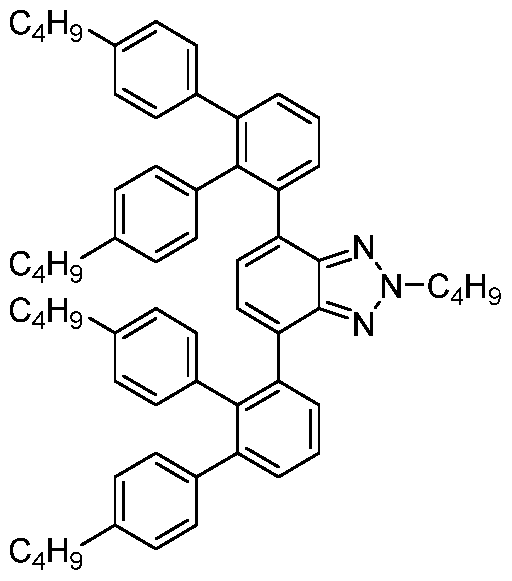
A compound defined by Formul
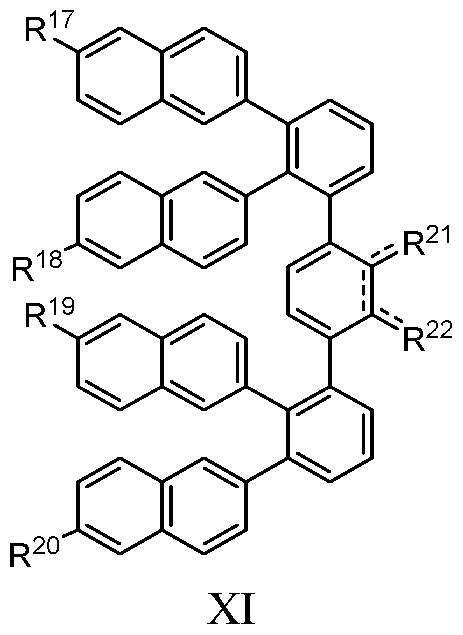
wherein
the dotted lines to R21, R22, and between the carbons within the ring to which R21 and R22 are bonded, independently indicate that the bond can be a single bond or a double bond, as valence permits;
R17, R18, R19, R20, R21, and R22 are independently hydrogen, halogen, hydroxyl, cyano, nitro, substituted or unsubstituted C1-C40 alkyl, substituted or unsubstituted C2-C40 alkenyl, substituted or unsubstituted C2-C40 alkynyl, substituted or unsubstituted C3- C40 aryl, substituted or unsubstituted C3-C40 cycloalkyl, substituted or unsubstituted C3-C40 cycloalkenyl, substituted or unsubstituted C1-C40 acyl, substituted or unsubstituted C1-C40 alkoxy, P(0)(ORa)2, SRa, S(0)2Ra, SiRaRbRc, or NRaRb, or wherein, as valence permits, R21 and R22, together with the atoms to which they are attached, form a 3-10 membered substituted or unsubstituted cyclic moiety optionally including from 1 to 3 heteroatoms; and
Ra, Rb, and Rc are independently hydrogen, halogen, hydroxyl, cyano, nitro, substituted or unsubstituted C1-C40 alkyl, substituted or unsubstituted C2-C40 alkenyl, substituted or unsubstituted C2-C40 alkynyl, substituted or unsubstituted C3-C40 aryl, substituted or unsubstituted C3-C40 cycloalkyl, substituted or unsubstituted C3-C40 cycloalkenyl, substituted or unsubstituted C1-C40 acyl, or substituted or unsubstituted C1-C40 alkoxy.
124. The compound of claim 123, wherein R17, R18, R19, and R20 are independently substituted or unsubstituted C1-C20 alkyl.
125. The compound of claim 123 or claim 124, wherein R17, R18, R19, and R20 are
independently unsubstituted C1-C10 alkyl.
126. The compound of any one of claims 123-125, wherein R17, R18, R19, and R20 are the same.
127. The compound of any one of claims 123-126, wherein R21 and R22 are independently hydrogen, halogen, hydroxyl, substituted or unsubstituted C1-C20 alkyl, substituted or unsubstituted C1-C20 acyl, or wherein, as valence permits, R21 and R22, together with the atoms to which they are attached, form a 3-10 membered substituted or unsubstituted cyclic moiety optionally including from 1 to 3 heteroatoms.
128. The compound of any one of claims 123-127, wherein R21 and R22 are independently hydrogen or unsubstituted C1-C5 acyl.
129. The compound of any one of claims 123-128, wherein R21 and R22 are the same.
130. The compound of any one of claims 123-127, wherein R21 and R22 together with the atoms to which they are attached, form a 5-10 membered substituted or unsubstituted cyclic moiety optionally including from 1 to 3 heteroatoms.
The compound of any one of claims 123-130, wherein the compound is defined by Formula Xl-a:

Xl-a
wherein
R17, R18, R19, R20, R21, and R22 are independently hydrogen, halogen, hydroxyl, cyano, nitro, substituted or unsubstituted C1-C40 alkyl, substituted or unsubstituted C2-C40 alkenyl, substituted or unsubstituted C2-C40 alkynyl, substituted or unsubstituted C3- C40 aryl, substituted or unsubstituted C3-C40 cycloalkyl, substituted or unsubstituted C3-C40 cycloalkenyl, substituted or unsubstituted C1-C40 acyl, substituted or unsubstituted C1-C40 alkoxy, P(0)(ORa)2, SRa, S(0)2Ra, SiRaRbRc, or NRaRb, or wherein, as valence permits, R21 and R22, together with the atoms to which they are attached, form a 3-10 membered substituted or unsubstituted cyclic moiety optionally including from 1 to 3 heteroatoms; and
Ra, Rb, and Rc are independently hydrogen, halogen, hydroxyl, cyano, nitro, substituted or unsubstituted C1-C40 alkyl, substituted or unsubstituted C2-C40 alkenyl, substituted or unsubstituted C2-C40 alkynyl, substituted or unsubstituted C3-C40 aryl, substituted or unsubstituted C3-C40 cycloalkyl, substituted or unsubstituted C3-C40 cycloalkenyl, substituted or unsubstituted C1-C40 acyl, or substituted or unsubstituted C1-C40 alkoxy.
132. The compound of any one of claims 123-129, wherein the compound is defined by Formula XI-a-1:

XI-a-1
The compound of any one of claims 123-131, wherein the compound is defined by Formula XI-a-2.:

XI-a-2 .
134. The compound of claim 130, wherein the compound is defined by Formula Xl-b:

Xl-b
wherein
R17, R18, R19, and R20 are independently hydrogen, halogen, hydroxyl, cyano, nitro, substituted or unsubstituted C1-C40 alkyl, substituted or unsubstituted C2-C40 alkenyl,
substituted or unsubstituted C2-C40 alkynyl, substituted or unsubstituted C3-C40 aryl, substituted or unsubstituted C3-C40 cycloalkyl, substituted or unsubstituted C3-C40 cycloalkenyl, substituted or unsubstituted C1-C40 acyl, substituted or unsubstituted C1-C40 alkoxy, P(0)(ORa)2, SRa, S(0)2Ra, SiRaRbRc, or NRaRb;
A is O, S, Se, Te, or NRa; and
Ra, Rb, and Rc are independently hydrogen, halogen, hydroxyl, cyano, nitro, substituted or unsubstituted C1-C40 alkyl, substituted or unsubstituted C2-C40 alkenyl, substituted or unsubstituted C2-C40 alkynyl, substituted or unsubstituted C3-C40 aryl, substituted or unsubstituted C3-C40 cycloalkyl, substituted or unsubstituted C3-C40 cycloalkenyl, substituted or unsubstituted C1-C40 acyl, or substituted or unsubstituted C1-C40 alkoxy.
135. The compound of claim 134, wherein A is S or NRa.
136. The compound of claim 134 or claim 135, wherein A is NRa and Ra is a substituted or unsubstituted C1-C20 alkyl.
137. The compound of any one of claims 134-136, wherein A is NRa and Ra is an
unsubstituted Ci-10 alkyl.
The compound of any one of claims 134-137, wherein the compound is defined by Formula XI-b-1:

XI-b-1 .
A compound defined by

XII
wherein
n is from 3 to 1000;
R23, R24, R25, and R26 are independently hydrogen, halogen, hydroxyl, cyano, nitro, substituted or unsubstituted C1-C40 alkyl, substituted or unsubstituted C2-C40 alkenyl, substituted or unsubstituted C2-C40 alkynyl, substituted or unsubstituted C3-C40 aryl, substituted or unsubstituted C3-C40 cycloalkyl, substituted or unsubstituted C3-C40 cycloalkenyl, substituted or unsubstituted C1-C40 acyl, substituted or unsubstituted C1-C40 alkoxy, P(0)(ORa)2, SRa, S(0)2Ra, SiRaRbRc, or NRaRb; and
Ra, Rb, and Rc are independently hydrogen, halogen, hydroxyl, cyano, nitro, substituted or unsubstituted C1-C40 alkyl, substituted or unsubstituted C2-C40 alkenyl, substituted or unsubstituted C2-C40 alkynyl, substituted or unsubstituted C3-C40 aryl, substituted or unsubstituted C3-C40 cycloalkyl, substituted or unsubstituted C3-C40 cycloalkenyl, substituted or unsubstituted C1-C40 acyl, or substituted or unsubstituted C1-C40 alkoxy.
140. The compound of claim 139, wherein R23, R24, R25, and R26 are independently substituted or unsubstituted C1-C20 alkyl.
141. The compound of claim 139 or claim 140, wherein R23, R24, R25, and R26 are
independently unsubstituted C2-C15 alkyl.
142. The compound of any one of claims 139-141, wherein R23, R24, R25, and R26 are the same.
The compound of any one of claims 139-142, wherein the compound is defined by Formula Xll-a:

Xll-a
wherein n is from 3 to 1000.
A compound of Formula XIII:

XIII
wherein
n is from 3 to 1000;
the dotted lines to R29, R30, and between the carbons within the ring to which R29 and R30 are bonded, independently indicate that the bond can be a single bond or a double bond, as valence permits;
R27, R28, R29, and R30 are independently hydrogen, halogen, hydroxyl, cyano, nitro, substituted or unsubstituted C1-C40 alkyl, substituted or unsubstituted C2-C40 alkenyl, substituted or unsubstituted C2-C40 alkynyl, substituted or unsubstituted C3-C40 aryl, substituted or unsubstituted C3-C40 cycloalkyl, substituted or unsubstituted C3-C40 cycloalkenyl, substituted or unsubstituted C1-C40 acyl, substituted or unsubstituted C1-C40 alkoxy, P(0)(ORa)2, SRa, S(0)2Ra, SiRaRbRc, or NRaRb, or wherein, as valence permits, R29 and R30, together with the atoms to which they are attached, form a 3-10 membered substituted or unsubstituted cyclic moiety optionally including from 1 to 3 heteroatoms; and
Ra, Rb, and Rc are independently hydrogen, halogen, hydroxyl, cyano, nitro, substituted or unsubstituted C1-C40 alkyl, substituted or unsubstituted C2-C40 alkenyl, substituted or unsubstituted C2-C40 alkynyl, substituted or unsubstituted C3-C40 aryl, substituted or unsubstituted C3-C40 cycloalkyl, substituted or unsubstituted C3-C40 cycloalkenyl, substituted or unsubstituted C1-C40 acyl, or substituted or unsubstituted C1-C40 alkoxy.
145. The compound of claim 144, wherein R27 and R28 are independently substituted or unsubstituted C1-C20 alkyl.
146. The compound of claim 144 or claim 145, wherein R27 and R28 are independently
unsubstituted C2-C15 alkyl.
147. The compound of any one of claims 144-146, wherein R27 and R28 are the same.
148. The compound of any one of claims 144-147, wherein R29 and R30 are independently hydrogen, halogen, hydroxyl, substituted or unsubstituted C1-C20 alkyl, substituted or unsubstituted C1-C20 acyl, or wherein, as valence permits, R29 and R30, together with the atoms to which they are attached, form a 3-10 membered substituted or unsubstituted cyclic moiety optionally including from 1 to 3 heteroatoms.
149. The compound of any one of claims 144-148, wherein R29 and R30 are independently hydrogen or unsubstituted C1-C5 acyl.
150. The compound of any one of claims 144-149, wherein R29 and R30 are the same.
151. The compound of any one of claims 144-148, wherein R29 and R30 together with the atoms to which they are attached, form a 5-10 membered substituted or unsubstituted cyclic moiety optionally including from 1 to 3 heteroatoms.
The compound of any one of claims 144-151, wherein the compound is defined by Formula XIII-a:

XIII-a
wherein
n is from 3 to 1000;
R27, R28, R29, and R30 are independently hydrogen, halogen, hydroxyl, cyano, nitro, substituted or unsubstituted C1-C40 alkyl, substituted or unsubstituted C2-C40 alkenyl, substituted or unsubstituted C2-C40 alkynyl, substituted or unsubstituted C3-C40 aryl, substituted or unsubstituted C3-C40 cycloalkyl, substituted or unsubstituted C3-C40 cycloalkenyl, substituted or unsubstituted C1-C40 acyl, substituted or unsubstituted C1-C40 alkoxy, P(0)(ORa)2, SRa, S(0)2Ra, SiRaRbRc, or NRaRb, or wherein, as valence permits, R29 and R30, together with the atoms to which they are attached, form a 3-10 membered substituted or unsubstituted cyclic moiety optionally including from 1 to 3 heteroatoms; and
Ra, Rb, and Rc are independently hydrogen, halogen, hydroxyl, cyano, nitro, substituted or unsubstituted C1-C40 alkyl, substituted or unsubstituted C2-C40 alkenyl, substituted or unsubstituted C2-C40 alkynyl, substituted or unsubstituted C3-C40 aryl, substituted or unsubstituted C3-C40 cycloalkyl, substituted or unsubstituted C3-C40 cycloalkenyl, substituted or unsubstituted C1-C40 acyl, or substituted or unsubstituted C1-C40 alkoxy.
The compound of any one of claims 144-150, wherein the compound is defined by Formula XIII-a-1:

XIII-a-1
wherein n is from 3 to 1000. The compound of any one of claims 144-152, wherein the compound is defined by Formula XIII-a-2:

XIII-a-2
wherein n is from 3 to 1000.
The compound of any one of claims 144-152, wherein the compound is defined by Formula XIII-a-3 :

XIII-a-3
wherein n is from 3 to 1000.
156. The compound of claim 151, wherein the compound is defined by Formula XIII-b:

XIII-b
wherein
n is from 3 to 1000;
R27 and R28 are independently hydrogen, halogen, hydroxyl, cyano, nitro, substituted or unsubstituted C1-C40 alkyl, substituted or unsubstituted C2-C40 alkenyl, substituted or unsubstituted C2-C40 alkynyl, substituted or unsubstituted C3-C40 aryl, substituted or unsubstituted C3-C40 cycloalkyl, substituted or unsubstituted C3-C40 cycloalkenyl, substituted or unsubstituted C1-C40 acyl, substituted or unsubstituted C1-C40 alkoxy, P(0)(ORa)2, SRa, S(0)2Ra, SiRaRbRc, or NRaRb;
A is O, S, Se, Te, or NRa; and
Ra, Rb, and Rc are independently hydrogen, halogen, hydroxyl, cyano, nitro, substituted or unsubstituted C1-C40 alkyl, substituted or unsubstituted C2-C40 alkenyl, substituted or unsubstituted C2-C40 alkynyl, substituted or unsubstituted C3-C40 aryl, substituted or unsubstituted C3-C40 cycloalkyl, substituted or unsubstituted C3-C40 cycloalkenyl, substituted or unsubstituted C1-C40 acyl, or substituted or unsubstituted C1-C40 alkoxy.
157. The compound of claim 156, wherein A is S or NRa.
158. The compound of claim 156 or claim 157, wherein A is NRa and Ra is a substituted or unsubstituted C1-C20 alkyl.
159. The compound of any one of claims 156-158, wherein A is NRa and Ra is an
unsubstituted Ci-10 alkyl.
160. The compound of claim 157, wherein the compound is defined by Formula XIII-b-1:

XIII-b-1
wherein n is from 3 to 1000.
The compound of any one of claims 156-159, wherein the compound is defined by Formula XIII-b-2:
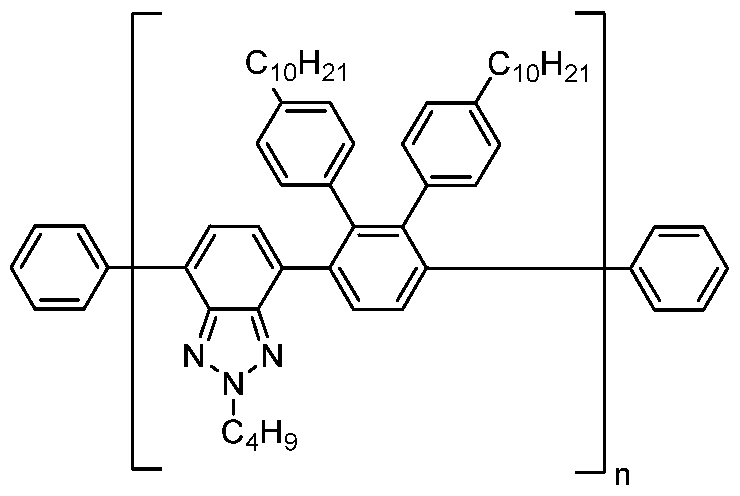
XIII
wherein n is from 3 to 1000.
162. The compound of any one of claims 144-161, wherein n is from 3 to 500.
163. The compound of any one of claims 144-162, wherein n is from 3 to 100.
164. The compound of any one of claims 144-163, wherein n is from 3 to 50.
A compound of Formula XIV

XIV
wherein
n is from 3 to 1000;
the dotted lines to R33, R34, and between the carbons within the ring to which R33 and R34 are bonded, independently indicate that the bond can be a single bond or a double bond, as valence permits;
R31, R32, R33, and R34 are independently hydrogen, halogen, hydroxyl, cyano, nitro, substituted or unsubstituted C1-C40 alkyl, substituted or unsubstituted C2-C40 alkenyl, substituted or unsubstituted C2-C40 alkynyl, substituted or unsubstituted C3-C40 aryl, substituted or unsubstituted C3-C40 cycloalkyl, substituted or unsubstituted C3-C40 cycloalkenyl, substituted or unsubstituted C1-C40 acyl, substituted or unsubstituted C1-C40 alkoxy, P(0)(ORa)2, SRa, S(0)2Ra, SiRaRbRc, or NRaRb, or wherein, as valence permits, R33 and R34, together with the atoms to which they are attached, form a 3-10 membered substituted or unsubstituted cyclic moiety optionally including from 1 to 3 heteroatoms; and
Ra, Rb, and Rc are independently hydrogen, halogen, hydroxyl, cyano, nitro, substituted or unsubstituted C1-C40 alkyl, substituted or unsubstituted C2-C40 alkenyl, substituted or unsubstituted C2-C40 alkynyl, substituted or unsubstituted C3-C40 aryl, substituted or unsubstituted C3-C40 cycloalkyl, substituted or unsubstituted C3-C40 cycloalkenyl, substituted or unsubstituted C1-C40 acyl, or substituted or unsubstituted C1-C40 alkoxy.
166. The compound of 165, wherein R31 and R32 are independently substituted or
unsubstituted C1-C20 alkyl.
167. The compound of claim 165 or claim 166, wherein R31 and R32 are independently
unsubstituted C2-C15 alkyl.
168. The compound of any one of claims 165-167, wherein R31 and R32 are the same.
169. The compound of any one of claims 165-168, wherein R33 and R34 are independently hydrogen, halogen, hydroxyl, substituted or unsubstituted C1-C20 alkyl, substituted or unsubstituted C1-C20 acyl, or wherein, as valence permits, R33 and R34, together with the atoms to which they are attached, form a 3-10 membered substituted or unsubstituted cyclic moiety optionally including from 1 to 3 heteroatoms.
170. The compound of any one of claims 165-169, wherein R33 and R34 are independently hydrogen or unsubstituted C1-C5 acyl.
171. The compound of any one of claims 165-170, wherein R33 and R34 are the same.
172. The compound of any one of claims 165-169, wherein R33 and R34 together with the atoms to which they are attached, form a 5-10 membered substituted or unsubstituted cyclic moiety optionally including from 1 to 3 heteroatoms.
173. The compound of any one of claims 165-172, wherein the compound is defined by
Formula XlV-a:

XlV-a
wherein
n is from 3 to 1000;
R31, R32, R33, and R34 are independently hydrogen, halogen, hydroxyl, cyano, nitro, substituted or unsubstituted C1-C40 alkyl, substituted or unsubstituted C2-C40 alkenyl, substituted or unsubstituted C2-C40 alkynyl, substituted or unsubstituted C3-C40 aryl, substituted or unsubstituted C3-C40 cycloalkyl, substituted or unsubstituted C3-C40 cycloalkenyl, substituted or unsubstituted C1-C40 acyl, substituted or unsubstituted C1-C40 alkoxy, P(0)(ORa)2, SRa, S(0)2Ra, SiRaRbRc, or NRaRb, or wherein, as valence permits, R33 and R34, together with the atoms to which they are attached, form a 3-10 membered substituted or unsubstituted cyclic moiety optionally including from 1 to 3 heteroatoms; and
Ra, Rb, and Rc are independently hydrogen, halogen, hydroxyl, cyano, nitro, substituted or unsubstituted C1-C40 alkyl, substituted or unsubstituted C2-C40 alkenyl, substituted or unsubstituted C2-C40 alkynyl, substituted or unsubstituted C3-C40 aryl, substituted or unsubstituted C3-C40 cycloalkyl, substituted or unsubstituted C3-C40 cycloalkenyl,
substituted or unsubstituted C1-C40 acyl, or substituted or unsubstituted C1-C40 alkoxy. The compound of any one of claims 165-168, wherein the compound is defined by Formula XlV-a- 1 :

XIV-a-1
wherein n is from 3 to 1000.
The compound of any one of claims 165-173, wherein the compound is defined by Formula XIV-a-2:

XIV-a-2
wherein n is from 3 to 1000.
The compound of any one of claims 165-173, wherein the compound is defined by Formula XIV-a-3:

XIV-a-3
wherein n is from 3 to 1000.
The compound of claim 172, wherein the compound is defined by Formula XlV-b:

XlV-b
wherein
n is from 3 to 1000;
R31 and R32 are independently hydrogen, halogen, hydroxyl, cyano, nitro, substituted or unsubstituted C1-C40 alkyl, substituted or unsubstituted C2-C40 alkenyl, substituted or unsubstituted C2-C40 alkynyl, substituted or unsubstituted C3-C40 aryl, substituted or unsubstituted C3-C40 cycloalkyl, substituted or unsubstituted C3-C40 cycloalkenyl, substituted or unsubstituted C1-C40 acyl, substituted or unsubstituted C1-C40 alkoxy, P(0)(ORa)2, SRa, S(0)2Ra, SiRaRbRc, or NRaRb;
A is O, S, Se, Te, or NRa; and
Ra, Rb, and Rc are independently hydrogen, halogen, hydroxyl, cyano, nitro, substituted or unsubstituted C1-C40 alkyl, substituted or unsubstituted C2-C40 alkenyl, substituted or unsubstituted C2-C40 alkynyl, substituted or unsubstituted C3-C40 aryl, substituted or unsubstituted C3-C40 cycloalkyl, substituted or unsubstituted C3-C40 cycloalkenyl,
substituted or unsubstituted C1-C40 acyl, or substituted or unsubstituted C1-C40 alkoxy.
178. The compound of claim 177, wherein A is S or NRa.
179. The compound of claim 177 or claim 178, wherein A is NRa and Ra is a substituted or unsubstituted C1-C20 alkyl.
180. The compound of any one of claims 177-179, wherein A is NRa and Ra is an
unsubstituted Ci-10 alkyl.
181. The compound of claim 178, wherein the compound is defined by Formula XIV-b-1:

XIV-b-1
wherein n is from 3 to 1000.
The compound of any one of claims 177-180, wherein the compound is defined by Formula XIV-b-2:

XIV-b-2
wherein n is from 3 to 1000. 183. The compound of any one of claims 165-182, wherein n is from 3 to 500.
184. The compound of any one of claims 165-183, wherein n is from 3 to 100.
185. The compound of any one of claims 165-184, wherein n is from 3 to 50.
186. A method of making the compound of any one of claims 1-5, comprising
cyclodehydrogenating a compound of any one of claims 96-100.
187. A method of making the compound of any one of claims 6-10, comprising
cyclodehydrogenating a compound of any one of claims 101-105.
188. A method of making the compound of any one of claims 11-27, comprising
cyclodehydrogenating a compound of any one of claims 106-122.
189. A method of making the compound of any one of claims 28-43, comprising
cyclodehydrogenating a compounds of any one of claims 123-138.
190. A method of making the compound of any one of claims 44-49, comprising
cyclodehydrogenating a compound of any one of claims 139-143.
191. A method of making the compound of any one of claims 50-70, comprising
cyclodehydrogenating a compound of any one of claims 144-164.
192. A method of making the compound of any one of claims 71-91, comprising
cyclodehydrogenating a compound of any one of claims 165-185.
193. The method of any one of claims 186-192, wherein the cyclodehydrogenation comprises contacting the compound with FeCb and CH3NO2.
194. The method of any one of claims 186-192, wherein the cyclodehydrogenation comprises contacting the compound with 2,3-dichloro-5,6-dicyano-l,4-benzoquinone and
195. A method of making the compound of any of claims 96-185, comprising: performing a polycondensation reaction between an aryl bromide and an aryl boronate ester.
196. The method of claim 195, wherein the polycondensation reaction comprises a Suzuki- Miyaura cross coupling reaction.
The method of claim 195 or claim 196, wherein the aryl bromide is a compound defined by Formula XV:

XV
wherein
R35 and R36 are independently hydrogen, halogen, hydroxyl, cyano, nitro, substituted or unsubstituted C1-C40 alkyl, substituted or unsubstituted C2-C40 alkenyl, substituted or unsubstituted C2-C40 alkynyl, substituted or unsubstituted C3-C40 aryl, substituted or unsubstituted C3-C40 cycloalkyl, substituted or unsubstituted C3-C40 cycloalkenyl, substituted or unsubstituted C1-C40 acyl, substituted or unsubstituted C1-C40 alkoxy, P(0)(ORa)2, SRa, S(0)2Ra, SiRaRbRc, or NRaRb; and
Ra, Rb, and Rc are independently hydrogen, halogen, hydroxyl, cyano, nitro, substituted or unsubstituted C1-C40 alkyl, substituted or unsubstituted C2-C40 alkenyl, substituted or unsubstituted C2-C40 alkynyl, substituted or unsubstituted C3-C40 aryl, substituted or unsubstituted C3-C40 cycloalkyl, substituted or unsubstituted C3-C40 cycloalkenyl, substituted or unsubstituted C1-C40 acyl, or substituted or unsubstituted C1-C40 alkoxy.
198. The method of claim 197, wherein R35 and R36 are independently substituted or
unsubstituted C1-C20 alkyl.
199. The method of claim 197 or claim 198, wherein R35 and R36 are the same.
200. The method of claim 195 or claim 196, wherein the aryl bromide is a compound defined by Formula XVI:

Ra, Rb, and Rc are independently hydrogen, halogen, hydroxyl, cyano, nitro, substituted or unsubstituted C1-C40 alkyl, substituted or unsubstituted C2-C40 alkenyl, substituted or unsubstituted C2-C40 alkynyl, substituted or unsubstituted C3-C40 aryl, substituted or unsubstituted C3-C40 cycloalkyl, substituted or unsubstituted C3-C40 cycloalkenyl, substituted or unsubstituted C1-C40 acyl, or substituted or unsubstituted C1-C40 alkoxy.
201. The method of claim 200, wherein R37 and R38 are independently substituted or
unsubstituted C1-C20 alkyl.
202. The method of claim 200 or claim 201, wherein R37 and R38 are the same.
203. The method of claim 195 or claim 196, wherein the aryl bromide is a compound defined by Formula XVII:

XVII
wherein
R39 and R40 are independently hydrogen, halogen, hydroxyl, cyano, nitro, substituted or unsubstituted C1-C40 alkyl, substituted or unsubstituted C2-C40 alkenyl, substituted or unsubstituted C2-C40 alkynyl, substituted or unsubstituted C3-C40 aryl, substituted or unsubstituted C3-C40 cycloalkyl, substituted or unsubstituted C3-C40 cycloalkenyl, substituted or unsubstituted C1-C40 acyl, substituted or unsubstituted C1-C40 alkoxy, P(0)(ORa)2, SRa, S(0)2Ra, SiRaRbRc, or NRaRb; and
Ra, Rb, and Rc are independently hydrogen, halogen, hydroxyl, cyano, nitro, substituted or unsubstituted C1-C40 alkyl, substituted or unsubstituted C2-C40 alkenyl, substituted
or unsubstituted C2-C40 alkynyl, substituted or unsubstituted C3-C40 aryl, substituted or unsubstituted C3-C40 cycloalkyl, substituted or unsubstituted C3-C40 cycloalkenyl, substituted or unsubstituted C1-C40 acyl, or substituted or unsubstituted C1-C40 alkoxy.
204. The method of claim 203, wherein R39 and R40 are independently substituted or
unsubstituted C1-C20 alkyl.
205. The method of claim 203 or claim 204, wherein R39 and R40 are the same.
206. The method of claim 195 or claim 196, wherein the aryl bromide is a compound defined by Formula XVIII:

XVIII
wherein
the dotted lines to R41, R42, and between the carbons within the ring to which R41 and R42 are bonded, independently indicate that the bond can be a single bond or a double bond, as valence permits;
R41 and R42 are independently hydrogen, halogen, hydroxyl, cyano, nitro, substituted or unsubstituted C1-C40 alkyl, substituted or unsubstituted C2-C40 alkenyl, substituted or unsubstituted C2-C40 alkynyl, substituted or unsubstituted C3-C40 aryl, substituted or unsubstituted C3-C40 cycloalkyl, substituted or unsubstituted C3-C40 cycloalkenyl, substituted or unsubstituted C1-C40 acyl, substituted or unsubstituted C1-C40 alkoxy, P(0)(ORa)2, SRa, S(0)2Ra, SiRaRbRc, or NRaRb, or wherein, as valence permits, R41 and R42, together with the atoms to which they are attached, form a 3-10 membered substituted or unsubstituted cyclic moiety optionally including from 1 to 3 heteroatoms; and
Ra, Rb, and Rc are independently hydrogen, halogen, hydroxyl, cyano, nitro, substituted or unsubstituted C1-C40 alkyl, substituted or unsubstituted C2-C40 alkenyl, substituted or unsubstituted C2-C40 alkynyl, substituted or unsubstituted C3-C40 aryl, substituted or unsubstituted C3-C40 cycloalkyl, substituted or unsubstituted C3-C40 cycloalkenyl,
substituted or unsubstituted C1-C40 acyl, or substituted or unsubstituted C1-C40 alkoxy.
207. The method of claim 206, wherein R41 and R42 are independently hydrogen, halogen, hydroxyl, substituted or unsubstituted C1-C20 alkyl, substituted or unsubstituted C1-C20 acyl, or wherein, as valence permits, R41 and R42, together with the atoms to which they are attached, form a 3-10 membered substituted or unsubstituted cyclic moiety optionally including from 1 to 3 heteroatoms.
208. The method of claim 206 or claim 207, wherein R41 and R42 are independently hydrogen or unsubstituted C1-C5 acyl.
209. The method of any one of claims 206-208, wherein R41 and R42 are the same.
210. The method of claim 206 or claim 207, wherein R41 and R42 together with the atoms to which they are attached, form a 5-10 membered substituted or unsubstituted cyclic moiety optionally including from 1 to 3 heteroatoms.
211. The method of any one of claims 195-210, wherein the aryl boronate ester is a compound defined by Formula XIX:

XIX
wherein
R43 and R44 are independently hydrogen, halogen, hydroxyl, cyano, nitro, substituted or unsubstituted C1-C40 alkyl, substituted or unsubstituted C2-C40 alkenyl, substituted or unsubstituted C2-C40 alkynyl, substituted or unsubstituted C3-C40 aryl, substituted or unsubstituted C3-C40 cycloalkyl, substituted or unsubstituted C3-C40 cycloalkenyl, substituted or unsubstituted C1-C40 acyl, substituted or unsubstituted C1-C40 alkoxy, P(0)(ORa)2, SRa, S(0)2Ra, SiRaRbRc, or NRaRb; and
Ra, Rb, and Rc are independently hydrogen, halogen, hydroxyl, cyano, nitro, substituted or unsubstituted C1-C40 alkyl, substituted or unsubstituted C2-C40 alkenyl, substituted
or unsubstituted C2-C40 alkynyl, substituted or unsubstituted C3-C40 aryl, substituted or unsubstituted C3-C40 cycloalkyl, substituted or unsubstituted C3-C40 cycloalkenyl, substituted or unsubstituted C1-C40 acyl, or substituted or unsubstituted C1-C40 alkoxy.
212. The method of claim 211, wherein R43 and R44 are independently substituted or
unsubstituted C1-C20 alkyl.
213. The method of claim 211 or claim 212, wherein R43 and R44 are the same.
214. The method of any one of claims 195-210, wherein the aryl boronate ester is a compound defined by Formula XX:

XX
wherein
R45 and R46 are independently hydrogen, halogen, hydroxyl, cyano, nitro, substituted or unsubstituted C1-C40 alkyl, substituted or unsubstituted C2-C40 alkenyl, substituted or unsubstituted C2-C40 alkynyl, substituted or unsubstituted C3-C40 aryl, substituted or unsubstituted C3-C40 cycloalkyl, substituted or unsubstituted C3-C40 cycloalkenyl, substituted or unsubstituted C1-C40 acyl, substituted or unsubstituted C1-C40 alkoxy, P(0)(ORa)2, SRa, S(0)2Ra, SiRaRbRc, or NRaRb; and
Ra, Rb, and Rc are independently hydrogen, halogen, hydroxyl, cyano, nitro, substituted or unsubstituted C1-C40 alkyl, substituted or unsubstituted C2-C40 alkenyl, substituted or unsubstituted C2-C40 alkynyl, substituted or unsubstituted C3-C40 aryl, substituted or unsubstituted C3-C40 cycloalkyl, substituted or unsubstituted C3-C40 cycloalkenyl, substituted or unsubstituted C1-C40 acyl, or substituted or unsubstituted C1-C40 alkoxy.
215. The method of claim 214, wherein R45 and R46 are independently substituted or
unsubstituted C1-C20 alkyl.
216. The method of claim 214 or 215, wherein R45 and R46 are the same.
217. The method of any one of claims 195-210, wherein the aryl boronate ester is a compound defined by Formula XXI:

XXI
wherein
the dotted lines to R47, R48, and between the carbons within the ring to which R47 and R48 are bonded, independently indicate that the bond can be a single bond or a double bond, as valence permits
R47 and R48 are independently hydrogen, halogen, hydroxyl, cyano, nitro, substituted or unsubstituted C1-C40 alkyl, substituted or unsubstituted C2-C40 alkenyl, substituted or unsubstituted C2-C40 alkynyl, substituted or unsubstituted C3-C40 aryl, substituted or unsubstituted C3-C40 cycloalkyl, substituted or unsubstituted C3-C40 cycloalkenyl, substituted or unsubstituted C1-C40 acyl, substituted or unsubstituted C1-C40 alkoxy, P(0)(ORa)2, SRa, S(0)2Ra, SiRaRbRc, or NRaRb, or wherein, as valence permits, R47 and R48, together with the atoms to which they are attached, form a 3-10 membered substituted or unsubstituted cyclic moiety optionally including from 1 to 3 heteroatoms; and
Ra, Rb, and Rc are independently hydrogen, halogen, hydroxyl, cyano, nitro, substituted or unsubstituted C1-C40 alkyl, substituted or unsubstituted C2-C40 alkenyl, substituted or unsubstituted C2-C40 alkynyl, substituted or unsubstituted C3-C40 aryl, substituted or unsubstituted C3-C40 cycloalkyl, substituted or unsubstituted C3-C40 cycloalkenyl, substituted or unsubstituted C1-C40 acyl, or substituted or unsubstituted C1-C40 alkoxy.
218. The method of claim 217, wherein R47 and R48 are independently hydrogen, halogen, hydroxyl, substituted or unsubstituted C1-C20 alkyl, substituted or unsubstituted C1-C20 acyl, or wherein, as valence permits, R47 and R48, together with the atoms to which they
are attached, form a 3-10 membered substituted or unsubstituted cyclic moiety optionally including from 1 to 3 heteroatoms.
219. The method of claim 217 or claim 218, wherein R47 and R48 are independently hydrogen or unsubstituted C1-C5 acyl.
220. The method of any one of claims 217-219, wherein R47 and R48 are the same.
221. The method of claim 217 or claim 218, wherein R47 and R48 together with the atoms to which they are attached, form a 5-10 membered substituted or unsubstituted cyclic moiety optionally including from 1 to 3 heteroatoms.
222. The method of claim or claim 196, wherein the aryl bromide and the aryl boronate ester comprise a single compound.
223. The method of claim 222, wherein the aryl bromide and the aryl boronate ester comprise a compound defined by Formula XXII:

XXII
wherein
R49 and R50 are independently hydrogen, halogen, hydroxyl, cyano, nitro, substituted or unsubstituted C1-C40 alkyl, substituted or unsubstituted C2-C40 alkenyl, substituted or unsubstituted C2-C40 alkynyl, substituted or unsubstituted C3-C40 aryl, substituted or unsubstituted C3-C40 cycloalkyl, substituted or unsubstituted C3-C40 cycloalkenyl, substituted or unsubstituted C1-C40 acyl, substituted or unsubstituted C1-C40 alkoxy, P(0)(ORa)2, SRa, S(0)2Ra, SiRaRbRc, or NRaRb; and
Ra, Rb, and Rc are independently hydrogen, halogen, hydroxyl, cyano, nitro, substituted or unsubstituted C1-C40 alkyl, substituted or unsubstituted C2-C40 alkenyl, substituted or unsubstituted C2-C40 alkynyl, substituted or unsubstituted C3-C40 aryl, substituted or unsubstituted C3-C40 cycloalkyl, substituted or unsubstituted C3-C40 cycloalkenyl,
substituted or unsubstituted C1-C40 acyl, or substituted or unsubstituted C1-C40 alkoxy.
224. The method of claim 223, wherein R49 and R50 are independently substituted or
unsubstituted C1-C20 alkyl.
225. The method of claim 223 or claim 224, wherein R49 and R50 are the same.
226. A method of making the compound of any one of claims 96-100, comprising performing a Suzuki-Miyaura cross coupling reaction between an aryl bromide of Formula XV and an aryl boronate ester of

XV XIX
wherein
R35, R36, R43 and R44 are independently hydrogen, halogen, hydroxyl, cyano, nitro, substituted or unsubstituted C1-C40 alkyl, substituted or unsubstituted C2-C40 alkenyl, substituted or unsubstituted C2-C40 alkynyl, substituted or unsubstituted C3-C40 aryl, substituted or unsubstituted C3-C40 cycloalkyl, substituted or unsubstituted C3-C40 cycloalkenyl, substituted or unsubstituted C1-C40 acyl, substituted or unsubstituted C1-C40 alkoxy, P(0)(ORa)2, SRa, S(0)2Ra, SiRaRbRc, or NRaRb; and
Ra, Rb, and Rc are independently hydrogen, halogen, hydroxyl, cyano, nitro, substituted or unsubstituted C1-C40 alkyl, substituted or unsubstituted C2-C40 alkenyl, substituted or unsubstituted C2-C40 alkynyl, substituted or unsubstituted C3-C40 aryl, substituted or unsubstituted C3-C40 cycloalkyl, substituted or unsubstituted C3-C40 cycloalkenyl, substituted or unsubstituted C1-C40 acyl, or substituted or unsubstituted C1-C40 alkoxy.
227. The method of claim 226, wherein R35, R36, R43 and R44 are independently substituted or unsubstituted C1-C20 alkyl.
228. The method of claim 226 or claim 227, wherein R35, R36, R43 and R44 are independently unsubstituted Ci-Cio alkyl.
229. The method of any one of claims 226-228, wherein R35, R36, R43 and R44 are the same.
230. The method of any one of claims 226-229, wherein R35, R36, R43 and R44 are each C4t¼.
231. A method of making the compound of any one of claims 101- 105, comprising
performing a Suzuki-Miyaura cross coupling reaction between an aryl bromide of Formula XVI and an

XVI XIX
wherein
R37, R38, R43 and R44 are independently hydrogen, halogen, hydroxyl, cyano, nitro, substituted or unsubstituted C1-C40 alkyl, substituted or unsubstituted C2-C4o alkenyl, substituted or unsubstituted C2- 0 alkynyl, substituted or unsubstituted C3- 0 aryl, substituted or unsubstituted C3-C4o cycloalkyl, substituted or unsubstituted C3-C4o cycloalkenyl, substituted or unsubstituted Ci-C4o acyl, substituted or unsubstituted Ci-C40 alkoxy, P(0)(ORa)2, SRa, S(0)2Ra, SiRaRbRc, or NRaRb; and
Ra, Rb, and Rc are independently hydrogen, halogen, hydroxyl, cyano, nitro, substituted or unsubstituted Ci-C4o alkyl, substituted or unsubstituted C2- 0 alkenyl, substituted or unsubstituted C2-C4o alkynyl, substituted or unsubstituted C3-C4o aryl, substituted or unsubstituted C3-C4o cycloalkyl, substituted or unsubstituted C3-C4o cycloalkenyl, substituted or unsubstituted Ci-C4o acyl, or substituted or unsubstituted Ci-C4o alkoxy.
232. The method of claim 231, wherein R37, R38, R43 and R44 are independently substituted or unsubstituted C1-C20 alkyl.
233. The method of claim 231 or claim 232, wherein R37, R38, R43 and R44 are independently unsubstituted C1-C10 alkyl.
234. The method of any one of claims 231-233, wherein R37, R38, R43 and R44 are the same.
235. The method of any one of claims 231-234, wherein R37, R38, R43 and R44 are each C4H9.
236. A method of making the compound of any one of claims 106-122, comprising
performing a Suzuki-Miyaura cross coupling reaction between an aryl bromide of Formula XV and an aryl b

XV XXI
wherein
the dotted lines to R47, R48, and between the carbons within the ring to which R47 and R48 are bonded, independently indicate that the bond can be a single bond or a double bond, as valence permits;
R35, R36, R47, and R48 are independently hydrogen, halogen, hydroxyl, cyano, nitro, substituted or unsubstituted C1-C40 alkyl, substituted or unsubstituted C2-C40 alkenyl, substituted or unsubstituted C2-C40 alkynyl, substituted or unsubstituted C3-C40 aryl, substituted or unsubstituted C3-C40 cycloalkyl, substituted or unsubstituted C3-C40 cycloalkenyl, substituted or unsubstituted C1-C40 acyl, substituted or unsubstituted C1-C40 alkoxy, P(0)(ORa)2, SRa, S(0)2Ra, SiRaRbRc, or NRaRb, or wherein, as valence permits, R47 and R48, together with the atoms to which they are attached, form a 3-10 membered substituted or unsubstituted cyclic moiety optionally including from 1 to 3 heteroatoms; and
Ra, Rb, and Rc are independently hydrogen, halogen, hydroxyl, cyano, nitro, substituted or unsubstituted C1-C40 alkyl, substituted or unsubstituted C2-C40 alkenyl, substituted or unsubstituted C2-C40 alkynyl, substituted or unsubstituted C3-C40 aryl, substituted or unsubstituted C3-C40 cycloalkyl, substituted or unsubstituted C3-C40 cycloalkenyl, substituted or unsubstituted C1-C40 acyl, or substituted or unsubstituted C1-C40 alkoxy.
237. The method of claim 236, wherein R35 and R36 are independently substituted or unsubstituted C1-C20 alkyl.
238. The method of claim 236 or claim 237, wherein R35 and R36 are the same. 239. The method of any one of claims 236-238, wherein R47 and R48 are independently
hydrogen, halogen, hydroxyl, substituted or unsubstituted C1-C20 alkyl, substituted or unsubstituted C1-C20 acyl, or wherein, as valence permits, R47 and R48, together with the atoms to which they are attached, form a 3-10 membered substituted or unsubstituted cyclic moiety optionally including from 1 to 3 heteroatoms.
240. The method of any one of claims 236-239, wherein R47 and R48 are independently
hydrogen or unsubstituted C1-C5 acyl.
241. The method of any one of claims 236-240, wherein R47 and R48 are the same. 242. The method of any one of claims 236-239, wherein R47 and R48 together with the atoms to which they are attached, form a 5-10 membered substituted or unsubstituted cyclic moiety optionally including from 1 to 3 heteroatoms.
243. A method of making the compound of any one of claims 106-122, comprising
performing a Suzuki-Miyaura cross coupling reaction between an aryl bromide of Formula XVIII and an aryl boronate ester of Formula XIX:

XVIII XIX
wherein
the dotted lines to R41 and R42, and between the carbons within the ring to which R41 and R42 are bonded, independently indicate that the bond can be a single bond or a double bond, as valence permits;
R41, R42, R43, and R44 are independently hydrogen, halogen, hydroxyl, cyano, nitro, substituted or unsubstituted C1-C40 alkyl, substituted or unsubstituted C2-C40 alkenyl,
substituted or unsubstituted C2-C40 alkynyl, substituted or unsubstituted C3-C40 aryl, substituted or unsubstituted C3-C40 cycloalkyl, substituted or unsubstituted C3-C40 cycloalkenyl, substituted or unsubstituted C1-C40 acyl, substituted or unsubstituted C1-C40 alkoxy, P(0)(ORa)2, SRa, S(0)2Ra, SiRaRbRc, or NRaRb, or wherein, as valence permits, R41 and R42, together with the atoms to which they are attached, form a 3-10 membered substituted or unsubstituted cyclic moiety optionally including from 1 to 3 heteroatoms; and
Ra, Rb, and Rc are independently hydrogen, halogen, hydroxyl, cyano, nitro, substituted or unsubstituted C1-C40 alkyl, substituted or unsubstituted C2-C40 alkenyl, substituted or unsubstituted C2-C40 alkynyl, substituted or unsubstituted C3-C40 aryl, substituted or unsubstituted C3-C40 cycloalkyl, substituted or unsubstituted C3-C40 cycloalkenyl, substituted or unsubstituted C1-C40 acyl, or substituted or unsubstituted C1-C40 alkoxy.
244. The method of claim 243, wherein R43, and R44 are independently substituted or
unsubstituted C1-C20 alkyl.
245. The method of claim 243 or claim 244, wherein R43 and R44 are the same.
246. The method of any one of claims 243-245, wherein R41 and R42 are independently
hydrogen, halogen, hydroxyl, substituted or unsubstituted C1-C20 alkyl, substituted or unsubstituted C1-C20 acyl, or wherein, as valence permits, R41 and R42, together with the atoms to which they are attached, form a 3-10 membered substituted or unsubstituted cyclic moiety optionally including from 1 to 3 heteroatoms.
247. The method of any one of claims 243-246, wherein R41 and R42 are independently
hydrogen or unsubstituted C1-C5 acyl.
248. The method of any one of claims 243-247, wherein R41 and R42 are the same.
249. The method of any one of claims 243-246, wherein R41 and R42 together with the atoms to which they are attached, form a 5-10 membered substituted or unsubstituted cyclic moiety optionally including from 1 to 3 heteroatoms.
A method of making the compound of any one of claims 123-138, comprising performing a Suzuki-Miyaura cross coupling reaction between an aryl bromide of Formula XVII and an aryl boronate ester of Formula XXI:

XVII XXI
wherein
the dotted lines to R47 and R48, and between the carbons within the ring to which R47 and R48 are bonded, independently indicate that the bond can be a single bond or a double bond, as valence permits;
R39, R40, R47, and R48 are independently hydrogen, halogen, hydroxyl, cyano, nitro, substituted or unsubstituted C1-C40 alkyl, substituted or unsubstituted C2-C40 alkenyl, substituted or unsubstituted C2-C40 alkynyl, substituted or unsubstituted C3-C40 aryl, substituted or unsubstituted C3-C40 cycloalkyl, substituted or unsubstituted C3-C40 cycloalkenyl, substituted or unsubstituted C1-C40 acyl, substituted or unsubstituted C1-C40 alkoxy, P(0)(ORa)2, SRa, S(0)2Ra, SiRaRbRc, or NRaRb, or wherein, as valence permits, R47 and R48, together with the atoms to which they are attached, form a 3-10 membered substituted or unsubstituted cyclic moiety optionally including from 1 to 3 heteroatoms; and
Ra, Rb, and Rc are independently hydrogen, halogen, hydroxyl, cyano, nitro, substituted or unsubstituted C1-C40 alkyl, substituted or unsubstituted C2-C40 alkenyl, substituted or unsubstituted C2-C40 alkynyl, substituted or unsubstituted C3-C40 aryl, substituted or unsubstituted C3-C40 cycloalkyl, substituted or unsubstituted C3-C40 cycloalkenyl, substituted or unsubstituted C1-C40 acyl, or substituted or unsubstituted C1-C40 alkoxy.
The method of claim 250, wherein R39 and R40 are independently substituted or unsubstituted C1-C20 alkyl.
252. The method of claim 250 or claim 251, wherein R39 and R40 are the same.
253. The method of any one of claims 250-252, wherein R47 and R48 are independently
hydrogen, halogen, hydroxyl, substituted or unsubstituted C1-C20 alkyl, substituted or unsubstituted C1-C20 acyl, or wherein, as valence permits, R47 and R48, together with the atoms to which they are attached, form a 3-10 membered substituted or unsubstituted cyclic moiety optionally including from 1 to 3 heteroatoms.
254. The method of any one of claims 250-253, wherein R47 and R48 are independently
hydrogen or unsubstituted C1-C5 acyl.
255. The method of any one of claims 250-254, wherein R47 and R48 are the same.
256. The method of any one of claims 250-253, wherein R47 and R48 together with the atoms to which they are attached, form a 5-10 membered substituted or unsubstituted cyclic moiety optionally including from 1 to 3 heteroatoms.
257. A method of making the compound of any one of claims 139-143, comprising
performing a Suzuki-Miyaura cross coupl reaction on a compound of Formula XXII:

XXII
wherein
R49 and R50 are independently hydrogen, halogen, hydroxyl, cyano, nitro, substituted or unsubstituted C1-C40 alkyl, substituted or unsubstituted C2-C40 alkenyl, substituted or unsubstituted C2-C40 alkynyl, substituted or unsubstituted C3-C40 aryl, substituted or unsubstituted C3-C40 cycloalkyl, substituted or unsubstituted C3-C40 cycloalkenyl, substituted or unsubstituted C1-C40 acyl, substituted or unsubstituted C1-C40 alkoxy, P(0)(ORa)2, SRa, S(0)2Ra, SiRaRbRc, or NRaRb; and
Ra, Rb, and Rc are independently hydrogen, halogen, hydroxyl, cyano, nitro, substituted or unsubstituted C1-C40 alkyl, substituted or unsubstituted C2-C40 alkenyl, substituted or unsubstituted C2-C40 alkynyl, substituted or unsubstituted C3-C40 aryl, substituted
or unsubstituted C3-C40 cycloalkyl, substituted or unsubstituted C3-C40 cycloalkenyl, substituted or unsubstituted C1-C40 acyl, or substituted or unsubstituted C1-C40 alkoxy.
258. The method of claim 257, wherein R49 and R50 are independently substituted or
unsubstituted C1-C20 alkyl.
259. The method of claim 257 or claim 258, wherein R49 and R50 are independently
unsubstituted C2-C15 alkyl.
260. The method of any one of claims 257-259, wherein R49 and R50 are the same.
261. The method of any one of claims 257-260, wherein R49 and R50 are each C10H21.
262. A method of making the compound of any one of claims 144-164, comprising
performing a Suzuki-Miyaura cross coupling reaction between an aryl bromide of Formula XVI and an aryl boronate ester of Formula XXI:

XVI XXI
wherein
the dotted lines to R47 and R48, and between the carbons within the ring to which R47 and R48 are bonded, independently indicate that the bond can be a single bond or a double bond, as valence permits;
R37, R38, R47, and R48 are independently hydrogen, halogen, hydroxyl, cyano, nitro, substituted or unsubstituted C1-C40 alkyl, substituted or unsubstituted C2-C40 alkenyl, substituted or unsubstituted C2-C40 alkynyl, substituted or unsubstituted C3-C40 aryl, substituted or unsubstituted C3-C40 cycloalkyl, substituted or unsubstituted C3-C40 cycloalkenyl, substituted or unsubstituted C1-C40 acyl, substituted or unsubstituted C1-C40 alkoxy, P(0)(ORa)2, SRa, S(0)2Ra, SiRaRbRc, or NRaRb, or wherein, as valence permits, R47 and R48, together with the atoms to which they are attached,
form a 3-10 membered substituted or unsubstituted cyclic moiety optionally including from 1 to 3 heteroatoms; and
Ra, Rb, and Rc are independently hydrogen, halogen, hydroxyl, cyano, nitro, substituted or unsubstituted C1-C40 alkyl, substituted or unsubstituted C2-C40 alkenyl, substituted or unsubstituted C2-C40 alkynyl, substituted or unsubstituted C3-C40 aryl, substituted or unsubstituted C3-C40 cycloalkyl, substituted or unsubstituted C3-C40 cycloalkenyl, substituted or unsubstituted C1-C40 acyl, or substituted or unsubstituted C1-C40 alkoxy.
263. The method of claim 262, wherein R37 and R38 are independently substituted or
unsubstituted C1-C20 alkyl.
264. The method of claim 262 or claim 263, wherein R37 and R38 are the same.
265. The method of any one of claims 262-264, wherein R47 and R48 are independently
hydrogen, halogen, hydroxyl, substituted or unsubstituted C1-C20 alkyl, substituted or unsubstituted C1-C20 acyl, or wherein, as valence permits, R47 and R48, together with the atoms to which they are attached, form a 3-10 membered substituted or unsubstituted cyclic moiety optionally including from 1 to 3 heteroatoms.
266. The method of any one of claims 262-265, wherein R47 and R48 are independently
hydrogen or unsubstituted C1-C5 acyl.
267. The method of any one of claims 262-266, wherein R47 and R48 are the same.
268. The method of any one of claims 262-265, wherein R47 and R48 together with the atoms to which they are attached, form a 5-10 membered substituted or unsubstituted cyclic moiety optionally including from 1 to 3 heteroatoms.
A method of making the compound of any one of claims 144-164, comprising performing a Suzuki-Miyaura cross coupling reaction between an aryl bromide of Formula XVIII and an aryl boronate ester of Formula XX:

XVIII XX
wherein
the dotted lines to R41 and R42, and between the carbons within the ring to which R41 and R42 are bonded, independently indicate that the bond can be a single bond or a double bond, as valence permits;
R41, R42, R45, and R46 are independently hydrogen, halogen, hydroxyl, cyano, nitro, substituted or unsubstituted C1-C40 alkyl, substituted or unsubstituted C2-C40 alkenyl, substituted or unsubstituted C2-C40 alkynyl, substituted or unsubstituted C3-C40 aryl, substituted or unsubstituted C3-C40 cycloalkyl, substituted or unsubstituted C3-C40 cycloalkenyl, substituted or unsubstituted C1-C40 acyl, substituted or unsubstituted C1-C40 alkoxy, P(0)(ORa)2, SRa, S(0)2Ra, SiRaRbRc, or NRaRb, or wherein, as valence permits, R41 and R42, together with the atoms to which they are attached, form a 3-10 membered substituted or unsubstituted cyclic moiety optionally including from 1 to 3 heteroatoms; and
Ra, Rb, and Rc are independently hydrogen, halogen, hydroxyl, cyano, nitro, substituted or unsubstituted C1-C40 alkyl, substituted or unsubstituted C2-C40 alkenyl, substituted or unsubstituted C2-C40 alkynyl, substituted or unsubstituted C3-C40 aryl, substituted or unsubstituted C3-C40 cycloalkyl, substituted or unsubstituted C3-C40 cycloalkenyl, substituted or unsubstituted C1-C40 acyl, or substituted or unsubstituted C1-C40 alkoxy. The method of claim 269, wherein R45 and R46 are independently substituted or unsubstituted C1-C20 alkyl.
271. The method of claim 269 or claim 270, wherein R45 and R46 are the same.
272. The method of any one of claims 269-271, wherein R41 and R42 are independently
hydrogen, halogen, hydroxyl, substituted or unsubstituted C1-C20 alkyl, substituted or unsubstituted C1-C20 acyl, or wherein, as valence permits, R41 and R42, together with the atoms to which they are attached, form a 3-10 membered substituted or unsubstituted cyclic moiety optionally including from 1 to 3 heteroatoms.
273. The method of any one of claims 269-272, wherein R41 and R42 are independently
hydrogen or unsubstituted C1-C5 acyl.
274. The method of any one of claims 269-273, wherein R41 and R42 are the same.
275. The method of any one of claims 269-272, wherein R41 and R42 together with the atoms to which they are attached, form a 5-10 membered substituted or unsubstituted cyclic moiety optionally including from 1 to 3 heteroatoms.
276. A method of making the compound of any one of claims 165-185, comprising
performing a Suzuki-Miyaura cross coupling reaction between an aryl bromide of Formula XVII and an aryl boronate ester of Formula XXI:

XVII
wherein
the dotted lines to R47, R48, and between the carbons within the ring to which R47 and R48 are bonded, independently indicate that the bond can be a single bond or a double bond, as valence permits;
R39, R40, R47, and R48 are independently hydrogen, halogen, hydroxyl, cyano, nitro, substituted or unsubstituted C1-C40 alkyl, substituted or unsubstituted C2-C40 alkenyl, substituted or unsubstituted C2-C40 alkynyl, substituted or unsubstituted C3-C40 aryl, substituted or unsubstituted C3-C40 cycloalkyl, substituted or unsubstituted C3-C40
cycloalkenyl, substituted or unsubstituted C1-C40 acyl, substituted or unsubstituted C1-C40 alkoxy, P(0)(ORa)2, SRa, S(0)2Ra, SiRaRbRc, or NRaRb, or wherein, as valence permits, R47 and R48, together with the atoms to which they are attached, form a 3-10 membered substituted or unsubstituted cyclic moiety optionally including from 1 to 3 heteroatoms; and
Ra, Rb, and Rc are independently hydrogen, halogen, hydroxyl, cyano, nitro, substituted or unsubstituted C1-C40 alkyl, substituted or unsubstituted C2-C40 alkenyl, substituted or unsubstituted C2-C40 alkynyl, substituted or unsubstituted C3-C40 aryl, substituted or unsubstituted C3-C40 cycloalkyl, substituted or unsubstituted C3-C40 cycloalkenyl, substituted or unsubstituted C1-C40 acyl, or substituted or unsubstituted C1-C40 alkoxy.
277. The method of claim 276, wherein R39 and R40 are independently substituted or
unsubstituted C1-C20 alkyl.
278. The method of claim 276 or claim 277, wherein R39 and R40 are the same.
279. The method of any one of claims 276-278, wherein R47 and R48 are independently
hydrogen, halogen, hydroxyl, substituted or unsubstituted C1-C20 alkyl, substituted or unsubstituted C1-C20 acyl, or wherein, as valence permits, R47 and R48, together with the atoms to which they are attached, form a 3-10 membered substituted or unsubstituted cyclic moiety optionally including from 1 to 3 heteroatoms.
280. The method of any one of claims 276-279, wherein R47 and R48 are independently
hydrogen or unsubstituted C1-C5 acyl.
281. The method of any one of claims 276-280, wherein R47 and R48 are the same.
282. The method of any one of claims 276-279, wherein R47 and R48 together with the atoms to which they are attached, form a 5-10 membered substituted or unsubstituted cyclic moiety optionally including from 1 to 3 heteroatoms.
283. A device comprising the compound of any one of claims 1-185, wherein the device comprises a sensor, an electronic device, an energy storage device, an energy conversion device, an optical device, an optoelectronic device, or a combination thereof.
284. The device of claim 283, wherein the electronic device comprises a field effect transistor
285. The device of claim 283 or claim 284, wherein the electronic device comprises a
microelectronic device.
286. The device of claim 283, wherein the energy storage device comprises an electrode and/or a battery.
287. The device of claim 283, wherein the optical device comprise s a light emitting diode.
288. The device of claim 283, wherein the energy conversion device comprises a solar cell, a fuel cell, a photovoltaic cell, or a combination thereof.
289. The device of claim 283, wherein the sensor comprises a biological sensor.
Applications Claiming Priority (4)
| Application Number | Priority Date | Filing Date | Title |
|---|---|---|---|
| US201562199021P | 2015-07-30 | 2015-07-30 | |
| US62/199,021 | 2015-07-30 | ||
| US201662339216P | 2016-05-20 | 2016-05-20 | |
| US62/339,216 | 2016-05-20 |
Publications (1)
| Publication Number | Publication Date |
|---|---|
| WO2017019964A1 true WO2017019964A1 (en) | 2017-02-02 |
Family
ID=57885002
Family Applications (1)
| Application Number | Title | Priority Date | Filing Date |
|---|---|---|---|
| PCT/US2016/044730 Ceased WO2017019964A1 (en) | 2015-07-30 | 2016-07-29 | Graphitic compounds and methods of making and use thereof |
Country Status (1)
| Country | Link |
|---|---|
| WO (1) | WO2017019964A1 (en) |
Cited By (4)
| Publication number | Priority date | Publication date | Assignee | Title |
|---|---|---|---|---|
| JP2018172237A (en) * | 2017-03-31 | 2018-11-08 | 富士通株式会社 | Graphene nanoribbons and precursor molecules used in their production |
| JP2019001754A (en) * | 2017-06-16 | 2019-01-10 | 富士通株式会社 | Compound, method for producing compound, and method for producing graphene nanoribbon |
| CN109534949A (en) * | 2019-01-11 | 2019-03-29 | 陕西理工大学 | A kind of nano-graphene material and the preparation method and application thereof |
| JP2019156791A (en) * | 2018-03-15 | 2019-09-19 | 富士通株式会社 | Graphene nano ribbon precursor, graphene nano ribbon and electronic apparatus, method for producing graphene nano ribbon precursor and method for producing graphene nano ribbon |
Citations (1)
| Publication number | Priority date | Publication date | Assignee | Title |
|---|---|---|---|---|
| US7175922B2 (en) * | 2003-10-22 | 2007-02-13 | Eastman Kodak Company | Aggregate organic light emitting diode devices with improved operational stability |
-
2016
- 2016-07-29 WO PCT/US2016/044730 patent/WO2017019964A1/en not_active Ceased
Patent Citations (1)
| Publication number | Priority date | Publication date | Assignee | Title |
|---|---|---|---|---|
| US7175922B2 (en) * | 2003-10-22 | 2007-02-13 | Eastman Kodak Company | Aggregate organic light emitting diode devices with improved operational stability |
Non-Patent Citations (2)
| Title |
|---|
| CAI ET AL.: "Atomically precise bottom-up fabrication of graphene nanoribbons", NATURE, vol. 466, 2010, pages 470 - 473, XP055022095, DOI: doi:10.1038/nature09211 * |
| DATABASE PUBCHEM 5 December 2007 (2007-12-05), Database accession no. 21082927 * |
Cited By (5)
| Publication number | Priority date | Publication date | Assignee | Title |
|---|---|---|---|---|
| JP2018172237A (en) * | 2017-03-31 | 2018-11-08 | 富士通株式会社 | Graphene nanoribbons and precursor molecules used in their production |
| JP2019001754A (en) * | 2017-06-16 | 2019-01-10 | 富士通株式会社 | Compound, method for producing compound, and method for producing graphene nanoribbon |
| JP2019156791A (en) * | 2018-03-15 | 2019-09-19 | 富士通株式会社 | Graphene nano ribbon precursor, graphene nano ribbon and electronic apparatus, method for producing graphene nano ribbon precursor and method for producing graphene nano ribbon |
| US20190287800A1 (en) * | 2018-03-15 | 2019-09-19 | Fujitsu Limited | Graphene nanoribbon precursor, graphene nanoribbon, electronic device, and method |
| CN109534949A (en) * | 2019-01-11 | 2019-03-29 | 陕西理工大学 | A kind of nano-graphene material and the preparation method and application thereof |
Similar Documents
| Publication | Publication Date | Title |
|---|---|---|
| Sirringhaus et al. | Dibenzothienobisbenzothiophene-a novel fused-ring oligomer with high field-effect mobility | |
| CN102460758B (en) | Semiconducting compound and device containing same | |
| Shao et al. | Direct arylation polycondensation for efficient synthesis of narrow-bandgap alternating D–A copolymers consisting of naphthalene diimide as an acceptor | |
| CN108517030B (en) | Fluorene-based nano-lattice polymer and its preparation method and application | |
| JP2010535270A (en) | Conjugated monomers and polymers and their production and use | |
| CN107406585B (en) | DPP with branched alkyl chain or/and condensed thiophene with branched alkyl chain | |
| EP3268410B1 (en) | Hexabenzocoronene-based compound for organic photovoltaic cells. | |
| JP7159586B2 (en) | Aromatic compounds, organic semiconductor layers, and organic thin film transistors | |
| WO2017019964A1 (en) | Graphitic compounds and methods of making and use thereof | |
| WO2018181462A1 (en) | Aromatic compound, organic semiconductor layer, and organic thin film transistor | |
| CA2762471A1 (en) | Small molecule semiconductor | |
| CN112442169B (en) | Asymmetric isoindigo receptor and polymer, and preparation method and application thereof | |
| JP2010209026A (en) | Branched compound, organic thin film using the same and organic thin film element | |
| Colella et al. | Outside rules inside: the role of electron-active substituents in thiophene-based heterophenoquinones | |
| JP2020057787A (en) | Biphenylene derivative, organic semiconductor layer, and organic thin film transistor | |
| JP2012162514A (en) | Dithienogermole polymer and organic semiconductor device containing the same | |
| Lanzi et al. | A new photocrosslinkable oligothiophene for organic solar cells with enhanced stability | |
| CN109880065B (en) | Conjugated polymer containing trifluoromethyl group and its preparation method and application | |
| Zhang et al. | Synthesis and characterization of novel push-pull oligomer based on naphthodithiophene-benzothiodiazole for OFETs application | |
| JP2018008885A (en) | Heteroacene derivative, organic semiconductor layer, and organic thin film transistor | |
| CN115594827B (en) | Difluoro-substituted indacenone-containing N-type polymer semiconductor material and preparation method and application thereof | |
| KR101535186B1 (en) | fullerene derivative having pyrrolidine and organic electronic devices containing them | |
| CN115746016B (en) | Donor compounds containing multiple side chain substitutions and methods, polymer materials and methods, membrane materials, components, batteries and devices | |
| CN112708111B (en) | Methoxy indophene receptors and polymers, and their preparation methods and applications | |
| CN114437315B (en) | Thiazole bridged isoindigo receptor and polymer as well as preparation method and application thereof |
Legal Events
| Date | Code | Title | Description |
|---|---|---|---|
| 121 | Ep: the epo has been informed by wipo that ep was designated in this application |
Ref document number: 16831416 Country of ref document: EP Kind code of ref document: A1 |
|
| NENP | Non-entry into the national phase |
Ref country code: DE |
|
| 122 | Ep: pct application non-entry in european phase |
Ref document number: 16831416 Country of ref document: EP Kind code of ref document: A1 |