WO2016179505A1 - Compounds for treating parasitic infections - Google Patents
Compounds for treating parasitic infections Download PDFInfo
- Publication number
- WO2016179505A1 WO2016179505A1 PCT/US2016/031234 US2016031234W WO2016179505A1 WO 2016179505 A1 WO2016179505 A1 WO 2016179505A1 US 2016031234 W US2016031234 W US 2016031234W WO 2016179505 A1 WO2016179505 A1 WO 2016179505A1
- Authority
- WO
- WIPO (PCT)
- Prior art keywords
- group
- substituted
- phenyl
- heme
- unsubstituted
- Prior art date
- Legal status (The legal status is an assumption and is not a legal conclusion. Google has not performed a legal analysis and makes no representation as to the accuracy of the status listed.)
- Ceased
Links
- 0 C*(*)c1c(C(*(C)(C)c(cccc2)c2C(C)=O)=O)c(*)ccc1 Chemical compound C*(*)c1c(C(*(C)(C)c(cccc2)c2C(C)=O)=O)c(*)ccc1 0.000 description 3
- OCKPCBLVNKHBMX-UHFFFAOYSA-N CCCCc1ccccc1 Chemical compound CCCCc1ccccc1 OCKPCBLVNKHBMX-UHFFFAOYSA-N 0.000 description 1
- WZLNKQVJLBIXHH-UHFFFAOYSA-N COC(c1ccccc1NC(c1ccccc11)(c(cc2)ccc2OC)OC1=O)=O Chemical compound COC(c1ccccc1NC(c1ccccc11)(c(cc2)ccc2OC)OC1=O)=O WZLNKQVJLBIXHH-UHFFFAOYSA-N 0.000 description 1
- LCCCGQUFGJBCEJ-UHFFFAOYSA-N Cc1ccc(C(c(c2ccc3)c3F)(Nc(cccc3)c3C(OC)=O)OC2=O)cc1 Chemical compound Cc1ccc(C(c(c2ccc3)c3F)(Nc(cccc3)c3C(OC)=O)OC2=O)cc1 LCCCGQUFGJBCEJ-UHFFFAOYSA-N 0.000 description 1
- KNGRXHRBVGPDFJ-UHFFFAOYSA-N Cc1ccc(C(c(c2ccc3)c3F)(Nc3ccccn3)OC2=O)cc1C Chemical compound Cc1ccc(C(c(c2ccc3)c3F)(Nc3ccccn3)OC2=O)cc1C KNGRXHRBVGPDFJ-UHFFFAOYSA-N 0.000 description 1
- KVOSYXOYIFCBJM-UHFFFAOYSA-N Cc1ccc(C(c2ccccc22)(Nc3ccc(C)cc3)OC2=O)cc1 Chemical compound Cc1ccc(C(c2ccccc22)(Nc3ccc(C)cc3)OC2=O)cc1 KVOSYXOYIFCBJM-UHFFFAOYSA-N 0.000 description 1
Classifications
-
- C—CHEMISTRY; METALLURGY
- C07—ORGANIC CHEMISTRY
- C07D—HETEROCYCLIC COMPOUNDS
- C07D307/00—Heterocyclic compounds containing five-membered rings having one oxygen atom as the only ring hetero atom
- C07D307/77—Heterocyclic compounds containing five-membered rings having one oxygen atom as the only ring hetero atom ortho- or peri-condensed with carbocyclic rings or ring systems
- C07D307/87—Benzo [c] furans; Hydrogenated benzo [c] furans
- C07D307/90—Benzo [c] furans; Hydrogenated benzo [c] furans with an oxygen atom in position 1 and a nitrogen atom in position 3, or vice versa
-
- A—HUMAN NECESSITIES
- A01—AGRICULTURE; FORESTRY; ANIMAL HUSBANDRY; HUNTING; TRAPPING; FISHING
- A01N—PRESERVATION OF BODIES OF HUMANS OR ANIMALS OR PLANTS OR PARTS THEREOF; BIOCIDES, e.g. AS DISINFECTANTS, AS PESTICIDES OR AS HERBICIDES; PEST REPELLANTS OR ATTRACTANTS; PLANT GROWTH REGULATORS
- A01N37/00—Biocides, pest repellants or attractants, or plant growth regulators containing organic compounds containing a carbon atom having three bonds to hetero atoms with at the most two bonds to halogen, e.g. carboxylic acids
- A01N37/18—Biocides, pest repellants or attractants, or plant growth regulators containing organic compounds containing a carbon atom having three bonds to hetero atoms with at the most two bonds to halogen, e.g. carboxylic acids containing the group —CO—N<, e.g. carboxylic acid amides or imides; Thio analogues thereof
- A01N37/22—Biocides, pest repellants or attractants, or plant growth regulators containing organic compounds containing a carbon atom having three bonds to hetero atoms with at the most two bonds to halogen, e.g. carboxylic acids containing the group —CO—N<, e.g. carboxylic acid amides or imides; Thio analogues thereof the nitrogen atom being directly attached to an aromatic ring system, e.g. anilides
-
- A—HUMAN NECESSITIES
- A01—AGRICULTURE; FORESTRY; ANIMAL HUSBANDRY; HUNTING; TRAPPING; FISHING
- A01N—PRESERVATION OF BODIES OF HUMANS OR ANIMALS OR PLANTS OR PARTS THEREOF; BIOCIDES, e.g. AS DISINFECTANTS, AS PESTICIDES OR AS HERBICIDES; PEST REPELLANTS OR ATTRACTANTS; PLANT GROWTH REGULATORS
- A01N43/00—Biocides, pest repellants or attractants, or plant growth regulators containing heterocyclic compounds
- A01N43/02—Biocides, pest repellants or attractants, or plant growth regulators containing heterocyclic compounds having rings with one or more oxygen or sulfur atoms as the only ring hetero atoms
- A01N43/04—Biocides, pest repellants or attractants, or plant growth regulators containing heterocyclic compounds having rings with one or more oxygen or sulfur atoms as the only ring hetero atoms with one hetero atom
- A01N43/06—Biocides, pest repellants or attractants, or plant growth regulators containing heterocyclic compounds having rings with one or more oxygen or sulfur atoms as the only ring hetero atoms with one hetero atom five-membered rings
- A01N43/12—Biocides, pest repellants or attractants, or plant growth regulators containing heterocyclic compounds having rings with one or more oxygen or sulfur atoms as the only ring hetero atoms with one hetero atom five-membered rings condensed with a carbocyclic ring
-
- A—HUMAN NECESSITIES
- A01—AGRICULTURE; FORESTRY; ANIMAL HUSBANDRY; HUNTING; TRAPPING; FISHING
- A01N—PRESERVATION OF BODIES OF HUMANS OR ANIMALS OR PLANTS OR PARTS THEREOF; BIOCIDES, e.g. AS DISINFECTANTS, AS PESTICIDES OR AS HERBICIDES; PEST REPELLANTS OR ATTRACTANTS; PLANT GROWTH REGULATORS
- A01N43/00—Biocides, pest repellants or attractants, or plant growth regulators containing heterocyclic compounds
- A01N43/34—Biocides, pest repellants or attractants, or plant growth regulators containing heterocyclic compounds having rings with one nitrogen atom as the only ring hetero atom
- A01N43/40—Biocides, pest repellants or attractants, or plant growth regulators containing heterocyclic compounds having rings with one nitrogen atom as the only ring hetero atom six-membered rings
-
- A—HUMAN NECESSITIES
- A01—AGRICULTURE; FORESTRY; ANIMAL HUSBANDRY; HUNTING; TRAPPING; FISHING
- A01N—PRESERVATION OF BODIES OF HUMANS OR ANIMALS OR PLANTS OR PARTS THEREOF; BIOCIDES, e.g. AS DISINFECTANTS, AS PESTICIDES OR AS HERBICIDES; PEST REPELLANTS OR ATTRACTANTS; PLANT GROWTH REGULATORS
- A01N43/00—Biocides, pest repellants or attractants, or plant growth regulators containing heterocyclic compounds
- A01N43/72—Biocides, pest repellants or attractants, or plant growth regulators containing heterocyclic compounds having rings with nitrogen atoms and oxygen or sulfur atoms as ring hetero atoms
- A01N43/74—Biocides, pest repellants or attractants, or plant growth regulators containing heterocyclic compounds having rings with nitrogen atoms and oxygen or sulfur atoms as ring hetero atoms five-membered rings with one nitrogen atom and either one oxygen atom or one sulfur atom in positions 1,3
- A01N43/78—1,3-Thiazoles; Hydrogenated 1,3-thiazoles
-
- A—HUMAN NECESSITIES
- A61—MEDICAL OR VETERINARY SCIENCE; HYGIENE
- A61K—PREPARATIONS FOR MEDICAL, DENTAL OR TOILETRY PURPOSES
- A61K31/00—Medicinal preparations containing organic active ingredients
- A61K31/33—Heterocyclic compounds
- A61K31/335—Heterocyclic compounds having oxygen as the only ring hetero atom, e.g. fungichromin
- A61K31/34—Heterocyclic compounds having oxygen as the only ring hetero atom, e.g. fungichromin having five-membered rings with one oxygen as the only ring hetero atom, e.g. isosorbide
- A61K31/343—Heterocyclic compounds having oxygen as the only ring hetero atom, e.g. fungichromin having five-membered rings with one oxygen as the only ring hetero atom, e.g. isosorbide condensed with a carbocyclic ring, e.g. coumaran, bufuralol, befunolol, clobenfurol, amiodarone
-
- C—CHEMISTRY; METALLURGY
- C07—ORGANIC CHEMISTRY
- C07C—ACYCLIC OR CARBOCYCLIC COMPOUNDS
- C07C237/00—Carboxylic acid amides, the carbon skeleton of the acid part being further substituted by amino groups
- C07C237/28—Carboxylic acid amides, the carbon skeleton of the acid part being further substituted by amino groups having the carbon atom of at least one of the carboxamide groups bound to a carbon atom of a non-condensed six-membered aromatic ring of the carbon skeleton
- C07C237/40—Carboxylic acid amides, the carbon skeleton of the acid part being further substituted by amino groups having the carbon atom of at least one of the carboxamide groups bound to a carbon atom of a non-condensed six-membered aromatic ring of the carbon skeleton having the nitrogen atom of the carboxamide group bound to a carbon atom of a six-membered aromatic ring
-
- C—CHEMISTRY; METALLURGY
- C07—ORGANIC CHEMISTRY
- C07D—HETEROCYCLIC COMPOUNDS
- C07D307/00—Heterocyclic compounds containing five-membered rings having one oxygen atom as the only ring hetero atom
- C07D307/77—Heterocyclic compounds containing five-membered rings having one oxygen atom as the only ring hetero atom ortho- or peri-condensed with carbocyclic rings or ring systems
- C07D307/87—Benzo [c] furans; Hydrogenated benzo [c] furans
-
- C—CHEMISTRY; METALLURGY
- C07—ORGANIC CHEMISTRY
- C07D—HETEROCYCLIC COMPOUNDS
- C07D405/00—Heterocyclic compounds containing both one or more hetero rings having oxygen atoms as the only ring hetero atoms, and one or more rings having nitrogen as the only ring hetero atom
- C07D405/02—Heterocyclic compounds containing both one or more hetero rings having oxygen atoms as the only ring hetero atoms, and one or more rings having nitrogen as the only ring hetero atom containing two hetero rings
- C07D405/12—Heterocyclic compounds containing both one or more hetero rings having oxygen atoms as the only ring hetero atoms, and one or more rings having nitrogen as the only ring hetero atom containing two hetero rings linked by a chain containing hetero atoms as chain links
-
- C—CHEMISTRY; METALLURGY
- C07—ORGANIC CHEMISTRY
- C07D—HETEROCYCLIC COMPOUNDS
- C07D417/00—Heterocyclic compounds containing two or more hetero rings, at least one ring having nitrogen and sulfur atoms as the only ring hetero atoms, not provided for by group C07D415/00
- C07D417/02—Heterocyclic compounds containing two or more hetero rings, at least one ring having nitrogen and sulfur atoms as the only ring hetero atoms, not provided for by group C07D415/00 containing two hetero rings
- C07D417/12—Heterocyclic compounds containing two or more hetero rings, at least one ring having nitrogen and sulfur atoms as the only ring hetero atoms, not provided for by group C07D415/00 containing two hetero rings linked by a chain containing hetero atoms as chain links
-
- Y—GENERAL TAGGING OF NEW TECHNOLOGICAL DEVELOPMENTS; GENERAL TAGGING OF CROSS-SECTIONAL TECHNOLOGIES SPANNING OVER SEVERAL SECTIONS OF THE IPC; TECHNICAL SUBJECTS COVERED BY FORMER USPC CROSS-REFERENCE ART COLLECTIONS [XRACs] AND DIGESTS
- Y02—TECHNOLOGIES OR APPLICATIONS FOR MITIGATION OR ADAPTATION AGAINST CLIMATE CHANGE
- Y02A—TECHNOLOGIES FOR ADAPTATION TO CLIMATE CHANGE
- Y02A50/00—TECHNOLOGIES FOR ADAPTATION TO CLIMATE CHANGE in human health protection, e.g. against extreme weather
- Y02A50/30—Against vector-borne diseases, e.g. mosquito-borne, fly-borne, tick-borne or waterborne diseases whose impact is exacerbated by climate change
Definitions
- the present disclosure relates generally to compounds and methods for using the compounds to kill or inhibit the growth of parasites, and more specifically for killing or inhibiting growth of parasites that are heme auxotrophs.
- NTD Newcastle disease disease
- helminthiasis a group of thirteen parasitic and bacterial infections.
- NTD include the soil- transmitted helminthiasis, schistosomiasis, lymphatic filariasis, onchocerciasis, and trachoma, as well as trypanosomiasis and leishmaniasis.
- individuals are infected with multiple NTD agents simultaneously.
- Parasites that limit transport or become resistant to the drug will indirectly also limit heme uptake, suffering impaired growth and development, and this approach could be applied to the treatment of infections caused by a diverse group of parasites, including intestinal nematodes, lymphatic and cutaneous filarial nematodes, and the kinetoplastids Leishmania and Trypanosoma.
- intestinal nematodes including intestinal nematodes, lymphatic and cutaneous filarial nematodes, and the kinetoplastids Leishmania and Trypanosoma.
- the present disclosure provides compounds and compositions comprising them.
- the compounds and compositions are useful for inhibiting the transport of heme across membranes in parasitic heme auxotrophic organism, and thus can be used as agents for inhibiting the growth and/or killing the parasitic heme auxotrophic organisms.
- the disclosure comprises methods and compounds, and compositions comprising the compounds where the compounds have one of the following structures:
- R 1 is selected from the group consisting of -OH, -OMe, and - HR 6 , where R 6 is selected from the group consisting of C1-C5 alkyl, C3-C6 cycloalkyl, pyridine, and phenyl;
- R 2 is selected from the group consisting of -H, -F, -CI, -OMe, and -OH;
- R is selected from the group consisting of C4-C6 cycloalklyl, phenyl and pyridine;
- R 4 is selected from the group consisting of Ci-Cs alkyl, C4-C6 cycloalklyl, substituted or unsubstituted phenyl, substituted or unsubstituted alkyl amine, substituted or unsubstituted naphthyl and heterocyclic;
- R 5 is selected from the group consisting of Ci-Cs alkyl, C4-C6 cycloalklyl, substituted or unsub
- R 7 is independently selected from the group consisting of halogen, phenyl, and alkyl; n equals
- Y is -H, -F, -CI, or -Me; and Z is O or R 8 where R 8 is ; and R 9 is selected from the group consisting of -OMe and -F.
- the compound has the followin ig structures:
- R 3 is selected from the group consisting of C4-C6 cycloalkyl, phenyl and pyridine.
- the compound has the following structures:
- R 4 is selected from the group consisting of Ci-Cs alkyl, C4-C6 cycloalklyl, substituted phenyl, substituted or unsubstituted alkyl amine, naphthyl, substituted naphthyl and heterocyclic; and R 7 is selected from the group consisting of H, halogen, phenyl, and alkyl.
- the compound has the following structures:
- the disclosure comprises a method for inhibiting transport of heme across a membrane in a parasitic heme auxotrophic organism comprising contacting the parasitic organism with an effective amount any of the foregoing compounds.
- inhibiting the transport of heme is lethal to the parasitic heme auxotrophic organism.
- the parasitic heme auxotrophic organism is Leishmania, which can be targeted as, for example, a promastigote or an amastigote.
- the compositions and methods are expected to be suitable for prophylaxis and/or therapy for human and veterinary indications.
- kits comprising any one or combination of the compounds described herein, and may further include printed or digitized instructions and/or an indication that compounds are for use in inhibiting the growth of or killing a parasitic heme auxotrophic organism, or for treating an individual for an infection by a parasitic heme auxotrophic organism.
- FIG. 1 Axenic L. amazonensis amastigotes are sensitive to Cmpd #34 and novel derivatives. Axenic amastigotes were incubated in 5 ⁇ or 10 ⁇ of the indicated compounds in 1% DMSO (V) for 72 h. Viability was quantified using Alamar Blue. [0015] Figure 3. Cmpd #34 and FX40 specifically inhibit LHR1, but not human
- HRG1 mediated heme uptake in yeast.
- Yeast cells expressing pGALl-LURl or pGALl- hURGl were incubated in growth medium containing 10 ⁇ compounds and GaPPIX for 42 h. Cell growth was measured by absorbance at O.D. 600 and compared to negative control (DMSO, indicated by "V"), or positive control (0.2% glucose, indicated by "Glu”). *** p ⁇ 0.001.
- FIG. 4 Inhibition of intra-macrophage Leishmania amastigotes.
- Mouse primary BMDMs were first infected with (A) L. amazonensis amastigotes or (B) L. donovani metacyclic promastigotes followed by incubation with the indicated compounds at a concentration of 15 ⁇ or DMSO (V), which was used as a negative control, or 0.25 ⁇ amphotericin B (AmphoB), which was used as a positive control.
- V DMSO
- AmphoB 0.25 ⁇ amphotericin B
- Surviving intracellular amastigotes per 100 macrophages were quantified as determined by DAPI positive cells.**** pO.0001, *** pO.001, ** p ⁇ 0.005.
- FIG. 1 Dose response curves (ICso) of FX40 (o) and the novel derivative compound FX104 ( ⁇ ).
- A BMDMs infected with L. amazonensis amastigotes were treated with various concentrations of the indicated compound for 72 h. BMDMs were lysed and released amastigotes were transformed to promastigotes for 48 h at 26 °C. ICso values were calculated by quantitation of % promastigote growth using AlamarBlue.
- B Dose response of uninfected BMDMs to compounds. DETAILED DESCRIPTION
- the present disclosure provides compounds, pharmaceutical compositions comprising the compounds, and methods of using the compounds for antagonizing one or more pathways required for the transport of heme.
- This therapeutic strategy was chosen based at least in part on the following observations: (a) heme is utilized in multiple, critical processes; (b) heme is required in all stages of development; (c) Leishmania and other parasitic heme auxotrophs cannot live without heme and actively ingest it; and (d) both humans and their parasites require heme, but the mechanisms used to fulfill this requirement differ between humans and their parasites.
- the disclosure is directed to killing or inhibiting the growth of parasitic organisms that acquire environmental heme, including but not necessarily limited to parasitic helminths, such as ascarids (Ascaris), filarias, hookworms, pinworms (Enterobius) and whipworms (Trichuris trichiura), and members of class Kinetoplastea, including but not necessarily limited to parasites of the genus Trypanosoma, such as T. brucei and T. cruzi and Leishmania, including all members of the Leishmania subgenuses.
- parasitic helminths such as ascarids (Ascaris), filarias, hookworms, pinworms (Enterobius) and whipworms (Trichuris trichiura)
- members of class Kinetoplastea including but not necessarily limited to parasites of the genus Trypanosoma, such as T. brucei and T. cruzi and Leishmania, including all members of the Leishmania subgenuses.
- the disclosure pertains to inhibiting the transport of heme across a membrane in a parasitic heme auxotrophic organism or in a heme prototroph, such as Plasmodium.
- the disclosure comprises inhibiting the transport of heme across a membrane of a parasitic heme auxotrophic organism.
- the disclosure includes human and veterinary therapeutic approaches.
- the parasitic heme auxotrophic organism is present in an insect or a plant.
- the parasitic heme auxotrophic organism is present in a cell.
- the disclosure comprises inhibiting the transport of heme across a membrane of a parasitic heme auxotrophic organism that is present in an insect, such as a fly, or in a mammalian cell, including but not necessarily limited to leukocytes, such as monocytes, neutrophils, macrophage, or hepatocytes.
- the infected cells are present in an organ in an individual, such as the liver or spleen or bone marrow or skin.
- the parasitic heme auxotrophic organism is an amastigote or a promastigote.
- the present disclosure uses Leishmania as a target parasitic heme auxotrophic organism to demonstrate utility of the compounds described herein.
- compounds of the disclosure are selective antagonists of one or more heme transporters in Leishmania.
- the heme transporter from Leishmania parasite is used as a non-limiting example of utility of the present compositions and methods according to the following rationale: (a) no satisfactory treatment available except antimonials which are toxic with serious side effects in humans; (b) single-celled protozoa that are genetically manipulatable for ectopic overexpression or gene knockouts; (c) fully sequenced and annotated genome; (d) and growth can be manipulated for pharmacologic assays in free-living (axenic), intracellular (inside macrophages) or in vivo (in mice/hamsters) stages.
- HTS high throughput screen
- the disclosure comprises exposing Leishmania or other parasitic heme auxotrophs to one or more compounds of this disclosure such that is inhibited or they are killed.
- the method comprises reducing the amount of Leishmania promastigotes, such as in a sandfly, or comprises reducing the amount of Leishmania amastigotes.
- the disclosure includes administering to an individual in need thereof a composition comprising one or more of the compounds described herein. This is expected to result in reducing the amount of Leishmania organisms in the individual, or in the eradication of Leishmania organisms from the individual.
- the individual can be infected with any Leishmania strain, and can be diagnosed with or suspected of having any type of leishmaniasis, such as cutaneous leishmaniasis, or diffuse cutaneous leishmaniasis, or visceral leishmaniasis.
- the individual may be a human, or a non-human mammal, including but not necessarily limited to a canine.
- compositions comprising the compounds can be administered to an individual using any suitable route, dosage and formulation.
- the compositions are administered orally, parenterally, sublingually, transdermally, transmucosally, or topically.
- Parenteral administration includes, but is not limited to, intravenous, intraarterial, intraperitoneal, subcutaneous, and intramuscular routes.
- Administration of the compounds can be performed sequentially or concurrently with any other anti-infective compositions of matter and treatment modalities. Further, the disclosure encompasses combinations of the compounds of this disclosure with known anti -infective agents.
- the compounds of this disclosure can be used in conjunction with anti-infective agents which include but are not necessarily limited to liposomal amphotericin B, pentavalent antimonials, paromomycin, including topical paromomycin, miltefosine, fluconazole, itraconazole, and combinations thereof.
- anti-infective agents include but are not necessarily limited to liposomal amphotericin B, pentavalent antimonials, paromomycin, including topical paromomycin, miltefosine, fluconazole, itraconazole, and combinations thereof.
- anti-infective agents include but are not necessarily limited to liposomal amphotericin B, pentavalent antimonials, paromomycin, including topical paromomycin, miltefosine, fluconazole, itraconazole, and combinations thereof.
- the disclosure includes pharmaceutically acceptable salts of the compounds disclosed herein.
- the compounds can be provided in any suitable form, including in solutions, suspensions, emulsions, or as dry material for reconstitution prior to use, or in tablets, capsules, and the like.
- the compounds can be formulated for rapid or sustained release.
- the compounds can be combined with any suitable drug delivery vehicle, including but not necessarily limited to liposomal formulations, nanoparticle formulations, or other delivery vehicles that will be apparent to those skilled in the art given the benefit of the present disclosure.
- the compounds can be provided as an article of manufacture, such as a kit, that includes, for example, a closed or sealed package that contains the compounds.
- the package can comprise one or more closed or sealed vials, bottles, or any other suitable packaging and/or containers for the sale, or distribution, or use of the compounds.
- the article of manufacture can include printed information. The printed information can be provided on a label, or on a paper insert, or it can be printed on the packaging material itself.
- the printed information can include information that identifies the compound, the amounts and types of other active and/or inactive ingredients, and instructions for taking the composition, such as the number of doses to take over a given period of time, and/or information directed to a pharmacist and/or another health care provider, such as a physician, or a patient.
- the printed information includes an indication that the contents of the article of manufacture is for use in treating a parasitic infection, examples of which are described above.
- alkyl group refers to branched or unbranched hydrocarbons.
- alkyl groups include methyl groups, ethyl groups, propyl groups, butyl groups, isopropyl groups, sec-butyl, tert-butyl groups, and the like.
- the alkyl group is a Ci to Cs alkyl group, including all integer numbers of carbons and ranges of numbers of carbons therebetween.
- Alkyl groups can be substituted with various other functional groups.
- the alkyl groups can be substituted with groups such as, for example, amines (acyclic and cyclic), alcohol groups, ether groups, and halogen atoms.
- cycloalkyl group refers to a C4-C6 cyclic hydrocarbon group, e.g., cyclopropyl, cyclobutyl, cyclohexyl, and cyclopentyl groups.
- halogen means fluorine, chlorine, bromine, and iodine
- halo group means fluoro, chloro, bromo and iodo.
- heterocycle refers to a cyclic compound having a ring where at least one or more of the atoms forming the ring is a heteroatom (e.g., oxygen, nitrogen, sulfur, etc.).
- the heterocyclic ring can be aromatic or nonaromatic, and include compounds that are saturated, partially unsaturated or fully unsaturated.
- Examples of such groups include azetidine, pyrrolidine, piperdine, azepane, azocane, dihydropyridinone, dihydropyridazinone, dihydrooxepinone, dihydroazepineone, furan, thiophene, oxazole, isoxazole, thiazole, oxadiazole, thiadiazole, triazolo, tetrazole, oxazoline, lactam, lactone,dihydrofuran, tetrahydrofuran, furanone, oxazolone, pyridinone, pyrimidinone, dihydropyridazine, pyranone, oxazinone, and the like.
- the heterocyclic ring can be a 3, 4, 5, 6, 7, 8, 9, or 10 membered ring containing a number of carbon atoms ranging between 1 and 7 and a number of heteroatoms ranging between 1 and 7.
- the ring can be bonded to other rings to form ring systems.
- the heterocyclic ring can be unsubstituted or substituted with various substituents.
- phenyl means , where each X is independently a substituent on the phenyl group and m is from 0 to 5.
- the substituents at different occurrences can be the same or different.
- the substituents on the phenyl group include substituted or unsubstituted Ci-Cs alkyl, including all integer numbers of carbons and ranges of numbers of carbons therebetween, substituted or unsubstituted amino, haloalkyl (e.g., -CF3), halo (e.g., -F, -CI, -Br, -I), heterocyclic, substituted or unsubstituted alkoxy (e.g., -OMe), and carbonyl containing moieties such as esters and amides.
- two adjacent R groups can be connected through to form a dioxolyl group.
- substituted refers to one or more of the following groups: alkyl groups, amide groups, amino groups, alkoxy groups, aryl groups, cycloalkyl groups, halogen atoms, alkylhalides, heterocyclic groups, hydroxyl groups, ketone, groups, phenyl groups, or a combination thereof.
- the disclosure comprises methods and compounds, where the compounds have one of the following structures:
- R 1 is selected from the group consisting of -OH, -OMe, and - HR 6 , where R 6 is selected from the group consisting of C1-C5 alkyl, C3-C6 cycloalkyl, pyridine, and phenyl;
- R 2 is selected from the group consisting of -H, -F, -CI, -OMe, and -OH;
- R 3 is selected from the group consisting of C4-C6 cycloalklyl, phenyl and pyridine;
- R 4 is selected from the group consisting of Ci-Cs alkyl, C4-C6 cycloalklyl, substituted or unsubstituted phenyl, substituted or unsubstituted alkyl amine, substituted or unsubstituted naphthyl and heterocyclic;
- R 5 is
- R 7 is independently selected from the group consisting of halogen atom, phenyl, and alkyl; n
- the compound has the following structures:
- R 3 is selected from the group consisting of C4-C6 cycloalkyl, phenyl, and pyridine.
- the compound has the following structures:
- R 4 is selected from the group consisting of Ci-Cs alkyl, C4-C6 cycloalklyl, substituted phenyl, substituted or unsubstituted alkyl amine, naphthyl, substituted naphthyl and heterocyclic; and R 7 is selected from the group consisting of H, halogen, phenyl, and alkyl.
- the compound has the following structures:
- HRG-1 the first metazoan heme importer/transporter, was accomplished using C. elegons, a roundworm that does not synthesize its own heme.
- HRG-1 and its paralog HRG-4 is a four transmembrane domain permease with homologs in vertebrates. Knockdown of hrgl in zebrafish causes congenital malformations and profound anemia. In mammals, HRGl is strongly expressed in macrophages of the reticuloendothelial system and specifically localizes to the phagolysosomal membranes during erythrophagocytosis (EP), a process that degrades over 5 million senescent RBCs per second.
- EP erythrophagocytosis
- Hrgl depletion of Hrgl in mouse macrophages causes attenuation of heme transport from the phagolysosomal compartment confirming that the long-sought heme transporter for macrophage heme-iron recycling is the mammalian homolog of C. elegons HRG-1.
- LHR1 +/" Loss of a single LHR1 allele (LHR1 +/" ) causes severe growth defects while LHR1 null mutants (LHRl " " ) are not viable which indicates that LHR1 -dependent heme transport is essential for parasite survival and that 50% reduction in LHR1 function is sufficient to significantly impair growth.
- a HTS to identify small molecule antagonists of LHR1 To develop a cell- based high throughput screen (HTS) for small molecule antagonists of the LHR1, a heterologous yeast assay was developed. While S. cerevisiae synthesize their own heme (like humans), they lack a dedicated plasma membrane heme transporter. Correspondingly, yeast that are genetically defective in heme synthesis (Aheml mutant) are unable to grow unless they express LHR1 or HRGl orthologs in the presence of low amounts of supplemented heme in the growth medium.
- HTS high throughput screen
- yeast stably-transformed with LHR1 were cultured in 384-well plates and candidate small molecule antagonists of LHR1 were identified from a chemical library of >200,000 compounds on the basis of "rescuing" yeast growth in the presence of the toxic GaPPIX as measured by optical absorbance for growth using a plate reader.
- the small molecule library was composed of the following compounds: 75,000 (ChemBridge Corp.); 100,000 (Chemical Diversity Labs); 22,000 (ComGenex); 1200 (TimTek), 1100 (Prestwick); and 450 (NIH clinical collection).
- the compounds in the library satisfy a relaxed set of Lipinsky's rules with 99% having a molecular weight ⁇ 550 Da.
- HRGl The top 960 hits, defined as being >3 standard deviations from the mean, were "cherry-picked” for validation and preliminary selectivity assessment (Table 1). From these hits, 373 displayed some activity even at 10-fold lower concentration (0.5 ⁇ ) with the nine best leads able to fully rescue yeast growth under assay conditions. Though some of these sub- ⁇ leads appeared to inhibit GaPPIX uptake in counterscreens of yeast expressing HRG- l 's from other species such as C. elegans and human hHRGl, many were selective, displaying little or no human HRGl antagonism, ruling out the possibility that the hits simply coordinate to GaPPIX.
- L. amazonensis promastigotes at 50 ⁇ , with enhanced toxicity observed in wildtype strains grown in heme-deficient media that upregulates LHR1, supporting the concept that the drug effects are mediated, in part, through the LHR1 transporter itself (Fig. 1A). Although some of the HTS hits appear to have metabolic and chemical liabilities, several chemical series represent potent and drug-like inhibitors. Strikingly, some of the compounds decreased L. amazonensis viability in axenic culture by >90% at 5 ⁇ and 10 ⁇ such as Cmpd #34, a 6,7,8, 9-tetrahydro-2-hydroxy-l-dibenzofuranyl derivative. This compound was not identified from any other HTS that is publicly available (Fig. 1A&B).
- BMDMs primary bone marrow-derived macrophages
- L. amazonensis amastigotes followed by incubation for 72 h with LHR1 antagonists or amphotericin B which kills intracellular Leishmania, as a positive control.
- Cells were then fixed and stained with DAPI which permits visualization of the host macrophage nuclei and parasite nuclei and kinetoplasts. Images collected with fluorescent microscopy were used to determine the ratio between total number of parasites and total number of host cells per treatment. Toxicity to host cells were measured by AlamarBlue viability assays.
- L. donovani metacyclic promastigotes were selectively enriched using a Ficoll density-step gradient. L. donovani metacyclic promastigotes were incubated with BMDMs at a macrophage :promastigote ratio of 1 : 10. After a 24 h incubation at 37 °C in 5% CO2, non- internalized promastigotes were removed by 4 washes and test compounds were added to the cultures and incubated at 37 °C for 72 h. Intracellular parasite viability was evaluated by DAPI staining. Consistent results obtained with L. amazonensis, Cmpd #34, FX40 and FX104 killed between 50-70% of intracellular parasites (Fig. 4B).
- embodiments of the disclosure include iterative SAR and CSP modeling to improve the efficacy of compounds of this disclosure in intra-macrophage assays, which may be performed prior to evaluating them for metabolic stability and ADME properties.
- the compounds can be incubated with simulated gastric fluid, simulated intestinal fluid, mouse plasma, mouse liver S9 fraction as well as Caco-2 cell homogenate, and assessed as follows. After incubation for varying times, samples are removed and subsequently ice-cold acetonitrile is added to precipitate cellular protein and stop enzymatic activity. The samples are centrifuged at 12,000xg at 4°C for 30 min and supernatant are collected for LC-MS/MS analysis. To determine the enzymes responsible for the metabolism of the compounds, mouse or human liver microsomes are prepared by differential centrifugation.
- test compounds are incubated with microsomal preparation for varying times, along with representative cytochrome P450 (CYP) inhibitors and antibodies.
- CYP cytochrome P450
- the metabolic reactions are stopped and the extracted samples are subjected to LC-MS/MS analysis for metabolite identification, quantitation, and metabolism kinetics.
- LC-MS/MS analysis for metabolite identification, quantitation, and metabolism kinetics.
- the effect of lead compounds on the viability (MTT assay), cellular morphology (microscopy and histology), and nucleic acid stability (DNA fragmentation) can be evaluated, for example, in HeLa, HepG2, and/or HEK293 cells.
- Step 1 To a solution of compound 1 in toluene was added Ar(R5)-H followed by A1C13. The reaction mixture was allowed to stir for 24 h, and then concentrated. After removing the solvent, the crude material was purified by flash column chromatograph to get compound 2.
- Step 2 To a solution of compound 2 in dichloromethane was added SOC12. The reaction was heated under reflux for 2 h. After removing the solvent, the resulting material was redissolved in DMF, to the resulting solution was added the amino compound R4 H2, followed by triethylamine. The reaction mixture was allowed to stir at room temperature overnight, and then concentrated. After removing the solvent, the crude material was purified by flash column chromatograph to get the final compounds. Examples of compounds encompassed by this disclosure include but are not limited to the following: Example 1
- Hotez PJ et al Helminth infections: the great neglected tropical diseases. J Clin Invest 2008, 118(4): 1311-1321. [PMID: 18382743]
- Huynh C et al Heme uptake by Leishmania amazonensis is mediated by the transmembrane protein LHRl .
- Landfear SM Transporters for drug delivery and as drug targets in parasitic protozoa. Clin Pharmacol Ther 2010, 87(1): 122-125. [PMID : 19571801 ]
- Spath GF Beverley SM: A lipophosphoglycan-independent method for isolation of infective Leishmania metacyclic promastigotes by density gradient centrifugation. Exp Parasitol 2001, 99(2):97-103.[PMID: 11748963]
Landscapes
- Chemical & Material Sciences (AREA)
- Organic Chemistry (AREA)
- Life Sciences & Earth Sciences (AREA)
- Health & Medical Sciences (AREA)
- General Health & Medical Sciences (AREA)
- Wood Science & Technology (AREA)
- Environmental Sciences (AREA)
- Engineering & Computer Science (AREA)
- Dentistry (AREA)
- Pest Control & Pesticides (AREA)
- Agronomy & Crop Science (AREA)
- Zoology (AREA)
- Plant Pathology (AREA)
- Medicinal Chemistry (AREA)
- Pharmacology & Pharmacy (AREA)
- Epidemiology (AREA)
- Animal Behavior & Ethology (AREA)
- Public Health (AREA)
- Veterinary Medicine (AREA)
- Pharmaceuticals Containing Other Organic And Inorganic Compounds (AREA)
Abstract
Compounds and compositions comprising them are provided. The compounds and compositions are useful for inhibiting transport of heme across membranes in parasitic heme auxotrophic organisms, thereby limiting their growth or killing the parasites.
Description
COMPOUNDS FOR TREATING PARASITIC INFECTIONS
CROSS REFERENCE TO RELATED APPLICATIONS
[0001] This application claims priority to US patent application no. 62/157,870, filed
May 6, 2015, the disclosure of which is incorporated herein by reference.
FIELD
[0002] The present disclosure relates generally to compounds and methods for using the compounds to kill or inhibit the growth of parasites, and more specifically for killing or inhibiting growth of parasites that are heme auxotrophs.
BACKGROUND
[0003] Over 1.4 billion people across the globe are affected by Neglected Tropical
Diseases (NTD) - a group of thirteen parasitic and bacterial infections. NTD include the soil- transmitted helminthiasis, schistosomiasis, lymphatic filariasis, onchocerciasis, and trachoma, as well as trypanosomiasis and leishmaniasis. Often, individuals are infected with multiple NTD agents simultaneously. Currently, the effectiveness of all agents used to treat parasites is diminished by four factors: (a) resistance develops and spreads rapidly, (b) parasites do not actively transport drugs into their bodies, (c) many drugs (eg: anthelminthics) are effective only during certain developmental stages of the parasite, and (d) drugs tend to act on a specific type of parasite and are ineffective in controlling other parasite populations.
[0004] Although these are devastating diseases of global concern, their neglected status relative to other health concerns has resulted in a limited arsenal of therapeutic compounds for their treatment [Chatelain E, et al. Drug Des Devel Ther 2011, 5: 175-181]. The trypanosomatid parasites L. major and L. amazonensis are causative agents of human cutaneous leishmaniasis in the Old World and New World, respectively. Combined, these two species are responsible for an estimated 2 million new infections annually with -350 million people living in areas of active parasite transmission. In many regions of the world, treatment of leishmaniasis still relies on toxic drugs such as pentavalent antimony, which requires high doses and lengthy courses of treatment, and alternative drugs are still costly and not widely available in endemic areas. This situation, combined with the recent increase in Leishmania infections in urban areas, highlights the urgent need for identification of essential pathways in these organisms that can be targeted by new drugs with lower toxicity.
[0005] It was previously demonstrated that the free-living roundworm C. elegans and parasitic nematodes cannot synthesize heme, an iron-containing heterocyclic organic ring
structure, but instead acquires heme from either their environment or their host to survive and reproduce PMID: 15767563. It is generally accepted that parasites exhibit distinct adaptations that allow them to acquire nutrients unidirectionally from the host to sustain their growth and reproduction. An example of such an adaptation would be the uptake of heme which the parasite cannot produce but is synthesized by all vertebrates (hosts) via a highly conserved multi-step pathway [Hamza I, et al. Biochim Biophys Acta 2012, 1823(9): 1617- 1632]. This unusual requirement for external heme is also found in single-celled parasites such as Trypanosomes and Leishmania [Hamza I, et al. Biochim Biophys Acta 2012, 1823(9): 1617-1632; Chang CS, et al. Mol Biochem Parasitol 1985, 16(3):267-276]. Thus, drugs that target heme transport pathways unique to the parasite and not shared by its mammalian host offers great therapeutic potential. A drug that blocks heme transport or that enters the parasite via a high affinity and essential heme uptake pathway can be a highly effective broad-spectrum therapeutic agent, since such transport mechanisms are likely to have similarities across multiple parasite species. Parasites that limit transport or become resistant to the drug will indirectly also limit heme uptake, suffering impaired growth and development, and this approach could be applied to the treatment of infections caused by a diverse group of parasites, including intestinal nematodes, lymphatic and cutaneous filarial nematodes, and the kinetoplastids Leishmania and Trypanosoma. Thus, there is an ongoing and unmet need for compounds that selectively inhibit targets that are exclusively expressed by the parasites, as opposed to their hosts, and for methods of using such compounds to limit growth or kill such parasites. The present disclosure meets this need.
SUMMARY OF THE DISCLOSURE
[0006] The present disclosure provides compounds and compositions comprising them. The compounds and compositions are useful for inhibiting the transport of heme across membranes in parasitic heme auxotrophic organism, and thus can be used as agents for inhibiting the growth and/or killing the parasitic heme auxotrophic organisms.
[0007] The disclosure comprises methods and compounds, and compositions comprising the compounds where the compounds have one of the following structures:

where R1 is selected from the group consisting of -OH, -OMe, and - HR6, where R6 is selected from the group consisting of C1-C5 alkyl, C3-C6 cycloalkyl, pyridine, and phenyl; R2
is selected from the group consisting of -H, -F, -CI, -OMe, and -OH; R is selected from the group consisting of C4-C6 cycloalklyl, phenyl and pyridine; R4 is selected from the group consisting of Ci-Cs alkyl, C4-C6 cycloalklyl, substituted or unsubstituted phenyl, substituted or unsubstituted alkyl amine, substituted or unsubstituted naphthyl and heterocyclic; R5 is
selected from the group consisting of
 , R7 is independently selected from the group consisting of halogen, phenyl, and alkyl; n equals
Y is -H, -F, -CI, or -Me; and Z is O or R8 where R8 is
 ; and R9 is selected from the group consisting of -OMe and -F.
In an embodiment, the compound has the followin ig structures:

where R3 is selected from the group consisting of C4-C6 cycloalkyl, phenyl and pyridine.
[0009] In an embodiment, the compound has the following structures:

where R4 is selected from the group consisting of Ci-Cs alkyl, C4-C6 cycloalklyl, substituted phenyl, substituted or unsubstituted alkyl amine, naphthyl, substituted naphthyl and heterocyclic; and R7 is selected from the group consisting of H, halogen, phenyl, and alkyl.
[0010] In an embodiment, the compound has the following structures:

[0011] In one implementation the disclosure comprises a method for inhibiting transport of heme across a membrane in a parasitic heme auxotrophic organism comprising contacting the parasitic organism with an effective amount any of the foregoing compounds. In certain implementations, inhibiting the transport of heme is lethal to the parasitic heme auxotrophic organism. In non-limiting examples the parasitic heme auxotrophic organism is Leishmania, which can be targeted as, for example, a promastigote or an amastigote. The compositions and methods are expected to be suitable for prophylaxis and/or therapy for human and veterinary indications.
[0012] The disclosure also includes kits comprising any one or combination of the compounds described herein, and may further include printed or digitized instructions and/or an indication that compounds are for use in inhibiting the growth of or killing a parasitic heme auxotrophic organism, or for treating an individual for an infection by a parasitic heme auxotrophic organism.
BRIEF DESCRIPTION OF THE DRAWINGS
[0013] Figure 1. Compounds identified as LHR1 inhibitors decrease parasite viability.
(A) Log phase axenic promastigotes were incubated in basal or heme depleted (HD) Ml 99 media for 48 h (h = hour(s)) in the presence of 50 μΜ of compounds indicated on the x-axis in 1% DMSO (V). (B) Axenic amastigotes were incubated in 5 μΜ or 10 μΜ of the indicated compounds in 1% DMSO for 72 h. Viability (%) was quantitated using Alamar blue compared to DMSO (V).
[0014] Figure 2. Axenic L. amazonensis amastigotes are sensitive to Cmpd #34 and novel derivatives. Axenic amastigotes were incubated in 5 μΜ or 10 μΜ of the indicated compounds in 1% DMSO (V) for 72 h. Viability was quantified using Alamar Blue.
[0015] Figure 3. Cmpd #34 and FX40 specifically inhibit LHR1, but not human
HRG1, mediated heme uptake in yeast. Yeast cells expressing pGALl-LURl or pGALl- hURGl were incubated in growth medium containing 10 μΜ compounds and GaPPIX for 42 h. Cell growth was measured by absorbance at O.D. 600 and compared to negative control (DMSO, indicated by "V"), or positive control (0.2% glucose, indicated by "Glu"). *** p<0.001.
[0016] Figure 4. Inhibition of intra-macrophage Leishmania amastigotes. Mouse primary BMDMs were first infected with (A) L. amazonensis amastigotes or (B) L. donovani metacyclic promastigotes followed by incubation with the indicated compounds at a concentration of 15 μΜ or DMSO (V), which was used as a negative control, or 0.25 μΜ amphotericin B (AmphoB), which was used as a positive control. Surviving intracellular amastigotes per 100 macrophages were quantified as determined by DAPI positive cells.**** pO.0001, *** pO.001, ** p<0.005.
[0017] Figure 5. Dose response curves (ICso) of FX40 (o) and the novel derivative compound FX104 (·). (A) BMDMs infected with L. amazonensis amastigotes were treated with various concentrations of the indicated compound for 72 h. BMDMs were lysed and released amastigotes were transformed to promastigotes for 48 h at 26 °C. ICso values were calculated by quantitation of % promastigote growth using AlamarBlue. (B) Dose response of uninfected BMDMs to compounds. DETAILED DESCRIPTION
[0018] Unless defined otherwise herein, all technical and scientific terms used in this disclosure have the same meaning as commonly understood by one of ordinary skill in the art to which this disclosure pertains.
[0019] Every numerical range given throughout this specification includes its upper and lower values, as well as every narrower numerical range that falls within it, as if such narrower numerical ranges were all expressly written herein.
[0020] The present disclosure provides compounds, pharmaceutical compositions comprising the compounds, and methods of using the compounds for antagonizing one or more pathways required for the transport of heme. This therapeutic strategy was chosen based at least in part on the following observations: (a) heme is utilized in multiple, critical processes; (b) heme is required in all stages of development; (c) Leishmania and other parasitic heme auxotrophs cannot live without heme and actively ingest it; and (d) both
humans and their parasites require heme, but the mechanisms used to fulfill this requirement differ between humans and their parasites.
[0021] In general, the disclosure is directed to killing or inhibiting the growth of parasitic organisms that acquire environmental heme, including but not necessarily limited to parasitic helminths, such as ascarids (Ascaris), filarias, hookworms, pinworms (Enterobius) and whipworms (Trichuris trichiura), and members of class Kinetoplastea, including but not necessarily limited to parasites of the genus Trypanosoma, such as T. brucei and T. cruzi and Leishmania, including all members of the Leishmania subgenuses.
[0022] In certain embodiments, the disclosure pertains to inhibiting the transport of heme across a membrane in a parasitic heme auxotrophic organism or in a heme prototroph, such as Plasmodium. In embodiments, the disclosure comprises inhibiting the transport of heme across a membrane of a parasitic heme auxotrophic organism. In embodiments the organism that is present in a human or non-human animal. Thus, the disclosure includes human and veterinary therapeutic approaches. In embodiments, the parasitic heme auxotrophic organism is present in an insect or a plant. In embodiments, the parasitic heme auxotrophic organism is present in a cell. In embodiments, the disclosure comprises inhibiting the transport of heme across a membrane of a parasitic heme auxotrophic organism that is present in an insect, such as a fly, or in a mammalian cell, including but not necessarily limited to leukocytes, such as monocytes, neutrophils, macrophage, or hepatocytes. In embodiments, the infected cells are present in an organ in an individual, such as the liver or spleen or bone marrow or skin. In embodiments, the parasitic heme auxotrophic organism is an amastigote or a promastigote.
[0023] In a non-limiting aspect, the present disclosure uses Leishmania as a target parasitic heme auxotrophic organism to demonstrate utility of the compounds described herein. Thus, in embodiments, compounds of the disclosure are selective antagonists of one or more heme transporters in Leishmania. Without intending to be constrained by any particular theory, the heme transporter from Leishmania parasite is used as a non-limiting example of utility of the present compositions and methods according to the following rationale: (a) no satisfactory treatment available except antimonials which are toxic with serious side effects in humans; (b) single-celled protozoa that are genetically manipulatable for ectopic overexpression or gene knockouts; (c) fully sequenced and annotated genome; (d) and growth can be manipulated for pharmacologic assays in free-living (axenic), intracellular (inside macrophages) or in vivo (in mice/hamsters) stages.
[0024] Since previous to the present disclosure no effective drugs exist to treat leishmaniasis except antimonials which are highly toxic to humans, a cell-based, high throughput screen (HTS) of >200,000 compounds using growth assays in yeast was performed. As described below, the disclosure includes identification of several antagonists that specifically inhibit the heme transport function of the Leishmania LHR1 but not the corresponding human homolog (hHRGl). The identified compounds were used in part to design and synthesize the novel compounds described herein.
[0025] In embodiments, the disclosure comprises exposing Leishmania or other parasitic heme auxotrophs to one or more compounds of this disclosure such that is inhibited or they are killed. In certain approaches the method comprises reducing the amount of Leishmania promastigotes, such as in a sandfly, or comprises reducing the amount of Leishmania amastigotes. In one approach the disclosure includes administering to an individual in need thereof a composition comprising one or more of the compounds described herein. This is expected to result in reducing the amount of Leishmania organisms in the individual, or in the eradication of Leishmania organisms from the individual. It is contemplated that the individual can be infected with any Leishmania strain, and can be diagnosed with or suspected of having any type of leishmaniasis, such as cutaneous leishmaniasis, or diffuse cutaneous leishmaniasis, or visceral leishmaniasis. The individual may be a human, or a non-human mammal, including but not necessarily limited to a canine.
[0026] The compounds of this disclosure can be combined with any pharmaceutically acceptable carrier, excipient, diluent and the like to obtain pharmaceutical compositions. Compositions comprising the compounds can be administered to an individual using any suitable route, dosage and formulation. In embodiments, the compositions are administered orally, parenterally, sublingually, transdermally, transmucosally, or topically. Parenteral administration includes, but is not limited to, intravenous, intraarterial, intraperitoneal, subcutaneous, and intramuscular routes. Administration of the compounds can be performed sequentially or concurrently with any other anti-infective compositions of matter and treatment modalities. Further, the disclosure encompasses combinations of the compounds of this disclosure with known anti -infective agents. In embodiments, the compounds of this disclosure can be used in conjunction with anti-infective agents which include but are not necessarily limited to liposomal amphotericin B, pentavalent antimonials, paromomycin, including topical paromomycin, miltefosine, fluconazole, itraconazole, and combinations thereof.
[0027] The disclosure includes pharmaceutically acceptable salts of the compounds disclosed herein.
[0028] The compounds can be provided in any suitable form, including in solutions, suspensions, emulsions, or as dry material for reconstitution prior to use, or in tablets, capsules, and the like. The compounds can be formulated for rapid or sustained release. The compounds can be combined with any suitable drug delivery vehicle, including but not necessarily limited to liposomal formulations, nanoparticle formulations, or other delivery vehicles that will be apparent to those skilled in the art given the benefit of the present disclosure.
[0029] The compounds can be provided as an article of manufacture, such as a kit, that includes, for example, a closed or sealed package that contains the compounds. In certain embodiments, the package can comprise one or more closed or sealed vials, bottles, or any other suitable packaging and/or containers for the sale, or distribution, or use of the compounds. The article of manufacture can include printed information. The printed information can be provided on a label, or on a paper insert, or it can be printed on the packaging material itself. The printed information can include information that identifies the compound, the amounts and types of other active and/or inactive ingredients, and instructions for taking the composition, such as the number of doses to take over a given period of time, and/or information directed to a pharmacist and/or another health care provider, such as a physician, or a patient. In embodiments the printed information includes an indication that the contents of the article of manufacture is for use in treating a parasitic infection, examples of which are described above.
[0030] With respect to the compounds of this disclosure, the following description is pertinent. In particular, as used herein, the term "alkyl" group, unless otherwise stated, refers to branched or unbranched hydrocarbons. Examples of such alkyl groups include methyl groups, ethyl groups, propyl groups, butyl groups, isopropyl groups, sec-butyl, tert-butyl groups, and the like. For example, the alkyl group is a Ci to Cs alkyl group, including all integer numbers of carbons and ranges of numbers of carbons therebetween. Alkyl groups can be substituted with various other functional groups. For example, the alkyl groups can be substituted with groups such as, for example, amines (acyclic and cyclic), alcohol groups, ether groups, and halogen atoms.
[0031] As used herein, the term "cycloalkyl" group refers to a C4-C6 cyclic hydrocarbon group, e.g., cyclopropyl, cyclobutyl, cyclohexyl, and cyclopentyl groups.
Cycloalkyl groups can be saturated or partially unsaturated ring systems optionally
substituted with, for example, one to three groups, independently selected from the group consisting of alkyl, - H2, oxo (=0), phenyl, naphthyl, haloalkyl (e.g., -CF3), halo (e.g., -F, - CI, -Br, -I), alkoxy, and -OH groups. Additionally, alkyl substituents can be substituted with various other functional groups.
[0032] As used herein, unless otherwise indicated, "halogen" means fluorine, chlorine, bromine, and iodine, and "halo" group means fluoro, chloro, bromo and iodo.
[0033] As used herein, the term "heterocycle" or "heterocyclic" group, unless otherwise stated, refers to a cyclic compound having a ring where at least one or more of the atoms forming the ring is a heteroatom (e.g., oxygen, nitrogen, sulfur, etc.). The heterocyclic ring can be aromatic or nonaromatic, and include compounds that are saturated, partially unsaturated or fully unsaturated. Examples of such groups include azetidine, pyrrolidine, piperdine, azepane, azocane, dihydropyridinone, dihydropyridazinone, dihydrooxepinone, dihydroazepineone, furan, thiophene, oxazole, isoxazole, thiazole, oxadiazole, thiadiazole, triazolo, tetrazole, oxazoline, lactam, lactone,dihydrofuran, tetrahydrofuran, furanone, oxazolone, pyridinone, pyrimidinone, dihydropyridazine, pyranone, oxazinone, and the like. For example, the heterocyclic ring can be a 3, 4, 5, 6, 7, 8, 9, or 10 membered ring containing a number of carbon atoms ranging between 1 and 7 and a number of heteroatoms ranging between 1 and 7. The ring can be bonded to other rings to form ring systems. The heterocyclic ring can be unsubstituted or substituted with various substituents.
As used herein, unless otherwise indicated, "phenyl" group means
 , where each X is independently a substituent on the phenyl group and m is from 0 to 5. The substituents at different occurrences can be the same or different. For example, the substituents on the phenyl group include substituted or unsubstituted Ci-Cs alkyl, including all integer numbers of carbons and ranges of numbers of carbons therebetween, substituted or unsubstituted amino, haloalkyl (e.g., -CF3), halo (e.g., -F, -CI, -Br, -I), heterocyclic, substituted or unsubstituted alkoxy (e.g., -OMe), and carbonyl containing moieties such as esters and amides. In certain instances, two adjacent R groups can be connected through to form a dioxolyl group.
[0035] As used herein, unless otherwise stated, the term "substituents" or
"substituted" refers to one or more of the following groups: alkyl groups, amide groups, amino groups, alkoxy groups, aryl groups, cycloalkyl groups, halogen atoms, alkylhalides,
heterocyclic groups, hydroxyl groups, ketone, groups, phenyl groups, or a combination thereof.
[0036] The disclosure comprises methods and compounds, where the compounds have one of the following structures:

where R1 is selected from the group consisting of -OH, -OMe, and - HR6, where R6 is selected from the group consisting of C1-C5 alkyl, C3-C6 cycloalkyl, pyridine, and phenyl; R2 is selected from the group consisting of -H, -F, -CI, -OMe, and -OH; R3 is selected from the group consisting of C4-C6 cycloalklyl, phenyl and pyridine; R4 is selected from the group consisting of Ci-Cs alkyl, C4-C6 cycloalklyl, substituted or unsubstituted phenyl, substituted or unsubstituted alkyl amine, substituted or unsubstituted naphthyl and heterocyclic; R5 is
selected from the group consisting of
 where R7 is independently selected from the group consisting of halogen atom, phenyl, and alkyl; n
equals 0-5, Y is -H, -F, -CI, or -Me; and Z is O or R8, where R8 is

selected from the group consisting of -OMe and -F.
[0037] In an embodiment, the compound has the following structures:

where R3 is selected from the group consisting of C4-C6 cycloalkyl, phenyl, and pyridine.
[0038] In an embodiment, the compound has the following structures:


[0040] Without intending to be bound by any particular theory, a representative scheme is presented herein to describe the synthesis of the aforementioned molecules:


[0041] Compounds of this disclosure were designed in part using the following information and approach.
[0042] HRG-1 Heme Transporters and Heme Homeostasis: The identification of
HRG-1, the first metazoan heme importer/transporter, was accomplished using C. elegons, a roundworm that does not synthesize its own heme. HRG-1 and its paralog HRG-4 is a four transmembrane domain permease with homologs in vertebrates. Knockdown of hrgl in zebrafish causes congenital malformations and profound anemia. In mammals, HRGl is strongly expressed in macrophages of the reticuloendothelial system and specifically localizes to the phagolysosomal membranes during erythrophagocytosis (EP), a process that degrades over 5 million senescent RBCs per second. Depletion of Hrgl in mouse macrophages causes attenuation of heme transport from the phagolysosomal compartment confirming that the long-sought heme transporter for macrophage heme-iron recycling is the mammalian homolog of C. elegons HRG-1.
[0043] Implications for Host-Pathogen Interactions: Like C. elegons, kinetoplastid parasites such as Trypanosomes and Leishmania cannot synthesize heme as they lack most of the heme synthesizing enzymes. The Leishmania ortholog of worm HRG-4 is designated
LHR1, and was the first parasite heme transporter to be identified. Loss of a single LHR1 allele (LHR1+/") causes severe growth defects while LHR1 null mutants (LHRl" ") are not viable which indicates that LHR1 -dependent heme transport is essential for parasite survival and that 50% reduction in LHR1 function is sufficient to significantly impair growth.
[0044] A HTS to identify small molecule antagonists of LHR1 : To develop a cell- based high throughput screen (HTS) for small molecule antagonists of the LHR1, a heterologous yeast assay was developed. While S. cerevisiae synthesize their own heme (like humans), they lack a dedicated plasma membrane heme transporter. Correspondingly, yeast that are genetically defective in heme synthesis (Aheml mutant) are unable to grow unless they express LHR1 or HRGl orthologs in the presence of low amounts of supplemented heme in the growth medium. However, if wildtype yeast expressing LHR1 are grown in the presence of a toxic heme analog gallium protoporphyrin IX (GaPPIX) instead of heme in the growth medium, the yeast die because mis-incorporation of GaPPIX into the yeast hemoproteins is cytotoxic as gallium cannot undergo redox reactions like the iron within heme. To exploit this assay, yeast stably-transformed with LHR1 were cultured in 384-well plates and candidate small molecule antagonists of LHR1 were identified from a chemical library of >200,000 compounds on the basis of "rescuing" yeast growth in the presence of the toxic GaPPIX as measured by optical absorbance for growth using a plate reader. The small molecule library was composed of the following compounds: 75,000 (ChemBridge Corp.); 100,000 (Chemical Diversity Labs); 22,000 (ComGenex); 1200 (TimTek), 1100 (Prestwick); and 450 (NIH clinical collection). The compounds in the library satisfy a relaxed set of Lipinsky's rules with 99% having a molecular weight <550 Da.
[0045] Validation and selectivity of compounds that antagonize LHR1 but not human
HRGl : The top 960 hits, defined as being >3 standard deviations from the mean, were "cherry-picked" for validation and preliminary selectivity assessment (Table 1). From these hits, 373 displayed some activity even at 10-fold lower concentration (0.5 μΜ) with the nine best leads able to fully rescue yeast growth under assay conditions. Though some of these sub-μΜ leads appeared to inhibit GaPPIX uptake in counterscreens of yeast expressing HRG- l 's from other species such as C. elegans and human hHRGl, many were selective, displaying little or no human HRGl antagonism, ruling out the possibility that the hits simply coordinate to GaPPIX. From the 373 compounds that showed selectivity for LHR1 over hHRGl in the yeast assays, compounds that possessed chemically labile structures, shared similar chemical scaffolds, or showed poor (high) ICso values in dose-response curves in yeast were eliminated. This resulted in the identification of 54 most efficacious compounds,
all of which were next tested in Leishmania grown in normal medium or in heme depleted medium which upregulates LHR1 (Fig. 1 A).
[0046] Validation of compounds in Leishmania: Several of the initial hits are toxic to
L. amazonensis promastigotes at 50 μΜ, with enhanced toxicity observed in wildtype strains grown in heme-deficient media that upregulates LHR1, supporting the concept that the drug effects are mediated, in part, through the LHR1 transporter itself (Fig. 1A). Although some of the HTS hits appear to have metabolic and chemical liabilities, several chemical series represent potent and drug-like inhibitors. Strikingly, some of the compounds decreased L. amazonensis viability in axenic culture by >90% at 5 μΜ and 10 μΜ such as Cmpd #34, a 6,7,8, 9-tetrahydro-2-hydroxy-l-dibenzofuranyl derivative. This compound was not identified from any other HTS that is publicly available (Fig. 1A&B).
[0047] To validate the in vivo efficacy of lead compounds against intracellular amastigotes in macrophages, primary bone marrow-derived macrophages (BMDMs) from mice were obtained and infected them with L. amazonensis amastigotes followed by incubation for 72 h with LHR1 antagonists or amphotericin B which kills intracellular Leishmania, as a positive control. Cells were then fixed and stained with DAPI which permits visualization of the host macrophage nuclei and parasite nuclei and kinetoplasts. Images collected with fluorescent microscopy were used to determine the ratio between total number of parasites and total number of host cells per treatment. Toxicity to host cells were measured by AlamarBlue viability assays. Both Cmpd #34 and novel antagonist FX40 killed about 50% of intracellular J. amazonensis amastigotes (Fig. 4A). The demonstration of this property of FX40 led to the development of FX104. (Sch.l and Fig. 4A) The structure of FX104 is shown in Scheme 1. Without intending to be constrained by any particular theory or approach, FX104 was determined to have the best drug-like parameters with significantly lower LogP value; better solubility, absorption and metabolic stability; and decreased P-gp efflux. The results show that (a) the novel compound FX104, synthesized from the original scaffold of FX40, is over 30-fold more effective against intracellular forms of Leishmania (IC50: 8 μΜ versus 250 nM, Fig. 5A); and (b) FX104 has little or no toxicity in BMDMs even at 40-fold greater concentrations (Fig. 5B).
[0048] L. donovani metacyclic promastigotes were selectively enriched using a Ficoll density-step gradient. L. donovani metacyclic promastigotes were incubated with BMDMs at a macrophage :promastigote ratio of 1 : 10. After a 24 h incubation at 37 °C in 5% CO2, non- internalized promastigotes were removed by 4 washes and test compounds were added to the cultures and incubated at 37 °C for 72 h. Intracellular parasite viability was evaluated by
DAPI staining. Consistent results obtained with L. amazonensis, Cmpd #34, FX40 and FX104 killed between 50-70% of intracellular parasites (Fig. 4B). As illustrated in Table 2, embodiments of the disclosure include iterative SAR and CSP modeling to improve the efficacy of compounds of this disclosure in intra-macrophage assays, which may be performed prior to evaluating them for metabolic stability and ADME properties. In embodiments, compounds that attain an ICso value that matches or surpasses that for Amphotericin B: ICso=0.05-0.1 μΜ against intra-macrophage L. amazonensis or 0.02-0.06 μΜ for intra-macrophage L. donovani (>90% efficacy) are provided.
Table 1 : S mmary of HTS

selectivity, chemistry, availability)

[0050] The following materials and methods were employed to synthesize compounds of this disclosure as described in the Examples.
[0051] Synthesis Materials and Methods:

[0052] Step 1: To a solution of compound 1 in toluene was added Ar(R5)-H followed by A1C13. The reaction mixture was allowed to stir for 24 h, and then concentrated. After removing the solvent, the crude material was purified by flash column chromatograph to get compound 2.
[0053] Step 2: To a solution of compound 2 in dichloromethane was added SOC12. The reaction was heated under reflux for 2 h. After removing the solvent, the resulting material was redissolved in DMF, to the resulting solution was added the amino compound R4 H2, followed by triethylamine. The reaction mixture was allowed to stir at room temperature overnight, and then concentrated. After removing the solvent, the crude material was purified by flash column chromatograph to get the final compounds. Examples of compounds encompassed by this disclosure include but are not limited to the following:
Example 1
[0054] The following is an example of synthesis and characterization of a compound of the present disclosure. Methyl 2- (4-fluoro-l,3-dihydro-3- (naphthalen-2-yl)-l- oxoi sob enzofuran-3 -y 1 amino)b enzoate

C26H18FN04
Mol. Wt.: 427.4
XH3027
[0055] Yield 31.0%. ¾ MR (400 MHz, CDCh) δ (ppm) 9.51 (s, 1H), 8.12 (s, 1H),
7.96-7.94 (d, J = 7.6 Hz, 1H), 7.82-7.77 (m, 4H), 7.71-7.73 (d, J = 8.4, 1H), 7.58-7.52 (m, 1H), 7.48-7.46 (m, 2H), 7.32-7.28 (t, J = 8.4 Hz, 1H), 7.08-7.04 (t, J = 8.0 Hz, 1H), 6.79- 6.76 (d, J = 8.4 Hz, 1H ), 6.74-6.70 (t, J = 8.0 Hz, 1H), 3.90 (s, 3H). 13C NMR (100 MHz, CDCh) δ (ppm) 164.3, 163.4, 52.8, 150.3, 141.4, 132.0, 130.0, 129.2, 128.6, 128.4, 128.2, 128.1, 126.6, 124.3, 123.8, 122.8, 122.1, 121.8, 121.0, 118.8, 117.8, 117.6, 117.4, 113.6, 112.5, 108.3, 90.7, 47.3. ESI-MS m/z 426.1 [M-H]".
Example 2
[0056] The following is an example of synthesis and characterization of a compound of the present disclosure. Methyl 2- (4-fluoro-l,3-dihydro-3- (3,4-dimethylphenyl)-l- oxoi sob enzofuran-3 -y 1 amino) b enzoate

C24H20FNO4
Mol. Wt.: 405.4
XH3028
[0057] Yield 31.8%. ¾ NMR (400 MHz, CDCh) δ (ppm) 9.37 (s, 1H), 7.95-7.93 (d,
J = 7.2 Hz, 1H), 7.75-7.73 (d, J = 7.6 Hz, 1H), 7.56-7.50 (m, 1H), 7.37-7.27 (m, 3H), 7.15- 7.11 (t, J = 7.6 Hz, 1H), 7.09-7.07 (d, J = 7.6 Hz, 1H),6.75-6.71 (m, 2H), 3.87 (s, 1H), 2.20
(s, 6H). 13C NMR (100 MHz, CDCh) δ (ppm) 169.0, 168.4, 155.2, 146.2, 137.9, 137.6, 134.9, 134.0, 132.8, 131.5, 130.5, 128.7, 127.2, 123.9, 122.7, 122.5, 122.2, 118.4, 117.4, 51.9, 19.9, 19.4. ESI-MS m/z 404.1 [M-H]".
Example 3
[0058] The following is an example of synthesis and characterization of a compound of the present disclosure. Methyl 2- (4-fluoro-l,3-dihydro-l-oxo-3-p-tolylisobenzofuran-3- y 1 amino)b enzoate

XH3029
[0059] Yield 32.6%. ¾ NMR (400 MHz, CDCh) δ (ppm) 9.40 (s, 1H), 7.97-7.95 (d, J = 8.0 Hz, 1H), 7.77-7.75 (d, J = 6.8. 1H), 7.58-7.53 (m, 1H), 7.53-7.50 (d, J = 7.6 Hz, 1H), 7.37.34-7.32 (t, J = 7.6 Hz, 1H), 7.17-7.13 (m, 3H), 6.75-6.72 (m, 2H), 3.89 (s, 3H), 2.32 (s, 3H). 13C NMR (100 MHz, CDCh) δ (ppm) 169.1, 168.2, 157.6, 155.12, 146.3, 139.1, 136.8, 134.4, 133.9, 132.8, 131.4, 129.8, 128.6, 126.2, 122.5, 122.3, 122.1, 118.3, 117.3, 113.1, 95.6, 52.0, 21.2. ESI-MS m/z 390.1 [M -H]". Example 4
[0060] The following is an example of synthesis and characterization of a compound of the present disclosure. 2- (4-fluoro-l,3-dihydro-3- (naphthalen-2-yl)-l-oxoisobenzofuran- 3-ylamino)-N-methylbenzamide

C26H19FN2O3
Mol. Wt.: 426.4
XH3031
[0061] Yield 39.9%. ¾ NMR (400 MHz, CDCh) δ (ppm) 9.46 (s, 1H), 8.06 (s, 1H),
7.75-7.67 (m, 5H), 7.48-7.43 (m, 1H), 7.40-7.38 (m, 2H), 7.30-7.28 (d, J = 7.6 Hz, 1H), 7.22- 7.20 (m, 1H), 6.95-6.91 (t, J = 8.0 Hz, 1H), 6.73-6.71 (d, J = 8.8 Hz, 1H), 6.66-6.62 (t, J = 6.8 Hz, 1H), 6.12 (br s, 1H), 2.92-2.91 (d, 3H). 13C NMR (100 MHz, CDCh) δ (ppm) 169.0,
168.4, 155.2, 144.2, 135.0, 133.2, 132.6, 132.0, 128.9, 128.6, 127.6, 126.9, 126.4, 123.7, 122.2, 1 18.4, 29.7, 26.8. ESI-MS m/z 425.1 [M-H]".
Example 5
[0062] The following is an example of synthesis and characterization of a compound of the present disclosure. Methyl 2- (l,3-dihydro-l-oxo-3-p-tolylisobenzofuran-3- y 1 amino)b enzoate

XH3050
[0063] Yield 39.9%. ¾ MR (CDCh) δ (ppm) 9.20 (br s, 1H), 7.96-7.92 (t, J= 8.8
Hz, 2H), 7.68-7.64 (t, J= 7.6 Hz, 1H), 7.57-7.53 (m, 2H), 7.50-7.48 (d, J= 7.6 Hz, 2H), 7.16-7.14 (m, 3H), 6.83-6.81 (d, J= 8.8 Hz, 1H), 6.76-6.72 (t, J= 7.6 Hz, 1H), 3.87 (s, 3H), 2.30 (s, 3H). 13C NMR (CDCh) δ (ppm) 169.5, 169.0, 151.5, 146.5, 138.8, 135.9, 135.3, 133.9, 131.2, 130.2, 130.0, 126.0, 125.5, 125.1, 122.1, 1 18.2, 1 17.5, 1 12.9, 91.5, 51.9, 21.1. ESI-MS m/z 372.1 [M-H]".
Example 6
[0064] The following is an example of synthesis and characterization of a compound of the present disclosure. Ethyl 3- (l,3-dihydro-l-oxo-3-p-tolylisobenzofuran-3- y 1 amino)b enzoate

XH3051
[0065] Yield 38.2%. ¾ NMR (400 MHz, CDCh) δ (ppm) 7.91-7.89 (d, J= 7.6 Hz,
1H), 7.67-7.63 (t, J= 7.6 Hz, 1H), 7.57-7.53 (m, 4H), 7.51-7.49 (d, J= 7.2Hz, 1H), 7.38 (s, 1H), 7.18-7.16 (d, J= 8.4 Hz, 2H), 7.13-7.09 (t, J= 7.6 Hz, 1H), 6.88-6.86 (d, J= 8.0Hz,
1H), 4.29-4.24 (m, 2H), 2.32 (s, 3H), 1.33-1.29 (t, 7 = 7.2 Hz, 3H). C NMR (100 MHz, CDCh) δ (ppm) 169.2, 166.3, 150.7, 142.5, 139.0, 135.8, 134.8, 131.1, 130.3, 129.9, 128.8, 126.0, 125.6, 122.8, 122.4, 122.0, 1 19.3, 60.8, 21.1, 14.2. ESI-MS m/z 386.1 [M-H]".
Example 7
[0066] The following is an example of synthesis and characterization of a compound of the present disclosure. 3- (4-methoxybenzylamino)-3-p-tolylisobenzofuran-l (3H)-one

C23H2I NO3
Mol. Wt.: 359.4
XH3052
[0067] Yield 24.3%. ¾ NMR (400 MHz, CDCh) δ (ppm) 7.63-7.62 (d, 7 = 7.6 Hz,
1H), 7.44-7.40 (t, 7 = 7.2 Hz, 1H), 7.38-7.34 (t, 7 = 7.2 Hz, 1H), 7.25-7.20 (m, 2H), 7.07- 7.05 (m. 4H), 6.57-6.54 (d, 7 = 8.4 Hz, 2H), 4.49-4.46 (d, 7 = 14.8 Hz, 1H), 4.03-4.00 (d, 7 = 14.8 Hz, 1H), 3.62 (s, 3H), 2.32 (s, 3H). 13C NMR (100 MHz, CDCh) δ (ppm) 167.9, 158.2, 149.4, 138.0, 135.7, 132.6, 130.3, 130.2, 129.2, 129.0, 126.3, 123.2, 122.6, 1 13.3, 61.7, 55.1, 42.4, 21.1. ESI-MS m/z 358.2 [M-H]".
Example 8
[0068] The following is an example of synthesis and characterization of a compound of the present disclosure. 3- (4-chlorophenylamino)-3-p-tolylisobenzofuran-l (3H)-one

XH3053
[0069] Yield 37.4%. ¾ NMR (400 MHz, CDCh) δ (ppm) 7.89-7.87 (d, 7 = 8.0 Hz,
1H), 7.65-7.62 (t, 7 = 6.8 Hz, 1H), 7.55-7.52 (m, 2H), 7.17-7.15 (d, 7 = 7.6 Hz, 2H), 7.04- 7.01 (d, 7 = 7.6 Hz, 2H), 6.66-6.64 (d, 7 = 8.4 Hz, 2H), 2.32 (s, 3H). 13C NMR (100 MHz,
CDCh) δ (ppm) 169.2, 14.09, 139.2, 135.5, 134.8, 130.4, 129.9, 128.8, 126.1, 125.7, 122.8, 120.0, 21.1. ESI-MS m/z 348.1 [M-H]".
Example 9
[0070] The following is an example of synthesis and characterization of a compound of the present disclosure. 3- (pentylamino)-3-p-tolylisobenzofuran-l (3H)-one

XH3055
[0071] Yield 55.4%. ¾ NMR (400 MHz, CDCh) δ (ppm) 7.70-7.68 (d, J = 7.2 Hz,
1H), 7.47-7.39 (m, 2H), 7.26-7.25 (m, 3H), 7.14-7.12 (d, J = 8.0 Hz, 2H), 3.48 (br s, 1H), 3.44-3.37 (m, 1H), 2.96-2.89 (m, 1H), 2.33 (s, 3H), 1.51-1.45 (m, 1H), 1.38-1.34 (m, 1H), 1.23-1.14 (m, 4H), 0.82-0.78 (t, J = 6.8 Hz, 3H). 13C NMR (100 MHz, CDCh) δ (ppm) 167.7, 149.1, 138.2, 135.6, 132.4, 130.6, 129.4, 129.1, 126.1, 123.1, 122.5, 91.4, 39.6, 29.3, 28.4, 22.2, 21.1, 13.9. ESI-MS m/z 308.2 [M-H]".
Example 10
[0072] The following is an example of synthesis and characterization of a compound of the present disclosure. 3- (3,4-dimethylphenyl)-3- (propylamino)isobenzofuran-l (3H)-one

XH3057
[0073] Yield 24.7%. ¾ NMR (400 MHz, CDCh) δ (ppm) 7.59-7.57 (d, J = 7.2 Hz,
1H), 7.45-7.42 (t, J = 8.0 Hz, 1H), 7.38-7.34 (t, J = 8.0 Hz, 1H), 7.27-7.25 (d, J = 7.2 Hz, 1H), 7.13-7.07 (m, 3H), 4.12 (s, 1H), 3.37-3.30 (m, 1H), 2.90-2.82 (m, 1H), 2.24 (s, 3H), 2.22 (s, 3H), 1.51-1.47 (m, 1H), 1.40-1.34 (m, 1H), 0.79-0.75 (t, J = 7.2 Hz, 3H). 13C NMR (100
MHz, CDCh) δ (ppm) 167.9, 149.3, 136.8, 136.7, 136.0, 132.4, 130.4, 129.7, 129.1, 127.1, 123.6, 123.1, 122.5, 91.5, 41.3, 22.0, 19.9, 19.5. 1 1.7. ESI-MS m/z 294.1 [M-H]".
Example 11
[0074] The following is an example of synthesis and characterization of a compound of the present disclosure. 3- (isopropylamino)-3- (3,4-dimethylphenyl)isobenzofuran-l (3H)- one

XH3058
[0075] Yield 19.6%. ¾ MR (400 MHz, CDCh) δ (ppm) 7.68-7.66 (m, 1H), 7.41-
7.38 (m, 2H), 7.20-7.14 (m, 3H), 7.09-7.07 (d, J = 8.0 Hz, 1H), 3.60-3.55 (m, 1H), 3.47 (br s, 1H), 2.24 (s, 3H), 2.22 (s, 3H), 1.42-1.41 (d, J = 6.8 Hz, 3H), 1.26-1.24 (d, J = 6.8 Hz, 3H). 13C NMR (100 MHz, CDCh) δ (ppm) 167.4, 148.8, 136.7, 136.5, 136.0, 132.2, 131.6, 130.9, 130.1&129.9, 129.7& 129.5, 129.3, 128.2& 128.0, 127.7, 123.8, 122.9, 122.4, 91.9, 44.8, 22.3, 21.2, 19.8, 19.5. ESI-MS m/z 318.1 [M +Na]+.
Example 12
[0076] The following is an example of synthesis and characterization of a compound of the present disclosure. 3- (2- (dimethylamino)ethylamino)-3- (3,4- dimethylphenyl)isobenzofuran-l (3H)-one

XH3060
[0077] Yield 23.6%. ¾ NMR (400 MHz, CDCh) δ (ppm) 7.81-7.80 (d, J = 6.8 Hz,
1H), 7.44-7.38 (m, 2H), 7.22-7.19 (m, 2H), 7.1 1-7.09 (m, 2H), 4.14-4.1 1 (d, J = 14.0 Hz, 1H), 2.82-2.73 (m, 2H), 2.28-2.18 (m, 14H). 13C NMR (100 MHz, CDCh) δ (ppm) 168.2,
150.1, 137.8, 136.8, 136.6, 132.6, 129.9, 128.6, 127.4, 126.3, 123.9, 123.3, 122.9, 122.2, 58.8, 44.6, 37.0, 19.9, 19.4. ESI-MS m/z 323.2 [M-H]".
Example 13
[0078] The following is an example of synthesis and characterization of a compound of the present disclosure. 3- (3-chlorophenylamino)-3- (3,4-dimethylphenyl)isobenzofuran-l 3H)-one

XH3061
[0079] Yield 9.70%. ¾ NMR (400 MHz, CDCh) δ (ppm) 7.94-7.93 (d, J = 6.8 Hz,
1H), 7.69-7.65 (t, J = 6.8 Hz, 1H), 7.59-7.54 (m, 2H), 7.42-7.40 (m, 2H), 7.15-7.13 (d, J = 7.6 Hz, 1H), 7.02-6.98 (t, J = 8.0 Hz, 1H), 6.83-6.82 (d, J = 7.6 Hz, 1H), 6.73 (s, 1H), 6.59- 6.57 (d, J = 7.2 Hz, 1H), 2.25 (s, 6H). 13C NMR (100 MHz, CDCh) δ (ppm) 169.2, 143.6, 137.7, 134.8, 134.4, 130.5, 130.4, 129.8, 126.5, 126.1, 123.0, 122.7, 121.0, 118.3, 116.3, 20.0, 19.5. ESI-MS m/z 386.0 [M +Na]+.
Example 14
[0080] The following is an example of synthesis and characterization of a compound of the present disclosure. 3- (2-bromophenylamino)-3- (3,4-dimethylphenyl)isobenzofuran-l (3H)-one

XH3063
[0081] Yield 9.70%. ¾ NMR (400 MHz, CDCh) δ (ppm) 7.94-7.92 (d, J = 6.8 Hz,
1H), 7.68-7.64 (t, J = 7.6 Hz, 1H), 7.58-7.54 (m, 2H), 7.46-7.44 (d, J = 8.0 Hz, 1H), 7.38- 7.36 (m, 2H), 7.12-7.10 (d, J = 8.4 Hz, 1H), 6.96-6.93 (t, J = 7.2 Hz, 1H), 6.76-6.74 (d, J =
6.8 Hz, 1H), 6.70-6.67 (t, J = 7.6 Hz, 1H), 2.22 (s, 3H), 2.21 (s, 3H). 13C NMR (100 MHz, CDCh) δ (ppm) 169.3, 150.9, 140.0, 137.7, 135.8, 135.0, 132.3, 130.5, 130.4, 127.9, 126.5, 126.1, 125.5, 123.0, 122.5, 121.4, 118.5, 112.4, 20.0, 19.5. ESI-MS m/z 406.1, 408.1 [M-H]"
Example 15
[0082] The following is an example of synthesis and characterization of a compound of the present disclosure. 3- (4-bromo-2-methoxyphenylamino)-3- (3,4- dimethylphenyl)isobenzofuran-l (3H)-one

XH3064
[0083] Yield 11.1%. ¾ NMR (400 MHz, CDCh) δ (ppm) 7.92-7.90 (d, J = 8.0 Hz, 1H), 7.66-7.63 (t, J = 8.0 Hz, 1H), 7.57-7.53 (m, 2H), 7.39-7.37 (m, 2H), 7.13-7.11 (d, J = 8.4 Hz, 1H), 6.90-6.89 (d, J = 2.4 Hz, 1H), 6.73-6.70 (dd, Jl = 8.8 Hz, J2 = 1.6 Hz, 1H), 6.37-6.34 (d, J = 8.8 Hz, 1H), 3.83 (s, 3H), 2.23 (s, 6H). 13C NMR (100 MHz, CDCh) δ (ppm) 169.4, 151.0, 148.6, 137.7, 136.2, 134.8, 131.4, 130.5, 130.2, 126.5, 126.0, 125.6, 124.0, 123.8, 123.4, 123.0, 122.7, 117.5, 113.3, 112.0, 55.8, 20.0, 19.5. ESI-MS m/z 460.0, 462.0 [M +Na]+.
Example 16
[0084] The following is an example of synthesis and characterization of a compound of the present disclosure. 3- (benzylamino)-3- (3,4-dimethylphenyl)isobenzofuran-l (3H)-one

C23H2I NO2
Mol. WL : 343.4
XH3065
[0085] Yield 20.6%. ¾ NMR (400 MHz, CDCh) δ (ppm) 7.71-7.69 (d, J = 3.6 Hz,
1H), 7.44-7.36 (m, 2H), 7.25-7.23 (m, 1H), 7.15-7.08 (m, 5H), 7.03-7.01 (d, J = 8.4 Hz, 1H),
6.91 (s, 1H), 4.59-4.56 (d, J = 15.6 Hz, 1H), 4.08-4.04 (d, J = 15.6 Hz, 1H), 2.19 (s, 3H), 2.09 (s, 3H). 13C MR (100 MHz, CDCb) δ (ppm) 168.0, 149.2, 138.1, 136.8, 136.6, 135.5, 132.7, 130.1, 129.6, 129.3, 128.8, 128.0, 127.5, 126.9, 123.7, 123.3, 122.7, 91.7, 43.0, 19.8, 19.4. ESI-MS m/z 342.2 [M-H]". Example 17
[0086] The following is an example of synthesis and characterization of a compound of the present disclosure. Methyl 2- (1,3-dihydro-l- (3,4-dimethylphenyl)-3- oxoisobenzofuran- 1 -ylamino)benzoate

C24H21 N04
Mol. WL: 387.4
XH3066
[0087] Yield 12.8%. ¾ NMR (400 MHz, CDCb) δ (ppm) 9.16 (br s, 1H), 8.00-7.91
(t, J = 8.0 Hz, 2H), 7.68-7.64 (t, J = 7.6 Hz, 1H), 7.57-7.53 (m, 2H), 7.34-7.33 (m, 2H), 7.18- 7.16 (m, 1H), 7.10-7.08 (d, J = 8.8 Hz, 1H), 6.83-6.81 (d, J = 8.8 Hz, 1H), 6.75-6.72 (t, J = 7.6 Hz, 1H), 3.87 (s, 3H), 2.21 (s, 6H). 13C MR (100 MHz, CDCb) δ (ppm) 169.6, 169.0, 151.7, 146.6, 137.7, 137.4, 136.2, 135.2, 133.9, 131.2, 130.5, 130.2, 126.5, 126.0, 125.1, 122.9, 122.1, 1 18.1, 1 17.5, 1 12.8, 91.7, 51.9, 20.0, 19.4. ESI-MS m/z 388.1 [M +H]+.
Example 18
[0088] The following is an example of synthesis and characterization of a compound of the present disclosure. Methyl-2-(4-chloro-l,3-dihydro-3-(3,4-dimethylphenyl)-l- oxoi sob enzofuran-3 -y 1 amino) b enzoate

XH3069
[0089] Yield 17.9%. ¾ NMR (400 MHz, CDCh) δ (ppm) 9.44 (br s, 1H), 7.98-7.96
(d, J = 7.2 Hz, 1H), 7.91-7.89 (d, J = 7.6 Hz, 1H), 7.60-7.58 (d, J = 7.2 Hz, 1H), 7.54-7.51 (t, J = 8.0 Hz, 1H), 7.34-7.32 (d, J = 7.6 Hz, 1H), 7.24 (s, 1H), 7.16-7.12 (t, J = 8.0 Hz, 1H), 7.10-7.08 (d, J = 8.8 Hz, 1H), 6.77-6.73 (t, J = 8.0 Hz, 1H), 6.70-6.68 (d, J = 8.4 Hz, 1H), 3.89 (s, 3H), 2.23 (s, 3H), 2.20 (s, 3H). 13C NMR (100 MHz, CDCh) δ (ppm) 169.0, 168.2, 146.6, 146.3, 137.8, 137.1, 136.3, 133.8, 132.9, 131.8, 131.3, 129.7, 129.3, 128.7, 127.9, 125.0, 124.6, 118.1, 117.2, 112.9, 91.9, 51.9, 20.0, 19.5. ESI-MS m/z 422.0 [M +H]+.
Example 19
[0090] The following is an example of synthesis and characterization of a compound of the present disclosure. 3- (2-methoxyphenylamino)-4-chloro-3-p-tolylisobenzofuran-l (3H)-one

C23H20CINO3
Mol. WL: 393.9
XH3070
[0091] Yield 19.7%. ¾ NMR (400 MHz, CDCh) δ (ppm) 7.89-7.87 (d, J = 7.2 Hz,
1H), 7.58-7.50 (m, 2H), 7.39-7.37 (d, J = 7.6 Hz, 1H), 7.34 (s, 1H), 7.13-7.11 (d, J = 8.0 Hz, 1H), 6.84-6.76 (m, 2H), 6.61-6.57 (t, J = 8.0 Hz, 1H), 6.39-6.37 (d, J = 7.6 Hz, 1H), 3.87 (s, 3H), 2.25 (s, 3H), 2.24 (s, 3H). 13C NMR (100 MHz, CDCh) δ (ppm) 168.1, 148.2, 146.1, 137.9, 137.0, 135.8, 134.0, 131.9, 131.7, 129.7, 129.5, 127.9, 124.7, 124.5, 120.6, 120.2, 116.2, 110.1, 55.7, 20.0, 19.5. ESI-MS m/z 394.1 [M +H]+.
Example 20
[0092] The following is an example of synthesis and characterization of a compound of the present disclosure. 3- (2-fluorophenylamino)-4-chloro-3- (3,4- dimethylphenyl)isobenzofuran-l (3H)-one

C22H17CIFN02
Mol. WL : 381 .8
XH3071
[0093] Yield 29.8%. ¾ NMR (400 MHz, CDCb) δ (ppm) 7.90-7.88 (d, J = 7.6 Hz,
1H), 7.59-7.51 (m, 2H), 7.38-7.34 (m, 2H), 7.14-7.12 (d, J = 8.0 Hz, 1H), 7.05-6.99 (m, 1H), 6.79-6.75 (m, 2H), 6.55-6.51 (m, 1H), 2.25 (s, 3H), 2.24 (s, 3H). 13C NMR (100 MHz, CDCb) δ (ppm) 167.8, 154.1, 151.7, 145.5, 138.2, 137.2, 136.0, 133.3, 132.0, 130.7&130.6, 129.8, 129.3, 124.6&124.6 (IC), 124.0&124.0 (IC), 121.0&120.9 (IC), 115.0, 114.8, 20.0, 19.5. ESI-MS m/z 382.0 [M +H]+.
Example 21
[0094] The following is an example of synthesis and characterization of a compound of the present disclosure. 3- (4- (4-chlorophenoxy)phenylamino)-4-chloro-3- (3,4- dimethylphenyl)isobenzofuran-l (3H)-one

[0095] Yield 18.2%. ¾ NMR (400 MHz, CDCb) δ (ppm) 7.77-7.75 (d, J = 6.8 Hz,
1H), 7.51-7.44 (m, 2H), 7.28-7.2 (m, 3H), 7.19-7.16 (d, J = 8.8 Hz, 2H), 7.04-6.99 (m, 3H), 6.92-6.89 (d, J = 8.8 Hz, 2H), 6.85-6.82 (d, J = 8.4 Hz, 2H), 2.20 (s, 3H), 2.15 (s, 3H). 13C NMR (100 MHz, CDCb) δ (ppm) 165.9, 155.8, 144.0, 137.1, 136.4, 134.2, 133.9, 133.0, 131.3, 130.1, 129.7, 129.4, 128.8, 127.5, 123.9, 122.3, 120.4, 118.6, 19.9, 19.5. ESI-MS m/z 513.0 [M +Na]+.
Example 22
[0096] The following is an example of synthesis and characterization of a compound of the present disclosure. 3,4-bis (2-methoxyphenylamino)-3-p-tolylisobenzofuran-l (3H)- one

Chemical Formula: C29H25FN2O3
Molecular Weight: 468.53
XH3074-1
[0097] Yield 10.7%. ¾ NMR (Acetone-^) δ (ppm) 7.79-7.77 (d, J = 7.2 Hz, 1H),
7.70-7.67 (m, 1H), 7.33-7.29 (t, J = 8.4 Hz, 2H), 7.10-7.00 (m, 5H), 6.92-6.84 (m, 3H), 6.72- 6.69 (t, J = 8.0 Hz, 1H), 6.60-6.56 (t, J = 8.0 Hz, 1H), 6.40-6.38 (d, J = 8.0 Hz, 1H). 5.62 (br s, 1H), 3.85 (s, 3H), 3.17 (s, 3H), 2.29 (s, 3H). 13C NMR (100 MHz, CDCh) δ (ppm) 165.3, 158.3, 156.3, 155.8, 148.0, 138.6, 136.3, 135.9, 134.1, 132.2, 131.6& 131.5, 130.6, 129.7, 128.7, 125.6, 123.1, 121.0, 120.4, 120.0, 1 19.7, 1 19.5, 1 19.0, 1 13.8, 1 1 1.7, 109.8, 81.9, 55.8, 55.2, 21.0. ESI-MS m/z 491.1 [M +Na]+.
Example 23
[0098] The following is an example of synthesis and characterization of a compound of the present disclosure. 3- (2-methoxyphenylamino)-4-fluoro-3-p-tolylisobenzofuran-l (3H)-one

XH3074-2
[0099] Yield 31.5%. ¾ NMR (400 MHz, CDCh) δ (ppm) 7.76-7.74 (d, J = 7.6 Hz,
1H), 7.57-7.53 (m, 1H), 7.32-7.28 (m, 1H), 7.25-7.20 (m, 3H), 7.09-7.07 (d, J = 8.0 Hz, 1H), 7.00-6.98 (d, J = 8.0 Hz, 1H), 6.85-6.81 (t, J = 7.6 Hz, 1H), 6.71-6.69 (d, J = 7.6 Hz, 1H), 3.79 (s, 3H), 2.31 (s, 3H). 13C NMR (100 MHz, CDCh) δ (ppm) 158.3, 156.0, 155.7, 131.9&131.9, 131.5, 130.1, 129.5&129.4, 18.8, 126.0, 121.3, 120.5, 120.3, 1 19.8& 1 19.8, 56.1, 21.2. ESI-MS m/z 386.0 [M +Na]+.
Example 24
[0100] The following is an example of synthesis and characterization of a compound of the present disclosure. 3,4-bis (2-fluorophenylamino)-3-p-tolylisobenzofuran-l (3H)-one

Chemical Formula: C27H-19F3N2O
Molecular Weight: 444.46
XH3075
[0101] Yield 14.1%. ¾ NMR (400 MHz, CDCb) δ (ppm) 7.93-7.91 (d, J = 7.6 Hz, 1H), 7.62-7.58 (m, 1H), 7.36-7.31 (m, 1H), 7.24-7.20 (m, 2H), 7.17-7.10 (m, 5H), 7.08-7.03 (m,2H), 6.80-6.76 (m, 2H), 6.60-6.54 (m, 1H), 5.25-5.24 (d, J = 4.8 Hz, 1H), 2.36 (s, 3H). 13C NMR (100 MHz, CDCb) δ (ppm) 165.1, 160.3, 158.2, 157.8, 155.6, 153.8, 151.4, 139.4, 135.4, 134.7, 132.3, 132.1, 132.1, 130.1, 130.0&130.0, 129.5, 125.1, 124.5&124.5,
124.3&124.3, 122.2&122.1, 120.3, 120.1&120.1, 116.5&116.3, 115.8, 114.8&114.7, 81.9, 21.1. ESI-MS m/z 467.1 [M +Na]+.
Example 25
[0102] The following is an example of synthesis and characterization of a compound of the present disclosure. 3- ( (pyridin-2-yl)methylamino)-4-fluoro-3-p-tolylisobenzofuran-l (3H)-one

C21 H17FN202
Mol. Wt.: 348.4
XH3076
[0103] Yield 82.9%. ¾ NMR (400 MHz, CDCb) δ (ppm) 9.20 (br s, 1H), 8.41-8.39 (d, J = 4.4 Hz, 1H), 7.69-7.65 (td, Jl = 8.0 Hz, J2 = 1.6 Hz, 1H), Ί .59-1.51 (d, J = 7.6 Hz, 1H),
7.42-7.38 (m, 4H), 7.21-7.11 (m, 4H), 5.01-4.97 (d, J = 16.4 Hz, 1H), 4.16-4.12 (d, J = 16.4 Hz, 1H), 2.32 (s, 3H). 13C MR (100 MHz, CDCb) δ (ppm) 166.9, 158.2, 156.1, 155.7, 148.0, 138.4, 138.0, 136...2, 132.6, 131.3 & 131.2, 129.3, 126.3, 122.8&122.8, 120.3, 120.1, 119.2, 89.5, 44.6, 21.1. ESI-MS m/z 371.1 [M +Na]+. Example 26
[0104] The following is an example of synthesis and characterization of a compound of the present disclosure. 4-fluoro-3- (3,4-dimethylphenyl)-3- (pyridin-2- ylamino)isobenzofuran-l (3H)-one

C21 H17FN202
Mol. WL: 348.4
XH3079
[0105] Yield 5.52%. ¾ NMR (400 MHz, CDCb) δ (ppm) 8.42-8.40 (d, J = 7.6 Hz, 1H), 8.15-8.14 (d, J = 4.0 Hz, 1H), 7.78-7.75 (m, 2H), 7.50-7.45 (m, 1H), 7.28-7.24 (m, 2H), 7.21- 7.17 (t, J = 8.4 Hz, 1H), 7.02-6.98 (m, 2H), 2.16 (s, 6H). 13C NMR (100 MHz, CDCb) δ (ppm) 165.9, 158.0&155.5 (IC), 151.4, 146.5, 138.6, 137.5, 136.6&136.6 (IC), 136.6&131.6 (IC), 129.6, 126.9, 123.2, 121.2 &121.1 (IC), 120.0, 120.0, 116.5, 93.2, 19.9, 19.4. ESI-MS m/z 371.0 [M +Na]+.
Example 27
[0106] The following is an example of synthesis and characterization of a compound of the present disclosure. 3,4-bis (2-fluorophenylamino)-3- (3,4-dimethylphenyl)isobenzofuran- 1 (3H)-one

Chemical Formula: C28H2i F3N20
Molecular Weight: 458.48
XH3080
[0107] Yield 31.0%. ¾ NMR (400 MHz, CDCb) δ (ppm) 7.88-7.86 (d, J = 7.2 Hz, 1H), 7.57-7.52 (m, 1H), 7.30-7.26 (m, 1H), 7.18-7.14 (m, 2H), 7.10-6.97 (m, 6H), 6.76-6.70 (m, 2H), 6.51-6.47 (m, 1H), 5.21-5.20 (d, J = 4.8 Hz, 1H), 2.22 (s, 3H), 2.14 (s, 3H). 13C NMR (100 MHz, CDCb) δ (ppm) 165.1, 160.3, 158.1, 157.8, 155.6, 153.8, 151.4, 138.0, 137.2, 135.7, 134.6, 132.2, 132.0, 130.0, 129.9, 129.8, 126.4, 124.5, 124.2, 122.6, 120.3, 120.1, 120.0, 116.5, 116.3, 115.8, 114.8, 114.6, 81.9, 19.9, 19.5.
Example 28
[0108] The following is an example of synthesis and characterization of a compound of the present disclosure. 3- ( (pyridin-3-yl)methylamino)-4-fluoro-3- (3,4- dimethylphenyl)isobenzofuran-l (3H)-one

Mol. Wt.: 362.4
XH3084
[0109] Yield 68.8%. ¾ NMR (400 MHz, CDCb) δ (ppm) 8.19 (br s, 1H), 7.53-7.51 (d, J = 6.8 Hz, 2H), 7.45-7.38 (m, 2H), 7.22-7.20 (d, J = 7.6 Hz, 1H), 7.15 (s, 1H), 7.13-7.09 (t, J = 7.6 Hz, 2H), 6.94-6.91 (m, 1H), 4.64-4.60 (d, J = 15.6 Hz, 1H), 4.04-4.00 (d, J = 15.6 Hz, 1H), 2.24 (s, 3H), 2.19 (s, 3H). 13C NMR (100 MHz, CDCb) δ (ppm) 166.6, 158.2 & 155.6 (1C,C-F), 148.2, 146.0, 137.6, 137.2, 135.3& 135.2 (IC), 135.1, 134.2, 133.2,
131.6&131.5 (IC), 129.8, 127.3, 123.8, 123.2, 120.3 & 120.1 (IC), 119.1, 90.6, 40.6, 19.9, 19.5. ESI-MS m/z 363.1 [M +H]+.
Example 29
[0110] The following is an example of synthesis and characterization of a compound of the present disclosure. 3- (2-methoxyethylamino)-4-fluoro-3- (3,4- dimethylphenyl)isobenzofuran-l (3H)-one

C19H2oFN03
Mol. Wt. : 329.4
XH3087
[0111] Yield 61.4%. ¾ NMR (400 MHz, CDCb) δ (ppm) 7.64-7.62 (d, J = 7.2 Hz, 1H), 7.45-7.40 (m, 1H), 7.16-7.09 (m, 4H), 6.07 (br s, 1H), 4.02-3.99 (d, J = 14.0 Hz, 1H), 3.67- 3.62 (t d, Jl = 10.0 Hz, J2 = 1.6 Hz, 1H), 3.38 (s, 3H), 3.01-2.93 (m, 1H), 2.23 (s, 3H), 2.22 (s, 3H). 13C NMR (100 MHz, CDCb) δ (ppm) 166.9, 158.1, 155.6, 137.1 & 136.9 (IC), 135.7, 134.9 & 134.8 (IC), 132.8, 131.4 & 131.3 (IC), 129.9, 127.2, 123.8, 120.2 & 120.0 (IC), 1 19.2 & 1 19.2 (IC), 89.4, 70.9, 58.9, 39.3, 19.9, 19.5. ESI-MS m/z 352.1 [M +Na]+.
Example 30
[0112] The following is an example of synthesis and characterization of a compound of the present disclosure. 3- (2-methoxyphenylamino)-4-fluoro-3- (3,4- dimethylphenyl)isobenzofuran-l (3H)-one

C23H20FNO3
Mol. Wt. : 377.4
XH3088
[0113] Yield 98.8%. ¾ NMR (400 MHz, OMSO-d6) δ (ppm) 7.68-7.62 (m, 2H), 7.51 (br s, 1H), 7.43-7.39 (m, 1H), 7.27-7.23 (t, J = 7.6 Hz, 1H), 7.07-7.04 (m, 2H), 6.97-6.93 (t, J = 7.6 Hz, 2H), 6.90-6.86 (t, J = 7.2 Hz, 1H), 3.49 (s, 3H), 2.13 (s, 3H), 2.09 (s, 3H). 13C NMR (100 MHz, OMSO-d6) δ (ppm) 164.7, 158.1, 156.2, 155.6136.3, 136.1, 135.5, 133.9,
132.5, 130.4, 129.6, 129.0, 127.5, 124.1, 120.6, 120.4, 120.2, 119.5, 112.6, 90.9, 55.8, 19.9, 19.5. ESI-MS m/z 400.1 [M +Na]+.
Example 31
[0114] The following is an example of synthesis and characterization of a compound of the present disclosure. Methyl 2- (1,3-dihydro-l- (4-methoxyphenyl)-3-oxoisobenzofuran-l- 1 amino)b enzoate

C23H19N05
Mol. WL : 389.4
XH3090
[0115] Yield 43.9%. ¾ MR (400 MHz, CDCh) δ (ppm) 9.15 (br s, 1H), 7.93-7.89 (t, J = 8.4 Hz, 2H), 7.66-7.62 (t, J = 7.2 Hz, 1H), 7.53-7.47 (m, 4H), 7.15-7.11 (t, J = 8.0 Hz, 1H), 6.84-6.79 (m, 3H), 6.73-6.69 Hz, 1H), 3.84 (s, 3H), 3.73 (s, 3H). 13C MR (100 MHz, CDCh) δ (ppm) 169.5, 169.0, 159.9, 151.6, 146.5, 135.3, 133.9, 131.2, 130.7, 130.2, 126.9, 1326.0, 125.1, 122.1, 118.2, 117.5, 114.6, 112.9. 96.4, 55.2, 51.9. ESI-MS m/z 412.0 [M +Na]+.
Example 32
[0116] The following is an example of synthesis and characterization of a compound of the present disclosure. 3- ((pyridin-2-yl)methylamino)-3- (4-methoxyphenyl)isobenzofuran-l 3H)-one

C2i Hi 8N203
Mol. WL : 346.4
XH3094
[0117] Yield 46.0%. ¾ NMR (400 MHz, CDCb) δ (ppm) 8.44-8.42 (d, J = 4.8 Hz, 1H), 7.79-7.77 (d, J = 7.2 Hz, 1H), 7.74-7.71 (t, J = 7.6 Hz, 1H), 7.53-7.50 (t, J = 7.6 Hz, 1H), 7.45-7.42 (m, 4H), 7.35-7.33 (d, J = 7.6 Hz, 1H), 7.24-7.22 (m, 1H), 6.89-6.88 (d, J = 8.4 Hz, 2H), 5.06-5.02 (d, J = 12.0 Hz, 1H), 4.19-4.15 (d, J = 12.0 Hz, 1H), 3.80 (s, 3H). 13C NMR (100 MHz, CDCb) δ (ppm) 168.1, 159.6, 156.5, 147.9, 138.1, 132.9, 132.2, 129.4, 128.8, 127.8, 123.3, 122.9, 122.8, 122.6, 113.9, 90.4, 55.3, 44.6. ESI-MS m/z 369.0 [M +Na]+.
Example 33
[0118] The following is an example of synthesis and characterization of a compound of the present disclosure. 3- (5-methyl-4-phenylthiazol-2-ylamino)-4-fluoro-3-p- tolylisobenzofuran-1 (3H)-one

C25H19FN2°2S
Mol. WL : 430.5
XH10165-1
[0119] Yield 38.3%. ¾ NMR (400 MHz, CDCb) δ (ppm) 7.80-7.78 (d, J = 7.2 Hz, 1H), 7.56-7.51 (m, 1H), 7.43-7.41 (d, J = 8.0 Hz, 2H), 7.40-7.35 (m, 4H), 7.32-7.30 (m, 1H), 7.26- 7.21 (t, J = 8.8 Hz, 1H), 7.16-7.14 (d, J = 8.0 Hz, 2H), 2.51 (s, 3H), 2.31 (s, 3H). 13C NMR (100 MHz, CDCb) δ (ppm) 164.1, 158.4, 155.9, 152.0, 144.9, 138.5, 136.3, 134.4, 132.2 & 132.2 (1C), 131.3, 129.3, 128.3, 128.1, 127.5, 125.4, 122.3, 121.7, 121.5, 120.3, 92.9, 21.1, 12.3. ESI-MS m/z 431.0 [M +H]+.
Example 34
[0120] The following is an example of synthesis and characterization of a compound of the present disclosure.

[0121] To a solution of compound 3 in DMF was added 2-fluoro-6- (phenylamino)benzoic acid, followed by EDC and HOBt. The reaction mixture was allowed to sit at 40 °C for 24 h, and then concentrated. After removing the solvent, the crude material was purified by flash column chromatograph to get the final compound.
REFERENCES
1. The Sabin Vaccine Institute: The Global Network. About NTDs. www.globalnetworkorg/ 2010
2. Hotez PJ et al: Helminth infections: the great neglected tropical diseases. J Clin Invest 2008, 118(4): 1311-1321. [PMID: 18382743]
3. Rao AU, Carta LK, Lesuisse E, Hamza I: Lack of heme synthesis in a free-living eukaryote. Proc Natl Acad Sci U S A 2005, 102(12):4270-4275. [PMID: 15767563]
4. Dutta S, Furuyama K, Sassa S, Chang KP: Leishmania spp.: delta-aminolevulinate-inducible neogenesis of porphyria by genetic complementation of incomplete heme biosynthesis pathway. Exp Parasitol 2008, 118(4):629-636.[PMID: 18164705]
5. Rajagopal A et al: Haem homeostasis is regulated by the conserved and concerted functions of HRG-1 proteins. Nature 2008, 453(7198): 1127-1131.[PMID: 18418376]
6. Huynh C et al: Heme uptake by Leishmania amazonensis is mediated by the transmembrane protein LHRl . PLoS Pathog 2012, 8(7):e l002795.[PMID:22807677]
7. Miguel DC, Flannery AR, Mittra B, Andrews NW: Heme uptake mediated by LHRl is essential for Leishmania amazonensis virulence. Infect Immun 2013.[PMID:23876801]
8.Chatelain E, Ioset JR: Drug discovery and development for neglected diseases: the DNDi model. Drug Des Devel Ther 2011, 5: 175-181. [PMID:21552487]
9. Smits HL: Prospects for the control of neglected tropical diseases by mass drug administration. Expert Rev Anti Infect Ther 2009, 7(1):37-56.[PMID: 19622056]
10. Mauel J: Vaccination against Leishmania infections. Curr Drug Targets Immune Endocr Metabol Disord 2002, 2(3):201-226.[PMID: 12476486]
11. Alvar J et al: The relationship between leishmaniasis and AIDS: the second 10 years. Clin Microbiol Rev 2008, 21(2):334-359, table of contents. [PMID: 18400800]
12. Markle WH, Makhoul K: Cutaneous leishmaniasis: recognition and treatment. Am Fam Physician 2004, 69(6): 1455-1460.[PMID: 15053410]
13. Cortes S, Afonso MO, Alves-Pires C, Campino L: Stray dogs and leishmaniasis in urban areas, Portugal. Emerg Infect Dis 2007, 13(9): 1431-1432.[PMID: 18252134]
14. Desjeux P: The increase in risk factors for leishmaniasis worldwide. Trans R Soc Trop Med Hyg 2001, 95(3):239-243.[PMID: 11490989]
15. Jeronimo SM et al: An emerging peri-urban pattern of infection with Leishmania chagasi, the protozoan causing visceral leishmaniasis in northeast Brazil. Scand J Infect Dis 2004, 36(6-7): 443- 449.[PMID: 15307565]
16. Landfear SM: Transporters for drug delivery and as drug targets in parasitic protozoa. Clin Pharmacol Ther 2010, 87(1): 122-125. [PMID : 19571801 ]
17. Hamza I, Dailey HA: One ring to rule them all: trafficking of heme and heme synthesis intermediates in the metazoans. Biochim Biophys Acta 2012, 1823(9): 1617-1632. [PMID:22575458] 18. Chang CS, Chang KP: Heme requirement and acquisition by extracellular and intracellular stages of Leishmania mexicana amazonensis. Mol Biochem Parasitol 1985, 16(3):267- 276.[PMID:4058483]
19. Chang KP, Chang CS, Sassa S: Heme biosynthesis in bacterium-protozoon symbioses: enzymic defects in host hemoflagellates and complemental role of their intracellular symbiotes. Proc Natl Acad Sci U S A 1975, 72(8):2979-2983.[PMID:810795]
20. Croft SL, Seifert K, Yardley V: Current scenario of drug development for leishmaniasis. Indian J Med Res 2006, 123(3):399-410.[PMID: 16778319]
21. Yuan X, Protchenko O, Philpott CC, Hamza I: Topologically conserved residues direct heme transport in HRG-l-related proteins. J Biol Chem 2012, 287(7):4914-4924.[PMID:22174408] 22. White C et al: HRG1 Is Essential for Heme Transport from the Phagolysosome of Macrophages during Erythrophagocytosis. Cell Metab 2013, 17(2): 261-270. [PMID: 23395172] 23. Shim J, Coop A, MacKerell AD, Jr.: Consensus 3D model of mu-opioid receptor ligand efficacy based on a quantitative Conformationally Sampled Pharmacophore. J Phys Chem B 2011, 115(22):7487-7496.[PMID:21563754]
24. De Muylder G et al: A screen against Leishmania intracellular amastigotes: comparison to a promastigote screen and identification of a host cell-specific hit. PLoS Negl Trop Dis 2011, 5(7):e l253.[PMID:21811648]
25. Carvalho S et al: Heme as a source of iron to Leishmania infantum amastigotes. Acta Trop 2009, 109(2): 131-135.[PMID: 19013419]
26. Spath GF, Beverley SM: A lipophosphoglycan-independent method for isolation of infective Leishmania metacyclic promastigotes by density gradient centrifugation. Exp Parasitol 2001, 99(2):97-103.[PMID: 11748963]
27. Jain SK, Sahu R, Walker LA, Tekwani BL: A parasite rescue and transformation assay for antileishmanial screening against intracellular Leishmania donovani amastigotes in THP1 human acute monocytic leukemia cell line. J Vis Exp 2012(70). [PMID:23299097]
Claims
What is claimed is:
1. A compound having the following structure:

wherein R1 is selected from the group consisting of -OH, -OMe, and -NHR6, wherein R6 is selected from the group consisting of C1-C5 alkyl, C3-C6 cycloalkyl, substituted or unsubstituted pyridine, and phenyl;
R2 is selected from the group consisting of -H, -F, -CI, -OMe, and -OH;
R3 is selected from the group consisting of C4-C6 cycloalklyl, phenyl, and substituted or unsubstituted pyridine;
R4 is selected from the group consisting of substituted or unsubstituted Ci-Cs alkyl, C4-C6 cycloalklyl, substituted or unsubstituted phenyl, substituted or unsubstituted alkyl amine, naphthyl, and heterocyclic;
R5 is selected from the group consisting of

R7 is selected from the group consisting of halogen, phenyl, and alkyl:
n is 0-5;
Y is selected from the group consisting of -H, -F, -CI, and -Me; and
Z is O, or NR , wherein R8 i
 , and R is selected from the group consisting of
-OMe, and -F.
2. The compound of claim 1, wherein the compound has the following structure:

wherein R1 is selected from the group consisting of -OH, -OMe, and -NHR6, wherein R6 is selected from the group consisting of C1-C5 alkyl, C3-C6 cycloalkyl, substituted or unsubstituted pyridine, and phenyl;
R2 is selected from the group consisting of -H, -F, -CI, -OMe, and -OH;
R3 is selected from the group consisting of C4-C6 cycloalklyl, phenyl and pyridine.
3. The compound of claim 1, wherein the compound has the following structure:

wherein R4 is selected from the group consisting of Ci-Cs alkyl, C4-C6 cycloalklyl, substituted or unsubstituted phenyl, substituted or unsubstituted alkyl amine, substituted or unsubstituted naphthyl and heterocyclic;

R is selected from the group consisting of halogen, phenyl, and
n is 0-5; and
Y is selected from the group consisting of -H, -F, -CI, and -Me.
4. The compound of any one of claims 1 or 2, wherein the compound has the following

wherein R is selected from the group consisting of C4-C6 cycloalkyl, phenyl and pyridine.
5. The compounds of any one of claims 1 or 3, wherein the compounds have the followin structures:

R5 is selected from the group consisting
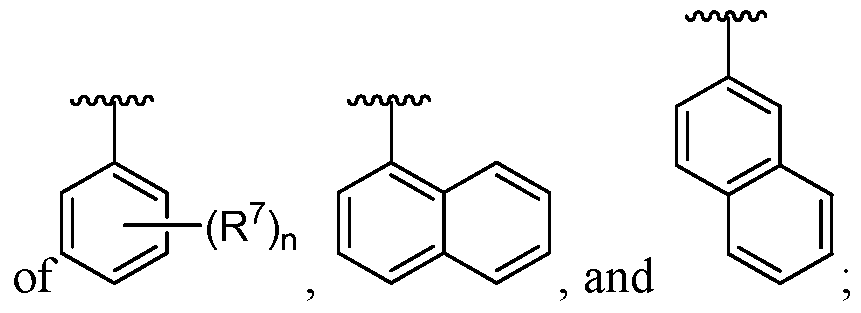 and
and
R7 is selected from the group consisting of halogen, phenyl, and alkyl; and
n is 0-5.

7. A method for inhibiting transport of heme across a membrane in a parasitic heme auxotrophic organism comprising contacting the parasitic organism with an effective amount of com ound having the following structure:

wherein R1 is selected from the group consisting of -OH, -OMe, and -NHR6, wherein R6 is selected from the group consisting of C1-C5 alkyl, C3-C6 cycloalkyl, substituted or unsubstituted pyridine, and phenyl;
R2 is selected from the group consisting of -H, -F, -CI, -OMe, and -OH;
R is selected from the group consisting of C4-C6 cycloalklyl, phenyl, and substituted or unsubstituted pyridine;
R4 is selected from the group consisting of substituted or unsubstituted Ci-Cs alkyl, C4-C6 cycloalklyl, substituted or unsubstituted phenyl, substituted or unsubstituted alkyl amine, naphthyl, and heterocyclic;
R5 is selected from the group consisting of

R7 is selected from the group consisting of halogen, phenyl, and alkyl:
n is 0-5;
Y is selected from the group consisting of -H, -F, -CI, and -Me; and
Z is O, or R8 wherein R8 is
 and R9 is selected from the group consisting
-OMe, and -F,
such that the transport of the heme across the membrane is inhibited or prevented. f claim 7, wherein the compound has the following structure:

wherein R1 is selected from the group consisting of -OH, -OMe, and - HR6, wherein R6 selected from the group consisting of C1-C5 alkyl, C3-C6 cycloalkyl, substituted or unsubstituted pyridine, and phenyl;
R2 is selected from the group consisting of -H, -F, -CI, -OMe, and -OH; and
R3 is selected from the group consisting of C4-C6 cycloalklyl, phenyl and pyridine. hod of claim 7, wherein the compound has the following structure:

R5 is selected from the group consisting of

R7 is selected from the group consisting of halogen, phenyl, and alkyl:
n is 0-5; and
Y is selected from the group consisting of -H, -F, -CI, and -Me.
The method of any one of claims 7 or 8, wherein the compound has the following

wherein R is selected from the group consisting of C4-C6 cycloalkyl, phenyl and pyridine.
11. The method of any one of claims 7 or 9, wherein the compounds have the following ructures:

wherein R4 is selected from the group consisting of Ci-Cs alkyl, C4-C6 cycloalklyl, substituted or unsubstituted phenyl substituted or unsubstituted naphthyl, substituted or unsubstituted alkyl amine, and heterocyclic;
R5 is selected from the group consisting
 and
and
R7 is selected from the group consisting of halogen, phenyl, and alkyl; and
n is 0-5.
12. The method of claim 7, wherein the compound has the following structure:

13. The method of claim 7, wherein the parasitic heme auxotrophic organism is Leishmania.
14. The method of claim 13, wherein Leishmania is a promastigote or an amastigote.
15. The method of any one of claims 7, 8, 9 or 12, wherein the inhibiting the transport of the heme is lethal to the parasitic heme auxotrophic organism.
16. The method of claim 10, wherein the inhibiting the transport of the heme is lethal to the parasitic heme auxotrophic organism. 17. The method of claim 11, wherein the inhibiting the transport of the heme is lethal to the parasitic heme auxotrophic organism.
18. The method of claim 13, wherein the inhibiting the transport of the heme is lethal to the parasitic heme auxotrophic organism
19. A kit comprising a compound having the following structure:

wherein R1 is selected from the group consisting of -OH, -OMe, and -NHR6, wherein R6 is selected from the group consisting of C1-C5 alkyl, C3-C6 cycloalkyl, substituted or unsubstituted pyridine, and phenyl;
R2 is selected from the group consisting of -H, -F, -CI, -OMe, and -OH;
R3 is selected from the group consisting of C4-C6 cycloalklyl, phenyl, and substituted or unsubstituted pyridine;
R4 is selected from the group consisting of substituted or unsubstituted Ci-Cs alkyl, C4-C6 cycloalklyl, substituted or unsubstituted phenyl, substituted or unsubstituted alkyl amine, naphthyl, and heterocyclic;
R5 is selected from the group consisting of
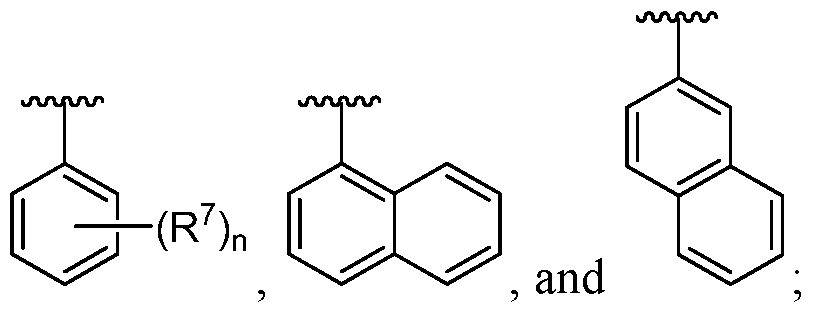
R7 is selected from the group consisting of halogen, phenyl, and alkyl:
n is 0-5;
Y is selected from the group consisting of -H, -F, -CI, and -Me; and
Z is O, or NR8 wherein R8 is
 , and R9 is selected from the group consisting of -
OMe, and -F.
20. The kit of claim 19, further comprising instructions for using the compounds to inhibit the growth of or kill a parasitic heme auxotrophic organism.
21. The kit of claim 19, wherein the instructions comprise an indication that the parasitic heme auxotrophic organism is Leishmania.
Priority Applications (2)
| Application Number | Priority Date | Filing Date | Title |
|---|---|---|---|
| US15/571,879 US10227320B2 (en) | 2015-05-06 | 2016-05-06 | Compounds for treating parasitic infections |
| US16/260,864 US10662168B2 (en) | 2015-05-06 | 2019-01-29 | Compounds for treating parasitic infections |
Applications Claiming Priority (2)
| Application Number | Priority Date | Filing Date | Title |
|---|---|---|---|
| US201562157870P | 2015-05-06 | 2015-05-06 | |
| US62/157,870 | 2015-05-06 |
Related Child Applications (2)
| Application Number | Title | Priority Date | Filing Date |
|---|---|---|---|
| US15/571,879 A-371-Of-International US10227320B2 (en) | 2015-05-06 | 2016-05-06 | Compounds for treating parasitic infections |
| US16/260,864 Division US10662168B2 (en) | 2015-05-06 | 2019-01-29 | Compounds for treating parasitic infections |
Publications (1)
| Publication Number | Publication Date |
|---|---|
| WO2016179505A1 true WO2016179505A1 (en) | 2016-11-10 |
Family
ID=57217828
Family Applications (1)
| Application Number | Title | Priority Date | Filing Date |
|---|---|---|---|
| PCT/US2016/031234 Ceased WO2016179505A1 (en) | 2015-05-06 | 2016-05-06 | Compounds for treating parasitic infections |
Country Status (2)
| Country | Link |
|---|---|
| US (2) | US10227320B2 (en) |
| WO (1) | WO2016179505A1 (en) |
Families Citing this family (2)
| Publication number | Priority date | Publication date | Assignee | Title |
|---|---|---|---|---|
| CN113512430B (en) * | 2021-08-17 | 2023-05-02 | 烟台显华科技集团股份有限公司 | Negative dielectric anisotropic liquid crystal composition and liquid crystal display device |
| CN113512427B (en) * | 2021-08-17 | 2023-04-28 | 烟台显华科技集团股份有限公司 | Liquid crystal compound having negative dielectric anisotropy, liquid crystal composition, and liquid crystal display device |
Citations (7)
| Publication number | Priority date | Publication date | Assignee | Title |
|---|---|---|---|---|
| US3519678A (en) * | 1965-04-01 | 1970-07-07 | Parke Davis & Co | Halo-substituted 2-acetoxy benzanilides |
| US20050165068A1 (en) * | 2002-01-31 | 2005-07-28 | Patrice Lepape | Compounds, in particularly of urea derivatives or esters of haloacetamidobenzoic acid and use thereof for the treatment of parasitic diseases |
| US20060206946A1 (en) * | 2005-02-15 | 2006-09-14 | University Of Maryland, College Park | Method of disrupting heme transport in nematodes and of modelling and evaluating eukaryotic heme transport |
| US20070099919A1 (en) * | 2005-10-06 | 2007-05-03 | Rana Tariq M | Composition and synthesis of new reagents for inhibition of HIV replication |
| US20090305886A1 (en) * | 2006-04-20 | 2009-12-10 | Basf Se | Pesticidal Mixtures |
| US20100062937A1 (en) * | 2005-06-15 | 2010-03-11 | Bayer Cropscience Ag | Benzanilides with insecticidal activity |
| US20130210915A1 (en) * | 2010-06-11 | 2013-08-15 | Göran Wadell | Antiviral compounds |
-
2016
- 2016-05-06 US US15/571,879 patent/US10227320B2/en active Active
- 2016-05-06 WO PCT/US2016/031234 patent/WO2016179505A1/en not_active Ceased
-
2019
- 2019-01-29 US US16/260,864 patent/US10662168B2/en not_active Expired - Fee Related
Patent Citations (7)
| Publication number | Priority date | Publication date | Assignee | Title |
|---|---|---|---|---|
| US3519678A (en) * | 1965-04-01 | 1970-07-07 | Parke Davis & Co | Halo-substituted 2-acetoxy benzanilides |
| US20050165068A1 (en) * | 2002-01-31 | 2005-07-28 | Patrice Lepape | Compounds, in particularly of urea derivatives or esters of haloacetamidobenzoic acid and use thereof for the treatment of parasitic diseases |
| US20060206946A1 (en) * | 2005-02-15 | 2006-09-14 | University Of Maryland, College Park | Method of disrupting heme transport in nematodes and of modelling and evaluating eukaryotic heme transport |
| US20100062937A1 (en) * | 2005-06-15 | 2010-03-11 | Bayer Cropscience Ag | Benzanilides with insecticidal activity |
| US20070099919A1 (en) * | 2005-10-06 | 2007-05-03 | Rana Tariq M | Composition and synthesis of new reagents for inhibition of HIV replication |
| US20090305886A1 (en) * | 2006-04-20 | 2009-12-10 | Basf Se | Pesticidal Mixtures |
| US20130210915A1 (en) * | 2010-06-11 | 2013-08-15 | Göran Wadell | Antiviral compounds |
Non-Patent Citations (1)
| Title |
|---|
| DATABASE PubChem [O] 15 July 2005 (2005-07-15), "2-[(2-anilinobenzoyl)amino]benzoic Acid", XP055328435, Database accession no. 2327258 * |
Also Published As
| Publication number | Publication date |
|---|---|
| US20190152938A1 (en) | 2019-05-23 |
| US10662168B2 (en) | 2020-05-26 |
| US10227320B2 (en) | 2019-03-12 |
| US20180118704A1 (en) | 2018-05-03 |
Similar Documents
| Publication | Publication Date | Title |
|---|---|---|
| Dürüst et al. | Synthesis and anti-protozoal activity of novel dihydropyrrolo [3, 4-d][1, 2, 3] triazoles | |
| Witschel et al. | Inhibitors of plasmodial serine hydroxymethyltransferase (SHMT): cocrystal structures of pyrazolopyrans with potent blood-and liver-stage activities | |
| Wu et al. | Imidazolopiperazines: hit to lead optimization of new antimalarial agents | |
| Pagliero et al. | Synthesis, stereoelectronic characterization and antiparasitic activity of new 1-benzenesulfonyl-2-methyl-1, 2, 3, 4-tetrahydroquinolines | |
| Kumar et al. | Synthesis, biological evaluation and molecular modeling studies of phenyl-/benzhydrylpiperazine derivatives as potential MAO inhibitors | |
| US9695193B2 (en) | Inhibitors of Plasmodium falciparum equilibrative nucleoside transporter type I as anti-parasitic compounds | |
| Ugwu et al. | Synthesis and structural activity relationship study of antitubercular carboxamides | |
| JP2019515878A (en) | Fluorine-substituted cyclopropylamine compound, method for producing the same, drug composition and use thereof | |
| Agarwal et al. | Synthesis of 4-pyrido-6-aryl-2-substituted amino pyrimidines as a new class of antimalarial agents | |
| Ye et al. | Novel N-Substituted oseltamivir derivatives as potent influenza neuraminidase inhibitors: Design, synthesis, biological evaluation, ADME prediction and molecular docking studies | |
| US11485720B2 (en) | Anti-infective agents | |
| Girault et al. | Potent and specific inhibitors of trypanothione reductase from Trypanosoma cruzi: bis (2-aminodiphenylsulfides) for fluorescent labeling studies | |
| Stec et al. | Modification of Triclosan Scaffold in Search of Improved Inhibitors for Enoyl‐Acyl Carrier Protein (ACP) Reductase in Toxoplasma gondii | |
| AU2016301027A1 (en) | Analogs of adamantylureas as soluble epoxide hydrolase inhibitors | |
| Kumar et al. | Synthesis, antimalarial activity, and target binding of dibenzazepine-tethered isoxazolines | |
| US10662168B2 (en) | Compounds for treating parasitic infections | |
| Wang et al. | Design, synthesis and antimycobacterial activity of less lipophilic Q203 derivatives containing alkaline fused ring moieties | |
| Kondaparla et al. | Synthesis and antimalarial activity of new 4-aminoquinolines active against drug resistant strains | |
| Keleş Atıcı et al. | Urea derivatives carrying a thiophenylthiazole moiety: Design, synthesis, and evaluation of antitubercular and InhA inhibitory activities | |
| US20130071328A1 (en) | Propynoic Acid Carbamoyl Methyl-Amides and Pharmaceutical Compositions and Methods Based Thereon | |
| Yoshikawa et al. | Pyridinium cationic-dimer antimalarials, unlike chloroquine, act selectively between the schizont stage and the ring stage of Plasmodium falciparum | |
| Barrows et al. | Evaluation of 1, 1-cyclopropylidene as a thioether isostere in the 4-thio-thienopyrimidine (TTP) series of antimalarials | |
| Anusha et al. | Synthesis, characterization and in vitro evaluation of novel enantiomerically-pure sulphonamide antimalarials | |
| da Silva Araújo et al. | Synthesis and antibacterial activity of mefloquine-based analogs against sensitive and resistant mycobacterium tuberculosis strains | |
| WO2015048306A1 (en) | Novel agents targeting cyp51 |
Legal Events
| Date | Code | Title | Description |
|---|---|---|---|
| 121 | Ep: the epo has been informed by wipo that ep was designated in this application |
Ref document number: 16790165 Country of ref document: EP Kind code of ref document: A1 |
|
| WWE | Wipo information: entry into national phase |
Ref document number: 15571879 Country of ref document: US |
|
| NENP | Non-entry into the national phase |
Ref country code: DE |
|
| 122 | Ep: pct application non-entry in european phase |
Ref document number: 16790165 Country of ref document: EP Kind code of ref document: A1 |