WO2016157847A1 - ネットワークシステム、ノード装置、制御装置、通信制御方法および制御方法 - Google Patents
ネットワークシステム、ノード装置、制御装置、通信制御方法および制御方法 Download PDFInfo
- Publication number
- WO2016157847A1 WO2016157847A1 PCT/JP2016/001708 JP2016001708W WO2016157847A1 WO 2016157847 A1 WO2016157847 A1 WO 2016157847A1 JP 2016001708 W JP2016001708 W JP 2016001708W WO 2016157847 A1 WO2016157847 A1 WO 2016157847A1
- Authority
- WO
- WIPO (PCT)
- Prior art keywords
- node
- mode
- port
- communication interface
- physical layer
- Prior art date
- Legal status (The legal status is an assumption and is not a legal conclusion. Google has not performed a legal analysis and makes no representation as to the accuracy of the status listed.)
- Ceased
Links
Images







Classifications
-
- H—ELECTRICITY
- H04—ELECTRIC COMMUNICATION TECHNIQUE
- H04L—TRANSMISSION OF DIGITAL INFORMATION, e.g. TELEGRAPHIC COMMUNICATION
- H04L45/00—Routing or path finding of packets in data switching networks
- H04L45/64—Routing or path finding of packets in data switching networks using an overlay routing layer
-
- H—ELECTRICITY
- H04—ELECTRIC COMMUNICATION TECHNIQUE
- H04L—TRANSMISSION OF DIGITAL INFORMATION, e.g. TELEGRAPHIC COMMUNICATION
- H04L45/00—Routing or path finding of packets in data switching networks
- H04L45/38—Flow based routing
-
- H—ELECTRICITY
- H04—ELECTRIC COMMUNICATION TECHNIQUE
- H04L—TRANSMISSION OF DIGITAL INFORMATION, e.g. TELEGRAPHIC COMMUNICATION
- H04L45/00—Routing or path finding of packets in data switching networks
- H04L45/42—Centralised routing
-
- H—ELECTRICITY
- H04—ELECTRIC COMMUNICATION TECHNIQUE
- H04L—TRANSMISSION OF DIGITAL INFORMATION, e.g. TELEGRAPHIC COMMUNICATION
- H04L45/00—Routing or path finding of packets in data switching networks
- H04L45/74—Address processing for routing
-
- H—ELECTRICITY
- H04—ELECTRIC COMMUNICATION TECHNIQUE
- H04L—TRANSMISSION OF DIGITAL INFORMATION, e.g. TELEGRAPHIC COMMUNICATION
- H04L61/00—Network arrangements, protocols or services for addressing or naming
- H04L61/09—Mapping addresses
- H04L61/10—Mapping addresses of different types
- H04L61/103—Mapping addresses of different types across network layers, e.g. resolution of network layer into physical layer addresses or address resolution protocol [ARP]
Definitions
- the present invention relates to a network system based on software networking (Software Defined Networking: SDN) technology, and more particularly to a node control technology in an SDN network system.
- SDN Software Defined Networking
- OpenFlow registered trademark; the same applies hereinafter
- SDN software networking
- an SDN network composed of a network composed of a plurality of forwarding nodes and a control device that controls each forwarding node.
- OpenFlow it is determined by a combination of identifiers such as an input physical port number (L1 layer), a MAC (Media Access Control) address (L2 layer), an IP address (L3 layer), and a port number (L4 layer).
- L1 layer physical port number
- L2 layer MAC (Media Access Control) address
- L3 layer IP address
- L4 layer port number
- a series of communications is defined as a “flow”, and path control in units of flows is realized.
- the OpenFlow switch (OFS) functioning as a forwarding node operates according to the flow table, and the flow table is rewritten by an instruction from the OpenFlow controller (OFC) functioning as a control device.
- OFC OpenFlow controller
- the flow table stores, for each flow, a flow entry including a rule, statistical information, and an action that defines a process to be applied to a packet that matches the rule.
- the rule is a condition for identifying a flow
- the statistical information is statistical information about the network such as the total number of packets and the total packet size of the flow.
- the OpenFlow controller (OFC) can grasp the status of the entire network by collecting statistical information from each OFS.
- an action in the case of “Output” instructing to transfer a packet from a designated physical port, as an output physical port, all physical ports (ALL) other than the input physical port and physical ports (to be transferred to the controller) CONTROLLER), input physical port (IN_PORT), and the like can be designated.
- the above-mentioned SDN is centered on control of layer 2 (L2) or higher.
- layer 2 layer 2
- L1 physical layer
- the present situation is that the physical layer is not sufficiently matured and cannot be interconnected between different vendors. For this reason, even if the control below L1 is opened, the SDN controller needs to be controlled in consideration of the characteristics peculiar to the vendor, which may cause problems such as an increase in control load and a decrease in processing speed.
- an object of the present invention is to provide a network system, a node device, a control device, a communication control method, and a control method that can easily execute control of a physical layer device necessary for flow control.
- a communication system is a communication system having a plurality of nodes constituting a network and a control device that controls each node in units of flows, and each port of the node is provided with at least one communication interface.
- the control device instructs the node to set the physical layer mode of the port, and the node sets the corresponding communication interface according to the physical layer mode instructed by the control device.
- a node device is a node device of a network controlled by a control device, and has a plurality of ports for transmitting and receiving packets to and from the network, and packets according to flow unit control from the control device Transfer means for performing transfer of data, at least one communication interface provided for each of the plurality of ports, and a communication interface provided for the designated port according to a physical layer mode of the port designated by the control device And mode management means for setting.
- a control device is a control device that executes control in units of flows for each of a plurality of nodes constituting a network, and is a mode in which one or more physical layer modes are defined for each port of the node And a node management means for notifying the node of mode designation information for designating a physical layer mode of one port of a certain node.
- a communication control method in a communication system is a communication control method in a communication system having a plurality of nodes constituting a network and a control device that controls each node in units of flows, and each port of the node has a communication control method.
- At least one communication interface is provided, and the control device instructs the node to set a physical layer mode of the port, and the node responds according to the physical layer mode instructed by the control device.
- a communication interface is set.
- a node device communication control method includes a plurality of ports that transmit and receive packets to and from a network controlled by the control device, and a transfer unit that transfers packets according to flow unit control from the control device.
- a control method is a control method for controlling each of a plurality of nodes constituting a network in units of a flow, wherein a mode table holds one or more physical layer modes in each port of the node, and node management The means notifies the node of mode designation information for designating a physical layer mode of one port of a certain node.
- the control device defines the physical layer mode for each port, and the node sets its own physical layer device according to the physical layer mode of the port specified by the control device, which is necessary for flow control. It is possible to easily control a physical layer device.
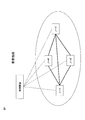
- FIG. 1 is a schematic diagram showing a network system configuration for explaining the background art.
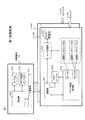
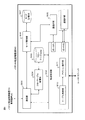
- FIG. 2 is a block diagram showing a schematic configuration of the network stem control device and each node according to the first embodiment of the present invention.
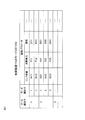
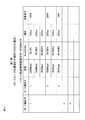
- FIG. 3 is a schematic diagram showing an example of the data structure of the mode database in the control apparatus 10 shown in FIG.
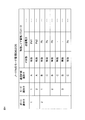
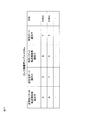
- FIG. 4 is a schematic diagram showing an example of the data structure of the mode management database in the node shown in FIG.
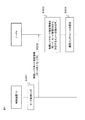
- FIG. 5 is a sequence diagram showing the operation of the network system according to the first embodiment.
- FIG. 6 is a diagram showing a schematic configuration of a network system according to the second embodiment of the present invention.
- FIG. 7 is a block diagram showing a configuration example of a packet transfer control device according to the second embodiment.
- FIG. 1 is a schematic diagram showing a network system configuration for explaining the background art.
- FIG. 2 is a block diagram showing a schematic configuration of the network stem control device and each node according to the first embodiment of the present invention.
- FIG. 8 is a block diagram illustrating a configuration example of a packet transfer function unit according to the second embodiment.
- FIG. 9 is a block diagram showing a partial configuration example of one communication interface associated with one port of the packet transfer function unit according to the second embodiment.
- FIG. 10 is a schematic diagram showing an example of the data structure of the mode database in the packet transfer control device in the configuration example shown in FIG.
- FIG. 11 is a schematic diagram showing an example of the data structure of the mode management database in the packet transfer function unit in the configuration example shown in FIG.
- FIG. 12 is a block diagram illustrating a partial configuration example of a plurality of communication interfaces associated with one port of the packet transfer function unit according to the second embodiment.
- FIG. 13 is a schematic diagram showing an example of the data structure of the mode database in the packet transfer control device in the configuration example shown in FIG.
- FIG. 14 is a schematic diagram showing an example of the data structure of the mode management database in the packet transfer function unit in the configuration example shown in FIG.
- FIG. 15 is a diagram showing a schematic configuration of a network system according to the third embodiment of the present invention.
- FIG. 16 is a block diagram showing a configuration example of a packet transfer control device according to the third embodiment.
- FIG. 17 is a schematic diagram showing an example of the data structure of the link information table included in the topology management unit in the packet transfer control device shown in FIG.
- FIG. 18 is a diagram showing a schematic configuration of a network system according to the fourth embodiment of the present invention.
- FIG. 19 is a block diagram illustrating a configuration example of a plurality of communication interfaces associated with one port of the packet transfer function unit according to the fourth embodiment.
- FIG. 20 is a schematic diagram showing an example of the data structure of the mode database in the packet transfer control device shown in FIG.
- FIG. 21 is a schematic diagram showing an example of the data structure of the mode management database in the packet transfer function unit shown in FIG.
- FIG. 22 is a diagram showing a schematic configuration of a network system according to the fifth embodiment of the present invention.
- FIG. 23 is a schematic diagram showing an example of the data structure of the mode database in the packet transfer control device shown in FIG.
- FIG. 24 is a schematic diagram showing an example of the data structure of the mode management database in the packet transfer function unit shown in FIG.
- a control device that controls a node of a network defines one or more physical layer configuration modes (hereinafter referred to as physical layer mode) for each port of the node, According to the physical layer mode designated by the control device, the setting of the physical device associated with the port is changed, for example, the physical parameter of one physical device is changed or switched to another physical device. Therefore, the control device does not need to consider the vendor-specific characteristics of the physical layer device provided in each node, and the control load of the physical layer device necessary for flow control can be reduced.
- physical layer mode physical layer configuration modes
- the physical layer mode is composed of at least one or more logical parameters (for example, link capacity, delay, power consumption, etc.), and the control device can select the physical layer mode of each port according to network conditions.
- logical parameters for example, link capacity, delay, power consumption, etc.
- a network system includes a plurality of nodes N connected by wired or wireless physical links, and a control device 10 that controls each node. Consists of.
- the control device 10 defines one or a plurality of physical layer modes for each port of each node, and each node changes the setting of the physical device corresponding to the physical layer mode designated by the control device 10.
- the control device 10 includes a node communication unit 101 for communicating with each node N, a packet transfer rule database (DB) 102, a mode DB 103, and a control unit 104. Since the path control in units of flows using the packet transfer rule DB 102 is the same as in the background art, detailed description thereof is omitted.
- the mode DB 103 is a table that defines one or more physical layer modes for each port of each node. Details will be described later.
- the node N includes a communication unit 201 for performing communication with the control device 10, a flow table 202, a packet transfer processing unit 203, a mode management unit 204, and a mode management DB 205. Since the route control in units of flows using the flow table 202 and the packet transfer processing unit 203 is the same as that in the background art, detailed description thereof is omitted. According to this embodiment, one or a plurality of communication interfaces are associated with each port of the packet transfer processing unit 203. Here, for simplification, it is assumed that one communication interface A is associated with one port P1, and two interfaces B and C are associated with another port P2.
- the mode management DB 205 is a table that defines one or more physical layer modes for each port and stores setting parameters of the communication interface corresponding to each mode. Details will be described later.
- the communication medium of the communication interface may be electric, light, or radio wave. However, as described later, it is necessary to be able to change communication parameters such as a communication band, a communication speed, and transmission power by at least one communication interface in each port. is there.
- the mode management unit 204 can change the parameter setting of the communication interface associated with each port in accordance with an instruction from the control device 10.
- the mode DB 103 of the control device 10 stores mode information for each port of each node.
- Each mode is defined by logical parameters such as link capacity, power consumption, and delay.
- a combination of a port ID and a mode ID is used as an example of information specifying the physical layer mode, but the maximum link capacity can be used instead of the mode ID.
- the mode management DB 205 of the node N stores communication interface setting information for each mode defined for each port.
- the combinations of ports and modes in the mode management DB 205 correspond to the combinations of ports and modes defined in the mode DB 103 of the control device 10.
- the physical setting of the communication interface in the node N is defined so as to satisfy the physical layer condition specified by the combination of the port and mode defined in the control device 10.
- Each mode corresponds to a combination of setting states of the two communication interfaces B and C.
- the physical layer mode defined in the mode management DB 205 corresponds to the physical layer mode information specified by the control device 10, but the contents of the management parameter are connected to each port of each node N. Communication interface (physical device). The operation of this embodiment will be described below.
- the control unit 104 of the control device 10 refers to the mode DB 103 and performs physical layer mode change control on the node N port.
- the mode change trigger is, for example, a case where it is determined that the communication parameter should be changed based on statistical information acquired from the node N and a predetermined control policy.
- the control unit 104 selects an appropriate one from a plurality of modes defined for the corresponding port in the mode DB 103 according to the control policy, and performs node communication with physical layer mode designation information including the port ID and the selected mode ID.
- the node N is notified through the unit 101 (operation S302).
- the physical layer mode designation information can be transmitted by, for example, an OpenFlow Port Modification Message.
- the physical layer mode can be specified by performing the Netconf edit-config operation using RPC (Remote Procedure Control).
- the mode management unit 204 of the node N refers to the mode management DB 205 and matches the port ID and mode ID in the physical layer mode designation information.
- the entry is read (operation S303).
- the mode management unit 204 sets a communication interface according to the physical layer management parameter of the read entry (operation S304).
- the physical layer mode is defined between the control device and each node, and the physical layer mode designation of the specific port from the control device is performed. Then, the communication setting of the physical device associated with the port of the node is performed. This eliminates the need for the control device to consider the vendor-specific characteristics of the physical device provided in each node, thereby reducing the control load on the physical layer device necessary for flow control.
- control device can specify the physical layer mode of each port according to the network status
- each node can set the communication settings of its own physical layer device according to the specified mode, Efficient operation is possible.
- one or more physical layer modes are defined for each port of each node, and the control device is further transferred to the node.
- the physical layer mode to be notified is determined according to the control policy.
- the control policy is updated according to the network status. For example, the control policy can be generated or updated based on statistical information acquired from each node of the network.
- the generation or update of the control policy may be executed by management means provided in the control device, or may be executed by management means provided on the network separately from the control device.
- each node is a wireless communication device
- the control device is a packet transfer control device
- each node is a packet transfer function unit
- the control policy is managed by a management device separate from the packet transfer control device.
- the network system includes a management device 30, a packet transfer control device 40, and a plurality of packet transfer function units 50.
- a management device 30 for example, an EMS (Element Management System) that directly manages network devices can be used.
- the management device 30 and the packet transfer control device 40 may constitute one management system.
- the plurality of packet transfer function units 50 are connected by wired or wireless physical links to form the network 20, and flow control and physical layer mode control are executed by the packet transfer control device 40.
- the packet transfer control device 40 has the same function as the control device 10 in the first embodiment, and the packet transfer function unit 50 has the same function as the node N, but the packet transfer control device 40 provides the management device 30.
- the physical layer mode designation information is selected according to the control policy to be selected. Details of the packet transfer control device 40 and the packet transfer function unit 50 will be described later.
- the management apparatus 30 acquires statistical information regarding each flow in each packet transfer function unit 50 of the network 20 (operation S401), and performs, for example, new control according to the network status obtained from the statistical information Policy generation, update of existing control policy, and the like are executed (operation S402).
- the control policy is, for example, a time-dependent control policy in which the low delay mode is set during the daytime and the power saving mode is set during the night. The low delay mode is set when the traffic of the network 20 exceeds a predetermined value.
- a traffic-dependent control policy that is set to the power saving mode can be adopted as follows.
- the management device 30 notifies the packet transfer control device 40 of the new control policy or update control policy set in this way (operation S403).
- the packet transfer control device 40 determines the physical layer mode based on the control policy provided from the management device 30 as described in the first embodiment (operation S404), and includes, for example, a combination of a port ID and a mode ID.
- the physical layer mode designation information is notified to the packet transfer function unit 50 (operation S405). For example, when a control policy is instructed such as low delay mode in the daytime (for example, 9:00 am to 5:00 pm) and power saving mode in the nighttime (for example, 9:00 pm to 6:00 am the next morning), the packet transfer control device 40 If so, the physical layer mode in which the network 20 operates with low delay is selected, and the physical layer mode in which the network 20 operates in the power saving mode is selected at night, and the packet transfer function unit 50 is notified.
- the management device 30 can notify the packet transfer control device 40 of the control policy updated in the day / night time zone, or can switch to another control policy (for example, the traffic-dependent control policy). .
- the packet transfer control device 40 includes a communication unit 401 for connecting to a network and communicating with the packet transfer function unit 50 and the management device 30, and further, routes in units of flows.
- Functional units for executing control control message processing unit 402, packet transfer rule management unit 403, packet transfer rule DB 404, route / action calculation unit 405, topology management unit 406, communication terminal location management unit 407, and packet transfer function management Part 408).
- the packet transfer control device 40 further includes a mode DB 409 and a policy storage unit 410 managed by the packet transfer function management unit 408. While managing the capability of the packet transfer function unit 50, the packet transfer function management unit 408 associates the port of the packet transfer function unit 50 with the physical layer mode and stores it in the mode DB 409 for management.
- the mode DB 409 stores a table defining one or more physical layer modes for each port of each packet transfer function unit 50, as will be described later.
- the packet transfer function management unit 408 stores the control policy received from the management apparatus 30 through the communication unit 401 and the control message processing unit 402 in the policy storage unit 410, and performs management according to the control policy. That is, the packet transfer function management unit 408 has a function of selecting an appropriate physical layer mode according to the control policy by referring to the mode DB 409 and the policy storage unit 410.
- the packet transfer function unit 50 includes a communication unit 501 for communicating with the packet transfer control device 40 and the management device 30, and further performs packet transfer controlled in units of flows. It has functional units (transfer processing unit 502, flow table DB 503, and flow table management unit 504) for execution.
- the transfer processing unit 502 has two functional units, a table search unit 510 and an action execution unit 511, and a plurality of ports.
- One or a plurality of communication interface units 505 are connected to each port of the transfer processing unit 502.
- the communication interface unit 505 is a physical interface such as electric, wireless, and optical, and can include an interface such as Ethernet (registered trademark, the same applies hereinafter).
- the table search unit 510 of the transfer processing unit 502 searches the flow table DB 503 using the layer 1 to layer 4 header information of the received packet, and if there is a matching flow entry, the action execution unit 511 sets the flow entry. Apply the defined action to the received packet.
- the mode management unit 506 can change the setting of the communication interface unit 505 by referring to the mode management DB 507 based on the physical mode designation information (port ID and mode ID) instructed from the packet transfer control device 40.
- the mode management DB 507 stores communication mode setting information for each mode defined for each port, as will be described later.
- a wireless communication device will be exemplified as the communication interface unit 505, and a first example in which one communication interface is associated with a port and a second example in which a plurality of communication interfaces are associated with a port will be described with reference to the drawings. However, it explains in detail.
- FIG. 9 illustrates a configuration around a port of the transfer processing unit 502 in the packet transfer function unit 50 of FIG.
- the first example it is assumed that one wireless communication interface unit 505 is connected to the port of the transfer processing unit 502, and the transmission power of the wireless transmission / reception unit in the wireless communication interface unit 505 can be controlled by the mode management unit 506.
- the mode management unit 506 a data configuration example of the mode DB 409 of the packet transfer control device 40 and the mode management DB 507 of the packet transfer function unit 50 in the first example will be described.
- the mode DB 409 of the packet transfer control device 40 stores mode information for each port of each node.
- each physical layer mode is defined by power consumption.
- the physical layer condition (power consumption) of the port can be specified using information specifying the physical layer mode (here, a combination of the port ID and the mode ID).
- the mode changes, the transmission power of the communication interface unit 505 changes, so the modulation scheme applicable in adaptive modulation changes, which is reflected in the upper limit of capacity for each mode.
- the mode management DB 507 of the packet transfer function unit 50 stores communication interface setting information for each mode defined for each port.
- the port and mode combinations in the mode management DB 507 correspond to the port and mode combinations defined in the mode DB 409 of the packet transfer control device 40. Further, since the communication interface ID is provided corresponding to the mode ID, the mode management unit 506 can resolve the correspondence between the port and the communication interface unit 505 by referring to the mode management DB 507.
- the mode management unit 506 can change the reference transmission power of the wireless communication interface unit 505 according to the physical layer mode designation information (port ID and mode ID) selected by the packet transfer control device 40 according to the control policy.
- wireless transport is assumed, but the present embodiment is not limited to wireless transport.
- the interface state of the wireless communication interface unit 505 is valid, applied modulation is ON, and automatic transmission power control (ATPC) is ON. It is fixed.
- the mode management DB 507 of the first example does not include the information of the mode DB 409 of the packet transfer control device 40, but may include it.
- FIG. 12 illustrates a configuration around a port of the transfer processing unit 502 in the packet transfer function unit 50 of FIG.
- a plurality of wireless communication interface units 505 are connected to the port of the transfer processing unit 502, the wireless transmission / reception units in the wireless communication interface unit 505 have a constant transmission power, and the mode management unit 506 enables the IF state ( It is assumed that active / invalid (inactive) can be controlled. Therefore, the number of active wireless communication interface units 505 can be changed under the control of the mode management unit 506, and as a result, the transmission / reception data capacity of the port can be changed.
- the mode DB 409 of the packet transfer control device 40 stores mode information for each port of each node.
- each physical layer mode is defined by power consumption / capacity.
- the physical layer condition (power consumption / capacity) of the port can be specified using information specifying the physical layer mode (here, a combination of the port ID and the mode ID).
- the mode changes, the number of effective communication interfaces of the port changes, which is reflected in the change in capacity for each mode.
- the mode management DB 507 of the packet transfer function unit 50 stores communication interface setting information for each mode defined for each port.
- the port and mode combinations in the mode management DB 507 correspond to the port and mode combinations defined in the mode DB 409 of the packet transfer control device 40.
- the mode management unit 506 refers to the mode management DB 507 to associate the port with the active communication interface unit 505. You can solve the relationship.
- the packet transfer control device 40 designates a desired physical layer condition (power consumption / capacity in this case) by physical layer mode designation information (combination of port ID and mode ID) according to the control policy, thereby
- the transfer function unit 50 can make settings based on the specified physical layer condition for its own physical device (here, the wireless communication interface unit).
- a wireless transport is assumed, but the present embodiment is not limited to a wireless transport.
- the case where the three wireless communication interface units 505 are connected to the port is illustrated.
- the present embodiment is applicable to cases where a plurality of communication interface units are generally provided.
- the physical layer mode to be notified to the node by the control device is determined according to the control policy.
- the control policy is generated or updated based on network conditions (for example, statistical information acquired from each node of the network). Since the control device can specify the physical layer mode of each port according to the network status, each node can set the communication settings of its own physical layer device in accordance with the specified physical layer mode, thereby making the network more efficient. Operation becomes possible.
- one or more physical layer modes are defined for each port of each node. It also manages the direction of transmission on the link.
- the control device determines the physical layer mode to be notified to the node according to the control policy, so that each port has a port transmission direction for each link according to the network status.
- the physical layer mode can be specified, and the network can be operated more efficiently.
- the network system includes a packet transfer control device 41 and a plurality of packet transfer function units 50.
- the plurality of packet transfer function units 50 are connected by wired or wireless physical links to form the network 20, and flow control and physical layer mode control are executed by the packet transfer control device 41 as in the second embodiment.
- the packet transfer control device 41 executes the same physical layer mode control as in the first and second embodiments according to the direction of data transmission in the link between any adjacent packet transfer function units 50a and 50b.
- this embodiment will be described assuming that a link is configured between the port X of the packet transfer function unit 50a and the port Y of the packet transfer function unit 50b.
- the packet transfer control device 41 has basically the same configuration as the packet transfer control device 40 shown in FIG. 7, except that a link information table 406 a is provided in the topology management unit 406. . Therefore, the blocks having the same functions as those in FIG.
- the packet transfer function units 50a and 50b have the same configuration as the packet transfer function unit 50 shown in FIG.
- the link information table 406a includes a source packet transfer function unit ID and a source port ID, a destination packet transfer function unit ID and a destination port for each of the flows in one direction and the opposite direction.
- the ID and the state (Active / Inactive) of each flow are registered. For example, regarding the flow from the packet transfer function unit 50a to the packet transfer function unit 50b, the source packet transfer function unit ID is “A”, the source port ID is “X”, and the destination packet transfer function unit ID is “B”.
- the destination port ID is “Y” and the flow state is “Active”.
- the packet transfer function management unit 408 of the packet transfer control device 41 refers to the mode DB 409, the policy storage unit 410, and the link information table 406a, so that the port X of the packet transfer function unit 50a or the port Y of the packet transfer function unit 50b is set.
- An appropriate physical layer mode according to the control policy can be selected for the communication interface.
- the source port and the destination port are thus, an appropriate physical layer mode can be designated according to the network status, and the network can be operated more efficiently.
- a plurality of physical layer modes are defined for each port of each node, and the control device uses a redundant configuration of each port.
- the control device can switch the path between the nodes according to the state of the network by determining the physical layer mode to be notified to the node according to the control policy.
- the network system includes a packet transfer control device 42 and a plurality of packet transfer function units 51.
- the plurality of packet transfer function units 51 are connected by wired or wireless physical links to form the network 20, and flow control and physical layer mode control are executed by the packet transfer control device 42 as in the second embodiment.
- the packet transfer control device 42 forms a redundant path between an arbitrary packet transfer function unit 51a and a packet transfer function unit 51b, and uses one as a working path and the other as a backup path.
- a working path and a backup path are configured between the port X1 of the packet transfer function unit 51a and the port Y1 of the packet transfer function unit 51b.
- FIG. 19 illustrates a configuration around the port of the transfer processing unit 502 in the packet transfer function unit 51a of FIG.
- Two wireless communication interface units 505w and 505p are connected to the port X1 of the transfer processing unit 502.
- the wireless communication interface units 505w and 505p may have the same physical parameters, and may use different frequency bands or wavelength bands, for example.
- the wireless communication interface unit 505w is set as a working route and the wireless communication interface unit 505p is set as a backup route. That is, according to the physical layer mode designation information from the packet transfer control device 42, the mode management unit 506 sets the wireless communication interface unit 505w to normal active and the wireless communication interface unit 505p to normal standby.
- communication can be maintained by activating the other wireless communication interface unit 505p.
- communication can be maintained by switching to the backup route even if a failure occurs in the working route.
- the mode DB 409 of the packet transfer control device 42 and the packet are taken as an example when two paths are configured with the same communication parameter between the port X1 of the packet transfer function unit 51a and the port Y1 of the packet transfer function unit 51b.
- a data configuration example of the mode management DB 507 of the transfer function unit 51 will be described.
- the mode DB 409 of the packet transfer control device 42 stores mode information for each port of each node.
- redundant configuration “present” is power consumption “20 W”
- redundant configuration “present” is power consumption “10 W”and redundant configuration“ present ”, respectively
- the redundant configuration is“ none ”with the same communication parameters.
- the physical layer condition (power consumption) of the port is considered in consideration of communication reliability (presence / absence of redundant configuration) using information identifying the physical layer mode (here, a combination of a port ID and a mode ID). ) Can be specified. Note that when the mode changes, the transmission power of the communication interface unit 505 changes, so the modulation scheme applicable in adaptive modulation changes, which is reflected in the upper limit of capacity for each mode.
- the mode management DB 507 of the packet transfer function unit 51 stores communication interface setting information for each mode defined for each port.
- the combination of the port and mode in the mode management DB 507 corresponds to the combination of the port and mode defined in the mode DB 409 of the packet transfer control device 42.
- the mode management unit 506 can resolve the correspondence between the port and the active communication interface unit 505 by referring to the mode management DB 507.
- the control device considers the reliability of inter-node communication using the redundant configuration of each port. Communication control or route selection is possible. Further, by determining the physical layer mode to be notified to the node according to the control policy, it is possible to perform communication control using a redundant configuration or switch the path between nodes according to the network status.
- one or more physical layer modes are defined for each port of each node, and the control device further performs node division in time division. Change the link direction and physical layer condition between.
- the control device can determine the physical layer mode to be notified to the node according to the control policy and further according to the temporal control classification. In other words, by changing the link direction between nodes and the physical layer conditions according to time divisions such as time zone, day, month, season, etc., the network can be changed according to the time fluctuation of traffic volume and direction. Can be operated more efficiently.
- the network system includes a packet transfer control device 43 and a plurality of packet transfer function units 52.
- the plurality of packet transfer function units 52 are connected by wired or wireless physical links to form the network 20, and flow control and physical layer mode control are executed by the packet transfer control device 43 as in the second embodiment.
- the packet transfer control device 43 establishes a link in one direction and a link in the opposite direction between the arbitrary packet transfer function unit 52a and the packet transfer function unit 52b (In direction link and Out direction link for one node). It is possible to manage and change the physical layer mode by time division. It is assumed that a communication interface unit 505 similar to that in FIG. 19 is provided at the port of the packet transfer function unit 52, and the mode management unit 506 changes the setting of the communication interface unit 505 according to the physical layer mode designation information.
- the packet transfer control device 43 has the configuration shown in FIG. 7, and each packet transfer function unit 52 has the configuration shown in FIG. 8, and the mode DB 409 of the packet transfer control device 43 and the packet transfer function unit 52a.
- a data configuration example of the mode management DB 507 will be described. Here, it is assumed that the traffic amount and direction in the packet transfer function unit 52a vary according to the time zone.
- the mode DB 409 of the packet transfer control device 43 stores mode information for each port of each node.
- the mode management DB 507 of the packet transfer function unit 52 stores communication interface setting information for each mode defined for each port.
- the port and mode combinations in the mode management DB 507 correspond to the port and mode combinations defined in the mode DB 409 of the packet transfer control device 43.
- the traffic direction is changed by changing the link direction between nodes and the physical layer condition in a time division manner. It becomes possible to operate the network more efficiently according to the temporal variation of the quantity and direction.
- the present invention is applicable to an SDN transport network system.
- control device 20 network 30 management device 40 to 43 packet transfer control device 50 to 52 packet transfer function unit 101 node communication unit 102 packet transfer rule database 103 mode database 104 control unit 201 communication unit 202 flow table 203 packet transfer processing unit 204 mode Management unit 205 Mode management database 404 Packet transfer rule database 409 Mode database 410 Policy storage unit 502 Transfer processing unit 503 Flow table 505 Communication interface unit 506 Mode management unit 507 Mode management database
Landscapes
- Engineering & Computer Science (AREA)
- Computer Networks & Wireless Communication (AREA)
- Signal Processing (AREA)
- Data Exchanges In Wide-Area Networks (AREA)
Abstract
Description
本発明によるノード装置は、制御装置により制御されるネットワークのノード装置であって、前記ネットワークとの間でパケットの送受信を行う複数のポートを有し、前記制御装置からのフロー単位の制御に従ってパケットの転送を行う転送手段と、前記複数のポートの各々に設けられた少なくとも1つの通信インタフェースと、前記制御装置から指定されたポートの物理レイヤモードに従って、当該指定されたポートに設けられた通信インタフェースを設定するモード管理手段と、を有することを特徴とする。
本発明による制御装置は、ネットワークを構成する複数のノードの各々に対してフロー単位での制御を実行する制御装置であって、前記ノードの各ポートに1つ以上の物理レイヤモードを定義したモードテーブルと、あるノードの一つのポートの物理レイヤモードを指定するモード指定情報を当該ノードへ通知するノード管理手段と、を有することを特徴とする。
本発明による通信システムにおける通信制御方法は、ネットワークを構成する複数のノードと、各ノードをフロー単位で制御する制御装置と、を有する通信システムにおける通信制御方法であって、前記ノードの各ポートに少なくとも1つの通信インタフェースが設けられ、前記制御装置が、前記ノードに対して、ポートの物理レイヤモードの設定を指示し、前記ノードが、前記制御装置により指示された前記物理レイヤモードに従って、対応する通信インタフェースを設定する、ことを特徴とする。
本発明によるノード装置の通信制御方法は、制御装置により制御されるネットワークとの間でパケットの送受信を行う複数のポートと、前記制御装置からのフロー単位の制御に従ってパケットの転送を行う転送手段と、前記複数のポートの各々に設けられた少なくとも1つの通信インタフェースと、を有するノード装置の通信制御方法であって、前記制御装置からポートの物理レイヤモードを指定するモード指定情報を受信し、前記モード指定情報に従って、当該指定されたポートに設けられた通信インタフェースを設定する、ことを特徴とする。
本発明による制御方法は、ネットワークを構成する複数のノードの各々をフロー単位で制御する制御方法であって、モードテーブルが前記ノードの各ポートに1つ以上の物理レイヤモードを保持し、ノード管理手段が、あるノードの一つのポートの物理レイヤモードを指定するモード指定情報を当該ノードへ通知する、ことを特徴とする。
本発明の実施形態によれば、ネットワークのノードを制御する制御装置は、各ノードのポートごとに1つ以上の物理レイヤコンフィグレーションモード(以下、物理レイヤモードという。)を定義し、ノードは、制御装置から指定された物理レイヤモードに従って、当該ポートに紐づいた物理装置の設定変更、たとえば一つの物理装置の物理パラメータの変更あるいは別の物理装置への切り替え等を行う。したがって、制御装置は、各ノードに設けられた物理レイヤ装置のベンダ固有特性を考慮する必要がなくなり、フロー制御に必要な物理レイヤ装置の制御負荷が軽減できる。物理レイヤモードは、少なくとも1つ以上の論理パラメータ(たとえばリンク容量、遅延、消費電力など)から構成され、制御装置はネットワークの状況に応じて各ポートの物理レイヤモードを選択することができる。以下、図面を参照しながら、本発明の実施形態および実施例について詳細に説明する。
1.1)システム構成
図2において、本発明の第1実施形態によるネットワークシステムは、有線あるいは無線の物理リンクで接続された複数のノードNと各ノードを制御する制御装置10とからなる。制御装置10は各ノードのポートごとに1つあるいは複数の物理レイヤモードを定義しておき、各ノードは、制御装置10から指定された物理レイヤモードに対応する物理装置の設定変更を行う。
図3に示すように、制御装置10のモードDB103には、各ノードのポートごとのモード情報が格納されている。図3に示されたノードのポート識別子(ID)=1には2つのモード(モードID=1、2)が定義され、ポートID=2には3つのモード(モードID=1、2、3)が定義されており、各モードはリンク容量、消費電力、遅延等の論理パラメータにより定義される。たとえば、ポートID=1およびモードID=1の組み合わせは、リンク容量W11、消費電力P11、遅延D11等により定義される物理レイヤモードに対応する。したがって、任意のノードに対して、物理レイヤモードを特定する情報を用いて、当該ポートのインタフェースが満たすべき条件を指定することができる。以下、物理レイヤモードを特定する情報の一例としてポートIDとモードIDとの組み合わせを用いるが、モードIDの代わりに最大リンク容量を用いることもできる。
図4に示すように、ノードNのモード管理DB205には、ポートごとに定義された各モードの通信インタフェース設定情報が格納されている。モード管理DB205におけるポートおよびモードの組み合わせは、制御装置10のモードDB103で定義されたポートおよびモードの組み合わせに対応している。言い換えれば、制御装置10で定義されたポートおよびモードの組み合わせにより指定される物理レイヤ条件を満たすように、ノードNにおける通信インタフェースの物理的設定が定義されている。
図5に示すように、制御装置10の制御部104は、モード変更トリガが発生すると(動作S301)、モードDB103を参照し、ノードNのポートにおける物理レイヤモードの変更制御を開始する。モード変更トリガとしては、たとえばノードNから取得する統計情報と所定の制御ポリシとに基づいて、通信パラメータを変更すべきと判断された場合などである。この場合、制御部104は、モードDB103における対応ポートに定義された複数のモードから制御ポリシに従って適切なものを選択し、当該ポートIDおよび選択されたモードIDからなる物理レイヤモード指定情報をノード通信部101を通して当該ノードNへ通知する(動作S302)。物理レイヤモード指定情報は、たとえばOpenFlowのPort Modification Messageで送信することができる。あるいは、Netconfのedit-configのオペレーションをRPC(Remote Procedure Control)を用いて実施することで物理レイヤモードを指定することもできる。
上述したように、本発明の第1実施形態によれば、制御装置と各ノードとの間で物理レイヤモードを定義しておき、制御装置からの特定ポートの物理レイヤモード指定に従って、ノードの当該ポートに紐付いた物理装置の通信設定を行う。これにより、制御装置は、各ノードに設けられた物理装置のベンダ固有特性を考慮する必要がなくなり、フロー制御に必要な物理レイヤ装置の制御負荷が軽減する。
本発明の第2実施形態によれば、上述した第1実施形態と同様に、各ノードのポートごとに1つ以上の物理レイヤモードが定義されており、さらに制御装置はノードへ通知すべき物理レイヤモードを制御ポリシに従って決定する。制御ポリシはネットワークの状況に応じて更新される。たとえば、ネットワークの各ノードから取得した統計情報に基づいて、制御ポリシを生成あるいは更新することができる。制御ポリシの生成あるいは更新は、制御装置内に設けられた管理手段により実行されてもよいし、制御装置とは別個にネットワーク上に設けられた管理手段により実行されてもよい。
図6において、本発明の第2実施形態によるネットワークシステムは、管理装置30、パケット転送制御装置40および複数のパケット転送機能部50からなるものとする。管理装置30としては、例えばネットワーク機器を直接管理するEMS(Element Management System)などを利用できる。管理装置30およびパケット転送制御装置40は一つの管理システムを構成してもよい。
図7に示すように、本実施形態によるパケット転送制御装置40は、ネットワークに接続しパケット転送機能部50および管理装置30と通信するための通信部401を有し、さらに、フロー単位での経路制御を実行するための機能部(制御メッセージ処理部402、パケット転送ルール管理部403、パケット転送ルールDB404、経路・アクション計算部405、トポロジ管理部406、通信端末位置管理部407およびパケット転送機能管理部408)を有する。
図8に示すように、本実施形態によるパケット転送機能部50は、パケット転送制御装置40および管理装置30と通信するための通信部501を有し、さらに、フロー単位で制御されたパケット転送を実行するための機能部(転送処理部502、フローテーブルDB503およびフローテーブル管理部504)を有する。
図9は、図8のパケット転送機能部50における転送処理部502のポート周りの構成を例示する。第1例では、転送処理部502のポートに一つの無線通信インタフェース部505が接続され、無線通信インタフェース部505における無線送受信部はその送信パワーがモード管理部506によって制御可能であるものとする。以下、この第1例におけるパケット転送制御装置40のモードDB409とパケット転送機能部50のモード管理DB507とのデータ構成例を説明する。
図12は、図8のパケット転送機能部50における転送処理部502のポート周りの構成を例示する。第2例では、転送処理部502のポートに複数の無線通信インタフェース部505が接続され、無線通信インタフェース部505における無線送受信部はその送信パワーが一定で、モード管理部506によってIF状態の有効(アクティブ)/無効(インアクティブ)を制御可能であるものとする。したがって、モード管理部506の制御により、アクティブ無線通信インタフェース部505の個数を変化させることができ、結果的にポートの送受信データ容量を変化させることができる。以下、説明を簡単化するために、ポートに3つの無線通信インタフェース部505が接続されている場合を例示し、この第2例におけるパケット転送制御装置40のモードDB409とパケット転送機能部50のモード管理DB507とのデータ構成例を説明する。
上述したように、本発明の第2実施形態によれば、第1実施形態と同様の効果に加えて、制御装置がノードへ通知すべき物理レイヤモードを制御ポリシに従って決定する。制御ポリシは、ネットワークの状況(たとえばネットワークの各ノードから取得した統計情報)に基づいて、生成あるいは更新される。制御装置はネットワークの状況に応じて各ポートの物理レイヤモードを指定することができるので、各ノードが指定された物理レイヤモードに従って自己の物理レイヤ装置の通信設定を行うことで、ネットワークのより効率的な運用が可能となる。
本発明の第3実施形態によれば、上述した第1実施形態と同様に各ノードのポートごとに1つ以上の物理レイヤモードが定義され、さらに制御装置はノード間の一つのリンクにおける伝送方向をも管理する。また、制御装置は、第2実施形態と同様に、ノードへ通知すべき物理レイヤモードを制御ポリシに従って決定することで、ネットワークの状況に応じて、ノード間のリンクの伝送方向ごとに各ポートの物理レイヤモードを指定することができ、ネットワークのより効率的な運用が可能となる。
本発明の第4実施形態によれば、上述した第1実施形態と同様に各ノードのポートごとに複数の物理レイヤモードが定義され、さらに制御装置は各ポートの冗長構成を利用してノード間通信の信頼性を考慮した通信制御あるいは経路選択が可能となる。また、制御装置は、第2実施形態と同様に、ノードへ通知すべき物理レイヤモードを制御ポリシに従って決定することで、ネットワークの状況に応じてノード間の経路の切り替えを行うこともできる。
図18において、本発明の第4実施形態によるネットワークシステムは、パケット転送制御装置42および複数のパケット転送機能部51からなる。複数のパケット転送機能部51は有線あるいは無線の物理リンクで接続されてネットワーク20を構成し、第2実施形態と同様に、パケット転送制御装置42によりフロー制御および物理レイヤモード制御が実行される。パケット転送制御装置42は、任意のパケット転送機能部51aとパケット転送機能部51bとの間に冗長経路を構成し、一方を現用経路、他方を予備経路として使用する。以下、パケット転送機能部51aのポートX1とパケット転送機能部51bのポートY1との間に現用経路と予備経路とが構成されている場合を一例として本実施形態について説明する。
<第1例>
以下、パケット転送機能部51aのポートX1とパケット転送機能部51bのポートY1との間に同じ通信パラメータで2つの経路が構成されている場合を一例として、パケット転送制御装置42のモードDB409とパケット転送機能部51のモード管理DB507のデータ構成例について説明する。
第2実施形態で述べたように、パケット転送制御装置42が制御ポリシに従った物理レイヤモード指定情報(ポートIDおよびモードIDの組み合わせ)により所望の物理レイヤ条件を指定する場合、ネットワークの状況に応じて冗長構成の選択を制御できる。たとえば、より高い信頼性が必要となれば冗長構成を有するポート(ポートID=1)を選択し、それ以外は冗長構成を持たないポート(ポートID=2)を選択する。あるいは、ネットワーク状況に応じてポートを切り替えることで、経路を変更することも可能である。
本発明の第4実施形態によれば、上記第1~第3実施形態の効果に加えて、制御装置が各ポートの冗長構成を利用してノード間通信の信頼性を考慮した通信制御あるいは経路選択が可能となる。また、ノードへ通知すべき物理レイヤモードを制御ポリシに従って決定することで、ネットワークの状況に応じて冗長構成を利用した通信制御あるいはノード間の経路の切り替えを行うことができる。
本発明の第5実施形態によれば、上述した第1実施形態と同様に各ノードのポートごとに1つ以上の物理レイヤモードが定義され、さらに制御装置は、時間分割でノード間のリンク方向および物理レイヤ条件を変更する。制御装置は、第2実施形態と同様に、ノードへ通知すべき物理レイヤモードを、制御ポリシに従って、さらに時間的な制御区分に応じて、決定することができる。すなわち、時間帯別、日別、月別、季節別などの時間区分に応じてノード間のリンク方向とその物理レイヤ条件とを変更することで、トラフィックの量および方向の時間的変動に応じてネットワークをより効率的に運用することが可能となる。
図22において、本発明の第5実施形態によるネットワークシステムは、パケット転送制御装置43および複数のパケット転送機能部52からなる。複数のパケット転送機能部52は有線あるいは無線の物理リンクで接続されてネットワーク20を構成し、第2実施形態と同様に、パケット転送制御装置43によりフロー制御および物理レイヤモード制御が実行される。パケット転送制御装置43は、任意のパケット転送機能部52aとパケット転送機能部52bとの間に一方向のリンクとその反対方向のリンク(一方のノードにとってのIn方向リンクとOut方向リンク)とを管理し、時間分割により物理レイヤモードを変更することができる。パケット転送機能部52のポートには図19と同様の通信インタフェース部505が設けられているものとし、モード管理部506が物理レイヤモード指定情報に従って通信インタフェース部505の設定を変更する。
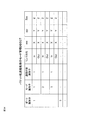
図23に示すように、パケット転送制御装置43のモードDB409には、各ノードのポートごとのモード情報が格納されている。図22に示されたノードのポートID=1には3つのモード(モードID=1、2、3)が定義され、それぞれの物理レイヤモードがIn方向リンクとOut方向リンクとに区別されて定義されている。たとえば、ポートID=1では、モードID=1でIn方向の容量が「160Mbps」、Out方向の容量が「80Mbps」、モードID=2でIn方向の容量が「120Mbps」、Out方向の容量が「120Mbps」であり、モードID=3でIn方向の容量が「80Mbps」、Out方向の容量が「160Mbps」である。なお、Availability、遅延および消費電力はいずれのモードでも同じである。したがって、物理レイヤモードを特定する情報(ここでは、ポートIDとモードIDとの組み合わせ)を用いて、当該ポートで満たすべきIn方向あるいはOut方向の物理レイヤ条件(容量)を指定することができる。
本発明の第5実施形態によれば、上記第1~第4実施形態の効果に加えて、時間分割でノード間のリンク方向および物理レイヤ条件を変更することで、トラフィックの量および方向の時間的変動に応じてネットワークをより効率的に運用することが可能となる。
20 ネットワーク
30 管理装置
40~43 パケット転送制御装置
50~52 パケット転送機能部
101 ノード通信部
102 パケット転送ルールデータベース
103 モードデータベース
104 制御部
201 通信部
202 フローテーブル
203 パケット転送処理部
204 モード管理部
205 モード管理データベース
404 パケット転送ルールデータベース
409 モードデータベース
410 ポリシ記憶部
502 転送処理部
503 フローテーブル
505 通信インタフェース部
506 モード管理部
507 モード管理データベース
Claims (36)
- ネットワークを構成する複数のノードと、各ノードをフロー単位で制御する制御装置と、を有する通信システムであって、
前記ノードの各ポートに少なくとも1つの通信インタフェースが設けられ、
前記制御装置が、前記ノードに対して、ポートの物理レイヤモードの設定を指示し、
前記ノードが、前記制御装置により指示された前記物理レイヤモードに従って、対応する通信インタフェースを設定する、
ことを特徴とする通信システム。 - 前記ノードが、前記物理レイヤモードと前記通信インタフェースの物理パラメータとを対応付けたテーブルを備えることを特徴とする請求項1に記載の通信システム。
- 前記物理レイヤモードは前記ノードのポートに設けられた通信インタフェースが満たすべき動作条件に対応し、前記ノードが前記動作条件に応じて前記通信インタフェースの物理パラメータを設定する、ことを特徴とする請求項1または2に記載の通信システム。
- 前記制御装置が、所定の制御ポリシに従って、前記ノードに対して指定すべきポートの物理レイヤモードを選択することを特徴とする請求項1-3のいずれか1項に記載の通信システム。
- 前記制御ポリシは前記ネットワークの各ノードから提供された統計情報に基づいて生成あるいは更新されることを特徴とする請求項4に記載の通信システム。
- 前記制御ポリシは前記ネットワークを管理する管理装置により提供されることを特徴とする請求項4または5に記載の通信システム。
- 制御装置により制御されるネットワークのノード装置であって、
前記ネットワークとの間でパケットの送受信を行う複数のポートを有し、前記制御装置からのフロー単位の制御に従ってパケットの転送を行う転送手段と、
前記複数のポートの各々に設けられた少なくとも1つの通信インタフェースと、
前記制御装置から指定されたポートの物理レイヤモードに従って、当該指定されたポートに設けられた通信インタフェースを設定するモード管理手段と、
を有することを特徴とするノード装置。 - 前記モード管理手段が、各ポートに関して1つ以上の物理レイヤモードと通信インタフェースの物理パラメータとを対応付けたテーブルを備えることを特徴とする請求項7に記載のノード装置。
- 前記物理レイヤモードは前記通信インタフェースが満たすべき動作条件に対応し、前記モード管理手段が前記動作条件に応じて前記通信インタフェースの物理パラメータを設定する、ことを特徴とする請求項7または8に記載のノード装置。
- 前記通信インタフェースが少なくとも送信パワーを調整可能であることを特徴とする請求項7-9のいずれか1項に記載のノード装置。
- 前記通信インタフェースが複数の送受信部を有し、前記複数の送受信部を有効する個数により前記送信パワーを調整することを特徴とする請求項10に記載のノード装置。
- 前記通信インタフェースが少なくとも消費電力を調整可能であることを特徴とする請求項7-11のいずれか1項に記載のノード装置。
- ネットワークを構成する複数のノードの各々に対してフロー単位での制御を実行する制御装置であって、
前記ノードの各ポートに1つ以上の物理レイヤモードを定義したモードテーブルと、
あるノードの一つのポートの物理レイヤモードを指定するモード指定情報を当該ノードへ通知するノード管理手段と、
を有することを特徴とする制御装置。 - 前記物理レイヤモードは前記ノードのポートに設けられた通信インタフェースの動作条件に対応し、前記モード指定情報に従って前記ノードが前記動作条件に応じた前記通信インタフェースの物理パラメータ設定を行うことを特徴とする請求項13に記載の制御装置。
- 前記ノード管理手段が、所定の制御ポリシに従って、前記ノードに対して指定すべきポートの物理レイヤモードを選択することを特徴とする請求項13または14に記載の制御装置。
- 前記ノード管理手段が前記ネットワークの各ノードから提供された統計情報に基づいて前記制御ポリシを生成あるいは更新することを特徴とする請求項15に記載の制御装置。
- 前記制御ポリシは前記ネットワークを管理する管理装置により提供されることを特徴とする請求項15または16に記載の制御装置。
- ネットワークを構成する複数のノードと、各ノードをフロー単位で制御する制御装置と、を有する通信システムにおける通信制御方法であって、
前記ノードの各ポートに少なくとも1つの通信インタフェースが設けられ、
前記制御装置が、前記ノードに対して、ポートの物理レイヤモードを指示し、
前記ノードが、前記制御装置により指示された前記物理レイヤモードに従って、対応する通信インタフェースを設定する、
ことを特徴とする通信制御方法。 - 前記ノードが、前記制御装置とは別に、前記1つ以上の物理レイヤモードと前記通信インタフェースの物理パラメータとを対応付けることを特徴とする請求項18に記載の通信制御方法。
- 前記物理レイヤモードは前記ノードのポートに設けられた通信インタフェースが満たすべき動作条件に対応し、前記ノードが前記動作条件に応じて前記通信インタフェースの物理パラメータを設定する、ことを特徴とする請求項18または19に記載の通信制御方法。
- 前記制御装置が、所定の制御ポリシに従って、前記ノードに対して指定すべきポートの物理レイヤモードを選択することを特徴とする請求項18-20のいずれか1項に記載の通信制御方法。
- 前記制御装置が、前記ネットワークの各ノードから提供された統計情報に基づいて前記制御ポリシを生成あるいは更新することを特徴とする請求項21に記載の通信制御方法。
- 前記制御ポリシは前記ネットワークを管理する管理装置により提供されることを特徴とする請求項21または22に記載の通信制御方法。
- 制御装置により制御されるネットワークとの間でパケットの送受信を行う複数のポートと、前記制御装置からのフロー単位の制御に従ってパケットの転送を行う転送手段と、前記複数のポートの各々に設けられた少なくとも1つの通信インタフェースと、を有するノード装置の通信制御方法であって、
前記制御装置からポートの物理レイヤモードを指定するモード指定情報を受信し、
前記モード指定情報に従って、当該指定されたポートに設けられた通信インタフェースを設定する、
ことを特徴とする通信制御方法。 - 前記モード指定情報に従って、各ポートに関して1つ以上の物理レイヤモードと通信インタフェースの物理パラメータとを対応付けたテーブルを参照し、前記テーブルにより検索された前記物理パラメータにより前記通信インタフェースの設定を行うことを特徴とする請求項24に記載の通信制御方法。
- 前記物理レイヤモードは前記通信インタフェースが満たすべき動作条件に対応し、前記動作条件に応じて前記通信インタフェースの物理パラメータを設定することを特徴とする請求項24または25に記載の通信制御方法。
- 前記通信インタフェースが少なくとも送信パワーを調整可能であることを特徴とする請求項24-26のいずれか1項に記載の通信制御方法。
- 前記通信インタフェースが複数の送受信部を有し、前記複数の送受信部を有効する個数により前記送信パワーを調整することを特徴とする請求項27に記載の通信制御方法。
- 前記通信インタフェースが少なくとも消費電力を調整可能であることを特徴とする請求項24-28のいずれか1項に記載の通信制御方法。
- ネットワークを構成する複数のノードの各々をフロー単位で制御する制御方法であって、
モードテーブルが前記ノードの各ポートの1つ以上の物理レイヤモードを保持し、
ノード管理手段が、あるノードの一つのポートの物理レイヤモードを指定するモード指定情報を当該ノードへ通知する、
ことを特徴とする制御方法。 - 前記物理レイヤモードは前記ノードのポートに設けられた通信インタフェースが満たすべき動作条件に対応し、前記モード指定情報に従って前記ノードが前記通信インタフェースを設定する、ことを特徴とする請求項30に記載の制御方法。
- 前記ノード管理手段が、所定の制御ポリシに従って、前記ノードに対して指定すべきポートの物理レイヤモードを選択することを特徴とする請求項30または31に記載の制御方法。
- 前記ノード管理手段が前記ネットワークの各ノードから提供された統計情報に基づいて前記制御ポリシを生成あるいは更新することを特徴とする請求項32に記載の制御方法。
- 前記制御ポリシは前記ネットワークを管理する管理装置により提供されることを特徴とする請求項32または33に記載の制御方法。
- 制御装置により制御されるネットワークのノード装置としてコンピュータを機能させるプログラムであって、
前記ネットワークとの間でパケットの送受信を行う複数のポートを有し、前記制御装置からのフロー単位の制御に従ってパケットの転送を行う機能と、
前記複数のポートの各々に少なくとも1つの通信インタフェースが設けられ、前記制御装置から指定されたポートの物理レイヤモードに従って、当該指定されたポートに設けられた通信インタフェースを設定する機能と、
を前記コンピュータに実現するためのプログラム。 - ネットワークを構成する複数のノードの各々に対してフロー単位での制御を実行する制御装置としてコンピュータを機能させるためのプログラムであって、
前記ノードの各ポートに1つ以上の物理レイヤモードをモードテーブルに定義する機能と、
あるノードの一つのポートの物理レイヤモードを指定するモード指定情報を当該ノードへ通知する機能と、
を前記コンピュータに実現するためのプログラム。
Priority Applications (2)
| Application Number | Priority Date | Filing Date | Title |
|---|---|---|---|
| JP2017509274A JP6751272B2 (ja) | 2015-03-30 | 2016-03-24 | ネットワークシステム、ノード装置、制御装置、通信制御方法および制御方法 |
| US15/562,479 US20180097727A1 (en) | 2015-03-30 | 2016-03-24 | Network system, node apparatus, control apparatus, communication control method, and control method |
Applications Claiming Priority (2)
| Application Number | Priority Date | Filing Date | Title |
|---|---|---|---|
| JP2015068490 | 2015-03-30 | ||
| JP2015-068490 | 2015-03-30 |
Publications (1)
| Publication Number | Publication Date |
|---|---|
| WO2016157847A1 true WO2016157847A1 (ja) | 2016-10-06 |
Family
ID=57005541
Family Applications (1)
| Application Number | Title | Priority Date | Filing Date |
|---|---|---|---|
| PCT/JP2016/001708 Ceased WO2016157847A1 (ja) | 2015-03-30 | 2016-03-24 | ネットワークシステム、ノード装置、制御装置、通信制御方法および制御方法 |
Country Status (3)
| Country | Link |
|---|---|
| US (1) | US20180097727A1 (ja) |
| JP (1) | JP6751272B2 (ja) |
| WO (1) | WO2016157847A1 (ja) |
Cited By (1)
| Publication number | Priority date | Publication date | Assignee | Title |
|---|---|---|---|---|
| WO2021225134A1 (ja) | 2020-05-07 | 2021-11-11 | 日本電気通信システム株式会社 | ネットワーク制御装置、ネットワーク制御方法およびネットワーク制御プログラム |
Family Cites Families (2)
| Publication number | Priority date | Publication date | Assignee | Title |
|---|---|---|---|---|
| US8792497B2 (en) * | 2006-06-05 | 2014-07-29 | Tellabs Operations, Inc. | Method and apparatus for performing link aggregation |
| WO2013145255A1 (ja) * | 2012-03-30 | 2013-10-03 | 富士通株式会社 | 電力供給制御装置、中継ノード装置、有線アドホックネットワークシステム、および電力供給制御方法 |
-
2016
- 2016-03-24 WO PCT/JP2016/001708 patent/WO2016157847A1/ja not_active Ceased
- 2016-03-24 US US15/562,479 patent/US20180097727A1/en not_active Abandoned
- 2016-03-24 JP JP2017509274A patent/JP6751272B2/ja active Active
Non-Patent Citations (2)
| Title |
|---|
| GUIMARAES, CARLOS ET AL.: "Enhancing OpenFlow with Media Independent Management Capabilities", 2014 IEEE INTERNATIONAL CONFERENCE ON COMMUNICATIONS (ICC, June 2014 (2014-06-01), pages 2995 - 3000, XP032632091, Retrieved from the Internet <URL:http://ieeexplore.ieee.org/xpls/absall.jsp?arnumber=6883780> [retrieved on 20160526] * |
| ZHANG, SHENGLI ET AL.: "SDN BASED UNIFORM NETWORK ARCHITECTURE FOR FUTURE WIRELESS NETWORKS", 2014 INTERNATIONAL CONFERENCE ON COMPUTING, COMMUNICATION AND NETWORKING TECHNOLOGIES (ICCCNT, July 2014 (2014-07-01), XP032687406, Retrieved from the Internet <URL:http://ieeexplore.ieee.org/xpls/abs_all.jsp?arnumber=6963056> [retrieved on 20160526] * |
Cited By (2)
| Publication number | Priority date | Publication date | Assignee | Title |
|---|---|---|---|---|
| WO2021225134A1 (ja) | 2020-05-07 | 2021-11-11 | 日本電気通信システム株式会社 | ネットワーク制御装置、ネットワーク制御方法およびネットワーク制御プログラム |
| US12184436B2 (en) | 2020-05-07 | 2024-12-31 | Nec Communication Systems, Ltd. | Network control apparatus, network control method, and network control program |
Also Published As
| Publication number | Publication date |
|---|---|
| JP6751272B2 (ja) | 2020-09-02 |
| JPWO2016157847A1 (ja) | 2018-01-25 |
| US20180097727A1 (en) | 2018-04-05 |
Similar Documents
| Publication | Publication Date | Title |
|---|---|---|
| US11134012B2 (en) | Communication system, communication device, controller, and method and program for controlling forwarding path of packet flow | |
| US11637755B2 (en) | SDN network system, controller, and controlling method | |
| JP5488980B2 (ja) | コンピュータシステム、及び通信方法 | |
| JP6109954B2 (ja) | 仮想シャーシシステムにおけるパススルーモードのためのシステムおよび方法 | |
| JP6072278B2 (ja) | 仮想シャーシシステム制御プロトコル | |
| JP2010263395A (ja) | ネットワーク中継機器及びリングネットワーク | |
| US10033630B2 (en) | Method for configuring network elements to delegate control of packet flows in a communication network | |
| CN101466126A (zh) | 路由控制方法、主机设备、路由器和路由控制系统 | |
| CN107070791A (zh) | 一种sdn网络系统及其数据传输方法 | |
| JP6751272B2 (ja) | ネットワークシステム、ノード装置、制御装置、通信制御方法および制御方法 | |
| WO2016157846A1 (ja) | ネットワークシステム、ノード装置、制御装置、通信制御方法および制御方法 | |
| WO2016157844A1 (ja) | ネットワークシステム、ノード装置、制御装置、通信制御方法および制御方法 | |
| WO2016157845A1 (ja) | ネットワークシステム、ノード装置、制御装置、通信制御方法および制御方法 | |
| CN100461764C (zh) | 实现报文转发路径一致的方法和系统 | |
| US8817638B2 (en) | Method and system for network communications utilizing shared scalable resources | |
| CN120455346A (zh) | 网络设备节能方法、存储介质和电子装置 | |
| HK1153877B (en) | Method and system for network |
Legal Events
| Date | Code | Title | Description |
|---|---|---|---|
| 121 | Ep: the epo has been informed by wipo that ep was designated in this application |
Ref document number: 16771737 Country of ref document: EP Kind code of ref document: A1 |
|
| ENP | Entry into the national phase |
Ref document number: 2017509274 Country of ref document: JP Kind code of ref document: A |
|
| WWE | Wipo information: entry into national phase |
Ref document number: 15562479 Country of ref document: US |
|
| NENP | Non-entry into the national phase |
Ref country code: DE |
|
| 122 | Ep: pct application non-entry in european phase |
Ref document number: 16771737 Country of ref document: EP Kind code of ref document: A1 |