WO2015198474A1 - 情報処理装置、情報処理方法及び情報処理プログラム - Google Patents
情報処理装置、情報処理方法及び情報処理プログラム Download PDFInfo
- Publication number
- WO2015198474A1 WO2015198474A1 PCT/JP2014/067164 JP2014067164W WO2015198474A1 WO 2015198474 A1 WO2015198474 A1 WO 2015198474A1 JP 2014067164 W JP2014067164 W JP 2014067164W WO 2015198474 A1 WO2015198474 A1 WO 2015198474A1
- Authority
- WO
- WIPO (PCT)
- Prior art keywords
- advertisement
- distribution
- additional
- information processing
- destination
- Prior art date
- Legal status (The legal status is an assumption and is not a legal conclusion. Google has not performed a legal analysis and makes no representation as to the accuracy of the status listed.)
- Ceased
Links
Images




Classifications
-
- G—PHYSICS
- G06—COMPUTING OR CALCULATING; COUNTING
- G06Q—INFORMATION AND COMMUNICATION TECHNOLOGY [ICT] SPECIALLY ADAPTED FOR ADMINISTRATIVE, COMMERCIAL, FINANCIAL, MANAGERIAL OR SUPERVISORY PURPOSES; SYSTEMS OR METHODS SPECIALLY ADAPTED FOR ADMINISTRATIVE, COMMERCIAL, FINANCIAL, MANAGERIAL OR SUPERVISORY PURPOSES, NOT OTHERWISE PROVIDED FOR
- G06Q30/00—Commerce
- G06Q30/02—Marketing; Price estimation or determination; Fundraising
- G06Q30/0241—Advertisements
- G06Q30/0242—Determining effectiveness of advertisements
- G06Q30/0246—Traffic
Definitions
- the present invention relates to a technology for distributing advertisements.
- an advertisement distribution company that receives a request from an advertiser distributes an advertisement using e-mail or the like.
- an advertisement for example, a link to the advertiser's web page is embedded, and when the user selects the link, the user's terminal device accesses the web page (for example, Patent Document 1).
- the advertisement distributor may want to distribute the advertisement so that the number of advertisements selected from the distribution destination users (the number of clicks on the link) exceeds the number desired by the advertiser within the set period. .
- the number of advertisements delivered is small, there is a problem that the actual number of selections is less than the number desired by the advertiser.
- the number of distributions is excessively increased, the probability that the actual number of selections exceeds the desired number increases.
- the load on the server device that distributes the advertisement increases. Also, the advertisement distribution efficiency for the desired number is reduced.
- the present invention has been made in view of the above points, and an information processing apparatus and an information processing apparatus that can improve advertisement distribution efficiency while increasing the probability that the number of advertisement selections will be greater than or equal to the specified number. It is an object to provide a method and an information processing program.
- the invention according to claim 1 is the first limiting element for limiting the distribution destination of the advertisement included in the distribution condition of the advertisement and the end of the counting period of the selection number of the advertisement Based on the assumed selection number and the actual selection number of the advertisement distributed to the distribution destination determined based on the designated selection number of the advertisement and the assumed selection rate of the advertisement up to a certain point before the aggregation period ends.
- the second limiting element in the advertisement distribution destination is estimated for estimating the number of selections that are insufficient at the end of the aggregation period.
- An acquisition means for acquiring the actual selection rate of the advertisement by the group limited by the above, and adding to the distribution condition from among the plurality of second limiting elements based on the actual selection rate acquired by the acquisition means Determine the limiting factors Based on the element determining means, the limiting element determined by the element determining means, the actual selection rate acquired by the acquiring means for the limiting element, and the selection number estimated by the estimating means, A distribution destination determining unit that determines an additional distribution destination of the advertisement; and a distribution control unit that controls distribution of the advertisement to the additional distribution destination determined by the distribution destination determination unit.
- the information processing apparatus determines the limiting element to be added to the distribution condition based on the actual selection rate of the advertisement by the group limited by the second limiting element. Further, the information processing apparatus determines an additional distribution destination based on the determined limiting element, the actual selection rate for the limiting element, and the estimated number of selections. The actual selection rate for the added limited element is related to the number of selections assumed by the additional distribution. Therefore, the information processing apparatus can increase the probability that the number of selections to be added is greater than or equal to the number of selections that are insufficient. Accordingly, it is possible to increase the advertisement distribution efficiency while increasing the probability that the number of advertisement selections will be equal to or greater than the specified number.
- a number determining unit that determines the number of limiting elements to be added to the distribution condition according to the number of selections estimated by the estimating unit.
- the element determining means determines the limiting element of the number determined by the number determining means as a limiting element to be added to the distribution condition.
- the additional distribution destination can be efficiently limited by adding a different number of limiting elements according to the number of selections estimated to be insufficient for the information processing apparatus.
- the information processing apparatus further includes an adjusting unit that adjusts the number of additional distributions of the advertisement according to a remaining time until the end of the counting period.
- the delivery destination determination means determines additional delivery destinations for the number of additional delivery adjusted by the adjustment means.
- the information processing apparatus can further increase the probability that the number of selections to be added will be greater than or equal to the number of selections by adjusting the number of additional distributions according to the remaining time.
- the estimation unit may execute a second advertisement separately from the advertisement at the same time as the distribution time of the advertisement. If distributed, the number of selections deficient at the end of the counting period is corrected according to the distribution of the second advertisement.
- the information processing apparatus corrects the deficient selection number according to the distribution status of other advertisements distributed at the same time as the additional distribution target advertisement. Therefore, the deficient selection number is appropriately estimated. be able to.
- the estimation means ends the counting period when the attribute of the second advertisement target matches the attribute of the advertisement target. It is characterized in that the number of selections that are insufficient at the time is corrected.
- the information processing apparatus can correct the insufficient selection number only when the attribute of the other advertisement target matches the attribute of the additional distribution target advertisement, the insufficient selection number Can be estimated more appropriately.
- the invention according to claim 6 is an information processing method executed by a computer, and includes a first limiting element for limiting a distribution destination of the advertisement and a selection number of the advertisement included in an advertisement distribution condition.
- the assumed number of selections up to a certain point before the end of the aggregation period and the actual distribution of the advertisement distributed to the distribution destination determined based on the designated selection number until the end of the aggregation period and the assumed selection rate of the advertisement
- the estimation step for estimating the number of selections deficient at the end of the counting period, and each of a plurality of second limited elements different from the first limited elements in the distribution destination of the advertisement
- An element determining step for determining a limiting element to be added to the distribution condition, the limiting element determined by the element determining step, the actual selection rate acquired by
- the invention according to claim 7 is a computer including a first limiting element for limiting a delivery destination of the advertisement included in an advertisement delivery condition and a designated selection number until the aggregation period of the selection number of the advertisement is reached.
- the aggregation period based on the assumed selection number and the actual selection number up to a certain point before the aggregation period of the advertisement distributed to the distribution destination determined based on the assumed selection rate of the advertisement
- Estimating means for estimating the number of selections deficient at the end time, and for each of a plurality of second limiting elements different from the first limiting element, depending on a group limited by the second limiting element among the delivery destinations of the advertisement
- An acquisition unit that acquires an actual selection rate of the advertisement, and an element determination that determines a limiting element to be added to the distribution condition from the plurality of second limiting elements based on the actual selection rate acquired by the acquisition unit means Additional distribution of the advertisement based on the limiting element determined by the element determining means, the actual selection rate acquired by the acquiring
- the information processing apparatus determines the limiting element to be added to the distribution condition based on the actual selection rate of the advertisement by the group limited by the second limiting element. Further, the information processing apparatus determines an additional distribution destination based on the determined limiting element, the actual selection rate for the limiting element, and the estimated number of selections. The actual selection rate for the added limited element is related to the number of selections assumed by the additional distribution. Therefore, the information processing apparatus can increase the probability that the number of selections to be added is greater than or equal to the number of selections that are insufficient. Accordingly, it is possible to increase the advertisement distribution efficiency while increasing the probability that the number of advertisement selections will be equal to or greater than the specified number.
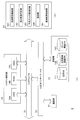
- FIG. 1 It is a figure showing an example of outline composition of information processing system S concerning one embodiment.
- A is a block diagram which shows an example of schematic structure of the advertisement delivery server 1 which concerns on one Embodiment.
- FIG. 2 is a figure showing an example of a functional block of system control part 14 of accommodation facility reservation server 1 concerning one embodiment.
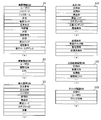
- A) is a figure showing an example of contents registered into member information DB21.
- B) is a figure showing an example of contents registered into browsing history DB22.
- (C) is a figure which shows an example of the content registered into purchase history DB23.
- D is a figure which shows an example of the content registered into advertisement DB121.
- E is a figure showing an example of contents registered into distribution conditions.
- (F) is a figure showing an example of contents registered into advertising distribution history DB122.
- (G) is a figure which shows an example of the content registered into click log
- (A) is a figure showing an example of distribution conditions.
- (B) is an example of an assumed CTR and the number of initial distributions.
- (C) is a figure which shows the example of calculation of the number of estimation insufficient clicks.
- (D) shows an example of the information regarding the user who has browsing experience of the web page of the goods which have the attribute which corresponds with the attribute of the goods for advertising among the users which satisfy
- (E) shows an example of information regarding a user who has purchased a product having an attribute that matches an attribute of a product to be advertised and a user who has no purchase experience among users who satisfy the delivery destination condition.
- (A) is a figure which shows the example of the performance CTR of the limited element used as the candidate of an additional condition.
- (B) is a figure which shows the example of the assumption additional click number with respect to an additional condition.
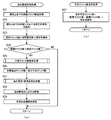
- (A) shows an outline of processing from the initial distribution of a certain advertisement to the end of the specified period.
- (B) is a flowchart which shows the example of the initial delivery process of the system control part 14 of the advertisement delivery server 1 which concerns on one Embodiment.
- (A) is a flowchart which shows the example of the additional delivery control process of the system control part 14 of the advertisement delivery server 1 which concerns on one Embodiment.
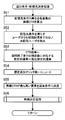
- (B) is a flowchart which shows the example of the insufficient click number estimation process of the system control part 14 of the advertisement delivery server 1 which concerns on one Embodiment. It is a flowchart which shows the example of the additional condition and the delivery destination determination process of the system control part 14 of the advertisement delivery server 1 which concerns on one Embodiment. It is a flowchart which shows the example of the recursive determination process of the system control part 14 of the advertisement delivery server 1 which concerns on one Embodiment.
- FIG. 1 is a diagram illustrating an example of a schematic configuration of an information processing system S according to the present embodiment.
- the information processing system S includes an advertisement distribution server 1, an online shopping mall server 2, a plurality of store terminals 3, and a plurality of user terminals 4. And the advertisement delivery server 1, each store terminal 3, and each user terminal 4 can mutually transmit / receive data via the network NW, for example using TCP / IP etc. as a communication protocol.
- the network NW is constructed by, for example, the Internet, a dedicated communication line (for example, a CATV (CommunityCommunAntenna Television) line), a mobile communication network (including a base station, etc.), a gateway, and the like.
- the advertisement distribution server 1 is a server device that distributes advertisements to users who are registered as members in a predetermined online shopping mall, for example.
- the advertisement distribution server 1 is an example of an information processing apparatus in the present invention.
- a predetermined distribution company receives a request from an advertiser and registers the contents of the advertisement, conditions for distributing the advertisement, and the like in the advertisement distribution server 1.
- the advertisement distribution server 1 determines a user as a distribution destination of the advertisement based on the registered information, and distributes the advertisement as e-mail, for example.
- a store opening in an online shopping mall may be an advertiser.
- a company, an individual, or the like who does not open a store in an online shopping mall may be an advertiser.
- the advertisement distribution server 1 includes databases such as an advertisement DB 121, an advertisement distribution history DB 122, and a click history DB 123, for example.
- the advertisement DB 121 registers advertisement contents, advertisement distribution conditions, and the like.
- An advertisement distribution history is registered in the advertisement distribution history DB 122.
- the click history DB 123 a history of selection of a link in an advertisement by a user is registered.
- the online shopping mall server 2 is a server device that executes various processes related to the online shopping mall.
- a plurality of stores sell products.
- a user who uses the online shopping mall can purchase a desired product from a desired store in the electronic shopping mall.
- the advertisement distribution server 1 transmits, for example, a web page of an online shopping mall, or performs processing related to product search, ordering, and the like.
- the online shopping mall server 2 includes databases such as a member information DB 21, a browsing history DB 22, and a purchase history DB 23, for example.
- the member information DB 21 information related to a user who has registered as a member in the online shopping mall is registered.
- the advertisement distribution server 1 can access the member information DB 21, the browsing history DB 22, and the purchase history DB 23 via, for example, the online shopping mall server 2.
- the store terminal 3 is a terminal device used by an employee of a store opening a store in an online shopping mall.
- the store terminal 3 for example, information on the product to be sold is registered in the online shopping mall, or the order content of the product is confirmed.
- a store may request a distribution company to distribute advertisements by e-mail, FAX, mail, or the like, and the advertisement distribution server 1 distributes advertisements from the store terminal 3 when the store operates the store terminal 3. May be accepted.
- the user terminal 4 is a terminal device of a user who purchases a product from the online shopping mall.
- the user terminal 4 receives and displays a web page from the online shopping mall server 2 by accessing the online shopping mall server 2 based on an operation from the user.
- Software such as a browser and an e-mail client is incorporated in the user terminal 4.
- a personal computer for example, a personal computer, a PDA (Personal Digital Assistant), a mobile information terminal such as a smartphone, a mobile phone, or the like is used.
- the advertiser When an advertiser requests distribution of an advertisement, the advertiser specifies distribution conditions.
- the distribution condition is a condition that the distribution company follows regarding the distribution of the advertisement.
- delivery conditions for example, there are a desired number of clicks, a period, delivery destination conditions and the like.
- the number of clicks is the number of users who have selected a link in the distributed advertisement. Selecting a link within an advertisement is simply referred to as selecting an advertisement.
- the advertisement distribution server 1 distributes advertisements at the same time, for example, at the start of a period specified by the advertiser.
- the advertisement distribution server 1 counts the number of clicks from the start to the end of the specified period.
- the designated period is an example of a total period in the present invention.
- the desired number of clicks is the number of clicks desired by the advertiser within the period specified by the advertiser.
- the delivery destination condition is a user condition that the advertiser designates as an advertisement delivery destination. Due to the distribution destination condition, the distribution destination of the advertisement is limited among users of the online shopping mall. Examples of items that can be specified in the delivery destination condition include gender, age group, residence area, member rank, web page browsing history, product purchase history, and history of receiving advertisements. Elements that can be specified in the delivery destination condition are called limited elements.
- the advertisement distribution server 1 determines the number of users who are assumed that the number of clicks within a specified period is equal to or greater than the desired number of clicks from users who satisfy the distribution destination, and distributes the advertisement. To do. The first distribution of a certain advertisement is called initial distribution.
- the number of distribution destination users is called the distribution number.
- an increase in the number of clicks can be desired by increasing the number of distributions.
- the number of clicks within the period need not be excessively larger than the desired number of clicks. The reason is that if the number of clicks is at least the same as the desired number of clicks, the advertiser's wish can be satisfied.
- the number of distributions for the desired number of clicks is increased. This indicates a decrease in advertisement distribution efficiency, and indicates that the load of advertisement distribution processing of the advertisement distribution server 1 becomes unnecessarily high. Therefore, the advertisement distribution server 1 determines the number of distributions so that the number of clicks is as close as possible to the desired number of clicks, for example.
- the advertisement distribution server 1 executes additional distribution of advertisements.
- the advertisement distribution server 1 performs additional distribution so that the number of clicks expected at the end of the period by the additional distribution is equal to or greater than the desired number of clicks, and the estimated number of clicks is as close as possible to the desired number of clicks. Decide the destination. Further, the advertisement distribution server 1 determines an additional distribution destination so that the distribution efficiency of the advertisement is increased. A method for determining the additional delivery destination will be described later.
- FIG. 3A is a diagram illustrating an example of contents registered in the member information DB 21.
- member information related to users who are registered as members in the online shopping mall is registered.
- the member information DB 21 includes user attributes such as user ID, password, nickname, name, member rank, date of birth, age group, gender, postal code, address, residence area, telephone number, and e-mail address. Are registered in association with each user.
- the user ID is user identification information.
- the member rank is a rank given to the user based on the usage status of the online shopping mall. Users with higher member ranks can receive preferential treatment when using the online shopping mall.
- a residence area shows the area where a user lives. For example, the living area may be a prefecture, a region, a country, or the like.
- FIG. 3B is a diagram showing an example of contents registered in the browsing history DB 22.
- a browsing history is registered in the browsing history DB 22. Specifically, each time a web page is browsed, a user ID, a browsing date, a URL, and the like are registered in the browsing history DB 22 in association with each other.
- the user ID indicates the user who browsed the web page.
- the browsing date indicates the date when the web page was browsed.
- the URL indicates a browsed web page.
- the advertisement distribution server 1 can specify a store or a product of a store whose information is displayed on the web page from the URL of the web page.
- FIG. 3C is a diagram illustrating an example of contents registered in the purchase history DB 23.
- a purchase history is registered in the purchase history DB 23. Specifically, every time a product is purchased, an order number, an order date, a user ID, a store ID, a product ID, a product code, a category ID, a unit price, and the like are registered in the purchase history DB 23 in association with each other.
- the order number is an identification number given to an order for a product.
- the order date and time indicates the date and time when the product was ordered.
- the user ID indicates the user who purchased the product.
- the store ID is identification information of the store that sold the purchased product.
- the product ID is identification information assigned by the store to the product.
- the product code is a code number for identifying a product. As the product code, for example, there is a JAN (Japanese Article Number Code) code.
- the product ID and the product code indicate the purchased product.
- the category ID is identification information of a
- FIG. 2A is a block diagram illustrating an example of a schematic configuration of the advertisement distribution server 1 according to the present embodiment.
- the advertisement distribution server 1 includes a communication unit 11, a storage unit 12, an input / output interface 13, and a system control unit 14.
- the system control unit 14 and the input / output interface 13 are connected via a system bus 15.
- the communication unit 11 is connected to the network NW and controls the communication state with the store terminal 3 and the user terminal 4.
- the storage unit 12 is composed of, for example, a hard disk drive.
- databases such as an advertisement DB 121, an advertisement distribution history 122, and a click history DB 123 are constructed.
- FIG. 3D is a diagram illustrating an example of contents registered in the advertisement DB 121.
- the advertisement DB 121 corresponds to an advertisement ID, a store ID, a product ID, a product code, a category ID, an advertising content, a distribution condition, and the like for each advertisement requested for distribution by the advertiser. Attached and registered.
- the advertisement ID is advertisement identification information.
- Store ID shows the store used as an advertiser.
- the product ID and the product code indicate the product to be advertised.
- the advertisement content is the content of the advertisement output to the user terminal 4.
- the advertising content may include at least one of characters, images, moving images, sounds, and the like.
- the advertising content includes a URL of a web page indicated by a link displayed in the advertisement.
- FIG. 3E is a diagram illustrating an example of contents registered in the distribution condition.
- the desired click count, the specified period, and one or more delivery destination conditions are registered in the delivery conditions.
- the limiting factors that can be specified as the delivery destination conditions include gender, age group, residence area, member rank, web page browsing history, product purchase history, history of receiving advertisements, etc. It is done.
- As limiting elements related to the browsing history of the web page there are, for example, whether or not the web page is browsed, the number of browsing times, the browsing frequency, and the browsing time.
- the web page to be browsed may be unspecified, or a web page such as a specific product, a product in a specific category, or a product with a specific attribute may be specified.
- the product to be purchased may be unspecified, or a specific product, a product in a specific category, a product with a specific attribute, or the like may be specified.
- the presence / absence of delivery, the number of times of delivery, the frequency of delivery, the time of delivery, and the like are included as the limiting factors related to the history of the advertisement delivery by the user.
- the product targeted for the advertisement that has been distributed may be unspecified, or a specific product, a product in a specific category, a product with a specific attribute, or the like may be specified.
- FIG. 3F is a diagram illustrating an example of contents registered in the advertisement distribution history DB 122.
- the advertisement distribution history is registered in the advertisement distribution history DB 122. Specifically, each time an advertisement is distributed, an advertisement ID, a distribution date and time, the number of distributions, a distribution destination list, and the like are registered in the advertisement DB 121 in association with each other.
- the advertisement ID indicates the distributed advertisement.
- the distribution date and time indicates the date and time when the advertisement is distributed.
- the number of distributions is the number of users to whom the advertisement is distributed.
- the distribution destination list is a list of users to whom the advertisement is distributed.
- FIG. 3G is a diagram illustrating an example of contents registered in the click history DB 123.
- a click history is registered in the click history DB 123. Specifically, each time an advertisement is selected, an advertisement ID, a user ID, a click date and the like are registered in the click history DB 123 in association with each other.
- the advertisement ID indicates an advertisement for which a link has been selected.
- the user ID indicates the user who has selected the link.
- the click date / time indicates the date / time when the link was selected.
- the URL of the link included in the advertisement distributed by the advertisement distribution server 1 is converted into, for example, the URL of the advertisement distribution server 1. This URL includes, for example, an advertisement ID and information for identifying the original linked web page.
- the user terminal 4 transmits the URL in the link to the advertisement distribution server 1.
- the advertisement distribution server 1 registers a click history.
- the advertisement distribution server 1 returns the URL of the original linked web page to the user terminal 4 by, for example, HTTP redirection.
- the user terminal 4 that has received the URL accesses the original linked web page.
- the storage unit 12 stores various set values.
- the storage unit 12 stores various programs such as an operating system, a WWW (World Wide Web) server program, a DBMS (Database Management System), and an advertisement distribution program.
- the advertisement distribution program is an example of an information processing program in the present invention.
- the advertisement distribution program is a program for executing various processes related to advertisement distribution.
- the various programs may be acquired from, for example, another server device via a network NW, or may be recorded on a recording medium such as an optical disk and read via a drive device.
- the advertisement distribution program or the like may be a program product.
- the input / output interface 13 performs interface processing between the communication unit 11 and the storage unit 12 and the system control unit 14.
- the system control unit 14 includes a CPU 14a, a ROM (Read Only Memory) 14b, a RAM (Random Access Memory) 14c, and the like.
- the CPU 14a is an example of a processor.
- the present invention can also be applied to various processors different from the CPU.
- Each of the storage unit 12, the ROM 14b, and the RAM 14c is an example of a memory.
- the present invention can also be applied to various memories different from the hard disk, ROM, and RAM.
- the advertisement distribution server 1 may be composed of a plurality of server devices.
- a server device that determines an advertisement distribution destination, a server device that distributes an advertisement, a server device that manages a database, and the like may be connected to each other via a LAN or the like.
- FIG. 2B is a diagram illustrating an example of functional blocks of the system control unit 14 of the accommodation facility reservation server 1 according to the present embodiment.
- the system control unit 14 reads and executes a program such as an advertisement distribution program by the CPU 14a, so that the initial distribution control unit 141, the additional distribution determination unit 142, the insufficient click number estimation unit 143, and the like.
- the insufficient click number estimation unit 143 is an example of an estimation unit in the present invention.
- the adding unit 144 is an example of an acquisition unit, an element determination unit, and a delivery destination determination unit in the present invention.
- the additional delivery control unit 145 is an example of delivery control means in the present invention.
- the initial distribution control unit 141 performs initial distribution of advertisements. At this time, the initial distribution control unit 141 determines an advertisement distribution destination based on the distribution condition. First, the initial distribution control unit 141 acquires an assumed CTR (Click Through Rate) corresponding to the number of days in the specified period. CTR is the ratio of users who have selected an advertisement among the users to whom the advertisement has been distributed. Therefore, CTR is calculated by dividing the number of clicks by the number of distributions.
- the assumed CTR corresponding to the number of days in the designated period is the CTR assumed up to the time when the number of days in the designated period has elapsed after the delivery of the advertisement.
- the assumed CTR is an example of an assumed selection rate.
- the assumed CTR may be stored in the storage unit 12 in advance for each number of days.
- the administrator of the advertisement distribution server 1 may set the assumed CTR.
- the system control unit 14 may calculate the assumed CTR based on the advertisement distribution history and the click history.
- an assumed CTR may be set for each product category.
- the initial distribution control unit 141 may acquire an assumed CTR corresponding to the category of the product to be advertised.
- the initial distribution control unit 141 calculates the initial distribution number by dividing the assumed CTR corresponding to the number of days in the specified period by the desired number of clicks in the distribution condition. In addition, the initial distribution control unit 141 extracts users who satisfy all of the distribution destination conditions from the users in the online shopping mall. Then, the initial distribution control unit 141 determines the number of users corresponding to the initial distribution number among the extracted users as the initial distribution destination. At this time, when the number of users who satisfy all of the extracted distribution destination conditions is larger than the number of initial distributions, the initial distribution control unit 141 selects, for example, from among users who satisfy all of the extracted distribution destination conditions. The first delivery destination may be determined at random. Note that the initial distribution control unit 141 may increase the number of initial distributions calculated based on the assumed CTR and the desired number of clicks, for example, by a predetermined ratio or a predetermined number.
- FIG. 4A shows an example of distribution conditions. For example, it is assumed that the desired number of clicks is 30,000 and the number of days in the specified period is 7 days. In addition, it is assumed that the delivery destination condition is age 30s, female, and the living area is Kanto.
- FIG. 4B is an example of the assumed CTR and the number of initial distributions. For example, assume that the assumed CTR for 7 days is 0.03. In this case, the initial distribution number is 1 million. For example, when there are 2 million users who are in their 30s, female, and living in the Kanto region, the initial distribution control unit 141 distributes advertisements to 1 million users among those users.
- the additional distribution determination unit 142 determines whether or not to perform additional distribution of advertisement at a certain time after the initial distribution and before the end of the specified period.
- the additional delivery determination unit 142 may perform determination at predetermined time intervals, for example.
- the time interval at which the determination is performed may be, for example, a predetermined time, a day, a predetermined number of days, a week, or the like. In the present embodiment, description will be made assuming that the determination is performed every day.
- the additional distribution determination unit 142 calculates the estimated number of clicks corresponding to the number of days that have elapsed from the specified period, for example, based on the desired number of clicks in the distribution condition, every day.
- the assumed number of clicks is an example of the assumed number of selections in the present invention.
- the assumed number of clicks is the number of clicks assumed at a certain time before the end of the specified period, assuming that the number of clicks at the end of the specified period reaches the desired number of clicks.
- the additional distribution determination unit 142 acquires an assumed arrival rate every day.
- the assumed arrival rate is a ratio of the number of clicks assumed at a certain time before the end of the specified period when the number of clicks at the end of the specified period is 100%.
- the estimated arrival rate may be stored in advance in the storage unit 12 for each number of days.
- the assumed arrival rate may be set or calculated by the same method as the assumed CTR.
- the additional delivery determination unit 142 calculates the estimated number of clicks by multiplying the expected arrival rate corresponding to the number of days elapsed from the start of the designated period to the current time by the desired number of clicks.
- the additional delivery determination unit 142 acquires the number of actual clicks from the start of the specified period to the current time.
- the actual result click is an example of the actual selection number in the present invention.
- the actual number of clicks is the actual number of clicks.
- the additional delivery determination unit 142 can calculate the number of actual clicks based on the click history.
- the additional distribution determination unit 142 determines to perform additional distribution when the actual number of clicks is less than the estimated number of clicks.
- the insufficient click number estimation unit 143 estimates the number of clicks that are insufficient at the end of the specified period when additional distribution is determined.
- the insufficient number of clicks indicates how much the number of clicks up to the end of the specified period is less than the desired number of clicks.
- the number of clicks estimated to be insufficient is called the estimated number of insufficient clicks.
- the shortage click estimation unit 143 calculates the current number of short clicks by subtracting the actual number of clicks from the estimated clicks, and divides this number of short clicks by the expected arrival rate corresponding to the current time, thereby A number may be calculated.
- FIG. 4C is a diagram illustrating a calculation example of the estimated number of insufficient clicks.
- the initial distribution control unit 141 distributes the advertisement according to the distribution condition shown in FIG. 4A and the condition shown in FIG.
- the assumed reach at the time when one day has elapsed from the specified period is 0.5. Therefore, the assumed number of clicks is 15,000.
- the number of actual clicks at this time is 16,000.
- additional distribution is not performed.
- the assumed arrival rate when two days have elapsed from the specified period is 0.75. Therefore, the assumed number of clicks is 22,500. Further, it is assumed that the number of actual clicks at this time is 20,250.
- the additional distribution determination unit 142 determines to perform additional distribution.
- the insufficient click number estimation unit 143 calculates the estimated insufficient click number 3,000 by dividing the current number of insufficient clicks 2,250 by the assumed arrival rate 0.75.
- the adding unit 144 determines additional conditions for determining an additional delivery destination from among the limited elements different from the delivery destination conditions.
- the additional condition is a limiting element added to the delivery destination condition. Specifically, in addition to the distribution destination condition, a user who satisfies the additional condition is determined as the additional distribution destination. This means that a limiting element is added to the delivery destination condition. For this reason, the addition part 144 acquires the track record CTR of each limited element.
- the actual CTR indicates the proportion of users who have actually selected the advertisement by a certain point in time within the specified period among the users to whom the advertisement has been distributed.
- the actual CTR is an example of the actual selection rate in the present invention.
- the adding unit 144 acquires, as the actual CTR, the ratio of users who have selected the advertisement from the users who are the first distribution destination among the users who satisfy the conditions of the limited element. For example, the adding unit 144 can calculate the actual CTR based on the distribution destination list and the click history of the advertisement distribution history.
- the adding unit 144 determines an additional condition based on the actual CTR. For example, the adding unit 144 may determine a limiting element having the highest actual CTR among a plurality of limiting elements as an additional condition. The reason is that it is possible to expect a relatively large number of clicks with a relatively small number of additional distributions by performing additional distribution of advertisements to users who satisfy the condition of a limiting element with a high actual CTR. That is, the advertisement distribution server 1 can efficiently perform additional distribution.
- the adding unit 144 determines an additional delivery destination based on the additional condition, the actual CTR corresponding to the additional condition, and the estimated insufficient click count. For example, the adding unit 144 may determine the number of additional distributions. For example, the adding unit 144 calculates an assumed CTR for the number of remaining days until the end of the specified period by the user who satisfies both the delivery destination condition and the additional condition. For example, the adding unit 144 calculates the expected CTR corresponding to the number of days in the specified period by dividing the actual CTR corresponding to the additional condition by the current expected arrival rate. Next, the adding unit 144 acquires an assumed arrival rate corresponding to the number of remaining days from the current time to the end of the specified period.
- the adding unit 144 calculates the expected CTR until the end of the designated period by multiplying the assumed CTR corresponding to the number of days in the designated period by the assumed arrival rate corresponding to the remaining days.
- the adding unit 144 calculates the number of additional distributions by dividing the estimated number of insufficient clicks by the assumed CTR.
- the adding unit 144 determines a user corresponding to the number of additional distributions as an additional distribution destination from among the users who satisfy all of the distribution destination condition and the additional condition and are not the first distribution destination.
- the adding unit 144 may determine, for example, a predetermined number of users larger than the number of additional distributions as an additional distribution destination, or may determine a predetermined number of users greater than the number of additional distributions as an additional distribution destination. Good.
- FIG. 4D shows an example of information regarding users who have browsed web pages of products having attributes that match the attributes of the products to be advertised and users who have no browsing experience among users who satisfy the delivery destination conditions. Show. As shown in FIG. 4 (d), the actual CTR of a user who has browsed a specific web page after 2 days is 0.05, and the user who has no experience of browsing a specific web page has passed 2 days. The actual CTR is 0.01. FIG. 4 (d)
- 4E shows an example of information regarding users who have purchased a product having an attribute that matches the attribute of the product to be advertised and users who have no purchase experience among users who satisfy the delivery destination condition.
- the actual CTR of a user who has purchased a specific product after 2 days is 0.03, and the user who has no purchase experience of a specific product has passed 2 days. CTR is 0.02. Therefore, the adding unit 144 determines a limiting element that there is browsing experience of a specific web page as an additional condition.
- the assumed arrival rate when two days have elapsed is 0.75
- the estimated arrival rate when five days have elapsed is 0.975.
- the advertisement distribution server 1 only needs to additionally distribute advertisements to 46,154 users among these users.
- a user who is not the first delivery destination is referred to as a non-delivery user.
- the number of clicks assumed by the number of remaining days until the end of the specified period by these users is assumed additional clicks It is called a number.
- This estimated additional clicks may greatly exceed the estimated insufficient clicks. For example, as shown in FIG. 4C, since the number of undistributed users who satisfy the distribution conditions and have browsing experience of a specific web page is 78,000, the advertisement distribution server 1 gives all these users.
- the assumed additional click number is 5,070.
- the addition unit 144 may further determine additional conditions.
- the adding unit 144 may determine an additional distribution destination from among the undistributed users that satisfy all of the distribution condition, the initially determined additional condition, and the further determined additional condition. As a result, the number of candidates for additional distribution destinations can be made closer to the estimated number of insufficient clicks. For example, the adding unit 144 may determine the limiting element having the highest actual CTR from among the limiting elements that are different from the distribution destination condition and the limiting elements that have been determined as additional conditions so far. By limiting the additional distribution destinations with a plurality of additional conditions with a high actual CTR, the probability that the advertisement distribution server 1 can perform additional distribution more efficiently increases.
- the additional conditions can be considered to constitute a hierarchical structure.
- the first determined additional condition is the highest additional condition.
- the level of this additional condition is 1.
- the determined additional condition is set as an additional condition one level lower.
- the level of this additional condition is 2.
- the level of this additional condition is 3.
- the adding unit 144 eliminates a state in which the estimated number of clicks calculated based on the number of users satisfying all the additional conditions of all levels determined so far is greater than or equal to a predetermined percentage or more than the estimated number of insufficient clicks.
- the additional conditions may be recursively determined until
- the addition unit 144 may determine additional conditions after level 2 using, for example, the actual CTR determined first. Further, for example, the adding unit 144 recalculates the actual CTR of each additional condition based on the click history of the users who satisfy the additional conditions of all levels determined so far among the users who are the first delivery destinations. Also good. And the addition part 144 may determine a low-order additional condition using the recalculated track record CTR.
- the adding unit 144 may use, for example, the actual CTR of the additional conditions of level 1 or the lowest level The actual CTR of the additional condition may be used, or the actual CTR recalculated by the method described above may be used.
- FIG. 5A is a diagram illustrating an example of a performance CTR of a limiting element that is a candidate for an additional condition.
- additional condition candidates for example, limiting elements A-1, A-2, B-1 to B-3, C-1, C-2, D-1, and D-2 There is.
- a limiting element having the same initial alphabet of the name is a limiting element having the same item.
- the limiting elements B-1 to B-3 are limiting elements having the same items.
- Limiting elements with the same items are mutually exclusive.
- a limiting element of female and a limiting element of male are limiting elements of the item of gender.
- the adding unit 144 determines the limiting element A-1 as a level 1 additional condition.
- FIG. 5B is a diagram illustrating an example of the number of assumed additional clicks with respect to the additional condition. The assumed number of additional clicks when the additional condition is A-1 is 6,000. Therefore, the adding unit 144 determines further additional conditions.
- the limiting element with the second highest actual CTR is C-1. Therefore, the adding unit 144 determines the limiting element C-1 as a level 2 additional condition. The adding unit 144 counts the number of users who satisfy all of the limiting elements A-1 and C-1 from among the undistributed users. Then, the adding unit 144 calculates the estimated number of additional clicks based on the counted number of people. When the additional conditions are A-1 and C-1, the assumed number of additional clicks is 4,000. Therefore, the adding unit 144 determines further additional conditions.
- the limiting element with the third highest actual CTR is C-2. However, the limiting element C-2 is exclusive to the limiting element C-1 determined as the additional condition. Accordingly, the adding unit 144 excludes the limiting element C-2 from the additional conditions.
- the limiting element with the fourth highest actual CTR is B2. Therefore, the adding unit 144 determines the limiting element B-2 as a level 3 additional condition.
- the additional conditions are A-1, C-1, and B-2, the assumed number of additional clicks is 3,100. Therefore, additional conditions are determined here.
- the adding unit 144 may further determine additional conditions so that, for example, users other than users who satisfy the determined additional conditions are also determined as additional distribution destinations.
- the level of the additional condition determined at this time is the same as the level of the additional condition determined previously. For example, assume that the number of assumed additional clicks is 2,500 when the level 1 additional condition is A-1. Therefore, the adding unit 144 determines the limiting element C-1 having the second highest actual CTR as an additional condition of level 1.
- the adding unit 144 extracts users who satisfy the limiting element C-1 from among undelivered users who do not satisfy the limiting element A-1.
- the adding unit 144 calculates the estimated number of additional clicks corresponding to the limiting element C-1 based on the extracted number of users and the actual CTR of the limiting element C-1. For example, assume that the number of assumed additional clicks corresponding to the limiting element C-1 is 500. The sum of the number of assumed additional clicks corresponding to the limiting element A-1 and the number of assumed additional clicks corresponding to the limiting element C-1 is 3,000. Therefore, additional conditions are determined here. In this case, the advertisement distribution server 1 distributes the advertisement to users who satisfy at least one of the limiting elements A-1 and C-1 among users who satisfy the distribution conditions.
- the adding unit 144 selects a user who satisfies any of the additional conditions other than the last determined additional condition among the higher additional conditions. Alternatively, it may be determined as an additional delivery destination. Then, the adding unit 144 may determine a lower additional condition using only the last determined additional condition as a higher additional condition. The reason is that the estimated number of clicks based on the number of users satisfying any of the additional conditions other than the last determined additional condition is less than the estimated number of insufficient clicks. For example, it is assumed that the adding unit 144 first determines A-1 as the level 1 addition condition.
- the adding unit 144 further determines B-1 as the level 1 additional condition. Assume that the assumed number of clicks in the additional condition B-1 is 2,000. Here, it is assumed that the number of clicks of 2500 is secured by the addition unit 144 determining a user satisfying the addition condition A-1 as an additional delivery destination. Then, the adding unit 144 further restricts the users that satisfy the additional condition B-1 by determining the lower additional conditions, thereby reducing the estimated number of clicks 2,000 corresponding to the additional condition B-1 to the additional condition A-1. It can be close to 500, which is the difference between the estimated number of clicks of ⁇ 1 of 2,500 and the estimated number of insufficient clicks of 3,000.
- the additional distribution control unit 145 controls the distribution of advertisements to the distribution destination determined by the adding unit 144. For example, the additional distribution control unit 145 acquires the mail address of the distribution destination user from the member information DB 21 and transmits the advertisement by e-mail.
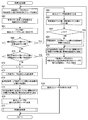
- FIG. 6A is a flowchart illustrating a processing example of the system control unit 14 of the advertisement distribution server 1 according to the present embodiment.
- FIG. 6A shows an outline of processing from the initial distribution of a certain advertisement to the end of the specified period.
- the system control unit 14 determines that there is an advertisement whose start of the specified period exists based on the specified period registered in the advertisement DB 121, the system control unit 14 acquires information associated with the advertisement ID of the advertisement from the advertisement DB 121. And the system control part 14 performs an initial delivery process, as shown to Fig.6 (a) (step S1).
- step S2 determines whether one day has elapsed since the execution of the initial distribution process.
- step S2: NO determines whether one day has not elapsed.
- step S3 determines whether one day has passed.
- step S4 the system control unit 14 executes an additional distribution control process.
- the system control unit 14 determines whether additional distribution is necessary, and additionally distributes an advertisement based on the determination result.
- step S2 determines whether one day has elapsed since the execution of the additional distribution control process, and proceeds to step S3 when one day has elapsed.
- step S3 when the system control unit 14 determines that the designated period has ended (step S3: YES), the system control unit 14 ends the process illustrated in FIG.
- FIG. 6B is a flowchart illustrating an example of the initial distribution process of the system control unit 14 of the advertisement distribution server 1 according to the present embodiment.
- the initial distribution control unit 141 extracts users who satisfy the distribution destination condition from the users in the online shopping mall (step S11). Specifically, the initial distribution control unit 141 determines the distribution destination condition based on the member rank, gender, age group, residence area, browsing history DB 22, purchase history DB 23, advertisement distribution history DB 122, etc. registered in the member information DB 21. The user ID of the user who satisfies the condition is extracted from the member information DB 21.
- the initial distribution control unit 141 acquires an assumed CTR corresponding to the number of days in the specified period of the distribution condition from the storage unit 12 (step S12). Next, the initial distribution control unit 141 determines the initial distribution number by dividing the desired click number of the distribution condition by the assumed CTR (step S13). Next, the initial distribution control unit 141 determines the number of users corresponding to the initial distribution number among the searched users as the initial distribution destination (step S14). At this time, the initial distribution control unit 141 generates a distribution destination list in which user IDs of users of the initial distribution destination are registered. Next, the initial distribution control unit 141 distributes the advertisement to the determined initial distribution destination (step S15).
- the initial distribution control unit 141 generates an advertisement e-mail based on the advertisement content registered in the advertisement DB 121. Also, the initial distribution control unit 141 acquires a mail address corresponding to the user ID registered in the distribution destination list from the member information DB 21, and sets the mail address as an e-mail destination. Then, the initial distribution control unit 141 transmits an email generated for each distribution destination user. Next, the initial distribution control unit 141 registers an advertisement distribution history (step S16). Specifically, the initial delivery control unit 141 acquires the current date and time as the delivery date and time.
- the initial distribution control unit 141 registers the distribution date and time, the distribution number, the initial distribution number, and the distribution destination list in the advertisement distribution history DB 122 in association with the advertisement ID.
- step S16 ends, the initial distribution control unit 141 ends the initial distribution process.
- FIG. 7A is a flowchart illustrating an example of the additional distribution control process of the system control unit 14 of the advertisement distribution server 1 according to the present embodiment.
- the additional distribution determination unit 142 acquires the actual number of clicks up to the present time (step S21). Specifically, the additional distribution determination unit 142 counts the number of click histories corresponding to the advertisement ID of the target advertisement among the click histories registered in the click history DB 123 as the actual click number. At this time, the additional distribution determination unit 142 counts a plurality of link selections by the same user as one selection. Next, the additional delivery determination unit 142 acquires an assumed arrival rate corresponding to the number of days from the start of the specified period to the current time from the storage unit 12 (step S22).
- the additional distribution determination unit 142 acquires the number of initial distributions corresponding to the advertisement ID of the target advertisement from the advertisement distribution history DB 122. Then, the additional distribution determination unit 142 calculates the current estimated number of clicks by multiplying the number of initial distributions by the estimated arrival rate (step S23). Next, the additional delivery determination unit 142 determines whether or not the actual number of clicks is less than the estimated number of clicks (step S24). At this time, if the additional distribution determination unit 142 determines that the actual number of clicks is not less than the estimated number of clicks (step S24: NO), the additional distribution determination unit 142 ends the additional distribution control process.
- step S24 determines that the number of actual clicks is less than the estimated number of clicks (step S24: YES).
- step S25 the insufficient click number estimation unit 143 performs an insufficient click number estimation process.
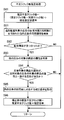
- FIG. 7B is a flowchart illustrating an example of an insufficient click number estimation process of the system control unit 14 of the advertisement distribution server 1 according to the present embodiment.
- the insufficient click number estimation unit 143 calculates the current number of insufficient clicks by subtracting the actual click number from the estimated click number. Then, the insufficient click number estimation unit 143 calculates the estimated insufficient click number by dividing the insufficient click number by the current estimated arrival rate (step S41). When step S41 is completed, the insufficient click number estimation unit 143 ends the insufficient click number estimation process.
- the adding unit 144 sets the target additional click number to the estimated insufficient click number as shown in FIG. 7A (step S26). Next, the adding unit 144 executes an additional condition / delivery destination determination process (step S27).
- FIG. 8 is a flowchart showing an example of the additional condition / delivery destination determination process of the system control unit 14 of the advertisement delivery server 1 according to the present embodiment.
- the adding unit 144 calculates the current actual CTR for each of the limiting elements different from the delivery destination condition (step S51). Specifically, the adding unit 144 acquires a distribution destination list corresponding to the advertisement ID of the advertisement to be additionally distributed from the advertisement distribution history DB 122. Next, the adding unit 144 extracts, based on the distribution destination list, a group of users who satisfy the limiting elements different from the distribution destination conditions among the users of the initial distribution destination and the users who have been added distribution destinations so far, for each limiting element. To do.
- the adding unit 144 is limited based on the content of the member information corresponding to the user ID of the user of the distribution destination, the browsing history corresponding to the user ID, the purchase history, the presence or absence of the advertisement distribution history, or the content of the history. Users who satisfy the element can be extracted. For each limited element, the adding unit 144 counts the number of users that satisfy the limited element. At this time, the limiting element whose number is 0 is excluded from the candidates for the additional condition. The adding unit 144 calculates the number of users who have selected the advertisement for each limited element by searching the click history DB 123 for the click history corresponding to the user ID of the user that satisfies the limiting element and the advertising ID of the target advertisement. Then, the adding unit 144 calculates the actual number of clicks by dividing the number of users who have selected the additional distribution target advertisement by the number of users who satisfy the limiting element.
- the adding unit 144 extracts undelivered users (step S52). Specifically, the adding unit 144 extracts users who satisfy the delivery destination condition from the users in the online shopping mall. Next, the adding unit 144 extracts, as non-distributed users, users who are neither the initial distribution destination nor the existing additional distribution destinations among the users who satisfy the distribution destination conditions based on the distribution list acquired in step S51. To do.
- the adding unit 144 obtains, from the storage unit 12, an estimated arrival rate corresponding to the number of days elapsed from the start of the specified period to the current time and an expected arrival rate corresponding to the number of days remaining from the current time to the end of the specified period. Then, the adding unit 144 calculates the CTR magnification by dividing the assumed arrival rate corresponding to the remaining number of days by the assumed arrival rate corresponding to the number of days elapsed up to the present time (step S53). Next, the adding unit 144 sets the number of assumed additional clicks to 0 and sets the level L to 0 (step S54). Further, the adding unit 144 initializes the additional distribution destination list.
- the adding unit 144 determines the limiting element having the highest actual CTR among the limiting elements different from the distribution destination conditions as the additional condition (step S55). At this time, the adding unit 144 determines the additional condition from the limited elements that are not exclusive to the distribution destination condition. Next, the adding unit 144 performs a recursive determination process (step S56).
- FIG. 9 is a flowchart showing an example of the recursive determination process of the system control unit 14 of the advertisement distribution server 1 according to the present embodiment.
- the adding unit 144 extracts users who satisfy the additional condition determined this time from undelivered users (step S61).
- the adding unit 144 calculates an assumed CTR at the end of the designated period by multiplying the actual CTR of the additional condition determined this time by the CTR magnification (step S62).
- the adding unit 144 calculates the number of clicks by multiplying the number of users extracted in step S61 by the assumed CTR (step S63).
- the adding unit 144 determines whether the total value of the current estimated additional click number and the click number is less than the target additional click number (step S64).
- step S64: YES if the adding unit 144 determines that the total value of the assumed additional click number and the click number is less than the target additional click number (step S64: YES), the adding unit 144 proceeds to step S65. On the other hand, when the adding unit 144 determines that the total value of the assumed additional click number and the click number is not less than the target additional click number (step S64: NO), the adding unit 144 proceeds to step S71.
- step S65 the adding unit 144 adds the user ID of the user extracted in step S61 to the additional distribution destination list.
- the adding unit 144 updates the estimated number of additional clicks by adding the number of clicks to the current estimated number of additional clicks (step S66).
- step S67 the adding unit 144 determines whether or not the level L is 0 (step S67). At this time, if the adding unit 144 determines that the level L is 0 (step S67: YES), the adding unit 144 proceeds to step SS69.
- step S ⁇ b> 69 the adding unit 144 determines the limiting element having the highest actual CTR as the additional condition among the limiting elements that have not yet been determined as the additional condition among the limiting elements different from the distribution destination conditions.
- the adding unit 144 determines the additional condition from the limited elements that are not exclusive to the distribution destination condition. Further, the adding unit 144 may determine, for example, a limiting element exclusive to the additional condition determined so far as the additional condition. On the other hand, if the adding unit 144 determines that the level L is not 0 (step S67: NO), the adding unit 144 proceeds to step SS68. In step S68, the adding unit 144 updates the current actual CTR for each of the limiting elements different from any of the delivery destination condition and the higher conditions 1 to L.
- the adding unit 144 extracts, as a population, users who satisfy all of the upper conditions 1 to L from the users of the initial distribution destination and the users who have been the additional distribution destinations so far, based on the distribution destination list. To do. Next, the adding unit 144 extracts, for each limiting element, users who satisfy the limiting element different from any of the delivery destination condition and the upper conditions 1 to L in the population. Next, the adding unit 144 searches the click history corresponding to the user ID of the user satisfying the limiting element and the advertisement ID of the advertisement to be additionally distributed from the click history DB 123, thereby determining the number of users who have selected the advertisement for each limiting element. To calculate.
- the adding unit 144 calculates the actual click number by dividing the number of users who have selected the advertisement by the number of users who satisfy the limiting element.
- the adding unit 144 proceeds to step S69.
- steps S62, S69, S74, and S75 the adding unit 144 performs processing using the latest track record CTR.
- step S69 ends, the adding unit 144 extracts, from the undistributed users, users who do not satisfy the additional condition determined this time as new undistributed users (step S70).
- the adding unit 144 proceeds to step S61.
- step S71 the adding unit 144 calculates the upper limit number of clicks by multiplying the target added click number by the set magnification stored in the storage unit 12. Then, the adding unit 144 determines whether the total value of the assumed additional click number and the click number is less than the upper limit click number. At this time, if the adding unit 144 determines that the total value of the assumed additional click number and the click number is not less than the upper limit click number (step S71: NO), the process proceeds to step S72. In step S72, the adding unit 144 adds 1 to the level L. Next, the adding unit 144 determines the additional condition determined this time as the upper condition L (step S73).
- the adding unit 144 updates the current actual CTR for each of the limiting elements different from any of the delivery destination condition and the higher conditions 1 to L (step S74).
- the adding unit 144 determines the limiting element having the highest actual CTR as the additional condition among the limiting elements that have not yet been determined as the additional condition among the limiting elements different from the delivery destination condition (step S75).
- the adding unit 144 determines an additional condition from the limiting elements that are not exclusive to any of the delivery destination condition and the upper conditions 1 to L.
- the adding unit 144 determines the user extracted in step S61 as a new undistributed user (step S76).
- the adding unit 144 executes the recursive determination process recursively (step S77).
- step S71 when the adding unit 144 determines that the total value of the assumed additional click number and the click number is less than the upper limit click number (step S71: YES), the process proceeds to step S78.
- step S78 the adding unit 144 adds the user ID of the user extracted in step S61 to the additional distribution destination list.
- step S77 or S78 ends, the adding unit 144 returns to the calling source additional condition / additional delivery destination determination process or the recursive determination process.
- the additional distribution control unit 145 distributes the advertisement to the additional distribution destination based on the additional distribution destination list (step S28). This process is the same as step S15 shown in FIG.
- the additional distribution control unit 145 registers the advertisement distribution history (step S29). Specifically, the additional delivery control unit 145 acquires the current date and time as the delivery date and time. Further, the additional distribution control unit 145 counts the user ID registered in the additional distribution destination squirrel to calculate the number of additional distributions. Then, the additional distribution control unit 145 registers the distribution date and time, the number of additional distributions, and the additional distribution destination list in the advertisement distribution history DB 122 in association with the advertisement ID. When step S29 ends, the additional distribution control unit 145 ends the additional distribution control process.
- the system control unit 14 distributes the advertisement to the distribution destination determined based on the distribution destination condition, the desired number of clicks, and the assumed CTR of the advertisement. Further, the system control unit 14 estimates the number of insufficient clicks at the end of the specified period based on the assumed number of clicks and the actual number of clicks until a certain time before the end of the specified period. Further, the system control unit 14 acquires, for each of a plurality of limiting elements different from the distribution destination condition, an actual result CTR of an advertisement by a group limited by the limiting element in the distribution destination of the advertisement. Further, the system control unit 14 determines an additional condition based on the actual CTR.
- system control unit 14 determines an additional distribution destination based on the additional condition, the actual CTR of the additional condition, and the estimated insufficient click count. And the system control part 14 controls the delivery of the advertisement with respect to an additional delivery destination. Therefore, it is possible to improve the advertisement distribution efficiency while increasing the probability that the number of clicks of the advertisement will be equal to or greater than the desired number of clicks.
- the advertisement distribution server 1 determines the number of additional conditions to be determined according to the estimated number of insufficient clicks. As the number of additional conditions increases, the number of users that satisfy all the additional conditions decreases. Therefore, the larger the number of additional conditions, the smaller the estimated number of clicks at the end of the specified period. Therefore, the adding unit 144 increases the number of additional conditions as the estimated insufficient click number is small. This makes it easy to approximate the estimated number of clicks to the estimated insufficient number of clicks.
- an additional number table may be stored in the storage unit 12.
- the additional number table is a table that stores the estimated number of insufficient clicks and the number of additional conditions in association with each other.
- step S54 the adding unit 144 acquires the number N of additional conditions corresponding to the estimated insufficient click number from the additional number table. Then, the adding unit 144 determines N limiting elements having the highest actual CTR among the limiting elements different from the delivery destination conditions in step S55 as additional conditions (step S55). Then, the adding unit 144 performs a recursive determination process (step S56). In step S61 of the recursive determination process shown in FIG. 9, the adding unit 144 extracts users who satisfy all of the N additional conditions determined this time from undistributed users. In step S75, the adding unit 144 determines N additional conditions. In step S69, the adding unit 144 may determine N additional conditions, or may determine only one additional condition.
- the system control unit 14 determines the number of additional conditions according to the estimated number of insufficient clicks. Therefore, the additional distribution destination can be efficiently limited.
- the advertisement distribution server 1 adjusts the number of additional distributions according to the number of remaining days until the end of the specified period. Even after the advertisement distribution server 1 performs additional distribution at a certain point before the end of the specified period, the actual click count may not increase more than expected. In this case, the advertisement distribution server 1 can perform additional distribution again within the specified period. However, when the number of days until the end of the specified period is relatively small, there is little opportunity for additional delivery, or there is no opportunity for additional delivery again. Therefore, the smaller the remaining number of days, the more reliable it is desired that the actual CTR at the end of the specified period reaches the desired number of clicks by additional distribution. Therefore, the adding unit 144 increases the number of additional distributions as the number of remaining days until the end of the specified period is small. Except for the points described below, the third embodiment is basically the same as the first and second embodiments.
- the adding unit 144 may directly adjust the number of additional distributions.
- the storage unit 12 may store a distribution magnification table.
- the distribution magnification table is a table that stores the number of remaining days until the end of the specified period in association with the distribution magnification.
- the distribution magnification is a magnification of the number of additional distributions after adjustment with respect to the number of additional distributions before adjustment.
- the distribution magnification may be set to 1 or more, for example.
- the adding unit 144 calculates the number of additional distributions based on the actual CTR of the additional condition. Then, the adding unit 144 multiplies the distribution rate corresponding to the remaining number of days by the additional distribution number to determine the adjusted additional distribution number. Then, the adding unit 144 determines, as additional distribution destinations, the number of users corresponding to the number of additional distributions from among the undistributed users who satisfy the additional conditions.
- the adding unit 144 may indirectly adjust the number of additional distributions by adjusting the estimated number of insufficient clicks. For example, the adding unit 144 may calculate the target additional click number by multiplying the estimated magnification by the distribution magnification corresponding to the remaining number of days. Then, the adding unit 144 may determine an additional condition and an additional distribution destination based on the target additional click number.
- FIG. 10 is a flowchart showing an example of the additional distribution control process of the system control unit 14 of the advertisement distribution server 1 according to this embodiment.
- the adding unit 144 acquires a distribution magnification corresponding to the number of remaining days until the end of the specified period from the distribution magnification table (step S81).
- the adding unit 144 multiplies the estimated insufficient click number by the distribution magnification to calculate the target additional click number (step S82).
- the system control unit 14 executes steps S26 to S29.
- the system control unit 14 adjusts the number of additional distributions according to the remaining time until the end of the specified period. Therefore, it is possible to further increase the probability that the number of clicks to be added is greater than or equal to the number of insufficient clicks.
- the advertisement distribution server 1 corrects the estimated insufficient click number according to the distribution of the other advertisement.
- the advertisement distribution server 1 increases the estimated number of insufficient clicks when other advertisements are distributed at the same time.
- the fourth embodiment is basically the same as the first to third embodiments.
- the distribution period is the same period, for example, the distribution period may be completely coincident, the distribution period may be at least partially coincident, or the distribution period of the additional distribution target advertisement is Another advertisement may be distributed within the period to which it belongs.
- the insufficient click number estimation unit 143 may increase the estimated insufficient click number as the number of other advertisements distributed at the same time increases, for example. This is because there is a probability that the more the number of other advertisements distributed, the smaller the number of advertisements to be additionally distributed.
- the storage unit 12 may store a correction magnification table.
- the correction magnification table is a table that stores the number of distributions of other advertisements and the correction magnification in association with each other.
- the correction magnification is a magnification of the estimated insufficient click number after adjustment with respect to the estimated insufficient click number before adjustment.
- the correction magnification may be set to 1 or more.
- the missing click estimation unit 143 corrects the estimated missing clicks only when the attribute of the target product of the other advertisements distributed at the same time matches the attribute of the target product of the additional distribution target advertisement. May be. This is because when a user receives advertisements for different products having the same attribute at the same time, it is highly likely that only one advertisement is selected. Examples of the attribute include a category, a function, a specification, a price range, and a store that sells products.
- FIG. 11 is a flowchart showing an example of an insufficient click number estimation process of the system control unit 14 of the advertisement distribution server 1 according to the present embodiment.
- the number of insufficient clicks estimation unit 143 calculates the estimated number of insufficient clicks (step S41)
- the other number of distributions distributed from the advertisement distribution history DB 122 at the same time as the distribution of the additional distribution target advertisements are performed.
- the advertisement distribution history of advertisement is searched (step S91).
- the insufficient click number estimation unit 143 searches the advertisement distribution history whose distribution time is the same period based on the distribution date and time included in the advertisement distribution history of the advertisement to be additionally distributed.
- the insufficient click number estimation unit 143 determines whether or not an advertisement distribution history of another advertisement is found (step S92). At this time, when it is determined that the advertisement distribution history is not found (step S92: NO), the insufficient click number estimation unit 143 ends the insufficient click number estimation process. On the other hand, if the insufficient click number estimation unit 143 determines that the advertisement distribution history is found (step S92: YES), the process proceeds to step S93.
- the insufficient click number estimation unit 143 acquires the attribute of the product targeted for the other advertisement based on the found advertisement distribution history. For example, the insufficient click number estimation unit 143 may acquire a category ID corresponding to the advertisement ID included in the found advertisement distribution history from the advertisement DB 121.
- the deficient click estimation unit 143 determines whether or not there is an advertisement whose attribute of the advertisement target product matches the attribute of the target product of the additional distribution target advertisement among the advertisements distributed in the same period. Determination is made (step S94). For example, the insufficient click number estimation unit 143 may determine whether the category ID of the product targeted for the other advertisement matches the category ID of the product targeted for the additional distribution target advertisement.
- step S94: NO when the insufficient click number estimation unit 143 determines that there is no advertisement whose attribute of the advertisement target product matches the attribute of the target product of the additional distribution target advertisement (step S94: NO), the shortage click estimation unit 143 The click estimation process is terminated. On the other hand, when the insufficient click number estimation unit 143 determines that there is an advertisement in which the attribute of the advertisement target product matches the attribute of the target product of the additional distribution target advertisement (step S94: YES), step S95 is performed. Proceed to
- step S95 the insufficient click number estimation unit 143 obtains from the advertisement distribution history the number of other advertisements that match the attribute of the product targeted for the additional distribution target advertisement. Then, the insufficient click number estimation unit 143 acquires a correction magnification corresponding to the acquired number of distributions from the correction magnification table (step S95). Next, the insufficient click number estimation unit 143 calculates the corrected estimated insufficient click number by multiplying the estimated insufficient click number calculated in step S41 by the correction magnification (step S96). When step S96 ends, the insufficient click number estimation unit 143 ends the insufficient click number estimation process.
- the system control unit 14 when the system control unit 14 distributes another advertisement at the same time as the distribution of the additional distribution target advertisement, the system control unit 14 responds to the distribution of the advertisement. To correct the estimated insufficient clicks. Therefore, the number of insufficient clicks can be estimated appropriately.
- system control unit 14 may correct the estimated insufficient click count when the attribute of the other advertisement target matches the attribute of the additional distribution target advertisement. In this case, the number of insufficient clicks can be estimated more appropriately.
- the present invention is applied to an online shopping mall where products are sold from a plurality of stores.
- the present invention may be applied to an electronic commerce website where merchandise is sold from a single vendor.
- the advertising target may be different from the product.
- the target of advertisement may be a service, an event, a company, an organization, a group, an individual, or the like.
Landscapes
- Business, Economics & Management (AREA)
- Strategic Management (AREA)
- Engineering & Computer Science (AREA)
- Accounting & Taxation (AREA)
- Development Economics (AREA)
- Finance (AREA)
- Economics (AREA)
- Game Theory and Decision Science (AREA)
- Entrepreneurship & Innovation (AREA)
- Marketing (AREA)
- Physics & Mathematics (AREA)
- General Business, Economics & Management (AREA)
- General Physics & Mathematics (AREA)
- Theoretical Computer Science (AREA)
- Management, Administration, Business Operations System, And Electronic Commerce (AREA)
- Information Transfer Between Computers (AREA)
Abstract
Description
[1-1.情報処理システムの構成及び機能概要]
先ず、本実施形態に係る情報処理システムSの構成及び機能概要について、図1を用いて説明する。図1は、本実施形態に係る情報処理システムSの概要構成の一例を示す図である。
次に、電子商店街サーバ2が備えるデータベースの構成について、図3(a)乃至図3(c)を用いて説明する。図3(a)は、会員情報DB21に登録される内容の一例を示す図である。会員情報DB21には、電子商店街に会員登録しているユーザに関する会員情報が登録される。具体的に、会員情報DB21には、ユーザID、パスワード、ニックネーム、氏名、会員ランク、生年月日、年齢層、性別、郵便番号、住所、居住エリア、電話番号、電子メールアドレス等のユーザの属性が、ユーザごとに対応付けて登録される。ユーザIDは、ユーザの識別情報である。会員ランクは、電子商店街の利用状況に基づいてユーザに付与される順位である。会員ランクが高いユーザほど、電子商店街の利用の際に優遇を受けることができる。居住エリアは、ユーザが住む地域を示す。例えば居住エリアは、都道府県、地方、国等であってもよい。
次に、広告配信サーバ1の構成について、図2(a)、図3(d)乃至図(f)を用いて説明する。図2(a)は、本実施形態に係る広告配信サーバ1の概要構成の一例を示すブロック図である。図2(a)に示すように、広告配信サーバ1は、通信部11と、記憶部12と、入出力インターフェース13と、システム制御部14と、を備えている。そして、システム制御部14と入出力インターフェース13とは、システムバス15を介して接続されている。
次に、図2(b)、図4及び図5を用いて、システム制御部14の機能概要について説明する。図2(b)は、本実施形態に係る宿泊施設予約サーバ1のシステム制御部14の機能ブロックの一例を示す図である。システム制御部14は、CPU14aが、広告配信プログラム等のプログラムを読み出し実行することにより、図2(b)に示すように、初回配信制御部141、追加配信判定部142、不足クリック数推定部143、追加部144、追加配信制御部145等として機能する。不足クリック数推定部143は、本発明における推定手段の一例である。追加部144は、本発明における取得手段、要素決定手段、配信先決定手段の一例である。追加配信制御部145は、本発明における配信制御手段の一例である。
次に、情報処理システムSの動作について、図6乃至及び図9を用いて説明する。図6(a)は、本実施形態に係る広告配信サーバ1のシステム制御部14の処理例を示すフローチャートである。図6(a)は、或る広告の初回配信から指定期間終了までの処理の概要を示す。システム制御部14は、広告DB121に登録されている指定期間に基づき、指定期間の開始が到来した広告が存在すると判定すると、その広告の広告IDに対応付けられた情報を広告DB121から取得する。そして、システム制御部14は、図6(a)に示すように、初回配信処理を実行する(ステップS1)。初回配信処理において、システム制御部14は、広告を初回配信する。次いで、システム制御部14は、初回配信処理の実行から1日経過したか否かを判定する(ステップS2)。このとき、システム制御部14は、1日経過していないと判定した場合には(ステップS2:NO)、所定時間経過後、ステップS2を再実行する。一方、システム制御部14は、1日経過したと判定した場合には(ステップS2:YES)、ステップS3に進む。ステップS3において、システム制御部14は、指定期間が終了したか否かを判定する。このとき、システム制御部14は、指定期間が終了していないと判定した場合には(ステップS3:NO)、ステップS4に進む。ステップS4において、システム制御部14は、追加配信制御処理を実行する。追加配信制御処理において、システム制御部14は、追加配信の要否を判定し、判定結果に基づいて広告を追加配信する。次いで、システム制御部14は、ステップS2に進み、追加配信制御処理の実行から1日経過したか否かを判定し、1日経過した場合にはステップS3に進む。ステップS3において、システム制御部14は、指定期間が終了したと判定した場合には(ステップS3:YES)、図6(a)に示す処理を終了させる。
次に、第2実施形態について説明する。本実施形態において、広告配信サーバ1は、追加条件を決定するとき、推定不足クリック数に応じて、決定する追加条件の数を決定する。追加条件の数が多いほど全ての追加条件を満たすユーザの人数が少なくなる。従って、追加条件の数が多いほど指定期間終了時の想定クリック数が少なくなる。そこで、追加部144は、推定不足クリック数が少ないほど追加条件の数を多くする。これにより、想定クリック数を推定不足クリック数に近づけやすくなる。例えば、記憶部12に追加数テーブルが記憶されてもよい。追加数テーブルは、推定不足クリック数と追加条件の数とを対応付けて格納するテーブルである。
次に、第3実施形態について図10を用いて説明する。本実施形態において、広告配信サーバ1は、指定期間終了までの残日数に応じて追加配信数を調整する。指定期間終了前の或る時点で広告配信サーバ1が追加配信を行った後においても、実績クリック数が想定よりも伸びない場合がある。この場合、指定期間内であれば、広告配信サーバ1は再度追加配信を行うことができる。しかしながら、指定期間終了までの日数が比較的に少ない場合、追加配信を行う機会が少ないか、又は再度の追加配信を行う機会がない。そのため、残日数が少ないほど、追加配信によって指定期間終了時の実績CTRが確実に希望クリック数に達することが望まれる。そこで、追加部144は、指定期間終了までの残日数が少ないほど、追加配信数を多くする。以下に説明する点を除き、第3実施形態は第1実施形態及び第2実施形態と基本的に同様である。
次に、第4実施形態について図11を用いて説明する。本実施形態において、広告配信サーバ1は、対象の広告の配信時期と同時期に他の広告が配信された場合、他の広告が配信されたことに応じて推定不足クリック数を補正する。ユーザは同時期に他の広告の配信を受けると、他の広告を選択し、追加配信対象の広告を選択しない可能性がある。そこで、広告配信サーバ1は、同時期に他の広告が配信された場合、推定不足クリック数を多くする。以下に説明する点を除き、第4実施形態は第1実施形態~第3実施形態と基本的に同様である。
2 電子商店街サーバ
3 店舗端末
4 ユーザ端末
11 通信部
12 記憶部
121 広告DB
122 広告配信履歴DB
123 クリック履歴DB
13 入出力インターフェース
14 システム制御部
14a CPU
14b ROM
14c RAM
15 システムバス
21 会員情報DB
22 閲覧履歴DB
23 購入履歴DB
NW ネットワーク
S 情報システム
Claims (7)
- 広告の配信条件に含まれる、前記広告の配信先を限定するための第1限定要素及び前記広告の選択数の集計期間終了までの指定選択数と、前記広告の想定選択率とに基づいて決定された配信先に対して配信された前記広告の前記集計期間終了前における或る時点までの想定選択数及び実選択数に基づいて、前記集計期間終了時点で不足する選択数を推定する推定手段と、
前記第1限定要素と異なる複数の第2限定要素のそれぞれごとに、前記広告の配信先の中で該第2限定要素で限定されるグループによる前記広告の実選択率を取得する取得手段と、
前記取得手段により取得された前記実選択率に基づいて、前記複数の第2限定要素の中から前記配信条件に追加する限定要素を決定する要素決定手段と、
前記要素決定手段により決定された前記限定要素と、該限定要素について前記取得手段により取得された前記実選択率と、前記推定手段により推定された前記選択数とに基づいて、前記広告の追加配信先を決定する配信先決定手段と、
前記配信先決定手段により決定された前記追加配信先に対する前記広告の配信を制御する配信制御手段と、
を備えることを特徴とする情報処理装置。 - 請求項1に記載の情報処理装置において、
前記推定手段により推定された前記選択数に応じて、前記配信条件に追加する限定要素の数を決定する数決定手段を更に備え、
前記要素決定手段は、前記数決定手段により決定された前記数の限定要素を、前記配信条件に追加する限定要素に決定することを特徴とする情報処理装置。 - 請求項1又は2に記載の情報処理装置において、
前記集計期間終了までの残時間に応じて、前記広告の追加配信数を調整する調整手段を更に備え、
前記配信先決定手段は、前記調整手段により調整された前記追加配信数分の追加配信先を決定することを特徴とする情報処理装置。 - 請求項1乃至3の何れか1項に記載の情報処理装置において、
前記推定手段は、前記広告の配信時期と同時期に該広告とは別に第2広告が配信されている場合、該第2広告が配信されたことに応じて、前記集計期間終了時点で不足する選択数を補正することを特徴とする情報処理装置。 - 請求項4に記載の情報処理装置において、
前記推定手段は、前記第2広告の対象の属性が前記広告の対象の属性と一致する場合に、前記集計期間終了時点で不足する選択数を補正することを特徴とする情報処理装置。 - コンピュータにより実行される情報処理方法であって、
広告の配信条件に含まれる、前記広告の配信先を限定するための第1限定要素及び前記広告の選択数の集計期間終了までの指定選択数と、前記広告の想定選択率とに基づいて決定された配信先に対して配信された前記広告の前記集計期間終了前における或る時点までの想定選択数及び実選択数に基づいて、前記集計期間終了時点で不足する選択数を推定する推定ステップと、
前記第1限定要素と異なる複数の第2限定要素のそれぞれごとに、前記広告の配信先の中で該第2限定要素で限定されるグループによる前記広告の実選択率を取得する取得ステップと、
前記取得ステップにより取得された前記実選択率に基づいて、前記複数の第2限定要素の中から前記配信条件に追加する限定要素を決定する要素決定ステップと、
前記要素決定ステップにより決定された前記限定要素と、該限定要素について前記取得ステップにより取得された前記実選択率と、前記推定ステップにより推定された前記選択数とに基づいて、前記広告の追加配信先を決定する配信先決定ステップと、
前記配信先決定ステップにより決定された前記追加配信先に対する前記広告の配信を制御する配信制御ステップと、
を含むことを特徴とする情報処理方法。 - コンピュータを、
広告の配信条件に含まれる、前記広告の配信先を限定するための第1限定要素及び前記広告の選択数の集計期間終了までの指定選択数と、前記広告の想定選択率とに基づいて決定された配信先に対して配信された前記広告の前記集計期間終了前における或る時点までの想定選択数及び実選択数に基づいて、前記集計期間終了時点で不足する選択数を推定する推定手段、
前記第1限定要素と異なる複数の第2限定要素のそれぞれごとに、前記広告の配信先の中で該第2限定要素で限定されるグループによる前記広告の実選択率を取得する取得手段、
前記取得手段により取得された前記実選択率に基づいて、前記複数の第2限定要素の中から前記配信条件に追加する限定要素を決定する要素決定手段、
前記要素決定手段により決定された前記限定要素と、該限定要素について前記取得手段により取得された前記実選択率と、前記推定手段により推定された前記選択数とに基づいて、前記広告の追加配信先を決定する配信先決定手段、及び、
前記配信先決定手段により決定された前記追加配信先に対する前記広告の配信を制御する配信制御手段、
として機能させることを特徴とする情報処理プログラム。
Priority Applications (3)
| Application Number | Priority Date | Filing Date | Title |
|---|---|---|---|
| US15/304,185 US10540680B2 (en) | 2014-06-27 | 2014-06-27 | Information processing device, information processing method, and information processing program |
| JP2015532241A JP5797872B1 (ja) | 2014-06-27 | 2014-06-27 | 情報処理装置、情報処理方法及び情報処理プログラム |
| PCT/JP2014/067164 WO2015198474A1 (ja) | 2014-06-27 | 2014-06-27 | 情報処理装置、情報処理方法及び情報処理プログラム |
Applications Claiming Priority (1)
| Application Number | Priority Date | Filing Date | Title |
|---|---|---|---|
| PCT/JP2014/067164 WO2015198474A1 (ja) | 2014-06-27 | 2014-06-27 | 情報処理装置、情報処理方法及び情報処理プログラム |
Publications (1)
| Publication Number | Publication Date |
|---|---|
| WO2015198474A1 true WO2015198474A1 (ja) | 2015-12-30 |
Family
ID=54348626
Family Applications (1)
| Application Number | Title | Priority Date | Filing Date |
|---|---|---|---|
| PCT/JP2014/067164 Ceased WO2015198474A1 (ja) | 2014-06-27 | 2014-06-27 | 情報処理装置、情報処理方法及び情報処理プログラム |
Country Status (3)
| Country | Link |
|---|---|
| US (1) | US10540680B2 (ja) |
| JP (1) | JP5797872B1 (ja) |
| WO (1) | WO2015198474A1 (ja) |
Cited By (2)
| Publication number | Priority date | Publication date | Assignee | Title |
|---|---|---|---|---|
| JP2018101323A (ja) * | 2016-12-21 | 2018-06-28 | ヤフー株式会社 | 算出装置、算出方法及び算出プログラム |
| JP2019169050A (ja) * | 2018-03-26 | 2019-10-03 | 株式会社ドワンゴ | 広告サーバおよび広告配信プログラム |
Families Citing this family (2)
| Publication number | Priority date | Publication date | Assignee | Title |
|---|---|---|---|---|
| US11366872B1 (en) * | 2017-07-19 | 2022-06-21 | Amazon Technologies, Inc. | Digital navigation menus with dynamic content placement |
| US20200410548A1 (en) * | 2019-06-26 | 2020-12-31 | Interactive Offers Llc | Method and system for commerce and advertising |
Citations (3)
| Publication number | Priority date | Publication date | Assignee | Title |
|---|---|---|---|---|
| JP2001142826A (ja) * | 1999-11-18 | 2001-05-25 | Nippon Telegr & Teleph Corp <Ntt> | コンテンツ表示回数制御方法,装置およびそのプログラム記録媒体 |
| JP2007272814A (ja) * | 2006-03-31 | 2007-10-18 | Cyber Wing Corp | 広告配信システム、広告配信方法及び広告配信プログラム |
| JP2012043193A (ja) * | 2010-08-19 | 2012-03-01 | Nippon Telegraph & Telephone West Corp | 広告配信装置及び方法、ならびに、プログラム |
Family Cites Families (4)
| Publication number | Priority date | Publication date | Assignee | Title |
|---|---|---|---|---|
| US7822636B1 (en) * | 1999-11-08 | 2010-10-26 | Aol Advertising, Inc. | Optimal internet ad placement |
| US8370197B2 (en) * | 2005-09-30 | 2013-02-05 | Google Inc. | Controlling the serving of advertisements, such as cost per impression advertisements for example, to improve the value of such serves |
| JP2008257422A (ja) | 2007-04-04 | 2008-10-23 | Eigo Town.Com Ltd | 広告システム |
| US20130262218A1 (en) * | 2012-03-30 | 2013-10-03 | Google Inc. | Incorporating Delayed Feedback In Performance-Based Content Distribution |
-
2014
- 2014-06-27 US US15/304,185 patent/US10540680B2/en active Active
- 2014-06-27 JP JP2015532241A patent/JP5797872B1/ja active Active
- 2014-06-27 WO PCT/JP2014/067164 patent/WO2015198474A1/ja not_active Ceased
Patent Citations (3)
| Publication number | Priority date | Publication date | Assignee | Title |
|---|---|---|---|---|
| JP2001142826A (ja) * | 1999-11-18 | 2001-05-25 | Nippon Telegr & Teleph Corp <Ntt> | コンテンツ表示回数制御方法,装置およびそのプログラム記録媒体 |
| JP2007272814A (ja) * | 2006-03-31 | 2007-10-18 | Cyber Wing Corp | 広告配信システム、広告配信方法及び広告配信プログラム |
| JP2012043193A (ja) * | 2010-08-19 | 2012-03-01 | Nippon Telegraph & Telephone West Corp | 広告配信装置及び方法、ならびに、プログラム |
Non-Patent Citations (2)
| Title |
|---|
| NOBUYUKI OMORI: "Gosa Feedback-ho ni yoru Targeted Kokoku Haishin Shuho no Kento", DAI 60 KAI (HEISAI 12 NEN ZENKI) ZENKOKU TAIKAI KOEN RONBUNSHU (3, 14 March 2000 (2000-03-14), pages 3-143 - 3-144 * |
| YOSUKE ITO, KEITAI SITE ACCESS KAISEKI, 29 March 2010 (2010-03-29), pages 47 * |
Cited By (2)
| Publication number | Priority date | Publication date | Assignee | Title |
|---|---|---|---|---|
| JP2018101323A (ja) * | 2016-12-21 | 2018-06-28 | ヤフー株式会社 | 算出装置、算出方法及び算出プログラム |
| JP2019169050A (ja) * | 2018-03-26 | 2019-10-03 | 株式会社ドワンゴ | 広告サーバおよび広告配信プログラム |
Also Published As
| Publication number | Publication date |
|---|---|
| US20170032411A1 (en) | 2017-02-02 |
| US10540680B2 (en) | 2020-01-21 |
| JP5797872B1 (ja) | 2015-10-21 |
| JPWO2015198474A1 (ja) | 2017-04-20 |
Similar Documents
| Publication | Publication Date | Title |
|---|---|---|
| JP4886749B2 (ja) | 推薦商品選択装置、推薦商品選択プログラムおよび商品検索装置 | |
| JP5139397B2 (ja) | 広告配信装置及び方法 | |
| JP4621793B2 (ja) | 広告配信サーバ | |
| JP6027039B2 (ja) | 抽出装置、抽出方法および抽出プログラム | |
| US10438270B2 (en) | Apparatus and method for information processing and recording | |
| US20140344275A1 (en) | Information processing apparatus, information processing method, information processing program, and recording medium | |
| US8380691B1 (en) | Social network user data advertising | |
| CN107222566A (zh) | 信息推送方法、装置及服务器 | |
| EP2695123A1 (en) | Methods and arrangements for creating customized recommendations | |
| TWI525566B (zh) | Information processing devices, information processing methods, and information processing products | |
| JP5794881B2 (ja) | 情報処理装置、情報処理方法、及び情報処理プログラム | |
| JP5797872B1 (ja) | 情報処理装置、情報処理方法及び情報処理プログラム | |
| US20240428282A1 (en) | Self-learning valuation | |
| WO2016150959A1 (en) | System for dynamically generated landing pages | |
| US20140200979A1 (en) | Information providing device, information providing method, information providing program, and recording medium | |
| JP6320258B2 (ja) | 抽出装置、抽出方法及び抽出プログラム | |
| US20100094881A1 (en) | System and method for indexing sub-spaces | |
| JP2019003610A (ja) | 抽出装置、抽出方法及び抽出プログラム | |
| JP2016153972A (ja) | 抽出装置、抽出方法及び抽出プログラム | |
| JP6742683B2 (ja) | 広告配信装置、広告配信方法および広告配信プログラム | |
| JP6311052B1 (ja) | 抽出装置、抽出方法及び抽出プログラム | |
| JP2018110036A (ja) | 広告配信装置、広告配信方法および広告配信プログラム | |
| US20130054364A1 (en) | Offer selection system | |
| US20120158493A1 (en) | Online advertisement inventory management system | |
| JP2012063803A (ja) | 広告配信装置および方法 |
Legal Events
| Date | Code | Title | Description |
|---|---|---|---|
| ENP | Entry into the national phase |
Ref document number: 2015532241 Country of ref document: JP Kind code of ref document: A |
|
| 121 | Ep: the epo has been informed by wipo that ep was designated in this application |
Ref document number: 14895508 Country of ref document: EP Kind code of ref document: A1 |
|
| WWE | Wipo information: entry into national phase |
Ref document number: 15304185 Country of ref document: US |
|
| NENP | Non-entry into the national phase |
Ref country code: DE |
|
| 122 | Ep: pct application non-entry in european phase |
Ref document number: 14895508 Country of ref document: EP Kind code of ref document: A1 |