WO2015193378A1 - Novel glp-1 receptor agonists with cholesterol efflux activity - Google Patents
Novel glp-1 receptor agonists with cholesterol efflux activity Download PDFInfo
- Publication number
- WO2015193378A1 WO2015193378A1 PCT/EP2015/063602 EP2015063602W WO2015193378A1 WO 2015193378 A1 WO2015193378 A1 WO 2015193378A1 EP 2015063602 W EP2015063602 W EP 2015063602W WO 2015193378 A1 WO2015193378 A1 WO 2015193378A1
- Authority
- WO
- WIPO (PCT)
- Prior art keywords
- glu
- glp
- lys
- gly
- leu
- Prior art date
- Legal status (The legal status is an assumption and is not a legal conclusion. Google has not performed a legal analysis and makes no representation as to the accuracy of the status listed.)
- Ceased
Links
- 0 CC(C)(C(*)=O)NN Chemical compound CC(C)(C(*)=O)NN 0.000 description 1
Classifications
-
- C—CHEMISTRY; METALLURGY
- C07—ORGANIC CHEMISTRY
- C07K—PEPTIDES
- C07K14/00—Peptides having more than 20 amino acids; Gastrins; Somatostatins; Melanotropins; Derivatives thereof
- C07K14/435—Peptides having more than 20 amino acids; Gastrins; Somatostatins; Melanotropins; Derivatives thereof from animals; from humans
- C07K14/575—Hormones
- C07K14/605—Glucagons
Definitions
- the present invention provides novel analogues of glucagon-like protein-1 (GLP-1 ) receptor agonist peptides that are capable of promoting cholesterol efflux.
- the present invention also provides compositions comprising the novel glucagon-like protein-1 (GLP-1 ) receptor analogues, and relates to and to the use of said compounds in the manufacture of medicaments, the the use of said compounds in therapy, and to methods of treatment comprising administration of said compounds to patients.
- CVD cardiovascular disease
- Atherosclerotic plaque formation is initiated by the deposition of excess cholesterol, primarily derived from plasma low density lipoprotein (LDL), in the inner layer of the vascular wall (i.e. tunica intima).
- LDL plasma low density lipoprotein
- the cholesterol-containing LDL is oxidized or otherwise modified and taken up by resident macrophages, thus turning these into lipid-filled foam cells.
- Cholesterol can be effluxed from the vascular wall, from macrophages and foam cells via specific transporters (ATP-binding casette (ABC) transporters; ABCA-1 and ABCG-1 ) to high density lipoprotein (HDL) particles and transported to the liver for excretion via the bile. This process is known as reverse cholesterol transport (RCT).
- ABC ATP-binding casette
- HDL high density lipoprotein
- GLP-1 Glucagon-like protein-1 receptor agonist peptides
- HbA1 c glycated hemoglobin A1 c
- body weight with an overall improved lipid profile in type 2 diabetic patients.
- GLP-1 receptor agonists There are currently three approved GLP-1 receptor agonists on the market Victoza ® , Byetta ® and Bydureon ® . These compounds are usually taken in combination with one or more blood glucose lowering agents.
- many diabetes patients still suffer both from poor blood glucose control and elevated HbA1 c, and also have an increased risk of cardiovascular disease.
- GLP-1 agonists do not possess cholesterol efflux activity, although, when bound to the N-terminal of the GLP-1 receptor (Underwood et al, J. Biol. Chem. 2010 285 723-730; and Runge et al, J. Biol. Chem. 2008 283 1 1340-1 1347), they do adopt an alpha helical conformation which in part is amphipathic.
- One possible explanation for this lack of effect seems to be that the amphipathic part of the helix of GLP-1 agionist peptides
- GLP-1 receptor agonist peptides that are capable of providing both good blood HbA1 c control and increased cholesterol efflux activity are of great benefit for diabetes patients, since they would address the unmet need for a treatment that can reduce the risk of cardiovascular diseases in patients with diabetes.
- the present invention is devoted to the provision of novel, dual acting peptides, being capable of reducing blood glucose levels, while also confiing the risk of
- the present invention therefore provides a novel therapeutic concept that addresses both reduction of blood glucose, and prevention or treatment of cardiovascular complications. This is an unmet need in diabetes care, as many diabetes patients have high risk of cardiovascular diseases.
- the invention provides novel analogues of GLP-1 receptor agonist peptides, that show cholesterol efflux activity at physiological relevant concentrations (i.e. EC 50 is below 10 ⁇ ), which is in contrast to the native GLP-1 peptides, that do not show such cholesterol efflux activity.
- the GLP-1 receptor agonist peptide of the invention may be regarded as an analogue of a GLP-1 (7-37) receptor agonist peptide holding a C-terminal extension.
- analogue of a GLP-1 receptor agonist peptide of the invention may be characterised by
- compositions comprising a therapeutically effective amount of the GLP-1 receptor analogue of the invention, optionally in combination with one or more pharmaceutically acceptable carriers or diluents.
- the invention relates to use of the GLP-1 receptor analogue of the invention for use as a medicament.
- the invention relates to a method for the treatment, prevention or alleviation of a disease or a disorder or a condition of a living animal body, which disease or a disorder or a condition is selected from a vascular disorder,
- cardiovascular disease periheral vascular disease, restenosis, acute coronary syndrome, reperfusion myocardial injury, macrovascular disorder, microvascular disorder, endothelial dysfunction, atherosclerosis, stroke, ischemia, infarction, myocardial infarction, hemorrhage, intracranial hemorrhage, hypertension, dyslipidemia, hyperlipidemia, hypertriglyceridemia, hypercholesterolemia, hyperlipoproteinemia, HDL deficiency, apoA-l deficiency, coronary artery disease, or inflammation, and which method comprises the step of administering to such a living animal body in need thereof, a therapeutically effective amount of the GLP-1 receptor analogue of the invention.
- GLP-1 glucagon-like protein-1
- the GLP-1 receptor agonist peptide of the invention may be regarded as an analogue of a GLP-1 (7-37) receptor agonist peptide having a C-terminal extension.
- analogue of a GLP-1 receptor agonist peptide of the invention may be characterised by
- X 8 represents Ala or Aib
- X 26 represents Lys or Arg, or a conservative substitution hereof;
- X 34 represents Lys or Glu, or a conservative substitution hereof;
- X 35 represents Gly, Arg or Lys, or a conservative substitution hereof;
- X 36 represents Val, or a conservative substitution hereof
- X 37 represents Gly, Arg or Lys, or a conservative substitution hereof; and ii) a C-terminal extension, having the amino acid sequence of Formula lb:
- X 38 represents Glu, or a conservative substitution hereof
- X 39 represents Gly, His or Phe, or a conservative substitution hereof;
- X 40 represents His or Leu, or a conservative substitution hereof.
- X 41 represents Glu or Gly, or a conservative substitution hereof; and X 42 represents Lys, or a conservative substitution hereof; or
- X 41 represents Gly, or a conservative substitution hereof, or amide, or X 41 is absent;
- X 42 is absent
- GLP-1 receptor analogues of the invention may be further characterised by one of more of the following clauses:
- the GLP-1 (7-37) receptor agonist peptide part of the compound of the invention holds the amino acid sequence of Formula la:
- X 8 represents Ala or Aib
- X 26 represents Lys or Arg
- X 34 represents Lys or Glu
- X 35 represents Gly, Arg or Lys
- X 36 represents Val
- X 37 represents Gly, Arg or Lys.
- the amino acid sequence of the GLP-1 (7-37) receptor agonist peptide part of the compound of the invention holds 2-6 amino acid changes relative to the Homo sapiens GLP-1 (7-37) amino acid sequence.
- the amino acid sequence of the GLP-1 (7-37) receptor agonist peptide part of the compound of the invention holds two amino acid changes relative to the Homo sapiens GLP-1 (7-37) amino acid sequence.
- the amino acid sequence of the GLP-1 (7-37) receptor agonist peptide part of the compound of the invention holds three amino acid changes relative to the Homo sapiens GLP-1 (7-37) amino acid sequence.
- the amino acid sequence of the GLP-1 (7-37) receptor agonist peptide part of the compound of the invention holds 4-6 amino acid changes relative to the Homo sapiens GLP-1 (7-37) amino acid sequence.
- the amino acid sequence of the GLP-1 (7-37) receptor agonist peptide part of the compound of the invention holds four amino acid changes relative to the Homo sapiens GLP-1 (7-37) amino acid sequence.
- the amino acid sequence of the GLP-1 (7-37) receptor agonist peptide part of the compound of the invention holds five amino acid changes relative to the Homo sapiens GLP-1 (7-37) amino acid sequence.
- the amino acid sequence of the GLP-1 (7-37) receptor agonist peptide part of the compound of the invention holds six amino acid changes relative to the Homo sapiens GLP-1 (7-37) amino acid sequence.
- the GLP-1 (7-37) receptor agonist peptide part of the compound of the invention holds the amino acid sequence of Formula la, wherein X 8 represents Ala or Aib; X 26 represents Lys or Arg; X 34 represents Glu; X 35 represents Arg or Lys; X 36 represents Val; and X 37 represents Arg or Lys.
- the GLP-1 (7-37) receptor agonist peptide part of the compound of the invention holds the amino acid sequence of Formula la, wherein X 8 represents Ala; X 26 represents Lys or Arg; X 34 represents Glu; X 35 represents Arg or Lys; X 36 represents Val; and X 37 represents Arg or Lys.
- the GLP-1 (7-37) receptor agonist peptide part of the compound of the invention holds the amino acid sequence of Formula la, wherein X 8 represents Ala; X 26 represents Arg; X 34 represents Glu; X 35 represents Arg; X 36 represents Val; and X 37 represents Arg.
- the GLP-1 (7-37) receptor agonist peptide part of the compound of the invention holds the amino acid sequence of Formula la, wherein X 8 represents Ala; X 26 represents Lys; X 34 represents Glu; X 35 represents Lys; X 36 represents Val; and X 37 represents Lys.
- the GLP-1 (7-37) receptor agonist peptide part of the compound of the invention holds the amino acid sequence of Formula la, wherein X 8 represents Aib; X 26 represents Lys or Arg; X 34 represents Glu; X 35 represents Arg or Lys; X 36 represents Val; and X 37 represents Arg or Lys.
- the GLP-1 (7-37) receptor agonist peptide part of the compound of the invention holds the amino acid sequence of Formula la, wherein X 8 represents Aib; X 26 represents Lys; X 34 represents Glu; X 35 represents Lys; X 36 represents Val; and X 37 represents Lys.
- the GLP-1 (7-37) receptor agonist peptide part of the compound of the invention holds the amino acid sequence of Formula la, wherein X 8 represents Aib; X 26 represents Arg; X 34 represents Glu; X 35 represents Arg; X 36 represents Val; and X 37 represents Arg.
- X 38 represent Glu
- X 39 represents Gly, His or Phe
- X 40 represents His or Leu; and X represents Glu or Gly; and X represents Lys; or
- X 41 represents Gly or amide; and X 42 is absent.
- the C-terminal extension of the compound of the invention holds the amino acid sequence of Formula lb, wherein X 38 represent Glu; X 39 represents Gly, His or Phe; X 40 represents His or Leu; and
- X 41 represents Glu; and X 42 represents Lys; or
- X 41 represents amide; and X 42 is absent.
- the C-terminal extension of the compound of the invention holds the amino acid sequence of Formula lb, wherein X 38 represent Glu; X 39 represents Gly; X 40 represents Leu; and
- X 41 represents Gly; and X 42 represents Lys; or
- X 41 represents amide; and X 42 is absent.
- the C-terminal extension of the compound of the invention holds the amino acid sequence of Formula lb, wherein X 38 represent Glu; X 39 represents Gly; X 40 represents Leu; X 41 represents Glu; and X 42 represents Lys.
- the C-terminal extension of the compound of the invention holds the amino acid sequence of Formula lb, wherein X 38 represent Glu; X 39 represents Phe; X 40 represents His; and
- X 41 represents Glu; and X 42 represents Lys; or
- X 41 represents amide; and X 42 is absent.
- the C-terminal extension of the compound of the invention holds the amino acid sequence of Formula lb, wherein X 38 represent Glu; X 39 represents His; X 40 represents Leu; and
- X 41 represents Glu; and X 42 represents Lys; or
- X 41 represents amide; and X 42 is absent.
- the C-terminal extension of the compound of the invention holds the amino acid sequence of Formula lb, wherein X 38 represent Glu; X 39 represents Phe; X 40 represents Leu; and
- X 41 represents Glu; and X 42 represents Lys; or X represents Gly or amide; and X is absent.
- the C-terminal extension of the compound of the invention holds the amino acid sequence of Formula lb, wherein X 38 represent Glu; X 39 represents Phe; X 40 represents Leu; X 41 represents Glu; and X 42 represents Lys.
- the GLP-1 receptor agonist analogue of the invention may be characterised by an amino acid sequence of Formula II:
- X 8 represents Ala or Aib
- X 26 represents Lys or Arg
- X 34 represents Lys or Glu
- X 35 represents Gly, Arg, or Lys
- X 36 represents Val
- X 37 represents Gly, Arg, or Lys
- X 39 represents Gly, His or Phe
- X 40 represents His or Leu
- X 41 represents Glu or Gly
- X 42 represents Lys
- X 41 represents Gly or amide
- X 42 is absent
- the GLP-1 receptor agonist analogue of the invention may be characterised by an amino acid sequence of Formula II, wherein
- X 8 represents Ala or Aib
- X 26 represents Lys or Arg
- X 34 represents Lys or Glu
- X 35 represents Arg or Lys
- X 36 represents Val
- X 37 represents Arg or Lys
- X 39 represents Gly, His or Phe
- X 40 represents His or Leu; and X represents Glu, Gly or amide;
- X 42 represents Lys
- X 41 represents Gly or amide
- X 42 is absent.
- analogue of a GLP-1 receptor agonist peptide of the invention is selected from the group consisting of:
- a receptor agonist is a peptide capable of binding to a receptor, and which elicits a response typical of the natural ligand.
- GLP-1 receptor agonist or “GLP-1 receptor agonist peptide” is defined as a compound which is capable of binding to the GLP-1 receptor, and which is capable of activating it. This biological activity may be determined as described below.
- GLP-1 refers to the human Glucagon-Like Peptide-1 (GLP-1 (7-37)), the sequence of which is included in the sequence listing as SEQ ID 1 , or an analogue thereof.
- the peptide having the sequence of SEQ ID 1 may also be designated “native” GLP-1 .
- GLP-1 analogue or “analogue of GLP-1" as used herein refers to a peptide, or a compound, which is a variant of GLP-1 (7-37).
- the Homo sapiens GLP-1 (7-37) sequence is: HAEGTFTSDV SSYLEGQAAK EFIAWLVKGR G (SEQ ID 1 ).
- the first amino acid residue (i.e. histidine) of SEQ ID 1 is assigned no. 1.
- this histidine residue is usually referred to as residue no. 7, and subsequent amino acid residues are numbered accordingly, ending with glycine no. 37. Therefore, generally, any reference herein to an amino acid residue number or a position number of the GLP-1 (7-37) sequence is to the sequence starting with His at position 7 and ending with Gly at position 37.
- GLP-1 analogues of the invention may be described by reference to i) the number of the amino acid residue in native GLP-1 (7-37), which corresponds to the amino acid residue which is changed (i.e., the corresponding position in native GLP-1 ), and to ii) the actual change.
- a GLP-1 analogue according to the invention is a GLP-1 (7-37) peptide, in which a number of amino acid residues have been changed when compared to native GLP-1 (7-37).
- analogue as used herein referring to a polypeptide means a modified peptide wherein one or more amino acid residues of the peptide have been substituted by other amino acid residues, and/or wherein one or more amino acid residues have been deleted from the peptide, and/or wherein one or more amino acid residues have been added to the peptide. Such addition or deletion of amino acid residues can take place at the N-terminal of the peptide and/or at the C-terminal of the peptide.
- a simple system is used to describe analogues. Formulae of peptide analogues and derivatives thereof are drawn using standard single letter or three letter abbreviations for amino acids used according to lUPAC-IUB nomenclature.
- Apolipoproteins or "apo” or “Apo” refers to any of the several water soluble proteins that combine with lipid to form lipoproteins. These lipoproteins can be separated by size or by flotation densities and generally classified as chylomicrons, VLDL, LDL and HDL. Apolipoproteins include non-exchangeable protein Apo B and exchangeable proteins e.g. Apo A-l, Apo A-ll, Apo A-IV, Apo C-l, Apo C-ll, Apo C-lll, Apo E, and serum amyloid proteins such as serum amyloid A.
- apolipoprotein A-l refers to a polypeptide comprising 243 amino acids forming N and C-terminal domains. Residues 44-243 of ApoA-l contain the necessary structural determinants for mediating cholesterol efflux via ABCA1 or other ABC transporters. This region of ApoA-l (aa44-243) is comprised of a series of ten amphipathic alpha-helices of 1 1- or 22-amino acids. The individual alpha-helical segments of ApoA-l are defined, in part, by the relative distribution of positively charged residues and are designated as Class A or Y. Class A helices possess positively charged amino acid toward the middle of the polar surface in addition to interfacial cationic residues. Additional definitions
- conservative substitution refers to substitution of one peptide amino acid residue with another amino acid residue with similar characteristics such as charge, size, hydrophobicity, hydrophilicity, presence of identical functional group (eg. hydroxyl group) and/or aromaticity, or when both residues are classified as lipophilic amino acid residues (non-limiting examples are Ser with Thr, Lys with Arg, Phe with Trp and Asp with Glu), and includes exchanges within the following four groups:
- ABC ATP Binding Casette
- lipids e.g. cholesterol and phospholipids
- ABC transporters are trans-membrane proteins that utilize the energy of adenosine triphosphate (ATP) hydrolysis to carry out certain biological processes including translocation of various substrates across membranes. They transport a wide variety of substrates across extra- and intracellular membranes, including metabolic products, lipids and sterols, and drugs. Proteins are classified as ABC
- ABS ATP-binding cassette
- ABC transporters There are 48 known ABC transporters present in humans, which are classified into seven families by the Human Genome Organization.
- the ABCA family contains some of the largest transporters (over 2, 100 amino acids long). Five of them are located in a cluster in the 17q24 chromosome. These transporters are responsible for the transportation of cholesterol and lipids, among other things. Examples are ABCA1 and ABCA12.
- the ABCG family also transports lipids, diverse drug substrates, bile, cholesterol, and other steroids. Examples are ABCG1 and ABCG2.
- ABC1 refers to the ATP-binding cassette transporter ABCA1 (member 1 of human transporter sub-family ABCA), also known as the cholesterol efflux regulatory protein (CERP) is a protein which in humans is encoded by the ABCA1 gene. This transporter is a major regulator of cellular cholesterol and phospholipid homeostasis.
- amino acid abbreviations used in the present context have the following meanings:
- the GLP-1 receptor agonist analogues of the invention have GLP-1 activity. This term refers to the ability to bind to the GLP-1 receptor and initiate a signal transduction pathway resulting in an insulinotropic action or other physiological effects as is known in the art.
- the analogues of the invention can be tested for GLP-1 activity using the assay described in Example 2 (in vitro). Cholesterol efflux
- Macrophage or foam cells in the artery wall release or export cholesterol to acceptors, such as apolipoproteins and/or HDL or the peptides of the current invention.
- acceptors such as apolipoproteins and/or HDL or the peptides of the current invention.
- a compound that mediates cholesterol efflux enhances the release of cholesterol out of the cell and into the extracellular compartment.
- Cholesterol efflux is often accompanied by the efflux of phospholipids from the cell.
- the coordinated release of both cholesterol and phospholipids produces HDL in the presence of a suitable lipid acceptor, eg. apolipoprotein or peptide. Therefore, the processes of cholesterol-and phospholipid efflux are linked and synonymous with one another.
- ABCA1 -dependent lipid efflux refers to a process whereby apolipoproteins or peptides that facilitate cholesterol efflux, interact with a cell or vesicle and efflux lipid from the cell by a process that is facilitated by the ABCA1 transporter.
- the current invention relates to analogues of GLP-1 receptor agonists that promote cholesterol efflux.
- the term "cholesterol efflux” or “cholesterol efflux activity” indicates the capability to induce efflux of cholesterol from a macrophage cell line as described in Example 3.
- Preferred compounds of the invention show an efficacy measured as E max of at least 65%, or at least 70%, or at least 75%, or at least 80%, of that of apolipoprotein A-l mimetic peptide L-4F, and a potency measured as EC 50 better than the potency of L-4F measured as described in Example 3.
- L-4F means an ApoA-l mimetic, i.e. L-4F, also referred to as 4F or L4F, which is a synthetic mimetic containing four phenylalanine amino acids (see e.g. Datta G et al; J. Lipid Res. 2001 42 (7) 1096-1 104).
- the cholesterol efflux potency can be expressed as the EC 50 value, defined as the half maximal effective concentration, and refers to the concentration of a drug, antibody or toxicant, which induces a response halfway between the baseline and maximum after a specified exposure time. It is commonly used as a measure of the potency of a drug.
- Y Bottom + exercise program—— -— where Y is the observed value, Bottom is the lowest observed value, Top is the highest observed value (which equals E max ), and the Hill coefficient gives the largest absolute value of the slope of the curve.
- RCT refers to the mediation of cholesterol efflux from cells of the arterial wall to the liver or other steroidogenic organs.
- the reverse cholesterol transport pathway has three main steps, i) cholesterol efflux, i.e. the initial removal of cholesterol from various pools of peripheral cells; ii) cholesterol esterification by the action of lechitin cholesterol acyltransferase (LCAT), thereby preventing re-entry of effluxed cholesterol into cells; iii) uptake of the cholesteryl ester by HDL and deloivery of the cholesteryl ester complex to liver cells. Enhancement of cholesterol efflux and of reverse cholesterol transport (RCT) is considered an important target for anti-atherosclerotic drug therapy.
- LCAT lechitin cholesterol acyltransferase
- the analogues and intermediate products of the invention may be in the form of a pharmaceutically acceptable salt, amide, or ester.
- Salts are e.g. formed by a chemical reaction between a base and an acid, e.g. 2NH 3 + H 2 S0 4 ⁇ (NH 4 ) 2 S0 4 .
- the salt may be a basic salt, an acid salt, or it may be neither nor (i.e. a neutral salt).
- Basic salts produce hydroxide ions and acid salts hydronium ions in water.
- the salts of the analogues of the invention may be formed with added cations or anions between anionic or cationic groups, respectively. These groups may be situated in the peptide moiety, and/or in the side chain of the analogues of the invention.
- Non-limiting examples of anionic groups of the analogues of the invention include free carboxylic groups in the side chain, if any, as well as in the peptide moiety.
- the peptide moiety often includes a free carboxylic acid group at the C-terminus, and it may also include free carboxylic groups at internal acid amino acid residues such as Asp and Glu.
- Non-limiting examples of cationic groups in the peptide moiety include the free amino group at the N-terminus, if present, as well as any free amino group of internal basic amino acid residues such as His, Arg, and Lys.
- the ester of the analogues of the invention may, e.g., be formed by the reaction of a free carboxylic acid group with an alcohol or a phenol, which leads to replacement of at least one hydroxyl group by an alkoxy or aryloxy group.
- the ester formation may involve the free carboxylic group at the C-terminus of the peptide, and/or any free carboxylic group in the side chain.
- the amide of the analogues of the invention may, e.g., be formed by the reaction of a free carboxylic acid group with an amine or a substituted amine, or by reaction of a free or substituted amino group with a carboxylic acid.
- the amide formation may involve the free carboxylic group at the C-terminus of the peptide, any free carboxylic group in the side chain, the free amino group at the N-terminus of the peptide, and/or any free or substituted amino group of the peptide in the peptide and/or the side chain.
- the peptide is in the form of a pharmaceutically acceptable salt. In another particular embodiment, the peptide is in the form of a
- the peptide is in the form a pharmaceutically acceptable ester.
- pharmaceutical composition means a product comprising an active compound, or a salt thereof, together with pharmaceutically acceptable excipients, such as buffers, preservatives, and optionally a tonicity modifier and/or a stabilizer.
- pharmaceutically acceptable as used herein means suited for normal pharmaceutical applications, i.e. giving rise to no adverse events in patients etc.
- excipient means a chemical that is normally added to pharmaceutical compositions, e.g. buffers, tonicity agents, preservatives and the like.
- an effective amount means a dosage which is sufficient to be effective for the treatment of the patient compared with no treatment.
- treatment of a disease means the management and care of a patient having developed the disease, condition or disorder and includes treatment, prevention or alleviation of the disease.
- the purpose of a treatment is to combat a disease, condition or disorder.
- Treatment includes the administration of the active compounds to eliminate or control the disease, condition or disorder, as well as to alleviate the symptoms or complications associated with the disease, condition or disorder, and prevention of the disease, condition or disorder.
- diabetes or "diabetes mellitus” includes type 1 diabetes, type 2 diabetes, gestational diabetes (during pregnancy) and other states that cause
- hyperglycaemia hyperglycaemia.
- the term is used for a metabolic disorder in which the pancreas produces insufficient amounts of insulin, or in which the cells of the body fail to respond appropriately to insulin thus preventing cells from absorbing glucose. As a result, glucose builds up in the blood.
- Type 1 diabetes also called insulin-dependent diabetes mellitus (IDDM) and juvenile-onset diabetes, is caused by beta-cell destruction, usually leading to absolute insulin deficiency.
- IDDM insulin-dependent diabetes mellitus
- juvenile-onset diabetes is caused by beta-cell destruction, usually leading to absolute insulin deficiency.
- Type 2 diabetes also known as non-insulin-dependent diabetes mellitus (NIDDM) and adult-onset diabetes, is associated with predominant insulin resistance and thus relative insulin deficiency and/or a predominantly insulin secretory defect with insulin resistance.
- NIDDM non-insulin-dependent diabetes mellitus
- adult-onset diabetes is associated with predominant insulin resistance and thus relative insulin deficiency and/or a predominantly insulin secretory defect with insulin resistance.
- cardiovascular disease refers to a class of diseases that involve the heart or blood vessels (arteries, capillaries and veins). Cardiovascular disease refers to any disease that affects the cardiovascular system, principally cardiac disease, vascular diseases of the brain and kidney, and peripheral arterial disease. The causes of tha cardiovascular disease may be diverse, but atherosclerosis and/or hypertension are the most common.
- Types of CVD include, coronary heart disease (also ischaemic heart disease or coronary artery disease), cardiomyopathy (diseases of cardiac muscle), hypertensive heart disease (diseases of the heart secondary to high blood pressure), heart failure, coronary heart disease, pulmonale (a failure of the right side of the heart), cardiac dysrhythmias (abnormalities of heart rhythm), inflammatory heart disease (such as endocarditis (inflammation of the inner layer of the heart, the endocardium), inflammatory cardiomegaly and myocarditis (inflammation of the myocardium, the muscular part of the heart), valvular heart disease, stroke and cerebrovascular disease; and peripheral arterial disease.
- coronary heart disease also ischaemic heart disease or coronary artery disease
- cardiomyopathy diseases of cardiac muscle
- hypertensive heart disease diseases of the heart secondary to high blood pressure
- heart failure coronary heart disease
- pulmonale a failure of the right side of the heart
- the peptides of the present invention may be administered to an animal or human suffering from a dyslipidemic or vascular disorder, such as hyperlipidemia, hypertriglyceridemia, hypercholesterolemia, hyperlipoproteinemia, HDL deficiency, apoA-l deficiency, coronary artery disease, atherosclerosis, stroke, ischemia, infarction, myocardial infarction, hemorrhage, periferal vascular disease, restenosis, acute coronary syndrome, or reperfusion myocardial injury, in an amount sufficient to inhibit or treat the dyslipidemic or vascular disorder. Amounts effective for this use will depend upon the severity of the disorder and the general state of the subject's health. A therapeutically effective amount of the peptide is that which provides either subjective relief of a symptom(s) or an objective identifiable improvement as noted by the clinician or other qualified observer.
- a dyslipidemic or vascular disorder such as hyperlipidemia, hypertriglyceridemia, hypercholesterolemia, hyperlip
- Dyslipidemia refers to a disorder associated with any altered amount of any or all of the lipids or lipoproteins in the blood.
- Dyslipidemic disordes include hyperlipidemia, hyperlipoproteinemia, hypercholesterolemia, hypertriglyceridemia, HDL deficiency, apoA-l deficiency, and cardiovascular disease (e.g. coronary artery disease, atherosclerosis and restenosis).
- cardiovascular disease e.g. coronary artery disease, atherosclerosis and restenosis.
- the peptides of the present invention can be used in a combination therapy together with statins (HMG-CoA reductase inhibitors) e.g. atorvastatin (Lipitor and Torvast), fluvastatin (Lescol), lovastatin (Mevacor, Altocor, Altoprev), pitavastatin (Livalo, Pitava), pravastatin (Pravachol, Selektine, Lipostat), rosuvastatin (Crestor) or simvastatin, or fibrates Bezafibrate (e.g. Bezalip), Ciprofibrate (e.g. Modalim), Gemfibrozil (e.g. Lopid), Fenofibrate (e.g. TriCor) to treat hyperlipidemia,
- statins HMG-CoA reductase inhibitors
- statins HMG-CoA reductase inhibitors
- statins HMG-CoA reductase inhibitors
- hypertriglyceridemia hypercholesterolemia
- cardiovascular disease such as atherosclerosis
- the peptides of the present invention can be used in combination with anti-microbial and/or anti-inflammatory agents such as, for example, but not limited to, aspirin.
- anti-microbial and/or anti-inflammatory agents such as, for example, but not limited to, aspirin.
- the peptides of the present invention can be used in combination with anti-hypertensive medicines known to one of ordinary skill in the art. It is to be understood that more than one additional therapy may be combined with administration of the peptides of the present invention.
- potency and/or activity refers to in vitro potency, i.e. performance in a functional GLP-1 receptor assay, more in particular to the capability of activating the human GLP-1 receptor.
- the response of the human GLP-1 receptor may be measured in a reporter gene assay, e.g. in a stably transfected BHK cell line that expresses the human GLP-1 receptor and contains the DNA for the cAMP response element (CRE) coupled to a promoter and the gene for firefly luciferase (CRE luciferase).
- CRE cAMP response element
- Luciferase may be determined by adding luciferin, which by the enzyme is converted to oxyluciferin and produces bioluminescence, which is measured and is a measure of the in vitro potency.
- luciferin which by the enzyme is converted to oxyluciferin and produces bioluminescence, which is measured and is a measure of the in vitro potency.
- bioluminescence which is measured and is a measure of the in vitro potency.
- EC 50 half maximal effective concentration
- EC 5 o is used as a measure of the potency of a compound and represents the concentration where 50% of its maximal effect is observed.
- the in vitro potency of the peptides of the invention may be determined as described above, and the EC 5 o of the peptide in question determined. The lower the EC 5 o value, the better the potency.
- the peptide of the invention has an in vitro potency determined using the method of Example 2, corresponding to an EC 50 at or below 10000 pM, more preferably below 5000 pM, even more preferably below 1000 pM, or most preferably below 500 pM.
- Cholesterol efflux activity may be assessed in vitro by measuring the capacity of compounds to efflux cholesterol from macrophage cell line, primarily transported via the ABCA1 transporter.
- the cholesterol efflux activity is determined in vitro as described in Example 3.
- ABCA1 -mediated efflux may be obtained from the difference between induced efflux and non-induced efflux.
- EC 50 values which were calculated by the software and reported in ⁇ are shown in Table 1 , as well as E max values expressed in %.
- potency and/or activity refers to in vitro potency, i.e. performance in an assay determining cholesterol efflux, more in particular in a cell or tissue based assay measuring the efflux of cholesterol out of the cells.
- cells like mouse monocyte/macrophage cell line, RAW 264.7 or other cells like but not limited to THP-1 , BHK cells transfected with the ABCA1 (and/or ABCG1 ) transporter or other monocyte or macrophage primary cells or cell lines can be used for establishment of a cholesterol efflux assay.
- cAMP can be used to up-regulate the ABCA1 transporter allowing the measurement of cholesterol efflux mediated specifically by the ABCA1 transporter.
- the cholesterol efflux may be measured by incubating the cells with 3H-Cholesterol and subsequently measuring the amount of cholesterol effluxed to the media by measuring the radioactivity of the labelled cholesterol effluxed into the media.
- Non-specific cholesterol efflux can be measured in non-induced cells (i.e. cells not induced by cAMP).
- ABCA1 -mediated efflux can be obtained from the difference between induced efflux and non-induced efflux.
- the peptide of the invention has an in vitro potency determined using the method of Example 3 corresponding to an EC 50 potency at or below 2 ⁇ , even more preferably at or below 1 ⁇ , or most preferably below 0.8 ⁇ .
- the peptide of the invention has an in vitro E max , as determined by the method of Example 3, at or above 65% of the E max of L-4F, or most preferably at or above 75% of the E max of L-4F.
- the cholesterol efflux potency of the compounds of the present invention of the present invention can also be expressed relative to that of L-4F.
- the cholesterol efflux potency of the compounds of the present invention has an EC 50 value at or below that of L-4F.
- the peptides of the invention or analogues thereof are potent in vivo, which may be determined as is known in the art in any suitable animal model, as well as in clinical trials.
- the diabetic db/db mouse is one example of a suitable animal model, and the blood glucose lowering effect may be determined in such mice in vivo.
- the peptides of the invention have improved pharmacokinetic properties compared to hGLP-1 .
- the peptides of the invention have pharmacokinetic properties suitable for once daily administration.
- the pharmacokinetic properties may be determined as terminal half-life (T 1 ⁇ 2 ) in vivo in mice after i.v. and s.c. administration.
- the terminal half-life is at least 1 hour, preferably at least 3 hours, preferably at least 4 hours, even more preferably at least 5 hours, or most preferably at least 6 hours.
- the peptides of the invention have improved pharmacokinetic properties compared to hGLP-1 and preferably suitable for once daily administration.
- the pharmacokinetic properties may be determined as terminal half-life (T 1 ⁇ 2 ) in vivo in mini-pigs after i.v. administration.
- the terminal half-life in mini- pigs is at least 5 hours, preferably at least 10 hours, even more preferably at least 15 hours, or most preferably at least 20 hours.
- the GLP-1 receptor agonist peptide of the invention may be obtained by conventional methods for the preparation of peptides and peptide derivatives, and in particular according to the methods described in the working examples.
- the GLP-1 moiety of the invention may for instance be produced by classical peptide synthesis, e.g., solid phase peptide synthesis using t-Boc or Fmoc chemistry or other well established techniques, see, e.g., Greene and Wuts,
- telomeres may be produced by recombinant methods, viz. by culturing a host cell containing a DNA sequence encoding the analogue and capable of expressing the peptide in a suitable nutrient medium under conditions permitting the expression of the peptide.
- host cells suitable for expression of these peptides are: Escherichia coli, Saccharomyces cerevisiae, as well as mammalian BHK or CHO cell lines.
- peptides of the invention which include non-natural amino acids and/or a covalently attached N-terminal mono- or dipeptide mimetic may e.g. be produced as described in the experimental part, or as described by Hodgson et al: The synthesis of peptides and proteins containing non-natural amino acids; Chemical Society Reviews 2004 33 (7) 422-430; or as described in WO 2009/083549 A1 entitled "Semi-recombinant preparation of GLP-1 analogues".
- compositions comprising a peptide of the invention or a
- pharmaceutically acceptable salt, amide, or ester thereof, and a pharmaceutically acceptable excipient may be prepared as is known in the art.
- excipient broadly refers to any component other than the active therapeutic ingredient(s).
- the excipient may be an inert substance, an inactive substance, and/or a not medicinally active substance.
- the excipient may serve various purposes, e.g. as a carrier, vehicle, diluent, and/or to improve administration, and/or absorption of the active substance.
- Non-limiting examples of excipients are: Solvents, diluents, buffers, preservatives, tonicity regulating agents, chelating agents, and stabilisers.
- formulations include liquid formulations, i.e. aqueous formulations comprising water.
- a liquid formulation may be a solution, or a suspension.
- An aqueous formulation typically comprises at least 50% w/w water, or at least 60%, 70%, 80%, or even at least 90% w/w of water.
- the pH in an aqueous formulation may be anything between pH 3 and pH 10, for example from about 7.0 to about 9.5; or from about 3.0 to about 9.0.
- a pharmaceutical composition may comprise a buffer.
- a pharmaceutical composition may comprise a preservative.
- a pharmaceutical composition may comprise a chelating agent.
- the chelating agent may e.g. be selected from salts of
- EDTA ethylenediaminetetraacetic acid
- citric acid citric acid
- aspartic acid citric acid
- a pharmaceutical composition may comprise a stabiliser.
- the stabiliser may e.g. be one or more oxidation inhibitors, aggregation inhibitors, surfactants, and/or one or more protease inhibitors.
- Non-limiting examples of these various kinds of stabilisers are disclosed in the following.
- aggregate formation refers to a physical interaction between the polypeptide molecules resulting in formation of oligomers, which may remain soluble, or large visible aggregates that precipitate from the solution. Aggregate formation by a polypeptide during storage of a liquid pharmaceutical composition can adversely affect biological activity of that polypeptide, resulting in loss of therapeutic efficacy of the pharmaceutical composition. Furthermore, aggregate formation may cause other problems such as blockage of tubing, membranes, or pumps when the polypeptide-containing pharmaceutical composition is administered using an infusion system.
- a pharmaceutical composition may comprise an amount of an amino acid base sufficient to decrease aggregate formation of the polypeptide during storage of the composition.
- amino acid base refers to one or more amino acids (such as methionine, histidine, imidazole, arginine, lysine, isoleucine, aspartic acid, tryptophan, threonine), or analogues thereof. Any amino acid may be present either in its free base form or in its salt form. Any stereoisomer (i.e., L, D, or a mixture thereof) of the amino acid base may be present.
- Methionine (or other sulphuric amino acids or amino acid analogous) may be added to inhibit oxidation of methionine residues to methionine sulfoxide when the polypeptide acting as the therapeutic agent is a polypeptide comprising at least one methionine residue susceptible to such oxidation. Any stereoisomer of methionine (L or D) or combinations thereof can be used.
- a pharmaceutical composition may comprise a stabiliser selected from the group of high molecular weight polymers or low molecular compounds.
- composition may comprise additional stabilising agents such as, but not limited to, methionine and EDTA, which protect the polypeptide against methionine oxidation, and a nonionic surfactant, which protects the polypeptide against aggregation associated with freeze-thawing or mechanical shearing.
- additional stabilising agents such as, but not limited to, methionine and EDTA, which protect the polypeptide against methionine oxidation, and a nonionic surfactant, which protects the polypeptide against aggregation associated with freeze-thawing or mechanical shearing.
- a pharmaceutical composition may comprise one or more surfactants.
- surfactant refers to any molecules or ions that are comprised of a water-soluble surfactant.
- the surfactant may e.g. be selected from the group consisting of anionic surfactants, cationic surfactants, nonionic surfactants, and/or zwitterionic surfactants.
- a pharmaceutical composition may comprise one or more protease inhibitors. Additional, optional, ingredients of a pharmaceutical composition include, e.g., wetting agents, emulsifiers, antioxidants, bulking agents, metal ions, oily vehicles, proteins (e.g., human serum albumin, gelatine), and/or a zwitterion (e.g., an amino acid such as betaine, taurine, arginine, glycine, lysine and histidine).
- a zwitterion e.g., an amino acid such as betaine, taurine, arginine, glycine, lysine and histidine.
- An administered dose may contain from 0.01 mg - 100 mg of the peptide or from 0.1-50 mg, or from 1 -25 mg of the peptide.
- the GLP-1 receptor agonist peptide of the present invention may be administered in the form of a pharmaceutical composition. It may be administered to a patient in need thereof at several sites, for example, at topical sites such as skin or mucosal sites; at sites which bypass absorption such as in an artery, in a vein, or in the heart; and at sites which involve absorption, such as in the skin, under the skin, in a muscle, or in the abdomen.
- the route of administration may be, for example, lingual; sublingual; buccal; in the mouth; oral; in the stomach; in the intestine; nasal; pulmonary, such as through the bronchioles, the alveoli, or a combination thereof; parenteral, epidermal; dermal;
- transdermal transdermal; conjunctival; uretal; vaginal; rectal; and/or ocular.
- a composition may be administered in several dosage forms, for example as a solution; a suspension; an emulsion; a microemulsion; multiple emulsions; a foam; a salve; a paste; a plaster; an ointment; a tablet; a coated tablet; a chewing gum; a rinse; a capsule such as hard or soft gelatine capsules; a suppositorium; a rectal capsule; drops; a gel; a spray; a powder; an aerosol; an inhalant; eye drops; an ophthalmic ointment; an ophthalmic rinse; a vaginal pessary; a vaginal ring; a vaginal ointment; an injection solution; an in situ transforming solution such as in situ gelling, setting, precipitating, and in situ crystallisation; an infusion solution; or as an implant.
- a composition may be a tablet, optionally coated, a capsule, or a chewing gum.
- a composition may further be compounded in a drug carrier or drug delivery system, e.g. in order to improve stability, bioavailability, and/or solubility.
- a composition may be attached to such system through covalent, hydrophobic, and/or electrostatic interactions.
- the purpose of such compounding may be, e.g., to decrease adverse effects, achieve chronotherapy, and/or increase patient compliance.
- a composition may also be used in the formulation of controlled, sustained, protracting, retarded, and/or slow release drug delivery systems.
- Parenteral administration may be performed by subcutaneous, intramuscular, intraperitoneal, or intravenous injection by means of a syringe, optionally a pen-like syringe, or by means of an infusion pump.
- a composition may be administered nasally in the form of a solution, a suspension, or a powder; or it may be administered pulmonally in the form of a liquid or powder spray.
- Transdermal administration is a still further option, e.g. by needle-free injection, from a patch such as an iontophoretic patch, or via a transmucosal route, e.g. buccally.
- a composition may be a stabilised formulation.
- stabilized formulation refers to a formulation with increased physical and/or chemical stability, preferably both. In general, a formulation must be stable during use and storage (in compliance with recommended use and storage conditions) until the expiration date is reached.
- the term "physical stability” refers to the tendency of the polypeptide to form biologically inactive and/or insoluble aggregates as a result of exposure to thermo- mechanical stress, and/or interaction with destabilising interfaces and surfaces (such as hydrophobic surfaces).
- the physical stability of an aqueous polypeptide formulation may be evaluated by means of visual inspection, and/or by turbidity measurements after exposure to mechanical/physical stress (e.g. agitation) at different temperatures for various time periods.
- the physical stability may be evaluated using a spectroscopic agent or probe of the conformational status of the polypeptide such as e.g. Thioflavin T or "hydrophobic patch" probes.
- chemical stability refers to chemical (in particular covalent) changes in the polypeptide structure leading to formation of chemical degradation products potentially having a reduced biological potency, and/or increased immunogenic effect as compared to the intact polypeptide.
- the chemical stability can be evaluated by measuring the amount of chemical degradation products at various time-points after exposure to different
- the treatment with a peptide according to the present invention may also be combined with one or more additional pharmacologically active substances, e.g. selected from antidiabetic agents, antiobesity agents, appetite regulating agents, antihypertensive agents, agents for the treatment and/or prevention of complications resulting from or associated with diabetes and agents for the treatment and/or prevention of complications and disorders resulting from or associated with obesity.
- additional pharmacologically active substances e.g. selected from antidiabetic agents, antiobesity agents, appetite regulating agents, antihypertensive agents, agents for the treatment and/or prevention of complications resulting from or associated with diabetes and agents for the treatment and/or prevention of complications and disorders resulting from or associated with obesity.
- Insulins and insulin analogues such as but not limited to Lantus also known as insulin glargine, sulphonylureas, biguanides, meglitinides, glucosidase inhibitors, glucagon antagonists, DPP-IV (dipeptidyl peptidase-IV) inhibitors, inhibitors of hepatic enzymes involved in stimulation of
- gluconeogenesis and/or glycogenolysis glucose uptake modulators, compounds modifying the lipid metabolism such as antihyperlipidemic agents as HMG CoA inhibitors (statins), compounds lowering food intake, RXR agonists and agents acting on the ATP-dependent potassium channel of the ⁇ -cells; Cholestyramine, colestipol, clofibrate, gemfibrozil, lovastatin, pravastatin, simvastatin, probucol, dextrothyroxine, neteglinide, repaglinide; ⁇ - blockers such as alprenolol, atenolol, timolol, pindolol, propranolol and metoprolol, ACE (angiotensin converting enzyme) inhibitors such as benazepril, captopril, enalapril, fosinopril, lisinopril, alatriopril, quinapri
- lipase/amylase inhibitors examples include RXR (retinoid X receptor) modulators, TR ⁇ agonists; histamine H3 antagonists.
- the treatment with a peptide according to this invention may also be combined with a surgery that influences the glucose levels, and/or lipid homeostasis such as gastric banding or gastric bypass.
- the present invention also relates to analogues of GLP-1 receptor agonist peptides for use as medicaments.
- the GLP-1 receptor analogues of the invention may in particular find use in the treatment of diseases or disorders relating to diabetes or to cardiovascular diseases, or to a combination of diabetes and cardiovascular diseases, and in particular (i) prevention and/or treatment of all forms of diabetes, such as hyperglycemia, type 2 diabetes, impaired glucose tolerance, type 1 diabetes, non-insulin dependent diabetes, MODY (maturity onset diabetes of the young), gestational diabetes, and/or for reduction of HbA1 C;
- diabetes delaying or preventing diabetic disease progression, such as progression in type 2 diabetes, delaying the progression of impaired glucose tolerance (IGT) to insulin requiring type 2 diabetes, and/or delaying the progression of non-insulin requiring type 2 diabetes to insulin requiring type 2 diabetes;
- ITT impaired glucose tolerance
- diabetes prevention and/or treatment of diabetic complications, such as neuropathy, including peripheral neuropathy; nephropathy; or retinopathy;
- dyslipidemia lowering total serum lipids; lowering HDL; lowering small, dense LDL; lowering VLDL: lowering triglycerides; lowering cholesterol; increasing HDL; lowering plasma levels of lipoprotein a (Lp(a)) in a human; inhibiting generation of apolipoprotein a (apo(a));
- dysrhythmia syncopy; atheroschlerosis; mild chronic heart failure; angina pectoris; cardiac bypass reocclusion; intermittent claudication (atheroschlerosis oblitterens); diastolic dysfunction; and/or systolic dysfunction; (ix) prevention and/or treatment of gastrointestinal diseases, such as inflammatory bowel syndrome; small bowel syndrome, or Crohn's disease; dyspepsia; and/or gastric ulcers;
- x prevention and/or treatment of critical illness, such as treatment of a critically ill patient, a critical illness poly-nephropathy (CIPNP) patient, and/or a potential CIPNP patient; prevention of critical illness or development of CIPNP; prevention, treatment and/or cure of systemic inflammatory response syndrome (SIRS) in a patient; and/or for the prevention or reduction of the likelihood of a patient suffering from bacteraemia,
- critical illness such as treatment of a critically ill patient, a critical illness poly-nephropathy (CIPNP) patient, and/or a potential CIPNP patient
- SIRS systemic inflammatory response syndrome
- the indication is selected from the group consisting of
- the indication is (i). In a further particular embodiment the indication is (v). In a still further particular embodiment the indication is
- Type 2 diabetes and/or obesity and/or cardiovascular disease, especially atherosclerosis.
- EMBODIMENTS are particularly preferred: Type 2 diabetes, and/or obesity and/or cardiovascular disease, especially atherosclerosis.
- the GLP-1 receptor agonist analogue of the invention showing a cholesterol efflux in vitro EC 50 potency of less than 3 ⁇ , less than 2 ⁇ , less than 1 ⁇ or less than
- the GLP-1 receptor agonist analogue of the invention showing a cholesterol efflux in vitro EC 50 potency of less than 2 ⁇ .
- the GLP-1 receptor agonist analogue according of the invention showing a cholesterol efflux in vitro EC 50 potency of less than 1 ⁇ .
- the GLP-1 receptor agonist analogue of the invention showing a cholesterol efflux in vitro EC 50 potency of less than 0.5 ⁇ .
- the GLP-1 receptor agonist analogue of the invention showing a GLP-1 in vitro potency of at least 25%, between 10% and 25%, or between 1 % and 10% of that of native GLP-1 .
- the GLP-1 receptor agonist analogue of the invention showing a GLP-1 in vitro potency of at least 25%of that of native GLP-1.
- the GLP-1 receptor agonist analogue of the invention showing a GLP-1 in vitro potency of between 10% and 25% of that of native GLP-1 .
- the GLP-1 receptor agonist analogue of the invention showing a GLP-1 in vitro potency of between 1 % and 10% of that of native GLP-1.
- the GLP-1 receptor agonist analogue of the invention showing a cholesterol efflux in vitro EC 50 potency of less than 3 ⁇ and a GLP-1 in vitro potency of at least 25%, between 10% and 25% or between 1 % and 10% of that of GLP-1 .
- the GLP-1 receptor agonist analogue of the invention showing a cholesterol efflux in vitro EC 50 potency of less than 2 ⁇ and a GLP-1 in vitro potency of at least 25%, between 10% and 25% or between 1 % and 10% of that of GLP-1 .
- the GLP-1 receptor agonist analogue of the invention showing a cholesterol efflux in vitro EC 50 potency of less than 1 ⁇ and a GLP-1 in vitro potency of at least 25%, between 10% and 25% or between 1 % and 10% of that of GLP-1 .
- the GLP-1 receptor agonist analogue of the invention showing a cholesterol efflux in vitro EC 50 potency of less than 0.5 ⁇ and a GLP-1 in vitro potency of at least 25%, between 10% and 25% or between 1 % and 10% of that of GLP-1 .
- the GLP-1 receptor agonist analogue of the invention showing shows an in vitro E max , as determined by the method of Example 3, at or above 65% of the E max of L-4F; or at or above 75% of the E max of L-4F.
- GLP-1 receptor agonist analogue of the invention wherein said GLP-1 receptor agonist peptide is for use as an anti-inflammatory agent.
- the GLP-1 receptor agonist analogue of the invention which GLP-1 receptor agonist peptide reduces insulin resistance in diabetic patients.
- the GLP-1 receptor agonist analogue of the invention which GLP-1 receptor agonist peptide improves HbA1 C levels in diabetic patients.
- the GLP-1 receptor agonist analogue of the invention which GLP-1 receptor agonist peptide improves HbA1 C levels in diabetic patients, with 1 %.
- the GLP-1 receptor agonist analogue of the invention which lowers HbA1 c in diabetes patients with at least 0.5%.
- the GLP-1 receptor agonist analogue of the invention wherein the terminal half-life of said peptide is prolonged.
- the GLP-1 receptor agonist analogue of the invention, wherein the terminal half-life of said peptide in mini-pigs is at least 5 hours, at least 10 hours, at least 15 hours or at least 20 hours.
- a method for treating and/or preventing diseases or states associated with dyslipidemia, inflammation and vascular disorder such as cardiovascular disease, endothelial dysfunction, hyperlipidemia, hypertriglyceridemia, hypercholesterolemia, hyperlipoproteinemia, HDL deficiency, apoA-l deficiency, coronary artery disease, atherosclerosis, hypertension, stroke, ischemia, infarction, myocardial infarction, hemorrhage, periheralperiferal vascular disease, restenosis, acute coronary syndrome, or reperfusion myocardial injury, macrovascular disorder and microvascular disorder; or treating, in an diabetes patient, a disease or state selected from cardiovascular disease, endothelial dysfunction, a macrovascular disorder, microvascular disorder, atherosclerosis and hypertension - by administering a pharmaceutically active amount of the GLP-1 receptor agonist analogue of the invention.
- diseases or states associated with dyslipidemia, inflammation and vascular disorder such as cardiovascular disease, endothelial dysfunction, hyperlipidemia, hypert
- a method of treating or preventing a disease or state associated with dyslipidemia, hypercholesterolemia and inflammation comprising administering to a patient in need thereof an effective amount of the GLP-1 receptor agonist analogue of the invention, optionally in combination with one or more additional therapeutically active compounds.
- a method according to any one of the embodiments 25-27 comprising administering to a patient in need thereof an effective amount of the GLP-1 receptor agonist analogue of the invention, or a pharmaceutical composition according to the present invention, optionally in combination with one or more additional therapeutically active compounds.
- a method of treating, in a diabetes patient, a disease or state selected from cardiovascular disease, endothelial dysfunction, a macrovascular disorder, microvascular disorder, atherosclerosis and hypertension comprising administering to a diabetes patient in need thereof an effective amount of the GLP-1 receptor agonist analogue of the invention, optionally in combination with one or more additional therapeutically active compounds.
- a pharmaceutical composition comprising the GLP-1 receptor agonist analogue of the invention.
- composition according to embodiment 26 which further comprises a pharmaceutical acceptable carrier and/or excipient.
- the GLP-1 receptor agonist analogue of the invention for use in therapy.
- the GLP-1 receptor agonist analogue of the invention for use in the treatment of diseases or states associated with dyslipidemia, hypercholesterolemia and inflammation, such as cardiovascular disease, endothelial dysfunction, macrovascular disorder, microvascular disorder, atherosclerosis and hypertension; or treating, in an diabetes patient, a disease or state selected from cardiovascular disease, endothelial dysfunction, a macrovascular disorder, microvascular disorder, atherosclerosis and hypertension.
- diseases or states associated with dyslipidemia, hypercholesterolemia and inflammation such as cardiovascular disease, endothelial dysfunction, macrovascular disorder, microvascular disorder, atherosclerosis and hypertension
- a disease or state selected from cardiovascular disease, endothelial dysfunction, a macrovascular disorder, microvascular disorder, atherosclerosis and hypertension such as a
- cardiovascular disease endothelial dysfunction
- a macrovascular disorder a macrovascular disorder
- microvascular disorder a macrovascular disorder
- atherosclerosis a macrovascular disorder
- hypertension a vascular hypertension
- the GLP-1 receptor agonist analogue of the invention for use as a
- GLP-1 receptor agonist analogue of the invention in the manufacture of a medicament for treating and/or preventing diseases or states associated with
- dyslipidemia, inflammation and vascular disorder such as cardiovascular disease, endothelial dysfunction, hyperlipidemia, hypertriglyceridemia, hypercholesterolemia, hyperlipoproteinemia, HDL deficiency, apoA-l deficiency, coronary artery disease, atherosclerosis, hypertension, stroke, ischemia, infarction, myocardial infarction, hemorrhage, periheralperiferal vascular disease, restenosis, acute coronary syndrome, or reperfusion myocardial injury, macrovascular disorder and microvascular disorder; or treating, in an diabetes patient, a disease or state selected from cardiovascular disease, endothelial dysfunction, a macrovascular disorder, microvascular disorder, atherosclerosis and hypertension.
- Aib oaminoisobutyric acid (2-aminoisobutyric API: Active Pharmaceutical Ingredient
- BSA Bovine serum albumin
- DesH des-amino histidine (may also be referred to as imidazopropionic acid, Imp)
- DIPEA diisopropylethylamine
- DMEM Dulbecco's Modified Eagle's Medium
- EDTA ethylenediaminetetraacetic acid
- EGTA ethylene glycol tetraacetic acid
- HSA Human Serum Albumin
- Imp Imidazopropionic acid (also referred to as des-amino histidine,
- ivDde 1 -(4,4-dimethyl-2,6-dioxocyclohexylidene)-3-methylbutyl
- MALDI-MS See MALDI-TOF MS
- MALDI-TOF MS Matrix-Assisted Laser Desorption/lonisation Time of Flight Mass
- NMP N-methyl pyrrolidone
- OEG 8-amino-3,6-dioxaoctanic acid
- PBS Phosphate Buffered Saline
- Pen/Strep Penicillin/Streptomycin
- TIS triisopropylsilane
- Tris tris(hydroxymethyl)aminomethane or 2-amino-2-hydroxymethyl- propane-1 ,3-diol
- This section relates to methods for solid phase peptide synthesis (SPPS methods, including methods for de-protection of amino acids, methods for cleaving the peptide from the resin, and for its purification), as well as methods for detecting and characterising the resulting peptide (LCMS, MALDI, and UPLC methods).
- SPPS methods including methods for de-protection of amino acids, methods for cleaving the peptide from the resin, and for its purification), as well as methods for detecting and characterising the resulting peptide (LCMS, MALDI, and UPLC methods).
- the solid phase synthesis of peptides may in some cases be improved by the use of di-peptides protected on the di-peptide amide bond with a group that can be cleaved under acidic conditions such as, but not limited to, 2-Fmoc-oxy-4-methoxybenzyl, or 2,4,6- trimethoxybenzyl.
- a serine or a threonine is present in the peptide
- pseudoproline di-peptides may be used (available from, e.g., Novabiochem, see also W.R. Sampson et al, J. Pep. Sci. 1999 5 403-409).
- Fmoc-protected amino acid derivatives used were the standard recommended: Fmoc-Ala-OH, Fmoc-Arg(Pbf)-OH, Fmoc-Asn(Trt)- OH, Fmoc-Asp(OtBu)-OH, Fmoc-Cys(Trt)-OH, Fmoc-Gln(Trt)-OH, Fmoc-Glu(OtBu)-OH, Fmoc-Gly-OH, Fmoc-His(Trt)-OH, Fmoc-lle-OH, Fmoc-Leu-OH, Fmoc-Lys(Boc)-OH, Fmoc- Met-OH, Fmoc-Phe-OH, Fmoc-Pro-OH, Fmoc-Ser(tBu)-OH, Fmoc-Thr(tBu)-OH, Fmoc- Trp(Boc)-OH, Fm
- N-terminal amino acid was Boc protected at the alpha amino group (e.g. Boc-His(Boc)-OH, or Boc-His(Trt)-OH for peptides with His at the N-terminus).
- the following suitably protected building blocks such as but not limited to Fmoc-8-amino-3,6-dioxaoctanoic acid, Fmoc-tranexamic acid, Fmoc- Glu-OtBu, octadecanedioic acid mono-tert-butyl ester, nonadecanedioic acid mono-tert- butyl ester, tetradecanedioic acid mono-tert-butyl ester, or 4-(9-carboxynonyloxy) benzoic acid tert-butyl ester were used. All operations stated below were performed at 250- ⁇ synthesis scale.
- SPPS_P was performed on a Prelude Solid Phase Peptide Synthesizer from
- Fmoc-amino acids 300 mM in NMP with 300 mM HOAt or Oxyma Pure®
- resin loading e.g. Rinkamide-Chematrix (0.5 mmol/g) or low load Fmoc-Gly-Wang (0.35 mmol/g).
- Fmoc-deprotection was performed using 20% piperidine in NMP.
- Coupling was performed using 3:3:3:4 amino acid/(HOAt or Oxyma Pure®)/DIC/collidine in NMP.
- NMP and DCM top washes (7 ml, 0.5 min, 2 x 2 each) were performed between deprotection and coupling steps. Coupling times were generally 60 minutes.
- Some amino acids including, but not limited to Fmoc-Arg(Pbf)-OH, Fmoc-Aib-OH or Boc-His(Trt)-OH were "double coupled", meaning that after the first coupling (e.g. 60 min), the resin is drained and more reagents are added (amino acid, (HOAt or Oxyma Pure®), DIC, and collidine), and the mixture allowed to react again (e.g. 60 min).
- LCMS_AP was performed using a Micromass Quatro micro API mass spectrometer to identify the mass of the sample after elution from a HPLC system composed of Waters
- the RP-analysis was performed using a Waters UPLC system fitted with a dual band detector. UV detections at 214 nm and 254 nm were collected using an ACQUITY UPLC BEH130, C18, 130 A, 1.7 urn, 2.1 mm x 150 mm column, 30°C.
- the UPLC system was connected to two eluent reservoirs containing: A: 99.95% H20, 0.05% TFA; B: 99.95%
- In vitro potency (CRE luciferase; whole cells)
- the purpose of this example is to test the activity, or potency, of the GLP-1 receptor agonist peptides in vitro.
- the in vitro potency is the measure of human GLP-1 receptor activation in a whole cell assay.
- In vitro potency was determined by measuring the response of the human GLP-1 receptor in a reporter gene assay.
- the assay was performed in a stably transfected BHK cell line that expresses the human GLP-1 receptor and contains the DNA for the cAMP response element (CRE) coupled to a promoter and the gene for firefly luciferase (CRE luciferase).
- CRE cAMP response element
- CRE luciferase firefly luciferase
- the cells used in this assay were BHK cells with BHKTS13 as a parent cell line.
- the cells were derived from a clone (FCW467-12A) that expresses the human GLP-1 receptor and were established by further transfection with CRE luciferase to obtain the current clone.
- the cells were cultured at 5% C0 2 in Cell Culture Medium. They were aliquoted and stored in liquid nitrogen. Before each assay an aliquot is taken up and washed twice in PBS before being suspended at the desired concentration in the assay specific buffer. For 96-well plates the suspension was made to give a final concentration of 5x10 3 cells/well. Materials
- Pluronic F-68 (10%) (Gibco 2404), human serum albumin (HSA) (Sigma A951 1 ), ovalbumin (Sigma A5503), DMEM w/o phenol red (Gibco 1 1880-028), 1 M Hepes (Gibco 15630), Glutamax 100x (Gibco 35050) and steadylite plus (PerkinElmer 6016757).
- Cell Culture Medium consisted of DMEM medium with 10% FBS (Fetal Bovine Serum), 1 mg/ml G418, 240 nM MTX (methotrexate) and 1 % pen/strep
- Assay Medium consisted of DMEM w/o phenol red, 10mM Hepes and 1x Glutamax.
- the 1 % Assay Buffer consisted of 2% ovalbumin, 0.2% Pluronic F-68 and 2% HSA in assay medium.
- the 0% Assay Buffer consisted of 2% ovalbumin and 0.2% Pluronic F-68 in Assay Medium.
- the assay plate was incubated for 3 h in a 5% C0 2 incubator at 37°C.
- Cholesterol efflux was assessed in vitro by measuring the capacity of compounds to efflux cholesterol from macrophage cell line, primarily transported via the ABCA1 transporter.
- 8-(4-Chlorophenyl-thio) adenosine 3 ' , 5 ' -cyclic monophosphate sodium salt (CPT-cAMP) was used to up-regulate the ABCA1 transporter.
- Penicillin/Streptomycin (GIBCO, Cat. #15140).
Landscapes
- Health & Medical Sciences (AREA)
- Chemical & Material Sciences (AREA)
- Organic Chemistry (AREA)
- Life Sciences & Earth Sciences (AREA)
- Biophysics (AREA)
- Gastroenterology & Hepatology (AREA)
- Zoology (AREA)
- Biochemistry (AREA)
- Toxicology (AREA)
- General Health & Medical Sciences (AREA)
- Genetics & Genomics (AREA)
- Medicinal Chemistry (AREA)
- Molecular Biology (AREA)
- Proteomics, Peptides & Aminoacids (AREA)
- Endocrinology (AREA)
- Medicines That Contain Protein Lipid Enzymes And Other Medicines (AREA)
Abstract
The present invention provides novel analogues of glucagon-like protein-1 (GLP-1) receptor agonist peptides that are capable of promoting cholesterol efflux. The present invention also provides compositions comprising the novel glucagon-like protein-1 (GLP-1) receptor analogues, and relates to and to the use of said compounds in the manufacture of medicaments, the the use of said compounds in therapy, and to methods of treatment comprising administration of said compounds to patients.
Description
NOVEL GLP-1 RECEPTOR AGONISTS WITH CHOLESTEROL EFFLUX ACTIVITY
TECHNICAL FIELD The present invention provides novel analogues of glucagon-like protein-1 (GLP-1 ) receptor agonist peptides that are capable of promoting cholesterol efflux. The present invention also provides compositions comprising the novel glucagon-like protein-1 (GLP-1 ) receptor analogues, and relates to and to the use of said compounds in the manufacture of medicaments, the the use of said compounds in therapy, and to methods of treatment comprising administration of said compounds to patients.
BACKGROUND
Diabetes is a group of chronic diseases characterized by hyperglycemia. Modern medical care uses a vast array of lifestyle and pharmaceutical interventions aimed at preventing and controlling hyperglycemia. Despite control of hyperglycemia, the primary cause of morbidity and mortality in diabetic patients throughout the world remains to be cardiovascular disease (CVD) (Valensi P, Picard S: Lipids, lipid-lowering therapy and diabetes complications; Diabetes Metab. 201 1 37 (1 ) 15-24).
The major cause of CVD is accelerated atherosclerosis; a chronic inflammatory disease in the arterial wall (Farmer JA, Liao J: Evolving concepts of the role of high-density lipoprotein in protection from atherosclerosis; Curr. Atheroscler. Rep. 201 1 13 (2) 107-1 14). Atherosclerotic plaque formation is initiated by the deposition of excess cholesterol, primarily derived from plasma low density lipoprotein (LDL), in the inner layer of the vascular wall (i.e. tunica intima). The cholesterol-containing LDL is oxidized or otherwise modified and taken up by resident macrophages, thus turning these into lipid-filled foam cells. Cholesterol can be effluxed from the vascular wall, from macrophages and foam cells via specific transporters (ATP-binding casette (ABC) transporters; ABCA-1 and ABCG-1 ) to high density lipoprotein (HDL) particles and transported to the liver for excretion via the bile. This process is known as reverse cholesterol transport (RCT).
Research suggests that low levels of HDL or dysfunctional HDL are correlated to increased risk of CVD. Type 2 diabetes patients have often reduced HDL levels and dysfunctional HDL, and are thus at elevated risk for CVD (Farbstein D, Levy AP: HDL dysfunction in diabetes: causes and possible treatments; Expert. Rev. Cardiovasc. Ther. 2012 10 (3) 353-361 ; Barter P HDL-C: Role as a risk modifier; Atheroscler. Suppl. 201 1 12
(3) 267-270). Furthermore, recent studies also suggest that the ability of plasma to exert reverse cholesterol transport (measured as the cholesterol efflux capacity) determines the risk for cardiovascular disease (Khera AV, Cuchel M, de la Llera-Moya M, Rodrigues A, Burke MF, Jafri K, French BC, Phillips JA, Mucksavage ML, Wilensky RL, Mohler ER, Rothblat GH, Rader DJ: Cholesterol efflux capacity, high-density lipoprotein function, and atherosclerosis; N. Engl. J. Med. 201 1 13 364 (2) 127-135).
Studies have suggested that intravenous injection of apolipoprotein ApoA-l or its variant ApoA-l Milano in human subjects was able to significantly regress atherosclerosis (Nissen SE, Tsunoda T, Tuzcu EM, Schoenhagen P, Cooper CJ, Yasin M, Eaton GM, Lauer MA, Sheldon WS, Grines CL, Halpern S, Crowe T, Blankenship JC, Kerensky R; JAMA 2003 5 290 (17) 2292-2300). Treatment with ApoA-l has however considerable limitations due to high cost and requirement for intravenous injection or infusion making it suitable mainly only for acute treatment.
Glucagon-like protein-1 (GLP-1 ) receptor agonist peptides have been shown to have several beneficial effects in diabetes patients such as improved blood glucose control, lowering of glycated hemoglobin A1 c (HbA1 c) and lowering of body weight with an overall improved lipid profile in type 2 diabetic patients. There are currently three approved GLP-1 receptor agonists on the market Victoza®, Byetta® and Bydureon®. These compounds are usually taken in combination with one or more blood glucose lowering agents. Despite the available treatment, many diabetes patients still suffer both from poor blood glucose control and elevated HbA1 c, and also have an increased risk of cardiovascular disease.
GLP-1 agonists do not possess cholesterol efflux activity, although, when bound to the N-terminal of the GLP-1 receptor (Underwood et al, J. Biol. Chem. 2010 285 723-730; and Runge et al, J. Biol. Chem. 2008 283 1 1340-1 1347), they do adopt an alpha helical conformation which in part is amphipathic. One possible explanation for this lack of effect seems to be that the amphipathic part of the helix of GLP-1 agionist peptides
(approximately 13 residues long), is too short to promote cholesterol efflux activity.
GLP-1 receptor agonist peptides that are capable of providing both good blood HbA1 c control and increased cholesterol efflux activity are of great benefit for diabetes patients, since they would address the unmet need for a treatment that can reduce the risk of cardiovascular diseases in patients with diabetes. Thus, the development of new peptides, that are both GLP-1 receptor agonists and have the capability of promoting cholesterol efflux, constitute a very promising therapeutically approach.
SUMMARY OF THE INVENTION
The present invention is devoted to the provision of novel, dual acting peptides, being capable of reducing blood glucose levels, while also redusing the risk of
cardiovascular disease. The present invention therefore provides a novel therapeutic concept that addresses both reduction of blood glucose, and prevention or treatment of cardiovascular complications. This is an unmet need in diabetes care, as many diabetes patients have high risk of cardiovascular diseases.
In its first aspect, the invention provides novel analogues of GLP-1 receptor agonist peptides, that show cholesterol efflux activity at physiological relevant concentrations (i.e. EC50 is below 10 μΜ), which is in contrast to the native GLP-1 peptides, that do not show such cholesterol efflux activity.
Structurally, the GLP-1 receptor agonist peptide of the invention may be regarded as an analogue of a GLP-1 (7-37) receptor agonist peptide holding a C-terminal extension.
More specifically the analogue of a GLP-1 receptor agonist peptide of the invention may be characterised by
i) a GLP-1 (7-37) receptor agonist peptide part, having the amino acid sequence of
Formula la: His-X8-Glu-Gly-Glu-Thr-Phe-Thr-Ser-Asp-Val-Ser-Ser-Tyr-Leu-Glu-Gly-Gln-Ala-
Ala-X26-Glu-Phe-lle-Ala-Trp-Leu-Val-X34-X35-X36-X37-; and
ii) a C-terminal extension, having the amino acid sequence of Formula lb: -X38-X39-
X40_X41_X42- wherein X8, X26, X34, X35, X36, X37, X38, X39, X40, X41 and X42 are as defined below. In another aspect the invention provides pharmaceutical compositions comprising a therapeutically effective amount of the GLP-1 receptor analogue of the invention, optionally in combination with one or more pharmaceutically acceptable carriers or diluents.
In a further aspect the invention relates to use of the GLP-1 receptor analogue of the invention for use as a medicament.
In an even further aspect the invention relates to a method for the treatment, prevention or alleviation of a disease or a disorder or a condition of a living animal body, which disease or a disorder or a condition is selected from a vascular disorder,
cardiovascular disease, periheral vascular disease, restenosis, acute coronary syndrome, reperfusion myocardial injury, macrovascular disorder, microvascular disorder, endothelial dysfunction, atherosclerosis, stroke, ischemia, infarction, myocardial infarction, hemorrhage, intracranial hemorrhage, hypertension, dyslipidemia, hyperlipidemia, hypertriglyceridemia, hypercholesterolemia, hyperlipoproteinemia, HDL deficiency, apoA-l deficiency, coronary
artery disease, or inflammation, and which method comprises the step of administering to such a living animal body in need thereof, a therapeutically effective amount of the GLP-1 receptor analogue of the invention. DETAILED DISCLOSURE OF THE INVENTION
Analogues of glucagon-like protein-1 (GLP-1 ) receptor agonist peptides
Structurally, the GLP-1 receptor agonist peptide of the invention may be regarded as an analogue of a GLP-1 (7-37) receptor agonist peptide having a C-terminal extension.
More specifically the analogue of a GLP-1 receptor agonist peptide of the invention may be characterised by
i) a GLP-1 (7-37) receptor agonist peptide part, having the amino acid sequence of Formula la:
His-X8-Glu-Gly-Thr-Phe-Thr-Ser-Asp-Val-Ser-Ser-Tyr-Leu-Glu-Gly-Gln-Ala-Ala-X26-Glu- Phe-lle-Ala-Trp-Leu-Val-X34-X35-X36-X37-;
wherein
X8 represents Ala or Aib;
X26 represents Lys or Arg, or a conservative substitution hereof;
X34 represents Lys or Glu, or a conservative substitution hereof;
X35 represents Gly, Arg or Lys, or a conservative substitution hereof;
X36 represents Val, or a conservative substitution hereof; and
X37 represents Gly, Arg or Lys, or a conservative substitution hereof; and ii) a C-terminal extension, having the amino acid sequence of Formula lb:
-X38-X39-X40-X41 -X42- wherein
X38 represents Glu, or a conservative substitution hereof;
X39 represents Gly, His or Phe, or a conservative substitution hereof;
X40 represents His or Leu, or a conservative substitution hereof; and
X41 represents Glu or Gly, or a conservative substitution hereof; and X42 represents Lys, or a conservative substitution hereof; or
X41 represents Gly, or a conservative substitution hereof, or amide, or X41 is absent; and
X42 is absent;
and the pharmaceutically acceptable salts, amides, esters, acids or prodrugs thereof.
The GLP-1 receptor analogues of the invention may be further characterised by one of more of the following clauses:
1. The GLP-1 (7-37) receptor agonist peptide part of the compound of the invention holds the amino acid sequence of Formula la:
His-X8-Glu-Gly-Thr-Phe-Thr-Ser-Asp-Val-Ser-Ser-Tyr-Leu-Glu-Gly-Gln-Ala-Ala-X26- Glu-Phe-lle-Ala-Trp-Leu-Val-X34-X35-X36-X37-;
wherein
X8 represents Ala or Aib;
X26 represents Lys or Arg;
X34 represents Lys or Glu;
X35 represents Gly, Arg or Lys;
X36 represents Val; and
X37 represents Gly, Arg or Lys.
2. The amino acid sequence of the GLP-1 (7-37) receptor agonist peptide part of the compound of the invention holds 2-6 amino acid changes relative to the Homo sapiens GLP-1 (7-37) amino acid sequence.
3. The amino acid sequence of the GLP-1 (7-37) receptor agonist peptide part of the compound of the invention holds two amino acid changes relative to the Homo sapiens GLP-1 (7-37) amino acid sequence.
4. The amino acid sequence of the GLP-1 (7-37) receptor agonist peptide part of the compound of the invention holds three amino acid changes relative to the Homo sapiens GLP-1 (7-37) amino acid sequence.
5. The amino acid sequence of the GLP-1 (7-37) receptor agonist peptide part of the compound of the invention holds 4-6 amino acid changes relative to the Homo sapiens GLP-1 (7-37) amino acid sequence.
6. The amino acid sequence of the GLP-1 (7-37) receptor agonist peptide part of the compound of the invention holds four amino acid changes relative to the Homo sapiens GLP-1 (7-37) amino acid sequence.
7. The amino acid sequence of the GLP-1 (7-37) receptor agonist peptide part of the compound of the invention holds five amino acid changes relative to the Homo sapiens GLP-1 (7-37) amino acid sequence.
8. The amino acid sequence of the GLP-1 (7-37) receptor agonist peptide part of the compound of the invention holds six amino acid changes relative to the Homo sapiens GLP-1 (7-37) amino acid sequence.
9. The GLP-1 (7-37) receptor agonist peptide part of the compound of the invention holds the amino acid sequence of Formula la, wherein X8 represents Ala or Aib; X26 represents Lys or Arg; X34 represents Glu; X35 represents Arg or Lys; X36 represents Val; and X37 represents Arg or Lys.
10. The GLP-1 (7-37) receptor agonist peptide part of the compound of the invention holds the amino acid sequence of Formula la, wherein X8 represents Ala; X26 represents Lys or Arg; X34 represents Glu; X35 represents Arg or Lys; X36 represents Val; and X37 represents Arg or Lys.
1 1 . The GLP-1 (7-37) receptor agonist peptide part of the compound of the invention holds the amino acid sequence of Formula la, wherein X8 represents Ala; X26 represents Arg; X34 represents Glu; X35 represents Arg; X36 represents Val; and X37 represents Arg.
12. The GLP-1 (7-37) receptor agonist peptide part of the compound of the invention holds the amino acid sequence of Formula la, wherein X8 represents Ala; X26 represents Lys; X34 represents Glu; X35 represents Lys; X36 represents Val; and X37 represents Lys.
13. The GLP-1 (7-37) receptor agonist peptide part of the compound of the invention holds the amino acid sequence of Formula la, wherein X8 represents Aib; X26 represents Lys or Arg; X34 represents Glu; X35 represents Arg or Lys; X36 represents Val; and X37 represents Arg or Lys.
14. The GLP-1 (7-37) receptor agonist peptide part of the compound of the invention holds the amino acid sequence of Formula la, wherein X8 represents Aib; X26 represents Lys; X34 represents Glu; X35 represents Lys; X36 represents Val; and X37 represents Lys.
15. The the GLP-1 (7-37) receptor agonist peptide part of the compound of the invention holds the amino acid sequence of Formula la, wherein X8 represents Aib; X26 represents Arg; X34 represents Glu; X35 represents Arg; X36 represents Val; and X37 represents Arg.
16. The C-terminal extension of the compound of the invention holds the amino acid sequence of Formula lb:
-X38-X39-X40-X41 -X42- wherein
X38 represent Glu;
X39 represents Gly, His or Phe;
X40 represents His or Leu; and
X represents Glu or Gly; and X represents Lys; or
X41 represents Gly or amide; and X42 is absent.
17. The C-terminal extension of the compound of the invention holds the amino acid sequence of Formula lb, wherein X38 represent Glu; X39 represents Gly, His or Phe; X40 represents His or Leu; and
X41 represents Glu; and X42 represents Lys; or
X41 represents amide; and X42 is absent.
18. The C-terminal extension of the compound of the invention holds the amino acid sequence of Formula lb, wherein X38 represent Glu; X39 represents Gly; X40 represents Leu; and
X41 represents Gly; and X42 represents Lys; or
X41 represents amide; and X42 is absent.
19. The C-terminal extension of the compound of the invention according to clause 18, wherein X41 represents amide; and X42 is absent.
20. The C-terminal extension of the compound of the invention holds the amino acid sequence of Formula lb, wherein X38 represent Glu; X39 represents Gly; X40 represents Leu; X41 represents Glu; and X42 represents Lys.
21 . The C-terminal extension of the compound of the invention holds the amino acid sequence of Formula lb, wherein X38 represent Glu; X39 represents Phe; X40 represents His; and
X41 represents Glu; and X42 represents Lys; or
X41 represents amide; and X42 is absent.
22. The C-terminal extension of the compound of the invention according to clause 21 , wherein X41 represents Glu; and X42 represents Lys.
23. The C-terminal extension of the compound of the invention according to clause
21 , wherein X41 represents Gly; and X42 is absent.
24. The C-terminal extension of the compound of the invention holds the amino acid sequence of Formula lb, wherein X38 represent Glu; X39 represents His; X40 represents Leu; and
X41 represents Glu; and X42 represents Lys; or
X41 represents amide; and X42 is absent.
25. The C-terminal extension of the compound of the invention holds the amino acid sequence of Formula lb, wherein X38 represent Glu; X39 represents Phe; X40 represents Leu; and
X41 represents Glu; and X42 represents Lys; or
X represents Gly or amide; and X is absent.
26. The C-terminal extension of the compound of the invention according to clause 25, wherein X41 represents gly or amide; and X42 is absent.
27. The C-terminal extension of the compound of the invention holds the amino acid sequence of Formula lb, wherein X38 represent Glu; X39 represents Phe; X40 represents Leu; X41 represents Glu; and X42 represents Lys.
28. The GLP-1 receptor agonist analogue of the invention may be characterised by an amino acid sequence of Formula II:
His-X8-Glu-Gly-Thr-Phe-Thr-Ser-Asp-Val-Ser-Ser-Tyr-Leu-Glu-Gly-Gln-Ala-Ala-X26- Glu-Phe-lle-Ala-Trp-Leu-Val-X34-X35-X36-X37-Glu-X39-X40-X41-X42
wherein
X8 represents Ala or Aib;
X26 represents Lys or Arg;
X34 represents Lys or Glu;
X35 represents Gly, Arg, or Lys;
X36 represents Val;
X37 represents Gly, Arg, or Lys;
X39 represents Gly, His or Phe;
X40 represents His or Leu; and
X41 represents Glu or Gly; and
X42 represents Lys; or
X41 represents Gly or amide; and
X42 is absent;
and the pharmaceutically acceptable salts, amides, esters, acids or prodrugs thereof.
29. The GLP-1 receptor agonist analogue of the invention may be characterised by an amino acid sequence of Formula II, wherein
X8 represents Ala or Aib;
X26 represents Lys or Arg;
X34 represents Lys or Glu;
X35 represents Arg or Lys;
X36 represents Val;
X37 represents Arg or Lys;
X39 represents Gly, His or Phe;
X40 represents His or Leu; and
X represents Glu, Gly or amide; and
X42 represents Lys; or
X41 represents Gly or amide; and
X42 is absent.
In a still further embodiment, the analogue of a GLP-1 receptor agonist peptide of the invention is selected from the group consisting of:
[Aib8,Glu34,Lys35,Val36,Lys37]-GLP-1 -(7-37)-peptidyl-Glu-Phe-Leu-Gly;
[Glu34,Lys35,Val36,Lys37]-GLP-1 -(7-37)-peptidyl-Glu-Gly-Leu amide;
[Aib8,Glu34,Lys35,Val36,Lys37]-GLP-1 -(7-37)-peptidyl-Glu-Gly-Leu amide;
[Glu34,Lys35,Val36,Lys37]-GLP-1-(7-37)-peptidyl-Glu-Gly-Leu-Glu-Lys;
[Aib8,Glu34,Lys35,Val36,Lys37]-GLP-1-(7-37)-peptidyl-Glu-Gly-Leu-Glu-Lys;
[Glu34,Lys35,Val36,Lys37]-GLP-1-(7-37)-peptidyl-Glu-Phe-His-Glu-Lys;
[Aib8,Glu34,Lys35,Val36,Lys37]-GLP-1 -(7-37)-peptidyl-Glu-Phe-His amide;
[Aib8,Glu34,Lys35,Val36,Lys37]-GLP-1-(7-37)-peptidyl-Glu-His-Leu-Glu-Lys;
[Aib8,Glu34,Lys35,Val36,Lys37]-GLP-1-(7-37)-peptidyl-Glu-Phe-His-Glu-Lys;
[Arg26,Glu34,Arg35,Val36,Arg37]-GLP-1 -(7-37)-peptidyl-Glu-Gly-Leu-Glu-Lys;
[Aib8,Glu34,Lys35,Val36,Lys37]-GLP-1-(7-37)-peptidyl-Glu-His-Leu amide;
[Arg26,Glu34,Arg35,Val36,Arg37]-GLP-1 -(7-37)-peptidyl-Glu-Phe-His-Glu-Lys;
[Aib8,Arg26,Glu34,Arg35,Val36,Arg37]-GLP-1-(7-37)-peptidyl-Glu-Gly-Leu-Glu-
Lys;
[Arg26,Glu34,Arg35,Val36,Arg37]-GLP-1 -(7-37)-peptidyl-Glu-His-Leu-Glu-Lys; [Aib8,Arg26,Glu34,Arg35,Val36,Arg37]-GLP-1 -(7-37)-peptidyl-Glu-Phe-His-Glu-
Lys;
[Aib8,Arg26,Glu34,Arg35,Val36,Arg37]-GLP-1-(7-37)-peptidyl-Glu-His-Leu-Glu- Lys;
[Aib8,Arg26,Glu34,Arg35,Val36,Arg37]-GLP-1 -(7-37)-peptidyl-Glu-Phe-Leu-Glu- Lys;
[Aib8,Glu34,Lys35,Val36,Lys37]-GLP-1 -(7-37)-peptidyl-Glu-Phe-Leu-Glu-Lys; [Aib8,Glu34,Lys35,Val36,Lys37]-GLP-1 -(7-37)-peptidyl-Glu-Phe-Leu amide; [Arg26,Glu34,Arg35,Val36,Arg37]-GLP-1 -(7-37)-peptidyl-Glu-Phe-Leu-Glu-Lys; and
[Glu34,Lys35,Val36,Lys37]-GLP-1 -(7-37)-peptidyl-Glu-Phe-Leu-Gly.
Definitions
Peptides and analogues
A receptor agonist is a peptide capable of binding to a receptor, and which elicits a response typical of the natural ligand. Thus a "GLP-1 receptor agonist" or "GLP-1 receptor agonist peptide" is defined as a compound which is capable of binding to the GLP-1 receptor, and which is capable of activating it. This biological activity may be determined as described below.
The term "GLP-1 ", "GLP-1 peptide" or "hGLP-1 " as used herein refers to the human Glucagon-Like Peptide-1 (GLP-1 (7-37)), the sequence of which is included in the sequence listing as SEQ ID 1 , or an analogue thereof. The peptide having the sequence of SEQ ID 1 may also be designated "native" GLP-1 .
The term "GLP-1 analogue" or "analogue of GLP-1 " as used herein refers to a peptide, or a compound, which is a variant of GLP-1 (7-37).
The Homo sapiens GLP-1 (7-37) sequence is: HAEGTFTSDV SSYLEGQAAK EFIAWLVKGR G (SEQ ID 1 ).
In the sequence listing, the first amino acid residue (i.e. histidine) of SEQ ID 1 is assigned no. 1. However, in accordance with established practice in the art, this histidine residue is usually referred to as residue no. 7, and subsequent amino acid residues are numbered accordingly, ending with glycine no. 37. Therefore, generally, any reference herein to an amino acid residue number or a position number of the GLP-1 (7-37) sequence is to the sequence starting with His at position 7 and ending with Gly at position 37.
Therefore, for the purposes of numbering in Formulas la, lb and II of the invention, this principle is used, i.e. start position X7 corresponds to histidine in position 7 of native GLP-1 , and ending with position X37 corresponding to position 37 in native GLP-1 (7-37) sequence. However, as for the sequence listing, the first amino acid residue of SEQ ID 1 (histidine or X7) is assigned no. 1 .
GLP-1 analogues of the invention may be described by reference to i) the number of the amino acid residue in native GLP-1 (7-37), which corresponds to the amino acid residue which is changed (i.e., the corresponding position in native GLP-1 ), and to ii) the actual change.
In other words, a GLP-1 analogue according to the invention is a GLP-1 (7-37) peptide, in which a number of amino acid residues have been changed when compared to native GLP-1 (7-37).
In what follows, all amino acids of the GLP-1 peptide, for which the optical isomer is not stated, are to be understood to mean the L-isomer (unless otherwise specified).
The term "analogue" as used herein referring to a polypeptide means a modified peptide wherein one or more amino acid residues of the peptide have been substituted by
other amino acid residues, and/or wherein one or more amino acid residues have been deleted from the peptide, and/or wherein one or more amino acid residues have been added to the peptide. Such addition or deletion of amino acid residues can take place at the N-terminal of the peptide and/or at the C-terminal of the peptide. A simple system is used to describe analogues. Formulae of peptide analogues and derivatives thereof are drawn using standard single letter or three letter abbreviations for amino acids used according to lUPAC-IUB nomenclature.
Apolipoproteins
The term "apolipoproteins" or "apo" or "Apo" refers to any of the several water soluble proteins that combine with lipid to form lipoproteins. These lipoproteins can be separated by size or by flotation densities and generally classified as chylomicrons, VLDL, LDL and HDL. Apolipoproteins include non-exchangeable protein Apo B and exchangeable proteins e.g. Apo A-l, Apo A-ll, Apo A-IV, Apo C-l, Apo C-ll, Apo C-lll, Apo E, and serum amyloid proteins such as serum amyloid A.
The term "apolipoprotein A-l" or "ApoA-l", refers to a polypeptide comprising 243 amino acids forming N and C-terminal domains. Residues 44-243 of ApoA-l contain the necessary structural determinants for mediating cholesterol efflux via ABCA1 or other ABC transporters. This region of ApoA-l (aa44-243) is comprised of a series of ten amphipathic alpha-helices of 1 1- or 22-amino acids. The individual alpha-helical segments of ApoA-l are defined, in part, by the relative distribution of positively charged residues and are designated as Class A or Y. Class A helices possess positively charged amino acid toward the middle of the polar surface in addition to interfacial cationic residues. Additional definitions
The term "conservative substitution" as used herein refers to substitution of one peptide amino acid residue with another amino acid residue with similar characteristics such as charge, size, hydrophobicity, hydrophilicity, presence of identical functional group (eg. hydroxyl group) and/or aromaticity, or when both residues are classified as lipophilic amino acid residues (non-limiting examples are Ser with Thr, Lys with Arg, Phe with Trp and Asp with Glu), and includes exchanges within the following four groups:
I. Ala, Ser, Thr, Gly
II. Asp, Asn, Glu, Gin
III. His, Arg, Lys, Orn
IV. Met, Leu, lie, Val, Phe, Tyr, Trp, Pro, Nle
The term "ABC" or "ATP Binding Casette" refers to multi-domain membrane proteins responsible for the controlled efflux and influx of lipids (e.g. cholesterol and phospholipids) across cellular membranes. ABC transporters are trans-membrane proteins that utilize the energy of adenosine triphosphate (ATP) hydrolysis to carry out certain biological processes including translocation of various substrates across membranes. They transport a wide variety of substrates across extra- and intracellular membranes, including metabolic products, lipids and sterols, and drugs. Proteins are classified as ABC
transporters based on the sequence and organization of their ATP-binding cassette (ABC) domain(s).
There are 48 known ABC transporters present in humans, which are classified into seven families by the Human Genome Organization. The ABCA family contains some of the largest transporters (over 2, 100 amino acids long). Five of them are located in a cluster in the 17q24 chromosome. These transporters are responsible for the transportation of cholesterol and lipids, among other things. Examples are ABCA1 and ABCA12. The ABCG family also transports lipids, diverse drug substrates, bile, cholesterol, and other steroids. Examples are ABCG1 and ABCG2.
The term "ABCA1 " refers to the ATP-binding cassette transporter ABCA1 (member 1 of human transporter sub-family ABCA), also known as the cholesterol efflux regulatory protein (CERP) is a protein which in humans is encoded by the ABCA1 gene. This transporter is a major regulator of cellular cholesterol and phospholipid homeostasis.
The amino acid abbreviations used in the present context have the following meanings:


Biological activity
GLP-1 activity
The GLP-1 receptor agonist analogues of the invention have GLP-1 activity. This term refers to the ability to bind to the GLP-1 receptor and initiate a signal transduction pathway resulting in an insulinotropic action or other physiological effects as is known in the art. The analogues of the invention can be tested for GLP-1 activity using the assay described in Example 2 (in vitro). Cholesterol efflux
Macrophage or foam cells in the artery wall release or export cholesterol to acceptors, such as apolipoproteins and/or HDL or the peptides of the current invention. A compound that mediates cholesterol efflux enhances the release of cholesterol out of the cell and into the extracellular compartment. Cholesterol efflux is often accompanied by the efflux of phospholipids from the cell. The coordinated release of both cholesterol and phospholipids produces HDL in the presence of a suitable lipid acceptor, eg. apolipoprotein or peptide. Therefore, the processes of cholesterol-and phospholipid efflux are linked and synonymous with one another. ABCA1 -dependent lipid efflux (or lipid efflux by an ABCA1 - dependent pathway) refers to a process whereby apolipoproteins or peptides that facilitate cholesterol efflux, interact with a cell or vesicle and efflux lipid from the cell by a process that is facilitated by the ABCA1 transporter.
The current invention relates to analogues of GLP-1 receptor agonists that promote cholesterol efflux. As defined herein, the term "cholesterol efflux" or "cholesterol efflux activity" indicates the capability to induce efflux of cholesterol from a macrophage cell line as described in Example 3. Preferred compounds of the invention show an efficacy measured as Emax of at least 65%, or at least 70%, or at least 75%, or at least 80%, of that of apolipoprotein A-l mimetic peptide L-4F, and a potency measured as EC50 better than the potency of L-4F measured as described in Example 3. The term "L-4F", as used herein, means an ApoA-l mimetic, i.e. L-4F, also referred to as 4F or L4F, which is a synthetic mimetic containing four phenylalanine amino acids (see e.g. Datta G et al; J. Lipid Res. 2001 42 (7) 1096-1 104).
The cholesterol efflux potency can be expressed as the EC50 value, defined as the half maximal effective concentration, and refers to the concentration of a drug, antibody or toxicant, which induces a response halfway between the baseline and maximum after a specified exposure time. It is commonly used as a measure of the potency of a drug.
Many different equations can be used to derive an EC50. One possible function is:
_ _ _ 1 jt$ ottoTTi
Y = Bottom + „ „„—— -— where Y is the observed value, Bottom is the lowest observed value, Top is the highest observed value (which equals Emax), and the Hill coefficient gives the largest absolute value of the slope of the curve.
The term "reverse cholesterol transport" or "reverse cholesterol transport activity"
(abbreviated "RCT") refer to the mediation of cholesterol efflux from cells of the arterial wall to the liver or other steroidogenic organs. The reverse cholesterol transport pathway has three main steps, i) cholesterol efflux, i.e. the initial removal of cholesterol from various pools of peripheral cells; ii) cholesterol esterification by the action of lechitin cholesterol acyltransferase (LCAT), thereby preventing re-entry of effluxed cholesterol into cells; iii) uptake of the cholesteryl ester by HDL and deloivery of the cholesteryl ester complex to liver cells. Enhancement of cholesterol efflux and of reverse cholesterol transport (RCT) is considered an important target for anti-atherosclerotic drug therapy.
Pharmaceutically acceptable salts, amides or esters
The analogues and intermediate products of the invention may be in the form of a pharmaceutically acceptable salt, amide, or ester.
Salts are e.g. formed by a chemical reaction between a base and an acid, e.g. 2NH3 + H2S04→ (NH4)2S04.
The salt may be a basic salt, an acid salt, or it may be neither nor (i.e. a neutral salt). Basic salts produce hydroxide ions and acid salts hydronium ions in water.
The salts of the analogues of the invention may be formed with added cations or anions between anionic or cationic groups, respectively. These groups may be situated in the peptide moiety, and/or in the side chain of the analogues of the invention.
Non-limiting examples of anionic groups of the analogues of the invention include free carboxylic groups in the side chain, if any, as well as in the peptide moiety. The peptide moiety often includes a free carboxylic acid group at the C-terminus, and it may also include free carboxylic groups at internal acid amino acid residues such as Asp and Glu.
Non-limiting examples of cationic groups in the peptide moiety include the free amino group at the N-terminus, if present, as well as any free amino group of internal basic amino acid residues such as His, Arg, and Lys.
The ester of the analogues of the invention may, e.g., be formed by the reaction of a free carboxylic acid group with an alcohol or a phenol, which leads to replacement of at least one hydroxyl group by an alkoxy or aryloxy group.
The ester formation may involve the free carboxylic group at the C-terminus of the peptide, and/or any free carboxylic group in the side chain.
The amide of the analogues of the invention may, e.g., be formed by the reaction of a free carboxylic acid group with an amine or a substituted amine, or by reaction of a free or substituted amino group with a carboxylic acid.
The amide formation may involve the free carboxylic group at the C-terminus of the peptide, any free carboxylic group in the side chain, the free amino group at the N-terminus of the peptide, and/or any free or substituted amino group of the peptide in the peptide and/or the side chain.
In a particular embodiment, the peptide is in the form of a pharmaceutically acceptable salt. In another particular embodiment, the peptide is in the form of a
pharmaceutically acceptable amide, preferably with an amide group at the C-terminus of the peptide. In a still further particular embodiment, the peptide is in the form a pharmaceutically acceptable ester.
Pharmaceutical compositions
The term "pharmaceutical composition" as used herein means a product comprising an active compound, or a salt thereof, together with pharmaceutically acceptable excipients, such as buffers, preservatives, and optionally a tonicity modifier and/or a stabilizer.
The term "pharmaceutically acceptable" as used herein means suited for normal pharmaceutical applications, i.e. giving rise to no adverse events in patients etc.
The term "excipient" as used herein means a chemical that is normally added to pharmaceutical compositions, e.g. buffers, tonicity agents, preservatives and the like.
The term "effective amount" as used herein means a dosage which is sufficient to be effective for the treatment of the patient compared with no treatment.
Medical indications
The term "treatment of a disease" as used herein means the management and care of a patient having developed the disease, condition or disorder and includes treatment, prevention or alleviation of the disease. The purpose of a treatment is to combat a disease, condition or disorder. Treatment includes the administration of the active compounds to eliminate or control the disease, condition or disorder, as well as to alleviate the symptoms or complications associated with the disease, condition or disorder, and prevention of the disease, condition or disorder.
The term "diabetes" or "diabetes mellitus" includes type 1 diabetes, type 2 diabetes, gestational diabetes (during pregnancy) and other states that cause
hyperglycaemia. The term is used for a metabolic disorder in which the pancreas produces insufficient amounts of insulin, or in which the cells of the body fail to respond appropriately to insulin thus preventing cells from absorbing glucose. As a result, glucose builds up in the blood.
Type 1 diabetes, also called insulin-dependent diabetes mellitus (IDDM) and juvenile-onset diabetes, is caused by beta-cell destruction, usually leading to absolute insulin deficiency.
Type 2 diabetes, also known as non-insulin-dependent diabetes mellitus (NIDDM) and adult-onset diabetes, is associated with predominant insulin resistance and thus relative insulin deficiency and/or a predominantly insulin secretory defect with insulin resistance.
The term "cardiovascular disease" or "CVD" refers to a class of diseases that involve the heart or blood vessels (arteries, capillaries and veins). Cardiovascular disease refers to any disease that affects the cardiovascular system, principally cardiac disease, vascular diseases of the brain and kidney, and peripheral arterial disease. The causes of tha cardiovascular disease may be diverse, but atherosclerosis and/or hypertension are the most common. Types of CVD include, coronary heart disease (also ischaemic heart disease or coronary artery disease), cardiomyopathy (diseases of cardiac muscle), hypertensive
heart disease (diseases of the heart secondary to high blood pressure), heart failure, coronary heart disease, pulmonale (a failure of the right side of the heart), cardiac dysrhythmias (abnormalities of heart rhythm), inflammatory heart disease (such as endocarditis (inflammation of the inner layer of the heart, the endocardium), inflammatory cardiomegaly and myocarditis (inflammation of the myocardium, the muscular part of the heart), valvular heart disease, stroke and cerebrovascular disease; and peripheral arterial disease.
In one embodiment, the peptides of the present invention may be administered to an animal or human suffering from a dyslipidemic or vascular disorder, such as hyperlipidemia, hypertriglyceridemia, hypercholesterolemia, hyperlipoproteinemia, HDL deficiency, apoA-l deficiency, coronary artery disease, atherosclerosis, stroke, ischemia, infarction, myocardial infarction, hemorrhage, periferal vascular disease, restenosis, acute coronary syndrome, or reperfusion myocardial injury, in an amount sufficient to inhibit or treat the dyslipidemic or vascular disorder. Amounts effective for this use will depend upon the severity of the disorder and the general state of the subject's health. A therapeutically effective amount of the peptide is that which provides either subjective relief of a symptom(s) or an objective identifiable improvement as noted by the clinician or other qualified observer.
The term "dyslipidemia" as used herein refers to a disorder associated with any altered amount of any or all of the lipids or lipoproteins in the blood. Dyslipidemic disordes include hyperlipidemia, hyperlipoproteinemia, hypercholesterolemia, hypertriglyceridemia, HDL deficiency, apoA-l deficiency, and cardiovascular disease (e.g. coronary artery disease, atherosclerosis and restenosis). Combination therapy
In one embodiment, the peptides of the present invention, can be used in a combination therapy together with statins (HMG-CoA reductase inhibitors) e.g. atorvastatin (Lipitor and Torvast), fluvastatin (Lescol), lovastatin (Mevacor, Altocor, Altoprev), pitavastatin (Livalo, Pitava), pravastatin (Pravachol, Selektine, Lipostat), rosuvastatin (Crestor) or simvastatin, or fibrates Bezafibrate (e.g. Bezalip), Ciprofibrate (e.g. Modalim), Gemfibrozil (e.g. Lopid), Fenofibrate (e.g. TriCor) to treat hyperlipidemia,
hypertriglyceridemia, hypercholesterolemia, and/or cardiovascular disease such as atherosclerosis.
In another embodiment, the peptides of the present invention, can be used in combination with anti-microbial and/or anti-inflammatory agents such as, for example, but
not limited to, aspirin. The peptides of the present invention can be used in combination with anti-hypertensive medicines known to one of ordinary skill in the art. It is to be understood that more than one additional therapy may be combined with administration of the peptides of the present invention.
FUNCTIONAL PROPERTIES
Biological activity - in vitro potency
GLP-1 receptor agonist activity
In a particular embodiment, potency and/or activity refers to in vitro potency, i.e. performance in a functional GLP-1 receptor assay, more in particular to the capability of activating the human GLP-1 receptor. The response of the human GLP-1 receptor may be measured in a reporter gene assay, e.g. in a stably transfected BHK cell line that expresses the human GLP-1 receptor and contains the DNA for the cAMP response element (CRE) coupled to a promoter and the gene for firefly luciferase (CRE luciferase). When cAMP is produced as a result of activation of the GLP-1 receptor this in turn results in the luciferase being expressed. Luciferase may be determined by adding luciferin, which by the enzyme is converted to oxyluciferin and produces bioluminescence, which is measured and is a measure of the in vitro potency. One non-limiting example of such an assay is described in Example 2.
The term half maximal effective concentration (EC50) generally refers to the concentration which induces a response halfway between the baseline and maximum, by reference to the dose response curve. EC5o is used as a measure of the potency of a compound and represents the concentration where 50% of its maximal effect is observed.
The in vitro potency of the peptides of the invention may be determined as described above, and the EC5o of the peptide in question determined. The lower the EC5o value, the better the potency.
In a further particular embodiment, the peptide of the invention has an in vitro potency determined using the method of Example 2, corresponding to an EC50 at or below 10000 pM, more preferably below 5000 pM, even more preferably below 1000 pM, or most preferably below 500 pM.
Cholesterol efflux
Cholesterol efflux activity may be assessed in vitro by measuring the capacity of compounds to efflux cholesterol from macrophage cell line, primarily transported via the ABCA1 transporter.
The cholesterol efflux activity is determined in vitro as described in Example 3.
ABCA1 -mediated efflux may be obtained from the difference between induced efflux and non-induced efflux. EC50 values which were calculated by the software and reported in μΜ are shown in Table 1 , as well as Emax values expressed in %.
In a particular embodiment, potency and/or activity refers to in vitro potency, i.e. performance in an assay determining cholesterol efflux, more in particular in a cell or tissue based assay measuring the efflux of cholesterol out of the cells. For example cells like mouse monocyte/macrophage cell line, RAW 264.7 or other cells like but not limited to THP-1 , BHK cells transfected with the ABCA1 (and/or ABCG1 ) transporter or other monocyte or macrophage primary cells or cell lines can be used for establishment of a cholesterol efflux assay. For example, cAMP can be used to up-regulate the ABCA1 transporter allowing the measurement of cholesterol efflux mediated specifically by the ABCA1 transporter.
Also, or alternatively, the cholesterol efflux may be measured by incubating the cells with 3H-Cholesterol and subsequently measuring the amount of cholesterol effluxed to the media by measuring the radioactivity of the labelled cholesterol effluxed into the media. Non-specific cholesterol efflux can be measured in non-induced cells (i.e. cells not induced by cAMP). ABCA1 -mediated efflux can be obtained from the difference between induced efflux and non-induced efflux. One non-limiting example of such an assay is described in Example 3.
In a further particular embodiment, the peptide of the invention has an in vitro potency determined using the method of Example 3 corresponding to an EC50 potency at or below 2 μΜ, even more preferably at or below 1 μΜ, or most preferably below 0.8 μΜ.
In a further particular embodiment, the peptide of the invention has an in vitro Emax, as determined by the method of Example 3, at or above 65% of the Emax of L-4F, or most preferably at or above 75% of the Emax of L-4F.
The cholesterol efflux potency of the compounds of the present invention of the present invention can also be expressed relative to that of L-4F. In a further particular, the cholesterol efflux potency of the compounds of the present invention has an EC50 value at or below that of L-4F.
Biological activity - in vivo pharmacology
In another particular embodiment the peptides of the invention or analogues thereof), are potent in vivo, which may be determined as is known in the art in any suitable animal model, as well as in clinical trials.
The diabetic db/db mouse is one example of a suitable animal model, and the blood glucose lowering effect may be determined in such mice in vivo.
Pharmacokinetics profile - half life in vivo in mice
According to a functional aspect, the peptides of the invention have improved pharmacokinetic properties compared to hGLP-1 . Preferably the peptides of the invention have pharmacokinetic properties suitable for once daily administration.
The pharmacokinetic properties may be determined as terminal half-life (T½) in vivo in mice after i.v. and s.c. administration. In additional embodiments, the terminal half-life is at least 1 hour, preferably at least 3 hours, preferably at least 4 hours, even more preferably at least 5 hours, or most preferably at least 6 hours. Pharmacokinetics profile - half life in vivo in mini-pigs
The peptides of the invention have improved pharmacokinetic properties compared to hGLP-1 and preferably suitable for once daily administration.
The pharmacokinetic properties may be determined as terminal half-life (T½) in vivo in mini-pigs after i.v. administration. In particular embodiments, the terminal half-life in mini- pigs is at least 5 hours, preferably at least 10 hours, even more preferably at least 15 hours, or most preferably at least 20 hours.
METHODS OF PREPARATION The GLP-1 receptor agonist peptide of the invention may be obtained by conventional methods for the preparation of peptides and peptide derivatives, and in particular according to the methods described in the working examples.
The GLP-1 moiety of the invention (or fragments thereof), may for instance be produced by classical peptide synthesis, e.g., solid phase peptide synthesis using t-Boc or Fmoc chemistry or other well established techniques, see, e.g., Greene and Wuts,
"Protective Groups in Organic Synthesis", John Wiley & Sons, 1999, Florencio Zaragoza Dorwald, "Organic Synthesis on solid Phase", Wiley-VCH Verlag GmbH, 2000, and "Fmoc
Solid Phase Peptide Synthesis", Edited by W.C. Chan and P.D. White, Oxford University Press, 2000.
Also, or alternatively, they may be produced by recombinant methods, viz. by culturing a host cell containing a DNA sequence encoding the analogue and capable of expressing the peptide in a suitable nutrient medium under conditions permitting the expression of the peptide. Non-limiting examples of host cells suitable for expression of these peptides are: Escherichia coli, Saccharomyces cerevisiae, as well as mammalian BHK or CHO cell lines.
Those peptides of the invention which include non-natural amino acids and/or a covalently attached N-terminal mono- or dipeptide mimetic may e.g. be produced as described in the experimental part, or as described by Hodgson et al: The synthesis of peptides and proteins containing non-natural amino acids; Chemical Society Reviews 2004 33 (7) 422-430; or as described in WO 2009/083549 A1 entitled "Semi-recombinant preparation of GLP-1 analogues".
Specific examples of methods of preparing a number of the peptides of the invention are included in the experimental part.
PHARMACEUTICAL COMPOSITIONS Pharmaceutical compositions comprising a peptide of the invention or a
pharmaceutically acceptable salt, amide, or ester thereof, and a pharmaceutically acceptable excipient may be prepared as is known in the art.
The term "excipient" broadly refers to any component other than the active therapeutic ingredient(s). The excipient may be an inert substance, an inactive substance, and/or a not medicinally active substance.
The excipient may serve various purposes, e.g. as a carrier, vehicle, diluent, and/or to improve administration, and/or absorption of the active substance.
The formulation of pharmaceutically active ingredients with various excipients is known in the art, see e.g. Remington: The Science and Practice of Pharmacy (e.g. 19th edition (1995), and any later editions).
Non-limiting examples of excipients are: Solvents, diluents, buffers, preservatives, tonicity regulating agents, chelating agents, and stabilisers.
Examples of formulations include liquid formulations, i.e. aqueous formulations comprising water. A liquid formulation may be a solution, or a suspension. An aqueous
formulation typically comprises at least 50% w/w water, or at least 60%, 70%, 80%, or even at least 90% w/w of water.
The pH in an aqueous formulation may be anything between pH 3 and pH 10, for example from about 7.0 to about 9.5; or from about 3.0 to about 9.0.
A pharmaceutical composition may comprise a buffer. A pharmaceutical composition may comprise a preservative. A pharmaceutical composition may comprise a chelating agent. The chelating agent may e.g. be selected from salts of
ethylenediaminetetraacetic acid (EDTA), citric acid, and aspartic acid, and mixtures thereof.
A pharmaceutical composition may comprise a stabiliser. The stabiliser may e.g. be one or more oxidation inhibitors, aggregation inhibitors, surfactants, and/or one or more protease inhibitors. Non-limiting examples of these various kinds of stabilisers are disclosed in the following.
The term "aggregate formation" refers to a physical interaction between the polypeptide molecules resulting in formation of oligomers, which may remain soluble, or large visible aggregates that precipitate from the solution. Aggregate formation by a polypeptide during storage of a liquid pharmaceutical composition can adversely affect biological activity of that polypeptide, resulting in loss of therapeutic efficacy of the pharmaceutical composition. Furthermore, aggregate formation may cause other problems such as blockage of tubing, membranes, or pumps when the polypeptide-containing pharmaceutical composition is administered using an infusion system.
A pharmaceutical composition may comprise an amount of an amino acid base sufficient to decrease aggregate formation of the polypeptide during storage of the composition. The term "amino acid base" refers to one or more amino acids (such as methionine, histidine, imidazole, arginine, lysine, isoleucine, aspartic acid, tryptophan, threonine), or analogues thereof. Any amino acid may be present either in its free base form or in its salt form. Any stereoisomer (i.e., L, D, or a mixture thereof) of the amino acid base may be present.
Methionine (or other sulphuric amino acids or amino acid analogous) may be added to inhibit oxidation of methionine residues to methionine sulfoxide when the polypeptide acting as the therapeutic agent is a polypeptide comprising at least one methionine residue susceptible to such oxidation. Any stereoisomer of methionine (L or D) or combinations thereof can be used.
A pharmaceutical composition may comprise a stabiliser selected from the group of high molecular weight polymers or low molecular compounds. A pharmaceutical
composition may comprise additional stabilising agents such as, but not limited to,
methionine and EDTA, which protect the polypeptide against methionine oxidation, and a nonionic surfactant, which protects the polypeptide against aggregation associated with freeze-thawing or mechanical shearing.
A pharmaceutical composition may comprise one or more surfactants. The term "surfactant" refers to any molecules or ions that are comprised of a water-soluble
(hydrophilic) part, and a fat-soluble (lipophilic) part. The surfactant may e.g. be selected from the group consisting of anionic surfactants, cationic surfactants, nonionic surfactants, and/or zwitterionic surfactants.
A pharmaceutical composition may comprise one or more protease inhibitors. Additional, optional, ingredients of a pharmaceutical composition include, e.g., wetting agents, emulsifiers, antioxidants, bulking agents, metal ions, oily vehicles, proteins (e.g., human serum albumin, gelatine), and/or a zwitterion (e.g., an amino acid such as betaine, taurine, arginine, glycine, lysine and histidine).
An administered dose may contain from 0.01 mg - 100 mg of the peptide or from 0.1-50 mg, or from 1 -25 mg of the peptide.
The GLP-1 receptor agonist peptide of the present invention may be administered in the form of a pharmaceutical composition. It may be administered to a patient in need thereof at several sites, for example, at topical sites such as skin or mucosal sites; at sites which bypass absorption such as in an artery, in a vein, or in the heart; and at sites which involve absorption, such as in the skin, under the skin, in a muscle, or in the abdomen.
The route of administration may be, for example, lingual; sublingual; buccal; in the mouth; oral; in the stomach; in the intestine; nasal; pulmonary, such as through the bronchioles, the alveoli, or a combination thereof; parenteral, epidermal; dermal;
transdermal; conjunctival; uretal; vaginal; rectal; and/or ocular.
A composition may be administered in several dosage forms, for example as a solution; a suspension; an emulsion; a microemulsion; multiple emulsions; a foam; a salve; a paste; a plaster; an ointment; a tablet; a coated tablet; a chewing gum; a rinse; a capsule such as hard or soft gelatine capsules; a suppositorium; a rectal capsule; drops; a gel; a spray; a powder; an aerosol; an inhalant; eye drops; an ophthalmic ointment; an ophthalmic rinse; a vaginal pessary; a vaginal ring; a vaginal ointment; an injection solution; an in situ transforming solution such as in situ gelling, setting, precipitating, and in situ crystallisation; an infusion solution; or as an implant. A composition may be a tablet, optionally coated, a capsule, or a chewing gum.
A composition may further be compounded in a drug carrier or drug delivery system, e.g. in order to improve stability, bioavailability, and/or solubility. In a particular
embodiment a composition may be attached to such system through covalent, hydrophobic, and/or electrostatic interactions. The purpose of such compounding may be, e.g., to decrease adverse effects, achieve chronotherapy, and/or increase patient compliance.
A composition may also be used in the formulation of controlled, sustained, protracting, retarded, and/or slow release drug delivery systems.
Parenteral administration may be performed by subcutaneous, intramuscular, intraperitoneal, or intravenous injection by means of a syringe, optionally a pen-like syringe, or by means of an infusion pump.
A composition may be administered nasally in the form of a solution, a suspension, or a powder; or it may be administered pulmonally in the form of a liquid or powder spray.
Transdermal administration is a still further option, e.g. by needle-free injection, from a patch such as an iontophoretic patch, or via a transmucosal route, e.g. buccally.
A composition may be a stabilised formulation. The term "stabilised formulation" refers to a formulation with increased physical and/or chemical stability, preferably both. In general, a formulation must be stable during use and storage (in compliance with recommended use and storage conditions) until the expiration date is reached.
The term "physical stability" refers to the tendency of the polypeptide to form biologically inactive and/or insoluble aggregates as a result of exposure to thermo- mechanical stress, and/or interaction with destabilising interfaces and surfaces (such as hydrophobic surfaces). The physical stability of an aqueous polypeptide formulation may be evaluated by means of visual inspection, and/or by turbidity measurements after exposure to mechanical/physical stress (e.g. agitation) at different temperatures for various time periods. Alternatively, the physical stability may be evaluated using a spectroscopic agent or probe of the conformational status of the polypeptide such as e.g. Thioflavin T or "hydrophobic patch" probes.
The term "chemical stability" refers to chemical (in particular covalent) changes in the polypeptide structure leading to formation of chemical degradation products potentially having a reduced biological potency, and/or increased immunogenic effect as compared to the intact polypeptide. The chemical stability can be evaluated by measuring the amount of chemical degradation products at various time-points after exposure to different
environmental conditions, e.g. by SEC-HPLC, and/or RP-HPLC.
The treatment with a peptide according to the present invention may also be combined with one or more additional pharmacologically active substances, e.g. selected from antidiabetic agents, antiobesity agents, appetite regulating agents, antihypertensive agents, agents for the treatment and/or prevention of complications resulting from or
associated with diabetes and agents for the treatment and/or prevention of complications and disorders resulting from or associated with obesity.
Examples of these pharmacologically active substances are: Insulins and insulin analogues such as but not limited to Lantus also known as insulin glargine, sulphonylureas, biguanides, meglitinides, glucosidase inhibitors, glucagon antagonists, DPP-IV (dipeptidyl peptidase-IV) inhibitors, inhibitors of hepatic enzymes involved in stimulation of
gluconeogenesis and/or glycogenolysis, glucose uptake modulators, compounds modifying the lipid metabolism such as antihyperlipidemic agents as HMG CoA inhibitors (statins), compounds lowering food intake, RXR agonists and agents acting on the ATP-dependent potassium channel of the β-cells; Cholestyramine, colestipol, clofibrate, gemfibrozil, lovastatin, pravastatin, simvastatin, probucol, dextrothyroxine, neteglinide, repaglinide; β- blockers such as alprenolol, atenolol, timolol, pindolol, propranolol and metoprolol, ACE (angiotensin converting enzyme) inhibitors such as benazepril, captopril, enalapril, fosinopril, lisinopril, alatriopril, quinapril and ramipril, calcium channel blockers such as nifedipine, felodipine, nicardipine, isradipine, nimodipine, diltiazem and verapamil, and a- blockers such as doxazosin, urapidil, prazosin and terazosin; CART (cocaine amphetamine regulated transcript) agonists, orexin antagonists, TNF (tumor necrosis factor) agonists, CRF (corticotropin releasing factor) agonists, CRF BP (corticotropin releasing factor binding protein) antagonists, urocortin agonists, β3 agonists, serotonin re-uptake inhibitors, serotonin and noradrenaline re-uptake inhibitors, mixed serotonin and noradrenergic compounds, 5HT (serotonin) agonists, galanin antagonists, growth hormone, growth hormone releasing compounds, TRH (thyreotropin releasing hormone) agonists, UCP 2 or 3 (uncoupling protein 2 or 3) modulators, DA agonists (bromocriptin, doprexin),
lipase/amylase inhibitors, RXR (retinoid X receptor) modulators, TR β agonists; histamine H3 antagonists. The treatment with a peptide according to this invention may also be combined with a surgery that influences the glucose levels, and/or lipid homeostasis such as gastric banding or gastric bypass.
MEDICAL INDICATIONS
The present invention also relates to analogues of GLP-1 receptor agonist peptides for use as medicaments. The GLP-1 receptor analogues of the invention may in particular find use in the treatment of diseases or disorders relating to diabetes or to cardiovascular diseases, or to a combination of diabetes and cardiovascular diseases, and in particular
(i) prevention and/or treatment of all forms of diabetes, such as hyperglycemia, type 2 diabetes, impaired glucose tolerance, type 1 diabetes, non-insulin dependent diabetes, MODY (maturity onset diabetes of the young), gestational diabetes, and/or for reduction of HbA1 C;
(ii) delaying or preventing diabetic disease progression, such as progression in type 2 diabetes, delaying the progression of impaired glucose tolerance (IGT) to insulin requiring type 2 diabetes, and/or delaying the progression of non-insulin requiring type 2 diabetes to insulin requiring type 2 diabetes;
(iii) improving β-cell function, such as decreasing β-cell apoptosis, increasing β-cell function and/or β-cell mass, and/or for restoring glucose sensitivity to β-cells;
(iv) prevention and/or treatment of cognitive disorders;
(v) prevention and/or treatment of eating disorders, such as obesity, e.g. by decreasing food intake, reducing body weight, suppressing appetite, inducing satiety;
treating or preventing binge eating disorder, bulimia nervosa, and/or obesity induced by administration of an antipsychotic or a steroid; reduction of gastric motility; and/or delaying gastric emptying;
(vi) prevention and/or treatment of diabetic complications, such as neuropathy, including peripheral neuropathy; nephropathy; or retinopathy;
(vii) improving lipid parameters, such as prevention and/or treatment of
dyslipidemia, lowering total serum lipids; lowering HDL; lowering small, dense LDL; lowering VLDL: lowering triglycerides; lowering cholesterol; increasing HDL; lowering plasma levels of lipoprotein a (Lp(a)) in a human; inhibiting generation of apolipoprotein a (apo(a));
(iix) prevention and/or treatment of cardiovascular diseases, such as, but not limited to, hyperlipidemia, hyperlipoproteinemia, hypercholesterolemia, hypertriglyceridemia, HDL deficiency, apoA-l deficiency, coronary heart disease, atherosclerosis, thrombotic stroke, stroke, peripheral vascular disease, restenosis, acute coronary syndrome, reperfusion myocardial injury, syndrome X; myocardial infarction; cerebral ischemia; an early cardiac or early cardiovascular disease, such as left ventricular hypertrophy; coronary artery disease; essential hypertension; acute hypertensive emergency; cardiomyopathy; heart insufficiency; exercise tolerance; chronic heart failure; arrhythmia; cardiac
dysrhythmia; syncopy; atheroschlerosis; mild chronic heart failure; angina pectoris; cardiac bypass reocclusion; intermittent claudication (atheroschlerosis oblitterens); diastolic dysfunction; and/or systolic dysfunction;
(ix) prevention and/or treatment of gastrointestinal diseases, such as inflammatory bowel syndrome; small bowel syndrome, or Crohn's disease; dyspepsia; and/or gastric ulcers;
(x) prevention and/or treatment of critical illness, such as treatment of a critically ill patient, a critical illness poly-nephropathy (CIPNP) patient, and/or a potential CIPNP patient; prevention of critical illness or development of CIPNP; prevention, treatment and/or cure of systemic inflammatory response syndrome (SIRS) in a patient; and/or for the prevention or reduction of the likelihood of a patient suffering from bacteraemia,
septicaemia, and/or septic shock during hospitalisation; and/or
(xi) prevention and/or treatment of polycystic ovary syndrome (PCOS).
In a particular embodiment, the indication is selected from the group consisting of
(i)-(iii) and (v)-(iix), such as indications (i), (ii), and/or (iii); or indication (v), indication (vi), indication (vii), and/or indication (iix).
In another particular embodiment, the indication is (i). In a further particular embodiment the indication is (v). In a still further particular embodiment the indication is
(iix).
The following indications are particularly preferred: Type 2 diabetes, and/or obesity and/or cardiovascular disease, especially atherosclerosis. EMBODIMENTS
The present invention may be further defined by reference to one or more of the following embodiments:
1. The GLP-1 receptor agonist analogue of the invention, showing a cholesterol efflux in vitro EC50 potency of less than 3 μΜ, less than 2 μΜ, less than 1 μΜ or less than
0.5 μΜ.
2. The GLP-1 receptor agonist analogue of the invention, showing a cholesterol efflux in vitro EC50 potency of less than 2 μΜ.
3. The GLP-1 receptor agonist analogue according of the invention, showing a cholesterol efflux in vitro EC50 potency of less than 1 μΜ.
4. The GLP-1 receptor agonist analogue of the invention, showing a cholesterol efflux in vitro EC50 potency of less than 0.5 μΜ.
5. The GLP-1 receptor agonist analogue of the invention, showing a GLP-1 in vitro potency of at least 25%, between 10% and 25%, or between 1 % and 10% of that of native GLP-1 .
6. The GLP-1 receptor agonist analogue of the invention, showing a GLP-1 in vitro potency of at least 25%of that of native GLP-1.
7. The GLP-1 receptor agonist analogue of the invention, showing a GLP-1 in vitro potency of between 10% and 25% of that of native GLP-1 .
8. The GLP-1 receptor agonist analogue of the invention, showing a GLP-1 in vitro potency of between 1 % and 10% of that of native GLP-1.
9. The GLP-1 receptor agonist analogue of the invention, showing a cholesterol efflux in vitro EC50 potency of less than 3 μΜ and a GLP-1 in vitro potency of at least 25%, between 10% and 25% or between 1 % and 10% of that of GLP-1 .
10. The GLP-1 receptor agonist analogue of the invention, showing a cholesterol efflux in vitro EC50 potency of less than 2 μΜ and a GLP-1 in vitro potency of at least 25%, between 10% and 25% or between 1 % and 10% of that of GLP-1 .
1 1 . The GLP-1 receptor agonist analogue of the invention, showing a cholesterol efflux in vitro EC50 potency of less than 1 μΜ and a GLP-1 in vitro potency of at least 25%, between 10% and 25% or between 1 % and 10% of that of GLP-1 .
12. The GLP-1 receptor agonist analogue of the invention, showing a cholesterol efflux in vitro EC50 potency of less than 0.5 μΜ and a GLP-1 in vitro potency of at least 25%, between 10% and 25% or between 1 % and 10% of that of GLP-1 .
13. The GLP-1 receptor agonist analogue of the invention, showing shows an in vitro Emax, as determined by the method of Example 3, at or above 65% of the Emax of L-4F; or at or above 75% of the Emax of L-4F.
Further embodiments of the present invention:
14. The GLP-1 receptor agonist analogue of the invention, wherein said GLP-1 receptor agonist peptide is for use as an anti-inflammatory agent.
15. The GLP-1 receptor agonist analogue of the invention, which GLP-1 receptor agonist peptide reduces insulin resistance in diabetic patients.
16. The GLP-1 receptor agonist analogue of the invention, which GLP-1 receptor agonist peptide improves HbA1 C levels in diabetic patients.
17. The GLP-1 receptor agonist analogue of the invention, which GLP-1 receptor agonist peptide improves HbA1 C levels in diabetic patients, with 1 %.
18. The GLP-1 receptor agonist analogue of the invention, which lowers HbA1 c in diabetes patients with at least 0.5%.
19. The GLP-1 receptor agonist analogue of the invention, wherein the terminal half-life of said peptide is prolonged.
20. The GLP-1 receptor agonist analogue of the invention, wherein the terminal half-life of said peptide in mini-pigs is at least 5 hours, at least 10 hours, at least 15 hours or at least 20 hours.
Among further embodiments of the present invention are the following:
21 . A method for treating and/or preventing diseases or states associated with dyslipidemia, inflammation and vascular disorder, such as cardiovascular disease, endothelial dysfunction, hyperlipidemia, hypertriglyceridemia, hypercholesterolemia, hyperlipoproteinemia, HDL deficiency, apoA-l deficiency, coronary artery disease, atherosclerosis, hypertension, stroke, ischemia, infarction, myocardial infarction, hemorrhage, periheralperiferal vascular disease, restenosis, acute coronary syndrome, or reperfusion myocardial injury, macrovascular disorder and microvascular disorder; or treating, in an diabetes patient, a disease or state selected from cardiovascular disease, endothelial dysfunction, a macrovascular disorder, microvascular disorder, atherosclerosis and hypertension - by administering a pharmaceutically active amount of the GLP-1 receptor agonist analogue of the invention.
22. A method of treating or preventing a disease or state associated with dyslipidemia, hypercholesterolemia and inflammation, comprising administering to a patient in need thereof an effective amount of the GLP-1 receptor agonist analogue of the invention, optionally in combination with one or more additional therapeutically active compounds.
23. The method according to either one of embodiments 25-26, wherein such diseases or states associated with dyslipidemia, hypercholesterolemia and inflammation, such as cardiovascular disease, endothelial dysfunction, a macrovascular disorder, microvascular disorder, diabetes, impaired glucose tolerance (IGT), atherosclerosis and hypertension.
24. A method according to any one of the embodiments 25-27, comprising administering to a patient in need thereof an effective amount of the GLP-1 receptor agonist analogue of the invention, or a pharmaceutical composition according to the present invention, optionally in combination with one or more additional therapeutically active compounds.
25. A method of treating, in a diabetes patient, a disease or state selected from cardiovascular disease, endothelial dysfunction, a macrovascular disorder, microvascular disorder, atherosclerosis and hypertension, comprising administering to a diabetes patient in need thereof an effective amount of the GLP-1 receptor agonist analogue of the
invention, optionally in combination with one or more additional therapeutically active compounds.
26. The method according to embodiment 26-29, wherein said additional therapeutically active compound is selected from antidiabetic agents, antihyperlipidemic agents, antihypertensive agents and agents for the treatment of complications resulting from, or associated with dyslipidemia, hypercholesterolemia or inflammation.
27. The method according to any one of embodiments 25-30, wherein the GLP-1 receptor agonist analogue of the invention is administered in a unit dosage form comprising from about 0.01 mg to about 10OOmg of GLP-1 receptor agonist analogue.
28. The method according to any of embodiments 25-31 , wherein the GLP-1 receptor agonist analogue of the invention is administered to said patient, once daily.
29. The method according to any of embodiments 25-31 , wherein the GLP-1 receptor agonist analogue of the invention is administered to said patient once weekly.
30. The method according to any of embodiments 25-33, wherein the GLP-1 receptor agonist analogue of the invention is administered parenterally, orally, nasally, buccally or sublingually.
31 . The method according to any of embodiments 25-33, wherein the GLP-1 receptor agonist analogue of the invention is administered parenterally.
Further embodiments of the invention relates to the following:
32. A pharmaceutical composition comprising the GLP-1 receptor agonist analogue of the invention.
33. The pharmaceutical composition according to embodiment 26, which further comprises a pharmaceutical acceptable carrier and/or excipient.
34. A process for preparing a pharmaceutical composition according to either of the embodiments 36-37, comprising mixing an GLP-1 receptor agonist peptide according to any of the embodiments 1-218 with pharmaceutically acceptable substances and/or excipients.
Further embodiments of the invention relates to the following:
35. The GLP-1 receptor agonist analogue of the invention for use in therapy.
36. The GLP-1 receptor agonist analogue of the invention for use in the treatment of diseases or states associated with dyslipidemia, hypercholesterolemia and inflammation, such as cardiovascular disease, endothelial dysfunction, macrovascular disorder, microvascular disorder, atherosclerosis and hypertension; or treating, in an diabetes patient, a disease or state selected from cardiovascular disease, endothelial dysfunction, a macrovascular disorder, microvascular disorder, atherosclerosis and hypertension.
37. The GLP-1 receptor agonist analogue of the invention for use as a
pharmaceutical in the treatment or prevention of cardiovascular disease, endothelial dysfunction, a macrovascular disorder, microvascular disorder, atherosclerosis and hypertension.
38. The GLP-1 receptor agonist analogue of the invention for use as a
medicament.
39. Use of GLP-1 receptor agonist analogue of the invention in the manufacture of a medicament for treating and/or preventing diseases or states associated with
dyslipidemia, inflammation and vascular disorder, such as cardiovascular disease, endothelial dysfunction, hyperlipidemia, hypertriglyceridemia, hypercholesterolemia, hyperlipoproteinemia, HDL deficiency, apoA-l deficiency, coronary artery disease, atherosclerosis, hypertension, stroke, ischemia, infarction, myocardial infarction, hemorrhage, periheralperiferal vascular disease, restenosis, acute coronary syndrome, or reperfusion myocardial injury, macrovascular disorder and microvascular disorder; or treating, in an diabetes patient, a disease or state selected from cardiovascular disease, endothelial dysfunction, a macrovascular disorder, microvascular disorder, atherosclerosis and hypertension.
EXAMPLES
The invention is further illustrated with reference to the following examples, which are not intended to be in any way limiting to the scope of the invention as claimed.
EXAMPLE 1
Preparative Example
Peptide synthesis, GLP-1 receptor potency in vitro, biophysics, cholesterol efflux activity in vitro, anti-diabetes and pharmakokinetics in vivo
This experimental part starts with a list of abbreviations, and is followed by a section including general methods for synthesising and characterising peptides of the invention. Then follows a number of examples which relate to the preparation of specific GLP-1 peptides, and at the end a number of examples have been included relating to the activity and properties of these peptides.
List of Abbreviations
Aib: oaminoisobutyric acid (2-aminoisobutyric
API: Active Pharmaceutical Ingredient
ApoA-l: Apolipoprotein Al
AUC: Area Under the Curve
BHK: Baby Hamster Kidney
Boc: t-butyloxycarbonyl
BSA: Bovine serum albumin
CAS: Chemical Abstracts Service
Clt: 2-chlorotrityl
collidine: 2,4,6-trimethylpyridine
DCM: dichloromethane
DesH: des-amino histidine (may also be referred to as imidazopropionic acid, Imp)
DIC: diisopropylcarbodiimide
DIPEA: diisopropylethylamine
DMEM: Dulbecco's Modified Eagle's Medium (DMEM)
EDTA: ethylenediaminetetraacetic acid
EGTA: ethylene glycol tetraacetic acid
Fmoc: 9-fluorenylmethyloxycarbonyl
HATU: (0-(7-azabenzotriazol-1-yl)-1 , 1 ,3,3-tetramethyluronium
hexafluorophosphate)
HBTU: (2-(1 H-benzotriazol-1-yl-)-1 ,1 ,3,3 tetramethyluronium
hexafluorophosphate)
HEPES: 4-(2-hydroxyethyl)-1-piperazineethanesulfonic acid
HFIP 1 , 1 , 1 ,3,3,3-hexafluoro-2-propanol or hexafluoroisopropanol HOAt: 1 -hydroxy-7-azabenzotriazole
HPLC: High Performance Liquid Chromatography
HSA: Human Serum Albumin
IBMX: 3-isobutyl-1-methylxanthine
Imp: Imidazopropionic acid (also referred to as des-amino histidine,
DesH)
i.v. Intravenously
ivDde: 1 -(4,4-dimethyl-2,6-dioxocyclohexylidene)-3-methylbutyl
LCMS: Liquid Chromatography Mass Spectroscopy
MALDI-MS: See MALDI-TOF MS
MALDI-TOF MS: Matrix-Assisted Laser Desorption/lonisation Time of Flight Mass
Spectroscopy
MeOH: methanol
Mmt: 4-methoxytrityl
Mtt: 4-methyltrityl
NMP: N-methyl pyrrolidone
OEG: 8-amino-3,6-dioxaoctanic acid
OtBu: tert butyl ester
Pbf: 2,2,4,6,7-pentamethyldihydrobenzofuran-5-sulfonyl
PBS: Phosphate Buffered Saline
Pen/Strep: Penicillin/Streptomycin
RP: Reverse Phase
RP-HPLC: Reverse Phase High Performance Liquid Chromatography
RT: Room Temperature
Rt: Retention time
s.c.: Subcutaneously
SEC-HPLC: Size Exclusion High Performance Liquid Chromatography
SPA: Scintillation Proximity Assay
SPPS: Solid Phase Peptide Synthesis
tBu: tert. butyl
TFA: trifluoroacetic acid
TIS: triisopropylsilane
Tris: tris(hydroxymethyl)aminomethane or 2-amino-2-hydroxymethyl- propane-1 ,3-diol
UPLC: Ultra Performance Liquid Chromatography
General Methods of Preparation
This section relates to methods for solid phase peptide synthesis (SPPS methods, including methods for de-protection of amino acids, methods for cleaving the peptide from the resin, and for its purification), as well as methods for detecting and characterising the resulting peptide (LCMS, MALDI, and UPLC methods).
The solid phase synthesis of peptides may in some cases be improved by the use of di-peptides protected on the di-peptide amide bond with a group that can be cleaved under acidic conditions such as, but not limited to, 2-Fmoc-oxy-4-methoxybenzyl, or 2,4,6- trimethoxybenzyl. In cases where a serine or a threonine is present in the peptide,
pseudoproline di-peptides may be used (available from, e.g., Novabiochem, see also W.R. Sampson et al, J. Pep. Sci. 1999 5 403-409). The Fmoc-protected amino acid derivatives used were the standard recommended: Fmoc-Ala-OH, Fmoc-Arg(Pbf)-OH, Fmoc-Asn(Trt)- OH, Fmoc-Asp(OtBu)-OH, Fmoc-Cys(Trt)-OH, Fmoc-Gln(Trt)-OH, Fmoc-Glu(OtBu)-OH, Fmoc-Gly-OH, Fmoc-His(Trt)-OH, Fmoc-lle-OH, Fmoc-Leu-OH, Fmoc-Lys(Boc)-OH, Fmoc- Met-OH, Fmoc-Phe-OH, Fmoc-Pro-OH, Fmoc-Ser(tBu)-OH, Fmoc-Thr(tBu)-OH, Fmoc- Trp(Boc)-OH, Fmoc-Tyr(tBu)-OH, or, Fmoc-Val-OH etc. supplied from e.g. Anaspec, Bachem, Iris Biotech, or Novabiochem.
Where nothing else is specified the natural L-form of the amino acids are used. The N-terminal amino acid was Boc protected at the alpha amino group (e.g. Boc-His(Boc)-OH, or Boc-His(Trt)-OH for peptides with His at the N-terminus). In case of modular albumin binding moiety attachment using SPPS the following suitably protected building blocks such as but not limited to Fmoc-8-amino-3,6-dioxaoctanoic acid, Fmoc-tranexamic acid, Fmoc- Glu-OtBu, octadecanedioic acid mono-tert-butyl ester, nonadecanedioic acid mono-tert- butyl ester, tetradecanedioic acid mono-tert-butyl ester, or 4-(9-carboxynonyloxy) benzoic acid tert-butyl ester were used. All operations stated below were performed at 250-μηιοΙ synthesis scale.
Synthesis of resin bound protected peptide backbone
Method: SPPS P
SPPS_P was performed on a Prelude Solid Phase Peptide Synthesizer from
Protein Technologies (Tucson, AZ 85714 U.S.A.) at 250-μηιοΙ scale using six fold excess of Fmoc-amino acids (300 mM in NMP with 300 mM HOAt or Oxyma Pure®) relative to resin loading, e.g. Rinkamide-Chematrix (0.5 mmol/g) or low load Fmoc-Gly-Wang (0.35 mmol/g). Fmoc-deprotection was performed using 20% piperidine in NMP. Coupling was performed using 3:3:3:4 amino acid/(HOAt or Oxyma Pure®)/DIC/collidine in NMP. NMP and DCM top washes (7 ml, 0.5 min, 2 x 2 each) were performed between deprotection and coupling steps. Coupling times were generally 60 minutes. Some amino acids including, but not limited to Fmoc-Arg(Pbf)-OH, Fmoc-Aib-OH or Boc-His(Trt)-OH were "double coupled", meaning that after the first coupling (e.g. 60 min), the resin is drained and more reagents are added (amino acid, (HOAt or Oxyma Pure®), DIC, and collidine), and the mixture allowed to react again (e.g. 60 min).
Clevage of resin bound peptide with or without attached side chains and purification
Method: CP M1
After synthesis the resin was washed with DCM, and the peptide was cleaved from the resin by a 2-3 hour treatment with TFA/TIS/water (95/2.5/2.5 or 92.5/5/2.5) followed by precipitation with diethylether. The peptide was dissolved in a suitable solvent (such as, e.g., 30% acetic acid) and purified by standard RP-HPLC on a C18, 5 μΜ column, using acetonitrile/water/TFA. The fractions were analysed by a combination of UPLC, MALDI and LCMS methods, and the appropriate fractions were pooled and lyophilised.
General Methods of Detection and Characterisation
Method: LCMS AP
LCMS_AP was performed using a Micromass Quatro micro API mass spectrometer to identify the mass of the sample after elution from a HPLC system composed of Waters
2525 binary gradient modul, Waters 2767 sample manager, Waters 2996 Photodiode Array Detector and Waters 2420 ELS Detector. Eluents: A: 0.1 % Trifluoro acetic acid in water; B: 0.1 % Trifluoro acetic acid in acetonitrile. Column: Phenomenex Synergi MAXRP, 4 μηη, 75x4.6 mm. Gradient: 5% - 95% B over 7 min at 1 .0 ml/min.
Method: AP B4 1
The RP-analysis was performed using a Waters UPLC system fitted with a dual band detector. UV detections at 214 nm and 254 nm were collected using an ACQUITY UPLC BEH130, C18, 130 A, 1.7 urn, 2.1 mm x 150 mm column, 30°C. The UPLC system was connected to two eluent reservoirs containing: A: 99.95% H20, 0.05% TFA; B: 99.95%
CH3CN, 0.05% TFA. The following linear gradient was used: 95% A, 5% B to 5% A, 95% B over 16 minutes at a flow-rate of 0.30 ml/min.
Following the general method of synthesis bescribed above the following compounds were obtained:
Compound 1
rAib8,Glu34,Lvs35,Val36,Lvs37l-GLP-1-(7-37)-peptidyl-Glu-Phe-Leu-Glv TSEQ ID No: 21
C H, -H— N' ,— E G T F T S D V S S Y L E G Q A A K E F I A W L V E K V K E F L G H
Preparation method: SPPS_P, cleavage CP_M1.
LCMS (method: LCMS_AP): calc.3902.3 m/z; found m/2: 1952.5, m/3: 1302, m/4: 976.5; Rt = 8.95 min.
UPLC (AP_B4_1): Rt = 9.59 min. Compound 2
rGlu34.Lvs35.Val36.Lvs37l-GLP-1-(7-37Vpeptidyl-Glu-Glv-Leu amide TSEQ ID No: 31
-H A E G T F T S D V S S Y L E G Q A A K E F I A W L V E K V K E

Preparation method: SPPS_P, cleavage CP_M1.
LCMS (method: LCMS_AP): calc.3740.1 m/z; found m/2: 1871.2, m/3: 1247.7, m/4: 936.1; Rt = 8.53 min.
UPLC (AP_B4_1): Rt = 8.17 min. Compound 3
rAib8,Glu34,Lvs35,Val36,Lvs37l-GLP-1-(7-37)-peptidyl-Glu-Glv-Leu amide TSEQ ID No: 41

Preparation method: SPPS_P, cleavage CP_M1.
LCMS (method: LCMS_AP): calc.3754.2 m/z; found m/2: 1878.1, m/3: 1252.6, m/4: 939.9; Rt = 8.65 min.
UPLC (AP_B4_1): Rt = 8.19 min.
Compound 4
rGlu34.Lvs35.Val36.Lvs37l-GLP-1-(7-37Vpeptidyl-Glu-Glv-Leu-Glu-Lvs TSEQ ID No: 51
H-H A E G T F T S D V S S Y L E G Q A A K E F I A W L V E K V K E G L E K-OH
Preparation method: SPPS_P, cleavage CP_M1.
LCMS (method: LCMS_AP): calc.3998.4 m/z; found m/2: 2000.4, m/3: 1334.1, m/4: 1000.9, m/5: 800.9 Rt = 8.43 min.
UPLC (AP_B4_1): Rt = 7.76 min. Compound 5
rAib8.Glu34.Lvs35.Val36.Lvs37l-GLP-1-(7-37Vpeptidyl-Glu-Glv-Leu-Glu-Lvs TSEQ ID No: 61
G T F T S D V S S Y L E G Q A A K E F I A W L V E K V K E G L E K

Preparation method: SPPS_P, cleavage CP_M1.
LCMS (method: LCMS_AP): calc.4012.4 m/z; found m/2: 2007.7, m/3: 1338.6, m/4: 1004.3; Rt = 8.92 min.
UPLC (AP_B4_1): Rt = 7.8 min. Compound 6
rGlu34.Lvs35.Val36.Lvs37l-GLP-1-(7-37Vpeptidyl-Glu-Phe-His-Glu-Lvs TSEQ ID No: 71
H-H A E G T F T S D V S S Y L E G Q A A K E F I A W L V E K V K E F H E K-OH
Preparation method: SPPS_P, cleavage CP_M1.
LCMS (method: LCMS_AP): calc.4112.5 m/z; found m/3: 1371.9, m/4: 1029.4; Rt = 8.58 min.
UPLC (AP_B4_1): Rt = 7.28 min.
Compound 7
rAib8.Glu34.Lvs35.Val36.Lvs37l-GLP-1-(7-37)-peptidyl-Glu-Phe-His amide TSEQ ID No: 81

Preparation method: SPPS_P, cleavage CP_M1.
LCMS (method: LCMS_AP): calc.3868.3 m/z; found m/3: 1290.3, m/4: 968.0, m/5: 774.7; Rt = 9.80 min.
UPLC (AP_B4_1): Rt = 7.65 min.
Compound 8
rAib8.Glu34.Lvs35.Val36.Lvs37l-GLP-1-(7-37Vpeptidyl-Glu-His-Leu-Glu-Lvs iSEQ ID No: 91 G T F T S D V S S Y L E G Q A A K E F I A W L V E K V E H L E K

Preparation method: SPPS_P, cleavage CP_M1.
LCMS (method: LCMS_AP): calc.4092.5 m/z; found m/3: 1364.9, m/4: 1024, m/5.819.4; Rt = 9.19 min.
UPLC (AP_B4_1): Rt = 7.42 min.
Compound 9
rAib8.Glu34.Lvs35.Val36.Lvs37l-GLP-1-(7-37)-peptidyl-Glu-Phe-His-Glu-Lvs iSEQ ID No: 10 G T F T S D V S S Y L E G Q A A K E F I A W L V E K V K E F H E K

Preparation method: SPPS_P, cleavage CP_M1.
LCMS (method: LCMS_AP): calc.4126,5 m/z; found m/3: 1376.5, m/4: 1032.6; Rt = 8.48 min.
UPLC (AP_B4_1): Rt = 7.32 min Compound 10
rAra26.Glu34.Ara35.Val36.Ara37l-GLP-1-(7-37Vpeptidyl-Glu-Glv-Leu-Glu-Lvs iSEQ ID No: m
H-H A E G T F T S D V S S Y L E G Q A A R E F I A W L V E R V R E G L E K-OH
Preparation method: SPPS_P, cleavage CP_M1.
LCMS (method: LCMS_AP): calc.4082.4 m/z; found m/3: 1361.9, m/4: 1021.7; m/5: 817.4 Rt = 9.19 min.
UPLC (AP_B4_1): Rt = 7.65 min. Compound 11
rAib8.Glu34.Lvs35.Val36.Lvs37l-GLP-1-(7-37)-peptidyl-Glu-His-Leu amide TSEQ ID No: 121

Preparation method: SPPS_P, cleavage CP_M1.
LCMS (method: LCMS_AP): calc.3834.2 m/z; found m/3: 1278.8, m/4: 959.9, m/5: 767.8; Rt = 9.82 min.
Compound 12
rAra26.Glu34.Ara35.Val36.Ara37l-GLP-1-(7-37Vpeptidyl-Glu-Phe-His-Glu-Lvs TSEQ ID No: 131
H-H A E G T F T S D V S S Y L E G Q A A R E F I A W L V E R V R E F H E K-OH
Preparation method: SPPS_P, cleavage CP_M1.
LCMS (method: LCMS_AP): calc.4196.5 m/z; found m/3: 1400, m/4: 1050; m/5: 840.3 Rt = 8.25 min.
UPLC (AP_B4_1): Rt = 7.20 min.
Compound 13
rAib8.Ara26.Glu34.Ara35.Val36.Ara37l-GLP-1-(7-37Vpeptidyl-Glu-Glv-Leu-Glu-Lvs TSEQ ID No: 141
G T F T S D V S S Y L E G Q A A R E F I A W L V E R V R E G L E K

Preparation method: SPPS_P, cleavage CP_M1.
LCMS (method: LCMS_AP): calc.4096.5 m/z; found m/3: 1366.5, m/4: 1025.1 m/5: 820.4 Rt = 6.70 min.
UPLC (AP_B4_1): Rt = 7.71 min. Compound 14
rAra26.Glu34.Ara35.Val36.Ara37l-GLP-1-(7-37Vpeptidyl-Glu-His-Leu-Glu-Lvs TSEQ ID No: 151
Preparation method: SPPS_P, cleavage CP_M1.
LCMS (method: LCMS_AP): calc.4162.5 m/z; found m/3: 1388.2, m/4: 1041.7 m/5: 833.4 Rt = 8.37 min.
UPLC (AP_B4_1): Rt = 7.29 min. Compound 15
rAib8.Ara26.Glu34.Ara35.Val36.Ara37l-GLP-1-(7-37Vpeptidyl-Glu-Phe-His-Glu-Lvs TSEQ ID No: 161
G T F T S D V S S Y L E G Q A A R E F I A W L V E R V R E F H E K

LCMS (method: LCMS_AP): calc.4210.6 m/z; found m/3: 1404.7, m/4: 1053.6 m/5: 843.3 Rt = 8.29 min.
UPLC (AP_B4_1): Rt = 7.34 min.
Compound 16
rAib8,Arq26,Glu34,Arq35,Val36,Arq37l-GLP-1-(7-37)-peptidyl-Glu-His-Leu-Glu-Lvs TSEQ ID No: 171
G T F T S D V S S Y L E G Q A A R E F I A W L V E R V R E H L E K
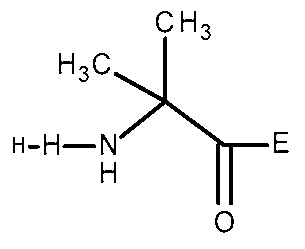
UPLC (AP_B4_1): Rt = 7.33 min.
Compound 17
rAib8.Ara26.Glu34.Ara35.Val36.Ara37l-GLP-1-(7-37Vpeptidyl-Glu-Phe-Leu-Glu-Lvs TSEQ ID No: 181 G T F T S D V S S Y L E G Q A A R E F I A W L V E R V R E F L E K

LCMS (method: LCMS_AP): calc.4186,6 m/z; found m/3: 1396.7, m/4: 1047.7 m/5: 838.4 Rt = 9.13 min.
UPLC (AP_B4_1): Rt = 8.86 min. Compound 18
rAib8.Glu34.Lvs35.Val36.Lvs37l-GLP-1-(7-37Vpeptidyl-Glu-Phe-Leu-Glu-Lvs TSEQ ID No: 191 G T F T S D V S S Y L E G Q A A K E F I A W L V E K V K E F L E K

Preparation method: SPPS_P, cleavage CP_M1.
LCMS (method: LCMS_AP): calc.4102.6 m/z; found m/3: 1368.9, m/4: 1026.6 m/5: 821.6 Rt = 8.60 min.
UPLC (AP_B4_1): Rt = 9.05 min. Compound 19
rAib8,Glu34,Lvs35,Val36,Lvs37l-GLP-1-(7-37)-peptidyl-Glu-Phe-Leu amide TSEQ ID No: 201

Preparation method: SPPS_P, cleavage CP_M1.
LCMS (method: LCMS_AP): calc.3844.3 m/z; found m/2: 1923.3, m/3: 1282.1, m/4: 962.3 Rt = 9.20 min.
UPLC (AP_B4_1): Rt = 9.69 min.
Compound 20
rAra26.Glu34.Ara35.Val36.Ara37l-GLP-1-(7-37Vpeptidyl-Glu-Phe-Leu-Glu-Lvs TSEQ ID No: 21]
H-H A E G T F T S D V S S Y L E G Q A A R E F I A W L V E R V R E F L E K-OH
Preparation method: SPPS_P, cleavage CP_M1.
LCMS (method: LCMS_AP): calc.4172.6 m/z; found m/3: 1392.0, m/4: 1044.2, m/5: 835.6 Rt = 8.40 min.
UPLC (AP_B4_1): Rt = 8.80 min.
Compound 21
rGlu34,Lvs35,Val36,Lvs37l-GLP-1-(7-37)-peptidyl-Glu-Phe-Leu-Glv TSEQ ID No: 221
H-H A E G T F T S D V S S Y L E G Q A A K E F I A W L V E K V K E F L G-OH
Preparation method: SPPS_P, cleavage CP_M1.
LCMS (method: LCMS_AP): calc.4172.6 m/z; found m/2: 1945, m/3: 1297.5, m/4: 973.1, m/5: 779.1; Rt = 8.92 min.
UPLC (AP_B4_1): Rt = 9.52 min.
Example 2
Functional GLP-1 receptor assay
In vitro potency (CRE luciferase; whole cells)
The purpose of this example is to test the activity, or potency, of the GLP-1 receptor agonist peptides in vitro. The in vitro potency is the measure of human GLP-1 receptor activation in a whole cell assay.
The potencies of the GLP-1 receptor agonist peptides representative of the invention, i.e. Compounds 1 -21 , were determined as described herein, and the results shown in Table 1 , below. GLP-1 (7-37) are included for comparison.
Principle
In vitro potency was determined by measuring the response of the human GLP-1 receptor in a reporter gene assay. The assay was performed in a stably transfected BHK cell line that expresses the human GLP-1 receptor and contains the DNA for the cAMP response element (CRE) coupled to a promoter and the gene for firefly luciferase (CRE luciferase). When the human GLP-1 receptor is activated it results in the production of cAMP, which in turn results in the luciferase protein being expressed. When assay incubation is completed the luciferase substrate (luciferin) is added and the enzyme converts luciferin to oxyluciferin to produce bioluminescence. The luminescence is measured as the readout for the assay.
In order to test the binding of the peptides to albumin, the assay was performed in the absence of serum albumin as well as in the presence of a considerably higher concentration of serum albumin (1.0% final assay concentration). An increase of the in vitro potency, EC50 value, in the presence of serum albumin would indicate an affinity to serum albumin and represents a method to predict a protracted pharmacokinetic profile of the test substance in animal models. Cell culture and preparation
The cells used in this assay (clone FCW467-12A KZ10-1 ) were BHK cells with BHKTS13 as a parent cell line. The cells were derived from a clone (FCW467-12A) that expresses the human GLP-1 receptor and were established by further transfection with CRE luciferase to obtain the current clone.
The cells were cultured at 5% C02 in Cell Culture Medium. They were aliquoted and stored in liquid nitrogen. Before each assay an aliquot is taken up and washed twice in PBS before being suspended at the desired concentration in the assay specific buffer. For 96-well plates the suspension was made to give a final concentration of 5x10³ cells/well.
Materials
The following chemicals were used in the assay: Pluronic F-68 (10%) (Gibco 2404), human serum albumin (HSA) (Sigma A951 1 ), ovalbumin (Sigma A5503), DMEM w/o phenol red (Gibco 1 1880-028), 1 M Hepes (Gibco 15630), Glutamax 100x (Gibco 35050) and steadylite plus (PerkinElmer 6016757).
Cell Culture Medium consisted of DMEM medium with 10% FBS (Fetal Bovine Serum), 1 mg/ml G418, 240 nM MTX (methotrexate) and 1 % pen/strep
(penicillin/streptomycin). Assay Medium consisted of DMEM w/o phenol red, 10mM Hepes and 1x Glutamax. The 1 % Assay Buffer consisted of 2% ovalbumin, 0.2% Pluronic F-68 and 2% HSA in assay medium. The 0% Assay Buffer consisted of 2% ovalbumin and 0.2% Pluronic F-68 in Assay Medium.
Procedure
1 ) Cell stocks were thawed in a 37°C water bath.
2) Cells were washed three times in PBS.
3) The cells were counted and adjusted to 5x10³ cells/50 μΙ (1 x10⁵ cells/ml) in Assay Medium. A 50 μΙ aliquot of cells was transferred to each well in the assay plate.
4) Stocks of the test compounds and reference compounds were diluted to a concentration of 0.2 μΜ in 0% Assay Buffer for the 0% HSA CRE luciferase assay and 1 % Assay Buffer for the 1 % HSA CRE luciferase assay. Compounds were diluted 10-fold to give the following concentrations: 2x10"7 M, 2x10"8 M; 2x10"9 M, 2x10"10 M, 2x10"11 M, 2x10" 12 M, 2x10"13 M, and 2x10"14 M.
5) A 50 μΙ aliquot of compound or blank was transferred from the dilution plate to the assay plate. Compounds were tested at the following final concentrations: 1x10"7 M, 1x10"8 M; 1 x10"9 M, 1x10"10 M, 1x10"11 M, 1x10"12 M, 1 x10"13 M, and 1 x10"14 M.
6) The assay plate was incubated for 3 h in a 5% C02 incubator at 37°C.
7) The assay plate was removed from the incubator and allowed to stand at room temperature for 15 min.
8) A 100 μΙ aliquot of steadylite plus reagent was added to each well of the assay plate (reagent was light sensitive).
9) Each assay plate was covered with aluminum foil to protect it from light and shaken for 30 min at room temperature.
10) Each assay plate was read in a Packard TopCount NXT instrument.
Calculations and Results
The data from the TopCount instrument were transferred to GraphPad Prism software. The software performs a non-linear regression (log (agonist) vs response). EC50 values which were calculated by the software and reported in pM are shown in Table 1 , below.
A minimum of two replicates was measured for each sample. The reported values are averages of the replicates.
Example 3
Cholesterol efflux assay
Cholesterol efflux was assessed in vitro by measuring the capacity of compounds to efflux cholesterol from macrophage cell line, primarily transported via the ABCA1 transporter. 8-(4-Chlorophenyl-thio) adenosine 3', 5'-cyclic monophosphate sodium salt (CPT-cAMP) was used to up-regulate the ABCA1 transporter.
Mouse monocyte/macrophage cell line, RAW 264.7 (ATCC, Cat. # TIB-71 ), was seeded (-40.000 c/well) in 96 well plates (NUNC, cat. # 167008) and grown in culture mediad with 3,5 μθί 3H-Cholesterol Cholesterol, [1 ,2-3H(N)] from PerkinElmer, Cat.
#NET139001 MC), in DMEM media for 30 hours (37°C, 5% C02). Media was removed, cells washed once with assay media made of DMEM (Gibco, Cat. # 31966-021 ) with 1 %
Penicillin/Streptomycin (GIBCO, Cat. #15140).
Cells were subsequently incubated with assay media containing 0.1 % human serum albumin (Sigma, Cat. # A1887) ± 0.3 mM CPT-cAMP (Sigma, Cat # C3912) for 18 h (37°C, 5% C02). Again media was removed and cells were washed with assay media 2 times. Compounds were diluted in assay media with 0.1 % human serum albumin and 100 μΙ of the final dilution was added to cells in each well and incubated for 4 hrs (37°C, 5% C02). At the end of the incubation time, cell-free media was collected, transferred to Optiplate-96 plates. 180 μΙ scintillation fluid, Microscint 40 (Sigma T9284), was added to Optiplate-96 plates (PerkinElmer, Cat. #6005290), mixed for one minute, allowed to stand for 30 min, and the radioactivity of the labelled cholesterol effluxed into the media was counted in a Topcounter. Radioacivity from the labeled cholesterol in the cells was assessed by lysing the cells in the plate with 1 % Triton X-100 (Sigma T9284) for 30 min. The lysate was transferred to Optiplate-96 well plate, 180 μΙ Microscint 40 was added, mixed for one minute and then allowed to stand for 30 min. The radioactivity of the labelled cholesterol remaining in the cells was counted in a microplate scintillation counter (Topcounter NTX, Perkin Elmer).
The data from the TopCounter instrument were transferred to Graph Pad Prism software. Cholesterol efflux was calculated: cpm media/(cpm media + cpm cell lysate) x 100%. ABCA1 -mediated efflux was obtained from the difference between induced efflux and non-induced efflux. EC50 values which were calculated by the software and reported in μΜ are shown in Table 1. A minimum of two replicates was measured for each sample. The reported values are averages of the replicates.
Table 1
Cholesterol efflux and GLP-1 receptor potency of the Compounds of the invention

18 0.41 105 36.7 9.8
19 0.32 98 126.0 23.4
20 0.50 99 24.0 8.9
21 0.39 98 74.6 13.8
Claims
1. An analogue of a GLP-1 receptor agonist peptide composed of i) a GLP-1 (7-37) receptor agonist peptide part, having the amino acid sequence of
Formula la:
His-X8-Glu-Gly-Thr-Phe-Thr-Ser-Asp-Val-Ser-Ser-Tyr-Leu-Glu-Gly-Gln-Ala-Ala-X26-Glu-
Phe-lle-Ala-Trp-Leu-Val-X34-X35-X36-X37-;
wherein
X8 represents Ala or Aib;
X26 represents Lys or Arg;
X34 represents Lys or Glu, or a conservative substitution hereof;
X35 represents Gly, Arg or Lys, or a conservative substitution hereof;
X36 represents Val, or a conservative substitution hereof; and
X37 represents Gly, Arg or Lys, or a conservative substitution hereof; and ii) a C-terminal extension, having the amino acid sequence of Formula lb:
-X38-X39-X40-X41 -X42- wherein
X38 represents Glu, or a conservative substitution hereof;
X39 represents Gly, His or Phe, or a conservative substitution hereof;
X40 represents His or Leu, or a conservative substitution hereof; and
X41 represents Glu or Gly, or a conservative substitution hereof; and
X42 represents Lys, or a conservative substitution hereof; or
X41 represents Gly, or a conservative substitution hereof, or amide; and
X42 is absent; and the pharmaceutically acceptable salts, amides, esters, acids or prodrugs thereof.
2. The GLP-1 receptor agonist analogue according to claim 1 , wherein the GLP- 1 (7-37) receptor agonist peptide part holds the amino acid sequence of Formula la:
His-X8-Glu-Gly-Thr-Phe-Thr-Ser-Asp-Val-Ser-Ser-Tyr-Leu-Glu-Gly-Gln-Ala-Ala-X26-Glu-
Phe-lle-Ala-Trp-Leu-Val-X34-X35-X36-X37- wherein
61
X represents Ala or Aib;
X26 represents Lys or Arg;
X34 represents Lys or Glu;
X35 represents Gly, Arg or Lys;
X36 represents Val; and
X37 represents Gly, Arg or Lys.
3. The GLP-1 receptor agonist analogue according to claim 1 , wherein the C- terminal extension holds the amino acid sequence of Formula lb:
-X38-X39-X40-X41-X42;
wherein
X38 represents Glu;
X39 represents Gly, His or Phe;
X40 represents His or Leu; and
X41 represents Glu or Gly; and
X42 represents Lys; or
X41 represents Gly or amide; and
X42 is absent.
4. A GLP-1 receptor agonist analogue according to claim 1 comprising an amino acid sequence of Formula II:
His-X8-Glu-Gly-Thr-Phe-Thr-Ser-Asp-Val-Ser-Ser-Tyr-Leu-Glu-Gly-Gln-Ala-Ala-X26-Glu-
/42
phe-||e-Ala-Trp-Leu-Val-X34-X35-X36-X37-Glu-X39-X40-X4 -X4 wherein
X8 represents Ala or Aib;
X26 represents Lys or Arg;
X34 represents Lys or Glu;
X35 represents Gly, Arg, or Lys;
X36 represents Val;
X37 represents Gly, Arg, or Lys;
X39 represents Gly, His or Phe;
X40 represents His or Leu; and
X41 represents Glu or Gly; and
X42 represents Lys; or
62
X represents Gly or amide; and
X42 is absent;
and the pharmaceutically acceptable salts, amides, esters, acids or prodrugs thereof.
5. The GLP-1 receptor agonist according to claim 1 , which is selected from the group consisting of:
[Aib8,Glu34,Lys35,Val36,Lys37]-GLP-1 -(7-37)-peptidyl-Glu-Phe-Leu-Gly;
[Glu34,Lys35,Val36,Lys37]-GLP-1 -(7-37)-peptidyl-Glu-Gly-Leu amide;
[Aib8,Glu34,Lys35,Val36,Lys37]-GLP-1 -(7-37)-peptidyl-Glu-Gly-Leu amide;
[Glu34,Lys35,Val36,Lys37]-GLP-1-(7-37)-peptidyl-Glu-Gly-Leu-Glu-Lys;
[Aib8,Glu34,Lys35,Val36,Lys37]-GLP-1-(7-37)-peptidyl-Glu-Gly-Leu-Glu-Lys;
[Glu34,Lys35,Val36,Lys37]-GLP-1-(7-37)-peptidyl-Glu-Phe-His-Glu-Lys;
[Aib8,Glu34,Lys35,Val36,Lys37]-GLP-1 -(7-37)-peptidyl-Glu-Phe-His amide;
[Aib8,Glu34,Lys35,Val36,Lys37]-GLP-1-(7-37)-peptidyl-Glu-His-Leu-Glu-Lys;
[Aib8,Glu34,Lys35,Val36,Lys37]-GLP-1-(7-37)-peptidyl-Glu-Phe-His-Glu-Lys;
[Arg26,Glu34,Arg35,Val36,Arg37]-GLP-1 -(7-37)-peptidyl-Glu-Gly-Leu-Glu-Lys;
[Aib8,Glu34,Lys35,Val36,Lys37]-GLP-1-(7-37)-peptidyl-Glu-His-Leu amide;
[Arg26,Glu34,Arg35,Val36,Arg37]-GLP-1 -(7-37)-peptidyl-Glu-Phe-His-Glu-Lys;
[Aib8,Arg26,Glu34,Arg35,Val36,Arg37]-GLP-1-(7-37)-peptidyl-Glu-Gly-Leu-Glu-
Lys;
[Arg26,Glu34,Arg35,Val36,Arg37]-GLP-1 -(7-37)-peptidyl-Glu-His-Leu-Glu-Lys; [Aib8,Arg26,Glu34,Arg35,Val36,Arg37]-GLP-1 -(7-37)-peptidyl-Glu-Phe-His-Glu-
Lys;
[Aib8,Arg26,Glu34,Arg35,Val36,Arg37]-GLP-1-(7-37)-peptidyl-Glu-His-Leu-Glu-
Lys;
[Aib8,Arg26,Glu34,Arg35,Val36,Arg37]-GLP-1 -(7-37)-peptidyl-Glu-Phe-Leu-Glu-
Lys;
[Aib8,Glu34,Lys35,Val36,Lys37]-GLP-1 -(7-37)-peptidyl-Glu-Phe-Leu-Glu-Lys; [Aib8,Glu34,Lys35,Val36,Lys37]-GLP-1 -(7-37)-peptidyl-Glu-Phe-Leu amide; [Arg26,Glu34,Arg35,Val36,Arg37]-GLP-1 -(7-37)-peptidyl-Glu-Phe-Leu-Glu-Lys; and
[Glu34,Lys35,Val36,Lys37]-GLP-1 -(7-37)-peptidyl-Glu-Phe-Leu-Gly.
63
6. A pharmaceutical composition comprising a therapeutically effective amount of the GLP-1 receptor agonist peptide according to claim 1 , optionally in combination with one or more pharmaceutically acceptable carriers or diluents.
7. The GLP-1 receptor agonist peptide according to claim 1 , for use as a medicament.
8. The GLP-1 receptor agonist peptide according to claim 1 , for use in the treatment of diseases or states associated with dyslipidemia, hypercholesterolemia and inflammation, such as cardiovascular disease, endothelial dysfunction, macrovascular disorder, microvascular disorder, atherosclerosis and hypertension; or treating, in an diabetes patient, a disease or state selected from cardiovascular disease, endothelial dysfunction, a macrovascular disorder, microvascular disorder, atherosclerosis and hypertension.
9. Use of the GLP-1 receptor agonist peptide according to claim 1 , in the manufacture of a medicament for treating and/or preventing diseases or states associated with dyslipidemia, inflammation and vascular disorder, such as cardiovascular disease, endothelial dysfunction, hyperlipidemia, hypertriglyceridemia, hypercholesterolemia, hyperlipoproteinemia, HDL deficiency, apoA-l deficiency, coronary artery disease, atherosclerosis, hypertension, stroke, ischemia, infarction, myocardial infarction, hemorrhage, periheralperiferal vascular disease, restenosis, acute coronary syndrome, or reperfusion myocardial injury, macrovascular disorder and microvascular disorder; or treating, in an diabetes patient, a disease or state selected from cardiovascular disease, endothelial dysfunction, a macrovascular disorder, microvascular disorder, atherosclerosis and hypertension.
10. A method for treating and/or preventing diseases or states associated with dyslipidemia, inflammation and vascular disorder, such as cardiovascular disease, endothelial dysfunction, hyperlipidemia, hypertriglyceridemia, hypercholesterolemia, hyperlipoproteinemia, HDL deficiency, apoA-l deficiency, coronary artery disease, atherosclerosis, hypertension, stroke, ischemia, infarction, myocardial infarction, hemorrhage, periheralperiferal vascular disease, restenosis, acute coronary syndrome, or reperfusion myocardial injury, macrovascular disorder and microvascular disorder; or treating, in an diabetes patient, a disease or state selected from cardiovascular disease,
64 endothelial dysfunction, a macrovascular disorder, microvascular disorder, atherosclerosis and hypertension - by administering a pharmaceutically active amount of the GLP-1 receptor agonist peptide according to claim 1.
Applications Claiming Priority (2)
| Application Number | Priority Date | Filing Date | Title |
|---|---|---|---|
| EP14172954 | 2014-06-18 | ||
| EP14172954.1 | 2014-06-18 |
Publications (1)
| Publication Number | Publication Date |
|---|---|
| WO2015193378A1 true WO2015193378A1 (en) | 2015-12-23 |
Family
ID=50976492
Family Applications (1)
| Application Number | Title | Priority Date | Filing Date |
|---|---|---|---|
| PCT/EP2015/063602 Ceased WO2015193378A1 (en) | 2014-06-18 | 2015-06-17 | Novel glp-1 receptor agonists with cholesterol efflux activity |
Country Status (1)
| Country | Link |
|---|---|
| WO (1) | WO2015193378A1 (en) |
Cited By (2)
| Publication number | Priority date | Publication date | Assignee | Title |
|---|---|---|---|---|
| US10660939B2 (en) | 2015-04-14 | 2020-05-26 | Palatin Technologies, Inc. | Therapies for obesity, diabetes and related indications |
| WO2023124847A1 (en) * | 2021-12-28 | 2023-07-06 | 北京惠之衡生物科技有限公司 | Long-acting glp-1 derivative |
Citations (6)
| Publication number | Priority date | Publication date | Assignee | Title |
|---|---|---|---|---|
| WO2005058938A2 (en) * | 2003-12-15 | 2005-06-30 | The Regents Of The University Of California | Helical synthetic peptides that stimulate cellular cholesterol efflux |
| WO2009083549A1 (en) | 2007-12-28 | 2009-07-09 | Novo Nordisk A/S | Semi-recombinant preparation of glp-1 analogues |
| WO2011160633A1 (en) * | 2010-06-24 | 2011-12-29 | Zealand Pharma A/S | Glucagon analogues |
| WO2012153620A1 (en) * | 2011-05-10 | 2012-11-15 | 積水化学工業株式会社 | Drug, functional food, method for stabilizing target protein, fused protein, nucleic acid, and recombinant |
| WO2012153196A2 (en) * | 2011-05-10 | 2012-11-15 | Zealand Pharma A/S | Glu-glp-1 dual agonist signaling-selective compounds |
| WO2014096179A1 (en) * | 2012-12-19 | 2014-06-26 | Novo Nordisk A/S | Novel glp-1 receptor agonists with cholesterol efflux activity |
-
2015
- 2015-06-17 WO PCT/EP2015/063602 patent/WO2015193378A1/en not_active Ceased
Patent Citations (6)
| Publication number | Priority date | Publication date | Assignee | Title |
|---|---|---|---|---|
| WO2005058938A2 (en) * | 2003-12-15 | 2005-06-30 | The Regents Of The University Of California | Helical synthetic peptides that stimulate cellular cholesterol efflux |
| WO2009083549A1 (en) | 2007-12-28 | 2009-07-09 | Novo Nordisk A/S | Semi-recombinant preparation of glp-1 analogues |
| WO2011160633A1 (en) * | 2010-06-24 | 2011-12-29 | Zealand Pharma A/S | Glucagon analogues |
| WO2012153620A1 (en) * | 2011-05-10 | 2012-11-15 | 積水化学工業株式会社 | Drug, functional food, method for stabilizing target protein, fused protein, nucleic acid, and recombinant |
| WO2012153196A2 (en) * | 2011-05-10 | 2012-11-15 | Zealand Pharma A/S | Glu-glp-1 dual agonist signaling-selective compounds |
| WO2014096179A1 (en) * | 2012-12-19 | 2014-06-26 | Novo Nordisk A/S | Novel glp-1 receptor agonists with cholesterol efflux activity |
Non-Patent Citations (18)
| Title |
|---|
| "Fmoc Solid Phase Peptide Synthesis", 2000, OXFORD UNIVERSITY PRESS |
| "Remington: The Science and Practice of Pharmacy", 1995 |
| BARTER P: "HDL-C: Role as a risk modifier", ATHEROSCLER., vol. 12, no. 3, 2011, pages 267 - 270 |
| C. R. UNDERWOOD ET AL: "Crystal Structure of Glucagon-like Peptide-1 in Complex with the Extracellular Domain of the Glucagon-like Peptide-1 Receptor", JOURNAL OF BIOLOGICAL CHEMISTRY, vol. 285, no. 1, 1 January 2010 (2010-01-01), pages 723 - 730, XP055060541, ISSN: 0021-9258, DOI: 10.1074/jbc.M109.033829 * |
| DATTA G ET AL., J. LIPID RES., vol. 42, no. 7, 2001, pages 1096 - 1104 |
| EPAND ET AL: "The amphipathic helix: its possible role in the interaction of glucagon and other peptide hormones with membrane receptor sites", TRENDS IN BIOCHEMICAL SCIENCES, ELSEVIER, HAYWARDS, GB, vol. 8, no. 6, 1 June 1983 (1983-06-01), pages 205 - 207, XP023569664, ISSN: 0968-0004, [retrieved on 19830601], DOI: 10.1016/0968-0004(83)90212-8 * |
| FARBSTEIN D: "Levy AP: HDL dysfunction in diabetes: causes and possible treatments", EXPERT. REV. CARDIOVASC. THER., vol. 10, no. 3, 2012, pages 353 - 361 |
| FARMER JA; LIAO J: "Evolving concepts of the role of high-density lipoprotein in protection from atherosclerosis", CURR. ATHEROSCLER. REP., vol. 13, no. 2, 2011, pages 107 - 114 |
| FLORENCIO ZARAGOZA D6RWALD: "Organic Synthesis on solid Phase", 2000, WILEY-VCH VERLAG GMBH |
| GREENE; WUTS: "Protective Groups in Organic Synthesis", 1999, JOHN WILEY & SONS |
| HODGSON ET AL.: "The synthesis of peptides and proteins containing non-natural amino acids", CHEMICAL SOCIETY REVIEWS, vol. 33, no. 7, 2004, pages 422 - 430, XP008067398 |
| KHERA AV; CUCHEL M; DE LA LLERA-MOYA M; RODRIGUES A; BURKE MF; JAFRI K; FRENCH BC; PHILLIPS JA; MUCKSAVAGE ML; WILENSKY RL: "Cholesterol efflux capacity, high-density lipoprotein function, and atherosclerosis", N. ENGL. J. MED., vol. 364, no. 2, 13 December 2010 (2010-12-13), pages 127 - 135 |
| MICHAEL H DAVIDSON: "Cardiovascular Effects of Glucagonlike peptide 1 Agonists", AMERICAN JOURNAL OF CARDIOLOGY, vol. 108, no. 3, 2 August 2011 (2011-08-02), pages 33B - 41B, XP028249081, ISSN: 0002-9149, [retrieved on 20110401], DOI: 10.1016/J.AMJCARD.2011.03.046 * |
| NISSEN SE; TSUNODA T; TUZCU EM; SCHOENHAGEN P; COOPER CJ; YASIN M; EATON GM; LAUER MA; SHELDON WS; GRINES CL, JAMA, vol. 290, no. 17, 5 December 2002 (2002-12-05), pages 2292 - 2300 |
| RUNGE ET AL., J. BIOL. CHEM., vol. 283, 2008, pages 11340 - 11347 |
| UNDERWOOD ET AL., J. BIOL. CHEM., vol. 285, 2010, pages 723 - 730 |
| VALENSI P; PICARD S: "Lipids, lipid-lowering therapy and diabetes complications", DIABETES METAB., vol. 37, no. 1, 2011, pages 15 - 24, XP028146070, DOI: doi:10.1016/j.diabet.2010.10.001 |
| W.R. SAMPSON ET AL., J. PEP. SCI., vol. 5, 1999, pages 403 - 409 |
Cited By (2)
| Publication number | Priority date | Publication date | Assignee | Title |
|---|---|---|---|---|
| US10660939B2 (en) | 2015-04-14 | 2020-05-26 | Palatin Technologies, Inc. | Therapies for obesity, diabetes and related indications |
| WO2023124847A1 (en) * | 2021-12-28 | 2023-07-06 | 北京惠之衡生物科技有限公司 | Long-acting glp-1 derivative |
Similar Documents
| Publication | Publication Date | Title |
|---|---|---|
| US10308700B2 (en) | GLP-1 derivatives | |
| US9920106B2 (en) | GLP-1 compounds | |
| US7893017B2 (en) | Protracted GLP-1 compounds | |
| JP5695909B2 (en) | Novel insulin derivatives with extremely delayed time action profiles | |
| EP3423481B1 (en) | Glp-1 derivatives and uses thereof | |
| US20130053310A1 (en) | Novel glucagon analogues | |
| WO2014096179A1 (en) | Novel glp-1 receptor agonists with cholesterol efflux activity | |
| US12122818B2 (en) | Insulin analogues and uses thereof | |
| EA049440B1 (en) | NEW INSULIN ANALOGUES AND THEIR APPLICATION OPTIONS | |
| HK40078067A (en) | Novel insulin analogues and uses thereof |
Legal Events
| Date | Code | Title | Description |
|---|---|---|---|
| 121 | Ep: the epo has been informed by wipo that ep was designated in this application |
Ref document number: 15734084 Country of ref document: EP Kind code of ref document: A1 |
|
| NENP | Non-entry into the national phase |
Ref country code: DE |
|
| 122 | Ep: pct application non-entry in european phase |
Ref document number: 15734084 Country of ref document: EP Kind code of ref document: A1 |