WO2015191640A2 - Bicyclic xanthine oxidase inhibitors and methods of use - Google Patents
Bicyclic xanthine oxidase inhibitors and methods of use Download PDFInfo
- Publication number
- WO2015191640A2 WO2015191640A2 PCT/US2015/034975 US2015034975W WO2015191640A2 WO 2015191640 A2 WO2015191640 A2 WO 2015191640A2 US 2015034975 W US2015034975 W US 2015034975W WO 2015191640 A2 WO2015191640 A2 WO 2015191640A2
- Authority
- WO
- WIPO (PCT)
- Prior art keywords
- nhr
- group
- alkyl
- compound
- pharmaceutically acceptable
- Prior art date
- Legal status (The legal status is an assumption and is not a legal conclusion. Google has not performed a legal analysis and makes no representation as to the accuracy of the status listed.)
- Ceased
Links
- 0 CC1*II*1 Chemical compound CC1*II*1 0.000 description 13
- AMSMVCOBCOZLEE-UHFFFAOYSA-N C1c2ccccc12 Chemical compound C1c2ccccc12 AMSMVCOBCOZLEE-UHFFFAOYSA-N 0.000 description 1
- HMTNFWQNLSKXJP-UHFFFAOYSA-N N#Cc(cc(C=O)c(c(O)c1)c2cc1[N+]([O-])=O)c2O Chemical compound N#Cc(cc(C=O)c(c(O)c1)c2cc1[N+]([O-])=O)c2O HMTNFWQNLSKXJP-UHFFFAOYSA-N 0.000 description 1
- HPWRRNTWMHETCY-UHFFFAOYSA-N N#Cc(cc1)cc2c1c(C=O)cc(C#N)c2O Chemical compound N#Cc(cc1)cc2c1c(C=O)cc(C#N)c2O HPWRRNTWMHETCY-UHFFFAOYSA-N 0.000 description 1
- FQDQIQNAOPGSTK-UHFFFAOYSA-N N#Cc1cc2cc([N+]([O-])=O)cc(O)c2c(C=O)c1 Chemical compound N#Cc1cc2cc([N+]([O-])=O)cc(O)c2c(C=O)c1 FQDQIQNAOPGSTK-UHFFFAOYSA-N 0.000 description 1
- JBVZBBHSIQSCAD-UHFFFAOYSA-N N#Cc1cc2cc([N+]([O-])=O)ccc2c(C=O)c1O Chemical compound N#Cc1cc2cc([N+]([O-])=O)ccc2c(C=O)c1O JBVZBBHSIQSCAD-UHFFFAOYSA-N 0.000 description 1
- KXAGFWJUHRXGTJ-UHFFFAOYSA-N [O-][N+](c(cc1)cc(cc2[N+]([O-])=O)c1c(C=O)c2O)=O Chemical compound [O-][N+](c(cc1)cc(cc2[N+]([O-])=O)c1c(C=O)c2O)=O KXAGFWJUHRXGTJ-UHFFFAOYSA-N 0.000 description 1
Classifications
-
- A—HUMAN NECESSITIES
- A61—MEDICAL OR VETERINARY SCIENCE; HYGIENE
- A61K—PREPARATIONS FOR MEDICAL, DENTAL OR TOILETRY PURPOSES
- A61K31/00—Medicinal preparations containing organic active ingredients
- A61K31/33—Heterocyclic compounds
- A61K31/395—Heterocyclic compounds having nitrogen as a ring hetero atom, e.g. guanethidine or rifamycins
- A61K31/495—Heterocyclic compounds having nitrogen as a ring hetero atom, e.g. guanethidine or rifamycins having six-membered rings with two or more nitrogen atoms as the only ring heteroatoms, e.g. piperazine or tetrazines
- A61K31/505—Pyrimidines; Hydrogenated pyrimidines, e.g. trimethoprim
- A61K31/517—Pyrimidines; Hydrogenated pyrimidines, e.g. trimethoprim ortho- or peri-condensed with carbocyclic ring systems, e.g. quinazoline, perimidine
-
- A—HUMAN NECESSITIES
- A61—MEDICAL OR VETERINARY SCIENCE; HYGIENE
- A61K—PREPARATIONS FOR MEDICAL, DENTAL OR TOILETRY PURPOSES
- A61K31/00—Medicinal preparations containing organic active ingredients
- A61K31/045—Hydroxy compounds, e.g. alcohols; Salts thereof, e.g. alcoholates
- A61K31/05—Phenols
-
- A—HUMAN NECESSITIES
- A61—MEDICAL OR VETERINARY SCIENCE; HYGIENE
- A61K—PREPARATIONS FOR MEDICAL, DENTAL OR TOILETRY PURPOSES
- A61K31/00—Medicinal preparations containing organic active ingredients
- A61K31/075—Ethers or acetals
-
- A—HUMAN NECESSITIES
- A61—MEDICAL OR VETERINARY SCIENCE; HYGIENE
- A61K—PREPARATIONS FOR MEDICAL, DENTAL OR TOILETRY PURPOSES
- A61K31/00—Medicinal preparations containing organic active ingredients
- A61K31/11—Aldehydes
-
- A—HUMAN NECESSITIES
- A61—MEDICAL OR VETERINARY SCIENCE; HYGIENE
- A61K—PREPARATIONS FOR MEDICAL, DENTAL OR TOILETRY PURPOSES
- A61K31/00—Medicinal preparations containing organic active ingredients
- A61K31/13—Amines
- A61K31/15—Oximes (>C=N—O—); Hydrazines (>N—N<); Hydrazones (>N—N=) ; Imines (C—N=C)
-
- A—HUMAN NECESSITIES
- A61—MEDICAL OR VETERINARY SCIENCE; HYGIENE
- A61K—PREPARATIONS FOR MEDICAL, DENTAL OR TOILETRY PURPOSES
- A61K31/00—Medicinal preparations containing organic active ingredients
- A61K31/275—Nitriles; Isonitriles
- A61K31/277—Nitriles; Isonitriles having a ring, e.g. verapamil
-
- A—HUMAN NECESSITIES
- A61—MEDICAL OR VETERINARY SCIENCE; HYGIENE
- A61K—PREPARATIONS FOR MEDICAL, DENTAL OR TOILETRY PURPOSES
- A61K31/00—Medicinal preparations containing organic active ingredients
- A61K31/33—Heterocyclic compounds
- A61K31/335—Heterocyclic compounds having oxygen as the only ring hetero atom, e.g. fungichromin
- A61K31/34—Heterocyclic compounds having oxygen as the only ring hetero atom, e.g. fungichromin having five-membered rings with one oxygen as the only ring hetero atom, e.g. isosorbide
- A61K31/343—Heterocyclic compounds having oxygen as the only ring hetero atom, e.g. fungichromin having five-membered rings with one oxygen as the only ring hetero atom, e.g. isosorbide condensed with a carbocyclic ring, e.g. coumaran, bufuralol, befunolol, clobenfurol, amiodarone
-
- A—HUMAN NECESSITIES
- A61—MEDICAL OR VETERINARY SCIENCE; HYGIENE
- A61K—PREPARATIONS FOR MEDICAL, DENTAL OR TOILETRY PURPOSES
- A61K31/00—Medicinal preparations containing organic active ingredients
- A61K31/33—Heterocyclic compounds
- A61K31/335—Heterocyclic compounds having oxygen as the only ring hetero atom, e.g. fungichromin
- A61K31/357—Heterocyclic compounds having oxygen as the only ring hetero atom, e.g. fungichromin having two or more oxygen atoms in the same ring, e.g. crown ethers, guanadrel
-
- A—HUMAN NECESSITIES
- A61—MEDICAL OR VETERINARY SCIENCE; HYGIENE
- A61K—PREPARATIONS FOR MEDICAL, DENTAL OR TOILETRY PURPOSES
- A61K31/00—Medicinal preparations containing organic active ingredients
- A61K31/33—Heterocyclic compounds
- A61K31/38—Heterocyclic compounds having sulfur as a ring hetero atom
- A61K31/381—Heterocyclic compounds having sulfur as a ring hetero atom having five-membered rings
-
- A—HUMAN NECESSITIES
- A61—MEDICAL OR VETERINARY SCIENCE; HYGIENE
- A61K—PREPARATIONS FOR MEDICAL, DENTAL OR TOILETRY PURPOSES
- A61K31/00—Medicinal preparations containing organic active ingredients
- A61K31/33—Heterocyclic compounds
- A61K31/38—Heterocyclic compounds having sulfur as a ring hetero atom
- A61K31/39—Heterocyclic compounds having sulfur as a ring hetero atom having oxygen in the same ring
-
- A—HUMAN NECESSITIES
- A61—MEDICAL OR VETERINARY SCIENCE; HYGIENE
- A61K—PREPARATIONS FOR MEDICAL, DENTAL OR TOILETRY PURPOSES
- A61K31/00—Medicinal preparations containing organic active ingredients
- A61K31/33—Heterocyclic compounds
- A61K31/395—Heterocyclic compounds having nitrogen as a ring hetero atom, e.g. guanethidine or rifamycins
- A61K31/40—Heterocyclic compounds having nitrogen as a ring hetero atom, e.g. guanethidine or rifamycins having five-membered rings with one nitrogen as the only ring hetero atom, e.g. sulpiride, succinimide, tolmetin, buflomedil
- A61K31/403—Heterocyclic compounds having nitrogen as a ring hetero atom, e.g. guanethidine or rifamycins having five-membered rings with one nitrogen as the only ring hetero atom, e.g. sulpiride, succinimide, tolmetin, buflomedil condensed with carbocyclic rings, e.g. carbazole
-
- A—HUMAN NECESSITIES
- A61—MEDICAL OR VETERINARY SCIENCE; HYGIENE
- A61K—PREPARATIONS FOR MEDICAL, DENTAL OR TOILETRY PURPOSES
- A61K31/00—Medicinal preparations containing organic active ingredients
- A61K31/33—Heterocyclic compounds
- A61K31/395—Heterocyclic compounds having nitrogen as a ring hetero atom, e.g. guanethidine or rifamycins
- A61K31/41—Heterocyclic compounds having nitrogen as a ring hetero atom, e.g. guanethidine or rifamycins having five-membered rings with two or more ring hetero atoms, at least one of which being nitrogen, e.g. tetrazole
- A61K31/415—1,2-Diazoles
- A61K31/416—1,2-Diazoles condensed with carbocyclic ring systems, e.g. indazole
-
- A—HUMAN NECESSITIES
- A61—MEDICAL OR VETERINARY SCIENCE; HYGIENE
- A61K—PREPARATIONS FOR MEDICAL, DENTAL OR TOILETRY PURPOSES
- A61K31/00—Medicinal preparations containing organic active ingredients
- A61K31/33—Heterocyclic compounds
- A61K31/395—Heterocyclic compounds having nitrogen as a ring hetero atom, e.g. guanethidine or rifamycins
- A61K31/41—Heterocyclic compounds having nitrogen as a ring hetero atom, e.g. guanethidine or rifamycins having five-membered rings with two or more ring hetero atoms, at least one of which being nitrogen, e.g. tetrazole
- A61K31/4164—1,3-Diazoles
- A61K31/4184—1,3-Diazoles condensed with carbocyclic rings, e.g. benzimidazoles
-
- A—HUMAN NECESSITIES
- A61—MEDICAL OR VETERINARY SCIENCE; HYGIENE
- A61K—PREPARATIONS FOR MEDICAL, DENTAL OR TOILETRY PURPOSES
- A61K31/00—Medicinal preparations containing organic active ingredients
- A61K31/33—Heterocyclic compounds
- A61K31/395—Heterocyclic compounds having nitrogen as a ring hetero atom, e.g. guanethidine or rifamycins
- A61K31/41—Heterocyclic compounds having nitrogen as a ring hetero atom, e.g. guanethidine or rifamycins having five-membered rings with two or more ring hetero atoms, at least one of which being nitrogen, e.g. tetrazole
- A61K31/4192—1,2,3-Triazoles
-
- A—HUMAN NECESSITIES
- A61—MEDICAL OR VETERINARY SCIENCE; HYGIENE
- A61K—PREPARATIONS FOR MEDICAL, DENTAL OR TOILETRY PURPOSES
- A61K31/00—Medicinal preparations containing organic active ingredients
- A61K31/33—Heterocyclic compounds
- A61K31/395—Heterocyclic compounds having nitrogen as a ring hetero atom, e.g. guanethidine or rifamycins
- A61K31/41—Heterocyclic compounds having nitrogen as a ring hetero atom, e.g. guanethidine or rifamycins having five-membered rings with two or more ring hetero atoms, at least one of which being nitrogen, e.g. tetrazole
- A61K31/42—Oxazoles
- A61K31/423—Oxazoles condensed with carbocyclic rings
-
- A—HUMAN NECESSITIES
- A61—MEDICAL OR VETERINARY SCIENCE; HYGIENE
- A61K—PREPARATIONS FOR MEDICAL, DENTAL OR TOILETRY PURPOSES
- A61K31/00—Medicinal preparations containing organic active ingredients
- A61K31/33—Heterocyclic compounds
- A61K31/395—Heterocyclic compounds having nitrogen as a ring hetero atom, e.g. guanethidine or rifamycins
- A61K31/41—Heterocyclic compounds having nitrogen as a ring hetero atom, e.g. guanethidine or rifamycins having five-membered rings with two or more ring hetero atoms, at least one of which being nitrogen, e.g. tetrazole
- A61K31/425—Thiazoles
- A61K31/428—Thiazoles condensed with carbocyclic rings
-
- A—HUMAN NECESSITIES
- A61—MEDICAL OR VETERINARY SCIENCE; HYGIENE
- A61K—PREPARATIONS FOR MEDICAL, DENTAL OR TOILETRY PURPOSES
- A61K31/00—Medicinal preparations containing organic active ingredients
- A61K31/33—Heterocyclic compounds
- A61K31/395—Heterocyclic compounds having nitrogen as a ring hetero atom, e.g. guanethidine or rifamycins
- A61K31/435—Heterocyclic compounds having nitrogen as a ring hetero atom, e.g. guanethidine or rifamycins having six-membered rings with one nitrogen as the only ring hetero atom
- A61K31/47—Quinolines; Isoquinolines
-
- A—HUMAN NECESSITIES
- A61—MEDICAL OR VETERINARY SCIENCE; HYGIENE
- A61K—PREPARATIONS FOR MEDICAL, DENTAL OR TOILETRY PURPOSES
- A61K31/00—Medicinal preparations containing organic active ingredients
- A61K31/33—Heterocyclic compounds
- A61K31/395—Heterocyclic compounds having nitrogen as a ring hetero atom, e.g. guanethidine or rifamycins
- A61K31/495—Heterocyclic compounds having nitrogen as a ring hetero atom, e.g. guanethidine or rifamycins having six-membered rings with two or more nitrogen atoms as the only ring heteroatoms, e.g. piperazine or tetrazines
- A61K31/505—Pyrimidines; Hydrogenated pyrimidines, e.g. trimethoprim
- A61K31/519—Pyrimidines; Hydrogenated pyrimidines, e.g. trimethoprim ortho- or peri-condensed with heterocyclic rings
-
- A—HUMAN NECESSITIES
- A61—MEDICAL OR VETERINARY SCIENCE; HYGIENE
- A61K—PREPARATIONS FOR MEDICAL, DENTAL OR TOILETRY PURPOSES
- A61K31/00—Medicinal preparations containing organic active ingredients
- A61K31/33—Heterocyclic compounds
- A61K31/395—Heterocyclic compounds having nitrogen as a ring hetero atom, e.g. guanethidine or rifamycins
- A61K31/535—Heterocyclic compounds having nitrogen as a ring hetero atom, e.g. guanethidine or rifamycins having six-membered rings with at least one nitrogen and one oxygen as the ring hetero atoms, e.g. 1,2-oxazines
- A61K31/536—Heterocyclic compounds having nitrogen as a ring hetero atom, e.g. guanethidine or rifamycins having six-membered rings with at least one nitrogen and one oxygen as the ring hetero atoms, e.g. 1,2-oxazines ortho- or peri-condensed with carbocyclic ring systems
-
- A—HUMAN NECESSITIES
- A61—MEDICAL OR VETERINARY SCIENCE; HYGIENE
- A61K—PREPARATIONS FOR MEDICAL, DENTAL OR TOILETRY PURPOSES
- A61K31/00—Medicinal preparations containing organic active ingredients
- A61K31/74—Synthetic polymeric materials
- A61K31/765—Polymers containing oxygen
Definitions
- This invention is directed to compounds, pharmaceutical compositions and methods.
- the methods of this invention are useful in treating a condition mediated at least in part by xanthine oxidase including by way of example, gout, hyperuricemia, hypoxia and the like.
- Gout is caused by hyperuricemia, namely, abnormally high levels of uric acid in the blood. Gout is usually presented as acute inflammatory arthritis, as well as tophi, kidney stones, or urate nephropathy. Gout affects 1-2% of adults in developed countries and represents the most common case of inflammatory arthritis in men. In the United States, gouty arthritis accounts for millions of outpatient visits annually. Furthermore, gout and hyperuricemia are also associated with chronic diseases such as hypertension, diabetes mellitus, metabolic syndrome, and renal and cardiovascular disease.
- Xanthine oxidase is a form of a molybdoflavin protein, xanthine oxidoreductase (XOR). It plays an important role in the catabolism of purines in humans, as it catalyzes the oxidation of hypoxanthine to xanthine and then catalyzes the oxidation of xanthine to uric acid. Meanwhile, reactive oxygen species (ROS), including superoxide and H 2 0 2 , are generated during this process. In a bioprotective role, uric acid can serve as an antioxidant to prevent macromolecular damage by ROS.
- ROS reactive oxygen species
- uric acid hyperuricemia which can lead to gout and other diseases or conditions. Therefore, maintaining uric acid at normal levels represents an important therapeutic goal for the prevention of gout and related disorders. For most patients with primary gout, the condition is directly related to the overproduction of uric acid (hyperuricemia).
- Allopurinol is the most commonly used therapy for chronic gout and has been used clinically for more than 40 years. Allopurinol lowers uric acid production by inhibiting XO activity, and is used as a first-line urate-lowering phamacotherapy. Allopurinol, a structural isomer of hypoxanthine, is hydroxylated by XO to oxypurinol, which coordinates tightly to the reduced form of the molybdenum center, replacing the Mo-OH group of the native enzyme.
- This invention is directed to compounds, pharmaceutical compositions, and methods of use in order to treat disorders mediated, at least in part, by xanthine oxidase.
- This invention is also directed to methods for treating, for example, hypoxia, gout and hyperuricemia and related conditions.
- this invention provides or utilizes compounds of Formula I, IA-i, or II:
- ring A is phenyl or a 6-membered heteroaryl comprising one nitrogen atom in the ring;
- ring B is phenyl or a 5- or 6-membered heteroaryl comprising one or two ring
- heteroatoms independently selected from nitrogen, oxygen and sulfur
- n 1 or 2;
- each A 1 , A2 , A 3 , A 4 is independently CR 1 or N, provided that no more than one of A 1 , A 3 , and A 4 is N;
- B 1 , B 2 , and B 3 are independently CR 1 , O, S, N or NR 1 , provided no more than two of B 1 , B 2 , and B 3 are O, S, N or NR 1 ;
- X is CR 1 or N
- each R 1 is independently selected from the group consisting of hydrogen, nitro, aldehyde,
- each R 2 is independently selected from halogen, nitroso, cyano, Ci to C 6 alkyl, -CH 2 OH, halogenated Ci to C 4 alkyl, phenyl, -S0 2 H, and -OR 5 ;
- each R 3 is independently selected from the group consisting of:
- each R is independently selected from the group consisting of:
- R 4 is selected from the group consisting of hydrogen, Ci-C 6 alkyl, C3-C7 cycloalkyl, C 2 - C 6 alkenyl, C 4 -C 7 cycloalkenyl, C 2 -C 6 alkynyl, (CH 2 CH 2 0) n H, phenyl, C 5 -C 6 heterocycle having 1 to 3 heteroatoms selected from O, S, S0 2 , N, and NR 11 , and C5-C6 heteroaryl having 1 to 3 heteroatoms selected from O, S, N, and NR 12 ;
- n is an integer of from 1 to 10,000;
- X 1 and Y 1 are independently selected from the group consisting of -0-, -S-, -S0 2 -, and -N(R 7 )-;
- L is -C(O)- or C 2 to C 4 alkylene group optionally substituted with one or two oxo;
- R 5 is Ci to C 6 alkyl or halogenated Ci to C 6 alkyl;
- R 6 is hydrogen or R 2 ;
- R 7 is selected from the group consisting of
- R 12 is hydrogen or Ci to C 6 alkyl
- R 20 is a saturated fatty chain or an unsaturated fatty chain or -OR 20 is a hydroxy group esterified with a phospholipid
- the saturated fatty chain or the unsaturated fatty contains 10-30 chain carbons, or more preferably, 12-18 chain carbons.
- the unsaturated fatty chain contains up to 4, preferably, up to 2, more preferably, a single carbon carbon double bond within the fatty chain.
- the saturated fatty chain or the unsaturated fatty chain contains less than 10 chain carbons.
- this invention provides or utilizes compounds of Formula III or IV: wherein
- X 3 is CR 30 or N
- Y 3 is NR 31 , O or S
- R is selected from the group consisting of hydrogen, nitro, OH, OR, and
- q 0, 1, 2 or 3;
- each R is independently selected from the group consisting of:
- R 4 is selected from the group consisting of hydrogen, Ci-C 6 alkyl, C3-C7 cycloalkyl, C 2 - C 6 alkenyl, C4-C7 cycloalkenyl, C 2 -C 6 alkynyl, (CH 2 CH 2 0) n H, phenyl, C 5 -C 6 heterocycle having 1 to 3 heteroatoms selected from O, S, S0 2 , N, and NR 11 , and C5-C6 heteroaryl having 1 to 3 heteroatoms selected from O, S, N, and NR 12 ;
- n is an integer of from 1 to 10,000;
- X 1 and Y 1 are independently selected from the group consisting of -0-, -S-, -S0 2 -, and -N(R 3 )-;
- L is -C(O)- or C 2 to C 4 alkylene group
- R 7 is hydrogen, (CH 2 CH 2 0) admirH, or Ci to C 6 alkyl;
- R 12 is hydrogen or Ci to C 6 alkyl; and R 20 is a saturated fatty chain or an unsaturated fatty chain or -OR 20 is a hydroxy group esterified with a phospholipid,
- the saturated fatty chain or the unsaturated fatty chain contains 10-30 chain carbons, or more preferably, 12-18 chain carbons. In some embodiments, the saturated fatty chain or the unsaturated fatty chain contains less than 10 chain carbons.
- provided or utilized are compounds selected from the group consisting of: or a tautomer, solvate and/or a pharmaceutically acceptable salt thereof.
- the hydroxy groups, preferably, one or two hydroxy groups, present in the compounds described herein can be esterified with a saturated fatty acid chain or an unsaturated hydrocarbon chain of fatty acid or a phospholipid, as disclosed herein.
- Compounds described herein are contemplated to inhibit the activity of xanthine oxidase and reduce production of uric acid.
- the compounds can be degraded in vivo, such as by hydrolysis and/or oxidation, to provide a metabolite that inhibit the activity of xanthine oxidase and reduce production of uric acid.
- this invention is directed to a pharmaceutical composition
- a pharmaceutical composition comprising a pharmaceutically acceptable excipient and a compound of Formula I, II, III or IV above or a tautomer, and/or a pharmaceutically acceptable salt and/or solvate thereof.
- a method for treating a condition mediated at least in part by xanthine oxidase comprises administering to a patient suffering from such a condition a therapeutically effective amount of a compound of any of Formulae I, II, III or IV above or a tautomer or a pharmaceutically acceptable salt and/or solvate thereof.
- the compound utilized herein is 3,4-dihydroxy-5- cyanobenzaldehyde (DHCB) or 3,5-dinitrosalicylaldehyde (DNS A).
- DHCB 3,4-dihydroxy-5- cyanobenzaldehyde
- DNS A 3,5-dinitrosalicylaldehyde
- a method for treating a condition mediated at least in part by xanthine oxidase comprises administering to a patient suffering from such a condition a therapeutically effective amount of DHCB or DNSA.
- this invention is directed to a method for
- treating for example, gout, hypoxia, or hyperuricemia in a patient which method comprises administering to the patient in need thereof a therapeutically effective amount of a
- bicyclic xanthine oxidase inhibitors and methods for their use in treating conditions mediated, at least in part, by xanthine oxidase in a patient.
- the xanthine oxidase inhibitors are administered in an effective amount to treat, for example, gout, hypoxia, or hyperuricemia in a subject.
- Alkyl refers to monovalent saturated aliphatic hydrocarbyl groups having from 1 to 10 carbon atoms and preferably 1 to 6 carbon atoms. This term includes, by way of example, linear and branched hydrocarbyl groups such as methyl (CH 3 -, or Me), ethyl
- C x alkyl refers to an alkyl group having x number of carbon atoms.
- Alkylene refers to a divalent alkyl group, such as -CH 2 -, -CH 2 CH 2 -,
- C x alkenyl refers to an alkenyl group having x number of carbon atoms.
- Alkynyl refers to straight or branched monovalent hydrocarbyl groups having from 2 to 6 carbon atoms and preferably 2 to 3 carbon atoms and having at least 1 and preferably from 1 to 2 sites of acetylenic (-C ⁇ C-) unsaturation. Examples of such alkynyl groups include acetylenyl (-C ⁇ CH), and propargyl (-CH 2 C ⁇ CH).
- C x alkynyl refers to an alkynyl group having x number of carbon atoms.
- Aryl refers to a monovalent aromatic carbocyclic group of from 6 to 10 carbon atoms having a single ring (e.g., phenyl (Ph)) or multiple condensed rings (e.g., naphthyl) which condensed rings may or may not be aromatic (e.g. , 2-benzoxazolinone,
- aryl groups include phenyl and naphthyl.
- Cycloalkyl refers to a saturated or unsaturated but nonaromatic cyclic alkyl groups of from 3 to 10 carbon atoms having single or multiple cyclic rings including fused, bridged, and spiro ring systems.
- C x cycloalkyl refers to a cycloalkyl group having x number of ring carbon atoms.
- suitable cycloalkyl groups include, for instance, adamantyl, cyclopropyl, cyclobutyl, cyclopentyl, and cyclooctyl.
- One or more the rings can be aryl, heteroaryl, or heterocyclic provided that the point of attachment is through the non-aromatic, non-heterocyclic ring saturated carbocyclic ring.
- Halo or "halogen” refers to fluoro, chloro, bromo and iodo and preferably is fluoro or chloro.
- Heteroaryl refers to an aromatic group of from 1 to 10 carbon atoms and 1 to 4 heteroatoms selected from the group consisting of oxygen, nitrogen and sulfur within the ring.
- Such heteroaryl groups can have a single ring (e.g. , pyridinyl or furyl) or multiple condensed rings (e.g., indolizinyl or benzothienyl) wherein the condensed rings may or may not be aromatic and/or contain a heteroatom provided that the point of attachment is through an atom of the aromatic heteroaryl group.
- the nitrogen and/or the sulfur ring atom(s) of the heteroaryl group are optionally oxidized to provide for the N-oxide (N ⁇ 0), sulfmyl, or sulfonyl moieties.
- Preferred heteroaryls include 5 or 6 membered heteroaryls such as pyridinyl, pyrrolyl, indolyl, thiophenyl, and furanyl.
- Heterocycle or “heterocyclic” refers to a saturated or partially saturated, but not aromatic, group having from 1 to 10 ring carbon atoms and from 1 to 4 ring heteroatoms selected from the group consisting of nitrogen, phosphorus, sulfur, or oxygen.
- C x cycloalkyl refers to a heterocycle group having x number of ring atoms including the ring heteroatoms.
- Heterocycle encompasses single ring or multiple condensed rings, including fused bridged and spiro ring systems. In fused ring systems, one or more the rings can be cycloalkyl, aryl or heteroaryl provided that the point of attachment is through the non-aromatic ring.
- the nitrogen, phosphorus and/or sulfur atom(s) of the heterocyclic group are optionally oxidized to provide for the N-oxide, P(O), P(0) 2 , P(0) 3 , sulfmyl, or sulfonyl moieties.
- Aldehyde refers to the group -CHO.
- Niro refers to the group -N0 2 .
- Stereoisomer or “stereoisomers” refer to compounds that differ in the chirality of one or more stereocenters. Stereoisomers include enantiomers and diastereomers.
- Treating" or “treatment” of a disease in a patient refers to 1) preventing the disease from occurring in a patient that is predisposed or does not yet display symptoms of the disease; 2) inhibiting the disease or arresting its development; or 3) ameliorating or causing regression of the disease.
- Treatment can refer to a 10%, 20%, 30%, 40%, 50%, 60%, 70%, 80%, 90%, or 100% reduction in the severity of one or more symptoms of the disease or condition.
- a method for treating a disease is considered to be a treatment if there is a 10% reduction in one or more symptoms or signs of the disease in a subject as compared to a control.
- control refers to the untreated condition.
- the reduction can be a 10%, 20%, 30%, 40%, 50%, 60%, 70%, 80%, 90%, 100%, or any percent reduction in between 10% and 100% as compared to native or control levels. It is understood that treatment does not necessarily refer to a cure or complete ablation of the disease, condition, or symptoms of the disease or condition.
- prevent, preventing, and prevention of a disease or disorder refer to an action, for example, administration of a composition or therapeutic agent, that occurs before or at about the same time a subject begins to show one or more symptoms of the disease or disorder, which inhibits or delays onset or severity of one or more symptoms of the disease or disorder.
- references to decreasing, reducing, or inhibiting include a change of 10%, 20%, 30%, 40%, 50%, 60%, 70%, 80%, 90% or greater as compared to a control level. Such terms can include, but do not necessarily include, complete elimination.
- subject means primarily mammals. Mammals include, for example, humans; non-human primates, e.g., apes and monkeys; cattle; horses; sheep; rats;
- mice mice; pigs; and goats.
- condition refers to a state of a patient
- impermissible substitution patterns e.g., methyl substituted with 5 fluoro groups. Such impermissible substitution patterns are well known to the skilled artisan.
- this invention provides compounds of Formula I or IA:
- ring A is phenyl or a 6-membered heteroaryl comprising one nitrogen atom in the ring;
- ring B is phenyl or a 5- or 6-membered heteroaryl comprising one or two ring
- heteroatoms selected from nitrogen, oxygen and sulfur
- n 1 or 2;
- each A 1 , A 2 , A 3 , and A 4 is independently CR 1 or N, provided that no more than one of A 1 , A 2 , A 3 , and A 4 is N;
- B 1 , B 2 , and B 3 are independently CR 1 , O, S, N or NR 1 , provided no more than two of B 1 , B 2 , and B 3 are O, S, N or NR 1 ;
- each R 1 is independently selected from the group consisting of hydrogen, nitro, aldehyde,
- each R 2 is independently selected from halogen, nitroso, cyano, Ci to C 6 alkyl, -CH 2 OH, halogenated Ci to C 4 alkyl, phenyl, -S0 2 H, and -OR 5 ;
- each R 3 is independently selected from the group consisting of:
- each R is independently selected from the group consisting of:
- R 4 is selected from the group consisting of hydrogen, Ci-C 6 alkyl, C3-C7 cycloalkyl, C 2 - C 6 alkenyl, C4-C7 cycloalkenyl, C 2 -C 6 alkynyl, (CH 2 CH 2 0) n H, phenyl, C5-C6 heterocycle having 1 to 3 heteroatoms selected from O, S, S0 2 , N, and NR 11 , and C5-C6 heteroaryl having 1 to 3 heteroatoms selected from O, S, N, and NR 12 ;
- n is an integer of from 1 to 10,000;
- X 1 and Y 1 are independently selected from the group consisting of -0-, -S-, -S0 2 -, and -N(R 7 )-;
- L is -C(O)- or C 2 to C 4 alkylene group optionally substituted with one or two oxo;
- R 5 is Ci to C 6 alkyl or halogenated Ci to C 6 alkyl
- R 7 is selected from the group consisting of
- R 20 is a saturated fatty chain or an unsaturated fatty chain or -OR 20 is a hydroxy group esterified with a phospholipid , or a tautomer, and/or a pharmaceutically acceptable salt and/or solvate thereof.
- the saturated fatty chain or the unsaturated fatty chain contains 10-30 chain carbons, or more preferably, 12-18 chain carbons. In some embodiments, the saturated fatty chain or the unsaturated fatty chain contains less than 10 chain carbons
- this invention provides compounds of Formula I A, or IB:
- a 4 , B 2 , and B 3 are as defined in Formula I.
- this invention provides compounds of Formula II:
- ring B is phenyl or a 5- or 6-membered heteroaryl comprising one or two ring heteroatoms selected from nitrogen, oxygen and sulfur;
- n 1 or 2;
- X is CR 1 or N
- B 1 , B 2 , and B 3 are independently CR 1 , O, S, N or NR 1 , provided no more than two of B 1 , B 2 , and B 3 are O, S, N or NR 1 ;
- each R 1 is independently selected from the group consisting of hydrogen, nitro, aldehyde, hydroxyl, OR 20 , OCOR 20 , R 2 and R 3 ; provided that at least two R 1 are independently nitro, aldehyde, hydroxyl, or R 3 ;
- each R 2 is independently selected from halogen, nitroso, cyano, Ci to C 6 alkyl, -CH 2 OH, halogenated Ci to C 4 alkyl, phenyl, -S0 2 H, and -OR 5 ;
- each R 3 is independently selected from the group consisting of:
- each R is independently selected from the group consisting of:
- R 4 is selected from the group consisting of hydrogen, Ci-C 6 alkyl, C3-C7 cycloalkyl, C 2 - C 6 alkenyl, C 4 -C 7 cycloalkenyl, C 2 -C 6 alkynyl, (CH 2 CH 2 0) n H, phenyl, C5-C6 heterocycle having 1 to 3 heteroatoms selected from O, S, S0 2 , N, and NR 11 , and C5-C6 heteroaryl having 1 to 3 heteroatoms selected from O, S, N, and NR 12 ;
- n is an integer of from 1 to 10,000;
- X 1 and Y 1 are independently selected from the group consisting of -0-, -S-, -SO 2 -, and -N(R 7 )-;
- L is -C(O)- or C 2 to C 4 alkylene group optionally substituted with one or two oxo;
- R 5 is Ci to C 6 alkyl or halogenated Ci to C 6 alkyl
- R 6 is hydrogen or R 2 ;
- R 7 is selected from the group consisting of
- R 12 is hydrogen or Ci to C 6 alkyl
- R 20 is a saturated fatty acid chain or an unsaturated fatty acid chain or -OR 20 is a hydroxy group esterified with a phospholipid
- the saturated fatty chain or the unsaturated fatty chain (each including the carbonyl carbon) contains 10-30 chain carbons, or more preferably, 12-18 chain carbons. In some embodiments, the saturated fatty chain or the unsaturated fatty chain contains less than 10 chain carbons.
- this invention provides compounds of Formula IIA, IIB, IIC or IID:
- R 1 , R 6 , B 1 , B 2 , and B 3 are as defined in Formula II.
- one of R 1 is hydrogen or Ci to C 4 alkyl.
- one of R 1 is phenyl.
- At least one of R is
- At least one of R is
- R is a saturated fatty chain or an unsaturated fatty chain or -OR 20 is a hydroxy group esterified with a phospholipid.
- L is -C(O)-. In some embodiments, L is C 2 to C 4 alkylene group. In some embodiments, L is C 2 to C 4 alkylene group substituted with one oxo. In some embodiments, L is C 3 to C 4 alkylene group substituted with two oxo. In some
- L is -C(0)CH 2 -. In some embodiments, L is -C(0)CH 2 CH 2 -.
- R 7 is selected from the group consisting of hydrogen, (CH 2 CH 2 0) nestH, and Ci to C 6 alkyl,
- At least one of R 1 is selected from: yV , V, yV, yV, yQ, yQ, y LallUyV
- two R 1 are independently selected from the group consisting of hydroxy, nitro, and aldehyde and the rest of R 1 are hydrogen.
- three R 1 are independently selected from the group consisting of hydroxy, nitro, and aldehyde and the rest of R 1 are hydrogen.
- four R 1 are independently selected from the group consisting of hydroxy, nitro, and aldehyde and the rest of R 1 are hydrogen.
- two R 1 are independently selected from the group consisting of hydroxy, nitro, and aldehyde, one R 1 is phenyl and the rest of R 1 are hydrogen.
- ring A and ring B are selected from the group consisting of
- each R la can be present on any available position on either or both rings and is independently selected from the group consisting of nitro, aldehyde, hydroxyl, R 2 and R 3 , provided that at least two R la are independently nitro, aldehyde, hydroxyl or R 3 , and R 1 , R 2 , R 3 and R 6 are as defined in Formula I.
- p is 2. In some embodiments, p is 3. In some embodiments, p is 4. In some embodiments, p is 5. In some embodiments, p is 6.
- one of R la is Ci to C 4 alkyl.
- one of R la is phenyl.
- R 1 is hydrogen. In some embodiments, R 1 is Ci to C 4 alkyl. In some embodiments, R 1 is phenyl.
- At least one of R la is
- At least one of R la is [0081] In some embodiments, at least one of R la is selected from:
- R 1 is hydrogen or phenyl, p is 2 and the two R la are independently selected from the group consisting of hydroxy, nitro, and aldehyde. In some embodiments, R 1 is hydrogen or phenyl, p is 3, and the three R la are independently selected from the group consisting of hydroxy, nitro, and aldehyde. In some embodiments, R 1 is hydrogen or phenyl, p is 4 and the four R la are independently selected from the group consisting of hydroxy, nitro, and aldehyde. In some embodiments, R 1 is hydrogen, p is 3 and two R la are independently selected from the group consisting of hydroxy, nitro, and aldehyde and one R la is phenyl.
- this invention provides compounds of Formula III or IV: wherein
- X 3 is CR 30 or N
- Y 3 is NR 31 , O or S
- R is selected from the group consisting of hydrogen, nitro, OH, OR, and
- q 0, 1, 2 or 3;
- each R is independently selected from the group consisting of:
- R 4 is selected from the group consisting of hydrogen, Ci-C 6 alkyl, C3-C 7 cycloalkyl, C 2 - C 6 alkenyl, C 4 -C 7 cycloalkenyl, C 2 -C 6 alkynyl, (CH 2 CH 2 0) n H, phenyl, C 5 -C 6 heterocycle having 1 to 3 heteroatoms selected from O, S, S0 2 , N, and NR 11 , and C5-C6 heteroaryl having 1 to 3 heteroatoms selected from O, S, N, and NR 12 ;
- n is an integer of from 1 to 10,000;
- X 1 and Y 1 are independently selected from the group consisting of -0-, -S-, -S0 2 -, and -N(R 3 )-;
- L is -C(O)- or C 2 to C 4 alkylene group
- R 7 is hydrogen, (CH 2 CH 2 0) admirH, or Ci to C 6 alkyl;
- R 12 is hydrogen or Ci to C 6 alkyl
- -C NOR 4 .
- n is 1 , 2, 3, 4, 5, 6, 7, 8, 9 or 10. In some embodiments, n is an integer from 10 to 100. In some embodiments, n is an integer from 100 to 200. In some embodiments, n is an integer from 200 to 300. In some embodiments, n is an integer from 300 to 400. In some embodiments, n is an integer from 400 to 500. In some embodiments, n is an integer from 500 to 1000.
- X 11 is O, S or NH, or a tautomer, solvate and/or a pharmaceutically acceptable salt thereof.
- the hydroxy groups, preferably, one or two hydroxy groups, present in the compounds described herein can be esterified with a saturated fatty acid or an unsaturated fatty acid or a phospholipid, as disclosed herein.
- the compounds are effective at improving the bioavailability of any such compound resulting from metabolism as xanthine inhibitors.
- These compounds are particularly useful as anti-gout, anti-hypoxia, and anti-hyperuricemia drugs.
- the solubility and/or bioavailabilty, controlled for example by absorption thru a tissue membrane, may be substantially increased by administration of the appropriate compound as described herein.
- these compounds exhibit significantly enhanced pharmacokinetic properties in comparison to other xanthine inhibitors such as long half life.
- the compounds described herein and derivatives thereof can be provided in a pharmaceutical composition.
- the pharmaceutical composition can be in the form of solid, semi-solid or liquid dosage forms, such as, for example, tablets, suppositories, pills, capsules, powders, liquids, or suspensions, preferably in unit dosage form suitable for single administration of a precise dosage.
- the compositions will include a therapeutically effective amount of the compound described herein or derivatives thereof in combination with a pharmaceutically acceptable carrier and, in addition, may include other medicinal agents, pharmaceutical agents, carriers, or diluents.
- pharmaceutically acceptable is meant a material that is not biologically or otherwise undesirable, which can be administered to an individual along with the selected compound without causing unacceptable biological effects or interacting in a deleterious manner with the other components of the pharmaceutical composition in which it is contained.
- the term carrier encompasses any excipient, diluent, filler, salt, buffer, stabilizer, solubilizer, lipid, stabilizer, or other material well known in the art for use in pharmaceutical formulations.
- a carrier for use in a composition will depend upon the intended route of administration for the composition.
- the preparation of pharmaceutically acceptable carriers and formulations containing these materials is described in, e.g., Remington's Pharmaceutical Sciences, 21st Edition, ed. University of the Sciences in Philadelphia, Lippincott, Williams & Wilkins, Philadelphia Pa., 2005.
- physiologically acceptable carriers include buffers, such as phosphate buffers, citrate buffer, and buffers with other organic acids; antioxidants including ascorbic acid; low molecular weight (less than about 10 residues) polypeptides; proteins, such as serum albumin, gelatin, or immunoglobulins; hydrophilic polymers, such as polyvinylpyrrolidone; amino acids such as glycine, glutamine, asparagine, arginine or lysine; monosaccharides, disaccharides, and other carbohydrates, including glucose, mannose, or dextrins; chelating agents, such as EDTA; sugar alcohols, such as mannitol or sorbitol; salt-forming counterions, such as sodium; and/or nonionic surfactants, such as TWEEN® (ICI, Inc.; Bridgewater, New Jersey), polyethylene glycol (PEG), and PLURONICSTM (BASF; Florham Park, NJ).
- buffers such as phosphate buffers, citrate buffer, and buffer
- compositions containing the compounds described herein or derivatives thereof suitable for parenteral injection may comprise physiologically acceptable sterile aqueous or nonaqueous solutions, dispersions, suspensions or emulsions, and sterile powders for reconstitution into sterile injectable solutions or dispersions.
- suitable aqueous and nonaqueous carriers, diluents, solvents or vehicles include water, ethanol, polyols (propyleneglycol, polyethyleneglycol, glycerol, and the like), suitable mixtures thereof, vegetable oils (such as olive oil) and injectable organic esters such as ethyl oleate.
- Proper fluidity can be maintained, for example, by the use of a coating such as lecithin, by the maintenance of the required particle size in the case of dispersions and by the use of surfactants.
- compositions may also contain adjuvants, such as preserving, wetting, emulsifying, and dispensing agents.
- adjuvants such as preserving, wetting, emulsifying, and dispensing agents.
- Prevention of the action of microorganisms can be promoted by various antibacterial and antifungal agents, for example, parabens,
- chlorobutanol phenol, sorbic acid, and the like.
- Isotonic agents for example, sugars, sodium chloride, and the like may also be included.
- Prolonged absorption of the injectable pharmaceutical form can be brought about by the use of agents delaying absorption, for example, aluminum monostearate and gelatin.
- Solid dosage forms for oral administration of the compounds described herein or derivatives thereof include capsules, tablets, pills, powders, and granules.
- the compounds described herein or derivatives thereof is admixed with at least one inert customary excipient (or carrier), such as sodium citrate or dicalcium phosphate, or (a) fillers or extenders, as for example, starches, lactose, sucrose, glucose, mannitol, and silicic acid, (b) binders, as for example, carboxymethylcellulose, alignates, gelatin,
- inert customary excipient such as sodium citrate or dicalcium phosphate
- fillers or extenders as for example, starches, lactose, sucrose, glucose, mannitol, and silicic acid
- binders as for example, carboxymethylcellulose, alignates, gelatin
- the dosage forms may also comprise buffering agents.
- humectants as for example, glycerol
- disintegrating agents as for example, agar-agar, calcium carbonate, potato or tapioca starch, alginic acid, certain complex silicates, and sodium carbonate
- e) solution retarders as for example, paraffin
- absorption accelerators as for example, quaternary ammonium compounds
- wetting agents as for example, cetyl alcohol, and glycerol monostearate
- adsorbents as for example, kaolin and bentonite
- lubricants as for example, talc, calcium stearate, magnesium stearate, solid polyethylene glycols, sodium lauryl sulfate, or mixtures thereof.
- the dosage forms may also comprise buffering agents.
- compositions of a similar type may also be employed as fillers in soft and hard- filled gelatin capsules using such excipients as lactose or milk sugar as well as high molecular weight polyethyleneglycols, and the like.
- Solid dosage forms such as tablets, dragees, capsules, pills, and granules can be prepared with coatings and shells, such as enteric coatings and others known in the art. They may contain opacifying agents and can also be of such composition that they release the active compound or compounds in a certain part of the intestinal tract in a delayed manner. Examples of embedding compositions that can be used are polymeric substances and waxes. The active compounds can also be in micro-encapsulated form, if appropriate, with one or more of the above-mentioned excipients.
- Liquid dosage forms for oral administration of the compounds described herein or derivatives thereof include pharmaceutically acceptable emulsions, solutions, suspensions, syrups, and elixirs.
- the liquid dosage forms may contain inert diluents commonly used in the art, such as water or other solvents, solubilizing agents, and emulsifiers, as for example, ethyl alcohol, isopropyl alcohol, ethyl carbonate, ethyl acetate, benzyl alcohol, benzyl benzoate, propyleneglycol, 1,3-butyleneglycol, dimethylformamide, oils, in particular, cottonseed oil, groundnut oil, corn germ oil, olive oil, castor oil, sesame oil, glycerol, tetrahydrofurfuryl alcohol, polyethyleneglycols, and fatty acid esters of sorbitan, or mixtures of these substances, and the like.
- inert diluents commonly used in the art
- the composition can also include additional agents, such as wetting, emulsifying, suspending, sweetening, flavoring, or perfuming agents.
- Suspensions in addition to the active compounds, may contain additional agents, as for example, ethoxylated isostearyl alcohols, polyoxyethylene sorbitol and sorbitan esters, microcrystalline cellulose, aluminum metahydroxide, bentonite, agar-agar and
- tragacanth or mixtures of these substances, and the like.
- compositions of the compounds described herein or derivatives thereof for rectal administrations are optionally suppositories, which can be prepared by mixing the compounds with suitable non-irritating excipients or carriers, such as cocoa butter,
- polyethyleneglycol or a suppository wax which are solid at ordinary temperatures but liquid at body temperature and, therefore, melt in the rectum or vaginal cavity and release the active component.
- Dosage forms for topical administration of the compounds described herein or derivatives thereof include ointments, powders, sprays, and inhalants.
- the compounds described herein or derivatives thereof are admixed under sterile conditions with a physiologically acceptable carrier and any preservatives, buffers, or propellants as may be required.
- Ophthalmic formulations, ointments, powders, and solutions are also contemplated as being within the scope of the compositions.
- compositions can include one or more of the compounds described herein and a pharmaceutically acceptable carrier.
- pharmaceutically acceptable salt refers to those salts of the compound described herein or derivatives thereof that are, within the scope of sound medical judgment, suitable for use in contact with the tissues of subjects without undue toxicity, irritation, allergic response, and the like, commensurate with a reasonable benefit/risk ratio, and effective for their intended use, as well as the zwitterionic forms, where possible, of the compounds described herein.
- salts refers to the relatively non-toxic, inorganic and organic acid addition salts of the compounds described herein.
- salts can be prepared in situ during the isolation and purification of the compounds or by separately reacting the purified compound in its free base form with a suitable organic or inorganic acid and isolating the salt thus formed.
- Representative salts include the hydrobromide, hydrochloride, sulfate, bisulfate, nitrate, acetate, oxalate, valerate, oleate, palmitate, stearate, laurate, borate, benzoate, lactate, phosphate, tosylate, citrate, maleate, fumarate, succinate, tartrate, naphthylate mesylate, glucoheptonate, lactobionate, methane sulphonate, and laurylsulphonate salts, and the like.
- alkali and alkaline earth metals such as sodium, lithium, potassium, calcium, magnesium, and the like
- non-toxic ammonium, quaternary ammonium, and amine cations including, but not limited to ammonium, tetramethylammonium, tetraethylammonium, methylamine, dimethylamine, trimethylamine, triethylamine, ethylamine, and the like.
- a solvate of a compound is a so lid- form of the compound that crystallizes with less than one, one, or more than one molecules of solvent inside in the crystal lattice.
- solvents that can be used to create solvates, such as pharmaceutically acceptable solvates, include, but are not limited to, water, C1-C6 alcohols (such as methanol, ethanol, isopropanol, butanol, and can be optionally substituted) in general, tetrahydrofuran, acetone, ethylene glycol, propylene glycol, acetic acid, formic acid, and solvent mixtures thereof.
- Other such biocompatible solvents which may aid in making a pharmaceutically acceptable solvate are well known in the art.
- solvate can be referred to as a hydrate.
- one molecule of a compound can form a solvate with from 0.1 to 5 molecules of a solvent, such as 0.5 molecules of a solvent (hemisolvate, such as hemihydrate), one molecule of a solvent (monosolvate, such as monohydrate) and 2 molecules of a solvent (disolvate, such as dihydrate).
- Administration of the compounds and compositions described herein or pharmaceutically acceptable salts thereof can be carried out using therapeutically effective amounts of the compounds and compositions described herein or pharmaceutically acceptable salts thereof as described herein for periods of time effective to treat a disorder.
- the effective amount of the compounds and compositions described herein or pharmaceutically acceptable salts thereof as described herein may be determined by one of ordinary skill in the art and includes exemplary dosage amounts for a mammal of from about 0.5 to about 200 mg/kg of body weight of active compound per day, which may be administered in a single dose or in the form of individual divided doses, such as from 1 to 4 times per day.
- the dosage amount can be from about 0.5 to about 150 mg/kg of body weight of active compound per day, about 0.5 to 100 mg/kg of body weight of active compound per day, about 0.5 to about 75 mg/kg of body weight of active compound per day, about 0.5 to about 50 mg/kg of body weight of active compound per day, about 0.5 to about 25 mg/kg of body weight of active compound per day, about 1 to about 20 mg/kg of body weight of active compound per day, about 1 to about lOmg/kg of body weight of active compound per day, about 20 mg/kg of body weight of active compound per day, about 10 mg/kg of body weight of active compound per day, or about 5mg/kg of body weight of active compound per day.
- the drug can be administered at a suitable schedule such as once a day, twice a day, three times a day.
- a suitable schedule such as once a day, twice a day, three times a day.
- compositions suitable for oral, intravenous or intraarterial delivery will probably be used most frequently, other routes that may be used include peroral, pulmonary, rectal, nasal, vaginal, lingual, intramuscular, intraperitoneal, intracutaneous, transdermaland subcutaneous routes.
- routes include peroral, pulmonary, rectal, nasal, vaginal, lingual, intramuscular, intraperitoneal, intracutaneous, transdermaland subcutaneous routes.
- the choice of formulation depends on various factors such as the mode of drug administration and bioavailability of the drug substance.
- the compounds of this invention will be administered in a therapeutically effective amount by any of the accepted modes of administration for agents that serve similar utilities.
- the actual amount of the compound of this invention i.e., the active ingredient, will depend upon numerous factors such as the severity of the disease to be treated, the age and relative health of the subject, the potency of the compound used, the route and form of administration, and other factors well known to the skilled artisan.
- the amount of the compound in a formulation can vary within the full range employed by those skilled in the art. Typically, the formulation will contain, on a weight percent (wt % ) basis, from about 0.01 to 99.99 wt% of a compound of this invention based on the total formulation, with the balance being one or more suitable pharmaceutical excipients. In some embodiments, the compound is present at a level of about 1 to 80 wt %. In a liquid composition, a compound of this invention should generally be present in such compositions at a concentration of between about 0.1 and 20 mg/ml.
- Veegum K (Vanderbilt Co.) 1.0 g
- Formulation Example 4 Injectable formulation [0117] The following ingredients are mixed to form an injectable formulation.
- a suppository of total weight 2.5 g is prepared by mixing the compound of the invention with Witepsol® H-15 (triglycerides of saturated vegetable fatty acid; Riches-Nelson, Inc., New York), and has the following composition:
- disorders include, but are not limited to: gout, hypoxia, or hyperuricemia in a subject.
- a method of treating gout, hypoxia, or hyperuricemia in a subject includes administering to the subject an effective amount of a xanthine oxidase inhibitor as described herein.
- the methods for treating gout, hypoxia, or hyperuricemia in a subject can further include administering a second therapeutic agent, such as an anti-gout agent (e.g., allopurinol, benzbromarone, colchicine, probenecid, or sulfinpyrazone), an antiinflammatory agent, or an antioxidant, to the subject.
- an anti-gout agent e.g., allopurinol, benzbromarone, colchicine, probenecid, or sulfinpyrazone
- an antiinflammatory agent e.g., an antioxidant
- the compound may be administered orally to the subject.
- the methods include administering to the subject an effective amount of a xanthine oxidase inhibitor as described herein.
- the methods for reducing uric acid production and/or reactive oxygen species production further comprise selecting a subject having gout, hypoxia, or hyperuricemia.
- Methods of inhibiting xanthine oxidase activity in a cell are also provided herein.
- the methods include contacting a cell with an effective amount of a xanthine
- the contacting is performed in vivo.
- the contacting is performed in vitro.
- the invention provides a method for inhibiting xanthine oxidase and/or a method for treating a condition, mediated at least in part by xanthine oxidase, for example, gout, hypoxia, or hyperuricemia, with an effective amount of one or more compound described herein or their tautomers, solvates and/or pharmaceutically acceptable salts as provided herein.
- this invention is directed to a method for inhibiting xanthine oxidase in a cell which method comprises contacting the cell with an effective amount of one or more compound described herein or their tautomers, solvates and/or pharmaceutically acceptable salts as described herein.
- this invention is directed to a method for treating a disorder, mediated at least in part by xanthine oxidase, which method comprises administering to a patient in need of the treatment an effective amount of one or more compounds described herein or their tautomers, solvates and/or pharmaceutically acceptable salts.
- disorders mediated at least in part by xanthine oxidase include, but are not limited to, those selected from the group consisting of gout, hypoxia, and complications thereof.
- ischemia-reperfusion injury such as ischemic bowel injury, myocardial ischemia- reperfusion injury, myocardial infarction, stroke, splanchnic ischemia-reperfusion injury, gut reperfusion injury, ischemia-reperfusion of liver, kidney, lung, other organs and whole body; • Circulatory shock, hemorrhagic shock, hepatic damage, vascular injury and progressive hemodynamic decompensation;
- Various forms of toxic organ injury including various forms of liver injury, e.g., ones induced by ionizing radiation, ethanol, cocaine, thioacetamide, acetaminophen, and aluminum.
- the compounds of this invention are useful in the diagnosis and treatment of a variety of human disorders including, but are not limited to, those selected from the group consisting of gout, hypoxia, and complications thereof.
- the compounds of the present invention are particularly useful in treating disorders such as gout and other disorders arising therefrom.
- Compounds of this invention have improved safety and potency, such as the potency of inhibiting xanthine oxidase at low micromolar and even nanomolar concentrations.
- the compounds and compositions described herein or pharmaceutically acceptable salts thereof are useful for treating gout, hypoxia, or hyperuricemia in humans, including, without limitation, pediatric and geriatric populations, and in animals, e.g., veterinary applications.
- the methods are used to treat conditions associated with elevated uric acid levels, including chronic gouty arthritis, acute inflammatory arthritis, uric acid nephropathy, kidney stones, or tophi.
- this invention is directed to a method for the treatment of patients having a condition due at least in part to over-sensitivity to uric acid by reducing the production of uric acid which method comprising administering to a patient in need of the treatment an effective amount of one or more compounds described herein or their tautomers, solvates and/or pharmaceutically acceptable salts.
- the patient has gout.
- compositions and methods can include one or more additional agents.
- the one or more additional agents and the compounds described herein or pharmaceutically acceptable salts thereof can be administered in any order, including concomitant, simultaneous, or sequential administration. Sequential administration can be temporally spaced order of up to several days apart.
- the methods can also include more than a single administration of the one or more additional agents and/or the compounds described herein or pharmaceutically acceptable salts thereof.
- the administration of the one or more additional agents and the compounds described herein or pharmaceutically acceptable salts thereof can be by the same or different routes and concurrently or sequentially.
- Therapeutic agents include, but are not limited to, anti-gout agents.
- the anti-gout agent can be allopurinol, benzbromarone, colchicine, probenecid, or sulfinpyrazone.
- Therapeutic agents also include anti-inflammatory agents.
- suitable anti-inflammatory agents include, for example, steroidal and nonsteroidal antiinflammatory drugs (e.g., ibuprofen and prednisone).
- the therapeutic agent can also be, for example, an antioxidant.
- antioxidants examples include, for example, a- tocopherol, beta-carotene, butylated hydroxyanisole (BHA), butylated hydroxytoluene (BHT), caffeic acid, lutein, lycopene, selenium, tert-butylhydroquinone (TBHQ), Vitamin A, Vitamin C, and Vitamin E.
- suitable antioxidants include putative antioxidant botanticals, such as, for example, grape seeds, green tea, Scutellaria baicalensis, American ginseng, ginkgo biloba, and the like.
- non-human uric acid enzymes that degrade uric acid can be used as a complementary therapy.
- a method for treating hyperuricemia, or a condition related thereto by co-administration of a xanthine oxidase inhibitor described herein in combination with an effective amount of an enzyme that degrades uric acid. Examples of such enzymes are described in, e.g., WO 2007052326.
- any of the aforementioned therapeutic agents can be used in any combination with the compositions described herein. Combinations are administered either concomitantly (e.g., as an admixture), separately but simultaneously (e.g., via separate intravenous lines into the same subject), or sequentially (e.g., one of the compounds or agents is given first followed by the second). Thus, the term combination is used to refer to concomitant, simultaneous, or sequential administration of two or more agents.
- prophylactic and therapeutic treatment For prophylactic use, a therapeutically effective amount of the compounds and compositions or pharmaceutically acceptable salts thereof as described herein are administered to a subject prior to onset (e.g., before obvious signs of gout or hyperuricemia), during early onset (e.g., upon initial signs and symptoms of gout or hyperuricemia), or after the development of gout or hyperuricemia.
- a therapeutically effective amount of the compounds and compositions or pharmaceutically acceptable salts thereof as described herein are administered to a subject prior to onset (e.g., before obvious signs of gout or hyperuricemia), during early onset (e.g., upon initial signs and symptoms of gout or hyperuricemia), or after the development of gout or hyperuricemia.
- Therapeutic treatment involves administering to a subject a
- the amount of active compound administered will vary depending upon the disease treated, the mammalian species, and the particular mode of administration, etc.
- Suitable doses for the compounds of the present invention can be, for example, between 0.1 mg to about 1000 mg, between 1 mg to about 500 mg, between 1 mg to about 300 mg, or between 1 mg to about 100 mg per day.
- Such doses can be administered once a day or more than once a day, for example 2, 3, 4, 5 or 6 times a day, but preferably 1 or 2 times per day.
- the total dosage for a 70 kg adult is in the range of 0.001 to about 15 mg per kg weight of subject per administration or 0.01 to about 1.5 mg per kg weight of subject per administration, and such therapy can extend for a number of days, a number of weeks or months, and in some cases, years.
- the specific dose level for any particular patient will depend on a variety of factors including the activity of the specific compound employed; the age, body weight, general health, sex and diet of the individual being treated; the time and route of administration; the rate of excretion; other drugs that have previously been administered; and the severity of the particular disease undergoing therapy, as is well understood by those of skill in the area.
- kits for treating or preventing gout or hyperuricemia in a subject can include any of the compounds or compositions described herein.
- a kit can include a compound described herein.
- a kit can further include one or more additional agents, such as anti-gout agents (e.g., allopurinol, benzbromarone, colchicine, probenecid, or sulfinpyrazone), anti- inflammatory agents, or antioxidants.
- a kit can include an oral formulation of any of the compounds or compositions described herein.
- a kit can additionally include directions for use of the kit (e.g., instructions for treating a subject), a container, a means for administering the compounds or compositions, and/or a carrier.
- the compounds described herein can be prepared by methods described herein or in a variety of ways known to one skilled in the art of organic synthesis or variations thereon as appreciated by those skilled in the art.
- the compounds described herein can be prepared from readily available starting materials. Optimum reaction conditions may vary with the particular reactants or solvents used, but such conditions can be determined by one skilled in the art.
- compound synthesis can involve the temporary protection and deprotection of various chemical functional groups.
- protection and deprotection and the selection of appropriate protecting groups can be determined by one skilled in the art.
- the chemistry of protecting groups can be found, for example, in Wuts and Greene, Protective Groups in Organic Synthesis, 4th Ed., Wiley & Sons, 2006, which is incorporated herein by reference in its entirety.
- Reactions to produce the compounds described herein can be carried out in solvents, which can be selected by one of skill in the art of organic synthesis. Solvents can be substantially nonreactive with the starting materials (reactants), the intermediates, or products under the conditions at which the reactions are carried out, i.e., temperature and pressure.
- Reactions can be carried out in one solvent or a mixture of more than one solvent.
- Product or intermediate formation can be monitored according to any suitable method known in the art.
- product formation can be monitored by spectroscopic means, such as nuclear
- magnetic resonance spectroscopy e.g., H or C
- infrared spectroscopy e.g., spectrophotometry (e.g., UV-visible), or mass spectrometry
- chromatography such as high performance liquid chromatography (HPLC) or thin layer chromatography.
- the compounds described herein may be obtained, where available, from commercial sources. Some of the compounds herein can be obtained from, for example, Sigma Chemical Co. (St. Louis, MO), VWR International (Radnor, PA), or Oakwood Products, Inc. (West Columbia, SC).
- the compounds of this invention contain one or more chiral centers, such compounds can be prepared or isolated as pure stereoisomers, i.e., as individual enantiomers or diastereomers, or as stereoisomer-enriched mixtures. All such stereoisomers (and enriched mixtures) are included within the scope of this invention, unless otherwise indicated. Pure stereoisomers (or enriched mixtures) may be prepared using, for example, optically active starting materials or stereoselective reagents well-known in the art. Alternatively, racemic mixtures of such compounds can be separated using, for example, chiral column
- the starting materials for the following reactions are generally known compounds or can be prepared by known procedures or obvious modifications thereof.
- many of the starting materials such as substituted naphthalene, quinoline, isoquinoline, indole, IH-benzoimidazole, benzooxazole, benzothiazole, imidazopyridine, quinazoline, etc., are available from commercial suppliers such as Aldrich Chemical Co. (Milwaukee, Wisconsin, USA), Bachem (Torrance, California, USA), ChemicalBook Inc. (China,
- the synthesis of compounds of the invention may involve, first, treating a naphthalenol with an electrophile in order to direct the placement of substituent(s), for instance, X-LG, wherein LG is a leaving group such as halo, sulfonate esters, such as tosylate (CH 3 Ph0 3 or TsCT) and mesylate (CH 3 S0 3 or MsCT) to five compound 1-2.
- substituent(s) for instance, X-LG, wherein LG is a leaving group such as halo, sulfonate esters, such as tosylate (CH 3 Ph0 3 or TsCT) and mesylate (CH 3 S0 3 or MsCT) to five compound 1-2.
- substituent(s) for instance, X-LG, wherein LG is a leaving group such as halo, sulfonate esters, such as tosylate (CH 3 Ph0 3 or TsCT) and mesylate (CH 3 S0 3 or
- certain compounds of Formula I can be prepared according to methods illustrated in Scheme 3 wherein the R 2a is hydrogen, phenyl, hydroxy or R 2 as defined in Formula I.
- compound 4-1 undergoes nitration to provide compound 4-2, which is reduced by, for example hydrogenation with hydrogen in the presence of a catalyst, such as Pd on carbon or Pt0 2 to give the amino compound 4-3.
- a catalyst such as Pd on carbon or Pt0 2
- Compound 4-3 reacts with formamidine to give compound
- the synthesis of compounds of the invention involves attaching polyethylene glycol (PEG) substituents.
- PEG polyethylene glycol
- XO activity can be determined by the method of continuous
- spectrophotometric rate determination by monitoring the increase of absorption at 295 nm of uric acid in 67 mM phosphate buffer (pH 7.4) containing 20 nM xanthine oxidase with an activity of 5 mU/ml, with or without the compounds as described herein. After pre-incubation for 1 to 5 min at 25 °C, the formation of uric acid in the reaction mixture can be initiated by the addition of 50 ⁇ xanthine. Allopurinol is used as a positive control. The compounds, including allopurinol, can be dissolved in H 2 0 or an aqueous solution. H 2 0 is used as the negative control.
- XO inhibition The inhibitory activity of xanthine oxidase by the compounds described herein can be determined in vitro by the formation of uric acid, which is measured spectrophotometrically by following the increase in absorbance of uric acid at 295 nm.
- 20 nM XO is mixed with increasing concentrations of allopurinol, or a test compound, the initial rate of uric acid formation and IC 50 value are measured.
- xanthine is added to initiate the reaction. The initial rate of uric acid formation is measured with increasing concentrations of xanthine.
- reaction kinetics of test compound with XO at different pH values can be measured using a spectrophotometer by monitoring the decay of the compound at 327 nm in a system of 30 nM XO with 30 ⁇ of the compound in phosphate buffer with pH 6.5 to 8.5. The extinction coefficient of the compound can be measured.
- the sample for product analysis by mass spectroscopy and HPLC is prepared by mixing 0.3 U XO with 4 mg of the compound in 1 mL phosphate buffer (pH 7.4).
- the compound/XO samples are analyzed by HPLC (Bio-Rad BioLogic DuoFlow; Hercules, CA) equipped with a 250 x 4.6 mm, 5 micron Phenomenex C-18 (2) Luna column, with a mobile phase of 40% acetonitrile/water.
- HPLC Bio-Rad BioLogic DuoFlow; Hercules, CA
- the compound and its product are monitored by the optical absorption.
- Negative electrospray ionization-mass spectrometry (ESI-MS) and tandem (MSMS) are applied to detect and confirm the reaction products of the compound with XO.
- Mass spectrometric experiments can be performed on an API 3200-Qtrap triple quadrupole mass spectrometer (Applied Biosystem/MDS SCIEX; Foster City, CA) equipped with a turbolonSprayTM source.
- Antioxidant activity is determined by testing the ability of the compounds to scavenge DPPH, HOC1, peroxynitrite, and the superoxide ion.
- DPPH scavenging assay The abilities of the polyphenols described herein to scavenge the DPPH radical are measured optically by monitoring the decreases of their absorptions at 429 nm. The DPPH scavenging activities of the test compound and allopurinol are assayed at a concentration of 20 ⁇ . DPPH is used at a concentration of 100 ⁇ . Their scavenging activities are compared with that of vitamin C.
- HOCl scavenging assay - HOC1 is prepared immediately before use by adjusting the pH of a 1% (v/v) solution of NaOCl to pH 6.2 with 0.6 M sulfuric acid. The concentration is further determined spectrophotometrically at 235 nm using the molar extinction coefficient of 100 M _1 crn ⁇ 5-Thio-2-nitrobenzoic acid (TNB) is prepared by reducing 5,5'- dithio-bis(2-nitrobenzoic acid) (DTNB) with sodium borohydride in phosphate buffer.
- TNB 5,5'- dithio-bis(2-nitrobenzoic acid)
- the final concentrations of reagents used in the assay are as follows: 25 ⁇ HOCl, 70 ⁇ TNB, 0 to 200 ⁇ antioxidants, phosphate buffer, 50 mM, pH 6.6.
- the HOCl scavenging assay is based on the inhibition of TNB oxidation to DTNB induced by HOCl.
- Peroxynitrite scavenging assay - Peroxynitrite is generated by mixing 5 mL acidic solution (0.6 M HC1) of H 2 0 2 (0.7 M) and 5 mL of 0.6 M KN0 2 in an ice bath for 1 second and the reaction is quenched with 5 mL of ice-cold 1.2 M NaOH. Residual H 2 0 2 can be removed using granular Mn0 2 prewashed with 1.2 M NaOH and the reaction mixture is then left overnight at -20°C. Concentrations of ONOO can be determined before each experiment at 302 nm using a molar extinction coefficient of 1,670 M "1 cm "1 .
- the final concentrations of reagents used in the assay can be as follows: 25 ⁇ ONOO , 10 ⁇ DTPA, 5 ⁇ DHR 123, 0.1 M phosphate buffer, pH 7.4.
- the ONOO- scavenging assay is performed by monitoring the oxidation of dihydrorhodamine (DHR 123) by ONOO spectrophotometrically at 500 nm.
- the abilities of test compound to scavenge peroxynitrite can be compared with that of vitamin C.
- 0 2 ° production and xanthine oxidase activity are measured as NBT reduction (at 560 nm) and uric acid production (at 295 nm), respectively.
- the abilities of polyphenols to scavenge 0 2 ⁇ " are compared with that of GSH.
- a hyperuricemia mouse model can be used. Allantoxanamide, a potent uricase inhibitor, is used to induce hyperuricemia in mice in this study. Briefly, adult C57BL/6 mice (15-25 g, 6-8 weeks old, 6 per group) are administrated DHNB at a concentration of 100 mg/kg in 1.0% polyethylene glycol 400 (PEG400 in a volume of 0.1 ml/ 10 g mouse body weight) via oral gavage. The mice are subsequently intraperitoneally injected with allantoxanamide at 200 mg/kg in 0.5% CMC-Na in a volume of 0.1 ml/10 g mouse body weight just after the tested drug oral administration to increase the serum uric acid level.
- PEG400 polyethylene glycol 400
- Positive control mice are administered allopurinol at the same concentration as a compound described herein followed by i.p. allantoxanamide.
- the negative control mice are administered PEG400 only followed by i.p. allantoxanamide.
- the normal group mice are administered PEG400 only followed by i.p. CMC- Na only. Food and water are withheld overnight prior to the study.
- Whole blood samples are collected from mice through orbital vein bleeding at the end of the study. The mice are anaesthetized with diethyl ether inside a chamber. The blood is allowed to clot for 1 h at room temperature and then centrifuged at 2350 x g for 4 min to obtain the serum. The serum is kept on ice and assayed immediately. Serum uric acid is determined with the phosphotungstate method, as known to those of skill in the art.
- mice C57BL/6 mice are randomized into 3 groups (12/group). Groups 1 to 3 received an oral vehicle solution (PEG400), DFiNB (500 mg/kg), and allopurinol (500 mg/kg), respectively. Each mouse is monitored for general health conditions on a daily basis for 28 days, including examination of mortality, body weights, and behavior of the mice.
- PEG400 oral vehicle solution
- DFiNB 500 mg/kg
- allopurinol 500 mg/kg
- a compound described herein or allopurinol at 500 mg/kg are administrated to 12 mice, respectively, via oral gavage.
- Control mice receive the vehicle solution.
- the animals are observed daily up to 28 days for any symptoms of general toxicity, such as behavior changes and hair loss.
- Body weight is measured. Histology analysis for the liver, kidney, and heart is performed. The offspring of the mice are also observed.
Landscapes
- Health & Medical Sciences (AREA)
- Chemical & Material Sciences (AREA)
- Medicinal Chemistry (AREA)
- Pharmacology & Pharmacy (AREA)
- Epidemiology (AREA)
- Life Sciences & Earth Sciences (AREA)
- Animal Behavior & Ethology (AREA)
- General Health & Medical Sciences (AREA)
- Public Health (AREA)
- Veterinary Medicine (AREA)
- Medicines That Contain Protein Lipid Enzymes And Other Medicines (AREA)
- Pharmaceuticals Containing Other Organic And Inorganic Compounds (AREA)
Abstract
Xanthine oxidase inhibitors are provided, as well as compositions, methods for their use for treating disorders, mediated at least in part, by xanthine oxidase.
Description
BICYCLIC XANTHINE OXIDASE INHIBITORS AND METHODS OF USE
BACKGROUND OF THE INVENTION
Field of the Invention
[0001] This invention is directed to compounds, pharmaceutical compositions and methods. The methods of this invention are useful in treating a condition mediated at least in part by xanthine oxidase including by way of example, gout, hyperuricemia, hypoxia and the like.
State of the Art
[0002] Gout is caused by hyperuricemia, namely, abnormally high levels of uric acid in the blood. Gout is usually presented as acute inflammatory arthritis, as well as tophi, kidney stones, or urate nephropathy. Gout affects 1-2% of adults in developed countries and represents the most common case of inflammatory arthritis in men. In the United States, gouty arthritis accounts for millions of outpatient visits annually. Furthermore, gout and hyperuricemia are also associated with chronic diseases such as hypertension, diabetes mellitus, metabolic syndrome, and renal and cardiovascular disease.
[0003] Xanthine oxidase (XO) is a form of a molybdoflavin protein, xanthine oxidoreductase (XOR). It plays an important role in the catabolism of purines in humans, as it catalyzes the oxidation of hypoxanthine to xanthine and then catalyzes the oxidation of xanthine to uric acid. Meanwhile, reactive oxygen species (ROS), including superoxide and H202, are generated during this process. In a bioprotective role, uric acid can serve as an antioxidant to prevent macromolecular damage by ROS. However, overproduction of uric acid causes hyperuricemia which can lead to gout and other diseases or conditions. Therefore, maintaining uric acid at normal levels represents an important therapeutic goal for the prevention of gout and related disorders. For most patients with primary gout, the condition is directly related to the overproduction of uric acid (hyperuricemia).
[0004] Currently, two drugs have been developed to treat gout. Allopurinol is the most commonly used therapy for chronic gout and has been used clinically for more than 40 years.
Allopurinol lowers uric acid production by inhibiting XO activity, and is used as a first-line urate-lowering phamacotherapy. Allopurinol, a structural isomer of hypoxanthine, is hydroxylated by XO to oxypurinol, which coordinates tightly to the reduced form of the molybdenum center, replacing the Mo-OH group of the native enzyme. Unfortunately, while rare, allopurinol has life-threatening side effects such as a hypersensitivity syndrome consisting of fever, skin rash, eosinophilia, hepatitis, and renal toxicity, for which the mortality rate approaches 20%. It also causes Stevens- Johnson syndrome (SJS) and toxic epidermal necrolysis (TENS), two life-threatening dermato logical conditions. Febuxostat, a non-purine xanthine oxidase inhibitor, has been approved for the management of gout in Europe and the United States. Side effects are also found with this drug including elevated serum liver enzymes, nausea, diarrhea, arthralgia, headache, and rash.
Notwithstanding the need for drugs with improved safety in the treatment of gout, hyperuricemia, and related disorders, drugs available for treatment and prevention of such disorders remain limited. Therefore, safe and effective xanthine oxidase inhibitors are needed for treating such disorders.
SUMMARY OF THE INVENTION
[0005] This invention is directed to compounds, pharmaceutical compositions, and methods of use in order to treat disorders mediated, at least in part, by xanthine oxidase. This invention is also directed to methods for treating, for example, hypoxia, gout and hyperuricemia and related conditions.
[0006] In one embodiment of its compound aspect, this invention provides or utilizes compounds of Formula I, IA-i, or II:

wherein
ring A is phenyl or a 6-membered heteroaryl comprising one nitrogen atom in the ring; ring B is phenyl or a 5- or 6-membered heteroaryl comprising one or two ring
heteroatoms independently selected from nitrogen, oxygen and sulfur;
m is 1 or 2;
each A 1 , A2 , A 3 , A 4 is independently CR 1 or N, provided that no more than one of A 1 ,
 A3, and A4 is N;
B1, B2, and B3 are independently CR1, O, S, N or NR1, provided no more than two of B1, B2, and B3 are O, S, N or NR1;
X is CR1 or N;
each R1 is independently selected from the group consisting of hydrogen, nitro, aldehyde,
20 20 2 3 1
hydroxyl, OR , OCOR ,R and R , provided that at least two R are independently nitro, aldehyde, cyano, hydroxyl, or R3;
each R2 is independently selected from halogen, nitroso, cyano, Ci to C6 alkyl, -CH2OH, halogenated Ci to C4 alkyl, phenyl, -S02H, and -OR5;
each R3 is independently selected from the group consisting of:
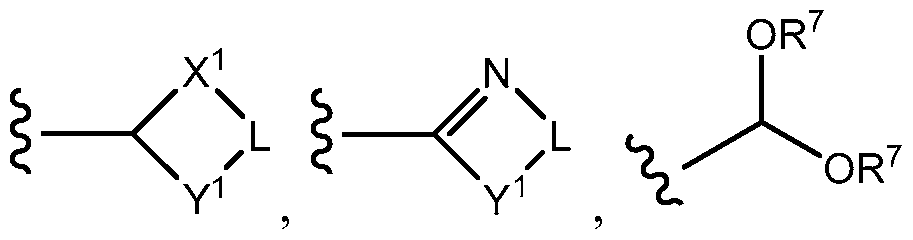
-C=NOR4, -C(=0)NHR4, -C(=S)R4, -C(=S)NHR4, -C(=0)OR4, -C(=0)SR4, -C(=S)OR4, or OR;
each R is independently selected from the group consisting of:
(CH2CH20)nH,
-C(=0)R4, -C(=0)NHR4, -C(=S)R4, -C(=S)NHR4, -C(=0)OR4, -C(=0)SR4, -C(=S)OR4, -P(=0)R4, -P(=0)2R4, -P(=0)NHR4, -P(=0)2NHR4, -P(=S)NHR4, -P(=0)OR4,
-P(=0)2OR4, -P(=0)SR4, -P(=0)2SR4, -P(=S)OR4,
-S(=0)R4, -S(=0)2R4, -S(=0)NHR4, -S(=0)2NHR4, -S(=0)OR4, -S(=0)2OR4,
-S(=0)SR4, -S(=0)2SR4, -S(=NR4)R4, -S(=NR4)(=0)R4, -S(=NR4)2R4, and -SiR4; R4 is selected from the group consisting of hydrogen, Ci-C6 alkyl, C3-C7 cycloalkyl, C2- C6 alkenyl, C4-C7 cycloalkenyl, C2-C6 alkynyl, (CH2CH20)nH, phenyl, C5-C6 heterocycle having
1 to 3 heteroatoms selected from O, S, S02, N, and NR11, and C5-C6 heteroaryl having 1 to 3 heteroatoms selected from O, S, N, and NR12;
n is an integer of from 1 to 10,000;
X1 and Y1 are independently selected from the group consisting of -0-, -S-, -S02-, and -N(R7)-;
L is -C(O)- or C2 to C4 alkylene group optionally substituted with one or two oxo; R5 is Ci to C6 alkyl or halogenated Ci to C6 alkyl;
R6 is hydrogen or R2;
R7 is selected from the group consisting of
hydrogen, (CH2CH20)nH, Ci to C6 alkyl,
-C(=0)R4, -C(=0)NHR4, -C(=S)R4, -C(=S)NHR4, -C(=0)OR4, -C(=0)SR4, -C(=S)OR4,
-P(=0)R4, -P(=0)2R4, -P(=0)NHR4, -P(=0)2NHR4, -P(=S)NHR4, -P(=0)OR4, -P(=0)2OR4, -P(=0)SR4, -P(=0)2SR4, -P(=S)OR4,
-S(=0)R4, -S(=0)2R4, -S(=0)NHR4, -S(=0)2NHR4, -S(=0)OR4, -S(=0)2OR4, -S(=0)SR4, -S(=0)2SR4, -S(=NR4)R4, -S(=NR4)(=0)R4, -S(=NR4)2R4, - SiR4;
R11 is hydrogen or Ci to C6 alkyl, or two R11 on a same carbon form =0;
R12 is hydrogen or Ci to C6 alkyl; and
R20 is a saturated fatty chain or an unsaturated fatty chain or -OR20 is a hydroxy group esterified with a phospholipid,
or a tautomer, and/or a pharmaceutically acceptable salt and/or solvate thereof.
[0007] Preferably, the saturated fatty chain or the unsaturated fatty contains 10-30 chain carbons, or more preferably, 12-18 chain carbons. In some embodiment, the unsaturated fatty chain contains up to 4, preferably, up to 2, more preferably, a single carbon carbon double bond within the fatty chain. In some embodiments, the saturated fatty chain or the unsaturated fatty chain contains less than 10 chain carbons.
[0008] In one embodiment of its compound aspect, this invention provides or utilizes compounds of Formula III or IV:
 wherein
X3 is CR30 or N;
Y3 is NR31, O or S;
R is selected from the group consisting of hydrogen, nitro, OH, OR, and

selected from hydrogen and Ci to C6 alkyl;


q is 0, 1, 2 or 3;
each R is independently selected from the group consisting of:
(CH2CH20)nH,
-C(=0)R4, -C(=0)NHR4, -C(=S)R4, -C(=S)NHR4, -C(=0)OR4, -C(=0)SR4, -C(=S)OR4, -P(=0)R4, -P(=0)2R4, -P(=0)NHR4, -P(=0)2NHR4, -P(=S)NHR4, -P(=0)OR4,
-P(=0)2OR4, -P(=0)SR4, -P(=0)2SR4, -P(=S)OR4,
-S(=0)R4, -S(=0)2R4, -S(=0)NHR4, -S(=0)2NHR4, -S(=0)OR4, -S(=0)2OR4,
-S(=0)SR4, -S(=0)2SR4, -S(=NR4)R4, -S(=NR4)(=0)R4, -S(=NR4)2R4 , and -SiR4;
R4 is selected from the group consisting of hydrogen, Ci-C6 alkyl, C3-C7 cycloalkyl, C2- C6 alkenyl, C4-C7 cycloalkenyl, C2-C6 alkynyl, (CH2CH20)nH, phenyl, C5-C6 heterocycle having 1 to 3 heteroatoms selected from O, S, S02, N, and NR11, and C5-C6 heteroaryl having 1 to 3 heteroatoms selected from O, S, N, and NR12;
n is an integer of from 1 to 10,000;
X1 and Y1 are independently selected from the group consisting of -0-, -S-, -S02-, and -N(R3)-;
L is -C(O)- or C2 to C4 alkylene group;
R7 is hydrogen, (CH2CH20)„H, or Ci to C6 alkyl;
R11 is hydrogen or Ci to C6 alkyl, or two R11 on a same carbon form =0;
R12 is hydrogen or Ci to C6 alkyl; and R20 is a saturated fatty chain or an unsaturated fatty chain or -OR20 is a hydroxy group esterified with a phospholipid,
or a tautomer, and/or a pharmaceutically acceptable salt and/or solvate thereof.
[0009] Preferably, the saturated fatty chain or the unsaturated fatty chain contains 10-30 chain carbons, or more preferably, 12-18 chain carbons. In some embodiments, the saturated fatty chain or the unsaturated fatty chain contains less than 10 chain carbons.
[0010] In another embodiment, provided or utilized are compounds selected from the group consisting of:


or a tautomer, solvate and/or a pharmaceutically acceptable salt thereof.
[0011] In another embodiment, provided or utilized are compounds selected from the group consisting of:

where X11 is O, S or NH,
or a tautomer, solvate and/or a pharmaceutically acceptable salt thereof.
[0012] In another embodiment, provided or utilized are compounds selected from the group consisting of:
 or a tautomer, solvate and/or a pharmaceutically acceptable salt thereof.
[0013] In preferred embodiments, the hydroxy groups, preferably, one or two hydroxy groups, present in the compounds described herein can be esterified with a saturated fatty acid chain or an unsaturated hydrocarbon chain of fatty acid or a
phospholipid, as disclosed herein.
[0014] Compounds described herein are contemplated to inhibit the activity of xanthine oxidase and reduce production of uric acid. In some embodiments, the compounds can be degraded in vivo, such as by hydrolysis and/or oxidation, to provide a metabolite that inhibit the activity of xanthine oxidase and reduce production of uric acid.
[0015] In one embodiment, this invention is directed to a pharmaceutical composition comprising a pharmaceutically acceptable excipient and a compound of Formula I, II, III or IV above or a tautomer, and/or a pharmaceutically acceptable salt and/or solvate thereof.
[0016] In one embodiment of its method aspect, there is a provided a method for treating a condition mediated at least in part by xanthine oxidase which method comprises administering to a patient suffering from such a condition a therapeutically effective amount of a compound of any of Formulae I, II, III or IV above or a tautomer or a pharmaceutically acceptable salt and/or solvate thereof.
[0017] In one embodiment the compound utilized herein is 3,4-dihydroxy-5- cyanobenzaldehyde (DHCB) or 3,5-dinitrosalicylaldehyde (DNS A).
[0018] In one embodiment of its method aspect, there is provided a method for treating a condition mediated at least in part by xanthine oxidase which method comprises administering to a patient suffering from such a condition a therapeutically effective amount of DHCB or DNSA.
[0019] In one of its embodiments, this invention is directed to a method for
treating, for example, gout, hypoxia, or hyperuricemia in a patient which method comprises administering to the patient in need thereof a therapeutically effective amount of a
compound of any of Formulae I, II, III or IV above or a tautomer or a pharmaceutically acceptable salt and/or solvate thereof, or a therapeutically effective amount of DHCB or
DNSA.
DETAILED DESCRIPTION
[0020] Provided herein are bicyclic xanthine oxidase inhibitors and methods for their use in treating conditions mediated, at least in part, by xanthine oxidase in a patient. The
xanthine oxidase inhibitors are administered in an effective amount to treat, for example, gout, hypoxia, or hyperuricemia in a subject.
[0021] It is to be understood that this invention is not limited to particular
embodiments described, as such may, of course, vary. It is also to be understood that the terminology used herein is for the purpose of describing particular embodiments only, and is not intended to be limiting, since the scope of the present invention will be limited only by the appended claims.
[0022] Throughout this application, various publications are referenced. The disclosures of these publications in their entireties are hereby incorporated by reference into this application.
DEFINITIONS
[0023] As used herein, the following definitions shall apply unless otherwise indicated. Further, if any term or symbol used herein is not defined as set forth below, it shall have its ordinary meaning in the art.
[0024] "Alkyl" refers to monovalent saturated aliphatic hydrocarbyl groups having from 1 to 10 carbon atoms and preferably 1 to 6 carbon atoms. This term includes, by way of example, linear and branched hydrocarbyl groups such as methyl (CH3-, or Me), ethyl
(CH3CH2-, or Et), n-propyl (CH3CH2CH2-, or n-Pr), isopropyl ((CH3)2CH-, or i-Pr), n-butyl (CH3CH2CH2CH2-, or n-Bu), isobutyl ((CH3)2CHCH2-, or i-Bu), sec-butyl ((CH3)(CH3CH2)CH-, or s-Bu), t-butyl ((CH3)3C-, or t-Bu), n-pentyl (CH3CH2CH2CH2CH2-), and neopentyl
((CH3)3CCH2-). Cx alkyl refers to an alkyl group having x number of carbon atoms.
[0025] "Alkylene" refers to a divalent alkyl group, such as -CH2-, -CH2CH2-,
-CH2CH2CH2-, -CH(CH3)CH2-, etc.
[0026] "Alkenyl" refers to straight or branched hydrocarbyl groups having from 2 to 6 carbon atoms and preferably 2 to 4 carbon atoms and having at least 1 and preferably from 1 to 2 sites of vinyl (>C=C<) unsaturation. Such groups are exemplified, for example, by vinyl, allyl, and but-3-en-l-yl. Included within this term are the cis and trans isomers or mixtures of these isomers. Cx alkenyl refers to an alkenyl group having x number of carbon atoms.
[0027] "Alkynyl" refers to straight or branched monovalent hydrocarbyl groups having from 2 to 6 carbon atoms and preferably 2 to 3 carbon atoms and having at least 1 and preferably from 1 to 2 sites of acetylenic (-C≡ C-) unsaturation. Examples of such alkynyl groups include acetylenyl (-C≡ CH), and propargyl (-CH2C≡ CH). Cx alkynyl refers to an alkynyl group having x number of carbon atoms.
[0028] "Aryl" refers to a monovalent aromatic carbocyclic group of from 6 to 10 carbon atoms having a single ring (e.g., phenyl (Ph)) or multiple condensed rings (e.g., naphthyl) which condensed rings may or may not be aromatic (e.g. , 2-benzoxazolinone,
2H-l ,4-benzoxazin-3(4H)-one-7-yl, and the like) provided that the point of attachment is at an aromatic carbon atom. Preferred aryl groups include phenyl and naphthyl.
[0029] "Cycloalkyl" refers to a saturated or unsaturated but nonaromatic cyclic alkyl groups of from 3 to 10 carbon atoms having single or multiple cyclic rings including fused, bridged, and spiro ring systems. Cx cycloalkyl refers to a cycloalkyl group having x number of ring carbon atoms. Examples of suitable cycloalkyl groups include, for instance, adamantyl, cyclopropyl, cyclobutyl, cyclopentyl, and cyclooctyl. One or more the rings can be aryl, heteroaryl, or heterocyclic provided that the point of attachment is through the non-aromatic, non-heterocyclic ring saturated carbocyclic ring.
[0030] "Halo" or "halogen" refers to fluoro, chloro, bromo and iodo and preferably is fluoro or chloro.
[0031] "Hydroxy" or "hydroxyl" refers to the group -OH.
[0032] "Heteroaryl" refers to an aromatic group of from 1 to 10 carbon atoms and 1 to 4 heteroatoms selected from the group consisting of oxygen, nitrogen and sulfur within the ring. Such heteroaryl groups can have a single ring (e.g. , pyridinyl or furyl) or multiple condensed rings (e.g., indolizinyl or benzothienyl) wherein the condensed rings may or may not be aromatic and/or contain a heteroatom provided that the point of attachment is through an atom of the aromatic heteroaryl group. In one embodiment, the nitrogen and/or the sulfur ring atom(s) of the heteroaryl group are optionally oxidized to provide for the N-oxide (N→0), sulfmyl, or sulfonyl
moieties. Preferred heteroaryls include 5 or 6 membered heteroaryls such as pyridinyl, pyrrolyl, indolyl, thiophenyl, and furanyl.
[0033] "Heterocycle" or "heterocyclic" refers to a saturated or partially saturated, but not aromatic, group having from 1 to 10 ring carbon atoms and from 1 to 4 ring heteroatoms selected from the group consisting of nitrogen, phosphorus, sulfur, or oxygen. Cx cycloalkyl refers to a heterocycle group having x number of ring atoms including the ring heteroatoms. Heterocycle encompasses single ring or multiple condensed rings, including fused bridged and spiro ring systems. In fused ring systems, one or more the rings can be cycloalkyl, aryl or heteroaryl provided that the point of attachment is through the non-aromatic ring. In one embodiment, the nitrogen, phosphorus and/or sulfur atom(s) of the heterocyclic group are optionally oxidized to provide for the N-oxide, P(O), P(0)2, P(0)3, sulfmyl, or sulfonyl moieties.
[0034] "Aldehyde" refers to the group -CHO.
[0035] "Nitro" refers to the group -N02.
[0036] "Nitroso" refers to the group -N=0.
[0037] "Oxo" refers to the atom (=0) or (-0 ).
[0038] " " represents a single bond or a double bond.
[0039] When used in the context of a chemical group, "hydrogen" means -H;
"hydroxyamino" means -NHOH; imino means =NH; "cyano" and "nitrile" can be used interchangeably and mean -CN; "isocyanate" means -N=C=0; "azido" means -N3; in a monovalent context "phosphate" means -OP(0)(OH)2 or a deprotonated form thereof; in a divalent context "phosphate" means -OP(0)(OH)0- or a deprotonated form thereof; "sulfonyl" means -S(0)2-; and "sulfmyl" means -S(O)-.
[0040] "Stereoisomer" or "stereoisomers" refer to compounds that differ in the chirality of one or more stereocenters. Stereoisomers include enantiomers and diastereomers.
[0041] "Tautomer" refer to alternate forms of a compound that differ in the position of a proton, such as enol-keto and imine-enamine tautomers, or the tautomeric forms of heteroaryl
groups containing a ring atom attached to both a ring -NH- moiety and a ring =N- moiety such as pyrazoles, imidazoles, benzimidazoles, triazoles, and tetrazoles.
[0042] "Treating" or "treatment" of a disease in a patient refers to 1) preventing the disease from occurring in a patient that is predisposed or does not yet display symptoms of the disease; 2) inhibiting the disease or arresting its development; or 3) ameliorating or causing regression of the disease.
[0043] Treatment can refer to a 10%, 20%, 30%, 40%, 50%, 60%, 70%, 80%, 90%, or 100% reduction in the severity of one or more symptoms of the disease or condition. For example, a method for treating a disease is considered to be a treatment if there is a 10% reduction in one or more symptoms or signs of the disease in a subject as compared to a control. As used herein, control refers to the untreated condition. Thus the reduction can be a 10%, 20%, 30%, 40%, 50%, 60%, 70%, 80%, 90%, 100%, or any percent reduction in between 10% and 100% as compared to native or control levels. It is understood that treatment does not necessarily refer to a cure or complete ablation of the disease, condition, or symptoms of the disease or condition.
[0044] As used herein, the terms prevent, preventing, and prevention of a disease or disorder refer to an action, for example, administration of a composition or therapeutic agent, that occurs before or at about the same time a subject begins to show one or more symptoms of the disease or disorder, which inhibits or delays onset or severity of one or more symptoms of the disease or disorder.
[0045] As used herein, references to decreasing, reducing, or inhibiting include a change of 10%, 20%, 30%, 40%, 50%, 60%, 70%, 80%, 90% or greater as compared to a control level. Such terms can include, but do not necessarily include, complete elimination.
[0046] As used herein, subject means primarily mammals. Mammals include, for example, humans; non-human primates, e.g., apes and monkeys; cattle; horses; sheep; rats;
mice; pigs; and goats.
[0047] As used herein, the term "condition" or "disorder" refers to a state of a patient
(or an organ or tissue of the patient) that deviates from the normal state and may at least cause
discomfort, such as pain or abnormal appearance, such as redness in color, or can lead to a condition which may cause discomfort such that treatment is desired.
[0048] It is understood that the above definitions are not intended to include
impermissible substitution patterns (e.g., methyl substituted with 5 fluoro groups). Such impermissible substitution patterns are well known to the skilled artisan.
COMPOUNDS
[0049] In one embodiment of its compound aspect, this invention provides compounds of Formula I or IA:

ring A is phenyl or a 6-membered heteroaryl comprising one nitrogen atom in the ring; ring B is phenyl or a 5- or 6-membered heteroaryl comprising one or two ring
heteroatoms selected from nitrogen, oxygen and sulfur;
m is 1 or 2;
each A1, A2, A3, and A4 is independently CR1 or N, provided that no more than one of A1, A2, A3, and A4 is N;
B1, B2, and B3 are independently CR1, O, S, N or NR1, provided no more than two of B1, B2, and B3 are O, S, N or NR1;
each R1 is independently selected from the group consisting of hydrogen, nitro, aldehyde,
20 20 2 3 1
hydroxyl, OR , OCOR , R and R , provided that at least two R are independently nitro, aldehyde, hydroxyl, or R3;
each R2 is independently selected from halogen, nitroso, cyano, Ci to C6 alkyl, -CH2OH, halogenated Ci to C4 alkyl, phenyl, -S02H, and -OR5;
each R3 is independently selected from the group consisting of:

-C=NOR4, -C(=0)NHR4, -C(=S)R4, -C(=S)NHR4, -C(=0)OR4, -C(=0)SR4, -C(=S)OR4, or OR;
each R is independently selected from the group consisting of:
-(CH2CH20)nH,
-C(=0)R4, -C(=0)NHR4, -C(=S)R4, -C(=S)NHR4, -C(=0)OR4, -C(=0)SR4, -C(=S)OR4,
-P(=0)R4, -P(=0)2R4, -P(=0)NHR4, -P(=0)2NHR4, -P(=S)NHR4, -P(=0)OR4,
-P(=0)2OR4, -P(=0)SR4, -P(=0)2SR4, -P(=S)OR4,
-S(=0)R4, -S(=0)2R4, -S(=0)NHR4, -S(=0)2NHR4, -S(=0)OR4, -S(=0)2OR4,
-S(=0)SR4, -S(=0)2SR4, -S(=NR4)R4, -S(=NR4)(=0)R4, -S(=NR4)2R4, and -SiR4;
R4 is selected from the group consisting of hydrogen, Ci-C6 alkyl, C3-C7 cycloalkyl, C2- C6 alkenyl, C4-C7 cycloalkenyl, C2-C6 alkynyl, (CH2CH20)nH, phenyl, C5-C6 heterocycle having 1 to 3 heteroatoms selected from O, S, S02, N, and NR11, and C5-C6 heteroaryl having 1 to 3 heteroatoms selected from O, S, N, and NR12;
n is an integer of from 1 to 10,000;
X1 and Y1 are independently selected from the group consisting of -0-, -S-, -S02-, and -N(R7)-;
L is -C(O)- or C2 to C4 alkylene group optionally substituted with one or two oxo;
R5 is Ci to C6 alkyl or halogenated Ci to C6 alkyl;
R7 is selected from the group consisting of
hydrogen, (CH2CH20)nH, Ci to C6 alkyl,
-C(=0)R4, -C(=0)NHR4, -C(=S)R4, -C(=S)NHR4, -C(=0)OR4, -C(=0)SR4, -C(=S)OR4,
-P(=0)R4, -P(=0)2R4, -P(=0)NHR4, -P(=0)2NHR4, -P(=S)NHR4, -P(=0)OR4, -P(=0)2OR4, -P(=0)SR4, -P(=0)2SR4, -P(=S)OR4,
R is hydrogen or Ci to C6 alkyl; and
R20 is a saturated fatty chain or an unsaturated fatty chain or -OR20 is a hydroxy group esterified with a phospholipid , or a tautomer, and/or a pharmaceutically acceptable salt and/or solvate thereof.
[0050] Preferably, the saturated fatty chain or the unsaturated fatty chain contains 10-30 chain carbons, or more preferably, 12-18 chain carbons. In some embodiments, the saturated fatty chain or the unsaturated fatty chain contains less than 10 chain carbons
[0051] In one embodiment of its compound aspect, this invention provides compounds of Formula I A, or IB:

or a tautomer, a solvate, and/or a pharmaceutically acceptable salt thereof, wherein A1, A2, A3,
A4, B2, and B3 are as defined in Formula I.
[0052] In one embodiment of its compound aspect, this invention provides compounds of Formula II:

m is 1 or 2;
X is CR1 or N;
B1, B2, and B3 are independently CR1, O, S, N or NR1, provided no more than two of B1, B2, and B3 are O, S, N or NR1;
each R1 is independently selected from the group consisting of hydrogen, nitro, aldehyde, hydroxyl, OR 20 , OCOR 20 , R 2 and R 3 ; provided that at least two R 1 are independently nitro, aldehyde, hydroxyl, or R3;
each R2 is independently selected from halogen, nitroso, cyano, Ci to C6 alkyl, -CH2OH, halogenated Ci to C4 alkyl, phenyl, -S02H, and -OR5;
each R3 is independently selected from the group consisting of:

-C=NOR4, -C(=0)NHR4, -C(=S)R4, -C(=S)NHR4, -C(=0)OR4, -C(=0)SR4, -C(=S)OR4, or OR;
each R is independently selected from the group consisting of:
(CH2CH20)nH,
-C(=0)R4, -C(=0)NHR4, -C(=S)R4, -C(=S)NHR4, -C(=0)OR4, -C(=0)SR4, -C(=S)OR4,
-P(=0)R4, -P(=0)2R4, -P(=0)NHR4, -P(=0)2NHR4, -P(=S)NHR4, -P(=0)OR4,
-P(=0)2OR4, -P(=0)SR4, -P(=0)2SR4, -P(=S)OR4,
-S(=0)R4, -S(=0)2R4, -S(=0)NHR4, -S(=0)2NHR4, -S(=0)OR4, -S(=0)2OR4,
-S(=0)SR4, -S(=0)2SR4, -S(=N)R4, -S(=NR4)(=0)R4, -S(=NR4)2R4, and -SiR4;
R4 is selected from the group consisting of hydrogen, Ci-C6 alkyl, C3-C7 cycloalkyl, C2- C6 alkenyl, C4-C7 cycloalkenyl, C2-C6 alkynyl, (CH2CH20)nH, phenyl, C5-C6 heterocycle having 1 to 3 heteroatoms selected from O, S, S02, N, and NR11, and C5-C6 heteroaryl having 1 to 3 heteroatoms selected from O, S, N, and NR12;
n is an integer of from 1 to 10,000;
X1 and Y1 are independently selected from the group consisting of -0-, -S-, -SO2-, and -N(R7)-;
L is -C(O)- or C2 to C4 alkylene group optionally substituted with one or two oxo;
R5 is Ci to C6 alkyl or halogenated Ci to C6 alkyl;
R6 is hydrogen or R2;
R7 is selected from the group consisting of
hydrogen, (CH2CH20)„H, Ci to C6 alkyl,
-C(=0)R4, -C(=0)NHR4, -C(=S)R4, -C(=S)NHR4, -C(=0)OR4, -C(=0)SR4, -C(=S)OR4,
-P(=0)R4, -P(=0)2R4, -P(=0)NHR4, -P(=0)2NHR4, -P(=S)NHR4, -P(=0)OR4,
-P(=0)2OR4, -P(=0)SR4, -P(=0)2SR4, -P(=S)OR4,
-S(=0)R4, -S(=0)2R4, -S(=0)NHR4, -S(=0)2NHR4, -S(=0)OR4, -S(=0)2OR4,
-S(=0)SR4, -S(=0)2SR4, -S(=NR4)R4, -S(=NR4)(=0)R4, -S(=NR4)2R4, and
-SiR4;
R11 is hydrogen or Ci to C6 alkyl, or two R11 on a same carbon form =0;
R12 is hydrogen or Ci to C6 alkyl; and
R20 is a saturated fatty acid chain or an unsaturated fatty acid chain or -OR20 is a hydroxy group esterified with a phospholipid,
or a tautomer, and/or a pharmaceutically acceptable salt and/or solvate thereof.
[0053] Preferably, the saturated fatty chain or the unsaturated fatty chain (each including the carbonyl carbon) contains 10-30 chain carbons, or more preferably, 12-18 chain carbons. In some embodiments, the saturated fatty chain or the unsaturated fatty chain contains less than 10 chain carbons.
[0054] In one embodiment of its compound aspect, this invention provides compounds of Formula IIA, IIB, IIC or IID:

or a tautomer, a solvate, and/or a pharmaceutically acceptable salt thereof, wherein R1, R6, B1, B2, and B3 are as defined in Formula II.
[0055] In some embodiments, one of R1 is hydrogen or Ci to C4 alkyl.
[0056] In some embodiments, one of R1 is phenyl.
[0057] In some embodiments, at least one of R1 is C(=NOR4)H. In some embodiments, at least one of R1 is CHO.
[0058] In some embodiments, at least one of R1 is selected from -OC(=0)R4,
-OC(=0)NHR4, -OC(=S)R4, -OC(=S)NHR4, -OC(=0)OR4, -OC(=0)SR4, and -OC(=S)OR4.
[0059] In some embodiments, at least one of R1 is selected from -OP(=0)R4 , -OP(=0)2R4, -OP(=0)NHR4, -OP(=0)2NHR4, -OP(=S)NHR4, -OP(=0)OR4, -OP(=0)2OR4, -OP(=0)SR4, -OP(=0)2SR4, and -OP(=S)OR4.
[0060] In some embodiments, at least one of R1 is selected from -OS(=0)R4,
-OS(=0)2R4, -OS(=0)NHR4, -S(=0)2NHR4, -OS(=0)OR4, -OS(=0)2OR4, -OS(=0)SR4, -OS(=0)2SR4, -OS(=N)R4 , -OS(=NR4)(=0)R4 , -OS(=NR4)2R4 , and -OSiR4.
[0061] In some embodiments, at least one of R is
[0062] In some embodiments, at least one of R is
[0063] In some embodiments, at least one of R is

[0064] In some embodiments, R is a saturated fatty chain or an unsaturated fatty chain or -OR20 is a hydroxy group esterified with a phospholipid.
[0065] In some embodiments, L is -C(O)-. In some embodiments, L is C2 to C4 alkylene group. In some embodiments, L is C2 to C4 alkylene group substituted with one oxo. In some embodiments, L is C3 to C4 alkylene group substituted with two oxo. In some
embodiments, L is -C(0)CH2-. In some embodiments, L is -C(0)CH2CH2-.
[0066] In some embodiments, R7 is selected from the group consisting of hydrogen, (CH2CH20)„H, and Ci to C6 alkyl,
[0067] In some embodiments, at least one of R1 is selected from: yV , V, yV, yV, yQ, yQ, y LallUyV
[0068] In some embodiments, two R1 are independently selected from the group consisting of hydroxy, nitro, and aldehyde and the rest of R1 are hydrogen. In some
embodiments, three R1 are independently selected from the group consisting of hydroxy, nitro, and aldehyde and the rest of R1 are hydrogen. In some embodiments, four R1 are independently selected from the group consisting of hydroxy, nitro, and aldehyde and the rest of R1 are hydrogen. In some embodiments, two R1 are independently selected from the group consisting of hydroxy, nitro, and aldehyde, one R1 is phenyl and the rest of R1 are hydrogen.
[0069] In one embodiment of its compound aspect, ring A and ring B are selected from the group consisting of


or a tautomer, and/or a pharmaceutically acceptable salt and/or solvate thereof, wherein p is 2, 3, 4, or 5, or 6, each Rla can be present on any available position on either or both rings and is independently selected from the group consisting of nitro, aldehyde, hydroxyl, R2 and R3, provided that at least two Rla are independently nitro, aldehyde, hydroxyl or R3, and R1, R2, R3 and R6 are as defined in Formula I.
[0070] In some embodiments, p is 2. In some embodiments, p is 3. In some embodiments, p is 4. In some embodiments, p is 5. In some embodiments, p is 6.
[0071] In some embodiments, one of Rla is Ci to C4 alkyl.
[0072] In some embodiments, one of Rla is phenyl.
[0073] In some embodiments, R1 is hydrogen. In some embodiments, R1 is Ci to C4 alkyl. In some embodiments, R1 is phenyl.
[0074] In some embodiments, at least one of Rla is C(=NOR4)H. In some embodiments, at least one of Rla is CHO.
[0075] In some embodiments, at least one of Rla is selected from -OC(=0)R4,
-OC(=0)NHR4, -OC(=S)R4, -OC(=S)NHR4, -OC(=0)OR4, -OC(=0)SR4, and -OC(=S)OR4.
[0076] In some embodiments, at least one of Rla is selected from -OP(=0)R4
-OP(=0)2R4, -OP(=0)NHR4, -OP(=0)2NHR4, -OP(=S)NHR4, -OP(=0)OR4, -OP(=0)2OR4, -OP(=0)SR4, -OP(=0)2SR4, and -OP(=S)OR4.
[0077] In some embodiments, at least one of Rla is selected from -OS(=0)R4,
-OS(=0)2R4, -OS(=0)NHR4, -S(=0)2NHR4, -OS(=0)OR4, -OS(=0)2OR4, -OS(=0)SR4, -OS(=0)2SR4, -OS(=N)R4 , -OS(=NR4)(=0)R4 , -OS(=NR4)2R4 , and -OSiR4.
[0078] In some embodiments, at least one of Rla is
[0079] In some embodiments, at least one of R
[0080] In some embodiments, at least one of Rla is
 [0081] In some embodiments, at least one of Rla is selected from:

[0082] In some embodiments, R1 is hydrogen or phenyl, p is 2 and the two Rla are independently selected from the group consisting of hydroxy, nitro, and aldehyde. In some embodiments, R1 is hydrogen or phenyl, p is 3, and the three Rla are independently selected from the group consisting of hydroxy, nitro, and aldehyde. In some embodiments, R1 is hydrogen or phenyl, p is 4 and the four Rla are independently selected from the group consisting of hydroxy, nitro, and aldehyde. In some embodiments, R1 is hydrogen, p is 3 and two Rla are independently selected from the group consisting of hydroxy, nitro, and aldehyde and one Rla is phenyl.
[0083] In another embodiment of its compound aspect, this invention provides compounds of Formula III or IV:
 wherein
X3 is CR30 or N;
Y3 is NR31, O or S;
R is selected from the group consisting of hydrogen, nitro, OH, OR, and

selected from hydrogen and Ci to C6 alkyl;


q is 0, 1, 2 or 3;
each R is independently selected from the group consisting of:
(CH2CH20)nH,
-C(=0)R4, -C(=0)NHR4, -C(=S)R4, -C(=S)NHR4, -C(=0)OR4, -C(=0)SR4, -C(=S)OR4, -P(=0)R4, -P(=0)2R4, -P(=0)NHR4, -P(=0)2NHR4, -P(=S)NHR4, -P(=0)OR4,
-P(=0)2OR4, -P(=0)SR4, -P(=0)2SR4, -P(=S)OR4,
-S(=0)R4, -S(=0)2R4, -S(=0)NHR4, -S(=0)2NHR4, -S(=0)OR4, -S(=0)2OR4,
-S(=0)SR4, -S(=0)2SR4, -S(=NR4)R4, -S(=NR4)(=0)R4, -S(=NR4)2R4 , and -SiR4;
R4 is selected from the group consisting of hydrogen, Ci-C6 alkyl, C3-C7 cycloalkyl, C2- C6 alkenyl, C4-C7 cycloalkenyl, C2-C6 alkynyl, (CH2CH20)nH, phenyl, C5-C6 heterocycle having 1 to 3 heteroatoms selected from O, S, S02, N, and NR11, and C5-C6 heteroaryl having 1 to 3 heteroatoms selected from O, S, N, and NR12;
n is an integer of from 1 to 10,000;
X1 and Y1 are independently selected from the group consisting of -0-, -S-, -S02-, and -N(R3)-;
L is -C(O)- or C2 to C4 alkylene group;
R7 is hydrogen, (CH2CH20)„H, or Ci to C6 alkyl;
R11 is hydrogen or Ci to C6 alkyl, or two R11 on a same carbon form =0; and
R12 is hydrogen or Ci to C6 alkyl;
or a tautomer, and/or a pharmaceutically acceptable salt and/or solvate thereof.
[
 0085] In some embodiments, -C=NOR4.
[0086] In some embodiments,
[0087] In some embodiments,
 [0088] In some embodiments,

[0089] In some embodiments, n is 1 , 2, 3, 4, 5, 6, 7, 8, 9 or 10. In some embodiments, n is an integer from 10 to 100. In some embodiments, n is an integer from 100 to 200. In some embodiments, n is an integer from 200 to 300. In some embodiments, n is an integer from 300 to 400. In some embodiments, n is an integer from 400 to 500. In some embodiments, n is an integer from 500 to 1000.
[0090] In another embodiment, there is provide a compound selected from the group consisting of:

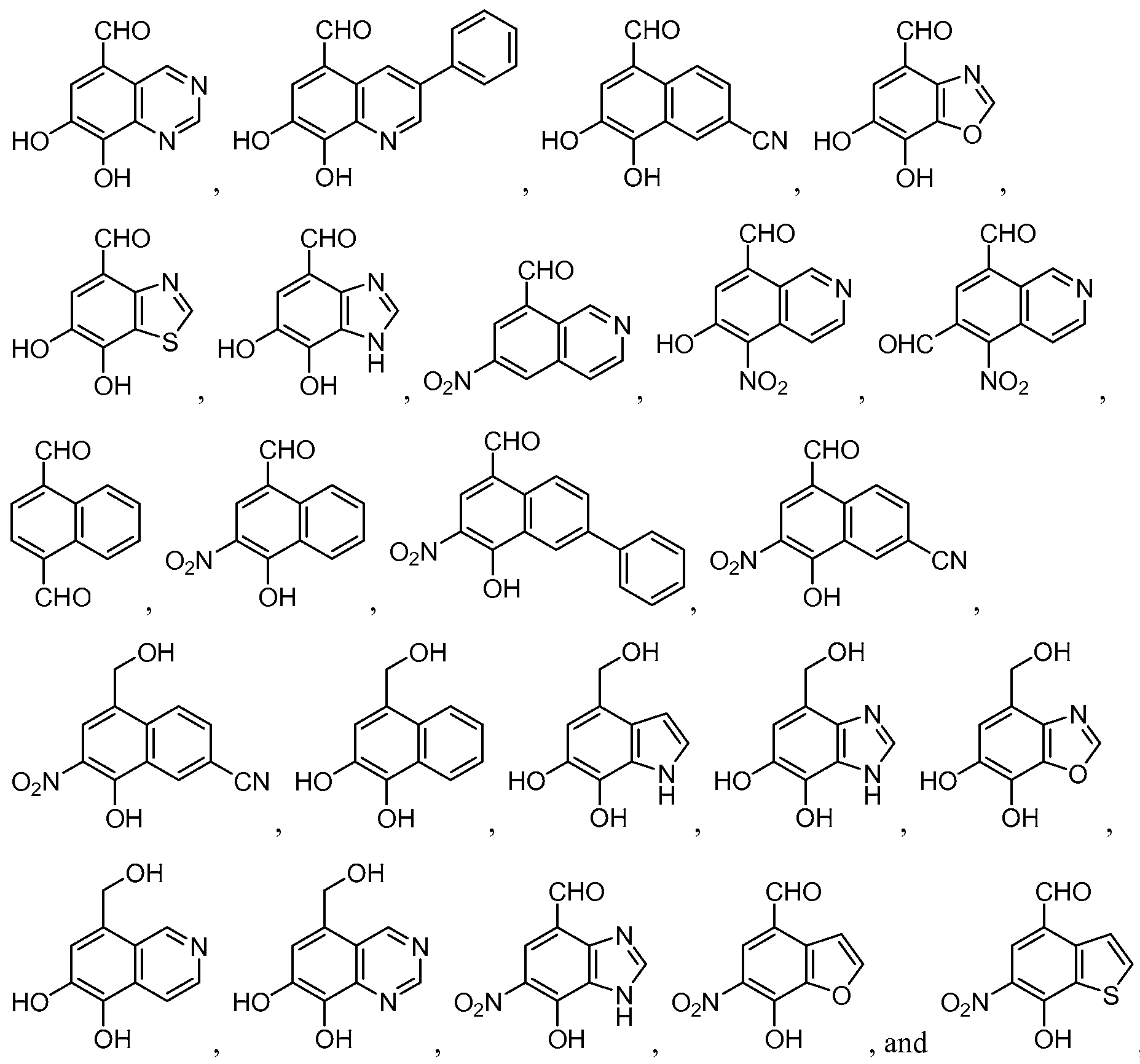
or their solvates, tautomers, and/or a pharmaceutically acceptable salt thereof.
[0091] In another embodiment, provided are compounds selected from the group consisting of:

where X11 is O, S or NH,
or a tautomer, solvate and/or a pharmaceutically acceptable salt thereof.
[0092] In another embodiment, provided are compounds selected from the group consisting of:

[0093] In preferred embodiments, the hydroxy groups, preferably, one or two hydroxy groups, present in the compounds described herein can be esterified with a saturated fatty acid or an unsaturated fatty acid or a phospholipid, as disclosed herein.
[0094] In one aspect, the compounds are effective at improving the bioavailability of any such compound resulting from metabolism as xanthine inhibitors. These compounds are particularly useful as anti-gout, anti-hypoxia, and anti-hyperuricemia drugs. The solubility and/or bioavailabilty, controlled for example by absorption thru a tissue membrane, may be substantially increased by administration of the appropriate compound as described herein. In some embodiments, these compounds exhibit significantly enhanced pharmacokinetic properties in comparison to other xanthine inhibitors such as long half life. These
improvements result in more of the drug being absorbed and reaching the target; thus, pill burden, overall cost of the therapy, and dosing intervals are be reduced.
PHARMACEUTICAL FORMULATIONS
[0095] The compounds described herein and derivatives thereof can be provided in a pharmaceutical composition. Depending on the intended mode of administration, the pharmaceutical composition can be in the form of solid, semi-solid or liquid dosage forms, such as, for example, tablets, suppositories, pills, capsules, powders, liquids, or suspensions, preferably in unit dosage form suitable for single administration of a precise dosage. The compositions will include a therapeutically effective amount of the compound described herein or derivatives thereof in combination with a pharmaceutically acceptable carrier and, in addition, may include other medicinal agents, pharmaceutical agents, carriers, or diluents. By pharmaceutically acceptable is meant a material that is not biologically or otherwise undesirable, which can be administered to an individual along with the selected compound without causing unacceptable biological effects or interacting in a deleterious manner with the other components of the pharmaceutical composition in which it is contained.
[0096] As used herein, the term carrier encompasses any excipient, diluent, filler, salt, buffer, stabilizer, solubilizer, lipid, stabilizer, or other material well known in the art for
use in pharmaceutical formulations. The choice of a carrier for use in a composition will depend upon the intended route of administration for the composition. The preparation of pharmaceutically acceptable carriers and formulations containing these materials is described in, e.g., Remington's Pharmaceutical Sciences, 21st Edition, ed. University of the Sciences in Philadelphia, Lippincott, Williams & Wilkins, Philadelphia Pa., 2005. Examples of physiologically acceptable carriers include buffers, such as phosphate buffers, citrate buffer, and buffers with other organic acids; antioxidants including ascorbic acid; low molecular weight (less than about 10 residues) polypeptides; proteins, such as serum albumin, gelatin, or immunoglobulins; hydrophilic polymers, such as polyvinylpyrrolidone; amino acids such as glycine, glutamine, asparagine, arginine or lysine; monosaccharides, disaccharides, and other carbohydrates, including glucose, mannose, or dextrins; chelating agents, such as EDTA; sugar alcohols, such as mannitol or sorbitol; salt-forming counterions, such as sodium; and/or nonionic surfactants, such as TWEEN® (ICI, Inc.; Bridgewater, New Jersey), polyethylene glycol (PEG), and PLURONICSTM (BASF; Florham Park, NJ).
[0097] Compositions containing the compounds described herein or derivatives thereof suitable for parenteral injection may comprise physiologically acceptable sterile aqueous or nonaqueous solutions, dispersions, suspensions or emulsions, and sterile powders for reconstitution into sterile injectable solutions or dispersions. Examples of suitable aqueous and nonaqueous carriers, diluents, solvents or vehicles include water, ethanol, polyols (propyleneglycol, polyethyleneglycol, glycerol, and the like), suitable mixtures thereof, vegetable oils (such as olive oil) and injectable organic esters such as ethyl oleate. Proper fluidity can be maintained, for example, by the use of a coating such as lecithin, by the maintenance of the required particle size in the case of dispersions and by the use of surfactants.
[0098] These compositions may also contain adjuvants, such as preserving, wetting, emulsifying, and dispensing agents. Prevention of the action of microorganisms can be promoted by various antibacterial and antifungal agents, for example, parabens,
chlorobutanol, phenol, sorbic acid, and the like. Isotonic agents, for example, sugars, sodium chloride, and the like may also be included. Prolonged absorption of the injectable
pharmaceutical form can be brought about by the use of agents delaying absorption, for example, aluminum monostearate and gelatin.
[0099] Solid dosage forms for oral administration of the compounds described herein or derivatives thereof include capsules, tablets, pills, powders, and granules. In such solid dosage forms, the compounds described herein or derivatives thereof is admixed with at least one inert customary excipient (or carrier), such as sodium citrate or dicalcium phosphate, or (a) fillers or extenders, as for example, starches, lactose, sucrose, glucose, mannitol, and silicic acid, (b) binders, as for example, carboxymethylcellulose, alignates, gelatin,
polyvinylpyrrolidone, sucrose, and acacia, (c) humectants, as for example, glycerol, (d) disintegrating agents, as for example, agar-agar, calcium carbonate, potato or tapioca starch, alginic acid, certain complex silicates, and sodium carbonate, (e) solution retarders, as for example, paraffin, (f) absorption accelerators, as for example, quaternary ammonium compounds, (g) wetting agents, as for example, cetyl alcohol, and glycerol monostearate, (h) adsorbents, as for example, kaolin and bentonite, and (i) lubricants, as for example, talc, calcium stearate, magnesium stearate, solid polyethylene glycols, sodium lauryl sulfate, or mixtures thereof. In the case of capsules, tablets, and pills, the dosage forms may also comprise buffering agents.
[0100] Solid compositions of a similar type may also be employed as fillers in soft and hard- filled gelatin capsules using such excipients as lactose or milk sugar as well as high molecular weight polyethyleneglycols, and the like.
[0101] Solid dosage forms such as tablets, dragees, capsules, pills, and granules can be prepared with coatings and shells, such as enteric coatings and others known in the art. They may contain opacifying agents and can also be of such composition that they release the active compound or compounds in a certain part of the intestinal tract in a delayed manner. Examples of embedding compositions that can be used are polymeric substances and waxes. The active compounds can also be in micro-encapsulated form, if appropriate, with one or more of the above-mentioned excipients.
[0102] Liquid dosage forms for oral administration of the compounds described herein or derivatives thereof include pharmaceutically acceptable emulsions, solutions, suspensions,
syrups, and elixirs. In addition to the active compounds, the liquid dosage forms may contain inert diluents commonly used in the art, such as water or other solvents, solubilizing agents, and emulsifiers, as for example, ethyl alcohol, isopropyl alcohol, ethyl carbonate, ethyl acetate, benzyl alcohol, benzyl benzoate, propyleneglycol, 1,3-butyleneglycol, dimethylformamide, oils, in particular, cottonseed oil, groundnut oil, corn germ oil, olive oil, castor oil, sesame oil, glycerol, tetrahydrofurfuryl alcohol, polyethyleneglycols, and fatty acid esters of sorbitan, or mixtures of these substances, and the like.
[0103] Besides such inert diluents, the composition can also include additional agents, such as wetting, emulsifying, suspending, sweetening, flavoring, or perfuming agents.
[0104] Suspensions, in addition to the active compounds, may contain additional agents, as for example, ethoxylated isostearyl alcohols, polyoxyethylene sorbitol and sorbitan esters, microcrystalline cellulose, aluminum metahydroxide, bentonite, agar-agar and
tragacanth, or mixtures of these substances, and the like.
[0105] Compositions of the compounds described herein or derivatives thereof for rectal administrations are optionally suppositories, which can be prepared by mixing the compounds with suitable non-irritating excipients or carriers, such as cocoa butter,
polyethyleneglycol or a suppository wax, which are solid at ordinary temperatures but liquid at body temperature and, therefore, melt in the rectum or vaginal cavity and release the active component.
[0106] Dosage forms for topical administration of the compounds described herein or derivatives thereof include ointments, powders, sprays, and inhalants. The compounds described herein or derivatives thereof are admixed under sterile conditions with a physiologically acceptable carrier and any preservatives, buffers, or propellants as may be required. Ophthalmic formulations, ointments, powders, and solutions are also contemplated as being within the scope of the compositions.
[0107] The compositions can include one or more of the compounds described herein and a pharmaceutically acceptable carrier. As used herein, the term pharmaceutically acceptable salt refers to those salts of the compound described herein or derivatives thereof that are, within the scope of sound medical judgment, suitable for use in contact with the tissues of subjects
without undue toxicity, irritation, allergic response, and the like, commensurate with a reasonable benefit/risk ratio, and effective for their intended use, as well as the zwitterionic forms, where possible, of the compounds described herein. The term salts refers to the relatively non-toxic, inorganic and organic acid addition salts of the compounds described herein. These salts can be prepared in situ during the isolation and purification of the compounds or by separately reacting the purified compound in its free base form with a suitable organic or inorganic acid and isolating the salt thus formed. Representative salts include the hydrobromide, hydrochloride, sulfate, bisulfate, nitrate, acetate, oxalate, valerate, oleate, palmitate, stearate, laurate, borate, benzoate, lactate, phosphate, tosylate, citrate, maleate, fumarate, succinate, tartrate, naphthylate mesylate, glucoheptonate, lactobionate, methane sulphonate, and laurylsulphonate salts, and the like. These may include cations based on the alkali and alkaline earth metals, such as sodium, lithium, potassium, calcium, magnesium, and the like, as well as non-toxic ammonium, quaternary ammonium, and amine cations including, but not limited to ammonium, tetramethylammonium, tetraethylammonium, methylamine, dimethylamine, trimethylamine, triethylamine, ethylamine, and the like. {See S.M. Barge et al., J. Pharm. Sci. (1977) 66, 1, which is incorporated herein by reference in its entirety, at least, for compositions taught therein).
[0108] A solvate of a compound is a so lid- form of the compound that crystallizes with less than one, one, or more than one molecules of solvent inside in the crystal lattice. A few examples of solvents that can be used to create solvates, such as pharmaceutically acceptable solvates, include, but are not limited to, water, C1-C6 alcohols (such as methanol, ethanol, isopropanol, butanol, and can be optionally substituted) in general, tetrahydrofuran, acetone, ethylene glycol, propylene glycol, acetic acid, formic acid, and solvent mixtures thereof. Other such biocompatible solvents which may aid in making a pharmaceutically acceptable solvate are well known in the art. Additionally, various organic and inorganic acids and bases can be added to create a desired solvate. Such acids and bases are known in the art. When the solvent is water, the solvate can be referred to as a hydrate. In some embodiments, one molecule of a compound can form a solvate with from 0.1 to 5 molecules of a solvent, such as 0.5 molecules of a solvent (hemisolvate, such as hemihydrate), one molecule of a solvent (monosolvate, such
as monohydrate) and 2 molecules of a solvent (disolvate, such as dihydrate).
[0109] Administration of the compounds and compositions described herein or pharmaceutically acceptable salts thereof can be carried out using therapeutically effective amounts of the compounds and compositions described herein or pharmaceutically acceptable salts thereof as described herein for periods of time effective to treat a disorder. The effective amount of the compounds and compositions described herein or pharmaceutically acceptable salts thereof as described herein may be determined by one of ordinary skill in the art and includes exemplary dosage amounts for a mammal of from about 0.5 to about 200 mg/kg of body weight of active compound per day, which may be administered in a single dose or in the form of individual divided doses, such as from 1 to 4 times per day. Alternatively, the dosage amount can be from about 0.5 to about 150 mg/kg of body weight of active compound per day, about 0.5 to 100 mg/kg of body weight of active compound per day, about 0.5 to about 75 mg/kg of body weight of active compound per day, about 0.5 to about 50 mg/kg of body weight of active compound per day, about 0.5 to about 25 mg/kg of body weight of active compound per day, about 1 to about 20 mg/kg of body weight of active compound per day, about 1 to about lOmg/kg of body weight of active compound per day, about 20 mg/kg of body weight of active compound per day, about 10 mg/kg of body weight of active compound per day, or about 5mg/kg of body weight of active compound per day. The drug can be administered at a suitable schedule such as once a day, twice a day, three times a day. Those of skill in the art will understand that the specific dose level and frequency of dosage for any particular subject may be varied and will depend upon a variety of factors, including the activity of the specific compound employed, the metabolic stability and length of action of that compound, the species, age, body weight, general health, sex and diet of the subject, the mode and time of administration, rate of excretion, drug combination, and severity of the particular condition.
[0110] Although compositions suitable for oral, intravenous or intraarterial delivery will probably be used most frequently, other routes that may be used include peroral, pulmonary, rectal, nasal, vaginal, lingual, intramuscular, intraperitoneal, intracutaneous, transdermaland subcutaneous routes. The choice of formulation depends on various factors such as the mode of drug administration and bioavailability of the drug substance.
[0111] In general, the compounds of this invention will be administered in a therapeutically effective amount by any of the accepted modes of administration for agents that serve similar utilities. The actual amount of the compound of this invention, i.e., the active ingredient, will depend upon numerous factors such as the severity of the disease to be treated, the age and relative health of the subject, the potency of the compound used, the route and form of administration, and other factors well known to the skilled artisan.
[0112] The amount of the compound in a formulation can vary within the full range employed by those skilled in the art. Typically, the formulation will contain, on a weight percent (wt % ) basis, from about 0.01 to 99.99 wt% of a compound of this invention based on the total formulation, with the balance being one or more suitable pharmaceutical excipients. In some embodiments, the compound is present at a level of about 1 to 80 wt %. In a liquid composition, a compound of this invention should generally be present in such compositions at a concentration of between about 0.1 and 20 mg/ml.
Formulation Examples
[0113] The following are representative pharmaceutical formulations containing a compound described herein.
Formulation Example 1— Tablet formulation
[0114] The following ingredients are mixed intimately and pressed into single scored
Ingredient tablet, mg
compound of this invention 400
cornstarch 50
croscarmellose sodium 25
lactose 120
magnesium stearate 5
Formulation Example 2— Capsule formulation
[0115] The following ingredients are mixed intimately and loaded into a hard-shell gelatin capsule.
Ingredient Quantity per capsule, mg
compound of this invention 200
lactose, spray-dried 148
magnesium stearate 2
Formulation Example 3— Suspension formulation
[0116] The following ingredients are mixed to form a suspension for oral administration.
Ingredient Amount
compound of this invention 1.0 g
fumaric acid 0.5 g
sodium chloride 2.0 g
methyl paraben 0.15 g
propyl paraben 0.05 g
granulated sugar 25.0 g
sorbitol (70% solution) 13.00 g
Veegum K (Vanderbilt Co.) 1.0 g
flavoring 0.035 mL
colorings 0.5 mg
distilled water q.s. to 100 mL
Formulation Example 4— Injectable formulation [0117] The following ingredients are mixed to form an injectable formulation.
Ingredient Amount
compound of this invention 0.2 mg-20 mg
sodium acetate buffer solution, 0.4 M 2.0 mL
HC1 (IN) or NaOH (IN) q.s. to suitable pH
water (distilled, sterile) q.s. to 20 mL
Formulation Example 5— Suppository Formulation
[0118] A suppository of total weight 2.5 g is prepared by mixing the compound of the invention with Witepsol® H-15 (triglycerides of saturated vegetable fatty acid; Riches-Nelson, Inc., New York), and has the following composition:
Ingredient Amount
Compound of the invention 500 mg
Witepsol® H-15 balance
METHODS OF USE
[0119] Also provided herein are methods for treating a disorder mediated, at least in part, by xanthine oxidase. Examples of such disorders include, but are not limited to: gout, hypoxia, or hyperuricemia in a subject.
[0120] A method of treating gout, hypoxia, or hyperuricemia in a subject includes administering to the subject an effective amount of a xanthine oxidase inhibitor as described herein. Optionally, the methods for treating gout, hypoxia, or hyperuricemia in a subject can further include administering a second therapeutic agent, such as an anti-gout agent (e.g., allopurinol, benzbromarone, colchicine, probenecid, or sulfinpyrazone), an antiinflammatory agent, or an antioxidant, to the subject. Optionally, the compound may be administered orally to the subject.
[0121] Further provided herein are methods for reducing uric acid production and/or reactive oxygen species production in a subject. The methods include administering to the subject an effective amount of a xanthine oxidase inhibitor as described herein.
[0122] Optionally, the methods for reducing uric acid production and/or reactive oxygen species production further comprise selecting a subject having gout, hypoxia, or hyperuricemia.
[0123] Methods of inhibiting xanthine oxidase activity in a cell are also provided herein. The methods include contacting a cell with an effective amount of a xanthine
oxidase inhibitor as described herein. Optionally, the contacting is performed in vivo.
Optionally, the contacting is performed in vitro.
[0124] The compounds described herein or their tautomers, solvates and/or
pharmaceutically acceptable salts thereof can effectively act as inhibitors of xanthine oxidase and reduce uric acid and/or reactive oxygen species production. In one aspect of this invention, the invention provides a method for inhibiting xanthine oxidase and/or a method for treating a condition, mediated at least in part by xanthine oxidase, for example, gout, hypoxia, or hyperuricemia, with an effective amount of one or more compound described herein or their tautomers, solvates and/or pharmaceutically acceptable salts as provided herein.
[0125] In one of its method aspects, this invention is directed to a method for inhibiting xanthine oxidase in a cell which method comprises contacting the cell with an effective amount of one or more compound described herein or their tautomers, solvates and/or pharmaceutically acceptable salts as described herein.
[0126] In another of its method aspects, this invention is directed to a method for treating a disorder, mediated at least in part by xanthine oxidase, which method comprises administering to a patient in need of the treatment an effective amount of one or more compounds described herein or their tautomers, solvates and/or pharmaceutically acceptable salts.
[0127] Disorders mediated at least in part by xanthine oxidase include, but are not limited to, those selected from the group consisting of gout, hypoxia, and complications thereof.
[0128] Other disorders or conditions treatable by xanthine oxidase include by way of example
• tumor lysis syndrome associated with tumor chemotherapy, or allopurinol
hypersensitivity syndrome;
• ischemia-reperfusion injury such as ischemic bowel injury, myocardial ischemia- reperfusion injury, myocardial infarction, stroke, splanchnic ischemia-reperfusion injury, gut reperfusion injury, ischemia-reperfusion of liver, kidney, lung, other organs and whole body;
• Circulatory shock, hemorrhagic shock, hepatic damage, vascular injury and progressive hemodynamic decompensation;
• Chronic heart failure;
• Hypertension, hypercholesterolemia, atherosclerosis, diabetes;
• Inflammatory bowel diseases and other inflammatory diseases;
• Rheumatoid arthritis;
• Sickle cell disease;
• Pneumonia;
• Acute respiratory distress syndrome;
• Chronic obstructive pulmonary disease;
• Pancreatitis;
• Peritonitis and peritoneal adhesions;
• Uveitis;
• Dermatitis; and
• Various forms of toxic organ injury, including various forms of liver injury, e.g., ones induced by ionizing radiation, ethanol, cocaine, thioacetamide, acetaminophen, and aluminum.
[0129] The compounds of this invention are useful in the diagnosis and treatment of a variety of human disorders including, but are not limited to, those selected from the group consisting of gout, hypoxia, and complications thereof. For example, the compounds of the present invention are particularly useful in treating disorders such as gout and other disorders arising therefrom.
[0130] Compounds of this invention have improved safety and potency, such as the potency of inhibiting xanthine oxidase at low micromolar and even nanomolar concentrations.
[0131] The expression "effective amount," when used to describe an amount of compound in a method, refers to the amount of a compound that achieves the desired pharmacological effect or other effect, for example, an amount that results in uric acid production reduction. The compounds and compositions described herein or pharmaceutically
acceptable salts thereof are useful for treating gout, hypoxia, or hyperuricemia in humans, including, without limitation, pediatric and geriatric populations, and in animals, e.g., veterinary applications. Optionally, the methods are used to treat conditions associated with elevated uric acid levels, including chronic gouty arthritis, acute inflammatory arthritis, uric acid nephropathy, kidney stones, or tophi.
[0132] In another of its method aspects, this invention is directed to a method for the treatment of patients having a condition due at least in part to over-sensitivity to uric acid by reducing the production of uric acid which method comprising administering to a patient in need of the treatment an effective amount of one or more compounds described herein or their tautomers, solvates and/or pharmaceutically acceptable salts. In some embodiments, the patient has gout.
[0133] The methods described herein can further comprise administering to the subject a second therapeutic agent. Thus, the provided compositions and methods can include one or more additional agents. The one or more additional agents and the compounds described herein or pharmaceutically acceptable salts thereof can be administered in any order, including concomitant, simultaneous, or sequential administration. Sequential administration can be temporally spaced order of up to several days apart. The methods can also include more than a single administration of the one or more additional agents and/or the compounds described herein or pharmaceutically acceptable salts thereof. The administration of the one or more additional agents and the compounds described herein or pharmaceutically acceptable salts thereof can be by the same or different routes and concurrently or sequentially.
[0134] Therapeutic agents include, but are not limited to, anti-gout agents. For example, the anti-gout agent can be allopurinol, benzbromarone, colchicine, probenecid, or sulfinpyrazone. Therapeutic agents also include anti-inflammatory agents. Examples of suitable anti-inflammatory agents include, for example, steroidal and nonsteroidal antiinflammatory drugs (e.g., ibuprofen and prednisone). The therapeutic agent can also be, for example, an antioxidant. Examples of suitable antioxidants include, for example, a- tocopherol, beta-carotene, butylated hydroxyanisole (BHA), butylated hydroxytoluene (BHT), caffeic acid, lutein, lycopene, selenium, tert-butylhydroquinone (TBHQ), Vitamin A, Vitamin
C, and Vitamin E. Further examples of suitable antioxidants include putative antioxidant botanticals, such as, for example, grape seeds, green tea, Scutellaria baicalensis, American ginseng, ginkgo biloba, and the like.
[0135] In addition, non-human uric acid enzymes that degrade uric acid can be used as a complementary therapy. Thus, in another aspect, there is provided a method for treating hyperuricemia, or a condition related thereto, by co-administration of a xanthine oxidase inhibitor described herein in combination with an effective amount of an enzyme that degrades uric acid. Examples of such enzymes are described in, e.g., WO 2007052326.
[0136] Any of the aforementioned therapeutic agents can be used in any combination with the compositions described herein. Combinations are administered either concomitantly (e.g., as an admixture), separately but simultaneously (e.g., via separate intravenous lines into the same subject), or sequentially (e.g., one of the compounds or agents is given first followed by the second). Thus, the term combination is used to refer to concomitant, simultaneous, or sequential administration of two or more agents.
[0137] The methods and compounds as described herein are useful for both
prophylactic and therapeutic treatment. For prophylactic use, a therapeutically effective amount of the compounds and compositions or pharmaceutically acceptable salts thereof as described herein are administered to a subject prior to onset (e.g., before obvious signs of gout or hyperuricemia), during early onset (e.g., upon initial signs and symptoms of gout or hyperuricemia), or after the development of gout or hyperuricemia. Prophylactic
administration can occur for several days to years prior to the manifestation of symptoms of gout or hyperuricemia. Therapeutic treatment involves administering to a subject a
therapeutically effective amount of the compounds and compositions or pharmaceutically acceptable salts thereof as described herein after gout or hyperuricemia is diagnosed.
[0138] The amount of active compound administered will vary depending upon the disease treated, the mammalian species, and the particular mode of administration, etc. Suitable doses for the compounds of the present invention can be, for example, between 0.1 mg to about 1000 mg, between 1 mg to about 500 mg, between 1 mg to about 300 mg, or between 1 mg to
about 100 mg per day. Such doses can be administered once a day or more than once a day, for example 2, 3, 4, 5 or 6 times a day, but preferably 1 or 2 times per day. In some embodiments, the total dosage for a 70 kg adult is in the range of 0.001 to about 15 mg per kg weight of subject per administration or 0.01 to about 1.5 mg per kg weight of subject per administration, and such therapy can extend for a number of days, a number of weeks or months, and in some cases, years. It will be understood, however, that the specific dose level for any particular patient will depend on a variety of factors including the activity of the specific compound employed; the age, body weight, general health, sex and diet of the individual being treated; the time and route of administration; the rate of excretion; other drugs that have previously been administered; and the severity of the particular disease undergoing therapy, as is well understood by those of skill in the area.
KITS
[0139] Also provided herein are kits for treating or preventing gout or hyperuricemia in a subject. A kit can include any of the compounds or compositions described herein. For example, a kit can include a compound described herein. A kit can further include one or more additional agents, such as anti-gout agents (e.g., allopurinol, benzbromarone, colchicine, probenecid, or sulfinpyrazone), anti- inflammatory agents, or antioxidants. A kit can include an oral formulation of any of the compounds or compositions described herein. A kit can additionally include directions for use of the kit (e.g., instructions for treating a subject), a container, a means for administering the compounds or compositions, and/or a carrier.
PREPARATION OF THE COMPOUNDS OF THE INVENTION
[0140] The compounds described herein can be prepared by methods described herein or in a variety of ways known to one skilled in the art of organic synthesis or variations thereon as appreciated by those skilled in the art. The compounds described herein can be prepared from readily available starting materials. Optimum reaction conditions may vary with the particular reactants or solvents used, but such conditions can be determined by one skilled in the art.
[0141] Variations on the compounds described herein include the addition,
subtraction, or movement of the various constituents as described for each compound. Similarly,
when one or more chiral centers are present in a molecule, the chirality of the molecule can be changed. Additionally, compound synthesis can involve the temporary protection and deprotection of various chemical functional groups. The use of protection and deprotection, and the selection of appropriate protecting groups can be determined by one skilled in the art. The chemistry of protecting groups can be found, for example, in Wuts and Greene, Protective Groups in Organic Synthesis, 4th Ed., Wiley & Sons, 2006, which is incorporated herein by reference in its entirety.
[0142] Reactions to produce the compounds described herein can be carried out in solvents, which can be selected by one of skill in the art of organic synthesis. Solvents can be substantially nonreactive with the starting materials (reactants), the intermediates, or products under the conditions at which the reactions are carried out, i.e., temperature and pressure.
Reactions can be carried out in one solvent or a mixture of more than one solvent. Product or intermediate formation can be monitored according to any suitable method known in the art. For example, product formation can be monitored by spectroscopic means, such as nuclear
1 13
magnetic resonance spectroscopy (e.g., H or C) infrared spectroscopy, spectrophotometry (e.g., UV-visible), or mass spectrometry, or by chromatography such as high performance liquid chromatography (HPLC) or thin layer chromatography.
[0143] In one aspect, the compounds described herein may be obtained, where available, from commercial sources. Some of the compounds herein can be obtained from, for example, Sigma Chemical Co. (St. Louis, MO), VWR International (Radnor, PA), or Oakwood Products, Inc. (West Columbia, SC).
[0144] If the compounds of this invention contain one or more chiral centers, such compounds can be prepared or isolated as pure stereoisomers, i.e., as individual enantiomers or diastereomers, or as stereoisomer-enriched mixtures. All such stereoisomers (and enriched mixtures) are included within the scope of this invention, unless otherwise indicated. Pure stereoisomers (or enriched mixtures) may be prepared using, for example, optically active starting materials or stereoselective reagents well-known in the art. Alternatively, racemic
mixtures of such compounds can be separated using, for example, chiral column
chromatography, chiral resolving agents and the like.
[0145] The starting materials for the following reactions are generally known compounds or can be prepared by known procedures or obvious modifications thereof. For example, many of the starting materials, such as substituted naphthalene, quinoline, isoquinoline, indole, IH-benzoimidazole, benzooxazole, benzothiazole, imidazopyridine, quinazoline, etc., are available from commercial suppliers such as Aldrich Chemical Co. (Milwaukee, Wisconsin, USA), Bachem (Torrance, California, USA), ChemicalBook Inc. (China,
http://www.chemicalbook.com/ProductIndex_EN.aspx), Emka-Chemce or Sigma (St. Louis, Missouri, USA). Others may be prepared by procedures, or obvious modifications thereof, described in standard reference texts such as Fieser and Fieser's Reagents for Organic Synthesis, Volumes 1-15 (John Wiley, and Sons, 1991), Rodd's Chemistry of Carbon Compounds, Volumes 1-5, and Supplementals (Elsevier Science Publishers, 1989), Organic Reactions, Volumes 1-40 (John Wiley, and Sons, 1991), March's Advanced Organic Chemistry, (John Wiley, and Sons, 5th Edition, 2001), and Larock's Comprehensive Organic Transformations (VCH Publishers Inc., 1989).
[0146] It will be understood that particular syntheses described herein are shown by way of illustration and not as limitations on the syntheses of differently substituted aryl compounds. Those skilled in the art will recognize, or be able to ascertain using no more than routine experimentation, numerous equivalents or synthetic strategies in order to the make the compounds described herein. Such synthetic methodologies are considered to be within the ability and knowledge of one skilled in art and are contemplated by the inventors of this application.
[0147] The compounds used as starting material to prepare the compounds of the invention described herein are either commercially available, or can be prepared from
commercially available starting materials. Those that are not commercially available can be made by a variety of synthetic methodologies, related to the particular moieties and the particular substitution pattern on the aryl ring which is desired. The variation in synthetic methodology will be readily apparent to those of skill in the art of organic synthesis.
[0148] Compounds of the invention can be readily prepared from substituted benzaldehydes, particularly useful starting are 2-hydroxy-4-thio-benzaldehyde, l-hydroxy-2- amino-benzene, and 4-amino-3-thio-benzaldehyde. A skilled artisan would appreciate that the reactivity of the phenol groups and the aldehyde are each different so that selectivity can be achieved by selecting suitable reagents and suitable reaction conditions for one of them to react but leaving the other intact to form the desired product.
[0149] It is within the purview of the skilled artisan to combine steps in terms of functional group manipulation. For instance, selective functionalization of the phenol moiety, if desired, may occur in the first step and then that functionality may be carried thru to the end of the synthesis.
[0150] In one general embodiment as depicted in Scheme 1, the synthesis of compounds of the invention may involve, first, treating a naphthalenol with an electrophile in order to direct the placement of substituent(s), for instance, X-LG, wherein LG is a leaving group such as halo, sulfonate esters, such as tosylate (CH3Ph03 or TsCT) and mesylate (CH3S03 or MsCT) to five compound 1-2. Next, compound 1-2 is formylated and then undergoes a nitration reaction followed by reaction with R-LG to give compound 1-5, wherein R is as defined in Formula I.
Scheme 1

I, CN, and NO

[0151] Certain compounds may be prepared according to Scheme 2 wherein the R2a is
hydrogen, phenyl, hydroxy or R as defined in Formula I.
Scheme 2

[0152] In one aspect, certain compounds of Formula I can be prepared according to methods illustrated in Scheme 3 wherein the R2a is hydrogen, phenyl, hydroxy or R2 as defined in Formula I.
Scheme 3

[0153] In one aspect, certain compounds of Formula II can be prepared according to methods illustrated in Scheme 4, wherein Rla is as defined herein and p is 2, 3 or 4. In Scheme
4, compound 4-1 undergoes nitration to provide compound 4-2, which is reduced by, for example hydrogenation with hydrogen in the presence of a catalyst, such as Pd on carbon or Pt02
to give the amino compound 4-3. Compound 4-3 reacts with formamidine to give compound
4-5.
Scheme 4

4-5
[0154] In another general embodiment, the synthesis of compounds of the invention involves attaching polyethylene glycol (PEG) substituents. For example, Scheme 5 shows transformation of the compounds III-A and IV-A to compounds III-B and IV-B, respectively.
Scheme 5

IV-A IV-B
[0155] It is also provided that the preceding reaction schemes and syntheses are illustrative, but by no means the only way the compounds of the invention can also be made.
EXAMPLES
[0156] The following examples are set forth below to illustrate the methods and results according to the disclosed subject matter. These examples are not intended to be inclusive of all aspects of the subject matter disclosed herein, but rather to illustrate
representative methods and results. These examples are not intended to exclude equivalents and variations of the subject matter described herein which are apparent to one skilled in the art. Unless otherwise stated, all temperatures are in degrees Celsius (°C).
[0157] In the examples below, the following abbreviations have the following meanings. If an abbreviation is not defined, it has its generally accepted meaning.
MS mass spectrometry
g gram
h hours
HC1 hydrochloric acid
HPLC high-performance liquid chromatography
M molar
mg milligrams
ml or mL milliliters
min minutes
mM micromolar
mmol millimols
mU/ml milliunit(s)per milliliter
m/z mass to charge ratio
NaOH sodium hydroxide
nM nanomolars
nm nanometers
UV ultraviolet
wt % weight percent
μΜ micromolar
[0158] Efforts have been made to ensure accuracy with respect to numbers (e.g., amounts, temperature, etc.) but some errors and deviations should be accounted for. Unless indicated otherwise, parts are parts by weight, temperature is in °C or is at ambient temperature, and pressure is at or near atmospheric. There are numerous variations and combinations of reaction conditions, e.g., component concentrations, temperatures, pressures, and other reaction ranges and conditions that can be used to optimize the product purity and yield obtained from the described process. Only reasonable and routine experimentation will be required to optimize such process conditions.
[0159] Xanthine oxidase from bovine milk, xanthine, allopurinol, phosphate buffered saline (PBS) solution, potassium nitrite (K 02), dioxide manganese (Mn02), diethylene- triamine-pentaacetic acid (DTP A), EDTA, ferrous ammonium sulfate, hydrogen peroxide (H202), sodium hypochlorite, DPPH, 5,5'-dithio-bis(2-nitrobenzoic acid) (DTNB), sodium borohydride, potassium persulfate, ascorbic acid, and (±)-a-tocopherol can be obtained from Sigma Chemical Co. (St. Louis, MO). 3,4-Dihydroxy-5-nitrobenzaldehyde, 3,4- dimethoxybenzyl alcohol, 3,4- dihydroxyphenyl ethanol, caffeic acid, 3,4-dihydroxyphenyl ethanol, 3,4,5- trihydroxybenzaldehyde hydrate, 4-hydroxy-3-methoxybenzyl alcohol, and 3,4- dihydroxybenzoic acid can be obtained from VWR International (Radnor, PA).
Example 1: XO Inhibition Assay
[0160] XO activity can be determined by the method of continuous
spectrophotometric rate determination by monitoring the increase of absorption at 295 nm of uric acid in 67 mM phosphate buffer (pH 7.4) containing 20 nM xanthine oxidase with an activity of 5 mU/ml, with or without the compounds as described herein. After pre-incubation for 1 to 5 min at 25 °C, the formation of uric acid in the reaction mixture can be initiated by the addition of 50 μΜ xanthine. Allopurinol is used as a positive control. The compounds, including allopurinol, can be dissolved in H20 or an aqueous solution. H20 is used as the negative control.
[0161] XO inhibition - The inhibitory activity of xanthine oxidase by the compounds described herein can be determined in vitro by the formation of uric acid, which is measured spectrophotometrically by following the increase in absorbance of uric acid at 295 nm. When 20 nM XO is mixed with increasing concentrations of allopurinol, or a test compound, the initial rate of uric acid formation and IC50 value are measured. After the test compound and XO are pre -incubated for 1 min, xanthine is added to initiate the reaction. The initial rate of uric acid formation is measured with increasing concentrations of xanthine.
Example 2:
[0162] The reaction kinetics of test compound with XO at different pH values can be measured using a spectrophotometer by monitoring the decay of the compound at 327 nm in a system of 30 nM XO with 30 μΜ of the compound in phosphate buffer with pH 6.5 to 8.5. The
extinction coefficient of the compound can be measured. The sample for product analysis by mass spectroscopy and HPLC is prepared by mixing 0.3 U XO with 4 mg of the compound in 1 mL phosphate buffer (pH 7.4). The compound/XO samples are analyzed by HPLC (Bio-Rad BioLogic DuoFlow; Hercules, CA) equipped with a 250 x 4.6 mm, 5 micron Phenomenex C-18 (2) Luna column, with a mobile phase of 40% acetonitrile/water. The compound and its product are monitored by the optical absorption.
[0163] Negative electrospray ionization-mass spectrometry (ESI-MS) and tandem (MSMS) are applied to detect and confirm the reaction products of the compound with XO. Mass spectrometric experiments can be performed on an API 3200-Qtrap triple quadrupole mass spectrometer (Applied Biosystem/MDS SCIEX; Foster City, CA) equipped with a turbolonSprayTM source.
[0164] Reaction ofXO and test compound - To determine how a compound described herein inhibits XO enzyme activity, 30 μΜ DHNB is incubated with 15 mU/ml (or 30 nM) XO in phosphate buffer (pH 7.4) and xanthine is then added to initiate the reaction as discussed above. After a period of reaction, the enzymatic activity of XO is recovered. The optical spectral change of the compound is measured in a system without xanthine, i.e., 30 μΜ of the compound with 15 mU/ml (or 30 nM) XO in phosphate buffer.
Example 3: Antioxidant Activity
[0165] Antioxidant activity is determined by testing the ability of the compounds to scavenge DPPH, HOC1, peroxynitrite, and the superoxide ion.
[0166] DPPH scavenging assay - The abilities of the polyphenols described herein to scavenge the DPPH radical are measured optically by monitoring the decreases of their absorptions at 429 nm. The DPPH scavenging activities of the test compound and allopurinol are assayed at a concentration of 20 μΜ. DPPH is used at a concentration of 100 μΜ. Their scavenging activities are compared with that of vitamin C.
[0167] HOCl scavenging assay - HOC1 is prepared immediately before use by adjusting the pH of a 1% (v/v) solution of NaOCl to pH 6.2 with 0.6 M sulfuric acid. The concentration is further determined spectrophotometrically at 235 nm using the molar extinction
coefficient of 100 M_1crn \ 5-Thio-2-nitrobenzoic acid (TNB) is prepared by reducing 5,5'- dithio-bis(2-nitrobenzoic acid) (DTNB) with sodium borohydride in phosphate buffer. The final concentrations of reagents used in the assay are as follows: 25 μΜ HOCl, 70 μΜ TNB, 0 to 200 μΜ antioxidants, phosphate buffer, 50 mM, pH 6.6. The HOCl scavenging assay is based on the inhibition of TNB oxidation to DTNB induced by HOCl.
[0168] Peroxynitrite scavenging assay - Peroxynitrite (ONOO-) is generated by mixing 5 mL acidic solution (0.6 M HC1) of H202 (0.7 M) and 5 mL of 0.6 M KN02 in an ice bath for 1 second and the reaction is quenched with 5 mL of ice-cold 1.2 M NaOH. Residual H202 can be removed using granular Mn02 prewashed with 1.2 M NaOH and the reaction mixture is then left overnight at -20°C. Concentrations of ONOO can be determined before each experiment at 302 nm using a molar extinction coefficient of 1,670 M"1 cm"1. The final concentrations of reagents used in the assay can be as follows: 25 μΜ ONOO , 10 μΜ DTPA, 5 μΜ DHR 123, 0.1 M phosphate buffer, pH 7.4. The ONOO- scavenging assay is performed by monitoring the oxidation of dihydrorhodamine (DHR 123) by ONOO spectrophotometrically at 500 nm. The abilities of test compound to scavenge peroxynitrite can be compared with that of vitamin C.
[0169] Superoxide scavenging assay - Superoxide (02 ') scavenging activity is assayed in the xanthine-xanthine oxidase system and determined by the inhibition of the reduction of nitro blue tetrazolium (NBT) to form blue formazan which has an absorption at 560 nm. The final concentrations of reagents used in the assay are as follows: 16.8 mU xanthine oxidase, 25 μΜ xanthine, 50 μΜ NBT, and 0.1 M phosphate buffer (pH 8.5). 02 ° production and xanthine oxidase activity are measured as NBT reduction (at 560 nm) and uric acid production (at 295 nm), respectively. The abilities of polyphenols to scavenge 02 ~" are compared with that of GSH.
Example 4: Hypouricemic effect of DHNB in allantoxanamide induced
hyperuricemic mice
[0170] A hyperuricemia mouse model can be used. Allantoxanamide, a potent uricase inhibitor, is used to induce hyperuricemia in mice in this study. Briefly, adult C57BL/6 mice
(15-25 g, 6-8 weeks old, 6 per group) are administrated DHNB at a concentration of 100 mg/kg in 1.0% polyethylene glycol 400 (PEG400 in a volume of 0.1 ml/ 10 g mouse body weight) via oral gavage. The mice are subsequently intraperitoneally injected with allantoxanamide at 200 mg/kg in 0.5% CMC-Na in a volume of 0.1 ml/10 g mouse body weight just after the tested drug oral administration to increase the serum uric acid level. Positive control mice are administered allopurinol at the same concentration as a compound described herein followed by i.p. allantoxanamide. The negative control mice are administered PEG400 only followed by i.p. allantoxanamide. The normal group mice are administered PEG400 only followed by i.p. CMC- Na only. Food and water are withheld overnight prior to the study. Whole blood samples are collected from mice through orbital vein bleeding at the end of the study. The mice are anaesthetized with diethyl ether inside a chamber. The blood is allowed to clot for 1 h at room temperature and then centrifuged at 2350 x g for 4 min to obtain the serum. The serum is kept on ice and assayed immediately. Serum uric acid is determined with the phosphotungstate method, as known to those of skill in the art.
Example 5: Acute toxicity studies of DHNB in mice
[0171] To determine whether DFiNB has any acute toxicity in mice, C57BL/6 mice are randomized into 3 groups (12/group). Groups 1 to 3 received an oral vehicle solution (PEG400), DFiNB (500 mg/kg), and allopurinol (500 mg/kg), respectively. Each mouse is monitored for general health conditions on a daily basis for 28 days, including examination of mortality, body weights, and behavior of the mice.
[0172] A compound described herein or allopurinol at 500 mg/kg are administrated to 12 mice, respectively, via oral gavage. Control mice receive the vehicle solution. The animals are observed daily up to 28 days for any symptoms of general toxicity, such as behavior changes and hair loss. Body weight is measured. Histology analysis for the liver, kidney, and heart is performed. The offspring of the mice are also observed.
[0173] The compounds and methods of the appended claims are not limited in scope by the specific compounds and methods described herein, which are intended as illustrations of a few aspects of the claims and any compounds and methods that are functionally equivalent are
within the scope of this disclosure. Various modifications of the compounds and methods in addition to those shown and described herein are intended to fall within the scope of the appended claims. Further, while only certain representative compounds, methods, and aspects of these compounds and methods are specifically described, other compounds and methods and combinations of various features of the compounds and methods are intended to fall within the scope of the appended claims, even if not specifically recited. Thus, a combination of steps, elements, components, or constituents may be explicitly mentioned herein; however, all other combinations of steps, elements, components, and constituents are included, even though not explicitly stated.
Claims
WHAT IS CLAIMED IS:
1. A method for reducing uric acid and/or reactive oxygen species production in a patient in need thereof, comprising administering to the patient an effective amount of a compound of Formula I, IA-I, or II:

wherein
ring A is phenyl or a 6-membered heteroaryl comprising one nitrogen atom in the ring; ring B is phenyl or a 5- or 6-membered heteroaryl comprising one or two ring
heteroatoms independently selected from nitrogen, oxygen and sulfur;
m is 1 or 2;
each A 1 , A2 , A 3 , A 4 is independently CR 1 or N, provided that no more than one of A 1 ,
 A3, and A4 is N;
B1, B2, and B3 are independently CR1, O, S, N or NR1, provided no more than two of B1, B2, and B3 are O, S, N or NR1;
X is CR1 or N;
each R1 is independently selected from the group consisting of hydrogen, nitro, aldehyde,
20 20 2 3 1
hydroxyl, OR , OCOR , R and R , provided that at least two R are independently nitro, cyano, aldehyde, hydroxyl, or R3;
each R2 is independently selected from halogen, nitroso, cyano, Ci to C6 alkyl, -CH2OH, halogenated Ci to C4 alkyl, phenyl, -S02H, and -OR5;
each R3 is independently selected from the group consisting of:
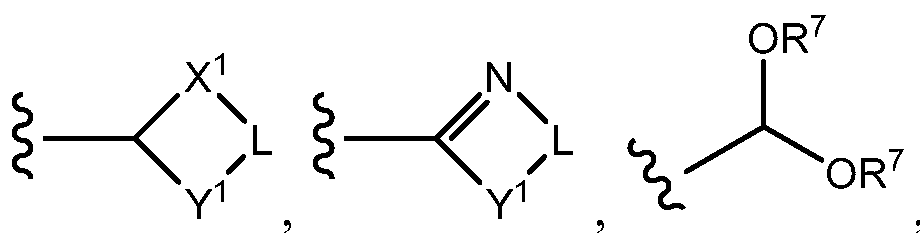 -C=NOR4, -C(=0)NHR4, -C(=S)R4, -C(=S)NHR4, -C(=0)OR4, -C(=0)SR4, -C(=S)OR4, or OR;
each R is independently selected from the group consisting of:
-(CH2CH20)nH,
-C(=0)R4, -C(=0)NHR4, -C(=S)R4, -C(=S)NHR4, -C(=0)OR4, -C(=0)SR4, -C(=S)OR4,
-P(=0)R4, -P(=0)2R4, -P(=0)NHR4, -P(=0)2NHR4, -P(=S)NHR4, -P(=0)OR4,
-P(=0)2OR4, -P(=0)SR4, -P(=0)2SR4, -P(=S)OR4,
-S(=0)R4, -S(=0)2R4, -S(=0)NHR4, -S(=0)2NHR4, -S(=0)OR4, -S(=0)2OR4,
-S(=0)SR4, -S(=0)2SR4, -S(=NR4)R4, -S(=NR4)(=0)R4, -S(=NR4)2R4, and -SiR4;
R4 is selected from the group consisting of hydrogen, Ci-C6 alkyl, C3-C7 cycloalkyl, C2- C6 alkenyl, C4-C7 cycloalkenyl, C2-C6 alkynyl, (CH2CH20)nH, phenyl, C5-C6 heterocycle having 1 to 3 heteroatoms selected from O, S, S02, N, and NR11, and C5-C6 heteroaryl having 1 to 3 heteroatoms selected from O, S, N, and NR12;
n is an integer of from 1 to 10,000;
X1 and Y1 are independently selected from the group consisting of -0-, -S-, -S02-, and -N(R7)-;
L is -C(O)- or C2 to C4 alkylene group optionally substituted with one or two oxo;
R5 is Ci to C6 alkyl or halogenated Ci to C6 alkyl;
R6 is hydrogen or R2;
R7 is selected from the group consisting of
hydrogen, (CH2CH20)nH, Ci to C6 alkyl,
-C(=0)R4, -C(=0)NHR4, -C(=S)R4, -C(=S)NHR4, -C(=0)OR4, -C(=0)SR4, -C(=S)OR4,
-P(=0)R4, -P(=0)2R4, -P(=0)NHR4, -P(=0)2NHR4, -P(=S)NHR4, -P(=0)OR4,
-P(=0)2OR4, -P(=0)SR4, -P(=0)2SR4, -P(=S)OR4,
-S(=0)R4, -S(=0)2R4, -S(=0)NHR4, -S(=0)2NHR4, -S(=0)OR4, -S(=0)2OR4,
-S(=0)SR4, -S(=0)2SR4, -S(=NR4)R4, -S(=NR4)(=0)R4, -S(=NR4)2R4, and
-SiR4;
R11 is hydrogen or Ci to C6 alkyl, or two R11 on a same carbon form =0;
R12 is hydrogen or Ci to C6 alkyl; and
R is a saturated fatty chain or an unsaturated fatty chain or -OR is a hydroxy group esterified with a phospholipid, or a tautomer, and/or a pharmaceutically acceptable salt and/or solvate thereof.
2. The method of claim 1, wherein the compound of Formula I is of Formula I:


or a tautomer, and/or a pharmaceutically acceptable salt and/or a solvate thereof, wherein A1,
 and B 3J are as defined in Formula I. 4. The method of claim 1, wherein the compound is of Formula II:

5. The method of claim 4, wherein the compound of Formula II is of Formula IIA, IIB, IIC, or IID:


or a tautomer, and/or a pharmaceutically acceptable salt and/or solvate thereof.
7. The method of claim 1, wherein the compound is selected from the group consisting of:


8. The method of claim 7 wherein one or more of the hydroxy groups are esterified with a saturated fatty acid or an unsaturated fatty acid or a phospholipid.
9. A method for reducing uric acid and/or reactive oxygen species production in a patient in need thereof, comprising administering to the patient an effective amount of a compound selected from the group consisting of 3,4-dihydroxy-5-cyanobenzaldehyde and 3 ,5 -dinitrosalicylaldehyde .
10. A method for treating a condition, mediated at least in part by xanthine oxidase, in a patient in need thereof, comprsing administering to the patient an effective amount of a compound of Formula I, IA-i or II:

wherein
ring A is phenyl or a 6-membered heteroaryl comprising one nitrogen atom in the ring; ring B is phenyl or a 5- or 6-membered heteroaryl comprising one or two ring
heteroatoms independently selected from nitrogen, oxygen and sulfur;
m is 1 or 2;
each A 1 , A2 , A 3 , A 4 is independently CR 1 or N, provided that no more than one

A3, and A4 is N;
B1, B2, and B3 are independently CR1, O, S, N or NR1, provided no more than two of B1, B2, and B3 are O, S, N or NR1;
X is CR1 or N;
each R1 is independently selected from the group consisting of hydrogen, nitro, aldehyde,
20 20 2 3 1
hydroxyl, OR , OCOR , R and R , provided that at least two R are independently nitro, cyano, aldehyde, hydroxyl, or R3;
each R2 is independently selected from halogen, nitroso, cyano, Ci to C6 alkyl, -CH2OH, halogenated Ci to C4 alkyl, phenyl, -S02H, and -OR5;
each R3 is independently selected from the group consisting of:

-C=NOR4, -C(=0)NHR4, -C(=S)R4, -C(=S)NHR4, -C(=0)OR4, -C(=0)SR4, -C(=S)OR4, or OR;
each R is independently selected from the group consisting of:
(CH2CH20)nH,
-C(=0)R4, -C(=0)NHR4, -C(=S)R4, -C(=S)NHR4, -C(=0)OR4, -C(=0)SR4, -C(=S)OR4,
-P(=0)R4, -P(=0)2R4, -P(=0)NHR4, -P(=0)2NHR4, -P(=S)NHR4, -P(=0)OR4,
-P(=0)2OR4, -P(=0)SR4, -P(=0)2SR4, -P(=S)OR4,
-S(=0)R4, -S(=0)2R4, -S(=0)NHR4, -S(=0)2NHR4, -S(=0)OR4, -S(=0)2OR4,
-S(=0)SR4, -S(=0)2SR4, -S(=NR4)R4, -S(=NR4)(=0)R4, -S(=NR4)2R4, and -SiR4; R4 is selected from the group consisting of hydrogen, Ci-C6 alkyl, C3-C7 cycloalkyl, C2- C6 alkenyl, C4-C7 cycloalkenyl, C2-C6 alkynyl, (CH2CH20)nH, phenyl, C5-C6 heterocycle having 1 to 3 heteroatoms selected from O, S, S02, N, and NR11, and C5-C6 heteroaryl having 1 to 3 heteroatoms selected from O, S, N, and NR12;
n is an integer of from 1 to 10,000;
X1 and Y1 are independently selected from the group consisting of -0-, -S-, -S02-, and -N(R7)-;
L is -C(O)- or C2 to C4 alkylene group optionally substituted with oxo;
R5 is Ci to C6 alkyl or halogenated Ci to C6 alkyl;
R6 is hydrogen or R2;
R7 is hydrogen, (CH2CH20)nH, or Ci to C6 alkyl;
R11 is hydrogen or Ci to C6 alkyl, or two R11 on a same carbon form =0;
R12 is hydrogen or Ci to C6 alkyl; and
R20 is a saturated fatty chain or an unsaturated fatty chain or -OR20 is a hydroxy group esterified with a phospholipid,
or a tautomer, and/or a pharmaceutically acceptable salt and/or solvate thereof. 11. The method of claim 10, wherein the compound is of Formula I

12. The method of claim 10, wherein the compound is of Formula IA or IB:

or a tautomer, and/or a pharmaceutically acceptable salt and/or a solvate thereof, wherein A1,
 and B 3J are as defined in Formula I.
13. The method of claim 10 wherein the compound is of Formula II:

or a tautomer, and/or a pharmaceutically acceptable salt and/or solvate thereof.
14. The method of claim 10, wherein the compound is of Formula IIA, IIB, IIC, or IID:


or a tautomer, and/or a pharmaceutically acceptable salt and/or solvate thereof.
16. The method of claim 10, wherein the compound is selected from the group consisting of:


where X11 is O, S or NH,
or a tautomer, solvate and/or a pharmaceutically acceptable salt thereof.
17. The method of claim 16 wherein one or more of the hydroxy groups are esterified with a saturated fatty acid or an unsaturated fatty acid or a phospholipid.
18. A method for reducing uric acid and/or reactive oxygen species production in a patient in need thereof, comprising administering to the patient an effective amount of a compound selected from the group consisting of 3,4-dihydroxy-5-cyanobenzaldehyde and 3 ,5 -dinitrosalicylaldehyde .
19. The method of any one of claims 10-18, wherein the condition is gout or a
complication thereof.
20. The method of any one of claims 10-18, wherein the condition is hypoxia or a complication thereof.
21. A method for treating hyperuricemia in a patient in need thereof, comprising
administering to the patient an effective amount of a compound of Formula I, IA-i or II:

wherein
ring A is phenyl or a 6-membered heteroaryl comprising one nitrogen atom in the ring; ring B is phenyl or a 5- or 6-membered heteroaryl comprising one or two ring heteroatoms independently selected from nitrogen, oxygen and sulfur;
m is 1 or 2;
each A 1 , A2 , A 3 , A 4 is independently CR 1 or N, provided that no more than one of A 1 ,
 A3, and A4 is N;
B1, B2, and B3 are independently CR1, O, S, N or NR1, provided no more than two of B1, B2, and B3 are O, S, N or NR1;
X is CR1 or N;
each R1 is independently selected from the group consisting of hydrogen, nitro, aldehyde,
20 20 2 3 1
hydroxyl, OR , OCOR , R and R , provided that at least two R are independently nitro, cyano, aldehyde, hydroxyl, or R3;
each R2 is independently selected from halogen, nitroso, cyano, Ci to C6 alkyl, -CH2OH, halogenated Ci to C4 alkyl, phenyl, -S02H, and -OR5;
each R3 is independently selected from the group consisting of:

-C=NOR4, -C(=0)NHR4, -C(=S)R4, -C(=S)NHR4, -C(=0)OR4, -C(=0)SR4, -C(=S)OR4, or OR;
each R is independently selected from the group consisting of:
(CH2CH20)nH,
-C(=0)R4, -C(=0)NHR4, -C(=S)R4, -C(=S)NHR4, -C(=0)OR4, -C(=0)SR4, -C(=S)OR4,
-P(=0)R4, -P(=0)2R4, -P(=0)NHR4, -P(=0)2NHR4, -P(=S)NHR4, -P(=0)OR4,
-P(=0)2OR4, -P(=0)SR4, -P(=0)2SR4, -P(=S)OR4,
-S(=0)R4, -S(=0)2R4, -S(=0)NHR4, -S(=0)2NHR4, -S(=0)OR4, -S(=0)2OR4,
-S(=0)SR4, -S(=0)2SR4, -S(=NR4)R4, -S(=NR4)(=0)R4, -S(=NR4)2R4, and -SiR4;
R4 is selected from the group consisting of hydrogen, Ci-C6 alkyl, C3-C7 cycloalkyl, C2- C6 alkenyl, C4-C7 cycloalkenyl, C2-C6 alkynyl, (CH2CH20)nH, phenyl, C5-C6 heterocycle having 1 to 3 heteroatoms selected from O, S, S02, N, and NR11, and C5-C6 heteroaryl having 1 to 3 heteroatoms selected from O, S, N, and NR12;
n is an integer of from 1 to 10,000;
X1 and Y1 are independently selected from the group consisting of -0-, -S-, -S02-, and -N(R7)-;
L is -C(O)- or C2 to C4 alkylene group optionally substituted with oxo;
R5 is Ci to C6 alkyl or halogenated Ci to C6 alkyl;
R6 is hydrogen or R2;
R7 is hydrogen, (CH2CH20)nH, or Ci to C6 alkyl;
R11 is hydrogen or Ci to C6 alkyl, or two R11 on a same carbon form =0;
R is hydrogen or Ci to C6 alkyl; and
R20 is a saturated fatty chain or an unsaturated fatty chain or -OR20 is a hydroxy group esterified with a phospholipid,
or a tautomer, and/or a pharmaceutically acceptable salt and/or solvate thereof.
22. The method of claim 21 , wherein the compound is of Formula I


or a tautomer, a solvate, and/or a pharmaceutically acceptable salt thereof, wherein A1, A2, A3, A4, B2, and B3 are as defined in Formula I.
24. The method of claim 21 , wherein the compound is of Formula II:

25. The method of claim 21, wherein the compound is selected from Formula IIA, IIB, IIC or IID:

or a tautomer, and/or a pharmaceutically acceptable salt and a solvate thereof, wherein R1, R6, B1, B2, and B3 are as defined in Formula II.
26. The method of claim 21 , wherein the compound of is selected from the group consisting of:

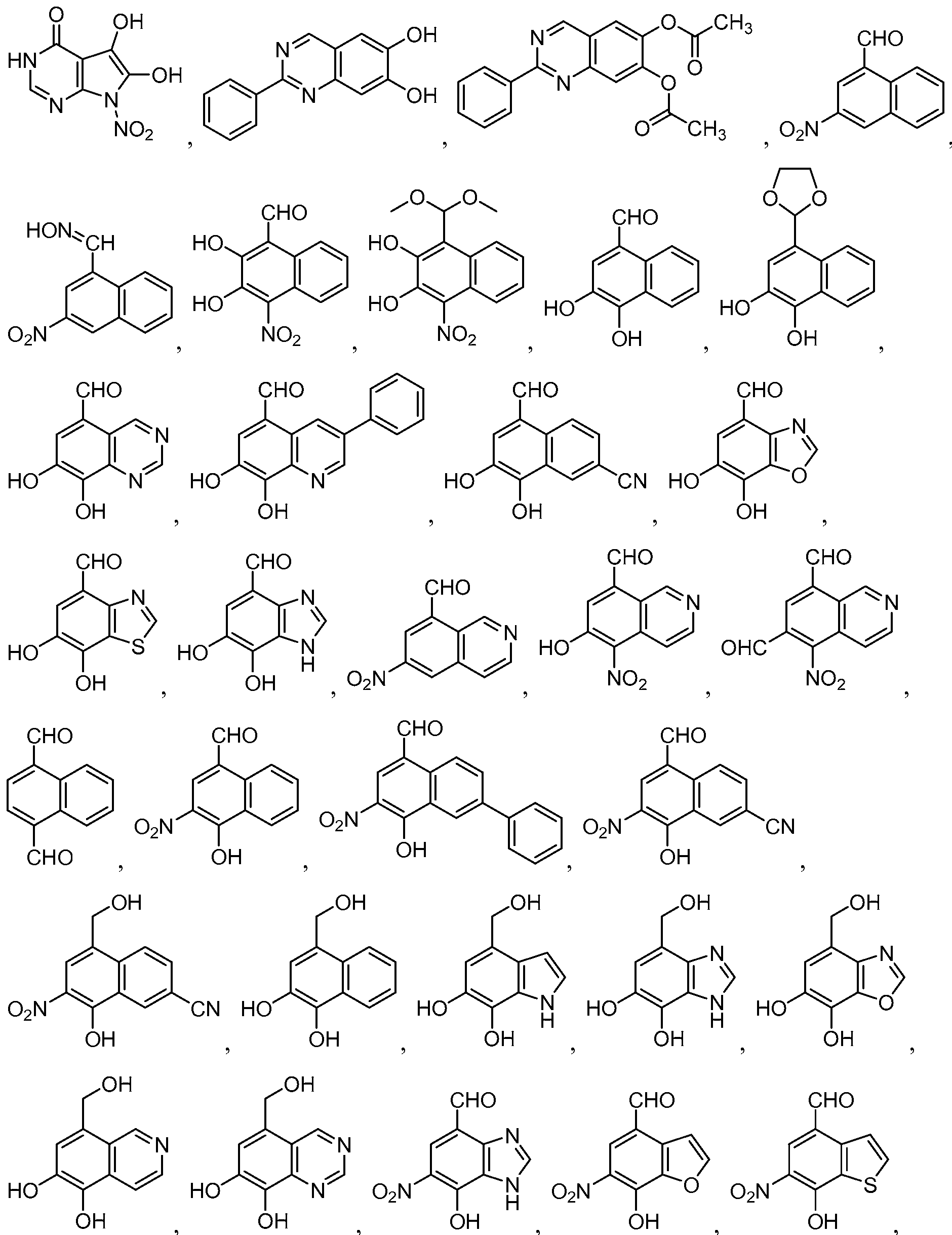

or a tautomer, and/or a pharmaceutically acceptable salt and/or solvate thereof.
27. The method of claim 21, wherein the compound is selected from the group consisting


28. The method of claim 27 wherein one or more of the hydroxy groups are esterified with a saturated fatty acid or an unsaturated fatty acid or a phospholipid.
29. A method for treating hyperuricemia in a patient in need thereof, comprising administering to the patient an effective amount of a compound selected from the group consisting of 3,4-dihydroxy-5-cyanobenzaldehyde and 3,5-dinitrosalicylaldehyde.
30. A pharmaceutical composition comprising a pharmaceutically acceptable excipient and a compound of Formula I, IA-i or II:

wherein
ring A is phenyl or a 6-membered heteroaryl comprising one nitrogen atom in the ring; ring B is phenyl or a 5- or 6-membered heteroaryl comprising one or two ring
heteroatoms independently selected from nitrogen, oxygen and sulfur;
m is 1 or 2;
each A 1 , A2 , A 3 , A 4 is independently CR 1 or N, provided that no more than one

A3, and A4 is N;
B1, B2, and B3 are independently CR1, O, S, N or NR1, provided no more than two of B1, B2, and B3 are O, S, N or NR1;
X is CR1 or N;
each R1 is independently selected from the group consisting of hydrogen, nitro, aldehyde,
20 20 2 3 1
hydroxyl, OR , OCOR , R and R , provided that at least two R are independently nitro, cyano, aldehyde, hydroxyl, or R3;
each R2 is independently selected from halogen, nitroso, cyano, Ci to C6 alkyl, -CH2OH, halogenated Ci to C4 alkyl, phenyl, -S02H, and -OR5;
each R3 is independently selected from the group consisting of:

-C=NOR4, -C(=0)NHR4, -C(=S)R4, -C(=S)NHR4, -C(=0)OR4, -C(=0)SR4, -C(=S)OR4, or OR;
each R is independently selected from the group consisting of:
(CH2CH20)nH,
-C(=0)R4, -C(=0)NHR4, -C(=S)R4, -C(=S)NHR4, -C(=0)OR4, -C(=0)SR4, -C(=S)OR4,
-P(=0)R4, -P(=0)2R4, -P(=0)NHR4, -P(=0)2NHR4, -P(=S)NHR4, -P(=0)OR4,
-P(=0)2OR4, -P(=0)SR4, -P(=0)2SR4, -P(=S)OR4,
-S(=0)R4, -S(=0)2R4, -S(=0)NHR4, -S(=0)2NHR4, -S(=0)OR4, -S(=0)2OR4,
-S(=0)SR4, -S(=0)2SR4, -S(=NR4)R4, -S(=NR4)(=0)R4, -S(=NR4)2R4, and -SiR4; R4 is selected from the group consisting of hydrogen, Ci-C6 alkyl, C3-C7 cycloalkyl, C2- C6 alkenyl, C4-C7 cycloalkenyl, C2-C6 alkynyl, (CH2CH20)nH, phenyl, C5-C6 heterocycle having 1 to 3 heteroatoms selected from O, S, S02, N, and NR11, and C5-C6 heteroaryl having 1 to 3 heteroatoms selected from O, S, N, and NR12;
n is an integer of from 1 to 10,000;
X1 and Y1 are independently selected from the group consisting of -0-, -S-, -S02-, and -N(R7)-;
L is -C(O)- or C2 to C4 alkylene group optionally substituted with one or two oxo;
R5 is Ci to C6 alkyl or halogenated Ci to C6 alkyl;
R6 is hydrogen or R2;
R7 is hydrogen, (CH2CH20)nH, or Ci to C6 alkyl;
R11 is hydrogen or Ci to C6 alkyl, or two R11 on a same carbon form =0;
R12 is hydrogen or Ci to C6 alkyl; and
R20 is a saturated fatty chain or an unsaturated fatty chain or -OR20 is a hydroxy group esterified with a phospholipid,
or a tautomer, and/or a pharmaceutically acceptable salt and/or solvate thereof.
31. The pharmaceutical composition of claim 30, wherein the compound is of Formula I

32. The pharmaceutical composition of claim 30, wherein the compound is of Formula I A or IB:

or a tautomer, and/or a pharmaceutically acceptable salt and/or a solvate thereof, wherein A1, A 4 , B 1 , B 2", and B 3J are as defined in Formula I.
33. The pharmaceutical composition of claim 30, wherein the compound is of Formula II:

34. The pharmaceutical composition of claim 30, wherein the compound is selected from the group consisting of:


NO, , and OH or a tautomer, and/or a pharmaceutically acceptable salt and/or solvate thereof.
35. The pharmaceutical composition of claim 30, wherein the compound is selected from the group consisting of:


36. The pharmaceutical composition of claim 35 wherein one or more of the hydroxy groups are esterified with a saturated fatty acid or an fatty acid or a phospholipid.
Applications Claiming Priority (4)
| Application Number | Priority Date | Filing Date | Title |
|---|---|---|---|
| US201462009795P | 2014-06-09 | 2014-06-09 | |
| US62/009,795 | 2014-06-09 | ||
| US201462060504P | 2014-10-06 | 2014-10-06 | |
| US62/060,504 | 2014-10-06 |
Publications (2)
| Publication Number | Publication Date |
|---|---|
| WO2015191640A2 true WO2015191640A2 (en) | 2015-12-17 |
| WO2015191640A3 WO2015191640A3 (en) | 2016-04-07 |
Family
ID=54834546
Family Applications (1)
| Application Number | Title | Priority Date | Filing Date |
|---|---|---|---|
| PCT/US2015/034975 Ceased WO2015191640A2 (en) | 2014-06-09 | 2015-06-09 | Bicyclic xanthine oxidase inhibitors and methods of use |
Country Status (1)
| Country | Link |
|---|---|
| WO (1) | WO2015191640A2 (en) |
Cited By (1)
| Publication number | Priority date | Publication date | Assignee | Title |
|---|---|---|---|---|
| JP2019505573A (en) * | 2015-12-18 | 2019-02-28 | ケスター、ヒューバート | Novel bicyclic compounds for use as pharmaceuticals, especially for the treatment of Parkinson's disease |
Family Cites Families (3)
| Publication number | Priority date | Publication date | Assignee | Title |
|---|---|---|---|---|
| US5021448A (en) * | 1990-02-22 | 1991-06-04 | Ciba-Geigy Corporation | Method of reducing serum uric acid and/or increasing renal uric acid clearance with thromboxane synthetase inhibitor inhibitor and/or thromboxane receptor antagonist |
| US20020025969A1 (en) * | 1997-07-09 | 2002-02-28 | Wolf-Georg Forssmann | Use of phosphordiesterase inhibitors in the treatment of prostatic diseases |
| WO2012150715A1 (en) * | 2011-05-02 | 2012-11-08 | 独立行政法人理化学研究所 | Novel 11c labeling compound, method for producing same, and use of same |
-
2015
- 2015-06-09 WO PCT/US2015/034975 patent/WO2015191640A2/en not_active Ceased
Cited By (2)
| Publication number | Priority date | Publication date | Assignee | Title |
|---|---|---|---|---|
| JP2019505573A (en) * | 2015-12-18 | 2019-02-28 | ケスター、ヒューバート | Novel bicyclic compounds for use as pharmaceuticals, especially for the treatment of Parkinson's disease |
| US11008282B2 (en) | 2015-12-18 | 2021-05-18 | Caprotec Bioanalytics Gmbh | Bicyclic-compounds for use as a medicament, in particular for treatment of parkinson's disease |
Also Published As
| Publication number | Publication date |
|---|---|
| WO2015191640A3 (en) | 2016-04-07 |
Similar Documents
| Publication | Publication Date | Title |
|---|---|---|
| US8895626B1 (en) | Small molecule xanthine oxidase inhibitors and methods of use | |
| WO2010043592A1 (en) | Lipase inhibitors for use for the treatment of obesity | |
| US11597725B2 (en) | URAT1 inhibitor for promoting uric acid excretion | |
| CA2904985A1 (en) | Pyrazole-amide compound and medicinal uses therefor | |
| WO2015027146A1 (en) | Inhibitors of human 12/15-lipoxygenase | |
| CA3181902A1 (en) | Methods for treating or preventing chronic kidney disease | |
| WO2018157801A1 (en) | Cyano group-substituted fused bicyclic derivative, preparation method therefor, and application thereof | |
| EP2615094A2 (en) | Sesterterpene compounds and use thereof | |
| WO2015191640A2 (en) | Bicyclic xanthine oxidase inhibitors and methods of use | |
| US9580379B2 (en) | Xanthine oxidase inhibitors and methods of use | |
| EP3390405B1 (en) | Novel tetrahydrotriazolopyrimidine derivatives as nhe inhibitors | |
| WO2015191636A2 (en) | Xanthine oxidase inhibitors and methods of use | |
| WO2015131200A1 (en) | Small molecule xanthine oxidase inhibitors and methods of use | |
| WO2015191635A2 (en) | Xanthine oxidase inhibitors and methods of use | |
| CN112209896B (en) | Thiazolidinedione derivatives and pharmaceutical compositions containing the same | |
| WO2015191034A1 (en) | Small molecule xanthine oxidase inhibitors and methods of use | |
| CN114671856A (en) | Polysubstituted uracil derivatives and uses thereof | |
| US20230346765A1 (en) | Methods of treating xanthine oxidase-related diseases with niflumic acid and derivatives thereof | |
| US10829441B2 (en) | Reactive oxygen species-sensitive nitric oxide synthase inhibitors for the treatment of ischemic stroke | |
| US20260116838A1 (en) | Neocarzilin derivatives as antimetastatic agents | |
| US10519179B2 (en) | Highly efficient NRF2 activators-co-releasing molecule hybrids, their use in the treatment of inflammatory or cardiovascular diseases and their process of preparation |
Legal Events
| Date | Code | Title | Description |
|---|---|---|---|
| 121 | Ep: the epo has been informed by wipo that ep was designated in this application |
Ref document number: 15805724 Country of ref document: EP Kind code of ref document: A2 |
|
| NENP | Non-entry into the national phase |
Ref country code: DE |
|
| 122 | Ep: pct application non-entry in european phase |
Ref document number: 15805724 Country of ref document: EP Kind code of ref document: A2 |