WO2015172128A1 - Methods and compositions for treating hepatitis b virus infections - Google Patents
Methods and compositions for treating hepatitis b virus infections Download PDFInfo
- Publication number
- WO2015172128A1 WO2015172128A1 PCT/US2015/030064 US2015030064W WO2015172128A1 WO 2015172128 A1 WO2015172128 A1 WO 2015172128A1 US 2015030064 W US2015030064 W US 2015030064W WO 2015172128 A1 WO2015172128 A1 WO 2015172128A1
- Authority
- WO
- WIPO (PCT)
- Prior art keywords
- compound
- dna
- core protein
- alkyl
- hbv
- Prior art date
- Legal status (The legal status is an assumption and is not a legal conclusion. Google has not performed a legal analysis and makes no representation as to the accuracy of the status listed.)
- Ceased
Links
- PLYTVAFAKDFFKM-UHFFFAOYSA-N CC1N(C)CCOC1 Chemical compound CC1N(C)CCOC1 PLYTVAFAKDFFKM-UHFFFAOYSA-N 0.000 description 1
Classifications
-
- A—HUMAN NECESSITIES
- A61—MEDICAL OR VETERINARY SCIENCE; HYGIENE
- A61K—PREPARATIONS FOR MEDICAL, DENTAL OR TOILETRY PURPOSES
- A61K31/00—Medicinal preparations containing organic active ingredients
- A61K31/33—Heterocyclic compounds
- A61K31/395—Heterocyclic compounds having nitrogen as a ring hetero atom, e.g. guanethidine or rifamycins
- A61K31/535—Heterocyclic compounds having nitrogen as a ring hetero atom, e.g. guanethidine or rifamycins having six-membered rings with at least one nitrogen and one oxygen as the ring hetero atoms, e.g. 1,2-oxazines
- A61K31/5375—1,4-Oxazines, e.g. morpholine
- A61K31/5377—1,4-Oxazines, e.g. morpholine not condensed and containing further heterocyclic rings, e.g. timolol
-
- A—HUMAN NECESSITIES
- A61—MEDICAL OR VETERINARY SCIENCE; HYGIENE
- A61K—PREPARATIONS FOR MEDICAL, DENTAL OR TOILETRY PURPOSES
- A61K31/00—Medicinal preparations containing organic active ingredients
- A61K31/16—Amides, e.g. hydroxamic acids
- A61K31/18—Sulfonamides
-
- A—HUMAN NECESSITIES
- A61—MEDICAL OR VETERINARY SCIENCE; HYGIENE
- A61K—PREPARATIONS FOR MEDICAL, DENTAL OR TOILETRY PURPOSES
- A61K31/00—Medicinal preparations containing organic active ingredients
- A61K31/33—Heterocyclic compounds
- A61K31/395—Heterocyclic compounds having nitrogen as a ring hetero atom, e.g. guanethidine or rifamycins
- A61K31/435—Heterocyclic compounds having nitrogen as a ring hetero atom, e.g. guanethidine or rifamycins having six-membered rings with one nitrogen as the only ring hetero atom
- A61K31/44—Non condensed pyridines; Hydrogenated derivatives thereof
- A61K31/445—Non condensed piperidines, e.g. piperocaine
-
- A—HUMAN NECESSITIES
- A61—MEDICAL OR VETERINARY SCIENCE; HYGIENE
- A61K—PREPARATIONS FOR MEDICAL, DENTAL OR TOILETRY PURPOSES
- A61K31/00—Medicinal preparations containing organic active ingredients
- A61K31/33—Heterocyclic compounds
- A61K31/395—Heterocyclic compounds having nitrogen as a ring hetero atom, e.g. guanethidine or rifamycins
- A61K31/495—Heterocyclic compounds having nitrogen as a ring hetero atom, e.g. guanethidine or rifamycins having six-membered rings with two or more nitrogen atoms as the only ring heteroatoms, e.g. piperazine or tetrazines
- A61K31/505—Pyrimidines; Hydrogenated pyrimidines, e.g. trimethoprim
- A61K31/506—Pyrimidines; Hydrogenated pyrimidines, e.g. trimethoprim not condensed and containing further heterocyclic rings
-
- A—HUMAN NECESSITIES
- A61—MEDICAL OR VETERINARY SCIENCE; HYGIENE
- A61K—PREPARATIONS FOR MEDICAL, DENTAL OR TOILETRY PURPOSES
- A61K31/00—Medicinal preparations containing organic active ingredients
- A61K31/70—Carbohydrates; Sugars; Derivatives thereof
- A61K31/7088—Compounds having three or more nucleosides or nucleotides
- A61K31/713—Double-stranded nucleic acids or oligonucleotides
-
- A—HUMAN NECESSITIES
- A61—MEDICAL OR VETERINARY SCIENCE; HYGIENE
- A61K—PREPARATIONS FOR MEDICAL, DENTAL OR TOILETRY PURPOSES
- A61K45/00—Medicinal preparations containing active ingredients not provided for in groups A61K31/00 - A61K41/00
- A61K45/06—Mixtures of active ingredients without chemical characterisation, e.g. antiphlogistics and cardiaca
-
- A—HUMAN NECESSITIES
- A61—MEDICAL OR VETERINARY SCIENCE; HYGIENE
- A61P—SPECIFIC THERAPEUTIC ACTIVITY OF CHEMICAL COMPOUNDS OR MEDICINAL PREPARATIONS
- A61P31/00—Antiinfectives, i.e. antibiotics, antiseptics, chemotherapeutics
- A61P31/12—Antivirals
- A61P31/14—Antivirals for RNA viruses
-
- G—PHYSICS
- G01—MEASURING; TESTING
- G01N—INVESTIGATING OR ANALYSING MATERIALS BY DETERMINING THEIR CHEMICAL OR PHYSICAL PROPERTIES
- G01N33/00—Investigating or analysing materials by specific methods not covered by groups G01N1/00 - G01N31/00
- G01N33/48—Biological material, e.g. blood, urine; Haemocytometers
- G01N33/50—Chemical analysis of biological material, e.g. blood, urine; Testing involving biospecific ligand binding methods; Immunological testing
- G01N33/5005—Chemical analysis of biological material, e.g. blood, urine; Testing involving biospecific ligand binding methods; Immunological testing involving human or animal cells
- G01N33/5008—Chemical analysis of biological material, e.g. blood, urine; Testing involving biospecific ligand binding methods; Immunological testing involving human or animal cells for testing or evaluating the effect of chemical or biological compounds, e.g. drugs, cosmetics
- G01N33/502—Chemical analysis of biological material, e.g. blood, urine; Testing involving biospecific ligand binding methods; Immunological testing involving human or animal cells for testing or evaluating the effect of chemical or biological compounds, e.g. drugs, cosmetics for testing non-proliferative effects
- G01N33/5023—Chemical analysis of biological material, e.g. blood, urine; Testing involving biospecific ligand binding methods; Immunological testing involving human or animal cells for testing or evaluating the effect of chemical or biological compounds, e.g. drugs, cosmetics for testing non-proliferative effects on expression patterns
-
- G—PHYSICS
- G01—MEASURING; TESTING
- G01N—INVESTIGATING OR ANALYSING MATERIALS BY DETERMINING THEIR CHEMICAL OR PHYSICAL PROPERTIES
- G01N33/00—Investigating or analysing materials by specific methods not covered by groups G01N1/00 - G01N31/00
- G01N33/48—Biological material, e.g. blood, urine; Haemocytometers
- G01N33/50—Chemical analysis of biological material, e.g. blood, urine; Testing involving biospecific ligand binding methods; Immunological testing
- G01N33/5005—Chemical analysis of biological material, e.g. blood, urine; Testing involving biospecific ligand binding methods; Immunological testing involving human or animal cells
- G01N33/5008—Chemical analysis of biological material, e.g. blood, urine; Testing involving biospecific ligand binding methods; Immunological testing involving human or animal cells for testing or evaluating the effect of chemical or biological compounds, e.g. drugs, cosmetics
- G01N33/502—Chemical analysis of biological material, e.g. blood, urine; Testing involving biospecific ligand binding methods; Immunological testing involving human or animal cells for testing or evaluating the effect of chemical or biological compounds, e.g. drugs, cosmetics for testing non-proliferative effects
- G01N33/5032—Chemical analysis of biological material, e.g. blood, urine; Testing involving biospecific ligand binding methods; Immunological testing involving human or animal cells for testing or evaluating the effect of chemical or biological compounds, e.g. drugs, cosmetics for testing non-proliferative effects on intercellular interactions
-
- G—PHYSICS
- G01—MEASURING; TESTING
- G01N—INVESTIGATING OR ANALYSING MATERIALS BY DETERMINING THEIR CHEMICAL OR PHYSICAL PROPERTIES
- G01N33/00—Investigating or analysing materials by specific methods not covered by groups G01N1/00 - G01N31/00
- G01N33/48—Biological material, e.g. blood, urine; Haemocytometers
- G01N33/50—Chemical analysis of biological material, e.g. blood, urine; Testing involving biospecific ligand binding methods; Immunological testing
- G01N33/53—Immunoassay; Biospecific binding assay; Materials therefor
- G01N33/576—Immunoassay; Biospecific binding assay; Materials therefor for hepatitis
- G01N33/5761—Hepatitis B
- G01N33/5762—Hepatitis B core antigen
-
- G—PHYSICS
- G01—MEASURING; TESTING
- G01N—INVESTIGATING OR ANALYSING MATERIALS BY DETERMINING THEIR CHEMICAL OR PHYSICAL PROPERTIES
- G01N2500/00—Screening for compounds of potential therapeutic value
- G01N2500/04—Screening involving studying the effect of compounds C directly on molecule A (e.g. C are potential ligands for a receptor A, or potential substrates for an enzyme A)
Definitions
- the present disclosure relates to methods for treating hepatitis B virus (HBV) infections and for identifying compounds useful for the same.
- HBV hepatitis B virus
- HBV hepatitis B virus
- HBV infection is the world's ninth leading cause of death. HBV infection often leads to acute hepatitis and liver damage, and causes abdominal pain, jaundice, and elevated blood levels of certain enzymes. HBV can cause fulminant hepatitis, a rapidly progressive form of the disease in which massive sections of the liver are destroyed. Many patients recover from acute viral hepatitis, but in certain other patients, especially young children, viral infection persists for an extended, or indefinite, period, causing a chronic infection. Chronic infections can lead to chronic persistent hepatitis. Chronic persistent hepatitis can cause fatigue, liver damage, cirrhosis of the liver, and hepatocellular carcinoma, a primary liver cancer.
- HBV infection is a serious problem among the homo- and heterosexual population, intravenous drug users, organ transplant recipients, and blood transfusion patients. New infection with HBV can be prevented by vaccination. However, the present vaccination is not relevant for the approximately 350 million chronic carriers worldwide.
- interferon therapy causes severe side effects such as insomnia, depression, nausea, vomiting, fever and fatigue.
- Another approved class of drugs for treating HBV infection is reverse transcriptase inhibitors exemplified by lamivudine, entecavir, and tenofovir.
- reverse transcriptase inhibitors have good antiviral activity, resistance can develop during treatment, there is cross-reactivity of resistance, and side effects such as kidney damage.
- side effects such as kidney damage.
- extended years of therapy with reverse transcriptase inhibitors rarely results in a cure.
- Cp assembly modifiers Cp assembly modifiers
- assembly can mean formation of small Cp oligomers and/or assembly of the entire capsid.
- CpAMs e.g., HAP12
- CpAMs can both drive Cp assembly and modulate direct or indirect interactions between core protein and DNA (e.g., cccDNA), thereby disrupting the HBV life cycle and providing antiviral activity against HBV.
- targeting HBV by both (1) modulating Cp assembly and (2) modulating direct or indirect interactions between core protein and DNA (e.g., cccDNA) can result in an improved clinical outcome compared to administration of either compound alone.
- CpAMs e.g. hetero-aryl-dihydropyrimidines (HAPs) such as HAP 12, as well as the compounds AT130, GLS4 (HecPharm), and N890 (Novira)
- HAPs hetero-aryl-dihydropyrimidines
- AT130, GLS4 (HecPharm), and N890 (Novira) enhance the rate and the extent of Cp assembly over a broad concentration range and act as allosteric effectors to induce an assembly-active state or, at high concentration, stabilize preferentially non-capsid polymers of Cp interfering with normal virion assembly, resulting in an antiviral effect by inhibiting HBV replication.
- nucleation is typically the slow step in assembly (Zlotnick et al. 1999; Endres and Zlotnick 2003; Katen and Zlotnick 2009). Supporting nucleation, by itself, can increase assembly kinetics.
- the CpAM must strengthen the average association energy between subunits (i.e. make the association energy more negative). This cannot be accomplished by having one CpAM bind to a capsid; rather it is accomplished by CpAMs binding to subunits resulting in a dose dependent increase in capsid stability (Bourne et ah, 2008).
- a CpAM that increases the amount of capsid formed necessarily
- capsids are a sink for free Cp dimers. That is, some CpAMs, like the HAPs, will bind capsid with stronger affinity than they bind free Cp dimer. In other words, a small
- concentration of assembly-inducing CpAMs may be able to nucleate assembly, but in order to maximize the amount of Cp assembled to deplete free dimer, fill binding sites available in capsid and non-capsid polymer, and have CpAM available to bind free Cp dimer, a much higher concentration of CpAM is required.
- an assembly-inducing CpAM is expected to bind Cp dimer with weaker affinity than it binds capsid. By binding to Cp, the CpAM can affect Cp activities outlined above, other than assembly.
- the compound is also capable of modulating core protein assembly.
- the method can also comprise administering to the patient a therapeutically effective amount of a compound capable of modulating core protein assembly.
- administration of the two compounds results in an improved clinical outcome compared to administration of either compound alone.
- administration of the two compounds results in a synergistically improved clinical outcome compared to administration of either compound alone.
- administration of the compound alters HBsAg, HBeAg, or viral RNA levels.
- the compound is capable of (a) modulating the structure of core protein; (b) modulating the function of core protein; (c) modulating the binding of core protein to DNA (e.g., cccDNA); (d) depleting the amount of free core protein dimer available to bind to DNA (e.g., cccDNA); (e) altering nuclear import or export of core protein; (f) altering an interaction between cccDNA and a chromatin component; (g) altering an interaction between core protein and a chromatin component; (h) altering the rate, quantity, quality or stability of RNA expressed from DNA (e.g., cccDNA); (i) altering the stability or maintenance of DNA (e.g., cccDNA); and/or (j) modulating an innate immune response against HBV.
- the compound acts allosterically or orthosterically.
- the method also includes administering an additional compound.
- an additional compound for example, one or more of the following compounds can be administered in combination with the compounds described herein: a nucleoside HBV polymerase inhibitor, a nucleotide HBV polymerase inhibitor, a modified nucleic acid, a peptide entry inhibitor, an interferon (Type I, II or III), a lymphotoxin beta agonist, a Toll-like receptor agonist, a non-nucleoside small molecule HBV polymerase inhibitor, a non-nucleotide small molecule HBV polymerase inhibitor, a compound affecting capsid maturation, an HBV cccDNA transcriptional modulator, a cccDNA biosynthesis inhibitor, a subviral particle secretion inhibitor, a checkpoint modulator, an siRNA, a therapeutic vaccine, an entry inhibitor, a transcriptional modifier, a topoisomerase inhibitor, a compound that modulates presentation of HBV antigen via MHC, an H
- Checkpoint modulators include an anti-PD-1 antibody, an anti-PD-Ll antibody, or an anti-CTLA4 antibody.
- the siRNA targets HBV (e.g., ISIS-HBV mRNA-targeted antisense) or host RNA.
- SMAC mimetics include birinapant (TL32711), LCL161 (Novartis), GDC-0917 (Genentech), HGS 1029 (Human Genome Sciences), and AT- 406 (Ascenta).
- the methods described herein can include administration of any one of the following
- the methods described herein can include administration of any of the capsid promoting and HBsAg reducing molecules described in International Publication No. WO/2015/057945, U.S. Provisional Patent Application No. 62/148,994, and in International Patent Application No. PCT/US2015/020444.
- the methods described herein can include administration of a compound of Formula 1 (from International Publication No. WO/2015/057945) having the structure:
- q 0, 1, 2, 3 or 4;
- p 0, 1, 2, 3, or 4;
- r 0, 1, 2, 3, or 4;
- R 1 is independently for each occurrence selected from the group consisting of -H, -Ci- C 6 alkyl, -Ci-C 6 alkoxy, -Ci-C 6 alkyl-0-Ci-C 6 alkyl, halogen, cyano, -OH, -C(0)H, -C0 2 R', - C(0)N(R')(R"), -C(0)Ci-C 6 alkyl, -N(R')(R"), -N0 2 , -N(R')C(0)Ci-C 6 alkyl, -S(0) w -Ci- Cealkyl, -N(R')S(0) w -Ci-C 6 alkyl, and -S(0) w -N(R')(R");
- w 0, 1 or 2;
- R' is independently for each occurrence selected from the group consisting of -H and -
- Ci-C 6 alkyl is independently for each occurrence selected from the group consisting of -H and - Ci-C 6 alkyl; or R' and R" are taken together with the nitrogen atom to which they are attached to form a 4-7 membered heterocyclic ring;
- R 2 is independently for each occurrence selected from the group consisting of -H, -Ci- C 6 alkyl, -Ci-C 6 alkoxy, -Ci-C 6 alkyl-0-Ci-C 6 alkyl, halogen, cyano, -OH, -C(0)H, -C0 2 R', - C(0)N(R')(R"), -C(0)Ci-C 6 alkyl, -N(R')(R"), -N0 2 , -N(R')C(0)Ci-C 6 alkyl, -S(0) w -Ci- C 6 alkyl, - CR SCO ⁇ -d-Cealkyl, and -S(0) w -N(R')(R"); and
- R 3 is selected from the group consisting of -H and -Ci-C 6 alkyl
- Ci-C 6 alkyl or Ci-C 6 alkoxy may be independently for each occurrence optionally substituted with one, two, or three halogens.
- Y is selected from the group consisting of a bond, -0-, -S(0) w -, and -N(R')-;
- X is selected from the group consisting of phenyl, naphthyl, and heteroaryl; wherein X is optionally substituted wit two, three, or four R 2 groups; provided that at least one of or X is a heteroaryl;
- R 1 is independently for each occurrence selected from the group consisting of -H, -Ci- C 6 alkyl, -Ci-C 6 alkoxy, -Ci-C 6 alkyl-0-Ci-C 6 alkyl, halogen, cyano, -OH, -C(0)H, - C0 2 R', -C(0)N(R')(R"), -C(0)Ci-C 6 alkyl, -N(R')(R"), -N0 2 , -N(R')C(0)Ci-C 6 alkyl, - S(0) w -Ci-C 6 alkyl, -N(R')S(0) w -Ci-C 6 alkyl, and -S(0) w -N(R')(R");
- q 0, 1, 2, 3 or 4;
- w is 0, 1 or 2;
- R' is independently for each occurrence selected from the group consisting of -H and - Ci-C 6 alkyl;
- R" is independently for each occurrence selected from the group consisting of -H and - Ci-C 6 alkyl; or R' and R" are taken together with the nitrogen atom to which they are attached to form a 4-7 membered heterocyclic or heteroaryl ring, each of which is optionally substituted with an oxo group;
- R 2 is independently for each occurrence selected from the group consisting of -H, -Ci- C 6 alkyl, -Ci-C 6 alkoxy, -Ci-C 6 alkyl-0-Ci-C 6 alkyl, halogen, oxo, cyano, -OH, -C(0)H, - C0 2 R', -C(0)N(R')(R"), -C(0)Ci-C 6 alkyl, -N(R')(R"), -N0 2 , -N(R')C(0)Ci-C 6 alkyl, - S(0) w -Ci-C 6 alkyl, -N(R')S(0) w -Ci-C 6 alkyl, and -S(0) w -N(R')(R"); and
- R 3 is selected from the group consisting of -H, -Ci-C 6 alkyl, -N(R')(R"), -N(R')Ci- C 6 alkyl-N(R')(R"), -N(R')-Ci-C 6 alkyl-OR', -OH, -Ci-C 6 alkoxy, -0-Ci-C 6 alkyl-OR', -O- heterocyclyl, -O-heteroaryl, -0-Ci-C 6 alkyl-heteroaryl, -Ci-C 6 alkyl -heteroaryl, heterocyclyl, and heteroaryl, wherein heterocyclyl and heteroaryl are optionally substituted with one or two Ci-C 6 alkyl or halogen;
- Ci-C 6 alkyl or Ci-C 6 alkoxy may be independently for each occurrence optionally substituted with one, two, or three halogens.
- Y is selected from the group consisting of a bond, -0-, and -S(0) w -;
- X is selected from the group consisting of phenyl, naphthyl, and heteroaryl; wherein X is optionally substituted with one, two, three, or four R 2 groups;
- R 1 is independently for each occurrence selected from the group consisting of -H, -Ci-
- q 0, 1, 2, 3 or 4;
- w 0, 1 or 2;
- R' is independently for each occurrence selected from the group consisting of -H and - Ci-C 6 alkyl
- R" is independently for each occurrence selected from the group consisting of -H and - Ci-C 6 alkyl; or R' and R" are taken together with the nitrogen atom to which they are attached to form a 4-7 membered heterocyclic or heteroaryl ring, each of which is optionally substituted with an oxo group;
- R 2 is independently for each occurrence selected from the group consisting of -H, -Ci- C 6 alkyl, -Ci-C 6 alkoxy, -Ci-C 6 alkyl-0-Ci-C 6 alkyl, halogen, oxo, cyano, -OH, -C(0)H, - C0 2 R', -C(0)N(R')(R"), -C(0)Ci-C 6 alkyl, -N(R')(R"), -N0 2 , -N(R')C(0)Ci-C 6 alkyl, - S(0) w -Ci-C 6 alkyl, -N(R')S(0) w -Ci-C 6 alkyl, and -S(0) w -N(R')(R"); and
- R 3 is selected from the group consisting of -H, -Ci-C 6 alkyl, -N(R')(R"), -N(R')Ci- C 6 alkyl-N(R')(R"), -N(R')-Ci-C 6 alkyl-OR', -OH, -Ci-C 6 alkoxy, -0-Ci-C 6 alkyl-OR', -O- heterocyclyl, -O-heteroaryl, -0-Ci-C 6 alkyl-heteroaryl, -Ci-C 6 alkyl -heteroaryl, heterocyclyl, and heteroaryl, wherein heterocyclyl and heteroaryl are optionally substituted with one or two Ci-C 6 alkyl or halogen;
- Ci-C 6 alkyl or Ci-C 6 alkoxy may be independently for each occurrence optionally substituted with one, two, or three halogens.
- Y is selected from the group consisting of a bond, -0-, -S(0) w -, and -N(R')-;
- Z is CH or ;
- X is selected from the group consisting of phenyl, naphthyl, and heteroaryl; wherein X is optionally substituted with one, two, three, or four R 2 groups;
- R 1 is independently for each occurrence selected from the group consisting of -H, -Ci-
- q 0, 1, 2, 3 or 4;
- w 0, 1 or 2;
- R' is independently for each occurrence selected from the group consisting of -H and - Ci-C 6 alkyl
- R" is independently for each occurrence selected from the group consisting of -H and - Ci-C 6 alkyl; or R' and R" are taken together with the nitrogen atom to which they are attached to form a 4-7 membered heterocyclic or heteroaryl ring, each of which is optionally substituted with an oxo group;
- R 2 is independently for each occurrence selected from the group consisting of -H, -Ci- C 6 alkyl, -Ci-C 6 alkoxy, -Ci-C 6 alkyl-0-Ci-C 6 alkyl, halogen, oxo, cyano, -OH, -C(0)H, - C0 2 R', -C(0)N(R')(R"), -C(0)Ci-C 6 alkyl, -N(R')(R"), -N0 2 , -N(R')C(0)Ci-C 6 alkyl, - S(0) w -Ci-C 6 alkyl, -N(R')S(0) w -Ci-C 6 alkyl, and -S(0) w -N(R')(R"); and
- R 3 is selected from the group consisting of -H, -Ci-C 6 alkyl, -N(R')(R"), -N(R')Ci- C 6 alkyl-N(R')(R"), -NCR -d-Cealkyl-OR', -OH, -Cj-Cealkoxy, -O-d-Cealkyl-OR', -O- heterocyclyl, -O-heteroaryl, -0-Ci-C 6 alkyl-heteroaryl, -Ci-C 6 alkyl -heteroaryl, heterocyclyl, and heteroaryl, wherein heterocyclyl and heteroaryl are optionally substituted with one or two Ci-C 6 alkyl or halogen;
- Ci-C 6 alkyl or Ci-C 6 alkoxy may be independently for each occurrence optionally substituted with one, two, or three halogens.
- Y is selected from the group consisting of a bond, -0-, -S(0) w -, and -N(R')-;
- X is selected from the group consisting of phenyl, naphthyl, and heteroaryl; wherein X is optionally substituted with one, two, three, or four R 2 groups;
- R 1 is independently for each occurrence selected from the group consisting of -H, -Ci- C 6 alkyl, -Ci-C 6 alkoxy, -Ci-C 6 alkyl-0-Ci-C 6 alkyl, halogen, cyano, -OH, -C(0)H, - C0 2 R', -C(0)N(R')(R"), -C(0)Ci-C 6 alkyl, -N(R')(R"), -N0 2 , -N(U C(O)Ci-Qalkyl, - SCO d-Cealkyl, -NC SCO Ci-Cealkyl, and -S(0) w -N(R')(R");
- q 0, 1, 2, 3 or 4;
- w 0, 1 or 2;
- R' is independently for each occurrence selected from the group consisting of -H and - Ci-C 6 alkyl
- R" is independently for each occurrence selected from the group consisting of -H and - Ci-C 6 alkyl; or R' and R" are taken together with the nitrogen atom to which they are attached to form a 4-7 membered heterocyclic or heteroaryl ring, each of which is optionally substituted with an oxo group;
- R 2 is independently for each occurrence selected from the group consisting of -H, -Ci- C 6 alkyl, -Ci-C 6 alkoxy, -Ci-C 6 alkyl-0-Ci-C 6 alkyl, halogen, oxo, cyano, -OH, -C(0)H, - C0 2 R', -C(0)N(R')(R"), -C(0)Ci-C 6 alkyl, -N(R')(R"), -N0 2 , -N(R')C(0)Ci-C 6 alkyl, - S(0) w -Ci-C 6 alkyl, -N(R')S(0) w -Ci-C 6 alkyl, and -S(0) w -N(R')(R"); and
- R 3 is selected from the group consisting of -N(R')(R"), -N(R')Ci-C 6 alkyl-N(R')(R"), - N(R')-Ci-C 6 alkyl-OR', -OH, -Ci-C 6 alkoxy, -0-Ci-C 6 alkyl-OR', -O-heterocyclyl, -O- heteroaryl, -0-Ci-C 6 alkyl-heteroaryl, -Ci-C 6 alkyl-heteroaryl, heterocyclyl, and heteroaryl, wherein heterocyclyl and heteroaryl are optionally substituted with one or two Ci-C 6 alkyl or halogen;
- Ci-C 6 alkyl or Ci-C 6 alkoxy may be independently for each occurrence optionally substituted with one, two, or three halogens
- T is selected from the group consisting of -C(O)-, -CH 2 -C(0)-, -N(C(0)-CH 3 )-, -NH-, - 0-, and -S(0) z -, where z is 0, 1 or 2;
- Y is C(R N ) 2 , S(0) y , NR Y and O wherein y is 0, 1, or 2;
- RY is selected from the group consisting of H, methyl, ethyl, propyl, phenyl and benzyl;
- RL is selected from the group consisting of H, methyl, and -C(0)-Ci_ 3 alkyl;
- L is a bond or C1-4 straight chain alkylene optionally substituted by one or two substituents each independently selected from the group consisting of methyl (optionally substituted by halogen or hydroxyl), ethenyl, hydroxyl, NR'R", phenyl, heterocycle, and halogen and wherein the C1-4 straight chain alkylene may be interrupted by an -0-;
- R 2 is selected from the group consisting of H
- phenyl or naphthyl (wherein the phenyl or naphthyl may be optionally substituted with one, two , three or more substituents selected from the group consisting of halogen, hydroxyl, nitro, cyano, carboxy, Ci_ 6 alkyl, C 2 - 6 alkenyl, C 2 - 6 alkynyl, Ci_ 6 alkoxy, NR'R", -C(O)- NR'R", - C(0)-Ci_ 6 alkyl, -C(0)-Ci_ 6 alkoxy, phenyl (optionally substituted by one, two or three substituents each independently selected from the group consisting of halogen, hydroxyl, cyano, Ci_ 6 alkyl, C 2 _ 6 alkenyl, C 2 _ 6 alkynyl, Ci_ 6 alkoxy, NR'R", C(O)- NR'R", -C(0)-Ci_ 6 alkyl, -C(O)-
- Ci_ 6 alkyl, Ci- 6 alkoxy, C2- 6 alkenyl, C3_iocycloalkyl (optionally substituted with one, two , three or more substituents selected from the group consisting of halogen, hydroxyl, nitro, cyano, carboxy, NR'R", -C(O)- NR'R", CNR', Ci_ 6 alkyl, Ci_ 6 alkoxy, -C(0)-Ci_ 6 alkyl, and -C(0)-Ci_ 6 alkoxy, and wherein the C3_iocycloalkyl may optionally be a bridged cycloalkyl)), and a 4-6 membered heterocycloalkyl having one or two heteroatoms each independently selected from O, N and S (wherein the 4-6 membered heterocycloalkyl may be optionally substituted with one, two , three or more substituents selected from the group consisting of halogen, hydroxyl, nitro, cyano, carboxy,
- R' is selected, independently for each occurrence, from H, methyl, ethyl, propyl, phenyl, and benzyl;
- R' ' is selected, independently for each occurrence, from H, methyl, ethyl, propyl, butyl, carboxybenzyl, -C(0)-methyl and -C(0)-ethyl, or R' and R' ' taken together may form a 4-6 membered heterocycle;
- each of moieties R 4 , R 5 , R 6 , R 7 , R 8 , R 9 , R 10 , and R 11 are independently selected for each occurrence from the group consisting of hydrogen, Ci_ 6 alkyl, C 2 - 6 alkenyl, C 2 - 6 alkynyl, halogen, hydroxyl, nitro, cyano, NR'R", -C(O)- NR'R", -S(0) w -Ci_ 6 alkyl (where w is 1, 2 or 3), -NR'- S(0) w, and -S(0) w -NR'R" (where w is 0, 1 or 2), Ci_ 6 alkoxy,-C(0)-OH, -C(0)-Ci_ 6 alkyl, and - C(0)-Ci_ 6 alkoxy;
- Ci_ 6 alkyl may be optionally substituted with one, two, three or more substituents selected from the group consisting of halogen, hydroxyl, nitro, cyano, carboxy, C 2 - 6 alkenyl, C 2 - 6 alkynyl, Ci_ 6 alkoxy, phenyl, NR'R", -C(O)- NR'R", S(0) w -methyl (where w is 1, 2 or 3), -NR'-S(0) w , and S(0) w -NR'R" (where w is 0, 1 or 2);
- Ci_ 6 alkoxy may be optionally substituted with one, two, three or more substituents selected from the group consisting of halogen, hydroxyl, nitro, cyano, carboxy, Ci_ 6 alkyl, phenyl, NR'R", -C(O)- NR'R", S(0) w -Ci_ 6 alkyl (where w is 1, 2 or 3),
- HBV hepatitis B virus
- the compound can modulate core protein- mediated regulation of DNA (e.g., cccDNA) by (a) modulating the structure of core protein; (b) modulating the function of core protein; (c) modulating the binding of core protein to DNA (e.g., cccDNA); (d) depleting the amount of free core protein dimer available to bind to DNA (e.g., cccDNA); (e) altering nuclear import or export of core protein; (f) altering an interaction between DNA (e.g., cccDNA) and a chromatin component; (g) altering an interaction between core protein and a chromatin component; (h) altering the rate, quantity, quality or stability of RNA expressed from DNA (e.g., cccDNA); (i) altering the stability or maintenance of DNA (e.g., cccDNA); (j) modulating an innate immune response against HBV; (k) altering the encapsidation of pgRNA; (1) recycling H
- the ability of the compound to modulate core protein-mediated regulation of DNA can be measured by (a) detecting a change in an amount of or state of core protein bound to cccDNA, optionally by using a chromatin immunoprecipitation (ChIP) assay or immunoprecipitation and mass spectrometry; (b) performing a South-western blot of isolated DNA (e.g., cccDNA); (c) evaluating isolated DNA (e.g., cccDNA) by a qPCR endpoint or real-time reporter assay; (d) measuring viral antigen by ELISA; (e) measuring viral RNA by qRT-PCR; (f) performing an endpoint or real-time reporter assay; (g) performing an assay using energy transfer or quenching between labeled core protein and DNA (e.g., cccDNA) or between another cccDNA binding protein and DNA (e.g., cccDNA); (h) performing surface
- the ability of the compound to affect core protein and thus modulate core protein-mediated regulation of DNA also can be measured by assessing binding of the compound to a core protein dimer to determine whether the compound affects binding interactions of DNA (e.g., cccDNA) to the core protein dimer.
- the ability of the compound to affect core protein and thus modulate core protein- mediated regulation of cccDNA can be measured using an assay comprising differentially reporter-tagged core protein subunits or by measuring in vitro binding of core protein to DNA (e.g., cccDNA), optionally comprising a competition assay with control DNA.
- the assay can comprise measuring the presence or quantity of a viral protein (e.g., HBsAg or HBeAg) or viral RNA.
- a viral protein e.g., HBsAg or HBeAg
- viral RNA e.g., HBsAg or HBeAg
- the ability of the compound to affect core protein and thus modulate core protein-mediated regulation of DNA e.g., cccDNA
- the method can also include varying the concentration of the compound until the compound modulates core protein-DNA (e.g., cccDNA) interaction.
- the method can also include measuring the ability of the compound to modulate core protein-mediated regulation of cccDNA.
- the ability of the compound to modulate core protein is measured by assessing binding of a labeled compound to a core protein dimer to determine whether the compound affects binding interactions of DNA (e.g., cccDNA) to the core protein dimer.
- the ability of the compound to modulate core protein is determined by measuring fluorescence quenching of labeled core protein.
- the ability of the compound to modulate core protein can be measured by measuring altered binding of core protein to antibodies or other proteins sensitive to Cp tertiary or quaternary structure, immunoprecipitation and Western blot, sandwich ELISA, and/or a BRET assay.
- the DNA is cccDNA.
- FIG. 1 is a schematic showing that Cp is involved in multiple aspects of the HBV life cycle.
- FIG. 2 shows that FL-HAP binds capsid with high affinity.
- FL-HAP was added to core protein dimer, which assembled. The mixture was resolved on a Superose 6 column.
- FIG. 3A-C shows a fluorescence quenching assay for depletion of free dimer.
- Dimers have cysteines engineered at the C-termini, at either end, which is labeled with
- BoDIPY-FL Dimers are fluorescent (left) capsids (right) are not.
- C The change in fluorescence matches other methods of monitoring assembly, such as light scattering (LS), as shown.
- FIG. 4 shows elution of Cpl49 from a Superose 6 column, demonstrating how a CpAM- emulating Cp mutant can alter Stokes' radius.
- Described herein are methods for treating or clinically curing a patient infected by hepatitis B virus (HBV), including administering to the patient a therapeutically effective amount of a compound capable of modulating core protein-mediated regulation of DNA (e.g., cccDNA) in an HBV infected cell of the patient and/or modulating core protein assembly.
- a compound capable of modulating core protein-mediated regulation of DNA e.g., cccDNA
- administration of the two compounds results in an improved clinical outcome compared to administration of either compound alone.
- administration of the two compounds results in a synergistically improved clinical outcome compared to administration of either compound alone.
- administration of the compound alters HBV's S antigen (HBsAg), E antigen (HBeAg), or viral RNA levels.
- HBeAg and HBsAg are described in Lee et al. (201 1) Hepatology 53(5): 1486-93. Methods for measuring viral RNA, e.g., pgRNA, are described in Lu et al. (2009) J Viral Hepat. 16(2): 104-12; and Bai et al. (2013) Int J Hepatol. 2013:849290.
- the compound is capable of (a) modulating the structure of core protein; (b) modulating the function of core protein; (c) modulating the binding of core protein to DNA (e.g., cccDNA); (d) depleting the amount of free core protein dimer available to bind to cccDNA; (e) altering nuclear import or export of core protein; (f) altering an interaction between DNA (e.g., cccDNA) and a chromatin component; (g) altering an interaction between core protein and a chromatin component; (h) altering the rate, quantity, quality or stability of RNA expressed from DNA (e.g., cccDNA); (i) altering the stability or maintenance of DNA (e.g., cccDNA); and/or (j) modulating an innate immune response against HBV.
- the compound acts allosterically or orthosterically.
- the method also includes administering an additional compound.
- an additional compound for example, one or more of the following compounds can be administered in combination with the compounds described herein: a nucleoside or nucleotide HBV polymerase inhibitor, a modified nucleic acid, a peptide entry inhibitor, an interferon (Type I, II or III), a lymphotoxin beta agonist, a Toll-like receptor agonist, a non-nucleoside small molecule HBV polymerase inhibitor, a non-nucleotide small molecule HBV polymerase inhibitor, a compound affecting capsid maturation, an HBV DNA (e.g., cccDNA) transcriptional modulator, a DNA (e.g., cccDNA) biosynthesis inhibitor, a subviral particle secretion inhibitor, a checkpoint modulator, an siRNA, a therapeutic vaccine, an entry inhibitor, a transcriptional modifier, a topoisomerase inhibitor, a compound that modulates presentation of HBV
- Nucleoside or nucleotide HBV polymerase inhibitors include, e.g., lamivudine (3TC, LMV), telbivudine, adefovir (ADV), entecavir (ETV), tenofovir, LB80380, lagociclovir valactate, pradefovir, emtricitabine, valtorcitabine, and amdoxovir. See, e.g., Hu et al. (2013) Annual Reports in Medicinal Chemistry 48:265-281. Modified nucleic acids include REP 9AC. Id. Entry inhibitors include peptide entry inhibitors, e.g., Myrcludex-B. Id.
- Interferons include type I, II or III interferons, e.g., Type III interferons (Interferon lambda).
- Exemplary lymphotoxin beta agonists include those discussed in Lucifora et al. (2014) Science 343(6176): 1221-8.
- Toll-like receptor agonists include, e.g., the Toll-like receptor-7 (TLR-7) agonist GS-9620. See, e.g., Hu et al. (2013) Annual Reports in Medicinal Chemistry 48:265- 281.
- Non-nucleoside/nucleotide small molecule HBV olymerase inhibitors include foscarnet,
- modulators include, e.g., helio
- cccDNA biosynthesis inhibitors include, e.g., sulfonamides CCC-0975 and CCC-
- Agents that block pgRNA encapsidation include isothiafludine (NZ-4),
- Subviral particle secretion inhibitors include HBF-0529, BM601 benzimidazole, and PBHBV-2-15. Id.
- Checkpoint modulators include an anti-PD-1 antibody, an anti-PD-Ll antibody, or an anti-
- siRNAs include siRNAs against HBV (e.g., ISIS-HBV mRNA-targeted antisense) or host RNA. See, also, e.g., Wooddell et al. (2013) Mol. Ther. 21(5):973-85.
- Therapeutic vaccines include GS-4774 (Globelmmune) and those described in Obeng-Adjei et al. (2013) Cancer Gene Ther. 20(12):652-62.
- Transcriptional modifiers include Tenofovir and
- Topoisomerase inhibitors include, e.g., Topo II inhibitors, such as etoposide, and Topo I inhibitors, such as
- Irinitecan Compounds that modulate presentation of HBV antigen via MHC include, e.g. , chloroquine. (See, e.g., Accapezzato et al. (2005) J Exp Med. 202(6):817-28.) Methods for designing HBV RNase H inhibitors are discussed in Hayer et al. (2014) J Virol. 88(l):574-82.
- Proteasome inhibitors include, e.g., MG132. See, e.g., Wang et al. (2013)
- Cyclophilin inhibitors include, e.g., NVP-018
- Transcription activator-like effector nucleases targeting the HBV genome are described in, e.g., Bloom et al. (2013) Mol Ther. 21(10): 1889-1897.
- DNA cleavage enzymes targeting HBV cccDNA are described in, e.g., Schiffer et al. (2013) DOI:
- Second mitochondrial-derived activator of caspases (SMAC) mimetics include birinapant
- Nucleic acid-based polymers include REP-2139Ca and REP-2055.
- Stimulator of Interferon Genes include DMXAA and 2'3'-cGAMP.
- Inhibitory peptides e.g., NH 2 -SFYSVLFLWG TCGGFSHSWY-COOH; NH 2 -LCETVRFWPV
- the methods described herein can include administration of any of the capsid promoting and HBsAg reducing molecules described in International Publication No. WO/2015/057945, U.S. Provisional Patent Application No. 62/148,994, and in International Patent Application No. PCT/US2015/020444.
- the methods described herein can include administration of a compound of Formula 1 (from International Publication No. WO/2015/057945) having the structure: O
- X is selected from the group consisting of:
- q 0, 1, 2, 3 or 4;
- p 0, 1, 2, 3, or 4;
- r 0, 1, 2, 3, or 4;
- R 1 is independently for each occurrence selected from the group consisting of -H, -Ci-
- w 0, 1 or 2;
- R' is independently for each occurrence selected from the group consisting of -H and - Ci-C 6 alkyl
- R" is independently for each occurrence selected from the group consisting of -H and - Ci-C 6 alkyl; or R' and R" are taken together with the nitrogen atom to which they are attached to form a 4-7 membered heterocyclic ring;
- R 2 is independently for each occurrence selected from the group consisting of -H, -Ci- Cealkyl, -Ci-C 6 alkoxy, -Ci-C 6 alkyl-0-Ci-C 6 alkyl, halogen, cyano, -OH, -C(0)H, -C0 2 R', - C(0)N(R')(R"), -C(0)C 1 -C 6 alkyl, -N(R')(R"), -N0 2 , -N(R')C(0)C 1 -C 6 alkyl, -S(0) w -C C 6 alkyl, - CR SCO ⁇ -d-Cealkyl, and -S(0) w -N(R')(R"); and
- R 3 is selected from the group consisting of -H and -Ci-C 6 alkyl
- Ci-C 6 alkyl or Ci-C 6 alkoxy may be independently for each occurrence optionally substituted with one, two, or three halogens.
- the methods described herein can also include a compound of Formula 1 (described in U.S. Provisional Patent Application No. 62/148,994) having the structure: o
- e salt or stereoisomer thereof wherein: group consisting of phenyl, naphthyl, and heteroaryl;
- Y is selected from the group consisting of a bond, -0-, -S(0) w -, and -N(R')-;
- X is selected from the group consisting of phenyl, naphthyl, and heteroaryl; wherein X oups;
- R 1 is independently for each occurrence selected from the group consisting of -H, -Ci- C 6 alkyl, -Ci-C 6 alkoxy, -Ci-C 6 alkyl-0-Ci-C 6 alkyl, halogen, cyano, -OH, -C(0)H, - C0 2 R', -C(0)N(R')(R"), -C(0)Ci-C 6 alkyl, -N(R')(R"), -N0 2 , -N(R')C(0)Ci-C 6 alkyl, - S(0) w -Ci-C 6 alkyl, -N(R')S(0) w -Ci-C 6 alkyl, and -S(0) w -N(R')(R");
- q 0, 1, 2, 3 or 4;
- w 0, 1 or 2;
- R' is independently for each occurrence selected from the group consisting of -H and - Ci-C 6 alkyl
- R" is independently for each occurrence selected from the group consisting of -H and - Ci-C 6 alkyl; or R' and R" are taken together with the nitrogen atom to which they are attached to form a 4-7 membered heterocyclic or heteroaryl ring, each of which is optionally substituted with an oxo group;
- R 2 is independently for each occurrence selected from the group consisting of -H, -Ci-
- R 3 is selected from the group consisting of -H, -Ci-C 6 alkyl, -N(R')(R"), -N(R')Ci- C 6 alkyl-N(R')(R"), -N(R')-Ci-C 6 alkyl-OR', -OH, -Ci-C 6 alkoxy, -0-Ci-C 6 alkyl-OR', -O- heterocyclyl, -O-heteroaryl, -0-Ci-C 6 alkyl-heteroaryl, -Ci-C 6 alkyl -heteroaryl, heterocyclyl, and heteroaryl, wherein heterocyclyl and heteroaryl are optionally substituted with one or two Ci-C 6 alkyl or halogen;
- Ci-C 6 alkyl or Ci-C 6 alkoxy may be independently for each occurrence optionally substituted with one, two, or three halogens.
- Y is selected from the group consisting of a bond, -0-, and -S(0) w -;
- X is selected from the group consisting of phenyl, naphthyl, and heteroaryl; wherein X is optionally substituted with one, two, three, or four R 2 groups;
- R 1 is independently for each occurrence selected from the group consisting of -H, -Q- C 6 alkyl, -C C 6 alkoxy, -d-Cealkyl-O-d-Cealkyl, halogen, cyano, -OH, -C(0)H, - C0 2 R', -C(0)N(R')(R"), -C(0)Ci-C 6 alkyl, -N(R')(R"), -N0 2 , -N(R')C(0)Ci-C 6 alkyl, - S(0) w -Ci-C 6 alkyl, -N(R')S(0) w -Ci-C 6 alkyl, and -S(0) w -N(R')(R");
- q 0, 1, 2, 3 or 4;
- w 0, 1 or 2;
- R' is independently for each occurrence selected from the group consisting of -H and - Ci-C 6 alkyl
- R" is independently for each occurrence selected from the group consisting of -H and - Ci-C 6 alkyl; or R' and R" are taken together with the nitrogen atom to which they are attached to form a 4-7 membered heterocyclic or heteroaryl ring, each of which is optionally substituted with an oxo group;
- R 2 is independently for each occurrence selected from the group consisting of -H, -Ci-
- R 3 is selected from the group consisting of -H, -Ci-C 6 alkyl, -N(R')(R"), -N(R')Ci- C 6 alkyl-N(R')(R"), -N(R')-Ci-C 6 alkyl-OR', -OH, -Ci-C 6 alkoxy, -0-Ci-C 6 alkyl-OR', -O- heterocyclyl, -O-heteroaryl, -0-Ci-C 6 alkyl-heteroaryl, -Ci-C 6 alkyl -heteroaryl, heterocyclyl, and heteroaryl, wherein heterocyclyl and heteroaryl are optionally substituted with one or two Ci-C 6 alkyl or halogen;
- Ci-C 6 alkyl or Ci-C 6 alkoxy may be independently for each occurrence optionally substituted with one, two, or three halogens.
- Y is selected from the group consisting of a bond, -0-, -S(0) w -, and -N(R')-;
- Z is CH or ;
- X is selected from the group consisting of phenyl, naphthyl, and heteroaryl; wherein X is optionally substituted with one, two, three, or four R 2 groups;
- R 1 is independently for each occurrence selected from the group consisting of -H, -Ci- C 6 alkyl, -Ci-C 6 alkoxy, -Ci-C 6 alkyl-0-Ci-C 6 alkyl, halogen, cyano, -OH, -C(0)H, - C0 2 R', -C(0)N(R')(R"), -C(0)Ci-C 6 alkyl, -N(R')(R"), -N0 2 , -N(R')C(0)Ci-C 6 alkyl, - S(0) w -Ci-C 6 alkyl, -N(R')S(0) w -Ci-C 6 alkyl, and -S(0) w -N(R')(R");
- q 0, 1, 2, 3 or 4;
- w 0, 1 or 2;
- R' is independently for each occurrence selected from the group consisting of -H and - Ci-C 6 alkyl
- R" is independently for each occurrence selected from the group consisting of -H and - Ci-C 6 alkyl
- R' and R" are taken together with the nitrogen atom to which they are attached to form a 4-7 membered heterocyclic or heteroaryl ring, each of which is optionally substituted with an oxo group
- R 2 is independently for each occurrence selected from the group consisting of -H, -Ci- C 6 alkyl, -Ci-C 6 alkoxy, -Ci-C 6 alkyl-0-Ci-C 6 alkyl, halogen, oxo, cyano, -OH, -C(0)H, - C0 2 R', -C(0)N(R')(R"), -C(0)C C 6 alkyl, -N(R')(R"), -N0 2 , -N(R')C(0)C 1 -C 6 alkyl, - SCO d-Cealkyl, - CR SiO C Cealkyl, and -S(0) w -N(R')(R"); and
- R 3 is selected from the group consisting of -H, -Ci-C 6 alkyl, -N(R')(R"), -N(R')Ci- C 6 alkyl-N(R')(R"), -N(R')-Ci-C 6 alkyl-OR', -OH, -Ci-C 6 alkoxy, -0-Ci-C 6 alkyl-OR', -O- heterocyclyl, -O-heteroaryl, -0-Ci-C 6 alkyl-heteroaryl, -Ci-C 6 alkyl -heteroaryl, heterocyclyl, and heteroaryl, wherein heterocyclyl and heteroaryl are optionally substituted with one or two Ci-C 6 alkyl or halogen;
- Ci-C 6 alkyl or Ci-C 6 alkoxy may be independently for each occurrence optionally substituted with one, two, or three halogens.
- Y is selected from the group consisting of a bond, -0-, -S(0) w -, and -N(R')-;
- X is selected from the group consisting of phenyl, naphthyl, and heteroaryl; wherein X is optionally substituted with one, two, three, or four R 2 groups;
- R 1 is independently for each occurrence selected from the group consisting of -H, -Ci-
- w 0, 1 or 2;
- R' is independently for each occurrence selected from the group consisting of -H and - Ci-C 6 alkyl
- R" is independently for each occurrence selected from the group consisting of -H and - Ci-C 6 alkyl; or R' and R" are taken together with the nitrogen atom to which they are attached to form a 4-7 membered heterocyclic or heteroaryl ring, each of which is optionally substituted with an oxo group;
- R 2 is independently for each occurrence selected from the group consisting of -H, -Ci- C 6 alkyl, -Ci-C 6 alkoxy, -Ci-C 6 alkyl-0-Ci-C 6 alkyl, halogen, oxo, cyano, -OH, -C(0)H, - C0 2 R', -C(0)N(R')(R"), -C(0)Ci-C 6 alkyl, -N(R')(R"), -N0 2 , -N(R')C(0)Ci-C 6 alkyl, - S(0) w -Ci-C 6 alkyl, -N(R')S(0) w -Ci-C 6 alkyl, and -S(0) w -N(R')(R"); and
- R 3 is selected from the group consisting of -N(R')(R"), -N(R')Ci-C 6 alkyl-N(R')(R"), - N(R')-Ci-C 6 alkyl-OR', -OH, -Ci-C 6 alkoxy, -0-Ci-C 6 alkyl-OR', -O-heterocyclyl, -O- heteroaryl, -0-Ci-C 6 alkyl-heteroaryl, -Ci-C 6 alkyl-heteroaryl, heterocyclyl, and heteroaryl, wherein heterocyclyl and heteroaryl are optionally substituted with one or two Ci-C 6 alkyl or halogen;
- Ci-C 6 alkyl or Ci-C 6 alkoxy may be independently for each occurrence optionally substituted with one, two, or three halogens
- T is selected from the group consisting of -C(O)-, -CH 2 -C(0)-, -N(C(0)-CH 3 )-, -NH-, - 0-, and -S(0) z -, where z is 0, 1, or 2;
- Y is C(R N ) 2 , S(0) y , NR Y and O wherein y is 0, 1, or 2;
- RY is selected from the group consisting of H, methyl, ethyl, propyl, phenyl and benzyl;
- RL is selected from the group consisting of H, methyl, and -C(0)-Ci_ 3 alkyl;
- L is a bond or straight chain alkylene optionally substituted by one or two substituents each independently selected from the group consisting of methyl (optionally substituted by halogen or hydroxyl), ethenyl, hydroxyl, NR'R", phenyl, heterocycle, and halogen and wherein the C1-4 straight chain alkylene may be interrupted by an -0-;
- R 2 is selected from the group consisting of H, phenyl or naphthyl (wherein the phenyl or naphthyl may be optionally substituted with one, two , three or more substituents selected from the group consisting of halogen, hydroxyl, nitro, cyano, carboxy, Ci_ 6 alkyl, C 2 - 6 alkenyl, C 2 - ealkynyl, Ci_ 6 alkoxy, NR'R", -C(O)- NR'R", -C(0)-Ci_ 6 alkyl, -C(0)-Ci_ 6 alkoxy, phenyl (optionally substituted by one, two or three substituents each independently selected from the group consisting of halogen, hydroxyl, cyano, Ci_ 6 alkyl, C2- 6 alkenyl, C2- 6 alkynyl, Ci- 6 alkoxy, NR'R", -C(0)-NR'R", -C(0)-Ci_ 6 alkyl
- R' is selected, independently for each occurrence, from H, methyl, ethyl, propyl, phenyl, and benzyl;
- R' ' is selected, independently for each occurrence, from H, methyl, ethyl, propyl, butyl, carboxybenzyl, -C(0)-methyl and -C(0)-ethyl, or R' and R' ' taken together may form a 4-6 membered heterocycle;
- each of moieties R 4 , R 5 , R 6 , R 7 , R 8 , R 9 , R 10 , and R 11 are independently selected for each occurrence from the group consisting of hydrogen, Ci_ 6 alkyl, C2- 6 alkenyl, C2- 6 alkynyl, halogen, hydroxyl, nitro, cyano, NR'R", -C(0)-NR'R", -S(0) w -Ci_ 6 alkyl (where w is 1, 2, or 3), -NR'- S(0) w , and -S(0) w -NR'R" (where w is 0, 1, or 2), Ci_ 6 alkoxy,-C(0)-OH, -C(0)-Ci_ 6 alkyl, and - C(0)-Ci_ 6 alkoxy;
- Ci_ 6 alkyl may be optionally substituted with one, two, three, or more substituents selected from the group consisting of halogen, hydroxyl, nitro, cyano, carboxy, C 2 - 6 alkenyl, C 2 - 6 alkynyl, Ci_ 6 alkoxy, phenyl, NR'R", -C(O)- NR'R", S(0) w - methyl (where w is 1, 2, or 3), -NR'-S(0) w , and S(0) w -NR'R"(where w is 0, 1, or 2);
- Ci_ 6 alkoxy may be optionally substituted with one, two, three, or more substituents selected from the group consisting of halogen, hydroxyl, nitro, cyano, carboxy, Ci_ 6 alkyl, phenyl, NR'R", - C(O)- NR'R", S(0) w -Ci_ 6 alkyl (where w is 1, 2 or
- Ar 1 is selected from the group consisting of phenyl, 2-pyridyl, 3-pyridyl, and 4-pyridyl;
- R 1 is hydrogen or pro-drug forming group
- R 5 is hydroxy or a derivative thereof or amino or a derivative thereof
- R N is selected from the group consisting of alkyl, alkenyl, alkynyl, heteroalkyl, arylalkyl, heteroarylalkyl, alkyl-C(O), heteroalkyl-C(O), alkoxyl- C(O), alkynyl-C(O), alkylacylamino-C(O), and heteroalkylacylamino-C(O), each of which is optionally substituted;
- R 4 is alkyl, heteroalkyl, alkenyl, or alkynyl, each of which is optionally substituted;
- Y is O or HN;
- R A represents from 0 to 3 substituents independently in each instance, halo or selected from the group consisting of alkyl, heteroalkyl, aryl, heteroaryl, amino and derivatives thereof, and hydroxyl and derivatives thereof, each of which is optionally substituted;
- R B represents from 0 to 3 substituents independently in each instance, halogen or selected from the group consisting of alkyl, heteroalkyl, aryl, heteroaryl, amino and derivatives thereof, and hydroxyl and derivatives thereof, each of which is optionally substituted.
- Ar 2 is aryl or heteroaryl each of which is optionally substituted
- R 1 is independently in each instance selected from the group consisting of hydrogen and prodrug forming group
- R 4 is alkyl, heteroalkyl, alkenyl, or alkynyl, each of which is optionally substituted;
- Y is O or HN
- Ak 1 is (CH 2 )n, where n is 1 to 4;
- R A represents from 0 to 3 substituents independently in each instance, halo or selected from the group consisting of alkyl, heteroalkyl, aryl, heteroaryl, amino and derivatives thereof, and hydroxyl and derivatives thereof, each of which is optionally substituted;
- R B represents from 0 to 3 substituents independently in each instance, halogen or selected from the group consisting of alkyl, heteroalkyl, aryl, heteroaryl, amino and derivatives thereof, and hydroxyl and derivatives thereof, each of which is optionally substituted.
- B is selected from the group comprising Ci-C 3 alkyl optionally substituted with one or more fluoro atoms;
- Z is selected from H or halogen; or B and Z together with the carbons to which they are attached form a 4-7 membered ring, optionally containing one or more heteroatoms, wherein the 4-7 membered ring optionally is substituted with one or more substituents selected from the group comprising Ci-C 3 alkyl, oxo, OH and halogen;
- Ri is selected from the group comprising heteroaryl and phenyl, optionally substituted with one or more substituents selected from the group comprising halogen and Ci-C 3 alkyl;
- R2 is selected from the group comprising -R6-R7, C ⁇ N, cyclopropyl, and CF 3 ;
- R3 is selected from the group comprising Ci-C 3 alkoxycarbonyl, and C ⁇ N;
- R4 and R5 independently are selected from the group comprising H, methyl and halogen
- R6 is Ci-C 3 alkyl, C2-C 3 alkenyl, both optionally substituted with one or more fluoro;
- R7 is selected from the group comprising hydrogen, a hetero C3-7cycloalkyl, cyclopropyl, d- C 3 alkoxy and CF 3 ;
- B for example may be selected from the group comprising Ci-C 3 alkyl optionally substituted with one or more fluoro atoms;
- Z is selected from H or halogen; or B and Z together with the carbons to which they are attached form a 4-7 membered ring, optionally containing one or more heteroatoms, wherein the 4-7 membered ring optionally is substituted with one or more substituents selected from the group comprising Ci-C 3 alkyl, oxo and halogen;
- Ri is selected from the group comprising heteroaryl and phenyl, optionally substituted with one or more substituents selected from the group comprising halogen and Ci-C 3 alkyl;
- R 2 is selected from the group comprising -R6-R7, C ⁇ N, cyclopropyl, and CF 3 ;
- R3 is selected from the group comprising Ci-C 3 alkoxycarbonyl, and C ⁇ N;
- R4 and R5 independently are selected from the group comprising H and halogen
- R6 is Ci-C 3 alkyl, optionally substituted with fluoro
- R7 is selected from the group comprising hydrogen, a hetero C3-7cycloalkyl, cyclopropyl and CF 3 ; and/or pharmaceutically acceptable salt or solvate thereof.
- B is selected from the group comprising Ci-C 3 alkyl optionally substituted with one or more fluoro atoms;
- Z is selected from H or halogen; or B and Z together with the carbons to which they are attached form a 4-7 membered ring, optionally containing one or more heteroatoms, wherein the 4-7 membered ring optionally is substituted with one or more substituents selected from the group comprising Ci-C 3 alkyl; Ri is selected from the group comprising heteroaryl and phenyl, optionally substituted with 1 or more halogen atoms;
- the disclosure relates to a compound according to formula:
- R 1 is Ci_ 6 alkyl or trifluoromethyl-C x H 2x -, wherein x is 1-6; one of R 2 and R 3 is phenyl, which is once or twice or three times substituted by Ci- 6 alkyl, cyano or halogen; and the other one is hydrogen or deuterium;
- R 4 is phenyl, thiazolyl, oxazolyl, imidazolyl, thienyl or pyridinyl, which is unsubstituted or substituted by Ci_ 6 alkyl, Ci- 6 alkylsulfanyl, halogen or cycloalkyl, where said can be further optionally substituted with halogen;
- a further embodiment of the present disclosure is (ii) a compound of formula I, wherein R 1 is methyl, ethyl, propyl, isopropyl, tert-butyl or trifluoromethylmethyl; one of R 2 and R 3 is phenyl, which is once or twice or three times substituted by fluoro, chloro, bromo, iodo, methyl, or cyano; and the other one is hydrogen or deuterium;
- R 4 is phenyl, thiazolyl, oxazolyl, imidazolyl, thienyl or pyridinyl, which is unsubstituted or substituted by methyl, isopropyl, tert-butyl, bifluoromethyl, trifluoromethyl, cyclopropyl, methylsulfanyl, fluoro or chloro;
- Another embodiment of the present disclosure is (iii) a compound of formula I, wherein R 1 is Ci_ 6 alkyl or trifluoromethyl-CxH 2 x-, wherein x is 1-6; one of R 2 and R 3 is phenyl, which is once or twice or three times substituted by Ci- 6 alkyl, cyano or halogen; and the other one is hydrogen or deuterium;
- R 4 is phenyl, thiazolyl, oxazolyl, imidazolyl, thienyl or pyridinyl, which is unsubstituted or substituted by Ci- 6 alkyl, Ci_ 6 alkylsulfanyl, halogen or cycloalkyl, where said can be further optionally substituted with halogen;
- A is ' " ' ' , which is
- a further embodiment of the present disclosure is (iv) a compound of formula I, wherein R 1 is methyl, ethyl, propyl, isopropyl or trifluoromethylmethyl;
- R 2 and R 3 is phenyl, which is once or twice or three times substituted by fluoro, chloro, bromo, iodo, methyl or cyano; and the other one is hydrogen or deuterium;
- R 4 is phenyl, thiazolyl, oxazolyl, imidazolyl, thienyl or pyridinyl, which is unsubstituted or substituted by methyl, isopropyl, tnfluoromethyl, cyclopropyl, methylsulfanyl, fluoro or chloro;
- Another embodiment of the present disclosure is (v) a compound of formula I, wherein R 1 is Ci_ 6 alkyl;
- R 2 and R 3 is phenyl, which is once or twice or three times substituted by Ci_ 6 alkyl or halogen; and the other one is hydrogen or deuterium;
- R 4 is thiazolyl, oxazolyl, imidazolyl, thienyl or pyridinyl, which is unsubstituted or substituted by Ci_ 6 alkyl, halogen or cycloalkyl, where said Ci- 6 alkyl can be further optionally substituted with halogen;
- A is , which is unsubstituted or substituted by groups selected from Ci- 6 alkyl, deuterium and halogen;
- a further embodiment of the present disclosure is (vi) a compound of formula I, wherein R 1 is methyl or ethyl;
- R 2 and R 3 is phenyl, which is once or twice or three times substituted by fluoro, chloro, bromo, iodo or methyl; and the other one is hydrogen or deuterium;
- R 4 is thiazolyl, oxazolyl, imidazolyl, thienyl or pyridinyl, which is unsubstituted or substituted by methyl, isopropyl, trifluoromethyl, cyclopropyl or fluoro;
- Another embodiment of the present disclosure is (vii) a compound of formula I or pharmaceutically acceptable salts, or enantiomers, or diastereomers thereof, wherein
- R 1 is Ci_ 6 alkyl
- R 2 and R 3 is phenyl, which is once or twice or three times substituted by halogen; and the other one is h drogen;
- a further embodiment of the present disclosure is (viii) a compound of formula I or pharmaceutically acceptable salts, or enantiomers, or diastereomers thereof, wherein R 1 is methyl or ethyl;
- R 2 and R 3 is phenyl, which is once or twice or three times substituted by fluoro, chloro or bromo; and the other one is hydrogen;
- a further embodiment of the present disclosure is (ix) a compound of formula I pharmaceutically acceptable salts, or enantiomers, or diastereomers thereof, wherein
- R 1 is methyl or ethyl
- R 2 and R 3 are , and the other one is hydrogen, wherein
- a 1 is hydrogen or fluoro
- a 2 is hydrogen or fluoro
- Another embodiment of the present disclosure is (x) a compound of formula I, wherein R 1 is Ci_ 6 alkyl or trifluoromethyl-CxH 2 x-, wherein x is 1-6;
- R 2 and R 3 is phenyl, which is once or twice or three times substituted by Ci- 6 alkyl, cyano or halogen; and the other one is hydrogen or deuterium;
- R 4 is thiazolyl, oxazolyl, imidazolyl, thienyl or pyridinyl, which is unsubstituted or substituted by Ci_ 6 alkyl, Ci_ 6 alkylsulfanyl, halogen or cycloalkyl, where said Ci- 6 alkyl can be further optionally substituted with halogen;
- a further embodiment of the present disclosure is (xi) a compound of formula I, wherein
- R 1 is methyl, ethyl, propyl, isopropyl or trifluoromethylmethyl
- R 2 and R 3 is phenyl, which is once or twice or three times substituted by fluoro, chloro, bromo, methyl, or cyano; and the other one is hydrogen or deuterium;
- R 4 is thiazolyl, oxazolyl, imidazolyl, thienyl or pyridinyl, which is unsubstituted or substituted by methyl, isopropyl, trifluoromethyl, cyclopropyl, methylsulfanyl, fluoro or chloro;
- R 1 is or trifluoromethyl-CxH 2 x-, wherein x is 1-6; one of R 2 and R 3 is phenyl, which is once or twice or three times substituted by Ci_ 6 alkyl or halogen; and the other one is hydrogen or deuterium;
- R 4 is thiazolyl, oxazolyl, imidazolyl, thienyl or pyridinyl, which is unsubstituted or substituted by Ci_ 6 alkyl, Ci- 6 alkylsulfanyl, halogen or cycloalkyl, where said Ci- 6 alkyl can be further optionally substituted with halogen;
- A is or , which is unsubstituted or substituted by groups selected from Ci_ 6 alkyl, deuterium and halogen;
- a further embodiment of present disclosure is (xiii) a compound of formula I, wherein
- R 1 is methyl, ethyl, isopropyl or trifluoromethylmethyl
- R 2 and R 3 is phenyl, which is once or twice or three times substituted by fluoro, chloro, bromo, iodo or methyl; and the other one is hydrogen or deuterium;
- R 4 is thiazolyl, oxazolyl, imidazolyl, thienyl or pyridinyl, which is unsubstituted or substituted by methyl, isopropyl, trifluoromethyl, cyclopropyl, methylsulfanyl or fluoro;
- A is , which is unsubstituted or substituted by groups selected from methyl, isopropyl, deuterium and fluoro;
- Another embodiment of the present disclosure is (xiv) a compound of formula I or pharmaceutically acceptable salts, or enantiomers, or diastereomers thereof, wherein
- oonnee ooff RR 22 aanndd RR 33 iiss pphheennyyll,, wwhhiicchh iiss oonnece or twice or three times substituted by halogen; and the other one is hydrogen or deuterium;
- R is N— , which is unsubstituted or substituted by Ci_ 6 alkyl, Ci_ 6 alkylsulfanyl or cycloalkyl, where said Ci- 6 alkyl can be further optionally substituted with halogen;
- A is , which is unsubstituted or substituted by groups selected from deuterium and halogen.
- a further embodiment of the present disclosure is (xv) a compound of formula I or pharmaceutically acceptable salts, or enantiomers, or diastereomers thereof, wherein
- R 1 is methyl, ethyl, propyl, isopropyl or trifluoromethylmethyl
- R 2 and R 3 is phenyl, which is once or twice or three times substituted by fluoro, chloro, bromo or iodo; and the other one is hydrogen or deuterium;
- R 4 is , which is unsubstituted or substituted by methyl, isopropyl, trifluoromethyl, cyclopropyl or methylsulfanyl;
- A is ' or , which may be unsubstituted or substituted by groups selected from methyl, isopropyl, deuterium and fluoro.
- Another embodiment of the present disclosure is (xvi) a compound of formula I or pharmaceutically acceptable salts, or enantiomers, or diastereomers thereof, wherein
- R 1 is Ci_ 6 alkyl
- R and R J are and the other one is hydi , which is unsubstituted or substituted by Ci- 6 alkyl;
- A is , which is substituted by halogen.
- Another embodiment of the present disclosure is (xvii) a compound of formula I or pharmaceutically acceptable salts, or enantiomers, or diastereomers thereof, wherein
- R 1 is Ci_ 6 alkyl
- R 2 and R 3 is phenyl, which is substituted by halogen; and the other one is hydrogen; , which is substituted by Ci- 6 alkyl;
- A is or s which may be unsubstituted or substituted by halogen.
- Another embodiment of the present disclosure is (xviii) a compound of formula lb or pharmaceutically acceptable salts, or enantiomers, or diastereomers thereof,
- R 1 is Ci_ 6 alkyl
- one of R 2 and R 3 is phenyl, which is twice or thrice substituted by cyano or halogen; and the other one is hydrogen or deuterium;
- R 4 is phenyl, thiazolyl, oxazolyl, imidazolyl, thienyl or pyridinyl; which is unsubstituted or once or twice substituted by Ci_ 6 alkyl, halogen, cycloalkyl or trifluoromethyl;
- R 5 is hydrogen
- R 6 is hydrogen
- WO2013/006394 including, e.g., a compound having formula (I):
- R 1 is hydrogen
- R 2 is selected from the group consisting of hydrogen, methyl, trifluoromethyl, fluorine, and chlorine;
- R 3 is selected from the group consisting of hydrogen, methyl, fluorine, and chlorine;
- R 4 is selected from the group consisting of hydrogen, fluorine, chlorine, and methyl
- R 5 is selected from the group consisting of hydrogen and chlorine
- R 7 is selected from the group consisting of hydrogen, chlorine, fluorine, and bromine
- R 9 is selected from the group consisting of hydrogen, methyl, fluorine, and chlorine
- R 4 is H or Ci-C 3 alkyl
- L is independently, at each occurrence, a bivalent radical selected from -(Ci-C 3 alkylene)-, -(C3- C 7 cycloalkylene)-, -(Ci-C 3 alkylene) m -0-(Ci-C 3 alkylene) m -, or -(Ci-C 3 alkylene) m -NH-(Ci- C 3 alkylene) m -;
- each R 8 is independently, at each occurrence, H, Ci-C 6 alkyl, -Ci-C 6 haloalkyl, -Ci- C 6 dihaloalkyl, -Ci-C 6 trihaloalkyl, Ci-C 6 heteroalkyl, C3-Ciocycloalkyl, C3-Cioheterocycloalkyl, aryl, heteroaryl, -Ci-C4alkyl-(C3-Ciocycloalkyl), -Ci-C4alkyl-(C3-Cioheterocycloalkyl), -Ci- C4alkyl-(aryl), or -Ci-C4alkyl(heteroaryl), and wherein the alkyl, heteroalkyl, cycloalkyl, heterocycloalkyl, aryl and heteroaryl is optionally substituted with 1-5 substituents selected from R 2 ;
- R 9 is -Ci_ 6 alkyl, -Ci- 6 trihaloalkyl, Ci-C 6 heteroalkyl, C3- Ciocycloalkyl, C3-Cioheterocycloalkyl, aryl, heteroaryl, -Ci-C4alkyl-(C3-Ciocycloalkyl), -Ci_ C4alkyl-(C3-Cioheterocycloalkyl), -Ci_C4alkyl-(aryl), or -Ci_C4alkyl-(heteroaryl), and wherein the alkyl, heteroalkyl, cycloalkyl, heterocycloalkyl, aryl or heteroaryl ring is optionally substituted with 0-5 substituents selected from R 2 ;
- R 10 is OH, -Ci_ 6 alkyl, Ci_ 6 alkyl -OH, -Ci_ 6 haloalkyl, -Ci_ 6 dihaloalkyl, -Ci_ 6 trihaloalkyl, Ci_ 6 alkyl heteroalkyl, C3-Ciocycloalkyl, -C3-Cioheterocycloalkyl, aryl, heteroaryl, -Ci-C4alkyl-(C3- Ciocycloalkyl), -Ci-C4alkyl-(C3-Cioheterocycloalkyl), -Ci-C4alkyl-(aryl), or -Ci-C4alkyl- (heteroaryl), and wherein the alkyl, heteroalkyl, cycloalkyl, heterocycloalkyl, aryl or heteroaryl ring is optionally substituted with 1-5 substituents selected from R 2 ;
- R 11 is a bond or wherein the is optionally substituted with 1-3 substituents selected from R 2 ;
- R 2 is independently selected at each occurrence from the group consisting of halo, -CN, -N0 2 , - Ci-6 alkyl, -Ci- 6 alkoxy, -Ci_ 6 alkylhaloalkyl, -Ci- 6 trihaloalkyl,
- w 0, 1 or 2;
- each occurrence of x is independently selected from the group consisting of 0, 1, 2, 3, and 4; each occurrence of y is independently selected from the group consisting of 1 , 2, and 3 ; each occurrence of z is independently selected from the group consisting of 0, 1, 2, and 3;
- each occurrence of m is independently 0, 1 , or 2.
- A represents N, C or O;
- B represents C or N
- D represents C or N
- E represents C or N ; wherein if A and E are either N or C, they are optionally substituted with
- Ri represents hydrogen or Ci_ 3 alkyl
- R2 represents Ci- 6 alkyl, Ci_ 3 alkyl-R6, benzyl, or a 3-7 membered saturated ring optionally containing one or more heteroatoms each independently selected from the group consisting of O, S and N, such Ci- 6 alkyl or a 3-7 membered saturated ring optionally being substituted with one or more substituents each independently selected from the group consisting of hydrogen, halo, Ci_ 3 alkyloxy, d_ 4 alkyl, OH, CN, CFH 2 , CF 2 H or CF 3 ; or Ri R 2 together with the nitrogen to which they are attached form a 5-7 membered saturated ring optionally being substituted with one or more substituents each independently selected from the group consisting of hydrogen, halogen, Ci_ 4 alkyloxy, Ci_ 3 alkyl, OH, CN, CFH 2 , CF 2 H and CF 3 ;
- Each R 3 is independently selected from hydrogen, halo, Ci_ 4 alkyloxy, Ci_ 4 alkyl, OH, CN, CFH 2 ,
- R5 represents hydrogen or halogen
- R-6 represents a 3-7 membered saturated ring optionally containing one or more heteroatoms each independently selected from the group consisting of O, S, and N, such 3-7 membered saturated ring optionally being substituted with one or more substituents each independently selected from the group consisting of hydrogen, halo, Ci_ 3 alkyloxy, Ci_ 4 alkyl, OH, CN, CFH 2 , CF H, CF 3 ; or a pharmaceutically acceptable salt or a solvate thereof.
- B represents a monocyclic 5 to 6 membered aromatic ring, optionally containing one or more heteroatoms each independently selected from the group consisting of O, S, and N, such 5 to 6 membered aromatic ring optionally being substituted with one or more substituents each independently selected from the group consisting of hydrogen, halo, -Ci-C 3 alkyl, CN, CFH 2 , CF 2 H and CF 3 ;
- Ri represents hydrogen or -Ci_ 3 alkyl
- B represents a monocyclic 5 to 6 membered aromatic ring, optionally containing one or more heteroatoms each independently selected from the group consisting of O, S, and N, such 5 to 6 membered aromatic ring optionally being substituted with one or more substituents each independently selected from the group consisting of hydrogen, halogen, -Ci_ 3 alkyl, CN, CFH 2 , CF 2 H and CF 3 ;
- Ri represents hydrogen or -Ci_ 3 alkyl
- DNA e.g., cccDNA
- the compound can modulate core protein-mediated regulation of DNA (e.g., cccDNA) by (a) modulating the structure of core protein; (b) modulating the function of core protein (thereby affecting, e.g., viral DNA levels, viral RNA levels, and/or viral antigen levels); (c) modulating the binding of core protein to DNA (e.g., cccDNA) (which can be assessed using, e.g., an EMSA assay); (d) depleting the amount of free core protein dimer available to bind to cccDNA; (e) altering nuclear import or export of core protein; (f) altering an interaction between DNA (e.g., cccDNA) and a chromatin component; (g) altering an interaction between core protein and a chromatin component; (h) altering the rate, quantity, quality or stability of RNA expressed from DNA (e.g., cccDNA); (i) altering the stability or maintenance of cccDNA; and/or (
- a compound useful for modulating an innate immune response against HBV can be assayed by measuring activation of APOBEC proteins (e.g., by PCT/sequencing of base pair changes secondary to APOBEC activity) or by assaying activation of a cytosolic DNA sensor, such as mitochondrial antiviral signaling protein (MAVS), DNA-dependent activator of IFN-regulatory factors (DAI), P202, LRRFIP 1, or absent in melanoma 2 (AIM2), by evaluation of phosophostates and/or changes in downstream markers of immune activation.
- a cytosolic DNA sensor such as mitochondrial antiviral signaling protein (MAVS), DNA- dependent activator of IFN-regulatory factors (DAI), P202, LRRFIP 1, or absent in melanoma 2 (AIM2)
- the ability of the compound to modulate core protein-mediated regulation of DNA can be measured by detecting a change in an amount of or state of core protein bound to DNA.
- Assays for detecting a change in the amount of core protein bound to DNA include chromatin immunoprecipitation (ChIP).
- Assays for detecting a change in the state of core protein bound to cccDNA include immunoprecipitation and mass spectrometry.
- a Southwestern blot of isolated DNA, e.g., cccDNA, can be performed using methods known in the art.
- Modulation of cccDNA can also be evaluated by a qPCR endpoint or real-time reporter assay in order to quantitatively assess either quantity of cccDNA compared to relaxed circular DNA (rcDNA), or to quantitatively assess production of viral RNAs.
- Other assays which can be used in the methods described herein include measuring viral antigen by ELISA and measuring viral RNA by qRT-PCR.
- Endpoint or real-time reporter assays can be used to detect changes in quantity of viral RNA (e.g., pgRNA) or protein production.
- Assays using energy transfer or quenching (1) between labeled core protein and DNA (e.g., cccDNA) or (2) between another DNA (e.g., cccDNA) binding protein and DNA can be used to show a compound's ability to, e.g., disrupt these binding interactions.
- the ability of the compound to modulate core protein-mediated regulation of DNA also can be measured using assays known in the art to assess binding of the compound to a core protein dimer to determine whether the compound modulates core protein-DNA interaction (e.g., a core protein-cccDNA interaction).
- Differentially reporter- tagged core protein subunits can be used to assess binding of the compound to a core protein dimer. See, e.g., Example 3.
- binding is measure using a competition assay with control DNA.
- RNA e.g., pgRNA
- clinical diagnostic kits for assessment of HBsAg and HBeAg are commercially available, e.g., from Roche ® and Abbott ® .
- the ability of the compound to modulate core protein-mediated regulation of cccDNA is determined by differential scanning fluorimetry, isothermal calorimetry, thermopheresis, or Saturation Transfer Difference NMR.
- the method can also include varying the concentration of the compound until the compound modulates core protein- cccDNA interaction.
- Methods for identifying a compound useful for the treatment of infection by hepatitis B virus (HBV) and/or for clinically curing infection by HBV can include measuring the ability of the one or more compounds to modulate core protein structure or assembly and identifying the compound as useful for treating or clinically curing a hepatitis B infection based on the ability of the compound to modulate core protein.
- the method can also include measuring the ability of the compound to modulate core protein-mediated regulation of cccDNA.
- Modulation of core protein activities can be measured by assessing binding of a labeled compound to a core protein dimer to determine whether the compound affects binding interactions of DNA (e.g., cccDNA) to the core protein dimer. Modulation of core protein assembly can also be determined by measuring fluorescence quenching of labeled core protein. See, e.g., Example 2. Modulation of core protein structure can be determined by measuring direct interaction with core protein, as with ITC or other methods known to those skilled in the art.
- the ability of the compound to modulate core protein can be measured by measuring altered binding of core protein to antibodies or other proteins sensitive to Cp tertiary or quaternary structure, immunoprecipitation and Western blot, sandwich ELISA, and/or a BRET assay.
- therapeutically effective amount refers to that amount of active compound or pharmaceutical agent that elicits the biological or medicinal response in a tissue system, animal or human that is being sought by a researcher, veterinarian, nurse, pharmacist, physician assistant, medical doctor or other medical provider, which includes alleviation of the symptoms of the disease or disorder being treated.
- the therapeutically effective amount is that which may treat or alleviate the disease or symptoms of the disease at a reasonable benefit/risk ratio applicable to any medical treatment.
- the total daily usage of the compounds and compositions described herein may be decided by the medical provider within the scope of sound medical judgment.
- the specific therapeutically-effective dose level for any particular patient will depend upon a variety of factors, including the disorder being treated and the severity of the disorder; activity of the specific compound employed; the specific composition employed; the age, body weight, general health, gender and diet of the patient: the time of administration, route of
- the therapeutically effective amount is advantageously selected with reference to any toxicity, or other undesirable side effect, that might occur during administration of one or more of the compounds described herein.
- the co-therapies described herein may allow for the administration of lower doses of compounds that show such toxicity, or other undesirable side effect, where those lower doses are below thresholds of toxicity or lower in the therapeutic window than would otherwise be administered in the absence of a co-therapy.
- composition generally refers to any product comprising the specified ingredients in the specified amounts, as well as any product which results, directly or indirectly, from combinations of the specified ingredients in the specified amounts. It is to be understood that the compositions described herein may be prepared from isolated compounds described herein or from salts, solutions, hydrates, solvates, and other forms of the compounds described herein. It is also to be understood that the compositions may be prepared from various amorphous, non-amorphous, partially crystalline, crystalline, and/or other
- compositions may be prepared from various hydrates and/or solvates of the compounds described herein. Accordingly, such pharmaceutical compositions that recite compounds described herein are to be understood to include each of, or any combination of, the various morphological forms and/or solvate or hydrate forms of the compounds described herein.
- compositions may include one or more carriers, diluents, and/or excipients. The compounds described herein, or compositions containing them, may be formulated in a therapeutically effective amount in any conventional dosage forms appropriate for the methods described herein.
- compositions containing them may be administered by a wide variety of conventional routes for the methods described herein, and in a wide variety of dosage formats, utilizing known procedures (see generally, Remington: The Science and Practice of Pharmacy, (21 st ed., 2005)).
- treatment means any administration of a compound or composition described and includes (1) inhibiting the disease in a patient that is experiencing or displaying the pathology or symptomatology of infection by HBV (i.e., arresting further development of the pathology and/or symptomatology), (2) ameliorating the disease in a patient that is experiencing or displaying the pathology or symptomatology of infection by HBV (i.e., reversing or lessening the pathology and/or symptomatology), inhibiting or (4) preventing of chronic infection by HBV.
- controlling includes preventing, treating, eradicating, ameliorating or otherwise reducing the severity of the infection by HBV, reducing production of new virions and/or prevention of hepatic inflammation.
- curing means inactivation of cccDNA such that HBsAg and HBV DNA are produced at clinically insignificant levels.
- Curing can also mean patients previously on therapy or requiring therapy are no longer deemed to require therapy for chronic HBV.
- clinical outcome means the manifestation of the disease in a patient that has experienced or displayed the pathology or symptomatology of infection by HBV after treatment.
- a patent's clinical outcome can include inhibition or amelioration of the disease or symptoms of the disease or inhibiting or preventing of chronic infection or sequela of chronic infection by HBV.
- administering includes all means of introducing the compounds and compositions described herein to the patient, including, but are not limited to, oral (po), intravenous (iv), intramuscular (im), subcutaneous (sc), transdermal, inhalation, and the like.
- the compounds and compositions described herein may be administered in unit dosage forms and/or formulations containing conventional nontoxic pharmaceutically- acceptable carriers, adjuvants, and vehicles.
- Illustrative routes of oral administration include tablets, capsules, elixirs, syrups, and the like.
- Illustrative routes for parenteral administration include intravenous, intraarterial, intraperitoneal, epidurial, intraurethral, intrasternal, intramuscular and subcutaneous, as well as any other art recognized route of parenteral administration.
- Illustrative means of parenteral administration include needle (including microneedle) injectors, needle-free injectors and infusion techniques, as well as any other means of parenteral administration recognized in the art.
- Parenteral formulations are typically aqueous solutions which may contain excipients such as salts, carbohydrates and buffering agents (preferably at a pH in the range from about 3 to about 9), but, for some applications, they may be more suitably formulated as a sterile non-aqueous solution or as a dried form to be used in conjunction with a suitable vehicle such as sterile, pyrogen-free water.
- parenteral formulations under sterile conditions may readily be accomplished using standard pharmaceutical techniques well known to those skilled in the art.
- Parenteral administration of a compound is illustratively performed in the form of saline solutions or with the compound incorporated into liposomes.
- a solubilizer such as ethanol can be applied.
- each compound of the claimed combinations depends on several factors, including: the administration method, the condition to be treated, the severity of the condition, whether the condition is to be treated or prevented, and the age, weight, and health of the person to be treated. Additionally, pharmacogenomic (the effect of genotype on the pharmacokinetic, pharmacodynamic or efficacy profile of a therapeutic) information about a particular patient may affect the dosage used.
- an effective amount of any one or a mixture of the compounds described herein can be readily determined by the attending diagnostician or physician by the use of known techniques and/or by observing results obtained under analogous circumstances. In determining the effective amount or dose, a number of factors are considered by the attending diagnostician or physician, including, but not limited to the species of mammal, including human, its size, age, and general health, the specific disease or disorder involved, the degree of or involvement or the severity of the disease or disorder, the response of the individual patient, the particular compound administered, the mode of administration, the bioavailability characteristics of the preparation administered, the dose regimen selected, the use of concomitant medication, and other relevant circumstances.
- Example 1 Binding labeled compound to Cp or capsid.
- a fluorescent CpAM such as FL-HAP (see Fig. 2)
- FL-HAP FL-HAP
- the compound is allowed to equilibrate.
- the small molecule in the method is to resolve capsid, dimer and free small molecule by size exclusion chromatography where the amount of labeled compound and protein in each fraction can be measured (see Fig. 2).
- Another method is measure changes in the fluorescence anisotropy of the small molecule when it binds to the much larger protein or protein complex
- Yet another method is to look for changes in the fluorescence emission associated with the environment of the binding site compared to bulk solution.
- Another method to detect binding is to observe differences between free and bound fluorophore to the effect of a collisional quencher, such as iodide and acrylamide.
- Example 2 Measuring assembly as a means for monitoring depletion of free dimer
- a high throughput fluorescence based assay is used to measure assembly as a means for monitoring depletion of free dimer.
- dimers have cysteines engineered at the C-termini, at either end, which is labeled with BoDIPY-FL, Cpl50Bo.
- the free dimer is highly fluorescent.
- Cp is induced to assemble by adjusting buffer conditions, as modulated by CpAMs, the fluorescent moieties are brought into close proximity at fivefold and quasi-sixfold vertices resulting in self-quenching of fluorescence.
- dimers are fluorescent (left) capsids (right) are not.
- FIG. 3C shows that the change in fluorescence matches other methods of monitoring assembly, such as light scattering (LS). Fluorescence monitoring has been used extensively to find molecules that drive assembly. Here the goal is to deplete the concentration of free Cp.
- LS light scattering
- Example 3 Assays employing differentially reporter-tagged core protein subunits; in vitro binding of core protein to cccDNA; and in vitro binding of labeled or unlabeled core protein to labeled or unlabeled cccDNA in competition with unlabeled or labeled control DNA
- unlabeled Cp is added to unlabeled HBV DNA and binding assessed by gel shift. Addition of a CpAM can differentially increase or weaken binding to viral DNA.
- Cp fluorescently labeled, for example, by modification of cysteine 183 is used to titrate HBV DNA and the complex observed by native agarose gel shift.
- the viral DNA is amplified by PCR using fluorescent oligomers. Binding to the labeled oligomer, especially in competition with non-specific unlabeled DNA can be measured by gel shift in a native agarose gel. CpAM addition will modify binding to labeled DNA.
- Cp binding to HBV DNA and non-specific competitor DNA also can be measured in a high throughput manner.
- the HBV DNA is unlabeled and may be linear, as a component in a circular relaxed plasmid, or as a component on a circular supercoiled plasmid.
- the competitor DNA is an oligomer of 15 to 30 nucleotides whose sequence is only limited in that it not include specific HBV binding sites whether natural or synthetic.
- the Cp is labeled with a fluorophore, typically fluorescein.
- a mutant Cp that carries the assembly- preventing Y132A mutant is used. There are two methods of read out.
- binding to cccDNA (1 MDa DNA or part of >2 MDa plasmid) is read by observing the anisotropy of the labeled Cp so that CpAM-induced loss of specificity is observed as a decrease in anisotropy.
- the competitor DNA oligomers are labeled with a quencher so that CpAM-induced loss of specificity is read as a decrease in fluorescence.
- a fluorescently-labeled a structurally sensitive fluorophore is appended to a Cp-binding CpAM.
- the compound will exhibit enhanced fluorescence when bound to Cp conformations and substrates of interest.
- the bound compound can be displaced by a molecule competing for its ligand binding site or by a molecule binding to a different site that allosterically disrupts normal interactions at its binding site.
- SEC can read out hydrodynamic radius (Stokes' radius) of a molecule as can anisotropy. Mutations of Cp that affect its in vitro activity (e.g. assembly) can appear as structural effects evident in SEC. Thus, simply measuring changes in SEC elution or change in anisotropy of a C-terminally labeled Cp signals both binding of Cp by a CpAM and a change in Cp structure. An exemplary SEC experiment is shown in Fig. 4.
- DSF Differential scanning fluorimetry
- Microscale thermophoresis measures binding of macromolecules (i.e. a protein) by relating binding to changes in diffusion of fluorescently-labeled molecule through a laser induced micro-temperature gradient. Moderate throughput of very small volume samples can be achieved.
- the instrument is sensitive to conformational changes and can thus be used with fluorescently labeled protein when the ligand modulates Stokes' radius. Thus the effects demonstrated in the SEC experiments will be readily evaluated.
- binding of a fluorescently-labeled small molecule to Cp 149 can easily be evaluated. Its displacement by unlabeled analogs that bind a competitive site is used to measure a dissociation constant.
- Saturation Transfer Difference NMR is a method for detecting ligands that are transiently bound to a protein.
- the protein resonances are saturated so that energy will be transferred to bound ligand, affecting the ligand NMR spectrum and allowing identification of parts of the ligand that are in contact with its receptor.
- solution conditions that inhibit assembly ligand-Cp dimer interactions can be investigated.
- 96-well plates (coated/white) are seeded with HBV producing cells in growth medium and incubated at 37° C overnight. Test compound placed into wells as a single dose or as a series of dilutions. Media is replaced and new compounds added every 3 days. On day 9, cell viability/compound toxicity is measured and supernatant is assayed for viral load (genome equivalents) by qPCR, HBsAg and HBeAg (e.g., by ELISA).
- This screening assay can also be performed with only one treatment day (in contrast to two treatment days as described above).
Landscapes
- Health & Medical Sciences (AREA)
- Life Sciences & Earth Sciences (AREA)
- Chemical & Material Sciences (AREA)
- General Health & Medical Sciences (AREA)
- Medicinal Chemistry (AREA)
- Engineering & Computer Science (AREA)
- Immunology (AREA)
- Public Health (AREA)
- Animal Behavior & Ethology (AREA)
- Veterinary Medicine (AREA)
- Pharmacology & Pharmacy (AREA)
- Epidemiology (AREA)
- Molecular Biology (AREA)
- Biomedical Technology (AREA)
- Urology & Nephrology (AREA)
- Hematology (AREA)
- Biochemistry (AREA)
- Biotechnology (AREA)
- General Physics & Mathematics (AREA)
- Cell Biology (AREA)
- Microbiology (AREA)
- Pathology (AREA)
- Food Science & Technology (AREA)
- Physics & Mathematics (AREA)
- Analytical Chemistry (AREA)
- Communicable Diseases (AREA)
- Bioinformatics & Cheminformatics (AREA)
- Tropical Medicine & Parasitology (AREA)
- Toxicology (AREA)
- Virology (AREA)
- Oncology (AREA)
- Chemical Kinetics & Catalysis (AREA)
- General Chemical & Material Sciences (AREA)
- Nuclear Medicine, Radiotherapy & Molecular Imaging (AREA)
- Organic Chemistry (AREA)
- Pharmaceuticals Containing Other Organic And Inorganic Compounds (AREA)
Abstract
Description


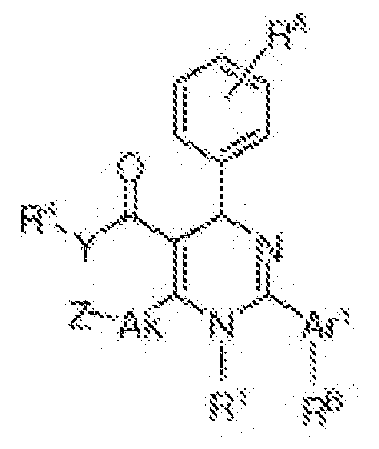


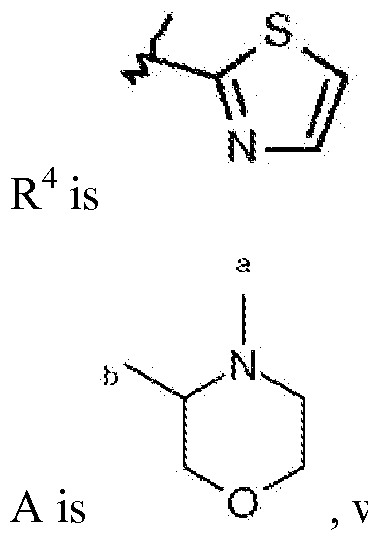

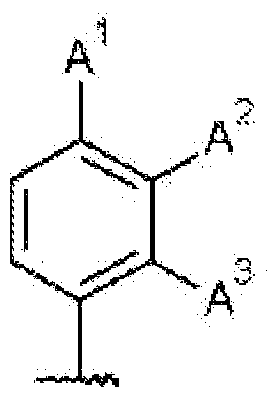


Claims


Priority Applications (4)
| Application Number | Priority Date | Filing Date | Title |
|---|---|---|---|
| US15/310,070 US20170266197A1 (en) | 2014-05-09 | 2015-05-11 | Methods and compositions for treating hepatitis b virus infections |
| EP15788791.0A EP3139954A4 (en) | 2014-05-09 | 2015-05-11 | Methods and compositions for treating hepatitis b virus infections |
| AU2015255656A AU2015255656A1 (en) | 2014-05-09 | 2015-05-11 | Methods and compositions for treating hepatitis B virus infections |
| CA2948580A CA2948580A1 (en) | 2014-05-09 | 2015-05-11 | Methods and compositions for treating hepatitis b virus infections |
Applications Claiming Priority (2)
| Application Number | Priority Date | Filing Date | Title |
|---|---|---|---|
| US201461990801P | 2014-05-09 | 2014-05-09 | |
| US61/990,801 | 2014-05-09 |
Publications (1)
| Publication Number | Publication Date |
|---|---|
| WO2015172128A1 true WO2015172128A1 (en) | 2015-11-12 |
Family
ID=54393082
Family Applications (1)
| Application Number | Title | Priority Date | Filing Date |
|---|---|---|---|
| PCT/US2015/030064 Ceased WO2015172128A1 (en) | 2014-05-09 | 2015-05-11 | Methods and compositions for treating hepatitis b virus infections |
Country Status (5)
| Country | Link |
|---|---|
| US (1) | US20170266197A1 (en) |
| EP (1) | EP3139954A4 (en) |
| AU (1) | AU2015255656A1 (en) |
| CA (1) | CA2948580A1 (en) |
| WO (1) | WO2015172128A1 (en) |
Cited By (55)
| Publication number | Priority date | Publication date | Assignee | Title |
|---|---|---|---|---|
| CN105821039A (en) * | 2016-03-09 | 2016-08-03 | 李旭 | Specific sgRNA combined with immunogene to inhibit HBV replication, expression vector thereof, and application of specific sgRNA and expression vector |
| WO2017120527A3 (en) * | 2016-01-08 | 2017-08-31 | Protiva Biotherapeutics, Inc. | Therapeutic compositions and methods for treating hepatitis b |
| CN107192817A (en) * | 2017-05-22 | 2017-09-22 | 广州华弘生物科技有限公司 | A kind of quick detection kit and its detection method for being used to detect PD L1 |
| EP3102225A4 (en) * | 2014-02-05 | 2017-11-01 | Novira Therapeutics Inc. | Combination therapy for treatment of hbv infections |
| WO2018052967A1 (en) * | 2016-09-13 | 2018-03-22 | Arbutus Biopharma, Inc. | Substituted chromane-8-carboxamide compounds and analogues thereof, and methods using same |
| US9999671B2 (en) | 2013-09-06 | 2018-06-19 | President And Fellows Of Harvard College | Delivery of negatively charged proteins using cationic lipids |
| US10077453B2 (en) | 2014-07-30 | 2018-09-18 | President And Fellows Of Harvard College | CAS9 proteins including ligand-dependent inteins |
| US10113163B2 (en) | 2016-08-03 | 2018-10-30 | President And Fellows Of Harvard College | Adenosine nucleobase editors and uses thereof |
| WO2018222910A1 (en) * | 2017-05-31 | 2018-12-06 | Arbutus Biopharma Corporation | Therapeutic compositions and methods for treating hepatitis b |
| US10167457B2 (en) | 2015-10-23 | 2019-01-01 | President And Fellows Of Harvard College | Nucleobase editors and uses thereof |
| WO2019086142A1 (en) | 2017-11-02 | 2019-05-09 | Aicuris Gmbh & Co. Kg | Novel, highly active pyrazolo-piperidine substituted indole-2-carboxamides active against the hepatitis b virus (hbv) |
| WO2019086141A1 (en) | 2017-11-02 | 2019-05-09 | Aicuris Gmbh & Co. Kg | Novel, highly active amino-thiazole substituted indole-2-carboxamides active against the hepatitis b virus (hbv) |
| US10323236B2 (en) | 2011-07-22 | 2019-06-18 | President And Fellows Of Harvard College | Evaluation and improvement of nuclease cleavage specificity |
| US10441654B2 (en) | 2014-01-24 | 2019-10-15 | Children's Hospital Of Eastern Ontario Research Institute Inc. | SMC combination therapy for the treatment of cancer |
| US10465176B2 (en) | 2013-12-12 | 2019-11-05 | President And Fellows Of Harvard College | Cas variants for gene editing |
| US10508298B2 (en) | 2013-08-09 | 2019-12-17 | President And Fellows Of Harvard College | Methods for identifying a target site of a CAS9 nuclease |
| US10597679B2 (en) | 2013-09-06 | 2020-03-24 | President And Fellows Of Harvard College | Switchable Cas9 nucleases and uses thereof |
| WO2020089456A1 (en) | 2018-11-02 | 2020-05-07 | Aicuris Gmbh & Co. Kg | Novel urea 6,7-dihydro-4h-pyrazolo[1,5-a]pyrazines active against the hepatitis b virus (hbv) |
| WO2020089453A1 (en) | 2018-11-02 | 2020-05-07 | Aicuris Gmbh & Co. Kg | Novel 6,7-dihydro-4h-pyrazolo[1,5-a]pyrazine indole-2-carboxamides active against the hepatitis b virus (hbv) |
| WO2020089460A1 (en) | 2018-11-02 | 2020-05-07 | Aicuris Gmbh & Co. Kg | Novel urea 6,7-dihydro-4h-thiazolo[5,4-c]pyridines active against the hepatitis b virus (hbv) |
| WO2020089452A1 (en) | 2018-11-02 | 2020-05-07 | Aicuris Gmbh & Co. Kg | Novel urea 6,7-dihydro-4h-pyrazolo[4,3-c]pyridines active against the hepatitis b virus (hbv) |
| WO2020089455A1 (en) | 2018-11-02 | 2020-05-07 | Aicuris Gmbh & Co. Kg | 6,7-dihydro-4h-pyrazolo[1,5-a]pyrazine indole-2-carboxamides active against the hepatitis b virus (hbv) |
| WO2020089459A1 (en) | 2018-11-02 | 2020-05-07 | Aicuris Gmbh & Co. Kg | Novel urea 6,7-dihydro-4h-pyrazolo[1,5-a]pyrazines active against the hepatitis b virus (hbv) |
| US10745677B2 (en) | 2016-12-23 | 2020-08-18 | President And Fellows Of Harvard College | Editing of CCR5 receptor gene to protect against HIV infection |
| WO2020221811A1 (en) | 2019-04-30 | 2020-11-05 | Aicuris Gmbh & Co. Kg | Novel oxalyl piperazines active against the hepatitis b virus (hbv) |
| WO2020221816A1 (en) | 2019-04-30 | 2020-11-05 | Aicuris Gmbh & Co. Kg | Novel phenyl and pyridyl ureas active against the hepatitis b virus (hbv) |
| WO2020221824A1 (en) | 2019-04-30 | 2020-11-05 | Aicuris Gmbh & Co. Kg | Novel indolizine-2-carboxamides active against the hepatitis b virus (hbv) |
| WO2020221826A1 (en) | 2019-04-30 | 2020-11-05 | Aicuris Gmbh & Co. Kg | Novel indole-2-carboxamides active against the hepatitis b virus (hbv) |
| US10858639B2 (en) | 2013-09-06 | 2020-12-08 | President And Fellows Of Harvard College | CAS9 variants and uses thereof |
| WO2020255012A1 (en) * | 2019-06-18 | 2020-12-24 | Janssen Sciences Ireland Unlimited Company | Combination of hepatitis b virus (hbv) vaccines and capsid assembly modulators being sulfonamide derivatives |
| WO2020255013A1 (en) * | 2019-06-18 | 2020-12-24 | Janssen Sciences Ireland Unlimited Company | Combination of hepatitis b virus (hbv) vaccines and capsid assembly modulators being amide derivatives |
| US11046948B2 (en) | 2013-08-22 | 2021-06-29 | President And Fellows Of Harvard College | Engineered transcription activator-like effector (TALE) domains and uses thereof |
| US11166976B2 (en) | 2018-11-08 | 2021-11-09 | Aligos Therapeutics, Inc. | S-antigen transport inhibiting oligonucleotide polymers and methods |
| US11268082B2 (en) | 2017-03-23 | 2022-03-08 | President And Fellows Of Harvard College | Nucleobase editors comprising nucleic acid programmable DNA binding proteins |
| US11306324B2 (en) | 2016-10-14 | 2022-04-19 | President And Fellows Of Harvard College | AAV delivery of nucleobase editors |
| US11319532B2 (en) | 2017-08-30 | 2022-05-03 | President And Fellows Of Harvard College | High efficiency base editors comprising Gam |
| US11447770B1 (en) | 2019-03-19 | 2022-09-20 | The Broad Institute, Inc. | Methods and compositions for prime editing nucleotide sequences |
| US11542509B2 (en) | 2016-08-24 | 2023-01-03 | President And Fellows Of Harvard College | Incorporation of unnatural amino acids into proteins using base editing |
| US11542496B2 (en) | 2017-03-10 | 2023-01-03 | President And Fellows Of Harvard College | Cytosine to guanine base editor |
| US11560566B2 (en) | 2017-05-12 | 2023-01-24 | President And Fellows Of Harvard College | Aptazyme-embedded guide RNAs for use with CRISPR-Cas9 in genome editing and transcriptional activation |
| CN115677545A (en) * | 2022-10-28 | 2023-02-03 | 潍坊医学院 | anti-HBV sulfanilamide benzamide derivative and preparation method and application thereof |
| US11661590B2 (en) | 2016-08-09 | 2023-05-30 | President And Fellows Of Harvard College | Programmable CAS9-recombinase fusion proteins and uses thereof |
| US11732274B2 (en) | 2017-07-28 | 2023-08-22 | President And Fellows Of Harvard College | Methods and compositions for evolving base editors using phage-assisted continuous evolution (PACE) |
| US11771699B2 (en) | 2015-03-16 | 2023-10-03 | Hoffmann-La Roche Inc. | Combined treatment with a TLR7 agonist and an HBV capsid assembly inhibitor |
| US11795443B2 (en) | 2017-10-16 | 2023-10-24 | The Broad Institute, Inc. | Uses of adenosine base editors |
| US11898179B2 (en) | 2017-03-09 | 2024-02-13 | President And Fellows Of Harvard College | Suppression of pain by gene editing |
| US11912985B2 (en) | 2020-05-08 | 2024-02-27 | The Broad Institute, Inc. | Methods and compositions for simultaneous editing of both strands of a target double-stranded nucleotide sequence |
| US12157760B2 (en) | 2018-05-23 | 2024-12-03 | The Broad Institute, Inc. | Base editors and uses thereof |
| US12281338B2 (en) | 2018-10-29 | 2025-04-22 | The Broad Institute, Inc. | Nucleobase editors comprising GeoCas9 and uses thereof |
| US12351837B2 (en) | 2019-01-23 | 2025-07-08 | The Broad Institute, Inc. | Supernegatively charged proteins and uses thereof |
| US12390514B2 (en) | 2017-03-09 | 2025-08-19 | President And Fellows Of Harvard College | Cancer vaccine |
| US12406749B2 (en) | 2017-12-15 | 2025-09-02 | The Broad Institute, Inc. | Systems and methods for predicting repair outcomes in genetic engineering |
| US12435330B2 (en) | 2019-10-10 | 2025-10-07 | The Broad Institute, Inc. | Methods and compositions for prime editing RNA |
| US12473543B2 (en) | 2019-04-17 | 2025-11-18 | The Broad Institute, Inc. | Adenine base editors with reduced off-target effects |
| US12522807B2 (en) | 2018-07-09 | 2026-01-13 | The Broad Institute, Inc. | RNA programmable epigenetic RNA modifiers and uses thereof |
Citations (2)
| Publication number | Priority date | Publication date | Assignee | Title |
|---|---|---|---|---|
| US20060251623A1 (en) * | 2003-07-10 | 2006-11-09 | Caytos Biotechnology Ag | Packaged virus-like particles |
| US20130251673A1 (en) * | 2011-12-21 | 2013-09-26 | Novira Therapeutics, Inc. | Hepatitis b antiviral agents |
Family Cites Families (6)
| Publication number | Priority date | Publication date | Assignee | Title |
|---|---|---|---|---|
| AU2008265397C1 (en) * | 2007-06-18 | 2013-08-29 | Sunshine Lake Pharma Co., Ltd. | Bromo-phenyl substituted thiazolyl dihydropyrimidines |
| JP5977347B2 (en) * | 2011-07-01 | 2016-08-24 | バルーク エス.ブルームバーグ インスティテュート | Sulfamoylbenzamide derivatives as antiviral agents against HBV infection |
| WO2013019967A1 (en) * | 2011-08-02 | 2013-02-07 | Scripps Research Institute, A Not-For-Profit Public Benefit Corporation Of California | Modulators of virus assembly as antiviral agents |
| MX2015002954A (en) * | 2012-09-10 | 2015-06-05 | Hoffmann La Roche | 6-amino acid heteroaryldihydropyrimidines for the treatment and prophylaxis of hepatitis b virus infection. |
| RU2015121940A (en) * | 2012-11-09 | 2016-12-27 | Индиана Юниверсити Рисерч Энд Текнолоджи Корпорейшн | ALTERNATIVE APPLICATIONS OF HEPATITIS B VIRUS (HBV) ASSEMBLY EFFECTORS |
| CA2896554C (en) * | 2012-12-27 | 2019-11-05 | Drexel University | Novel antiviral agents against hbv infection |
-
2015
- 2015-05-11 EP EP15788791.0A patent/EP3139954A4/en not_active Withdrawn
- 2015-05-11 US US15/310,070 patent/US20170266197A1/en not_active Abandoned
- 2015-05-11 CA CA2948580A patent/CA2948580A1/en not_active Abandoned
- 2015-05-11 WO PCT/US2015/030064 patent/WO2015172128A1/en not_active Ceased
- 2015-05-11 AU AU2015255656A patent/AU2015255656A1/en not_active Abandoned
Patent Citations (2)
| Publication number | Priority date | Publication date | Assignee | Title |
|---|---|---|---|---|
| US20060251623A1 (en) * | 2003-07-10 | 2006-11-09 | Caytos Biotechnology Ag | Packaged virus-like particles |
| US20130251673A1 (en) * | 2011-12-21 | 2013-09-26 | Novira Therapeutics, Inc. | Hepatitis b antiviral agents |
Non-Patent Citations (4)
| Title |
|---|
| JAROSZEWICZ, J ET AL.: "Hepatitis B Surface Antigen (Hbsag) Levels in the Natural History of Hepatitis B Virus (HBV)-Infection: A European Perspective.", J HEPATOL., vol. 52, no. 4, April 2010 (2010-04-01), pages 514 - 522, XP055236617, ISSN: 0168-8278, Retrieved from the Internet <URL:http://www.researchgate.net/profile/Markus_Cornberg/publication/41808073_Hepatitis_B_surface_antigen_(HBsAg)_levels_in_the_natural_history_of_hepatitis_B_virus_(HBV)-infection_a_European_perspective/links/0c9605219de99a8a9c000000.pdf> * |
| MAKIDON, PE ET AL.: "Pre-Clinical Evaluation of a Novel Nanoemulsion-Based Hepatitis B Mucosal Vaccine.", PLOS ONE., vol. 3, no. 8, 13 August 2008 (2008-08-13), pages e2954, XP002676516, ISSN: 1932-6203, Retrieved from the Internet <URL:http://www.plosone.org/article/fetchObject.action?uri=info:doi/10.1371/journal.pone.0002954&representation=PDF> * |
| MICHEL, ML ET AL.: "DNA-Mediated Immunization to The Hepatitis B Surface Antigen in Mice: Aspects of The Humoral Response Mimic Hepatitis B Viral Infection in Humans.", PROC NATL ACAD SCI USA., vol. 92, no. 12, 6 June 1995 (1995-06-06), pages 5307 - 5311, XP002907370, ISSN: 0027-8424, Retrieved from the Internet <URL:http://www.pnas.org/content/92/12/5307.full.pdf> * |
| See also references of EP3139954A4 * |
Cited By (96)
| Publication number | Priority date | Publication date | Assignee | Title |
|---|---|---|---|---|
| US12006520B2 (en) | 2011-07-22 | 2024-06-11 | President And Fellows Of Harvard College | Evaluation and improvement of nuclease cleavage specificity |
| US10323236B2 (en) | 2011-07-22 | 2019-06-18 | President And Fellows Of Harvard College | Evaluation and improvement of nuclease cleavage specificity |
| US11920181B2 (en) | 2013-08-09 | 2024-03-05 | President And Fellows Of Harvard College | Nuclease profiling system |
| US10508298B2 (en) | 2013-08-09 | 2019-12-17 | President And Fellows Of Harvard College | Methods for identifying a target site of a CAS9 nuclease |
| US10954548B2 (en) | 2013-08-09 | 2021-03-23 | President And Fellows Of Harvard College | Nuclease profiling system |
| US11046948B2 (en) | 2013-08-22 | 2021-06-29 | President And Fellows Of Harvard College | Engineered transcription activator-like effector (TALE) domains and uses thereof |
| US10682410B2 (en) | 2013-09-06 | 2020-06-16 | President And Fellows Of Harvard College | Delivery system for functional nucleases |
| US10597679B2 (en) | 2013-09-06 | 2020-03-24 | President And Fellows Of Harvard College | Switchable Cas9 nucleases and uses thereof |
| US12559737B2 (en) | 2013-09-06 | 2026-02-24 | President And Fellows Of Harvard College | Cas9 variants and uses thereof |
| US12473573B2 (en) | 2013-09-06 | 2025-11-18 | President And Fellows Of Harvard College | Switchable Cas9 nucleases and uses thereof |
| US10912833B2 (en) | 2013-09-06 | 2021-02-09 | President And Fellows Of Harvard College | Delivery of negatively charged proteins using cationic lipids |
| US11299755B2 (en) | 2013-09-06 | 2022-04-12 | President And Fellows Of Harvard College | Switchable CAS9 nucleases and uses thereof |
| US10858639B2 (en) | 2013-09-06 | 2020-12-08 | President And Fellows Of Harvard College | CAS9 variants and uses thereof |
| US9999671B2 (en) | 2013-09-06 | 2018-06-19 | President And Fellows Of Harvard College | Delivery of negatively charged proteins using cationic lipids |
| US12584118B2 (en) | 2013-09-06 | 2026-03-24 | President And Fellows Of Harvard College | Cas9 variants and uses thereof |
| US11124782B2 (en) | 2013-12-12 | 2021-09-21 | President And Fellows Of Harvard College | Cas variants for gene editing |
| US11053481B2 (en) | 2013-12-12 | 2021-07-06 | President And Fellows Of Harvard College | Fusions of Cas9 domains and nucleic acid-editing domains |
| US12215365B2 (en) | 2013-12-12 | 2025-02-04 | President And Fellows Of Harvard College | Cas variants for gene editing |
| US10465176B2 (en) | 2013-12-12 | 2019-11-05 | President And Fellows Of Harvard College | Cas variants for gene editing |
| US10441654B2 (en) | 2014-01-24 | 2019-10-15 | Children's Hospital Of Eastern Ontario Research Institute Inc. | SMC combination therapy for the treatment of cancer |
| EP3102225A4 (en) * | 2014-02-05 | 2017-11-01 | Novira Therapeutics Inc. | Combination therapy for treatment of hbv infections |
| AU2015214096B2 (en) * | 2014-02-05 | 2021-02-11 | Novira Therapeutics, Inc. | Combination therapy for treatment of HBV infections |
| US12398406B2 (en) | 2014-07-30 | 2025-08-26 | President And Fellows Of Harvard College | CAS9 proteins including ligand-dependent inteins |
| US11578343B2 (en) | 2014-07-30 | 2023-02-14 | President And Fellows Of Harvard College | CAS9 proteins including ligand-dependent inteins |
| US10077453B2 (en) | 2014-07-30 | 2018-09-18 | President And Fellows Of Harvard College | CAS9 proteins including ligand-dependent inteins |
| US10704062B2 (en) | 2014-07-30 | 2020-07-07 | President And Fellows Of Harvard College | CAS9 proteins including ligand-dependent inteins |
| US11771699B2 (en) | 2015-03-16 | 2023-10-03 | Hoffmann-La Roche Inc. | Combined treatment with a TLR7 agonist and an HBV capsid assembly inhibitor |
| US10167457B2 (en) | 2015-10-23 | 2019-01-01 | President And Fellows Of Harvard College | Nucleobase editors and uses thereof |
| US11214780B2 (en) | 2015-10-23 | 2022-01-04 | President And Fellows Of Harvard College | Nucleobase editors and uses thereof |
| US12344869B2 (en) | 2015-10-23 | 2025-07-01 | President And Fellows Of Harvard College | Nucleobase editors and uses thereof |
| US12043852B2 (en) | 2015-10-23 | 2024-07-23 | President And Fellows Of Harvard College | Evolved Cas9 proteins for gene editing |
| CN110022895A (en) * | 2016-01-08 | 2019-07-16 | 阿布特斯生物制药公司 | Therapeutic compositions and methods for treating hepatitis B |
| US20190282604A1 (en) * | 2016-01-08 | 2019-09-19 | Arbutus Biopharma Corporation | Therapeutic compositions and methods for treating hepatitis b |
| WO2017120527A3 (en) * | 2016-01-08 | 2017-08-31 | Protiva Biotherapeutics, Inc. | Therapeutic compositions and methods for treating hepatitis b |
| CN105821039A (en) * | 2016-03-09 | 2016-08-03 | 李旭 | Specific sgRNA combined with immunogene to inhibit HBV replication, expression vector thereof, and application of specific sgRNA and expression vector |
| US11702651B2 (en) | 2016-08-03 | 2023-07-18 | President And Fellows Of Harvard College | Adenosine nucleobase editors and uses thereof |
| US10947530B2 (en) | 2016-08-03 | 2021-03-16 | President And Fellows Of Harvard College | Adenosine nucleobase editors and uses thereof |
| US10113163B2 (en) | 2016-08-03 | 2018-10-30 | President And Fellows Of Harvard College | Adenosine nucleobase editors and uses thereof |
| US11999947B2 (en) | 2016-08-03 | 2024-06-04 | President And Fellows Of Harvard College | Adenosine nucleobase editors and uses thereof |
| US11661590B2 (en) | 2016-08-09 | 2023-05-30 | President And Fellows Of Harvard College | Programmable CAS9-recombinase fusion proteins and uses thereof |
| US11542509B2 (en) | 2016-08-24 | 2023-01-03 | President And Fellows Of Harvard College | Incorporation of unnatural amino acids into proteins using base editing |
| US12084663B2 (en) | 2016-08-24 | 2024-09-10 | President And Fellows Of Harvard College | Incorporation of unnatural amino acids into proteins using base editing |
| US11001564B2 (en) | 2016-09-13 | 2021-05-11 | Arbutus Biopharma Corporation | Substituted chromane-8-carboxamide compounds and analogues thereof, and methods using same |
| WO2018052967A1 (en) * | 2016-09-13 | 2018-03-22 | Arbutus Biopharma, Inc. | Substituted chromane-8-carboxamide compounds and analogues thereof, and methods using same |
| US11306324B2 (en) | 2016-10-14 | 2022-04-19 | President And Fellows Of Harvard College | AAV delivery of nucleobase editors |
| US11820969B2 (en) | 2016-12-23 | 2023-11-21 | President And Fellows Of Harvard College | Editing of CCR2 receptor gene to protect against HIV infection |
| US10745677B2 (en) | 2016-12-23 | 2020-08-18 | President And Fellows Of Harvard College | Editing of CCR5 receptor gene to protect against HIV infection |
| US12516308B2 (en) | 2017-03-09 | 2026-01-06 | President And Fellows Of Harvard College | Suppression of pain by gene editing |
| US11898179B2 (en) | 2017-03-09 | 2024-02-13 | President And Fellows Of Harvard College | Suppression of pain by gene editing |
| US12390514B2 (en) | 2017-03-09 | 2025-08-19 | President And Fellows Of Harvard College | Cancer vaccine |
| US12435331B2 (en) | 2017-03-10 | 2025-10-07 | President And Fellows Of Harvard College | Cytosine to guanine base editor |
| US11542496B2 (en) | 2017-03-10 | 2023-01-03 | President And Fellows Of Harvard College | Cytosine to guanine base editor |
| US11268082B2 (en) | 2017-03-23 | 2022-03-08 | President And Fellows Of Harvard College | Nucleobase editors comprising nucleic acid programmable DNA binding proteins |
| US11560566B2 (en) | 2017-05-12 | 2023-01-24 | President And Fellows Of Harvard College | Aptazyme-embedded guide RNAs for use with CRISPR-Cas9 in genome editing and transcriptional activation |
| CN107192817B (en) * | 2017-05-22 | 2018-04-24 | 广州华弘生物科技有限公司 | A kind of quick detection kit and its detection method for being used to detect PD-L1 |
| CN107192817A (en) * | 2017-05-22 | 2017-09-22 | 广州华弘生物科技有限公司 | A kind of quick detection kit and its detection method for being used to detect PD L1 |
| WO2018222910A1 (en) * | 2017-05-31 | 2018-12-06 | Arbutus Biopharma Corporation | Therapeutic compositions and methods for treating hepatitis b |
| US11732274B2 (en) | 2017-07-28 | 2023-08-22 | President And Fellows Of Harvard College | Methods and compositions for evolving base editors using phage-assisted continuous evolution (PACE) |
| US12359218B2 (en) | 2017-07-28 | 2025-07-15 | President And Fellows Of Harvard College | Methods and compositions for evolving base editors using phage-assisted continuous evolution (PACE) |
| US11319532B2 (en) | 2017-08-30 | 2022-05-03 | President And Fellows Of Harvard College | High efficiency base editors comprising Gam |
| US11932884B2 (en) | 2017-08-30 | 2024-03-19 | President And Fellows Of Harvard College | High efficiency base editors comprising Gam |
| US11795443B2 (en) | 2017-10-16 | 2023-10-24 | The Broad Institute, Inc. | Uses of adenosine base editors |
| WO2019086142A1 (en) | 2017-11-02 | 2019-05-09 | Aicuris Gmbh & Co. Kg | Novel, highly active pyrazolo-piperidine substituted indole-2-carboxamides active against the hepatitis b virus (hbv) |
| WO2019086141A1 (en) | 2017-11-02 | 2019-05-09 | Aicuris Gmbh & Co. Kg | Novel, highly active amino-thiazole substituted indole-2-carboxamides active against the hepatitis b virus (hbv) |
| US12406749B2 (en) | 2017-12-15 | 2025-09-02 | The Broad Institute, Inc. | Systems and methods for predicting repair outcomes in genetic engineering |
| US12157760B2 (en) | 2018-05-23 | 2024-12-03 | The Broad Institute, Inc. | Base editors and uses thereof |
| US12522807B2 (en) | 2018-07-09 | 2026-01-13 | The Broad Institute, Inc. | RNA programmable epigenetic RNA modifiers and uses thereof |
| US12281338B2 (en) | 2018-10-29 | 2025-04-22 | The Broad Institute, Inc. | Nucleobase editors comprising GeoCas9 and uses thereof |
| WO2020089455A1 (en) | 2018-11-02 | 2020-05-07 | Aicuris Gmbh & Co. Kg | 6,7-dihydro-4h-pyrazolo[1,5-a]pyrazine indole-2-carboxamides active against the hepatitis b virus (hbv) |
| WO2020089456A1 (en) | 2018-11-02 | 2020-05-07 | Aicuris Gmbh & Co. Kg | Novel urea 6,7-dihydro-4h-pyrazolo[1,5-a]pyrazines active against the hepatitis b virus (hbv) |
| WO2020089452A1 (en) | 2018-11-02 | 2020-05-07 | Aicuris Gmbh & Co. Kg | Novel urea 6,7-dihydro-4h-pyrazolo[4,3-c]pyridines active against the hepatitis b virus (hbv) |
| WO2020089459A1 (en) | 2018-11-02 | 2020-05-07 | Aicuris Gmbh & Co. Kg | Novel urea 6,7-dihydro-4h-pyrazolo[1,5-a]pyrazines active against the hepatitis b virus (hbv) |
| WO2020089460A1 (en) | 2018-11-02 | 2020-05-07 | Aicuris Gmbh & Co. Kg | Novel urea 6,7-dihydro-4h-thiazolo[5,4-c]pyridines active against the hepatitis b virus (hbv) |
| WO2020089453A1 (en) | 2018-11-02 | 2020-05-07 | Aicuris Gmbh & Co. Kg | Novel 6,7-dihydro-4h-pyrazolo[1,5-a]pyrazine indole-2-carboxamides active against the hepatitis b virus (hbv) |
| US11166976B2 (en) | 2018-11-08 | 2021-11-09 | Aligos Therapeutics, Inc. | S-antigen transport inhibiting oligonucleotide polymers and methods |
| US12351837B2 (en) | 2019-01-23 | 2025-07-08 | The Broad Institute, Inc. | Supernegatively charged proteins and uses thereof |
| US12624354B2 (en) | 2019-03-19 | 2026-05-12 | The Broad Institute, Inc. | Methods and compositions for prime editing nucleotide sequences |
| US12624353B2 (en) | 2019-03-19 | 2026-05-12 | The Broad Institute, Inc. | Methods and compositions for prime editing nucleotide sequences |
| US12281303B2 (en) | 2019-03-19 | 2025-04-22 | The Broad Institute, Inc. | Methods and compositions for prime editing nucleotide sequences |
| US12570972B2 (en) | 2019-03-19 | 2026-03-10 | The Broad Institute, Inc. | Methods and compositions for prime editing nucleotide sequences |
| US11795452B2 (en) | 2019-03-19 | 2023-10-24 | The Broad Institute, Inc. | Methods and compositions for prime editing nucleotide sequences |
| US11447770B1 (en) | 2019-03-19 | 2022-09-20 | The Broad Institute, Inc. | Methods and compositions for prime editing nucleotide sequences |
| US11643652B2 (en) | 2019-03-19 | 2023-05-09 | The Broad Institute, Inc. | Methods and compositions for prime editing nucleotide sequences |
| US12509680B2 (en) | 2019-03-19 | 2025-12-30 | The Broad Institute, Inc. | Methods and compositions for prime editing nucleotide sequences |
| US12473543B2 (en) | 2019-04-17 | 2025-11-18 | The Broad Institute, Inc. | Adenine base editors with reduced off-target effects |
| WO2020221811A1 (en) | 2019-04-30 | 2020-11-05 | Aicuris Gmbh & Co. Kg | Novel oxalyl piperazines active against the hepatitis b virus (hbv) |
| WO2020221824A1 (en) | 2019-04-30 | 2020-11-05 | Aicuris Gmbh & Co. Kg | Novel indolizine-2-carboxamides active against the hepatitis b virus (hbv) |
| WO2020221826A1 (en) | 2019-04-30 | 2020-11-05 | Aicuris Gmbh & Co. Kg | Novel indole-2-carboxamides active against the hepatitis b virus (hbv) |
| WO2020221816A1 (en) | 2019-04-30 | 2020-11-05 | Aicuris Gmbh & Co. Kg | Novel phenyl and pyridyl ureas active against the hepatitis b virus (hbv) |
| WO2020255012A1 (en) * | 2019-06-18 | 2020-12-24 | Janssen Sciences Ireland Unlimited Company | Combination of hepatitis b virus (hbv) vaccines and capsid assembly modulators being sulfonamide derivatives |
| WO2020255013A1 (en) * | 2019-06-18 | 2020-12-24 | Janssen Sciences Ireland Unlimited Company | Combination of hepatitis b virus (hbv) vaccines and capsid assembly modulators being amide derivatives |
| US12435330B2 (en) | 2019-10-10 | 2025-10-07 | The Broad Institute, Inc. | Methods and compositions for prime editing RNA |
| US11912985B2 (en) | 2020-05-08 | 2024-02-27 | The Broad Institute, Inc. | Methods and compositions for simultaneous editing of both strands of a target double-stranded nucleotide sequence |
| US12031126B2 (en) | 2020-05-08 | 2024-07-09 | The Broad Institute, Inc. | Methods and compositions for simultaneous editing of both strands of a target double-stranded nucleotide sequence |
| CN115677545A (en) * | 2022-10-28 | 2023-02-03 | 潍坊医学院 | anti-HBV sulfanilamide benzamide derivative and preparation method and application thereof |
| CN115677545B (en) * | 2022-10-28 | 2024-03-15 | 潍坊医学院 | An anti-HBV sulfabenzamide derivative and its preparation method and application |
Also Published As
| Publication number | Publication date |
|---|---|
| US20170266197A1 (en) | 2017-09-21 |
| EP3139954A1 (en) | 2017-03-15 |
| AU2015255656A1 (en) | 2016-11-10 |
| CA2948580A1 (en) | 2015-11-12 |
| EP3139954A4 (en) | 2018-02-28 |
Similar Documents
| Publication | Publication Date | Title |
|---|---|---|
| EP3139954A1 (en) | Methods and compositions for treating hepatitis b virus infections | |
| JP2023512039A (en) | Compounds and uses thereof | |
| Feld et al. | The phenylpropenamide derivative AT-130 blocks HBV replication at the level of viral RNA packaging | |
| CN112675174B (en) | New use of poly ADP ribose polymerase inhibitor for treating hepatitis B virus related diseases | |
| EP3883580A1 (en) | Methods of treating cancers | |
| EP2994140A2 (en) | Methods for treating hcv infection | |
| US10189822B2 (en) | Heterocyclic modulators of lipid synthesis | |
| CA2889892A1 (en) | Alternative uses for hbv assembly effectors | |
| JP2020203947A (en) | Methods for treating hepatitis B virus infections using NS5A, NS5B or NS3 inhibitors | |
| Lu et al. | Optimization and synthesis of pyridazinone derivatives as novel inhibitors of hepatitis B virus by inducing genome-free capsid formation | |
| Hu et al. | Development of Orally Bioavailable Octahydroindole-Based Peptidomimetic Derivative as a Broad-Spectrum Inhibitor against HCoV-OC43 and SARS-CoV-2 | |
| CN112367993A (en) | Methods of treating Hepatitis B Virus (HBV) infection | |
| AU2012347785B2 (en) | Methods and compositions for treating viral diseases | |
| TWI689503B (en) | Ebna1 specific compound based on zinc binder | |
| KR101924299B1 (en) | Use of cetylpyridinium chloride for anti-Hepatitis B virus | |
| CN108904505B (en) | Application of 6, 8-dihydroxypurine compound in preparation of anti-hepatitis B virus drugs | |
| HK40111347A (en) | Methods for treating hepatitis b virus infections using ns5a, ns5b or ns3 inhibitors | |
| HK40110857A (en) | Methods for treating hepatitis b virus infections using ns5a, ns5b or ns3 inhibitors | |
| MD3980413T2 (en) | Heterocyclic immunomodulators as PDL1 checkpoint inhibitor | |
| CA2881967A1 (en) | Inhibitors of protein phosphatase-1 and uses thereof | |
| HK40000848A (en) | Methods for treating hepatitis b virus infections using ns5a, ns5b or ns3 inhibitors | |
| HK40006039B (en) | Combination of ledipasvir and sofosbuvir for use in the treatment of hepatitis b virus infections in humans | |
| HK40006039A (en) | Combination of ledipasvir and sofosbuvir for use in the treatment of hepatitis b virus infections in humans |
Legal Events
| Date | Code | Title | Description |
|---|---|---|---|
| 121 | Ep: the epo has been informed by wipo that ep was designated in this application |
Ref document number: 15788791 Country of ref document: EP Kind code of ref document: A1 |
|
| ENP | Entry into the national phase |
Ref document number: 2948580 Country of ref document: CA |
|
| NENP | Non-entry into the national phase |
Ref country code: DE |
|
| WWE | Wipo information: entry into national phase |
Ref document number: 15310070 Country of ref document: US |
|
| ENP | Entry into the national phase |
Ref document number: 2015255656 Country of ref document: AU Date of ref document: 20150511 Kind code of ref document: A |
|
| REEP | Request for entry into the european phase |
Ref document number: 2015788791 Country of ref document: EP |
|
| WWE | Wipo information: entry into national phase |
Ref document number: 2015788791 Country of ref document: EP |