WO2015107482A1 - Pharmaceutical combination for treatment of tuberculosis - Google Patents
Pharmaceutical combination for treatment of tuberculosis Download PDFInfo
- Publication number
- WO2015107482A1 WO2015107482A1 PCT/IB2015/050327 IB2015050327W WO2015107482A1 WO 2015107482 A1 WO2015107482 A1 WO 2015107482A1 IB 2015050327 W IB2015050327 W IB 2015050327W WO 2015107482 A1 WO2015107482 A1 WO 2015107482A1
- Authority
- WO
- WIPO (PCT)
- Prior art keywords
- compound
- tuberculosis
- tubercular
- treatment
- drug
- Prior art date
- Legal status (The legal status is an assumption and is not a legal conclusion. Google has not performed a legal analysis and makes no representation as to the accuracy of the status listed.)
- Ceased
Links
Classifications
-
- A—HUMAN NECESSITIES
- A61—MEDICAL OR VETERINARY SCIENCE; HYGIENE
- A61K—PREPARATIONS FOR MEDICAL, DENTAL OR TOILETRY PURPOSES
- A61K31/00—Medicinal preparations containing organic active ingredients
- A61K31/70—Carbohydrates; Sugars; Derivatives thereof
- A61K31/7028—Compounds having saccharide radicals attached to non-saccharide compounds by glycosidic linkages
- A61K31/7034—Compounds having saccharide radicals attached to non-saccharide compounds by glycosidic linkages attached to a carbocyclic compound, e.g. phloridzin
- A61K31/7036—Compounds having saccharide radicals attached to non-saccharide compounds by glycosidic linkages attached to a carbocyclic compound, e.g. phloridzin having at least one amino group directly attached to the carbocyclic ring, e.g. streptomycin, gentamycin, amikacin, validamycin, fortimicins
-
- A—HUMAN NECESSITIES
- A61—MEDICAL OR VETERINARY SCIENCE; HYGIENE
- A61K—PREPARATIONS FOR MEDICAL, DENTAL OR TOILETRY PURPOSES
- A61K31/00—Medicinal preparations containing organic active ingredients
- A61K31/13—Amines
- A61K31/133—Amines having hydroxy groups, e.g. sphingosine
-
- A—HUMAN NECESSITIES
- A61—MEDICAL OR VETERINARY SCIENCE; HYGIENE
- A61K—PREPARATIONS FOR MEDICAL, DENTAL OR TOILETRY PURPOSES
- A61K31/00—Medicinal preparations containing organic active ingredients
- A61K31/33—Heterocyclic compounds
- A61K31/395—Heterocyclic compounds having nitrogen as a ring hetero atom, e.g. guanethidine or rifamycins
- A61K31/41—Heterocyclic compounds having nitrogen as a ring hetero atom, e.g. guanethidine or rifamycins having five-membered rings with two or more ring hetero atoms, at least one of which being nitrogen, e.g. tetrazole
- A61K31/425—Thiazoles
- A61K31/429—Thiazoles condensed with heterocyclic ring systems
- A61K31/43—Compounds containing 4-thia-1-azabicyclo [3.2.0] heptane ring systems, i.e. compounds containing a ring system of the formula, e.g. penicillins, penems
-
- A—HUMAN NECESSITIES
- A61—MEDICAL OR VETERINARY SCIENCE; HYGIENE
- A61K—PREPARATIONS FOR MEDICAL, DENTAL OR TOILETRY PURPOSES
- A61K31/00—Medicinal preparations containing organic active ingredients
- A61K31/33—Heterocyclic compounds
- A61K31/395—Heterocyclic compounds having nitrogen as a ring hetero atom, e.g. guanethidine or rifamycins
- A61K31/435—Heterocyclic compounds having nitrogen as a ring hetero atom, e.g. guanethidine or rifamycins having six-membered rings with one nitrogen as the only ring hetero atom
- A61K31/44—Non condensed pyridines; Hydrogenated derivatives thereof
-
- A—HUMAN NECESSITIES
- A61—MEDICAL OR VETERINARY SCIENCE; HYGIENE
- A61K—PREPARATIONS FOR MEDICAL, DENTAL OR TOILETRY PURPOSES
- A61K31/00—Medicinal preparations containing organic active ingredients
- A61K31/33—Heterocyclic compounds
- A61K31/395—Heterocyclic compounds having nitrogen as a ring hetero atom, e.g. guanethidine or rifamycins
- A61K31/435—Heterocyclic compounds having nitrogen as a ring hetero atom, e.g. guanethidine or rifamycins having six-membered rings with one nitrogen as the only ring hetero atom
- A61K31/44—Non condensed pyridines; Hydrogenated derivatives thereof
- A61K31/4409—Non condensed pyridines; Hydrogenated derivatives thereof only substituted in position 4, e.g. isoniazid, iproniazid
-
- A—HUMAN NECESSITIES
- A61—MEDICAL OR VETERINARY SCIENCE; HYGIENE
- A61K—PREPARATIONS FOR MEDICAL, DENTAL OR TOILETRY PURPOSES
- A61K31/00—Medicinal preparations containing organic active ingredients
- A61K31/33—Heterocyclic compounds
- A61K31/395—Heterocyclic compounds having nitrogen as a ring hetero atom, e.g. guanethidine or rifamycins
- A61K31/435—Heterocyclic compounds having nitrogen as a ring hetero atom, e.g. guanethidine or rifamycins having six-membered rings with one nitrogen as the only ring hetero atom
- A61K31/47—Quinolines; Isoquinolines
- A61K31/4748—Quinolines; Isoquinolines forming part of bridged ring systems
-
- A—HUMAN NECESSITIES
- A61—MEDICAL OR VETERINARY SCIENCE; HYGIENE
- A61K—PREPARATIONS FOR MEDICAL, DENTAL OR TOILETRY PURPOSES
- A61K31/00—Medicinal preparations containing organic active ingredients
- A61K31/33—Heterocyclic compounds
- A61K31/395—Heterocyclic compounds having nitrogen as a ring hetero atom, e.g. guanethidine or rifamycins
- A61K31/495—Heterocyclic compounds having nitrogen as a ring hetero atom, e.g. guanethidine or rifamycins having six-membered rings with two or more nitrogen atoms as the only ring heteroatoms, e.g. piperazine or tetrazines
- A61K31/496—Non-condensed piperazines containing further heterocyclic rings, e.g. rifampin, thiothixene or sparfloxacin
-
- A—HUMAN NECESSITIES
- A61—MEDICAL OR VETERINARY SCIENCE; HYGIENE
- A61K—PREPARATIONS FOR MEDICAL, DENTAL OR TOILETRY PURPOSES
- A61K45/00—Medicinal preparations containing active ingredients not provided for in groups A61K31/00 - A61K41/00
- A61K45/06—Mixtures of active ingredients without chemical characterisation, e.g. antiphlogistics and cardiaca
-
- A—HUMAN NECESSITIES
- A61—MEDICAL OR VETERINARY SCIENCE; HYGIENE
- A61P—SPECIFIC THERAPEUTIC ACTIVITY OF CHEMICAL COMPOUNDS OR MEDICINAL PREPARATIONS
- A61P31/00—Antiinfectives, i.e. antibiotics, antiseptics, chemotherapeutics
- A61P31/04—Antibacterial agents
- A61P31/06—Antibacterial agents for tuberculosis
Definitions
- the present invention relates to a pharmaceutical combination comprising compound I (as described herein) and at least one anti-tubercular agent for use in the treatment of tuberculosis.
- the present invention also relates to a method for the treatment of tuberculosis comprising administering to a subject in need thereof the compound I in combination with at least one anti-tubercular agent.
- Tuberculosis is a common lethal infectious disease caused by various species of mycobacteria, particularly Mycobacterium tuberculosis (MTB).
- MTB Mycobacterium tuberculosis
- HAV Human immunodeficiency virus
- Tuberculosis primarily affects the lungs, but it may also affect various organs of the body. Tuberculosis of the lungs usually spreads through the air when a person having lung TB coughs, or sneezes or transmits respiratory fluids, the TB germs get propelled in the air. Other persons can get infected if a few of these TB germs are inhaled by them and the infected person has a lifetime risk of falling ill with TB. The common symptoms of TB are chronic cough with blood-tinged sputum, chest pain, fever, night sweats, and weight loss.
- Diagnosis relies on radiology (commonly chest X-rays), a tuberculin skin test, blood tests, as well as microscopic examination and microbiological culture of body fluids such as sputum.
- radiology commonly chest X-rays
- a tuberculin skin test a tuberculin skin test
- blood tests as well as microscopic examination and microbiological culture of body fluids such as sputum.
- MDR-TB Multi-Drug Resistant TB
- HIV-associated TB can be more complex.
- Effective tuberculosis treatment involves use of antibiotics, primarily referred to as anti- tubercular drugs.
- antibiotics primarily referred to as anti- tubercular drugs.
- unusual structure and chemical composition of the mycobacterial cell wall hinders the entry of the anti-tubercular drugs and makes many antibiotics ineffective.
- TB requires much longer period of treatment (around six to twenty four months) to entirely eliminate mycobacteria from the body.
- the first-line treatment of TB involves use of the anti-tubercular drugs namely rifampicin, isoniazid, pyrazinamide and ethambutol; in combination.
- MDR-TB Multi-drug resistant tuberculosis
- MDR-TB is a form of tuberculosis that is resistant to two or more of the primary anti-tubercular drugs used in the treatment of tuberculosis. It has been found that MDR-TB is caused by organisms that are resistant to isoniazid and rifampicin as well as to any fluoroquinolone and any of the second-line anti-tubercular injectable drugs such as amikacin, kanamycin or capreomycin.
- the current standard treatment for first-time TB patients includes isoniazid, rifampicin, pyrazinamide and ethambutol for 2 months, followed by isoniazid and rifampicin for 4 months.
- the treatment mainly involves oral administration of the drugs (WHO Patients Guidelines, 2010). These treatment regimens involving oral administration are associated with poor plasma half-life and dose related adverse effects such as hepatotoxicity, nephrotoxicity and peripheral toxicity, which result in patient non-compliance and treatment failure. Moreover, of the orally administered drugs, only a small fraction of the administered drug reaches the site of action. Thus, the existing tuberculosis treatment is associated with dose related side effects, poor reach of the drug to the target organ and short stay of the drugs in the lungs, which is detrimental for the eradication of TB and favourable for generation of drug resistant strains.
- the present invention relates to a pharmaceutical combination comprising the compound I (as described herein) and at least one anti-tubercular agent for use in the treatment of tuberculosis.
- the present invention relates to a method of treating tuberculosis comprising administering to a subject in need thereof, a therapeutically effective amount of the compound I; in combination with a therapeutically effective amount of at least one anti- tubercular agent.
- the present invention relates to use of the compound I in combination with at least one anti-tubercular agent for the treatment of tuberculosis.
- the present invention relates to use of the compound I in combination with at least one anti-tubercular agent; for the manufacture of a medicament for the treatment of tuberculosis.
- the present invention relates to a pharmaceutical kit comprising a container containing: (i) a compound I, (ii) one or two or three or four anti-tubercular agents, and (iii) optionally, a package insert comprising instructions for using compound I in combination with the anti-tubercular agent(s) for the treatment of tuberculosis.
- a method for the treatment of latent tuberculosis comprising administering to a subject in need thereof a therapeutically effective amount of the compound I.
- the compound I is provided for use in the treatment of latent tuberculosis.
- Figure 1 depicts the MIC (Minimum Inhibitory Concentration) of each of the compound I and rifampicin alone; and of the combination of the compound I and rifampicin; and the effect of said combination on Mycobacterium tuberculosis (H 37 RV) strain in terms of FICI (Fractional Inhibitory Concentration Index).
- Figure 2 depicts the MIC of each of the compound I and ethambutol alone; and of the combination of the compound I and ethambutol; and the effect of said combination on Mycobacterium tuberculosis (H 37 Rv) strain in terms of FICI.
- Figure 3 depicts the MIC of each of the compound I and amoxicillin alone; and of the combination of the compound I and amoxicillin; and the effect of said combination on rifampicin resistant Mycobacterium tuberculosis (H 37 Rv-R) strain in terms of FICI.
- Figure 4 depicts the MIC of each of the compound I and ethionamide alone; and of the combination of the compound I and ethionamide; and the effect of said combination on rifampicin resistant Mycobacterium tuberculosis (H 37 Rv-R) strain in terms of FICI.
- the term “and/or” refers to at least one or both of the cases which it connects.
- the term “compound I and/or anti-tubercular agent” refers to "at least one of compound I and anti-tubercular agent", which includes the compound I, anti-tubercular agent and combination of the compound I and anti-tubercular agent.
- anti-tubercular agents or "anti-tubercular drugs” refers to any therapeutic agent, a known drug, an investigational drug or a group of drugs which is suitable for inhibition of the growth or the destruction of Mycobacterium species, particularly Mycobacterium tuberculosis and is therefore, useful or potentially useful for the treatment of tuberculosis.
- anti-tubercular agents and “anti-tubercular drugs” are used exchangeably.
- pharmaceutical combination means the combined administration of the compound I (as described herein) and at least one anti- tubercular agent; such that the said compound I and the anti-tubercular agent(s) can be administered at the same time or separately within time intervals.
- synergistic refers to the therapeutic effect achieved with the combination of the present invention and/or through the method of treating tuberculosis of this invention; is greater than the sum of the effects that result from using the compound I and the anti-tubercular agents separately.
- synergy would provide greater efficacy at the same doses, and/or would prevent or delay the development of drug resistance (e.g. mono-drug or multi-drug resistance) to tuberculosis.
- therapeutically effective amount means an amount of the compound I and/or at least one anti-tubercular agent effective in producing the desired therapeutic response in a particular patient (subject) suffering from tuberculosis.
- therapeutically effective amount includes the amount of the compound, when administered that induces a positive modification in the disease or condition (e.g. tuberculosis) or is sufficient to prevent development of, or alleviate to some extent, one or more of the symptoms of tuberculosis in a subject.
- therapeutic amount of the compounds i.e.
- the amount of each of the compound used for the treatment of a subject is low enough to avoid undesired or severe side effects, within the scope of sound medical judgment.
- the therapeutically effective amount of each of the compound I and the anti-tubercular agent(s) when used in combination will vary with the age and physical condition of the end user, the severity of tuberculosis, the duration of the treatment, the nature of any other concurrent therapy, the specific type of anti-tubercular agent employed for the treatment, the particular pharmaceutically acceptable carrier utilized in the pharmaceutical compositions containing the compounds (the compound I and the anti- tubercular agent(s)) and other relevant factors.
- subject refers to an animal, particularly a mammal, and particularly, a human.
- mammal refers to warm-blooded vertebrate animals of the class "Mammalia”, including humans, characterized by covering of hair on the skin and, in the female, milk-producing mammary glands for nourishing the young.
- mammal includes animals such as cat, dog, rabbit, bear, fox, wolf, monkey, deer, mouse, pig and the human.
- beneficial or desired therapeutic effects include, but are not limited to, alleviation of symptoms, diminishment of extent of the disease, stabilized (i.e., not worsening) state of disease, delay or slowing of disease progression, amelioration or palliation of the disease state, and remission (whether partial or total), whether detectable or undetectable.
- those (the subjects) in need of treatment include those already having the condition or disease as well as those prone to have the condition or disease.
- the term disease or condition refers to tuberculosis.
- pharmaceutically acceptable means the carrier, diluent, excipient, and/or salt used in the composition should be compatible with the other ingredients of the formulation, and not deleterious to the recipient thereof.
- “Pharmaceutically acceptable” also means that the compositions or dosage forms are within the scope of sound medical judgment, suitable for use for a subject such as an animal or human without excessive toxicity, irritation, allergic response, or other problems or complication, commensurate with a reasonable benefit/risk ratio.
- tuberculosis refers to a diseases or a condition caused by Mycobacterium tuberculosis and encompasses within its scope all the forms of tuberculosis including active tuberculosis and latent tuberculosis.
- latent tuberculosis is defined below.
- active tuberculosis refers to drug- sensitive tuberculosis, drug resistant tuberculosis including mono-drug resistant tuberculosis, multi-drug resistant (MDR) tuberculosis, and extensively drug-resistant (XDR) tuberculosis.
- drug- sensitive tuberculosis refers to tuberculosis caused by Mycobacterium tuberculosis organisms that are known or presumed to be sensitive or susceptible to the first-line anti-tubercular agents such as isoniazid, rifampicin (rifampin), pyrazinamide, ethambutol, streptomycin, rifapentine, rifabutin and any other anti-tubercular agent to which the Mycobacterium tuberculosis organism is found to be susceptible.
- first-line anti-tubercular agents such as isoniazid, rifampicin (rifampin), pyrazinamide, ethambutol, streptomycin, rifapentine, rifabutin and any other anti-tubercular agent to which the Mycobacterium tuberculosis organism is found to be susceptible.
- multi-drug resistant tuberculosis signify that the disease is resistant to some of the most frequently used anti-tubercular drugs such as rifampicin and isoniazid.
- exensively drug-resistant tuberculosis refers to a subset multi-drug resistant tuberculosis with additional resistance to any one of the second-line anti-tuberculosis drugs e.g. kanamycin, amikacin and capreomycin.
- latent tuberculosis conceptually denotes a state in which Mycobacterium tuberculosis persists within its host without causing symptoms or signs while maintaining viability with the potential to replicate and cause symptomatic disease (Drug Discovery Today, 2012, 17, 514-521). This term may be alternatively referred to as “latent tuberculosis infection (LTBI)".
- LTBI latent tuberculosis infection
- the persons at a risk of developing latent tuberculosis infection (LTBI) who are considered for prophylaxis and/or treatment of Mycobacterium tuberculosis infection includes health care workers employed at facilities where persons receive treatment for TB, persons with recent close contact with a person known to have active TB, persons infected with HIV, intravenous drug abusers and persons migrated from countries with high prevalence of TB, persons earlier infected with active TB as well as those with underlying medical conditions such as diabetes mellitus, silicosis, end stage renal disease, immunosuppressive therapy, hematological malignancy, malnourished or who lost more than 10 % of their ideal body weight, gastrectomy or jejunoileal bypass (Respirology, 2013, 18, 205-216).
- LTBI latent tuberculosis infection
- latent tuberculosis refers to drug-sensitive latent tuberculosis and/or drug resistant latent tuberculosis.
- compound I is used alone, wherever appropriate, it is deemed to include a stereoisomer, or a tautomer or a pharmaceutically acceptable salt thereof.
- a pharmaceutical combination comprising compound I and at least one anti-tubercular agent.
- the compound I contained in the pharmaceutical combination of the present invention can be used in the form of its stereoisomer (isomer) or a pharmaceutically acceptable salt thereof.
- the compound I can also be used in its crystalline or amorphous forms. In general, all physical forms are suitable for the uses contemplated by the present invention and are intended to be within the scope of the present invention.
- the compound I that is contained in the pharmaceutical combination and used in the method of treatment of tuberculosis of the present invention is described in the PCT Application Publication No. WO2011027290 (the WO'290 Appln.) wherein the said compound I is referred to as the compound of Formula 1(a).
- the WO'290 Appln. also describes the production of the compound I and the manufacture of pharmaceutical composition containing the said compound I.
- the WO'290 Appln. describes that the compound I can be used for the treatment or prevention of a disease or disorder caused by bacterial infection. It is also reported in WO'290 Appln. that the said compound can also be used in the treatment of tuberculosis.
- the said compound can be produced from a microorganism namely strain of Streptomyces species (PM0626271/ MTCC 5447), deposited with Microbial Type Culture Collection (MTCC), Institute of Microbial Technology, Sector 39- A, Chandigarh -160 036, India.
- a microorganism namely strain of Streptomyces species (PM0626271/ MTCC 5447), deposited with Microbial Type Culture Collection (MTCC), Institute of Microbial Technology, Sector 39- A, Chandigarh -160 036, India.
- the compound I can be produced from culture no. PM0626271, its mutants and variants, comprising the steps of: growing the culture no. PM0626271 under submerged aerobic conditions in a nutrient medium containing one or more sources of carbon and one or more sources of nitrogen and optionally nutrient inorganic salts and/or trace elements; isolating the compound I, from the culture broth; and purifying the said compound I, using purification procedures generally used in the art.
- the details as to the aerobic conditions and the nutrient medium used in the production of the compound I are as described in the WO'290 Appln.
- the compound I and/or isomers thereof can be converted into their pharmaceutically acceptable salts, which can be used in the pharmaceutical combination and/or method for the treatment of tuberculosis according to the present invention.
- the present invention relates to a pharmaceutical combination comprising the compound I and at least one anti-tubercular agent for use in the treatment of tuberculosis.
- the present invention relates to a method of treating tuberculosis comprising administering to a subject in need thereof, a therapeutically effective amount of the compound I; in combination with a therapeutically effective amount of at least one anti- tubercular agent.
- the present invention relates to use of the compound I in combination with at least one anti-tubercular agent for the treatment of tuberculosis. In a further aspect, the present invention relates to use of a compound I in combination with at least one anti-tubercular agent; for the manufacture of a medicament for the treatment of tuberculosis.
- the present invention relates to a pharmaceutical kit comprising a container containing: (i) a compound I, (ii) one or two or three or four anti-tubercular agents; and (iii) optionally, a package insert comprising instructions for using the compound I in combination with the anti-tubercular agent(s) for the treatment of tuberculosis.
- the tuberculosis is a drug-sensitive tuberculosis. In another embodiment of the present invention, the tuberculosis is a drug resistant tuberculosis; wherein the drug resistant tuberculosis can be a mono-drug resistant tuberculosis, multi-drug resistant (MDR) tuberculosis or extensively drug-resistant (XDR) tuberculosis.
- MDR multi-drug resistant
- XDR extensively drug-resistant
- the present invention relates to a pharmaceutical combination comprising the compound I and at least one anti-tubercular agent for use in the treatment of drug-sensitive tuberculosis.
- the present invention relates to a pharmaceutical combination comprising the compound I and at least one anti-tubercular agent for use in the treatment of drug-resistant tuberculosis.
- the present invention relates to a pharmaceutical combination comprising the compound I and at least one anti-tubercular agent for use in the treatment of mono-drug resistant tuberculosis.
- the present invention relates to a pharmaceutical combination comprising the compound I and at least one anti-tubercular agent for use in the treatment of multi-drug resistant (MDR) tuberculosis.
- MDR multi-drug resistant
- the present invention relates to a pharmaceutical combination comprising the compound I and at least one anti-tubercular agent for use in the treatment of latent tuberculosis (LTB).
- LTB latent tuberculosis
- the present invention relates to a method of treating drug-sensitive tuberculosis comprising administering to a subject in need thereof, a therapeutically effective amount of the compound I; in combination with a therapeutically effective amount of at least one anti-tubercular agent.
- the present invention relates to a method of treating drug- resistant tuberculosis comprising administering to a subject in need thereof, a therapeutically effective amount of the compound I; in combination with a therapeutically effective amount of at least one anti-tubercular agent.
- the present invention relates to a method of treating mono-drug resistant tuberculosis comprising administering to a subject in need thereof, a therapeutically effective amount of the compound I; in combination with a therapeutically effective amount of at least one anti-tubercular agent.
- the present invention relates to a method of treating multi-drug resistant (MDR) tuberculosis comprising administering to a subject in need thereof, a therapeutically effective amount of the compound I; in combination with a therapeutically effective amount of at least one anti-tubercular agent.
- MDR multi-drug resistant
- the present invention relates to a method of treating latent tuberculosis comprising administering to a subject in need thereof, a therapeutically effective amount of the compound I; in combination with a therapeutically effective amount of at least one anti-tubercular agent.
- the present invention relates to use of the compound I in combination with at least one anti-tubercular agent for the treatment of drug-sensitive tuberculosis.
- the present invention relates to use of the compound I in combination with at least one anti-tubercular agent for the treatment of drug resistant tuberculosis. In another embodiment, the present invention relates to use of the compound I in combination with at least one anti-tubercular agent for the treatment of mono-drug resistant tuberculosis.
- the present invention relates to use of the compound I in combination with at least one anti-tubercular agent for the treatment of multi-drug resistant tuberculosis. In another embodiment, the present invention relates to use of the compound I in combination with at least one anti-tubercular agent for the treatment of latent tuberculosis.
- anti-tubercular agents at least one used in reference to anti-tubercular agents will be understood to mean “one or more anti-tubercular agents", i.e. one, two, three, four or more anti-tubercular agents that can be used in combination with the compound I in the treatment of tuberculosis.
- the anti-tubercular agent is selected from: isoniazid, rifampicin (rifampin), rifapentine, rifabutin, pyrazinamide, ethambutol, streptomycin, 4-aminosalicylic acid, amoxicillin, amikacin, capreomycin, kanamycin, viomycin, cycloserine, ethionamide, moxifloxacin, ciprofloxacin, ofloxacin, gatifloxacin, levofloxacin, clofazimine, metronidazole, imipenem, meropenem, thioacetazone, terizidone, PA-824 (Novartis), SB-240683 (pascolizumab) (GlaxoSmithKline), AZD-5847 (AstraZeneca), SQ-109 (Sequella and National Institutes of Health), LL-3858 (Lupin), bed
- the anti-tubercular agent is selected from: isoniazid, rifampicin (rifampin), rifapentine, rifabutin, pyrazinamide, ethambutol, streptomycin, amikacin, capreomycin, kanamycin, cycloserine, ethionamide, moxifloxacin, ciprofloxacin, ofloxacin, gatifloxacin, levofloxacin, clofazimine, linezolid, bedaquiline or metronidazole.
- rifampicin rifampin
- rifapentine rifapentine
- rifabutin pyrazinamide
- ethambutol pyrazinamide
- streptomycin amikacin
- capreomycin kanamycin
- cycloserine ethionamide
- moxifloxacin ciprofloxacin
- ofloxacin
- the anti-tubercular agent is selected from isoniazid, rifampicin (rifampin), pyrazinamide, ethambutol, streptomycin, rifapentine or rifabutin.
- the anti-tubercular agents namely isoniazid, rifampicin (rifampin), pyrazinamide, ethambutol, streptomycin and rifabutin are conventionally referred to as first-line anti-tubercular drugs.
- the anti-tubercular agents namely moxifloxacin, ciprofloxacin, ofloxacin, gatifloxacin, and levofloxacin belong to the class of fluoroquinolones.
- reference to fluoroquinolone indicates reference to any one of moxifloxacin, ciprofloxacin, ofloxacin, gatifloxacin and levofloxacin.
- the compound I is used in combination with one anti-tubercular agent selected from isoniazid, rifampicin (rifampin), rifapentine, rifabutin, pyrazinamide, ethambutol, streptomycin, 4- amino salicylic acid, amoxicillin, amikacin, capreomycin, kanamycin, viomycin, cycloserine, ethionamide, moxifloxacin, ciprofloxacin, ofloxacin, gatifloxacin, levofloxacin, clofazimine, metronidazole, imipenem, meropenem, thioacetazone, terizidone, PA-824, SB-240683 (pascolizumab), AZD-5847, SQ-109, LL-
- the anti-tubercular agent is rifampicin.
- the anti-tubercular agent is isoniazid.
- the anti-tubercular agent is ethambutol.
- the anti-tubercular agent is pyrazinamide.
- the anti-tubercular agent is streptomycin.
- the anti-tubercular agent is bedaquiline
- the anti-tubercular agent is a fluoroquinolone selected from moxifloxacin, ciprofloxacin, ofloxacin, gatifloxacin or levofloxacin.
- the anti-tubercular agent is amoxicillin.
- the anti-tubercular agent is ethionamide.
- the anti-tubercular agent is kanamycin.
- the anti-tubercular agent is cycloserine.
- the anti-tubercular agent is amikacin.
- the anti-tubercular agent contained in the combination is capreomycin.
- the compound I is used in combination with two anti-tubercular agents independently selected from: isoniazid, rifampicin (rifampin), rifapentine, rifabutin, pyrazinamide, ethambutol, streptomycin, 4-aminosalicylic acid, amoxicillin, amikacin, capreomycin, kanamycin, viomycin, cycloserine, ethionamide, moxifloxacin, ciprofloxacin, ofloxacin, gatifloxacin, levofloxacin, clofazimine, metronidazole, imipenem, meropenem, thioacetazone, terizidone, PA-824, SB- 240683 (pascolizumab), AZD-5847, SQ-109
- the two anti-tubercular agents are rifampicin and isoniazid.
- the two anti-tubercular agents are rifampicin and ethambutol.
- the two anti-tubercular agents are rifampicin and pyrazinamide.
- the two anti-tubercular agents are isoniazid and ethambutol.
- the two anti-tubercular agents are isoniazid and pyrazinamide.
- the two anti-tubercular agents are ethambutol and pyrazinamide.
- the two anti-tubercular agents are rifampicin and streptomycin.
- the two anti-tubercular agents are isoniazid and streptomycin.
- the two anti-tubercular agents are ethambutol and streptomycin.
- the two anti-tubercular agents are pyrazinamide and streptomycin.
- the two anti-tubercular agents are rifampicin and bedaquiline.
- the two anti-tubercular agents are rifabutin and isoniazid.
- the two anti-tubercular agents are amoxicillin and a fluoroquinolone selected from moxifloxacin, ciprofloxacin, ofloxacin, gatifloxacin or levofloxacin.
- the two anti-tubercular agents are ethionamide and a fluoroquinolone selected from moxifloxacin, ciprofloxacin, ofloxacin or levofloxacin. In yet another embodiment, the two anti-tubercular agents are amikacin and a fluoroquinolone selected from moxifloxacin, ciprofloxacin, ofloxacin, gatifloxacin or levofloxacin.
- the two anti-tubercular agents are cycloserine and a fluoroquinolone selected from moxifloxacin, ciprofloxacin, ofloxacin, gatifloxacin or levofloxacin.
- the two anti-tubercular agents are terizidone and a fluoroquinolone selected from moxifloxacin, ciprofloxacin, ofloxacin, gatifloxacin or levofloxacin. In yet another embodiment, the two anti-tubercular agents are amoxicillin and terizidone.
- the two anti-tubercular agents are ethionamide and 4- amino salicylic acid.
- the two anti-tubercular agents are ethionamide and amoxicillin.
- the two anti-tubercular agents are rifampicin and amoxicillin.
- the two anti-tubercular agents are pyrazinamide and 4- amino salicylic acid. In yet another embodiment, the two anti-tubercular agents are pyrazinamide and bedaquiline.
- the two anti-tubercular agents are metronidazole and a fluoroquinolone selected from moxifloxacin, ciprofloxacin, ofloxacin, gatifloxacin or levofloxacin. In yet another embodiment, the two anti-tubercular agents are rifapentine and isoniazid.
- the compound I is used in combination with three anti-tubercular agents independently selected from isoniazid, rifampicin (rifampin), rifapentine, rifabutin, pyrazinamide, ethambutol, streptomycin, 4-aminosalicylic acid, amoxicillin, amikacin, capreomycin, kanamycin, viomycin, cycloserine, ethionamide, moxifloxacin, ciprofloxacin, ofloxacin, gatifloxacin, levofloxacin, clofazimine, metronidazole, imipenem, meropenem, thioacetazone, terizidone, PA-824, SB -240683 (pascolizumab), AZD- 5847, SQ-109, LL-3858, bedaquiline (TMC-207),
- the three anti-tubercular agents are rifampicin, isoniazid and ethambutol.
- the three anti-tubercular agents are rifampicin, isoniazid and pyrazinamide. In yet another embodiment, the three anti-tubercular agents are rifampicin, isoniazid and streptomycin.
- the three anti-tubercular agents are rifampicin, ethambutol and pyrazinamide.
- the three anti-tubercular agents are rifampicin, ethambutol and streptomycin.
- the three anti-tubercular agents are isoniazid, ethambutol and pyrazinamide.
- the three anti-tubercular agents are isoniazid, ethambutol and streptomycin. In yet another embodiment, the three anti-tubercular agents are ethambutol, pyrazinamide and streptomycin.
- the three anti-tubercular agents are amoxicillin, ethionamide and a fluoroquinolone selected from moxifloxacin, ciprofloxacin, ofloxacin, gatifloxacin or levofloxacin.
- the three anti-tubercular agents are amikacin, ethionamide and a fluoroquinolone selected from moxifloxacin, ciprofloxacin, ofloxacin, gatifloxacin or levofloxacin.
- the three anti-tubercular agents are cycloserine, 4- amino salicylic acid and a fluoroquinolone selected from moxifloxacin, ciprofloxacin, ofloxacin, gatifloxacin or levofloxacin.
- the three anti-tubercular agents are rifampicin, pyrazinamide and ethionamide.
- the three anti-tubercular agents are pyrazinamide, ethambutol and ethionamide.
- the three anti-tubercular agents are pyrazinamide, bedaquiline and a fluoroquinolone selected from moxifloxacin, ciprofloxacin, ofloxacin, gatifloxacin or levofloxacin.
- the three anti-tubercular agents are isoniazid, pyrazinamide and ethionamide.
- the compound I and at least one anti-tubercular agent are administered simultaneously.
- the compound I and at least one anti-tubercular agent are administered sequentially.
- the compound I is administered prior to the administration of the anti-tubercular agent(s).
- the anti-tubercular agent(s) is/are administered prior to the administration of the compound I.
- the compound I in another embodiment, in the pharmaceutical combination and/or the method of treatment of tuberculosis and/or the use for the treatment of tuberculosis according to the present invention; is administered at about the same time as administration of the anti- tubercular agent(s). In an embodiment, in the pharmaceutical combination and/or the method of treatment of tuberculosis and/or the use for the treatment of tuberculosis according to the present invention; the compound I and anti-tubercular agent(s) are administered once a day.
- the compound I is administered once a day, while the anti-tubercular agent(s) is/are administered twice a day.
- the compound I is administered twice a day, while the anti-tubercular agent(s) is/are administered once a day.
- the compound I and the anti-tubercular agent(s) are administered twice a day.
- the compound I and anti-tubercular agent(s) are administered one time weekly, two times weekly, three times weekly, four times weekly, five times weekly or every other day.
- the pharmaceutical combination and/or the method of treatment and/or the use according to the present invention can prevent relapse of tuberculosis after completion of the treatment.
- the compound I and/or one or more of the anti-tubercular agent(s) can be administered in the form of a pharmaceutical composition containing the said compound I and/or one or more of the anti-tubercular agent(s) and at least one pharmaceutically acceptable excipient or carrier.
- the pharmaceutically acceptable excipients or carriers used in the pharmaceutical composition can any conventionally known pharmaceutically acceptable excipients or carriers, which can be selected depending on the dosage form and the route of administration of the compound I and the anti-tubercular agents.
- the compound I and/or one or more of the anti-tubercular agent(s) can be administered by any conventional routes of administration including, but not limited to, orally, parenterally, nasally, rectally or by inhalation.
- the compound I and/or one or more of the anti-tubercular agent(s) can be administered parenterally such as, by intramuscular, intrathecal, subcutaneous, intraperitoneal, intravenous bolus injection or intravenous infusion.
- Parenteral administration can be accomplished by incorporating the compound I and/or anti-tubercular agent into a solution or suspension.
- the compound I and/or one or more of the anti-tubercular agent(s) can be administered in a form suitable for oral administration such as tablets, lozenges, aqueous or oily suspensions, granules, powders, cachets, emulsions, capsules, syrups, elixirs and the like.
- the compound I and/or one or more of the anti-tubercular agent(s) can be administered rectally.
- the rectal administration includes administering the compounds into the rectum or large intestine. This can be accomplished using suppositories or enemas. Suppository formulations can be made by methods known in the art.
- the compound I and/or one or more of the anti-tubercular agent(s) can be administered nasally, which includes nasally administering to the subject therapeutically effective amounts of the compounds.
- the nasal administration includes administering the compounds to the mucous membranes of the nasal passage or nasal cavity of the patient.
- the modes of nasal administration of the combination include for example, a nasal spray, nasal drop, suspension, gel, ointment, cream or powder. Administration of the compounds may also take place using a nasal tampon or nasal sponge.
- the compound I and/or one or more of the anti-tubercular agent(s) can be administered by inhalation.
- the well-known methods of delivering inhaled medications include nebulizers, pressurized multi dose inhalers, vaporizer, metered-dose inhaler (MDI) and dry powder inhalers (DPI).
- the drug e.g. the compound I and/or one or more of the anti-tubercular agent(s)
- the drug to be delivered can be in a solid or liquid formulation (including any semi-solid, colloidal, or semi-liquid forms, etc.).
- the medical port is adapted to convert the drug from a solid or liquid form into an aerosol form for delivery into the purified air stream to the subject (e.g.
- the anti-tubercular effect of the compounds (compound I and/or anti-tubercular agents) contained in the pharmaceutical composition can be delayed or prolonged through a proper formulation.
- a slowly soluble pellet of the compound can be prepared and incorporated in a tablet or capsule.
- the technique can be improved by making pellets of several different dissolution rates and filling capsules with a mixture of the pellets. Tablets or capsules can be coated with a film which resists dissolution for a predictable period of time.
- Even the parenteral preparations can be made long acting, by dissolving or suspending the compound in oily or emulsified vehicles which allow it to disperse only slowly in the serum.
- the effective doses of the compound I and/or anti-tubercular agents used for administration vary depending on the severity of the disease (tuberculosis), the severity of symptoms, the age, sex, body weight and sensitivity difference of the subject (the patient), the mode, time, interval and duration of administration, the nature and type of formulation, etc.
- the compound I and/or one or more anti-tubercular agents are administered in a time frame where both the agents are still active.
- One skilled in the art would be able to determine such a time frame by determining the half life of the administered compounds.
- the compound I and one or more anti-tubercular agents can be administered simultaneously or sequentially and when administered sequentially in any order.
- the compound I and anti- tubercular agents are administered in the manner that the peak pharmacokinetic effect of one compound coincides with the peak pharmacokinetic effect of the other.
- the dosage of the therapeutic agents (compound I and/or anti-tubercular agent(s)) to be administered should be selected to produce the desired effect.
- a suitable dosage of the compound I can be from about 0.01 mg/kg body weight per day to about 100 mg/kg body weight per day; particularly, from about 0.1 mg/kg body weight per day to about 50 mg/kg body weight per day.
- a suitable dosage of the anti-tubercular agents can be from about 0.01 mg/kg body weight per day to about 100 mg/kg body weight per day; particularly, from about 0.1 mg/kg body weight per day to about 50 mg/kg body weight per day.
- the compound I can be administered from about 10 mg/day to about 500 mg/day.
- the anti-tubercular agents can be administered from about 10 mg/day to about 1500 mg/day. According to the present invention, it is also observed that when the compound I is administered in combination with one or more anti-tubercular agents; a synergistic effect is exhibited by the combination or such a combined use of the said compounds.
- the present invention relates to a pharmaceutical kit comprising a container containing (i) compound I, (ii) one or two or three or four anti-tubercular agents, and (iii) optionally, a package insert comprising instructions for using the compound I in combination with the anti-tubercular agent(s) for the treatment of tuberculosis.
- the kit may contain two or more separate containers for the compound I and the anti- tubercular agent(s).
- the package insert includes information about the indication, usage, doses, direction for administration, contraindications, precautions and warnings.
- the suitable container that can be used includes a bottle, a vial, an ampoule, a syringe or a blister pack.
- the pharmaceutical kit consists of unit dosage forms, for use from about one month to about nine months.
- the TB patient kit contains the full course of treatment for single patient and thus assures the TB patient that drugs for the full course of treatment are reserved for the patient at the outset of treatment.
- the kit provides health workers with a container that has all required medicines in the necessary strengths and quantities. This helps to limit confusion and makes it easier to monitor the regularity of the treatment, thereby avoiding nonadherence to the TB drugs.
- the present inventors have also found that the compound I (as described herein) alone has potential in the treatment of latent tuberculosis. Accordingly, the present invention relates to the compound I (as described herein) for use in the treatment of latent tuberculosis (LTB).
- LTB latent tuberculosis
- a method of treating latent tuberculosis comprising administering to a subject in need thereof a therapeutically effective amount of the compound I.
- the compound I for the treatment of latent tuberculosis can be administered in the form of pharmaceutical composition containing the said compound and at least one pharmaceutically acceptable excipient or carrier.
- the compound of formula I can be administered by any conventional routes of administration including, but not limited to, orally, parenterally, nasally, rectally or by inhalation.
- the dosage of the compound I to be administered for the treatment of latent tuberculosis should be selected to produce the desired effect.
- a suitable dosage of the compound I can be from about 0.01 mg/kg body weight per day to about 500 mg/kg body weight per day; particularly, from about 0.1 mg/kg body weight per day to about 250 mg/kg body weight per day.
- the present invention particularly use of the compound I in combination with one or more anti-tubercular agents has been evaluated using certain assay methods/systems, and in several different administrative schedules in vitro and in vivo.
- the experimental details are as provided herein below.
- MTB Mycobacterium tuberculosis
- PBS Phosphate buffer saline
- VRE Vancomycin Resistant Enteriococci
- the process for the production of compound I involves growing the culture no. PM0626271 (a microorganism namely strain of Streptomyces species) under submerged aerobic conditions in a nutrient medium containing one or more sources of carbon and one or more sources of nitrogen and optionally, nutrient inorganic salts and/or trace elements.
- PM0626271 a microorganism namely strain of Streptomyces species
- the medium and/or nutrient medium used for isolation and cultivation of culture no. PM0626271, which produces the compound I preferably contains sources of carbon, nitrogen and nutrient inorganic salts.
- the carbon sources are, for example, one or more of starch, glucose, sucrose, dextrin, fructose, molasses, glycerol, lactose, or galactose.
- Preferred carbon sources are soluble starch and glucose.
- the sources of nitrogen are, for example, one or more of soybean meal, peanut meal, yeast extract, beef extract, peptone, malt extract, corn steep liquor, gelatin, or casamino acids. Preferred nitrogen sources are peptone and yeast extract.
- the nutrient inorganic salts are, for example, one or more of sodium chloride, potassium chloride, calcium chloride, magnesium chloride, ferric chloride, strontium chloride, cobalt chloride, potassium bromide, sodium fluoride, sodium hydrogen phosphate, potassium hydrogen phosphate, dipotassium hydrogen phosphate, magnesium phosphate, calcium carbonate, sodium bicarbonate, sodium silicate, ammonium nitrate, potassium nitrate, ferrous sulphate, sodium sulphate, ammonium sulphate, magnesium sulphate, ferric citrate, boric acid or trace salt solution such as copper sulphate, manganese chloride or zinc sulphate.
- Calcium carbonate, sodium chloride, and magnesium chloride are the preferred nutrient inorganic salts.
- culture no. PM0626271 can be carried out at a temperature ranging from 22 °C to 36 °C and a pH of about 7.5 to 8.0. Typically, culture no. PM0626271 is maintained at 25 °C to 27 °C and a pH of about 7.4 to 7.8. The well- grown cultures can be preserved in the refrigerator at 4 °C to 8 °C.
- Seed culture cultivation of culture no. PM0626271 can be carried out at a temperature ranging from 25 °C to 36 °C and a pH of about 7.5 to 8.0 for 66 h to 75 h at 200 rpm to 280 rpm.
- culture no. PM0626271 seed is cultivated at 29 °C to 31 °C and a pH of about 7.4 to 7.8, for 72 h at 230 rpm to 250 rpm.
- the production of the compound I can be carried out by cultivating culture no PM0626271 by fermentation at a temperature ranging from 26 °C to 36 °C and a pH of about 6.5 to 8.5, for 24 h to 96 h at 60 rpm to 140 rpm and 100 1pm to 200 1pm aeration.
- culture no. PM0626271 is cultivated at 30 °C to 32 °C and pH 7.4 to 7.8 for 40 h to 96 h at 90 rpm and 110 1pm aeration.
- the progress of fermentation and production of the compound can be detected by high performance liquid chromatography (HPLC) and by measuring the bioactivity of the culture broth against Staphylococci and/or Enterococci species by the known microbial agar plate diffusion assay method.
- HPLC high performance liquid chromatography
- the preferred culture is Staphylococcus aureus E710, which is a strain resistant to methicillin, a ⁇ -lactam antibiotic reported in the literature, and Enterococcus faecium R2 (VRE) which is resistant to vancomycin.
- the compound may be present in the culture filtrate as well as in cell mass and can be isolated using known separation techniques such as solvent extraction and column chromatography.
- the compound I can be recovered from the culture filtrate by extraction at a pH of about 5 to 9 with a water immiscible solvent such as petroleum ether, dichloromethane, chloroform, ethyl acetate, diethyl ether or butanol, or by hydrophobic interaction chromatography using polymeric resins such as "Diaion HP-20®” (Mitsubishi Chemical Industries Limited, Japan), "Amberlite XAD®” (Rohm and Haas Industries U.S.A.), activated charcoal, or by ion exchange chromatography at pH 5 to 9.
- a water immiscible solvent such as petroleum ether, dichloromethane, chloroform, ethyl acetate, diethyl ether or butanol
- polymeric resins such as "Diaion HP-20®” (Mitsubishi Chemical Industries Limited, Japan), "Amberlite XAD®” (Rohm and Haas Industries U.S.A.), activated charcoal, or by
- the active material can be recovered from the cell mass by extraction with a water miscible solvent such as methanol, acetone, acetonitrile, n-propanol, or iso-propanol or with a water immiscible solvent such as petroleum ether, dichloromethane, chloroform, ethyl acetate or butanol.
- a water miscible solvent such as methanol, acetone, acetonitrile, n-propanol, or iso-propanol
- a water immiscible solvent such as petroleum ether, dichloromethane, chloroform, ethyl acetate or butanol.
- the active material is extracted with eth
- the compound I can be recovered from the crude material by fractionation using any of the following techniques: normal phase chromatography (using alumina or silica gel as stationary phase; and eluents such as petroleum ether, ethyl acetate, dichloromethane, acetone, chloroform, methanol, or combinations thereof); reverse phase chromatography (using reverse phase silica gel such as dimethyloctadecylsilyl silica gel (RP-18) or dimethyloctylsilyl silica gel (RP-8) as stationary phase; and eluents such as water, buffers [for example, phosphate, acetate, citrate (pH 2 to 8)], and organic solvents (for example, methanol, acetonitrile, acetone, tetrahydrofuran, or combinations of these solvents); gel permeation chromatography (using resins such as Sephadex LH-20® (Pharmacia Chemical Industries, Sweden), TSKgel® Toyope
- Method A Solvent Evaporation method
- 30 mL of methanol is added and the mixture is transferred to a 250 mL RB flask.
- 30 mL of SLF is poured into the mixture slowly.
- the solvents are evaporated by using a rotary evaporator (Buchi GMBH, Switzerland).
- the water bath is set at 45 °C and rotation is set at 100 rpm.
- the vacuum controller is set to a pressure of 400 mBar. Evaporated solvents are collected in a glass solvent collector.
- Method B Solvent free lipid self assembly method 20 mg of compound I and 20 mg of DPPC (1 : 20 w/w) are added to a RB flask containing 20 to 30 glass beads and 30 mL of SLF. The mixture is subjected to rotation of 100 rpm at a temperature of 45QC for one hour. The formulation obtained is subjected to centrifugation and filtration as described in Method A. Examples:
- Activity of the compound I and/or pharmaceutical combinations of compound I can be determined according to any effective in vitro or in vivo assay method.
- the objective of this study was to evaluate the efficacy of the combination of the compound I and anti-tubercular agents selected from rifampicin and/or ethambutol against infection caused by drug sensitive Mycobacterium tuberculosis (H 37 RV).
- Test compounds Compound I (prepared in-house as indicated in the above reference example
- Dose preparation a) Compound I was weighed and dissolved in DMSO to obtain a stock solution. b) Rifampicin was weighed and dissolved in sterile PBS to obtain a stock solution. c) Ethambutol was weighted and dissolved in sterile distilled water to obtain a stock solution.
- Test system Mycobacterium tuberculosis f1 ⁇ 2Rv, which was obtained from ATCC
- the mycobacterial (anti-tubercular) activity of the compound I in combination with rifampicin and ethambutol was individually evaluated against Mycobacterium tuberculosis (MTB) (H37RV) by the checker board titration assay in sterile 96-well microtiter plates. Two-fold serial dilutions of all the test compounds were prepared in 96-well microtiter plates, and 0.01 mL MTB (H 37 Rv) suspension (3X10 6 CFU/mL) was added to each well. Each test compound was tested at concentrations of 4, 2, 1, 0.5, 0.25, 0.125 times their respective MIC. Following 7 days of incubation at 37 °C, MICs of the combinations of the test compounds were read as colorimetric change. Fractional inhibitory concentration (FIC) indices for MTB (H37RV) were calculated.
- FIC Fractional inhibitory concentration
- FIC index Fractional inhibitory concentrations
- FIC index FIC A + FIC B
- FIC B (MIC B of drug B in presence of drug A/MIC of drug B alone)
- the combination index of ⁇ 0.5 is considered synergistic, an index of > 0.5 and ⁇ 4 is considered additive and an index of > 4 indicates antagonistic activity of the compounds (drugs) that are used in combination.
- Example 2 In-Vitro study of the combination of the compound I with anti-tubercular agent for the treatment of drug resistant tuberculosis
- the objective of this study was to evaluate the efficacy of the combination of the compound I and anti-tubercular agents selected from amoxicillin and/or ethionamide against infection caused by rifampicin resistant Mycobacterium tuberculosis (H 37 RV-R). Materials:
- Test compounds Compound I (prepared in-house as indicated in the above reference example
- Dose preparation a) Compound I was weighed and dissolved in DMSO to obtain a stock solution. b) Amoxicillin and ethionamide were weighted and dissolved in sterile distilled water to obtain their respective stock solutions.
- Test system Mycobacterium tuberculosis (H 37 Rv-R), which was obtained from ATCC
- the mycobacterial (anti-tubercular) activity of the compound I in combination with amoxicillin and ethionamide was individually evaluated against rifampicin resistant Mycobacterium tuberculosis (MTB) (H37RV-R) by the checker board titration assay in sterile 96- well microtiter plates. Two-fold serial dilutions of all the test compounds were prepared in 96- well microtiter plates, and 0.1 mL of MTB (H37RV-R) suspension (3X10 6 CFU/mL) was added to each well. Each test compound was tested at concentrations 4, 2, 1, 0.5, 0.25, 0.125 times their respective MIC. Following 7 days of incubation at 37 °C, MICs of drug combinations were read as colorimetric change. Fractional inhibitory concentration (FIC) indices for MTB (H37RV-R) were calculated.
- MTB Mycobacterium tuberculosis
- FIC index FIC A + FIC B
- FIC B (MIC B of drug B in presence of drug A/MIC of drug B alone)
- the combination index of ⁇ 0.5 is considered synergistic, an index of > 0.5 and ⁇ 4 considered additive and an index of > 4 indicates antagonistic activity.
- checkerboard microtiter plate assay is used to test the in-vitro bactericidal activities of antimicrobial drug combinations against microbial agents by determining the FICs of all combinations tested.
- checkerboard microdilution assay a 96-well microtiter plate is loaded horizontally with increasing concentration of any drug A, and vertically with increasing concentration of any drug B. This setup enables to scan the microplate from direction of increasing concentration that spans the therapeutic range from susceptible to resistant.
- Each drug is also present in single column as a single agent to determine the MIC in absence of other drug.
- Checker board assay for evaluating the bactericidal activity of antimicrobial drug combinations is a modified microtiter plate Alamar Blue assay.
- Alamar Blue is a proven cell viability indicator that uses the natural reducing power of living cells to convert resazurin, a non- fluorescent indicator dye to the bright red fluorescent molecule, resorufin.
- the active ingredient of Alamar Blue (resazurin) upon entering the cells is reduced to resorufin, which produces very bright red fluorescence.
- the viable cells continuously convert resazurin to resorufin, thereby generating a semi-quantitative measure of viability and cytotoxicity.
- the amount of fluorescence produced is proportional to the number of living cells.
- the assay is performed under aseptic conditions using sterile clear bottom 96 well plates.
- the plate is sealed and incubated in the C0 2 incubator at 37 °C for 5 days.
- fractional inhibitory concentrations will be calculated on the basis of MIC values of each drug alone and in combination by using following formula:
- FIC index FIC A + FIC B
- FIC B (MIC B of drug B in presence of drug A/MIC of drug B alone)
- the FIC index of ⁇ 0.5 is considered synergistic, an index of > 0.5 and ⁇ 4 considered additive and an index of > 4 indicates antagonistic activity of the compounds (drugs) that are used in combination.
- Test compounds Compound I (prepared in-house as indicated in the above reference example
- DMSO Sigma-Aldrich-Chemie Gmbh, Germany
- Dose preparation a) Compound I was weighed and dissolved in DMSO to obtain a stock solution. b) Rifampicin was weighed and dissolved in sterile PBS to obtain a stock solution. c) Kanamycin was weighted and dissolved in sterile distilled water to obtain a stock solution.
- Test system Mycobacterium tuberculosis f1 ⁇ 2Rv, which was obtained from ATCC
- the mycobacterial (anti-tubercular) activity of the compound I for latent tuberculosis was evaluated against the latent Mycobacterium tuberculosis (L-MTB) (H 37 Rv) by the modified Wayne assay (Infection and Immunity, 1996, 64(6), 2062-9).
- L-MTB latent Mycobacterium tuberculosis
- H 37 Rv Mid-log-phase aerobic Mycobacterium tuberculosis (H 37 Rv) cultures were diluted 100-fold in Middlebrook' s 7H9/ADC (Difco, BD India) medium and transferred to 150 mL flask and sealed.
- Middlebrook' s 7H9/ADC Daifco, BD India
- a 96-well microtiter plates 0.1 mL of the above L-MTB suspension was added to each well followed by the addition of all the drugs in the concentration of 10, 5, 2.5, 1, 0.5 and 0.25 ⁇ g/mL.
- 96-well microtiter plates were incubated at 37 °C for 4 and 8 days post treatment. Post 4 days treatment 0.1 mL of culture was drawn from the middle of the culture well and plated onto 7H l l/O ADC agar plates (Difco, BD India). The plates were incubated at 37 °C and the CFU were enumerated 4 weeks later. Analysis:
- L-MTB latent Mycobacterium tuberculosis
- H37RV latent Mycobacterium tuberculosis
- Test compounds Compound I (prepared in-house as indicated in the above reference example
- DMSO Sigma-Aldrich-Chemie Gmbh, Germany
- Dose preparation a) Compound I was weighed and dissolved in DMSO to obtain a stock solution. b) Rifampicin was weighed and dissolved in sterile PBS to obtain a stock solution. c) Kanamycin was weighted and dissolved in sterile distilled water to obtain a stock solution.
- Test system Mycobacterium tuberculosis H 37 RV-R, which was obtained from ATCC
- the mycobacterial (anti-tubercular) activity of the compound I was evaluated against the rifampicin resistant latent Mycobacterium tuberculosis (L-MTB) (H 37 Rv-R) by the modified Wayne assay.
- L-MTB latent Mycobacterium tuberculosis
- Mid-log-phase aerobic rifampicin resistant Mycobacterium tuberculosis (H 37 Rv-R) cultures were diluted 100-fold in Middlebrook' s 7H9/ADC (Difco, BD India) medium and transferred to 150 mL flask and sealed.
- Middlebrook' s 7H9/ADC Daifco, BD India
- a 96-well microtiter plates 0.1 mL of the above L-MTB suspension was added to each well followed by the addition of all the drugs in the concentration of 10, 5, 2.5, 1, 0.5 and 0.25 ⁇ g/mL.
- 96-well microtiter plates were incubated at 37 °C for 4 and 8 days post treatment. Post 4 days treatment 0.1 mL of culture was drawn from the middle of the culture well and plated onto 7H1 I/O ADC agar plates (Difco, BD India). The plates were incubated at 37 °C and the CFU were enumerated 4 weeks later. Analysis:
- L-MTB latent Mycobacterium tuberculosis
- L-MTB latent Mycobacterium tuberculosis
- the culture flask contains methylene blue dye (l ⁇ g/ml) as an indicator of oxygen depletion.
- the objective of this study was to evaluate the efficacy of the combination of compound I and one or more anti-tubercular agents selected from isoniazid and rifampicin in a murine model against infection caused by Mycobacterium tuberculosis (H 37 RV).
- Test items Compound I (prepared in-house as indicated in the above reference example i);
- Test system a) Mus musculus (Murine), BalbC strain, 2-3 Months, 19-20 g (Piramal
- mice per group were treated for 3 months.
- RIF rifampicin
- INH isoniazid
- oesophageal cannula gavage 5 times weekly in a volume of 0.1 mL.
- the said compound was given 5 times weekly in a volume of 0.03 mL.
- Pulmonary TB is the most frequently occurring form of tuberculosis. This infection affects the lungs resulting in cavitations. Since lungs are the most affected organs, the pulmonary route was chosen for achieving direct compound delivery to site of infection, maximizing local concentration and limiting systemic exposure. Since pulmonary administration once a day retains pulmonary concentration for 24 h, once a day dosing was done.
- Bacterial Strain Mycobacterium tuberculosis (H 37 RV) frozen aliquots were subcultured in Middlebrook 7H9 broth (Difco, BD India) supplemented with 10 % oleic acid albumin dextrose catalyse (OADC) (Difco, BD India) and 0.05 % Tween 80 (Sigma). The culture was adjusted to the count of 3X10 CFU/mL and used for aerosol infection.
- Middlebrook 7H9 broth Difco, BD India
- OADC oleic acid albumin dextrose catalyse
- Necropsy After 1 month, 2 months and 3 months of treatment, animals were sacrificed and necropsy was performed. The chest and peritoneal cavities were opened and the lungs and spleen were inspected to determine the number of superficial lesions, and their weights were recorded. The caudal left lung lobe was placed in 10 % neutral buffered formalin for histopathological evaluation. For bacteriology, the caudal right lung lobe and spleen tissue were homogenized separately in 2 mL of Middlebrook's 7H9/ADC (Difco, BD India) medium with a tissue homogenizer.
- Middlebrook's 7H9/ADC Daifco, BD India
- the homogenates were diluted with sterile PBS, and aliquots for each tissue dilution were inoculated onto duplicate 7H11/OADC agar plates (Difco, BD India). The plates were incubated at 37 °C for 6 to 8 weeks. Visible CFU were counted, and data are expressed as Log ! oCFU.
- the lung CFU count in the murine model after 1 month, 2 months and 3 months treatment with a combination of rifampicin and isoniazid; and a combination of compound I, rifampicin and isoniazid against Mycobacterium tuberculosis (H 37 RV) is presented in Table 7.
- the spleen CFU count in the murine model after 1 month, 2 months and 3 months treatment with a combination of rifampicin and isoniazid; and a combination of compound I, rifampicin and isoniazid against Mycobacterium tuberculosis (H 37 Rv) is presented in Table 8.
- Table 7 Effect of the combination of compound I, rifampicin and isoniazid against Mycobacterium tuberculosis in murine model in terms of lungs CFU count
- Table 8 Effect of the combination of compound I, rifampicin and isoniazid against Mycobacterium tuberculosis in murine model in terms of spleen CFU count
Landscapes
- Health & Medical Sciences (AREA)
- Life Sciences & Earth Sciences (AREA)
- General Health & Medical Sciences (AREA)
- Veterinary Medicine (AREA)
- Medicinal Chemistry (AREA)
- Pharmacology & Pharmacy (AREA)
- Animal Behavior & Ethology (AREA)
- Chemical & Material Sciences (AREA)
- Public Health (AREA)
- Epidemiology (AREA)
- Pulmonology (AREA)
- Molecular Biology (AREA)
- Communicable Diseases (AREA)
- Oncology (AREA)
- Chemical Kinetics & Catalysis (AREA)
- General Chemical & Material Sciences (AREA)
- Nuclear Medicine, Radiotherapy & Molecular Imaging (AREA)
- Organic Chemistry (AREA)
- Pharmaceuticals Containing Other Organic And Inorganic Compounds (AREA)
Abstract
The present invention relates to a pharmaceutical combination comprising compound I (as described herein) and at least one anti-tubercular agent for use in the treatment of tuberculosis. The present invention also relates to a method for the treatment of tuberculosis comprising administering to a subject in need thereof, a therapeutically effective amount of a compound I and a therapeutically effective amount of at least one anti-tubercular agent. The pharmaceutical combination of the present invention exhibits synergistic effect when used in the treatment of tuberculosis.
Description
PHARMACEUTICAL COMBINATION FOR TREATMENT OF TUBERCULOSIS
Field of the invention
The present invention relates to a pharmaceutical combination comprising compound I (as described herein) and at least one anti-tubercular agent for use in the treatment of tuberculosis. The present invention also relates to a method for the treatment of tuberculosis comprising administering to a subject in need thereof the compound I in combination with at least one anti-tubercular agent.
Background of the invention
Tuberculosis (TB) is a common lethal infectious disease caused by various species of mycobacteria, particularly Mycobacterium tuberculosis (MTB). The distribution of tuberculosis is not uniform across the globe. In 2012, there were an estimated 8.9 million new cases of TB (13% co-infected with Human immunodeficiency virus (HIV)) worldwide. Of those infected, about 1.3 million deaths annually are due to TB, including almost one million deaths among HIV-negative individuals and 430,000 among people who were HIV-positive. Most TB cases and deaths occur among men, but TB remains among the top three killers of women worldwide. Of the estimated 8.6 million new TB cases worldwide in 2012, 2.9 million were women. (The World Health Organization (WHO) Report 2013) Tuberculosis primarily affects the lungs, but it may also affect various organs of the body. Tuberculosis of the lungs usually spreads through the air when a person having lung TB coughs, or sneezes or transmits respiratory fluids, the TB germs get propelled in the air. Other persons can get infected if a few of these TB germs are inhaled by them and the infected person has a lifetime risk of falling ill with TB. The common symptoms of TB are chronic cough with blood-tinged sputum, chest pain, fever, night sweats, and weight loss. Diagnosis relies on radiology (commonly chest X-rays), a tuberculin skin test, blood tests, as well as microscopic examination and microbiological culture of body fluids such as sputum. However, diagnosing MDR-TB (Multi-Drug Resistant TB) and HIV-associated TB can be more complex.
Effective tuberculosis treatment involves use of antibiotics, primarily referred to as anti- tubercular drugs. However, unusual structure and chemical composition of the mycobacterial cell wall, hinders the entry of the anti-tubercular drugs and makes many antibiotics ineffective.
Instead of the short course of antibiotics typically used to cure other bacterial infections, TB requires much longer period of treatment (around six to twenty four months) to entirely eliminate mycobacteria from the body. The first-line treatment of TB involves use of the anti-tubercular drugs namely rifampicin, isoniazid, pyrazinamide and ethambutol; in combination. Over the period it has been observed that patients infected with Mycobacterium tuberculosis harbor strains with naturally occurring mutations, which are resistant to one or more anti-tubercular drugs. The strains that are resistant to major anti-tubercular drugs have been identified. Multi-drug resistant tuberculosis (MDR-TB) is a form of tuberculosis that is resistant to two or more of the primary anti-tubercular drugs used in the treatment of tuberculosis. It has been found that MDR-TB is caused by organisms that are resistant to isoniazid and rifampicin as well as to any fluoroquinolone and any of the second-line anti-tubercular injectable drugs such as amikacin, kanamycin or capreomycin. In view of the above discussion, it is evident that the currently available therapy for TB is no longer consistently effective as a result of the problems associated with treatment compliance, which in turn contributes to the development of drug resistant mycobacterial strains. The optimal duration for the treatment of MDR-TB has not been clearly established. However, encouraging results have been shown for the treatment regimen containing high-dose gatifloxacin and isoniazid for a short 9-12 month period among MDR-TB patients in an area with no or low exposure to second-line drugs (Respirology, 2013, 18, 1047-1055). The treatment of MDR-TB is challenging as the commonly used second-line anti-TB drugs are highly toxic and have poor bioavailability in the lungs, which is detrimental for disease eradication (J. Infect. Dis., 2013, 207 (9), 1352 -1358).
WHO Global Tuberculosis Report 2013 describes that globally in 2012, among notified TB cases, 3.6 % of newly diagnosed TB cases and 20 % of those previously treated for TB had MDR-TB. A total of 94,000 TB patients eligible for MDR-TB treatment were detected in 2012 and 84,000 people were confirmed to have developed MDR-TB (that is resistance to both, rifampicin and isoniazid, the most powerful TB drugs). For most patients with MDR-TB, the current regime involving second-line anti-TB drugs recommended by WHO last for 20 months, and treatment success rates are much lower.
The current standard treatment for first-time TB patients includes isoniazid, rifampicin, pyrazinamide and ethambutol for 2 months, followed by isoniazid and rifampicin for 4 months. The treatment mainly involves oral administration of the drugs (WHO Patients Guidelines, 2010). These treatment regimens involving oral administration are associated with poor plasma half-life and dose related adverse effects such as hepatotoxicity, nephrotoxicity and peripheral
toxicity, which result in patient non-compliance and treatment failure. Moreover, of the orally administered drugs, only a small fraction of the administered drug reaches the site of action. Thus, the existing tuberculosis treatment is associated with dose related side effects, poor reach of the drug to the target organ and short stay of the drugs in the lungs, which is detrimental for the eradication of TB and favourable for generation of drug resistant strains.
Thus, there exists an absolute need for the development of a new or an improved regimen against tuberculosis, which is not only non-invasive with fewer side effects but also has the potential to decrease the treatment time, thereby decreasing the treatment cost, increasing patient compliance, and slowing the emergence of drug resistant TB strains.
Summary of the invention
In one aspect, the present invention relates to a pharmaceutical combination comprising the compound I (as described herein) and at least one anti-tubercular agent for use in the treatment of tuberculosis. In another aspect, the present invention relates to a method of treating tuberculosis comprising administering to a subject in need thereof, a therapeutically effective amount of the compound I; in combination with a therapeutically effective amount of at least one anti- tubercular agent.
In yet another aspect, the present invention relates to use of the compound I in combination with at least one anti-tubercular agent for the treatment of tuberculosis.
In a further aspect, the present invention relates to use of the compound I in combination with at least one anti-tubercular agent; for the manufacture of a medicament for the treatment of tuberculosis.
In a still further aspect, the present invention relates to a pharmaceutical kit comprising a container containing: (i) a compound I, (ii) one or two or three or four anti-tubercular agents, and (iii) optionally, a package insert comprising instructions for using compound I in combination with the anti-tubercular agent(s) for the treatment of tuberculosis.
In a further aspect, there is provided a method for the treatment of latent tuberculosis comprising administering to a subject in need thereof a therapeutically effective amount of the compound I.
In another further aspect, the compound I is provided for use in the treatment of latent tuberculosis.
Other aspects and further scope of applicability of the present invention will become apparent from the detailed description to follow.
Brief description of drawings
Figure 1 depicts the MIC (Minimum Inhibitory Concentration) of each of the compound I and rifampicin alone; and of the combination of the compound I and rifampicin; and the effect of said combination on Mycobacterium tuberculosis (H37RV) strain in terms of FICI (Fractional Inhibitory Concentration Index).
Figure 2 depicts the MIC of each of the compound I and ethambutol alone; and of the combination of the compound I and ethambutol; and the effect of said combination on Mycobacterium tuberculosis (H37Rv) strain in terms of FICI.
Figure 3 depicts the MIC of each of the compound I and amoxicillin alone; and of the combination of the compound I and amoxicillin; and the effect of said combination on rifampicin resistant Mycobacterium tuberculosis (H37Rv-R) strain in terms of FICI.
Figure 4 depicts the MIC of each of the compound I and ethionamide alone; and of the combination of the compound I and ethionamide; and the effect of said combination on rifampicin resistant Mycobacterium tuberculosis (H37Rv-R) strain in terms of FICI.
Detailed description of the invention
Before the present invention is described in further detail, it is to be understood that the detailed description and specific examples, while indicating embodiments of the invention, are given by way of illustration only, since various changes and modifications within the spirit and scope of the invention will become apparent to those skilled in the art. One skilled in the art, based upon the description herein, can utilize the present invention to its fullest extent. Unless defined otherwise, all technical and scientific terms used herein have the same meaning as commonly understood by one of ordinary skill in the art to which the invention belongs.
Definitions
As used in the specification and claims, the singular forms "a", "an" and "the" include plural references unless the context clearly indicates otherwise.
As used herein, the term "and/or" refers to at least one or both of the cases which it connects. For example, the term "compound I and/or anti-tubercular agent" refers to "at least one of compound I and anti-tubercular agent", which includes the compound I, anti-tubercular agent and combination of the compound I and anti-tubercular agent.
The term "anti-tubercular agents" or "anti-tubercular drugs" refers to any therapeutic agent, a known drug, an investigational drug or a group of drugs which is suitable for inhibition of the growth or the destruction of Mycobacterium species, particularly Mycobacterium tuberculosis and is therefore, useful or potentially useful for the treatment of tuberculosis. The terms "anti-tubercular agents" and "anti-tubercular drugs" are used exchangeably.
The term "pharmaceutical combination" or "combination" as used herein means the combined administration of the compound I (as described herein) and at least one anti- tubercular agent; such that the said compound I and the anti-tubercular agent(s) can be administered at the same time or separately within time intervals.
The term "synergistic" or "synergistic effect" as used herein refers to the therapeutic effect achieved with the combination of the present invention and/or through the method of treating tuberculosis of this invention; is greater than the sum of the effects that result from using the compound I and the anti-tubercular agents separately. Advantageously, such synergy would provide greater efficacy at the same doses, and/or would prevent or delay the development of drug resistance (e.g. mono-drug or multi-drug resistance) to tuberculosis.
The term "therapeutically effective amount" as used herein means an amount of the compound I and/or at least one anti-tubercular agent effective in producing the desired therapeutic response in a particular patient (subject) suffering from tuberculosis. Particularly, the term "therapeutically effective amount" includes the amount of the compound, when administered that induces a positive modification in the disease or condition (e.g. tuberculosis) or is sufficient to prevent development of, or alleviate to some extent, one or more of the symptoms of tuberculosis in a subject. In respect of the therapeutic amount of the compounds i.e. the compound I and the anti- tubercular agent(s), consideration is also given that the amount of each of the compound used for the treatment of a subject is low enough to avoid undesired or severe
side effects, within the scope of sound medical judgment. The therapeutically effective amount of each of the compound I and the anti-tubercular agent(s) when used in combination will vary with the age and physical condition of the end user, the severity of tuberculosis, the duration of the treatment, the nature of any other concurrent therapy, the specific type of anti-tubercular agent employed for the treatment, the particular pharmaceutically acceptable carrier utilized in the pharmaceutical compositions containing the compounds (the compound I and the anti- tubercular agent(s)) and other relevant factors.
The term "subject" as used herein refers to an animal, particularly a mammal, and particularly, a human. The term "mammal" used herein refers to warm-blooded vertebrate animals of the class "Mammalia", including humans, characterized by covering of hair on the skin and, in the female, milk-producing mammary glands for nourishing the young. The term mammal includes animals such as cat, dog, rabbit, bear, fox, wolf, monkey, deer, mouse, pig and the human.
The terms "treat," "treatment" or "treating" unless otherwise indicated by context, refer to therapeutic treatment and prophylactic measures to prevent relapse, wherein the objective is to inhibit or slow down (lessen) an undesired physiological change or disorder, such as the development or spread of tuberculosis. For purposes of this invention, beneficial or desired therapeutic effects include, but are not limited to, alleviation of symptoms, diminishment of extent of the disease, stabilized (i.e., not worsening) state of disease, delay or slowing of disease progression, amelioration or palliation of the disease state, and remission (whether partial or total), whether detectable or undetectable. In the context of the present invention, those (the subjects) in need of treatment include those already having the condition or disease as well as those prone to have the condition or disease. In the context of the present invention, the term disease or condition refers to tuberculosis. The term "pharmaceutically acceptable" as used herein means the carrier, diluent, excipient, and/or salt used in the composition should be compatible with the other ingredients of the formulation, and not deleterious to the recipient thereof. "Pharmaceutically acceptable" also means that the compositions or dosage forms are within the scope of sound medical judgment, suitable for use for a subject such as an animal or human without excessive toxicity, irritation, allergic response, or other problems or complication, commensurate with a reasonable benefit/risk ratio.
The term "tuberculosis" as used herein refers to a diseases or a condition caused by Mycobacterium tuberculosis and encompasses within its scope all the forms of tuberculosis including active tuberculosis and latent tuberculosis. The term "latent tuberculosis" is defined below. The term "active tuberculosis" refers to drug- sensitive tuberculosis, drug resistant tuberculosis including mono-drug resistant tuberculosis, multi-drug resistant (MDR) tuberculosis, and extensively drug-resistant (XDR) tuberculosis.
The term "drug- sensitive tuberculosis" refers to tuberculosis caused by Mycobacterium tuberculosis organisms that are known or presumed to be sensitive or susceptible to the first-line anti-tubercular agents such as isoniazid, rifampicin (rifampin), pyrazinamide, ethambutol, streptomycin, rifapentine, rifabutin and any other anti-tubercular agent to which the Mycobacterium tuberculosis organism is found to be susceptible.
The term "multi-drug resistant tuberculosis" signify that the disease is resistant to some of the most frequently used anti-tubercular drugs such as rifampicin and isoniazid.
The term "extensively drug-resistant tuberculosis" refers to a subset multi-drug resistant tuberculosis with additional resistance to any one of the second-line anti-tuberculosis drugs e.g. kanamycin, amikacin and capreomycin.
The term " latent tuberculosis" as used herein conceptually denotes a state in which Mycobacterium tuberculosis persists within its host without causing symptoms or signs while maintaining viability with the potential to replicate and cause symptomatic disease (Drug Discovery Today, 2012, 17, 514-521). This term may be alternatively referred to as "latent tuberculosis infection (LTBI)". The persons at a risk of developing latent tuberculosis infection (LTBI) who are considered for prophylaxis and/or treatment of Mycobacterium tuberculosis infection includes health care workers employed at facilities where persons receive treatment for TB, persons with recent close contact with a person known to have active TB, persons infected with HIV, intravenous drug abusers and persons migrated from countries with high prevalence of TB, persons earlier infected with active TB as well as those with underlying medical conditions such as diabetes mellitus, silicosis, end stage renal disease, immunosuppressive therapy, hematological malignancy, malnourished or who lost more than 10 % of their ideal body weight, gastrectomy or jejunoileal bypass (Respirology, 2013, 18, 205-216). The term "latent tuberculosis" refers to drug-sensitive latent tuberculosis and/or drug resistant latent tuberculosis.
In the specification where the term "compound I" is used alone, wherever appropriate, it is deemed to include a stereoisomer, or a tautomer or a pharmaceutically acceptable salt thereof.
According to one aspect of the present invention, there is provided a pharmaceutical combination comprising compound I and at least one anti-tubercular agent.
The compound I is structurally presented below:
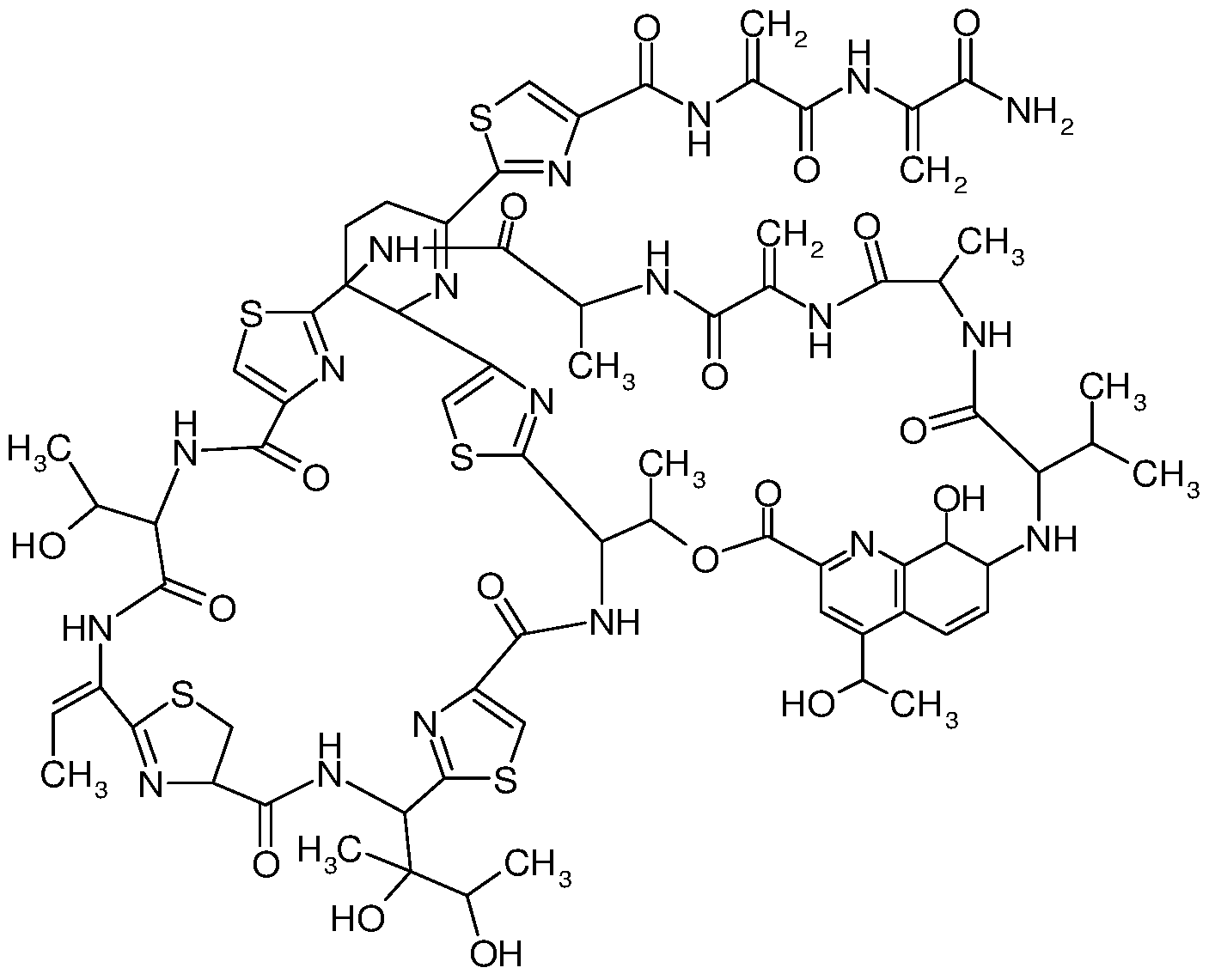
Compound I
The compound I contained in the pharmaceutical combination of the present invention can be used in the form of its stereoisomer (isomer) or a pharmaceutically acceptable salt thereof. The compound I can also be used in its crystalline or amorphous forms. In general, all physical forms are suitable for the uses contemplated by the present invention and are intended to be within the scope of the present invention.
The compound I that is contained in the pharmaceutical combination and used in the method of treatment of tuberculosis of the present invention is described in the PCT Application Publication No. WO2011027290 (the WO'290 Appln.) wherein the said compound I is referred to as the compound of Formula 1(a). The WO'290 Appln. also describes the production of the compound I and the manufacture of pharmaceutical composition containing the said compound I. The WO'290 Appln. describes that the compound I can be used for the treatment or prevention of a disease or disorder caused by bacterial infection. It is also reported in WO'290 Appln. that
the said compound can also be used in the treatment of tuberculosis. Accordingly, reference to compound I throughout the specification and the appended claims indicates reference to the compound I represented by the above structure, which corresponds to the compound of Formula 1(a) described in WO'290 Appln.. The compound I can be produced by one or more processes described in the WO'290
Appln. As per the processes described in the WO'290 Appln., for the production of the compound I; the said compound can be produced from a microorganism namely strain of Streptomyces species (PM0626271/ MTCC 5447), deposited with Microbial Type Culture Collection (MTCC), Institute of Microbial Technology, Sector 39- A, Chandigarh -160 036, India.
The compound I can be produced from culture no. PM0626271, its mutants and variants, comprising the steps of: growing the culture no. PM0626271 under submerged aerobic conditions in a nutrient medium containing one or more sources of carbon and one or more sources of nitrogen and optionally nutrient inorganic salts and/or trace elements; isolating the compound I, from the culture broth; and purifying the said compound I, using purification procedures generally used in the art. The details as to the aerobic conditions and the nutrient medium used in the production of the compound I are as described in the WO'290 Appln.
The compound I and/or isomers thereof can be converted into their pharmaceutically acceptable salts, which can be used in the pharmaceutical combination and/or method for the treatment of tuberculosis according to the present invention.
According to one aspect, the present invention relates to a pharmaceutical combination comprising the compound I and at least one anti-tubercular agent for use in the treatment of tuberculosis.
In another aspect, the present invention relates to a method of treating tuberculosis comprising administering to a subject in need thereof, a therapeutically effective amount of the compound I; in combination with a therapeutically effective amount of at least one anti- tubercular agent.
In yet another aspect, the present invention relates to use of the compound I in combination with at least one anti-tubercular agent for the treatment of tuberculosis.
In a further aspect, the present invention relates to use of a compound I in combination with at least one anti-tubercular agent; for the manufacture of a medicament for the treatment of tuberculosis.
In a still further aspect, the present invention relates to a pharmaceutical kit comprising a container containing: (i) a compound I, (ii) one or two or three or four anti-tubercular agents; and (iii) optionally, a package insert comprising instructions for using the compound I in combination with the anti-tubercular agent(s) for the treatment of tuberculosis.
In an embodiment of the present invention, the tuberculosis is a drug-sensitive tuberculosis. In another embodiment of the present invention, the tuberculosis is a drug resistant tuberculosis; wherein the drug resistant tuberculosis can be a mono-drug resistant tuberculosis, multi-drug resistant (MDR) tuberculosis or extensively drug-resistant (XDR) tuberculosis.
In an embodiment, the present invention relates to a pharmaceutical combination comprising the compound I and at least one anti-tubercular agent for use in the treatment of drug-sensitive tuberculosis.
In another embodiment, the present invention relates to a pharmaceutical combination comprising the compound I and at least one anti-tubercular agent for use in the treatment of drug-resistant tuberculosis.
In another embodiment, the present invention relates to a pharmaceutical combination comprising the compound I and at least one anti-tubercular agent for use in the treatment of mono-drug resistant tuberculosis.
In another embodiment, the present invention relates to a pharmaceutical combination comprising the compound I and at least one anti-tubercular agent for use in the treatment of multi-drug resistant (MDR) tuberculosis. In another embodiment, the present invention relates to a pharmaceutical combination comprising the compound I and at least one anti-tubercular agent for use in the treatment of latent tuberculosis (LTB).
In an embodiment, the present invention relates to a method of treating drug-sensitive tuberculosis comprising administering to a subject in need thereof, a therapeutically effective
amount of the compound I; in combination with a therapeutically effective amount of at least one anti-tubercular agent.
In another embodiment, the present invention relates to a method of treating drug- resistant tuberculosis comprising administering to a subject in need thereof, a therapeutically effective amount of the compound I; in combination with a therapeutically effective amount of at least one anti-tubercular agent.
In another embodiment, the present invention relates to a method of treating mono-drug resistant tuberculosis comprising administering to a subject in need thereof, a therapeutically effective amount of the compound I; in combination with a therapeutically effective amount of at least one anti-tubercular agent.
In another embodiment, the present invention relates to a method of treating multi-drug resistant (MDR) tuberculosis comprising administering to a subject in need thereof, a therapeutically effective amount of the compound I; in combination with a therapeutically effective amount of at least one anti-tubercular agent. In yet another embodiment, the present invention relates to a method of treating latent tuberculosis comprising administering to a subject in need thereof, a therapeutically effective amount of the compound I; in combination with a therapeutically effective amount of at least one anti-tubercular agent.
In an embodiment, the present invention relates to use of the compound I in combination with at least one anti-tubercular agent for the treatment of drug-sensitive tuberculosis.
In another embodiment, the present invention relates to use of the compound I in combination with at least one anti-tubercular agent for the treatment of drug resistant tuberculosis. In another embodiment, the present invention relates to use of the compound I in combination with at least one anti-tubercular agent for the treatment of mono-drug resistant tuberculosis.
In another embodiment, the present invention relates to use of the compound I in combination with at least one anti-tubercular agent for the treatment of multi-drug resistant tuberculosis.
In another embodiment, the present invention relates to use of the compound I in combination with at least one anti-tubercular agent for the treatment of latent tuberculosis.
The term "at least one" used in reference to anti-tubercular agents will be understood to mean "one or more anti-tubercular agents", i.e. one, two, three, four or more anti-tubercular agents that can be used in combination with the compound I in the treatment of tuberculosis.
In an embodiment of the present invention, the anti-tubercular agent is selected from: isoniazid, rifampicin (rifampin), rifapentine, rifabutin, pyrazinamide, ethambutol, streptomycin, 4-aminosalicylic acid, amoxicillin, amikacin, capreomycin, kanamycin, viomycin, cycloserine, ethionamide, moxifloxacin, ciprofloxacin, ofloxacin, gatifloxacin, levofloxacin, clofazimine, metronidazole, imipenem, meropenem, thioacetazone, terizidone, PA-824 (Novartis), SB-240683 (pascolizumab) (GlaxoSmithKline), AZD-5847 (AstraZeneca), SQ-109 (Sequella and National Institutes of Health), LL-3858 (Lupin), bedaquiline (TMC-207) (Johnson & Johnson and Janssen Research & Development), SQ-609 (Sequella), linezolid (Pfizer), tedizolid (Dong-A), sutezolid (Pfizer and Sequella), delamanid (Otsuka Pharmaceutical), I-A09 (Indiana University Research Technology), TBA-354 (Global Alliance for TB Drug Development) or Q-203 (Qurient and Institute Pasteur Korea).
In another embodiment, the anti-tubercular agent is selected from: isoniazid, rifampicin (rifampin), rifapentine, rifabutin, pyrazinamide, ethambutol, streptomycin, amikacin, capreomycin, kanamycin, cycloserine, ethionamide, moxifloxacin, ciprofloxacin, ofloxacin, gatifloxacin, levofloxacin, clofazimine, linezolid, bedaquiline or metronidazole.
In yet another embodiment, the anti-tubercular agent is selected from isoniazid, rifampicin (rifampin), pyrazinamide, ethambutol, streptomycin, rifapentine or rifabutin.
The anti-tubercular agents namely isoniazid, rifampicin (rifampin), pyrazinamide, ethambutol, streptomycin and rifabutin are conventionally referred to as first-line anti-tubercular drugs.
The anti-tubercular agents namely moxifloxacin, ciprofloxacin, ofloxacin, gatifloxacin, and levofloxacin belong to the class of fluoroquinolones. In the context of the present invention, reference to fluoroquinolone indicates reference to any one of moxifloxacin, ciprofloxacin, ofloxacin, gatifloxacin and levofloxacin. In an embodiment, in the pharmaceutical combination and/or the method of treatment of tuberculosis and/or the use for the treatment of tuberculosis according to the present invention;
the compound I is used in combination with one anti-tubercular agent selected from isoniazid, rifampicin (rifampin), rifapentine, rifabutin, pyrazinamide, ethambutol, streptomycin, 4- amino salicylic acid, amoxicillin, amikacin, capreomycin, kanamycin, viomycin, cycloserine, ethionamide, moxifloxacin, ciprofloxacin, ofloxacin, gatifloxacin, levofloxacin, clofazimine, metronidazole, imipenem, meropenem, thioacetazone, terizidone, PA-824, SB-240683 (pascolizumab), AZD-5847, SQ-109, LL-3858, bedaquiline (TMC-207), SQ-609, linezolid, tedizolid, sutezolid, delamanid, I-A09, TBA-354 or Q-203.
In an embodiment, the anti-tubercular agent is rifampicin.
In another embodiment, the anti-tubercular agent is isoniazid.
In yet another embodiment, the anti-tubercular agent is ethambutol.
In yet another embodiment, the anti-tubercular agent is pyrazinamide.
In yet another embodiment, the anti-tubercular agent is streptomycin.
In yet another embodiment, the anti-tubercular agent is bedaquiline
In yet another embodiment, the anti-tubercular agent is a fluoroquinolone selected from moxifloxacin, ciprofloxacin, ofloxacin, gatifloxacin or levofloxacin.
In yet another embodiment, the anti-tubercular agent is amoxicillin.
In yet another embodiment, the anti-tubercular agent is ethionamide.
In yet another embodiment, the anti-tubercular agent is kanamycin.
In yet another embodiment, the anti-tubercular agent is cycloserine.
In yet another embodiment, the anti-tubercular agent is amikacin.
In yet another embodiment, the anti-tubercular agent contained in the combination is capreomycin.
In another embodiment, in the pharmaceutical combination and/or the method of treatment of tuberculosis and/or the use for the treatment of tuberculosis according to the present invention; the compound I is used in combination with two anti-tubercular agents independently selected from: isoniazid, rifampicin (rifampin), rifapentine, rifabutin, pyrazinamide, ethambutol, streptomycin, 4-aminosalicylic acid, amoxicillin, amikacin, capreomycin, kanamycin, viomycin, cycloserine, ethionamide, moxifloxacin, ciprofloxacin, ofloxacin, gatifloxacin, levofloxacin,
clofazimine, metronidazole, imipenem, meropenem, thioacetazone, terizidone, PA-824, SB- 240683 (pascolizumab), AZD-5847, SQ-109, LL-3858, bedaquiline (TMC-207), SQ-609, linezolid, tedizolid, sutezolid, delamanid, I-A09, TBA-354 or Q-203.
In an embodiment, the two anti-tubercular agents are rifampicin and isoniazid.
In another embodiment, the two anti-tubercular agents are rifampicin and ethambutol.
In yet another embodiment, the two anti-tubercular agents are rifampicin and pyrazinamide.
In yet another embodiment, the two anti-tubercular agents are isoniazid and ethambutol.
In yet another embodiment, the two anti-tubercular agents are isoniazid and pyrazinamide.
In yet another embodiment, the two anti-tubercular agents are ethambutol and pyrazinamide.
In yet another embodiment, the two anti-tubercular agents are rifampicin and streptomycin.
In yet another embodiment, the two anti-tubercular agents are isoniazid and streptomycin.
In yet another embodiment, the two anti-tubercular agents are ethambutol and streptomycin.
In yet another embodiment, the two anti-tubercular agents are pyrazinamide and streptomycin.
In yet another embodiment, the two anti-tubercular agents are rifampicin and bedaquiline.
In yet another embodiment, the two anti-tubercular agents are rifabutin and isoniazid.
In yet another embodiment, the two anti-tubercular agents are amoxicillin and a fluoroquinolone selected from moxifloxacin, ciprofloxacin, ofloxacin, gatifloxacin or levofloxacin.
In yet another embodiment, the two anti-tubercular agents are ethionamide and a fluoroquinolone selected from moxifloxacin, ciprofloxacin, ofloxacin or levofloxacin.
In yet another embodiment, the two anti-tubercular agents are amikacin and a fluoroquinolone selected from moxifloxacin, ciprofloxacin, ofloxacin, gatifloxacin or levofloxacin.
In yet another embodiment, the two anti-tubercular agents are cycloserine and a fluoroquinolone selected from moxifloxacin, ciprofloxacin, ofloxacin, gatifloxacin or levofloxacin.
In yet another embodiment, the two anti-tubercular agents are terizidone and a fluoroquinolone selected from moxifloxacin, ciprofloxacin, ofloxacin, gatifloxacin or levofloxacin. In yet another embodiment, the two anti-tubercular agents are amoxicillin and terizidone.
In yet another embodiment, the two anti-tubercular agents are ethionamide and 4- amino salicylic acid.
In yet another embodiment, the two anti-tubercular agents are ethionamide and amoxicillin.
In yet another embodiment, the two anti-tubercular agents are rifampicin and amoxicillin.
In yet another embodiment, the two anti-tubercular agents are pyrazinamide and 4- amino salicylic acid. In yet another embodiment, the two anti-tubercular agents are pyrazinamide and bedaquiline.
In yet another embodiment, the two anti-tubercular agents are metronidazole and a fluoroquinolone selected from moxifloxacin, ciprofloxacin, ofloxacin, gatifloxacin or levofloxacin. In yet another embodiment, the two anti-tubercular agents are rifapentine and isoniazid.
In an embodiment, in the pharmaceutical combination and/or the method of treatment and/or the use according to the present invention; the compound I is used in combination with three anti-tubercular agents independently selected from isoniazid, rifampicin (rifampin), rifapentine, rifabutin, pyrazinamide, ethambutol, streptomycin, 4-aminosalicylic acid,
amoxicillin, amikacin, capreomycin, kanamycin, viomycin, cycloserine, ethionamide, moxifloxacin, ciprofloxacin, ofloxacin, gatifloxacin, levofloxacin, clofazimine, metronidazole, imipenem, meropenem, thioacetazone, terizidone, PA-824, SB -240683 (pascolizumab), AZD- 5847, SQ-109, LL-3858, bedaquiline (TMC-207), SQ-609, linezolid, tedizolid, sutezolid, delamanid, I-A09, TBA-354 or Q-203.
In an embodiment, the three anti-tubercular agents are rifampicin, isoniazid and ethambutol.
In another embodiment, the three anti-tubercular agents are rifampicin, isoniazid and pyrazinamide. In yet another embodiment, the three anti-tubercular agents are rifampicin, isoniazid and streptomycin.
In yet another embodiment, the three anti-tubercular agents are rifampicin, ethambutol and pyrazinamide.
In yet another embodiment, the three anti-tubercular agents are rifampicin, ethambutol and streptomycin.
In yet another embodiment, the three anti-tubercular agents are isoniazid, ethambutol and pyrazinamide.
In yet another embodiment, the three anti-tubercular agents are isoniazid, ethambutol and streptomycin. In yet another embodiment, the three anti-tubercular agents are ethambutol, pyrazinamide and streptomycin.
In yet another embodiment, the three anti-tubercular agents are amoxicillin, ethionamide and a fluoroquinolone selected from moxifloxacin, ciprofloxacin, ofloxacin, gatifloxacin or levofloxacin. In yet another embodiment, the three anti-tubercular agents are amikacin, ethionamide and a fluoroquinolone selected from moxifloxacin, ciprofloxacin, ofloxacin, gatifloxacin or levofloxacin.
In yet another embodiment, the three anti-tubercular agents are cycloserine, 4- amino salicylic acid and a fluoroquinolone selected from moxifloxacin, ciprofloxacin, ofloxacin, gatifloxacin or levofloxacin.
In yet another embodiment, the three anti-tubercular agents are rifampicin, pyrazinamide and ethionamide.
In yet another embodiment, the three anti-tubercular agents are pyrazinamide, ethambutol and ethionamide.
In yet another embodiment, the three anti-tubercular agents are pyrazinamide, bedaquiline and a fluoroquinolone selected from moxifloxacin, ciprofloxacin, ofloxacin, gatifloxacin or levofloxacin.
In yet another embodiment, the three anti-tubercular agents are isoniazid, pyrazinamide and ethionamide.
In an embodiment, in the pharmaceutical combination and/or the method of treatment of tuberculosis and/or the use for the treatment of tuberculosis according to the present invention; the compound I and at least one anti-tubercular agent are administered simultaneously.
In another embodiment, in the pharmaceutical combination and/or the method of treatment and/or the use for the treatment of tuberculosis according to the present invention; the compound I and at least one anti-tubercular agent are administered sequentially.
In an embodiment, in the pharmaceutical combination and/or the method of treatment of tuberculosis and/or the use for the treatment of tuberculosis according to the present invention; the compound I is administered prior to the administration of the anti-tubercular agent(s).
In another embodiment, in the pharmaceutical combination and/or the method of treatment of tuberculosis and/or the use for the treatment of tuberculosis according to the present invention; the anti-tubercular agent(s) is/are administered prior to the administration of the compound I.
In another embodiment, in the pharmaceutical combination and/or the method of treatment of tuberculosis and/or the use for the treatment of tuberculosis according to the present invention; the compound I is administered at about the same time as administration of the anti- tubercular agent(s).
In an embodiment, in the pharmaceutical combination and/or the method of treatment of tuberculosis and/or the use for the treatment of tuberculosis according to the present invention; the compound I and anti-tubercular agent(s) are administered once a day.
In another embodiment, in the pharmaceutical combination and/or the method of treatment of tuberculosis and/or the use for the treatment of tuberculosis according to the present invention; the compound I is administered once a day, while the anti-tubercular agent(s) is/are administered twice a day.
In another embodiment, in the pharmaceutical combination and/or the method of treatment of tuberculosis and/or the use for the treatment of tuberculosis according to the present invention; the compound I is administered twice a day, while the anti-tubercular agent(s) is/are administered once a day.
In another embodiment, in the pharmaceutical combination and/or the method of treatment of tuberculosis and/or the use for the treatment of tuberculosis according to the present invention; the compound I and the anti-tubercular agent(s) are administered twice a day. In another embodiment of the present invention, in the pharmaceutical combination and/or the method of treatment of tuberculosis and/or the use for the treatment of tuberculosis according to the present invention; the compound I and anti-tubercular agent(s) are administered one time weekly, two times weekly, three times weekly, four times weekly, five times weekly or every other day. In an embodiment, the pharmaceutical combination and/or the method of treatment and/or the use according to the present invention can prevent relapse of tuberculosis after completion of the treatment.
In one embodiment, the compound I and/or one or more of the anti-tubercular agent(s) can be administered in the form of a pharmaceutical composition containing the said compound I and/or one or more of the anti-tubercular agent(s) and at least one pharmaceutically acceptable excipient or carrier.
The pharmaceutically acceptable excipients or carriers used in the pharmaceutical composition can any conventionally known pharmaceutically acceptable excipients or carriers, which can be selected depending on the dosage form and the route of administration of the compound I and the anti-tubercular agents.
In one embodiment, the compound I and/or one or more of the anti-tubercular agent(s) can be administered by any conventional routes of administration including, but not limited to, orally, parenterally, nasally, rectally or by inhalation.
In an embodiment, the compound I and/or one or more of the anti-tubercular agent(s) can be administered parenterally such as, by intramuscular, intrathecal, subcutaneous, intraperitoneal, intravenous bolus injection or intravenous infusion. Parenteral administration can be accomplished by incorporating the compound I and/or anti-tubercular agent into a solution or suspension.
In another embodiment, the compound I and/or one or more of the anti-tubercular agent(s) can be administered in a form suitable for oral administration such as tablets, lozenges, aqueous or oily suspensions, granules, powders, cachets, emulsions, capsules, syrups, elixirs and the like.
In another embodiment, the compound I and/or one or more of the anti-tubercular agent(s) can be administered rectally. The rectal administration includes administering the compounds into the rectum or large intestine. This can be accomplished using suppositories or enemas. Suppository formulations can be made by methods known in the art.
In another embodiment, the compound I and/or one or more of the anti-tubercular agent(s) can be administered nasally, which includes nasally administering to the subject therapeutically effective amounts of the compounds. The nasal administration includes administering the compounds to the mucous membranes of the nasal passage or nasal cavity of the patient. As used herein, the modes of nasal administration of the combination include for example, a nasal spray, nasal drop, suspension, gel, ointment, cream or powder. Administration of the compounds may also take place using a nasal tampon or nasal sponge.
In another embodiment, the compound I and/or one or more of the anti-tubercular agent(s) can be administered by inhalation. The well-known methods of delivering inhaled medications include nebulizers, pressurized multi dose inhalers, vaporizer, metered-dose inhaler (MDI) and dry powder inhalers (DPI). The drug (e.g. the compound I and/or one or more of the anti-tubercular agent(s)) to be delivered can be in a solid or liquid formulation (including any semi-solid, colloidal, or semi-liquid forms, etc.). In such cases, the medical port is adapted to convert the drug from a solid or liquid form into an aerosol form for delivery into the purified air stream to the subject (e.g. a patient receiving the treatment for tuberculosis).
Further, the anti-tubercular effect of the compounds (compound I and/or anti-tubercular agents) contained in the pharmaceutical composition can be delayed or prolonged through a proper formulation. For example, a slowly soluble pellet of the compound can be prepared and incorporated in a tablet or capsule. The technique can be improved by making pellets of several different dissolution rates and filling capsules with a mixture of the pellets. Tablets or capsules can be coated with a film which resists dissolution for a predictable period of time. Even the parenteral preparations can be made long acting, by dissolving or suspending the compound in oily or emulsified vehicles which allow it to disperse only slowly in the serum.
Although the effective doses of the compound I and/or anti-tubercular agents used for administration vary depending on the severity of the disease (tuberculosis), the severity of symptoms, the age, sex, body weight and sensitivity difference of the subject (the patient), the mode, time, interval and duration of administration, the nature and type of formulation, etc. In certain embodiments, the compound I and/or one or more anti-tubercular agents are administered in a time frame where both the agents are still active. One skilled in the art would be able to determine such a time frame by determining the half life of the administered compounds. As indicated herein before, in the pharmaceutical combination and/or the method of treatment of tuberculosis and/or the use for the treatment of tuberculosis according to the present invention; the compound I and one or more anti-tubercular agents can be administered simultaneously or sequentially and when administered sequentially in any order. The compound I and anti- tubercular agents are administered in the manner that the peak pharmacokinetic effect of one compound coincides with the peak pharmacokinetic effect of the other.
The dosage of the therapeutic agents (compound I and/or anti-tubercular agent(s)) to be administered should be selected to produce the desired effect. A suitable dosage of the compound I can be from about 0.01 mg/kg body weight per day to about 100 mg/kg body weight per day; particularly, from about 0.1 mg/kg body weight per day to about 50 mg/kg body weight per day. A suitable dosage of the anti-tubercular agents can be from about 0.01 mg/kg body weight per day to about 100 mg/kg body weight per day; particularly, from about 0.1 mg/kg body weight per day to about 50 mg/kg body weight per day.
In an embodiment, the compound I can be administered from about 10 mg/day to about 500 mg/day. In another embodiment, the anti-tubercular agents can be administered from about 10 mg/day to about 1500 mg/day.
According to the present invention, it is also observed that when the compound I is administered in combination with one or more anti-tubercular agents; a synergistic effect is exhibited by the combination or such a combined use of the said compounds.
In an aspect, the present invention relates to a pharmaceutical kit comprising a container containing (i) compound I, (ii) one or two or three or four anti-tubercular agents, and (iii) optionally, a package insert comprising instructions for using the compound I in combination with the anti-tubercular agent(s) for the treatment of tuberculosis.
The kit may contain two or more separate containers for the compound I and the anti- tubercular agent(s). The package insert includes information about the indication, usage, doses, direction for administration, contraindications, precautions and warnings. The suitable container that can be used includes a bottle, a vial, an ampoule, a syringe or a blister pack.
In an embodiment, the pharmaceutical kit consists of unit dosage forms, for use from about one month to about nine months.
The TB patient kit contains the full course of treatment for single patient and thus assures the TB patient that drugs for the full course of treatment are reserved for the patient at the outset of treatment. The kit provides health workers with a container that has all required medicines in the necessary strengths and quantities. This helps to limit confusion and makes it easier to monitor the regularity of the treatment, thereby avoiding nonadherence to the TB drugs.
The present inventors have also found that the compound I (as described herein) alone has potential in the treatment of latent tuberculosis. Accordingly, the present invention relates to the compound I (as described herein) for use in the treatment of latent tuberculosis (LTB).
In an embodiment, there is provided a method of treating latent tuberculosis comprising administering to a subject in need thereof a therapeutically effective amount of the compound I.
In another embodiment, there is provided use of the compound I for the manufacture of a medicament for the treatment of latent tuberculosis.
The compound I for the treatment of latent tuberculosis can be administered in the form of pharmaceutical composition containing the said compound and at least one pharmaceutically acceptable excipient or carrier.
For use in the treatment of latent tuberculosis, the compound of formula I can be administered by any conventional routes of administration including, but not limited to, orally, parenterally, nasally, rectally or by inhalation.
The dosage of the compound I to be administered for the treatment of latent tuberculosis should be selected to produce the desired effect. A suitable dosage of the compound I can be from about 0.01 mg/kg body weight per day to about 500 mg/kg body weight per day; particularly, from about 0.1 mg/kg body weight per day to about 250 mg/kg body weight per day.
The present invention, particularly use of the compound I in combination with one or more anti-tubercular agents has been evaluated using certain assay methods/systems, and in several different administrative schedules in vitro and in vivo. The experimental details are as provided herein below.
Further, use of the compound I alone for the treatment of latent tuberculosis has been evaluated using certain assay methods as described below.
Those skilled in the art will recognize that several variations are possible within the scope and spirit of this invention. The invention will now be described in greater detail by reference to the following non-limiting examples. The following examples further illustrate the invention but, of course, should not be construed as in any way limiting its scope.
The following abbreviations or terms are used herein: ANOVA : Analysis of Variance
CaCl2 : Calcium chloride
CFU : Colony Forming Units
C02 : Carbon dioxide
CPCSEA : Committee for the Purpose of Control and Supervision of Experiments on
Animals
DMSO : Dimethyl sulfoxide
DPPC : Dipalmitoylphosphatidylcholine
FIC : Fractional Inhibitory Concentration
FICI : Fractional Inhibitory Concentration Index
g : Gram
G : Centrifugal force
HIV : Human immunodeficiency virus
h : Hour
IAEC : Institutional Animal Ethics Committee
INH : Isoniazid
kg : Kilogram
1pm : Liter per minute
MIC : Minimum Inhibitory Concentration
mBar : Millibar
mg : Milligram
mL : Millilitre
MTB : Mycobacterium tuberculosis
NaCl : Sodium chloride
NaOH : Sodium hydroxide
PBS : Phosphate buffer saline
RB flask : Round bottomed flask
rpm : Revolutions per minute
RIF : Rifampicin
SEM : Standard Error of the Mean
SLF : Simulated Lung Fluid
VRE : Vancomycin Resistant Enteriococci
: Microlitre
μιη : Micrometer
°C : Degree centigrade
Examples
Reference Example 1: Production of the compound I:
The process for the production of the compound I as described in WO2011027290 discussed below:
The process for the production of compound I involves growing the culture no. PM0626271 (a microorganism namely strain of Streptomyces species) under submerged aerobic
conditions in a nutrient medium containing one or more sources of carbon and one or more sources of nitrogen and optionally, nutrient inorganic salts and/or trace elements.
The medium and/or nutrient medium used for isolation and cultivation of culture no. PM0626271, which produces the compound I, preferably contains sources of carbon, nitrogen and nutrient inorganic salts. The carbon sources are, for example, one or more of starch, glucose, sucrose, dextrin, fructose, molasses, glycerol, lactose, or galactose. Preferred carbon sources are soluble starch and glucose. The sources of nitrogen are, for example, one or more of soybean meal, peanut meal, yeast extract, beef extract, peptone, malt extract, corn steep liquor, gelatin, or casamino acids. Preferred nitrogen sources are peptone and yeast extract. The nutrient inorganic salts are, for example, one or more of sodium chloride, potassium chloride, calcium chloride, magnesium chloride, ferric chloride, strontium chloride, cobalt chloride, potassium bromide, sodium fluoride, sodium hydrogen phosphate, potassium hydrogen phosphate, dipotassium hydrogen phosphate, magnesium phosphate, calcium carbonate, sodium bicarbonate, sodium silicate, ammonium nitrate, potassium nitrate, ferrous sulphate, sodium sulphate, ammonium sulphate, magnesium sulphate, ferric citrate, boric acid or trace salt solution such as copper sulphate, manganese chloride or zinc sulphate. Calcium carbonate, sodium chloride, and magnesium chloride are the preferred nutrient inorganic salts.
The maintenance of culture no. PM0626271 can be carried out at a temperature ranging from 22 °C to 36 °C and a pH of about 7.5 to 8.0. Typically, culture no. PM0626271 is maintained at 25 °C to 27 °C and a pH of about 7.4 to 7.8. The well- grown cultures can be preserved in the refrigerator at 4 °C to 8 °C.
Seed culture cultivation of culture no. PM0626271 can be carried out at a temperature ranging from 25 °C to 36 °C and a pH of about 7.5 to 8.0 for 66 h to 75 h at 200 rpm to 280 rpm. Typically, culture no. PM0626271 seed is cultivated at 29 °C to 31 °C and a pH of about 7.4 to 7.8, for 72 h at 230 rpm to 250 rpm.
The production of the compound I can be carried out by cultivating culture no PM0626271 by fermentation at a temperature ranging from 26 °C to 36 °C and a pH of about 6.5 to 8.5, for 24 h to 96 h at 60 rpm to 140 rpm and 100 1pm to 200 1pm aeration. Typically, culture no. PM0626271 is cultivated at 30 °C to 32 °C and pH 7.4 to 7.8 for 40 h to 96 h at 90 rpm and 110 1pm aeration.
The progress of fermentation and production of the compound can be detected by high performance liquid chromatography (HPLC) and by measuring the bioactivity of the culture broth against Staphylococci and/or Enterococci species by the known microbial agar plate
diffusion assay method. The preferred culture is Staphylococcus aureus E710, which is a strain resistant to methicillin, a β-lactam antibiotic reported in the literature, and Enterococcus faecium R2 (VRE) which is resistant to vancomycin. In the resulting culture broth, the compound may be present in the culture filtrate as well as in cell mass and can be isolated using known separation techniques such as solvent extraction and column chromatography. The compound I can be recovered from the culture filtrate by extraction at a pH of about 5 to 9 with a water immiscible solvent such as petroleum ether, dichloromethane, chloroform, ethyl acetate, diethyl ether or butanol, or by hydrophobic interaction chromatography using polymeric resins such as "Diaion HP-20®" (Mitsubishi Chemical Industries Limited, Japan), "Amberlite XAD®" (Rohm and Haas Industries U.S.A.), activated charcoal, or by ion exchange chromatography at pH 5 to 9. The active material can be recovered from the cell mass by extraction with a water miscible solvent such as methanol, acetone, acetonitrile, n-propanol, or iso-propanol or with a water immiscible solvent such as petroleum ether, dichloromethane, chloroform, ethyl acetate or butanol. One other option is to extract the whole broth with a solvent selected from petroleum ether, dichloromethane, chloroform, ethyl acetate, methanol, acetone, acetonitrile, n-propanol, iso- propanol, or butanol. Typically, the active material is extracted with ethyl acetate from the whole broth. Concentration and lyophilization of the extracts gives the active crude material.
The compound I can be recovered from the crude material by fractionation using any of the following techniques: normal phase chromatography (using alumina or silica gel as stationary phase; and eluents such as petroleum ether, ethyl acetate, dichloromethane, acetone, chloroform, methanol, or combinations thereof); reverse phase chromatography (using reverse phase silica gel such as dimethyloctadecylsilyl silica gel (RP-18) or dimethyloctylsilyl silica gel (RP-8) as stationary phase; and eluents such as water, buffers [for example, phosphate, acetate, citrate (pH 2 to 8)], and organic solvents (for example, methanol, acetonitrile, acetone, tetrahydrofuran, or combinations of these solvents); gel permeation chromatography (using resins such as Sephadex LH-20® (Pharmacia Chemical Industries, Sweden), TSKgel® Toyopearl HW (TosoHaas, Tosoh Corporation, Japan) in solvents such as methanol, chloroform, acetone, ethyl acetate, or their combinations, or Sephadex® G-10 and G-25 in water); or by counter-current chromatography (using a biphasic eluent system made up of two or more solvents such as water, methanol, ethanol, iso-propanol, n-propanol, tetrahydrofuran, acetone, acetonitrile, methylene chloride, chloroform, ethyl acetate, petroleum ether, benzene, and toluene). These techniques may be used repeatedly, alone or in combination. A typical method is chromatography over normal phase using silica gel.
Reference Example 2:
The formulation of compound I is prepared as described in the PCT Patent Publication No. WO2012017405.
Materials used:
DPPC Avanti Polar Lipids, Canada
Methanol RFCL Limited, India
Chloroform RFCL Limited, India
DMSO RFCL Limited, India
NaCl RFCL Limited, India
CaCl2 RFCL Limited, India
NaOH RFCL Limited, India
Lactose monohydrate Signet Chemical Corporation Private Ltd,
Glassware Merck Limited, India
Glass beads N. M. Enterprises, India
Polycarbonate membrane ISOPORE™, Millipore, USA
filters
Polypropylene filter SWINNEX®, Millipore, USA
holders
Gas tight glass syringe Hamilton Company, USA
with metal leur lock
pH meter Eutech instruments, USA
Preparation method:
Method A: Solvent Evaporation method The compound I and DPPC, in ratios of 1: 1, 1: 10 and 1:20 w/w, are dissolved in 5 mL chloroform in a glass beaker. 30 mL of methanol is added and the mixture is transferred to a 250 mL RB flask. 30 mL of SLF is poured into the mixture slowly. The solvents are evaporated by using a rotary evaporator (Buchi GMBH, Switzerland). The water bath is set at 45 °C and rotation is set at 100 rpm. The vacuum controller is set to a pressure of 400 mBar. Evaporated solvents are collected in a glass solvent collector. The remaining solution in the RB flask turned milky indicating formation of liposomes. Volume of the suspension from the RB flask is made up to 30 mL with SLF, centrifuged at 25,000 G at 4 °C for 10 minutes. The pellet obtained is
resuspended in SLF, vortexed and filtered through 1.2 μηι polycarbonate filter eleven times to ensure uniform particle size and stored at 4 °C. Blank liposomes (Vehicle Control) are prepared in a similar manner without addition of the compound I.
Method B: Solvent free lipid self assembly method 20 mg of compound I and 20 mg of DPPC (1 : 20 w/w) are added to a RB flask containing 20 to 30 glass beads and 30 mL of SLF. The mixture is subjected to rotation of 100 rpm at a temperature of 45QC for one hour. The formulation obtained is subjected to centrifugation and filtration as described in Method A. Examples:
Activity of the compound I and/or pharmaceutical combinations of compound I can be determined according to any effective in vitro or in vivo assay method.
Example 1:
In-Vitro study of the combination of the compound I with an anti-tubercular agent for the treatment of tuberculosis
Objective: The objective of this study was to evaluate the efficacy of the combination of the compound I and anti-tubercular agents selected from rifampicin and/or ethambutol against infection caused by drug sensitive Mycobacterium tuberculosis (H37RV).
Materials: Test compounds : Compound I (prepared in-house as indicated in the above reference example
1), rifampicin and ethambutol
Vehicle : DMSO (Sigma-Aldrich-Chemie Gmbh, Germany)
Dose preparation :a) Compound I was weighed and dissolved in DMSO to obtain a stock solution. b) Rifampicin was weighed and dissolved in sterile PBS to obtain a stock solution. c) Ethambutol was weighted and dissolved in sterile distilled water to obtain a stock solution.
Test system : Mycobacterium tuberculosis f½Rv, which was obtained from ATCC
(American Tissue type Culture Collection), USA.
Methods:
The mycobacterial (anti-tubercular) activity of the compound I in combination with rifampicin and ethambutol was individually evaluated against Mycobacterium tuberculosis (MTB) (H37RV) by the checker board titration assay in sterile 96-well microtiter plates. Two-fold serial dilutions of all the test compounds were prepared in 96-well microtiter plates, and 0.01 mL MTB (H37Rv) suspension (3X10⁶ CFU/mL) was added to each well. Each test compound was tested at concentrations of 4, 2, 1, 0.5, 0.25, 0.125 times their respective MIC. Following 7 days of incubation at 37 °C, MICs of the combinations of the test compounds were read as colorimetric change. Fractional inhibitory concentration (FIC) indices for MTB (H37RV) were calculated.
Analysis:
The data obtained during the course of this study was analyzed using the standard protocol formula for FIC index (Antimicrobial combinations, 1991, 3rd edn, pp. 432- 92; Journal of Antimicrobial Chemotherapy, 2003, 52, 1) to calculate combination index. The fractional inhibitory concentrations (FIC) index was calculated as follows; wherein reference to drug A and drug B is made for illustration purpose only:
FIC index = FICA + FICB
FICA = (MICA of drug A in presence of drug B/MIC of drug A alone)
FICB = (MICB of drug B in presence of drug A/MIC of drug B alone)
The combination index of < 0.5 is considered synergistic, an index of > 0.5 and < 4 is considered additive and an index of > 4 indicates antagonistic activity of the compounds (drugs) that are used in combination. Results:
The FICIs of the compound I in combination with each of rifampicin and ethambutol is presented in the following Table 1. Figures 1 and 2 depict the effect of a combination of compound I with each of rifampicin and ethambutol against MTB (H37Rv).
Table 1: FICI of the compound I in combination with rifampicin/ethambutol

Conclusion:
The above in-vitro study results indicate that combination of the compound I with each of the anti-tubercular agent, rifampicin and/or ethambutol exhibited synergistic effect when tested against drug sensitive Mycobacterium tuberculosis (H37RV).
Example 2: In-Vitro study of the combination of the compound I with anti-tubercular agent for the treatment of drug resistant tuberculosis
Objective: The objective of this study was to evaluate the efficacy of the combination of the compound I and anti-tubercular agents selected from amoxicillin and/or ethionamide against infection caused by rifampicin resistant Mycobacterium tuberculosis (H37RV-R). Materials:
Test compounds : Compound I (prepared in-house as indicated in the above reference example
1), amoxicillin and ethionamide
Vehicle : DMSO (Sigma-Aldrich-Chemie Gmbh, Germany)
Dose preparation : a) Compound I was weighed and dissolved in DMSO to obtain a stock solution. b) Amoxicillin and ethionamide were weighted and dissolved in sterile distilled water to obtain their respective stock solutions.
Test system : Mycobacterium tuberculosis (H37Rv-R), which was obtained from ATCC
(American Tissue type Culture Collection), USA.
Methods:
The mycobacterial (anti-tubercular) activity of the compound I in combination with amoxicillin and ethionamide was individually evaluated against rifampicin resistant Mycobacterium tuberculosis (MTB) (H37RV-R) by the checker board titration assay in sterile 96- well microtiter plates. Two-fold serial dilutions of all the test compounds were prepared in 96- well microtiter plates, and 0.1 mL of MTB (H37RV-R) suspension (3X10⁶ CFU/mL) was added to each well. Each test compound was tested at concentrations 4, 2, 1, 0.5, 0.25, 0.125 times their respective MIC. Following 7 days of incubation at 37 °C, MICs of drug combinations were read as colorimetric change. Fractional inhibitory concentration (FIC) indices for MTB (H37RV-R) were calculated.
Analysis:
The data obtained during the course of this study was analyzed using the standard protocol formula for FIC index (Antimicrobial combinations, 1991, 3rd edn, pp. 432- 92; Journal of Antimicrobial Chemotherapy, 2003, 52, 1) to calculate combination index. The fractional inhibitory concentrations index was calculated as follows; wherein reference to drug A and drug B is made for illustration purpose only:
FIC index = FICA + FICB
FICA = (MICA of drug A in presence of drug B/MIC of drug A alone)
FICB = (MICB of drug B in presence of drug A/MIC of drug B alone)
The combination index of < 0.5 is considered synergistic, an index of > 0.5 and < 4 considered additive and an index of > 4 indicates antagonistic activity.
Results:
The FICIs of the compound I in combination with each of amoxicillin and ethionamide are presented in Table 2. Figures 3 and 4 depict the effect of the combination of the compound I with each of amoxicillin and ethionamide against rifampicin resistant Mycobacterium tuberculosis (H37RV-R).
Table 2: FICI of compound I in combination with amoxicillin/Ethionamide
Drug combinations FICI Result (Activity)
Compound I and Amoxicillin 0.4 Synergistic
Compound I and Ethionamide 0.47 Synergistic
Conclusion:
The above in-vitro study results indicate that combination of the compound I with each of the anti-tubercular agent amoxicillin and/or ethionamide suggests that the combination of compound I with amoxicillin and/or ethionamide exhibited synergistic effect when tested against drug resistant Mycobacterium tuberculosis (H37RV-R).
Pharmacological Assay:
In the following description of the assays reference to drug A and drug B is made for illustration purpose only, and the terms are indicative of the drugs that are tested in combination. Checker board Assay
The checkerboard microtiter plate assay is used to test the in-vitro bactericidal activities of antimicrobial drug combinations against microbial agents by determining the FICs of all combinations tested. In checkerboard microdilution assay a 96-well microtiter plate is loaded horizontally with increasing concentration of any drug A, and vertically with increasing concentration of any drug B. This setup enables to scan the microplate from direction of increasing concentration that spans the therapeutic range from susceptible to resistant. Each drug is also present in single column as a single agent to determine the MIC in absence of other drug.
Checker board assay for evaluating the bactericidal activity of antimicrobial drug combinations is a modified microtiter plate Alamar Blue assay. Alamar Blue is a proven cell viability indicator that uses the natural reducing power of living cells to convert resazurin, a non- fluorescent indicator dye to the bright red fluorescent molecule, resorufin. The active ingredient of Alamar Blue (resazurin) upon entering the cells is reduced to resorufin, which produces very bright red fluorescence. The viable cells continuously convert resazurin to resorufin, thereby generating a semi-quantitative measure of viability and cytotoxicity. The amount of fluorescence produced is proportional to the number of living cells.
Methodology:
1) The assay is performed under aseptic conditions using sterile clear bottom 96 well plates.
2) The outer perimeter wells are filled with 200 μΐ^ sterile distilled water to prevent dehydration in the experimental wells. 3) 50 μΐ. Middlebrook broth (7H9/ADC) is added in each well.
4) 50 μΐ^ of highest concentration of drug A is added to all the wells of the first column.
5) The drug is serial dilute adding 1:2 from the first well to the last well.
6) Added 50 μΐ^ of serial dilutions of increasing concentration of drug B vertically.
7) Added 100 μΐ^ of the Mycobacterium culture in all the wells thereby making total volume of 200 μL· m each well.
8) The wells dedicated to MIC determination of individual drugs are maintained.
9) Maintained media control wells (negative control) containing 100 μΐ^ of media and culture control wells (positive control) containing 100 μΐ^ of MTB culture.
10) The plate is sealed and incubated in the C02 incubator at 37 °C for 5 days.
11) On the 5th day, 50 of 1 : 1 Alamar blue and 10 % Tween 80 are added to all the wells.
12) Re-incubated the plate at 37 °C for 24 h.
13) The colour change is observed from blue to pink.
14) The least concentration resulting in blue colour determines the MIC of the drug.
15) The fractional inhibitory concentrations (FIC) indices will be calculated on the basis of MIC values of each drug alone and in combination by using following formula:
FIC index = FICA + FICB
FICA = (MIC A of drug A in presence of drug B/MIC of drug A alone)
FICB = (MICB of drug B in presence of drug A/MIC of drug B alone)
The FIC index of < 0.5 is considered synergistic, an index of > 0.5 and < 4 considered additive and an index of > 4 indicates antagonistic activity of the compounds (drugs) that are used in combination.
Example 3:
In-Vitro study of the compound I for latent tuberculosis
Objective: The objective of this study was to evaluate the efficacy of the compound I against infection caused by drug sensitive latent Mycobacterium tuberculosis (H37Rv).
Materials:
Test compounds : Compound I (prepared in-house as indicated in the above reference example
1), rifampicin and kanamycin
Vehicle : DMSO (Sigma-Aldrich-Chemie Gmbh, Germany) Dose preparation :a) Compound I was weighed and dissolved in DMSO to obtain a stock solution. b) Rifampicin was weighed and dissolved in sterile PBS to obtain a stock solution. c) Kanamycin was weighted and dissolved in sterile distilled water to obtain a stock solution.
Test system : Mycobacterium tuberculosis f½Rv, which was obtained from ATCC
(American Tissue type Culture Collection), USA.
Method:
The mycobacterial (anti-tubercular) activity of the compound I for latent tuberculosis was evaluated against the latent Mycobacterium tuberculosis (L-MTB) (H37Rv) by the modified Wayne assay (Infection and Immunity, 1996, 64(6), 2062-9). Mid-log-phase aerobic Mycobacterium tuberculosis (H37Rv) cultures were diluted 100-fold in Middlebrook' s 7H9/ADC (Difco, BD India) medium and transferred to 150 mL flask and sealed. To generate latent tubercle bacilli, freshly inoculated cultures were incubated at 37 °C without agitation for 30 days under anaerobic conditions. Anaerobic conditions were confirmed by the decolourization of methylene blue dye (1.5 μg/mL) present in L-MTB suspension. On day 30, a sample of the culture was carefully removed from the middle portion of the flask by a pipette to avoid disturbing the pellicle on the surface or the sediment on the bottom. The cultures were centrifuged at 3000 rpm and 4 °C for 10 min. The pellet was further vortexed and diluted with sterile phosphate-buffered saline to obtain 3x10 CFU/mL. In a 96-well microtiter plates, 0.1 mL of the above L-MTB suspension was added to each well followed by the addition of all the drugs in the concentration of 10, 5, 2.5, 1, 0.5 and 0.25 μg/mL. 96-well microtiter plates were incubated at 37 °C for 4 and 8 days post treatment. Post 4 days treatment 0.1 mL of culture was drawn from the middle of the culture well and plated onto 7H l l/O ADC agar plates (Difco, BD India). The plates were incubated at 37 °C and the CFU were enumerated 4 weeks later.
Analysis:
The data obtained during the course of this study was expressed as a mean + SEM (Standard Error of the Mean). The statistical analysis was carried out using one-way ANOVA followed by Tukey' s test (Antimicrobial Agents and Chemotherapy, 2005, 2294-2301), wherein a P value of < 0.05 is considered to be statistically significant.
Results:
The latent Mycobacterium tuberculosis (L-MTB) (H37RV) culture CFU count after 4 days and 8 days treatment with compound I; and the standard anti-tubercular drugs, rifampicin and kanamycin against latent Mycobacterium tuberculosis (H37RV) is depicted in Table 3.
Table 3: Effect of compound I, rifampicin and kanamycin against latent Mycobacterium tuberculosis (H37Rv) in terms of CFU count

Conclusion:
The above in-vitro study results indicate that the compound I reduced 98% of bacterial
CFU at 0.5 μg/mL after 4 days treatment against drug sensitive latent Mycobacterium tuberculosis (H37Rv).
Example 4: In-Vitro study of the compound I for drug resistant latent tuberculosis
Objective: The objective of this study was to evaluate the efficacy of the compound I against infection caused by rifampicin resistant latent Mycobacterium tuberculosis (H37Rv-R).
Materials:
Test compounds : Compound I (prepared in-house as indicated in the above reference example
1), rifampicin and kanamycin
Vehicle : DMSO (Sigma-Aldrich-Chemie Gmbh, Germany) Dose preparation :a) Compound I was weighed and dissolved in DMSO to obtain a stock solution. b) Rifampicin was weighed and dissolved in sterile PBS to obtain a stock solution. c) Kanamycin was weighted and dissolved in sterile distilled water to obtain a stock solution.
Test system : Mycobacterium tuberculosis H37RV-R, which was obtained from ATCC
(American Tissue type Culture Collection), USA.
Method:
The mycobacterial (anti-tubercular) activity of the compound I was evaluated against the rifampicin resistant latent Mycobacterium tuberculosis (L-MTB) (H37Rv-R) by the modified Wayne assay. Mid-log-phase aerobic rifampicin resistant Mycobacterium tuberculosis (H37Rv-R) cultures were diluted 100-fold in Middlebrook' s 7H9/ADC (Difco, BD India) medium and transferred to 150 mL flask and sealed. To generate rifampicin resistant latent tubercle bacilli, freshly inoculated cultures were incubated at 37 °C without agitation for 30 days under anaerobic conditions. Anaerobic conditions were confirmed by the decolourization of methylene blue dye (1.5 μg/mL) present in L-MTB suspension. On day 30, a sample of the culture was carefully removed from the middle portion of the flask by a pipette to avoid disturbing the pellicle on the surface or the sediment on the bottom. The cultures were centrifuged at 3000 rpm and 4 °C for 10 min. The pellet was further vortexed and diluted with sterile phosphate-buffered saline to obtain 3x10 CFU/mL. In a 96-well microtiter plates, 0.1 mL of the above L-MTB suspension was added to each well followed by the addition of all the drugs in the concentration of 10, 5, 2.5, 1, 0.5 and 0.25 μg/mL. 96-well microtiter plates were incubated at 37 °C for 4 and 8 days post treatment. Post 4 days treatment 0.1 mL of culture was drawn from the middle of the culture well and plated onto 7H1 I/O ADC agar plates (Difco, BD India). The plates were incubated at 37 °C and the CFU were enumerated 4 weeks later.
Analysis:
The data obtained during the course of this study was expressed as a mean + SEM. The statistical analysis was carried out using one-way ANOVA followed by Tukey' s test, wherein a P value of < 0.05 is considered to be statistically significant. Results:
The rifampicin resistant latent Mycobacterium tuberculosis (L-MTB) (H37RV) culture CFU count after 4 days treatment with compound I; and the standard anti-tubercular drugs, rifampicin and kanamycin, at 5 μg/mL against rifampicin resistant latent Mycobacterium tuberculosis (H37RV-R) is presented in Table 4. The rifampicin resistant latent Mycobacterium tuberculosis (L-MTB) (H37RV) culture CFU count after 8 days treatment with compound I; and the standard anti-tubercular drugs, rifampicin and kanamycin, at 2.5 μg/mL against rifampicin resistant latent Mycobacterium tuberculosis (H37RV-R) is presented in Table 5.
Table 4: Effect of compound I, rifampicin and kanamycin after 4 days treatment against rifampicin resistant latent Mycobacterium tuberculosis (H37Rv-R) in terms of CFU count

Conclusion:
The above in-vitro study results indicate that the compound I reduced 70% of bacterial CFU at 5 μg/mL after 4 days treatment against rifampicin resistant latent Mycobacterium tuberculosis (H37RV-R).
Table 5: Effect of compound I, rifampicin and kanamycin after 8 days treatment against rifampicin resistant latent Mycobacterium tuberculosis (H37Rv-R) in terms of CFU count

Pharmacological Assay: Wayne Assay
1) The appropriate mid-log-phase aerobic cultures {Mycobacterium tuberculosis or rifampicin resistant Mycobacterium tuberculosis) diluted to 100-fold in Middlebrook's 7H9 (Difco, BD India) medium flask in 50 ml volumes.
2) The culture flasks is sealed and kept under anaerobic conditions at 37 °C without stirring for 30 days to prepare latent culture.
3) The culture flask contains methylene blue dye (l^g/ml) as an indicator of oxygen depletion.
4) Post culturing, at day 30 the sample of the culture collected carefully from the middle portion of the flask by pipette to avoid disturbing the pellicle on the surface or the sediment on the bottom.
5) The cultures are then centrifuged at 3000 rpm and 4 °C for 10 min.
6) Re-suspend the pellet with sterile phosphate-buffered saline to obtain 3x10 CFU/mL.
7) The two fold serial dilutions of all the drugs (test compounds) in the range of 10, 5, 2.5, 1, 0.5 and 0.25 μg/mL in 96-well microtiter plates is prepared.
8) Add 0.01 mL of the above mentioned latent culture suspension to each well.
9) The plates are incubated for 4 and 8 days treatment time points at 37 °C.
10) At given time points 0.0 lmL of culture from the middle of the culture well withdrawn and inoculated onto 7H1 I/O ADC agar plates (Difco, BD India).
11) The plates are incubated at 37°C and CFU counted after 4 weeks.
12) The entire assay is conducted under aseptic conditions.
Example 5:
In-Vivo study of combination of the compound I with anti-tubercular agent for the treatment of tuberculosis
Objective: The objective of this study was to evaluate the efficacy of the combination of compound I and one or more anti-tubercular agents selected from isoniazid and rifampicin in a murine model against infection caused by Mycobacterium tuberculosis (H37RV).
Materials:
Test items : Compound I (prepared in-house as indicated in the above reference example i);
Vehicle : DPPC, Avanti Polar Lipids, Canada;
Standard control : Rifampicin (RIF) and isoniazid (INH);
Test system : a) Mus musculus (Murine), BalbC strain, 2-3 Months, 19-20 g (Piramal
Enterprises Ltd., Animal Facility), and b) Mycobacterium tuberculosis (H37Rv), which was obtained from ATCC (American Tissue type Culture Collection), USA
Animals used in the experiments were housed and cared for in accordance with the guidelines in force published by CPCSEA, Tamil Nadu, India. Procedures using laboratory animals were approved by the IAEC of Piramal Enterprises Limited, Goregaon, Mumbai, India
Formulation Preparation:
The formulation of compound I is briefly described herein above in reference example 2.
Test Item Administration:
Dosing:
6 mice per group were treated for 3 months. In the standard drug treatment groups, RIF (rifampicin) (10 mg/kg) and INH (isoniazid) (5 mg/kg) was given by oesophageal cannula
(gavage) 5 times weekly in a volume of 0.1 mL. In the treatment groups of compound I, the said compound was given 5 times weekly in a volume of 0.03 mL.
Justification for Route, Dose Levels and Dosing Schedule:
Pulmonary TB is the most frequently occurring form of tuberculosis. This infection affects the lungs resulting in cavitations. Since lungs are the most affected organs, the pulmonary route was chosen for achieving direct compound delivery to site of infection, maximizing local concentration and limiting systemic exposure. Since pulmonary administration once a day retains pulmonary concentration for 24 h, once a day dosing was done.
Methods:
Bacterial Strain: Mycobacterium tuberculosis (H37RV) frozen aliquots were subcultured in Middlebrook 7H9 broth (Difco, BD India) supplemented with 10 % oleic acid albumin dextrose catalyse (OADC) (Difco, BD India) and 0.05 % Tween 80 (Sigma). The culture was adjusted to the count of 3X10 CFU/mL and used for aerosol infection.
Respiratory infection: Specific-pathogen-free male BalbC Mice weighing 25 g to 30 g were housed individually in a biosafety level 3 (BSL-3) containment area with a 12 h light/dark cycle. Animals were allowed free access to water and food at all times. Animals were infected via exposure to an aerosol of Mycobacterium tuberculosis (H37Rv) by using a Glascol aerosol generation device calibrated to deliver approximately 20 to 50 bacilli into the guinea pig lungs.
Animals remained untreated for 30 days following infection, when the bacterial burden is known to plateau. Body weights of each animal were recorded throughout the study, along with the changes in behaviour to indicate any sign of toxicity.
On the 30th day post infection randomly selected animals were sacrificed to determine baseline bacterial burden; lung and spleen were aseptically removed and homogenized in 2 mL of Middlebrook' s 7H9/ADC (Difco, BD India) medium with a tissue homogenizer. The number of viable organisms was determined by plating the homogenates on Middlebrook's 7H11/OADC agar plates (Difco, BD India). Agar plates were incubated at 37 °C to check the existence of any pre-bacterial infection.
Treatment: After infection was established, animals were randomly assigned to six experimental groups that received the following treatments: compound I inhaled particles at 10 mg/mL, inhaled vehicle control (3 mg/mL), oral rifampicin (positive control) (10 mg/kg) and isoniazid (5 mg/kg). The untreated controls (naive and infection group). All animals were treated daily for 5 days/week for 3 months.
Table 6: Study design

Necropsy: After 1 month, 2 months and 3 months of treatment, animals were sacrificed and necropsy was performed. The chest and peritoneal cavities were opened and the lungs and spleen were inspected to determine the number of superficial lesions, and their weights were recorded. The caudal left lung lobe was placed in 10 % neutral buffered formalin for histopathological evaluation. For bacteriology, the caudal right lung lobe and spleen tissue were homogenized separately in 2 mL of Middlebrook's 7H9/ADC (Difco, BD India) medium with a tissue homogenizer. The homogenates were diluted with sterile PBS, and aliquots for each tissue dilution were inoculated onto duplicate 7H11/OADC agar plates (Difco, BD India). The plates were incubated at 37 °C for 6 to 8 weeks. Visible CFU were counted, and data are expressed as Log!oCFU.
Terminal Procedures:
Animals were sacrificed in aseptic conditions at time point of 1 month, 2 months and 3 months treatment. Lungs and Spleen were excised from all organs for further analysis
Statistical Analysis:
The viable counts were converted to LogioCFU/lung and LogioCFU/spleen respectively, which were then evaluated by a one-way analysis of variance (ANOVA), followed by Tukey's test (Prism 5.03, Graph Pad software program). Differences were considered significant at the 99 % level of confidence. A probability level of 5 % (P < 0.05) was considered to be statistically significant.
Results and discussion:
Animals receiving compound I showed a significantly smaller CFU burden (P < 0.001) in the lungs and spleen respectively, compared to infection and vehicle control. Statistically significant anti-tubercular activity was exhibited by group treated with a combination of compound I (10 mg/mL), Isoniazid (5 mg/kg) and Rifampicin (10 mg/kg) over the group treated with a combination of Isoniazid (5 mg/kg) and Rifampicin (10 mg/kg) only, after three months of treatment.
The lung CFU count in the murine model after 1 month, 2 months and 3 months treatment with a combination of rifampicin and isoniazid; and a combination of compound I, rifampicin and isoniazid against Mycobacterium tuberculosis (H37RV) is presented in Table 7. The spleen CFU count in the murine model after 1 month, 2 months and 3 months treatment with a combination of rifampicin and isoniazid; and a combination of compound I, rifampicin and isoniazid against Mycobacterium tuberculosis (H37Rv) is presented in Table 8. Table 7: Effect of the combination of compound I, rifampicin and isoniazid against Mycobacterium tuberculosis in murine model in terms of lungs CFU count

Table 8: Effect of the combination of compound I, rifampicin and isoniazid against Mycobacterium tuberculosis in murine model in terms of spleen CFU count
LogioCFU/Spleen
Treatment groups
Month 1 Month 2 Month 3
Infection control 4.8 + 1.77 4.7 + 1.70 5.04 + 1.64
Combination of Rifampicin 2.6 + 1.07 2.1 + 0.96 2.06 + 0.85
and isoniazid
Combination of compound 2.2 + 1.01 1.8 + 0.84 1.5 + 0.80
I, Rifampicin and isoniazid
Conclusion:
It is evident from the results of the above study that the combination of the compound I with both, isoniazid and rifampicin has significantly more potent bactericidal activity against Mycobacterium tuberculosis (H37Rv) in the murine model than the combination of isoniazid and rifampicin. The above in-vivo study suggests that combination of compound I with isoniazid alone and with both, isoniazid and rifampicin exhibited synergistic effect when tested against drug sensitive Mycobacterium tuberculosis (H37Rv).
Claims
We claim:
1. A pharmaceutical combination comprising the compound I represented by the following formula,

Compound I and at least one anti-tubercular agent; for use in the treatment of tuberculosis.
The pharmaceutical combination according to claim 1 comprising the compound I and one anti-tubercular agent; for use in the treatment of tuberculosis.
The pharmaceutical combination according to claim 1 comprising the compound I and two anti-tubercular agents; for use in the treatment of tuberculosis.
The pharmaceutical combination according to claim 1, wherein the said anti-tubercular agent used in combination with the compound I; is selected from isoniazid, rifampicin (rifampin), rifapentine, rifabutin, pyrazinamide, ethambutol, streptomycin, 4- aminosalicylic acid, amoxicillin, amikacin, capreomycin, kanamycin, viomycin, cycloserine, ethionamide, moxifloxacin, ciprofloxacin, ofloxacin, gatifloxacin, levofloxacin, clofazimine, metronidazole, imipenem, meropenem, thioacetazone, terizidone, PA-824, SB-240683 (pascolizumab), AZD-5847, SQ-109, LL-3858,
bedaquiline (TMC-207), SQ-609, linezolid, tedizolid (Dong-A), sutezolid, delamanid, I- A09, TBA-354 or Q-203.
5. The pharmaceutical combination according to claim 4, wherein the said anti-tubercular agent used in combination with the compound I; is selected from isoniazid, rifampicin (rifampin), rifapentine, rifabutin, pyrazinamide, ethambutol, streptomycin, amikacin, capreomycin, kanamycin, cycloserine, ethionamide, moxifloxacin, ciprofloxacin, ofloxacin, gatifloxacin, levofloxacin, clofazimine, linezolid, bedaquiline or metronidazole.
6. The pharmaceutical combination according to claim 1, wherein the combination further comprises at least one pharmaceutically acceptable excipient or carrier.
7. The pharmaceutical combination according to claim 1, wherein the said compound I and at least one anti-tubercular agent are administered simultaneously.
8. The pharmaceutical combination according to claim 1, wherein the said compound I and at least one anti-tubercular agent are administered sequentially.
9. The pharmaceutical combination according to claim 8, wherein the said compound I is administered prior to the administration of the anti-tubercular agent(s).
10. The pharmaceutical combination according to claim 8, wherein the said anti-tubercular agent(s) is/are administered prior to the administration of the compound I.
11. The pharmaceutical combination according to claim 1, wherein said tuberculosis is drug sensitive tuberculosis.
12. The pharmaceutical combination according to claim 1, wherein said tuberculosis is drug resistant tuberculosis.
13. The pharmaceutical combination according to claim 12, wherein said drug resistant tuberculosis is selected from mono-drug resistant tuberculosis, multi-drug resistant (MDR) tuberculosis or extensively drug-resistant (XDR) tuberculosis.
14. A method of treating tuberculosis comprising administering to a subject in need thereof; a therapeutically effective amount of the compound I represented by the following formula,

Compound I and a therapeutically effective amount of at least one anti-tubercular agent.
15. The method according to claim 14 comprising the compound I and one anti-tubercular agent.
16. The method according to claim 14 comprising the compound I and two anti-tubercular agents.
17. The method according to claim 14, wherein the said anti-tubercular agent used in combination with the compound I; is selected from isoniazid, rifampicin (rifampin), rifapentine, rifabutin, pyrazinamide, ethambutol, streptomycin, 4-aminosalicylic acid, amoxicillin, amikacin, capreomycin, kanamycin, viomycin, cycloserine, ethionamide, moxifloxacin, ciprofloxacin, ofloxacin, gatifloxacin, levofloxacin, clofazimine, metronidazole, imipenem, meropenem, thioacetazone, terizidone, PA-824, SB-240683 (pascolizumab), AZD-5847, SQ-109, LL-3858, bedaquiline (TMC-207), SQ-609, linezolid, tedizolid (Dong- A), sutezolid, delamanid, I-A09, TBA-354 or Q-203.
The method according to claim 17, wherein the said anti-tubercular agent used in combination with the compound I; is selected from isoniazid, rifampicin (rifampin), rifapentine, rifabutin, pyrazinamide, ethambutol, streptomycin, amikacin, capreomycin, kanamycin, cycloserine, ethionamide, moxifloxacin, ciprofloxacin, ofloxacin, gatifloxacin, levofloxacin, clofazimine, linezolid, bedaquiline or metronidazole.
19. The method according to claim 14, wherein the said compound I and at least one anti- tubercular agent are administered simultaneously. 20. The method according to claim 14, wherein the said compound I and at least one anti- tubercular agent are administered sequentially.
21. The method according to claim 20, wherein the said compound I is administered prior to the administration of the anti-tubercular agent(s).
22. The method according to claim 20, wherein the said anti-tubercular agent(s) is/are administered prior to the administration of the compound I.
23. The method according to claim 14, wherein said tuberculosis is drug sensitive tuberculosis.
24. The method according to claim 14, wherein said tuberculosis is drug resistant tuberculosis.
The method according to claim 24, wherein said drug resistant tuberculosis is selected from mono-drug resistant tuberculosis, multi-drug resistant (MDR) tuberculosis or extensively drug-resistant (XDR) tuberculosis.
26. Use of a pharmaceutical combination according to claim 1 for the manufacture of a medicament for use in the treatment of tuberculosis. 27. A pharmaceutical kit comprising a container containing: (i) a compound I, (ii) one or two anti-tubercular agents, and (iii) optionally, a package insert comprising instructions for using compound I in combination with the anti-tubercular agent(s) for the treatment of tuberculosis.
A method for the treatment of latent tuberculosis comprising administering to a subject in need thereof a therapeutically effective amount of the compound I represented by the following formula,

Compound I
Use of the compound I for the manufacture of a medicament for use in the treatment of latent tuberculosis.
Applications Claiming Priority (2)
| Application Number | Priority Date | Filing Date | Title |
|---|---|---|---|
| US201461928447P | 2014-01-17 | 2014-01-17 | |
| US61/928,447 | 2014-01-17 |
Publications (1)
| Publication Number | Publication Date |
|---|---|
| WO2015107482A1 true WO2015107482A1 (en) | 2015-07-23 |
Family
ID=53542474
Family Applications (1)
| Application Number | Title | Priority Date | Filing Date |
|---|---|---|---|
| PCT/IB2015/050327 Ceased WO2015107482A1 (en) | 2014-01-17 | 2015-01-16 | Pharmaceutical combination for treatment of tuberculosis |
Country Status (1)
| Country | Link |
|---|---|
| WO (1) | WO2015107482A1 (en) |
Cited By (8)
| Publication number | Priority date | Publication date | Assignee | Title |
|---|---|---|---|---|
| WO2017120529A1 (en) | 2016-01-08 | 2017-07-13 | Institute For Systems Biology | Methods to identify antituberculosis compounds |
| CN107335058A (en) * | 2017-07-31 | 2017-11-10 | 暨南大学 | A kind of new application of the thioformamide of 2,6 disubstituted pyridines 4 |
| WO2018158280A1 (en) | 2017-03-01 | 2018-09-07 | Janssen Sciences Ireland Uc | Combination therapy |
| WO2018191628A1 (en) * | 2017-04-14 | 2018-10-18 | The Regents Of The University Of California | Multi-drug therapies for tuberculosis treatment |
| CN112022992A (en) * | 2020-03-25 | 2020-12-04 | 博奥生物集团有限公司 | A method for rapid optimization of traditional Chinese medicine prescription and application of anti-drug-resistant tuberculosis |
| CN114732818A (en) * | 2022-04-29 | 2022-07-12 | 首都医科大学附属北京胸科医院 | Application of an anti-idiopathic pulmonary fibrosis drug nintedanib in the treatment of tuberculosis |
| EP3906251A4 (en) * | 2019-01-05 | 2022-10-05 | Foundation For Neglected Disease Research | Thiazolyl peptides for the treatment nontuberculous mycobacterial infections |
| CN117137918A (en) * | 2023-09-28 | 2023-12-01 | 深圳国家感染性疾病临床医学研究中心 | Pharmaceutical composition and application thereof |
Citations (3)
| Publication number | Priority date | Publication date | Assignee | Title |
|---|---|---|---|---|
| WO2011027290A1 (en) * | 2009-09-02 | 2011-03-10 | Piramal Life Sciences Limited | Antibiotic compounds |
| WO2012017405A1 (en) * | 2010-08-05 | 2012-02-09 | Piramal Life Sciences Limited | Microparticle formulation for pulmonary drug delivery of anti-infective molecule for treatment of infectious diseases |
| WO2013080167A1 (en) * | 2011-12-02 | 2013-06-06 | Piramal Enterprises Limited | Compounds for the treatment of tuberculosis |
-
2015
- 2015-01-16 WO PCT/IB2015/050327 patent/WO2015107482A1/en not_active Ceased
Patent Citations (3)
| Publication number | Priority date | Publication date | Assignee | Title |
|---|---|---|---|---|
| WO2011027290A1 (en) * | 2009-09-02 | 2011-03-10 | Piramal Life Sciences Limited | Antibiotic compounds |
| WO2012017405A1 (en) * | 2010-08-05 | 2012-02-09 | Piramal Life Sciences Limited | Microparticle formulation for pulmonary drug delivery of anti-infective molecule for treatment of infectious diseases |
| WO2013080167A1 (en) * | 2011-12-02 | 2013-06-06 | Piramal Enterprises Limited | Compounds for the treatment of tuberculosis |
Cited By (11)
| Publication number | Priority date | Publication date | Assignee | Title |
|---|---|---|---|---|
| WO2017120529A1 (en) | 2016-01-08 | 2017-07-13 | Institute For Systems Biology | Methods to identify antituberculosis compounds |
| US10472687B2 (en) | 2016-01-08 | 2019-11-12 | Institute For Systems Biology | Methods to identify antituberculosis compounds |
| WO2018158280A1 (en) | 2017-03-01 | 2018-09-07 | Janssen Sciences Ireland Uc | Combination therapy |
| EP4417262A2 (en) | 2017-03-01 | 2024-08-21 | Janssen Sciences Ireland Unlimited Company | Combination therapy |
| WO2018191628A1 (en) * | 2017-04-14 | 2018-10-18 | The Regents Of The University Of California | Multi-drug therapies for tuberculosis treatment |
| CN107335058A (en) * | 2017-07-31 | 2017-11-10 | 暨南大学 | A kind of new application of the thioformamide of 2,6 disubstituted pyridines 4 |
| EP3906251A4 (en) * | 2019-01-05 | 2022-10-05 | Foundation For Neglected Disease Research | Thiazolyl peptides for the treatment nontuberculous mycobacterial infections |
| CN112022992A (en) * | 2020-03-25 | 2020-12-04 | 博奥生物集团有限公司 | A method for rapid optimization of traditional Chinese medicine prescription and application of anti-drug-resistant tuberculosis |
| CN112022992B (en) * | 2020-03-25 | 2022-04-05 | 博奥生物集团有限公司 | A method for rapid optimization of traditional Chinese medicine prescription and application of anti-drug-resistant tuberculosis |
| CN114732818A (en) * | 2022-04-29 | 2022-07-12 | 首都医科大学附属北京胸科医院 | Application of an anti-idiopathic pulmonary fibrosis drug nintedanib in the treatment of tuberculosis |
| CN117137918A (en) * | 2023-09-28 | 2023-12-01 | 深圳国家感染性疾病临床医学研究中心 | Pharmaceutical composition and application thereof |
Similar Documents
| Publication | Publication Date | Title |
|---|---|---|
| EP2826473B1 (en) | Antibacterial use of patchoulol | |
| KR20190092566A (en) | Combination therapy using amidine substituted β-lactam compounds and β-lactamase inhibitors for infection by antibiotic resistant bacterial strains | |
| WO2014080378A1 (en) | Phenothiazine derivatives and their use against tuberculosis | |
| US20260115237A1 (en) | Probiotic composition for preventing and treating anti-tumor treatment-related diarrhea and use thereof | |
| US10758529B2 (en) | Pharmaceutical compositions containing azaquinone for inhibiting clostridium difficile activity | |
| CN118831079A (en) | Medicine for treating drug-resistant tuberculosis and composition thereof | |
| CN118743705B (en) | Pharmaceutical composition and application thereof | |
| JP2009512691A (en) | Treatment of Clostridium difficile-related diarrhea | |
| CN117122595B (en) | Uses of pyridine derivatives | |
| CN119405637A (en) | Application of purpurogenol in the preparation of drugs for treating methicillin-resistant Staphylococcus aureus pneumonia | |
| CN103442694B (en) | Pulmonary drug delivery of anti-infective molecular microparticles for the treatment of infectious diseases | |
| Asif | Antimicrobial and anti-tubercular activity of quinolone analogues | |
| CN118634225B (en) | Application of fluoroquinolone derivative quarfloxin in the preparation of anti-tuberculosis drugs | |
| CN102138917A (en) | Application of dimethyl xanthocillin to preparation of antitubercular medicaments | |
| CN116650478A (en) | Application of KY1220 in preparation of drug for inhibiting mycobacterium tuberculosis | |
| KR102918040B1 (en) | Composition for Propylaxis or Treatment of Mycobacterial Infection Comprising trimethoxystilbene | |
| CN110141569B (en) | Pharmaceutical composition against Pasteurella multocida | |
| CN121129863A (en) | Application of a compound in the treatment of Mycobacterium tuberculosis infection | |
| KR20250121754A (en) | Composition for Prophylaxis or Treatment of Mycobacterial Infection | |
| WO2013080167A1 (en) | Compounds for the treatment of tuberculosis | |
| CN102198133B (en) | Application of 8-difluoro methoxy fluoroquinolone and composition thereof to tuberculosis treatment | |
| KR20260041840A (en) | Combination products of at least three antibiotics including bedaquiline, pretomanid or delamanid, and a cytochrome BC1 inhibitor, and their use in the treatment of mycobacterial infections | |
| WO2015079397A1 (en) | Compounds for the treatment of tuberculosis | |
| US8389503B2 (en) | Steroidal antitubercular compounds | |
| CN121221623A (en) | Applications of sennosides, inhibitors of Mycobacterium tuberculosis, pharmaceutical compositions and their applications |
Legal Events
| Date | Code | Title | Description |
|---|---|---|---|
| 121 | Ep: the epo has been informed by wipo that ep was designated in this application |
Ref document number: 15737493 Country of ref document: EP Kind code of ref document: A1 |
|
| NENP | Non-entry into the national phase |
Ref country code: DE |
|
| 122 | Ep: pct application non-entry in european phase |
Ref document number: 15737493 Country of ref document: EP Kind code of ref document: A1 |