WO2015077652A1 - Desazadesferrithiocin analogs and uses thereof - Google Patents
Desazadesferrithiocin analogs and uses thereof Download PDFInfo
- Publication number
- WO2015077652A1 WO2015077652A1 PCT/US2014/066961 US2014066961W WO2015077652A1 WO 2015077652 A1 WO2015077652 A1 WO 2015077652A1 US 2014066961 W US2014066961 W US 2014066961W WO 2015077652 A1 WO2015077652 A1 WO 2015077652A1
- Authority
- WO
- WIPO (PCT)
- Prior art keywords
- compound
- certain embodiments
- overload
- formula
- pharmaceutically acceptable
- Prior art date
- Legal status (The legal status is an assumption and is not a legal conclusion. Google has not performed a legal analysis and makes no representation as to the accuracy of the status listed.)
- Ceased
Links
- 0 C*OC(CO*)(C=C1O*)OC(CO*)C1(C)O* Chemical compound C*OC(CO*)(C=C1O*)OC(CO*)C1(C)O* 0.000 description 32
- WIAOINCVQBAQIV-BSKOSLBZSA-M C#C[C@@]1(C([O-])=O)N=C(c(c(O)c2)ccc2OCCOCCO[C@H](C(C2OC3)O)OC(CO)C3[C@@H]2O)SC1 Chemical compound C#C[C@@]1(C([O-])=O)N=C(c(c(O)c2)ccc2OCCOCCO[C@H](C(C2OC3)O)OC(CO)C3[C@@H]2O)SC1 WIAOINCVQBAQIV-BSKOSLBZSA-M 0.000 description 1
- LZFNFLTVAMOOPJ-PJPGOQRTSA-N CS[C@@H](C(C1O)O)OC(CO)[C@H]1O Chemical compound CS[C@@H](C(C1O)O)OC(CO)[C@H]1O LZFNFLTVAMOOPJ-PJPGOQRTSA-N 0.000 description 1
- LZFNFLTVAMOOPJ-XFQYLJLSSA-N CS[C@H](C(C1O)O)OC(CO)[C@H]1O Chemical compound CS[C@H](C(C1O)O)OC(CO)[C@H]1O LZFNFLTVAMOOPJ-XFQYLJLSSA-N 0.000 description 1
- VUWMDLRKEQUSPZ-BNSXUBTFSA-N C[C@H](C(C1O)O)OC(CO)[C@@H]1O Chemical compound C[C@H](C(C1O)O)OC(CO)[C@@H]1O VUWMDLRKEQUSPZ-BNSXUBTFSA-N 0.000 description 1
- MPCAJMNYNOGXPB-XIURSDRTSA-N OCC([C@@H](C1O)O)OCC1O Chemical compound OCC([C@@H](C1O)O)OCC1O MPCAJMNYNOGXPB-XIURSDRTSA-N 0.000 description 1
Classifications
-
- C—CHEMISTRY; METALLURGY
- C07—ORGANIC CHEMISTRY
- C07D—HETEROCYCLIC COMPOUNDS
- C07D277/00—Heterocyclic compounds containing 1,3-thiazole or hydrogenated 1,3-thiazole rings
- C07D277/02—Heterocyclic compounds containing 1,3-thiazole or hydrogenated 1,3-thiazole rings not condensed with other rings
- C07D277/08—Heterocyclic compounds containing 1,3-thiazole or hydrogenated 1,3-thiazole rings not condensed with other rings having one double bond between ring members or between a ring member and a non-ring member
- C07D277/12—Heterocyclic compounds containing 1,3-thiazole or hydrogenated 1,3-thiazole rings not condensed with other rings having one double bond between ring members or between a ring member and a non-ring member with hetero atoms or with carbon atoms having three bonds to hetero atoms with at the most one bond to halogen, e.g. ester or nitrile radicals, directly attached to ring carbon atoms
-
- C—CHEMISTRY; METALLURGY
- C07—ORGANIC CHEMISTRY
- C07D—HETEROCYCLIC COMPOUNDS
- C07D417/00—Heterocyclic compounds containing two or more hetero rings, at least one ring having nitrogen and sulfur atoms as the only ring hetero atoms, not provided for by group C07D415/00
- C07D417/02—Heterocyclic compounds containing two or more hetero rings, at least one ring having nitrogen and sulfur atoms as the only ring hetero atoms, not provided for by group C07D415/00 containing two hetero rings
- C07D417/12—Heterocyclic compounds containing two or more hetero rings, at least one ring having nitrogen and sulfur atoms as the only ring hetero atoms, not provided for by group C07D415/00 containing two hetero rings linked by a chain containing hetero atoms as chain links
-
- Y—GENERAL TAGGING OF NEW TECHNOLOGICAL DEVELOPMENTS; GENERAL TAGGING OF CROSS-SECTIONAL TECHNOLOGIES SPANNING OVER SEVERAL SECTIONS OF THE IPC; TECHNICAL SUBJECTS COVERED BY FORMER USPC CROSS-REFERENCE ART COLLECTIONS [XRACs] AND DIGESTS
- Y02—TECHNOLOGIES OR APPLICATIONS FOR MITIGATION OR ADAPTATION AGAINST CLIMATE CHANGE
- Y02A—TECHNOLOGIES FOR ADAPTATION TO CLIMATE CHANGE
- Y02A50/00—TECHNOLOGIES FOR ADAPTATION TO CLIMATE CHANGE in human health protection, e.g. against extreme weather
- Y02A50/30—Against vector-borne diseases, e.g. mosquito-borne, fly-borne, tick-borne or waterborne diseases whose impact is exacerbated by climate change
Definitions
- the hydroxyl radical reacts very quickly with a variety of cellular constituents and can initiate free radicals and radical-mediated chain processes that damage DNA and membranes as well as produce carcinogens (Halliwell,“Free Radicals and Antioxidants: A Personal View.” Nutr. Rev. 1994, 52, 253-265); Babbs,“Oxygen Radicals in Ulcerative Colitis.” Free Radical Biol. Med. 1992, 13, 169-181; Hazen et al.,“Human Neutrophils Employ the Myeloperoxidase-Hydrogen Peroxide-Chloride System to Oxidize ⁇ -Amino Acids to a Family of Reactive Aldehydes. Mechanistic Studies Identifying Labile
- Iron-mediated damage can be focal, as in reperfusion damage (Millán et al., “Biological Signatures of Brain Damage Associated with High Serum Ferritin Levels in Patients with Acute Ischemic Stroke and Thrombolytic Treatment.” Dis. Markers 2008, 25, 181-188), Parkinson’s (Zecca et al.,“Neuromelanin Can Protect Against Iron-Mediated Oxidative Damage in System Modeling Iron Overload of Brain Aging and Parkinson’s Disease.” J. Neurochem. 2008, 106, 1866-1875), Friedreich’s ataxia (Pietrangelo,“Iron Chelation Beyond Tranfusion Iron Overload.” Am. J. Hematol.
- DFO a desferrioxamine B mesylate
- Novartis Pharmaceuticals Corporation East Hanover, NJ, 2008; www.pharma.us.novartis.com/product/pi/pdf/desferal.pdf
- 1,2-dimethyl- 3-hydroxy-4-pyridinone deferiprone, L1
- ICL670A (Nisbet-Brown et al.,“Effectiveness and Safety of ICL670 in Iron-Loaded Patients with Thalassemia: A Randomised, Double-Blind, Placebo-Controlled, Dose- Escalation Trial.” Lancet, 2003, 361, 1597-1602; Galanello et al.,“Safety, Tolerability, and Pharmacokinetics of ICL670, a New Orally Active Iron-Chelating Agent in Patients with Transfusion-Dependent Iron Overload Due to ⁇ -Thalassemia.” J. Clin. Pharmacol.
- Desferasirox did not show noninferiority to DFO and is associated with numerous side effects, including some renal toxicity (Nisbet-Brown et al.,“Effectiveness and Safety of ICL670 in Iron-Loaded Patients with Thalassemia: A Randomised, Double-Blind, Placebo-Controlled, Dose-Escalation Trial.” Lancet, 2003, 361, 1597-1602; Galanello et al., “Safety, Tolerability, and Pharmacokinetics of ICL670, a New Orally Active Iron-Chelating Agent in Patients with Transfusion-Dependent Iron Overload Due to ⁇ -Thalassemia.” J. Clin. Pharmacol. 2003, 43, 565-572; Cappellini,“Iron-Chelating Therapy with the New Oral Agent ICL670 (Exjade).” Best Pract. Res. Clin. Haematol. 2005, 18, 289-298).
- the present invention provides novel desazadesferrithiocin analogs based on from desazadesferrithiocin 2 (DADFT, shown below), which is an analog of desferrithiocin 1 (DFT, shown below) with the pyridine nitrogen replaced with a carbon atom.
- DADFT desazadesferrithiocin 2
- the invention also provides pharmaceutically acceptable salts, tautomers, stereoisomers, solvates, hydrates, and polymorphs of the DADFT analogs.
- the desazadesferrithiocin analogs of the invention bear one or more carbohydrate (e.g., glucose, including ⁇ -D-, ⁇ -D-, ⁇ -L-, and ⁇ -L-glucose) moieties and are expected to show superior physiochemical, pharmacokinetic,
- carbohydrate e.g., glucose, including ⁇ -D-, ⁇ -D-, ⁇ -L-, and ⁇ -L-glucose
- the invention also provides methods of using the inventive desazadesferrithiocin analogs, or pharmaceutically acceptable salts, tautomers, stereoisomers, solvates, hydrates, or polymorphs thereof, and pharmaceutical compositions thereof, for the treatment and/or prevention of a pathological condition.
- inventive compounds are thought to chelate iron and/or other metals (e.g., aluminum, thallium, chromium, magnesium, calcium, strontium, nickel, manganese, cobalt, copper, zinc, silver, sodium, potassium, cadmium, mercury, lead, antimony, molybdenum, tungsten, a lanthanide (e.g., cerium), or an actinide (e.g., uranium)).
- metals e.g., aluminum, thallium, chromium, magnesium, calcium, strontium, nickel, manganese, cobalt, copper, zinc, silver, sodium, potassium, cadmium, mercury, lead, antimony, molybdenum, tungsten, a lanthanide (e.g., cerium), or an actinide (e.g., uranium)).
- metal overload e.g., oxidative stress, transfusional iron overload, thalassemia, primary hemochromatosis, secondary hemochromatosis, diabetes, liver disease, heart disease, cancer, radiation injury, neurological or neurodegenerative disorder, Friedreich’s ataxia (FRDA), macular degeneration, closed head injury, irritable bowel disease, and reperfusion injury
- pathological conditions e.g., oxidative stress, transfusional iron overload, thalassemia, primary hemochromatosis, secondary hemochromatosis, diabetes, liver disease, heart disease, cancer, radiation injury, neurological or neurodegenerative disorder, Friedreich’s ataxia (FRDA), macular degeneration, closed head injury, irritable bowel disease, and reperfusion injury
- FRDA neurological or neurodegenerative disorder
- macular degeneration e.g., macular degeneration
- closed head injury irritable bowel disease, and reperfusion injury
- iron is usually a nutrient necessary for the growth of microorganisms.
- kits containing one or more inventive desazadesferrithiocin analogs, or pharmaceutically acceptable salts, tautomers, stereoisomers, solvates, hydrates, or polymorphs thereof, or pharmaceutical compositions thereof, for treating and/or preventing a pathological condition (e.g., iron overload).
- a pathological condition e.g., iron overload
- the compounds of Formula (A) include at least one carbohydrate moiety, wherein the C1 position of the carbohydrate moiety is attached to the phenyl ring or carbonyl group of the compound of Formula (A), optionally through a linker.
- the linker is a polyethylene glycol (PEG) linker.
- Exemplary compounds of Formula (A) include, but are not limited to:
- the present invention provides pharmaceutical compositions including an inventive compound, or a pharmaceutically acceptable salt, tautomer, stereoisomer, solvate, hydrate, or polymorph thereof, and optionally a pharmaceutically acceptable excipient.
- the pharmaceutical compositions of the invention may include a therapeutically or prophylactically effective amount of the inventive compound.
- the invention provides methods of using the inventive compounds, or pharmaceutical compositions thereof, for the treatment and/or prevention of a pathological condition in a subject.
- the pathological condition is responsive to the chelation or sequestration of a metal.
- the metal is iron (e.g., Fe(III)).
- the metal is aluminum, thallium, chromium, magnesium, calcium, strontium, nickel, manganese, cobalt, copper, zinc, silver, sodium, potassium, cadmium, mercury, lead, antimony, molybdenum, tungsten, a lanthanide (e.g., cerium), or an actinide (e.g., uranium).
- the metal is a trivalent metal. In certain embodiments, the metal is a monovalent, divalent, tetravalent, pentavalent, or hexavalent metal. In certain embodiments, the subject is a human.
- the pathological condition is metal overload (e.g., iron overload, aluminum overload, chromium overload, magnesium overload, calcium overload, strontium overload, nickel overload, manganese overload, cobalt overload, copper overload, zinc overload, silver overload, sodium overload, potassium overload, cadmium overload, mercury overload, lead overload, molybdenum overload, tungsten overload, or actinide overload (e.g., uranium overload)). In certain embodiments, the pathological condition is iron overload.
- metal overload e.g., iron overload, aluminum overload, chromium overload, magnesium overload, calcium overload, strontium overload, nickel overload, manganese overload, cobalt overload, copper overload, zinc overload, silver overload, sodium overload, potassium overload, cadmium overload, mercury overload, lead overload, molybden
- the pathological condition is metal poisoning (e.g., iron poisoning, aluminum poisoning, thallium poisoning, chromium poisoning, magnesium poisoning, calcium poisoning, strontium poisoning, nickel poisoning, manganese poisoning, cobalt poisoning, copper poisoning, zinc poisoning, silver poisoning, sodium poisoning, potassium poisoning, cadmium poisoning, mercury poisoning, lead poisoning, antimony poisoning, molybdenum poisoning, tungsten poisoning, lanthanide poisoning (e.g., cerium poisoning), or actinide poisoning (e.g., uranium poisoning).
- metal poisoning e.g., iron poisoning, aluminum poisoning, thallium poisoning, chromium poisoning, magnesium poisoning, calcium poisoning, strontium poisoning, nickel poisoning, manganese poisoning, cobalt poisoning, copper poisoning, zinc poisoning, silver poisoning, sodium poisoning, potassium poisoning, cadmium poisoning, mercury poisoning, lead poisoning,
- the pathological condition is oxidative stress, transfusional iron overload, thalassemia, primary hemochromatosis, secondary hemochromatosis, diabetes, liver disease, heart disease, cancer, radiation injury, neurological or neurodegenerative disorder, Friedreich’s ataxia (FRDA), macular
- the methods of treatment and/or prevention include administering to the subject a therapeutically or prophylactically effective amount of a compound of the invention, or a pharmaceutically acceptable salt, tautomer, stereoisomer, solvate, hydrate, or polymorph thereof, or a pharmaceutical compositions thereof.
- kits for treating and/or preventing a pathological condition in a subject include a first container containing a therapeutically effective amount of a compound of the invention, or a pharmaceutically acceptable salt, tautomer, stereoisomer, solvate, hydrate, or polymorph thereof, or a pharmaceutical compositions thereof; and instructions for administering the compound to the subject to treat and/or prevent the pathological condition.
- a kit may include multiple unit dosages, for example, for multiple days of treatment.
- An enantiomer can be characterized by the absolute configuration of its asymmetric center and is described by the R- and S-sequencing rules of Cahn and Prelog, or by the manner in which the molecule rotates plane polarized light and designated as dextrorotatory or levorotatory (i.e., as (+) or (-)-isomers respectively).
- a chiral compound can exist as either individual enantiomer or as a mixture thereof.
- a mixture containing equal proportions of the enantiomers is called a“racemic mixture.”
- the compounds described herein can be in the form of an individual enantiomer, diastereomer or geometric isomer, or can be in the form of a mixture of stereoisomers, including racemic mixtures and mixtures enriched in one or more stereoisomer.
- Isomers can be isolated from mixtures by methods known to those skilled in the art, including chiral high pressure liquid chromatography (HPLC) and the formation and crystallization of chiral salts; or preferred isomers can be prepared by asymmetric syntheses. See, for example, Jacques et al., Enantiomers, Racemates and
- an isomer/enantiomer may, in some embodiments, be provided substantially free of the corresponding enantiomer, and may also be referred to as “optically enriched” or“enantiomerically enriched.”“Optically enriched” and
- “enantiomerically enriched” means that a provided compound is made up of a significantly greater proportion of one enantiomer.
- a compound of the present invention is made up of at least about 70% by weight of a preferred enantiomer.
- a compound of the present invention is made up of at least about 80% by weight of a preferred enantiomer.
- a compound of the present invention is made up of at least about 90% by weight of a preferred enantiomer.
- the compound is made up of at least about 95%, 98%, or 99% by weight of a preferred enantiomer.
- Preferred enantiomers may be isolated from racemic mixtures by any method known to those skilled in the art, including chiral high pressure liquid
- structures depicted herein are also meant to include compounds that differ only in the presence of one or more isotopically enriched atoms.
- compounds having the depicted structures that differ only in the replacement of hydrogen by deuterium or tritium, or the replacement of a carbon by 13 C or 14 C are within the scope of this invention.
- Such compounds are useful, for example, as analytical tools, as probes in biological assays, or as therapeutic agents in accordance with the present invention.
- C 1–6 is intended to encompass, C 1 , C 2 , C 3 , C 4 , C 5 , C 6 , C 1–6 , C 1–5 , C 1–4 , C 1–3 , C 1–2 , C 2–6 , C 2–5 , C 2–4 , C 2–3 , C 3–6 , C 3–5 , C 3–4 , C 4–6 , C 4–5 , and C 5–6 .
- the terms“purified,”“substantially purified,” and“isolated” refer to a compound useful in the present invention being free of other, dissimilar compounds with which the compound is normally associated in its natural state, so that the compound comprises at least 0.5%, 1%, 5%, 10%, 20%, 50%, 75%, 80%, 85%, 90%, 95%, 96%, 97%, 98%, 99%, 99.5%, 99.9% of the mass, by weight, of a given sample or composition. In one embodiment, these terms refer to the compound comprising at least 95%, 98%, 99%, or 99.9% of the mass, by weight, of a given sample or composition.
- R X1 is hydrogen; halogen; substituted or unsubstituted hydroxyl; substituted or unsubstituted thiol; substituted or unsubstituted amino; substituted or unsubstituted acyl, cyclic or acyclic, substituted or unsubstituted, branched or unbranched aliphatic; cyclic or acyclic, substituted or unsubstituted, branched or unbranched
- heteroaliphatic cyclic or acyclic, substituted or unsubstituted, branched or unbranched alkyl; cyclic or acyclic, substituted or unsubstituted, branched or unbranched alkenyl; substituted or unsubstituted alkynyl; substituted or unsubstituted aryl, substituted or unsubstituted heteroaryl, aliphaticoxy, heteroaliphaticoxy, alkyloxy, heteroalkyloxy, aryloxy,
- heteroaryloxy aliphaticthioxy, heteroaliphaticthioxy, alkylthioxy, heteroalkylthioxy, arylthioxy, heteroarylthioxy, mono- or di- aliphaticamino, mono- or di- heteroaliphaticamino, mono- or di- alkylamino, mono- or di- heteroalkylamino, mono- or di-arylamino, or mono- or di-heteroarylamino; or two R X1 groups taken together form a 5- to 6-membered heterocyclic ring.
- acyl groups include aldehydes (–CHO), carboxylic acids (–CO 2 H), ketones, acyl halides, esters, amides, imines, carbonates, carbamates, and ureas.
- Acyl substituents include, but are not limited to, any of the substituents described herein, that result in the formation of a stable moiety (e.g., aliphatic, alkyl, alkenyl, alkynyl, heteroaliphatic, heterocyclic, aryl, heteroaryl, acyl, oxo, imino, thiooxo, cyano, isocyano, amino, azido, nitro, hydroxyl, thiol, halo, aliphaticamino, heteroaliphaticamino, alkylamino, heteroalkylamino, arylamino, heteroarylamino, alkylaryl, arylalkyl, aliphaticoxy, heteroaliphaticoxy, alkyl
- acyloxy refers to a“substituted hydroxyl” of the formula (–OR i ), wherein R i is an optionally substituted acyl group, as defined herein, and the oxygen moiety is directly attached to the parent molecule.
- aliphatic includes both saturated and unsaturated, nonaromatic, straight chain (i.e., unbranched), branched, acyclic, and cyclic (i.e., carbocyclic)
- hydrocarbons which are optionally substituted with one or more functional groups.
- “aliphatic” is intended herein to include, but is not limited to, alkyl, alkenyl, alkynyl, cycloalkyl, cycloalkenyl, and cycloalkynyl moieties.
- the term“alkyl” includes straight, branched and cyclic alkyl groups. An analogous convention applies to other generic terms such as“alkenyl”,“alkynyl”, and the like.
- “alkyl”,“alkenyl”,“alkynyl”, and the like encompass both substituted and unsubstituted groups.
- “aliphatic” is used to indicate those aliphatic groups (cyclic, acyclic, substituted, unsubstituted, branched or unbranched) having 1–20 carbon atoms.
- Aliphatic group substituents include, but are not limited to, any of the substituents described herein, that result in the formation of a stable moiety (e.g., aliphatic, alkyl, alkenyl, alkynyl, heteroaliphatic, heterocyclic, aryl, heteroaryl, acyl, oxo, imino, thiooxo, cyano, isocyano, amino, azido, nitro, hydroxyl, thiol, halo, aliphaticamino, heteroaliphaticamino, alkylamino, heteroalkylamino, arylamino, heteroarylamino, alkylaryl, arylalkyl, aliphaticoxy, heteroaliphaticoxy, alkyloxy, heteroalkyloxy, aryloxy, heteroaryloxy, aliphaticthioxy, heteroaliphaticthioxy, alkylthioxy, heteroalkylthioxy, arylthioxy,
- alkyl refers to saturated, straight- or branched-chain hydrocarbon radicals derived from a hydrocarbon moiety containing between one and twenty carbon atoms by removal of a single hydrogen atom.
- the alkyl group employed in the invention contains 1–20 carbon atoms.
- the alkyl group employed contains 1–15 carbon atoms.
- the alkyl group employed contains 1–10 carbon atoms.
- the alkyl group employed contains 1–8 carbon atoms.
- the alkyl group employed contains 1–5 carbon atoms.
- alkyl radicals include, but are not limited to, methyl (e.g., unsubstituted methyl (Me)), ethyl (e.g., unsubstituted ethyl (Et)), propyl (e.g., unsubstituted propyl (Pr)), n-propyl, isopropyl, butyl (e.g., unsubstituted butyl (Bu)), n-butyl, iso-butyl, sec-butyl, sec-pentyl, iso-pentyl, tert- butyl, n-pentyl, neopentyl, n-hexyl, sec-hexyl, n-heptyl, n-octyl, n-decyl, n-undecyl, dodecyl, and the like, which may bear one or more sustitutents.
- methyl
- Alkyl group substituents include, but are not limited to, any of the substituents described herein, that result in the formation of a stable moiety (e.g., aliphatic, alkyl, alkenyl, alkynyl, heteroaliphatic, heterocyclic, aryl, heteroaryl, acyl, oxo, imino, thiooxo, cyano, isocyano, amino, azido, nitro, hydroxyl, thiol, halo, aliphaticamino, heteroaliphaticamino, alkylamino, heteroalkylamino, arylamino, heteroarylamino, alkylaryl, arylalkyl, aliphaticoxy, heteroaliphaticoxy, alkyloxy,
- heteroalkyloxy aryloxy, heteroaryloxy, aliphaticthioxy, heteroaliphaticthioxy, alkylthioxy, heteroalkylthioxy, arylthioxy, heteroarylthioxy, acyloxy, and the like, each of which may or may not be further substituted).
- alkenyl denotes a monovalent group derived from a straight- or branched-chain hydrocarbon moiety having at least one carbon-carbon double bond by the removal of a single hydrogen atom.
- the alkenyl group employed in the invention contains 2–20 carbon atoms.
- the alkenyl group employed in the invention contains 2–15 carbon atoms.
- the alkenyl group employed contains 2–10 carbon atoms.
- the alkenyl group contains 2–8 carbon atoms.
- the alkenyl group contains 2–5 carbons.
- Alkenyl groups include, for example, ethenyl, propenyl, butenyl, 1-methyl-2-buten- 1-yl, and the like, which may bear one or more substituents.
- Alkenyl group substituents include, but are not limited to, any of the substituents described herein, that result in the formation of a stable moiety (e.g., aliphatic, alkyl, alkenyl, alkynyl, heteroaliphatic, heterocyclic, aryl, heteroaryl, acyl, oxo, imino, thiooxo, cyano, isocyano, amino, azido, nitro, hydroxyl, thiol, halo, aliphaticamino, heteroaliphaticamino, alkylamino, heteroalkylamino, arylamino, heteroarylamino, alkylaryl, arylalkyl, aliphaticoxy, heteroaliphaticoxy, alkyloxy, hetero
- alkynyl refers to a monovalent group derived from a straight- or branched-chain hydrocarbon having at least one carbon-carbon triple bond by the removal of a single hydrogen atom.
- the alkynyl group employed in the invention contains 2–20 carbon atoms. In some embodiments, the alkynyl group employed in the invention contains 2–15 carbon atoms. In another embodiment, the alkynyl group employed contains 2–10 carbon atoms. In still other embodiments, the alkynyl group contains 2–8 carbon atoms. In still other embodiments, the alkynyl group contains 2–5 carbon atoms.
- Representative alkynyl groups include, but are not limited to, ethynyl, 2-propynyl
- Alkynyl group substituents include, but are not limited to, any of the substituents described herein, that result in the formation of a stable moiety (e.g., aliphatic, alkyl, alkenyl, alkynyl, heteroaliphatic, heterocyclic, aryl, heteroaryl, acyl, oxo, imino, thiooxo, cyano, isocyano, amino, azido, nitro, hydroxyl, thiol, halo, aliphaticamino, heteroaliphaticamino, alkylamino, heteroalkylamino, arylamino, heteroarylamino, alkylaryl, arylalkyl, aliphaticoxy,
- heteroaliphaticoxy alkyloxy, heteroalkyloxy, aryloxy, heteroaryloxy, aliphaticthioxy, heteroaliphaticthioxy, alkylthioxy, heteroalkylthioxy, arylthioxy, heteroarylthioxy, acyloxy, and the like, each of which may or may not be further substituted).
- Exemplary carbon atom substituents include, but are not limited to, halogen,– CN,–NO 2 ,–N 3 ,–SO 2 H,–SO 3 H,–OH,–OR aa ,–ON(R bb ) 2 ,–N(R bb ) 2 ,–N(R bb ) +
- R aa is, independently, selected from C 1–10 alkyl, C 1–10 perhaloalkyl, C 2–10 alkenyl, C 2–10 alkynyl, C 3–10 carbocyclyl, 3–14 membered heterocyclyl, C 6–14 aryl, and 5–14 membered heteroaryl, or two R aa groups are joined to form a 3–14 membered
- heterocyclyl or 5–14 membered heteroaryl ring, wherein each alkyl, alkenyl, alkynyl, carbocyclyl, heterocyclyl, aryl, and heteroaryl is independently substituted with 0, 1, 2, 3, 4, or 5 R dd groups;
- each instance of R cc is, independently, selected from hydrogen, C 1–10 alkyl, C 1–10 perhaloalkyl, C 2–10 alkenyl, C 2–10 alkynyl, C 3–10 carbocyclyl, 3–14 membered heterocyclyl, C 6–14 aryl, and 5–14 membered heteroaryl, or two R cc groups are joined to form a 3–14 membered heterocyclyl or 5–14 membered heteroaryl ring, wherein each alkyl, alkenyl, alkynyl, carbocyclyl, heterocyclyl, aryl, and heteroaryl is independently substituted with 0, 1, 2, 3, 4, or 5 R dd groups;
- each instance of R dd is, independently, selected from halogen,–CN,–NO 2 ,–N 3 ,– SO 2 H,–SO 3 H,–OH,–OR ee ,–ON(R ff ) 2 ,–N(R ff ) 2 ,–N(R ff ) +
- each instance of R ee is, independently, selected from C 1–6 alkyl, C 1–6 perhaloalkyl, C 2– 6 alkenyl, C 2–6 alkynyl, C 3–10 carbocyclyl, C 6–10 aryl, 3–10 membered heterocyclyl, and 3–10 membered heteroaryl, wherein each alkyl, alkenyl, alkynyl, carbocyclyl, heterocyclyl, aryl, and heteroaryl is independently substituted with 0, 1, 2, 3, 4, or 5 R gg groups;
- each instance of R ff is, independently, selected from hydrogen, C 1–6 alkyl, C 1–6 perhaloalkyl, C 2–6 alkenyl, C 2–6 alkynyl, C 3–10 carbocyclyl, 3–10 membered heterocyclyl, C 6– 10 aryl and 5–10 membered heteroaryl, or two R ff groups are joined to form a 3–14 membered heterocyclyl or 5–14 membered heteroaryl ring, wherein each alkyl, alkenyl, alkynyl, carbocyclyl, heterocyclyl, aryl, and heteroaryl is independently substituted with 0, 1, 2, 3, 4, or 5 R gg groups; and
- each instance of R gg is, independently, halogen,–CN,–NO 2 ,–N 3 ,–SO 2 H,–SO 3 H,– OH,–OC 1–6 alkyl,–ON(C 1–6 alkyl) 2 ,–N(C +
- amino refers to a group of the formula (–NH 2 ).
- A“substituted amino” refers either to a mono-substituted amine (–NHR h ) of a disubstituted amine (–NR h
- R h substituent is any substituent as described herein that results in the formation of a stable moiety (e.g., a suitable amino protecting group; aliphatic, alkyl, alkenyl, alkynyl, heteroaliphatic, heterocyclic, aryl, heteroaryl, acyl, amino, nitro, hydroxyl, thiol, halo, aliphaticamino, heteroaliphaticamino, alkylamino, heteroalkylamino, arylamino,
- a suitable amino protecting group aliphatic, alkyl, alkenyl, alkynyl, heteroaliphatic, heterocyclic, aryl, heteroaryl, acyl, amino, nitro, hydroxyl, thiol, halo, aliphaticamino, heteroaliphaticamino, alkylamino, heteroalkylamino, arylamino,
- heteroarylamino alkylaryl, arylalkyl, aliphaticoxy, heteroaliphaticoxy, alkyloxy,
- R h substituents of the di- substituted amino group(–NR h
- alkoxy refers to a“substituted hydroxyl” of the formula (–OR i ), wherein R i is an optionally substituted alkyl group as defined herein, and the oxygen moiety is directly attached to the parent molecule.
- alkylthioxy refers to a“substituted thiol” of the formula (–SR r ), wherein R r is an optionally substituted alkyl group as defined herein, and the sulfur moiety is directly attached to the parent molecule.
- alkylamino refers to a“substituted amino” of the formula (–NR h
- R h is, independently, a hydrogen or an optionally substituted alkyl group as defined herein, and the nitrogen moiety is directly attached to the parent molecule.
- aryl refers to stable aromatic mono- or polycyclic ring system having 3–20 ring atoms, of which all the ring atoms are carbon, and which may be substituted or unsubstituted.
- “aryl” refers to a mono, bi, or tricyclic C 4 –C 20 aromatic ring system having one, two, or three aromatic rings which include, but not limited to, phenyl, biphenyl, naphthyl, and the like, which may bear one or more substituents.
- Aryl substituents include, but are not limited to, any of the substituents described herein, that result in the formation of a stable moiety (e.g., aliphatic, alkyl, alkenyl, alkynyl, heteroaliphatic, heterocyclic, aryl, heteroaryl, acyl, oxo, imino, thiooxo, cyano, isocyano, amino, azido, nitro, hydroxyl, thiol, halo, aliphaticamino, heteroaliphaticamino, alkylamino, heteroalkylamino, arylamino, heteroarylamino, alkylaryl, arylalkyl, aliphaticoxy, heteroaliphaticoxy, alkyloxy, heteroalkyloxy, aryloxy, heteroaryloxy, aliphaticthioxy, heteroaliphaticthioxy, alkylthioxy, heteroalkylthioxy, arylthioxy, heteroarylthioxy, acyl
- arylalkyl refers to an aryl substituted alkyl group, wherein the terms“aryl” and“alkyl” are defined herein, and wherein the aryl group is attached to the alkyl group, which in turn is attached to the parent molecule.
- exemplary arylalkyl groups are benzyl and phenethyl.
- aryloxy refers to a“substituted hydroxyl” of the formula (–OR i ), wherein R i is an optionally substituted aryl group as defined herein, and the oxygen moiety is directly attached to the parent molecule.
- arylamino refers to a“substituted amino” of the formula (–NR h
- R h is, independently, a hydrogen or an optionally substituted aryl group as defined herein, and the nitrogen moiety is directly attached to the parent molecule.
- arylthioxy refers to a“substituted thiol” of the formula (–SR r ), wherein R r is an optionally substituted aryl group as defined herein, and the sulfur moiety is directly attached to the parent molecule.
- halo and“halogen” refer to an atom selected from fluorine (fluoro,–F), chlorine (chloro,–Cl), bromine (bromo,–Br), and iodine (iodo,–I).
- heteroaliphatic refers to an aliphatic moiety, as defined herein, which includes both saturated and unsaturated, nonaromatic, straight chain (i.e., unbranched), branched, acyclic, cyclic (i.e., heterocyclic), or polycyclic hydrocarbons, which are optionally substituted with one or more functional groups, and that contain one or more oxygen, sulfur, nitrogen, phosphorus, or silicon atoms, e.g., in place of carbon atoms.
- straight chain i.e., unbranched
- acyclic i.e., heterocyclic
- polycyclic hydrocarbons which are optionally substituted with one or more functional groups, and that contain one or more oxygen, sulfur, nitrogen, phosphorus, or silicon atoms, e.g., in place of carbon atoms.
- heteroaliphatic moieties are substituted by independent replacement of one or more of the hydrogen atoms thereon with one or more substituents.
- “heteroaliphatic” is intended herein to include, but is not limited to, heteroalkyl, heteroalkenyl, heteroalkynyl, heterocycloalkyl, heterocycloalkenyl, and heterocycloalkynyl moieties.
- the term“heteroaliphatic” includes the terms “heteroalkyl,”“heteroalkenyl”,“heteroalkynyl”, and the like.
- heteroalkyl “heteroalkenyl”,“heteroalkynyl”, and the like encompass both substituted and unsubstituted groups.
- “heteroaliphatic” is used to indicate those heteroaliphatic groups (cyclic, acyclic, substituted, unsubstituted, branched or unbranched) having 1–20 carbon atoms.
- Heteroaliphatic group substituents include, but are not limited to, any of the substituents described herein, that result in the formation of a stable moiety (e.g., aliphatic, alkyl, alkenyl, alkynyl, heteroaliphatic, heterocyclic, aryl, heteroaryl, acyl, sulfinyl, sulfonyl, oxo, imino, thiooxo, cyano, isocyano, amino, azido, nitro, hydroxyl, thiol, halo, aliphaticamino, heteroaliphaticamino, alkylamino, heteroalkylamino, arylamino,
- a stable moiety e.g., aliphatic, alkyl, alkenyl, alkynyl, heteroaliphatic, heterocyclic, aryl, heteroaryl, acyl, sulfinyl, sulfonyl, o
- heteroarylamino alkylaryl, arylalkyl, aliphaticoxy, heteroaliphaticoxy, alkyloxy,
- heteroalkyloxy refers to an alkyl moiety, as defined herein, which contain one or more oxygen, sulfur, nitrogen, phosphorus, or silicon atoms, e.g., in place of carbon atoms.
- heteroalkenyl refers to an alkenyl moiety, as defined herein, which contain one or more oxygen, sulfur, nitrogen, phosphorus, or silicon atoms, e.g., in place of carbon atoms.
- heteroalkynyl refers to an alkynyl moiety, as defined herein, which contain one or more oxygen, sulfur, nitrogen, phosphorus, or silicon atoms, e.g., in place of carbon atoms.
- heteroalkylamino refers to a“substituted amino” of the formula (– NR h
- R h is, independently, a hydrogen or an optionally substituted heteroalkyl group, as defined herein, and the nitrogen moiety is directly attached to the parent molecule.
- heteroalkyloxy refers to a“substituted hydroxyl” of the formula (– OR i ), wherein R i is an optionally substituted heteroalkyl group, as defined herein, and the oxygen moiety is directly attached to the parent molecule.
- heteroalkylthioxy refers to a“substituted thiol” of the formula (– SR r ), wherein R r is an optionally substituted heteroalkyl group, as defined herein, and the sulfur moiety is directly attached to the parent molecule.
- carbocyclyl or“carbocyclic” refers to a radical of a non–aromatic cyclic hydrocarbon group having from 3 to 14 ring carbon atoms (“C 3–14 carbocyclyl”) and zero heteroatoms in the non–aromatic ring system.
- a carbocyclyl group has 3 to 10 ring carbon atoms (“C 3–10 carbocyclyl”).
- a carbocyclyl group has 3 to 8 ring carbon atoms (“C 3–8 carbocyclyl”).
- a carbocyclyl group has 3 to 7 ring carbon atoms (“C 3–7 carbocyclyl”).
- a carbocyclyl group has 3 to 6 ring carbon atoms (“C 3–6 carbocyclyl”). In some embodiments, a carbocyclyl group has 4 to 6 ring carbon atoms (“C 4–6 carbocyclyl”). In some embodiments, a carbocyclyl group has 5 to 6 ring carbon atoms (“C 5–6 carbocyclyl”). In some embodiments, a carbocyclyl group has 5 to 10 ring carbon atoms (“C 5–10 carbocyclyl”).
- Exemplary C 3–6 carbocyclyl groups include, without limitation, cyclopropyl (C 3 ), cyclopropenyl (C 3 ), cyclobutyl (C 4 ), cyclobutenyl (C 4 ), cyclopentyl (C 5 ), cyclopentenyl (C 5 ), cyclohexyl (C 6 ), cyclohexenyl (C 6 ), cyclohexadienyl (C 6 ), and the like.
- Exemplary C 3–8 carbocyclyl groups include, without limitation, the aforementioned C 3–6 carbocyclyl groups as well as cycloheptyl (C 7 ), cycloheptenyl (C 7 ), cycloheptadienyl (C 7 ), cycloheptatrienyl (C 7 ), cyclooctyl (C 8 ), cyclooctenyl (C 8 ), bicyclo[2.2.1]heptanyl (C 7 ), bicyclo[2.2.2]octanyl (C 8 ), and the like.
- Exemplary C 3–10 carbocyclyl groups include, without limitation, the aforementioned C 3–8 carbocyclyl groups as well as cyclononyl (C 9 ), cyclononenyl (C 9 ), cyclodecyl (C 10 ), cyclodecenyl (C 10 ), octahydro–1 H–indenyl (C 9 ), decahydronaphthalenyl (C 10 ), spiro[4.5]decanyl (C 10 ), and the like.
- the carbocyclyl group is either monocyclic (“monocyclic carbocyclyl”) or polycyclic (e.g., containing a fused, bridged or spiro ring system such as a bicyclic system (“bicyclic carbocyclyl”) or tricyclic system (“tricyclic carbocyclyl”)) and can be saturated or can contain one or more carbon–carbon double or triple bonds.
- “Carbocyclyl” also includes ring systems wherein the carbocyclyl ring, as defined above, is fused with one or more aryl or heteroaryl groups wherein the point of attachment is on the carbocyclyl ring, and in such instances, the number of carbons continue to designate the number of carbons in the carbocyclic ring system.
- each instance of a carbocyclyl group is independently unsubstituted (an“unsubstituted carbocyclyl”) or substituted (a“substituted carbocyclyl”) with one or more substituents.
- the carbocyclyl group is an unsubstituted C 3–14 carbocyclyl.
- the carbocyclyl group is a substituted C 3–14 carbocyclyl.
- “carbocyclyl” is a monocyclic, saturated carbocyclyl group having from 3 to 14 ring carbon atoms (“C 3–14 cycloalkyl”). In some embodiments, a cycloalkyl group has 3 to 10 ring carbon atoms (“C 3–10 cycloalkyl”). In some embodiments, a cycloalkyl group has 3 to 8 ring carbon atoms (“C 3–8 cycloalkyl”). In some embodiments, a cycloalkyl group has 3 to 6 ring carbon atoms (“C 3–6 cycloalkyl”).
- a cycloalkyl group has 4 to 6 ring carbon atoms (“C 4–6 cycloalkyl”). In some embodiments, a cycloalkyl group has 5 to 6 ring carbon atoms (“C 5–6 cycloalkyl”). In some embodiments, a cycloalkyl group has 5 to 10 ring carbon atoms (“C 5–10 cycloalkyl”). Examples of C 5–6 cycloalkyl groups include cyclopentyl (C 5 ) and cyclohexyl (C 5 ).
- C 3–6 cycloalkyl groups include the aforementioned C 5–6 cycloalkyl groups as well as cyclopropyl (C 3 ) and cyclobutyl (C 4 ).
- C 3–8 cycloalkyl groups include the aforementioned C 3–6 cycloalkyl groups as well as cycloheptyl (C 7 ) and cyclooctyl (C 8 ).
- each instance of a cycloalkyl group is independently unsubstituted (an“unsubstituted cycloalkyl”) or substituted (a“substituted cycloalkyl”) with one or more substituents.
- the cycloalkyl group is an unsubstituted C 3–14 cycloalkyl.
- the cycloalkyl group is a substituted C 3–14 cycloalkyl.
- heterocyclic refers to a cyclic heteroaliphatic group.
- a heterocyclic group refers to a non-aromatic, partially unsaturated or fully saturated, 3- to 12-membered ring system, which includes single rings of 3 to 8 atoms in size, and bi- and tri-cyclic ring systems which may include aromatic five- or six-membered aryl or heteroaryl groups fused to a non-aromatic ring.
- These heterocyclic rings include those having from one to three heteroatoms independently selected from oxygen, sulfur, and nitrogen, in which the nitrogen and sulfur heteroatoms may optionally be oxidized and the nitrogen heteroatom may optionally be quaternized.
- heterocyclic refers to a non-aromatic 5-, 6-, or 7-membered ring or polycyclic group wherein at least one ring atom is a heteroatom selected from O, S, and N (wherein the nitrogen and sulfur heteroatoms may be optionally oxidized), and the remaining ring atoms are carbon, the radical being joined to the rest of the molecule via any of the ring atoms.
- Heterocyclyl groups include, but are not limited to, a bi- or tri-cyclic group, comprising fused five, six, or seven- membered rings having between one and three heteroatoms independently selected from the oxygen, sulfur, and nitrogen, wherein (i) each 5-membered ring has 0 to 2 double bonds, each 6-membered ring has 0 to 2 double bonds, and each 7-membered ring has 0 to 3 double bonds, (ii) the nitrogen and sulfur heteroatoms may be optionally oxidized, (iii) the nitrogen heteroatom may optionally be quaternized, and (iv) any of the above heterocyclic rings may be fused to an aryl or heteroaryl ring.
- heterocycles include azacyclopropanyl, azacyclobutanyl, 1,3-diazatidinyl, piperidinyl, piperazinyl, azocanyl, thiaranyl, thietanyl, tetrahydrothiophenyl, dithiolanyl, thiacyclohexanyl, oxiranyl, oxetanyl, tetrahydrofuranyl, tetrahydropuranyl, dioxanyl, oxathiolanyl, morpholinyl, thioxanyl, tetrahydronaphthyl, and the like, which may bear one or more substituents.
- Substituents include, but are not limited to, any of the substituents described herein, that result in the formation of a stable moiety (e.g., aliphatic, alkyl, alkenyl, alkynyl, heteroaliphatic, heterocyclic, aryl, heteroaryl, acyl, sulfinyl, sulfonyl, oxo, imino, thiooxo, cyano, isocyano, amino, azido, nitro, hydroxyl, thiol, halo, aliphaticamino, heteroaliphaticamino, alkylamino, heteroalkylamino, arylamino, heteroarylamino, alkylaryl, arylalkyl, aliphaticoxy, heteroaliphaticoxy, alkyloxy,
- heteroalkyloxy aryloxy, heteroaryloxy, aliphaticthioxy, heteroaliphaticthioxy, alkylthioxy, heteroalkylthioxy, arylthioxy, heteroarylthioxy, acyloxy, and the like, each of which may or may not be further substituted).
- heteroaryl refers to stable aromatic mono- or polycyclic ring system having 3-20 ring atoms, of which one ring atom is selected from S, O, and N; zero, one, or two ring atoms are additional heteroatoms independently selected from S, O, and N; and the remaining ring atoms are carbon, the radical being joined to the rest of the molecule via any of the ring atoms.
- heteroaryls include, but are not limited to pyrrolyl, pyrazolyl, imidazolyl, pyridinyl, pyrimidinyl, pyrazinyl, pyridazinyl, triazinyl, tetrazinyl, pyyrolizinyl, indolyl, quinolinyl, isoquinolinyl, benzoimidazolyl, indazolyl, quinolinyl, isoquinolinyl, quinolizinyl, cinnolinyl, quinazolynyl, phthalazinyl, naphthridinyl, quinoxalinyl, thiophenyl, thianaphthenyl, furanyl, benzofuranyl, benzothiazolyl, thiazolynyl, isothiazolyl,
- Heteroaryl substituents include, but are not limited to, any of the substituents described herein, that result in the formation of a stable moiety (e.g., aliphatic, alkyl, alkenyl, alkynyl, heteroaliphatic, heterocyclic, aryl, heteroaryl, acyl, sulfinyl, sulfonyl, oxo, imino, thiooxo, cyano, isocyano, amino, azido, nitro, hydroxyl, thiol, halo,
- a stable moiety e.g., aliphatic, alkyl, alkenyl, alkynyl, heteroaliphatic, heterocyclic, aryl, heteroaryl, acyl, sulfinyl, sulfonyl, oxo, imino, thiooxo, cyano, isocyano, amino, azido, nitro, hydroxyl
- heteroarylamino alkylaryl, arylalkyl, aliphaticoxy, heteroaliphaticoxy, alkyloxy,
- heteroalkyloxy aryloxy, heteroaryloxy, aliphaticthioxy, heteroaliphaticthioxy, alkylthioxy, heteroalkylthioxy, arylthioxy, heteroarylthioxy, acyloxy, and the like, each of which may or may not be further substituted).
- heteroarylamino refers to a“substituted amino” of the (–NR h
- R h is, independently, hydrogen or an optionally substituted heteroaryl group, as defined herein, and the nitrogen moiety is directly attached to the parent molecule.
- heteroaryloxy refers to a“substituted hydroxyl” of the formula (– OR i ), wherein R i is an optionally substituted heteroaryl group, as defined herein, and the oxygen moiety is directly attached to the parent molecule.
- heteroarylthioxy refers to a“substituted thiol” of the formula (– SR r ), wherein R r is an optionally substituted heteroaryl group, as defined herein, and the sulfur moiety is directly attached to the parent molecule.
- hydroxy refers to a group of the formula (–OH).
- a “substituted hydroxyl” refers to a group of the formula (–OR i ), wherein R i can be any substituent which results in a stable moiety (e.g., a suitable hydroxyl protecting group;
- the term“nitro” refers to a group of the formula (–NO 2 ).
- A“protecting group” is well known in the art and include those described in detail in Greene’s Protective Groups in Organic Synthesis, P. G. M. Wuts and T. W. Greene, 4 th edition, Wiley-Interscience, 2006, the entirety of which is incorporated herein by reference.
- Suitable“amino-protecting groups” include methyl carbamate, ethyl carbamante, 9-fluorenylmethyl carbamate (Fmoc), 9-(2-sulfo)fluorenylmethyl carbamate, 9-(2,7-dibromo)fluoroenylmethyl carbamate, 2,7-di-t- butyl-[9-(10,10-dioxo-10,10,10,10-tetrahydrothioxanthyl)]methyl carbamate (DBD-Tmoc), 4-methoxyphenacyl carbamate (Phenoc), 2,2,2-trichloroethyl carbamate (Troc), 2- trimethylsilylethyl carbamate (Teoc), 2-phenylethyl carbamate (hZ), 1 -(1-adamantyl)-1- methylethyl carbamate (Adpoc), 1,1-d
- TLBOC 1-methyl-1 -(4-biphenylyl)ethyl carbamate (Bpoc), 1-(3,5-di-t-butylphenyl)-1- methylethyl carbamate (t-Bumeoc), 2-(2′- and 4′-pyridyl)ethyl carbamate (Pyoc), 2-(N,N- dicyclohexylcarboxamido)ethyl carbamate, t-butyl carbamate (BOC or Boc), 1-adamantyl carbamate (Adoc), vinyl carbamate (Voc), allyl carbamate (Alloc), 1-isopropylallyl carbamate (Ipaoc), cinnamyl carbamate (Coc), 4-nitrocinnamyl carbamate (Noc), 8-quinolyl carbamate, N-hydroxypiperidinyl carbamate, alkyldithio carbamate, benzyl carbamate (
- tungsten)carbonyl]amine N-copper chelate, N-zinc chelate, N-nitroamine, N-nitrosoamine, amine N-oxide, diphenylphosphinamide (Dpp), dimethylthiophosphinamide (Mpt), diphenylthiophosphinamide (Ppt), dialkyl phosphoramidates, dibenzyl phosphoramidate, diphenyl phosphoramidate, benzenesulfenamide, o-nitrobenzenesulfenamide (Nps), 2,4- dinitrobenzenesulfenamide, pentachlorobenzenesulfenamide, 2-nitro-4- methoxybenzenesulfenamide, triphenylmethylsulfenamide, 3-nitropyridinesulfenamide (Npys), p-toluenesulfonamide (Ts), benzenesulfonamide, 2,3,6,-trimethyl-4- methoxybenzenesul
- A“hydroxyl protecting group” (also referred to as an“oxygen protecting group”) is well known in the art and includes those described in detail in Greene (1999). Suitable hydroxyl protecting groups include methyl, methoxylmethyl (MOM),
- MTM methylthiomethyl
- SEMOR tetrahydropyranyl
- THP tetrahydropyranyl
- MTHP tetrahydrothiopyranyl
- DEIPS diethylisopropylsilyl
- TDMS t-butyldimethylsilyl
- TDPS t- butyldiphenylsilyl
- tribenzylsilyl tri-p-xylylsilyl, triphenylsilyl
- DPMS diphenylmethylsilyl
- TMPS t-butylmethoxyphenylsilyl
- formate benzoylformate, acetate, chloroacetate, dichloroacetate, trichloroacetate, trifluoroacetate, methoxyacetate, triphenylmethoxyacetate, phenoxyacetate, p-chlorophenoxyacetate, 3-phenylpropionate, 4- oxopentanoate (levulinate), 4,4-(ethylenedithio)pentanoate (levulinoyldithioacetal), pivaloate, adamantoate, crotonate, 4-methoxycrotonate, benzoate, p-phenylbenzoate, 2,4,6- trimethylbenzoate (mesitoate), alkyl methyl carbonate, 9-fluorenylmethyl carbonate (Fmoc), alkyl ethyl carbonate, alkyl 2,2,2-t
- protecting groups include methylene acetal, ethylidene acetal, 1-t-butylethylidene ketal, 1-phenylethylidene ketal, (4- methoxyphenyl)ethylidene acetal, 2,2,2-trichloroethylidene acetal, acetonide,
- cyclopentylidene ketal cyclohexylidene ketal, cycloheptylidene ketal, benzylidene acetal, p- methoxybenzylidene acetal, 2,4-dimethoxybenzylidene ketal, 3,4-dimethoxybenzylidene acetal, 2-nitrobenzylidene acetal, methoxymethylene acetal, ethoxymethylene acetal, dimethoxymethylene ortho ester, 1-methoxyethylidene ortho ester, 1-ethoxyethylidine ortho ester, 1,2-dimethoxyethylidene ortho ester, ⁇ -methoxybenzylidene ortho ester, 1-(N,N- dimethylamino)ethylidene derivative, ⁇ -(N,N′-dimethylamino)benzylidene derivative, 2- oxacyclopentylidene ortho ester, di
- the substituent present on an sulfur atom is a sulfur protecting group (also referred to as a“thiol protecting group”).
- Sulfur protecting groups are well known in the art and include those described in detail in Protecting Groups in Organic Synthesis, T. W. Greene and P. G. M. Wuts, 3 rd edition, John Wiley & Sons, 1999, incorporated herein by reference.
- carbohydrate or“saccharide” refers to an aldehydic or ketonic derivative of polyhydric alcohols.
- Carbohydrates include compounds with relatively small molecules (e.g., sugars) as well as macromolecular or polymeric substances (e.g., starch, glycogen, and cellulose polysaccharides).
- saccharide refers to monosaccharides, disaccharides, or polysaccharides. Monosaccharides are the simplest carbohydrates in that they cannot be hydrolyzed to smaller carbohydrates.
- monosaccharides can be represented by the general formula C y H 2y O y (e.g., C 6 H 12 O 6 (a hexose such as glucose)), wherein y is an integer equal to or greater than 3.
- C y H 2y O y e.g., C 6 H 12 O 6 (a hexose such as glucose)
- y is an integer equal to or greater than 3.
- Certain polyhydric alcohols not represented by the general formula described above may also be considered monosaccharides.
- deoxyribose is of the formula C 5 H 10 O 4 and is a monosaccharide.
- Monosaccharides usually consist of five or six carbon atoms and are referred to as pentoses and hexoses, receptively.
- the monosaccharide contains an aldehyde it is referred to as an aldose; and if it contains a ketone, it is referred to as a ketose.
- Monosaccharides may also consist of three, four, or seven carbon atoms in an aldose or ketose form and are referred to as trioses, tetroses, and heptoses, respectively.
- Glyceraldehyde and dihydroxyacetone are considered to be aldotriose and ketotriose sugars, respectively.
- aldotetrose sugars include erythrose and threose
- ketotetrose sugars include erythrulose.
- Aldopentose sugars include ribose, arabinose, xylose, and lyxose; and ketopentose sugars include ribulose, arabulose, xylulose, and lyxulose.
- aldohexose sugars include glucose (for example, dextrose), mannose, galactose, allose, altrose, talose, gulose, and idose; and ketohexose sugars include fructose, psicose, sorbose, and tagatose.
- Ketoheptose sugars include sedoheptulose.
- the aldohexose D-glucose for example, has the formula C 6 H 12 O 6 , of which all but two of its six carbons atoms are stereogenic, making D-glucose one of the 16 (i.e., 2 4 ) possible stereoisomers.
- the assignment of D or L is made according to the orientation of the asymmetric carbon furthest from the carbonyl group: in a standard Fischer projection if the hydroxyl group is on the right the molecule is a D sugar, otherwise it is an L sugar.
- the aldehyde or ketone group of a straight- chain monosaccharide will react reversibly with a hydroxyl group on a different carbon atom to form a hemiacetal or hemiketal, forming a heterocyclic ring with an oxygen bridge between two carbon atoms. Rings with five and six atoms are called furanose and pyranose forms, respectively, and exist in equilibrium with the straight-chain form.
- the carbon atom containing the carbonyl oxygen becomes a stereogenic center with two possible configurations: the oxygen atom may take a position either above or below the plane of the ring.
- the resulting possible pair of stereoisomers is called anomers.
- an ⁇ anomer the–OH substituent on the anomeric carbon rests on the opposite side (trans) of the ring from the– CH 2 OH side branch.
- the alternative form, in which the–CH 2 OH substituent and the anomeric hydroxyl are on the same side (cis) of the plane of the ring, is called a ⁇ anomer.
- a carbohydrate including two or more joined monosaccharide units is called a disaccharide or polysaccharide (e.g., a trisaccharide), respectively.
- Exemplary disaccharides include sucrose, lactulose, lactose, maltose, isomaltose, trehalose, cellobiose, xylobiose, laminaribiose, gentiobiose, mannobiose, melibiose, nigerose, and rutinose.
- Exemplary trisaccharides include, but are not limited to, isomaltotriose, nigerotriose, maltotriose, melezitose, maltotriulose, raffinose, and kestose.
- carbohydrate also includes other natural or synthetic stereoisomers of the carbohydrates described herein.
- pharmaceutically acceptable salt refers to those salts which are, within the scope of sound medical judgment, suitable for use in contact with the tissues of humans and other animals without undue toxicity, irritation, allergic response, and the like, and are commensurate with a reasonable benefit/risk ratio.
- Pharmaceutically acceptable salts are well known in the art. For example, Berge et al. describe pharmaceutically acceptable salts in detail in J. Pharmaceutical Sciences, 1977, 66, 1–19, incorporated herein by reference.
- Pharmaceutically acceptable salts of the compounds of this invention include those derived from suitable inorganic and organic acids and bases. The salts can be prepared during the final isolation and purification of the compounds or separately by reacting the appropriate compound in the form of the free base with a suitable acid.
- Representative acid addition salts include acetate, adipate, alginate, L-ascorbate, aspartate, benzoate, benzenesulfonate
- basic groups in the compounds disclosed herein can be quaternized with methyl, ethyl, propyl, and butyl chlorides, bromides, and iodides; dimethyl, diethyl, dibutyl, and diamyl sulfates; decyl, lauryl, myristyl, and steryl chlorides, bromides, and iodides; and benzyl and phenethyl bromides.
- acids which can be employed to form therapeutically acceptable salts include inorganic acids such as hydrochloric acid, hydrobromic acid, sulfuric acid, and phosphoric acid; and organic acids such as oxalic acid, maleic acid, succinic acid, and citric acid.
- “Basic addition salts” refer to salts derived from appropriate bases, these salts including alkali metal, alkaline earth metal, and quaternary amine salts.
- the present invention contemplates sodium, potassium, magnesium, and calcium salts of the compounds disclosed herein, and the like.
- Basic addition salts can be prepared during the final isolation and purification of the compounds, often by reacting a carboxyl group with a suitable base such as the hydroxide, carbonate, or bicarbonate of a metal cation or with ammonia or an organic primary, secondary, or tertiary amine.
- a suitable base such as the hydroxide, carbonate, or bicarbonate of a metal cation or with ammonia or an organic primary, secondary, or tertiary amine.
- the cations of therapeutically acceptable salts include lithium, sodium (by using, e.g., NaOH), potassium (by using, e.g., KOH), calcium (by using, e.g., Ca(OH) 2 ), magnesium (by using, e.g., Mg(OH) 2 and magnesium acetate), zinc, (by using, e.g., Zn(OH) 2 and zinc acetate), and aluminum, as well as nontoxic quaternary amine cations such as ammonium,
- tetramethylammonium tetraethylammonium
- methylamine dimethylamine, trimethylamine, triethylamine, diethylamine, ethylamine, tributylamine, pyridine, N,N-dimethylaniline, N- methylpiperidine, N-methylmorpholine, dicyclohexylamine, procaine, dibenzylamine, N,N- dibenzylphenethylamine, 1-ephenamine, and N,N-dibenzylethylenediamine.
- organic amines useful for the formation of base addition salts include ethylenediamine, ethanolamine, diethanolamine, piperidine, piperazine, choline hydroxide, hydroxyethyl morpholine, hydroxyethyl pyrrolidone, imidazole, n-methyl-d-glucamine, N,N'- dibenzylethylenediamine, N,N'-diethylethanolamine, N,N'-dimethylethanolamine, triethanolamine, and tromethamine.
- Basic amino acids e.g., 1-glycine and 1-arginine
- amino acids which may be zwitterionic at neutral pH e.g., betaine (N,N,N-trimethylglycine) are also contemplated.
- tautomer refers to a particular isomer of a compound in which a hydrogen and double bond have changed position with respect to the other atoms of the molecule.
- tautomers include keto-enol forms, imine-enamine forms, amide-imino alcohol forms, amidine-aminidine forms, nitroso-oxime forms, thio ketone-enethiol forms, N-nitroso- hydroxyazo forms, nitro-aci-nitro forms, lactam-lactim forms, ketene-ynol forms, enamine- enamine forms, and pyridione-hydroxypyridine forms.
- polymorphs refers to a crystalline form of a compound (or a salt, hydrate, or solvate thereof). All polymorphs have the same elemental composition. Different crystalline forms usually have different X-ray diffraction patterns, infrared spectra, melting points, density, hardness, crystal shape, optical and electrical properties, stability, and solubility. Recrystallization solvent, rate of crystallization, storage temperature, and other factors may cause one crystal form to dominate. Various polymorphs of a compound can be prepared by crystallization under different conditions.
- solvate refers to forms of the compound, or a salt thereof, that are associated with a solvent, usually by a solvolysis reaction. This physical association may include hydrogen bonding.
- solvents include water, methanol, ethanol, acetic acid, DMSO, THF, diethyl ether, and the like.
- the compounds of the invention may be prepared, e.g., in crystalline form, and may be solvated. Suitable solvates include
- solvates and further include both stoichiometric solvates and non-stoichiometric solvates.
- the solvate will be capable of isolation, for example, when one or more solvent molecules are incorporated in the crystal lattice of a crystalline solid.“Solvate” encompasses both solution-phase and isolable solvates.
- Representative solvates include hydrates, ethanolates, and methanolates.
- hydrate refers to a compound that is associated with water.
- a hydrate of a compound may be represented, for example, by the general formula R ⁇ xH 2 O, wherein R is the compound and wherein x is a number greater than 0.
- a given compound may form more than one type of hydrates, including, e.g., monohydrates (x is 1), lower hydrates (x is a number greater than 0 and smaller than 1, e.g., hemihydrates (R ⁇ 0.5H 2 O)), and polyhydrates (x is a number greater than 1, e.g., dihydrates (R ⁇ 2H 2 O) and hexahydrates (R ⁇ 6H 2 O)).
- monohydrates x is 1
- lower hydrates x is a number greater than 0 and smaller than 1, e.g., hemihydrates (R ⁇ 0.5H 2 O)
- polyhydrates x is a number greater than 1, e.g., dihydrates (R ⁇ 2H 2 O) and hexahydrates (R ⁇ 6H 2 O)
- the term“subject” refers to any animal.
- the subject is a mammal.
- the subject is a human (e.g., a man, a woman, or a child).
- the human may be of either sex and may be at any stage of development.
- the subject has been diagnosed with the condition or disease to be treated.
- the subject is at risk of developing the condition or disease.
- the subject is an experimental animal (e.g., mouse, rat, rabbit, dog, pig, or primate).
- the experimental animal may be genetically engineered.
- the subject is a domesticated animal (e.g., dog, cat, bird, horse, cow, goat, sheep).
- administer refers to implanting, absorbing, ingesting, injecting, inhaling, or otherwise introducing an inventive compound, or a pharmaceutical composition thereof.
- treatment refers to reversing, alleviating, delaying the onset of, or inhibiting the progress of a“pathological condition” (e.g., a disease, disorder, or condition, or one or more signs or symptoms thereof) described herein.
- a“pathological condition” e.g., a disease, disorder, or condition, or one or more signs or symptoms thereof
- treatment may be administered after one or more signs or symptoms have developed or have been observed.
- treatment may be administered in the absence of signs or symptoms of the disease or condition.
- treatment may be administered to a susceptible individual prior to the onset of symptoms (e.g., in light of a history of symptoms and/or in light of genetic or other susceptibility factors). Treatment may also be continued after symptoms have resolved, for example, to delay or prevent recurrence.
- an“effective amount” of a compound of the present invention or a pharmaceutical composition thereof refers to an amount sufficient to elicit the desired biological response, i.e., treating the condition.
- the effective amount of a compound of the invention may vary depending on such factors as the desired biological endpoint, the pharmacokinetics of the compound, the condition being treated, the mode of administration, and the age and health of the subject.
- an effective amount is a therapeutically effective amount.
- an effective amount is a prophylactic treatment.
- an effective amount is the amount of a compound described herein in a single dose.
- an effective amount is the combined amounts of a compound described herein in multiple doses.
- A“therapeutically effective amount” of a compound of the present invention or a pharmaceutical composition thereof is an amount sufficient to provide a therapeutic benefit in the treatment of a condition, e.g., iron overload, or to delay or minimize one or more symptoms associated with the condition.
- a therapeutically effective amount of a compound means an amount of therapeutic agent, alone or in combination with other therapies, which provides a therapeutic benefit in the treatment of the condition.
- the term “therapeutically effective amount” can encompass an amount that improves overall therapy, reduces or avoids symptoms or causes of the condition, and/or enhances the therapeutic efficacy of another therapeutic agent.
- a therapeutically effective amount is an amount sufficient for chelating a metal described herein.
- a therapeutically effective amount is an amount sufficient for treating a pathological condition described herein. In certain embodiments, a therapeutically effective amount is an amount sufficient for chelating a metal described herein and for treating a pathological condition described herein.
- A“prophylactically effective amount” of a compound of the present invention is an amount sufficient to prevent a condition, e.g., iron overload, or one or more symptoms associated with the condition or prevent its recurrence.
- a prophylactically effective amount of a compound means an amount of a therapeutic agent, alone or in combination with other agents, which provides a prophylactic benefit in the prevention of the condition.
- the term “prophylactically effective amount” can encompass an amount that improves overall prophylaxis or enhances the prophylactic efficacy of another prophylactic agent.
- a prophylactically effective amount is an amount sufficient for chelating a metal described herein.
- a prophylactically effective amount is an amount sufficient for preventing a pathological condition described herein. In certain embodiments, a prophylactically effective amount is an amount sufficient for chelating a metal described herein and for preventing a pathological condition described herein.
- tissue samples such as tissue sections and needle biopsies of a tissue
- cell samples e.g., cytological smears (such as Pap or blood smears) or samples of cells obtained by microdissection); samples of whole organisms (such as samples of yeasts or bacteria); or cell fractions, fragments or organelles (such as obtained by lysing cells and separating the components thereof by centrifugation or otherwise).
- biological samples include blood, serum, urine, semen, fecal matter, cerebrospinal fluid, interstitial fluid, mucous, tears, sweat, pus, biopsied tissue (e.g., obtained by a surgical biopsy or needle biopsy), nipple aspirates, milk, vaginal fluid, saliva, swabs (such as buccal swabs), or any material containing biomolecules that is derived from a first biological sample.
- “Chelation,”“chelating,”“sequestration,” or“sequestering” is the formation or presence of two or more separate coordinate bonds between a polydentate (multiple- bonded) compound and a single central atom.
- the polydentate compound is typically an organic compound and referred to as a“chelator,”“chelant,”“chelating agent,”
- the central atom is usually a metal atom or metal ion (e.g., a metal atom or metal ion described herein, such as iron (e.g., Fe(III)), Al(III), chromium (e.g., Cr(VI)), and uranium (e.g., U(VI)), etc.).
- the chelator may form a stable complex with the central atom through coordinate bonds, inactivating the central atom so that the central atom is less likely to react with other molecules or atoms.
- MCE metal-clearing efficiency
- metal atom or metal ion e.g., a metal atom or metal ion described herein, such as iron (e.g., Fe(III)), Al(III), chromium (e.g., Cr(III) or Cr(VI)), and uranium (e.g., U(VI)) from the body or one of its organs or parts.
- Efficaciousness in turn concerns quantity of the metal atom or metal ion removed from a target system (e.g., a whole body, an organ, or a tissue) in a unit of time.
- Chelators of a metal atom or metal ion are needed in one or more of three clinical situations: (1) for acute metal toxicity from ingestion or infusion of the metal atom or metal ion ; (2) to reduce total body metal secondary to transfusion or excess metal absorption; and (3) for the maintenance of metal balance after total body metal has been satisfactorily reduced and only daily dietary metal needs to be excreted.
- the metal- clearing efficiency is iron-clearing efficiency or“ICE.”
- the metal- clearing efficiency is aluminum-clearing efficiency.
- the metal- clearing efficiency is chromium-clearing efficiency.
- the metal- clearing efficiency is uranium-clearing efficiency.
- Focal iron overload refers to any disease or condition that involves the accumulation of unmanaged iron in a tissue or organ. Focal iron overload typically involves less than the subject’s whole body but may involve more than one organ or tissue. Unmanaged iron in any tissue or organ is typically undesired and can be the focus of the treatments of the present invention. The treatment may involve the removal of as much iron as possible from the tissue or organ or may only involve the removal of excess iron.
- focal iron overload examples include, but are not limited to, macular degeneration, IBD, reperfusion injury, stroke including hemorrhagic stroke, and closed head injury; however, any disease or condition of focal iron overload may be treated as described herein.
- the term“focal iron overload” does not include diseases or conditions associated with global iron overload (e.g., global iron overload associated with chronic transfusion therapy, hereditary hemochromatosis, etc.).
- the treatment of focal iron overload may be systemic or local administration of an effective amount of an inventive compound, or a pharmaceutical composition thereof.
- Reactive oxygen species refers to molecules or ions formed by the incomplete reduction of oxygen.
- Reactive oxygen species include superoxide anion (O •- 2 ), peroxides such as hydrogen peroxide (H 2 O 2 ), hydroxyl radical (HO • ), and hypochlorous acid (HClO). These molecules are typically chemically reactive.
- Reactive oxygen species may be formed by any number of mechanisms (e.g., enzymatically, by ionizing radiation, by reaction oxygen with a metal).
- the reactive oxygen species are formed by the reduction of oxygen by an iron ion, such as Fe +2 .
- Primary hemochromatosis is a genetic disorder characterized by excessive iron accumulation that results in tissue damage. Manifestations include systemic symptoms, liver disorders, cardiomyopathy, diabetes, erectile dysfunction, and arthropathy. Normal total body iron content is about 2.5 g in women and 3.5 g in men. Because symptoms may be delayed until iron accumulation is excessive, hemochromatosis may not be recognized until total body iron content is > 10 g, or often several times greater. In women, clinical manifestations are uncommon before menopause because iron loss due to menses (and sometimes pregnancy and childbirth) tends to offset iron accumulation. One mechanism for iron overload is increased iron absorption from the gastrointestinal tract, leading to chronic deposition of iron in the tissues.
- Hepcidin a liver-derived peptide
- Hepcidin is the critical control mechanism for iron absorption. Hepcidin, along with the normal HFE gene, prevents excessive iron absorption and storage in normal people. Tissue injury in a subject with primary hemochromatosis may result from reactive free hydroxyl radicals generated when iron deposition in tissues catalyzes their formation. Other mechanisms may affect particular organs (e.g., skin hyperpigmentation can result from increased melanin as well as iron accumulation).
- Secondary hemochromatosis is a condition acquired as a consequence of another disease that causes iron overload, or blood transfusions, or both, and typically characterized by increased hepatic and total body iron content and unequivocal portal cirrhosis of the liver.
- Secondary hemochromatosis is usually caused by disorders of erythropoiesis (e.g., thalassemia, sickle cell anemia, X-linked sideroblastic anemia, pyruvate kinase deficiency, hereditary spherocytosis, and congenital dyserythropoietic anemia (CDA)) and the treatment of these diseases with blood transfusions.
- erythropoiesis e.g., thalassemia, sickle cell anemia, X-linked sideroblastic anemia, pyruvate kinase deficiency, hereditary spherocytosis, and congenital dyserythropoietic anemia (CDA)
- Diabetes or“diabetes mellitus” is a metabolic disorder in which there are high levels of glucose in the blood. Diabetes can be caused by insufficient amount of insulin (a hormone produced by the pancreas to control blood glucose) or resistance to insulin in a subject, or both.
- Type 1 diabetes is usually diagnosed in children and young adults, and was previously known as juvenile diabetes. In type 1 diabetes, the body does not produce insulin, which may be a result of the destruction of islet cells in the pancreas.
- Type 2 diabetes or non- insulin-dependent diabetes mellitus (NIDDM) or adult-onset diabetes, is the most common form of diabetes.
- NIDDM non- insulin-dependent diabetes mellitus
- Type 2 diabetes is characterized by high blood glucose in the context of insulin resistance and relative insulin deficiency. This is in contrast to Type 1 diabetes in which there is an absolute insulin deficiency. Obesity is thought to be one of the primary causes of Type 2 diabetes in subjects who are genetically predisposed to obesity.
- Gestational diabetes is characterized by high blood glucose that develops during pregnancy in a woman who does not have diabetes prior to the pregnancy. Gestational diabetes may be caused by various pregnancy hormones that may interfere with the body’s response to insulin.
- closed head injury refers to any injury to the head that does not penetrate the skull. Closed head injuries may result from falls, blasts, accidents including vehicular accidents, and assaults. Closed head injuries can lead to hemorrhage or brain swelling, which can result in increased intracranial pressure, which can in turn lead to permanent brain damage or even death.
- Various types of closed head injury include concussions, brain contusions, diffuse axonal injury, and hematomas.
- Thalassemia is a group of inherited autosomal recessive blood disorders that originated in the Mediterranean region.
- the genetic defect which could be either mutation or deletion, results in reduced rate of synthesis or no synthesis of one of the globin chains that make up hemoglobin. This can cause the formation of abnormal hemoglobin molecules, thus causing anemia.
- Alpha thalassemia occurs when a gene or genes related to the alpha globin protein are missing or changed (i.e., mutated).
- Beta thalassemia occurs when similar gene defects affect production of the beta globin protein.
- Each of alpha and beta thalassemias includes two forms: thalassemia major and thalassemia minor. Beta thalassemia major is also referred to as Cooley’s anemia or Mediterranean anemia.
- “Friedreich’s ataxia” or“FRDA” is an inherited disease that causes progressive damage to the nervous system of a subject resulting in symptoms including muscle weakness, speech problems, and heart disease.
- the spinal cord and peripheral nerves degenerate and become thinner.
- the cerebellum part of the brain that coordinates balance and movement, also degenerates to a lesser extent. This damage results in awkward, unsteady movements and impaired sensory functions.
- Friedreich’s ataxia also causes problems in the heart and spine, and some subjects with the condition develop diabetes. However, this disorder usually does not affect cognitive functions, such as thinking and reasoning. Friedreich’s ataxia is caused by a defect, which may be a result of mutation, in a gene labeled as FXN. This disorder is recessive, meaning it occurs only in someone who inherits two defective copies of the gene, one from each parent.
- Macular degeneration is a disease that affects the retina of a subject.
- the retina is a thin tissue lining the back of the eye.
- Light-sensitive cells in the retina are responsible for converting light into electrical impulses, which are then sent via the optic nerve to the brain for interpretation.
- the macula contains the highest concentration of the light-sensitive cells, called cones, which are responsible for sharp, detailed, and central vision.
- cones the highest concentration of the light-sensitive cells, called cones, which are responsible for sharp, detailed, and central vision.
- Macular degeneration cells in the macular region begin to die, which results in blind spots and distorted vision.
- Macular degeneration is the leading cause of vision loss in humans over the age of 60.
- carbohydrate e.g., a sugar, such as glucose, including ⁇ -D-, ⁇ -D-, ⁇ -L-, and ⁇ -L- glucose
- inventive compounds may have one or more superior properties (such as greater solubility, permeability, and bioavailability; improved distribution, absorption, metabolism, and iron-clearing efficiency; and reduced clearance, excretion, and toxicity) compared with the parent compound 2 and/or other desazadesferrithiocin analogs.
- the inventive compounds may also be efficiently delivered into cells or taken up by cells and be retained inside cells, which is desired for the treatment and/or prevention of pathological conditions in a subject using the inventive compounds.
- the carbohydrate moieties are hydrophilic, and the inventive compounds bearing these moieties may be more soluble and/or have a greater ability to get into a cell.
- the carbohydrate moieties may be recognized by membrane transport proteins that lead to the uptake of the inventive compounds into cells. As a result, the inventive compounds with carbohydrate moieties attached may be more efficiently transported into the cells of a subject.
- linker connecting the carbohydrate moiety and desazadesferrithiocin 2 may be hydrolyzed in a cell to give rise to a desazadesferrithiocin analog without a carbohydrate moiety.
- This analog may no longer be recognized by membrane transport proteins and, therefore, may be retained inside the cell.
- This analog may also remain in the cell because the analog is too polar to pass through the cell membrane to get out of the cell.
- Any linkers capable of hydrolysis under physiological conditions may be used in the present invention.
- polyether e.g., a PEG moiety
- one of the oxygen atoms of the polyether linker is attached to the anomeric carbon (i.e., C1) of the carbohydrate moiety.
- the polyether–C1 bond may hydrolyze under physiological conditions, and a hydrolysis product desazadesferrithiocin– polyether–H, which is an alcohol, may be generated.
- Desazadesferrithiocin analogs of Formula (A) are expected to be useful in the treatment and/or prevention of a wide range of pathological conditions, including, but not limited to, metal overload (e.g., iron overload, aluminum overload, chromium overload, magnesium overload, calcium overload, strontium overload, nickel overload, manganese overload, cobalt overload, copper overload, zinc overload, silver overload, sodium overload, potassium overload, cadmium overload, mercury overload, lead overload, molybdenum overload, tungsten overload, or actinide overload (e.g., uranium overload)), metal poisoning (e.g., iron poisoning, aluminum poisoning, thallium poisoning, chromium poisoning, magnesium poisoning, calcium poisoning, strontium poisoning, nickel poisoning, manganese poisoning, cobalt poisoning, copper poisoning, zinc poisoning, silver poisoning, sodium poisoning, potassium poisoning, cadmium poisoning, mercury poisoning, lead poisoning, antimony poisoning, molybden
- the compounds of the invention are thought to chelate a metal (e.g., iron, aluminum, thallium, chromium, magnesium, calcium, strontium, nickel, manganese, cobalt, copper, zinc, silver, sodium, potassium, cadmium, mercury, lead, antimony, molybdenum, tungsten, a lanthanide (e.g., cerium), or an actinide (e.g., uranium)).
- a metal e.g., iron, aluminum, thallium, chromium, magnesium, calcium, strontium, nickel, manganese, cobalt, copper, zinc, silver, sodium, potassium, cadmium, mercury, lead, antimony, molybdenum, tungsten, a lanthanide (e.g., cerium), or an actinide (e.g., uranium)
- the inventive compounds may prevent iron from participating in the generation of reactive oxygen species.
- the inventive compounds may act as free radical scave
- the inventive compounds may also be useful in the treatment and/or prevention of infectious diseases (e.g., malaria).
- infectious diseases are caused by microbes such as bacteria, fungi, and parasites.
- These pathogenic micobes typically require one or more metals (e.g., iron, calcium, magnesium, strontium, potassium, sodium, chromium, copper, manganese, molybdenum, zinc, and tungsten) to sustain life.
- metals e.g., iron, calcium, magnesium, strontium, potassium, sodium, chromium, copper, manganese, molybdenum, zinc, and tungsten
- iron is used by cytochromes and as a cofactor for enzymes in electron-transport proteins.
- the compounds of the invention are thought to deprive the microbes of the iron needed for their metabolic processes by chelating iron.
- the invention therefore, provides novel carbohydrate-modified
- Desferrithiocin (DFT) 1 is a natural product iron chelator isolated from Streptomyces antibioticus (Naegeli et al.,“Metabolites of Microorganisms. Part 193.
- DFT and DADFT analogs as a class of compounds appear promising as metal chelating agents, much work remains to be done to improve these compounds’ physiochemical, pharmacokinetic, pharmacodynamic, and/or toxicological properties, such as absorption, distribution, metal-clearing efficiency, and toxicity, for the purpose of providing safe and effective compounds for a better treatment and/or prevention of pathological conditions in a subject.
- novel DADFT analogs that include one or more carbohydrate (e.g., a sugar, such as glucose, including ⁇ -D-, ⁇ -D-, ⁇ -L-, and ⁇ -L-glucose) moieties.
- the carbohydrate moieties may be attached directly to or through a linker moiety at different positions on the parent compound DADFT 2, for example, at the 2′-, 3′-, 4′-, 5′-, and/or 6′-position on the phenyl ring, and/or at the carboxyl group.
- the compounds of the invention may be useful in the treatment and/or prevention of a variety of pathological conditions.
- R 1 is hydrogen, alkyl, acyl, an oxygen protecting group
- each occurrence of R 3 is independently alkyl, arylalkyl, or–OR 8 ;
- R 4 , R 5 , and R 6 are each independently hydrogen or alkyl
- R 7 is–OR 9 or–SR 9 ;
- R 8 is hydrogen, alkyl, acyl, an oxygen protecting group, , or
- an oxygen protecting group when attached to an oxygen atom or a sulfur protecting group when attached to a sulfur atom;
- R 10 is hydrogen, alkyl, acyl, or a nitrogen protecting group
- R′ is hydrogen or an oxygen protecting group
- R′′ is hydrogen, alkyl, acyl, an oxygen protecting group, , or
- n is independently an integer from 1 to 8, inclusive;
- m is an integer from 0 to 1, inclusive;
- k is an integer from 0 to 4, inclusive
- x is an integer from 1 to 8, inclusive
- y is an integer from 0 to 8, inclusive.
- R 1 is hydrogen, alkyl, acyl, an oxygen
- R 1 is hydrogen. In certain embodiments, R 1 is alkyl. In certain embodiments, R 1 is C 1-6 alkyl. In certain embodiments, R 1 is methyl. In certain embodiments, R 1 is ethyl. In certain embodiments, R 1 is propyl. In certain embodiments, R 1 is butyl. In certain embodiments, R 1 is acyl. In certain embodiments, R 1 is acetyl. In certain embodiments, R 1 is pivaloyl. In certain embodiments, R 1 is an oxygen protecting group. In certain embodiments, R 1 is silyl. In certain embodiments, R 1 is TBDPS, TBDMS, TIPS, TES, or TMS. In certain
- R 1 is MOM, THP, t-Bu, Bn, allyl, acetyl, pivaloyl, or Bz.
- R 1 is . In certain embodiments, R 1 is
- R 1 is in all R′ are oxygen protecting groups.
- R 1 is ; wherein all R′ are silyl, TBDPS, TBDMS, TIPS, TES, TMS, MOM, THP, t-Bu, Bn, allyl, acetyl, pivaloyl, or Bz.
- R 1 is ; wherein all R′ are silyl, TBDPS, TBDMS, TIPS, TES, TMS, MOM, THP, t-Bu, Bn, allyl, acetyl, pivaloyl, or Bz. In certain embodiments, R 1
- R 1 is . In certain embodiments, R 1 is . In certain embodiments, R 1 is
- R 1 is oxygen protecting groups.
- R′ are oxygen protecting groups.
- R 1 is silyl, TBDPS, TBDMS, TIPS, TES, TMS, MOM, THP, t-Bu, Bn, allyl, acetyl, pivaloyl, or Bz.
- R 1 is silyl, TBDPS, TBDMS, TIPS, TES, TMS, MOM, THP, t-Bu, Bn, allyl, acetyl, pivaloyl, or Bz.
- R 1 is silyl, TBDPS, TBDMS, TIPS, TES, TMS, MOM, THP, t-Bu, Bn, allyl, acetyl, pivaloyl, or Bz.
- R′ are silyl, TBDPS, TBDMS, TIPS, TES, TMS, MOM, THP, t-Bu, Bn, allyl, acetyl, pivaloyl, or Bz.
- at least one occurrence of R 2 is hydrogen.
- at least one occurrence of R 2 is alkyl.
- at least one occurrence of R 2 is C 1-6 alkyl.
- At least one occurrence of R 2 is methyl. In certain embodiments, at least one occurrence of R 2 is ethyl. In certain embodiments, at least one occurrence of R 2 is propyl. In certain embodiments, at least one occurrence of R 2 is butyl. In certain embodiments, at least one occurrence of R 2 is acyl. In certain embodiments, at least one occurrence of R 2 is acetyl. In certain embodiments, at least one occurrence of R 2 is pivaloyl. In certain embodiments, at least one occurrence of R 2 is an oxygen protecting group. In certain embodiments, at least one occurrence of R 2 is silyl.
- At least one occurrence of R 2 is TBDPS, TBDMS, TIPS, TES, or TMS. In certain embodiments, at least one occurrence of R 2 is MOM, THP, t-Bu, Bn, allyl, acetyl, pivaloyl, or Bz. In certain embodiments, at least one occurrence of R 2 is–[(CH 2 ) n – O] x –[(CH 2 ) n –O] y –R′′.
- At least one occurrence of R 2 is s, at least one occurrence of R 2 is s, at least one occurrence of R 2 is s, at least one occurrence of R 2 is s, at least one occurrence of R 2 is s, at least one occurrence of R 2 is ts, at least one occurrence of R 2 is embodiments, at least one occurrence of R 2 is . In certain embodiments, at least one
- R 2 is a occurrence of R 2 . In certain embodiments, at least one
- At least one occurrence of R 2 is . In certain embodiments, at least one
- R 2 is In certain embodiments, at least one
- R 2 is a occurrence of R 2 . In certain embodiments, at least one
- R′ are ox en rotectin groups.
- At least one occurrence of R 2 is ; wherein all R′ are oxygen protecting groups. In certain embodiments, at least one occurrence of R 2 is
- R′ are silyl, TBDPS, TBDMS, TIPS, TES, TMS, MOM, THP, t-Bu, Bn, all l, acet l, ivalo l, or Bz.
- at least one of R′ are silyl, TBDPS, TBDMS, TIPS, TES, TMS, MOM, THP, t-Bu, Bn, all l, acet l, ivalo l, or Bz.
- R 2 is ; wherein all R′ are silyl, TBDPS, TBDMS, TIPS, TES, TMS, MOM, THP, t-Bu, Bn, allyl, acetyl, pivaloyl, or Bz. In certain embodiments, at least one occurrence of R 2 is . In certain embodiments,
- At least one occurrence of R 2 is
- At least one occurrence of R 2 is
- At least one occurrence of R 2 is
- At least one occurrence of R 2 is R′ are ox en rotectin rou s. In certain embodiments, at least one occurrence of R 2 is
- R 2 is a silyl, TBDPS, TBDMS, TIPS, TES, TMS, MOM, THP, t-Bu, Bn, allyl, acetyl, pivaloyl, r Bz In r in m im n , at least one occurrence of R 2 is
- R′ are silyl, TBDPS, TBDMS, TIPS, TES, TMS, MOM, THP, t-Bu, Bn, allyl, acetyl, pivaloyl, or Bz.
- At least one occurrence of R 2 is
- At least one occurrence of R 2 is
- At least one occurrence of R 2 is
- At least one occurrence of R 2 is . In certain embodiments, at least one occurrence of R 2 is . In certain embodiments, at least one occurrence of R 2 is . In certain embodiments, at least one
- At least one occurrence of R 2 is
- At least one occurrence of R 2 is ; wherein all R′ are oxygen protecting groups. In certain embodiments, at least one occurrence of R 2 is
- R 2 is
- R′ are silyl, TBDPS, TBDMS, TIPS, TES, TMS, MOM, THP, t-Bu, Bn, allyl, acetyl, pivaloyl, or Bz.
- At least one occurrence of R 2 is ; wherein all R′ are silyl, TBDPS, TBDMS, TIPS, TES, TMS, MOM, THP, t-Bu, Bn, allyl, acetyl, pivaloyl, or Bz. In certain embodiments, at least one occurrence of R 2 is
- At least one occurrence of R 2 is . In certain embodiments, at least one occurrence of R 2 is
- R 2 is a occurrence of R 2 . In certain embodiments, at . In certain embodiments, at least one occurrence of R 2 is ; wherein all R′ are oxygen protecting groups. In certain embodiments, at least one occurrence of R 2 is
- R 2 is
- R′ are silyl, TBDPS, TBDMS, TIPS, TES, TMS, MOM, THP, t-Bu, Bn, allyl, acetyl, pivaloyl, or Bz.
- At least one occurrence of R 2 is ; wherein all R′ are silyl, TBDPS, TBDMS, TIPS, TES, TMS, MOM, THP, t-Bu, Bn, allyl, acetyl, pivaloyl, or Bz.
- R 1 and all occurrences of R 2 are hydrogen.
- each occurrence of R 3 is independently alkyl, arylalkyl, or–OR 8 .
- at least one occurrence of R 3 is alkyl.
- at least one occurrence of R 3 is C 1-6 alkyl.
- at least one occurrence of R 3 is methyl.
- at least one occurrence of R 3 is ethyl.
- at least one occurrence of R 3 is propyl.
- at least one occurrence of R 3 is butyl.
- at least one occurrence of R 3 is arylalkyl.
- at least one occurrence of R 3 is benzyl.
- At least one occurrence of R 3 is
- At least one occurrence of R 3 is
- At least one occurrence of R 3 is
- At least one occurrence of R 3 is In certain embodiments, at least one occurrence of R 3 is
- At least one occurrence of R 3 is ; wherein all R′ are oxygen protecting
- At least one occurrence of R 3 is ; wherein all R′ are silyl, TBDPS, TBDMS, TIPS, TES, TMS, MOM, THP, t-Bu, Bn, allyl, acetyl, pivaloyl, or Bz. In certain embodiments, at least one occurrence of R 3 is
- R′ are silyl, TBDPS, TBDMS, TIPS, TES, TMS, MOM, THP, t-Bu, Bn, allyl, acetyl, pivaloyl, or Bz. In certain embodiments, at least one occurrence
- R 3 is a compound selected from the group consisting of R 3 and R 4 . In certain embodiments, at least one occurrence of R 3 is In certain embodiments, at least one occurrence of R 3 is . In certain embodiments, at least one occurrence of R 3 is
- At least one occurrence of R 3 is
- At least one occurrence of R 3 is
- R′ are oxygen protecting groups. In certain embodiments, at least one occurrence of ; wherein all R′ are oxygen protecting groups. In certain embodiments, at least one occurrence of R 3 is
- R′ are silyl, TBDPS, TBDMS, TIPS, TES, TMS, MOM, THP, t-Bu, Bn, allyl, acetyl, pivaloyl, or Bz.
- at least one occurrence of R 3 is
- R′ are silyl, TBDPS, TBDMS, TIPS, TES, TMS, MOM, THP, t-Bu, Bn, allyl, acetyl, pivaloyl, or Bz.
- R 4 is hydrogen or alkyl.
- R 4 is hydrogen. In certain embodiments, R 4 is alkyl. In certain embodiments, R 4 is C 1-6 alkyl. In certain embodiments, R 4 is methyl. In certain embodiments, R 4 is ethyl. In certain embodiments, R 4 is propyl. In certain embodiments, R 4 is butyl.
- R 5 is hydrogen or alkyl.
- R 5 is hydrogen. In certain embodiments, R 5 is alkyl. In certain embodiments, R 5 is C 1-6 alkyl. In certain embodiments, R 5 is methyl. In certain embodiments, R 5 is ethyl. In certain embodiments, R 5 is propyl. In certain embodiments, R 5 is butyl.
- R 4 and R 5 are each hydrogen.
- R 4 and R 5 are each alkyl. In certain embodiments, R 4 and R 5 are each C 1-6 alkyl. In certain embodiments, R 4 and R 5 are each methyl. In certain embodiments, R 4 and R 5 are each ethyl.
- R 6 is hydrogen or alkyl.
- R 6 is hydrogen. In certain embodiments, R 6 is alkyl. In certain embodiments, R 6 is C 1-6 alkyl. In certain embodiments, R 6 is methyl. In certain embodiments, R 6 is ethyl. In certain embodiments, R 6 is propyl. In certain embodiments, R 6 is butyl.
- R 4 and R 5 are each hydrogen; and R 6 is alkyl. In certain embodiments, R 4 and R 5 are each hydrogen; and R 6 is C 1-6 alkyl. In certain embodiments, R 4 and R 5 are each hydrogen; and R 6 is methyl. In certain embodiments, R 4 and R 5 are each hydrogen; and R 6 is ethyl. In certain embodiments, R 4 and R 5 are each hydrogen; and R 6 is propyl. In certain embodiments, R 4 and R 5 are each hydrogen; and R 6 is butyl.
- R 4 and R 5 are each alkyl; and R 6 is methyl. In certain embodiments, R 4 and R 5 are each C 1-6 alkyl; and R 6 is methyl. In certain embodiments, R 4 and R 5 are each methyl; and R 6 is methyl. In certain embodiments, R 4 and R 5 are each ethyl; and R 6 is methyl.
- R 4 and R 5 are each alkyl; and R 6 is hydrogen. In certain embodiments, R 4 and R 5 are each C 1-6 alkyl; and R 6 is hydrogen. In certain embodiments, R 4 and R 5 are each methyl; and R 6 is hydrogen. In certain embodiments, R 4 and R 5 are each ethyl; and R 6 is hydrogen. In certain embodiments, R 4 , R 5 , and R 6 are each hydrogen.
- R 7 is–OR 9 or–SR 9 . In certain embodiments, R 7 is–OR 9 . In certain embodiments, R 7 is–OH. In certain embodiments, R 7 is–O–alkyl. In certain embodiments, R 7 is–O–(C 1-6 alkyl). In certain embodiments, R 7 is–OMe. In certain embodiments, R 7 is–OEt. In certain embodiments, R 7 is–OPr. In certain embodiments, R 7 is
- R 7 is ein all R′ are oxygen protecting groups.
- R 7 is ; wherein all R′ are silyl, TBDPS, TBDMS, TIPS, TES, TMS, MOM, THP, t-Bu, Bn, allyl, acetyl, pivaloyl, or Bz.
- R 7 is ; wherein all R′ are silyl, TBDPS, TBDMS, TIPS, TES, TMS, MOM, THP, t-Bu, Bn, allyl, acetyl, pivaloyl, or Bz.
- R 7 is . In certain embodiments, R 7 is
- R 7 is . In certain embodiments, R 7 is
- all R′ are oxygen protecting groups.
- all R′ are silyl, TBDPS, TBDMS, TIPS, TES, TMS, MOM, THP, t-Bu, Bn, allyl,
- R 7 is ; wherein all R′ are silyl, TBDPS, TBDMS, TIPS, TES, TMS, MOM, THP, t-Bu, Bn, allyl, acetyl, pivaloyl,
- R 7 is . In certain embodiments, R 7 is . In certain
- R 7 is . In certain embodiments, R 7 is
- R′ are silyl, TBDPS, TBDMS, TIPS, TES, TMS, MOM, THP, t-Bu, Bn, allyl,
- R 7 is ; wherein all R′ are silyl, TBDPS, TBDMS, TIPS, TES, TMS, MOM, THP, t-Bu, Bn, allyl, acetyl, pivaloyl, or Bz. In certain embodiments, R 7 is . In certain embodiments, R 7 is
- R 7 is . In certain embodiments, R 7 is
- R 7 is
- all R′ are oxygen protecting groups. In certain embodiments,
- R′ are silyl, TBDPS, TBDMS, TIPS, TES, TMS, MOM, THP, t-Bu, Bn, allyl, acetyl, pivaloyl, or Bz.
- R 7 is silyl, TBDPS, TBDMS, TIPS, TES, TMS, MOM, THP, t-Bu, Bn, allyl, acetyl, pivaloyl, or Bz.
- R 8 is hydrogen, alkyl, acyl, an oxygen
- R 8 is hydrogen. In certain embodiments, R 8 is alkyl. In certain embodiments, R 8 is C 1-6 alkyl. In certain embodiments, R 8 is methyl. In certain embodiments, R 8 is ethyl. In certain embodiments, R 8 is propyl. In certain embodiments, R 8 is butyl. In certain embodiments, R 8 is acyl. In certain embodiments, R 8 is acetyl. In certain embodiments, R 8 is pivaloyl. In certain embodiments, R 8 is an oxygen protecting group. In certain embodiments, R 8 is silyl. In certain embodiments, R 8 is TBDPS, TBDMS, TIPS, TES, or TMS. In certain
- R 8 is MOM, THP, t-Bu, Bn, allyl, acetyl, pivaloyl, or Bz.
- R 8 is . In certain embodiments, R 8 is In certain
- R 8 is ; wherein all R′ are silyl, TBDPS, TBDMS, TIPS, TES, TMS, MOM, THP, t-Bu, Bn, allyl, acetyl, pivaloyl, or Bz.
- R 8 is ; wherein all R′ are silyl, TBDPS, TBDMS, TIPS, TES, TMS, MOM, THP, t-Bu, Bn, allyl, acetyl, pivaloyl, or Bz. In certain embodiments, R 8
- R 8 is . In certain embodiment
- R 8 herein all R′ are oxygen protecting groups.
- R 8 herein all R′ are oxygen protecting groups.
- all R′ are silyl, TBDPS, TBDMS, TIPS, TES, TMS, MOM, THP, t-Bu, Bn, allyl, acetyl, pivaloyl, or Bz.
- R 8 is ; wherein all R′ are silyl, TBDPS, TBDMS, TIPS, TES, TMS, MOM, THP, t-Bu, Bn, allyl, acetyl, pivaloyl, or Bz.
- R 9 is hydrogen, alkyl, ,
- R 9 is hydrogen. In certain embodiments, R 9 is alkyl. In certain embodiments, R 9 is C 1-6 alkyl. In certain embodiments, R 9 is methyl. In certain embodiments, R 9 is ethyl. In certain embodiments, R 9 is propyl. In certain embodiments, R 9 is butyl. In certain embodiments, R 9
- R 9 is .
- R 9 is . In certain embodiments, R 9 is
- R 9 is herein all R′ are oxygen protecting groups.
- R wherein all R′ are silyl, TBDPS, TBDMS, TIPS, TES, TMS, MOM, THP, t-Bu, Bn, allyl, acetyl, pivaloyl, or Bz.
- R 9 is
- R 9 is
- R 9 is .
- R 9 is . In certain embodiments, R 9 is rein all R′ are oxygen protecting groups. In certain embodiments, R 9
- R′ are oxygen protecting groups.
- R 9 is
- R 9 is an oxygen protecting group when attached to an oxygen atom.
- R 9 when attached to an oxygen atom, R 9 is silyl.
- R 9 when attached to an oxygen atom, R 9 is TBDPS, TBDMS, TIPS, TES, or TMS.
- R 9 when attached to an oxygen atom, R 9 is MOM, THP, t-Bu, Bn, allyl, acetyl, pivaloyl, or Bz.
- R 9 is a sulfur protecting group when attached to a sulfur atom. In certain embodiments, when attached to a sulfur atom, R 9 is acetamidomethyl, t-Bu, 3-nitro-2-pyridine sulfenyl, 2- pyridine-sulfenyl, or triphenylmethyl.
- R 10 is hydrogen, alkyl, acyl, or a nitrogen protecting group.
- R 10 is hydrogen.
- R 10 is alkyl.
- R 10 is C 1-6 alkyl.
- R 10 is methyl.
- R 10 is ethyl.
- R 10 is propyl.
- R 10 is butyl.
- R 10 is acyl.
- R 10 is acetyl.
- R 10 is pivaloyl.
- R 10 is a nitrogen protecting group.
- R 10 is Bn, Boc, Cbz, Fmoc, trifluoroacetyl, triphenylmethyl, or Ts.
- At least one R′ is hydrogen or an oxygen protecting group. In certain embodiments, at least one R′ is hydrogen. In certain
- At least one R′ is an oxygen protecting group. In certain embodiments, at least one R′ is silyl. In certain embodiments, at least one R′ is TBDPS. In certain embodiments, at least one R′ is TBDMS. In certain embodiments, at least one R′ is TIPS. In certain
- At least one R′ is TES. In certain embodiments, at least one R′ is TMS. In certain embodiments, at least one R′ is MOM. In certain embodiments, at least one R′ is THP. In certain embodiments, at least one R′ is t-Bu. In certain embodiments, at least one R′ is Bn. In certain embodiments, at least one R′ is allyl. In certain embodiments, at least one R′ is acetyl. In certain embodiments, at least one R′ is pivaloyl. In certain embodiments, at least one R′ is Bz. In certain embodiments, all R′ are hydrogen. In certain embodiments, all R′ are oxygen protecting groups. In certain embodiments, all R′ are silyl.
- all R′ are TBDPS. In certain embodiments, all R′ are TBDMS. In certain embodiments, all R′ are TIPS. In certain embodiments, all R′ are TES. In certain embodiments, all R′ are TMS. In certain embodiments, all R′ are MOM. In certain embodiments, all R′ are THP. In certain embodiments, all R′ are t-Bu. In certain embodiments, all R′ are Bn. In certain embodiments, all R′ are allyl. In certain embodiments, all R′ are acetyl. In certain embodiments, all R′ are pivaloyl. In certain embodiments, all R′ are Bz.
- R′′ is hydrogen, alkyl, acyl, an oxygen
- R′′ is hydrogen. In certain embodiments, R′′ is alkyl. In certain embodiments, R′′ is C 1-6 alkyl. In certain embodiments, R′′ is methyl. In certain embodiments, R′′ is ethyl. In certain
- R′′ is propyl. In certain embodiments, R′′ is butyl. In certain embodiments, R′′ is acyl. In certain embodiments, R′′ is acetyl. In certain embodiments, R′′ is pivaloyl. In certain embodiments, R′′ is an oxygen protecting group. In certain embodiments, R′′ is silyl. In certain embodiments, R′′ is TBDPS, TBDMS, TIPS, TES, or TMS. In certain embodiments, R′′ is MOM, THP, t-Bu, Bn, allyl, acetyl, pivaloyl, or Bz.
- R′′ is wherein all R′ are silyl, TBDPS, TBDMS, TIPS, TES, TMS, MOM, THP, t-Bu, Bn, allyl, acetyl, pivaloyl, or Bz. In certain embodiments, R′′ is
- R′′ is . In certain embodiments, R′′ is
- R′ are oxygen protecting groups.
- R′′ are oxygen protecting groups.
- R′′ is ; wherein all R′ are oxygen protecting groups.
- R′′ is ; wherein all R′ are silyl, TBDPS, TBDMS, TIPS, TES, TMS, MOM, THP, t-Bu, Bn, allyl, acetyl, pivaloyl, or Bz.
- R′′ is
- R′ are silyl, TBDPS, TBDMS, TIPS, TES, TMS, MOM, THP, t-Bu, Bn, allyl, acetyl, pivaloyl, or Bz.
- each occurrence of n is independently an integer from 1 to 8, inclusive. In certain embodiments, at least one occurrence of n is 1. In certain embodiments, at least one occurrence of n is 2. In certain embodiments, at least one occurrence of n is 3. In certain embodiments, at least one occurrence of n is 4. In certain embodiments, at least one occurrence of n is 5. In certain embodiments, at least one occurrence of n is 6. In certain embodiments, at least one occurrence of n is 7. In certain embodiments, at least one occurrence of n is 8.
- m is an integer from 0 to 1, inclusive. In certain embodiments, m is 0. In certain embodiments, m is 1.
- k is an integer from 0 to 4, inclusive. In certain embodiments, k is 0. In certain embodiments, k is 1. In certain embodiments, k is 2. In certain embodiments, k is 3. In certain embodiments, k is 4.
- x is an integer from 1 to 8, inclusive. In certain embodiments, x is 1. In certain embodiments, x is 2. In certain embodiments, x is 3. In certain embodiments, x is 4. In certain embodiments, x is 5. In certain embodiments, x is 6. In certain embodiments, x is 7. In certain embodiments, x is 8.
- y is an integer from 0 to 8, inclusive. In certain embodiments, y is 0. In certain embodiments, y is 1. In certain embodiments, y is 2. In certain embodiments, y is 3. In certain embodiments, y is 4. In certain embodiments, y is 5. In certain embodiments, y is 6. In certain embodiments, y is 7. In certain embodiments, y is 8.
- n is 2; x is 0; and y is 1. In certain embodiments, n is 2; x is 0; and y is 2. In certain embodiments, n is 2; x is 0; and y is 3. In certain embodiments, n is 2; x is 0; and y is 4. [00118]
- the compound of Formula (A) may have one or more chiral centers. In certain embodiments, the compound of Formula (A) is of Formula (B):
- the compound of Formula (A) is of the formula:
- the group–OR 2 of Formula (A) may be at any position, as valency permits, of the phenyl ring of Formula (A).
- m is 1,–OR 2 of Formula (A) is at the 3′-position of the phenyl ring of Formula (A), and thus the compound of Formula (A) is of Formula (C):
- the compound of Formula (A) is of the formula:
- the compound of Formula (A) is of the formula:
- the compound of Formula (A) is of the formula:
- the compound of Formula (A) is of the formula:
- the compound of Formula (A) is of the formula:
- the com ound of Formula (A) is of the formula:
- the compound of Formula (A) is of the formula:
- the compound of Formula (A) is of the formula:
- the compound of Formula (A) is of the formula:
- m is 1,–OR 2 of Formula (A) is at the 4′-position of the phenyl ring of Formula A , and the com ound of Formula A is of Formula (D):
- the compound of Formula (A) is of the formula:
- the compound of Formula (A) is of the formula:
- the compound of Formula (A) is of the formula:
- the compound of Formula (A) is of the formula:
- the compound of Formula (A) is of the formula:
- the compound of Formula (A) is of the formula:
- the compound of Formula (A) is of the formula:
- the compound of Formula (A) is of the formula:
- the compound of Formula (A) is of the formula:
- the compound of Formula (A) is of Formula (E-1) or (E-2):
- the compound of Formula (A) is of the formula:
- the compound of Formula (A) is of the formula:
- the compound of Formula (A) is of Formula (E-3) or (E-4):
- the compound of Formula (A) is of the formula:
- the compound of Formula (A) is of the formula:
- the compound of Formula (A) is of Formula (F-1) or (F-2):
- the com ound of Formula A is of the formula:
- the compound of Formula (A) is of the formula:
- the compound of Formula (A) is of Formula (F-3) or (F-4):
- the compound of Formula (A) is of the formula:
- the compound of Formula (A) is of the formula:
- the compound of Formula (A) is of Formula (G-1) or (G-2):
- the compound of Formula (A) is of the formula:
- the compound of Formula (A) is of the formula:
- the compound of Formula (A) is of Formula (H-1) or (H-2):
- the compound of Formula (A) is of the formula:
- the compound of Formula (A) is of Formula (I-1) or (I-2):
- the compound of Formula (A) is of the formula:
- the compound of Formula (A) is of the formula:
- the compound of Formula (A) is of Formula (J-1) or (J-2):
- the compound of Formula (A) is of the formula:
- the compound of Formula (A) is of the formula:
- the compound of Formula (A) is of Formula (K-1) or (K-2):
- the compound of Formula (A) is of the formula:
- the compound of Formula (A) is of the formula:
- the compound of Formula (A) is of Formula (L-1) or (L-2):
- the compound of Formula (A) is of the formula:
- the compound of Formula (A) is of the formula:
- the compound of Formula (A) is of Formula (M-1) or (M-2):
- the compound of Formula (A) is of the formula:
- the compound of Formula (A) is of the formula:
- the compound of Formula (A) is of Formula (N-1) or (N-2):
- the compound of Formula (A) is of the formula:
- the compound of Formula (A) is of the formula:
- the com ound of Formula A is of the formula:
- the compound of Formula (A) is of the formula:
- the compound of Formula (A) is of the formula:
- the compound of Formula (A) is of the formula:
- the compound of Formula (A) is of the formula:
- the compounds of the invention may be provided in various salts forms.
- the inventive compounds are provided as alkali metal salts.
- the inventive compounds are provided as alkaline earth metal salts.
- R 9 when R 9 is–OH, the compound may be provided as a carboxylate salt with a positively charged counterion.
- the counterion is betaine, choline hydroxide, diethanolamine, diethylamine, ethanolamine, hydroxyethylmorpholine, 4-(2- hydroxyethyl morpholine), 1-(2-hydroxyethyl pyrrolidine), 1-(2-hydroxyethyl)-piperidine, 1,2-EDSA, HCl, H 2 SO 4 , MSA, p-TSA, hydroxyethyl pyrroldine, imidazone, lysine (e.g., L- lysine), arginine (e.g., L-arginine), histidine (e.g., L-histidine) N-methyl-D-glucamine (NMG), N, N ⁇ -dibenzyl-ethylenediamine, N, N ⁇ -diethyl-ethanolamine, triethanolamine, tromethamine, calcium (e.g., Ca(OH) 2 ), magnesium (e.g., Mg(OH) 2 ,
- the counterion is lysine. In certain embodiments, the counterion is N-methyl-D-glucamine (NMG). In certain embodiments, the counterion is tromethamine. In certain embodiments, the counterion is calcium. In certain embodiments, the counterion is magnesium. In certain embodiments, the counterion is cesium. In certain embodiments, the counterion is potassium. In certain embodiments, the counterion is sodium. In certain embodiments, the counterion is lithium. In certain embodiments, the counterion is zinc. In certain embodiments, the counterion is piperzine. In certain embodiments, the counterion is MgOH + . In certain embodiments, the counterion is ZnOH + .
- a polymorph of a salt of a compound of the invention is provided.
- a polymorph of a magnesium salt of a compound of the invention is provided.
- a polymorph of a sodium salt of a compound of the invention is provided.
- a polymorph of a salt of a carboxylate compound of the invention, wherein R 9 is–OH is provided.
- a polymorph of a magnesium salt of a carboxylate compound of the invention, wherein R 9 is– OH is provided.
- a polymorph of a sodium salt of a carboxylate compound of the invention, wherein R 9 is–OH is provided.
- a salt of a compound of any one of the Formulae (P- 1)-(P-4) is provided.
- the present invention provides a sodium salt of any one of the Formulae (P-1)-(P-4) as shown in the formula:
- the salt of a compound of Formula (A) is of the formula:
- the salt of a compound of Formula (A) is of the formula:
- the salt of a compound of Formula (A) is of the formula:
- the present invention provides pharmaceutical compositions comprising a compound of the invention, and pharmaceutically acceptable salts, tautomers, stereoisomers, solvates, hydrates, and polymorphs thereof, and optionally a pharmaceutically acceptable excipient.
- the compound of the present invention or a
- the effective amount is a
- the effective amount is a prophylactically effective amount.
- compositions described herein can be prepared by any method known in the art of pharmacology.
- preparatory methods include the steps of bringing the compound of the present invention (the“active ingredient”) into association with a carrier or excipient, and/or one or more other accessory ingredients, and then, if necessary and/or desirable, shaping, and/or packaging the product into a desired single- or multi-dose unit.
- compositions can be prepared, packaged, and/or sold in bulk, as a single unit dose, and/or as a plurality of single unit doses.
- A“unit dose” is a discrete amount of the pharmaceutical composition comprising a predetermined amount of the active ingredient.
- the amount of the active ingredient is generally equal to the dosage of the active ingredient which would be administered to a subject and/or a convenient fraction of such a dosage such as, for example, one-half or one-third of such a dosage.
- Relative amounts of the active ingredient, the pharmaceutically acceptable excipient, and/or any additional ingredients in a pharmaceutical composition of the invention will vary, depending upon the identity, size, and/or condition of the subject treated and further depending upon the route by which the composition is to be administered.
- the composition may comprise between 0.1% and 100% (w/w) active ingredient.
- compositions include inert diluents, dispersing and/or granulating agents, surface active agents and/or emulsifiers, disintegrating agents, binding agents, preservatives, buffering agents, lubricating agents, and/or oils. Excipients such as cocoa butter and suppository waxes, coloring agents, coating agents, sweetening, flavoring, and perfuming agents may also be present in the composition.
- Exemplary diluents include calcium carbonate, sodium carbonate, calcium phosphate, dicalcium phosphate, calcium sulfate, calcium hydrogen phosphate, sodium phosphate lactose, sucrose, cellulose, microcrystalline cellulose, kaolin, mannitol, sorbitol, inositol, sodium chloride, dry starch, cornstarch, powdered sugar, and mixtures thereof.
- Exemplary granulating and/or dispersing agents include potato starch, corn starch, tapioca starch, sodium starch glycolate, clays, alginic acid, guar gum, citrus pulp, agar, bentonite, cellulose, and wood products, natural sponge, cation-exchange resins, calcium carbonate, silicates, sodium carbonate, cross-linked poly(vinyl-pyrrolidone)
- crospovidone sodium carboxymethyl starch (sodium starch glycolate), carboxymethyl cellulose, cross-linked sodium carboxymethyl cellulose (croscarmellose), methylcellulose, pregelatinized starch (starch 1500), microcrystalline starch, water insoluble starch, calcium carboxymethyl cellulose, magnesium aluminum silicate (Veegum), sodium lauryl sulfate, quaternary ammonium compounds, and mixtures thereof.
- Exemplary surface active agents and/or emulsifiers include natural emulsifiers (e.g., acacia, agar, alginic acid, sodium alginate, tragacanth, chondrux, cholesterol, xanthan, pectin, gelatin, egg yolk, casein, wool fat, cholesterol, wax, and lecithin), colloidal clays (e.g., bentonite (aluminum silicate) and Veegum (magnesium aluminum silicate)), long chain amino acid derivatives, high molecular weight alcohols (e.g., stearyl alcohol, cetyl alcohol, oleyl alcohol, triacetin monostearate, ethylene glycol distearate, glyceryl monostearate, and propylene glycol monostearate, polyvinyl alcohol), carbomers (e.g., carboxy polymethylene, polyacrylic acid, acrylic acid polymer, and carboxyvinyl polymer), carrageenan, cell
- polyoxyethylene sorbitan Teween 60
- polyoxyethylene sorbitan monooleate Teween 80
- sorbitan monopalmitate Span 40
- sorbitan monostearate Span 60
- sorbitan tristearate Span 65
- polyoxyethylene esters e.g., polyoxyethylene monostearate (Myrj 45), polyoxyethylene hydrogenated castor oil, polyethoxylated castor oil, polyoxymethylene stearate, and Solutol
- sucrose fatty acid esters polyethylene glycol fatty acid esters (e.g., CremophorTM), polyoxyethylene ethers, (e.g., polyoxyethylene lauryl ether (Brij 30)), poly(vinyl-pyrrolidone), diethylene glycol monolaurate, triethanolamine oleate, sodium oleate, potassium oleate, ethyl ole
- Exemplary binding agents include starch (e.g., cornstarch and starch paste), gelatin, sugars (e.g., sucrose, glucose, dextrose, dextrin, molasses, lactose, lactitol, mannitol, etc.), natural and synthetic gums (e.g., acacia, sodium alginate, extract of Irish moss, panwar gum, ghatti gum, mucilage of isapol husks, carboxymethylcellulose, methylcellulose, ethylcellulose, hydroxyethylcellulose, hydroxypropyl cellulose, hydroxypropyl
- methylcellulose methylcellulose, microcrystalline cellulose, cellulose acetate, poly(vinyl-pyrrolidone), magnesium aluminum silicate (Veegum), and larch arabogalactan), alginates, polyethylene oxide, polyethylene glycol, inorganic calcium salts, silicic acid, polymethacrylates, waxes, water, alcohol, and/or mixtures thereof.
- Exemplary preservatives include antioxidants, chelating agents, antimicrobial preservatives, antifungal preservatives, alcohol preservatives, acidic preservatives, and other preservatives.
- antioxidants include alpha tocopherol, ascorbic acid, acorbyl palmitate, butylated hydroxyanisole, butylated hydroxytoluene, monothioglycerol, potassium metabisulfite, propionic acid, propyl gallate, sodium ascorbate, sodium bisulfite, sodium metabisulfite, and sodium sulfite.
- Exemplary chelating agents include ethylenediaminetetraacetic acid (EDTA) and salts and hydrates thereof (e.g., sodium edetate, disodium edetate, trisodium edetate, calcium disodium edetate, dipotassium edetate, and the like), citric acid and salts and hydrates thereof (e.g., citric acid monohydrate), fumaric acid and salts and hydrates thereof, malic acid and salts and hydrates thereof, phosphoric acid and salts and hydrates thereof, and tartaric acid and salts and hydrates thereof.
- EDTA ethylenediaminetetraacetic acid
- salts and hydrates thereof e.g., sodium edetate, disodium edetate, trisodium edetate, calcium disodium edetate, dipotassium edetate, and the like
- citric acid and salts and hydrates thereof e.g., citric acid mono
- antimicrobial preservatives include benzalkonium chloride, benzethonium chloride, benzyl alcohol, bronopol, cetrimide, cetylpyridinium chloride, chlorhexidine, chlorobutanol, chlorocresol, chloroxylenol, cresol, ethyl alcohol, glycerin, hexetidine, imidurea, phenol, phenoxyethanol, phenylethyl alcohol, phenylmercuric nitrate, propylene glycol, and thimerosal.
- Exemplary antifungal preservatives include butyl paraben, methyl paraben, ethyl paraben, propyl paraben, benzoic acid, hydroxybenzoic acid, potassium benzoate, potassium sorbate, sodium benzoate, sodium propionate, and sorbic acid.
- Exemplary alcohol preservatives include ethanol, polyethylene glycol, phenol, phenolic compounds, bisphenol, chlorobutanol, hydroxybenzoate, and phenylethyl alcohol.
- Exemplary acidic preservatives include vitamin A, vitamin C, vitamin E, beta- carotene, citric acid, acetic acid, dehydroacetic acid, ascorbic acid, sorbic acid, and phytic acid.
- preservatives include tocopherol, tocopherol acetate, deteroxime mesylate, cetrimide, butylated hydroxyanisol (BHA), butylated hydroxytoluened (BHT), ethylenediamine, sodium lauryl sulfate (SLS), sodium lauryl ether sulfate (SLES), sodium bisulfite, sodium metabisulfite, potassium sulfite, potassium metabisulfite, Glydant Plus, Phenonip, methylparaben, Germall 115, Germaben II, Neolone, Kathon, and Euxyl.
- the preservative is an anti-oxidant.
- the preservative is a chelating agent.
- Exemplary buffering agents include citrate buffer solutions, acetate buffer solutions, phosphate buffer solutions, ammonium chloride, calcium carbonate, calcium chloride, calcium citrate, calcium glubionate, calcium gluceptate, calcium gluconate, D- gluconic acid, calcium glycerophosphate, calcium lactate, propanoic acid, calcium levulinate, pentanoic acid, dibasic calcium phosphate, phosphoric acid, tribasic calcium phosphate, calcium hydroxide phosphate, potassium acetate, potassium chloride, potassium gluconate, potassium mixtures, dibasic potassium phosphate, monobasic potassium phosphate, potassium phosphate mixtures, sodium acetate, sodium bicarbonate, sodium chloride, sodium citrate, sodium lactate, dibasic sodium phosphate, monobasic sodium phosphate, sodium phosphate mixtures, tromethamine, magnesium hydroxide, aluminum hydroxide, alginic acid, pyrogen-free water, isotonic sa
- Exemplary lubricating agents include magnesium stearate, calcium stearate, stearic acid, silica, talc, malt, glyceryl behanate, hydrogenated vegetable oils, polyethylene glycol, sodium benzoate, sodium acetate, sodium chloride, leucine, magnesium lauryl sulfate, sodium lauryl sulfate, and mixtures thereof.
- Exemplary natural oils include almond, apricot kernel, avocado, babassu, bergamot, black current seed, borage, cade, camomile, canola, caraway, carnauba, castor, cinnamon, cocoa butter, coconut, cod liver, coffee, corn, cotton seed, emu, eucalyptus, evening primrose, fish, flaxseed, geraniol, gourd, grape seed, hazel nut, hyssop, isopropyl myristate, jojoba, kukui nut, lavandin, lavender, lemon, litsea cubeba, macademia nut, mallow, mango seed, meadowfoam seed, mink, nutmeg, olive, orange, orange roughy, palm, palm kernel, peach kernel, peanut, poppy seed, pumpkin seed, rapeseed, rice bran, rosemary, safflower, sandalwood, sasquana, savoury, sea
- Exemplary synthetic oils include, but are not limited to, butyl stearate, caprylic triglyceride, capric triglyceride, cyclomethicone, diethyl sebacate, dimethicone 360, isopropyl myristate, mineral oil, octyldodecanol, oleyl alcohol, silicone oil, and mixtures thereof.
- Liquid dosage forms for oral and parenteral administration include
- the liquid dosage forms may comprise inert diluents commonly used in the art such as, for example, water or other solvents, solubilizing agents and emulsifiers such as ethyl alcohol, isopropyl alcohol, ethyl carbonate, ethyl acetate, benzyl alcohol, benzyl benzoate, propylene glycol, 1,3-butylene glycol, dimethylformamide, oils (e.g., cottonseed, groundnut, corn, germ, olive, castor, and sesame oils), glycerol, tetrahydrofurfuryl alcohol, polyethylene glycols and fatty acid esters of sorbitan, and mixtures thereof.
- inert diluents commonly used in the art such as, for example, water or other solvents, solubilizing agents and emulsifiers such as ethyl alcohol, isopropyl alcohol, ethyl carbonate, ethyl acetate,
- the oral compositions can include adjuvants such as wetting agents, emulsifying and suspending agents, sweetening, flavoring, and perfuming agents.
- adjuvants such as wetting agents, emulsifying and suspending agents, sweetening, flavoring, and perfuming agents.
- the conjugates of the invention are mixed with solubilizing agents such as CremophorTM, alcohols, oils, modified oils, glycols, polysorbates, cyclodextrins, polymers, and mixtures thereof.
- Injectable preparations for example, sterile injectable aqueous or oleaginous suspensions can be formulated according to the known art using suitable dispersing or wetting agents and suspending agents.
- the sterile injectable preparation can be a sterile injectable solution, suspension or emulsion in a nontoxic parenterally acceptable diluent or solvent, for example, as a solution in 1,3-butanediol.
- acceptable vehicles and solvents that can be employed are water, Ringer’s solution, U.S.P. and isotonic sodium chloride solution.
- sterile, fixed oils are conventionally employed as a solvent or suspending medium.
- any bland fixed oil can be employed including synthetic mono- or di-glycerides.
- fatty acids such as oleic acid are used in the preparation of injectables.
- the injectable formulations can be sterilized, for example, by filtration through a bacterial-retaining filter, or by incorporating sterilizing agents in the form of sterile solid compositions which can be dissolved or dispersed in sterile water or other sterile injectable medium prior to use.
- compositions for rectal or vaginal administration are typically suppositories which can be prepared by mixing the conjugates of this invention with suitable non-irritating excipients or carriers such as cocoa butter, polyethylene glycol or a suppository wax which are solid at ambient temperature but liquid at body temperature and therefore melt in the rectum or vaginal cavity and release the active ingredient.
- suitable non-irritating excipients or carriers such as cocoa butter, polyethylene glycol or a suppository wax which are solid at ambient temperature but liquid at body temperature and therefore melt in the rectum or vaginal cavity and release the active ingredient.
- Solid dosage forms for oral administration include capsules, tablets, pills, powders, and granules.
- the active ingredient is mixed with at least one inert, pharmaceutically acceptable excipient or carrier such as sodium citrate or dicalcium phosphate and/or (a) fillers or extenders such as starches, lactose, sucrose, glucose, mannitol, and silicic acid, (b) binders such as, for example, carboxymethylcellulose, alginates, gelatin, polyvinylpyrrolidinone, sucrose, and acacia, (c) humectants such as glycerol, (d) disintegrating agents such as agar, calcium carbonate, potato or tapioca starch, alginic acid, certain silicates, and sodium carbonate, (e) solution retarding agents such as paraffin, (f) absorption accelerators such as quatern
- the dosage form may comprise buffering agents.
- wetting agents such as, for example, cetyl alcohol and glycerol monostearate
- absorbents such as kaolin and bentonite clay
- lubricants such as talc, calcium stearate, magnesium stearate, solid polyethylene glycols, sodium lauryl sulfate, and mixtures thereof.
- the dosage form may comprise buffering agents.
- Solid compositions of a similar type can be employed as fillers in soft and hard-filled gelatin capsules using such excipients as lactose or milk sugar as well as high molecular weight polyethylene glycols and the like.
- the solid dosage forms of tablets, dragees, capsules, pills, and granules can be prepared with coatings and shells such as enteric coatings and other coatings well known in the pharmaceutical formulating art. They may optionally comprise opacifying agents and can be of a composition that they release the active ingredient(s) only, or preferentially, in a certain part of the intestinal tract, optionally, in a delayed manner. Examples of embedding compositions which can be used include polymeric substances and waxes.
- Solid compositions of a similar type can be employed as fillers in soft and hard-filled gelatin capsules using such excipients as lactose or milk sugar as well as high molecular weight polethylene glycols and the like.
- the active ingredient can be in micro-encapsulated form with one or more excipients as noted above.
- the solid dosage forms of tablets, dragees, capsules, pills, and granules can be prepared with coatings and shells such as enteric coatings, release controlling coatings and other coatings well known in the pharmaceutical formulating art.
- the active ingredient can be admixed with at least one inert diluent such as sucrose, lactose or starch.
- Such dosage forms may comprise, as is normal practice, additional substances other than inert diluents, e.g., tableting lubricants and other tableting aids such a magnesium stearate and microcrystalline cellulose.
- the dosage forms may comprise buffering agents. They may optionally comprise opacifying agents and can be of a composition that they release the active ingredient(s) only, or preferentially, in a certain part of the intestinal tract, optionally, in a delayed manner.
- embedding compositions which can be used include polymeric substances and waxes.
- Dosage forms for topical and/or transdermal administration of a compound of this invention may include ointments, pastes, creams, lotions, gels, powders, solutions, sprays, inhalants and/or patches.
- the active ingredient is admixed under sterile conditions with a pharmaceutically acceptable carrier or excipient and/or any needed preservatives and/or buffers as can be required.
- the present invention contemplates the use of transdermal patches, which often have the added advantage of providing controlled delivery of an active ingredient to the body.
- Such dosage forms can be prepared, for example, by dissolving and/or dispensing the active ingredient in the proper medium.
- the rate can be controlled by either providing a rate controlling membrane and/or by dispersing the active ingredient in a polymer matrix and/or gel.
- Suitable devices for use in delivering intradermal pharmaceutical are Suitable devices for use in delivering intradermal pharmaceutical
- compositions described herein include short needle devices such as those described in U.S. Patents 4,886,499; 5,190,521; 5,328,483; 5,527,288; 4,270,537; 5,015,235; 5,141,496; and 5,417,662.
- Intradermal compositions can be administered by devices which limit the effective penetration length of a needle into the skin, such as those described in international PCT Application Publication No. WO 99/34850 and functional equivalents thereof.
- Jet injection devices which deliver liquid vaccines to the dermis via a liquid jet injector and/or via a needle which pierces the stratum corneum and produces a jet which reaches the dermis are suitable. Jet injection devices are described, for example, in U.S. Patents 5,480,381; 5,599,302;
- conventional syringes can be used in the classical mantoux method of intradermal administration.
- Formulations suitable for topical administration include, but are not limited to, liquid and/or semi-liquid preparations such as liniments, lotions, oil in water and/or water in oil emulsions such as creams, ointments and/or pastes, and/or solutions and/or suspensions.
- Topically-administrable formulations may, for example, comprise from about 1% to about 10% (w/w) active ingredient, although the concentration of the active ingredient can be as high as the solubility limit of the active ingredient in the solvent.
- Formulations for topical administration may further comprise one or more of the additional ingredients described herein.
- Low boiling propellants generally include liquid propellants having a boiling point of below 65 °F at atmospheric pressure.
- the propellant may constitute 50 to 99.9% (w/w) of the composition, and the active ingredient may constitute 0.1 to 20% (w/w) of the composition.
- the propellant may further comprise additional ingredients such as a liquid non-ionic and/or solid anionic surfactant and/or a solid diluent (which may have a particle size of the same order as particles comprising the active ingredient).
- compositions of the invention formulated for pulmonary delivery may provide the active ingredient in the form of droplets of a solution and/or suspension.
- Such formulations can be prepared, packaged, and/or sold as aqueous and/or dilute alcoholic solutions and/or suspensions, optionally sterile, comprising the active ingredient, and may conveniently be administered using any nebulization and/or atomization device.
- Such formulations may further comprise one or more additional ingredients including, but not limited to, a flavoring agent such as saccharin sodium, a volatile oil, a buffering agent, a surface active agent, and/or a preservative such as methylhydroxybenzoate.
- the droplets provided by this route of administration may have an average diameter in the range from about 0.1 to about 200 nanometers.
- Formulations described herein as being useful for pulmonary delivery are useful for intranasal delivery of a pharmaceutical composition of the invention.
- Another formulation suitable for intranasal administration is a coarse powder comprising the active ingredient and having an average particle from about 0.2 to 500 micrometers. Such a formulation is administered by rapid inhalation through the nasal passage from a container of the powder held close to the nares.
- Formulations for nasal administration may, for example, comprise from about as little as 0.1% (w/w) and as much as 100% (w/w) of the active ingredient, and may comprise one or more of the additional ingredients described herein.
- a pharmaceutical composition of the invention can be prepared, packaged, and/or sold in a formulation for buccal administration. Such formulations may, for example, be in the form of tablets and/or lozenges made using conventional methods, and may contain, for example, 0.1 to 20% (w/w) active ingredient, the balance comprising an orally dissolvable and/or degradable
- formulations for buccal administration may comprise a powder and/or an aerosolized and/or atomized solution and/or suspension comprising the active ingredient.
- Such powdered, aerosolized, and/or aerosolized formulations, when dispersed, may have an average particle and/or droplet size in the range from about 0.1 to about 200 nanometers, and may further comprise one or more of the additional ingredients described herein.
- a pharmaceutical composition of the invention can be prepared, packaged, and/or sold in a formulation for ophthalmic administration.
- Such formulations may, for example, be in the form of eye drops including, for example, a 0.1-1.0% (w/w) solution and/or suspension of the active ingredient in an aqueous or oily liquid carrier or excipient.
- Such drops may further comprise buffering agents, salts, and/or one or more other of the additional ingredients described herein.
- Other opthalmically-administrable formulations which are useful include those which comprise the active ingredient in microcrystalline form and/or in a liposomal preparation. Ear drops and/or eye drops are contemplated as being within the scope of this invention.
- compositions are principally directed to pharmaceutical compositions which are suitable for administration to humans, it will be understood by the skilled artisan that such compositions are generally suitable for administration to animals of all sorts. Modification of pharmaceutical
- compositions suitable for administration to humans in order to render the compositions suitable for administration to various animals is well understood, and the ordinarily skilled veterinary pharmacologist can design and/or perform such modification with ordinary experimentation.
- compositions of the present invention are typically formulated in dosage unit form for ease of administration and uniformity of dosage. It will be understood, however, that the total daily usage of the compositions of the present invention will be decided by the attending physician within the scope of sound medical judgment.
- the specific therapeutically effective dose level for any particular subject or organism will depend upon a variety of factors including the disease being treated and the severity of the disorder; the activity of the specific active ingredient employed; the specific composition employed; the age, body weight, general health, sex, and diet of the subject; the time of administration, route of administration, and rate of excretion of the specific active ingredient employed; the duration of the treatment; drugs used in combination or coincidental with the specific active ingredient employed; and like factors well known in the medical arts.
- the compounds and compositions provided herein can be administered by any route, including enteral (e.g., oral), parenteral, intravenous, intramuscular, intra-arterial, intramedullary, intrathecal, subcutaneous, intraventricular, transdermal, interdermal, rectal, intravaginal, intraperitoneal, topical (as by powders, ointments, creams, and/or drops), mucosal, nasal, bucal, sublingual; by intratracheal instillation, bronchial instillation, and/or inhalation; and/or as an oral spray, nasal spray, and/or aerosol.
- enteral e.g., oral
- parenteral intravenous
- intramuscular intra-arterial
- intramedullary intrathecal
- subcutaneous intraventricular
- transdermal transdermal
- interdermal interdermal
- rectal intravaginal
- topical as by powders, ointments, creams, and/or drops
- inventive compounds and compositions may also be mixed with blood ex vivo, and the resulting mixture may be administered (e.g., intravenously) to a subject.
- administration e.g., intravenously
- the most appropriate route of administration will depend upon a variety of factors including the nature of the agent (e.g., its stability in the environment of the gastrointestinal tract), and/or the condition of the subject (e.g., whether the subject is able to tolerate oral administration).
- any two doses of the multiple doses include different or substantially the same amounts of a compound described herein.
- the frequency of administering the multiple doses to the subject or applying the multiple doses to the tissue or cell is three doses a day, two doses a day, one dose a day, one dose every other day, one dose every third day, one dose every week, one dose every two weeks, one dose every three weeks, or one dose every four weeks.
- the frequency of administering the multiple doses to the subject or applying the multiple doses to the tissue or cell is one dose per day. In certain embodiments, the frequency of administering the multiple doses to the subject or applying the multiple doses to the tissue or cell is two doses per day.
- the frequency of administering the multiple doses to the subject or applying the multiple doses to the tissue or cell is three doses per day.
- the duration between the first dose and last dose of the multiple doses is one day, two days, four days, one week, two weeks, three weeks, one month, two months, three months, four months, six months, nine months, one year, two years, three years, four years, five years, seven years, ten years, fifteen years, twenty years, or the lifetime of the subject, tissue, or cell.
- the duration between the first dose and last dose of the multiple doses is three months, six months, or one year.
- the duration between the first dose and last dose of the multiple doses is the lifetime of the subject, tissue, or cell.
- a dose (e.g., a single dose, or any dose of multiple doses) described herein includes independently between 0.1 ⁇ g and 1 ⁇ g, between 0.001 mg and 0.01 mg, between 0.01 mg and 0.1 mg, between 0.1 mg and 1 mg, between 1 mg and 3 mg, between 3 mg and 10 mg, between 10 mg and 30 mg, between 30 mg and 100 mg, between 100 mg and 300 mg, between 300 mg and 1,000 mg, or between 1 g and 10 g, inclusive, of a compound described herein.
- a dose described herein includes independently between 1 mg and 3 mg, inclusive, of a compound described herein. In certain embodiments, a dose described herein includes independently between 3 mg and 10 mg, inclusive, of a compound described herein. In certain embodiments, a dose described herein includes independently between 10 mg and 30 mg, inclusive, of a compound described herein. In certain embodiments, a dose described herein includes independently between 30 mg and 100 mg, inclusive, of a compound described herein.
- dose ranges as described herein provide guidance for the administration of provided pharmaceutical compositions to an adult.
- the amount to be administered to, for example, a child or an adolescent can be determined by a medical practitioner or person skilled in the art and can be lower or the same as that administered to an adult.
- a compound or composition, as described herein, can be administered in combination with one or more additional therapeutically active agents.
- the compounds or compositions can be administered in combination with additional therapeutically active agents that improve their bioavailability, reduce and/or modify their metabolism, inhibit their excretion, and/or modify their distribution within the body.
- additional therapeutically active agents that improve their bioavailability, reduce and/or modify their metabolism, inhibit their excretion, and/or modify their distribution within the body.
- the therapy employed may achieve a desired effect for the same disorder, and/or it may achieve different effects.
- the compound or composition can be administered concurrently with, prior to, or subsequent to, one or more additional therapeutically active agents.
- each agent will be administered at a dose and/or on a time schedule determined for that agent.
- the additional therapeutically active agent utilized in this combination can be administered together in a single composition or administered separately in different compositions.
- the particular combination to employ in a regimen will take into account compatibility of the inventive compound with the additional therapeutically active agent and/or the desired therapeutic effect to be achieved.
- additional therapeutically active agents in combination be utilized at levels that do not exceed the levels at which they are utilized individually. In some embodiments, the levels utilized in combination will be lower than those utilized individually.
- Exemplary additional therapeutically active agents include, but are not limited to, anti-cancer agents, anti-diabetic agents, anti-inflammatory agents, immunosuppressant agents, and a pain-relieving agent.
- Therapeutically active agents include small organic molecules such as drug compounds (e.g., compounds approved by the U.S.
- CFR Code of Federal Regulations
- proteins proteins, carbohydrates, monosaccharides, oligosaccharides, polysaccharides, nucleoproteins, mucoproteins, lipoproteins, synthetic polypeptides or proteins, small molecules linked to proteins, glycoproteins, steroids, nucleic acids, DNAs, RNAs, nucleotides, nucleosides, oligonucleotides, antisense oligonucleotides, lipids, hormones, vitamins, and cells.
- CFR Code of Federal Regulations
- kits e.g., pharmaceutical packs
- the kits provided may comprise an inventive pharmaceutical composition or compound and a container (e.g., a vial, ampule, bottle, syringe, and/or dispenser package, or other suitable container).
- a container e.g., a vial, ampule, bottle, syringe, and/or dispenser package, or other suitable container.
- provided kits may optionally further include a second container comprising a pharmaceutical excipient for dilution or suspension of an inventive pharmaceutical composition or compound.
- the inventive composition or compound e.g., a vial, ampule, bottle, syringe, and/or dispenser package, or other suitable container.
- provided kits may optionally further include a second container comprising a pharmaceutical excipient for dilution or suspension of an inventive pharmaceutical composition or compound.
- the inventive composition or compound e.g., a vial, ampule, bottle, syringe, and/or dispenser package, or other suitable container.
- compositions or compound provided in the first container and the second container are combined to form one unit dosage form.
- kits for treating and/or preventing a pathological condition of a subject include a first container comprising a compound of the present invention, or a pharmaceutically acceptable salt, tautomer, stereoisomer, solvate, hydrate, polymorph, or composition thereof; and an instruction for administering the compound, or a pharmaceutically acceptable salt, tautomer, stereoisomer, solvate, hydrate, polymorph, or composition thereof, to the subject to treat and/or prevent the pathological condition.
- the kits of the present invention include one or more additional approved therapeutic agents for use as a
- the instruction includes a notice in the form prescribed by a governmental agency regulating the manufacture, use, or sale of
- the compounds of the invention and pharmaceutical compositions thereof are expected to be useful in the treatment and/or prevention of a pathological condition in a subject.
- methods of treating and/or preventing a pathological condition in a subject including administering to the subject a therapeutically or prophylactically effective amount of a compound of the invention, or a pharmaceutically acceptable salt, tautomer, stereoisomer, solvate, hydrate, or polymorph thereof, and optionally a pharmaceutically acceptable excipient.
- a pathological condition including mixing blood or a component thereof (e.g., red blood cells) with a therapeutically or prophylactically effective amount of a compound of the invention, or a pharmaceutically acceptable salt, tautomer, stereoisomer, solvate, hydrate, or polymorph thereof, or a pharmaceutical composition of the invention; and administering to the subject the mixture of blood or a component thereof (e.g., red blood cells) and the compound, or the pharmaceutically acceptable salt, tautomer, stereoisomer, solvate, hydrate, or polymorph thereof, or the pharmaceutical composition.
- the blood may be whole blood or a fluid comprising one or more components of whole blood (e.g., red blood cells, white blood cells, plasma, clotting factors, and platelets).
- the mixture is administered intravenously to the subject.
- the present invention stems from the recognition that the pathogenesis of various pathological conditions, including oxidative stress, transfusional iron overload, thalassemia, primary hemochromatosis, secondary hemochromatosis, diabetes, liver disease, heart disease, cancer, radiation injury, neurological or neurodegenerative disorder,
- Friedreich’s ataxia involves free iron and the generation of reactive oxygen species (ROS), including superoxide anion, hydrogen peroxide, hypochlorous acid, and hydroxyl radicals, and other longer lived, free radicals.
- ROS reactive oxygen species
- Such radicals are now realized to be important contributors to these pathological conditions.
- Free iron is known to contribute to the formation of reactive oxygen species. For example, Fe +2 ions in biological systems react with oxygen species to produce highly reactive hydroxyl radicals via the Fenton reaction (see scheme below).
- the hydroxyl radical is a highly effective oxidizing agent, reacting at a diffusion-controlled rate with most organic species, such as nucleic acids, proteins, and lipids. Furthermore, superoxide anions or a biological reductant (e.g., ascorbic acid) can reduce the resulting Fe +3 ion back to Fe +2 for continued peroxide reduction, thus a problematic cycle.
- a biological reductant e.g., ascorbic acid
- the compounds of the invention are thought to chelate or sequestrate a metal, and, in certain embodiments, the pathological condition is responsive to chelation or sequestration of the metal.
- the metal is iron (e.g., Fe(II) or Fe(III)), aluminum, thallium (e.g., Tl(I) or Tl(III)), chromium (e.g., Cr(III) or Cr(VI)), magnesium, calcium, strontium, nickel (e.g., Ni(II)), manganese (e.g., Mn(II)), cobalt (e.g, Co(II) or Co(III)), copper (e.g., Cu(I) or Cu(II)), zinc, silver (e.g., Ag(I)), sodium, potassium, cadmium (e.g., Cd(II)), mercury (e.g., Hg(I) or Hg(
- the metal is a trivalent metal. In certain embodiments, the metal is iron (e.g., Fe(III)). In certain embodiments, the metal is aluminum. In certain embodiments, the metal is Tl(III), Cr(III), Co(III), Sb(III), Mo(III), or Ce(III). In certain embodiments, the metal is a monovalent metal (e.g., Tl(I), Cu(I), Ag(I), Na(I), K(I), or Hg(I)).
- the metal is a divalent metal (e.g., Fe(II), Mg(II), Ca(II), Sr(II),Ni(II), Mn(II), Co(II), Cu(II), Zn(II), Cd(II), Hg(II), or Pb(II)).
- the metal is a tetravalent metal (e.g., Pb(IV) or Ce(IV)).
- the metal is a pentavalent metal (e.g., Sb(V)).
- the metal is a hexavalent metal (e.g., Cr(VI), Mo(VI), W(VI), or U(VI)).
- the subject administered the inventive compound or pharmaceutical composition is a mammal.
- the subject is a human.
- the subject is a domesticated animal, such as a dog, cat, cow, pig, horse, sheep, or goat.
- the subject is a companion animal such as a dog or cat.
- the subject is a livestock animal such as a cow, pig, horse, sheep, or goat.
- the subject is a zoo animal.
- the subject is an experimental animal such as a rodent or non-human primate.
- inventive compounds, pharmaceutical compositions, and methods may also be useful for the treatment and/or prevention of infectious diseases in a subject.
- Infectious diseases are typically caused by microbial pathogens (e.g., viruses, bacteria, parasites (e.g., protozoa and multicellular parasites), and fungi) into the cells (“host cells”) of a subject (“host”).
- microbial pathogens e.g., viruses, bacteria, parasites (e.g., protozoa and multicellular parasites), and fungi
- host cells e.g., viruses, bacteria, parasites (e.g., protozoa and multicellular parasites), and fungi) into the cells (“host cells”) of a subject (“host”).
- microbial pathogens e.g., viruses, bacteria, parasites (e.g., protozoa and multicellular parasites), and fungi) into the cells (“host cells”) of a subject (“host”).
- Iron is an oxidant as well as a nutrient for many microorganisms.
- Highly virulent microbial strains usually possess powerful mechanisms
- the pathological condition that is treated and/or prevented by the compounds, pharmaceutical compositions, and methods of the invention is a viral infection.
- the pathological condition is a bacterial infection.
- the pathological condition is a parasitic infection.
- the pathological condition is a protozoan infection.
- the pathological condition is malaria. Malaria is typically caused by parasites of the genus Plasmodium (phylum).
- the pathological condition is a
- the pathological condition is a fungal infection.
- methods are provided herein that are useful in the treatment and/or prevention of metal overload in a subject.
- the amount of free metal e.g., a trivalent metal, such as iron(III) or aluminum
- the amount of free metal may be elevated in the subject (e.g., in the serum or in a cell), such as when there is insufficient storage capacity for the metal or an abnormality in the metal storage system that leads to metal release.
- the metal overload is iron overload (e.g., Fe(III) overload or Fe(II) overload).
- Iron overload conditions or diseases can be characterized by global iron overload or focal iron overload.
- Global iron overload conditions generally involve an excess of iron in multiple tissues or excess iron located throughout an organism.
- Global iron overload conditions can result from excess uptake of iron by a subject, excess storage and/or retention of iron, from, for example, dietary iron or blood transfusions.
- One global iron overload condition is primary hemochromatosis, which is typically a genetic disorder.
- a second global iron overload condition is secondary hemochromatosis, which is typically the result of receiving multiple (chronic) blood transfusions. Blood transfusions are often required for subjects suffering from thalassemia or sickle cell anemia.
- Bantu siderosis A type of dietary iron overload is referred to as Bantu siderosis, which is associated with the ingestion of homebrewed beer with high iron content.
- the pathological condition that may be treated and/or prevented by the compounds, pharmaceutical compositions, and methods of the invention is global iron overload.
- the pathological condition that may be treated and/or prevented by the compounds, pharmaceutical compositions, and methods of the invention is focal iron overload.
- the pathological condition that may be treated and/or prevented by the compounds, pharmaceutical compositions, and methods of the invention is primary hemochromatosis.
- the pathological condition that may be treated and/or prevented by the compounds, pharmaceutical compositions, and methods of the invention is secondary hemochromatosis.
- the pathological condition that may be treated and/or prevented by the compounds, pharmaceutical compositions, and methods of the invention is Bantu siderosis.
- focal iron overload conditions the excess iron is limited to one or a few cell types or tissues or a particular organ. Alternatively, symptoms associated with the excess iron are limited to a discrete organ, such as the heart, lungs, liver, pancreas, kidneys, or brain. It is believed that focal iron overload can lead to neurological or neurodegenerative disorders such as Parkinson’s disease, Alzheimer’s disease, Huntington’s disease, neuroferritinopathy, amyotrophic lateral sclerosis, and multiple sclerosis.
- Pathological conditions that benefit from metal chelation or sequestration are often associated with deposition of the metal in the tissues of a subject. Deposition can occur globally or focally. In certain embodiments, the pathological condition that may be treated and/or prevented by the compounds,
- compositions, and methods of the invention is a neurological or
- the pathological condition that may be treated and/or prevented by the compounds, pharmaceutical compositions, and methods of the invention is a neurological disorder. In certain embodiments, the pathological condition that may be treated and/or prevented by the compounds, pharmaceutical compositions, and methods of the invention is a neurodegenerative disorder. In certain embodiments, the pathological condition that may be treated and/or prevented by the compounds,
- the pathological condition that may be treated and/or prevented by the compounds, pharmaceutical compositions, and methods of the invention is Parkinson’s disease.
- the pathological condition that may be treated and/or prevented by the compounds, pharmaceutical compositions, and methods of the invention is Alzheimer’s disease.
- the pathological condition that may be treated and/or prevented by the compounds, pharmaceutical compositions, and methods of the invention is Huntington’s disease.
- the pathological condition that may be treated and/or prevented by the compounds, pharmaceutical compositions, and methods of the invention is neuroferritinopathy.
- the pathological condition that may be treated and/or prevented by the compounds, pharmaceutical compositions, and methods of the invention is amyotrophic lateral sclerosis.
- the pathological condition that may be treated and/or prevented by the compounds, pharmaceutical compositions, and methods of the invention is multiple sclerosis.
- diabetes related both to iron-induced decreases in pancreatic beta -cell secretion and to increases in hepatic insulin resistance (Cario et al., “Insulin Sensitivity and ⁇ -Cell Secretion in Thalassemia Major with Secondary
- Haemochromatosis Assessment by Oral Glucose Tolerance Test.” Eur. J. Pediatr. 2004, 162, 139–146; Wojcik et al.,“Natural History of C282Y Homozygotes for Haemochromatosis.” Can. J. Gastroenterol. 2002, 16, 297–302), and (iii) heart disease.
- the pathological condition that is treated and/or prevented by the compounds, pharmaceutical compositions, and methods of the invention is transfusional iron overload.
- the pathological condition that is treated and/or prevented by the compounds, pharmaceutical compositions, and methods of the invention is transfusion-dependent anemia. In certain embodiments, the pathological condition that is treated and/or prevented by the compounds, pharmaceutical compositions, and methods of the invention is thalassemia. In certain embodiments, the pathological condition that is treated and/or prevented by the compounds, pharmaceutical compositions, and methods of the invention is a liver disease (e.g., hepatitis B, hepatitis C, and liver cirrhosis).
- a liver disease e.g., hepatitis B, hepatitis C, and liver cirrhosis.
- the pathological condition that is treated and/or prevented by the compounds, pharmaceutical compositions, and methods of the invention is a heart disease (e.g., cardiomyopathy, coronary heart disease, inflammatory heart disease, ischemic heart disease, valvular heart disease, hypertensive heart disease, and atherosclerosis).
- the pathological condition that is treated and/or prevented by the compounds, pharmaceutical compositions, and methods of the invention is a pancreas disease.
- the pathological condition that is treated and/or prevented by the compounds, pharmaceutical compositions, and methods of the invention is diabetes.
- the compounds, pharmaceutical compositions, and methods of the present invention may be useful in the treatment and/or prevention of metal overload where the metal is not iron. All metals described herein are contemplated for chelation by the inventive compounds.
- the metal is aluminum.
- the metal is Tl(III), Cr(III), Co(III), Sb(III), Mo(III), or Ce(III).
- the metal is a monovalent metal (e.g., Tl(I), Cu(I), Ag(I), Na(I), K(I), or Hg(I)).
- the metal is a divalent metal (e.g., Fe(II), Mg(II), Ca(II), Sr(II), Ni(II), Mn(II), Co(II), Cu(II), Zn(II), Cd(II), Hg(II), or Pb(II)).
- a divalent metal e.g., Fe(II), Mg(II), Ca(II), Sr(II), Ni(II), Mn(II), Co(II), Cu(II), Zn(II), Cd(II), Hg(II), or Pb(II)
- the metal is a tetravalent metal (e.g., Pb(IV) or Ce(IV)).
- a tetravalent metal e.g., Pb(IV) or Ce(IV)
- the metal is a pentavalent metal (e.g., Sb(V)). In certain embodiments, the metal is a hexavalent metal (e.g., Cr(VI), Mo(VI), W(VI), or U(VI)).
- the metal overload is aluminum overload, chromium overload, magnesium overload, calcium overload, strontium overload, nickel overload, manganese overload, cobalt overload, copper overload, zinc overload, silver overload, sodium overload, potassium overload, cadmium overload, mercury overload, lead overload, molybdenum overload, tungsten overload, or actinide overload (e.g., uranium overload).
- the metal overload is trivalent metal overload.
- the metal overload is aluminum overload.
- the metal overload is Cr(III) overload, Mo(III) overload, or Co(III) overload).
- the metal overload is monovalent metal overload (e.g., Cu(I) overload, Ag(I) overload, Na(I) overload, K(I) overload, or Hg(I) overload).
- the metal overload is divalent metal overload (e.g., Mg(II) overload, Ca(II) overload, Sr(II) overload, Ni(II) overload, Mn(II) overload, Co(II) overload, Cu(II) overload, Zn(II) overload, Cd(II) overload, Hg(II) overload, or Pb(II) overload).
- the metal overload is tetravalent metal overload (e.g., Pb(IV) overload).
- the metal overload is pentavalent metal overload.
- the metal overload is hexavalent metal overload (e.g., Cr(VI) overload, Mo(VI) overload, W(VI) overload, or U(VI) overload).
- inventive compounds, pharmaceutical compositions, and methods may also be useful in treating and/or preventing metal poisoning in a subject.
- Metal poisoning may be caused by metal toxicity to a subject.
- metals with little or no endogenous function may find their way into the body of a subject and cause damage.
- Heavy metal ions such as Hg(II) can replace ions such as Zn(II) in metalloproteins and render them inactive, resulting in serious acute or chronic toxicity that can end in a patient’s death or in birth defects.
- radioactive isotopes of the lanthanide (e.g., cerium) and actinide (e.g., uranium) series can cause grave illness on an individual exposed to them by mouth, air, or skin contact. Such exposure could result not only from the detonation of a nuclear bomb or a“dirty bomb” composed of nuclear waste, but also from the destruction of a nuclear power facility.
- lanthanide e.g., cerium
- actinide e.g., uranium
- the metal poisoning is iron poisoning, aluminum poisoning, thallium poisoning, chromium poisoning, magnesium poisoning, calcium poisoning, strontium poisoning, nickel poisoning, manganese poisoning, cobalt poisoning, copper poisoning, zinc poisoning, silver poisoning, sodium poisoning, potassium poisoning, cadmium poisoning, mercury poisoning, lead poisoning, antimony poisoning, molybdenum poisoning, tungsten poisoning, lanthanide poisoning (e.g., cerium poisoning), or actinide poisoning (e.g., uranium poisoning).
- the metal poisoning is iron poisoning (e.g., Fe(II) poisoning or Fe(III) poisoning).
- the metal poisoning is aluminum poisoning.
- the metal poisoning is trivalent metal poisoning (e.g., Fe(III) poisoning, Al(III) poisoning, Tl(III) poisoning, Cr(III) poisoning, Co(III) poisoning, Sb(III) poisoning, Mo(III) poisoning, or Ce(III) poisoning).
- the metal poisoning is monovalent metal poisoning (e.g., Tl(I) poisoning, Cu(I) poisoning, Ag(I) poisoning, Na(I) poisoning, K(I) poisoning, or Hg(I) poisoning).
- the metal poisoning is divalent metal poisoning (e.g., Fe(II) poisoning, Mg(II) poisoning, Ca(II) poisoning, Sr(II) poisoning, Ni(II) poisoning, Mn(II) poisoning, Co(II) poisoning, Cu(II) poisoning, Zn(II) poisoning, Cd(II) poisoning, Hg(II) poisoning, or Pb(II) poisoning).
- the metal poisoning is tetravalent metal poisoning (e.g., Pb(IV) or Ce(IV) poisoning).
- the metal poisoning is pentavalent metal poisoning (e.g., Sb(V) poisoning).
- the metal poisoning is hexavalent metal poisoning (e.g., Cr(VI) poisoning, Mo(VI) poisoning, W(VI) poisoning, or U(VI) poisoning).
- hexavalent metal poisoning e.g., Cr(VI) poisoning, Mo(VI) poisoning, W(VI) poisoning, or U(VI) poisoning.
- the compounds, pharmaceutical compositions, and methods of the invention are also useful in treating and/or preventing oxidative stress in a subject.
- the iron released from red blood cells of the subject may react with oxygen species produced by inflammatory cells such as neutrophils to produce hydroxyl radicals that cause cell and tissue injury. Chelation and removal of the unmanaged iron may prevent or impede these harmful reactions and, therefore, reduce oxidative stress.
- a subject in need of oxidative stress reduction can have one or more of the following conditions: decreased levels of reducing agents, increased levels of reactive oxygen species, mutations in or decreased levels of antioxidant enzymes (e.g., Cu/Zn superoxide dismutase, Mn superoxide dismutase, glutathione reductase, glutathione peroxidase, thioredoxin, thioredoxin peroxidase, DT-diaphorase), mutations in or decreased levels of metal-binding proteins (e.g., transferrin, ferritin, ceruloplasmin, albumin, metallothionein), mutated or overactive enzymes capable of producing superoxide (e.g., nitric oxide synthase, NADPH oxidases, xanthine oxidase, NADH oxidase, aldehyde oxidase, dihydroorotate dehydrogenase, cytochrome c oxida
- Ischemic episodes can occur when there is mechanical obstruction of the blood supply, such as from arterial narrowing or disruption.
- Myocardial ischemia which can give rise to angina pectoris and myocardial infarctions, results from inadequate circulation of blood to the myocardium, usually due to coronary artery disease. Ischemic episodes in the brain that resolve within 24 hours are referred to as transient ischemic attacks.
- a subject at risk of suffering from an ischemic episode typically suffers from atherosclerosis, other disorders of the blood vessels, increased tendency of blood to clot, or heart disease.
- a subject in need of oxidative stress reduction can be suffering from inflammation.
- Inflammation is a fundamental pathologic process consisting of a complex of cytologic and chemical reactions that occur in blood vessels and adjacent tissues in response to an injury or abnormal stimulation caused by a physical, chemical, or biologic agent.
- Inflammatory disorders are characterized inflammation that lasts for an extended period (i.e., chronic inflammation) or that damages tissue.
- Such inflammatory disorders can affect a wide variety of tissues, such as respiratory tract, joints, bowels, and soft tissue.
- the compounds or pharmaceutical compositions of the invention can be used to treat these pathological conditions.
- the compounds of the invention derive their ability to reduce oxidative stress through various mechanisms.
- the compound binds to a metal, particularly a redox-active metal (e.g., iron), and fills all of the coordination sites of the metal. When all of the metal coordination sites are filled, it is believed that oxidation and/or reducing agents have a diminished ability to interact with the metal and cause redox cycling.
- the compound stabilizes the metal in a particular oxidation state, such that it is less likely to undergo redox cycling.
- the compound itself has antioxidant activity (e.g., free radical scavenging, scavenging of reactive oxygen or nitrogen species).
- Desferrithiocin and desazadesferrithiocin, and their derivatives and analogs are known to have intrinsic antioxidant activity, as described in U.S. Application Publication No. 2004/0044220, published March 4, 2004 and now abandoned; U.S. Application Publication No. 2004/0132789 and now abandoned, published July 8, 2004; International PCT Application Publication No. WO2004/017959, published March 4, 2004; U.S. Application Publication No. 2005/0234113, published October 20, 2005 and now abandoned; U.S. Application Publication No. 2008/0255081, published October 16, 2008 and now abandoned; U.S.
- the compounds, pharmaceutical compositions, and methods of the present invention are useful in the reduction of oxidative stress.
- the pathological condition that may be treated and/or prevented by the compounds, pharmaceutical compositions, and methods of the invention is radiation injury.
- the pathological condition that may be treated and/or prevented by the compounds, pharmaceutical compositions, and methods of the invention is inflammation.
- the invention also provides compounds, pharmaceutical compositions, and methods for the treatment of macular degeneration. Without wishing to be bound by a particular theory, the compounds of the invention are able to get into the eye. See, e.g., U.S. Patent Application, U.S.S.N. 61/576,920, filed December 16, 2011; U.S. Patent Application, U.S.S.N. 61/576,913, filed December 16, 2011, International PCT Application Publication No. WO 2013/090750, published June 20, 2013; and International PCT Application
- the compounds of the invention are then able to chelate and remove iron from the eye thereby preventing Fe +2 from generating reactive oxygen species.
- the local accumulation of iron is thought to contribute to macular degeneration. Therefore, the removal of iron from the eye (including the retina) can prevent and treat macular degeneration.
- the compound of the invention or a pharmaceutical composition thereof may be administered systemically or ocularly. In certain embodiments, the compound or composition is administered orally. In other embodiments, the compound or composition is administered to the eye using eyedrops or an ointment suitable for ocular administration.
- the compounds of the invention and pharmaceutical compositions thereof are expected to be useful in the treatment of head injury, particularly those involving bleeding into the brain or other parts of the central nervous system.
- the compounds of the invention are thought to chelate the iron from red blood cells the blood resulting from the head injury, thereby preventing iron ions from generating reactive oxygen species.
- a compound being used may or may not have the ability to cross the blood brain barrier.
- the compound being used to treat a head injury in a subject is able to cross the blood brain barrier.
- the compounds are not able to cross the blood brain barrier.
- Head injuries come in various forms and results from various causes.
- the injury is an injury to the head that penetrates the skull.
- the head injury being treated is a closed head injury, which does penetrate the skull. Closed head injuries results from a variety of causes including accidents including vehicular accidents, falls, and assaults. Types of closed head injuries include concussions, brain contusions, diffuse axonal injury, and hemtoma.
- the closed head injury being treated in the present invention includes closed head injuries that result in blood outside the blood vessels of the brain.
- the compound of the invention or a pharmaceutical composition thereof may be administered systemically, for example, parenterally or orally.
- the compound or composition is administered orally.
- the compound or composition is administered parenterally (e.g., intravenously).
- Reactive oxygen species have been implicated in the pathogenesis of inflammatory bowel disease (IBD).
- IBD inflammatory bowel disease
- Grisham et al. “Neutophil-mediated mucosal injury. Role of reactive oxygen metabolites.” Dig. Dis. Sci. 33:6S-15S, 1988; Allgayer“Clinical relevance of oxygen radicals in inflammatory bowel disease—facts and fashion.” Klin.
- the present invention provides for the treatment or preventon of IBD.
- DFO an iron chelator, has been discovered to prevent acetic acid-induced colitis in rats, an animal model of IBD. See, e.g., U.S. Patent Application, U.S.S.N. 61/576,920, filed December 16, 2011; U.S. Patent
- the present invention may also be useful in treating a subject diagnosed with IBD.
- the treatment may be used to treat the subject long term or may be used to treat a subject with a fare up of IBD.
- a therapeutically effective amount of a compound of the invention or pharmaceutical composition thereof is administered to a subject in need thereof to treat IBD.
- treatment with a compound of the invention leads to reduced levels of reactive oxygen species in the intestines, specifically the intestinal mucosa.
- the compound or composition thereof may be administered to a subject once or multiple times in the treatment of IBD.
- the compound of the invention or a pharmaceutical composition thereof may be administered systemically, for example, parenterally or orally.
- the compound or composition is administered orally.
- the compound or composition is administered parenterally (e.g.,
- the compound or a composition is administered rectally.
- the methods of the present invention are also useful in the treatment and/or prevention of stroke.
- the inventive treatment typically leads to a better and/or faster recovery from stroke.
- the stroke being treated may be either an ischemic stroke or a hemorrhagic stroke.
- composition thereof is administered to a subject to prevent or minimize the damage due to reperfusion injury after the blood supply to the affected part of the brain is restored.
- the compound is thought to prevent the generation of reactive oxygen species by either chelating iron responsible for the generation of such species and/or quenching such radical species when they do occur.
- the compound In hemorrhagic stroke, the compound is thought to work by similar mechanisms although the sequestering of iron from the blood in the brain is probably the predominate mechanism by which the inventive treatment works.
- the mechanism of action of the compound of the invention is similar to that in the treatment of head injury.
- the compound being used in the treatment may have the ability to cross the blood brain barrier.
- the compound used in the treatment can pass through the blood brain barrier.
- the present invention may be useful in treating a subject after the subject has been diagnosed with having a stroke, or a subject who is susceptible to having a stroke may be administered a compound of the invention or composition thereof to prevent or minimize the stroke’s effects.
- the compound is administered as quickly as possible after a subject has been diagnosed with having a stroke.
- the compound is administered to the subject while the stroke is still occurring.
- the compound or a composition thereof is administered to a subject who has a history of strokes or is susceptible to having a stroke because of the subject’s underlying medical condition.
- the compound or composition thereof may be administered once or multiple times in the treatment of stroke.
- the compound of the invention or a pharmaceutical composition thereof may be administered systemically, for example, parenterally or orally.
- the compound or composition is administered orally.
- the compound or composition is administered parenterally (e.g.,
- the present invention also provides for the treatment of reperfusion injury.
- Reperfusion injury may occur in any area of the body where the blood supply has been compromised.
- the reperfusion injury being treated occurs in the heart.
- the reperfusion injury occurs in the brain, for example, as discussed above in the context of a stroke.
- the inventive treatment minimizes reperfusion injury once the blood supply to the affects organ or tissue is restored.
- a compound of the present invention or pharmaceutical composition thereof is administered to a subject who is suffering from ischemia of a tissue or organ.
- the compound of the invention is thought to prevent the generation of reactive oxygen species by either chelating iron responsible for the generation of such species and/or quenching such radical species when they do occur.
- the present invention may be useful in treating a subject after the subject has been diagnosed with ischemia of a particular organ or tissue.
- a therapeutically effective amount of a compound of the invention or composition thereof is administered to a subject to prevent or minimize reperfusion injury.
- the compound is administered as quickly as possible after a subject has been diagnosed with ischemia.
- the compound is administered to the subject at risk of ischemia.
- the compound or a composition thereof is administered to a subject who is about to undergo a procedure that may lead to ischemia of an organ or tissue (e.g., cardiac surgery).
- the compound or a composition thereof is used to prevent reperfusion injury in a transplanted organ.
- the compound or composition thereof is used to perfuse an isolated organ being prepared for donation.
- the compound or composition thereof may be administered to a subject once or multiple times in the treatment of reperfusion injury.
- the compound of the invention or a pharmaceutical composition thereof may be administered systemically, for example, parenterally or orally.
- the compound or composition is administered orally.
- the compound or composition is administered parenterally (e.g., intravenously).
- the compound or a composition is administered locally to the organ or tissue suffering from ischemia.
- the inventive compounds, or pharmaceutical compositions thereof, may also be useful in the treatment and/or prevention of a neoplastic disease or preneoplastic condition.
- a neoplastic disease i.e., neoplasm
- Neoplasms show a partial or complete lack of structural organization and functional coordination with the normal tissue, and usually form a distinct mass of tissue that may be benign or malignant.
- a malignant neoplastic disease is also known as cancer.
- Neoplasms can occur, for example, in a wide variety of tissues including brain, skin, mouth, nose, esophagus, lungs, stomach, pancreas, liver, bladder, ovary, uterus, testicles, colon, and bone, as well as the immune system (lymph nodes) and endocrine system (thyroid gland, parathyroid glands, adrenal gland, thymus, pituitary gland, pineal gland).
- the pathological condition that may be treated and/or prevented by the compounds, pharmaceutical compositions, and methods of the invention is a benign neoplastic disease.
- the pathological condition that may be treated and/or prevented by the compounds, pharmaceutical compositions, and methods of the invention is cancer.
- the pathological condition that may be treated and/or prevented by the compounds, pharmaceutical compositions, and methods of the invention is acoustic neuroma; adenocarcinoma; adrenal gland cancer; anal cancer; angiosarcoma (e.g., lymphangiosarcoma, lymphangioendotheliosarcoma, hemangiosarcoma); appendix cancer; benign monoclonal gammopathy; biliary cancer (e.g., cholangiocarcinoma); bladder cancer; breast cancer (e.g., adenocarcinoma of the breast, papillary carcinoma of the breast, mammary cancer, medullary carcinoma of the breast); brain cancer (e.g., meningioma, glioblastomas, glioma (e.g., astrocytoma, oligodendroglioma), medulloblastoma); bronchus cancer; carcinoid tumor; cervical cancer (e.
- craniopharyngioma e.g., colon cancer, rectal cancer, colorectal adenocarcinoma
- connective tissue cancer epithelial carcinoma
- ependymoma
- endotheliosarcoma e.g., Kaposi’s sarcoma, multiple idiopathic hemorrhagic sarcoma
- endometrial cancer e.g., uterine cancer, uterine sarcoma
- esophageal cancer e.g., adenocarcinoma of the esophagus, Barrett’s adenocarcinoma
- Ewing sarcoma eye cancer (e.g., intraocular melanoma, retinoblastoma); familiar hypereosinophilia; gall bladder cancer; gastric cancer (e.g., stomach adenocarcinoma); gastrointestinal stromal tumor (GIST); germ cell cancer; head and neck cancer (e.g., head and neck squamous cell carcinoma, oral cancer (e.g., oral squamous cell carcinoma), throat cancer (e.g., laryngeal cancer, pharyngeal cancer, nasopharyngeal cancer, oropharyngeal cancer)); hematopoietic cancers (e.g., leukemia such as acute lymphoc
- MM multiple myeloma
- heavy chain disease e.g., alpha chain disease, gamma chain disease, mu chain disease
- hemangioblastoma e.g., alpha chain disease, gamma chain disease, mu chain disease
- hypopharynx cancer inflammatory myofibroblastic tumors; immunocytic amyloidosis;
- kidney cancer e.g., nephroblastoma a.k.a. Wilms’ tumor, renal cell carcinoma
- liver cancer e.g., hepatocellular cancer (HCC), malignant hepatoma
- lung cancer e.g., bronchogenic carcinoma, small cell lung cancer (SCLC), non–small cell lung cancer (NSCLC),
- adenocarcinoma of the lung adenocarcinoma of the lung
- leiomyosarcoma LMS
- mastocytosis e.g., systemic mastocytosis
- muscle cancer e.g., myelodysplastic syndrome (MDS); mesothelioma;
- myeloproliferative disorder e.g., polycythemia Vera (PV), essential thrombocytosis (ET), agnogenic myeloid metaplasia (AMM) a.k.a. myelofibrosis (MF), chronic idiopathic myelofibrosis, chronic myelocytic leukemia (CML), chronic neutrophilic leukemia (CNL), hypereosinophilic syndrome (HES)); neuroblastoma; neurofibroma (e.g., neurofibromatosis (NF) type 1 or type 2, schwannomatosis); neuroendocrine cancer (e.g., gastroenteropancreatic neuroendoctrine tumor (GEP-NET), carcinoid tumor); osteosarcoma (e.g.,bone cancer);
- MPD myeloproliferative disorder
- PV polycythemia Vera
- ET essential thrombocytosis
- AMM agnogenic myeloid metaplasia
- ovarian cancer e.g., cystadenocarcinoma, ovarian embryonal carcinoma, ovarian
- pancreatic cancer e.g., pancreatic
- IPMN intraductal papillary mucinous neoplasm
- IPMN intraductal papillary mucinous neoplasm
- penile cancer e.g., Paget’s disease of the penis and scrotum
- pinealoma primitive neuroectodermal tumor (PNT); plasma cell neoplasia; paraneoplastic syndromes; intraepithelial neoplasms
- prostate cancer e.g., prostate adenocarcinoma
- rectal cancer rhabdomyosarcoma; salivary gland cancer; skin cancer (e.g., squamous cell carcinoma (SCC), keratoacanthoma (KA), melanoma, basal cell carcinoma (BCC)); small bowel cancer (e.g., appendix cancer); soft tissue sarcoma (e.g., malignant fibrous histiocytoma (MFH), liposarcoma, malignant peripheral nerve shea
- testicular cancer e.g., seminoma, testicular embryonal carcinoma
- thyroid cancer e.g., papillary carcinoma of the thyroid, papillary thyroid carcinoma (PTC), medullary thyroid cancer
- urethral cancer e.g., vaginal cancer
- vulvar cancer e.g., Paget’s disease of the vulva
- Preneoplastic conditions include, but are not limited to, photodermatitis, x-ray dermatitis, tar dermatitis, arsenic dermatitis, lupus dermatitis, senile keratosis, Paget disease, condylomata, burn scar, syphilitic scar, fistula scar, ulcus cruris scar, chronic ulcer, varicose ulcer, bone fistula, rectal fistula, Barrett esophagus, gastric ulcer, gastritis, cholelithiasis, kraurosis vulvae, nevus pigmentosus, Bowen dermatosis, xeroderma pigmentosum, erythroplasia, leukoplakia, Paget disease of bone, exostoses, ecchondroma, osteitis fibrosa, leontiasis ossea, neurofibromatosis, polyposis, hydat
- Imaging or examining one or more organs, tissues, tumors, or a combination thereof can be conducted after a metal salt of a compound of the invention is administered to a subject.
- the methods of imaging and examining are intended to encompass various instrumental techniques used for diagnosis, such as x-ray methods (i+ncluding CT scans and conventional x-ray images), magnetic imaging (magnetic resonance imaging, electron paramagnetic resonance imaging) and radiochemical methods.
- the metal salts used in imaging or examining serve as a contrast agent. Therefore in one embodiment the metal complexes or metal salts of compounds of the present invention can be used as contrast agents for example in imaging or examining one or more organs, for example, the
- Metals that can serve as contrast agents include gadolinium, iron, manganese, chromium, dysprosium, technetium, scandium, barium, aluminum and holmium, preferably as trications.
- Radioactive metal salts can be made from isotopes including 241 Am, 51 Cr, 60 Co, 57 Co, 58 Co, 64 Cu, 153 Gd, 67 Ga, 198 Au, 113m In, 111 ln, 59 Fe, 55 Fe, 197 Hg, 203 Hg, 99m Tc, 201 T1, and 169 Yb, again preferably when the metal is present as a trivalent cation.
- Example 1 Preparation of the compounds
- the compounds provided herein can be prepared from readily available starting materials using the methods known in the art, such as the methods disclosed in U.S. Patent Application Publications, US 2013/210870, US 2012/184586, US 2014/343110, and US 2014/323534. Where typical or preferred process conditions (i.e., reaction temperatures, times, mole ratios of reactants, solvents, pressures, etc.) are given, other process conditions can also be used unless otherwise stated. Optimum reaction conditions may vary with the particular reactants or solvents used, but such conditions can be determined by those skilled in the art by routine optimization procedures.
- the invention encompasses all variations, combinations, and permutations in which one or more limitations, elements, clauses, and descriptive terms from one or more of the listed claims is introduced into another claim.
- any claim that is dependent on another claim can be modified to include one or more limitations found in any other claim that is dependent on the same base claim.
- elements are presented as lists, e.g., in Markush group format, each subgroup of the elements is also disclosed, and any element(s) can be removed from the group. It should it be understood that, in general, where the invention, or aspects of the invention, is/are referred to as comprising particular elements and/or features, certain embodiments of the invention or aspects of the invention consist, or consist essentially of, such elements and/or features.
Landscapes
- Chemical & Material Sciences (AREA)
- Organic Chemistry (AREA)
- Pharmaceuticals Containing Other Organic And Inorganic Compounds (AREA)
Abstract
Iron overload is associated with pathological conditions such as oxidative stress, transfusional iron overload, thalassemia, primary hemochromatosis, secondary hemochromatosis, diabetes, liver disease, heart disease, cancer, radiation injury, neurological or neurodegenerative disorder, Friedreich's ataxia (FRDA), macular degeneration, closed head injury, irritable bowel disease, and reperfusion injury. The present invention provides methods and pharmaceutical compositions using desazadesferrithiocin analogs of Formula (A), wherein at least one of R1; R2, R3, and R7 includes a carbohydrate (e.g., glucose, including α-D-, β-D-, α-L-, and β-L-glucose) moiety, for treating and/or preventing these pathological conditions, metal (e.g., iron, aluminum, a lanthanide, or an actinide (e.g., uranium)) overload conditions, and infectious diseases (e.g., malaria).
Description
DESAZADESFERRITHIOCIN ANALOGS AND USES THEREOF RELATED APPLICATION
[0001] The present application claims priority under 35 U.S.C. § 119(e) to U.S.
provisional patent application, U.S.S.N. 61/907,758, filed November 22, 2013, which is incorporated herein by reference. BACKGROUND OF THE INVENTION
[0002] Nearly all life forms require iron as a micronutrient. However, the low solubility of Fe(III) hydroxide (Ksp = 1 × 10-39) (Raymond et al.,“Coordination Chemistry and Microbial Iron Transport.” Acc. Chem. Res. 1979, 12, 183-190), the predominant form of the metal in the biosphere, required the development of sophisticated iron storage and transport systems in nature. Microorganisms utilize low molecular weight, ferric iron-specific chelators, siderophores (Byers et al.,“Microbial Iron Transport: Iron Acquisition by
Pathogenic Microorganisms.” Met. Ions Biol. Syst. 1998, 35, 37-66); eukaryotes tend to employ proteins to transport and store iron (Bergeron,“Iron: A Controlling Micronutrient in Proliferative Processes.” Trends Biochem. Sci. 1986, 11, 133-136; Theil et al.,“Ferritin Mineralization: Ferroxidation and Beyond.” J. Inorg. Biochem. 1997, 67, 30; Ponka et al., “Function and Regulation of Transferrin and Ferritin.” Semin. Hematol. 1998, 35, 35-54). Humans have evolved a highly efficient iron management system in which we absorb and excrete only about 1 mg of the metal daily; there is no mechanism for the excretion of excess metal (Brittenham,“Disorders of Iron Metabolism: Iron Deficiency and Overload.” In Hematology: Basic Principles and Practice; 3rd ed.; Hoffman et al., Eds.; Churchill
Livingstone: New York, 2000; pp. 397-428). Whether derived from transfused red blood cells (Olivieri et al.,“Iron-Chelating Therapy and the Treatment of Thalassemia.” Blood 1997, 89, 739-761; Vichinsky,“Current Issues with Blood Transfusions in Sickle Cell Disease.” Semin. Hematol. 2001, 38, 14-22; Kersten et al.,“Long-Term Treatment of Transfusional Iron Overload with the Oral Iron Chelator Deferiprone (L1 ): A Dutch Multicenter Trial.” Ann. Hematol. 1996, 73, 247-252) or from increased absorption of dietary iron (Conrad et al., “Iron Absorption and Transport.” Am. J. Med. Sci. 1999, 318, 213-229; Lieu et al.,“The Roles of Iron in Health and Disease.” Mol. Aspects Med. 2001, 22, 1-87), without effective treatment, body iron progressively increases with deposition in the liver, heart, pancreas, and elsewhere (iron overload disease).
[0003] In patients with iron overload disease, the toxicity derives from iron’s interaction with reactive oxygen species (Graf et al.,“Iron-Catalyzed Hydroxyl Radical Formation. Stringent Requirement for Free Iron Coordination Site.” J. Biol. Chem. 1984, 259, 3620-3624; Halliwell,“Free Radicals and Antioxidants: A Personal View.” Nutr. Rev. 1994, 52, 253-265; Halliwell,“Oxidative Damage, and Chelating Agents.” In The Development of Iron Chelators for Clinical Use; Bergeron et al., Eds.; CRC: Boca Raton, FL, 1994; pp 33- 56; Koppenol,“Kinetics and Mechanism of the Fenton Reaction: Implications for Iron Toxicity.” In Iron Chelators: New Development Strategies; Badman et al., Eds.; Saratoga: Ponte Vedra Beach, FL, 2000, pp 3-10). For example, in the presence of Fe(II), endogenous H2O2 is reduced to the hydroxyl radical (HO•), a very reactive species, and HO-, in the Fenton reaction. The hydroxyl radical reacts very quickly with a variety of cellular constituents and can initiate free radicals and radical-mediated chain processes that damage DNA and membranes as well as produce carcinogens (Halliwell,“Free Radicals and Antioxidants: A Personal View.” Nutr. Rev. 1994, 52, 253-265); Babbs,“Oxygen Radicals in Ulcerative Colitis.” Free Radical Biol. Med. 1992, 13, 169-181; Hazen et al.,“Human Neutrophils Employ the Myeloperoxidase-Hydrogen Peroxide-Chloride System to Oxidize α-Amino Acids to a Family of Reactive Aldehydes. Mechanistic Studies Identifying Labile
Intermediates along the Reaction Pathway.” J. Biol. Chem. 1998, 273, 4997-5005). The liberated Fe(III) is reduced back to Fe(II) via a variety of biological reductants (e.g., ascorbate, glutathione), a problematic cycle.
[0004] Iron-mediated damage can be focal, as in reperfusion damage (Millán et al., “Biological Signatures of Brain Damage Associated with High Serum Ferritin Levels in Patients with Acute Ischemic Stroke and Thrombolytic Treatment.” Dis. Markers 2008, 25, 181-188), Parkinson’s (Zecca et al.,“Neuromelanin Can Protect Against Iron-Mediated Oxidative Damage in System Modeling Iron Overload of Brain Aging and Parkinson’s Disease.” J. Neurochem. 2008, 106, 1866-1875), Friedreich’s ataxia (Pietrangelo,“Iron Chelation Beyond Tranfusion Iron Overload.” Am. J. Hematol. 2007, 82, 1142-1146), macular degeneration (Dunaief,“Iron Induced Oxidative Damage as a Potential Factor in Age-Related Macular Degeneration: The Cogan Lecture” Invest. Ophthalmol. Vis. Sci. 2006, 47, 4660-4664), and hemorrhagic stroke (Hua et al.,“Long-Term Effects of Experimental Intracerebral Hemorrhage: The Role of Iron.” J. Neurosurg. 2006, 104, 305-312), or global, as in transfusional iron overload, e.g., thalassemia (Pippard,“Iron Overload and Iron
Chelation Therapy in Thalassaemia and Sickle Cell Haemoglobinopathies.” Acta. Haematol.
1987, 78, 206-211), sickle cell disease (Pippard,“Iron Overload and Iron Chelation Therapy in Thalassaemia and Sickle Cell Haemoglobinopathies.” Acta. Haematol. 1987, 78, 206-211; Olivieri,“Progression of Iron Overload in Sickle Cell Disease.” Semin. Hematol. 2001, 38, 57-62), and myelodysplasia (Malcovati,“Impact of Transfusion Dependency and Secondary Iron Overload on the Survival of Patients with Myelodysplastic Syndromes.” Leukemia Res. 2007, 31, S2-S6), with multiple organ involvement. The solution in both scenarios is the same: chelate and promote the excretion of excess unmanaged iron.
[0005] Treatment with a chelating agent capable of sequestering iron and permitting its excretion from the body is the only therapeutic approach available. Some of the iron chelating agents that are now in use or that have been clinically evaluated include
desferrioxamine B mesylate (DFOa) (Desferal; Novartis Pharmaceuticals Corporation: East Hanover, NJ, 2008; www.pharma.us.novartis.com/product/pi/pdf/desferal.pdf), 1,2-dimethyl- 3-hydroxy-4-pyridinone (deferiprone, L1 ) (Hoffbrand,“Long-Term Trial of Deferiprone in 51 Transfusion-Dependent Iron Overloaded Patients.” Blood 1998, 91, 295-300; Olivieri, “Long-Term Therapy with Deferiprone.” Acta Haematol. 1996, 95, 37-48; Olivieri,“Long- Term Safety and Effectiveness of Iron-Chelation Therapy with Deferiprone from
Thalassemia Major.” N. Engl. J. Med. 1998, 339, 417-423; Richardson,“The Controversial Role of Deferiprone in the Treatment of Thalassemia.” J. Lab. Clin. Med. 2001, 137, 324- 329), and 4-[3,5-bis(2-hydroxyphenyl)-1,2,4-triazol-1-yl]benzoic acid (desferasirox,
ICL670A) (Nisbet-Brown et al.,“Effectiveness and Safety of ICL670 in Iron-Loaded Patients with Thalassemia: A Randomised, Double-Blind, Placebo-Controlled, Dose- Escalation Trial.” Lancet, 2003, 361, 1597-1602; Galanello et al.,“Safety, Tolerability, and Pharmacokinetics of ICL670, a New Orally Active Iron-Chelating Agent in Patients with Transfusion-Dependent Iron Overload Due to β-Thalassemia.” J. Clin. Pharmacol. 2003, 43, 565-572; Cappellini,“Iron-Chelating Therapy with the New Oral Agent ICL670 (Exjade).” Best Pract. Res. Clin. Haematol. 2005, 18, 289-298). Each of these compounds presents with shortcomings. DFO must be given subcutaneously (sc) for protracted periods of time, e.g., 12 h a day, five days a week, a serious patient compliance issue (Olivieri et al.,“Iron-Chelating Therapy and the Treatment of Thalassemia.” Blood 1997, 89, 739-761; Pippard,
“Desferrioxamine-Induced Iron Excretion in Humans.” Bailliere’s Clin. Haematol. 1989, 2, 323-343; Giardina et al.,“Chelation Therapy in β-Thalassemia: An Optimistic Update.” Semin. Hematol. 2001, 38, 360-366). Deferiprone, while orally active, simply does not remove enough iron to maintain patients in a negative iron balance (Hoffbrand,“Long-Term
Trial of Deferiprone in 51 Transfusion-Dependent Iron Overloaded Patients.” Blood 1998, 91, 295-300; Olivieri,“Long-Term Therapy with Deferiprone.” Acta Haematol. 1996, 95, 37- 48; Olivieri,“Long-Term Safety and Effectiveness of Iron-Chelation Therapy with
Deferiprone from Thalassemia Major.” N. Engl. J. Med. 1998, 339, 417-423; Richardson, “The Controversial Role of Deferiprone in the Treatment of Thalassemia.” J. Lab. Clin. Med. 2001, 137, 324-329). Desferasirox did not show noninferiority to DFO and is associated with numerous side effects, including some renal toxicity (Nisbet-Brown et al.,“Effectiveness and Safety of ICL670 in Iron-Loaded Patients with Thalassemia: A Randomised, Double-Blind, Placebo-Controlled, Dose-Escalation Trial.” Lancet, 2003, 361, 1597-1602; Galanello et al., “Safety, Tolerability, and Pharmacokinetics of ICL670, a New Orally Active Iron-Chelating Agent in Patients with Transfusion-Dependent Iron Overload Due to β-Thalassemia.” J. Clin. Pharmacol. 2003, 43, 565-572; Cappellini,“Iron-Chelating Therapy with the New Oral Agent ICL670 (Exjade).” Best Pract. Res. Clin. Haematol. 2005, 18, 289-298).
[0006] Despite the work on metal chelation agents described above, there is still a need for other chelators with more desirable properties (e.g., improved physiochemical, pharmacokinetic, pharmacodynamic, and/or toxicological properties, such as absorption, distribution, metal-clearing efficiency, and toxicity) for a better treatment and/or prevention of pathological conditions in a subject. SUMMARY OF THE INVENTION
[0007] The present invention provides novel desazadesferrithiocin analogs based on from desazadesferrithiocin 2 (DADFT, shown below), which is an analog of desferrithiocin 1 (DFT, shown below) with the pyridine nitrogen replaced with a carbon atom. The invention also provides pharmaceutically acceptable salts, tautomers, stereoisomers, solvates, hydrates, and polymorphs of the DADFT analogs. The desazadesferrithiocin analogs of the invention bear one or more carbohydrate (e.g., glucose, including Į -D-, β-D-, Į -L-, and β-L-glucose) moieties and are expected to show superior physiochemical, pharmacokinetic,
pharmacodynamic, and/or toxicological properties (such as greater solubility, permeability, and bioavailability; improved distribution, absorption, metabolism, and iron-clearing efficiency; and reduced clearance, excretion, and toxicity) compared with the parent compound 2 and/or other desazadesferrithiocin analogs. The invention also provides methods of using the inventive desazadesferrithiocin analogs, or pharmaceutically acceptable salts, tautomers, stereoisomers, solvates, hydrates, or polymorphs thereof, and pharmaceutical
compositions thereof, for the treatment and/or prevention of a pathological condition.
Without wishing to be bound by any particular theory, the inventive compounds are thought to chelate iron and/or other metals (e.g., aluminum, thallium, chromium, magnesium, calcium, strontium, nickel, manganese, cobalt, copper, zinc, silver, sodium, potassium, cadmium, mercury, lead, antimony, molybdenum, tungsten, a lanthanide (e.g., cerium), or an actinide (e.g., uranium)). Therefore, metal overload, metal poisoning, and other pathological conditions (e.g., oxidative stress, transfusional iron overload, thalassemia, primary hemochromatosis, secondary hemochromatosis, diabetes, liver disease, heart disease, cancer, radiation injury, neurological or neurodegenerative disorder, Friedreich’s ataxia (FRDA), macular degeneration, closed head injury, irritable bowel disease, and reperfusion injury) that are associated with metal overload may be treated and/or prevented by the inventive methods. The methods of the invention may also be useful in treating and/or preventing an infectious disease (e.g., malaria). Iron is usually a nutrient necessary for the growth of microorganisms. Depriving the organisms of iron by chelating and/or removing iron may contribute to the treatment and/or prevention of infectious diseases. Further provided by the invention are kits, containing one or more inventive desazadesferrithiocin analogs, or pharmaceutically acceptable salts, tautomers, stereoisomers, solvates, hydrates, or polymorphs thereof, or pharmaceutical compositions thereof, for treating and/or preventing a pathological condition (e.g., iron overload).

[0008] In one aspect of the present invention, provided are compounds of Formula (A):

[0009] Exemplary compounds of Formula (A) include, but are not limited to:

[0010] In another aspect, the present invention provides pharmaceutical compositions including an inventive compound, or a pharmaceutically acceptable salt, tautomer, stereoisomer, solvate, hydrate, or polymorph thereof, and optionally a pharmaceutically acceptable excipient. The pharmaceutical compositions of the invention may include a therapeutically or prophylactically effective amount of the inventive compound.
[0011] In still another aspect, the invention provides methods of using the inventive compounds, or pharmaceutical compositions thereof, for the treatment and/or prevention of a pathological condition in a subject. In certain embodiments, the pathological condition is responsive to the chelation or sequestration of a metal. In certain embodiments, the metal is iron (e.g., Fe(III)). In certain embodiments, the metal is aluminum, thallium, chromium, magnesium, calcium, strontium, nickel, manganese, cobalt, copper, zinc, silver, sodium, potassium, cadmium, mercury, lead, antimony, molybdenum, tungsten, a lanthanide (e.g., cerium), or an actinide (e.g., uranium). In certain embodiments, the metal is a trivalent metal. In certain embodiments, the metal is a monovalent, divalent, tetravalent, pentavalent, or hexavalent metal. In certain embodiments, the subject is a human. In certain embodiments, the pathological condition is metal overload (e.g., iron overload, aluminum overload, chromium overload, magnesium overload, calcium overload, strontium overload, nickel overload, manganese overload, cobalt overload, copper overload, zinc overload, silver overload, sodium overload, potassium overload, cadmium overload, mercury overload, lead overload, molybdenum overload, tungsten overload, or actinide overload (e.g., uranium overload)). In certain embodiments, the pathological condition is iron overload. In certain embodiments, the pathological condition is metal poisoning (e.g., iron poisoning, aluminum poisoning, thallium poisoning, chromium poisoning, magnesium poisoning, calcium poisoning, strontium poisoning, nickel poisoning, manganese poisoning, cobalt poisoning, copper poisoning, zinc poisoning, silver poisoning, sodium poisoning, potassium poisoning, cadmium poisoning, mercury poisoning, lead poisoning, antimony poisoning, molybdenum poisoning, tungsten poisoning, lanthanide poisoning (e.g., cerium poisoning), or actinide poisoning (e.g., uranium poisoning). In certain embodiments, the pathological condition is oxidative stress, transfusional iron overload, thalassemia, primary hemochromatosis, secondary hemochromatosis, diabetes, liver disease, heart disease, cancer, radiation injury, neurological or neurodegenerative disorder, Friedreich’s ataxia (FRDA), macular
degeneration, closed head injury, irritable bowel disease, and reperfusion injury. In certain
embodiments, the pathological condition is an infectious disease (e.g., malaria). In certain embodiments, the methods of treatment and/or prevention include administering to the subject a therapeutically or prophylactically effective amount of a compound of the invention, or a pharmaceutically acceptable salt, tautomer, stereoisomer, solvate, hydrate, or polymorph thereof, or a pharmaceutical compositions thereof.
[0012] In yet another aspect, the invention provides kits for treating and/or preventing a pathological condition in a subject. The inventive kits include a first container containing a therapeutically effective amount of a compound of the invention, or a pharmaceutically acceptable salt, tautomer, stereoisomer, solvate, hydrate, or polymorph thereof, or a pharmaceutical compositions thereof; and instructions for administering the compound to the subject to treat and/or prevent the pathological condition. A kit may include multiple unit dosages, for example, for multiple days of treatment.
[0013] The details of one or more embodiments of the invention are set forth herein. Other features, objects, and advantages of the invention will be apparent from the Detailed Description, Examples, and Claims. DEFINITIONS
[0014] Definitions of specific functional groups and chemical terms are described in more detail below. For purposes of this invention, the chemical elements are identified in accordance with the Periodic Table of the Elements, CAS version, Handbook of Chemistry and Physics, 75th Ed., inside cover, and specific functional groups are generally defined as described therein. Additionally, general principles of organic chemistry, as well as specific functional moieties and reactivity, are described in Organic Chemistry, Thomas Sorrell, University Science Books, Sausalito, 1999; Smith and March March’s Advanced Organic Chemistry, 5th Edition, John Wiley & Sons, Inc., New York, 2001; Larock, Comprehensive Organic Transformations, VCH Publishers, Inc., New York, 1989; Carruthers, Some Modern Methods of Organic Synthesis, 3rd Edition, Cambridge University Press, Cambridge, 1987.
[0015] It is to be understood that compounds that have the same molecular formula but differ in the nature or sequence of bonding of their atoms or the arrangement of their atoms in space are termed“isomers.” Isomers that differ in the arrangement of their atoms in space are termed“stereoisomers.” Stereoisomers that are not mirror images of one another are termed“diastereomers,” and those that are non-superimposable mirror images of each other are termed“enantiomers”. When a compound has an asymmetric center, for example, a
carbon atom of the compound is bonded to four different groups, a pair of enantiomers is possible. An enantiomer can be characterized by the absolute configuration of its asymmetric center and is described by the R- and S-sequencing rules of Cahn and Prelog, or by the manner in which the molecule rotates plane polarized light and designated as dextrorotatory or levorotatory (i.e., as (+) or (-)-isomers respectively). A chiral compound can exist as either individual enantiomer or as a mixture thereof. A mixture containing equal proportions of the enantiomers is called a“racemic mixture.” For example, the compounds described herein can be in the form of an individual enantiomer, diastereomer or geometric isomer, or can be in the form of a mixture of stereoisomers, including racemic mixtures and mixtures enriched in one or more stereoisomer. Isomers can be isolated from mixtures by methods known to those skilled in the art, including chiral high pressure liquid chromatography (HPLC) and the formation and crystallization of chiral salts; or preferred isomers can be prepared by asymmetric syntheses. See, for example, Jacques et al., Enantiomers, Racemates and
Resolutions (Wiley Interscience, New York, 1981); Wilen et al., Tetrahedron 33:2725 (1977); Eliel, Stereochemistry of Carbon Compounds (McGraw–Hill, NY, 1962); Wilen, Tables of Resolving Agents and Optical Resolutions p. 268 (E.L. Eliel, Ed., Univ. of Notre Dame Press, Notre Dame, IN 1972). The invention additionally encompasses compounds described herein as individual isomers substantially free of other isomers, and alternatively, as mixtures of various isomers.
[0016] Where an isomer/enantiomer is preferred, it may, in some embodiments, be provided substantially free of the corresponding enantiomer, and may also be referred to as “optically enriched” or“enantiomerically enriched.”“Optically enriched” and
“enantiomerically enriched” means that a provided compound is made up of a significantly greater proportion of one enantiomer. In certain embodiments, a compound of the present invention is made up of at least about 70% by weight of a preferred enantiomer. In certain embodiments, a compound of the present invention is made up of at least about 80% by weight of a preferred enantiomer. In certain embodiments, a compound of the present invention is made up of at least about 90% by weight of a preferred enantiomer. In other embodiments the compound is made up of at least about 95%, 98%, or 99% by weight of a preferred enantiomer. Preferred enantiomers may be isolated from racemic mixtures by any method known to those skilled in the art, including chiral high pressure liquid
chromatography (HPLC) and the formation and crystallization of chiral salts or prepared by asymmetric syntheses. See, for example, Jacques et al., Enantiomers, Racemates and
Resolutions (Wiley Interscience, New York, 1981); Wilen et al., Tetrahedron 33:2725
(1977); Eliel, Stereochemistry of Carbon Compounds (McGraw-Hill, NY, 1962); Wilen, Tables of Resolving Agents and Optical Resolutions p. 268 (E.L. Eliel, Ed., Univ. of Notre Dame Press, Notre Dame, IN 1972).
[0017] Unless otherwise stated, structures depicted herein are also meant to include compounds that differ only in the presence of one or more isotopically enriched atoms. For example, compounds having the depicted structures that differ only in the replacement of hydrogen by deuterium or tritium, or the replacement of a carbon by 13C or 14C are within the scope of this invention. Such compounds are useful, for example, as analytical tools, as probes in biological assays, or as therapeutic agents in accordance with the present invention.
[0018] In a formula, is a single bond where the stereochemistry of the moieties immediately attached thereto is not specified, is absent or a single bond, and or is a single or double bond.
[0019] When a range of values is listed, it is intended to encompass each value and sub-range within the range. For example“C1–6” is intended to encompass, C1, C2, C3, C4, C5, C6, C1–6, C1–5, C1–4, C1–3, C1–2, C2–6, C2–5, C2–4, C2–3, C3–6, C3–5, C3–4, C4–6, C4–5, and C5–6.
[0020] The terms“purified,”“substantially purified,” and“isolated” refer to a compound useful in the present invention being free of other, dissimilar compounds with which the compound is normally associated in its natural state, so that the compound comprises at least 0.5%, 1%, 5%, 10%, 20%, 50%, 75%, 80%, 85%, 90%, 95%, 96%, 97%, 98%, 99%, 99.5%, 99.9% of the mass, by weight, of a given sample or composition. In one embodiment, these terms refer to the compound comprising at least 95%, 98%, 99%, or 99.9% of the mass, by weight, of a given sample or composition.
[0021] The term“acyl” refers to a group having the general formula–C(=O)RX1,– C(=O)ORX1,–C(=O)–O–C(=O)RX1,–C(=O)SRX1,–C(=O)N(RX1)2,–C(=S)RX1,–
C(=S)N(RX1)2, and–C(=S)S(RX1),–C(=NRX1)RX1,–C(=NRX1)ORX1,–C(=NRX1)SRX1, and– C(=NRX1)N(RX1)2, wherein RX1 is hydrogen; halogen; substituted or unsubstituted hydroxyl; substituted or unsubstituted thiol; substituted or unsubstituted amino; substituted or unsubstituted acyl, cyclic or acyclic, substituted or unsubstituted, branched or unbranched aliphatic; cyclic or acyclic, substituted or unsubstituted, branched or unbranched
heteroaliphatic; cyclic or acyclic, substituted or unsubstituted, branched or unbranched alkyl; cyclic or acyclic, substituted or unsubstituted, branched or unbranched alkenyl; substituted or unsubstituted alkynyl; substituted or unsubstituted aryl, substituted or unsubstituted heteroaryl, aliphaticoxy, heteroaliphaticoxy, alkyloxy, heteroalkyloxy, aryloxy,
heteroaryloxy, aliphaticthioxy, heteroaliphaticthioxy, alkylthioxy, heteroalkylthioxy,
arylthioxy, heteroarylthioxy, mono- or di- aliphaticamino, mono- or di- heteroaliphaticamino, mono- or di- alkylamino, mono- or di- heteroalkylamino, mono- or di-arylamino, or mono- or di-heteroarylamino; or two RX1 groups taken together form a 5- to 6-membered heterocyclic ring. Exemplary acyl groups include aldehydes (–CHO), carboxylic acids (–CO2H), ketones, acyl halides, esters, amides, imines, carbonates, carbamates, and ureas. Acyl substituents include, but are not limited to, any of the substituents described herein, that result in the formation of a stable moiety (e.g., aliphatic, alkyl, alkenyl, alkynyl, heteroaliphatic, heterocyclic, aryl, heteroaryl, acyl, oxo, imino, thiooxo, cyano, isocyano, amino, azido, nitro, hydroxyl, thiol, halo, aliphaticamino, heteroaliphaticamino, alkylamino, heteroalkylamino, arylamino, heteroarylamino, alkylaryl, arylalkyl, aliphaticoxy, heteroaliphaticoxy, alkyloxy, heteroalkyloxy, aryloxy, heteroaryloxy, aliphaticthioxy, heteroaliphaticthioxy, alkylthioxy, heteroalkylthioxy, arylthioxy, heteroarylthioxy, acyloxy, and the like, each of which may or may not be further substituted).
[0022] The term“acyloxy” refers to a“substituted hydroxyl” of the formula (–ORi), wherein Ri is an optionally substituted acyl group, as defined herein, and the oxygen moiety is directly attached to the parent molecule.
[0023] The term“aliphatic” includes both saturated and unsaturated, nonaromatic, straight chain (i.e., unbranched), branched, acyclic, and cyclic (i.e., carbocyclic)
hydrocarbons, which are optionally substituted with one or more functional groups. As will be appreciated by one of ordinary skill in the art,“aliphatic” is intended herein to include, but is not limited to, alkyl, alkenyl, alkynyl, cycloalkyl, cycloalkenyl, and cycloalkynyl moieties. Thus, the term“alkyl” includes straight, branched and cyclic alkyl groups. An analogous convention applies to other generic terms such as“alkenyl”,“alkynyl”, and the like.
Furthermore, the terms“alkyl”,“alkenyl”,“alkynyl”, and the like encompass both substituted and unsubstituted groups. In certain embodiments,“aliphatic” is used to indicate those aliphatic groups (cyclic, acyclic, substituted, unsubstituted, branched or unbranched) having 1–20 carbon atoms. Aliphatic group substituents include, but are not limited to, any of the substituents described herein, that result in the formation of a stable moiety (e.g., aliphatic, alkyl, alkenyl, alkynyl, heteroaliphatic, heterocyclic, aryl, heteroaryl, acyl, oxo, imino, thiooxo, cyano, isocyano, amino, azido, nitro, hydroxyl, thiol, halo, aliphaticamino, heteroaliphaticamino, alkylamino, heteroalkylamino, arylamino, heteroarylamino, alkylaryl, arylalkyl, aliphaticoxy, heteroaliphaticoxy, alkyloxy, heteroalkyloxy, aryloxy, heteroaryloxy, aliphaticthioxy, heteroaliphaticthioxy, alkylthioxy, heteroalkylthioxy, arylthioxy,
heteroarylthioxy, acyloxy, and the like, each of which may or may not be further substituted).
[0024] The term“alkyl” refers to saturated, straight- or branched-chain hydrocarbon radicals derived from a hydrocarbon moiety containing between one and twenty carbon atoms by removal of a single hydrogen atom. In some embodiments, the alkyl group employed in the invention contains 1–20 carbon atoms. In another embodiment, the alkyl group employed contains 1–15 carbon atoms. In another embodiment, the alkyl group employed contains 1–10 carbon atoms. In another embodiment, the alkyl group employed contains 1–8 carbon atoms. In another embodiment, the alkyl group employed contains 1–5 carbon atoms. Examples of alkyl radicals include, but are not limited to, methyl (e.g., unsubstituted methyl (Me)), ethyl (e.g., unsubstituted ethyl (Et)), propyl (e.g., unsubstituted propyl (Pr)), n-propyl, isopropyl, butyl (e.g., unsubstituted butyl (Bu)), n-butyl, iso-butyl, sec-butyl, sec-pentyl, iso-pentyl, tert- butyl, n-pentyl, neopentyl, n-hexyl, sec-hexyl, n-heptyl, n-octyl, n-decyl, n-undecyl, dodecyl, and the like, which may bear one or more sustitutents. Alkyl group substituents include, but are not limited to, any of the substituents described herein, that result in the formation of a stable moiety (e.g., aliphatic, alkyl, alkenyl, alkynyl, heteroaliphatic, heterocyclic, aryl, heteroaryl, acyl, oxo, imino, thiooxo, cyano, isocyano, amino, azido, nitro, hydroxyl, thiol, halo, aliphaticamino, heteroaliphaticamino, alkylamino, heteroalkylamino, arylamino, heteroarylamino, alkylaryl, arylalkyl, aliphaticoxy, heteroaliphaticoxy, alkyloxy,
heteroalkyloxy, aryloxy, heteroaryloxy, aliphaticthioxy, heteroaliphaticthioxy, alkylthioxy, heteroalkylthioxy, arylthioxy, heteroarylthioxy, acyloxy, and the like, each of which may or may not be further substituted).
[0025] The term“alkenyl” denotes a monovalent group derived from a straight- or branched-chain hydrocarbon moiety having at least one carbon-carbon double bond by the removal of a single hydrogen atom. In certain embodiments, the alkenyl group employed in the invention contains 2–20 carbon atoms. In some embodiments, the alkenyl group employed in the invention contains 2–15 carbon atoms. In another embodiment, the alkenyl group employed contains 2–10 carbon atoms. In still other embodiments, the alkenyl group contains 2–8 carbon atoms. In yet other embodiments, the alkenyl group contains 2–5 carbons. Alkenyl groups include, for example, ethenyl, propenyl, butenyl, 1-methyl-2-buten- 1-yl, and the like, which may bear one or more substituents. Alkenyl group substituents include, but are not limited to, any of the substituents described herein, that result in the formation of a stable moiety (e.g., aliphatic, alkyl, alkenyl, alkynyl, heteroaliphatic, heterocyclic, aryl, heteroaryl, acyl, oxo, imino, thiooxo, cyano, isocyano, amino, azido, nitro, hydroxyl, thiol, halo, aliphaticamino, heteroaliphaticamino, alkylamino, heteroalkylamino, arylamino, heteroarylamino, alkylaryl, arylalkyl, aliphaticoxy, heteroaliphaticoxy, alkyloxy,
heteroalkyloxy, aryloxy, heteroaryloxy, aliphaticthioxy, heteroaliphaticthioxy, alkylthioxy, heteroalkylthioxy, arylthioxy, heteroarylthioxy, acyloxy, and the like, each of which may or may not be further substituted).
[0026] The term“alkynyl” refers to a monovalent group derived from a straight- or branched-chain hydrocarbon having at least one carbon-carbon triple bond by the removal of a single hydrogen atom. In certain embodiments, the alkynyl group employed in the invention contains 2–20 carbon atoms. In some embodiments, the alkynyl group employed in the invention contains 2–15 carbon atoms. In another embodiment, the alkynyl group employed contains 2–10 carbon atoms. In still other embodiments, the alkynyl group contains 2–8 carbon atoms. In still other embodiments, the alkynyl group contains 2–5 carbon atoms. Representative alkynyl groups include, but are not limited to, ethynyl, 2-propynyl
(propargyl), 1-propynyl, and the like, which may bear one or more substituents. Alkynyl group substituents include, but are not limited to, any of the substituents described herein, that result in the formation of a stable moiety (e.g., aliphatic, alkyl, alkenyl, alkynyl, heteroaliphatic, heterocyclic, aryl, heteroaryl, acyl, oxo, imino, thiooxo, cyano, isocyano, amino, azido, nitro, hydroxyl, thiol, halo, aliphaticamino, heteroaliphaticamino, alkylamino, heteroalkylamino, arylamino, heteroarylamino, alkylaryl, arylalkyl, aliphaticoxy,
heteroaliphaticoxy, alkyloxy, heteroalkyloxy, aryloxy, heteroaryloxy, aliphaticthioxy, heteroaliphaticthioxy, alkylthioxy, heteroalkylthioxy, arylthioxy, heteroarylthioxy, acyloxy, and the like, each of which may or may not be further substituted).
[0027] Exemplary carbon atom substituents include, but are not limited to, halogen,– CN,–NO2,–N3,–SO2H,–SO3H,–OH,–ORaa,–ON(Rbb)2,–N(Rbb)2,–N(Rbb) +
3 X–,–
N(ORcc)Rbb,–SH,–SRaa,–SSRcc,–C(=O)Raa,–CO2H,–CHO,–C(ORcc)2,–CO2Raa,– OC(=O)Raa,–OCO2Raa,–C(=O)N(Rbb)2,–OC(=O)N(Rbb)2,–NRbbC(=O)Raa,–NRbbCO2Raa,– NRbbC(=O)N(Rbb)2,–C(=NRbb)Raa,–C(=NRbb)ORaa,–OC(=NRbb)Raa,–OC(=NRbb)ORaa,– C(=NRbb)N(Rbb)2,–OC(=NRbb)N(Rbb)2,–NRbbC(=NRbb)N(Rbb)2,–C(=O)NRbbSO2Raa,– NRbbSO2Raa,–SO2N(Rbb)2,–SO2Raa,–SO2ORaa,–OSO2Raa,–S(=O)Raa,–OS(=O)Raa,– Si(Raa)3,–OSi(Raa)3–C(=S)N(Rbb)2,–C(=O)SRaa,–C(=S)SRaa,–SC(=S)SRaa,–SC(=O)SRaa, –OC(=O)SRaa,–SC(=O)ORaa,–SC(=O)Raa,–P(=O)2Raa,–OP(=O)2Raa,–P(=O)(Raa)2,– OP(=O)(Raa)2,–OP(=O)(ORcc)2,–P(=O)2N(Rbb)2,–OP(=O)2N(Rbb)2,–P(=O)(NRbb)2,– OP(=O)(NRbb)2,–NRbbP(=O)(ORcc)2,–NRbbP(=O)(NRbb)2,–P(Rcc)2,–P(Rcc)3,–OP(Rcc)2,– OP(Rcc)3,–B(Raa)2,–B(ORcc)2,–BRaa(ORcc), C1–10 alkyl, C1–10 perhaloalkyl, C2–10 alkenyl, C2–10 alkynyl, C3–10 carbocyclyl, 3–14 membered heterocyclyl, C6–14 aryl, and 5–14
membered heteroaryl, wherein each alkyl, alkenyl, alkynyl, carbocyclyl, heterocyclyl, aryl, and heteroaryl is independently substituted with 0, 1, 2, 3, 4, or 5 Rdd groups;
or two geminal hydrogens on a carbon atom are replaced with the group =O, =S, =NN(Rbb)2, =NNRbbC(=O)Raa, =NNRbbC(=O)ORaa, =NNRbbS(=O)2Raa, =NRbb, or =NORcc; each instance of Raa is, independently, selected from C1–10 alkyl, C1–10 perhaloalkyl, C2–10 alkenyl, C2–10 alkynyl, C3–10 carbocyclyl, 3–14 membered heterocyclyl, C6–14 aryl, and 5–14 membered heteroaryl, or two Raa groups are joined to form a 3–14 membered
heterocyclyl or 5–14 membered heteroaryl ring, wherein each alkyl, alkenyl, alkynyl, carbocyclyl, heterocyclyl, aryl, and heteroaryl is independently substituted with 0, 1, 2, 3, 4, or 5 Rdd groups;
each instance of Rbb is, independently, selected from hydrogen,–OH,–ORaa,–N(Rcc)2, –CN,–C(=O)Raa,–C(=O)N(Rcc)2,–CO2Raa,–SO2Raa,–C(=NRcc)ORaa,–C(=NRcc)N(Rcc)2,– SO2N(Rcc)2,–SO2Rcc,–SO2ORcc,–SORaa,–C(=S)N(Rcc)2,–C(=O)SRcc,–C(=S)SRcc,– P(=O)2Raa,–P(=O)(Raa)2,–P(=O)2N(Rcc)2,–P(=O)(NRcc)2, C1–10 alkyl, C1–10 perhaloalkyl, C2– 10 alkenyl, C2–10 alkynyl, C3–10 carbocyclyl, 3–14 membered heterocyclyl, C6–14 aryl, and 5– 14 membered heteroaryl, or two Rbb groups are joined to form a 3–14 membered heterocyclyl or 5–14 membered heteroaryl ring, wherein each alkyl, alkenyl, alkynyl, carbocyclyl, heterocyclyl, aryl, and heteroaryl is independently substituted with 0, 1, 2, 3, 4, or 5 Rdd groups;
each instance of Rcc is, independently, selected from hydrogen, C1–10 alkyl, C1–10 perhaloalkyl, C2–10 alkenyl, C2–10 alkynyl, C3–10 carbocyclyl, 3–14 membered heterocyclyl, C6–14 aryl, and 5–14 membered heteroaryl, or two Rcc groups are joined to form a 3–14 membered heterocyclyl or 5–14 membered heteroaryl ring, wherein each alkyl, alkenyl, alkynyl, carbocyclyl, heterocyclyl, aryl, and heteroaryl is independently substituted with 0, 1, 2, 3, 4, or 5 Rdd groups;
each instance of Rdd is, independently, selected from halogen,–CN,–NO2,–N3,– SO2H,–SO3H,–OH,–ORee,–ON(Rff)2,–N(Rff)2,–N(Rff) +
3 X–,–N(ORee)Rff,–SH,–SRee,– SSRee,–C(=O)Ree,–CO2H,–CO2Ree,–OC(=O)Ree,–OCO2Ree,–C(=O)N(Rff)2,–
OC(=O)N(Rff)2,–NRffC(=O)Ree,–NRffCO2Ree,–NRffC(=O)N(Rff)2,–C(=NRff)ORee,– OC(=NRff)Ree,–OC(=NRff)ORee,–C(=NRff)N(Rff)2,–OC(=NRff)N(Rff)2,–
NRffC(=NRff)N(Rff)2,–NRffSO2Ree,–SO2N(Rff)2,–SO2Ree,–SO2ORee,–OSO2Ree,–S(=O)Ree, –Si(Ree)3,–OSi(Ree)3,–C(=S)N(Rff)2,–C(=O)SRee,–C(=S)SRee,–SC(=S)SRee,–P(=O)2Ree,– P(=O)(Ree)2,–OP(=O)(Ree)2,–OP(=O)(ORee)2, C1–6 alkyl, C1–6 perhaloalkyl, C2–6 alkenyl, C2– 6 alkynyl, C3–10 carbocyclyl, 3–10 membered heterocyclyl, C6–10 aryl, 5–10 membered
heteroaryl, wherein each alkyl, alkenyl, alkynyl, carbocyclyl, heterocyclyl, aryl, and heteroaryl is independently substituted with 0, 1, 2, 3, 4, or 5 Rgg groups, or two geminal Rdd substituents can be joined to form =O or =S;
each instance of Ree is, independently, selected from C1–6 alkyl, C1–6 perhaloalkyl, C2– 6 alkenyl, C2–6 alkynyl, C3–10 carbocyclyl, C6–10 aryl, 3–10 membered heterocyclyl, and 3–10 membered heteroaryl, wherein each alkyl, alkenyl, alkynyl, carbocyclyl, heterocyclyl, aryl, and heteroaryl is independently substituted with 0, 1, 2, 3, 4, or 5 Rgg groups;
each instance of Rff is, independently, selected from hydrogen, C1–6 alkyl, C1–6 perhaloalkyl, C2–6 alkenyl, C2–6 alkynyl, C3–10 carbocyclyl, 3–10 membered heterocyclyl, C6– 10 aryl and 5–10 membered heteroaryl, or two Rff groups are joined to form a 3–14 membered heterocyclyl or 5–14 membered heteroaryl ring, wherein each alkyl, alkenyl, alkynyl, carbocyclyl, heterocyclyl, aryl, and heteroaryl is independently substituted with 0, 1, 2, 3, 4, or 5 Rgg groups; and
each instance of Rgg is, independently, halogen,–CN,–NO2,–N3,–SO2H,–SO3H,– OH,–OC1–6 alkyl,–ON(C1–6 alkyl)2,–N(C +
1–6 alkyl)2,–N(C1–6 alkyl)3 X–,–NH(C1–6 alkyl) +
2 X–,–NH2(C1–6 alkyl) +X–,–NH +
3 X–,–N(OC1–6 alkyl)(C1–6 alkyl),–N(OH)(C1–6 alkyl), –NH(OH),–SH,–SC1–6 alkyl,–SS(C1–6 alkyl),–C(=O)(C1–6 alkyl),–CO2H,–CO2(C1–6 alkyl), –OC(=O)(C1–6 alkyl),–OCO2(C1–6 alkyl),–C(=O)NH2,–C(=O)N(C1–6 alkyl)2,–
OC(=O)NH(C1–6 alkyl),–NHC(=O)( C1–6 alkyl),–N(C1–6 alkyl)C(=O)( C1–6 alkyl),–
NHCO2(C1–6 alkyl),–NHC(=O)N(C1–6 alkyl)2,–NHC(=O)NH(C1–6 alkyl),–NHC(=O)NH2,– C(=NH)O(C1–6 alkyl),–OC(=NH)(C1–6 alkyl),–OC(=NH)OC1–6 alkyl,–C(=NH)N(C1–6 alkyl)2,–C(=NH)NH(C1–6 alkyl),–C(=NH)NH2,–OC(=NH)N(C1–6 alkyl)2,–OC(NH)NH(C1– 6 alkyl),–OC(NH)NH2,–NHC(NH)N(C1–6 alkyl)2,–NHC(=NH)NH2,–NHSO2(C1–6 alkyl),– SO2N(C1–6 alkyl)2,–SO2NH(C1–6 alkyl),–SO2NH2,–SO2C1–6 alkyl,–SO2OC1–6 alkyl,– OSO2C1–6 alkyl,–SOC1–6 alkyl,–Si(C1–6 alkyl)3,–OSi(C1–6 alkyl)3–C(=S)N(C1–6 alkyl)2, C(=S)NH(C1–6 alkyl), C(=S)NH2,–C(=O)S(C1–6 alkyl),–C(=S)SC1–6 alkyl,–SC(=S)SC1–6 alkyl,–P(=O)2(C1–6 alkyl),–P(=O)(C1–6 alkyl)2,–OP(=O)(C1–6 alkyl)2,–OP(=O)(OC1–6 alkyl)2, C1–6 alkyl, C1–6 perhaloalkyl, C2–6 alkenyl, C2–6 alkynyl, C3–10 carbocyclyl, C6–10 aryl, 3–10 membered heterocyclyl, 5–10 membered heteroaryl; or two geminal Rgg substituents can be joined to form =O or =S; wherein X– is a counterion.
[0028] The term“amino” refers to a group of the formula (–NH2). A“substituted amino” refers either to a mono-substituted amine (–NHRh) of a disubstituted amine (–NRh
2), wherein the Rh substituent is any substituent as described herein that results in the formation of a stable moiety (e.g., a suitable amino protecting group; aliphatic, alkyl, alkenyl, alkynyl,
heteroaliphatic, heterocyclic, aryl, heteroaryl, acyl, amino, nitro, hydroxyl, thiol, halo, aliphaticamino, heteroaliphaticamino, alkylamino, heteroalkylamino, arylamino,
heteroarylamino, alkylaryl, arylalkyl, aliphaticoxy, heteroaliphaticoxy, alkyloxy,
heteroalkyloxy, aryloxy, heteroaryloxy, aliphaticthioxy, heteroaliphaticthioxy, alkylthioxy, heteroalkylthioxy, arylthioxy, heteroarylthioxy, acyloxy, and the like, each of which may or may not be further substituted). In certain embodiments, the Rh substituents of the di- substituted amino group(–NRh
2) form a 5- to 6-membered heterocyclic ring.
[0029] The term“alkoxy” refers to a“substituted hydroxyl” of the formula (–ORi), wherein Ri is an optionally substituted alkyl group as defined herein, and the oxygen moiety is directly attached to the parent molecule.
[0030] The term“alkylthioxy” refers to a“substituted thiol” of the formula (–SRr), wherein Rr is an optionally substituted alkyl group as defined herein, and the sulfur moiety is directly attached to the parent molecule.
[0031] The term“alkylamino” refers to a“substituted amino” of the formula (–NRh
2), wherein Rh is, independently, a hydrogen or an optionally substituted alkyl group as defined herein, and the nitrogen moiety is directly attached to the parent molecule.
[0032] The term“aryl” refer to stable aromatic mono- or polycyclic ring system having 3–20 ring atoms, of which all the ring atoms are carbon, and which may be substituted or unsubstituted. In certain embodiments of the present invention,“aryl” refers to a mono, bi, or tricyclic C4–C20 aromatic ring system having one, two, or three aromatic rings which include, but not limited to, phenyl, biphenyl, naphthyl, and the like, which may bear one or more substituents. Aryl substituents include, but are not limited to, any of the substituents described herein, that result in the formation of a stable moiety (e.g., aliphatic, alkyl, alkenyl, alkynyl, heteroaliphatic, heterocyclic, aryl, heteroaryl, acyl, oxo, imino, thiooxo, cyano, isocyano, amino, azido, nitro, hydroxyl, thiol, halo, aliphaticamino, heteroaliphaticamino, alkylamino, heteroalkylamino, arylamino, heteroarylamino, alkylaryl, arylalkyl, aliphaticoxy, heteroaliphaticoxy, alkyloxy, heteroalkyloxy, aryloxy, heteroaryloxy, aliphaticthioxy, heteroaliphaticthioxy, alkylthioxy, heteroalkylthioxy, arylthioxy, heteroarylthioxy, acyloxy, and the like, each of which may or may not be further substituted).
[0033] The term“arylalkyl” refers to an aryl substituted alkyl group, wherein the terms“aryl” and“alkyl” are defined herein, and wherein the aryl group is attached to the alkyl group, which in turn is attached to the parent molecule. Exemplary arylalkyl groups are benzyl and phenethyl.
[0034] The term“aryloxy” refers to a“substituted hydroxyl” of the formula (–ORi), wherein Ri is an optionally substituted aryl group as defined herein, and the oxygen moiety is directly attached to the parent molecule.
[0035] The term“arylamino,” refers to a“substituted amino” of the formula (–NRh
2), wherein Rh is, independently, a hydrogen or an optionally substituted aryl group as defined herein, and the nitrogen moiety is directly attached to the parent molecule.
[0036] The term“arylthioxy” refers to a“substituted thiol” of the formula (–SRr), wherein Rr is an optionally substituted aryl group as defined herein, and the sulfur moiety is directly attached to the parent molecule.
[0037] The terms“halo” and“halogen” refer to an atom selected from fluorine (fluoro,–F), chlorine (chloro,–Cl), bromine (bromo,–Br), and iodine (iodo,–I).
[0038] The term“heteroaliphatic” refers to an aliphatic moiety, as defined herein, which includes both saturated and unsaturated, nonaromatic, straight chain (i.e., unbranched), branched, acyclic, cyclic (i.e., heterocyclic), or polycyclic hydrocarbons, which are optionally substituted with one or more functional groups, and that contain one or more oxygen, sulfur, nitrogen, phosphorus, or silicon atoms, e.g., in place of carbon atoms. In certain
embodiments, heteroaliphatic moieties are substituted by independent replacement of one or more of the hydrogen atoms thereon with one or more substituents. As will be appreciated by one of ordinary skill in the art,“heteroaliphatic” is intended herein to include, but is not limited to, heteroalkyl, heteroalkenyl, heteroalkynyl, heterocycloalkyl, heterocycloalkenyl, and heterocycloalkynyl moieties. Thus, the term“heteroaliphatic” includes the terms “heteroalkyl,”“heteroalkenyl”,“heteroalkynyl”, and the like. Furthermore, the terms “heteroalkyl”,“heteroalkenyl”,“heteroalkynyl”, and the like encompass both substituted and unsubstituted groups. In certain embodiments,“heteroaliphatic” is used to indicate those heteroaliphatic groups (cyclic, acyclic, substituted, unsubstituted, branched or unbranched) having 1–20 carbon atoms. Heteroaliphatic group substituents include, but are not limited to, any of the substituents described herein, that result in the formation of a stable moiety (e.g., aliphatic, alkyl, alkenyl, alkynyl, heteroaliphatic, heterocyclic, aryl, heteroaryl, acyl, sulfinyl, sulfonyl, oxo, imino, thiooxo, cyano, isocyano, amino, azido, nitro, hydroxyl, thiol, halo, aliphaticamino, heteroaliphaticamino, alkylamino, heteroalkylamino, arylamino,
heteroarylamino, alkylaryl, arylalkyl, aliphaticoxy, heteroaliphaticoxy, alkyloxy,
heteroalkyloxy, aryloxy, heteroaryloxy, aliphaticthioxy, heteroaliphaticthioxy, alkylthioxy, heteroalkylthioxy, arylthioxy, heteroarylthioxy, acyloxy, and the like, each of which may or may not be further substituted).
[0039] The term“heteroalkyl” refers to an alkyl moiety, as defined herein, which contain one or more oxygen, sulfur, nitrogen, phosphorus, or silicon atoms, e.g., in place of carbon atoms.
[0040] The term“heteroalkenyl” refers to an alkenyl moiety, as defined herein, which contain one or more oxygen, sulfur, nitrogen, phosphorus, or silicon atoms, e.g., in place of carbon atoms.
[0041] The term“heteroalkynyl” refers to an alkynyl moiety, as defined herein, which contain one or more oxygen, sulfur, nitrogen, phosphorus, or silicon atoms, e.g., in place of carbon atoms.
[0042] The term“heteroalkylamino” refers to a“substituted amino” of the formula (– NRh
2), wherein Rh is, independently, a hydrogen or an optionally substituted heteroalkyl group, as defined herein, and the nitrogen moiety is directly attached to the parent molecule.
[0043] The term“heteroalkyloxy” refers to a“substituted hydroxyl” of the formula (– ORi), wherein Ri is an optionally substituted heteroalkyl group, as defined herein, and the oxygen moiety is directly attached to the parent molecule.
[0044] The term“heteroalkylthioxy” refers to a“substituted thiol” of the formula (– SRr), wherein Rr is an optionally substituted heteroalkyl group, as defined herein, and the sulfur moiety is directly attached to the parent molecule.
[0045] The term“carbocyclyl” or“carbocyclic” refers to a radical of a non–aromatic cyclic hydrocarbon group having from 3 to 14 ring carbon atoms (“C3–14 carbocyclyl”) and zero heteroatoms in the non–aromatic ring system. In some embodiments, a carbocyclyl group has 3 to 10 ring carbon atoms (“C3–10 carbocyclyl”). In some embodiments, a carbocyclyl group has 3 to 8 ring carbon atoms (“C3–8 carbocyclyl”). In some embodiments, a carbocyclyl group has 3 to 7 ring carbon atoms (“C3–7 carbocyclyl”). In some embodiments, a carbocyclyl group has 3 to 6 ring carbon atoms (“C3–6 carbocyclyl”). In some embodiments, a carbocyclyl group has 4 to 6 ring carbon atoms (“C4–6 carbocyclyl”). In some embodiments, a carbocyclyl group has 5 to 6 ring carbon atoms (“C5–6 carbocyclyl”). In some embodiments, a carbocyclyl group has 5 to 10 ring carbon atoms (“C5–10 carbocyclyl”). Exemplary C3–6 carbocyclyl groups include, without limitation, cyclopropyl (C3), cyclopropenyl (C3), cyclobutyl (C4), cyclobutenyl (C4), cyclopentyl (C5), cyclopentenyl (C5), cyclohexyl (C6), cyclohexenyl (C6), cyclohexadienyl (C6), and the like. Exemplary C3–8 carbocyclyl groups include, without limitation, the aforementioned C3–6 carbocyclyl groups as well as cycloheptyl (C7), cycloheptenyl (C7), cycloheptadienyl (C7), cycloheptatrienyl (C7), cyclooctyl (C8), cyclooctenyl (C8), bicyclo[2.2.1]heptanyl (C7), bicyclo[2.2.2]octanyl (C8),
and the like. Exemplary C3–10 carbocyclyl groups include, without limitation, the aforementioned C3–8 carbocyclyl groups as well as cyclononyl (C9), cyclononenyl (C9), cyclodecyl (C10), cyclodecenyl (C10), octahydro–1 H–indenyl (C9), decahydronaphthalenyl (C10), spiro[4.5]decanyl (C10), and the like. As the foregoing examples illustrate, in certain embodiments, the carbocyclyl group is either monocyclic (“monocyclic carbocyclyl”) or polycyclic (e.g., containing a fused, bridged or spiro ring system such as a bicyclic system (“bicyclic carbocyclyl”) or tricyclic system (“tricyclic carbocyclyl”)) and can be saturated or can contain one or more carbon–carbon double or triple bonds.“Carbocyclyl” also includes ring systems wherein the carbocyclyl ring, as defined above, is fused with one or more aryl or heteroaryl groups wherein the point of attachment is on the carbocyclyl ring, and in such instances, the number of carbons continue to designate the number of carbons in the carbocyclic ring system. Unless otherwise specified, each instance of a carbocyclyl group is independently unsubstituted (an“unsubstituted carbocyclyl”) or substituted (a“substituted carbocyclyl”) with one or more substituents. In certain embodiments, the carbocyclyl group is an unsubstituted C3–14 carbocyclyl. In certain embodiments, the carbocyclyl group is a substituted C3–14 carbocyclyl.
[0046] In some embodiments,“carbocyclyl” is a monocyclic, saturated carbocyclyl group having from 3 to 14 ring carbon atoms (“C3–14 cycloalkyl”). In some embodiments, a cycloalkyl group has 3 to 10 ring carbon atoms (“C3–10 cycloalkyl”). In some embodiments, a cycloalkyl group has 3 to 8 ring carbon atoms (“C3–8 cycloalkyl”). In some embodiments, a cycloalkyl group has 3 to 6 ring carbon atoms (“C3–6 cycloalkyl”). In some embodiments, a cycloalkyl group has 4 to 6 ring carbon atoms (“C4–6 cycloalkyl”). In some embodiments, a cycloalkyl group has 5 to 6 ring carbon atoms (“C5–6 cycloalkyl”). In some embodiments, a cycloalkyl group has 5 to 10 ring carbon atoms (“C5–10 cycloalkyl”). Examples of C5–6 cycloalkyl groups include cyclopentyl (C5) and cyclohexyl (C5). Examples of C3–6 cycloalkyl groups include the aforementioned C5–6 cycloalkyl groups as well as cyclopropyl (C3) and cyclobutyl (C4). Examples of C3–8 cycloalkyl groups include the aforementioned C3–6 cycloalkyl groups as well as cycloheptyl (C7) and cyclooctyl (C8). Unless otherwise specified, each instance of a cycloalkyl group is independently unsubstituted (an“unsubstituted cycloalkyl”) or substituted (a“substituted cycloalkyl”) with one or more substituents. In certain embodiments, the cycloalkyl group is an unsubstituted C3–14 cycloalkyl. In certain embodiments, the cycloalkyl group is a substituted C3–14 cycloalkyl.
[0047] The term“heterocyclic,”“heterocycles,” or“heterocyclyl” refers to a cyclic heteroaliphatic group. A heterocyclic group refers to a non-aromatic, partially unsaturated or
fully saturated, 3- to 12-membered ring system, which includes single rings of 3 to 8 atoms in size, and bi- and tri-cyclic ring systems which may include aromatic five- or six-membered aryl or heteroaryl groups fused to a non-aromatic ring. These heterocyclic rings include those having from one to three heteroatoms independently selected from oxygen, sulfur, and nitrogen, in which the nitrogen and sulfur heteroatoms may optionally be oxidized and the nitrogen heteroatom may optionally be quaternized. In certain embodiments, the term heterocyclic refers to a non-aromatic 5-, 6-, or 7-membered ring or polycyclic group wherein at least one ring atom is a heteroatom selected from O, S, and N (wherein the nitrogen and sulfur heteroatoms may be optionally oxidized), and the remaining ring atoms are carbon, the radical being joined to the rest of the molecule via any of the ring atoms. Heterocyclyl groups include, but are not limited to, a bi- or tri-cyclic group, comprising fused five, six, or seven- membered rings having between one and three heteroatoms independently selected from the oxygen, sulfur, and nitrogen, wherein (i) each 5-membered ring has 0 to 2 double bonds, each 6-membered ring has 0 to 2 double bonds, and each 7-membered ring has 0 to 3 double bonds, (ii) the nitrogen and sulfur heteroatoms may be optionally oxidized, (iii) the nitrogen heteroatom may optionally be quaternized, and (iv) any of the above heterocyclic rings may be fused to an aryl or heteroaryl ring. Exemplary heterocycles include azacyclopropanyl, azacyclobutanyl, 1,3-diazatidinyl, piperidinyl, piperazinyl, azocanyl, thiaranyl, thietanyl, tetrahydrothiophenyl, dithiolanyl, thiacyclohexanyl, oxiranyl, oxetanyl, tetrahydrofuranyl, tetrahydropuranyl, dioxanyl, oxathiolanyl, morpholinyl, thioxanyl, tetrahydronaphthyl, and the like, which may bear one or more substituents. Substituents include, but are not limited to, any of the substituents described herein, that result in the formation of a stable moiety (e.g., aliphatic, alkyl, alkenyl, alkynyl, heteroaliphatic, heterocyclic, aryl, heteroaryl, acyl, sulfinyl, sulfonyl, oxo, imino, thiooxo, cyano, isocyano, amino, azido, nitro, hydroxyl, thiol, halo, aliphaticamino, heteroaliphaticamino, alkylamino, heteroalkylamino, arylamino, heteroarylamino, alkylaryl, arylalkyl, aliphaticoxy, heteroaliphaticoxy, alkyloxy,
heteroalkyloxy, aryloxy, heteroaryloxy, aliphaticthioxy, heteroaliphaticthioxy, alkylthioxy, heteroalkylthioxy, arylthioxy, heteroarylthioxy, acyloxy, and the like, each of which may or may not be further substituted).
[0048] The term“heteroaryl” refer to stable aromatic mono- or polycyclic ring system having 3-20 ring atoms, of which one ring atom is selected from S, O, and N; zero, one, or two ring atoms are additional heteroatoms independently selected from S, O, and N; and the remaining ring atoms are carbon, the radical being joined to the rest of the molecule via any of the ring atoms. Exemplary heteroaryls include, but are not limited to pyrrolyl, pyrazolyl,
imidazolyl, pyridinyl, pyrimidinyl, pyrazinyl, pyridazinyl, triazinyl, tetrazinyl, pyyrolizinyl, indolyl, quinolinyl, isoquinolinyl, benzoimidazolyl, indazolyl, quinolinyl, isoquinolinyl, quinolizinyl, cinnolinyl, quinazolynyl, phthalazinyl, naphthridinyl, quinoxalinyl, thiophenyl, thianaphthenyl, furanyl, benzofuranyl, benzothiazolyl, thiazolynyl, isothiazolyl,
thiadiazolynyl, oxazolyl, isoxazolyl, oxadiaziolyl, oxadiaziolyl, and the like, which may bear one or more substituents. Heteroaryl substituents include, but are not limited to, any of the substituents described herein, that result in the formation of a stable moiety (e.g., aliphatic, alkyl, alkenyl, alkynyl, heteroaliphatic, heterocyclic, aryl, heteroaryl, acyl, sulfinyl, sulfonyl, oxo, imino, thiooxo, cyano, isocyano, amino, azido, nitro, hydroxyl, thiol, halo,
aliphaticamino, heteroaliphaticamino, alkylamino, heteroalkylamino, arylamino,
heteroarylamino, alkylaryl, arylalkyl, aliphaticoxy, heteroaliphaticoxy, alkyloxy,
heteroalkyloxy, aryloxy, heteroaryloxy, aliphaticthioxy, heteroaliphaticthioxy, alkylthioxy, heteroalkylthioxy, arylthioxy, heteroarylthioxy, acyloxy, and the like, each of which may or may not be further substituted).
[0049] The term“heteroarylamino” refers to a“substituted amino” of the (–NRh
2), wherein Rh is, independently, hydrogen or an optionally substituted heteroaryl group, as defined herein, and the nitrogen moiety is directly attached to the parent molecule.
[0050] The term“heteroaryloxy” refers to a“substituted hydroxyl” of the formula (– ORi), wherein Ri is an optionally substituted heteroaryl group, as defined herein, and the oxygen moiety is directly attached to the parent molecule.
[0051] The term“heteroarylthioxy” refers to a“substituted thiol” of the formula (– SRr), wherein Rr is an optionally substituted heteroaryl group, as defined herein, and the sulfur moiety is directly attached to the parent molecule.
[0052] The term“hydroxy” or“hydroxyl” refers to a group of the formula (–OH). A “substituted hydroxyl” refers to a group of the formula (–ORi), wherein Ri can be any substituent which results in a stable moiety (e.g., a suitable hydroxyl protecting group;
aliphatic, alkyl, alkenyl, alkynyl, heteroaliphatic, heterocyclic, aryl, heteroaryl, acyl, nitro, alkylaryl, arylalkyl, and the like, each of which may or may not be further substituted).
[0053] The term“imino” refers to a group of the formula (=NRr), wherein Rr corresponds to hydrogen or any substituent as described herein, that results in the formation of a stable moiety (for example, a suitable amino protecting group; aliphatic, alkyl, alkenyl, alkynyl, heteroaliphatic, heterocyclic, aryl, heteroaryl, acyl, amino, hydroxyl, alkylaryl, arylalkyl, and the like, each of which may or may not be further substituted). In certain embodiments, imino refers to =NH wherein Rr is hydrogen.
[0054] The term“nitro” refers to a group of the formula (–NO2).
[0055] The term“oxo” refers to a group of the formula (=O).
[0056] A“protecting group” is well known in the art and include those described in detail in Greene’s Protective Groups in Organic Synthesis, P. G. M. Wuts and T. W. Greene, 4th edition, Wiley-Interscience, 2006, the entirety of which is incorporated herein by reference. Suitable“amino-protecting groups” (also referred to as“nitrogen protecting groups”) include methyl carbamate, ethyl carbamante, 9-fluorenylmethyl carbamate (Fmoc), 9-(2-sulfo)fluorenylmethyl carbamate, 9-(2,7-dibromo)fluoroenylmethyl carbamate, 2,7-di-t- butyl-[9-(10,10-dioxo-10,10,10,10-tetrahydrothioxanthyl)]methyl carbamate (DBD-Tmoc), 4-methoxyphenacyl carbamate (Phenoc), 2,2,2-trichloroethyl carbamate (Troc), 2- trimethylsilylethyl carbamate (Teoc), 2-phenylethyl carbamate (hZ), 1 -(1-adamantyl)-1- methylethyl carbamate (Adpoc), 1,1-dimethyl-2-haloethyl carbamate, 1,1-dimethyl-2,2- dibromoethyl carbamate (DB-t-BOC), 1,1-dimethyl-2,2,2-trichloroethyl carbamate
(TCBOC), 1-methyl-1 -(4-biphenylyl)ethyl carbamate (Bpoc), 1-(3,5-di-t-butylphenyl)-1- methylethyl carbamate (t-Bumeoc), 2-(2′- and 4′-pyridyl)ethyl carbamate (Pyoc), 2-(N,N- dicyclohexylcarboxamido)ethyl carbamate, t-butyl carbamate (BOC or Boc), 1-adamantyl carbamate (Adoc), vinyl carbamate (Voc), allyl carbamate (Alloc), 1-isopropylallyl carbamate (Ipaoc), cinnamyl carbamate (Coc), 4-nitrocinnamyl carbamate (Noc), 8-quinolyl carbamate, N-hydroxypiperidinyl carbamate, alkyldithio carbamate, benzyl carbamate (Cbz), p-methoxybenzyl carbamate (Moz), p-nitobenzyl carbamate, p-bromobenzyl carbamate, p- chlorobenzyl carbamate, 2,4-dichlorobenzyl carbamate, 4-methylsulfinylbenzyl carbamate (Msz), 9-anthrylmethyl carbamate, diphenylmethyl carbamate, 2-methylthioethyl carbamate, 2-methylsulfonylethyl carbamate, 2-(p-toluenesulfonyl)ethyl carbamate, [2-(1,3- dithianyl)]methyl carbamate (Dmoc), 4-methylthiophenyl carbamate (Mtpc), 2,4- dimethylthiophenyl carbamate (Bmpc), 2-phosphonioethyl carbamate (Peoc), 2- triphenylphosphonioisopropyl carbamate (Ppoc), 1,1-dimethyl-2-cyanoethyl carbamate, m- chloro-p-acyloxybenzyl carbamate, p-(dihydroxyboryl)benzyl carbamate, 5- benzisoxazolylmethyl carbamate, 2-(trifluoromethyl)-6-chromonylmethyl carbamate (Tcroc), m-nitrophenyl carbamate, 3,5-dimethoxybenzyl carbamate, o-nitrobenzyl carbamate, 3,4- dimethoxy-6-nitrobenzyl carbamate, phenyl(o-nitrophenyl)methyl carbamate, phenothiazinyl- (10)-carbonyl derivative, N′-p-toluenesulfonylaminocarbonyl derivative, N′- phenylaminothiocarbonyl derivative, t-amyl carbamate, S-benzyl thiocarbamate, p- cyanobenzyl carbamate, cyclobutyl carbamate, cyclohexyl carbamate, cyclopentyl carbamate,
cyclopropylmethyl carbamate, p-decyloxybenzyl carbamate, 2,2-dimethoxycarbonylvinyl carbamate, o-(N,N-dimethylcarboxamido)benzyl carbamate, 1,1-dimethyl-3-(N,N- dimethylcarboxamido)propyl carbamate, 1,1-dimethylpropynyl carbamate, di(2- pyridyl)methyl carbamate, 2-furanylmethyl carbamate, 2-iodoethyl carbamate, isoborynl carbamate, isobutyl carbamate, isonicotinyl carbamate, p-(p′-methoxyphenylazo)benzyl carbamate, 1-methylcyclobutyl carbamate, 1-methylcyclohexyl carbamate, 1-methyl-1- cyclopropylmethyl carbamate, 1-methyl-1-(3,5-dimethoxyphenyl)ethyl carbamate, 1-methyl- 1-(p-phenylazophenyl)ethyl carbamate, 1-methyl-1-phenylethyl carbamate, 1-methyl-1 -(4- pyridyl)ethyl carbamate, phenyl carbamate, p-(phenylazo)benzyl carbamate, 2,4,6-tri-t- butylphenyl carbamate, 4-(trimethylammonium)benzyl carbamate, 2,4,6-trimethylbenzyl carbamate, formamide, acetamide, chloroacetamide, trichloroacetamide, trifluoroacetamide, phenylacetamide, 3-phenylpropanamide, picolinamide, 3-pyridylcarboxamide, N- benzoylphenylalanyl derivative, benzamide, p-phenylbenzamide, o-nitophenylacetamide, o- nitrophenoxyacetamide, acetoacetamide, (N′-dithiobenzyloxycarbonylamino)acetamide, 3-(p- hydroxyphenyl)propanamide, 3-(o-nitrophenyl)propanamide, 2-methyl-2-(o- nitrophenoxy)propanamide, 2-methyl-2-(o-phenylazophenoxy)propanamide, 4- chlorobutanamide, 3-methyl-3-nitrobutanamide, o-nitrocinnamide, N-acetylmethionine derivative, o-nitrobenzamide, o-(benzoyloxymethyl)benzamide, 4,5-diphenyl-3-oxazolin-2- one, N-phthalimide, N-dithiasuccinimide (Dts), N-2,3-diphenylmaleimide, N-2,5- dimethylpyrrole, N-1,1,4,4-tetramethyldisilylazacyclopentane adduct (STABASE), 5- substituted 1,3-dimethyl-1,3,5-triazacyclohexan-2-one, 5-substituted 1,3-dibenzyl-1,3,5- triazacyclohexan-2-one, 1-substituted 3,5-dinitro-4-pyridone, N-methylamine, N-allylamine, N-[2-(trimethylsilyl)ethoxy]methylamine (SEM), N-3-acetoxypropylamine, N-(1-isopropyl-4- nitro-2-oxo-3-pyroolin-3-yl)amine, quaternary ammonium salts, N-benzylamine, N-di(4- methoxyphenyl)methylamine, N-5-dibenzosuberylamine, N-triphenylmethylamine (Tr), N- [(4-methoxyphenyl)diphenylmethyl]amine (MMTr), N-9-phenylfluorenylamine (PhF), N-2,7- dichloro-9-fluorenylmethyleneamine, N-ferrocenylmethylamino (Fcm), N-2-picolylamino N′- oxide, N-1,1-dimethylthiomethyleneamine, N-benzylideneamine, N-p- methoxybenzylideneamine, N-diphenylmethyleneamine, N-[(2- pyridyl)mesityl]methyleneamine, N-(N′,N′-dimethylaminomethylene)amine, N,N′- isopropylidenediamine, N-p-nitrobenzylideneamine, N-salicylideneamine, N-5- chlorosalicylideneamine, N-(5-chloro-2-hydroxyphenyl)phenylmethyleneamine, N- cyclohexylideneamine, N-(5,5-dimethyl-3-oxo-1-cyclohexenyl)amine, N-borane derivative,
N-diphenylborinic acid derivative, N-[phenyl(pentacarbonylchromium- or
tungsten)carbonyl]amine, N-copper chelate, N-zinc chelate, N-nitroamine, N-nitrosoamine, amine N-oxide, diphenylphosphinamide (Dpp), dimethylthiophosphinamide (Mpt), diphenylthiophosphinamide (Ppt), dialkyl phosphoramidates, dibenzyl phosphoramidate, diphenyl phosphoramidate, benzenesulfenamide, o-nitrobenzenesulfenamide (Nps), 2,4- dinitrobenzenesulfenamide, pentachlorobenzenesulfenamide, 2-nitro-4- methoxybenzenesulfenamide, triphenylmethylsulfenamide, 3-nitropyridinesulfenamide (Npys), p-toluenesulfonamide (Ts), benzenesulfonamide, 2,3,6,-trimethyl-4- methoxybenzenesulfonamide (Mtr), 2,4,6-trimethoxybenzenesulfonamide (Mtb), 2,6- dimethyl-4-methoxybenzenesulfonamide (Pme), 2,3,5,6-tetramethyl-4- methoxybenzenesulfonamide (Mte), 4-methoxybenzenesulfonamide (Mbs), 2,4,6- trimethylbenzenesulfonamide (Mts), 2,6-dimethoxy-4-methylbenzenesulfonamide (iMds), 2,2,5,7,8-pentamethylchroman-6-sulfonamide (Pmc), methanesulfonamide (Ms), ȕ- trimethylsilylethanesulfonamide (SES), 9-anthracenesulfonamide, 4-(4′,8′- dimethoxynaphthylmethyl)benzenesulfonamide (DNMBS), benzylsulfonamide,
trifluoromethylsulfonamide, and phenacylsulfonamide.
[0057] A“hydroxyl protecting group” (also referred to as an“oxygen protecting group”) is well known in the art and includes those described in detail in Greene (1999). Suitable hydroxyl protecting groups include methyl, methoxylmethyl (MOM),
methylthiomethyl (MTM), t-butylthiomethyl, (phenyldimethylsilyl)methoxymethyl (SMOM), benzyloxymethyl (BOM), p-methoxybenzyloxymethyl (PMBM), (4-methoxyphenoxy)methyl (p-AOM), guaiacolmethyl (GUM), t-butoxymethyl, 4-pentenyloxymethyl (POM), siloxymethyl, 2-methoxyethoxymethyl (MEM), 2,2,2-trichloroethoxymethyl, bis(2- chloroethoxy)methyl, 2-(trimethylsilyl)ethoxymethyl (SEMOR), tetrahydropyranyl (THP), 3- bromotetrahydropyranyl, tetrahydrothiopyranyl, 1 -methoxycyclohexyl, 4- methoxytetrahydropyranyl (MTHP), 4-methoxytetrahydrothiopyranyl, 4- methoxytetrahydrothiopyranyl S,S-dioxide, 1-[(2-chloro-4-methyl)phenyl]-4- methoxypiperidin-4-yl (CTMP), 1,4-dioxan-2-yl, tetrahydrofuranyl, tetrahydrothiofuranyl, 2,3,3a,4,5,6,7,7a-octahydro-7,8,8-trimethyl-4,7-methanobenzofuran-2-yl, 1 -ethoxyethyl, 1 - (2-chloroethoxy)ethyl, 1-methyl-1-methoxyethyl, 1-methyl-1-benzyloxyethyl, 1-methyl-1- benzyloxy-2-fluoroethyl, 2,2,2-trichloroethyl, 2-trimethylsilylethyl, 2-(phenylselenyl)ethyl, t- butyl, allyl, p-chlorophenyl, p-methoxyphenyl, 2,4-dinitrophenyl, benzyl, p-methoxybenzyl, 3,4-dimethoxybenzyl, o-nitrobenzyl, p-nitrobenzyl, p-halobenzyl, 2,6-dichlorobenzyl, p-
cyanobenzyl, p-phenylbenzyl, 2-picolyl, 4-picolyl, 3-methyl-2-picolyl N-oxido, diphenylmethyl, p,p′-dinitrobenzhydryl, 5-dibenzosuberyl, triphenylmethyl, Į - naphthyldiphenylmethyl, p-methoxyphenyldiphenylmethyl, di(p- methoxyphenyl)phenylmethyl, tri(p-methoxyphenyl)methyl, 4-(4′- bromophenacyloxyphenyl)diphenylmethyl, 4,4′,4″-tris(4,5- dichlorophthalimidophenyl)methyl, 4,4′,4″-tris(levulinoyloxyphenyl)methyl, 4,4′,4″- tris(benzoyloxyphenyl)methyl, 3-(imidazol-1-yl)bis(4′,4″-dimethoxyphenyl)methyl, 1,1- bis(4-methoxyphenyl)-1′-pyrenylmethyl, 9-anthryl, 9-(9-phenyl)xanthenyl, 9-(9-phenyl-10- oxo)anthryl, 1,3-benzodithiolan-2-yl, benzisothiazolyl S,S-dioxido, trimethylsilyl (TMS), triethylsilyl (TES), triisopropylsilyl (TIPS), dimethylisopropylsilyl (IPDMS),
diethylisopropylsilyl (DEIPS), dimethylthexylsilyl, t-butyldimethylsilyl (TBDMS), t- butyldiphenylsilyl (TBDPS), tribenzylsilyl, tri-p-xylylsilyl, triphenylsilyl,
diphenylmethylsilyl (DPMS), t-butylmethoxyphenylsilyl (TBMPS), formate, benzoylformate, acetate, chloroacetate, dichloroacetate, trichloroacetate, trifluoroacetate, methoxyacetate, triphenylmethoxyacetate, phenoxyacetate, p-chlorophenoxyacetate, 3-phenylpropionate, 4- oxopentanoate (levulinate), 4,4-(ethylenedithio)pentanoate (levulinoyldithioacetal), pivaloate, adamantoate, crotonate, 4-methoxycrotonate, benzoate, p-phenylbenzoate, 2,4,6- trimethylbenzoate (mesitoate), alkyl methyl carbonate, 9-fluorenylmethyl carbonate (Fmoc), alkyl ethyl carbonate, alkyl 2,2,2-trichloroethyl carbonate (Troc), 2-(trimethylsilyl)ethyl carbonate (TMSEC), 2-(phenylsulfonyl) ethyl carbonate (Psec), 2-(triphenylphosphonio) ethyl carbonate (Peoc), alkyl isobutyl carbonate, alkyl vinyl carbonate alkyl allyl carbonate, alkyl p-nitrophenyl carbonate, alkyl benzyl carbonate, alkyl p-methoxybenzyl carbonate, alkyl 3,4-dimethoxybenzyl carbonate, alkyl o-nitrobenzyl carbonate, alkyl p-nitrobenzyl carbonate, alkyl S-benzyl thiocarbonate, 4-ethoxy-1-napththyl carbonate, methyl
dithiocarbonate, 2-iodobenzoate, 4-azidobutyrate, 4-nitro-4-methylpentanoate, o- (dibromomethyl)benzoate, 2-formylbenzenesulfonate, 2-(methylthiomethoxy)ethyl, 4- (methylthiomethoxy)butyrate, 2-(methylthiomethoxymethyl)benzoate, 2,6-dichloro-4- methylphenoxyacetate, 2,6-dichloro-4-(1,1,3,3-tetramethylbutyl)phenoxyacetate, 2,4-bis(1,1- dimethylpropyl)phenoxyacetate, chlorodiphenylacetate, isobutyrate, monosuccinoate, (E)-2- methyl-2-butenoate, o-(methoxycarbonyl)benzoate, Į -naphthoate, nitrate, alkyl N,N,N′,N′- tetramethylphosphorodiamidate, alkyl N-phenylcarbamate, borate, dimethylphosphinothioyl, alkyl 2,4-dinitrophenylsulfenate, sulfate, methanesulfonate (mesylate), benzylsulfonate, and tosylate (Ts). For protecting 1,2- or 1,3-diols, protecting groups include methylene acetal,
ethylidene acetal, 1-t-butylethylidene ketal, 1-phenylethylidene ketal, (4- methoxyphenyl)ethylidene acetal, 2,2,2-trichloroethylidene acetal, acetonide,
cyclopentylidene ketal, cyclohexylidene ketal, cycloheptylidene ketal, benzylidene acetal, p- methoxybenzylidene acetal, 2,4-dimethoxybenzylidene ketal, 3,4-dimethoxybenzylidene acetal, 2-nitrobenzylidene acetal, methoxymethylene acetal, ethoxymethylene acetal, dimethoxymethylene ortho ester, 1-methoxyethylidene ortho ester, 1-ethoxyethylidine ortho ester, 1,2-dimethoxyethylidene ortho ester, Į -methoxybenzylidene ortho ester, 1-(N,N- dimethylamino)ethylidene derivative, Į -(N,N′-dimethylamino)benzylidene derivative, 2- oxacyclopentylidene ortho ester, di-t-butylsilylene group (DTBS), 1,3-(1,1,3,3- tetraisopropyldisiloxanylidene) derivative (TIPDS), tetra-t-butoxydisiloxane-1,3-diylidene derivative (TBDS), cyclic carbonates, cyclic boronates, ethyl boronate, and phenyl boronate.
[0058] In certain embodiments, the substituent present on an sulfur atom is a sulfur protecting group (also referred to as a“thiol protecting group”). Sulfur protecting groups include, but are not limited to,–Raa,–N(Rbb)2,–C(=O)SRaa,–C(=O)Raa,–CO2Raa,–
C(=O)N(Rbb)2,–C(=NRbb)Raa,–C(=NRbb)ORaa,–C(=NRbb)N(Rbb)2,–S(=O)Raa,–SO2Raa,– Si(Raa)3,–P(Rcc)2,–P(Rcc)3,–P(=O)2Raa,–P(=O)(Raa)2,–P(=O)(ORcc)2,–P(=O)2N(Rbb)2, and– P(=O)(NRbb)2, wherein Raa, Rbb, and Rcc are as defined herein. Sulfur protecting groups are well known in the art and include those described in detail in Protecting Groups in Organic Synthesis, T. W. Greene and P. G. M. Wuts, 3rd edition, John Wiley & Sons, 1999, incorporated herein by reference.
[0059] The term“carbohydrate” or“saccharide” refers to an aldehydic or ketonic derivative of polyhydric alcohols. Carbohydrates include compounds with relatively small molecules (e.g., sugars) as well as macromolecular or polymeric substances (e.g., starch, glycogen, and cellulose polysaccharides). The term“sugar” refers to monosaccharides, disaccharides, or polysaccharides. Monosaccharides are the simplest carbohydrates in that they cannot be hydrolyzed to smaller carbohydrates. Most monosaccharides can be represented by the general formula CyH2yOy (e.g., C6H12O6 (a hexose such as glucose)), wherein y is an integer equal to or greater than 3. Certain polyhydric alcohols not represented by the general formula described above may also be considered monosaccharides. For example, deoxyribose is of the formula C5H10O4 and is a monosaccharide. Monosaccharides usually consist of five or six carbon atoms and are referred to as pentoses and hexoses, receptively. If the monosaccharide contains an aldehyde it is referred to as an aldose; and if it contains a ketone, it is referred to as a ketose. Monosaccharides may also consist of three,
four, or seven carbon atoms in an aldose or ketose form and are referred to as trioses, tetroses, and heptoses, respectively. Glyceraldehyde and dihydroxyacetone are considered to be aldotriose and ketotriose sugars, respectively. Examples of aldotetrose sugars include erythrose and threose; and ketotetrose sugars include erythrulose. Aldopentose sugars include ribose, arabinose, xylose, and lyxose; and ketopentose sugars include ribulose, arabulose, xylulose, and lyxulose. Examples of aldohexose sugars include glucose (for example, dextrose), mannose, galactose, allose, altrose, talose, gulose, and idose; and ketohexose sugars include fructose, psicose, sorbose, and tagatose. Ketoheptose sugars include sedoheptulose. Each carbon atom of a monosaccharide bearing a hydroxyl group (–OH), with the exception of the first and last carbons, is asymmetric, making the carbon atom a stereocenter with two possible configurations (R or S). Because of this asymmetry, a number of isomers may exist for any given monosaccharide formula. The aldohexose D-glucose, for example, has the formula C6H12O6, of which all but two of its six carbons atoms are stereogenic, making D-glucose one of the 16 (i.e., 24) possible stereoisomers. The assignment of D or L is made according to the orientation of the asymmetric carbon furthest from the carbonyl group: in a standard Fischer projection if the hydroxyl group is on the right the molecule is a D sugar, otherwise it is an L sugar. The aldehyde or ketone group of a straight- chain monosaccharide will react reversibly with a hydroxyl group on a different carbon atom to form a hemiacetal or hemiketal, forming a heterocyclic ring with an oxygen bridge between two carbon atoms. Rings with five and six atoms are called furanose and pyranose forms, respectively, and exist in equilibrium with the straight-chain form. During the conversion from the straight-chain form to the cyclic form, the carbon atom containing the carbonyl oxygen, called the anomeric carbon, becomes a stereogenic center with two possible configurations: the oxygen atom may take a position either above or below the plane of the ring. The resulting possible pair of stereoisomers is called anomers. In an Į anomer, the–OH substituent on the anomeric carbon rests on the opposite side (trans) of the ring from the– CH2OH side branch. The alternative form, in which the–CH2OH substituent and the anomeric hydroxyl are on the same side (cis) of the plane of the ring, is called a ȕ anomer. A carbohydrate including two or more joined monosaccharide units is called a disaccharide or polysaccharide (e.g., a trisaccharide), respectively. The two or more monosaccharide units bound together by a covalent bond known as a glycosidic linkage formed via a dehydration reaction, resulting in the loss of a hydrogen atom from one monosaccharide and a hydroxyl group from another. Exemplary disaccharides include sucrose, lactulose, lactose, maltose, isomaltose, trehalose, cellobiose, xylobiose, laminaribiose, gentiobiose, mannobiose,
melibiose, nigerose, and rutinose. Exemplary trisaccharides include, but are not limited to, isomaltotriose, nigerotriose, maltotriose, melezitose, maltotriulose, raffinose, and kestose. The term carbohydrate also includes other natural or synthetic stereoisomers of the carbohydrates described herein.
[0060] The term“pharmaceutically acceptable salt” refers to those salts which are, within the scope of sound medical judgment, suitable for use in contact with the tissues of humans and other animals without undue toxicity, irritation, allergic response, and the like, and are commensurate with a reasonable benefit/risk ratio. Pharmaceutically acceptable salts are well known in the art. For example, Berge et al. describe pharmaceutically acceptable salts in detail in J. Pharmaceutical Sciences, 1977, 66, 1–19, incorporated herein by reference. Pharmaceutically acceptable salts of the compounds of this invention include those derived from suitable inorganic and organic acids and bases. The salts can be prepared during the final isolation and purification of the compounds or separately by reacting the appropriate compound in the form of the free base with a suitable acid. Representative acid addition salts include acetate, adipate, alginate, L-ascorbate, aspartate, benzoate, benzenesulfonate
(besylate), bisulfate, butyrate, camphorate, camphorsulfonate, citrate, digluconate, formate, fumarate, gentisate, glutarate, glycerophosphate, glycolate, hemisulfate, heptanoate, hexanoate, hippurate, hydrochloride, hydrobromide, hydroiodide, 2-hydroxyethansulfonate (isethionate), lactate, maleate, malonate, DL-mandelate, mesitylenesulfonate,
methanesulfonate, naphthylenesulfonate, nicotinate, 2-naphthalenesulfonate, oxalate, pamoate, pectinate, persulfate, 3-phenylproprionate, phosphonate, picrate, pivalate, propionate, pyroglutamate, succinate, sulfonate, tartrate, L-tartrate, trichloroacetate, trifluoroacetate, phosphate, glutamate, bicarbonate, para-toluenesulfonate (p-tosylate), and undecanoate. Also, basic groups in the compounds disclosed herein can be quaternized with methyl, ethyl, propyl, and butyl chlorides, bromides, and iodides; dimethyl, diethyl, dibutyl, and diamyl sulfates; decyl, lauryl, myristyl, and steryl chlorides, bromides, and iodides; and benzyl and phenethyl bromides. Examples of acids which can be employed to form therapeutically acceptable salts include inorganic acids such as hydrochloric acid, hydrobromic acid, sulfuric acid, and phosphoric acid; and organic acids such as oxalic acid, maleic acid, succinic acid, and citric acid.“Basic addition salts” refer to salts derived from appropriate bases, these salts including alkali metal, alkaline earth metal, and quaternary amine salts. Hence, the present invention contemplates sodium, potassium, magnesium, and calcium salts of the compounds disclosed herein, and the like. Basic addition salts can be prepared during the final isolation and purification of the compounds, often by reacting a
carboxyl group with a suitable base such as the hydroxide, carbonate, or bicarbonate of a metal cation or with ammonia or an organic primary, secondary, or tertiary amine. The cations of therapeutically acceptable salts include lithium, sodium (by using, e.g., NaOH), potassium (by using, e.g., KOH), calcium (by using, e.g., Ca(OH)2), magnesium (by using, e.g., Mg(OH)2 and magnesium acetate), zinc, (by using, e.g., Zn(OH)2 and zinc acetate), and aluminum, as well as nontoxic quaternary amine cations such as ammonium,
tetramethylammonium, tetraethylammonium, methylamine, dimethylamine, trimethylamine, triethylamine, diethylamine, ethylamine, tributylamine, pyridine, N,N-dimethylaniline, N- methylpiperidine, N-methylmorpholine, dicyclohexylamine, procaine, dibenzylamine, N,N- dibenzylphenethylamine, 1-ephenamine, and N,N-dibenzylethylenediamine. Other representative organic amines useful for the formation of base addition salts include ethylenediamine, ethanolamine, diethanolamine, piperidine, piperazine, choline hydroxide, hydroxyethyl morpholine, hydroxyethyl pyrrolidone, imidazole, n-methyl-d-glucamine, N,N'- dibenzylethylenediamine, N,N'-diethylethanolamine, N,N'-dimethylethanolamine, triethanolamine, and tromethamine. Basic amino acids (e.g., 1-glycine and 1-arginine) and amino acids which may be zwitterionic at neutral pH (e.g., betaine (N,N,N-trimethylglycine)) are also contemplated.
[0061] The term“tautomer” refers to a particular isomer of a compound in which a hydrogen and double bond have changed position with respect to the other atoms of the molecule. For a pair of tautomers to exist there must be a mechanism for interconversion. Examples of tautomers include keto-enol forms, imine-enamine forms, amide-imino alcohol forms, amidine-aminidine forms, nitroso-oxime forms, thio ketone-enethiol forms, N-nitroso- hydroxyazo forms, nitro-aci-nitro forms, lactam-lactim forms, ketene-ynol forms, enamine- enamine forms, and pyridione-hydroxypyridine forms.
[0062] The term“polymorphs” refers to a crystalline form of a compound (or a salt, hydrate, or solvate thereof). All polymorphs have the same elemental composition. Different crystalline forms usually have different X-ray diffraction patterns, infrared spectra, melting points, density, hardness, crystal shape, optical and electrical properties, stability, and solubility. Recrystallization solvent, rate of crystallization, storage temperature, and other factors may cause one crystal form to dominate. Various polymorphs of a compound can be prepared by crystallization under different conditions.
[0063] The term“solvate” refers to forms of the compound, or a salt thereof, that are associated with a solvent, usually by a solvolysis reaction. This physical association may include hydrogen bonding. Conventional solvents include water, methanol, ethanol, acetic
acid, DMSO, THF, diethyl ether, and the like. The compounds of the invention may be prepared, e.g., in crystalline form, and may be solvated. Suitable solvates include
pharmaceutically acceptable solvates and further include both stoichiometric solvates and non-stoichiometric solvates. In certain instances, the solvate will be capable of isolation, for example, when one or more solvent molecules are incorporated in the crystal lattice of a crystalline solid.“Solvate” encompasses both solution-phase and isolable solvates.
Representative solvates include hydrates, ethanolates, and methanolates.
[0064] The term“hydrate” refers to a compound that is associated with water.
Typically, the number of the water molecules contained in a hydrate of a compound is in a definite ratio to the number of the compound molecules in the hydrate. Therefore, a hydrate of a compound may be represented, for example, by the general formula R⋅xH2O, wherein R is the compound and wherein x is a number greater than 0. A given compound may form more than one type of hydrates, including, e.g., monohydrates (x is 1), lower hydrates (x is a number greater than 0 and smaller than 1, e.g., hemihydrates (R⋅0.5H2O)), and polyhydrates (x is a number greater than 1, e.g., dihydrates (R⋅2H2O) and hexahydrates (R⋅6H2O)).
[0065] The term“subject” refers to any animal. In certain embodiments, the subject is a mammal. In certain embodiments, the subject is a human (e.g., a man, a woman, or a child). The human may be of either sex and may be at any stage of development. In certain embodiments, the subject has been diagnosed with the condition or disease to be treated. In other embodiments, the subject is at risk of developing the condition or disease. In certain embodiments, the subject is an experimental animal (e.g., mouse, rat, rabbit, dog, pig, or primate). The experimental animal may be genetically engineered. In certain embodiments, the subject is a domesticated animal (e.g., dog, cat, bird, horse, cow, goat, sheep).
[0066] The terms“administer,”“administering,” or“administration” refers to implanting, absorbing, ingesting, injecting, inhaling, or otherwise introducing an inventive compound, or a pharmaceutical composition thereof.
[0067] The terms“treatment,”“treat,” and“treating” refer to reversing, alleviating, delaying the onset of, or inhibiting the progress of a“pathological condition” (e.g., a disease, disorder, or condition, or one or more signs or symptoms thereof) described herein. In some embodiments, treatment may be administered after one or more signs or symptoms have developed or have been observed. In other embodiments, treatment may be administered in the absence of signs or symptoms of the disease or condition. For example, treatment may be administered to a susceptible individual prior to the onset of symptoms (e.g., in light of a
history of symptoms and/or in light of genetic or other susceptibility factors). Treatment may also be continued after symptoms have resolved, for example, to delay or prevent recurrence.
[0068] The terms“condition,”“disease,” and“disorder” are used interchangeably.
[0069] An“effective amount” of a compound of the present invention or a pharmaceutical composition thereof refers to an amount sufficient to elicit the desired biological response, i.e., treating the condition. As will be appreciated by those of ordinary skill in this art, the effective amount of a compound of the invention may vary depending on such factors as the desired biological endpoint, the pharmacokinetics of the compound, the condition being treated, the mode of administration, and the age and health of the subject. In certain embodiments, an effective amount is a therapeutically effective amount. In certain embodiments, an effective amount is a prophylactic treatment. In certain embodiments, an effective amount is the amount of a compound described herein in a single dose. In certain embodiments, an effective amount is the combined amounts of a compound described herein in multiple doses.
[0070] A“therapeutically effective amount” of a compound of the present invention or a pharmaceutical composition thereof is an amount sufficient to provide a therapeutic benefit in the treatment of a condition, e.g., iron overload, or to delay or minimize one or more symptoms associated with the condition. A therapeutically effective amount of a compound means an amount of therapeutic agent, alone or in combination with other therapies, which provides a therapeutic benefit in the treatment of the condition. The term “therapeutically effective amount” can encompass an amount that improves overall therapy, reduces or avoids symptoms or causes of the condition, and/or enhances the therapeutic efficacy of another therapeutic agent. In certain embodiments, a therapeutically effective amount is an amount sufficient for chelating a metal described herein. In certain
embodiments, a therapeutically effective amount is an amount sufficient for treating a pathological condition described herein. In certain embodiments, a therapeutically effective amount is an amount sufficient for chelating a metal described herein and for treating a pathological condition described herein.
[0071] A“prophylactically effective amount” of a compound of the present invention is an amount sufficient to prevent a condition, e.g., iron overload, or one or more symptoms associated with the condition or prevent its recurrence. A prophylactically effective amount of a compound means an amount of a therapeutic agent, alone or in combination with other agents, which provides a prophylactic benefit in the prevention of the condition. The term “prophylactically effective amount” can encompass an amount that improves overall
prophylaxis or enhances the prophylactic efficacy of another prophylactic agent. In certain embodiments, a prophylactically effective amount is an amount sufficient for chelating a metal described herein. In certain embodiments, a prophylactically effective amount is an amount sufficient for preventing a pathological condition described herein. In certain embodiments, a prophylactically effective amount is an amount sufficient for chelating a metal described herein and for preventing a pathological condition described herein.
[0072] The term“biological sample” refers to any sample including tissue samples (such as tissue sections and needle biopsies of a tissue); cell samples (e.g., cytological smears (such as Pap or blood smears) or samples of cells obtained by microdissection); samples of whole organisms (such as samples of yeasts or bacteria); or cell fractions, fragments or organelles (such as obtained by lysing cells and separating the components thereof by centrifugation or otherwise). Other examples of biological samples include blood, serum, urine, semen, fecal matter, cerebrospinal fluid, interstitial fluid, mucous, tears, sweat, pus, biopsied tissue (e.g., obtained by a surgical biopsy or needle biopsy), nipple aspirates, milk, vaginal fluid, saliva, swabs (such as buccal swabs), or any material containing biomolecules that is derived from a first biological sample.
[0073] “Chelation,”“chelating,”“sequestration,” or“sequestering” is the formation or presence of two or more separate coordinate bonds between a polydentate (multiple- bonded) compound and a single central atom. The polydentate compound is typically an organic compound and referred to as a“chelator,”“chelant,”“chelating agent,”
“sequestrator,”“sequestering agent,” or“ligand.” The central atom is usually a metal atom or metal ion (e.g., a metal atom or metal ion described herein, such as iron (e.g., Fe(III)), Al(III), chromium (e.g., Cr(VI)), and uranium (e.g., U(VI)), etc.). The chelator may form a stable complex with the central atom through coordinate bonds, inactivating the central atom so that the central atom is less likely to react with other molecules or atoms.
[0074] The term“metal-clearing efficiency” or“MCE” refers to the efficacy of a given concentration of chelator in clearing a metal atom or metal ion (e.g., a metal atom or metal ion described herein, such as iron (e.g., Fe(III)), Al(III), chromium (e.g., Cr(III) or Cr(VI)), and uranium (e.g., U(VI)) from the body or one of its organs or parts.
Efficaciousness in turn concerns quantity of the metal atom or metal ion removed from a target system (e.g., a whole body, an organ, or a tissue) in a unit of time. Chelators of a metal atom or metal ion are needed in one or more of three clinical situations: (1) for acute metal toxicity from ingestion or infusion of the metal atom or metal ion ; (2) to reduce total body metal secondary to transfusion or excess metal absorption; and (3) for the maintenance of
metal balance after total body metal has been satisfactorily reduced and only daily dietary metal needs to be excreted. In practical terms, therefore, for chronic metal overload secondary to transfusion, the recommendation is that 0.3-0.5 mg/kg/d (i.e., mg iron per kg body weight of the subject per day) need be excreted. For the maintenance treatment, 0.25-1 mg/kg/d is sufficient. Other ranges are also possible. In certain embodiments, the metal- clearing efficiency is iron-clearing efficiency or“ICE.” In certain embodiments, the metal- clearing efficiency is aluminum-clearing efficiency. In certain embodiments, the metal- clearing efficiency is chromium-clearing efficiency. In certain embodiments, the metal- clearing efficiency is uranium-clearing efficiency.
[0075] The term“focal iron overload” refers to any disease or condition that involves the accumulation of unmanaged iron in a tissue or organ. Focal iron overload typically involves less than the subject’s whole body but may involve more than one organ or tissue. Unmanaged iron in any tissue or organ is typically undesired and can be the focus of the treatments of the present invention. The treatment may involve the removal of as much iron as possible from the tissue or organ or may only involve the removal of excess iron.
Examples of disease and conditions associated with focal iron overload include, but are not limited to, macular degeneration, IBD, reperfusion injury, stroke including hemorrhagic stroke, and closed head injury; however, any disease or condition of focal iron overload may be treated as described herein. In certain embodiments, the term“focal iron overload” does not include diseases or conditions associated with global iron overload (e.g., global iron overload associated with chronic transfusion therapy, hereditary hemochromatosis, etc.). The treatment of focal iron overload may be systemic or local administration of an effective amount of an inventive compound, or a pharmaceutical composition thereof.
[0076] The term“reactive oxygen species” or“ROS” refers to molecules or ions formed by the incomplete reduction of oxygen. Reactive oxygen species include superoxide anion (O •- 2 ), peroxides such as hydrogen peroxide (H2O2), hydroxyl radical (HO•), and hypochlorous acid (HClO). These molecules are typically chemically reactive. Reactive oxygen species may be formed by any number of mechanisms (e.g., enzymatically, by ionizing radiation, by reaction oxygen with a metal). In certain embodiments, the reactive oxygen species are formed by the reduction of oxygen by an iron ion, such as Fe+2.
[0077] “Primary hemochromatosis” is a genetic disorder characterized by excessive iron accumulation that results in tissue damage. Manifestations include systemic symptoms, liver disorders, cardiomyopathy, diabetes, erectile dysfunction, and arthropathy. Normal total body iron content is about 2.5 g in women and 3.5 g in men. Because symptoms may be
delayed until iron accumulation is excessive, hemochromatosis may not be recognized until total body iron content is > 10 g, or often several times greater. In women, clinical manifestations are uncommon before menopause because iron loss due to menses (and sometimes pregnancy and childbirth) tends to offset iron accumulation. One mechanism for iron overload is increased iron absorption from the gastrointestinal tract, leading to chronic deposition of iron in the tissues. Hepcidin, a liver-derived peptide, is the critical control mechanism for iron absorption. Hepcidin, along with the normal HFE gene, prevents excessive iron absorption and storage in normal people. Tissue injury in a subject with primary hemochromatosis may result from reactive free hydroxyl radicals generated when iron deposition in tissues catalyzes their formation. Other mechanisms may affect particular organs (e.g., skin hyperpigmentation can result from increased melanin as well as iron accumulation).
[0078] “Secondary hemochromatosis” is a condition acquired as a consequence of another disease that causes iron overload, or blood transfusions, or both, and typically characterized by increased hepatic and total body iron content and unequivocal portal cirrhosis of the liver. Secondary hemochromatosis is usually caused by disorders of erythropoiesis (e.g., thalassemia, sickle cell anemia, X-linked sideroblastic anemia, pyruvate kinase deficiency, hereditary spherocytosis, and congenital dyserythropoietic anemia (CDA)) and the treatment of these diseases with blood transfusions. After damaging the transfused erythrocytes by macrophages, iron freed from the heme is accumulated in the body (e.g., in the liver, heart, or skin).
[0079] “Diabetes” or“diabetes mellitus” is a metabolic disorder in which there are high levels of glucose in the blood. Diabetes can be caused by insufficient amount of insulin (a hormone produced by the pancreas to control blood glucose) or resistance to insulin in a subject, or both. There are three major types of diabetes: Type 1, Type 2, and gestational diabetes. Type 1 diabetes is usually diagnosed in children and young adults, and was previously known as juvenile diabetes. In type 1 diabetes, the body does not produce insulin, which may be a result of the destruction of islet cells in the pancreas. Type 2 diabetes, or non- insulin-dependent diabetes mellitus (NIDDM) or adult-onset diabetes, is the most common form of diabetes. Type 2 diabetes is characterized by high blood glucose in the context of insulin resistance and relative insulin deficiency. This is in contrast to Type 1 diabetes in which there is an absolute insulin deficiency. Obesity is thought to be one of the primary causes of Type 2 diabetes in subjects who are genetically predisposed to obesity. Gestational diabetes is characterized by high blood glucose that develops during pregnancy in a woman
who does not have diabetes prior to the pregnancy. Gestational diabetes may be caused by various pregnancy hormones that may interfere with the body’s response to insulin.
[0080] The term“closed head injury” refers to any injury to the head that does not penetrate the skull. Closed head injuries may result from falls, blasts, accidents including vehicular accidents, and assaults. Closed head injuries can lead to hemorrhage or brain swelling, which can result in increased intracranial pressure, which can in turn lead to permanent brain damage or even death. Various types of closed head injury include concussions, brain contusions, diffuse axonal injury, and hematomas.
[0081] “Thalassemia” is a group of inherited autosomal recessive blood disorders that originated in the Mediterranean region. In a subject with thalassemia, the genetic defect, which could be either mutation or deletion, results in reduced rate of synthesis or no synthesis of one of the globin chains that make up hemoglobin. This can cause the formation of abnormal hemoglobin molecules, thus causing anemia. There are two main types of thalassemia: alpha and beta thalassemias. Alpha thalassemia occurs when a gene or genes related to the alpha globin protein are missing or changed (i.e., mutated). Beta thalassemia occurs when similar gene defects affect production of the beta globin protein. Each of alpha and beta thalassemias includes two forms: thalassemia major and thalassemia minor. Beta thalassemia major is also referred to as Cooley’s anemia or Mediterranean anemia.
[0082] “Friedreich’s ataxia” or“FRDA” is an inherited disease that causes progressive damage to the nervous system of a subject resulting in symptoms including muscle weakness, speech problems, and heart disease. In a subject with Friedreich’s ataxia, the spinal cord and peripheral nerves degenerate and become thinner. The cerebellum, part of the brain that coordinates balance and movement, also degenerates to a lesser extent. This damage results in awkward, unsteady movements and impaired sensory functions.
Friedreich’s ataxia also causes problems in the heart and spine, and some subjects with the condition develop diabetes. However, this disorder usually does not affect cognitive functions, such as thinking and reasoning. Friedreich’s ataxia is caused by a defect, which may be a result of mutation, in a gene labeled as FXN. This disorder is recessive, meaning it occurs only in someone who inherits two defective copies of the gene, one from each parent.
[0083] “Macular degeneration” is a disease that affects the retina of a subject. The retina is a thin tissue lining the back of the eye. Light-sensitive cells in the retina are responsible for converting light into electrical impulses, which are then sent via the optic nerve to the brain for interpretation. In the center of the retina is the macula. The macula contains the highest concentration of the light-sensitive cells, called cones, which are
responsible for sharp, detailed, and central vision. In macular degeneration, cells in the macular region begin to die, which results in blind spots and distorted vision. Macular degeneration is the leading cause of vision loss in humans over the age of 60. There are two forms of macular degeneration: dry and wet macular degenerations. It is possible for a subject to suffer from both forms, for it to affect one or both eyes, and for the disease to progress slowly or rapidly. Dry macular degeneration is the most common type of macular
degeneration, in which the photosensitive cells of the macula slowly break down. Yellow deposits called drusen (extracellular waste products from metabolism) form and accumulate under the retina between the retinal pigmented epithelium (RPE) layer and the Bruch’s membrane, which supports the retina. Over time, drusen are associated with deterioration of the macula and the death of RPE and photoreceptor cells, resulting in a blurring or spotty loss of clear, straight-ahead vision. This process does not cause any pain. In the early stages of the disease, the subject may notice slightly blurry vision. However, as more and more of the cells die, central vision worsens. Dry macular degeneration may advance and cause loss of vision without turning into the wet form of the disease. However, it is also possible for the early- stage dry form to change into the wet form of macular degeneration. Wet macular
degeneration occurs when abnormal blood vessels grow behind the macula as RPE and photoreceptor cells die. The Bruch’s membrane begins to break down, usually near drusen deposits, and new blood vessels grow. These vessels are very fragile and can leak fluid and blood. Scarring of and severe damage to the macula may result. Straight-ahead vision can become distorted or lost entirely in a short period of time. DETAILED DESCRIPTION OF CERTAIN EMBODIMENTS OF THE INVENTION
[0084] Various analogs of desazadesferrithiocin 2 have been described for use in the treatment of iron overload, which results from transfusion therapy, high-iron diet, acute iron ingestion, or malabsorption. Such analogs may also be used to treat focal iron overload, where the local concentration of iron in a particular tissue or organ contributes to the pathological process. For instance, the unmanaged Fe+2 ions in a tissue or organ may result in the production of hydroxyl radicals or other reactive oxygen species that lead to tissue or cell damage. Structural modification of desazadesferrithiocin 2 by, among other things, attaching one or more carbohydrate (e.g., a sugar, such as glucose, including Į -D-, β-D-, Į -L-, and β-L- glucose) moieties, optionally through linkers, to 2 gives rise to novel desazadesferrithiocin analogs of Formula (A). These inventive compounds may have one or more superior
properties (such as greater solubility, permeability, and bioavailability; improved distribution, absorption, metabolism, and iron-clearing efficiency; and reduced clearance, excretion, and toxicity) compared with the parent compound 2 and/or other desazadesferrithiocin analogs. The inventive compounds may also be efficiently delivered into cells or taken up by cells and be retained inside cells, which is desired for the treatment and/or prevention of pathological conditions in a subject using the inventive compounds. For example, the carbohydrate moieties are hydrophilic, and the inventive compounds bearing these moieties may be more soluble and/or have a greater ability to get into a cell. Moreover, the carbohydrate moieties may be recognized by membrane transport proteins that lead to the uptake of the inventive compounds into cells. As a result, the inventive compounds with carbohydrate moieties attached may be more efficiently transported into the cells of a subject. Additionally, the linker connecting the carbohydrate moiety and desazadesferrithiocin 2 may be hydrolyzed in a cell to give rise to a desazadesferrithiocin analog without a carbohydrate moiety. This analog may no longer be recognized by membrane transport proteins and, therefore, may be retained inside the cell. This analog may also remain in the cell because the analog is too polar to pass through the cell membrane to get out of the cell. Any linkers capable of hydrolysis under physiological conditions may be used in the present invention. For example, when–polyether– (e.g., a PEG moiety) is employed as the linker, the compound of the invention is of the formula:
Desazadesferrithiocin–polyether–carbohydrate.
In certain embodiments, one of the oxygen atoms of the polyether linker is attached to the anomeric carbon (i.e., C1) of the carbohydrate moiety. The polyether–C1 bond may hydrolyze under physiological conditions, and a hydrolysis product desazadesferrithiocin– polyether–H, which is an alcohol, may be generated.
[0085] In certain embodiments,–polyether–NHC(=O)O– is used as the linker, and the compound of the invention is of the formula:
Desazadesferrithiocin–polyether–NHC(=O)O–carbohydrate.
The carbamate moiety–NHC(=O)O– may hydrolyze under physiological conditions, and a positively-charged hydrolysis product desazadesferrithiocin–polyether–NH +
3 may be formed.
[0086] Desazadesferrithiocin analogs of Formula (A) are expected to be useful in the treatment and/or prevention of a wide range of pathological conditions, including, but not limited to, metal overload (e.g., iron overload, aluminum overload, chromium overload, magnesium overload, calcium overload, strontium overload, nickel overload, manganese overload, cobalt overload, copper overload, zinc overload, silver overload, sodium overload,
potassium overload, cadmium overload, mercury overload, lead overload, molybdenum overload, tungsten overload, or actinide overload (e.g., uranium overload)), metal poisoning (e.g., iron poisoning, aluminum poisoning, thallium poisoning, chromium poisoning, magnesium poisoning, calcium poisoning, strontium poisoning, nickel poisoning, manganese poisoning, cobalt poisoning, copper poisoning, zinc poisoning, silver poisoning, sodium poisoning, potassium poisoning, cadmium poisoning, mercury poisoning, lead poisoning, antimony poisoning, molybdenum poisoning, tungsten poisoning, lanthanide poisoning (e.g., cerium poisoning), or actinide poisoning (e.g., uranium poisoning)), oxidative stress, transfusional iron overload, thalassemia, primary hemochromatosis, secondary
hemochromatosis, diabetes, liver disease, heart disease, cancer, radiation injury, neurological or neurodegenerative disorder, Friedreich’s ataxia (FRDA), macular degeneration, closed head injury, irritable bowel disease, and reperfusion injury. Without wishing to be bound by any particular theory, the compounds of the invention are thought to chelate a metal (e.g., iron, aluminum, thallium, chromium, magnesium, calcium, strontium, nickel, manganese, cobalt, copper, zinc, silver, sodium, potassium, cadmium, mercury, lead, antimony, molybdenum, tungsten, a lanthanide (e.g., cerium), or an actinide (e.g., uranium)). The inventive compounds may prevent iron from participating in the generation of reactive oxygen species. Moreover, the inventive compounds may act as free radical scavengers thereby limiting the damage of reactive oxygen species or other radicals.
[0087] The inventive compounds may also be useful in the treatment and/or prevention of infectious diseases (e.g., malaria). Infectious diseases are caused by microbes such as bacteria, fungi, and parasites. These pathogenic micobes typically require one or more metals (e.g., iron, calcium, magnesium, strontium, potassium, sodium, chromium, copper, manganese, molybdenum, zinc, and tungsten) to sustain life. For example, iron is used by cytochromes and as a cofactor for enzymes in electron-transport proteins. Without wishing to be bound by any particular theory, the compounds of the invention are thought to deprive the microbes of the iron needed for their metabolic processes by chelating iron.
[0088] The invention, therefore, provides novel carbohydrate-modified
desazadesferrithiocin analogs; as well as methods of treating and/or preventing pathological conditions, pharmaceutical compositions, uses, and kits, each involving the inventive compounds.
Compounds
[0089] Desferrithiocin (DFT) 1 is a natural product iron chelator isolated from Streptomyces antibioticus (Naegeli et al.,“Metabolites of Microorganisms. Part 193.
Ferrithiocin.” Helv. Chim. Acta 1980, 63, 1400-1406). It forms a 2:1 complex with Fe(III) with a cumulative formation constant of 4 × 1029 M-1 (Hahn et al.,“Coordination Chemistry of Microbial Iron Transport. 42. Structural and Spectroscopic Characterization of
Diastereomeric Cr(III) and Co(III) Complexes of Desferriferrithiocin.” J. Am. Chem. Soc. 1990, 112, 1854-1860; Anderegg et al.,“Metal Complex Formation of a New Siderophore Desferrithiocin and of Three Related Ligands.” J. Chem. Soc., Chem. Commun. 1990, 1194- 1196). Although the compound was shown to be an excellent deferration agent when administered orally (po) to rats (Bergeron et al.,“Evaluation of Desferrithiocin and Its Synthetic Analogs as Orally Effective Iron Chelators.” J. Med. Chem. 1991, 34, 2072-2078) and primates (Bergeron et al.,“A Comparative Evaluation of Iron Clearance Models.” Ann. N.Y. Acad. Sci. 1990, 612, 378-393; Wolfe et al.,“A Non-Human Primate Model for the Study of Oral Iron Chelators.” Br. J. Haematol. 1989, 72, 456-461), it caused severe nephrotoxicity in rats (Bergeron et al.,“A Comparative Study of the Iron-Clearing Properties of Desferrithiocin Analogs with Desferrioxamine B in a Cebus Monkey Model.” Blood 1993, 81, 2166-2173). However, the compound’s oral activity spurred SAR studies focused on the DFT platform aimed at identifying an orally active and safe DFT analog (Bergeron et al., “Effects of C-4 Stereochemistry and C-4′ Hydroxylation on the Iron Clearing Efficiency and Toxicity of Desferrithiocin Analogs.” J. Med. Chem. 1999, 42, 2432-2440; Bergeron et al., “Methoxylation of Desazadesferrithiocin Analogs: Enhanced Iron Clearing Efficiency.” J. Med. Chem. 2003, 46, 1470-1477; Bergeron et al.,“Desazadesmethyldesferrithiocin Analogs as Orally Effective Iron Chelators.” J. Med. Chem. 1999, 42, 95-108). Various
desazadesferrithiocin analogs have been developed that effectively chelate and remove metals from biological systems. See International PCT Application Publications, WO 1997/036885, published October 9, 1997; WO 2000/016763, published March 30, 2000; WO 2000/012493, published March 9, 2000; WO 2004/017959, published March 4, 2004; WO/2005/034949, published April 21, 2005; WO 2005/023310, published March 17, 2005; WO 2006/107626, published October 12, 2006; WO 2008/130395, published October 30, 2008; WO
2008/115433, published September 25, 2008; WO 2011/028255, published March 10, 2011; WO 2013/090750, published June 20, 2013; and WO 2013/090766, published June 20, 2013; each of which is incorporated herein by reference. Also see U.S. Patent Nos. US 5,840,739;
US 6,864,270; US 7,144,904; US 7,879,886, US RE39,132; US 6,083,966; US 6,521,652; US 6,525,080; US 6,559,315; US 8,278,458; and US 8,324,397; each of which is
incorporated herein by reference. Also see U.S. Patent Application Publications, US
2004/044220, US 2004/132789, US 2005/234113, US 2008/255081, US 2006/211746, US 2006/211773, US 2008/096974, US 2013/030028, US 2010/137346, US 2013/210870, and US 2012/184586, each of which is incorporated herein by reference.
[0090] Removal of the pyridine nitrogen of 1 provided 2, the parent compound of the desazadesferrithiocin (DADFT) series (Bergeron et al.,“Desazadesmethyldesferrithiocin Analogs as Orally Effective Iron Chelators.” J. Med. Chem. 1999, 42, 95-108).
Desferrithiocin analogs have been reported to chelate and remove iron or other metals. See International PCT Application Publications, WO 1997/036885, published October 9, 1997; WO 2000/016763, published March 30, 2000; WO 2000/012493, published March 9, 2000; and WO 2004/017959, published March 4, 2004; each of which is incorporated herein by reference. Also see U.S. Patent Nos., US 5,840,739; US 6,864,270; US 7,144,904; US 7,879,886; US RE39,132; US 6,083,966; US 6,521,652; US 6,525,080; and US 6,559,315; each of which is incorporated herein by reference. Also see U.S. Patent Application
Publications, US 2004/044220, US 2004/132789, US 2005/234113, and US 2008/255081, each of which is incorporated herein by reference.
[0091] Ultimately, it was determined that hydroxylation of DADFT and a number of different analogs at the 3′-, 4′-, or 5′-position allowed for compounds that were very efficient, orally active iron chelators with less toxicity than 1 or 2 (Bergeron et al.,“Effects of C-4 Stereochemistry and C-4′ Hydroxylation on the Iron Clearing Efficiency and Toxicity of Desferrithiocin Analogs.” J. Med. Chem. 1999, 42, 2432-2440; Bergeron et al.,“Iron
Chelators and Therapeutic Uses.” In: Abraham, ed. Burger's Medicinal Chemistry. 6th.
Wiley; New York: 2003. pp. 479-561).
[0092] Although DFT and DADFT analogs as a class of compounds appear promising as metal chelating agents, much work remains to be done to improve these compounds’ physiochemical, pharmacokinetic, pharmacodynamic, and/or toxicological properties, such as absorption, distribution, metal-clearing efficiency, and toxicity, for the purpose of providing safe and effective compounds for a better treatment and/or prevention of pathological conditions in a subject. Provided by the present invention are novel DADFT analogs that include one or more carbohydrate (e.g., a sugar, such as glucose, including Į -D-, β-D-, Į -L-, and β-L-glucose) moieties. The carbohydrate moieties may be attached directly to
or through a linker moiety at different positions on the parent compound DADFT 2, for example, at the 2′-, 3′-, 4′-, 5′-, and/or 6′-position on the phenyl ring, and/or at the carboxyl group. The compounds of the invention may be useful in the treatment and/or prevention of a variety of pathological conditions.
[0093] In one aspect of the present invention, provided are compounds of Formula (A):

and pharmaceutically acceptable salts, tautomers, stereoisomers, solvates, hydrates, or polymorphs thereof, wherein:
R1 is hydrogen, alkyl, acyl, an oxygen protecting group,


R2 is hydrogen, alkyl, acyl, an oxygen protecting group,–[(CH2)n–O]x–[(CH2)n–O]y– R″, or–[(CH2)n–O]x–[(CH2)n–O]y–(CH2)n–NR10–C(=O)O–R″;
each occurrence of R3 is independently alkyl, arylalkyl, or–OR8;
R4, R5, and R6 are each independently hydrogen or alkyl;
R7 is–OR9 or–SR9;
R8 is hydrogen, alkyl, acyl, an oxygen protecting group,
 , or
, or

R10 is hydrogen, alkyl, acyl, or a nitrogen protecting group;
R′ is hydrogen or an oxygen protecting group;
R″ is hydrogen, alkyl, acyl, an oxygen protecting group,
 , or
, or

k is an integer from 0 to 4, inclusive;
x is an integer from 1 to 8, inclusive; and
y is an integer from 0 to 8, inclusive.
[0094] In compounds of Formula (A), R1 is hydrogen, alkyl, acyl, an oxygen
protecting group,
 . In certain embodiments, R1 is hydrogen. In certain embodiments, R1 is alkyl. In certain embodiments, R1 is C1-6 alkyl. In certain embodiments, R1 is methyl. In certain embodiments, R1 is ethyl. In certain embodiments, R1 is propyl. In certain embodiments, R1 is butyl. In certain embodiments, R1 is acyl. In certain embodiments, R1 is acetyl. In certain embodiments, R1 is pivaloyl. In certain embodiments, R1 is an oxygen protecting group. In certain embodiments, R1 is silyl. In certain embodiments, R1 is TBDPS, TBDMS, TIPS, TES, or TMS. In certain
embodiments, R1 is MOM, THP, t-Bu, Bn, allyl, acetyl, pivaloyl, or Bz. In certain

In certain embodiments, R1 is . In certain embodiments, R1 is

certain embodiment
 ; wherein all R′ are oxygen protecting groups.
In certain embodiments, R1 is
 ; wherein all R′ are silyl, TBDPS, TBDMS, TIPS, TES, TMS, MOM, THP, t-Bu, Bn, allyl, acetyl, pivaloyl, or Bz. In certain
embodiments, R1 is
 ; wherein all R′ are silyl, TBDPS, TBDMS, TIPS, TES, TMS, MOM, THP, t-Bu, Bn, allyl, acetyl, pivaloyl, or Bz. In certain embodiments, R1
is
 . In certain
embodiments, R1 is
 . In
certain embodiments, R1 is
. In
certain embodiments, R1 is
 . In certain embodiments, R1 is
rein all R′ are oxygen protecting groups. In certain embodiments, R1
herein all R′ are oxygen protecting groups. In certain embodiments,


[0095] In compounds of Formula (A), at least one occurrence of R2 is hydrogen, alkyl, acyl, an oxygen protecting group,–[(CH2)n–O]x–[(CH2)n–O]y–R″, or–[(CH2)n–O]x– [(CH2)n–O]y–(CH2)n–NR10–C(=O)O–R″. In certain embodiments, at least one occurrence of R2 is hydrogen. In certain embodiments, at least one occurrence of R2 is alkyl. In certain embodiments, at least one occurrence of R2 is C1-6 alkyl. In certain embodiments, at least one occurrence of R2 is methyl. In certain embodiments, at least one occurrence of R2 is ethyl. In certain embodiments, at least one occurrence of R2 is propyl. In certain embodiments, at least
one occurrence of R2 is butyl. In certain embodiments, at least one occurrence of R2 is acyl. In certain embodiments, at least one occurrence of R2 is acetyl. In certain embodiments, at least one occurrence of R2 is pivaloyl. In certain embodiments, at least one occurrence of R2 is an oxygen protecting group. In certain embodiments, at least one occurrence of R2 is silyl. In certain embodiments, at least one occurrence of R2 is TBDPS, TBDMS, TIPS, TES, or TMS. In certain embodiments, at least one occurrence of R2 is MOM, THP, t-Bu, Bn, allyl, acetyl, pivaloyl, or Bz. In certain embodiments, at least one occurrence of R2 is–[(CH2)n– O]x–[(CH2)n–O]y–R″. In certain embodiments, at least one occurrence of R2 is s, at least one occurrence of R2 is s, at least one occurrence of R2 is s, at least one occurrence of R2 is s, at least one occurrence of R2 is ts, at least one occurrence of R2 is embodiments, at least one occurrence of R2 is
 . In certain embodiments, at least one
occurrence of R2 is
 . In certain embodiments, at least one

occurrence of R2 is In certain embodiments, at least one
occurrence of R2 is . In certain embodiments, at least one
occurrence of R

2 is wherein all R′ are ox en rotectin groups.
In certain embodiments, at least one occurrence of R2 is
 ; wherein all R′ are oxygen protecting groups. In certain embodiments, at least one occurrence of R2 is

occurrence of R2 is
 ; wherein all R′ are silyl, TBDPS, TBDMS, TIPS, TES, TMS, MOM, THP, t-Bu, Bn, allyl, acetyl, pivaloyl, or Bz. In certain
embodiments, at least one occurrence of R2 is . In certain
; wherein all R′ are silyl, TBDPS, TBDMS, TIPS, TES, TMS, MOM, THP, t-Bu, Bn, allyl, acetyl, pivaloyl, or Bz. In certain
embodiments, at least one occurrence of R2 is . In certain
embodiments, at least one occurrence of R

2 is . certain
embodiments, at least one occurrence of R2 is
embodiments, at least one occurrence of R2 is
embodiments, at least one occurrence of R2 is
embodiments, at least one occurrence of R2 is
 R′ are ox en rotectin rou s. In certain embodiments, at least one occurrence of R2 is


. In certain embodiments, at least one occurrence of R2 is
. In certain embodiments, at least one occurrence of R2 is
. In certain embodiments, at least one occurrence of R2 is
. In certain embodiments, at least one occurrence of R2 is
 . In certain embodiments, at least one occurrence of R2 is
 . In certain embodiments, at least one
occurrence of R2 is
 . In certain
embodiments, at least one occurrence of R2 is
least one


embodiments, at least one occurrence of R2 is
 ; wherein all R′ are silyl, TBDPS, TBDMS, TIPS, TES, TMS, MOM, THP, t-Bu, Bn, allyl, acetyl, pivaloyl, or Bz. In certain embodiments, at least one occurrence of R2 is

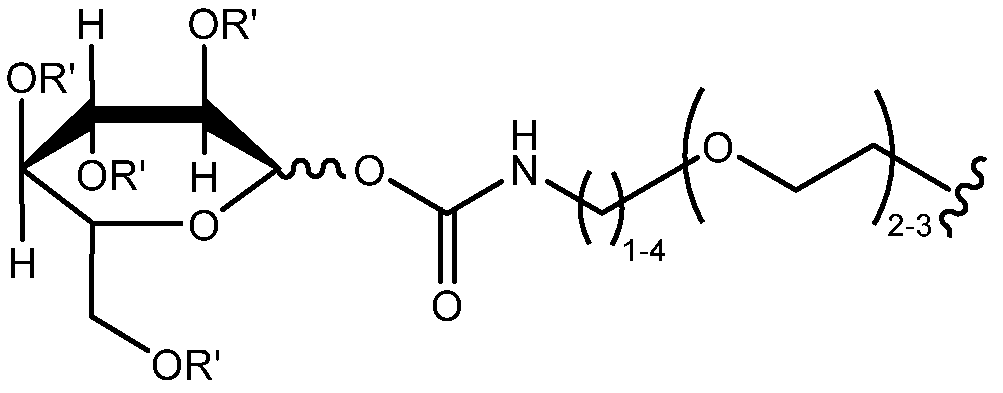
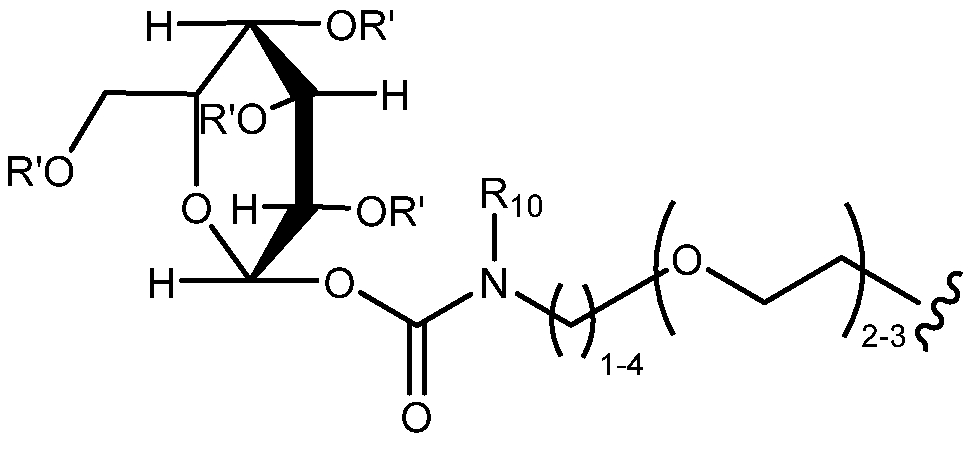
occurrence of R2 is
 . In certain embodiments, at
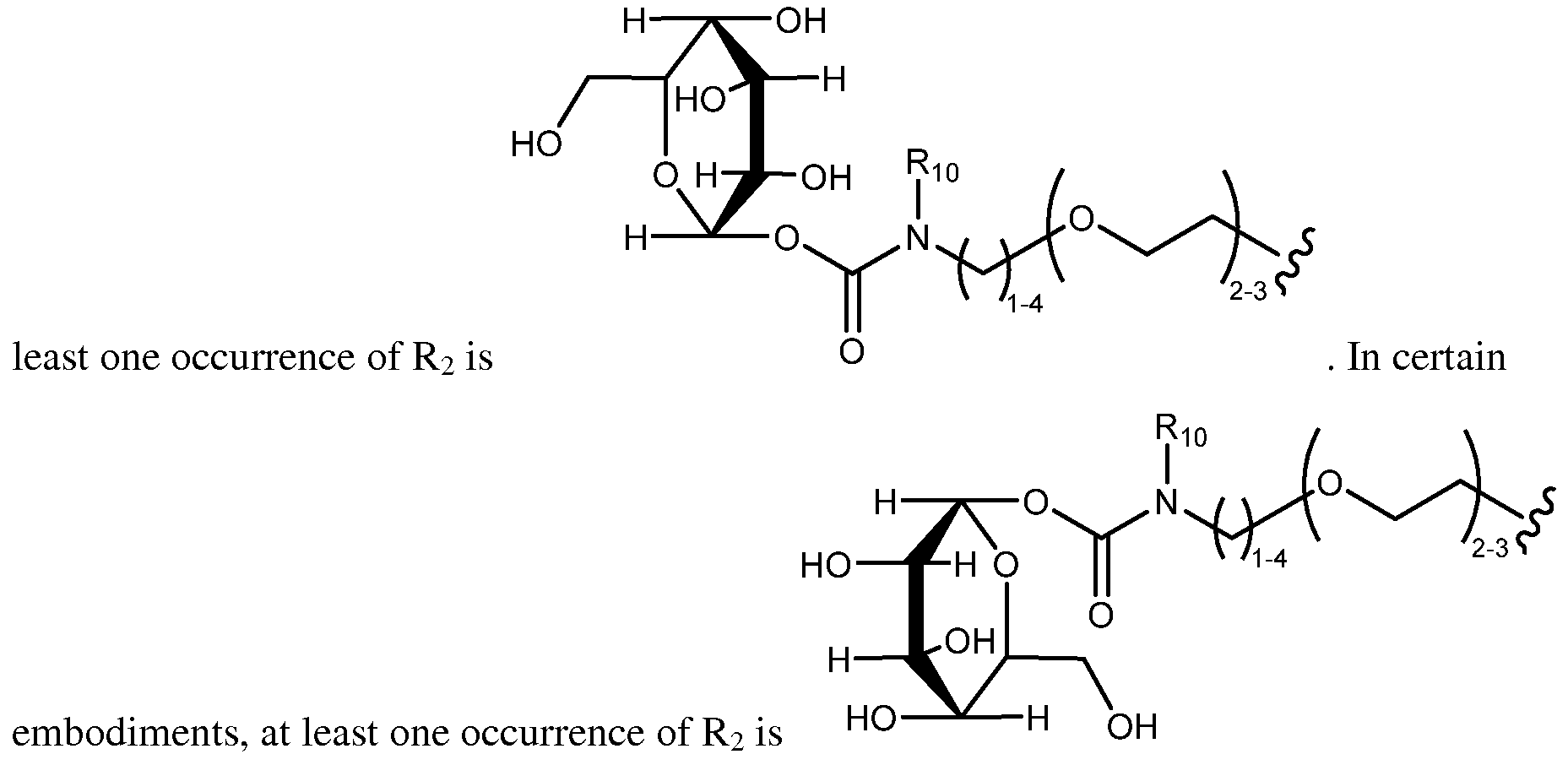 . In certain embodiments, at least one occurrence of R2 is
 ; wherein all R′ are oxygen protecting groups. In certain embodiments, at least one occurrence of R2 is


embodiments, at least one occurrence of R2 is
 ; wherein all R′ are silyl, TBDPS, TBDMS, TIPS, TES, TMS, MOM, THP, t-Bu, Bn, allyl, acetyl, pivaloyl, or Bz.
[0096] In certain embodiments, R1 and all occurrences of R2 are hydrogen.
[0097] In compounds of Formula (A), each occurrence of R3 is independently alkyl, arylalkyl, or–OR8. In certain embodiments, at least one occurrence of R3 is alkyl. In certain embodiments, at least one occurrence of R3 is C1-6 alkyl. In certain embodiments, at least one occurrence of R3 is methyl. In certain embodiments, at least one occurrence of R3 is ethyl. In certain embodiments, at least one occurrence of R3 is propyl. In certain embodiments, at least one occurrence of R3 is butyl. In certain embodiments, at least one occurrence of R3 is
arylalkyl. In certain embodiments, at least one occurrence of R3 is benzyl. In certain embodiments, at least one occurrence of R3 is–OR8. In certain embodiments, at least one occurrence of R3 is–OH. In certain embodiments, at least one occurrence of R3 is–O–alkyl. In certain embodiments, at least one occurrence of R3 is–O–(C1-6 alkyl). In certain embodiments, at least one occurrence of R3 is–OMe. In certain embodiments, at least one occurrence of R3 is–OEt. In certain embodiments, at least one occurrence of R3 is–OPr. In certain embodiments, at least one occurrence of R3 is–OBu. In certain embodiments, at least one occurrence of R3 is–O–acyl. In certain embodiments, at least one occurrence of R3 is– O–C(=O)–CH3. In certain embodiments, at least one occurrence of R3 is
. In certain embodiments, at least one occurrence of R3 is
certain embodiments, at least one occurrence of R3 is
certain embodiments, at least one occurrence of R3 is


at least one occurrence of R3 is
 ; wherein all R′ are oxygen protecting
groups. In certain embodiments, at least one occurrence of R3 is
 ; wherein all R′ are silyl, TBDPS, TBDMS, TIPS, TES, TMS, MOM, THP, t-Bu, Bn, allyl, acetyl, pivaloyl, or Bz. In certain embodiments, at least one occurrence of R3 is
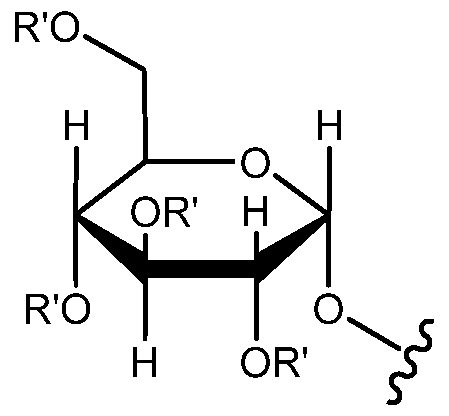
of R3 is
 . In certain embodiments, at least one occurrence of R3 is
In certain embodiments, at least one occurrence of R3 is . In certain embodiments, at least one occurrence of R3 is
. In certain embodiments, at least one occurrence of R3 is
In certain embodiments, at least one occurrence of R3 is . In certain embodiments, at least one occurrence of R3 is
In certain embodiments, at least one occurrence of R3 is
In certain embodiments, at least one occurrence of R3 is


wherein all R′ are silyl, TBDPS, TBDMS, TIPS, TES, TMS, MOM, THP, t-Bu, Bn, allyl, acetyl, pivaloyl, or Bz. In certain embodiments, at least one occurrence of R3 is

[0098] In compounds of Formula (A), R4 is hydrogen or alkyl. In certain
embodiments, R4 is hydrogen. In certain embodiments, R4 is alkyl. In certain embodiments, R4 is C1-6 alkyl. In certain embodiments, R4 is methyl. In certain embodiments, R4 is ethyl. In certain embodiments, R4 is propyl. In certain embodiments, R4 is butyl.
[0099] In compounds of Formula (A), R5 is hydrogen or alkyl. In certain
embodiments, R5 is hydrogen. In certain embodiments, R5 is alkyl. In certain embodiments, R5 is C1-6 alkyl. In certain embodiments, R5 is methyl. In certain embodiments, R5 is ethyl. In certain embodiments, R5 is propyl. In certain embodiments, R5 is butyl.
[00100] In certain embodiments, R4 and R5 are each hydrogen. In certain
embodiments, R4 and R5 are each alkyl. In certain embodiments, R4 and R5 are each C1-6 alkyl. In certain embodiments, R4 and R5 are each methyl. In certain embodiments, R4 and R5 are each ethyl.
[00101] In compounds of Formula (A), R6 is hydrogen or alkyl. In certain
embodiments, R6 is hydrogen. In certain embodiments, R6 is alkyl. In certain embodiments, R6 is C1-6 alkyl. In certain embodiments, R6 is methyl. In certain embodiments, R6 is ethyl. In certain embodiments, R6 is propyl. In certain embodiments, R6 is butyl.
[00102] In certain embodiments, R4 and R5 are each hydrogen; and R6 is alkyl. In certain embodiments, R4 and R5 are each hydrogen; and R6 is C1-6 alkyl. In certain embodiments, R4 and R5 are each hydrogen; and R6 is methyl. In certain embodiments, R4 and R5 are each hydrogen; and R6 is ethyl. In certain embodiments, R4 and R5 are each
hydrogen; and R6 is propyl. In certain embodiments, R4 and R5 are each hydrogen; and R6 is butyl.
[00103] In certain embodiments, R4 and R5 are each alkyl; and R6 is methyl. In certain embodiments, R4 and R5 are each C1-6 alkyl; and R6 is methyl. In certain embodiments, R4 and R5 are each methyl; and R6 is methyl. In certain embodiments, R4 and R5 are each ethyl; and R6 is methyl.
[00104] In certain embodiments, R4 and R5 are each alkyl; and R6 is hydrogen. In certain embodiments, R4 and R5 are each C1-6 alkyl; and R6 is hydrogen. In certain embodiments, R4 and R5 are each methyl; and R6 is hydrogen. In certain embodiments, R4 and R5 are each ethyl; and R6 is hydrogen. In certain embodiments, R4, R5, and R6 are each hydrogen.
[00105] In compounds of Formula (A), R7 is–OR9 or–SR9. In certain embodiments, R7 is–OR9. In certain embodiments, R7 is–OH. In certain embodiments, R7 is–O–alkyl. In certain embodiments, R7 is–O–(C1-6 alkyl). In certain embodiments, R7 is–OMe. In certain embodiments, R7 is–OEt. In certain embodiments, R7 is–OPr. In certain embodiments, R7 is
. In cert

certain embodiment
 , ; wherein all R′ are oxygen protecting
groups. In certain embodiments, R7 is
 ; wherein all R′ are silyl, TBDPS, TBDMS, TIPS, TES, TMS, MOM, THP, t-Bu, Bn, allyl, acetyl, pivaloyl, or Bz. In
certain embodiments, R7 is
 ; wherein all R′ are silyl, TBDPS, TBDMS, TIPS, TES, TMS, MOM, THP, t-Bu, Bn, allyl, acetyl, pivaloyl, or Bz. In certain
embodiments, R7 is
 . In certain embodiments, R7 is


are oxygen protecting groups. In certain embodiments, R7 ein
all R′ are oxygen protecting groups. In certain embodime
 ; wherein all R′ are silyl, TBDPS, TBDMS, TIPS, TES, TMS, MOM, THP, t-Bu, Bn, allyl,
acetyl, pivaloyl, or Bz. In certain embodiments, R7 is
 ; wherein all R′ are silyl, TBDPS, TBDMS, TIPS, TES, TMS, MOM, THP, t-Bu, Bn, allyl, acetyl, pivaloyl,
or Bz. In certain embodiments, R7 is
 . In certain embodiments, R7 is
 . In certain
embodiments, R7 is
 . In certain embodiments, R7 is
a
 ll R are oxygen pr
wherein all R′ are silyl, TBDPS, TBDMS, TIPS, TES, TMS, MOM, THP, t-Bu, Bn, allyl,
acetyl, pivaloyl, or Bz. In certain embodiments, R7 is
 ; wherein all R′ are silyl, TBDPS, TBDMS, TIPS, TES, TMS, MOM, THP, t-Bu, Bn, allyl, acetyl, pivaloyl,
 or Bz. In certain embodiments, R7 is . In certain embodiments, R7 is

embodiments, R7 is
 . In certain embodiments, R7 is
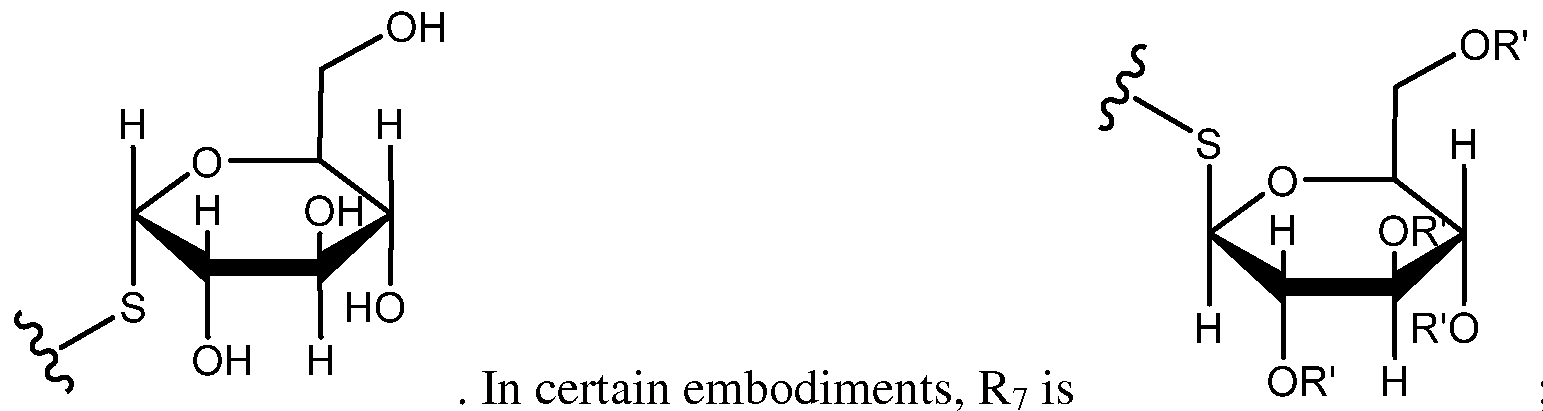
are oxygen protecting groups. In certain embodiments, R7 is
all R′ are oxygen protecting groups. In certain embodiments,
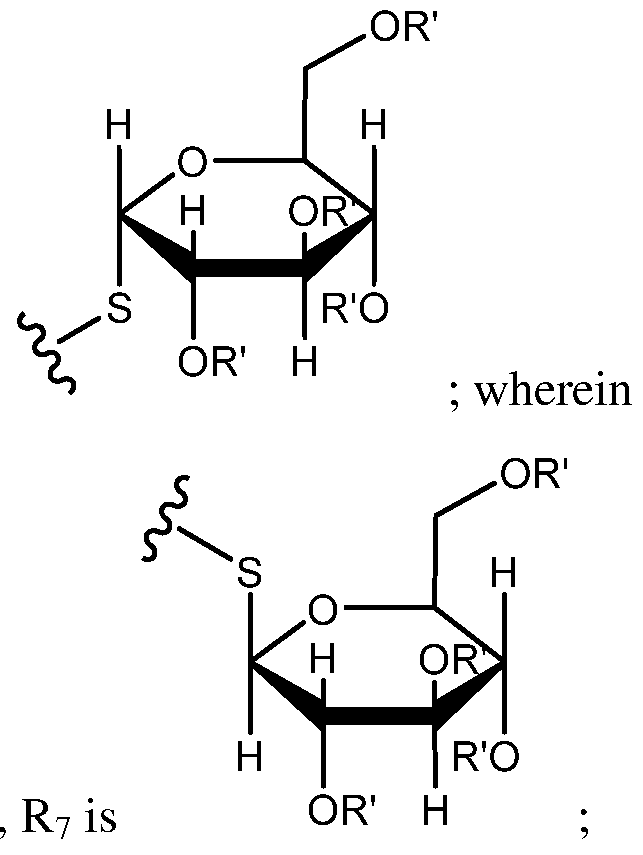
wherein all R′ are silyl, TBDPS, TBDMS, TIPS, TES, TMS, MOM, THP, t-Bu, Bn, allyl,
acetyl, pivaloyl, or Bz. In certain embodiments, R7

are silyl, TBDPS, TBDMS, TIPS, TES, TMS, MOM, THP, t-Bu, Bn, allyl, acetyl, pivaloyl, or Bz.
[00106] In compounds of Formula (A), R8 is hydrogen, alkyl, acyl, an oxygen
protecting group,
 . In certain embodiments, R8 is hydrogen. In certain embodiments, R8 is alkyl. In certain embodiments, R8 is C1-6 alkyl. In certain embodiments, R8 is methyl. In certain embodiments, R8 is ethyl. In certain embodiments, R8 is propyl. In certain embodiments, R8 is butyl. In certain embodiments, R8 is acyl. In certain embodiments, R8 is acetyl. In certain embodiments, R8 is pivaloyl. In certain embodiments, R8 is an oxygen protecting group. In certain embodiments, R8 is silyl. In certain embodiments, R8 is TBDPS, TBDMS, TIPS, TES, or TMS. In certain
embodiments, R8 is MOM, THP, t-Bu, Bn, allyl, acetyl, pivaloyl, or Bz. In certain

In certain embodiments, R8 is . In certain embodiments, R8 is
In certain
tecting groups. In

In certain embodiments, R8 is
 ; wherein all R′ are silyl, TBDPS, TBDMS, TIPS, TES, TMS, MOM, THP, t-Bu, Bn, allyl, acetyl, pivaloyl, or Bz. In certain
embodiments, R8 is
 ; wherein all R′ are silyl, TBDPS, TBDMS, TIPS, TES, TMS, MOM, THP, t-Bu, Bn, allyl, acetyl, pivaloyl, or Bz. In certain embodiments, R8
is
 . In certain
embodiments, R8 is . In certain embodiment
. In certain
embodiments, R8 is . In certain embodiment

rein all R′ are oxygen protecting groups. In certain embodiments, R8 herein all R′ are oxygen protecting groups. In certain embodiments,
 ; wherein all R′ are silyl, TBDPS, TBDMS, TIPS, TES, TMS, MOM, THP, t-Bu, Bn, allyl, acetyl, pivaloyl, or Bz. In certain embodiments, R8 is
 ; wherein all R′ are silyl, TBDPS, TBDMS, TIPS, TES, TMS, MOM, THP, t-Bu, Bn, allyl, acetyl, pivaloyl, or Bz.
[00107] In compounds of Formula (A), R9 is hydrogen, alkyl,
; wherein all R′ are silyl, TBDPS, TBDMS, TIPS, TES, TMS, MOM, THP, t-Bu, Bn, allyl, acetyl, pivaloyl, or Bz.
[00107] In compounds of Formula (A), R9 is hydrogen, alkyl,
 ,
,

is
 . In certain
embodiments, R9 is
 . In
. In
certain embodiments, R9 is
 . In certain embodiments, R9 is

R
 ; wherein all R′ are silyl, TBDPS, TBDMS, TIPS, TES, TMS, MOM, THP, t-Bu, Bn, allyl, acetyl, pivaloyl, or Bz. In certain embodiments, R9 is


embodiments, R9 is
 . In
. In
certain embodiments, R9 is
 . In certain embodiments, R9 is
rein all R′ are oxygen protecting groups. In certain embodiments, R9
. In certain embodiments, R9 is
rein all R′ are oxygen protecting groups. In certain embodiments, R9
herein all R′ are oxygen protecting groups. In certain embodiments,


[00108] In compounds of Formula (A), R10 is hydrogen, alkyl, acyl, or a nitrogen protecting group. In certain embodiments, R10 is hydrogen. In certain embodiments, R10 is alkyl. In certain embodiments, R10 is C1-6 alkyl. In certain embodiments, R10 is methyl. In certain embodiments, R10 is ethyl. In certain embodiments, R10 is propyl. In certain embodiments, R10 is butyl. In certain embodiments, R10 is acyl. In certain embodiments, R10
is acetyl. In certain embodiments, R10 is pivaloyl. In certain embodiments, R10 is a nitrogen protecting group. In certain embodiments, R10 is Bn, Boc, Cbz, Fmoc, trifluoroacetyl, triphenylmethyl, or Ts.
[00109] In compounds of Formula (A), at least one R′ is hydrogen or an oxygen protecting group. In certain embodiments, at least one R′ is hydrogen. In certain
embodiments, at least one R′ is an oxygen protecting group. In certain embodiments, at least one R′ is silyl. In certain embodiments, at least one R′ is TBDPS. In certain embodiments, at least one R′ is TBDMS. In certain embodiments, at least one R′ is TIPS. In certain
embodiments, at least one R′ is TES. In certain embodiments, at least one R′ is TMS. In certain embodiments, at least one R′ is MOM. In certain embodiments, at least one R′ is THP. In certain embodiments, at least one R′ is t-Bu. In certain embodiments, at least one R′ is Bn. In certain embodiments, at least one R′ is allyl. In certain embodiments, at least one R′ is acetyl. In certain embodiments, at least one R′ is pivaloyl. In certain embodiments, at least one R′ is Bz. In certain embodiments, all R′ are hydrogen. In certain embodiments, all R′ are oxygen protecting groups. In certain embodiments, all R′ are silyl. In certain embodiments, all R′ are TBDPS. In certain embodiments, all R′ are TBDMS. In certain embodiments, all R′ are TIPS. In certain embodiments, all R′ are TES. In certain embodiments, all R′ are TMS. In certain embodiments, all R′ are MOM. In certain embodiments, all R′ are THP. In certain embodiments, all R′ are t-Bu. In certain embodiments, all R′ are Bn. In certain embodiments, all R′ are allyl. In certain embodiments, all R′ are acetyl. In certain embodiments, all R′ are pivaloyl. In certain embodiments, all R′ are Bz.
[00110] In compounds of Formula (A), R″ is hydrogen, alkyl, acyl, an oxygen
protecting group,
 . In certain embodiments, R″ is hydrogen. In certain embodiments, R″ is alkyl. In certain embodiments, R″ is C1-6 alkyl. In certain embodiments, R″ is methyl. In certain embodiments, R″ is ethyl. In certain
embodiments, R″ is propyl. In certain embodiments, R″ is butyl. In certain embodiments, R″ is acyl. In certain embodiments, R″ is acetyl. In certain embodiments, R″ is pivaloyl. In certain embodiments, R″ is an oxygen protecting group. In certain embodiments, R″ is silyl.
In certain embodiments, R″ is TBDPS, TBDMS, TIPS, TES, or TMS. In certain embodiments, R″ is MOM, THP, t-Bu, Bn, allyl, acetyl, pivaloyl, or Bz. In certain
 embodiments, R″ is
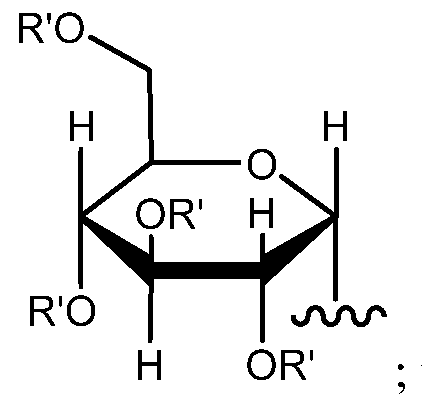 wherein all R′ are silyl, TBDPS, TBDMS, TIPS, TES, TMS, MOM, THP, t-Bu, Bn, allyl, acetyl, pivaloyl, or Bz. In certain embodiments, R″ is
ments, R″ is

certain embodiments, R″ is
 . In certain embodiments, R″ is
herein all R′ are oxygen protecting groups. In certain embodiments, R″


[00111] In compounds of Formula (A), at least one of R1, R8, R9, and R″ is
least one of R1 R8


[00112] In compounds of Formula (A), each occurrence of n is independently an integer from 1 to 8, inclusive. In certain embodiments, at least one occurrence of n is 1. In certain embodiments, at least one occurrence of n is 2. In certain embodiments, at least one occurrence of n is 3. In certain embodiments, at least one occurrence of n is 4. In certain embodiments, at least one occurrence of n is 5. In certain embodiments, at least one occurrence of n is 6. In certain embodiments, at least one occurrence of n is 7. In certain embodiments, at least one occurrence of n is 8.
[00113] In compounds of Formula (A), m is an integer from 0 to 1, inclusive. In certain embodiments, m is 0. In certain embodiments, m is 1.
[00114] In compounds of Formula (A), k is an integer from 0 to 4, inclusive. In certain embodiments, k is 0. In certain embodiments, k is 1. In certain embodiments, k is 2. In certain embodiments, k is 3. In certain embodiments, k is 4.
[00115] In compounds of Formula (A), x is an integer from 1 to 8, inclusive. In certain embodiments, x is 1. In certain embodiments, x is 2. In certain embodiments, x is 3. In certain embodiments, x is 4. In certain embodiments, x is 5. In certain embodiments, x is 6. In certain embodiments, x is 7. In certain embodiments, x is 8.
[00116] In compounds of Formula (A), y is an integer from 0 to 8, inclusive. In certain embodiments, y is 0. In certain embodiments, y is 1. In certain embodiments, y is 2. In certain embodiments, y is 3. In certain embodiments, y is 4. In certain embodiments, y is 5. In certain embodiments, y is 6. In certain embodiments, y is 7. In certain embodiments, y is 8.
[00117] In compounds of Formula (A), all combinations of n, x, and y are
contemplated. In certain embodiments, n is 2; x is 0; and y is 1. In certain embodiments, n is 2; x is 0; and y is 2. In certain embodiments, n is 2; x is 0; and y is 3. In certain embodiments, n is 2; x is 0; and y is 4.
[00118] The compound of Formula (A) may have one or more chiral centers. In certain embodiments, the compound of Formula (A) is of Formula (B):

or a pharmaceutically acceptable salt, tautomer, stereoisomer, solvate, hydrate, or polymorph thereof.
[00119] In certain embodiments, the compound of Formula (A) is of the formula:

or a pharmaceutically acceptable salt, tautomer, stereoisomer, solvate, hydrate, or polymorph thereof.
[00120] When m is 1, the group–OR2 of Formula (A) may be at any position, as valency permits, of the phenyl ring of Formula (A). In certain embodiments, m is 1,–OR2 of Formula (A) is at the 3′-position of the phenyl ring of Formula (A), and thus the compound of Formula (A) is of Formula (C):

or a pharmaceutically acceptable salt, tautomer, stereoisomer, solvate, hydrate, or polymorph thereof.
[00121] In certain embodiments, the compound of Formula (A) is of the formula:

[00122] In certain embodiments, the compound of Formula (A) is of the formula:

or a pharmaceutically acceptable salt, tautomer, stereoisomer, solvate, hydrate, or polymorph thereof.
[00123] In certain embodiments, the compound of Formula (A) is of the formula:

or a pharmaceutically acceptable salt, tautomer, stereoisomer, solvate, hydrate, or polymorph thereof.
[00124] In certain embodiments, the compound of Formula (A) is of the formula:

or a pharmaceutically acceptable salt, tautomer, stereoisomer, solvate, hydrate, or polymorph thereof.
[00125] In certain embodiments, the compound of Formula (A) is of the formula:

or a pharmaceutically acceptable salt, tautomer, stereoisomer, solvate, hydrate, or polymorph thereof.
[00126] In certain embodiments, the com ound of Formula (A) is of the formula:

or a pharmaceutically acceptable salt, tautomer, stereoisomer, solvate, hydrate, or polymorph thereof.
[00127] In certain embodiments, the compound of Formula (A) is of the formula:

or a pharmaceutically acceptable salt, tautomer, stereoisomer, solvate, hydrate, or polymorph thereof.
[00128] In certain embodiments, the compound of Formula (A) is of the formula:

or a pharmaceutically acceptable salt, tautomer, stereoisomer, solvate, hydrate, or polymorph thereof.
[00129] In certain embodiments, the compound of Formula (A) is of the formula:

or a pharmaceutically acceptable salt, tautomer, stereoisomer, solvate, hydrate, or polymorph thereof.
[00130] In certain embodiments, m is 1,–OR2 of Formula (A) is at the 4′-position of the phenyl ring of Formula A , and the com ound of Formula A is of Formula (D):

or a pharmaceutically acceptable salt, tautomer, stereoisomer, solvate, hydrate, or polymorph thereof.
[00131] In certain embodiments, the compound of Formula (A) is of the formula:

[00132] In certain embodiments, the compound of Formula (A) is of the formula:

or a pharmaceutically acceptable salt, tautomer, stereoisomer, solvate, hydrate, or polymorph thereof.
[00133] In certain embodiments, the compound of Formula (A) is of the formula:

or a pharmaceutically acceptable salt, tautomer, stereoisomer, solvate, hydrate, or polymorph thereof.
[00134] In certain embodiments, the compound of Formula (A) is of the formula:

or a pharmaceutically acceptable salt, tautomer, stereoisomer, solvate, hydrate, or polymorph thereof.
[00135] In certain embodiments, the compound of Formula (A) is of the formula:

or a pharmaceutically acceptable salt, tautomer, stereoisomer, solvate, hydrate, or polymorph thereof.
[00136] In certain embodiments, the compound of Formula (A) is of the formula:

[00137] In certain embodiments, the compound of Formula (A) is of the formula:

or a pharmaceutically acceptable salt, tautomer, stereoisomer, solvate, hydrate, or polymorph thereof.
[00138] In certain embodiments, the compound of Formula (A) is of the formula:

or a pharmaceutically acceptable salt, tautomer, stereoisomer, solvate, hydrate, or polymorph thereof.
[00139] In certain embodiments, the compound of Formula (A) is of the formula:

or a pharmaceutically acceptable salt, tautomer, stereoisomer, solvate, hydrate, or polymorph thereof.
[00140] In certain embodiments, the compound of Formula (A) is of Formula (E-1) or (E-2):

or a pharmaceutically acceptable salt, tautomer, stereoisomer, solvate, hydrate, or polymorph thereof.
[00141] In certain embodiments, the compound of Formula (A) is of the formula:


or a pharmaceutically acceptable salt, tautomer, stereoisomer, solvate, hydrate, or polymorph thereof.
[00142] In certain embodiments, the compound of Formula (A) is of the formula:


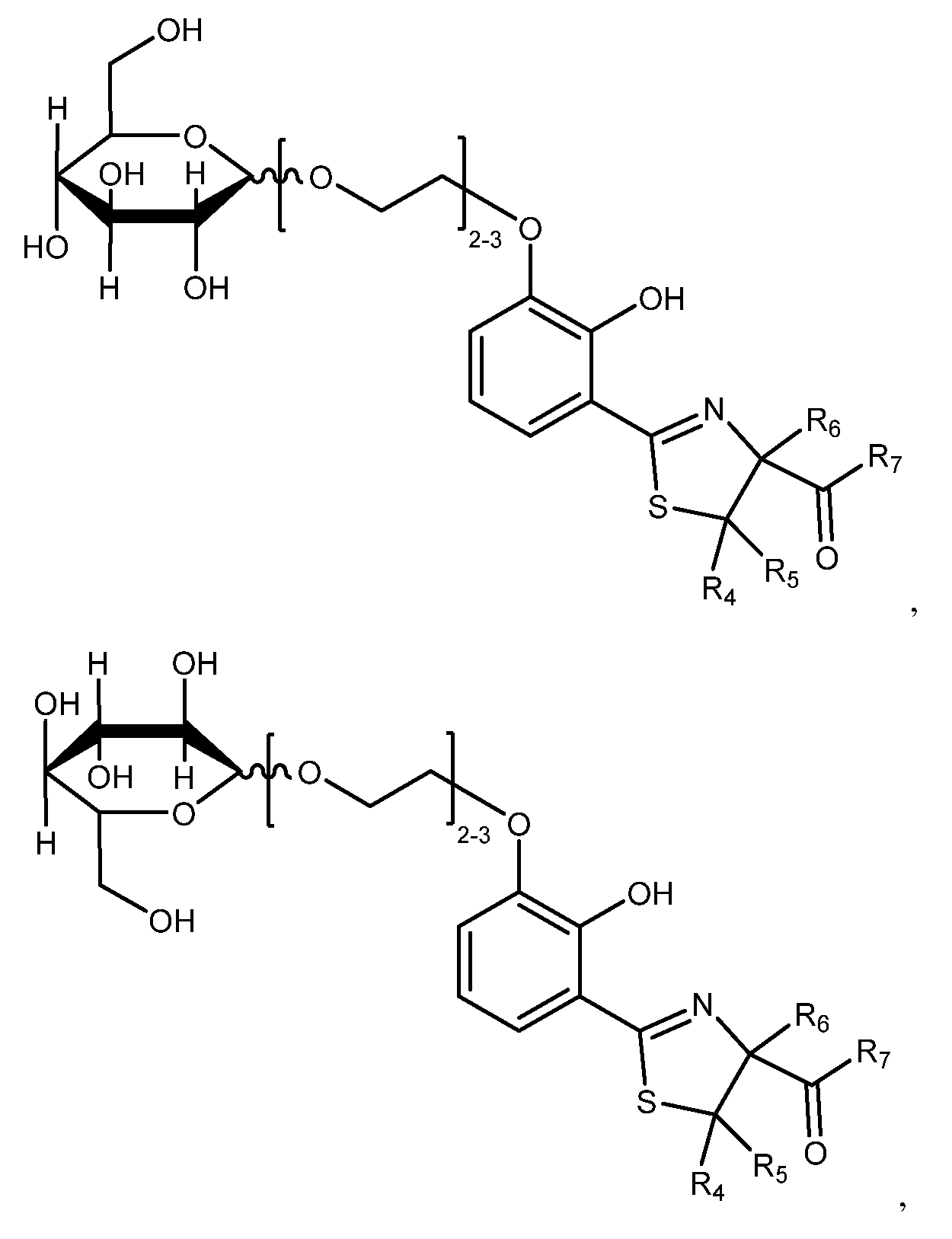
or a pharmaceutically acceptable salt, tautomer, stereoisomer, solvate, hydrate, or polymorph thereof.
[00143] In certain embodiments, the compound of Formula (A) is of Formula (E-3) or (E-4):
,

or a pharmaceutically acceptable salt, tautomer, stereoisomer, solvate, hydrate, or polymorph thereof.
[00144] In certain embodiments, the compound of Formula (A) is of the formula:

,

[00145] In certain embodiments, the compound of Formula (A) is of the formula:


or a pharmaceutically acceptable salt, tautomer, stereoisomer, solvate, hydrate, or polymorph thereof.
[00146] In certain embodiments, the compound of Formula (A) is of Formula (F-1) or (F-2):

or a pharmaceutically acceptable salt, tautomer, stereoisomer, solvate, hydrate, or polymorph thereof.
[00147 In certain embodiments, the com ound of Formula A is of the formula:

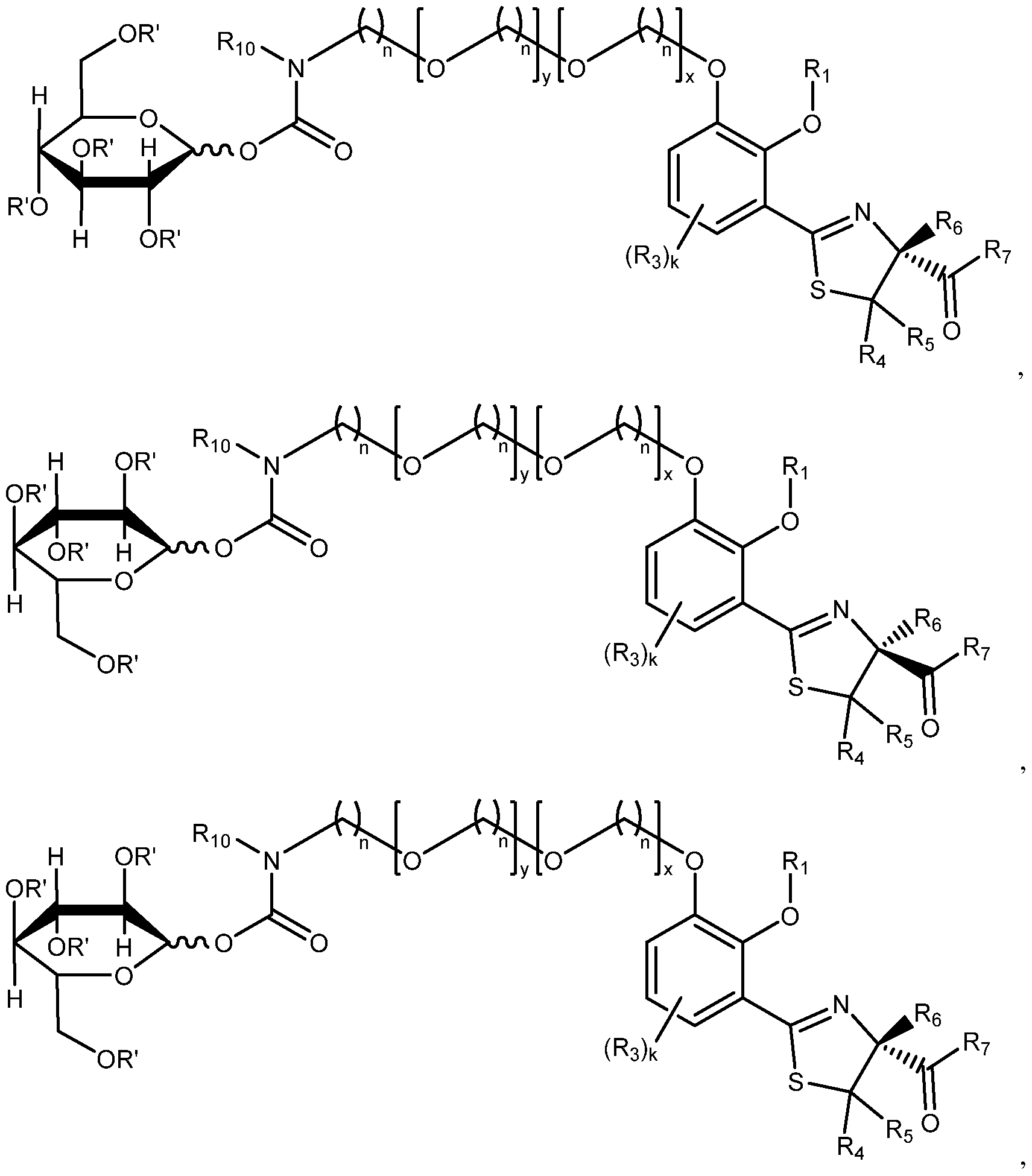
or a pharmaceutically acceptable salt, tautomer, stereoisomer, solvate, hydrate, or polymorph thereof.
[00148] In certain embodiments, the compound of Formula (A) is of the formula:


,
,


[00149] In certain embodiments, the compound of Formula (A) is of Formula (F-3) or (F-4):

or a pharmaceutically acceptable salt, tautomer, stereoisomer, solvate, hydrate, or polymorph thereof.
[00150] In certain embodiments, the compound of Formula (A) is of the formula:
,
,
,

, ,


or a pharmaceutically acceptable salt, tautomer, stereoisomer, solvate, hydrate, or polymorph thereof.
99/183
U1195.70011WO00
[00152] In certain embodiments, the compound of Formula (A) is of Formula (G-1) or (G-2):

or a pharmaceutically acceptable salt, tautomer, stereoisomer, solvate, hydrate, or polymorph thereof.
[00153] In certain embodiments, the compound of Formula (A) is of the formula:


[00154] In certain embodiments, the compound of Formula (A) is of the formula:

,

[00155] In certain embodiments, the compound of Formula (A) is of Formula (H-1) or (H-2):

[00156] In certain embodiments, the compound of Formula (A) is of the formula:

or a pharmaceutically acceptable salt, tautomer, stereoisomer, solvate, hydrate, or polymorph thereof.
[00157] In certain embodiments, the compound of Formula (A) is of Formula (I-1) or (I-2):

or a pharmaceutically acceptable salt, tautomer, stereoisomer, solvate, hydrate, or polymorph thereof.
[00158] In certain embodiments, the compound of Formula (A) is of the formula:


or a pharmaceutically acceptable salt, tautomer, stereoisomer, solvate, hydrate, or polymorph thereof.
[00159] In certain embodiments, the compound of Formula (A) is of the formula:
,

,

or a pharmaceutically acceptable salt, tautomer, stereoisomer, solvate, hydrate, or polymorph thereof.
[00160] In certain embodiments, the compound of Formula (A) is of Formula (J-1) or (J-2):
, (J-1) (J-2)
 or a pharmaceutically acceptable salt, tautomer, stereoisomer, solvate, hydrate, or polymorph thereof.
[00161] In certain embodiments, the compound of Formula (A) is of the formula:
,

[00162] In certain embodiments, the compound of Formula (A) is of the formula:


or a pharmaceutically acceptable salt, tautomer, stereoisomer, solvate, hydrate, or polymorph thereof.
[00163] In certain embodiments, the compound of Formula (A) is of Formula (K-1) or (K-2):

or a pharmaceutically acceptable salt, tautomer, stereoisomer, solvate, hydrate, or polymorph thereof.
[00164] In certain embodiments, the compound of Formula (A) is of the formula:


or a pharmaceutically acceptable salt, tautomer, stereoisomer, solvate, hydrate, or polymorph thereof.
[00165] In certain embodiments, the compound of Formula (A) is of the formula:


111/18395.70011WO00

or a pharmaceutically acceptable salt, tautomer, stereoisomer, solvate, hydrate, or polymorph thereof.
[00166] In certain embodiments, the compound of Formula (A) is of Formula (L-1) or (L-2):


or a pharmaceutically acceptable salt, tautomer, stereoisomer, solvate, hydrate, or polymorph thereof.
[00167] In certain embodiments, the compound of Formula (A) is of the formula:
,

[00168] In certain embodiments, the compound of Formula (A) is of the formula:
,
,
,
,


or a pharmaceutically acceptable salt, tautomer, stereoisomer, solvate, hydrate, or polymorph thereof.
[00169] In certain embodiments, the compound of Formula (A) is of Formula (M-1) or (M-2):

or a pharmaceutically acceptable salt, tautomer, stereoisomer, solvate, hydrate, or polymorph thereof.
[00170] In certain embodiments, the compound of Formula (A) is of the formula:


[00171] In certain embodiments, the compound of Formula (A) is of the formula:


118/18395.70011WO00
,

[00172] In certain embodiments, the compound of Formula (A) is of Formula (N-1) or (N-2):


or a pharmaceutically acceptable salt, tautomer, stereoisomer, solvate, hydrate, or polymorph thereof.
[00173] In certain embodiments, the compound of Formula (A) is of the formula:


or a pharmaceutically acceptable salt, tautomer, stereoisomer, solvate, hydrate, or polymorph thereof.
[00174] In certain embodiments, the compound of Formula (A) is of the formula:
,
,


[00175] In certain embodiments, the com ound of Formula A is of the formula:

or a pharmaceutically acceptable salt, tautomer, stereoisomer, solvate, hydrate, or polymorph thereof.
[00176] In certain embodiments, the compound of Formula (A) is of the formula:
,
,
,


or a pharmaceutically acceptable salt, tautomer, stereoisomer, solvate, hydrate, or polymorph thereof.
[00178] In certain embodiments, the compound of Formula (A) is of the formula:
,
,

or a pharmaceutically acceptable salt, tautomer, stereoisomer, solvate, hydrate, or polymorph thereof.
[00179] In certain embodiments, the compound of Formula (A) is of the formula:
,
,

or a pharmaceutically acceptable salt, tautomer, stereoisomer, solvate, hydrate, or polymorph thereof.
[00180] The compounds of the invention may be provided in various salts forms. In certain embodiments, the inventive compounds are provided as alkali metal salts. In certain embodiments, the inventive compounds are provided as alkaline earth metal salts. In certain
embodiments, when R9 is–OH, the compound may be provided as a carboxylate salt with a positively charged counterion. In certain embodiments, the counterion is betaine, choline hydroxide, diethanolamine, diethylamine, ethanolamine, hydroxyethylmorpholine, 4-(2- hydroxyethyl morpholine), 1-(2-hydroxyethyl pyrrolidine), 1-(2-hydroxyethyl)-piperidine, 1,2-EDSA, HCl, H2SO4, MSA, p-TSA, hydroxyethyl pyrroldine, imidazone, lysine (e.g., L- lysine), arginine (e.g., L-arginine), histidine (e.g., L-histidine) N-methyl-D-glucamine (NMG), N, Nƍ-dibenzyl-ethylenediamine, N, Nƍ-diethyl-ethanolamine, triethanolamine, tromethamine, calcium (e.g., Ca(OH)2), magnesium (e.g., Mg(OH)2, magnesium acetate), potassium (e.g., KOH, potassium 2-ethylhexanoate), sodium (e.g., NaOH, sodium acetate, sodium 2-ethylhexanoate), zinc (e.g., Zn(OH)2, zinc acetate), Zn(OH)2/Mg(OH)2, EDA, or piperazinyl. In certain embodiments, the counterion is lysine. In certain embodiments, the counterion is N-methyl-D-glucamine (NMG). In certain embodiments, the counterion is tromethamine. In certain embodiments, the counterion is calcium. In certain embodiments, the counterion is magnesium. In certain embodiments, the counterion is cesium. In certain embodiments, the counterion is potassium. In certain embodiments, the counterion is sodium. In certain embodiments, the counterion is lithium. In certain embodiments, the counterion is zinc. In certain embodiments, the counterion is piperzine. In certain embodiments, the counterion is MgOH+. In certain embodiments, the counterion is ZnOH+.
[00181] In certain embodiments, a polymorph of a salt of a compound of the invention is provided. In certain embodiments, a polymorph of a magnesium salt of a compound of the invention is provided. In certain embodiments, a polymorph of a sodium salt of a compound of the invention is provided. In certain embodiments, a polymorph of a salt of a carboxylate compound of the invention, wherein R9 is–OH, is provided. In certain embodiments, a polymorph of a magnesium salt of a carboxylate compound of the invention, wherein R9 is– OH, is provided. In certain embodiments, a polymorph of a sodium salt of a carboxylate compound of the invention, wherein R9 is–OH, is provided.
[00182] The cation and anion in a salt disclosed herein may combine in a 1:1 molar ratio. Other molar ratios (e.g., 1:1.5, 1:2, 1:6, and 2:1) are also possible. Salts shown herein may be, for the sole purpose of convenience in notation, shown in a 1:1 ratio. All possible stoichiometric arrangements are encompassed by the scope of the present invention.
[00183] In certain embodiments, a salt of a compound of any one of the Formulae (P- 1)-(P-4) is provided. In certain embodiments, the present invention provides a sodium salt of any one of the Formulae (P-1)-(P-4) as shown in the formula:

or a pharmaceutically acceptable salt, tautomer, stereoisomer, solvate, hydrate, or polymorph thereof.
[00184] In certain embodiments, the salt of a compound of Formula (A) is of the formula:

or a pharmaceutically acceptable salt, tautomer, stereoisomer, solvate, hydrate, or polymorph thereof.
[00185] In certain embodiments, the salt of a compound of Formula (A) is of the formula:
,
,
,


or a pharmaceutically acceptable salt, tautomer, stereoisomer, solvate, hydrate, or polymorph thereof.
Pharmaceutical Compositions, Kits, and Administration
[00187] The present invention provides pharmaceutical compositions comprising a compound of the invention, and pharmaceutically acceptable salts, tautomers, stereoisomers, solvates, hydrates, and polymorphs thereof, and optionally a pharmaceutically acceptable excipient. In certain embodiments, the compound of the present invention, or a
pharmaceutically acceptable salt thereof, is provided in an effective amount in the pharmaceutical composition. In certain embodiments, the effective amount is a
therapeutically effective amount. In certain embodiments, the effective amount is a prophylactically effective amount.
[00188] Pharmaceutical compositions described herein can be prepared by any method known in the art of pharmacology. In general, such preparatory methods include the steps of bringing the compound of the present invention (the“active ingredient”) into association with a carrier or excipient, and/or one or more other accessory ingredients, and then, if necessary and/or desirable, shaping, and/or packaging the product into a desired single- or multi-dose unit.
[00189] Pharmaceutical compositions can be prepared, packaged, and/or sold in bulk, as a single unit dose, and/or as a plurality of single unit doses. A“unit dose” is a discrete amount of the pharmaceutical composition comprising a predetermined amount of the active ingredient. The amount of the active ingredient is generally equal to the dosage of the active ingredient which would be administered to a subject and/or a convenient fraction of such a dosage such as, for example, one-half or one-third of such a dosage.
[00190] Relative amounts of the active ingredient, the pharmaceutically acceptable excipient, and/or any additional ingredients in a pharmaceutical composition of the invention will vary, depending upon the identity, size, and/or condition of the subject treated and further depending upon the route by which the composition is to be administered. By way of example, the composition may comprise between 0.1% and 100% (w/w) active ingredient.
[00191] Pharmaceutically acceptable excipients used in the manufacture of provided pharmaceutical compositions include inert diluents, dispersing and/or granulating agents, surface active agents and/or emulsifiers, disintegrating agents, binding agents, preservatives, buffering agents, lubricating agents, and/or oils. Excipients such as cocoa butter and suppository waxes, coloring agents, coating agents, sweetening, flavoring, and perfuming agents may also be present in the composition.
[00192] Exemplary diluents include calcium carbonate, sodium carbonate, calcium phosphate, dicalcium phosphate, calcium sulfate, calcium hydrogen phosphate, sodium
phosphate lactose, sucrose, cellulose, microcrystalline cellulose, kaolin, mannitol, sorbitol, inositol, sodium chloride, dry starch, cornstarch, powdered sugar, and mixtures thereof.
[00193] Exemplary granulating and/or dispersing agents include potato starch, corn starch, tapioca starch, sodium starch glycolate, clays, alginic acid, guar gum, citrus pulp, agar, bentonite, cellulose, and wood products, natural sponge, cation-exchange resins, calcium carbonate, silicates, sodium carbonate, cross-linked poly(vinyl-pyrrolidone)
(crospovidone), sodium carboxymethyl starch (sodium starch glycolate), carboxymethyl cellulose, cross-linked sodium carboxymethyl cellulose (croscarmellose), methylcellulose, pregelatinized starch (starch 1500), microcrystalline starch, water insoluble starch, calcium carboxymethyl cellulose, magnesium aluminum silicate (Veegum), sodium lauryl sulfate, quaternary ammonium compounds, and mixtures thereof.
[00194] Exemplary surface active agents and/or emulsifiers include natural emulsifiers (e.g., acacia, agar, alginic acid, sodium alginate, tragacanth, chondrux, cholesterol, xanthan, pectin, gelatin, egg yolk, casein, wool fat, cholesterol, wax, and lecithin), colloidal clays (e.g., bentonite (aluminum silicate) and Veegum (magnesium aluminum silicate)), long chain amino acid derivatives, high molecular weight alcohols (e.g., stearyl alcohol, cetyl alcohol, oleyl alcohol, triacetin monostearate, ethylene glycol distearate, glyceryl monostearate, and propylene glycol monostearate, polyvinyl alcohol), carbomers (e.g., carboxy polymethylene, polyacrylic acid, acrylic acid polymer, and carboxyvinyl polymer), carrageenan, cellulosic derivatives (e.g., carboxymethylcellulose sodium, powdered cellulose, hydroxymethyl cellulose, hydroxypropyl cellulose, hydroxypropyl methylcellulose, methylcellulose), sorbitan fatty acid esters (e.g., polyoxyethylene sorbitan monolaurate (Tween 20),
polyoxyethylene sorbitan (Tween 60), polyoxyethylene sorbitan monooleate (Tween 80), sorbitan monopalmitate (Span 40), sorbitan monostearate (Span 60), sorbitan tristearate (Span 65), glyceryl monooleate, sorbitan monooleate (Span 80)), polyoxyethylene esters (e.g., polyoxyethylene monostearate (Myrj 45), polyoxyethylene hydrogenated castor oil, polyethoxylated castor oil, polyoxymethylene stearate, and Solutol), sucrose fatty acid esters, polyethylene glycol fatty acid esters (e.g., Cremophor™), polyoxyethylene ethers, (e.g., polyoxyethylene lauryl ether (Brij 30)), poly(vinyl-pyrrolidone), diethylene glycol monolaurate, triethanolamine oleate, sodium oleate, potassium oleate, ethyl oleate, oleic acid, ethyl laurate, sodium lauryl sulfate, Pluronic F-68, Poloxamer188, cetrimonium bromide, cetylpyridinium chloride, benzalkonium chloride, docusate sodium, and/or mixtures thereof.
[00195] Exemplary binding agents include starch (e.g., cornstarch and starch paste), gelatin, sugars (e.g., sucrose, glucose, dextrose, dextrin, molasses, lactose, lactitol, mannitol,
etc.), natural and synthetic gums (e.g., acacia, sodium alginate, extract of Irish moss, panwar gum, ghatti gum, mucilage of isapol husks, carboxymethylcellulose, methylcellulose, ethylcellulose, hydroxyethylcellulose, hydroxypropyl cellulose, hydroxypropyl
methylcellulose, microcrystalline cellulose, cellulose acetate, poly(vinyl-pyrrolidone), magnesium aluminum silicate (Veegum), and larch arabogalactan), alginates, polyethylene oxide, polyethylene glycol, inorganic calcium salts, silicic acid, polymethacrylates, waxes, water, alcohol, and/or mixtures thereof.
[00196] Exemplary preservatives include antioxidants, chelating agents, antimicrobial preservatives, antifungal preservatives, alcohol preservatives, acidic preservatives, and other preservatives.
[00197] Exemplary antioxidants include alpha tocopherol, ascorbic acid, acorbyl palmitate, butylated hydroxyanisole, butylated hydroxytoluene, monothioglycerol, potassium metabisulfite, propionic acid, propyl gallate, sodium ascorbate, sodium bisulfite, sodium metabisulfite, and sodium sulfite.
[00198] Exemplary chelating agents include ethylenediaminetetraacetic acid (EDTA) and salts and hydrates thereof (e.g., sodium edetate, disodium edetate, trisodium edetate, calcium disodium edetate, dipotassium edetate, and the like), citric acid and salts and hydrates thereof (e.g., citric acid monohydrate), fumaric acid and salts and hydrates thereof, malic acid and salts and hydrates thereof, phosphoric acid and salts and hydrates thereof, and tartaric acid and salts and hydrates thereof. Exemplary antimicrobial preservatives include benzalkonium chloride, benzethonium chloride, benzyl alcohol, bronopol, cetrimide, cetylpyridinium chloride, chlorhexidine, chlorobutanol, chlorocresol, chloroxylenol, cresol, ethyl alcohol, glycerin, hexetidine, imidurea, phenol, phenoxyethanol, phenylethyl alcohol, phenylmercuric nitrate, propylene glycol, and thimerosal.
[00199] Exemplary antifungal preservatives include butyl paraben, methyl paraben, ethyl paraben, propyl paraben, benzoic acid, hydroxybenzoic acid, potassium benzoate, potassium sorbate, sodium benzoate, sodium propionate, and sorbic acid.
[00200] Exemplary alcohol preservatives include ethanol, polyethylene glycol, phenol, phenolic compounds, bisphenol, chlorobutanol, hydroxybenzoate, and phenylethyl alcohol.
[00201] Exemplary acidic preservatives include vitamin A, vitamin C, vitamin E, beta- carotene, citric acid, acetic acid, dehydroacetic acid, ascorbic acid, sorbic acid, and phytic acid.
[00202] Other preservatives include tocopherol, tocopherol acetate, deteroxime mesylate, cetrimide, butylated hydroxyanisol (BHA), butylated hydroxytoluened (BHT),
ethylenediamine, sodium lauryl sulfate (SLS), sodium lauryl ether sulfate (SLES), sodium bisulfite, sodium metabisulfite, potassium sulfite, potassium metabisulfite, Glydant Plus, Phenonip, methylparaben, Germall 115, Germaben II, Neolone, Kathon, and Euxyl. In certain embodiments, the preservative is an anti-oxidant. In other embodiments, the preservative is a chelating agent.
[00203] Exemplary buffering agents include citrate buffer solutions, acetate buffer solutions, phosphate buffer solutions, ammonium chloride, calcium carbonate, calcium chloride, calcium citrate, calcium glubionate, calcium gluceptate, calcium gluconate, D- gluconic acid, calcium glycerophosphate, calcium lactate, propanoic acid, calcium levulinate, pentanoic acid, dibasic calcium phosphate, phosphoric acid, tribasic calcium phosphate, calcium hydroxide phosphate, potassium acetate, potassium chloride, potassium gluconate, potassium mixtures, dibasic potassium phosphate, monobasic potassium phosphate, potassium phosphate mixtures, sodium acetate, sodium bicarbonate, sodium chloride, sodium citrate, sodium lactate, dibasic sodium phosphate, monobasic sodium phosphate, sodium phosphate mixtures, tromethamine, magnesium hydroxide, aluminum hydroxide, alginic acid, pyrogen-free water, isotonic saline, Ringer’s solution, ethyl alcohol, and mixtures thereof.
[00204] Exemplary lubricating agents include magnesium stearate, calcium stearate, stearic acid, silica, talc, malt, glyceryl behanate, hydrogenated vegetable oils, polyethylene glycol, sodium benzoate, sodium acetate, sodium chloride, leucine, magnesium lauryl sulfate, sodium lauryl sulfate, and mixtures thereof.
[00205] Exemplary natural oils include almond, apricot kernel, avocado, babassu, bergamot, black current seed, borage, cade, camomile, canola, caraway, carnauba, castor, cinnamon, cocoa butter, coconut, cod liver, coffee, corn, cotton seed, emu, eucalyptus, evening primrose, fish, flaxseed, geraniol, gourd, grape seed, hazel nut, hyssop, isopropyl myristate, jojoba, kukui nut, lavandin, lavender, lemon, litsea cubeba, macademia nut, mallow, mango seed, meadowfoam seed, mink, nutmeg, olive, orange, orange roughy, palm, palm kernel, peach kernel, peanut, poppy seed, pumpkin seed, rapeseed, rice bran, rosemary, safflower, sandalwood, sasquana, savoury, sea buckthorn, sesame, shea butter, silicone, soybean, sunflower, tea tree, thistle, tsubaki, vetiver, walnut, and wheat germ oils. Exemplary synthetic oils include, but are not limited to, butyl stearate, caprylic triglyceride, capric triglyceride, cyclomethicone, diethyl sebacate, dimethicone 360, isopropyl myristate, mineral oil, octyldodecanol, oleyl alcohol, silicone oil, and mixtures thereof.
[00206] Liquid dosage forms for oral and parenteral administration include
pharmaceutically acceptable emulsions, microemulsions, solutions, suspensions, syrups and
elixirs. In addition to the active ingredients, the liquid dosage forms may comprise inert diluents commonly used in the art such as, for example, water or other solvents, solubilizing agents and emulsifiers such as ethyl alcohol, isopropyl alcohol, ethyl carbonate, ethyl acetate, benzyl alcohol, benzyl benzoate, propylene glycol, 1,3-butylene glycol, dimethylformamide, oils (e.g., cottonseed, groundnut, corn, germ, olive, castor, and sesame oils), glycerol, tetrahydrofurfuryl alcohol, polyethylene glycols and fatty acid esters of sorbitan, and mixtures thereof. Besides inert diluents, the oral compositions can include adjuvants such as wetting agents, emulsifying and suspending agents, sweetening, flavoring, and perfuming agents. In certain embodiments for parenteral administration, the conjugates of the invention are mixed with solubilizing agents such as Cremophor™, alcohols, oils, modified oils, glycols, polysorbates, cyclodextrins, polymers, and mixtures thereof.
[00207] Injectable preparations, for example, sterile injectable aqueous or oleaginous suspensions can be formulated according to the known art using suitable dispersing or wetting agents and suspending agents. The sterile injectable preparation can be a sterile injectable solution, suspension or emulsion in a nontoxic parenterally acceptable diluent or solvent, for example, as a solution in 1,3-butanediol. Among the acceptable vehicles and solvents that can be employed are water, Ringer’s solution, U.S.P. and isotonic sodium chloride solution. In addition, sterile, fixed oils are conventionally employed as a solvent or suspending medium. For this purpose any bland fixed oil can be employed including synthetic mono- or di-glycerides. In addition, fatty acids such as oleic acid are used in the preparation of injectables.
[00208] The injectable formulations can be sterilized, for example, by filtration through a bacterial-retaining filter, or by incorporating sterilizing agents in the form of sterile solid compositions which can be dissolved or dispersed in sterile water or other sterile injectable medium prior to use.
[00209] In order to prolong the effect of a drug, it is often desirable to slow the absorption of the drug from subcutaneous or intramuscular injection. This can be
accomplished by the use of a liquid suspension of crystalline or amorphous material with poor water solubility. The rate of absorption of the drug then depends upon its rate of dissolution which, in turn, may depend upon crystal size and crystalline form. Alternatively, delayed absorption of a parenterally administered drug form is accomplished by dissolving or suspending the drug in an oil vehicle.
[00210] Compositions for rectal or vaginal administration are typically suppositories which can be prepared by mixing the conjugates of this invention with suitable non-irritating
excipients or carriers such as cocoa butter, polyethylene glycol or a suppository wax which are solid at ambient temperature but liquid at body temperature and therefore melt in the rectum or vaginal cavity and release the active ingredient.
[00211] While it may be possible for the compounds disclosed herein, or
pharmaceutically acceptable salts, tautomers, stereoisomers, solvates, hydrates, or
polymorphs thereof, to be administered orally as they are, it is also possible to present them as a pharmaceutical formulation or dosage. Solid dosage forms for oral administration include capsules, tablets, pills, powders, and granules. In such solid dosage forms, the active ingredient is mixed with at least one inert, pharmaceutically acceptable excipient or carrier such as sodium citrate or dicalcium phosphate and/or (a) fillers or extenders such as starches, lactose, sucrose, glucose, mannitol, and silicic acid, (b) binders such as, for example, carboxymethylcellulose, alginates, gelatin, polyvinylpyrrolidinone, sucrose, and acacia, (c) humectants such as glycerol, (d) disintegrating agents such as agar, calcium carbonate, potato or tapioca starch, alginic acid, certain silicates, and sodium carbonate, (e) solution retarding agents such as paraffin, (f) absorption accelerators such as quaternary ammonium
compounds, (g) wetting agents such as, for example, cetyl alcohol and glycerol monostearate, (h) absorbents such as kaolin and bentonite clay, and (i) lubricants such as talc, calcium stearate, magnesium stearate, solid polyethylene glycols, sodium lauryl sulfate, and mixtures thereof. In the case of capsules, tablets and pills, the dosage form may comprise buffering agents.
[00212] Solid compositions of a similar type can be employed as fillers in soft and hard-filled gelatin capsules using such excipients as lactose or milk sugar as well as high molecular weight polyethylene glycols and the like. The solid dosage forms of tablets, dragees, capsules, pills, and granules can be prepared with coatings and shells such as enteric coatings and other coatings well known in the pharmaceutical formulating art. They may optionally comprise opacifying agents and can be of a composition that they release the active ingredient(s) only, or preferentially, in a certain part of the intestinal tract, optionally, in a delayed manner. Examples of embedding compositions which can be used include polymeric substances and waxes. Solid compositions of a similar type can be employed as fillers in soft and hard-filled gelatin capsules using such excipients as lactose or milk sugar as well as high molecular weight polethylene glycols and the like.
[00213] The active ingredient can be in micro-encapsulated form with one or more excipients as noted above. The solid dosage forms of tablets, dragees, capsules, pills, and granules can be prepared with coatings and shells such as enteric coatings, release controlling
coatings and other coatings well known in the pharmaceutical formulating art. In such solid dosage forms the active ingredient can be admixed with at least one inert diluent such as sucrose, lactose or starch. Such dosage forms may comprise, as is normal practice, additional substances other than inert diluents, e.g., tableting lubricants and other tableting aids such a magnesium stearate and microcrystalline cellulose. In the case of capsules, tablets and pills, the dosage forms may comprise buffering agents. They may optionally comprise opacifying agents and can be of a composition that they release the active ingredient(s) only, or preferentially, in a certain part of the intestinal tract, optionally, in a delayed manner.
Examples of embedding compositions which can be used include polymeric substances and waxes.
[00214] Dosage forms for topical and/or transdermal administration of a compound of this invention may include ointments, pastes, creams, lotions, gels, powders, solutions, sprays, inhalants and/or patches. Generally, the active ingredient is admixed under sterile conditions with a pharmaceutically acceptable carrier or excipient and/or any needed preservatives and/or buffers as can be required. Additionally, the present invention contemplates the use of transdermal patches, which often have the added advantage of providing controlled delivery of an active ingredient to the body. Such dosage forms can be prepared, for example, by dissolving and/or dispensing the active ingredient in the proper medium. Alternatively or additionally, the rate can be controlled by either providing a rate controlling membrane and/or by dispersing the active ingredient in a polymer matrix and/or gel.
[00215] Suitable devices for use in delivering intradermal pharmaceutical
compositions described herein include short needle devices such as those described in U.S. Patents 4,886,499; 5,190,521; 5,328,483; 5,527,288; 4,270,537; 5,015,235; 5,141,496; and 5,417,662. Intradermal compositions can be administered by devices which limit the effective penetration length of a needle into the skin, such as those described in international PCT Application Publication No. WO 99/34850 and functional equivalents thereof. Jet injection devices which deliver liquid vaccines to the dermis via a liquid jet injector and/or via a needle which pierces the stratum corneum and produces a jet which reaches the dermis are suitable. Jet injection devices are described, for example, in U.S. Patents 5,480,381; 5,599,302;
5,334,144; 5,993,412; 5,649,912; 5,569,189; 5,704,911; 5,383,851; 5,893,397; 5,466,220; 5,339,163; 5,312,335; 5,503,627; 5,064,413; 5,520,639; 4,596,556; 4,790,824; 4,941,880; 4,940,460; and international PCT Application Publication Nos. WO 97/37705 and WO 97/13537. Ballistic powder/particle delivery devices which use compressed gas to accelerate
vaccine in powder form through the outer layers of the skin to the dermis are suitable.
Alternatively or additionally, conventional syringes can be used in the classical mantoux method of intradermal administration.
[00216] Formulations suitable for topical administration include, but are not limited to, liquid and/or semi-liquid preparations such as liniments, lotions, oil in water and/or water in oil emulsions such as creams, ointments and/or pastes, and/or solutions and/or suspensions. Topically-administrable formulations may, for example, comprise from about 1% to about 10% (w/w) active ingredient, although the concentration of the active ingredient can be as high as the solubility limit of the active ingredient in the solvent. Formulations for topical administration may further comprise one or more of the additional ingredients described herein.
[00217] Low boiling propellants generally include liquid propellants having a boiling point of below 65 °F at atmospheric pressure. Generally the propellant may constitute 50 to 99.9% (w/w) of the composition, and the active ingredient may constitute 0.1 to 20% (w/w) of the composition. The propellant may further comprise additional ingredients such as a liquid non-ionic and/or solid anionic surfactant and/or a solid diluent (which may have a particle size of the same order as particles comprising the active ingredient).
[00218] Pharmaceutical compositions of the invention formulated for pulmonary delivery may provide the active ingredient in the form of droplets of a solution and/or suspension. Such formulations can be prepared, packaged, and/or sold as aqueous and/or dilute alcoholic solutions and/or suspensions, optionally sterile, comprising the active ingredient, and may conveniently be administered using any nebulization and/or atomization device. Such formulations may further comprise one or more additional ingredients including, but not limited to, a flavoring agent such as saccharin sodium, a volatile oil, a buffering agent, a surface active agent, and/or a preservative such as methylhydroxybenzoate. The droplets provided by this route of administration may have an average diameter in the range from about 0.1 to about 200 nanometers.
[00219] Formulations described herein as being useful for pulmonary delivery are useful for intranasal delivery of a pharmaceutical composition of the invention. Another formulation suitable for intranasal administration is a coarse powder comprising the active ingredient and having an average particle from about 0.2 to 500 micrometers. Such a formulation is administered by rapid inhalation through the nasal passage from a container of the powder held close to the nares.
[00220] Formulations for nasal administration may, for example, comprise from about as little as 0.1% (w/w) and as much as 100% (w/w) of the active ingredient, and may comprise one or more of the additional ingredients described herein. A pharmaceutical composition of the invention can be prepared, packaged, and/or sold in a formulation for buccal administration. Such formulations may, for example, be in the form of tablets and/or lozenges made using conventional methods, and may contain, for example, 0.1 to 20% (w/w) active ingredient, the balance comprising an orally dissolvable and/or degradable
composition and, optionally, one or more of the additional ingredients described herein. Alternately, formulations for buccal administration may comprise a powder and/or an aerosolized and/or atomized solution and/or suspension comprising the active ingredient. Such powdered, aerosolized, and/or aerosolized formulations, when dispersed, may have an average particle and/or droplet size in the range from about 0.1 to about 200 nanometers, and may further comprise one or more of the additional ingredients described herein.
[00221] A pharmaceutical composition of the invention can be prepared, packaged, and/or sold in a formulation for ophthalmic administration. Such formulations may, for example, be in the form of eye drops including, for example, a 0.1-1.0% (w/w) solution and/or suspension of the active ingredient in an aqueous or oily liquid carrier or excipient. Such drops may further comprise buffering agents, salts, and/or one or more other of the additional ingredients described herein. Other opthalmically-administrable formulations which are useful include those which comprise the active ingredient in microcrystalline form and/or in a liposomal preparation. Ear drops and/or eye drops are contemplated as being within the scope of this invention.
[00222] Although the descriptions of pharmaceutical compositions provided herein are principally directed to pharmaceutical compositions which are suitable for administration to humans, it will be understood by the skilled artisan that such compositions are generally suitable for administration to animals of all sorts. Modification of pharmaceutical
compositions suitable for administration to humans in order to render the compositions suitable for administration to various animals is well understood, and the ordinarily skilled veterinary pharmacologist can design and/or perform such modification with ordinary experimentation.
[00223] Compounds provided herein are typically formulated in dosage unit form for ease of administration and uniformity of dosage. It will be understood, however, that the total daily usage of the compositions of the present invention will be decided by the attending physician within the scope of sound medical judgment. The specific therapeutically effective
dose level for any particular subject or organism will depend upon a variety of factors including the disease being treated and the severity of the disorder; the activity of the specific active ingredient employed; the specific composition employed; the age, body weight, general health, sex, and diet of the subject; the time of administration, route of administration, and rate of excretion of the specific active ingredient employed; the duration of the treatment; drugs used in combination or coincidental with the specific active ingredient employed; and like factors well known in the medical arts.
[00224] The compounds and compositions provided herein can be administered by any route, including enteral (e.g., oral), parenteral, intravenous, intramuscular, intra-arterial, intramedullary, intrathecal, subcutaneous, intraventricular, transdermal, interdermal, rectal, intravaginal, intraperitoneal, topical (as by powders, ointments, creams, and/or drops), mucosal, nasal, bucal, sublingual; by intratracheal instillation, bronchial instillation, and/or inhalation; and/or as an oral spray, nasal spray, and/or aerosol. Specifically contemplated routes are oral administration, intravenous administration (e.g., systemic intravenous injection), regional administration via blood and/or lymph supply, and/or direct
administration to an affected site. The inventive compounds and compositions may also be mixed with blood ex vivo, and the resulting mixture may be administered (e.g., intravenously) to a subject. In general the most appropriate route of administration will depend upon a variety of factors including the nature of the agent (e.g., its stability in the environment of the gastrointestinal tract), and/or the condition of the subject (e.g., whether the subject is able to tolerate oral administration).
[00225] The exact amount of a compound required to achieve an effective amount will vary from subject to subject, depending, for example, on species, age, and general condition of a subject, severity of the side effects or disorder, identity of the particular compound, mode of administration, and the like. An effective amount may be included in a single dose (e.g., single oral dose) or multiple doses (e.g., multiple oral doses). In certain embodiments, when multiple doses are administered to a subject or applied to a tissue or cell, any two doses of the multiple doses include different or substantially the same amounts of a compound described herein. In certain embodiments, when multiple doses are administered to a subject or applied to a tissue or cell, the frequency of administering the multiple doses to the subject or applying the multiple doses to the tissue or cell is three doses a day, two doses a day, one dose a day, one dose every other day, one dose every third day, one dose every week, one dose every two weeks, one dose every three weeks, or one dose every four weeks. In certain embodiments, the frequency of administering the multiple doses to the subject or applying the multiple
doses to the tissue or cell is one dose per day. In certain embodiments, the frequency of administering the multiple doses to the subject or applying the multiple doses to the tissue or cell is two doses per day. In certain embodiments, the frequency of administering the multiple doses to the subject or applying the multiple doses to the tissue or cell is three doses per day. In certain embodiments, when multiple doses are administered to a subject or applied to a tissue or cell, the duration between the first dose and last dose of the multiple doses is one day, two days, four days, one week, two weeks, three weeks, one month, two months, three months, four months, six months, nine months, one year, two years, three years, four years, five years, seven years, ten years, fifteen years, twenty years, or the lifetime of the subject, tissue, or cell. In certain embodiments, the duration between the first dose and last dose of the multiple doses is three months, six months, or one year. In certain embodiments, the duration between the first dose and last dose of the multiple doses is the lifetime of the subject, tissue, or cell. In certain embodiments, a dose (e.g., a single dose, or any dose of multiple doses) described herein includes independently between 0.1 μg and 1 μg, between 0.001 mg and 0.01 mg, between 0.01 mg and 0.1 mg, between 0.1 mg and 1 mg, between 1 mg and 3 mg, between 3 mg and 10 mg, between 10 mg and 30 mg, between 30 mg and 100 mg, between 100 mg and 300 mg, between 300 mg and 1,000 mg, or between 1 g and 10 g, inclusive, of a compound described herein. In certain embodiments, a dose described herein includes independently between 1 mg and 3 mg, inclusive, of a compound described herein. In certain embodiments, a dose described herein includes independently between 3 mg and 10 mg, inclusive, of a compound described herein. In certain embodiments, a dose described herein includes independently between 10 mg and 30 mg, inclusive, of a compound described herein. In certain embodiments, a dose described herein includes independently between 30 mg and 100 mg, inclusive, of a compound described herein.
[00226] It will be appreciated that dose ranges as described herein provide guidance for the administration of provided pharmaceutical compositions to an adult. The amount to be administered to, for example, a child or an adolescent can be determined by a medical practitioner or person skilled in the art and can be lower or the same as that administered to an adult.
[00227] It will be also appreciated that a compound or composition, as described herein, can be administered in combination with one or more additional therapeutically active agents. The compounds or compositions can be administered in combination with additional therapeutically active agents that improve their bioavailability, reduce and/or modify their metabolism, inhibit their excretion, and/or modify their distribution within the body. It will
also be appreciated that the therapy employed may achieve a desired effect for the same disorder, and/or it may achieve different effects.
[00228] The compound or composition can be administered concurrently with, prior to, or subsequent to, one or more additional therapeutically active agents. In general, each agent will be administered at a dose and/or on a time schedule determined for that agent. In will further be appreciated that the additional therapeutically active agent utilized in this combination can be administered together in a single composition or administered separately in different compositions. The particular combination to employ in a regimen will take into account compatibility of the inventive compound with the additional therapeutically active agent and/or the desired therapeutic effect to be achieved. In general, it is expected that additional therapeutically active agents in combination be utilized at levels that do not exceed the levels at which they are utilized individually. In some embodiments, the levels utilized in combination will be lower than those utilized individually.
[00229] Exemplary additional therapeutically active agents include, but are not limited to, anti-cancer agents, anti-diabetic agents, anti-inflammatory agents, immunosuppressant agents, and a pain-relieving agent. Therapeutically active agents include small organic molecules such as drug compounds (e.g., compounds approved by the U.S. Food and Drug Administration as provided in the Code of Federal Regulations (CFR)), peptides, proteins, carbohydrates, monosaccharides, oligosaccharides, polysaccharides, nucleoproteins, mucoproteins, lipoproteins, synthetic polypeptides or proteins, small molecules linked to proteins, glycoproteins, steroids, nucleic acids, DNAs, RNAs, nucleotides, nucleosides, oligonucleotides, antisense oligonucleotides, lipids, hormones, vitamins, and cells.
[00230] Also encompassed by the invention are kits (e.g., pharmaceutical packs). The kits provided may comprise an inventive pharmaceutical composition or compound and a container (e.g., a vial, ampule, bottle, syringe, and/or dispenser package, or other suitable container). In some embodiments, provided kits may optionally further include a second container comprising a pharmaceutical excipient for dilution or suspension of an inventive pharmaceutical composition or compound. In some embodiments, the inventive
pharmaceutical composition or compound provided in the first container and the second container are combined to form one unit dosage form.
[00231] Thus, in another aspect, provided are kits for treating and/or preventing a pathological condition of a subject. In certain embodiments, the kits include a first container comprising a compound of the present invention, or a pharmaceutically acceptable salt, tautomer, stereoisomer, solvate, hydrate, polymorph, or composition thereof; and an
instruction for administering the compound, or a pharmaceutically acceptable salt, tautomer, stereoisomer, solvate, hydrate, polymorph, or composition thereof, to the subject to treat and/or prevent the pathological condition. In certain embodiments, the kits of the present invention include one or more additional approved therapeutic agents for use as a
combination therapy. In certain embodiments, the instruction includes a notice in the form prescribed by a governmental agency regulating the manufacture, use, or sale of
pharmaceutical products, which notice reflects approval by the agency of manufacture, use, or sale for human administration. Methods of Treatment and Uses
[00232] The compounds of the invention and pharmaceutical compositions thereof are expected to be useful in the treatment and/or prevention of a pathological condition in a subject. In one aspect, provided herein are methods of treating and/or preventing a pathological condition in a subject, the methods including administering to the subject a therapeutically or prophylactically effective amount of a compound of the invention, or a pharmaceutically acceptable salt, tautomer, stereoisomer, solvate, hydrate, or polymorph thereof, and optionally a pharmaceutically acceptable excipient.
[00233] In another aspect of the present invention, provided are methods of treating and/or preventing a pathological condition, the methods including mixing blood or a component thereof (e.g., red blood cells) with a therapeutically or prophylactically effective amount of a compound of the invention, or a pharmaceutically acceptable salt, tautomer, stereoisomer, solvate, hydrate, or polymorph thereof, or a pharmaceutical composition of the invention; and administering to the subject the mixture of blood or a component thereof (e.g., red blood cells) and the compound, or the pharmaceutically acceptable salt, tautomer, stereoisomer, solvate, hydrate, or polymorph thereof, or the pharmaceutical composition. The blood may be whole blood or a fluid comprising one or more components of whole blood (e.g., red blood cells, white blood cells, plasma, clotting factors, and platelets). In certain embodiments, the mixture is administered intravenously to the subject.
[00234] In another aspect of the present invention, provided are compounds of the invention, and pharmaceutically acceptable salts, tautomers, stereoisomers, solvates, hydrates, and polymorphs thereof, for use in treatment and/or prevention of a pathological condition.
[00235] The present invention stems from the recognition that the pathogenesis of various pathological conditions, including oxidative stress, transfusional iron overload,
thalassemia, primary hemochromatosis, secondary hemochromatosis, diabetes, liver disease, heart disease, cancer, radiation injury, neurological or neurodegenerative disorder,
Friedreich’s ataxia (FRDA), macular degeneration, closed head injury, irritable bowel disease, reperfusion injury, and other pathological conditions, involves free iron and the generation of reactive oxygen species (ROS), including superoxide anion, hydrogen peroxide, hypochlorous acid, and hydroxyl radicals, and other longer lived, free radicals. Such radicals are now realized to be important contributors to these pathological conditions. Free iron is known to contribute to the formation of reactive oxygen species. For example, Fe+2 ions in biological systems react with oxygen species to produce highly reactive hydroxyl radicals via the Fenton reaction (see scheme below). The hydroxyl radical is a highly effective oxidizing agent, reacting at a diffusion-controlled rate with most organic species, such as nucleic acids, proteins, and lipids. Furthermore, superoxide anions or a biological reductant (e.g., ascorbic acid) can reduce the resulting Fe+3 ion back to Fe+2 for continued peroxide reduction, thus a problematic cycle.

[00236] Therefore, pathological conditions that lead to bleeding and/or an
inflammatory response involve the possibility that reactive oxygen species will come in contact with Fe+2 ions to produce highly reactive and damaging hydroxyl radicals. That is, the iron released from red blood cells react with oxygen species produced by inflammatory cells such as neutrophils to produce hydroxyl radicals that cause cell and tissue injury. The solution, therefore, is chelation and removal of the unmanaged iron.
[00237] Without wishing to be bound by any particular theory, the compounds of the invention are thought to chelate or sequestrate a metal, and, in certain embodiments, the pathological condition is responsive to chelation or sequestration of the metal. In certain embodiments, the metal is iron (e.g., Fe(II) or Fe(III)), aluminum, thallium (e.g., Tl(I) or Tl(III)), chromium (e.g., Cr(III) or Cr(VI)), magnesium, calcium, strontium, nickel (e.g., Ni(II)), manganese (e.g., Mn(II)), cobalt (e.g, Co(II) or Co(III)), copper (e.g., Cu(I) or Cu(II)), zinc, silver (e.g., Ag(I)), sodium, potassium, cadmium (e.g., Cd(II)), mercury (e.g., Hg(I) or Hg(II)), lead (e.g., Pb(II) or Pb(IV)), antimony (e.g., Sb(III) or Sb(V)), molybdenum (e.g., Mo(III) or Mo(VI)), tungsten (e.g., W(VI)), a lanthanide (e.g., cerium, such as Ce(III) or Ce(IV)), or an actinide (e.g., uranium, such as U(VI)). In certain embodiments, the metal is
a trivalent metal. In certain embodiments, the metal is iron (e.g., Fe(III)). In certain embodiments, the metal is aluminum. In certain embodiments, the metal is Tl(III), Cr(III), Co(III), Sb(III), Mo(III), or Ce(III). In certain embodiments, the metal is a monovalent metal (e.g., Tl(I), Cu(I), Ag(I), Na(I), K(I), or Hg(I)). In certain embodiments, the metal is a divalent metal (e.g., Fe(II), Mg(II), Ca(II), Sr(II),Ni(II), Mn(II), Co(II), Cu(II), Zn(II), Cd(II), Hg(II), or Pb(II)). In certain embodiments, the metal is a tetravalent metal (e.g., Pb(IV) or Ce(IV)). In certain embodiments, the metal is a pentavalent metal (e.g., Sb(V)). In certain embodiments, the metal is a hexavalent metal (e.g., Cr(VI), Mo(VI), W(VI), or U(VI)).
[00238] In certain embodiments, the subject administered the inventive compound or pharmaceutical composition is a mammal. In certain embodiments, the subject is a human. In certain embodiments, the subject is a domesticated animal, such as a dog, cat, cow, pig, horse, sheep, or goat. In certain embodiments, the subject is a companion animal such as a dog or cat. In certain embodiments, the subject is a livestock animal such as a cow, pig, horse, sheep, or goat. In certain embodiments, the subject is a zoo animal. In another embodiment, the subject is an experimental animal such as a rodent or non-human primate.
[00239] The inventive compounds, pharmaceutical compositions, and methods may also be useful for the treatment and/or prevention of infectious diseases in a subject.
Infectious diseases are typically caused by microbial pathogens (e.g., viruses, bacteria, parasites (e.g., protozoa and multicellular parasites), and fungi) into the cells (“host cells”) of a subject (“host”). Iron is an oxidant as well as a nutrient for many microorganisms. To survive and replicate, microbial pathogens must acquire iron from their host. Highly virulent microbial strains usually possess powerful mechanisms for obtaining iron from their host. Depriving the pathogenic microbes of iron may inhibit their activities and may be useful for the treatment and/or prevention of the infectious diseases caused by microbes. In certain embodiments, the pathological condition that is treated and/or prevented by the compounds, pharmaceutical compositions, and methods of the invention is a viral infection. In certain embodiments, the pathological condition is a bacterial infection. In certain embodiments, the pathological condition is a parasitic infection. In certain embodiments, the pathological condition is a protozoan infection. In certain embodiments, the pathological condition is malaria. Malaria is typically caused by parasites of the genus Plasmodium (phylum
Apicomplexa), including, but not limited to, the species P. falciparum, P. malariae, P. ovale, P. vivax, and P. knowlesi. In certain embodiments, the pathological condition is a
multicellular-parasitic infection. In certain embodiments, the pathological condition is a fungal infection.
[00240] In certain embodiments, methods are provided herein that are useful in the treatment and/or prevention of metal overload in a subject. The amount of free metal (e.g., a trivalent metal, such as iron(III) or aluminum) may be elevated in the subject (e.g., in the serum or in a cell), such as when there is insufficient storage capacity for the metal or an abnormality in the metal storage system that leads to metal release. In certain embodiments, the metal overload is iron overload (e.g., Fe(III) overload or Fe(II) overload).
[00241] Iron overload conditions or diseases can be characterized by global iron overload or focal iron overload. Global iron overload conditions generally involve an excess of iron in multiple tissues or excess iron located throughout an organism. Global iron overload conditions can result from excess uptake of iron by a subject, excess storage and/or retention of iron, from, for example, dietary iron or blood transfusions. One global iron overload condition is primary hemochromatosis, which is typically a genetic disorder. A second global iron overload condition is secondary hemochromatosis, which is typically the result of receiving multiple (chronic) blood transfusions. Blood transfusions are often required for subjects suffering from thalassemia or sickle cell anemia. A type of dietary iron overload is referred to as Bantu siderosis, which is associated with the ingestion of homebrewed beer with high iron content. In certain embodiments, the pathological condition that may be treated and/or prevented by the compounds, pharmaceutical compositions, and methods of the invention is global iron overload. In certain embodiments, the pathological condition that may be treated and/or prevented by the compounds, pharmaceutical compositions, and methods of the invention is focal iron overload. In certain embodiments, the pathological condition that may be treated and/or prevented by the compounds, pharmaceutical compositions, and methods of the invention is primary hemochromatosis. In certain embodiments, the pathological condition that may be treated and/or prevented by the compounds, pharmaceutical compositions, and methods of the invention is secondary hemochromatosis. In certain embodiments, the pathological condition that may be treated and/or prevented by the compounds, pharmaceutical compositions, and methods of the invention is Bantu siderosis.
[00242] In focal iron overload conditions, the excess iron is limited to one or a few cell types or tissues or a particular organ. Alternatively, symptoms associated with the excess iron are limited to a discrete organ, such as the heart, lungs, liver, pancreas, kidneys, or brain. It is believed that focal iron overload can lead to neurological or neurodegenerative disorders such as Parkinson’s disease, Alzheimer’s disease, Huntington’s disease, neuroferritinopathy, amyotrophic lateral sclerosis, and multiple sclerosis. Pathological conditions that benefit from
metal chelation or sequestration are often associated with deposition of the metal in the tissues of a subject. Deposition can occur globally or focally. In certain embodiments, the pathological condition that may be treated and/or prevented by the compounds,
pharmaceutical compositions, and methods of the invention is a neurological or
neurodegenerative disorder. In certain embodiments, the pathological condition that may be treated and/or prevented by the compounds, pharmaceutical compositions, and methods of the invention is a neurological disorder. In certain embodiments, the pathological condition that may be treated and/or prevented by the compounds, pharmaceutical compositions, and methods of the invention is a neurodegenerative disorder. In certain embodiments, the pathological condition that may be treated and/or prevented by the compounds,
pharmaceutical compositions, and methods of the invention is Parkinson’s disease. In certain embodiments, the pathological condition that may be treated and/or prevented by the compounds, pharmaceutical compositions, and methods of the invention is Alzheimer’s disease. In certain embodiments, the pathological condition that may be treated and/or prevented by the compounds, pharmaceutical compositions, and methods of the invention is Huntington’s disease. In certain embodiments, the pathological condition that may be treated and/or prevented by the compounds, pharmaceutical compositions, and methods of the invention is neuroferritinopathy. In certain embodiments, the pathological condition that may be treated and/or prevented by the compounds, pharmaceutical compositions, and methods of the invention is amyotrophic lateral sclerosis. In certain embodiments, the pathological condition that may be treated and/or prevented by the compounds, pharmaceutical compositions, and methods of the invention is multiple sclerosis.
[00243] While humans have a highly efficient iron management system in which they absorb and excrete about 1 mg of iron daily, there is no conduit for the excretion of excess metal. Transfusion-dependent anemias, like thalassemia, lead to a build up of iron in the liver, heart, pancreas, and elsewhere resulting in (i) liver disease that may progress to cirrhosis (Angelucci et al.,“Hepatic Iron Concentration and Total Body Iron Stores in Thalassemia Major.” N. Engl. J. Med. 2000, 343, 327–331; Bonkovsky et al.,“Iron-Induced Liver Injury.” Clin. Liver Dis. 2000, 4, 409–429; Peitrangelo,“Mechanism of Iron Toxicity.” Adv. Exp. Med. Biol. 2002, 509, 19–43), (ii) diabetes related both to iron-induced decreases in pancreatic beta -cell secretion and to increases in hepatic insulin resistance (Cario et al., “Insulin Sensitivity and ȕ-Cell Secretion in Thalassemia Major with Secondary
Haemochromatosis: Assessment by Oral Glucose Tolerance Test.” Eur. J. Pediatr. 2004, 162, 139–146; Wojcik et al.,“Natural History of C282Y Homozygotes for
Haemochromatosis.” Can. J. Gastroenterol. 2002, 16, 297–302), and (iii) heart disease.
Relative excess iron has been associated with increased risk of heart disease. Cardiac failure is still the leading cause of death in thalassemia major and related forms of transfusional iron overload (Brittenham,“Disorders of Iron Metabolism: Iron Deficiency and Overload.” In: Hoffman et al., editors. Hematology: Basic Principles and Practice. 3. Churchill Livingstone; New York: 2000. pp. 397–428; Brittenham et al.,“Efficacy of Deferoxamine in Preventing Complications of Iron Overload in Patients with Thalassemia Major.” N. Engl. J. Med. 1994, 331, 567–573; Zurlo et al.,“Survival and Causes of Death in Thalassemia Major.” Lancet. 1989, 2, 27–30). There is a strong correlation between serum ferritin levels, inflammatory biomarkers such as C-reactive protein and interleukin-1, and mortality is a subset of patients with peripheral arterial disease; phlebotomy and iron chelation has been used to mitigate that risk. Treatment with an iron chelator would reduce iron stores, reduce serum ferritin and potentially reduce the incidence of heart disease and stroke. In certain embodiments, the pathological condition that is treated and/or prevented by the compounds, pharmaceutical compositions, and methods of the invention is transfusional iron overload. In certain embodiments, the pathological condition that is treated and/or prevented by the compounds, pharmaceutical compositions, and methods of the invention is transfusion-dependent anemia. In certain embodiments, the pathological condition that is treated and/or prevented by the compounds, pharmaceutical compositions, and methods of the invention is thalassemia. In certain embodiments, the pathological condition that is treated and/or prevented by the compounds, pharmaceutical compositions, and methods of the invention is a liver disease (e.g., hepatitis B, hepatitis C, and liver cirrhosis). In certain embodiments, the pathological condition that is treated and/or prevented by the compounds, pharmaceutical compositions, and methods of the invention is a heart disease (e.g., cardiomyopathy, coronary heart disease, inflammatory heart disease, ischemic heart disease, valvular heart disease, hypertensive heart disease, and atherosclerosis). In certain embodiments, the pathological condition that is treated and/or prevented by the compounds, pharmaceutical compositions, and methods of the invention is a pancreas disease. In certain embodiments, the pathological condition that is treated and/or prevented by the compounds, pharmaceutical compositions, and methods of the invention is diabetes.
[00244] Moreover, the compounds, pharmaceutical compositions, and methods of the present invention may be useful in the treatment and/or prevention of metal overload where the metal is not iron. All metals described herein are contemplated for chelation by the inventive compounds. In certain embodiments, the metal is aluminum. In certain
embodiments, the metal is Tl(III), Cr(III), Co(III), Sb(III), Mo(III), or Ce(III). In certain embodiments, the metal is a monovalent metal (e.g., Tl(I), Cu(I), Ag(I), Na(I), K(I), or Hg(I)). In certain embodiments, the metal is a divalent metal (e.g., Fe(II), Mg(II), Ca(II), Sr(II), Ni(II), Mn(II), Co(II), Cu(II), Zn(II), Cd(II), Hg(II), or Pb(II)). In certain
embodiments, the metal is a tetravalent metal (e.g., Pb(IV) or Ce(IV)). In certain
embodiments, the metal is a pentavalent metal (e.g., Sb(V)). In certain embodiments, the metal is a hexavalent metal (e.g., Cr(VI), Mo(VI), W(VI), or U(VI)).
[00245] In certain embodiments, the metal overload is aluminum overload, chromium overload, magnesium overload, calcium overload, strontium overload, nickel overload, manganese overload, cobalt overload, copper overload, zinc overload, silver overload, sodium overload, potassium overload, cadmium overload, mercury overload, lead overload, molybdenum overload, tungsten overload, or actinide overload (e.g., uranium overload). In certain embodiments, the metal overload is trivalent metal overload. In certain embodiments, the metal overload is aluminum overload. In certain embodiments, the metal overload is Cr(III) overload, Mo(III) overload, or Co(III) overload). In certain embodiments, the metal overload is monovalent metal overload (e.g., Cu(I) overload, Ag(I) overload, Na(I) overload, K(I) overload, or Hg(I) overload). In certain embodiments, the metal overload is divalent metal overload (e.g., Mg(II) overload, Ca(II) overload, Sr(II) overload, Ni(II) overload, Mn(II) overload, Co(II) overload, Cu(II) overload, Zn(II) overload, Cd(II) overload, Hg(II) overload, or Pb(II) overload). In certain embodiments, the metal overload is tetravalent metal overload (e.g., Pb(IV) overload). In certain embodiments, the metal overload is pentavalent metal overload. In certain embodiments, the metal overload is hexavalent metal overload (e.g., Cr(VI) overload, Mo(VI) overload, W(VI) overload, or U(VI) overload).
[00246] The inventive compounds, pharmaceutical compositions, and methods may also be useful in treating and/or preventing metal poisoning in a subject. Metal poisoning may be caused by metal toxicity to a subject. For example, metals with little or no endogenous function may find their way into the body of a subject and cause damage. Heavy metal ions such as Hg(II) can replace ions such as Zn(II) in metalloproteins and render them inactive, resulting in serious acute or chronic toxicity that can end in a patient’s death or in birth defects. Even more significantly, radioactive isotopes of the lanthanide (e.g., cerium) and actinide (e.g., uranium) series can cause grave illness on an individual exposed to them by mouth, air, or skin contact. Such exposure could result not only from the detonation of a nuclear bomb or a“dirty bomb” composed of nuclear waste, but also from the destruction of a nuclear power facility. In certain embodiments, the metal poisoning is iron poisoning,
aluminum poisoning, thallium poisoning, chromium poisoning, magnesium poisoning, calcium poisoning, strontium poisoning, nickel poisoning, manganese poisoning, cobalt poisoning, copper poisoning, zinc poisoning, silver poisoning, sodium poisoning, potassium poisoning, cadmium poisoning, mercury poisoning, lead poisoning, antimony poisoning, molybdenum poisoning, tungsten poisoning, lanthanide poisoning (e.g., cerium poisoning), or actinide poisoning (e.g., uranium poisoning). In certain embodiments, the metal poisoning is iron poisoning (e.g., Fe(II) poisoning or Fe(III) poisoning). In certain embodiments, the metal poisoning is aluminum poisoning. In certain embodiments, the metal poisoning is trivalent metal poisoning (e.g., Fe(III) poisoning, Al(III) poisoning, Tl(III) poisoning, Cr(III) poisoning, Co(III) poisoning, Sb(III) poisoning, Mo(III) poisoning, or Ce(III) poisoning). In certain embodiments, the metal poisoning is monovalent metal poisoning (e.g., Tl(I) poisoning, Cu(I) poisoning, Ag(I) poisoning, Na(I) poisoning, K(I) poisoning, or Hg(I) poisoning). In certain embodiments, the metal poisoning is divalent metal poisoning (e.g., Fe(II) poisoning, Mg(II) poisoning, Ca(II) poisoning, Sr(II) poisoning, Ni(II) poisoning, Mn(II) poisoning, Co(II) poisoning, Cu(II) poisoning, Zn(II) poisoning, Cd(II) poisoning, Hg(II) poisoning, or Pb(II) poisoning). In certain embodiments, the metal poisoning is tetravalent metal poisoning (e.g., Pb(IV) or Ce(IV) poisoning). In certain embodiments, the metal poisoning is pentavalent metal poisoning (e.g., Sb(V) poisoning). In certain
embodiments, the metal poisoning is hexavalent metal poisoning (e.g., Cr(VI) poisoning, Mo(VI) poisoning, W(VI) poisoning, or U(VI) poisoning).
[00247] The compounds, pharmaceutical compositions, and methods of the invention are also useful in treating and/or preventing oxidative stress in a subject. In a subject who suffers from oxidative stress and thus needs oxidative stress reduction, the iron released from red blood cells of the subject may react with oxygen species produced by inflammatory cells such as neutrophils to produce hydroxyl radicals that cause cell and tissue injury. Chelation and removal of the unmanaged iron may prevent or impede these harmful reactions and, therefore, reduce oxidative stress. A subject in need of oxidative stress reduction can have one or more of the following conditions: decreased levels of reducing agents, increased levels of reactive oxygen species, mutations in or decreased levels of antioxidant enzymes (e.g., Cu/Zn superoxide dismutase, Mn superoxide dismutase, glutathione reductase, glutathione peroxidase, thioredoxin, thioredoxin peroxidase, DT-diaphorase), mutations in or decreased levels of metal-binding proteins (e.g., transferrin, ferritin, ceruloplasmin, albumin, metallothionein), mutated or overactive enzymes capable of producing superoxide (e.g., nitric oxide synthase, NADPH oxidases, xanthine oxidase, NADH oxidase, aldehyde oxidase,
dihydroorotate dehydrogenase, cytochrome c oxidase), and radiation injury. Increased or decreased levels of reducing agents, reactive oxygen species, and proteins are determined relative to the amount of such substances typically found in healthy persons. A subject in need of oxidative stress reduction can be suffering from an ischemic episode. Ischemic episodes can occur when there is mechanical obstruction of the blood supply, such as from arterial narrowing or disruption. Myocardial ischemia, which can give rise to angina pectoris and myocardial infarctions, results from inadequate circulation of blood to the myocardium, usually due to coronary artery disease. Ischemic episodes in the brain that resolve within 24 hours are referred to as transient ischemic attacks. A longer-lasting ischemic episode, a stroke, involves irreversible brain damage, where the type and severity of symptoms depend on the location and extent of brain tissue whose access to blood circulation has been compromised. A subject at risk of suffering from an ischemic episode typically suffers from atherosclerosis, other disorders of the blood vessels, increased tendency of blood to clot, or heart disease.
[00248] A subject in need of oxidative stress reduction can be suffering from inflammation. Inflammation is a fundamental pathologic process consisting of a complex of cytologic and chemical reactions that occur in blood vessels and adjacent tissues in response to an injury or abnormal stimulation caused by a physical, chemical, or biologic agent.
Inflammatory disorders are characterized inflammation that lasts for an extended period (i.e., chronic inflammation) or that damages tissue. Such inflammatory disorders can affect a wide variety of tissues, such as respiratory tract, joints, bowels, and soft tissue. The compounds or pharmaceutical compositions of the invention can be used to treat these pathological conditions. Not wishing to be bound by any theory, it is believed that the compounds of the invention derive their ability to reduce oxidative stress through various mechanisms. In one mechanism, the compound binds to a metal, particularly a redox-active metal (e.g., iron), and fills all of the coordination sites of the metal. When all of the metal coordination sites are filled, it is believed that oxidation and/or reducing agents have a diminished ability to interact with the metal and cause redox cycling. In another mechanism, the compound stabilizes the metal in a particular oxidation state, such that it is less likely to undergo redox cycling. In yet another mechanism, the compound itself has antioxidant activity (e.g., free radical scavenging, scavenging of reactive oxygen or nitrogen species). Desferrithiocin and desazadesferrithiocin, and their derivatives and analogs, are known to have intrinsic antioxidant activity, as described in U.S. Application Publication No. 2004/0044220, published March 4, 2004 and now abandoned; U.S. Application Publication No.
2004/0132789 and now abandoned, published July 8, 2004; International PCT Application Publication No. WO2004/017959, published March 4, 2004; U.S. Application Publication No. 2005/0234113, published October 20, 2005 and now abandoned; U.S. Application Publication No. 2008/0255081, published October 16, 2008 and now abandoned; U.S.
Application Publication No. 2003/0236417, published December 25, 2003 and now abandoned; U.S. Patent Application, U.S.S.N. 61/576,920, filed December 16, 2011; U.S. Patent Application, U.S.S.N. 61/576,913, filed December 16, 2011; and U.S. Patent Nos.: 6,083,966, 6,559,315, 6,525,080, 6,521,652, 7,126,004, 7,531,563, and 8,008,502; each of which are incorporated herein by reference. The compounds of the invention can be used to treat these pathological conditions. In certain embodiments, the pathological condition that may be treated and/or prevented by the compounds, pharmaceutical compositions, and methods of the invention is oxidative stress. In certain embodiments, the compounds, pharmaceutical compositions, and methods of the present invention are useful in the reduction of oxidative stress. In certain embodiments, the pathological condition that may be treated and/or prevented by the compounds, pharmaceutical compositions, and methods of the invention is radiation injury. In certain embodiments, the pathological condition that may be treated and/or prevented by the compounds, pharmaceutical compositions, and methods of the invention is inflammation.
[00249] The invention also provides compounds, pharmaceutical compositions, and methods for the treatment of macular degeneration. Without wishing to be bound by a particular theory, the compounds of the invention are able to get into the eye. See, e.g., U.S. Patent Application, U.S.S.N. 61/576,920, filed December 16, 2011; U.S. Patent Application, U.S.S.N. 61/576,913, filed December 16, 2011, International PCT Application Publication No. WO 2013/090750, published June 20, 2013; and International PCT Application
Publication No. WO 2013/090766, published June 20, 2013. The compounds of the invention are then able to chelate and remove iron from the eye thereby preventing Fe+2 from generating reactive oxygen species. The local accumulation of iron is thought to contribute to macular degeneration. Therefore, the removal of iron from the eye (including the retina) can prevent and treat macular degeneration. In the treatment of macular degeneration, the compound of the invention or a pharmaceutical composition thereof may be administered systemically or ocularly. In certain embodiments, the compound or composition is administered orally. In other embodiments, the compound or composition is administered to the eye using eyedrops or an ointment suitable for ocular administration.
[00250] The compounds of the invention and pharmaceutical compositions thereof are expected to be useful in the treatment of head injury, particularly those involving bleeding into the brain or other parts of the central nervous system. Without wishing to be bound by any particular theory, the compounds of the invention are thought to chelate the iron from red blood cells the blood resulting from the head injury, thereby preventing iron ions from generating reactive oxygen species. In the case of head injury resulting in bleeding into the central nervous system where the vasculature has been compromised a compound being used may or may not have the ability to cross the blood brain barrier. In certain embodiments, the compound being used to treat a head injury in a subject is able to cross the blood brain barrier. In other embodiments, the compounds are not able to cross the blood brain barrier. Certain compounds of the invention have been found in the CSF after systemic
administration (po and sc).
[00251] Head injuries come in various forms and results from various causes. In certain embodiments, the injury is an injury to the head that penetrates the skull. In other embodiments, the head injury being treated is a closed head injury, which does penetrate the skull. Closed head injuries results from a variety of causes including accidents including vehicular accidents, falls, and assaults. Types of closed head injuries include concussions, brain contusions, diffuse axonal injury, and hemtoma. In certain embodiments, the closed head injury being treated in the present invention includes closed head injuries that result in blood outside the blood vessels of the brain.
[00252] The local accumulation of iron from the bleeding is thought to contribute to after effects associated with closed head injury. By assisting the clearance of iron from the brain the effects of the bleeding are minimized.
[00253] In the treatment of closed head injury, the compound of the invention or a pharmaceutical composition thereof may be administered systemically, for example, parenterally or orally. In certain embodiments, the compound or composition is administered orally. In other embodiments, the compound or composition is administered parenterally (e.g., intravenously).
[00254] Reactive oxygen species have been implicated in the pathogenesis of inflammatory bowel disease (IBD). Grisham et al.,“Neutophil-mediated mucosal injury. Role of reactive oxygen metabolites.” Dig. Dis. Sci. 33:6S-15S, 1988; Allgayer“Clinical relevance of oxygen radicals in inflammatory bowel disease—facts and fashion.” Klin.
Wochenschr. 69:1001-1003, 1991; Ymamada et al.“Role of neutrophil-derived oxidants in the pathogenesis of intestinal inflammation.” Klin. Wocheschr. 69:988-944, 1991; Babbs,
“Oxygen radicals in ulcerative colitis.” Free Radic. Biol. Med. 13:169-181 , 1992. The present invention provides for the treatment or preventon of IBD. DFO, an iron chelator, has been discovered to prevent acetic acid-induced colitis in rats, an animal model of IBD. See, e.g., U.S. Patent Application, U.S.S.N. 61/576,920, filed December 16, 2011; U.S. Patent
Application, U.S.S.N. 61/576,913, filed December 16, 2011; Bergeron et al.,“Prevention of Acetic Acid-Induced Colitis by Desferrithiocin Analgos in a Rat Model.” Digestive Diseases and Sciences, 48(2):399-407, February 2003. The compounds used in the inventive treatment are thought to prevent or eliminate the generation of reactive oxygen species or other longer- lived, more stable radicals that may be responsible for the tissue damage and inflammation seen in subjects with IBD. Another possible mechanism of action of the compounds useful in the invention is the chelation of metal, such as iron, which may contribute to the generation of reactive oxygen species, such as hydroxyl radicals and hydrogen peroxide, that cause cell damage.
[00255] The present invention may also be useful in treating a subject diagnosed with IBD. The treatment may be used to treat the subject long term or may be used to treat a subject with a fare up of IBD. A therapeutically effective amount of a compound of the invention or pharmaceutical composition thereof is administered to a subject in need thereof to treat IBD. In certain embodiments, treatment with a compound of the invention leads to reduced levels of reactive oxygen species in the intestines, specifically the intestinal mucosa. The compound or composition thereof may be administered to a subject once or multiple times in the treatment of IBD.
[00256] In the treatment of IBD, the compound of the invention or a pharmaceutical composition thereof may be administered systemically, for example, parenterally or orally. In certain embodiments, the compound or composition is administered orally. In other embodiments, the compound or composition is administered parenterally (e.g.,
intravenously). In certain embodiments, the compound or a composition is administered rectally.
[00257] The methods of the present invention are also useful in the treatment and/or prevention of stroke. The inventive treatment typically leads to a better and/or faster recovery from stroke. The stroke being treated may be either an ischemic stroke or a hemorrhagic stroke. In the treatment of an ischemic stroke, a compound of the invention or a
pharmaceutical composition thereof is administered to a subject to prevent or minimize the damage due to reperfusion injury after the blood supply to the affected part of the brain is restored. The compound is thought to prevent the generation of reactive oxygen species by
either chelating iron responsible for the generation of such species and/or quenching such radical species when they do occur. In hemorrhagic stroke, the compound is thought to work by similar mechanisms although the sequestering of iron from the blood in the brain is probably the predominate mechanism by which the inventive treatment works. The mechanism of action of the compound of the invention is similar to that in the treatment of head injury.
[00258] The compound being used in the treatment may have the ability to cross the blood brain barrier. In certain embodiments, when the subject has been diagnosed with an ischemic stroke, the compound used in the treatment can pass through the blood brain barrier.
[00259] Moreover, the present invention may be useful in treating a subject after the subject has been diagnosed with having a stroke, or a subject who is susceptible to having a stroke may be administered a compound of the invention or composition thereof to prevent or minimize the stroke’s effects. In certain embodiments, the compound is administered as quickly as possible after a subject has been diagnosed with having a stroke. In certain embodiments, the compound is administered to the subject while the stroke is still occurring. In certain embodiments, the compound or a composition thereof is administered to a subject who has a history of strokes or is susceptible to having a stroke because of the subject’s underlying medical condition. The compound or composition thereof may be administered once or multiple times in the treatment of stroke.
[00260] In the treatment of stroke the compound of the invention or a pharmaceutical composition thereof may be administered systemically, for example, parenterally or orally. In certain embodiments, the compound or composition is administered orally. In other embodiments, the compound or composition is administered parenterally (e.g.,
intravenously).
[00261] The present invention also provides for the treatment of reperfusion injury. Reperfusion injury may occur in any area of the body where the blood supply has been compromised. In certain embodiments, the reperfusion injury being treated occurs in the heart. In other embodiments, the reperfusion injury occurs in the brain, for example, as discussed above in the context of a stroke. The inventive treatment minimizes reperfusion injury once the blood supply to the affects organ or tissue is restored. In the treatment and/or prevention of reperfusion injury, a compound of the present invention or pharmaceutical composition thereof is administered to a subject who is suffering from ischemia of a tissue or organ. Without wishing to be bound by any particular theory, the compound of the invention is thought to prevent the generation of reactive oxygen species by either chelating iron
responsible for the generation of such species and/or quenching such radical species when they do occur.
[00262] The present invention may be useful in treating a subject after the subject has been diagnosed with ischemia of a particular organ or tissue. A therapeutically effective amount of a compound of the invention or composition thereof is administered to a subject to prevent or minimize reperfusion injury. In certain embodiments, the compound is administered as quickly as possible after a subject has been diagnosed with ischemia. In certain embodiments, the compound is administered to the subject at risk of ischemia. In certain embodiments, the compound or a composition thereof is administered to a subject who is about to undergo a procedure that may lead to ischemia of an organ or tissue (e.g., cardiac surgery). In certain embodiments, the compound or a composition thereof is used to prevent reperfusion injury in a transplanted organ. In certain embodiments, the compound or composition thereof is used to perfuse an isolated organ being prepared for donation. The compound or composition thereof may be administered to a subject once or multiple times in the treatment of reperfusion injury.
[00263] In the prevention or treatment of reperfusion injury, the compound of the invention or a pharmaceutical composition thereof may be administered systemically, for example, parenterally or orally. In certain embodiments, the compound or composition is administered orally. In other embodiments, the compound or composition is administered parenterally (e.g., intravenously). In certain embodiments, the compound or a composition is administered locally to the organ or tissue suffering from ischemia.
[00264] The inventive compounds, or pharmaceutical compositions thereof, may also be useful in the treatment and/or prevention of a neoplastic disease or preneoplastic condition. A neoplastic disease (i.e., neoplasm) is characterized by an abnormal tissue that grows by cellular proliferation more rapidly than normal tissue. The abnormal tissue continues to grow after the stimuli that initiated the new growth cease. Neoplasms show a partial or complete lack of structural organization and functional coordination with the normal tissue, and usually form a distinct mass of tissue that may be benign or malignant. A malignant neoplastic disease is also known as cancer. Neoplasms can occur, for example, in a wide variety of tissues including brain, skin, mouth, nose, esophagus, lungs, stomach, pancreas, liver, bladder, ovary, uterus, testicles, colon, and bone, as well as the immune system (lymph nodes) and endocrine system (thyroid gland, parathyroid glands, adrenal gland, thymus, pituitary gland, pineal gland). In certain embodiments, the pathological condition that may be treated and/or prevented by the compounds, pharmaceutical
compositions, and methods of the invention is a benign neoplastic disease. In certain embodiments, the pathological condition that may be treated and/or prevented by the compounds, pharmaceutical compositions, and methods of the invention is cancer. In certain embodiments, the pathological condition that may be treated and/or prevented by the compounds, pharmaceutical compositions, and methods of the invention is acoustic neuroma; adenocarcinoma; adrenal gland cancer; anal cancer; angiosarcoma (e.g., lymphangiosarcoma, lymphangioendotheliosarcoma, hemangiosarcoma); appendix cancer; benign monoclonal gammopathy; biliary cancer (e.g., cholangiocarcinoma); bladder cancer; breast cancer (e.g., adenocarcinoma of the breast, papillary carcinoma of the breast, mammary cancer, medullary carcinoma of the breast); brain cancer (e.g., meningioma, glioblastomas, glioma (e.g., astrocytoma, oligodendroglioma), medulloblastoma); bronchus cancer; carcinoid tumor; cervical cancer (e.g., cervical adenocarcinoma); choriocarcinoma; chordoma;
craniopharyngioma; colorectal cancer (e.g., colon cancer, rectal cancer, colorectal adenocarcinoma); connective tissue cancer; epithelial carcinoma; ependymoma;
endotheliosarcoma (e.g., Kaposi’s sarcoma, multiple idiopathic hemorrhagic sarcoma);
endometrial cancer (e.g., uterine cancer, uterine sarcoma); esophageal cancer (e.g., adenocarcinoma of the esophagus, Barrett’s adenocarcinoma); Ewing sarcoma; eye cancer (e.g., intraocular melanoma, retinoblastoma); familiar hypereosinophilia; gall bladder cancer; gastric cancer (e.g., stomach adenocarcinoma); gastrointestinal stromal tumor (GIST); germ cell cancer; head and neck cancer (e.g., head and neck squamous cell carcinoma, oral cancer (e.g., oral squamous cell carcinoma), throat cancer (e.g., laryngeal cancer, pharyngeal cancer, nasopharyngeal cancer, oropharyngeal cancer)); hematopoietic cancers (e.g., leukemia such as acute lymphocytic leukemia (ALL) (e.g., B-cell ALL, T-cell ALL), acute myelocytic leukemia (AML) (e.g., B-cell AML, T-cell AML), chronic myelocytic leukemia (CML) (e.g., B-cell CML, T-cell CML), and chronic lymphocytic leukemia (CLL) (e.g., B-cell CLL, T- cell CLL)); lymphoma such as Hodgkin lymphoma (HL) (e.g., B-cell HL, T-cell HL) and non–Hodgkin lymphoma (NHL) (e.g., B-cell NHL such as diffuse large cell lymphoma (DLCL) (e.g., diffuse large B–cell lymphoma), follicular lymphoma, chronic lymphocytic leukemia/small lymphocytic lymphoma (CLL/SLL), mantle cell lymphoma (MCL), marginal zone B-cell lymphomas (e.g., mucosa-associated lymphoid tissue (MALT) lymphomas, nodal marginal zone B-cell lymphoma, splenic marginal zone B-cell lymphoma), primary mediastinal B-cell lymphoma, Burkitt lymphoma, lymphoplasmacytic lymphoma (i.e., Waldenström’s macroglobulinemia), hairy cell leukemia (HCL), immunoblastic large cell lymphoma, precursor B-lymphoblastic lymphoma and primary central nervous system (CNS)
lymphoma; and T-cell NHL such as precursor T-lymphoblastic lymphoma/leukemia, peripheral T-cell lymphoma (PTCL) (e.g., cutaneous T-cell lymphoma (CTCL) (e.g., mycosis fungoides, Sezary syndrome), angioimmunoblastic T-cell lymphoma, extranodal natural killer T-cell lymphoma, enteropathy type T-cell lymphoma, subcutaneous panniculitis-like T- cell lymphoma, and anaplastic large cell lymphoma); a mixture of one or more
leukemia/lymphoma as described above; and multiple myeloma (MM)), heavy chain disease (e.g., alpha chain disease, gamma chain disease, mu chain disease); hemangioblastoma;
hypopharynx cancer; inflammatory myofibroblastic tumors; immunocytic amyloidosis;
kidney cancer (e.g., nephroblastoma a.k.a. Wilms’ tumor, renal cell carcinoma); liver cancer (e.g., hepatocellular cancer (HCC), malignant hepatoma); lung cancer (e.g., bronchogenic carcinoma, small cell lung cancer (SCLC), non–small cell lung cancer (NSCLC),
adenocarcinoma of the lung); leiomyosarcoma (LMS); mastocytosis (e.g., systemic mastocytosis); muscle cancer; myelodysplastic syndrome (MDS); mesothelioma;
myeloproliferative disorder (MPD) (e.g., polycythemia Vera (PV), essential thrombocytosis (ET), agnogenic myeloid metaplasia (AMM) a.k.a. myelofibrosis (MF), chronic idiopathic myelofibrosis, chronic myelocytic leukemia (CML), chronic neutrophilic leukemia (CNL), hypereosinophilic syndrome (HES)); neuroblastoma; neurofibroma (e.g., neurofibromatosis (NF) type 1 or type 2, schwannomatosis); neuroendocrine cancer (e.g., gastroenteropancreatic neuroendoctrine tumor (GEP-NET), carcinoid tumor); osteosarcoma (e.g.,bone cancer);
ovarian cancer (e.g., cystadenocarcinoma, ovarian embryonal carcinoma, ovarian
adenocarcinoma); papillary adenocarcinoma; pancreatic cancer (e.g., pancreatic
andenocarcinoma, intraductal papillary mucinous neoplasm (IPMN), Islet cell tumors); penile cancer (e.g., Paget’s disease of the penis and scrotum); pinealoma; primitive neuroectodermal tumor (PNT); plasma cell neoplasia; paraneoplastic syndromes; intraepithelial neoplasms; prostate cancer (e.g., prostate adenocarcinoma); rectal cancer; rhabdomyosarcoma; salivary gland cancer; skin cancer (e.g., squamous cell carcinoma (SCC), keratoacanthoma (KA), melanoma, basal cell carcinoma (BCC)); small bowel cancer (e.g., appendix cancer); soft tissue sarcoma (e.g., malignant fibrous histiocytoma (MFH), liposarcoma, malignant peripheral nerve sheath tumor (MPNST), chondrosarcoma, fibrosarcoma, myxosarcoma); sebaceous gland carcinoma; small intestine cancer; sweat gland carcinoma; synovioma;
testicular cancer (e.g., seminoma, testicular embryonal carcinoma); thyroid cancer (e.g., papillary carcinoma of the thyroid, papillary thyroid carcinoma (PTC), medullary thyroid cancer); urethral cancer; vaginal cancer; or vulvar cancer (e.g., Paget’s disease of the vulva).
[00265] A preneoplastic condition precedes the formation of a benign or malignant neoplasm. A precancerous lesion typically forms before a malignant neoplasm. Preneoplastic conditions include, but are not limited to, photodermatitis, x-ray dermatitis, tar dermatitis, arsenic dermatitis, lupus dermatitis, senile keratosis, Paget disease, condylomata, burn scar, syphilitic scar, fistula scar, ulcus cruris scar, chronic ulcer, varicose ulcer, bone fistula, rectal fistula, Barrett esophagus, gastric ulcer, gastritis, cholelithiasis, kraurosis vulvae, nevus pigmentosus, Bowen dermatosis, xeroderma pigmentosum, erythroplasia, leukoplakia, Paget disease of bone, exostoses, ecchondroma, osteitis fibrosa, leontiasis ossea, neurofibromatosis, polyposis, hydatidiform mole, adenomatous hyperplasia, and struma nodosa. The compounds, pharmaceutical compositions, and methods of the present invention can be used to treat and/or prevent these preneoplastic conditions. .
[00266] Imaging or examining one or more organs, tissues, tumors, or a combination thereof can be conducted after a metal salt of a compound of the invention is administered to a subject. The methods of imaging and examining are intended to encompass various instrumental techniques used for diagnosis, such as x-ray methods (i+ncluding CT scans and conventional x-ray images), magnetic imaging (magnetic resonance imaging, electron paramagnetic resonance imaging) and radiochemical methods. Typically, the metal salts used in imaging or examining serve as a contrast agent. Therefore in one embodiment the metal complexes or metal salts of compounds of the present invention can be used as contrast agents for example in imaging or examining one or more organs, for example, the
gastrointestinal tract. Metals that can serve as contrast agents include gadolinium, iron, manganese, chromium, dysprosium, technetium, scandium, barium, aluminum and holmium, preferably as trications. Radioactive metal salts can be made from isotopes including 241Am, 51Cr, 60Co, 57Co, 58Co, 64Cu, 153Gd, 67Ga, 198Au, 113mIn, 111ln, 59Fe, 55Fe, 197Hg, 203Hg, 99mTc, 201T1, and 169Yb, again preferably when the metal is present as a trivalent cation. EXAMPLES
[00267] In order that the invention described herein may be more fully understood, the following examples are set forth. It should be understood that these examples are for illustrative purposes only and are not to be construed as limiting this invention in any manner. Example 1. Preparation of the compounds
[00268] The compounds provided herein can be prepared from readily available starting materials using the methods known in the art, such as the methods disclosed in U.S. Patent Application Publications, US 2013/210870, US 2012/184586, US 2014/343110, and US 2014/323534. Where typical or preferred process conditions (i.e., reaction temperatures, times, mole ratios of reactants, solvents, pressures, etc.) are given, other process conditions can also be used unless otherwise stated. Optimum reaction conditions may vary with the particular reactants or solvents used, but such conditions can be determined by those skilled in the art by routine optimization procedures. Example 2. Anti-malarial activity of the compounds
[00269] The anti-malarial activity of the compounds listed in Table 1 were determined using methods known in the art, such as the method disclosed in U.S. Patent No. 5,498,622.
[00270] Table 1. Anti-malarial activities of select compounds.

[00271] In the claims articles such as“a,”“an,” and“the” may mean one or more than one unless indicated to the contrary or otherwise evident from the context. Claims or descriptions that include“or” between one or more members of a group are considered satisfied if one, more than one, or all of the group members are present in, employed in, or otherwise relevant to a given product or process unless indicated to the contrary or otherwise evident from the context. The invention includes embodiments in which exactly one member of the group is present in, employed in, or otherwise relevant to a given product or process.
The invention includes embodiments in which more than one, or all of the group members are present in, employed in, or otherwise relevant to a given product or process.
[00272] Furthermore, the invention encompasses all variations, combinations, and permutations in which one or more limitations, elements, clauses, and descriptive terms from one or more of the listed claims is introduced into another claim. For example, any claim that is dependent on another claim can be modified to include one or more limitations found in any other claim that is dependent on the same base claim. Where elements are presented as lists, e.g., in Markush group format, each subgroup of the elements is also disclosed, and any element(s) can be removed from the group. It should it be understood that, in general, where the invention, or aspects of the invention, is/are referred to as comprising particular elements and/or features, certain embodiments of the invention or aspects of the invention consist, or consist essentially of, such elements and/or features. For purposes of simplicity, those embodiments have not been specifically set forth in haec verba herein. It is also noted that the terms“comprising” and“containing” are intended to be open and permits the inclusion of additional elements or steps. Where ranges are given, endpoints are included. Furthermore, unless otherwise indicated or otherwise evident from the context and understanding of one of ordinary skill in the art, values that are expressed as ranges can assume any specific value or sub–range within the stated ranges in different embodiments of the invention, to the tenth of the unit of the lower limit of the range, unless the context clearly dictates otherwise.
[00273] This application refers to various issued patents, published patent applications, journal articles, and other publications, all of which are incorporated herein by reference. If there is a conflict between any of the incorporated references and the instant specification, the specification shall control. In addition, any particular embodiment of the present invention that falls within the prior art may be explicitly excluded from any one or more of the claims. Because such embodiments are deemed to be known to one of ordinary skill in the art, they may be excluded even if the exclusion is not set forth explicitly herein. Any particular embodiment of the invention can be excluded from any claim, for any reason, whether or not related to the existence of prior art.
[00274] Those skilled in the art will recognize or be able to ascertain using no more than routine experimentation many equivalents to the specific embodiments described herein. The scope of the present embodiments described herein is not intended to be limited to the above Description, but rather is as set forth in the appended claims. Those of ordinary skill in the art will appreciate that various changes and modifications to this description may be made
without departing from the spirit or scope of the present invention, as defined in the following claims.
Claims
CLAIMS What is claimed is: 1. A compound of Formula A :

or a pharmaceutically acceptable salt thereof, wherein:
R1 is hydrogen, alkyl, acyl, an oxygen protecting group,
 or
or

R2 is hydrogen, alkyl, acyl, an oxygen protecting group,–[(CH2)n–O]x–[(CH2)n–O]y– R″, or–[(CH2)n–O]x–[(CH2)n–O]y–(CH2)n–NR10–C(=O)O–R″;
each occurrence of R3 is independently alkyl, arylalkyl, or–OR8;
R4, R5, and R6 are each independently hydrogen or alkyl;
R7 is–OR9 or–SR9;
R8 is hydrogen, alkyl, acyl, an oxygen protecting group,
 , or
, or

R10 is hydrogen, alkyl, acyl, or a nitrogen protecting group; R′ is hydrogen or an oxygen protecting group;
R″ is hydrogen, alkyl, acyl, an oxygen protecting group,
 , or
, or

m is an integer from 0 to 1, inclusive;
k is an integer from 0 to 4, inclusive;
x is an integer from 1 to 8, inclusive; and
y is an integer from 0 to 8, inclusive.
2. The compound of claim 1, wherein the com ound is of Formula (B):

or a pharmaceutically acceptable salt thereof.
3. The compound of claim 1 or 2, wherein R1 is hydrogen.
4. The compound of any one of claims 1-3, wherein R2 is
 .
.
5. The com ound of an one of claims 1-3, wherein R2 is
 .
.
6. The compound of any one of claims 1-5, wherein R4 and R5 are each hydrogen.
7. The compound of any one of claims 1-6, wherein R6 is–CH3.
8. The compound of any one of claims 1-5, wherein R4 and R5 are each hydrogen; and R6 is–CH3.
9. The compound of any one of claims 1-8, wherein R7 is–OR9.
10. The compound of any one of claims 1-8, wherein R7 is–OH.
11. The compound of any one of claims 1-8, wherein R7 is–OMe,–OEt,–OPr, or–OBu.
12. The compound of any one of claims 1-11, wherein R10 is hydrogen.
13. The compound of any one of claims 1-12, wherein all R′ are hydrogen.
14. The compound of any one of claims 1-12, wherein all R′ are oxygen protecting groups.
15. The compound of any one of claims 1-14, wherein m is 0.
16. The compound of any one of claims 1-14, wherein m is 1.
17. The compound of any one of claims 1-16, wherein k is 0.
18. The com ound of claim 1, wherein the com ound is of the formula:

or a pharmaceutically acceptable salt thereof.
19. The compound of claim 1, wherein the compound is of the formula: 1), 2), (E-3),
 or a pharmaceutically acceptable salt thereof.
20. The compound of claim 19, wherein n is 2; x is 2 or 3; and y is 0.
21. The com ound of claim 1, wherein the com ound is of the formula:

(F-3),

(F-4),
or a pharmaceutically acceptable salt thereof.
22. The compound of claim 1, wherein m is 1; and R2 is

23. The compound of claim 1, wherein the compound is of the formula:

or a pharmaceutically acceptable salt thereof.
24. The compound of claim 1, wherein the compound is of the formula:

or a pharmaceutically acceptable salt thereof.
25. The compound of claim 1, wherein the compound is of the formula:

or a pharmaceutically acceptable salt thereof.
26. The compound of claim 25, wherein k is 1.
27. The compound of claim 1, wherein the compound is of the formula:

or a pharmaceutically acceptable salt thereof.
28. The compound of claim 1, wherein the compound is of the formula:


or a pharmaceutically acceptable salt thereof.
29. The compound of any one of claims 18-22 and 25-28, wherein R1 is hydrogen.
30. The compound of any one of claims 18-28, wherein R4 and R5 are each hydrogen; and R6 is–CH3.
31. The compound of any one of claims 18-26, wherein R7 is–OH,–OMe,–OEt,–OPr, or–OBu.
32. The compound of any one of claims 18-28, wherein all R′ are hydrogen.
33. The compound of any one of claims 18-24 and 27-28, wherein k is 0.
34. The compound of claim 1, wherein the compound is of the formula:


or a pharmaceutically acceptable salt thereof.
35. The compound of claim 1, wherein the compound is of the formula:
 (P-2),
(P-3),
 (P-4), or a pharmaceutically acceptable salt thereof.
36. The compound of claim 1, wherein the compound is of the formula:
 (Q-1),

or a pharmaceutically acceptable salt thereof.
37. The compound of any one of claims 1-36, wherein the salt is an alkali or alkaline earth metal salt.
38. A pharmaceutical composition comprising a compound of any one of claims 1-37, or a pharmaceutically acceptable salt thereof, and optionally a pharmaceutically acceptable excipient.
39. The pharmaceutical composition of claim 38, wherein the pharmaceutical
composition comprises a therapeutically effective amount of the compound.
40. The pharmaceutical composition of claim 38 or 39, wherein the pharmaceutical composition is for use in treating a pathological condition selected from the group consisting of iron overload, lanthanide overload, actinide overload, oxidative stress, transfusional iron overload, thalassemia, primary hemochromatosis, secondary hemochromatosis, diabetes, liver disease, heart disease, cancer, radiation injury, neurological or neurodegenerative disorder,
Friedreich’s ataxia (FRDA), macular degeneration, closed head injury, irritable bowel disease, reperfusion injury, and infectious disease.
41. A method of treating a pathological condition selected from the group consisting of iron overload, lanthanide overload, actinide overload, oxidative stress, transfusional iron overload, thalassemia, primary hemochromatosis, secondary hemochromatosis, diabetes, liver disease, heart disease, cancer, radiation injury, neurological or neurodegenerative disorder, Friedreich’s ataxia (FRDA), macular degeneration, closed head injury, irritable bowel disease, reperfusion injury, and infectious disease in a subject, the method comprising administering to the subject a therapeutically effective amount of a compound of any one of claims 1-37, or a pharmaceutically acceptable salt thereof, or a pharmaceutical composition of claim 38 or 39.
42. A method of treating and/or preventing a pathological condition selected from the group consisting of iron overload, lanthanide overload, actinide overload, oxidative stress, transfusional iron overload, thalassemia, primary hemochromatosis, secondary
hemochromatosis, diabetes, liver disease, heart disease, cancer, radiation injury, neurological or neurodegenerative disorder, Friedreich’s ataxia (FRDA), macular degeneration, closed head injury, irritable bowel disease, reperfusion injury, and an infectious disease, in a subject, the method comprising:
mixing blood with a therapeutically or prophylactically effective amount of a compound of any one of claims 1-37, or a pharmaceutically acceptable salt thereof, or a pharmaceutical composition of claim 38 or 39; and
administering to the subject the mixture.
43. The method of claim 41 or 42, wherein the subject is a mammal.
44. The method of claim 41 or 42, wherein the subject is a human.
45. The method of any one of claims 41-44, wherein the pathological condition is iron overload.
46. The method of any one of claims 41-44, wherein the pathological condition is oxidative stress.
47. The method of any one of claims 41-44, wherein the pathological condition is transfusional iron overload.
48. The method of any one of claims 41-44, wherein the pathological condition is thalassemia, primary hemochromatosis, or secondary hemochromatosis.
49. The method of any one of claims 41-44, wherein the pathological condition is radiation injury.
50. The method of any one of claims 41-44, wherein the pathological condition is Friedreich’s ataxia (FRDA).
51. The method of any one of claims 41-44, wherein the pathological condition is diabetes, liver disease, heart disease, cancer, neurological or neurodegenerative disorder, macular degeneration, closed head injury, irritable bowel disease, or reperfusion injury.
52. The method of any one of claims 41-44, wherein the pathological condition is an infectious disease.
53. The method of any one of claims 41-44, wherein the pathological condition is malaria.
54. A compound of any one of claims 1-37, or a pharmaceutically acceptable salt thereof, for use in treatment of a pathological condition selected from the group consisting of iron overload, lanthanide overload, actinide overload, oxidative stress, transfusional iron overload, thalassemia, primary hemochromatosis, secondary hemochromatosis, diabetes, liver disease, heart disease, cancer, radiation injury, neurological or neurodegenerative disorder,
Friedreich’s ataxia (FRDA), macular degeneration, closed head injury, irritable bowel disease, reperfusion injury, and infectious disease in a subject.
55. A kit for treating or preventing a pathological condition selected from the group consisting of iron overload, lanthanide overload, actinide overload, oxidative stress, transfusional iron overload, thalassemia, primary hemochromatosis, secondary
hemochromatosis, diabetes, liver disease, heart disease, cancer, radiation injury, neurological or neurodegenerative disorder, Friedreich’s ataxia (FRDA), macular degeneration, closed head injury, irritable bowel disease, reperfusion injury, and infectious disease in a subject, the kit comprising:
a first container comprising a therapeutically or prophylactically effective amount of a compound of any one of claims 1-37, or a pharmaceutically acceptable salt thereof, or a pharmaceutical composition of claim 38 or 39; and
instructions for administering the compound, or the pharmaceutically acceptable salt, tautomer, stereoisomer, solvate, hydrate, or polymorph thereof, or the pharmaceutical composition, to the subject to treat or prevent the pathological condition.
Applications Claiming Priority (2)
| Application Number | Priority Date | Filing Date | Title |
|---|---|---|---|
| US201361907758P | 2013-11-22 | 2013-11-22 | |
| US61/907,758 | 2013-11-22 |
Publications (1)
| Publication Number | Publication Date |
|---|---|
| WO2015077652A1 true WO2015077652A1 (en) | 2015-05-28 |
Family
ID=53180230
Family Applications (1)
| Application Number | Title | Priority Date | Filing Date |
|---|---|---|---|
| PCT/US2014/066961 Ceased WO2015077652A1 (en) | 2013-11-22 | 2014-11-21 | Desazadesferrithiocin analogs and uses thereof |
Country Status (1)
| Country | Link |
|---|---|
| WO (1) | WO2015077652A1 (en) |
Citations (2)
| Publication number | Priority date | Publication date | Assignee | Title |
|---|---|---|---|---|
| WO2009053628A2 (en) * | 2007-10-11 | 2009-04-30 | Universite Louis Pasteur | Novel compounds, preparation and uses thereof |
| WO2013090766A1 (en) * | 2011-12-16 | 2013-06-20 | University Of Florida Research Foundation, Inc. | Uses of 3'-desferrithiocin analogs |
-
2014
- 2014-11-21 WO PCT/US2014/066961 patent/WO2015077652A1/en not_active Ceased
Patent Citations (2)
| Publication number | Priority date | Publication date | Assignee | Title |
|---|---|---|---|---|
| WO2009053628A2 (en) * | 2007-10-11 | 2009-04-30 | Universite Louis Pasteur | Novel compounds, preparation and uses thereof |
| WO2013090766A1 (en) * | 2011-12-16 | 2013-06-20 | University Of Florida Research Foundation, Inc. | Uses of 3'-desferrithiocin analogs |
Similar Documents
| Publication | Publication Date | Title |
|---|---|---|
| US10010535B2 (en) | Desferrithiocin analogs and uses thereof | |
| US10975055B2 (en) | Inhibitors of interleukin-1 receptor-associated kinases and uses thereof | |
| US20240269093A1 (en) | Use of metformin and analogs thereof to reduce ran protein levels in the treatment of neurological disorders | |
| US11931346B2 (en) | Uses of 4′-desferrithiocin analogs | |
| US20230167081A1 (en) | 5-amino-2-piperidinon-3-yl-1-oxoisoindoline derivatives for degradation of ikzf2 degraders | |
| US9969679B2 (en) | Anti-proliferative compounds and uses thereof | |
| US20140323534A1 (en) | Uses of 3'-desferrithiocin analogs | |
| US10570104B2 (en) | Metabolically programmed metal chelators and uses thereof | |
| US10039816B2 (en) | Siderophore-based immunization against gram-negative bacteria | |
| WO2016154547A1 (en) | Use of metal chelators in managing infectious diseases | |
| US9550744B2 (en) | Vitamin C prodrugs and uses thereof | |
| US20180161295A1 (en) | Treatment of closed head injury and hemorrhagic stroke with hbed | |
| US20150105361A1 (en) | Methods for treating polycystic kidney disease and polycystic liver disease | |
| WO2017040653A1 (en) | Hbed prodrugs and use thereof | |
| HK1203355B (en) | Uses of 4'-desferrithiocin analogs |
Legal Events
| Date | Code | Title | Description |
|---|---|---|---|
| 121 | Ep: the epo has been informed by wipo that ep was designated in this application |
Ref document number: 14863993 Country of ref document: EP Kind code of ref document: A1 |
|
| NENP | Non-entry into the national phase |
Ref country code: DE |
|
| 122 | Ep: pct application non-entry in european phase |
Ref document number: 14863993 Country of ref document: EP Kind code of ref document: A1 |